



Jamie Cameron
-
Posts
1,341 -
Joined
-
Last visited
-
Days Won
4
Content Type
Profiles
News
Minnesota Twins Videos
2026 Minnesota Twins Top Prospects Ranking
2022 Minnesota Twins Draft Picks
Minnesota Twins Free Agent & Trade Rumors, Notes, & Tidbits
Guides & Resources
2023 Minnesota Twins Draft Picks
The Minnesota Twins Players Project
2024 Minnesota Twins Draft Picks
2025 Minnesota Twins Draft Pick Tracker
2026 Minnesota Twins Draft Tracker: Picks & Bonuses
Forums
Blogs
Events
Store
Downloads
Gallery
Everything posted by Jamie Cameron
-
2022 Prospect Previews: Steven Hajjar
Jamie Cameron replied to Jamie Cameron's topic in Twins Minor League Talk
Very possibly. Depends on consistency of the velocity and control. I said 55 as a floor as I don't have any evidence to know what his velo and command is, if that makes sense. Thanks for reading!- 14 replies
-
- 1
-

-
- steven hajjar
- chase petty
- (and 2 more)
-
In a new series at Twins Daily, JD Cameron looks at some of the Twins' early draft picks from 2021, what attracted the Twins to them, and storylines to watch for in 2022. Next up, the 98th overall pick, Cade Povich. While the MLB lockout continues to stagnate the offseason, minor-league players are preparing to travel to Florida and Arizona to begin preparation for their seasons. In this series, I’ll look at some of the Twins' notable picks from the early rounds of the 2021 draft. I’ll dig into scouting reports and storylines to look for ahead of the 2022 season. Next up, Cade Povich, a left-handed pitcher drafted out of the University of Nebraska. Scouting Grades: Unavailable The Twins selected left-handed pitcher Cade Povich with their third-round pick in the 2021 draft (98th overall) out of the University of Nebraska. Povich signed for a $500,000 bonus, slightly shy of the $593,000 slot value. Povich was not ranked in the MLB.com pre-draft process and was ranked #276 by Baseball America. One note on pre-draft rankings as several readers have alluded to them in the comments on previous entries in this series: outside of elite talents, don’t put too much stock in pre-draft rankings. Thirty of the recently released top 100 prospects at Baseball America were not drafted, at all, so take the pre-draft rankings for what they are worth. Povich was the second of two college left-handed pitchers selected by the Twins in the early rounds (behind Steven Hajjar in the second round). Povich, similarly to Hajjar, has a solid floor with which to become an MLB starting pitcher and adds another left-handed starting pitching prospect to a system bereft of them until the 2021 draft. Povich is 6’3 and 185 pounds had plenty of success in his time at Nebraska. He managed a 2.82 ERA in his final season, walking 19 and striking out 79 in 73 1/3 innings. Povich’s fastball operated between 89-93 mph in 2021, with questions about the consistency of its velocity similar to those posed by Hajjar’s in his final season at Michigan. Adding velocity for Povich should come easily as he fills out. Early reports from his time with the Twins suggest his fastball was already sitting in the 93-95 mph range. Early Success Povich impressed in his 2021 professional debut. He started three games and pitched in four between rookie ball and low A Fort Myers. When he moved to the Mighty Mussels he was particularly impressive, striking out 16 batters in eight innings of work as a starter and surrendering just a lone earned run. Povich’s impressive debut and added velocity led Baseball America to suggest he could move most quickly through the Twins system if he gets off to a fast start in 2022. In terms of his arsenal, Povich has used up to a five-pitch mix before, including a four-seamer, cutter, changeup, curveball, and slider. Povich’s curveball is his best secondary pitch and has an impressive 12-6 spin. When speaking with Twins Daily’s Seth Stohs, Povich mentioned he modeled his curveball after Clayton Kershaw's. Povich also boasts strong command and the ability to throw strikes, which, in combination with increased velocity will be important as his fastball doesn’t carry a ton of spin. In an additional sneaky skill, Povich has an excellent pickoff move, nabbing six batters in the 2021 college baseball season Likely to Start At: Fort Myers Mighty Mussels (A) (with the ability to move quickly to Cedar Rapids A+). Conclusion Povich has a similar profile to Hajjar. He is a high-floor left-handed starting pitcher whose growing frame and increased velocity should allow him to move quickie through the Twins system. If Povich rises to meet his ceiling, he profiles as a middle rotation starter. Who is the most intriguing of the four draft picks discussed so far? What are your thoughts on Cade Povich ahead of the 2022 season? Previous Prospect Previews Twins Prospect Preview: Chase Petty Twins Prospect Preview: Noah Miller Twins Prospect Preview: Steven Hajjar View full article
-
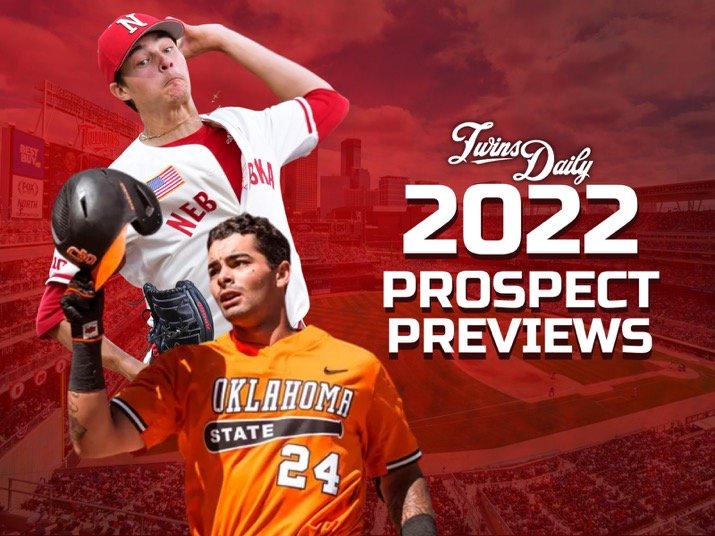 While the MLB lockout continues to stagnate the offseason, minor-league players are preparing to travel to Florida and Arizona to begin preparation for their seasons. In this series, I’ll look at some of the Twins' notable picks from the early rounds of the 2021 draft. I’ll dig into scouting reports and storylines to look for ahead of the 2022 season. Next up, Cade Povich, a left-handed pitcher drafted out of the University of Nebraska. Scouting Grades: Unavailable The Twins selected left-handed pitcher Cade Povich with their third-round pick in the 2021 draft (98th overall) out of the University of Nebraska. Povich signed for a $500,000 bonus, slightly shy of the $593,000 slot value. Povich was not ranked in the MLB.com pre-draft process and was ranked #276 by Baseball America. One note on pre-draft rankings as several readers have alluded to them in the comments on previous entries in this series: outside of elite talents, don’t put too much stock in pre-draft rankings. Thirty of the recently released top 100 prospects at Baseball America were not drafted, at all, so take the pre-draft rankings for what they are worth. Povich was the second of two college left-handed pitchers selected by the Twins in the early rounds (behind Steven Hajjar in the second round). Povich, similarly to Hajjar, has a solid floor with which to become an MLB starting pitcher and adds another left-handed starting pitching prospect to a system bereft of them until the 2021 draft. Povich is 6’3 and 185 pounds had plenty of success in his time at Nebraska. He managed a 2.82 ERA in his final season, walking 19 and striking out 79 in 73 1/3 innings. Povich’s fastball operated between 89-93 mph in 2021, with questions about the consistency of its velocity similar to those posed by Hajjar’s in his final season at Michigan. Adding velocity for Povich should come easily as he fills out. Early reports from his time with the Twins suggest his fastball was already sitting in the 93-95 mph range. Early Success Povich impressed in his 2021 professional debut. He started three games and pitched in four between rookie ball and low A Fort Myers. When he moved to the Mighty Mussels he was particularly impressive, striking out 16 batters in eight innings of work as a starter and surrendering just a lone earned run. Povich’s impressive debut and added velocity led Baseball America to suggest he could move most quickly through the Twins system if he gets off to a fast start in 2022. In terms of his arsenal, Povich has used up to a five-pitch mix before, including a four-seamer, cutter, changeup, curveball, and slider. Povich’s curveball is his best secondary pitch and has an impressive 12-6 spin. When speaking with Twins Daily’s Seth Stohs, Povich mentioned he modeled his curveball after Clayton Kershaw's. Povich also boasts strong command and the ability to throw strikes, which, in combination with increased velocity will be important as his fastball doesn’t carry a ton of spin. In an additional sneaky skill, Povich has an excellent pickoff move, nabbing six batters in the 2021 college baseball season Likely to Start At: Fort Myers Mighty Mussels (A) (with the ability to move quickly to Cedar Rapids A+). Conclusion Povich has a similar profile to Hajjar. He is a high-floor left-handed starting pitcher whose growing frame and increased velocity should allow him to move quickie through the Twins system. If Povich rises to meet his ceiling, he profiles as a middle rotation starter. Who is the most intriguing of the four draft picks discussed so far? What are your thoughts on Cade Povich ahead of the 2022 season? Previous Prospect Previews Twins Prospect Preview: Chase Petty Twins Prospect Preview: Noah Miller Twins Prospect Preview: Steven Hajjar
 -
2022 Prospect Previews: Steven Hajjar
Jamie Cameron replied to Jamie Cameron's topic in Twins Minor League Talk
Good questions. The weight is from pre-draft reporting so while I cant speak precisely to what it is, if I had to guess I'd say 240 is more accurate. I'd also add that the timing of this series is a little challenging. A lot of outlets have released top overall prospect list (top 100s) without having released team specific lists yet, so weights and heights may change, in addition to scouting grades. The overall grade isn't usually just an average/sum/composite of the input grades (if that makes sense). I think when thinking about, the question which helps me consume it is 'what is the most likely outcome for a pitcher or hitter with these inputs'. I'd add that the scouting grades were also pre-draft, so those will need to be updated. Fastball, for example, would be 55 if he's hitting 97 mph with control.- 14 replies
-
- 1
-
-
- steven hajjar
- chase petty
- (and 2 more)
-
2022 Prospect Previews: Steven Hajjar
Jamie Cameron replied to Jamie Cameron's topic in Twins Minor League Talk
Great point and I agree. I think the Twins know they have the skill of adding velocity in the bank so secondaries are important to them. Appreciate you reading and taking the time to comment! -
In a new series at Twins Daily, JD Cameron looks at some of the Twins' early draft picks from 2021, what attracted the Twins to them, and storylines to watch for in 2022. Next up, number 61 overall pick, Steven Hajjar. While the MLB lockout continues to stagnate the offseason, minor-league players are preparing to travel to Florida and Arizona to begin preparation for their seasons. In this series, I’ll look at some of the Twins' notable picks from the early rounds of the 2021 draft. I’ll dig into scouting reports and storylines to look for ahead of the 2022 season. Next up, Steven Hajjar, a left-handed pitcher drafted out of the University of Michigan. Scouting Grades: Fastball: 50 | Curveball: 50 | Changeup: 60 | Control: 50 | Overall: 45 (grades courtesy of MLB.com) Signing and Scouting The Twins selected left-handed pitcher Steven Hajjar with their second-round pick in the 2021 draft (61st overall) out of the University of Michigan. Hajjar signed for the exact slot-bonus of $1.13 million. Coming into the draft, Hajjar was ranked as the #60 overall prospect by Baseball America and #100 overall by MLB.com. Hajjar was the first of two college left-handed pitchers selected by the Twins in the early rounds (ahead of Cade Povich in the third round). Hajjar, in line with other early picks outside the Twins first, has a strong all-around skill set and provides a solid floor as a prospect for the organization, who are continuing to add and develop a stable of pitching talent. It’s notable that Hajjar and Povich are the only left-handed starting pitchers who would feature in most evaluators' top Twins prospects lists. At 6’5 and 215 pounds. the 21-year-old southpaw has a prototypical starting-pitcher's body, while still being a little on the lanky side. Interestingly, Hajjar had a significant draft pedigree from his high-school career, when his fastball was already in the low 90s and he had more projectability. Despite not being able to establish his previous velocity (mid-90s fastball) in his final year at Michigan, he had an excellent season. Hajjar put together a 3.09 ERA over 81 innings, striking out 110 and walking 29 batters. In terms of his arsenal, Hajjar has a four-pitch mix led by a fastball that sits around 91 mph. Knowing the tendencies of the Twins, it's likely they feel they can re-up Hajjar’s fastball velocity to the 93-95 mph range, which would be of significant impact. Indeed, reports from Twins instructs in Florida has Hajjar’s fastball clocked at 97 mph when working with the organization coaching staff after he was drafted. If this increase sticks, it will alter Hajjar’s ceiling and possibly his trajectory as a prospect. Hajjar’s fastball does not have a lot of spin but good vertical movement. One would imagine the organization will encourage the establishment of his fastball up in the strike zone when he makes his professional debut. Hajjar has an excellent changeup that sits in the low 80s and falls away late in its plane. He has a slow 12-6 curveball and a slider he used more intermittently. It’s possible the Twins encourage him to ditch one of his breaking pitches in favor of refining the other, particularly given the quality of his changeup. Likely to Start At: Fort Myers Mighty Mussels (A) (with the ability to move quickly to Cedar Rapids (A+) Hajjar has a strong floor as a rare left-handed starting pitcher in the Twins organization due to his size, excellent college career, and already well-developed pitching arsenal. Ultimately, his end-game will probably depend on the consistency with which he can increase his velocity as he develops, with the ceiling of a mid-rotation starter. Who is the most intriguing of the three draft picks discussed so far? What are your thoughts on Steven Hajjar ahead of his professional debut with the Twins? Previous Prospect Previews Twins Prospect Preview: Chase Petty Twins Prospect Preview: Noah Miller View full article
- 14 replies
-
- 1
-
-
- steven hajjar
- chase petty
- (and 2 more)
-
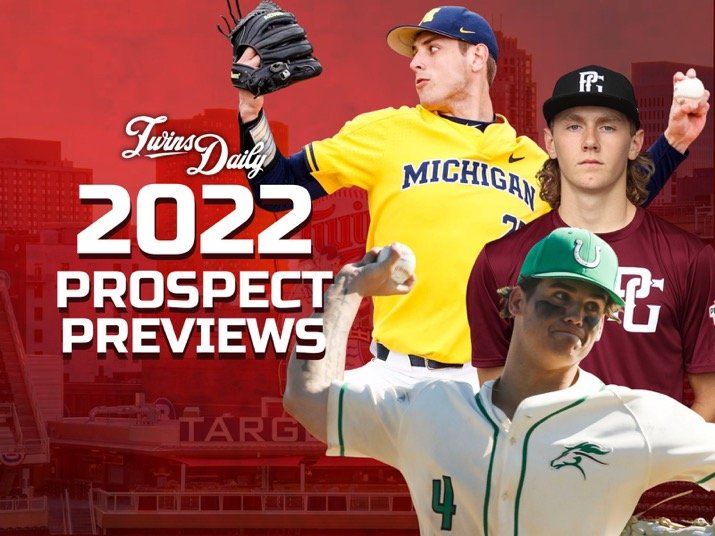 While the MLB lockout continues to stagnate the offseason, minor-league players are preparing to travel to Florida and Arizona to begin preparation for their seasons. In this series, I’ll look at some of the Twins' notable picks from the early rounds of the 2021 draft. I’ll dig into scouting reports and storylines to look for ahead of the 2022 season. Next up, Steven Hajjar, a left-handed pitcher drafted out of the University of Michigan. Scouting Grades: Fastball: 50 | Curveball: 50 | Changeup: 60 | Control: 50 | Overall: 45 (grades courtesy of MLB.com) Signing and Scouting The Twins selected left-handed pitcher Steven Hajjar with their second-round pick in the 2021 draft (61st overall) out of the University of Michigan. Hajjar signed for the exact slot-bonus of $1.13 million. Coming into the draft, Hajjar was ranked as the #60 overall prospect by Baseball America and #100 overall by MLB.com. Hajjar was the first of two college left-handed pitchers selected by the Twins in the early rounds (ahead of Cade Povich in the third round). Hajjar, in line with other early picks outside the Twins first, has a strong all-around skill set and provides a solid floor as a prospect for the organization, who are continuing to add and develop a stable of pitching talent. It’s notable that Hajjar and Povich are the only left-handed starting pitchers who would feature in most evaluators' top Twins prospects lists. At 6’5 and 215 pounds. the 21-year-old southpaw has a prototypical starting-pitcher's body, while still being a little on the lanky side. Interestingly, Hajjar had a significant draft pedigree from his high-school career, when his fastball was already in the low 90s and he had more projectability. Despite not being able to establish his previous velocity (mid-90s fastball) in his final year at Michigan, he had an excellent season. Hajjar put together a 3.09 ERA over 81 innings, striking out 110 and walking 29 batters. In terms of his arsenal, Hajjar has a four-pitch mix led by a fastball that sits around 91 mph. Knowing the tendencies of the Twins, it's likely they feel they can re-up Hajjar’s fastball velocity to the 93-95 mph range, which would be of significant impact. Indeed, reports from Twins instructs in Florida has Hajjar’s fastball clocked at 97 mph when working with the organization coaching staff after he was drafted. If this increase sticks, it will alter Hajjar’s ceiling and possibly his trajectory as a prospect. Hajjar’s fastball does not have a lot of spin but good vertical movement. One would imagine the organization will encourage the establishment of his fastball up in the strike zone when he makes his professional debut. Hajjar has an excellent changeup that sits in the low 80s and falls away late in its plane. He has a slow 12-6 curveball and a slider he used more intermittently. It’s possible the Twins encourage him to ditch one of his breaking pitches in favor of refining the other, particularly given the quality of his changeup. Likely to Start At: Fort Myers Mighty Mussels (A) (with the ability to move quickly to Cedar Rapids (A+) Hajjar has a strong floor as a rare left-handed starting pitcher in the Twins organization due to his size, excellent college career, and already well-developed pitching arsenal. Ultimately, his end-game will probably depend on the consistency with which he can increase his velocity as he develops, with the ceiling of a mid-rotation starter. Who is the most intriguing of the three draft picks discussed so far? What are your thoughts on Steven Hajjar ahead of his professional debut with the Twins? Previous Prospect Previews Twins Prospect Preview: Chase Petty Twins Prospect Preview: Noah Miller
 -
2022 Prospect Previews: Noah Miller
Jamie Cameron replied to Jamie Cameron's topic in Twins Minor League Talk
Agree that he's a relatively safe pick. I think a utility guy is the floor for sure, which isn't a bad outcome for a pick in a comp round. All the scouting reports seems pretty confident he will stick at SS. If he doesn't, both fielding and arm are plus for him.- 12 replies
-
- 3
-
-
- noah miller
- chase petty
- (and 1 more)
-
2022 Prospect Previews: Noah Miller
Jamie Cameron replied to Jamie Cameron's topic in Twins Minor League Talk
I agree I think he'll stick at low A for a good long while. He showed flashes of really strong offensive output in some of his first handful of gains. Also agree that adding a little power will go a long way to increase his upside and value to the org.- 12 replies
-
- 1
-
-
- noah miller
- chase petty
- (and 1 more)
-
2022 Prospect Previews: Noah Miller
Jamie Cameron replied to Jamie Cameron's topic in Twins Minor League Talk
I think the comment about offensive upside is a fair concern. I think it will depend how his power grows, or not, because his hit tool is really solid. RE him being a reach, it's so tough when you are also juggling factors like the overall bonus pool etc. In this case, it's a guy for whom they really relied on in-person looks. I'd also add that he had consistent placing across a few different pre-draft rankings, which is something I look for as a source of confidence when trying to evaluate draft picks. Thanks for reading!- 12 replies
-
- 2
-
-
- noah miller
- chase petty
- (and 1 more)
-
2022 Prospect Previews: Noah Miller
Jamie Cameron replied to Jamie Cameron's topic in Twins Minor League Talk
All indicators seem to point to that. Would massively increase his long-term value if he sticks, too.- 12 replies
-
- 4
-
-
- noah miller
- chase petty
- (and 1 more)
-
In a new series at Twins Daily, JD Cameron looks at some of the Twins early draft picks from 2021, what attracted the Twins to them, and storylines to watch for in 2022. Next up, number 36 overall pick, Noah Miller. While the MLB lockout continues to stagnate the offseason, minor-league players are preparing to travel to Florida and Arizona to begin preparation for their seasons. In this series, I’ll look at some of the Twins' notable picks from the early rounds of the 2021 draft. I’ll dig into scouting reports and storylines to look for ahead of the 2022 season. Next up, Noah Miller, a high school shortstop from Wisconsin. Scouting Grades: Hit: 55 | Power: 45 | Run: 50 | Arm: 55 | Field: 55 | Overall: 45 (grades courtesy of MLB.com) Signing and Scouting The Twins selected switch-hitting shortstop Noah Miller with their supplemental first-round pick in the 2021 draft (36th overall) out of Ozaukee High School in Fredonia, WI. He signed for a $1.7 million bonus, convincing him to renege on his commitment to Alabama. Miller was ranked as the #74 overall prospect by Baseball America and #62 overall by MLB.com. Miller is the second high school shortstop the Twins have drafted in the first round in recent seasons, following helium prospect Keoni Cavaco, selected at #13 overall in the 2019 draft. The younger brother of Cleveland Guardians’ infielder Owen Miller, who made his MLB debut in 2021, Noah has a solid floor, due to a strong all-around game. At 6’0 and 180 pounds, Miller is an excellent athlete and infielder. Baseball America described his defense as ‘elite’ heading into the 2021 draft. Miller joins an increasing wealth of high school baseball talent from Wisconsin that has produced players like Gavin Lux, Jared Kelenic, and Twins catcher Ben Rortvedt in recent seasons. Offensively, Miller has a line-drive swing and shows the ability to hit the ball the other way, though with little power currently. He has an effective approach at the plate and good control of the strike zone (drawing nine walks in his first 84 professionals at-bats). Miller is an above-average runner with an above-average arm, which evaluators believe will give him the ability to play shortstop at the major-league level. While Miller doesn’t have one stand-out tool or skill-set, his strong all-around game makes him a lower variance prospect than Chase Petty. His first full season against professional pitching will be telling and a good indicator of whether Miller’s ceiling is every day starting shortstop, or more of a utility role. Quiet Excellence Miller is a prospect who won’t receive much fanfare initially, despite having MLB bloodlines. The absence of a loud tool from his arsenal and the likelihood he will move relatively slowly through the Twins minor league system will see to that. He is, however, not a prospect to sleep on. His overall athleticism was highlighted by Seth Stohs in his excellent piece this summer on the Miller family. Noah Miller finished his high school basketball career by casually breaking the all-time point scoring record. Miller benefited from being in close geographical proximity to the Twins, across the border in Wisconsin. With the 2021 draft delayed, the Twins scouting and development personnel had opportunities to get additional looks at Miller. On draft day, the Twins were attracted to several elements of Miller’s profile; his effortless defense (his favorite player is Brandon Crawford), infield clock, and a smooth compact swing from both sides of the plate. The Twins feel like he has the ability to add power to his swing as he grows and fills out. Ultimately, they believe they took a prospect beyond his years in Noah Miller. Likely to Start At: Fort Myers Mighty Mussels (A) Miller has a higher floor than most high school shortstop products. He has the defensive instincts to stick at the big-league level. How he handles his first full season of professional pitching will go a long way to determining if he can reach his ceiling as an everyday MLB shortstop. Twins Prospect Preview: Chase Petty View full article
- 12 replies
-
- 2
-
-
- noah miller
- chase petty
- (and 1 more)
-
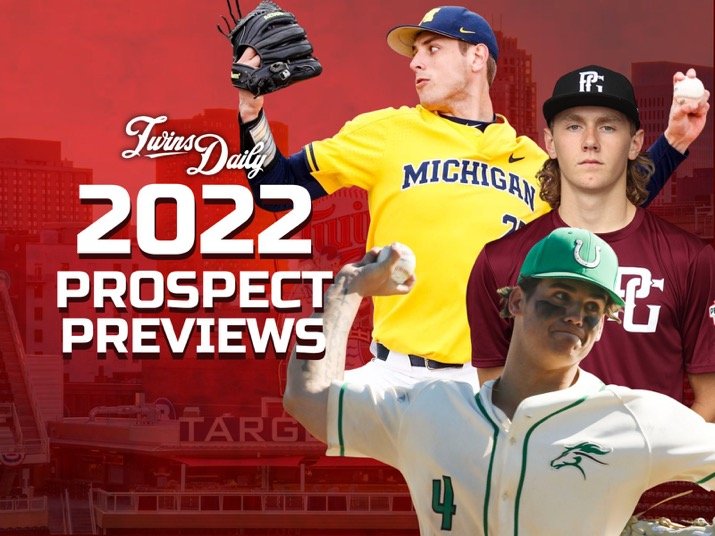 While the MLB lockout continues to stagnate the offseason, minor-league players are preparing to travel to Florida and Arizona to begin preparation for their seasons. In this series, I’ll look at some of the Twins' notable picks from the early rounds of the 2021 draft. I’ll dig into scouting reports and storylines to look for ahead of the 2022 season. Next up, Noah Miller, a high school shortstop from Wisconsin. Scouting Grades: Hit: 55 | Power: 45 | Run: 50 | Arm: 55 | Field: 55 | Overall: 45 (grades courtesy of MLB.com) Signing and Scouting The Twins selected switch-hitting shortstop Noah Miller with their supplemental first-round pick in the 2021 draft (36th overall) out of Ozaukee High School in Fredonia, WI. He signed for a $1.7 million bonus, convincing him to renege on his commitment to Alabama. Miller was ranked as the #74 overall prospect by Baseball America and #62 overall by MLB.com. Miller is the second high school shortstop the Twins have drafted in the first round in recent seasons, following helium prospect Keoni Cavaco, selected at #13 overall in the 2019 draft. The younger brother of Cleveland Guardians’ infielder Owen Miller, who made his MLB debut in 2021, Noah has a solid floor, due to a strong all-around game. At 6’0 and 180 pounds, Miller is an excellent athlete and infielder. Baseball America described his defense as ‘elite’ heading into the 2021 draft. Miller joins an increasing wealth of high school baseball talent from Wisconsin that has produced players like Gavin Lux, Jared Kelenic, and Twins catcher Ben Rortvedt in recent seasons. Offensively, Miller has a line-drive swing and shows the ability to hit the ball the other way, though with little power currently. He has an effective approach at the plate and good control of the strike zone (drawing nine walks in his first 84 professionals at-bats). Miller is an above-average runner with an above-average arm, which evaluators believe will give him the ability to play shortstop at the major-league level. While Miller doesn’t have one stand-out tool or skill-set, his strong all-around game makes him a lower variance prospect than Chase Petty. His first full season against professional pitching will be telling and a good indicator of whether Miller’s ceiling is every day starting shortstop, or more of a utility role. Quiet Excellence Miller is a prospect who won’t receive much fanfare initially, despite having MLB bloodlines. The absence of a loud tool from his arsenal and the likelihood he will move relatively slowly through the Twins minor league system will see to that. He is, however, not a prospect to sleep on. His overall athleticism was highlighted by Seth Stohs in his excellent piece this summer on the Miller family. Noah Miller finished his high school basketball career by casually breaking the all-time point scoring record. Miller benefited from being in close geographical proximity to the Twins, across the border in Wisconsin. With the 2021 draft delayed, the Twins scouting and development personnel had opportunities to get additional looks at Miller. On draft day, the Twins were attracted to several elements of Miller’s profile; his effortless defense (his favorite player is Brandon Crawford), infield clock, and a smooth compact swing from both sides of the plate. The Twins feel like he has the ability to add power to his swing as he grows and fills out. Ultimately, they believe they took a prospect beyond his years in Noah Miller. Likely to Start At: Fort Myers Mighty Mussels (A) Miller has a higher floor than most high school shortstop products. He has the defensive instincts to stick at the big-league level. How he handles his first full season of professional pitching will go a long way to determining if he can reach his ceiling as an everyday MLB shortstop. Twins Prospect Preview: Chase Petty
- 12 comments
-
- 3
-
-
- noah miller
- chase petty
- (and 1 more)
-
2022 Prospect Previews: Chase Petty
Jamie Cameron replied to Jamie Cameron's topic in Twins Minor League Talk
He's incredibly charismatic, I agree. Thanks for that feedback. I will add it in moving forwards. In Petty's case: 6'1, 190lbs at the time of drafting I believe. I would guess thise could have changed slightly as he's so young still. -
2022 Prospect Previews: Chase Petty
Jamie Cameron replied to Jamie Cameron's topic in Twins Minor League Talk
The reason Greene was so high is he came out as a two-way prospect. In addition to his 100+ fastball he was a SS with a loud power tool, so I think that's the difference. Also, perhaps a bit more of a sustainable delivery coming into his draft. -
2022 Prospect Previews: Chase Petty
Jamie Cameron replied to Jamie Cameron's topic in Twins Minor League Talk
Sounds like a great approach to me! -
2022 Prospect Previews: Chase Petty
Jamie Cameron replied to Jamie Cameron's topic in Twins Minor League Talk
Lot's of good points. Two things I'll say in response: 1) Some of the reading I did was around mechanical control and a tendency to 'yank' his fastball, so that will be something to monitor. It'll play against anyone with that velo, but you're also right, he'll have to be able to spot in quickly. 2) I'm really interested to see how he moves/how the Twins move him. Prep RHP as a 'player type' tend to move through minor league levels incredibly slowly, the Twins have also shown more aggression in their placements/moving prospects in recent seasons, so not sure how that'll get reconciled. -
2022 Prospect Previews: Chase Petty
Jamie Cameron replied to Jamie Cameron's topic in Twins Minor League Talk
Agree, Mike, that avoiding injuries will be key. Despite that for Greene and the slow movement associated with a prep RHP, he's now the #35 prospect in baseball. He'll see the majors this year. -
2022 Prospect Previews: Chase Petty
Jamie Cameron replied to Jamie Cameron's topic in Twins Minor League Talk
Agree with everything you said. It's really unusual for a prep RHP to move fast AND last at the major league level, but the stuff is definitely there! -
2022 Prospect Previews: Chase Petty
Jamie Cameron replied to Jamie Cameron's topic in Twins Minor League Talk
My guess would be closer to 2025, but you never know! Thanks for reading! -
In a new series at Twins Daily, JD Cameron looks at some of the Twins early draft-picks from 2021, what attracted the Twins to them, and storylines to watch for in 2022. First up, number 26 overall pick, Chase Petty. While the MLB lockout continues to stagnate the offseason, minor-league players are preparing to travel to Florida and Arizona to begin preparation for their seasons. In this series, I’ll look at some of the Twins' notable picks from the early rounds of the 2021 draft. I’ll dig into scouting reports and storylines to look for ahead of the 2022 season. In the first piece of the season, we'll look at the Twins first pick in the 2021 draft, RHP Chase Petty. Scouting Grades: Fastball: 70 | Slider: 70 | Changeup: 55 | Control: 50 | Overall: 55 (scouting grades courtesy of Baseball America). Signing and Scouting The Twins selected Chase Petty with their first-round pick in the 2021 draft (26th overall). Petty, out of Mainland Regional HS in New Jersey, signed for a slightly below slot $2.5 million bonus. Petty was ranked the 29th best available prospect by Baseball America and 27th by MLB.com. Despite the consensus around his overall prospect status, he qualifies as an extremely high variance pick due to being a prep pitcher who throws at extreme velocity. The Falvey regime has never drafted a high school pitching prospect in the first round. The Twins, as an organization, haven’t done so since Kohl Stewart in 2013, generally preferring high floor, college power bats. It’s easy to see what drew them to Petty, whose arm talent is elite. Petty was the most famous prep pitcher in his class, thanks to a fastball he can run up to 102 mph and was compared by some evaluators as the best they had seen from a prep-pitcher since Hunter Greene and one of the best in the history of the draft. Petty’s fastball and slider both have 70-grade potential. Petty’s fastball benefits from a ton of arm-side movement. Petty used his changeup infrequently in high school (he didn’t need to) but the Twins believe this can be developed as a plus pitch also. Petty’s upside is incredible, with two caveats. High school prep pitchers are an inherently risky group of players to draft. Some get injured, some don’t live up to their lofty potential. Petty needs to keep his arm slot in the three-quarter range to maintain consistent control of his fastball. What Makes Him Special? So what does all this arm-talent look like close up? Here’s a clip from the summer of 2020, where Petty was already blowing away his competition. Another clip from March of 2021 shows not only the incredible velocity by the arm-side movement generated by his fastball. This tweet from Ben Brewster (a must-follow if you're interested in player mechanics) is a great breakdown of how Petty generates so much velocity and includes a link to a more in-depth YouTube breakdown of why he is a such a special talent. Offseason Additions By all accounts, in addition to having incredible on-field upside, Petty is an incredibly hard worker, charismatic, and has an effervescent personality, as evidenced by his interview shortly after he was drafted by the Twins. Petty has clearly been working hard on his changeup since being drafted by the Twins, as shown by this recently posted video from his training facility in NJ. While Petty will need significant time to develop, the addition of a plus changeup would give him three plus pitches (two at 70-grade) and the type of arsenal capable of being a front-line MLB caliber starting pitcher. Likely to Start At: Fort Myers Mighty Mussels (A) While Petty will need time to develop and carries inherent prospect risk, the talent and stuff are as good as the Twins have ever had in their system. Petty is a starting pitcher to dream on. The next article in the Prospect Preview series will look more closely at Noah Miller, the Twins competitive balance pick at the end of the first round (36 overall). If there's any additional information you would like to see in these 2022 prospect previews, please let me know in the comments. View full article
-
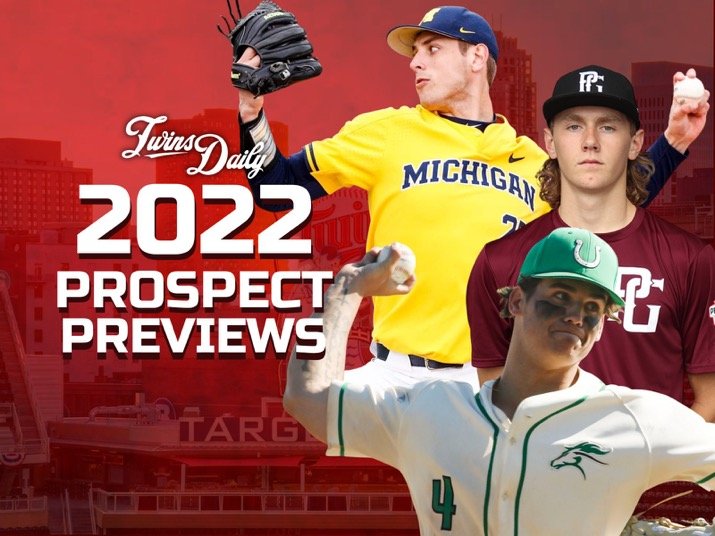 While the MLB lockout continues to stagnate the offseason, minor-league players are preparing to travel to Florida and Arizona to begin preparation for their seasons. In this series, I’ll look at some of the Twins' notable picks from the early rounds of the 2021 draft. I’ll dig into scouting reports and storylines to look for ahead of the 2022 season. In the first piece of the season, we'll look at the Twins first pick in the 2021 draft, RHP Chase Petty. Scouting Grades: Fastball: 70 | Slider: 70 | Changeup: 55 | Control: 50 | Overall: 55 (scouting grades courtesy of Baseball America). Signing and Scouting The Twins selected Chase Petty with their first-round pick in the 2021 draft (26th overall). Petty, out of Mainland Regional HS in New Jersey, signed for a slightly below slot $2.5 million bonus. Petty was ranked the 29th best available prospect by Baseball America and 27th by MLB.com. Despite the consensus around his overall prospect status, he qualifies as an extremely high variance pick due to being a prep pitcher who throws at extreme velocity. The Falvey regime has never drafted a high school pitching prospect in the first round. The Twins, as an organization, haven’t done so since Kohl Stewart in 2013, generally preferring high floor, college power bats. It’s easy to see what drew them to Petty, whose arm talent is elite. Petty was the most famous prep pitcher in his class, thanks to a fastball he can run up to 102 mph and was compared by some evaluators as the best they had seen from a prep-pitcher since Hunter Greene and one of the best in the history of the draft. Petty’s fastball and slider both have 70-grade potential. Petty’s fastball benefits from a ton of arm-side movement. Petty used his changeup infrequently in high school (he didn’t need to) but the Twins believe this can be developed as a plus pitch also. Petty’s upside is incredible, with two caveats. High school prep pitchers are an inherently risky group of players to draft. Some get injured, some don’t live up to their lofty potential. Petty needs to keep his arm slot in the three-quarter range to maintain consistent control of his fastball. What Makes Him Special? So what does all this arm-talent look like close up? Here’s a clip from the summer of 2020, where Petty was already blowing away his competition. Another clip from March of 2021 shows not only the incredible velocity by the arm-side movement generated by his fastball. This tweet from Ben Brewster (a must-follow if you're interested in player mechanics) is a great breakdown of how Petty generates so much velocity and includes a link to a more in-depth YouTube breakdown of why he is a such a special talent. Offseason Additions By all accounts, in addition to having incredible on-field upside, Petty is an incredibly hard worker, charismatic, and has an effervescent personality, as evidenced by his interview shortly after he was drafted by the Twins. Petty has clearly been working hard on his changeup since being drafted by the Twins, as shown by this recently posted video from his training facility in NJ. While Petty will need significant time to develop, the addition of a plus changeup would give him three plus pitches (two at 70-grade) and the type of arsenal capable of being a front-line MLB caliber starting pitcher. Likely to Start At: Fort Myers Mighty Mussels (A) While Petty will need time to develop and carries inherent prospect risk, the talent and stuff are as good as the Twins have ever had in their system. Petty is a starting pitcher to dream on. The next article in the Prospect Preview series will look more closely at Noah Miller, the Twins competitive balance pick at the end of the first round (36 overall). If there's any additional information you would like to see in these 2022 prospect previews, please let me know in the comments.
 -
 The Twins have a type when it comes to international free agents. The majority of players signed by Minnesota profile as athletic shortstops or centerfielders with quick hands and strong hit tools who need to grow into their bodies to achieve their power potential. Yilber Herrera is the former of these two profiles. The 16-year-old Venezuelan is ranked as the #35 international free agent overall. If you want a professional player comp, MLB Pipeline likens Herrera to a young Jorge Polanco based on his frame and overall athleticism, which could allow him to move quickly through the minor leagues. Yilber Herrera Scouting Report Bats: S | Throws: R | HT: 6’0 | WT: 155 MLB Pipeline Scouting Grades: Hit: 50 | Power: 40 | Run: 50 | Arm: 55 | Field: 50 | Overall: 50 Offensively, Herrera profiles as an effective contact hitter with quick hands and good bat speed. His lagging offensive tool currently is power. While he has shown flashes, he is lanky at 6’0, 155 lbs, and has yet to grow into his body. There is a good chance he develops more power as he grows and fills out. The 16-year-old has shown a strong ability to use the whole field when hitting and while not a burner, is quick and a savvy baserunner. Defensively, he diverges from the Polanco comparison significantly. While Polanco never promised to stick at SS due to a weak arm, Herrera’s athleticism and strong arm indicate he has a stronger chance to stick at shortstop. Herrera trains at the Jaime Ramos Baseball Academy. If he signs with the Twins, he will continue to cement a strong relationship between the Twins and Venezuelan youngsters in the last decade. MORE FROM TWINS DAILY The Minnesota Twins Recent History in International Free Agency International Free Agent Profile: Bryan Acuna
 -
International Player Profile: Yilber Herrera
Jamie Cameron posted a topic in Twins Minor League Talk
The Twins are expected to sign #35 international free agent prospect Yilber Herrera next week. He's been compared to fellow Twin Jorge Polanco. Read about this potential Minnesota Twins Venezuelan addition. The Twins have a type when it comes to international free agents. The majority of players signed by Minnesota profile as athletic shortstops or centerfielders with quick hands and strong hit tools who need to grow into their bodies to achieve their power potential. Yilber Herrera is the former of these two profiles. The 16-year-old Venezuelan is ranked as the #35 international free agent overall. If you want a professional player comp, MLB Pipeline likens Herrera to a young Jorge Polanco based on his frame and overall athleticism, which could allow him to move quickly through the minor leagues. Yilber Herrera Scouting Report Bats: S | Throws: R | HT: 6’0 | WT: 155 MLB Pipeline Scouting Grades: Hit: 50 | Power: 40 | Run: 50 | Arm: 55 | Field: 50 | Overall: 50 Offensively, Herrera profiles as an effective contact hitter with quick hands and good bat speed. His lagging offensive tool currently is power. While he has shown flashes, he is lanky at 6’0, 155 lbs, and has yet to grow into his body. There is a good chance he develops more power as he grows and fills out. The 16-year-old has shown a strong ability to use the whole field when hitting and while not a burner, is quick and a savvy baserunner. Defensively, he diverges from the Polanco comparison significantly. While Polanco never promised to stick at SS due to a weak arm, Herrera’s athleticism and strong arm indicate he has a stronger chance to stick at shortstop. Herrera trains at the Jaime Ramos Baseball Academy. If he signs with the Twins, he will continue to cement a strong relationship between the Twins and Venezuelan youngsters in the last decade. MORE FROM TWINS DAILY The Minnesota Twins Recent History in International Free Agency International Free Agent Profile: Bryan Acuna View full article -
Thank you for reading! Typically players from Asia are posted, and therefore follow a different process as most who come over are established professionals. I like the info and buzz but the system itself i find pretty problematic. It takes advantage of folks who generally, are much less financially viable the amateur prospects in the USA. A ton of these guys SHOULD be getting way bigger bonuses than they do imo.
