Jamie Cameron
-
Posts
1,341 -
Joined
-
Last visited
-
Days Won
4
Content Type
Profiles
News
Minnesota Twins Videos
2026 Minnesota Twins Top Prospects Ranking
2022 Minnesota Twins Draft Picks
Minnesota Twins Free Agent & Trade Rumors, Notes, & Tidbits
Guides & Resources
2023 Minnesota Twins Draft Picks
The Minnesota Twins Players Project
2024 Minnesota Twins Draft Picks
2025 Minnesota Twins Draft Pick Tracker
2026 Minnesota Twins Draft Tracker: Picks & Bonuses
Forums
Blogs
Events
Store
Downloads
Gallery
Everything posted by Jamie Cameron
-
Guardians 6, Twins 5: Twins Drop Winnable Opener to Guardians
Jamie Cameron posted an article in Twins
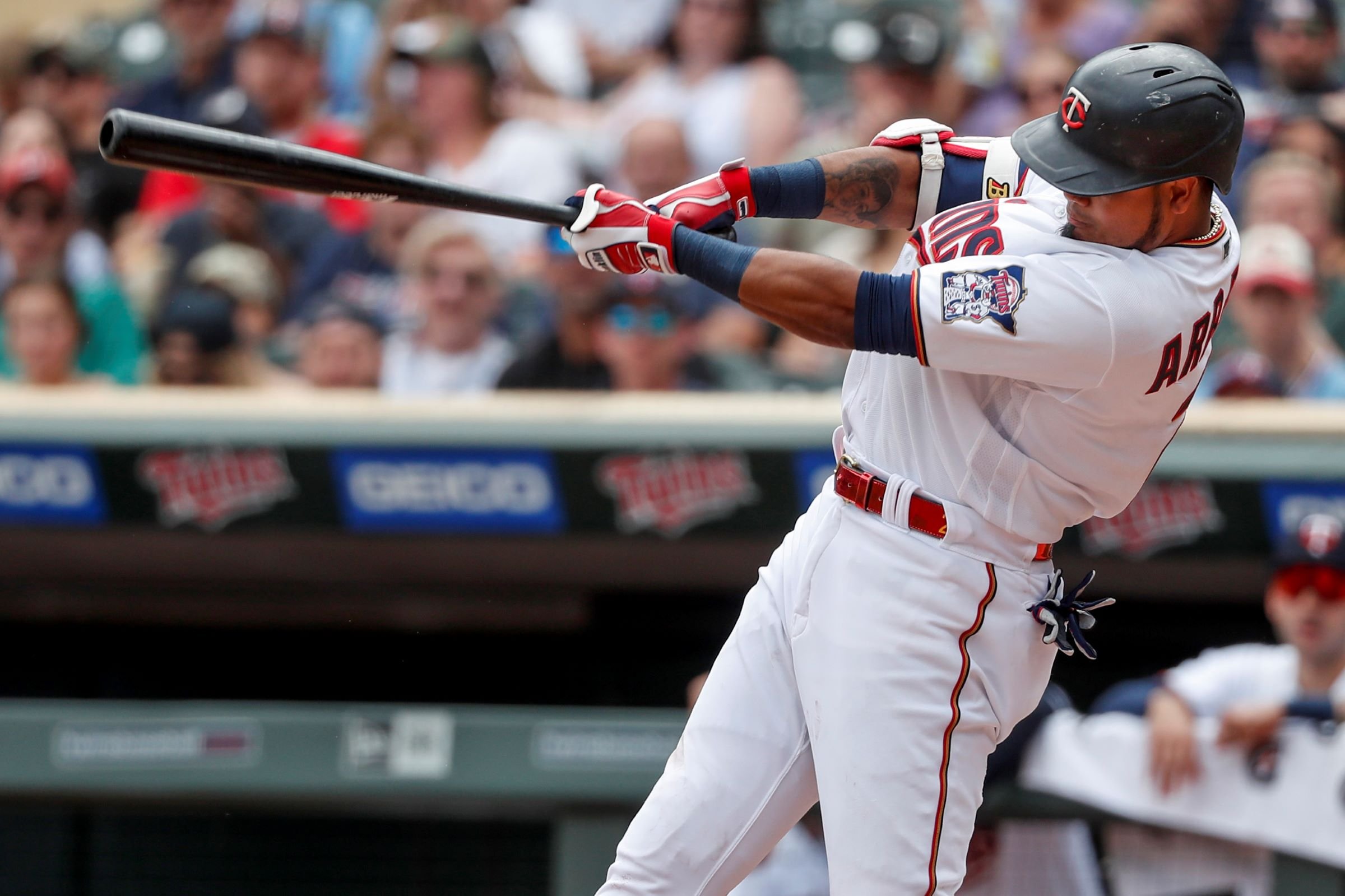 Box Score Starting Pitcher: Ryan 6.0 IP, 7 H, 3 R, 3 ER, 1 BB, 7 SO (101 pitches, 70 strikes) Homeruns: Arraez (4) Bottom 3 WPA: Urshela -.273, Pagan -.269, Miranda -.233 Bottom Probability Chart (via FanGraphs) On Tuesday night, the Twins began their most important series of the season so far. Entering the opening game of athree-gamee series against Cleveland, the Guardians had trimmed Minnesota’s AL Central lead to just one game. Here’s how the Twins lined up behind Joe Ryan. In his second start back from the COVID IL, Joe Ryan struggled early. His velocity was down, and his control and command were extremely poor through his first three innings. Cleveland took the lead after Ryan surrendered two singles and a double in the top of the first inning. Meanwhile, the Twins struggled mightily early against Aaron Civale. They managed just a Carlos Correa double and an Alex Kirilloff single through three innings, with Civale striking out five. A massive Josh Naylor home run deep to right field put the Guardians up 3-0 in the top of the third in a game that seemed to be getting away from the Twins early. In the bottom of the fourth, the offense found life. Max Kepler singled and Gary Sanchez walked, before Kirilloff launched a 106 mph double to score both runners and cut the lead to 3-2. Meanwhile, Ryan began to settle in the middle innings. He allowed a walk and a single in the top of the fourth inning, before retiring seven Cleveland hitters in a row, striking out the side in the sixth inning. After a shaky start, Ryan rebounded nicely to keep the Twins in the game, giving them six innings and surpassing 100 pitches in the process. In the bottom of the sixth inning, the Cleveland bullpen took over. After a quiet sixth inning, pinch-hitter Trevor Larnach drew a walk with one out in the top of the seventh. Eli Morgan took over in relief for Cleveland. Ryan Jeffers crushed a 102 mph double down the left field line. A batter later, Luis Arraez turned on a fastball inside to hit a 359 foot, three run home run to put the Twins ahead five to three. Emilio Pagan took over in the eighth inning. After a Josh Naylor single, Franmil Reyes hit a center cut offering from Pagan 419 feet to tie the game at five. The Twins, it seems, will continue the revolving door of who will get high leverage opportunities behind Jhoan Duran. No one has stepped up with consistency. Duran pitched a scoreless ninth inning despite an infield single from Steven Kwan on a groundball Gio Urshela struggled to gain control of. In the bottom of the ninth, Kyle Garlick led off with a pinch-hit, infield single. Nick Gordon pinch ran for him and was thrown out on a close play at second base, bringing him to 3 for 6 in stolen base attempts on the season. Despite a Ryan Jeffers single, the game headed to extra innings after a Luis Arraez groundout. Duran got the tenth for the Twins. With a runner on second base, he induced a quick groundout from Jose Ramirez. After intentionally walking Josh Naylor, Duran managed to get Oscar Gonzalez to ground into an inning ending double play to end the inning and give the Twins a chance to walk it off in the bottom of the tenth inning. In the bottom of the tenth, Luis Arraez started on second base, with Byron Buxton at the plate. Buxton walked, putting runners at first and second base with no outs. Carlos Correa, Max Kepler, and Gary Sanchez struck out in consecutive at bats, stranding the runner, keeping the game tied at five, and dropping the Twins at 2-10 with RISP in the game. The Guardians took the lead in the eleventh. Andres Gimenez floating a 71 mph single to center field off Griffin Jax to retake the lead. Jax worked around further trouble to retire the side, leaving the Twins trailing 6-5, with Emmanuel Clase entering the game to close in the bottom of the eleventh inning. Clase managed the inning with relative ease, despite Jose Miranda missing a walkoff homerun by five feet. Just like that, the Twins are in second place. The loss leaves the Twins and Guardians tied at the top of the AL Central. The story was a familiar one for the Twins. They had ample opportunities to score more runs, but struggled to cash runners in scoring position. Ultimately, this game came down to a battle of the bullpens. The Twins aren't going to win too many of those against serious teams. Bullpen Usage Chart THU FRI SAT SUN TUE TOT Jax 0 0 0 16 27 43 Duffey 0 9 0 25 0 34 Thornburg 0 33 0 0 0 33 Thielbar 0 0 0 31 0 31 Duran 0 0 0 0 27 27 Cotton 0 0 10 0 11 21 Pagán 0 0 0 0 17 17 Smith 0 0 0 0 0 0 Next Up On Wednesday, the Twins will continue their series against Cleveland. Sonny Gray starts for Minnesota, against Triston McKenzie of the Guardians. First pitch is 6:40 CT. Postgame Interviews
- 91 comments
-
- 3
-

-
- joe ryan
- luis arraez
- (and 3 more)
-
Agree with both of those. Moran I dont think is ever going to get walks under control, it's part of his game all the way through MiLB. Canterino, if he can stay healthy and get his control a little better, should be in the pen late this season.
-
Yeah, I hear you. I think the thing i find puzzling is the Twins show a clear tendency to not let lower caliber SP go through the order a third time. I'm fine with that, but, in order to maximize that approach, the bullpen needs to be great. I agree that Gray and Ryan can both win postseason games, I just currently don't see a third guy that can and I think you want that for the third game of a five game series OR if one of Gray or Ryan implodes.
- 42 replies
-
- 1
-
-
- tyler duffey
- jhoan duran
- (and 3 more)
-
Thanks for reading. I think how the FO plays the deadline will be a reflection of how serious they are about making an October run. If they acquire a playoff caliber SP and two strong bullpen additions, they have a much better shot at winning and October series imo. I want them to be more aggressive than they have at the deadline previously.
- 42 replies
-
- 5
-
-
- tyler duffey
- jhoan duran
- (and 3 more)
-
The Twins have led the AL Central all season. They are in pole position to secure a playoff spot. This begs the question; is the roster set up for postseason success? Save your comments about the Twins inexorable run of postseason trauma. Everyone knows about the streak. I’m not here to talk about the streak. What I’m interested in is, are this season’s Minnesota Twins set up favorably (from a roster construction standpoint) to make a run in October? I think the answer is no. Here’s three reasons why. A Lack of High Leverage Relief Arms Watching the Yankees come back to win the final game of their series with the Twins was painfully familiar. The Yankees slowly eroded a 7-3 Twins lead, behind an incredible effort from their bullpen. While the Yankees are an extreme comparison (they have the best bullpen in baseball), they are relevant for a few reasons. One, they are the type of team you are going to have to beat to make a meaningful October run. Two, think about how October games are won. Short starts, lots of relief innings. I know I’m not the only Twins fan who wonders, after a solid four innings from Chris Archer, how Rocco Baldelli will navigate the bullpen gauntlet with the limited weapons he has at his disposal. Here are a few of the Yankees best relievers by FIP: Banuelos 1.57, Holmes 1.65, King 1.91, Peralta 2.78. Let’s go through a similar exercise for the Twins: Jhoan Duran 2.96, Caleb Thielbar 3.05, Griffin Jax 3.27, Smith 4.52. While the Twins bullpen has generally been successful, they are not set up for October success. They lack enough high-leverage arms, and overall quality depth. This must be addressed ahead of the trade deadline if the Twins are serious about winning in October. Not Enough High-Caliber Starting Pitching While watching the Twins repeatedly hit the ball hard on Tuesday against Logan Gilbert in a game where the offense put up a higher xBA (.244) than the Mariners (.241), I asked myself if the Twins have a starting pitcher better than Gilbert? You can make a case that Sonny Gray and Joe Ryan are better, ultimately, they’re a similar caliber of starter to Gilbert. Outside of Gray and Ryan, there is no one on the Twins roster I would feel confident in going into an October matchup. Simply put, if the Twins are serious about winning in the playoffs, not just making them, they need to add another starting pitcher who can compete effectively in a playoff game. A Feast or Famine Offense I’ll end with the most modest concern. After losing to the Mariners on Tuesday night, the Twins has been shut out 9 times, most in MLB. While the offense is top ten in most major offensive categories (5th in wRC+, 7th in wOBA), they also have more peaks and valleys than other offenses. After recording 72 hits in 6 games against the likes of Gerrit Cole, Kevin Gausman, and Nestor Cortes, they proceeded to score 3 runs in their next 27 innings, against the Rays bullpen, Chris Flexen, and Logan Gilbert. While the offense is the strength of the team, the caliber of pitching, particularly relief pitching, will make putting up crooked numbers in October difficult. Put simply, this Twins team is a jack of all-trades, and a master of none. Their offense is good, not exceptional. Sonny Gray and Joe Ryan are the only starting pitchers who have any business starting a playoff game. There are few to no trusted high leverage relief arms outside Jhoan Duran. If the Twins are to subvert the incredibly tiresome postseason narrative, the front office will have to do something they have yet to do with regards to roster construction; go all in. View full article
-
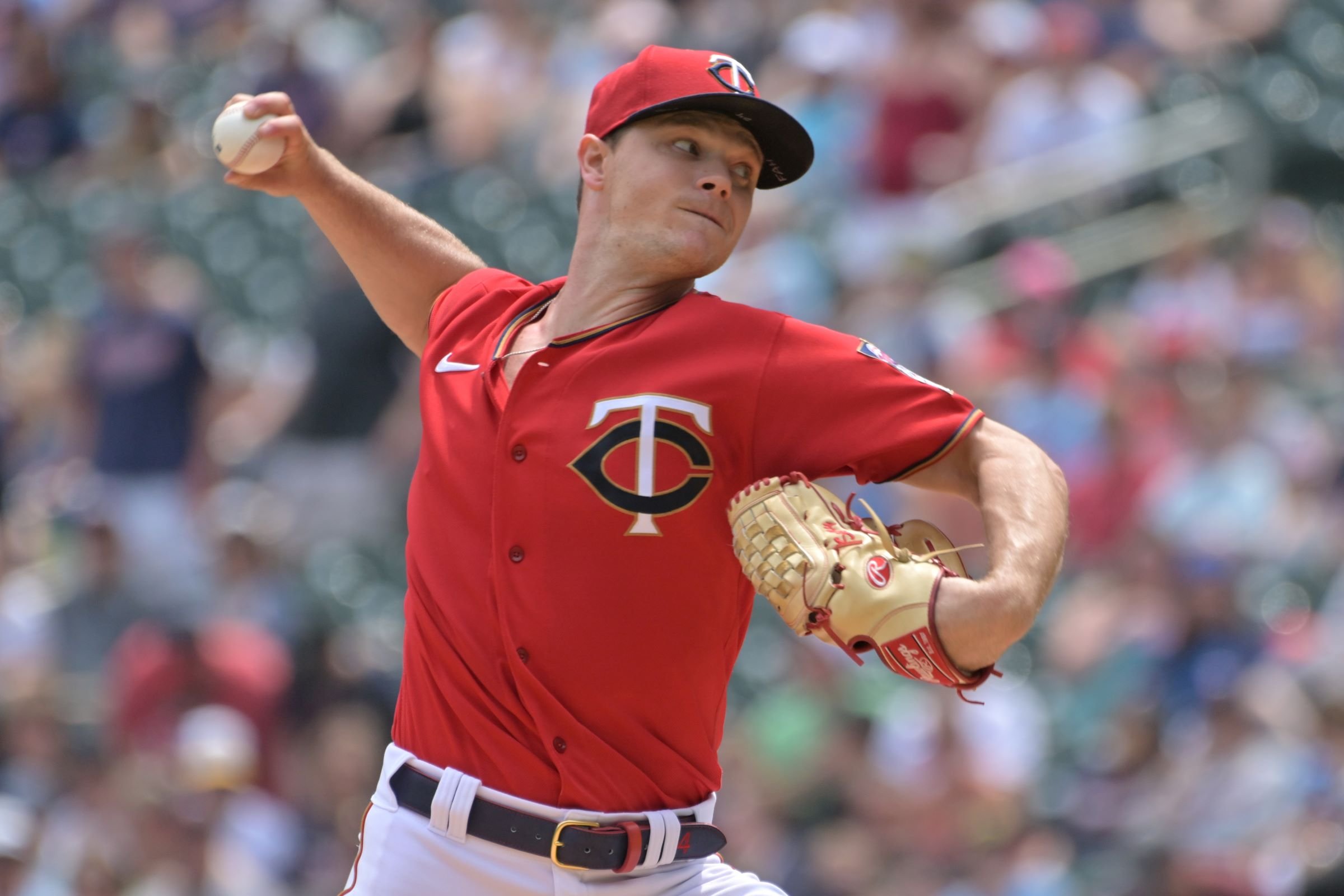 Save your comments about the Twins inexorable run of postseason trauma. Everyone knows about the streak. I’m not here to talk about the streak. What I’m interested in is, are this season’s Minnesota Twins set up favorably (from a roster construction standpoint) to make a run in October? I think the answer is no. Here’s three reasons why. A Lack of High Leverage Relief Arms Watching the Yankees come back to win the final game of their series with the Twins was painfully familiar. The Yankees slowly eroded a 7-3 Twins lead, behind an incredible effort from their bullpen. While the Yankees are an extreme comparison (they have the best bullpen in baseball), they are relevant for a few reasons. One, they are the type of team you are going to have to beat to make a meaningful October run. Two, think about how October games are won. Short starts, lots of relief innings. I know I’m not the only Twins fan who wonders, after a solid four innings from Chris Archer, how Rocco Baldelli will navigate the bullpen gauntlet with the limited weapons he has at his disposal. Here are a few of the Yankees best relievers by FIP: Banuelos 1.57, Holmes 1.65, King 1.91, Peralta 2.78. Let’s go through a similar exercise for the Twins: Jhoan Duran 2.96, Caleb Thielbar 3.05, Griffin Jax 3.27, Smith 4.52. While the Twins bullpen has generally been successful, they are not set up for October success. They lack enough high-leverage arms, and overall quality depth. This must be addressed ahead of the trade deadline if the Twins are serious about winning in October. Not Enough High-Caliber Starting Pitching While watching the Twins repeatedly hit the ball hard on Tuesday against Logan Gilbert in a game where the offense put up a higher xBA (.244) than the Mariners (.241), I asked myself if the Twins have a starting pitcher better than Gilbert? You can make a case that Sonny Gray and Joe Ryan are better, ultimately, they’re a similar caliber of starter to Gilbert. Outside of Gray and Ryan, there is no one on the Twins roster I would feel confident in going into an October matchup. Simply put, if the Twins are serious about winning in the playoffs, not just making them, they need to add another starting pitcher who can compete effectively in a playoff game. A Feast or Famine Offense I’ll end with the most modest concern. After losing to the Mariners on Tuesday night, the Twins has been shut out 9 times, most in MLB. While the offense is top ten in most major offensive categories (5th in wRC+, 7th in wOBA), they also have more peaks and valleys than other offenses. After recording 72 hits in 6 games against the likes of Gerrit Cole, Kevin Gausman, and Nestor Cortes, they proceeded to score 3 runs in their next 27 innings, against the Rays bullpen, Chris Flexen, and Logan Gilbert. While the offense is the strength of the team, the caliber of pitching, particularly relief pitching, will make putting up crooked numbers in October difficult. Put simply, this Twins team is a jack of all-trades, and a master of none. Their offense is good, not exceptional. Sonny Gray and Joe Ryan are the only starting pitchers who have any business starting a playoff game. There are few to no trusted high leverage relief arms outside Jhoan Duran. If the Twins are to subvert the incredibly tiresome postseason narrative, the front office will have to do something they have yet to do with regards to roster construction; go all in.
- 42 comments
-
- 13
-
-
- tyler duffey
- jhoan duran
- (and 3 more)
-
Arraez is day to day, don't think it's anything major. Shoulder tightness I believe.
- 85 replies
-
- 4
-
-
- cole sands
- jorge polanco
- (and 3 more)
-
The Yankees beat the Twins 10-4 on Tuesday. The Twins kept an enthralling game close, until the Yankees teed off on Tyler Duffey in the seventh inning, securing the first game of the series. Box Score Starting Pitcher: Cole Sands 3.2 IP, 8 H, 4 R, 4 ER, 2 BB, 3 SO Homeruns: Jorge Polanco (7) Bottom 3 WPA: Cole Sands -.283, Tyler Duffey -.234, Gary Sanchez -.153 Bottom Probability Chart (via FanGraphs) On Tuesday night, the Twins were out to try and make a dent in one of the most frustrating and dominant narratives in sports; the Yankees beating up on Minnesota. Bailey Ober was placed on the IL Monday, resulting in Dylan Bundy, Chris Archer, and Devin Smeltzer being the only healthy starting pitchers for the Twins. Here’s the lineup they put out against the Yankees. Early on, it looked like it could be an incredibly long night for Twins rookie pitcher Cole Sands. Thrust into an extremely challenging situation, he gave up long home runs to Aaron Judge and Giancarlo Stanton to give the Yankees a lightning fast 3-0 lead. The Twins trimmed the lead to 3-1 on a Max Kepler sacrifice fly in the bottom of the inning, off Yankees starter Jamieson Taillon. Sands settled somewhat in his middle innings, pitching a scoreless second and third with minimal traffic on the bases. Meanwhile, the Twins trimmed the lead to 3-2 in the third inning with a Jorge Polanco double scoring Luis Arraez from first on a good, aggressive send from Tommy Watkins at third base. An Aaron Judge single in the top of the fourth inning extended the Yankees lead to 4-2. Sands was relieved with two out by Juan Minaya, who got Giancarlo Stanton to strike out swinging to end the inning. In the bottom of the fourth, the Twins scored on a Jermaine Palacios sacrifice fly after back to back singles from Gio Urshela and Gilberto Celestino. A Luis Arraez single put runners at first and second, but a poor at bat from Buxton ended the Twins opportunity to level the game. In the fifth, the Yankees extended their lead again. Juan Minaya struck out two Yankees, either side of an Aaron Hicks single, then he lost command. He walked the next three Yankees, walking in a run and leaving the bases loaded for Aaron Judge. Minaya was relieved by Yennier Cano, who struck out Aaron Judge to keep the lead 5-3. In the bottom of the fifth inning, the Twins cut the lead to a single run for the third time, on a Jorge Polanco solo home run. A Max Kepler single forced Taillon from the game. Despite Sands struggles, he kept the Twins in the game. The offense put on another strong showing in the early innings to stay within touching distance. With Carlos Correa expected back on Wednesday and Joe Ryan close behind, Twins fans have to be encouraged at the gritty performances of their shorthanded team in recent games. Lucas Luetge relieved Taillon and tried to pick off Kepler at first. A lazy Anthony Rizzo effort allowed the ball to bounce away and Kepler was in scoring position with no outs. The Twins, as has been a recent theme, could not cash the runner and the Yankees led 5-4 heading to the sixth inning. Yennier Cano looked to be heading towards his most impressive relief out for the Twins after recording two quick outs. He too, subsequently lost the strike zone, walking Josh Donaldson and Aaron Hicks (albeit barely missing a called strike three to each hitter). Cano wriggled out of trouble when former Twin Isiah Kiner Falefa flew out softly to Jorge Polanco to end the threat. Jermaine Palacios hit a ground ball to short in the bottom of the sixth inning that ate up Kiner Falefa, who, committed the Yankees third error of the game. The Twins were unable to make anything of it. Byron Buxton struck out in a poor at bat to end the inning. Through six innings, the Yankees had committed three errors, and Twins pitchers had walked seven hitters. It was a sloppy but engrossing game. The Twins however, were always one big hit short of tying the game or taking the lead, and trailed 5-4 heading to the seventh. Tyler Duffey took the ball in the seventh inning, off the back of a dreadful outing in Toronto. Duffey retired the first two hitters he faced, before a weak ground ball from DJ LaMahieu snuck through the infield for a single. Duffey then walked Aaron Judge, the Twins eight free pass of the game. Duffey then fell behind Anthony Rizzo 3-1, before leaving a middle-middle curve ball that Rizzo deposited for a three-run home run, to stretch the lead to 8-4. While Twins pitchers were living incredibly dangerously throughout the game, it was again Duffey, perhaps on borrowed time, whose execution was poorest. It's also worth questioning why Tyler Duffey was the choice to pitch late in a one run game. The Twins bullpen had a day off on Monday, so everyone was well rested. Duffey's second consecutive meltdown put any opportunity to win out of reach. After a Jorge Polanco single, Rocco Baldelli was ejected for arguing a pitch inexplicably called a foul ball on Max Kepler (who promptly grounded into a double play), a manifestation of the frustration felt by many after keeping the game close for so long. Again, it’s fair to question if Duffey can keep his roster spot with the Twins. He has been almost unusable in recent appearances, and Jharel Cotton has pitched excellently for the Twins when given the opportunity. Trevor Megill gave up a walk and three consecutive singles in the eighth inning to increase the lead to 10-4. The bottom of the eighth and he ninth inning came and went with little to note (except Megill almost decapitating Josh Donaldson with a high and tight fastball), and just like that, the Twins dropped the opening game of the series. The loss moved the Twins to 38-110 against the Yankees since 2002. In other words, what did you expect? Bullpen Usage Chart THURS FRI SAT SUN TUE TOT Cano 0 0 39 0 33 72 Duffey 0 20 0 28 19 67 Minaya 0 0 24 0 40 64 Megill 0 RL RL RL 38 38 Duran 28 0 0 8 0 36 Smith 0 15 0 13 0 28 Moran 0 27 0 0 0 27 Jax 0 14 0 9 0 23 Pagán 15 RL RL RL 0 15 Thielbar 0 RL RL RL 0 0 Next Up On Wednesday, the Twins will continue their series against the Yankees. Chris Archer starts for Minnesota, against Nestor Cortes of the Yankees. First pitch is 6:40 CT. Postgame Interviews View full article
- 85 replies
-
- 1
-
-
- cole sands
- jorge polanco
- (and 3 more)
-
Yankees 10, Twins 4: Duffey Clobbered Again as Twins Drop Game One
Jamie Cameron posted an article in Twins
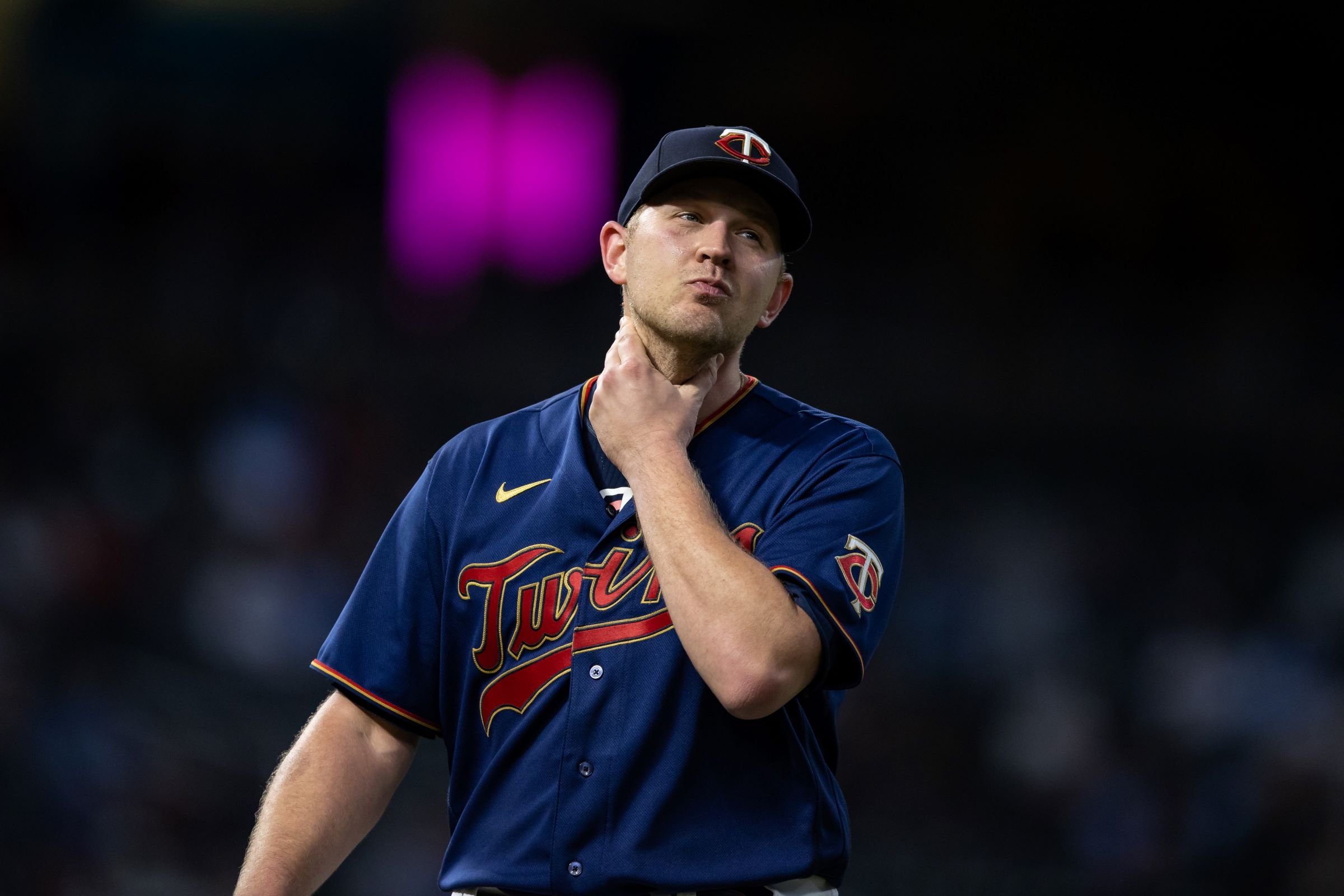 Box Score Starting Pitcher: Cole Sands 3.2 IP, 8 H, 4 R, 4 ER, 2 BB, 3 SO Homeruns: Jorge Polanco (7) Bottom 3 WPA: Cole Sands -.283, Tyler Duffey -.234, Gary Sanchez -.153 Bottom Probability Chart (via FanGraphs) On Tuesday night, the Twins were out to try and make a dent in one of the most frustrating and dominant narratives in sports; the Yankees beating up on Minnesota. Bailey Ober was placed on the IL Monday, resulting in Dylan Bundy, Chris Archer, and Devin Smeltzer being the only healthy starting pitchers for the Twins. Here’s the lineup they put out against the Yankees. Early on, it looked like it could be an incredibly long night for Twins rookie pitcher Cole Sands. Thrust into an extremely challenging situation, he gave up long home runs to Aaron Judge and Giancarlo Stanton to give the Yankees a lightning fast 3-0 lead. The Twins trimmed the lead to 3-1 on a Max Kepler sacrifice fly in the bottom of the inning, off Yankees starter Jamieson Taillon. Sands settled somewhat in his middle innings, pitching a scoreless second and third with minimal traffic on the bases. Meanwhile, the Twins trimmed the lead to 3-2 in the third inning with a Jorge Polanco double scoring Luis Arraez from first on a good, aggressive send from Tommy Watkins at third base. An Aaron Judge single in the top of the fourth inning extended the Yankees lead to 4-2. Sands was relieved with two out by Juan Minaya, who got Giancarlo Stanton to strike out swinging to end the inning. In the bottom of the fourth, the Twins scored on a Jermaine Palacios sacrifice fly after back to back singles from Gio Urshela and Gilberto Celestino. A Luis Arraez single put runners at first and second, but a poor at bat from Buxton ended the Twins opportunity to level the game. In the fifth, the Yankees extended their lead again. Juan Minaya struck out two Yankees, either side of an Aaron Hicks single, then he lost command. He walked the next three Yankees, walking in a run and leaving the bases loaded for Aaron Judge. Minaya was relieved by Yennier Cano, who struck out Aaron Judge to keep the lead 5-3. In the bottom of the fifth inning, the Twins cut the lead to a single run for the third time, on a Jorge Polanco solo home run. A Max Kepler single forced Taillon from the game. Despite Sands struggles, he kept the Twins in the game. The offense put on another strong showing in the early innings to stay within touching distance. With Carlos Correa expected back on Wednesday and Joe Ryan close behind, Twins fans have to be encouraged at the gritty performances of their shorthanded team in recent games. Lucas Luetge relieved Taillon and tried to pick off Kepler at first. A lazy Anthony Rizzo effort allowed the ball to bounce away and Kepler was in scoring position with no outs. The Twins, as has been a recent theme, could not cash the runner and the Yankees led 5-4 heading to the sixth inning. Yennier Cano looked to be heading towards his most impressive relief out for the Twins after recording two quick outs. He too, subsequently lost the strike zone, walking Josh Donaldson and Aaron Hicks (albeit barely missing a called strike three to each hitter). Cano wriggled out of trouble when former Twin Isiah Kiner Falefa flew out softly to Jorge Polanco to end the threat. Jermaine Palacios hit a ground ball to short in the bottom of the sixth inning that ate up Kiner Falefa, who, committed the Yankees third error of the game. The Twins were unable to make anything of it. Byron Buxton struck out in a poor at bat to end the inning. Through six innings, the Yankees had committed three errors, and Twins pitchers had walked seven hitters. It was a sloppy but engrossing game. The Twins however, were always one big hit short of tying the game or taking the lead, and trailed 5-4 heading to the seventh. Tyler Duffey took the ball in the seventh inning, off the back of a dreadful outing in Toronto. Duffey retired the first two hitters he faced, before a weak ground ball from DJ LaMahieu snuck through the infield for a single. Duffey then walked Aaron Judge, the Twins eight free pass of the game. Duffey then fell behind Anthony Rizzo 3-1, before leaving a middle-middle curve ball that Rizzo deposited for a three-run home run, to stretch the lead to 8-4. While Twins pitchers were living incredibly dangerously throughout the game, it was again Duffey, perhaps on borrowed time, whose execution was poorest. It's also worth questioning why Tyler Duffey was the choice to pitch late in a one run game. The Twins bullpen had a day off on Monday, so everyone was well rested. Duffey's second consecutive meltdown put any opportunity to win out of reach. After a Jorge Polanco single, Rocco Baldelli was ejected for arguing a pitch inexplicably called a foul ball on Max Kepler (who promptly grounded into a double play), a manifestation of the frustration felt by many after keeping the game close for so long. Again, it’s fair to question if Duffey can keep his roster spot with the Twins. He has been almost unusable in recent appearances, and Jharel Cotton has pitched excellently for the Twins when given the opportunity. Trevor Megill gave up a walk and three consecutive singles in the eighth inning to increase the lead to 10-4. The bottom of the eighth and he ninth inning came and went with little to note (except Megill almost decapitating Josh Donaldson with a high and tight fastball), and just like that, the Twins dropped the opening game of the series. The loss moved the Twins to 38-110 against the Yankees since 2002. In other words, what did you expect? Bullpen Usage Chart THURS FRI SAT SUN TUE TOT Cano 0 0 39 0 33 72 Duffey 0 20 0 28 19 67 Minaya 0 0 24 0 40 64 Megill 0 RL RL RL 38 38 Duran 28 0 0 8 0 36 Smith 0 15 0 13 0 28 Moran 0 27 0 0 0 27 Jax 0 14 0 9 0 23 Pagán 15 RL RL RL 0 15 Thielbar 0 RL RL RL 0 0 Next Up On Wednesday, the Twins will continue their series against the Yankees. Chris Archer starts for Minnesota, against Nestor Cortes of the Yankees. First pitch is 6:40 CT. Postgame Interviews
- 85 comments
-
- 1
-

-
- cole sands
- jorge polanco
- (and 3 more)
-
Is It Time to Move on From Tyler Duffey?
Jamie Cameron posted a topic in Twins Daily Front Page News
Tyler Duffey nearly blew a five run lead against the Blue Jays on Sunday. With the AL Central there for the taking, it's time for the Twins to move on. On Sunday, in a series against a red hot playoff contender, Tyler Duffey entered the game with a 8-3 lead, courtesy of solid pitching, some good luck, and a remarkable offensive performance by the Twins against Kevin Gausman. He left it having given up a walk, three hits, a three-run home run, and recording just two outs. Jovani Moran replaced Duffey to get the final out for the Twins and secure an unlikely series win in Toronto. I’m not usually one to advocate for reactionary moves or cut bait on long-time contributors to the team, but it’s time to move on from Tyler Duffey. Duffey By the Numbers Let’s start by putting some of Duffey’s 2022 numbers in perspective. Out of 193 qualified relievers, he ranks 172nd in ERA, 187th in xERA, and 170th in HR/9. I could go on, but I won’t. Suffice to say, there are a lot of categories in which Duffey ranks in the bottom handful of relievers in the league. If we look into more advanced numbers, we see a similar story. Looking at his Statcast profile percentiles, Duffey is 6th percentile in average exit velocity, first percentile in HardHit%, first percentile is xBA. The list goes on, and it does not make for encouraging reading. Results and Process Duffey’s numbers may be poor, but perhaps a peek under the hood tells a story his numbers do not? After all, we’re talking about the same reliever who managed a 33.6 K% and 2.79 xERA in 2020, and was even better in 2019. Duffey’s command tells the story of his 2022. Here’s the location of his four seam fastball in 2022. Here’s the location of his curveball in 2022. Let’s compare the curveball to that of Jhoan Duran in 2022. There are two major takeaways here. Duffey is leaving his fastball out over the heart of the plate far too often. He has some of the poorest velocity and stuff in the Twins bullpen. Duffey’s fastball location is a non-starter. Simply put, it is not a good enough pitch to have location this poor. Opposing hitters are teeing off on it, to the tune of a .649 SLG and 64% hard hit %. Additionally, he’s throwing too many uncompetitive curveballs. There are too many breaking pitches starting off the plate and finishing way off the plate. Hitters are picking up on this and sitting on his fastball because his curveball often starts slightly too low or too far outside. Roster Crunch Duffey earns $3.2 million in 2022, hardly expensive for a reliever. Even though from a performance perspective I think he should be DFA'd, I think it’s unlikely the Twins will. He has a lengthy tenure with the team and is a strong presence in the clubhouse. The challenge becomes, who do you send down to the minors to keep Duffey on the roster? Every option I can think of has an advantage in velocity or stuff that I wouldn’t sacrifice to keep Duffey on the team. Trevor Megill? Throws 98 mph and has a 36% K% in his first 8 innings. Jharel Cotton? 3.22 xERA so far in 2022. Jovani Moran? 46% K% and a legitimately dominant left-handed changeup. Throw into the mix that Jorge Alcala will return to the team in the next week and give the bullpen a much needed boost and the Twins could have a bullpen crunch in the near future. Duffey has been an incredible servant to the Twins and burned brightly in 2019 and 2020 as a legitimately dominant reliever. But now is not a time for sentimentality. The AL Central is there for the taking. Which inning of a close game do you want Tyler Duffey pitching in September against the White Sox? View full article -
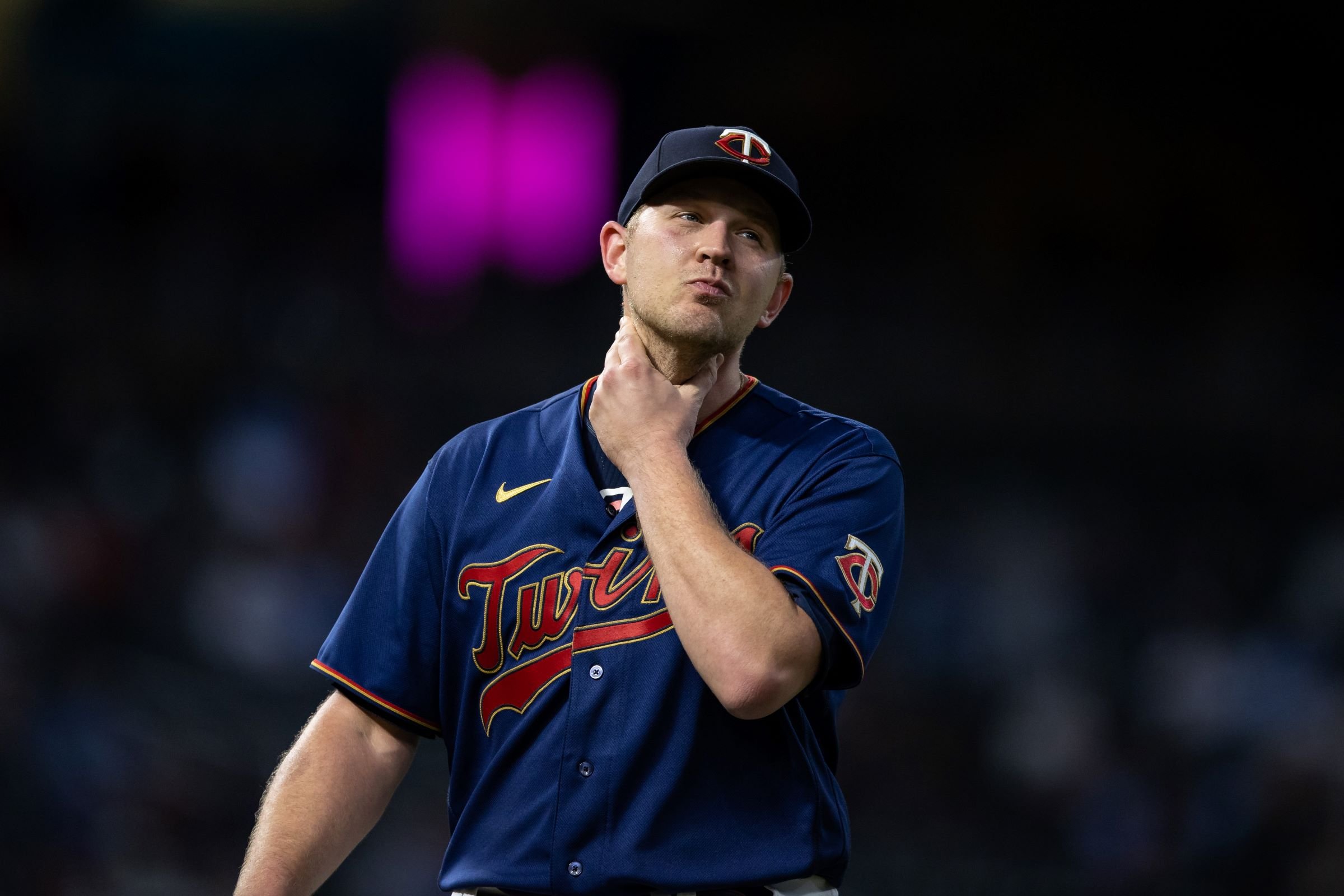 On Sunday, in a series against a red hot playoff contender, Tyler Duffey entered the game with a 8-3 lead, courtesy of solid pitching, some good luck, and a remarkable offensive performance by the Twins against Kevin Gausman. He left it having given up a walk, three hits, a three-run home run, and recording just two outs. Jovani Moran replaced Duffey to get the final out for the Twins and secure an unlikely series win in Toronto. I’m not usually one to advocate for reactionary moves or cut bait on long-time contributors to the team, but it’s time to move on from Tyler Duffey. Duffey By the Numbers Let’s start by putting some of Duffey’s 2022 numbers in perspective. Out of 193 qualified relievers, he ranks 172nd in ERA, 187th in xERA, and 170th in HR/9. I could go on, but I won’t. Suffice to say, there are a lot of categories in which Duffey ranks in the bottom handful of relievers in the league. If we look into more advanced numbers, we see a similar story. Looking at his Statcast profile percentiles, Duffey is 6th percentile in average exit velocity, first percentile in HardHit%, first percentile is xBA. The list goes on, and it does not make for encouraging reading. Results and Process Duffey’s numbers may be poor, but perhaps a peek under the hood tells a story his numbers do not? After all, we’re talking about the same reliever who managed a 33.6 K% and 2.79 xERA in 2020, and was even better in 2019. Duffey’s command tells the story of his 2022. Here’s the location of his four seam fastball in 2022. Here’s the location of his curveball in 2022. Let’s compare the curveball to that of Jhoan Duran in 2022. There are two major takeaways here. Duffey is leaving his fastball out over the heart of the plate far too often. He has some of the poorest velocity and stuff in the Twins bullpen. Duffey’s fastball location is a non-starter. Simply put, it is not a good enough pitch to have location this poor. Opposing hitters are teeing off on it, to the tune of a .649 SLG and 64% hard hit %. Additionally, he’s throwing too many uncompetitive curveballs. There are too many breaking pitches starting off the plate and finishing way off the plate. Hitters are picking up on this and sitting on his fastball because his curveball often starts slightly too low or too far outside. Roster Crunch Duffey earns $3.2 million in 2022, hardly expensive for a reliever. Even though from a performance perspective I think he should be DFA'd, I think it’s unlikely the Twins will. He has a lengthy tenure with the team and is a strong presence in the clubhouse. The challenge becomes, who do you send down to the minors to keep Duffey on the roster? Every option I can think of has an advantage in velocity or stuff that I wouldn’t sacrifice to keep Duffey on the team. Trevor Megill? Throws 98 mph and has a 36% K% in his first 8 innings. Jharel Cotton? 3.22 xERA so far in 2022. Jovani Moran? 46% K% and a legitimately dominant left-handed changeup. Throw into the mix that Jorge Alcala will return to the team in the next week and give the bullpen a much needed boost and the Twins could have a bullpen crunch in the near future. Duffey has been an incredible servant to the Twins and burned brightly in 2019 and 2020 as a legitimately dominant reliever. But now is not a time for sentimentality. The AL Central is there for the taking. Which inning of a close game do you want Tyler Duffey pitching in September against the White Sox?
- 56 comments
-
- 9
-
-
- tyler duffey
- jorge alcala
- (and 3 more)
-
I just thought the at-bats were appalling. Terrible showing from the bats.
- 51 replies
-
- 5
-
-
- cole sands
- jermaine palacios
- (and 1 more)
-
The Twins looked limp and lifeless on Tuesday night, falling 4-0 to Detroit in the second game of their double-header. Cole Sands struggled, and the offense no-showed. Box Score Starting Pitcher: Sands 4.0 IP, 5 H, 4 R, 4 ER, 4 BB, 4 SO Homeruns: None Bottom 3 WPA: Sands -.249, Miranda -.055, Gordon -.051 Bottom Probability Chart (via FanGraphs) On Tuesday night, the Twins were out to try and capitalize on a victory in the first game of the double-header against the Tigers. Here’s how they lined up in game two. Cole Sands started for Minnesota as the 27th man for the double-header. In no secret that the roster is hurting. The rotation has been one of the hardest hit areas. Chris Paddack is out for the season, Josh Winder is on the IL. Joe Ryan on the COVID IL and Sonny Gray possibly heading on the IL on Wednesday has left the Twins almost impossibly short-handed. There is no amount of pitching depth that can overcome losing four of your top six starting pitchers. The bullpen was relatively available after only Griffin Jax pitched to back up another outstanding Devin Smeltzer effort in game one. After the Tigers came out the gate hot (and lucky), this game almost felt like a throwaway for the Twins. Cole Sands surrendered a two-run home run to Jonathan Schoop in the first inning on a slider down and in that Schoop hammered into the left-field seats. A Schoop single in the bottom of the second inning took a wicked hop, spinning past Jorge Polanco at second base and scoring two more to increase the Detroit lead to 4-0. The Twins meanwhile, had very little to offer offensively, putting together a putrid series of at bats. Through four innings, Jermaine Palacios had the Twins lone hit, and left-handed starting pitcher Joey Wentz, who had struggled mightily coming into the game, had thrown just 51 pitches. Sands recovered well in the third and fourth innings, holding the Tigers scoreless in back-to-back frames, Unlike Wentz however, he was inefficient, walking four and throwing 91 pitches (just 54 strikes) through four innings. It’s been obvious in his limited opportunities in the big leagues that Cole Sands could use more seasoning at AAA. The Twins injury crisis, both offensively and on the pitching staff, a crowded schedule, and players unable to travel to Canada to play Toronto in the coming days could not have coincided at a worse time for Minnesota. Wentz, perhaps mercifully for the Twins, was pulled with an injury at the top of the fifth inning, being relieved by Wily Peralta. Walks issued to Trevor Larnach and Ryan Jeffers with one out gave the Twins their first legitimate threat of the game (in the fifth inning), but Jermaine Palacios grounded out to end the threat. Juan Minaya gave the Twins two innings of scoreless, quality relief, striking out two. After a Trevor Larnach double (he continues to mash) was wasted by the Twins, Caleb Thielbar and Jovani Moran pitched a scoreless inning each, sending the game to the top of the ninth with the Twins still trailing 4-0. Michael Fulmer pitched a scoreless ninth inning for Detroit, capping what was arguably the Twins worst offensive showing of the season. The Twins are entering an incredibly tricky stretch in their season. Tomorrow night, they face Tarik Skubal, who is second in MLB in fWAR (2.0). After finishing their series in Detroit on Thursday, they play three games in Toronto. Next they head home for six against the Yankees and Rays. All this without Carlos Correa, Royce Lewis, Gilberto Celestino, Joe Ryan, Josh Winder, (possibly) Sonny Gray, and any Twins who chose not to get vaccinated and can’t play in Canada. It’s a brutal confluence of challenges facing a team that has been largely without them in 2022. How they handle the next ten days will tell us a lot about this year’s Twins. Bullpen Usage Chart FRI SAT SUN MON TUE TOT Megill 26 0 0 34 0 60 Minaya 0 31 0 0 26 57 Jax 0 0 20 0 33 53 Moran 0 34 0 0 12 46 Smith 18 0 0 16 0 34 Thielbar 1 0 22 0 11 34 Duffey 0 20 0 0 0 20 Duran 19 0 0 0 0 19 Pagán 3 0 12 0 0 15 Next Up On Wednesday, the Twins will continue their series against Detroit. Bailey Ober starts for Minnesota, against the outstanding Tarik Skubal of the Tigers. First pitch is 6:10 CT. Postgame Interviews View full article
- 51 replies
-
- 1
-
-
- cole sands
- jermaine palacios
- (and 1 more)
-
Tigers 4, Twins 0: Listless Twins Limp to Defeat in Detroit
Jamie Cameron posted an article in Twins
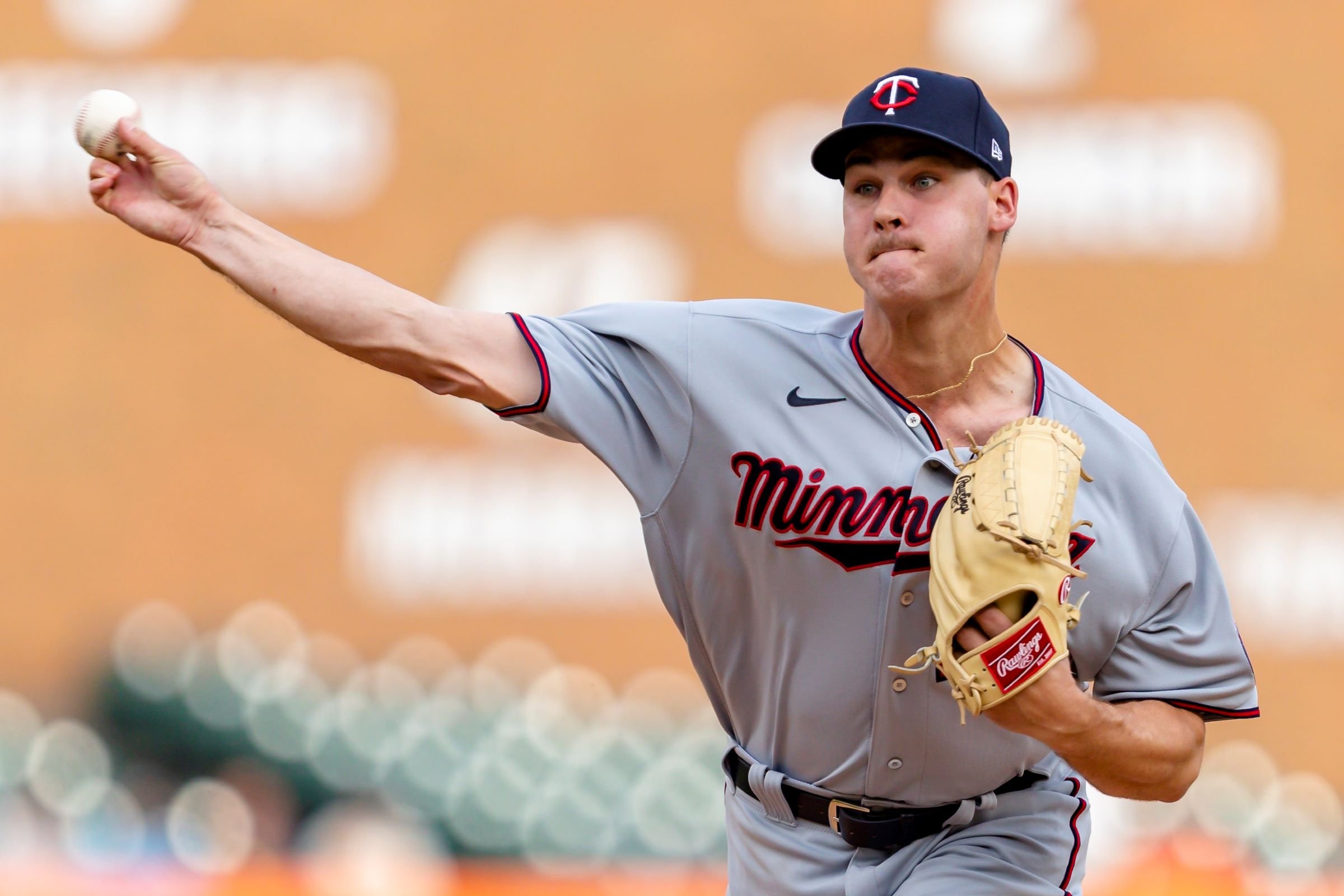 Box Score Starting Pitcher: Sands 4.0 IP, 5 H, 4 R, 4 ER, 4 BB, 4 SO Homeruns: None Bottom 3 WPA: Sands -.249, Miranda -.055, Gordon -.051 Bottom Probability Chart (via FanGraphs) On Tuesday night, the Twins were out to try and capitalize on a victory in the first game of the double-header against the Tigers. Here’s how they lined up in game two. Cole Sands started for Minnesota as the 27th man for the double-header. In no secret that the roster is hurting. The rotation has been one of the hardest hit areas. Chris Paddack is out for the season, Josh Winder is on the IL. Joe Ryan on the COVID IL and Sonny Gray possibly heading on the IL on Wednesday has left the Twins almost impossibly short-handed. There is no amount of pitching depth that can overcome losing four of your top six starting pitchers. The bullpen was relatively available after only Griffin Jax pitched to back up another outstanding Devin Smeltzer effort in game one. After the Tigers came out the gate hot (and lucky), this game almost felt like a throwaway for the Twins. Cole Sands surrendered a two-run home run to Jonathan Schoop in the first inning on a slider down and in that Schoop hammered into the left-field seats. A Schoop single in the bottom of the second inning took a wicked hop, spinning past Jorge Polanco at second base and scoring two more to increase the Detroit lead to 4-0. The Twins meanwhile, had very little to offer offensively, putting together a putrid series of at bats. Through four innings, Jermaine Palacios had the Twins lone hit, and left-handed starting pitcher Joey Wentz, who had struggled mightily coming into the game, had thrown just 51 pitches. Sands recovered well in the third and fourth innings, holding the Tigers scoreless in back-to-back frames, Unlike Wentz however, he was inefficient, walking four and throwing 91 pitches (just 54 strikes) through four innings. It’s been obvious in his limited opportunities in the big leagues that Cole Sands could use more seasoning at AAA. The Twins injury crisis, both offensively and on the pitching staff, a crowded schedule, and players unable to travel to Canada to play Toronto in the coming days could not have coincided at a worse time for Minnesota. Wentz, perhaps mercifully for the Twins, was pulled with an injury at the top of the fifth inning, being relieved by Wily Peralta. Walks issued to Trevor Larnach and Ryan Jeffers with one out gave the Twins their first legitimate threat of the game (in the fifth inning), but Jermaine Palacios grounded out to end the threat. Juan Minaya gave the Twins two innings of scoreless, quality relief, striking out two. After a Trevor Larnach double (he continues to mash) was wasted by the Twins, Caleb Thielbar and Jovani Moran pitched a scoreless inning each, sending the game to the top of the ninth with the Twins still trailing 4-0. Michael Fulmer pitched a scoreless ninth inning for Detroit, capping what was arguably the Twins worst offensive showing of the season. The Twins are entering an incredibly tricky stretch in their season. Tomorrow night, they face Tarik Skubal, who is second in MLB in fWAR (2.0). After finishing their series in Detroit on Thursday, they play three games in Toronto. Next they head home for six against the Yankees and Rays. All this without Carlos Correa, Royce Lewis, Gilberto Celestino, Joe Ryan, Josh Winder, (possibly) Sonny Gray, and any Twins who chose not to get vaccinated and can’t play in Canada. It’s a brutal confluence of challenges facing a team that has been largely without them in 2022. How they handle the next ten days will tell us a lot about this year’s Twins. Bullpen Usage Chart FRI SAT SUN MON TUE TOT Megill 26 0 0 34 0 60 Minaya 0 31 0 0 26 57 Jax 0 0 20 0 33 53 Moran 0 34 0 0 12 46 Smith 18 0 0 16 0 34 Thielbar 1 0 22 0 11 34 Duffey 0 20 0 0 0 20 Duran 19 0 0 0 0 19 Pagán 3 0 12 0 0 15 Next Up On Wednesday, the Twins will continue their series against Detroit. Bailey Ober starts for Minnesota, against the outstanding Tarik Skubal of the Tigers. First pitch is 6:10 CT. Postgame Interviews
 -
Twins 2, Tigers 0: Gray Dominant as Twins Run Win Streak to Six
Jamie Cameron posted an article in Twins
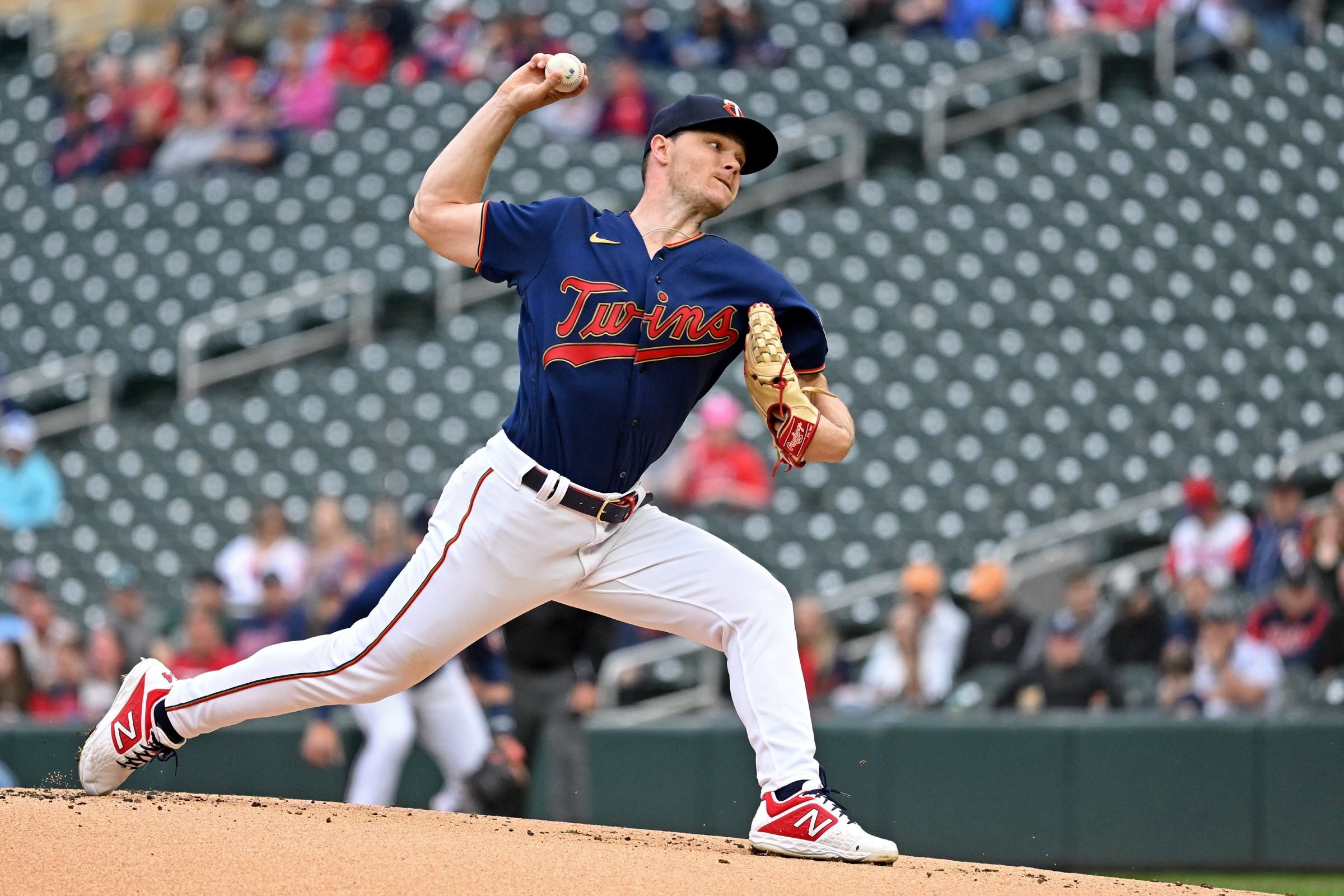 Box Score Starting Pitcher: Sonny Gray 7.0 IP, 4 H, 0 R, 0 ER, 1 BB, 10 K Homeruns: None Top 3 WPA: Sonny Gray .389, Gio Urshela .148, Carlos Correa .116 Win Probability Chart (via FanGraphs) On Tuesday night, the Twins were out to secure another series win against Detroit. Here’s how they lined up against the Detroit Tigers. Sonny Gray came out looking comfortable on Tuesday night. Through his first two innings, he allowed two soft singles to Miguel Cabrera and Spencer Torkelson (66 mph and 71 mph respectively). Gray appeared ‘on’ from the get go, locating well, with Ryan Jeffers stealing plenty of close calls for the Twins pitcher. After a solid first inning, Tigers starter Beau Brieske ran into trouble in the second inning. He walked Max Kepler, who came around to score on a Gio Urshela single. Kepler would have been dead to rights at home plate, had Javy Baez not inexplicably indicated to Tigers’ left fielder Willi Castro to throw to second. The Twins were up, 1-0 after two innings. The Twins increased the lead in the third inning. Byron Buxton, mired in a slump, just missed a home-run to right center-field. The ball had a .970 xBA and was recorded at 105.7 mph off the bat, a promising sign. A Luis Arraez single and Carlos Correa double increased the lead to 2-0. In the top of the fourth inning, Jeimer Candelario scalded a ball into the right center field gap. Byron Buxton made his best catch of the season to prevent extra bases for Detroit. The Twins had a threat in the bottom of the fourth inning. Gio Urshela singled (110 mph) and Jose Miranda doubled (108 mph) to put men on second and third with one out. Ryan Jeffers flew out to center field and Gio Urshela was thrown out at home plate after tagging up at third. At the end of four innings, the Twins led just 2-0 in a game that could have been put on ice. Twins fans have to be encouraged by Miranda, who seems to be driving the ball more consistently in recent games. Meanwhile, Gray was on cruise control. Through five innings, he had given up three hits, one walk, and struck out six Tigers hitters on just 68 pitchers. In the bottom of the fifth inning, the Twins threatened again. Luis Arraez missed a home run to right field by a few feet and had to settle for a single. Carlos Correa and Gary Sanchez walked to load the bases with Max Kepler up, fresh off a grand slam on Monday night. Kepler flew out to shallow left field, not deep enough for Arraez to tag. Gilberto Celestino grounded out to end the inning. Through five innings, the Twins had seven hits, three walks, but only two runs to show for it. Gray had retired seven straight hitters when Jonathan Schoop singled in the top of the sixth inning. A rare passed ball by Ryan Jeffers moved Schoop to second base, with no outs. Gray bucked down, striking out two of the next three hitters to escape the inning unscathed, his seventh and eight strikeouts of the game. In the bottom of the inning, Gio Urshela led off with his third hit of the game, before Jose Miranda grounded into a double play to extinguish yet another Twins scoring opportunity. Gray came out to start the seventh inning with a pitch count of 83. He left it at 95 pitches, having retired the side in order and struck out 10 in seven innings of scoreless work. Tyler Duffey relieved Gray in the eighth inning. Duffey struck out two and retired the side in order on just 12 pitches. The Twins offered nothing in the bottom of the eight inning, leaving Jhoan Duran to close the game out for Minnesota. Duran allowed a single to Miguel Cabrera and hit Jeimer Candelario to put runners on first and second base with one out. Duran got Willi Castro to ground into a double play to secure the shutout for the Twins. The Twins have now won six in a row, their second such streak in 2022. They’ve won four series in a row since being swept by Houston and sit 11 games over .500, with a 5.5 game lead over the White Sox. So sound the clubhouse gong, its just like Max Kepler said, ‘vibes over everything.’ Bullpen Usage Chart - FRI SAT SUN MON TUE TOT Jax 18 0 0 33 0 51 Pagán 19 0 0 28 0 47 Duran 16 0 17 0 14 47 Duffey 18 0 14 0 12 44 Cano 0 0 38 0 0 38 Smith 0 21 0 17 0 38 Megill 0 0 31 0 0 31 Thielbar 0 18 0 3 0 21 Stashak 0 18 0 0 0 18 Next Up On Wednesday, the Twins will conclude their series against Detroit. Dylan Bundy starts for Minnesota, against Rony Garcia of the Tigers. First pitch is 12:10 CT. By the way, the game is on YouTube on Wednesday. Postgame Interviews
- 24 comments
-
- 5
-
-
- sonny gray
- tyler duffey
- (and 3 more)
-
The Twins shut out the Tigers 2-0 on Tuesday, running their win streak to six behind a gem from Sonny Gray. Box Score Starting Pitcher: Sonny Gray 7.0 IP, 4 H, 0 R, 0 ER, 1 BB, 10 K Homeruns: None Top 3 WPA: Sonny Gray .389, Gio Urshela .148, Carlos Correa .116 Win Probability Chart (via FanGraphs) On Tuesday night, the Twins were out to secure another series win against Detroit. Here’s how they lined up against the Detroit Tigers. Sonny Gray came out looking comfortable on Tuesday night. Through his first two innings, he allowed two soft singles to Miguel Cabrera and Spencer Torkelson (66 mph and 71 mph respectively). Gray appeared ‘on’ from the get go, locating well, with Ryan Jeffers stealing plenty of close calls for the Twins pitcher. After a solid first inning, Tigers starter Beau Brieske ran into trouble in the second inning. He walked Max Kepler, who came around to score on a Gio Urshela single. Kepler would have been dead to rights at home plate, had Javy Baez not inexplicably indicated to Tigers’ left fielder Willi Castro to throw to second. The Twins were up, 1-0 after two innings. The Twins increased the lead in the third inning. Byron Buxton, mired in a slump, just missed a home-run to right center-field. The ball had a .970 xBA and was recorded at 105.7 mph off the bat, a promising sign. A Luis Arraez single and Carlos Correa double increased the lead to 2-0. In the top of the fourth inning, Jeimer Candelario scalded a ball into the right center field gap. Byron Buxton made his best catch of the season to prevent extra bases for Detroit. The Twins had a threat in the bottom of the fourth inning. Gio Urshela singled (110 mph) and Jose Miranda doubled (108 mph) to put men on second and third with one out. Ryan Jeffers flew out to center field and Gio Urshela was thrown out at home plate after tagging up at third. At the end of four innings, the Twins led just 2-0 in a game that could have been put on ice. Twins fans have to be encouraged by Miranda, who seems to be driving the ball more consistently in recent games. Meanwhile, Gray was on cruise control. Through five innings, he had given up three hits, one walk, and struck out six Tigers hitters on just 68 pitchers. In the bottom of the fifth inning, the Twins threatened again. Luis Arraez missed a home run to right field by a few feet and had to settle for a single. Carlos Correa and Gary Sanchez walked to load the bases with Max Kepler up, fresh off a grand slam on Monday night. Kepler flew out to shallow left field, not deep enough for Arraez to tag. Gilberto Celestino grounded out to end the inning. Through five innings, the Twins had seven hits, three walks, but only two runs to show for it. Gray had retired seven straight hitters when Jonathan Schoop singled in the top of the sixth inning. A rare passed ball by Ryan Jeffers moved Schoop to second base, with no outs. Gray bucked down, striking out two of the next three hitters to escape the inning unscathed, his seventh and eight strikeouts of the game. In the bottom of the inning, Gio Urshela led off with his third hit of the game, before Jose Miranda grounded into a double play to extinguish yet another Twins scoring opportunity. Gray came out to start the seventh inning with a pitch count of 83. He left it at 95 pitches, having retired the side in order and struck out 10 in seven innings of scoreless work. Tyler Duffey relieved Gray in the eighth inning. Duffey struck out two and retired the side in order on just 12 pitches. The Twins offered nothing in the bottom of the eight inning, leaving Jhoan Duran to close the game out for Minnesota. Duran allowed a single to Miguel Cabrera and hit Jeimer Candelario to put runners on first and second base with one out. Duran got Willi Castro to ground into a double play to secure the shutout for the Twins. The Twins have now won six in a row, their second such streak in 2022. They’ve won four series in a row since being swept by Houston and sit 11 games over .500, with a 5.5 game lead over the White Sox. So sound the clubhouse gong, its just like Max Kepler said, ‘vibes over everything.’ Bullpen Usage Chart - FRI SAT SUN MON TUE TOT Jax 18 0 0 33 0 51 Pagán 19 0 0 28 0 47 Duran 16 0 17 0 14 47 Duffey 18 0 14 0 12 44 Cano 0 0 38 0 0 38 Smith 0 21 0 17 0 38 Megill 0 0 31 0 0 31 Thielbar 0 18 0 3 0 21 Stashak 0 18 0 0 0 18 Next Up On Wednesday, the Twins will conclude their series against Detroit. Dylan Bundy starts for Minnesota, against Rony Garcia of the Tigers. First pitch is 12:10 CT. By the way, the game is on YouTube on Wednesday. Postgame Interviews View full article
- 24 replies
-
- 1
-
-
- sonny gray
- tyler duffey
- (and 3 more)
-
The Twins lost to the Athletics, 5-2 on Tuesday night. Royce Lewis delivered another incredible performance, while Oakland knocked around Josh Winder to drop the Twins to 21-16 on the season. Box Score Starting Pitcher: Dylan Bundy 3 IP, 2 H, 0 R, 0 ER, 2 BB, 3 SO Homeruns: Royce Lewis (2), Gary Sánchez (4) Bottom 3 WPA: Josh Winder -.489, Jorge Polanco -.143, Jose Miranda -.131 Win Probability Chart (via FanGraphs) On Tuesday night, the Twins were out to secure another series win in Oakland. The game marked the return of Dylan Bundy from the COVID IL. Bundy had struggled prior to being on the IL. The storyline heading into the game was if he could give the Twins an opportunity to win? Here’s how Minnesota lined up. The Twins came into the game having won the previous four encounters against Oakland despite scoring just 10 runs. Perhaps Oakland was the team to get Bundy back on track? Bundy looked relatively comfortable in the first inning, retiring Oakland on 19 pitches, surrendering only a bloop single to left-field that Nick Gordon couldn’t quite track down. James Kaprielian cruised through his first two innings of work for Oakland. He served Twins hitters a steady diet of mid-90s fastballs up in the zone, and breaking pitches down. Bundy worked around a leadoff walk in the second inning, keeping the game scoreless through two innings. Meanwhile, elsewhere in the Coliseum, it was going down. Royce Lewis led off the top of the third inning with a scorching, 111.7 mph double to the left-center-field gap. The Twins failed to capitalize however, as Jose Miranda and Jorge Polanco struck out to extricate Kaprielian from trouble. Tony Kemp singled in the bottom of the third with Josh Winder already warming up. A short start was always likely for Bundy, returning from COVID. Jed Lowrie walked to put runners on first and second base with one out. Jose Miranda bobbled a relatively straightforward grounder to third that should have been an inning-ending double play. He managed to rescue the force at second, putting runners at the corners with two out. Bundy escaped, striking out Seth Brown to throw three scoreless, and encouraging innings in his return from the IL. The Twins continued to struggle to cash in runners in the fourth inning. Gary Sánchez missed home runs on two sliders he crushed down the left-field line by mere feet. Max Kepler singled to left field with one out, but the Twins couldn’t bring him home, despite a hard hit lineout from Nick Gordon to right field. Josh Winder relieved Bundy in he bottom of the fourth inning. With two outs in the bottom of the fourth, Kevin Smith crushed a belt-high fastball into the left-field seats to give Oakland a 2-0 lead. The pitch wasn’t a bad one from Winder, it was above the strike zone, Smith just hit it out. The Twins got half of the lead back in the top of the fifth, when Royce Lewis blasted his second home run into the left-field seats, cutting the deficit to one. Lewis has made the Twins forthcoming roster challenge difficult, with Bailey Ober, Carlos Correa, and Trevor Larnach all due back from the IL in short order. One thing is clear, he can’t be sent down right now, he’s on fire. Winder struggled with his command in the fifth inning, with Oakland’s contact continuing to find holes. He loaded the bases with two outs, before escaping the bases loaded jam, to preserve the one-run deficit. Gary Sánchez knocked Kaprielian from the game, launching a game-tying, solo home run to left field after Elvis Andrus took a base hit away from Jorge Polanco in the previous at bat. Max Kepler added a one-out single. Rocco Baldelli pinch hit Kyle Garlick for Nick Gordon. Garlick promptly struck out, before Gilberto Celestino reached on an infield hit to put runners at first and third base with two outs and Royce Lewis due up. Lewis grounded out to second base to end the inning with the game tied at two. Aside from a walk for Luis Arraez, the top of the seventh inning was uneventful for the Twins. In the bottom of the innings, the Athletics broke the game open. Winder walked Lowrie and hit Laureano. There is an argument that Winder should have been pulled, having surrendered five hits and two walks to that point. He stayed in the game. Seth Brown crushed a double and Sean Murphy blooped a single and the Athletics took a 5-2 lead. Winder surrendered two more hits before finally being pulled by Baldelli. He allowed five runs on nine hits with two walks in 3.2 innings of work. It's clear that the Twins had planned on the combination of Bundy and Winder eating the majority of the innings on Tuesday night. Ultimately, Winder's command issues made that plan challenging to execute. The Twins threatened in the top of the eight, managing two base runners, but failed to eat into the lead. The Athletics closed out the game in the ninth to even the series at one game each. In spite of this, the Twins have won the season series, and will look to win the current series on Wednesday. The Twins fell to 21-16 on the season. Bullpen Usage Chart FRI SAT SUN MON TUE TOT Winder 0 0 0 0 78 78 Jax 50 0 0 25 0 75 Pagán 22 9 10 0 0 41 Thielbar 0 15 2 0 16 33 Smith 4 15 9 0 0 28 Cano 0 0 0 25 0 25 Duffey 0 5 0 20 0 25 Duran 10 12 0 0 0 22 Stashak 0 0 13 0 0 13 Next Up On Wednesday, the Twins will conclude their series against Oakland. Sonny Gray gets the start for Minnesota, against Daulton Jefferies of the Athletics. First pitch is 2:37 CT View full article
-
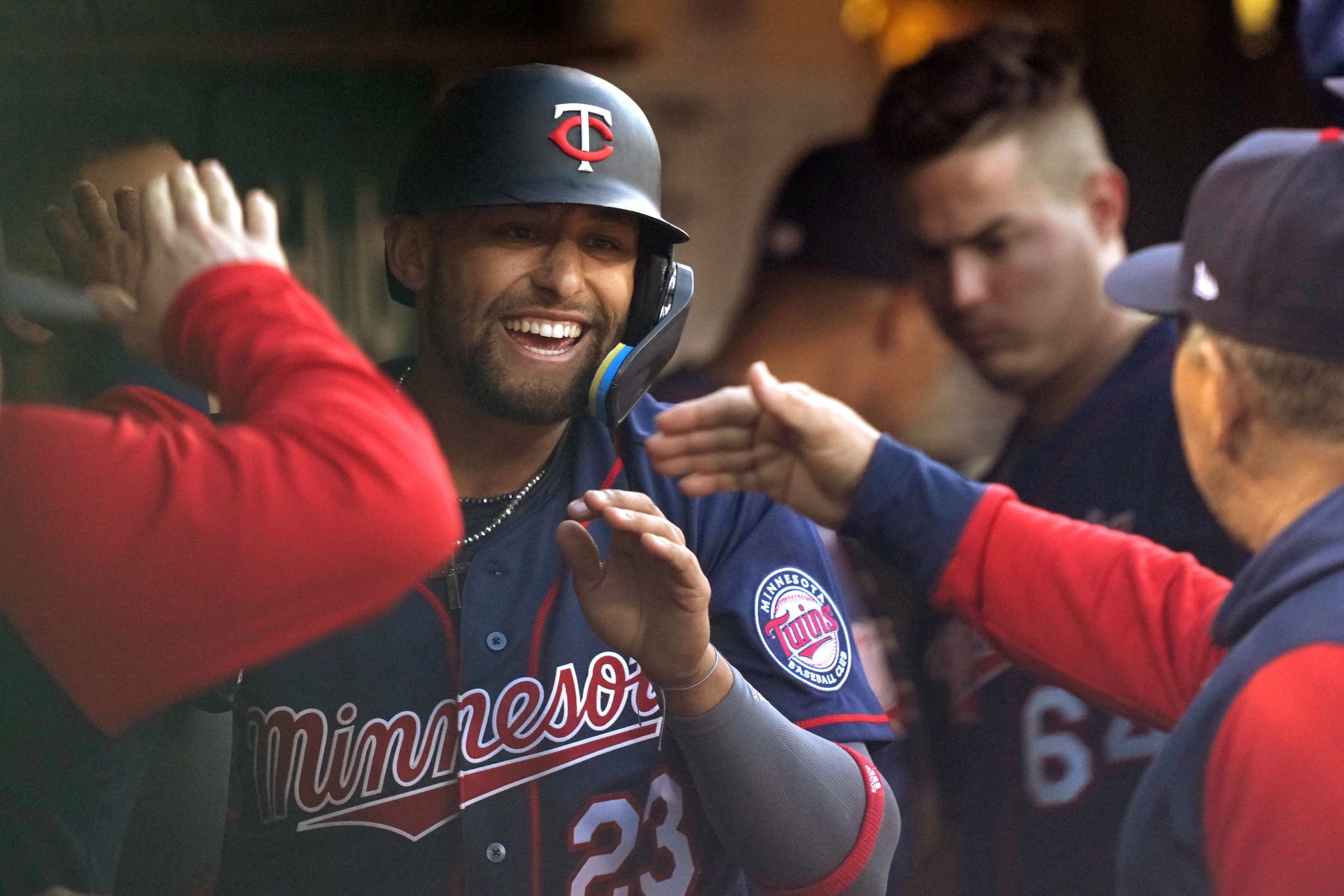 Box Score Starting Pitcher: Dylan Bundy 3 IP, 2 H, 0 R, 0 ER, 2 BB, 3 SO Homeruns: Royce Lewis (2), Gary Sánchez (4) Bottom 3 WPA: Josh Winder -.489, Jorge Polanco -.143, Jose Miranda -.131 Win Probability Chart (via FanGraphs) On Tuesday night, the Twins were out to secure another series win in Oakland. The game marked the return of Dylan Bundy from the COVID IL. Bundy had struggled prior to being on the IL. The storyline heading into the game was if he could give the Twins an opportunity to win? Here’s how Minnesota lined up. The Twins came into the game having won the previous four encounters against Oakland despite scoring just 10 runs. Perhaps Oakland was the team to get Bundy back on track? Bundy looked relatively comfortable in the first inning, retiring Oakland on 19 pitches, surrendering only a bloop single to left-field that Nick Gordon couldn’t quite track down. James Kaprielian cruised through his first two innings of work for Oakland. He served Twins hitters a steady diet of mid-90s fastballs up in the zone, and breaking pitches down. Bundy worked around a leadoff walk in the second inning, keeping the game scoreless through two innings. Meanwhile, elsewhere in the Coliseum, it was going down. Royce Lewis led off the top of the third inning with a scorching, 111.7 mph double to the left-center-field gap. The Twins failed to capitalize however, as Jose Miranda and Jorge Polanco struck out to extricate Kaprielian from trouble. Tony Kemp singled in the bottom of the third with Josh Winder already warming up. A short start was always likely for Bundy, returning from COVID. Jed Lowrie walked to put runners on first and second base with one out. Jose Miranda bobbled a relatively straightforward grounder to third that should have been an inning-ending double play. He managed to rescue the force at second, putting runners at the corners with two out. Bundy escaped, striking out Seth Brown to throw three scoreless, and encouraging innings in his return from the IL. The Twins continued to struggle to cash in runners in the fourth inning. Gary Sánchez missed home runs on two sliders he crushed down the left-field line by mere feet. Max Kepler singled to left field with one out, but the Twins couldn’t bring him home, despite a hard hit lineout from Nick Gordon to right field. Josh Winder relieved Bundy in he bottom of the fourth inning. With two outs in the bottom of the fourth, Kevin Smith crushed a belt-high fastball into the left-field seats to give Oakland a 2-0 lead. The pitch wasn’t a bad one from Winder, it was above the strike zone, Smith just hit it out. The Twins got half of the lead back in the top of the fifth, when Royce Lewis blasted his second home run into the left-field seats, cutting the deficit to one. Lewis has made the Twins forthcoming roster challenge difficult, with Bailey Ober, Carlos Correa, and Trevor Larnach all due back from the IL in short order. One thing is clear, he can’t be sent down right now, he’s on fire. Winder struggled with his command in the fifth inning, with Oakland’s contact continuing to find holes. He loaded the bases with two outs, before escaping the bases loaded jam, to preserve the one-run deficit. Gary Sánchez knocked Kaprielian from the game, launching a game-tying, solo home run to left field after Elvis Andrus took a base hit away from Jorge Polanco in the previous at bat. Max Kepler added a one-out single. Rocco Baldelli pinch hit Kyle Garlick for Nick Gordon. Garlick promptly struck out, before Gilberto Celestino reached on an infield hit to put runners at first and third base with two outs and Royce Lewis due up. Lewis grounded out to second base to end the inning with the game tied at two. Aside from a walk for Luis Arraez, the top of the seventh inning was uneventful for the Twins. In the bottom of the innings, the Athletics broke the game open. Winder walked Lowrie and hit Laureano. There is an argument that Winder should have been pulled, having surrendered five hits and two walks to that point. He stayed in the game. Seth Brown crushed a double and Sean Murphy blooped a single and the Athletics took a 5-2 lead. Winder surrendered two more hits before finally being pulled by Baldelli. He allowed five runs on nine hits with two walks in 3.2 innings of work. It's clear that the Twins had planned on the combination of Bundy and Winder eating the majority of the innings on Tuesday night. Ultimately, Winder's command issues made that plan challenging to execute. The Twins threatened in the top of the eight, managing two base runners, but failed to eat into the lead. The Athletics closed out the game in the ninth to even the series at one game each. In spite of this, the Twins have won the season series, and will look to win the current series on Wednesday. The Twins fell to 21-16 on the season. Bullpen Usage Chart FRI SAT SUN MON TUE TOT Winder 0 0 0 0 78 78 Jax 50 0 0 25 0 75 Pagán 22 9 10 0 0 41 Thielbar 0 15 2 0 16 33 Smith 4 15 9 0 0 28 Cano 0 0 0 25 0 25 Duffey 0 5 0 20 0 25 Duran 10 12 0 0 0 22 Stashak 0 0 13 0 0 13 Next Up On Wednesday, the Twins will conclude their series against Oakland. Sonny Gray gets the start for Minnesota, against Daulton Jefferies of the Athletics. First pitch is 2:37 CT
- 21 comments
-
- 2
-
-
- dylan bundy
- josh winder
- (and 2 more)
-
The Numbers Behind Jose Miranda's Slump
Jamie Cameron replied to Jamie Cameron's topic in Twins Daily Front Page News
Loving all these measured, reasonable comments! I agree, not worried at all long term and tend to think adjustments are easier to make at AAA, when the Twins have additional healthy folks to bring back such as Correa. Thank for reading all!- 19 replies
-
- 4
-
-
- jose miranda
- willians astudillo
- (and 1 more)
-
Jose Miranda has struggled in his first month in the majors, why? What are the numbers behind his struggles? What can he do to turn it around? Who cares about 46 plate appearances? Not me. Neither, globally speaking, should you. 46 plate appearances, however, is all we have to judge Jose Miranda on so far in the big leagues, and it hasn't been pretty. After putting together a MiLB season for the ages in 2021 in which he hit 30 HR and a combined 159 wRC+ between AA and AAA, Miranda has struggled in his opening month with the Twins. Over 11 games, he’s put up an 8 wRC+ and has been worth -0.5 fWAR. Obviously not great. What do the numbers say about Miranda? How might he turn his slow start around? Miranda’s 2021 MiLB breakthrough came from the ability to drive the ball well. In 2021, his Line Drive Percentage (LD%) was 24.3% at AA and AAA. For a point of reference, Jorge Polanco, who put up 4.1 fWAR for the Twins, was at 23.1%. Obviously, a different level of competition, but a useful reference point. Fast forward to 2022 and Miranda’s LD% has plummeted to just 2.7%. Essentially, everything he’s hitting is into the ground, or straight up in the air. What gives? The clues come in the form of Miranda’s plate discipline numbers. He doesn’t walk often 4.3% BB%. He also doesn’t strike out very often, something we might expect for someone struggling so mightily at the plate (15.2% K%). Miranda’s low walk and low strikeout totals warrant further investigation, for that, it’s useful to look at his swing and contact rates. Miranda has an O-Swing% of 29.9%, meaning he swings at 29.9% of pitches thrown outside the strike zone. This isn’t an alarming number (Polanco, our contextual comparison for this piece, is at 28.8% here). Miranda, however, swings significantly more in the zone than other hitters (70.2% so far in 2022 to Polanco’s 61.5%). We know that Miranda can crush the ball, no one who hits 30 HR in a season can’t. However, his average exit velocity is 88.2 mph, right at league average with a Barrel% of just 5.4%. If we put these two data points together, here’s what we can glean; Miranda has a tendency to swing at pitches in the strike zone, which is fine. Currently, his swings in the zone are not selective enough, causing him to ground out and pop out frequently. His tendencies are a much scaled-back version of the challenges Willians Astudillo faced in Minnesota, where his ability to put bat-to-ball was negated by the poor quality of contact he produced. I’ll finish with this; who cares? Hitting in the majors is a game of reactivity and constraint adjustments. Whether Miranda continues to work through his struggles in Minneapolis or St. Paul, I remain extremely confident in his ability to hit at the big league level. If he wants to maximize his success, however, he needs to once again hunt for pitches he can drive. View full article
-
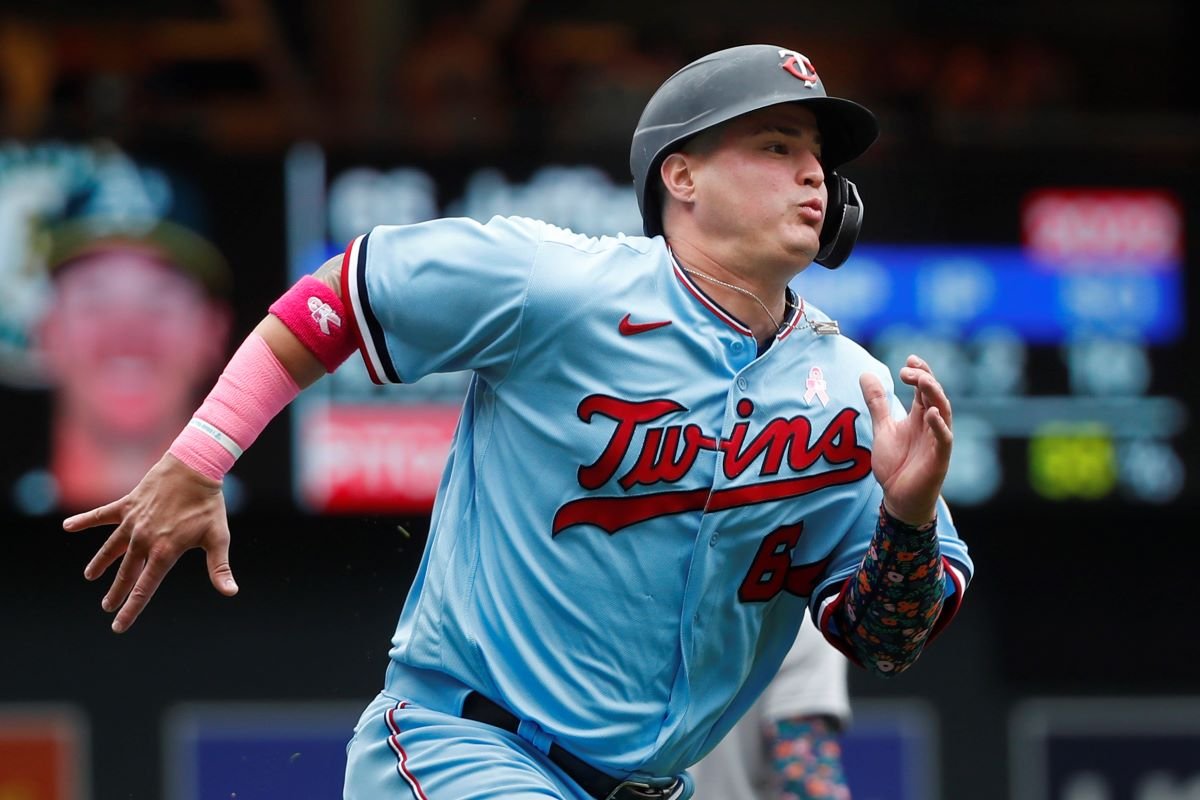 Who cares about 46 plate appearances? Not me. Neither, globally speaking, should you. 46 plate appearances, however, is all we have to judge Jose Miranda on so far in the big leagues, and it hasn't been pretty. After putting together a MiLB season for the ages in 2021 in which he hit 30 HR and a combined 159 wRC+ between AA and AAA, Miranda has struggled in his opening month with the Twins. Over 11 games, he’s put up an 8 wRC+ and has been worth -0.5 fWAR. Obviously not great. What do the numbers say about Miranda? How might he turn his slow start around? Miranda’s 2021 MiLB breakthrough came from the ability to drive the ball well. In 2021, his Line Drive Percentage (LD%) was 24.3% at AA and AAA. For a point of reference, Jorge Polanco, who put up 4.1 fWAR for the Twins, was at 23.1%. Obviously, a different level of competition, but a useful reference point. Fast forward to 2022 and Miranda’s LD% has plummeted to just 2.7%. Essentially, everything he’s hitting is into the ground, or straight up in the air. What gives? The clues come in the form of Miranda’s plate discipline numbers. He doesn’t walk often 4.3% BB%. He also doesn’t strike out very often, something we might expect for someone struggling so mightily at the plate (15.2% K%). Miranda’s low walk and low strikeout totals warrant further investigation, for that, it’s useful to look at his swing and contact rates. Miranda has an O-Swing% of 29.9%, meaning he swings at 29.9% of pitches thrown outside the strike zone. This isn’t an alarming number (Polanco, our contextual comparison for this piece, is at 28.8% here). Miranda, however, swings significantly more in the zone than other hitters (70.2% so far in 2022 to Polanco’s 61.5%). We know that Miranda can crush the ball, no one who hits 30 HR in a season can’t. However, his average exit velocity is 88.2 mph, right at league average with a Barrel% of just 5.4%. If we put these two data points together, here’s what we can glean; Miranda has a tendency to swing at pitches in the strike zone, which is fine. Currently, his swings in the zone are not selective enough, causing him to ground out and pop out frequently. His tendencies are a much scaled-back version of the challenges Willians Astudillo faced in Minnesota, where his ability to put bat-to-ball was negated by the poor quality of contact he produced. I’ll finish with this; who cares? Hitting in the majors is a game of reactivity and constraint adjustments. Whether Miranda continues to work through his struggles in Minneapolis or St. Paul, I remain extremely confident in his ability to hit at the big league level. If he wants to maximize his success, however, he needs to once again hunt for pitches he can drive.
- 19 comments
-
- 5
-
-
- jose miranda
- willians astudillo
- (and 1 more)
-
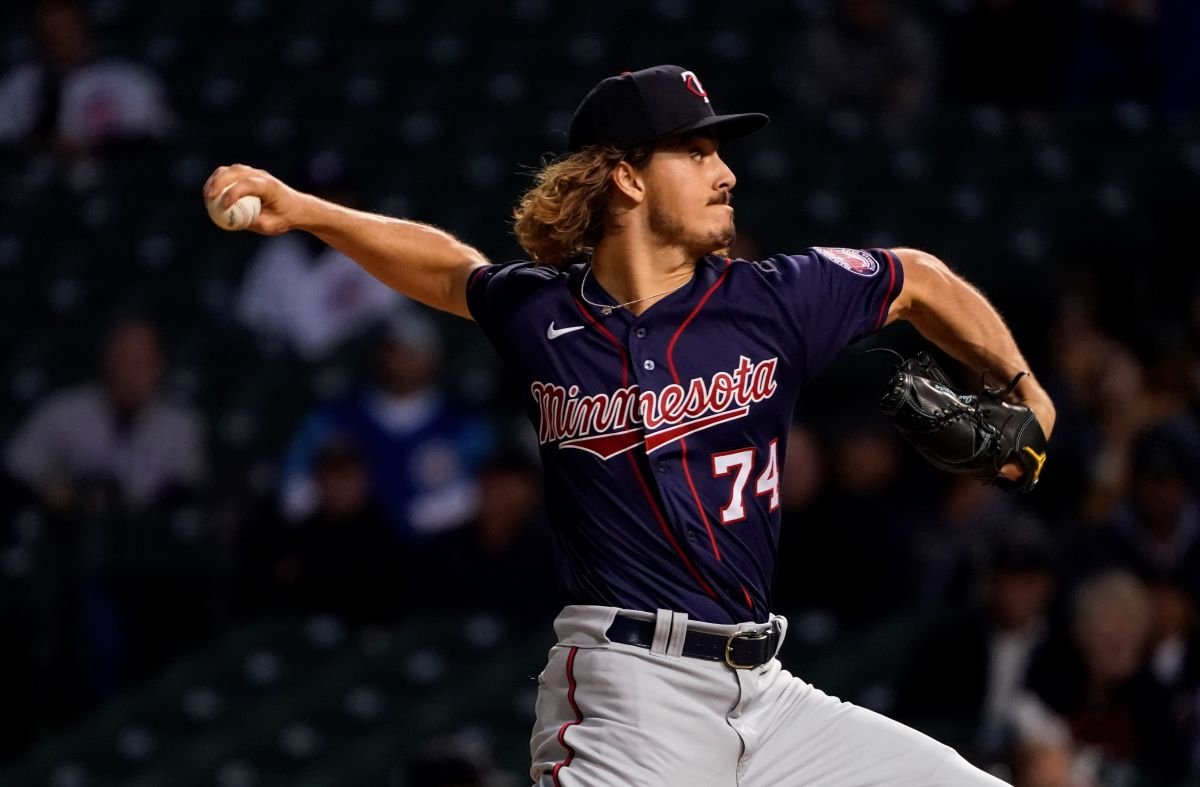 Box Score Starting Pitcher: Ryan 4 IP, 4 H, 4 R, 4 ER, 5 BB, 3 K Homeruns: None Bottom 3 WPA: Ryan -.209, Urshela -.069, Kepler -.068 Win Probability Chart (via FanGraphs) Tuesday’s game was billed as one of the best pitching matchups of the season, as Joe Ryan took on Justin Verlander. Entering the contest, the pitchers had remarkably similar statistics on the year, while the Twins and Astros had identical 18-11 records. The Astros made Joe Ryan work in the first inning. Despite this, he pitched around a walk of Alex Bregman to manage a scoreless frame. Justin Verlander, despite Gary Sanchez's scalding a line drive to left field, managed a hitless first inning of his own. Ryan struggled in the top of the second, surrendering a leadoff hit before walking Kyle Tucker for his second free pass in as many innings. After a fly ball moved Yuli Gurriel to third, a Jeremy Pena groundout gave the Astros a 1-0 lead. Verlander, meanwhile, continued to cruise, retiring the side in order to sit at just 23 pitches after two hitless innings. In the fourth inning, Ryan walked Kyle Tucker with one out. Tucker stole second and came around to score on a bloop single from Pena with two outs. Ryan struck out Martin Maldonado to end the fourth inning trailing 2-0. Ryan had poor command and did not look sharp on Tuesday. It’s perhaps a testament to him that he managed to keep the game close, despite walking four and throwing 83 pitches through four innings. Verlander sat at just 43 pitches through four hitless innings. The Twins produced poor at-bats against the future Hall-of-Famer, but he also threw 81% strikes. A Jose Altuve bloop single and Joe Ryan’s fifth walk of the game led off the fifth inning for Houston. An Alex Bregman double increased the lead to 3-0 with runners of second and third and none out and ended Ryan’s night, undoubtedly his most disappointing outing of the season. Danny Coulombe entered the game and managed to limit the damage to just one more run. The Twins entered the bottom of the fifth inning trailing 4-0. Verlander allowed his first base runner in the fifth inning when Jorge Polanco walked. Gio Urshela promptly grounded into a double play to immediately end any inkling of Twins resistance. In the sixth inning, Coulombe exited the game, the latest in a litany of injured players. He was replaced by Jharel Cotton. The Astros tacked on another run, pushing the score to 5-0. Gilberto Celestino took the Twins' second walk of the game in the sixth inning but he was thrown out trying to take second base on an errant pitch from Verlander, who faced the minimum through six innings. Jharel Cotton continued to pitch admirably for the Twins as he was asked to eat as many innings as possible to preserve the bullpen through the rest of the series. He pitched scoreless seventh and eight innings. Verlander finally lost his no-hit bid with one out in the eighth inning. Gio Urshela punched an opposite field single to give the Twins just their third base runner of the game. The crowd sounded their appreciation, both for Urshela, and Verlander's masterful performance. Tuesday's game was the second time this season the Twins were at risk of being no-hit by a future Hall of Fame pitcher. Royce Lewis grounded into a double play to erase the runner, and get Verlander through eight one-hit innings, striking out five. The Twins managed to get two runners aboard in the bottom of the ninth, advancing a runner to second base for the first time in the game! Jose Miranda flew out to centerfield to complete the shutout for the Astros. the loss dropped the Twins to 18-12 on the season. If nothing else, the Astros effortless swatting of the Twins on Tuesday emphasized the easy ride Minnesota has had with their recent schedule. A lineup without Buxton, Arraez, and Correa looked toothless. The Astros provided the first stern test for a severely undermanned Twins team. Verlander was brilliant. The Twins failed comprehensively. Bullpen Usage Chart FRI SAT SUN MON TUE TOT Cotton 0 0 0 0 58 58 Pagán 28 0 28 0 0 56 Coulombe 0 12 0 0 29 41 Stashak 0 0 34 0 0 34 Duran 0 31 0 0 0 31 Thielbar 0 0 20 0 3 23 Duffey 11 0 9 0 0 20 Jax 0 19 0 0 0 19 Smith 6 0 12 0 0 18 Next Up On Wednesday, the Twins will continue their series against the Astros. Chris Archer will start for Minnesota while José Urquidy starts for Houston. The first pitch is at 6:40 CT Postgame Interviews - Coming Soon
- 23 comments
-
- 3
-
-
- joe ryan
- danny coulombe
- (and 3 more)
-
The Astros beat the Twins 5-0 on Tuesday as Justin Verlander was five outs away from a no-hitter. The loss moves the Twins to 18-12 on the season. Box Score Starting Pitcher: Ryan 4 IP, 4 H, 4 R, 4 ER, 5 BB, 3 K Homeruns: None Bottom 3 WPA: Ryan -.209, Urshela -.069, Kepler -.068 Win Probability Chart (via FanGraphs) Tuesday’s game was billed as one of the best pitching matchups of the season, as Joe Ryan took on Justin Verlander. Entering the contest, the pitchers had remarkably similar statistics on the year, while the Twins and Astros had identical 18-11 records. The Astros made Joe Ryan work in the first inning. Despite this, he pitched around a walk of Alex Bregman to manage a scoreless frame. Justin Verlander, despite Gary Sanchez's scalding a line drive to left field, managed a hitless first inning of his own. Ryan struggled in the top of the second, surrendering a leadoff hit before walking Kyle Tucker for his second free pass in as many innings. After a fly ball moved Yuli Gurriel to third, a Jeremy Pena groundout gave the Astros a 1-0 lead. Verlander, meanwhile, continued to cruise, retiring the side in order to sit at just 23 pitches after two hitless innings. In the fourth inning, Ryan walked Kyle Tucker with one out. Tucker stole second and came around to score on a bloop single from Pena with two outs. Ryan struck out Martin Maldonado to end the fourth inning trailing 2-0. Ryan had poor command and did not look sharp on Tuesday. It’s perhaps a testament to him that he managed to keep the game close, despite walking four and throwing 83 pitches through four innings. Verlander sat at just 43 pitches through four hitless innings. The Twins produced poor at-bats against the future Hall-of-Famer, but he also threw 81% strikes. A Jose Altuve bloop single and Joe Ryan’s fifth walk of the game led off the fifth inning for Houston. An Alex Bregman double increased the lead to 3-0 with runners of second and third and none out and ended Ryan’s night, undoubtedly his most disappointing outing of the season. Danny Coulombe entered the game and managed to limit the damage to just one more run. The Twins entered the bottom of the fifth inning trailing 4-0. Verlander allowed his first base runner in the fifth inning when Jorge Polanco walked. Gio Urshela promptly grounded into a double play to immediately end any inkling of Twins resistance. In the sixth inning, Coulombe exited the game, the latest in a litany of injured players. He was replaced by Jharel Cotton. The Astros tacked on another run, pushing the score to 5-0. Gilberto Celestino took the Twins' second walk of the game in the sixth inning but he was thrown out trying to take second base on an errant pitch from Verlander, who faced the minimum through six innings. Jharel Cotton continued to pitch admirably for the Twins as he was asked to eat as many innings as possible to preserve the bullpen through the rest of the series. He pitched scoreless seventh and eight innings. Verlander finally lost his no-hit bid with one out in the eighth inning. Gio Urshela punched an opposite field single to give the Twins just their third base runner of the game. The crowd sounded their appreciation, both for Urshela, and Verlander's masterful performance. Tuesday's game was the second time this season the Twins were at risk of being no-hit by a future Hall of Fame pitcher. Royce Lewis grounded into a double play to erase the runner, and get Verlander through eight one-hit innings, striking out five. The Twins managed to get two runners aboard in the bottom of the ninth, advancing a runner to second base for the first time in the game! Jose Miranda flew out to centerfield to complete the shutout for the Astros. the loss dropped the Twins to 18-12 on the season. If nothing else, the Astros effortless swatting of the Twins on Tuesday emphasized the easy ride Minnesota has had with their recent schedule. A lineup without Buxton, Arraez, and Correa looked toothless. The Astros provided the first stern test for a severely undermanned Twins team. Verlander was brilliant. The Twins failed comprehensively. Bullpen Usage Chart FRI SAT SUN MON TUE TOT Cotton 0 0 0 0 58 58 Pagán 28 0 28 0 0 56 Coulombe 0 12 0 0 29 41 Stashak 0 0 34 0 0 34 Duran 0 31 0 0 0 31 Thielbar 0 0 20 0 3 23 Duffey 11 0 9 0 0 20 Jax 0 19 0 0 0 19 Smith 6 0 12 0 0 18 Next Up On Wednesday, the Twins will continue their series against the Astros. Chris Archer will start for Minnesota while José Urquidy starts for Houston. The first pitch is at 6:40 CT Postgame Interviews - Coming Soon View full article
- 23 replies
-
- 1
-
-
- joe ryan
- danny coulombe
- (and 3 more)
-
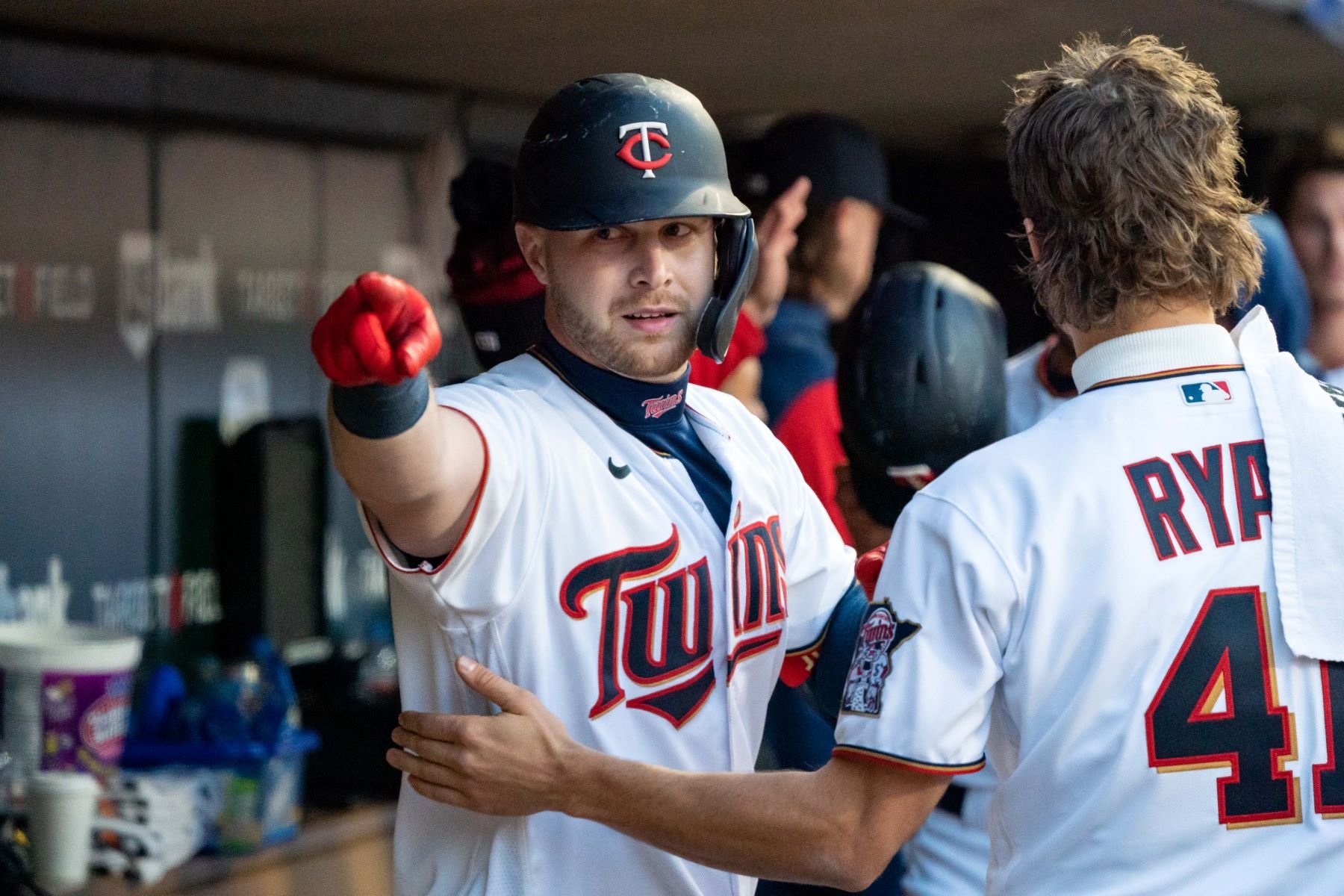 Shortly after the lockout ended, the Twins engaged in a frenzied activity to reshape their roster and prepare for the 2022 season. One of the first moves they made, was trading fan favorite Mitch Garver to the Texas Rangers for Isiah Kiner-Falefa, who eventually was flipped to the Yankees to shed Josh Donaldson’s contract. Trading an aging catcher, with a lengthy injury history, made a lot of sense, even if Twins fans didn’t like the move. How the trade would be reflected upon, depended largely on the development of Ryan Jeffers and what he could offer offensively in 2022. Early in the 2022 season, the returns are promising. Jeffers’ development since being taken in the second round of the 2018 draft out of UNC Wilmington has been remarkable. At the time, the pick was immediately labeled a reach from Minnesota. The Twins, however, saw a solid power bat and a cerebral player they felt they could develop defensively, despite not having had a college catching coach. Jeffers was essentially self-taught defensively. Let’s dig into his offensive and defensive production in 2022 to see what’s under the hood. Offense When Jeffers was first called up in 2020, hitting .273/.355/.436 and managed a 120 wRC+ in a small, 26-game sample. 2021 was, by comparison, a disaster. Jeffers lost his strike zone control, walking less and striking out more, and struggled to get bat to ball, managing 0.6 fWAR in 86 games. In 18 games in 2022, Jeffers has already matched his season-long fWAR from 2021, hitting .228/.302/.456 to go along with a 125 wRC+. Looking at Jeffers’ Statcast profile tells its own interesting and encouraging tale. Jeffers ranks in the 96th percentile for Barrel % and 89th percentile for xSLG, those are elite numbers. You may not like the profile of hitter, but Jeffers is settling in on being a slugger that will strike out a lot but make a ton of hard, effective contact. That’s valuable in and of itself, for a catcher, even more so. There are a number of factors that hurt the perception of Jeffers’ offensive profile and production. Firstly, Mitch Garver’s 2019 season. It was a unicorn season, both for Garver and in the history of the position. Combine it with Garver’s approach at the plate, which combined elite power and strike-zone control, and it’s easy to wave away Jeffers’ low OBP as uninteresting and lacking value. Let’s put his numbers early in 2022 in some positional context. Jeffers ranks fifth in fWAR among all MLB catchers, seventh in SLG, seventh in wRC+, and ninth in wOBA. He just doesn't get on base a lot, and that’s OK. If Jeffers maintains his offensive production and a wRC+ of slightly above 100, he’s going to have an incredibly valuable 2022 season for the Twins. Defense Let’s start with the obvious, Ryan Jeffers is not good at throwing out runners. He ranks fifth last in this category among catchers in 2022. Also, who cares? Jeffers has had four bases stolen on his watch in 2022, and has thrown out one runner, for a CS% of 20%. Yadier Molina is at 29%. Base stealing has become such an irrelevant part of the game that this area of weakness is inconsequential. Measuring defense is difficult, for catchers, it’s almost impossible. There are no effective metrics to help understand the effectiveness with which a catcher ‘calls’ a game. Here’s what we do know about Jeffers. Per Statcast, he’s in the 84th percentile for framing among MLB catchers. Per Baseball Prospectus, he’s seventh-best in baseball. Rdrs/yr measures the number of runs above or below average a fielder would save over 1,200 innings (approximately 135 games). Jeffers sits at 36, that’s good for second-best among catchers in baseball. This is reflected in the eye test for Jeffers. How many run-saving blocks has he already made this year? While the defensive numbers can’t paint the full picture, the outline is clear. Jeffers is a defensive standout. All of this, of course, is a relatively meaningless sample of around 20 games. There’s plenty of season left to go right or go wrong. The early indicators point to Ryan Jeffers as an extremely valuable long-term commodity for the Minnesota Twins.