



Jamie Cameron
-
Posts
1,349 -
Joined
-
Last visited
-
Days Won
4
Content Type
Profiles
Minnesota Twins News, Rumors & Analysis
Minnesota Twins Videos
2026 Minnesota Twins Top Prospect Rankings
2022 Minnesota Twins Draft Picks & Signing Bonuses
Minnesota Twins Trade & Free Agent Rumors
Minnesota Twins Fan Guides & Resources
2023 Minnesota Twins Draft Picks & Signing Bonuses
The Minnesota Twins Players Project
2024 Minnesota Twins Draft Picks & Signing Bonuses
2025 Minnesota Twins Draft Picks & Signing Bonuses
2026 Minnesota Twins Draft Picks & Signing Bonuses
Forums
Blogs
Events
Store
Downloads
Gallery
Everything posted by Jamie Cameron
-
The Twins lost to the Athletics, 5-2 on Tuesday night. Royce Lewis delivered another incredible performance, while Oakland knocked around Josh Winder to drop the Twins to 21-16 on the season. Image courtesy of Darren Yamashita, USA Today Sports The Twins lost to the Athletics, 5-2 on Tuesday night. Royce Lewis delivered another incredible performance, while Oakland knocked around Josh Winder to drop the Twins to 21-16 on the season. Box Score Starting Pitcher: Dylan Bundy 3 IP, 2 H, 0 R, 0 ER, 2 BB, 3 SO Homeruns: Royce Lewis (2), Gary Sánchez (4) Bottom 3 WPA: Josh Winder -.489, Jorge Polanco -.143, Jose Miranda -.131 Win Probability Chart (via FanGraphs) On Tuesday night, the Twins were out to secure another series win in Oakland. The game marked the return of Dylan Bundy from the COVID IL. Bundy had struggled prior to being on the IL. The storyline heading into the game was if he could give the Twins an opportunity to win? Here’s how Minnesota lined up. The Twins came into the game having won the previous four encounters against Oakland despite scoring just 10 runs. Perhaps Oakland was the team to get Bundy back on track? Bundy looked relatively comfortable in the first inning, retiring Oakland on 19 pitches, surrendering only a bloop single to left-field that Nick Gordon couldn’t quite track down. James Kaprielian cruised through his first two innings of work for Oakland. He served Twins hitters a steady diet of mid-90s fastballs up in the zone, and breaking pitches down. Bundy worked around a leadoff walk in the second inning, keeping the game scoreless through two innings. Meanwhile, elsewhere in the Coliseum, it was going down. Royce Lewis led off the top of the third inning with a scorching, 111.7 mph double to the left-center-field gap. The Twins failed to capitalize however, as Jose Miranda and Jorge Polanco struck out to extricate Kaprielian from trouble. Tony Kemp singled in the bottom of the third with Josh Winder already warming up. A short start was always likely for Bundy, returning from COVID. Jed Lowrie walked to put runners on first and second base with one out. Jose Miranda bobbled a relatively straightforward grounder to third that should have been an inning-ending double play. He managed to rescue the force at second, putting runners at the corners with two out. Bundy escaped, striking out Seth Brown to throw three scoreless, and encouraging innings in his return from the IL. The Twins continued to struggle to cash in runners in the fourth inning. Gary Sánchez missed home runs on two sliders he crushed down the left-field line by mere feet. Max Kepler singled to left field with one out, but the Twins couldn’t bring him home, despite a hard hit lineout from Nick Gordon to right field. Josh Winder relieved Bundy in he bottom of the fourth inning. With two outs in the bottom of the fourth, Kevin Smith crushed a belt-high fastball into the left-field seats to give Oakland a 2-0 lead. The pitch wasn’t a bad one from Winder, it was above the strike zone, Smith just hit it out. The Twins got half of the lead back in the top of the fifth, when Royce Lewis blasted his second home run into the left-field seats, cutting the deficit to one. Lewis has made the Twins forthcoming roster challenge difficult, with Bailey Ober, Carlos Correa, and Trevor Larnach all due back from the IL in short order. One thing is clear, he can’t be sent down right now, he’s on fire. Winder struggled with his command in the fifth inning, with Oakland’s contact continuing to find holes. He loaded the bases with two outs, before escaping the bases loaded jam, to preserve the one-run deficit. Gary Sánchez knocked Kaprielian from the game, launching a game-tying, solo home run to left field after Elvis Andrus took a base hit away from Jorge Polanco in the previous at bat. Max Kepler added a one-out single. Rocco Baldelli pinch hit Kyle Garlick for Nick Gordon. Garlick promptly struck out, before Gilberto Celestino reached on an infield hit to put runners at first and third base with two outs and Royce Lewis due up. Lewis grounded out to second base to end the inning with the game tied at two. Aside from a walk for Luis Arraez, the top of the seventh inning was uneventful for the Twins. In the bottom of the innings, the Athletics broke the game open. Winder walked Lowrie and hit Laureano. There is an argument that Winder should have been pulled, having surrendered five hits and two walks to that point. He stayed in the game. Seth Brown crushed a double and Sean Murphy blooped a single and the Athletics took a 5-2 lead. Winder surrendered two more hits before finally being pulled by Baldelli. He allowed five runs on nine hits with two walks in 3.2 innings of work. It's clear that the Twins had planned on the combination of Bundy and Winder eating the majority of the innings on Tuesday night. Ultimately, Winder's command issues made that plan challenging to execute. The Twins threatened in the top of the eight, managing two base runners, but failed to eat into the lead. The Athletics closed out the game in the ninth to even the series at one game each. In spite of this, the Twins have won the season series, and will look to win the current series on Wednesday. The Twins fell to 21-16 on the season. Bullpen Usage Chart FRI SAT SUN MON TUE TOT Winder 0 0 0 0 78 78 Jax 50 0 0 25 0 75 Pagán 22 9 10 0 0 41 Thielbar 0 15 2 0 16 33 Smith 4 15 9 0 0 28 Cano 0 0 0 25 0 25 Duffey 0 5 0 20 0 25 Duran 10 12 0 0 0 22 Stashak 0 0 13 0 0 13 Next Up On Wednesday, the Twins will conclude their series against Oakland. Sonny Gray gets the start for Minnesota, against Daulton Jefferies of the Athletics. First pitch is 2:37 CT View full article
-
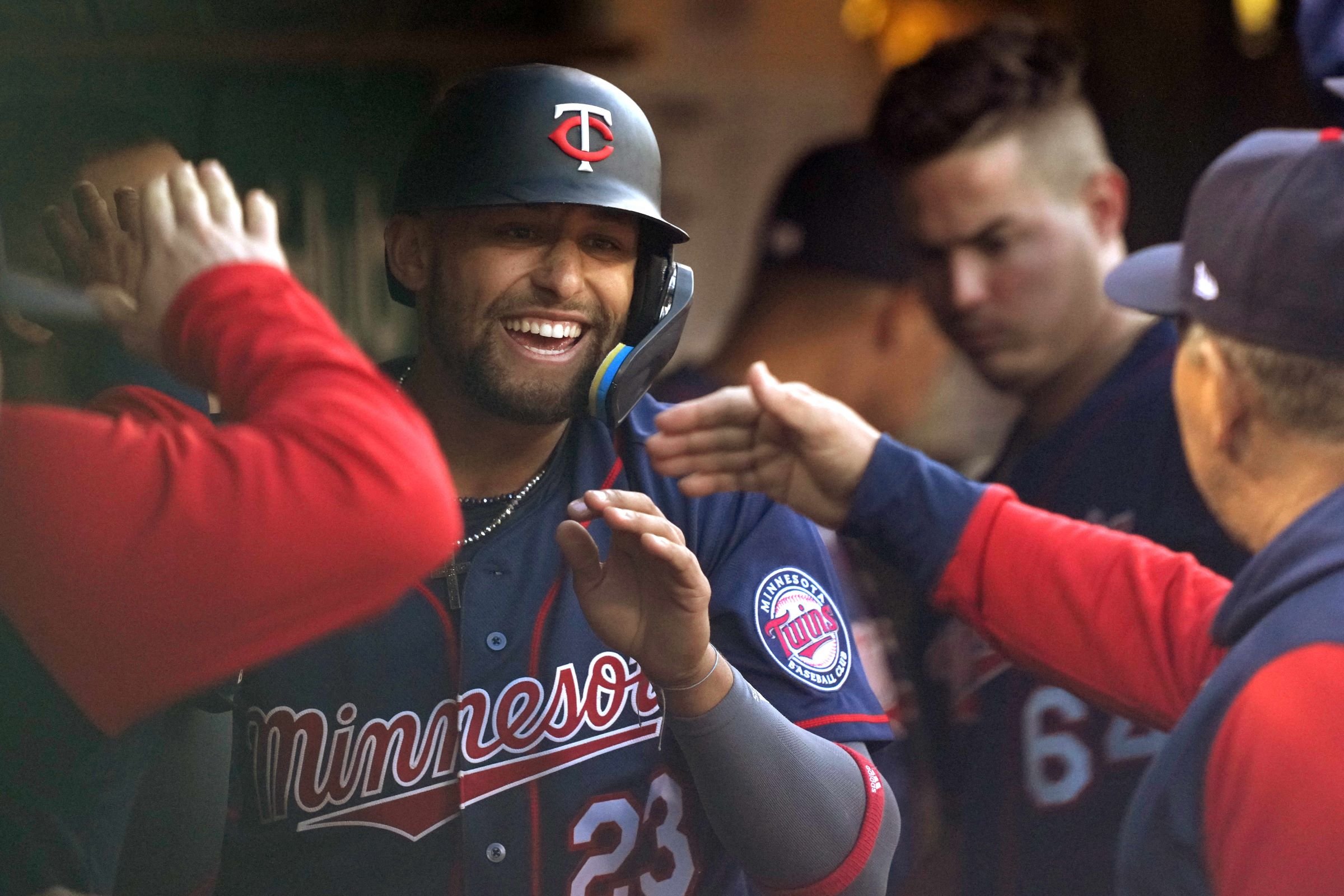 Box Score Starting Pitcher: Dylan Bundy 3 IP, 2 H, 0 R, 0 ER, 2 BB, 3 SO Homeruns: Royce Lewis (2), Gary Sánchez (4) Bottom 3 WPA: Josh Winder -.489, Jorge Polanco -.143, Jose Miranda -.131 Win Probability Chart (via FanGraphs) On Tuesday night, the Twins were out to secure another series win in Oakland. The game marked the return of Dylan Bundy from the COVID IL. Bundy had struggled prior to being on the IL. The storyline heading into the game was if he could give the Twins an opportunity to win? Here’s how Minnesota lined up. The Twins came into the game having won the previous four encounters against Oakland despite scoring just 10 runs. Perhaps Oakland was the team to get Bundy back on track? Bundy looked relatively comfortable in the first inning, retiring Oakland on 19 pitches, surrendering only a bloop single to left-field that Nick Gordon couldn’t quite track down. James Kaprielian cruised through his first two innings of work for Oakland. He served Twins hitters a steady diet of mid-90s fastballs up in the zone, and breaking pitches down. Bundy worked around a leadoff walk in the second inning, keeping the game scoreless through two innings. Meanwhile, elsewhere in the Coliseum, it was going down. Royce Lewis led off the top of the third inning with a scorching, 111.7 mph double to the left-center-field gap. The Twins failed to capitalize however, as Jose Miranda and Jorge Polanco struck out to extricate Kaprielian from trouble. Tony Kemp singled in the bottom of the third with Josh Winder already warming up. A short start was always likely for Bundy, returning from COVID. Jed Lowrie walked to put runners on first and second base with one out. Jose Miranda bobbled a relatively straightforward grounder to third that should have been an inning-ending double play. He managed to rescue the force at second, putting runners at the corners with two out. Bundy escaped, striking out Seth Brown to throw three scoreless, and encouraging innings in his return from the IL. The Twins continued to struggle to cash in runners in the fourth inning. Gary Sánchez missed home runs on two sliders he crushed down the left-field line by mere feet. Max Kepler singled to left field with one out, but the Twins couldn’t bring him home, despite a hard hit lineout from Nick Gordon to right field. Josh Winder relieved Bundy in he bottom of the fourth inning. With two outs in the bottom of the fourth, Kevin Smith crushed a belt-high fastball into the left-field seats to give Oakland a 2-0 lead. The pitch wasn’t a bad one from Winder, it was above the strike zone, Smith just hit it out. The Twins got half of the lead back in the top of the fifth, when Royce Lewis blasted his second home run into the left-field seats, cutting the deficit to one. Lewis has made the Twins forthcoming roster challenge difficult, with Bailey Ober, Carlos Correa, and Trevor Larnach all due back from the IL in short order. One thing is clear, he can’t be sent down right now, he’s on fire. Winder struggled with his command in the fifth inning, with Oakland’s contact continuing to find holes. He loaded the bases with two outs, before escaping the bases loaded jam, to preserve the one-run deficit. Gary Sánchez knocked Kaprielian from the game, launching a game-tying, solo home run to left field after Elvis Andrus took a base hit away from Jorge Polanco in the previous at bat. Max Kepler added a one-out single. Rocco Baldelli pinch hit Kyle Garlick for Nick Gordon. Garlick promptly struck out, before Gilberto Celestino reached on an infield hit to put runners at first and third base with two outs and Royce Lewis due up. Lewis grounded out to second base to end the inning with the game tied at two. Aside from a walk for Luis Arraez, the top of the seventh inning was uneventful for the Twins. In the bottom of the innings, the Athletics broke the game open. Winder walked Lowrie and hit Laureano. There is an argument that Winder should have been pulled, having surrendered five hits and two walks to that point. He stayed in the game. Seth Brown crushed a double and Sean Murphy blooped a single and the Athletics took a 5-2 lead. Winder surrendered two more hits before finally being pulled by Baldelli. He allowed five runs on nine hits with two walks in 3.2 innings of work. It's clear that the Twins had planned on the combination of Bundy and Winder eating the majority of the innings on Tuesday night. Ultimately, Winder's command issues made that plan challenging to execute. The Twins threatened in the top of the eight, managing two base runners, but failed to eat into the lead. The Athletics closed out the game in the ninth to even the series at one game each. In spite of this, the Twins have won the season series, and will look to win the current series on Wednesday. The Twins fell to 21-16 on the season. Bullpen Usage Chart FRI SAT SUN MON TUE TOT Winder 0 0 0 0 78 78 Jax 50 0 0 25 0 75 Pagán 22 9 10 0 0 41 Thielbar 0 15 2 0 16 33 Smith 4 15 9 0 0 28 Cano 0 0 0 25 0 25 Duffey 0 5 0 20 0 25 Duran 10 12 0 0 0 22 Stashak 0 0 13 0 0 13 Next Up On Wednesday, the Twins will conclude their series against Oakland. Sonny Gray gets the start for Minnesota, against Daulton Jefferies of the Athletics. First pitch is 2:37 CT
- 21 comments
-
- 2
-

-
- dylan bundy
- josh winder
- (and 2 more)
-
The Numbers Behind Jose Miranda's Slump
Jamie Cameron replied to Jamie Cameron's topic in Twins Daily Front Page News
Loving all these measured, reasonable comments! I agree, not worried at all long term and tend to think adjustments are easier to make at AAA, when the Twins have additional healthy folks to bring back such as Correa. Thank for reading all!- 19 replies
-
- 4
-
-
- jose miranda
- willians astudillo
- (and 1 more)
-
Jose Miranda has struggled in his first month in the majors, why? What are the numbers behind his struggles? What can he do to turn it around? Image courtesy of Bruce Kluckhohn - USA Today Sports Jose Miranda has struggled in his first month in the majors, why? What are the numbers behind his struggles? What can he do to turn it around? Who cares about 46 plate appearances? Not me. Neither, globally speaking, should you. 46 plate appearances, however, is all we have to judge Jose Miranda on so far in the big leagues, and it hasn't been pretty. After putting together a MiLB season for the ages in 2021 in which he hit 30 HR and a combined 159 wRC+ between AA and AAA, Miranda has struggled in his opening month with the Twins. Over 11 games, he’s put up an 8 wRC+ and has been worth -0.5 fWAR. Obviously not great. What do the numbers say about Miranda? How might he turn his slow start around? Miranda’s 2021 MiLB breakthrough came from the ability to drive the ball well. In 2021, his Line Drive Percentage (LD%) was 24.3% at AA and AAA. For a point of reference, Jorge Polanco, who put up 4.1 fWAR for the Twins, was at 23.1%. Obviously, a different level of competition, but a useful reference point. Fast forward to 2022 and Miranda’s LD% has plummeted to just 2.7%. Essentially, everything he’s hitting is into the ground, or straight up in the air. What gives? The clues come in the form of Miranda’s plate discipline numbers. He doesn’t walk often 4.3% BB%. He also doesn’t strike out very often, something we might expect for someone struggling so mightily at the plate (15.2% K%). Miranda’s low walk and low strikeout totals warrant further investigation, for that, it’s useful to look at his swing and contact rates. Miranda has an O-Swing% of 29.9%, meaning he swings at 29.9% of pitches thrown outside the strike zone. This isn’t an alarming number (Polanco, our contextual comparison for this piece, is at 28.8% here). Miranda, however, swings significantly more in the zone than other hitters (70.2% so far in 2022 to Polanco’s 61.5%). We know that Miranda can crush the ball, no one who hits 30 HR in a season can’t. However, his average exit velocity is 88.2 mph, right at league average with a Barrel% of just 5.4%. If we put these two data points together, here’s what we can glean; Miranda has a tendency to swing at pitches in the strike zone, which is fine. Currently, his swings in the zone are not selective enough, causing him to ground out and pop out frequently. His tendencies are a much scaled-back version of the challenges Willians Astudillo faced in Minnesota, where his ability to put bat-to-ball was negated by the poor quality of contact he produced. I’ll finish with this; who cares? Hitting in the majors is a game of reactivity and constraint adjustments. Whether Miranda continues to work through his struggles in Minneapolis or St. Paul, I remain extremely confident in his ability to hit at the big league level. If he wants to maximize his success, however, he needs to once again hunt for pitches he can drive. View full article
-
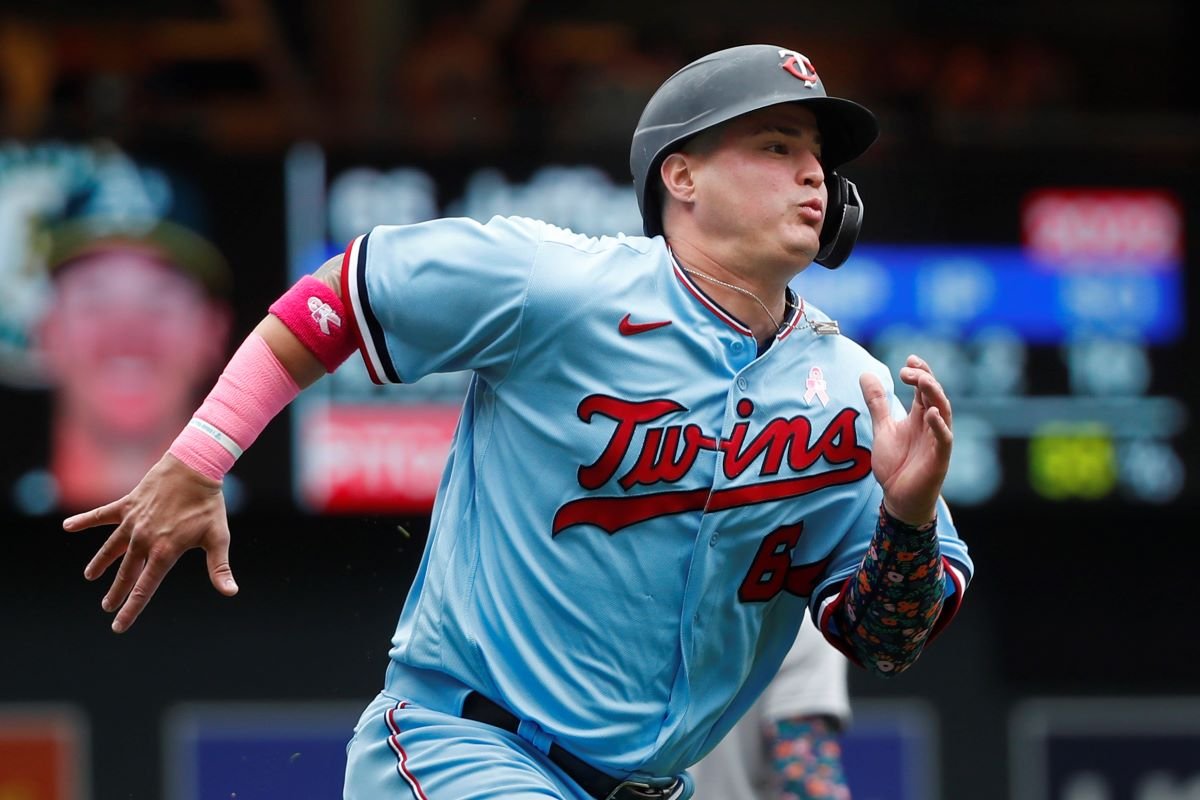 Who cares about 46 plate appearances? Not me. Neither, globally speaking, should you. 46 plate appearances, however, is all we have to judge Jose Miranda on so far in the big leagues, and it hasn't been pretty. After putting together a MiLB season for the ages in 2021 in which he hit 30 HR and a combined 159 wRC+ between AA and AAA, Miranda has struggled in his opening month with the Twins. Over 11 games, he’s put up an 8 wRC+ and has been worth -0.5 fWAR. Obviously not great. What do the numbers say about Miranda? How might he turn his slow start around? Miranda’s 2021 MiLB breakthrough came from the ability to drive the ball well. In 2021, his Line Drive Percentage (LD%) was 24.3% at AA and AAA. For a point of reference, Jorge Polanco, who put up 4.1 fWAR for the Twins, was at 23.1%. Obviously, a different level of competition, but a useful reference point. Fast forward to 2022 and Miranda’s LD% has plummeted to just 2.7%. Essentially, everything he’s hitting is into the ground, or straight up in the air. What gives? The clues come in the form of Miranda’s plate discipline numbers. He doesn’t walk often 4.3% BB%. He also doesn’t strike out very often, something we might expect for someone struggling so mightily at the plate (15.2% K%). Miranda’s low walk and low strikeout totals warrant further investigation, for that, it’s useful to look at his swing and contact rates. Miranda has an O-Swing% of 29.9%, meaning he swings at 29.9% of pitches thrown outside the strike zone. This isn’t an alarming number (Polanco, our contextual comparison for this piece, is at 28.8% here). Miranda, however, swings significantly more in the zone than other hitters (70.2% so far in 2022 to Polanco’s 61.5%). We know that Miranda can crush the ball, no one who hits 30 HR in a season can’t. However, his average exit velocity is 88.2 mph, right at league average with a Barrel% of just 5.4%. If we put these two data points together, here’s what we can glean; Miranda has a tendency to swing at pitches in the strike zone, which is fine. Currently, his swings in the zone are not selective enough, causing him to ground out and pop out frequently. His tendencies are a much scaled-back version of the challenges Willians Astudillo faced in Minnesota, where his ability to put bat-to-ball was negated by the poor quality of contact he produced. I’ll finish with this; who cares? Hitting in the majors is a game of reactivity and constraint adjustments. Whether Miranda continues to work through his struggles in Minneapolis or St. Paul, I remain extremely confident in his ability to hit at the big league level. If he wants to maximize his success, however, he needs to once again hunt for pitches he can drive.
- 19 comments
-
- 5
-
-
- jose miranda
- willians astudillo
- (and 1 more)
-
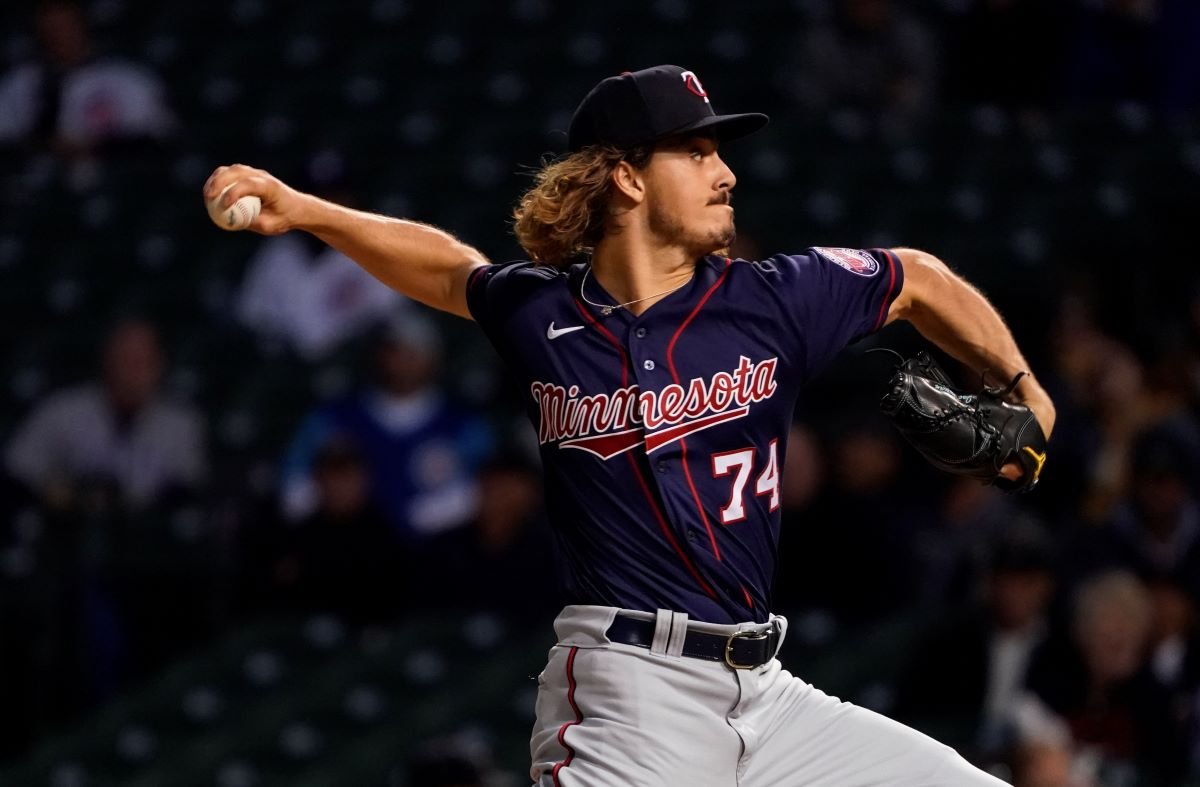 Box Score Starting Pitcher: Ryan 4 IP, 4 H, 4 R, 4 ER, 5 BB, 3 K Homeruns: None Bottom 3 WPA: Ryan -.209, Urshela -.069, Kepler -.068 Win Probability Chart (via FanGraphs) Tuesday’s game was billed as one of the best pitching matchups of the season, as Joe Ryan took on Justin Verlander. Entering the contest, the pitchers had remarkably similar statistics on the year, while the Twins and Astros had identical 18-11 records. The Astros made Joe Ryan work in the first inning. Despite this, he pitched around a walk of Alex Bregman to manage a scoreless frame. Justin Verlander, despite Gary Sanchez's scalding a line drive to left field, managed a hitless first inning of his own. Ryan struggled in the top of the second, surrendering a leadoff hit before walking Kyle Tucker for his second free pass in as many innings. After a fly ball moved Yuli Gurriel to third, a Jeremy Pena groundout gave the Astros a 1-0 lead. Verlander, meanwhile, continued to cruise, retiring the side in order to sit at just 23 pitches after two hitless innings. In the fourth inning, Ryan walked Kyle Tucker with one out. Tucker stole second and came around to score on a bloop single from Pena with two outs. Ryan struck out Martin Maldonado to end the fourth inning trailing 2-0. Ryan had poor command and did not look sharp on Tuesday. It’s perhaps a testament to him that he managed to keep the game close, despite walking four and throwing 83 pitches through four innings. Verlander sat at just 43 pitches through four hitless innings. The Twins produced poor at-bats against the future Hall-of-Famer, but he also threw 81% strikes. A Jose Altuve bloop single and Joe Ryan’s fifth walk of the game led off the fifth inning for Houston. An Alex Bregman double increased the lead to 3-0 with runners of second and third and none out and ended Ryan’s night, undoubtedly his most disappointing outing of the season. Danny Coulombe entered the game and managed to limit the damage to just one more run. The Twins entered the bottom of the fifth inning trailing 4-0. Verlander allowed his first base runner in the fifth inning when Jorge Polanco walked. Gio Urshela promptly grounded into a double play to immediately end any inkling of Twins resistance. In the sixth inning, Coulombe exited the game, the latest in a litany of injured players. He was replaced by Jharel Cotton. The Astros tacked on another run, pushing the score to 5-0. Gilberto Celestino took the Twins' second walk of the game in the sixth inning but he was thrown out trying to take second base on an errant pitch from Verlander, who faced the minimum through six innings. Jharel Cotton continued to pitch admirably for the Twins as he was asked to eat as many innings as possible to preserve the bullpen through the rest of the series. He pitched scoreless seventh and eight innings. Verlander finally lost his no-hit bid with one out in the eighth inning. Gio Urshela punched an opposite field single to give the Twins just their third base runner of the game. The crowd sounded their appreciation, both for Urshela, and Verlander's masterful performance. Tuesday's game was the second time this season the Twins were at risk of being no-hit by a future Hall of Fame pitcher. Royce Lewis grounded into a double play to erase the runner, and get Verlander through eight one-hit innings, striking out five. The Twins managed to get two runners aboard in the bottom of the ninth, advancing a runner to second base for the first time in the game! Jose Miranda flew out to centerfield to complete the shutout for the Astros. the loss dropped the Twins to 18-12 on the season. If nothing else, the Astros effortless swatting of the Twins on Tuesday emphasized the easy ride Minnesota has had with their recent schedule. A lineup without Buxton, Arraez, and Correa looked toothless. The Astros provided the first stern test for a severely undermanned Twins team. Verlander was brilliant. The Twins failed comprehensively. Bullpen Usage Chart FRI SAT SUN MON TUE TOT Cotton 0 0 0 0 58 58 Pagán 28 0 28 0 0 56 Coulombe 0 12 0 0 29 41 Stashak 0 0 34 0 0 34 Duran 0 31 0 0 0 31 Thielbar 0 0 20 0 3 23 Duffey 11 0 9 0 0 20 Jax 0 19 0 0 0 19 Smith 6 0 12 0 0 18 Next Up On Wednesday, the Twins will continue their series against the Astros. Chris Archer will start for Minnesota while José Urquidy starts for Houston. The first pitch is at 6:40 CT Postgame Interviews - Coming Soon
- 23 comments
-
- 3
-
-
- joe ryan
- danny coulombe
- (and 3 more)
-
The Astros beat the Twins 5-0 on Tuesday as Justin Verlander was five outs away from a no-hitter. The loss moves the Twins to 18-12 on the season. Image courtesy of David Banks, USA Today Sports The Astros beat the Twins 5-0 on Tuesday as Justin Verlander was five outs away from a no-hitter. The loss moves the Twins to 18-12 on the season. Box Score Starting Pitcher: Ryan 4 IP, 4 H, 4 R, 4 ER, 5 BB, 3 K Homeruns: None Bottom 3 WPA: Ryan -.209, Urshela -.069, Kepler -.068 Win Probability Chart (via FanGraphs) Tuesday’s game was billed as one of the best pitching matchups of the season, as Joe Ryan took on Justin Verlander. Entering the contest, the pitchers had remarkably similar statistics on the year, while the Twins and Astros had identical 18-11 records. The Astros made Joe Ryan work in the first inning. Despite this, he pitched around a walk of Alex Bregman to manage a scoreless frame. Justin Verlander, despite Gary Sanchez's scalding a line drive to left field, managed a hitless first inning of his own. Ryan struggled in the top of the second, surrendering a leadoff hit before walking Kyle Tucker for his second free pass in as many innings. After a fly ball moved Yuli Gurriel to third, a Jeremy Pena groundout gave the Astros a 1-0 lead. Verlander, meanwhile, continued to cruise, retiring the side in order to sit at just 23 pitches after two hitless innings. In the fourth inning, Ryan walked Kyle Tucker with one out. Tucker stole second and came around to score on a bloop single from Pena with two outs. Ryan struck out Martin Maldonado to end the fourth inning trailing 2-0. Ryan had poor command and did not look sharp on Tuesday. It’s perhaps a testament to him that he managed to keep the game close, despite walking four and throwing 83 pitches through four innings. Verlander sat at just 43 pitches through four hitless innings. The Twins produced poor at-bats against the future Hall-of-Famer, but he also threw 81% strikes. A Jose Altuve bloop single and Joe Ryan’s fifth walk of the game led off the fifth inning for Houston. An Alex Bregman double increased the lead to 3-0 with runners of second and third and none out and ended Ryan’s night, undoubtedly his most disappointing outing of the season. Danny Coulombe entered the game and managed to limit the damage to just one more run. The Twins entered the bottom of the fifth inning trailing 4-0. Verlander allowed his first base runner in the fifth inning when Jorge Polanco walked. Gio Urshela promptly grounded into a double play to immediately end any inkling of Twins resistance. In the sixth inning, Coulombe exited the game, the latest in a litany of injured players. He was replaced by Jharel Cotton. The Astros tacked on another run, pushing the score to 5-0. Gilberto Celestino took the Twins' second walk of the game in the sixth inning but he was thrown out trying to take second base on an errant pitch from Verlander, who faced the minimum through six innings. Jharel Cotton continued to pitch admirably for the Twins as he was asked to eat as many innings as possible to preserve the bullpen through the rest of the series. He pitched scoreless seventh and eight innings. Verlander finally lost his no-hit bid with one out in the eighth inning. Gio Urshela punched an opposite field single to give the Twins just their third base runner of the game. The crowd sounded their appreciation, both for Urshela, and Verlander's masterful performance. Tuesday's game was the second time this season the Twins were at risk of being no-hit by a future Hall of Fame pitcher. Royce Lewis grounded into a double play to erase the runner, and get Verlander through eight one-hit innings, striking out five. The Twins managed to get two runners aboard in the bottom of the ninth, advancing a runner to second base for the first time in the game! Jose Miranda flew out to centerfield to complete the shutout for the Astros. the loss dropped the Twins to 18-12 on the season. If nothing else, the Astros effortless swatting of the Twins on Tuesday emphasized the easy ride Minnesota has had with their recent schedule. A lineup without Buxton, Arraez, and Correa looked toothless. The Astros provided the first stern test for a severely undermanned Twins team. Verlander was brilliant. The Twins failed comprehensively. Bullpen Usage Chart FRI SAT SUN MON TUE TOT Cotton 0 0 0 0 58 58 Pagán 28 0 28 0 0 56 Coulombe 0 12 0 0 29 41 Stashak 0 0 34 0 0 34 Duran 0 31 0 0 0 31 Thielbar 0 0 20 0 3 23 Duffey 11 0 9 0 0 20 Jax 0 19 0 0 0 19 Smith 6 0 12 0 0 18 Next Up On Wednesday, the Twins will continue their series against the Astros. Chris Archer will start for Minnesota while José Urquidy starts for Houston. The first pitch is at 6:40 CT Postgame Interviews - Coming Soon View full article
- 23 replies
-
- 1
-
-
- joe ryan
- danny coulombe
- (and 3 more)
-
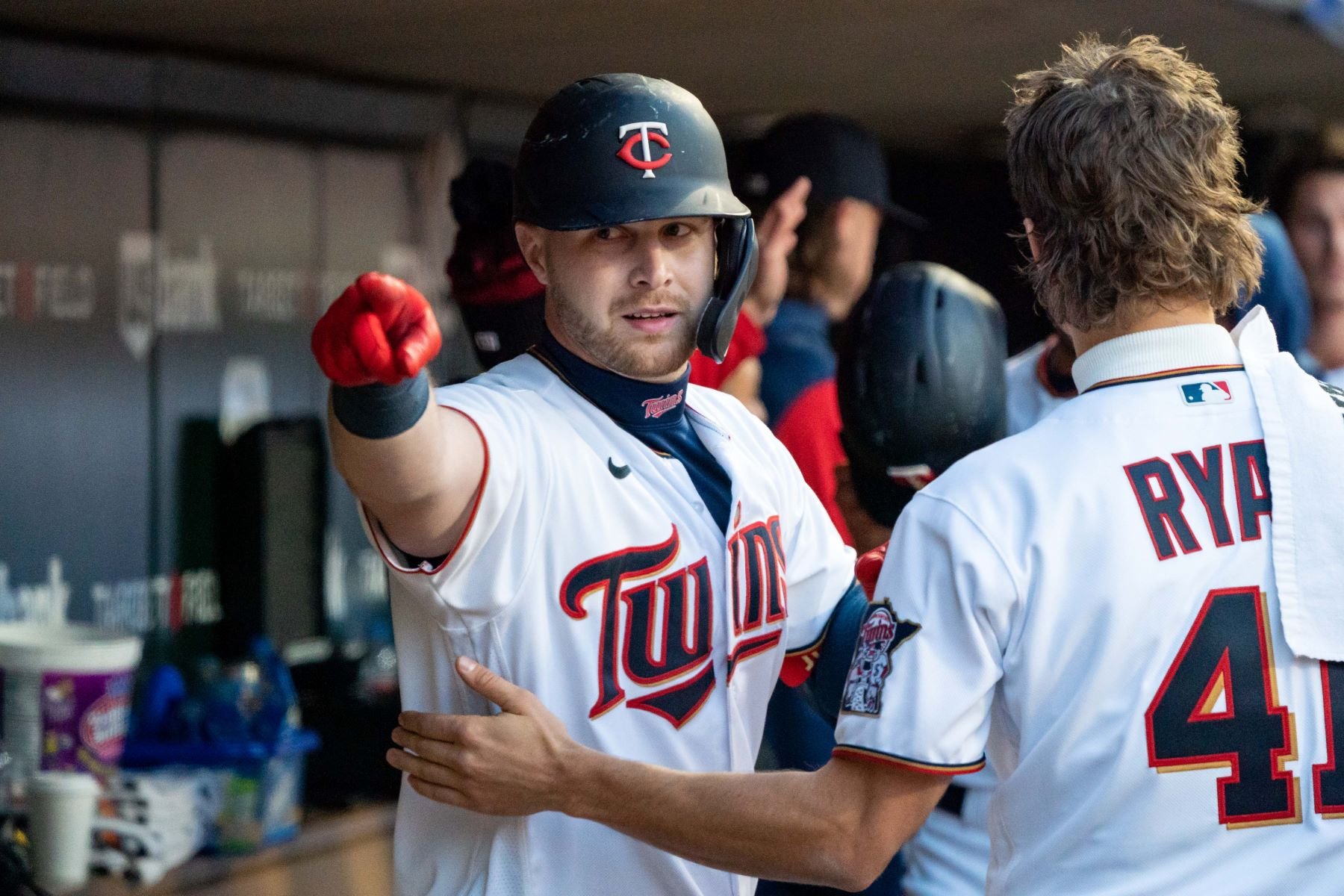 Shortly after the lockout ended, the Twins engaged in a frenzied activity to reshape their roster and prepare for the 2022 season. One of the first moves they made, was trading fan favorite Mitch Garver to the Texas Rangers for Isiah Kiner-Falefa, who eventually was flipped to the Yankees to shed Josh Donaldson’s contract. Trading an aging catcher, with a lengthy injury history, made a lot of sense, even if Twins fans didn’t like the move. How the trade would be reflected upon, depended largely on the development of Ryan Jeffers and what he could offer offensively in 2022. Early in the 2022 season, the returns are promising. Jeffers’ development since being taken in the second round of the 2018 draft out of UNC Wilmington has been remarkable. At the time, the pick was immediately labeled a reach from Minnesota. The Twins, however, saw a solid power bat and a cerebral player they felt they could develop defensively, despite not having had a college catching coach. Jeffers was essentially self-taught defensively. Let’s dig into his offensive and defensive production in 2022 to see what’s under the hood. Offense When Jeffers was first called up in 2020, hitting .273/.355/.436 and managed a 120 wRC+ in a small, 26-game sample. 2021 was, by comparison, a disaster. Jeffers lost his strike zone control, walking less and striking out more, and struggled to get bat to ball, managing 0.6 fWAR in 86 games. In 18 games in 2022, Jeffers has already matched his season-long fWAR from 2021, hitting .228/.302/.456 to go along with a 125 wRC+. Looking at Jeffers’ Statcast profile tells its own interesting and encouraging tale. Jeffers ranks in the 96th percentile for Barrel % and 89th percentile for xSLG, those are elite numbers. You may not like the profile of hitter, but Jeffers is settling in on being a slugger that will strike out a lot but make a ton of hard, effective contact. That’s valuable in and of itself, for a catcher, even more so. There are a number of factors that hurt the perception of Jeffers’ offensive profile and production. Firstly, Mitch Garver’s 2019 season. It was a unicorn season, both for Garver and in the history of the position. Combine it with Garver’s approach at the plate, which combined elite power and strike-zone control, and it’s easy to wave away Jeffers’ low OBP as uninteresting and lacking value. Let’s put his numbers early in 2022 in some positional context. Jeffers ranks fifth in fWAR among all MLB catchers, seventh in SLG, seventh in wRC+, and ninth in wOBA. He just doesn't get on base a lot, and that’s OK. If Jeffers maintains his offensive production and a wRC+ of slightly above 100, he’s going to have an incredibly valuable 2022 season for the Twins. Defense Let’s start with the obvious, Ryan Jeffers is not good at throwing out runners. He ranks fifth last in this category among catchers in 2022. Also, who cares? Jeffers has had four bases stolen on his watch in 2022, and has thrown out one runner, for a CS% of 20%. Yadier Molina is at 29%. Base stealing has become such an irrelevant part of the game that this area of weakness is inconsequential. Measuring defense is difficult, for catchers, it’s almost impossible. There are no effective metrics to help understand the effectiveness with which a catcher ‘calls’ a game. Here’s what we do know about Jeffers. Per Statcast, he’s in the 84th percentile for framing among MLB catchers. Per Baseball Prospectus, he’s seventh-best in baseball. Rdrs/yr measures the number of runs above or below average a fielder would save over 1,200 innings (approximately 135 games). Jeffers sits at 36, that’s good for second-best among catchers in baseball. This is reflected in the eye test for Jeffers. How many run-saving blocks has he already made this year? While the defensive numbers can’t paint the full picture, the outline is clear. Jeffers is a defensive standout. All of this, of course, is a relatively meaningless sample of around 20 games. There’s plenty of season left to go right or go wrong. The early indicators point to Ryan Jeffers as an extremely valuable long-term commodity for the Minnesota Twins.
-
It’s early in the 2022 season, but Ryan Jeffers’ strong start should give Twins fans reason for optimism. He's a top ten catcher in MLB right now. Image courtesy of Jordan Johnson, USA Today It’s early in the 2022 season, but Ryan Jeffers’ strong start should give Twins fans reason for optimism. He's a top ten catcher in MLB right now. Shortly after the lockout ended, the Twins engaged in a frenzied activity to reshape their roster and prepare for the 2022 season. One of the first moves they made, was trading fan favorite Mitch Garver to the Texas Rangers for Isiah Kiner-Falefa, who eventually was flipped to the Yankees to shed Josh Donaldson’s contract. Trading an aging catcher, with a lengthy injury history, made a lot of sense, even if Twins fans didn’t like the move. How the trade would be reflected upon, depended largely on the development of Ryan Jeffers and what he could offer offensively in 2022. Early in the 2022 season, the returns are promising. Jeffers’ development since being taken in the second round of the 2018 draft out of UNC Wilmington has been remarkable. At the time, the pick was immediately labeled a reach from Minnesota. The Twins, however, saw a solid power bat and a cerebral player they felt they could develop defensively, despite not having had a college catching coach. Jeffers was essentially self-taught defensively. Let’s dig into his offensive and defensive production in 2022 to see what’s under the hood. Offense When Jeffers was first called up in 2020, hitting .273/.355/.436 and managed a 120 wRC+ in a small, 26-game sample. 2021 was, by comparison, a disaster. Jeffers lost his strike zone control, walking less and striking out more, and struggled to get bat to ball, managing 0.6 fWAR in 86 games. In 18 games in 2022, Jeffers has already matched his season-long fWAR from 2021, hitting .228/.302/.456 to go along with a 125 wRC+. Looking at Jeffers’ Statcast profile tells its own interesting and encouraging tale. Jeffers ranks in the 96th percentile for Barrel % and 89th percentile for xSLG, those are elite numbers. You may not like the profile of hitter, but Jeffers is settling in on being a slugger that will strike out a lot but make a ton of hard, effective contact. That’s valuable in and of itself, for a catcher, even more so. There are a number of factors that hurt the perception of Jeffers’ offensive profile and production. Firstly, Mitch Garver’s 2019 season. It was a unicorn season, both for Garver and in the history of the position. Combine it with Garver’s approach at the plate, which combined elite power and strike-zone control, and it’s easy to wave away Jeffers’ low OBP as uninteresting and lacking value. Let’s put his numbers early in 2022 in some positional context. Jeffers ranks fifth in fWAR among all MLB catchers, seventh in SLG, seventh in wRC+, and ninth in wOBA. He just doesn't get on base a lot, and that’s OK. If Jeffers maintains his offensive production and a wRC+ of slightly above 100, he’s going to have an incredibly valuable 2022 season for the Twins. Defense Let’s start with the obvious, Ryan Jeffers is not good at throwing out runners. He ranks fifth last in this category among catchers in 2022. Also, who cares? Jeffers has had four bases stolen on his watch in 2022, and has thrown out one runner, for a CS% of 20%. Yadier Molina is at 29%. Base stealing has become such an irrelevant part of the game that this area of weakness is inconsequential. Measuring defense is difficult, for catchers, it’s almost impossible. There are no effective metrics to help understand the effectiveness with which a catcher ‘calls’ a game. Here’s what we do know about Jeffers. Per Statcast, he’s in the 84th percentile for framing among MLB catchers. Per Baseball Prospectus, he’s seventh-best in baseball. Rdrs/yr measures the number of runs above or below average a fielder would save over 1,200 innings (approximately 135 games). Jeffers sits at 36, that’s good for second-best among catchers in baseball. This is reflected in the eye test for Jeffers. How many run-saving blocks has he already made this year? While the defensive numbers can’t paint the full picture, the outline is clear. Jeffers is a defensive standout. All of this, of course, is a relatively meaningless sample of around 20 games. There’s plenty of season left to go right or go wrong. The early indicators point to Ryan Jeffers as an extremely valuable long-term commodity for the Minnesota Twins. View full article
-
Kepler was removed as he was under the weather, tested negative for COVID, nothing serious, thankfully.
- 42 replies
-
- 11
-
-
- joe ryan
- carlos correa
- (and 2 more)
-
 Box Score Starting Pitcher: Ryan 4.2 IP, 6 H, 2 R, 2 ER, 1 BB, 3 SO Homeruns: Jeffers (3) Top 3 WPA: Jeffers .330, Thielbar .133, Polanco .091 Win Probability Chart (via FanGraphs) Here’s how the Twins lined up in the second game of their four-game series against the Orioles. In the Twins lineup for the second consecutive day, the news that Jose Miranda made the big league club was making the rounds. The expectations for Joe Ryan have become absurdly high. While he wasn’t as dominant as he was in his last start against Detroit, he continued to impress, working quickly and effectively. His first inning was prolonged by a throwing error from Gio Urshela, allowing Trey Mancini to reach base. Ryan plunked Santander before wriggling out of the inning, despite throwing 25 pitches. The Twins meanwhile, continued their offensive trend from Monday’s game, struggling to put together effective at-bats against Orioles' standout Bruce Zimmerman. The game remained scoreless through three innings, due to some excellent defensive work from Carlos Correa. The Twins finally broke through in the fourth, with Miranda drilling a double into the right-center field gap, to collect his first hit and first RBI as Urshela scored from first base. In the bottom of the fourth, the Twins fell upon some incredibly bad luck. Austin Hays led off the inning with an infield single after drilling a ball into home plate at 77 mph. Rougned Odor followed up with a 42.8 mph double off the end of the bat, that just beat the shift. Tyler Nevin then reached on an error from Correa as the Orioles tied the game at 1-1. Just when it looked like the Orioles were in for a big inning, Anthony Bemboom flew into a double play, with Buxton doubling off Tyler Nevin at second base. Incredibly, Ryan managed to escape with just one run surrendered, taking the game to the fifth inning tied The Twins and Orioles traded one-run fifth innings. The Twins scored in the top of the inning with a Polanco single up the middle, after the Twins had two men on, and none out. The Orioles immediately replied in the bottom of the inning when a Mancini single scored Cedric Mullins, who had doubled to start the inning. Santander grounded into a force-out, blasting a ball at Ryan, who fielded, and threw to second to get Mancini, benefiting from a beautiful stretch and pick by Correa. In the sixth inning, the Twins finally opened up a meaningful lead. Gary Sanchez doubled and Trevor Larnach (who entered the game for Max Kepler) walked, to put runners on first and second with one out. Ryan Jeffers then deposited a three-run home run to left-center field. Jeffers, while not the same caliber of slugger as Mitch Garver, has played extremely well this season. Through the first month, he has put up a 107 wRC+, with excellent defense and framing numbers to boot. Caleb Thielbar worked through five outs of scoreless relief, striking out two. He was followed by Tyler Duffey, who managed five additional outs of scoreless relief. Thielbar and Duffey starting to get back on track will be of great relief to Twins fans, given their early-season struggles. Back-to-back doubles from Gilberto Celestino and Byron Buxton increased the lead to four in the ninth inning. Carlos Correa added another double, moving Buxton to third base with no outs. A Jorge Polanco sacrifice fly scored Buxton, increasing the lead to 7-2 entering the bottom of the ninth inning. Cody Stashak pitched a scoreless ninth to give the Twins the win. Minnesota is 4-1 on their current road trip, has won 11 of their last 12, and has moved to 15-9 on the young season. Winning is fun, and the Twins don't look to be slowing down anytime soon. Bullpen Usage Chart THU FRI SAT SUN MON TUE TOT Jax 46 0 0 0 15 0 61 Duffey 8 0 0 17 0 18 43 Stashak 18 0 14 0 0 11 43 Coulombe 0 35 0 0 0 0 35 Thielbar 0 0 15 0 0 18 33 Duran 0 0 20 0 10 0 30 Pagán 0 0 0 0 27 0 27 Smith 0 0 9 0 2 0 11 Moran 0 0 0 0 0 0 0 Next Up On Wednesday, the Twins will continue their series in Baltimore against the Orioles. Dylan Bundy will look to rebound from a poor outing in Tampa. Kyle Bradish goes for Baltimore. The first pitch is at 6:05 CT Postgame Interviews
- 42 comments
-
- 5
-
-
- joe ryan
- carlos correa
- (and 2 more)
-
The Twins are on fire. They beat the Orioles 7-2 on Tuesday to win their eleventh game in their last twelve attempts, moving to 15-9 on the season. Image courtesy of Tommy Gilligan, USA Today Sports The Twins are on fire. They beat the Orioles 7-2 on Tuesday to win their eleventh game in their last twelve attempts, moving to 15-9 on the season. Box Score Starting Pitcher: Ryan 4.2 IP, 6 H, 2 R, 2 ER, 1 BB, 3 SO Homeruns: Jeffers (3) Top 3 WPA: Jeffers .330, Thielbar .133, Polanco .091 Win Probability Chart (via FanGraphs) Here’s how the Twins lined up in the second game of their four-game series against the Orioles. In the Twins lineup for the second consecutive day, the news that Jose Miranda made the big league club was making the rounds. The expectations for Joe Ryan have become absurdly high. While he wasn’t as dominant as he was in his last start against Detroit, he continued to impress, working quickly and effectively. His first inning was prolonged by a throwing error from Gio Urshela, allowing Trey Mancini to reach base. Ryan plunked Santander before wriggling out of the inning, despite throwing 25 pitches. The Twins meanwhile, continued their offensive trend from Monday’s game, struggling to put together effective at-bats against Orioles' standout Bruce Zimmerman. The game remained scoreless through three innings, due to some excellent defensive work from Carlos Correa. The Twins finally broke through in the fourth, with Miranda drilling a double into the right-center field gap, to collect his first hit and first RBI as Urshela scored from first base. In the bottom of the fourth, the Twins fell upon some incredibly bad luck. Austin Hays led off the inning with an infield single after drilling a ball into home plate at 77 mph. Rougned Odor followed up with a 42.8 mph double off the end of the bat, that just beat the shift. Tyler Nevin then reached on an error from Correa as the Orioles tied the game at 1-1. Just when it looked like the Orioles were in for a big inning, Anthony Bemboom flew into a double play, with Buxton doubling off Tyler Nevin at second base. Incredibly, Ryan managed to escape with just one run surrendered, taking the game to the fifth inning tied The Twins and Orioles traded one-run fifth innings. The Twins scored in the top of the inning with a Polanco single up the middle, after the Twins had two men on, and none out. The Orioles immediately replied in the bottom of the inning when a Mancini single scored Cedric Mullins, who had doubled to start the inning. Santander grounded into a force-out, blasting a ball at Ryan, who fielded, and threw to second to get Mancini, benefiting from a beautiful stretch and pick by Correa. In the sixth inning, the Twins finally opened up a meaningful lead. Gary Sanchez doubled and Trevor Larnach (who entered the game for Max Kepler) walked, to put runners on first and second with one out. Ryan Jeffers then deposited a three-run home run to left-center field. Jeffers, while not the same caliber of slugger as Mitch Garver, has played extremely well this season. Through the first month, he has put up a 107 wRC+, with excellent defense and framing numbers to boot. Caleb Thielbar worked through five outs of scoreless relief, striking out two. He was followed by Tyler Duffey, who managed five additional outs of scoreless relief. Thielbar and Duffey starting to get back on track will be of great relief to Twins fans, given their early-season struggles. Back-to-back doubles from Gilberto Celestino and Byron Buxton increased the lead to four in the ninth inning. Carlos Correa added another double, moving Buxton to third base with no outs. A Jorge Polanco sacrifice fly scored Buxton, increasing the lead to 7-2 entering the bottom of the ninth inning. Cody Stashak pitched a scoreless ninth to give the Twins the win. Minnesota is 4-1 on their current road trip, has won 11 of their last 12, and has moved to 15-9 on the young season. Winning is fun, and the Twins don't look to be slowing down anytime soon. Bullpen Usage Chart THU FRI SAT SUN MON TUE TOT Jax 46 0 0 0 15 0 61 Duffey 8 0 0 17 0 18 43 Stashak 18 0 14 0 0 11 43 Coulombe 0 35 0 0 0 0 35 Thielbar 0 0 15 0 0 18 33 Duran 0 0 20 0 10 0 30 Pagán 0 0 0 0 27 0 27 Smith 0 0 9 0 2 0 11 Moran 0 0 0 0 0 0 0 Next Up On Wednesday, the Twins will continue their series in Baltimore against the Orioles. Dylan Bundy will look to rebound from a poor outing in Tampa. Kyle Bradish goes for Baltimore. The first pitch is at 6:05 CT Postgame Interviews View full article
- 42 replies
-
- 2
-
-
- joe ryan
- carlos correa
- (and 2 more)
-
 Box Score Starting Pitcher: Paddack 5.2 IP, 5 H, 1 ER, 1 BB, 6 SO Homeruns: Kepler (1) Top 3 WPA: Sano .624, Larnach .243, Paddack .192 Win Probability Chart (via FanGraphs) Here’s how the Twins lined up to open their three-game series against the Tigers. Today, Twins' Twitter was already astir, with reports that Carlos Correa would be open to finding a long-term deal in Minnesota, courtesy of Ken Rosenthal of The Athletic. On the field, Chris Paddack looked to continue his upward trend in his third start since joining the Twins. In his first start against the Dodgers, Paddack struggled to find the strike zone and got clobbered by a lineup that frequently saw him in the NL West. Paddack struggled to find the zone in chilly game-time temperatures in the first inning. He made it through a scoreless inning despite issuing an uncharacteristic walk to Javy Baez. From there, Paddack didn’t look back. The Tigers managed just two hits in Paddack’s first five frames, in which he struck out six Tigers hitters. Meanwhile, Eduardo Rodriguez had a solid start for Detroit. In the second inning, the Twins got on the board after a Max Kepler double scored Kyle Garlick. The Twins added to their lead in the fourth via a two-run home run from Kepler. Kepler’s performance against a left-handed pitcher is of note. Perhaps even more significant is a Twins' hitter not named Byron Buxton or Luis Arraez stepping up and having a strong offensive performance. More of this, please... Paddack finally ran into trouble in the sixth inning. A bunt hit from Derek Hill was followed by a bloop single from Robbie Grossman. Austin Meadows grounded into a huge double play before Javy Baez got the Tigers on the board with a loud double to right field. Tyler Duffey replaced Paddack and induced a ground out from Miguel Cabrera to end the threat, the Twins taking a 3-1 lead into the seventh inning. Paddack’s development and performance in his first three starts have to be viewed as an incredibly encouraging sign for the Twins. His velocity was up, he pounded the zone, and he looks like a confident starting pitcher. Long may it continue. Duffey and Caleb Thielbar combined for a relatively comfortable seventh inning, a welcome turn given their early struggles this season. Thielbar returned in the eighth and immediately struggled, giving up a single to Derek Hill before walking Robbie Grossman. Thielbar managed to get Austin Meadows to fly out but left the game with runners at first and second and one out. Emilio Pagan relieved Thielbar and immediately surrendered the lead as Baez hit a three-run home run. Miguel Cabrera lined out before Spencer Torkelson walked. Pagan eventually struck out Schoop, but looked all over the place, throwing just 10 strikes in 23 pitches. Griffin Jax looked brilliant in the top of the ninth, striking out two and retiring the side on just 10 pitches. One nagging question for the Twins, in addition to the inconsistent offense, is the bullpen. Whether the complaint is relevant or grounded in recency bias, it feels like the Twins are struggling in some early season games trying to figure out who can do what in their bullpen. Surely an investment of $5-7 million more could have stabilized the back end of the bullpen before the start of the season? The bottom of the ninth was bizarre. Gregory Soto walked Trevor Larnach and Gio Urshela. Miguel Sano singled on a line drive to right field, Larnach held at third, Urshela kept running when Sano continued to second. Tigers catcher Eric Haase threw the ball over third base into left-field, allowing two runners to score and the Twins walked off in bizarre, and extremely fortunate fashion. Bullpen Usage Chart FRI SAT SUN MON TUE TOT Winder 0 0 61 0 0 61 Pagán 34 0 0 0 23 57 Thielbar 0 22 0 0 27 49 Jax 29 0 0 0 10 39 Duffey 13 0 0 0 19 32 Coulombe 0 28 0 0 0 28 Stashak 0 22 0 0 0 22 Duran 0 0 18 0 0 18 Smith 0 0 13 0 0 13 Romero 0 IL IL IL IL 0 Next Up On Wednesday, the Twins will continue their series against the Tigers. Joe Ryan starts for Minnesota against old friend Michael Pineda. First pitch is at 6:40 CT. Postgame Interviews
-
The Twins extended their win streak to five games on a chilly Tuesday night, beating the Tigers 5-4 in bizarre fashion in the series opener on a final play you have to see to believe. Image courtesy of Nick Wosika - USA Today Sports The Twins extended their win streak to five games on a chilly Tuesday night, beating the Tigers 5-4 in bizarre fashion in the series opener on a final play you have to see to believe. Box Score Starting Pitcher: Paddack 5.2 IP, 5 H, 1 ER, 1 BB, 6 SO Homeruns: Kepler (1) Top 3 WPA: Sano .624, Larnach .243, Paddack .192 Win Probability Chart (via FanGraphs) Here’s how the Twins lined up to open their three-game series against the Tigers. Today, Twins' Twitter was already astir, with reports that Carlos Correa would be open to finding a long-term deal in Minnesota, courtesy of Ken Rosenthal of The Athletic. On the field, Chris Paddack looked to continue his upward trend in his third start since joining the Twins. In his first start against the Dodgers, Paddack struggled to find the strike zone and got clobbered by a lineup that frequently saw him in the NL West. Paddack struggled to find the zone in chilly game-time temperatures in the first inning. He made it through a scoreless inning despite issuing an uncharacteristic walk to Javy Baez. From there, Paddack didn’t look back. The Tigers managed just two hits in Paddack’s first five frames, in which he struck out six Tigers hitters. Meanwhile, Eduardo Rodriguez had a solid start for Detroit. In the second inning, the Twins got on the board after a Max Kepler double scored Kyle Garlick. The Twins added to their lead in the fourth via a two-run home run from Kepler. Kepler’s performance against a left-handed pitcher is of note. Perhaps even more significant is a Twins' hitter not named Byron Buxton or Luis Arraez stepping up and having a strong offensive performance. More of this, please... Paddack finally ran into trouble in the sixth inning. A bunt hit from Derek Hill was followed by a bloop single from Robbie Grossman. Austin Meadows grounded into a huge double play before Javy Baez got the Tigers on the board with a loud double to right field. Tyler Duffey replaced Paddack and induced a ground out from Miguel Cabrera to end the threat, the Twins taking a 3-1 lead into the seventh inning. Paddack’s development and performance in his first three starts have to be viewed as an incredibly encouraging sign for the Twins. His velocity was up, he pounded the zone, and he looks like a confident starting pitcher. Long may it continue. Duffey and Caleb Thielbar combined for a relatively comfortable seventh inning, a welcome turn given their early struggles this season. Thielbar returned in the eighth and immediately struggled, giving up a single to Derek Hill before walking Robbie Grossman. Thielbar managed to get Austin Meadows to fly out but left the game with runners at first and second and one out. Emilio Pagan relieved Thielbar and immediately surrendered the lead as Baez hit a three-run home run. Miguel Cabrera lined out before Spencer Torkelson walked. Pagan eventually struck out Schoop, but looked all over the place, throwing just 10 strikes in 23 pitches. Griffin Jax looked brilliant in the top of the ninth, striking out two and retiring the side on just 10 pitches. One nagging question for the Twins, in addition to the inconsistent offense, is the bullpen. Whether the complaint is relevant or grounded in recency bias, it feels like the Twins are struggling in some early season games trying to figure out who can do what in their bullpen. Surely an investment of $5-7 million more could have stabilized the back end of the bullpen before the start of the season? The bottom of the ninth was bizarre. Gregory Soto walked Trevor Larnach and Gio Urshela. Miguel Sano singled on a line drive to right field, Larnach held at third, Urshela kept running when Sano continued to second. Tigers catcher Eric Haase threw the ball over third base into left-field, allowing two runners to score and the Twins walked off in bizarre, and extremely fortunate fashion. Bullpen Usage Chart FRI SAT SUN MON TUE TOT Winder 0 0 61 0 0 61 Pagán 34 0 0 0 23 57 Thielbar 0 22 0 0 27 49 Jax 29 0 0 0 10 39 Duffey 13 0 0 0 19 32 Coulombe 0 28 0 0 0 28 Stashak 0 22 0 0 0 22 Duran 0 0 18 0 0 18 Smith 0 0 13 0 0 13 Romero 0 IL IL IL IL 0 Next Up On Wednesday, the Twins will continue their series against the Tigers. Joe Ryan starts for Minnesota against old friend Michael Pineda. First pitch is at 6:40 CT. Postgame Interviews View full article
- 86 replies
-
- 1
-
-
- chris paddack
- miguel sano
- (and 3 more)
-
 The Twins sit atop the AL Central, riding a four-game winning streak. Several Twins hitting and pitching prospects are off to exceptional starts in 2022. With May approaching, we are moving into the second half of the college baseball season ahead of the College World Series in June. Here’s the latest from Jeremy Nygaard, capturing news and notes as we shuffle towards the draft in July, including notes and updates from Keith Law, Maria Torres, and all the latest news, big boards, and mock drafts. Weekly Recap A sweep of Florida over the weekend kept number one Tennessee rolling, improving to 37-3 on the season and moving to a 17-1 record in the SEC, truly impressive given the caliber of the competition. The rest of the top five is made up of familiar names, with Oregon St climbing to number two, Miami, Stanford, and Virginia rounding out the rest. Florida State and Oregon were the big fallers of the week. Each team had a mediocre 2-2 week, falling to 24 and 25 respectively. The current crop of eight teams predicted by Baseball America to reach the College World Series in Omaha in June comprises Tennessee, Arkansas, Miami, Oregon St, Southern Miss, Stanford, Texas, and Virginia. Here's where Baseball America ranked the top 25 in the country at the end of the weekend. Moment of the Week How’s this for an unconventional triple play turned by Virginia against Pitt last weekend? Potential #8 Pick Performances The group the Twins should be selecting from in July has remained remarkably consistent since the beginning of the college baseball season. It’s a great year to pick in the top ten. The upper tier of prospects is led by three prep prospects with superstar upside (Druw Jones, Temarr Johnson, and Elijah Green. Jackson Holliday (son of Matt) is arguably entering the top 10-12 conversation. After the high-school uber-prospects, an incredibly strong class of college hitters runs out around pick 9-10, depending on who you like. Kevin Parada is having a season for the ages, and I think it’s very unlikely he’s still around for the Twins at eight. While the Falvey-led front office has had a type (high-floor college outfield bats), they haven’t had a selection this high since they took Royce Lewis number one overall. Trying to read the tea leaves, which is futile in April, I think it would be a huge win for Minnesota if Jacob Berry (Nygaard’s #6) or Jace Jung (Nygaard’s #8) is available for the Twins. Brooks Lee will not be, and before anyone asks, I hate the idea of drafting Dylan Lesko (we can argue about it in the comments). In the second half of the college season, I’ll continue to introduce prospects the Twins might consider at number eight and begin to highlight some intriguing prospects for their second pick. Here are the latest number for draft-eligible college players the Twins may have interest in at number eight overall. Brooks Lee, SS, Cal Poly, 60-156 (.385), 7 HR, 37 RBI, 34 BB, 13 K Jace Jung, 2B, Texas Tech, 57-156 (.365), 11 HR, 44 RBI, 46 BB, 25 K Kevin Parada, C, Georgia Tech, 68-177 (.384), 19 HR, 66 RBI, 21 BB, 19 K Jacob Berry, CI, LSU, 57-154 (.370), 13 HR, 40 RBI, 19 BB, 15 K Gavin Cross, OF, Virginia Tech, 53-148 (.358), 9 HR, 29 RBI, 22 BB, 19 K Chase DeLauter, OF, James Madison, 38-87 (.437), 8 HR, 35 RBI, 28 BB, 21 K (currently injured) Daniel Susac, C, Arizona, 68-183 (.372), 8 HR, 39 RBI, 15 BB, 33 K Jordan Beck, OF, Tennessee, 50-158 (.316), 10 HR, 25 RBI, 17 BB, 35 K Who are you most interested in as a potential number eight pick for the Minnesota Twins? Join the discussion in the comments.
-
This week, the college baseball season rolls into its second half. Read up on the last two weeks of college baseball, and an overview of the top of the 2022 draft class. Image courtesy of Thieres Rabelo This week, the college baseball season rolls into its second half. Read up on the last two weeks of college baseball, and an overview of the top of the 2022 draft class. The Twins sit atop the AL Central, riding a four-game winning streak. Several Twins hitting and pitching prospects are off to exceptional starts in 2022. With May approaching, we are moving into the second half of the college baseball season ahead of the College World Series in June. Here’s the latest from Jeremy Nygaard, capturing news and notes as we shuffle towards the draft in July, including notes and updates from Keith Law, Maria Torres, and all the latest news, big boards, and mock drafts. Weekly Recap A sweep of Florida over the weekend kept number one Tennessee rolling, improving to 37-3 on the season and moving to a 17-1 record in the SEC, truly impressive given the caliber of the competition. The rest of the top five is made up of familiar names, with Oregon St climbing to number two, Miami, Stanford, and Virginia rounding out the rest. Florida State and Oregon were the big fallers of the week. Each team had a mediocre 2-2 week, falling to 24 and 25 respectively. The current crop of eight teams predicted by Baseball America to reach the College World Series in Omaha in June comprises Tennessee, Arkansas, Miami, Oregon St, Southern Miss, Stanford, Texas, and Virginia. Here's where Baseball America ranked the top 25 in the country at the end of the weekend. Moment of the Week How’s this for an unconventional triple play turned by Virginia against Pitt last weekend? Potential #8 Pick Performances The group the Twins should be selecting from in July has remained remarkably consistent since the beginning of the college baseball season. It’s a great year to pick in the top ten. The upper tier of prospects is led by three prep prospects with superstar upside (Druw Jones, Temarr Johnson, and Elijah Green. Jackson Holliday (son of Matt) is arguably entering the top 10-12 conversation. After the high-school uber-prospects, an incredibly strong class of college hitters runs out around pick 9-10, depending on who you like. Kevin Parada is having a season for the ages, and I think it’s very unlikely he’s still around for the Twins at eight. While the Falvey-led front office has had a type (high-floor college outfield bats), they haven’t had a selection this high since they took Royce Lewis number one overall. Trying to read the tea leaves, which is futile in April, I think it would be a huge win for Minnesota if Jacob Berry (Nygaard’s #6) or Jace Jung (Nygaard’s #8) is available for the Twins. Brooks Lee will not be, and before anyone asks, I hate the idea of drafting Dylan Lesko (we can argue about it in the comments). In the second half of the college season, I’ll continue to introduce prospects the Twins might consider at number eight and begin to highlight some intriguing prospects for their second pick. Here are the latest number for draft-eligible college players the Twins may have interest in at number eight overall. Brooks Lee, SS, Cal Poly, 60-156 (.385), 7 HR, 37 RBI, 34 BB, 13 K Jace Jung, 2B, Texas Tech, 57-156 (.365), 11 HR, 44 RBI, 46 BB, 25 K Kevin Parada, C, Georgia Tech, 68-177 (.384), 19 HR, 66 RBI, 21 BB, 19 K Jacob Berry, CI, LSU, 57-154 (.370), 13 HR, 40 RBI, 19 BB, 15 K Gavin Cross, OF, Virginia Tech, 53-148 (.358), 9 HR, 29 RBI, 22 BB, 19 K Chase DeLauter, OF, James Madison, 38-87 (.437), 8 HR, 35 RBI, 28 BB, 21 K (currently injured) Daniel Susac, C, Arizona, 68-183 (.372), 8 HR, 39 RBI, 15 BB, 33 K Jordan Beck, OF, Tennessee, 50-158 (.316), 10 HR, 25 RBI, 17 BB, 35 K Who are you most interested in as a potential number eight pick for the Minnesota Twins? Join the discussion in the comments. View full article
-
 'Musica, bailar', Emmanuel Rodriguez answers, through interpreter (and Mighty Mussels hitting coach) Rayden Sierra, when asked by Twins Daily's @Seth Stohs how he likes to spend his time outside of baseball. 'Music, and dancing'. Rodriguez is 19, after all. Easy to forget after his impressive start in 2022. On Thursday, Seth chatted with the Mighty Mussels' prodigious outfielder on "Three Questions With..." Emmanuel Rodriguez made Baseball America’s weekly Hot Sheet after hitting .360/.568/.880 through his first 25 plate appearances of the season. Rodriguez has also managed ten runs, four home runs, 12 walks, and two steals to open 2022. One of Rodriguez’s four home runs traveled 439 feet with an exit velocity of 111 mph. Not bad for a 19-year-old. So who is this teenage phenom? How did he end up with the Twins? What is his ceiling? It’s often not talked about how reliant the current Twins lineup is on international signings. Luis Arraez, Jorge Polanco, Miguel Sano, Max Kepler, Gio Urshela, and Gary Sanchez were all signed as professionals via international free agency (although not all with the Twins). While the more famous free agent signings like Sano and Sanchez come with plenty of prestige and attention, others, such as Arraez, are virtually unheralded, making a monumental impact when considering their signing bonuses. Emmanuel Rodriguez falls between those two extremes. The Twins signed him for a $2.5 million bonus in 2019. The Dominican was their top target in a class that was led by Yankees Jasson Dominguez. According to most international prospect lists, his overall placement in free-agent rankings that season lay between 10th and 20th. "They were always there. They were always following up with him. The scouting department made him feel wanted and that meant a lot to him', translates Sierra, on how Rodriguez ended up with the Twins. The 5’10, 200-pound left-handed hitter managed a 124 wRC+ and 10 HR in his professional debut in the Florida Complex League. While his .390 wOBA was impressive, Rodriguez's 36.6 K% was a clear area of focus ahead of 2022. The early returns are promising. At the time of writing, Rodriguez has increased his BB% from 15% in 2021 to 29% in 2022, cutting his K% to a more manageable 22%. In addition, Rodriguez has posted a scorching 252 wRC+. "I am working mostly on evening out my strikeout to walk ratio', says Rodriguez (through Sierra), after asking what his primary focus is in 2022, "that, and staying healthy." Entering the season, Rodriguez boasted 60-grade power, a 60-grade arm to go with 50-grade running and fielding. The question was his hit tool. Prior to 2022, Baseball America graded is at 45, citing his weakness in controlling the strike zone and an overly steep swing that resulted in too many strikeouts. Even with these concerns, they ranked him as the Twins' #10 overall prospect ahead of 2022, also giving him the superlative of best outfield arm in the system. What’s so exciting in Rodriguez’s start is his age and the rapidity of his improvement. At 19, he has a ton of projectability as he fills out, grows, and continues to develop. Even now, he has some of the best bat speed in the Twins system, top to bottom. While his 2022 start could simply be a hot two-week stretch, it should be a huge reason for optimism. The sky is the limit for Rodriguez if he can continue to improve and make adjustments at the rate and with the competence he has thus far in his young career. When asked what making the big leagues would mean to him, his answer is clear "It would be a dream come true," Rodriguez explains through Sierra. "I know for a fact it's something that would make my family incredibly proud." There’s a long road ahead, but don't count Emmanuel Rodriguez out, it looks like he has star potential.
- 21 comments
-
- 4
-
-
- emmanuel rodriguez
- miguel sano
- (and 1 more)
-
While the Twins offense struggles, there's a 19-year-old Dominican tearing up the Florida State League. Who is Emmanuel Rodriguez? How did he end up with the Twins? What is his ceiling? Image courtesy of Steve Buhr, Twins Daily While the Twins offense struggles, there's a 19-year-old Dominican tearing up the Florida State League. Who is Emmanuel Rodriguez? How did he end up with the Twins? What is his ceiling? 'Musica, bailar', Emmanuel Rodriguez answers, through interpreter (and Mighty Mussels hitting coach) Rayden Sierra, when asked by Twins Daily's @Seth Stohs how he likes to spend his time outside of baseball. 'Music, and dancing'. Rodriguez is 19, after all. Easy to forget after his impressive start in 2022. On Thursday, Seth chatted with the Mighty Mussels' prodigious outfielder on "Three Questions With..." Emmanuel Rodriguez made Baseball America’s weekly Hot Sheet after hitting .360/.568/.880 through his first 25 plate appearances of the season. Rodriguez has also managed ten runs, four home runs, 12 walks, and two steals to open 2022. One of Rodriguez’s four home runs traveled 439 feet with an exit velocity of 111 mph. Not bad for a 19-year-old. So who is this teenage phenom? How did he end up with the Twins? What is his ceiling? It’s often not talked about how reliant the current Twins lineup is on international signings. Luis Arraez, Jorge Polanco, Miguel Sano, Max Kepler, Gio Urshela, and Gary Sanchez were all signed as professionals via international free agency (although not all with the Twins). While the more famous free agent signings like Sano and Sanchez come with plenty of prestige and attention, others, such as Arraez, are virtually unheralded, making a monumental impact when considering their signing bonuses. Emmanuel Rodriguez falls between those two extremes. The Twins signed him for a $2.5 million bonus in 2019. The Dominican was their top target in a class that was led by Yankees Jasson Dominguez. According to most international prospect lists, his overall placement in free-agent rankings that season lay between 10th and 20th. "They were always there. They were always following up with him. The scouting department made him feel wanted and that meant a lot to him', translates Sierra, on how Rodriguez ended up with the Twins. The 5’10, 200-pound left-handed hitter managed a 124 wRC+ and 10 HR in his professional debut in the Florida Complex League. While his .390 wOBA was impressive, Rodriguez's 36.6 K% was a clear area of focus ahead of 2022. The early returns are promising. At the time of writing, Rodriguez has increased his BB% from 15% in 2021 to 29% in 2022, cutting his K% to a more manageable 22%. In addition, Rodriguez has posted a scorching 252 wRC+. "I am working mostly on evening out my strikeout to walk ratio', says Rodriguez (through Sierra), after asking what his primary focus is in 2022, "that, and staying healthy." Entering the season, Rodriguez boasted 60-grade power, a 60-grade arm to go with 50-grade running and fielding. The question was his hit tool. Prior to 2022, Baseball America graded is at 45, citing his weakness in controlling the strike zone and an overly steep swing that resulted in too many strikeouts. Even with these concerns, they ranked him as the Twins' #10 overall prospect ahead of 2022, also giving him the superlative of best outfield arm in the system. What’s so exciting in Rodriguez’s start is his age and the rapidity of his improvement. At 19, he has a ton of projectability as he fills out, grows, and continues to develop. Even now, he has some of the best bat speed in the Twins system, top to bottom. While his 2022 start could simply be a hot two-week stretch, it should be a huge reason for optimism. The sky is the limit for Rodriguez if he can continue to improve and make adjustments at the rate and with the competence he has thus far in his young career. When asked what making the big leagues would mean to him, his answer is clear "It would be a dream come true," Rodriguez explains through Sierra. "I know for a fact it's something that would make my family incredibly proud." There’s a long road ahead, but don't count Emmanuel Rodriguez out, it looks like he has star potential. View full article
- 21 replies
-
- 1
-
-
- emmanuel rodriguez
- miguel sano
- (and 1 more)
-
Royals 4, Twins 3: Duffey Implodes as Twins Waste Winnable Game
Jamie Cameron posted an article in Twins
 Box Score Starting Pitcher: Archer 4.1 IP, 4 H, 2 R, 2 ER, 3 BB, 5 SO Homeruns: None Bottom WPA: Duffey -.305, Jeffers -.204, Polanco -.177 Win Probability Chart (via FanGraphs) On Tuesday night, the Twins opened up a three-game series against the Kansas City Royals. This is the first series against an AL Central opponent in the young season and offers an opportunity to see Bobby Witt Jr. for the first time. With Byron Buxton not yet ready to return to the lineup, much of the pregame banter ahead of the opening game of the series surrounded Luis Arraez and his first career start at first base. Shifting to first base allows the Twins a respite from Miguel Sano’s cold bat while navigating Arraez’s defensive struggles at third base. It also marked the highest Nick Gordon has hit in a lineup at the major league level. The Twins almost struck early, facing Carlos Hernandez, who came in with an ERA north of 8.00. Jorge Polanco reached on a walk and made second base on a Carlos Correa groundout. Max Kepler then flew out to Whit Merrifield on the edge of the warning track on a ball that seemed destined to be a home run before it hung up in the wind. Kepler’s 107 mph fly ball had an xBA of .720. Coming off a strong first start of the season against the Dodgers, Chris Archer struggled to find the zone in the first inning. He threw 10 of his first 22 pitches for strikes, giving up a single to Nicky Lopez and a walk to Salvador Perez, before Hunter Dozier struck out to end the threat after an early mound visit by Wes Johnson. The Twins were in business in the third inning. Gary Sanchez led off with a double. Ryan Jeffers immediately followed up with a single, and Tommy Watkins sent Sanchez home. Sanchez was thrown out by Michael Taylor on a close play at the plate. It was a questionable decision to send Sanchez, with no outs and Arraez up, not the first by Watkins this season. The error would prove costly. Despite an Arraez single, two quick outs resulted in a scoreless inning. The Twins finally broke through in the fourth. Nick Gordon hit a one-out triple after Max Kepler was given out on a questionable bang-bang play at first base (the Twins had used their challenge). A Gio Urshela scored Gordon, and Gary Sanchez’s second double scored Urshela, giving the Twins a 2-0 lead. The Royals cut the lead to 2-1 after a Salvador Perez home run in the bottom of the fourth inning. The Twins finally chased Hernandez in the fifth, when an Arraez double and a Correa single increased the lead to 3-1. When Hernandez left the game, the Twins had eight hits and nine batted balls over 100 mph, despite just three runs to show for it. Baldelli chose to pinch-hit Garlick for Gordon in the fifth to try and add more insurance, but he struck out to end the inning. Archer ran into trouble in the fifth. A soft Taylor single was followed up by another from Cam Gallagher. Archer then walked Merrifield to load the bases with one out. Archer then walked Lopez scoring a run to cut the lead to 3-2 and force Archer from the game. Mercifully, Joe Smith continued his ability to escape jams, getting Bobby Witt Jr to ground into an inning-ending double play. On the second pitch of the sixth inning, Salvador Perez deposited a Tyler Duffey fastball into the left-field bleachers for his second home run of the day, tying the game at three. Andrew Benintendi was thrown out trying to stretch a single into a double. Hunter Dozier gave the Royals a 4-3 lead, crushing another home run. Duffey gave up exit velocities of 104.9 mph, 104 mph, 109.8 mph, and 105.7 mph to the first four hitters he faced, a second brutal appearance this season, again surrendering a Twins lead. The Twins threatened at the top of the seventh when a Correa walk and Kepler single put two runners on. Garlick flew out to centerfield to end the inning. Jhon Romero pitched a scoreless bottom of the seventh and eighth for the Twins. The Twins' bats went quiet in the second half of the game. After recording eight hits in the first five innings the Twins managed one more in the final four. Fans can point to the base-running send error by Watkins or another implosion by Duffey. Either way, they lost another winnable game. Instead of losing to a team making a playoff push, they dropped a game they should have had against a team who should be propping up the AL Central basement at the end of the season. Bullpen Usage Chart THU FRI SAT SUN MON TUE TOT Winder 28 0 66 0 0 0 94 Romero 34 0 11 0 0 30 75 Jax 0 22 0 0 47 0 69 Duran 0 34 0 0 23 0 57 Thielbar 18 0 0 17 0 0 35 Duffey 0 0 0 18 0 15 33 Pagán 20 11 0 0 0 0 31 Stashak 0 0 0 17 0 0 17 Coulombe 14 0 0 0 0 0 14 Smith 3 0 0 0 6 2 11 Next Up On Wednesday, the Twins will continue their short series against the Royals. Chris Paddack aims to bounce back from a shaky first start against lefty Daniel Lynch. First pitch is at 7:10 CT. Postgame Interviews
- 41 comments
-
- 2
-
-
- gary sanchez
- chris archer
- (and 2 more)
-
The Twins lost to Kansas City, 4-3 on Tuesday night. After a hot start, the offense went quiet in the late innings and a Tyler Duffey implosion allowed the Royals a come-from-behind win. Image courtesy of Bruce Kluckhorn, USA Today The Twins lost to Kansas City, 4-3 on Tuesday night. After a hot start, the offense went quiet in the late innings and a Tyler Duffey implosion allowed the Royals a come-from-behind win. Box Score Starting Pitcher: Archer 4.1 IP, 4 H, 2 R, 2 ER, 3 BB, 5 SO Homeruns: None Bottom WPA: Duffey -.305, Jeffers -.204, Polanco -.177 Win Probability Chart (via FanGraphs) On Tuesday night, the Twins opened up a three-game series against the Kansas City Royals. This is the first series against an AL Central opponent in the young season and offers an opportunity to see Bobby Witt Jr. for the first time. With Byron Buxton not yet ready to return to the lineup, much of the pregame banter ahead of the opening game of the series surrounded Luis Arraez and his first career start at first base. Shifting to first base allows the Twins a respite from Miguel Sano’s cold bat while navigating Arraez’s defensive struggles at third base. It also marked the highest Nick Gordon has hit in a lineup at the major league level. The Twins almost struck early, facing Carlos Hernandez, who came in with an ERA north of 8.00. Jorge Polanco reached on a walk and made second base on a Carlos Correa groundout. Max Kepler then flew out to Whit Merrifield on the edge of the warning track on a ball that seemed destined to be a home run before it hung up in the wind. Kepler’s 107 mph fly ball had an xBA of .720. Coming off a strong first start of the season against the Dodgers, Chris Archer struggled to find the zone in the first inning. He threw 10 of his first 22 pitches for strikes, giving up a single to Nicky Lopez and a walk to Salvador Perez, before Hunter Dozier struck out to end the threat after an early mound visit by Wes Johnson. The Twins were in business in the third inning. Gary Sanchez led off with a double. Ryan Jeffers immediately followed up with a single, and Tommy Watkins sent Sanchez home. Sanchez was thrown out by Michael Taylor on a close play at the plate. It was a questionable decision to send Sanchez, with no outs and Arraez up, not the first by Watkins this season. The error would prove costly. Despite an Arraez single, two quick outs resulted in a scoreless inning. The Twins finally broke through in the fourth. Nick Gordon hit a one-out triple after Max Kepler was given out on a questionable bang-bang play at first base (the Twins had used their challenge). A Gio Urshela scored Gordon, and Gary Sanchez’s second double scored Urshela, giving the Twins a 2-0 lead. The Royals cut the lead to 2-1 after a Salvador Perez home run in the bottom of the fourth inning. The Twins finally chased Hernandez in the fifth, when an Arraez double and a Correa single increased the lead to 3-1. When Hernandez left the game, the Twins had eight hits and nine batted balls over 100 mph, despite just three runs to show for it. Baldelli chose to pinch-hit Garlick for Gordon in the fifth to try and add more insurance, but he struck out to end the inning. Archer ran into trouble in the fifth. A soft Taylor single was followed up by another from Cam Gallagher. Archer then walked Merrifield to load the bases with one out. Archer then walked Lopez scoring a run to cut the lead to 3-2 and force Archer from the game. Mercifully, Joe Smith continued his ability to escape jams, getting Bobby Witt Jr to ground into an inning-ending double play. On the second pitch of the sixth inning, Salvador Perez deposited a Tyler Duffey fastball into the left-field bleachers for his second home run of the day, tying the game at three. Andrew Benintendi was thrown out trying to stretch a single into a double. Hunter Dozier gave the Royals a 4-3 lead, crushing another home run. Duffey gave up exit velocities of 104.9 mph, 104 mph, 109.8 mph, and 105.7 mph to the first four hitters he faced, a second brutal appearance this season, again surrendering a Twins lead. The Twins threatened at the top of the seventh when a Correa walk and Kepler single put two runners on. Garlick flew out to centerfield to end the inning. Jhon Romero pitched a scoreless bottom of the seventh and eighth for the Twins. The Twins' bats went quiet in the second half of the game. After recording eight hits in the first five innings the Twins managed one more in the final four. Fans can point to the base-running send error by Watkins or another implosion by Duffey. Either way, they lost another winnable game. Instead of losing to a team making a playoff push, they dropped a game they should have had against a team who should be propping up the AL Central basement at the end of the season. Bullpen Usage Chart THU FRI SAT SUN MON TUE TOT Winder 28 0 66 0 0 0 94 Romero 34 0 11 0 0 30 75 Jax 0 22 0 0 47 0 69 Duran 0 34 0 0 23 0 57 Thielbar 18 0 0 17 0 0 35 Duffey 0 0 0 18 0 15 33 Pagán 20 11 0 0 0 0 31 Stashak 0 0 0 17 0 0 17 Coulombe 14 0 0 0 0 0 14 Smith 3 0 0 0 6 2 11 Next Up On Wednesday, the Twins will continue their short series against the Royals. Chris Paddack aims to bounce back from a shaky first start against lefty Daniel Lynch. First pitch is at 7:10 CT. Postgame Interviews View full article
- 41 replies
-
- 1
-
-
- gary sanchez
- chris archer
- (and 2 more)
-
Absolutely a fair point, however, yesterday's Ryan start was evidence of the Twins tweaking. 40% sliders against Boston yesterday (last season around 16%), resulted in 19 whiffs I think, his highest ever.
- 19 replies
-
- 8
-
-
- joe ryan
- bailey ober
- (and 2 more)
-
I said the Twins have 'mastered' adding velocity to pitchers.
- 19 replies
-
- 4
-
-

-
- joe ryan
- bailey ober
- (and 2 more)
-
Good points. I generally agree. More so trying to communicate that some of the 'raw clay' coming down the pipe is even more exciting than Ryan and Ober. Thanks or reading!
- 19 replies
-
- 1
-
-
- joe ryan
- bailey ober
- (and 2 more)
-
The Twins front office has been averse to committing to free agent starting pitchers. Why? Clues can be found in the development of Joe Ryan and Bailey Ober. Image courtesy of Nick Wosika, USA TODAY Sports The Twins front office has been averse to committing to free agent starting pitchers. Why? Clues can be found in the development of Joe Ryan and Bailey Ober. The void in quality in the rotation of the Minnesota Twins was obvious looking back on a miserable 2021 season. Derek Falvey, arriving from the Guardians with a sterling reputation for developing a pipeline of pitching talent, presided over a season in which everything went wrong, particularly pitching. Most Twins fans assumed the rotation would be a priority in a truncated off-season before 2022. At the very least, the Twins would strengthen their rotation with a solid mid-rotation free-agent starter, right? Wrong. While Twins territory lamented, the organization passed on the likes of Jon Gray, Carlos Rodon, Kevin Gausman, and Robbie Ray. Instead, the Twins signed Dylan Bundy before the lockout. Since the lockout ended, they added Chris Archer as a free agent and traded for Chris Paddack. While this iteration of the rotation is undoubtedly improved, it hardly inspires confidence. Twins fans know arms are on the way; Cole Sands, Louie Varland, Simeon Woods-Richardson, and Matt Canterino, to name a few. But why do the Twins seem so averse to committing to free-agent pitchers for any length of time? While it is likely that part of the reason is simply striking out on free agent offers, other clues lie in the development of Joe Ryan and Bailey Ober. Derek Falvey uttered his now-famous desire to ‘build a sustainable winner’ in Minnesota upon arriving at Target Field. It’s accepted that developing a pipeline of pitching talent takes 5-6 years. The Twins' front office is now entering year six, and fans are starting to see the impact of that development. My argument is that the Twins are attempting to be loosely competitive in 2022; their real goal is a window of 2023 and beyond. We can examine the development of Ryan and Ober as a proxy for organization principles of pitcher development. Here are three common practices the Twins have leveraged to maximize Ryan and Ober that will be evident in the next wave of starting pitching talent that hits Target Field. Maximize Velocity Bailey Ober has a unique set of tools. He amassed a 32% K% throughout his MiLB career, an impressive number he combined with a 3.4% BB%. While Ober has had strong command since being drafted in the 12th round in 2017 (Falvey’s first draft), his fastball velocity was consistently at or below 90 mph throughout his MiLB career. When he reached the majors, Ober’s fastball velocity had increased to 92.3 mph. Ober’s height (he’s 6’9) allows him a top ten release extension in major league baseball. Put simply, Ober’s so tall he releases the ball closer to the plate than most pitchers, speeding batters up. Adding velocity, (via release extension or refining mechanics) is a skill-set the Twins have mastered and shown an ability help their pitchers translate onto the field. Work the Fastball Up It’s notable that five out of six members of the Twins rotation in 2022 have a track record of excellent control. In 2021 the average BB/9 across major league baseball was 3.3. Consider the Twins' internal rotation members and their numbers in 2021; Ryan 1.69, Ober 1.85. Ryan and Ober have fastball spin percentiles of 34 and 38, respectively. While it’s been well documented that Ryan has a flat fastball, his VAA (vertical attack angle) allows it to thrive and gives it a rising effect, a tendency that is maximized with fastballs up in the zone. While not all fastballs have the ability to outperform their inputs in the way Ryan’s does, the Twins have found success in going up in the zone, particularly for pitchers who don’t have elite velocity. You can see how this plays out in how Ober leverages his excellent control to locate his fastball up The Slider Revolution Throwing fastballs up in the strike zone is not a good plan in isolation, particularly if the pitch doesn’t benefit from the deception that Joe Ryan’s does. For Ober, this meant revamping his slider. Midway through 2021, he debuted a new slider, reworked to appear more distinct in velocity than his curveball. Ober added velocity to the pitch and more depth to the break. In the final month of Ober’s old slider, it surrendered a .294 xBA; this dropped to .270 the following month and .215 the month after that. In his first start of 2022, he threw the pitch 29%, compared to just 18% in 2021. Joe Ryan and Bailey Ober are good pitching prospects and will likely have long, meaningful MLB careers with Minnesota. The Twins development staff has done excellent work with both, turning them into roughly 1.5 fWAR pitchers. Ultimately, they serve as placeholders at the front of the Twins' rotation. Soon they will be supplemented by Josh Winder, Louie Varland, Matt Canterino, Simeon Woods-Richardson, Cole Sands, and Jordan Balazovic. A number of the pitchers joining Ryan and Ober have the better raw velocity and stuff and, therefore, a higher ceiling as starting pitchers. It’s easy not to believe in the pitching factory Falvey has worked to develop in Minnesota. I do. It’s likely we’ll know who will lead the front of the Twins rotation by the end of 2022. View full article
- 19 replies
-
- 2
-
-
- joe ryan
- bailey ober
- (and 2 more)
-
Ryan and Ober Tip the Tendencies of the Twins Pitching Revolution
Jamie Cameron posted an article in Twins
 The void in quality in the rotation of the Minnesota Twins was obvious looking back on a miserable 2021 season. Derek Falvey, arriving from the Guardians with a sterling reputation for developing a pipeline of pitching talent, presided over a season in which everything went wrong, particularly pitching. Most Twins fans assumed the rotation would be a priority in a truncated off-season before 2022. At the very least, the Twins would strengthen their rotation with a solid mid-rotation free-agent starter, right? Wrong. While Twins territory lamented, the organization passed on the likes of Jon Gray, Carlos Rodon, Kevin Gausman, and Robbie Ray. Instead, the Twins signed Dylan Bundy before the lockout. Since the lockout ended, they added Chris Archer as a free agent and traded for Chris Paddack. While this iteration of the rotation is undoubtedly improved, it hardly inspires confidence. Twins fans know arms are on the way; Cole Sands, Louie Varland, Simeon Woods-Richardson, and Matt Canterino, to name a few. But why do the Twins seem so averse to committing to free-agent pitchers for any length of time? While it is likely that part of the reason is simply striking out on free agent offers, other clues lie in the development of Joe Ryan and Bailey Ober. Derek Falvey uttered his now-famous desire to ‘build a sustainable winner’ in Minnesota upon arriving at Target Field. It’s accepted that developing a pipeline of pitching talent takes 5-6 years. The Twins' front office is now entering year six, and fans are starting to see the impact of that development. My argument is that the Twins are attempting to be loosely competitive in 2022; their real goal is a window of 2023 and beyond. We can examine the development of Ryan and Ober as a proxy for organization principles of pitcher development. Here are three common practices the Twins have leveraged to maximize Ryan and Ober that will be evident in the next wave of starting pitching talent that hits Target Field. Maximize Velocity Bailey Ober has a unique set of tools. He amassed a 32% K% throughout his MiLB career, an impressive number he combined with a 3.4% BB%. While Ober has had strong command since being drafted in the 12th round in 2017 (Falvey’s first draft), his fastball velocity was consistently at or below 90 mph throughout his MiLB career. When he reached the majors, Ober’s fastball velocity had increased to 92.3 mph. Ober’s height (he’s 6’9) allows him a top ten release extension in major league baseball. Put simply, Ober’s so tall he releases the ball closer to the plate than most pitchers, speeding batters up. Adding velocity, (via release extension or refining mechanics) is a skill-set the Twins have mastered and shown an ability help their pitchers translate onto the field. Work the Fastball Up It’s notable that five out of six members of the Twins rotation in 2022 have a track record of excellent control. In 2021 the average BB/9 across major league baseball was 3.3. Consider the Twins' internal rotation members and their numbers in 2021; Ryan 1.69, Ober 1.85. Ryan and Ober have fastball spin percentiles of 34 and 38, respectively. While it’s been well documented that Ryan has a flat fastball, his VAA (vertical attack angle) allows it to thrive and gives it a rising effect, a tendency that is maximized with fastballs up in the zone. While not all fastballs have the ability to outperform their inputs in the way Ryan’s does, the Twins have found success in going up in the zone, particularly for pitchers who don’t have elite velocity. You can see how this plays out in how Ober leverages his excellent control to locate his fastball up The Slider Revolution Throwing fastballs up in the strike zone is not a good plan in isolation, particularly if the pitch doesn’t benefit from the deception that Joe Ryan’s does. For Ober, this meant revamping his slider. Midway through 2021, he debuted a new slider, reworked to appear more distinct in velocity than his curveball. Ober added velocity to the pitch and more depth to the break. In the final month of Ober’s old slider, it surrendered a .294 xBA; this dropped to .270 the following month and .215 the month after that. In his first start of 2022, he threw the pitch 29%, compared to just 18% in 2021. Joe Ryan and Bailey Ober are good pitching prospects and will likely have long, meaningful MLB careers with Minnesota. The Twins development staff has done excellent work with both, turning them into roughly 1.5 fWAR pitchers. Ultimately, they serve as placeholders at the front of the Twins' rotation. Soon they will be supplemented by Josh Winder, Louie Varland, Matt Canterino, Simeon Woods-Richardson, Cole Sands, and Jordan Balazovic. A number of the pitchers joining Ryan and Ober have the better raw velocity and stuff and, therefore, a higher ceiling as starting pitchers. It’s easy not to believe in the pitching factory Falvey has worked to develop in Minnesota. I do. It’s likely we’ll know who will lead the front of the Twins rotation by the end of 2022.
- 19 comments
-
- 8
-
-
- joe ryan
- bailey ober
- (and 2 more)


