



Cody Christie
-
Posts
7,819 -
Joined
-
Last visited
-
Days Won
5
Content Type
Profiles
News
Minnesota Twins Videos
2026 Minnesota Twins Top Prospects Ranking
2022 Minnesota Twins Draft Picks
Minnesota Twins Free Agent & Trade Rumors, Notes, & Tidbits
Guides & Resources
2023 Minnesota Twins Draft Picks
The Minnesota Twins Players Project
2024 Minnesota Twins Draft Picks
2025 Minnesota Twins Draft Pick Tracker
2026 Minnesota Twins Draft Tracker: Picks & Bonuses
Forums
Blogs
Events
Store
Downloads
Gallery
Everything posted by Cody Christie
-
 Royce Lewis is in the most prolonged slump of his professional career. Can the Twins find a way to help him bust out? Image courtesy of © Jesse Johnson-USA TODAY Sports Royce Lewis is in the most prolonged slump of his professional career. Can the Twins find a way to help him bust out? Royce Lewis, the first overall pick in the 2017 MLB Draft, has shown glimpses of the talent that made him a top prospect in the Minnesota Twins organization. After overcoming multiple injuries early in his career, Lewis had a promising start in the big leagues, flashing his power and athleticism. However, like many young players, he has encountered a rough patch, experiencing a slump that has affected his performance at the plate. "I pride myself, I told (Twins hitting coach David Popkins), 'Hey, I don't do that slump thing,'" Lewis said on Jun. 19. "That's not a real thing for me. I understand that that's a thing, baseball, you're going to go into a slump or whatever, but for me, I don't have that mindset. It's a new day." In his 40 games since making that statement, Lewis has hit .214/.279/.429, with 16 extra-base hits and a 42-to-18 strikeout-to-walk ratio. For the Twins, who are vying for a postseason spot, helping Lewis rediscover his form is crucial. Here are some strategies the Twins can employ to help Royce Lewis break out of his slump. Focusing on Plate Discipline One of the common issues young hitters face is plate discipline, especially when they are struggling. In his early major-league appearances, Lewis showcased a good eye for the strike zone, leading to solid on-base numbers. However, as pitchers have adjusted, he may have become more prone to chasing pitches out of the zone. His Whiff% has jumped from 25.0 to 29.4 versus fastballs, and he’s seen a nearly 10% increase in his Whiff% when facing offspeed pitches. The Twins coaching staff can work with Lewis on recognizing pitches earlier, especially breaking balls and offspeed pitches that have been giving him trouble. Utilizing video analysis to review his at-bats and identifying patterns in his swing decisions can help Lewis make better ones. This approach should improve his on-base percentage and put him in a position to make solid contact, leveraging his power. Leveraging His Power Lewis has demonstrated impressive power potential in his limited time with the Twins. During his 2023 season, Lewis hit 15 home runs in just 239 plate appearances, showing he can change the game with one swing. However, his recent slump has seen a decline in his power numbers, suggesting he's struggling to get the barrel of the bat on the ball. To tap into his power potential, the Twins should encourage Lewis to focus on driving the ball to all fields. By not trying to pull every pitch and instead taking what the pitcher gives him, he can use his natural strength and quick bat speed to hit more line drives. Implementing drills that emphasize staying back on the ball and using the whole field can help Lewis rediscover his power stroke. Providing Consistent Playing Time Slumps can be mentally challenging for young players, leading to a loss of confidence. One way to combat this is by providing consistent playing time, allowing the player to work through his struggles. The Twins should commit to giving Lewis regular at-bats, either by continuing to start him or using him in critical situations off the bench. By keeping him in the lineup, the Twins signal their belief in his abilities, which can be a significant confidence booster. This approach also allows Lewis to make the necessary adjustments in real game situations, rather than trying to fix his issues solely in practice. Creating a Supportive Environment A supportive clubhouse environment can make a big difference for a player going through a tough stretch. Twins manager Rocco Baldelli and the coaching staff should continue to foster a positive atmosphere where players feel comfortable discussing their struggles and seeking help. Veteran players can also play a crucial role, offering encouragement and sharing their experiences on how they overcame similar slumps. Additionally, the Twins can utilize sports psychologists and mental skills coaches to help Lewis manage the mental aspect of the game. Techniques such as visualization, mindfulness, and breathing exercises can help reduce anxiety and improve focus at the plate. Using Advanced Analytics In today’s game, data-driven approaches are essential for player development. The Twins can leverage their analytics department to provide Lewis with detailed reports on his swing mechanics, pitch recognition, and opponent tendencies. By understanding how pitchers are attacking him, Lewis can better prepare for at-bats and make the necessary adjustments to counter their strategies. Lewis has the talent and potential to be a cornerstone player for the Twins. Despite his recent slump, his early career power numbers and flashes of confidence suggest he can be a significant contributor. By focusing on plate discipline, leveraging his power, providing consistent playing time, creating a supportive environment, and using advanced analytics, the Twins can help Lewis break out of his slump and reach his full potential. As the team pushes towards the postseason, a resurgent Lewis could be a game-changer for their success. Which solution will help Lewis break out of his slump? Leave a COMMENT and start the discussion. View full article
 -
How the Minnesota Twins Can Help Royce Lewis Break Out of His Slump
Cody Christie posted an article in Twins
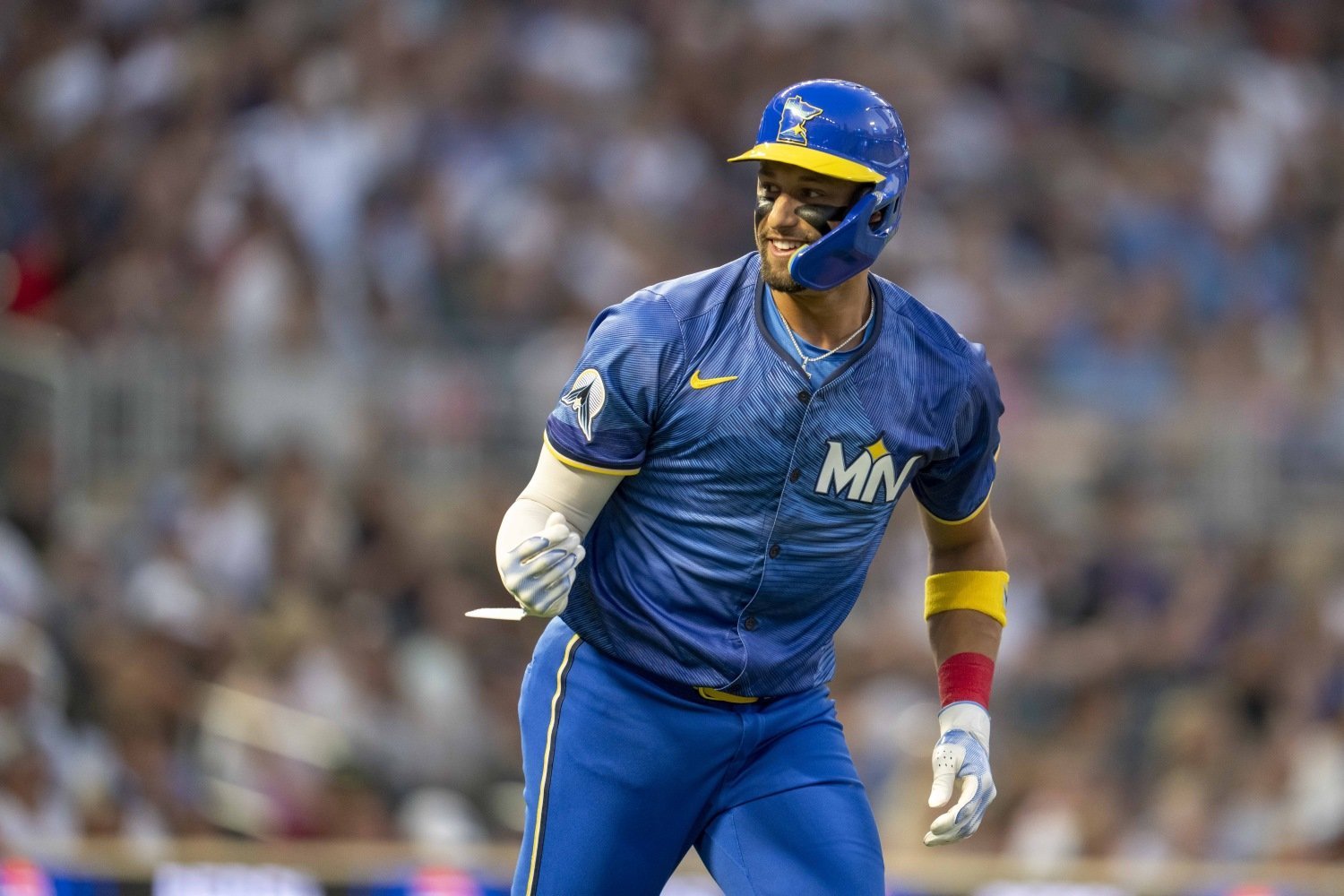 Royce Lewis, the first overall pick in the 2017 MLB Draft, has shown glimpses of the talent that made him a top prospect in the Minnesota Twins organization. After overcoming multiple injuries early in his career, Lewis had a promising start in the big leagues, flashing his power and athleticism. However, like many young players, he has encountered a rough patch, experiencing a slump that has affected his performance at the plate. "I pride myself, I told (Twins hitting coach David Popkins), 'Hey, I don't do that slump thing,'" Lewis said on Jun. 19. "That's not a real thing for me. I understand that that's a thing, baseball, you're going to go into a slump or whatever, but for me, I don't have that mindset. It's a new day." In his 40 games since making that statement, Lewis has hit .214/.279/.429, with 16 extra-base hits and a 42-to-18 strikeout-to-walk ratio. For the Twins, who are vying for a postseason spot, helping Lewis rediscover his form is crucial. Here are some strategies the Twins can employ to help Royce Lewis break out of his slump. Focusing on Plate Discipline One of the common issues young hitters face is plate discipline, especially when they are struggling. In his early major-league appearances, Lewis showcased a good eye for the strike zone, leading to solid on-base numbers. However, as pitchers have adjusted, he may have become more prone to chasing pitches out of the zone. His Whiff% has jumped from 25.0 to 29.4 versus fastballs, and he’s seen a nearly 10% increase in his Whiff% when facing offspeed pitches. The Twins coaching staff can work with Lewis on recognizing pitches earlier, especially breaking balls and offspeed pitches that have been giving him trouble. Utilizing video analysis to review his at-bats and identifying patterns in his swing decisions can help Lewis make better ones. This approach should improve his on-base percentage and put him in a position to make solid contact, leveraging his power. Leveraging His Power Lewis has demonstrated impressive power potential in his limited time with the Twins. During his 2023 season, Lewis hit 15 home runs in just 239 plate appearances, showing he can change the game with one swing. However, his recent slump has seen a decline in his power numbers, suggesting he's struggling to get the barrel of the bat on the ball. To tap into his power potential, the Twins should encourage Lewis to focus on driving the ball to all fields. By not trying to pull every pitch and instead taking what the pitcher gives him, he can use his natural strength and quick bat speed to hit more line drives. Implementing drills that emphasize staying back on the ball and using the whole field can help Lewis rediscover his power stroke. Providing Consistent Playing Time Slumps can be mentally challenging for young players, leading to a loss of confidence. One way to combat this is by providing consistent playing time, allowing the player to work through his struggles. The Twins should commit to giving Lewis regular at-bats, either by continuing to start him or using him in critical situations off the bench. By keeping him in the lineup, the Twins signal their belief in his abilities, which can be a significant confidence booster. This approach also allows Lewis to make the necessary adjustments in real game situations, rather than trying to fix his issues solely in practice. Creating a Supportive Environment A supportive clubhouse environment can make a big difference for a player going through a tough stretch. Twins manager Rocco Baldelli and the coaching staff should continue to foster a positive atmosphere where players feel comfortable discussing their struggles and seeking help. Veteran players can also play a crucial role, offering encouragement and sharing their experiences on how they overcame similar slumps. Additionally, the Twins can utilize sports psychologists and mental skills coaches to help Lewis manage the mental aspect of the game. Techniques such as visualization, mindfulness, and breathing exercises can help reduce anxiety and improve focus at the plate. Using Advanced Analytics In today’s game, data-driven approaches are essential for player development. The Twins can leverage their analytics department to provide Lewis with detailed reports on his swing mechanics, pitch recognition, and opponent tendencies. By understanding how pitchers are attacking him, Lewis can better prepare for at-bats and make the necessary adjustments to counter their strategies. Lewis has the talent and potential to be a cornerstone player for the Twins. Despite his recent slump, his early career power numbers and flashes of confidence suggest he can be a significant contributor. By focusing on plate discipline, leveraging his power, providing consistent playing time, creating a supportive environment, and using advanced analytics, the Twins can help Lewis break out of his slump and reach his full potential. As the team pushes towards the postseason, a resurgent Lewis could be a game-changer for their success. Which solution will help Lewis break out of his slump? Leave a COMMENT and start the discussion.
 -
5 Reasons Why the Twins’ Front Office Avoids Spending on Relief Pitchers
Cody Christie posted an article in Twins
 In the realm of baseball strategy, allocating resources—particularly financial ones—often defines a team’s approach to building a competitive roster. For the Minnesota Twins, led by front-office executives Derek Falvey and Thad Levine, there has been a noticeable pattern: a reluctance to invest heavily in bullpen arms. This strategy has sparked debate among fans and analysts alike, but it is grounded in sound reasoning and an understanding of the nature of relief pitching. 1. The Volatility of Relievers Relief pitchers are arguably the most unpredictable position group in baseball. A reliever who was dominant one season can become ineffective the next, due to factors such as injury, mechanical issues, or a drop in velocity. This volatility is well-documented across MLB, where the performance of relief pitchers often fluctuates dramatically year over year. Falvey and Levine seem to recognize that paying top dollar for a bullpen arm does not guarantee a reliable return on investment. In contrast to starting pitchers, who typically have more stable performance metrics over more extended periods, relievers’ small sample sizes can lead to misleading statistics. A few bad outings can severely impact a reliever’s overall numbers, making assessing their actual talent level challenging. 2. The High-Risk Nature of Long-Term Contracts Committing large sums of money to relievers also poses significant financial risks. Long-term contracts for relievers often end up as sunk costs if the player underperforms or gets injured. For example, injuries or a decline in performance can hinder a team's financial flexibility, making it difficult to address other needs. The Twins’ front office appears to favor flexibility and adaptability, preferring to avoid these potential financial albatrosses. 3. Development and Bargain Hunting Instead of pursuing expensive free agents, Falvey and Levine have focused on developing their bullpen talent in-house and finding value in under-the-radar acquisitions or minor-league signings. This approach allows the Twins to maintain a steady flow of capable relievers without the high costs associated with marquee bullpen signings. The Twins' front office has demonstrated a keen eye for identifying undervalued arms—players who may have struggled elsewhere or were overlooked due to poor surface-level statistics. By leveraging advanced analytics, the Twins have found pitchers with hidden potential, whether through minor-league signings, waiver claims, or low-cost trades. These pitchers often have a specific skill set, such as high strikeout rates or inducing ground balls, which the Twins can optimize for success. 4. Leveraging Depth and Versatility Another benefit of avoiding significant investments in relievers is the ability to build depth and versatility within the bullpen. A roster filled with multiple reliable options rather than one or two highly paid stars allows for more strategic maneuvering. The Twins can mix and match based on matchups, ride the hot hand, and manage workloads to keep arms fresh throughout the season. This depth-based approach has shown to be effective in maintaining bullpen performance over the grueling 162-game season. 5. The Evolution of Bullpen Strategy Baseball strategy is evolving, and the traditional closer role is becoming less defined. Modern teams, including the Twins, increasingly rely on bullpen flexibility, where any reliever could be called upon in high-leverage situations, regardless of inning. This approach places less emphasis on having a singular, dominant arm and more on having a group of capable arms that can handle critical situations. While some fans may wish to see the Twins make a splash in the bullpen market, Falvey and Levine’s approach reflects a deep understanding of the inherent volatility and financial risks associated with relievers. By focusing on development, scouting, and analytics, they have crafted a bullpen strategy that emphasizes flexibility, depth, and cost-effectiveness. In a league where overpaying for relievers can hamstring a team’s finances and hinder long-term success, the Twins’ cautious approach may be a wise blueprint for sustained competitiveness. Do the Twins need to spend more on the bullpen? Can their bullpen strategy continue to work? Leave a COMMENT and start the discussion.
 -
There is a piece of bone floating around in his knee. He's been playing with it all season. https://www.mlb.com/news/max-kepler-hits-game-winning-rbi-single
-
Here's some of the video with an explanation
-
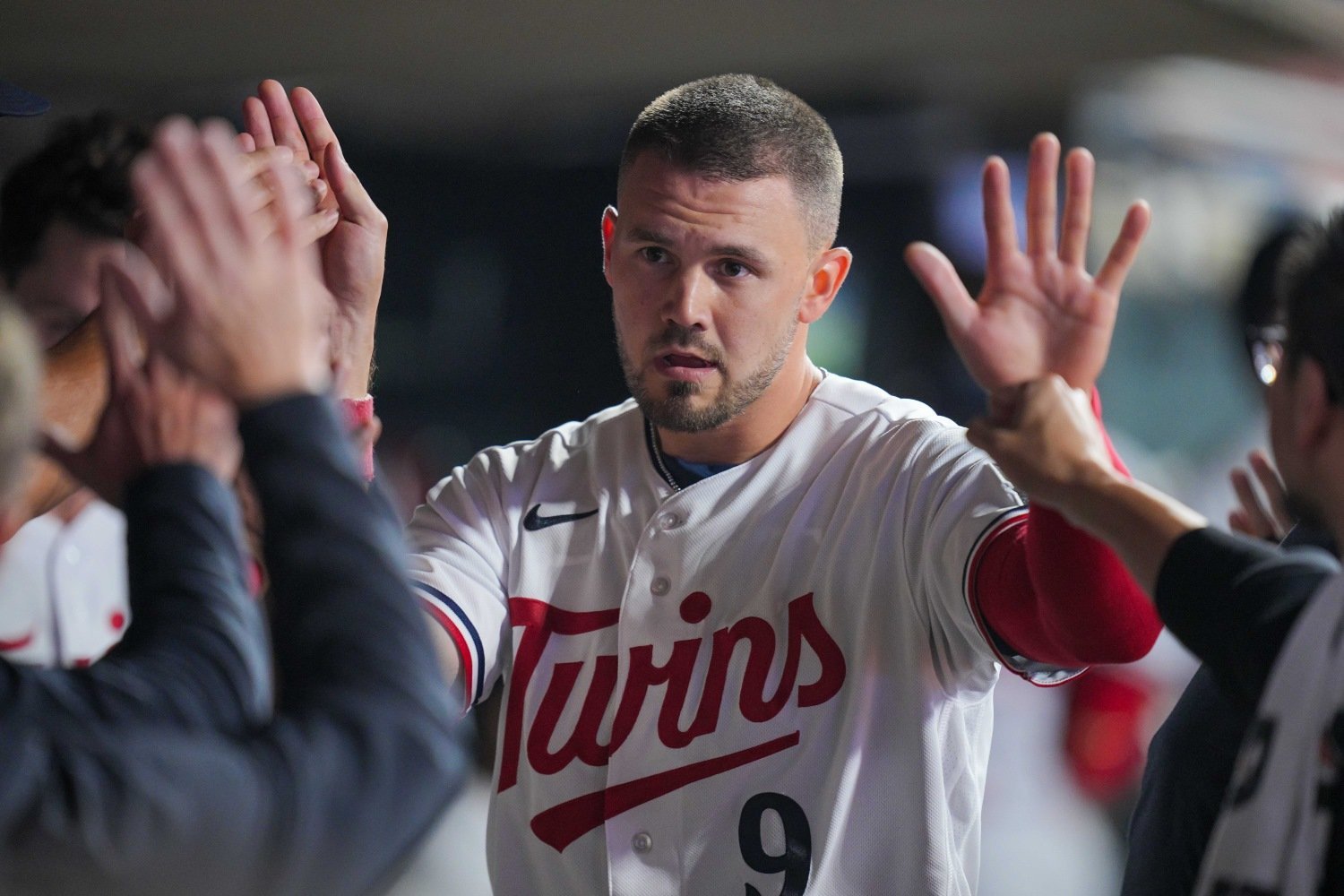 Amid the Minnesota Twins' 2024 season, Trevor Larnach has emerged as a vital piece of their offensive puzzle. That was on display again Tuesday night, as Larnach collected three hits and three RBIs, driving the Twins' valiant attempts to come back and win against their Georgian invaders. Once considered a prospect with potential, Larnach has taken significant steps forward this year, particularly in his ability to handle specific pitches and improve his plate discipline. These developments have made him not just a reliable presence in the lineup, but also a vital part of the Twins' long-term plans. Mastering the Cutter One of the most notable improvements in Larnach's game has been his ability to crush cutters. Pitchers have increasingly relied on cutters to disrupt hitters' timing, and Larnach has made them pay. His approach against cutters has been aggressive yet disciplined, showcasing his ability to recognize and attack these pitches early in the count. In 2022, Larnach posted a .250 BA, .333 SLG, and -2 Run Value when facing cutters. Over the last two seasons, he has improved significantly in his ability to recognize cutters, to the point where he has a .879 SLG, 60% Hard Hit %, and a +7 Run Value versus that pitch in 2024. This newfound skill has added another dimension to Larnach’s offensive game. In previous seasons, he struggled against pitches that bore in on his hands, often resulting in weak contact or strikeouts. However, this season has seen a marked change. Larnach's stance adjustment and refined swing path have allowed him to get his hands inside the ball, driving cutters into gaps or over the fence with regularity. This adjustment has increased his power numbers and made him a more consistent hitter, providing the Twins with much-needed pop from the left side of the plate. Former teammate Sonny Gray learned how much Larnach has grown the very, very hard way last weekend. Both of the homers Larnach hit against him came on cutters. Improved Plate Discipline Beyond his prowess against cutters, Larnach's improved plate discipline has been another critical factor in his breakout. In past seasons, he chased off-speed pitches out of the zone, particularly breaking balls down and away. This led to a high strikeout rate and limited his ability to get on base. However, in 2024, Larnach has made significant strides in laying off these pitches, resulting in a more balanced and patient approach. His strikeout rate has dropped from 34.0% in 2023 to 21.9% this season. The data backs up his improvement: his chase rate on off-speed pitches has dropped significantly. Last season, he posted a Whiff% above 47.1% against breaking and offspeed pitches. In 2024, he has improved significantly against breaking pitches with a 14.3% drop in his Whiff% (35.7%). Larnach's ability to differentiate between pitches he can drive and those he should let go has not only improved his on-base percentage, but also forced pitchers to approach him more carefully. His disciplined eye has put him in more favorable counts, allowing him to capitalize on mistakes and maintain a consistent level of production. A Cornerstone for the Future Larnach's development has been a welcome sight for the Twins, who have been seeking to solidify their outfield for the long term. With his ability to play both corner outfield spots and his burgeoning offensive profile, Larnach is positioning himself as an above-average regular for the Twins. His left-handed power complements a lineup that features a mix of veteran hitters and young talent, making him a versatile and valuable asset. Moreover, these improvements align with the Twins' organizational philosophy of patience at the plate and power-hitting. His ability to hit for both average and power, combined with his defensive capabilities, makes him a well-rounded player who can contribute in multiple facets of the game. Larnach’s growth provides a blueprint for developing the Twins' young talent. Larnach's breakout season has been a revelation for the Twins. His dominance against cutters and improved discipline against off-speed pitches have transformed him into a formidable hitter and a vital part of the Twins' offense. As he continues to grow and adapt, Larnach is poised to be a central figure in the Twins' lineup for years to come, embodying the team's commitment to developing homegrown talent and building a competitive future. Are Larnach’s improvements sustainable? Can he continue to make adjustments at the big-league level? Leave a COMMENT and start the discussion.
 -
Trevor Larnach has slid into the top of the Twins’ batting order and developed into an impact bat. The secret to his success might be tied to his performance against one pitch. Image courtesy of Brad Rempel-USA TODAY Sports Trevor Larnach has slid into the top of the Twins’ batting order and developed into an impact bat. The secret to his success might be tied to his performance against one pitch. Amid the Minnesota Twins' 2024 season, Trevor Larnach has emerged as a vital piece of their offensive puzzle. That was on display again Tuesday night, as Larnach collected three hits and three RBIs, driving the Twins' valiant attempts to come back and win against their Georgian invaders. Once considered a prospect with potential, Larnach has taken significant steps forward this year, particularly in his ability to handle specific pitches and improve his plate discipline. These developments have made him not just a reliable presence in the lineup, but also a vital part of the Twins' long-term plans. Mastering the Cutter One of the most notable improvements in Larnach's game has been his ability to crush cutters. Pitchers have increasingly relied on cutters to disrupt hitters' timing, and Larnach has made them pay. His approach against cutters has been aggressive yet disciplined, showcasing his ability to recognize and attack these pitches early in the count. In 2022, Larnach posted a .250 BA, .333 SLG, and -2 Run Value when facing cutters. Over the last two seasons, he has improved significantly in his ability to recognize cutters, to the point where he has a .879 SLG, 60% Hard Hit %, and a +7 Run Value versus that pitch in 2024. This newfound skill has added another dimension to Larnach’s offensive game. In previous seasons, he struggled against pitches that bore in on his hands, often resulting in weak contact or strikeouts. However, this season has seen a marked change. Larnach's stance adjustment and refined swing path have allowed him to get his hands inside the ball, driving cutters into gaps or over the fence with regularity. This adjustment has increased his power numbers and made him a more consistent hitter, providing the Twins with much-needed pop from the left side of the plate. Former teammate Sonny Gray learned how much Larnach has grown the very, very hard way last weekend. Both of the homers Larnach hit against him came on cutters. Improved Plate Discipline Beyond his prowess against cutters, Larnach's improved plate discipline has been another critical factor in his breakout. In past seasons, he chased off-speed pitches out of the zone, particularly breaking balls down and away. This led to a high strikeout rate and limited his ability to get on base. However, in 2024, Larnach has made significant strides in laying off these pitches, resulting in a more balanced and patient approach. His strikeout rate has dropped from 34.0% in 2023 to 21.9% this season. The data backs up his improvement: his chase rate on off-speed pitches has dropped significantly. Last season, he posted a Whiff% above 47.1% against breaking and offspeed pitches. In 2024, he has improved significantly against breaking pitches with a 14.3% drop in his Whiff% (35.7%). Larnach's ability to differentiate between pitches he can drive and those he should let go has not only improved his on-base percentage, but also forced pitchers to approach him more carefully. His disciplined eye has put him in more favorable counts, allowing him to capitalize on mistakes and maintain a consistent level of production. A Cornerstone for the Future Larnach's development has been a welcome sight for the Twins, who have been seeking to solidify their outfield for the long term. With his ability to play both corner outfield spots and his burgeoning offensive profile, Larnach is positioning himself as an above-average regular for the Twins. His left-handed power complements a lineup that features a mix of veteran hitters and young talent, making him a versatile and valuable asset. Moreover, these improvements align with the Twins' organizational philosophy of patience at the plate and power-hitting. His ability to hit for both average and power, combined with his defensive capabilities, makes him a well-rounded player who can contribute in multiple facets of the game. Larnach’s growth provides a blueprint for developing the Twins' young talent. Larnach's breakout season has been a revelation for the Twins. His dominance against cutters and improved discipline against off-speed pitches have transformed him into a formidable hitter and a vital part of the Twins' offense. As he continues to grow and adapt, Larnach is poised to be a central figure in the Twins' lineup for years to come, embodying the team's commitment to developing homegrown talent and building a competitive future. Are Larnach’s improvements sustainable? Can he continue to make adjustments at the big-league level? Leave a COMMENT and start the discussion. View full article
-
Some new details from tonight
-
Rocco Baldelli has been getting a lot of flack in recent weeks for some of his managerial decisions. So, how does he stack up to the other top managers in Twins history? Image courtesy of Jordan Johnson-USA TODAY Sports Rocco Baldelli has been getting a lot of flack in recent weeks for some of his managerial decisions. So, how does he stack up to the other top managers in Twins history? When assessing the greatest manager in Minnesota Twins history, names like Tom Kelly and Ron Gardenhire often come to mind. These managers left indelible marks on the franchise, guiding the team through periods of success and building legacies that continue to resonate with fans. However, in recent years, Rocco Baldelli has emerged as a manager who deserves to be mentioned in the same breath—and perhaps, even as the best in the franchise's history. The Tom Kelly Legacy Kelly, who managed the Twins from 1986 to 2001, is revered for leading Minnesota to their only two World Series titles in 1987 and 1991. His reputation as a calm, steady leader who could get the most out of his players is well-earned. Kelly's managerial style emphasized fundamental baseball, and he was known for his ability to develop young talent, helping shape future stars like Kirby Puckett, Kent Hrbek, and Chuck Knoblauch. His 16-year tenure is the longest in Twins history, and his impact on the organization remains unmatched by many metrics. Ron Gardenhire: The Winning Tradition Gardenhire, who took over from Kelly in 2002, continued the tradition of strong leadership. Under his management, the Twins won six division titles in nine seasons, a remarkable achievement during an era of fierce competition in the American League Central. Gardenhire was beloved for his fiery personality and ability to connect with players. Despite his success in the regular season, Gardenhire's teams often fell short in the playoffs, which has tempered his legacy. The Rocco Baldelli Era Rocco Baldelli took the reins in 2019, inheriting a team with potential but one that had not consistently lived up to expectations. In just his first season, Baldelli led the Twins to 101 wins, the second-highest total in franchise history, and an AL Central division title. His impact was immediate, as he was named the American League Manager of the Year in 2019, becoming the youngest manager to win the award. Last season, he guided the franchise to their first postseason series victory in two decades. His modern approach to the game sets Baldelli apart from his predecessors. Unlike Kelly, who was known for his old-school methods, and Gardenhire, who managed with a fiery, emotional style, Baldelli has embraced analytics and player rest, aligning with the modern trends in baseball. His ability to blend traditional baseball instincts with advanced metrics has helped the Twins remain competitive in a rapidly evolving sport. Player Development and Culture Baldelli's leadership has also been instrumental in creating a positive clubhouse culture. Players have often spoken about the freedom and trust Baldelli gives them, allowing for a more relaxed environment that still demands accountability. This approach has not only kept the team competitive but has also helped in the development of younger players like Brooks Lee, Royce Lewis, and Joe Ryan. Moreover, Baldelli's ability to manage a diverse roster filled with veterans and young talent alike has been a critical factor in the Twins' sustained success. His focus on maintaining a balanced lineup and rotating players to keep them fresh has paid dividends, particularly in the long, grueling MLB season. The Playoff Challenge One area where Baldelli still has room to grow is in postseason success. While his teams have consistently made the playoffs, they have yet to achieve the kind of postseason success that Kelly enjoyed. However, Baldelli is still early in his managerial career, and with the foundation he has built, it seems only a matter of time before the Twins' breakthrough in October. Comparing managers across different eras is always challenging, but Baldelli's blend of modern managerial techniques, emphasis on player development, and ability to maintain a competitive team in a changing baseball landscape make him a strong candidate for the title of the best manager in Minnesota Twins history. While Kelly will always be revered for his World Series victories and Gardenhire for his regular-season dominance, Baldelli's innovative approach and early success suggest that he may ultimately surpass them both as he continues to write his own chapter in the Twins' storied history. Is Baldelli the best manager in Twins history? Leave a COMMENT and start the discussion. View full article
-
Rocco Baldelli: The Best Manager in Minnesota Twins History?
Cody Christie posted an article in Twins
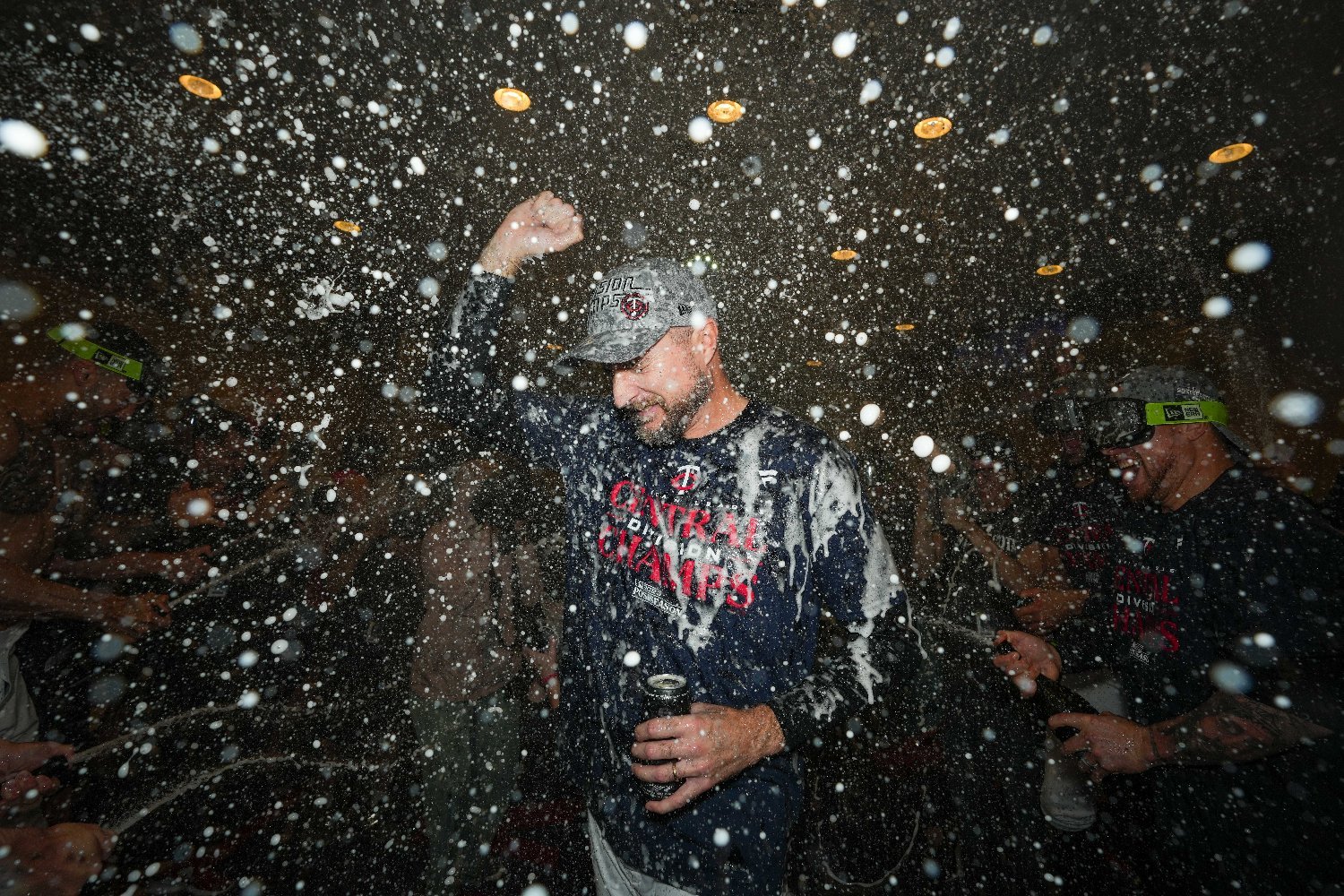 When assessing the greatest manager in Minnesota Twins history, names like Tom Kelly and Ron Gardenhire often come to mind. These managers left indelible marks on the franchise, guiding the team through periods of success and building legacies that continue to resonate with fans. However, in recent years, Rocco Baldelli has emerged as a manager who deserves to be mentioned in the same breath—and perhaps, even as the best in the franchise's history. The Tom Kelly Legacy Kelly, who managed the Twins from 1986 to 2001, is revered for leading Minnesota to their only two World Series titles in 1987 and 1991. His reputation as a calm, steady leader who could get the most out of his players is well-earned. Kelly's managerial style emphasized fundamental baseball, and he was known for his ability to develop young talent, helping shape future stars like Kirby Puckett, Kent Hrbek, and Chuck Knoblauch. His 16-year tenure is the longest in Twins history, and his impact on the organization remains unmatched by many metrics. Ron Gardenhire: The Winning Tradition Gardenhire, who took over from Kelly in 2002, continued the tradition of strong leadership. Under his management, the Twins won six division titles in nine seasons, a remarkable achievement during an era of fierce competition in the American League Central. Gardenhire was beloved for his fiery personality and ability to connect with players. Despite his success in the regular season, Gardenhire's teams often fell short in the playoffs, which has tempered his legacy. The Rocco Baldelli Era Rocco Baldelli took the reins in 2019, inheriting a team with potential but one that had not consistently lived up to expectations. In just his first season, Baldelli led the Twins to 101 wins, the second-highest total in franchise history, and an AL Central division title. His impact was immediate, as he was named the American League Manager of the Year in 2019, becoming the youngest manager to win the award. Last season, he guided the franchise to their first postseason series victory in two decades. His modern approach to the game sets Baldelli apart from his predecessors. Unlike Kelly, who was known for his old-school methods, and Gardenhire, who managed with a fiery, emotional style, Baldelli has embraced analytics and player rest, aligning with the modern trends in baseball. His ability to blend traditional baseball instincts with advanced metrics has helped the Twins remain competitive in a rapidly evolving sport. Player Development and Culture Baldelli's leadership has also been instrumental in creating a positive clubhouse culture. Players have often spoken about the freedom and trust Baldelli gives them, allowing for a more relaxed environment that still demands accountability. This approach has not only kept the team competitive but has also helped in the development of younger players like Brooks Lee, Royce Lewis, and Joe Ryan. Moreover, Baldelli's ability to manage a diverse roster filled with veterans and young talent alike has been a critical factor in the Twins' sustained success. His focus on maintaining a balanced lineup and rotating players to keep them fresh has paid dividends, particularly in the long, grueling MLB season. The Playoff Challenge One area where Baldelli still has room to grow is in postseason success. While his teams have consistently made the playoffs, they have yet to achieve the kind of postseason success that Kelly enjoyed. However, Baldelli is still early in his managerial career, and with the foundation he has built, it seems only a matter of time before the Twins' breakthrough in October. Comparing managers across different eras is always challenging, but Baldelli's blend of modern managerial techniques, emphasis on player development, and ability to maintain a competitive team in a changing baseball landscape make him a strong candidate for the title of the best manager in Minnesota Twins history. While Kelly will always be revered for his World Series victories and Gardenhire for his regular-season dominance, Baldelli's innovative approach and early success suggest that he may ultimately surpass them both as he continues to write his own chapter in the Twins' storied history. Is Baldelli the best manager in Twins history? Leave a COMMENT and start the discussion.
- 64 comments
-
- 6
-

-

-

-

-
- rocco baldelli
- tom kelly
- (and 1 more)
-
Royce Lewis has played on the left side of the infield for the majority of his professional career. Now, the Twins are working behind the scenes for a potential position switch. What does that mean for their talented infielder? Image courtesy of Kareem Elgazzar - USA Today Sports Royce Lewis has played on the left side of the infield for the majority of his professional career. Now, the Twins are working behind the scenes for a potential position switch. What does that mean for their talented infielder? The Minnesota Twins have been making notable shifts in their infield strategy, and one of the most intriguing developments is their decision to work Royce Lewis out at second base. Traditionally known for his shortstop skills, Lewis is now being asked to bring his athleticism and versatility to a new position, after switching to third base last season. This strategic move is part of the Twins’ broader approach to maximize their roster’s potential and address current team needs. Filling a Need at Second Base With injuries and fluctuating performances affecting their infield lineup, the Twins are looking for stability and consistency at second base. Minnesota has used five players at second base this season, including three guys with more than 240 innings (Edouard Julien, Willi Castro, and Kyle Farmer). By working Lewis at second base, the Twins aim to add depth and reliability to this crucial position. Rocco Baldelli, the Twins' manager, highlighted the importance of this transition when he spoke directly to Lewis. In Sunday’s “Inside Twins” episode, Baldelli talked about his conversation with Lewis. “You need to come ready to work,” Baldelli told him, emphasizing that Lewis’s readiness and commitment would be crucial to his success in this potential new role. A position switch isn’t imminent, but the Twins want Lewis prepared for a move that can help the team in October--even if it be temporary, or part-time. Maximizing Lewis’s Talent and Versatility Lewis, a highly-touted prospect and former No. 1 overall draft pick, brings unique skills to the Twins. His athleticism, range, and quick reflexes make him a natural fit for middle infield positions. While he has primarily been groomed as a shortstop, his adaptability allows the Twins to experiment with him at second base without losing defensive quality. Lewis’s experience and success in the minor leagues, combined with his impressive play at the major-league level, suggest that he can handle the challenges of second base. He played part of one game in the minor leagues at second base (5 innings) and started four games at the position in the Arizona Fall League. His versatility also gives Baldelli more options, enabling the team to adjust lineups based on matchups, injuries, or tactical needs. Strategic Flexibility and Depth Another reason behind this positional shift is the Twins’ desire for strategic flexibility. By training Lewis at second base, they can create a more dynamic infield configuration. This flexibility is crucial, especially as the team looks to maintain its position in a competitive AL Central division. Having Lewis at second base also opens up opportunities for other players. For instance, it could allow for better utilization of players like Willi Castro, who can play multiple infield positions. Brooks Lee is returning from injury and can take over at third base, or José Miranda can start at the hot corner. Minnesota’s best lineup might include Lewis as the defensive second baseman. Preparing for the Future The Twins are not just focused on this season, but are also building for the future. By working Lewis into different roles, they are preparing him for a long-term impact. Lewis’s ability to play multiple positions could be a significant asset as the team evolves and adapts in the coming years. Baldelli’s challenge to Lewis to “come ready to work” reflects the club’s belief in his potential and the importance of his role moving forward. It’s a message that underscores the Twins' high expectations for Lewis, not just in the present, but as a cornerstone of their future plans. The decision to start working Lewis at second base is a strategic move by the Minnesota Twins aimed at addressing immediate needs while also building for the future. With his talent, versatility, and readiness to adapt, Lewis has the potential to become a key player in the Twins’ lineup. As the team navigates the rest of the season, Lewis’s development at second base will be a storyline to watch, reflecting the organization's immediate aspirations and long-term vision. Should Lewis move to second base? What is the team’s best defensive lineup? Leave a comment and start the discussion. View full article
-
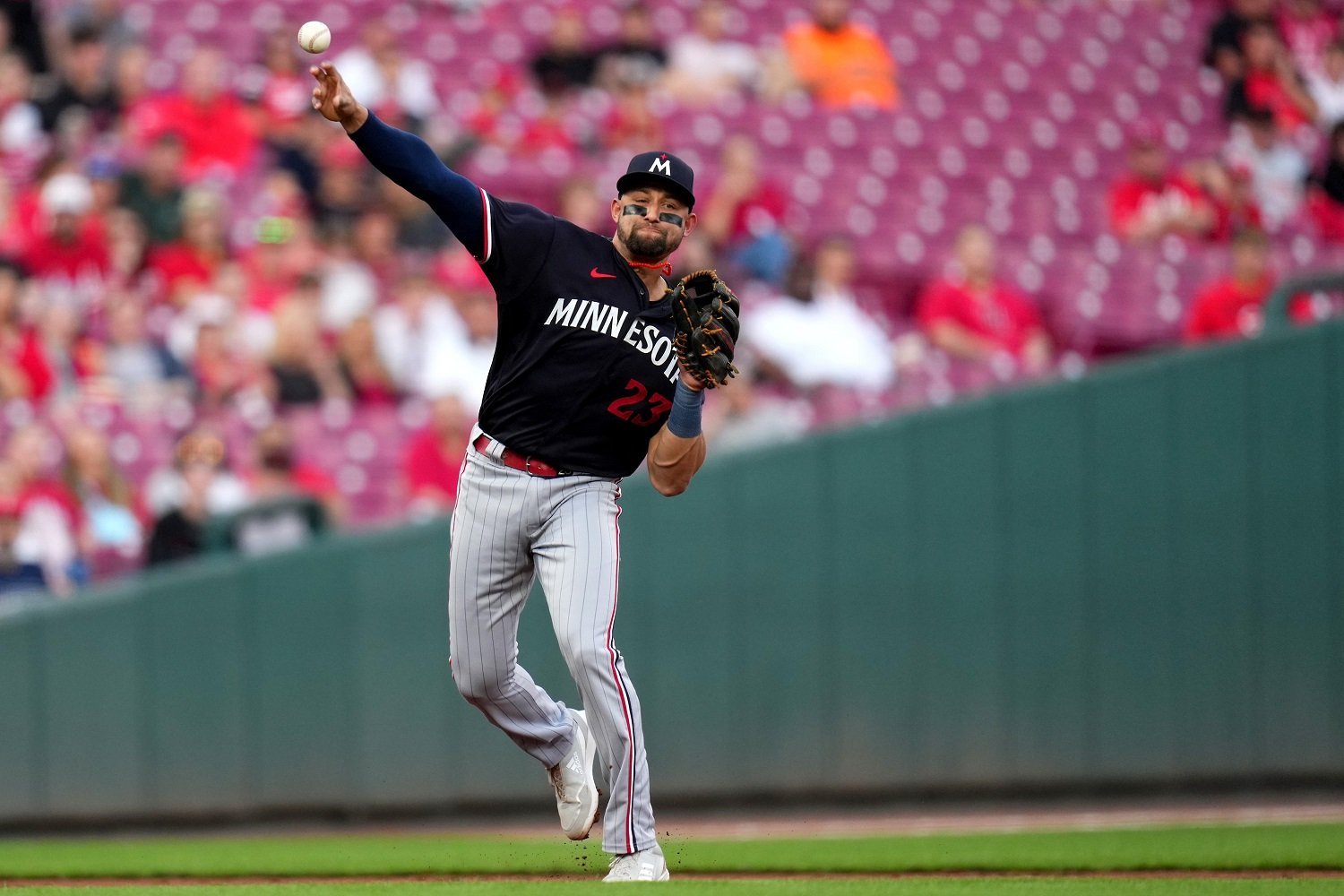 The Minnesota Twins have been making notable shifts in their infield strategy, and one of the most intriguing developments is their decision to work Royce Lewis out at second base. Traditionally known for his shortstop skills, Lewis is now being asked to bring his athleticism and versatility to a new position, after switching to third base last season. This strategic move is part of the Twins’ broader approach to maximize their roster’s potential and address current team needs. Filling a Need at Second Base With injuries and fluctuating performances affecting their infield lineup, the Twins are looking for stability and consistency at second base. Minnesota has used five players at second base this season, including three guys with more than 240 innings (Edouard Julien, Willi Castro, and Kyle Farmer). By working Lewis at second base, the Twins aim to add depth and reliability to this crucial position. Rocco Baldelli, the Twins' manager, highlighted the importance of this transition when he spoke directly to Lewis. In Sunday’s “Inside Twins” episode, Baldelli talked about his conversation with Lewis. “You need to come ready to work,” Baldelli told him, emphasizing that Lewis’s readiness and commitment would be crucial to his success in this potential new role. A position switch isn’t imminent, but the Twins want Lewis prepared for a move that can help the team in October--even if it be temporary, or part-time. Maximizing Lewis’s Talent and Versatility Lewis, a highly-touted prospect and former No. 1 overall draft pick, brings unique skills to the Twins. His athleticism, range, and quick reflexes make him a natural fit for middle infield positions. While he has primarily been groomed as a shortstop, his adaptability allows the Twins to experiment with him at second base without losing defensive quality. Lewis’s experience and success in the minor leagues, combined with his impressive play at the major-league level, suggest that he can handle the challenges of second base. He played part of one game in the minor leagues at second base (5 innings) and started four games at the position in the Arizona Fall League. His versatility also gives Baldelli more options, enabling the team to adjust lineups based on matchups, injuries, or tactical needs. Strategic Flexibility and Depth Another reason behind this positional shift is the Twins’ desire for strategic flexibility. By training Lewis at second base, they can create a more dynamic infield configuration. This flexibility is crucial, especially as the team looks to maintain its position in a competitive AL Central division. Having Lewis at second base also opens up opportunities for other players. For instance, it could allow for better utilization of players like Willi Castro, who can play multiple infield positions. Brooks Lee is returning from injury and can take over at third base, or José Miranda can start at the hot corner. Minnesota’s best lineup might include Lewis as the defensive second baseman. Preparing for the Future The Twins are not just focused on this season, but are also building for the future. By working Lewis into different roles, they are preparing him for a long-term impact. Lewis’s ability to play multiple positions could be a significant asset as the team evolves and adapts in the coming years. Baldelli’s challenge to Lewis to “come ready to work” reflects the club’s belief in his potential and the importance of his role moving forward. It’s a message that underscores the Twins' high expectations for Lewis, not just in the present, but as a cornerstone of their future plans. The decision to start working Lewis at second base is a strategic move by the Minnesota Twins aimed at addressing immediate needs while also building for the future. With his talent, versatility, and readiness to adapt, Lewis has the potential to become a key player in the Twins’ lineup. As the team navigates the rest of the season, Lewis’s development at second base will be a storyline to watch, reflecting the organization's immediate aspirations and long-term vision. Should Lewis move to second base? What is the team’s best defensive lineup? Leave a comment and start the discussion.
 -
Minnesota’s bullpen is running on fumes, mainly since young pitchers comprise most of the starting rotation. Do the team’s bullpen issues stem from the front office refusing to spend money on relievers? Image courtesy of Brad Rempel-USA TODAY Sports Minnesota’s bullpen is running on fumes, mainly since young pitchers comprise most of the starting rotation. Do the team’s bullpen issues stem from the front office refusing to spend money on relievers? In the realm of baseball strategy, allocating resources—particularly financial ones—often defines a team’s approach to building a competitive roster. For the Minnesota Twins, led by front-office executives Derek Falvey and Thad Levine, there has been a noticeable pattern: a reluctance to invest heavily in bullpen arms. This strategy has sparked debate among fans and analysts alike, but it is grounded in sound reasoning and an understanding of the nature of relief pitching. 1. The Volatility of Relievers Relief pitchers are arguably the most unpredictable position group in baseball. A reliever who was dominant one season can become ineffective the next, due to factors such as injury, mechanical issues, or a drop in velocity. This volatility is well-documented across MLB, where the performance of relief pitchers often fluctuates dramatically year over year. Falvey and Levine seem to recognize that paying top dollar for a bullpen arm does not guarantee a reliable return on investment. In contrast to starting pitchers, who typically have more stable performance metrics over more extended periods, relievers’ small sample sizes can lead to misleading statistics. A few bad outings can severely impact a reliever’s overall numbers, making assessing their actual talent level challenging. 2. The High-Risk Nature of Long-Term Contracts Committing large sums of money to relievers also poses significant financial risks. Long-term contracts for relievers often end up as sunk costs if the player underperforms or gets injured. For example, injuries or a decline in performance can hinder a team's financial flexibility, making it difficult to address other needs. The Twins’ front office appears to favor flexibility and adaptability, preferring to avoid these potential financial albatrosses. 3. Development and Bargain Hunting Instead of pursuing expensive free agents, Falvey and Levine have focused on developing their bullpen talent in-house and finding value in under-the-radar acquisitions or minor-league signings. This approach allows the Twins to maintain a steady flow of capable relievers without the high costs associated with marquee bullpen signings. The Twins' front office has demonstrated a keen eye for identifying undervalued arms—players who may have struggled elsewhere or were overlooked due to poor surface-level statistics. By leveraging advanced analytics, the Twins have found pitchers with hidden potential, whether through minor-league signings, waiver claims, or low-cost trades. These pitchers often have a specific skill set, such as high strikeout rates or inducing ground balls, which the Twins can optimize for success. 4. Leveraging Depth and Versatility Another benefit of avoiding significant investments in relievers is the ability to build depth and versatility within the bullpen. A roster filled with multiple reliable options rather than one or two highly paid stars allows for more strategic maneuvering. The Twins can mix and match based on matchups, ride the hot hand, and manage workloads to keep arms fresh throughout the season. This depth-based approach has shown to be effective in maintaining bullpen performance over the grueling 162-game season. 5. The Evolution of Bullpen Strategy Baseball strategy is evolving, and the traditional closer role is becoming less defined. Modern teams, including the Twins, increasingly rely on bullpen flexibility, where any reliever could be called upon in high-leverage situations, regardless of inning. This approach places less emphasis on having a singular, dominant arm and more on having a group of capable arms that can handle critical situations. While some fans may wish to see the Twins make a splash in the bullpen market, Falvey and Levine’s approach reflects a deep understanding of the inherent volatility and financial risks associated with relievers. By focusing on development, scouting, and analytics, they have crafted a bullpen strategy that emphasizes flexibility, depth, and cost-effectiveness. In a league where overpaying for relievers can hamstring a team’s finances and hinder long-term success, the Twins’ cautious approach may be a wise blueprint for sustained competitiveness. Do the Twins need to spend more on the bullpen? Can their bullpen strategy continue to work? Leave a COMMENT and start the discussion. View full article
-
Austin Martin has been one of the Twins’ most consistent hitters since the calendar turned to August. Is he finally putting it all together at the big-league level? Image courtesy of Bruce Kluckhohn-USA TODAY Sports Austin Martin has been one of the Twins’ most consistent hitters since the calendar turned to August. Is he finally putting it all together at the big-league level? For years, Austin Martin was a name capable of stirring excitement among baseball scouts and analysts. Drafted fifth overall by the Toronto Blue Jays in the 2020 MLB Draft, Martin was seen as a prospect with huge potential. His athleticism, batting skills, and versatility in the field made him a highly coveted player. However, the journey from being a top draft pick to becoming a productive major-league player is arduous, and Martin’s path has been no different. Early Promise and the Big Trade Martin’s baseball journey took a significant turn when he was traded (along with Simeon Woods Richardson) to the Twins in July 2021, as part of the deal that sent José Berríos to Toronto. The trade was a statement by the Twins, signaling their belief in Martin’s potential to be a significant contributor. At the time of the trade, Martin was hitting .281 with a .424 on-base percentage for Toronto’s Double-A affiliate, showcasing his ability to get on base and make things happen. His ability to play multiple positions—second base, left field, and center field—added to his allure. However, the Twins were acquiring more than a multi-positional defender; they hoped the young player would blossom into a consistent, dynamic hitter. Development in the Minors Martin’s initial time with the Twins organization was a period of adjustment. Moving from one organization to another can be challenging for any player, especially for someone so early in their professional career. In 2022, Martin’s performance dipped slightly, and injuries further hampered his development. He hit .241 with a .367 OBP and struggled to find the power that scouts once believed he would develop. In the 2023 season, the narrative began to shift. Martin started to show signs of being the player he was projected to be. Playing for the St. Paul Saints, he began to refine his approach at the plate, focusing on making consistent contact and utilizing his speed on the base paths. He also improved his defensive game, becoming a more reliable and versatile option in the field. The coaching staff in St. Paul worked closely with Martin to fine-tune his mechanics. His swing became more compact, and he started to drive the ball with more authority. His strikeout rate decreased, and he became more selective at the plate, waiting for pitches he could handle. These adjustments began to pay dividends, as he posted a .297 average with a .900 OPS in the final 43 games of the season. His stolen bases (14 in those 43 games) also climbed, showcasing his ability to impact the game in multiple ways. The Breakthrough at the Big-League Level In 2024, Austin Martin finally got his chance to prove himself at the major-league level. In need of a spark, the Twins called him up, but he suffered through inconsistent performance. His first 30 games found him struggling to adjust to a new level, which was something that plagued him in the minors. In his 83 plate appearances, he posted a .645 OPS with eight extra-base hits and a 16-to-7 strikeout-to-walk ratio. In June, his offensive performance improved, albeit in limited action. In 35 plate appearances, he went 12-for-32 (.375), with two doubles and an .866 OPS. July was his worst month in the big leagues to date, with a .315 OPS and more strikeouts (6) than hits (3). Since Byron Buxton has missed time in August, though, the Twins have been forced to use Martin more regularly in center field. More consistent playing time has allowed him to find his groove. In 20 games (58 PA), he is hitting .346/.414/.462, with four doubles and a triple. His ability to get on base and smart baserunning have made him a valuable asset. The Twins, a team that has prided itself on developing homegrown talent, have been thrilled to see Martin’s growth. His versatility has allowed manager Rocco Baldelli to utilize him in multiple positions, providing the team with flexibility and depth. The Future Looks Bright Martin's journey to the big leagues has been a test of patience, perseverance, and adaptability. His ability to adjust and improve at each level of the minors is a testament to his work ethic and the support of the Twins' development staff. Now, as he establishes himself in the majors, Martin is beginning to show why he was considered one of the top prospects in baseball. His story is a reminder that player development is rarely linear. Each player’s path is unique, and success at the highest level often requires overcoming adversity and making continuous adjustments. Seeing Martin finally put it all together for the Twins is a validation of their investment in his talent and commitment to his growth. As Martin continues to mature and develop, the Twins can look forward to having a dynamic player who can contribute in multiple facets of the game. His blend of speed, athleticism, and on-base ability is rare. If his current trajectory continues, Martin may soon become a household name in Minnesota--and beyond. What have your impressions been of Martin this month? Can he continue his recent hot streak? Leave a comment and start the discussion. View full article
-
 For years, Austin Martin was a name capable of stirring excitement among baseball scouts and analysts. Drafted fifth overall by the Toronto Blue Jays in the 2020 MLB Draft, Martin was seen as a prospect with huge potential. His athleticism, batting skills, and versatility in the field made him a highly coveted player. However, the journey from being a top draft pick to becoming a productive major-league player is arduous, and Martin’s path has been no different. Early Promise and the Big Trade Martin’s baseball journey took a significant turn when he was traded (along with Simeon Woods Richardson) to the Twins in July 2021, as part of the deal that sent José Berríos to Toronto. The trade was a statement by the Twins, signaling their belief in Martin’s potential to be a significant contributor. At the time of the trade, Martin was hitting .281 with a .424 on-base percentage for Toronto’s Double-A affiliate, showcasing his ability to get on base and make things happen. His ability to play multiple positions—second base, left field, and center field—added to his allure. However, the Twins were acquiring more than a multi-positional defender; they hoped the young player would blossom into a consistent, dynamic hitter. Development in the Minors Martin’s initial time with the Twins organization was a period of adjustment. Moving from one organization to another can be challenging for any player, especially for someone so early in their professional career. In 2022, Martin’s performance dipped slightly, and injuries further hampered his development. He hit .241 with a .367 OBP and struggled to find the power that scouts once believed he would develop. In the 2023 season, the narrative began to shift. Martin started to show signs of being the player he was projected to be. Playing for the St. Paul Saints, he began to refine his approach at the plate, focusing on making consistent contact and utilizing his speed on the base paths. He also improved his defensive game, becoming a more reliable and versatile option in the field. The coaching staff in St. Paul worked closely with Martin to fine-tune his mechanics. His swing became more compact, and he started to drive the ball with more authority. His strikeout rate decreased, and he became more selective at the plate, waiting for pitches he could handle. These adjustments began to pay dividends, as he posted a .297 average with a .900 OPS in the final 43 games of the season. His stolen bases (14 in those 43 games) also climbed, showcasing his ability to impact the game in multiple ways. The Breakthrough at the Big-League Level In 2024, Austin Martin finally got his chance to prove himself at the major-league level. In need of a spark, the Twins called him up, but he suffered through inconsistent performance. His first 30 games found him struggling to adjust to a new level, which was something that plagued him in the minors. In his 83 plate appearances, he posted a .645 OPS with eight extra-base hits and a 16-to-7 strikeout-to-walk ratio. In June, his offensive performance improved, albeit in limited action. In 35 plate appearances, he went 12-for-32 (.375), with two doubles and an .866 OPS. July was his worst month in the big leagues to date, with a .315 OPS and more strikeouts (6) than hits (3). Since Byron Buxton has missed time in August, though, the Twins have been forced to use Martin more regularly in center field. More consistent playing time has allowed him to find his groove. In 20 games (58 PA), he is hitting .346/.414/.462, with four doubles and a triple. His ability to get on base and smart baserunning have made him a valuable asset. The Twins, a team that has prided itself on developing homegrown talent, have been thrilled to see Martin’s growth. His versatility has allowed manager Rocco Baldelli to utilize him in multiple positions, providing the team with flexibility and depth. The Future Looks Bright Martin's journey to the big leagues has been a test of patience, perseverance, and adaptability. His ability to adjust and improve at each level of the minors is a testament to his work ethic and the support of the Twins' development staff. Now, as he establishes himself in the majors, Martin is beginning to show why he was considered one of the top prospects in baseball. His story is a reminder that player development is rarely linear. Each player’s path is unique, and success at the highest level often requires overcoming adversity and making continuous adjustments. Seeing Martin finally put it all together for the Twins is a validation of their investment in his talent and commitment to his growth. As Martin continues to mature and develop, the Twins can look forward to having a dynamic player who can contribute in multiple facets of the game. His blend of speed, athleticism, and on-base ability is rare. If his current trajectory continues, Martin may soon become a household name in Minnesota--and beyond. What have your impressions been of Martin this month? Can he continue his recent hot streak? Leave a comment and start the discussion.
 -
Byron Buxton’s injury has put added pressure on Austin Martin and Manuel Margot to perform in center field. So, why aren’t the Twins given DaShawn Kiersey Jr. a chance in the outfield? Image courtesy of Rob Thompson (photo of DaShawn Keirsey, Jr.) Byron Buxton’s injury has put added pressure on Austin Martin and Manuel Margot to perform in center field. So, why aren’t the Twins given DaShawn Kiersey Jr. a chance in the outfield? As the Minnesota Twins continue their pursuit of a division title, fans and analysts alike have begun to wonder about the future of certain players within the organization. One name that has surfaced in these discussions is DaShawn Keirsey Jr., a talented outfielder currently playing in the Twins' minor league system. Despite his promise and potential, Keirsey has not yet received a call-up to the major league roster. This begs the question: why aren't the Twins giving Keirsey a chance? 1. Current Roster Outfield Depth The Twins' outfield is crowded, with established players like Manuel Margot, Max Kepler, and Matt Wallner and emerging talents such as Trevor Larnach and Austin Martin. The team also has Byron Buxton, a former Gold Glove winner, returning from injury and still a part of the outfield equation. This depth means new players have limited opportunities to break into the lineup. 2. Performance and Development Needs Keirsey has shown promise in the minor leagues, but the Twins might feel he needs more time to develop his skills fully. His performance at Double-A and Triple-A has been solid over the last two years, but not necessarily eye-popping compared to other prospects within the organization. He posted a .821 OPS in 130 games last season and has raised that to .847 this year at Triple-A. The Twins may want more consistency from Keirsey, particularly at the plate, before promoting him to the big leagues. With the team in contention for the AL Central title, the Twins might prefer to rely on experienced players who have already proven themselves at the major league level. 3. Focus on Playoff Contention As the Twins aim to secure a playoff spot, the team’s primary focus is on winning now. This often leads to a preference for veteran players or those who have previously played at the major league level and have demonstrated an ability to perform under pressure. The Twins might be hesitant to bring in an untested rookie like Keirsey in the middle of a pennant race, opting instead for players with a track record in high-stakes situations. 4. 40-Man Roster Considerations Adding Keirsey to the major league roster would require a spot on the 40-man roster, a valuable and limited resource. The Twins must be strategic about using these spots, especially as they approach the offseason when decisions about protecting players from the Rule 5 draft come into play. Last winter, the Twins left Keirsey unprotected in the Rule 5 Draft and no teams selected him. Committing a roster spot to Keirsey could mean losing another player they value or someone who is more immediately ready to contribute. While Keirsey might not be getting his shot right now, his time could still come. Continued strong performance in the minors, particularly in areas the Twins prioritize, like on-base percentage and defensive reliability, could force the team's hand. Additionally, if the Twins face injuries or other roster challenges, Keirsey might find himself in the big leagues sooner than expected. For now, however, the Twins are taking a cautious approach, balancing the development of their young players with the immediate needs of a team in contention. Will Keirsey make his debut in 2024? Does he have a long-term role with the club? Leave a COMMENT and start the discussion. View full article
-
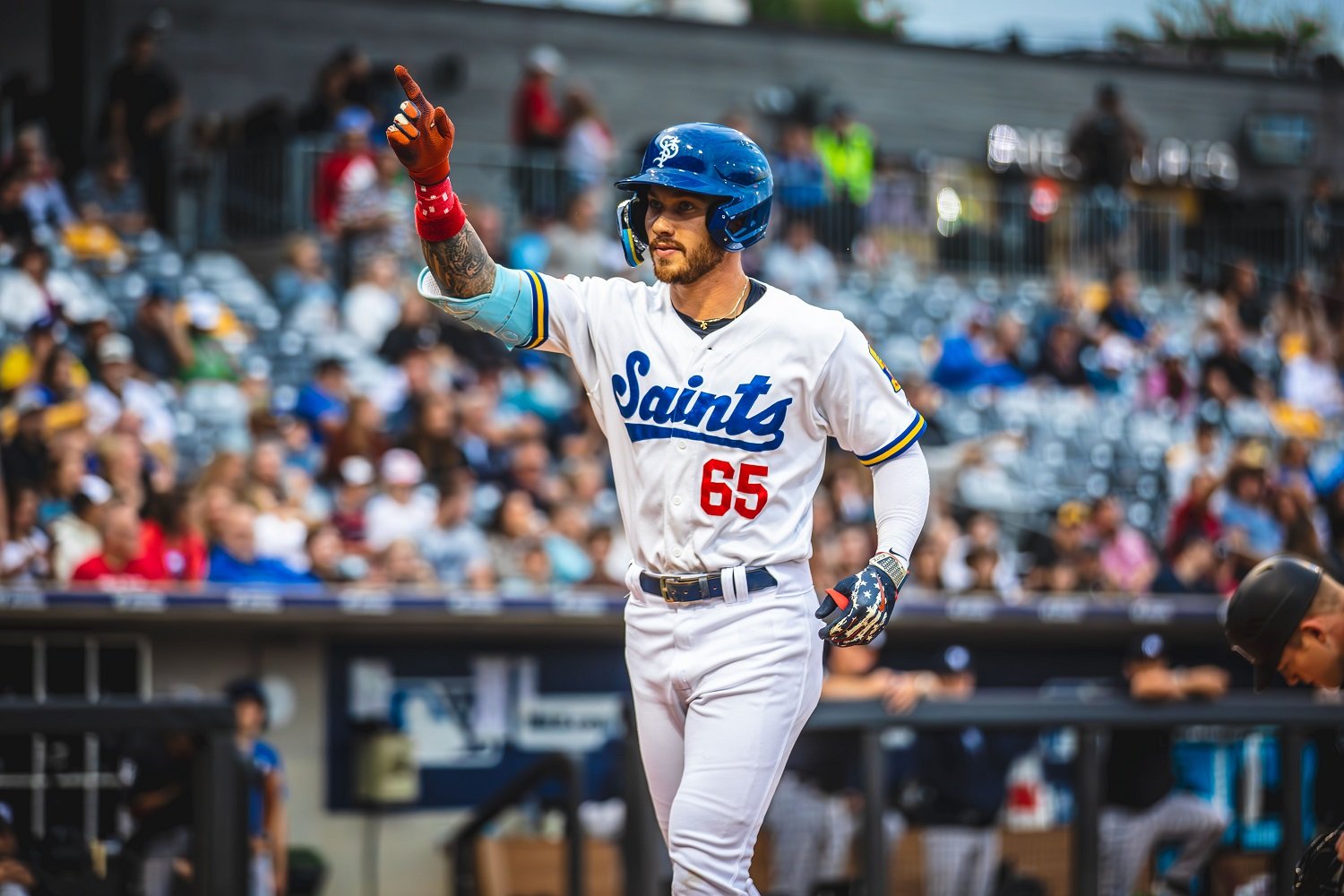 As the Minnesota Twins continue their pursuit of a division title, fans and analysts alike have begun to wonder about the future of certain players within the organization. One name that has surfaced in these discussions is DaShawn Keirsey Jr., a talented outfielder currently playing in the Twins' minor league system. Despite his promise and potential, Keirsey has not yet received a call-up to the major league roster. This begs the question: why aren't the Twins giving Keirsey a chance? 1. Current Roster Outfield Depth The Twins' outfield is crowded, with established players like Manuel Margot, Max Kepler, and Matt Wallner and emerging talents such as Trevor Larnach and Austin Martin. The team also has Byron Buxton, a former Gold Glove winner, returning from injury and still a part of the outfield equation. This depth means new players have limited opportunities to break into the lineup. 2. Performance and Development Needs Keirsey has shown promise in the minor leagues, but the Twins might feel he needs more time to develop his skills fully. His performance at Double-A and Triple-A has been solid over the last two years, but not necessarily eye-popping compared to other prospects within the organization. He posted a .821 OPS in 130 games last season and has raised that to .847 this year at Triple-A. The Twins may want more consistency from Keirsey, particularly at the plate, before promoting him to the big leagues. With the team in contention for the AL Central title, the Twins might prefer to rely on experienced players who have already proven themselves at the major league level. 3. Focus on Playoff Contention As the Twins aim to secure a playoff spot, the team’s primary focus is on winning now. This often leads to a preference for veteran players or those who have previously played at the major league level and have demonstrated an ability to perform under pressure. The Twins might be hesitant to bring in an untested rookie like Keirsey in the middle of a pennant race, opting instead for players with a track record in high-stakes situations. 4. 40-Man Roster Considerations Adding Keirsey to the major league roster would require a spot on the 40-man roster, a valuable and limited resource. The Twins must be strategic about using these spots, especially as they approach the offseason when decisions about protecting players from the Rule 5 draft come into play. Last winter, the Twins left Keirsey unprotected in the Rule 5 Draft and no teams selected him. Committing a roster spot to Keirsey could mean losing another player they value or someone who is more immediately ready to contribute. While Keirsey might not be getting his shot right now, his time could still come. Continued strong performance in the minors, particularly in areas the Twins prioritize, like on-base percentage and defensive reliability, could force the team's hand. Additionally, if the Twins face injuries or other roster challenges, Keirsey might find himself in the big leagues sooner than expected. For now, however, the Twins are taking a cautious approach, balancing the development of their young players with the immediate needs of a team in contention. Will Keirsey make his debut in 2024? Does he have a long-term role with the club? Leave a COMMENT and start the discussion.
 -
 The Minnesota Twins entered the 2024 offseason with two of their top starting pitchers, Sonny Gray and Kenta Maeda, hitting free agency. Both had been key contributors in the Twins’ rotation, with Gray finishing second in Cy Young Award voting in 2023 and Maeda showing flashes of brilliance despite dealing with injuries. The decision not to re-sign these pitchers might have raised some eyebrows initially, but as the 2024 season progresses, it’s becoming clear that the Twins may have dodged a bullet. Age and Durability Concerns Both Gray and Maeda were on the wrong side of 30 as they entered free agency. Gray, at 34, and Maeda, at 36, were already facing the natural decline that comes with age. Maeda, in particular, had struggled with injuries in recent years, missing significant time in 2022 due to Tommy John surgery and not fully returning to form in 2023. While both pitchers remained effective when healthy, the risk of further injuries or declining performance was high. The 2024 season has shown that these concerns were well-founded. Gray has already spent time on the injured list with shoulder issues, and Maeda’s velocity has continued to drop, raising concerns about his long-term effectiveness. For the Twins, avoiding the temptation to invest in aging pitchers with uncertain futures has allowed them to keep their payroll flexible and avoid being saddled with potentially dead money. Focus on Younger Talent Instead of locking themselves into contracts with Gray and Maeda, the Twins wisely focused on developing and acquiring younger talent. The emergence of younger pitchers like Joe Ryan and Bailey Ober has been a bright spot for the team. Before his shoulder injury, Ryan took a step forward in 2024, showing the potential to be a future ace. Ober has also been a consistent performer, providing stability at the top of the rotation. Other young pitchers like Simeon Woods Richardson, David Festa, and Zebby Matthews are also getting a chance this season, which might not have been possible with veterans occupying the back of the rotation. By prioritizing youth, the Twins have saved money and set themselves up for long-term success. Younger pitchers tend to be more resilient and have higher upside, making them a better investment for a team looking to build a sustainable winner. Financial Flexibility Re-signing Gray and Maeda would have likely required significant financial commitments, limiting the Twins’ ability to address other areas of need. Gray’s performance in 2023 positioned him for a lucrative contract (3 years, $75 million), while Maeda, despite his age and injury history, could still command a respectable deal (2 years, $24 million) given his track record. Instead, the Twins used their financial flexibility to bolster other parts of the roster. This strategic decision has paid off. The Twins were able to add depth to their bullpen and make critical upgrades to their lineup, which has helped them remain competitive in the AL Central. With the money saved from not re-signing Gray and Maeda, the Twins have been better positioned to adapt to the challenges of the 2024 season. Avoiding Decline in Performance Pitchers often face a steep decline in their mid-to-late 30s, and the Twins were likely wary of committing to Gray and Maeda for this reason. Decline in velocity, increased susceptibility to injuries, and decreased overall effectiveness are common issues pitchers face as they age. Both Gray and Maeda have shown signs of this decline in 2024. Gray’s once-dominant curveball has lost some of its bite, leading to higher home run rates, while Maeda’s control has become more erratic, leading to more walks and fewer strikeouts. These struggles would have been magnified had the Twins re-signed them, potentially making the back end of their contracts a significant burden. The Trade Market and Future Flexibility The decision not to re-sign Gray and Maeda also kept the Twins flexible heading into the 2024 trade deadline. With a younger, more dynamic rotation, the Twins have been able to assess their needs more accurately as the season progresses. Should they find themselves in contention, they have the prospect capital and financial flexibility to make a big move at the deadline without the albatross of aging pitchers on their payroll. This strategic positioning is crucial for a team looking to compete not just in 2024 but in future seasons as well. By avoiding long-term commitments to Gray and Maeda, the Twins have kept their options open, allowing them to pursue opportunities that could make a more significant impact. The decision to let Gray and Maeda walk in free agency was a calculated risk that proved wise. The Twins have avoided the pitfalls of aging and declining pitchers while positioning themselves for both current and future success. By focusing on younger talent, maintaining financial flexibility, and keeping their options open, the Twins have set themselves up to dodge the bullet that re-signing Gray and Maeda might have been. As the 2024 season unfolds, it’s becoming increasingly clear that this was the right move for the team’s long-term vision. What are your impressions of Gray and Maeda during the 2024 season? Leave a COMMENT and start the discussion.
 -
Minnesota’s farm system continues to rise on national rankings. Here are the position players with the top tools for the Twins. Image courtesy of William Parmeter (Photo of Walker Jenkins) Minnesota’s farm system continues to rise on national rankings. Here are the position players with the top tools for the Twins. Many national prospect rankings have updated their top-100 prospect lists following the 2024 MLB Draft. There has also been nearly a full season of action to collect scouting reports and data on current players in minor-league systems since the big round of lists came out during the offseason. MLB Pipeline updated their rankings, with the Twins having six top-100 prospects. Minnesota has seen some of these prospects already impact the big-league roster, and others are inching closer to Target Field. The tools below are rated on the standard 20-80 scouting scale, where 50 represents the big-league average. Players on the list must be included in MLB Pipeline’s Top-30 Twins prospects. Hit Tool: Brooks Lee, SS MLB Pipeline Grade: 65 Lee is among the prospects MLB Pipeline considered for the top overall hit tool. He has exceptional bat-to-ball skills, advanced plate discipline, and a solid ability to consistently make hard contact. His swing mechanics are smooth and efficient, allowing him to cover the entire strike zone and drive pitches to all fields. Lee's keen eye at the plate enables him to work deep counts and avoid chasing bad pitches, while his strong hand-eye coordination ensures that he rarely misses when he decides to swing. His combination of pitch recognition, contact ability, and power potential makes him a highly promising hitter, positioning him as a standout prospect in the Twins' system. Power Tool: Walker Jenkins, OF MLB Pipeline Grade: 60 Multiple Twins prospects grade out as a 60 in the power department, but Jenkins is the prospect whom fans will get the most excited about. His strength, combined with a naturally leveraged swing, generates tremendous bat speed and allows him to barrel up the ball with authority consistently. Jenkins's power is not just a product of his physical attributes; it's also a result of his advanced approach at the plate, where he patiently waits for pitches he can drive. This combination of raw power, swing mechanics, and plate discipline gives Jenkins the potential to be a middle-of-the-order threat, with the ability to hit for both average and significant power as he continues to develop. Arm Tool: Gabriel Gonzalez, OF MLB Pipeline Grade: 65 González stands out in the Twins organization for his exceptional arm strength, widely regarded as one of the best among the team's prospects. His powerful and accurate throws from the outfield can easily cut down runners, whether he's gunning for home plate or stopping a potential extra-base hit. González's arm tool is game-changing, allowing him to deter baserunners from taking extra bases and contributing significantly to his defensive prowess. His quick release and strong and accurate throws add a layer of intimidation, making him a defensive standout and one of the most promising outfielders in the system. Run Tool: Kyle DeBarge, SS MLB Pipeline Grade: 60 DeBarge is recognized as one of the best baserunners in the organization, due to his exceptional speed, keen instincts, and aggressive (yet intelligent) approach to advancing. His quick first step and explosive acceleration make him a constant threat to steal bases, while his ability to read pitchers and anticipate their moves allows him to take extra bases and capitalize on defensive lapses. DeBarge's situational awareness is top-notch, as he consistently makes the right decisions in high-pressure moments, whether it's stretching a single into a double or advancing on a ball in the dirt. His combination of speed, intelligence, and fearlessness makes him a dynamic presence on the bases, adding significant value to his overall game and putting constant pressure on opposing defenses. Fielding Tool: Danny De Andrade, SS MLB Pipeline Grade: 55 De Andrade is lauded for having exceptional defensive instincts, quick reflexes, and smooth glove work. His ability to read the ball off the bat and position himself ideally allows him to cover a wide range, making even the most difficult plays look routine. De Andrade’s soft hands and precise footwork enable him to field cleanly and transition smoothly into accurate throws, even from challenging angles. His athleticism and quick reaction time make him a reliable defender in all situations, while his strong arm ensures that he can make the necessary throws from deep in the hole. These attributes, combined with his high baseball IQ, make De Andrade a defensive standout and one of the most polished fielders in the Twins' system. Do you agree with the grades given above? Would you rank any prospects ahead of those listed above? Leave a comment and start the discussion. View full article
-
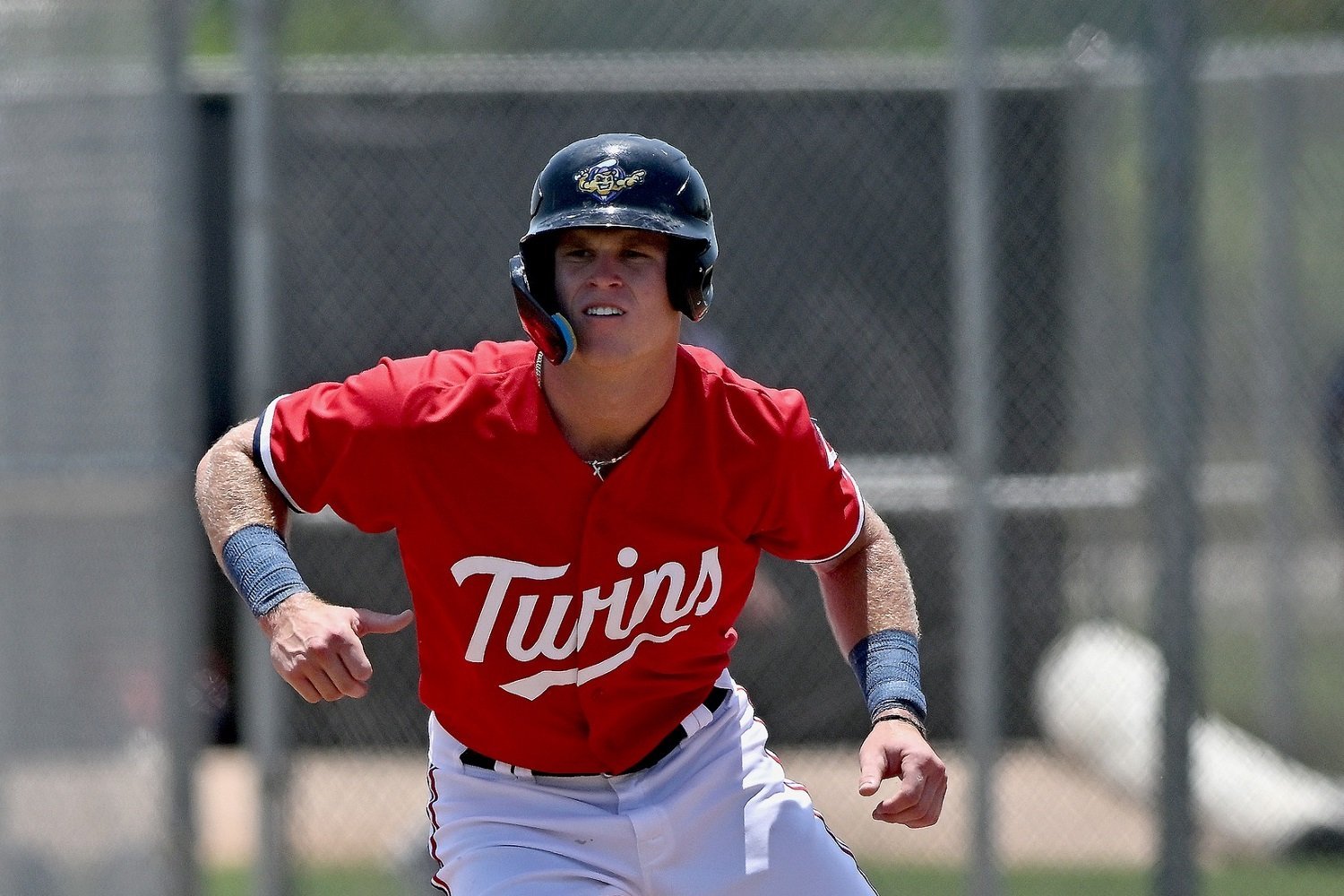 Many national prospect rankings have updated their top-100 prospect lists following the 2024 MLB Draft. There has also been nearly a full season of action to collect scouting reports and data on current players in minor-league systems since the big round of lists came out during the offseason. MLB Pipeline updated their rankings, with the Twins having six top-100 prospects. Minnesota has seen some of these prospects already impact the big-league roster, and others are inching closer to Target Field. The tools below are rated on the standard 20-80 scouting scale, where 50 represents the big-league average. Players on the list must be included in MLB Pipeline’s Top-30 Twins prospects. Hit Tool: Brooks Lee, SS MLB Pipeline Grade: 65 Lee is among the prospects MLB Pipeline considered for the top overall hit tool. He has exceptional bat-to-ball skills, advanced plate discipline, and a solid ability to consistently make hard contact. His swing mechanics are smooth and efficient, allowing him to cover the entire strike zone and drive pitches to all fields. Lee's keen eye at the plate enables him to work deep counts and avoid chasing bad pitches, while his strong hand-eye coordination ensures that he rarely misses when he decides to swing. His combination of pitch recognition, contact ability, and power potential makes him a highly promising hitter, positioning him as a standout prospect in the Twins' system. Power Tool: Walker Jenkins, OF MLB Pipeline Grade: 60 Multiple Twins prospects grade out as a 60 in the power department, but Jenkins is the prospect whom fans will get the most excited about. His strength, combined with a naturally leveraged swing, generates tremendous bat speed and allows him to barrel up the ball with authority consistently. Jenkins's power is not just a product of his physical attributes; it's also a result of his advanced approach at the plate, where he patiently waits for pitches he can drive. This combination of raw power, swing mechanics, and plate discipline gives Jenkins the potential to be a middle-of-the-order threat, with the ability to hit for both average and significant power as he continues to develop. Arm Tool: Gabriel Gonzalez, OF MLB Pipeline Grade: 65 González stands out in the Twins organization for his exceptional arm strength, widely regarded as one of the best among the team's prospects. His powerful and accurate throws from the outfield can easily cut down runners, whether he's gunning for home plate or stopping a potential extra-base hit. González's arm tool is game-changing, allowing him to deter baserunners from taking extra bases and contributing significantly to his defensive prowess. His quick release and strong and accurate throws add a layer of intimidation, making him a defensive standout and one of the most promising outfielders in the system. Run Tool: Kyle DeBarge, SS MLB Pipeline Grade: 60 DeBarge is recognized as one of the best baserunners in the organization, due to his exceptional speed, keen instincts, and aggressive (yet intelligent) approach to advancing. His quick first step and explosive acceleration make him a constant threat to steal bases, while his ability to read pitchers and anticipate their moves allows him to take extra bases and capitalize on defensive lapses. DeBarge's situational awareness is top-notch, as he consistently makes the right decisions in high-pressure moments, whether it's stretching a single into a double or advancing on a ball in the dirt. His combination of speed, intelligence, and fearlessness makes him a dynamic presence on the bases, adding significant value to his overall game and putting constant pressure on opposing defenses. Fielding Tool: Danny De Andrade, SS MLB Pipeline Grade: 55 De Andrade is lauded for having exceptional defensive instincts, quick reflexes, and smooth glove work. His ability to read the ball off the bat and position himself ideally allows him to cover a wide range, making even the most difficult plays look routine. De Andrade’s soft hands and precise footwork enable him to field cleanly and transition smoothly into accurate throws, even from challenging angles. His athleticism and quick reaction time make him a reliable defender in all situations, while his strong arm ensures that he can make the necessary throws from deep in the hole. These attributes, combined with his high baseball IQ, make De Andrade a defensive standout and one of the most polished fielders in the Twins' system. Do you agree with the grades given above? Would you rank any prospects ahead of those listed above? Leave a comment and start the discussion.
- 19 comments
-
- 6
-

-
- walker jenkins
- brooks lee
- (and 3 more)
-
Max Kepler’s days in a Twins uniform are quickly coming to a close. What has he meant to Minnesota over the last decade? Image courtesy of Charles LeClaire-USA TODAY Sports Max Kepler’s days in a Twins uniform are quickly coming to a close. What has he meant to Minnesota over the last decade? Max Kepler, a name synonymous with the Minnesota Twins for nearly a decade, has been a constant presence in the team's outfield since his debut in 2015. As the 2024 season winds down, the German-born outfielder's future with the organization seems increasingly uncertain, with free agency looming on the horizon. For Twins fans, this is a time to reflect on Kepler's journey and savor what could be his final games in a Minnesota uniform. The Early Years: A Rising Star Kepler's story with the Twins began long before his MLB debut. Signed as a teenager out of Germany in 2009, Kepler was the first European-born player to generate significant buzz in the major leagues--and, 15 years later, still essentially the only one. His ascent through the Twins' minor-league system was steady, marked by flashes of the potential that would later make him a fan favorite. In 2015, Kepler made his MLB debut, and by 2016, he had solidified his spot in the Twins' outfield. His powerful left-handed swing and exceptional defensive skills quickly made him a key player for the team. The 2019 season was a breakout year, as he hit a career-high 36 home runs, helping to lead the Twins to a 101-win season and an AL Central title. That year, Kepler’s blend of power and defense earned him recognition as one of the top right fielders in the league. A Steady Contributor Throughout his tenure with the Twins, Kepler has been known for his consistent defense and professionalism. His blend of speed, arm strength and a knack for quick jumps on shallow flies and liners made him one of the game's best outfielders, especially on balls hit in front of him. Offensively, while he’s had ups and downs, Kepler has always been a reliable presence in the lineup, particularly against right-handed pitching. His ability to come through in clutch situations, coupled with his versatility in the outfield, has made him invaluable. Kepler's time with the Twins hasn't been without challenges. Injuries have occasionally hampered his performance, and like many hitters, he's had to battle through slumps. However, his resilience and dedication have always shone through, earning him the respect of teammates and fans alike. The End of an Era? As the 2024 season progresses, the reality of Kepler's potential departure becomes more apparent. His current contract, a six-year extension signed in 2019, is set to expire at the season’s conclusion. With the emergence of younger outfielders in the Twins' system and the team's possible desire to allocate resources elsewhere, it seems increasingly likely that the Twins will go in a different direction, making Kepler a likely free-agent departure. For many fans, the thought of Kepler in another team's uniform is bittersweet. He’s been a fixture in the Twins' lineup for years, a player who grew up with the team and contributed to some of its most memorable moments. But baseball is a business, and as the Twins look to the future, difficult decisions must be made. A Farewell Worth Celebrating If this is indeed Kepler’s final season with the Twins, it’s essential for fans to appreciate what he has meant to the team. His journey from a teenage prospect from Germany to a staple of the Twins' roster is a testament to his talent, hard work, and perseverance. Fans should take the time to celebrate Kepler’s contributions, whether through a standing ovation at Target Field or simply reflecting on the many great plays and big hits he’s provided over the years. While the future may hold uncertainty, Kepler’s legacy with the Twins is secure. He’ll always be remembered as a vital part of an era that brought excitement and success back to Minnesota baseball. What are your favorite Kepler memories? Leave a comment and start the discussion. View full article
-
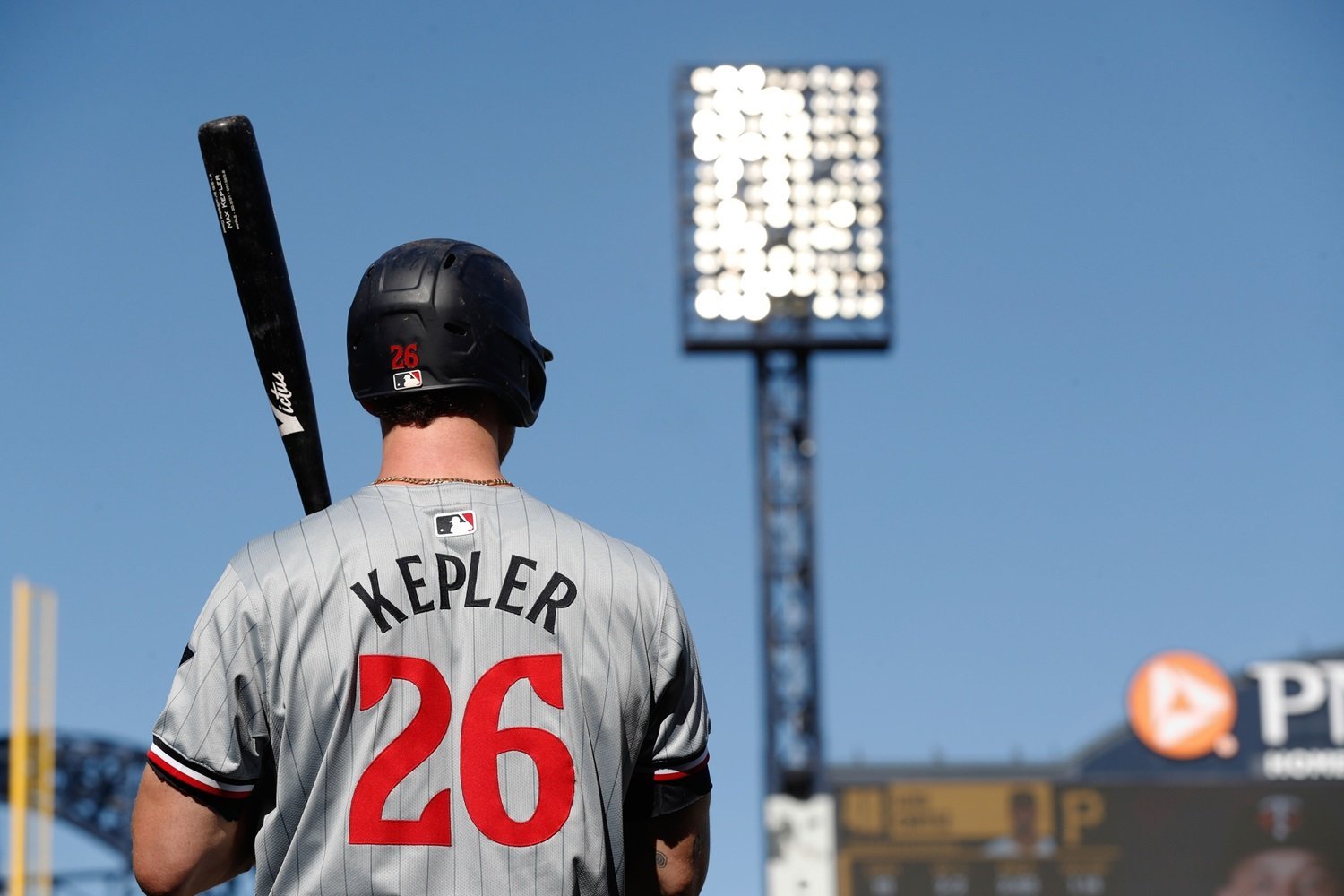 Max Kepler, a name synonymous with the Minnesota Twins for nearly a decade, has been a constant presence in the team's outfield since his debut in 2015. As the 2024 season winds down, the German-born outfielder's future with the organization seems increasingly uncertain, with free agency looming on the horizon. For Twins fans, this is a time to reflect on Kepler's journey and savor what could be his final games in a Minnesota uniform. The Early Years: A Rising Star Kepler's story with the Twins began long before his MLB debut. Signed as a teenager out of Germany in 2009, Kepler was the first European-born player to generate significant buzz in the major leagues--and, 15 years later, still essentially the only one. His ascent through the Twins' minor-league system was steady, marked by flashes of the potential that would later make him a fan favorite. In 2015, Kepler made his MLB debut, and by 2016, he had solidified his spot in the Twins' outfield. His powerful left-handed swing and exceptional defensive skills quickly made him a key player for the team. The 2019 season was a breakout year, as he hit a career-high 36 home runs, helping to lead the Twins to a 101-win season and an AL Central title. That year, Kepler’s blend of power and defense earned him recognition as one of the top right fielders in the league. A Steady Contributor Throughout his tenure with the Twins, Kepler has been known for his consistent defense and professionalism. His blend of speed, arm strength and a knack for quick jumps on shallow flies and liners made him one of the game's best outfielders, especially on balls hit in front of him. Offensively, while he’s had ups and downs, Kepler has always been a reliable presence in the lineup, particularly against right-handed pitching. His ability to come through in clutch situations, coupled with his versatility in the outfield, has made him invaluable. Kepler's time with the Twins hasn't been without challenges. Injuries have occasionally hampered his performance, and like many hitters, he's had to battle through slumps. However, his resilience and dedication have always shone through, earning him the respect of teammates and fans alike. The End of an Era? As the 2024 season progresses, the reality of Kepler's potential departure becomes more apparent. His current contract, a six-year extension signed in 2019, is set to expire at the season’s conclusion. With the emergence of younger outfielders in the Twins' system and the team's possible desire to allocate resources elsewhere, it seems increasingly likely that the Twins will go in a different direction, making Kepler a likely free-agent departure. For many fans, the thought of Kepler in another team's uniform is bittersweet. He’s been a fixture in the Twins' lineup for years, a player who grew up with the team and contributed to some of its most memorable moments. But baseball is a business, and as the Twins look to the future, difficult decisions must be made. A Farewell Worth Celebrating If this is indeed Kepler’s final season with the Twins, it’s essential for fans to appreciate what he has meant to the team. His journey from a teenage prospect from Germany to a staple of the Twins' roster is a testament to his talent, hard work, and perseverance. Fans should take the time to celebrate Kepler’s contributions, whether through a standing ovation at Target Field or simply reflecting on the many great plays and big hits he’s provided over the years. While the future may hold uncertainty, Kepler’s legacy with the Twins is secure. He’ll always be remembered as a vital part of an era that brought excitement and success back to Minnesota baseball. What are your favorite Kepler memories? Leave a comment and start the discussion.
 -
The Twins were interested in bringing back Sonny Gray and Kenta Maeda in free agency last winter. Luckily, it seems the team dodged a bullet by letting both veterans sign elsewhere. Image courtesy of Jesse Johnson-USA TODAY Sports The Twins were interested in bringing back Sonny Gray and Kenta Maeda in free agency last winter. Luckily, it seems the team dodged a bullet by letting both veterans sign elsewhere. The Minnesota Twins entered the 2024 offseason with two of their top starting pitchers, Sonny Gray and Kenta Maeda, hitting free agency. Both had been key contributors in the Twins’ rotation, with Gray finishing second in Cy Young Award voting in 2023 and Maeda showing flashes of brilliance despite dealing with injuries. The decision not to re-sign these pitchers might have raised some eyebrows initially, but as the 2024 season progresses, it’s becoming clear that the Twins may have dodged a bullet. Age and Durability Concerns Both Gray and Maeda were on the wrong side of 30 as they entered free agency. Gray, at 34, and Maeda, at 36, were already facing the natural decline that comes with age. Maeda, in particular, had struggled with injuries in recent years, missing significant time in 2022 due to Tommy John surgery and not fully returning to form in 2023. While both pitchers remained effective when healthy, the risk of further injuries or declining performance was high. The 2024 season has shown that these concerns were well-founded. Gray has already spent time on the injured list with shoulder issues, and Maeda’s velocity has continued to drop, raising concerns about his long-term effectiveness. For the Twins, avoiding the temptation to invest in aging pitchers with uncertain futures has allowed them to keep their payroll flexible and avoid being saddled with potentially dead money. Focus on Younger Talent Instead of locking themselves into contracts with Gray and Maeda, the Twins wisely focused on developing and acquiring younger talent. The emergence of younger pitchers like Joe Ryan and Bailey Ober has been a bright spot for the team. Before his shoulder injury, Ryan took a step forward in 2024, showing the potential to be a future ace. Ober has also been a consistent performer, providing stability at the top of the rotation. Other young pitchers like Simeon Woods Richardson, David Festa, and Zebby Matthews are also getting a chance this season, which might not have been possible with veterans occupying the back of the rotation. By prioritizing youth, the Twins have saved money and set themselves up for long-term success. Younger pitchers tend to be more resilient and have higher upside, making them a better investment for a team looking to build a sustainable winner. Financial Flexibility Re-signing Gray and Maeda would have likely required significant financial commitments, limiting the Twins’ ability to address other areas of need. Gray’s performance in 2023 positioned him for a lucrative contract (3 years, $75 million), while Maeda, despite his age and injury history, could still command a respectable deal (2 years, $24 million) given his track record. Instead, the Twins used their financial flexibility to bolster other parts of the roster. This strategic decision has paid off. The Twins were able to add depth to their bullpen and make critical upgrades to their lineup, which has helped them remain competitive in the AL Central. With the money saved from not re-signing Gray and Maeda, the Twins have been better positioned to adapt to the challenges of the 2024 season. Avoiding Decline in Performance Pitchers often face a steep decline in their mid-to-late 30s, and the Twins were likely wary of committing to Gray and Maeda for this reason. Decline in velocity, increased susceptibility to injuries, and decreased overall effectiveness are common issues pitchers face as they age. Both Gray and Maeda have shown signs of this decline in 2024. Gray’s once-dominant curveball has lost some of its bite, leading to higher home run rates, while Maeda’s control has become more erratic, leading to more walks and fewer strikeouts. These struggles would have been magnified had the Twins re-signed them, potentially making the back end of their contracts a significant burden. The Trade Market and Future Flexibility The decision not to re-sign Gray and Maeda also kept the Twins flexible heading into the 2024 trade deadline. With a younger, more dynamic rotation, the Twins have been able to assess their needs more accurately as the season progresses. Should they find themselves in contention, they have the prospect capital and financial flexibility to make a big move at the deadline without the albatross of aging pitchers on their payroll. This strategic positioning is crucial for a team looking to compete not just in 2024 but in future seasons as well. By avoiding long-term commitments to Gray and Maeda, the Twins have kept their options open, allowing them to pursue opportunities that could make a more significant impact. The decision to let Gray and Maeda walk in free agency was a calculated risk that proved wise. The Twins have avoided the pitfalls of aging and declining pitchers while positioning themselves for both current and future success. By focusing on younger talent, maintaining financial flexibility, and keeping their options open, the Twins have set themselves up to dodge the bullet that re-signing Gray and Maeda might have been. As the 2024 season unfolds, it’s becoming increasingly clear that this was the right move for the team’s long-term vision. What are your impressions of Gray and Maeda during the 2024 season? Leave a COMMENT and start the discussion. View full article
-
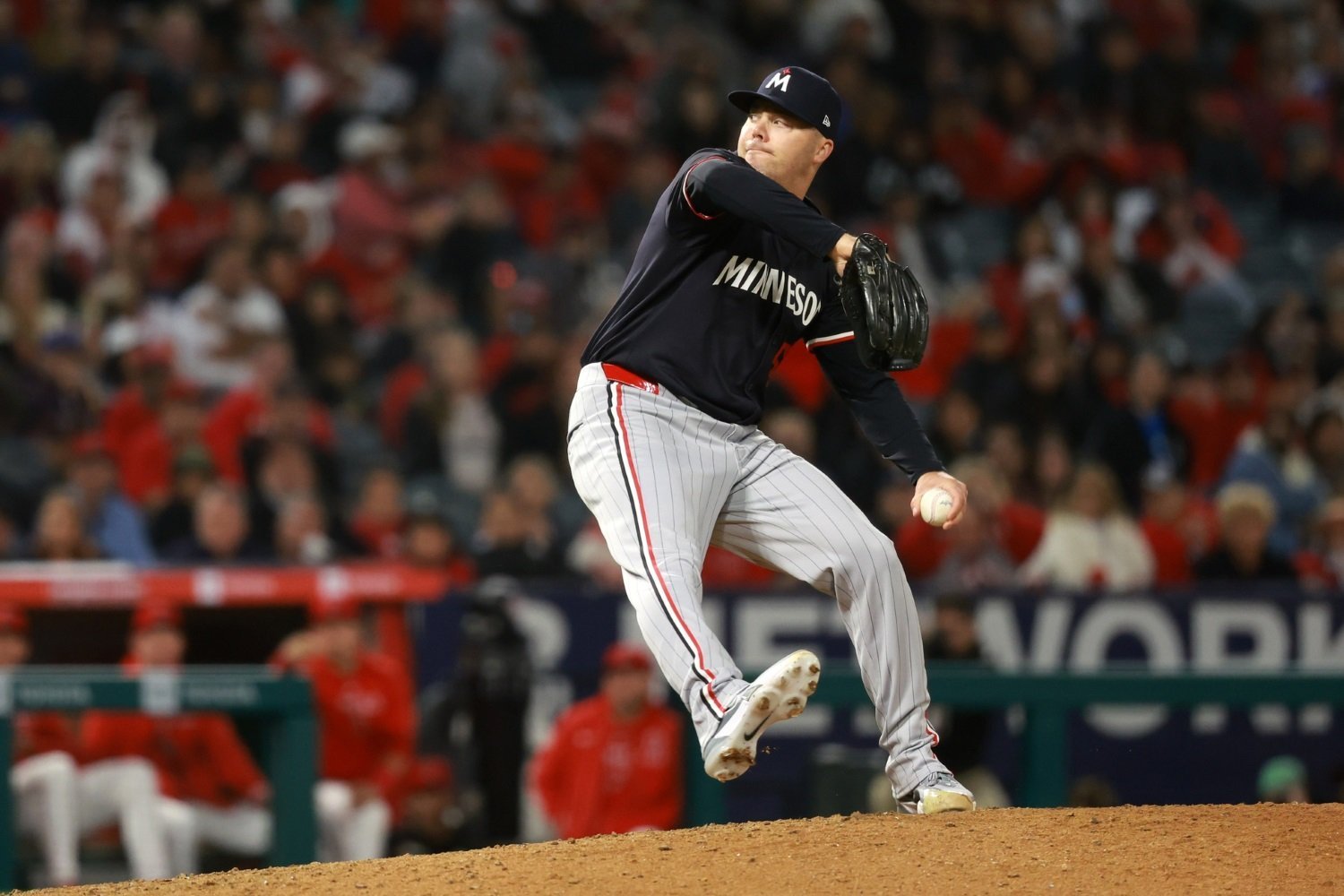 As the MLB trade deadline passed on Jul. 30, the Minnesota Twins made headlines for their inactivity. The front office essentially stood pat, despite the apparent need to bolster their bullpen, particularly with a lefthander. Many fans wondered how the team would address its late-game pitching challenges as the season progressed. However, one player’s performance was trending in the right direction. That player is Caleb Thielbar. A Season of Ups and Downs Thielbar struggled through much of the 2024 campaign before recently showing some signs of improvement. After dealing with an early-season hamstring injury, Thielbar attempted to rediscover the pitching arsenal that previously made him one of the team’s best left-handed relievers. Thielbar, now 37, isn’t new to the big leagues. His career began with the Twins in 2013 and has been a tale of perseverance and adaptation. After a few years bouncing between the majors and minors and even spending time in independent baseball, Thielbar rejoined the Twins in 2020, where he found moderate success. Over the next few seasons, he developed into a reliable power arm at the back of the bullpen. But 2024 has been a different story. Thielbar's significant issues this season are tied to his command. His walk rate jumped from a 5.0 BB% last season to 9.5 BB% in 2024. His strikeout rate has dropped by nearly 5%, as batters can lay off some of his offerings and get ahead in the count. Opponents are barreling up the ball against him at the highest rate of his career. The curveball, which has always been Thielbar’s go-to pitch, has seen an uptick in effectiveness this year. Opponents are hitting just .120 against the pitch, and it has become a trusted weapon for getting out of tough jams. Batters have registered a 45.3 Whiff% versus his curveball, a solid jump from last season. His fastball has caused the most issues. In 2023, he held batters to a .197 BA against his four-seamer, which has jumped above .300 during the current campaign. Thielbar has implemented some strategic changes to make his fastball more effective. Our John Foley did a great job breaking down some of those adjustments earlier this week, for TD Caretakers. Compared to last year, he's dropped the usage of his four-seamer by 10 percentage points (52% to 42%), while going to his sweeper and curveball far more frequently. Over the past couple months, he's also using fastballs more regularly on his arm side and up in the zone. This location helps his curveball to be more effective, because batters see the pitches coming in on a similar plane and have a more difficult time adjusting to the offspeed offering. Since that adjustment, he has a 3.34 FIP with a .203 batting average allowed. Filling the Void When the trade deadline passed without the Twins acquiring any bullpen help, it was clear that the front office had confidence in their existing roster--particularly in Thielbar. While it was a gamble, given his inconsistency earlier in the season, Thielbar has shown the ability to make in-season adjustments. He must take on a more prominent role, providing the stability and reliability the Twins desperately needed from the left side. Tuesday night, though, Rocco Baldelli looked right past Thielbar's name on his list of available relievers, electing to use Steven Okert for a pocket of the Padres lineup he hoped would be favorable for a southpaw. Thielbar had pitched Monday night, but threw just nine pitches, and he'd been off the previous two days. If he ranked above Okert on the manager's mental depth chart for the bullpen, he would have been the natural choice to start the sadly fateful eighth inning. It might not be that simple, though. Thielbar has made only three appearances on zero days' rest this season, and none since Jun. 12. It seems as though the coaching staff and front office feel uneasy using the aging lefty on back-to-back days, at least enough to erase whatever difference they see in expected performance between him and Okert. For now, that's a limiting factor in the team's bullpen usage, but maybe as the games get increasingly important, they should revisit it. Has Thielbar convinced the team that he can be a reliable left-handed option in late-inning situations? Leave a comment and start the discussion.
 -
The Twins have one of baseball’s top-ranked farm systems, with multiple top-100 prospects. Baseball America ranked Emmanuel Rodriguez number one on a list earlier this week, so what’s stopping him from being considered baseball’s top prospect? Image courtesy of Ed Bailey, Wichita Wind Surge The Twins have one of baseball’s top-ranked farm systems, with multiple top-100 prospects. Baseball America ranked Emmanuel Rodriguez number one on a list earlier this week, so what’s stopping him from being considered baseball’s top prospect? Emmanuel Rodriguez, one of the top prospects in the Minnesota Twins farm system, has captured the attention of scouts and fans alike with his immense potential. The 21-year-old outfielder has shown flashes of brilliance that suggest he could be a future cornerstone of the Twins' lineup. Baseball America released an updated RoboScout dynasty ranking earlier this week, with Rodriguez considered the number one prospect. They consider “the estimated likelihood of making it to the major leagues, projected performance at peak, and fantasy value projected to be earned at peak.” It’s an exciting way to look at prospects, and Rodriguez fares well because of his long-term upside. However, despite his talent, Rodriguez has not yet been anointed as baseball's top prospect, outside this narrow fantasy context. Several factors are contributing to this, and understanding them sheds light on the challenges he faces in reaching the pinnacle of prospect rankings. 1. Inconsistent Performance at the Plate While Rodriguez has demonstrated an impressive ability to hit for power, his overall hitting has been streaky. He has had stretches where he’s struggled to make contact, resulting in a concerning strikeout rate. While strikeouts are not uncommon among power hitters, Rodriguez's tendency to swing and miss has been more pronounced than some of his peers--and is exacerbated by his patient approach. Because he works such deep counts, his whiffs are often for strike three, not just early-count throwaways. His raw power is undeniable, and the ball travels a long way when he connects. However, his high strikeout rate raises questions about his ability to maintain a high level of performance as he progresses through the minors and eventually reaches the major leagues. Consistency in making contact and refining his approach at the plate is crucial for Rodriguez to climb the prospect rankings. 2. Plate Discipline and Approach While his walk rates are extraordinary, Rodriguez's approach is so selective as to border on passivity. At times, he appears to be hoping the pitcher misses the zone or makes a mistake. Twins fans have seen a similar approach with players like Edouard Julien. He sometimes struggles to recognize off-speed pitches, leading to poor swings and a high number of strikeouts. To maximize his offensive potential, improving his pitch recognition and developing a more aggressive approach will be essential for Rodriguez. This skill is essential as he faces more advanced pitching in the upper levels of the minor leagues, as pitchers get better and better at throwing strikes with better and better stuff. 3. Long-Term Defensive Concerns Rodriguez's defense is another area that scouts have noted as a concern. While he has the tools to be a solid outfielder, including a strong arm and good speed, his defensive instincts and routes to the ball have been unimpressive. Rodriguez has shown flashes of being an above-average defender, but there are also moments where his inexperience is evident. For Rodriguez to be considered the game's top prospect, he will need to show that he can be a reliable defender at a premium position. He has continued to be used in center field, but some believe he will be forced to move to a corner spot as he ages. Improving his defensive consistency, particularly in reading the ball off the bat and taking better routes, will be crucial to his overall development. 4. Injury History Injuries have played a major role in slowing Rodriguez's otherwise rapid ascent through the minors. He has dealt with multiple injuries throughout his minor-league career, hampering his development and limiting his playing time. He was limited to 146 games over the last two seasons, and he's only played 39 games in 2024. While he has shown resilience in bouncing back from these setbacks, the injury history adds a layer of risk to his profile. Teams and scouts are often cautious with players who have a history of injuries, as it can impact their long-term durability and performance. For Rodriguez to be viewed as a top prospect, he will need to stay healthy and prove that he can withstand the grind of a full season without significant time on the sidelines. 5. Competition Among Elite Prospects Finally, it's essential to acknowledge the level of competition among baseball's elite prospects. The current crop of top prospects is incredibly talented, featuring players with a unique blend of skills that have propelled them to their positions. While Rodriguez is undoubtedly a talented player, he is competing against a deep pool of prospects who have shown more polished and consistent skills against higher levels of competition. Prospects like Jackson Holliday, James Wood, and Jackson Jobe have showcased their abilities in ways that have drawn widespread acclaim, and Rodriguez will need to elevate his game to join their ranks. This is not to say that Rodriguez can't become the top prospect, or that he couldn't eventually be better even than those budding stars, but he will need to continue refining his game to stand out among such a talented group. Rodriguez has the potential to be a special player, and the Twins and the broader baseball community will closely watch his development. However, to be considered baseball's top prospect, he must address the inconsistencies in his game, particularly in his approach at the plate, defensive play, and ability to stay healthy. If he can make these adjustments and continue to develop his immense talent, Rodriguez could soon find himself contributing at the big-league level--maybe even before the world gets a chance to further raise his stock price. Until then, the hurdles he faces will keep him just outside the top echelon, leaving room for growth as he continues his journey to the major leagues. What will it take for Rodriguez to be considered baseball’s top prospect? Leave a comment and start the discussion. View full article


