



Cody Christie
-
Posts
7,515 -
Joined
-
Last visited
-
Days Won
5
Content Type
Profiles
News
Minnesota Twins Videos
2026 Minnesota Twins Top Prospects Ranking
2022 Minnesota Twins Draft Picks
Minnesota Twins Free Agent & Trade Rumors, Notes, & Tidbits
Guides & Resources
2023 Minnesota Twins Draft Picks
The Minnesota Twins Players Project
2024 Minnesota Twins Draft Picks
2025 Minnesota Twins Draft Pick Tracker
2026 Minnesota Twins Draft Tracker: Picks & Bonuses
Forums
Blogs
Events
Store
Downloads
Gallery
Everything posted by Cody Christie
-
 Mike Trout is arguably the best player to put on a baseball uniform for the current generation. Now, Byron Buxton has the opportunity to shift his career arc and put his name among baseball’s best center fielders. MLB Network counts down baseball’s best players as the season starts while also naming the top players at each position. MLB has ranked Trout as the best center fielder, but other players are coming for his crown. Buxton was the 10th-ranked centerfielder entering the 2021 season, and he has risen to the third overall behind Trout and George Springer. Buxton had the highest jump among players that were on the 2021 list. Buxton’s rise ties to his 2021 performance, where he proved that he could be one of baseball’s most valuable players. His month of April 2021 was one of the best offensive months in team history as he posted a 1.363 OPS. He was limited to 61 games for the year but accumulated 4.5 WAR. His defense also puts him in elite company as the Twins now have one of baseball’s best up-the-middle defenses. Trout has been otherworldly during his professional career as he has averaged over 9.0 WAR in every season where he’s played at least 130 games. Last season, injuries limited Trout to 36 games, but he still posted a 1.090 OPS. He’s clearly on a path to Cooperstown. He has won three MVPs, been a nine-time All-Star, and won eight Silver Slugger Awards. So, are Buxton and Trout even in the same conversation regarding on-field production? The answer is "It’s complicated." At the beginning of their pro careers, both Buxton and Trout were considered the best prospect in baseball. Trout flew through the minors and reached the MLB level as a teenager. Buxton had a few more bumps in the road, but he still compiled some tremendous numbers in the minors. Over their last 162 games, Buxton and Trout have very comparable numbers. Buxton has hit .281 with 41 home runs, a .916 OPS, and 19 stolen bases. Trout has hit .294 with 53 home runs, a 1.047 OPS, and seven stolen bases. Another thing to consider is entering his age-29 season while Trout is a year older. Trout debuted as a 19-year old, while Buxton took a little longer and debuted as a 21-year old. Buxton is still among baseball’s best defensive center fielders. Last season he had an Outs Above Average in the 94th percentile. This spring, there were some rumblings of the Angels pushing Trout out of centerfield. He is staying in the position to start 2022, but he hasn’t been worth more than one out above average since 2018. It seems likely for Trout to get shifted to a corner outfield spot in the years ahead. Health is the key for Buxton to be considered in the same conversation as Trout. Minnesota can utilize various strategies to keep Buxton healthy, including his outfield positioning and giving him rest days. The organization has already tried some of these strategies, so it might come down to him being a little luckier in 2022. With Buxton signed long-term, Twins fans are excited about what he can mean to the team. An entire season of Buxton may be one of the most valuable seasons for any player in team history. Trout is still baseball’s best center fielder, but like a liner to center, Buxton looks to be closing the gap. What will it take for Buxton to be considered baseball’s best center fielder? Leave a COMMENT and start the discussion. View full article
 -
Last winter, the Twins brought in Alex Colome to serve in a late-inning role, but he failed miserably. Now, Taylor Rogers is returning from injury, so what’s the team’s late-inning bullpen pecking order? Some questions surrounded Rogers returning from a finger injury that ended his 2021 season. Rogers has looked strong this spring, so there may be little to worry about for the 2022 campaign. However, the team will need to have a contingency plan if his finger injury acts up or if he suffers another injury. Here is how the team will likely use the bullpen in the late innings. 1. Taylor Rogers, LHP Rogers was a first-time All-Star during the 2021 season following a first-half where he posted a 3.35 ERA with a 1.12 WHIP and 54 strikeouts in 37 2/3 innings. It was a solid first half, but it was hardly the best version of Rogers. From 2018-19, Rogers pitched nearly 140 innings with a 2.62 ERA, a sub-1.00 WHIP, and 10.8 K/9. Before his injury, Minnesota was exploring trade options for Rogers, and there was no guarantee the team would offer him arbitration this year. He is entering his final year of team control, so he needs to prove that he can be a dominant back-end reliever as he hits free agency for the first time. As a 31-year-old, it might be his only chance at a big payday, but the Twins have other options if Rogers isn’t successful in 2022. 2. Tyler Duffey, RHP Duffey was one of baseball’s best relievers entering the 2021 season as the Twins used him to get out of plenty of late-inning jams. From 2019-20, Duffey pitched 81 2/3 innings, and he struck out 113 batters with a 0.94 WHIP. Last season, he struggled for the first time since 2018 as he posted a 3.18 ERA with a 1.22 WHIP. His strikeout rate dropped from 11.6 K/9 in 2020 to 8.8 K/9 in 2021. Besides his lack of strikeouts, there were some concerns with the number of hard hits and his change in pitch usage. However, Duffey seems like the best candidate to take over the closer role if Rogers misses time or is ineffective. 3. Jorge Alcalá, RHP Alcalá has been on the cusp of a breakout for multiple seasons, and there were signs he started to break out last season. He decreased his fastball usage and saw a big jump in his changeup usage. His fastball tends to be up, so his improved changeup has played even better down in the zone. Last year in the second half, he managed a 2.88 ERA, 0.36 HR/9, 2.01 FIP, and a 32% K%. If these trends continue, Alcalá may be evolving into Minnesota’s future closer, especially if he can lower his career .843 OPS versus left-handed batters. 4. Caleb Thielbar, LHP Thielbar has been a surprise contributor to the Twins bullpen over the last two seasons as he has become one of the team’s most reliable arms. Over the last two seasons, he has a 3.00 ERA with a 1.17 WHIP and 99 strikeouts in 84 innings. He turned 35-years-old earlier this year, and he has previously been close to retirement. Outside of Rogers, he is the lefty with the most late-inning experience, so it will be intriguing to see how the Twins use him this season. Does he get the opportunity to earn his first big-league save? Dark Horse Candidate: Jovani Moran, LHP Moran was the Twins Daily 2022 Minor League Reliever of the Year, and his changeup has the potential to make him unhittable at the big-league level. He struck out nearly 41.8% of batters in the minors this season, and he will look to transition those numbers to the Twins. Like Alcalá, there may be some growing pains on the way to being a dominant late-inning arm. With Duffey and Rogers heading to free agency, Alcalá and Moran are part of the team’s long-term bullpen plans. How do you think the Twins will use the back-end of their bullpen this season? Leave a COMMENT and start the discussion. View full article
-
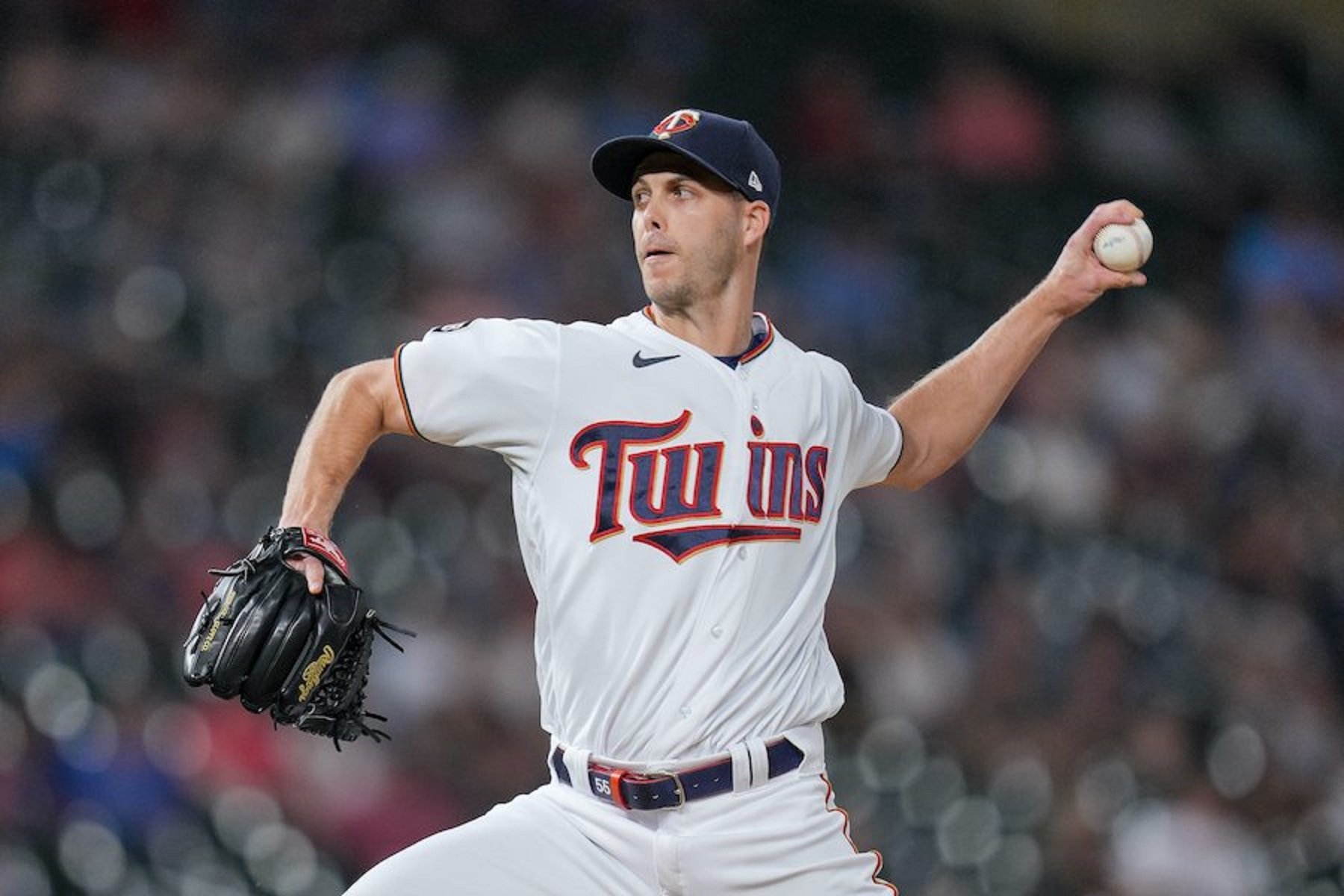 Some questions surrounded Rogers returning from a finger injury that ended his 2021 season. Rogers has looked strong this spring, so there may be little to worry about for the 2022 campaign. However, the team will need to have a contingency plan if his finger injury acts up or if he suffers another injury. Here is how the team will likely use the bullpen in the late innings. 1. Taylor Rogers, LHP Rogers was a first-time All-Star during the 2021 season following a first-half where he posted a 3.35 ERA with a 1.12 WHIP and 54 strikeouts in 37 2/3 innings. It was a solid first half, but it was hardly the best version of Rogers. From 2018-19, Rogers pitched nearly 140 innings with a 2.62 ERA, a sub-1.00 WHIP, and 10.8 K/9. Before his injury, Minnesota was exploring trade options for Rogers, and there was no guarantee the team would offer him arbitration this year. He is entering his final year of team control, so he needs to prove that he can be a dominant back-end reliever as he hits free agency for the first time. As a 31-year-old, it might be his only chance at a big payday, but the Twins have other options if Rogers isn’t successful in 2022. 2. Tyler Duffey, RHP Duffey was one of baseball’s best relievers entering the 2021 season as the Twins used him to get out of plenty of late-inning jams. From 2019-20, Duffey pitched 81 2/3 innings, and he struck out 113 batters with a 0.94 WHIP. Last season, he struggled for the first time since 2018 as he posted a 3.18 ERA with a 1.22 WHIP. His strikeout rate dropped from 11.6 K/9 in 2020 to 8.8 K/9 in 2021. Besides his lack of strikeouts, there were some concerns with the number of hard hits and his change in pitch usage. However, Duffey seems like the best candidate to take over the closer role if Rogers misses time or is ineffective. 3. Jorge Alcalá, RHP Alcalá has been on the cusp of a breakout for multiple seasons, and there were signs he started to break out last season. He decreased his fastball usage and saw a big jump in his changeup usage. His fastball tends to be up, so his improved changeup has played even better down in the zone. Last year in the second half, he managed a 2.88 ERA, 0.36 HR/9, 2.01 FIP, and a 32% K%. If these trends continue, Alcalá may be evolving into Minnesota’s future closer, especially if he can lower his career .843 OPS versus left-handed batters. 4. Caleb Thielbar, LHP Thielbar has been a surprise contributor to the Twins bullpen over the last two seasons as he has become one of the team’s most reliable arms. Over the last two seasons, he has a 3.00 ERA with a 1.17 WHIP and 99 strikeouts in 84 innings. He turned 35-years-old earlier this year, and he has previously been close to retirement. Outside of Rogers, he is the lefty with the most late-inning experience, so it will be intriguing to see how the Twins use him this season. Does he get the opportunity to earn his first big-league save? Dark Horse Candidate: Jovani Moran, LHP Moran was the Twins Daily 2022 Minor League Reliever of the Year, and his changeup has the potential to make him unhittable at the big-league level. He struck out nearly 41.8% of batters in the minors this season, and he will look to transition those numbers to the Twins. Like Alcalá, there may be some growing pains on the way to being a dominant late-inning arm. With Duffey and Rogers heading to free agency, Alcalá and Moran are part of the team’s long-term bullpen plans. How do you think the Twins will use the back-end of their bullpen this season? Leave a COMMENT and start the discussion.
- 29 comments
-
- 3
-

-
- taylor rogers
- tyler duffey
- (and 3 more)
-
Ranking the Twins Top-5 Slider Prospects
Cody Christie posted a topic in Twins Daily Front Page News
Minnesota's coaching staff has focused heavily on sliders under the tutelage of pitching coach Wes Johnson. Here are the best sliders among the team's top prospects. As pitchers move through a farm system, the organization hopes to use technology and data to help them improve their pitching repertoire. On the 20-80 scouting scale, nearly all of the sliders below have room to grow this season, which can be dangerous for opposing batters. 5. Ronny Henriquez, RHP Current Slider/Future Slider: 50/55 Don't let Henriquez's small stature deceive you. He is a legitimate starting pitching prospect. He joined the Twins organization from Texas as part of the Mitch Garver trade. Last season, he spent time at High- and Double-A, where he posted a 4.71 ERA with a 1.10 WHIP and 105 strikeouts in 93 2/3 innings. At both levels, he was more than two years younger than the average age of the competition. Henriquez is already on the 40-man roster, so there is a good chance he will make his debut in 2022. 4. Jordan Balazovic, RHP Current Slider/Future Slider: 50/55 Balazovic has come a long way since he was a lanky Canadian high school pitcher in the 2016 draft. His velocity has increased throughout his professional career, leading to an increased walk rate as he adjusts to his ever-changing repertoire. His slider is one of three pitches with a future grade of 55 or higher. He uses a delivery that makes it tough to pick up the ball, which makes his offspeed offerings even more dangerous. A back injury kept him from debuting until later in the 2021 season. Otherwise, he may have joined Bailey Ober and Joe Ryan at the big-league level. 3. Francis Peguero, RHP Current Slider/Future Slider: 55/55 Peguero was the prospect included in the Sonny Gray trade with the Reds. Last season, he pitched in relief at High-A, where he had a 4.96 ERA and a 1.22 WHIP in 32 2/3 innings. His fastball velocity increased from the low-90s to the upper-90s last season. This increase in velocity projects to help his secondary pitches to play better as he moves closer to the big leagues. Even with the better fastball, his strikeout numbers dropped last season, so he will be a player to watch this season. He is 24-years-old, but he will fit into the team's upper-level bullpen pitcher over the next couple of years. 2. Sean Mooney, RHP Current Slider/Future Slider: 55/60 Mooney may be an unfamiliar name to some Twins fans, but his slider is still one of the system's best. Minnesota selected Mooney in the 12th round back in 2019 from St. John's. He injured his elbow during his collegiate career and had Tommy John surgery. Since returning to the mound, he utilizes a low-slot arm angle that helps him to have a great slider and an above-average changeup. Last season was his professional debut, and he posted a 3.64 ERA and a 1.07 WHIP in 13 appearances. Over 42 innings, he struck out 71 batters, so a healthy Mooney looks like he can be a pitching weapon. 1. Matt Canterino, RHP Current Slider/Future Slider: 55/60 There's a reason Canterino is considered one of the organization's top pitching prospects. His fastball ranks near the top of the farm system, and his top-ranked slider adds even more to his arsenal. He has a four-pitch mix that can make him a dominant starting pitcher, but there have been health concerns throughout his professional career. Minnesota is confident in him bouncing back this season and proving he can stay in a starting role. However, his fastball-slider combination is enough to make him a dominant reliever if the team needs to make future adjustments. Who do you think has the best slider in the Twins system? Should someone else make the list? Leave a COMMENT and start the discussion. OTHER POSTS IN THE SERIES — Top Fastball Prospects — Top Power Tool Prospects — Top Hit Tool Prospects — Top Speed Tool Prospects View full article -
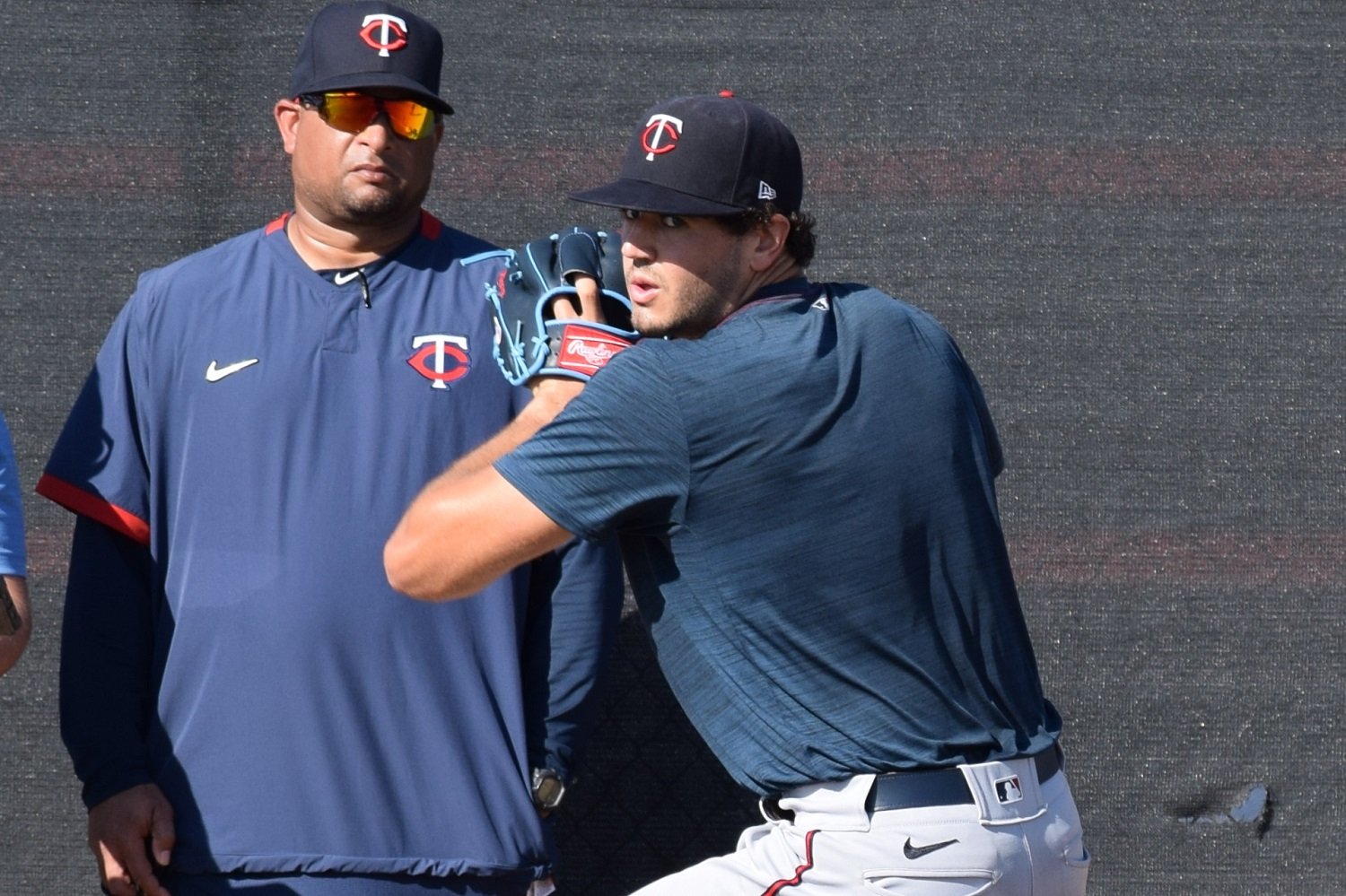 As pitchers move through a farm system, the organization hopes to use technology and data to help them improve their pitching repertoire. On the 20-80 scouting scale, nearly all of the sliders below have room to grow this season, which can be dangerous for opposing batters. 5. Ronny Henriquez, RHP Current Slider/Future Slider: 50/55 Don't let Henriquez's small stature deceive you. He is a legitimate starting pitching prospect. He joined the Twins organization from Texas as part of the Mitch Garver trade. Last season, he spent time at High- and Double-A, where he posted a 4.71 ERA with a 1.10 WHIP and 105 strikeouts in 93 2/3 innings. At both levels, he was more than two years younger than the average age of the competition. Henriquez is already on the 40-man roster, so there is a good chance he will make his debut in 2022. 4. Jordan Balazovic, RHP Current Slider/Future Slider: 50/55 Balazovic has come a long way since he was a lanky Canadian high school pitcher in the 2016 draft. His velocity has increased throughout his professional career, leading to an increased walk rate as he adjusts to his ever-changing repertoire. His slider is one of three pitches with a future grade of 55 or higher. He uses a delivery that makes it tough to pick up the ball, which makes his offspeed offerings even more dangerous. A back injury kept him from debuting until later in the 2021 season. Otherwise, he may have joined Bailey Ober and Joe Ryan at the big-league level. 3. Francis Peguero, RHP Current Slider/Future Slider: 55/55 Peguero was the prospect included in the Sonny Gray trade with the Reds. Last season, he pitched in relief at High-A, where he had a 4.96 ERA and a 1.22 WHIP in 32 2/3 innings. His fastball velocity increased from the low-90s to the upper-90s last season. This increase in velocity projects to help his secondary pitches to play better as he moves closer to the big leagues. Even with the better fastball, his strikeout numbers dropped last season, so he will be a player to watch this season. He is 24-years-old, but he will fit into the team's upper-level bullpen pitcher over the next couple of years. 2. Sean Mooney, RHP Current Slider/Future Slider: 55/60 Mooney may be an unfamiliar name to some Twins fans, but his slider is still one of the system's best. Minnesota selected Mooney in the 12th round back in 2019 from St. John's. He injured his elbow during his collegiate career and had Tommy John surgery. Since returning to the mound, he utilizes a low-slot arm angle that helps him to have a great slider and an above-average changeup. Last season was his professional debut, and he posted a 3.64 ERA and a 1.07 WHIP in 13 appearances. Over 42 innings, he struck out 71 batters, so a healthy Mooney looks like he can be a pitching weapon. 1. Matt Canterino, RHP Current Slider/Future Slider: 55/60 There's a reason Canterino is considered one of the organization's top pitching prospects. His fastball ranks near the top of the farm system, and his top-ranked slider adds even more to his arsenal. He has a four-pitch mix that can make him a dominant starting pitcher, but there have been health concerns throughout his professional career. Minnesota is confident in him bouncing back this season and proving he can stay in a starting role. However, his fastball-slider combination is enough to make him a dominant reliever if the team needs to make future adjustments. Who do you think has the best slider in the Twins system? Should someone else make the list? Leave a COMMENT and start the discussion. OTHER POSTS IN THE SERIES — Top Fastball Prospects — Top Power Tool Prospects — Top Hit Tool Prospects — Top Speed Tool Prospects
- 3 comments
-
- 2
-
-
- matt canterino
- sean mooney
- (and 3 more)
-
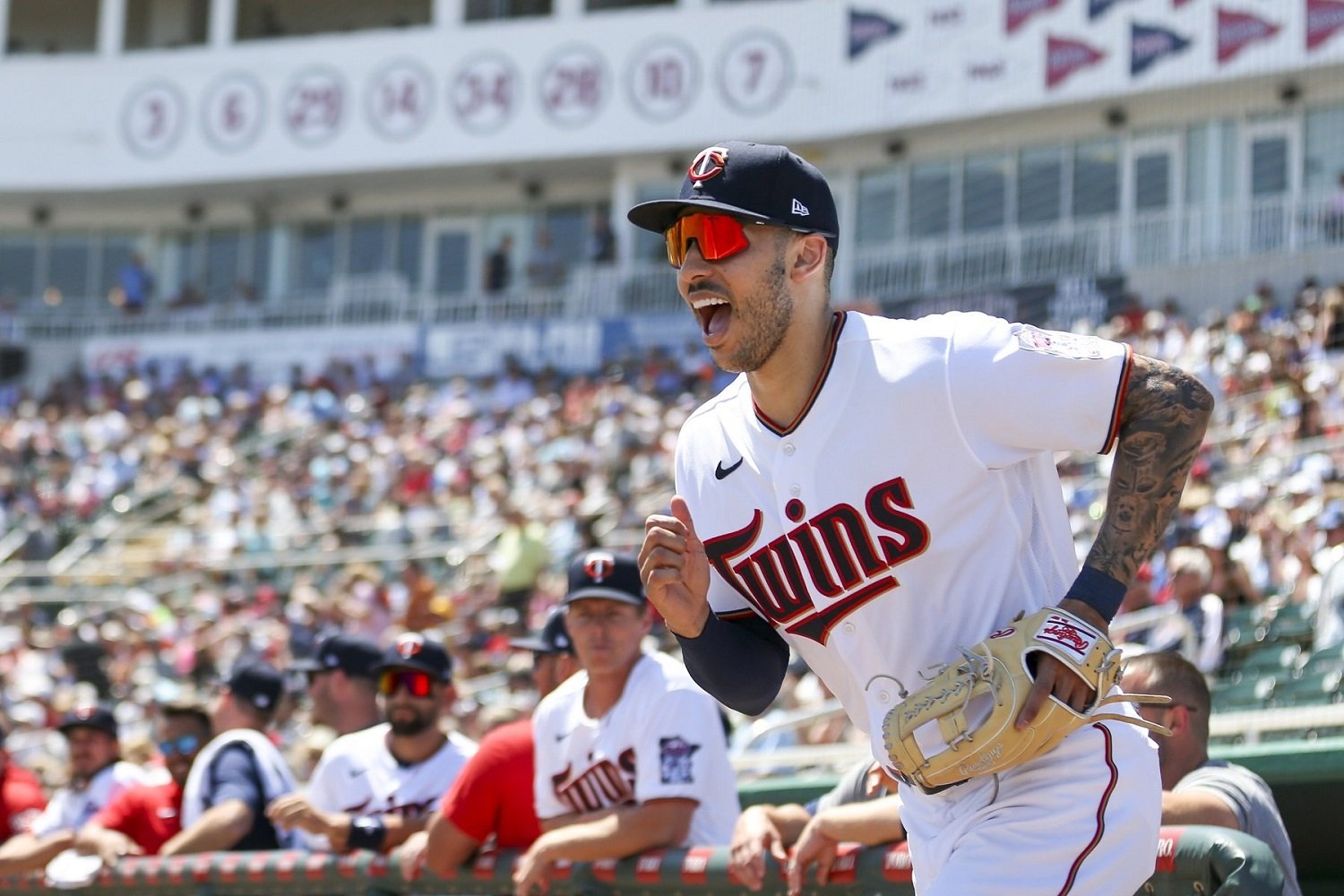 Major League Baseball recently announced that teams will be able to carry 28-player rosters until May 1. The lockout forced a shortened spring training, and baseball was worried about an increased chance of injuries. Players listed below with the ** are on the bubble for the final roster spots. Catchers (2): Ryan Jeffers, Gary Sanchez One of the biggest remaining questions is whether or not the Twins will carry a third catcher. Jeffers can't start every game behind the plate, and Sanchez is known as one of baseball's worst defenders. Minnesota's only other catcher on the 40-man roster is José Godoy, but it seems more likely for him to stay in St. Paul until there is a need at the big-league level. If Jeffers or Sanchez struggles behind the plate, Godoy is one phone call away from Target Field. Infielders (7): Luis Arraez, Jorge Polanco, Miguel Sano, Gio Urshela, Carlos Correa, Nick Gordon, Brent Rooker** Correa's addition undoubtedly changes the face of the infield, including solidifying the team's up-the-middle defense. Minnesota has made it clear that Arraez won't be getting regular playing time in the outfield, leaving him as a backup infield option at multiple positions. Last season, Arraez's defense was significantly improved at third base, so maybe he and Urshella will be fighting for playing time at the hot corner. Barring injury, Gordon and Rooker fill out the bench, but neither has a path to a consistent starting job. Outfielders (4): Byron Buxton, Max Kepler, Alex Kirilloff, Trevor Larnach** With three corner outfielders, the Twins will need to be strategic about getting at-bats for each player. Larnach isn't a true fourth outfielder, so the team may want him in St. Paul to get regular at-bats. Kirilloff can spend time at first base, which is his best defensive position. Rooker is also on the roster, but the team is hesitant to play him defensively in the outfield. Gilberto Celestino is the lone outfielder on the 40-man roster left off this projected Opening Day roster. He was terrific in St. Paul last year, and he's one injury away from taking over a big-league role. Rotation (5): Sonny Gray, Dylan Bundy, Joe Ryan, Bailey Ober, Chris Archer Randy Dobnak's injury took him out of contention for an Opening Day roster spot. Minnesota signed Archer to serve as Dobnak's replacement at the rotation's backend. Archer's deal is a low-risk option for the Twins as it is highly incentive-based, but he has a chance to prove he is healthy. Also, it's important to consider that the Twins won't need a fifth starter very regularly at the beginning of the season. In some years, off-days and weather delays can push back the need for a fifth starter, but that won't be the case this season. Bullpen (10): Taylor Rogers, Tyler Duffey, Jorge Alcala, Caleb Thielbar, Joe Smith, Cody Stashak, Jharel Cotton, Jovani Moran**, Griffin Jax**, Jhon Romero** This spring, Rogers has looked strong, which is a good sign for the bullpen's backend. Smith was the team's most significant offseason addition to the bullpen. He comes with over 13 years of big-league experience. Minnesota needed another right-handed relief option, and Smith filled that role. Cotton and Stashak have started in the past, so they can pitch multiple innings when needed. If there were a 26-man roster, the last three names would be fighting for a job. All three could enjoy a big-league paycheck for the season's first month with expanded rosters. What changes will happen to the team's roster before Opening Day? Which on the bubble players will miss the cut? Leave a COMMENT and start the discussion.
- 48 comments
-
- 4
-
-
- chris archer
- randy dobnak
- (and 3 more)
-
Minnesota's Opening Day roster has shifted dramatically since spring training began. Now, the team is honing in on the 28 players that will come north with the club. Major League Baseball recently announced that teams will be able to carry 28-player rosters until May 1. The lockout forced a shortened spring training, and baseball was worried about an increased chance of injuries. Players listed below with the ** are on the bubble for the final roster spots. Catchers (2): Ryan Jeffers, Gary Sanchez One of the biggest remaining questions is whether or not the Twins will carry a third catcher. Jeffers can't start every game behind the plate, and Sanchez is known as one of baseball's worst defenders. Minnesota's only other catcher on the 40-man roster is José Godoy, but it seems more likely for him to stay in St. Paul until there is a need at the big-league level. If Jeffers or Sanchez struggles behind the plate, Godoy is one phone call away from Target Field. Infielders (7): Luis Arraez, Jorge Polanco, Miguel Sano, Gio Urshela, Carlos Correa, Nick Gordon, Brent Rooker** Correa's addition undoubtedly changes the face of the infield, including solidifying the team's up-the-middle defense. Minnesota has made it clear that Arraez won't be getting regular playing time in the outfield, leaving him as a backup infield option at multiple positions. Last season, Arraez's defense was significantly improved at third base, so maybe he and Urshella will be fighting for playing time at the hot corner. Barring injury, Gordon and Rooker fill out the bench, but neither has a path to a consistent starting job. Outfielders (4): Byron Buxton, Max Kepler, Alex Kirilloff, Trevor Larnach** With three corner outfielders, the Twins will need to be strategic about getting at-bats for each player. Larnach isn't a true fourth outfielder, so the team may want him in St. Paul to get regular at-bats. Kirilloff can spend time at first base, which is his best defensive position. Rooker is also on the roster, but the team is hesitant to play him defensively in the outfield. Gilberto Celestino is the lone outfielder on the 40-man roster left off this projected Opening Day roster. He was terrific in St. Paul last year, and he's one injury away from taking over a big-league role. Rotation (5): Sonny Gray, Dylan Bundy, Joe Ryan, Bailey Ober, Chris Archer Randy Dobnak's injury took him out of contention for an Opening Day roster spot. Minnesota signed Archer to serve as Dobnak's replacement at the rotation's backend. Archer's deal is a low-risk option for the Twins as it is highly incentive-based, but he has a chance to prove he is healthy. Also, it's important to consider that the Twins won't need a fifth starter very regularly at the beginning of the season. In some years, off-days and weather delays can push back the need for a fifth starter, but that won't be the case this season. Bullpen (10): Taylor Rogers, Tyler Duffey, Jorge Alcala, Caleb Thielbar, Joe Smith, Cody Stashak, Jharel Cotton, Jovani Moran**, Griffin Jax**, Jhon Romero** This spring, Rogers has looked strong, which is a good sign for the bullpen's backend. Smith was the team's most significant offseason addition to the bullpen. He comes with over 13 years of big-league experience. Minnesota needed another right-handed relief option, and Smith filled that role. Cotton and Stashak have started in the past, so they can pitch multiple innings when needed. If there were a 26-man roster, the last three names would be fighting for a job. All three could enjoy a big-league paycheck for the season's first month with expanded rosters. What changes will happen to the team's roster before Opening Day? Which on the bubble players will miss the cut? Leave a COMMENT and start the discussion. View full article
-
Twins fans want to see Byron Buxton, Jorge Polanco, and Carlos Correa as much as possible. All three figure into the team's plans for the top of the order. Leadoff Options So far this spring, Byron Buxton has served as the leadoff hitter in every game he has been in the line-up. This positioning may point to the team considering him for the leadoff spot, or it may be a way to get him more in-game action this spring. Buxton has started 33 games as the leadoff hitter throughout his career and posted a .315 OBP and a .514 OPS. His speed would be a clear weapon out of the leadoff spot, making him an intriguing player to feature in the leadoff role. Minnesota also has other options to fill the leadoff role. Luis Arraez has the contact and on-base skills to fit the mold of a leadoff hitter. In his career, he has batted leadoff more than any other line-up spot while hitting .320/.371/.398 (.769). However, Arraez doesn't have a regular line-up spot, and his knees issues have made his running painful to watch. Last season, his sprint speed ranked in the 45th percentile, but the team may still want his bat-to-ball skills in the leadoff spot. Two Hole Coming off a season where he was team MVP, Jorge Polanco will likely continue to be used in the second spot in the line-up. He has batted second in nearly 40% of his big-league appearances, where he has hit .288/.345/.478 (.823). Last season, he accumulated double-digit steals for the second time in his career, and that may point to his ankles being healthy for the first time in multiple seasons. A healthy Buxton batting in front of Polanco can be an exciting one-two punch at the top of the line-up. Polanco played over 150 games for the second time in his career last season, but there are other options for the line-up's second spot when he is given a day off. As mentioned above, Buxton and Arraez have the skills necessary to bat at the top of the line-up when Polanco sits out a game. Depending on the handiness of the pitcher, Max Kepler, a left-handed hitter, Three Spot Carlos Correa is the highest-paid infielder in MLB history, and he needs to bat in the middle of the Twins line-up. He has made over 230 starts in the number three and four spots throughout his career. From both of these spots, his OPS is north of .820, and he hit 83 career home runs. The higher Correa bats in the order, the more at-bats he will accumulate throughout the season. Batting him lower than third in the line-up takes away from the offensive value he can be providing to the team. In the past, Correa has dealt with injuries, including missing time in multiple seasons because of back issues. He has averaged more than 115 games per season, but there will be times when he isn't on the field. When that occurs, moving Buxton to the third spot allows him more opportunities to drive in the leadoff runners. Alex Kirilloff is returning from injury, but he projects to be a middle-of-the-order hitter for the Twins over the next decade. Minnesota's line-up has undoubtedly taken on a different look since the lockout ended with Josh Donaldson and Mitch Garver out of the equation. However, Correa adds another experienced bat that has been accustomed to connecting for big hits in the playoffs. How do you think the Twins will shape the top of their line-up this season? Leave a COMMENT and start the discussion. View full article
- 51 replies
-
- 1
-
-
- byron buxton
- jorge polanco
- (and 2 more)
-
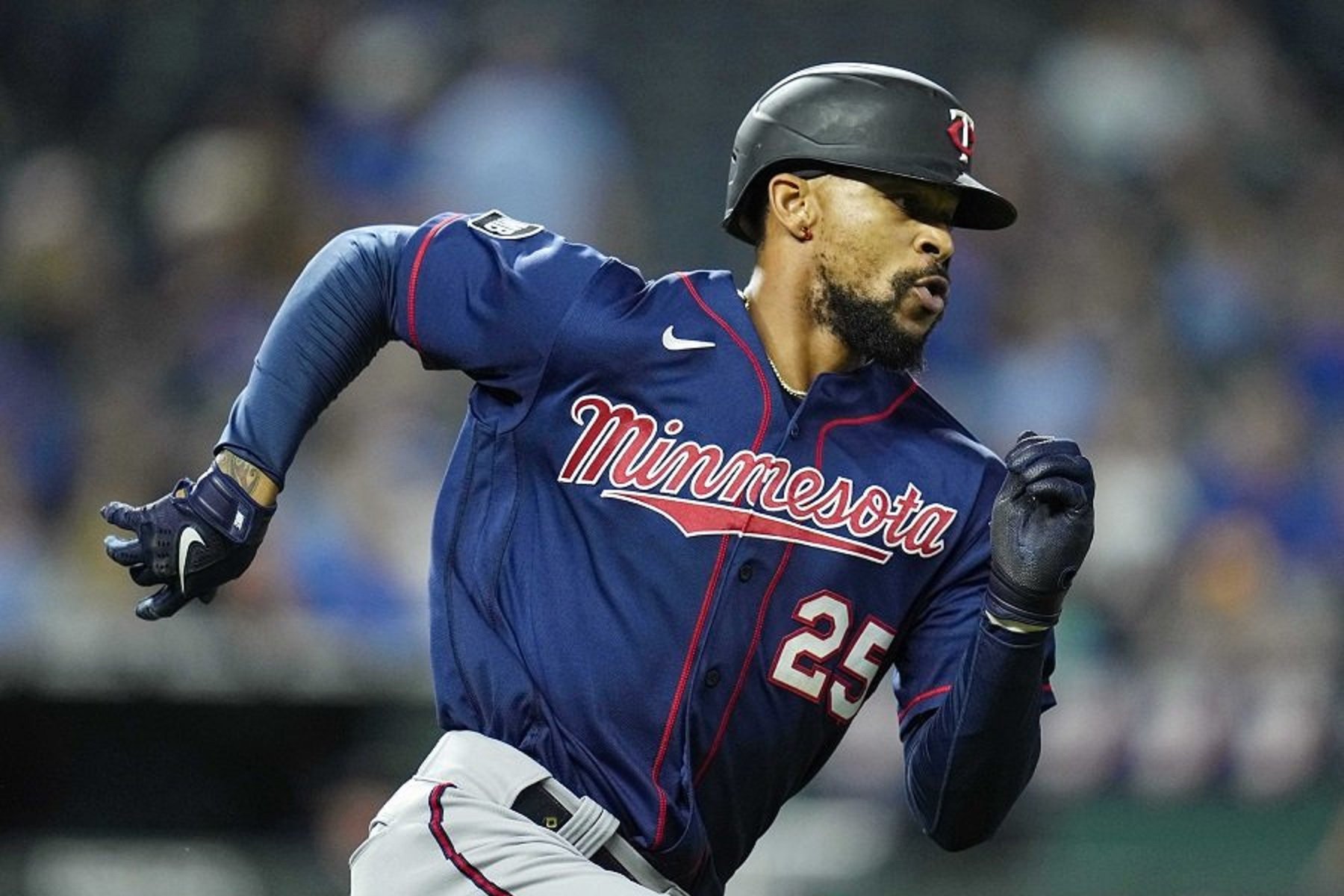 Leadoff Options So far this spring, Byron Buxton has served as the leadoff hitter in every game he has been in the line-up. This positioning may point to the team considering him for the leadoff spot, or it may be a way to get him more in-game action this spring. Buxton has started 33 games as the leadoff hitter throughout his career and posted a .315 OBP and a .514 OPS. His speed would be a clear weapon out of the leadoff spot, making him an intriguing player to feature in the leadoff role. Minnesota also has other options to fill the leadoff role. Luis Arraez has the contact and on-base skills to fit the mold of a leadoff hitter. In his career, he has batted leadoff more than any other line-up spot while hitting .320/.371/.398 (.769). However, Arraez doesn't have a regular line-up spot, and his knees issues have made his running painful to watch. Last season, his sprint speed ranked in the 45th percentile, but the team may still want his bat-to-ball skills in the leadoff spot. Two Hole Coming off a season where he was team MVP, Jorge Polanco will likely continue to be used in the second spot in the line-up. He has batted second in nearly 40% of his big-league appearances, where he has hit .288/.345/.478 (.823). Last season, he accumulated double-digit steals for the second time in his career, and that may point to his ankles being healthy for the first time in multiple seasons. A healthy Buxton batting in front of Polanco can be an exciting one-two punch at the top of the line-up. Polanco played over 150 games for the second time in his career last season, but there are other options for the line-up's second spot when he is given a day off. As mentioned above, Buxton and Arraez have the skills necessary to bat at the top of the line-up when Polanco sits out a game. Depending on the handiness of the pitcher, Max Kepler, a left-handed hitter, Three Spot Carlos Correa is the highest-paid infielder in MLB history, and he needs to bat in the middle of the Twins line-up. He has made over 230 starts in the number three and four spots throughout his career. From both of these spots, his OPS is north of .820, and he hit 83 career home runs. The higher Correa bats in the order, the more at-bats he will accumulate throughout the season. Batting him lower than third in the line-up takes away from the offensive value he can be providing to the team. In the past, Correa has dealt with injuries, including missing time in multiple seasons because of back issues. He has averaged more than 115 games per season, but there will be times when he isn't on the field. When that occurs, moving Buxton to the third spot allows him more opportunities to drive in the leadoff runners. Alex Kirilloff is returning from injury, but he projects to be a middle-of-the-order hitter for the Twins over the next decade. Minnesota's line-up has undoubtedly taken on a different look since the lockout ended with Josh Donaldson and Mitch Garver out of the equation. However, Correa adds another experienced bat that has been accustomed to connecting for big hits in the playoffs. How do you think the Twins will shape the top of their line-up this season? Leave a COMMENT and start the discussion.
- 51 comments
-
- 2
-
-
- byron buxton
- jorge polanco
- (and 2 more)
-
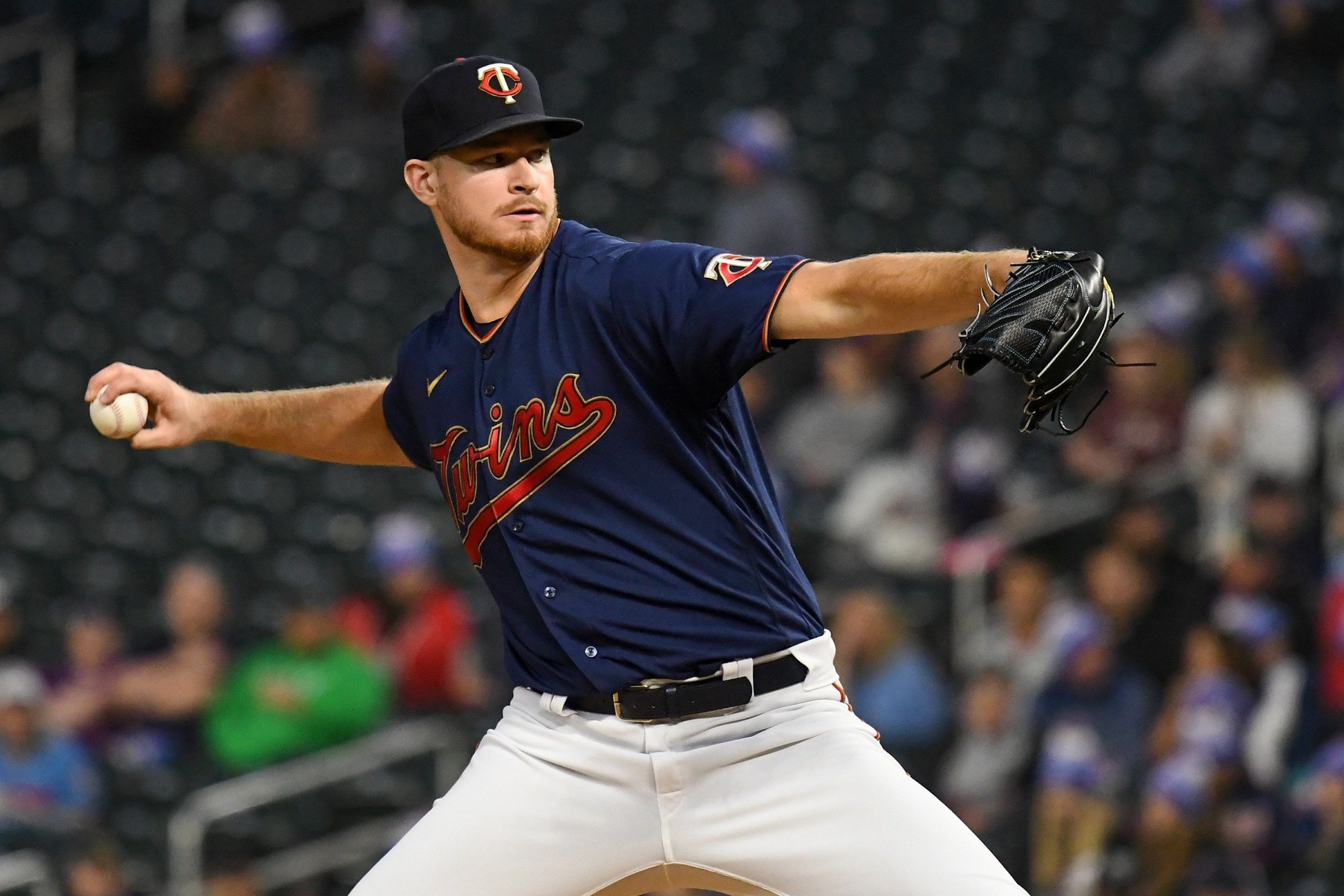 Ober is coming off a strong rookie campaign where he made 20 starts and posted a 4.19 ERA with a 1.20 WHIP. At the season’s end, he was named the team’s rookie of the year, which likely resulted in higher expectations for him entering 2022. Minnesota’s only offseason additions to the rotation include Sonny Gray and Dylan Bundy, so Ober will be relied on to accumulate innings. The Twins likely want him to take on an even more critical role, and his slider is the pitch that can help him take the next step. Ober used a four-pitch mix during his rookie campaign, including a four-seam fastball, slider, changeup, and curveball. His second most utilized pitch was his slider, as he threw it 18.4% of the time. Last season, batters posted a .264 batting average and a .542 slugging percentage. At Baseball Savant, his slider resulted in a 38.2 Hard Hit % and a 7 Run-Value. His Run-Value on his slider ranked as the 17th worst in baseball. One of Ober’s biggest strengths is controlling the strike zone and limiting walks. His BB% ranked in the 94th percentile, and his slider was the pitch he threw most regularly out of the zone. His slider is almost exclusively used against right-handed hitters (86%), while he regularly turns to his other offspeed offerings against southpaws. His OPS versus righties was over 100 points lower than lefties, and he had a 9.17 SO/W rate versus right-handed hitters. Last season, Ober made specific changes to his slider to add more velocity so the pitch would look more like a fastball to hitters. There were visible changes to the pitch, which helped improve his other offspeed pitches. In an interview with FanGraphs, Ober said, “I started throwing a new slider [in early-to-mid-August]. I wanted something a little bit harder. It had been around 78-80 [mph], and I wanted to give hitters something different. It was kind of blending with my curveball, too. Basically, the idea was something with a bigger speed difference between my curveball and my slider.” He went on to say, “Before, I had it a little deeper in my hand, and it had a lot more horizontal movement on it. It wasn’t as depth-y as my new one. My new one is harder [82-84] and has a little more depth, and it’s also not as horizontal anymore.” In the minor leagues, Ober could pound the strike zone with fastballs and get consistent outs. As he establishes himself at the big-league level, he will need to continue to make adjustments and rely on his secondary pitches. Minnesota’s front office identified the changes mentioned above, and he made improvements over his final seven starts, including a 3.63 ERA and a 34-to-3 strikeout to walk ratio. If Ober can continue to make adjustments, he will establish himself as a long-term rotational option for the Twins. All of his other pitches are tied to the success of his slider. How important do you think Ober’s slider is to his 2022 season? Leave a COMMENT and start the discussion.
 -
Bailey Ober was arguably Minnesota’s most critical starting pitcher after the team dealt away other starting rotation members at the trade deadline. To find more success in 2022, one pitch may make all the difference. Ober is coming off a strong rookie campaign where he made 20 starts and posted a 4.19 ERA with a 1.20 WHIP. At the season’s end, he was named the team’s rookie of the year, which likely resulted in higher expectations for him entering 2022. Minnesota’s only offseason additions to the rotation include Sonny Gray and Dylan Bundy, so Ober will be relied on to accumulate innings. The Twins likely want him to take on an even more critical role, and his slider is the pitch that can help him take the next step. Ober used a four-pitch mix during his rookie campaign, including a four-seam fastball, slider, changeup, and curveball. His second most utilized pitch was his slider, as he threw it 18.4% of the time. Last season, batters posted a .264 batting average and a .542 slugging percentage. At Baseball Savant, his slider resulted in a 38.2 Hard Hit % and a 7 Run-Value. His Run-Value on his slider ranked as the 17th worst in baseball. One of Ober’s biggest strengths is controlling the strike zone and limiting walks. His BB% ranked in the 94th percentile, and his slider was the pitch he threw most regularly out of the zone. His slider is almost exclusively used against right-handed hitters (86%), while he regularly turns to his other offspeed offerings against southpaws. His OPS versus righties was over 100 points lower than lefties, and he had a 9.17 SO/W rate versus right-handed hitters. Last season, Ober made specific changes to his slider to add more velocity so the pitch would look more like a fastball to hitters. There were visible changes to the pitch, which helped improve his other offspeed pitches. In an interview with FanGraphs, Ober said, “I started throwing a new slider [in early-to-mid-August]. I wanted something a little bit harder. It had been around 78-80 [mph], and I wanted to give hitters something different. It was kind of blending with my curveball, too. Basically, the idea was something with a bigger speed difference between my curveball and my slider.” He went on to say, “Before, I had it a little deeper in my hand, and it had a lot more horizontal movement on it. It wasn’t as depth-y as my new one. My new one is harder [82-84] and has a little more depth, and it’s also not as horizontal anymore.” In the minor leagues, Ober could pound the strike zone with fastballs and get consistent outs. As he establishes himself at the big-league level, he will need to continue to make adjustments and rely on his secondary pitches. Minnesota’s front office identified the changes mentioned above, and he made improvements over his final seven starts, including a 3.63 ERA and a 34-to-3 strikeout to walk ratio. If Ober can continue to make adjustments, he will establish himself as a long-term rotational option for the Twins. All of his other pitches are tied to the success of his slider. How important do you think Ober’s slider is to his 2022 season? Leave a COMMENT and start the discussion. View full article
-
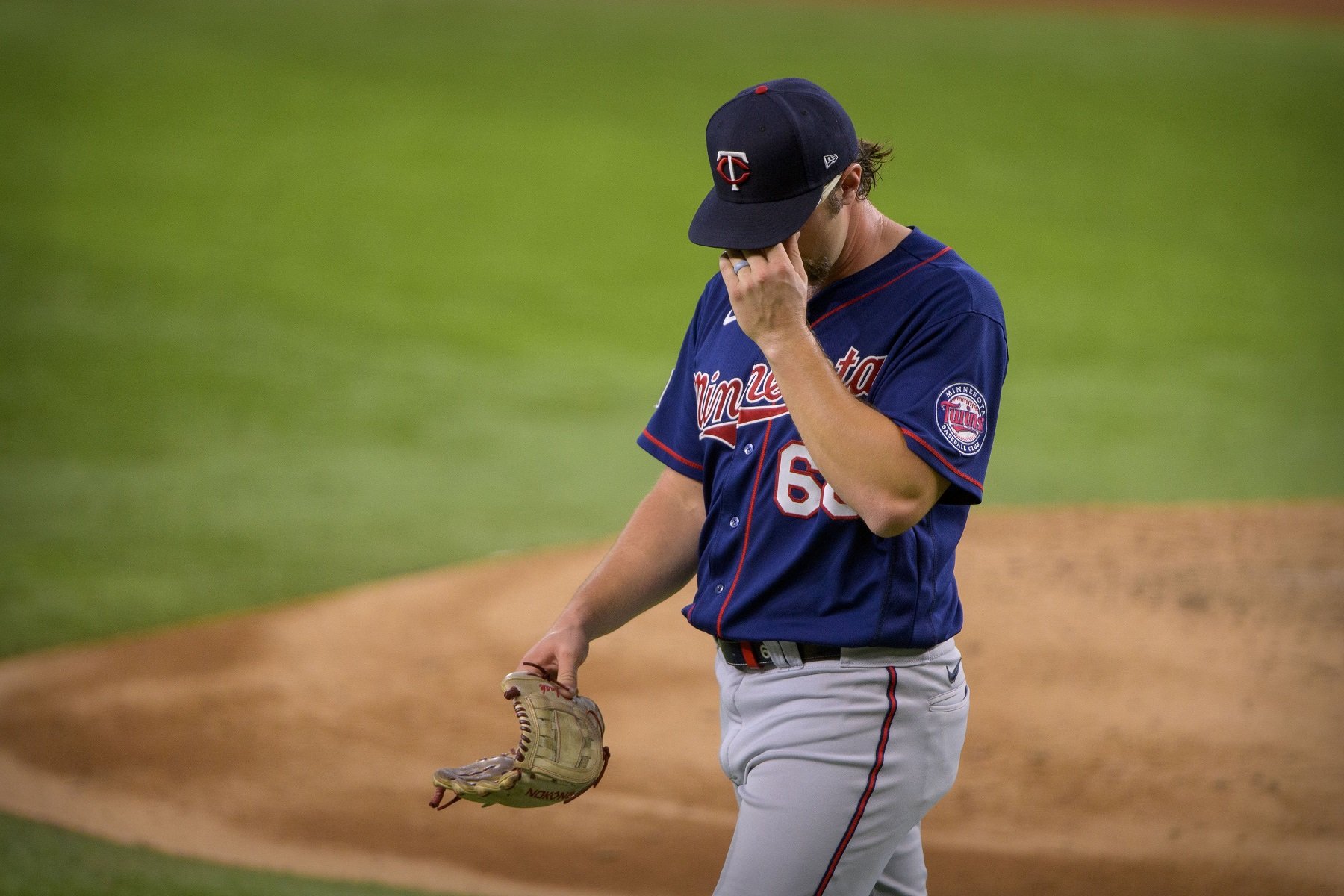 Minnesota already decided to move Griffin Jax and Lewis Thorpe to bullpen roles, which makes sense when looking at their pitching flaws. Last season, Jax was excellent the first time through the order, and he may be a strong candidate to serve in an opener role. Thorpe is out of minor league options, and the team needs to see if he can find success as a reliever. Either pitcher may shift to starting games as part of bullpen games in Dobnak’s absence. Signing a different back-end starting pitcher is also on the table. Rumors surrounding Johnny Cueto coming to the Twins circulated earlier in the week, and he’d be a natural Dobnak replacement. Cueto is coming off a 2021 season where he posted a 4.08 ERA and a 1.37 WHIP in 114 2/3 innings, but he hadn’t pitched more than 65 innings in three prior seasons. Cueto doesn’t seem to offer a ton of upside, and maybe the Twins are rethinking their back of the rotation options. Another option is to allow other young pitchers to start. Many of the team’s top pitching prospects missed time last season due to injury. Pitchers will be on an innings limit, so when and where do the Twins want those innings? If players start in the minors, those are innings that don’t help the 2022 Twins. Someone like Jhoan Duran can help bolster the team’s bullpen, but Minnesota may not be ready to shift him from starting. Jordan Balazovic is on the 40-man roster, and he pitched nearly 100 innings at Double-A last season. As a 23-year-old, would the Twins start him in the big-league rotation? Nothing stops the team from moving him up and down from Triple-A throughout the 2022 season. Other prospects on the 40-man roster include Josh Winder and Drew Strotman. Winder, like Balazovic, is projected to debut in 2022, but he dealt with a right shoulder impingement that limited him to 72 innings. Winder may be ahead of Balazovic on the depth chart because he made multiple Triple-A starts and is a couple of years older. Last summer, Strotman was acquired as part of the Nelson Cruz trade, and scouts view him as big-league ready. This year, he will start games for the Twins, and Dobnak’s injury may push him into the team’s Opening Day plans. Veteran players like Jharel Cotton, Chi Chi Gonzalez, and Dereck Rodriguez have been brought in this winter to provide organizational depth. Cotton projects to be part of the bullpen, but he can bounce back in 2022, including shifting back to being a starter. Gonzalez started 18 games for the Rockies last season but posted a 6.46 ERA with a 1.53 WHIP. There’s a chance that leaving Coors Field will help some of his numbers. Rodriguez also provides rotational depth as he looks to get back to the pitcher he was in 2018. After signing his extension last winter, Dobnak’s career has undoubtedly followed a challenging path. Minnesota tried him as a reliever last season, and it didn’t work. From there, his finger injury started bothering him, and he is still dealing with the issue. Over the next three seasons, he is guaranteed $7.75 million, so Minnesota wants him to solve his finger issue and get back on the field. What path do you think the Twins will follow because of Dobnak’s injury? Leave a COMMENT and start the discussion. MORE FROM TWINS DAILY — Latest Twins coverage from our writers — Recent Twins discussion in our forums — Follow Twins Daily via Twitter, Facebook or email
- 23 comments
-
- 4
-
-
- randy dobnak
- lewis thorpe
- (and 3 more)
-
Minnesota expected Randy Dobnak to provide rotational depth this season, but his lingering finger issues led him to the 60-day IL. What will be the roster repercussions from Dobnak’s injury? Minnesota already decided to move Griffin Jax and Lewis Thorpe to bullpen roles, which makes sense when looking at their pitching flaws. Last season, Jax was excellent the first time through the order, and he may be a strong candidate to serve in an opener role. Thorpe is out of minor league options, and the team needs to see if he can find success as a reliever. Either pitcher may shift to starting games as part of bullpen games in Dobnak’s absence. Signing a different back-end starting pitcher is also on the table. Rumors surrounding Johnny Cueto coming to the Twins circulated earlier in the week, and he’d be a natural Dobnak replacement. Cueto is coming off a 2021 season where he posted a 4.08 ERA and a 1.37 WHIP in 114 2/3 innings, but he hadn’t pitched more than 65 innings in three prior seasons. Cueto doesn’t seem to offer a ton of upside, and maybe the Twins are rethinking their back of the rotation options. Another option is to allow other young pitchers to start. Many of the team’s top pitching prospects missed time last season due to injury. Pitchers will be on an innings limit, so when and where do the Twins want those innings? If players start in the minors, those are innings that don’t help the 2022 Twins. Someone like Jhoan Duran can help bolster the team’s bullpen, but Minnesota may not be ready to shift him from starting. Jordan Balazovic is on the 40-man roster, and he pitched nearly 100 innings at Double-A last season. As a 23-year-old, would the Twins start him in the big-league rotation? Nothing stops the team from moving him up and down from Triple-A throughout the 2022 season. Other prospects on the 40-man roster include Josh Winder and Drew Strotman. Winder, like Balazovic, is projected to debut in 2022, but he dealt with a right shoulder impingement that limited him to 72 innings. Winder may be ahead of Balazovic on the depth chart because he made multiple Triple-A starts and is a couple of years older. Last summer, Strotman was acquired as part of the Nelson Cruz trade, and scouts view him as big-league ready. This year, he will start games for the Twins, and Dobnak’s injury may push him into the team’s Opening Day plans. Veteran players like Jharel Cotton, Chi Chi Gonzalez, and Dereck Rodriguez have been brought in this winter to provide organizational depth. Cotton projects to be part of the bullpen, but he can bounce back in 2022, including shifting back to being a starter. Gonzalez started 18 games for the Rockies last season but posted a 6.46 ERA with a 1.53 WHIP. There’s a chance that leaving Coors Field will help some of his numbers. Rodriguez also provides rotational depth as he looks to get back to the pitcher he was in 2018. After signing his extension last winter, Dobnak’s career has undoubtedly followed a challenging path. Minnesota tried him as a reliever last season, and it didn’t work. From there, his finger injury started bothering him, and he is still dealing with the issue. Over the next three seasons, he is guaranteed $7.75 million, so Minnesota wants him to solve his finger issue and get back on the field. What path do you think the Twins will follow because of Dobnak’s injury? Leave a COMMENT and start the discussion. MORE FROM TWINS DAILY — Latest Twins coverage from our writers — Recent Twins discussion in our forums — Follow Twins Daily via Twitter, Facebook or email View full article
-
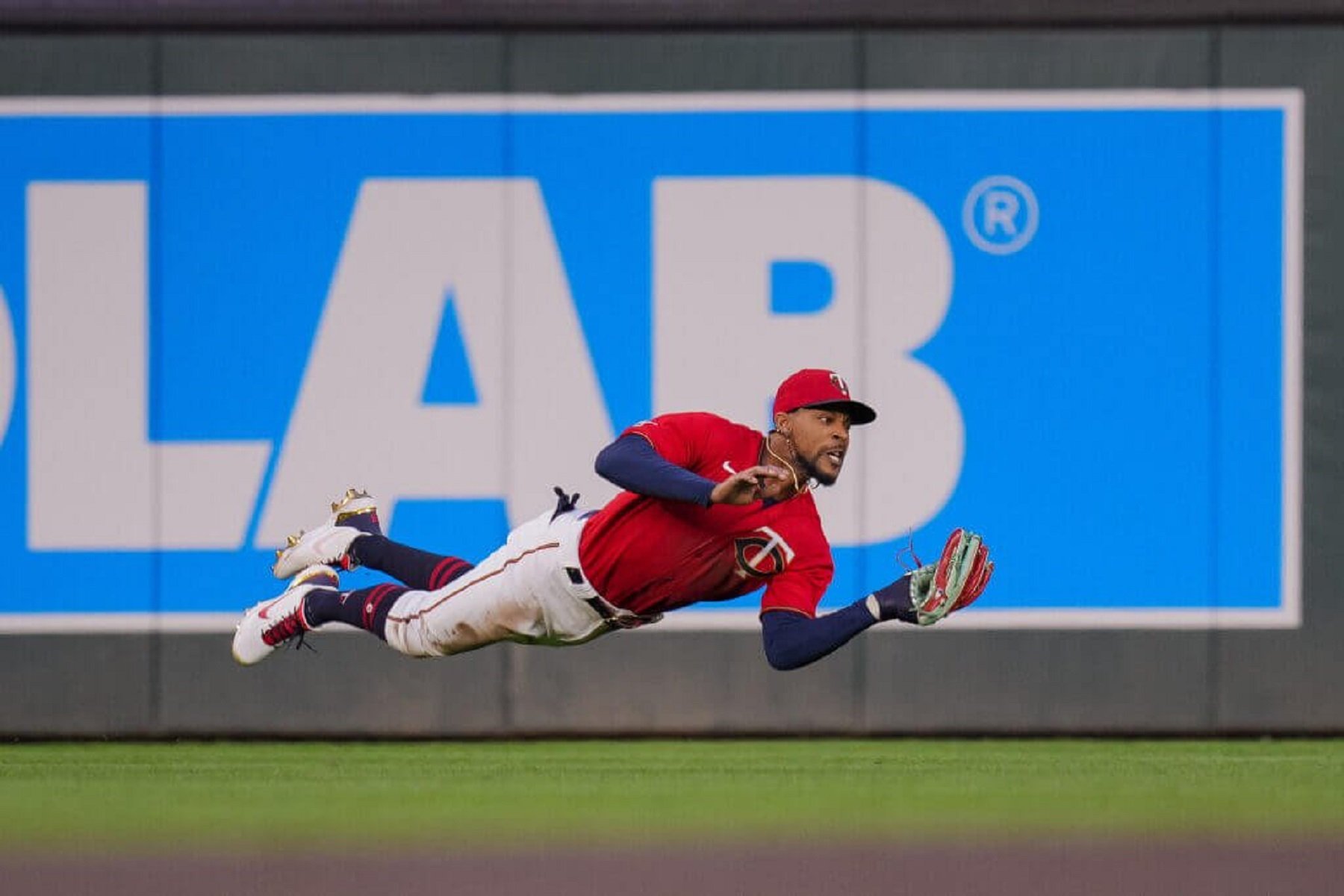 Up-the-middle defense is one of the most critical aspects of the game. Having one weak link up the middle can result in poor defensive plays and more strain on a pitching staff. Luckily, the Twins have some of baseball’s best defenders at the most important positions on the field. Carlos Correa, SS 2021 SDI Ranking: 1 Correa is coming off a season where he took a massive step forward as a defender and won the AL’s Platinum Glove Award. According to SABR’s Defensive Index, he was baseball’s best overall defender last season. His 20 Defensive Runs Saved were nearly double his previous high. In 2016, he was worth -18 Outs Above Average, and he improved to 12 Outs Above Average in 2021. As long as his back doesn’t flare up, Correa is among baseball’s best defenders at a critical defensive position. Jorge Polanco, 2B 2021 SDI Ranking: 4 Polanco’s defensive transition was relatively seamless as he shifted from being a below-average defensive shortstop to an above-average second baseman. He set career highs in Defensive Runs Saved (3) after being worth negative DRS at shortstop. During 2019, Polanco’s last entire season at shortstop, he was worth -22 OAA, which put him near the bottom of the league. Last year, he posted a -1 OAA at second base after being limited to 43 big-league innings at the position in previous years. Polanco gets another season to get comfortable at the position while continuing to improve. Byron Buxton, CF 2021 SDI Ranking: NR Buxton’s 2021 injuries kept him from being featured on the final SDI leaderboard, but he still ranked highly in other defensive metrics. He was worth 7 OAA and 10 DRS, which is tremendous considering he was limited to just over 500 defensive innings. His sprint speed continues to be in the top 1% of the league, so it will be interesting to see how he ages during the life of his contract extension. He is arguably baseball’s best defender when healthy, and the Twins hope he can be back to his Gold Glove-winning ways in 2022. Ryan Jeffers, C 2021 SDI Ranking: 8 Jeffers finished in the top-10 for SDI last season despite being in the minor leagues for over 20 games. Minnesota traded Mitch Garver and is seemingly handing the starting catcher duties to Jeffers. His framing skills ranked in the 74th percentile, a 16 point drop from his 2020 campaign. He was worth 4 DRS in 2021, but his below-average arm allows more steals than a team may prefer. Many viewed Jeffers as a bat-first catcher when the Twins drafted him, but he has completely revamped his defensive reputation as a professional. Minnesota needs Jeffers to take the next step this season, including improving on both sides of the ball. Where do you think Minnesota’s defense now ranks among baseball’s best? Leave a COMMENT and start the discussion. MORE FROM TWINS DAILY — Latest Twins coverage from our writers — Recent Twins discussion in our forums — Follow Twins Daily via Twitter, Facebook or email
- 15 comments
-
- 4
-
-
- carlos correa
- ryan jeffers
- (and 2 more)
-
Carlos Correa will impact the Twins in many ways, but one of his most significant impacts may come on the defensive side of the ball. Does Correa’s addition mean Minnesota has baseball’s best up-the-middle defense? Up-the-middle defense is one of the most critical aspects of the game. Having one weak link up the middle can result in poor defensive plays and more strain on a pitching staff. Luckily, the Twins have some of baseball’s best defenders at the most important positions on the field. Carlos Correa, SS 2021 SDI Ranking: 1 Correa is coming off a season where he took a massive step forward as a defender and won the AL’s Platinum Glove Award. According to SABR’s Defensive Index, he was baseball’s best overall defender last season. His 20 Defensive Runs Saved were nearly double his previous high. In 2016, he was worth -18 Outs Above Average, and he improved to 12 Outs Above Average in 2021. As long as his back doesn’t flare up, Correa is among baseball’s best defenders at a critical defensive position. Jorge Polanco, 2B 2021 SDI Ranking: 4 Polanco’s defensive transition was relatively seamless as he shifted from being a below-average defensive shortstop to an above-average second baseman. He set career highs in Defensive Runs Saved (3) after being worth negative DRS at shortstop. During 2019, Polanco’s last entire season at shortstop, he was worth -22 OAA, which put him near the bottom of the league. Last year, he posted a -1 OAA at second base after being limited to 43 big-league innings at the position in previous years. Polanco gets another season to get comfortable at the position while continuing to improve. Byron Buxton, CF 2021 SDI Ranking: NR Buxton’s 2021 injuries kept him from being featured on the final SDI leaderboard, but he still ranked highly in other defensive metrics. He was worth 7 OAA and 10 DRS, which is tremendous considering he was limited to just over 500 defensive innings. His sprint speed continues to be in the top 1% of the league, so it will be interesting to see how he ages during the life of his contract extension. He is arguably baseball’s best defender when healthy, and the Twins hope he can be back to his Gold Glove-winning ways in 2022. Ryan Jeffers, C 2021 SDI Ranking: 8 Jeffers finished in the top-10 for SDI last season despite being in the minor leagues for over 20 games. Minnesota traded Mitch Garver and is seemingly handing the starting catcher duties to Jeffers. His framing skills ranked in the 74th percentile, a 16 point drop from his 2020 campaign. He was worth 4 DRS in 2021, but his below-average arm allows more steals than a team may prefer. Many viewed Jeffers as a bat-first catcher when the Twins drafted him, but he has completely revamped his defensive reputation as a professional. Minnesota needs Jeffers to take the next step this season, including improving on both sides of the ball. Where do you think Minnesota’s defense now ranks among baseball’s best? Leave a COMMENT and start the discussion. MORE FROM TWINS DAILY — Latest Twins coverage from our writers — Recent Twins discussion in our forums — Follow Twins Daily via Twitter, Facebook or email View full article
-
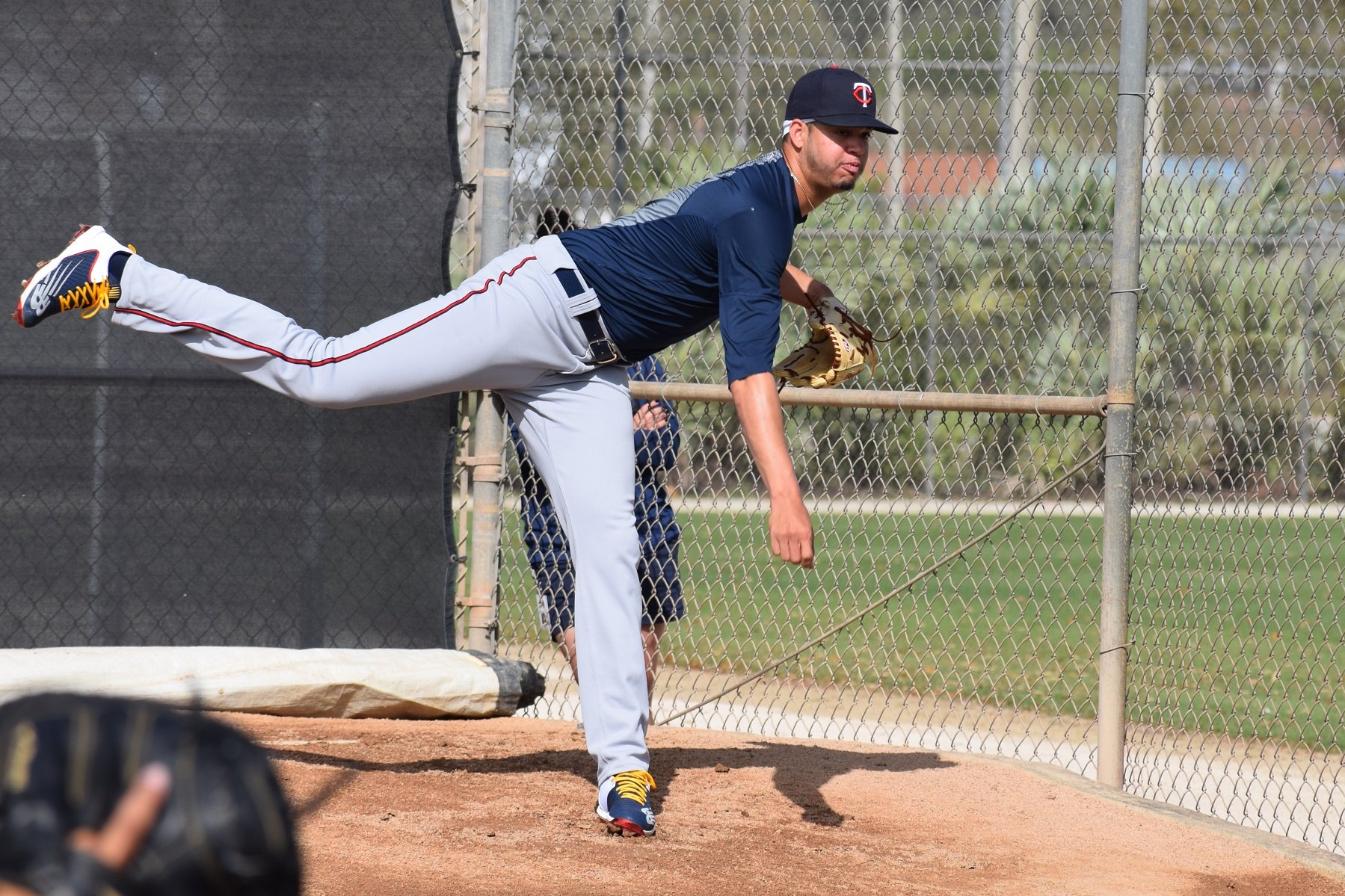 In recent years, multiple prospects across baseball have used new technology and data to help refine their delivery to add something to their fastball. A middle-level prospect with a low-graded fastball can add movement and velocity to start moving up prospect lists. The pitches below rank on the 20-80 scouting scale, and most of these fastballs are big-league ready. 5. Matt Canterino, RHP Current Fastball/Future Fastball: 55/55 Minnesota selected Canterino from Rice University back in 2019 with the team’s second-round pick. His fastball sits from 91-96 mph but can top out at 98 mph. Last season, he struck out 45 batters in 23 innings. However, he has pitched fewer than 50 professional innings due to multiple IL trips. He has the pitch mix to be a starter at the big-league level, but many believe he will wind up serving in a relief role because of his health concerns. He just turned 24-years-old this winter, so the 2022 campaign will be important in deciding his role as he gets closer to the big-league level. 4. Jordan Balazovic, RHP Current Fastball/Future Fastball: 55/55 Balazovic pitched a career-high 97 innings last season, and he was over 2.5 years younger than the average age of the competition at Double-A. He was inconsistent throughout the 2021 campaign, but there were flashes of brilliance. His fastball sits in the 93-96 mph range, and he can top out at 97 mph. Some of the other names on this list will end up in the bullpen, but Balazovic still projects to be a middle-of-the-rotation starter, which has plenty of future value. Since he is already on the 40-man roster, there is a good chance Balazovic will make his big-league debut in 2022. 3. Jhoan Duran, RHP Current Fastball/Future Fastball: 60/60 Duran’s fastball is electric, as he showed last year by hitting over 100 mph at Triple-A. Typically, he sits in the 95-99 range, but he can reach over 100 mph if he rears back and gets the adrenaline pumping. He missed most of the 2021 season with a forearm strain, and there’s potential for him to end up as a bullpen arm. Even with his high velocity, his fastball doesn’t lead to a high strikeout rate, similar to former Twins prospect Brusdar Graterol. If healthy, Duran can get another opportunity to start, but it’s hard not to consider him a bullpen option as soon as 2022. 2. Steven Cruz, RHP Current Fastball/Future Fastball: 70/70 Cruz has been in the Twins organization since signing as an international free agent in 2017. Last season, his fastball sat at 95-99 mph while topping out at 101 mph. He doesn’t rank as one of Minnesota’s top pitching prospects because he seems destined for a bullpen role. His command is lacking (5.9 BB/9), but his fastball-slider combination may be enough to be a useful relief arm at the big-league level. Last season, he posted a 14.4 SO/9 between Low- and High-A. To continue to move up the ladder, he will need to harness some of his erratic control. 1. Joe Ryan, RHP Current Fastball/Future Fastball: 70/70 Ryan’s fastball has been discussed in depth since he was traded to the Twins last July. He sits 90-94 mph while topping out at 96 mph. While that might not be as impressive as others on this list, his secondary characteristics separate his fastball from the others. He struck out over 35% of the batters he faced in the minors, and the team saw him transition that success to the big-league level. One of the concerns with Ryan is how frequently he uses his fastball, so it will be interesting to track his pitch usage throughout the 2022 campaign. Who do you think has the best fastball in the Twins system? Should someone else make the list? Leave a COMMENT and start the discussion. OTHER POSTS IN THE SERIES — Top Power Tool Prospects — Top Hit Tool Prospects — Top Speed Tool Prospects MORE FROM TWINS DAILY — Latest Twins coverage from our writers — Recent Twins discussion in our forums — Follow Twins Daily via Twitter, Facebook or email
- 10 comments
-
- 3
-
-
- joe ryan
- steven cruz
- (and 3 more)
-
Baseball’s evolution points to players throwing harder than ever, so which Twins prospects have the organization's most effective fastballs? In recent years, multiple prospects across baseball have used new technology and data to help refine their delivery to add something to their fastball. A middle-level prospect with a low-graded fastball can add movement and velocity to start moving up prospect lists. The pitches below rank on the 20-80 scouting scale, and most of these fastballs are big-league ready. 5. Matt Canterino, RHP Current Fastball/Future Fastball: 55/55 Minnesota selected Canterino from Rice University back in 2019 with the team’s second-round pick. His fastball sits from 91-96 mph but can top out at 98 mph. Last season, he struck out 45 batters in 23 innings. However, he has pitched fewer than 50 professional innings due to multiple IL trips. He has the pitch mix to be a starter at the big-league level, but many believe he will wind up serving in a relief role because of his health concerns. He just turned 24-years-old this winter, so the 2022 campaign will be important in deciding his role as he gets closer to the big-league level. 4. Jordan Balazovic, RHP Current Fastball/Future Fastball: 55/55 Balazovic pitched a career-high 97 innings last season, and he was over 2.5 years younger than the average age of the competition at Double-A. He was inconsistent throughout the 2021 campaign, but there were flashes of brilliance. His fastball sits in the 93-96 mph range, and he can top out at 97 mph. Some of the other names on this list will end up in the bullpen, but Balazovic still projects to be a middle-of-the-rotation starter, which has plenty of future value. Since he is already on the 40-man roster, there is a good chance Balazovic will make his big-league debut in 2022. 3. Jhoan Duran, RHP Current Fastball/Future Fastball: 60/60 Duran’s fastball is electric, as he showed last year by hitting over 100 mph at Triple-A. Typically, he sits in the 95-99 range, but he can reach over 100 mph if he rears back and gets the adrenaline pumping. He missed most of the 2021 season with a forearm strain, and there’s potential for him to end up as a bullpen arm. Even with his high velocity, his fastball doesn’t lead to a high strikeout rate, similar to former Twins prospect Brusdar Graterol. If healthy, Duran can get another opportunity to start, but it’s hard not to consider him a bullpen option as soon as 2022. 2. Steven Cruz, RHP Current Fastball/Future Fastball: 70/70 Cruz has been in the Twins organization since signing as an international free agent in 2017. Last season, his fastball sat at 95-99 mph while topping out at 101 mph. He doesn’t rank as one of Minnesota’s top pitching prospects because he seems destined for a bullpen role. His command is lacking (5.9 BB/9), but his fastball-slider combination may be enough to be a useful relief arm at the big-league level. Last season, he posted a 14.4 SO/9 between Low- and High-A. To continue to move up the ladder, he will need to harness some of his erratic control. 1. Joe Ryan, RHP Current Fastball/Future Fastball: 70/70 Ryan’s fastball has been discussed in depth since he was traded to the Twins last July. He sits 90-94 mph while topping out at 96 mph. While that might not be as impressive as others on this list, his secondary characteristics separate his fastball from the others. He struck out over 35% of the batters he faced in the minors, and the team saw him transition that success to the big-league level. One of the concerns with Ryan is how frequently he uses his fastball, so it will be interesting to track his pitch usage throughout the 2022 campaign. Who do you think has the best fastball in the Twins system? Should someone else make the list? Leave a COMMENT and start the discussion. OTHER POSTS IN THE SERIES — Top Power Tool Prospects — Top Hit Tool Prospects — Top Speed Tool Prospects MORE FROM TWINS DAILY — Latest Twins coverage from our writers — Recent Twins discussion in our forums — Follow Twins Daily via Twitter, Facebook or email View full article
-
Minnesota's significant free-agent acquisition seems like a slam dunk, but a severe injury may impact how long Carlos Correa stays in Minnesota. Here's a look back at his injury history during his big-league career. Twins fans are familiar with injuries to star players as the team was able to sign oft-injured Byron Buxton to a team-friendly extension. Correa and Buxton were the first two picks in the 2012 MLB Draft, and Correa has played 259 more games than Buxton. However, Correa has missed time with injuries throughout his career. 2017: Correa injured a thumb ligament when he slid into a catcher's shin guard on a slide into home. While this may seem like a fluke injury, he missed 42 games, and he aggravated the injury in the postseason. Houston won the World Series that season and Correa was a crucial cog in that championship run. 2018: During the 2018 campaign, Correa landed on the IL for 36 games due to a back injury. He returned from the injury, but it was one of his worst big-league seasons. In 110 games, he posted a .728 OPS with 20 doubles and 15 home runs. His back was still bothering him, but he tried to play through the injury as the Astros made another run to the ALCS. 2019: Correa's back injury didn't completely go away as he missed time in August and September of 2019. His most considerable injury came in 2019 when he missed two months with a cracked rib. One might think this was caused by a diving play or a fastball to the rib cage, but those would be incorrect guesses. An in-home massage caused his rib injury, and he was limited to 75 games this season. 2020: The shortened 2020 season impacted players differently, but it was Correa's worst at the big-league level. His .709 OPS was almost 20 points lower than his 2018 campaign when he tried to play through his back injury. Even with the poor performance, he played nearly every game of the shortened season. Correa's only missed time was in September when he fouled a ball off his ankle. He helped the Astros defeat the Twins during the playoffs. He went 3-for-6 with a home run. 2021: Correa played 148 games last season, which is the second-highest total of his career. His only missed time was when he was placed on the IL due to health and safety protocols. He had one of his best offensive seasons, finishing fifth for the AL MVP and winning the Platinum Glove as the AL's best defender. When taking out the shortened 2020 season, Correa has averaged over 115 games per season since he debuted in 2015. He hasn't been Cal Ripken Jr. at the shortstop position, but few players are ironmen in today's game. Correa has dealt with back issues throughout his career, which can worsen as players age. Minnesota fans and Correa can hope he stays healthy this season and posts monster numbers. It will likely mean his Twins tenure is short, but he will undoubtedly be fun to watch in the season ahead. Are you concerned by Correa's injury history? Leave a COMMENT and start the discussion. MORE FROM TWINS DAILY — Latest Twins coverage from our writers — Recent Twins discussion in our forums — Follow Twins Daily via Twitter, Facebook or email View full article
-
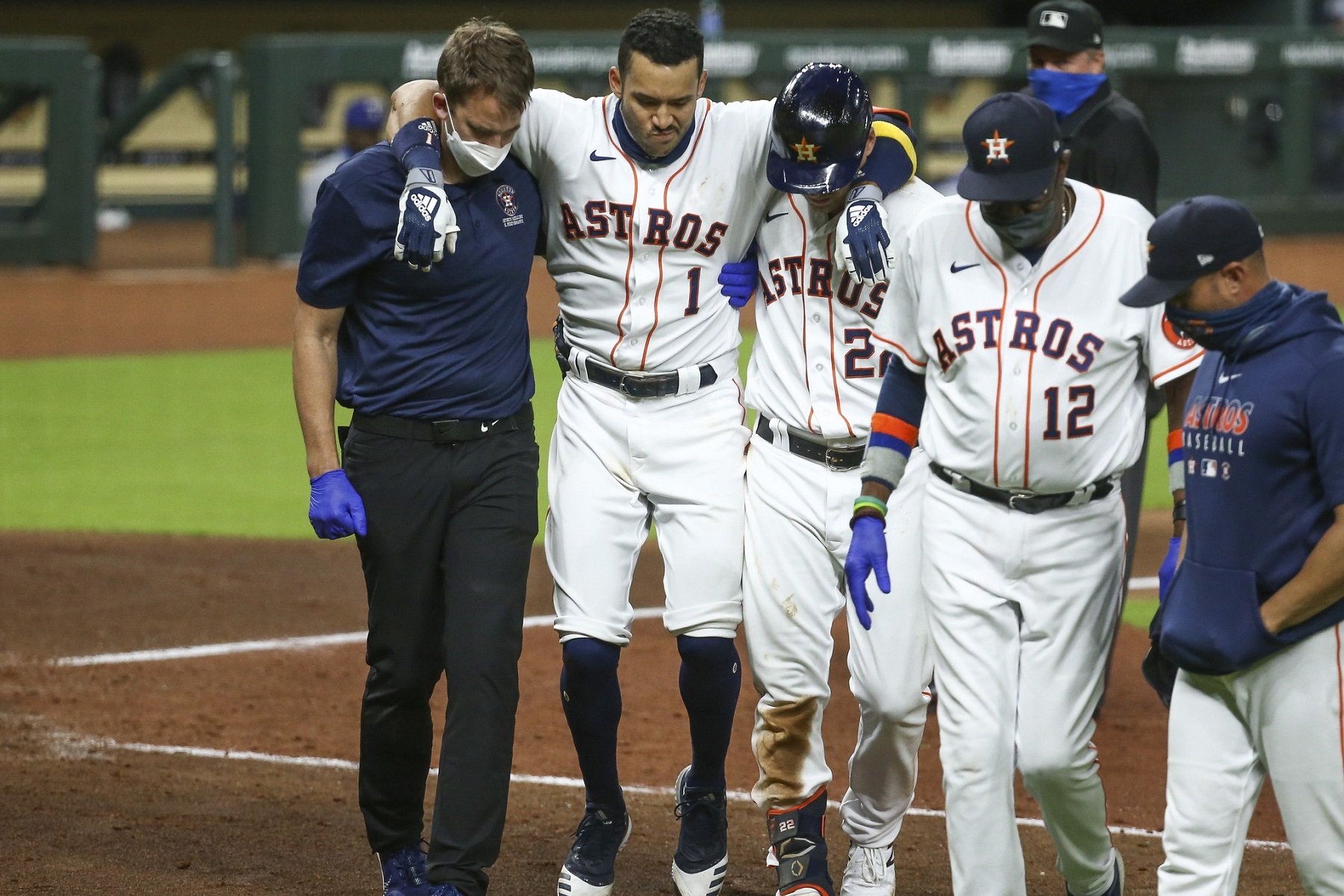 Twins fans are familiar with injuries to star players as the team was able to sign oft-injured Byron Buxton to a team-friendly extension. Correa and Buxton were the first two picks in the 2012 MLB Draft, and Correa has played 259 more games than Buxton. However, Correa has missed time with injuries throughout his career. 2017: Correa injured a thumb ligament when he slid into a catcher's shin guard on a slide into home. While this may seem like a fluke injury, he missed 42 games, and he aggravated the injury in the postseason. Houston won the World Series that season and Correa was a crucial cog in that championship run. 2018: During the 2018 campaign, Correa landed on the IL for 36 games due to a back injury. He returned from the injury, but it was one of his worst big-league seasons. In 110 games, he posted a .728 OPS with 20 doubles and 15 home runs. His back was still bothering him, but he tried to play through the injury as the Astros made another run to the ALCS. 2019: Correa's back injury didn't completely go away as he missed time in August and September of 2019. His most considerable injury came in 2019 when he missed two months with a cracked rib. One might think this was caused by a diving play or a fastball to the rib cage, but those would be incorrect guesses. An in-home massage caused his rib injury, and he was limited to 75 games this season. 2020: The shortened 2020 season impacted players differently, but it was Correa's worst at the big-league level. His .709 OPS was almost 20 points lower than his 2018 campaign when he tried to play through his back injury. Even with the poor performance, he played nearly every game of the shortened season. Correa's only missed time was in September when he fouled a ball off his ankle. He helped the Astros defeat the Twins during the playoffs. He went 3-for-6 with a home run. 2021: Correa played 148 games last season, which is the second-highest total of his career. His only missed time was when he was placed on the IL due to health and safety protocols. He had one of his best offensive seasons, finishing fifth for the AL MVP and winning the Platinum Glove as the AL's best defender. When taking out the shortened 2020 season, Correa has averaged over 115 games per season since he debuted in 2015. He hasn't been Cal Ripken Jr. at the shortstop position, but few players are ironmen in today's game. Correa has dealt with back issues throughout his career, which can worsen as players age. Minnesota fans and Correa can hope he stays healthy this season and posts monster numbers. It will likely mean his Twins tenure is short, but he will undoubtedly be fun to watch in the season ahead. Are you concerned by Correa's injury history? Leave a COMMENT and start the discussion. MORE FROM TWINS DAILY — Latest Twins coverage from our writers — Recent Twins discussion in our forums — Follow Twins Daily via Twitter, Facebook or email
 -
Nelson Cruz, Josh Donaldson, and Mitch Garver are no longer with the Minnesota Twins. Does that mean Twins fans should be worried about DH production this season? In recent years, Nelson Cruz was penciled in as the team's primary designated hitter, and he performed at a high level in this role. Throughout the offseason, the Twins planned to rotate through various players in the DH role, but there has been a roster turnover since the lockout ended. Here are some of the names expected to fill the DH role in 2022. Gary Sánchez 2021 Stats: .204/.307/.423 (.730), 13 2B, 23 HR, 121 K, 117 G It seems likely for Sánchez to get the majority of his at-bats in the DH role this season because he is atrocious behind the plate. Sánchez has played 74 games as a DH for his career while hitting .224/.306/.469 (.775) with 11 doubles and 19 home runs. If Ryan Jeffers misses time or struggles, Sánchez will be pressed into service behind the plate. He's also in his final year of team control, and he likely wants to hit the market known for being a catcher and not just as a DH. There is an outside chance that Minnesota will include Sánchez in a trade before Opening Day, and then the team will have to turn to other DH options. Miguel Sanó 2021 Stats: .223/.312/.466 (.778), 24 2B, 30 HR, 183 K, 135 G Expectations were for Sanó to be used more regularly at the DH spot this season with Cruz out of the picture. Since switching to first base, he's made marginal defensive improvements, but SABR's SDI ranks him as the second-worst defensive first baseman. Also, Sanó isn't a stranger to the DH position as he's played nearly as many games at DH (155) as first base (195). He has a .753 OPS as the DH for his career, which is lower than when he plays a defensive position. Minnesota has a $14 million team option attached to Sanó with a $2.75 million buyout for next season. That's a steep price to pay for someone that has shifted to a more regular DH role. Brent Rooker 2021 Stats: .201/.291/.397 (.688), 10 2B, 9 HR, 70 K, 58 G Rooker has run out of things to prove in the minor leagues as he has a .932 OPS in nearly an entire season at Triple-A. The 27-year-old was used sporadically at the big-league level in 2020-21, and a DH role might be his best shot to earn a permanent role. Last season, he lost out on an Opening Day roster spot because the team was concerned with his defensive ability in the outfield. Those concerns likely remain, but Rooker is already behind the aforementioned names, and he may be relegated to a bench role this season. Other Options All three players mentioned seem to fit the prototypical DH mold, but others on the Twins roster will have the opportunity to fill the DH spot. Twins manager Rocco Baldelli has preached a mantra around giving players adequate rest, including moving a regular position player to the DH role for the day. Four outfielders currently project to make the Opening Day roster, so one of those players could fill in at DH on any given day. Besides the outfielders, Luis Arraez and Jorge Polanco have played through in-season injuries in the past. A day at DH may take some of the wear and tear off their knees (Arraez) and ankles (Polanco). Jose Miranda is also coming off a tremendous season, but he doesn't have a clear roster spot this spring. Would the team consider bringing him up to get at-bats in a DH role? Some other powerful prospects like Matt Wallner and Aaron Sabato are also working their way towards Target Field. Minnesota's DH plan seemed much clearer at the beginning of the offseason, but those plans have changed. Now, these options seem worse than the Twins' production out of the DH spot with Cruz. Should Twins fans be worried about production from the DH spot? Leave a COMMENT and start the discussion. MORE FROM TWINS DAILY — Latest Twins coverage from our writers — Recent Twins discussion in our forums — Follow Twins Daily via Twitter, Facebook or email View full article
-
Should Twins Fans Be Worried About Designated Hitter Production in 2022?
Cody Christie posted an article in Twins
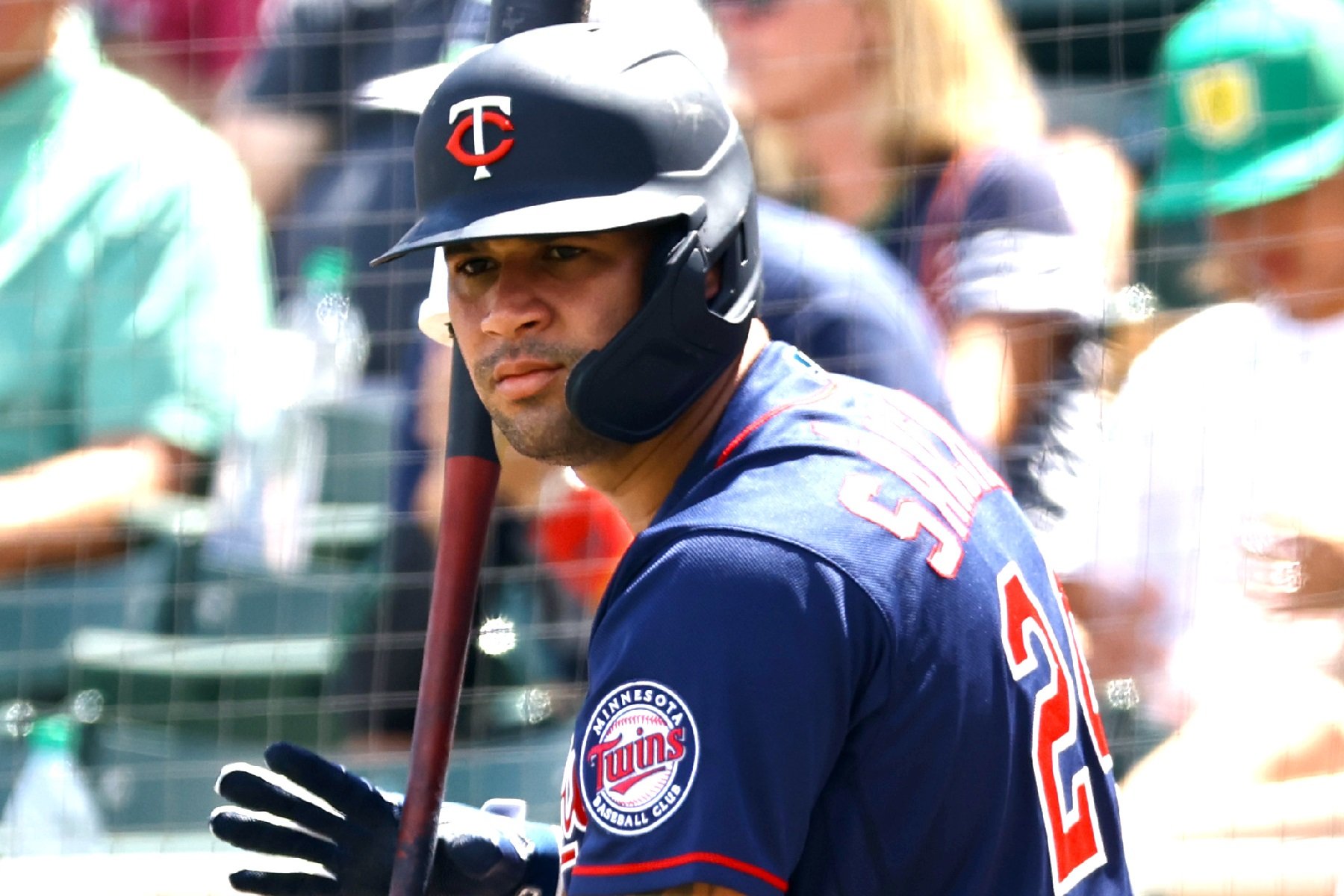 In recent years, Nelson Cruz was penciled in as the team's primary designated hitter, and he performed at a high level in this role. Throughout the offseason, the Twins planned to rotate through various players in the DH role, but there has been a roster turnover since the lockout ended. Here are some of the names expected to fill the DH role in 2022. Gary Sánchez 2021 Stats: .204/.307/.423 (.730), 13 2B, 23 HR, 121 K, 117 G It seems likely for Sánchez to get the majority of his at-bats in the DH role this season because he is atrocious behind the plate. Sánchez has played 74 games as a DH for his career while hitting .224/.306/.469 (.775) with 11 doubles and 19 home runs. If Ryan Jeffers misses time or struggles, Sánchez will be pressed into service behind the plate. He's also in his final year of team control, and he likely wants to hit the market known for being a catcher and not just as a DH. There is an outside chance that Minnesota will include Sánchez in a trade before Opening Day, and then the team will have to turn to other DH options. Miguel Sanó 2021 Stats: .223/.312/.466 (.778), 24 2B, 30 HR, 183 K, 135 G Expectations were for Sanó to be used more regularly at the DH spot this season with Cruz out of the picture. Since switching to first base, he's made marginal defensive improvements, but SABR's SDI ranks him as the second-worst defensive first baseman. Also, Sanó isn't a stranger to the DH position as he's played nearly as many games at DH (155) as first base (195). He has a .753 OPS as the DH for his career, which is lower than when he plays a defensive position. Minnesota has a $14 million team option attached to Sanó with a $2.75 million buyout for next season. That's a steep price to pay for someone that has shifted to a more regular DH role. Brent Rooker 2021 Stats: .201/.291/.397 (.688), 10 2B, 9 HR, 70 K, 58 G Rooker has run out of things to prove in the minor leagues as he has a .932 OPS in nearly an entire season at Triple-A. The 27-year-old was used sporadically at the big-league level in 2020-21, and a DH role might be his best shot to earn a permanent role. Last season, he lost out on an Opening Day roster spot because the team was concerned with his defensive ability in the outfield. Those concerns likely remain, but Rooker is already behind the aforementioned names, and he may be relegated to a bench role this season. Other Options All three players mentioned seem to fit the prototypical DH mold, but others on the Twins roster will have the opportunity to fill the DH spot. Twins manager Rocco Baldelli has preached a mantra around giving players adequate rest, including moving a regular position player to the DH role for the day. Four outfielders currently project to make the Opening Day roster, so one of those players could fill in at DH on any given day. Besides the outfielders, Luis Arraez and Jorge Polanco have played through in-season injuries in the past. A day at DH may take some of the wear and tear off their knees (Arraez) and ankles (Polanco). Jose Miranda is also coming off a tremendous season, but he doesn't have a clear roster spot this spring. Would the team consider bringing him up to get at-bats in a DH role? Some other powerful prospects like Matt Wallner and Aaron Sabato are also working their way towards Target Field. Minnesota's DH plan seemed much clearer at the beginning of the offseason, but those plans have changed. Now, these options seem worse than the Twins' production out of the DH spot with Cruz. Should Twins fans be worried about production from the DH spot? Leave a COMMENT and start the discussion. MORE FROM TWINS DAILY — Latest Twins coverage from our writers — Recent Twins discussion in our forums — Follow Twins Daily via Twitter, Facebook or email
- 35 comments
-
- 1
-
-
- gary sanchez
- miguel sano
- (and 2 more)
-
Ranking the Twins Top-5 Speed Tool Prospects
Cody Christie replied to Cody Christie's topic in Twins Minor League Talk
He was at that level prior to his injury last year. The drop in his projection is related to him not playing in a game since 2019. He may be able to get back to a 70, but he has also added more muscle mass which can slow a player down.- 16 replies
-
- 1
-
-
- yasser mercedes
- will holland
- (and 3 more)
-
Ranking the Twins Top-5 Speed Tool Prospects
Cody Christie posted a topic in Twins Minor League Talk
Speed is a tool that can separate elite defenders and base stealers from the rest of the pack. Will these Twins prospects continue to be fast as they age? While prospects can improve other tools, speed is an area that tends to decline as players add more muscle and age. According to the 20-80 scouting scale, multiple players on the list below are currently faster than expected in the future. Here are the top-five speed tool prospects in the Twins organization. 5. Yasser Mercedes, OF Current Run/Future Run: 55/50 Minnesota signed Mercedes as part of the 2022 international signing period, where he ranked as one of the top prospects in the class. It’s easy to see why he is projected to lose speed as he continues to age. He is currently 6-foot-3, and he weighs 180 pounds, so he is projected to add weight as he continues to mature. Scouting reports leading into the signing period noted that his speed currently helps him to make up for inefficient route running in center field. Many believe he can stick in center, and his speed is one tool that makes him an intriguing player to keep an eye on. 4. Alerick Soularie, 2B Current Run/Future Run: 55/55 Soularie had to wait until 2021 to make his pro debut after the Twins selected him in the 2nd round of the 2020 MLB Draft. He missed a large chunk of the 2021 season with a fractured foot, but he appeared in 34 games. He posted a .727 OPS during that time while going 9-for-10 in stolen base opportunities. Most of his defensive innings have come at second base, but the organization hasn’t been afraid to use his speed in the outfield. With his foot injury behind him, he can get his first full season in the books this year and show his true speed potential. 3. Royce Lewis, SS/CF Current Run/Future Run: 60/50 Like Soularie, Lewis missed significant time in 2021. However, there are bigger questions about whether or not Lewis will still have his top-graded speed after knee surgery. In 2019, Lewis went 22-for-32 in stolen base attempts at High- and Double-A. Questions are swirling about his future defensive position, but there is no question about his athletic ability and make-up. Lewis continues to fill out his frame, which will continue to take away from his speed while adding to his power potential. Steals aren’t as prevalent across baseball, but Lewis will be able to transition to other defensive positions because of his speed. 2. Keoni Cavaco, SS Current Run/Future Run: 60/60 Cavaco, the team’s 2019 first-round pick, struggled mightily in his first taste of full-season action. His athleticism was one of the biggest reasons the Twins selected him, as he was considered a late-riser on draft boards. Last season, he went 6-for-8 in stolen base opportunities, but he was also getting on base less than 30% of the time. In 60 games, he committed 24 errors at shortstop, so many believe he will eventually move to third base. As with many other prospects, missing the entire 2020 season hurt Cavaco, and he needs consistent reps and coaching to continue to improve. 1. Will Holland, 2B Current Run/Future Run: 70/70 Holland may be an unfamiliar name to some Twins fans, but the team took him with their fifth-round pick back in 2019. The Auburn product was old for Low-A last season, but his collegiate experience showed through as he posted a .336 OBP. Defensively, he played the majority of his innings at shortstop, but the organization also had him play at second, third, and in center field. In 76 games, he stole 19 bases, so his speed was evident on the base paths. He’s an athletic player that has a chance to fill a utility role at the big-league level. He turns 24-years-old in April, and he should start next season in Cedar Rapids. Who do you think has the best run tool in the Twins system? Should someone else make the list? Leave a COMMENT and start the discussion. OTHER POSTS IN THE SERIES — Top Power Tool Prospects — Top Hit Tool Prospects MORE FROM TWINS DAILY — Latest Twins coverage from our writers — Recent Twins discussion in our forums — Follow Twins Daily via Twitter, Facebook, or email View full article -
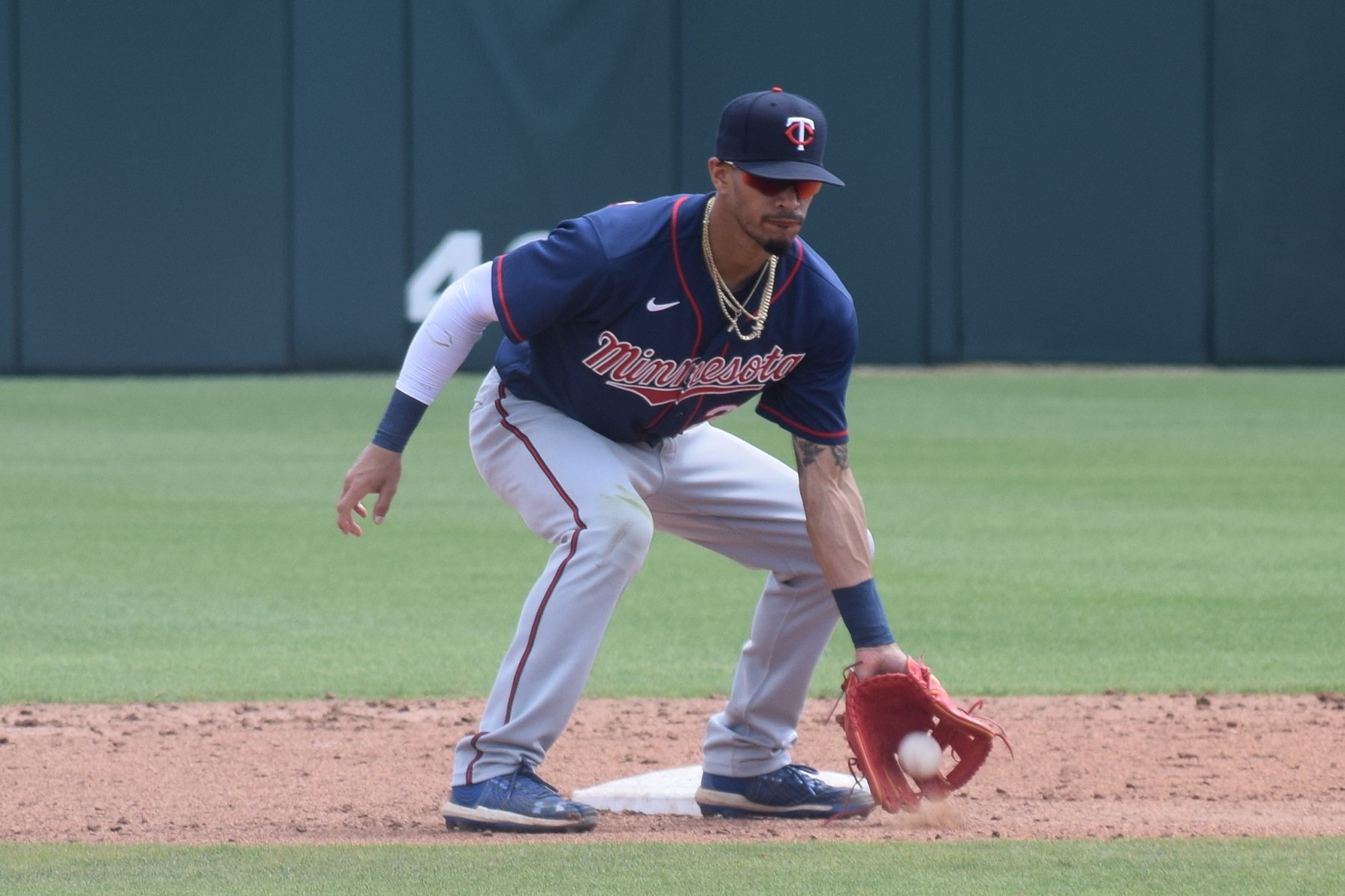 While prospects can improve other tools, speed is an area that tends to decline as players add more muscle and age. According to the 20-80 scouting scale, multiple players on the list below are currently faster than expected in the future. Here are the top-five speed tool prospects in the Twins organization. 5. Yasser Mercedes, OF Current Run/Future Run: 55/50 Minnesota signed Mercedes as part of the 2022 international signing period, where he ranked as one of the top prospects in the class. It’s easy to see why he is projected to lose speed as he continues to age. He is currently 6-foot-3, and he weighs 180 pounds, so he is projected to add weight as he continues to mature. Scouting reports leading into the signing period noted that his speed currently helps him to make up for inefficient route running in center field. Many believe he can stick in center, and his speed is one tool that makes him an intriguing player to keep an eye on. 4. Alerick Soularie, 2B Current Run/Future Run: 55/55 Soularie had to wait until 2021 to make his pro debut after the Twins selected him in the 2nd round of the 2020 MLB Draft. He missed a large chunk of the 2021 season with a fractured foot, but he appeared in 34 games. He posted a .727 OPS during that time while going 9-for-10 in stolen base opportunities. Most of his defensive innings have come at second base, but the organization hasn’t been afraid to use his speed in the outfield. With his foot injury behind him, he can get his first full season in the books this year and show his true speed potential. 3. Royce Lewis, SS/CF Current Run/Future Run: 60/50 Like Soularie, Lewis missed significant time in 2021. However, there are bigger questions about whether or not Lewis will still have his top-graded speed after knee surgery. In 2019, Lewis went 22-for-32 in stolen base attempts at High- and Double-A. Questions are swirling about his future defensive position, but there is no question about his athletic ability and make-up. Lewis continues to fill out his frame, which will continue to take away from his speed while adding to his power potential. Steals aren’t as prevalent across baseball, but Lewis will be able to transition to other defensive positions because of his speed. 2. Keoni Cavaco, SS Current Run/Future Run: 60/60 Cavaco, the team’s 2019 first-round pick, struggled mightily in his first taste of full-season action. His athleticism was one of the biggest reasons the Twins selected him, as he was considered a late-riser on draft boards. Last season, he went 6-for-8 in stolen base opportunities, but he was also getting on base less than 30% of the time. In 60 games, he committed 24 errors at shortstop, so many believe he will eventually move to third base. As with many other prospects, missing the entire 2020 season hurt Cavaco, and he needs consistent reps and coaching to continue to improve. 1. Will Holland, 2B Current Run/Future Run: 70/70 Holland may be an unfamiliar name to some Twins fans, but the team took him with their fifth-round pick back in 2019. The Auburn product was old for Low-A last season, but his collegiate experience showed through as he posted a .336 OBP. Defensively, he played the majority of his innings at shortstop, but the organization also had him play at second, third, and in center field. In 76 games, he stole 19 bases, so his speed was evident on the base paths. He’s an athletic player that has a chance to fill a utility role at the big-league level. He turns 24-years-old in April, and he should start next season in Cedar Rapids. Who do you think has the best run tool in the Twins system? Should someone else make the list? Leave a COMMENT and start the discussion. OTHER POSTS IN THE SERIES — Top Power Tool Prospects — Top Hit Tool Prospects MORE FROM TWINS DAILY — Latest Twins coverage from our writers — Recent Twins discussion in our forums — Follow Twins Daily via Twitter, Facebook, or email
- 16 comments
-
- 3
-
-
- yasser mercedes
- will holland
- (and 3 more)
-
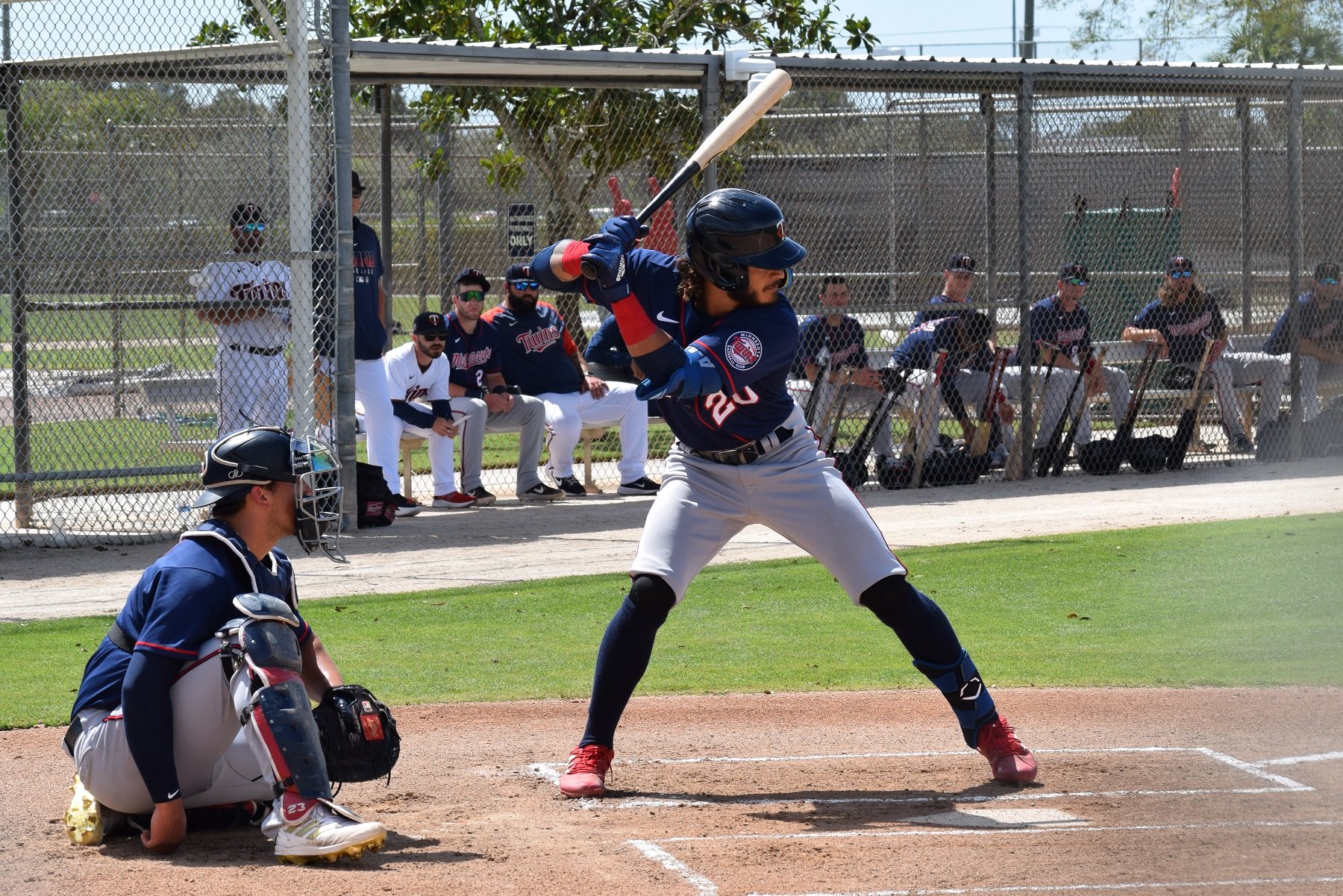 Scouts typically use a 20-80 scale to rank prospects based on their current and future skill level. Below you will see where these players rank currently, including their potential to improve in the years ahead. 5. Noah Miller, SS Current Hit/Future Hit: 25/60 Minnesota selected Miller with the 36th pick in the 2021 MLB Draft out of high school in Wisconsin. In his pro debut, he hit .238/.316/.369 (.685) with six extra-base hits in 22 games. He is a switch hitter with an advanced hitting approach. Teams can have a tough time evaluating players from cold-weather states, but Miller’s hitting profile saw him rise up draft boards last spring. Compared to other high school hitters, he has a better hitting approach, and he does a tremendous job of making consistent contact. As he continues to add weight, his swing has the potential for more power, and his hitting skills project to be among the system’s best. 4. Misael Urbina, OF Current Hit/Future Hit: 30/55 The Twins signed Urbina during the 2018 international signing period. Last season, Urbina played 101 games at Low-A and hit .191/.299/.286 (.585). While those totals are low, he compiled a .825 OPS as a 17-year-old in the Dominican Summer League. Losing a year of development impacted his swing in 2021, but he only had four plate appearances against younger pitchers last season. His bat-to-ball skills are considered advanced for his age, and he controls the strike zone. Starting the 2022 season at Low-A will help him gain some confidence, and he has the potential to move up to Cedar Rapids later in the year. 3. Spencer Steer, 2B Current Hit/Future Hit: 40/50 Steer was taken in the third round back in 2019 out of the University of Oregon. Even with the missed 2020 season, his swing took some steps forward last season. He ended the year hitting .254/.348/.484 (.833) with 18 doubles and 24 home runs between High- and Double-A. Because of his collegiate experience, his advanced approach at the plate has been his calling card. In recent years, he has reworked his swing, which may help him add more power as he moves up the organizational ladder. Steer will need to cut back on his strikeout rate as he gets closer to the big leagues, but he has hitting skills that should make him a serviceable infielder. 2. Jose Miranda, 3B Current Hit/Future Hit: 50/55 Many Twins fans are now very familiar with Miranda based on his breakout 2021 season. Minnesota took Miranda in the second round back in 2016. Many within the organization have been touting his potential for multiple years. His short, compact swing allows him to make contact at a consistent level which finally resulted in improved power numbers last season. Even if those power numbers decline at the big-league level, he should be able to continue to put the bat on the ball. Miranda saw an improved walk rate last season, but his ability to make contact means he swings at a lot of pitches. Can he continue to make adjustments as he gets closer to his debut? 1. Austin Martin, SS/CF Current Hit/Future Hit: 50/60 Martin is widely considered Minnesota’s top prospect, and many scouts felt he was the top hitter in the 2020 MLB Draft. Last season, he made his pro debut and hit .270/.414/.382 (.796) at Double-A. Like Miranda, he can make contact with nearly any pitch, but he can be over patient at times. MLB Pipeline put it succinctly when saying he shows “no weaknesses at the plate.” Since joining the Twins organization, he has continued to work on altering his swing, which may produce more power in 2022. However, that might mean that he has to sacrifice contact and be more aggressive. Who do you think has the best hit tool in the Twins system? Should someone else make the list? Leave a COMMENT and start the discussion. OTHER POSTS IN THE SERIES — Top Power Prospects MORE FROM TWINS DAILY — Latest Twins coverage from our writers — Recent Twins discussion in our forums — Follow Twins Daily via Twitter, Facebook or email
- 11 comments
-
- 3
-
-
- noah miller
- misael urbina
- (and 3 more)
