Adam Neisen
-
Posts
31 -
Joined
-
Last visited
2 Followers


Adam Neisen's Achievements






-
 Oldgoat_MN reacted to a blog entry:
Brock Stewart: The Data Behind His Success
Oldgoat_MN reacted to a blog entry:
Brock Stewart: The Data Behind His Success
-
rickyriolo reacted to a comment on a blog entry:
Brock Stewart: The Data Behind His Success
-
Old Crow reacted to a comment on a blog entry:
Brock Stewart: The Data Behind His Success
-
jorgenswest reacted to a blog entry:
Brock Stewart: The Data Behind His Success
-
Adam Neisen reacted to a comment on a blog entry:
Brock Stewart: The Data Behind His Success
-
4twinsJA reacted to a blog entry:
Brock Stewart: The Data Behind His Success
-
Doctor Gast reacted to a blog entry:
Brock Stewart: The Data Behind His Success
-
Nashvilletwin reacted to a comment on a blog entry:
Brock Stewart: The Data Behind His Success
-
Karbo reacted to a comment on a blog entry:
Brock Stewart: The Data Behind His Success
-
Karbo reacted to a blog entry:
Brock Stewart: The Data Behind His Success
-
DocBauer reacted to a comment on a blog entry:
Brock Stewart: The Data Behind His Success
-
Brock Stewart: The Data Behind His Success
Adam Neisen commented on Adam Neisen's blog entry in Adam Neisen
Correct, he signed a two year minor league deal with us. Now that he is in the majors, he is still pre-arb so we might have him for a while if that’s how it works. -
From DFA’d to premier setup man in less than four years, Brock Stewart has one of the best stories in baseball and is poised to play a big role on the 2024 Twins. In 2019, Stewart was DFA’d by the Dodgers before being picked up by the Blue Jays. Stewart only threw 21 innings with the Blue Jays but his time there was the worst of his career. He pitched to a 55 ERA+ along with a career low in K/9 at 6.6. Furthermore, his fastball sat at a middling 91 MPH. As a result, he was once again DFA’d. After a lost season in 2020 due to covid, Stewart looked to get back on the mound but was hit by a slew of elbow injuries and was sidelined for a year. Now as a 30 year old, he was running out of options to be able to keep pitching and he turned to Tread Athletics to give him another shot. Tread is a sports performance center located in North Carolina that specializes in using advanced data to highlight weaknesses and improve all aspects of a pitcher's game. While at Tread, Stewart focused on two things: change his slider to a sweeper and add a cutter to his repertoire. Within months of working at Tread, he hit a new best of 96 MPH on his fastball. Stewart was eventually signed to a minor league deal with the Twins after seeing his new pitch mix and mechanics he developed while at Tread. On April 27th 2023, Stewart made his Twins debut pitching two scoreless against the Royals. Stewart pitched only 27 innings in 2023 but they were dominant. He allowed only 2 earned runs and had a .65 ERA while striking out 12.7/9. When looking even deeper into some of his pitches, you can truly see his effectiveness. He throws his fastball the most out of any of his pitches at 39% and for good reason. Compared to his pre-Tread fastball, the average MPH has bumped over 6 MPH to 97.3. He is able to generate a high spin rate of 2600 which gives him a well above average Bauer Unit score of 26.76 (league average is 24). On top of his high spin rate, the spin efficiency is great as well at 82%. For comparison, an average MLB 2-seamer has a 2150 spin rate and a spin efficiency in the range of 75-100%. This means that Stewart has the spin profile of a 2-seamer with the spin rate of an electric 4-seamer. The result of this is a xwhiff+ score of 132, above the likes of dominant pitchers such as Spencer Strider and Alexis Diaz. The biggest focus during his time at Tread was the development of a new sweeper and it transformed his pitch mix. Prior to his injuries, Stewart was throwing a more traditional gyro slider which only generated 4.7 inches of horizontal movement. His sweeper that he showed off in 2023 has a whopping 15.6. Compared to his 2018 slider, the opponent’s xBA and hard hit% dropped off substantially when facing this sweeper. This pitch was developed as a more effective way to get righty batters out and it did just that. He threw the sweeper to righties 71% of the time and had a stuff+ score of 132 when facing same handed hitters. The final of his three main pitches is the cutter, another pitch he developed at tread. The cutter acts as a medium between the fastball and sweeper at an average of 93.3 MPH and 2.3 inches of horizontal movement but it is just as effective. Opponents batted a mere .071 against it and he had his highest put away% of 40% while using the cutter. Even the expected stats back up the dominance of the pitch with a xSLG of only .231. When looking at the 2024 Twins outlook, the bullpen is slated to be the biggest bright spot of the team and a full season of Brock Stewart is massive to the success of the pen overall. It may be easy to write off his 2023 season as something like a fluke due to the low innings count but all underlying numbers and pitch data suggest otherwise. Finally, Stewart’s story shows the increasing prevalence and usefulness of advanced data and pitch tracking. Sports centers such as Tread and Driveline are becoming increasingly popular as it allows athletes to use data they normally wouldn’t be able to see to fully tap into their abilities. It also gives MLB teams further insight and aids them in making potentially multi-million dollar deals. Without them, the Twins would have never signed Brock Stewart who looks to be one of the biggest factors of a Twins team that is poised to run it back in the playoffs.
-
Joe Ryan had a fantastic rookie year, but struggled versus playoff teams. His win over the Astros shows progress against quality lineups. Image courtesy of © Jeffrey Becker-USA TODAY Sports In 2022, Joe Ryan emerged as a quality starting pitcher and became one of a few bright spots on an otherwise lackluster pitching staff. He cemented his fastball as one of the best in the league and led the Twins in innings pitched, all as a rookie. Despite all his success in his first full season, one aspect of his game felt missing: he struggled against playoff-caliber teams. Ryan vs. below .500 teams: 76 IP, 19 ER, 93 K, 2.25 ERA Ryan vs. playoff teams: 46 IP, 30 ER, 34 K, 5.87 ERA The difference is night and day. Against good teams, Ryan failed to pitch deeper into games and was hit much harder. This narrative lasted through the entire season and, for many, is the next step he'll need to take to be considered a top-of-the-rotation starter. In just the second start of his 2023 campaign, Ryan got the chance to face off against the defending world champions. In his one start against the Astros in the previous season, he struggled to get through the game, giving up four runs in only four innings of work. This time around, however, Ryan was much more successful. Through six innings, Ryan gave up three hits, four runs and had an incredible ten strikeouts. Despite his bad pitch to Yordan Alvarez, Ryan was dominant. Like most starts, he relied on his fastball, which was effective. It sat at 92 MPH but topped out at over 94 and generated 14 whiffs out of 46 pitches. Ryan has also been working on two new pitches, a sweeper and a splitter. Despite them still being a work in progresses, the pitches led to no substantial contact against one of the best-hitting teams in the league. He'll likely get another opportunity to prove himself versus a playoff-caliber team soon. His next turn in the rotation should coincide with the Twins visit to Yankee Stadium. The 2023 Minnesota Twins have put an emphasis on the starting rotation, and Joe Ryan is a big piece of that. If he can pitch well and do it against playoff teams, Ryan will continue to look more and more like a front-end starter. This early game against a top-tier team is hopefully an early sign of the production we will see out of Joe Ryan this season. View full article
-
Ryan's Strong Start versus Astros Addressed his Main Weakness
Adam Neisen posted an article in Twins
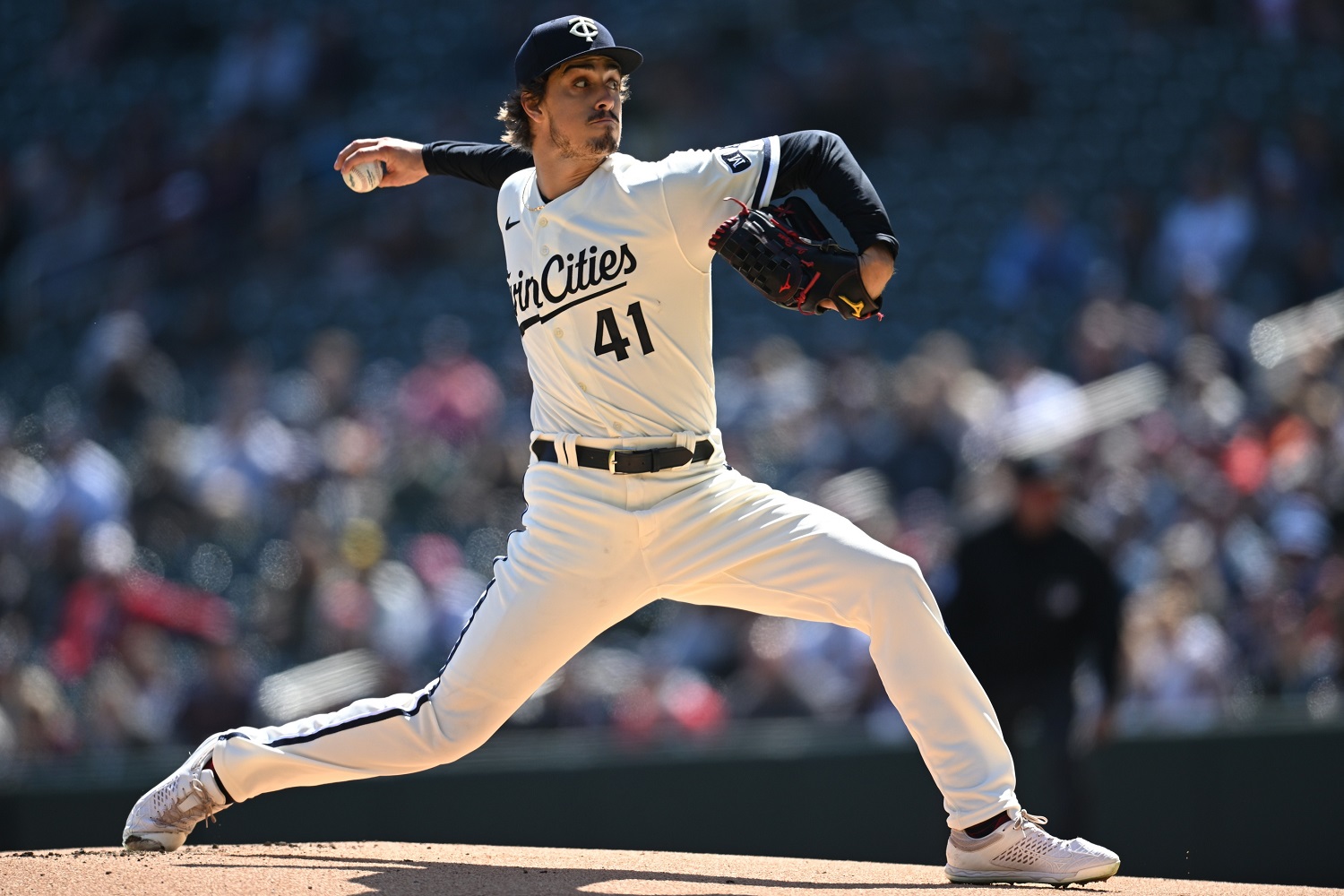 In 2022, Joe Ryan emerged as a quality starting pitcher and became one of a few bright spots on an otherwise lackluster pitching staff. He cemented his fastball as one of the best in the league and led the Twins in innings pitched, all as a rookie. Despite all his success in his first full season, one aspect of his game felt missing: he struggled against playoff-caliber teams. Ryan vs. below .500 teams: 76 IP, 19 ER, 93 K, 2.25 ERA Ryan vs. playoff teams: 46 IP, 30 ER, 34 K, 5.87 ERA The difference is night and day. Against good teams, Ryan failed to pitch deeper into games and was hit much harder. This narrative lasted through the entire season and, for many, is the next step he'll need to take to be considered a top-of-the-rotation starter. In just the second start of his 2023 campaign, Ryan got the chance to face off against the defending world champions. In his one start against the Astros in the previous season, he struggled to get through the game, giving up four runs in only four innings of work. This time around, however, Ryan was much more successful. Through six innings, Ryan gave up three hits, four runs and had an incredible ten strikeouts. Despite his bad pitch to Yordan Alvarez, Ryan was dominant. Like most starts, he relied on his fastball, which was effective. It sat at 92 MPH but topped out at over 94 and generated 14 whiffs out of 46 pitches. Ryan has also been working on two new pitches, a sweeper and a splitter. Despite them still being a work in progresses, the pitches led to no substantial contact against one of the best-hitting teams in the league. He'll likely get another opportunity to prove himself versus a playoff-caliber team soon. His next turn in the rotation should coincide with the Twins visit to Yankee Stadium. The 2023 Minnesota Twins have put an emphasis on the starting rotation, and Joe Ryan is a big piece of that. If he can pitch well and do it against playoff teams, Ryan will continue to look more and more like a front-end starter. This early game against a top-tier team is hopefully an early sign of the production we will see out of Joe Ryan this season.
 -
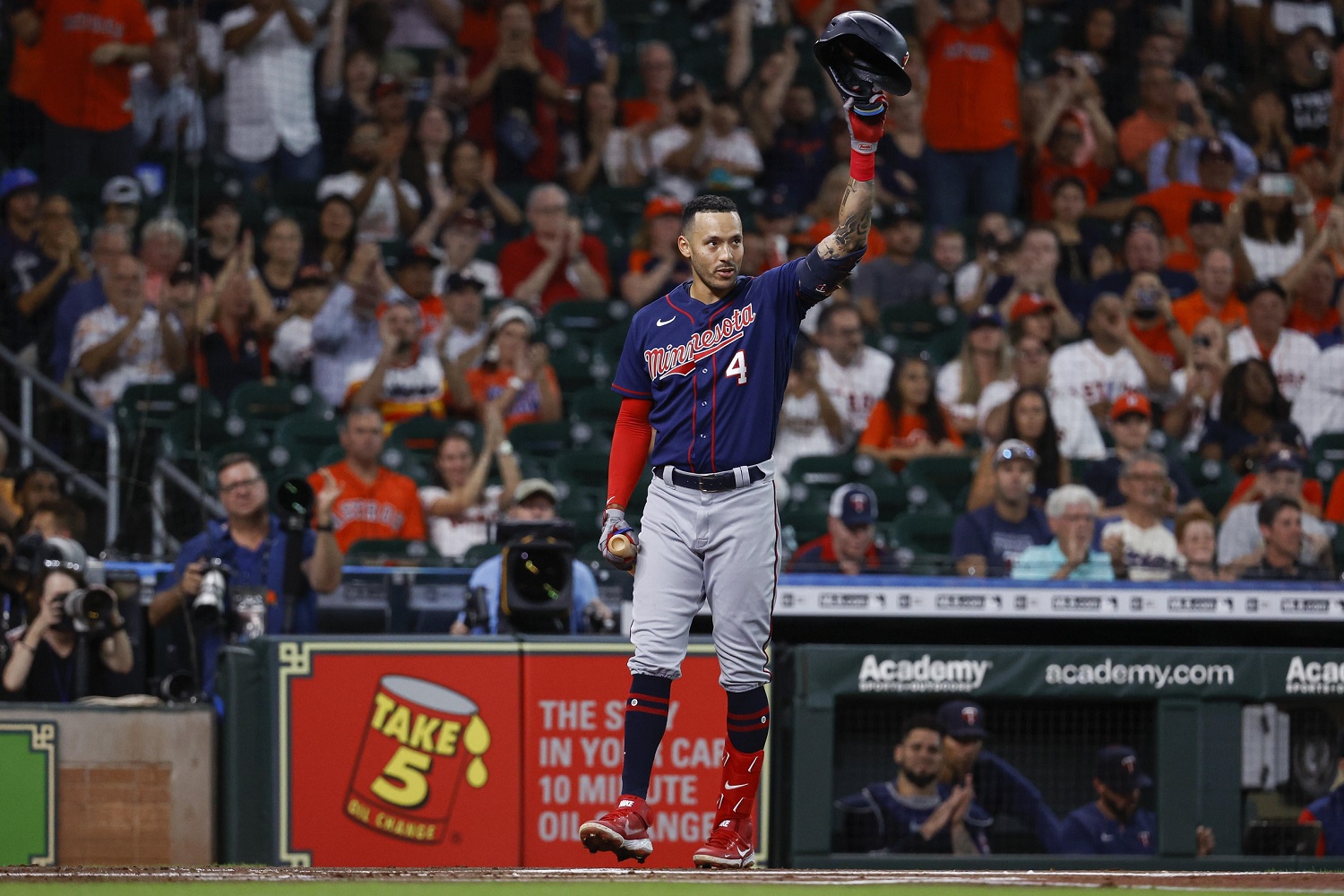 After 18 straight postseason losses and two consecutive disappointing seasons, fanbases would usually be down. Not I. The team and everything surrounding it feels fresh. My excitement is primarily due to the front office's demonstrated desire to win. They signed Carlos Correa to a record deal, disproving the "cheap Pohlads" term. I loved the bold move of trading fan favorite Luis Arraez to acquire Pablo Lopez, which showed that they are willing to take risks to win more games. Along with those significant moves, they acquired multiple pieces that provide upside or depth that I believe should guarantee a competitive team on the field. Off the field, the Twins have taken several steps to build hype and engagement with the team - the most visible of which is the reveal of a whole new set of uniforms. The new jerseys came with the slogan "inspired by the past; built for the future," and I thought they did just that. They combined elements from the Killebrew era and the Hunter/Mauer era, bringing in a new, unique flair that I felt had been missing. This mix of past and future allowed the jerseys to resonate with all ages of Twins fans. The Twins didn't just unveil the new uniforms; they hosted an event in the rotunda of Mall of America and brought in their star players to show off the jerseys for the first time. I was at this event and witnessed firsthand how successful it was, as it brought in a large crowd and got people talking about the Twins, even in the dead of the off-season. In an effort to continue to improve TwinsFest, they added a new event called TwinsFest live. The event got great reviews as it was much more personable than other TwinsFest experiences, featuring player bartenders and other opportunities for fans to meet with the team. I hope they continue this event for years to come. The Twins have also worked to improve their online presence ahead of the season. I felt their old graphic designs for social media posts were unprofessional, so I was glad to see the Twins changed them to be simpler and modern and fit better with the new uniforms. On TikTok, they began posting daily videos asking Twins players fun questions. As a younger fan, I appreciate seeing the Twins engaging with and building a newer audience. They also added a new YouTube series called The Diamond, giving viewers a more in-depth, behind-the-scenes look. I enjoy this type of content as it shows off the Twins' star players and makes the team easier to cheer for. This offseason, the Twins worked to improve on multiple fronts, whether it was the on-field product, the merchandise, the offseason events, or social media content. The result is an entirely new, fresh look for the Twins and more excitement for the upcoming season than most prior years. Now I can't wait to see the on-field performance match this excitement and provide a memorable season for all Twins fans.
 -
Here’s why you should, too. Image courtesy of © Troy Taormina-USA TODAY Sports After 18 straight postseason losses and two consecutive disappointing seasons, fanbases would usually be down. Not I. The team and everything surrounding it feels fresh. My excitement is primarily due to the front office's demonstrated desire to win. They signed Carlos Correa to a record deal, disproving the "cheap Pohlads" term. I loved the bold move of trading fan favorite Luis Arraez to acquire Pablo Lopez, which showed that they are willing to take risks to win more games. Along with those significant moves, they acquired multiple pieces that provide upside or depth that I believe should guarantee a competitive team on the field. Off the field, the Twins have taken several steps to build hype and engagement with the team - the most visible of which is the reveal of a whole new set of uniforms. The new jerseys came with the slogan "inspired by the past; built for the future," and I thought they did just that. They combined elements from the Killebrew era and the Hunter/Mauer era, bringing in a new, unique flair that I felt had been missing. This mix of past and future allowed the jerseys to resonate with all ages of Twins fans. The Twins didn't just unveil the new uniforms; they hosted an event in the rotunda of Mall of America and brought in their star players to show off the jerseys for the first time. I was at this event and witnessed firsthand how successful it was, as it brought in a large crowd and got people talking about the Twins, even in the dead of the off-season. In an effort to continue to improve TwinsFest, they added a new event called TwinsFest live. The event got great reviews as it was much more personable than other TwinsFest experiences, featuring player bartenders and other opportunities for fans to meet with the team. I hope they continue this event for years to come. The Twins have also worked to improve their online presence ahead of the season. I felt their old graphic designs for social media posts were unprofessional, so I was glad to see the Twins changed them to be simpler and modern and fit better with the new uniforms. On TikTok, they began posting daily videos asking Twins players fun questions. As a younger fan, I appreciate seeing the Twins engaging with and building a newer audience. They also added a new YouTube series called The Diamond, giving viewers a more in-depth, behind-the-scenes look. I enjoy this type of content as it shows off the Twins' star players and makes the team easier to cheer for. This offseason, the Twins worked to improve on multiple fronts, whether it was the on-field product, the merchandise, the offseason events, or social media content. The result is an entirely new, fresh look for the Twins and more excitement for the upcoming season than most prior years. Now I can't wait to see the on-field performance match this excitement and provide a memorable season for all Twins fans. View full article
-
Live BP vs. Spring Training Games
Adam Neisen commented on jharaldson's blog entry in Back Office Twins Baseball Blog
If you’re looking for the simplest explanation, it’s clear that buxton doesn’t need to be playing in spring training games and is doing all the necessary work off to the side. There’s so reason to think that the Twins are trying to hide or cover up anything -
It will be interesting to see him compete in the WBC
-
With a rotation suddenly loaded with high-end veterans, who get the Opening Day honors? Image courtesy of © Vincent Carchietta-USA TODAY Sports Spring training has begun, and the season is right around the corner. The start of the season begs the age-old question, who is the Opening Day starting pitcher? The Twins have never spent significant money or pushed all their chips in to acquire a true "ace," which has left the spot of Opening Day starter as a revolving door of pitchers. The Twins have used three different pitchers in the last three years and eight different in the past ten years. This year, however, the Twins are in a different situation. While they still don't have a real #1 that so many desire, they have five starters that all could reasonably start on Opening Day. Who's the most likely to get the nod? The most significant deciding factor is, more than likely, health. This past season, Sonny Gray was presumed to be the Opening-Day starter after his March 13th acquisition, but he was behind pace in spring training, and the honor was given to rookie Joe Ryan. It's possible that a similar situation may take Tyler Mahle out of the running. Mahle was acquired at last year's deadline but threw just 16.1 innings with the Twins before his season ended due to shoulder injuries. As of now, Mahle's spring training is going normally, but it is something to monitor as we head toward Opening Day. His upside is arguably the highest in the rotation, but he's only had one above-average season in his career. His lack of consistent performance and last year's injury makes him the least likely of the four to start on Opening Day. While he isn't a definitive #1, Pablo Lopez substantially raises the rotation's floor. His talent is similar to Sonny Gray's, and he has shown that he can be a workhorse-type pitcher, throwing 180 innings this past season. Lopez is pitching in the WBC for Venezuela, so his performance and health may dictate his chances for Opening Day. He is also brand new to the Twins, and teams tend to pick veteran starters with more experience on the team, so it may limit his chance to start Opening Day. Kenta Maeda is clearly another candidate. He was the Opening Day starter two years ago in 2021, coming off a (shortened) season in which he finished second in the American League Cy Young Award voting. But last year was a lost year for him as he worked his way back from Tommy John surgery. That doesn’t necessarily disqualify him, but there are more worthy candidates. That leaves the two front-runners: Joe Ryan and Sonny Gray. In 2022, Ryan became the first Twins rookie to start on Opening Day since 1969. Ryan was solid with a 2.2 WAR and a 109 ERA+. He also showed his durability by leading the team in innings pitched with 147. He has no history of substantial injuries and will be ready to go on Opening Day. His lack of a track record of successful pitching is the only thing holding him back. Sonny Gray proved his spot as the #1 last year with 2.4 WAR and a 125 ERA+. While he did land on the IL three times, he finished the season with no injuries. Gray is the veteran of the four at 33 years old and has already pitched an entire season for the Twins. Gray has been in the league for a decade and has shown his ability to perform consistently year after year. He also has a reputation in the clubhouse as a team leader. After looking at team history, previous injuries, and other factors, all signs point to Sonny Gray starting Opening Day. Gray has already pitched in live BP down in Fort Meyers and has no limitations in spring training. His previous time with the Twins and his veteran talent make him the strongest candidate to start on Opening Day. View full article
-
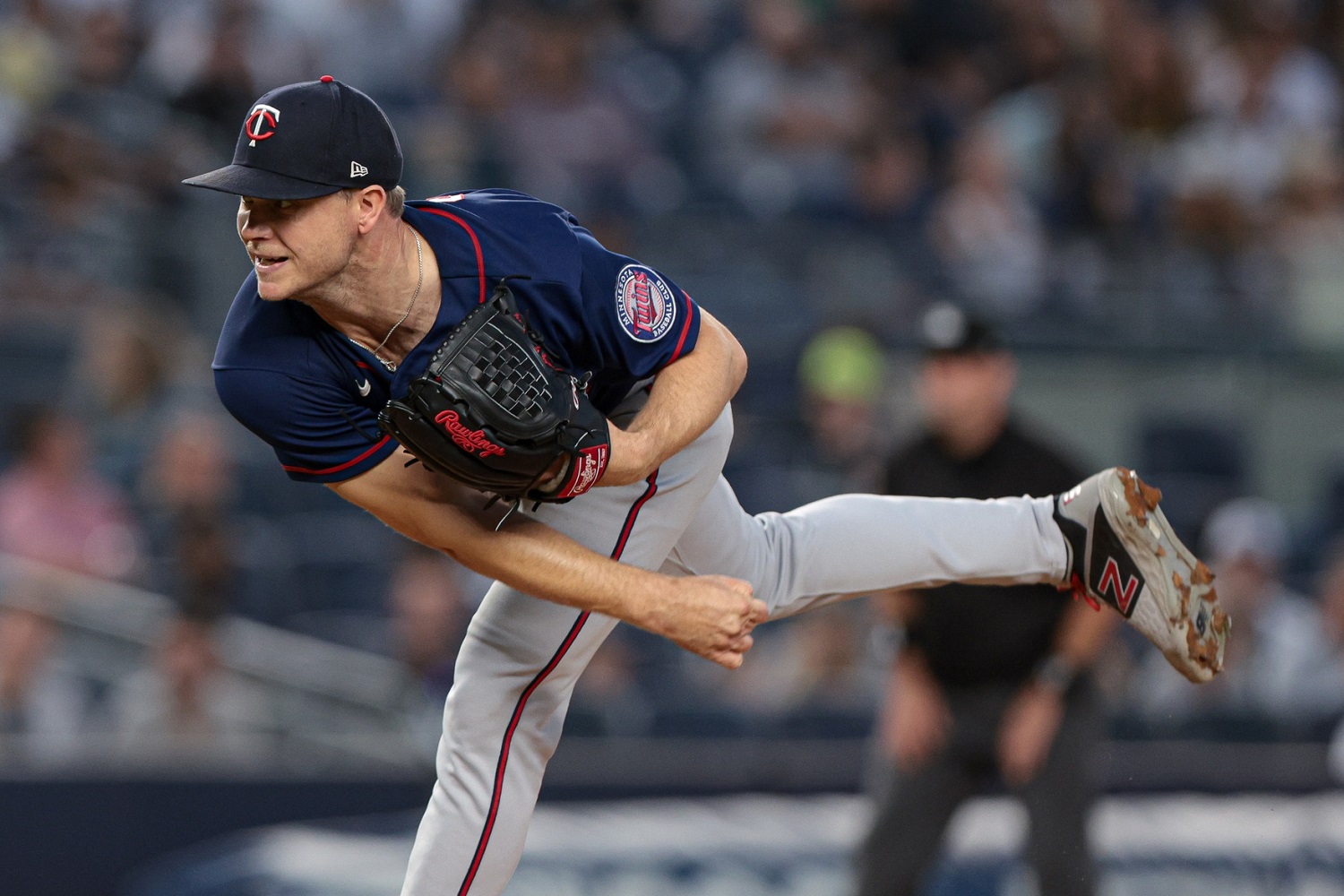 Spring training has begun, and the season is right around the corner. The start of the season begs the age-old question, who is the Opening Day starting pitcher? The Twins have never spent significant money or pushed all their chips in to acquire a true "ace," which has left the spot of Opening Day starter as a revolving door of pitchers. The Twins have used three different pitchers in the last three years and eight different in the past ten years. This year, however, the Twins are in a different situation. While they still don't have a real #1 that so many desire, they have five starters that all could reasonably start on Opening Day. Who's the most likely to get the nod? The most significant deciding factor is, more than likely, health. This past season, Sonny Gray was presumed to be the Opening-Day starter after his March 13th acquisition, but he was behind pace in spring training, and the honor was given to rookie Joe Ryan. It's possible that a similar situation may take Tyler Mahle out of the running. Mahle was acquired at last year's deadline but threw just 16.1 innings with the Twins before his season ended due to shoulder injuries. As of now, Mahle's spring training is going normally, but it is something to monitor as we head toward Opening Day. His upside is arguably the highest in the rotation, but he's only had one above-average season in his career. His lack of consistent performance and last year's injury makes him the least likely of the four to start on Opening Day. While he isn't a definitive #1, Pablo Lopez substantially raises the rotation's floor. His talent is similar to Sonny Gray's, and he has shown that he can be a workhorse-type pitcher, throwing 180 innings this past season. Lopez is pitching in the WBC for Venezuela, so his performance and health may dictate his chances for Opening Day. He is also brand new to the Twins, and teams tend to pick veteran starters with more experience on the team, so it may limit his chance to start Opening Day. Kenta Maeda is clearly another candidate. He was the Opening Day starter two years ago in 2021, coming off a (shortened) season in which he finished second in the American League Cy Young Award voting. But last year was a lost year for him as he worked his way back from Tommy John surgery. That doesn’t necessarily disqualify him, but there are more worthy candidates. That leaves the two front-runners: Joe Ryan and Sonny Gray. In 2022, Ryan became the first Twins rookie to start on Opening Day since 1969. Ryan was solid with a 2.2 WAR and a 109 ERA+. He also showed his durability by leading the team in innings pitched with 147. He has no history of substantial injuries and will be ready to go on Opening Day. His lack of a track record of successful pitching is the only thing holding him back. Sonny Gray proved his spot as the #1 last year with 2.4 WAR and a 125 ERA+. While he did land on the IL three times, he finished the season with no injuries. Gray is the veteran of the four at 33 years old and has already pitched an entire season for the Twins. Gray has been in the league for a decade and has shown his ability to perform consistently year after year. He also has a reputation in the clubhouse as a team leader. After looking at team history, previous injuries, and other factors, all signs point to Sonny Gray starting Opening Day. Gray has already pitched in live BP down in Fort Meyers and has no limitations in spring training. His previous time with the Twins and his veteran talent make him the strongest candidate to start on Opening Day.
- 26 comments
-
- 5
-
-
- sonny gray
- joe ryan
- (and 3 more)
-
Adam Neisen reacted to a post in a topic:
These Were the Minnesota Twins' 10 Most Valuable Pitches in 2022
-
From Griffin Jax's slider to Jhoan Durán's curve to Joe Ryan's four-seamer, these were the pitches that did the most work for Twins pitchers last year. Image courtesy of Brad Rempel-USA TODAY Sports Pitching in today's game is more advanced than ever. Fastballs are faster. Breaking pitches break more. All of that leads to pitching being more exciting than ever. The Twins are no stranger to this, as their staff has some of the nastiest stuff in the league, but who truly had the best pitch on the Twins in 2022? To measure, I am using Run Value (RV). Run Value looks at run expectancy in each unique situation and how a specific pitch affects that run expectancy. Run Value is through the eyes of the pitcher, so a negative number represents a good pitch because it lessens the chance of a run and vice versa. It is important to note that run value is an accumulative stat, meaning that the more innings someone pitched, the more RV they can acquire, and now on to the top ten. 10: Griffin Jax's slider: -7 RV 9: Sonny Gray's curveball: -7 RV 8: Jovani Moran's changeup: -7 RV 7: Caleb Thielbar's four-seamer: -8 RV 6: Jhoan Durán's curveball: -8 RV 5: Chris Archer's slider: -9 RV Archer was largely ineffective last year, with lousy walk numbers, and he didn't go far into games, leading to a WAR of precisely zero. The lone bright spot of his season was the slider, which snuck into the top five. Archer's slider rate ticked up this past season, and for a good reason: it was his only effective pitch. Opponents batted .202 against it, and he got a 26.5 whiff% with his slider. 4: Michael Fulmer's slider: -9 RV Acquired at the trade deadline, Fulmer's arsenal is slider heavy, throwing it over 60% of the time. He averages 90.3 MPH, which is top ten in the league. He was effective in his time in Minnesota with an ERA of 3.70 and an ERA+ of 106. His slider was a big part of that, as it held opponents to a .342 SLG and had a 24.7 put away%. 3: Jhoan Durán's four-seamer: -9 RV Arguably the most dominant pitch on this list, it doesn't rank higher in RV due to the lack of innings pitched. Duran had the highest velocity fastball in MLB last year with an average speed of 100.8 MPH, beating out other flamethrowers such as Edwin Diaz and Ryan Helsley. Topping out at 103.8 MPH and averaging more inches of movement than his curveball, Duran made opposing hitters look lost with a 25.9 K% on his fastball. 2: Sonny Gray's four-seamer: -11 RV Gray uses his fastball much less than the other top five on the list, at just 28.3%, but his results were just as effective. Nothing instantly jumps out; his velocity and strikeout numbers are average to below average. His opponent slugging however, was .345, 50 points below the league average. Gray's four-seamer has run similar to a two-seamer, and he was able to dominate the left side of the plate. 1: Joe Ryan's four-seamer: -21 RV Somewhat of a surprise due to his low velocity, but Ryan's fastball was elite. In terms of run value, that pitch ranked ninth in MLB and the fourth-best fastball, only behind Justin Verlander, Nestor Cortes, and Carlos Rodon. Thrown a whopping 60.1% of the time, it held opponents to a mere .174 batting average. Ryan's lower arm slot makes the pitch look like it's rising, making it especially difficult for hitters to pick up on. Joe Ryan and Jhoan Duran should be staples on this list for years to come, but spots are up for grabs. Which new pitches could emerge next year? Which pitches surprised you? Can anyone take Ryan's top spot? Leave your thoughts below! View full article
-
These Were the Minnesota Twins' 10 Most Valuable Pitches in 2022
Adam Neisen posted an article in Twins
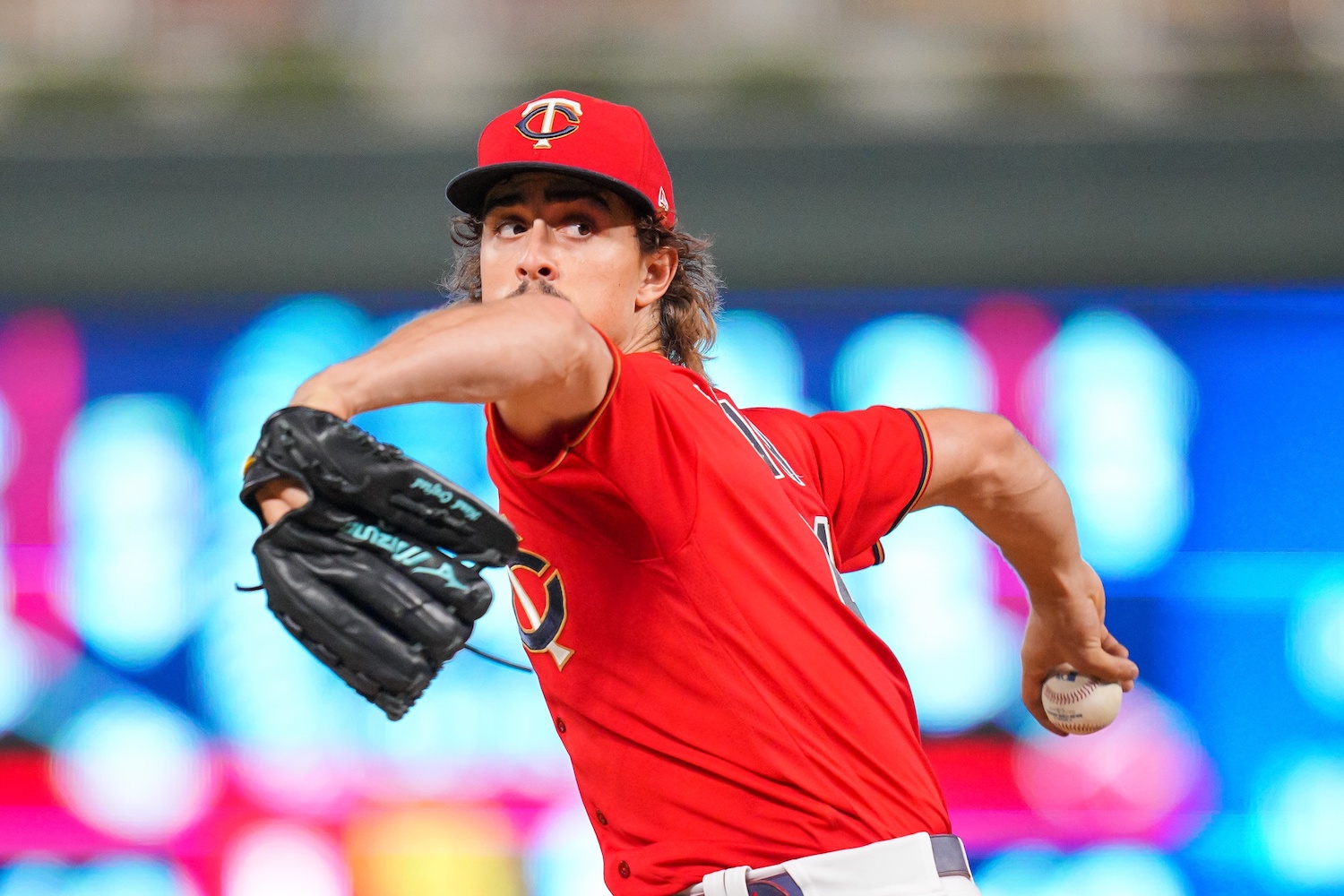 Pitching in today's game is more advanced than ever. Fastballs are faster. Breaking pitches break more. All of that leads to pitching being more exciting than ever. The Twins are no stranger to this, as their staff has some of the nastiest stuff in the league, but who truly had the best pitch on the Twins in 2022? To measure, I am using Run Value (RV). Run Value looks at run expectancy in each unique situation and how a specific pitch affects that run expectancy. Run Value is through the eyes of the pitcher, so a negative number represents a good pitch because it lessens the chance of a run and vice versa. It is important to note that run value is an accumulative stat, meaning that the more innings someone pitched, the more RV they can acquire, and now on to the top ten. 10: Griffin Jax's slider: -7 RV 9: Sonny Gray's curveball: -7 RV 8: Jovani Moran's changeup: -7 RV 7: Caleb Thielbar's four-seamer: -8 RV 6: Jhoan Durán's curveball: -8 RV 5: Chris Archer's slider: -9 RV Archer was largely ineffective last year, with lousy walk numbers, and he didn't go far into games, leading to a WAR of precisely zero. The lone bright spot of his season was the slider, which snuck into the top five. Archer's slider rate ticked up this past season, and for a good reason: it was his only effective pitch. Opponents batted .202 against it, and he got a 26.5 whiff% with his slider. 4: Michael Fulmer's slider: -9 RV Acquired at the trade deadline, Fulmer's arsenal is slider heavy, throwing it over 60% of the time. He averages 90.3 MPH, which is top ten in the league. He was effective in his time in Minnesota with an ERA of 3.70 and an ERA+ of 106. His slider was a big part of that, as it held opponents to a .342 SLG and had a 24.7 put away%. 3: Jhoan Durán's four-seamer: -9 RV Arguably the most dominant pitch on this list, it doesn't rank higher in RV due to the lack of innings pitched. Duran had the highest velocity fastball in MLB last year with an average speed of 100.8 MPH, beating out other flamethrowers such as Edwin Diaz and Ryan Helsley. Topping out at 103.8 MPH and averaging more inches of movement than his curveball, Duran made opposing hitters look lost with a 25.9 K% on his fastball. 2: Sonny Gray's four-seamer: -11 RV Gray uses his fastball much less than the other top five on the list, at just 28.3%, but his results were just as effective. Nothing instantly jumps out; his velocity and strikeout numbers are average to below average. His opponent slugging however, was .345, 50 points below the league average. Gray's four-seamer has run similar to a two-seamer, and he was able to dominate the left side of the plate. 1: Joe Ryan's four-seamer: -21 RV Somewhat of a surprise due to his low velocity, but Ryan's fastball was elite. In terms of run value, that pitch ranked ninth in MLB and the fourth-best fastball, only behind Justin Verlander, Nestor Cortes, and Carlos Rodon. Thrown a whopping 60.1% of the time, it held opponents to a mere .174 batting average. Ryan's lower arm slot makes the pitch look like it's rising, making it especially difficult for hitters to pick up on. Joe Ryan and Jhoan Duran should be staples on this list for years to come, but spots are up for grabs. Which new pitches could emerge next year? Which pitches surprised you? Can anyone take Ryan's top spot? Leave your thoughts below!
- 4 comments
-
- 4
-
-
- joe ryan
- jhoan duran
- (and 1 more)
-
Carew might be debatable since he only played half his career in Minnesota
-
Adam Neisen reacted to a post in a topic:
Was the Bomba Squad Overrated?
-
Twins fans are blinded by nostalgia when it comes to 2019's Twins' Bomba Squad. Image courtesy of Wendell Cruz-USA TODAY Sports In 2019, the Twins put together one of the greatest seasons in franchise history. They won 101 games - second-best in Twins history - and cruised to a division win. Known as the Bomba Squad, the team broke numerous home run records, including MLB’s team record of 307, and they had five players hit 30 or more home runs. It looked like a youth movement was leading the way, but sustained success eluded them, both in the postseason and in subsequent years. In the postseason, the Yankees swept the Twins. pushing their playoff losing streak to 16 games. People look back at that team as one of the few times the Twins could be considered "true contenders," but in reality, they are blinded by nostalgia. The failures of the team all come down to sustained success. Sustained success is something that has been echoed time and time again since Derek Falvey and Thad Levine took over the team in 2016. The reasoning behind it is simple: anything can happen in the playoffs. The more times you make the playoffs, the more chances you have to go on a World Series run. The primary way to achieve this level of success is through team control. When trading at the deadline, players are often acquired as rentals. But trading for players with a year or two of team control gives the receiving team much more value. The same goes for signing team-friendly contract extensions. The Twins have committed to this philosophy in recent years through multiple moves. Pablo Lopez - traded for with two years of team control Chris Paddack - traded for with three years of team control and then a contract extension Tyler Mahle - traded for with 1.5 years of team control Jorge Lopez - traded for with 2.5 years of team control Gio Urshela - trade for with two years of team control Controlling players for multiple years solidifies parts of the team while also giving the organization the financial freedom to build around these players. In 2019, however, the organization ditched this idea. 2018 was a disappointing year, and in the following offseason, the Twins decided to fill their gaps with one-year rentals. It started in November when the Twins filled their first base gap by picking up CJ Cron off of waivers. Then they signed Jonathan Schoop to a one-year deal at second base, followed up by a one-year deal (plus a team option) to aging slugger Nelson Cruz. In February 2019, the Twins acquired Marwin Gonzalez for a two-year deal. To "fix" their issues in the rotation, they signed Martin Perez to a one-year deal. Notice the pattern here? It would have been easy to write off the season, except all those rentals started off hot and propelled the team into playoff contention. It became even more complicated as the season went on. By midseason, the one-year rentals were already starting to decline. Cron got hurt and had a bad second half. Perez had a hot start but got rocked the rest of the season. Schoop had a bad month in June and was mostly replaced by the up-and-coming Luis Arraez. Only Cruz continued to shine and was awarded the team MVP as a 39-year-old. By the time the trade deadline rolled around, either the front office felt that the early season success truly was sustainable despite warning signs, or they felt pressured to make a move to push the team further into contention. They added Sergio Romo and Sam Dyson. Romo was decent to finish the year, and the Dyson trade is arguably one of the worst of Derek Falvey's time. In the end, the acquisitions didn't matter enough, and the Twins fell short of the Yankees in the ALDS. The 2019 team produced great memories but had a lack of substance behind them. When one takes a step back and looks at the whole picture, one realizes how deceptive the year was in evaluating the Twins' future. The 2019 Twins were entertaining to watch, but when it comes to their effect on the franchise, people are blinded by nostalgia. View full article
-
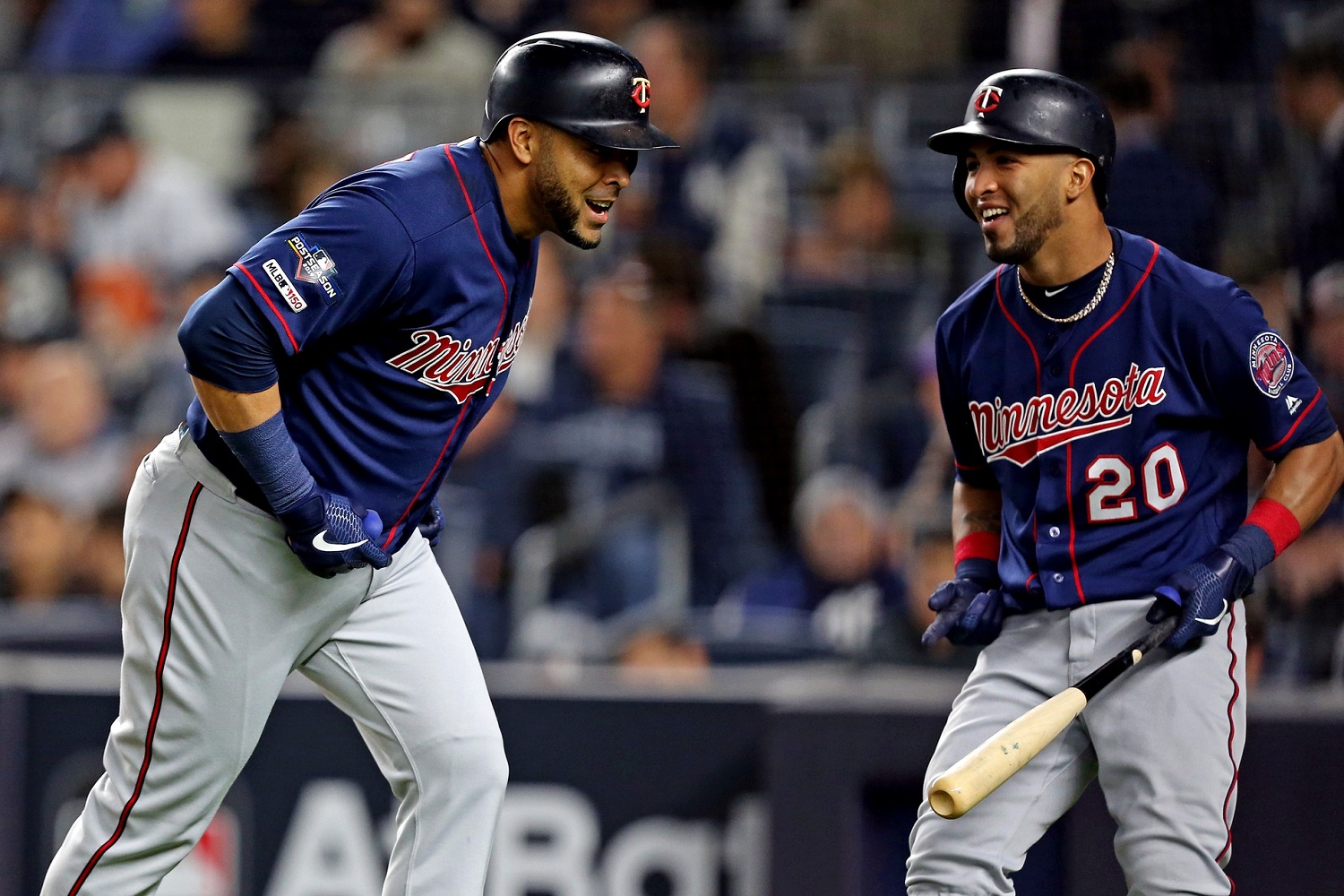 In 2019, the Twins put together one of the greatest seasons in franchise history. They won 101 games - second-best in Twins history - and cruised to a division win. Known as the Bomba Squad, the team broke numerous home run records, including MLB’s team record of 307, and they had five players hit 30 or more home runs. It looked like a youth movement was leading the way, but sustained success eluded them, both in the postseason and in subsequent years. In the postseason, the Yankees swept the Twins. pushing their playoff losing streak to 16 games. People look back at that team as one of the few times the Twins could be considered "true contenders," but in reality, they are blinded by nostalgia. The failures of the team all come down to sustained success. Sustained success is something that has been echoed time and time again since Derek Falvey and Thad Levine took over the team in 2016. The reasoning behind it is simple: anything can happen in the playoffs. The more times you make the playoffs, the more chances you have to go on a World Series run. The primary way to achieve this level of success is through team control. When trading at the deadline, players are often acquired as rentals. But trading for players with a year or two of team control gives the receiving team much more value. The same goes for signing team-friendly contract extensions. The Twins have committed to this philosophy in recent years through multiple moves. Pablo Lopez - traded for with two years of team control Chris Paddack - traded for with three years of team control and then a contract extension Tyler Mahle - traded for with 1.5 years of team control Jorge Lopez - traded for with 2.5 years of team control Gio Urshela - trade for with two years of team control Controlling players for multiple years solidifies parts of the team while also giving the organization the financial freedom to build around these players. In 2019, however, the organization ditched this idea. 2018 was a disappointing year, and in the following offseason, the Twins decided to fill their gaps with one-year rentals. It started in November when the Twins filled their first base gap by picking up CJ Cron off of waivers. Then they signed Jonathan Schoop to a one-year deal at second base, followed up by a one-year deal (plus a team option) to aging slugger Nelson Cruz. In February 2019, the Twins acquired Marwin Gonzalez for a two-year deal. To "fix" their issues in the rotation, they signed Martin Perez to a one-year deal. Notice the pattern here? It would have been easy to write off the season, except all those rentals started off hot and propelled the team into playoff contention. It became even more complicated as the season went on. By midseason, the one-year rentals were already starting to decline. Cron got hurt and had a bad second half. Perez had a hot start but got rocked the rest of the season. Schoop had a bad month in June and was mostly replaced by the up-and-coming Luis Arraez. Only Cruz continued to shine and was awarded the team MVP as a 39-year-old. By the time the trade deadline rolled around, either the front office felt that the early season success truly was sustainable despite warning signs, or they felt pressured to make a move to push the team further into contention. They added Sergio Romo and Sam Dyson. Romo was decent to finish the year, and the Dyson trade is arguably one of the worst of Derek Falvey's time. In the end, the acquisitions didn't matter enough, and the Twins fell short of the Yankees in the ALDS. The 2019 team produced great memories but had a lack of substance behind them. When one takes a step back and looks at the whole picture, one realizes how deceptive the year was in evaluating the Twins' future. The 2019 Twins were entertaining to watch, but when it comes to their effect on the franchise, people are blinded by nostalgia.
- 56 comments
-
- 5
-

-
-
- nelson cruz
- jonathan schoop
- (and 3 more)