Parker Hageman
-
Posts
4,152 -
Joined
-
Last visited
-
Days Won
6
Content Type
Profiles
News
Minnesota Twins Videos
2026 Minnesota Twins Top Prospects Ranking
2022 Minnesota Twins Draft Picks
Minnesota Twins Free Agent & Trade Rumors, Notes, & Tidbits
Guides & Resources
2023 Minnesota Twins Draft Picks
The Minnesota Twins Players Project
2024 Minnesota Twins Draft Picks
2025 Minnesota Twins Draft Pick Tracker
2026 Minnesota Twins Draft Tracker: Picks & Bonuses
Forums
Blogs
Events
Store
Downloads
Gallery
Everything posted by Parker Hageman
-
 Are you seeing something different? From the mobile site, there are 2 marks that show “Caretaker” on it.
-
Dammit. I always overcomplicate things.
-
Very tough question. Sometimes I think an early season injury can be a good thing over the course of a long season. Like I said in the post, part of that production was likely due to health (not having an additional 250 PAs in the 1st half maybe kept him fresh). That 2nd half performance was one of his best splits of his career but that .351 BABIP suggests it could come back down (although his wOBA of .393 was very close to his expected wOBA of .390 so the way he was impacting the ball could mean he's capable of continuing that). Teams will try to adjust to him and find more weaknesses. That's the game. I'd like to think he came away with something from this year but you just don't know. It's a funny game.
-
My response is...maybe? Hard to know exactly what is going on in a hitter's head. But the fact that he was pulling the ball more in the 1st half than the 2nd half (54% vs 43%) suggests defensive alignment wasn't necessarily a factor for his late season surge. Plus, a lot of success had to do with barreling balls to the big part of the park (33% vs 17% in 1st half and 24 hits vs 11 in 1st half). His performance on pulled ground balls post-ASB was much better than after the break (.263 vs .069 in 1st half). Big difference was that he was less one-dimensional after the break: In the 1st half he pulled 81% of his groundballs and he pulled 60% in the 2nd half. There was likely something in his mind about the defensive positioning, but his ability to give himself space and hit balls hard all over the field helps open up other areas for him to.
-
I realize that as a non-caretaker you are unable to see the additional analysis so let me just say, yes, health and mindset are 2 of the 3 things that helped him in the 2nd half.
-
I try not to label this as a mechanics thing. While he is moving differently (i.e. staying back from the plate), I don't believe it was an intentional change but something that happened while trying to fix holes, if that makes sense. In 2017 I had a conversation with him on his approach and he told me that "Pretty much the only time I'm telling myself to do stuff is when I might be in a slump or something." He's very much a guy that tries to continue to do what got him here. He's not going to make wholesale changes. But I also think his midseason numbers (i.e. slump) prompted something. I do think he has changed his mindset a bit on how to attack (he talked about that in the spring) but I also think he had the same mindset in the first half of the season as he did in the second -- only that his approach (and health!) allowed him to be successful later in the year.
-
In the first half of the season, if you scrolled Twins Twitter (or even our comment sections), you encountered a seemingly robust Free Max Kepler From His Current Job movement. Fortunately, the Twins did not listen. Call up someone else. Bench Kepler. Trade him. DFA him. Strap him to a rocket and fire him into the nearest black hole. Look, I've never advocated for human rocketry to address athletic shortcomings, but Kepler's performance begged for some resolution. After all, pre-All-Star break, his .207 batting average was 291st among 314 qualified players. His weighted runs created plus (wRC+) – a more telling overall performance statistic – was 88, and not the kind of 88 that actuates the flux capacitor and looses the surly bonds of time and space. Only Christian Vázquez and Michael A. Taylor, two players who play more defense-oriented positions, fared worse. For a team whose place at the top of the division standings was becoming increasingly precarious by midsummer, it would have been reasonable for the Twins to explore alternatives (space flight, time travel, or otherwise). To be fair, Kepler battled through early-season maladies that undoubtedly impacted his numbers. In April, he was sidelined with patellar tendinitis in his right knee. Then, just as he was regaining momentum and consistency at the end of April and the beginning of May (including 10 extra-base hits in 24 games), a hamstring injury to the opposite leg triggered another IL stint. It probably doesn't need to be said – particularly to this savvy audience, smart enough to pay for deep analysis – but legs are crucial to the game of baseball. As is consistency. For the better part of the first half, Max Kepler had neither. What does that do to a player's psyche? Several years ago, then-Twins manager Paul Molitor was pestered about a veteran player's putrid offensive performance. As he was wont to do, Molitor provided a very insightful response that applies to Kepler. "I think sometimes when you get off to poor starts, even as a veteran, it becomes an uphill battle. It's hard to look up at the scoreboard and see numbers that aren't very appealing. And you're trying to find ways to get it back into a more comfortable state and you end up thinking about the wrong things instead of just going out there and trusting each at bat." On July 9, shortly before the All-Star break, Max Kepler would look at the Target Field scoreboard and see the .207/.279/.409 slash line looming over him, reminding him of his ongoing struggles. So much of baseball is a mental game – perhaps as much as 90 percent. View full article
-
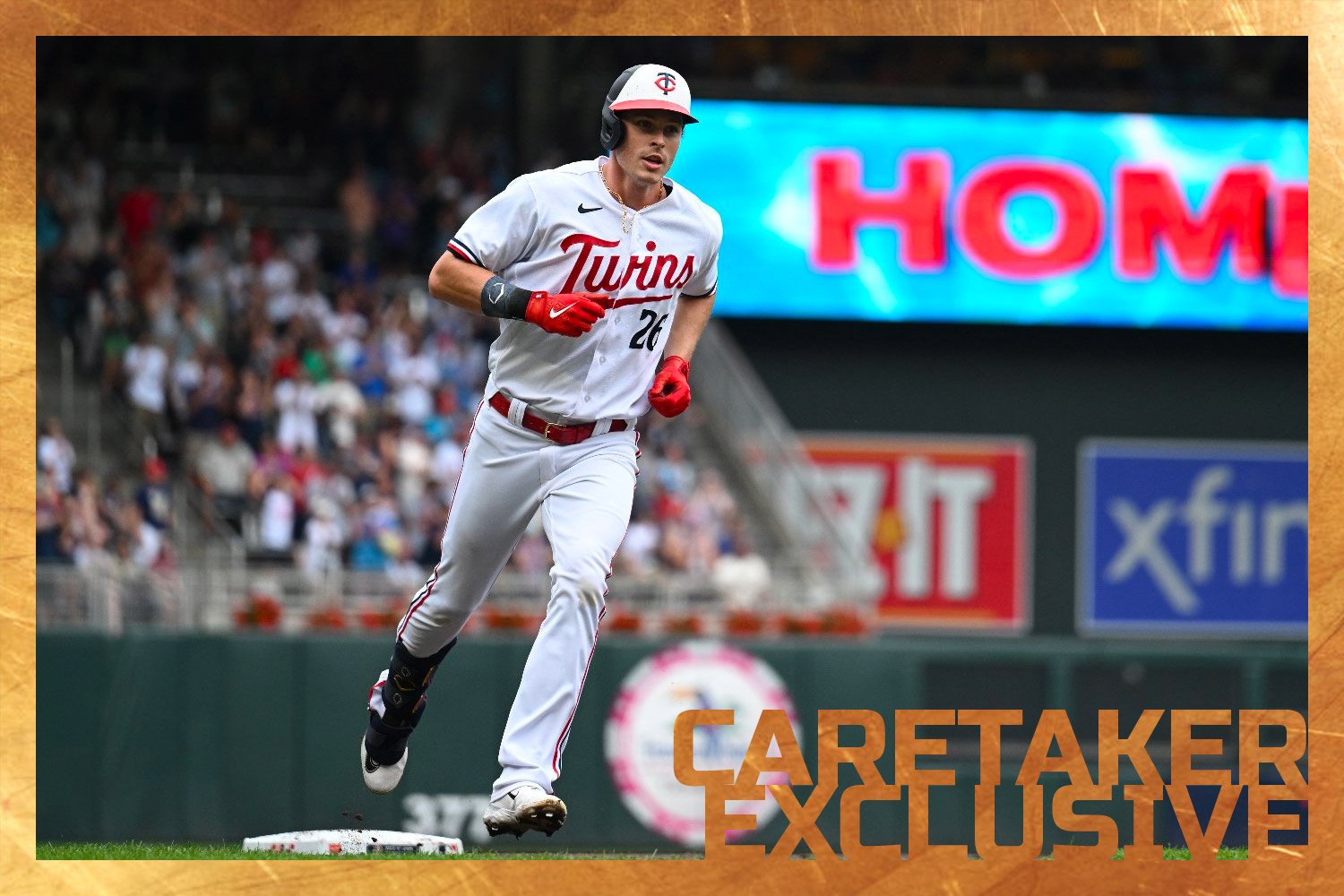 Call up someone else. Bench Kepler. Trade him. DFA him. Strap him to a rocket and fire him into the nearest black hole. Look, I've never advocated for human rocketry to address athletic shortcomings, but Kepler's performance begged for some resolution. After all, pre-All-Star break, his .207 batting average was 291st among 314 qualified players. His weighted runs created plus (wRC+) – a more telling overall performance statistic – was 88, and not the kind of 88 that actuates the flux capacitor and looses the surly bonds of time and space. Only Christian Vázquez and Michael A. Taylor, two players who play more defense-oriented positions, fared worse. For a team whose place at the top of the division standings was becoming increasingly precarious by midsummer, it would have been reasonable for the Twins to explore alternatives (space flight, time travel, or otherwise). To be fair, Kepler battled through early-season maladies that undoubtedly impacted his numbers. In April, he was sidelined with patellar tendinitis in his right knee. Then, just as he was regaining momentum and consistency at the end of April and the beginning of May (including 10 extra-base hits in 24 games), a hamstring injury to the opposite leg triggered another IL stint. It probably doesn't need to be said – particularly to this savvy audience, smart enough to pay for deep analysis – but legs are crucial to the game of baseball. As is consistency. For the better part of the first half, Max Kepler had neither. What does that do to a player's psyche? Several years ago, then-Twins manager Paul Molitor was pestered about a veteran player's putrid offensive performance. As he was wont to do, Molitor provided a very insightful response that applies to Kepler. "I think sometimes when you get off to poor starts, even as a veteran, it becomes an uphill battle. It's hard to look up at the scoreboard and see numbers that aren't very appealing. And you're trying to find ways to get it back into a more comfortable state and you end up thinking about the wrong things instead of just going out there and trusting each at bat." On July 9, shortly before the All-Star break, Max Kepler would look at the Target Field scoreboard and see the .207/.279/.409 slash line looming over him, reminding him of his ongoing struggles. So much of baseball is a mental game – perhaps as much as 90 percent.
 -
To obliterate an obdurate futility state, sometimes you have to elevate and celebrate. The Twins' top celebrity brought the levity by leveraging some vicious rotation in the exercise of his frustration. Lewis's hit tool was always a strength. But this season, we may have seen it go from hitterish to full-out lethal. Consider this: If the season lasted from only August 15 to its usual conclusion, Royce Lewis's .607 slugging average would have been the 16th-highest in baseball, better than Shohei Ohtani's .603. Ohtani, the owner of a new MVP trophy to polish, will soon receive a contract equivalent to a small island nation's GDP this offseason. (Seriously, the GDP of São Tomé and Príncipe, an island nation off the western coast of central Africa, was $526.7 million in the most recent report That’s your over/under.) Conversely, Lewis will clear around $770,000 in 2024 and live in a state with a brand-new flag. While the two players aren’t similar (yet) in terms of their off-field clout, they were highly similar in the power department for a glorious month-and-a-half. We can create just about any narrative, when we carve out small sample sizes. The takeaway is that after Lewis returned from his oblique injury, he was a monster, and more than small-sample-size flukiness may be involved. When Lewis was sidelined with an oblique injury, he worked his way back with the Saints. One might expect a player recovering from that type of injury to be protective, opting not to apply as much torque or withhold force to avoid aggravating the area. Rotation—the primary action of a swing—can easily make such injuries worse. If Lewis was trying to take it easy, though, no one could tell. View full article
-
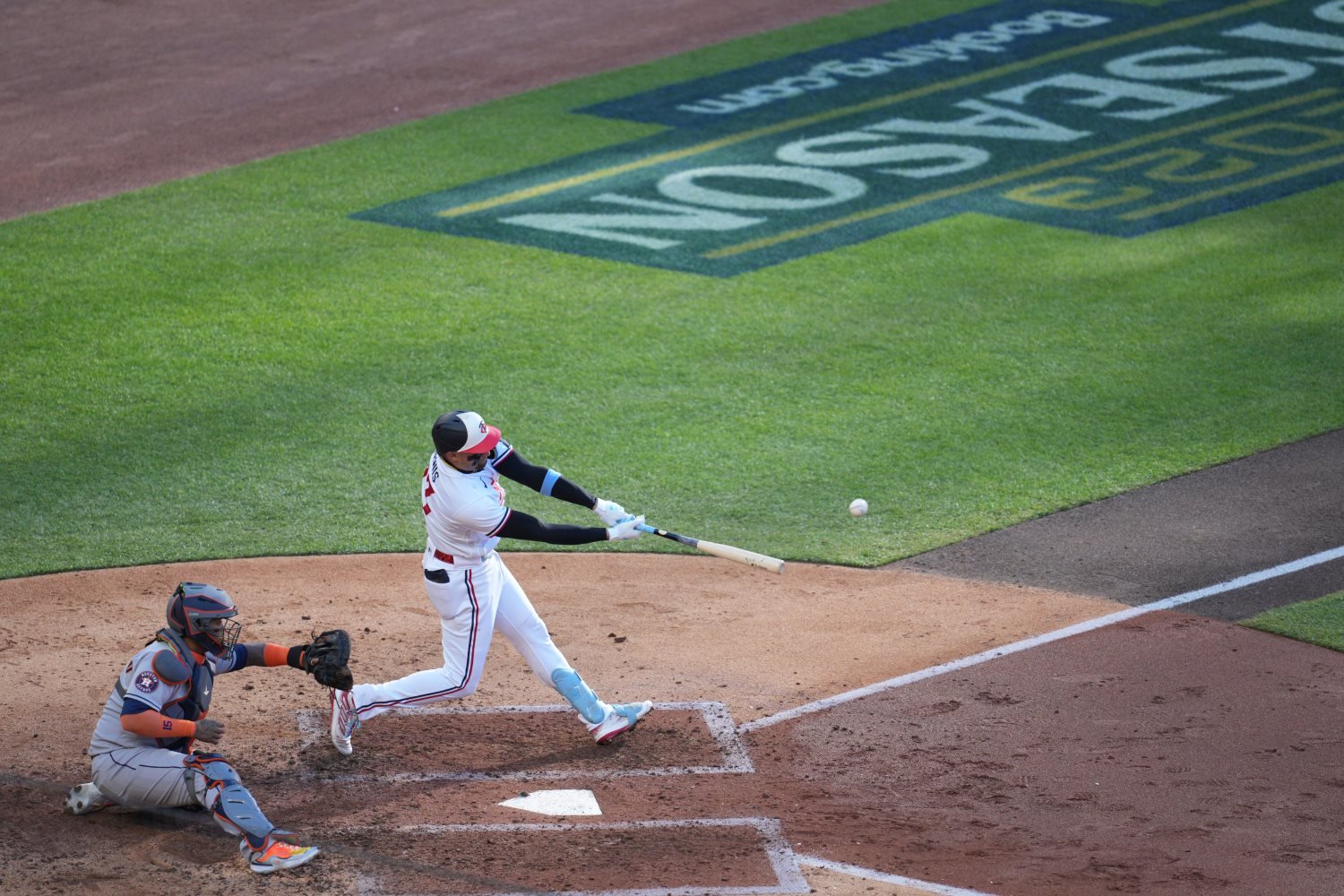 When you think about it, Royce Lewis's 2023 season is pretty crazy. After spending months on the mend from a second ACL surgery, in his first game back with the Twins in Houston, he shot a screamer into the right-field corner for a home run. He would hit 14 more over the subsequent 237 plate appearances in that regular season. He then added another homer in his first-ever postseason at-bat. In his second postseason at-bat, he did it again. He would tack on two more to his postseason résumé before the Twins were through. We shouldn't be surprised by any of this. After all, the man started his professional career with a no-doubter in the backfields of Florida in his first-ever paid at bat. Lewis's hit tool was always a strength. But this season, we may have seen it go from hitterish to full-out lethal. Consider this: If the season lasted from only August 15 to its usual conclusion, Royce Lewis's .607 slugging average would have been the 16th-highest in baseball, better than Shohei Ohtani's .603. Ohtani, the owner of a new MVP trophy to polish, will soon receive a contract equivalent to a small island nation's GDP this offseason. (Seriously, the GDP of São Tomé and Príncipe, an island nation off the western coast of central Africa, was $526.7 million in the most recent report That’s your over/under.) Conversely, Lewis will clear around $770,000 in 2024 and live in a state with a brand-new flag. While the two players aren’t similar (yet) in terms of their off-field clout, they were highly similar in the power department for a glorious month-and-a-half. We can create just about any narrative, when we carve out small sample sizes. The takeaway is that after Lewis returned from his oblique injury, he was a monster, and more than small-sample-size flukiness may be involved. When Lewis was sidelined with an oblique injury, he worked his way back with the Saints. One might expect a player recovering from that type of injury to be protective, opting not to apply as much torque or withhold force to avoid aggravating the area. Rotation—the primary action of a swing—can easily make such injuries worse. If Lewis was trying to take it easy, though, no one could tell.
 -
Royce Lewis Reflects On an Incredible Season
Parker Hageman replied to Ted Schwerzler 's topic in Twins Daily Front Page News
Reading Lewis' quotes reminded me of the back and forth between Derek Jeter and Bruce Bouchy after the Rangers won the World Series. More often than not, great teams (across all aspects of life) focus on each other. -
I've figured out where the "M" logo came from...
Parker Hageman replied to lecroy24fan's topic in Minnesota Twins Talk

-
Their biomechanics staff is truly amazing. They have the technology and knowledge to identify a lot of inefficiencies and their coaching staff does a great job of incorporating drills/workouts to aid in getting players to move better.
-
Today’s start is what the Twins envisioned when they traded for Pablo Lopez. Image courtesy of © Michael McLoone-USA TODAY Sports It was a steep price for them to part with Luis Arraez. After all, Arraez became a fan favorite and an excellent contact hitter. Batting Title Kings/ Short Kings get traded less often. Early in the season, many fans lamented missing out on that type of hitter, but it's hard to disagree that the Twins had a plan when they acquired Lopez from the Miami Marlins. He said so himself. "I'm extremely grateful for all the resources the Twins made available when it came to pitch developing and understanding the benefits behind why a pitch moving in that direction could give us the options we were looking for," Lopez told reporters after his final regular-season start. The right-hander said the organization gave him stats, facts, numbers, and information. These were very appreciated and embraced. The Twins have a system that has grown quite good at identifying, building, and developing pitchers. Lopez was already a reasonably outstanding pitcher from outside of the organization. He was worth about two wins each season with Miami. The Twins, however, were able to tap into more. Pablo Lopez said that with Miami, he concentrated on being a north-south pitcher, focusing on his fastball up in the zone, pairing it with his excellent changeup, and breaking ball down in the zone. The Twins offered a different path for Lopez - they saw he could be more of an east-west pitcher, getting hitters to chase on pitches running away from the strike zone. The Twins could take what was an outstanding pitcher and build on it. Let's start with the mechanics. Returning to Lopez's statement about deviating from being a north-south pitcher, we can see how he's altered his delivery to help add more east-west movement. Unfortunately, the video breakdowns are for Caretakers only. We need to reserve this deep-dive content for Caretakers because these types of stories cost more to produce, and Caretakers support them. So if you're a Caretaker, just scroll down. If you're not, maybe consider becoming a Caretaker? There are lots of other benefits, like a free Winter Meltdown ticket and early access for guests, special callouts on the site, and lots more inside or in-depth content like this. So please consider joining our little club. The money is going to a site you love, to support coverage you love, and writers you value. Thank you so much. View full article
-
Today’s start is what the Twins envisioned when they traded for Pablo Lopez. Image courtesy of © Michael McLoone-USA TODAY Sports It was a steep price for them to part with Luis Arraez. After all, Arraez became a fan favorite and an excellent contact hitter. Batting Title Kings/ Short Kings get traded less often. Early in the season, many fans lamented missing out on that type of hitter, but it's hard to disagree that the Twins had a plan when they acquired Lopez from the Miami Marlins. He said so himself. "I'm extremely grateful for all the resources the Twins made available when it came to pitch developing and understanding the benefits behind why a pitch moving in that direction could give us the options we were looking for," Lopez told reporters after his final regular-season start. The right-hander said the organization gave him stats, facts, numbers, and information. These were very appreciated and embraced. The Twins have a system that has grown quite good at identifying, building, and developing pitchers. Lopez was already a reasonably outstanding pitcher from outside of the organization. He was worth about two wins each season with Miami. The Twins, however, were able to tap into more. Pablo Lopez said that with Miami, he concentrated on being a north-south pitcher, focusing on his fastball up in the zone, pairing it with his excellent changeup, and breaking ball down in the zone. The Twins offered a different path for Lopez - they saw he could be more of an east-west pitcher, getting hitters to chase on pitches running away from the strike zone. The Twins could take what was an outstanding pitcher and build on it. Let's start with the mechanics. Returning to Lopez's statement about deviating from being a north-south pitcher, we can see how he's altered his delivery to help add more east-west movement. Unfortunately, the video breakdowns are for Caretakers only. We need to reserve this deep-dive content for Caretakers because these types of stories cost more to produce, and Caretakers support them. So if you're a Caretaker, just scroll down. If you're not, maybe consider becoming a Caretaker? There are lots of other benefits, like a free Winter Meltdown ticket and early access for guests, special callouts on the site, and lots more inside or in-depth content like this. So please consider joining our little club. The money is going to a site you love, to support coverage you love, and writers you value. Thank you so much. View full article
-
Pablo Lopez's Pitching Makeover: From Miami to Minnesota
Parker Hageman posted an article in Caretakers
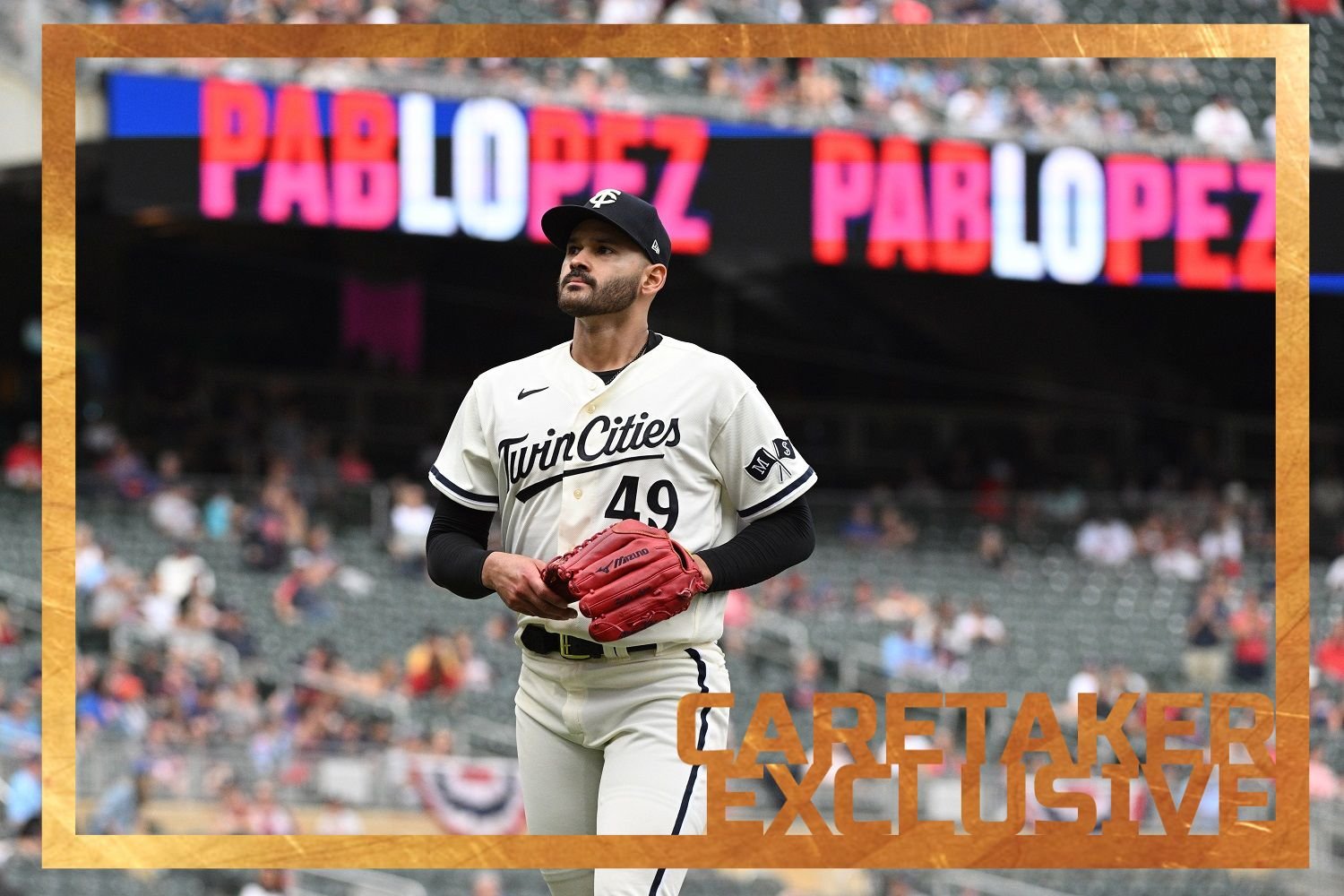 It was a steep price for them to part with Luis Arraez. After all, Arraez became a fan favorite and an excellent contact hitter. Batting Title Kings/ Short Kings get traded less often. Early in the season, many fans lamented missing out on that type of hitter, but it's hard to disagree that the Twins had a plan when they acquired Lopez from the Miami Marlins. He said so himself. "I'm extremely grateful for all the resources the Twins made available when it came to pitch developing and understanding the benefits behind why a pitch moving in that direction could give us the options we were looking for," Lopez told reporters after his final regular-season start. The right-hander said the organization gave him stats, facts, numbers, and information. These were very appreciated and embraced. The Twins have a system that has grown quite good at identifying, building, and developing pitchers. Lopez was already a reasonably outstanding pitcher from outside of the organization. He was worth about two wins each season with Miami. The Twins, however, were able to tap into more. Pablo Lopez said that with Miami, he concentrated on being a north-south pitcher, focusing on his fastball up in the zone, pairing it with his excellent changeup, and breaking ball down in the zone. The Twins offered a different path for Lopez - they saw he could be more of an east-west pitcher, getting hitters to chase on pitches running away from the strike zone. The Twins could take what was an outstanding pitcher and build on it. Let's start with the mechanics. Returning to Lopez's statement about deviating from being a north-south pitcher, we can see how he's altered his delivery to help add more east-west movement. Unfortunately, the video breakdowns are for Caretakers only. We need to reserve this deep-dive content for Caretakers because these types of stories cost more to produce, and Caretakers support them. So if you're a Caretaker, just scroll down. If you're not, maybe consider becoming a Caretaker? There are lots of other benefits, like a free Winter Meltdown ticket and early access for guests, special callouts on the site, and lots more inside or in-depth content like this. So please consider joining our little club. The money is going to a site you love, to support coverage you love, and writers you value. Thank you so much.
 -
Jorge Polanco 2.0: A Hitter Reimagined
Parker Hageman replied to Matthew Trueblood's topic in Twins Daily Front Page News
SSS and all but he's actually doing quite well against 97+ fastballs as a lefty this year. He's also had only one strikeout on a fastball 97+ in 12 plate appearances. He struck out 8 times in 21 plate appearances in 2021. -
The late spring training signing is one of the reasons the team remains in contention, and shows a path for the team to emulate. Image courtesy of © Rick Osentoski-USA TODAY Sports The amount of time spent lamenting the underperformance of the Twins' offensive output this season has been significant. While fans expressed frustration on various social media platforms and comment sections in this space, for the players, the exasperation reached the point that they organized their own players' only meeting to try to rally the sticks -- no word on if they went the live-chicken-sacrifice route. If they had, the results would be better by now. Still, if there was one player who should be leading that meeting, it's Donovan Solano, a late spring signing who has been the antithesis of what has become the Twins' foundational offensive tenants in 2023. Whereas the bulk of the lineup prefers to pull the ball (7 regulars have a 45% or high pull rate), Solano's pull rate has been a much more mild 37%. Whereas the other Twins hitters are trying to get loft on the ball, Solano has sprayed line drives to the big part of the field. His line drive rate of 31.7% is the best in baseball, topping some guy named Luis Arraez (29.4%) by several marks. He still maintains a strikeout rate of over 20%, but it's downright stingy compared to his contemporaries. To summarize, he uses the middle of the field, hits line drives, and doesn't give up at-bats. What a novel concept. Solano's presence has been mainly known since the beginning of June. Specifically, the transition started on May 22 when he went to a full leg kick in his swing. For the unfamiliar, a player's lower half movements can act as a timing mechanism and increase their ability to use the ground force in the swing. Optimal movement patterns can increase power in the kinetic chain. This article continues with a deeper dive of how Solano has become one of the Twins best hitters, but it is exclusively for Twins Daily caretakers. To become a Caretaker and read the rest of the piece, you can subscribe here. View full article
-
Donnie Barrels Holds the Secret to Fixing the Twins' Offense
Parker Hageman posted an article in Caretakers
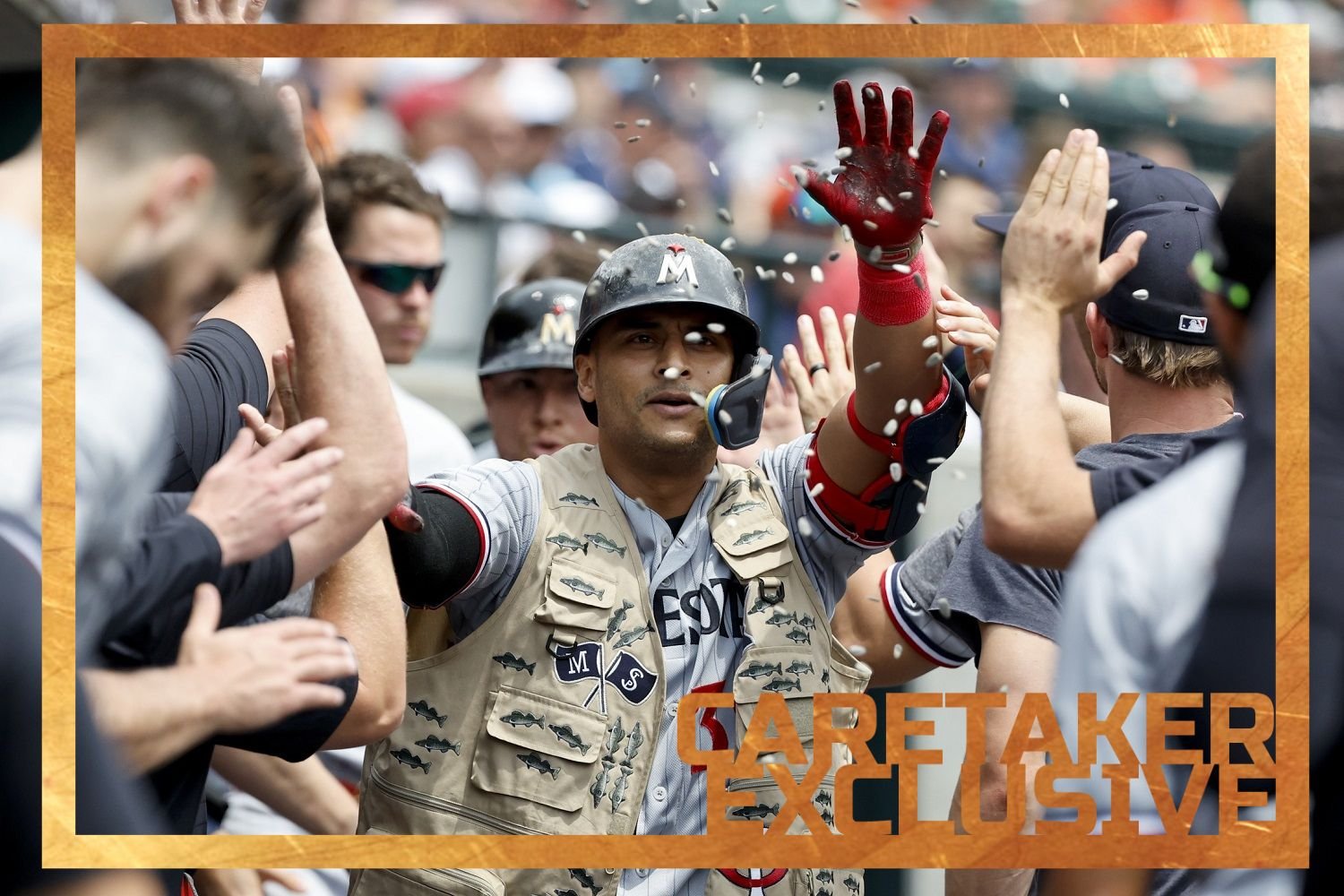 The amount of time spent lamenting the underperformance of the Twins' offensive output this season has been significant. While fans expressed frustration on various social media platforms and comment sections in this space, for the players, the exasperation reached the point that they organized their own players' only meeting to try to rally the sticks -- no word on if they went the live-chicken-sacrifice route. If they had, the results would be better by now. Still, if there was one player who should be leading that meeting, it's Donovan Solano, a late spring signing who has been the antithesis of what has become the Twins' foundational offensive tenants in 2023. Whereas the bulk of the lineup prefers to pull the ball (7 regulars have a 45% or high pull rate), Solano's pull rate has been a much more mild 37%. Whereas the other Twins hitters are trying to get loft on the ball, Solano has sprayed line drives to the big part of the field. His line drive rate of 31.7% is the best in baseball, topping some guy named Luis Arraez (29.4%) by several marks. He still maintains a strikeout rate of over 20%, but it's downright stingy compared to his contemporaries. To summarize, he uses the middle of the field, hits line drives, and doesn't give up at-bats. What a novel concept. Solano's presence has been mainly known since the beginning of June. Specifically, the transition started on May 22 when he went to a full leg kick in his swing. For the unfamiliar, a player's lower half movements can act as a timing mechanism and increase their ability to use the ground force in the swing. Optimal movement patterns can increase power in the kinetic chain. This article continues with a deeper dive of how Solano has become one of the Twins best hitters, but it is exclusively for Twins Daily caretakers. To become a Caretaker and read the rest of the piece, you can subscribe here.
 -
prior lake’s connor wietgrefe has also been in talks with a number of teams, i’ve heard. was one of the gophers most reliable relievers last year. solid lefty with some unique pitch profiles. keep an eye.
-
What Happened to Jorge Lopez?
Parker Hageman replied to Ted Schwerzler 's topic in Twins Daily Front Page News
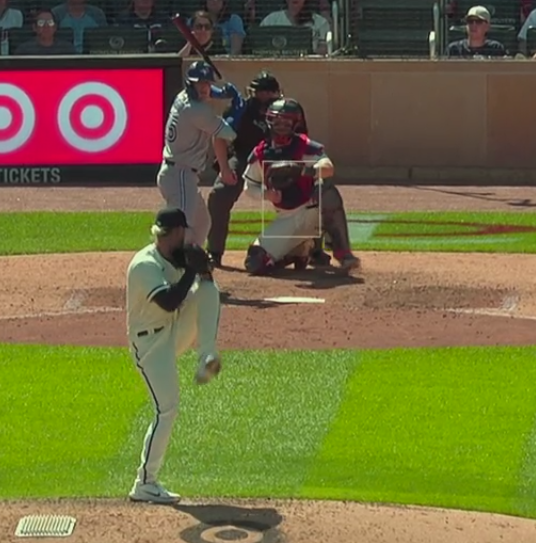
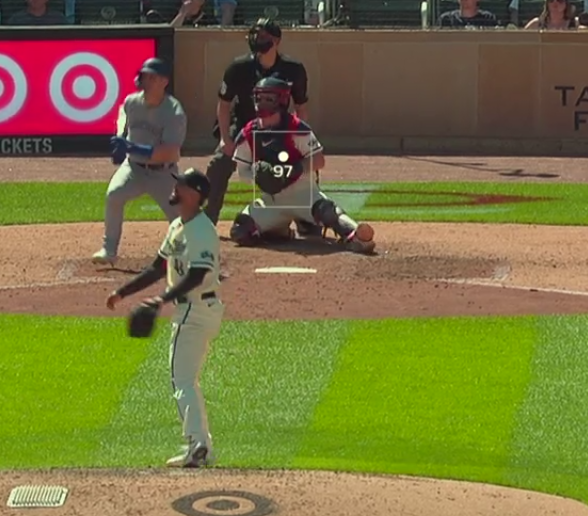
I detailed a lot of Lopez's issues regarding his season with Baltimore compared with the Twins. If you are a Caretaker, you can read that post here: Essentially, when he showed up with the Twins, he started throwing his sinker down in the zone. This made the fastball/sinker less effective but made his changeup better -- particularly in 2-strike situations. But the fastball was not the out pitch it was when he was with Baltimore and he was using it at the top of the zone in those situations. The issue isn't that he's throwing the ball in the upper third more. According to TruMedia, his fastball in the upper third wOBA is actually .386 -- which is elevated because of his walks, not being hit hard. Comparatively, his wOBA when throwing the fastball in the lower third is .353. The real culprit isn't his location on either end of the zone. It's when he throws it in the middle third. You can see that the balls hit 95 or high off of Lopez are in the middle of the zone. Like the home run he gave up to Varsho the other series. You can see Jeffers wanting it at the top of the zone... But it winds up closer to the middle portion... When Lopez is successful, he's be at the top of the zone or higher. This year, we've seen more pitches leak toward the middle. Similar to last year when he was trying to hit the lower third and had pitches leak over the middle again. The same thing can be said about the home runs and hard contact on his secondary stuff -- it's non-fastballs that leak up. I still believe last year's snafu with the Twins was related to trying to have him throw the ball down in the zone more (although it helped his changeup) and this year he has tried to go up more and has been having issues commanding his pitches.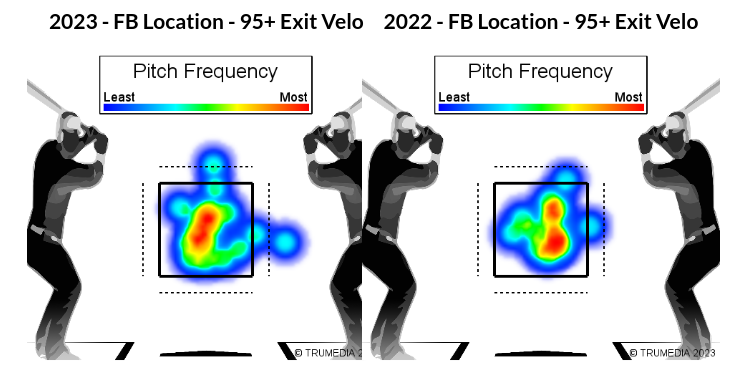
- 5 replies
-
- 1
-

-
- jorge lopez
- yennier cano
- (and 1 more)
-
Whoa. Why is Twins Pitchers' Velocity Up?
Parker Hageman replied to John Bonnes's topic in Twins Daily Front Page News
Hard to be hot radar guns when everything is measured with Hawkeye/Trackman. I do think being able to prepare for a spring training is a big influential factor here. Would be interesting to see league-wide numbers. -
I like how you subdivided some of the movement types. The breadth of fastball categories (or at least our understanding of how some fastballs perform) has grown exponentially over the last few seasons with the rise of tech. The Twins have favored pitchers who have "ride" -- fastballs that carry with arm-side run. Fastballs that are 14 or high vert and have 10 inches of arm-side run. They also prefer these guys to throw from a lower arm slot (like Ryan and Varland) to increase the vertical approach angle (i.e. making it look more like the ball is rising) but guys like Ober have similar traits from a high slot and plays very well. No matter the movement type, the Twins' fastball preference is up in the zone. They threw fastballs in the upper third 49% of the time -- the most in baseball. Because of that, they had one of the lowest in play rates (34.2%, second behind the Mariners). There's another wave of fastball shape that is going to garner some attention (already has in some circles) but it's the cut-and-carry fastball. The Cubs are on the forefront of the cut-and-carry fastball. They are teaching pitchers this type of movement that appears to have cut fastball properties out of the hand but the ball carries instead of cutting. The deception to the hitter is that their brain tells them its going to run in or away from them but just stays up.
-
I think his late season MLB fastball velocity is a little deceiving. He was mostly upper 9s in the minors over the last couple years. I would bet he would average ~96 with a fresh arm portion of the season included. The other thing about his is that he's got the fastball characteristics that the Twins covet. It's something that they really like as an org.
-
I know people do not care for the Twins' limiting their starting pitcher's innings, but I do think that played a role in Ryan's 2022 season. While most pitcher's fastball velocity follows a bell curve in a summer (down in the spring, peaks in the mid-season, declines towards the end of the year), Ryan actually gained velocity: Apr 92.0 May 92.3 June 90.8 July 91.6 Aug 92.4 Sept/Oct 92.6 The COVID may have played a part in that but I do think that by not wearing him down, he had some left in the tank in September/October Too bad the team couldn't give him the chance to see if that would have been effective in the playoffs...