Parker Hageman
-
Posts
4,152 -
Joined
-
Last visited
-
Days Won
6
Content Type
Profiles
News
Minnesota Twins Videos
2026 Minnesota Twins Top Prospects Ranking
2022 Minnesota Twins Draft Picks
Minnesota Twins Free Agent & Trade Rumors, Notes, & Tidbits
Guides & Resources
2023 Minnesota Twins Draft Picks
The Minnesota Twins Players Project
2024 Minnesota Twins Draft Picks
2025 Minnesota Twins Draft Pick Tracker
2026 Minnesota Twins Draft Tracker: Picks & Bonuses
Forums
Blogs
Events
Store
Downloads
Gallery
Everything posted by Parker Hageman
-

Joe Ryan's September Surge: A Sign of Things to Come? (Free Preview)
Parker Hageman posted an article in Twins
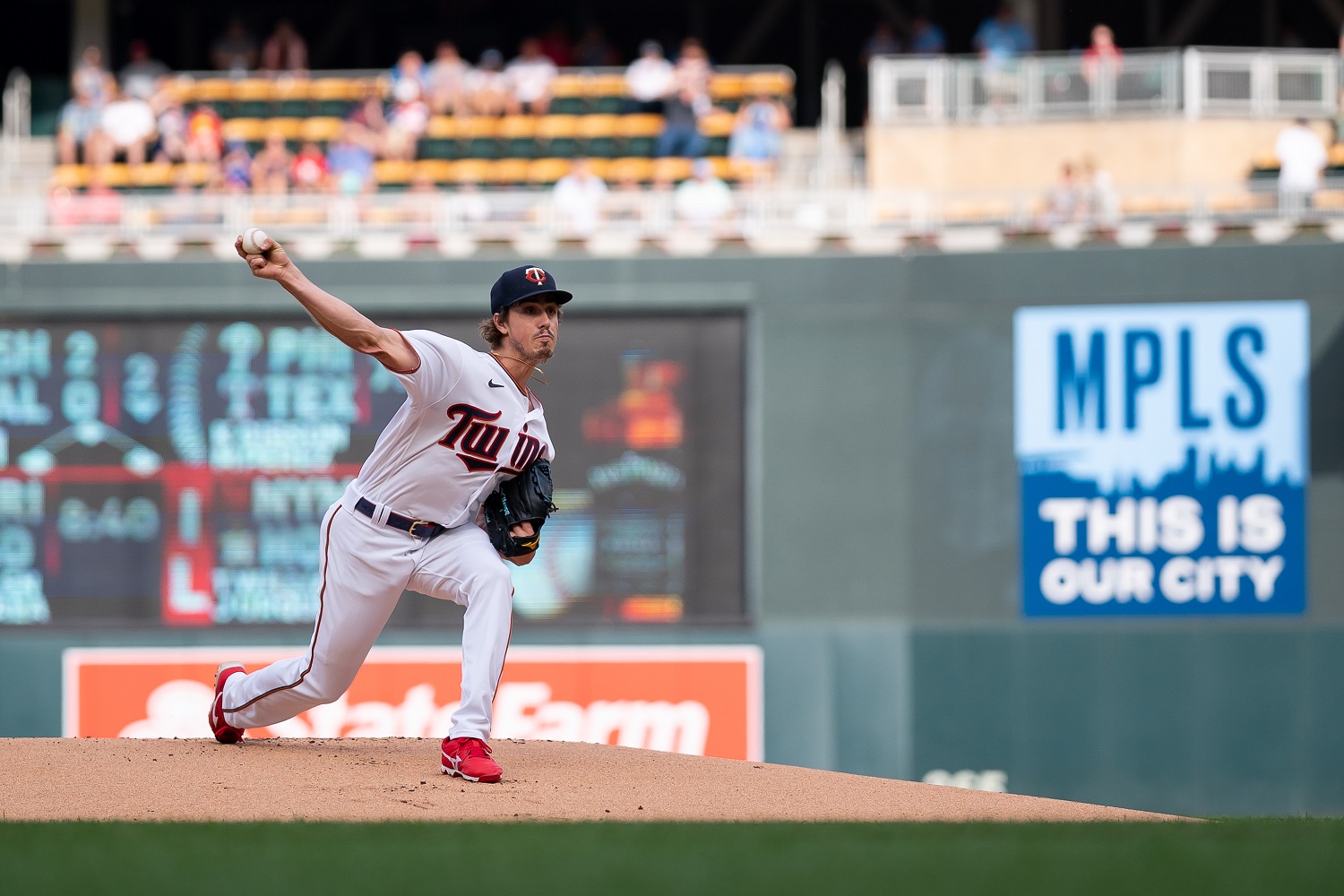 Joe Ryan seems like a cerebral individual, especially regarding the art and science of pitching. "I love talking pitching," Ryan told Fangraphs.com's David Laurilia in April. "I love messing around with the baseball, manipulating it in the dugout, just getting that feel. Then I get back on the mound with all of that. It's a good time." "Messing around with the baseball" makes it sound like his pitches happen by a cosmic accident, but as you can glean from his back and forth with Laurilia, Ryan's approach is far from accidental. He cites vertical approach angle and horizontal break, reviewing video of his recent outings and those of his high school days when he pitched from a higher arm slot (he tried to emulate Tim Lincecum). While there is some experimentation in pitching, Ryan's practice is very much deliberate. Ryan was a unicorn in that his fastball, while thrown at a very average velocity, piled up swinging strikes at the rate of a much harder thrower. As I detailed after he arrived in 2021, Ryan's low arm slot and riding fastball were thrown at the upper third of the strike zone, turning hitters into pretzels. Since the dawn of baseball, hitters have minced fastballs thrown inside the zone. If you look at all the right-handed pitchers who made ten or more starts last year, Joe Ryan's fastball had a 16.8% swinging strike rate inside the strike zone. Ryan is out on the mound chucking very average velo fastballs and getting professional hitters to miss at a very high clip (10% is league average). He was 8th overall in that category – outpaced by names like Jacob DeGrom, Spencer Strider, and Hunter Greene but ahead of fastball luminaries like Gerrit Cole and Max Scherzer. Unicorn fastball, indeed. Ryan's biggest challenge was pairing an equally impressive secondary pitch to keep hitters from solving his fastball. Through his minor league experience, he was lauded for his fastball and curveball while his slider and changeup were considered incomplete. The Twins, however, have embraced the slider and have outfitted or improved many of those offerings in recent years. When describing his slider's profile early in the 2022 season, Ryan told Laurilia that he thinks "more cutter with it [as opposed to] creating a slider" as he throws it. Cutter movement is beneficial because it is thrown firm and has later movement. MLB's average horizontal cutter movement is 3.0 inches (-3.0 for right-handed pitchers). That's what Ryan's slider was for the majority of the season. But suddenly, in September, it was not. The shape or Ryan's slider change, and one can see that both statistically and on pitching break charts, and he had some other important changes, too. We would love for you to become a Caretaker so you can dive into that detail here. We can't pay writers enough to do that kind of deep dive just using ad revenue, so we reserve it for the Caretakers that support it. If you read Twins Daily, well, daily, maybe it's time to become a Caretaker. You'll love it. You'll get more meaty stories like this, plus get perks like Winter Meltdown tickets, and other special recognition. And you can join for as little as $4/moth. You can read all about it and signup here. Those benefits are all nice, but the real reason to sign up is this: 100% of all Caretaker money is channeled directly back into the site. By signing up to be a caretaker, you’re supporting writers you value, and enabling deeper dive Twins-specific content like this that isn’t dependent on ad revenue. We hope you’ll consider it. We expect you’ll love the benefits, and we would love to have you take the next step in supporting the Twins Daily community.
 -
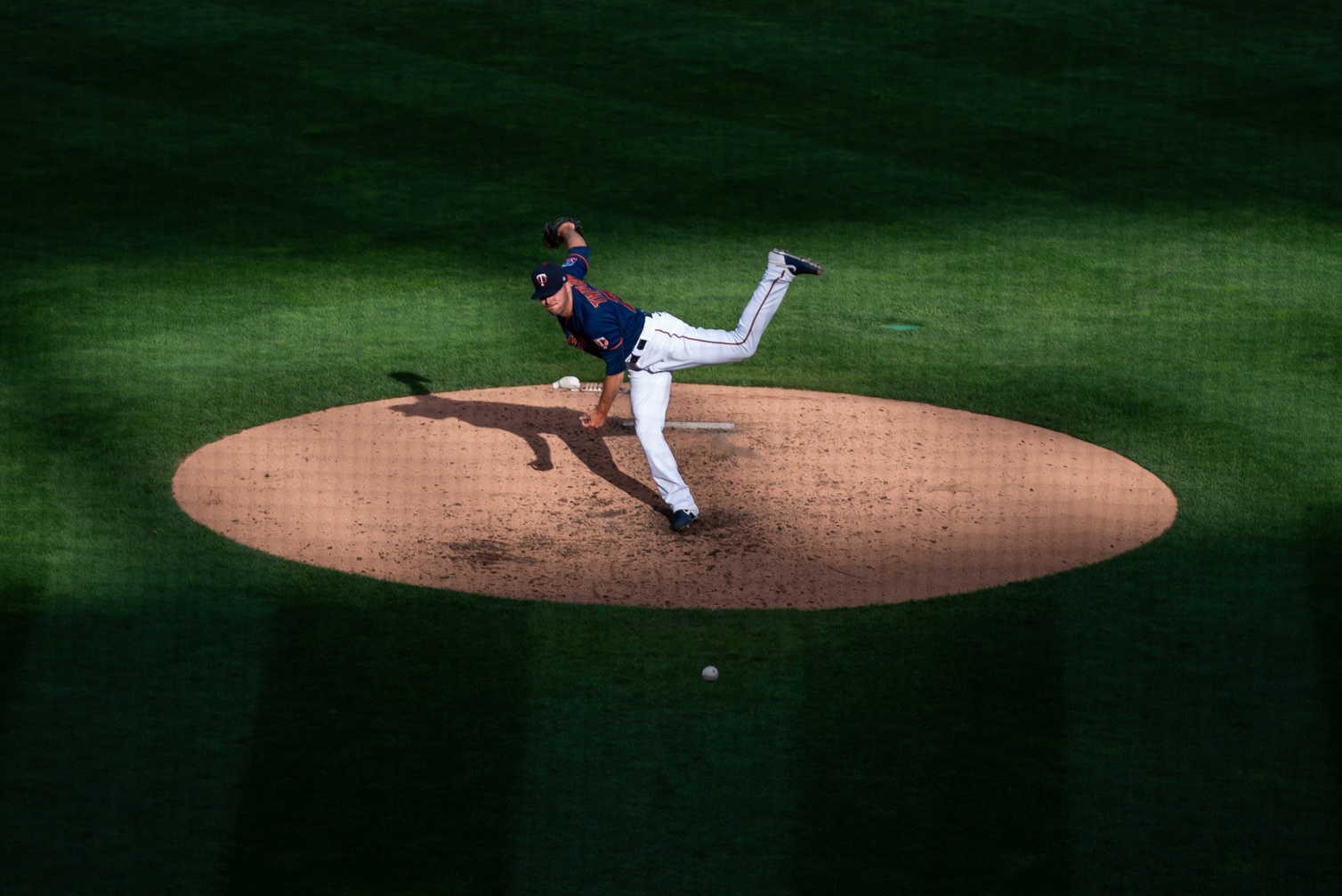
What changed at the end of the year for Joe Ryan, and was his September performance a sign of a breakout for 2023? Image courtesy of Brad Rempel-USA TODAY Sports Joe Ryan seems like a cerebral individual, especially regarding the art and science of pitching. "I love talking pitching," Ryan told Fangraphs.com's David Laurilia in April. "I love messing around with the baseball, manipulating it in the dugout, just getting that feel. Then I get back on the mound with all of that. It's a good time." "Messing around with the baseball" makes it sound like his pitches happen by a cosmic accident, but as you can glean from his back and forth with Laurilia, Ryan's approach is far from accidental. He cites vertical approach angle and horizontal break, reviewing video of his recent outings and those of his high school days when he pitched from a higher arm slot (he tried to emulate Tim Lincecum). While there is some experimentation in pitching, Ryan's practice is very much deliberate. Ryan was a unicorn in that his fastball, while thrown at a very average velocity, piled up swinging strikes at the rate of a much harder thrower. As I detailed after he arrived in 2021, Ryan's low arm slot and riding fastball were thrown at the upper third of the strike zone, turning hitters into pretzels. Since the dawn of baseball, hitters have minced fastballs thrown inside the zone. If you look at all the right-handed pitchers who made ten or more starts last year, Joe Ryan's fastball had a 16.8% swinging strike rate inside the strike zone. Ryan is out on the mound chucking very average velo fastballs and getting professional hitters to miss at a very high clip (10% is league average). He was 8th overall in that category – outpaced by names like Jacob DeGrom, Spencer Strider, and Hunter Greene but ahead of fastball luminaries like Gerrit Cole and Max Scherzer. Unicorn fastball, indeed. Ryan's biggest challenge was pairing an equally impressive secondary pitch to keep hitters from solving his fastball. Through his minor league experience, he was lauded for his fastball and curveball while his slider and changeup were considered incomplete. The Twins, however, have embraced the slider and have outfitted or improved many of those offerings in recent years. When describing his slider's profile early in the 2022 season, Ryan told Laurilia that he thinks "more cutter with it [as opposed to] creating a slider" as he throws it. Cutter movement is beneficial because it is thrown firm and has later movement. MLB's average horizontal cutter movement is 3.0 inches (-3.0 for right-handed pitchers). That's what Ryan's slider was for the majority of the season. But suddenly, in September, it was not. The shape or Ryan's slider change, and one can see that both statistically and on pitching break charts, and he had some other important changes, too. We would love for you to become a Caretaker so you can dive into that detail here. We can't pay writers enough to do that kind of deep dive just using ad revenue, so we reserve it for the Caretakers that support it. If you read Twins Daily, well, daily, maybe it's time to become a Caretaker. You'll love it. You'll get more meaty stories like this, plus get perks like Winter Meltdown tickets, and other special recognition. And you can join for as little as $4/moth. You can read all about it and signup here. Those benefits are all nice, but the real reason to sign up is this: 100% of all Caretaker money is channeled directly back into the site. By signing up to be a caretaker, you’re supporting writers you value, and enabling deeper dive Twins-specific content like this that isn’t dependent on ad revenue. We hope you’ll consider it. We expect you’ll love the benefits, and we would love to have you take the next step in supporting the Twins Daily community. View full article
-
What changed at the end of the year for Joe Ryan, and was his September performance a sign of a breakout for 2023? Image courtesy of © Brad Rempel-USA TODAY Sports Joe Ryan seems like a cerebral individual, especially regarding the art and science of pitching. "I love talking pitching," Ryan told Fangraphs.com's David Laurilia in April. "I love messing around with the baseball, manipulating it in the dugout, just getting that feel. Then I get back on the mound with all of that. It's a good time." "Messing around with the baseball" makes it sound like his pitches happen by a cosmic accident, but as you can glean from his back and forth with Laurilia, Ryan's approach is far from accidental. He cites vertical approach angle and horizontal break, reviewing video of his recent outings and those of his high school days when he pitched from a higher arm slot (he tried to emulate Tim Lincecum). While there is some experimentation in pitching, Ryan's practice is very much deliberate. Ryan was a unicorn in that his fastball, while thrown at a very average velocity, piled up swinging strikes at the rate of a much harder thrower. As I detailed after he arrived in 2021, Ryan's low arm slot and riding fastball were thrown at the upper third of the strike zone, turning hitters into pretzels. This article continues exclusively for Twins Daily caretakers. To become a caretaker and read the rest of the piece, you can subscribe here. View full article
-
 Joe Ryan seems like a cerebral individual, especially regarding the art and science of pitching. "I love talking pitching," Ryan told Fangraphs.com's David Laurilia in April. "I love messing around with the baseball, manipulating it in the dugout, just getting that feel. Then I get back on the mound with all of that. It's a good time." "Messing around with the baseball" makes it sound like his pitches happen by a cosmic accident, but as you can glean from his back and forth with Laurilia, Ryan's approach is far from accidental. He cites vertical approach angle and horizontal break, reviewing video of his recent outings and those of his high school days when he pitched from a higher arm slot (he tried to emulate Tim Lincecum). While there is some experimentation in pitching, Ryan's practice is very much deliberate. Ryan was a unicorn in that his fastball, while thrown at a very average velocity, piled up swinging strikes at the rate of a much harder thrower. As I detailed after he arrived in 2021, Ryan's low arm slot and riding fastball were thrown at the upper third of the strike zone, turning hitters into pretzels. This article continues exclusively for Twins Daily caretakers. To become a caretaker and read the rest of the piece, you can subscribe here.
 -
You’re wrong but that’s ok.
-
CreamyMeanBlackmamba-mobile.mp4
-
I think that's about right. It gives Paddack some security too in case he doesn't rebound. Feels like a win-win for both sides.
-
A pitcher with a blown elbow ain’t as bad as it used to be. Image courtesy of © Nick Wosika-USA TODAY Sports Less than eight months removed from his second career Tommy John surgery, The Twins signed Chris Paddack to a three-year extension. The why is simple: Locking Paddack into a three-year deal at a low cost could provide them with rotation depth when he recovers. While there is always a risk, $4 million per year would be a deal for a starter with his upside. Beyond the ability to save a few dollars, in his limited time with the Twins, Paddack showed real progress. When the Twins acquired him alongside reliever Emilio Pagan in exchange for closer Taylor Rogers, the move bought bewilderment from the Twins faithful. After all, Minnesota’s bullpen had been an epic disaster in 2021, and in one transaction, they traded one of the few effective arms they had. Not only was Rogers a good pitcher, but he was also a good guy. When the pandemic shuttered spring camps in 2020 and reduced media access to clubhouses, Rogers would meet reporters outside and speak on behalf of the players. Hard to fault people for this reaction. Rogers was a replacement All-Star in 2021 and the team’s union representative. He had performed well and carried himself even better. The two new Twins were question marks. Paddack had long been an exciting prospect. Drafted by the Marlins and traded to the Padres for Fernando Rodney. He had dominating numbers in his age-20 season but required Tommy John for the first time. He recovered, commenced dominating again, and ended up in San Diego in 2019. Paddack’s rookie season showed much promise. He finished with 140.2 innings over 26 starts. He struck out 27% of batters faced, held opponents to a .204 average, and posted an excellent 126 ERA+. The 2020 season was weird for everybody. Considering the conditions, it’s not a stretch to think it was mentally exhausted by, you know, everything. Expecting players to perform at their best in team isolation is problematic. For Paddack, his fastball moved slightly differently, like a two-seam fastball. On average, he got two more inches of run out of it. They would be thrilled if you told most pitchers they had gained two inches of horizontal movement on a pitch. Paddack, however, struggled to command it. He couldn’t elevate it like he had the previous season and missed the zone more often. And he was walloped when left middle-down. He surrendered ten home runs, a .308 average, and got 9.5% swinging strikes versus 12% the year before. Maybe it was a sophomore slump or just the effects of a weird, shortened season. Perhaps in the next regular season, Paddack would be ready to continue where his rookie season left off. Paddack worked diligently heading into 2021 to command his new moving fastball, locating it more in the zone. While he showed improvement there, hitters also continued to thwack whatever didn’t elevate (.314 batting average against), and the overall season was ugly, punctuated with a 5.07 ERA (77 ERA+). He quickly became a buy-low type of candidate, with the hyper-competitive Padres ready to upgrade their rotation. That’s where the Twins come in. It looks like the Twins concentrated their efforts on a few specific areas: pitch selection, pitch location, and Paddack’s core mechanics. The results was more consistency, and more swing-and-miss. We can see that in a deeper dive, but that deeper dive is reserved for Twins Daily Caretakers’ eyes only. Fear not: You too can become a Caretaker for as low as $4/month. In addition to getting to read the rest of the Paddack story, you can also meaty stories, plus get perks like, Winter Meltdown tickets, and other special recognition. You can read all about it and signup here. Those benefits are all nice, but the real reason to sign up is this: 100% of all Caretaker money is channeled directly back into the site. By signing up to be a caretaker, you’re supporting writers you value, and enabling deeper dive Twins-specific content like this that isn’t dependent on ad revenue. We hope you’ll consider it. We expect you’ll love the benefits, and we would love to have you take the next step in supporting the Twins Daily community. View full article
-
A pitcher with a blown elbow ain’t as bad as it used to be. Image courtesy of © Nick Wosika-USA TODAY Sports Less than eight months removed from his second career Tommy John surgery, The Twins signed Chris Paddack to a three-year extension. The why is simple: Locking Paddack into a three-year deal at a low cost could provide them with rotation depth when he recovers. While there is always a risk, $4 million per year would be a deal for a starter with his upside. Beyond the ability to save a few dollars, in his limited time with the Twins, Paddack showed real progress. When the Twins acquired him alongside reliever Emilio Pagan in exchange for closer Taylor Rogers, the move bought bewilderment from the Twins faithful. After all, Minnesota’s bullpen had been an epic disaster in 2021, and in one transaction, they traded one of the few effective arms they had. Not only was Rogers a good pitcher, but he was also a good guy. When the pandemic shuttered spring camps in 2020 and reduced media access to clubhouses, Rogers would meet reporters outside and speak on behalf of the players. Hard to fault people for this reaction. Rogers was a replacement All-Star in 2021 and the team’s union representative. He had performed well and carried himself even better. The two new Twins were question marks. Paddack had long been an exciting prospect. Drafted by the Marlins and traded to the Padres for Fernando Rodney . He had dominating numbers in his age-20 season but required Tommy John for the first time. He recovered, commenced dominating again, and ended up in San Diego in 2019. Paddack’s rookie season showed much promise. He finished with 140.2 innings over 26 starts. He struck out 27% of batters faced, held opponents to a .204 average, and posted an excellent 126 ERA+. The 2020 season was weird for everybody. Considering the conditions, it’s not a stretch to think it was mentally exhausted by, you know, everything. Expecting players to perform at their best in team isolation is problematic. For Paddack, his fastball moved slightly differently, like a two-seam fastball. On average, he got two more inches of run out of it. They would be thrilled if you told most pitchers they had gained two inches of horizontal movement on a pitch. Paddack, however, struggled to command it. He couldn’t elevate it like he had the previous season and missed the zone more often. And he was walloped when left middle-down. He surrendered ten home runs, a .308 average, and got 9.5% swinging strikes versus 12% the year before. Maybe it was a sophomore slump or just the effects of a weird, shortened season. Perhaps in the next regular season, Paddack would be ready to continue where his rookie season left off. Paddack worked diligently heading into 2021 to command his new moving fastball, locating it more in the zone. While he showed improvement there, hitters also continued to thwack whatever didn’t elevate (.314 batting average against), and the overall season was ugly, punctuated with a 5.07 ERA (77 ERA+). He quickly became a buy-low type of candidate, with the hyper-competitive Padres ready to upgrade their rotation. That’s where the Twins come in. From the Twins’ perspective, there was still a lot to like about Paddack despite his numbers. He had a fastball that regularly touched 97 mph. He had an elite changeup. While he had a 5.07 ERA, he had a solid 3.87 xFIP, suggesting that there was noise, suggesting he pitched a lot better than those results indicated. As I discussed in the recent post on Jorge Lopez, the Twins are tinkerers. My initial reaction to Paddack’s acquisition was that the Twins were going to look to do two things: 1. Help him be able to locate his fastball in the upper third of the zone or high and 2. Reduce his overall usage of his fastball. As it turns out, the Twins did just that. Paddack’s numbers look very different from his last season in a Padres uniform through his five starts. % of FBs Upper Third Fastball Usage 2020 40.9% 58.2% 2021 47.6% 61.5% 2022 60.0% 51.8% Paddack began to consistently throw the fastball in the upper third. One of the reasons behind this consistency is that he had a much more consistent release point with his fastball throughout his five starts. And it’s not just the point of release of the ball – it starts with his movements. Paddack and the Twins made strides in tightening his mechanics – from the initial move to his arm path and the release. One thing that stands out about his mechanics this past season was how he moved from his center more. (No, it’s not a Bull Durham-type thing where he unjammed his eyelids.) Pitchers who move from their core tend to be more stable throughout their mechanics, and with stability comes repeatability (which is why you see his release point as a tight ball in 2022 versus a scatter chart the past two years). Why is the upper third so important? It’s where the swing and misses are. Dating back to 2016, fastballs thrown in the lower third had a swinging strike rate of 4.9% with a 47% in-play rate. However, fastballs at the top area of the strike zone had a swinging strike rate of 12.9% and an in-play rate of 28.1%. Paddack’s career with the Padres mirrored this success – he had a 15.1% swinging strike rate at the top of the zone and a 3.7% one at the bottom of the zone. Logically, get him to elevate, and he should succeed with the pitch. Paddack’s zone rate with his fastball jumped to 66%, and he had an overall career-high 12.1% swinging strikes rate in 2022. So while his fastball and changeup remain elite offerings, Paddack has yet to find that elusive and essential third pitch. For most of his career, he has used what has been labeled a “serviceable” curveball. Paddack tried adding velocity to this pitch to help pull it closer to his fastball. The big loop was assisting hitters in eliminating it from his arsenal. Again, enter the Twins. One of the prominent aspects of the Twins’ pitching philosophies is that pitchers should have sliders or cutters – breaking pitches that move late. Unlike curveballs, they don’t deviate from the tunnel as early. The Twins prefer pitchers to throw the sweeper variety slider. Chris Paddack began throwing a slider at his third start of the 2022 season. It was something that many people figured would happen. “He doesn’t give up many hits,” former teammate Craig Stammen said during Paddack’s rookie season. “It’s crazy. And he’s doing it with basically two pitches. I keep thinking he’s going to find a slider — two, three, four years down the road — and he’s going to be really nasty.” We’re now three years later, and Paddack attempted to fulfill that prophecy. Paddack had tried to throw a cut fastball but reverted to his fastball-change-curve mix. As Stammen mentioned, the slider would be a decent option to supplant his curveball. In theory, he starts throwing the slider, and he’ll be nasty, right? In practice, however, it was…not great. In his third and fourth starts of the year, he threw 14 sliders to Tigers and Orioles hitters. They were, well, see for yourself. Paddack video.mp4 Paddack had five strikes (35% strike rate), two balls in play (both outs!), and one swinging strike. Paddack did not use it during his final outing against the Dodgers. It may have been a lack of confidence in the pitch or simply because of the game plan. Nevertheless, the Twins have been very good at maximizing their pitcher’s slider. With much time to recover and then focus on pitching, there should be ample time to polish it up. So why did the Twins extend Paddack? The relationship with Scott Boras also played a factor, and the potential to save future money on a rotation piece did too. But don’t overlook that Paddack also had taken substantial strides forward. He locked in on his fastball and has the makings of a third pitch. Like his former teammate suggested, we will be four years down the road when Paddack returns. The hope for the Twins is that he is really nasty. View full article
-
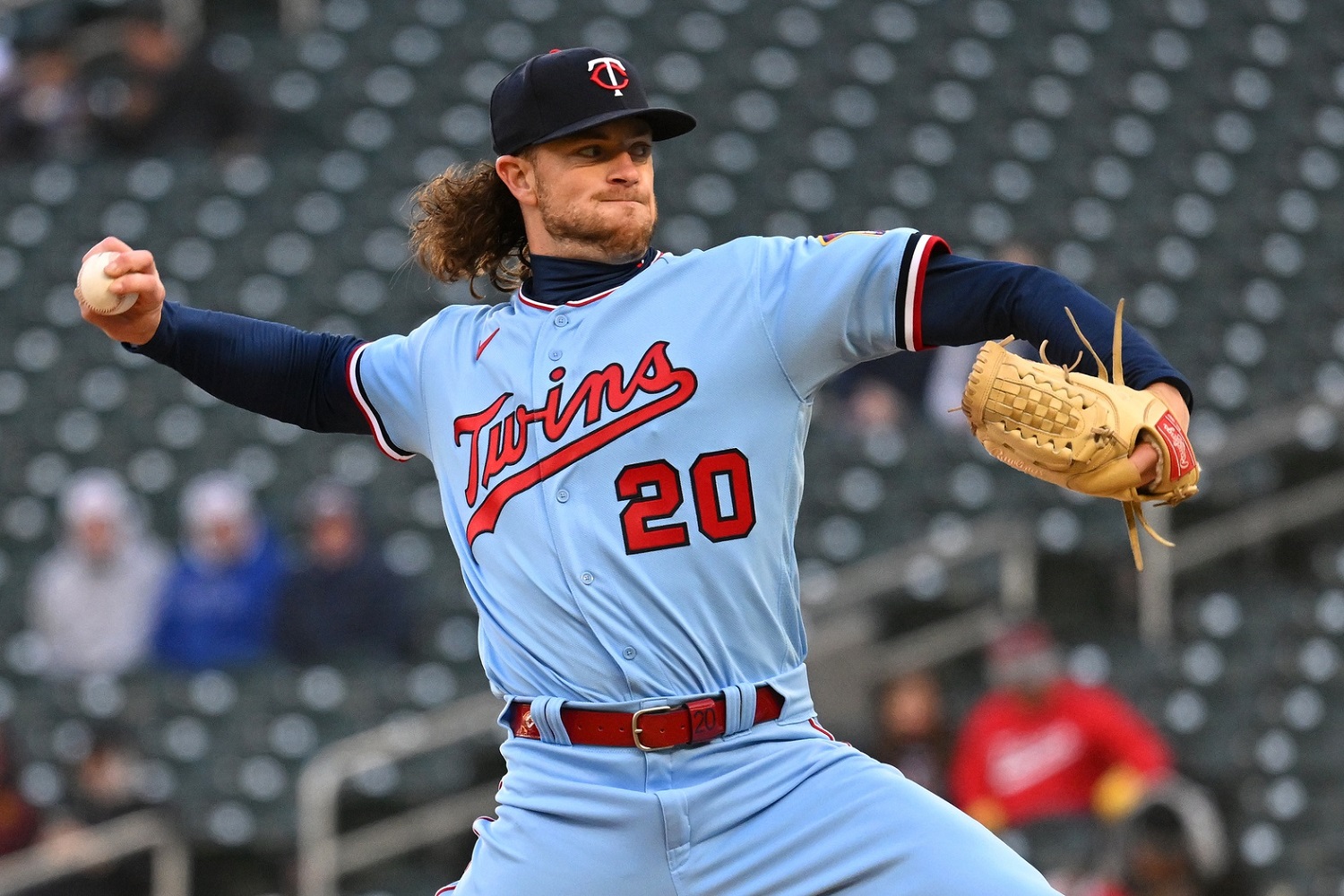 Less than eight months removed from his second career Tommy John surgery, The Twins signed Chris Paddack to a three-year extension. The why is simple: Locking Paddack into a three-year deal at a low cost could provide them with rotation depth when he recovers. While there is always a risk, $4 million per year would be a deal for a starter with his upside. Beyond the ability to save a few dollars, in his limited time with the Twins, Paddack showed real progress. When the Twins acquired him alongside reliever Emilio Pagan in exchange for closer Taylor Rogers, the move bought bewilderment from the Twins faithful. After all, Minnesota’s bullpen had been an epic disaster in 2021, and in one transaction, they traded one of the few effective arms they had. Not only was Rogers a good pitcher, but he was also a good guy. When the pandemic shuttered spring camps in 2020 and reduced media access to clubhouses, Rogers would meet reporters outside and speak on behalf of the players. Hard to fault people for this reaction. Rogers was a replacement All-Star in 2021 and the team’s union representative. He had performed well and carried himself even better. The two new Twins were question marks. Paddack had long been an exciting prospect. Drafted by the Marlins and traded to the Padres for Fernando Rodney. He had dominating numbers in his age-20 season but required Tommy John for the first time. He recovered, commenced dominating again, and ended up in San Diego in 2019. Paddack’s rookie season showed much promise. He finished with 140.2 innings over 26 starts. He struck out 27% of batters faced, held opponents to a .204 average, and posted an excellent 126 ERA+. The 2020 season was weird for everybody. Considering the conditions, it’s not a stretch to think it was mentally exhausted by, you know, everything. Expecting players to perform at their best in team isolation is problematic. For Paddack, his fastball moved slightly differently, like a two-seam fastball. On average, he got two more inches of run out of it. They would be thrilled if you told most pitchers they had gained two inches of horizontal movement on a pitch. Paddack, however, struggled to command it. He couldn’t elevate it like he had the previous season and missed the zone more often. And he was walloped when left middle-down. He surrendered ten home runs, a .308 average, and got 9.5% swinging strikes versus 12% the year before. Maybe it was a sophomore slump or just the effects of a weird, shortened season. Perhaps in the next regular season, Paddack would be ready to continue where his rookie season left off. Paddack worked diligently heading into 2021 to command his new moving fastball, locating it more in the zone. While he showed improvement there, hitters also continued to thwack whatever didn’t elevate (.314 batting average against), and the overall season was ugly, punctuated with a 5.07 ERA (77 ERA+). He quickly became a buy-low type of candidate, with the hyper-competitive Padres ready to upgrade their rotation. That’s where the Twins come in. It looks like the Twins concentrated their efforts on a few specific areas: pitch selection, pitch location, and Paddack’s core mechanics. The results was more consistency, and more swing-and-miss. We can see that in a deeper dive, but that deeper dive is reserved for Twins Daily Caretakers’ eyes only. Fear not: You too can become a Caretaker for as low as $4/month. In addition to getting to read the rest of the Paddack story, you can also meaty stories, plus get perks like, Winter Meltdown tickets, and other special recognition. You can read all about it and signup here. Those benefits are all nice, but the real reason to sign up is this: 100% of all Caretaker money is channeled directly back into the site. By signing up to be a caretaker, you’re supporting writers you value, and enabling deeper dive Twins-specific content like this that isn’t dependent on ad revenue. We hope you’ll consider it. We expect you’ll love the benefits, and we would love to have you take the next step in supporting the Twins Daily community.
 -
Why The Twins Are Betting On Chris Paddack (CARETAKER ONLY)
Parker Hageman posted an article in Caretakers
 Less than eight months removed from his second career Tommy John surgery, The Twins signed Chris Paddack to a three-year extension. The why is simple: Locking Paddack into a three-year deal at a low cost could provide them with rotation depth when he recovers. While there is always a risk, $4 million per year would be a deal for a starter with his upside. Beyond the ability to save a few dollars, in his limited time with the Twins, Paddack showed real progress. When the Twins acquired him alongside reliever Emilio Pagan in exchange for closer Taylor Rogers, the move bought bewilderment from the Twins faithful. After all, Minnesota’s bullpen had been an epic disaster in 2021, and in one transaction, they traded one of the few effective arms they had. Not only was Rogers a good pitcher, but he was also a good guy. When the pandemic shuttered spring camps in 2020 and reduced media access to clubhouses, Rogers would meet reporters outside and speak on behalf of the players. Hard to fault people for this reaction. Rogers was a replacement All-Star in 2021 and the team’s union representative. He had performed well and carried himself even better. The two new Twins were question marks. Paddack had long been an exciting prospect. Drafted by the Marlins and traded to the Padres for Fernando Rodney . He had dominating numbers in his age-20 season but required Tommy John for the first time. He recovered, commenced dominating again, and ended up in San Diego in 2019. Paddack’s rookie season showed much promise. He finished with 140.2 innings over 26 starts. He struck out 27% of batters faced, held opponents to a .204 average, and posted an excellent 126 ERA+. The 2020 season was weird for everybody. Considering the conditions, it’s not a stretch to think it was mentally exhausted by, you know, everything. Expecting players to perform at their best in team isolation is problematic. For Paddack, his fastball moved slightly differently, like a two-seam fastball. On average, he got two more inches of run out of it. They would be thrilled if you told most pitchers they had gained two inches of horizontal movement on a pitch. Paddack, however, struggled to command it. He couldn’t elevate it like he had the previous season and missed the zone more often. And he was walloped when left middle-down. He surrendered ten home runs, a .308 average, and got 9.5% swinging strikes versus 12% the year before. Maybe it was a sophomore slump or just the effects of a weird, shortened season. Perhaps in the next regular season, Paddack would be ready to continue where his rookie season left off. Paddack worked diligently heading into 2021 to command his new moving fastball, locating it more in the zone. While he showed improvement there, hitters also continued to thwack whatever didn’t elevate (.314 batting average against), and the overall season was ugly, punctuated with a 5.07 ERA (77 ERA+). He quickly became a buy-low type of candidate, with the hyper-competitive Padres ready to upgrade their rotation. That’s where the Twins come in. From the Twins’ perspective, there was still a lot to like about Paddack despite his numbers. He had a fastball that regularly touched 97 mph. He had an elite changeup. While he had a 5.07 ERA, he had a solid 3.87 xFIP, suggesting that there was noise, suggesting he pitched a lot better than those results indicated. As I discussed in the recent post on Jorge Lopez, the Twins are tinkerers. My initial reaction to Paddack’s acquisition was that the Twins were going to look to do two things: 1. Help him be able to locate his fastball in the upper third of the zone or high and 2. Reduce his overall usage of his fastball. As it turns out, the Twins did just that. Paddack’s numbers look very different from his last season in a Padres uniform through his five starts. % of FBs Upper Third Fastball Usage 2020 40.9% 58.2% 2021 47.6% 61.5% 2022 60.0% 51.8% Paddack began to consistently throw the fastball in the upper third. One of the reasons behind this consistency is that he had a much more consistent release point with his fastball throughout his five starts. And it’s not just the point of release of the ball – it starts with his movements. Paddack and the Twins made strides in tightening his mechanics – from the initial move to his arm path and the release. One thing that stands out about his mechanics this past season was how he moved from his center more. (No, it’s not a Bull Durham-type thing where he unjammed his eyelids.) Pitchers who move from their core tend to be more stable throughout their mechanics, and with stability comes repeatability (which is why you see his release point as a tight ball in 2022 versus a scatter chart the past two years). Why is the upper third so important? It’s where the swing and misses are. Dating back to 2016, fastballs thrown in the lower third had a swinging strike rate of 4.9% with a 47% in-play rate. However, fastballs at the top area of the strike zone had a swinging strike rate of 12.9% and an in-play rate of 28.1%. Paddack’s career with the Padres mirrored this success – he had a 15.1% swinging strike rate at the top of the zone and a 3.7% one at the bottom of the zone. Logically, get him to elevate, and he should succeed with the pitch. Paddack’s zone rate with his fastball jumped to 66%, and he had an overall career-high 12.1% swinging strikes rate in 2022. So while his fastball and changeup remain elite offerings, Paddack has yet to find that elusive and essential third pitch. For most of his career, he has used what has been labeled a “serviceable” curveball. Paddack tried adding velocity to this pitch to help pull it closer to his fastball. The big loop was assisting hitters in eliminating it from his arsenal. Again, enter the Twins. One of the prominent aspects of the Twins’ pitching philosophies is that pitchers should have sliders or cutters – breaking pitches that move late. Unlike curveballs, they don’t deviate from the tunnel as early. The Twins prefer pitchers to throw the sweeper variety slider. Chris Paddack began throwing a slider at his third start of the 2022 season. It was something that many people figured would happen. “He doesn’t give up many hits,” former teammate Craig Stammen said during Paddack’s rookie season. “It’s crazy. And he’s doing it with basically two pitches. I keep thinking he’s going to find a slider — two, three, four years down the road — and he’s going to be really nasty.” We’re now three years later, and Paddack attempted to fulfill that prophecy. Paddack had tried to throw a cut fastball but reverted to his fastball-change-curve mix. As Stammen mentioned, the slider would be a decent option to supplant his curveball. In theory, he starts throwing the slider, and he’ll be nasty, right? In practice, however, it was…not great. In his third and fourth starts of the year, he threw 14 sliders to Tigers and Orioles hitters. They were, well, see for yourself. Paddack video.mp4 Paddack had five strikes (35% strike rate), two balls in play (both outs!), and one swinging strike. Paddack did not use it during his final outing against the Dodgers. It may have been a lack of confidence in the pitch or simply because of the game plan. Nevertheless, the Twins have been very good at maximizing their pitcher’s slider. With much time to recover and then focus on pitching, there should be ample time to polish it up. So why did the Twins extend Paddack? The relationship with Scott Boras also played a factor, and the potential to save future money on a rotation piece did too. But don’t overlook that Paddack also had taken substantial strides forward. He locked in on his fastball and has the makings of a third pitch. Like his former teammate suggested, we will be four years down the road when Paddack returns. The hope for the Twins is that he is really nasty.
 -
Caleb Thielbar's Secret Weapon (Exclusive)
Parker Hageman replied to Parker Hageman's topic in Twins Daily Front Page News
One of the biggest reasons why pitching is so far head of hitting. With the technology and training methods (velo, pitch design, biomechanics, etc), there are so many ways a pitcher, who would have been organizational flotsam just a few years ago, can make significant strides and be very effective. It can also be a very good competitive advantage for an organization if they feel they can identify those players who have things like Thielbar's high spin CB and be able to help them make those adjustments. I think the Twins believe they are close to that type of organization. -
Caleb Thielbar's Secret Weapon (Free Preview)
Parker Hageman replied to Parker Hageman's topic in Twins Daily Front Page News
Really good question. A lot of organizations have coaches/staff that are working on identifying things they can improve. I know from the Twins' pitching side, they do extensive research in trying to figure out optimal pitch selection or go over biomechanical reviews to see if they can improve a pitcher with some movement work. (I discussed some of this in my Jorge Lopez piece.) The other side of the coin is that they have to get players to embrace these changes. There are some that are very interested in changing and, notably a free agent acquisition a few years ago, some are not. So it's a two-way street. In addition to what a team provides, players are often using the offseason to train at professional facilities that have equal amounts of technology and their own ideas of how a player should improve (Thielbar's time at Driveline is a prime example). I work at a facility that has multiple pro guys at it and there is a big difference between how they handle their pitchers. The Twins and Brewers have people that check in on the work their prospects are doing during the offseason. They give them detailed plans. I also know that not all organizations do the same. One local pitcher from another organization said that his org provided no direction on what to work on. He was on his own to make improvements and adjustments. Good luck and get better. So there is a lot that fans do not see in terms of the process. -
Caleb Thielbar's Secret Weapon (Exclusive)
Parker Hageman replied to Parker Hageman's topic in Twins Daily Front Page News
The collarbone continues to grow in people until the age of 35. Thielbar turns 36 this month so I'd last about a year ago would have been fine. Can we refer to him as a "local adult" now? -
Caleb Thielbar's Secret Weapon (Free Preview)
Parker Hageman replied to Parker Hageman's topic in Twins Daily Front Page News
The interesting thing about Thielbar's curveball is that during his pitch design process while out of the Twins system, he tried to design it to mirror Kershaw's breaking ball -- and got pretty close! Thielbar actually matched the movement closely. In 2020, it had more inches of break but was thrown above 5 mph slower on average. Over the next two seasons, Thielbar added more horizontal movement (sweep) to the pitch. That's a big component of the Twins' pitching department -- getting horizontal movement on breaking pitches. They like late movement -- sliders, cutters -- and want more sweep with most of their curves now. This past year the two left-handed pitchers shared the same average velo (73.0 for Thielbar, 73.2 for Kershaw) but now Thielbar's curve moves more horizontally (10.5 inches of break for Thielbar, 4.9 for Kershaw). Is it better? For Thielbar, the performance on that pitch has actually gotten worse. It's possible that the new shape has helped the fastball or slider. -
 If things had gone differently, Caleb Thielbar might have been in South Dakota, conducting recruiting visits and game-planning for a Division II baseball program as Augustana’s pitching coach. If he didn’t seek help from Driveline Baseball, he might not have added the necessary velocity or maximized each pitch’s effectiveness. If he did not get invited onto USA Baseball’s Premier 12 roster in 2019 – one composed of mostly young prospects – he might not have caught the attention of scouts with his high spin curveball and his now low 90s fastball. Instead, he’s reporting alongside the other pitchers and catchers in Fort Myers next month, returning to the Minnesota Twins as one of the most valuable weapons in the bullpen. Thielbar’s age-35 season was pretty impressive. He struck out 32.7% of hitters faced (20th best among pitchers who faced 200 or more batters). He allowed the lowest hard-hit ball percentages (25.9%) than anyone not named Lucas Luetge. What is unique about Thielbar is that as he ages, his velocity increases – the rare Benjamin Button effect for pitchers. When pitchers increase velocity, they discuss expanding the ceiling and the floor. Thielbar was capable of reaching 92.8 in 2020 but sat at 89.8. The following season, he was topping at 95.3 while sitting at 91.3. This past season, while the ceiling didn’t move much (he maxed at 95.5), his average fastball velocity was now at 92.8. Moreover, Thielbar’s secondary pitches also saw a good amount of velocity spike. In 2020, his curve averaged 68.7 but was up to 73.0 mph in 2022. The slider averaged 77.5 in 2020 and was now up to 81.3. Thielbar had a well-documented transformation at Driveline. Their pitching experts found minor issues with his mechanics overall. But they did find one area for him to attack in his remote training. Plyo drills, prescribed thanks to Driveline’s biomechanics analysis that revealed he had lower than usual hip-shoulder separation at foot plant, helped him improve this area of his mechanics and aided some of his velocity gains. He also acknowledged that he was trying to throw harder, as crazy as that sounds. When you compare the 2020 mechanics to this past year’s, you can visually see someone who indeed appears to be trying to throw harder. Still, Thielbar’s velocity improvement remained below average for major league left-handed relievers. Despite the gains, Thielbar’s fastball was at the 39th percentile for velocity in 2022. Nevertheless, at a 17.9% swinging strike rate, his fastball missed more bats than every reliever besides Pittsburgh’s David Bednar (who threw his at a slightly crisper 96.5 mph on average)*. So how was it so effective? Well that requires a deeper dive, available only to Twins Daily's Caretakers. Our Caretakers take care of the site and in return, we take care of them. That includes us investing in deeper dive stories, like this story, and others by Parker Hageman, Matthew Trueblood and others. Caretakers also get free Winter Meltdown tickets, acknowledgement in the forums, and other perks. If you visit Twins Daily, well, daily, maybe it's time to consider joining our Caretakers. We would love to have you join our little club, and we think you'll love it, too, and not just for the perks. Just click here to get started.
 -
 If things had gone differently, Caleb Thielbar might have been in South Dakota, conducting recruiting visits and game-planning for a Division II baseball program as Augustana’s pitching coach. If he didn’t seek help from Driveline Baseball, he might not have added the necessary velocity or maximized each pitch’s effectiveness. If he did not get invited onto USA Baseball’s Premier 12 roster in 2019 – one composed of mostly young prospects – he might not have caught the attention of scouts with his high spin curveball and his now low 90s fastball. Instead, he’s reporting alongside the other pitchers and catchers in Fort Myers next month, returning to the Minnesota Twins as one of the most valuable weapons in the bullpen. Thielbar’s age-35 season was pretty impressive. He struck out 32.7% of hitters faced (20th best among pitchers who faced 200 or more batters). He allowed the lowest hard-hit ball percentages (25.9%) than anyone not named Lucas Luetge. What is unique about Thielbar is that as he ages, his velocity increases – the rare Benjamin Button effect for pitchers. When pitchers increase velocity, they discuss expanding the ceiling and the floor. Thielbar was capable of reaching 92.8 in 2020 but sat at 89.8. The following season, he was topping at 95.3 while sitting at 91.3. This past season, while the ceiling didn’t move much (he maxed at 95.5), his average fastball velocity was now at 92.8. Moreover, Thielbar’s secondary pitches also saw a good amount of velocity spike. In 2020, his curve averaged 68.7 but was up to 73.0 mph in 2022. The slider averaged 77.5 in 2020 and was now up to 81.3. Thielbar had a well-documented transformation at Driveline. Their pitching experts found minor issues with his mechanics overall. But they did find one area for him to attack in his remote training. Plyo drills, prescribed thanks to Driveline’s biomechanics analysis that revealed he had lower than usual hip-shoulder separation at foot plant, helped him improve this area of his mechanics and aided some of his velocity gains. He also acknowledged that he was trying to throw harder, as crazy as that sounds. When you compare the 2020 mechanics to this past year’s, you can visually see someone who indeed appears to be trying to throw harder. Still, Thielbar’s velocity improvement remained below average for major league left-handed relievers. Despite the gains, Thielbar’s fastball was at the 39th percentile for velocity in 2022. Nevertheless, at a 17.9% swinging strike rate, his fastball missed more bats than every reliever besides Pittsburgh’s David Bednar (who threw his at a slightly crisper 96.5 mph on average)*. So how was it so effective? Thielbar began to throw the fastball almost exclusively up in the strike zone. In 2021, when he threw fastballs in the upper half of the zone at a 57.6% rate, he had an 18.6% swinging strike rate (compared to a 5.2% one in the lower half of the zone). He went all in on upstairs in 2022 — 72.6% of fastballs thrown were in the upper half of the zone. Thielbar also said in July 2020 that he was trying to make his fastball spin as efficiently as possible. What Thielbar was trying to do was backspin the ball as close to north and south as possible. Thielbar achieved this by slightly altering his release to stay behind the ball more. According to Baseball Savant, in 2020, he owned an active spin rate percentage of 89% (100% being a perfect backspinning fastball). In 2021 that rate jumped to 91% and then 92% last season. Consider these pitch release charts below. You need to know that the 0 line is north and south over the pitcher’s rubber. In 2020, his release was slightly over toward the first base side of the mound (13.9 inches), but he started to get that tighter back toward the center (6.4 inches in 2021). This past year that release point was nearly in line at 0 (4.1 inches). The average horizontal release point for left-handed pitchers is 25.0 inches. At 4.1 inches, Thielbar is a significant outlier. The only left-handed pitcher with a release point further to the right than Thielbar is his potential teammate, Danny Coulombe (who is at -4.3 inches and an extreme example in this category). The key is to give hitters different looks. Why does this matter for Thielbar? Typically, the more a pitcher’s release goes away from the center, the higher probability that it will have a different axis that will impart side spin and detract from the optimal backspin he is seeking. By being behind the ball more, he reduces the amount of cut or run on a pitch and optimizes the carry. The fastball fell less this year than in his previous seasons—hence the ability to be so effective up in the zone. Essentially, Thielbar became more consistent and efficient in throwing his fastball. He could effectively locate the pitch in the upper third of the zone. The elevated fastball improves the quality of the secondary pitches that can tunnel out of that. Look at the performance of his breaking balls (slider and curveball) playing off an elevated fastball: Caleb Thielbar | Breaking Balls Following Elevated Fastballs Batters Faced Swing% Chase% Swinging Strike% 2022 47 57.5 40.0 18.1 2021 32 43.2 25.4 8.8 By staying consistent with his fastball up in the zone, Thielbar would coax hitters to chase after his breaking stuff and, often, miss or make weak contact. Crafty is a word thrown around to describe what is often an aging left-handed pitcher who relies more on contorting the ball rather than blowing it past hitters. Thanks to technology and an advanced understanding of biomechanics, the lefty has not just prolonged his career but also thrived and dominated. In a different era, that might have been Thielbar’s destiny. That said, it’s hard to say when the ride will end. Thielbar has pushed his velocity north each year, and it’s rare to see a pitcher continue to do so well into their thirties (after all, time is undefeated in reducing a pitcher’s radar readings). In many ways, Thielbar is a crafty lefty. The word means being clever at achieving one’s aims. Through his acquisition of knowledge from Driveline and the Twins’ player development system, he has turned himself into a high-caliber relief arm. Caleb Thielbar is one crafty mother. *Among relievers who threw 400 or more fastballs in 2022.
 -
You know about the increased velocity, but it's how he's using it that has turned him into an elite left-handed reliever. Image courtesy of © Brad Rempel-USA TODAY Sports If things had gone differently, Caleb Thielbar might have been in South Dakota, conducting recruiting visits and game-planning for a Division II baseball program as Augustana’s pitching coach. If he didn’t seek help from Driveline Baseball, he might not have added the necessary velocity or maximized each pitch’s effectiveness. If he did not get invited onto USA Baseball’s Premier 12 roster in 2019 – one composed of mostly young prospects – he might not have caught the attention of scouts with his high spin curveball and his now low 90s fastball. Instead, he’s reporting alongside the other pitchers and catchers in Fort Myers next month, returning to the Minnesota Twins as one of the most valuable weapons in the bullpen. Thielbar’s age-35 season was pretty impressive. He struck out 32.7% of hitters faced (20th best among pitchers who faced 200 or more batters). He allowed the lowest hard-hit ball percentages (25.9%) than anyone not named Lucas Luetge. What is unique about Thielbar is that as he ages, his velocity increases – the rare Benjamin Button effect for pitchers. When pitchers increase velocity, they discuss expanding the ceiling and the floor. Thielbar was capable of reaching 92.8 in 2020 but sat at 89.8. The following season, he was topping at 95.3 while sitting at 91.3. This past season, while the ceiling didn’t move much (he maxed at 95.5), his average fastball velocity was now at 92.8. Moreover, Thielbar’s secondary pitches also saw a good amount of velocity spike. In 2020, his curve averaged 68.7 but was up to 73.0 mph in 2022. The slider averaged 77.5 in 2020 and was now up to 81.3. Thielbar had a well-documented transformation at Driveline. Their pitching experts found minor issues with his mechanics overall. But they did find one area for him to attack in his remote training. Plyo drills, prescribed thanks to Driveline’s biomechanics analysis that revealed he had lower than usual hip-shoulder separation at foot plant, helped him improve this area of his mechanics and aided some of his velocity gains. He also acknowledged that he was trying to throw harder, as crazy as that sounds. When you compare the 2020 mechanics to this past year’s, you can visually see someone who indeed appears to be trying to throw harder. Still, Thielbar’s velocity improvement remained below average for major league left-handed relievers. Despite the gains, Thielbar’s fastball was at the 39th percentile for velocity in 2022. Nevertheless, at a 17.9% swinging strike rate, his fastball missed more bats than every reliever besides Pittsburgh’s David Bednar (who threw his at a slightly crisper 96.5 mph on average)*. So how was it so effective? Well that requires a deeper dive, available only to Twins Daily's Caretakers. Our Caretakers take care of the site and in return, we take care of them. That includes us investing in deeper dive stories, like this story, and others by Parker Hageman, Matthew Trueblood and others. Caretakers also get free Winter Meltdown tickets, acknowledgement in the forums, and other perks. If you visit Twins Daily, well, daily, maybe it's time to consider joining our Caretakers. We would love to have you join our little club, and we think you'll love it, too, and not just for the perks. Just click here to get started. View full article
-
You know about the increased velocity, but it's how he's using it that has turned him into an elite left-handed reliever. Image courtesy of © Brad Rempel-USA TODAY Sports If things had gone differently, Caleb Thielbar might have been in South Dakota, conducting recruiting visits and game-planning for a Division II baseball program as Augustana’s pitching coach. If he didn’t seek help from Driveline Baseball, he might not have added the necessary velocity or maximized each pitch’s effectiveness. If he did not get invited onto USA Baseball’s Premier 12 roster in 2019 – one composed of mostly young prospects – he might not have caught the attention of scouts with his high spin curveball and his now low 90s fastball. Instead, he’s reporting alongside the other pitchers and catchers in Fort Myers next month, returning to the Minnesota Twins as one of the most valuable weapons in the bullpen. Thielbar’s age-35 season was pretty impressive. He struck out 32.7% of hitters faced (20th best among pitchers who faced 200 or more batters). He allowed the lowest hard-hit ball percentages (25.9%) than anyone not named Lucas Luetge. What is unique about Thielbar is that as he ages, his velocity increases – the rare Benjamin Button effect for pitchers. When pitchers increase velocity, they discuss expanding the ceiling and the floor. Thielbar was capable of reaching 92.8 in 2020 but sat at 89.8. The following season, he was topping at 95.3 while sitting at 91.3. This past season, while the ceiling didn’t move much (he maxed at 95.5), his average fastball velocity was now at 92.8. Moreover, Thielbar’s secondary pitches also saw a good amount of velocity spike. In 2020, his curve averaged 68.7 but was up to 73.0 mph in 2022. The slider averaged 77.5 in 2020 and was now up to 81.3. Thielbar had a well-documented transformation at Driveline. Their pitching experts found minor issues with his mechanics overall. But they did find one area for him to attack in his remote training. Plyo drills, prescribed thanks to Driveline’s biomechanics analysis that revealed he had lower than usual hip-shoulder separation at foot plant, helped him improve this area of his mechanics and aided some of his velocity gains. He also acknowledged that he was trying to throw harder, as crazy as that sounds. When you compare the 2020 mechanics to this past year’s, you can visually see someone who indeed appears to be trying to throw harder. Still, Thielbar’s velocity improvement remained below average for major league left-handed relievers. Despite the gains, Thielbar’s fastball was at the 39th percentile for velocity in 2022. Nevertheless, at a 17.9% swinging strike rate, his fastball missed more bats than every reliever besides Pittsburgh’s David Bednar (who threw his at a slightly crisper 96.5 mph on average)*. So how was it so effective? Thielbar began to throw the fastball almost exclusively up in the strike zone. In 2021, when he threw fastballs in the upper half of the zone at a 57.6% rate, he had an 18.6% swinging strike rate (compared to a 5.2% one in the lower half of the zone). He went all in on upstairs in 2022 — 72.6% of fastballs thrown were in the upper half of the zone. Thielbar also said in July 2020 that he was trying to make his fastball spin as efficiently as possible. What Thielbar was trying to do was backspin the ball as close to north and south as possible. Thielbar achieved this by slightly altering his release to stay behind the ball more. According to Baseball Savant, in 2020, he owned an active spin rate percentage of 89% (100% being a perfect backspinning fastball). In 2021 that rate jumped to 91% and then 92% last season. Consider these pitch release charts below. You need to know that the 0 line is north and south over the pitcher’s rubber. In 2020, his release was slightly over toward the first base side of the mound (13.9 inches), but he started to get that tighter back toward the center (6.4 inches in 2021). This past year that release point was nearly in line at 0 (4.1 inches). The average horizontal release point for left-handed pitchers is 25.0 inches. At 4.1 inches, Thielbar is a significant outlier. The only left-handed pitcher with a release point further to the right than Thielbar is his potential teammate, Danny Coulombe (who is at -4.3 inches and an extreme example in this category). The key is to give hitters different looks. Why does this matter for Thielbar? Typically, the more a pitcher’s release goes away from the center, the higher probability that it will have a different axis that will impart side spin and detract from the optimal backspin he is seeking. By being behind the ball more, he reduces the amount of cut or run on a pitch and optimizes the carry. The fastball fell less this year than in his previous seasons—hence the ability to be so effective up in the zone. Essentially, Thielbar became more consistent and efficient in throwing his fastball. He could effectively locate the pitch in the upper third of the zone. The elevated fastball improves the quality of the secondary pitches that can tunnel out of that. Look at the performance of his breaking balls (slider and curveball) playing off an elevated fastball: Caleb Thielbar | Breaking Balls Following Elevated Fastballs Batters Faced Swing% Chase% Swinging Strike% 2022 47 57.5 40.0 18.1 2021 32 43.2 25.4 8.8 By staying consistent with his fastball up in the zone, Thielbar would coax hitters to chase after his breaking stuff and, often, miss or make weak contact. Crafty is a word thrown around to describe what is often an aging left-handed pitcher who relies more on contorting the ball rather than blowing it past hitters. Thanks to technology and an advanced understanding of biomechanics, the lefty has not just prolonged his career but also thrived and dominated. In a different era, that might have been Thielbar’s destiny. That said, it’s hard to say when the ride will end. Thielbar has pushed his velocity north each year, and it’s rare to see a pitcher continue to do so well into their thirties (after all, time is undefeated in reducing a pitcher’s radar readings). In many ways, Thielbar is a crafty lefty. The word means being clever at achieving one’s aims. Through his acquisition of knowledge from Driveline and the Twins’ player development system, he has turned himself into a high-caliber relief arm. Caleb Thielbar is one crafty mother. *Among relievers who threw 400 or more fastballs in 2022. View full article
-
Great write-up. I don't think the Twins have fully punted on the idea of stealing bases across the organization. After all, three of their affiliates are in the top 5 of stolen bases in their respective leagues. And they have made a point of trying to train it better in camp. I definitely agree that the front office has done the analysis and decided the risk/reward is too great to utilize things like Buxton's speed in those circumstances. But Buxton is, both from a stylistic standpoint and a straight-line speed standpoint, an elite runner. There's no question that they'll developed major league rosters that are geared for power over speed. There's no doubt that they don't want to lose runners on the bases. Again, great write-up.
-
I think this is a valid point and always something to consider when looking at relievers in their small sample sizes. But, his performance against almost all teams in the second half had worse metrics (more walks, fewer strikeouts) and you cannot ignore the differences in approach and pitch design between his Baltimore stint and his Twins stint. There was something deliberate about that.
-
@jdgoin one of the more significant losses in this regard was jeremy hefner. there were multiple players and front office people that said he was the best bridge between the data/analytics/biomechanics side and the players. some even said more so than wes.
-
If that were true, this would be the entire article. I'll tell you what, sign up and read the entire post. It's $6 -- one domestic beer at an expensive joint. If you don't feel like you got anything out of it, I'll have @Brock Beauchamp refund you the Caretaker fee. If you do enjoy it, come back here and let us know. And you can read a couple more of the Caretaker posts before the end of the month,
-
Jorge López's half-season with the Twins has people wondering if the team was hustled like some easy-mark Stanford grad on a Sicilian vacation. Image courtesy of © Bruce Kluckhohn-USA TODAY Sports With the Orioles, Jorge López was a dominant backend of the bullpen arm, outfitted with an upper 90s sinker and wiffleball movement at the top of the zone. He had some intriguing offspeed stuff, was missing bats, and locking down games. The Twins may have thought they could take a pitcher right near the cusp of being elite and make him that much better. However, that initial experiment has backfired. What happened? Pick any stat you want from López and it was likely substantially worse with the Twins. Strikeouts? Down — from 28% with Baltimore to 16% with the Twins. Walk rate? Up — from 9% to 15%. Batting average allowed? Up — it was a clean 174 with Baltimore and grew to a grotesque 314 with the Twins. Hard hit balls? Up — exit velocity of balls over 95 mph went from 30% to 44%. Star Tribune columnist Patrick Reusse tweeted on September 20 that López "was tremendous and always had excellent stuff… Finally harvested in the bullpen. Twins were dazzled by his 97 mph sinker and proceeded to turn him into a guy constantly behind in the count throwing breaking balls." The reality is the Twins kept him consistent in his sinker usage. "There's been suggestions that we have him throwing more offspeed pitches than in Baltimore," Falvey later refuted to Reusse. "That's not true. He's still throwing a lot of fastballs and with the same velocity." Which was an accurate statement but also… misleading. True, if you look at the overall pitch data of his sinker/two-seam fastball usage (50.3% in Baltimore and 50.9% with the Twins), they are basically the same. It is also true that López maintained that same crisp velocity in both uniforms (97.8 in Baltimore, 97.4 with the Twins). And finally, López threw more pitches while ahead in the count with the Twins than he did with the Orioles (so, no, he wasn’t “constantly behind in the count”). Falvey's narrative holds up as long as you only look as far as the total pitch type percentage and velocity. Consider two-strike counts. López used his sinker less frequently with the Twins — it went down from 47% to 40%. Equally as important was how he was using it. Watch this video. We have arrived at the point of the analysis where I post heat maps, charts, and video clips to support the trends and tendencies outlined above. I have done that and more but that content is reserved for Twins Daily Caretaker’s eyes only. Fear not: You too can become a Caretaker for as low as $4/month. In addition to getting to read the rest of the meaty López post, you also get free Twins Daily publications, Winter Meltdown tickets (WHICH ARE GOING EXTREMELY FAST) and other special recognition. Finally, if you do jump into the TD Caretaker pool and read the rest of this article and are not completely satisfied, you can totally call me out publicly on Twitter – @HagemanParker. View full article