Parker Hageman
-
Posts
4,162 -
Joined
-
Last visited
-
Days Won
6
Content Type
Profiles
Minnesota Twins News, Rumors & Analysis
Minnesota Twins Videos
2026 Minnesota Twins Top Prospect Rankings
2022 Minnesota Twins Draft Picks & Signing Bonuses
Minnesota Twins Trade & Free Agent Rumors
Minnesota Twins Fan Guides & Resources
2023 Minnesota Twins Draft Picks & Signing Bonuses
2024 Minnesota Twins Draft Picks & Signing Bonuses
2025 Minnesota Twins Draft Picks & Signing Bonuses
2026 Minnesota Twins Draft Picks & Signing Bonuses
Forums
Blogs
Events
Store
Downloads
Gallery
Everything posted by Parker Hageman
-
But I suppose that's what podcast hosts are supposed to do. Former MLB third baseman Josh Donaldson was recently asked whether there were any players he didn't get along with during his big-league career. Donaldson didn't have to search very hard for an answer, taking aim at former Minnesota Twins closer Liam Hendriks, who was his teammate with the Toronto Blue Jays in 2015. “Liam Hendriks popped off about me whenever we weren't teammates anymore. We were kinda White Sox, Twins at that time. We obviously didn't get along at that time,” Donaldson said. “He said [numerous] things about me in the media afterward. And I remember, Liam, anytime I was around, he tried to tag along in the locker room or something like that. And then he starts talking **** about me after the fact.” Donaldson wasn't finished. “Liam Hendriks, I got no time for that dude. That guy is a loser. I can't stand Liam Hendriks. I wish, I wish I saw Liam Hendriks again at some point. Like, I would love, I would love for us to go face to face at some point.” On one hand, you have to appreciate the honesty. Clubhouses are full of different personalities, and not everybody is going to get along. That's part of the business. But Donaldson has spent much of his post-playing career cultivating an adversarial relationship with just about anyone willing to take the bait. That includes Minnesota baseball fans, whom he recently suggested didn't exist. He seems perfectly comfortable playing the heel. In fact, he might enjoy it. Of course, we're only getting one side of the story here. The bad blood between Donaldson and Hendriks, however, goes back several years and stems, at least in part, from Donaldson's comments about Hendriks' former teammate, Tim Anderson. In 2022, while with the New York Yankees, Donaldson referred to Anderson as “Jackie,” a reference he later claimed was an inside joke stemming from a 2019 Sports Illustrated article. Hendriks, then an established American League closer and a teammate of Anderson's with the Chicago White Sox, wasn't buying that explanation. “Us in this clubhouse, we have [Anderson's] back and everything -- and that was just a completely unacceptable thing,” Hendriks said. “Again, [the Yankees] are trying to whip it out as being an inside joke -- no, that's horse s---. They don't have those sorts of things going on. ... That's like having an inside joke with a guy who you are a nemesis with, I guess you could say.” “But that's not how it went down in this clubhouse, and I don't understand how [Donaldson] ever thought of it like that. It's just straight delusional.” So here we are, several years later, and Donaldson is still carrying the grudge. Hendriks, who attempted a comeback with the Twins this year, announced his retirement last month. Donaldson certainly isn't obligated to like everybody he played with. Nor does he need to pretend otherwise for the sake of public relations. But there's a difference between being candid about an old clubhouse disagreement and repeatedly sounding like you're waiting for a reunion in the parking lot. Then again, maybe that's the point. Donaldson has never been particularly interested in winning a popularity contest. And if he can turn an old beef with a former teammate into another podcast segment, well, at least somebody is getting their money's worth out of the microphone. View full rumor
-
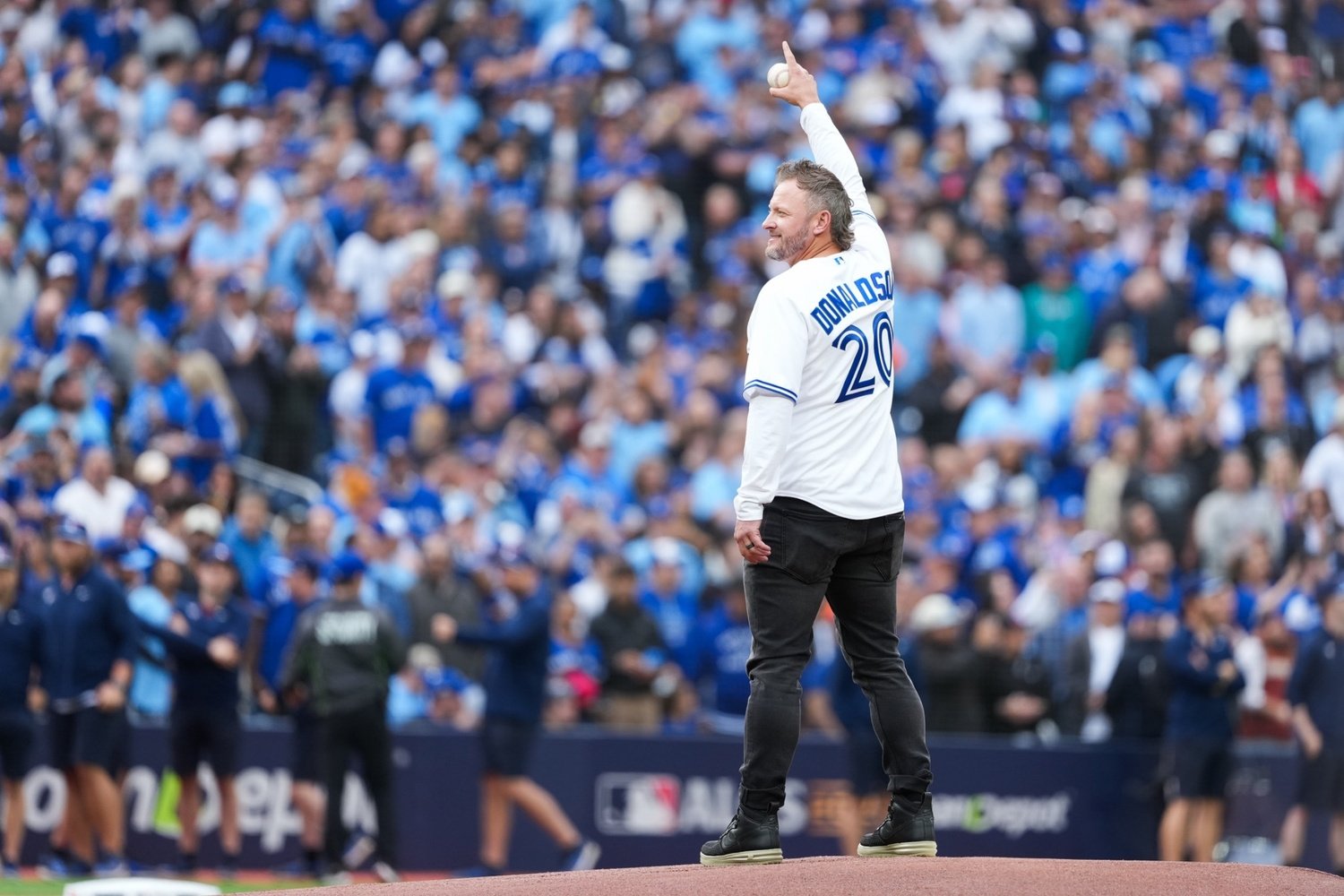 But I suppose that's what podcast hosts are supposed to do. Former MLB third baseman Josh Donaldson was recently asked whether there were any players he didn't get along with during his big-league career. Donaldson didn't have to search very hard for an answer, taking aim at former Minnesota Twins closer Liam Hendriks, who was his teammate with the Toronto Blue Jays in 2015. “Liam Hendriks popped off about me whenever we weren't teammates anymore. We were kinda White Sox, Twins at that time. We obviously didn't get along at that time,” Donaldson said. “He said [numerous] things about me in the media afterward. And I remember, Liam, anytime I was around, he tried to tag along in the locker room or something like that. And then he starts talking **** about me after the fact.” Donaldson wasn't finished. “Liam Hendriks, I got no time for that dude. That guy is a loser. I can't stand Liam Hendriks. I wish, I wish I saw Liam Hendriks again at some point. Like, I would love, I would love for us to go face to face at some point.” On one hand, you have to appreciate the honesty. Clubhouses are full of different personalities, and not everybody is going to get along. That's part of the business. But Donaldson has spent much of his post-playing career cultivating an adversarial relationship with just about anyone willing to take the bait. That includes Minnesota baseball fans, whom he recently suggested didn't exist. He seems perfectly comfortable playing the heel. In fact, he might enjoy it. Of course, we're only getting one side of the story here. The bad blood between Donaldson and Hendriks, however, goes back several years and stems, at least in part, from Donaldson's comments about Hendriks' former teammate, Tim Anderson. In 2022, while with the New York Yankees, Donaldson referred to Anderson as “Jackie,” a reference he later claimed was an inside joke stemming from a 2019 Sports Illustrated article. Hendriks, then an established American League closer and a teammate of Anderson's with the Chicago White Sox, wasn't buying that explanation. “Us in this clubhouse, we have [Anderson's] back and everything -- and that was just a completely unacceptable thing,” Hendriks said. “Again, [the Yankees] are trying to whip it out as being an inside joke -- no, that's horse s---. They don't have those sorts of things going on. ... That's like having an inside joke with a guy who you are a nemesis with, I guess you could say.” “But that's not how it went down in this clubhouse, and I don't understand how [Donaldson] ever thought of it like that. It's just straight delusional.” So here we are, several years later, and Donaldson is still carrying the grudge. Hendriks, who attempted a comeback with the Twins this year, announced his retirement last month. Donaldson certainly isn't obligated to like everybody he played with. Nor does he need to pretend otherwise for the sake of public relations. But there's a difference between being candid about an old clubhouse disagreement and repeatedly sounding like you're waiting for a reunion in the parking lot. Then again, maybe that's the point. Donaldson has never been particularly interested in winning a popularity contest. And if he can turn an old beef with a former teammate into another podcast segment, well, at least somebody is getting their money's worth out of the microphone.
-
 Thanks for the click.
-
At 103+ MPH no less. Prototypical pitching choice. Huge velo and upside, coming off lat surgery at the end of last year. Doesn't know where it's going.
- 12 replies
-
- 2
-

-
- kyle debarge
- arizona fall league
- (and 1 more)
-
Yes, it is often a last chance sort of look for some clubs.
- 12 replies
-
- 2
-
-
- kyle debarge
- arizona fall league
- (and 1 more)
-
It is not filled with organization's top prospect arms, no, but there are still a number of solid arms, particularly with velocity. I think the process for most teams is to get a pitcher who has good stuff additional opportunities that may have been sidetracked by injuries or slowed development.
- 12 replies
-
- 3
-
-
- kyle debarge
- arizona fall league
- (and 1 more)
-
If you are a Twins fan who enjoys a little extracurricular desert baseball, it’s hard not to like what Kyle DeBarge did in the Arizona Fall League. Teams typically reserve their AFL selections for top-100-caliber prospects or players approaching Rule 5 eligibility, giving them one final opportunity to evaluate those players against some of the game's best competition. DeBarge, currently Twins Daily's No. 23-ranked prospect, wasn't in either category. He isn't eligible for the Rule 5 Draft until after the 2027 season. Still, given his background and potential, along with his ability to wreak havoc on the bases (122 steals in 146 attempts), giving the infielder an opportunity to showcase himself against advanced competition made plenty of sense. DeBarge made the most of it. In 21 AFL games, he posted a 1.133 OPS, the second-highest mark among qualified hitters. His five home runs were tied for second in the league, while his 28 runs scored led all hitters. It was an impressive showing across the board. It was also an unexpected development considering the amount of swing-and-miss that had crept into his professional game. The 2024 first-round pick out of Louisiana-Lafayette struck out in 24.1% of his plate appearances over his first two professional seasons. That was a considerable departure from the hitter who showed outstanding bat control and power during his junior season with the Ragin' Cajuns, slugging 21 home runs while striking out just 30 times in 290 plate appearances. That offensive profile had largely gone dormant since joining the Twins organization. It's not as if DeBarge's 2026 regular season offered much indication that a breakout was coming. He finished the year with the Wichita Wind Surge hitting .221/.325/.352 with 12 home runs and 138 strikeouts in 120 games. He didn't exactly finish on a high note, either. From August 1 onward, he posted a .248/.370/.298 line, continuing to flirt with the top of the Texas League's strikeout leaderboard while carrying a slugging percentage closer to the bottom. What those numbers don't tell us, however, is that DeBarge was beginning to make some adjustments to his swing late in the season. "He's [found] a swing adjustment that's a good blend of his strengths – contact, putting the ball in play – with getting the ball off the ground some and has found a good balance and repeatable swing," Twins director of player development Drew McPhail told MLB.com following DeBarge's strong fall performance. So, let's take a look at what changed. Compare DeBarge's swing in May (right) with the one he displayed while playing for the Rafters in the Arizona Fall League. copy_43C1CE32-63F2-488A-96C4-382F5A8682D5.mp4 The most noticeable difference is his setup. DeBarge is considerably more upright than he was earlier in the season, with a more vertical posture and his hands starting farther back and slightly higher. He's also shifted more of his weight onto his back side, taking much of the weight off his front foot before beginning his move toward the pitch. copy_283C6D87-437B-43EB-A508-96A9239092F2.mp4 The open-side view provides a better look at that adjustment. In this comparison, using an April swing as the reference point, DeBarge now appears to have his weight stacked more consistently over his rear leg, with his hip hinge preset. In the earlier version, he showed more movement onto his back side and a corresponding push of his hands back into the launch position. The newer swing eliminates much of that extra movement. His leg kick is now more pronounced, but with his weight already established on the back side, it functions more as a timing mechanism than a significant part of his loading process. Overall, DeBarge's swing appears more simplified and balanced. That doesn't mean all of his offensive concerns have disappeared. His strikeout rate remained elevated during the fall, but the difference was that he was making considerably more impact when he did connect. Perhaps just as important, the experience could provide a boost in confidence heading into the offseason. Of course, we're still operating in an environment where scouting reports travel quickly. The Arizona Fall League's relatively brief schedule doesn't always give opposing pitchers and teams the same opportunity to identify and exploit weaknesses that they would over a prolonged regular-season stretch. Whether DeBarge can carry these adjustments into 2027, and whether they hold up once pitchers begin making their own counteradjustments, remains to be seen. For now, though, the early returns are encouraging. DeBarge showed he can make meaningful adjustments to his approach, and the AFL offered a glimpse of what his offensive profile might look like if those changes stick. Image courtesy of Ed Bailey (photo of Kyle DeBarge) View full article
- 12 replies
-
- 1
-
-
- kyle debarge
- arizona fall league
- (and 1 more)
-
A Swing Adjustment Could Be the Key to Unlocking Kyle DeBarge
Parker Hageman posted an article in Minor Leagues
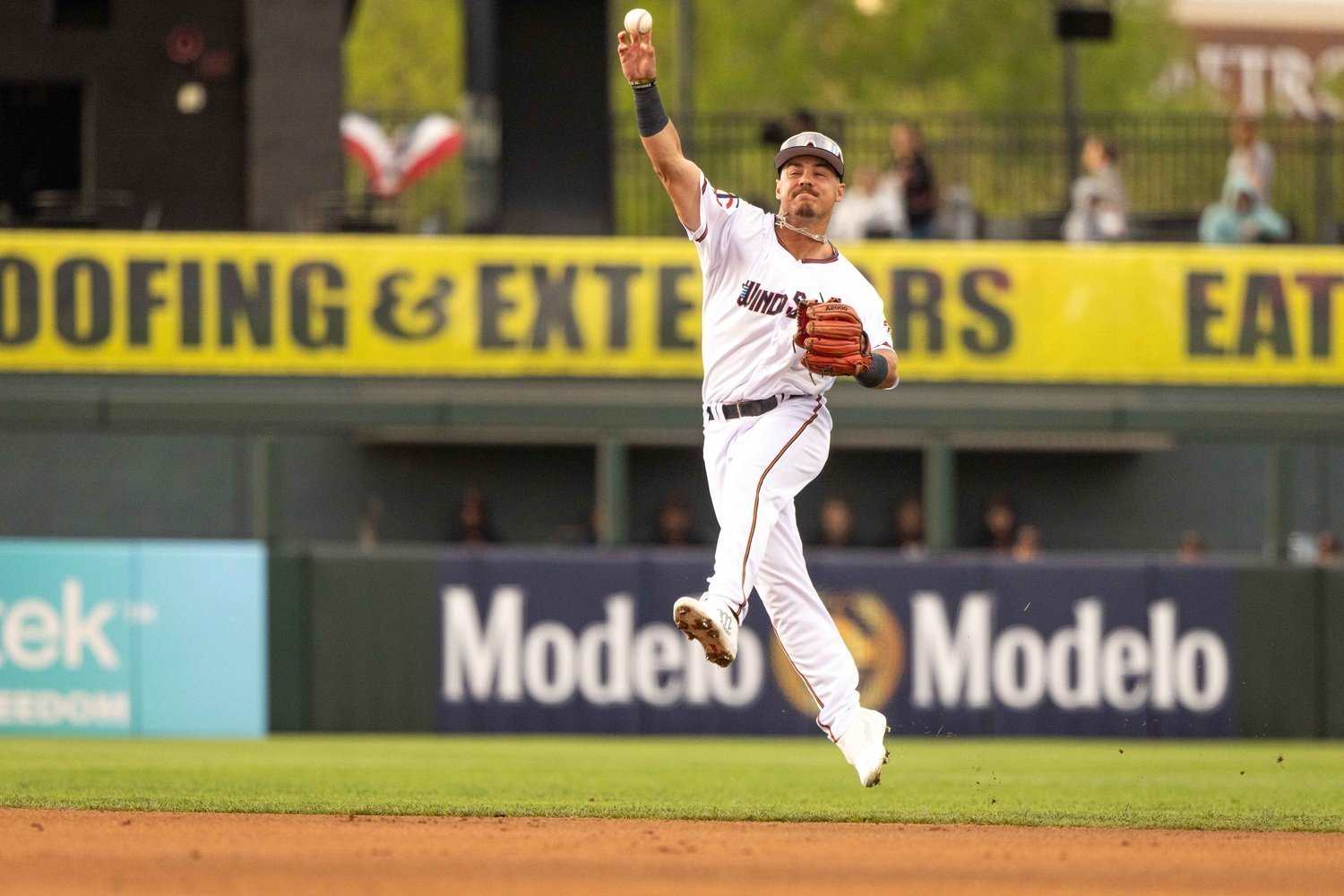 If you are a Twins fan who enjoys a little extracurricular desert baseball, it’s hard not to like what Kyle DeBarge did in the Arizona Fall League. Teams typically reserve their AFL selections for top-100-caliber prospects or players approaching Rule 5 eligibility, giving them one final opportunity to evaluate those players against some of the game's best competition. DeBarge, currently Twins Daily's No. 23-ranked prospect, wasn't in either category. He isn't eligible for the Rule 5 Draft until after the 2027 season. Still, given his background and potential, along with his ability to wreak havoc on the bases (122 steals in 146 attempts), giving the infielder an opportunity to showcase himself against advanced competition made plenty of sense. DeBarge made the most of it. In 21 AFL games, he posted a 1.133 OPS, the second-highest mark among qualified hitters. His five home runs were tied for second in the league, while his 28 runs scored led all hitters. It was an impressive showing across the board. It was also an unexpected development considering the amount of swing-and-miss that had crept into his professional game. The 2024 first-round pick out of Louisiana-Lafayette struck out in 24.1% of his plate appearances over his first two professional seasons. That was a considerable departure from the hitter who showed outstanding bat control and power during his junior season with the Ragin' Cajuns, slugging 21 home runs while striking out just 30 times in 290 plate appearances. That offensive profile had largely gone dormant since joining the Twins organization. It's not as if DeBarge's 2026 regular season offered much indication that a breakout was coming. He finished the year with the Wichita Wind Surge hitting .221/.325/.352 with 12 home runs and 138 strikeouts in 120 games. He didn't exactly finish on a high note, either. From August 1 onward, he posted a .248/.370/.298 line, continuing to flirt with the top of the Texas League's strikeout leaderboard while carrying a slugging percentage closer to the bottom. What those numbers don't tell us, however, is that DeBarge was beginning to make some adjustments to his swing late in the season. "He's [found] a swing adjustment that's a good blend of his strengths – contact, putting the ball in play – with getting the ball off the ground some and has found a good balance and repeatable swing," Twins director of player development Drew McPhail told MLB.com following DeBarge's strong fall performance. So, let's take a look at what changed. Compare DeBarge's swing in May (right) with the one he displayed while playing for the Rafters in the Arizona Fall League. copy_43C1CE32-63F2-488A-96C4-382F5A8682D5.mp4 The most noticeable difference is his setup. DeBarge is considerably more upright than he was earlier in the season, with a more vertical posture and his hands starting farther back and slightly higher. He's also shifted more of his weight onto his back side, taking much of the weight off his front foot before beginning his move toward the pitch. copy_283C6D87-437B-43EB-A508-96A9239092F2.mp4 The open-side view provides a better look at that adjustment. In this comparison, using an April swing as the reference point, DeBarge now appears to have his weight stacked more consistently over his rear leg, with his hip hinge preset. In the earlier version, he showed more movement onto his back side and a corresponding push of his hands back into the launch position. The newer swing eliminates much of that extra movement. His leg kick is now more pronounced, but with his weight already established on the back side, it functions more as a timing mechanism than a significant part of his loading process. Overall, DeBarge's swing appears more simplified and balanced. That doesn't mean all of his offensive concerns have disappeared. His strikeout rate remained elevated during the fall, but the difference was that he was making considerably more impact when he did connect. Perhaps just as important, the experience could provide a boost in confidence heading into the offseason. Of course, we're still operating in an environment where scouting reports travel quickly. The Arizona Fall League's relatively brief schedule doesn't always give opposing pitchers and teams the same opportunity to identify and exploit weaknesses that they would over a prolonged regular-season stretch. Whether DeBarge can carry these adjustments into 2027, and whether they hold up once pitchers begin making their own counteradjustments, remains to be seen. For now, though, the early returns are encouraging. DeBarge showed he can make meaningful adjustments to his approach, and the AFL offered a glimpse of what his offensive profile might look like if those changes stick.
- 12 comments
-
- 6
-
-
- kyle debarge
- arizona fall league
- (and 1 more)
-
Trevor Larnach is expected to reengage in baseball activities in January, when he'll begin his full offseason hitting program in preparation for the (eventual) 2027 season. The outfielder is coming off a repair job on his left wrist. That's the word according to Dan Hayes of The Athletic. Larnach underwent successful surgery, which consisted of "a debridement of his TFCC and open excision of a ganglion cyst." Twins Daily's Cody Pirkl recently outlined the scenarios surrounding Larnach's future. The Twins are looking at a projected $6.3 million salary for Larnach, or they could non-tender him and turn their attention toward the younger outfield options already in the organization. Larnach's initial approach at the plate leaned heavily on driving fly balls toward center field. It took some time to rework his swing to better align with the Twins' philosophy of pulling the ball in the air with backspin to maximize his home run potential. This past season, Larnach posted a career-high 23.6% air pull rate. However, his 13 home runs and career-low fly ball rate suggest that the adjustments haven't consistently translated into the type of power production the Twins would like to see. His health, along with the organization's evaluation of its younger outfielders, will help determine what comes next. View full rumor
-
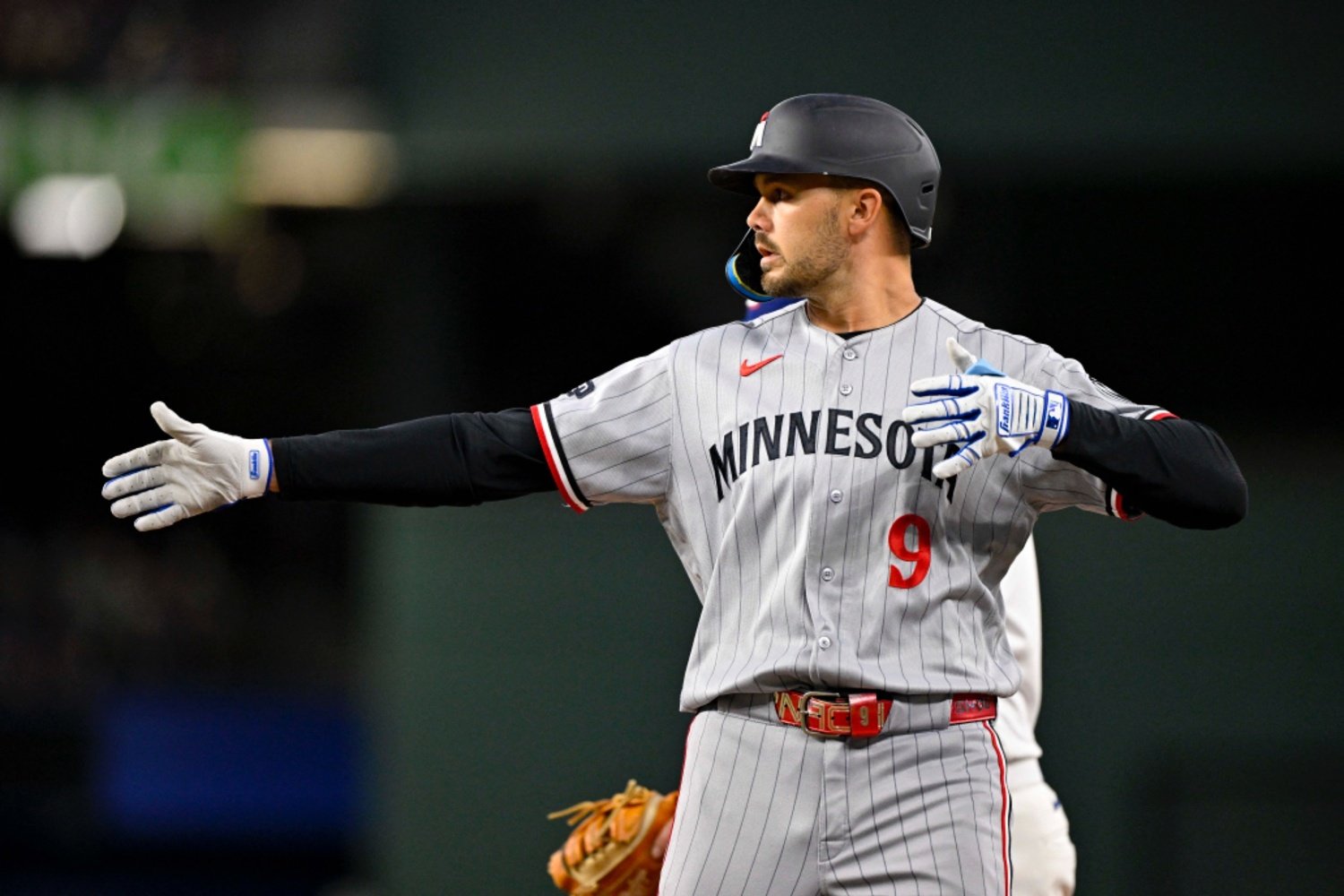 Trevor Larnach is expected to reengage in baseball activities in January, when he'll begin his full offseason hitting program in preparation for the (eventual) 2027 season. The outfielder is coming off a repair job on his left wrist. That's the word according to Dan Hayes of The Athletic. Larnach underwent successful surgery, which consisted of "a debridement of his TFCC and open excision of a ganglion cyst." Twins Daily's Cody Pirkl recently outlined the scenarios surrounding Larnach's future. The Twins are looking at a projected $6.3 million salary for Larnach, or they could non-tender him and turn their attention toward the younger outfield options already in the organization. Larnach's initial approach at the plate leaned heavily on driving fly balls toward center field. It took some time to rework his swing to better align with the Twins' philosophy of pulling the ball in the air with backspin to maximize his home run potential. This past season, Larnach posted a career-high 23.6% air pull rate. However, his 13 home runs and career-low fly ball rate suggest that the adjustments haven't consistently translated into the type of power production the Twins would like to see. His health, along with the organization's evaluation of its younger outfielders, will help determine what comes next.
-
I mean... To be clear, I don't think Mauer's swing is a perfect comp for Jenkins. They both have very quiet actions and both have a very strong ability to cover the zone, particularly the way they can both drive pitches on the outer third. But Jenkins' ability to pull the ball in the air is far more advanced than Mauer was. In his MILB seasons, he was 40%+ pull rate (as high as 48% last year) while Mauer was rarely above 30% in a given MLB season
-
When the Scouting Report Knows What’s Coming
Parker Hageman replied to Parker Hageman's topic in Twins Daily Front Page News
Yes, Verlander's comments were very interesting and indicative of where the game is at. I do know that there was a D1 college program that had parted ways their pitching coach precisely because he had pitchers throw pitches because of their version of the Stuff+ metric said they were their best pitches. Only they did not perform like that in game and he did not want to change their pitching plan. In some cases, metrics can definitely be a good guide but the game will be the best feedback.- 23 replies
-
- 5
-
-
- andrew morris
- pablo lopez
- (and 1 more)
-
When the Scouting Report Knows What’s Coming
Parker Hageman replied to Parker Hageman's topic in Twins Daily Front Page News
Certainly could be a factor. The Padres bats were on fire and that happens. Then again, with today's game, I don't think that happens in a vacuum, especially considering Morris' recent track record in August. I would also argue that a lineup with cold bats could have all the same info and still not record a hit. It's typically a combination of all of it.- 23 replies
-
- 3
-
-
- andrew morris
- pablo lopez
- (and 1 more)
-
When the Scouting Report Knows What’s Coming
Parker Hageman replied to Parker Hageman's topic in Twins Daily Front Page News
I always forget that these things aren't as obvious and that everyone is not scouring through video like I am... I think video will show the progression a little better in this regard: ckR3NW9fWGw0TUFRPT1fQkFsVVVGQUNBZ01BV2dBSEJRQUhBMUJlQUFNTUJWRUFVVkJVVVFNQVVBRUhCd3BT.mp4 Now, this is actually progress from where he was at with the Saints in 2025, when he would set his hands at the belt, seen below: While his outing against the Blue Jays was improved, you can still see how flared out the glove is. By his next outing in Minnesota, he had already started pressing it against his midsection more: cU93MFFfWGw0TUFRPT1fQVFoVlZGQlFWd1lBWEZvRkF3QUhBVk1BQUFBQlV3QUFBMXdNQVZJSFUxRUhWRlFF.mp4 Now, compare that to where it is now: MnI5T05fWGw0TUFRPT1fQkFZQVZBSlZVQVlBQ2xNR1h3QUhDVlJXQUFCVVZnSUFCVk1FQVFNQUJWSlhBUVpV.mp4 He's starting up against his chest. The 1st vs 2nd appearance graphic is to show how the Twins made even the slightest tweak right away and that continued to progress.- 23 replies
-
- 4
-
-
- andrew morris
- pablo lopez
- (and 1 more)
-
When the Scouting Report Knows What’s Coming
Parker Hageman replied to Parker Hageman's topic in Twins Daily Front Page News
Good points all around. I do think the advantage is still swung around to the pitchers overall but we're seeing areas where the offense is making inroads.- 23 replies
-
- 5
-
-
- andrew morris
- pablo lopez
- (and 1 more)
-
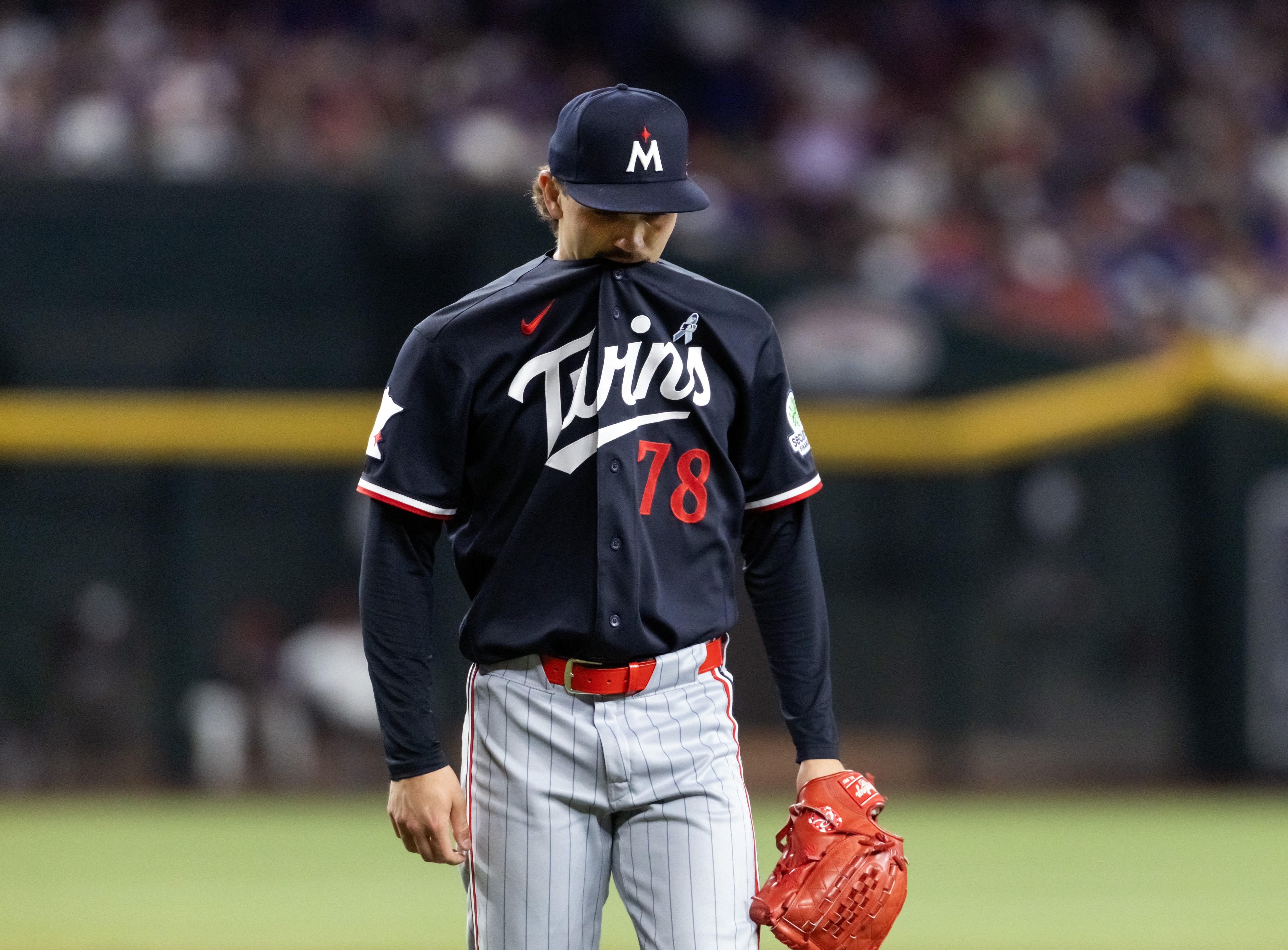 Baseball has never been more paranoid about pitch tipping. The technology available to teams has made it easier than ever to identify the subtle movements that can give away what is coming. High-speed cameras can isolate a pitcher's tendencies down to the smallest details, while markerless biomechanical systems can uncover movements that might have gone unnoticed a generation ago. Then there are the dugouts themselves, now filled with more coaches, analysts and information than ever before. Somewhere among them is usually a person with what amounts to a master's degree in sniffing out anything that might help identify a pitch. One of the biggest areas of concern has historically come when a pitcher has runners on base and has to work from the stretch. For decades, pitchers would come set with their hands in front of, but somewhat away from, their bodies. That created opportunities for hitters to pick up on subtle tells. A glimpse of the throwing hand dipping below the glove could provide an indication of what was coming. More palm might be visible on a fastball, while a breaking ball could cause the hand to turn slightly. A changeup, with its wider grip, might cause a pitcher to flare his glove. Certain pitches might be held higher in the glove than others. None of these tells necessarily had to be obvious but the game’s top hitters pick up on patterns quickly. In the past, identifying those tendencies meant a player or coach had to notice them, remember them, and then pass the information along through the scouting process. Now, the combination of technology and video has accelerated that process considerably. Something discovered during a previous series can make its way into a pregame hitter's meeting almost immediately. For their part, the Twins have taken steps to eliminate some of those variables for their own pitchers. The most notable is the organizational practice of having pitchers cup their gloves around their midsection when working from the stretch. The idea is simple: hide the grip and eliminate as much visual information as possible before the pitch is delivered. When Andrew Morris was first summoned to the big leagues, he set his hands around his belt, a fairly traditional position for a pitcher working from the stretch. That was quickly adjusted after his first career outing, with Morris instructed to keep his glove as tight to his midsection as possible. It's a practice the Twins have also used with Mick Abel and even Pablo López in recent history. But all of that camouflage only addresses the things a pitcher can control with his hands and body. Pitchers are still human, and humans have habits. Sometimes those habits have nothing to do with the pitching motion itself. A pitcher chewing gum on one type of pitch but not another can be enough. Morris found that out the hard way toward the end of 2025. “I would stop chewing it on offspeed pitches, and I continued to chew it on fastballs,” Morris told the Star Tribune after giving up 10 runs in two outings against the Iowa Cubs early in 2025. “I really just had no idea what was going on. They were just on everything for a couple starts. I know those are some conscious things I do with my mouth, so that’s tough. It’s not anything, like, physical. It was weird. It was tough.” Morris had actually started chewing gum because he believed he had previously been giving away pitches with his tongue. The gum was supposed to give him something else to occupy himself with but became another tell. That history makes what has happened to Morris in August worth watching. For most of the season, Morris had been one of the Twins' most reliable late-inning weapons. In June and July, he made 25 appearances, going 3-0 with two saves and 10 holds while posting a 2.22 ERA and 2.77 FIP. He struck out 31 hitters in 28⅓ innings and, at least arguably, became the strongest bridge the Twins had to get from the middle innings to the back end of the bullpen. August has been a different story. It’s one of blown leads and losses. It’s an inflated walk rate with an over 7.00 ERA to boot (and if it weren’t for a catcher’s interference call in San Diego, it could be substantially worse). Relief pitchers can be fickle and small sample sizes can skew things quickly, but there seems to be more at play with Morris. Let’s go back to his outing in San Diego. Morris was called upon to protect a 5-2 lead against a surging Padres offense. He retired Xander Bogaerts on a ground ball, and then Freddy Fermin reached first after catcher Ryan Jeffers was charged with interference. From there, the floodgates opened: The next four Padres reached base, and the Twins' 5-2 lead became a 6-5 deficit. To be clear, Fermin reaching base was not Morris' fault. Neither was Kaelen Culpepper attempting to cut down the runner at third with one out. Baseball is full of sequences where several independent events snowball into one ugly inning. What makes this particular inning interesting is how some of the Padres' swings looked. Take Fernando Tatis Jr. going the other way on a 1-2 elevated fastball: VndQVlJfWGw0TUFRPT1fVjFWWVZRVlFCQVFBQ2dZQlVnQUhWd01DQUZoWFZWY0FWMUFHQUZBTVVnQldVd0lG.mp4 Or Jake Cronenworth waiting on a 0-0 fastball at the top of the zone and slicing it into the gap for a two-run double: VndQVlJfWGw0TUFRPT1fVndGUUFnQUVBbEVBV1FRR1Z3QUhBZ05VQUZrRkFBY0FDbE1DQVFSVUNGQUdCZ0Zm.mp4 After Tatis scores, the broadcast shows him running toward the next hitter and communicating something. What that something was is impossible to know from the television broadcast. It could have been as simple as relaying information about the shape of Morris's fastball or offering a reminder to stay back and stay on top of the elevated pitch. It could have been something from the scouting report, perhaps a tendency involving Morris's gum chewing or another physical tell. Or it could have been nothing particularly meaningful at all. That distinction matters. Manny Machado came to the plate next and did not see a single fastball. He saw four consecutive cutters, eventually grounding one to Culpepper at shortstop. Then Ty France followed and produced another swing that looked similar to what Tatis and Cronenworth had done earlier in the inning: VndQVlJfWGw0TUFRPT1fQlZKWFUxY0dYMUVBV3dkWFVnQUhCd1VDQUZnRUFWTUFWQVFFQVFFTkNGSlVCZ1VI.mp4 A similar thing showed up in the series against the geographically abandoned Athletics, when savvy veteran Jeff McNeil turned on a first-pitch fastball and lasered a double down the line. MnI5T05fWGw0TUFRPT1fVjFOWUFWQUJVUW9BV1ZJRFV3QUhVd2NDQUFBQlZnTUFBbEpUVlFzQlVnUlRWZ3Rl.mp4 Similar to the Padres outing, Morris's work was undone a bit by below average defense. Still, at this point, it is reasonable to wonder whether what we're seeing is some combination of scouting and tipping. From the center-field camera angle, there is nothing particularly obvious about Morris's delivery that screams THIS PITCH IS COMING. His glove is tucked against his body, and the Twins have seemingly done what they can to eliminate the traditional visual tells that can accompany working from the stretch. Of course, hitters aren't standing in center field. They're standing 60 feet, six inches away, looking directly at him. There may be some tiny movement, tick or habit visible from the batter's box that isn't apparent from the broadcast angle. Maybe it's the gum. Maybe it's tongue placement. Maybe it's something completely unrelated to the pitching motion that teams have picked up through their preparation. Then again, there is another explanation that may be considerably less interesting. Morris' pitch selection has been reduced to mostly hard stuff this month. He's throwing four-seamers, sinkers and cutters, with very little in the way of a true change of pace. In fact, over his last four outings, he's thrown just one changeup, which put him ahead of Tatis 0-2 after a pretty silly swing. If opposing hitters have reached the conclusion that Morris is going to challenge them with hard stuff, they don't necessarily need a tell. They can just wait. And that could explain some of the swings we've seen recently, particularly the ones that appear geared toward staying on top of elevated fastballs. If hitters know a four-seam fastball or cutter is coming and expect it to be at the top of the zone, they can adjust their approach accordingly. That is where the distinction between pitch tipping and scouting becomes important. A hitter doesn't need to know exactly what pitch is coming to have an advantage. Sometimes knowing what a pitcher likes to throw in a particular situation is enough. For Morris, the answer may be somewhere in between. He has the stuff to operate as a power arm in the bullpen, and three different fastballs can be enough to get through an inning when they're executed properly. But if hitters have started sitting on those pitches, whether because of scouting, tendencies or an actual tell, Morris needs another answer. That could mean bringing the changeup back into the mix more frequently, incorporating his sweeper or curveball, or changing the sequencing enough to keep hitters from becoming comfortable sitting on one part of his arsenal. The Twins have already shown how seriously they take pitch tipping. They've changed where their pitchers hold their gloves, adjusted Morris' setup and, in the past, dealt with a pitcher whose gum chewing was inadvertently telling hitters what was coming. The technology can find the tells. The scouting department can find the tendencies. And sometimes, all it takes is one hitter seeing something and walking down the dugout steps to tell the next guy. Whether that is happening with Morris right now is impossible to say from the outside. But given what happened in San Diego, and what we've seen from hitters since, it is at least worth watching.
- 23 comments
-
- 10
-
-

-
- andrew morris
- pablo lopez
- (and 1 more)
-
Image courtesy of Mark J. Rebilas-Imagn Images Baseball has never been more paranoid about pitch tipping. The technology available to teams has made it easier than ever to identify the subtle movements that can give away what is coming. High-speed cameras can isolate a pitcher's tendencies down to the smallest details, while markerless biomechanical systems can uncover movements that might have gone unnoticed a generation ago. Then there are the dugouts themselves, now filled with more coaches, analysts and information than ever before. Somewhere among them is usually a person with what amounts to a master's degree in sniffing out anything that might help identify a pitch. One of the biggest areas of concern has historically come when a pitcher has runners on base and has to work from the stretch. For decades, pitchers would come set with their hands in front of, but somewhat away from, their bodies. That created opportunities for hitters to pick up on subtle tells. A glimpse of the throwing hand dipping below the glove could provide an indication of what was coming. More palm might be visible on a fastball, while a breaking ball could cause the hand to turn slightly. A changeup, with its wider grip, might cause a pitcher to flare his glove. Certain pitches might be held higher in the glove than others. None of these tells necessarily had to be obvious but the game’s top hitters pick up on patterns quickly. In the past, identifying those tendencies meant a player or coach had to notice them, remember them, and then pass the information along through the scouting process. Now, the combination of technology and video has accelerated that process considerably. Something discovered during a previous series can make its way into a pregame hitter's meeting almost immediately. For their part, the Twins have taken steps to eliminate some of those variables for their own pitchers. The most notable is the organizational practice of having pitchers cup their gloves around their midsection when working from the stretch. The idea is simple: hide the grip and eliminate as much visual information as possible before the pitch is delivered. When Andrew Morris was first summoned to the big leagues, he set his hands around his belt, a fairly traditional position for a pitcher working from the stretch. That was quickly adjusted after his first career outing, with Morris instructed to keep his glove as tight to his midsection as possible. It's a practice the Twins have also used with Mick Abel and even Pablo López in recent history. But all of that camouflage only addresses the things a pitcher can control with his hands and body. Pitchers are still human, and humans have habits. Sometimes those habits have nothing to do with the pitching motion itself. A pitcher chewing gum on one type of pitch but not another can be enough. Morris found that out the hard way toward the end of 2025. “I would stop chewing it on offspeed pitches, and I continued to chew it on fastballs,” Morris told the Star Tribune after giving up 10 runs in two outings against the Iowa Cubs early in 2025. “I really just had no idea what was going on. They were just on everything for a couple starts. I know those are some conscious things I do with my mouth, so that’s tough. It’s not anything, like, physical. It was weird. It was tough.” Morris had actually started chewing gum because he believed he had previously been giving away pitches with his tongue. The gum was supposed to give him something else to occupy himself with but became another tell. That history makes what has happened to Morris in August worth watching. For most of the season, Morris had been one of the Twins' most reliable late-inning weapons. In June and July, he made 25 appearances, going 3-0 with two saves and 10 holds while posting a 2.22 ERA and 2.77 FIP. He struck out 31 hitters in 28⅓ innings and, at least arguably, became the strongest bridge the Twins had to get from the middle innings to the back end of the bullpen. August has been a different story. It’s one of blown leads and losses. It’s an inflated walk rate with an over 7.00 ERA to boot (and if it weren’t for a catcher’s interference call in San Diego, it could be substantially worse). Relief pitchers can be fickle and small sample sizes can skew things quickly, but there seems to be more at play with Morris. Let’s go back to his outing in San Diego. Morris was called upon to protect a 5-2 lead against a surging Padres offense. He retired Xander Bogaerts on a ground ball, and then Freddy Fermin reached first after catcher Ryan Jeffers was charged with interference. From there, the floodgates opened: The next four Padres reached base, and the Twins' 5-2 lead became a 6-5 deficit. To be clear, Fermin reaching base was not Morris' fault. Neither was Kaelen Culpepper attempting to cut down the runner at third with one out. Baseball is full of sequences where several independent events snowball into one ugly inning. What makes this particular inning interesting is how some of the Padres' swings looked. Take Fernando Tatis Jr. going the other way on a 1-2 elevated fastball: VndQVlJfWGw0TUFRPT1fVjFWWVZRVlFCQVFBQ2dZQlVnQUhWd01DQUZoWFZWY0FWMUFHQUZBTVVnQldVd0lG.mp4 Or Jake Cronenworth waiting on a 0-0 fastball at the top of the zone and slicing it into the gap for a two-run double: VndQVlJfWGw0TUFRPT1fVndGUUFnQUVBbEVBV1FRR1Z3QUhBZ05VQUZrRkFBY0FDbE1DQVFSVUNGQUdCZ0Zm.mp4 After Tatis scores, the broadcast shows him running toward the next hitter and communicating something. What that something was is impossible to know from the television broadcast. It could have been as simple as relaying information about the shape of Morris's fastball or offering a reminder to stay back and stay on top of the elevated pitch. It could have been something from the scouting report, perhaps a tendency involving Morris's gum chewing or another physical tell. Or it could have been nothing particularly meaningful at all. That distinction matters. Manny Machado came to the plate next and did not see a single fastball. He saw four consecutive cutters, eventually grounding one to Culpepper at shortstop. Then Ty France followed and produced another swing that looked similar to what Tatis and Cronenworth had done earlier in the inning: VndQVlJfWGw0TUFRPT1fQlZKWFUxY0dYMUVBV3dkWFVnQUhCd1VDQUZnRUFWTUFWQVFFQVFFTkNGSlVCZ1VI.mp4 A similar thing showed up in the series against the geographically abandoned Athletics, when savvy veteran Jeff McNeil turned on a first-pitch fastball and lasered a double down the line. MnI5T05fWGw0TUFRPT1fVjFOWUFWQUJVUW9BV1ZJRFV3QUhVd2NDQUFBQlZnTUFBbEpUVlFzQlVnUlRWZ3Rl.mp4 Similar to the Padres outing, Morris's work was undone a bit by below average defense. Still, at this point, it is reasonable to wonder whether what we're seeing is some combination of scouting and tipping. From the center-field camera angle, there is nothing particularly obvious about Morris's delivery that screams THIS PITCH IS COMING. His glove is tucked against his body, and the Twins have seemingly done what they can to eliminate the traditional visual tells that can accompany working from the stretch. Of course, hitters aren't standing in center field. They're standing 60 feet, six inches away, looking directly at him. There may be some tiny movement, tick or habit visible from the batter's box that isn't apparent from the broadcast angle. Maybe it's the gum. Maybe it's tongue placement. Maybe it's something completely unrelated to the pitching motion that teams have picked up through their preparation. Then again, there is another explanation that may be considerably less interesting. Morris' pitch selection has been reduced to mostly hard stuff this month. He's throwing four-seamers, sinkers and cutters, with very little in the way of a true change of pace. In fact, over his last four outings, he's thrown just one changeup, which put him ahead of Tatis 0-2 after a pretty silly swing. If opposing hitters have reached the conclusion that Morris is going to challenge them with hard stuff, they don't necessarily need a tell. They can just wait. And that could explain some of the swings we've seen recently, particularly the ones that appear geared toward staying on top of elevated fastballs. If hitters know a four-seam fastball or cutter is coming and expect it to be at the top of the zone, they can adjust their approach accordingly. That is where the distinction between pitch tipping and scouting becomes important. A hitter doesn't need to know exactly what pitch is coming to have an advantage. Sometimes knowing what a pitcher likes to throw in a particular situation is enough. For Morris, the answer may be somewhere in between. He has the stuff to operate as a power arm in the bullpen, and three different fastballs can be enough to get through an inning when they're executed properly. But if hitters have started sitting on those pitches, whether because of scouting, tendencies or an actual tell, Morris needs another answer. That could mean bringing the changeup back into the mix more frequently, incorporating his sweeper or curveball, or changing the sequencing enough to keep hitters from becoming comfortable sitting on one part of his arsenal. The Twins have already shown how seriously they take pitch tipping. They've changed where their pitchers hold their gloves, adjusted Morris' setup and, in the past, dealt with a pitcher whose gum chewing was inadvertently telling hitters what was coming. The technology can find the tells. The scouting department can find the tendencies. And sometimes, all it takes is one hitter seeing something and walking down the dugout steps to tell the next guy. Whether that is happening with Morris right now is impossible to say from the outside. But given what happened in San Diego, and what we've seen from hitters since, it is at least worth watching. View full article
- 23 replies
-
- 3
-
-
- andrew morris
- pablo lopez
- (and 1 more)
-
Former Twin Butch Huskey Dies at 54
Parker Hageman replied to Cody Christie's topic in Minnesota Twins Talk
RIP to Huskey. Have to appreciate his ability to track fly balls at the Metrodome. -
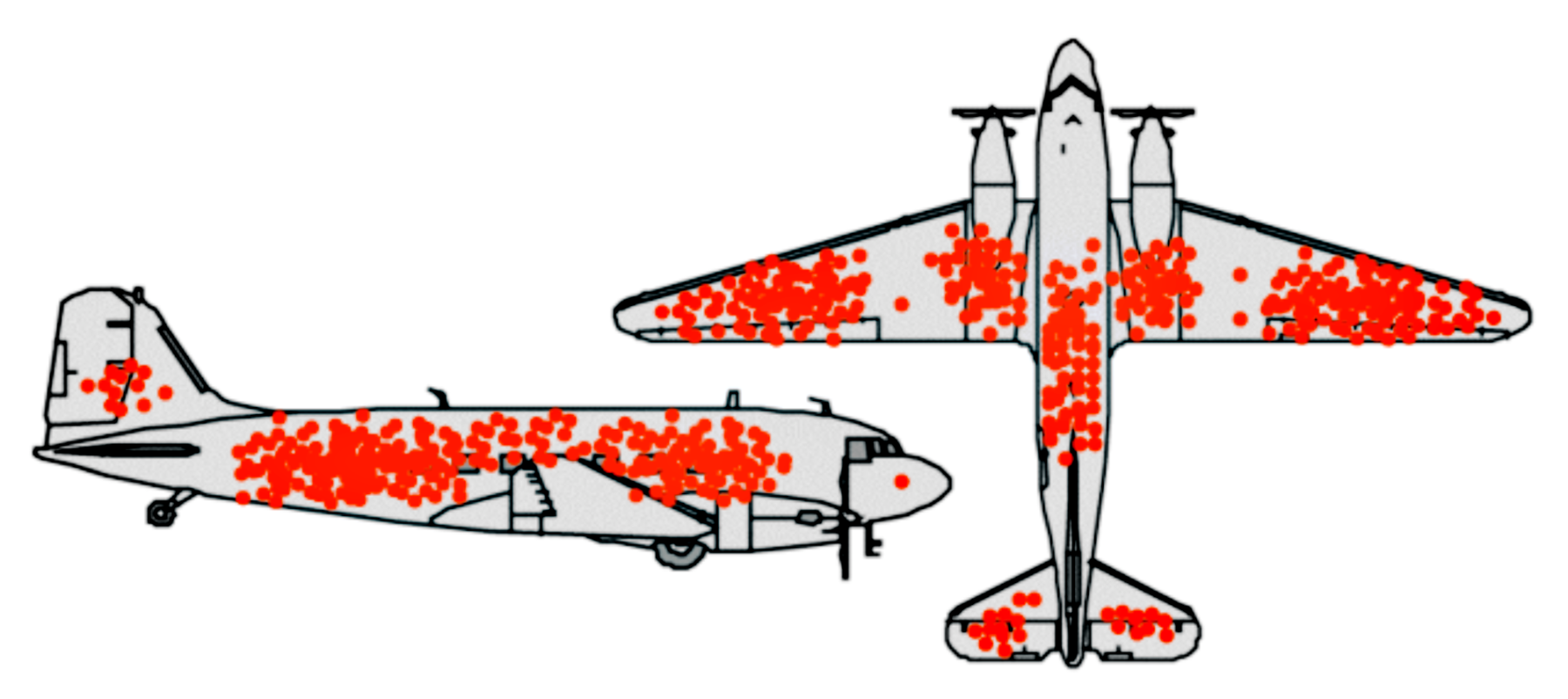
Thank you all for the kind words! Fair question. Ultimately the Twins do work some of that magic with their internal players. It doesn't always work. And it doesn't always work with the ones they acquire either. Woods Richardson, for example, had a decent stretch then fell off. Jorge Lopez made similar changes to his arsenal after he was acquired and it never worked. Then there are arms that encounter injuries and aging. In someways, this is an exercise in survivorship bias.
-
Image courtesy of Peter Aiken-Imagn Images Baseball has released a litany of statistics that has changed the way fans can scout and analyze the game. We now have access to information that, not all that long ago, would have been locked away inside the internal departments of major league organizations. One such metric is arm angle. The concept itself is hardly new. Somewhere between the shin-high grass at Elysian Fields and the modern bullpen, pitching coaches have been encouraging their hurlers to make adjustments to their arm path. It probably comes immediately after the old-timey pitching coach's first instruction: just throw strikes. For those unfamiliar, arm angle measures the angle of a pitcher's arm relative to the shoulder at pitch release. The metric matters in a variety of ways. Teams are interested in outlier arms, particularly those operating at the extreme ends of the spectrum, but arm angle can also help explain how a pitcher imparts spin and creates movement. A lower or higher slot can, depending on the individual pitcher, unlock different characteristics in the arsenal. Forward-thinking teams see this as an opportunity. If a pitcher has an attribute they like but another area they believe can be improved, perhaps there is a player sitting right there waiting to be acquired, tinkered with, and turned into something better. Which brings us to Dean Kremer. The Minnesota Twins targeted the right-hander ahead of the trade deadline after he had put together a pretty good 700-inning career with the Orioles. Of course, the Twins weren't necessarily interested in the version of Kremer that had already accumulated those innings. They saw things in him that they believed they could enhance. One of the low-hanging fruits was his pitch selection. With Baltimore, Kremer was throwing his four-seam fastball around 21% of the time and his sinker around 17%. With the Twins, the four-seam usage has jumped to roughly 39%, while the sinker has fallen to about 6%. This has become something of a Twins go-to move. When they acquired Yoendrys Gomez earlier this year, they also moved him away from his sinker and toward a heavier four-seam diet. We've seen similar ideas play out with other recent acquisitions, including Jeff Hoffman and A.J. Minter. But another change has caught the attention of the stat hounds. Kremer's arm angle has jumped from roughly 42 degrees with Baltimore to 47 degrees with the Twins. That is an interesting development because it puts Kremer's arm slot closer to where it was when he first came up with the Orioles in 2020. It would be easy to look at that and conclude the Twins simply asked him to raise his arm five degrees, but that's not really how pitching mechanics work. The arm is the caboose of the delivery. Everything that happens before it helps determine where that caboose eventually arrives. For Kremer, one of the first things that changed was his hand break, the point in the delivery where a pitcher separates the throwing hand from the glove. copy_DC57A8A0-914C-4BC3-B6C1-8FA341AFCC35.mp4 With Baltimore, Kremer's glove hand would work out and around after the hand break. Now, you'll see it move upward and toward the plate, almost like he is stretching a bow and arrow. It reaches a considerably higher point, creating a different path for the throwing arm to follow. The easiest way I can describe it is that the old movement looked more like a carousel, while the new one has more of a Ferris wheel effect. Naturally, if the wheel is moving differently, the arm is going to arrive at a different angle. I've posted before about the Twins changing a pitcher's posture during his delivery. Mick Abel made a subtle adjustment this spring, while Yoendrys Gomez made a similar change during the season, both keeping their weight farther back toward first base rather than allowing the body to tip toward third. Kremer has some of the same characteristics in his new delivery. This is less about the shoulders themselves and more about keeping the lower half stacked in the glute. With Baltimore, Kremer's weight would tip over his rear knee, allowing some of his momentum to leak toward third base. Again, the body starts working around the ball like a carousel. By keeping the upper half more stacked behind the knee, Kremer is in a better position to drive toward the plate instead, creating the Ferris wheel movement pattern. That can have implications for both command and power. The real story here isn't that Kremer and the Twins made these adjustments and now he's improved. The more interesting story is the complex system that has to exist behind the scenes for an organization to identify a player, determine what it wants to change, communicate those changes to the player, and then actually implement them in the middle of a major league season. That process is particularly interesting when viewed through the lens of Lance Brozdowski's preseason survey of more than 80 MLB staffers. The Twins weren't exactly viewed as the gold standard in pitching acquisition and development. Only four respondents considered Minnesota the best organization in that area, while three considered them the worst. They are not at the Milwaukee Brewers' level of consistently generating top-flight arms, but the Twins have had their successes. And if you zoom out from Kremer, a pattern starts to emerge. Taj Bradley altered his arm action. Simeon Woods Richardson changed his arm slot. Mick Abel tweaked his glove placement to prevent pitch tipping and adjusted his posture. Yoendrys Gomez changed his posture and pitch mix. Now, with Kremer, we're seeing a movement-pattern adjustment that may result in more consistency and power. That doesn't happen by accident. Somewhere inside the Twins' baseball operations department has to be a database, whether literal or figurative, of pitchers whose attributes the organization likes. Not just names and scouting grades, but specific characteristics and potential adjustments. Maybe a pitcher has a good four-seam fastball but doesn't throw it enough. Maybe his arm slot is lower than the organization would prefer. Maybe there is a posture issue, a movement-pattern inefficiency, a pitch-tipping concern or a pitch in his arsenal that isn't maximizing his strengths. Assembling that information likely requires an effort across multiple internal departments. Scouting sees one part of the player. Analytics sees another. Biomechanics can identify something happening in the delivery that isn't obvious on a traditional scouting report, while the coaching staff has to determine whether the proposed adjustment can actually be taught and implemented. That is where Jeremy Zoll and his group come into the picture. As the Twins work the waiver wire or troll the trade market, they presumably have a pretty clear understanding of what they are acquiring and, perhaps more importantly, what they believe they can change once the player gets to Minnesota. The Twins aren't necessarily acquiring the finished product. They're acquiring the ingredients. That's a fundamentally different way of evaluating a player. A pitcher can have a flaw that makes him less attractive to 29 other organizations while simultaneously possessing an attribute that makes him particularly interesting to one team because that organization believes it knows how to fix the flaw. But identifying the change is only half of the equation. At some point, someone has to sit down with the newly acquired pitcher and explain what the organization wants to do and, more importantly, why it believes the change will make him better. This is the part of the Kremer story that would require someone with access and relationships to really uncover. What does that conversation look like? If you rely on reports from former players such as Josh Donaldson, the process can sometimes sound like little more than analytics being dumped on players without much explanation behind it (but that is more likely a Josh Donaldson issue). I personally tend to believe there is considerably more communication happening inside organizations than those accounts would suggest, but there has to be some person or group responsible for taking the information assembled by scouting, analytics and biomechanics and translating it for the player. It has to go deeper than, "Welcome to Minnesota, Dean. We'd like you to throw more four-seamers and raise your arm slot five degrees." There has to be an explanation of why the four-seamer fits, what is happening in the delivery, what the mechanical change is supposed to accomplish, what the player should feel and how much of the change can realistically be implemented during a season. Most importantly, the player has to buy into it. That's what makes the Kremer story so fascinating. We can see the results from the outside. We can see the arm angle move from 42 degrees to 47. We can see the four-seam usage jump while the sinker disappears. We can see the hand break change and the posture become more stable. What we can't see is the organizational process that connected all of those dots. And that's the real story. The Twins didn't acquire Dean Kremer and suddenly discovered that he could throw a baseball differently. They acquired him with a pretty good idea of what they wanted him to become, then went about trying to make those changes happen. For now, the early returns suggest another win for the Twins' pitching development staff. View full article
- 19 replies
-
- 1
-
-
- dean kremer
- mick abel
- (and 3 more)
-
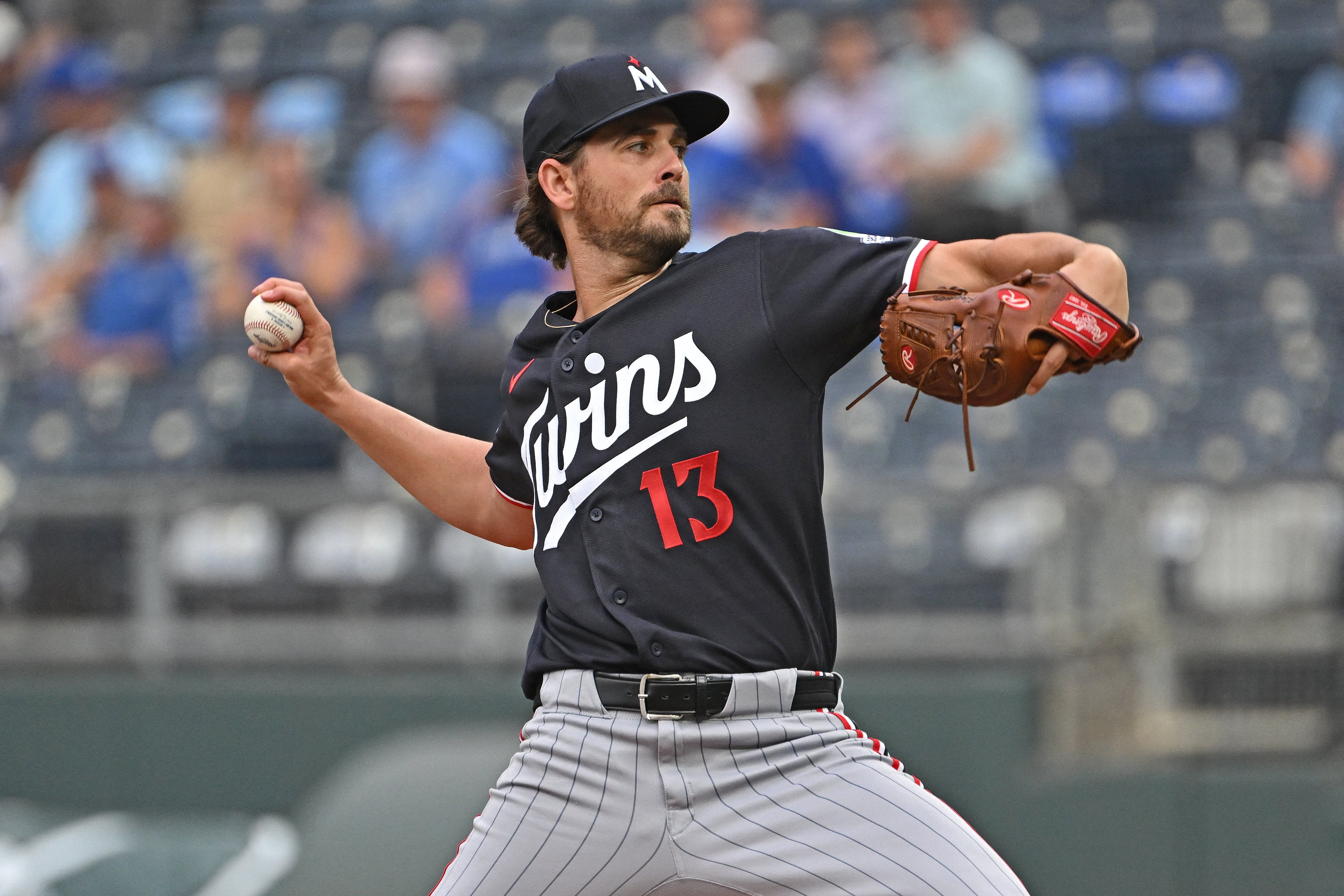 Baseball has released a litany of statistics that has changed the way fans can scout and analyze the game. We now have access to information that, not all that long ago, would have been locked away inside the internal departments of major league organizations. One such metric is arm angle. The concept itself is hardly new. Somewhere between the shin-high grass at Elysian Fields and the modern bullpen, pitching coaches have been encouraging their hurlers to make adjustments to their arm path. It probably comes immediately after the old-timey pitching coach's first instruction: just throw strikes. For those unfamiliar, arm angle measures the angle of a pitcher's arm relative to the shoulder at pitch release. The metric matters in a variety of ways. Teams are interested in outlier arms, particularly those operating at the extreme ends of the spectrum, but arm angle can also help explain how a pitcher imparts spin and creates movement. A lower or higher slot can, depending on the individual pitcher, unlock different characteristics in the arsenal. Forward-thinking teams see this as an opportunity. If a pitcher has an attribute they like but another area they believe can be improved, perhaps there is a player sitting right there waiting to be acquired, tinkered with, and turned into something better. Which brings us to Dean Kremer. The Minnesota Twins targeted the right-hander ahead of the trade deadline after he had put together a pretty good 700-inning career with the Orioles. Of course, the Twins weren't necessarily interested in the version of Kremer that had already accumulated those innings. They saw things in him that they believed they could enhance. One of the low-hanging fruits was his pitch selection. With Baltimore, Kremer was throwing his four-seam fastball around 21% of the time and his sinker around 17%. With the Twins, the four-seam usage has jumped to roughly 39%, while the sinker has fallen to about 6%. This has become something of a Twins go-to move. When they acquired Yoendrys Gomez earlier this year, they also moved him away from his sinker and toward a heavier four-seam diet. We've seen similar ideas play out with other recent acquisitions, including Jeff Hoffman and A.J. Minter. But another change has caught the attention of the stat hounds. Kremer's arm angle has jumped from roughly 42 degrees with Baltimore to 47 degrees with the Twins. That is an interesting development because it puts Kremer's arm slot closer to where it was when he first came up with the Orioles in 2020. It would be easy to look at that and conclude the Twins simply asked him to raise his arm five degrees, but that's not really how pitching mechanics work. The arm is the caboose of the delivery. Everything that happens before it helps determine where that caboose eventually arrives. For Kremer, one of the first things that changed was his hand break, the point in the delivery where a pitcher separates the throwing hand from the glove. copy_DC57A8A0-914C-4BC3-B6C1-8FA341AFCC35.mp4 With Baltimore, Kremer's glove hand would work out and around after the hand break. Now, you'll see it move upward and toward the plate, almost like he is stretching a bow and arrow. It reaches a considerably higher point, creating a different path for the throwing arm to follow. The easiest way I can describe it is that the old movement looked more like a carousel, while the new one has more of a Ferris wheel effect. Naturally, if the wheel is moving differently, the arm is going to arrive at a different angle. I've posted before about the Twins changing a pitcher's posture during his delivery. Mick Abel made a subtle adjustment this spring, while Yoendrys Gomez made a similar change during the season, both keeping their weight farther back toward first base rather than allowing the body to tip toward third. Kremer has some of the same characteristics in his new delivery. This is less about the shoulders themselves and more about keeping the lower half stacked in the glute. With Baltimore, Kremer's weight would tip over his rear knee, allowing some of his momentum to leak toward third base. Again, the body starts working around the ball like a carousel. By keeping the upper half more stacked behind the knee, Kremer is in a better position to drive toward the plate instead, creating the Ferris wheel movement pattern. That can have implications for both command and power. The real story here isn't that Kremer and the Twins made these adjustments and now he's improved. The more interesting story is the complex system that has to exist behind the scenes for an organization to identify a player, determine what it wants to change, communicate those changes to the player, and then actually implement them in the middle of a major league season. That process is particularly interesting when viewed through the lens of Lance Brozdowski's preseason survey of more than 80 MLB staffers. The Twins weren't exactly viewed as the gold standard in pitching acquisition and development. Only four respondents considered Minnesota the best organization in that area, while three considered them the worst. They are not at the Milwaukee Brewers' level of consistently generating top-flight arms, but the Twins have had their successes. And if you zoom out from Kremer, a pattern starts to emerge. Taj Bradley altered his arm action. Simeon Woods Richardson changed his arm slot. Mick Abel tweaked his glove placement to prevent pitch tipping and adjusted his posture. Yoendrys Gomez changed his posture and pitch mix. Now, with Kremer, we're seeing a movement-pattern adjustment that may result in more consistency and power. That doesn't happen by accident. Somewhere inside the Twins' baseball operations department has to be a database, whether literal or figurative, of pitchers whose attributes the organization likes. Not just names and scouting grades, but specific characteristics and potential adjustments. Maybe a pitcher has a good four-seam fastball but doesn't throw it enough. Maybe his arm slot is lower than the organization would prefer. Maybe there is a posture issue, a movement-pattern inefficiency, a pitch-tipping concern or a pitch in his arsenal that isn't maximizing his strengths. Assembling that information likely requires an effort across multiple internal departments. Scouting sees one part of the player. Analytics sees another. Biomechanics can identify something happening in the delivery that isn't obvious on a traditional scouting report, while the coaching staff has to determine whether the proposed adjustment can actually be taught and implemented. That is where Jeremy Zoll and his group come into the picture. As the Twins work the waiver wire or troll the trade market, they presumably have a pretty clear understanding of what they are acquiring and, perhaps more importantly, what they believe they can change once the player gets to Minnesota. The Twins aren't necessarily acquiring the finished product. They're acquiring the ingredients. That's a fundamentally different way of evaluating a player. A pitcher can have a flaw that makes him less attractive to 29 other organizations while simultaneously possessing an attribute that makes him particularly interesting to one team because that organization believes it knows how to fix the flaw. But identifying the change is only half of the equation. At some point, someone has to sit down with the newly acquired pitcher and explain what the organization wants to do and, more importantly, why it believes the change will make him better. This is the part of the Kremer story that would require someone with access and relationships to really uncover. What does that conversation look like? If you rely on reports from former players such as Josh Donaldson, the process can sometimes sound like little more than analytics being dumped on players without much explanation behind it (but that is more likely a Josh Donaldson issue). I personally tend to believe there is considerably more communication happening inside organizations than those accounts would suggest, but there has to be some person or group responsible for taking the information assembled by scouting, analytics and biomechanics and translating it for the player. It has to go deeper than, "Welcome to Minnesota, Dean. We'd like you to throw more four-seamers and raise your arm slot five degrees." There has to be an explanation of why the four-seamer fits, what is happening in the delivery, what the mechanical change is supposed to accomplish, what the player should feel and how much of the change can realistically be implemented during a season. Most importantly, the player has to buy into it. That's what makes the Kremer story so fascinating. We can see the results from the outside. We can see the arm angle move from 42 degrees to 47. We can see the four-seam usage jump while the sinker disappears. We can see the hand break change and the posture become more stable. What we can't see is the organizational process that connected all of those dots. And that's the real story. The Twins didn't acquire Dean Kremer and suddenly discovered that he could throw a baseball differently. They acquired him with a pretty good idea of what they wanted him to become, then went about trying to make those changes happen. For now, the early returns suggest another win for the Twins' pitching development staff.
- 19 comments
-
- 7
-
-
-
- dean kremer
- mick abel
- (and 3 more)
-
The reaction to the start of Donaldson's rant is basically this: To be honest, posting this video was sort of a Trojan horse to see if anyone had any thoughts on the second part of his rant. Prefacing this with the fact that having not been a player or coach with the Twins at any point, I have very little insight in how analytics or how much "winning" was emphasized on a day-to-day basis. Mr. Donaldson can and did form his own opinions on how that played out in Minnesota. His experience was that the delivery of analytical information was not effective for him. I've heard several other players mention that over the past 5 years or so. Every team uses a high level of analytics. How it's delivered varies. Is it possible the Twins weren't doing a good job during this era? Is it possible that Donaldson was just an individual player resistant to those ideas? Regarding the statement about the culture of winning, that's harder to prove or disprove unless you are in the boardroom, GM's office, coaches' office, or clubhouse daily. If you are a team that's losing, it's easy to say you don't have a culture built around winning. If you are a team not throwing gobs of money around for free agency (which is about 27 teams), it's easy to say you aren't creating a culture of winning. When Falvey was first hired, I remember a press conference where he talked about some of the offseason acquisitions, including veterans like Matt Belisle and others. He contended that some veteran presence in the clubhouse helped establish the player culture. Justin Morneau touched upon this on a recent broadcast: with the rapid pace some of the prospects are ascending the minor league system, a lot of their minor league time is focused on development and less on winning as a team. To offset that, you acquire players with that winning experience to help set the tone. You can see that trend with the additions of Nelson Cruz and Carlos Correa. Pablo Lopez talked about how the pitching side of the Twins' clubhouse culture struggled after Sonny Grey left. Funny thing is that this criticism comes from Donaldson, who was brought in for that exact purpose—to inject some of the winning attitude. Ultimately, Donaldson might be right about those two things. However, having lived in Minnesota for over 40 years, I think it's indisputable that Minnesotans love baseball. Town ball, legion ball, college ball, etc. Minnesotans soak up a lot of baseball. We just don't always love the Minnesota Twins. To me, that's a good thing. Fandom should be earned. Yes, you can always be loyal (and be sure to stop by Twins Daily on the daily to support us!) but there's also time, money and commitment required to be a fan.

-
@bean5302 Thank you for the feedback. I've made some adjustments to the video in order to help call out his adjustments better (and ditched the music, which wasn't supposed to be as pronounced as it came out). Feel free to give it another whirl. (I use CapCut Pro. It is very simple and powerful too. I'm obviously a self-taught video editor but as we start to expand into a world with less readers, I'm working on flexing that muscle as well, particular with the visual information that I typically write about. Naturally, voiceovers and the like make it easier to digest but that's going to take me some time to develop that skill. ) As for Roden, yes, that small sample of major league pitch decision isn't great. It's not uncommon for prospects -- even ones with strong zone discipline skills in the minor leagues -- to struggle with that. Sometimes it takes consistent plate appearances and sometimes it takes mechanical adjustments in order combat it. My big takeaway from where he was to where he is now with his set-up and swing suggests that he/the Twins staff understand those issues and is working on improving his pitch recognition ability. That said, the world is littered with promising prospects with big tools and big minor league numbers that never got over that final hurdle.
-
While Roden found success against college and minor league pitching, those results didn't immediately carry over against major league arms. In 55 games with the Blue Jays and Twins in 2025, he hit .191/.261/.294. In his 12 games just with Minnesota, he hit .158 with 13 strikeouts, no walks, and just 40 plate appearances. Rather than continue doing the same thing and hoping for different results, Roden made meaningful adjustments entering 2026. The first noticeable change is in his lower half. Just as he previously focused on pre-setting his slot, he's now pre-setting his back hip. You'll notice he's hinging much more into his rear leg compared to last year's upright setup. In 2025, his lower-half move eventually got him into this position. Now he's ready to fire the moment he gets into the box. He's also starting from a much more open stance. This season he's set up at roughly 45 degrees compared to 34 degrees a year ago, which was already well above the MLB average of 11 degrees. His hand position is another obvious adjustment. He's starting with his hands lower and farther away from his body than he did last season. In 2025, the bat would wrap behind him during the load, creating a longer path to the baseball and making it more difficult to get to velocity on the inner half. Now his hands stay much more in line with his torso, creating stretch without pulling everything offline. There are also several underlying traits that make Roden an intriguing offensive bet and someone worth giving every opportunity to figure things out. He owns one of the better strike-zone profiles you'll find. Throughout the minors, Roden actually walked more than he struck out, a rare accomplishment in today's game. Interestingly, his bat speed is merely average. It's an extremely small sample of just 14 competitive swings in the majors during 2026, but his average bat speed is actually down one mile per hour to 69.1 MPH. League average sits at 71.7 MPH. The tradeoff is that the bat is getting to the ball on a shorter path. That's one reason he's consistently able to control the strike zone. There's no guarantee these changes turn Alan Roden into an everyday major leaguer. Hitting is rarely that simple. What matters is that he's attacking the problem instead of hoping it fixes itself. Every adjustment in his setup has a purpose, from the way he loads his back hip to how he positions his hands. The next few months won't tell us whether Roden can hit. They'll tell us whether this version of Roden is the one the Twins believed they were acquiring. View full article
-
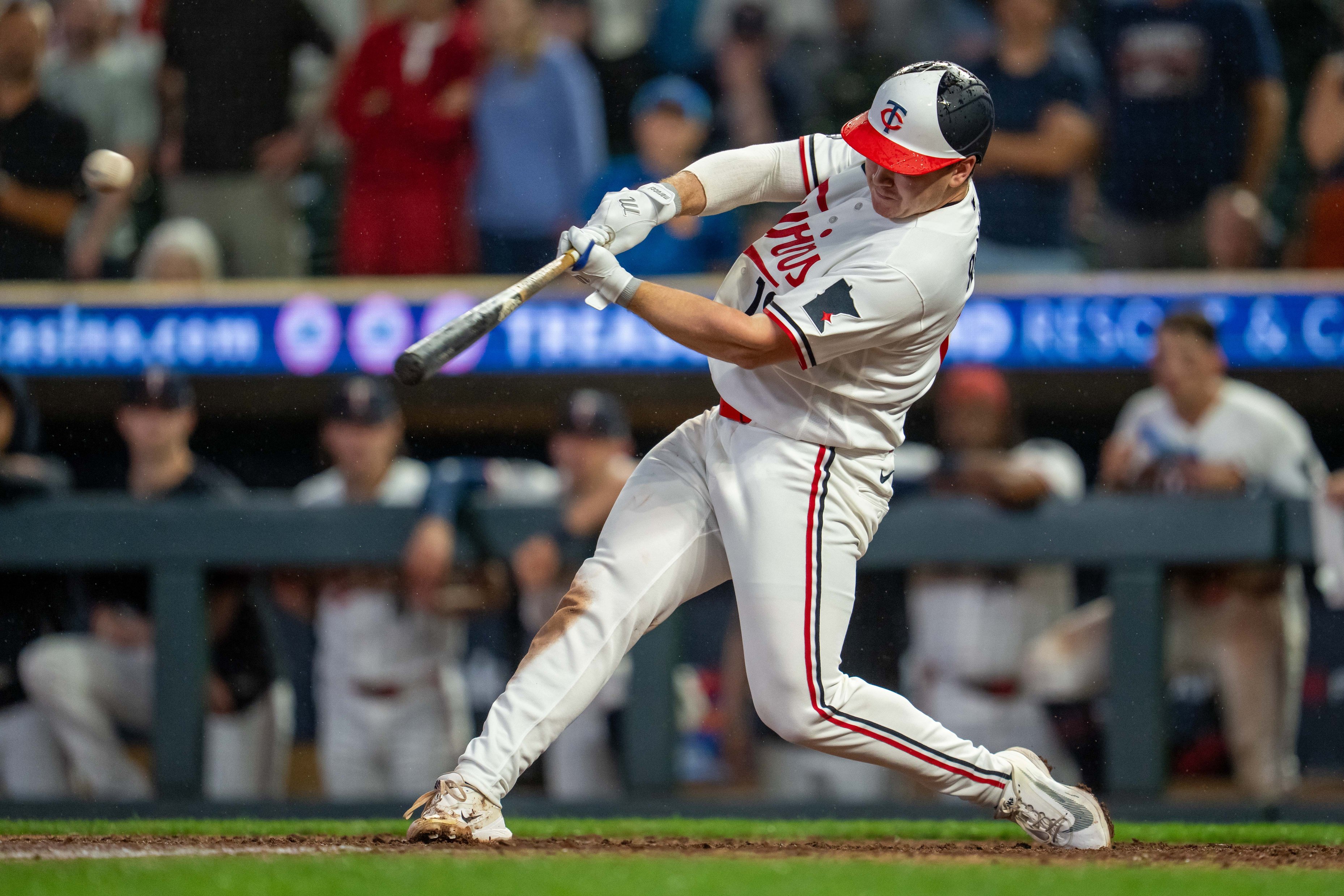 Nobody reads anymore. A recent Atlantic article found that just 16% of Americans read for pleasure. The other 84%? Apparently they're reading because life, work, or the IRS forced them to. That means if you clicked on an article breaking down Alan Roden's swing changes, you're either part of a dying breed or you accidentally tapped the wrong link. Either way, welcome. I'll make you a deal. We'll get to the video almost immediately, and then we'll spend the rest of the article figuring out why the Twins believe Roden's new setup might unlock more offense than the version we watched a year ago. copy_09C41BD8-F2FB-436C-A253-8BC5BFD87AAD.mp4 So what did you just watch? My guess is your first thought was something along the lines of, "Alan Roden has a pretty unorthodox swing." That slow-pitch softball leg kick catches a lot of people off guard. Your second thought might be that the two swings actually look fairly similar, aside from him setting up a little lower this season. You'd be right on both counts. But let's dig a little deeper. In 2024, Roden hit a career-high 16 home runs. The left-handed hitting outfielder believed he had the tools to produce that kind of power more consistently. His goal became improving his launch angle to the pull side so he could drive more baseballs in the air and over the fence. Here's what Roden told Fangraphs' David Laurila about his stance during spring training last year: "The stance is about pre-setting the slot so that once I get to launch position I can just turn — it’s how I’m posturing, and directionally moving through the swing to match the plane of the pitch. There is a little more space behind me now, and the turn starts a little bit earlier. It’s been a process to get to this point, but I really like where I’m at right now." When Roden talks about "pre-setting the slot," he's referring to the relationship between his hands, arms, and bat throughout the swing. In simple terms, he's trying to maintain a strong triangle between his arms and hands as he delivers the barrel. Compare that to his setup at Creighton. His pre-pitch posture was noticeably looser than what we saw during his 2025 season. While Roden found success against college and minor league pitching, those results didn't immediately carry over against major league arms. In 55 games with the Blue Jays and Twins in 2025, he hit .191/.261/.294. In his 12 games just with Minnesota, he hit .158 with 13 strikeouts, no walks, and just 40 plate appearances. Rather than continue doing the same thing and hoping for different results, Roden made meaningful adjustments entering 2026. The first noticeable change is in his lower half. Just as he previously focused on pre-setting his slot, he's now pre-setting his back hip. You'll notice he's hinging much more into his rear leg compared to last year's upright setup. In 2025, his lower-half move eventually got him into this position. Now he's ready to fire the moment he gets into the box. He's also starting from a much more open stance. This season he's set up at roughly 45 degrees compared to 34 degrees a year ago, which was already well above the MLB average of 11 degrees. His hand position is another obvious adjustment. He's starting with his hands lower and farther away from his body than he did last season. In 2025, the bat would wrap behind him during the load, creating a longer path to the baseball and making it more difficult to get to velocity on the inner half. Now his hands stay much more in line with his torso, creating stretch without pulling everything offline. There are also several underlying traits that make Roden an intriguing offensive bet and someone worth giving every opportunity to figure things out. He owns one of the better strike-zone profiles you'll find. Throughout the minors, Roden actually walked more than he struck out, a rare accomplishment in today's game. Interestingly, his bat speed is merely average. It's an extremely small sample of just 14 competitive swings in the majors during 2026, but his average bat speed is actually down one mile per hour to 69.1 MPH. League average sits at 71.7 MPH. The tradeoff is that the bat is getting to the ball on a shorter path. That's one reason he's consistently able to control the strike zone. There's no guarantee these changes turn Alan Roden into an everyday major leaguer. Hitting is rarely that simple. What matters is that he's attacking the problem instead of hoping it fixes itself. Every adjustment in his setup has a purpose, from the way he loads his back hip to how he positions his hands. The next few months won't tell us whether Roden can hit. They'll tell us whether this version of Roden is the one the Twins believed they were acquiring.