



Parker Hageman
-
Posts
4,152 -
Joined
-
Last visited
-
Days Won
6
Content Type
Profiles
News
Minnesota Twins Videos
2026 Minnesota Twins Top Prospects Ranking
2022 Minnesota Twins Draft Picks
Minnesota Twins Free Agent & Trade Rumors, Notes, & Tidbits
Guides & Resources
2023 Minnesota Twins Draft Picks
The Minnesota Twins Players Project
2024 Minnesota Twins Draft Picks
2025 Minnesota Twins Draft Pick Tracker
2026 Minnesota Twins Draft Tracker: Picks & Bonuses
Forums
Blogs
Events
Store
Downloads
Gallery
Everything posted by Parker Hageman
-
 Image courtesy of Matt Blewett-Imagn Images I might be on to something or just on something, but after watching the Twins move on from Rocco Baldelli and considering where the organization goes next, one name keeps circling back in my head. Torii Hunter. It’s not just that he’s a recognizable name or that he still has a permanent place in the memories of fans who watched him climb the Metrodome wall. It’s that he brings everything the role seems to require right now: charisma, media savvy, respect from players, a familiarity with both the fan base and the front office, and most importantly, the ability to set the tone in a clubhouse. Make no mistake, there are qualified internal candidates. Hank Conger has been groomed for a managerial role and understands the organization’s infrastructure. Toby Gardenhire, who has spent years in the system, has the family ties and the respect of those around him. Both could easily maintain continuity and keep the train moving forward. But Hunter represents something different. He is the kind of entertaining, magnetic figure who could satisfy both the front office’s modern sensibilities and the fan base’s desire for energy and connection. As Twins Daily’s Nick Nelson asked recently, what’s the actual evidence that Torii Hunter would be a successful managerial candidate beyond, you know, vibes? To be fair, none of us really know much about any of the candidates, especially ones that have zero track record. Even insiders probably only have a slightly better read on what the Twins want or what specific candidates can provide. What we do know is that Hunter has built a reputation for connecting with players in a way few others can. In 2024, Royce Lewis credited Hunter as one of his most trusted voices while battling through injuries and the mental grind of early setbacks. “He simplified the game, because a lot of baseball is overthought and you overdo things a lot,” Lewis told MLB.com in August 2024, when he was slugging .613 with 10 home runs in his injury-shortened season. “For me, I simplify my game, whether it’s the approach [at the plate]—don’t make excuses. ... Learn how to get better at it. Learn not to swing at that pitch and move on. Torii has harnessed me into doing that over and over, and I truly believe in it.” That is high praise from one of the franchise’s cornerstone players, and it echoes what others have said about Hunter in his post-playing roles. With the Angels, Hunter served as a special assistant in player development, a mentor whose job was to connect with young players and help them navigate the transition to professional baseball. “Just be available for players that want to talk, that’s my biggest thing,” Hunter told the Star Tribune last month when describing his role. “I try to help implement the system, or be a sounding board. I’m here to share some of my experience over the years, someone who’s been through some pain of his own, and help them find some solutions.” Former Angels manager Ron Washington raved about Hunter’s “intelligence” and “championship culture” experience, describing him as a vital influence on a young roster. That sounds awfully familiar to what the Twins could use in 2026. Now, the Angels are not exactly an organization you want to model. But the bottom line is that Hunter’s strength is working with players. If the Twins’ biggest issue the past two seasons has been a slow cultural fade, his presence would be a positive step toward restoring energy and accountability in the clubhouse. Let's not also forget his epic post-game dance parties back in 2015. And that is what the modern MLB manager really is. They are not the old-school tacticians from the 70s or 80s pulling every lever in the dugout. Most matchups, pinch-hits, and bullpen decisions are mapped out by the front office and support staff long before the first pitch. The modern manager’s real job is to manage people, to maintain culture and keep players pulling in the same direction over a 162-game grind. That is why Hunter’s lack of traditional managerial experience is not necessarily a strike against him. You look at modern examples like Aaron Boone with the Yankees or Alex Cora with the Red Sox, both former players with name recognition, media fluency, and credibility in the clubhouse. Hunter fits that profile perfectly. The Twins have had steady, consistent leaders in the dugout such as Tom Kelly, Ron Gardenhire, Paul Molitor, and Rocco Baldelli. But lately, the club has lacked some of the personality and spark that once made them so engaging. Hunter offers that. If the front office provides him with the right staff, the right players, and the freedom to manage the culture his way, Torii Hunter could be the bridge between data and emotion, the person who ties the analytical and human sides of the game together. And maybe, just maybe, the spark the Twins need. View full article
 -
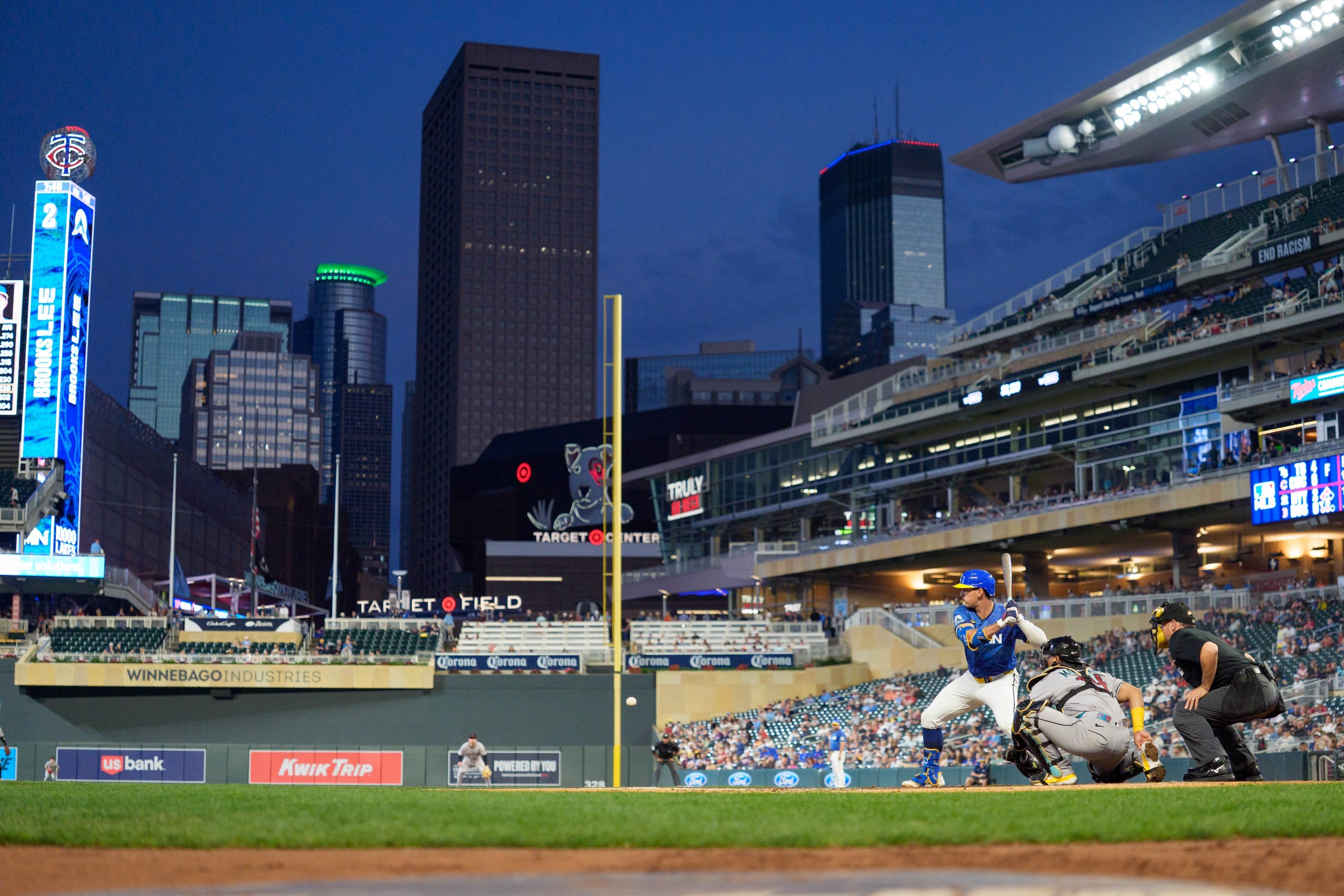 I might be on to something or just on something, but after watching the Twins move on from Rocco Baldelli and considering where the organization goes next, one name keeps circling back in my head. Torii Hunter. It’s not just that he’s a recognizable name or that he still has a permanent place in the memories of fans who watched him climb the Metrodome wall. It’s that he brings everything the role seems to require right now: charisma, media savvy, respect from players, a familiarity with both the fan base and the front office, and most importantly, the ability to set the tone in a clubhouse. Make no mistake, there are qualified internal candidates. Hank Conger has been groomed for a managerial role and understands the organization’s infrastructure. Toby Gardenhire, who has spent years in the system, has the family ties and the respect of those around him. Both could easily maintain continuity and keep the train moving forward. But Hunter represents something different. He is the kind of entertaining, magnetic figure who could satisfy both the front office’s modern sensibilities and the fan base’s desire for energy and connection. As Twins Daily’s Nick Nelson asked recently, what’s the actual evidence that Torii Hunter would be a successful managerial candidate beyond, you know, vibes? To be fair, none of us really know much about any of the candidates, especially ones that have zero track record. Even insiders probably only have a slightly better read on what the Twins want or what specific candidates can provide. What we do know is that Hunter has built a reputation for connecting with players in a way few others can. In 2024, Royce Lewis credited Hunter as one of his most trusted voices while battling through injuries and the mental grind of early setbacks. “He simplified the game, because a lot of baseball is overthought and you overdo things a lot,” Lewis told MLB.com in August 2024, when he was slugging .613 with 10 home runs in his injury-shortened season. “For me, I simplify my game, whether it’s the approach [at the plate]—don’t make excuses. ... Learn how to get better at it. Learn not to swing at that pitch and move on. Torii has harnessed me into doing that over and over, and I truly believe in it.” That is high praise from one of the franchise’s cornerstone players, and it echoes what others have said about Hunter in his post-playing roles. With the Angels, Hunter served as a special assistant in player development, a mentor whose job was to connect with young players and help them navigate the transition to professional baseball. “Just be available for players that want to talk, that’s my biggest thing,” Hunter told the Star Tribune last month when describing his role. “I try to help implement the system, or be a sounding board. I’m here to share some of my experience over the years, someone who’s been through some pain of his own, and help them find some solutions.” Former Angels manager Ron Washington raved about Hunter’s “intelligence” and “championship culture” experience, describing him as a vital influence on a young roster. That sounds awfully familiar to what the Twins could use in 2026. Now, the Angels are not exactly an organization you want to model. But the bottom line is that Hunter’s strength is working with players. If the Twins’ biggest issue the past two seasons has been a slow cultural fade, his presence would be a positive step toward restoring energy and accountability in the clubhouse. Let's not also forget his epic post-game dance parties back in 2015. And that is what the modern MLB manager really is. They are not the old-school tacticians from the 70s or 80s pulling every lever in the dugout. Most matchups, pinch-hits, and bullpen decisions are mapped out by the front office and support staff long before the first pitch. The modern manager’s real job is to manage people, to maintain culture and keep players pulling in the same direction over a 162-game grind. That is why Hunter’s lack of traditional managerial experience is not necessarily a strike against him. You look at modern examples like Aaron Boone with the Yankees or Alex Cora with the Red Sox, both former players with name recognition, media fluency, and credibility in the clubhouse. Hunter fits that profile perfectly. The Twins have had steady, consistent leaders in the dugout such as Tom Kelly, Ron Gardenhire, Paul Molitor, and Rocco Baldelli. But lately, the club has lacked some of the personality and spark that once made them so engaging. Hunter offers that. If the front office provides him with the right staff, the right players, and the freedom to manage the culture his way, Torii Hunter could be the bridge between data and emotion, the person who ties the analytical and human sides of the game together. And maybe, just maybe, the spark the Twins need.
- 64 comments
-
- 13
-

-

-
Image courtesy of © Bruce Kluckhohn-Imagn Images “I want a f*cking parade.” That was Rocco Baldelli’s rallying cry to his clubhouse in spring training. He wasn’t talking about incremental improvement or simply competing for a division title. He was setting the bar at the top: a World Series championship, a parade down Hennepin Avenue, the kind of celebration that cements players into franchise folklore. “The community will forever be indebted to you,” Baldelli continued. “Forever. They’ll f*cking love you.” If you walk around Target Field, the evidence of what parades mean to Minnesota is everywhere. Kent Hrbek has a bar inside and a statue outside. Dan Gladden is a voice on the radio. Kirby Puckett is bronzed. Tim Laudner greets fans on the television broadcast. Bert Blyleven and Tom Kelly’s numbers hang in retirement. They aren’t remembered just because they were good. They’re remembered because they won. They gave this state parades. The 2025 Twins didn’t deliver a parade. They didn’t even come close. What they delivered was another losing season, over 90 losses for the sixth time since Target Field opened in 2010. The offense spent April swinging pool noodles. The bullpen gave away leads. Fans sank into malaise. By July, the front office hit the eject button and turned the roster into a liquidation sale. This wasn’t the corner turned in 2023, when Minnesota finally won its first playoff series in two decades. That team felt like the start of something. Instead, ownership slashed payroll, lost its TV deal, left swaths of the fanbase unable to watch, floated a sale, then backpedaled and brought in investors to cover debts. The same hands on the wheel. The same directionless drift. And so, instead of a parade, Minnesota got prospects. There were brief flickers of life. A 12-game winning streak in May. A handful of strong individual performances. But the overriding story was failure and frustration. The offense looked lifeless. The bullpen collapsed again and again. Fans checked out. By August, Target Field felt like a ghost town. I remember what a parade feels like. In 1987, I was a kid in first grade, standing downtown with my sister, ticker tape in the air, the city buzzing, Sal Butera’s car catching fire in the procession, the kind of chaos that never leaves your memory. In 1991, it was the same energy, the same joy, the same proof that a baseball team could unite an entire state. Leaving downtown in ’87, I stuck my hand out the car window along Washington Avenue and strangers in Twins gear slapped it like we were all family. That’s what a parade does. It bonds people. It brands memories. It tells you that for once, in this corner of the sports universe, we are winners. And that’s why Baldelli’s words cut so deep. We want that f*cking parade. Not just for the players. For all of us. Could the Twins get back there? Maybe. Byron Buxton, when healthy, is still one of the best centerfielders in the game. Pablo López and Joe Ryan are a formidable one-two punch. Royce Lewis has star potential, Luke Keaschall appears ready, and the pipeline is stocked with names like Walker Jenkins, Emmanuel Rodriguez, and Kaelen Culpepper. The Twins have built a reputation for developing arms, and pitching depth is finally a strength. But hope is fragile. López, Ryan, even Buxton could be moved this winter. Ownership hasn’t inspired confidence. And fans know the cycle too well. The peaks of 1987 and 1991 followed valleys in the early ’80s. The division titles of the 2000s came after the misery of the late ’90s. The Twins lose, they rebound, they hang around the fringes, they collapse, and the cycle repeats. 2025 felt like another valley. I’ll admit something. This was the first year in my life that I didn’t attend a Twins home game. Part of it was life. Kids in travel sports. Work that swallowed spring and summer. Part of it was principle. I wasn’t eager to hand ownership money after they tore the roster apart. And part of it was heartbreak. Watching the promise of 2023 vanish so quickly. But I know myself. I’ll be back. We all will. That’s what baseball does. It gives you just enough. A streak here. A promising prospect there. A glimpse of what could be. And it keeps you coming back. And we keep coming back for one reason. We want that f*cking parade. It likely won’t be next year. Maybe not the one after that. But somewhere down the line, when this core grows, when the prospects click, when the cycle turns upward again, we’ll be back downtown. Ticker tape in the air. Kids on shoulders. High-fives out of car windows. Because we all want what Baldelli wanted this past spring. A f*cking parade. View full article
- 42 replies
-
- 1
-
-
- rocco baldelli
- byron buxton
- (and 3 more)
-
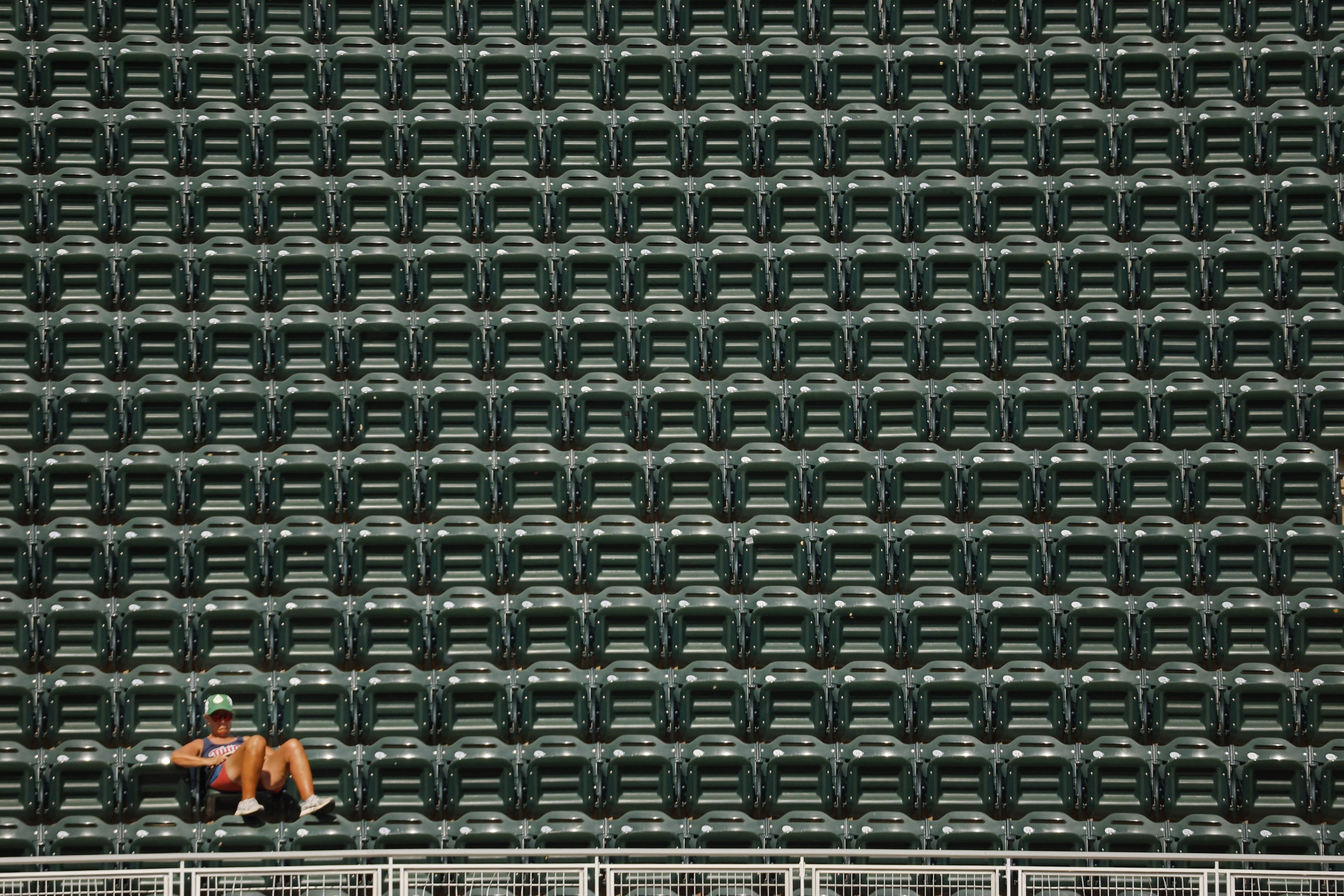 “I want a f*cking parade.” That was Rocco Baldelli’s rallying cry to his clubhouse in spring training. He wasn’t talking about incremental improvement or simply competing for a division title. He was setting the bar at the top: a World Series championship, a parade down Hennepin Avenue, the kind of celebration that cements players into franchise folklore. “The community will forever be indebted to you,” Baldelli continued. “Forever. They’ll f*cking love you.” If you walk around Target Field, the evidence of what parades mean to Minnesota is everywhere. Kent Hrbek has a bar inside and a statue outside. Dan Gladden is a voice on the radio. Kirby Puckett is bronzed. Tim Laudner greets fans on the television broadcast. Bert Blyleven and Tom Kelly’s numbers hang in retirement. They aren’t remembered just because they were good. They’re remembered because they won. They gave this state parades. The 2025 Twins didn’t deliver a parade. They didn’t even come close. What they delivered was another losing season, over 90 losses for the sixth time since Target Field opened in 2010. The offense spent April swinging pool noodles. The bullpen gave away leads. Fans sank into malaise. By July, the front office hit the eject button and turned the roster into a liquidation sale. This wasn’t the corner turned in 2023, when Minnesota finally won its first playoff series in two decades. That team felt like the start of something. Instead, ownership slashed payroll, lost its TV deal, left swaths of the fanbase unable to watch, floated a sale, then backpedaled and brought in investors to cover debts. The same hands on the wheel. The same directionless drift. And so, instead of a parade, Minnesota got prospects. There were brief flickers of life. A 12-game winning streak in May. A handful of strong individual performances. But the overriding story was failure and frustration. The offense looked lifeless. The bullpen collapsed again and again. Fans checked out. By August, Target Field felt like a ghost town. I remember what a parade feels like. In 1987, I was a kid in first grade, standing downtown with my sister, ticker tape in the air, the city buzzing, Sal Butera’s car catching fire in the procession, the kind of chaos that never leaves your memory. In 1991, it was the same energy, the same joy, the same proof that a baseball team could unite an entire state. Leaving downtown in ’87, I stuck my hand out the car window along Washington Avenue and strangers in Twins gear slapped it like we were all family. That’s what a parade does. It bonds people. It brands memories. It tells you that for once, in this corner of the sports universe, we are winners. And that’s why Baldelli’s words cut so deep. We want that f*cking parade. Not just for the players. For all of us. Could the Twins get back there? Maybe. Byron Buxton, when healthy, is still one of the best centerfielders in the game. Pablo López and Joe Ryan are a formidable one-two punch. Royce Lewis has star potential, Luke Keaschall appears ready, and the pipeline is stocked with names like Walker Jenkins, Emmanuel Rodriguez, and Kaelen Culpepper. The Twins have built a reputation for developing arms, and pitching depth is finally a strength. But hope is fragile. López, Ryan, even Buxton could be moved this winter. Ownership hasn’t inspired confidence. And fans know the cycle too well. The peaks of 1987 and 1991 followed valleys in the early ’80s. The division titles of the 2000s came after the misery of the late ’90s. The Twins lose, they rebound, they hang around the fringes, they collapse, and the cycle repeats. 2025 felt like another valley. I’ll admit something. This was the first year in my life that I didn’t attend a Twins home game. Part of it was life. Kids in travel sports. Work that swallowed spring and summer. Part of it was principle. I wasn’t eager to hand ownership money after they tore the roster apart. And part of it was heartbreak. Watching the promise of 2023 vanish so quickly. But I know myself. I’ll be back. We all will. That’s what baseball does. It gives you just enough. A streak here. A promising prospect there. A glimpse of what could be. And it keeps you coming back. And we keep coming back for one reason. We want that f*cking parade. It likely won’t be next year. Maybe not the one after that. But somewhere down the line, when this core grows, when the prospects click, when the cycle turns upward again, we’ll be back downtown. Ticker tape in the air. Kids on shoulders. High-fives out of car windows. Because we all want what Baldelli wanted this past spring. A f*cking parade.
- 42 comments
-
- 19
-
-
-
- rocco baldelli
- byron buxton
- (and 3 more)
-
Laweryson will wear No. 66 when he takes the mound at Target Field, likely against the Arizona Diamondbacks. If and when he does, it will mark the culmination of a long, unspectacular, but steady climb through the minors. Plus, he'll be the first native of Maine to play in the majors since Ryan Flaherty in 2019. For the Twins, it’s one more example of how September rarely goes as planned — and how opportunity, sometimes, finds those who simply refuse to go away. View full article
-
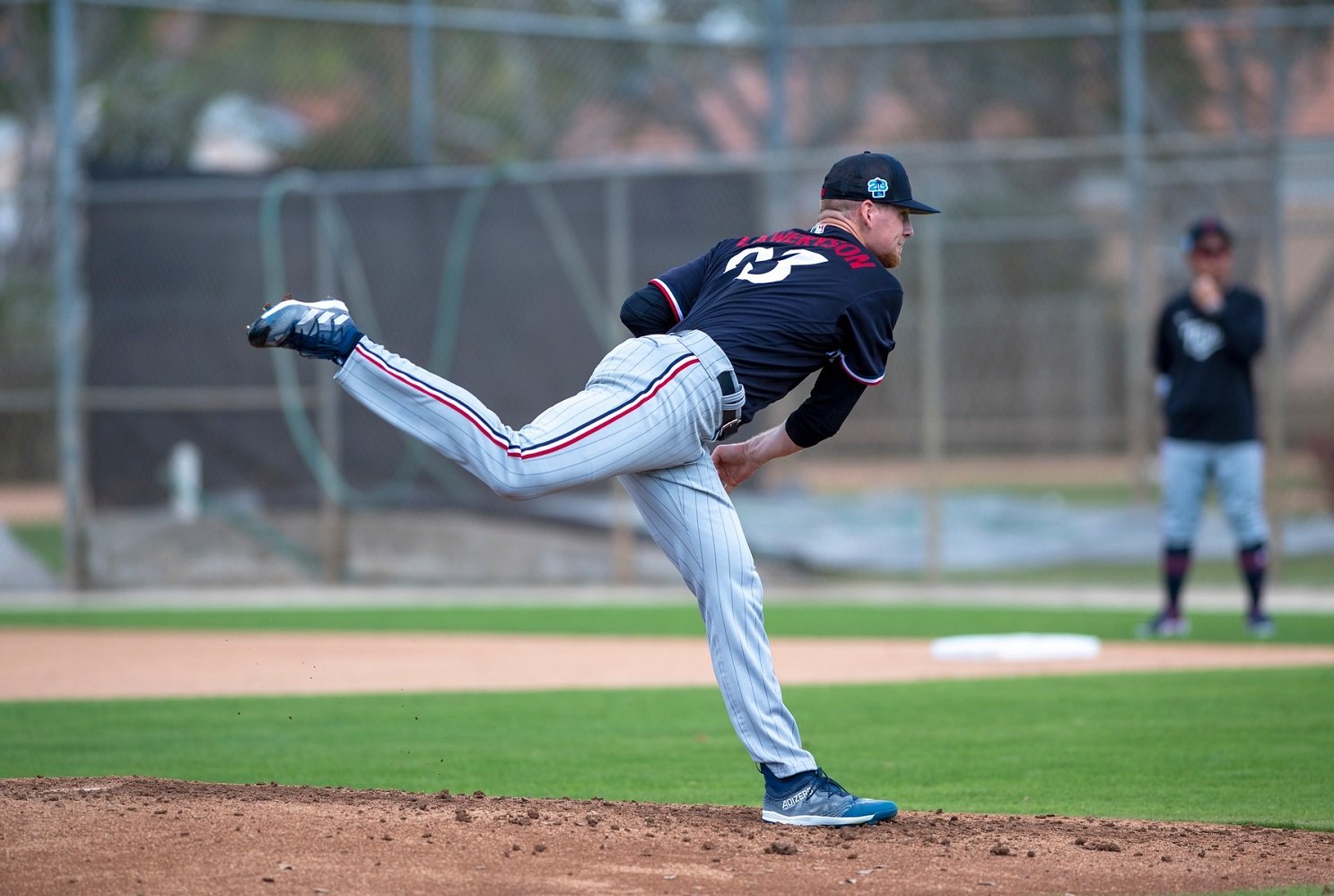 The Minnesota Twins are down another arm. Justin Topa, who has been asked to carry more than his fair share of innings this season, is headed to the 15-day injured list with a left oblique strain, retroactive to September 9. For a bullpen that has leaned heavily on him — 54 appearances, 60 innings, a 3.90 ERA — the absence is another reminder of how fragile the relief corps can be in September. Into the breach steps Cody Laweryson. His name won’t ring out across baseball circles, and there was a time when his ceiling appeared to be that of organizational filler. A 14th-round pick out of the University of Maine in 2019, he’s spent six seasons grinding through the system, never flashy, always steady. This year, he’s been more than that. Between Double-A Wichita and Triple-A St. Paul, Laweryson has delivered a 2.86 ERA in 34 games, with six saves and a penchant for missing bats. The profile is intriguing in its simplicity. The fastball sits at 93–94 mph — hardly eye-popping — but the pitch plays, generating whiffs at a 28 percent clip in St. Paul, one of the best marks on the staff. Add a cutter at 85 mph that also misses bats at the same rate, and suddenly the unheralded right-hander carries a pair of weapons that could keep him in the big leagues. Laweryson will wear No. 66 when he takes the mound at Target Field, likely against the Arizona Diamondbacks. If and when he does, it will mark the culmination of a long, unspectacular, but steady climb through the minors. Plus, he'll be the first native of Maine to play in the majors since Ryan Flaherty in 2019. For the Twins, it’s one more example of how September rarely goes as planned — and how opportunity, sometimes, finds those who simply refuse to go away.
- 14 comments
-
- 10
-
-
- justin topa
- cody laweryson
- (and 1 more)
-
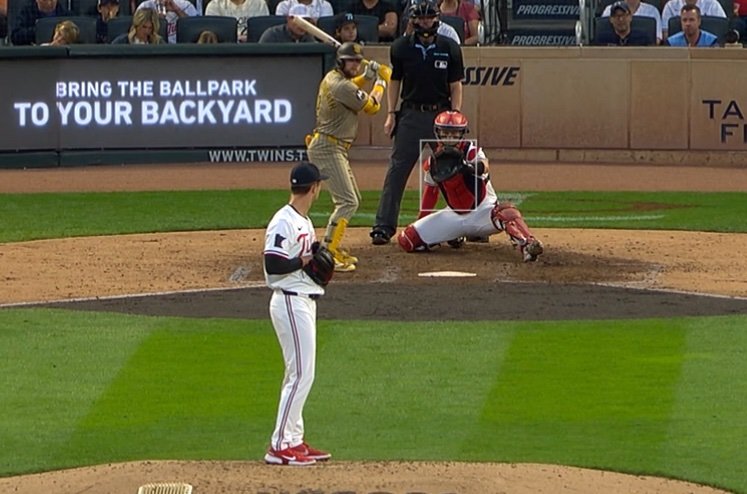
It was enough of an issue that the Twins had Abel go to the midsection glove placement to eliminate the possibility of tipping his pitches in that manner. Obviously he got hit around by the Dads but to me, it was far more about falling behind and not landing secondary pitches effectively. Lots of balls shot through infield holes. Raw stuff is impressive. Needs command. He’s also learning a new pitch and now working from a new position in the stretch. Both will take some time to develop.
-
To be clear, bat speed is still very important overall but with the addition of new ball tracking measurements, we're learning about how players with lower bat speed have consistent success and generate more pop than expected. Keaschall has (so far) proven that he makes optimal contact in his swings (i.e. the squared-up & blast rates) which translates to some of the power we've seen early on. I don't know if he winds up being a player who hits a high amount of home runs, but if he continues to make the kind of contact he has been, I can see him falling in the 10-20 range in a full season.
-
Image courtesy of Matt Blewett-Imagn Images Luke Keaschall recently sent Twins fans braving post-fire sale August baseball home happy with a walk-off home run. He’s hitting north of .400, in just under 50 plate appearances. He’s playing like his blood is equal parts plasma and energy drink, a jolt this team sorely needed after the midsummer collapse and subsequent roster detonation. It’s also hard not to root for a guy who missed time with a forearm fracture, only to return and pick up exactly where he left off. Now, yes, we’re talking about a small data set here. But let’s look under the hood. Keaschall’s bat speed clocks in at 66.9 mph, which would put him in the bottom 10 among MLB hitters. That’s not necessarily a death sentence for production. Luis Arraez and Jacob Wilson live in that neighborhood, too, and they’re both capable of hitting their way out of a paper bag (with Arraez building a summer home inside it). The key for Keaschall is that his bat path is exceptionally short, at just 6.3 feet, tied for the third-shortest in baseball with Atlanta’s Nick Allen. For comparison, Byron Buxton’s swing path measures 7.9 feet (13th-shortest) while moving the barrel at a brisk 75.1 mph. Short swings can be a gift. They allow hitters to make later decisions and still get the barrel to the ball. MLB’s bat-tracking data now includes metrics like “squared-up” (how close a hitter comes to their projected max exit velocity given pitch speed and bat speed) and “blasts” (elite contact factoring in both bat speed and that max EV potential). Blasts, in particular, are worth paying attention to, because those swings have produced a .563 average, 1.182 slugging, and .727 wOBA league-wide. Here’s the rub: hitters with low bat speed tend to produce fewer blasts. Arraez has the lowest blast rate in baseball (2.0%) and, unsurprisingly, is not known for denting scoreboards. But he compensates by leading MLB in squared-up rate (45.4%), maximizing the contact he does make. Keaschall is currently at a 14% blast rate, which is middle of the pack, and a 51% squared-up rate, which would be best in baseball over a full season. That’s a sign of a hitter who consistently delivers the barrel to the sweet spot. And it’s not just the bat-to-ball skills. His swing decisions have been elite. He’s offered at only 13% of pitches outside the strike zone, which would be the lowest chase rate in the league. In fact, the only truly non-competitive pitches he’s swung at came in his first two big-league games against Atlanta, and even those were borderline check-swings. Given the modern scouting landscape, Keaschall will not sneak up on opponents for long. With just one season’s worth of games in the minors (162 across three years and four levels), it’s likely pitchers are still figuring out how to attack him. So far, he’s shown he can turn around elevated fastballs (both of his home runs came on pitches up in the zone) and handle breaking stuff down. The league will adjust. They always do. But Keaschall’s combination of short swing, quality decisions, and sweet-spot contact means he should remain a tough out. For now, he’s exactly what this Twins lineup needed: a hitterish, caffeinated spark in a season that’s had precious few. View full article
-
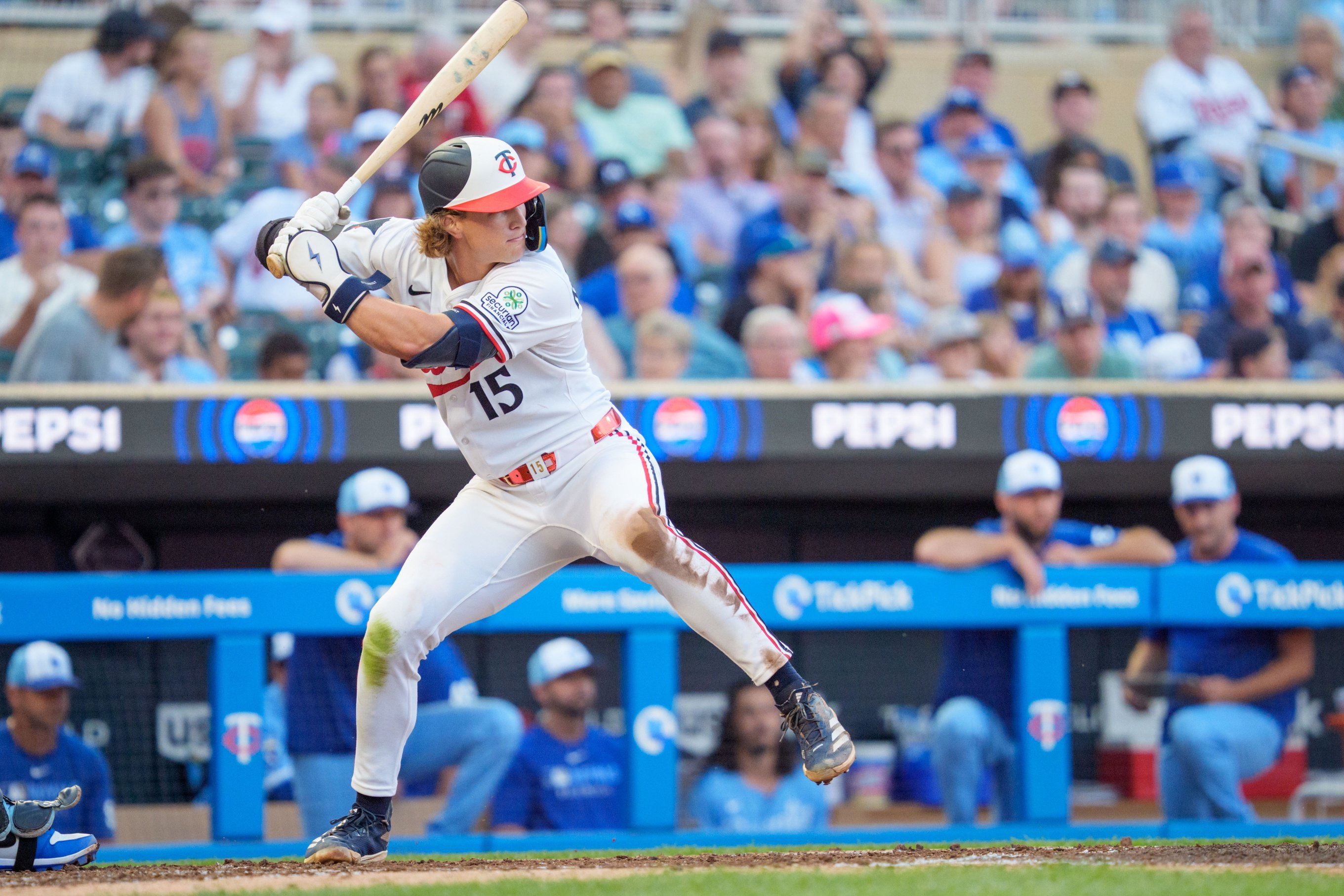 Luke Keaschall recently sent Twins fans braving post-fire sale August baseball home happy with a walk-off home run. He’s hitting north of .400, in just under 50 plate appearances. He’s playing like his blood is equal parts plasma and energy drink, a jolt this team sorely needed after the midsummer collapse and subsequent roster detonation. It’s also hard not to root for a guy who missed time with a forearm fracture, only to return and pick up exactly where he left off. Now, yes, we’re talking about a small data set here. But let’s look under the hood. Keaschall’s bat speed clocks in at 66.9 mph, which would put him in the bottom 10 among MLB hitters. That’s not necessarily a death sentence for production. Luis Arraez and Jacob Wilson live in that neighborhood, too, and they’re both capable of hitting their way out of a paper bag (with Arraez building a summer home inside it). The key for Keaschall is that his bat path is exceptionally short, at just 6.3 feet, tied for the third-shortest in baseball with Atlanta’s Nick Allen. For comparison, Byron Buxton’s swing path measures 7.9 feet (13th-shortest) while moving the barrel at a brisk 75.1 mph. Short swings can be a gift. They allow hitters to make later decisions and still get the barrel to the ball. MLB’s bat-tracking data now includes metrics like “squared-up” (how close a hitter comes to their projected max exit velocity given pitch speed and bat speed) and “blasts” (elite contact factoring in both bat speed and that max EV potential). Blasts, in particular, are worth paying attention to, because those swings have produced a .563 average, 1.182 slugging, and .727 wOBA league-wide. Here’s the rub: hitters with low bat speed tend to produce fewer blasts. Arraez has the lowest blast rate in baseball (2.0%) and, unsurprisingly, is not known for denting scoreboards. But he compensates by leading MLB in squared-up rate (45.4%), maximizing the contact he does make. Keaschall is currently at a 14% blast rate, which is middle of the pack, and a 51% squared-up rate, which would be best in baseball over a full season. That’s a sign of a hitter who consistently delivers the barrel to the sweet spot. And it’s not just the bat-to-ball skills. His swing decisions have been elite. He’s offered at only 13% of pitches outside the strike zone, which would be the lowest chase rate in the league. In fact, the only truly non-competitive pitches he’s swung at came in his first two big-league games against Atlanta, and even those were borderline check-swings. Given the modern scouting landscape, Keaschall will not sneak up on opponents for long. With just one season’s worth of games in the minors (162 across three years and four levels), it’s likely pitchers are still figuring out how to attack him. So far, he’s shown he can turn around elevated fastballs (both of his home runs came on pitches up in the zone) and handle breaking stuff down. The league will adjust. They always do. But Keaschall’s combination of short swing, quality decisions, and sweet-spot contact means he should remain a tough out. For now, he’s exactly what this Twins lineup needed: a hitterish, caffeinated spark in a season that’s had precious few.
 -
CURRENT W-L Records Minnesota Twins: 40-43 St. Paul Saints: 36-42 Wichita Wind Surge: 40-34 Cedar Rapids Kernels: 42-32 Fort Myers Mighty Mussels: 31-41 FCL Twins: 25-13 DSL Twins: 5-14 TRANSACTIONS Cedar Rapids Kernels activated RHP Logan Whitaker from the 7-day injured list. St. Paul Saints activated C Diego Cartaya. St. Paul Saints placed 2B Ryan Fitzgerald on the 7-day injured list. Right hamstring strain. SAINTS SENTINEL Game 1: St. Paul 3, Louisville 7 Box Score What looked like a promising afternoon unraveled fast for the Saints in the sixth, undone by a Blake Dunn no-doubt grand slam that punctuated a five-run frame and flipped the script at CHS Field. Marco Raya looked sharp through five, limiting the Louisville Bats to two runs and giving St. Paul a chance to settle in. But the baton passed to Anthony Misiewicz in the sixth, and the inning went sideways quickly: two singles, a sac bunt, a walk, a sac fly, another walk—and then Dunn unloaded on a first-pitch fastball, sending it over the left-field wall and sucking the air out of the ballpark. Yunior Severino did what he could to keep things close, launching a 450-foot missile to straightaway center for a two-run homer in the bottom half of the inning. He drove in all three of St. Paul’s runs on the night, but the damage had been done. Peyton Eeles and Jeferson Morales each tallied a pair of hits, while Royce Lewis, continuing his rehab assignment, led off and went 0-for-2 with a walk. Not much to show in the box score, but the timing and health continue to trend in the right direction. The Saints fall, but Severino’s power show remains a highlight—and a reminder of what could be waiting in the wings. Game 2: St Paul 5, Louisville 4 Box Score Anthony Prato, better known for his uncanny ability to wear pitches than to launch them, flipped the script in the nightcap of the Saints’ double-header. The franchise’s resident hit-by-pitch magnet turned enforcer in the sixth, unloading a two-run shot that put St. Paul momentarily in front. But the good vibes were short-lived. Jarrett Whorff, called upon to close it down, served up a game-tying two-run homer in the top of the seventh. Of course, baseball being baseball, Whorff would ultimately be rewarded with the win after backup catcher Noah Cardenas—hitting below the Mendoza Line entering the night—turned on a 99 mph fastball and parked it in the bullpen to walk it off. Pitcher wins? Still irrelevant. Peyton Eeles stayed hot, tacking on two more singles, while Pierson Ohl gave the Saints four solid innings (3H, 2ER, 6K) and now carries a shiny 1.95 ERA across three levels. WIND SURGE WISDOM Springfield 12, Wichita 6 Box Score The bats showed up late for the Wind Surge, and by the time they did, Springfield had already built an 8-0 cushion. Wichita clawed back to 9-5 before the Cardinals tacked on insurance in the 8th, sealing a 12-6 loss. Kyler Fedko—currently leading the Texas League in slugging—continued his wrecking ball ways, lacing a ground-rule double with the bases loaded. Kaelen Culpepper racked up a three-hit day, and Walker Jenkins launched his first Double-A home run: a 386-foot rocket into the bullpen off a 96 mph heater. Since his promotion, Jenkins has reached safely in 9 of 10 games and continues to look every bit the fast-tracked future piece. KERNELS NUGGETS Cedar Rapids 4, South Bend 5 Box Score The Kernels held a narrow 4-3 lead into the seventh, powered by a clutch ground-rule double from Kyle Hess that brought home Billy Amick and Misael Urbina. But the edge didn’t last. Jacob Kistling surrendered a two-run homer in the bottom half, and just like that, South Bend flipped the script. Kyle DeBarge continues to be a one-man wrecking crew. The infielder went 2-for-5, swiped his league-leading 42nd base of the season, and added his 47th RBI for good measure. The stat line keeps stacking, and so does his case as one of the most dynamic players in the Midwest League. MUSSEL MATTERS Tampa 7, Fort Myers 4 Box Score The day’s spotlight was on Dasan Hill, the lean, left-handed arm with upside and velocity to match. He navigated traffic through his first two innings before running into trouble in the third, allowing a pair of runs. That frame had everything: Brian Sanchez swiped two bags, there was a wild pitch, a balk, and—just for good measure—a pickoff/caught stealing to end the inning. Hill threw 65 pitches in total, the most of his pro career. The Mussels got some help from the Tarpons’ infield circus in the fifth. What looked like a routine Dameury Peña grounder turned into two runs after airmail throws from both corners of Tampa’s defense—first from third, then first—and Peña ended up standing on third without needing to flash any wheels. Caleb McNeely put together a solid day at the plate, finishing 2-for-3 with a double. But Tampa’s running game ran wild, swiping eight bags against the Fort Myers battery in what became a track meet on dirt. COMPLEX CHRONICLES FCL Twins 6, FCL Red Sox 5 Box Score Trailing 5-0 and facing win probability odds that screamed “not your day,” the FCL Twins rallied back behind a flurry of timely hits and bullpen dominance. Rafael Escalante knocked in two with a single in the sixth, while Ricardo Paez’s sac fly in the seventh evened things up. Carlos Silva drove home the eventual winning run in the eighth on a fielder’s choice, completing the comeback. Teague Conrad tossed three scoreless frames to slam the door and grab the win. Yes, Daiber De Los Santos struck out three times. Yes, he still leads the league with 57 punchouts. DOMINICAN DAILIES DSL Marlins 6, DSL Twins 3 Box Score It was a shaky start on the mound for the DSL Twins. Starter Rainer Marin and reliever Aaron Carranza combined to issue eight walks over 4.2 innings, and as is often the case, those freebies came back to bite—four of them eventually came around to score. Still, there were bright spots. Teilon Serrano stayed locked in at the plate, collecting two hits and crossing home for one of the Twins’ only two runs. Haritzon Castillo continues to be one of the most consistent bats in the DSL, roping an RBI single—his 14th run driven in this season. Castillo’s line now sits at a scorching .346/.453/.558 through 64 plate appearances, good for second in the league in RBIs. TWINS DAILY MINOR LEAGUE PLAYERS OF THE DAY Pitcher of the Day: Pierson Ohl, 4 IP, 3 H, 2 R, 6 K Hitter of the Day: Walker Jenkins, 2-for-3, HR, 2 R, RBI, 2 BB PROSPECT SUMMARY Check out the Prospect Tracker for more. 1. Walker Jenkins (Wichita): 2-for-3, HR, 2 R, RBI, 2 BB 4. Kaelen Culpepper (Wichita): 3-for-5, R, RBI 6. Dasan Hill (Fort Myers): 3 IP, 5 H, 2 R, 2 BB, 2 K 9. Brandon Winokur (Cedar Rapids): 0-for-5 10. Kyle DeBarge (Cedar Rapids): 2-for-5, RBI 11. Marco Raya (St. Paul): 5 IP, 3 H, 2 R, 2 BB, 4 K 12. Billy Amick (Cedar Rapids): 1-for-3, R, BB 19. Danny De Andrade (Cedar Rapids): 0-for-3, BB 20. Payton Eeles (St. Paul): 4-for-6, 3 R TOMORROW’S PROBABLE STARTERS St. Paul vs. Louisville, 2:07 pm CT: Randy Dobnak Wichita vs. Springfield, 1:05 pm CT: Christian MacLeod Cedar Rapids vs. South Bend, 1:05 pm CT: Alejandro Hidalgo Fort Myers at Tampa, 11:00 am CT: Christian Becerra View full article
-
 CURRENT W-L Records Minnesota Twins: 40-43 St. Paul Saints: 36-42 Wichita Wind Surge: 40-34 Cedar Rapids Kernels: 42-32 Fort Myers Mighty Mussels: 31-41 FCL Twins: 25-13 DSL Twins: 5-14 TRANSACTIONS Cedar Rapids Kernels activated RHP Logan Whitaker from the 7-day injured list. St. Paul Saints activated C Diego Cartaya. St. Paul Saints placed 2B Ryan Fitzgerald on the 7-day injured list. Right hamstring strain. SAINTS SENTINEL Game 1: St. Paul 3, Louisville 7 Box Score What looked like a promising afternoon unraveled fast for the Saints in the sixth, undone by a Blake Dunn no-doubt grand slam that punctuated a five-run frame and flipped the script at CHS Field. Marco Raya looked sharp through five, limiting the Louisville Bats to two runs and giving St. Paul a chance to settle in. But the baton passed to Anthony Misiewicz in the sixth, and the inning went sideways quickly: two singles, a sac bunt, a walk, a sac fly, another walk—and then Dunn unloaded on a first-pitch fastball, sending it over the left-field wall and sucking the air out of the ballpark. Yunior Severino did what he could to keep things close, launching a 450-foot missile to straightaway center for a two-run homer in the bottom half of the inning. He drove in all three of St. Paul’s runs on the night, but the damage had been done. Peyton Eeles and Jeferson Morales each tallied a pair of hits, while Royce Lewis, continuing his rehab assignment, led off and went 0-for-2 with a walk. Not much to show in the box score, but the timing and health continue to trend in the right direction. The Saints fall, but Severino’s power show remains a highlight—and a reminder of what could be waiting in the wings. Game 2: St Paul 5, Louisville 4 Box Score Anthony Prato, better known for his uncanny ability to wear pitches than to launch them, flipped the script in the nightcap of the Saints’ double-header. The franchise’s resident hit-by-pitch magnet turned enforcer in the sixth, unloading a two-run shot that put St. Paul momentarily in front. But the good vibes were short-lived. Jarrett Whorff, called upon to close it down, served up a game-tying two-run homer in the top of the seventh. Of course, baseball being baseball, Whorff would ultimately be rewarded with the win after backup catcher Noah Cardenas—hitting below the Mendoza Line entering the night—turned on a 99 mph fastball and parked it in the bullpen to walk it off. Pitcher wins? Still irrelevant. Peyton Eeles stayed hot, tacking on two more singles, while Pierson Ohl gave the Saints four solid innings (3H, 2ER, 6K) and now carries a shiny 1.95 ERA across three levels. WIND SURGE WISDOM Springfield 12, Wichita 6 Box Score The bats showed up late for the Wind Surge, and by the time they did, Springfield had already built an 8-0 cushion. Wichita clawed back to 9-5 before the Cardinals tacked on insurance in the 8th, sealing a 12-6 loss. Kyler Fedko—currently leading the Texas League in slugging—continued his wrecking ball ways, lacing a ground-rule double with the bases loaded. Kaelen Culpepper racked up a three-hit day, and Walker Jenkins launched his first Double-A home run: a 386-foot rocket into the bullpen off a 96 mph heater. Since his promotion, Jenkins has reached safely in 9 of 10 games and continues to look every bit the fast-tracked future piece. KERNELS NUGGETS Cedar Rapids 4, South Bend 5 Box Score The Kernels held a narrow 4-3 lead into the seventh, powered by a clutch ground-rule double from Kyle Hess that brought home Billy Amick and Misael Urbina. But the edge didn’t last. Jacob Kistling surrendered a two-run homer in the bottom half, and just like that, South Bend flipped the script. Kyle DeBarge continues to be a one-man wrecking crew. The infielder went 2-for-5, swiped his league-leading 42nd base of the season, and added his 47th RBI for good measure. The stat line keeps stacking, and so does his case as one of the most dynamic players in the Midwest League. MUSSEL MATTERS Tampa 7, Fort Myers 4 Box Score The day’s spotlight was on Dasan Hill, the lean, left-handed arm with upside and velocity to match. He navigated traffic through his first two innings before running into trouble in the third, allowing a pair of runs. That frame had everything: Brian Sanchez swiped two bags, there was a wild pitch, a balk, and—just for good measure—a pickoff/caught stealing to end the inning. Hill threw 65 pitches in total, the most of his pro career. The Mussels got some help from the Tarpons’ infield circus in the fifth. What looked like a routine Dameury Peña grounder turned into two runs after airmail throws from both corners of Tampa’s defense—first from third, then first—and Peña ended up standing on third without needing to flash any wheels. Caleb McNeely put together a solid day at the plate, finishing 2-for-3 with a double. But Tampa’s running game ran wild, swiping eight bags against the Fort Myers battery in what became a track meet on dirt. COMPLEX CHRONICLES FCL Twins 6, FCL Red Sox 5 Box Score Trailing 5-0 and facing win probability odds that screamed “not your day,” the FCL Twins rallied back behind a flurry of timely hits and bullpen dominance. Rafael Escalante knocked in two with a single in the sixth, while Ricardo Paez’s sac fly in the seventh evened things up. Carlos Silva drove home the eventual winning run in the eighth on a fielder’s choice, completing the comeback. Teague Conrad tossed three scoreless frames to slam the door and grab the win. Yes, Daiber De Los Santos struck out three times. Yes, he still leads the league with 57 punchouts. DOMINICAN DAILIES DSL Marlins 6, DSL Twins 3 Box Score It was a shaky start on the mound for the DSL Twins. Starter Rainer Marin and reliever Aaron Carranza combined to issue eight walks over 4.2 innings, and as is often the case, those freebies came back to bite—four of them eventually came around to score. Still, there were bright spots. Teilon Serrano stayed locked in at the plate, collecting two hits and crossing home for one of the Twins’ only two runs. Haritzon Castillo continues to be one of the most consistent bats in the DSL, roping an RBI single—his 14th run driven in this season. Castillo’s line now sits at a scorching .346/.453/.558 through 64 plate appearances, good for second in the league in RBIs. TWINS DAILY MINOR LEAGUE PLAYERS OF THE DAY Pitcher of the Day: Pierson Ohl, 4 IP, 3 H, 2 R, 6 K Hitter of the Day: Walker Jenkins, 2-for-3, HR, 2 R, RBI, 2 BB PROSPECT SUMMARY Check out the Prospect Tracker for more. 1. Walker Jenkins (Wichita): 2-for-3, HR, 2 R, RBI, 2 BB 4. Kaelen Culpepper (Wichita): 3-for-5, R, RBI 6. Dasan Hill (Fort Myers): 3 IP, 5 H, 2 R, 2 BB, 2 K 9. Brandon Winokur (Cedar Rapids): 0-for-5 10. Kyle DeBarge (Cedar Rapids): 2-for-5, RBI 11. Marco Raya (St. Paul): 5 IP, 3 H, 2 R, 2 BB, 4 K 12. Billy Amick (Cedar Rapids): 1-for-3, R, BB 19. Danny De Andrade (Cedar Rapids): 0-for-3, BB 20. Payton Eeles (St. Paul): 4-for-6, 3 R TOMORROW’S PROBABLE STARTERS St. Paul vs. Louisville, 2:07 pm CT: Randy Dobnak Wichita vs. Springfield, 1:05 pm CT: Christian MacLeod Cedar Rapids vs. South Bend, 1:05 pm CT: Alejandro Hidalgo Fort Myers at Tampa, 11:00 am CT: Christian Becerra
 -
join me.

-
Is Ed Julien Ready To Rule Again?
Parker Hageman replied to Parker Hageman's topic in Twins Daily Front Page News
boy, do i remember danny santana's 2014 season alright... -
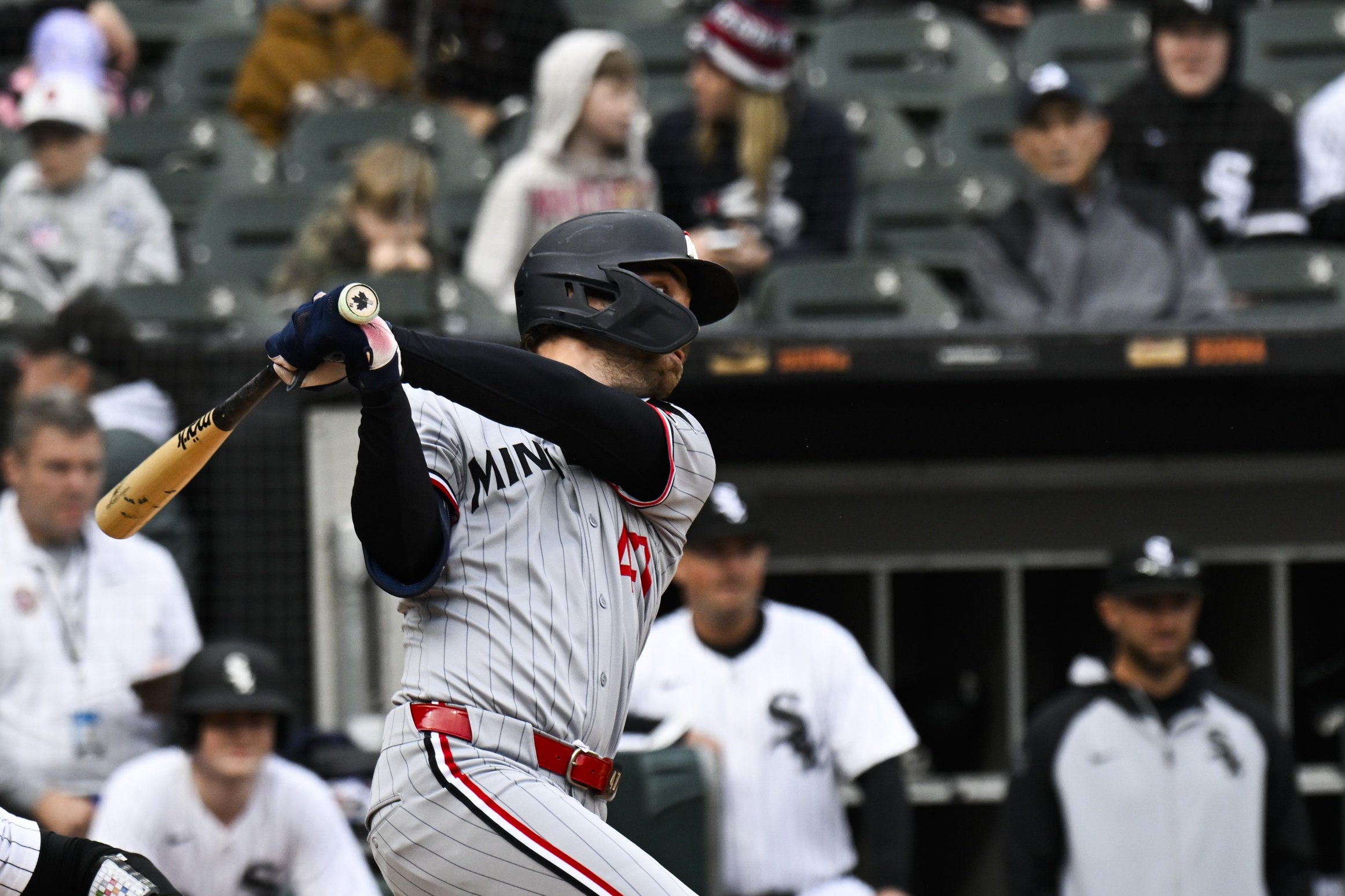 A year ago, Edouard Julien stood in the Hammond Stadium clubhouse, trying to convince me he was ready for anything opposing teams might throw at him following a strong rookie season. But for those who live in the numbers, there were signs that he may have overperformed, and teams would soon have a blueprint to counter him. Yet, the French-Canadian infielder, by way of Auburn, confidently assured me he’d worked to shore up any weaknesses. Besides, he argued, sophomore slumps don’t exist anymore—the game moves too fast, with too much data. Whatever strategies opponents might deploy, they had likely already tested at some point in 2023. Furthermore, the Twins’ hitting coaches had just as much information as anyone in the league, and any potential vulnerabilities had been identified and addressed. Fair enough. Behind the scenes, however, Julien was focused on improving against left-handed pitchers. As a left-handed hitter on a team that prioritizes platoon advantages, he knew better performance against lefties would earn him more playing time. “After my first year in the big leagues, I was really focused on getting better against lefties,” Julien told Twins Daily. “But obviously here, lefties don’t get a chance to face lefties, so I kind of messed my swing up. I was more rotated just to be able to hit lefties, and I didn’t get a chance to hit them. So I was better against lefties last year. I was worse against righties, where I only faced righties, so it wasn’t a good combo.” Julien adjusted his setup, rotating his shoulders to stay on left-handed pitching, but that change also impacted his approach against righties. As a result, his ability to drive right-handed pitching suffered. In 2023, he posted a .392 wOBA against right-handers. By 2024, that number plummeted to .274. Baseball is a delicate balancing act—fix one flaw, create another. Despite his best efforts to convince himself he was ready, the 2024 season spiraled. Opposing pitchers attacked him with breaking balls in the zone, and he struggled, batting just .120 against them—the second-worst mark among hitters who saw 400 or more breaking pitches. “I was uphill, and everything that was thrown—sliders, curveballs, anything going down in the zone—I wasn’t able to connect with,” Julien explained. “I was always over it, and I knew that was a problem. But during the season, it’s hard, because you don’t really want to make big changes.” Julien had an attack angle problem. His steep swing plane created an easy target for pitchers to exploit. When the offseason arrived, he and new hitting coach Matt Borgschulte set to work correcting it. copy_48014080-BEAE-4A14-B049-1CE0A39A9C72.mp4 Julien identified another issue—he was too heavy on his back leg, which made it difficult to react to in-zone pitches. That led to one of the highest strikeout-looking rates in baseball—38 times in two-strike counts in 2024. And that doesn’t even account for the hittable strikes he let go by in earlier counts. “I was so stuck last year on my backside, I couldn’t react or anything. So I was taking a lot because it was too quick.” Baseball Savant’s new stance data backs up his adjustments. Julien has widened his stance, increasing the distance between his feet from 33 inches to 36 inches, which allows him to be more balanced instead of overly relying on his back leg. “I’m able to hit more towards the front of the plate instead of always catching it deep and going oppo,” Julien said. Early returns from 2025 suggest the adjustments are working—his tracking data shows he’s making contact slightly farther out in front than last season, and he’s using the middle of the field more rather than pulling the ball. As seen in the video, Julien has also squared his shoulders more toward the plate. In theory, this should allow him to stay on righties better than he did last season. “This year I just focused on the righty angle—lefty or righty curveball, righty slider—so I feel good, and I’m sure it’s going to help me against lefties too. So I’m positive about it.” It remains to be seen if he’ll fully rebound, but the early results are promising. He’s already collected two hits off breaking balls—he had just five all of last season. We saw two of those knocks against the White Sox. The improvement could be due to his mechanical adjustments, the Twins’ renewed emphasis on going the other way in batting practice, or a combination of both. The one red flag? His bat speed is down. After averaging over 71 MPH in the past two seasons, it’s dipped to 69 MPH this year. That could be part of the transition to his new stance, or it might be the result of seeing a high percentage of non-fastballs (57% in 2025), limiting his ability to take his best swings. Regardless, Julien is keeping his approach simple. “I think this year, with the adjustment I’ve made, I just go out there and try to swing at strikes. I do a good job controlling the zone, and I just trust that I’m going to swing.”
 -
Every player lies to themselves to some degree—it’s a necessary deception to survive in a sport where failure is the norm. Image courtesy of Matt Marton-Imagn Images A year ago, Edouard Julien stood in the Hammond Stadium clubhouse, trying to convince me he was ready for anything opposing teams might throw at him following a strong rookie season. But for those who live in the numbers, there were signs that he may have overperformed, and teams would soon have a blueprint to counter him. Yet, the French-Canadian infielder, by way of Auburn, confidently assured me he’d worked to shore up any weaknesses. Besides, he argued, sophomore slumps don’t exist anymore—the game moves too fast, with too much data. Whatever strategies opponents might deploy, they had likely already tested at some point in 2023. Furthermore, the Twins’ hitting coaches had just as much information as anyone in the league, and any potential vulnerabilities had been identified and addressed. Fair enough. Behind the scenes, however, Julien was focused on improving against left-handed pitchers. As a left-handed hitter on a team that prioritizes platoon advantages, he knew better performance against lefties would earn him more playing time. “After my first year in the big leagues, I was really focused on getting better against lefties,” Julien told Twins Daily. “But obviously here, lefties don’t get a chance to face lefties, so I kind of messed my swing up. I was more rotated just to be able to hit lefties, and I didn’t get a chance to hit them. So I was better against lefties last year. I was worse against righties, where I only faced righties, so it wasn’t a good combo.” Julien adjusted his setup, rotating his shoulders to stay on left-handed pitching, but that change also impacted his approach against righties. As a result, his ability to drive right-handed pitching suffered. In 2023, he posted a .392 wOBA against right-handers. By 2024, that number plummeted to .274. Baseball is a delicate balancing act—fix one flaw, create another. Despite his best efforts to convince himself he was ready, the 2024 season spiraled. Opposing pitchers attacked him with breaking balls in the zone, and he struggled, batting just .120 against them—the second-worst mark among hitters who saw 400 or more breaking pitches. “I was uphill, and everything that was thrown—sliders, curveballs, anything going down in the zone—I wasn’t able to connect with,” Julien explained. “I was always over it, and I knew that was a problem. But during the season, it’s hard, because you don’t really want to make big changes.” Julien had an attack angle problem. His steep swing plane created an easy target for pitchers to exploit. When the offseason arrived, he and new hitting coach Matt Borgschulte set to work correcting it. copy_48014080-BEAE-4A14-B049-1CE0A39A9C72.mp4 Julien identified another issue—he was too heavy on his back leg, which made it difficult to react to in-zone pitches. That led to one of the highest strikeout-looking rates in baseball—38 times in two-strike counts in 2024. And that doesn’t even account for the hittable strikes he let go by in earlier counts. “I was so stuck last year on my backside, I couldn’t react or anything. So I was taking a lot because it was too quick.” Baseball Savant’s new stance data backs up his adjustments. Julien has widened his stance, increasing the distance between his feet from 33 inches to 36 inches, which allows him to be more balanced instead of overly relying on his back leg. “I’m able to hit more towards the front of the plate instead of always catching it deep and going oppo,” Julien said. Early returns from 2025 suggest the adjustments are working—his tracking data shows he’s making contact slightly farther out in front than last season, and he’s using the middle of the field more rather than pulling the ball. As seen in the video, Julien has also squared his shoulders more toward the plate. In theory, this should allow him to stay on righties better than he did last season. “This year I just focused on the righty angle—lefty or righty curveball, righty slider—so I feel good, and I’m sure it’s going to help me against lefties too. So I’m positive about it.” It remains to be seen if he’ll fully rebound, but the early results are promising. He’s already collected two hits off breaking balls—he had just five all of last season. We saw two of those knocks against the White Sox. The improvement could be due to his mechanical adjustments, the Twins’ renewed emphasis on going the other way in batting practice, or a combination of both. The one red flag? His bat speed is down. After averaging over 71 MPH in the past two seasons, it’s dipped to 69 MPH this year. That could be part of the transition to his new stance, or it might be the result of seeing a high percentage of non-fastballs (57% in 2025), limiting his ability to take his best swings. Regardless, Julien is keeping his approach simple. “I think this year, with the adjustment I’ve made, I just go out there and try to swing at strikes. I do a good job controlling the zone, and I just trust that I’m going to swing.” View full article
-
I also thought there was an error in the press release so I messaged Dustin Morse but there is actually a SECOND Tucker Frawley now taking the role that a different Tucker Frawley vacated.
- 12 replies
-
- 4
-
-

-
- ryan jeffers
- bailey ober
- (and 1 more)
-
This is one of the areas of data that I am very excited for people smarter than me to dig into. Right now, there is not a direct correlation between bat speed and launch angle. One stat that is not available publicly is Vertical Attack Angle (not to be confused with VAA on the pitching side) and that is a measurement of the bat angle through the zone. Think of this like the old Ted Williams bat path graphic. Zero degrees is flat. Positive is the upstroke and negative down through the zone. This metric correlates strongly to launch angle. We haven't had too many in-depth studies using MLB's bat speed data (at least, not that I am currently aware of) but Driveline's internal study in 2022 suggests that there isn't a relationship between the attack angles and bat speed (although you could contend that an individual's optimal swing would have a higher bat speed based on one path or the other based on how they move, specifically). The other element that needs more parsing is location and pitch type, which dictates a lot of the swing path. I think the better hitters know their zones extremely well and hit those pitches hard. Then there are hitters like Arraez and Kwan who can cover more of the zone and pitch types because they don't sell out for bat speed (both had the lowest average bat speed in MLB last year). On the other end of the spectrum you have Stanton who is going to swing hard at everything, nuke anything he touches, and miss a ton of pitches as well. How this pertains to player development, ultimately, is that most orgs will choose to build the engine to swing hard and fast with some positive attack angle resulting in more optimal contact (sweet spot%). The next layer they want to teach is swing decisions, which, as this interview with Dillon Lawson at Fangraphs shows, is a very big piece of the training puzzle. If a player can conquer both, watch out. Sorry for hijacking the Byron Buxton comment section. Go Buck. Go Twins.
- 19 replies
-
- 3
-
-
-
- byron buxton
- matt wallner
- (and 1 more)
-
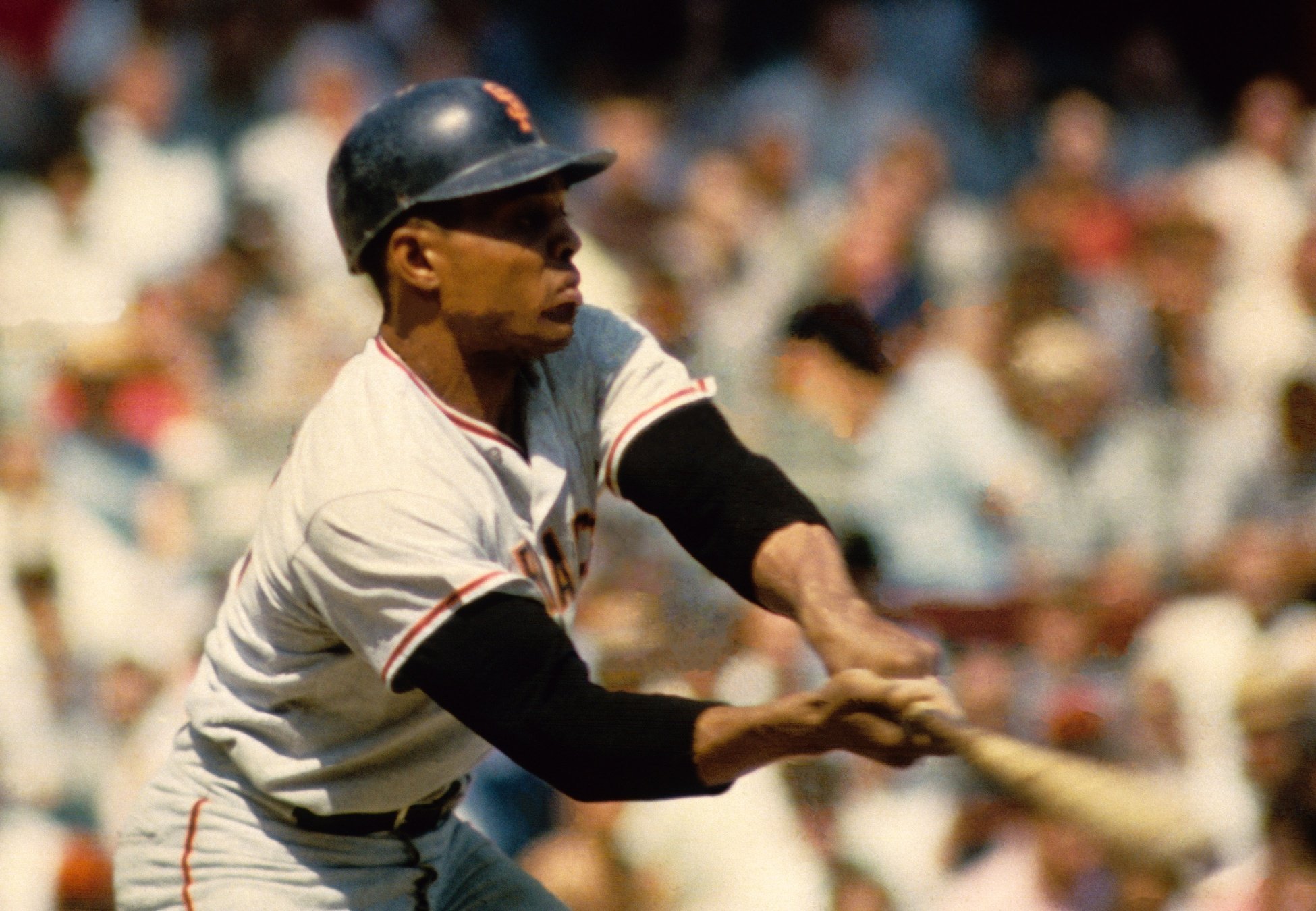 If you look closely enough, while no beams, seats, or foul lines ever existed in this location, there are still ghosts of what could have been. There is a very small lake, technically a pond, in front of St. Louis Park’s DoubleTree Hotel. The walking trail that surrounds it, dotted with park benches, seems to elevate the status of this pond above nearby retention basins. In fact, this humble body of water is a city park with an official name: Candlestick Pond. Like any good place name, it tells us a little bit about its history. For those unaware, this is significant because this was the site of the proposed ballpark to be the home of the Minneapolis Millers and, eventually, the New York Giants, whose owner was looking to move west for more lucrative opportunities. As Patrick Reusse penned in his book, “Minnesota Twins: A Complete Illustrated History,” then-Giants owner Horace Stoneham had purchased “[f]orty acres just west of Highway 100 on the south side of what is now Highway 394” and by the mid-1950s Stoneham was publicly telling people that he “intended to move his team to Minneapolis.” The St. Louis Park Historical Society added an article from December 1948 from the St. Louis Park Dispatch describing how Stoneham had purchased a 20-acre tract that required approval from the city zoning department to allow for the 1.5 million dollar, 17,500-seat stadium construction on the site. The Giants planned on using the stadium for multiple activities, including local high school sports, but drew the line at circuses. “There’ll be no circuses, anyway there have been times when I’ve seen our ball club give a pretty good imitation of one,” Minneapolis Millers general manager Rosy Ryan told the press to assuage residents’ fears that circus animals would be paraded into the community. This newly proposed stadium would replace Nicollet Park, a 4,000-seat bandbox in the city where off-street parking was non-existent, and owners could not line their pockets with those fees. The Minneapolis Baseball & Athletic Association, owned by Stoneham, purchased the St. Louis Park land. By 1950, Stoneham and Millers GM Rosy Ryan were vocal about construction beginning on their new location. In January 1950, Stoneham was in town and made a sweeping proclamation: “We expect to start work on the new ball park by the middle of the summer. It should be ready no later than the 1952 season. We definitely are going to go ahead and build. We have had architects working on the plans for some time. We plan to get started as soon as all the preliminaries can be straightened out.” During the site inspection process, several concerns came to light, including the old adjacent sand pit which had yet to be filled. According to the Dispatch, “[o]ne construction possibility that will be probed is that of sinking the stadium below the present ground level of the site. If this proves feasible, it will reduce construction costs.” Beyond that, increased parking needs and the notion that St. Louis Park was “too far” for the residents of St. Paul became a growing concern. The land issues are one reason why, in 1954, Stoneham threw his support behind the Metropolitan Sports Area Commission, composed of leaders from Minneapolis, Richfield, and Bloomington, for their proposed stadium site in Bloomington. St. Paul had completed their own AAA stadium, Midway, in 1957 after Mayor Joseph Dillon said that the city would “under no circumstances” support the Bloomington stadium and was still eager to land one of the shopping teams. But Bloomington’s proximity to St. Paul was much better than St. Louis Park, and St. Paul was tied to the Dodgers. The Millers moved into their new 20,000-seat Metropolitan Stadium in 1956 and Stoneham would join Dodgers’ owner Walter O’Malley in California instead. So the St. Louis Park ballpark concept died on the vine. The Giants, however, still owned the land. As development pushed westward and Highway 12 got ready to give way to Interstate 394, the area became much more of a lucrative prospect. In 1962, the Cooper Theater was built on the tract of land that was supposed to be a thriving ballpark. The theater was one of three “super-cinarama” theaters constructed in the US. The Cooper Theater resided on a road that sliced through the property, then named Yosemite Lane. In 1966, the Giants, still owners of the land and coming off a second-place finish in the National League, convinced the city of St. Louis Park to rename the road Candlestick Drive. The Giants’ real estate arm went belly up in the 1970s, and were forced to sell their holdings, including the St. Louis Park property. Kraus-Anderson acquired the land in the early 1980s, and the developer added several businesses, office buildings, and the future home of the DoubleTree. In that growth, Candlestick Drive was erased from maps and history. Still, one remnant from that era continues: the small pond that sits just southwest of the DoubleTree along what is now 16th Street. You might not have realized that this pond was named Candlestick. It’s not labeled on maps and has no signage on-site. Moreover, if you search Google Maps for “Candlestick Pond,” Google will take you to a lake in Newfoundland. If you add “St. Louis Park” to your query, you get thrown into Lamplighter Pond, a body of water just north of the St. Louis Park middle school. The only detail that exists is from the St. Louis Park Historical Society. The pond is likely a leftover from the long-forgotten sand pit – perhaps the original hole that required filling before a stadium could be constructed. It’s now a manicured office park pond with a small trail encircling in, perfect for workers in the nearby office buildings to get their steps in. Suppose you ever find yourself in St. Louis Park. In that case, you can locate one of the benches around Candlestick Pond, close your eyes, and think about a universe in which Willie Mays continued his career in St. Louis Park, playing for the Minneapolis Giants. Of course, we wouldn’t have the Minnesota Twins nor Twins Daily for that timeline to exist.
 -
Residents of the West Metro are likely familiar with this area of St. Louis Park. Just south of Interstate 394 along Park Place, there’s the West End shopping and entertainment district, a Costco, a Home Depot, Yangzte restaurant, the KFAN studios, Life Time Fitness, and more. Nestled in under the sea of asphalt and commerce are the remnants of what could have been a thriving ballpark district. Image courtesy of © Tony Tomsic-Imagn Images If you look closely enough, while no beams, seats, or foul lines ever existed in this location, there are still ghosts of what could have been. There is a very small lake, technically a pond, in front of St. Louis Park’s DoubleTree Hotel. The walking trail that surrounds it, dotted with park benches, seems to elevate the status of this pond above nearby retention basins. In fact, this humble body of water is a city park with an official name: Candlestick Pond. Like any good place name, it tells us a little bit about its history. For those unaware, this is significant because this was the site of the proposed ballpark to be the home of the Minneapolis Millers and, eventually, the New York Giants, whose owner was looking to move west for more lucrative opportunities. As Patrick Reusse penned in his book, “Minnesota Twins: A Complete Illustrated History,” then-Giants owner Horace Stoneham had purchased “[f]orty acres just west of Highway 100 on the south side of what is now Highway 394” and by the mid-1950s Stoneham was publicly telling people that he “intended to move his team to Minneapolis.” The St. Louis Park Historical Society added an article from December 1948 from the St. Louis Park Dispatch describing how Stoneham had purchased a 20-acre tract that required approval from the city zoning department to allow for the 1.5 million dollar, 17,500-seat stadium construction on the site. The Giants planned on using the stadium for multiple activities, including local high school sports, but drew the line at circuses. “There’ll be no circuses, anyway there have been times when I’ve seen our ball club give a pretty good imitation of one,” Minneapolis Millers general manager Rosy Ryan told the press to assuage residents’ fears that circus animals would be paraded into the community. This newly proposed stadium would replace Nicollet Park, a 4,000-seat bandbox in the city where off-street parking was non-existent, and owners could not line their pockets with those fees. The Minneapolis Baseball & Athletic Association, owned by Stoneham, purchased the St. Louis Park land. By 1950, Stoneham and Millers GM Rosy Ryan were vocal about construction beginning on their new location. In January 1950, Stoneham was in town and made a sweeping proclamation: “We expect to start work on the new ball park by the middle of the summer. It should be ready no later than the 1952 season. We definitely are going to go ahead and build. We have had architects working on the plans for some time. We plan to get started as soon as all the preliminaries can be straightened out.” During the site inspection process, several concerns came to light, including the old adjacent sand pit which had yet to be filled. According to the Dispatch, “[o]ne construction possibility that will be probed is that of sinking the stadium below the present ground level of the site. If this proves feasible, it will reduce construction costs.” Beyond that, increased parking needs and the notion that St. Louis Park was “too far” for the residents of St. Paul became a growing concern. The land issues are one reason why, in 1954, Stoneham threw his support behind the Metropolitan Sports Area Commission, composed of leaders from Minneapolis, Richfield, and Bloomington, for their proposed stadium site in Bloomington. St. Paul had completed their own AAA stadium, Midway, in 1957 after Mayor Joseph Dillon said that the city would “under no circumstances” support the Bloomington stadium and was still eager to land one of the shopping teams. But Bloomington’s proximity to St. Paul was much better than St. Louis Park, and St. Paul was tied to the Dodgers. The Millers moved into their new 20,000-seat Metropolitan Stadium in 1956 and Stoneham would join Dodgers’ owner Walter O’Malley in California instead. So the St. Louis Park ballpark concept died on the vine. The Giants, however, still owned the land. As development pushed westward and Highway 12 got ready to give way to Interstate 394, the area became much more of a lucrative prospect. In 1962, the Cooper Theater was built on the tract of land that was supposed to be a thriving ballpark. The theater was one of three “super-cinarama” theaters constructed in the US. The Cooper Theater resided on a road that sliced through the property, then named Yosemite Lane. In 1966, the Giants, still owners of the land and coming off a second-place finish in the National League, convinced the city of St. Louis Park to rename the road Candlestick Drive. The Giants’ real estate arm went belly up in the 1970s, and were forced to sell their holdings, including the St. Louis Park property. Kraus-Anderson acquired the land in the early 1980s, and the developer added several businesses, office buildings, and the future home of the DoubleTree. In that growth, Candlestick Drive was erased from maps and history. Still, one remnant from that era continues: the small pond that sits just southwest of the DoubleTree along what is now 16th Street. You might not have realized that this pond was named Candlestick. It’s not labeled on maps and has no signage on-site. Moreover, if you search Google Maps for “Candlestick Pond,” Google will take you to a lake in Newfoundland. If you add “St. Louis Park” to your query, you get thrown into Lamplighter Pond, a body of water just north of the St. Louis Park middle school. The only detail that exists is from the St. Louis Park Historical Society. The pond is likely a leftover from the long-forgotten sand pit – perhaps the original hole that required filling before a stadium could be constructed. It’s now a manicured office park pond with a small trail encircling in, perfect for workers in the nearby office buildings to get their steps in. Suppose you ever find yourself in St. Louis Park. In that case, you can locate one of the benches around Candlestick Pond, close your eyes, and think about a universe in which Willie Mays continued his career in St. Louis Park, playing for the Minneapolis Giants. Of course, we wouldn’t have the Minnesota Twins nor Twins Daily for that timeline to exist. View full article
-
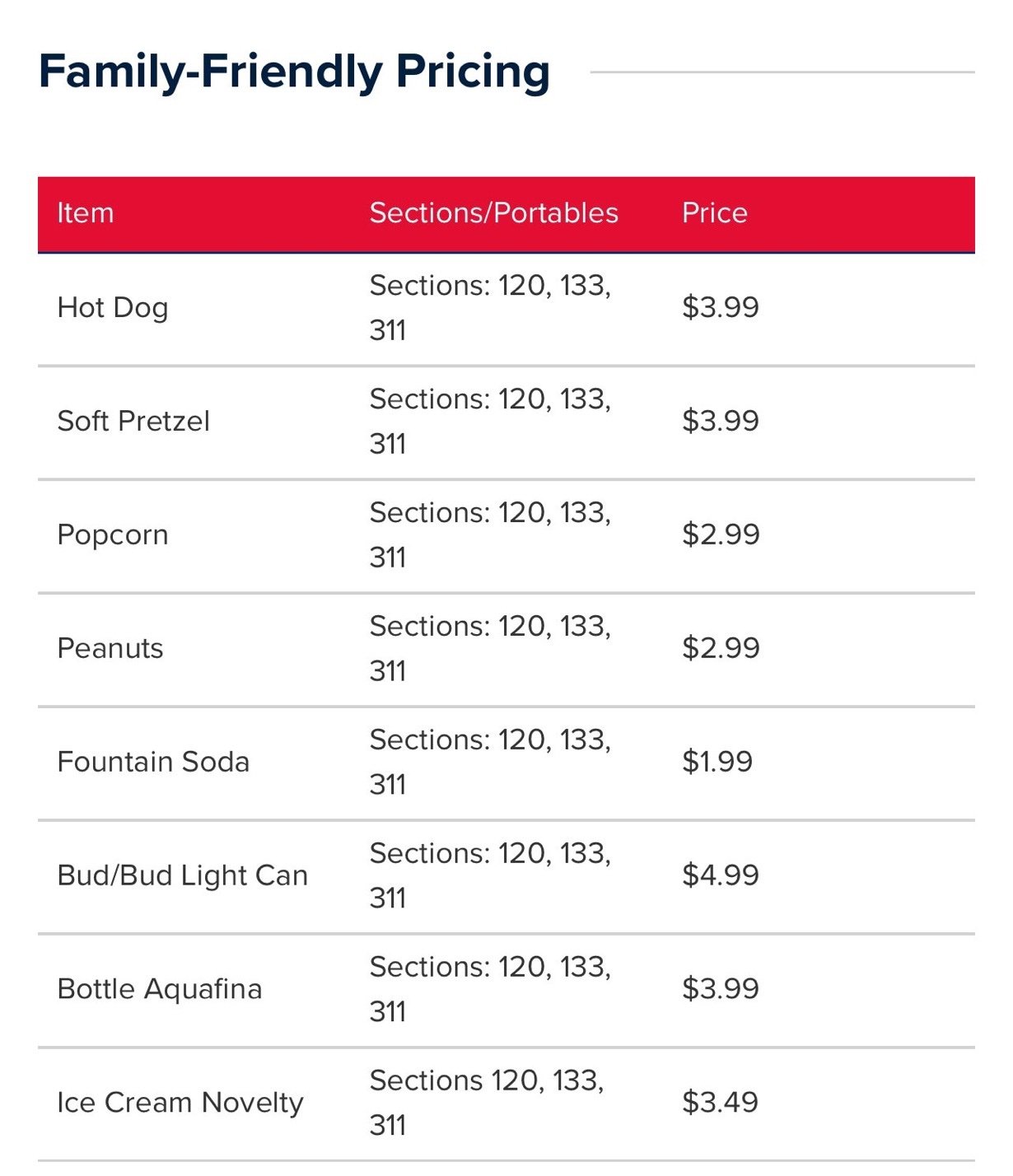
Not to get into the minutia here but I have yet to see a write-up saying how many stands these are going into — they do say “the $2 menu is available at concession locations throughout Footprint Center” which isn’t specific. Should there be more locations in Target Field with the family-friendly pricing? Sure. Maybe. I still found the Twins’ menu to be a good offering and was fine walking to the outfield concourse. But let’s remember, this whole gambit started by the Falcons 8 years ago and they found that while they initially expected to lose about $4 million on sales, they actually made more money because people wound up buying more. So, yes, lowering the prices is a fan-friendly gesture but the owners now know the economics of it entice people to spend more.
- 34 replies
-
- 5
-
-
- mat ishbia
- justin ishbia
- (and 2 more)
-
This is in no means a defense of the current ownership but the reaction to Ishbia's post from Twins twitter yesterday was odd: The Twins had 3 sections that offered affordable concession options. Not all of it was as cheap as the $2 menu but the choices were aplenty (more items than what the Suns have presented), the food was not miniature or tainted (as far as I know), and the self-service part was great when going to the game with small children (no need to wait in line). https://x.com/HagemanParker/status/1869570446758379816 Understandably, Mat Ishbia did a much better job with the messaging. And given the state the current ownership has left the fan base, it makes sense that people would embrace a new option as saviors. But the affordable concession pricing is already a thing at Target Field. Now if they buy the Twins AND bring back Dollar Dome Dog night, sonofabitch I'm in.
- 34 replies
-
- 4
-
-
- mat ishbia
- justin ishbia
- (and 2 more)
-
I don't believe his issues in the second half stemmed from the timing of his front side mechanics. In all instances, Lewis makes his first move when the pitcher does. Now a pitcher's lift timing, cadence, and pitch selection can and does throw off that next sequence. To me, more of this adds up to issues related to his rear leg, specifically the adductor injury from July. We can see that the sprint speed is down. The average bat speed dropped during the year. The fast swing rate drops (from 46% to 33%). As mentioned in the article, his ability to separate fastballs and changeups took a drastic turn (less exit velo, more grounders, popups, and weak contact). The rear leg holds a lot of the tension in the swing. It can create power and hold your weight shift when you get a pitch you were not expecting. If a hitter can't control it effectively, you will see more instances of lunging or getting beat more frequently. To me, the positive takeaway is that if he is able to get healthy this offseason, he should be able to return to a somewhat comparable output as his first half (although I would argue that teams will and have adjusted).
-
A relatively new institution opened in Blaine called The Ball Park—Twin Cities. For several years, I've seen a similar model on social media from an outfit in Texas named Home Run Dugout. In simplest terms, it's an indoor baseball simulator with food. It's for socializing, not training. Seeing as Blaine is slightly closer than Houston, I figured I would drag my family against their will to The Ball Park to check it out and provide a detailed report to other baseball enthusiasts. Here's the bit: The Ball Park is like the baseball version of Top Golf. You reserve a hitting bay for 30- or 60-minute increments (for $35 or $60) and take turns swinging at foam baseballs flipped out of a pitching machine. The Hittrax-powered technology determines the outcome of the batted ball in various gameplay. [You can watch my video breakdown of the venue here.] Similar to TopGolf, each bay has a lounge area with a high-top table and couch. There's a full bar plus an extensive self-pour beer wall with a catalog of foamy goodness that would require multiple visits to complete the circuit. The menu is gussied-up ballpark fare. They serve local favorites like Kramarczuk's and even Dome Dogs (it has yet to be verified if they are authentic Hormel Dome Dogs). There are TVs everywhere and plenty of tables and seating if you want to watch a game or have dinner. Gameplay: The Ball Park provided an attendant to walk us through the Hittrax setup and give us an overview of what to expect. There are four basic modes — batting practice, home run derby, versus challenge, and game simulator. You can toggle through any Major League ballpark and choose your digital team in the game sim mode. My kids had as much fun selecting our computer-generated home field as they did ripping dingers into the projection screen. The overall setup is geared toward anyone with a modicum of hand-eye coordination. You can easily adjust the speed of the flips from a light toss to something with a bit of mustard on it. They have their own custom Pillbox bats to use, but you can also bring your own (my kids brought theirs). The foam balls don't have the same satisfying feel as connecting with a real baseball, but they are acceptable substitutes. The program tracks exit velocity, launch angle, and projected distance for all the stat nerds. With a vast skill chasm between our first grader and me, the Hittrax program allows you to change the level of defensive difficulty for each player and "boost" the power output of the younger players. This evens the playing field when competing in the derby or gameplay. The kids go nuts when they clear the Green Monster with contact that probably wouldn't reach the rubber on the mound, and at that moment, I refrain from explaining expected batting average to them. After all, the world runs on children's smiles. The four of us spent most of our time in gameplay mode. It took some adjustment to determine the right balance for difficulty and boost mode (in our first five-inning game, everything I hit was turned into an out by superhuman defenders while my fourth grader launched what would probably be a record 15 home runs in one game). Once we had that dialed in, we hammered out four more games, and everyone felt like they contributed. The one downside of the process is that the balls are not automatically gathered or funneled back into the machine. After 50 or so swings, you must flag the attendant down so they can collect the balls and put them back into the machine. While it's not an eternity, the 5-to-10 minutes lost in the reloading process adds up, especially for kids jonesing for more. Food: Once we had it, the food was good. More on that in a moment. My wife and I split the Ball Park Cheese Burger and Hand Cut Fries, both of which were delicious. The kids rifled through a burger and chicken tenders, respectively. Seeing that I am a Dad, I did my fatherly duty and finished the few bites my kids left on their plates. I will say the tenders were of higher quality than you find at most comparable venues—so much so that I had a moment of post-glut clarity, regretting not ordering the tenders for myself. The menu has a lot more options. We stayed in the shallow end, but there were intriguing items that would be compelling to try on a subsequent visit. After all, what Twins fan wouldn't want the nostalgia of eating a Dome Dog? Service: And here lies my one issue. After our attendant introduced us, we were told that a server would come to take our order. Almost a half-hour went by before someone asked what we wanted to drink. Before I go any further, I want to set some expectations. You may think that Parker seems like the kind of person who complains that the napkins are too sharp or that not enough rose petals cover the floor to walk on. I am not high maintenance, and neither is my wife, full stop. I am so thoroughly Minnesotan that I would stoically eat a sandwich made of shoe meat if it meant avoiding hurting anyone's feelings in the preparation or delivery process. We couldn't hand over money if we tried. There were upwards of a dozen employees in the restaurant, which was doing modest business following the end of the Vikings game, and no one seemed interested in trading food and beverage for legal tender from us. Our server eventually returned to take the food order. We were nearly through our hitting time allotment when that server returned to inform us that the order was not placed correctly in their system, so that supper would be delayed a bit longer. My only thought was that I was wearing my Twins Daily hoodie, and maybe they only hired Guardian fans. I chalk the experience up to being a newly opened business, working through some hiccups as they find their footing. In retrospect, a simple Google review search found several entries with people experiencing the same problem. For the most part, I can overlook that since our main focus for the visit was not necessarily on eating. Both the attendant and server were great people. The food was good. The gameplay was fun. As a #BallGuy and parent, I want places like this to succeed. It can help grow the game or mildly reinvigorate one's interest in hitting sloppy taters. Overall: Even with the weird service issues, The Ball Park was worth the visit. As we finished our food, the restaurant area filled with Loons fans for a MLS watch party. The customers had a positive, supercharged vibe. This venue would be a good place to spend the winter months with the family, have a date night, or hang out with friends. Probably great for a team-building outing or to see which Twins Daily writer can generate the highest exit velo. Our 4th grader was already thinking about organizing his next birthday there. The one last tip I would submit is that if you are going with a group larger than 4, consider renting 2 hitting bays or adding more time. So, even with the hiccups and the 40-minute drive to Blaine, what The Ball Park provided was well worth the time and money. *** The Ball Park - Twin Cities 10650 Baltimore St NE Suite 100 Blaine, MN 55449

