



Eric Blonigen
-
Posts
377 -
Joined
-
Last visited
-
Days Won
1
3 Followers

Recent Profile Visitors
21,812 profile views


Eric Blonigen's Achievements






-
 Mia Bednar reacted to an article:
The Pohlads Set Derek Falvey Up To Fail
Mia Bednar reacted to an article:
The Pohlads Set Derek Falvey Up To Fail
-
 Hosken Bombo Disco reacted to a post in a topic:
The Pohlads Set Derek Falvey Up To Fail
Hosken Bombo Disco reacted to a post in a topic:
The Pohlads Set Derek Falvey Up To Fail
-
 DocBauer reacted to an article:
The Pohlads Set Derek Falvey Up To Fail
DocBauer reacted to an article:
The Pohlads Set Derek Falvey Up To Fail
-
nclahammer reacted to an article:
The Pohlads Set Derek Falvey Up To Fail
-
Clare reacted to an article:
The Pohlads Set Derek Falvey Up To Fail
-
SD happy reacted to an article:
The Pohlads Set Derek Falvey Up To Fail
-
weitz41 reacted to an article:
The Pohlads Set Derek Falvey Up To Fail
-
tarheeltwinsfan reacted to an article:
The Pohlads Set Derek Falvey Up To Fail
-
DannySD reacted to an article:
The Pohlads Set Derek Falvey Up To Fail
-
Patzky reacted to an article:
The Pohlads Set Derek Falvey Up To Fail
-
Image courtesy of John Bonnes There is still much we don’t know about the specific events that led to the Twins and Derek Falvey parting ways. One thing we do know, though, is that Falvey was set up to fail in three key ways. That makes it easy to see why he wanted out, and perhaps why he chose not to let another losing season be hung around his neck as he seeks his next, greener pasture. The Correa Signing The first way in which ownership misled Falvey was Joe Pohlad’s green-lighting of Carlos Correa’s second signing. To be clear, the approval itself was sound, and theoretically, it was a great move. A good owner, when sensing that his team’s window of contention is wide-open and that the team is one big splash away from having a chance at a deep playoff run, should approve signing a superstar. After the signing, The Athletic’s Dan Hayes reported the following: “While he didn’t mention a specific number, Pohlad didn’t hesitate to suggest the Twins could increase payroll significantly if everything was properly aligned ... Would something like $180-200 million be out of the question? “I think that there are a number of factors that you need to consider,” Pohlad said. “Where your team is, where your division is, where your business is at. And I don’t think something like that is ever out of the question. I really don’t.” Fast-forward eight months, and you know the rest. A good owner should not approve a signing like the Correa if he knows it will reduce the ability to add supplemental pieces, or worse, to slash payroll by nearly 20% the following season—then again, and again for good measure. One might choose to be charitable, and argue that perhaps Pohlad didn’t know that the family would be “losing” significant money. That's a watery defense, though. An owner's imprimatur on a signing should signal a commitment to the spending required to justify it, which means either knowing for sure that it won't limit the team, or being willing to stretch and accept the pain when it comes. Either way, allowing Falvey to take on a $200-million contract and then slashing payroll eliminated Falvey’s ability to sign quality depth pieces that would insulate the team against injuries, player regression, or the failure of prospects to develop into quality regulars. In short, the Pohlads forced Falvey to immediately thread a needle if he wanted to succeed. Ownership Communication and Decision-Making The second way the Pohlads made Falvey’s job harder is through their public-facing ineptitude. Whether it was Joe’s ill-advised “rightsizing the payroll” comment immediately following the first playoff success in 20 years, or his comments following the 2025 trade deadline firesale, ownership hung the front office out to dry. “I’m confident because we have got all the right pieces, and we have the resources we’re ready to invest when needed," he said in July. "The goal is not to compete. The goal is to win a World Series.” That’s just so out of touch with the reality of the situation, and unfortunately for Falvey, it makes it appear as if he’s the one choosing not to improve the team. One can also point to the travails of watching Twins games on TV as the RSN model died its slow and ugly death, and the public promise they allowed Cory Provus to give (on the record) that there would be no more blackouts—after which they chose to re-up with the same bankrupt organization that was preventing fans from watching. That created a feedback loop of frustration among fans that led many to tune out. Of course, with his promotion, Falvey had to try to figure out how to pick up the pieces. This is just one example of ownership hurting their own earning power, which led to the reductions in payroll. Then, of course, there was the sale that wasn’t, leading to Falvey stating as late as December's Winter Meetings that he still wasn’t sure what he would be allowed to do this offseason, at a time when other teams were deep in their planning processes—and, indeed, executing those plans. Unrealistic, And Constantly Changing Expectations The final, perhaps irreconcilable way that the Pohlads made Falvey’s job impossible was to issue mutually exclusive, diametrically opposed dictates. The first: to win, despite needing four good bullpen arms, a backup catcher, and at least two above-average hitters. The second: do this for, say, $20 million in offseason spending, leaving the team with one of baseball's smallest payrolls. They issued this unfunded mandate, by the way, after Falvey had already made the sensible choice to rebuild at the deadline last season, based on the financial constraints placed on him and the underperformance of the core. That came after the whiplash Falvey had received from ownership pivots over the prior two years. It has looked something like this: 2023: Go all in! Sign Correa! Break the curse! There’s more money where this came from! 2024: So close…but you gotta cut payroll. By a lot. Hopefully it’ll be fine. You'll figure it out. Also, why are fans mad? 2025: Keep cutting. It’s a good core, we can still do this. Actually, the team isn’t quite performing… You know what? Maybe let’s actually burn it down. Seriously, why are fans mad? It’s a nice ballpark. 2026: Oh, fans are mad because they want to win. Ok. We aren’t rebuilding. You better win. Also, there’s no money. Trust me, payroll doesn’t matter. Vibes matter. Falvey acted the politician throughout his Twins tenure, to the point that he consistently took heat for decisions that weren’t, strictly speaking, his. I’m sure signing Ty France to play first base in 2025 was not his first, or even second, choice. I’m sure he would have preferred not to eliminate the 2025 bullpen at the deadline. This is, after all, the guy who was in tears following the 2024 season because of how upset he was that the team failed down the stretch. There was never an indication that he didn’t want to field a great team, but he was handcuffed at every point since the 2023 playoffs ended. However, the fact that he consistently chose to carry water reflected an accurate understanding of the reality he was living. Ownership found themselves in significant debt, however it was accrued; he had a good relationship with his bosses; and he liked the role he was in. So, he dealt with it and made the best of it. When the boss with whom he'd had a good relationship was replaced by an intransigent dilettante, he realized that he no longer liked the role as much as he once had. The debt is being reduced or eliminated, but Falvey realized that wouldn't matter if he was to be overseen by a similarly miserly but less engaged and less flexible Pohlad sibling. I can’t say I blame him. View full article
- 51 replies
-
- 1
-
-
- tom pohlad
- joe pohlad
- (and 2 more)
-
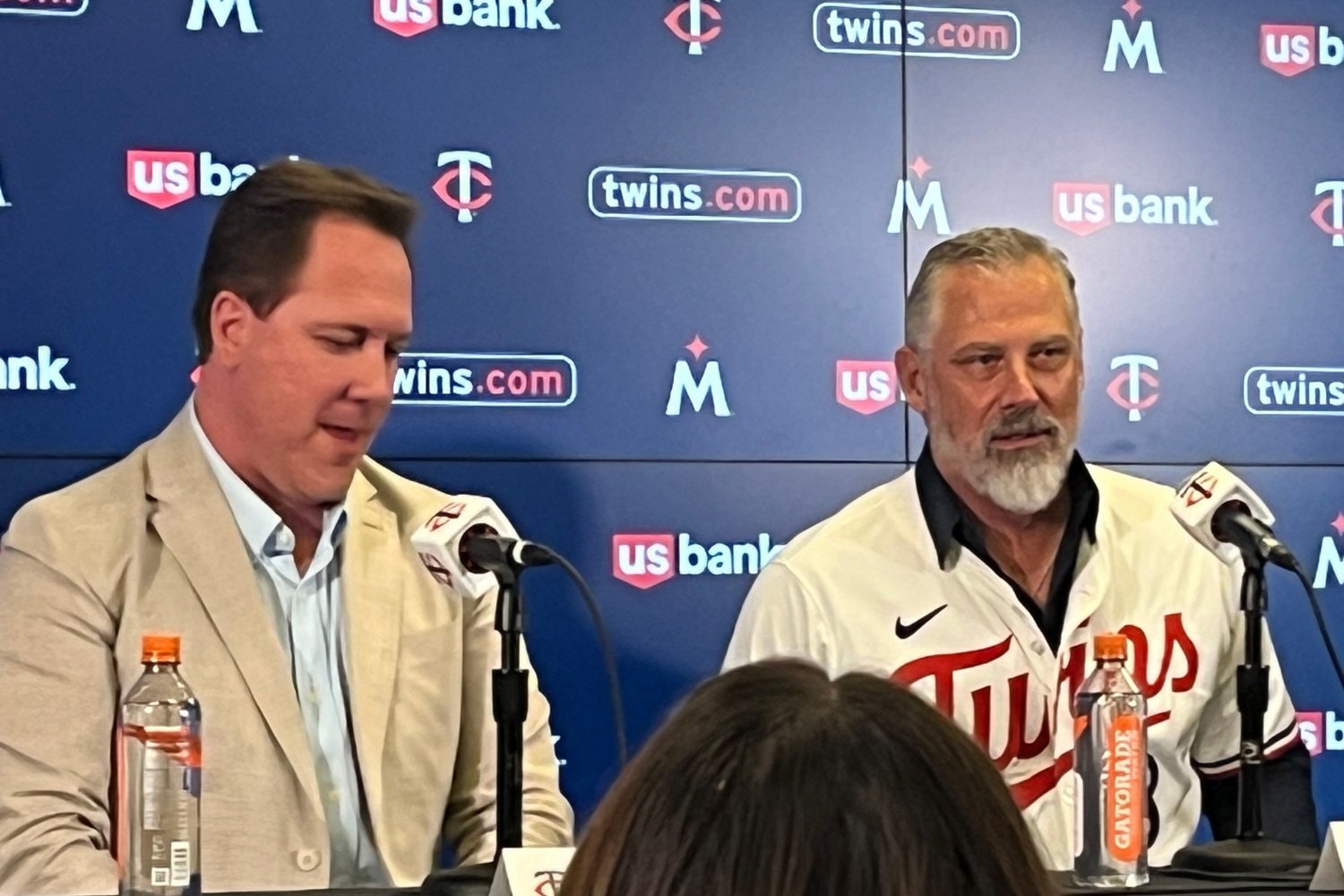 There is still much we don’t know about the specific events that led to the Twins and Derek Falvey parting ways. One thing we do know, though, is that Falvey was set up to fail in three key ways. That makes it easy to see why he wanted out, and perhaps why he chose not to let another losing season be hung around his neck as he seeks his next, greener pasture. The Correa Signing The first way in which ownership misled Falvey was Joe Pohlad’s green-lighting of Carlos Correa’s second signing. To be clear, the approval itself was sound, and theoretically, it was a great move. A good owner, when sensing that his team’s window of contention is wide-open and that the team is one big splash away from having a chance at a deep playoff run, should approve signing a superstar. After the signing, The Athletic’s Dan Hayes reported the following: “While he didn’t mention a specific number, Pohlad didn’t hesitate to suggest the Twins could increase payroll significantly if everything was properly aligned ... Would something like $180-200 million be out of the question? “I think that there are a number of factors that you need to consider,” Pohlad said. “Where your team is, where your division is, where your business is at. And I don’t think something like that is ever out of the question. I really don’t.” Fast-forward eight months, and you know the rest. A good owner should not approve a signing like the Correa if he knows it will reduce the ability to add supplemental pieces, or worse, to slash payroll by nearly 20% the following season—then again, and again for good measure. One might choose to be charitable, and argue that perhaps Pohlad didn’t know that the family would be “losing” significant money. That's a watery defense, though. An owner's imprimatur on a signing should signal a commitment to the spending required to justify it, which means either knowing for sure that it won't limit the team, or being willing to stretch and accept the pain when it comes. Either way, allowing Falvey to take on a $200-million contract and then slashing payroll eliminated Falvey’s ability to sign quality depth pieces that would insulate the team against injuries, player regression, or the failure of prospects to develop into quality regulars. In short, the Pohlads forced Falvey to immediately thread a needle if he wanted to succeed. Ownership Communication and Decision-Making The second way the Pohlads made Falvey’s job harder is through their public-facing ineptitude. Whether it was Joe’s ill-advised “rightsizing the payroll” comment immediately following the first playoff success in 20 years, or his comments following the 2025 trade deadline firesale, ownership hung the front office out to dry. “I’m confident because we have got all the right pieces, and we have the resources we’re ready to invest when needed," he said in July. "The goal is not to compete. The goal is to win a World Series.” That’s just so out of touch with the reality of the situation, and unfortunately for Falvey, it makes it appear as if he’s the one choosing not to improve the team. One can also point to the travails of watching Twins games on TV as the RSN model died its slow and ugly death, and the public promise they allowed Cory Provus to give (on the record) that there would be no more blackouts—after which they chose to re-up with the same bankrupt organization that was preventing fans from watching. That created a feedback loop of frustration among fans that led many to tune out. Of course, with his promotion, Falvey had to try to figure out how to pick up the pieces. This is just one example of ownership hurting their own earning power, which led to the reductions in payroll. Then, of course, there was the sale that wasn’t, leading to Falvey stating as late as December's Winter Meetings that he still wasn’t sure what he would be allowed to do this offseason, at a time when other teams were deep in their planning processes—and, indeed, executing those plans. Unrealistic, And Constantly Changing Expectations The final, perhaps irreconcilable way that the Pohlads made Falvey’s job impossible was to issue mutually exclusive, diametrically opposed dictates. The first: to win, despite needing four good bullpen arms, a backup catcher, and at least two above-average hitters. The second: do this for, say, $20 million in offseason spending, leaving the team with one of baseball's smallest payrolls. They issued this unfunded mandate, by the way, after Falvey had already made the sensible choice to rebuild at the deadline last season, based on the financial constraints placed on him and the underperformance of the core. That came after the whiplash Falvey had received from ownership pivots over the prior two years. It has looked something like this: 2023: Go all in! Sign Correa! Break the curse! There’s more money where this came from! 2024: So close…but you gotta cut payroll. By a lot. Hopefully it’ll be fine. You'll figure it out. Also, why are fans mad? 2025: Keep cutting. It’s a good core, we can still do this. Actually, the team isn’t quite performing… You know what? Maybe let’s actually burn it down. Seriously, why are fans mad? It’s a nice ballpark. 2026: Oh, fans are mad because they want to win. Ok. We aren’t rebuilding. You better win. Also, there’s no money. Trust me, payroll doesn’t matter. Vibes matter. Falvey acted the politician throughout his Twins tenure, to the point that he consistently took heat for decisions that weren’t, strictly speaking, his. I’m sure signing Ty France to play first base in 2025 was not his first, or even second, choice. I’m sure he would have preferred not to eliminate the 2025 bullpen at the deadline. This is, after all, the guy who was in tears following the 2024 season because of how upset he was that the team failed down the stretch. There was never an indication that he didn’t want to field a great team, but he was handcuffed at every point since the 2023 playoffs ended. However, the fact that he consistently chose to carry water reflected an accurate understanding of the reality he was living. Ownership found themselves in significant debt, however it was accrued; he had a good relationship with his bosses; and he liked the role he was in. So, he dealt with it and made the best of it. When the boss with whom he'd had a good relationship was replaced by an intransigent dilettante, he realized that he no longer liked the role as much as he once had. The debt is being reduced or eliminated, but Falvey realized that wouldn't matter if he was to be overseen by a similarly miserly but less engaged and less flexible Pohlad sibling. I can’t say I blame him.
- 51 comments
-
- 12
-
-
-
- tom pohlad
- joe pohlad
- (and 2 more)
-
 Derek Falvey and the Twins shockingly parted ways on Friday, a mere week and a half before pitchers and catchers report to the Lee Health Sports Complex in Fort Myers. This “mutual” parting of ways has wide-ranging implications for the 2026 season, and raises no few questions that will be explored here on Twins Daily in the coming days. One such is this: are there even historical precedents for a GM or analogue to jump ship or get fired (depending on how you interpret Tom Pohlad and Derek Falvey’s statements) this late in the offseason, just when teams are preparing to ramp up for the season? After all, there are myriad reasons why the timing is truly awful. It creates unnecessary chaos and complexity. It threatens the perceived job security of coaches and executives. It threatens to dispirit players, some of whom have already openly questioned the organization. It’s too late to ask teams for permission to interview their executives, drying up the talent pool, and practically forcing the Twins' hand in elevating Jeremy Zoll. It adds responsibility to his purview, and by extension, likely his assistant GMs as well, without ample time to ramp up. All of these things conspire to make Pohlad’s stated goal of competing this season an even tougher needle to thread. In short, Friday’s announcement just doesn’t make sense; at least not now. So, surely, the situation the Twins find themselves in must be pretty rare. Turns out, it is, indeed. After some digging, there are only two other examples of executives departing on the eve of spring training, and both happened in situations not dissimilar to that of the 2026 Twins. The Firee: Dan Duquette, Boston Red Sox, 2002 The Red Sox fired Dan Duquette on March 1, 2002, smack dab in the middle of spring training. In terms of tenure, success rate, and fan perception, there are some real similarities to Falvey’s time with the Twins, as well as some potential hints for the future. Prior to being fired, Duquette had an eight-year run as the Red Sox GM. He made the playoffs just three times, and in those appearances won only two total games. He angered fans when he let the popular (and talented) father of Kody Clemens leave in free agency, and fans weren’t enamored with his communication style with the media either. Heading into the 2001 season, Duquette went big on the free agent market, signing Manny Ramirez to a massive-at-the-time eight-year, $160 million deal. With Pedro Martinez on the books, as well as a number of other contracts that were well above average, the Red Sox had the second-highest payroll in baseball behind only the Yankees. The payroll didn’t correspond to success that season, as the team dealt with injuries and underperformance, and finished just over .500. Duquette fired his Manager, Jimy Williams, mid-season after a high-profile disagreement with a player. Oh. By the way. Duquette was fired by the John Henry’s group not 24 hours after they became the new owners of the Red Sox. They replaced him by promoting Mike Port, Duquette’s VP of Baseball Operations. He lasted just one season before ownership ultimately hired Theo Epstein to take the reins of the core of talented draftees and veterans in their prime that Duquette had assembled. Three years after Duquette’s firing, the Red Sox began their dynasty. Could Falvey's departure be a simple case of "not my guy?" Or something closer to a scapegoat? Pohlad said on Friday "the vision is probably a little bit different than what it was before. The landscape is different, and that it's best for both of us, if we if we make a change, and best for the Minnesota Twins." Make of that what you will. The Quitter: Bob Watson, New York Yankees, 1998 Bob Watson was a former player, turned coach, turned general manager. His brief stint in the role lasted just two seasons, and they shone. In 1996, he and rookie manager Joe Torre took the Yankees to the World Series where they defeated the Atlanta Braves. The following season, they made the playoffs again, but didn’t advance past the ALDS. On February 3, 1998, Watson resigned and he was replaced by Brian Cashman. Ok. So. Neither tenure nor results match up with Falvey’s, but you know what just might? Watson’s reason for quitting. In short, he was frequently at loggerheads with owner George Steinbrenner. “The Boss” had a habit of micromanaging his GMs, to the point of pushing for specific trades and negotiating around them with other GMs and owners. In fact, he was responsible for acquiring Chuck Knoblach from the Twins. In 1997, Steinbrenner repeatedly attempted to get Watson to move Jorge Posada and a number of prospects for Rickey Henderson, and publicly lambasted his GM for not making specific moves that Steinbrenner wanted to see happen, and for trading for players he himself wouldn’t. It got to the point that Watson would tell rival GMs he was out on a deal “'unless I get orders from south of New York.’ ", referencing Steinbrenner’s Florida home. Eventually, Watson had enough. After he resigned, a Yankees official told the New York Times: “I don't know if he wants to be a general manager anymore. Maybe he doesn't need the pressure. I don't know that he wants another general manager's job. I don't know if he wants to stay in baseball. I imagine he's disgusted with Steinbrenner.” If we are looking for parallels, it’s easy to find them. After all, like George Steinbrenner, Tom Pohlad seems to believe he understands just how to run a baseball team. Unlike Steinbrenner, however, Pohlad is new to the game, and his diametrically opposed dictates reflect that. To wit: “no half measures” and “we will be competitive in 2026”, are in conflict with "yes, our payroll is down from last year” and the whole, you know, not really having a bullpen you trust with a one-run lead in a playoff push. Really, when you look at it, Falvey’s departure combines themes from both of these case studies. On one side of the equation, you have new ownership, likely disappointed with middling results, a disengaged fanbase, and questionable baseball decisions by the GM (albeit with the former owner's blessing and, in part, because of unexpected financial constraints placed on him). On the other side, you have the owner, perhaps out of hubris, assuming he knows the way to right the ship despite little to indicate such, who, in his confidence, creates an unwinnable and frustrating work environment for the GM. That’s the sort of conflict that leads to a parting of ways, even if the initiating party remains opaque. As it stands, this development probably doesn’t help the Twins’ chances in 2026, but it sure does continue the palace intrigue that began with Joe Pohlad's ouster. One thing that's certain is that there's no shortage of confidence among the Pohlad family. View full article
 -
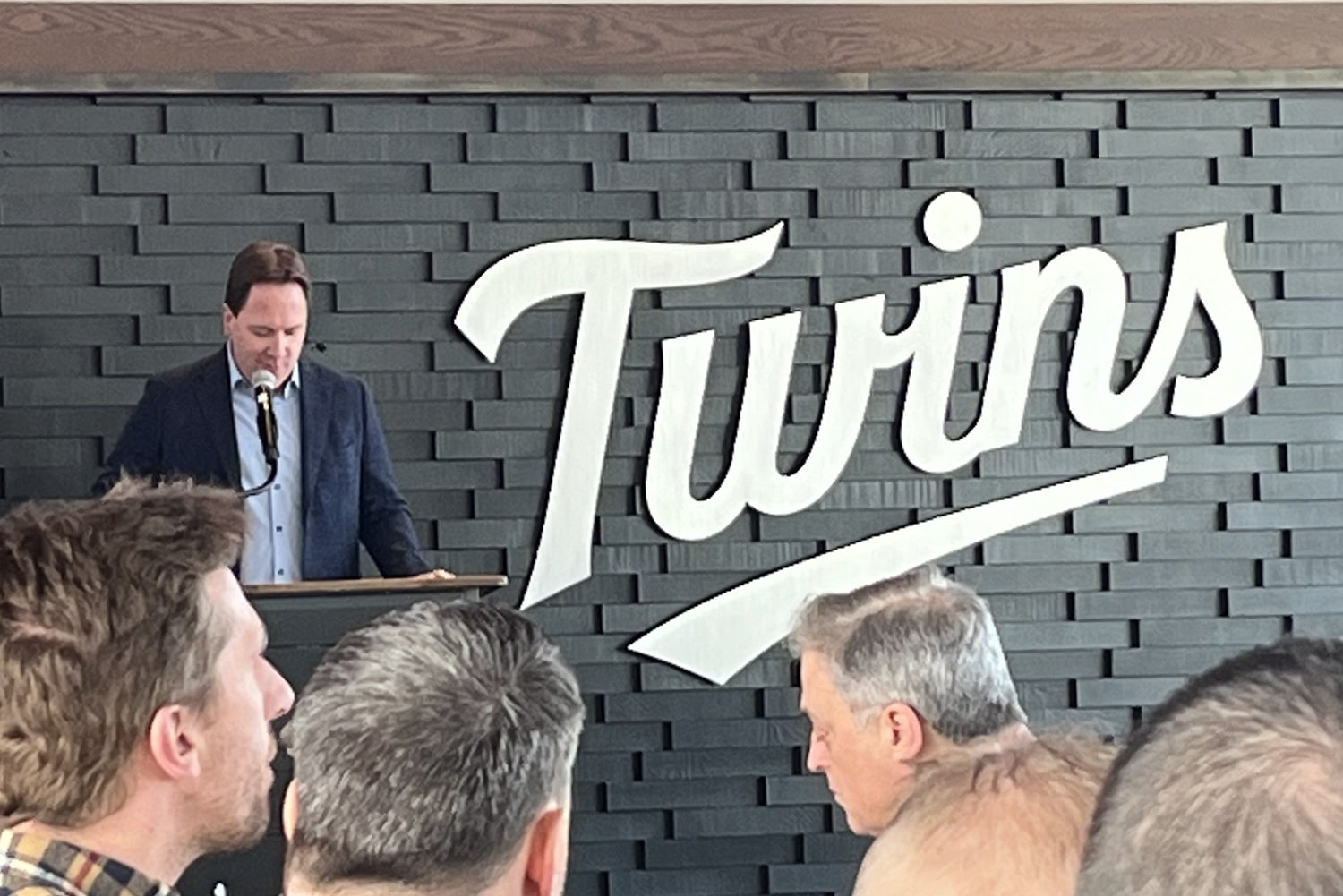 Derek Falvey and the Twins shockingly parted ways on Friday, a mere week and a half before pitchers and catchers report to the Lee Health Sports Complex in Fort Myers. This “mutual” parting of ways has wide-ranging implications for the 2026 season, and raises no few questions that will be explored here on Twins Daily in the coming days. One such is this: are there even historical precedents for a GM or analogue to jump ship or get fired (depending on how you interpret Tom Pohlad and Derek Falvey’s statements) this late in the offseason, just when teams are preparing to ramp up for the season? After all, there are myriad reasons why the timing is truly awful. It creates unnecessary chaos and complexity. It threatens the perceived job security of coaches and executives. It threatens to dispirit players, some of whom have already openly questioned the organization. It’s too late to ask teams for permission to interview their executives, drying up the talent pool, and practically forcing the Twins' hand in elevating Jeremy Zoll. It adds responsibility to his purview, and by extension, likely his assistant GMs as well, without ample time to ramp up. All of these things conspire to make Pohlad’s stated goal of competing this season an even tougher needle to thread. In short, Friday’s announcement just doesn’t make sense; at least not now. So, surely, the situation the Twins find themselves in must be pretty rare. Turns out, it is, indeed. After some digging, there are only two other examples of executives departing on the eve of spring training, and both happened in situations not dissimilar to that of the 2026 Twins. The Firee: Dan Duquette, Boston Red Sox, 2002 The Red Sox fired Dan Duquette on March 1, 2002, smack dab in the middle of spring training. In terms of tenure, success rate, and fan perception, there are some real similarities to Falvey’s time with the Twins, as well as some potential hints for the future. Prior to being fired, Duquette had an eight-year run as the Red Sox GM. He made the playoffs just three times, and in those appearances won only two total games. He angered fans when he let the popular (and talented) father of Kody Clemens leave in free agency, and fans weren’t enamored with his communication style with the media either. Heading into the 2001 season, Duquette went big on the free agent market, signing Manny Ramirez to a massive-at-the-time eight-year, $160 million deal. With Pedro Martinez on the books, as well as a number of other contracts that were well above average, the Red Sox had the second-highest payroll in baseball behind only the Yankees. The payroll didn’t correspond to success that season, as the team dealt with injuries and underperformance, and finished just over .500. Duquette fired his Manager, Jimy Williams, mid-season after a high-profile disagreement with a player. Oh. By the way. Duquette was fired by the John Henry’s group not 24 hours after they became the new owners of the Red Sox. They replaced him by promoting Mike Port, Duquette’s VP of Baseball Operations. He lasted just one season before ownership ultimately hired Theo Epstein to take the reins of the core of talented draftees and veterans in their prime that Duquette had assembled. Three years after Duquette’s firing, the Red Sox began their dynasty. Could Falvey's departure be a simple case of "not my guy?" Or something closer to a scapegoat? Pohlad said on Friday "the vision is probably a little bit different than what it was before. The landscape is different, and that it's best for both of us, if we if we make a change, and best for the Minnesota Twins." Make of that what you will. The Quitter: Bob Watson, New York Yankees, 1998 Bob Watson was a former player, turned coach, turned general manager. His brief stint in the role lasted just two seasons, and they shone. In 1996, he and rookie manager Joe Torre took the Yankees to the World Series where they defeated the Atlanta Braves. The following season, they made the playoffs again, but didn’t advance past the ALDS. On February 3, 1998, Watson resigned and he was replaced by Brian Cashman. Ok. So. Neither tenure nor results match up with Falvey’s, but you know what just might? Watson’s reason for quitting. In short, he was frequently at loggerheads with owner George Steinbrenner. “The Boss” had a habit of micromanaging his GMs, to the point of pushing for specific trades and negotiating around them with other GMs and owners. In fact, he was responsible for acquiring Chuck Knoblach from the Twins. In 1997, Steinbrenner repeatedly attempted to get Watson to move Jorge Posada and a number of prospects for Rickey Henderson, and publicly lambasted his GM for not making specific moves that Steinbrenner wanted to see happen, and for trading for players he himself wouldn’t. It got to the point that Watson would tell rival GMs he was out on a deal “'unless I get orders from south of New York.’ ", referencing Steinbrenner’s Florida home. Eventually, Watson had enough. After he resigned, a Yankees official told the New York Times: “I don't know if he wants to be a general manager anymore. Maybe he doesn't need the pressure. I don't know that he wants another general manager's job. I don't know if he wants to stay in baseball. I imagine he's disgusted with Steinbrenner.” If we are looking for parallels, it’s easy to find them. After all, like George Steinbrenner, Tom Pohlad seems to believe he understands just how to run a baseball team. Unlike Steinbrenner, however, Pohlad is new to the game, and his diametrically opposed dictates reflect that. To wit: “no half measures” and “we will be competitive in 2026”, are in conflict with "yes, our payroll is down from last year” and the whole, you know, not really having a bullpen you trust with a one-run lead in a playoff push. Really, when you look at it, Falvey’s departure combines themes from both of these case studies. On one side of the equation, you have new ownership, likely disappointed with middling results, a disengaged fanbase, and questionable baseball decisions by the GM (albeit with the former owner's blessing and, in part, because of unexpected financial constraints placed on him). On the other side, you have the owner, perhaps out of hubris, assuming he knows the way to right the ship despite little to indicate such, who, in his confidence, creates an unwinnable and frustrating work environment for the GM. That’s the sort of conflict that leads to a parting of ways, even if the initiating party remains opaque. As it stands, this development probably doesn’t help the Twins’ chances in 2026, but it sure does continue the palace intrigue that began with Joe Pohlad's ouster. One thing that's certain is that there's no shortage of confidence among the Pohlad family.
 -
Image courtesy of © Mark Hoffman/Milwaukee Journal Sentinel / USA TODAY NETWORK via Imagn Images Dear Santa, We have been such good fans this year! Please, please, please bring us some presents. Sure, we haven’t been perfect; we have been known to complain about the state of the team. ESPN just said that we are the most aggrieved fanbase in baseball. But it comes from love, we promise! All we want is to win and to know that ownership cares, too. It’s been a hard couple of years, and a lot of our friends are having a tough time with it. Anyway, I know you are always watching us and have seen us going to games, watching on TV (now that we can do that again), and buying Byron Buxton jerseys. So, we deserve some presents, right? And we don’t really want too much; just a few things. Let's begin with the offseason. For starters, we really need two relievers. We know Derek Falvey got rid of all of our old ones. Maybe he thinks we don’t like relievers anymore? You know the truth, though, right? We love relievers. We want to see them every day! Unless Pablo Lopez throws a complete game, but we aren’t greedy. We don’t even need the best relievers. Just ones we won’t be embarrassed to show the other teams when they come to visit. Maybe Seranthony Dominguez and Danny Coulombe? That couldn’t be too expensive for the Twins, could it? Next, we are asking for another good bat. Jeremy Zoll said that he wanted another impact bat or two, so that’s almost a promise, right? If it’s not too much trouble, it would be nice if he were right-handed to make platooning a bit more successful and prevent our excess lefties from having to face tough southpaws. They aren’t very good at that. You know that, right? We have been watching Marcell Ozuna for a long time. Maybe he would like to come play for the Twins. Finally, please make sure the Twins trade Trevor Larnach for whatever they can get, and designate James Outman for assignment. Those guys are nice and all, but they don’t really fit in with the rest of the team, and they prevent the Twins from being as fun as they could be. Santa, you probably know this already, but if you can’t find the right free agents to make the team good in 2026, it’s ok if the Twins have to trade someone. Simeon Woods Richardson probably makes sense if the Twins could trade him for Coby Mayo or another young first baseman. We would really like not to have to sign a new one every single year. Santa, we think you would agree, if you gave us those things, the offseason wouldn’t be too bad, right? We know, too, it’s a lot less than what most of the other teams are getting. Oh. We also want a few things after the season starts. The biggest thing we want here is for the front office to make good decisions. We don’t want the Twins to be playing guys like Mickey Gasper, Ryan Fitzgerald, Ryan Kreidler, or Edouard Julien, if it means that prospects are sitting in Triple-A Saint Paul. I know fans love having a really fun team across town, too, but we all know the Twins deserve better players than the Saints. We know you are more of a once-a-year kind of gift giver, but a lot of stores have been advertising something called “Christmas in July”. Maybe they mean the trade deadline? If so, we do have ideas for a couple of gifts you could give us then, too. The biggest thing, honestly, seems very reasonable. If the Twins are holding their own, and Walker Jenkins, Emmanuel Rodriguez, and Gabriel Gonzalez have looked decent, can you please make sure that Tom Pohlad gives the front office the go-ahead to add payroll? You know what I mean, right? Not Trevor Richards' payroll, but enough to actually get the missing pieces to take the Twins deep into October. We have been saving prospect capital for so long. It would be ok to spend some, right? One more thing. We know this might sound greedy, but it’s really just thinking ahead to next year, and just so we don’t forget. Once the Twins know what they have after letting the kids play this season, we really want them to take some big swings to have a really good team. That will show us that ownership cares about us; you know, like Tom Pohlad said. Sincerely, the Minnesota Twins fanbase P.S: We know you don’t have any control over this, but would you mind doing us fans a favor? Could you talk to your friend, General Health? We know you guys are close, and we know he’s not a Twins fan. But, if he could keep Buxton, Royce Lewis, Luke Keaschall, Joe Ryan, Walker Jenkins, and Emmanuel Rodriguez healthy, we sure would appreciate it. He’s been mean to them for too long. View full article
-
 Dear Santa, We have been such good fans this year! Please, please, please bring us some presents. Sure, we haven’t been perfect; we have been known to complain about the state of the team. ESPN just said that we are the most aggrieved fanbase in baseball. But it comes from love, we promise! All we want is to win and to know that ownership cares, too. It’s been a hard couple of years, and a lot of our friends are having a tough time with it. Anyway, I know you are always watching us and have seen us going to games, watching on TV (now that we can do that again), and buying Byron Buxton jerseys. So, we deserve some presents, right? And we don’t really want too much; just a few things. Let's begin with the offseason. For starters, we really need two relievers. We know Derek Falvey got rid of all of our old ones. Maybe he thinks we don’t like relievers anymore? You know the truth, though, right? We love relievers. We want to see them every day! Unless Pablo Lopez throws a complete game, but we aren’t greedy. We don’t even need the best relievers. Just ones we won’t be embarrassed to show the other teams when they come to visit. Maybe Seranthony Dominguez and Danny Coulombe? That couldn’t be too expensive for the Twins, could it? Next, we are asking for another good bat. Jeremy Zoll said that he wanted another impact bat or two, so that’s almost a promise, right? If it’s not too much trouble, it would be nice if he were right-handed to make platooning a bit more successful and prevent our excess lefties from having to face tough southpaws. They aren’t very good at that. You know that, right? We have been watching Marcell Ozuna for a long time. Maybe he would like to come play for the Twins. Finally, please make sure the Twins trade Trevor Larnach for whatever they can get, and designate James Outman for assignment. Those guys are nice and all, but they don’t really fit in with the rest of the team, and they prevent the Twins from being as fun as they could be. Santa, you probably know this already, but if you can’t find the right free agents to make the team good in 2026, it’s ok if the Twins have to trade someone. Simeon Woods Richardson probably makes sense if the Twins could trade him for Coby Mayo or another young first baseman. We would really like not to have to sign a new one every single year. Santa, we think you would agree, if you gave us those things, the offseason wouldn’t be too bad, right? We know, too, it’s a lot less than what most of the other teams are getting. Oh. We also want a few things after the season starts. The biggest thing we want here is for the front office to make good decisions. We don’t want the Twins to be playing guys like Mickey Gasper, Ryan Fitzgerald, Ryan Kreidler, or Edouard Julien, if it means that prospects are sitting in Triple-A Saint Paul. I know fans love having a really fun team across town, too, but we all know the Twins deserve better players than the Saints. We know you are more of a once-a-year kind of gift giver, but a lot of stores have been advertising something called “Christmas in July”. Maybe they mean the trade deadline? If so, we do have ideas for a couple of gifts you could give us then, too. The biggest thing, honestly, seems very reasonable. If the Twins are holding their own, and Walker Jenkins, Emmanuel Rodriguez, and Gabriel Gonzalez have looked decent, can you please make sure that Tom Pohlad gives the front office the go-ahead to add payroll? You know what I mean, right? Not Trevor Richards' payroll, but enough to actually get the missing pieces to take the Twins deep into October. We have been saving prospect capital for so long. It would be ok to spend some, right? One more thing. We know this might sound greedy, but it’s really just thinking ahead to next year, and just so we don’t forget. Once the Twins know what they have after letting the kids play this season, we really want them to take some big swings to have a really good team. That will show us that ownership cares about us; you know, like Tom Pohlad said. Sincerely, the Minnesota Twins fanbase P.S: We know you don’t have any control over this, but would you mind doing us fans a favor? Could you talk to your friend, General Health? We know you guys are close, and we know he’s not a Twins fan. But, if he could keep Buxton, Royce Lewis, Luke Keaschall, Joe Ryan, Walker Jenkins, and Emmanuel Rodriguez healthy, we sure would appreciate it. He’s been mean to them for too long.
 -
Image courtesy of Geoff Burke-Imagn Images Tom Pohlad, in his introductory presser, told the media that he wants fans to “believe [he’s] committed to a championship-caliber investment and team”, that he thinks the Twins are “within reach of winning a division title this year”, and that he’s “not a half-measure guy.” At the same time, he also acknowledged that the Twins are “laying the foundation for ultimately what [they] hope will be a nucleus that can be a championship-caliber team and that warrants a championship-level investment.” Those statements are somewhat at odds, and the why behind it makes sense. Based on the status of the current roster and number of top prospects in the upper minors, things are complicated to say the least. How do the Twins continue to add to the roster without blocking the future of the team? Where can they actually make significant upgrades without putting another Carlos Correa-sized impediment in their ability to field a complete roster? Is it even possible to do these things, at this point in time? Let’s start by looking at the areas of need, and I’ll discuss the challenges with upgrading at the position. I see three. Shortstop, if you aren’t a believer in Brooks Lee. Another big bat, preferably one who hits right-handed, if you can find a position for them. Bullpen. So much bullpen. Shortstop Do you believe that some combination of Lee, Ryan Kreidler, and Ryan Fitzgerald can, in the aggregate, be even average both at the plate and in the field? It seems like a stretch. The latter two are fringy guys, at best. Lee has looked overmatched throughout his young career and as it stands, may be better suited to a part-time utility role unless he can make some real adjustments to his approach. However, in order to justify moving a former top prospect off the spot, the Twins would need a clear upgrade. Signing someone like Isiah Kiner-Falefa could make sense. It would probably take a two-year deal, and I imagine it would take around $15 million deal to sign him. That’s affordable, but it’s tough to imagine the Twins being this quick to relegate Lee to a utility role. And, Kaelen Culpepper could be ready for his first call-up this summer. So, it seems unlikely the Twins would see upgrading shortstop as a good investment. Big Bat The Twins need consistent offense, and need it badly. However, finding a spot to play another bat would be easier said than done, at least without sacrificing playing time for someone else that deserves or needs it. All of Byron Buxton, Matt Wallner, Josh Bell, Luke Keaschall, Royce Lewis, Ryan Jeffers, Trevor Larnach, and Lee will play most days. Positionally, center field is taken. The corner outfield spots have a veritable logjam already, between Larnach, Alan Roden, James Outman, Austin Martin, and Wallner. Plus, both Walker Jenkins and Emmanuel Rodriguez are basically ready for the majors, with Gabriel Gonzalez on their heels. First base is taken, now, with the additional of Bell. Wallner’s best position is DH, and playing him as the strong-sided platoon, at the least, seems a no-brainer. Catcher is covered. You probably aren’t moving Lewis off third. Keaschall is at second, unless you move him to the outfield and make that logjam even worse. We covered shortstop already. So, again, where do you put another big bat? Unless you are trading multiple hitters, including some that are likely part of the future, there just doesn't seem to be room for anything more than a right handed platoon first baseman or DH. Bullpen Here we go. Finally. The easiest, most natural spot to upgrade from the current options. As Nick Nelson wrote, aside from Cole Sands, Justin Topa, and Kody Funderburk, there’s a ton of question marks. But, maybe fewer than you would think. The Twins didn’t trade for Eric Orze to not have him on their roster. Pierson Ohl and Travis Adams didn’t look amazing in their limited outings down the stretch last season, but neither figure to be starters for the Twins, and it makes sense to give both another season in the pen to see what they are capable of. That means at least five or six spots, out of eight, are written in at least pencil. “Great”, you might be thinking. “Sign two stud relievers!” On paper, that makes perfect sense. After all, the Twins have exactly zero current relievers who should get the eighth or ninth innings in close games with any regularity. Except. Have you looked at their starting pitching depth? As it stands, all of Taj Bradley, Mick Abel, Zebby Matthews, David Festa, Connor Prielipp, Kendry Rojas, and Andrew Morris will be competing for the fifth starter gig; one will be without a rotation spot even in Triple-A. That’s not to mention Marco Raya, who, as of now, is still a starter. It’s not including C.J. Culpepper or Ryan Gallagher, both of whom should be ready for a promotion to Saint Paul at some point in 2026. One also shouldn’t fully write off question marks like Matt Canterino or Cory Lewis. That’s so, so many pitching prospects. Realistically, four or five of those guys will end up needing to convert to relief. It’s no stretch to think that, say, Prielipp, Festa, and Morris could be converted to start the season, and that a couple of them could be with the Twins sooner rather than later. As you can see, 2026 is shaping up to be a truly transitional season; one in which it almost makes more sense for the Twins to just see what they have with the myriad prospects in the upper minors. Doing so would allow them to get a better sense for what their true longer-term organizational needs look like, and go into 2027 with sights set on two or three positions that need to be shored up with high-end options. But, doing little aside from signing Bell is truly a half-measure. You know, the thing Pohlad is against. Really, the only way to square all of his quotes, to compete this year while also building for the future, and to avoid half-measures entirely would be to deliberately block the youth movement for the first part of the season by signing a bopper and three good relievers to one-year deals, then planning to trade all of them as the prospects prove their readiness. Do you see ownership giving Falvey the green light to do so, if it were to cost another $35 million, or more? Even if it was really more like $15 or 20 million before they are traded away midseason, it’s still more than they are expected to spend, and by a decent margin. It would certainly be one way to put his money where his mouth is. It would make for some fun ball, too. View full article
-
Can This Offseason Be Anything But A Half-Measure For The Twins?
Eric Blonigen posted an article in Twins
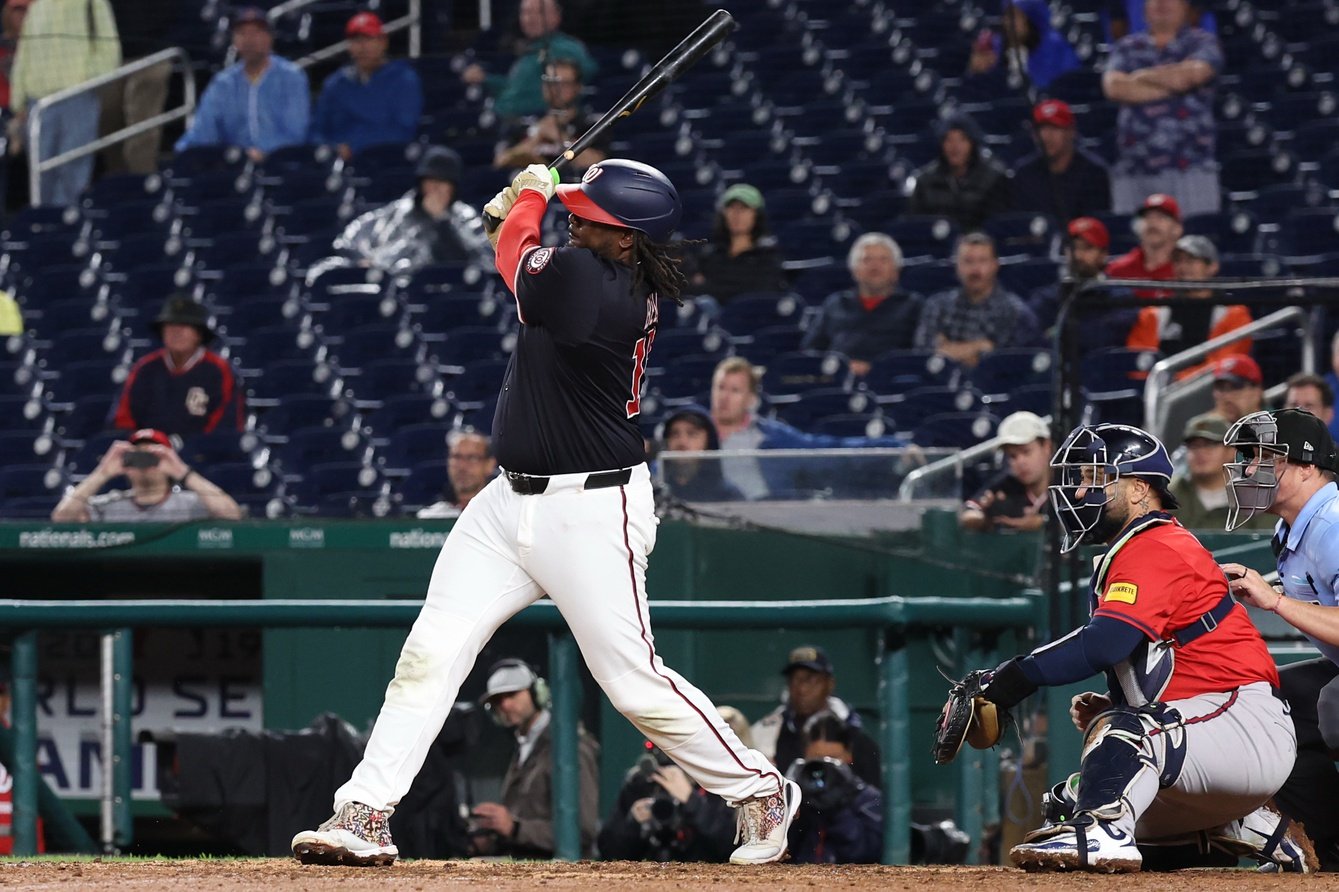 Tom Pohlad, in his introductory presser, told the media that he wants fans to “believe [he’s] committed to a championship-caliber investment and team”, that he thinks the Twins are “within reach of winning a division title this year”, and that he’s “not a half-measure guy.” At the same time, he also acknowledged that the Twins are “laying the foundation for ultimately what [they] hope will be a nucleus that can be a championship-caliber team and that warrants a championship-level investment.” Those statements are somewhat at odds, and the why behind it makes sense. Based on the status of the current roster and number of top prospects in the upper minors, things are complicated to say the least. How do the Twins continue to add to the roster without blocking the future of the team? Where can they actually make significant upgrades without putting another Carlos Correa-sized impediment in their ability to field a complete roster? Is it even possible to do these things, at this point in time? Let’s start by looking at the areas of need, and I’ll discuss the challenges with upgrading at the position. I see three. Shortstop, if you aren’t a believer in Brooks Lee. Another big bat, preferably one who hits right-handed, if you can find a position for them. Bullpen. So much bullpen. Shortstop Do you believe that some combination of Lee, Ryan Kreidler, and Ryan Fitzgerald can, in the aggregate, be even average both at the plate and in the field? It seems like a stretch. The latter two are fringy guys, at best. Lee has looked overmatched throughout his young career and as it stands, may be better suited to a part-time utility role unless he can make some real adjustments to his approach. However, in order to justify moving a former top prospect off the spot, the Twins would need a clear upgrade. Signing someone like Isiah Kiner-Falefa could make sense. It would probably take a two-year deal, and I imagine it would take around $15 million deal to sign him. That’s affordable, but it’s tough to imagine the Twins being this quick to relegate Lee to a utility role. And, Kaelen Culpepper could be ready for his first call-up this summer. So, it seems unlikely the Twins would see upgrading shortstop as a good investment. Big Bat The Twins need consistent offense, and need it badly. However, finding a spot to play another bat would be easier said than done, at least without sacrificing playing time for someone else that deserves or needs it. All of Byron Buxton, Matt Wallner, Josh Bell, Luke Keaschall, Royce Lewis, Ryan Jeffers, Trevor Larnach, and Lee will play most days. Positionally, center field is taken. The corner outfield spots have a veritable logjam already, between Larnach, Alan Roden, James Outman, Austin Martin, and Wallner. Plus, both Walker Jenkins and Emmanuel Rodriguez are basically ready for the majors, with Gabriel Gonzalez on their heels. First base is taken, now, with the additional of Bell. Wallner’s best position is DH, and playing him as the strong-sided platoon, at the least, seems a no-brainer. Catcher is covered. You probably aren’t moving Lewis off third. Keaschall is at second, unless you move him to the outfield and make that logjam even worse. We covered shortstop already. So, again, where do you put another big bat? Unless you are trading multiple hitters, including some that are likely part of the future, there just doesn't seem to be room for anything more than a right handed platoon first baseman or DH. Bullpen Here we go. Finally. The easiest, most natural spot to upgrade from the current options. As Nick Nelson wrote, aside from Cole Sands, Justin Topa, and Kody Funderburk, there’s a ton of question marks. But, maybe fewer than you would think. The Twins didn’t trade for Eric Orze to not have him on their roster. Pierson Ohl and Travis Adams didn’t look amazing in their limited outings down the stretch last season, but neither figure to be starters for the Twins, and it makes sense to give both another season in the pen to see what they are capable of. That means at least five or six spots, out of eight, are written in at least pencil. “Great”, you might be thinking. “Sign two stud relievers!” On paper, that makes perfect sense. After all, the Twins have exactly zero current relievers who should get the eighth or ninth innings in close games with any regularity. Except. Have you looked at their starting pitching depth? As it stands, all of Taj Bradley, Mick Abel, Zebby Matthews, David Festa, Connor Prielipp, Kendry Rojas, and Andrew Morris will be competing for the fifth starter gig; one will be without a rotation spot even in Triple-A. That’s not to mention Marco Raya, who, as of now, is still a starter. It’s not including C.J. Culpepper or Ryan Gallagher, both of whom should be ready for a promotion to Saint Paul at some point in 2026. One also shouldn’t fully write off question marks like Matt Canterino or Cory Lewis. That’s so, so many pitching prospects. Realistically, four or five of those guys will end up needing to convert to relief. It’s no stretch to think that, say, Prielipp, Festa, and Morris could be converted to start the season, and that a couple of them could be with the Twins sooner rather than later. As you can see, 2026 is shaping up to be a truly transitional season; one in which it almost makes more sense for the Twins to just see what they have with the myriad prospects in the upper minors. Doing so would allow them to get a better sense for what their true longer-term organizational needs look like, and go into 2027 with sights set on two or three positions that need to be shored up with high-end options. But, doing little aside from signing Bell is truly a half-measure. You know, the thing Pohlad is against. Really, the only way to square all of his quotes, to compete this year while also building for the future, and to avoid half-measures entirely would be to deliberately block the youth movement for the first part of the season by signing a bopper and three good relievers to one-year deals, then planning to trade all of them as the prospects prove their readiness. Do you see ownership giving Falvey the green light to do so, if it were to cost another $35 million, or more? Even if it was really more like $15 or 20 million before they are traded away midseason, it’s still more than they are expected to spend, and by a decent margin. It would certainly be one way to put his money where his mouth is. It would make for some fun ball, too.
 -
Image courtesy of © Bruce Kluckhohn-Imagn Images Tom Pohlad introduced himself as the new face of the Twins on Wednesday, after Joe Pohlad was apparently forced out of his role. Tom is now the sole member of the Pohlad family who will be involved in the business; he plans to be more active; and he claims (that, at least) to understand the challenges he will face. He recognizes that his family has eroded the trust of fans, and says he wants to earn it back. What will it take to get there? Before I dig in, I do want to give a little context. If you have read my pieces on Twins Daily, you will know I am not one to make excuses for ownership. If anything, I am quick to put them on blast for the numerous decisions they have made regarding everything from payroll cuts to tone-deaf comments to media and fans. That said, this feels different, and I’m actually optimistic for the future of the franchise. I’ll share some quotes he gave to media, including Twins Daily’s own Matthew Trueblood, and discuss what I believe it will take to earn back trust. Self-Awareness and Effective Communication Perhaps the place to begin is by establishing some self-awareness from the latest Pohlad. When asked why he was taking the reins from Joe, Tom said: “When we took a hard look at things, it’s undeniable that we haven’t won enough baseball games, the financial health of the club has been put in jeopardy, and we’ve got a fan base that has lost trust in us as owners and, as a result, this organization and the direction it’s headed … I’m well aware of how upset the fan base is with our family and with this organization. I view that as an opportunity for us. They care deeply about the sport of baseball. They care deeply about this team.” “I also think that the fan base wants to feel some sort of connection with ownership, and they want to know that ownership cares just as much as they do," Pohlad added. "And I’m not sure that they’ve gotten that sense.” That’s pretty clear, and very accurate. It appears that Tom has ideas on how to put action behind those words. When asked how he plans to make fans like him, he had a ready answer. “I think the work of earning back their trust comes with two things: communication and accountability. We’ve got to do a better job of telling fans where we’re going, how we’re going to get there, and why we’re doing the things we’re doing. And I commit to that going forward.” Now, I don’t have much to add here. It seems as though Tom has correctly identified the issues, and the solution for them. Payroll Of course, this is an important aspect of winning back trust. In a separate interview with WCCO’s Chad Hartman, Pohlad spoke to the “right-sizing” of the payroll following the 2023 Twins breaking their playoff curse, and he fully acknowledged the impact that had. "We made what we thought at the time was a responsible financial decision, and we obviously failed to consider the long-term impact of that decision, and the short-term impact of that decision, frankly," he said. "We sucked the air right out of our fan base, and it did significant damage to our brand and to our family from a confidence standpoint. Plain and simple, we got it wrong.” Yeah. That. By acknowledging that mistake, it seems that he understands the correlation between trying to compete when the window is open and fan morale. Applying this to the 2026 payroll, it’s been broadly reported that the 2026 payroll is unlikely to eclipse $120 million and may be more likely to sit in the $110-115 million range. When asked directly about the budget for the year, Tom demurred. “I don’t think … that we should put a significant investment into the team of $50 or $60 million dollars, but I don’t think we’re far off from that.” That can be interpreted two different ways: either that they may spend an additional, say, $30 million this offseason, or that 2026 will be down, but 2027 (if all goes well) could be right back near league average. Either way, a surefire way to earn back trust and build morale would be to do exactly that: provide a payroll commensurate with the openness of the competitive window, and roughly in the middle of the league pack. Improving the Team When asked about the balancing act between winning back the fan base and building for long-term success, Pohlad gave the only answer of the day that sounded rehearsed—but which also appeared to be his mission statement. “We owe the fan base something; we owe our veteran and star players something; and we owe this organization something," he said. "And that something is hope.” Now, that’s a great place to start. Hope is, after all, what brings us as fans together every spring. But what about winning? “I think we are certainly within reach of winning a division title this year," Pohlad opined. "And I think we’ll continue to look at moves we can make that will help us accomplish that.” He also acknowledged that the Twins' process hasn’t been working the way anyone would hope. “We need to rethink how we put a championship-caliber team on the field. That work begins this year," he said. "We’re laying the foundation for ultimately what we hope will be a nucleus that can be a championship-caliber team and that warrants a championship-level investment." Finally, he spoke about the Dodgers, and alluded to looking at all avenues of improving the team—both on and off the field. Again, this shows a good understanding of the assignment, and is promising. Now, I’m an “action speaks louder than words” kind of guy, so my optimism is guarded. However, I am impressed with a few aspects of Pohlad’s introductory interview. First, there was a noted lack of self-importance in his interviews. Second, he seems to realize that sports teams exist for the fans, not for ownership. Third, he said he wants to do the work to change the narrative, rather than just expecting fans to perceive his family as the heroes of the story. Now, it’s time for Tom to do that work to prove to fans that ownership truly wants to win. That, more than anything else, will bring back the fans. View full article
-
 Tom Pohlad introduced himself as the new face of the Twins on Wednesday, after Joe Pohlad was apparently forced out of his role. Tom is now the sole member of the Pohlad family who will be involved in the business; he plans to be more active; and he claims (that, at least) to understand the challenges he will face. He recognizes that his family has eroded the trust of fans, and says he wants to earn it back. What will it take to get there? Before I dig in, I do want to give a little context. If you have read my pieces on Twins Daily, you will know I am not one to make excuses for ownership. If anything, I am quick to put them on blast for the numerous decisions they have made regarding everything from payroll cuts to tone-deaf comments to media and fans. That said, this feels different, and I’m actually optimistic for the future of the franchise. I’ll share some quotes he gave to media, including Twins Daily’s own Matthew Trueblood, and discuss what I believe it will take to earn back trust. Self-Awareness and Effective Communication Perhaps the place to begin is by establishing some self-awareness from the latest Pohlad. When asked why he was taking the reins from Joe, Tom said: “When we took a hard look at things, it’s undeniable that we haven’t won enough baseball games, the financial health of the club has been put in jeopardy, and we’ve got a fan base that has lost trust in us as owners and, as a result, this organization and the direction it’s headed … I’m well aware of how upset the fan base is with our family and with this organization. I view that as an opportunity for us. They care deeply about the sport of baseball. They care deeply about this team.” “I also think that the fan base wants to feel some sort of connection with ownership, and they want to know that ownership cares just as much as they do," Pohlad added. "And I’m not sure that they’ve gotten that sense.” That’s pretty clear, and very accurate. It appears that Tom has ideas on how to put action behind those words. When asked how he plans to make fans like him, he had a ready answer. “I think the work of earning back their trust comes with two things: communication and accountability. We’ve got to do a better job of telling fans where we’re going, how we’re going to get there, and why we’re doing the things we’re doing. And I commit to that going forward.” Now, I don’t have much to add here. It seems as though Tom has correctly identified the issues, and the solution for them. Payroll Of course, this is an important aspect of winning back trust. In a separate interview with WCCO’s Chad Hartman, Pohlad spoke to the “right-sizing” of the payroll following the 2023 Twins breaking their playoff curse, and he fully acknowledged the impact that had. "We made what we thought at the time was a responsible financial decision, and we obviously failed to consider the long-term impact of that decision, and the short-term impact of that decision, frankly," he said. "We sucked the air right out of our fan base, and it did significant damage to our brand and to our family from a confidence standpoint. Plain and simple, we got it wrong.” Yeah. That. By acknowledging that mistake, it seems that he understands the correlation between trying to compete when the window is open and fan morale. Applying this to the 2026 payroll, it’s been broadly reported that the 2026 payroll is unlikely to eclipse $120 million and may be more likely to sit in the $110-115 million range. When asked directly about the budget for the year, Tom demurred. “I don’t think … that we should put a significant investment into the team of $50 or $60 million dollars, but I don’t think we’re far off from that.” That can be interpreted two different ways: either that they may spend an additional, say, $30 million this offseason, or that 2026 will be down, but 2027 (if all goes well) could be right back near league average. Either way, a surefire way to earn back trust and build morale would be to do exactly that: provide a payroll commensurate with the openness of the competitive window, and roughly in the middle of the league pack. Improving the Team When asked about the balancing act between winning back the fan base and building for long-term success, Pohlad gave the only answer of the day that sounded rehearsed—but which also appeared to be his mission statement. “We owe the fan base something; we owe our veteran and star players something; and we owe this organization something," he said. "And that something is hope.” Now, that’s a great place to start. Hope is, after all, what brings us as fans together every spring. But what about winning? “I think we are certainly within reach of winning a division title this year," Pohlad opined. "And I think we’ll continue to look at moves we can make that will help us accomplish that.” He also acknowledged that the Twins' process hasn’t been working the way anyone would hope. “We need to rethink how we put a championship-caliber team on the field. That work begins this year," he said. "We’re laying the foundation for ultimately what we hope will be a nucleus that can be a championship-caliber team and that warrants a championship-level investment." Finally, he spoke about the Dodgers, and alluded to looking at all avenues of improving the team—both on and off the field. Again, this shows a good understanding of the assignment, and is promising. Now, I’m an “action speaks louder than words” kind of guy, so my optimism is guarded. However, I am impressed with a few aspects of Pohlad’s introductory interview. First, there was a noted lack of self-importance in his interviews. Second, he seems to realize that sports teams exist for the fans, not for ownership. Third, he said he wants to do the work to change the narrative, rather than just expecting fans to perceive his family as the heroes of the story. Now, it’s time for Tom to do that work to prove to fans that ownership truly wants to win. That, more than anything else, will bring back the fans.
 -
Happy Carlos Correa Day!
Eric Blonigen replied to Eric Blonigen's topic in Twins Daily Front Page News
I did not. That signing bonus has been completely paid; the second half of it was due in 2024. It’s just spread on paper for accounting purposes. -
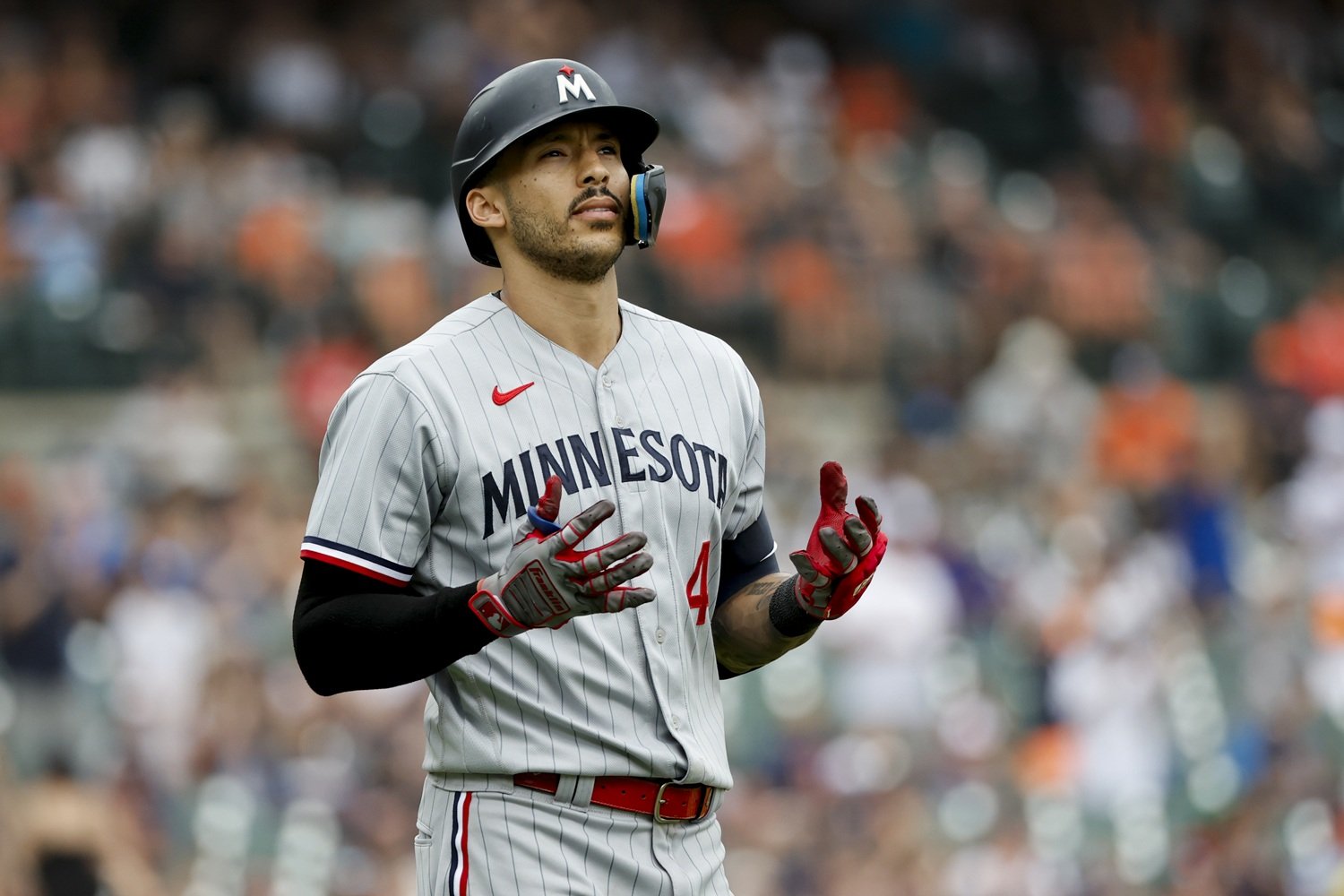 It is difficult to know from day-to-day in the offseason when your favorite team will spend some money. Well, Twins fans, we can guarantee you that the Twins will be spending money on Wednesday. July 1 is, in the baseball world, known as Bobby Bonilla Day. Is this because of some sort of career milestone? Did he hit for the cycle in both games of a double header? Hit his 300th career home run? Swipe three bases in one game? No, it’s not any of those things. Perhaps he did something noteworthy that day? Rescue a cat from a tree, maybe? Save someone from a burning building? Nope. None of the above. Rather, it’s the day each year that he collects a $1.19 million paycheck from the Mets as part of his deferred-money deal when they cut him in 1999. He began collecting this in 2011, and will continue to do so until 2035, when he will be 72 years old. Pretty sweet deal for him, but less so for the Mets. You might be asking yourself why this bit of baseball trivia is on Twins Daily, as it’s not at all related to the Twins. Or is it? Well, buckle up. Starting today and for the next three years, December 15th will henceforth be known in Twins circles as Carlos Correa Day, the day in which the Twins make one of their largest capital outlays of the season, and for a player that hasn’t played for them in some time. In fact, the Twins will be paying the Astros their final payment nearly three months after his contract has ended. On this day, we as fans can collectively celebrate that the Twins are paying more for Carlos Correa to not play for them than they are likely paying any free agent to make their roster complete. In fact, they are paying the Astros more, on average, than they have for any free agent since Joey Gallo signed his one year, $11 million deal in 2022. December 15 is also the day that we can collectively celebrate the Pohlad family for singlehandedly hamstringing Derek Falvey’s ability to build a functional roster around the slightly aging superstar they had greenlit the second signing of less than three years earlier. Were it not for this, in hindsight, ill-advised signing, the Twins very well may have been able to retool their roster heading into the 2024 offseason, instead of doing nothing. They may have been able to trade for a couple of players on bad deals at the 2024 deadline when it was clear they needed bullpen help. Falvey may have been able to set his sights a bit higher than Ty France at first base going into the 2025 season and perhaps could have signed a real DH as well. So, thanks Pohlads, for letting Falvey sign a superstar the likes of which they had never been able to before, then taking away fans’ glee. Finally, December 15 is the day to rejoice in knowing that the Twins will be paying the Astros, on an average annual value basis, more than they are paying any of their players currently on the 2026 roster, excluding Pablo Lopez and Byron Buxton. That seems bad. Oh. You might be wondering the actual terms of the annual payments. It’s $3 million this year, the $10 million each of the next three years, for a total of $33 million. Separately from this, it’s worth noting that by trading Correa when they did, the Twins avoided crossing the $100 million paid on the contract threshold while he was playing for the Twins. In doing so, Joe Mauer remains the only member of the Twins to make more than that number on a single deal, which is a bit noteworthy in its own regard. Ok. Lighthearted griping and obligatory ownership-bashing aside, as much as it’s annoying to devote any part of a limited budget to dead money, trading Correa’s contract when there are payroll constraints makes sense. Knowing Falvey’s declaration that he would like to solve the bullpen and add an impact bat (or two), what can this savings actually accomplish? Well, in paying the $10 million a year over each of the next three seasons, the Twins are saving $21.5 million, $20.5 million, and $20 million in the next three seasons of what Correa was owed. What can they get with that money? For starters, $10 million can sign a perfectly serviceable slugging first baseman. You know, the sort the Twins are perpetually in need of. In this case, say, Rhys Hoskins. Not world-beating, but probably an upgrade over Kody Clemens. And, another $11.5 million could get them a second-tier closer, a setup caliber arm, and a lefty reliever who could slot in ahead of Kody Funderburk, in case his post-deadline breakout is a bit overhyped. Think: Pete Fairbanks, Danny Coulombe, and...I dunno, someone who's not quite a scrap heap pickup, but is sneaky good and cheap. Post firesale, the Twins are in need of three or four of those types of pitchers. Yeah, it turns out the savings, if spent smartly, could very well get them to a team that’s better than .500. Is that enough for a postseason run? Probably not. But, if the new limited partners truly give some additional payroll flexibility, then one more impact bat and one more decent reliever would probably do it. Using the same math from above, that means the Carlos Correa trade, by itself, probably gives the Twins half the payroll the need to actually compete in 2026. Having Correa was fun while it lasted. Singing him was unexpected, indeed; the second time more than the first. And, his exodus could bring this beleaguered team (and fanbase) some hope when it’s most needed. That is, of course, if the savings is truly spent. Should they money be spent, it’s worth asking: will any of the signings the money is used for treat fans to slick scoops from deep short? Or make tone-deaf comments about shopping at Dior? Probably not. But hopefully, fans will be able to enjoy competitive baseball late in the season rather than searching for any excuse to spend a nice summer night anywhere but at the ballpark or watching a game on TV. Let’s hope the savings is reinvested.
 -
4 Twins Prospects Most Likely to Be Lost in 2025 Rule 5 Draft
Eric Blonigen posted an article in Twins
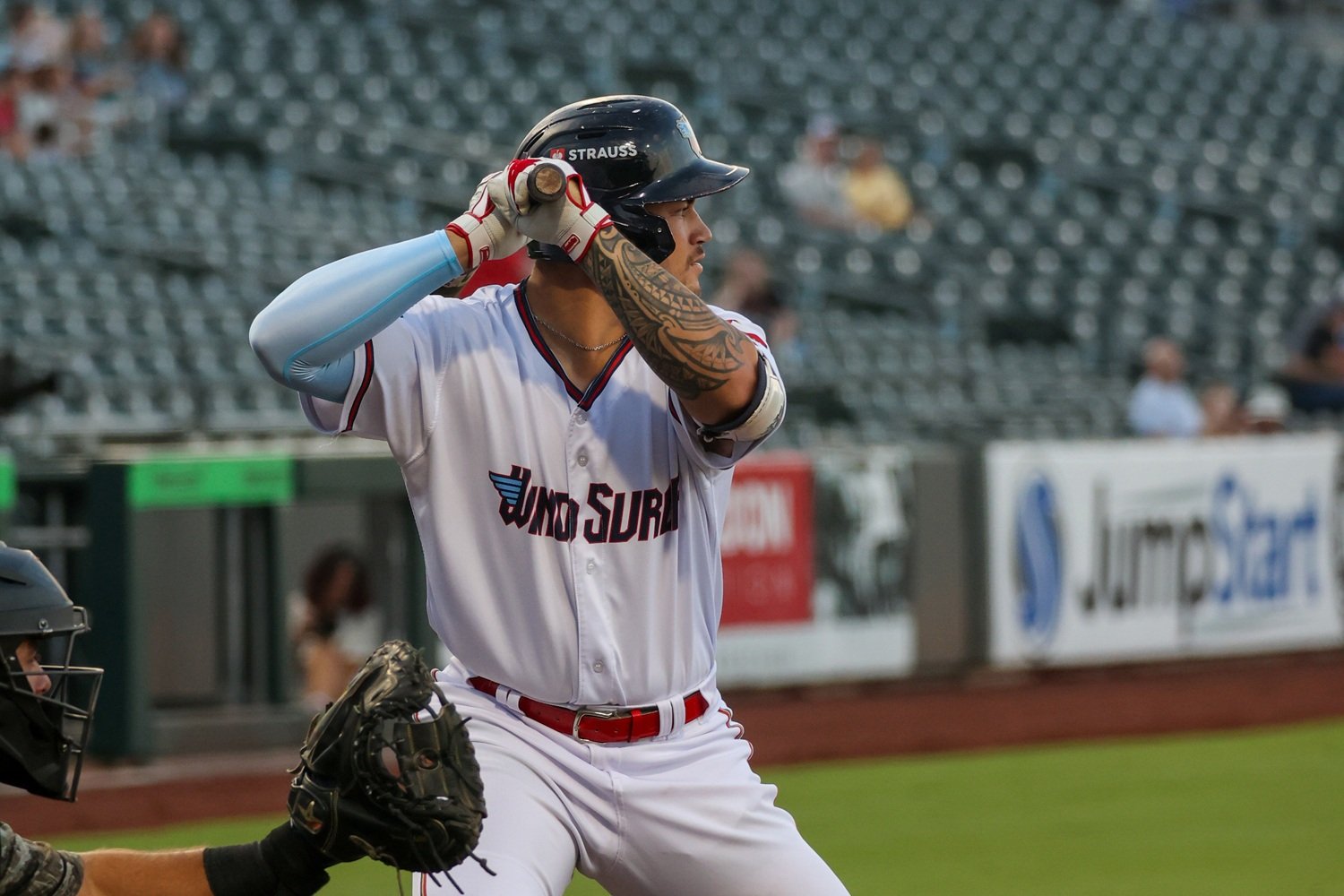 On Wednesday, as the MLB Winter Meetings wind down, teams will make their selections in the 2025 Rule 5 Draft. The Twins protected most of the expected names: Andrew Morris, Connor Prielipp, Marco Raya, Hendry Mendez, Kendry Rojas, and Gabriel González. They also chose to protect one semi-surprising player, in John Klein. However, in adding six guys to the 40-man, they left a few surprising names unprotected. Some of them may be lost to other teams. It’s been a few years since they have lost anyone, but this year's crop may be better (and closer to the majors) than anyone Minnesota has left exposed since 2020. There are four names in particular to watch when the Draft begins. 1) Kala’i Rosario - Corner OF / DH Rosario is available in this pool for the second straight season. After 2024, it made some sense. That season, he had a .726 OPS as a right fielder, and his defensive chops are lacking, even far down the defensive spectrum. Now, however, his situation is different. In 2025, he walked more, struck out less, and added power, finishing the season with an .844 OPS (though it all came in Double A). More impressively, he added speed to his game, swiping 32 bags in 39 tries. While his best position is probably DH, a team that isn’t planning on contending in 2026 could very well be tantalized by the power-speed combination and stash him at the back of the bench as a fifth outfielder and part-time DH option. While he’s not quite ready for the majors, he has spent the past two seasons at Double-A Wichita and is certainly destined for Triple A at this point. Could a team like the White Sox, Rockies, or Pirates decide to take a chance on simply skipping a step? 2) C.J. Culpepper - Right-handed Starting Pitcher It’s surprising the Twins chose not to protect C.J. Culpepper, as he looks destined to be a big league pitcher. He boasts a deep arsenal of pitches, with several having the potential to be average or better. His command has come and gone, but he's enjoyed stretches of strong results. He has struggled with injuries and illness over the past two seasons, spending two months on the IL with a forearm strain in 2024 and another two with a pinched nerve in his throwing arm in 2025. In 2025, he pitched to a 2.43 ERA across 59 1/3 innings, but his underlying metrics were less favorable. His velo was down almost two ticks; his walk rate was up; and his strikeouts were down. This led to a FIP almost two full runs worse than his on-paper results. Perhaps the question marks around the combo of health and effectiveness give the Twins confidence he won’t be chosen, or perhaps they don’t see a path to a future with the team. However, one can look to 2020 for a comp that should have given them pause. In that year’s Rule 5 Draft, the Orioles chose Tyler Wells, a tall right-handed pitcher whom the Twins chose not to protect after he'd undergone Tommy John surgery mid-season in 2019 and missed the 2020 season due to cancellation. He’s been average-ish both by results and by Pitching+, but has struggled with injuries that have caused him to miss most of the past two seasons. It’s easy to envision a scenario in which a team will select Culpepper, then stash him in the bullpen or use him in mop-up situations while letting him continue to work on refining his pitch mix or sequencing. 3) Kyler Fedko, OF Kyler Fedko was always unlikely to crack the 2026 Twins roster. After all, while he’s an outfielder, he’s not left-handed. (We kid, we kid.) He’s been a slow mover through the minors and has been old for each level, but in 2025, he put it all together. Fedko posted an .854 OPS in the highest levels of the minors, while playing all three outfield positions. He was also a force on the basepaths, stealing 38 bases in 46 tries. Saints fans had a 30/30 watch going in the last week of the season, but he ended up with just 28 bombs. More likely than not, his future is as a Quadruple-A player, even if his 2025 gains are sustainable. Yet, he’s the sort of player on whom teams sometimes gamble to be a fourth or fifth outfielder. One can look back to 2020 (again), when the Tigers chose outfielder Akil Baddoo, to see a comp. Baddoo had a good rookie season, producing 1.4 fWAR. He failed to adapt to the league’s adjustments, was worth just 0.1 fWAR over parts of the next four seasons, and is currently a free agent. 4) Cory Lewis, Right-handed Starting Pitcher Cory Lewis is a knuckleballer, but not your typical type (if there is such a thing). Most knucklers resort to it as a way to reinvent a flagging career, and they rely on the pitch’s unpredictability to get outs. Lewis throws it harder, and has decent stuff aside from that pitch. At every level, he found success—until 2025, when he lost the ability to throw strikes. That’s not uncommon for pitching prospects, or for knuckleballers. When they are off their game, it can be tough to watch. And, it often takes that pitcher type some time to be successful. That said, walking nearly a batter per inning and finishing a season with a 6.30 FIP is a good way to find oneself without a 40-man roster spot. If you are curious about his 100th-percentile outcome, though, look no further than another hard knuckler the Twins lost in the Rule 5: R.A. Dickey. In 2007, the Twins signed him to a minor-league deal, and thus didn’t protect him. Less than two weeks later, he was gone, selected by the Mariners. The Twins signed him again, to another minor-league contract, the following year. It didn’t go well. However, after the Mets signed him as a free agent, he was one of the best starting pitchers in baseball for a three-year stretch, and he won the National League Cy Young Award in 2012. It’s certainly not realistic to predict the same path for Lewis, but a team could certainly assume they can work with him on limiting walks and see where it goes. Now it’s time to stay tuned for the draft and see which of these players, if any, find new homes.
- 48 comments
-
- 5
-
-
- cj culpepper
- kyler fedko
- (and 2 more)
-
On Wednesday, as the MLB Winter Meetings wind down, teams will make their selections in the 2025 Rule 5 Draft. The Twins protected most of the expected names: Andrew Morris, Connor Prielipp, Marco Raya, Hendry Mendez, Kendry Rojas, and Gabriel González. They also chose to protect one semi-surprising player, in John Klein. However, in adding six guys to the 40-man, they left a few surprising names unprotected. Some of them may be lost to other teams. It’s been a few years since they have lost anyone, but this year's crop may be better (and closer to the majors) than anyone Minnesota has left exposed since 2020. There are four names in particular to watch when the Draft begins. 1) Kala’i Rosario - Corner OF / DH Rosario is available in this pool for the second straight season. After 2024, it made some sense. That season, he had a .726 OPS as a right fielder, and his defensive chops are lacking, even far down the defensive spectrum. Now, however, his situation is different. In 2025, he walked more, struck out less, and added power, finishing the season with an .844 OPS (though it all came in Double A). More impressively, he added speed to his game, swiping 32 bags in 39 tries. While his best position is probably DH, a team that isn’t planning on contending in 2026 could very well be tantalized by the power-speed combination and stash him at the back of the bench as a fifth outfielder and part-time DH option. While he’s not quite ready for the majors, he has spent the past two seasons at Double-A Wichita and is certainly destined for Triple A at this point. Could a team like the White Sox, Rockies, or Pirates decide to take a chance on simply skipping a step? 2) C.J. Culpepper - Right-handed Starting Pitcher It’s surprising the Twins chose not to protect C.J. Culpepper, as he looks destined to be a big league pitcher. He boasts a deep arsenal of pitches, with several having the potential to be average or better. His command has come and gone, but he's enjoyed stretches of strong results. He has struggled with injuries and illness over the past two seasons, spending two months on the IL with a forearm strain in 2024 and another two with a pinched nerve in his throwing arm in 2025. In 2025, he pitched to a 2.43 ERA across 59 1/3 innings, but his underlying metrics were less favorable. His velo was down almost two ticks; his walk rate was up; and his strikeouts were down. This led to a FIP almost two full runs worse than his on-paper results. Perhaps the question marks around the combo of health and effectiveness give the Twins confidence he won’t be chosen, or perhaps they don’t see a path to a future with the team. However, one can look to 2020 for a comp that should have given them pause. In that year’s Rule 5 Draft, the Orioles chose Tyler Wells, a tall right-handed pitcher whom the Twins chose not to protect after he'd undergone Tommy John surgery mid-season in 2019 and missed the 2020 season due to cancellation. He’s been average-ish both by results and by Pitching+, but has struggled with injuries that have caused him to miss most of the past two seasons. It’s easy to envision a scenario in which a team will select Culpepper, then stash him in the bullpen or use him in mop-up situations while letting him continue to work on refining his pitch mix or sequencing. 3) Kyler Fedko, OF Kyler Fedko was always unlikely to crack the 2026 Twins roster. After all, while he’s an outfielder, he’s not left-handed. (We kid, we kid.) He’s been a slow mover through the minors and has been old for each level, but in 2025, he put it all together. Fedko posted an .854 OPS in the highest levels of the minors, while playing all three outfield positions. He was also a force on the basepaths, stealing 38 bases in 46 tries. Saints fans had a 30/30 watch going in the last week of the season, but he ended up with just 28 bombs. More likely than not, his future is as a Quadruple-A player, even if his 2025 gains are sustainable. Yet, he’s the sort of player on whom teams sometimes gamble to be a fourth or fifth outfielder. One can look back to 2020 (again), when the Tigers chose outfielder Akil Baddoo, to see a comp. Baddoo had a good rookie season, producing 1.4 fWAR. He failed to adapt to the league’s adjustments, was worth just 0.1 fWAR over parts of the next four seasons, and is currently a free agent. 4) Cory Lewis, Right-handed Starting Pitcher Cory Lewis is a knuckleballer, but not your typical type (if there is such a thing). Most knucklers resort to it as a way to reinvent a flagging career, and they rely on the pitch’s unpredictability to get outs. Lewis throws it harder, and has decent stuff aside from that pitch. At every level, he found success—until 2025, when he lost the ability to throw strikes. That’s not uncommon for pitching prospects, or for knuckleballers. When they are off their game, it can be tough to watch. And, it often takes that pitcher type some time to be successful. That said, walking nearly a batter per inning and finishing a season with a 6.30 FIP is a good way to find oneself without a 40-man roster spot. If you are curious about his 100th-percentile outcome, though, look no further than another hard knuckler the Twins lost in the Rule 5: R.A. Dickey. In 2007, the Twins signed him to a minor-league deal, and thus didn’t protect him. Less than two weeks later, he was gone, selected by the Mariners. The Twins signed him again, to another minor-league contract, the following year. It didn’t go well. However, after the Mets signed him as a free agent, he was one of the best starting pitchers in baseball for a three-year stretch, and he won the National League Cy Young Award in 2012. It’s certainly not realistic to predict the same path for Lewis, but a team could certainly assume they can work with him on limiting walks and see where it goes. Now it’s time to stay tuned for the draft and see which of these players, if any, find new homes. View full article
-
Image courtesy of © Rick Osentoski-Imagn Images It is difficult to know from day-to-day in the offseason when your favorite team will spend some money. Well, Twins fans, we can guarantee you that the Twins will be spending money on Wednesday. July 1 is, in the baseball world, known as Bobby Bonilla Day. Is this because of some sort of career milestone? Did he hit for the cycle in both games of a double header? Hit his 300th career home run? Swipe three bases in one game? No, it’s not any of those things. Perhaps he did something noteworthy that day? Rescue a cat from a tree, maybe? Save someone from a burning building? Nope. None of the above. Rather, it’s the day each year that he collects a $1.19 million paycheck from the Mets as part of his deferred-money deal when they cut him in 1999. He began collecting this in 2011, and will continue to do so until 2035, when he will be 72 years old. Pretty sweet deal for him, but less so for the Mets. You might be asking yourself why this bit of baseball trivia is on Twins Daily, as it’s not at all related to the Twins. Or is it? Well, buckle up. Starting today and for the next three years, December 15th will henceforth be known in Twins circles as Carlos Correa Day, the day in which the Twins make one of their largest capital outlays of the season, and for a player that hasn’t played for them in some time. In fact, the Twins will be paying the Astros their final payment nearly three months after his contract has ended. On this day, we as fans can collectively celebrate that the Twins are paying more for Carlos Correa to not play for them than they are likely paying any free agent to make their roster complete. In fact, they are paying the Astros more, on average, than they have for any free agent since Joey Gallo signed his one year, $11 million deal in 2022. December 15 is also the day that we can collectively celebrate the Pohlad family for singlehandedly hamstringing Derek Falvey’s ability to build a functional roster around the slightly aging superstar they had greenlit the second signing of less than three years earlier. Were it not for this, in hindsight, ill-advised signing, the Twins very well may have been able to retool their roster heading into the 2024 offseason, instead of doing nothing. They may have been able to trade for a couple of players on bad deals at the 2024 deadline when it was clear they needed bullpen help. Falvey may have been able to set his sights a bit higher than Ty France at first base going into the 2025 season and perhaps could have signed a real DH as well. So, thanks Pohlads, for letting Falvey sign a superstar the likes of which they had never been able to before, then taking away fans’ glee. Finally, December 15 is the day to rejoice in knowing that the Twins will be paying the Astros, on an average annual value basis, more than they are paying any of their players currently on the 2026 roster, excluding Pablo Lopez and Byron Buxton. That seems bad. Oh. You might be wondering the actual terms of the annual payments. It’s $3 million this year, the $10 million each of the next three years, for a total of $33 million. Separately from this, it’s worth noting that by trading Correa when they did, the Twins avoided crossing the $100 million paid on the contract threshold while he was playing for the Twins. In doing so, Joe Mauer remains the only member of the Twins to make more than that number on a single deal, which is a bit noteworthy in its own regard. Ok. Lighthearted griping and obligatory ownership-bashing aside, as much as it’s annoying to devote any part of a limited budget to dead money, trading Correa’s contract when there are payroll constraints makes sense. Knowing Falvey’s declaration that he would like to solve the bullpen and add an impact bat (or two), what can this savings actually accomplish? Well, in paying the $10 million a year over each of the next three seasons, the Twins are saving $21.5 million, $20.5 million, and $20 million in the next three seasons of what Correa was owed. What can they get with that money? For starters, $10 million can sign a perfectly serviceable slugging first baseman. You know, the sort the Twins are perpetually in need of. In this case, say, Rhys Hoskins. Not world-beating, but probably an upgrade over Kody Clemens. And, another $11.5 million could get them a second-tier closer, a setup caliber arm, and a lefty reliever who could slot in ahead of Kody Funderburk, in case his post-deadline breakout is a bit overhyped. Think: Pete Fairbanks, Danny Coulombe, and...I dunno, someone who's not quite a scrap heap pickup, but is sneaky good and cheap. Post firesale, the Twins are in need of three or four of those types of pitchers. Yeah, it turns out the savings, if spent smartly, could very well get them to a team that’s better than .500. Is that enough for a postseason run? Probably not. But, if the new limited partners truly give some additional payroll flexibility, then one more impact bat and one more decent reliever would probably do it. Using the same math from above, that means the Carlos Correa trade, by itself, probably gives the Twins half the payroll the need to actually compete in 2026. Having Correa was fun while it lasted. Singing him was unexpected, indeed; the second time more than the first. And, his exodus could bring this beleaguered team (and fanbase) some hope when it’s most needed. That is, of course, if the savings is truly spent. Should they money be spent, it’s worth asking: will any of the signings the money is used for treat fans to slick scoops from deep short? Or make tone-deaf comments about shopping at Dior? Probably not. But hopefully, fans will be able to enjoy competitive baseball late in the season rather than searching for any excuse to spend a nice summer night anywhere but at the ballpark or watching a game on TV. Let’s hope the savings is reinvested. View full article

