



Nick Nelson
-
Posts
8,327 -
Joined
-
Last visited
-
Days Won
56
Content Type
Profiles
News
Minnesota Twins Videos
2026 Minnesota Twins Top Prospects Ranking
2022 Minnesota Twins Draft Picks
Minnesota Twins Free Agent & Trade Rumors, Notes, & Tidbits
Guides & Resources
2023 Minnesota Twins Draft Picks
The Minnesota Twins Players Project
2024 Minnesota Twins Draft Picks
2025 Minnesota Twins Draft Pick Tracker
2026 Minnesota Twins Draft Tracker: Picks & Bonuses
Forums
Blogs
Events
Store
Downloads
Gallery
Everything posted by Nick Nelson
-
 The Twins have spent much of their offseason lying in wait. This week, they finally sprang forth, rattling off big free agency moves on successive days to address needs in the middle of their lineup and back end of their bullpen. With pitchers and catchers reporting two weeks from today, here's where things stand.The last time I filed one of these status update reports was 10 days ago, although it feels like about 10 months in the pacing of this offseason. Back then, we were breaking down the new J.A. Happ signing and wondering when anything of true substance would come. In less than two weeks since, the Twins have signed Andrelton Simmons, Nelson Cruz, and Alex Colomé, committing $30 million in guaranteed money while furiously crossing off boxes on the front office's checklist. Suddenly, they've already surpassed the $125 million threshold that we had set as a reasonable benchmark (a 10% reduction from the planned 2020 payroll). Download attachment: twinsroster2321.png Maeda's very reachable performance incentives, which will likely push his salary into the $10-12 million range, are not reflected in the spreadsheet above. So the effective payroll is about $130 million. That's creeping up on last year's planned commitment (around $138 million, as we had it figured). And it seems highly unlikely they are done. More on that momentarily. But first, let's get caught up on Minnesota's free agency foray. ANDRELTON UPGRADES THE INFIELD The Andrelton Simmons signing is a fascinating one, because it's fundamentally transformative on so many levels. Adding a new shortstop wasn't even a clear-cut need coming into the offseason, but by infusing an elite defender and occasional MVP contender in Simmons, the Twins have essentially upgraded three positions in one fell swoop: short, second base, super utility. A nifty bit of handiwork from the front office, especially given that Simmons' contract is the most palatable among the top three free agent shortstops. Following his signing, our writers explored the many impacts and implications of adding an historically brilliant defensive shortstop to the Twins infield: Cody Pirkl wrote that Simmons is the perfect match for Minnesota – a resounding upgrade on a one-year deal that leaves the door open for Royce Lewis.I dissected the new role of Luis Arráez, who becomes a super-utility sparkplug while returning to somewhat familiar territory.Ted Schwerzler argued that Andrelton's addition gives the Twins baseball's best infield, and if everyone can stay healthy that may well prove true.David Youngs wondered if the Twins might still have a need for a second backup infielder, a la the Ehire Adrianza role.Seth Stohs, Matthew Taylor and Nate Palmer analyzed the Simmons signing right after it happened on Offseason Live: CRUZ AND UNFINISHED BUSINESS Nelson Cruz did just about everything during his first two years as a Twin – other than win a playoff game, that is. The borderline Hall of Famer has enjoyed a beautiful swan song while getting sucked into Minnesota's ugly postseason abyss. Now, in what could well be his final MLB season, it's no mystery where Cruz's sights are set. After months of inertia, the Twins and Cruz reportedly re-engaged in discussions last weekend. From there, the dominoes swiftly fell: universal DH more or less came off the table with MLBPA's rejection of a league proposal, then media reports started to hint at the Twins' growing impatience, and a day later, boom(stick): the deal is done. There's no griping about a one-year, $13 million contract, which left the Twins with flexibility to make the signing we'll discuss next (and maybe more). Cruz was unfortunately leveraged into a corner, but it ends up leaving the team in good shape to optimize around him. In doing so, they increase of odds of him conquering his elusive ultimate goal in a Twins uniform. BULLPEN BOLSTERED BY A FORMER RIVAL Cruz's signing was no big surprise to anyone who's been following the coverage of Dan Hayes of The Athletic this offseason. That move was essentially foretold by his report the preceding weekend, and so was the one that quickly followed. Dan telegraphed the imminent Colomé signing immediately after he broke the Cruz news: The same can be said for the rotation, which thus far has received only Happ to replace Odorizzi, Rich Hill and Homer Bailey. So, one wonders: how much is left to spend? It seems clear that Minnesota is ready to stretch the budget beyond our historically-conditioned expectations. "None of our objective includes trying to make up for what happened in 2020," said Twins owner Jim Pohlad in Neal's article, published prior to the Cruz and Colomé signings. "It was significant. It was devastating. And you have to accept that as a loss going forward and not make it a goal to recover those losses either from fans or by affecting our payroll. That's not the mind-set we have been in at all." They're backing that up, with a spending projection that is healthily above the league average, and a proven willingness to jump on the right opportunities. Which other ones will emerge? Two weeks until Fort Myers. MORE FROM TWINS DAILY — Latest Twins coverage from our writers — Recent Twins discussion in our forums — Follow Twins Daily via Twitter, Facebook or email Click here to view the article
 -
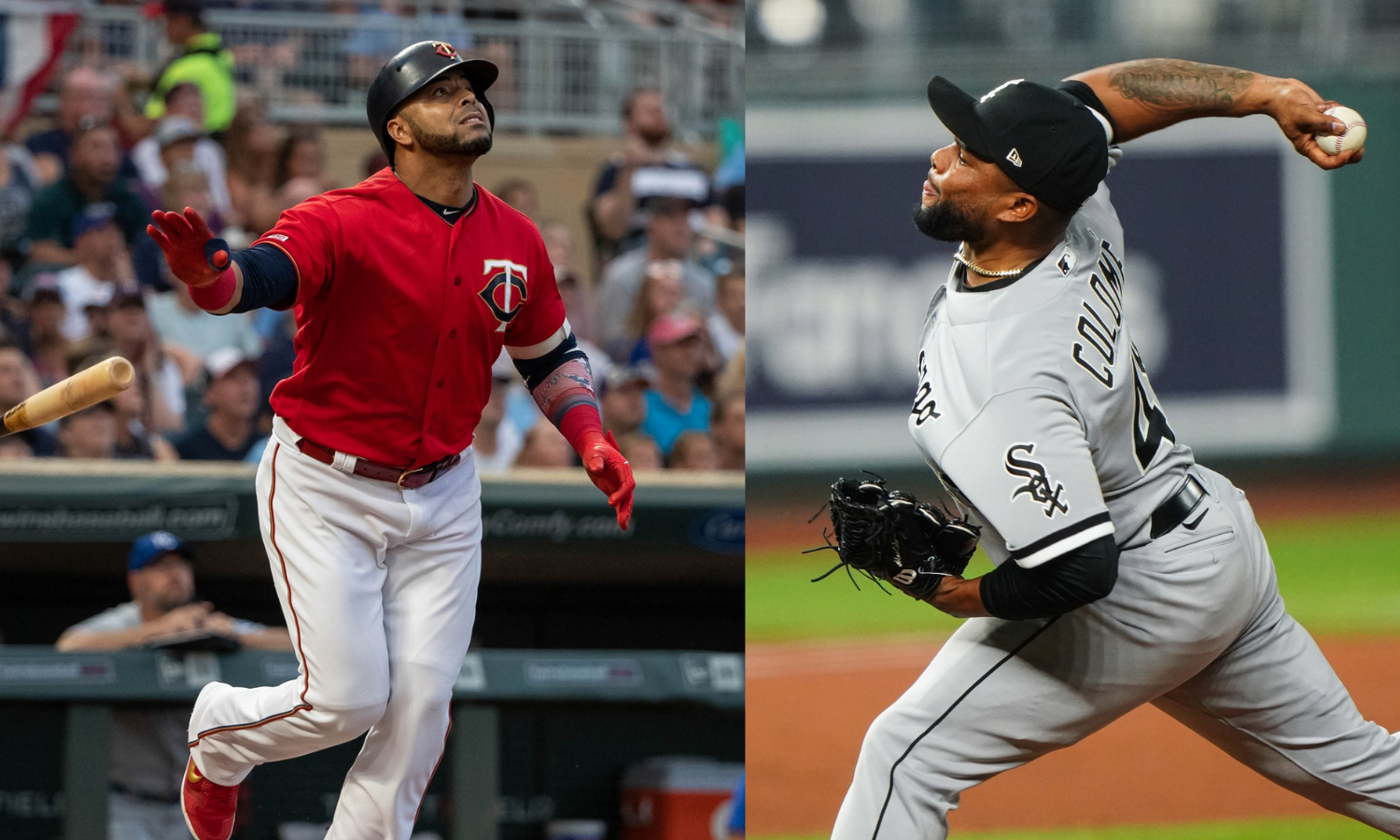 The last time I filed one of these status update reports was 10 days ago, although it feels like about 10 months in the pacing of this offseason. Back then, we were breaking down the new J.A. Happ signing and wondering when anything of true substance would come. In less than two weeks since, the Twins have signed Andrelton Simmons, Nelson Cruz, and Alex Colomé, committing $30 million in guaranteed money while furiously crossing off boxes on the front office's checklist. Suddenly, they've already surpassed the $125 million threshold that we had set as a reasonable benchmark (a 10% reduction from the planned 2020 payroll). Maeda's very reachable performance incentives, which will likely push his salary into the $10-12 million range, are not reflected in the spreadsheet above. So the effective payroll is about $130 million. That's creeping up on last year's planned commitment (around $138 million, as we had it figured). And it seems highly unlikely they are done. More on that momentarily. But first, let's get caught up on Minnesota's free agency foray. ANDRELTON UPGRADES THE INFIELD The Andrelton Simmons signing is a fascinating one, because it's fundamentally transformative on so many levels. Adding a new shortstop wasn't even a clear-cut need coming into the offseason, but by infusing an elite defender and occasional MVP contender in Simmons, the Twins have essentially upgraded three positions in one fell swoop: short, second base, super utility. A nifty bit of handiwork from the front office, especially given that Simmons' contract is the most palatable among the top three free agent shortstops. Following his signing, our writers explored the many impacts and implications of adding an historically brilliant defensive shortstop to the Twins infield: Cody Pirkl wrote that Simmons is the perfect match for Minnesota – a resounding upgrade on a one-year deal that leaves the door open for Royce Lewis. I dissected the new role of Luis Arráez, who becomes a super-utility sparkplug while returning to somewhat familiar territory. Ted Schwerzler argued that Andrelton's addition gives the Twins baseball's best infield, and if everyone can stay healthy that may well prove true. David Youngs wondered if the Twins might still have a need for a second backup infielder, a la the Ehire Adrianza role. Seth Stohs, Matthew Taylor and Nate Palmer analyzed the Simmons signing right after it happened on Offseason Live: CRUZ AND UNFINISHED BUSINESS Nelson Cruz did just about everything during his first two years as a Twin – other than win a playoff game, that is. The borderline Hall of Famer has enjoyed a beautiful swan song while getting sucked into Minnesota's ugly postseason abyss. Now, in what could well be his final MLB season, it's no mystery where Cruz's sights are set. After months of inertia, the Twins and Cruz reportedly re-engaged in discussions last weekend. From there, the dominoes swiftly fell: universal DH more or less came off the table with MLBPA's rejection of a league proposal, then media reports started to hint at the Twins' growing impatience, and a day later, boom(stick): the deal is done. There's no griping about a one-year, $13 million contract, which left the Twins with flexibility to make the signing we'll discuss next (and maybe more). Cruz was unfortunately leveraged into a corner, but it ends up leaving the team in good shape to optimize around him. In doing so, they increase of odds of him conquering his elusive ultimate goal in a Twins uniform. BULLPEN BOLSTERED BY A FORMER RIVAL Cruz's signing was no big surprise to anyone who's been following the coverage of Dan Hayes of The Athletic this offseason. That move was essentially foretold by his report the preceding weekend, and so was the one that quickly followed. Dan telegraphed the imminent Colomé signing immediately after he broke the Cruz news: https://twitter.com/DanHayesMLB/status/1356841489351991298 With all due respect to the many people and friends I admire in local media, Hayes is lapping the field with his Twins reporting this offseason. He's been on all these developments like white on ... Dan Hayes. Jokes and groveling aside, the Twins' interest in Colomé has hardly been a secret, dating back months. Securing his buddy Nelly seemingly sealed the deal with Alex as well. The former White Sox closer's contract is downright reasonable considering his immaculately consistent track record. As a former All-Star and routinely high-end closer, he brings a new dimension of legitimacy to the back end of Minnesota's bullpen. The White Sox ponied up a staggering $54 million to acquire Liam Hendriks two weeks ago. In the absolute best-case scenario, Hendriks will equal the results produced by Colomé over the past two years as Chicago closer: 2.27 ERA, 3.43 WPA (almost identical to Hendriks' mark in Oakland), 91% save percentage (superior to Hendriks' mark in Oakland). Is Hendriks a better and vastly more dominant pitcher at this point? No doubt. But our guy Tom Froemming put it well: you don't get style points. Scoreless innings are scoreless innings. Bridged leads and closed-out victories are what they are. Colomé has a far lengthier track record of getting it done than Hendriks, for whom the White Sox paid literally tenfold. This is going to be a fascinating subplot to follow in what promises to be a delightful Twins-Sox rivalry this summer. ODORIZZI STILL IN PLAY? As spring training approaches, Jake Odorizzi remains a free agent. A recent report in the Star Tribune from La Velle E. Neal III indicates that the Twins haven't given up on bringing back the right-hander, although there are no signs of momentum in that report or elsewhere. Every rumor and rumbling I've heard suggests the two sides aren't close on terms. La Velle's article was also published before the Cruz signing, but it's worth noting this nugget he included: "It's not out of the question that the Twins bring back both Cruz and Odorizzi." Which leads us to our final point of discussion for today. WHAT'S NEXT? Even with Colomé added to the mix, the bullpen isn't all that deep with Cody Stashak (who's thrown 40 major-league innings) and "TBD" rounding out the final spots. It feels like there may be another acquisition on tap, as signaled by multiple sources. https://twitter.com/JonHeyman/status/1356997063318396936 https://twitter.com/DanHayesMLB/status/1357048229486080000 The same can be said for the rotation, which thus far has received only Happ to replace Odorizzi, Rich Hill and Homer Bailey. So, one wonders: how much is left to spend? It seems clear that Minnesota is ready to stretch the budget beyond our historically-conditioned expectations. "None of our objective includes trying to make up for what happened in 2020," said Twins owner Jim Pohlad in Neal's article, published prior to the Cruz and Colomé signings. "It was significant. It was devastating. And you have to accept that as a loss going forward and not make it a goal to recover those losses either from fans or by affecting our payroll. That's not the mind-set we have been in at all." They're backing that up, with a spending projection that is healthily above the league average, and a proven willingness to jump on the right opportunities. Which other ones will emerge? Two weeks until Fort Myers. MORE FROM TWINS DAILY — Latest Twins coverage from our writers — Recent Twins discussion in our forums — Follow Twins Daily via Twitter, Facebook or email
 -
Also "Next 18: .328/.451/.828 (1.278), 9 HR, 24 K%, 15.5 BB%, 226 wRC+" lol so ridiculous
-
"Basically what I have concluded is a very boring, stupid answer to the question of whether or not Cruz is falling off due to age ... I don't think so?" The candor is delightful
-
A slow-moving offseason received a major jolt this week as the Twins re-signed beloved DH Nelson Cruz and added former White Sox closer Alex Colomé on back-to-back days. On Offseason Live Wednesday night, we shared our initial reactions and thoughts.On this special episode of Offseason Live, just hours after the Colomé signing came to light, I was joined by Matthew Taylor and David Youngs. We discussed the return of Cruz, the addition of a key bullpen arm, and what the Twins might do yet to address remaining needs. You can watch the episode below: Tune into future live broadcasts on Twins Daily's Twitter, Facebook, or YouTube page. It's an interactive show where viewers help steer the conversation via comments and questions. You can also always catch episodes via audio by subscribing to our podcast. Check out previous episodes of Offseason Live and see what's upcoming: Ep 1: (Thurs, 10/8)Ep 2: (Tues, 10/13)Ep 3: (Thurs, 10/15)Ep 4: (Tues, 10/20)Ep 5: (Thurs, 10/22)Ep 6: (Tues, 10/27)Ep 7: (Thurs, 10/29)Ep 8: (Thurs, 11/5)Ep 9: (Thurs, 11/12)Ep 10: (Tues, 11/17)Ep 11: (Weds, 12/2)Ep 12: (Weds, 12/16)Ep 13: (Weds, 12/30)Ep 14: (Weds, 1/6)Ep 15: (Tues, 1/12)Ep 16: (Mon, 1/25)Ep 17: (Tues, 1/26)Ep 18: (Weds, 2/3) Click here to view the article
-
 On this special episode of Offseason Live, just hours after the Colomé signing came to light, I was joined by Matthew Taylor and David Youngs. We discussed the return of Cruz, the addition of a key bullpen arm, and what the Twins might do yet to address remaining needs. You can watch the episode below: Tune into future live broadcasts on Twins Daily's Twitter, Facebook, or YouTube page. It's an interactive show where viewers help steer the conversation via comments and questions. You can also always catch episodes via audio by subscribing to our podcast. Check out previous episodes of Offseason Live and see what's upcoming: Ep 1: (Thurs, 10/8)Ep 2: (Tues, 10/13)Ep 3: (Thurs, 10/15)Ep 4: (Tues, 10/20)Ep 5: (Thurs, 10/22)Ep 6: (Tues, 10/27)Ep 7: (Thurs, 10/29)Ep 8: (Thurs, 11/5)Ep 9: (Thurs, 11/12)Ep 10: (Tues, 11/17)Ep 11: (Weds, 12/2)Ep 12: (Weds, 12/16)Ep 13: (Weds, 12/30)Ep 14: (Weds, 1/6)Ep 15: (Tues, 1/12)Ep 16: (Mon, 1/25)Ep 17: (Tues, 1/26)Ep 18: (Weds, 2/3)
 -
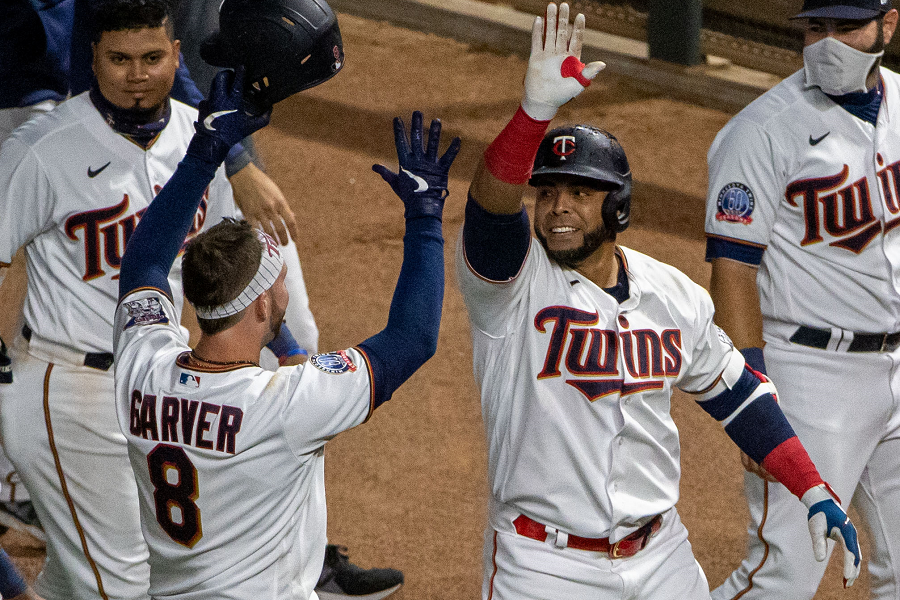 The Athletic's intrepid beat man Dan Hayes was all over this one, reporting over the weekend that the Twins and Cruz had re-engaged after a period of inactivity. "While the latest development doesn’t guarantee anything gets completed," Hayes wrote, "the move to reconnect demonstrates that the Twins and Cruz understand the need for urgency in determining whether a new agreement can be reached." Just a few days later, it's a done deal. The Twins waited out Cruz and basically got him on the terms they wanted: a one-year pact at a reasonable salary that still gives them flexibility for further additions. Of course, there's no overstating how important Cruz has been to the Twins over these past two seasons. He was chosen as the team's Most Valuable Player in both 2019 and 2020, slashing .308/.394/.626 with 57 home runs and 141 RBIs in 173 games. During that span, he has ranked second among all MLB hitters in wOBA, wRC+, and OPS, trailing only Mike Trout in each category. Needless to say, the Twins' lineup card looks a whole lot better with the elite slugger penciled in. And his immensely positive impact goes beyond the bat – Cruz is lauded as a key figure in the clubhouse and community. Last summer he received the 2020 Muhammad Ali Sports Humanitarian Award in recognition of his amazing charitable work and generosity. That is not to say this signing isn't without risk. Cruz's $13 million salary commitment will likely limit what the Twins can do to address their remaining needs in the rotation and bullpen. He's the primest of prime regression candidates, set to turn 41 in July and having shown signs of wear down the stretch in 2020. Additionally, his inability to play anywhere other than DH (and the need to have him out there as much as possible) will be a constraint for Rocco Baldelli to deal with as he tries to keep his other regulars fresh, and utility man Luis Arráez in the lineup. But at the end of the day, the cons are outweighed by the pros for this seasoned and highly respected slugger. Even if he's not quite as good as he has been the past two years, Cruz can easily be one of the league's most imposing hitters and a big asset in the heart of the lineup. As Minnesota's unquestioned leader, Cruz has helped power the Twins to a .617 winning percentage and back-to-back division titles, but not one victory in the postseason. Now he'll get a chance to settle some unfinished business, with a reconfigured roster that will still feel plenty familiar thanks to his presence. Having finally resolved their biggest offseason sticking point, the Twins can feel pretty good about the state of their lineup. While they may still add another outfielder or infield depth, and trades cannot be ruled out, the offense is looking fairly set. Now, attention turns to the pitching staff. The effective payroll stands at around $125 million with Cruz's addition. Check back into Twins Daily for more details and analysis of this big signing, and share your initial reactions in the comments below. Nelly's back. Let's go. MORE FROM TWINS DAILY — Latest Twins coverage from our writers — Recent Twins discussion in our forums — Follow Twins Daily via Twitter, Facebook or email
 -
The Andrelton Simmons signing represents a big shakeup for Minnesota's infield alignment. While Jorge Polanco slides to the other side of second base, Luis Arráez is the one who is really upended by the move. What will his role look like now?As rumors circulated of the Twins pursuing a shortstop in free agency, the rationale was clear enough: a two-for-one solution that both addresses a defensive weakness in the infield and fills internally the super-utility role vacated by Marwin González. Most of us anticipated it would be the incumbent shortstop, Jorge Polanco, assuming the so-called "multi-positional everyday player" designation in such a scenario. Instead, the Twins are expressing an intent to have Polanco stepping in as new everyday second baseman, with Arráez becoming the new Marwin and playing all around the field. In retrospect, maybe this shouldn't be all that surprising. Arráez was ushered into the majors under such a setup, splitting time as a rookie between second base, third, left field, and even a little shortstop. Polanco, meanwhile, had fully transitioned to second at Triple-A prior to arriving in the majors. He'll likely be an upgrade (perhaps a significant one) over Arráez defensively. In order to make sense of Arráez's new arrangement, let's ask and answer a few key questions. Is this a demotion for Luis Arráez? Technically, yes, and I wouldn't blame him for feeling a bit miffed at first. But there will be no shortage of at-bats for the 23-year-old sparkplug. Consider that González ranked fifth among all Twins in plate appearances over the last two years, with 662. That amounts to about a 483-PA pace over a full season, which is a bit less than you'd hope for but still bordering on regular usage. The threshold to qualify for the batting title is 502, which I think is a good minimum target for Arráez and an easily achievable one. Especially if the Twins keep the DH spot open. (More on that shortly.) Is Arráez lined up to be the Opening Day starter in left field? I think so! Getting Arráez into the Opening Day lineup is about optics as much as anything – we addressed already the perception of a demotion role-wise; on top of that, what does it tell the kid if he's on the bench for this ceremonious occasion after batting .331 through his first two seasons? Left field is the only starting position not currently spoken for, and while I do believe Alex Kirilloff will take it over in fairly short order, he'll probably open in the minors. While Jake Cave, LaMonte Wade Jr., and Brent Rooker may all factor into the early-season mix in left, I envision the Twins getting Arráez plenty of action there, including on Opening Day. It's the easiest way to include his essential bat into the lineup, and while he's hardly a defensive maven in the outfield, I'm not sure he's THAT overmatched. One of my distinct memories from Arráez's rookie season was being surprised by how capable he looked out in left, making 18 starts despite having almost zero experience there in the minors. With some time to prep in spring training I think he'll be fine – probably no worse than Rooker and not drastically behind Cave or Wade. What are the biggest benefits to having Arráez in this role? It plays more to his strengths. Arráez is frankly not a great defensive second baseman, and while he's not necessarily a standout glove anywhere, his ability to hold his own at multiple positions is more valuable than playing a so-so second base. That's true for the Twins and it's ultimately true for Arráez, who can make himself more marketable by proving versatile defensively. From Minnesota's standpoint, I think the key is having premium insurance behind some of the team's most critical players. If Josh Donaldson goes down, the Twins can plug in one of their best hitters to replace him. Ditto Polanco. Byron Buxton gets hurt again? Slide Max Kepler to center, put Kirilloff in right, and plant Arráez in left. With Arráez in the floating role, the Twins can maintain an A-lineup even while losing almost any major piece, without needing to fall back on a backup of the Marwin or Ehire Adrianza mold in regular duty. What are the biggest downsides? Aside from possibly damaging the relationship with Arráez, there is the question of whether this assignment is all that well-suited for him. González was so adept at, and accustomed to, playing all over the place that many of us likely came to take it for granted. His cannon arm was a big asset in the outfield and at third base, making up for diminishing athleticism. Arráez isn't that much faster, and lacks the big arm in his toolkit. While he should be usable at many positions in short-term situations, it's worth wondering if he'd be truly palatable at third base over a lengthy period, or if his balky knees would hold up with daily starts in left field. Does this make it less likely that the Twins bring back Nelson Cruz? Gotta say, I think it does. One of the big advantages of having a guy like Arráez in the utility role is that Rocco Baldelli can feel all the more comfortable giving his position players regular rest, in part by rotating them through the DH spot. It also becomes much easier in this scenario to get Arráez his requisite at-bats. If everyone's healthy and rested, just pop him in at DH. Granted, that's a "nice problem to have" kind of situation, especially with the Twins' recent health history, but the combination of a highly paid full-time designated hitter (who can't play any defensive position) and a 10th man who should absolutely be playing everyday feels a bit strange on the surface. Does this make it more likely that the Twins trade Arráez? Again: gotta say, I think it does. Seeing him bumped out of his seemingly entrenched role, one can't help but think back to Ken Rosenthal bringing up the idea back in December: "The potential to deal ... Luis Arraez, creates an interesting scenario in which the Twins could move shortstop Jorge Polanco to second and either sign a free-agent shortstop or trade for a 2021-22 free agent at the position." We've already seen part of that equation play out. Is the other shoe going to drop? It's safe to say no Twins fan (or exec) is eager to see Arráez shipped out, but one should also keep in mind the type of return such a trade would bring. We're talking blockbuster talent that would majorly impact another area of the team. If someone comes knocking with a monster offer (and who could blame them?) it's now much easier for the Twins to say yes. What do you think of Arráez's fit for the new role? How do you feel it affects other decisions still ahead of the Twins this offseason? We'd love to hear your thoughts in the comments. MORE FROM TWINS DAILY — Latest Twins coverage from our writers — Recent Twins discussion in our forums — Follow Twins Daily via Twitter, Facebook or email Click here to view the article
-
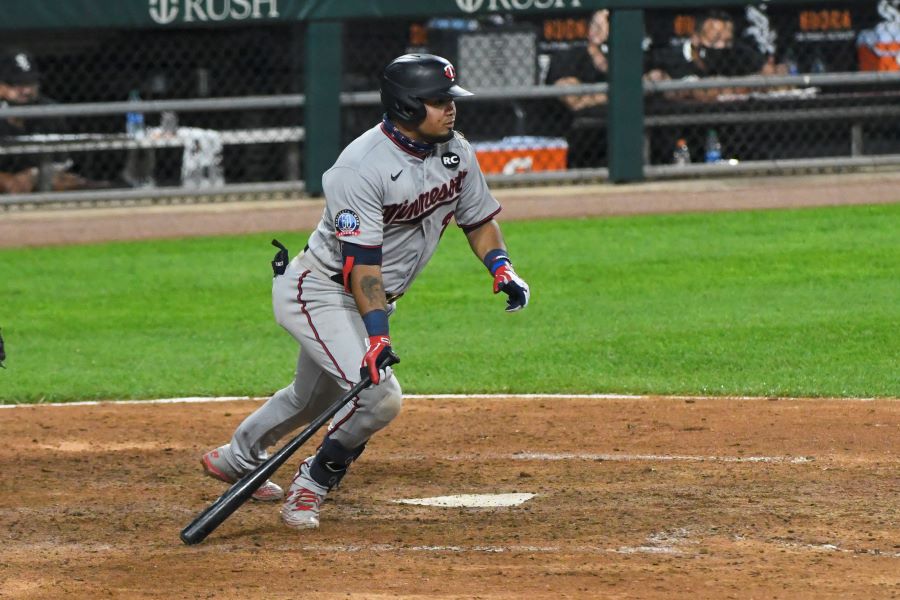 As rumors circulated of the Twins pursuing a shortstop in free agency, the rationale was clear enough: a two-for-one solution that both addresses a defensive weakness in the infield and fills internally the super-utility role vacated by Marwin González. Most of us anticipated it would be the incumbent shortstop, Jorge Polanco, assuming the so-called "multi-positional everyday player" designation in such a scenario. Instead, the Twins are expressing an intent to have Polanco stepping in as new everyday second baseman, with Arráez becoming the new Marwin and playing all around the field. In retrospect, maybe this shouldn't be all that surprising. Arráez was ushered into the majors under such a setup, splitting time as a rookie between second base, third, left field, and even a little shortstop. Polanco, meanwhile, had fully transitioned to second at Triple-A prior to arriving in the majors. He'll likely be an upgrade (perhaps a significant one) over Arráez defensively. In order to make sense of Arráez's new arrangement, let's ask and answer a few key questions. Is this a demotion for Luis Arráez? Technically, yes, and I wouldn't blame him for feeling a bit miffed at first. But there will be no shortage of at-bats for the 23-year-old sparkplug. Consider that González ranked fifth among all Twins in plate appearances over the last two years, with 662. That amounts to about a 483-PA pace over a full season, which is a bit less than you'd hope for but still bordering on regular usage. The threshold to qualify for the batting title is 502, which I think is a good minimum target for Arráez and an easily achievable one. Especially if the Twins keep the DH spot open. (More on that shortly.) Is Arráez lined up to be the Opening Day starter in left field? I think so! Getting Arráez into the Opening Day lineup is about optics as much as anything – we addressed already the perception of a demotion role-wise; on top of that, what does it tell the kid if he's on the bench for this ceremonious occasion after batting .331 through his first two seasons? Left field is the only starting position not currently spoken for, and while I do believe Alex Kirilloff will take it over in fairly short order, he'll probably open in the minors. While Jake Cave, LaMonte Wade Jr., and Brent Rooker may all factor into the early-season mix in left, I envision the Twins getting Arráez plenty of action there, including on Opening Day. It's the easiest way to include his essential bat into the lineup, and while he's hardly a defensive maven in the outfield, I'm not sure he's THAT overmatched. One of my distinct memories from Arráez's rookie season was being surprised by how capable he looked out in left, making 18 starts despite having almost zero experience there in the minors. With some time to prep in spring training I think he'll be fine – probably no worse than Rooker and not drastically behind Cave or Wade. What are the biggest benefits to having Arráez in this role? It plays more to his strengths. Arráez is frankly not a great defensive second baseman, and while he's not necessarily a standout glove anywhere, his ability to hold his own at multiple positions is more valuable than playing a so-so second base. That's true for the Twins and it's ultimately true for Arráez, who can make himself more marketable by proving versatile defensively. From Minnesota's standpoint, I think the key is having premium insurance behind some of the team's most critical players. If Josh Donaldson goes down, the Twins can plug in one of their best hitters to replace him. Ditto Polanco. Byron Buxton gets hurt again? Slide Max Kepler to center, put Kirilloff in right, and plant Arráez in left. With Arráez in the floating role, the Twins can maintain an A-lineup even while losing almost any major piece, without needing to fall back on a backup of the Marwin or Ehire Adrianza mold in regular duty. What are the biggest downsides? Aside from possibly damaging the relationship with Arráez, there is the question of whether this assignment is all that well-suited for him. González was so adept at, and accustomed to, playing all over the place that many of us likely came to take it for granted. His cannon arm was a big asset in the outfield and at third base, making up for diminishing athleticism. Arráez isn't that much faster, and lacks the big arm in his toolkit. While he should be usable at many positions in short-term situations, it's worth wondering if he'd be truly palatable at third base over a lengthy period, or if his balky knees would hold up with daily starts in left field. Does this make it less likely that the Twins bring back Nelson Cruz? Gotta say, I think it does. One of the big advantages of having a guy like Arráez in the utility role is that Rocco Baldelli can feel all the more comfortable giving his position players regular rest, in part by rotating them through the DH spot. It also becomes much easier in this scenario to get Arráez his requisite at-bats. If everyone's healthy and rested, just pop him in at DH. Granted, that's a "nice problem to have" kind of situation, especially with the Twins' recent health history, but the combination of a highly paid full-time designated hitter (who can't play any defensive position) and a 10th man who should absolutely be playing everyday feels a bit strange on the surface. Does this make it more likely that the Twins trade Arráez? Again: gotta say, I think it does. Seeing him bumped out of his seemingly entrenched role, one can't help but think back to Ken Rosenthal bringing up the idea back in December: "The potential to deal ... Luis Arraez, creates an interesting scenario in which the Twins could move shortstop Jorge Polanco to second and either sign a free-agent shortstop or trade for a 2021-22 free agent at the position." We've already seen part of that equation play out. Is the other shoe going to drop? It's safe to say no Twins fan (or exec) is eager to see Arráez shipped out, but one should also keep in mind the type of return such a trade would bring. We're talking blockbuster talent that would majorly impact another area of the team. If someone comes knocking with a monster offer (and who could blame them?) it's now much easier for the Twins to say yes. What do you think of Arráez's fit for the new role? How do you feel it affects other decisions still ahead of the Twins this offseason? We'd love to hear your thoughts in the comments. MORE FROM TWINS DAILY — Latest Twins coverage from our writers — Recent Twins discussion in our forums — Follow Twins Daily via Twitter, Facebook or email
 -
Offseason Live Replay: What Happens Next?
Nick Nelson replied to Nick Nelson's topic in Twins Daily Front Page News
I did this in two article title conventions today. I have no shame. -
They could just sign me and get both a Nick and a Nelson
-
The Minnesota Twins made a key addition to their rotation last week, but still, their offseason as a whole has been underwhelming up to this point. Meanwhile, fellow contenders are starting to strike the iron. Monday night on Offseason Live, we tried to figure out what's next as the Twins forge ahead.While the Twins made a splash of their own with the signing of starting pitcher J.A. Happ, it was a busy week for Major League Baseball in general as the Hot Stove began to heat up at last. Minnesota still has a number of needs to address and suddenly options are flying off the board. We'll attempted to sort it all out on a new episode of Offseason Live on Monday night. I'll be joined by John Bonnes and Seth Stohs as we shared our takes on what's happened so far, and how the Twins can finish strong in an offseason that's been quiet on the home front. Watch below: Tune into future live broadcasts on Twins Daily's Twitter, Facebook, or YouTube page. It's be an interactive show where viewers help steer the conversation via comments and questions. You can also catch every episode in audio form by subscribing to our podcast. In the meantime, check out previous episodes of Offseason Live and see what's upcoming: Ep 1: (Thurs, 10/8)Ep 2: (Tues, 10/13)Ep 3: (Thurs, 10/15)Ep 4: (Tues, 10/20)Ep 5: (Thurs, 10/22)Ep 6: (Tues, 10/27)Ep 7: (Thurs, 10/29)Ep 8: (Thurs, 11/5)Ep 9: (Thurs, 11/12)Ep 10: (Tues, 11/17)Ep 11: (Weds, 12/2)Ep 12: (Weds, 12/16)Ep 13: (Weds, 12/30)Ep 14: (Weds, 1/6)Ep 15: (Tues, 1/12)Ep 16: (Mon, 1/25) Click here to view the article
-
 While the Twins made a splash of their own with the signing of starting pitcher J.A. Happ, it was a busy week for Major League Baseball in general as the Hot Stove began to heat up at last. Minnesota still has a number of needs to address and suddenly options are flying off the board. We'll attempted to sort it all out on a new episode of Offseason Live on Monday night. I'll be joined by John Bonnes and Seth Stohs as we shared our takes on what's happened so far, and how the Twins can finish strong in an offseason that's been quiet on the home front. Watch below: Tune into future live broadcasts on Twins Daily's Twitter, Facebook, or YouTube page. It's be an interactive show where viewers help steer the conversation via comments and questions. You can also catch every episode in audio form by subscribing to our podcast. In the meantime, check out previous episodes of Offseason Live and see what's upcoming: Ep 1: (Thurs, 10/8) Ep 2: (Tues, 10/13) Ep 3: (Thurs, 10/15) Ep 4: (Tues, 10/20) Ep 5: (Thurs, 10/22) Ep 6: (Tues, 10/27) Ep 7: (Thurs, 10/29) Ep 8: (Thurs, 11/5) Ep 9: (Thurs, 11/12) Ep 10: (Tues, 11/17) Ep 11: (Weds, 12/2) Ep 12: (Weds, 12/16) Ep 13: (Weds, 12/30) Ep 14: (Weds, 1/6) Ep 15: (Tues, 1/12) Ep 16: (Mon, 1/25)
 -
Yes, this article's title is a play on the name of Minnesota's latest free agent signing. But it's also a way to say that this slow-moving offseason is starting to heat up. It's time for the Twins to get moving.Since we last checked in before the New Year, the Twins have made only one major-league addition, although it was a fairly significant one: signing veteran left-hander J.A. Happ last week to a one-year, $8 million deal. Here's how the projected roster and payroll currently shape up with Happ in the mix: Download attachment: twinsroster12221.png Accounting for Kenta Maeda's very achievable incentives ($7-9 million), the Twins are currently slated to spend a little north of $100 million, providing ample flexibility for further additions. With this in mind, let's get up to speed on the latest happenings and rumors. HOPPING ON HAPP The Twins addressed a critical need in their rotation by adding the seasoned southpaw on a one-year contract. He offers plenty of experience and a consistent track record of production, bringing more certainty to the rotation by pushing Randy Dobnak into the fifth spot and unseating Devin Smeltzer, Lewis Thorpe, or whatever rookie was lined up for it previously. At this point Minnesota has a credible rotation to move forward with, technically speaking, but I very much suspect they'll add one more starting pitcher on a major-league deal (or trade). Top remaining free agent prizes within the Twins' potential range include Masahiro Tanaka (said to be seeking up to $20 million in salary), Jake Odorizzi (said to be seeking a three-year deal), and James Paxton. Plenty of trade possibilities also remain on the table, although one compelling name came off the board in recent days when the Yankees acquired Jameson Taillon from Pittsburgh. Learn more about Happ and the impact of his signing: Report: Twins to Sign LHP J.A. Happ: Seth Stohs and Tom Froemming tag-teamed on this quick reaction piece after Happ signed, sharing some info about the contract, his recent history, and his Statcast data.How the Twins Might Tweak J.A. Happ: Matthew Trueblood dug into trends around pitch usage and effectiveness to analyze how the notoriously tinker-y Twins might help the left-hander optimize his repertoire.5 Things for Twins Fans to Know About J.A. Happ: I explored five different facts about Happ and his intriguing qualities. The notes about his performance trend coming out of 2020, and Minnesota's track record of reducing HR rates, show there's more than meets the eye.QUALITY FREE AGENCY FITS ARE DWINDLING How quickly has the Hot Stove fired up? One week ago I shared my personal top 10 favorite remaining free agent targets for the Twins. At that point, all were available in a stagnating market. In seven days since, four of those options have been signed away, including my No. 1 choice. 1. Jurickson Profar, UTIL 2. Jake Odorizzi, SP 3. James Paxton, SP 4. Andrelton Simmons, SS 5. Nelson Cruz, DH 6. Trevor Rosenthal, RP 7. Kirby Yates, RP 8. José Quintana, SP 9. Kiké Hernández, UTIL 10. Tyler Clippard, RP Both Profar and Hernández got the exact AAV projected in the article ($7 million) although Profar's came on a weirdly player-friendly three-year contract with two opt-outs, and Hernández's two-year deal apparently came with the promise of a regular starting role at one position. So I'm not sure the Twins realistically could or should have won either of those biddings. The pool of standout utility options to replace Marwin González in the requisite super utility role is shrinking fast, although there are other free agents out there – Tommy La Stella, Jonathan Villar, Asdrubal Cabrera, etc. – who could still viably fill it. At this point my strong preference is to add a starting shortstop and move Jorge Polanco into the utility role. So if I'm reconfiguring the above list, I now have Simmons at the top. Meanwhile, the bullpen remains an area of need. Hansel Robles is hardly enough to replace all the quality production that's been lost to free agency. I get the sense the Twins were finalists for Kirby Yates, who ended up signing with Toronto for $5.5 million, but were never going to go anywhere near as high as Washington did to get Brad Hand ($10.5 million). Trevor Rosenthal feels unlikely at this point. At that part it's hard to find anything constituting an upgrade in free agency. Maybe Alex Colomé? MORE ON THE FORMER UTILITY MEN A couple of recent rumblings regarding the Twins' previous stable of versatile backups: A report last week via MLB.com's Mark Feinsand and Doh Young Park suggests that the Twins have "expressed interest in a reunion" with González: It's almost February. Still no clarity from MLB on whether DH will be in place for NL teams. (I would assume no, but can't blame Cruz and his agent for waiting on finality.) Pretty unreal. TWINS OUT ON BAUER? In an interesting series of events, Ken Rosenthal of The Athletic published an article on the Mets' pursuit of top free agent Trevor Bauer indicating that the Twins were in his mix, but he updated the piece soon after with a correction: "The Mets are not the only club talking about signing him," Rosenthal wrote. "The Dodgers and Blue Jays are among the other clubs believed to be in the mix. The Twins are not, sources said, in response to an earlier version of this story." Some fans are surely disappointed to hear that Minnesota is likely out on the free agent market's top prize. Not me. Bauer seems like the ultimate buy-high trap, coming off of what technically qualifies as a career year and Cy Young Award. Prior to 2020, his track record was much more good than great. Add in the problematic personality and surely exorbitant price, and Bauer is simply more trouble than he's worth, in my opinion. Do you agree or disagree? What would you like to see the Twins do here in the final weeks of the offseason? Is your confidence wavering or are you keeping the faith? Sound off in the comments. MORE FROM TWINS DAILY — Latest Twins coverage from our writers — Recent Twins discussion in our forums — Follow Twins Daily via Twitter, Facebook or email Click here to view the article
-
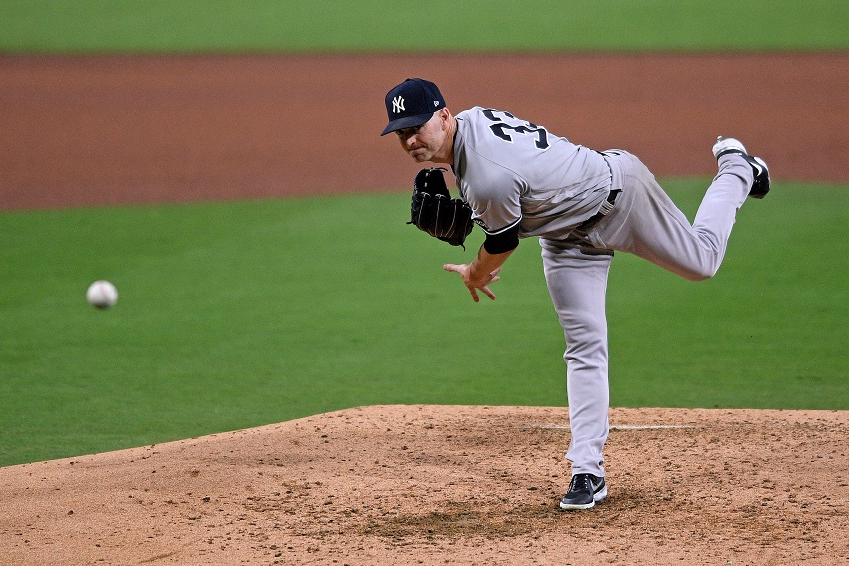 Since we last checked in before the New Year, the Twins have made only one major-league addition, although it was a fairly significant one: signing veteran left-hander J.A. Happ last week to a one-year, $8 million deal. Here's how the projected roster and payroll currently shape up with Happ in the mix: Accounting for Kenta Maeda's very achievable incentives ($7-9 million), the Twins are currently slated to spend a little north of $100 million, providing ample flexibility for further additions. With this in mind, let's get up to speed on the latest happenings and rumors. HOPPING ON HAPP The Twins addressed a critical need in their rotation by adding the seasoned southpaw on a one-year contract. He offers plenty of experience and a consistent track record of production, bringing more certainty to the rotation by pushing Randy Dobnak into the fifth spot and unseating Devin Smeltzer, Lewis Thorpe, or whatever rookie was lined up for it previously. At this point Minnesota has a credible rotation to move forward with, technically speaking, but I very much suspect they'll add one more starting pitcher on a major-league deal (or trade). Top remaining free agent prizes within the Twins' potential range include Masahiro Tanaka (said to be seeking up to $20 million in salary), Jake Odorizzi (said to be seeking a three-year deal), and James Paxton. Plenty of trade possibilities also remain on the table, although one compelling name came off the board in recent days when the Yankees acquired Jameson Taillon from Pittsburgh. Learn more about Happ and the impact of his signing: Report: Twins to Sign LHP J.A. Happ: Seth Stohs and Tom Froemming tag-teamed on this quick reaction piece after Happ signed, sharing some info about the contract, his recent history, and his Statcast data. How the Twins Might Tweak J.A. Happ: Matthew Trueblood dug into trends around pitch usage and effectiveness to analyze how the notoriously tinker-y Twins might help the left-hander optimize his repertoire. 5 Things for Twins Fans to Know About J.A. Happ: I explored five different facts about Happ and his intriguing qualities. The notes about his performance trend coming out of 2020, and Minnesota's track record of reducing HR rates, show there's more than meets the eye. QUALITY FREE AGENCY FITS ARE DWINDLING How quickly has the Hot Stove fired up? One week ago I shared my personal top 10 favorite remaining free agent targets for the Twins. At that point, all were available in a stagnating market. In seven days since, four of those options have been signed away, including my No. 1 choice. 1. Jurickson Profar, UTIL 2. Jake Odorizzi, SP 3. James Paxton, SP 4. Andrelton Simmons, SS 5. Nelson Cruz, DH 6. Trevor Rosenthal, RP 7. Kirby Yates, RP 8. José Quintana, SP 9. Kiké Hernández, UTIL 10. Tyler Clippard, RPBoth Profar and Hernández got the exact AAV projected in the article ($7 million) although Profar's came on a weirdly player-friendly three-year contract with two opt-outs, and Hernández's two-year deal apparently came with the promise of a regular starting role at one position. So I'm not sure the Twins realistically could or should have won either of those biddings. The pool of standout utility options to replace Marwin González in the requisite super utility role is shrinking fast, although there are other free agents out there – Tommy La Stella, Jonathan Villar, Asdrubal Cabrera, etc. – who could still viably fill it. At this point my strong preference is to add a starting shortstop and move Jorge Polanco into the utility role. So if I'm reconfiguring the above list, I now have Simmons at the top. Meanwhile, the bullpen remains an area of need. Hansel Robles is hardly enough to replace all the quality production that's been lost to free agency. I get the sense the Twins were finalists for Kirby Yates, who ended up signing with Toronto for $5.5 million, but were never going to go anywhere near as high as Washington did to get Brad Hand ($10.5 million). Trevor Rosenthal feels unlikely at this point. At that part it's hard to find anything constituting an upgrade in free agency. Maybe Alex Colomé? MORE ON THE FORMER UTILITY MEN A couple of recent rumblings regarding the Twins' previous stable of versatile backups: A report last week via MLB.com's Mark Feinsand and Doh Young Park suggests that the Twins have "expressed interest in a reunion" with González: https://twitter.com/Feinsand/status/1351688079673876481 I'm dubious of how serious this interest is (and wonder if the tip came from agent Scott Boras, in an effort to enliven his client's market). That is in large part because I have enough respect for Minnesota's front office to trust that they know better. González was not especially impressive during his time with the Twins and looked flat-out cooked by the end of it, with his production and athleticism rapidly waning. Even in the lesser secondary utility gig previously filled by Ehire Adrianza, I don't see González as a fit. I'd rather just have Adrianza reprise the role. However, it doesn't sound as though that's going to happen, as Adrianza issued an official farewell to Twins fans on Instagram over the weekend: https://twitter.com/SethTweets/status/1353056033216708610 UPPING THE ANTE FOR CRUZ The Twins continue to engage with Nelson Cruz, and there's evidence they have heightened their pursuit. Jon Heyman reported on Friday that the Twins have "upgraded the dollars in their 1-year offer," but adds that Cruz remains intent on seeing through the universal DH decision. https://twitter.com/JonHeyman/status/1352682159866318851 It's almost February. Still no clarity from MLB on whether DH will be in place for NL teams. (I would assume no, but can't blame Cruz and his agent for waiting on finality.) Pretty unreal. TWINS OUT ON BAUER? In an interesting series of events, Ken Rosenthal of The Athletic published an article on the Mets' pursuit of top free agent Trevor Bauer indicating that the Twins were in his mix, but he updated the piece soon after with a correction: "The Mets are not the only club talking about signing him," Rosenthal wrote. "The Dodgers and Blue Jays are among the other clubs believed to be in the mix. The Twins are not, sources said, in response to an earlier version of this story." Some fans are surely disappointed to hear that Minnesota is likely out on the free agent market's top prize. Not me. Bauer seems like the ultimate buy-high trap, coming off of what technically qualifies as a career year and Cy Young Award. Prior to 2020, his track record was much more good than great. Add in the problematic personality and surely exorbitant price, and Bauer is simply more trouble than he's worth, in my opinion. Do you agree or disagree? What would you like to see the Twins do here in the final weeks of the offseason? Is your confidence wavering or are you keeping the faith? Sound off in the comments. MORE FROM TWINS DAILY — Latest Twins coverage from our writers — Recent Twins discussion in our forums — Follow Twins Daily via Twitter, Facebook or email
 -
Earlier this week, the Minnesota Twins made their biggest splash of the offseason thus far, signing left-hander J.A. Happ to an $8 million contract. Here are five facts about the new addition that fans may find interesting.First, you can get the requisite details about Happ in Seth and Tom's story from when the news broke. That article puts his deal into context and includes info about the veteran lefty's repertoire and recent history. Here I'll dig a little deeper with five facts about Happ that are especially noteworthy for Twins fans. 1. Things ended sourly between Happ and the Yankees. Happ just completed a two-year, $32 million contract, with the latter season being described as "messy" by the New York Post. The left-hander was none too shy about expressing his displeasure with what he perceived as intentional efforts by New York to limit his innings and circumvent a $17 million vesting option. Happ ended up coming one start short of the trigger in 2020, and now will end up making $9 million less with the Twins. This strikes me for two reasons. First, because it marks the second straight offseason where the Twins acquired a starting pitcher who was displeased with his previous team's handling of him, and how it impacted his earnings. (Kenta Maeda's starting-based incentives were suppressed in Los Angeles by his hybrid usage.) Second, because it means Happ might hold a bit of a grudge against the Yankees. Hey, we'll take it. 2. Happ was never viewed as a particularly strong prospect in the minors. Despite being a third-round draft pick who performed well in the minors, and possessed desirable attributes as a 6-foot-5 left-handed pitcher, Happ never drew a ton of hype in prospect circles. This was mainly because of his middling fastball velocity, which sat in the 80s and hardly conveyed dominant upside while coming up with the Phillies. Alas, Happ is still plugging away in the majors, some 17 years after being drafted and 14 years after arriving. He has thrown more than 1,700 innings with a sub-4 career ERA. Meanwhile, many of the prospects who appeared on those lists ahead of him never even reached the big leagues. It's a reminder that rankings and industry assessments are only worth so much. Keep that in mind before you write off the unheralded Randy Dobnak – currently slotted as the No. 5 starter behind Happ – due to a second-half slump in 2020. 3. Happ seemingly turned a corner last year. By the time he got clubbed around in his second start for New York in 2020, it's fair to say Happ was a maligned figure at Yankee Stadium. He was coming off a disappointing first year in pinstripes, and had given up eight runs across his first two turns of the abbreviated season. From then on, however, Happ was brilliant. Over his final seven starts he posted a 2.34 ERA and held opponents to a .200/.241/.340 slash. Matt Wallach wrote at Pitcher List in September about how Happ was changing the narrative, outperforming even Gerrit Cole over a five-week stretch. Wallach highlighted a few noticeable changes in approach aiding Happ's success: more sinkers thrown to lefties, more four-seamers to righties, more locating down in the zone. Looking at his circumstances, the Happ signing actually reminds me a lot of Homer Bailey, who himself had turned a corner by making tweaks in Oakland before the Twins signed him to a nearly identical contract (one year, $7 million). Last year's Bailey signing obviously didn't work out due to injury, but the righty showed fleeting promise when he was on the mound to validate the front office's thinking. Adding Happ to the back half of this rotation represents a similar type of gambit, although here the Twins have paid more to acquire a much safer bet. 4: By some measures, Happ is right on par with Minnesota's rotation-fronting trio. A directive for the front office this winter was to add a starting pitcher who was at least at the level of their returning top three. I still think they need to do so after signing Happ. That said, a case can be made that he's not far off from being in the category of Maeda, José Berríos and Michael Pineda. As I mentioned on Twitter, by FanGraphs' WAR measurement, Happ stacks up pretty closely to Maeda and Berríos over the past five years, and is well ahead of the oft-unavailable Pineda. Granted, that sample includes Berríos' brutal rookie year in 2016, but it also includes Happ's most recent stretch in New York, which looks in some ways to be the outlier of an otherwise outstanding post-30 track record. 5. Happ's biggest weakness is one that the Twins have proven very adept at solving. The lefty's primary downfall in New York was that his home run rate went off the charts. Happ's career 1.1 HR/9 average jumped to 1.7 during his time in the Bronx. He went from being roughly average at keeping the ball in the yard to one of the league's worst. The good news is that escaping Yankee Stadium and its cartoonish dimensions will help enough on its own. The better news is that Minnesota has shown a penchant for addressing this specific issue. When the Twins acquired Jake Odorizzi from Tampa, the main reason they got him so cheaply is because Odorizzi's proneness to home runs had diminished his effectiveness. After allowing 1.6 HR/9 during his final two years with the Rays, Odorizzi reduced that average to 1.0 in 2018/19 with the Twins, progressively getting better. He went from one of the league's worst at keeping the ball in the yard to roughly average. He also made his first All-Star Game. When the Twins acquired Pineda as a free agent, he too had formed a reputation as one of the league's most homer-prone starters. In his final two seasons with the Yankees, Pineda allowed 1.6 HR/9 on average. In 2019/20 with the Twins, he allowed 1.2 HR/9, progressively getting better (he allowed zero in five starts last year). He went from one of the league's worst at keeping the ball in the yard to roughly average. And he has led the Twins to a 21-10 record in his starts. Suffice to say, while I was feeling lukewarm about Happ's signing as an initial reaction, my faith in this front office has given me confidence. And as you unpack some of these truths about Happ, placing them against the backdrop of the Twins' past actions and larger strategy, it gets a lot easier to feel excited about what they've got in the 38-year-old southpaw. MORE FROM TWINS DAILY — Latest Twins coverage from our writers — Recent Twins discussion in our forums — Follow Twins Daily via Twitter, Facebook or email Click here to view the article
-
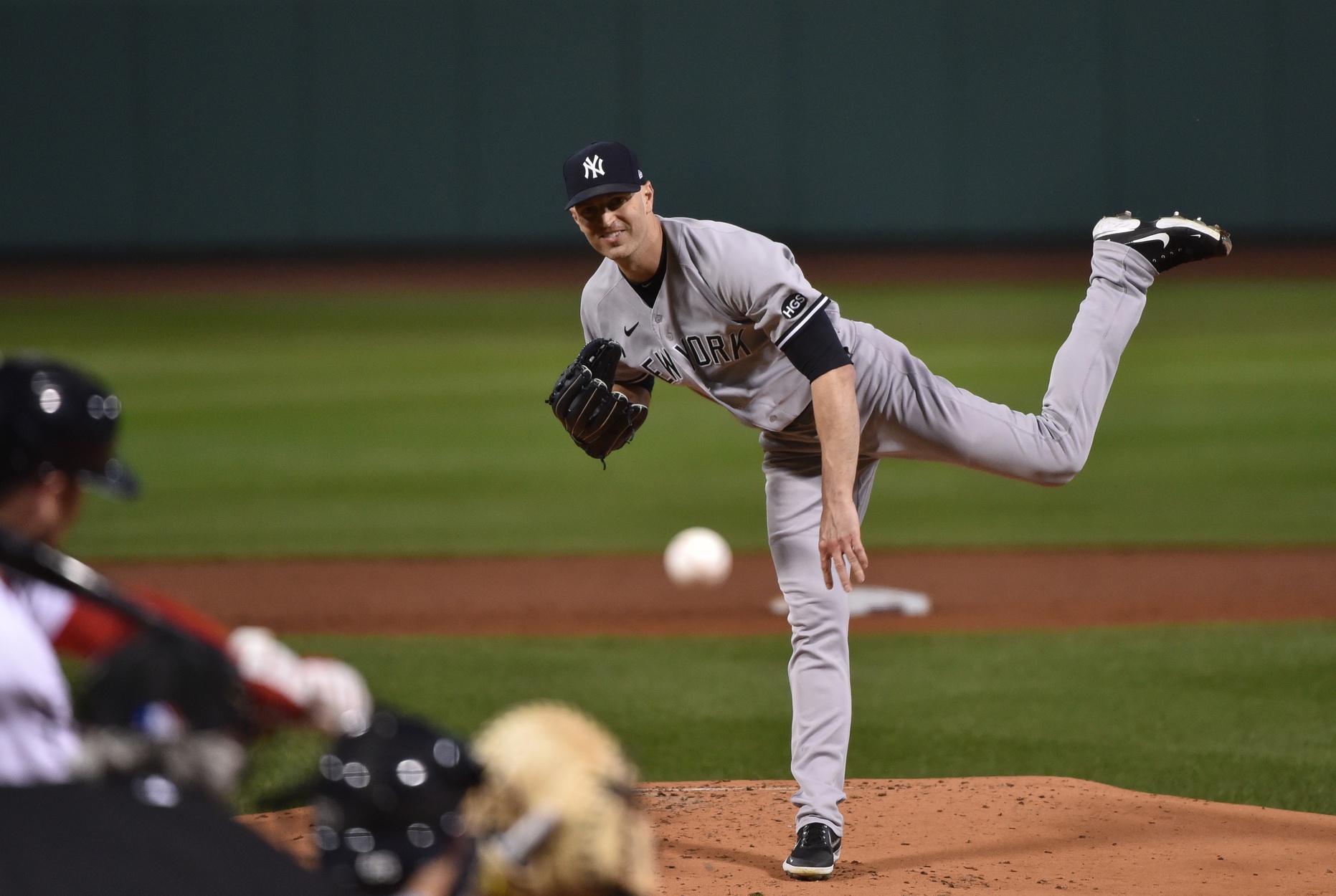 First, you can get the requisite details about Happ in Seth and Tom's story from when the news broke. That article puts his deal into context and includes info about the veteran lefty's repertoire and recent history. Here I'll dig a little deeper with five facts about Happ that are especially noteworthy for Twins fans. 1. Things ended sourly between Happ and the Yankees. Happ just completed a two-year, $32 million contract, with the latter season being described as "messy" by the New York Post. The left-hander was none too shy about expressing his displeasure with what he perceived as intentional efforts by New York to limit his innings and circumvent a $17 million vesting option. Happ ended up coming one start short of the trigger in 2020, and now will end up making $9 million less with the Twins. This strikes me for two reasons. First, because it marks the second straight offseason where the Twins acquired a starting pitcher who was displeased with his previous team's handling of him, and how it impacted his earnings. (Kenta Maeda's starting-based incentives were suppressed in Los Angeles by his hybrid usage.) Second, because it means Happ might hold a bit of a grudge against the Yankees. Hey, we'll take it. 2. Happ was never viewed as a particularly strong prospect in the minors. Despite being a third-round draft pick who performed well in the minors, and possessed desirable attributes as a 6-foot-5 left-handed pitcher, Happ never drew a ton of hype in prospect circles. This was mainly because of his middling fastball velocity, which sat in the 80s and hardly conveyed dominant upside while coming up with the Phillies. Alas, Happ is still plugging away in the majors, some 17 years after being drafted and 14 years after arriving. He has thrown more than 1,700 innings with a sub-4 career ERA. Meanwhile, many of the prospects who appeared on those lists ahead of him never even reached the big leagues. It's a reminder that rankings and industry assessments are only worth so much. Keep that in mind before you write off the unheralded Randy Dobnak – currently slotted as the No. 5 starter behind Happ – due to a second-half slump in 2020. 3. Happ seemingly turned a corner last year. By the time he got clubbed around in his second start for New York in 2020, it's fair to say Happ was a maligned figure at Yankee Stadium. He was coming off a disappointing first year in pinstripes, and had given up eight runs across his first two turns of the abbreviated season. From then on, however, Happ was brilliant. Over his final seven starts he posted a 2.34 ERA and held opponents to a .200/.241/.340 slash. Matt Wallach wrote at Pitcher List in September about how Happ was changing the narrative, outperforming even Gerrit Cole over a five-week stretch. Wallach highlighted a few noticeable changes in approach aiding Happ's success: more sinkers thrown to lefties, more four-seamers to righties, more locating down in the zone. Looking at his circumstances, the Happ signing actually reminds me a lot of Homer Bailey, who himself had turned a corner by making tweaks in Oakland before the Twins signed him to a nearly identical contract (one year, $7 million). Last year's Bailey signing obviously didn't work out due to injury, but the righty showed fleeting promise when he was on the mound to validate the front office's thinking. Adding Happ to the back half of this rotation represents a similar type of gambit, although here the Twins have paid more to acquire a much safer bet. In 80 innings over his past 15 starts, dating back to 2019, Happ has a 2.97 ERA. 4: By some measures, Happ is right on par with Minnesota's rotation-fronting trio. A directive for the front office this winter was to add a starting pitcher who was at least at the level of their returning top three. I still think they need to do so after signing Happ. That said, a case can be made that he's not far off from being in the category of Maeda, José Berríos and Michael Pineda. As I mentioned on Twitter, by FanGraphs' WAR measurement, Happ stacks up pretty closely to Maeda and Berríos over the past five years, and is well ahead of the oft-unavailable Pineda. https://twitter.com/NickNelsonMN/status/1352408040222416896 Granted, that sample includes Berríos' brutal rookie year in 2016, but it also includes Happ's most recent stretch in New York, which looks in some ways to be the outlier of an otherwise outstanding post-30 track record. 5. Happ's biggest weakness is one that the Twins have proven very adept at solving. The lefty's primary downfall in New York was that his home run rate went off the charts. Happ's career 1.1 HR/9 average jumped to 1.7 during his time in the Bronx. He went from being roughly average at keeping the ball in the yard to one of the league's worst. The good news is that escaping Yankee Stadium and its cartoonish dimensions will help enough on its own. The better news is that Minnesota has shown a penchant for addressing this specific issue. When the Twins acquired Jake Odorizzi from Tampa, the main reason they got him so cheaply is because Odorizzi's proneness to home runs had diminished his effectiveness. After allowing 1.6 HR/9 during his final two years with the Rays, Odorizzi reduced that average to 1.0 in 2018/19 with the Twins, progressively getting better. He went from one of the league's worst at keeping the ball in the yard to roughly average. He also made his first All-Star Game. When the Twins acquired Pineda as a free agent, he too had formed a reputation as one of the league's most homer-prone starters. In his final two seasons with the Yankees, Pineda allowed 1.6 HR/9 on average. In 2019/20 with the Twins, he allowed 1.2 HR/9, progressively getting better (he allowed zero in five starts last year). He went from one of the league's worst at keeping the ball in the yard to roughly average. And he has led the Twins to a 21-10 record in his starts. Suffice to say, while I was feeling lukewarm about Happ's signing as an initial reaction, my faith in this front office has given me confidence. And as you unpack some of these truths about Happ, placing them against the backdrop of the Twins' past actions and larger strategy, it gets a lot easier to feel excited about what they've got in the 38-year-old southpaw. MORE FROM TWINS DAILY — Latest Twins coverage from our writers — Recent Twins discussion in our forums — Follow Twins Daily via Twitter, Facebook or email
 -
Interesting thought, and if true, Cruz may live to regret passing up those earlier offers from the Twins. If they're out on him and there's no DH in NL, his market shrinks up in a hurry.
- 25 replies
-
- 1
-

-
- jake odorizzi
- tyler clippard
- (and 1 more)
-
Among free agents that have yet to sign (and there are plenty), these 10 are the best fits for the Minnesota Twins. In one man's opinion.These rankings take into account the likely price it'll cost to land the free agent in question. If that were not a factor, I'd have guys like Trevor Bauer and Marcell Ozuna at the top. But all things considered, I'm not especially interested in paying Bauer $35 million annually, or committing to Ozuna for three-plus years, so they don't make the cut. Instead, I went with players that I see as strong fits for the Twins' needs – in terms of the roster, payroll, and overall team-building strategy. Here are my picks, with quick explanations. (Contract estimates via MLB Trade Rumors.) Let's hear yours in the comments. 1. Jurickson Profar, UTIL Estimated Contract: 1 year, $7 million The Twins need to add an impact player in the super-utility role vacated by Marwin González. Generally speaking, my preference would to bring in a new shortstop and slide Jorge Polanco into that role. Unless Minnesota can go and get Jurickson Profar. Functionally, he's a great match. Profar can play second base, left field, third, first, and even short in a pinch (he came up as a shortstop originally). He's a switch-hitter who doesn't strike out much. Most importantly, he seems to be in a state of ascent. The former No. 1 prospect in baseball has been a late bloomer, once considered a bust, but has improved dramatically since arriving in the majors at age 19, and is coming off a career year with the Padres. He turns 28 in February, so he could theoretically become a key part of Minnesota's prime-aged nucleus. I don't think he'll be as cheap as MLBTR projects, but would love to see the Twins land him on a multi-year deal at a similar AAV. 2. Jake Odorizzi, SP Estimated Contract: 3 years, $39 million Aside from Bauer, I'm not convinced any remaining free agent starting pitchers are better than a healthy Jake Odorizzi. That's before you account for the familiarity with a coaching staff that helped the righty unlock his potential and reach the All-Star Game. The Twins need another starting pitcher that at least matches the level of their current top three. Odorizzi checks that box, warranting a "playoff starter" designation, and he's only 30. In 2019, the Twins went 21-9 in his turns. While his 2020 was an injury-ruined mess, there's not much reason to think the health woes will carry forward. Odorizzi could be viewed as the safe and unsexy free agent addition, but I'm not sure why Twins fans would feel that way after seeing what he did two seasons ago. His upside as a borderline ace is hardly theoretical. 3. James Paxton, SP Estimated Contract: 1 year, $10 million There are several intriguing reclamation projects in the starting pitching pool, but Paxton does more for me than others. Though he missed most of 2020 with a flexor strain issue, the lefty reportedly was flashing mid-90s in a December throwing session, and for a 32-year-old his arm has relatively little mileage (750 IP in the majors). Prior to last year, Paxton was a reliable frontline starter, bringing dominant stuff from the left time. He carries his fair share of risk, as someone who's never thrown even 170 innings in a season, but for that reason buying into his potential should be relatively affordable. Plus, the last time he pitched at Target Field a freaking bald eagle landed on his shoulder. If that's not a sign that his future here is written in fate ... I dunno. 4. Andrelton Simmons, SS Estimated Contract: 1 year, $12 million If the Twins are going to add a new starting shortstop, Simmons is easily my favorite option on the free agent market. While the buzz around Marcus Semien is not unexciting, Simmons feels like the safer bet, with a more consistent offensive track record and unparalleled defensive rep. It's hard to overstate the value of having the best fielder in the sport at the most critical position on the diamond. Simmons seems likely to accept a shorter-team deal, which is ideal for the Twins as they spend a year or two assessing what they have in Royce Lewis. 5. Nelson Cruz, DH Estimated Contract: 1 year, $16 million We all know what Nelson Cruz is capable of bringing to the table. We've seen it fully on display over the past two seasons. He has been, by some measures, the second-best hitter in baseball behind Mike Trout, and it's hard to ask for anything more in a DH and No. 3 hitter. The problem of course is that Cruz turns 41 in July and wasn't healthy down the stretch. There's no question that the veteran slugger is valuable to the Twins, both as a thunderous bat in the lineup's No. 3 spot and a cherished leader in the clubhouse. But at this point, the downsides – high regression and injury risks, combined with clogging up the DH spot on a team that could use some flexibility there – weigh heavily enough to keep him from being a top priority in my eyes. 6. Trevor Rosenthal, RP Estimated Contract: 2 years, $14 million On the one hand, it's generally unadvisable to spend big bucks on free agent relievers. On the other hand, the Twins' bullpen is running quite low on proven high-end arms, with both incumbent closer Taylor Rogers and newly signed Hansel Robles looking to bounce back from tough seasons. The loss of Trevor May and his dominant stuff will be felt in this unit, but Trevor Rosenthal could help negate it. (And not just by refilling the "Trevor" quotient.) Rosenthal is coming off a stellar campaign, in which he posted a 1.90 ERA and 0.85 WHIP. He throws in the high 90s and can touch 100. He's one of the league's top strikeout pitchers. Adding him into Minnesota's late-inning mix alongside Rogers, Robles and Tyler Duffey would be a transformative upgrade, greatly lessening the pressure on inexperienced Jorge Alcala to step up in big spots right away. I know some folks fancy Brad Hand for similar reasons, but count me out on him. He's not a great fit in this bullpen functionally to begin with, and moreover, there's something deeply concerning to me about every team in the majors passing up his one-year, $10 million commitment on waivers at a time where Liam Hendriks can score $54 million guaranteed. 7. Kirby Yates, RP Estimated Contract: 1 year, $5 million Much like starting pitching, the free agency market is teeming with interesting rebound candidates with glossy track records. If I'm putting my money on one it is Yates, who offers Hendriks-like upside if healthy and should come at something like 10% of the cost. Instead of making a drawn-out case for the former Padre, I'll simply list his 2019 stats and let you salivate at the thought of adding anything approaching his peak form to the Twins bullpen: 60.2 IP, 1.19 ERA, 0.89 WHIP, 2 HR, 15.0 K/9, 1.9 BB/9. 8. José Quintana, SP Estimated Contract: 2 years, $18 million The argument for José Quintana is simple: he's a highly accomplished veteran who raises the rotation's floor. Although a lat injury and thumb laceration limited him to 10 innings in 2020, he'd previously been incredibly durable, making making 31-plus starts and totaling more than 170 innings in seven straight years. He has posted an above-average ERA+ in eight of nine MLB seasons. It's been a while since Quintana has been credibly viewed as a rotation-fronter, but the Twins don't necessarily need one. The left-hander would bring steady stability, and at age 32 a late-career renaissance doesn't seem out of the question. 9. Kiké Hernández, UTIL Estimated Contract: 1 year, $7 million Many words have been written on why Kiké Hernández is a nice fit for the Twins, and I won't rehash them too much. In short, his defensive versatility, ability to hit left-handed pitching, and experience on a perennial contender and reigning World Series champ all align nicely with Minnesota's circumstances. The reason I don't have him higher on this list is that I'm just not convinced Hernández is all that great of a player. His OPS+ has been lower than 90 in three of the past five seasons and he has only once posted an fWAR higher than 1.5 in the big leagues. I see him more as a fallback option if the Twins miss out on Profar, or a nice asset as the secondary utility piece, rather than being a highly desirable target to fill the Marwin role. Note that the contract estimate above is my own, since MLBTR didn't have Hernández listed. I wouldn't be surprised if he gets less. 10. Tyler Clippard, RP Estimated Contract: 1 year, $3 million Rounding out the list, another player who I see as more of a complementary fit as opposed to a primary target. It'd be disappointing if Clippard was the most prominent remaining addition to this bullpen, but it would also be a little disappointing if he isn't added. He was just so incredibly useful for the 2020 Twins, and the cost to bring him back should be negligible (this, again, is my own estimate since MLBTR didn't list him). Now that May has signed elsewhere, Clippard, Cruz and Odorizzi are the only Twins free agents that I'm particularly keen on bringing back. MORE FROM TWINS DAILY — Latest Twins coverage from our writers — Recent Twins discussion in our forums — Follow Twins Daily via Twitter, Facebook or email Click here to view the article
-
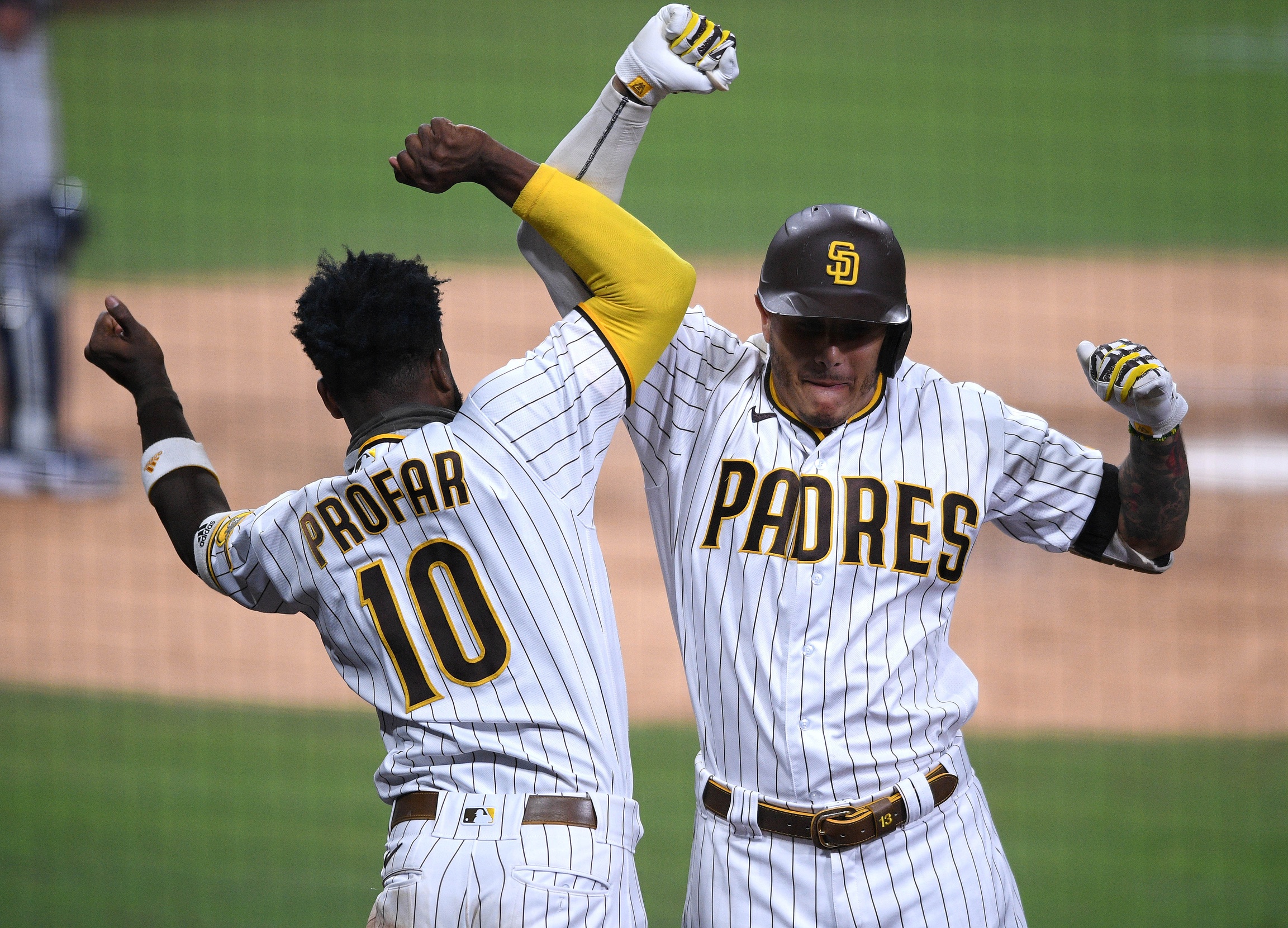 These rankings take into account the likely price it'll cost to land the free agent in question. If that were not a factor, I'd have guys like Trevor Bauer and Marcell Ozuna at the top. But all things considered, I'm not especially interested in paying Bauer $35 million annually, or committing to Ozuna for three-plus years, so they don't make the cut. Instead, I went with players that I see as strong fits for the Twins' needs – in terms of the roster, payroll, and overall team-building strategy. Here are my picks, with quick explanations. (Contract estimates via MLB Trade Rumors.) Let's hear yours in the comments. 1. Jurickson Profar, UTIL Estimated Contract: 1 year, $7 million The Twins need to add an impact player in the super-utility role vacated by Marwin González. Generally speaking, my preference would to bring in a new shortstop and slide Jorge Polanco into that role. Unless Minnesota can go and get Jurickson Profar. Functionally, he's a great match. Profar can play second base, left field, third, first, and even short in a pinch (he came up as a shortstop originally). He's a switch-hitter who doesn't strike out much. Most importantly, he seems to be in a state of ascent. The former No. 1 prospect in baseball has been a late bloomer, once considered a bust, but has improved dramatically since arriving in the majors at age 19, and is coming off a career year with the Padres. He turns 28 in February, so he could theoretically become a key part of Minnesota's prime-aged nucleus. I don't think he'll be as cheap as MLBTR projects, but would love to see the Twins land him on a multi-year deal at a similar AAV. 2. Jake Odorizzi, SP Estimated Contract: 3 years, $39 million Aside from Bauer, I'm not convinced any remaining free agent starting pitchers are better than a healthy Jake Odorizzi. That's before you account for the familiarity with a coaching staff that helped the righty unlock his potential and reach the All-Star Game. The Twins need another starting pitcher that at least matches the level of their current top three. Odorizzi checks that box, warranting a "playoff starter" designation, and he's only 30. In 2019, the Twins went 21-9 in his turns. While his 2020 was an injury-ruined mess, there's not much reason to think the health woes will carry forward. Odorizzi could be viewed as the safe and unsexy free agent addition, but I'm not sure why Twins fans would feel that way after seeing what he did two seasons ago. His upside as a borderline ace is hardly theoretical. 3. James Paxton, SP Estimated Contract: 1 year, $10 million There are several intriguing reclamation projects in the starting pitching pool, but Paxton does more for me than others. Though he missed most of 2020 with a flexor strain issue, the lefty reportedly was flashing mid-90s in a December throwing session, and for a 32-year-old his arm has relatively little mileage (750 IP in the majors). Prior to last year, Paxton was a reliable frontline starter, bringing dominant stuff from the left time. He carries his fair share of risk, as someone who's never thrown even 170 innings in a season, but for that reason buying into his potential should be relatively affordable. Plus, the last time he pitched at Target Field a freaking bald eagle landed on his shoulder. If that's not a sign that his future here is written in fate ... I dunno. https://twitter.com/Cut4/status/994026166607663104 4. Andrelton Simmons, SS Estimated Contract: 1 year, $12 million If the Twins are going to add a new starting shortstop, Simmons is easily my favorite option on the free agent market. While the buzz around Marcus Semien is not unexciting, Simmons feels like the safer bet, with a more consistent offensive track record and unparalleled defensive rep. It's hard to overstate the value of having the best fielder in the sport at the most critical position on the diamond. Simmons seems likely to accept a shorter-team deal, which is ideal for the Twins as they spend a year or two assessing what they have in Royce Lewis. 5. Nelson Cruz, DH Estimated Contract: 1 year, $16 million We all know what Nelson Cruz is capable of bringing to the table. We've seen it fully on display over the past two seasons. He has been, by some measures, the second-best hitter in baseball behind Mike Trout, and it's hard to ask for anything more in a DH and No. 3 hitter. The problem of course is that Cruz turns 41 in July and wasn't healthy down the stretch. There's no question that the veteran slugger is valuable to the Twins, both as a thunderous bat in the lineup's No. 3 spot and a cherished leader in the clubhouse. But at this point, the downsides – high regression and injury risks, combined with clogging up the DH spot on a team that could use some flexibility there – weigh heavily enough to keep him from being a top priority in my eyes. 6. Trevor Rosenthal, RP Estimated Contract: 2 years, $14 million On the one hand, it's generally unadvisable to spend big bucks on free agent relievers. On the other hand, the Twins' bullpen is running quite low on proven high-end arms, with both incumbent closer Taylor Rogers and newly signed Hansel Robles looking to bounce back from tough seasons. The loss of Trevor May and his dominant stuff will be felt in this unit, but Trevor Rosenthal could help negate it. (And not just by refilling the "Trevor" quotient.) Rosenthal is coming off a stellar campaign, in which he posted a 1.90 ERA and 0.85 WHIP. He throws in the high 90s and can touch 100. He's one of the league's top strikeout pitchers. Adding him into Minnesota's late-inning mix alongside Rogers, Robles and Tyler Duffey would be a transformative upgrade, greatly lessening the pressure on inexperienced Jorge Alcala to step up in big spots right away. I know some folks fancy Brad Hand for similar reasons, but count me out on him. He's not a great fit in this bullpen functionally to begin with, and moreover, there's something deeply concerning to me about every team in the majors passing up his one-year, $10 million commitment on waivers at a time where Liam Hendriks can score $54 million guaranteed. 7. Kirby Yates, RP Estimated Contract: 1 year, $5 million Much like starting pitching, the free agency market is teeming with interesting rebound candidates with glossy track records. If I'm putting my money on one it is Yates, who offers Hendriks-like upside if healthy and should come at something like 10% of the cost. Instead of making a drawn-out case for the former Padre, I'll simply list his 2019 stats and let you salivate at the thought of adding anything approaching his peak form to the Twins bullpen: 60.2 IP, 1.19 ERA, 0.89 WHIP, 2 HR, 15.0 K/9, 1.9 BB/9. 8. José Quintana, SP Estimated Contract: 2 years, $18 million The argument for José Quintana is simple: he's a highly accomplished veteran who raises the rotation's floor. Although a lat injury and thumb laceration limited him to 10 innings in 2020, he'd previously been incredibly durable, making making 31-plus starts and totaling more than 170 innings in seven straight years. He has posted an above-average ERA+ in eight of nine MLB seasons. It's been a while since Quintana has been credibly viewed as a rotation-fronter, but the Twins don't necessarily need one. The left-hander would bring steady stability, and at age 32 a late-career renaissance doesn't seem out of the question. 9. Kiké Hernández, UTIL Estimated Contract: 1 year, $7 million Many words have been written on why Kiké Hernández is a nice fit for the Twins, and I won't rehash them too much. In short, his defensive versatility, ability to hit left-handed pitching, and experience on a perennial contender and reigning World Series champ all align nicely with Minnesota's circumstances. The reason I don't have him higher on this list is that I'm just not convinced Hernández is all that great of a player. His OPS+ has been lower than 90 in three of the past five seasons and he has only once posted an fWAR higher than 1.5 in the big leagues. I see him more as a fallback option if the Twins miss out on Profar, or a nice asset as the secondary utility piece, rather than being a highly desirable target to fill the Marwin role. Note that the contract estimate above is my own, since MLBTR didn't have Hernández listed. I wouldn't be surprised if he gets less. 10. Tyler Clippard, RP Estimated Contract: 1 year, $3 million Rounding out the list, another player who I see as more of a complementary fit as opposed to a primary target. It'd be disappointing if Clippard was the most prominent remaining addition to this bullpen, but it would also be a little disappointing if he isn't added. He was just so incredibly useful for the 2020 Twins, and the cost to bring him back should be negligible (this, again, is my own estimate since MLBTR didn't list him). Now that May has signed elsewhere, Clippard, Cruz and Odorizzi are the only Twins free agents that I'm particularly keen on bringing back. MORE FROM TWINS DAILY — Latest Twins coverage from our writers — Recent Twins discussion in our forums — Follow Twins Daily via Twitter, Facebook or email
 -
It's been a quiet offseason for the Minnesota Twins so far. And yet, based on all indications, they are merely laying in the grass and waiting to strike. Tuesday night on Offseason Live, we got up to speed on all the noteworthy rumors and rumblings.The Twins aren't alone in their patient approach to this offseason. Tons of free agents and trade candidates are still out there, and the front office has plenty of ammo to attack either of those avenues as it seeks to supplement a World Series contender. In order to snap its historic postseason slump, Minnesota first needs to win the AL Central, and that means getting past the White Sox, whose aggressive winter continued on Monday with the signing of top free agent closer Liam Hendriks. Time to get busy. From the Nelson Cruz situation to the bullpen search to spicy shortstop rumors and more, we covered all the recent rumors you need to be aware of on Offseason Live on Tuesday night at 8:00 PM CT. I was be joined by John Bonnes and Tom Froemming (and special guest Matthew Taylor!) as we shared our feelings, hopes, and frustrations. Tune into future live broadcasts on Twins Daily's Twitter, Facebook, or YouTube page. It's an interactive show where viewers help steer the conversation via comments and questions. You can also catch every episode via audio by subscribing to our podcast. Check out previous episodes of Offseason Live: Ep 1: (Thurs, 10/8)Ep 2: (Tues, 10/13)Ep 3: (Thurs, 10/15)Ep 4: (Tues, 10/20)Ep 5: (Thurs, 10/22)Ep 6: (Tues, 10/27)Ep 7: (Thurs, 10/29)Ep 8: (Thurs, 11/5)Ep 9: (Thurs, 11/12)Ep 10: (Tues, 11/17)Ep 11: (Weds, 12/2)Ep 12: (Weds, 12/16)Ep 13: (Weds, 12/30)Ep 14: (Weds, 1/6)Ep 15: (Tues, 1/12) Click here to view the article
-
 The Twins aren't alone in their patient approach to this offseason. Tons of free agents and trade candidates are still out there, and the front office has plenty of ammo to attack either of those avenues as it seeks to supplement a World Series contender. In order to snap its historic postseason slump, Minnesota first needs to win the AL Central, and that means getting past the White Sox, whose aggressive winter continued on Monday with the signing of top free agent closer Liam Hendriks. Time to get busy. From the Nelson Cruz situation to the bullpen search to spicy shortstop rumors and more, we covered all the recent rumors you need to be aware of on Offseason Live on Tuesday night at 8:00 PM CT. I was be joined by John Bonnes and Tom Froemming (and special guest Matthew Taylor!) as we shared our feelings, hopes, and frustrations. Tune into future live broadcasts on Twins Daily's Twitter, Facebook, or YouTube page. It's an interactive show where viewers help steer the conversation via comments and questions. You can also catch every episode via audio by subscribing to our podcast. Check out previous episodes of Offseason Live: Ep 1: (Thurs, 10/8) Ep 2: (Tues, 10/13) Ep 3: (Thurs, 10/15) Ep 4: (Tues, 10/20) Ep 5: (Thurs, 10/22) Ep 6: (Tues, 10/27) Ep 7: (Thurs, 10/29) Ep 8: (Thurs, 11/5) Ep 9: (Thurs, 11/12) Ep 10: (Tues, 11/17) Ep 11: (Weds, 12/2) Ep 12: (Weds, 12/16) Ep 13: (Weds, 12/30) Ep 14: (Weds, 1/6) Ep 15: (Tues, 1/12)
 -
Top 20 Minnesota Twins Assets of 2021: Part 4 (1-5)
Nick Nelson replied to Nick Nelson's topic in Twins Daily Front Page News
I went back and forth on Berrios and Kepler. They are the stable rocks of the lineup and pitching staff, and you laid out a good argument. Ultimately, this was the reasoning that steered me to put Kepler in front: He's owed $21.75 million through 2023, which might be the cost of Berrios in 2023 alone. (If they can keep him around via QO or extension.)Kepler can play a solid CF which is essential given the Buxton situation. He's the only player in the corner OF mix right now with that capability. It's a big differentiating factor. If Buxton goes down, Kepler gives them the ability to go Kirilloff-Kep-Larnach. (Or Rooker or whichever of the many good corner OF options you like.)I mean, the Twins control Kepler for his age 28, 29, and 30 seasons, for 20 million bucks total. That contract is crazy. I realize this one's a repeat.- 25 replies
-
- 6
-
-
- royce lewis
- alex kirilloff
- (and 3 more)
-
The Twins are aiming to build a World Series champion. Among all players currently in the organization, which ones are most critical to achieving this goal? We've been counting down our picks all week, and here we wrap it up with a look at the top five.First, you can get up to speed on the 'why and how' behind these rankings by reading Monday's introductory post. If you're already hip, proceed to find my choices (and reasoning) for the 1st-through-5th most valuable player assets currently under Minnesota's control as 2021 gets underway. Read Part 1 (16-20)Read Part 2 (11-15)Read Part 3 (6-10) 5: Royce Lewis, SS 2020 Ranking: 5 After landing atop our 2019 rankings, Lewis followed with an uneven campaign that caused him to slide to No. 5 last year. Since then, not much has changed. He spent his 2020 season at the alternate site, giving him little opportunity to counteract the narrative of a '19 season that saw him post a .661 OPS and ugly 123-to-38 K/BB ratio between two levels while his clunky swing mechanics drew heat from analysts. Although the former No. 1 overall pick's true ceiling is in question, there's little doubt he will be an impact player in the big leagues, whether as an infielder or out in center as Byron Buxton's eventual successor. He's not the premier asset he once was, but Lewis holds steady in these rankings until further notice. 4: José Berríos, RHP 2020 Ranking: 3 As I mentioned in the intro post for this series, Berríos is a model of consistency: unlike so many others, he hasn't faltered in these rankings due to performance or injury. He has stayed remarkably steady and durable as a fixture atop the Twins rotation and roster. But, he also hasn't quite taken the step forward necessary to elevate. Berríos remains a "borderline ace" – not quite meeting the standard against which he is constantly measured, but always coming close. His most recent season was technically a downturn, but one that's easily attributed to disruption for a creature of routine. His numbers in the second half (and playoffs) were excellent. The only thing bumping Berríos from his customary top-three perch – albeit ever so slightly – is the looming specter of free agency, now only two years away. The righty is poised to hit the open market following the 2022 season, at age 28. That's good news for him but bad news for the Twins if they can't find a way to extend him. Locking Berríos up is an utmost priority; by this time next year, the front office's leverage will be mostly gone. 3: Max Kepler, RF 2020 Ranking: 2 Kepler definitely took a step back following his breakout 2019 campaign, but it wasn't as alarming a drop-off as it might seem on the surface. Yes, his OPS dropped by almost 100 points, but his peripherals and underlying metrics were steady. He remains a high-quality overall piece: a strong defensive outfielder who's capable in center, and an outstanding hitter combining patience, power and speed. There were some familiar warts marring Kepler's performance in 2020, however. Once again his production was stifled by a brutally low BABIP (.236), and he fell back into a pit of utter ineptitude against left-handed pitching (.128/.208/.170). These developments cast doubt on the superstar potential Kepler seemed to scratch in the prior season, but nevertheless, he was an above-average hitter and critical cornerstone for the first-place Twins. Most importantly, he's under control for the next three years at a total of $21.75 million, with an ultra-reasonable team option for $10 million in 2024. At this point Kepler is probably Minnesota's sturdiest building block. 2: Alex Kirilloff, RF 2020 Ranking: 9 While most prospects were essentially out of sight and out of mind in 2020, Kirilloff is a bit of an exception. His work at the alternate in St. Paul garnered a noticeable and consistent buzz, even with a lack of official games being played. This culminated with the Twins making a very bold move at season's end, calling Kirilloff up to make his major-league debut in a postseason elimination game. Despite the extraordinary circumstances, Kirilloff handled the challenge in stride, showing no signs of shrinking in the moment. As a former first-round pick who's slashed .317/.365/.498 in the minors, conquered Double-A, and now made a heck of first impression in the majors, Kirilloff has made a convincing case that he's ready to step in as an above-average MLB corner outfielder right now, with very plausible All-Star potential. The Twins will probably wait until at least late May to call him up for good, buying an extra year of control in 2027, but it's clear they are lining Kirilloff up to roam the outfield for many years to come. 1: Kenta Maeda, RHP 2020 Ranking: NR The Twins took a big gamble last February, trading their No. 4 ranked asset in Brusdar Graterol to Los Angeles in efforts to bolster the rotation. When you're giving up such an immensely valuable asset, you'd better get something awfully good in return. Turns out, the front office did just fine. One of the biggest appeals in acquiring Maeda was his incredibly team-friendly contract – he's guaranteed only $3.125 million in each of the next three seasons, with the rest of his money tied into incentives. This means very little outright risk for a whole lot of upside, which we saw on full display in his first season as a Twin. In a career year, Maeda emerged as a true ace and finished as the Cy Young runner-up. It's hard to overstate just how impactful his addition to this organization is. Maeda is everything the Twins needed, and has quickly separated himself as their most prized asset. THE TOP 20 TWINS ASSETS OF 2021 20. Keoni Cavaco, SS 19. Brent Rooker, OF/1B 18. Josh Donaldson, 3B 17. Taylor Rogers, LHP 16. Jorge Alcala, RHP 15. Miguel Sanó, 1B 14. Tyler Duffey, RHP 13. Jordan Balazovic, RHP 12. Jhoan Duran, RHP 11. Luis Arráez, 2B 10. Trevor Larnach, OF 9. Byron Buxton, CF 8. Mitch Garver, C 7. Ryan Jeffers, C 6. Jorge Polanco, SS 5. Royce Lewis, SS 4. José Berríos, RHP 3. Max Kepler, RF 2. Alex Kirilloff, RF 1. Kenta Maeda, RHP Now that we've got the full list rolled out, I'd love to hear your thoughts. Any outrageous omissions? Who's too high? Who's too low? Where would Nelson Cruz fit in (if at all) were he to sign, say, a one-year $10 million deal? As a final note, I've gotta give some props to the three commenters who tried their hand at predicting the rankings back on Monday, especially Seansy who correctly guessed 17 out of the 20 names and had SIX in the exact right placements (Maeda #1, Polanco #6, Jeffers #7, Larnach #10, Duffey #14, Sanó #15)! Super close on the most of the rest too, very nicely done. Very nice work also by Shs_2 who also got 17 names right (3 correct placements) and whosafraidofluigirussolo who had 18 of the names (2 correct placements). MORE FROM TWINS DAILY — Latest Twins coverage from our writers — Recent Twins discussion in our forums — Follow Twins Daily via Twitter, Facebook or email Click here to view the article
-
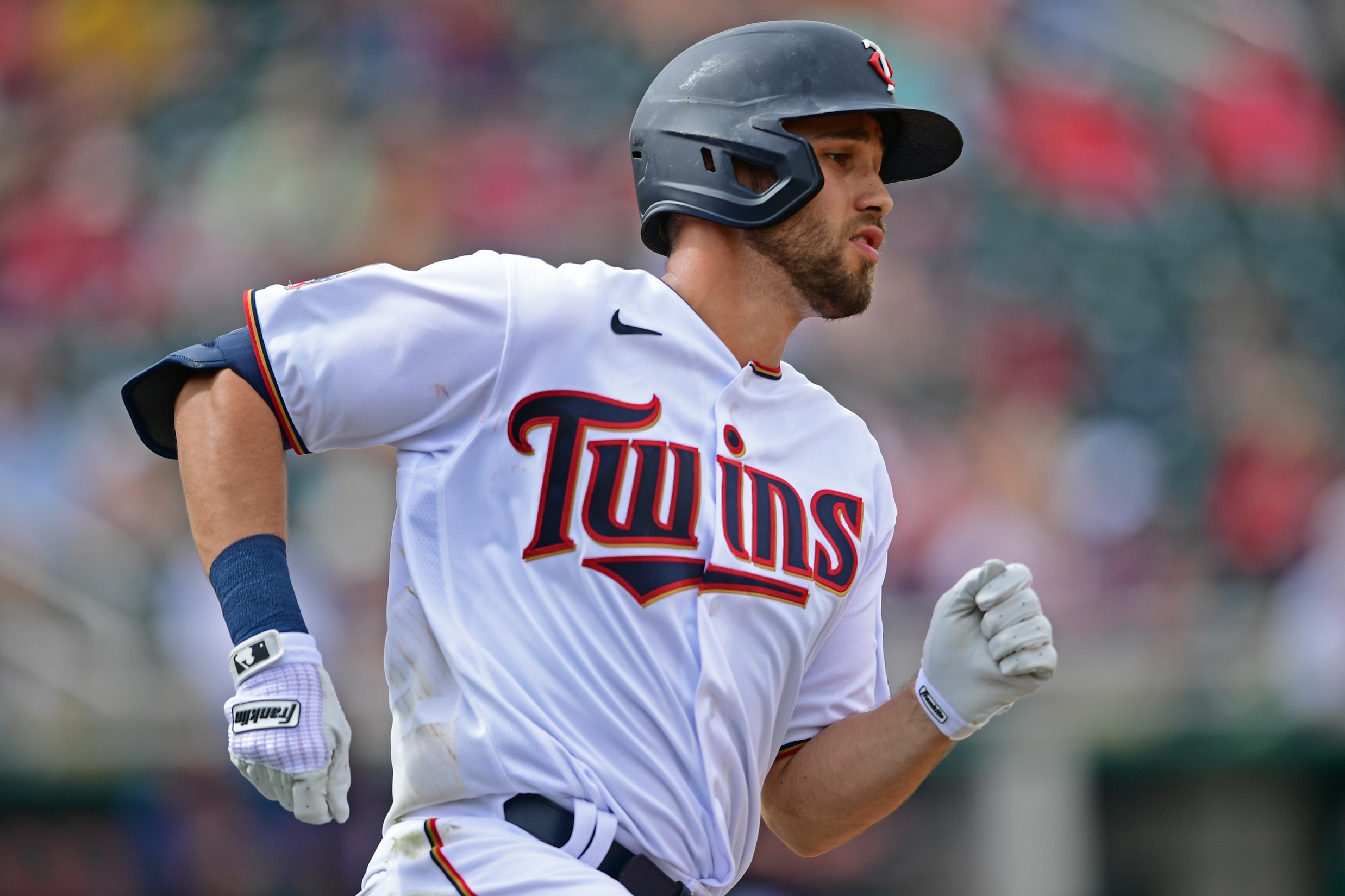 First, you can get up to speed on the 'why and how' behind these rankings by reading Monday's introductory post. If you're already hip, proceed to find my choices (and reasoning) for the 1st-through-5th most valuable player assets currently under Minnesota's control as 2021 gets underway. Read Part 1 (16-20) Read Part 2 (11-15) Read Part 3 (6-10) 5: Royce Lewis, SS 2020 Ranking: 5 After landing atop our 2019 rankings, Lewis followed with an uneven campaign that caused him to slide to No. 5 last year. Since then, not much has changed. He spent his 2020 season at the alternate site, giving him little opportunity to counteract the narrative of a '19 season that saw him post a .661 OPS and ugly 123-to-38 K/BB ratio between two levels while his clunky swing mechanics drew heat from analysts. Although the former No. 1 overall pick's true ceiling is in question, there's little doubt he will be an impact player in the big leagues, whether as an infielder or out in center as Byron Buxton's eventual successor. He's not the premier asset he once was, but Lewis holds steady in these rankings until further notice. 4: José Berríos, RHP 2020 Ranking: 3 As I mentioned in the intro post for this series, Berríos is a model of consistency: unlike so many others, he hasn't faltered in these rankings due to performance or injury. He has stayed remarkably steady and durable as a fixture atop the Twins rotation and roster. But, he also hasn't quite taken the step forward necessary to elevate. Berríos remains a "borderline ace" – not quite meeting the standard against which he is constantly measured, but always coming close. His most recent season was technically a downturn, but one that's easily attributed to disruption for a creature of routine. His numbers in the second half (and playoffs) were excellent. The only thing bumping Berríos from his customary top-three perch – albeit ever so slightly – is the looming specter of free agency, now only two years away. The righty is poised to hit the open market following the 2022 season, at age 28. That's good news for him but bad news for the Twins if they can't find a way to extend him. Locking Berríos up is an utmost priority; by this time next year, the front office's leverage will be mostly gone. 3: Max Kepler, RF 2020 Ranking: 2 Kepler definitely took a step back following his breakout 2019 campaign, but it wasn't as alarming a drop-off as it might seem on the surface. Yes, his OPS dropped by almost 100 points, but his peripherals and underlying metrics were steady. He remains a high-quality overall piece: a strong defensive outfielder who's capable in center, and an outstanding hitter combining patience, power and speed. There were some familiar warts marring Kepler's performance in 2020, however. Once again his production was stifled by a brutally low BABIP (.236), and he fell back into a pit of utter ineptitude against left-handed pitching (.128/.208/.170). These developments cast doubt on the superstar potential Kepler seemed to scratch in the prior season, but nevertheless, he was an above-average hitter and critical cornerstone for the first-place Twins. Most importantly, he's under control for the next three years at a total of $21.75 million, with an ultra-reasonable team option for $10 million in 2024. At this point Kepler is probably Minnesota's sturdiest building block. 2: Alex Kirilloff, RF 2020 Ranking: 9 While most prospects were essentially out of sight and out of mind in 2020, Kirilloff is a bit of an exception. His work at the alternate in St. Paul garnered a noticeable and consistent buzz, even with a lack of official games being played. This culminated with the Twins making a very bold move at season's end, calling Kirilloff up to make his major-league debut in a postseason elimination game. Despite the extraordinary circumstances, Kirilloff handled the challenge in stride, showing no signs of shrinking in the moment. As a former first-round pick who's slashed .317/.365/.498 in the minors, conquered Double-A, and now made a heck of first impression in the majors, Kirilloff has made a convincing case that he's ready to step in as an above-average MLB corner outfielder right now, with very plausible All-Star potential. The Twins will probably wait until at least late May to call him up for good, buying an extra year of control in 2027, but it's clear they are lining Kirilloff up to roam the outfield for many years to come. 1: Kenta Maeda, RHP 2020 Ranking: NR The Twins took a big gamble last February, trading their No. 4 ranked asset in Brusdar Graterol to Los Angeles in efforts to bolster the rotation. When you're giving up such an immensely valuable asset, you'd better get something awfully good in return. Turns out, the front office did just fine. One of the biggest appeals in acquiring Maeda was his incredibly team-friendly contract – he's guaranteed only $3.125 million in each of the next three seasons, with the rest of his money tied into incentives. This means very little outright risk for a whole lot of upside, which we saw on full display in his first season as a Twin. In a career year, Maeda emerged as a true ace and finished as the Cy Young runner-up. It's hard to overstate just how impactful his addition to this organization is. Maeda is everything the Twins needed, and has quickly separated himself as their most prized asset. THE TOP 20 TWINS ASSETS OF 2021 20. Keoni Cavaco, SS 19. Brent Rooker, OF/1B 18. Josh Donaldson, 3B 17. Taylor Rogers, LHP 16. Jorge Alcala, RHP 15. Miguel Sanó, 1B 14. Tyler Duffey, RHP 13. Jordan Balazovic, RHP 12. Jhoan Duran, RHP 11. Luis Arráez, 2B 10. Trevor Larnach, OF 9. Byron Buxton, CF 8. Mitch Garver, C 7. Ryan Jeffers, C 6. Jorge Polanco, SS 5. Royce Lewis, SS 4. José Berríos, RHP 3. Max Kepler, RF 2. Alex Kirilloff, RF 1. Kenta Maeda, RHPNow that we've got the full list rolled out, I'd love to hear your thoughts. Any outrageous omissions? Who's too high? Who's too low? Where would Nelson Cruz fit in (if at all) were he to sign, say, a one-year $10 million deal? As a final note, I've gotta give some props to the three commenters who tried their hand at predicting the rankings back on Monday, especially Seansy who correctly guessed 17 out of the 20 names and had SIX in the exact right placements (Maeda #1, Polanco #6, Jeffers #7, Larnach #10, Duffey #14, Sanó #15)! Super close on the most of the rest too, very nicely done. Very nice work also by Shs_2 who also got 17 names right (3 correct placements) and whosafraidofluigirussolo who had 18 of the names (2 correct placements). MORE FROM TWINS DAILY — Latest Twins coverage from our writers — Recent Twins discussion in our forums — Follow Twins Daily via Twitter, Facebook or email
