



Nick Nelson
-
Posts
8,322 -
Joined
-
Last visited
-
Days Won
56
Content Type
Profiles
News
Minnesota Twins Videos
2026 Minnesota Twins Top Prospects Ranking
2022 Minnesota Twins Draft Picks
Minnesota Twins Free Agent & Trade Rumors, Notes, & Tidbits
Guides & Resources
2023 Minnesota Twins Draft Picks
The Minnesota Twins Players Project
2024 Minnesota Twins Draft Picks
2025 Minnesota Twins Draft Pick Tracker
2026 Minnesota Twins Draft Tracker: Picks & Bonuses
Forums
Blogs
Events
Store
Downloads
Gallery
Everything posted by Nick Nelson
-
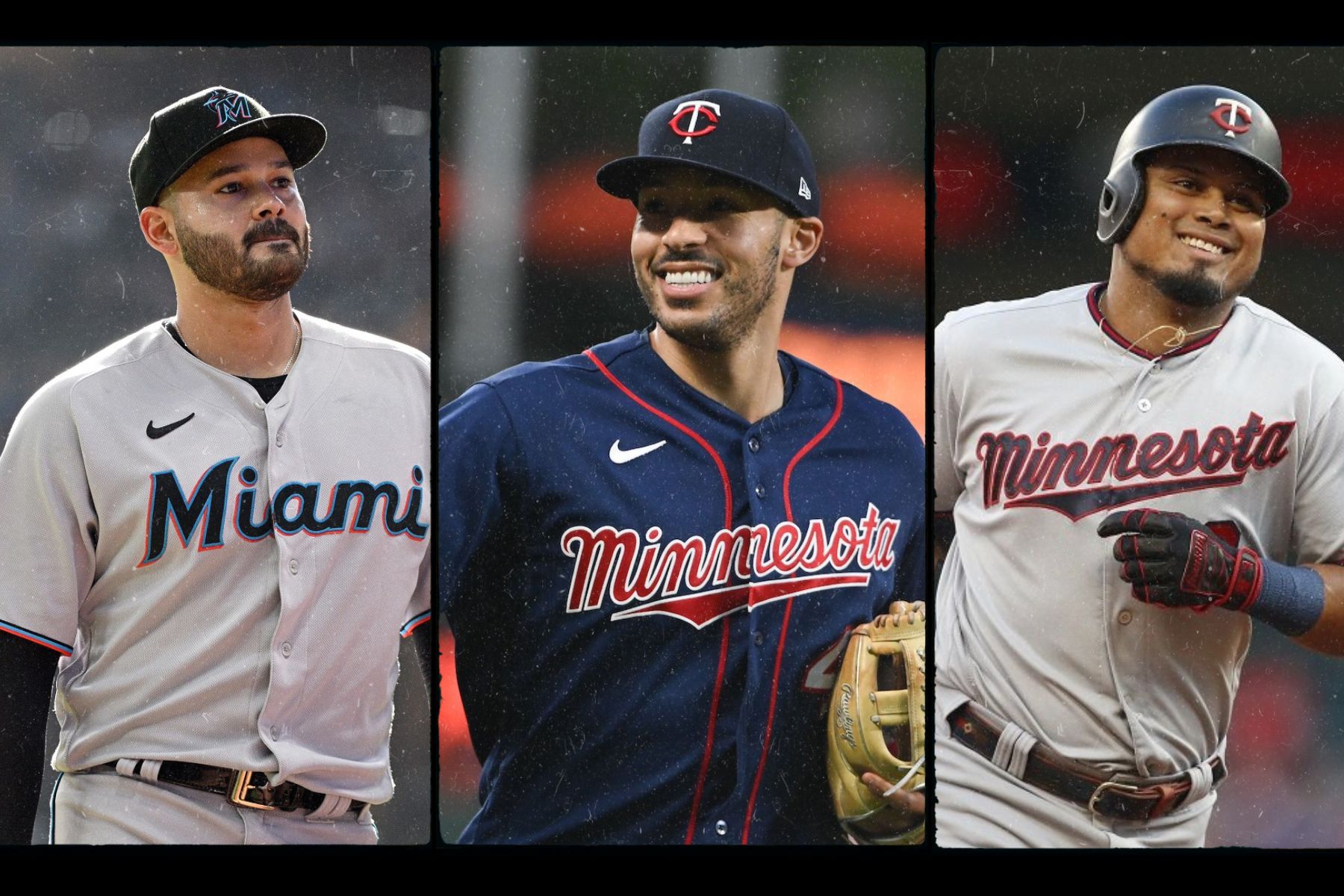 When I published these rankings for the sixth time this year, I mentioned how much more challenging I found the exercise than in the past. "For one thing," I wrote, "it feels like we're in the midst of a slow-developing offseason journey with big twists still ahead. I have a strong feeling there will be noticeable changes to this list by March 30th." Sure enough, we've seen plenty of upheaval since, and it's not even January 30th yet. The blockbuster moves that took place within the past two weeks have shaken up the franchise's talent layout in profound ways, to the extent that it feels worthwhile to revisit those rankings. The Twins shattered their precedent by signing Carlos Correa to a $200 million deal. They traded an controllable young All-Star and batting champ in Luis Arraez for a new pitcher. How do these additions fit into the overall hierarchy of talent in the organization? Let's take a look. The Original Top 20 Twins Assets of 2023 The idea of these rankings was to provide a relative view of Twins players and prospects by appraising their big-picture value to the organization. The goal was to answer this question: Which current players in the organization are most indispensable to fulfilling the vision of building a champion? I published my latest annual rankings at the beginning of January. You can read the explanations for each in that four-part series of articles ... Part 1: #20-16 Part 2: #15-11 Part 3: #10-6 Part 1: #5-1 ... But to summarize, here are the original 2023 rankings as I had them laid out: Byron Buxton, CF Brooks Lee, SS Joe Ryan, RHP Jorge Polanco, 2B Royce Lewis, SS Bailey Ober, RHP Jhoan Durán, RHP Emmanuel Rodriguez, OF José Miranda, 3B Luis Arraez, IF Simeon Woods Richardson, RHP Connor Prielipp, LHP Austin Martin, OF Trevor Larnach, OF Ryan Jeffers, C Alex Kirilloff, OF/1B Jorge López, RHP Sonny Gray, RHP Louie Varland, RHP Matt Wallner, OF Now the Twins have re-signed their reigning team MVP to a six-year contract, and traded the player previously ranked #10 for a pitcher and two prospects. How do these game-changing moves affect the big picture? I took a shot at updating my rankings and here's where I landed: The Revised Top 20 Twins Assets of 2023 Byron Buxton, CF Carlos Correa, SS Brooks Lee, SS Joe Ryan, RHP Jorge Polanco, 2B Royce Lewis, SS Bailey Ober, RHP Jhoan Durán, RHP Pablo López, RHP Emmanuel Rodriguez, OF José Miranda, 3B Simeon Woods Richardson, RHP Connor Prielipp, LHP Austin Martin, OF Trevor Larnach, OF Ryan Jeffers, C Alex Kirilloff, OF/1B Jorge López, RH Louie Varland, RHP Matt Wallner, OF There are a few significant changes in this update, including a shakeup in the top 10. Here's a look at the additions and subtractions, and how the thought process played out: Correa is in at #2. Locking up a superstar player for six years at age 28 on a contract like this, with team-friendly terms at the back end, can't be viewed as anything more than a huge win. I contemplated putting him ahead of Buxton but Correa has his own unique heightened injury risk attached and his deal isn't quite so favorable to the team as Buck's. Either way, these are clearly their two foundational assets going forward. Pablo López is in at #9. This felt like the right spot to me. He's got two years of control remaining compared to five apiece for Joe Ryan and Bailey Ober, so I don't view him as quite the same level of value even if he's probably a cut above in terms of talent. Still, a big addition for a franchise that really needed more controllable starting pitching. Previously I had Arraez ranked as the #10 asset, so this looks like a winning trade through that lens even before you account for prospects Jose Salas and Byron Chourio, who would likely fall in the 25-35 range. Gray drops out from #18. The addition of Lopez also makes Sonny Gray a bit less indispensable, in my mind. I had him 18th in the original rankings because, "As things currently stand, Gray is the only pitcher in the organization who can credibly be looked at as a dependable frontline starter for 2023." That's no longer the case. With López aboard, and under control for an additional year, I actually think the Twins could feasibly trade Gray if the right offer came along, which wasn't much of an option before. (That's not to say I would advise it.) When I assembled these rankings the first time around, I was feeling pretty decent about the state of the Twins franchise both today and going forward. Needless to say, I'm feeling even better now. While the loss of a top-10 asset in Arraez hurts, the Twins recouped that value and then some by acquiring López and a pair of high-upside teenaged prospects. Meanwhile, the stunning Correa signing reshapes this franchise's future, embedding another true MVP-caliber talent in his prime alongside Buxton to lead the way. Simply put, the Twins are in a significantly better place now than they were a month ago. Catch up on past editions of the top 20 Twins asset rankings: Top 20 Twins Assets: 2018 Top 20 Twins Assets: 2019 Top 20 Twins Assets: 2020 Top 20 Twins Assets: 2021 Top 20 Twins Assets: 2022
- 10 comments
-
- 6
-

-
- carlos correa
- pablo lopez
- (and 2 more)
-
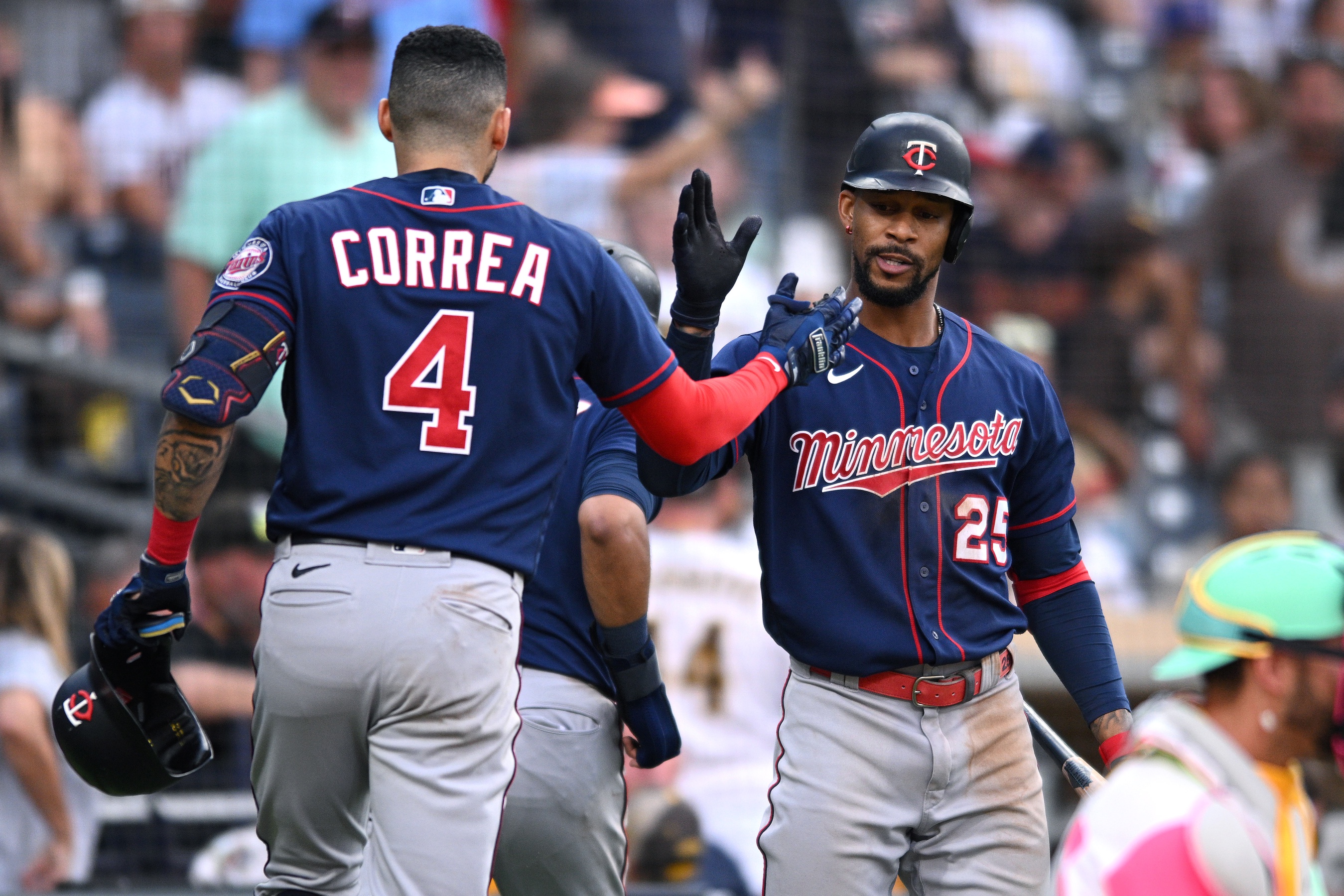
 At the turn of the new year, I took a shot at ranking the top 20 assets in the Twins organization, in an attempt to contextualize the players and prospects most vital to fulfilling a championship vision. Some major developments have since taken place, so it feels appropriate to try and update the list. Image courtesy of Michael McLoone, Tommy Gilligan, Tim Heitman–USA Today Sports When I published these rankings for the sixth time this year, I mentioned how much more challenging I found the exercise than in the past. "For one thing," I wrote, "it feels like we're in the midst of a slow-developing offseason journey with big twists still ahead. I have a strong feeling there will be noticeable changes to this list by March 30th." Sure enough, we've seen plenty of upheaval since, and it's not even January 30th yet. The blockbuster moves that took place within the past two weeks have shaken up the franchise's talent layout in profound ways, to the extent that it feels worthwhile to revisit those rankings. The Twins shattered their precedent by signing Carlos Correa to a $200 million deal. They traded an controllable young All-Star and batting champ in Luis Arraez for a new pitcher. How do these additions fit into the overall hierarchy of talent in the organization? Let's take a look. The Original Top 20 Twins Assets of 2023 The idea of these rankings was to provide a relative view of Twins players and prospects by appraising their big-picture value to the organization. The goal was to answer this question: Which current players in the organization are most indispensable to fulfilling the vision of building a champion? I published my latest annual rankings at the beginning of January. You can read the explanations for each in that four-part series of articles ... Part 1: #20-16 Part 2: #15-11 Part 3: #10-6 Part 1: #5-1 ... But to summarize, here are the original 2023 rankings as I had them laid out: Byron Buxton, CF Brooks Lee, SS Joe Ryan, RHP Jorge Polanco, 2B Royce Lewis, SS Bailey Ober, RHP Jhoan Durán, RHP Emmanuel Rodriguez, OF José Miranda, 3B Luis Arraez, IF Simeon Woods Richardson, RHP Connor Prielipp, LHP Austin Martin, OF Trevor Larnach, OF Ryan Jeffers, C Alex Kirilloff, OF/1B Jorge López, RHP Sonny Gray, RHP Louie Varland, RHP Matt Wallner, OF Now the Twins have re-signed their reigning team MVP to a six-year contract, and traded the player previously ranked #10 for a pitcher and two prospects. How do these game-changing moves affect the big picture? I took a shot at updating my rankings and here's where I landed: The Revised Top 20 Twins Assets of 2023 Byron Buxton, CF Carlos Correa, SS Brooks Lee, SS Joe Ryan, RHP Jorge Polanco, 2B Royce Lewis, SS Bailey Ober, RHP Jhoan Durán, RHP Pablo López, RHP Emmanuel Rodriguez, OF José Miranda, 3B Simeon Woods Richardson, RHP Connor Prielipp, LHP Austin Martin, OF Trevor Larnach, OF Ryan Jeffers, C Alex Kirilloff, OF/1B Jorge López, RH Louie Varland, RHP Matt Wallner, OF There are a few significant changes in this update, including a shakeup in the top 10. Here's a look at the additions and subtractions, and how the thought process played out: Correa is in at #2. Locking up a superstar player for six years at age 28 on a contract like this, with team-friendly terms at the back end, can't be viewed as anything more than a huge win. I contemplated putting him ahead of Buxton but Correa has his own unique heightened injury risk attached and his deal isn't quite so favorable to the team as Buck's. Either way, these are clearly their two foundational assets going forward. Pablo López is in at #9. This felt like the right spot to me. He's got two years of control remaining compared to five apiece for Joe Ryan and Bailey Ober, so I don't view him as quite the same level of value even if he's probably a cut above in terms of talent. Still, a big addition for a franchise that really needed more controllable starting pitching. Previously I had Arraez ranked as the #10 asset, so this looks like a winning trade through that lens even before you account for prospects Jose Salas and Byron Chourio, who would likely fall in the 25-35 range. Gray drops out from #18. The addition of Lopez also makes Sonny Gray a bit less indispensable, in my mind. I had him 18th in the original rankings because, "As things currently stand, Gray is the only pitcher in the organization who can credibly be looked at as a dependable frontline starter for 2023." That's no longer the case. With López aboard, and under control for an additional year, I actually think the Twins could feasibly trade Gray if the right offer came along, which wasn't much of an option before. (That's not to say I would advise it.) When I assembled these rankings the first time around, I was feeling pretty decent about the state of the Twins franchise both today and going forward. Needless to say, I'm feeling even better now. While the loss of a top-10 asset in Arraez hurts, the Twins recouped that value and then some by acquiring López and a pair of high-upside teenaged prospects. Meanwhile, the stunning Correa signing reshapes this franchise's future, embedding another true MVP-caliber talent in his prime alongside Buxton to lead the way. Simply put, the Twins are in a significantly better place now than they were a month ago. Catch up on past editions of the top 20 Twins asset rankings: Top 20 Twins Assets: 2018 Top 20 Twins Assets: 2019 Top 20 Twins Assets: 2020 Top 20 Twins Assets: 2021 Top 20 Twins Assets: 2022 View full article
 -
Very true. Underrated moves on behalf of the pitching staff. There are many ways to approach run prevention.
-
By trading for Pablo López as their big offseason rotation addition, the Twins followed a familiar script, leveraging talent to acquire cost-controlled pitching while allocating their budget primarily to the offense. For better or worse, it's grown clear this strategy is very intentional. Image courtesy of Rhona Wise-USA TODAY Sports Earlier this month, the Twins shocked the baseball world by signing Carlos Correa to a $200 million contract. The move would've seemed inconceivable for this franchise as recently as five years ago, but in recent offseasons, Minnesota has signaled its willingness to start wading into the deeper end of the spending pool. After all, they first signed Correa just a year ago, albeit to a short interstitial deal that paved way for this one. Months earlier, the Twins had extended Byron Buxton with a $100 million contract, two years after handing free agent Josh Donaldson a then-record $92 million. Compared to the previous regime, Derek Falvey and Thad Levine have shown a drastically greater willingness to profer these kinds of large-scale contracts, which are somewhat rare for teams in their class. (For context, Chicago's $75 million deal for Andrew Benintendi last month was the largest free agent commitment in White Sox history.) Notably, however, this appetite has been limited entirely to the position player side. Minnesota's current front office has been comparatively averse to investing dollars on the pitching side. Pablo López falls in line with a distinct pattern when it comes to acquiring rotation help: they trade talent (in this case Luis Arraez) for a cost-controlled starter who fits snugly into the budgeting forecast for multiple seasons. Minnesota did the same thing with Tyler Mahle at the deadline last year, and with Sonny Gray the prior offseason. They did it with Chris Paddack, and Kenta Maeda, and Jake Odorizzi. They traded away José Berríos, in part, because he was reaching the end of that cost-controlled window. Only in one case have these situations ever led to the Twins paying a remotely market-rate salary for one of these frontline starters: in 2020, when Odorizzi accepted the qualifying offer to earn around $18 million. Of course, the club ended up paying out less than half that amount due to the truncated COVID season. Outside of that instance, Gray's $12.5 million salary this year will supplant Lance Lynn in 2018 ($12 million) as the highest salary paid to any pitcher acquired by this front office in seven years. Michael Pineda's two-year, $20 million contract signed in December of 2019 – also prorated down, because of his carryover suspension – remains the largest Falvey has given a pitcher. It's 10% of the amount they just guaranteed Correa. So like I said, the pattern is pretty stark. The question is, what's driving it? Why are the Twins comfortable allocating such an outsized proportion of their available budget to position players while persistently minimizing money tied up in arms? I think it comes down to volatility and risk. Back in November, I wrote an article on the troubling realities of buying high on free agent pitching. I was citing a dynamic that I believe prevents the Twins – and really, the vast majority of mid-market teams – from winning bids for top free agent pitchers available at their peak. Namely: you are paying the utmost long-term premium for pitchers in their late 20s or early 30s who are hitting the sharp downward slope of the aging curve. Look back no further than last year's free-agent class to see the pitfalls of this buy-high philosophy: Robbie Ray, for example, got a $115 million deal from the Mariners coming off a breakout Cy Young year and then reverted right back to his previous ordinary form. The contract already looks like a hindrance for them. There are worse outcomes. Signing up commit pay big bucks to starting pitchers, who've already often logged 1,000+ innings, through their mid-30s is flat-out hazardous. The Yankees bought high on Carlos Rodón and earmarked $162 million to lock him up through age 35. The upside he brings as a true ace exceeds almost any bat you can buy on the market, but it's counterbalanced by the tremendous risk of his shoulder issues flaring up and making him a non-factor. With their financial inhibitions, New York can afford to assume that risk without catastrophic collateral downside. Most teams operating in lesser markets can't or won't. Of course, there's even more risk in simply not acquiring pitching talent. It's not an option if you want to compete, and you lack the elite development machines of a Tampa or Cleveland. For Minnesota, the preferred course has been to trade for second-tier starters in their prime. This prevents risky long-term commitments and keeps the rotation's budget share in check, enabling the Twins to invest in building around the likes of Correa and Buxton, who now occupy a third of the payroll with almost 300 million in combined dollars owed. I'm not going to say staking the franchise's future on Correa and Buxton is WITHOUT RISK, of course, but star position players tend to age a bit more reliably than standout starting pitchers, in part because they have more "outs." If injuries continue to impact Buxton, he can still make a real difference while spending time at DH, as we saw last year. If Correa's ankle forces him off shortstop, he can move to third, as he planned to with the Mets. When you're paying top dollar for a starting pitcher and they get struck by injuries that keep them off the mound or diminish their performance, it's harder to maintain that value equation. For teams with finite spending capabilities (self-imposed as they may be), that matters. Continually trading quality prospects to replenish their rotation will not necessarily be a viable strategy for the Twins going forward, so the success of this approach really comes down to how well their efforts with the pitching pipeline come together. The front office has put in place a potential lineage to support sustained rotation success – with Louie Varland and Simeon Woods Richardson followed by the likes of Marco Raya, Connor Prieilipp, and more – but pressure is rising to see it pay off and embed some legitimate fixtures so they don't have to keep trading their way to patchwork solutions. In theory, allocating your funds to superstar everyday players and relying on a sustained and regenerative pipeline of younger, fresher, lower-cost pitchers is a savvy strategy. In theory. View full article
-
Spend on Bats, Bank on Arms: This Front Office's Strategy Is Clear
Nick Nelson posted an article in Twins
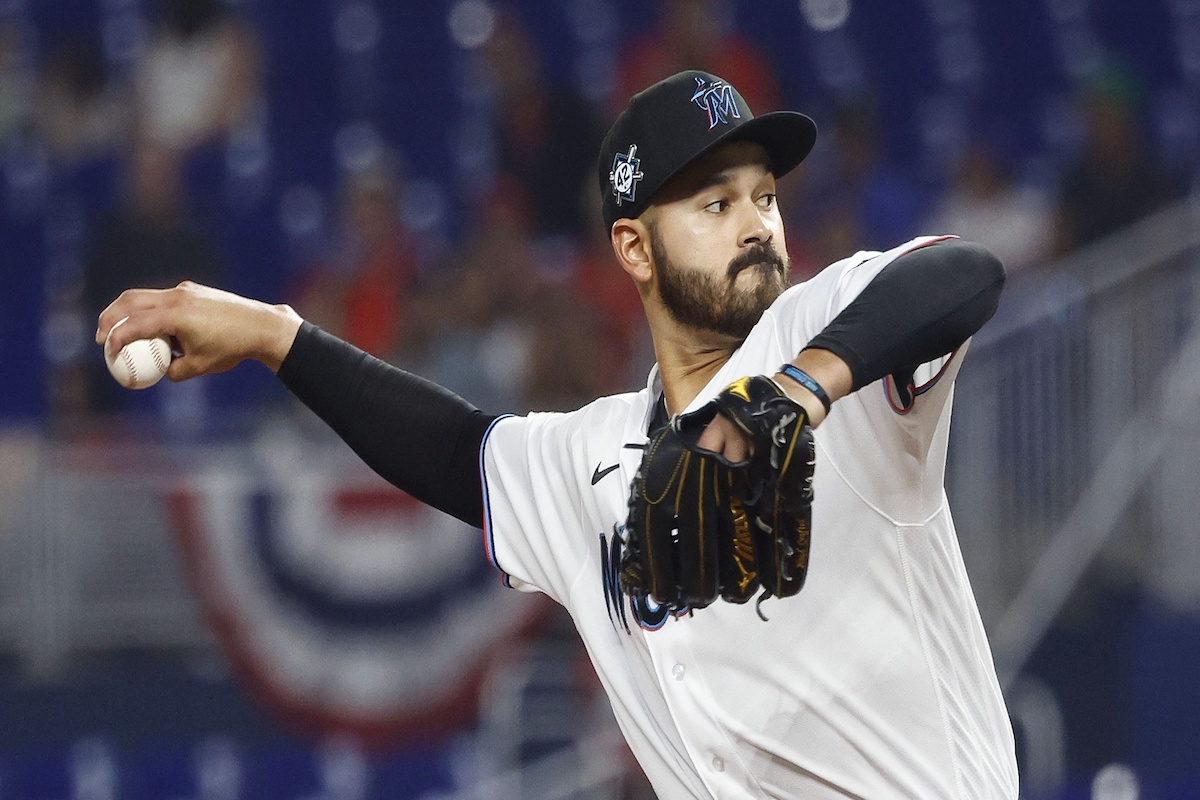 Earlier this month, the Twins shocked the baseball world by signing Carlos Correa to a $200 million contract. The move would've seemed inconceivable for this franchise as recently as five years ago, but in recent offseasons, Minnesota has signaled its willingness to start wading into the deeper end of the spending pool. After all, they first signed Correa just a year ago, albeit to a short interstitial deal that paved way for this one. Months earlier, the Twins had extended Byron Buxton with a $100 million contract, two years after handing free agent Josh Donaldson a then-record $92 million. Compared to the previous regime, Derek Falvey and Thad Levine have shown a drastically greater willingness to profer these kinds of large-scale contracts, which are somewhat rare for teams in their class. (For context, Chicago's $75 million deal for Andrew Benintendi last month was the largest free agent commitment in White Sox history.) Notably, however, this appetite has been limited entirely to the position player side. Minnesota's current front office has been comparatively averse to investing dollars on the pitching side. Pablo López falls in line with a distinct pattern when it comes to acquiring rotation help: they trade talent (in this case Luis Arraez) for a cost-controlled starter who fits snugly into the budgeting forecast for multiple seasons. Minnesota did the same thing with Tyler Mahle at the deadline last year, and with Sonny Gray the prior offseason. They did it with Chris Paddack, and Kenta Maeda, and Jake Odorizzi. They traded away José Berríos, in part, because he was reaching the end of that cost-controlled window. Only in one case have these situations ever led to the Twins paying a remotely market-rate salary for one of these frontline starters: in 2020, when Odorizzi accepted the qualifying offer to earn around $18 million. Of course, the club ended up paying out less than half that amount due to the truncated COVID season. Outside of that instance, Gray's $12.5 million salary this year will supplant Lance Lynn in 2018 ($12 million) as the highest salary paid to any pitcher acquired by this front office in seven years. Michael Pineda's two-year, $20 million contract signed in December of 2019 – also prorated down, because of his carryover suspension – remains the largest Falvey has given a pitcher. It's 10% of the amount they just guaranteed Correa. So like I said, the pattern is pretty stark. The question is, what's driving it? Why are the Twins comfortable allocating such an outsized proportion of their available budget to position players while persistently minimizing money tied up in arms? I think it comes down to volatility and risk. Back in November, I wrote an article on the troubling realities of buying high on free agent pitching. I was citing a dynamic that I believe prevents the Twins – and really, the vast majority of mid-market teams – from winning bids for top free agent pitchers available at their peak. Namely: you are paying the utmost long-term premium for pitchers in their late 20s or early 30s who are hitting the sharp downward slope of the aging curve. Look back no further than last year's free-agent class to see the pitfalls of this buy-high philosophy: Robbie Ray, for example, got a $115 million deal from the Mariners coming off a breakout Cy Young year and then reverted right back to his previous ordinary form. The contract already looks like a hindrance for them. There are worse outcomes. Signing up commit pay big bucks to starting pitchers, who've already often logged 1,000+ innings, through their mid-30s is flat-out hazardous. The Yankees bought high on Carlos Rodón and earmarked $162 million to lock him up through age 35. The upside he brings as a true ace exceeds almost any bat you can buy on the market, but it's counterbalanced by the tremendous risk of his shoulder issues flaring up and making him a non-factor. With their financial inhibitions, New York can afford to assume that risk without catastrophic collateral downside. Most teams operating in lesser markets can't or won't. Of course, there's even more risk in simply not acquiring pitching talent. It's not an option if you want to compete, and you lack the elite development machines of a Tampa or Cleveland. For Minnesota, the preferred course has been to trade for second-tier starters in their prime. This prevents risky long-term commitments and keeps the rotation's budget share in check, enabling the Twins to invest in building around the likes of Correa and Buxton, who now occupy a third of the payroll with almost 300 million in combined dollars owed. I'm not going to say staking the franchise's future on Correa and Buxton is WITHOUT RISK, of course, but star position players tend to age a bit more reliably than standout starting pitchers, in part because they have more "outs." If injuries continue to impact Buxton, he can still make a real difference while spending time at DH, as we saw last year. If Correa's ankle forces him off shortstop, he can move to third, as he planned to with the Mets. When you're paying top dollar for a starting pitcher and they get struck by injuries that keep them off the mound or diminish their performance, it's harder to maintain that value equation. For teams with finite spending capabilities (self-imposed as they may be), that matters. Continually trading quality prospects to replenish their rotation will not necessarily be a viable strategy for the Twins going forward, so the success of this approach really comes down to how well their efforts with the pitching pipeline come together. The front office has put in place a potential lineage to support sustained rotation success – with Louie Varland and Simeon Woods Richardson followed by the likes of Marco Raya, Connor Prieilipp, and more – but pressure is rising to see it pay off and embed some legitimate fixtures so they don't have to keep trading their way to patchwork solutions. In theory, allocating your funds to superstar everyday players and relying on a sustained and regenerative pipeline of younger, fresher, lower-cost pitchers is a savvy strategy. In theory.
 -
Who Will Be the Twins' Opening Day DH?
Nick Nelson replied to Nick Nelson's topic in Twins Daily Front Page News
The question being asked is simply: who is the Twins #1 option at DH against RHPs when all their regulars are at their designated positions? Luis Arraez was lined up to get the vast majority of those at-bats and now they are for the taking. You don't think that's worth discussing? Opening Day was only being used to exemplify the broader topic.- 60 replies
-
- 1
-
-
- trevor larnach
- nick gordon
- (and 1 more)
-
Who Will Be the Twins' Opening Day DH?
Nick Nelson replied to Nick Nelson's topic in Twins Daily Front Page News
Tend to agree. It would be Farmer or Garlick against a LHP and that'd be just fine. There isn't a ton of need for another RH bat at DH, which is what limits the appeal of guys like Yuli and Reyes and Sano, but in those cases it's a pure "lightning in a bottle" play. Larnach would be a fine fit but I think the questions you've gotta answer there are: Are you stunting his development by giving him somewhat sporadic playing time and very few OF reps? He's a very promising defender. Do they actually trust him to be a great hitter right away? He ended the year hurt and has a .684 career OPS. If he looks rusty at the plate in spring training, how much confident do the Twins lose? Same questions are more or less in play for Wallner, btw. -
Who Will Be the Twins' Opening Day DH?
Nick Nelson replied to Nick Nelson's topic in Twins Daily Front Page News
I agree. Every potential addition I listed can at least fill in at some other position. The question I was mostly seeking to answer was, "How can they upgrade their bench in a way that most takes advantage of the open ABs at DH?"- 60 replies
-
- 1
-
-
- trevor larnach
- nick gordon
- (and 1 more)
-
Who Will Be the Twins' Opening Day DH?
Nick Nelson replied to Nick Nelson's topic in Twins Daily Front Page News
If the Twins are giving any kind of consideration to having Vazquez make any significant number of starts at DH, that would substantiate the premise of this article. Not sure where the idea comes from that Correa is going to be at DH once a week. He's an elite defensive shortstop and that's a massive part of his $36M value. Correa made 4 total starts at DH last year. Buxton will be there frequently for sure, Miranda too probably (with Farmer at third), and that's all great against LH pitching but who's getting the brunt against righties? Why not optimize a bit when you have the flexibility? Vazquez would be an even sadder option than Sanchez, who got 32 DH starts last year. -
Who Will Be the Twins' Opening Day DH?
Nick Nelson replied to Nick Nelson's topic in Twins Daily Front Page News
You actually expect one of those guys to be the Opening Day DH? Wanna bet? -
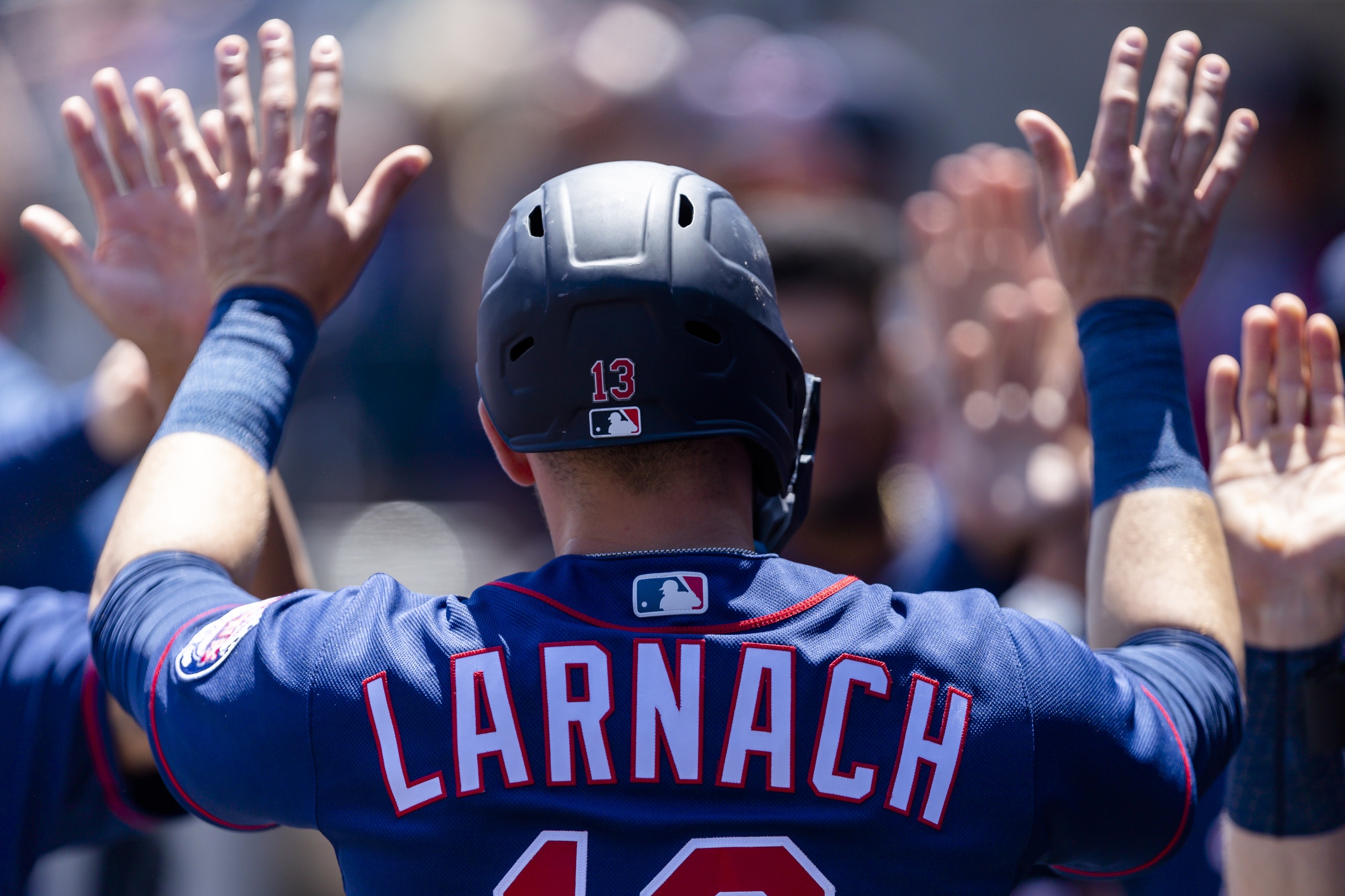 On March 30th in Kansas City, the Twins will kick off their season against the Royals and presumably a right-handed starter (Brady Singer?). Prior to last week's Pablo López trade, the most likely Opening Day lineup for Minnesota would have featured Alex Kirilloff at first base, José Miranda at third base, and Luis Arraez at designated hitter. Now, they'll need to find another way to fill that last spot. In some ways, the question feels rather unimportant; it's just one game, and the Twins are likely to rotate different players like Byron Buxton, Carlos Correa, and Miranda through the DH spot frequently. There doesn't necessarily need to be a "primary" guy at the position, and indeed we saw this play out last year in the absence of Nelson Cruz, with 10 different players getting distributed starts at DH. However, trying to figure out who Rocco Baldelli will write in at designated hitter against a right-handed pitcher on Opening Day will tell us a great deal about the current state of the roster, the quality of the 'A lineup,' and the decisions (or opportunities) that still lie ahead. INTERNAL OPTIONS If the Twins don't make any more significant additions to the mix (which I rather doubt), here are the options in play to handle DH on Opening Day, and on a semi-regular basis against righties: Nick Gordon Gordon is probably the simplest default answer, in that he will assuredly be on the roster and won't have a designated starting position. He slashed .289/.329/.465 against right-handed pitchers last year so he's definitely a viable threat versus someone like Singer but ... the wiry utility man would be an odd fit as designated hitter on Opening Day, or as the regular plug there. Last year, he made zero starts at DH. Trevor Larnach I think Larnach is by far the best fit as lefty-swinging DH option for the Twins, so long as he is on the roster. At the moment, it's not totally clear he will be. If the club is carrying Joey Gallo, Max Kepler, Kirilloff and Gordon, is there room for a fifth lefty-swinging corner guy? Maybe – especially if they treat Larnach as more of a regular DH and Gordon more as the fourth outfielder. But Larnach is still developing and the Twins need to be thoughtful about getting him consistent action. Matt Wallner Similar to Larnach, Wallner is victimized by the backlog of lefty corner outfielders. Since he's behind (a healthy) Larnach in line, his path to claiming this role is even more obstructed. Trading Kepler would create a much clearer path for either to carve out an immediate spot on the big-league roster. Edouard Julien The emergence of Julien was likely a major factor in the front office's willingness to deal Arraez. Julien is quite similar in profile: a lefty-hitting infielder with excellent OBP skills and no clear defensive fit. If the Twins wanted to replace some semblance of what Arraez brought to the table in the DH spot, this would be the route. It would also be pretty aggressive, as the 23-year-old Julien has yet to play above Double-A (where he slashed a ridiculous .332/.465/.566 vs. RHP last year). If the Twins keep their current personnel and hold an open competition at DH this spring, I could see Julien claiming the gig, drawing most of the DH starts against righties while Buxton, Correa, and Miranda fill in against lefties. Alex Kirilloff I'm including Kirilloff in this list because he would theoretically be a logical fit as DH against right-handers. He'll probably get the occasional look there. But I think the Twins view him as by far their best defensive first baseman. If his wrist is good enough to swing, it's good enough to play first base, and that's where they'll want him on Opening Day and most days. EXTERNAL OPTIONS None of the above options would be bad, per se. But for the Twins to go one of those routes would feel like leaving an opportunity on the table – opportunity to add one more potential impact veteran bat, and a player who could be useful in additional ways. Here are a few options that stand out to me as potential late-offseason additions capable of upgrading the Twins' lineup and helping fill in at DH with Arraez gone. Yuli Gurriel He was a longtime fixture at first base for the Astros, and preceded Arraez as AL batting champ in 2021. He's also 38 and struggled to an 84 OPS+ this past season, which is why he's still trying to land a contract at this stage of the offseason. Gurriel is a righty hitter, so he doesn't quite fit the bill as a masher to rotate in against RHP, but his splits are fairly neutral. The hope here would be that his bat rebounds, while his contending experience (including 85 career postseason games) and veteran presence combine to deliver a "Nelson Cruz Lite" impact. Interestingly, the Twins have reportedly shown interest in Gurriel of late. Robbie Grossman Our old friend spent three seasons with the Twins (2016-18), accruing a .266/.371/.400 slash line, which is basically Arraez with fewer singles. He's since spent time with Oakland, Detroit, and Atlanta, struggling last year to a .622 OPS. He maintained his usual patience, and the switch-hitting 33-year-old would represent a cheap rebound bet. (In 2020-21 he had a 118 OPS+.) This is the kind of modest gamble the Twins could afford – so long as they're willing to cut the cord relatively quickly if it's not working – because they have so many fallback options in place. Jurickson Profar In terms of the role we're discussing here, this is probably the biggest splash the Twins could realistically make. Profar is one of the best remaining free agents on the market, coming off a 2.5 fWAR season in San Diego. He's an intriguing fit for the Twins as a switch-hitter with defensive versatility. Profar also has ties to Thad Levine from his days in Texas. An acquisition of this magnitude would really put a bow on the offseason, but you wonder if Minnesota's realistically willing to offer enough guaranteed money or playing time to sway the 29-year-old. Miguel Sanó Look, there would be no risk in signing Sanó to a minor-league contract and seeing what he's got in spring training, if he's not getting bites elsewhere. A version of the big slugger that even approximates his career 116 OPS+ would be useful to the Twins as a part-time DH and starter at first against lefties. No one wants to hear it anymore but Sanó was actually hitting the ball reasonably well in 2022, despite the paltry production before a knee injury ended his season. While skill sets like his tend to degrade more quickly, I'm not convinced he's cooked. Franmil Reyes This would be similar to the Sanó gamble, except with a fresh face and less all the baggage. Reyes was of course a highly touted young slugger when Cleveland acquired him from San Diego in 2019, but he's stagnated and regressed after some early success. Alas, Reyes is only 27 and has a .251/.313/.470 career slash line. Why not? As recently as 2021 he launched 30 homers in 121 games with an .846 OPS. Luke Voit Voit would represent a lower-upside but higher-floor variation of the above two suggestions. The Twins wouldn't be banking so much on a rebound because he wasn't bad in 2022, he was just himself: a plodding righty slugger who will strike out a bunch and hit some home runs, translating to average-ish production overall. He definitely belongs at DH but can fill in at first base occasionally. What are your thoughts? Does anyone on the free agent or trade market stand out as a strong fit to you? Or are you more interested in going with internal options?
- 60 comments
-
- 4
-
-
- trevor larnach
- nick gordon
- (and 1 more)
-
The Twins traded Luis Arraez, in part, because he was functionally redundant with the makeup of their roster and position player mix. However, his departure does leave a clear hole in the projected regular starting lineup. How will they fill it? Image courtesy of Raj Mehta-USA TODAY Sports On March 30th in Kansas City, the Twins will kick off their season against the Royals and presumably a right-handed starter (Brady Singer?). Prior to last week's Pablo López trade, the most likely Opening Day lineup for Minnesota would have featured Alex Kirilloff at first base, José Miranda at third base, and Luis Arraez at designated hitter. Now, they'll need to find another way to fill that last spot. In some ways, the question feels rather unimportant; it's just one game, and the Twins are likely to rotate different players like Byron Buxton, Carlos Correa, and Miranda through the DH spot frequently. There doesn't necessarily need to be a "primary" guy at the position, and indeed we saw this play out last year in the absence of Nelson Cruz, with 10 different players getting distributed starts at DH. However, trying to figure out who Rocco Baldelli will write in at designated hitter against a right-handed pitcher on Opening Day will tell us a great deal about the current state of the roster, the quality of the 'A lineup,' and the decisions (or opportunities) that still lie ahead. INTERNAL OPTIONS If the Twins don't make any more significant additions to the mix (which I rather doubt), here are the options in play to handle DH on Opening Day, and on a semi-regular basis against righties: Nick Gordon Gordon is probably the simplest default answer, in that he will assuredly be on the roster and won't have a designated starting position. He slashed .289/.329/.465 against right-handed pitchers last year so he's definitely a viable threat versus someone like Singer but ... the wiry utility man would be an odd fit as designated hitter on Opening Day, or as the regular plug there. Last year, he made zero starts at DH. Trevor Larnach I think Larnach is by far the best fit as lefty-swinging DH option for the Twins, so long as he is on the roster. At the moment, it's not totally clear he will be. If the club is carrying Joey Gallo, Max Kepler, Kirilloff and Gordon, is there room for a fifth lefty-swinging corner guy? Maybe – especially if they treat Larnach as more of a regular DH and Gordon more as the fourth outfielder. But Larnach is still developing and the Twins need to be thoughtful about getting him consistent action. Matt Wallner Similar to Larnach, Wallner is victimized by the backlog of lefty corner outfielders. Since he's behind (a healthy) Larnach in line, his path to claiming this role is even more obstructed. Trading Kepler would create a much clearer path for either to carve out an immediate spot on the big-league roster. Edouard Julien The emergence of Julien was likely a major factor in the front office's willingness to deal Arraez. Julien is quite similar in profile: a lefty-hitting infielder with excellent OBP skills and no clear defensive fit. If the Twins wanted to replace some semblance of what Arraez brought to the table in the DH spot, this would be the route. It would also be pretty aggressive, as the 23-year-old Julien has yet to play above Double-A (where he slashed a ridiculous .332/.465/.566 vs. RHP last year). If the Twins keep their current personnel and hold an open competition at DH this spring, I could see Julien claiming the gig, drawing most of the DH starts against righties while Buxton, Correa, and Miranda fill in against lefties. Alex Kirilloff I'm including Kirilloff in this list because he would theoretically be a logical fit as DH against right-handers. He'll probably get the occasional look there. But I think the Twins view him as by far their best defensive first baseman. If his wrist is good enough to swing, it's good enough to play first base, and that's where they'll want him on Opening Day and most days. EXTERNAL OPTIONS None of the above options would be bad, per se. But for the Twins to go one of those routes would feel like leaving an opportunity on the table – opportunity to add one more potential impact veteran bat, and a player who could be useful in additional ways. Here are a few options that stand out to me as potential late-offseason additions capable of upgrading the Twins' lineup and helping fill in at DH with Arraez gone. Yuli Gurriel He was a longtime fixture at first base for the Astros, and preceded Arraez as AL batting champ in 2021. He's also 38 and struggled to an 84 OPS+ this past season, which is why he's still trying to land a contract at this stage of the offseason. Gurriel is a righty hitter, so he doesn't quite fit the bill as a masher to rotate in against RHP, but his splits are fairly neutral. The hope here would be that his bat rebounds, while his contending experience (including 85 career postseason games) and veteran presence combine to deliver a "Nelson Cruz Lite" impact. Interestingly, the Twins have reportedly shown interest in Gurriel of late. Robbie Grossman Our old friend spent three seasons with the Twins (2016-18), accruing a .266/.371/.400 slash line, which is basically Arraez with fewer singles. He's since spent time with Oakland, Detroit, and Atlanta, struggling last year to a .622 OPS. He maintained his usual patience, and the switch-hitting 33-year-old would represent a cheap rebound bet. (In 2020-21 he had a 118 OPS+.) This is the kind of modest gamble the Twins could afford – so long as they're willing to cut the cord relatively quickly if it's not working – because they have so many fallback options in place. Jurickson Profar In terms of the role we're discussing here, this is probably the biggest splash the Twins could realistically make. Profar is one of the best remaining free agents on the market, coming off a 2.5 fWAR season in San Diego. He's an intriguing fit for the Twins as a switch-hitter with defensive versatility. Profar also has ties to Thad Levine from his days in Texas. An acquisition of this magnitude would really put a bow on the offseason, but you wonder if Minnesota's realistically willing to offer enough guaranteed money or playing time to sway the 29-year-old. Miguel Sanó Look, there would be no risk in signing Sanó to a minor-league contract and seeing what he's got in spring training, if he's not getting bites elsewhere. A version of the big slugger that even approximates his career 116 OPS+ would be useful to the Twins as a part-time DH and starter at first against lefties. No one wants to hear it anymore but Sanó was actually hitting the ball reasonably well in 2022, despite the paltry production before a knee injury ended his season. While skill sets like his tend to degrade more quickly, I'm not convinced he's cooked. Franmil Reyes This would be similar to the Sanó gamble, except with a fresh face and less all the baggage. Reyes was of course a highly touted young slugger when Cleveland acquired him from San Diego in 2019, but he's stagnated and regressed after some early success. Alas, Reyes is only 27 and has a .251/.313/.470 career slash line. Why not? As recently as 2021 he launched 30 homers in 121 games with an .846 OPS. Luke Voit Voit would represent a lower-upside but higher-floor variation of the above two suggestions. The Twins wouldn't be banking so much on a rebound because he wasn't bad in 2022, he was just himself: a plodding righty slugger who will strike out a bunch and hit some home runs, translating to average-ish production overall. He definitely belongs at DH but can fill in at first base occasionally. What are your thoughts? Does anyone on the free agent or trade market stand out as a strong fit to you? Or are you more interested in going with internal options? View full article
-
I'm glad you brought this up. I was going to mention it in this article but couldn't find the right place. Boras is known as much as any agent for fiercely advocating on behalf of his clients. Yes, he wants to get them money, but he is also deeply invested in their interests and finding them the best fits. That's why he's risen to the top. The fact that he seems so inclined to do business with the Twins -- and the Paddack deal is another good example -- seems like another point in favor of this article's premise. Even if they don't have the spending power of a lot of other teams, he seems to appreciate doing business with them.
-
It's usually a silly platitude, but the Twins organization has managed to turn kindness and decency into a competitive edge. The Carlos Correa outcome, like Byron Buxton's before him, is an example of how nice guys sometimes finish first. Image courtesy of Lindsey Wasson-USA TODAY Sports Plenty is made of the disadvantages that a market like the Twin Cities faces in comparison to glamorous coastal destinations like San Francisco and New York. For pro athletes, those locations tend to offer more money, more marketing opportunities, and more prestige, for starters. But there are also distinct advantages to a quaint midwestern locale like Minnesota – ones that might resonate and hold more influence with specific players, and can (as we've seen) sway player pursuits in a meaningful way. Specifically: there's a certain coldness to many of the big markets and all they entail. In the follow-up of Carlos Correa's stunning pivot to sign with the Twins after cutting off negotiations with the Mets, it became clear that the shortstop kept Minnesota on his radar – and ultimately directed his agent Scott Boras to go and get something done – because of how he felt treated by them throughout the past 12 months, and especially through this latest free-agency episode. The Twins could have been compelled to move on at some point and cease making contact, during a process where they were spurned twice for bigger offers in bigger markets. But Correa expressed appreciation for Derek Falvey and Twins reps continually checking in to see how he was doing, as a person – and never wavering in their desire to hammer out a deal with the player, if practical. In a world of big egos and high-stakes decisions, you don't always find this type of genuine care and concern. Correa has said as much. Upon signing, he called the Twins his "extended family." He spoke of how the positive experiences his actual family had in Minneapolis last year influenced his openness to a reunion. He beamed that his son would "grow up Minnesota Nice." Yeah, these are the kinds of things people say when they sign new contracts, I get that. But when you look at the way this all played out, it's difficult to ignore the validity behind these seemingly sappy sentiments. Clearly Correa was very eager and excited to sign in New York. He waited out frustrating negotiations and haggling for weeks. But as he watched the infinitely rich Steve Cohen and his team renege on a deal they'd agreed to, railroading Correa with perceived leverage as they cut the guarantee in half and stipulated annual physicals on the back end ... suddenly the appeal of an organization that's shown him nothing but warmth and good faith looked all the more welcoming by comparison. It was a frustrating process, said Boras. “But in the end, seeing how happy he was and how excited the Twins are, maybe this was the way it was meant to be all along.’’ Looking back one year earlier, we can also see how the "Minnesota Nice" factor played a role in the Twins locking up their other franchise centerpiece to a highly favorable deal. It's easy to forget now, but Byron Buxton's contract talks with the Twins once looked as imperiled as Correa's. In another very realistic scenario, Buxton could've been alongside the shortstop peddling his services as a free agent this offseason. But just ahead of the MLB shutdown last November, Buxton and the Twins reached agreement on an extension that could only be described as extremely team-friendly. There's little doubt he would be in line to make significantly more in guaranteed money this offseason than the $100 million he got from the Twins in an incentive-laden seven-year deal signed back in November of 2021. A $15 million annual base for a player of Buck's caliber is still a little hard to conceive. Make no mistake: Buxton's willingness to sign this contract was an extraordinary showing of loyalty. That level of loyalty is only earned through trust and affinity toward an organization that's done right by him. The Twins deserve credit for keeping that bond intact through a regime change and then some. This is speculation, but I believe another aspect of Minnesota's low-key culture that appeals to Buxton, as an oft-injured player who takes it pretty hard, is the relatively lesser scrutiny and sensationalized media commentary compared to large markets. Not to say there aren't a bunch of obnoxious Twins fans always making their little quips and barbs about Buxton's tendency to get hurt – they annoy the crap out of me – but what he faces here is nothing compared to the onslaught of rancor he'd face in LA or New York for having the gall to be frequently unavailable. I think he recognizes that and it's part of what makes him comfortable in this setting. Buxton gives Joe Mauer a run for his money when it comes to talent/ego ratio – a perfect successor in the soft-spoken superstar lineage. Is it a coincidence neither was eager to leave? Sometimes I get annoyed with how much the Twins franchise embodies the "Minnesota Nice" credo to an almost nauseating degree. From the decades of understated yet ultra-humane leadership under Terry Ryan, to the legend of an "oh-shucks" hometown Hall of Famer, right down to the two friendly chaps shakings hands in their logo, the Twins can be comically on-script for their locale. But then, I wouldn't have it any other way. The Twins don't have many built-in advantages compared to larger markets when it comes to attracting talent and outpacing the field. So they've sought to turn treating people the right way into a differentiator, and – sad as it might be as a general statement – it seems to have become one. Hard to argue with that strategy. View full article
-
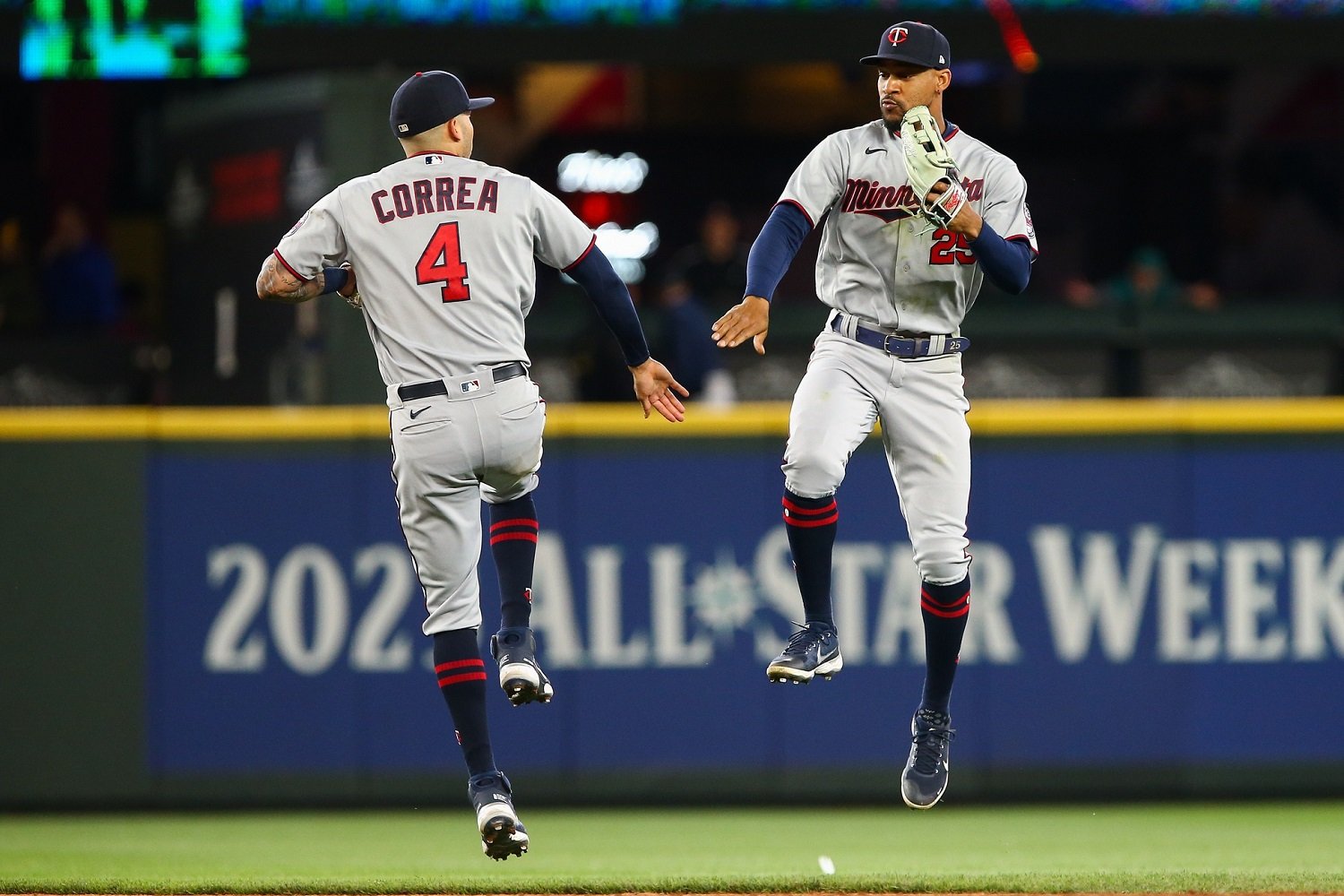 Plenty is made of the disadvantages that a market like the Twin Cities faces in comparison to glamorous coastal destinations like San Francisco and New York. For pro athletes, those locations tend to offer more money, more marketing opportunities, and more prestige, for starters. But there are also distinct advantages to a quaint midwestern locale like Minnesota – ones that might resonate and hold more influence with specific players, and can (as we've seen) sway player pursuits in a meaningful way. Specifically: there's a certain coldness to many of the big markets and all they entail. In the follow-up of Carlos Correa's stunning pivot to sign with the Twins after cutting off negotiations with the Mets, it became clear that the shortstop kept Minnesota on his radar – and ultimately directed his agent Scott Boras to go and get something done – because of how he felt treated by them throughout the past 12 months, and especially through this latest free-agency episode. The Twins could have been compelled to move on at some point and cease making contact, during a process where they were spurned twice for bigger offers in bigger markets. But Correa expressed appreciation for Derek Falvey and Twins reps continually checking in to see how he was doing, as a person – and never wavering in their desire to hammer out a deal with the player, if practical. In a world of big egos and high-stakes decisions, you don't always find this type of genuine care and concern. Correa has said as much. Upon signing, he called the Twins his "extended family." He spoke of how the positive experiences his actual family had in Minneapolis last year influenced his openness to a reunion. He beamed that his son would "grow up Minnesota Nice." Yeah, these are the kinds of things people say when they sign new contracts, I get that. But when you look at the way this all played out, it's difficult to ignore the validity behind these seemingly sappy sentiments. Clearly Correa was very eager and excited to sign in New York. He waited out frustrating negotiations and haggling for weeks. But as he watched the infinitely rich Steve Cohen and his team renege on a deal they'd agreed to, railroading Correa with perceived leverage as they cut the guarantee in half and stipulated annual physicals on the back end ... suddenly the appeal of an organization that's shown him nothing but warmth and good faith looked all the more welcoming by comparison. It was a frustrating process, said Boras. “But in the end, seeing how happy he was and how excited the Twins are, maybe this was the way it was meant to be all along.’’ Looking back one year earlier, we can also see how the "Minnesota Nice" factor played a role in the Twins locking up their other franchise centerpiece to a highly favorable deal. It's easy to forget now, but Byron Buxton's contract talks with the Twins once looked as imperiled as Correa's. In another very realistic scenario, Buxton could've been alongside the shortstop peddling his services as a free agent this offseason. But just ahead of the MLB shutdown last November, Buxton and the Twins reached agreement on an extension that could only be described as extremely team-friendly. There's little doubt he would be in line to make significantly more in guaranteed money this offseason than the $100 million he got from the Twins in an incentive-laden seven-year deal signed back in November of 2021. A $15 million annual base for a player of Buck's caliber is still a little hard to conceive. Make no mistake: Buxton's willingness to sign this contract was an extraordinary showing of loyalty. That level of loyalty is only earned through trust and affinity toward an organization that's done right by him. The Twins deserve credit for keeping that bond intact through a regime change and then some. This is speculation, but I believe another aspect of Minnesota's low-key culture that appeals to Buxton, as an oft-injured player who takes it pretty hard, is the relatively lesser scrutiny and sensationalized media commentary compared to large markets. Not to say there aren't a bunch of obnoxious Twins fans always making their little quips and barbs about Buxton's tendency to get hurt – they annoy the crap out of me – but what he faces here is nothing compared to the onslaught of rancor he'd face in LA or New York for having the gall to be frequently unavailable. I think he recognizes that and it's part of what makes him comfortable in this setting. Buxton gives Joe Mauer a run for his money when it comes to talent/ego ratio – a perfect successor in the soft-spoken superstar lineage. Is it a coincidence neither was eager to leave? Sometimes I get annoyed with how much the Twins franchise embodies the "Minnesota Nice" credo to an almost nauseating degree. From the decades of understated yet ultra-humane leadership under Terry Ryan, to the legend of an "oh-shucks" hometown Hall of Famer, right down to the two friendly chaps shakings hands in their logo, the Twins can be comically on-script for their locale. But then, I wouldn't have it any other way. The Twins don't have many built-in advantages compared to larger markets when it comes to attracting talent and outpacing the field. So they've sought to turn treating people the right way into a differentiator, and – sad as it might be as a general statement – it seems to have become one. Hard to argue with that strategy.
 -
Little did know back then how it would shape the future of the Twins franchise. Image courtesy of Orlando Ramirez-USA TODAY Sports Last June marked the 10-year anniversary of the 2012 MLB Draft, led by the 1-2 punch of Carlos Correa and Byron Buxton at the top. A decade later, these former high school superstars have followed very different paths to the same destination: featuring as twin faces of the Twins franchise, now and going forward. With this being the case, it's fascinating to look back at how that draft played out, and to compare the career paths of other players taken in the top 10 who could've been in play for the Astros and Twins when they selected first and second overall. Controversy at the Top Although Correa and Buxton were viewed as two of the best high school talents to enter the draft in a long time, neither was the trendy top pick in mocks and projections. No, that would be Stanford right-hander Mark Appel, who was viewed as a surefire frontline starter with a quick path to the majors. Leading up to the draft, Appel reportedly turned down a $6 million offer from the Astros, who possessed the number one pick. Houston turned their attention elsewhere, and so did the Twins – selecting second – and several other teams, as we'll see. The Appel dynamic is important to keep in mind as we run back through the top 10, pick by pick. In another scenario where the right-hander simply accepted the offer from his hometown team, rather than betting on himself and returning to Stanford, things could have played out very differently. Alas ... #1 Pick: Carlos Correa, SS – Astros The Astros decided to go with the 17-year-old prep phenom from Puerto Rico. Correa had reportedly "blown away" Houston's evaluators during pre-draft workouts, convincing them he was special enough to justify taking in front of the kid getting Bo Jackson comps out of Baxley, GA. "They watched a 6-foot-3, 190-pound shortstop with staggering skills," wrote Peter Gammons at the time. "Soft hands. Incredibly lithe feet, which allows him to maintain uncanny balance in his powerful swing and always catch grounders in position to throw." It's unclear whether the Astros actually thought Correa was a better talent than Buxton, because their decision was also motivated by finances: signing the shortstop under-slot at $4.8 million enabled them to harvest their savings and lure prep pitcher Lance McCullers away from a college scholarship with a big bonus at 41st overall. (The Twins used a very similar strategy five years later, with Royce Lewis and Blayne Enlow.) The rest, as they say, is history. Correa dominated the minors and rose in the top prospect rankings, topping out at #3 on MLB.com's list in 2015 before he broke through to the majors and won Rookie of the Year. The two names ahead of him in the top prospect ranks at that time? Number two Kris Bryant, and number one ... #2 Pick: Byron Buxton, OF – Twins Buxton was widely viewed as the best prospect in the draft, so the Twins were thrilled to land him with the second pick. They paid a premium to sign him away from the University of Georgia, with Buxton's $6 million bonus easily topping any other player in this draft (no one else even got $5 million) and beating Joe Mauer's franchise record. Buxton went on to do what was optimistically expected of him: he quickly became the consensus top prospect in the minors, reached the big leagues three years after being drafted (in fact, he debuted in the same week as Correa), and developed into one of MLB's preeminent stars – albeit with a bit more of a learning curve and a lot more injury hiccups. It's interesting now to wonder what the Twins would've done if Houston followed the more straightforward route by drafting Buxton. Would they have taken Correa? That seems likely. In a retrospective on the leadup to the 2012 draft for The Athletic, Aaron Gleeman wrote about how dazzled the Twins were by Correa during a workout at Target Field. "Minnesota’s brain trust of general manager Terry Ryan, vice president of player personnel Mike Radcliff and scouting director Deron Johnson had Correa and Buxton as the top two prospects on their board, going back and forth on who should hold the top spot," Gleeman shared. How fortuitous to 10 years later have both locked up long-term. #3 Pick: Mike Zunino, C – Mariners The top college hitter in the draft was a big slugging catcher out of the University of Florida. Zunino was the best player on a Gators team that reached three straight College World Series. The Mariners signed him to a $4 million bonus, with the hopes that his advanced bat would rise quickly. It did – Zunino reached the majors one year after being drafted – but he wasn't destined for the same kind of star status as Correa and Buxton. The catcher has had a relatively successful big-league career, accruing 850 games played over 10 seasons, but didn't quite turn into the two-stud Seattle envisioned. Zunino signed a free agent deal with the Guardians in December so we'll be seeing plenty of him in 2023. #4 Pick: Kevin Gausman, RHP – Orioles With arguably the top three position players off the board, the Orioles set their sights on trying to nab the best pitcher in the draft. While they might have felt it was Appel, Baltimore wasn't looking to get involved in those hardball negotiations so instead they were left to choose between two standout collegiate arms: Gausman out of LSU or Kyle Zimmer out of the University of San Francisco. They made the right choice, albeit not one that would end up benefiting their franchise a ton. Gausman quickly emerged as a top prospect, and was in the big leagues a year later at age 22. From there it took the righty a very long time to blossom into the frontline starter he would eventually become. He spent five mostly average years in Baltimore, then jumped around to Atlanta and Cincinnati before ending up in San Francisco where he finally turned the corner. He parlayed a breakout season in 2021 into a $110 million contract with the Blue Jays, and made good on the first year by leading the AL in FIP and K/BB ratio. Gausman was the top pitcher selected in the 2012 draft, and eventually fulfilled his promise, but not until a decade later when he was 30. I think that perspective is important to keep in mind for Twins fans underwhelmed by the fruits of this current front office's pitching development efforts through seven years. It takes time. #5 Pick: Kyle Zimmer, RHP – Royals Of course, sometimes it just doesn't take at all. Zimmer emerged at USF as a strikeout machine with huge upside, convincing Kansas City to take him fifth overall, but struggled with injuries and control issues in the minors. His big K-rates kept him continually on the prospect radar, but it never really materialized in the majors for Zimmer. He made 83 appearances for the Royals from 2019 through 2021 – all but three in relief – and posted a 5.19 ERA. Zimmer is still only 31 so it's not unthinkable he could resurface, but that seems unlikely at this point. He was released from a minor-league contract by the Reds last summer after struggling in Triple-A, and is currently a free agent. #6 Pick: Albert Almora, OF – Cubs Almora is the type you often see drafted in the first round: a toolsy, athletic prep high schooler with big upside to dream on. He debuted at 22 and looked like he might be a real find early on, but Almora's bat went the wrong way as poor plate discipline tanked his offensive game. (Another familiar story with this player profile.) Since 2019 he has slashed .219/.265/.344 for a 61 OPS+. He's still been hanging around as a glove-only outfielder, and played 64 games for the Reds last year in that capacity. He went unclaimed on waivers in September and is currently a free agent. #7 Pick: Max Fried, LHP – Padres Picking high school pitchers at the top of the MLB draft is hazardous, as the Twins would learn a year later with Kohl Stewart. Rarely does the decision work out as well as it did with Fried, but when it does, you can see why teams are willing to take the gamble. Fried, a California high school standout committed to UCLA, was wooed away by San Diego's $3 million signing bonus. He quickly emerged as a top prospect and was in the majors by 23 despite losing a year to Tommy John surgery. The Padres traded Fried as a prospect, headlining the package to acquire Justin Upton in 2014. They'd probably like to take that one back. Fried has emerged in his late 20s as a bona fide ace in the Braves rotation, and finished runner-up for Cy Young last year. #8 Pick: Mark Appel, RHP – Pirates Finally, Appel's long fall reached an end, when the Pirates selected him eighth overall. It was quite the fiasco. Apparently Pittsburgh had never even gotten in touch with Appel or his family before the draft, which set negotiations off on a sour note. They never recovered. Appel reportedly turned down nearly $4 million, opting to return to Stanford as a senior and aim for a top-pick bonus in 2013. (It worked; he went first overall to Houston and signed for $6.35 million the next year.) Among the 60 players taken between the main and supplemental first rounds in 2012, Appel was the only player not to sign. His agent? Scott Boras, naturally. Appel's career ended up being quite the odyssey. He flamed out in the minors and announced he was stepping away from baseball in 2018. Then, after several years off, Appel made a comeback in 2021, and worked his way back into the majors as a reliever for the Phillies last year. A cool story, but little more. Appel threw 10 innings for Philly, experienced elbow inflammation, and then got DFA'ed after the season. He's a free agent hunting for another chance in Triple-A. #9 Pick: Andrew Heaney, LHP – Marlins Drafted out of Oklahoma State University after a stellar junior season, Heaney became another example of how long it can take for things to come together with a pitching prospect. He established himself as an elite prospect and reached the big leagues at age 23, but Heaney endured a lengthy battle with the MLB learning curve. From 2014 through 2021, a stretch of eight seasons spent mostly with the Angels, Heaney posted a 4.72 ERA and 4.45 FIP as one of the league's most homer-prone starters. His big strikeout rates were never backed by truly outstanding results. Last year, the Dodgers signed him to a cheap one-year deal, exercised careful usage with short outings (a Twins-like course of action, I will note), and extracted new levels of success. Heaney enjoyed a rejuvenated market this offseason, signing a two-year, $25 million deal with an opt out. #10 Pick: David Dahl, OF – Rockies Dahl has had a bit of a Buxton-like career, albeit to a different extreme. Drafted out of an Alabama high school, he got off to a fast start in the minors and climbed the prospect charts. But the sweet-swinging lefty had his own injury derailments along the way, including a torn hamstring in 2013 and a spleen laceration suffered on a collision in 2015, along with rib, back, ankle, foot, and shoulder issues. He's occasionally shown glimpses of his true potential, namely in 2019 when he batted .302 and made the All-Star team. But that season ended after 100 games, which remains the most he's played in an MLB season. He didn't play in the majors last year and is now on a minor-league deal with San Diego. He's still only 28 but Dahl's major-league future is on life support. And there you have it. The 2012 draft included some other gems beyond the top 10, including Lucas Giolito (16th overall), Corey Seager (18th), Jose Berrios (32nd) and newly minted Twin Joey Gallo (39th). But if the two teams at the top, Houston and Minnesota, could do it all over again, they probably wouldn't change a thing – as illustrated by Keith Law making the same choices when he redrafted the 2012 MLB Draft at The Athletic. Now, through a shocking twist of fate, the Twins will be building around both of those top two players for the next six years at least. View full article
-
 Last June marked the 10-year anniversary of the 2012 MLB Draft, led by the 1-2 punch of Carlos Correa and Byron Buxton at the top. A decade later, these former high school superstars have followed very different paths to the same destination: featuring as twin faces of the Twins franchise, now and going forward. With this being the case, it's fascinating to look back at how that draft played out, and to compare the career paths of other players taken in the top 10 who could've been in play for the Astros and Twins when they selected first and second overall. Controversy at the Top Although Correa and Buxton were viewed as two of the best high school talents to enter the draft in a long time, neither was the trendy top pick in mocks and projections. No, that would be Stanford right-hander Mark Appel, who was viewed as a surefire frontline starter with a quick path to the majors. Leading up to the draft, Appel reportedly turned down a $6 million offer from the Astros, who possessed the number one pick. Houston turned their attention elsewhere, and so did the Twins – selecting second – and several other teams, as we'll see. The Appel dynamic is important to keep in mind as we run back through the top 10, pick by pick. In another scenario where the right-hander simply accepted the offer from his hometown team, rather than betting on himself and returning to Stanford, things could have played out very differently. Alas ... #1 Pick: Carlos Correa, SS – Astros The Astros decided to go with the 17-year-old prep phenom from Puerto Rico. Correa had reportedly "blown away" Houston's evaluators during pre-draft workouts, convincing them he was special enough to justify taking in front of the kid getting Bo Jackson comps out of Baxley, GA. "They watched a 6-foot-3, 190-pound shortstop with staggering skills," wrote Peter Gammons at the time. "Soft hands. Incredibly lithe feet, which allows him to maintain uncanny balance in his powerful swing and always catch grounders in position to throw." It's unclear whether the Astros actually thought Correa was a better talent than Buxton, because their decision was also motivated by finances: signing the shortstop under-slot at $4.8 million enabled them to harvest their savings and lure prep pitcher Lance McCullers away from a college scholarship with a big bonus at 41st overall. (The Twins used a very similar strategy five years later, with Royce Lewis and Blayne Enlow.) The rest, as they say, is history. Correa dominated the minors and rose in the top prospect rankings, topping out at #3 on MLB.com's list in 2015 before he broke through to the majors and won Rookie of the Year. The two names ahead of him in the top prospect ranks at that time? Number two Kris Bryant, and number one ... #2 Pick: Byron Buxton, OF – Twins Buxton was widely viewed as the best prospect in the draft, so the Twins were thrilled to land him with the second pick. They paid a premium to sign him away from the University of Georgia, with Buxton's $6 million bonus easily topping any other player in this draft (no one else even got $5 million) and beating Joe Mauer's franchise record. Buxton went on to do what was optimistically expected of him: he quickly became the consensus top prospect in the minors, reached the big leagues three years after being drafted (in fact, he debuted in the same week as Correa), and developed into one of MLB's preeminent stars – albeit with a bit more of a learning curve and a lot more injury hiccups. It's interesting now to wonder what the Twins would've done if Houston followed the more straightforward route by drafting Buxton. Would they have taken Correa? That seems likely. In a retrospective on the leadup to the 2012 draft for The Athletic, Aaron Gleeman wrote about how dazzled the Twins were by Correa during a workout at Target Field. "Minnesota’s brain trust of general manager Terry Ryan, vice president of player personnel Mike Radcliff and scouting director Deron Johnson had Correa and Buxton as the top two prospects on their board, going back and forth on who should hold the top spot," Gleeman shared. How fortuitous to 10 years later have both locked up long-term. #3 Pick: Mike Zunino, C – Mariners The top college hitter in the draft was a big slugging catcher out of the University of Florida. Zunino was the best player on a Gators team that reached three straight College World Series. The Mariners signed him to a $4 million bonus, with the hopes that his advanced bat would rise quickly. It did – Zunino reached the majors one year after being drafted – but he wasn't destined for the same kind of star status as Correa and Buxton. The catcher has had a relatively successful big-league career, accruing 850 games played over 10 seasons, but didn't quite turn into the two-stud Seattle envisioned. Zunino signed a free agent deal with the Guardians in December so we'll be seeing plenty of him in 2023. #4 Pick: Kevin Gausman, RHP – Orioles With arguably the top three position players off the board, the Orioles set their sights on trying to nab the best pitcher in the draft. While they might have felt it was Appel, Baltimore wasn't looking to get involved in those hardball negotiations so instead they were left to choose between two standout collegiate arms: Gausman out of LSU or Kyle Zimmer out of the University of San Francisco. They made the right choice, albeit not one that would end up benefiting their franchise a ton. Gausman quickly emerged as a top prospect, and was in the big leagues a year later at age 22. From there it took the righty a very long time to blossom into the frontline starter he would eventually become. He spent five mostly average years in Baltimore, then jumped around to Atlanta and Cincinnati before ending up in San Francisco where he finally turned the corner. He parlayed a breakout season in 2021 into a $110 million contract with the Blue Jays, and made good on the first year by leading the AL in FIP and K/BB ratio. Gausman was the top pitcher selected in the 2012 draft, and eventually fulfilled his promise, but not until a decade later when he was 30. I think that perspective is important to keep in mind for Twins fans underwhelmed by the fruits of this current front office's pitching development efforts through seven years. It takes time. #5 Pick: Kyle Zimmer, RHP – Royals Of course, sometimes it just doesn't take at all. Zimmer emerged at USF as a strikeout machine with huge upside, convincing Kansas City to take him fifth overall, but struggled with injuries and control issues in the minors. His big K-rates kept him continually on the prospect radar, but it never really materialized in the majors for Zimmer. He made 83 appearances for the Royals from 2019 through 2021 – all but three in relief – and posted a 5.19 ERA. Zimmer is still only 31 so it's not unthinkable he could resurface, but that seems unlikely at this point. He was released from a minor-league contract by the Reds last summer after struggling in Triple-A, and is currently a free agent. #6 Pick: Albert Almora, OF – Cubs Almora is the type you often see drafted in the first round: a toolsy, athletic prep high schooler with big upside to dream on. He debuted at 22 and looked like he might be a real find early on, but Almora's bat went the wrong way as poor plate discipline tanked his offensive game. (Another familiar story with this player profile.) Since 2019 he has slashed .219/.265/.344 for a 61 OPS+. He's still been hanging around as a glove-only outfielder, and played 64 games for the Reds last year in that capacity. He went unclaimed on waivers in September and is currently a free agent. #7 Pick: Max Fried, LHP – Padres Picking high school pitchers at the top of the MLB draft is hazardous, as the Twins would learn a year later with Kohl Stewart. Rarely does the decision work out as well as it did with Fried, but when it does, you can see why teams are willing to take the gamble. Fried, a California high school standout committed to UCLA, was wooed away by San Diego's $3 million signing bonus. He quickly emerged as a top prospect and was in the majors by 23 despite losing a year to Tommy John surgery. The Padres traded Fried as a prospect, headlining the package to acquire Justin Upton in 2014. They'd probably like to take that one back. Fried has emerged in his late 20s as a bona fide ace in the Braves rotation, and finished runner-up for Cy Young last year. #8 Pick: Mark Appel, RHP – Pirates Finally, Appel's long fall reached an end, when the Pirates selected him eighth overall. It was quite the fiasco. Apparently Pittsburgh had never even gotten in touch with Appel or his family before the draft, which set negotiations off on a sour note. They never recovered. Appel reportedly turned down nearly $4 million, opting to return to Stanford as a senior and aim for a top-pick bonus in 2013. (It worked; he went first overall to Houston and signed for $6.35 million the next year.) Among the 60 players taken between the main and supplemental first rounds in 2012, Appel was the only player not to sign. His agent? Scott Boras, naturally. Appel's career ended up being quite the odyssey. He flamed out in the minors and announced he was stepping away from baseball in 2018. Then, after several years off, Appel made a comeback in 2021, and worked his way back into the majors as a reliever for the Phillies last year. A cool story, but little more. Appel threw 10 innings for Philly, experienced elbow inflammation, and then got DFA'ed after the season. He's a free agent hunting for another chance in Triple-A. #9 Pick: Andrew Heaney, LHP – Marlins Drafted out of Oklahoma State University after a stellar junior season, Heaney became another example of how long it can take for things to come together with a pitching prospect. He established himself as an elite prospect and reached the big leagues at age 23, but Heaney endured a lengthy battle with the MLB learning curve. From 2014 through 2021, a stretch of eight seasons spent mostly with the Angels, Heaney posted a 4.72 ERA and 4.45 FIP as one of the league's most homer-prone starters. His big strikeout rates were never backed by truly outstanding results. Last year, the Dodgers signed him to a cheap one-year deal, exercised careful usage with short outings (a Twins-like course of action, I will note), and extracted new levels of success. Heaney enjoyed a rejuvenated market this offseason, signing a two-year, $25 million deal with an opt out. #10 Pick: David Dahl, OF – Rockies Dahl has had a bit of a Buxton-like career, albeit to a different extreme. Drafted out of an Alabama high school, he got off to a fast start in the minors and climbed the prospect charts. But the sweet-swinging lefty had his own injury derailments along the way, including a torn hamstring in 2013 and a spleen laceration suffered on a collision in 2015, along with rib, back, ankle, foot, and shoulder issues. He's occasionally shown glimpses of his true potential, namely in 2019 when he batted .302 and made the All-Star team. But that season ended after 100 games, which remains the most he's played in an MLB season. He didn't play in the majors last year and is now on a minor-league deal with San Diego. He's still only 28 but Dahl's major-league future is on life support. And there you have it. The 2012 draft included some other gems beyond the top 10, including Lucas Giolito (16th overall), Corey Seager (18th), Jose Berrios (32nd) and newly minted Twin Joey Gallo (39th). But if the two teams at the top, Houston and Minnesota, could do it all over again, they probably wouldn't change a thing – as illustrated by Keith Law making the same choices when he redrafted the 2012 MLB Draft at The Athletic. Now, through a shocking twist of fate, the Twins will be building around both of those top two players for the next six years at least.
 -
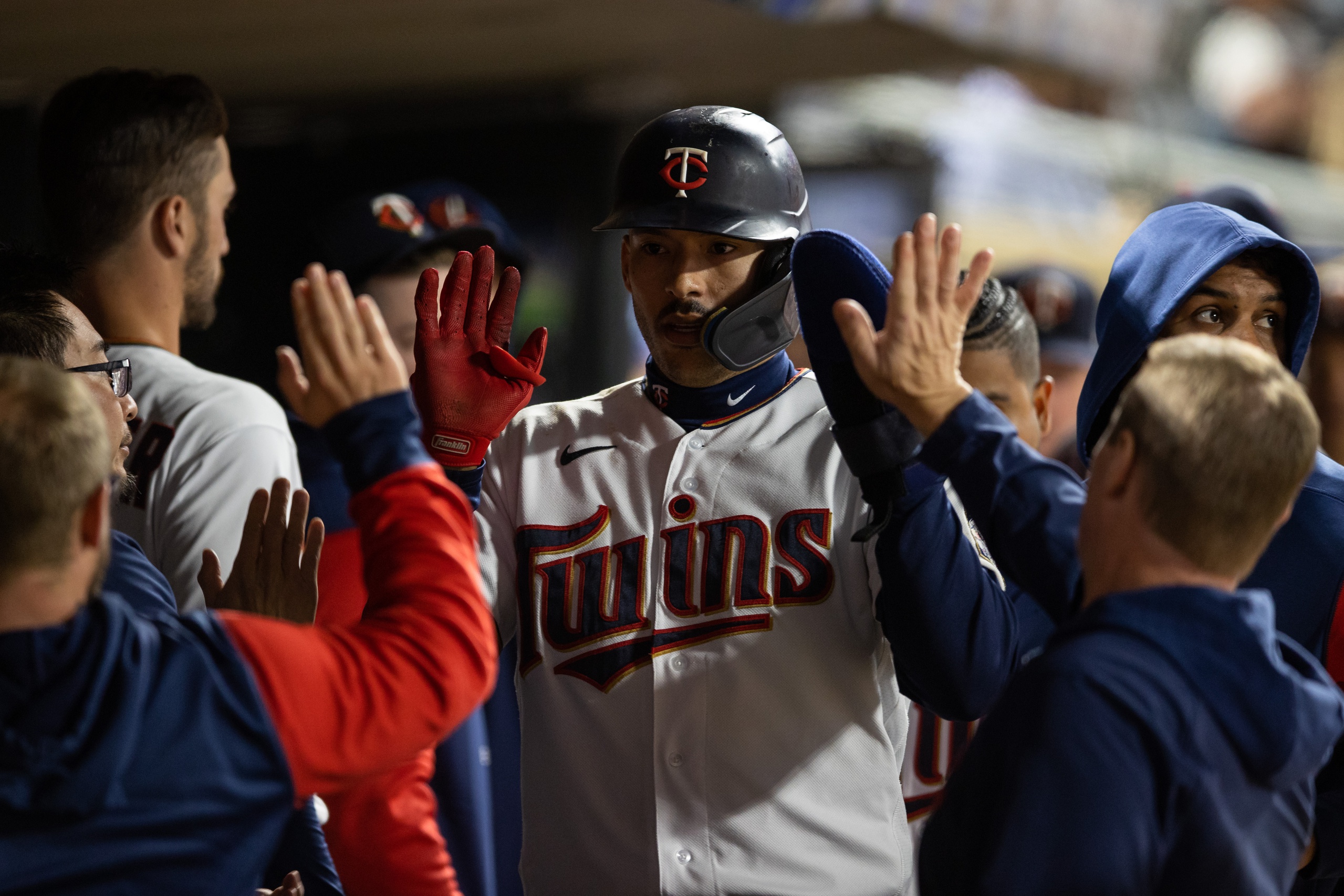 When last we checked in with a status update, mum was the word. Despite some hiccups, Carlos Correa appeared destined to sign with the Mets, and it was unclear how the Twins could still find a way to make a splash. Ten days later, the narrative has been flipped upside down. They found a way. Twins Sign Correa to Franchise-Record Free Agent Deal As negotiations with New York continued to stall, Scott Boras turned his attention back to Minnesota, and the Twins were able to offer a deal that got it done, locking up Correa throughout his prime. The particulars of the contract are quite favorable to the Twins, protecting against the perceived breakdown risks that scrapped his agreements with San Francisco and New York. Correa gets six years and $200 million guaranteed – shattering Josh Donaldson's precedent ($92M) for largest free-agent commitment in Twins history – with a series of team options that can vest via playing time. The deal could max out at 10 years and $270 million. Interestingly, Correa's salaries decrease dramatically in the latter years, which almost seems to reflect a shared understanding that he'll likely cease to be a major factor in his late 30s. It's a high-risk move on its face. Following the signing, I shared some thoughts about the implications of Correa's ankle issue and more recently, Lucas Seehafer wrote a great piece on the underlying divide within the orthopedic community that Boras lamented during his client's introductory presser. I highly recommend it for insight on the situation. The bottom line is that any such concerns are hopefully a long way from coming into play. Correa was very healthy last year and there's little reason to expect anything else in 2023. His addition to a roster that was looking needy in his absence and solidifies the Twins as verified contenders in the AL Central, now and going forward. Twins and Paddack Agree to 3-Year Contract With an eye on the "going forward" view, Minnesota struck a contract extension with right-hander Chris Paddack – another Boras client – to lock him up through 2025 (a move that was first reported here at Twins Daily!). It's a fairly minor move with some significant upside. The Twins were already set to pay Paddack around $2.5 million this year as he rehabs from Tommy John surgery, so now they're buying into a little upside on the other end if things go well. The righty will again be inexpensive in 2024 ($2.5M), when he should be back to full strength, and the Twins are also buying out his first year of free agency at a mere $7.5M. Even if Paddack can't return to form after a second elbow reconstruction, the team risk here is nominal. Club and Arraez Unable to Agree on Arbitration Terms Prior to last Friday's deadline, the Twins agreed to terms with Paddack and all of their other arbitration-eligible players, finalizing their 2023 salary figures. That is, all except for Luis Arraez. The two sides are said to be divided by more than a million dollars, with Arraez filing at $6.1 million and the Twins countering at $5 million. By the standard of arbitration exchanges, that is a sizable chasm. I think this situation speaks to a bigger issue in play with Arraez, which has rippling effects. There is SO MUCH room for disagreement in his valuation. I saw it in the comments when recently ranking him as the organization's 10th-most valuable player asset. I see it in everyday conversations with fans. And we may be seeing it play out in protracted trade talks with the Marlins, which have been the subject of rumors dating back many weeks. On the one hand, Arraez is a clear star property. He's beloved by the fanbase, still only 25 and coming off a breakthrough year that brought an All-Star nod, batting title, and Silver Slugger award. On the other hand, he's already slid to the bottom of the defensive spectrum, with balky knees and a 3-WAR ceiling (i.e. good, not great). The differing opinions on Arraez factor into more than a looming case before the arbitration panel. Twins and Marlins Said to Be Continuing Trade Discussions It's no secret that Miami, loaded in the rotation after signing Johnny Cueto, is open for business on their starting pitchers, with Pablo Lopez topping the list of available names. It's also no secret the Twins could use one more surefire option in their starting mix. So it comes as no surprise the Marlins, still seeking some added offensive punch, have been in contact with the Twins ... which also hasn't been much of a secret. The two sides were linked here by Ted Schwerzler back in December and more recently by Jon Heyman of the New York Post. Heyman mentions Max Kepler and Arraez as names that have come up, but adds the Twins aren't interested in moving Arraez. (Aren't they, though?) Lopez is moderately interesting. He's a good-not-great arm befitting the middle of the rotation, which I suppose would make him a fair swap for Arraez. Except it sounds like if any deal were to materialize, it'd be much more complex than a 1-to-1 exchange. As JD Cameron notes, there are other potential trade partners still out there offering higher-upside opportunities, though the cost to acquire such coveted talent will be exorbitant. Roster & Payroll Projection v. 6 The arbitration agreements reached last week give us more clarity on the payroll for 2023. We're now only guessing on Arraez, and for the time being I'm going with the team-submitted figure out $5 million as that seems more likely. With Correa on board at $36 million for this year ($32M salary and half of an $8M signing bonus), the Twins have suddenly shot up near $150 million in total payroll. I'm keeping Kyle Garlick in as the fourth outfielder for now, but he was DFA'ed to make room for Correa on the 40-man, and could be lost on waivers. Either way, that looks like the clearest spot the Twins need to address before Opening Day: a righty-swinging outfielder. The team is said to be "tire-kicking" on Adam Duvall (per Darren Wolfson) as he remains one of the few intriguing free agent options suited for the role.
- 9 comments
-
- 2
-
-
- carlos correa
- chris paddack
- (and 1 more)
-
With the slow holiday season behind us, Hot Stove action has kicked back into high gear. The past week brought Twins fans a Carlos Correa reunion, a Chris Paddack contract extension, and reignited trade rumors. Here we'll get you caught up on all the latest. Image courtesy of Jordan Johnson-USA TODAY Sports When last we checked in with a status update, mum was the word. Despite some hiccups, Carlos Correa appeared destined to sign with the Mets, and it was unclear how the Twins could still find a way to make a splash. Ten days later, the narrative has been flipped upside down. They found a way. Twins Sign Correa to Franchise-Record Free Agent Deal As negotiations with New York continued to stall, Scott Boras turned his attention back to Minnesota, and the Twins were able to offer a deal that got it done, locking up Correa throughout his prime. The particulars of the contract are quite favorable to the Twins, protecting against the perceived breakdown risks that scrapped his agreements with San Francisco and New York. Correa gets six years and $200 million guaranteed – shattering Josh Donaldson's precedent ($92M) for largest free-agent commitment in Twins history – with a series of team options that can vest via playing time. The deal could max out at 10 years and $270 million. Interestingly, Correa's salaries decrease dramatically in the latter years, which almost seems to reflect a shared understanding that he'll likely cease to be a major factor in his late 30s. It's a high-risk move on its face. Following the signing, I shared some thoughts about the implications of Correa's ankle issue and more recently, Lucas Seehafer wrote a great piece on the underlying divide within the orthopedic community that Boras lamented during his client's introductory presser. I highly recommend it for insight on the situation. The bottom line is that any such concerns are hopefully a long way from coming into play. Correa was very healthy last year and there's little reason to expect anything else in 2023. His addition to a roster that was looking needy in his absence and solidifies the Twins as verified contenders in the AL Central, now and going forward. Twins and Paddack Agree to 3-Year Contract With an eye on the "going forward" view, Minnesota struck a contract extension with right-hander Chris Paddack – another Boras client – to lock him up through 2025 (a move that was first reported here at Twins Daily!). It's a fairly minor move with some significant upside. The Twins were already set to pay Paddack around $2.5 million this year as he rehabs from Tommy John surgery, so now they're buying into a little upside on the other end if things go well. The righty will again be inexpensive in 2024 ($2.5M), when he should be back to full strength, and the Twins are also buying out his first year of free agency at a mere $7.5M. Even if Paddack can't return to form after a second elbow reconstruction, the team risk here is nominal. Club and Arraez Unable to Agree on Arbitration Terms Prior to last Friday's deadline, the Twins agreed to terms with Paddack and all of their other arbitration-eligible players, finalizing their 2023 salary figures. That is, all except for Luis Arraez. The two sides are said to be divided by more than a million dollars, with Arraez filing at $6.1 million and the Twins countering at $5 million. By the standard of arbitration exchanges, that is a sizable chasm. I think this situation speaks to a bigger issue in play with Arraez, which has rippling effects. There is SO MUCH room for disagreement in his valuation. I saw it in the comments when recently ranking him as the organization's 10th-most valuable player asset. I see it in everyday conversations with fans. And we may be seeing it play out in protracted trade talks with the Marlins, which have been the subject of rumors dating back many weeks. On the one hand, Arraez is a clear star property. He's beloved by the fanbase, still only 25 and coming off a breakthrough year that brought an All-Star nod, batting title, and Silver Slugger award. On the other hand, he's already slid to the bottom of the defensive spectrum, with balky knees and a 3-WAR ceiling (i.e. good, not great). The differing opinions on Arraez factor into more than a looming case before the arbitration panel. Twins and Marlins Said to Be Continuing Trade Discussions It's no secret that Miami, loaded in the rotation after signing Johnny Cueto, is open for business on their starting pitchers, with Pablo Lopez topping the list of available names. It's also no secret the Twins could use one more surefire option in their starting mix. So it comes as no surprise the Marlins, still seeking some added offensive punch, have been in contact with the Twins ... which also hasn't been much of a secret. The two sides were linked here by Ted Schwerzler back in December and more recently by Jon Heyman of the New York Post. Heyman mentions Max Kepler and Arraez as names that have come up, but adds the Twins aren't interested in moving Arraez. (Aren't they, though?) Lopez is moderately interesting. He's a good-not-great arm befitting the middle of the rotation, which I suppose would make him a fair swap for Arraez. Except it sounds like if any deal were to materialize, it'd be much more complex than a 1-to-1 exchange. As JD Cameron notes, there are other potential trade partners still out there offering higher-upside opportunities, though the cost to acquire such coveted talent will be exorbitant. Roster & Payroll Projection v. 6 The arbitration agreements reached last week give us more clarity on the payroll for 2023. We're now only guessing on Arraez, and for the time being I'm going with the team-submitted figure out $5 million as that seems more likely. With Correa on board at $36 million for this year ($32M salary and half of an $8M signing bonus), the Twins have suddenly shot up near $150 million in total payroll. I'm keeping Kyle Garlick in as the fourth outfielder for now, but he was DFA'ed to make room for Correa on the 40-man, and could be lost on waivers. Either way, that looks like the clearest spot the Twins need to address before Opening Day: a righty-swinging outfielder. The team is said to be "tire-kicking" on Adam Duvall (per Darren Wolfson) as he remains one of the few intriguing free agent options suited for the role. View full article
-
What to Make of Carlos Correa's Ankle Issue
Nick Nelson replied to Nick Nelson's topic in Twins Daily Front Page News
I mean everything you're saying makes total sense. But then why wouldn't the Mets, who care not about money and clearly wanted him very badly, come within even $40M of the Twins' guaranteed offer? After another adamant big spender backed away? That's what I'm struggling to connect. -
The Twins have done the unthinkable. After seemingly looking in from the outside on the shortstop's market all winter, they swooped in this week and snagged Carlos Correa away from the Mets. The reason Correa was available to the Twins, and the reason his contract with Minnesota is structured as it is, boils down to an ankle concern that will weigh heavily in the fate of this blockbuster move. Here's what we know about it. Image courtesy of Kamil Krzaczynski-USA TODAY Sports I doubt anyone needs a recap at this point, but to quickly summarize: Nearly a month ago, Carlos Correa reached agreement with San Francisco on a historic 13-year, $350 million contract that would have made him one of the highest-paid players ever. It was the culmination of a lengthy gambit by Correa and Scott Boras, which included signing a short-term deal with the Twins last offseason and waiting out the shortstop market this year. Or so it seemed. Just ahead of Correa's deal with the Giants being made official, San Francisco balked at something in his physical, leaving the deal in doubt. The issue at hand, evidently, was an old ankle injury from 2014 that had required insertion of a metal plate in his lower leg. Wasting no time, Boras quickly pivoted and got in touch with Mets owner Steve Cohen, swinging a late-night agreement for 12 years and $315 million less than 24 hours after the Giants deal fell through. That the agent was so eager to strike another agreement – for a whopping 10% less than San Fran's original offer – was somewhat alarming. More alarming was what came next: in spite of Cohen's impulsive and free-spending ways, and in spite of Correa's flagged ankle being a known factor, the Mets still ran into significant reservations upon their own medical inspection. The Mets and Correa spent nearly three weeks haggling over details and protective language in the contract. In the end, they could not reach an accord. And so along came the Twins, who weren't quite willing to stick with their original offer of 10 years and $285 million in light of all the new information, but won the day with a reduced six-year, $200 million guarantee featuring vesting options that can push the total value to $270. The Mets, evidently, offered $42 million less in guarantees and only WITH the caveat that Correa pass new physicals annually. The Twins outbid the Mets considerably, making it a fairly easy decision for Correa. Yes, the Mets whose ultra-rich owner was clearly adamant about acquiring the star shortstop and has shown an appetite for risk. They couldn't stomach it. The Twins, in this case, had greater appetite than the Mets for assuming financial risk in order to acquire proven starpower. It feels weird to type that sentence but it's true. Granted, Minnesota's final framework with Correa does add some new protections compared to the first offer, with four fewer guaranteed years. The shortstop will need to prove he can stay healthy if he wants to be making the big bucks into his late 30s, and it seems that was going to be the case wherever he signed. But why? Why was Correa such a special case at a time where decade-long contracts are being handed out by MLB teams with seemingly reckless abandon? It comes back to that ankle, which is now a focal point going forward for a Twins team already plagued by health question marks. What do we know about it? Not much, other than that whatever the doctors from the Giants and Mets saw spooked them big-time. Correa's 2014 injury, and the plate insertion to address it, were no secret going in. Still, something popped up on closer inspection that wound up costing Correa some $150 in guaranteed money over the course of a month. I'm not going to pretend to have any expertise on this matter. But I will make an observation. While it's true that Correa has never missed time or received treatment for the old injury as a big-leaguer, that's not to say it hasn't affected his play. With the benefit of hindsight, we can point to some evidence that Correa has potentially been acutely aware of his ankle being a risk point. Thinking back now, I'm struck by an article Phil Miller wrote for the Star Tribune last April detailing how Correa -- despite his solid speed -- had attempted zero steals in the previous two seasons, and seven in the past five, due to concerns over getting hurt. "It's a decision I had to make. Every time you steal a base, there's a greater risk of injury, right? The tag can take you out, hitting the base, you can twist your ankle, break your hands," Correa said at the time. "It's higher risk for little reward. I realized that I'm more valuable offensively and defensively than I am trying to steal bags." Sure enough, when Correa did attempt one single steal during 2022 season, in mid-September, he jarred his ankle. The shortstop looked visibly scared as he quickly collapsed on the ground and grabbed for his leg. He later admitted as much, telling reporters, "He just hit my plate. … Just kind of felt numb, vibrating. So I was just waiting for it to calm down. It was a little scary, but when I moved I knew I was good." The ankle was not an issue thereafter. Correa missed no time and played out the remaining two weeks without incident. And yet, given what we now know, the moment foreshadowed a tumultuous offseason ahead for Correa. Did he stir up or exacerbate the injury in some way? Was this simply an early sign of the underlying issues coming into play as San Francisco and New York fear? We don't know. The upshot here, theoretically, is that Correa has been managing and mitigating the problem for years. Seemingly there is no reason he can't continue to do so at least for the next few. We're talking about a supremely intelligent and dedicated athlete who knows how to take care of himself. With that said, the Mets couldn't sell themselves on C4 despite knowing about all of these qualities and being highly motivated buyers. It seems likely he would've chosen New York if they could've surpassed Minnesota's offer even on the six-year term, but the Mets wouldn't do it. The Twins, already fraught with as much pivotal injury risk as any team in baseball, are now taking one of the most publicized high-risk gambles in the history of free agency. They said from the start they were serious in their desire to bring back Correa and now they've proven it resoundingly by outbidding a skeptical field for a player now labeled as damaged goods. We'll see if more details and information come out in the coming days about the specifics of Correa's ankle, and why the Twins were ultimately much more willing to live with the risk. View full article
-
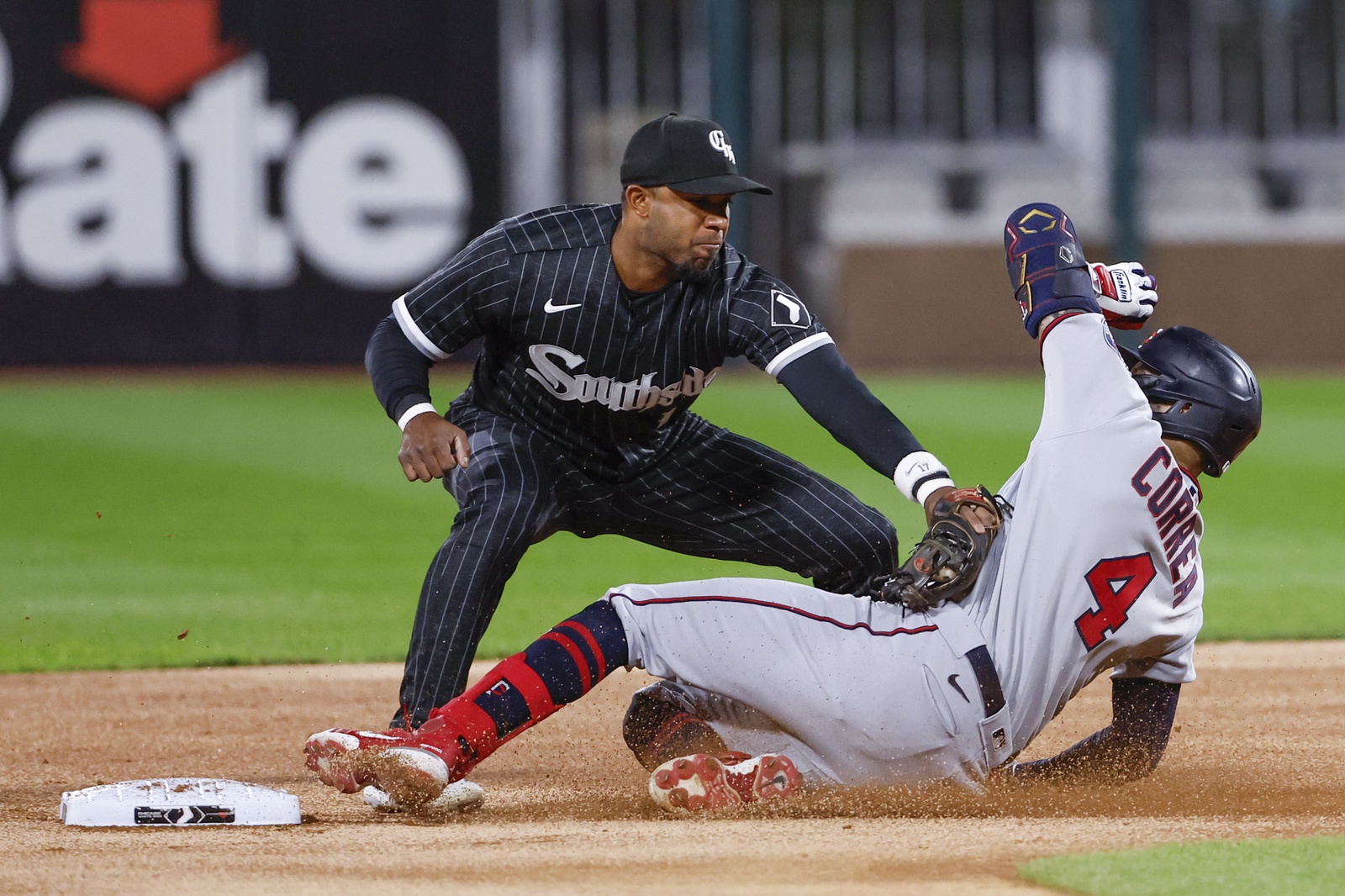 I doubt anyone needs a recap at this point, but to quickly summarize: Nearly a month ago, Carlos Correa reached agreement with San Francisco on a historic 13-year, $350 million contract that would have made him one of the highest-paid players ever. It was the culmination of a lengthy gambit by Correa and Scott Boras, which included signing a short-term deal with the Twins last offseason and waiting out the shortstop market this year. Or so it seemed. Just ahead of Correa's deal with the Giants being made official, San Francisco balked at something in his physical, leaving the deal in doubt. The issue at hand, evidently, was an old ankle injury from 2014 that had required insertion of a metal plate in his lower leg. Wasting no time, Boras quickly pivoted and got in touch with Mets owner Steve Cohen, swinging a late-night agreement for 12 years and $315 million less than 24 hours after the Giants deal fell through. That the agent was so eager to strike another agreement – for a whopping 10% less than San Fran's original offer – was somewhat alarming. More alarming was what came next: in spite of Cohen's impulsive and free-spending ways, and in spite of Correa's flagged ankle being a known factor, the Mets still ran into significant reservations upon their own medical inspection. The Mets and Correa spent nearly three weeks haggling over details and protective language in the contract. In the end, they could not reach an accord. And so along came the Twins, who weren't quite willing to stick with their original offer of 10 years and $285 million in light of all the new information, but won the day with a reduced six-year, $200 million guarantee featuring vesting options that can push the total value to $270. The Mets, evidently, offered $42 million less in guarantees and only WITH the caveat that Correa pass new physicals annually. The Twins outbid the Mets considerably, making it a fairly easy decision for Correa. Yes, the Mets whose ultra-rich owner was clearly adamant about acquiring the star shortstop and has shown an appetite for risk. They couldn't stomach it. The Twins, in this case, had greater appetite than the Mets for assuming financial risk in order to acquire proven starpower. It feels weird to type that sentence but it's true. Granted, Minnesota's final framework with Correa does add some new protections compared to the first offer, with four fewer guaranteed years. The shortstop will need to prove he can stay healthy if he wants to be making the big bucks into his late 30s, and it seems that was going to be the case wherever he signed. But why? Why was Correa such a special case at a time where decade-long contracts are being handed out by MLB teams with seemingly reckless abandon? It comes back to that ankle, which is now a focal point going forward for a Twins team already plagued by health question marks. What do we know about it? Not much, other than that whatever the doctors from the Giants and Mets saw spooked them big-time. Correa's 2014 injury, and the plate insertion to address it, were no secret going in. Still, something popped up on closer inspection that wound up costing Correa some $150 in guaranteed money over the course of a month. I'm not going to pretend to have any expertise on this matter. But I will make an observation. While it's true that Correa has never missed time or received treatment for the old injury as a big-leaguer, that's not to say it hasn't affected his play. With the benefit of hindsight, we can point to some evidence that Correa has potentially been acutely aware of his ankle being a risk point. Thinking back now, I'm struck by an article Phil Miller wrote for the Star Tribune last April detailing how Correa -- despite his solid speed -- had attempted zero steals in the previous two seasons, and seven in the past five, due to concerns over getting hurt. "It's a decision I had to make. Every time you steal a base, there's a greater risk of injury, right? The tag can take you out, hitting the base, you can twist your ankle, break your hands," Correa said at the time. "It's higher risk for little reward. I realized that I'm more valuable offensively and defensively than I am trying to steal bags." Sure enough, when Correa did attempt one single steal during 2022 season, in mid-September, he jarred his ankle. The shortstop looked visibly scared as he quickly collapsed on the ground and grabbed for his leg. He later admitted as much, telling reporters, "He just hit my plate. … Just kind of felt numb, vibrating. So I was just waiting for it to calm down. It was a little scary, but when I moved I knew I was good." The ankle was not an issue thereafter. Correa missed no time and played out the remaining two weeks without incident. And yet, given what we now know, the moment foreshadowed a tumultuous offseason ahead for Correa. Did he stir up or exacerbate the injury in some way? Was this simply an early sign of the underlying issues coming into play as San Francisco and New York fear? We don't know. The upshot here, theoretically, is that Correa has been managing and mitigating the problem for years. Seemingly there is no reason he can't continue to do so at least for the next few. We're talking about a supremely intelligent and dedicated athlete who knows how to take care of himself. With that said, the Mets couldn't sell themselves on C4 despite knowing about all of these qualities and being highly motivated buyers. It seems likely he would've chosen New York if they could've surpassed Minnesota's offer even on the six-year term, but the Mets wouldn't do it. The Twins, already fraught with as much pivotal injury risk as any team in baseball, are now taking one of the most publicized high-risk gambles in the history of free agency. They said from the start they were serious in their desire to bring back Correa and now they've proven it resoundingly by outbidding a skeptical field for a player now labeled as damaged goods. We'll see if more details and information come out in the coming days about the specifics of Correa's ankle, and why the Twins were ultimately much more willing to live with the risk.
 -
Despite all the turmoil, Carlos Correa is widely expected to sign with the Mets, meaning the Twins will have missed out on him along with every other top free agent target. Thus, we're left to wonder how (or if) they'll use up their remaining available payroll dollars. It's hard to find many realistic and remotely appealing possibilities at this point. But there is one trade scenario I keep circling back to – a high-risk gambit that could transform the top of the Twins rotation. Image courtesy of Nathan Ray Seebeck-USA TODAY Sports When we put together our Offseason Handbook at the end of last season, we explored a number of trade candidates for the rotation, noting that this has been the front office's preferred avenue for acquiring frontline starters. Several options were mentioned, with varying levels of feasibility. Among them was Pablo Lopez, whom the Twins reportedly engaged the Marlins about earlier this offseason. Another was Chris Sale, who hasn't been connected to Minnesota officially – to my knowledge – but lurks as a potentially pivotal remaining piece in this offseason's landscape. As noted in our Handbook writeup on Sale, his Hall of Fame career has taken a sharp detour since turning 30, with his tenure in Boston largely hampered by injuries and frustration. Last year things reached a painful crescendo, when Sale broke his wrist while biking to get lunch as he was recovering from another surgery. The premise here is that the Red Sox might be motivated to move on, with Sale still owed another $55 million over the next two seasons and Boston's short-term contention hopes in doubt. A report in the New York Post in late December indicated that there could be an opening. "Chris Sale is a pitcher [teams] could look at," wrote Jon Heyman. "The Red Sox told teams early they had no intention to trade Sale, but they’re open to listening on starters now." The "but" there seems to indicate Sale could be among the trade chips they've softened on. Sale is of course familiar with the Twins, and vice versa. The southpaw has tended to be oddly vulnerable against Minnesota's lineup, with a 3.91 career ERA that far exceeds his 3.03 overall mark. But that shouldn't distract anyone from the fact that Sale was among the top 3-to-5 MLB starters in the 2010s, with one of the most dominant track records in history. From 2013 through 2018 he was a top five Cy Young finisher every single year. He holds the all-time MLB record for best strikeout rate (11.1 K/9), and K-BB ratio (5.33). The tall, lanky, hard-throwing left-hander is a force the likes of which baseball has rarely seen. Given their current financial situation, the Twins could reasonably take on the remaining two years of Sale's contract at $27.5 million apiece. If they move Max Kepler's salary, they can do it without even raising total payroll for 2023. It's the kind of short-term, high-AAV, big-upside deal the front office loves. Meanwhile, Sale's price tag along with his age and recent health issues should keep the trade cost in check. There are two key sticking points when it comes to sizing up Sale as a trade target. The first is those health issues. Sale has thrown a total of 48 ⅓ innings since the 2019 season. He underwent Tommy John surgery in 2020 which cost him most of 2021. Last year brought a barrage of unfortunate (yet unrelated) health woes: a stress fracture in his rib during spring training, a finger fracture suffered on a line drive in July, a wrist fracture suffered on a bike ride in August. I'm not saying this pattern of injuries isn't concerning, but it might be less concerning, than – say – recurring forearm or shoulder soreness. And when he's made it to the mound over the last couple seasons, Sale HAS been very effective: 48.1 IP, 3.17 ERA, 10.6 K/9. A possible silver lining to all the missed time these past three years is that Sale's arm, which accrued 1,600 major-league innings through age 30, has gotten a bit of a respite from all the wear. Maybe that will help him thrive in his mid-30s. Or maybe all of these various injuries are signs of a body breaking down. That's one thing the Twins would have to contend with in going after Sale. The bigger hurdle is his no-trade clause. We all know the general attitudes among established frontline starting pitchers with regards to Minnesota. They don't want to come here. Is there any reason to think Sale would feel differently? I guess it feels possible to me. He's familiar with the Midwest and AL Central from his glory days with the White Sox. He could reasonably view the Twins as having a better path to contention right now than the Red Sox. He might also welcome the chance to pitch in a more pitcher-friendly park, under less media scrutiny, as he trends toward free agency at age 35. How realistic is that? Maybe not very. But I'm running out of realistic scenarios that would involve the Twins spending their available funds and meaningfully improving the team's upside. Acquiring Sale would be an audacious gambit, but one that could result in landing the true veteran ace they so desperately need. It might be the only remaining path. View full article
-
 When we put together our Offseason Handbook at the end of last season, we explored a number of trade candidates for the rotation, noting that this has been the front office's preferred avenue for acquiring frontline starters. Several options were mentioned, with varying levels of feasibility. Among them was Pablo Lopez, whom the Twins reportedly engaged the Marlins about earlier this offseason. Another was Chris Sale, who hasn't been connected to Minnesota officially – to my knowledge – but lurks as a potentially pivotal remaining piece in this offseason's landscape. As noted in our Handbook writeup on Sale, his Hall of Fame career has taken a sharp detour since turning 30, with his tenure in Boston largely hampered by injuries and frustration. Last year things reached a painful crescendo, when Sale broke his wrist while biking to get lunch as he was recovering from another surgery. The premise here is that the Red Sox might be motivated to move on, with Sale still owed another $55 million over the next two seasons and Boston's short-term contention hopes in doubt. A report in the New York Post in late December indicated that there could be an opening. "Chris Sale is a pitcher [teams] could look at," wrote Jon Heyman. "The Red Sox told teams early they had no intention to trade Sale, but they’re open to listening on starters now." The "but" there seems to indicate Sale could be among the trade chips they've softened on. Sale is of course familiar with the Twins, and vice versa. The southpaw has tended to be oddly vulnerable against Minnesota's lineup, with a 3.91 career ERA that far exceeds his 3.03 overall mark. But that shouldn't distract anyone from the fact that Sale was among the top 3-to-5 MLB starters in the 2010s, with one of the most dominant track records in history. From 2013 through 2018 he was a top five Cy Young finisher every single year. He holds the all-time MLB record for best strikeout rate (11.1 K/9), and K-BB ratio (5.33). The tall, lanky, hard-throwing left-hander is a force the likes of which baseball has rarely seen. Given their current financial situation, the Twins could reasonably take on the remaining two years of Sale's contract at $27.5 million apiece. If they move Max Kepler's salary, they can do it without even raising total payroll for 2023. It's the kind of short-term, high-AAV, big-upside deal the front office loves. Meanwhile, Sale's price tag along with his age and recent health issues should keep the trade cost in check. There are two key sticking points when it comes to sizing up Sale as a trade target. The first is those health issues. Sale has thrown a total of 48 ⅓ innings since the 2019 season. He underwent Tommy John surgery in 2020 which cost him most of 2021. Last year brought a barrage of unfortunate (yet unrelated) health woes: a stress fracture in his rib during spring training, a finger fracture suffered on a line drive in July, a wrist fracture suffered on a bike ride in August. I'm not saying this pattern of injuries isn't concerning, but it might be less concerning, than – say – recurring forearm or shoulder soreness. And when he's made it to the mound over the last couple seasons, Sale HAS been very effective: 48.1 IP, 3.17 ERA, 10.6 K/9. A possible silver lining to all the missed time these past three years is that Sale's arm, which accrued 1,600 major-league innings through age 30, has gotten a bit of a respite from all the wear. Maybe that will help him thrive in his mid-30s. Or maybe all of these various injuries are signs of a body breaking down. That's one thing the Twins would have to contend with in going after Sale. The bigger hurdle is his no-trade clause. We all know the general attitudes among established frontline starting pitchers with regards to Minnesota. They don't want to come here. Is there any reason to think Sale would feel differently? I guess it feels possible to me. He's familiar with the Midwest and AL Central from his glory days with the White Sox. He could reasonably view the Twins as having a better path to contention right now than the Red Sox. He might also welcome the chance to pitch in a more pitcher-friendly park, under less media scrutiny, as he trends toward free agency at age 35. How realistic is that? Maybe not very. But I'm running out of realistic scenarios that would involve the Twins spending their available funds and meaningfully improving the team's upside. Acquiring Sale would be an audacious gambit, but one that could result in landing the true veteran ace they so desperately need. It might be the only remaining path.
 -
As Minnesota Twins fandom and baseball at large keeps a close eye on the unending Carlos Correa saga, the front office made a fairly minor but still noteworthy move on Friday, claiming right-handed pitcher Oliver Ortega off waivers from the Angels. Blayne Enlow has been designated for assignment. Image courtesy of Jim Cowsert, USA Today In a move to add bullpen depth, the Minnesota Twins have claimed Oliver Ortega, a 26-year-old right-handed relief pitcher, off waivers from the Los Angeles Angels. Dan Hayes of The Athletic was first to report that move. Ortega, who was waived by LA on December 22nd to make room for free agent signing Brandon Drury, has thrown 43 ⅓ innings as a member of the Angels bullpen, posting a 3.95 ERA to go along with an uninspiring 4.74 FIP, 1.2 HR/9 rate and 4.2 BB/9 rate. The numbers haven't been too impressive up to this point, but the Twins obviously see something they like. It might relate to a a big strikeout rate in the minors (10.1 K/9) and a big fastball that features 84th percentile velocity (averaging about 96 MPH) and 64th percentile spin, according to Statcast. He uses the heater as his primary pitch and mixes in a curveball, which is said to be a quality pitch when he can throw it in the zone – a big caveat. To make room for Ortega on the 40-man roster, the Twins designated Blayne Enlow for assignment. The right-hander was acquired out of high school in the first draft under the current Twins front office, but Tommy John surgery derailed his development. He turns 24 in March and still lacks a clear path to the majors. We'll update this article with more information as we get it. For now, feel free to share your thoughts on the acquisition of Ortega and loss of Enlow. View full article
