Matthew Taylor
-
Posts
973 -
Joined
-
Last visited
Content Type
Profiles
News
Minnesota Twins Videos
2026 Minnesota Twins Top Prospects Ranking
2022 Minnesota Twins Draft Picks
Minnesota Twins Free Agent & Trade Rumors, Notes, & Tidbits
Guides & Resources
2023 Minnesota Twins Draft Picks
The Minnesota Twins Players Project
2024 Minnesota Twins Draft Picks
2025 Minnesota Twins Draft Pick Tracker
2026 Minnesota Twins Draft Tracker: Picks & Bonuses
Forums
Blogs
Events
Store
Downloads
Gallery
Everything posted by Matthew Taylor
-
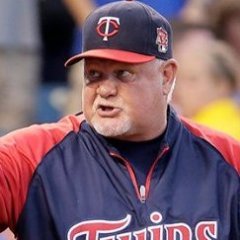 Image courtesy of ©Matt Krohn-Imagn Images Box Score SP: Bailey Ober 5.0 IP, 8 H, 1 ER, 1 BB, 6 K (91 pitches, 60 strikes (66%)) Home Runs: Trevor Larnach (5) Top 3 WPA: Brooks Lee .279, Ty France .144, Griffin Jax .105 Win Probability Chart (via FanGraphs): The Twins came into Thursday’s series finale against the Orioles riding a four-game winning streak and seeking their second sweep of the year — and thanks to some timely hitting and clutch bullpen work, they got just that. Bailey Ober took the mound for Minnesota and delivered another solid, if not dominant, performance. The tall right-hander gave up eight hits and a walk across five innings, but limited the damage to just two earned runs while striking out eight. Ober had to navigate some early traffic, but his ability to strand runners proved critical in a game where the Twins' offense was quiet for long stretches. Baltimore struck first, getting to Ober in the second when Emmanuel Rivera doubled in Ramon Laureano. They added another run in the third on a Ryan Mountcastle sacrifice fly that brought home Jackson Holliday, putting the Orioles up 2-1. That lead held for much of the game, as Dean Kremer had the Twins off-balance all afternoon. Minnesota managed just three hits through the first seven innings, and Kremer matched Ober’s strikeout total with eight while walking none. The Twins’ offense showed signs of life early when Ty France delivered an RBI single in the first to score Byron Buxton. But after that, they fell into the familiar offensive rut we've seen for much of the season. That changed in the fifth when Trevor Larnach launched a solo home run, his fifth of the year, to even the score at two. From there, the bullpen took over. Cole Sands, Justin Topa, and Griffin Jax combined for three shutout innings, holding the line while the offense looked for a breakthrough. That breakthrough came in the bottom of the eighth. With two outs and runners on first and second, Brooks Lee stepped up in a spot that has too often led to a quiet ending for the Twins this season. But not today. Lee ripped a two-run single into right field, scoring both runners and giving the Twins a 4-2 lead. After Ty France contributed another insurance run to give the Twins a 3-run lead, Jhoan Duran came in for the ninth and continued his dominant run to start the season. The right hander needed just six pitches to set the Orioles down in order, notching his sixth save and lowering his ERA to a sparkling 1.04. With the win, the Twins have now reeled off five in a row and sit just two games below .500 for the first time since April 5, when they were 3–5. What’s Next The Twins will look to extend their five-game winning streak as they welcome the San Francisco Giants to Target Field for a weekend series. The Giants, one of the hottest teams in baseball with a 24–14 record, will provide a tougher test than the struggling Orioles. Friday night’s opener will feature Chris Paddack on the mound for Minnesota, squaring off against right-hander Jordan Hicks. Postgame Interviews Bullpen Usage Report View full article
- 56 replies
-
- 1
-

-
- brooks lee
- bailey ober
- (and 1 more)
-
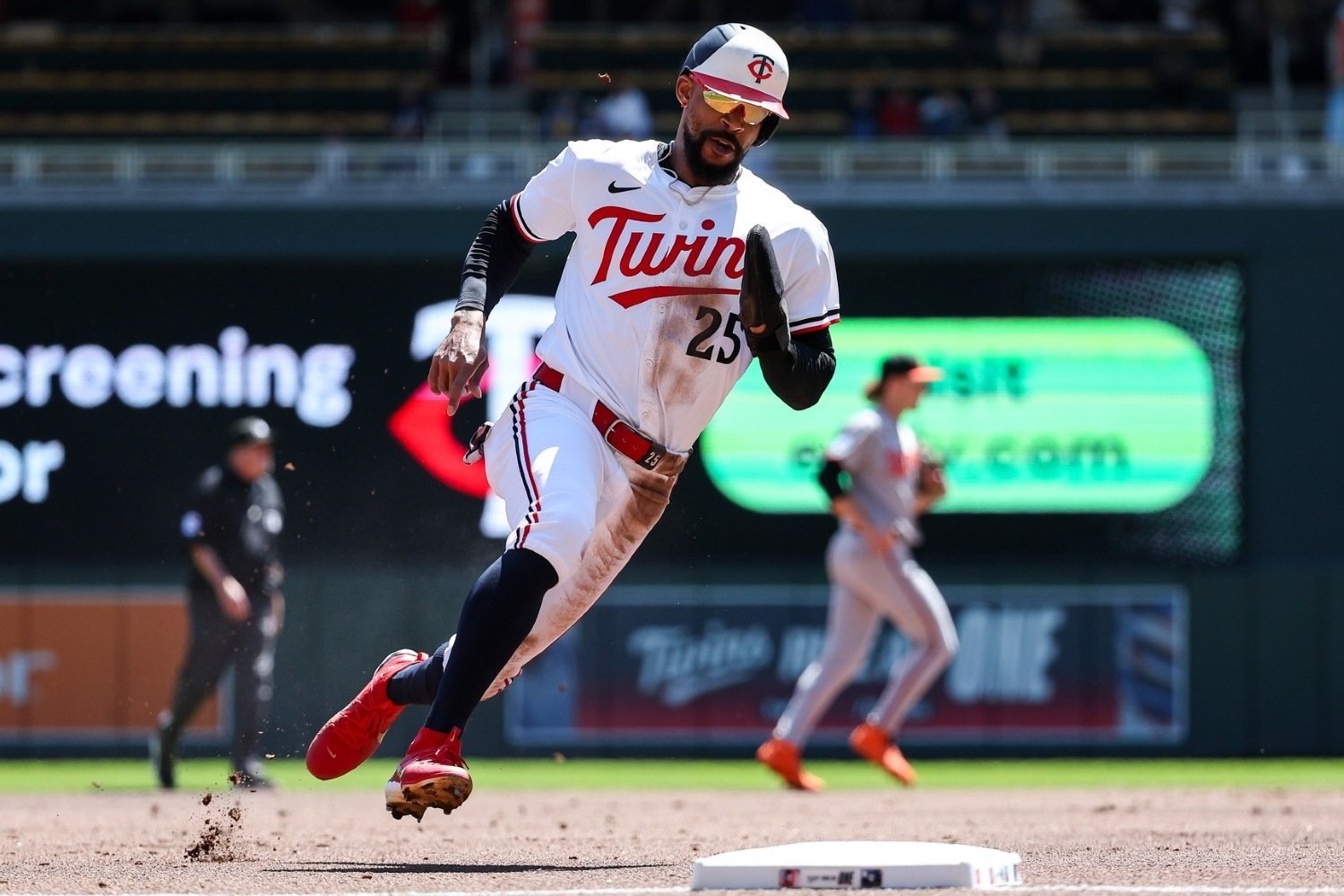 Box Score SP: Bailey Ober 5.0 IP, 8 H, 1 ER, 1 BB, 6 K (91 pitches, 60 strikes (66%)) Home Runs: Trevor Larnach (5) Top 3 WPA: Brooks Lee .279, Ty France .144, Griffin Jax .105 Win Probability Chart (via FanGraphs): The Twins came into Thursday’s series finale against the Orioles riding a four-game winning streak and seeking their second sweep of the year — and thanks to some timely hitting and clutch bullpen work, they got just that. Bailey Ober took the mound for Minnesota and delivered another solid, if not dominant, performance. The tall right-hander gave up eight hits and a walk across five innings, but limited the damage to just two earned runs while striking out eight. Ober had to navigate some early traffic, but his ability to strand runners proved critical in a game where the Twins' offense was quiet for long stretches. Baltimore struck first, getting to Ober in the second when Emmanuel Rivera doubled in Ramon Laureano. They added another run in the third on a Ryan Mountcastle sacrifice fly that brought home Jackson Holliday, putting the Orioles up 2-1. That lead held for much of the game, as Dean Kremer had the Twins off-balance all afternoon. Minnesota managed just three hits through the first seven innings, and Kremer matched Ober’s strikeout total with eight while walking none. The Twins’ offense showed signs of life early when Ty France delivered an RBI single in the first to score Byron Buxton. But after that, they fell into the familiar offensive rut we've seen for much of the season. That changed in the fifth when Trevor Larnach launched a solo home run, his fifth of the year, to even the score at two. From there, the bullpen took over. Cole Sands, Justin Topa, and Griffin Jax combined for three shutout innings, holding the line while the offense looked for a breakthrough. That breakthrough came in the bottom of the eighth. With two outs and runners on first and second, Brooks Lee stepped up in a spot that has too often led to a quiet ending for the Twins this season. But not today. Lee ripped a two-run single into right field, scoring both runners and giving the Twins a 4-2 lead. After Ty France contributed another insurance run to give the Twins a 3-run lead, Jhoan Duran came in for the ninth and continued his dominant run to start the season. The right hander needed just six pitches to set the Orioles down in order, notching his sixth save and lowering his ERA to a sparkling 1.04. With the win, the Twins have now reeled off five in a row and sit just two games below .500 for the first time since April 5, when they were 3–5. What’s Next The Twins will look to extend their five-game winning streak as they welcome the San Francisco Giants to Target Field for a weekend series. The Giants, one of the hottest teams in baseball with a 24–14 record, will provide a tougher test than the struggling Orioles. Friday night’s opener will feature Chris Paddack on the mound for Minnesota, squaring off against right-hander Jordan Hicks. Postgame Interviews Bullpen Usage Report
- 56 comments
-
- 8
-
-
- brooks lee
- bailey ober
- (and 1 more)
-
Image courtesy of © Jesse Johnson-Imagn Images The Minnesota Twins’ offense continues to sputter with. Day after day, the lineup seems to churn out the same results: light contact, double plays, and missed opportunities. It’s an offense spinning its tires—and for some reason, the front office refuses to tap into a clear and present source of power sitting just 10 miles east on I-94. Carson McCusker is absolutely crushing the baseball for the St. Paul Saints right now. In 27 games, he’s posted a .991 OPS with 7 home runs and 24 RBIs. He’s a 6-foot-8 power bat with right-handed pop—something the Twins’ offense lacks right now. Minnesota ranks 23rd in slugging percentage, 22nd in home runs, and too often looks allergic to doing damage. McCusker could be the jolt this lineup needs. Yet, despite the early-season roster shuffling and injuries to key players like Matt Wallner, McCusker remains in Triple-A. Why? Sure, he’s not a traditional top prospect. McCusker is nearly 27, was drafted in the 26th round, and spent time in independent ball with the Tri-City ValleyCats before signing with the Twins. But all he’s done since then is mash. Across three seasons in the Twins system, McCusker owns a .867 OPS with 40 home runs in 813 plate appearances. The production is real—and it’s not showing any signs of slowing down. Yes, there are red flags. His strikeout rate is high, at 34% in the minors—and he’s struck out 253 times compared to just 68 walks. But at some point, doesn’t the upside warrant the risk? The Twins, after all, used to lean into the “strikeouts-and-slug” identity. The 2023 team broke the record for strikeouts in a season while finishing in the top 10 in essentially every other offensive category. Lately, it seems the pendulum has swung too far the other way. The current offense trades punch for contact and power for passivity, and it’s not working. Our own Jamie Cameron described the hitting prowess of McCusker well in his write-up last week: McCusker might not be a complete hitter. He may never be more than a power-first role player. But what he does have is something different. His raw power could help balance a Twins lineup sorely lacking in game-changing bats. With Wallner hurt and Dashawn Keirsey Jr. (2 hits in 26 at-bats) struggling to gain traction, there’s room for a change. Even Kody Clemens—who hit a memorable homer at Fenway—has just two hits outside of that moment. Why not try something new? McCusker also offers handedness balance. As a righty, he could be a natural platoon partner with lefties like Larnach or Wallner once they return. The Twins have been chasing a right-handed power bat for what feels like years. It turns out, one might already be in the building. Will he succeed? Who knows. He could strike out 40% of the time and get sent back to St. Paul in a week. But at a time when the offense is crying out for thunder, isn’t that a risk worth taking? Carson McCusker may not have the pedigree. But he has the power. And he might be just the shot in the arm this lineup needs. What do you think—should the Twins give McCusker a chance? Leave a comment below and start the conversation! View full article
-
 The Minnesota Twins’ offense continues to sputter with. Day after day, the lineup seems to churn out the same results: light contact, double plays, and missed opportunities. It’s an offense spinning its tires—and for some reason, the front office refuses to tap into a clear and present source of power sitting just 10 miles east on I-94. Carson McCusker is absolutely crushing the baseball for the St. Paul Saints right now. In 27 games, he’s posted a .991 OPS with 7 home runs and 24 RBIs. He’s a 6-foot-8 power bat with right-handed pop—something the Twins’ offense lacks right now. Minnesota ranks 23rd in slugging percentage, 22nd in home runs, and too often looks allergic to doing damage. McCusker could be the jolt this lineup needs. Yet, despite the early-season roster shuffling and injuries to key players like Matt Wallner, McCusker remains in Triple-A. Why? Sure, he’s not a traditional top prospect. McCusker is nearly 27, was drafted in the 26th round, and spent time in independent ball with the Tri-City ValleyCats before signing with the Twins. But all he’s done since then is mash. Across three seasons in the Twins system, McCusker owns a .867 OPS with 40 home runs in 813 plate appearances. The production is real—and it’s not showing any signs of slowing down. Yes, there are red flags. His strikeout rate is high, at 34% in the minors—and he’s struck out 253 times compared to just 68 walks. But at some point, doesn’t the upside warrant the risk? The Twins, after all, used to lean into the “strikeouts-and-slug” identity. The 2023 team broke the record for strikeouts in a season while finishing in the top 10 in essentially every other offensive category. Lately, it seems the pendulum has swung too far the other way. The current offense trades punch for contact and power for passivity, and it’s not working. Our own Jamie Cameron described the hitting prowess of McCusker well in his write-up last week: McCusker might not be a complete hitter. He may never be more than a power-first role player. But what he does have is something different. His raw power could help balance a Twins lineup sorely lacking in game-changing bats. With Wallner hurt and Dashawn Keirsey Jr. (2 hits in 26 at-bats) struggling to gain traction, there’s room for a change. Even Kody Clemens—who hit a memorable homer at Fenway—has just two hits outside of that moment. Why not try something new? McCusker also offers handedness balance. As a righty, he could be a natural platoon partner with lefties like Larnach or Wallner once they return. The Twins have been chasing a right-handed power bat for what feels like years. It turns out, one might already be in the building. Will he succeed? Who knows. He could strike out 40% of the time and get sent back to St. Paul in a week. But at a time when the offense is crying out for thunder, isn’t that a risk worth taking? Carson McCusker may not have the pedigree. But he has the power. And he might be just the shot in the arm this lineup needs. What do you think—should the Twins give McCusker a chance? Leave a comment below and start the conversation!
 -
Image courtesy of © Eric Canha-Imagn Images Things are going poorly for the Minnesota Twins right now—very poorly. And while there’s plenty of blame to go around (the players aren’t producing, the managing has been shaky, and ownership didn’t give the front office the resources to spend this offseason), not enough has been said about one key failure: the Twins’ decision to run it back with the same offensive core that fell apart in 2024. We’re now watching the consequences of that decision play out in real time. Let’s rewind. We all remember how last season ended. The Twins, once a contender, completely collapsed in the final third of the season. From August 18 (the late-inning collapse in Texas that started the tailspin) through the end of the year, Minnesota ranked 26th in MLB with a .646 OPS and hit just 31 home runs—third worst in baseball. There were many reasons for the collapse, but the offense was by far the biggest one. Given how painful that stretch was, the obvious move heading into 2025 was to mix things up. The definition of insanity is doing the same thing and expecting different results, right? Yet, the Twins front office chose to do just that. Their major “fixes” were hiring a new hitting coach (albeit a retread, coming back to the organization from Baltimore), tweaking their offensive philosophy, and signing Harrison Bader and Ty France: solid but uninspiring moves for a lineup that badly needed a jolt. Rather than reshape the roster, the front office doubled down. They chalked up the 40-game offensive blackout to bad luck or a fluke and bet that the same core would bounce back. So far, that bet has failed miserably. Through the early part of 2025, the offense looks eerily similar to the group that crumbled late last year. After hitting .228 with a .646 OPS down the stretch in 2024, they’ve posted a .234 average and .672 OPS to start this season—still firmly in the bottom third of the league. The front office’s defenders will point to the team’s budget constraints, and it’s true that ownership didn’t provide meaningful funds to make a splash in free agency. But this wasn’t only about signing big names. The Twins had trade chips. They could have dealt from their pitching depth—Joe Ryan, Bailey Ober, even Jhoan Duran—or tapped into their farm system with names like Emmanuel Rodriguez or Kaelen Culpepper. Carlos Correa and Byron Buxton weren’t likely trade candidates due to their contracts, but the rest of the roster? There were opportunities to make moves. Instead, the Twins brought back the same group—Correa, Buxton, Royce Lewis, Jose Miranda, Edouard Julien, Ryan Jeffers, and Trevor Larnach—and hoped for better results. They haven't come. Now, the cost of inaction is becoming clear. The offense is once again dragging the team down. And the longer this continues, the more the front office may shift from potential buyers to inevitable sellers. That same trio of Ryan, Ober, and Duran—players who could’ve been used to bring in immediate offensive help—might now be moved for prospects as the Twins fall out of the race. But their trade value is shrinking by the day, with less team control and less leverage. Yes, the front office has been operating with one hand tied behind its back due to ownership’s limited investment. That reality deserves acknowledgment. But it doesn’t excuse everything. They still had cards to play—and chose not to play them. Instead, they put their faith in an offensive core that gave them no reason to believe. And now, they’re paying the price. We all are. What do you think—should the Twins have made bigger changes this offseason to shake up the offense? Leave a comment and start the conversation. View full article
- 52 replies
-
- 1
-
-
- harrison bader
- jhoan duran
- (and 1 more)
-
Minnesota Twins Paying the Price for an Inactive Offseason
Matthew Taylor posted an article in Twins
 Things are going poorly for the Minnesota Twins right now—very poorly. And while there’s plenty of blame to go around (the players aren’t producing, the managing has been shaky, and ownership didn’t give the front office the resources to spend this offseason), not enough has been said about one key failure: the Twins’ decision to run it back with the same offensive core that fell apart in 2024. We’re now watching the consequences of that decision play out in real time. Let’s rewind. We all remember how last season ended. The Twins, once a contender, completely collapsed in the final third of the season. From August 18 (the late-inning collapse in Texas that started the tailspin) through the end of the year, Minnesota ranked 26th in MLB with a .646 OPS and hit just 31 home runs—third worst in baseball. There were many reasons for the collapse, but the offense was by far the biggest one. Given how painful that stretch was, the obvious move heading into 2025 was to mix things up. The definition of insanity is doing the same thing and expecting different results, right? Yet, the Twins front office chose to do just that. Their major “fixes” were hiring a new hitting coach (albeit a retread, coming back to the organization from Baltimore), tweaking their offensive philosophy, and signing Harrison Bader and Ty France: solid but uninspiring moves for a lineup that badly needed a jolt. Rather than reshape the roster, the front office doubled down. They chalked up the 40-game offensive blackout to bad luck or a fluke and bet that the same core would bounce back. So far, that bet has failed miserably. Through the early part of 2025, the offense looks eerily similar to the group that crumbled late last year. After hitting .228 with a .646 OPS down the stretch in 2024, they’ve posted a .234 average and .672 OPS to start this season—still firmly in the bottom third of the league. The front office’s defenders will point to the team’s budget constraints, and it’s true that ownership didn’t provide meaningful funds to make a splash in free agency. But this wasn’t only about signing big names. The Twins had trade chips. They could have dealt from their pitching depth—Joe Ryan, Bailey Ober, even Jhoan Duran—or tapped into their farm system with names like Emmanuel Rodriguez or Kaelen Culpepper. Carlos Correa and Byron Buxton weren’t likely trade candidates due to their contracts, but the rest of the roster? There were opportunities to make moves. Instead, the Twins brought back the same group—Correa, Buxton, Royce Lewis, Jose Miranda, Edouard Julien, Ryan Jeffers, and Trevor Larnach—and hoped for better results. They haven't come. Now, the cost of inaction is becoming clear. The offense is once again dragging the team down. And the longer this continues, the more the front office may shift from potential buyers to inevitable sellers. That same trio of Ryan, Ober, and Duran—players who could’ve been used to bring in immediate offensive help—might now be moved for prospects as the Twins fall out of the race. But their trade value is shrinking by the day, with less team control and less leverage. Yes, the front office has been operating with one hand tied behind its back due to ownership’s limited investment. That reality deserves acknowledgment. But it doesn’t excuse everything. They still had cards to play—and chose not to play them. Instead, they put their faith in an offensive core that gave them no reason to believe. And now, they’re paying the price. We all are. What do you think—should the Twins have made bigger changes this offseason to shake up the offense? Leave a comment and start the conversation.
- 52 comments
-
- 3
-
-
- harrison bader
- jhoan duran
- (and 1 more)
-
Image courtesy of © Ken Blaze-Imagn Images Box Score SP: Simeon Woods Richardson 4.2 IP, 2H, 2 ER, 5 BB, 4 K (98 pitches, 58 strikes (59%)) Home Runs: None Bottom 3 WPA: Justin Topa -.564, Trevor Larnach -.218, Brooks Lee -.131 Win Probability Chart (via FanGraphs): The Twins wrapped up their four-game set in Cleveland on Thursday in about as gut-wrenching a way as you’ll find—a walk-off loss in extra innings, after missing multiple golden opportunities to flip the script. In a game where multiple rain delays seemed to reshape the flow and momentum, Minnesota simply couldn’t capitalize, dropping their third game of the series and their 11th straight one-run loss at Progressive Field. Like too many games this season, the Twins fell behind early and looked lifeless at the plate through the first six innings. Cleveland got to Simeon Woods Richardson for two early runs—an RBI single from Kyle Manzardo in the 1st and a solo shot by Jhonkensy Noel in the 4th. Despite only allowing two hits, Woods Richardson struggled with control, walking five and lasting just 4.2 innings. Then came a short rain delay after the 6th inning, and with it, a spark. The Twins rallied for four hits in the 7th, including RBI singles by Christian Vázquez and Carlos Correa to tie the game at two. With the bases loaded and a chance to take the lead, they came up empty. Still, the momentum shift was noticeable. As the Twins stirred up another rally in the 8th, the skies opened again. Another rain delay, this time a prolonged one. Another opportunity iced. When play resumed, Correa popped out with the bases loaded, a frustratingly familiar ending to a promising inning. Jhoan Duran entered in the 9th and worked his way into and out of danger, stranding the bases loaded by freezing Steven Kwan on a called third strike to send the game to extras. In the 10th, the Twins finally grabbed a lead on a sacrifice fly from Jonah Bride that scored Mickey Gasper—a duo nobody would’ve predicted contributing in this spot when spring began. But Jose Ramirez had other plans. The perennial Twins tormentor delivered a signature inning: an RBI single to tie the game, a stolen base, and a heady sprint home on a hit-and-run single by Angel Martinez to walk it off. The loss marks Minnesota’s 11th consecutive one-run loss in Cleveland and the 10th walk-off loss at Progressive Field in the last five seasons—an unfathomable stretch of heartbreak for Twins fans. After a 5–1 homestand against the Angels and White Sox, the Twins finish the road trip’s first leg with a thud, now sitting at 13–19 and 6.5 games out of the division lead. What's Next? The Twins will continue their roadtrip with a weekend series in Boston, kicking off with Joe Ryan squaring off against long-time Los Angeles Dodger, Walker Buehler. Postgame Interviews Bullpen Usage Spreadsheet View full article
-
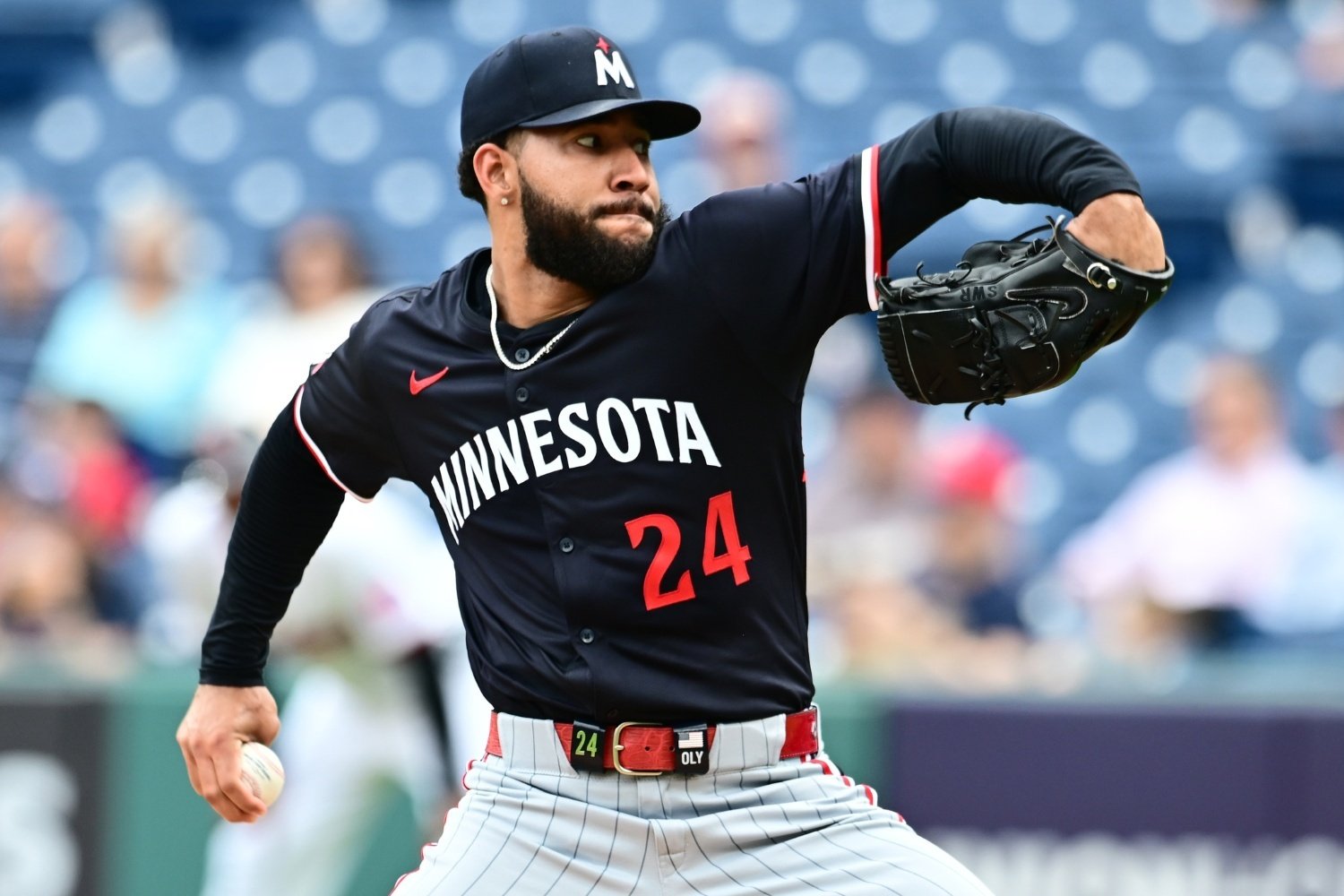 Box Score SP: Simeon Woods Richardson 4.2 IP, 2H, 2 ER, 5 BB, 4 K (98 pitches, 58 strikes (59%)) Home Runs: None Bottom 3 WPA: Justin Topa -.564, Trevor Larnach -.218, Brooks Lee -.131 Win Probability Chart (via FanGraphs): The Twins wrapped up their four-game set in Cleveland on Thursday in about as gut-wrenching a way as you’ll find—a walk-off loss in extra innings, after missing multiple golden opportunities to flip the script. In a game where multiple rain delays seemed to reshape the flow and momentum, Minnesota simply couldn’t capitalize, dropping their third game of the series and their 11th straight one-run loss at Progressive Field. Like too many games this season, the Twins fell behind early and looked lifeless at the plate through the first six innings. Cleveland got to Simeon Woods Richardson for two early runs—an RBI single from Kyle Manzardo in the 1st and a solo shot by Jhonkensy Noel in the 4th. Despite only allowing two hits, Woods Richardson struggled with control, walking five and lasting just 4.2 innings. Then came a short rain delay after the 6th inning, and with it, a spark. The Twins rallied for four hits in the 7th, including RBI singles by Christian Vázquez and Carlos Correa to tie the game at two. With the bases loaded and a chance to take the lead, they came up empty. Still, the momentum shift was noticeable. As the Twins stirred up another rally in the 8th, the skies opened again. Another rain delay, this time a prolonged one. Another opportunity iced. When play resumed, Correa popped out with the bases loaded, a frustratingly familiar ending to a promising inning. Jhoan Duran entered in the 9th and worked his way into and out of danger, stranding the bases loaded by freezing Steven Kwan on a called third strike to send the game to extras. In the 10th, the Twins finally grabbed a lead on a sacrifice fly from Jonah Bride that scored Mickey Gasper—a duo nobody would’ve predicted contributing in this spot when spring began. But Jose Ramirez had other plans. The perennial Twins tormentor delivered a signature inning: an RBI single to tie the game, a stolen base, and a heady sprint home on a hit-and-run single by Angel Martinez to walk it off. The loss marks Minnesota’s 11th consecutive one-run loss in Cleveland and the 10th walk-off loss at Progressive Field in the last five seasons—an unfathomable stretch of heartbreak for Twins fans. After a 5–1 homestand against the Angels and White Sox, the Twins finish the road trip’s first leg with a thud, now sitting at 13–19 and 6.5 games out of the division lead. What's Next? The Twins will continue their roadtrip with a weekend series in Boston, kicking off with Joe Ryan squaring off against long-time Los Angeles Dodger, Walker Buehler. Postgame Interviews Bullpen Usage Spreadsheet
- 81 comments
-
- 2
-
-
- simeon woods richardson
- harrison bader
- (and 1 more)
-
White Sox 3, Twins 0 (F/7): Twins Drop Ugly, Wet Finale to White Sox
Matthew Taylor posted an article in Twins
 Box Score SP: Chris Paddack 5.0 IP, 5H, 2 ER, 4 BB, 5 K (99 pitches, 57 strikes (58%)) Home Runs: None Bottom 3 WPA: Trevor Larnach -.122, Edouard Julien -.116, Carlos Correa -.101 Win Probability Chart (via FanGraphs): In a game that had all the energy of a Tuesday afternoon dentist appointment, the Minnesota Twins closed out their series against the Chicago White Sox with a dismal 3-0 loss at a soggy, sparsely-attended Target Field. The seven-inning, rain-shortened contest dropped the Twins to 9-16 on the year and capped off a series win that somehow managed to feel more like a missed opportunity than a success. Minnesota came into the game looking to sweep a White Sox team that is always ripe for sweeping. After erasing deficits in each of the first two games, the Twins were hoping for a momentum-building sweep that could begin to erase the deep 7-15 hole they dug themselves into heading into the series. But momentum hit a wall early. Chris Paddack’s struggles started in the second inning, when White Sox second baseman Lenyn Sosa turned on a first-pitch slider and deposited it into the left-field bleachers for a solo homer. Things didn't improve much from there. Paddack labored through five innings, needing 99 pitches to get there while issuing four walks (including one of the bases-loaded variety) and surrendering five hits. His ERA now sits at an unsightly 6.45, with a WHIP of 1.61, and while the Twins haven’t hinted at a rotation change, it's hard to ignore the growing chatter about Triple-A standout Zebby Matthews. The bullpen didn’t offer much relief, either. Jorge Alcala allowed a solo home run in the sixth to Miguel Vargas, who entered the game with a .464 OPS. It was the final tally in what proved to be a rain-shortened affair, but the damage had long been done. Still, pitching wasn’t the headline today—it was the offense, or the lack thereof. In a theme that’s becoming too familiar, the Twins’ bats simply didn’t show up. The team mustered just six hits over seven innings, with the only extra-base knocks coming from Christian Vázquez, a man who’s been more known for framing pitches than hitting them lately. The 4-5-6 spots in the lineup—Trevor Larnach, Carlos Correa, and Ty France—combined to go 0-for-9 with six strikeouts. But perhaps the most painful stat of the afternoon: 0-for-9 with runners in scoring position. The most glaring missed opportunity came in the sixth, when the Twins had two on with nobody out. Larnach, ahead in the count 3-0, struck out. Correa was rung up on a brutal called third strike, and Ty France lined out to end the threat. If you're keeping score at home (and, judging by attendance, you probably weren’t), the Twins struck out five times after getting ahead 3-0 in the count and seven times in full counts—a franchise record. It was a lifeless performance, one that left fans thankful the game got "banged" early by rain. Frankly, the most merciful part of the afternoon was that it only lasted seven innings. What’s Next The Twins will remain at Target Field for a weekend series against the 11-12 Los Angeles Angels, as they attempt to salvage what’s left of this homestand. There’s a glimmer of hope on the horizon—Friday night marks the return of Pablo López, who is set to come off the IL and take the mound for Minnesota. He’ll be opposed by veteran right-hander Kyle Hendricks for the Angels. First pitch is scheduled for 7:10 p.m., and for the Twins, it’s time to start turning things around—or at the very least, start giving fans a reason to show up. Postgame Interview Bullpen Usage Spreadsheet
 -
On a dreary Thursday afternoon in Minneapolis, the Twins had a chance to build rare momentum and breathe life into a sluggish start to the season. Instead, a lifeless effort at the plate and shaky pitching left Target Field drenched in both rain and frustration. Image courtesy of © Bruce Kluckhohn-Imagn Images Box Score SP: Chris Paddack 5.0 IP, 5H, 2 ER, 4 BB, 5 K (99 pitches, 57 strikes (58%)) Home Runs: None Bottom 3 WPA: Trevor Larnach -.122, Edouard Julien -.116, Carlos Correa -.101 Win Probability Chart (via FanGraphs): In a game that had all the energy of a Tuesday afternoon dentist appointment, the Minnesota Twins closed out their series against the Chicago White Sox with a dismal 3-0 loss at a soggy, sparsely-attended Target Field. The seven-inning, rain-shortened contest dropped the Twins to 9-16 on the year and capped off a series win that somehow managed to feel more like a missed opportunity than a success. Minnesota came into the game looking to sweep a White Sox team that is always ripe for sweeping. After erasing deficits in each of the first two games, the Twins were hoping for a momentum-building sweep that could begin to erase the deep 7-15 hole they dug themselves into heading into the series. But momentum hit a wall early. Chris Paddack’s struggles started in the second inning, when White Sox second baseman Lenyn Sosa turned on a first-pitch slider and deposited it into the left-field bleachers for a solo homer. Things didn't improve much from there. Paddack labored through five innings, needing 99 pitches to get there while issuing four walks (including one of the bases-loaded variety) and surrendering five hits. His ERA now sits at an unsightly 6.45, with a WHIP of 1.61, and while the Twins haven’t hinted at a rotation change, it's hard to ignore the growing chatter about Triple-A standout Zebby Matthews. The bullpen didn’t offer much relief, either. Jorge Alcala allowed a solo home run in the sixth to Miguel Vargas, who entered the game with a .464 OPS. It was the final tally in what proved to be a rain-shortened affair, but the damage had long been done. Still, pitching wasn’t the headline today—it was the offense, or the lack thereof. In a theme that’s becoming too familiar, the Twins’ bats simply didn’t show up. The team mustered just six hits over seven innings, with the only extra-base knocks coming from Christian Vázquez, a man who’s been more known for framing pitches than hitting them lately. The 4-5-6 spots in the lineup—Trevor Larnach, Carlos Correa, and Ty France—combined to go 0-for-9 with six strikeouts. But perhaps the most painful stat of the afternoon: 0-for-9 with runners in scoring position. The most glaring missed opportunity came in the sixth, when the Twins had two on with nobody out. Larnach, ahead in the count 3-0, struck out. Correa was rung up on a brutal called third strike, and Ty France lined out to end the threat. If you're keeping score at home (and, judging by attendance, you probably weren’t), the Twins struck out five times after getting ahead 3-0 in the count and seven times in full counts—a franchise record. It was a lifeless performance, one that left fans thankful the game got "banged" early by rain. Frankly, the most merciful part of the afternoon was that it only lasted seven innings. What’s Next The Twins will remain at Target Field for a weekend series against the 11-12 Los Angeles Angels, as they attempt to salvage what’s left of this homestand. There’s a glimmer of hope on the horizon—Friday night marks the return of Pablo López, who is set to come off the IL and take the mound for Minnesota. He’ll be opposed by veteran right-hander Kyle Hendricks for the Angels. First pitch is scheduled for 7:10 p.m., and for the Twins, it’s time to start turning things around—or at the very least, start giving fans a reason to show up. Postgame Interview Bullpen Usage Spreadsheet View full article
-
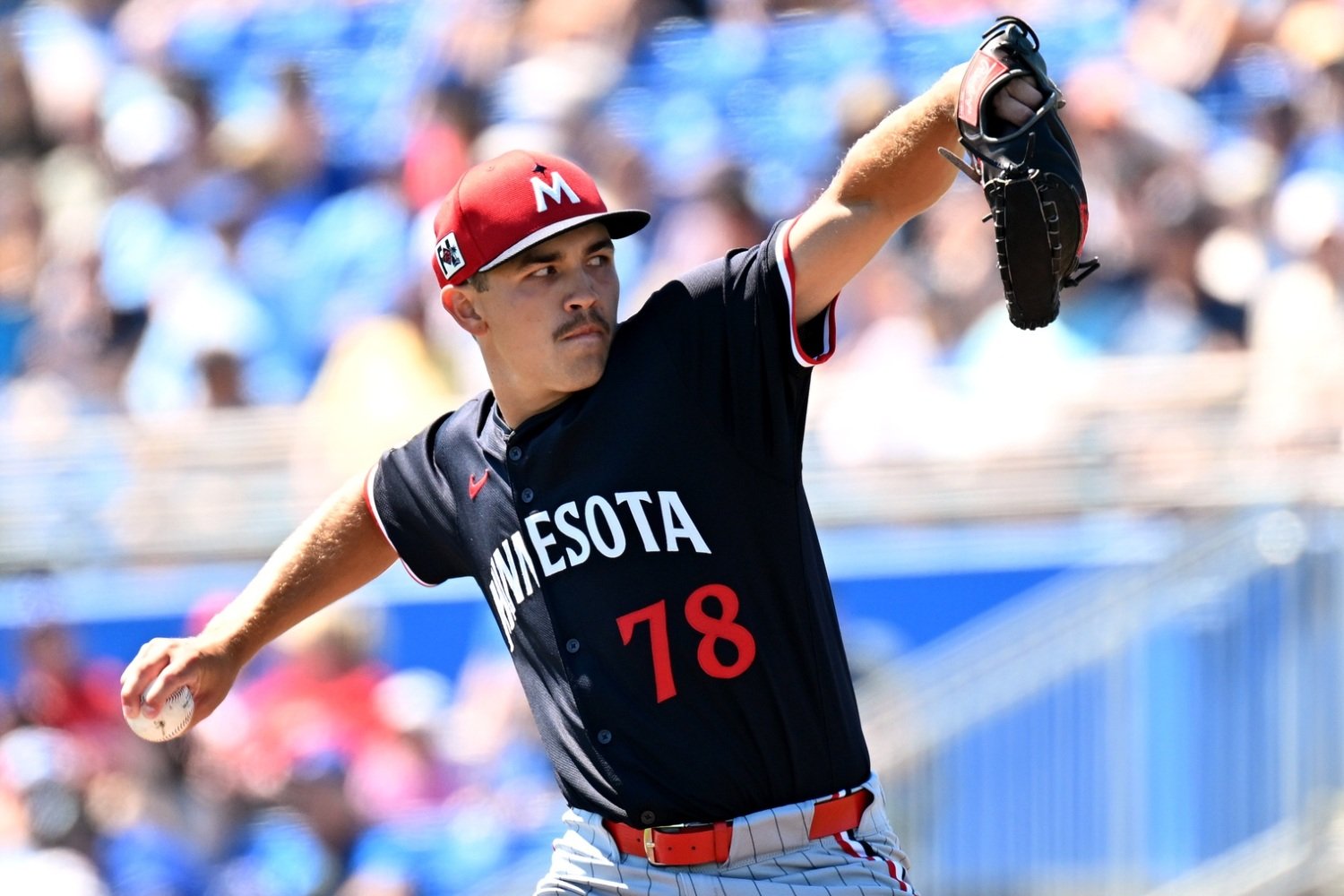 Everyone knows the names at the top of the Minnesota Twins’ pitching prospect rankings. David Festa and Zebby Matthews made their MLB debuts last season, and both are expected to be impact arms for the Twins this year. Younger prospects like Marco Raya and Charlee Soto continue to draw attention, thanks to their electric stuff and high ceilings. But there’s another name Twins fans should be watching closely, and he’s been flying under the radar far too long. Andrew Morris, a 2022 fourth-round pick, has quietly built an impressive résumé in the Twins system. He might just be the next big thing to come out of their stable of pitching talent. Morris has done nothing but produce since turning pro. Across four minor-league seasons, he’s posted a 2.44 ERA with a 4.1 strikeout-to-walk ratio. He doesn’t walk hitters—just 2.1 per nine innings in his career—and has climbed the ladder steadily, finishing 2023 with a strong stretch at Triple A. While Zebby Matthews’s meteoric rise grabbed headlines last year, Morris was also quietly dominating. He earned promotions from High A to Double A and then Triple A, while continuing to perform at each stop. He opened 2024 in St. Paul and began the year with two scoreless outings. This past Wednesday, he finally hit a bump in the road, allowing seven earned runs and failing to escape the fourth inning against a loaded Iowa Cubs lineup. But despite the rough outing, the most eye-opening development wasn’t in the box score; it was on the radar gun. Morris hit 99.3 MPH twice in the game, and it wasn’t a fluke. That’s a massive jump for a pitcher who entered the system sitting in the low 90s and only occasionally touching the mid-90s. That velocity increase is just the latest example of the Twins’ successful pitching development pipeline, which has helped arms like Bailey Ober and Matthews add significant velocity over time. Now, Morris is pushing triple digits, with the same pinpoint control that’s always been his calling card. The next step in his evolution is missing more bats. As he’s advanced through the minors, Morris has seen his strikeout rate dip, including a 17.5% clip so far this season after finishing 2023 with a 19.6% mark over 33 2/3 innings with St. Paul. But swing-and-miss data shows that he’s making progress, even if it hasn’t fully translated into strikeouts yet. One adjustment Morris made this offseason was adding a sinker to his arsenal—a pitch he can run in on righties to help open up the outer half of the plate for his slider. Jamie Cameron broke this down in his offseason profile of Morris, highlighting the potential for that pitch to help him take a leap forward. There’s hope that the added velocity and improved pitch mix will lead to more putaway pitches. Morris already commands the ball at an elite level, with control rivaling that of Matthews. He’s throwing harder than ever. If he can start attacking hitters more aggressively and get back to generating strikeouts like he did earlier in his career, he could be a real difference-maker. With the Twins likely to need pitching reinforcements at some point this summer, Morris is a strong candidate to get a look in the majors. Whether as a spot starter or as a late-season bullpen weapon whose velocity could play up even more, he’s the kind of arm who could surprise fans unfamiliar with his name. Andrew Morris has the ERA, the control, the development arc, and now the velocity. He’s on the cusp, and it’s time we start talking about him more seriously.
- 29 comments
-
- 5
-
-
- andrew morris
- zebby matthews
- (and 1 more)
-
The Twins’ farm system has become a factory for developing pitching talent, turning mid-round draft picks into real contributors. As new names emerge seemingly every year, it’s easy for some prospects to slip through the cracks—even ones flashing big-league potential right under our noses. Image courtesy of © Jonathan Dyer-Imagn Images Everyone knows the names at the top of the Minnesota Twins’ pitching prospect rankings. David Festa and Zebby Matthews made their MLB debuts last season, and both are expected to be impact arms for the Twins this year. Younger prospects like Marco Raya and Charlee Soto continue to draw attention, thanks to their electric stuff and high ceilings. But there’s another name Twins fans should be watching closely, and he’s been flying under the radar far too long. Andrew Morris, a 2022 fourth-round pick, has quietly built an impressive résumé in the Twins system. He might just be the next big thing to come out of their stable of pitching talent. Morris has done nothing but produce since turning pro. Across four minor-league seasons, he’s posted a 2.44 ERA with a 4.1 strikeout-to-walk ratio. He doesn’t walk hitters—just 2.1 per nine innings in his career—and has climbed the ladder steadily, finishing 2023 with a strong stretch at Triple A. While Zebby Matthews’s meteoric rise grabbed headlines last year, Morris was also quietly dominating. He earned promotions from High A to Double A and then Triple A, while continuing to perform at each stop. He opened 2024 in St. Paul and began the year with two scoreless outings. This past Wednesday, he finally hit a bump in the road, allowing seven earned runs and failing to escape the fourth inning against a loaded Iowa Cubs lineup. But despite the rough outing, the most eye-opening development wasn’t in the box score; it was on the radar gun. Morris hit 99.3 MPH twice in the game, and it wasn’t a fluke. That’s a massive jump for a pitcher who entered the system sitting in the low 90s and only occasionally touching the mid-90s. That velocity increase is just the latest example of the Twins’ successful pitching development pipeline, which has helped arms like Bailey Ober and Matthews add significant velocity over time. Now, Morris is pushing triple digits, with the same pinpoint control that’s always been his calling card. The next step in his evolution is missing more bats. As he’s advanced through the minors, Morris has seen his strikeout rate dip, including a 17.5% clip so far this season after finishing 2023 with a 19.6% mark over 33 2/3 innings with St. Paul. But swing-and-miss data shows that he’s making progress, even if it hasn’t fully translated into strikeouts yet. One adjustment Morris made this offseason was adding a sinker to his arsenal—a pitch he can run in on righties to help open up the outer half of the plate for his slider. Jamie Cameron broke this down in his offseason profile of Morris, highlighting the potential for that pitch to help him take a leap forward. There’s hope that the added velocity and improved pitch mix will lead to more putaway pitches. Morris already commands the ball at an elite level, with control rivaling that of Matthews. He’s throwing harder than ever. If he can start attacking hitters more aggressively and get back to generating strikeouts like he did earlier in his career, he could be a real difference-maker. With the Twins likely to need pitching reinforcements at some point this summer, Morris is a strong candidate to get a look in the majors. Whether as a spot starter or as a late-season bullpen weapon whose velocity could play up even more, he’s the kind of arm who could surprise fans unfamiliar with his name. Andrew Morris has the ERA, the control, the development arc, and now the velocity. He’s on the cusp, and it’s time we start talking about him more seriously. View full article
- 29 replies
-
- 1
-
-
- andrew morris
- zebby matthews
- (and 1 more)
-
Was Rocco Baldelli's Decision to Pull Bailey Ober the Right One?
Matthew Taylor posted an article in Twins
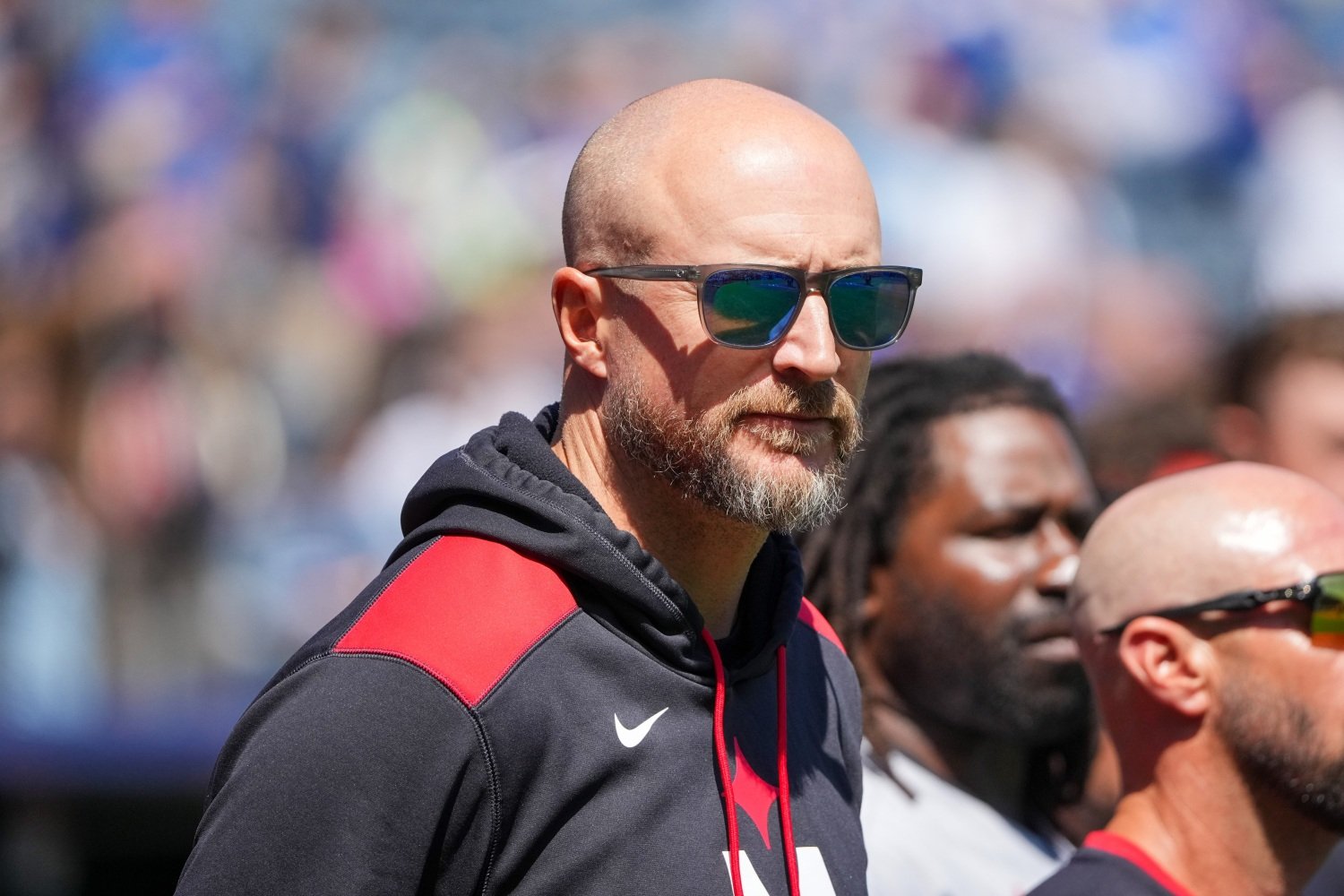 Thursday’s 3–2 loss to the Royals sparked frustration across Twins Territory—not just because of the result, but because of a decision that will be debated for some time: Rocco Baldelli pulling Bailey Ober with a low pitch count after six innings in a one-run game. The move, followed immediately by a disastrous inning from reliever Cole Sands, raised eyebrows. Sands allowed a hit-by-pitch, back-to-back singles, and a sac fly after striking out the leadoff batter, giving Kansas City the lead for good. On its face, it looked like a manager outthinking himself. But let’s take a closer look at why Baldelli made the call he did. Pitch Count vs. Times Through the Order Ober's pitch count—just 73 after six innings—suggested he had plenty left in the tank. But in today’s game, managers weigh "times through the order" more heavily than raw pitch totals. It's no secret that hitters improve significantly the more they see a pitcher. At the end of the sixth, Ober had just faced Royals' No. 6 hitter, Maikel García. That meant the seventh would begin with batters 7-8-9 for their third look at Ober—reasonable territory for a starter like him. But the real issue wasn’t the start of the inning—it was the potential end. If Ober allowed even one baserunner, the top of the Royals' order—Jonathan India, Bobby Witt Jr., and Vinny Pasquantino—would be looming for a fourth look at Ober. That simply wasn't going to happen. Velocity Dip and Stamina Questions Times through the order wasn't the only reason for pulling Ober from the game, either. Performance and stamina were also a part of the decision, and Baldelli said as much in his postgame presser: "His stuff as the game went on did tick down a little bit, and that was part of the conversation," Baldelli said. The numbers back Baldelli up. Ober opened the game sitting around 91 mph on his fastball, but by the sixth inning, that had dropped to the 89 range. That’s not uncommon, especially considering Ober was still building back up from a spring illness that cost him nearly 10 pounds and probably should have pushed back his season debut. In fact, this was the first time in 2025 that he had completed more than four innings. "In his last three outings, the most he's gone is four innings," Baldelli noted. "He wasn't going to go out there and get close to doubling that up." Why Not Let Him Face the Bottom of the Order? The main counterpoint fans bring up is that Ober could have started the seventh against the Royals’ weakest hitters. Maybe he gets through them cleanly. Maybe you steal two or three more outs. But Baldelli didn’t want to risk having to bring in a reliever mid-inning, with traffic on the bases—especially not against the top of Kansas City’s lineup. Managers will always prefer giving relievers a clean slate. Bringing Cole Sands in at the start of the seventh meant pitting a fresh arm against the bottom of the order with no inherited runners and with some margin for error. Sands has been one of Baldelli’s most trusted bullpen options since the middle of 2024. He owns a career 3.27 ERA as a reliever, and the plan to get him a clean inning against less threatening bats made plenty of sense—on paper. Hindsight Is 20/20 Of course, it didn’t work out. Sands got tagged, the Royals took the lead, and the Twins couldn’t claw back. When a decision backfires, it’s always ripe for second-guessing. But while we’ll never know how things might have gone had Ober stayed in to start the seventh, Baldelli’s choice was grounded in real data, recent performance, and a desire to avoid worst-case scenarios. You might not like the outcome, but the process had logic behind it. What did you think of Rocco Baldelli’s decision to pull Ober? Should he have trusted his starter to go just a little bit further, or was it the right move with the wrong result? Let’s hear your take in the comments below.
 -
Rocco Baldelli’s decision to pull Bailey Ober after six strong innings and just 73 pitches in Thursday’s loss to the Royals has drawn plenty of criticism. But was it the wrong move, or just an unlucky outcome? Let’s break down the reasoning behind the call and why it sparked such a debate. Thursday’s 3–2 loss to the Royals sparked frustration across Twins Territory—not just because of the result, but because of a decision that will be debated for some time: Rocco Baldelli pulling Bailey Ober from the game after six innings and just 73 pitches in a one-run game. The move, followed immediately by a disastrous inning from reliever Cole Sands, raised eyebrows. Sands allowed a hit-by-pitch, back-to-back singles, and a sac fly after striking out the leadoff batter, giving Kansas City the lead for good. On its face, it looked like a manager outthinking himself. But let’s take a closer look at why Baldelli made the call he did. Pitch Count vs. Times Through the Order Ober's pitch count—just 73 after six innings—suggested he had plenty left in the tank. But in today’s game, managers weigh "times through the order" more heavily than raw pitch totals. It's no secret that hitters improve significantly the more they see a pitcher. At the end of the sixth, Ober had just faced Royals' number six hitter, Maikel Garcia. That meant the seventh would begin with batters 7-8-9 for their third look at Ober—reasonable territory for a starter like him. But the real issue wasn’t the start of the inning—it was the potential end. If Ober allowed even one baserunner, the top of the Royals order—India, Witt Jr., Pasquantino—would be looming for a fourth look at Ober. That simply wasn't going to happen. Velocity Dip and Stamina Questions Times through the order wasn't the only reason for pulling Ober from the game though, performance and stamina were also a part of the decision, and Baldelli said as much in his postgame presser: "His stuff as the game went on did tick down a little bit and that was part of the conversation." The numbers back Baldelli up. Ober opened the game sitting around 92 mph on his fastball, but by the sixth inning, that had dropped to the 89 range. That’s not uncommon, especially considering Ober was still building back up from a spring illness that cost him nearly 10 pounds and probably should have pushed back his season debut. In fact, this was the first time in 2025 that he had completed more than four innings. "In his last three outings, the most he's gone is four innings," Baldelli noted. "He wasn't going to go out there and get close to doubling that up." Why Not Let Him Face the Bottom of the Order? The main counterpoint fans bring up is that Ober could have started the seventh against the Royals’ 7-8-9 hitters. Maybe he gets through them cleanly. Maybe you steal two or three more outs. But Baldelli didn’t want to risk having to bring in a reliever mid-inning with traffic on the bases—especially not against the top of Kansas City’s lineup. Managers will always prefer giving relievers a clean slate. Bringing Cole Sands in at the start of the seventh meant putting a fresh arm against the bottom of the order with no inherited runners and no margin for error. Sands had been one of Baldelli’s most trusted bullpen options. He owns a career 3.27 ERA as a reliever, and the plan to get him a clean inning against less threatening bats made plenty of sense—on paper. Hindsight Is 20/20 Of course, it didn’t work out. Sands got tagged, the Royals took the lead, and the Twins couldn’t claw back. When a decision backfires, it’s always ripe for second-guessing. But while we’ll never know how things might have gone had Ober stayed in to start the seventh, Baldelli’s choice was grounded in real data, recent performance, and a desire to avoid worst-case scenarios. You might not like the outcome, but the process had logic behind it. What did you think of Rocco Baldelli’s decision to pull Ober? Should he have trusted his starter to go just a little bit further, or was it the right move with the wrong result? Let’s hear your take in the comments below. View full article
-
Thanks for catching that. Fixed!
-
Thanks to cold bats and more missed opportunities, the Twins dropped yet another winnable game on Thursday afternoon, dropping three of four to the Kansas City Royals and bringing their record to a worrisome 4-9. Image courtesy of © Denny Medley-Imagn Images Box Score SP: Bailey Ober 6.0 IP, 5H, 1 ER, 1 BB, 4 K (73 pitches, 53 strikes (73%)) Home Runs: Ty France (2) Bottom 3 WPA: Cole Sands -.390, Willi Castro -.214, Jose Miranda -.175 Win Probability Chart (via FanGraphs): The game got off to a rocky start for Bailey Ober, who gave up three straight singles in the first inning, including an RBI knock from Salvador Perez that put Kansas City up 1-0. But the Twins quickly responded. Ty France stayed hot, launching his second home run in as many games to tie the game at 1-1 in the second. Minnesota nearly grabbed the lead that same inning, after Edouard Julien doubled and advanced to third on a throwing error. But he was cut down at the plate on a perfect play from Jonathan India, and the game remained tied. The deadlock continued until the sixth inning, when the Twins finally broke through. Trevor Larnach and Ty France worked walks, setting the table for Ryan Jeffers to drive in Larnach with an RBI single. But the Twins squandered yet another golden opportunity to add on. With runners on the corners and one out, Julien struck out looking and Jose Miranda pushed a weak grounder to second to end the inning. That missed opportunity came back to haunt them quickly. Cole Sands relieved Ober (who had thrown just 73 pitches through six strong innings) and got into immediate trouble. After hitting Freddy Fermin and allowing back-to-back singles, Sands gave up a game-tying sac fly. One batter later, Kansas City took a 3-2 lead on a Michael Massey single. The Twins tried to rally in the ninth. They got two runners aboard with one out, but once again, the bats went cold. A strikeout and a groundout ended the threat and the game. Minnesota went just 1-for-9 with runners in scoring position, stranding runners in multiple key spots. The offense simply hasn’t clicked, and now, 13 games into the season, the Twins sit at 4-9, with only one series win (against the White Sox) to show for it. Another talking point will surely be the decision to pull Ober after such light work. While his velocity dipped into the upper 80s late in his outing—possibly a lingering effect from the virus that limited his first start—the choice to go to the bullpen early proved costly. What’s Next? After dropping the series in Kansas City, the Twins return to Target Field for a three-game weekend set against the Detroit Tigers. David Festa is slated to start Friday’s opener against Reese Olson, as the Twins look to capture their first non-White Sox series win of the season and dip for the first time into their wealth of minor-league starting depth. First pitch is scheduled for 7:10 p.m. Bullpen Usage Spreadsheet View full article
-
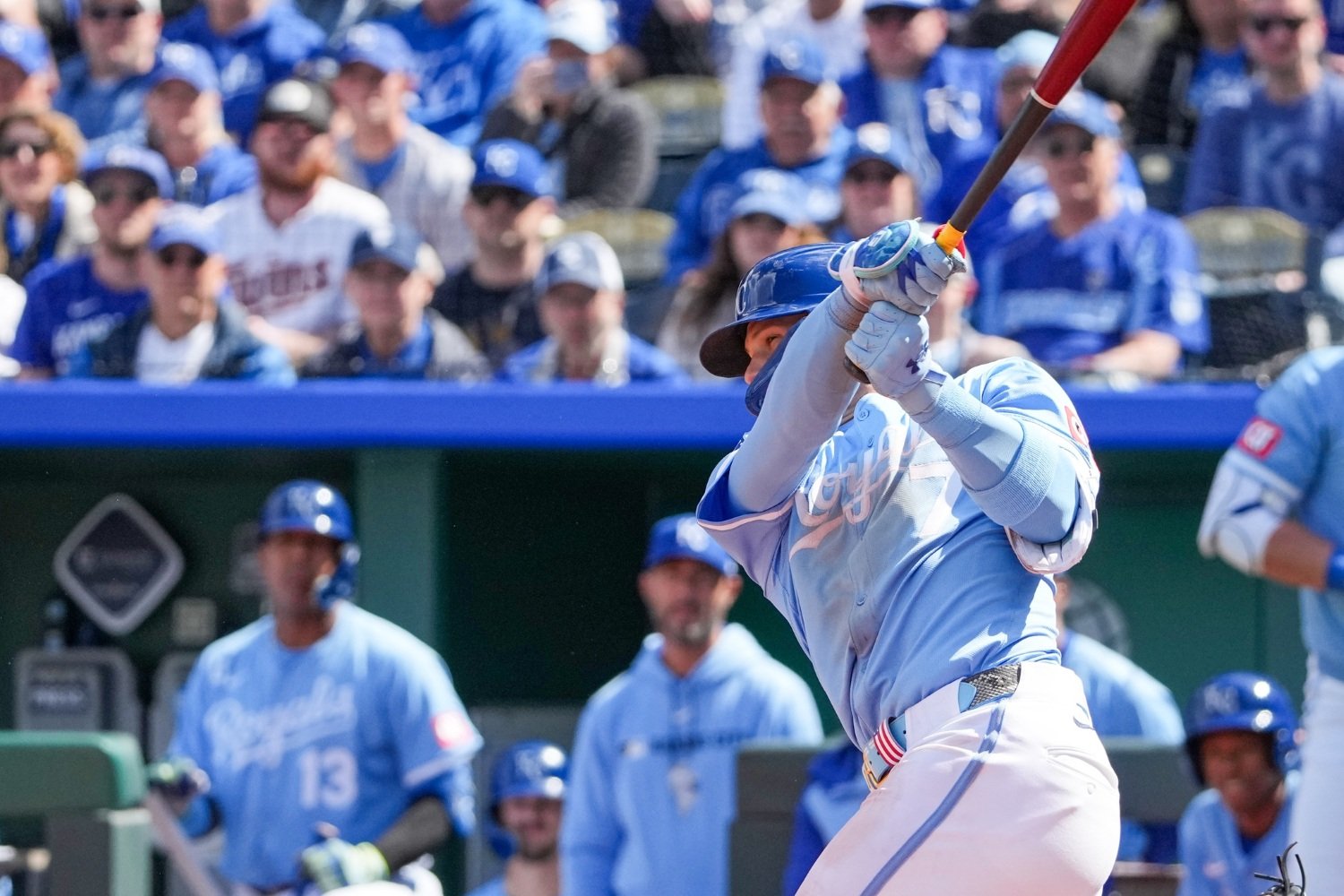 Box Score SP: Bailey Ober 6.0 IP, 5H, 1 ER, 1 BB, 4 K (73 pitches, 53 strikes (73%)) Home Runs: Ty France (2) Bottom 3 WPA: Cole Sands -.390, Willi Castro -.214, Jose Miranda -.175 Win Probability Chart (via FanGraphs): The game got off to a rocky start for Bailey Ober, who gave up three straight singles in the first inning, including an RBI knock from Salvador Perez that put Kansas City up 1-0. But the Twins quickly responded. Ty France stayed hot, launching his second home run in as many games to tie the game at 1-1 in the second. Minnesota nearly grabbed the lead that same inning, after Edouard Julien doubled and advanced to third on a throwing error. But he was cut down at the plate on a perfect play from Jonathan India, and the game remained tied. The deadlock continued until the sixth inning, when the Twins finally broke through. Trevor Larnach and Ty France worked walks, setting the table for Ryan Jeffers to drive in Larnach with an RBI single. But the Twins squandered yet another golden opportunity to add on. With runners on the corners and one out, Julien struck out looking and Jose Miranda pushed a weak grounder to second to end the inning. That missed opportunity came back to haunt them quickly. Cole Sands relieved Ober (who had thrown just 73 pitches through six strong innings) and got into immediate trouble. After hitting Freddy Fermin and allowing back-to-back singles, Sands gave up a game-tying sac fly. One batter later, Kansas City took a 3-2 lead on a Michael Massey single. The Twins tried to rally in the ninth. They got two runners aboard with one out, but once again, the bats went cold. A strikeout and a groundout ended the threat and the game. Minnesota went just 1-for-9 with runners in scoring position, stranding runners in multiple key spots. The offense simply hasn’t clicked, and now, 13 games into the season, the Twins sit at 4-9, with only one series win (against the White Sox) to show for it. Another talking point will surely be the decision to pull Ober after such light work. While his velocity dipped into the upper 80s late in his outing—possibly a lingering effect from the virus that limited his first start—the choice to go to the bullpen early proved costly. What’s Next? After dropping the series in Kansas City, the Twins return to Target Field for a three-game weekend set against the Detroit Tigers. David Festa is slated to start Friday’s opener against Reese Olson, as the Twins look to capture their first non-White Sox series win of the season and dip for the first time into their wealth of minor-league starting depth. First pitch is scheduled for 7:10 p.m. Bullpen Usage Spreadsheet
- 82 comments
-
- 2
-
-
- bailey ober
- ty france
- (and 1 more)
-
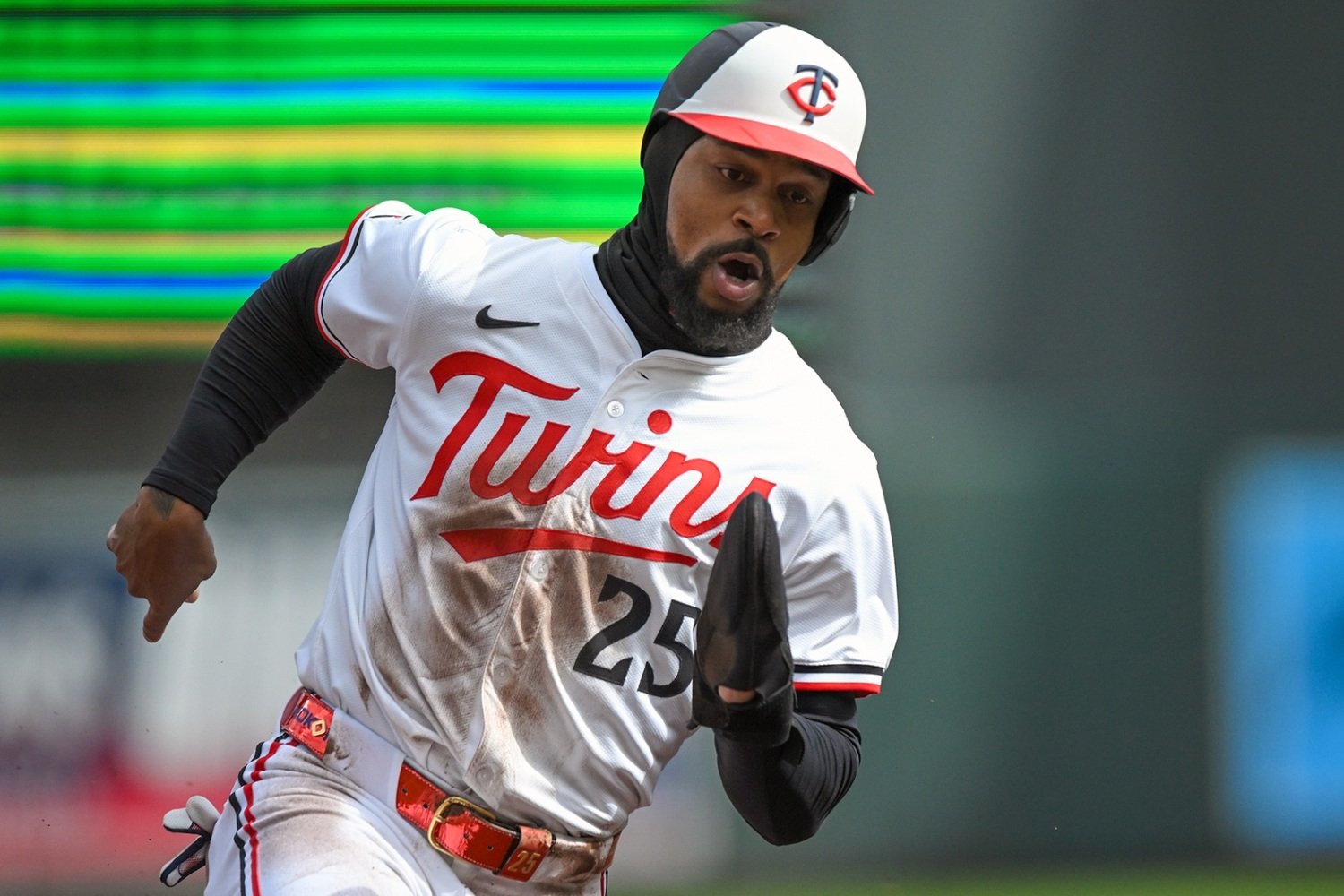 Few teams have been more risk-averse on the bases than the Rocco Baldelli-era Twins. Extra bases were left on the table, stolen base attempts were rare, and the emphasis was clearly on avoiding outs, rather than creating pressure. Under Baldelli, the Twins have been last in MLB in stolen bases for four of the past six seasons. That lack of movement wasn’t just about steals; it was an overall approach that prioritized staying safe over aggressiveness. Through the first week of the 2025 season, however, something feels different. No, the Twins aren’t suddenly morphing into the 1985 Cardinals, but there’s real evidence (in both words and actions) that they’re beginning to view the basepaths as a place to gain an edge, rather than merely survive. Whether it’s Byron Buxton turning back the clock with a couple of early steals, Royce Lewis refusing to play it safe, or an eighth-inning dash from Dashawn Keirsey Jr., the Twins are showing signs of life in an area that’s been lifeless for years. This shift was addressed directly by Baldelli, thanks to a well-timed prompt from Cory Provus during a recent media scrum. The skipper made it clear the team made a conscious effort in spring training to rethink its baserunning approach. “We spent a lot of time in spring training preaching just general aggressiveness, being on your toes," Baldelli said. "Not running the bases passively. Running the bases aggressively and pushing the envelope is always an important thing.” Gone are the days of passive jogging during BP. Instead, the Twins worked on baserunning every day, during live drills, during batting practice, in situations meant to simulate the split-second decisions that define a game. “I wanted our guys to get as many reads and visuals as they possibly could during camp,” Baldelli said. “And it’s something we’re gonna carry over into the season.” Some of the previous caution came from practical concerns. Carlos Correa has battled foot issues. Buxton spent all of 2023 as a DH. Lewis's muscles are all looking for the first excuse to tear. When your most athletic players are your most injury-prone, you play the long game. But that patience also had a cost, one the team appears less willing to pay in 2025. Take Lewis. He’s coming off yet another injury, and nobody would blame him for dialing things back. But that’s not who he is, and he knows it. “I’m not gonna change who I am. If I start changing who I am, then I think as a player, I’ll start diminishing my value,” he said. “What I do is very special. I think everyone’s able to see that, and I think that’s why everyone is so mad that I keep getting hurt. People want to see me out on the field.” His style is part of what gives the Twins their edge. He plays with purpose, and that includes taking extra bases, even if it means risk. Meanwhile, Buxton already has enough steals (2) in the first week to suggest that he;ll eclipse his total from last season (7 in 102 games), and if he weren’t struggling at the plate, he’d likely have more. The fact that he’s running at all is meaningful. He’s still one of the fastest players in the game, and his willingness to go is a signal that the governor may be off. Then there are the subtler signs. On Tuesday night in Kansas City, Keirsey entered the game as a pinch-runner for Ryan Jeffers in the 8th inning. On a solid single to right, he took off—first to third without hesitation. It won’t show up in any stolen base totals, but it mattered. It was instinctive, aggressive, and, for a team like the Twins, refreshingly out of character. “Stolen bases help you win,” Baldelli said. “But going first to third, having an aggressive mindset… that’s going to bring runs to the board, too.” The Twins even went out this offseason and added a player who fits the mold: Harrison Bader, a burner who has multiple double-digit steal seasons and plays with the kind of frantic energy this team has often lacked. Minnesota’s offense has sputtered early, and that’s become a familiar story. If the bats aren’t going to carry the load, the Twins will need to find other ways to generate runs. Smart, aggressive baserunning might be their best chance to do it. No, they’re not going to steal 200 bags. But the mindset appears to be shifting. The Twins might not be a track team just yet, but they’re finally taking their foot off the brakes.
- 16 comments
-
- 3
-
-
- byron buxton
- rocco baldelli
- (and 1 more)
-
The Twins haven’t led the league in stolen bases—or excitement on the bases—in a long time. But just a week into 2025, something feels different. A few swipes from their leader, some aggressive reads, and a spring full of hustle have the Twins looking a little bit feisty again. Image courtesy of © Nick Wosika-Imagn Images Few teams have been more risk-averse on the bases than the Rocco Baldelli-era Twins. Extra bases were left on the table, stolen base attempts were rare, and the emphasis was clearly on avoiding outs, rather than creating pressure. Under Baldelli, the Twins have been last in MLB in stolen bases for four of the past six seasons. That lack of movement wasn’t just about steals; it was an overall approach that prioritized staying safe over aggressiveness. Through the first week of the 2025 season, however, something feels different. No, the Twins aren’t suddenly morphing into the 1985 Cardinals, but there’s real evidence (in both words and actions) that they’re beginning to view the basepaths as a place to gain an edge, rather than merely survive. Whether it’s Byron Buxton turning back the clock with a couple of early steals, Royce Lewis refusing to play it safe, or an eighth-inning dash from Dashawn Keirsey Jr., the Twins are showing signs of life in an area that’s been lifeless for years. This shift was addressed directly by Baldelli, thanks to a well-timed prompt from Cory Provus during a recent media scrum. The skipper made it clear the team made a conscious effort in spring training to rethink its baserunning approach. “We spent a lot of time in spring training preaching just general aggressiveness, being on your toes," Baldelli said. "Not running the bases passively. Running the bases aggressively and pushing the envelope is always an important thing.” Gone are the days of passive jogging during BP. Instead, the Twins worked on baserunning every day, during live drills, during batting practice, in situations meant to simulate the split-second decisions that define a game. “I wanted our guys to get as many reads and visuals as they possibly could during camp,” Baldelli said. “And it’s something we’re gonna carry over into the season.” Some of the previous caution came from practical concerns. Carlos Correa has battled foot issues. Buxton spent all of 2023 as a DH. Lewis's muscles are all looking for the first excuse to tear. When your most athletic players are your most injury-prone, you play the long game. But that patience also had a cost, one the team appears less willing to pay in 2025. Take Lewis. He’s coming off yet another injury, and nobody would blame him for dialing things back. But that’s not who he is, and he knows it. “I’m not gonna change who I am. If I start changing who I am, then I think as a player, I’ll start diminishing my value,” he said. “What I do is very special. I think everyone’s able to see that, and I think that’s why everyone is so mad that I keep getting hurt. People want to see me out on the field.” His style is part of what gives the Twins their edge. He plays with purpose, and that includes taking extra bases, even if it means risk. Meanwhile, Buxton already has enough steals (2) in the first week to suggest that he;ll eclipse his total from last season (7 in 102 games), and if he weren’t struggling at the plate, he’d likely have more. The fact that he’s running at all is meaningful. He’s still one of the fastest players in the game, and his willingness to go is a signal that the governor may be off. Then there are the subtler signs. On Tuesday night in Kansas City, Keirsey entered the game as a pinch-runner for Ryan Jeffers in the 8th inning. On a solid single to right, he took off—first to third without hesitation. It won’t show up in any stolen base totals, but it mattered. It was instinctive, aggressive, and, for a team like the Twins, refreshingly out of character. “Stolen bases help you win,” Baldelli said. “But going first to third, having an aggressive mindset… that’s going to bring runs to the board, too.” The Twins even went out this offseason and added a player who fits the mold: Harrison Bader, a burner who has multiple double-digit steal seasons and plays with the kind of frantic energy this team has often lacked. Minnesota’s offense has sputtered early, and that’s become a familiar story. If the bats aren’t going to carry the load, the Twins will need to find other ways to generate runs. Smart, aggressive baserunning might be their best chance to do it. No, they’re not going to steal 200 bags. But the mindset appears to be shifting. The Twins might not be a track team just yet, but they’re finally taking their foot off the brakes. View full article
-
Astros 5, Twins 2: Beaten Bats, Balk Ruin Home Opener for Minnesota Twins
Matthew Taylor posted an article in Twins
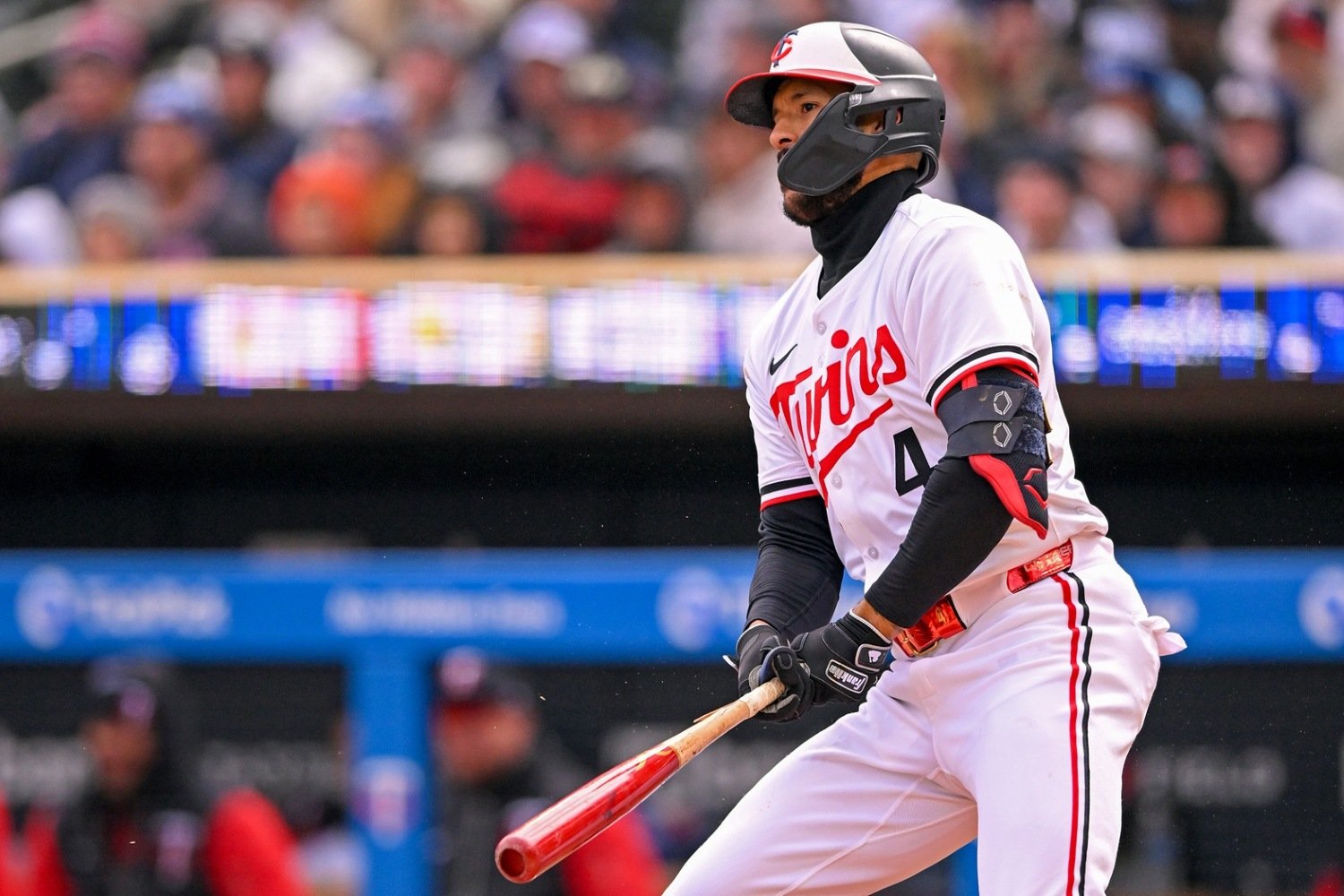 Box Score SP: Joe Ryan 5 IP, 5 H, 4 ER, 0 BB, 6 K (83 pitches, 49 strikes (59%)) Home Runs: None Bottom 3 WPA: Joe Ryan -.215, Ty France -.094, Carlos Correa -.078 Win Probability Chart (via Fangraphs): The Twins’ home opener had all the makings of a great celebration. The energy at Target Field was high as Nelson Cruz threw out the ceremonial first pitch, and the team seemed to carry momentum from their series win in Chicago. That momentum showed early, when Matt Wallner nearly blasted a leadoff home run (but had to settle for a triple). Carlos Correa cashed him in with a broken-bat groundout, giving the Twins a quick 1-0 lead. Byron Buxton followed with a single, swiped his first stolen base of the season, and came around to score on a bloop single from Trevor Larnach. Just like that, the Twins were up 2-0 in the first, and things looked promising. But, as we’ve seen far too often from this team in recent seasons, the offense completely shut down after the fast start. Following their three-hit first inning, the Twins managed just two hits the rest of the game. They struck out 10 times and didn’t record another extra-base hit after Wallner’s triple. The bottom of the lineup was especially rough, as Edouard Julien, Ryan Jeffers, Harrison Bader, and pinch-hitter Jose Miranda combined to go 0-for-9 with four strikeouts. Not only were the Twins unable to capitalize with runners in scoring position, but they rarely even had anyone reach second base. Only four batters all game made it that far. Credit is due to Houston’s Hunter Brown, who looked like the next star pitcher in the Astros' seemingly endless pipeline of talent. After a shaky first inning, he settled in and dominated, tossing six innings of two-run ball with eight strikeouts. Brown kept the Twins off-balance all day, inducing weak contact (Wallner was the only Twins' player to hit the ball with an exit velocity over 100 MPH) and keeping them from generating any kind of rally. On the mound for the Twins, Joe Ryan struggled with an all-too-familiar issue: the home run ball. After being handed a quick 2-0 lead, he immediately gave it up in the top of the second when Christian Walker and Jeremy Peña launched back-to-back home runs. The Astros then took the lead for good when Brendan Rodgers delivered RBI singles in the fourth and sixth innings, putting Houston up 5-2. Ryan said afterward that the pitch to Walker was a sweeper that didn't "kick" the way he expected it to, but that the high fastball to Pena was "executed to my standard." "That probably wasn't the pitch in that spot," the righty admitted. "I even knew that, it was in my scouting book. Just reading the swing there, I felt like that was the pitch to try, and he hit it." The Twins bullpen did its job, keeping the game within reach. Louie Varland, Jorge Alcala, and Darren McCaughan combined for four innings of one-run relief, but with the offense stuck in neutral, the damage had already been done. One of the lone bright spots on the day was Harrison Bader’s defense in left field. Though he didn’t have any highlight-reel plays, he showed why the Twins were eager to bring him in, making smart reads, cutting off balls in the gap, and limiting potential extra bases. A small consolation for Twins fans? Jose Altuve had a nightmare of a day at the plate, going 0-for-5 with five strikeouts—the first time in his career he has worn the dreaded platinum sombrero. The crowd began booing him in pregame introductions, and by the fifth strikeout in the ninth inning, they were raised to a fever pitch. Unfortunately, that was about the only thing that went the Twins’ way in a disappointing home opener. What's Next The Twins have an off day on Friday before looking to even up the series on Saturday afternoon when Bailey Ober will work to avenge his brutal first start of the season opposite Spencer Arrighetti at Target Field. Bullpen Usage Report
 -
The Twins’ home opener started with promise, as the home nine jumped out to a two-run lead in the first inning. But as we’ve seen too often, the bats then went cold. The offense stalled, and the early momentum faded. Held scoreless the rest of the way, the Twins couldn’t recover and dropped a frustrating opener at Target Field. Image courtesy of © Nick Wosika-Imagn Images Box Score SP: Joe Ryan 5 IP, 5 H, 4 ER, 0 BB, 6 K (83 pitches, 49 strikes (59%)) Home Runs: None Bottom 3 WPA: Joe Ryan -.215, Ty France -.094, Carlos Correa -.078 Win Probability Chart (via Fangraphs): The Twins’ home opener had all the makings of a great celebration. The energy at Target Field was high as Nelson Cruz threw out the ceremonial first pitch, and the team seemed to carry momentum from their series win in Chicago. That momentum showed early, when Matt Wallner nearly blasted a leadoff home run (but had to settle for a triple). Carlos Correa cashed him in with a broken-bat groundout, giving the Twins a quick 1-0 lead. Byron Buxton followed with a single, swiped his first stolen base of the season, and came around to score on a bloop single from Trevor Larnach. Just like that, the Twins were up 2-0 in the first, and things looked promising. But, as we’ve seen far too often from this team in recent seasons, the offense completely shut down after the fast start. Following their three-hit first inning, the Twins managed just two hits the rest of the game. They struck out 10 times and didn’t record another extra-base hit after Wallner’s triple. The bottom of the lineup was especially rough, as Edouard Julien, Ryan Jeffers, Harrison Bader, and pinch-hitter Jose Miranda combined to go 0-for-9 with four strikeouts. Not only were the Twins unable to capitalize with runners in scoring position, but they rarely even had anyone reach second base. Only four batters all game made it that far. Credit is due to Houston’s Hunter Brown, who looked like the next star pitcher in the Astros' seemingly endless pipeline of talent. After a shaky first inning, he settled in and dominated, tossing six innings of two-run ball with eight strikeouts. Brown kept the Twins off-balance all day, inducing weak contact (Wallner was the only Twins' player to hit the ball with an exit velocity over 100 MPH) and keeping them from generating any kind of rally. On the mound for the Twins, Joe Ryan struggled with an all-too-familiar issue: the home run ball. After being handed a quick 2-0 lead, he immediately gave it up in the top of the second when Christian Walker and Jeremy Peña launched back-to-back home runs. The Astros then took the lead for good when Brendan Rodgers delivered RBI singles in the fourth and sixth innings, putting Houston up 5-2. Ryan said afterward that the pitch to Walker was a sweeper that didn't "kick" the way he expected it to, but that the high fastball to Pena was "executed to my standard." "That probably wasn't the pitch in that spot," the righty admitted. "I even knew that, it was in my scouting book. Just reading the swing there, I felt like that was the pitch to try, and he hit it." The Twins bullpen did its job, keeping the game within reach. Louie Varland, Jorge Alcala, and Darren McCaughan combined for four innings of one-run relief, but with the offense stuck in neutral, the damage had already been done. One of the lone bright spots on the day was Harrison Bader’s defense in left field. Though he didn’t have any highlight-reel plays, he showed why the Twins were eager to bring him in, making smart reads, cutting off balls in the gap, and limiting potential extra bases. A small consolation for Twins fans? Jose Altuve had a nightmare of a day at the plate, going 0-for-5 with five strikeouts—the first time in his career he has worn the dreaded platinum sombrero. The crowd began booing him in pregame introductions, and by the fifth strikeout in the ninth inning, they were raised to a fever pitch. Unfortunately, that was about the only thing that went the Twins’ way in a disappointing home opener. What's Next The Twins have an off day on Friday before looking to even up the series on Saturday afternoon when Bailey Ober will work to avenge his brutal first start of the season opposite Spencer Arrighetti at Target Field. Bullpen Usage Report View full article
-
Spring Training always brings tough roster decisions, but sometimes, the manager’s lineup choices reveal more than words ever could. That seems to be the case for Brooks Lee. While competition remains fierce, Rocco Baldelli's lineups are painting a clear picture—one that suggests Lee is on track to make the Opening Day roster. Image courtesy of William Parmeter Coming into Spring Training, the battle for second base looked like a two-man race between Brooks Lee and Edouard Julien. Both young infielders struggled in 2024 but still hold plenty of potential heading into the 2025 season. While neither has completely separated himself in the competition, Rocco Baldelli’s lineups and the Twins’ evolving defensive picture are making it increasingly clear that Brooks Lee has a legitimate path to making the Opening Day roster. Last season, Lee made an electrifying debut, scorching hot in his first week in the majors. However, after that initial burst, he struggled mightily, posting just a .503 OPS over 50 games. Some of those struggles could possibly be attributed to lingering back issues that delayed his MLB debut, while some could be chalked up to the usual adjustment period for a young hitter facing big-league pitching. Either way, 50 games isn’t nearly enough of a sample size to make any definitive judgments on his future. Fast forward to this Spring, and Lee has put together a .727 OPS with two home runs. Fine numbers in Spring Training, but it’s not his offensive production that suggests he is on track to make the Opening Day roster—it’s how the Twins are deploying him defensively. One of the biggest signs in Lee’s favor is his usage at shortstop. He has started at shortstop six times this spring, compared to just three starts for Willi Castro. Coming into camp, many assumed Castro’s ability to back up Carlos Correa meant that Lee’s defensive versatility wouldn’t necessarily be a factor in his roster chances. However, the way Baldelli has utilized Lee suggests that the team sees him as the primary backup shortstop rather than Castro. That shift would allow Castro to continue his super-utility role, moving around the field as needed. Another telling sign is Lee’s lack of playing time at third base, where some expected he might find a home alongside Royce Lewis. Instead, Jose Miranda has seemingly locked down the backup third base role, with Lee seeing just one appearance at the hot corner this spring. That reinforces the idea that Baldelli views Lee as a second baseman and shortstop, strengthening his case to make the roster. The big question now is whether Julien can still make the team alongside Lee. Could both break camp with the Twins? Our own Gregg Masterson explored that possibility earlier this week, and while the answer remains uncertain, what is clear is that Lee’s standing within the organization has improved dramatically over the past month. Ultimately, while the Opening Day roster is not yet set, all signs are pointing toward Brooks Lee having a role on this team. If he can rediscover the bat that made him such a coveted prospect, there’s a strong chance he’ll be penciled into the Twins’ lineup when the season begins. Do you think Brooks Lee will make the team out of camp? Leave a comment below. View full article
-
The Path is Clearing for Brooks Lee to Make the Twins' Opening Day Roster
Matthew Taylor posted an article in Twins
 Coming into Spring Training, the battle for second base looked like a two-man race between Brooks Lee and Edouard Julien. Both young infielders struggled in 2024 but still hold plenty of potential heading into the 2025 season. While neither has completely separated himself in the competition, Rocco Baldelli’s lineups and the Twins’ evolving defensive picture are making it increasingly clear that Brooks Lee has a legitimate path to making the Opening Day roster. Last season, Lee made an electrifying debut, scorching hot in his first week in the majors. However, after that initial burst, he struggled mightily, posting just a .503 OPS over 50 games. Some of those struggles could possibly be attributed to lingering back issues that delayed his MLB debut, while some could be chalked up to the usual adjustment period for a young hitter facing big-league pitching. Either way, 50 games isn’t nearly enough of a sample size to make any definitive judgments on his future. Fast forward to this Spring, and Lee has put together a .727 OPS with two home runs. Fine numbers in Spring Training, but it’s not his offensive production that suggests he is on track to make the Opening Day roster—it’s how the Twins are deploying him defensively. One of the biggest signs in Lee’s favor is his usage at shortstop. He has started at shortstop six times this spring, compared to just three starts for Willi Castro. Coming into camp, many assumed Castro’s ability to back up Carlos Correa meant that Lee’s defensive versatility wouldn’t necessarily be a factor in his roster chances. However, the way Baldelli has utilized Lee suggests that the team sees him as the primary backup shortstop rather than Castro. That shift would allow Castro to continue his super-utility role, moving around the field as needed. Another telling sign is Lee’s lack of playing time at third base, where some expected he might find a home alongside Royce Lewis. Instead, Jose Miranda has seemingly locked down the backup third base role, with Lee seeing just one appearance at the hot corner this spring. That reinforces the idea that Baldelli views Lee as a second baseman and shortstop, strengthening his case to make the roster. The big question now is whether Julien can still make the team alongside Lee. Could both break camp with the Twins? Our own Gregg Masterson explored that possibility earlier this week, and while the answer remains uncertain, what is clear is that Lee’s standing within the organization has improved dramatically over the past month. Ultimately, while the Opening Day roster is not yet set, all signs are pointing toward Brooks Lee having a role on this team. If he can rediscover the bat that made him such a coveted prospect, there’s a strong chance he’ll be penciled into the Twins’ lineup when the season begins. Do you think Brooks Lee will make the team out of camp? Leave a comment below.
 -
While spring training stats don’t always matter, the Twins' new first baseman's performance is impossible to ignore. He’s crushing the ball, showing confidence, and turning heads. If this is a sign of what’s to come, the team may have landed a key piece for their 2025 lineup. Image courtesy of © Chris Tilley-Imagn Images Through the first few weeks of spring training, one of the standout performers for the Minnesota Twins has been Ty France. He has wasted no time making an impression with his new team. Following Saturday's Grapefruit League game (in which the right-handed batsman recorded a double, a home run, and four RBIs), Twins manager Rocco Baldelli had high praise for France. "Yeah, he's, he's seeing the ball very well," Baldelli said. "He's hitting lasers all over the field, shooting balls. He's turning on balls. He looks great. You know, that's a great way to introduce yourself into a new situation. It's probably great for his confidence. It's great for us to be able to watch, you know, all the things that he's capable of. Really nice start to the spring for him. He's been, basically every at-bat, right where he wants to be." Through his first nine games of the exhibition season, France has put up an eye-popping 1.517 OPS, with two home runs and eight RBIs. Of course, we have to apply the significant caveat that spring stats don’t really matter—this is a sample size of just 23 at-bats, some of which have probably come against minor-league pitchers. Perhaps the biggest takeaway is that he looks completely healthy. Last season, France’s production dipped significantly after he fractured his heel when he was hit by a pitch. That injury lingered, and his numbers took a hit. Now, with a fully healthy offseason under his belt, the strong start to the spring suggests that he has moved past that injury, which is the first step (get it?) toward delivering on the investment the Twins made in him last month. Beyond the numbers, the early success could serve as a major confidence boost for France—not just in his swing, but also in his body. The hot start also evokes memories of the peak of France’s career. It may seem like a long time ago, but just two seasons ago, he was an All-Star, finishing 2022 with a 125 OPS+. At 30 years old, he is not yet in the stage of his career where a significant decline should be expected. If anything, last year’s Twins first baseman, Carlos Santana, showed that a veteran can still contribute meaningfully, as he posted a 109 OPS+ at age 38 and exceeded expectations. France has already demonstrated his competence when healthy, and even in 2023—his last fully healthy season—he posted a 101 OPS+ with strong underlying indicators. The skills are still there, and with a strong start to the spring, there’s legitimate reason for optimism. The numbers under the hood are as good as the results, or near enough, too. The 17 tracked batted balls France has hit in Statcast parks have had an average exit velocity of 94.7 mph and an average launch angle of 15°. It's easier to put up big numbers like those in tiny samples, but he's right in the same neighborhood as some very good hitters. If France can return to anything close to his All-Star form from two years ago, it would be massive for the Twins. The potency of the lineup is the biggest question mark for the team this season, and first base is one of the key areas of concern. Santana’s steady production in 2024 (particularly after a slow April) left a void that the team now hopes France can fill. The problem? The Twins don’t have much of a backup plan at first base if France struggles. Baldelli has already stated that he does not plan to use Willi Castro at first, and the other options—Edouard Julien (defensive concerns), Jose Miranda (a defensive liability), and 29-year-old minor league journeyman Mickey Gasper—are not ideal. If France can provide solid to above-average production, it would go a long way toward stabilizing the Twins' lineup. The Twins know they will get strong production from stars like Carlos Correa, Royce Lewis, and Byron Buxton (at least while they're on the field), but it’s the fringe players—like France—who could make the difference between a tepid team and a true playoff contender. Ultimately, it's too early to tell much, but it’s hard not to get at least a little excited when a player shows flashes of what made him successful in the past. France’s early dominance is a reminder of the hitter he can be, and if he truly is back to full strength, he could be a major factor in the Twins’ success this season. What do you think? How confident are you in a Ty France bounce-back year? Let us know in the comments! View full article
-
 Through the first few weeks of spring training, one of the standout performers for the Minnesota Twins has been Ty France. He has wasted no time making an impression with his new team. Following Saturday's Grapefruit League game (in which the right-handed batsman recorded a double, a home run, and four RBIs), Twins manager Rocco Baldelli had high praise for France. "Yeah, he's, he's seeing the ball very well," Baldelli said. "He's hitting lasers all over the field, shooting balls. He's turning on balls. He looks great. You know, that's a great way to introduce yourself into a new situation. It's probably great for his confidence. It's great for us to be able to watch, you know, all the things that he's capable of. Really nice start to the spring for him. He's been, basically every at-bat, right where he wants to be." Through his first nine games of the exhibition season, France has put up an eye-popping 1.517 OPS, with two home runs and eight RBIs. Of course, we have to apply the significant caveat that spring stats don’t really matter—this is a sample size of just 23 at-bats, some of which have probably come against minor-league pitchers. Perhaps the biggest takeaway is that he looks completely healthy. Last season, France’s production dipped significantly after he fractured his heel when he was hit by a pitch. That injury lingered, and his numbers took a hit. Now, with a fully healthy offseason under his belt, the strong start to the spring suggests that he has moved past that injury, which is the first step (get it?) toward delivering on the investment the Twins made in him last month. Beyond the numbers, the early success could serve as a major confidence boost for France—not just in his swing, but also in his body. The hot start also evokes memories of the peak of France’s career. It may seem like a long time ago, but just two seasons ago, he was an All-Star, finishing 2022 with a 125 OPS+. At 30 years old, he is not yet in the stage of his career where a significant decline should be expected. If anything, last year’s Twins first baseman, Carlos Santana, showed that a veteran can still contribute meaningfully, as he posted a 109 OPS+ at age 38 and exceeded expectations. France has already demonstrated his competence when healthy, and even in 2023—his last fully healthy season—he posted a 101 OPS+ with strong underlying indicators. The skills are still there, and with a strong start to the spring, there’s legitimate reason for optimism. The numbers under the hood are as good as the results, or near enough, too. The 17 tracked batted balls France has hit in Statcast parks have had an average exit velocity of 94.7 mph and an average launch angle of 15°. It's easier to put up big numbers like those in tiny samples, but he's right in the same neighborhood as some very good hitters. If France can return to anything close to his All-Star form from two years ago, it would be massive for the Twins. The potency of the lineup is the biggest question mark for the team this season, and first base is one of the key areas of concern. Santana’s steady production in 2024 (particularly after a slow April) left a void that the team now hopes France can fill. The problem? The Twins don’t have much of a backup plan at first base if France struggles. Baldelli has already stated that he does not plan to use Willi Castro at first, and the other options—Edouard Julien (defensive concerns), Jose Miranda (a defensive liability), and 29-year-old minor league journeyman Mickey Gasper—are not ideal. If France can provide solid to above-average production, it would go a long way toward stabilizing the Twins' lineup. The Twins know they will get strong production from stars like Carlos Correa, Royce Lewis, and Byron Buxton (at least while they're on the field), but it’s the fringe players—like France—who could make the difference between a tepid team and a true playoff contender. Ultimately, it's too early to tell much, but it’s hard not to get at least a little excited when a player shows flashes of what made him successful in the past. France’s early dominance is a reminder of the hitter he can be, and if he truly is back to full strength, he could be a major factor in the Twins’ success this season. What do you think? How confident are you in a Ty France bounce-back year? Let us know in the comments!