



Cody Pirkl
-
Posts
1,314 -
Joined
-
Last visited
-
Days Won
4
Content Type
Profiles
News
Minnesota Twins Videos
2026 Minnesota Twins Top Prospects Ranking
2022 Minnesota Twins Draft Picks
Minnesota Twins Free Agent & Trade Rumors, Notes, & Tidbits
Guides & Resources
2023 Minnesota Twins Draft Picks
The Minnesota Twins Players Project
2024 Minnesota Twins Draft Picks
2025 Minnesota Twins Draft Pick Tracker
2026 Minnesota Twins Draft Tracker: Picks & Bonuses
Forums
Blogs
Events
Store
Downloads
Gallery
Everything posted by Cody Pirkl
-
The Twins Need to be Realistic With Max Kepler
Cody Pirkl replied to Cody Pirkl's topic in Twins Daily Front Page News
I'd guess 2, 3, 4 is some mix of Buxton, Polanco, Correa. I really don't think we want Max Kepler anywhere near the top of the lineup. He's hitting .217/.311/.379 over the last two seasons. I don't have much faith in the shift saving him, but why don't we put him at the bottom of the lineup where his performance suggests he belongs and if the shift helps him that much we can adjust later?- 69 replies
-
- 2
-

-
- max kepler
- trevor larnach
- (and 2 more)
-
The Twins Need to be Realistic With Max Kepler
Cody Pirkl replied to Cody Pirkl's topic in Twins Daily Front Page News
That's great but it's hard to look at that as more than just randomness. I wouldn't put him in the top of the lineup based on those numbers.- 69 replies
-
- 2
-
-
- max kepler
- trevor larnach
- (and 2 more)
-
The Twins Need to be Realistic With Max Kepler
Cody Pirkl replied to Cody Pirkl's topic in Twins Daily Front Page News
Let's be clear: It hasn't been several years of so-so hitting though, he's got a sub .700 OPS since 2020. In regards to the variance in his defensive value, at least by Fangraphs measures, 2022 was his best defensive season since 2016. If he drops down to even 2021 levels of defense he's probably closer to a 1 win player than the 2 win player he was in 2022. And yes, if there's injuries he isn't redundant. I just question if the possibility of someone being hurt or ineffective offensively is enough of a reason to keep him around when he's fallen into both categories for several consecutive years now.- 69 replies
-
- 2
-
-
- max kepler
- trevor larnach
- (and 2 more)
-
The Twins Need to be Realistic With Max Kepler
Cody Pirkl replied to Cody Pirkl's topic in Twins Daily Front Page News
Linked in the article but Mike Petriello on Baseball Savant broke down Kepler's case for the shift change and basically determined that Kepler would only get a handful of singles per season. Among concerns noted, Kepler actually has a higher BABIP against the shift than without. Also noted is Kepler has hit the 5th most pop ups among all left handed hitters over the last 5 years. It's less about where the fielders are for Kepler and more about how poorly he impacts the ball and the launch angles he does it at. Yes he's a dead pull hitter which can be exploited by the shift, but when he's hitting the ball softly either straight up in the air or straight into the ground, the fielders don't matter.- 69 replies
-
- 6
-
-
- max kepler
- trevor larnach
- (and 2 more)
-
The Twins Need to be Realistic With Max Kepler
Cody Pirkl replied to Cody Pirkl's topic in Twins Daily Front Page News
The injury context is real for Kepler's spots in the order last season, I meant that more as an "I hope they learned those days are behind him" rather than trying to chastise them for putting him there. When they really needed him to step up because they had no other choice, he was absolutely terrible and eventually wasn't even available himself which I think needs to be learned from which is the bigger point I wanted to make. I personally don't know that I look at him as much of a floor player anymore either. People look at defensive value as fairly safe but even random variance could lead to a down defensive season for him, look at Correa's metrics last year. If he isn't truly elite defensively and is below average at the plate against lefties and righties again, he's the definition of replaceable. You could possibly even call him a net negative on the roster if that's the case. My whole thing behind trading Kepler is basically that I find him incredibly redundant on this roster and I think it's become far more likely that his once cheap $10m option is declined for 2024. Might as well get some kind of value on him now.- 69 replies
-
- 1
-
-
- max kepler
- trevor larnach
- (and 2 more)
-
The Twins Need to be Realistic With Max Kepler
Cody Pirkl replied to Cody Pirkl's topic in Twins Daily Front Page News
FWIW, Gallo's wRC+ against lefties in his career is about 20% higher than Kepler's and their matchups against righties are about the same. Taylor's splits against lefties is also much better than Kepler's. Between those two and Larnach who graded incredibly well in LF last season, I find Kepler pretty redundant. I think he's the second worst outfield option on the team with a lefty pitching and is probably 5th best against righties behind Buxton, Gallo, Larnach, and Gordon. I think when a guy is that far down on the depth chart because of offense we have to start wondering just how valuable their defense really is.- 69 replies
-
- 6
-
-
- max kepler
- trevor larnach
- (and 2 more)
-
The Twins Need to be Realistic With Max Kepler
Cody Pirkl replied to Cody Pirkl's topic in Twins Daily Front Page News
FWIW I have two Kepler jerseys. He's one of my favorite Twins from that 2019-2020 back to back division leaders teams. Just an unfortunate reality of baseball however that he's been a part of the injury problems the last few years and hasn't been an offensive contributor in really any fashion. Twins were saying he had legitimate value in trade which was when I really came around to trading him. If that's changed and they see more value in keeping him now I'm cool with it. I'm just really going to question what we're doing if he's in the top half of the lineup on opening day.- 69 replies
-
- 6
-
-
- max kepler
- trevor larnach
- (and 2 more)
-
The Twins Need to be Realistic With Max Kepler
Cody Pirkl replied to Cody Pirkl's topic in Twins Daily Front Page News
I never thought they had to but I think it makes a lot of sense. Given how little of a benefit Kepler is projected to get from the shift, his value may never be higher. If he goes out there and hits .210 and slugs .400 again the Twins are just going to decline his $10m option for 2024 and he's probably fighting for an MLB deal next winter. Even trading him for a serviceable reliever makes sense in that scenario but if they hold him for depth and not as a starting caliber player that's fine as well.- 69 replies
-
- 4
-
-
- max kepler
- trevor larnach
- (and 2 more)
-
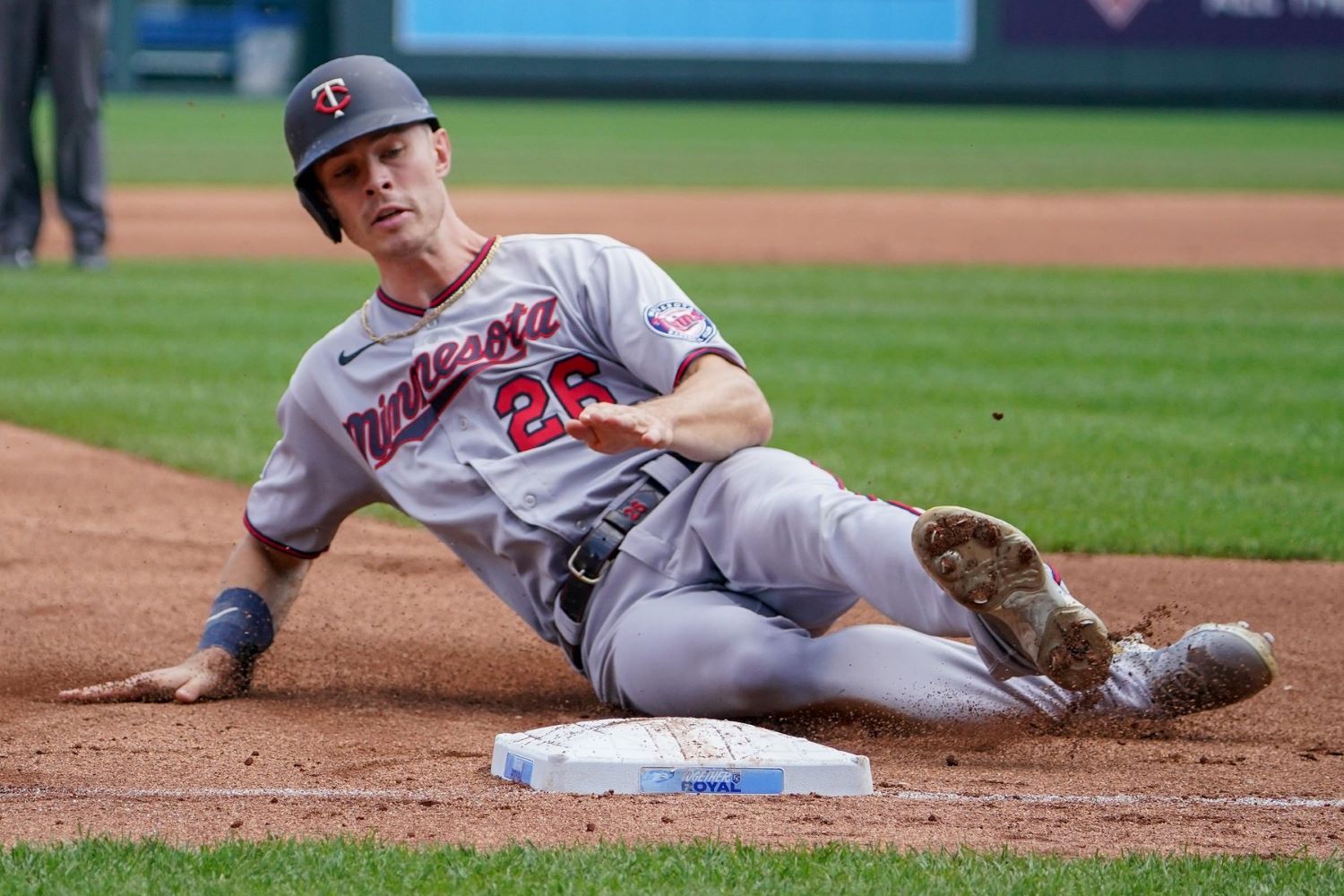 There have been points this winter where we were waiting for a Max Kepler trade announcement within the coming hours, such as when Joey Gallo was signed. Here we are at the end of January, however, and not only is Max Kepler still a Twin, it appears that may not change after all. When Disco Dan Hayes makes such a statement, it’s wise to listen. The Twins still see value in Kepler, at least more than other teams appear to on the trade market. It’s a fair stance. It’s hard to trade a player for less than a team feels they’re worth. That being said, if Max Kepler stays in Minnesota another year, the Twins need to get realistic about what they have in their homegrown corner outfielder. Max Kepler was seen as a breakout candidate for years before finally doing so in 2019. His 122 wRC+ that year made him appear to be a future star player, slugging 36 homers and crushing lefties, his biggest weakness as a hitter. We now have about 1,500 plate appearances prior to 2019 and over 1000 after saying that Max Kepler is not the player he was in 2019, and it’s time the Twins stop pretending he is. The realistic description of Max Kepler is that he’s a defense first strong side platoon player with a plate approach that should keep him out of the everyday lineup. In about 1,100 plate appearances since 2019, Max Kepler has slashed .220/.314/.392. His 98 wRC+ is 2% below league average for that time period, but playing the premier offensive position of corner outfield means that he’s even further below average than that relative to his positional peers. The Twins roster is ripe with reasons for Max Kepler not to have right field locked down everyday. Trevor Larnach nearly had as many Defensive Runs saved as Kepler in far fewer innings defensively in 2022, and there’s still a chance he hits left handed pitching and becomes a legitimate everyday player. Joey Gallo, for as much hate as he gets, is a legit plus player in the outfield defensively, and his career wRC+ is over 30 points higher against left handed pitching while his splits against right handed pitching are nearly identical to Kepler. Newly added outfielder Michael Taylor, who is known for being a non contributor offensively, blows Kepler away against left handed pitching for their careers. In 2022, Max Kepler took 60% of his plate appearances in the 1-4 spots of the lineup and about 43% of his plate appearances in the cleanup spot. There’s simply no justification for the Twins to continue this moving forward. With a career .744 OPS, Kepler hasn’t even reached the .720 mark since the shortened 2020 season. Even against right handed pitching Kepler has been surpassed by players such as Nick Gordon, who performed considerably better offensively as a platoon player in 2022. The Twins have assembled enough depth to keep Kepler from hitting in the heart of the lineup, and from playing in same-handed matchups at all. At 30 years old it’s time to recognize that this is the caliber of player that Max Kepler is. All of this to say that Max Kepler is a fine player… as a depth piece. There will be times where his defensive value is needed, and given the Twins recent injuries, he'll be a fine everyday fill-in for short periods if need be. In terms of 2022 calculated value per WAR, Kepler was still a value as he was paid $6.75m and was worth a bit over $10m by 2022 free agency measures. His $8.5m salary in 2023 and $10m team option for 2024 become much more in question however. If Kepler plays less in 2023 and/or his defensive value declines even slightly, he becomes less of a value and a prime candidate to have his 2024 option declined. This is why it’s still somewhat puzzling that the Twins don’t appear to be determined to trade him. With the shift ban on the horizon, it’s not a stretch to call it likely that Kepler’s value may never be higher despite the fact that it doesn’t look like he’ll benefit all that much from the rule change. The Twins may still very well trade Max Kepler. If they don’t however, they need to use him in an appropriate role. He’s not a player whose performance demands at bats. He’s not part of the core of the lineup.
- 69 comments
-
- 11
-
-
- max kepler
- trevor larnach
- (and 2 more)
-
At points this winter, it seemed to be a foregone conclusion that Max Kepler was headed out of Minnesota. It’s starting to look like he’s staying, however, which means it’s time for the Twins to realize what they have in their former everyday right fielder. Image courtesy of Denny Medley, USA TODAY Sports There have been points this winter where we were waiting for a Max Kepler trade announcement within the coming hours, such as when Joey Gallo was signed. Here we are at the end of January, however, and not only is Max Kepler still a Twin, it appears that may not change after all. When Disco Dan Hayes makes such a statement, it’s wise to listen. The Twins still see value in Kepler, at least more than other teams appear to on the trade market. It’s a fair stance. It’s hard to trade a player for less than a team feels they’re worth. That being said, if Max Kepler stays in Minnesota another year, the Twins need to get realistic about what they have in their homegrown corner outfielder. Max Kepler was seen as a breakout candidate for years before finally doing so in 2019. His 122 wRC+ that year made him appear to be a future star player, slugging 36 homers and crushing lefties, his biggest weakness as a hitter. We now have about 1,500 plate appearances prior to 2019 and over 1000 after saying that Max Kepler is not the player he was in 2019, and it’s time the Twins stop pretending he is. The realistic description of Max Kepler is that he’s a defense first strong side platoon player with a plate approach that should keep him out of the everyday lineup. In about 1,100 plate appearances since 2019, Max Kepler has slashed .220/.314/.392. His 98 wRC+ is 2% below league average for that time period, but playing the premier offensive position of corner outfield means that he’s even further below average than that relative to his positional peers. The Twins roster is ripe with reasons for Max Kepler not to have right field locked down everyday. Trevor Larnach nearly had as many Defensive Runs saved as Kepler in far fewer innings defensively in 2022, and there’s still a chance he hits left handed pitching and becomes a legitimate everyday player. Joey Gallo, for as much hate as he gets, is a legit plus player in the outfield defensively, and his career wRC+ is over 30 points higher against left handed pitching while his splits against right handed pitching are nearly identical to Kepler. Newly added outfielder Michael Taylor, who is known for being a non contributor offensively, blows Kepler away against left handed pitching for their careers. In 2022, Max Kepler took 60% of his plate appearances in the 1-4 spots of the lineup and about 43% of his plate appearances in the cleanup spot. There’s simply no justification for the Twins to continue this moving forward. With a career .744 OPS, Kepler hasn’t even reached the .720 mark since the shortened 2020 season. Even against right handed pitching Kepler has been surpassed by players such as Nick Gordon, who performed considerably better offensively as a platoon player in 2022. The Twins have assembled enough depth to keep Kepler from hitting in the heart of the lineup, and from playing in same-handed matchups at all. At 30 years old it’s time to recognize that this is the caliber of player that Max Kepler is. All of this to say that Max Kepler is a fine player… as a depth piece. There will be times where his defensive value is needed, and given the Twins recent injuries, he'll be a fine everyday fill-in for short periods if need be. In terms of 2022 calculated value per WAR, Kepler was still a value as he was paid $6.75m and was worth a bit over $10m by 2022 free agency measures. His $8.5m salary in 2023 and $10m team option for 2024 become much more in question however. If Kepler plays less in 2023 and/or his defensive value declines even slightly, he becomes less of a value and a prime candidate to have his 2024 option declined. This is why it’s still somewhat puzzling that the Twins don’t appear to be determined to trade him. With the shift ban on the horizon, it’s not a stretch to call it likely that Kepler’s value may never be higher despite the fact that it doesn’t look like he’ll benefit all that much from the rule change. The Twins may still very well trade Max Kepler. If they don’t however, they need to use him in an appropriate role. He’s not a player whose performance demands at bats. He’s not part of the core of the lineup. View full article
- 69 replies
-
- 3
-
-
- max kepler
- trevor larnach
- (and 2 more)
-
Should Jordan Balazovic Move to the Bullpen?
Cody Pirkl replied to Cody Pirkl's topic in Twins Daily Front Page News
He had a stretch from May 25 to August 11 where he failed to reach 4 innings in a given start. Had massive problems with walks, homers, etc. so a bit of everything. In all likelihood they won't give up on him quite yet, but I'd guess if he picks up 2023 with the same issues for a few starts they're going to be making some tough decisions.- 22 replies
-
- 2
-
-
- jordan balazovic
- emilio pagan
- (and 2 more)
-
Should Jordan Balazovic Move to the Bullpen?
Cody Pirkl replied to Cody Pirkl's topic in Twins Daily Front Page News
I think this is the likeliest outcome but they should have the backup plan as a reliever at the back of their mind. We may never know how much that knee affected his final performance, but man that was an unbelievably bad AAA debut.- 22 replies
-
- 8
-
-
- jordan balazovic
- emilio pagan
- (and 2 more)
-
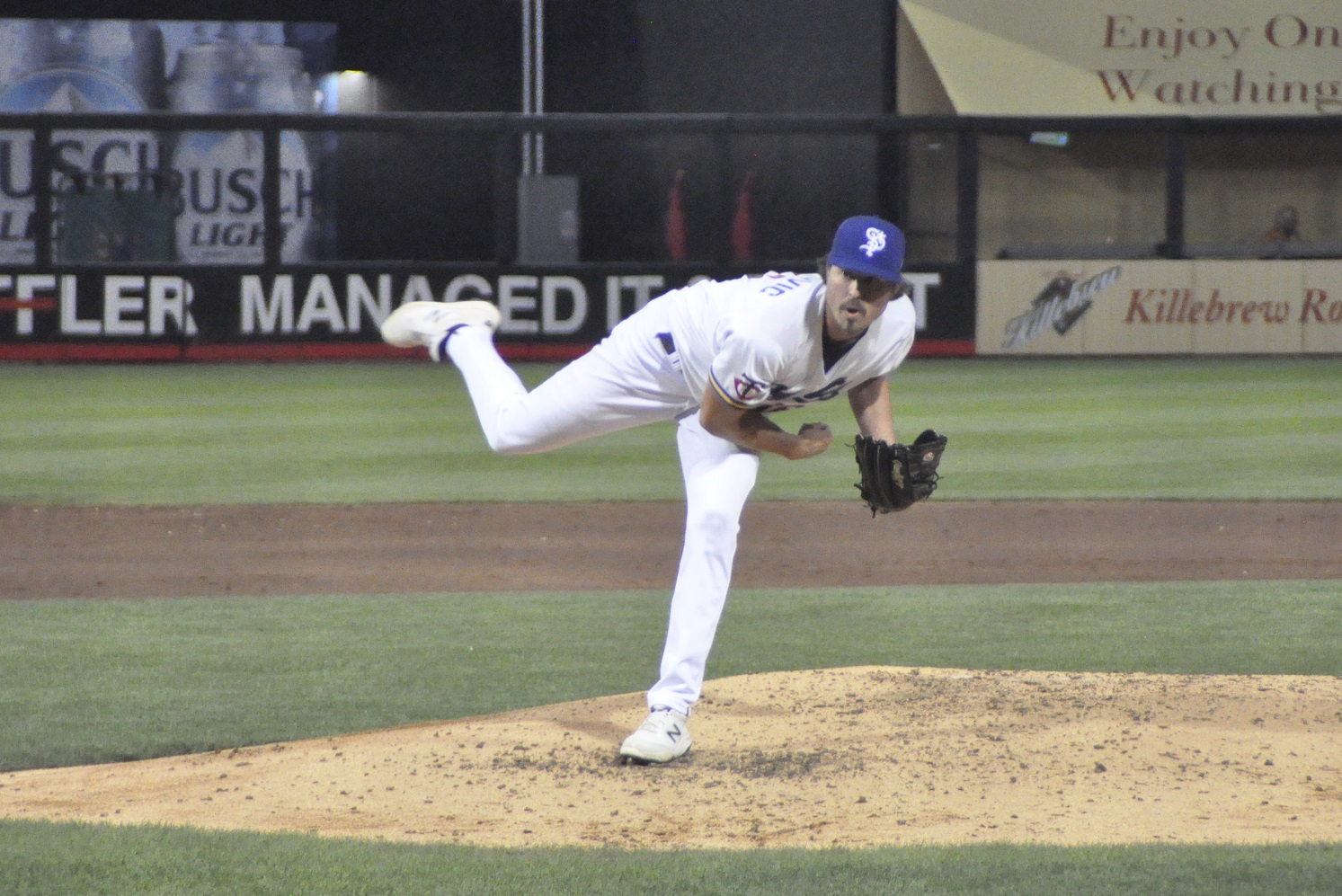 Jordan Balazovic was seen as the crown jewel pitching prospect in the Twins system for a few years prior to 2022. Even as a fifth round pick out of Canada in 2016, Balazovic became a big name quickly, as his 6’5 frame filled out quickly and velocity soon followed. He dominated his way up to Double-A in 2019 before the 2020 shutdown interrupted what looked to be an ascension to one of the Twins best starting pitching prospects in some time. 2021 was a mixed bag as Balazovic threw 97 innings in Double-A with a mid-3s ERA. The strikeouts came down and walks came up a bit, but he still flashed the upside the Twins knew was there. While not the dominant pitcher he had shown he could be, 2021 never could have foreshadowed what we saw in 2022. Balazovic began the season a bit behind due to a knee issue. Still, the Twins had decided they’d seen enough in Double-A to bump him up to Triple-A, setting the stage for a potential call up later in 2022. Unfortunately, these plans did not come to fruition, as Balazovic wound up throwing around 70 innings and posting a panic-inducing 7.39 ERA. He was often chased from outings in the second or third inning, allowing a 2.55 HR/9 that would make Emilio Pagan blush. There were rumblings of the knee issue continuing to limit the right hander, but the 2022 season was enough for Balazovic to lose all national prospect status. Once bordering on Top 100 prospect lists as an up-and-coming mid-to-high end starting pitcher, Balazovic’s future is suddenly a massive question mark. The question of course, is how the Twins view him. At 24 years old, the Twins don’t have to rush to make a decision with Balazovic. Plenty of pitchers such as Josh Winder and Bailey Ober debuted at older ages. The issue, however, becomes the fact that Balazovic had to be added to the 40-man roster. If The Twins want to regain trust in him as a starter in 2023, it will likely take a sizable body of work for them to feel comfortable calling him up given what they saw last year. It also runs the risk of him either continuing to struggle or just putting up middle of the road numbers that don’t push the issue at all. Given how often the Twins churn over the fringes of the 40-man roster, it’s hard to stash Balazovic away in Triple-A as a starter if they’ve lost any faith in him. It’s possible they take another route instead. Balazovic’s stuff remains intact by all accounts. His massive frame allows him to throw mid-90s out of the rotation, and he has multiple secondary pitches that grade out well. It’s entirely possible that a move to shorter stints out of the bullpen allow him to approach triple digits, and he could greatly reduce the usage on his lowest-graded pitch being the changeup. He should have the raw stuff to put any command struggles behind him and simply overpower opposing hitters. This would also put him on an expedited track to the Major Leagues. Nobody ever wants to see a top prospect make the switch to the bullpen, but it’s a quite common outcome. Trevor May, Taylor Rogers, Jhoan Duran, all former starters that made a shift for struggles of some kind and found massive success in the MLB. We’ve seen Griffin Jax, a low 90s fringe starting pitching prospect transition into a high leverage reliever who sits above 95 mph. Sometimes a move to the bullpen is exactly what a pitcher needs to reach their potential. It’s likely at this point that Balazovic opens 2023 as a starting pitcher in Triple-A once more, which is completely fair. Much like the 2022 Twins, it may be wise not to make any rash decisions when injury accounted for so much of the struggles. Still, it’s likely that Balazovic’s status as a future starting pitcher is on thin ice. Prospects get hurt and struggle every year, but Balazovic’s 2022 was so bad that it’s fair to wonder whether it’s possible for him to come all the way back. The Twins should have a backup plan on standby for Balazovic in 2023 should his struggles continue early in the year. He has the talent to make a real impact on the Major League team and if his odds of that impact coming in the rotation continue to wane, the Twins need to be ready to pivot. Jordan Balazovic could easily become the next Jhoan Duran starter turned reliever to make an impact on the Twins roster. It’s not what fans have hoped for all of these years, but it’s far from a bad outcome.
- 22 comments
-
- 6
-
-
- jordan balazovic
- emilio pagan
- (and 2 more)
-
2022 wasn’t just bad for former top pitching prospect Jordan Balazovic, it was disastrous. Now that he’s on the 40 man roster with minimal minor league success above Double-A on his resume, is it time for a change in plans? Image courtesy of Theo Tollefson, Twins Daily Jordan Balazovic was seen as the crown jewel pitching prospect in the Twins system for a few years prior to 2022. Even as a fifth round pick out of Canada in 2016, Balazovic became a big name quickly, as his 6’5 frame filled out quickly and velocity soon followed. He dominated his way up to Double-A in 2019 before the 2020 shutdown interrupted what looked to be an ascension to one of the Twins best starting pitching prospects in some time. 2021 was a mixed bag as Balazovic threw 97 innings in Double-A with a mid-3s ERA. The strikeouts came down and walks came up a bit, but he still flashed the upside the Twins knew was there. While not the dominant pitcher he had shown he could be, 2021 never could have foreshadowed what we saw in 2022. Balazovic began the season a bit behind due to a knee issue. Still, the Twins had decided they’d seen enough in Double-A to bump him up to Triple-A, setting the stage for a potential call up later in 2022. Unfortunately, these plans did not come to fruition, as Balazovic wound up throwing around 70 innings and posting a panic-inducing 7.39 ERA. He was often chased from outings in the second or third inning, allowing a 2.55 HR/9 that would make Emilio Pagan blush. There were rumblings of the knee issue continuing to limit the right hander, but the 2022 season was enough for Balazovic to lose all national prospect status. Once bordering on Top 100 prospect lists as an up-and-coming mid-to-high end starting pitcher, Balazovic’s future is suddenly a massive question mark. The question of course, is how the Twins view him. At 24 years old, the Twins don’t have to rush to make a decision with Balazovic. Plenty of pitchers such as Josh Winder and Bailey Ober debuted at older ages. The issue, however, becomes the fact that Balazovic had to be added to the 40-man roster. If The Twins want to regain trust in him as a starter in 2023, it will likely take a sizable body of work for them to feel comfortable calling him up given what they saw last year. It also runs the risk of him either continuing to struggle or just putting up middle of the road numbers that don’t push the issue at all. Given how often the Twins churn over the fringes of the 40-man roster, it’s hard to stash Balazovic away in Triple-A as a starter if they’ve lost any faith in him. It’s possible they take another route instead. Balazovic’s stuff remains intact by all accounts. His massive frame allows him to throw mid-90s out of the rotation, and he has multiple secondary pitches that grade out well. It’s entirely possible that a move to shorter stints out of the bullpen allow him to approach triple digits, and he could greatly reduce the usage on his lowest-graded pitch being the changeup. He should have the raw stuff to put any command struggles behind him and simply overpower opposing hitters. This would also put him on an expedited track to the Major Leagues. Nobody ever wants to see a top prospect make the switch to the bullpen, but it’s a quite common outcome. Trevor May, Taylor Rogers, Jhoan Duran, all former starters that made a shift for struggles of some kind and found massive success in the MLB. We’ve seen Griffin Jax, a low 90s fringe starting pitching prospect transition into a high leverage reliever who sits above 95 mph. Sometimes a move to the bullpen is exactly what a pitcher needs to reach their potential. It’s likely at this point that Balazovic opens 2023 as a starting pitcher in Triple-A once more, which is completely fair. Much like the 2022 Twins, it may be wise not to make any rash decisions when injury accounted for so much of the struggles. Still, it’s likely that Balazovic’s status as a future starting pitcher is on thin ice. Prospects get hurt and struggle every year, but Balazovic’s 2022 was so bad that it’s fair to wonder whether it’s possible for him to come all the way back. The Twins should have a backup plan on standby for Balazovic in 2023 should his struggles continue early in the year. He has the talent to make a real impact on the Major League team and if his odds of that impact coming in the rotation continue to wane, the Twins need to be ready to pivot. Jordan Balazovic could easily become the next Jhoan Duran starter turned reliever to make an impact on the Twins roster. It’s not what fans have hoped for all of these years, but it’s far from a bad outcome. View full article
-
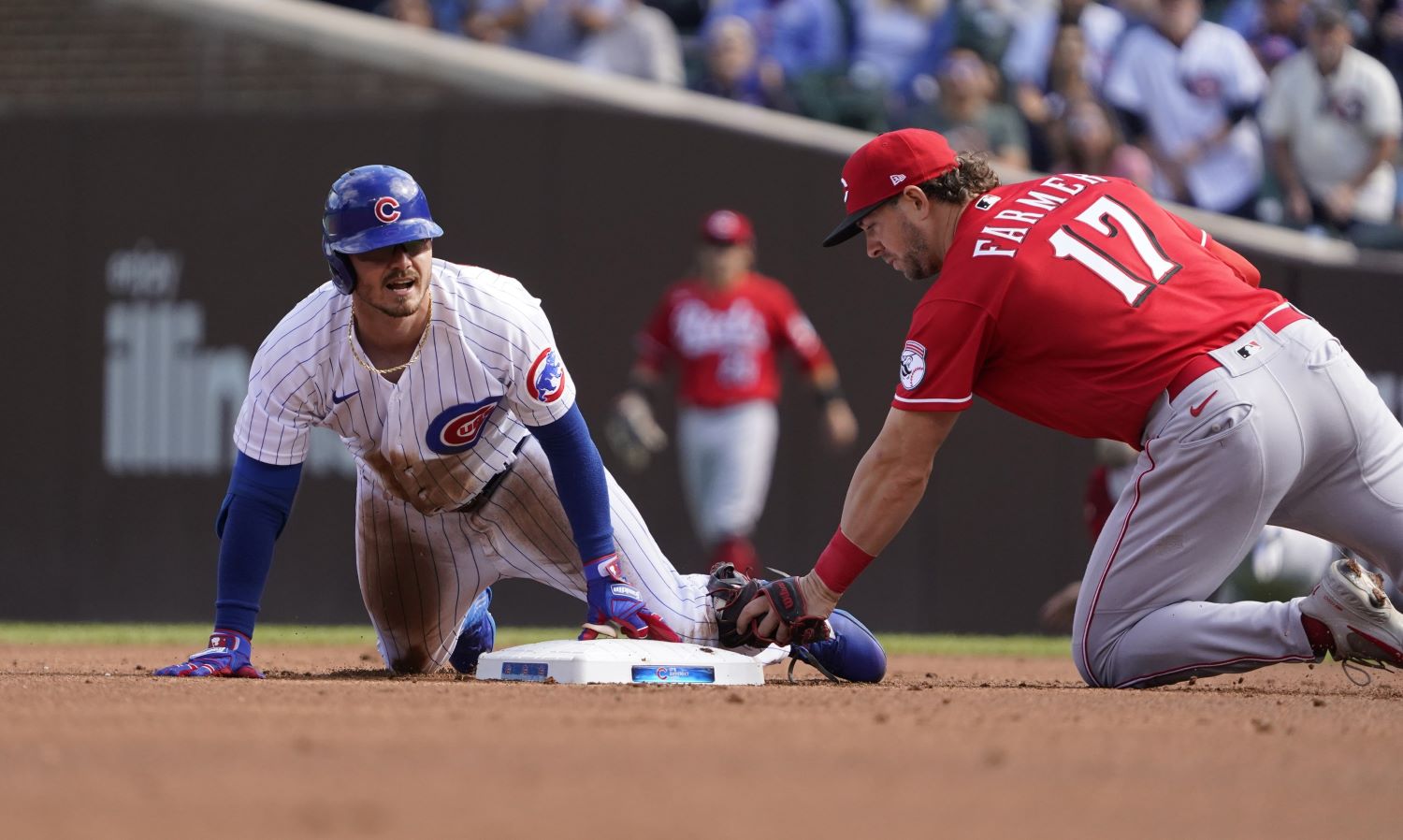 Kyle Farmer has been an average to good shortstop in every season of his career. He’s moved around the infield a bit and has always been a solid regular no matter where he plays, likely a huge reason the Twins acquired him from Cincinnati this offseason. Now that Carlos Correa becomes the everyday shortstop for the near future, Farmer finds himself in a utility platoon role where he should thrive. Could that role include some time spent in the outfield? Kyle Farmer has spent four total innings in the outfield in his major league career. At 32 years old, it’s somewhat hard to imagine a sudden shift in position, even if it’s just periodically. For as much as the Twins needed depth up the middle for the infield however, Farmer could certainly find himself filling another need in the corner outfield for the Twins. It sure appears the front office is considering this same solution. Farmer is clearly an athlete, gamer, grinder, whatever term you like to use for this brand of utilityman who can do it all while receiving glowing reviews along the way. Long considered a fantastic clubhouse guy and team player despite playing for some disappointing Cincinnati squads, it’s difficult to envision him refusing if the Twins ask him to try something new. While certainly needing time to get acclimated, it’s not uncommon for middle infielders to transition well to the outfield. See Nick Gordon who, just last year, did a fine job of playing in the grass for essentially the first time in his career. It sounds like a tall task for a 32-year-old to jump into a new position, but it’s worth noting that the bar to clear in regards to defense is not very high. The recently DFAed Kyle Garlick has never graded out as above average defensively in his career, and was often well below. He was still a viable player for the limited role he was asked to fill. Kyle Farmer wouldn’t have to be a premier defender in the outfield. If he even slides into the same tier as Garlick defensively it would help the Twins tremendously. He’s likely to still accrue much of his value on the infield, but the added versatility gives the Twins an arsenal of right-handed flexibility. Not to mention the fact that Garlick may be right back up with the MLB squad right away in 2023. Any confidence in Farmer playing outfield would have led to the Twins decision to gamble on losing Garlick to waivers. The noted low bar to clear on defense is the only real concern when it comes to Farmer filling the Garlick role. The two are nearly identical in offensive output. It’s likely that Farmer is capable of being what Garlick was last year, except his recent health paints a much better picture when it comes to availability. And the best part is the Twins gambled and won and still have Garlick waiting in the wings. It may seem like a ridiculous idea to forego a real right-handed outfield acquisition. The high end market was quick however, and it’s entirely possible that a year long combo of Farmer and Garlick could provide just as much value as the Andrew McCutchen and Tommy Pham types. Possibly even more. It’s possible that the Twins still bring in a right-handed outfield option in creative fashion, but the free agency market appears finished. At the end of the day, the Twins may have had their right-handed corner outfield addition way back in November. Kyle Farmer could fill a much different need than we’d have expected.
 -
The Twins were expected all offseason to bring in much needed right-handed outfield help. Now that most of the options are off the board, it’s fair to wonder: Have they already made their right-handed outfield addition for 2023? Image courtesy of David Banks-USA TODAY Sports Kyle Farmer has been an average to good shortstop in every season of his career. He’s moved around the infield a bit and has always been a solid regular no matter where he plays, likely a huge reason the Twins acquired him from Cincinnati this offseason. Now that Carlos Correa becomes the everyday shortstop for the near future, Farmer finds himself in a utility platoon role where he should thrive. Could that role include some time spent in the outfield? Kyle Farmer has spent four total innings in the outfield in his major league career. At 32 years old, it’s somewhat hard to imagine a sudden shift in position, even if it’s just periodically. For as much as the Twins needed depth up the middle for the infield however, Farmer could certainly find himself filling another need in the corner outfield for the Twins. It sure appears the front office is considering this same solution. Farmer is clearly an athlete, gamer, grinder, whatever term you like to use for this brand of utilityman who can do it all while receiving glowing reviews along the way. Long considered a fantastic clubhouse guy and team player despite playing for some disappointing Cincinnati squads, it’s difficult to envision him refusing if the Twins ask him to try something new. While certainly needing time to get acclimated, it’s not uncommon for middle infielders to transition well to the outfield. See Nick Gordon who, just last year, did a fine job of playing in the grass for essentially the first time in his career. It sounds like a tall task for a 32-year-old to jump into a new position, but it’s worth noting that the bar to clear in regards to defense is not very high. The recently DFAed Kyle Garlick has never graded out as above average defensively in his career, and was often well below. He was still a viable player for the limited role he was asked to fill. Kyle Farmer wouldn’t have to be a premier defender in the outfield. If he even slides into the same tier as Garlick defensively it would help the Twins tremendously. He’s likely to still accrue much of his value on the infield, but the added versatility gives the Twins an arsenal of right-handed flexibility. Not to mention the fact that Garlick may be right back up with the MLB squad right away in 2023. Any confidence in Farmer playing outfield would have led to the Twins decision to gamble on losing Garlick to waivers. The noted low bar to clear on defense is the only real concern when it comes to Farmer filling the Garlick role. The two are nearly identical in offensive output. It’s likely that Farmer is capable of being what Garlick was last year, except his recent health paints a much better picture when it comes to availability. And the best part is the Twins gambled and won and still have Garlick waiting in the wings. It may seem like a ridiculous idea to forego a real right-handed outfield acquisition. The high end market was quick however, and it’s entirely possible that a year long combo of Farmer and Garlick could provide just as much value as the Andrew McCutchen and Tommy Pham types. Possibly even more. It’s possible that the Twins still bring in a right-handed outfield option in creative fashion, but the free agency market appears finished. At the end of the day, the Twins may have had their right-handed corner outfield addition way back in November. Kyle Farmer could fill a much different need than we’d have expected. View full article
-
In 2022, Jovani Moran was sneaky good despite getting yo-yoed between levels. So good in fact, that looking back, it seems like Moran should have earned a more consistent role. That should change in 2023. Image courtesy of Nick Turchiaro-USA TODAY Sports Jovani Moran is far from a Twins top prospect. He’s slowly worked his way up the system since being drafted in 2015 and will be 26 years old in 2023. He averaged just a bit above 93 mph on his fastball and lacks the nasty wipeout slider to truly dominate same handed hitters as you normally see in left handed relievers. He’s not currently an impactful part of the 2023 Twins pitching staff, but he could be. By now we all know the deal with Jovani Moran. He walks too many hitters and his main out pitch is a changeup, making him almost more of a right handed reliever due to the pitches harsh splits against right handed hitters (.458 OPS allowed in 2022). He’s a bit of an enigma due to his lack of velocity and pitch mix that still resulted in an incredible 32.9% K rate. With being somewhat of a unicorn, can Moran continue succeeding at the MLB level if he’s given a true opportunity in 2023? We’ve seen the worst of Moran, at times appearing to have no idea how to find the strike zone. This is easily the number one concern, as on occasion we’ve seen him walk the bases loaded and look completely uncompetitive. It’s always been a part of his game and his 11% BB rate in 2022 was a bit of a tightrope act. Consider however that that 11% rate was his best since 2019 in AA, and was a significant improvement on his 18.4% BB rate in 2021. Moran appears to have improved, and while his career has been up and down, it’s at least encouraging to see. Some would argue that Moran’s 2.21 ERA in 2022 was unsustainable not only because of his walk rates, but because he performed much worse with a 6.00 ERA in AAA which could be the true indicator of his abilities. Consider however that the 6.00 ERA in AAA was backed up by a 3.01 FIP and 2.75 xFIP. Moran had an unsustainable 65.4 left on base % and 16.7 homer to flyball rate. While he walked more batters with the Saints, it looks like what could go wrong did. Furthermore, his 2.21 ERA with the Twins was backed up by a 2.28 xERA, 1.78 FIP, and 2.88 xFIP. These aren’t predictive stats, but looking at his ERAs in AAA and at the MLB level, it sure seems the latter was the more legitimate outcome. It’s hard to call Moran the second lefty in the Twins bullpen, and he certainly shouldn’t be trusted in high leverage immediately. Moran has earned an opportunity to be a bullpen regular however. Any pitch with a near 50% whiff rate should immediately earn a pitcher an extended look, and Moran’s changeup has posted this mark in both of his MLB seasons. In 2022 the pitch allowed a .101/.158/.139 line, and his fastball was a great pitch as well. He also gets a decent amount of ground balls and he’s allowed just 14 homers in his entire 200+ professional innings. With such standout characteristics in his profile, Moran should easily be ahead of relievers such as Trevor Megill for low leverage spots. This isn’t a call to make Moran a featured reliever out of the Twins bullpen in 2023. He has several elite skills however and if he can improve on his walk rate just a bit more, he’s flashed the ability to thrive in a high leverage role. Being used as he was in 2022 however will certainly not bring that possibility to fruition. As a home grown talent on a team that doesn’t invest in the bullpen, there’s simply no reason to continue bouncing him in between the majors and minors while giving fringe MLB pitchers opportunities. 2023 should bring opportunity for Jovani Moran who arguably should’ve earned more of it in 2022. If he even hits his 60th percentile, the Twins would have a unique weapon out of the bullpen and would make playing the matchups an absolute nightmare for opposing clubs. It’s time for Jovani Moran to get some respect. View full article
-
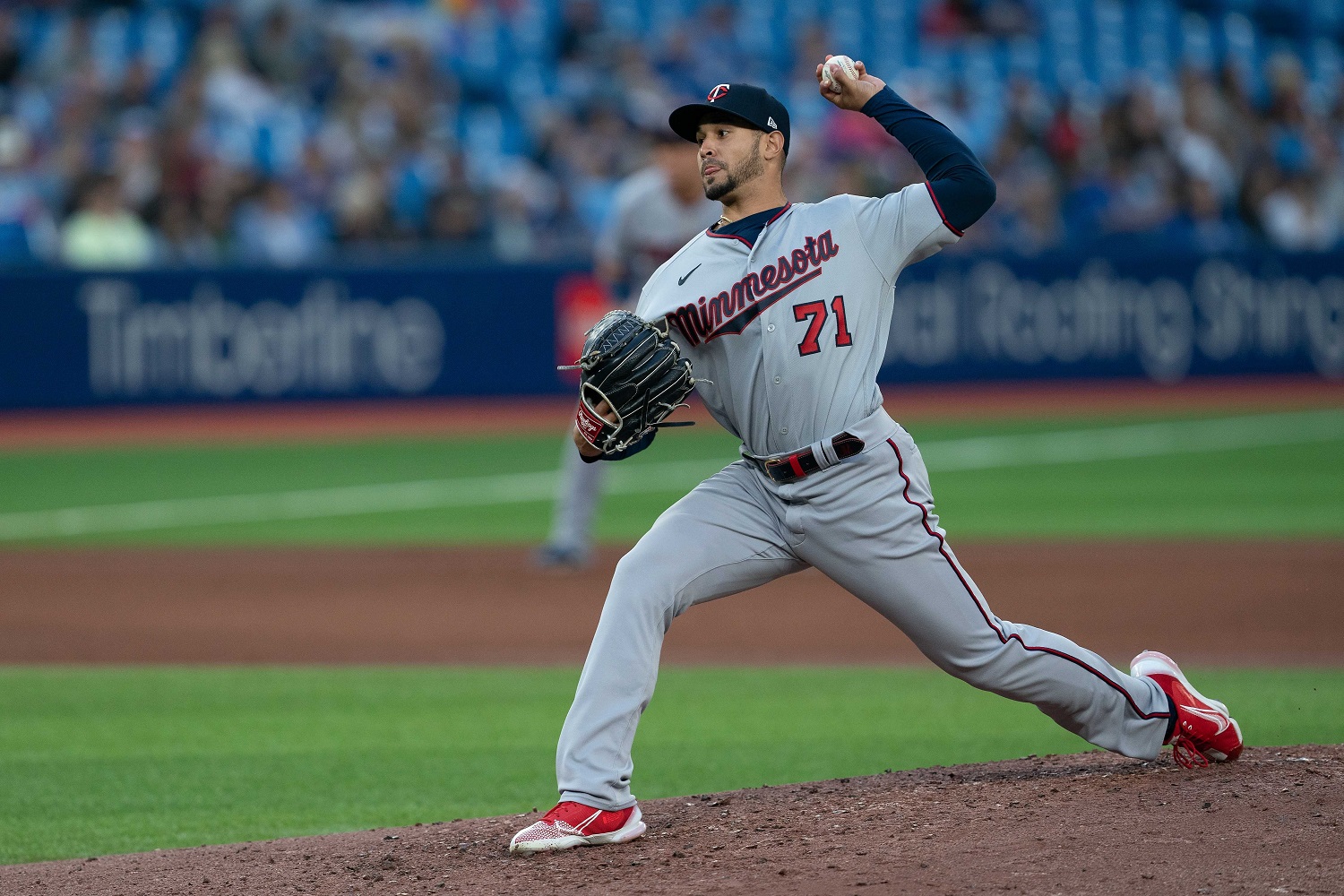 Jovani Moran is far from a Twins top prospect. He’s slowly worked his way up the system since being drafted in 2015 and will be 26 years old in 2023. He averaged just a bit above 93 mph on his fastball and lacks the nasty wipeout slider to truly dominate same handed hitters as you normally see in left handed relievers. He’s not currently an impactful part of the 2023 Twins pitching staff, but he could be. By now we all know the deal with Jovani Moran. He walks too many hitters and his main out pitch is a changeup, making him almost more of a right handed reliever due to the pitches harsh splits against right handed hitters (.458 OPS allowed in 2022). He’s a bit of an enigma due to his lack of velocity and pitch mix that still resulted in an incredible 32.9% K rate. With being somewhat of a unicorn, can Moran continue succeeding at the MLB level if he’s given a true opportunity in 2023? We’ve seen the worst of Moran, at times appearing to have no idea how to find the strike zone. This is easily the number one concern, as on occasion we’ve seen him walk the bases loaded and look completely uncompetitive. It’s always been a part of his game and his 11% BB rate in 2022 was a bit of a tightrope act. Consider however that that 11% rate was his best since 2019 in AA, and was a significant improvement on his 18.4% BB rate in 2021. Moran appears to have improved, and while his career has been up and down, it’s at least encouraging to see. Some would argue that Moran’s 2.21 ERA in 2022 was unsustainable not only because of his walk rates, but because he performed much worse with a 6.00 ERA in AAA which could be the true indicator of his abilities. Consider however that the 6.00 ERA in AAA was backed up by a 3.01 FIP and 2.75 xFIP. Moran had an unsustainable 65.4 left on base % and 16.7 homer to flyball rate. While he walked more batters with the Saints, it looks like what could go wrong did. Furthermore, his 2.21 ERA with the Twins was backed up by a 2.28 xERA, 1.78 FIP, and 2.88 xFIP. These aren’t predictive stats, but looking at his ERAs in AAA and at the MLB level, it sure seems the latter was the more legitimate outcome. It’s hard to call Moran the second lefty in the Twins bullpen, and he certainly shouldn’t be trusted in high leverage immediately. Moran has earned an opportunity to be a bullpen regular however. Any pitch with a near 50% whiff rate should immediately earn a pitcher an extended look, and Moran’s changeup has posted this mark in both of his MLB seasons. In 2022 the pitch allowed a .101/.158/.139 line, and his fastball was a great pitch as well. He also gets a decent amount of ground balls and he’s allowed just 14 homers in his entire 200+ professional innings. With such standout characteristics in his profile, Moran should easily be ahead of relievers such as Trevor Megill for low leverage spots. This isn’t a call to make Moran a featured reliever out of the Twins bullpen in 2023. He has several elite skills however and if he can improve on his walk rate just a bit more, he’s flashed the ability to thrive in a high leverage role. Being used as he was in 2022 however will certainly not bring that possibility to fruition. As a home grown talent on a team that doesn’t invest in the bullpen, there’s simply no reason to continue bouncing him in between the majors and minors while giving fringe MLB pitchers opportunities. 2023 should bring opportunity for Jovani Moran who arguably should’ve earned more of it in 2022. If he even hits his 60th percentile, the Twins would have a unique weapon out of the bullpen and would make playing the matchups an absolute nightmare for opposing clubs. It’s time for Jovani Moran to get some respect.
 -
The Twins finally locked up Carlos Correa, though it took some of the most unprecedented circumstances in history. With Correa set to be a Twin for at least six years, should we care how we got to this point? Image courtesy of Jay Biggerstaff-USA TODAY Sports On more than one occasion this winter it appeared Carlos Correa was headed elsewhere. San Francisco, New York, etc. Both larger markets generally thought to be more desirable destinations offering more money, it’s easy to see how Correa was ready to sign onto both situations before fate brought him back to the Twins. Now that he’s here, does the path he took matter at all? Some people sure seem to think so, and have been raising several concerns now that Correa appears to be back in Minnesota. “He didn’t want to come back to Minnesota” Minnesota was by definition the third choice for Correa to land in, but that doesn’t mean he didn’t want to come back to Minnesota. No fan should expect anything less than a player to take the highest offer they’re given in free agency, especially when those offers come from premier destinations such as San Francisco and New York. Did he love it to the extent that he was willing to take less money to return? No. Why would anyone have expected otherwise? When the Twins eventually wound up with the best offer on the table, he was willing to take it. That should be plenty good enough! “This is going to be like Lance Lynn all over again” Many fans remember 2018 when Lance Lynn signed with the Twins following a disappointing offseason for the right hander. He didn’t get the money or destination he desired and despite the Twins being the one team to offer a competitive contract, he seemed to hold it against them. If anyone has these concerns about Carlos Correa, they likely don’t know much about Carlos Correa. It’s far more likely he’s on a warpath to leave 29 other teams kicking themselves for missing out on a healthy superstar shortstop. “They only got him because of his physicals” Correct. The stars aligned to allow not one, but two mega deals to fall through and open the door for the Twins. When the dust settled and all information was equal, the Twins still outbid 29 other teams, with the Mets offer reportedly coming up significantly short of Correa’s agreement with the Twins. The way we should probably think about this is as follows: “My favorite team just won the bidding for a star player. There’s risk involved, but it’s not my money!” “This doesn’t do much but get us back to last year’s roster” While the Twins aren’t going to be projected to win the Central immediately following the Correa signing, it gets them within striking distance, something that couldn’t have been said prior to the deal. The Twins are in a spot given their middling projections and poor division where every win added is extremely valuable. Last year by Fangraphs measures, Correa was worth around 4-5. Simply put, there may have been a path to a winner without Correa, but it was extremely narrow. With Correa filling shortstop and anchoring the lineup, variance and the good health we’ve all been talking about sets up the possibility of a rebound season for the Twins. Also consider the fact that there could be multiple additions still on their way. “What if Correa’s leg is a legitimate problem?” Let’s be clear, nothing has changed with Correa’s physical condition since the Twins offered 10 years, $285m to Correa earlier this winter. It’s also likely nothing has changed since he was actually playing for the Twins. There’s risk with any free agent signing, or trade as we saw last season. The Twins have made a reputation out of chasing low risk, one year deals in recent years and let’s be perfectly honest, it has not gone well. They appeared to be saving money for a longer term deal if the opportunity arose, and it’s hard to imagine a better opportunity than the one that was presented to them to get Correa. It was an uncomfortable, high risk deal that quite frankly they’ve been overdue for. It’s also worth considering that at only 6 years, $200m guaranteed, it’s not nearly as uncomfortable or high risk as it could have been. Would you rather gamble on Correa remaining a star talent for 6 years with a plate in his leg that hasn’t held him back in nearly a decade, or someone like Trea Turner remaining a star player for the next 11? Turner’s deal is almost certain to go poorly in the next 11 years. The Twins are only gambling on 6 with Correa. To be fair, many of these questions have to be asked, and some of them were in some fashion during the introductory press conference. All parties were likely expecting questions regarding the awkwardness of this outcome, but none seem particularly perturbed about the situation moving forward. The fact of the matter is this: Twins fans should have been hoping that Correa would wind up back in Minnesota this winter by any means necessary. It certainly wasn’t a straightforward path but the end result is exactly what we dreamed of. The circumstances are irrelevant. Carlos Correa is a Minnesota Twin. Possibly for the rest of his career. Just try to enjoy it. View full article
-
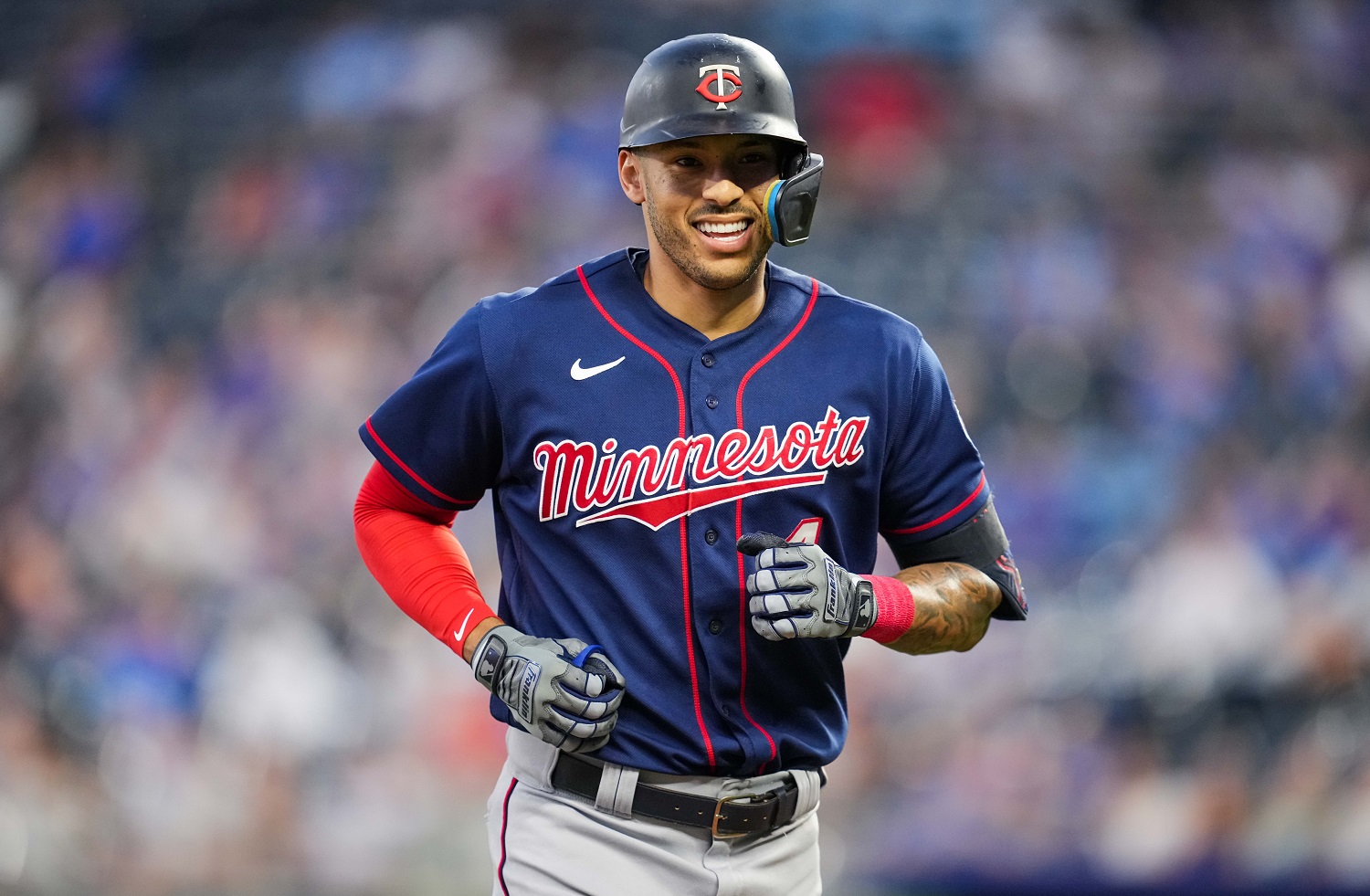 On more than one occasion this winter it appeared Carlos Correa was headed elsewhere. San Francisco, New York, etc. Both larger markets generally thought to be more desirable destinations offering more money, it’s easy to see how Correa was ready to sign onto both situations before fate brought him back to the Twins. Now that he’s here, does the path he took matter at all? Some people sure seem to think so, and have been raising several concerns now that Correa appears to be back in Minnesota. “He didn’t want to come back to Minnesota” Minnesota was by definition the third choice for Correa to land in, but that doesn’t mean he didn’t want to come back to Minnesota. No fan should expect anything less than a player to take the highest offer they’re given in free agency, especially when those offers come from premier destinations such as San Francisco and New York. Did he love it to the extent that he was willing to take less money to return? No. Why would anyone have expected otherwise? When the Twins eventually wound up with the best offer on the table, he was willing to take it. That should be plenty good enough! “This is going to be like Lance Lynn all over again” Many fans remember 2018 when Lance Lynn signed with the Twins following a disappointing offseason for the right hander. He didn’t get the money or destination he desired and despite the Twins being the one team to offer a competitive contract, he seemed to hold it against them. If anyone has these concerns about Carlos Correa, they likely don’t know much about Carlos Correa. It’s far more likely he’s on a warpath to leave 29 other teams kicking themselves for missing out on a healthy superstar shortstop. “They only got him because of his physicals” Correct. The stars aligned to allow not one, but two mega deals to fall through and open the door for the Twins. When the dust settled and all information was equal, the Twins still outbid 29 other teams, with the Mets offer reportedly coming up significantly short of Correa’s agreement with the Twins. The way we should probably think about this is as follows: “My favorite team just won the bidding for a star player. There’s risk involved, but it’s not my money!” “This doesn’t do much but get us back to last year’s roster” While the Twins aren’t going to be projected to win the Central immediately following the Correa signing, it gets them within striking distance, something that couldn’t have been said prior to the deal. The Twins are in a spot given their middling projections and poor division where every win added is extremely valuable. Last year by Fangraphs measures, Correa was worth around 4-5. Simply put, there may have been a path to a winner without Correa, but it was extremely narrow. With Correa filling shortstop and anchoring the lineup, variance and the good health we’ve all been talking about sets up the possibility of a rebound season for the Twins. Also consider the fact that there could be multiple additions still on their way. “What if Correa’s leg is a legitimate problem?” Let’s be clear, nothing has changed with Correa’s physical condition since the Twins offered 10 years, $285m to Correa earlier this winter. It’s also likely nothing has changed since he was actually playing for the Twins. There’s risk with any free agent signing, or trade as we saw last season. The Twins have made a reputation out of chasing low risk, one year deals in recent years and let’s be perfectly honest, it has not gone well. They appeared to be saving money for a longer term deal if the opportunity arose, and it’s hard to imagine a better opportunity than the one that was presented to them to get Correa. It was an uncomfortable, high risk deal that quite frankly they’ve been overdue for. It’s also worth considering that at only 6 years, $200m guaranteed, it’s not nearly as uncomfortable or high risk as it could have been. Would you rather gamble on Correa remaining a star talent for 6 years with a plate in his leg that hasn’t held him back in nearly a decade, or someone like Trea Turner remaining a star player for the next 11? Turner’s deal is almost certain to go poorly in the next 11 years. The Twins are only gambling on 6 with Correa. To be fair, many of these questions have to be asked, and some of them were in some fashion during the introductory press conference. All parties were likely expecting questions regarding the awkwardness of this outcome, but none seem particularly perturbed about the situation moving forward. The fact of the matter is this: Twins fans should have been hoping that Correa would wind up back in Minnesota this winter by any means necessary. It certainly wasn’t a straightforward path but the end result is exactly what we dreamed of. The circumstances are irrelevant. Carlos Correa is a Minnesota Twin. Possibly for the rest of his career. Just try to enjoy it.
 -
He's always had the questions and has two years now of not performing well there though. His arm is a concern for the position and they favored Brooks Lee at SS when he was promoted. Of course more goes into it than errors but it's all we have and I'd be surprised to see them continue with this experiment for a 3rd year.
-
My guess is unfortunately we don't see him at SS again. It was questionable whether he could stick there when he was drafted and he's got two years now of being quite bad there.
-
Once drafted 5th overall in 2020, Austin Martin’s prospect stock has tumbled due to several ongoing concerns. What can we expect moving forward from what was once the main return in the Jose Berrios trade? Image courtesy of Ed Bailey, Wichita Wind Surge Austin Martin was billed as a tremendous hitter with an unknown defensive future when he was taken 5th overall in the 2020 draft. Martin’s minor league career got off to a good but strange start offensively, and the defensive questions quickly grew before being traded to the Twins during the summer following his draft selection. A year and a half later, the Twins are left with more questions than answers. Martin was immediately placed in Double-A with Toronto due to what was seen as an advanced plate approach, and he rewarded them with a 133 wRC+ in his 56 games before being traded. His overall body of work looked like he not only belonged, but that he could shoot up the minors and debut in the MLB in short order. So why would Toronto trade such a player? Martin walked an incredible 14.8% of the time and only struck out 21.2% of the time with Toronto. His .281 batting average and .424 OBP were very impressive. If you’ve followed Twins prospects, however, you likely know the question with Martin was always his power. He slugged just .383 in his debut, a total power outage that was exacerbated by Toronto’s lack of belief in his ability to stick in the middle of the field defensively. He committed 10 errors in just 26 games at shortstop with Toronto before they started moving him around the diamond. The Twins saw an opportunity to buy a player who was losing the faith of the team that drafted him. They traded Jose Berrios for Martin and Simeon Woods Richardson. They gave Martin the keys to shortstop in Double-A and began attempting to retool his swing. In his year and a half in the Twins system, Martin’s prospect stock has declined significantly. After finishing 2021 similarly to how he started, Martin completely cratered in 2022. His slash line of .241/.367/.315 was 11% below league average in Double-A. He stole an impressive 34 bases in 90 games, but his walk rate didn’t reach 2021 levels and his power declined even further. He committed 18 errors at shortstop in just 70 games, and by year’s end, it appeared the Austin Martin shortstop experiment had come to an end. He had dealt with hand issues throughout the season which surely held him back to some extent, but his struggles dropped him out of any top 100 prospects list you can find. So what could Austin Martin’s future hold? Of note, he was sent to the Arizona Fall League to make up for lost time in 2022 and dominated to the tune of a .374/.454/.482 slash line, stealing 10 bases in just 21 games. It’s possible he was finally healthy and some of those swing changes finally showed themselves. If he can utilize his contact and walk ability and slug even .400, he’s likely to find himself at the door of the Major Leagues in short order at the age of 24. Still, significant questions persist. The Twins have yet to find a position that Martin can play well after spending nearly all of 2022 coming to the conclusion that shortstop isn’t an option. A rational pivot would be to move him across the bag to second base. Unfortunately for Martin, it’s hard to see him finding everyday playing time there in the near future between Jorge Polanco and a mix of prospects such as Edouard Julien, Brooks Lee, etc. who have all blown past Martin in their development. He also doesn’t appear to be a great candidate for any corner infield or outfield spots due to his lack of power and overall questions offensively. Look for the Twins to give Martin some legitimate run in centerfield in 2023. He was always viewed as a freak athlete, and perhaps this would translate better on the grass than it did in the dirt. With players like Gilberto Celestino failing to grab ahold of the job to back up Buxton, Martin could carve out a role for himself quickly if the Twins like what they see. If he can rebound offensively he can have a role in MLB very soon. The longevity of his career and how consistently he’s in the starting lineup will depend on where he can settle in defensively. It’s hard to say Austin Martin’s time in Minnesota has not gone as planned, and his outlook is at an all-time low for his young career. For now, he’s no longer anywhere close to one of the Twins top prospects with so many questions to be answered in his overall game. Still, his Arizona Fall League offered a look at the talent he still possesses and it’s fair to hold out hope for a rebound in 2023 based on health alone. Will 2023 be a rebound season for Martin? What level of MLB player do you think he’ll be at this point in his career? Let us know below! View full article
-
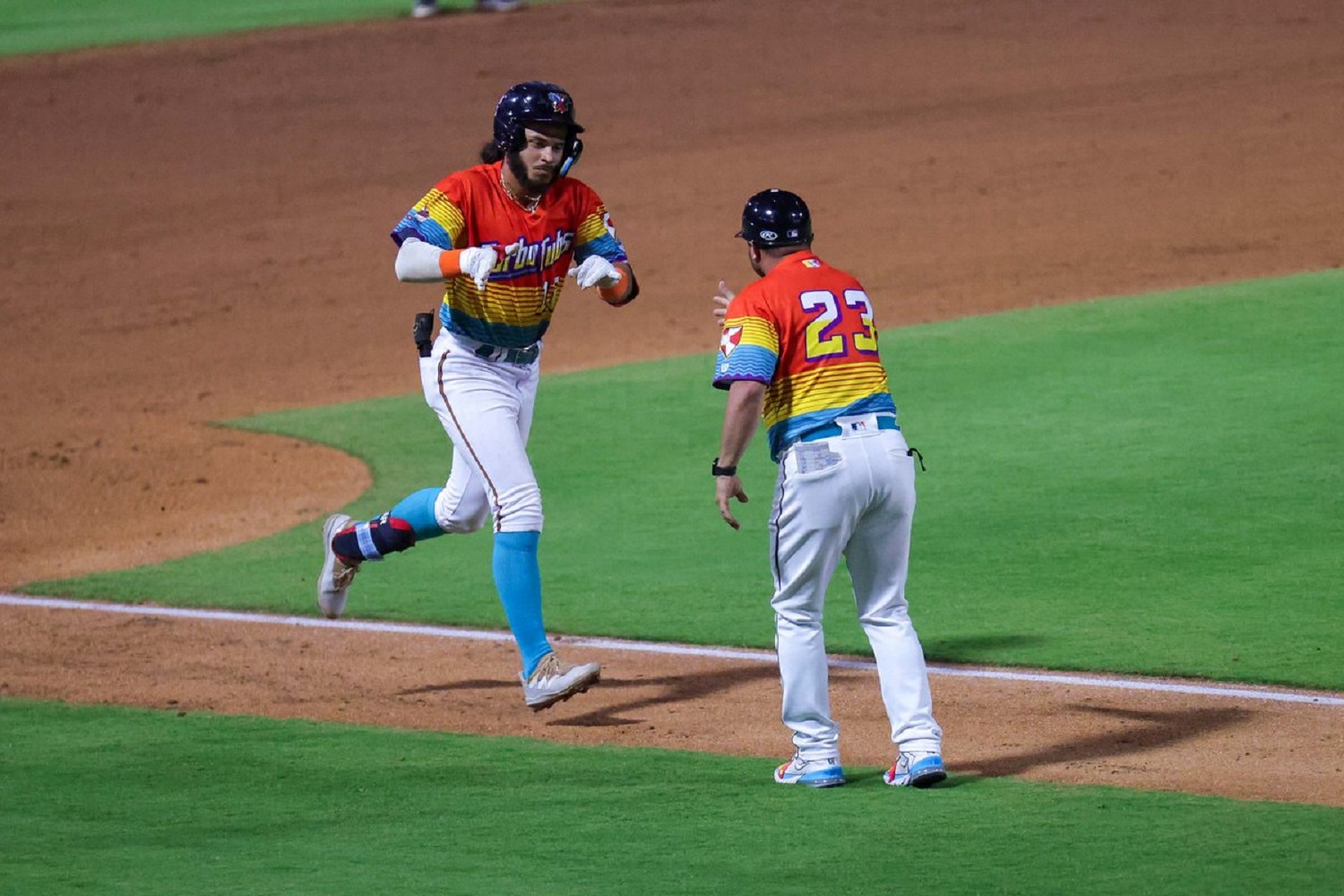 Austin Martin was billed as a tremendous hitter with an unknown defensive future when he was taken 5th overall in the 2020 draft. Martin’s minor league career got off to a good but strange start offensively, and the defensive questions quickly grew before being traded to the Twins during the summer following his draft selection. A year and a half later, the Twins are left with more questions than answers. Martin was immediately placed in Double-A with Toronto due to what was seen as an advanced plate approach, and he rewarded them with a 133 wRC+ in his 56 games before being traded. His overall body of work looked like he not only belonged, but that he could shoot up the minors and debut in the MLB in short order. So why would Toronto trade such a player? Martin walked an incredible 14.8% of the time and only struck out 21.2% of the time with Toronto. His .281 batting average and .424 OBP were very impressive. If you’ve followed Twins prospects, however, you likely know the question with Martin was always his power. He slugged just .383 in his debut, a total power outage that was exacerbated by Toronto’s lack of belief in his ability to stick in the middle of the field defensively. He committed 10 errors in just 26 games at shortstop with Toronto before they started moving him around the diamond. The Twins saw an opportunity to buy a player who was losing the faith of the team that drafted him. They traded Jose Berrios for Martin and Simeon Woods Richardson. They gave Martin the keys to shortstop in Double-A and began attempting to retool his swing. In his year and a half in the Twins system, Martin’s prospect stock has declined significantly. After finishing 2021 similarly to how he started, Martin completely cratered in 2022. His slash line of .241/.367/.315 was 11% below league average in Double-A. He stole an impressive 34 bases in 90 games, but his walk rate didn’t reach 2021 levels and his power declined even further. He committed 18 errors at shortstop in just 70 games, and by year’s end, it appeared the Austin Martin shortstop experiment had come to an end. He had dealt with hand issues throughout the season which surely held him back to some extent, but his struggles dropped him out of any top 100 prospects list you can find. So what could Austin Martin’s future hold? Of note, he was sent to the Arizona Fall League to make up for lost time in 2022 and dominated to the tune of a .374/.454/.482 slash line, stealing 10 bases in just 21 games. It’s possible he was finally healthy and some of those swing changes finally showed themselves. If he can utilize his contact and walk ability and slug even .400, he’s likely to find himself at the door of the Major Leagues in short order at the age of 24. Still, significant questions persist. The Twins have yet to find a position that Martin can play well after spending nearly all of 2022 coming to the conclusion that shortstop isn’t an option. A rational pivot would be to move him across the bag to second base. Unfortunately for Martin, it’s hard to see him finding everyday playing time there in the near future between Jorge Polanco and a mix of prospects such as Edouard Julien, Brooks Lee, etc. who have all blown past Martin in their development. He also doesn’t appear to be a great candidate for any corner infield or outfield spots due to his lack of power and overall questions offensively. Look for the Twins to give Martin some legitimate run in centerfield in 2023. He was always viewed as a freak athlete, and perhaps this would translate better on the grass than it did in the dirt. With players like Gilberto Celestino failing to grab ahold of the job to back up Buxton, Martin could carve out a role for himself quickly if the Twins like what they see. If he can rebound offensively he can have a role in MLB very soon. The longevity of his career and how consistently he’s in the starting lineup will depend on where he can settle in defensively. It’s hard to say Austin Martin’s time in Minnesota has not gone as planned, and his outlook is at an all-time low for his young career. For now, he’s no longer anywhere close to one of the Twins top prospects with so many questions to be answered in his overall game. Still, his Arizona Fall League offered a look at the talent he still possesses and it’s fair to hold out hope for a rebound in 2023 based on health alone. Will 2023 be a rebound season for Martin? What level of MLB player do you think he’ll be at this point in his career? Let us know below!
- 39 comments
-
- 3
-
-
- austin martin
- simeon woods richardson
- (and 2 more)
-
It's not giving up on Martin, it's getting value for a player that looks like a future bench player at best due to a lack of an opening and his declining performance. Laureano also could easily play everyday in a corner spot. Throw out Martin though and make up whatever package you'd like. He had premier defense when he wasn't playing in CF and can fill in in a pinch when Buxton is out. He was suspended at the start of last year too, not injured. I think he's a great way to consolidate too many low impact and redundant options like Garlick, Kepler, Celestino etc. He was still seen as an impact player that teams were interested last trade deadline and that wasn't for no reason.
- 28 replies
-
- 1
-
-
- ramon laureano
- gilberto celestino
- (and 2 more)
