Cody Pirkl
-
Posts
1,314 -
Joined
-
Last visited
-
Days Won
4
Content Type
Profiles
News
Minnesota Twins Videos
2026 Minnesota Twins Top Prospects Ranking
2022 Minnesota Twins Draft Picks
Minnesota Twins Free Agent & Trade Rumors, Notes, & Tidbits
Guides & Resources
2023 Minnesota Twins Draft Picks
The Minnesota Twins Players Project
2024 Minnesota Twins Draft Picks
2025 Minnesota Twins Draft Pick Tracker
2026 Minnesota Twins Draft Tracker: Picks & Bonuses
Forums
Blogs
Events
Store
Downloads
Gallery
Everything posted by Cody Pirkl
-
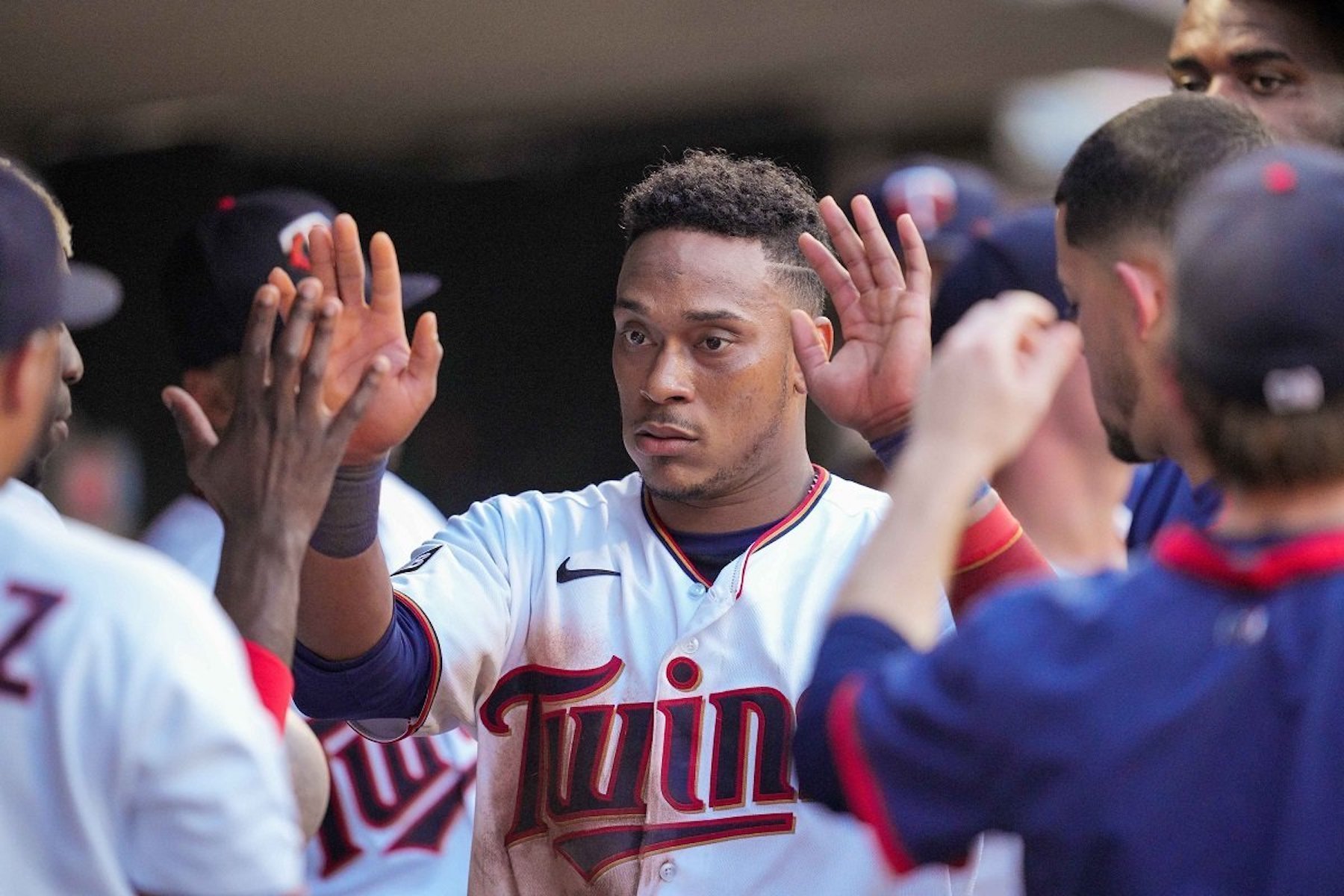 2019 was a banner year for Jorge Polanco. The American League’s starting shortstop in the All Star Game, Polanco followed up a 2018 season in which he posted a 111 wRC+ with a 120 mark in the year of the juiced ball. He was worth a respectable 3.4 Wins Above Replacement despite struggling mightily defensively. Like most players, he took advantage of one of the most offense-friendly environments in years. Unlike several hitters in the Twins lineup, however, Polanco’s juiced 2019 wasn’t a career-best enigma. While he struggled mightily through an ankle injury in 2020, Polanco overcame early struggles in 2021 to post a 122 wRC+ and post a fantastic 4.0 Wins Above Replacement for the last-place Twins. He slugged 33 homers seemingly out of nowhere. With Byron Buxton on ice and several other players being traded away or struggling, Polanco was quite frankly one of the only reasons to tune into Twins games. After such a season it would be hard to blame him if it became a career-best year. Alas… Jorge got off to a slowish start in 2022, something that could debatably be expected at this point. In March and April, the Twins second baseman was 17% below league average with an 83 wRC+. He boosted that mark to 8% above in May as the offense picked up league-wide. Instead of remaining at simply acceptable levels of offensive output for a second baseman, however, Polanco has exploded since the beginning of June. Slashing .265/.391/.540, Jorge Polanco has been 64% above the league average hitter since June 1. As a whole, Jorge Polanco has posted a .242/.351/.429 triple slash, good for a career-high 124 wRC+. With a couple of months left of the season, if Polanco can continue the output he’s had since June he may just finish with yet another career season. He’s debatably been the Twins best hitter once again for the last two months. This time, however, he’s competing with Byron Buxton, Carlos Correa, and several white hot rookies such as Alex Kirilloff and Jose Miranda for that title. In short, players such as Byron Buxton, Carlos Correa, etc. rightfully have gotten a lot of credit for being the premier players on the Twins roster. They draw a lot of attention both nationally and locally due to their big salaries and eye popping physical skills. Meanwhile, Jorge Polanco has been showing up every year aside from an injury weakened 2020 and simply gone to work. He made his first trip to the IL this season of his entire career for back issues, and immediately contributed upon his activation. He’s otherwise been one of the Twins few legitimate everyday players, and in addition to the quantity he provides, the quality of his production has been a boon over the years for a Twins team that has been up and down. Jorge Polanco deserves to be in the discussion as at least a piece of the backbone of the Minnesota Twins. Few players have been such reliable everyday players and it’s hard to find another player on the roster who so consistently provides value in all facets of the game. We should be appreciating Jorge Polanco. He’s one of the main reasons the Twins have remained in first place for the majority of 2022 and has had attention diverted from himself by big names such as Byron Buxton as well as focal points of disappointment such as the bullpen struggles. Jorge Polanco is one of the best players the Twins have. Do you agree?
- 8 comments
-
- 5
-

-
- jorge polanco
- max kepler
- (and 2 more)
-
Jorge Polanco was a lone bright spot in 2021 and after a slow start to 2022, has once again been one of the Twins best overall players. Despite this, it seems like the Twins second baseman remains underrated. It’s time for that to change. 2019 was a banner year for Jorge Polanco. The American League’s starting shortstop in the All Star Game, Polanco followed up a 2018 season in which he posted a 111 wRC+ with a 120 mark in the year of the juiced ball. He was worth a respectable 3.4 Wins Above Replacement despite struggling mightily defensively. Like most players, he took advantage of one of the most offense-friendly environments in years. Unlike several hitters in the Twins lineup, however, Polanco’s juiced 2019 wasn’t a career-best enigma. While he struggled mightily through an ankle injury in 2020, Polanco overcame early struggles in 2021 to post a 122 wRC+ and post a fantastic 4.0 Wins Above Replacement for the last-place Twins. He slugged 33 homers seemingly out of nowhere. With Byron Buxton on ice and several other players being traded away or struggling, Polanco was quite frankly one of the only reasons to tune into Twins games. After such a season it would be hard to blame him if it became a career-best year. Alas… Jorge got off to a slowish start in 2022, something that could debatably be expected at this point. In March and April, the Twins second baseman was 17% below league average with an 83 wRC+. He boosted that mark to 8% above in May as the offense picked up league-wide. Instead of remaining at simply acceptable levels of offensive output for a second baseman, however, Polanco has exploded since the beginning of June. Slashing .265/.391/.540, Jorge Polanco has been 64% above the league average hitter since June 1. As a whole, Jorge Polanco has posted a .242/.351/.429 triple slash, good for a career-high 124 wRC+. With a couple of months left of the season, if Polanco can continue the output he’s had since June he may just finish with yet another career season. He’s debatably been the Twins best hitter once again for the last two months. This time, however, he’s competing with Byron Buxton, Carlos Correa, and several white hot rookies such as Alex Kirilloff and Jose Miranda for that title. In short, players such as Byron Buxton, Carlos Correa, etc. rightfully have gotten a lot of credit for being the premier players on the Twins roster. They draw a lot of attention both nationally and locally due to their big salaries and eye popping physical skills. Meanwhile, Jorge Polanco has been showing up every year aside from an injury weakened 2020 and simply gone to work. He made his first trip to the IL this season of his entire career for back issues, and immediately contributed upon his activation. He’s otherwise been one of the Twins few legitimate everyday players, and in addition to the quantity he provides, the quality of his production has been a boon over the years for a Twins team that has been up and down. Jorge Polanco deserves to be in the discussion as at least a piece of the backbone of the Minnesota Twins. Few players have been such reliable everyday players and it’s hard to find another player on the roster who so consistently provides value in all facets of the game. We should be appreciating Jorge Polanco. He’s one of the main reasons the Twins have remained in first place for the majority of 2022 and has had attention diverted from himself by big names such as Byron Buxton as well as focal points of disappointment such as the bullpen struggles. Jorge Polanco is one of the best players the Twins have. Do you agree? View full article
-
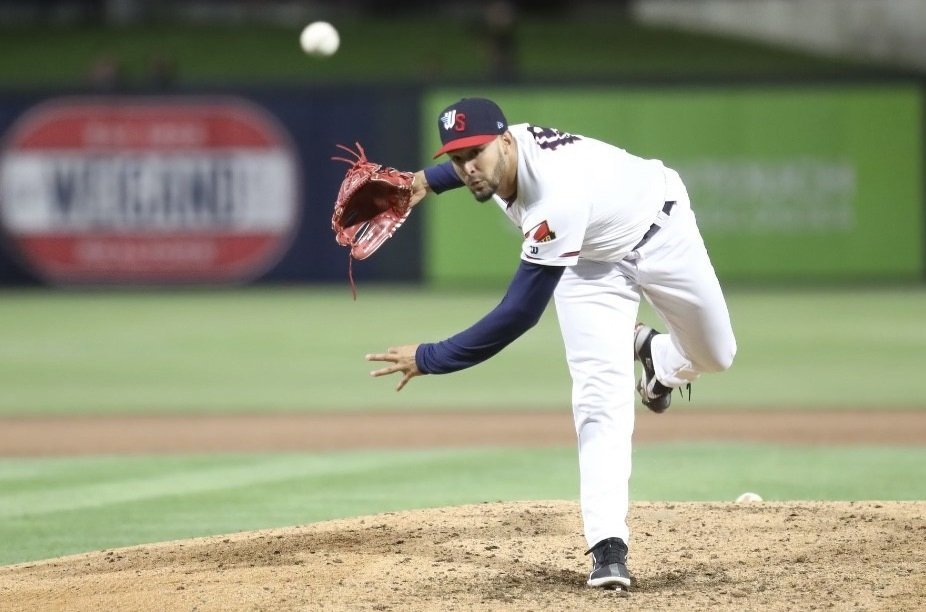 Relief prospects rarely get a whole lot of hype, which may be why Jovani Moran seemed to come out of nowhere in 2021 when he dominated AA and AAA by limiting homers and striking out everyone in sight. As the Twins approach the trade deadline that hopefully brings several acquisitions to their MLB bullpen, Moran has proven to be one of the only current relievers that has proven he needs to stick around for the long haul. Moran is something of a unicorn. Throwing left-handed and averaging around 93 mph with the fastball, he’s not exactly Aroldis Chapman blowing smoke by batters en route to his current 37% K rate. Nor does he attack hitters with a lights-out breaking pitch to take advantage of lefty on lefty matchups. Instead, he just pairs his modest fastball with a changeup of all pitches and has absolutely dominated the majors so far this season. Moran has translated this dominance into a 0.96 ERA. He’s been lucky, although just to a small extent. His xERA is 2.40 and FIP is 1.88, both numbers would be much preferred to any other option in the bullpen aside from Jhoan Duran. His track record of high strikeouts and limiting homers has shone brightly with a 13.50 K/9 and having not allowed a single long ball in 18.2 innings. The common knock on Moran is obviously his walk rate. His 14.7% mark in the MLB thus far is actually one of his better jobs of limiting free passes in recent years. It’s hard to deny that this can be a significant issue. Unlike pitchers such as Emilio Pagan however, Moran doesn’t allow historically high home run rates to pair with it which can only result in disaster. In fact, Moran has allowed less than 4.0 hits per 9 innings so far this season which is why despite the walks, his WHIP is still a fantastic 1.02. Many great relievers get by allowing high home run rates while avoiding free passes to get by. While unusual, it appears Moran is capable of dominating by doing the opposite. In short, Jovani Moran has essentially duplicated what he’s been able to do in most of his MiLB career on the biggest stage. Despite a glaring flaw in his skillset, the rest of his abilities appear to outweigh his deficiency. He was a high-leverage, back-end of games type reliever in AA and AAA, and although it remains to be seen whether he can fill that role against the game's best hitters, it appears he can be an effective and dominant reliever in some fashion as is. In a time where praise is hard to come by in the Twins bullpen, Jovani Moran deserves some attention. Not just for being flat out dominant, but for doing so in such an interesting way. Despite his limited and scattered opportunities, he’s been worth the same amount of Wins Above Replacement (0.4) as Griffin Jax and Caleb Thielbar. He’s been more valuable than several starting pitchers who have thrown many more innings such as Devin Smeltzer, Chris Archer and Josh Winder. This isn’t necessarily a call for Moran to be moved into the 7th or 8th inning. Fill those spots at the deadline with proven options. Instead, it’s worth recognizing him for what he is: One of the few middle relievers who has actually done their job for the Twins this season. If he can stay right where he is and continue his absolute dominance, the Twins just may hold on to win some games in the second half. And that would be pretty cool.
 -
The 2022 Twins bullpen has proven itself to be a minefield capable of turning even the likeliest of wins into embarrassing losses. With most pitchers taking their turn on blowing games, it’s only fair to show appreciation for one quiet breakout the Twins have seen this season. Relief prospects rarely get a whole lot of hype, which may be why Jovani Moran seemed to come out of nowhere in 2021 when he dominated AA and AAA by limiting homers and striking out everyone in sight. As the Twins approach the trade deadline that hopefully brings several acquisitions to their MLB bullpen, Moran has proven to be one of the only current relievers that has proven he needs to stick around for the long haul. Moran is something of a unicorn. Throwing left-handed and averaging around 93 mph with the fastball, he’s not exactly Aroldis Chapman blowing smoke by batters en route to his current 37% K rate. Nor does he attack hitters with a lights-out breaking pitch to take advantage of lefty on lefty matchups. Instead, he just pairs his modest fastball with a changeup of all pitches and has absolutely dominated the majors so far this season. Moran has translated this dominance into a 0.96 ERA. He’s been lucky, although just to a small extent. His xERA is 2.40 and FIP is 1.88, both numbers would be much preferred to any other option in the bullpen aside from Jhoan Duran. His track record of high strikeouts and limiting homers has shone brightly with a 13.50 K/9 and having not allowed a single long ball in 18.2 innings. The common knock on Moran is obviously his walk rate. His 14.7% mark in the MLB thus far is actually one of his better jobs of limiting free passes in recent years. It’s hard to deny that this can be a significant issue. Unlike pitchers such as Emilio Pagan however, Moran doesn’t allow historically high home run rates to pair with it which can only result in disaster. In fact, Moran has allowed less than 4.0 hits per 9 innings so far this season which is why despite the walks, his WHIP is still a fantastic 1.02. Many great relievers get by allowing high home run rates while avoiding free passes to get by. While unusual, it appears Moran is capable of dominating by doing the opposite. In short, Jovani Moran has essentially duplicated what he’s been able to do in most of his MiLB career on the biggest stage. Despite a glaring flaw in his skillset, the rest of his abilities appear to outweigh his deficiency. He was a high-leverage, back-end of games type reliever in AA and AAA, and although it remains to be seen whether he can fill that role against the game's best hitters, it appears he can be an effective and dominant reliever in some fashion as is. In a time where praise is hard to come by in the Twins bullpen, Jovani Moran deserves some attention. Not just for being flat out dominant, but for doing so in such an interesting way. Despite his limited and scattered opportunities, he’s been worth the same amount of Wins Above Replacement (0.4) as Griffin Jax and Caleb Thielbar. He’s been more valuable than several starting pitchers who have thrown many more innings such as Devin Smeltzer, Chris Archer and Josh Winder. This isn’t necessarily a call for Moran to be moved into the 7th or 8th inning. Fill those spots at the deadline with proven options. Instead, it’s worth recognizing him for what he is: One of the few middle relievers who has actually done their job for the Twins this season. If he can stay right where he is and continue his absolute dominance, the Twins just may hold on to win some games in the second half. And that would be pretty cool. View full article
-
Trading is all about dealing from a place of strength to address a weakness. In the Twins case, they have a strength at a very valuable position that they could deal from if they see fit. But should they? The Twins farm system has seen better days after multiple top prospects have graduated and several others have struggled in 2022. For that reason, it may be a bit tougher to stomach parting with the players who have been impressing in the lower levels. Perhaps the Twins can bridge that gap by dipping into their Major League center field depth, however. The Twins have an interesting roster, as where some teams struggle to find viable options in center field, the Twins have three. This strategy makes sense, as Byron Buxton requires more time off than the regular center fielder. Despite his regular absences, Buxton is tied for the lead in Outs Above Average among center fielders. The Twins of course miss his glove when it’s not out there, but not as much as you’d think. Gilberto Celestino has a 4 Outs Above Average, 10th overall in baseball. Even Nick Gordon, who profiles as a better corner outfielder, grades out at an average 0. And so the question becomes: Do the Twins need this much depth at center field? And if the answer is no, which player should the Twins part with? Gilberto Celestino A center fielder his entire career, Celestino is the much better defender between himself and Gordon. Long considered a glove-first prospect, Celestino has flashed plus offensive ability several times recently, including posting an .827 OPS in AAA last season after struggling mightily in his MLB debut. His 2022 slash of .274/.333/.336 is 5% below league average, but if the 23-year-old can tap into any kind of power, he likely becomes an everyday, starting-caliber center fielder. Celestino has undoubtedly raised his stock this year by holding his own at the big league level at only 23 years of age. While he doesn’t carry the kind of value to be the centerpiece of a trade for a controllable starter, he should get the Twins at least part way there if they choose to dangle him. That being said, it’s difficult to envision. Celestino could easily wind up being the future center fielder in a couple of years, and his right handedness is a good complement to the left handed heavy corner outfielders. Very few young players should be untradeable at this point, but the Twins would likely need to be working on quite the acquisition to drop Celestino on the table. Nick Gordon After an up and down career, Gordon has transformed himself into a valuable and versatile player in 2022. The former middle infielder rarely leaves the outfield grass these days, often filling in at left field and occasionally in center admirably. In addition, the light-hitting lefty has become a contributor on offense as well. Gordon is the type of player that makes up the fringes of a competitive roster. He’s been an above-average hitter this season and his versatility is a huge plus. That being said, at 26 years old, his stock may be at an all-time high. For as good as he’s been, it’ll be tough for him to win a playing-time battle with left-handed hitting Trevor Larnach when he returns from the IL. With several roster crunches on the horizon, Gordon has likely become too valuable to simply cut bait on. In terms of value, the former 1st round pick won’t move the needle much in a trade for a starting pitcher. That being said, he’s not a free agent until 2028. It’s not impossible that he could fetch the Twins a usable reliever or perhaps a more valuable one if they add onto their end with a middling prospect. We’ve seen before with players such as Jurickson Profar that the “jack of all trades, master of none” type player can appeal to a wide range of teams. Perhaps it’s a bit too risky to part with a centerfielder given Buxton’s health concerns but the Twins could possibly save a bit on prospects by doing so. Keep in mind also that Kepler has filled in at centerfield in a pinch before. Should the Twins consider dealing from their center field depth, or look to part with pieces elsewhere? Let us know below! View full article
-
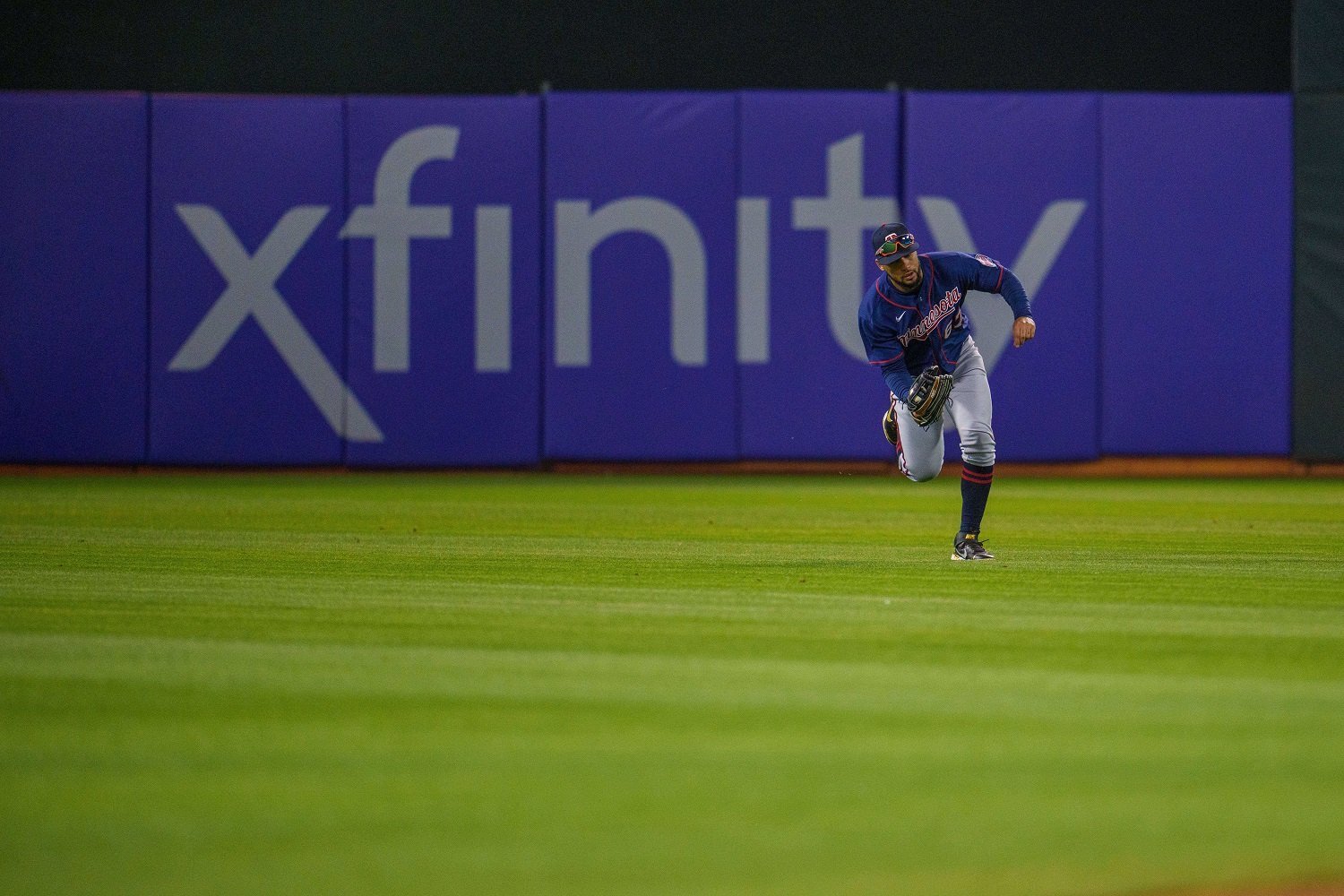 The Twins farm system has seen better days after multiple top prospects have graduated and several others have struggled in 2022. For that reason, it may be a bit tougher to stomach parting with the players who have been impressing in the lower levels. Perhaps the Twins can bridge that gap by dipping into their Major League center field depth, however. The Twins have an interesting roster, as where some teams struggle to find viable options in center field, the Twins have three. This strategy makes sense, as Byron Buxton requires more time off than the regular center fielder. Despite his regular absences, Buxton is tied for the lead in Outs Above Average among center fielders. The Twins of course miss his glove when it’s not out there, but not as much as you’d think. Gilberto Celestino has a 4 Outs Above Average, 10th overall in baseball. Even Nick Gordon, who profiles as a better corner outfielder, grades out at an average 0. And so the question becomes: Do the Twins need this much depth at center field? And if the answer is no, which player should the Twins part with? Gilberto Celestino A center fielder his entire career, Celestino is the much better defender between himself and Gordon. Long considered a glove-first prospect, Celestino has flashed plus offensive ability several times recently, including posting an .827 OPS in AAA last season after struggling mightily in his MLB debut. His 2022 slash of .274/.333/.336 is 5% below league average, but if the 23-year-old can tap into any kind of power, he likely becomes an everyday, starting-caliber center fielder. Celestino has undoubtedly raised his stock this year by holding his own at the big league level at only 23 years of age. While he doesn’t carry the kind of value to be the centerpiece of a trade for a controllable starter, he should get the Twins at least part way there if they choose to dangle him. That being said, it’s difficult to envision. Celestino could easily wind up being the future center fielder in a couple of years, and his right handedness is a good complement to the left handed heavy corner outfielders. Very few young players should be untradeable at this point, but the Twins would likely need to be working on quite the acquisition to drop Celestino on the table. Nick Gordon After an up and down career, Gordon has transformed himself into a valuable and versatile player in 2022. The former middle infielder rarely leaves the outfield grass these days, often filling in at left field and occasionally in center admirably. In addition, the light-hitting lefty has become a contributor on offense as well. Gordon is the type of player that makes up the fringes of a competitive roster. He’s been an above-average hitter this season and his versatility is a huge plus. That being said, at 26 years old, his stock may be at an all-time high. For as good as he’s been, it’ll be tough for him to win a playing-time battle with left-handed hitting Trevor Larnach when he returns from the IL. With several roster crunches on the horizon, Gordon has likely become too valuable to simply cut bait on. In terms of value, the former 1st round pick won’t move the needle much in a trade for a starting pitcher. That being said, he’s not a free agent until 2028. It’s not impossible that he could fetch the Twins a usable reliever or perhaps a more valuable one if they add onto their end with a middling prospect. We’ve seen before with players such as Jurickson Profar that the “jack of all trades, master of none” type player can appeal to a wide range of teams. Perhaps it’s a bit too risky to part with a centerfielder given Buxton’s health concerns but the Twins could possibly save a bit on prospects by doing so. Keep in mind also that Kepler has filled in at centerfield in a pinch before. Should the Twins consider dealing from their center field depth, or look to part with pieces elsewhere? Let us know below!
- 19 comments
-
- 4
-
-
- gilberto celestino
- nick gordon
- (and 1 more)
-
His LD rate has dropped almost 5% and his FB rate has increased by about 12% since last year, it's not a pre 2019 request. In a season where offense has been down he's only 7% above average on offense since the first 10 games of the season. Nick Gordon is 9% above average on the season. I know he's not the best hitter in history but if you're content with that kind of output I'd argue you aren't expecting enough.
-
I think even if healthy he probably wouldn't be racking up steals like we know he can. That being said, there's a decent chance his health has something to do with his change in approach. Selling out to just hit home runs predictably and undeniably makes him a much worse offensive player and I can't believe he'd make an active choice to do so.
-
Buxton showed last season what he was capable of when his fly ball rate was 12% lower and line drive rate was almost 5% higher. He was a legitimate MVP candidate before getting injured because he did it all at the plate. This season he has close to as many ABs as all of last year and he's sold out completely for power. As a result his BA is .214 instead of .306 and his OBP is .292 instead of .358. The payoff? 3 more home runs. Doesn't seem worth it to me. As for the Sano comparison, obviously Buxton does a million things better than Sano across the baseball spectrum. He's a much better player but it's pretty eye opening to see that Sano had a better average and OBP last season than Buxton does this season. For as much as people complain about Sano's "all or nothing" approach, it's worth pointing out that Buxton has been very similar in 2022.
-
He's still been good but he's capable of more. There's no reason he should be selling out for power imo, and if that's just his approach from now on he probably doesn't belong in the 2 or 3 spot. Hitting sub .200 and having a sub .300 OBP since the start of May can only be salvaged so much by an extra base hit here and there. If Miguel Sano were on the stretch Buxton's been on since the first month of the season people would be losing their minds.
-
I preface the entire article by pointing out his chronic knee injury and even say the change he made could be related. The fact of the matter is that a change has been made.
-
Streaky yes, but he's doubling down on it by hitting so many fly balls. More line drives would at least give him more positive possibilities for when he makes contact.
-
There’s no denying it, Byron Buxton has had a great season to date. Despite leading the team in all kinds of categories, it’s been a weird one. Is there any reason to worry about the Twins franchise icon moving forward? Coming into the weekend, Byron Buxton has put up a tremendous season so far. He’s 36% above league average offensively according to wRC+ and has topped his career-high in home runs, well on his way to over 40 despite regular rest days. That being said, it's been a puzzling season for the Twins' star center fielder. While we can’t complain about his performance to date, it is worth wondering about Buxton moving forward. The goal has always been to keep Byron Buxton healthy. Since 2019, he has been a well above league-average hitter whenever he’s been on the field. The Twins have accomplished that to an extent this season, as he’s avoided any IL trips thus far despite a few small injuries here and there leading to short absences. It’s widely understood that Buxton has been and will likely continue working through a chronic knee injury suffered in Boston back in April. Just something to keep in mind when looking at Buxton’s season. As you can see, Buxton’s season consists of incredibly high highs and incredibly low lows. It’s possible that these brutal streaks coincide with flare-ups of his ailing knee, an issue that unfortunately doesn’t appear to be going away anytime soon. One thing is for certain, however, after a shortened 2021 season in which he would have paced out as one of the best in baseball, he’s completely changed his approach. After an unbelievably well-rounded line of .306/.358/.647 in 2021, Buxton has essentially failed to provide anything at all at the plate aside from power. His .218 batting average is his worst mark since 2018 and his .293 OBP is his worst since 2020, a season in which he walked only 1.5% of the time. While he’s having a career year in terms of walk rate (7.9%), his strikeout rate of 28.2% is his highest since 2018 as well. His batting average on balls in play of .210 is also a career-worst by a long shot. Why might that be? After a shortened 2021 season in which Buxton was one of the best hitters in baseball, his flyball rate has absolutely exploded from 38.4 to 50.3%. To put it simply, in more than half of his batted ball events he’s hitting the ball in the air. 26.5% of those fly balls have found the seats, but the other 73.5% are easy outs. This increase in fly balls has come at the expense of his line drives, a batted ball type that typically rewards hitters league-wide with a near .700 batting average. It’s worth noting that Buxton’s quality of contact remains intact and has afforded him a .262 xBA and .358 xWOBA to this point, but it seems flyball-oriented hitters league wide have underperformed so far in 2022. Regarding the short term, it’s worth considering how such a flawed plate approach could affect him moving forward. Since May 11, Buxton is slashing .192/.273/.479, still a 110 wRC+, but nowhere near the superstar levels we’ve seen him achieve in the past. The entirety of that measure comes strictly from slugging percentage, as the batting average and on-base ability are quite frankly terrible. Masking those numbers are several high-profile home runs in the clutch, a trait that many believe isn’t a predictive or repeatable skill. His overall batting line wouldn’t change if just a few of his homers hadn’t come in such clutch spots, but would the perception around him change at all? In the long term, you have to desperately hope this change in approach isn’t an active choice that he intends to continue. We’ve seen that Buxton is still a valuable player while he’s selling out for fly balls, but becoming so one-dimension offensively cuts off any chance of being the MVP level player he’s capable of being. Furthermore, he’s able to take the mistakes he’s given and drive them over the fence regularly enough to mask his other deficiencies in 2022. What happens a few years down the road when that ability decreases with age? There’s no action to take with Byron Buxton at this time, and it’s incredibly hard to be dissatisfied with his season thus far. Still, it’s worth pointing out that there has been a major change in his approach this season that has made him a decidedly worse offensive player. This “sell out for fly balls” approach has resulted in just three more big flies than he had in a near-identical amount of plate appearances in 2021, and every other offensive stat of his has suffered greatly as a result. Hitting home runs is fun, but he’s going to have to continue to do so in high-leverage spots to make any meaningful contributions on offense. Perhaps it’s his knee injury, or perhaps it was an active choice to get the ball in the air as much as possible coming into the season. Either way, after several brutal stretches already this season followed by glimpses of what Byron Buxton can be, hopefully another change in approach is on the horizon. Perhaps it’s not fair to judge the way somebody achieves success. In Buxton’s case, however, it’s so hard to imagine why we’re seeing such a dramatic shift in approach coming off an MVP-caliber performance. Does this change in approach concern you? Are you happy to enjoy the big flies while they last and worry about the future when we get there? Let us know below! View full article
-
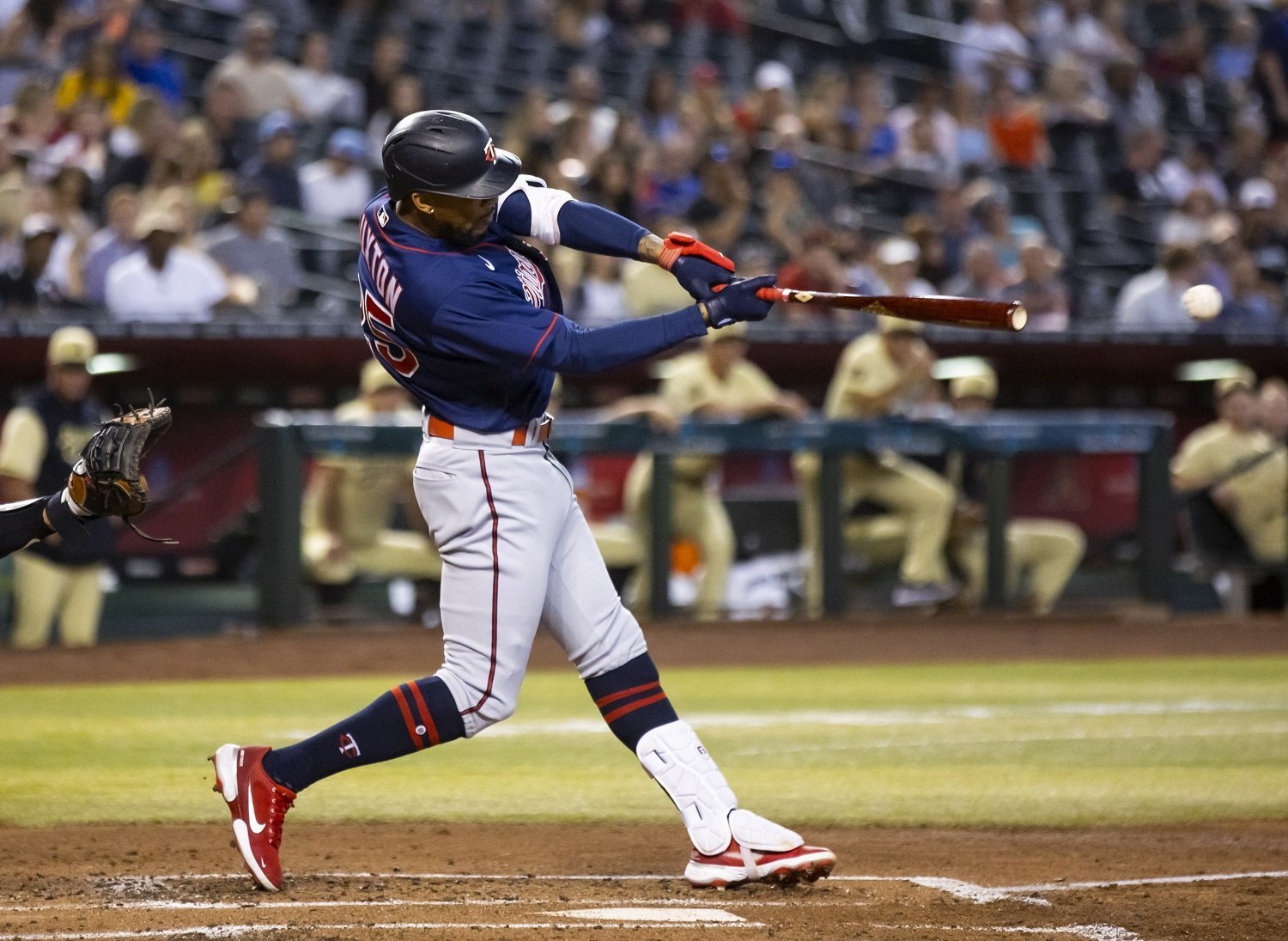 Coming into the weekend, Byron Buxton has put up a tremendous season so far. He’s 36% above league average offensively according to wRC+ and has topped his career-high in home runs, well on his way to over 40 despite regular rest days. That being said, it's been a puzzling season for the Twins' star center fielder. While we can’t complain about his performance to date, it is worth wondering about Buxton moving forward. The goal has always been to keep Byron Buxton healthy. Since 2019, he has been a well above league-average hitter whenever he’s been on the field. The Twins have accomplished that to an extent this season, as he’s avoided any IL trips thus far despite a few small injuries here and there leading to short absences. It’s widely understood that Buxton has been and will likely continue working through a chronic knee injury suffered in Boston back in April. Just something to keep in mind when looking at Buxton’s season. As you can see, Buxton’s season consists of incredibly high highs and incredibly low lows. It’s possible that these brutal streaks coincide with flare-ups of his ailing knee, an issue that unfortunately doesn’t appear to be going away anytime soon. One thing is for certain, however, after a shortened 2021 season in which he would have paced out as one of the best in baseball, he’s completely changed his approach. After an unbelievably well-rounded line of .306/.358/.647 in 2021, Buxton has essentially failed to provide anything at all at the plate aside from power. His .218 batting average is his worst mark since 2018 and his .293 OBP is his worst since 2020, a season in which he walked only 1.5% of the time. While he’s having a career year in terms of walk rate (7.9%), his strikeout rate of 28.2% is his highest since 2018 as well. His batting average on balls in play of .210 is also a career-worst by a long shot. Why might that be? After a shortened 2021 season in which Buxton was one of the best hitters in baseball, his flyball rate has absolutely exploded from 38.4 to 50.3%. To put it simply, in more than half of his batted ball events he’s hitting the ball in the air. 26.5% of those fly balls have found the seats, but the other 73.5% are easy outs. This increase in fly balls has come at the expense of his line drives, a batted ball type that typically rewards hitters league-wide with a near .700 batting average. It’s worth noting that Buxton’s quality of contact remains intact and has afforded him a .262 xBA and .358 xWOBA to this point, but it seems flyball-oriented hitters league wide have underperformed so far in 2022. Regarding the short term, it’s worth considering how such a flawed plate approach could affect him moving forward. Since May 11, Buxton is slashing .192/.273/.479, still a 110 wRC+, but nowhere near the superstar levels we’ve seen him achieve in the past. The entirety of that measure comes strictly from slugging percentage, as the batting average and on-base ability are quite frankly terrible. Masking those numbers are several high-profile home runs in the clutch, a trait that many believe isn’t a predictive or repeatable skill. His overall batting line wouldn’t change if just a few of his homers hadn’t come in such clutch spots, but would the perception around him change at all? In the long term, you have to desperately hope this change in approach isn’t an active choice that he intends to continue. We’ve seen that Buxton is still a valuable player while he’s selling out for fly balls, but becoming so one-dimension offensively cuts off any chance of being the MVP level player he’s capable of being. Furthermore, he’s able to take the mistakes he’s given and drive them over the fence regularly enough to mask his other deficiencies in 2022. What happens a few years down the road when that ability decreases with age? There’s no action to take with Byron Buxton at this time, and it’s incredibly hard to be dissatisfied with his season thus far. Still, it’s worth pointing out that there has been a major change in his approach this season that has made him a decidedly worse offensive player. This “sell out for fly balls” approach has resulted in just three more big flies than he had in a near-identical amount of plate appearances in 2021, and every other offensive stat of his has suffered greatly as a result. Hitting home runs is fun, but he’s going to have to continue to do so in high-leverage spots to make any meaningful contributions on offense. Perhaps it’s his knee injury, or perhaps it was an active choice to get the ball in the air as much as possible coming into the season. Either way, after several brutal stretches already this season followed by glimpses of what Byron Buxton can be, hopefully another change in approach is on the horizon. Perhaps it’s not fair to judge the way somebody achieves success. In Buxton’s case, however, it’s so hard to imagine why we’re seeing such a dramatic shift in approach coming off an MVP-caliber performance. Does this change in approach concern you? Are you happy to enjoy the big flies while they last and worry about the future when we get there? Let us know below!
 -
I think you're underestimating how terrible Joe Ryan looked. He was 89-90 from the start and I don't think he came close to hitting a spot all day. He was lucky he made it through 4 without the game being out of hand.
- 78 replies
-
- 3
-
-
- joe ryan
- emilio pagan
- (and 3 more)
-
The Twins bullpen is unforgivably bad, and it’s cost them dearly over the past week. As the starting rotation has mostly held up recently, it’s time to hit the panic button and start evaluating some of the starting depth in AAA for a bullpen role. The stats are out there, the Twins bullpen is one of the worst in all of baseball as some of the worst teams in the league have lucked into better units for the back end of games. The waiver claims such as Tyler Thornburg and Jharel Cotton continue to churn with several similar tier pitchers waiting in Triple-A. Instead of continuing this seemingly endless attempt to get any kind of value out of these types of pitchers, it’s time the Twins try something new. With several younger arms in St. Paul’s rotation, it may be time to switch them over to the bullpen to help a big league club that has no help on the way for another month. Josh Winder Winder has become one of the Twins' better starting pitching prospects these last couple of years and was fantastic in his first start off of the IL in the doubleheader against Cleveland. His long-term outlook still looks very much like a middle-of-the-rotation starter. The Twins don’t need that right now. Winder began the season in the bullpen as a long reliever, something the Twins could definitely use. They could keep him in that role, or perhaps shortening his outings could help him limit his innings after his recent trip to the IL for shoulder issues for the second year in a row. Winder’s 96 mph fastball we’ve seen occasionally in starts may play up to 97-98 in the pen, and paired with his slider and changeup, Winder could become a major weapon in a bullpen that desperately needs it. The Twins can always stretch him back out next season and return him to a starters role assuming they don’t take the same route they did with this year’s bullpen. Cole Sands Sands is seen as more of a fringy starting pitching prospect but has been pretty good in St. Paul recently. The righty has thrown 14 innings since he was demoted allowing only two runs and striking out 16 batters. While it would be nice to keep him as starting pitching depth for this year, perhaps it’s Winder who fills that role and Sands who makes the bullpen transition. Sands has one pitch that could be an absolute weapon in a bullpen role in his 70-grade curveball. Pitches that grade out that high are the ones you can bump up to throwing over half the time in shorter stints and become absolutely dominant. While he only throws 92, it’d be safe to bet on seeing more 94s which doesn’t sound like much but would pair very well with a legitimate breaking ball. He’s also only halfway to his 2021 innings total and doesn’t have any injury concerns, making him a candidate to play an early-season Griffin Jax role pitching multiple innings when the team needs it. Ronny Henriquez Acquired in the Mitch Garver trade, the Twins were aggressive with Henriquez, sticking him in AAA as a 22-year-old and keeping him in the rotation despite many scouts believing he was a future reliever. To be quite honest, it’s hard to say why he’s still a starter at this point. The 5’10 right hander (who’s reportedly shorter than listed) has a near 7 ERA in 44 innings in the Saints rotation. Henriquez has everything you’d want in a reliever, as his fastball has a very high spin and can already touch 98 mph. He has two usable secondary offerings in the slider and changeup which both can be plus pitches at times. Even as a starter he’s typically been around 10 K/9 in his minor league career, making his potential as a reliever easy to dream on. Perhaps it’s unfair to say that the likelihood of Henriquez sticking in the rotation is low, but it’s certainly lower than Winder or Sands. He’s also already on the 40-man roster, which may entice the Twins to switch him to a role that gets them value out of his roster spot sooner rather than later. Perhaps Sands or Winder are able to come up in the next few days and fill a bulk role, but Henriquez may be the favorite to make the transition and just become a traditional dominant reliever for the rest of his career. The Twins have a massive mess on their hands in a bullpen that’s solely responsible for a 10-game swing in the AL Central. In addition to relievers just not being effective, the coaching staff is also failing to effectively manage a 13-man pitching staff as we saw Thursday when they had to try to close out a win with Tyler Thornburg because there were no other options. Not only could one of these minor league starters add quality to one of baseball’s worst late-game units, but having already been stretched out they can make that 13-man pitching staff feel more like 14 by being able to provide bulk innings. One thing is for certain, if they’re going to wait until the deadline to add, they need to start preparing these arms to be relievers immediately. We’ve tried the reclamation waiver wire route, and it’s safe to say that continuing down this road could take the Twins out of the running before it comes time to add at the deadline. For a front office that talks so much about a pitching pipeline and relied so heavily on it this season, it’s time to take a leap and turn to the youth movement. What we’re doing right now simply isn’t working. View full article
-
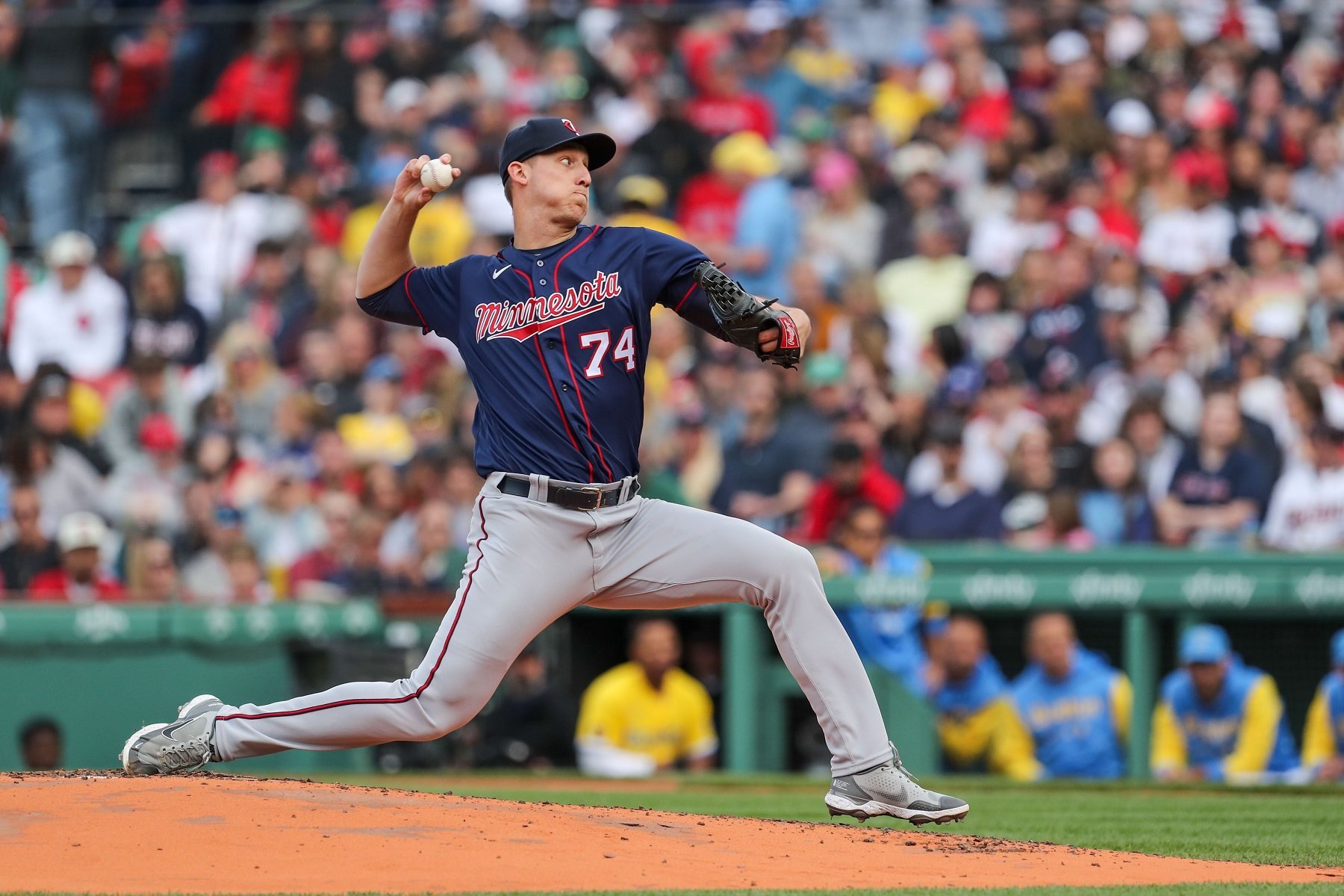 The stats are out there, the Twins bullpen is one of the worst in all of baseball as some of the worst teams in the league have lucked into better units for the back end of games. The waiver claims such as Tyler Thornburg and Jharel Cotton continue to churn with several similar tier pitchers waiting in Triple-A. Instead of continuing this seemingly endless attempt to get any kind of value out of these types of pitchers, it’s time the Twins try something new. With several younger arms in St. Paul’s rotation, it may be time to switch them over to the bullpen to help a big league club that has no help on the way for another month. Josh Winder Winder has become one of the Twins' better starting pitching prospects these last couple of years and was fantastic in his first start off of the IL in the doubleheader against Cleveland. His long-term outlook still looks very much like a middle-of-the-rotation starter. The Twins don’t need that right now. Winder began the season in the bullpen as a long reliever, something the Twins could definitely use. They could keep him in that role, or perhaps shortening his outings could help him limit his innings after his recent trip to the IL for shoulder issues for the second year in a row. Winder’s 96 mph fastball we’ve seen occasionally in starts may play up to 97-98 in the pen, and paired with his slider and changeup, Winder could become a major weapon in a bullpen that desperately needs it. The Twins can always stretch him back out next season and return him to a starters role assuming they don’t take the same route they did with this year’s bullpen. Cole Sands Sands is seen as more of a fringy starting pitching prospect but has been pretty good in St. Paul recently. The righty has thrown 14 innings since he was demoted allowing only two runs and striking out 16 batters. While it would be nice to keep him as starting pitching depth for this year, perhaps it’s Winder who fills that role and Sands who makes the bullpen transition. Sands has one pitch that could be an absolute weapon in a bullpen role in his 70-grade curveball. Pitches that grade out that high are the ones you can bump up to throwing over half the time in shorter stints and become absolutely dominant. While he only throws 92, it’d be safe to bet on seeing more 94s which doesn’t sound like much but would pair very well with a legitimate breaking ball. He’s also only halfway to his 2021 innings total and doesn’t have any injury concerns, making him a candidate to play an early-season Griffin Jax role pitching multiple innings when the team needs it. Ronny Henriquez Acquired in the Mitch Garver trade, the Twins were aggressive with Henriquez, sticking him in AAA as a 22-year-old and keeping him in the rotation despite many scouts believing he was a future reliever. To be quite honest, it’s hard to say why he’s still a starter at this point. The 5’10 right hander (who’s reportedly shorter than listed) has a near 7 ERA in 44 innings in the Saints rotation. Henriquez has everything you’d want in a reliever, as his fastball has a very high spin and can already touch 98 mph. He has two usable secondary offerings in the slider and changeup which both can be plus pitches at times. Even as a starter he’s typically been around 10 K/9 in his minor league career, making his potential as a reliever easy to dream on. Perhaps it’s unfair to say that the likelihood of Henriquez sticking in the rotation is low, but it’s certainly lower than Winder or Sands. He’s also already on the 40-man roster, which may entice the Twins to switch him to a role that gets them value out of his roster spot sooner rather than later. Perhaps Sands or Winder are able to come up in the next few days and fill a bulk role, but Henriquez may be the favorite to make the transition and just become a traditional dominant reliever for the rest of his career. The Twins have a massive mess on their hands in a bullpen that’s solely responsible for a 10-game swing in the AL Central. In addition to relievers just not being effective, the coaching staff is also failing to effectively manage a 13-man pitching staff as we saw Thursday when they had to try to close out a win with Tyler Thornburg because there were no other options. Not only could one of these minor league starters add quality to one of baseball’s worst late-game units, but having already been stretched out they can make that 13-man pitching staff feel more like 14 by being able to provide bulk innings. One thing is for certain, if they’re going to wait until the deadline to add, they need to start preparing these arms to be relievers immediately. We’ve tried the reclamation waiver wire route, and it’s safe to say that continuing down this road could take the Twins out of the running before it comes time to add at the deadline. For a front office that talks so much about a pitching pipeline and relied so heavily on it this season, it’s time to take a leap and turn to the youth movement. What we’re doing right now simply isn’t working.
- 33 comments
-
- 7
-
-
- josh winder
- ronny henriquez
- (and 1 more)
-
Jose Miranda Deserves a Shot
Cody Pirkl replied to Cody Pirkl's topic in Twins Daily Front Page News
For what it's worth, Urshela and Arraez are miles apart in terms of how valuable they've been this year. Arraez is second on the team in Wins Above Replacement, Urshela is 12th. Barely ahead of Nick Gordon who plays 3 days per week. Just two days ago Urshela came in at 0 Wins Above Replacement. -
Jose Miranda Deserves a Shot
Cody Pirkl replied to Cody Pirkl's topic in Twins Daily Front Page News
Gio is definitely just fine. I'd be fine with giving him the majority of the time at 3B. I just don't think he's good enough to play 7 days per week with no question of anybody else ever stepping in. I get people's worry about Miranda's defense, he's been terrible at 1B. 3B is his primary position though and he has such a small sample playing there in the majors so far to judge too harshly. Just wish we'd see him there a little more so we could fairly evaluate. -
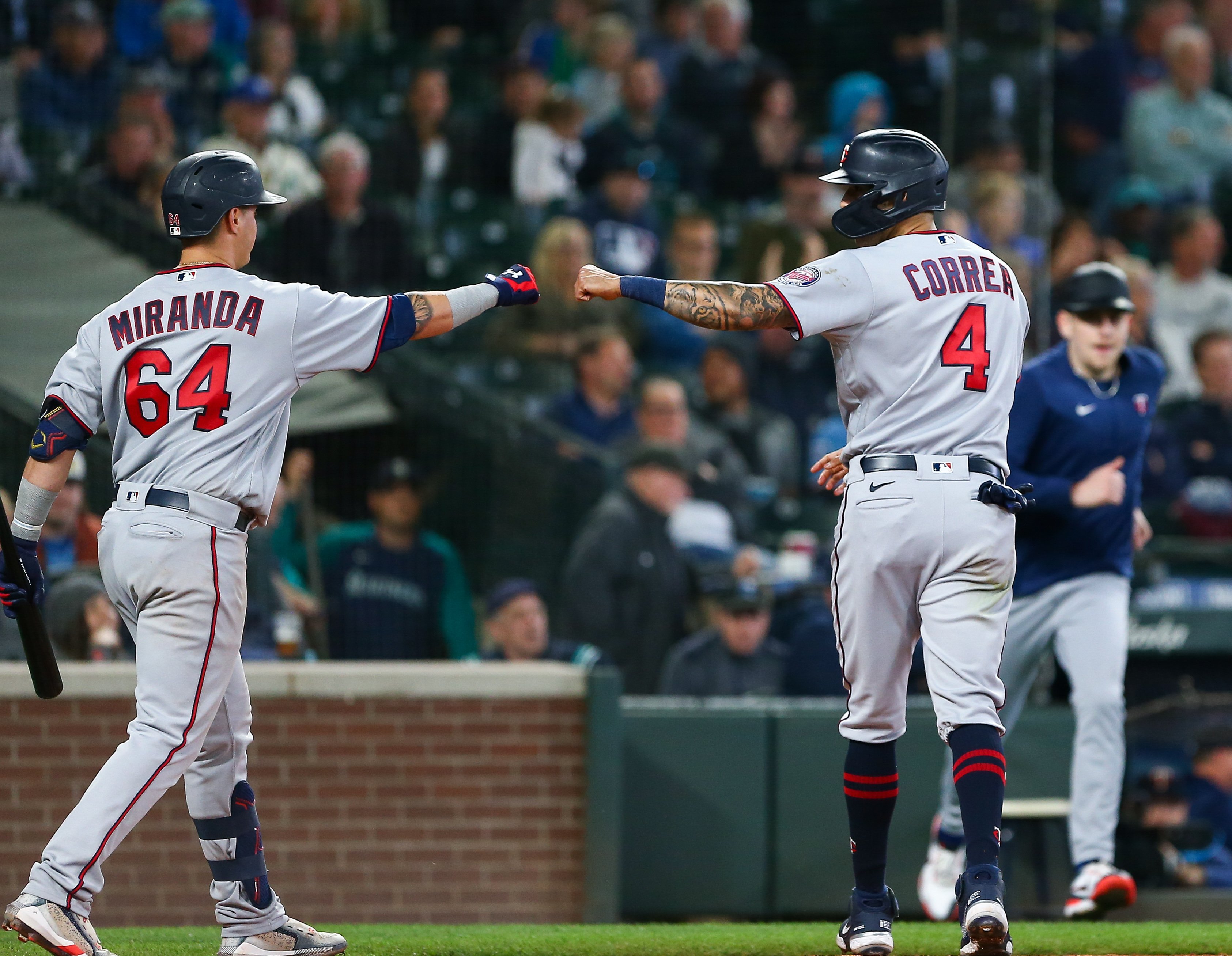 Jose Miranda was brought aboard the Twins organization as a shortstop/second/third base type player years ago. Despite that fact, he's played first base almost exclusively since making his debut, and basically only plays a couple days per week against left handed pitching. Not only has his usage directly contradicted the Twins handling of top prospects in the past, but it's also crippled his ability to show that he belongs in the MLB. Jose Miranda is deserving of so much more. Defensive Ability Miranda has come to develop the reputation as a terrible defender among fans already, which is true if you're talking about first base. Many are quick to judge his ability at third base as surely if he can't handle what's considered the easiest infield position he can't play anywhere else. Unfortunately for Miranda, he was thrust into the role he has now as the Twins lack any other right handed hitters capable of playing first base. Miranda played some first the last few years in the minors, though his innings there were insignificant compared to his time at second and third. We've seen him mess up all kinds of in between plays on defense, which makes sense considering he's been forced to debut at what is not his primary position. In his limited time at 3rd base with the big league club, he's made one error and there isn't close to enough of a sample size yet to deem him a bad defender. Offensive Ability Despite the Twins unwillingness to budge from their current platooning of Miranda, his bat has been good enough to warrant more of a look. While players such as Sanchez, Kepler and Larnach are limping through June, Miranda has posted a .314/.340/.510 line which almost directly coincides with his recall from AAA at the end of May. Any hitter can go on a hot stretch, but Miranda's numbers since returning to Target Field are showing off what made him the 2021 minor league hitter of the year. He has contact skills, he has plate discipline, he has power. We saw a defensively inept Luis Arraez make himself expendable in 2019 based solely on his bat and look at him now. What else does Miranda have to do at the plate? The Twins Can Make Room The Twins don't have quite the log jam it appears they do in the lineup. It's understandable why Miranda is on the short end of a platoon at first base when they have Kirilloff and Arraez to mash right handed pitching. Across the rest of the lineup however, opportunity should exist. The Twins just continue to write out lineup cards that include both Gary Sanchez and Ryan Jeffers. Not only does this open them up for disaster if the starting catcher gets injured, it's just plain ineffective. Both catchers are capable of going on a run offensively for short periods, Jeffers is on one now. Both however are below league average hitters at the moment, and going an extra mile to get a second catcher in your lineup regardless of the name seems like getting too cute. MI'd argue it's worth getting Miranda some DH at bats instead of one of the catchers that we expect little offensive value from. In addition to DH, Gio Urshela just does not need to be the 7 days per week starting third baseman. The best day at the plate he's had all season on Wednesday elevated him from a below average hitter to slightly above. He was worth 0 fWAR coming into that game making him exactly a replacement level player. His increase by 0.2 in one game is impressive, but his total value on the season still isn't anything special and I don't think we expect such performances from him regularly. In addition, Urshela's defense appears to be overrated by many, mainly because he can make some incredible plays at the hot corner while also booting plays that should be routine. It's a very interesting skillset for Urshela who definitely holds his own but doesn't have a gold glove like defensive skill to keep him in the lineup regardless of his bat. Mixing Miranda in every once in awhile just to evaluate him at his primary position just shouldn't be difficult. The Twins usage of Miranda has been perplexing. We've heard them say it a million times, most recently with Royce Lewis. They don't want him on the big league club if he can't play everyday. Miranda isn't the high profile prospect Lewis is, but they're treating him like they don't care about his development at all. They're DHing below league average catchers and awarding 100% playing time to players who don't deserve it while Miranda, one of the team's hottest hitters in June, plays a couple days per week. It's possible the Twins don't see Miranda as a future regular, an odd conclusion to already be drawing. Perhaps they see him as a trade piece as many have suggested, although I'd argue playing him solely at a foreign position on very rare occasions isn't the best way to showcase his skills. At any rate, Jose Miranda needs more of a look. After one of the single greatest minor league seasons in Twins history, Miranda has earned more than pinch hit and weak side platoon duty on a big league club that hasn't exactly been steamrolling the competition recently. Would you like to see more Jose Miranda in the Twins lineup? Let us know below!
 -
Jose Miranda has been treated more like an expendable veteran than an up and coming top prospect since his recall. It's time for the Twins to take a leap and see what they have in their former minor league hitter of the year. Jose Miranda was brought aboard the Twins organization as a shortstop/second/third base type player years ago. Despite that fact, he's played first base almost exclusively since making his debut, and basically only plays a couple days per week against left handed pitching. Not only has his usage directly contradicted the Twins handling of top prospects in the past, but it's also crippled his ability to show that he belongs in the MLB. Jose Miranda is deserving of so much more. Defensive Ability Miranda has come to develop the reputation as a terrible defender among fans already, which is true if you're talking about first base. Many are quick to judge his ability at third base as surely if he can't handle what's considered the easiest infield position he can't play anywhere else. Unfortunately for Miranda, he was thrust into the role he has now as the Twins lack any other right handed hitters capable of playing first base. Miranda played some first the last few years in the minors, though his innings there were insignificant compared to his time at second and third. We've seen him mess up all kinds of in between plays on defense, which makes sense considering he's been forced to debut at what is not his primary position. In his limited time at 3rd base with the big league club, he's made one error and there isn't close to enough of a sample size yet to deem him a bad defender. Offensive Ability Despite the Twins unwillingness to budge from their current platooning of Miranda, his bat has been good enough to warrant more of a look. While players such as Sanchez, Kepler and Larnach are limping through June, Miranda has posted a .314/.340/.510 line which almost directly coincides with his recall from AAA at the end of May. Any hitter can go on a hot stretch, but Miranda's numbers since returning to Target Field are showing off what made him the 2021 minor league hitter of the year. He has contact skills, he has plate discipline, he has power. We saw a defensively inept Luis Arraez make himself expendable in 2019 based solely on his bat and look at him now. What else does Miranda have to do at the plate? The Twins Can Make Room The Twins don't have quite the log jam it appears they do in the lineup. It's understandable why Miranda is on the short end of a platoon at first base when they have Kirilloff and Arraez to mash right handed pitching. Across the rest of the lineup however, opportunity should exist. The Twins just continue to write out lineup cards that include both Gary Sanchez and Ryan Jeffers. Not only does this open them up for disaster if the starting catcher gets injured, it's just plain ineffective. Both catchers are capable of going on a run offensively for short periods, Jeffers is on one now. Both however are below league average hitters at the moment, and going an extra mile to get a second catcher in your lineup regardless of the name seems like getting too cute. MI'd argue it's worth getting Miranda some DH at bats instead of one of the catchers that we expect little offensive value from. In addition to DH, Gio Urshela just does not need to be the 7 days per week starting third baseman. The best day at the plate he's had all season on Wednesday elevated him from a below average hitter to slightly above. He was worth 0 fWAR coming into that game making him exactly a replacement level player. His increase by 0.2 in one game is impressive, but his total value on the season still isn't anything special and I don't think we expect such performances from him regularly. In addition, Urshela's defense appears to be overrated by many, mainly because he can make some incredible plays at the hot corner while also booting plays that should be routine. It's a very interesting skillset for Urshela who definitely holds his own but doesn't have a gold glove like defensive skill to keep him in the lineup regardless of his bat. Mixing Miranda in every once in awhile just to evaluate him at his primary position just shouldn't be difficult. The Twins usage of Miranda has been perplexing. We've heard them say it a million times, most recently with Royce Lewis. They don't want him on the big league club if he can't play everyday. Miranda isn't the high profile prospect Lewis is, but they're treating him like they don't care about his development at all. They're DHing below league average catchers and awarding 100% playing time to players who don't deserve it while Miranda, one of the team's hottest hitters in June, plays a couple days per week. It's possible the Twins don't see Miranda as a future regular, an odd conclusion to already be drawing. Perhaps they see him as a trade piece as many have suggested, although I'd argue playing him solely at a foreign position on very rare occasions isn't the best way to showcase his skills. At any rate, Jose Miranda needs more of a look. After one of the single greatest minor league seasons in Twins history, Miranda has earned more than pinch hit and weak side platoon duty on a big league club that hasn't exactly been steamrolling the competition recently. Would you like to see more Jose Miranda in the Twins lineup? Let us know below! View full article
-
Three Trade Targets That Fit The Twins Style
Cody Pirkl replied to Cody Pirkl's topic in Twins Daily Front Page News
They haven't been rumored to be shopping him but keep in mind, they weren't really shopping Zac Gallen a few years ago until they found out they could get someone they loved in Jazz Chisholm. The Twins have a good amount of near MLB hitting prospects which the Marlins need and I've been watching them for a few years now wondering when they'd part with some of their pitching to make a more well rounded team. Maybe Rogers is off the table, or maybe they're willing to cash in on a struggling pitcher who's value is still riding high off of last year. I wouldn't call a deal like this likely because it never is when it comes to a challenge trade involving all young players being exchanged but I do think this is a rare fit that would really help both sides. -
Three Trade Targets That Fit The Twins Style
Cody Pirkl replied to Cody Pirkl's topic in Twins Daily Front Page News
If Trevor Rogers goes back to last year's level (he still has the same velo, spin rate, and pedigree) he's without a doubt our #1 starting pitcher. The only measurable difference between 2021 and 2022 is a slight drop in release point, he doesn't look broken or injured or missing spider tac or anything along those lines. As I've pointed out, we can keep calling for somebody like Tyler Mahle or Frankie Montas, but when the Dodgers or other big market teams with more reckless tendencies decide they want these guys, the Twins will be the first out of the mix based on everything we've seen the front office do since they were hired. Nothing wrong with wanting these ready made aces, I just personally don't find it worthwhile to put a whole lot of thought into the idea because I just don't see it happening. -
Three Trade Targets That Fit The Twins Style
Cody Pirkl replied to Cody Pirkl's topic in Twins Daily Front Page News
Here's the issue with trade ideas like this (and why I'm writing about names that aren't very appealing): The front office has never shown any hint that they'd do something like this. There are other teams with better farm systems and more money who will want guys like Montas, Bednar, etc. and the Twins have to win a bidding war against them. This is why they do things like trade for Kenta Maeda and change his pitch sequencing. It's the only way they can win without emptying their farm system. A trade deadline that brings in Frankie Montas and Bednar/Stratton probably costs somebody like Kirilloff, Larnach, Arraez etc. in addition to a bunch of other players at the top of our prospect lists. Regardless of whether or not you think they should do that, do you think they will? -
Three Trade Targets That Fit The Twins Style
Cody Pirkl replied to Cody Pirkl's topic in Twins Daily Front Page News
IMO the reason Miami would sell low is because they still have an incredible rotation with a bunch of other monster arms approaching the MLB. That alone isn't enough to trade someone just to trade them but they have a desperate need for controllable bats and I think they match up well with the Twins in that regard.