



Cody Pirkl
-
Posts
1,314 -
Joined
-
Last visited
-
Days Won
4
Content Type
Profiles
News
Minnesota Twins Videos
2026 Minnesota Twins Top Prospects Ranking
2022 Minnesota Twins Draft Picks
Minnesota Twins Free Agent & Trade Rumors, Notes, & Tidbits
Guides & Resources
2023 Minnesota Twins Draft Picks
The Minnesota Twins Players Project
2024 Minnesota Twins Draft Picks
2025 Minnesota Twins Draft Pick Tracker
2026 Minnesota Twins Draft Tracker: Picks & Bonuses
Forums
Blogs
Events
Store
Downloads
Gallery
Everything posted by Cody Pirkl
-
Twins Left-Handed "Depth" is Testing the Limits
Cody Pirkl replied to Cody Pirkl's topic in Twins Daily Front Page News
Yeah either betting on a Kepler hot streak or hoping he becomes a more valuable player again, because if he even had a 110-115 OPS+ his $10.5m option on 2024 becomes a steal. I just don't see that happening, though I do believe if they allow him to stay through the season that they'll pick that option up. -
Twins Left-Handed "Depth" is Testing the Limits
Cody Pirkl replied to Cody Pirkl's topic in Twins Daily Front Page News
But what is the value of knowing what they're getting when they know what they're getting isn't very good? He ranges from respectable to just as bad as the downside of any prospect they could possibly call up. Even Wallner's 8 consecutive PAs reaching base shows more of an upside than Kepler has shown in years. This would be different if the lineup didn't stink, but I think currently his best case scenario of a league averagish bat doesn't really help them a lot. I'd prefer they try someone with the possibility of legitimately helping the lineup rather than Kepler whose best case scenario is not actively hurting it. -
Twins Left-Handed "Depth" is Testing the Limits
Cody Pirkl replied to Cody Pirkl's topic in Twins Daily Front Page News
I think Kepler gets too much credit for being "stable". He doesn't have the strikeout rate of a Joey Gallo but he's just as streaky and the highs aren't as high. He opened the season going 2-17 before going on the IL, was a respectable hitter for a time, but is now 2 for his last 28. He is a solid overall player but it's his defense that keeps him from being completely without value. This lineup needs more imo. -
Twins Left-Handed "Depth" is Testing the Limits
Cody Pirkl replied to Cody Pirkl's topic in Twins Daily Front Page News
1. They could have sent Kepler on a rehab stint but they're not just going to keep him on the IL if he's healthy and that would have created a couple more days for Wallner is all 2. They don't want Solano playing 2B and this wouldn't open up any ABs for Wallner 3 and 4. optioning a reliever opens roster spot for Wallner but not any at bats.- 76 replies
-
- 1
-

-
- matt wallner
- max kepler
- (and 3 more)
-
Twins Left-Handed "Depth" is Testing the Limits
Cody Pirkl replied to Cody Pirkl's topic in Twins Daily Front Page News
Max Kepler is the worst qualified player in baseball against left handed pitching since his debut and still gets semi regular starts against left handed pitching. He has a below league average batting line since 2019 in large part because he continues to get these matchups and yet he's an everyday player for the Twins. They've come right out and said they think he's better offensively than his results indicate, which have been below average in every season but 2019 and the shortened 2020. If he were on any other team he'd be in a strict platoon, but the Twins love him too much to make that decision. He's absolutely an organizational favorite. Another team would have cut bait for whatever value he had years ago.- 76 replies
-
- 3
-
-
- matt wallner
- max kepler
- (and 3 more)
-
Twins Left-Handed "Depth" is Testing the Limits
Cody Pirkl replied to Cody Pirkl's topic in Twins Daily Front Page News
Max Kepler is the 41st ranked right fielder in baseball by wRC+ minimum 550 plate appearances. 20th in fWAR during that time. That's pretty darn mediocre if you ask me. There's a level of diminishing returns in right field when almost all of the value comes from defense.- 76 replies
-
- 3
-
-
- matt wallner
- max kepler
- (and 3 more)
-
Twins Left-Handed "Depth" is Testing the Limits
Cody Pirkl replied to Cody Pirkl's topic in Twins Daily Front Page News
The broader point of the entire piece though is that the Twins are struggling offensively and Wallner has been a positive at least for a few days. Ideally they give Wallner room to keep playing and see what happens, but they've set themselves up for that to be impossible and the big payoff is getting Max kepler back in the lineup. I'd just argue they don't have good enough players to leave zero opportunity for prospects to earn jobs without injury. In Kepler's case it feels like he could miss 2 months and have Wallner, Larnach or whoever put up all star numbers and they'd still send them right back down to get their best buddy Max back in the mix.- 76 replies
-
- 1
-
-
- matt wallner
- max kepler
- (and 3 more)
-
Twins Left-Handed "Depth" is Testing the Limits
Cody Pirkl replied to Cody Pirkl's topic in Twins Daily Front Page News
They technically could but then he has to stay down for 15 days and it'd only be a temporary fix for Wallner staying up. Plus they're going to play Kepler everyday. Just an unfortunate reality. I don't think they want Wallner to stay up unless he's in the lineup near everyday. -
Twins Left-Handed "Depth" is Testing the Limits
Cody Pirkl replied to Cody Pirkl's topic in Twins Daily Front Page News
The Twins clearly feel differently. Larnach was up for Kepler's injury, so when Larnach hit the IL, Wallner came up. Castro has been playing well and now has to be used in CF so they're not sending him down. They're also not going to DFA Solano or Kepler in May no matter how much fans call for it, so those aren't options that can seriously be argued. There isn't much else they could have done.- 76 replies
-
- 2
-
-
- matt wallner
- max kepler
- (and 3 more)
-
Twins Left-Handed "Depth" is Testing the Limits
Cody Pirkl replied to Cody Pirkl's topic in Twins Daily Front Page News
Kepler being a proven mediocrity is exactly my point. Yeah he was a 2.0 Win player last season but he did it almost completely with his defense at an offensive premium position. That's probably the least impactful way of being a 2 win player. I also think when looking back on the Kepler decision, there are several considerations. Do you think any combo of Wallner/Larnach etc. can combine to produce 2.0 fWAR throughout a season? You could call it a stretch. Consider the value of however small of a return they could've gotten for Kepler in addition to his salary that could have been spent elsewhere. Those three add up to more than a defense first platoon outfielder with no impactful ceiling for me personally. I understand if not everyone agrees with that, but that's just how I look at it.- 76 replies
-
- 1
-
-
- matt wallner
- max kepler
- (and 3 more)
-
Twins Left-Handed "Depth" is Testing the Limits
Cody Pirkl replied to Cody Pirkl's topic in Twins Daily Front Page News
Kepler himself is inconsistent too though. He routinely goes on stretches of providing nothing just like everyone loathes from players with Wallner's profile, except instead of striking out he's weakly grounding out to second base. The decision to do what they did is justifiable, it's easy to see why they did it. That being said, it stinks to see a prospect come up and show what he can do in an offense that desperately needs contributors and he gets sent down for someone who I think we're all certain at this point isn't an offensive game changer at all. We saw it yesterday with Kepler going 0-5 with 2 Ks and 3 groundouts with several opportunities to help us win that game squandered. Unfair to bash him for his first game back, but he's got plenty of similar games on tap.- 76 replies
-
- 3
-
-
- matt wallner
- max kepler
- (and 3 more)
-
Twins Left-Handed "Depth" is Testing the Limits
Cody Pirkl replied to Cody Pirkl's topic in Twins Daily Front Page News
How do you figure that? If Kepler weren't here it would have been more ABs for one of the many left handed options. It's not like Kepler is the barrier keeping Garlick from playing everyday. -
Twins Left-Handed "Depth" is Testing the Limits
Cody Pirkl replied to Cody Pirkl's topic in Twins Daily Front Page News
I think people underestimate how difficult it is to just be thrown into right field with that overhang too. That takes time to learn. Wallner may not have Kepler's range but the arm brings a whole different form of value.- 76 replies
-
- 2
-
-
- matt wallner
- max kepler
- (and 3 more)
-
Twins Left-Handed "Depth" is Testing the Limits
Cody Pirkl replied to Cody Pirkl's topic in Twins Daily Front Page News
That's a piece of it, yes. The question to ask is whether the veterans like Kepler are valuable enough to justify the lack of opportunity for players who may be better than him.- 76 replies
-
- 1
-
-
- matt wallner
- max kepler
- (and 3 more)
-
This winter the Twins chose not only to hang onto their overwhelming depth of left-handed corner outfield bats but to add to the group. Finally, as they approach June, they’re starting to feel the effects. Image courtesy of Nick Wosika-USA TODAY Sports Matt Wallner has become something of a forgotten top prospect before his recent stint in the big leagues. Many write him off because of his lack of range as a defender and his heavy swing-and-miss tendencies. He’s been stashed in St. Paul for much of the season where he’s dominated the competition, as he has at every other stop in the minors. Having finally been given a chance to show what he can do at the big league level, Wallner has come through. Unfortunately, the Twins have set up a situation where it doesn’t matter what Wallner shows, he’s buried too far down the depth chart. This winter the Twins reportedly had trade offers on the table for Max Kepler. He’s underperformed expectations in every year of his career aside from the juiced ball 2019 and was coming off of a 2022 season in which he failed to produce at even league-average levels. It seemed Kepler’s time as a Twin was coming to an end, especially when they signed Joey Gallo to hit from the left side and play a gold glove-caliber corner outfield. Instead, they kept them both. To be fair, neither move has been an albatross. Kepler has been a shade above average offensively, and his defense remains a plus. Gallo has been a boon at least at times as a source of power in an offense that has been the team's Achilles Heel. Unfortunately, those are just two pieces of the left-handed puzzle. Nick Gordon was still in the picture, as was the switch-hitting Willi Castro, not to mention Trevor Larnach, who was recently placed on the IL with pneumonia. It took injuries to three left-handed outfielders for Matt Wallner to get an opportunity at the big-league level despite posting a 120 wRC+ at every stop in the minor leagues. Last September he was called up and posted an above-league-average slash line in the MLB as well. Wallner was called up for a brief five-game spell when Larnach hit the IL and has showcased what he could do. His total after 11 big league games this season includes a .368/.520/.579 slash line. The major red flag in his profile is the strikeout rate, and he’s kept the whiffs below 20% so far. Wallner’s on-base power combo has been a refreshing addition to a Twins lineup that continues to sink further into the abyss. With news of Max Kepler’s IL trip coming to an end, however, Wallner is getting sent back to St. Paul. There isn’t a corresponding move that makes more sense than sending down a left-handed corner outfielder for Max Kepler’s return. If Larnach were healthy and playing he would have been the casualty considering it was Kepler’s injury that got him up in the first place. That being said, it’s a huge bummer. There was never any level of performance that would have kept Wallner in the big leagues, and they set themselves up for this situation. The only route for young left-handed bats to get an opportunity is through injury. No matter how well they perform, they’re doomed to be sent back down when the corresponding player is healthy. The Twins find themselves in the middle of a no man's land that they had to have known was a possibility. It’s possible that Wallner’s recent stretch of success puts him ahead of Larnach on the depth chart, but they’ll both still fall behind two players in Gallo and Kepler who have been too good to cut bait with but have no possibility of being cornerstones of a lineup. Alex Kirilloff will hopefully be up to stay. Nick Gordon will also be back later this season. The Twins have an undeniable unwillingness to turn the page on organizational favorites like Max Kepler, and to be fair, Kepler has justified the move. Joey Gallo has been a strong addition to the team even with his well-known deficiencies. Rostering both is beginning to stretch the definition of the word “depth” As the lineup continues to find new lows it’s becoming fair to wonder whether new faces might be the answer rather than relying on a full lineup rebound. Matt Wallner will head back to St. Paul having reached base in eight consecutive plate appearances. There’s a small chance at the very least that he was becoming a much-needed contributor to the Twins lineup, and if they had the ability, it’s fair to say the Twins would have allowed this hot streak to play out. Unfortunately, we really won’t know until another injury occurs, and that’s a shame. View full article
-
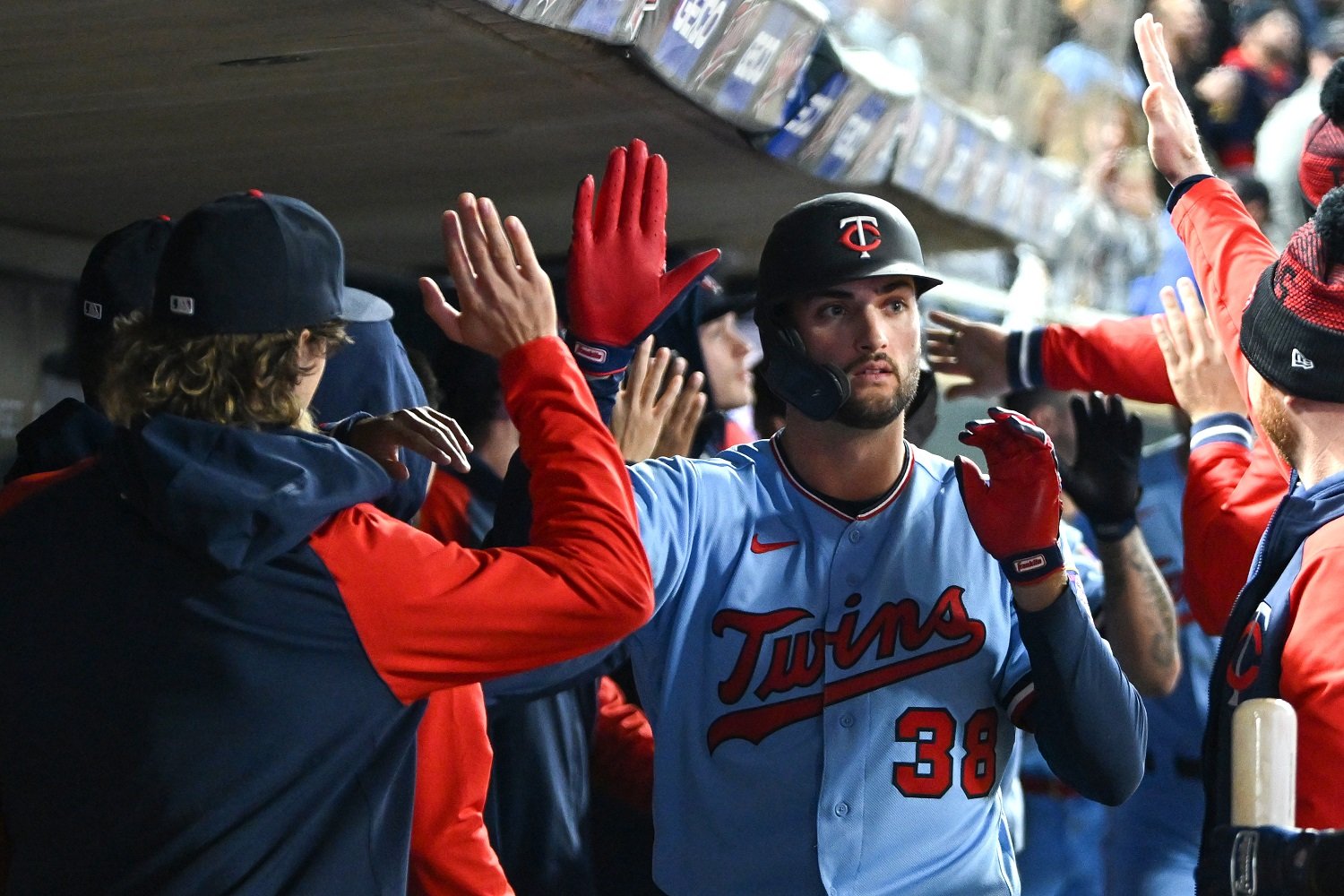 Matt Wallner has become something of a forgotten top prospect before his recent stint in the big leagues. Many write him off because of his lack of range as a defender and his heavy swing-and-miss tendencies. He’s been stashed in St. Paul for much of the season where he’s dominated the competition, as he has at every other stop in the minors. Having finally been given a chance to show what he can do at the big league level, Wallner has come through. Unfortunately, the Twins have set up a situation where it doesn’t matter what Wallner shows, he’s buried too far down the depth chart. This winter the Twins reportedly had trade offers on the table for Max Kepler. He’s underperformed expectations in every year of his career aside from the juiced ball 2019 and was coming off of a 2022 season in which he failed to produce at even league-average levels. It seemed Kepler’s time as a Twin was coming to an end, especially when they signed Joey Gallo to hit from the left side and play a gold glove-caliber corner outfield. Instead, they kept them both. To be fair, neither move has been an albatross. Kepler has been a shade above average offensively, and his defense remains a plus. Gallo has been a boon at least at times as a source of power in an offense that has been the team's Achilles Heel. Unfortunately, those are just two pieces of the left-handed puzzle. Nick Gordon was still in the picture, as was the switch-hitting Willi Castro, not to mention Trevor Larnach, who was recently placed on the IL with pneumonia. It took injuries to three left-handed outfielders for Matt Wallner to get an opportunity at the big-league level despite posting a 120 wRC+ at every stop in the minor leagues. Last September he was called up and posted an above-league-average slash line in the MLB as well. Wallner was called up for a brief five-game spell when Larnach hit the IL and has showcased what he could do. His total after 11 big league games this season includes a .368/.520/.579 slash line. The major red flag in his profile is the strikeout rate, and he’s kept the whiffs below 20% so far. Wallner’s on-base power combo has been a refreshing addition to a Twins lineup that continues to sink further into the abyss. With news of Max Kepler’s IL trip coming to an end, however, Wallner is getting sent back to St. Paul. There isn’t a corresponding move that makes more sense than sending down a left-handed corner outfielder for Max Kepler’s return. If Larnach were healthy and playing he would have been the casualty considering it was Kepler’s injury that got him up in the first place. That being said, it’s a huge bummer. There was never any level of performance that would have kept Wallner in the big leagues, and they set themselves up for this situation. The only route for young left-handed bats to get an opportunity is through injury. No matter how well they perform, they’re doomed to be sent back down when the corresponding player is healthy. The Twins find themselves in the middle of a no man's land that they had to have known was a possibility. It’s possible that Wallner’s recent stretch of success puts him ahead of Larnach on the depth chart, but they’ll both still fall behind two players in Gallo and Kepler who have been too good to cut bait with but have no possibility of being cornerstones of a lineup. Alex Kirilloff will hopefully be up to stay. Nick Gordon will also be back later this season. The Twins have an undeniable unwillingness to turn the page on organizational favorites like Max Kepler, and to be fair, Kepler has justified the move. Joey Gallo has been a strong addition to the team even with his well-known deficiencies. Rostering both is beginning to stretch the definition of the word “depth” As the lineup continues to find new lows it’s becoming fair to wonder whether new faces might be the answer rather than relying on a full lineup rebound. Matt Wallner will head back to St. Paul having reached base in eight consecutive plate appearances. There’s a small chance at the very least that he was becoming a much-needed contributor to the Twins lineup, and if they had the ability, it’s fair to say the Twins would have allowed this hot streak to play out. Unfortunately, we really won’t know until another injury occurs, and that’s a shame.
- 76 comments
-
- 7
-
-
- matt wallner
- max kepler
- (and 3 more)
-
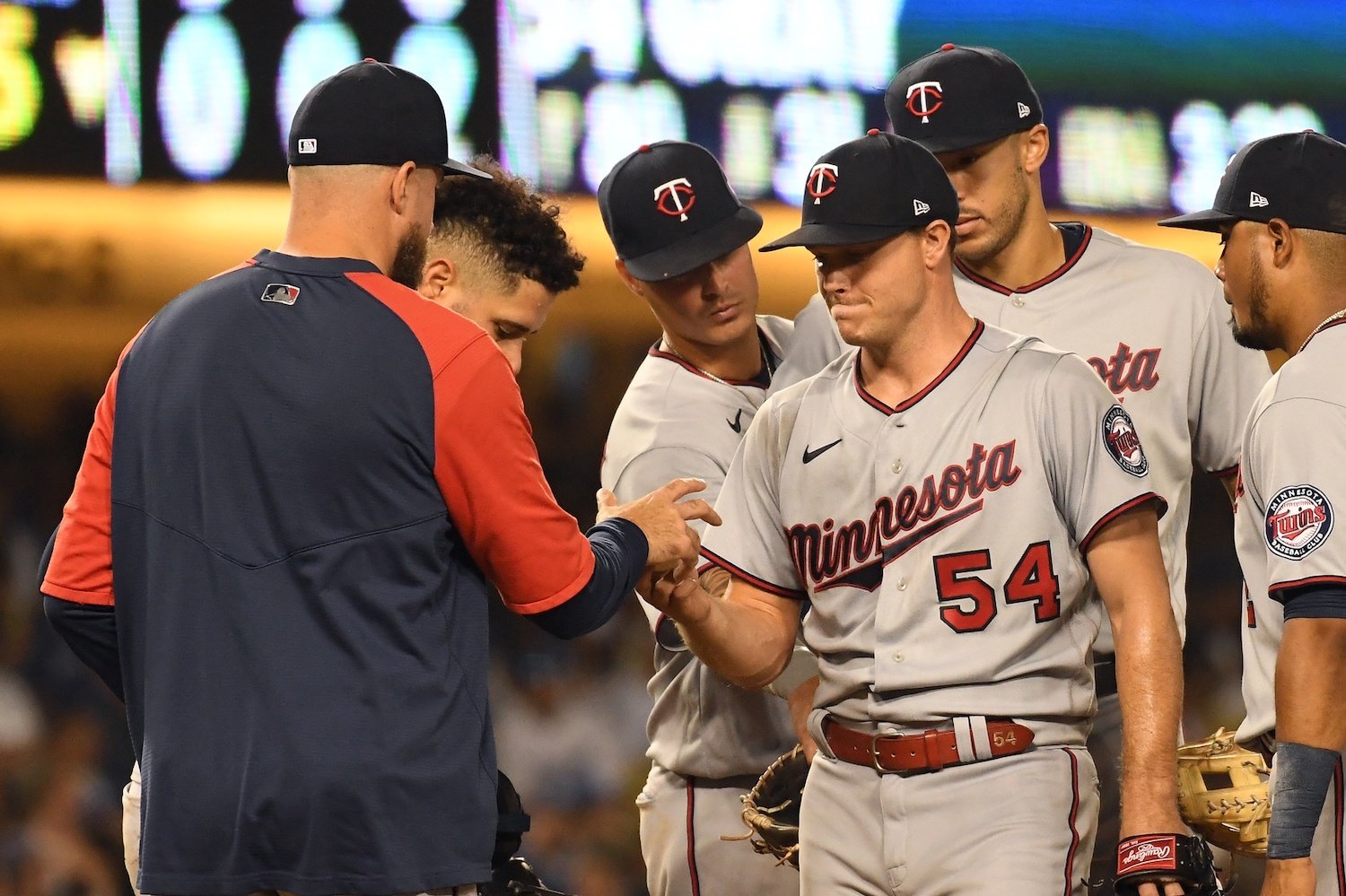 The Twins were projected to be a good-not-great team headed into 2023. Betting outlets and websites such as FanGraphs had them projected to finish in the 80-85 win range. 50 games into the season, the Twins are right on par to meet those expectations. Far from a juggernaut, they’ve been good enough to lead the pack in the AL Central. All that being said, fans having some disappointment thus far is more than fair. The “AL Central Champions” title hasn’t carried much weight in recent seasons, and 2023 is no different. On one hand, the Twins are doing what they should be by being on top of such a weak division, but some may find the surrounding context frustrating. With the second-place team in the division being Detroit (29th in runs scored and 21st in ERA), it does make one wonder how good the Twins actually are given their meager two-game lead through 50 contests. While the Twins leading the division is undeniably good, the competition is undeniably bad, and they’re just barely hanging on. The Twins first place standing in the worst division in baseball may not give much reassurance to some, which is probably fair. The Twins' style as a team has also been frustrating to date. Starting pitching has long been the missing piece of the puzzle, and now that they have arguably the best rotation in baseball, the offense has completely disappeared. It’s like a sick game of Whack-A-Mole for the baseball gods. The boom-bust nature we saw all too often in 2022 has carried into 2023 to an even more intense degree. They’ve scored 3 runs or fewer in 22 of their 50 games, 44% of the time. Their 26th-ranked team batting average and 24th-ranked team OBP paired with a near 10 strikeouts per game as a team creates little action. Their sixth-best 68 homers can only do so much to make up for such little else going on offensively. That’s not only a frustrating combination of offensive struggles, but an extremely boring one to watch. The offense is failing in ways that are bound to cause frustration, as Carlos Correa has put up the worst start to a season in his career with a sub-.700 OPS. Bases loaded opportunities have reached maddening levels of incompetence, as the offense is slashing .116/.173/.116 with 13 strikeouts in 52 plate appearances. They remain hitless in 10 plate appearances with bases loaded and no outs. The Twins pursued pieces to hit around left-handed pitching this offseason, adding Kyle Farmer and Donovan Solano to a respectable group of existing righties. For the fourth consecutive season, they’re not meeting expectations against lefties, and have in fact been downright brutal slashing .215/.309/.390 in these matchups. Many of the offensive struggles simply make no sense. This of course leads into the bullpen, as after spending so much of the season pitching with zero margin for error courtesy of the offense, they’ve started to spring a leak. With zero offseason additions, the Twins once again appear to be one arm short in the late innings. Griffin Jax has been allowed to take loss after loss, accumulating six already with an ERA over 5.00. The Twins not only passed on non-tendering Emilio Pagán, but reportedly on trading him this offseason. While he’s pitched better as a mostly low-leverage reliever, Caleb Thielbar’s injury and Jax’s struggles once again thrust him into high leverage, which he promptly melted down in against the Dodgers. At this point, it’s a bit hard to blame anyone for being fed up watching this play out. The frustration with the Twins lies in missed opportunity. The starting pitching rarely leaves the game without giving the team a chance to win. The rest of the team is far too often finding new creative ways to lose. The Twins would certainly be playing from behind in the division if the starting staff was even top 10 rather than the very top of the league. The Twins' failure to create any padding despite their pitching so far is difficult to swallow. Especially looking back on 2022, where the team failed to create any space in what was a summer-long division lead only to finish in third place and 14 games out. There’s nothing wrong with hoping the Twins will get better as the season goes on or even being content with their record so far as it falls right in line with projections. That being said, there’s a lingering feeling that they’ve left quite a few wins on the table. It’s okay to be disappointed.
- 3 comments
-
- 10
-
-
- emilio pagan
- kyle farmer
- (and 2 more)
-
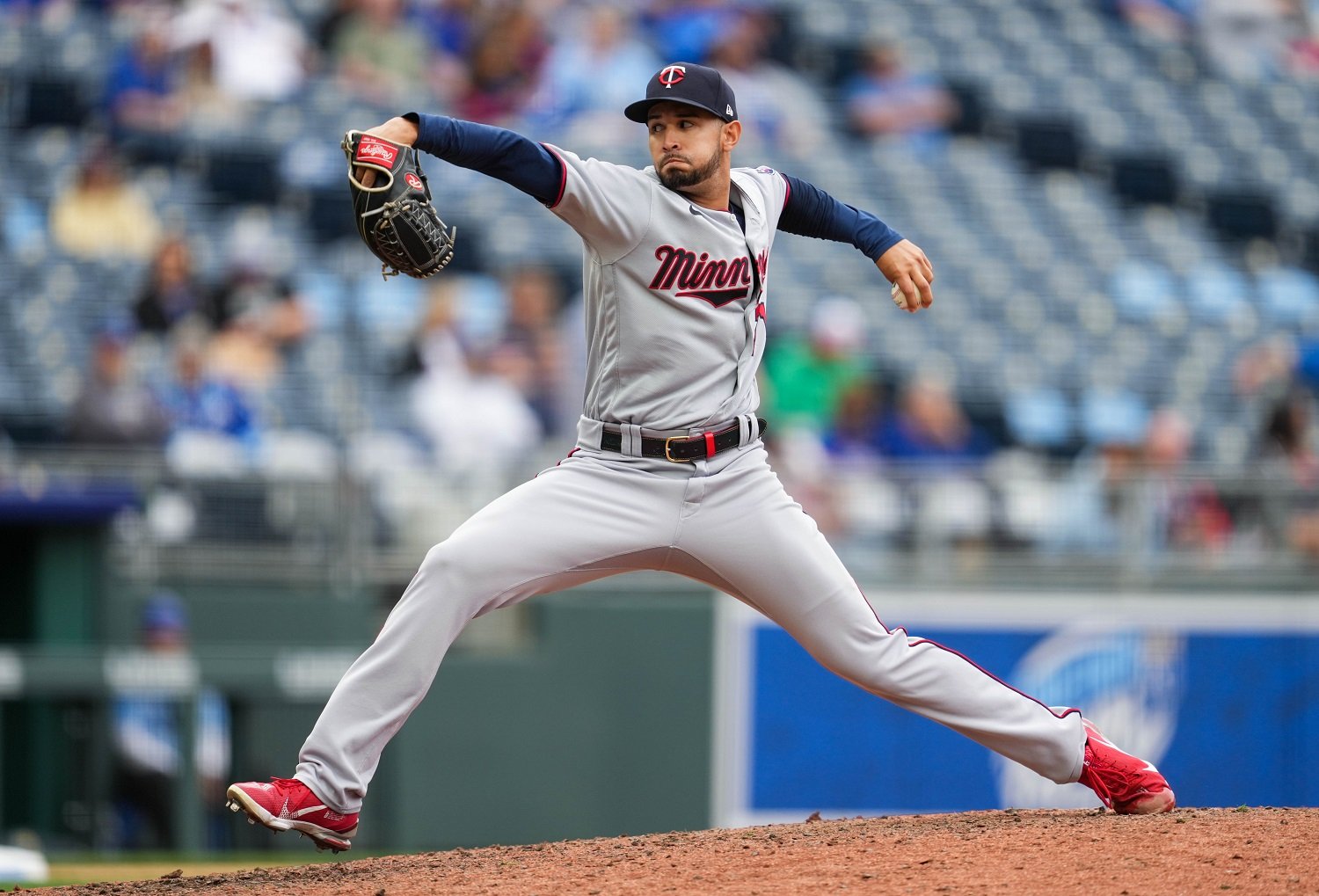 The Twins have a mess of established players not answering the bell from Carlos Correa in the lineup to Griffin Jax out of the bullpen. This has shifted some of the pressure onto the less established members of the team to pick up the slack. Luckily, a few of them have. Jovani Morán Morán has been serving as the bullpen’s sole lefty since Caleb Thielbar hit the IL, and it appears we have a ways to go until he’s ready to return. Morán got off to a dreadful start to the season, with his patented walk issues on display and allowing a few uncharacteristic home runs. When the Twins have needed him most, he’s stepped up in what has been a leaky bullpen. The most encouraging piece here is his walk rate in May being about a third of his career rate in the MLB. It’s likely wishful thinking to believe this is some new norm for the inaccurate left-hander, but any reduction would be a welcome development. His command issues reared their head in Tuesday’s game when he walked a hitter with bases loaded, but also flashed the stuff to nearly escape after entering the situation with no outs. The same goes for Thursday when he walked the first hitter of the inning and promptly struck out the side. Morán’s rocky start wiped many fans' memories of his 2022 season in which he posted a 2.21 ERA in 40+ innings. If he can limit the walks just a bit, he has the ability to help fortify the bullpen during the summer months. Willi Castro Willi’s bar isn’t set very high, but he’s definitely flashing the skills that the Twins saw when they named him the super-utility man coming out of spring training. Bouncing around the outfield and occasionally filling in at third base, Castro has posted a plenty respectable 89 wRC+. He’s posted a .711 OPS in May and more recently a .757 OPS since May 12. His .674 OPS on the season is just a touch behind Carlos Correa, and his 0.3 Wins Above Replacement is tied despite appearing in 8 fewer games. Castro’s recent success has largely been the result of a batting average on balls in play that would make the Cleveland Guardians blush. The fact of the matter is he’s doing more than enough offensively relative to where he’s at in the order regardless of how. There aren’t many other hitters across the Twins lineup that this can be said about. A continued hot streak may just keep Castro around deep into the summer. José De León De León sports an unsightly 5.79 ERA, but the bad news stops there. De León was added to the roster to fill a long relief role but in a very small sample, looks like he should get a chance to develop into more. Averaging near 95 mph on the fastball so far, De León has struck out nearly 47% of the hitters he’s faced. His fastball has allowed a .226 xWOBA, and the changeup and slider have generated whiff rates above 40% apiece. This explains why every existing underlying stat says he should be dominating. De León isn’t a young up-and-comer at 30 years old, but as we’ve seen with Brock Stewart, relievers can find a switch to flip even into their 30s. The Twins will likely be a bit less inclined to send him down based on the raw stuff he’s flashed, as doing so would expose him to waivers, and even in a small sample size, he’s shown enough to catch the eyes of other teams across the league. We’ll likely see De León get a chance to play himself into or out of a legitimate bullpen role, though for now, we can expect him to pitch in low leverage. Hopefully, some of the big dogs get going, but some of these names continuing to do what they’ve done and possibly even taking it a step further can help. Are there any other Twins trending up under the radar? Let us know below!
- 11 comments
-
- 7
-
-
- willi castro
- jose de leon
- (and 1 more)
-
The Twins are having some bullpen issues between over usage, performance, and injury. An addition at the deadline may be in the cards, but it’s too early to move on that. What do the Twins have for internal bullpen options? Image courtesy of Ken Blaze-USA TODAY Sports If the Twins front office has developed an identity for themselves, it’s that they don’t care about bullpen additions at all. Their one big external addition was Jorge Lopez in 2022, who cost them dearly in prospect capital after ignoring relief additions in the offseason. Still their approach to bullpen construction didn’t change. Their relief corps is off to a better start in 2023 than last season, but it’s been far from ideal. Griffin Jax is struggling, Caleb Thielbar is on the shelf, and after a solid start, Emilio Pagán is Pagáning it up once more. It may be time for the Twins to take a leap and try a new reliever in the big league bullpen. What internal options do they have? Cody Laweryson Laweryson is a former 14th-round pick from 2019 who’s worked his way up to Triple-A this season. He doesn’t throw hard and lacks any particular wipeout pitch, but his results speak for themselves. Geared with 70-grade command, Laweryson posted a sub 2.00 ERA between Wichita and St. Paul in 2022 and boasts a 2.66 mark so far in 2023. His 1.33 HR/9 to begin the season is inflated by an absurd 15% HR/FB rate, and he’s striking out over 27% of hitters so far and holding them to a .211 average. It’s possible the prospect pedigree and lack of velocity keep him from being a quality MLB reliever, but at 25 years old it may be worth a try. If Laweryson can replicate anywhere near his homer-limiting, high-strikeout ways at the MLB level, he should be more than capable of contributing to some degree. Kody Funderburk Like Laweryson, Funderburk is far from a top prospect. Selected in the 15th round in 2018, he’s another example of the Twins doing an impressive job of getting such a lottery ticket draft pick so far into a minor-league career. Funderburk was promoted to St. Paul after allowing a single run in 9 innings for Wichita, and while he’s given up a few since his promotion, his skills look fantastic. Striking out 31.4% of hitters and walking under 9% Funderburk looks like he really has it working so far in 2023, and in his age-26 season, the Twins may be inclined to see if those gaudy numbers can translate. It’s almost odd we haven’t seen a test run yet with Thielbar out, as Funderburk is a left-handed pitcher and their only current southpaw in the bullpen is Jovani Moran who’s essentially a righty. Even when Thielbar returns, Funderburk may be an option for this very reason. Ronny Henriquez Acquired from Texas in the Mitch Garver trade, Henriquez was feared to be lost to injury earlier this spring when his elbow kept him off the field. Henriquez has since returned and looks to be completely healthy. Still just 23 years old, Henriquez appears to be on the reliever path for good in St. Paul. He’s listed at 5’10, though many reports say he’s closer to 5’8, leading to questions about his ability to hold up as a starter. He has a high spin fastball that plays up beyond its velocity and likes to use it at the top of the zone similar to Joe Ryan, which leads to some homer problems. In short stints, however, Henriquez is capable of running it up into the high 90s and has a good changeup and solid slider to pair it with. His numbers in St. Paul thus far aren’t incredibly impressive, but his most recent outing is one that may catch the Twins eye. He’s already on the 40-man roster and made his debut at the end of 2022, so Henriquez could be fast-tracked to the Twins bullpen. Many thought he could have broken camp on Opening Day if healthy, but Henriquez is still capable of helping the Twins now that he’s finally in good shape. The Twins will likely start digging beyond the long relief types to help the bullpen soon here. You never know which ones could come up and stick around if they catch fire. Are there any other underrated bullpen options you’d like to see them give a shot to? View full article
-
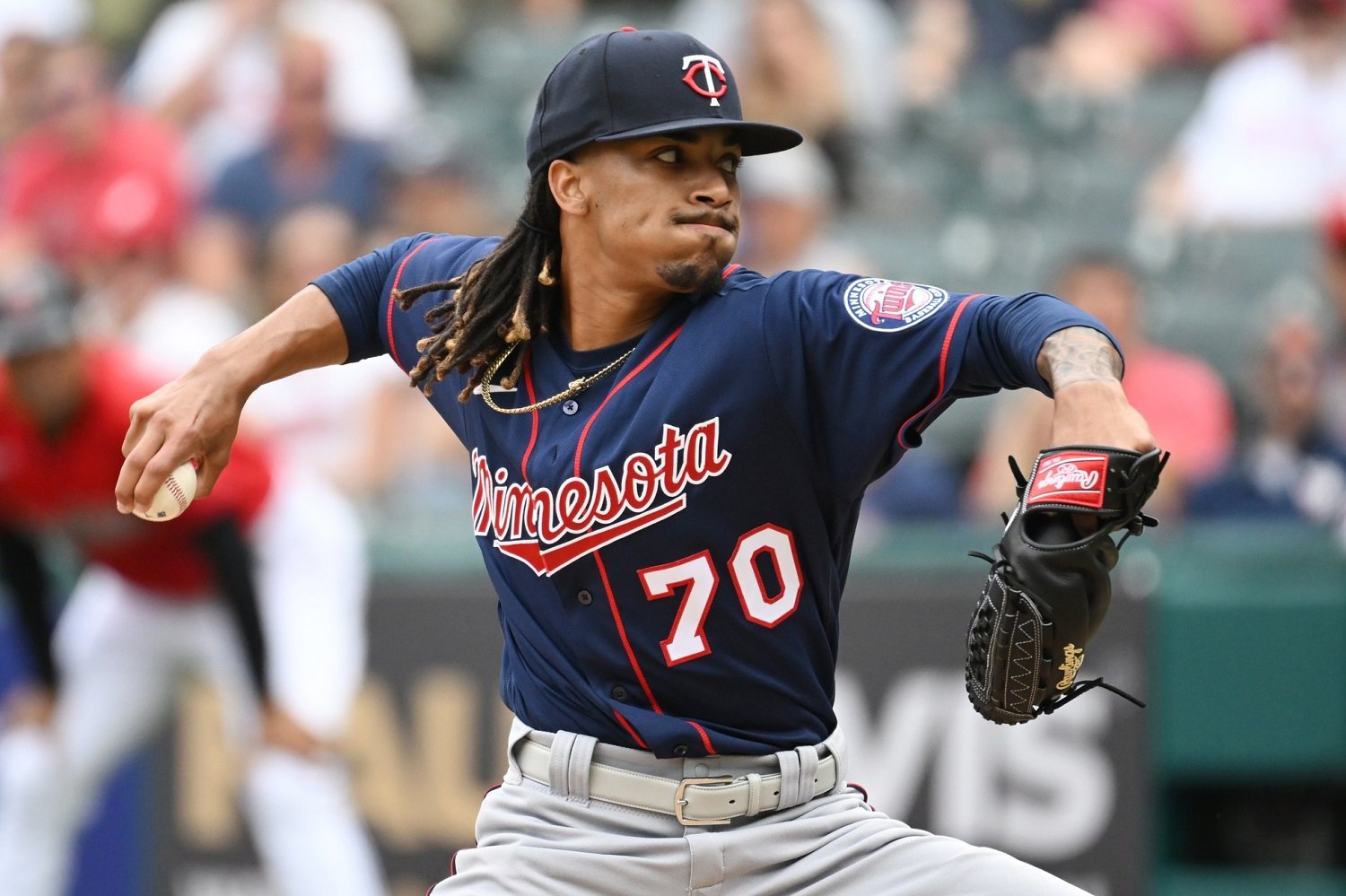 If the Twins front office has developed an identity for themselves, it’s that they don’t care about bullpen additions at all. Their one big external addition was Jorge Lopez in 2022, who cost them dearly in prospect capital after ignoring relief additions in the offseason. Still their approach to bullpen construction didn’t change. Their relief corps is off to a better start in 2023 than last season, but it’s been far from ideal. Griffin Jax is struggling, Caleb Thielbar is on the shelf, and after a solid start, Emilio Pagán is Pagáning it up once more. It may be time for the Twins to take a leap and try a new reliever in the big league bullpen. What internal options do they have? Cody Laweryson Laweryson is a former 14th-round pick from 2019 who’s worked his way up to Triple-A this season. He doesn’t throw hard and lacks any particular wipeout pitch, but his results speak for themselves. Geared with 70-grade command, Laweryson posted a sub 2.00 ERA between Wichita and St. Paul in 2022 and boasts a 2.66 mark so far in 2023. His 1.33 HR/9 to begin the season is inflated by an absurd 15% HR/FB rate, and he’s striking out over 27% of hitters so far and holding them to a .211 average. It’s possible the prospect pedigree and lack of velocity keep him from being a quality MLB reliever, but at 25 years old it may be worth a try. If Laweryson can replicate anywhere near his homer-limiting, high-strikeout ways at the MLB level, he should be more than capable of contributing to some degree. Kody Funderburk Like Laweryson, Funderburk is far from a top prospect. Selected in the 15th round in 2018, he’s another example of the Twins doing an impressive job of getting such a lottery ticket draft pick so far into a minor-league career. Funderburk was promoted to St. Paul after allowing a single run in 9 innings for Wichita, and while he’s given up a few since his promotion, his skills look fantastic. Striking out 31.4% of hitters and walking under 9% Funderburk looks like he really has it working so far in 2023, and in his age-26 season, the Twins may be inclined to see if those gaudy numbers can translate. It’s almost odd we haven’t seen a test run yet with Thielbar out, as Funderburk is a left-handed pitcher and their only current southpaw in the bullpen is Jovani Moran who’s essentially a righty. Even when Thielbar returns, Funderburk may be an option for this very reason. Ronny Henriquez Acquired from Texas in the Mitch Garver trade, Henriquez was feared to be lost to injury earlier this spring when his elbow kept him off the field. Henriquez has since returned and looks to be completely healthy. Still just 23 years old, Henriquez appears to be on the reliever path for good in St. Paul. He’s listed at 5’10, though many reports say he’s closer to 5’8, leading to questions about his ability to hold up as a starter. He has a high spin fastball that plays up beyond its velocity and likes to use it at the top of the zone similar to Joe Ryan, which leads to some homer problems. In short stints, however, Henriquez is capable of running it up into the high 90s and has a good changeup and solid slider to pair it with. His numbers in St. Paul thus far aren’t incredibly impressive, but his most recent outing is one that may catch the Twins eye. He’s already on the 40-man roster and made his debut at the end of 2022, so Henriquez could be fast-tracked to the Twins bullpen. Many thought he could have broken camp on Opening Day if healthy, but Henriquez is still capable of helping the Twins now that he’s finally in good shape. The Twins will likely start digging beyond the long relief types to help the bullpen soon here. You never know which ones could come up and stick around if they catch fire. Are there any other underrated bullpen options you’d like to see them give a shot to?
- 22 comments
-
- 4
-
-
- ronny henriquez
- kody funderburk
- (and 2 more)
-
Jordan Balazovic had reached what the Twins hoped was rock bottom this spring after struggling in 2022 and getting a late start to 2023 due to an off-field injury. Since then he’s built himself back up. Does Balazovic deserve a promotion? Image courtesy of William Parmeter What does it take for a starting pitching prospect to torpedo off of global Top 100 prospect lists aside from injury? Jordan Balazovic showed us in 2022, when he spent his entire season in Triple-A St. Paul allowing 2.55 HR/9 innings, and finishing with a 7.39 ERA in just over 70 innings. It was quite the uphill battle to regain the lost prospect status, and that was before he suffered a broken jaw during an off-field altercation at the beginning of spring training, resulting in him being the first player sent out of Major League camp. Fortunately, since returning to the mound, Balazovic has shown that he has the talent to wipe away the past. The Twins appear to have changed their view on their 2016 fifth-round pick. He began the season as a traditional reliever and has since moved back to making scheduled starts for the Saints. The Twins remain consistent in saying that they look at Balazovic as more of a potential bullpen piece for the MLB roster this season despite his starter’s workload thus far. If that’s the case, Balazovic is nearing the point where he’s more than deserving of a look. It’s been a small sample thus far in 2023 for Balazovic, but it’s hard not to be impressed. In 18 2/3 innings, the 6’5 right-hander has posted a 33.8% K rate and a 2.89 ERA with matching peripherals. Most notably, he’s allowed just one homer after struggling with the long ball in 2022. His walks have been uncharacteristically high at 14.3%, but it’s the only real blemish on his otherwise dominant line to begin 2023. Balazovic is currently built up to around 70 pitches per outing and has been able to maintain his mid-to-high-90s velocity along the way. He has secondaries to face off against hitters on both sides of the plate between his slider and splitter, though it's worth noting that during his last outing hitters did a decidedly better job of staying on him in his fourth inning. It's possible he's just destined for a bullpen role at this point rather than starting. The Twins have been churning multiple bullpen spots to begin the season, and while the bullpen performance has been acceptable as a whole, they’ve had some relievers struggle mightily. Unfortunately, Jorge Alcala appears to be a husk of his pre-elbow injury self, as his velocity remains down 2+ mph, and he continues to allow a barrage of homers. Cole Sands had an opportunity to stake his claim to a bullpen role on Saturday and subsequently allowed five walks in mop-up duty. Simeon Woods Richardson and Brent Headrick likely need to maintain their Triple-A starting jobs at this point due to the injuries to the MLB rotation. Balazovic conveniently is on the 40-man roster already as well. There are a few ways the Twins could use Balazovic. He’s built up to fill a true bulk reliever role, but that spot has been rarely utilized so far this season and regardless of how well he pitches, it would remain a revolving door with whatever pitcher filling it being optioned immediately after each appearance. They also appear to be dead set on the struggling Jorge Alcala being a multi-inning reliever, and they’ve declined to send him right back to St. Paul following his outings so far. If they want to give him a chance to cement himself onto the big league roster, they could simply send Alcala down to see if he can right the ship while giving Balazovic a chance to snag that job. He wouldn’t be so stretched to fill multiple innings and can have a real opportunity to work his way up the bullpen hierarchy. Whatever the Twins decide for his role, Balazovic is at the doorstep of his Major League debut. His main competition if Sands or Alcala are optioned back to St. Paul is likely Ronny Henriquez fresh off a rehab assignment and Josh Winder who has been an absolute disaster since being moved to the bullpen. Having just thrown over 70 pitches Sunday, it may be a few days until Balazovic is available to throw again. When that day comes, should he get the call? View full article
- 14 replies
-
- 2
-
-
- jordan balazovic
- jorge alcala
- (and 2 more)
-
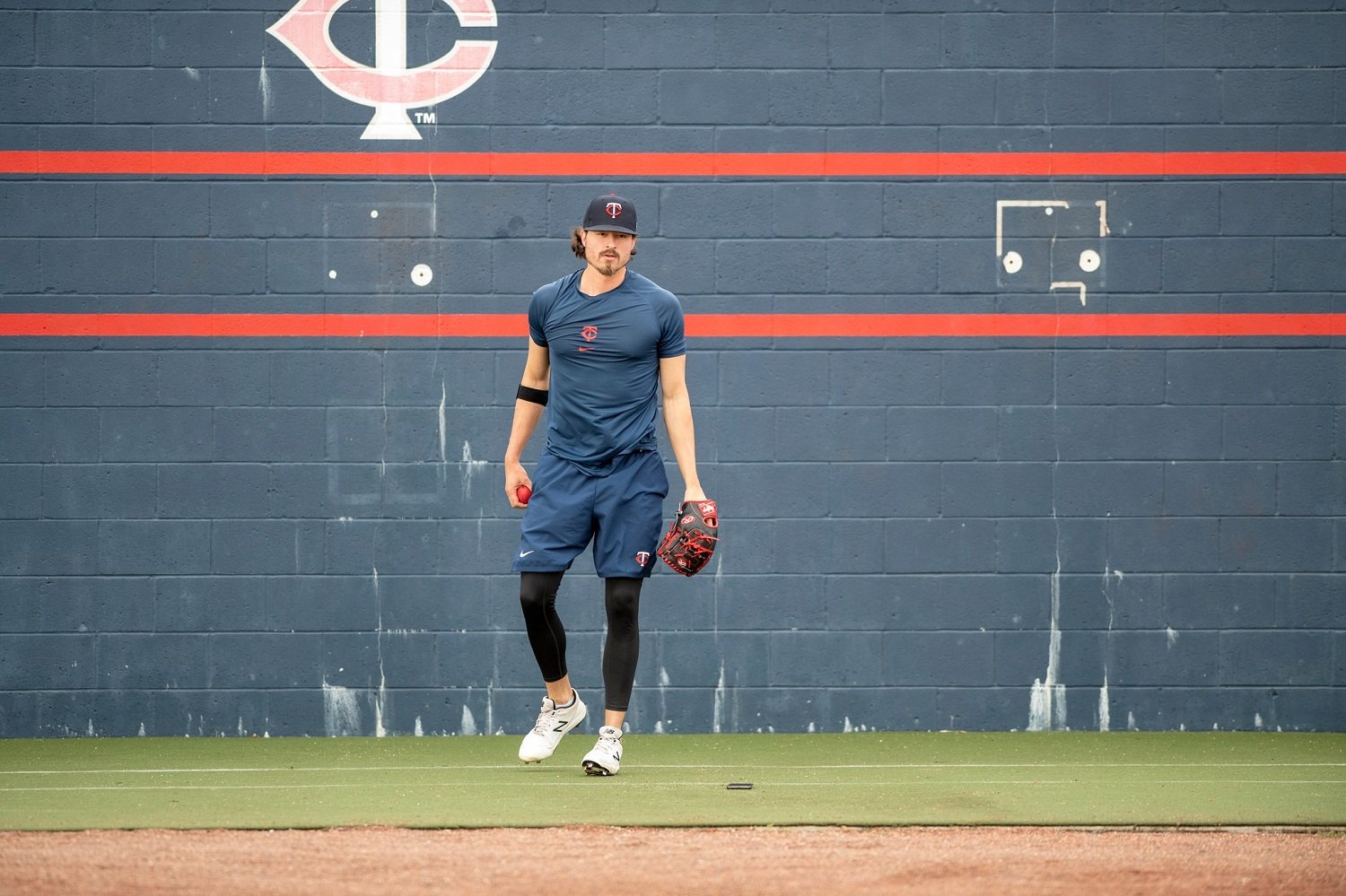 What does it take for a starting pitching prospect to torpedo off of global Top 100 prospect lists aside from injury? Jordan Balazovic showed us in 2022, when he spent his entire season in Triple-A St. Paul allowing 2.55 HR/9 innings, and finishing with a 7.39 ERA in just over 70 innings. It was quite the uphill battle to regain the lost prospect status, and that was before he suffered a broken jaw during an off-field altercation at the beginning of spring training, resulting in him being the first player sent out of Major League camp. Fortunately, since returning to the mound, Balazovic has shown that he has the talent to wipe away the past. The Twins appear to have changed their view on their 2016 fifth-round pick. He began the season as a traditional reliever and has since moved back to making scheduled starts for the Saints. The Twins remain consistent in saying that they look at Balazovic as more of a potential bullpen piece for the MLB roster this season despite his starter’s workload thus far. If that’s the case, Balazovic is nearing the point where he’s more than deserving of a look. It’s been a small sample thus far in 2023 for Balazovic, but it’s hard not to be impressed. In 18 2/3 innings, the 6’5 right-hander has posted a 33.8% K rate and a 2.89 ERA with matching peripherals. Most notably, he’s allowed just one homer after struggling with the long ball in 2022. His walks have been uncharacteristically high at 14.3%, but it’s the only real blemish on his otherwise dominant line to begin 2023. Balazovic is currently built up to around 70 pitches per outing and has been able to maintain his mid-to-high-90s velocity along the way. He has secondaries to face off against hitters on both sides of the plate between his slider and splitter, though it's worth noting that during his last outing hitters did a decidedly better job of staying on him in his fourth inning. It's possible he's just destined for a bullpen role at this point rather than starting. The Twins have been churning multiple bullpen spots to begin the season, and while the bullpen performance has been acceptable as a whole, they’ve had some relievers struggle mightily. Unfortunately, Jorge Alcala appears to be a husk of his pre-elbow injury self, as his velocity remains down 2+ mph, and he continues to allow a barrage of homers. Cole Sands had an opportunity to stake his claim to a bullpen role on Saturday and subsequently allowed five walks in mop-up duty. Simeon Woods Richardson and Brent Headrick likely need to maintain their Triple-A starting jobs at this point due to the injuries to the MLB rotation. Balazovic conveniently is on the 40-man roster already as well. There are a few ways the Twins could use Balazovic. He’s built up to fill a true bulk reliever role, but that spot has been rarely utilized so far this season and regardless of how well he pitches, it would remain a revolving door with whatever pitcher filling it being optioned immediately after each appearance. They also appear to be dead set on the struggling Jorge Alcala being a multi-inning reliever, and they’ve declined to send him right back to St. Paul following his outings so far. If they want to give him a chance to cement himself onto the big league roster, they could simply send Alcala down to see if he can right the ship while giving Balazovic a chance to snag that job. He wouldn’t be so stretched to fill multiple innings and can have a real opportunity to work his way up the bullpen hierarchy. Whatever the Twins decide for his role, Balazovic is at the doorstep of his Major League debut. His main competition if Sands or Alcala are optioned back to St. Paul is likely Ronny Henriquez fresh off a rehab assignment and Josh Winder who has been an absolute disaster since being moved to the bullpen. Having just thrown over 70 pitches Sunday, it may be a few days until Balazovic is available to throw again. When that day comes, should he get the call?
- 14 comments
-
- 4
-
-
- jordan balazovic
- jorge alcala
- (and 2 more)
-
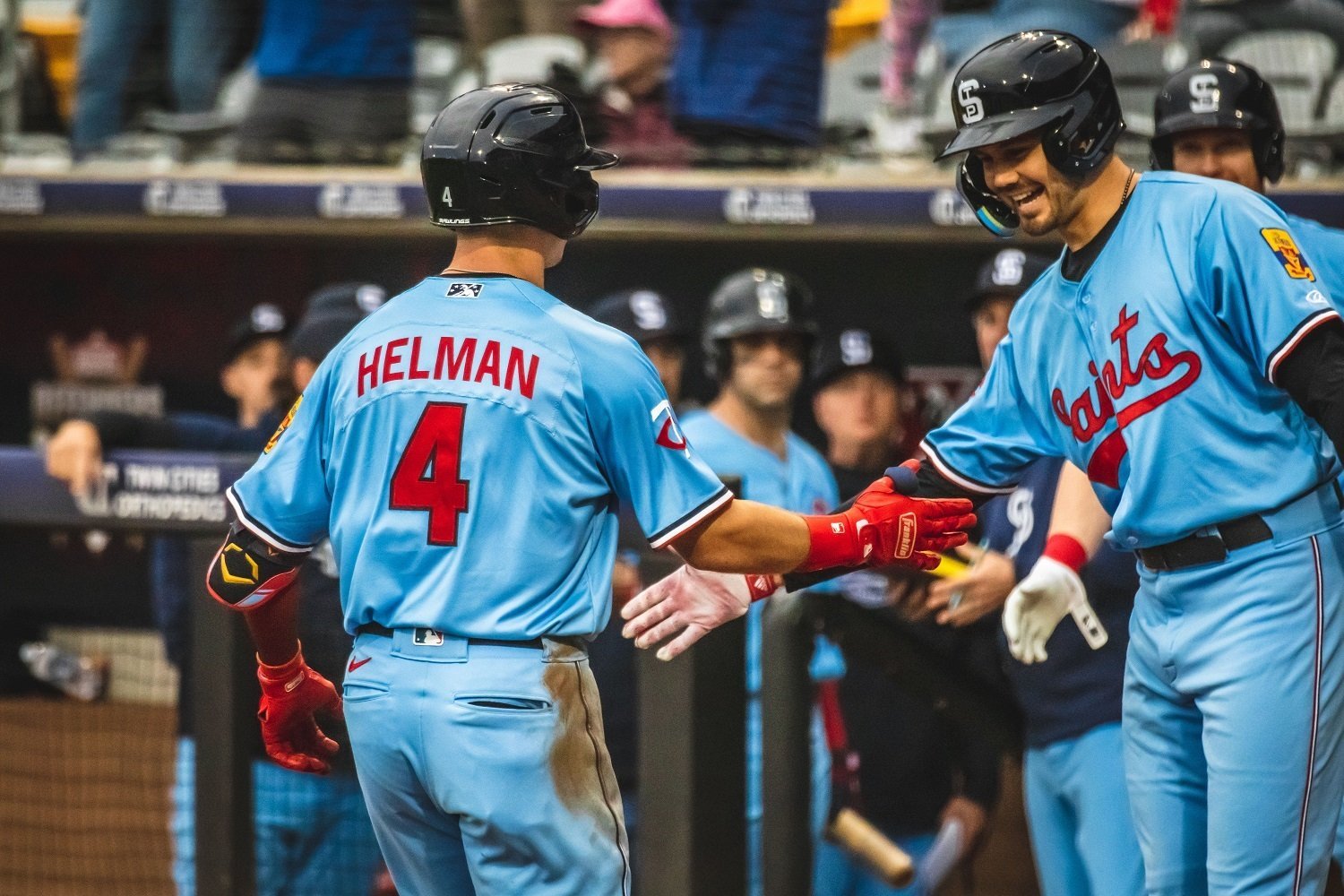 Michael Helman was drafted in the 11th round of the 2018 draft, 334th overall. He’s been an above-average hitter in every season aside from 82 games in A ball in 2019 and is now pestering opposing pitchers in St. Paul at the age of 27. It’s unclear how the skills would translate to the MLB level, though he may soon be deserving of a look. 2022 was a banner year for Helman who split time between Double-A Wichita and Triple-A St. Paul. In just under 600 plate appearances between the two stops, Helman accumulated 20 homers and 40 stolen bases. His .840 OPS in Double-A dropped to .741 after his promotion, but he held his own at the highest level of the minors. He looked like a prime candidate to get a chance in September for a Twins team that was missing most of their lineup and lacking top prospects to soak up playing time. Unfortunately, the Twins decided against it. They instead chose to carry three catchers on the active roster. Gary Sanchez DHed. Sandy Leon was often behind the plate. Caleb Hamilton was often used as a pinch runner. All three were jettisoned from the roster in the offseason, which was a foreseeable outcome at the time. Jake Cave’s personal connection to the team was seen as more valuable than potential future value, as he was playing nearly every day regardless of the handedness of the pitcher on the mound. The Twins' choice to not give Helman a look in any facet suggested they simply weren’t big fans, and that it would take a great deal for him to get an opportunity. Luckily, Helman is again doing all he can to change that in 2023. Helman surprisingly got an invitation to spring training this year, but was unable to make good due to a hamstring issue that delayed the start of his season. He’s since rehabbed and made his 2023 debut in St. Paul. In a limited sample (12 games), he has an OPS over 1.100 with four homers and two steals. He’s played multiple infield and outfield positions including shortstop and centerfield to begin 2023, which would make him all the more valuable to a big league club even if he can just fill in during an emergency situation. Is Michael Helman the solution to the Twins' offensive woes so far in 2023? Likely not. There’s always a chance such a strong showing in the minors translates, but due to Helman’s age (he will be 27 later this month) and prospect pedigree, he has to be looked at a bit differently than say 25-year-old former 39th overall pick Matt Wallner. Helman is older than a lot of the competition at the level, and any kind of deficiencies he has at this point in his career are likely just part of his game. Still, Helman could add versatility and chaos on the bases to this Twins team. It’s very possible he’s a similar player to Willi Castro without the switch-hitting ability, but Castro’s ability to stand in the left-handed batter’s box can’t be valued too highly as we’ve seen. It’s hard to say what Helman’s future holds. His best-case scenario is likely a super utility player for an MLB team which makes his lack of a call up to this point far from egregious. His lack of an opportunity when the Twins roster was completely injured last September makes one wonder whether the Twins will be the ones to give him that shot. Making things more complicated is the interruption of his white-hot 2023 debut. With such a murky injury, his timeline remains uncertain. A shoulder dislocation would be expected to disrupt his swing, though the levels of severity have a wide range. The hope is that Helman can avoid surgery and be back in short order to rotate around the field in St. Paul. If he can pick up where he left off, he'll continue to be hard to ignore. Helman is the type of player you cannot help but appreciate and cheer for. Being such a low pick in the draft and finding his way to the doorstep of the MLB while maintaining such impressive numbers is incredibly fun. It’s this writer’s opinion that he’s surpassed the point of being deserving of a look at the MLB level, whether that comes with the Twins or elsewhere. Do you agree?
 -
Donovan Solano was a hired gun brought in to do a specific job. A bit over a month into the season, Solano hasn’t been as advertised. Could the Twins' platoon first baseman be in danger of losing his roster spot? Donovan Solano was a late addition to a Twins roster that has struggled against left-handed pitching for years. Being one of the most consistent hitters against lefties in the last few years, the hope was for Donnie Barrels to carry the short side of the platoon. At 36 years old, Sovano’s start to his Twins tenure may already be in danger of ending. Through his first 55 plate appearances, Solano slashed .314/.364/.392, good for 11% above the league average hitter. In 32 plate appearances since, he’s slashing .107/.219/.143. Hitters go through cold streaks, but on the season as a whole, Solano has a .667 OPS. More worrisome, Solano is slashing .240/.240/.360 against left-handed pitching. He’s failing to a tremendous degree at the main job he was brought in to do. Solano was also a plus defender in 2022 for Cincinnati at first base. After saving 5 runs defensively, he’s been worth -1 Defensive Run Saved in 2023 at first base, and another -1 at second. His fielding struggles have cost Twins pitchers at times this season to the extent that we may not see him at second base again, and even playing first has become anxiety-inducing. At his age, it’s possible Solano is simply at the end of the line. The Twins were able to bring him in for $2m in the spring because of this possibility, and because of the small price tag, they shouldn’t be inclined to give him months of a sample size to show that his start is simply a fluke. They’ve sometimes made a habit of sticking with players too long because of their veteran status, and they’ve paid dearly for it. With the small role Solano plays and the small amount of money committed, it’s not worth waiting months to compile enough evidence that Solano just doesn’t have it anymore. The Twins have no shortage of replacement options either. Though they don’t have another right-handed hitting first baseman, they don’t need one. Alex Kirilloff’s arrival has pushed Joey Gallo to the corner outfield, once again creating a surplus of left-handed hitting corner options between him, Max Kepler, and Nick Gordon . The Twins could stick to Gallo and Kirilloff as the everyday first basemen and call up Kyle Garlick to play the short-side platoon role. Unlike Solano, Garlick’s performance against southpaws can be considered all but guaranteed as long as he can stay healthy. They could also use Solano’s 40-man spot to add a right-handed player with more versatility such as 27-year-old Michael Helman who’s been playing in St. Paul for a couple of weeks after returning from injury. Helman has played every outfield and infield position aside from first base so far in his brief time in Triple-A this season. Last year, between Wichita and St. Paul, he hit 20 homers and stole 40 bases, and sports a .273/.400/.606 line with 3 homers and 2 steals in his 9 games so far this year. Helman likely wouldn’t be a regular at some of the more demanding positions such as shortstop or center, but his ability to play there in a pinch as well as his competence all across the rest of the diamond would certainly be a plus. His clear ability to steal bases would also add an element to the Twins lineup that they have very little of. It’s unfortunate, but the Twins shouldn’t need to see much more from Solano to make a move. The offense is struggling mightily and is one of the worst in baseball against left-handed pitching, a job Solano was brought in to do. They have too many alternative options to let this go on for very long, as plan B or C is almost certain to be better than what they’ve gotten so far. Donovan Solano is running out of opportunity. It may even be too late. Do you agree? View full article
- 18 replies
-
- 1
-
-
- donovan solano
- michael helman
- (and 1 more)
-
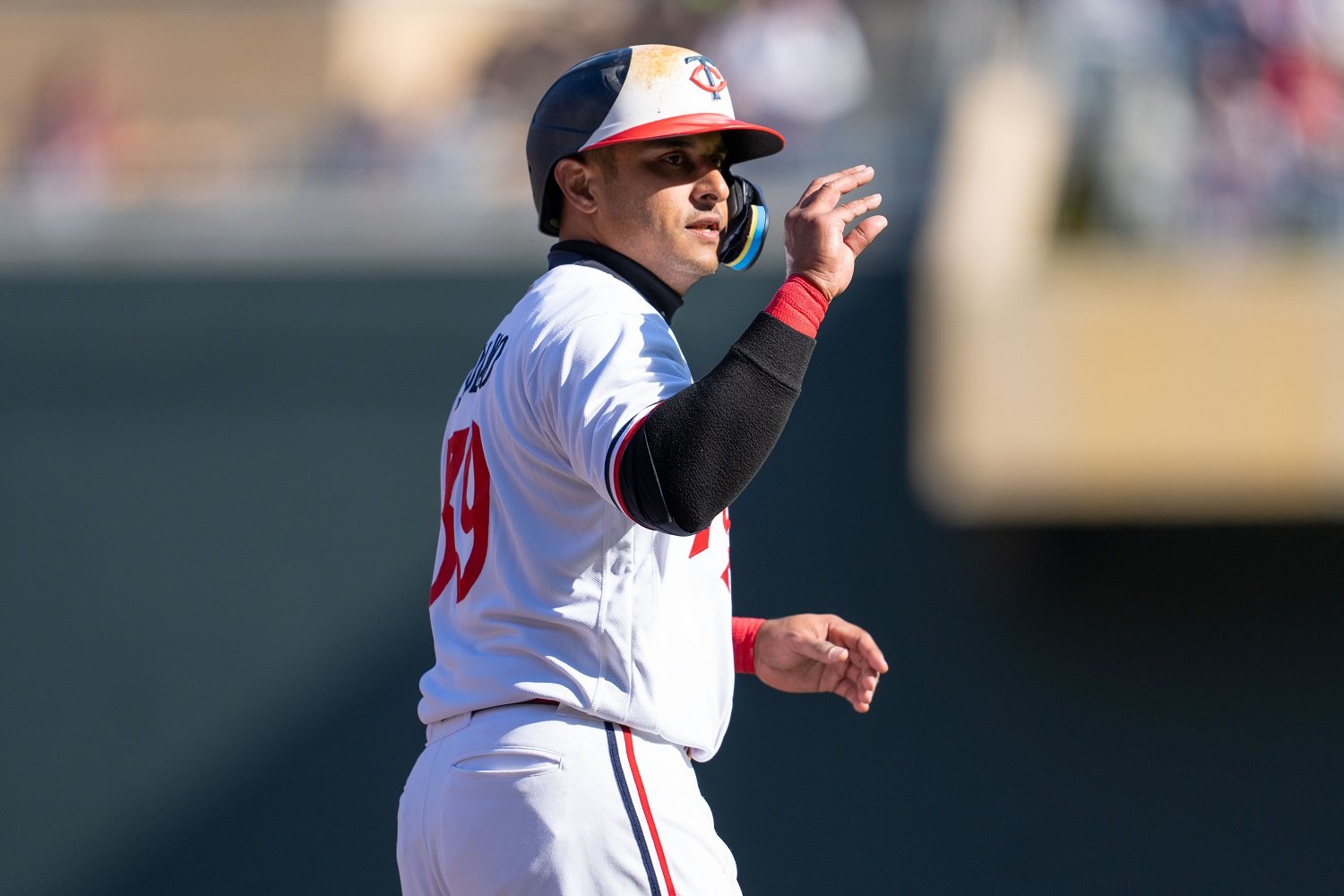 Donovan Solano was a late addition to a Twins roster that has struggled against left-handed pitching for years. Being one of the most consistent hitters against lefties in the last few years, the hope was for Donnie Barrels to carry the short side of the platoon. At 36 years old, Sovano’s start to his Twins tenure may already be in danger of ending. Through his first 55 plate appearances, Solano slashed .314/.364/.392, good for 11% above the league average hitter. In 32 plate appearances since, he’s slashing .107/.219/.143. Hitters go through cold streaks, but on the season as a whole, Solano has a .667 OPS. More worrisome, Solano is slashing .240/.240/.360 against left-handed pitching. He’s failing to a tremendous degree at the main job he was brought in to do. Solano was also a plus defender in 2022 for Cincinnati at first base. After saving 5 runs defensively, he’s been worth -1 Defensive Run Saved in 2023 at first base, and another -1 at second. His fielding struggles have cost Twins pitchers at times this season to the extent that we may not see him at second base again, and even playing first has become anxiety-inducing. At his age, it’s possible Solano is simply at the end of the line. The Twins were able to bring him in for $2m in the spring because of this possibility, and because of the small price tag, they shouldn’t be inclined to give him months of a sample size to show that his start is simply a fluke. They’ve sometimes made a habit of sticking with players too long because of their veteran status, and they’ve paid dearly for it. With the small role Solano plays and the small amount of money committed, it’s not worth waiting months to compile enough evidence that Solano just doesn’t have it anymore. The Twins have no shortage of replacement options either. Though they don’t have another right-handed hitting first baseman, they don’t need one. Alex Kirilloff’s arrival has pushed Joey Gallo to the corner outfield, once again creating a surplus of left-handed hitting corner options between him, Max Kepler, and Nick Gordon . The Twins could stick to Gallo and Kirilloff as the everyday first basemen and call up Kyle Garlick to play the short-side platoon role. Unlike Solano, Garlick’s performance against southpaws can be considered all but guaranteed as long as he can stay healthy. They could also use Solano’s 40-man spot to add a right-handed player with more versatility such as 27-year-old Michael Helman who’s been playing in St. Paul for a couple of weeks after returning from injury. Helman has played every outfield and infield position aside from first base so far in his brief time in Triple-A this season. Last year, between Wichita and St. Paul, he hit 20 homers and stole 40 bases, and sports a .273/.400/.606 line with 3 homers and 2 steals in his 9 games so far this year. Helman likely wouldn’t be a regular at some of the more demanding positions such as shortstop or center, but his ability to play there in a pinch as well as his competence all across the rest of the diamond would certainly be a plus. His clear ability to steal bases would also add an element to the Twins lineup that they have very little of. It’s unfortunate, but the Twins shouldn’t need to see much more from Solano to make a move. The offense is struggling mightily and is one of the worst in baseball against left-handed pitching, a job Solano was brought in to do. They have too many alternative options to let this go on for very long, as plan B or C is almost certain to be better than what they’ve gotten so far. Donovan Solano is running out of opportunity. It may even be too late. Do you agree?
- 18 comments
-
- 13
-
-
- donovan solano
- michael helman
- (and 1 more)
