



Matt Braun
-
Posts
1,393 -
Joined
-
Last visited
-
Days Won
1
Content Type
Profiles
News
Minnesota Twins Videos
2026 Minnesota Twins Top Prospects Ranking
2022 Minnesota Twins Draft Picks
Minnesota Twins Free Agent & Trade Rumors, Notes, & Tidbits
Guides & Resources
2023 Minnesota Twins Draft Picks
The Minnesota Twins Players Project
2024 Minnesota Twins Draft Picks
2025 Minnesota Twins Draft Pick Tracker
2026 Minnesota Twins Draft Tracker: Picks & Bonuses
Forums
Blogs
Events
Store
Downloads
Gallery
Everything posted by Matt Braun
-
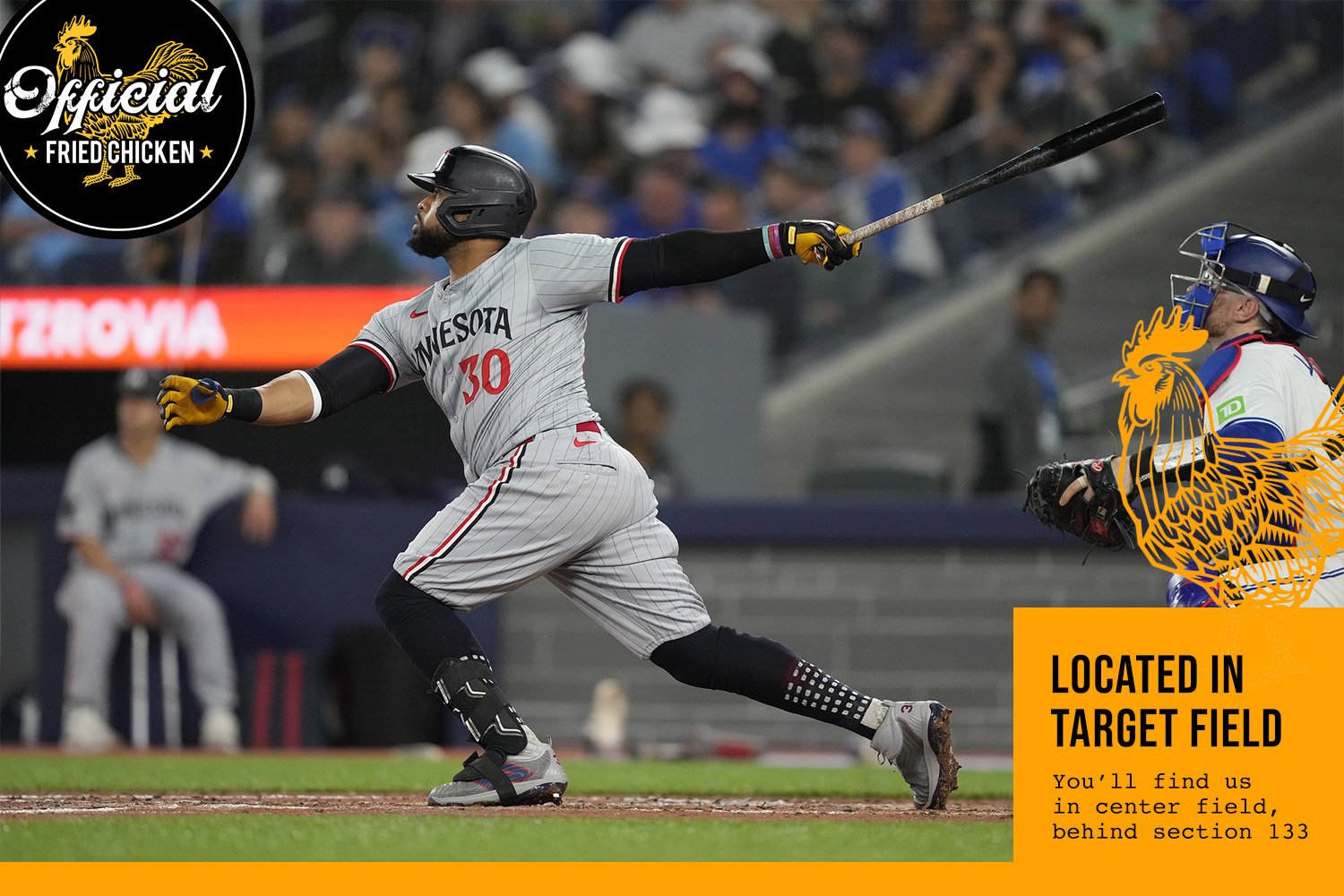 Box Score Joe Ryan: 7 IP, 6 H, 0 ER, 0 BB, 7 K Home Runs: Carlos Santana (5) Top 3 WPA: Joe Ryan (.366), Jhoan Duran (.140), Carlos Santana (.091) Win Probability Chart (via FanGraphs) The game started quickly. Instead of the usual back and forth—the rhythm of minor nothingness that defines the sport—Minnesota arrived primed to hit. Ryan Jeffers smoked a liner for the first out before Carlos Correa deposited a single into center field, and Willi Castro knocked a grounder in the same area; Toronto starter Yusei Kikuchi wondered why this team was so rude. Jose Miranda punched a single into right to score a run. Minnesota failed to plate another run, critically, when Castro bolted home on a stolen base and found Danny Jansen’s glove with the ball securely fashioned, but the match was off on the right foot: they possessed a lead. Joe Ryan probably appreciated that. Run support has eluded him. A plethora of quality outings, starts that otherwise would have seen a victory, have gone for naught; he claims just one win on the year. He started just as Joe Ryan should: with strikeouts and glove-finding fly balls. Until Isiah Kiner-Falefa—apparently still upset at his curt Minnesota tenure—blasted his fourth career homer against the Twins. In 23 games. That’s a 28-a-year rate. He has 28 homers in his career. Fortunately, another rarity occurred: following his hot streak and subsequent cold spell, Carlos Santana returned to the realm of effective hitting, blasting a solo homer to right field to break the tie. And, yes, the infamous sausage snuck through customs. So began what was expected before. The game became a dull seesaw, occasionally seeing men on base, just to watch them jog back to the dugout without a successful trip around the bases. Some threats were real; none fully materialized. A quick foray into the snack drawer threatened a two-inning fast forward. Ryan's excellent start eclipsed what turned into an eight-inning outing from Kukuchi, otherwise referred to as "dominant" if it occurred in a win. He needed just 97 pitches. As he has done for some time now, Rocco Baldelli decided to turn to Jhoan Durán in an earlier spot than expected: the 8th. Yet again, a top-of-the-order opportunity appeared, and Rocco struck immediately. Durán looked surprisingly mortal—he walked a guy, which is basically the worst teams can do against him these days—but coaxed a double play and forced Vladimir Guerrero Jr. to burn a few turf worms before walking off the mound with a spotless ERA. The plan made Griffin Jax the Stan Williams to Durán's Ron Perranoski (or perhaps the other way around) as he entered in the 9th. Justin Turner swung against his desire not to; Danny Jansen whiffed as if he forgot a fastball could sink. Chaos ensued. It's Griffin Jax, after all. Bo Bichette chopped a single into left, Cavan Biggio walked, and a previously-determined-to-be-unimportant-by-the-author RBI single by Max Kepler in the top half morphed into a crucial run when Santana booted the game-winning grounder. So it goes. With a game suddenly on the line, Toronto's Ernie Clement shot a ball off a fortunately angled Jax body part, sending the ball directly to Santana to scoop and end the game with ease. Notes: Carlos Santana's 306th career homer ties him for 150th all-time with Richie Sexson, Ruben Sierra, and Fred Lynn. Joe Ryan earned the 431st strikeout of his career, tying him with Tom Hall for 30th on the all-time Twins' list. Griffin Jax set a single-season career-high with his fifth save. The Twins are 15-4 in 2024 when he pitches. Max Kepler is five RBIs away from passing Roy Smalley for 13th place on the all-time Twins leaderboard. Post-Game Interview: What's Next: The Twins and Blue Jays play the second game of their series on Saturday. Simeon Woods Richardson will face his old organization. Kevin Gausman goes for Toronto. First pitch is at 2:07 PM. Bullpen Usage Spreadsheet
- 33 comments
-
- 6
-

-
- joe ryan
- jose miranda
- (and 3 more)
-
It didn't have to be that dramatic at the end, though. Image courtesy of © John E. Sokolowski-USA TODAY Sports Box Score Joe Ryan: 7 IP, 6 H, 0 ER, 0 BB, 7 K Home Runs: Carlos Santana (5) Top 3 WPA: Joe Ryan (.366), Jhoan Duran (.140), Carlos Santana (.091) Win Probability Chart (via FanGraphs) The game started quickly. Instead of the usual back and forth—the rhythm of minor nothingness that defines the sport—Minnesota arrived primed to hit. Ryan Jeffers smoked a liner for the first out before Carlos Correa deposited a single into center field, and Willi Castro knocked a grounder in the same area; Toronto starter Yusei Kikuchi wondered why this team was so rude. Jose Miranda punched a single into right to score a run. Minnesota failed to plate another run, critically, when Castro bolted home on a stolen base and found Danny Jansen’s glove with the ball securely fashioned, but the match was off on the right foot: they possessed a lead. Joe Ryan probably appreciated that. Run support has eluded him. A plethora of quality outings, starts that otherwise would have seen a victory, have gone for naught; he claims just one win on the year. He started just as Joe Ryan should: with strikeouts and glove-finding fly balls. Until Isiah Kiner-Falefa—apparently still upset at his curt Minnesota tenure—blasted his fourth career homer against the Twins. In 23 games. That’s a 28-a-year rate. He has 28 homers in his career. Fortunately, another rarity occurred: following his hot streak and subsequent cold spell, Carlos Santana returned to the realm of effective hitting, blasting a solo homer to right field to break the tie. And, yes, the infamous sausage snuck through customs. So began what was expected before. The game became a dull seesaw, occasionally seeing men on base, just to watch them jog back to the dugout without a successful trip around the bases. Some threats were real; none fully materialized. A quick foray into the snack drawer threatened a two-inning fast forward. Ryan's excellent start eclipsed what turned into an eight-inning outing from Kukuchi, otherwise referred to as "dominant" if it occurred in a win. He needed just 97 pitches. As he has done for some time now, Rocco Baldelli decided to turn to Jhoan Durán in an earlier spot than expected: the 8th. Yet again, a top-of-the-order opportunity appeared, and Rocco struck immediately. Durán looked surprisingly mortal—he walked a guy, which is basically the worst teams can do against him these days—but coaxed a double play and forced Vladimir Guerrero Jr. to burn a few turf worms before walking off the mound with a spotless ERA. The plan made Griffin Jax the Stan Williams to Durán's Ron Perranoski (or perhaps the other way around) as he entered in the 9th. Justin Turner swung against his desire not to; Danny Jansen whiffed as if he forgot a fastball could sink. Chaos ensued. It's Griffin Jax, after all. Bo Bichette chopped a single into left, Cavan Biggio walked, and a previously-determined-to-be-unimportant-by-the-author RBI single by Max Kepler in the top half morphed into a crucial run when Santana booted the game-winning grounder. So it goes. With a game suddenly on the line, Toronto's Ernie Clement shot a ball off a fortunately angled Jax body part, sending the ball directly to Santana to scoop and end the game with ease. Notes: Carlos Santana's 306th career homer ties him for 150th all-time with Richie Sexson, Ruben Sierra, and Fred Lynn. Joe Ryan earned the 431st strikeout of his career, tying him with Tom Hall for 30th on the all-time Twins' list. Griffin Jax set a single-season career-high with his fifth save. The Twins are 15-4 in 2024 when he pitches. Max Kepler is five RBIs away from passing Roy Smalley for 13th place on the all-time Twins leaderboard. Post-Game Interview: What's Next: The Twins and Blue Jays play the second game of their series on Saturday. Simeon Woods Richardson will face his old organization. Kevin Gausman goes for Toronto. First pitch is at 2:07 PM. Bullpen Usage Spreadsheet View full article
-
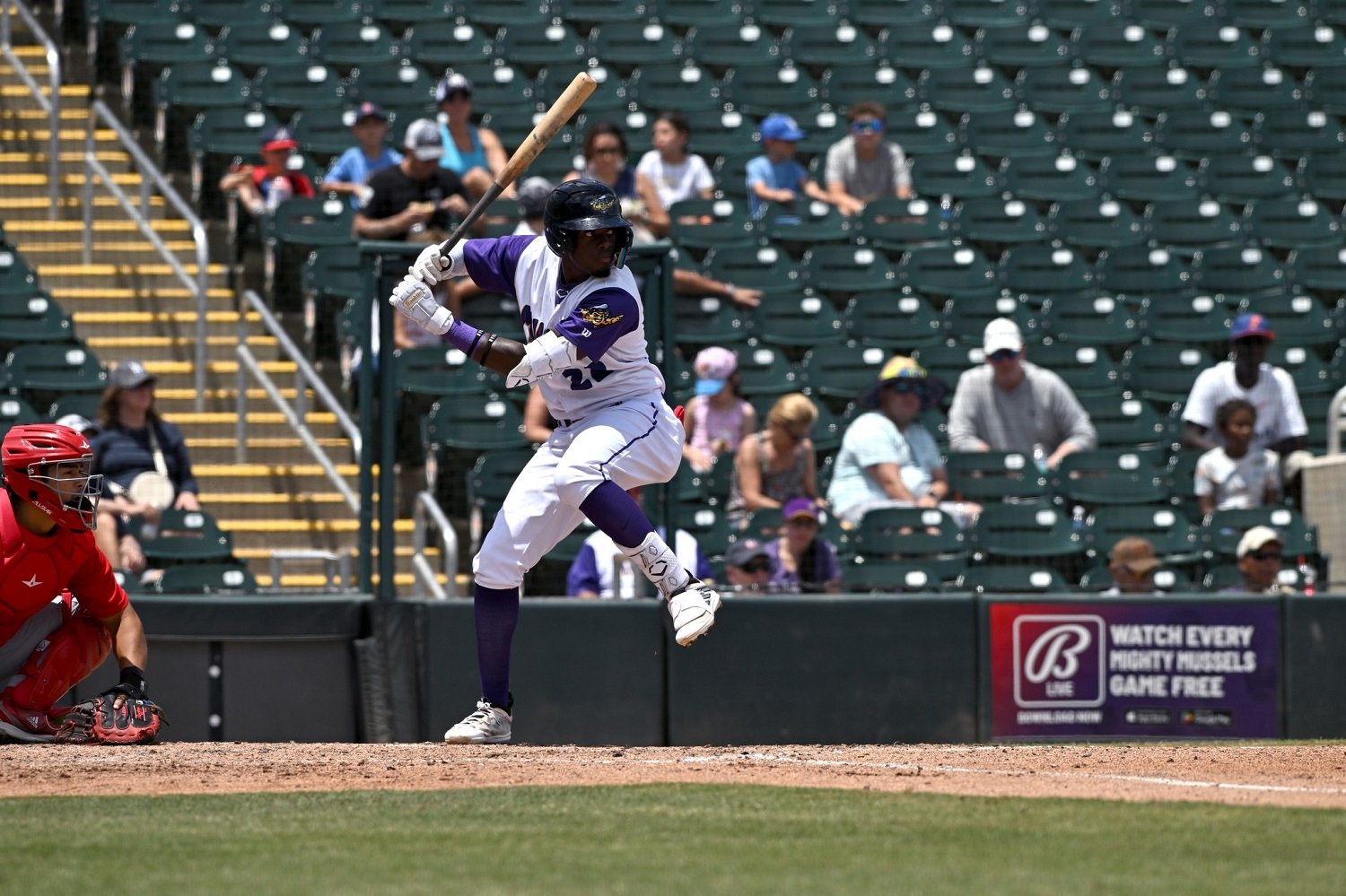 TRANSACTIONS No moves were made on Sunday. Saints Sentinel St. Paul 6, Louisville 7 Box Score David Festa: 3 1/3 IP, 7 H, 5 ER, 1 BB, 8 K HR: Alex Isola (2) Multi-hit games: Matt Wallner (2-for-5, R), Michael Helman (2-for-4, 2 2B, 2 R, RBI, BB), Yunior Severino (2-for-4, R, RBI) The Saints failed to complete their comeback on Sunday. David Festa suffered a strange fate. He struck out eight batters, the second-highest single-game total of the season for the righty, but allowed a flurry of hits and runs—seven and five, respectively. Two went for homers. Hopefully, the whiffs will outweigh the traffic his next time on the mound. St. Paul’s bats flashed an impressive combination of patience and damage; they walked six times and banged out nine hits. Most of the damage came in the 3rd when Alex Isola capped a hectic frame with a three-run shot to left center, his second homer of the season. The Saints could have scored more later—they loaded the bases in the 8th—but that opportunity begat a lone run. They scored once more in the 9th. That was it for the bats. Justin Topa made his probable final rehab outing; the 33-year-old struck out one in a scoreless inning of work. The Twins will have to make a roster decision regarding their reliever tomorrow. Jordan Balazovic looked positively electric over two innings of work on Sunday, whiffing four with excellent command. He topped out at 96.3 MPH and earned nine swings-and-misses over just 33 pitches. Matt Wallner snapped his three-game homer streak as he nearly sent one out of CHS stadium, but the ball twisted a little too far foul. He had to settle for a two-hit outing. Both balls left his bat at over 109 MPH. Technically, outfielder Blake Dunn was the best prospect to play for the Bats on Sunday, but since he only pinch-ran, pitcher Lyon Richardson deserves a mention as well. He allowed four runs over three innings. The two are ranked 11th and 14th, respectively, on Cincinnati's MLB Pipeline list. WIND SURGE WISDOM Because early May is still April in spirit, rain washed away Wichita’s match on Sunday, moving the game to some time in June. KERNELS NUGGETS Cedar Rapids 6, Peoria 0 Box Score Jordan Carr: 4 IP, 1 H, 0 ER, 2 BB, 2 K HR: Nate Baez (1), Danny De Andrade (2) Multi-hit games: Nate Baez (2-for-3, HR, 2 R, 2 RBI, BB) The Kernels continued their drumming of the Chiefs with a fifth straight win against Peoria. Even the minor league teams are streaking. He wasn’t quite Darren Bowen from the day before, but Jordan Carr put forth a gorgeous, efficient start, shutting down Peoria’s lineup for four innings. He struck out two and allowed three baserunners. Kyle Bischoff, Jacob Wosinski, and Juan Mercedes carried the pitching effort the rest of the way; they combined for five shutout innings, six strikeouts, and one lone baserunner allowed. The Kernels—not wanting their pitching to receive all the attention—hit about as well as they threw if such a thing could be quantified. Democracy ruled: every hitter outside of Jose Salas earned a knock, and six batters reached base at least twice. Nate Baez and Danny De Andrade homered. Luke Keaschall swiped his 11th base of the season. Two numbers alone can detail the dominance: Chiefs pitchers needed 170 pitches to survive eight innings; Kernels hurlers threw just 116 over nine. The usually talented Cardinals farm system sent one notable prospect out on Sunday: pitcher Brycen Mautz. St. Louis’ 20th-ranked prospect started the game and allowed two runs over three innings. MUSSEL MATTERS Fort Myers 4, Bradenton 5 Box Score Aaron Holiday: 1/3 IP, 0 H, 1 ER, 4 BB, 0 K HR: Rayne Doncon (4) Multi-hit games: Rayne Doncon (3-for-5, HR, 2B, R, RBI), Brandon Winokur (2-for-5, RBI), Omari Daniel (2-for-4, 2 R) The Mighty Mussels couldn’t rally strong enough to win on Sunday. Starter Aaron Holiday wasn’t wild; he was untamable. His start lasted 29 pitches—11 strikes—and Brian Meyer mercifully pulled the plug following Holiday’s fourth walk of the inning. He earned one out. The sudden need for a rag-tag mis-mash of pitchers to cover the rest of the game put Fort Myers in a hole they never climbed out of. Jack Noble ended the opening frame but allowed two runs. Julio Bonilla, the man who took the loss, swallowed two runs—one of them earned—but, really, neither should have been. The first run scored after the runner advanced on an interference error by first baseman Wilfri Castro on a pickoff attempt; the second, thanks in part to a throwing error by Maddux Houghton (which should have been an error placed on second baseman Rafael Cruz, for an extreme lackadaisical effort on the play.) Fort Myers’ offense nearly won them the game, though. Rayne Doncon continued his bludgeoning habits with a 108.4 MPH scorching double and a relatively tepid 94.5 MPH solo homer. Other runs scored thanks to a scalded single by Byron Chourio, a run-scoring double play by Doncon, and a beautifully-stroked liner by Brandon Winokur. 11 hits couldn’t overcome eight allowed walks; the bevy of free passes bit Fort Myers one too many times, leading to a narrow defeat. Bradenton right-fielder Shalin Polanco is Pittsburgh’s 16th-ranked prospect. He homered and walked in four plate appearances. TWINS DAILY PLAYERS OF THE DAY Twins Daily Minor League Pitcher of the Day – Jordan Carr Twins Daily Minor League Hitter of the Day – Rayne Doncon PROSPECT SUMMARY Here’s a look at how the Twins Daily Top 20 Twins Prospects performed: #6 - David Festa (St. Paul) - David Festa: 3 1/3 IP, 7 H, 5 ER, 1 BB, 8 K #10 - Brandon Winokur (Fort Myers) - 2-5, RBI #12 - Luke Keaschall (Cedar Rapids) - 1-3, R, 2 BB #15 - Danny De Andrade (Cedar Rapids) - 1-5, HR, R, 2 RBI #16 - Yunior Severino (St. Paul) - 2-4, R, RBI TUESDAY’S PROBABLE STARTERS St. Paul @ Toledo (5:05 PM) - TBD Arkansas @ Wichita (7:05 PM) - RHP Travis Adams Cedar Rapids @ South Bend(5:05 PM) - TBD Dunedin @ Fort Myers (6:05 PM) - TBD FCL Twins @ FCL Pirates (11:00 AM) - TBD
- 7 comments
-
- 1
-
-
- rayne doncon
- david festa
- (and 3 more)
-
Maybe we'll finally see a Sunday without at least one game postponed. Image courtesy of William Parmeter TRANSACTIONS No moves were made on Sunday. Saints Sentinel St. Paul 6, Louisville 7 Box Score David Festa: 3 1/3 IP, 7 H, 5 ER, 1 BB, 8 K HR: Alex Isola (2) Multi-hit games: Matt Wallner (2-for-5, R), Michael Helman (2-for-4, 2 2B, 2 R, RBI, BB), Yunior Severino (2-for-4, R, RBI) The Saints failed to complete their comeback on Sunday. David Festa suffered a strange fate. He struck out eight batters, the second-highest single-game total of the season for the righty, but allowed a flurry of hits and runs—seven and five, respectively. Two went for homers. Hopefully, the whiffs will outweigh the traffic his next time on the mound. St. Paul’s bats flashed an impressive combination of patience and damage; they walked six times and banged out nine hits. Most of the damage came in the 3rd when Alex Isola capped a hectic frame with a three-run shot to left center, his second homer of the season. The Saints could have scored more later—they loaded the bases in the 8th—but that opportunity begat a lone run. They scored once more in the 9th. That was it for the bats. Justin Topa made his probable final rehab outing; the 33-year-old struck out one in a scoreless inning of work. The Twins will have to make a roster decision regarding their reliever tomorrow. Jordan Balazovic looked positively electric over two innings of work on Sunday, whiffing four with excellent command. He topped out at 96.3 MPH and earned nine swings-and-misses over just 33 pitches. Matt Wallner snapped his three-game homer streak as he nearly sent one out of CHS stadium, but the ball twisted a little too far foul. He had to settle for a two-hit outing. Both balls left his bat at over 109 MPH. Technically, outfielder Blake Dunn was the best prospect to play for the Bats on Sunday, but since he only pinch-ran, pitcher Lyon Richardson deserves a mention as well. He allowed four runs over three innings. The two are ranked 11th and 14th, respectively, on Cincinnati's MLB Pipeline list. WIND SURGE WISDOM Because early May is still April in spirit, rain washed away Wichita’s match on Sunday, moving the game to some time in June. KERNELS NUGGETS Cedar Rapids 6, Peoria 0 Box Score Jordan Carr: 4 IP, 1 H, 0 ER, 2 BB, 2 K HR: Nate Baez (1), Danny De Andrade (2) Multi-hit games: Nate Baez (2-for-3, HR, 2 R, 2 RBI, BB) The Kernels continued their drumming of the Chiefs with a fifth straight win against Peoria. Even the minor league teams are streaking. He wasn’t quite Darren Bowen from the day before, but Jordan Carr put forth a gorgeous, efficient start, shutting down Peoria’s lineup for four innings. He struck out two and allowed three baserunners. Kyle Bischoff, Jacob Wosinski, and Juan Mercedes carried the pitching effort the rest of the way; they combined for five shutout innings, six strikeouts, and one lone baserunner allowed. The Kernels—not wanting their pitching to receive all the attention—hit about as well as they threw if such a thing could be quantified. Democracy ruled: every hitter outside of Jose Salas earned a knock, and six batters reached base at least twice. Nate Baez and Danny De Andrade homered. Luke Keaschall swiped his 11th base of the season. Two numbers alone can detail the dominance: Chiefs pitchers needed 170 pitches to survive eight innings; Kernels hurlers threw just 116 over nine. The usually talented Cardinals farm system sent one notable prospect out on Sunday: pitcher Brycen Mautz. St. Louis’ 20th-ranked prospect started the game and allowed two runs over three innings. MUSSEL MATTERS Fort Myers 4, Bradenton 5 Box Score Aaron Holiday: 1/3 IP, 0 H, 1 ER, 4 BB, 0 K HR: Rayne Doncon (4) Multi-hit games: Rayne Doncon (3-for-5, HR, 2B, R, RBI), Brandon Winokur (2-for-5, RBI), Omari Daniel (2-for-4, 2 R) The Mighty Mussels couldn’t rally strong enough to win on Sunday. Starter Aaron Holiday wasn’t wild; he was untamable. His start lasted 29 pitches—11 strikes—and Brian Meyer mercifully pulled the plug following Holiday’s fourth walk of the inning. He earned one out. The sudden need for a rag-tag mis-mash of pitchers to cover the rest of the game put Fort Myers in a hole they never climbed out of. Jack Noble ended the opening frame but allowed two runs. Julio Bonilla, the man who took the loss, swallowed two runs—one of them earned—but, really, neither should have been. The first run scored after the runner advanced on an interference error by first baseman Wilfri Castro on a pickoff attempt; the second, thanks in part to a throwing error by Maddux Houghton (which should have been an error placed on second baseman Rafael Cruz, for an extreme lackadaisical effort on the play.) Fort Myers’ offense nearly won them the game, though. Rayne Doncon continued his bludgeoning habits with a 108.4 MPH scorching double and a relatively tepid 94.5 MPH solo homer. Other runs scored thanks to a scalded single by Byron Chourio, a run-scoring double play by Doncon, and a beautifully-stroked liner by Brandon Winokur. 11 hits couldn’t overcome eight allowed walks; the bevy of free passes bit Fort Myers one too many times, leading to a narrow defeat. Bradenton right-fielder Shalin Polanco is Pittsburgh’s 16th-ranked prospect. He homered and walked in four plate appearances. TWINS DAILY PLAYERS OF THE DAY Twins Daily Minor League Pitcher of the Day – Jordan Carr Twins Daily Minor League Hitter of the Day – Rayne Doncon PROSPECT SUMMARY Here’s a look at how the Twins Daily Top 20 Twins Prospects performed: #6 - David Festa (St. Paul) - David Festa: 3 1/3 IP, 7 H, 5 ER, 1 BB, 8 K #10 - Brandon Winokur (Fort Myers) - 2-5, RBI #12 - Luke Keaschall (Cedar Rapids) - 1-3, R, 2 BB #15 - Danny De Andrade (Cedar Rapids) - 1-5, HR, R, 2 RBI #16 - Yunior Severino (St. Paul) - 2-4, R, RBI TUESDAY’S PROBABLE STARTERS St. Paul @ Toledo (5:05 PM) - TBD Arkansas @ Wichita (7:05 PM) - RHP Travis Adams Cedar Rapids @ South Bend(5:05 PM) - TBD Dunedin @ Fort Myers (6:05 PM) - TBD FCL Twins @ FCL Pirates (11:00 AM) - TBD View full article
- 7 replies
-
- 2
-
-
- rayne doncon
- david festa
- (and 3 more)
-
.png.1b2e62ff082ce2cf79716872f69ec731.png) Box Score Chris Paddack: 6 IP, 2 H, 0 ER, 1 BB, 6 K Home Runs: None Top 3 WPA: Chris Paddack (.364), Edouard Julien (.153), Willi Castro (.115) Win Probability Chart (via FanGraphs) How powerful is this sausage really? The Twins are such a fascinating franchise; that such a sentence can be typed, and understood only accentuates the bizarre vibes constantly pulsating from the team’s ethos. Would Saturday be just as weird? Does a bear do business in the woods? Two tantalizing righties—Chris Paddack and Tanner Houck—faced off in the battle of pitchers with an inherent desire to shade their eyes. Not a cornea was observed on the mound. Houck entered the game as one of the AL’s finest performers, a true, identifiable ace with one of the lowest ERAs in the game. Paddack, less so. The country would riot if his ERA was the price of gas. He joined the fray as one of the more hittable starters out there, with only a few solid starts under his belt. Naturally, we received a pitcher’s duel. It didn’t start pretty. Carlos Correa botched a grounder he could make while comatose, allowing the first runner of the game to reach. Rafael Devers doubled. We all saw where this was going. But Paddack stranded both runners and worked relentlessly to retire each batter he faced afterward. A quick 3rd begat a breezy 4th. Hitters flailed at the changeup and found themselves late on the fastball—fueling a dominant, highly efficient start from the 28-year-old. He never broke stride. The dust settled with six shutout innings over just 83 pitches. Paddack struck out six and walked one. It was by far his finest start against a non-White Sox lineup. Houck was just a little worse. The man with one of the smoothest pitching lines in baseball didn’t budge, but he did crack just a little. A Willi Castro liner just narrowly found fair territory, and Edouard Julien coaxed him home when an opposite-field grounder perfectly split the difference between the shortstop and third baseman. In any case, the two mistakes—as much as casual baseball misfortune can be called such—served as the only blemishes on Houck’s line. At least, the only ones you can blame him for. Some innings full of false stops gave way to a fruitful 7th. Trevor Larnach and Carlos Santana singled before a run scored when a Castro sacrifice bunt morphed into an awkward oh-I-guess-a-run-is-scoring-now situation. Santana slid directly into Boston’s Ceddanne Rafaela. It was weird. A third run scored on an Edouard Julien walk, and the lead turned to five when Ryan Jeffers gashed a double into the left-center gap. Boston did not fall quietly; they finally scored thanks to a cracked Rafael Devers double in the 8th. That rally ended with a Caleb Thielbar strikeout of Tyler O'Neil. Ideally, those runs never score, allowing Minnesota to waltz softly into a victory as some random reliever feigns drama in a nondescript 9th inning. But they did. And since a three-run lead outlines a save in our shared baseball lexicon, Jhoan Duran entered the game. Pandamonium ensued. He huffed and puffed and climbed on top of the mound, claiming the throne from which he'd retired Boston's hitters. Wilyer Abreu couldn't catch up to a fastball. Garrett Cooper chopped a founder to third. Dominic Smith could have just stayed in the dugout; he whiffed on three pitches. Minnesota's winning streak now stands at 11. Notes: Minnesota's 11-game winning streak is their longest since 2006. Jhoan Duran earned his 37th career save on Friday. He is seven saves away from passing Doug Corbett for 14th place on the Twins' all-time save list. Edouard Julien walked multiple times in a game for the 15th time in his MLB career. Chris Paddack dropped his season ERA over a full run, from 5.88 to 4.78. Post-Game Interview: What’s Next? The Twins and Red Sox play the second game of their series on Saturday. The dangerous and crafty TBD will face off against Minnesota’s struggling ace, Pablo López. First pitch is at 1:10 PM. Bullpen Usage Spreadsheet
Box Score Chris Paddack: 6 IP, 2 H, 0 ER, 1 BB, 6 K Home Runs: None Top 3 WPA: Chris Paddack (.364), Edouard Julien (.153), Willi Castro (.115) Win Probability Chart (via FanGraphs) How powerful is this sausage really? The Twins are such a fascinating franchise; that such a sentence can be typed, and understood only accentuates the bizarre vibes constantly pulsating from the team’s ethos. Would Saturday be just as weird? Does a bear do business in the woods? Two tantalizing righties—Chris Paddack and Tanner Houck—faced off in the battle of pitchers with an inherent desire to shade their eyes. Not a cornea was observed on the mound. Houck entered the game as one of the AL’s finest performers, a true, identifiable ace with one of the lowest ERAs in the game. Paddack, less so. The country would riot if his ERA was the price of gas. He joined the fray as one of the more hittable starters out there, with only a few solid starts under his belt. Naturally, we received a pitcher’s duel. It didn’t start pretty. Carlos Correa botched a grounder he could make while comatose, allowing the first runner of the game to reach. Rafael Devers doubled. We all saw where this was going. But Paddack stranded both runners and worked relentlessly to retire each batter he faced afterward. A quick 3rd begat a breezy 4th. Hitters flailed at the changeup and found themselves late on the fastball—fueling a dominant, highly efficient start from the 28-year-old. He never broke stride. The dust settled with six shutout innings over just 83 pitches. Paddack struck out six and walked one. It was by far his finest start against a non-White Sox lineup. Houck was just a little worse. The man with one of the smoothest pitching lines in baseball didn’t budge, but he did crack just a little. A Willi Castro liner just narrowly found fair territory, and Edouard Julien coaxed him home when an opposite-field grounder perfectly split the difference between the shortstop and third baseman. In any case, the two mistakes—as much as casual baseball misfortune can be called such—served as the only blemishes on Houck’s line. At least, the only ones you can blame him for. Some innings full of false stops gave way to a fruitful 7th. Trevor Larnach and Carlos Santana singled before a run scored when a Castro sacrifice bunt morphed into an awkward oh-I-guess-a-run-is-scoring-now situation. Santana slid directly into Boston’s Ceddanne Rafaela. It was weird. A third run scored on an Edouard Julien walk, and the lead turned to five when Ryan Jeffers gashed a double into the left-center gap. Boston did not fall quietly; they finally scored thanks to a cracked Rafael Devers double in the 8th. That rally ended with a Caleb Thielbar strikeout of Tyler O'Neil. Ideally, those runs never score, allowing Minnesota to waltz softly into a victory as some random reliever feigns drama in a nondescript 9th inning. But they did. And since a three-run lead outlines a save in our shared baseball lexicon, Jhoan Duran entered the game. Pandamonium ensued. He huffed and puffed and climbed on top of the mound, claiming the throne from which he'd retired Boston's hitters. Wilyer Abreu couldn't catch up to a fastball. Garrett Cooper chopped a founder to third. Dominic Smith could have just stayed in the dugout; he whiffed on three pitches. Minnesota's winning streak now stands at 11. Notes: Minnesota's 11-game winning streak is their longest since 2006. Jhoan Duran earned his 37th career save on Friday. He is seven saves away from passing Doug Corbett for 14th place on the Twins' all-time save list. Edouard Julien walked multiple times in a game for the 15th time in his MLB career. Chris Paddack dropped his season ERA over a full run, from 5.88 to 4.78. Post-Game Interview: What’s Next? The Twins and Red Sox play the second game of their series on Saturday. The dangerous and crafty TBD will face off against Minnesota’s struggling ace, Pablo López. First pitch is at 1:10 PM. Bullpen Usage Spreadsheet- 47 comments
-
- 13
-
-

-
- chris paddack
- jhoan duran
- (and 3 more)
-
The sausage works against teams above .500, too! Image courtesy of Jesse Johnson-USA TODAY Sports Box Score Chris Paddack: 6 IP, 2 H, 0 ER, 1 BB, 6 K Home Runs: None Top 3 WPA: Chris Paddack (.364), Edouard Julien (.153), Willi Castro (.115) Win Probability Chart (via FanGraphs) How powerful is this sausage really? The Twins are such a fascinating franchise; that such a sentence can be typed, and understood only accentuates the bizarre vibes constantly pulsating from the team’s ethos. Would Saturday be just as weird? Does a bear do business in the woods? Two tantalizing righties—Chris Paddack and Tanner Houck—faced off in the battle of pitchers with an inherent desire to shade their eyes. Not a cornea was observed on the mound. Houck entered the game as one of the AL’s finest performers, a true, identifiable ace with one of the lowest ERAs in the game. Paddack, less so. The country would riot if his ERA was the price of gas. He joined the fray as one of the more hittable starters out there, with only a few solid starts under his belt. Naturally, we received a pitcher’s duel. It didn’t start pretty. Carlos Correa botched a grounder he could make while comatose, allowing the first runner of the game to reach. Rafael Devers doubled. We all saw where this was going. But Paddack stranded both runners and worked relentlessly to retire each batter he faced afterward. A quick 3rd begat a breezy 4th. Hitters flailed at the changeup and found themselves late on the fastball—fueling a dominant, highly efficient start from the 28-year-old. He never broke stride. The dust settled with six shutout innings over just 83 pitches. Paddack struck out six and walked one. It was by far his finest start against a non-White Sox lineup. Houck was just a little worse. The man with one of the smoothest pitching lines in baseball didn’t budge, but he did crack just a little. A Willi Castro liner just narrowly found fair territory, and Edouard Julien coaxed him home when an opposite-field grounder perfectly split the difference between the shortstop and third baseman. In any case, the two mistakes—as much as casual baseball misfortune can be called such—served as the only blemishes on Houck’s line. At least, the only ones you can blame him for. Some innings full of false stops gave way to a fruitful 7th. Trevor Larnach and Carlos Santana singled before a run scored when a Castro sacrifice bunt morphed into an awkward oh-I-guess-a-run-is-scoring-now situation. Santana slid directly into Boston’s Ceddanne Rafaela. It was weird. A third run scored on an Edouard Julien walk, and the lead turned to five when Ryan Jeffers gashed a double into the left-center gap. Boston did not fall quietly; they finally scored thanks to a cracked Rafael Devers double in the 8th. That rally ended with a Caleb Thielbar strikeout of Tyler O'Neil. Ideally, those runs never score, allowing Minnesota to waltz softly into a victory as some random reliever feigns drama in a nondescript 9th inning. But they did. And since a three-run lead outlines a save in our shared baseball lexicon, Jhoan Duran entered the game. Pandamonium ensued. He huffed and puffed and climbed on top of the mound, claiming the throne from which he'd retired Boston's hitters. Wilyer Abreu couldn't catch up to a fastball. Garrett Cooper chopped a founder to third. Dominic Smith could have just stayed in the dugout; he whiffed on three pitches. Minnesota's winning streak now stands at 11. Notes: Minnesota's 11-game winning streak is their longest since 2006. Jhoan Duran earned his 37th career save on Friday. He is seven saves away from passing Doug Corbett for 14th place on the Twins' all-time save list. Edouard Julien walked multiple times in a game for the 15th time in his MLB career. Chris Paddack dropped his season ERA over a full run, from 5.88 to 4.78. Post-Game Interview: What’s Next? The Twins and Red Sox play the second game of their series on Saturday. The dangerous and crafty TBD will face off against Minnesota’s struggling ace, Pablo López. First pitch is at 1:10 PM. Bullpen Usage Spreadsheet View full article
- 47 replies
-
- 1
-
-
- chris paddack
- jhoan duran
- (and 3 more)
-
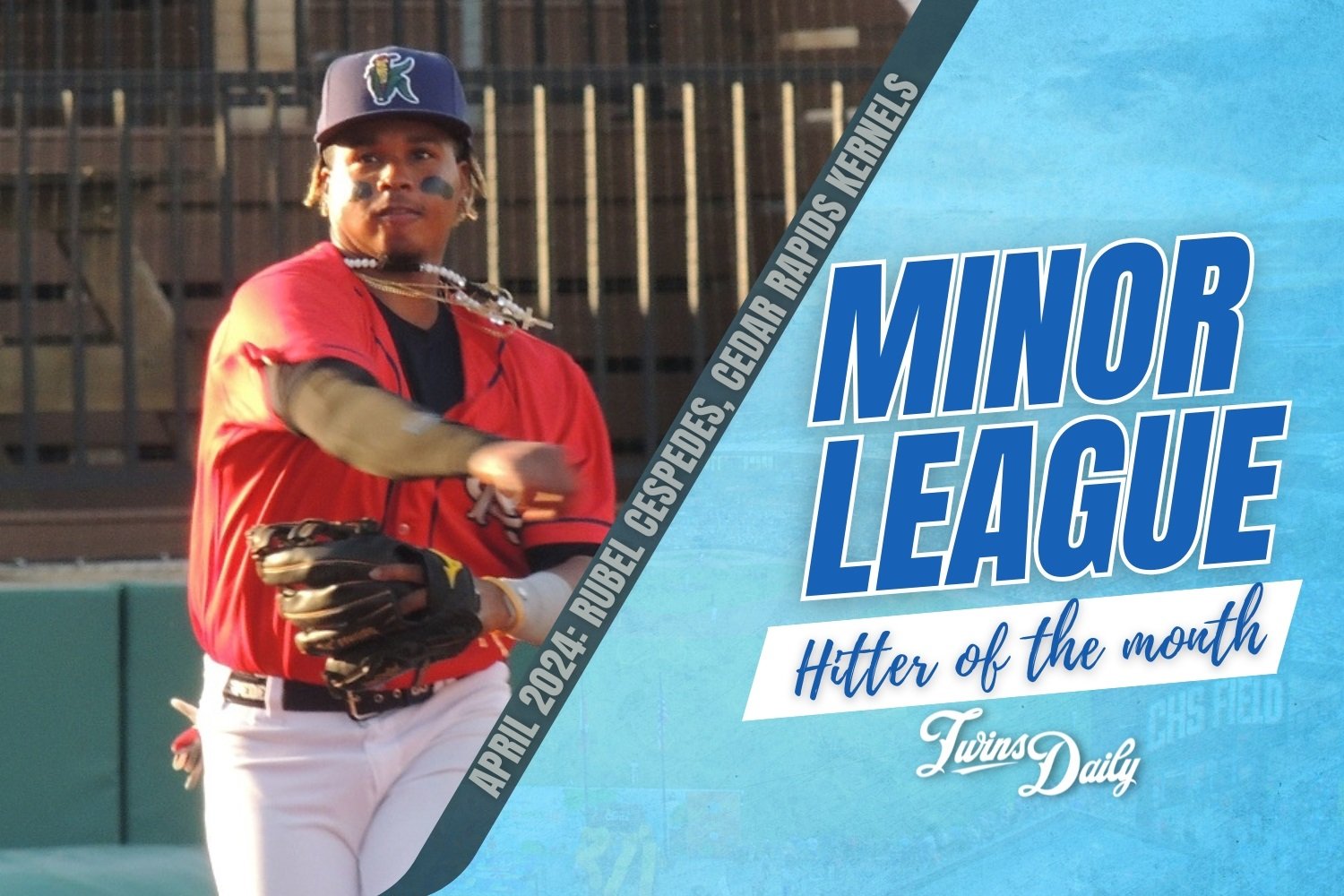 April hitting is usually a soggy and muddling activity. The ball never flies, and the grooves from last year must be rediscovered. Some batters excelled, though. Today, we'll cover the five who earned a ranking and give credit to five others who came close. I used each hitter's slash line as the nucleus of my rankings, with adjustments considered for hitting environments (i.e., excellent in the Texas League; poor in the Florida League). Extracurriculars like a notable amount of stolen bases were also considered. Enough bush-beating: here are the rankings. Honorable Mentions Anthony Prato, AAA St. Paul - .827 OPS Anthony Prato enjoyed perhaps the most impactful hitting month a player can have without blasting a homer. A walk rate approaching 25% will do that. A little more power and Prato is probably on the list. Noah Cardenas, AA Wichita - .821 OPS Like Prato, Noah Cardenas’ batting line is buoyed by a tremendously rare OBP; a .404 is usually not found anywhere. Again, just a touch more juice would have pushed Cardenas into serious consideration for a higher ranking. Gabriel Gonzalez, A+ Cedar Rapids - .771 OPS Gabriel Gonzalez banged out eight doubles, giving him the classic low-OBP/high-slugging slash line that looks freaky but gets the job done. He also struck out only eight times the entire month. Rayne Doncon, A Fort Myers - .844 OPS Early betting favorites tilted towards Rayne Doncon, who hit for a 182 wRC+ through April 20th before a strikeout-heavy lull plagued him to end the month. Still, the totality of his production was undeniable; he’ll settle for an honorable mention. Byron Chourio, A Fort Myers - .812 OPS Doncon’s partner in crime—and the best performing “Byron” in the system at the moment—produced like the ideal modern lead-off man in April: his OBP was a beautiful .370. He also tripled three times. 5. DaShawn Kiersey Jr. - AAA St. Paul, .287/.373/.511, 8 Steals, 20 RBIs Beginning the year at AAA appears to have done wonders for DaShawn Kiersey Jr.; the former 4th-round pick out of Utah walked, slugged, and stole his way toward a gorgeous slash line and the fourth-most stolen bases in Minnesota’s system. He also made one hell of a catch to rob a home run. Kiersey is an interesting case. He’s nearly 27 and has never ranked highly as a prospect, but a super fast, hammering, holy-crap-he-really-caught-that player is tantalizing no matter the context. Age be damned. At the very least, his speed and defense could make him a useful 4th-outfielder with enough pop to threaten for the starting job. Whether that chance is with the Twins is yet to be seen. The curse of being a fringy outfield prospect in Minnesota’s system. 4. Luke Keaschall - A+ Cedar Rapids, .288/.440/.455, 9 Steals, 15 Runs Could it even be possible not to rank a player with an OBP that high? Minnesota’s 2nd-rounder from 2023 is dicing up the minors, churning in ridiculous on-base numbers as he attempts to speed run his way through the system. He is looking to do damage, after all. Mainly a 2nd baseman, Keaschall fits the perfect mold of the scrappy middle-infielder who sticks around forever and puts up way more WAR than you’d think (shutout Ian Kinsler). It’s clear the lower levels of the minors aren’t much of a challenge, though; how he performs in Wichita should help illuminate his profile. And at this rate, he might be on the Wind Surge before Father’s Day. 3. Maddux Houghton - A Fort Myers, .358/.470/.547, 16 Runs Anonymity does not impede success; only Twins Daily Minor League Report veterans likely know Maddux Houghton’s name, but his obscurity did little to halt his production in April. Houghton cracked 19 hits in 66 plate appearances—including six multi-hit games—to give himself a fine month, the best he’s seen since joining the farm system last season. A minor league free agent signing, Houghton’s four years as a Lipscomb Bison and one summer as a Mankato MoonDog failed to inspire a team to draft him. He was too inconsistent. Others showed more promise. Still, the Twins offered the then 24-year-old a deal in 2023, signing him to the Mighty Mussels. He flashed impressive discipline, but the power wasn’t there. Now coming off a month with a .189 ISO, Houghton may have found a groove—and he’ll take home a third place finish in the Minor League Hitting awards. 2. Emmanuel Rodriguez - AA Wichita, .294/.507/.686, 9 Steals, 22 BB/21 K You know who Emmanuel Rodriguez is. Four years into his minor league career, Rodriguez is (somehow) still improving his game; his 215 wRC+ is downright Bondsian, and he’s walked more than he’s struck out. Really, the only number needed for this ranking is his OBP. No one gets on base at a 50% clip. Rodriguez got on base at a 50% clip. He also cracked 11 extra-base hits. The only knock on Rodriguez is his sample. He exited play on April 24th after sliding headfirst into 2nd base and sat the rest of the month before returning to the lineup on May 1st. Those few bonus games would have likely pushed him into 1st place. 1. Rubel Cespedes - A+ Cedar Rapids, .373/.447/.657, 22 RBIs, 25 Hits Unlike Rodriguez—who started smashing the ball from day one—Rubel Cespedes undertook a journey to reach his apex. Signed back in 2019, joined the Twins system right before COVID shut down the minor leagues, hamstringing Cespedes’ development almost immediately. He did poorly in 2021—who didn’t—before posting back-to-back decent seasons with the Mighty Mussels. It seemed like he was destined for a nondescript baseball career. Then he traveled to Nicaragua for the winter and slugged .571. That may have been the mojo boost he needed; Cespedes rejoined the Twins, earned some playing time in Spring Training, and blasted down the opening gate with a massive OPS as one of the most intimidating bats in the Midwest League. Pitchers groan when they hear his footsteps. He collected seven RBIs in a single game. His impressive production and awesome accomplishments make him the Twins Daily Minor League Hitter of the Month.
- 8 comments
-
- 9
-
-
-
- rubel cespedes
- emmanuel rodriguez
- (and 5 more)
-
Read about the batters who bopped their way toward a ranking on our list. April hitting is usually a soggy and muddling activity. The ball never flies, and the grooves from last year must be rediscovered. Some batters excelled, though. Today, we'll cover the five who earned a ranking and give credit to five others who came close. I used each hitter's slash line as the nucleus of my rankings, with adjustments considered for hitting environments (i.e., excellent in the Texas League; poor in the Florida League). Extracurriculars like a notable amount of stolen bases were also considered. Enough bush-beating: here are the rankings. Honorable Mentions: Anthony Prato, AAA St. Paul - .827 OPS Anthony Prato enjoyed perhaps the most impactful hitting month a player can have without blasting a homer. A walk rate approaching 25% will do that. A little more power and Prato is probably on the list. Noah Cardenas, AA Wichita - .821 OPS Like Prato, Noah Cardenas’ batting line is buoyed by a tremendously rare OBP; a .404 is usually not found anywhere. Again, just a touch more juice would have pushed Cardenas into serious consideration for a higher ranking. Gabriel Gonzalez, A+ Cedar Rapids - .771 OPS Gabriel Gonzalez banged out eight doubles, giving him the classic low-OBP/high-slugging slash line that looks freaky but gets the job done. He also struck out only eight times the entire month. Rayne Doncon, A Fort Myers - .844 OPS Early betting favorites tilted towards Rayne Doncon, who hit for a 182 wRC+ through April 20th before a strikeout-heavy lull plagued him to end the month. Still, the totality of his production was undeniable; he’ll settle for an honorable mention. Byron Chourio, A Fort Myers - .812 OPS Doncon’s partner in crime—and the best performing “Byron” in the system at the moment—produced like the ideal modern lead-off man in April: his OBP was a beautiful .370. He also tripled three times. 5. DaShawn Kiersey Jr. - AAA St. Paul, .287/.373/.511, 8 Steals, 20 RBIs Beginning the year at AAA appears to have done wonders for DaShawn Kiersey Jr.; the former 4th-round pick out of Utah walked, slugged, and stole his way toward a gorgeous slash line and the fourth-most stolen bases in Minnesota’s system. He also made one hell of a catch to rob a home run. Kiersey is an interesting case. He’s nearly 27 and has never ranked highly as a prospect, but a super fast, hammering, holy-crap-he-really-caught-that player is tantalizing no matter the context. Age be damned. At the very least, his speed and defense could make him a useful 4th-outfielder with enough pop to threaten for the starting job. Whether that chance is with the Twins is yet to be seen. The curse of being a fringey outfield prospect in Minnesota’s system. 4. Luke Keaschall - A+ Cedar Rapids, .288/.440/.455, 9 Steals, 15 Runs Could it even be possible not to rank a player with an OBP that high? Minnesota’s 2nd-rounder from 2023 is dicing up the minors, churning in ridiculous on-base numbers as he attempts to speed run his way through the system. He is looking to do damage, after all. Mainly a 2nd baseman, Keaschall fits the perfect mold of the scrappy middle-infielder who sticks around forever and puts up way more WAR than you’d think (shutout Ian Kinsler). It’s clear the lower levels of the minors aren’t much of a challenge, though; how he performs in Wichita should help illuminate his profile. And at this rate, he might be on the Wind Surge before Father’s Day. 3. Maddux Houghton - A Fort Myers, .358/.470/.547, 16 Runs Anonymity does not impede success; only Minor League Report veterans likely know Maddux Houghton’s name, but his obscurity did little to halt his production in April. Houghton cracked 19 hits in 66 plate appearances—including six multi-hit games—to give himself a fine month, the best he’s seen since joining the farm system last season. A minor league free agent signing, Houghton’s four years as a Lipscomb Bison and one summer as a Mankato MoonDog failed to inspire a team to draft him. He was too inconsistent. Others showed more promise. Still, the Twins offered the then 24-year-old a deal in 2023, signing him to the Mighty Mussels. He flashed impressive discipline, but the power wasn’t there. Now coming off a month with a .189 ISO, Houghton may have found a groove—and he’ll take home a 3rd place finish in the Minor League Hitting awards. 2. Emmanuel Rodriguez - AA Wichita, .294/.507/.686, 9 Steals, 22 BB/21 K You know who Emmanuel Rodriguez is. Four years into his minor league career, Rodriguez is (somehow) still improving his game; his 215 wRC+ is downright Bondsian, and he’s walked more than he’s struck out. Really, the only number needed for this ranking is his OBP. No one gets on base at a 50% clip. Rodriguez got on base at a 50% clip. He also cracked 11 extra-base hits. The only knock on Rodriguez is his sample. He exited play on April 24th after sliding headfirst into 2nd base and sat the rest of the month before returning to the lineup on May 1st. Those few bonus games would have likely pushed him into 1st place. 1. Rubel Cespedes - A+ Cedar Rapids, .373/.447/.657, 22 RBIs, 25 Hits Unlike Rodriguez—who started smashing the ball from day one—Rubel Cespedes undertook a journey to reach his apex. Signed back in 2019, joined the Twins system right before COVID shut down the minor leagues, hamstringing Cespedes’ development almost immediately. He did poorly in 2021—who didn’t—before posting back-to-back decent seasons with the Mighty Mussels. It seemed like he was destined for a nondescript baseball career. Then he traveled to Nicuraga for the winter and slugged .571. That may have been the mojo boost he needed; Cespedes rejoined the Twins, earned some playing time in Spring Training, and blasted down the opening gate with a massive OPS as one of the most intimidating bats in the Midwest League. Pitchers groan when they hear his footsteps. He collected seven RBIs in a single game. His impressive production and awesome accomplishments make him the Twinsdaily Minor League Hitter of the Month. View full article
-
Minor League Report 4/28 Three Shutouts; One by Pitching, Two by Nature
Matt Braun posted an article in Twins
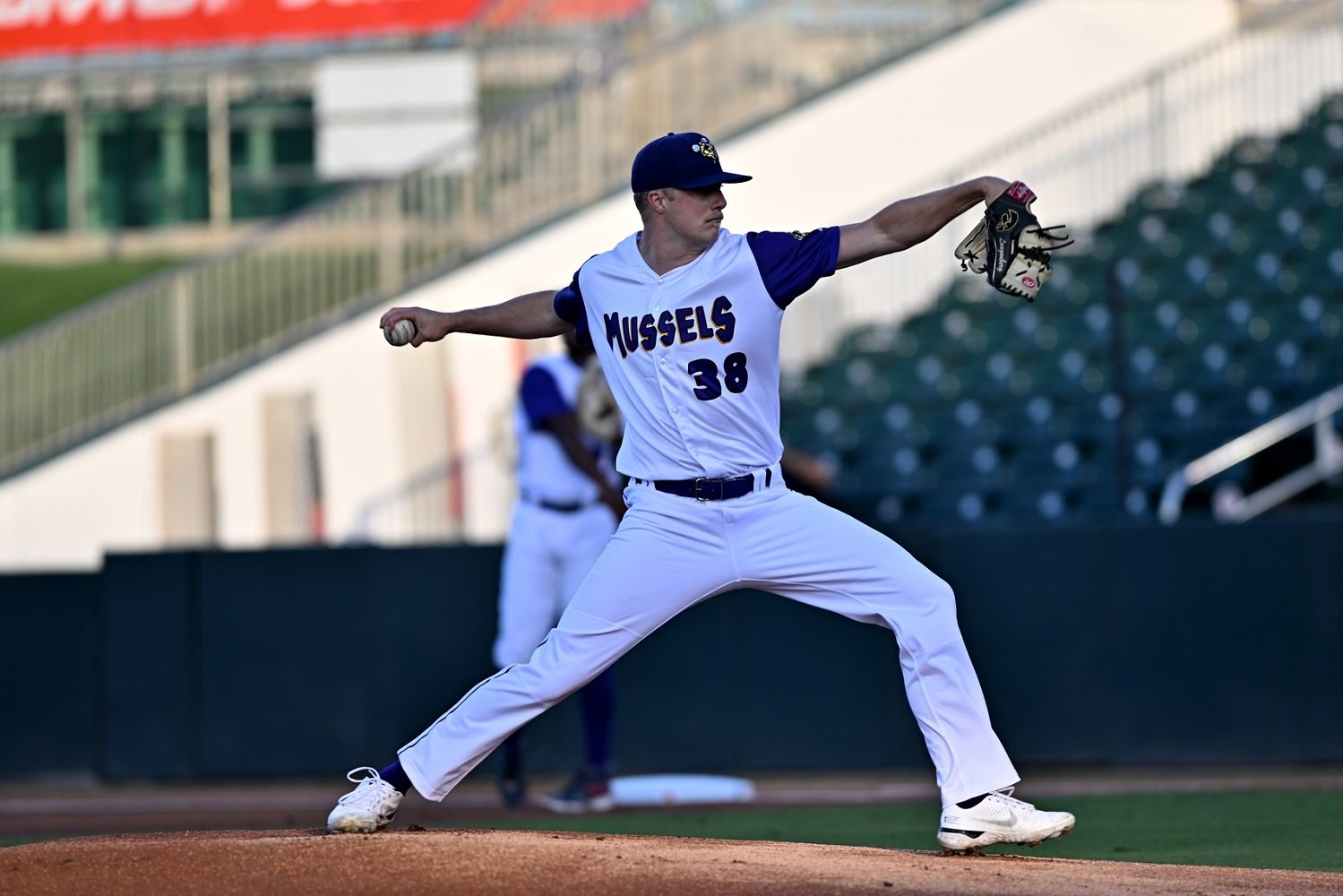 TRANSACTIONS No moves were made on Sunday. Saints Sentinel The Saints game never started due to rain. St. Paul will make up the match at a later date, expected to come sometime in late May. WIND SURGE WISDOM Wichita 1, San Antonio 3 Box Score Nick Wittgren: 1 IP, 1 H, 1 ER, 0 BB, 0 K HR: None Multi-hit games: Ben Ross (2-for-3, 2B, RBI) Wichita fell silently on Sunday. Your eyes do not deceive you; the 32-year-old former big leaguer—most known to us as a member of Cleveland’s bullpen for three years—started the game. The Twins just signed him the other day. It appears their plan was to Frankenstein Monster their way through nine innings, with Aaron Rozek and a group of tertiary arms working to deliver the game to its ending. The plan worked; Wichita only allowed three runs in the game. The plan also failed; Wichita lost. But that failure falls more on the bats, who collectively decided to mimic complex physics, in that their existence was theoretical, not tangible. Ben Ross and Noah Cardenas were the only hitters with some sign of offense. The seven other batters combined for one hit and two walks, hardly a successful day at the plate. Thanks in part to the rainouts, Ross’ RBI double marked the only run scored by a Twins affiliate on Sunday. San Antonio—masquerading as the “Oat Milkers,” with handy back titles that inform each of their members to be simply a “baseball player”—are, appropriately, an affiliate of the Padres. Their best prospect is centerfielder Jakob Marsee; he went 0-for-4 with a strikeout. KERNELS NUGGETS Cedar Rapids also did not play on Sunday, thanks to a drenching from the heavens. The game is canceled; it will not be made up at a later date. MUSSEL MATTERS Fort Myers 0, Palm Beach 4 Box Score Ty Langenberg: 5 1/3 IP, 6 H, 1 ER, 1 BB, 6 K HR: None Multi-hit games: Poncho Ruiz (2-for-4) The Mighty Mussels failed to score during Sunday’s action. Credit to Cardinals’ starter Chen-Wei Lin: the 6’7” righty carved through the Mighty Mussels lineup with shocking efficiency, finishing off his seventh inning of work on just his 66th pitch. You don’t see that in the low minors too often. He struck out seven, allowed just three singles, and never saw a runner reach second base; two of the singles were erased with double plays. It’s a start he’ll never forget. That makes Ty Langenberg one unlucky fella. He pitched well. On a normal day, his line would be the better of any two starters. His only flaw appeared to be timing. Poncho Ruiz was the lone Mighty Mussel with a modicum of success; he earned a pair of singles to push his season batting average up to .317. Not bad for the undrafted free agent out of San Diego State. Palm Beach’s best prospect is centerfielder Chase Davis, who lived up to his namesake by going 0-4 with two strikeouts. Perhaps he should have tried pitching. TWINS DAILY PLAYERS OF THE DAY Twins Daily Minor League Pitcher of the Day – Ty Langenberg Twins Daily Minor League Hitter of the Day – Ben Ross PROSPECT SUMMARY Here’s a look at how the Twins Daily Top 20 Twins Prospects performed: #7 - Austin Martin (Minnesota) - Game in progress #11 - Tanner Schobel (Wichita) - 0-4, 2 K #13 - Kala’i Rosario (Wichita) - 0-4, 2 K TUESDAY’S PROBABLE STARTERS Louisville @ St. Paul (11:07 AM) - RHP David Festa Wichita @ NW Arkansas (7:05 PM) - TBD Peoria @ Cedar Rapids (6:35 PM) - RHP Andrew Morris Fort Myers @ Bradenton (5:30 PM) - TBD
- 10 comments
-
- 6
-
-
- ty langenberg
- ben ross
- (and 2 more)
-
April in the Midwest can be fickle. Image courtesy of William Parmeter (photo of Ty Langenberg) TRANSACTIONS No moves were made on Sunday. Saints Sentinel The Saints game never started due to rain. St. Paul will make up the match at a later date, expected to come sometime in late May. WIND SURGE WISDOM Wichita 1, San Antonio 3 Box Score Nick Wittgren: 1 IP, 1 H, 1 ER, 0 BB, 0 K HR: None Multi-hit games: Ben Ross (2-for-3, 2B, RBI) Wichita fell silently on Sunday. Your eyes do not deceive you; the 32-year-old former big leaguer—most known to us as a member of Cleveland’s bullpen for three years—started the game. The Twins just signed him the other day. It appears their plan was to Frankenstein Monster their way through nine innings, with Aaron Rozek and a group of tertiary arms working to deliver the game to its ending. The plan worked; Wichita only allowed three runs in the game. The plan also failed; Wichita lost. But that failure falls more on the bats, who collectively decided to mimic complex physics, in that their existence was theoretical, not tangible. Ben Ross and Noah Cardenas were the only hitters with some sign of offense. The seven other batters combined for one hit and two walks, hardly a successful day at the plate. Thanks in part to the rainouts, Ross’ RBI double marked the only run scored by a Twins affiliate on Sunday. San Antonio—masquerading as the “Oat Milkers,” with handy back titles that inform each of their members to be simply a “baseball player”—are, appropriately, an affiliate of the Padres. Their best prospect is centerfielder Jakob Marsee; he went 0-for-4 with a strikeout. KERNELS NUGGETS Cedar Rapids also did not play on Sunday, thanks to a drenching from the heavens. The game is canceled; it will not be made up at a later date. MUSSEL MATTERS Fort Myers 0, Palm Beach 4 Box Score Ty Langenberg: 5 1/3 IP, 6 H, 1 ER, 1 BB, 6 K HR: None Multi-hit games: Poncho Ruiz (2-for-4) The Mighty Mussels failed to score during Sunday’s action. Credit to Cardinals’ starter Chen-Wei Lin: the 6’7” righty carved through the Mighty Mussels lineup with shocking efficiency, finishing off his seventh inning of work on just his 66th pitch. You don’t see that in the low minors too often. He struck out seven, allowed just three singles, and never saw a runner reach second base; two of the singles were erased with double plays. It’s a start he’ll never forget. That makes Ty Langenberg one unlucky fella. He pitched well. On a normal day, his line would be the better of any two starters. His only flaw appeared to be timing. Poncho Ruiz was the lone Mighty Mussel with a modicum of success; he earned a pair of singles to push his season batting average up to .317. Not bad for the undrafted free agent out of San Diego State. Palm Beach’s best prospect is centerfielder Chase Davis, who lived up to his namesake by going 0-4 with two strikeouts. Perhaps he should have tried pitching. TWINS DAILY PLAYERS OF THE DAY Twins Daily Minor League Pitcher of the Day – Ty Langenberg Twins Daily Minor League Hitter of the Day – Ben Ross PROSPECT SUMMARY Here’s a look at how the Twins Daily Top 20 Twins Prospects performed: #7 - Austin Martin (Minnesota) - Game in progress #11 - Tanner Schobel (Wichita) - 0-4, 2 K #13 - Kala’i Rosario (Wichita) - 0-4, 2 K TUESDAY’S PROBABLE STARTERS Louisville @ St. Paul (11:07 AM) - RHP David Festa Wichita @ NW Arkansas (7:05 PM) - TBD Peoria @ Cedar Rapids (6:35 PM) - RHP Andrew Morris Fort Myers @ Bradenton (5:30 PM) - TBD View full article
- 10 replies
-
- 1
-
-
- ty langenberg
- ben ross
- (and 2 more)
-
 Box Score SP: Bailey Ober: 7 1/3 IP, 3 H, 2 ER, 3 BB, 8 K (96 pitches, 63 strikes, 12 whiffs) Home Runs: Carlos Santana (2) Top 3 WPA: Bailey Ober (.317), Willi Castro (.086), Carlos Santana (.057) Win Probability Chart (via FanGraphs) The Twins trekked West for their first seasonal foray into real late-night baseball. None of this evening crap; the final pitch is now guaranteed to come sometime after the bedtimes of all those under 40. Buckle up—and ingest your booze wisely. The game jump-started to life thanks to an unexpected source: Carlos Santana. The man once dragged through the mud and slandered as a geezer lacking in the skills to succeed in a young man’s game deposited a changeup 425 feet out to centerfield, scoring the 1,000th run of his career. Something like 300 of those runs came against the Twins (the real total is 106). Minnesota scored once more the following inning when Willi Castro and Byron Buxton teamed up to turn a pair of 0-2 singles into a run, thanks in part to Taylor Ward’s Ben Revere-esque arm strength in left field. So summed up the curse of Angels’ starter Patrick Sandoval on Friday: he wasn’t bad—far from the standard badness that populates our mind and poisons our discourse—but his few mistakes compounded, turning what could have been a normal, solid start into the nondescript muck he walked away from. It wasn’t his fault Castro’s weird chopper turned into a rare double to left or that Santana poked a single beyond the drawn-in infield—only scoring a runner that existed because Jo Adell and Mike Trout couldn’t agree on who got to catch the ball, finally settling on neither man. Oh, and then Logan O’Hoppe whiffed on a passed ball. So it goes. All of this detailed and accentuated a brilliant start from Bailey Ober. He didn't do anything special. Ober has already proven himself a man of shocking understatement for such a figure. Rather, he democratically mixed up his pitches, attacked all parts of the zone, and coaxed weak contact and whiffs alike. The Angels had no answer. When the dust settled, Bailey casually walked away with a tie in his career-high for innings pitched, eight strikeouts, and two earned runs. He did walk three guys. Perhaps he felt bored and wanted to add some drama. Intrigue arrived for a time when Nolan Schanuel singled in a run off Matt Bowman; it soon died when the next two batters struck out looking. Some drama ensued. Minnesota scored a fifth and final run. Rocco Baldelli sent Bowman out again as a sacrifice to save the bullpen. It almost worked. 35 pitches couldn't do it, so Caleb Thielbar entered to earn one measly out before the game could be properly stuffed away and counted as a win. He got it... eventually, earning his second career save in the process. Notes: Bailey Ober pitched into the 8th inning for the first time since September 27th, 2022. Willi Castro earned his first three-hit game since September 9th, 2023. Austin Martin stole the first base of his major league career; he is 275 steals away from tying Chuck Knoblauch for the Twins' all-time record. Byron Buxton is seven RBIs away from tying Shane Mack for 36th on Minnesota's RBI leaderboard. Post-Game Interviews What’s Next? The Twins and Angels play the second game of their series on Saturday, with a start time no less forgiving than Friday; first pitch is at 7:38 PM (8:38 pm central time!). Chris Paddack faces off against José Soriano. Bullpen Usage Spreadsheet
- 40 comments
-
- 7
-
-
- bailey ober
- carlos santana
- (and 3 more)
-
Hope you stayed up for that. Image courtesy of © Kiyoshi Mio-USA TODAY Sports Box Score SP: Bailey Ober: 7 1/3 IP, 3 H, 2 ER, 3 BB, 8 K (96 pitches, 63 strikes, 12 whiffs) Home Runs: Carlos Santana (2) Top 3 WPA: Bailey Ober (.317), Willi Castro (.086), Carlos Santana (.057) Win Probability Chart (via FanGraphs) The Twins trekked West for their first seasonal foray into real late-night baseball. None of this evening crap; the final pitch is now guaranteed to come sometime after the bedtimes of all those under 40. Buckle up—and ingest your booze wisely. The game jump-started to life thanks to an unexpected source: Carlos Santana. The man once dragged through the mud and slandered as a geezer lacking in the skills to succeed in a young man’s game deposited a changeup 425 feet out to centerfield, scoring the 1,000th run of his career. Something like 300 of those runs came against the Twins (the real total is 106). Minnesota scored once more the following inning when Willi Castro and Byron Buxton teamed up to turn a pair of 0-2 singles into a run, thanks in part to Taylor Ward’s Ben Revere-esque arm strength in left field. So summed up the curse of Angels’ starter Patrick Sandoval on Friday: he wasn’t bad—far from the standard badness that populates our mind and poisons our discourse—but his few mistakes compounded, turning what could have been a normal, solid start into the nondescript muck he walked away from. It wasn’t his fault Castro’s weird chopper turned into a rare double to left or that Santana poked a single beyond the drawn-in infield—only scoring a runner that existed because Jo Adell and Mike Trout couldn’t agree on who got to catch the ball, finally settling on neither man. Oh, and then Logan O’Hoppe whiffed on a passed ball. So it goes. All of this detailed and accentuated a brilliant start from Bailey Ober. He didn't do anything special. Ober has already proven himself a man of shocking understatement for such a figure. Rather, he democratically mixed up his pitches, attacked all parts of the zone, and coaxed weak contact and whiffs alike. The Angels had no answer. When the dust settled, Bailey casually walked away with a tie in his career-high for innings pitched, eight strikeouts, and two earned runs. He did walk three guys. Perhaps he felt bored and wanted to add some drama. Intrigue arrived for a time when Nolan Schanuel singled in a run off Matt Bowman; it soon died when the next two batters struck out looking. Some drama ensued. Minnesota scored a fifth and final run. Rocco Baldelli sent Bowman out again as a sacrifice to save the bullpen. It almost worked. 35 pitches couldn't do it, so Caleb Thielbar entered to earn one measly out before the game could be properly stuffed away and counted as a win. He got it... eventually, earning his second career save in the process. Notes: Bailey Ober pitched into the 8th inning for the first time since September 27th, 2022. Willi Castro earned his first three-hit game since September 9th, 2023. Austin Martin stole the first base of his major league career; he is 275 steals away from tying Chuck Knoblauch for the Twins' all-time record. Byron Buxton is seven RBIs away from tying Shane Mack for 36th on Minnesota's RBI leaderboard. Post-Game Interviews What’s Next? The Twins and Angels play the second game of their series on Saturday, with a start time no less forgiving than Friday; first pitch is at 7:38 PM (8:38 pm central time!). Chris Paddack faces off against José Soriano. Bullpen Usage Spreadsheet View full article
-
Kicking the crap out of Chicago will never get old
- 38 replies
-
- 24
-
-
- chris paddack
- trevor larnach
- (and 1 more)
-
Winokur has almost strictly played SS and CF since being drafted. Why not? Let him prove if he can handle the position or not.
-
I love Cossetti, and I don't get it either; he's raked since day one. He's a little old (24), so that may be why people are skeptical.
- 10 replies
-
- 1
-
-
- andrew cossetti
- jose rodriguez
- (and 4 more)
-
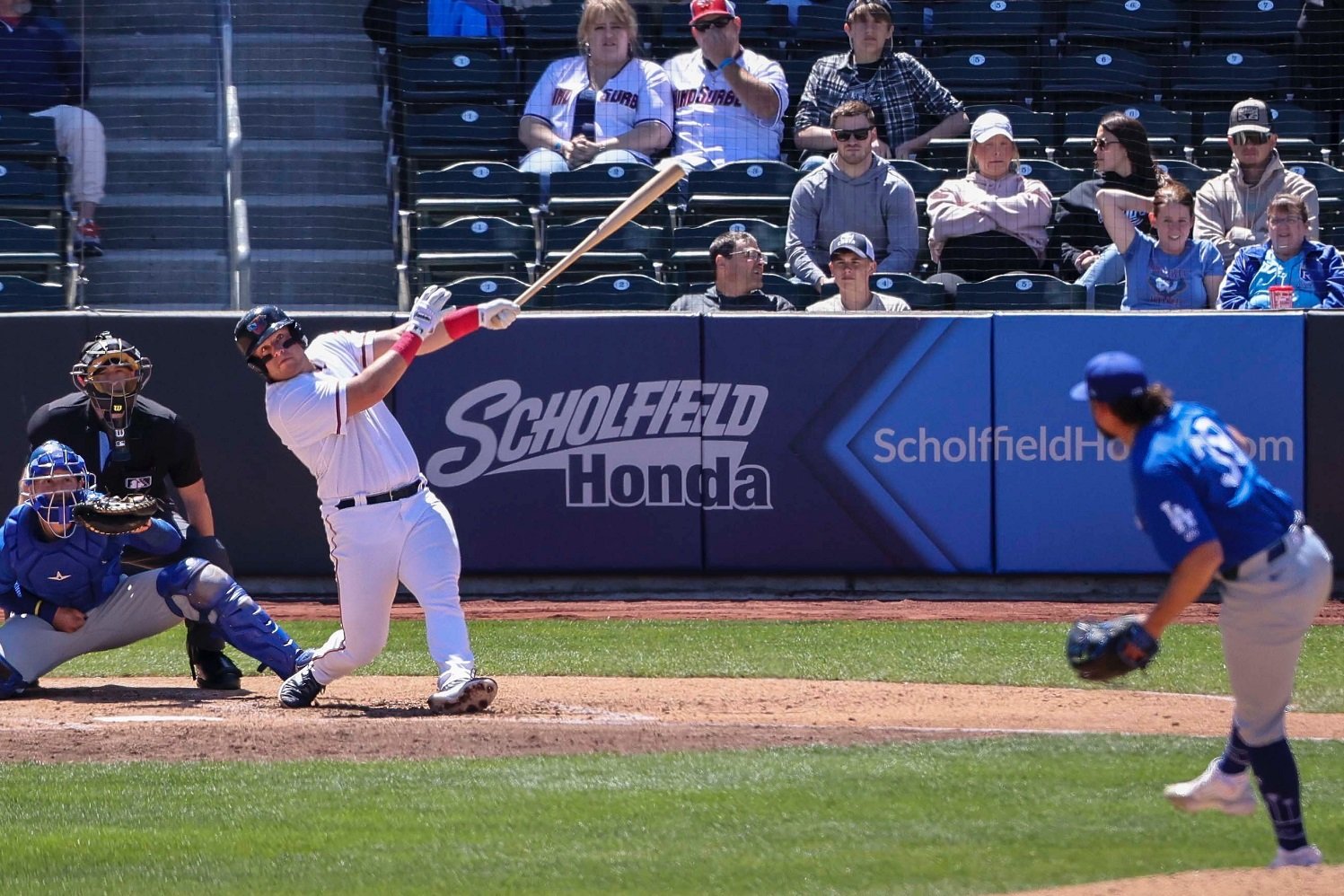 TRANSACTIONS No moves were made on Sunday. Saints Sentinel St. Paul 0, Indianapolis 5 Box Score Randy Dobnak: 4 1/3 IP, 5 H, 2 ER, 2 BB, 4 K HR: None Multi-hit games: None The Saints were almost no-hit on Sunday. A glance at Eric Lauer’s immaculate pitching line tells you everything you need to know about this game; St. Paul had no chance. The former big leaguer pounded the Saints with enough junk to max out a landfill, twisting hitters with curves and shocking them with sliders. He earned 14 swings-and-misses. He tossed just 68 pitches. The rest of the Indianapolis pitching effort—combined between four relievers—continued his dominance, with a lone single from Alex Isola off former Saint Connor Sedzeck serving as St. Paul’s only hit of the day. That crushing pitching performance rendered Randy Dobnak’s otherwise fine line far uglier in comparison. His sinking stuff netted six grounders and four strikeouts. He never had a chance. Matt Wallner struck out twice in an 0-4 showing. Isola was the only Saint in the starting lineup to not strike out. Kyle Nicolas, Pittsburgh’s 21st-best prospect, struck out the side in a perfect inning on Sunday. WIND SURGE WISDOM Wichita 6, Tulsa 2 Box Score Jaylen Nowlin: 5 IP, 4 H, 2 ER, 3 BB, 4 K HR: Andrew Cossetti (2) Multi-hit games: None Wichita won a breezy game on Sunday. It hasn’t been easy for the Wind Surge so far this year; wins have been few and far between, with an especially atrocious bullpen causing the team to keel over in late-game situations. Not today, though. Jaylen Nowlin was adequate, and John Stankiewicz and Jared Solomon held the Drillers at bay to cap one of the best team pitching performances so far this year. Maybe that’s sad. You have to start somewhere. Wichita’s hitting prowess was sparse, but they made it count when they could. Emmanuel Rodriguez obliterated an RBI double into the gap; he eventually scored when Jeferson Morales was plunked. The very next inning, Andrew Cossetti lashed a three-run homer to the right-center gap, capping the scoring with an oppressive showing of power. The Wind Surge took six walks on Sunday. Kala’i Rosario and Jorel Ortega both netted two free passes. The typically talented Drillers lineup lacked their usual prospect oomph on Sunday as Austin Gauthier—their 25th-ranked player—was the best youngster to play. He walked once in five trips to the plate. KERNELS NUGGETS Cedar Rapids 0, Wisconsin 2 Box Score Darren Bowen: 5 IP, 2 H, 2 ER, 2 BB, 5 K HR: None Multi-hit games: None The Kernels were shut out on Sunday. The bats just couldn’t get going; Cedar Rapids sprayed three singles to go with two walks, but that was it. Even Rubel Cespedes was held at bay. Darren Bowen—a forgotten part of the Jorge Polanco trade—made his second start of the year, punching out five over five frames. He allowed two runs, a far better outing than his previous endeavor. Jacob Wosinski cleaned up with a trio of scoreless innings. The only good news is that the Kernels are handing out replicas of their 2023 Midwest League Championship rings on Tuesday. Be prepared to scratch and claw. Most of Milwaukee’s talent is in the upper minors, but centerfielder Luis Lara is an exception. Their 8th-ranked prospect struck out once in three at-bats. MUSSEL MATTERS Fort Myers 3, Jupiter 6 Box Score Paulshawn Pasqualotto: 5 IP, 7 H, 2 ER, 0 BB, 2 K HR: Jose Rodriguez (1) Multi-hit games: Gregory Duran (2-for-3, R, BB), Wilfri Castro (2-for-3, BB) The Mighty Mussels lost a sloppy game on Sunday. Paulshawn Pasqualotto pitched yet again on a day this author covers the minors. It went the worst of his three professional starts: seven hits revealed he was nickel and dimed, and a pair of unearned runs dragged down his outing. Isaac Pena—the owner of two errors—perhaps deserves a piece of the loss as well. Good news emerged from the bats, though, as Jose Rodriguez smoked a homer deep into left field, and Omari Daniel collected his first hit above rookie ball. Rodriguez, it should be noted, is still just 18 and will not turn 19 until June. Much was made about his power outing in the DSL two years ago; perhaps he’s still gestating and developing as a ball player. Jupiter’s first baseman, Brock Vradenburg, singled and struck out twice. According to MLB Pipeline, he is Miami’s 16th-ranked prospect. TWINS DAILY PLAYERS OF THE DAY Twins Daily Minor League Pitcher of the Day – Darren Bowen, Cedar Rapids Kernels Twins Daily Minor League Hitter of the Day – Andrew Cossetti, Wichita Wind Surge PROSPECT SUMMARY Here’s a look at how the Twins Daily Top 20 Twins Prospects performed: #3 - Emmanuel Rodriguez (Wichita) - 1-4, 2B, 2 R, RBI, BB, 3 K #7 - Austin Martin (Minnesota) - 1-4, HR, R, RBI #11 - Tanner Schobel (Wichita) - 0-4, R, BB, K #12 - Luke Keaschall (Cedar Rapids) - 1-4, 2 K #13 - Kala’i Rosario (Wichita) - 1-2, 2 BB #16 - Yunior Severino (St. Paul) - 0-2, BB, K #19 - Ricardo Olivar (Cedar Rapids) - 0-4, 2 K TUESDAY’S PROBABLE STARTERS Rochester @ St. Paul (6:37 PM) - RHP David Festa Wichita @ San Antonio (7:05 PM) - TBD Beloit @ Cedar Rapids (6:35 PM) - TBD Palm Beach @ Fort Myers (6:05 PM) - TBD
- 10 comments
-
- 2
-
-
- andrew cossetti
- jose rodriguez
- (and 4 more)
-
Who knew Eric Lauer could be so dominant? Image courtesy of Ed Bailey, Wichita Wind Surge (photo of Andrew Cossetti) TRANSACTIONS No moves were made on Sunday. Saints Sentinel St. Paul 0, Indianapolis 5 Box Score Randy Dobnak: 4 1/3 IP, 5 H, 2 ER, 2 BB, 4 K HR: None Multi-hit games: None The Saints were almost no-hit on Sunday. A glance at Eric Lauer’s immaculate pitching line tells you everything you need to know about this game; St. Paul had no chance. The former big leaguer pounded the Saints with enough junk to max out a landfill, twisting hitters with curves and shocking them with sliders. He earned 14 swings-and-misses. He tossed just 68 pitches. The rest of the Indianapolis pitching effort—combined between four relievers—continued his dominance, with a lone single from Alex Isola off former Saint Connor Sedzeck serving as St. Paul’s only hit of the day. That crushing pitching performance rendered Randy Dobnak’s otherwise fine line far uglier in comparison. His sinking stuff netted six grounders and four strikeouts. He never had a chance. Matt Wallner struck out twice in an 0-4 showing. Isola was the only Saint in the starting lineup to not strike out. Kyle Nicolas, Pittsburgh’s 21st-best prospect, struck out the side in a perfect inning on Sunday. WIND SURGE WISDOM Wichita 6, Tulsa 2 Box Score Jaylen Nowlin: 5 IP, 4 H, 2 ER, 3 BB, 4 K HR: Andrew Cossetti (2) Multi-hit games: None Wichita won a breezy game on Sunday. It hasn’t been easy for the Wind Surge so far this year; wins have been few and far between, with an especially atrocious bullpen causing the team to keel over in late-game situations. Not today, though. Jaylen Nowlin was adequate, and John Stankiewicz and Jared Solomon held the Drillers at bay to cap one of the best team pitching performances so far this year. Maybe that’s sad. You have to start somewhere. Wichita’s hitting prowess was sparse, but they made it count when they could. Emmanuel Rodriguez obliterated an RBI double into the gap; he eventually scored when Jeferson Morales was plunked. The very next inning, Andrew Cossetti lashed a three-run homer to the right-center gap, capping the scoring with an oppressive showing of power. The Wind Surge took six walks on Sunday. Kala’i Rosario and Jorel Ortega both netted two free passes. The typically talented Drillers lineup lacked their usual prospect oomph on Sunday as Austin Gauthier—their 25th-ranked player—was the best youngster to play. He walked once in five trips to the plate. KERNELS NUGGETS Cedar Rapids 0, Wisconsin 2 Box Score Darren Bowen: 5 IP, 2 H, 2 ER, 2 BB, 5 K HR: None Multi-hit games: None The Kernels were shut out on Sunday. The bats just couldn’t get going; Cedar Rapids sprayed three singles to go with two walks, but that was it. Even Rubel Cespedes was held at bay. Darren Bowen—a forgotten part of the Jorge Polanco trade—made his second start of the year, punching out five over five frames. He allowed two runs, a far better outing than his previous endeavor. Jacob Wosinski cleaned up with a trio of scoreless innings. The only good news is that the Kernels are handing out replicas of their 2023 Midwest League Championship rings on Tuesday. Be prepared to scratch and claw. Most of Milwaukee’s talent is in the upper minors, but centerfielder Luis Lara is an exception. Their 8th-ranked prospect struck out once in three at-bats. MUSSEL MATTERS Fort Myers 3, Jupiter 6 Box Score Paulshawn Pasqualotto: 5 IP, 7 H, 2 ER, 0 BB, 2 K HR: Jose Rodriguez (1) Multi-hit games: Gregory Duran (2-for-3, R, BB), Wilfri Castro (2-for-3, BB) The Mighty Mussels lost a sloppy game on Sunday. Paulshawn Pasqualotto pitched yet again on a day this author covers the minors. It went the worst of his three professional starts: seven hits revealed he was nickel and dimed, and a pair of unearned runs dragged down his outing. Isaac Pena—the owner of two errors—perhaps deserves a piece of the loss as well. Good news emerged from the bats, though, as Jose Rodriguez smoked a homer deep into left field, and Omari Daniel collected his first hit above rookie ball. Rodriguez, it should be noted, is still just 18 and will not turn 19 until June. Much was made about his power outing in the DSL two years ago; perhaps he’s still gestating and developing as a ball player. Jupiter’s first baseman, Brock Vradenburg, singled and struck out twice. According to MLB Pipeline, he is Miami’s 16th-ranked prospect. TWINS DAILY PLAYERS OF THE DAY Twins Daily Minor League Pitcher of the Day – Darren Bowen, Cedar Rapids Kernels Twins Daily Minor League Hitter of the Day – Andrew Cossetti, Wichita Wind Surge PROSPECT SUMMARY Here’s a look at how the Twins Daily Top 20 Twins Prospects performed: #3 - Emmanuel Rodriguez (Wichita) - 1-4, 2B, 2 R, RBI, BB, 3 K #7 - Austin Martin (Minnesota) - 1-4, HR, R, RBI #11 - Tanner Schobel (Wichita) - 0-4, R, BB, K #12 - Luke Keaschall (Cedar Rapids) - 1-4, 2 K #13 - Kala’i Rosario (Wichita) - 1-2, 2 BB #16 - Yunior Severino (St. Paul) - 0-2, BB, K #19 - Ricardo Olivar (Cedar Rapids) - 0-4, 2 K TUESDAY’S PROBABLE STARTERS Rochester @ St. Paul (6:37 PM) - RHP David Festa Wichita @ San Antonio (7:05 PM) - TBD Beloit @ Cedar Rapids (6:35 PM) - TBD Palm Beach @ Fort Myers (6:05 PM) - TBD View full article
-
I am officially fascinated by Rayne Doncon. His damage is coming with a walk rate higher than his strikeout rate, which you don't see every day. Let's see if he keeps it up.
- 20 replies
-
- 6
-
-
- caleb boushley
- brandon winokur
- (and 5 more)
-
Twins 4, Tigers 5: A Cold, Sloppy Team Loses a Cold, Sloppy Game
Matt Braun posted an article in Twins
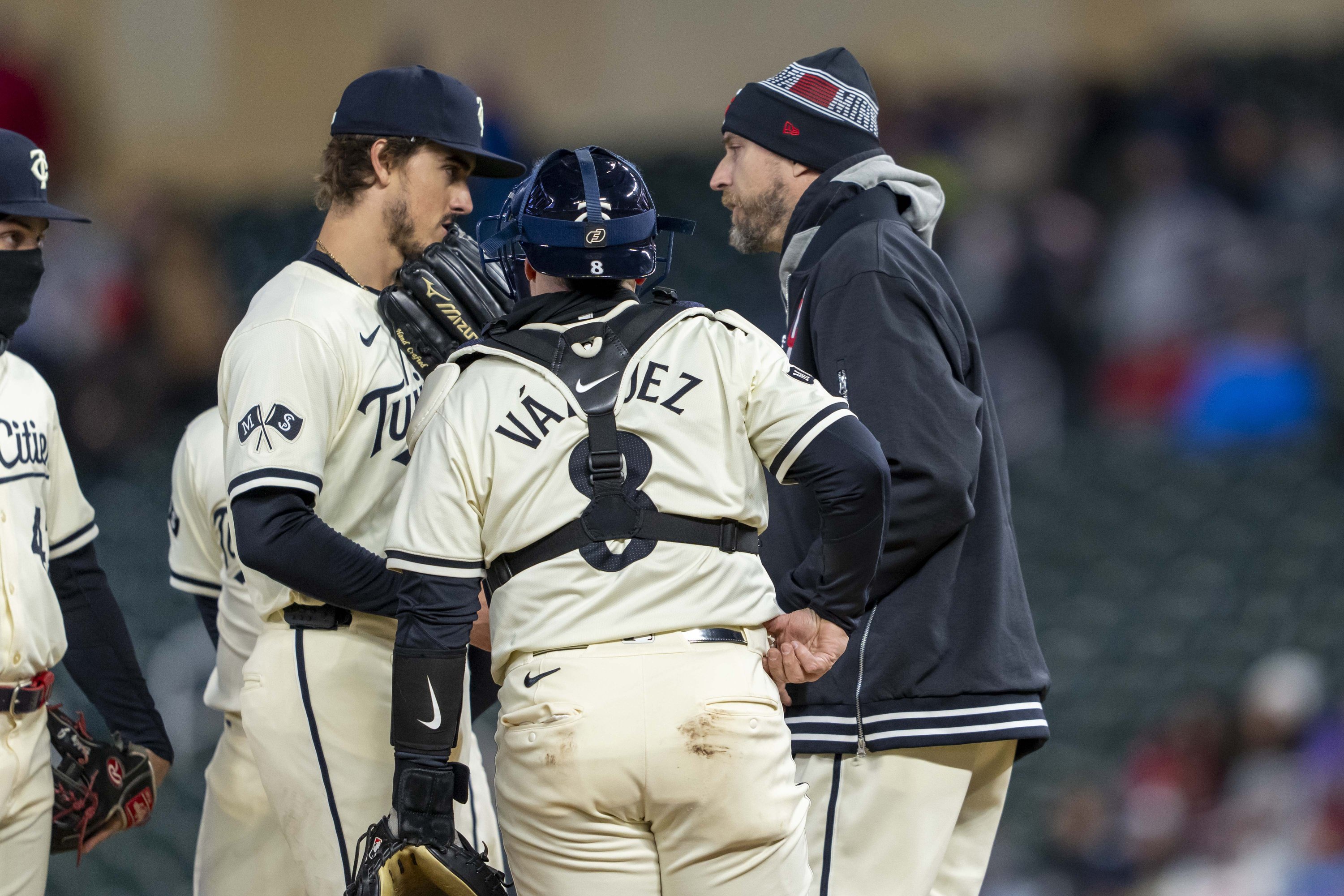 Box Score Joe Ryan: 5 ⅓ IP, 7 H, 4 ER, 1 BB, 6 K Home Run(s): Trevor Larnach (1) Bottom 3 WPA: Caleb Thielbar (-.327), Joe Ryan (-.228), Kyle Farmer (-.104) Win Probability Chart (via FanGraphs) No introduction to this game could have matched the stadium’s mood more than the opening frames; a cold, miserable late-April aura fueled the frigid team’s early performance, perhaps a little too on the nose. Joe Ryan allowed a sharp double to Kerry Carpenter. He scored when Edouard Julien’s short hop skidded strangely on the wet grass. Christian Vázquez stood at home masquerading as a particularly embarrassed matador. 1-0 Detroit. But, fortune changed quickly. The Twins did have someone looking after them, after all. Jack Flaherty inexplicably offered a token of friendship in the form of a low 0-2 fastball—an attempt to “sneak cheese past a rat,” as Justin Morneau interpreted it. The ball landed 415 feet away. Minnesota now had the lead. Because the 2024 Twins play a strange, cursed form of baseball, with higher beings frowning on them like a disapproving father, the game had no choice but to turn bizarre. A strike soon turned into a ball. The unearned runner—as anyone and everyone predicted—scored when Wenceel Perez flared a single to left. Once more, Carpenter held up and was rewarded when his check swing bled beyond Willi Castro’s grasp. The two hits were 68.7 and 68.1 MPH, respectively. That’s even too slow for the right lane. Not long after this point, Detroit plated a fourth run when Carpenter did himself one better and plopped one into left field at 57.6 MPH after Perez tripled. Ryan was left wondering what sins he committed to invoke such a wrath. Finally, the great luck spotlight moved its focus: Ryan Jeffers reached on an error from Perez, setting the stage for Byron Buxton to uppercut a slider into left, just tricky enough to avoid a glove. He scored two but lingered too long at home plate to reach further than 2nd base. That was the best of it; Caleb Thielbar surrendered a run in the top of the 9th, and the Twins couldn't respond fast enough, dropping the game after some mild late-inning excitement fell by the wayside. The loss pushed Minnesota to 6-12, fourth place in the division, with only the lifeless White Sox sitting behind them. Notes: Joe Ryan is five strikeouts away from passing Juan Rincon for 34th place on the all-time Twins strikeouts leaderboard. Caleb Thielbar is five outings away from passing Tyler Duffey for 18th place on the all-time Twins appearances pitching leaderboard. Minnesota's pitching staff has struck out 181 batters, 6th most among MLB teams. Kody Funderburk lowered his career ERA to 0.92. Post-Game Interview: What’s Next? The Twins and Tigers will play on Saturday, with first pitch coming at 1:10 PM. Bailey Ober will start opposite Detroit’s Reese Olson. Bullpen Usage Spreadsheet
- 75 comments
-
- 1
-
-
- byron buxton
- joe ryan
- (and 3 more)
-
That was almost fun. Image courtesy of © Jesse Johnson-USA TODAY Sports Box Score Joe Ryan: 5 ⅓ IP, 7 H, 4 ER, 1 BB, 6 K Home Run(s): Trevor Larnach (1) Bottom 3 WPA: Caleb Thielbar (-.327), Joe Ryan (-.228), Kyle Farmer (-.104) Win Probability Chart (via FanGraphs) No introduction to this game could have matched the stadium’s mood more than the opening frames; a cold, miserable late-April aura fueled the frigid team’s early performance, perhaps a little too on the nose. Joe Ryan allowed a sharp double to Kerry Carpenter. He scored when Edouard Julien’s short hop skidded strangely on the wet grass. Christian Vázquez stood at home masquerading as a particularly embarrassed matador. 1-0 Detroit. But, fortune changed quickly. The Twins did have someone looking after them, after all. Jack Flaherty inexplicably offered a token of friendship in the form of a low 0-2 fastball—an attempt to “sneak cheese past a rat,” as Justin Morneau interpreted it. The ball landed 415 feet away. Minnesota now had the lead. Because the 2024 Twins play a strange, cursed form of baseball, with higher beings frowning on them like a disapproving father, the game had no choice but to turn bizarre. A strike soon turned into a ball. The unearned runner—as anyone and everyone predicted—scored when Wenceel Perez flared a single to left. Once more, Carpenter held up and was rewarded when his check swing bled beyond Willi Castro’s grasp. The two hits were 68.7 and 68.1 MPH, respectively. That’s even too slow for the right lane. Not long after this point, Detroit plated a fourth run when Carpenter did himself one better and plopped one into left field at 57.6 MPH after Perez tripled. Ryan was left wondering what sins he committed to invoke such a wrath. Finally, the great luck spotlight moved its focus: Ryan Jeffers reached on an error from Perez, setting the stage for Byron Buxton to uppercut a slider into left, just tricky enough to avoid a glove. He scored two but lingered too long at home plate to reach further than 2nd base. That was the best of it; Caleb Thielbar surrendered a run in the top of the 9th, and the Twins couldn't respond fast enough, dropping the game after some mild late-inning excitement fell by the wayside. The loss pushed Minnesota to 6-12, fourth place in the division, with only the lifeless White Sox sitting behind them. Notes: Joe Ryan is five strikeouts away from passing Juan Rincon for 34th place on the all-time Twins strikeouts leaderboard. Caleb Thielbar is five outings away from passing Tyler Duffey for 18th place on the all-time Twins appearances pitching leaderboard. Minnesota's pitching staff has struck out 181 batters, 6th most among MLB teams. Kody Funderburk lowered his career ERA to 0.92. Post-Game Interview: What’s Next? The Twins and Tigers will play on Saturday, with first pitch coming at 1:10 PM. Bailey Ober will start opposite Detroit’s Reese Olson. Bullpen Usage Spreadsheet View full article
- 75 replies
-
- 2
-
-
- byron buxton
- joe ryan
- (and 3 more)
-
Minor League Report (4/14): St. Paul's Bats Come Alive
Matt Braun replied to Matt Braun's topic in Twins Minor League Talk
Just a bad pitching staff in general. A 6.84 ERA, a 1.80 WHIP, and just 54 strikeouts to 48 walks. Woof.- 13 replies
-
- 1
-
-
- diego a castillo
- juan mercedes
- (and 3 more)
-
Someone, please send a good luck charm to Wichita. Image courtesy of Seth Stohs, Twins Daily (photo of Yunior Severino) TRANSACTIONS LHP Caleb Thielbar completes rehab, rejoins Twins RHP Simeon Woods Richardson optioned to AAA St. Paul RHP Jorge Alcalá optioned to AAA St. Paul Saints Sentinel St. Paul 13, Iowa 11 Box Score SP: Caleb Boushley: 4 ⅔ IP, 6 H, 3 ER, 2 BB, 6 K HR: Diego A. Castillo (2), Yunior Severino (2), Chris Williams (1) Multi-hit games: Diego A. Castillo (4-for-5, HR, 3 R, 2 RBI), Yunior Severino (2-for-5, HR, 2B, 2 R, 5 RBI), Chris Williams (3-for-5, HR, 2B, 2 R, 2 RBI), Tanner Morris (3-for-5, 2B, R), Yoyner Fajardo (2-for-4, 2 R, 2 RBI) One did not have to search for runs in this game. The Saints kicked off the havoc with their very first batter; Diego A. Castillo launched a solo homer to lead off the game, starting a streak where at least one run was scored in every inning, no exceptions. The mayhem peaked in the 3rd for St. Paul, when a three-run homer from Yunior Severino and a two-hit inning from Castillo marked a six-run bludgeoning of the Cubs' pitching staff. That was a step too far. Iowa decided to answer back. They clawed through the middle and late innings, scoring in four straight frames to turn what was once a laugher into a legitimate competition. Jordan Balazovic and Hobie Harris caught the worst of it; both pitchers exited the game with a season ERA of 8.10 following their outings. Ronny Henriquez finally established some version of order, giving up just a solo homer in his two innings of work. Iowa's Patrick Wisdom collected two hits and walked twice while on his rehab assignment. Right fielder Owen Cassie is the Cubs' 3rd-best prospect. He went 0-6 with two RBIs. WIND SURGE WISDOM Wichita 7, Springfield 8 Box Score SP: A.J. Alexy: 3 ⅔ IP, 1 H, 1 ER, 6 BB, 2 K HR: Carson McCusker (1), Jeferson Morales (1) Multi-hit games: None The Wind Surge collapsed late on Sunday. It once looked promising. Wichita held a 7-2 advantage going into the game’s third act—a lead even the most anxious manager could feel safe with. Their bats had been patient and potent; a pair of runs in the 2nd begat a Jeferson Morales grand slam in the 4th, as walks clogged the bases, and critical hits emptied them. The runs were needed because A.J. Alexy was not sharp. His six walks pushed his season total to an unthinkable 12 over just seven innings of work. That wildness was effective, though, and Springfield could only muster one hit against him. You can't hit what isn't in the zone. The Cardinals finally attacked in the 8th, piling onto Jared Solomon with a barrage of hits, capped by a go-ahead three-run homer off the bat of Matt Lloyd. Wichita couldn’t answer, dropping their record to an abysmal 1-8 to start the year. Former Twins farmhand Ryan Shreve tossed a pair of scoreless innings for the Cardinals. Springfield’s starter, Edwin Nuñez, was the best prospect on the Cardinals on Sunday. He pitched 2 ⅔ innings and allowed two earned runs. KERNELS NUGGETS Cedar Rapids 4, Dayton 2 Box Score SP: C.J. Culpepper: 4 IP, 2 H, 1 ER, 1 BB, 3 K HR: Luke Keaschall (2), Jay Harry (2) Multi-hit games: Luke Keaschall (2-for-3, HR, R, RBI, BB) Despite totaling just four hits, the Kernels won on Saturday. It helps when two of those are homers; Luke Keaschall blasted his second homer of the year with a 1st-inning shot, and Jay Harry cracked a go-ahead three-run bomb in the 7th. Keaschall’s season OPS is now 1.015. He also swiped his fifth base of the season. C.J. Culpepper was his usual, reliable self, allowing a quick run in the 1st before settling down for four solid frames. He struck out three and walked one over 52 pitches. Juan Mercedes, pitching in relief, was maybe even better: he earned eight outs to usher the game through the middle innings, and the only run scored on his watch came on brutal defense ahead and behind him. Ricardo Olivar airmailed the throw on a steal. Willie Joe Garry Jr. overran the ball. The runner—perhaps confused as to why his path home was uncontested—scored easily. Mercedes shook off the defensive lapse, and Jordan Carr danced around command issues to end the game with a Kernels victory. Cam Collier, once desired by the Twins in the 2022 draft, was the best prospect on the field for Dayton on Sunday. He singled once in four at-bats and knocked in a run. MUSSEL MATTERS Fort Myers 3, Clearwater 5 Box Score Paulshawn Pasqualotto: 4 IP, 4 H, 2 ER, 0 BB, 6 K HR: None Multi-hit games: None The Mighty Mussels stumbled on Saturday. It was all TJayy Walton’s fault. Clearwater’s left fielder cracked a double and a homer on his way towards five RBIs—every run the Threshers scored on Saturday. Maybe they should have just walked him. His terror partially soiled Paulshawn Pasqualotto’s first professional start. The 2023 12th-round pick dominated in his outing last Sunday, perhaps inspiring the Mighty Mussels to push him into the rotation. He topped out at 94.6 MPH and punched out six batters over four innings of work. All of Fort Myers’ offense came during a hectic 3rd inning: Threshers’ pitcher Mavis Graves quickly struck out two batters before melting down and allowing a walk, three hits, a balk, a wild pitch, and one final walk to end his game. Rehabbing big leaguer Trevor Larnach went 0-4 with three flyouts and a groundout. Recent promotee Gregory Duran hit a ball 107.5 MPH, the hardest hit ball of the game for either team. The aforementioned Walton is the Threshers’ highest-ranked prospect; he is ranked 18th on MLB Pipeline’s list of Phillies prospects. TWINS DAILY PLAYERS OF THE DAY Twins Daily Minor League Pitcher of the Day – C.J. Culpepper Twins Daily Minor League Hitter of the Day – Diego A. Castillo PROSPECT SUMMARY Here’s a look at how the Twins Daily Top 20 Twins Prospects performed: #4 - Gabriel Gonzalez (Cedar Rapids) - 0-4 #7 - Austin Martin (Minnesota) - 1-4, K #12 - Luke Keaschall (Cedar Rapids) - 2-3, HR, R, RBI, BB #13 - Kala’i Rosario (Wichita) - 0-4, BB, K #14 - C.J. Culpepper (Cedar Rapids) - 4 IP, 2 H, 1 ER, 1 BB, 3 K #16 - Yunior Severino (St. Paul) - 2-for-5, HR, 2B, 2 R, 5 RBI #19 - Ricardo Olivar (Cedar Rapids) - 1-3, 2B, R, K TUESDAY’S PROBABLE STARTERS St. Paul @ Indianapolis (5:05 PM) - RHP Randy Dobnak Tulsa @ Wichita (7:05 PM) - TBD Cedar Rapids @ Wisconsin (6:45 PM) - TBD Jupiter @ Fort Myers (6:05 PM) - RHP Ty Langenberg View full article
- 13 replies
-
- 1
-
-
- diego a castillo
- juan mercedes
- (and 3 more)
-
Minor League Report (4/14): St. Paul's Bats Come Alive
Matt Braun posted an article in Minor Leagues
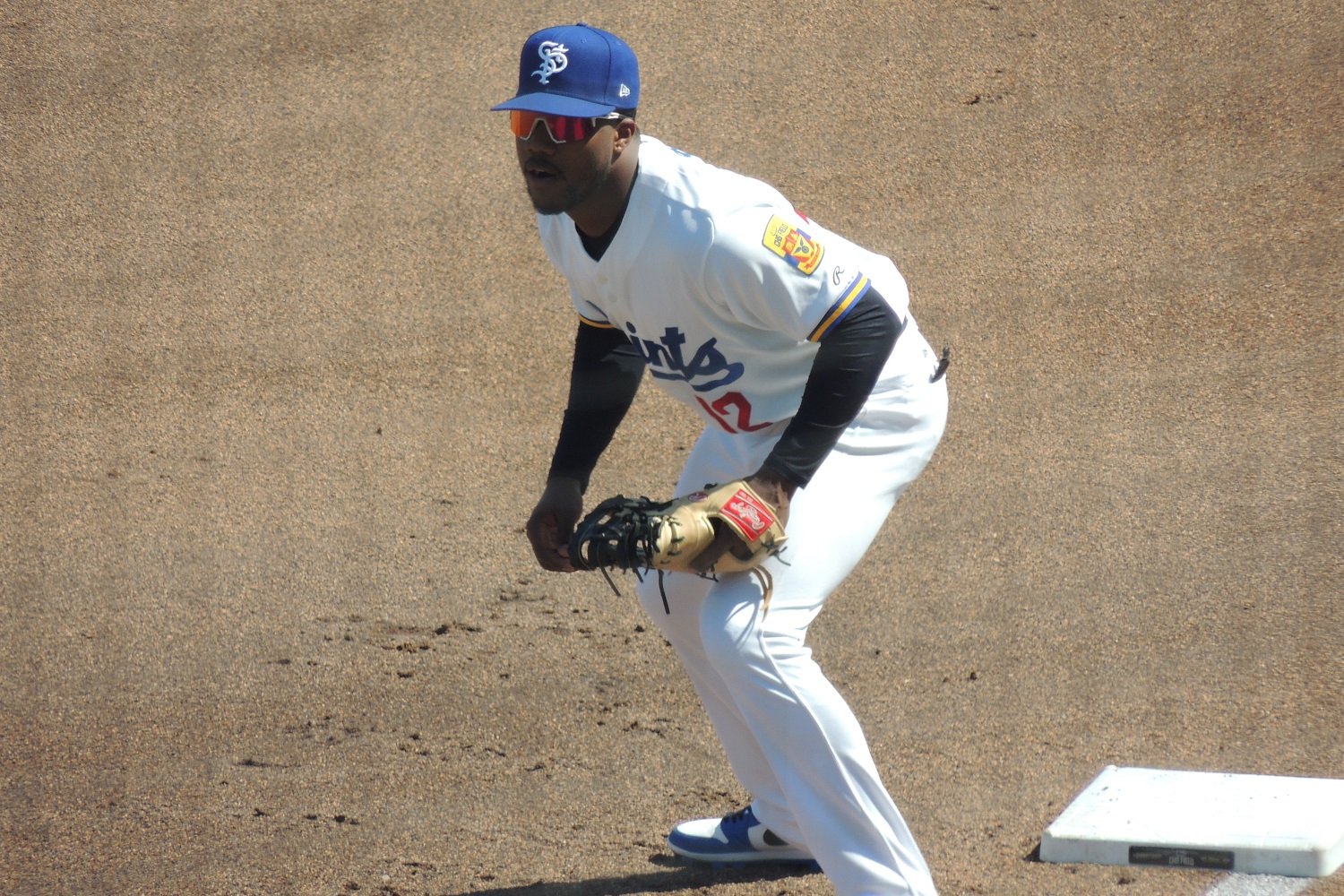 TRANSACTIONS LHP Caleb Thielbar completes rehab, rejoins Twins RHP Simeon Woods Richardson optioned to AAA St. Paul RHP Jorge Alcalá optioned to AAA St. Paul Saints Sentinel St. Paul 13, Iowa 11 Box Score SP: Caleb Boushley: 4 ⅔ IP, 6 H, 3 ER, 2 BB, 6 K HR: Diego A. Castillo (2), Yunior Severino (2), Chris Williams (1) Multi-hit games: Diego A. Castillo (4-for-5, HR, 3 R, 2 RBI), Yunior Severino (2-for-5, HR, 2B, 2 R, 5 RBI), Chris Williams (3-for-5, HR, 2B, 2 R, 2 RBI), Tanner Morris (3-for-5, 2B, R), Yoyner Fajardo (2-for-4, 2 R, 2 RBI) One did not have to search for runs in this game. The Saints kicked off the havoc with their very first batter; Diego A. Castillo launched a solo homer to lead off the game, starting a streak where at least one run was scored in every inning, no exceptions. The mayhem peaked in the 3rd for St. Paul, when a three-run homer from Yunior Severino and a two-hit inning from Castillo marked a six-run bludgeoning of the Cubs' pitching staff. That was a step too far. Iowa decided to answer back. They clawed through the middle and late innings, scoring in four straight frames to turn what was once a laugher into a legitimate competition. Jordan Balazovic and Hobie Harris caught the worst of it; both pitchers exited the game with a season ERA of 8.10 following their outings. Ronny Henriquez finally established some version of order, giving up just a solo homer in his two innings of work. Iowa's Patrick Wisdom collected two hits and walked twice while on his rehab assignment. Right fielder Owen Cassie is the Cubs' 3rd-best prospect. He went 0-6 with two RBIs. WIND SURGE WISDOM Wichita 7, Springfield 8 Box Score SP: A.J. Alexy: 3 ⅔ IP, 1 H, 1 ER, 6 BB, 2 K HR: Carson McCusker (1), Jeferson Morales (1) Multi-hit games: None The Wind Surge collapsed late on Sunday. It once looked promising. Wichita held a 7-2 advantage going into the game’s third act—a lead even the most anxious manager could feel safe with. Their bats had been patient and potent; a pair of runs in the 2nd begat a Jeferson Morales grand slam in the 4th, as walks clogged the bases, and critical hits emptied them. The runs were needed because A.J. Alexy was not sharp. His six walks pushed his season total to an unthinkable 12 over just seven innings of work. That wildness was effective, though, and Springfield could only muster one hit against him. You can't hit what isn't in the zone. The Cardinals finally attacked in the 8th, piling onto Jared Solomon with a barrage of hits, capped by a go-ahead three-run homer off the bat of Matt Lloyd. Wichita couldn’t answer, dropping their record to an abysmal 1-8 to start the year. Former Twins farmhand Ryan Shreve tossed a pair of scoreless innings for the Cardinals. Springfield’s starter, Edwin Nuñez, was the best prospect on the Cardinals on Sunday. He pitched 2 ⅔ innings and allowed two earned runs. KERNELS NUGGETS Cedar Rapids 4, Dayton 2 Box Score SP: C.J. Culpepper: 4 IP, 2 H, 1 ER, 1 BB, 3 K HR: Luke Keaschall (2), Jay Harry (2) Multi-hit games: Luke Keaschall (2-for-3, HR, R, RBI, BB) Despite totaling just four hits, the Kernels won on Saturday. It helps when two of those are homers; Luke Keaschall blasted his second homer of the year with a 1st-inning shot, and Jay Harry cracked a go-ahead three-run bomb in the 7th. Keaschall’s season OPS is now 1.015. He also swiped his fifth base of the season. C.J. Culpepper was his usual, reliable self, allowing a quick run in the 1st before settling down for four solid frames. He struck out three and walked one over 52 pitches. Juan Mercedes, pitching in relief, was maybe even better: he earned eight outs to usher the game through the middle innings, and the only run scored on his watch came on brutal defense ahead and behind him. Ricardo Olivar airmailed the throw on a steal. Willie Joe Garry Jr. overran the ball. The runner—perhaps confused as to why his path home was uncontested—scored easily. Mercedes shook off the defensive lapse, and Jordan Carr danced around command issues to end the game with a Kernels victory. Cam Collier, once desired by the Twins in the 2022 draft, was the best prospect on the field for Dayton on Sunday. He singled once in four at-bats and knocked in a run. MUSSEL MATTERS Fort Myers 3, Clearwater 5 Box Score Paulshawn Pasqualotto: 4 IP, 4 H, 2 ER, 0 BB, 6 K HR: None Multi-hit games: None The Mighty Mussels stumbled on Saturday. It was all TJayy Walton’s fault. Clearwater’s left fielder cracked a double and a homer on his way towards five RBIs—every run the Threshers scored on Saturday. Maybe they should have just walked him. His terror partially soiled Paulshawn Pasqualotto’s first professional start. The 2023 12th-round pick dominated in his outing last Sunday, perhaps inspiring the Mighty Mussels to push him into the rotation. He topped out at 94.6 MPH and punched out six batters over four innings of work. All of Fort Myers’ offense came during a hectic 3rd inning: Threshers’ pitcher Mavis Graves quickly struck out two batters before melting down and allowing a walk, three hits, a balk, a wild pitch, and one final walk to end his game. Rehabbing big leaguer Trevor Larnach went 0-4 with three flyouts and a groundout. Recent promotee Gregory Duran hit a ball 107.5 MPH, the hardest hit ball of the game for either team. The aforementioned Walton is the Threshers’ highest-ranked prospect; he is ranked 18th on MLB Pipeline’s list of Phillies prospects. TWINS DAILY PLAYERS OF THE DAY Twins Daily Minor League Pitcher of the Day – C.J. Culpepper Twins Daily Minor League Hitter of the Day – Diego A. Castillo PROSPECT SUMMARY Here’s a look at how the Twins Daily Top 20 Twins Prospects performed: #4 - Gabriel Gonzalez (Cedar Rapids) - 0-4 #7 - Austin Martin (Minnesota) - 1-4, K #12 - Luke Keaschall (Cedar Rapids) - 2-3, HR, R, RBI, BB #13 - Kala’i Rosario (Wichita) - 0-4, BB, K #14 - C.J. Culpepper (Cedar Rapids) - 4 IP, 2 H, 1 ER, 1 BB, 3 K #16 - Yunior Severino (St. Paul) - 2-for-5, HR, 2B, 2 R, 5 RBI #19 - Ricardo Olivar (Cedar Rapids) - 1-3, 2B, R, K TUESDAY’S PROBABLE STARTERS St. Paul @ Indianapolis (5:05 PM) - RHP Randy Dobnak Tulsa @ Wichita (7:05 PM) - TBD Cedar Rapids @ Wisconsin (6:45 PM) - TBD Jupiter @ Fort Myers (6:05 PM) - RHP Ty Langenberg
- 13 comments
-
- 4
-
-
- diego a castillo
- juan mercedes
- (and 3 more)
-
I know that someone has to take the loss, but, man, Griffin Jax being that person just doesn't sit right. Also, there's no way that should have been a hit.
- 42 replies
-
- 6
-
-
- baiiley ober
- ryan jeffers
- (and 3 more)
-
Twins 2, Tigers 8: Sloppy and Lethargic in Detroit
Matt Braun replied to Matt Braun's topic in Twins Daily Front Page News
Yes. The winning team must be up by 10 or more in the 9th, and the losing team must be down by at least eight runs but can use a position player in any inning once that target is met.- 49 replies
-
- 1
-
-
- pablo lopez
- carlos correa
- (and 3 more)
.png.1b2e62ff082ce2cf79716872f69ec731.png)
