


Twins Video
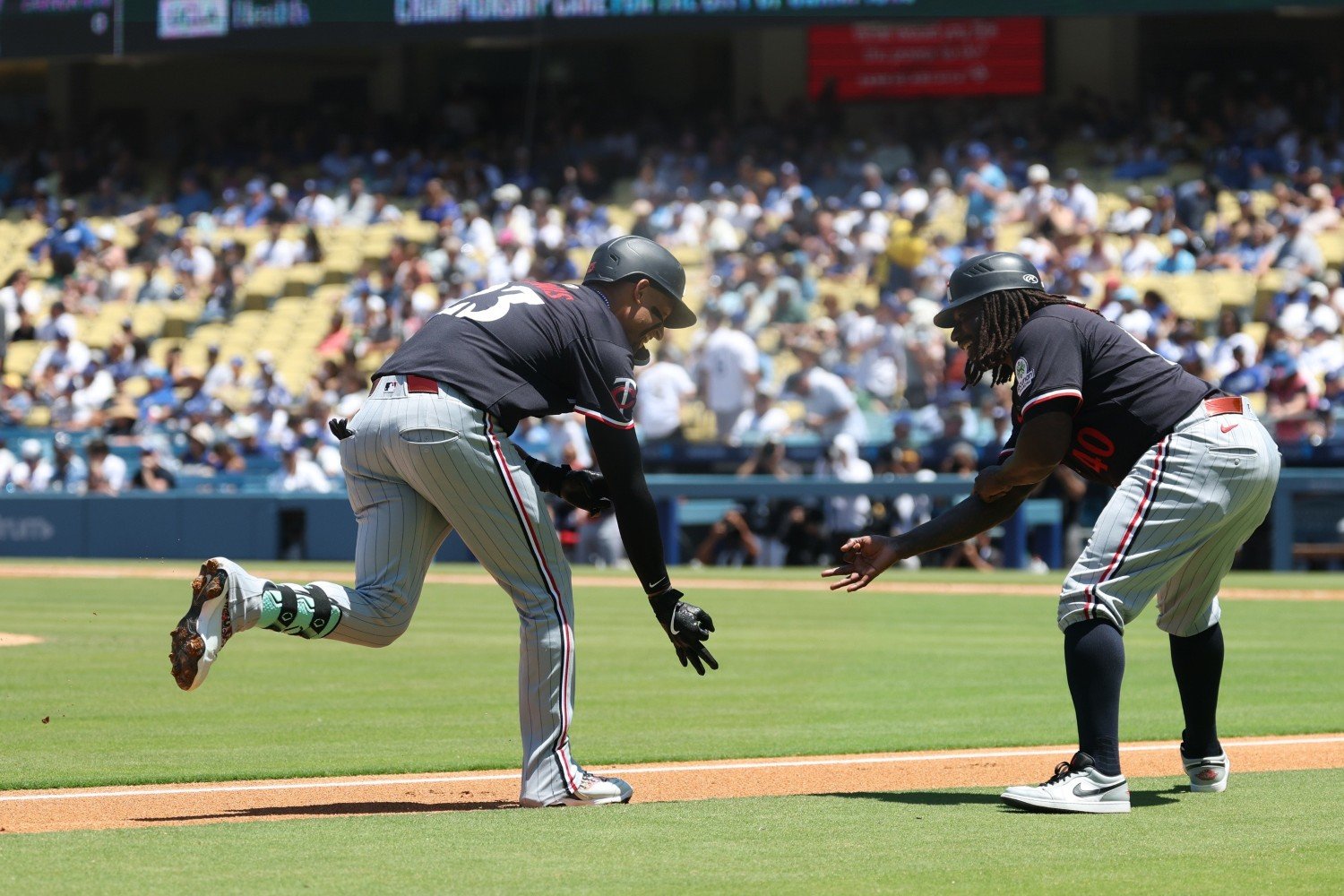
Royce Lewis has been a hot topic this year because of his shaky performance with the bat, but now it appears he’s heating up. With a ridiculous shift in the quality of his at-bats, it’s normal to ask what changed. What if I told you nothing changed—or at least that whatever changes there have been are not the reasons for his resurgence?
When things go bad for a hitter, everyone wants to blame the swing. When it comes to hitting at a high level, though, I talk a lot about pitch selection, rhythm, timing, and confidence. It’s an uncomfortable reality for a lot of players, but a hitter's swing sometimes stays largely the same their whole career. We see a lot of adjustments to setup and load mechanisms, but once a hitter's front foot gets on the ground, the hitter's swing generally stays very recognizable.
One great example from my lifetime is Cody Bellinger. He played in the Little League World Series, and you could see him swing at 12 years old and you’d know exactly who it is. His tenure as a big leaguer has had huge swings in level of performance. His swing, however, remains immediately recognizable, and it bears a striking resemblance to the one you saw if you watched him at age 12.
The last few days, we're seeing a ‘different’ Royce Lewis. When I say ‘different,’ though, it doesn’t take someone with a Ph.D. in baseball to recognize that he looks much better. His legs are underneath him more; he has changed his setup. He's more open in his stance and starting more upright, less spread-out, even compared to last month, so that's something—but more than anything, he is in rhythm and on time at the plate. Lewis’s swing was never the main issue.

Lewis was quoted after hitting the two homers in Colorado, to that effect.
“Nothing felt different at all,” he said after that outburst, which he's followed up with more hard hitting this week in Los Angeles.
It is irresponsible of a player not to work on their swing and fine-tune things, but the higher the level of play, the more minuscule the swing changes become. The three biggest things for a hitter are things that rarely get addressed or emphasized in training. As a coach, it’s the first three things I ask players when they say, “What’s wrong with my swing?” after an at-bat. I immediately ask, “Did you see the ball well? Did you swing at a strike? And were you on time?”
The abundant talent that made Lewis a first-round pick didn’t evaporate because of a pulled hamstring. There was a clear loss of timing, pitch selection, and some confidence. Once he had the all-clear to play, there was some clear hesitancy to push anything with the hamstring. This becomes a very delicate situation for a player and personnel. Lewis needed the at-bats to get going and to be himself, but he didn’t have confidence in the hamstring.
I had my fair share of hamstring issues, too, and running sprints in a controlled environment is way different than smelling a knock after nubbing one between the pitcher and the first baseman. So, everyone is left in the uncomfortable position of needing a guy to be healthy, but also needing to stay sharp with in-game at-bats. These decisions can’t be made with a one-size-fits-all solution, and once the decision is made, second-guessing doesn't help anyone.
Lewis has overcome many unfortunate injuries, but he stole a base in game one against L.A. and has hit a lot of balls hard lately, including blasting another homer Wednesday. He looks healthy. He looks great at the plate, with his usual great swing. He is on time, in rhythm, and confident in his body. He has put himself in a position to feel like a huge trade deadline acquisition for this Twins ball club—and it came, not with a mechanical change, but by finding the clarity and confidence that has unlocked his skills again.
Do you approve of Twins ownership?

Follow Twins Daily For Minnesota Twins News & Analysis



- Doctor Gast, arby58, Cory Engelhardt and 5 others
-
 6
6
-
 2
2



Recommended Comments
Create an account or sign in to comment
You need to be a member in order to leave a comment
Create an account
Sign up for a new account in our community. It's easy!
Register a new accountSign in
Already have an account? Sign in here.
Sign In Now