



Alex Boxwell
-
Posts
131 -
Joined
-
Last visited
-
Days Won
1
2 Followers


Recent Profile Visitors
13,300 profile views




Alex Boxwell's Achievements






-
 LewFordLives reacted to an article:
December's Baseball Card Market Update
LewFordLives reacted to an article:
December's Baseball Card Market Update
-
Image courtesy of Alex Boxwell “The monthly card update is never late, nor is it early. It arrives precisely when it means to.” When it comes to overall card market health, I have fielded a lot of questions on if I think there is a bubble in this marketplace. Unfortunately, I don’t have a very “clicks-friendly” answer. Is there a bubble? Yes and no. In the new products from roughly 2015 and on, there are just too many cards. Even your numbered cards have different variations. Let's say you pull a 2025 Topps Chrome true red parallel, numbered /5, Royce Lewis. Fun pull, but there’s also an /5 sapphire, /5 logofractor, /5 ray wave, /5 red wave, and more! As you can see, you think you have this extremely rare card, but it has a long list of cousins. For these modern cards to do really well over time, you need the card to grade a 10 and it needs to be a very popular player. Otherwise, I think this modern market is certainly a bubble waiting to burst. The card market isn’t all doom and gloom. Like I mentioned above, it’s knowing the right cards and the right players to target. There has been a junk wax era in the past, and we are on the verge of that again (if not already there with the print runs on some of these rookie cards). The early 2000s is the market I am targeting and feels like it’s not as widely collected. Print runs are lower and there are some elite names and “local legends” that I love. The two big ones are Albert Pujols and Ichiro. Both are universally loved and will be remembered by baseball historians until the end of time. The other target for me is local fanbase heroes that were great players but maybe came up short of immortal careers. This could include players like Kris Bryant, Bernie Williams, Torii Hunter, and many others who will likely be short of The Hall. Without hesitation, these people will have a large collection of people who say, “That is my favorite player of all time”. Remember, target rookie cards, on card autographs (not sticker autos), low serial numbered cards before 2020, and cards that have a chance to grade gem mint. Overall, baseball cards are becoming more of an institution in the average household and cards are more visible and more widely accepted than ever before. Before the pandemic card boom, this was far more of a hide in your basement and don’t tell anyone type of activity. Now when you hop on Instagram, there are card accounts all over. You can even be at a party and there’s a good chance if you bring up “cards”, you’ll see someone's eyes light up. Cards aren’t going anywhere, but being able to know what is trash and what is treasure is a huge deal for someone’s enjoyment of the hobby. I always point folks to 130point.com to check on comparable sales and to get an idea of what others have decided certain cards are worth. 5 Twins players and their cards I am looking to add before the turn of the new year: Kaelen Culpepper (Bowman Chrome 1st’s autographs) Royce Lewis (‘22 Topps Chrome Rookie autographs *NON STICKER*, Bowman Chrome 1st’s) Byron Buxton (1/1’s and ‘15 Topps Chrome Rookie autographs) Joe Mauer (‘02 Bowman Chrome autograph, numbered cards and SPs from playing years) Torii Hunter (numbered cards from 2015 and earlier and autographs) View full article
-
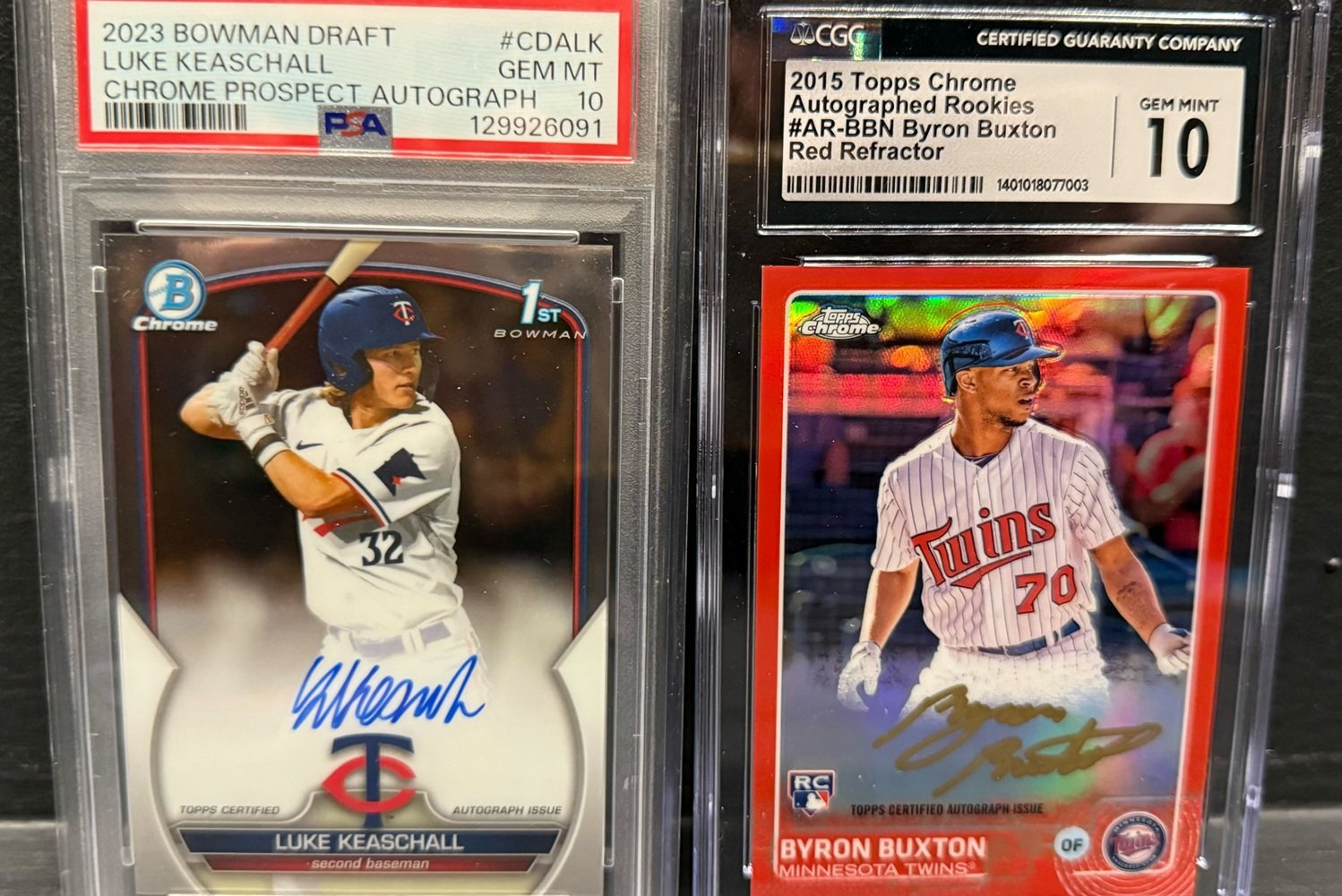 “The monthly card update is never late, nor is it early. It arrives precisely when it means to.” When it comes to overall card market health, I have fielded a lot of questions on if I think there is a bubble in this marketplace. Unfortunately, I don’t have a very “clicks-friendly” answer. Is there a bubble? Yes and no. In the new products from roughly 2015 and on, there are just too many cards. Even your numbered cards have different variations. Let's say you pull a 2025 Topps Chrome true red parallel, numbered /5, Royce Lewis. Fun pull, but there’s also an /5 sapphire, /5 logofractor, /5 ray wave, /5 red wave, and more! As you can see, you think you have this extremely rare card, but it has a long list of cousins. For these modern cards to do really well over time, you need the card to grade a 10 and it needs to be a very popular player. Otherwise, I think this modern market is certainly a bubble waiting to burst. The card market isn’t all doom and gloom. Like I mentioned above, it’s knowing the right cards and the right players to target. There has been a junk wax era in the past, and we are on the verge of that again (if not already there with the print runs on some of these rookie cards). The early 2000s is the market I am targeting and feels like it’s not as widely collected. Print runs are lower and there are some elite names and “local legends” that I love. The two big ones are Albert Pujols and Ichiro. Both are universally loved and will be remembered by baseball historians until the end of time. The other target for me is local fanbase heroes that were great players but maybe came up short of immortal careers. This could include players like Kris Bryant, Bernie Williams, Torii Hunter, and many others who will likely be short of The Hall. Without hesitation, these people will have a large collection of people who say, “That is my favorite player of all time”. Remember, target rookie cards, on card autographs (not sticker autos), low serial numbered cards before 2020, and cards that have a chance to grade gem mint. Overall, baseball cards are becoming more of an institution in the average household and cards are more visible and more widely accepted than ever before. Before the pandemic card boom, this was far more of a hide in your basement and don’t tell anyone type of activity. Now when you hop on Instagram, there are card accounts all over. You can even be at a party and there’s a good chance if you bring up “cards”, you’ll see someone's eyes light up. Cards aren’t going anywhere, but being able to know what is trash and what is treasure is a huge deal for someone’s enjoyment of the hobby. I always point folks to 130point.com to check on comparable sales and to get an idea of what others have decided certain cards are worth. 5 Twins players and their cards I am looking to add before the turn of the new year: Kaelen Culpepper (Bowman Chrome 1st’s autographs) Royce Lewis (‘22 Topps Chrome Rookie autographs *NON STICKER*, Bowman Chrome 1st’s) Byron Buxton (1/1’s and ‘15 Topps Chrome Rookie autographs) Joe Mauer (‘02 Bowman Chrome autograph, numbered cards and SPs from playing years) Torii Hunter (numbered cards from 2015 and earlier and autographs)
- 3 comments
-
- 1
-
-
- kaelen culpepper
- byron buxton
- (and 3 more)
-
nclahammer reacted to an article:
What Should the Twins Do About the Middle Infield?
-
tarheeltwinsfan reacted to an article:
What Should the Twins Do About the Middle Infield?
-
arby58 reacted to an article:
What Should the Twins Do About the Middle Infield?
-
Hrbeks Divot reacted to an article:
What Should the Twins Do About the Middle Infield?
-
thelanges5 reacted to an article:
What Should the Twins Do About the Middle Infield?
-
Image courtesy of © Bruce Kluckhohn-Imagn Images Starting in early 2023, the Twins appeared to have the shortstop position figured out for the foreseeable future, with a Carlos Correa megadeal. Correa has since been shipped back to the Astros, though, and we now have a 189-game sample of Brooks Lee. According to Baseball Savant, last season, he was well below average in batting, baserunning and fielding. However, he did do two things well: squaring up the ball and avoiding strikeouts. In total, he tallied -0.8 bWAR last year. It was really, really bad, but there's a glimmer of hope. What’s the answer for a player like Lee, who needs to get better and is on a team that claims it would like to compete in 2026? He profiles substantially better at second base. With his poor arm strength and slow feet, he is far more palatable on the right side of the infield. He has good actions as a defender, but the reality of the majors is that if he’s going to be a soft-hitting shortstop, he needs to bring above-average defense to that spot. I just don’t see it. Swing him over to second base, and let him continue to develop the bat. He needs to be a high-contact switch-hitter, and a Swiss army knife when constructing a batting order. That introduces a new question: What should the team do with Luke Keaschall? I love his offensive makeup, but he was extremely clunky at second base. His arm was also a source of tsuris and agita. The Twins have been searching for another right-handed bat in the outfield every offseason for a few years now. Left field could be the long-term fit for Keaschall The organization should obviously continue to rehab his arm and have him on a strict throwing program, but with his athletic ability, a move to left could be great for him and the ball club. So, what about the Twins’ need for a shortstop? They have a great candidate to be a long-term solution, in Kaelen Culpepper. I love his swing, and I expect him to knock on the door of the big leagues in 2026. But again, we return to the fact that they want to compete in 2026. It’s not a real answer to say this guy who finished in Double A is going to hop onto the big club after spring training, and they’re rolling with the rookie. That is, it’s not a real answer if you’re trying to be a serious threat in 2026. Regardless of how well he hits in Fort Myers this March, we should expect to see Culpepper in St. Paul, where he will likely be hitting in front of Walker Jenkins for a month or two (talk about a fun Triple-A squad). Well, now what? I just moved Brooks Lee to second base, Keaschall to the outfield, and declared Culpepper to be unready for a club trying to be a contender. With some alleged spending money, the Twins can go to a tried-and-true method: the stopgap shortstop. It’s an extremely unsexy play, but it makes so much sense for the current state of the ball club. Pending his price tag, a guy like Ha-Seong Kim (coming off an injury =-plagued season, likely looking for a prove-it deal) would be a phenomenal fit. This gives us a good look at the infield, with Royce Lewis improving defensively and Kim always grading well at short. Lee will get one final chance to be the answer in the big leagues, and if so, the team will have a long-term home for Keaschall’s top-of-the-order bat and legs. If Culpepper rakes and he gets the call, bump Kim to second or keep Lee rolling, depending on who is playing better. This will allow the other to fall into the “day-off” infielder role, since they can each fill in at all the infield spots. The stopgap move is flat-out boring, but I think it would be a sneaky big move with the Twins' current personnel. This could also give Culpepper a smooth runway to the bigs letting him take the reins as the shortstop when he is ready. The move puts the roster in a very healthy spot to potentially move Trevor Larnach for a bullpen arm or a prospect, which seems increasingly likely as we get further into December. This course of action isn’t ESPN headline-worthy, but it’s a sensible move that could pay huge dividends in the short- and long-term outlook for the Twins. View full article
-
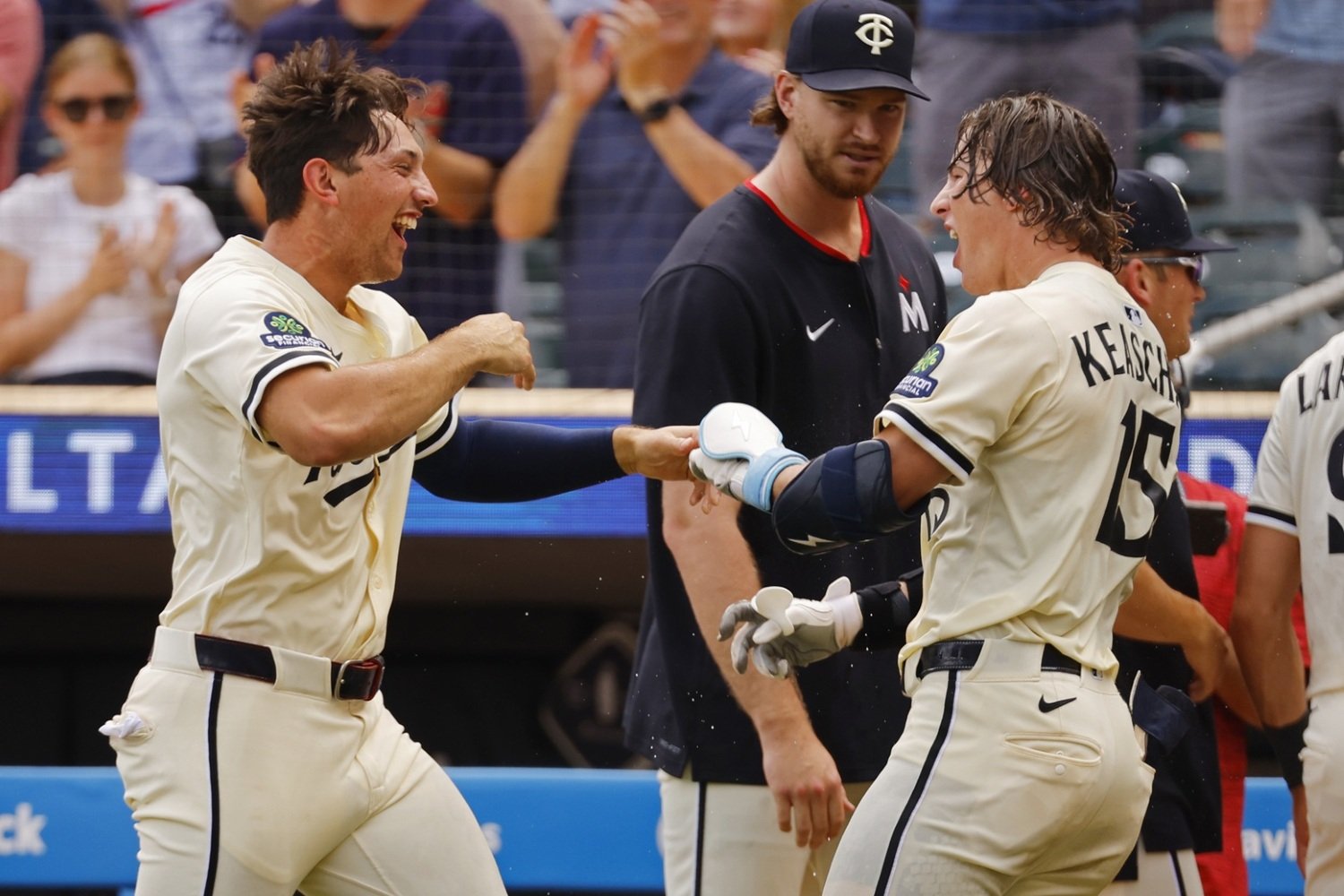 Starting in early 2023, the Twins appeared to have the shortstop position figured out for the foreseeable future, with a Carlos Correa megadeal. Correa has since been shipped back to the Astros, though, and we now have a 189-game sample of Brooks Lee. According to Baseball Savant, last season, he was well below average in batting, baserunning and fielding. However, he did do two things well: squaring up the ball and avoiding strikeouts. In total, he tallied -0.8 bWAR last year. It was really, really bad, but there's a glimmer of hope. What’s the answer for a player like Lee, who needs to get better and is on a team that claims it would like to compete in 2026? He profiles substantially better at second base. With his poor arm strength and slow feet, he is far more palatable on the right side of the infield. He has good actions as a defender, but the reality of the majors is that if he’s going to be a soft-hitting shortstop, he needs to bring above-average defense to that spot. I just don’t see it. Swing him over to second base, and let him continue to develop the bat. He needs to be a high-contact switch-hitter, and a Swiss army knife when constructing a batting order. That introduces a new question: What should the team do with Luke Keaschall? I love his offensive makeup, but he was extremely clunky at second base. His arm was also a source of tsuris and agita. The Twins have been searching for another right-handed bat in the outfield every offseason for a few years now. Left field could be the long-term fit for Keaschall The organization should obviously continue to rehab his arm and have him on a strict throwing program, but with his athletic ability, a move to left could be great for him and the ball club. So, what about the Twins’ need for a shortstop? They have a great candidate to be a long-term solution, in Kaelen Culpepper. I love his swing, and I expect him to knock on the door of the big leagues in 2026. But again, we return to the fact that they want to compete in 2026. It’s not a real answer to say this guy who finished in Double A is going to hop onto the big club after spring training, and they’re rolling with the rookie. That is, it’s not a real answer if you’re trying to be a serious threat in 2026. Regardless of how well he hits in Fort Myers this March, we should expect to see Culpepper in St. Paul, where he will likely be hitting in front of Walker Jenkins for a month or two (talk about a fun Triple-A squad). Well, now what? I just moved Brooks Lee to second base, Keaschall to the outfield, and declared Culpepper to be unready for a club trying to be a contender. With some alleged spending money, the Twins can go to a tried-and-true method: the stopgap shortstop. It’s an extremely unsexy play, but it makes so much sense for the current state of the ball club. Pending his price tag, a guy like Ha-Seong Kim (coming off an injury =-plagued season, likely looking for a prove-it deal) would be a phenomenal fit. This gives us a good look at the infield, with Royce Lewis improving defensively and Kim always grading well at short. Lee will get one final chance to be the answer in the big leagues, and if so, the team will have a long-term home for Keaschall’s top-of-the-order bat and legs. If Culpepper rakes and he gets the call, bump Kim to second or keep Lee rolling, depending on who is playing better. This will allow the other to fall into the “day-off” infielder role, since they can each fill in at all the infield spots. The stopgap move is flat-out boring, but I think it would be a sneaky big move with the Twins' current personnel. This could also give Culpepper a smooth runway to the bigs letting him take the reins as the shortstop when he is ready. The move puts the roster in a very healthy spot to potentially move Trevor Larnach for a bullpen arm or a prospect, which seems increasingly likely as we get further into December. This course of action isn’t ESPN headline-worthy, but it’s a sensible move that could pay huge dividends in the short- and long-term outlook for the Twins.
- 84 comments
-
- 5
-
-
- brooks lee
- ha seong kim
- (and 2 more)
-
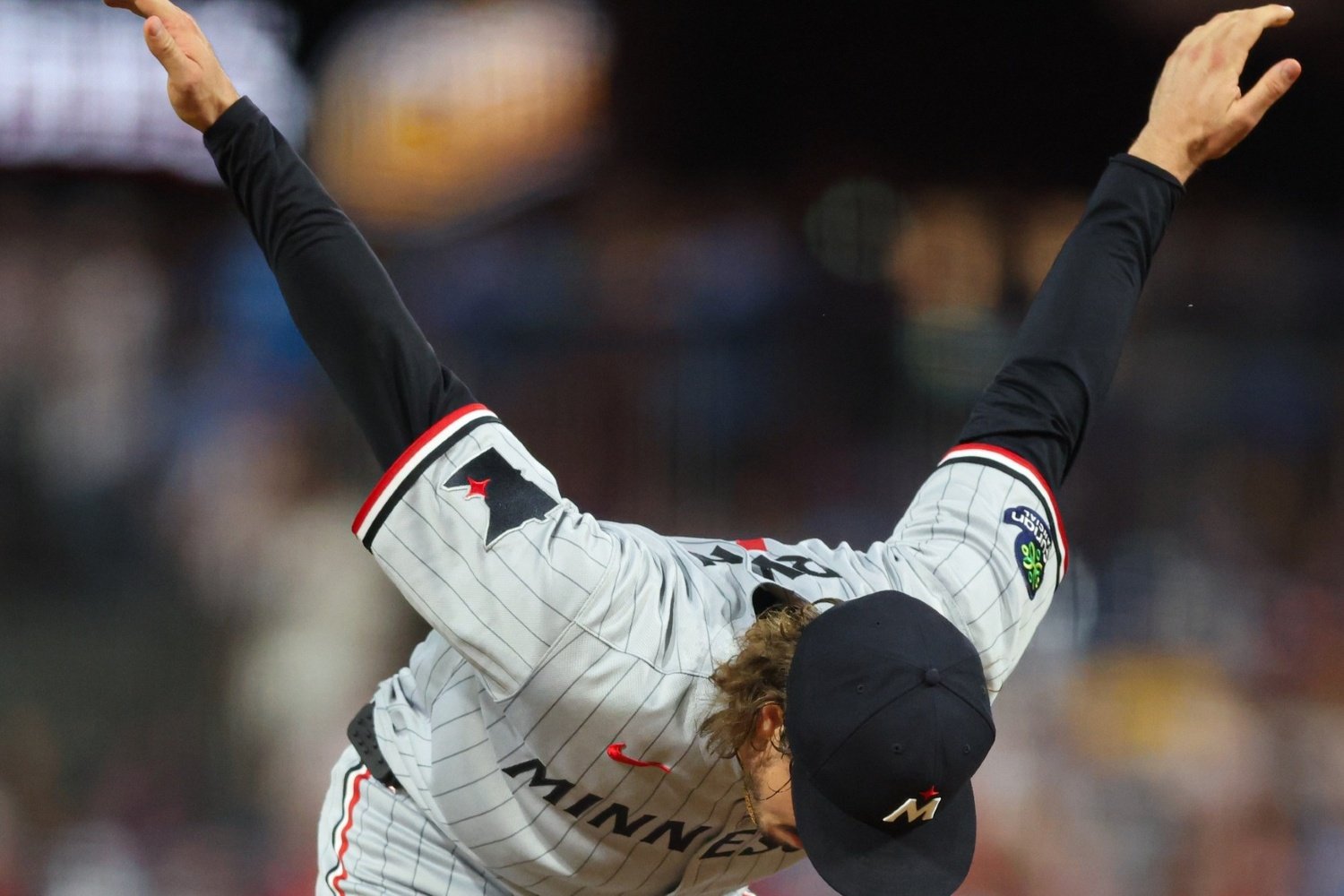 Since its inception in 2006, the World Baseball Classic has been one of my favorite events. Much like college baseball, it gives fans an exhilarating alternative to traditional MLB action, and it offers unique opportunities for some players who will never play in the American majors. Believe it or not, there are a few Twins who will probably be extended an invitation to participate in the 2026 WBC. Arms that can throw multiple innings are worth their weight in gold when it comes to off-season, tournament-style baseball. There are some notable injuries to the United States starting pitching pool (Zack Wheeler and Gerrit Cole certainly won't be suiting up, for instance) that I think will leave a window of opportunity for Joe Ryan to represent his country again, but this time in the World Baseball Classic. (For those who don't remember, Ryan pitched for the U.S. during the Tokyo Olympics in 2021, winning a silver medal.) With Paul Skenes already penciled in as the ace, Team USA's best options thereafter are Tarik Skubal, Garrett Crochet, Hunter Brown, Max Fried and Bryan Woo. In my eyes, the remaining names become a bit more of a toss-up, with Nick Pivetta, Andrew Abbott, and Nathan Eovaldi among a large group. Usually, there is a solid grouping of arms that just want to prepare for the grind of 162 games and elect not to participate in the WBC, so we could see Ryan get a well-deserved invitation. Next, we have Pablo López. He has proudly represented Team Venezuela in the past, with Twins legend Johan Santana also representing his country as the pitching coach. López is in position to be a staple on his national team. However, with three different injuries having broken up his 2025 campaign, López might need to focus on getting his body in a good place for the grind of the long season ahead. I would imagine he will get the invitation, at least, and whether he takes it will give us an early indication on his health heading into 2026. Lastly, Byron Buxton should have an opportunity to represent his country this spring. Pete Crow-Armstrong was the only American center fielder to record a higher WAR in 2025, and he had 31 more games in which to do so. This comes down to his health and his desire to represent. In terms of talent and production in the outfield, I want to see Corbin Carroll in left field, Aaron Judge in right field and Minnesota’s Buxton holding it down in center. Regardless of how the roster shakes out, I can’t wait for the WBC. The event always delivers, showcasing some of the game's best talents—and it produces some playoff-esque baseball. We will certainly see some Minnesota Twins represent their country to varying levels, and I will be sitting front and center to take in the action.
- 1 comment
-
- 2
-
-
- joe ryan
- pablo lopez
- (and 2 more)
-
Image courtesy of © Bill Streicher-Imagn Images Since its inception in 2006, the World Baseball Classic has been one of my favorite events. Much like college baseball, it gives fans an exhilarating alternative to traditional MLB action, and it offers unique opportunities for some players who will never play in the American majors. Believe it or not, there are a few Twins who will probably be extended an invitation to participate in the 2026 WBC. Arms that can throw multiple innings are worth their weight in gold when it comes to off-season, tournament-style baseball. There are some notable injuries to the United States starting pitching pool (Zack Wheeler and Gerrit Cole certainly won't be suiting up, for instance) that I think will leave a window of opportunity for Joe Ryan to represent his country again, but this time in the World Baseball Classic. (For those who don't remember, Ryan pitched for the U.S. during the Tokyo Olympics in 2021, winning a silver medal.) With Paul Skenes already penciled in as the ace, Team USA's best options thereafter are Tarik Skubal, Garrett Crochet, Hunter Brown, Max Fried and Bryan Woo. In my eyes, the remaining names become a bit more of a toss-up, with Nick Pivetta, Andrew Abbott, and Nathan Eovaldi among a large group. Usually, there is a solid grouping of arms that just want to prepare for the grind of 162 games and elect not to participate in the WBC, so we could see Ryan get a well-deserved invitation. Next, we have Pablo López. He has proudly represented Team Venezuela in the past, with Twins legend Johan Santana also representing his country as the pitching coach. López is in position to be a staple on his national team. However, with three different injuries having broken up his 2025 campaign, López might need to focus on getting his body in a good place for the grind of the long season ahead. I would imagine he will get the invitation, at least, and whether he takes it will give us an early indication on his health heading into 2026. Lastly, Byron Buxton should have an opportunity to represent his country this spring. Pete Crow-Armstrong was the only American center fielder to record a higher WAR in 2025, and he had 31 more games in which to do so. This comes down to his health and his desire to represent. In terms of talent and production in the outfield, I want to see Corbin Carroll in left field, Aaron Judge in right field and Minnesota’s Buxton holding it down in center. Regardless of how the roster shakes out, I can’t wait for the WBC. The event always delivers, showcasing some of the game's best talents—and it produces some playoff-esque baseball. We will certainly see some Minnesota Twins represent their country to varying levels, and I will be sitting front and center to take in the action. View full article
-
Alex Boxwell reacted to a post in a topic:
They Paid How Much? This Fall's Biggest Twins Baseball Card Sales
-
Alex Boxwell reacted to a post in a topic:
They Paid How Much? This Fall's Biggest Twins Baseball Card Sales
-
Alex Boxwell reacted to a post in a topic:
They Paid How Much? This Fall's Biggest Twins Baseball Card Sales
-
CharlieDee reacted to an article:
They Paid How Much? This Fall's Biggest Twins Baseball Card Sales
-
nclahammer reacted to an article:
They Paid How Much? This Fall's Biggest Twins Baseball Card Sales
-
Alex Boxwell reacted to a post in a topic:
They Paid How Much? This Fall's Biggest Twins Baseball Card Sales
-
Alex Boxwell reacted to a post in a topic:
They Paid How Much? This Fall's Biggest Twins Baseball Card Sales
-
They Paid How Much? This Fall's Biggest Twins Baseball Card Sales
Alex Boxwell posted an article in Twins
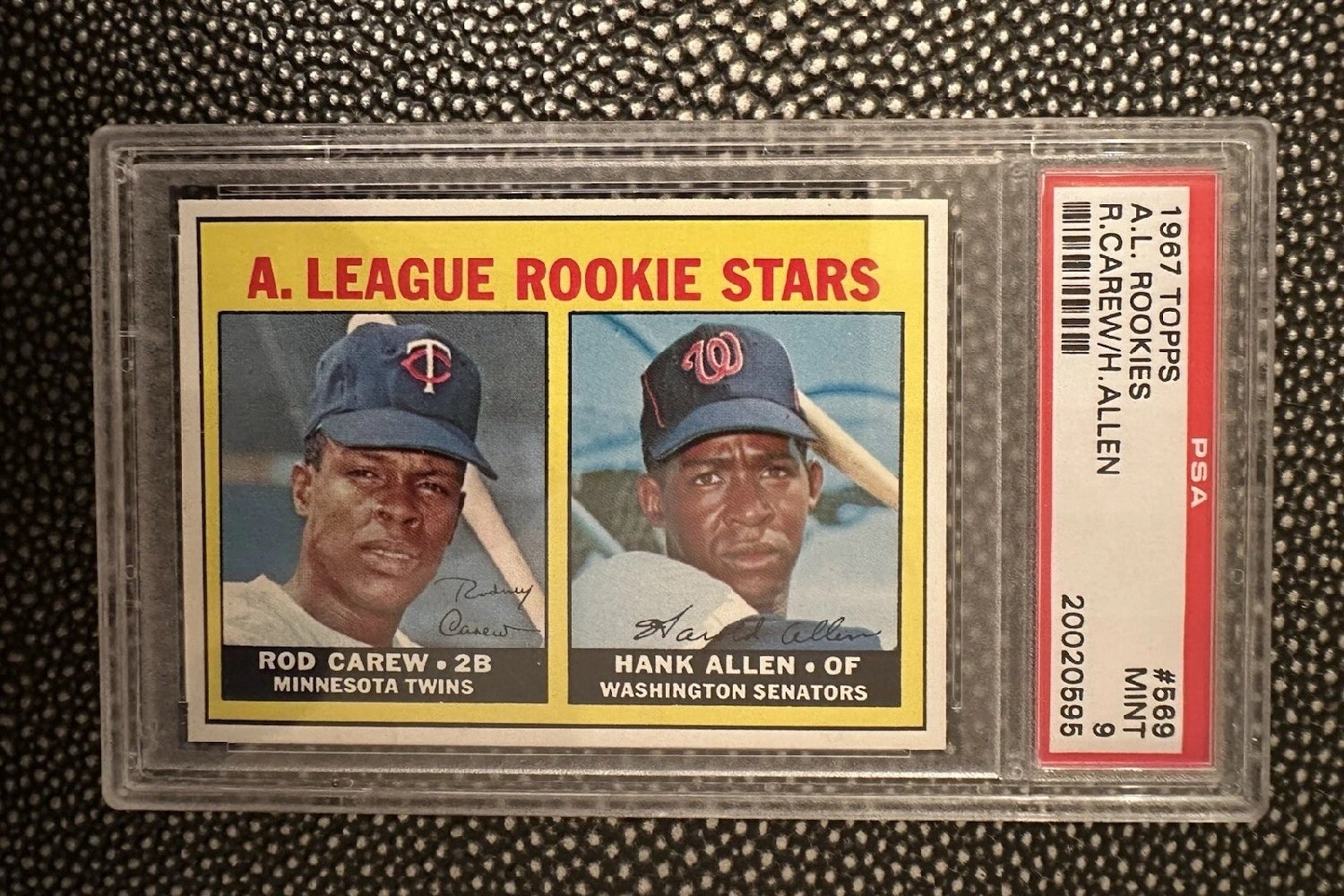 If you've ever seen the price of a baseball card and thought, "No way!" then this series is for you. I'm tracking the top Twins card sales each month, explaining why they sold for what they did, and giving my thoughts on whether the price makes sense. Our first list will be notably longer than the following updates as I feel it’s important to grab some of the big sales we saw in August and September as well. Most of the names on this list will make a ton of sense. As for the purchase price, some make more sense to me than others. Let's dive into the 12 sales. #12 - 2025 Tier One Royce Lewis 1/1 Bat Knob Relic Sale Price: $455.03 via eBay Date: October 5th This one is a solid risk; these bat knob cards are highly desirable, and this one, believe it or not, is on the low end for a bat knob piece. Here is an example: a 2025 Topps Tier One Josh Jung Game-Used Bat Knob Relic 1/1 #ABK-JJ sold for $2,323.06. If Jung can fetch that price as recently as October, this buyer has a chance to make a phenomenal profit on this card. #11 - 2025 Topps Chrome Byron Buxton Superfractor 1/1 Sale Price: $475 via eBay Date: September 20th This is a great card with a very cool image. When you have a 1/1, you are able to squeeze buyers a bit with the scarcity if you do not go the auction route. I think for a non-autographed card, this was a bit of a stretch for a purchase price, but if you believe in Buxton, this buyer has an asset with good upside. #10 - 2025 Topps Zebby Mathews Superfractor rookie autograph 1/1 Sale Price: $700 via eBay Date: August 18th Believe it or not, this is not the only Zebby card on the list. I am not very high on Zebby, mostly because I’m not sold on his ability to stick as a starter, but I do like his stuff. I also like how he attacks hitters, but if he is the odd man out and is moved to the pen… his card prices will crater. Relief pitchers do not fetch nearly as much in the card market unless they are the best of the best. Again, another crazy cool card, but this one comes with tons of risk. #9 - 2013 Panini Select Signatures Joe Mauer Black 1/1 Sale Price: $750 via eBay Date: September 12th This one is a miss for me. The unlicensed product is likely not going to age very well. I have a hard time believing that in a few years or ten years, anyone would pay over $1k for an unlicensed 1/1, even for a legend like Joe Mauer. #8 - 2025 Topps Chrome Zebby Matthews Rookie Superfractor Autograph 1/1 Sale Price: $1,350 via eBay Date: August 17th Zebby Strikes again. This one is about double the price of the other superfractor. I hope Zebby develops into an all-star caliber starting pitcher, which is what you’re betting on if you purchase his card at this price. #7 - 1984 Fleer Update Kirby Puckett PSA 10 Rookie Mint RC U-93 Sale Price: $1,575.00 via eBay Date: September 10th For a PSA 10 grade, the PSA population count for this card is 654 (as I write this piece). Are there a lot of these Puckett cards? Yes. Are there a lot of this card in “Gem Mint” condition? No. For example, Mike Trout’s base rookie, in a PSA 10, sells for around $700 and the population count of PSA 10s is 6,841. Kirby was a legend and will be revered in the Minnesota baseball community forever. The price is high, but the ROI could be there in a big way as this card ages. #6 - 2002 Fleer Greats Kirby Puckett Minnesota Twins AUTO PSA 10 Sale Price: 1,880.00 USD Date: September 14th via eBay I love a legendary auto, but this is a hair steep in my opinion. Could you get a return on this investment? Sure. However, in terms of a big investment in a card, it doesn’t check a lot of boxes for me. #5 - 2025 Bowman Walker Jenkins Topps 100 Superfractor 1/1 (non auto) Sale Price: $3,000 via eBay Date: August 24th The card is not a Bowman 1st and is also not autographed. This one is 100% dependent on the Walker Jenkins hype. Even if he cracks the big leagues, I would not feel confident in a 1/1 card that’s not autographed and not a Bowman 1st, being liquid enough at that price to make any big profits. #4 - 2023 Bowman Draft Luke Keaschall Bowman 1st Red Autograph /5 PSA 10 Sale Price: $3,400 via eBay Date: August 12th I love Keaschall, but this card was purchased at peak hype. The card itself checks all the boxes: Bowman 1st, PSA 10, low number. But can you answer the question of what needs to happen for his value to go up? To me, he’d have to make an All-Star Game next year to keep building on his current hype. I think it’s a super risky entry point on an amazing card. I hope this buyer makes a huge profit, but I have concerns about Keaschall’s long-term ceiling with skeptical defense and a growing list of injuries. #3 - 1963 Topps Pedro (Tony) Oliva #228 Rookie PSA 8.5 Sale Price: $3,550 via eBay Date: September 14th This card obviously checks all the boxes. Will it be a big ROI card? I don’t think so. If this card is in your budget, I think having a high-graded card of a Hall of Famer and Twins legend will make you feel good. This is an insanely cool card to display, and if at some point you want to turn around and sell, you may have to wait a while to find a buyer to pay your price, but this is the type of card that should hold its value. #2 - 1957 Topps Harmon Killebrew #164 PSA 9 Sale Price: $6,802 via eBay Date: August 24th This card had me scratching my head a bit. I understand getting 50’s cards in a high grade is insane, but this purchase price on a card that isn’t a rookie has me a little short of breath, and it’s not even my card. The thought of finding a buyer for this card someday feels impossible. I think Killebrew is a very safe investment, but this purchase price has me a little concerned. #1 - 1967 Topps Rod Carew #569 Rookie PSA 9 Sale Price: $14,300 via eBay Date: August 18th Do you want a used Toyota or a baseball card? This one had my eyes popping out of my head. I did not know Carew cards pulled these kinds of numbers. Again, this one checks all the boxes, and the population count for a PSA 9 is 64 with only 1 PSA 10 in existence… talk about a potential holy grail piece. This data point makes me more optimistic for a card like the PSA 10 Puckett on this list. The population count is way different, but 20 years down the line, a card like the 84 Puckett in a 10 could do really well. As for the Carew, what is the ceiling on a crazy expensive card like this? Only time will tell. I envision this thread of articles being much more concise as we roll over and only evaluate November. I’ll be highlighting a few big sales, how player's cards are trending, and what the outlook will be for their card values heading into 2026 and beyond. Let's hear your thoughts on these big-money cards in the comments below.
 -
If you've ever seen the price of a baseball card and thought, "No way!" then this series is for you. I'm tracking the top Twins card sales each month, explaining why they sold for what they did, and giving my thoughts on whether the price makes sense. Our first list will be notably longer than the following updates as I feel it’s important to grab some of the big sales we saw in August and September as well. Most of the names on this list will make a ton of sense. As for the purchase price, some make more sense to me than others. Let's dive into the 12 sales. #12 - 2025 Tier One Royce Lewis 1/1 Bat Knob Relic Sale Price: $455.03 via eBay Date: October 5th This one is a solid risk; these bat knob cards are highly desirable, and this one, believe it or not, is on the low end for a bat knob piece. Here is an example: a 2025 Topps Tier One Josh Jung Game-Used Bat Knob Relic 1/1 #ABK-JJ sold for $2,323.06. If Jung can fetch that price as recently as October, this buyer has a chance to make a phenomenal profit on this card. #11 - 2025 Topps Chrome Byron Buxton Superfractor 1/1 Sale Price: $475 via eBay Date: September 20th This is a great card with a very cool image. When you have a 1/1, you are able to squeeze buyers a bit with the scarcity if you do not go the auction route. I think for a non-autographed card, this was a bit of a stretch for a purchase price, but if you believe in Buxton, this buyer has an asset with good upside. #10 - 2025 Topps Zebby Mathews Superfractor rookie autograph 1/1 Sale Price: $700 via eBay Date: August 18th Believe it or not, this is not the only Zebby card on the list. I am not very high on Zebby, mostly because I’m not sold on his ability to stick as a starter, but I do like his stuff. I also like how he attacks hitters, but if he is the odd man out and is moved to the pen… his card prices will crater. Relief pitchers do not fetch nearly as much in the card market unless they are the best of the best. Again, another crazy cool card, but this one comes with tons of risk. #9 - 2013 Panini Select Signatures Joe Mauer Black 1/1 Sale Price: $750 via eBay Date: September 12th This one is a miss for me. The unlicensed product is likely not going to age very well. I have a hard time believing that in a few years or ten years, anyone would pay over $1k for an unlicensed 1/1, even for a legend like Joe Mauer. #8 - 2025 Topps Chrome Zebby Matthews Rookie Superfractor Autograph 1/1 Sale Price: $1,350 via eBay Date: August 17th Zebby Strikes again. This one is about double the price of the other superfractor. I hope Zebby develops into an all-star caliber starting pitcher, which is what you’re betting on if you purchase his card at this price. #7 - 1984 Fleer Update Kirby Puckett PSA 10 Rookie Mint RC U-93 Sale Price: $1,575.00 via eBay Date: September 10th For a PSA 10 grade, the PSA population count for this card is 654 (as I write this piece). Are there a lot of these Puckett cards? Yes. Are there a lot of this card in “Gem Mint” condition? No. For example, Mike Trout’s base rookie, in a PSA 10, sells for around $700 and the population count of PSA 10s is 6,841. Kirby was a legend and will be revered in the Minnesota baseball community forever. The price is high, but the ROI could be there in a big way as this card ages. #6 - 2002 Fleer Greats Kirby Puckett Minnesota Twins AUTO PSA 10 Sale Price: 1,880.00 USD Date: September 14th via eBay I love a legendary auto, but this is a hair steep in my opinion. Could you get a return on this investment? Sure. However, in terms of a big investment in a card, it doesn’t check a lot of boxes for me. #5 - 2025 Bowman Walker Jenkins Topps 100 Superfractor 1/1 (non auto) Sale Price: $3,000 via eBay Date: August 24th The card is not a Bowman 1st and is also not autographed. This one is 100% dependent on the Walker Jenkins hype. Even if he cracks the big leagues, I would not feel confident in a 1/1 card that’s not autographed and not a Bowman 1st, being liquid enough at that price to make any big profits. #4 - 2023 Bowman Draft Luke Keaschall Bowman 1st Red Autograph /5 PSA 10 Sale Price: $3,400 via eBay Date: August 12th I love Keaschall, but this card was purchased at peak hype. The card itself checks all the boxes: Bowman 1st, PSA 10, low number. But can you answer the question of what needs to happen for his value to go up? To me, he’d have to make an All-Star Game next year to keep building on his current hype. I think it’s a super risky entry point on an amazing card. I hope this buyer makes a huge profit, but I have concerns about Keaschall’s long-term ceiling with skeptical defense and a growing list of injuries. #3 - 1963 Topps Pedro (Tony) Oliva #228 Rookie PSA 8.5 Sale Price: $3,550 via eBay Date: September 14th This card obviously checks all the boxes. Will it be a big ROI card? I don’t think so. If this card is in your budget, I think having a high-graded card of a Hall of Famer and Twins legend will make you feel good. This is an insanely cool card to display, and if at some point you want to turn around and sell, you may have to wait a while to find a buyer to pay your price, but this is the type of card that should hold its value. #2 - 1957 Topps Harmon Killebrew #164 PSA 9 Sale Price: $6,802 via eBay Date: August 24th This card had me scratching my head a bit. I understand getting 50’s cards in a high grade is insane, but this purchase price on a card that isn’t a rookie has me a little short of breath, and it’s not even my card. The thought of finding a buyer for this card someday feels impossible. I think Killebrew is a very safe investment, but this purchase price has me a little concerned. #1 - 1967 Topps Rod Carew #569 Rookie PSA 9 Sale Price: $14,300 via eBay Date: August 18th Do you want a used Toyota or a baseball card? This one had my eyes popping out of my head. I did not know Carew cards pulled these kinds of numbers. Again, this one checks all the boxes, and the population count for a PSA 9 is 64 with only 1 PSA 10 in existence… talk about a potential holy grail piece. This data point makes me more optimistic for a card like the PSA 10 Puckett on this list. The population count is way different, but 20 years down the line, a card like the 84 Puckett in a 10 could do really well. As for the Carew, what is the ceiling on a crazy expensive card like this? Only time will tell. I envision this thread of articles being much more concise as we roll over and only evaluate November. I’ll be highlighting a few big sales, how player's cards are trending, and what the outlook will be for their card values heading into 2026 and beyond. Let's hear your thoughts on these big-money cards in the comments below. View full article
-
I've always thought high school picks and international signs are more subject to what the player development staff has to offer. As for the college bats we have, I've always thought they're high floor-low ceiling type prospects. They had an approach that worked at a relatively high level and if that doesn't translate it can be difficult to unlearn habits that brought you so much success. I think other players always will have a bigger impact at that level. Hearing from a veteran who's been through it recently can do wonders for players mental game. A player like Buxton I think is a phenomenal vet to have in the clubhouse since he's been through it all a in his career.
-
Alex Boxwell reacted to a post in a topic:
A Former Player’s Perspective on What to Expect out of a Big League Manager:
-
Alex Boxwell reacted to a post in a topic:
A Former Player’s Perspective on What to Expect out of a Big League Manager:
-
Alex Boxwell reacted to a post in a topic:
A Former Player’s Perspective on What to Expect out of a Big League Manager:
-
Love this take! Shelton hasn't done anything wrong yet, let him start with a clean slate and see what happens!
-
Alex Boxwell reacted to a post in a topic:
A Former Player’s Perspective on What to Expect out of a Big League Manager:
-
Alex Boxwell reacted to a post in a topic:
A Former Player’s Perspective on What to Expect out of a Big League Manager:
-
Maybe my angle on the hire is a hair nihilistic but I just don't think the “right hire” exists. Would Torii Hunter or Nick Punto be fun to talk about? Sure. Would they be great managers? I don't know. I understand the outrage and that it seems like a sleepy move but the reality is that they need some familiar names to play better or get better players.
-
In regards to Shelton, I think that's fair. And 100% there were so many different approaches and routines that guys had and it was such blast to talk shop around the batting cage. I learned so much from other players and hearing why they do certain things to prepare for a game. It was amazing to see how guys coming from affiliate ball (A+ or AA typically) did a lot more things based on feel and a guy like me coming from college was more drill focused in my preparation. One of my favorites I picked up was from Chris Jacobs. He played in the Dodgers organization, phenomenal hitter. During BP he wanted the BP thrower to mix in breaking balls. By the end of the year I was doing it to. It was so brilliantly simple and so many guys added that to their routine. I've wrote about it a bit before but at that level most guys swing’s stay the same. It's the fine tuning of a batting stance or a routine that gets played around with. Long story short. The college level is still very hands on in my opinion. Especially with your position based coaches where Indy ball they're happy to show you the way out of you don't perform so it's a little more hands off.
-
I was very fortunate to not have a ton of experience with what I would consider a bad coach/manager but I can do a little story time on the glory days: My freshman at the University of Minnesota, before the covid fiasco caused the entire college landscape shift, our 2015 club had one of the two losing seasons in John Anderson’s tenure at Minnesota at that time. I believe Northwestsern had just beat us like 21-4 at home, and I'll never forget the post game in our clubhouse. 14 (we never called him coach Anderson, he was always 14), normally was as cool of a customer as they come and he blew us up post game. It was one of two times in my four years he ever really let us have it and they both came that year. What I'm circling the wagon’s to get to though is after that he met with all us freshman as a group and gave us a more uplifting message that we had a opportunity to change the program. I think that's what being a great manager looks like, knowing how to motivate short and long term and knowing when to give a guy a hug and tell them you care about them. I don't think I ever had a practice where 14 didn't say “Box! How was college today?”even little things like that really add up. I think bad managers miss those opportunities to connect with their players and only tap into “how do I push these guys” and don’t get me wrong there's certainly a time and place for that!
-
I think you probably hit the nail on the head. Almost a middle finger from Rocco to the organization like hey look what we could've been if you let me manage. I also think this could've been a decision from the front office as well. At least in terms of the spike in stolen bases, trying to figure out what certain guys could do at the major league level. Or as some others have mentioned, having more small ball talent plays a role I'm sure as well.
-
I think hitting and pitching coaches have a lot more impact on the on field development of player. I was an an outfielder my whole career, so hitting coach in college, shoutout to Pat Casey, had a huge impact on our approach as a whole and getting the most out of certain guys at the plate. At the professional level things tend to be more hands off unless a player is actively looking for feedback.
