


Twins Video
Major League Baseball released its annual snapshot of Opening Day demographics this week, and while the numbers still point to a long road ahead, there are signs of meaningful progress. After dipping to a historic low in 2024, the percentage of African American players across the league has now risen in consecutive seasons, something the sport has not seen in roughly two decades.
This year, African American players make up 6.5% of Opening Day rosters and injured lists, a noticeable increase from 5.7% the year prior and slightly above the 6.0% mark from two seasons ago. It is not a dramatic jump, but it is a step in the right direction for a league that has been searching for ways to rebuild its connection with Black communities.
Development Programs Beginning to Show Results
League officials have pointed to their investment in youth initiatives as a key factor behind the recent uptick. Programs such as MLB’s youth academies, the Dream Series, and the Breakthrough Series are starting to produce big-league talent. Of the 62 African American players on Opening Day rosters, 20 have participated in one of those pipelines.
There is also a growing presence of high-end talent within that group. Nine of those players were former first-round picks, suggesting that the league is not only increasing participation but also developing impact players.
The age distribution offers additional optimism. More than half of the current group is 27 or younger, while only a small handful are on the back side of their careers. That youth movement could help sustain growth if development systems continue to feed the pipeline.
Twins Among League Leaders
While the league-wide numbers are trending upward, the distribution across teams remains uneven. Six organizations began the season without a single African American player, highlighting how inconsistent representation still is from roster to roster.
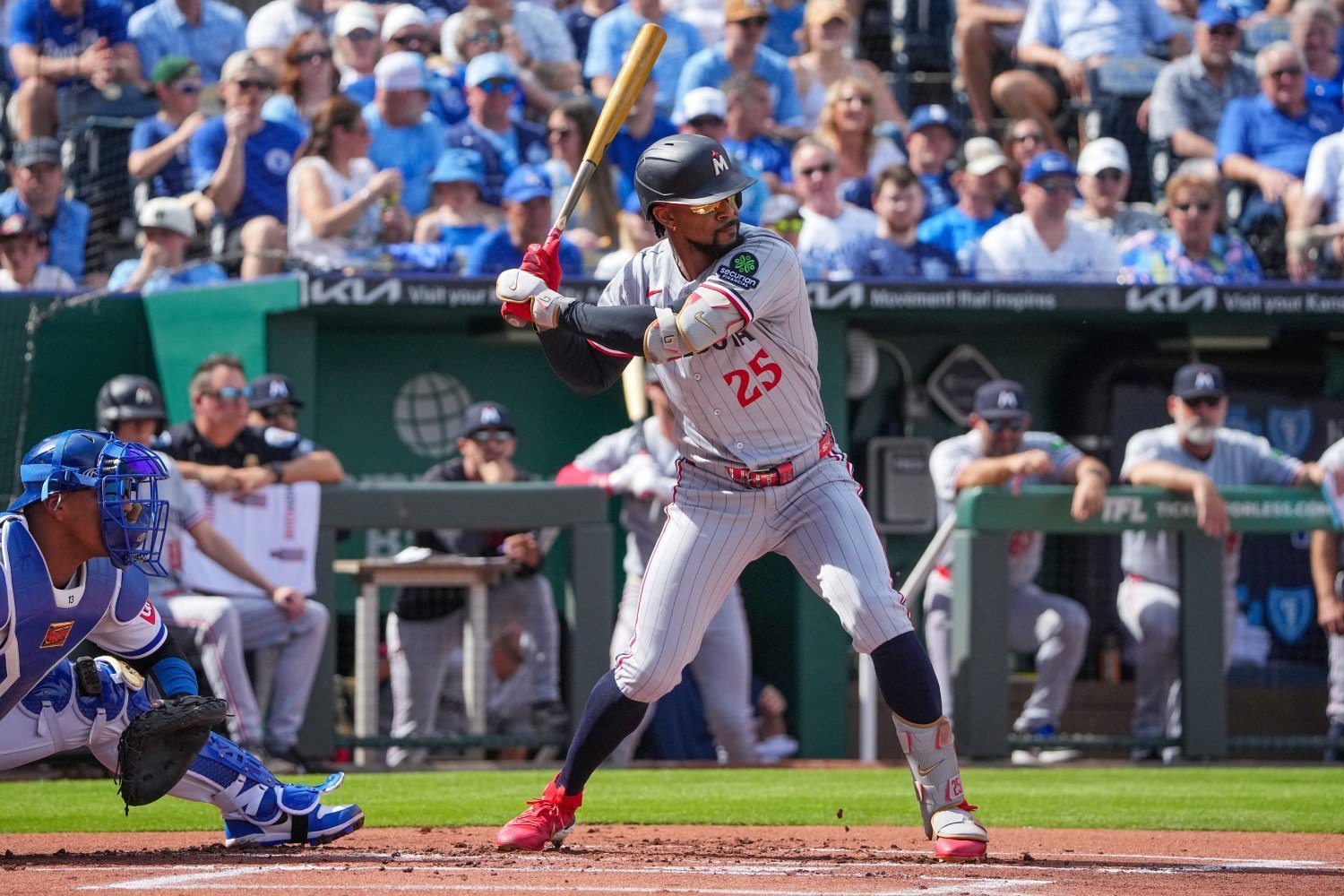
That is where the Minnesota Twins stand out. Minnesota enters the season with six African American players, tying them for the highest total in baseball alongside the Cincinnati Reds. For a smaller-market club, that level of representation is significant, especially when considering that the Twins alone account for a sizable portion of the league’s overall total.
The group is not just filling out the roster either. It includes key contributors on both sides of the ball, including starting pitchers Taj Bradley and Simeon Woods Richardson, along with Byron Buxton and Josh Bell on the offensive side. Having that presence in prominent roles matters, both in terms of visibility and impact.
At a time when more than a third of the league has one or zero African American players, the Twins are providing a blueprint for what a more inclusive roster can look like.
Areas Where the Game Still Lags
Despite the positive momentum, representation remains limited in some areas. Certain positions continue to lack diversity, particularly behind the plate and on the mound.
There are only a small number of African American pitchers across the league, a striking reality given the size of pitching staffs. Catcher is another position where representation has been historically low, making each breakthrough at that spot even more meaningful.
Additionally, more than a third of MLB teams have one or fewer African American players, including several high-profile organizations. That imbalance underscores the importance of continued investment in grassroots development and access to the sport.
A Path Forward
The broader picture shows a sport attempting to reverse a decades-long decline. International participation continues to grow, and MLB remains a global game, but rebuilding domestic diversity is clearly a priority.
For the Twins, this moment reflects both organizational success and an opportunity. Their roster composition places them among the league leaders in representation, aligning with MLB’s broader efforts to create more inclusive pathways to the majors.
Progress is happening, even if it is gradual. And for a franchise like Minnesota, being at the forefront of that movement is something worth recognizing as the game continues to evolve.








Recommended Comments
Create an account or sign in to comment
You need to be a member in order to leave a comment
Create an account
Sign up for a new account in our community. It's easy!
Register a new accountSign in
Already have an account? Sign in here.
Sign In Now