Cody Christie
-
Posts
7,808 -
Joined
-
Last visited
-
Days Won
5
Content Type
Profiles
News
Minnesota Twins Videos
2026 Minnesota Twins Top Prospects Ranking
2022 Minnesota Twins Draft Picks
Minnesota Twins Free Agent & Trade Rumors, Notes, & Tidbits
Guides & Resources
2023 Minnesota Twins Draft Picks
The Minnesota Twins Players Project
2024 Minnesota Twins Draft Picks
2025 Minnesota Twins Draft Pick Tracker
2026 Minnesota Twins Draft Tracker: Picks & Bonuses
Forums
Blogs
Events
Store
Downloads
Gallery
Everything posted by Cody Christie
-
 Image courtesy of © Nick Wosika-Imagn Images Miguel Sano is doing the thing again. The ball is jumping off his bat in the Dominican Winter League, and he is currently leading the circuit in OPS. This is the version of Sano that Twins fans remember well. Towering home runs. Light tower power. A swing that seems to require its own ZIP code. It is all there, and it always seems to show up when he heads home for the winter. And in a year where the Twins need a first baseman, have a tight payroll, and are open to creative roster fits, it is at least fair to ask the question. Could the organization really consider bringing him back? The idea is light-hearted on the surface because it has become almost mythical with Sano. He is still only 32. He still looks like he was built to hit baseballs out of sight. And he still has the same blend of talent and pure strength that once made him the crown jewel of the Twins prospect system. At his best, he changed games with one swing. At his worst, he frustrated fans, coaches, and front offices. That is part of the package, and it always has been. His recent big-league struggles are no secret. His production dipped sharply in his final seasons with Minnesota, including a .342 OPS in 2022. His conditioning and maturity were questioned more than once. He bounced around without gaining traction, including playing 28 games with the Angels in 2024 (73 OPS+). Since then, he has played only in the Dominican Winter League, and it seemed the door had closed for good. In 60 plate appearances this year, he's gone 18-for-51 (.353 BA) with seven homers, three doubles, and an 11-to-7 strikeout-to-walk-ratio. Even with those totals, it is hard to imagine a contending club handing him a guaranteed job. But then you see the Winter League numbers. You see the highlights. And when a team like the Twins is trying to field a competitive roster without expanding payroll, it opens the door to some creative thinking. The front office has already shown its willingness to take a flier, offering Ty France a non-guaranteed $1 million contract. Suppose that is the market for depth bats with upside, who would object to doing the same with Sano? The risk is minimal, and the upside is not imaginary. He hit a pile of home runs during Derek Shelton’s years as hitting coach in Minnesota, including a career-high 34 bombs in 2019. Maybe there is a relationship there that could help both sides. Maybe there's still trust in place. Or maybe it is just a fun storyline. This is not an argument that the Twins should sign him. First base is a critical position for a club that is on the fringes of contention. There are safer options. There are more reliable bats. And there is a lengthy track record showing that Sano has struggled to consistently translate Winter League success to a full major league season. The team needs stability, not wishful thinking. Still, there is something undeniably entertaining about the idea. Old friends rarely return in baseball, but sometimes they do. Sometimes a player finds himself late in his career. Sometimes the fit makes sense even when logic says it should not. The Twins should not bank on Sano being part of their 2026 solution, yet it is perfectly reasonable to keep an open mind for the right price. The story may end exactly where most expect it to. Sano will take his Winter League dominance somewhere else while Minnesota finds a safer everyday first baseman. But in an offseason that will require creativity and thrift, he remains one of the more fascinating names to keep an eye on. Sometimes, the most improbable options make the winter a little more fun. Should the Twins consider a reunion with Sano? Leave a comment and start the discussion. View full article
 -
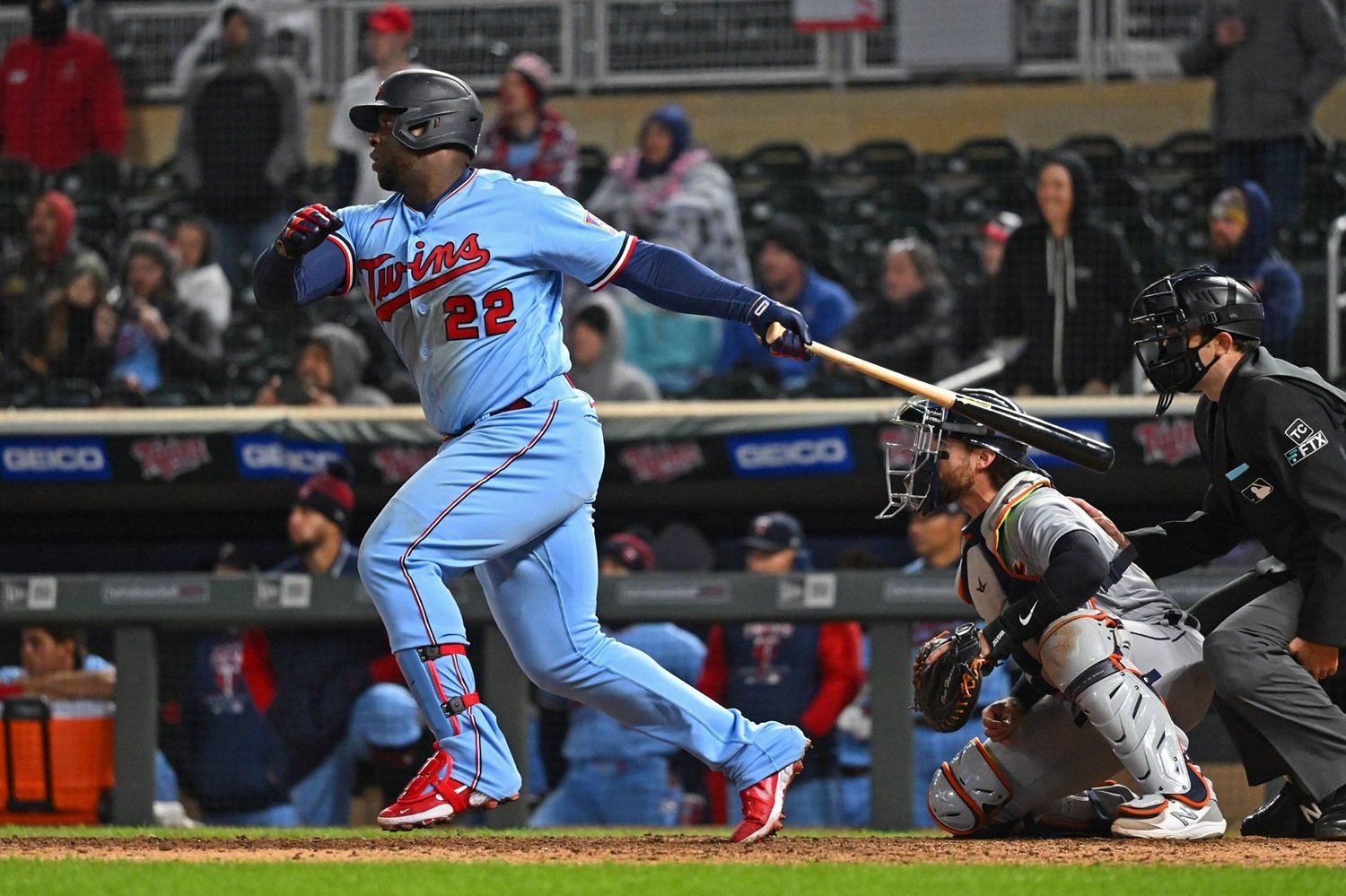 Miguel Sano is doing the thing again. The ball is jumping off his bat in the Dominican Winter League, and he is currently leading the circuit in OPS. This is the version of Sano that Twins fans remember well. Towering home runs. Light tower power. A swing that seems to require its own ZIP code. It is all there, and it always seems to show up when he heads home for the winter. And in a year where the Twins need a first baseman, have a tight payroll, and are open to creative roster fits, it is at least fair to ask the question. Could the organization really consider bringing him back? The idea is light-hearted on the surface because it has become almost mythical with Sano. He is still only 32. He still looks like he was built to hit baseballs out of sight. And he still has the same blend of talent and pure strength that once made him the crown jewel of the Twins prospect system. At his best, he changed games with one swing. At his worst, he frustrated fans, coaches, and front offices. That is part of the package, and it always has been. His recent big-league struggles are no secret. His production dipped sharply in his final seasons with Minnesota, including a .342 OPS in 2022. His conditioning and maturity were questioned more than once. He bounced around without gaining traction, including playing 28 games with the Angels in 2024 (73 OPS+). Since then, he has played only in the Dominican Winter League, and it seemed the door had closed for good. In 60 plate appearances this year, he's gone 18-for-51 (.353 BA) with seven homers, three doubles, and an 11-to-7 strikeout-to-walk-ratio. Even with those totals, it is hard to imagine a contending club handing him a guaranteed job. But then you see the Winter League numbers. You see the highlights. And when a team like the Twins is trying to field a competitive roster without expanding payroll, it opens the door to some creative thinking. The front office has already shown its willingness to take a flier, offering Ty France a non-guaranteed $1 million contract. Suppose that is the market for depth bats with upside, who would object to doing the same with Sano? The risk is minimal, and the upside is not imaginary. He hit a pile of home runs during Derek Shelton’s years as hitting coach in Minnesota, including a career-high 34 bombs in 2019. Maybe there is a relationship there that could help both sides. Maybe there's still trust in place. Or maybe it is just a fun storyline. This is not an argument that the Twins should sign him. First base is a critical position for a club that is on the fringes of contention. There are safer options. There are more reliable bats. And there is a lengthy track record showing that Sano has struggled to consistently translate Winter League success to a full major league season. The team needs stability, not wishful thinking. Still, there is something undeniably entertaining about the idea. Old friends rarely return in baseball, but sometimes they do. Sometimes a player finds himself late in his career. Sometimes the fit makes sense even when logic says it should not. The Twins should not bank on Sano being part of their 2026 solution, yet it is perfectly reasonable to keep an open mind for the right price. The story may end exactly where most expect it to. Sano will take his Winter League dominance somewhere else while Minnesota finds a safer everyday first baseman. But in an offseason that will require creativity and thrift, he remains one of the more fascinating names to keep an eye on. Sometimes, the most improbable options make the winter a little more fun. Should the Twins consider a reunion with Sano? Leave a comment and start the discussion.
 -
How MLB’s Next CBA Could Reshape the Future for the Minnesota Twins
Cody Christie posted an article in Twins
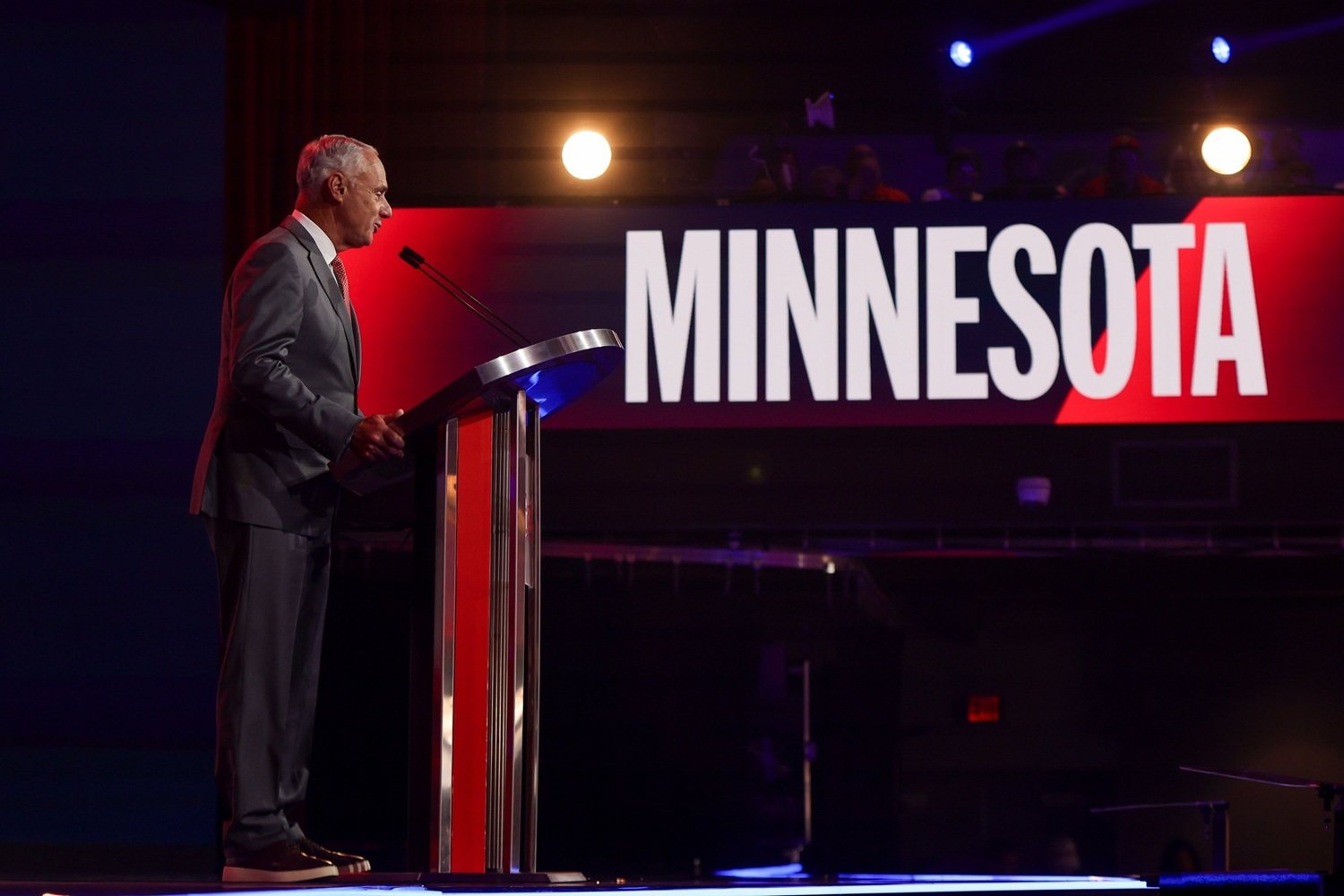 Major League Baseball is inching toward a critical crossroads. The current Collective Bargaining Agreement (CBA) expires at the end of the 2026 season, and both the league and the MLB Players Association are preparing for a heated negotiation cycle that could spill into the 2027 campaign. That uncertainty has many players, owners, and fans bracing for the possibility of another lockout. Long-standing debates over a potential salary cap, competitive balance, and revenue distribution sit at the core of the tension. Twins fans are watching closely because the next CBA could bring changes that reshape the franchise’s future. While a lockout would be painful in the moment, the resulting agreement might benefit mid-market clubs like Minnesota in surprising ways. Salary Cap and Salary Floor Possibilities For decades, the Twins have lived in a league that rewards massive spending. The Dodgers, Yankees, and Phillies regularly show what happens when a team pours resources into the roster. Their path to October often looks much smoother than the one available to teams operating on tighter budgets. Outliers break through from time to time, but the numbers are clear. World Series contenders tend to come from the top of the payroll rankings. Owners are again pushing for a salary cap, an idea players continue to reject. But if the topic gains traction, it could come with a salary floor. That part of the conversation matters deeply for Minnesota. A salary floor would force the Twins to invest a certain amount in payroll each season. Fans frustrated by dips in spending would welcome the mandate because it would align payroll with competitive goals rather than fluctuate with market conditions or ownership preferences. A cap system would introduce new rules and restrictions, but for a franchise that rarely pushes past the middle of the spending pack, the ceiling matters far less than the floor. A consistent spending baseline could help the Twins maintain depth and avoid seasons where their roster relies too heavily on luck. Television Revenue and the Shift from Regional Networks The collapse of regional sports networks has hit several clubs hard, and the Twins are among the most affected. The move to Twins.TV last season brought greater accessibility for fans but created financial uncertainty. Under the old RSN model, teams received guaranteed broadcast revenue. Under the new setup, Minnesota likely saw a significant drop in media income. This is why league-wide media restructuring could be a massive win for the Twins. MLB is pushing toward a more unified national broadcast approach, and major platforms like ESPN and Netflix have shown interest. If the league can bundle local rights into a national package and distribute revenue more evenly, mid-market teams would benefit immediately. For the Twins, that could mean restoring lost revenue and creating long-term financial stability. In a sport where media money drives payroll decisions, a stronger national model would give Minnesota far more flexibility. Competitive Balance and a Changing League Structure Competitive balance is the heartbeat of CBA negotiations. Every issue, from revenue sharing to expansion, connects back to leveling the field between massive and mid-sized markets. MLB could pursue several structural changes, including a salary floor, a stricter cap system, realignment, or expansion. As previously mentioned, a salary floor would help the Twins by requiring low-spending clubs to increase investment. A tougher cap-and-tax system could prevent large market teams from hoarding talent. These changes would give Minnesota a more realistic chance to compete consistently with baseball’s financial heavyweights. Realignment is more complicated. The Twins currently benefit from the softest division in the sport. Realignment could tighten competition and make postseason paths more challenging. Expansion adds more teams to the mix and could redistribute talent and revenue in unpredictable ways. Even with these risks, most competitive balance changes tend to benefit clubs in markets like Minnesota. Anything that narrows the economic gap between teams increases the Twins’ chances of building sustainable success. A More Stable Economic Landscape and the Future of Twins Ownership There is another angle that Twins fans should not overlook. A stronger and more stable economic environment for baseball could influence the ownership landscape. The Pohlad family has already explored selling minority stakes in the team. If MLB’s next CBA creates firmer financial footing with stabilized media revenue, more explicit payroll rules, and healthier league-wide structures, the incentive to sell could grow. Prospective buyers want predictability. They want guaranteed revenue streams, consistent league policies, and less volatility in the economic model. A post-CBA environment that offers exactly that may open the door for a more serious ownership shift. While the Pohlads have been steady owners for decades, many fans believe a fresh ownership group could bring greater ambition and investment. If the next CBA pushes baseball toward long-term stability, it could create the conditions needed for the Pohlads to finally move forward with a sale. That possibility alone gives Twins fans another reason to watch these negotiations closely. The next CBA carries enormous implications for the Minnesota Twins. A salary floor could guarantee more consistent spending. A revamped national media model could replace lost revenue and stabilize payroll capacity. Competitive balance reforms could limit the overwhelming advantages enjoyed by the sport’s richest teams. Realignment presents risks, but the overall picture still tilts in Minnesota's favor. Add in the potential for a more stable economic environment to spark real ownership change, and the Twins could emerge from the next CBA in a significantly stronger position. The road to 2027 may be bumpy, but the destination could offer real hope for the franchise’s future. Will the next CBA help mid-market teams like the Twins? Leave a comment and start the discussion.
 -
Image courtesy of © Brett Davis-Imagn Images Major League Baseball is inching toward a critical crossroads. The current Collective Bargaining Agreement expires at the end of the 2026 season, and both the league and the MLB Players Association are preparing for a heated negotiation cycle that could spill into the 2027 campaign. That uncertainty has many players, owners, and fans bracing for the possibility of another lockout. Long-standing debates over a potential salary cap, competitive balance, and revenue distribution sit at the core of the tension. Twins fans are watching closely because the next CBA could bring changes that reshape the franchise’s future. While a lockout would be painful in the moment, the resulting agreement might benefit mid-market clubs like Minnesota in surprising ways. Salary Cap and Salary Floor Possibilities For decades, the Twins have lived in a league that rewards massive spending. The Dodgers, Yankees, and Phillies regularly show what happens when a team pours resources into the roster. Their path to October often looks much smoother than the one available to teams operating on tighter budgets. Outliers break through from time to time, but the numbers are clear. World Series contenders tend to come from the top of the payroll rankings. Owners are again pushing for a salary cap, an idea players continue to reject. But if the topic gains traction, it would come with a salary floor. That part of the conversation matters deeply for Minnesota. A salary floor would force the Twins to invest a certain amount in payroll each season. Fans frustrated by dips in spending would welcome the mandate because it would align payroll with competitive goals rather than fluctuate with market conditions or ownership preferences. A cap system would introduce new rules and restrictions, but for a franchise that rarely pushes past the middle of the spending pack, the ceiling matters far less than the floor. A consistent spending baseline could help the Twins maintain depth and avoid seasons where their roster relies too heavily on luck. Television Revenue and the Shift from Regional Networks The collapse of regional sports networks has hit several clubs hard, and the Twins are among the most affected. The move to Twins.TV last season brought greater accessibility for fans but created financial uncertainty. Under the old RSN model, teams received guaranteed broadcast revenue. Under the new setup, Minnesota likely saw a significant drop in media income. This is why league-wide media restructuring could be a massive win for the Twins. MLB is pushing toward a more unified national broadcast approach, and major platforms like ESPN and Netflix have shown interest. If the league can bundle local rights into a national package and distribute revenue more evenly, mid-market teams would benefit immediately. For the Twins, that could mean restoring lost revenue and creating long-term financial stability. In a sport where media money drives payroll decisions, a stronger national model would give Minnesota far more flexibility. Competitive Balance and a Changing League Structure Competitive balance is the heartbeat of CBA negotiations. Every issue, from revenue sharing to expansion, connects back to leveling the field between massive and mid-sized markets. MLB could pursue several structural changes, including a salary floor, a stricter cap system, realignment, or expansion. As previously mentioned, a salary floor would help the Twins by requiring low-spending clubs to increase investment. A tougher cap-and-tax system could prevent large market teams from hoarding talent. These changes would give Minnesota a more realistic chance to compete consistently with baseball’s financial heavyweights. Realignment is more complicated. The Twins currently benefit from the softest division in the sport. Realignment could tighten competition and make postseason paths more challenging. Expansion adds more teams to the mix and could redistribute talent and revenue in unpredictable ways. Even with these risks, most competitive balance changes tend to benefit clubs in markets like Minnesota. Anything that narrows the economic gap between teams increases the Twins’ chances of building sustainable success. A More Stable Economic Landscape and the Future of Twins Ownership There is another angle that Twins fans should not overlook. A stronger and more stable economic environment for baseball could influence the ownership landscape. The Pohlad family has already explored selling minority stakes in the team. If MLB’s next CBA creates firmer financial footing with stabilized media revenue, more explicit payroll rules, and healthier league-wide structures, the incentive to sell could grow. Prospective buyers want predictability. They want guaranteed revenue streams, consistent league policies, and less volatility in the economic model. A post-CBA environment that offers exactly that may open the door for a more serious ownership shift. While the Pohlads have been steady owners for decades, many fans believe a fresh ownership group could bring greater ambition and investment. If the next CBA pushes baseball toward long-term stability, it could create the conditions needed for the Pohlads to finally move forward with a sale. That possibility alone gives Twins fans another reason to watch these negotiations closely. The next CBA carries enormous implications for the Minnesota Twins. A salary floor could guarantee more consistent spending. A revamped national media model could replace lost revenue and stabilize payroll capacity. Competitive balance reforms could limit the overwhelming advantages enjoyed by the sport’s richest teams. Realignment presents risks, but the overall picture still tilts in Minnesota's favor. Add in the potential for a more stable economic environment to spark real ownership change, and the Twins could emerge from the next CBA in a significantly stronger position. The road to 2027 may be bumpy, but the destination could offer real hope for the franchise’s future. Will the next CBA help mid-market teams like the Twins? Leave a comment and start the discussion. View full article
-
Image courtesy of © Yannick Peterhans / USA TODAY NETWORK via Imagn Images The Minnesota Twins enter this offseason in a familiar position. They are talented enough to compete, but flawed enough that one wrong decision could send them tumbling out of contention for the third consecutive season. After an uneven 2025 season, it is clear that the front office needs a coherent plan to put this roster back on track. It can be easy for fans to say, "Go sign Kyle Tucker or Kyle Schwarber to long-term deals," but those aren’t realistic; Minnesota’s owner-imposed budgetary constraints foreclose those options. Instead, the Twins must work on the margins and find success on a razor-thin line. Last year, they signed Harrison Bader and Danny Coulombe to deals that worked out in the team's favor. Now, the Twins might have even less financial flexibility with which to work. Here are five steps the Twins could take to push toward contending again next year. Step One: Keep Pablo López and Joe Ryan The blueprint for winning baseball in Minnesota starts with pitching that can match up with anyone in the league. For the Twins, that conversation begins with Pablo López and Joe Ryan. Both pitchers have established themselves as playoff-caliber starters who can carry the club through rough stretches. Last season, Ryan was a first-time All-Star. He posted career highs in rWAR (4.5) and ERA+ (125), and his four-seam fastball was its usual, excellent self, worth 1.3 runs above average per 100 thrown. López was limited to 14 starts due to hamstring and shoulder injuries, but posted a 156 ERA+ across 75 2/3 innings. The Twins can hope that a healthy López is back to being a workhorse in 2026, after he averaged over 185 innings per season from 2022-24. Moving either hurler would create a hole that the Twins have no realistic path to filling. With a solid foundation already in place, Minnesota should stay the course and let its rotation leaders continue to set the tone. Step Two: Sign Paul Goldschmidt Minnesota has leaned on a revolving door of veteran first basemen in recent years, and bringing in Goldschmidt would extend that trend. Ty France, Carlos Santana, and Donovan Solano were recent one-year solutions at first, but Goldschmidt is a different level of player. He is no longer the intimidating MVP threat he once was, but he remains a dependable defender and a disciplined hitter. Last season, he played 146 games for the Yankees and posted a .731 OPS and a 104 OPS+. Diamond Centric predicts that he will sign a one-year, $6-million contract that should be in Minnesota's budget. His ability to lengthen the batting order and provide clubhouse leadership could make him an ideal short-term addition. The Twins can hope that he has one final impact season left, and that his bat brings needed balance to the middle of the lineup. Step Three: Re-Sign Caleb Thielbar The bullpen has become a major offseason concern after last season’s trade deadline, and adding stability should be a priority. Thielbar has meant a great deal to the organization, and he remains an effective option when healthy. Minnesota let him leave in free agency last season, and he continued to show value with the Cubs. In 67 appearances (58 IP), he posted a 2.64 ERA (147 ERA+) with a 25.5% strikeout rate and a 5.9% walk rate. More importantly, he held lefties to a .161/.211/.276 line in 95 plate appearances. Bringing him back would add needed experience to a relief corps that lacks established late-inning arms. The market for a 39-year-old reliever will likely be muted. His presence alone will not fix the bullpen, but it would give the Twins a known quantity who can bridge the gap while other roles are sorted out. Step Four: Transition a Trio of Young Starters to Relief Roles The Twins have invested heavily in young pitching, but injuries have slowed the development of several promising arms. Marco Raya, Connor Prielipp, and Zebby Matthews all offer interesting starting pitcher traits, but their health histories raise fundamental questions about their long-term durability. Raya has seemed destined for a bullpen role for a couple of seasons, with the Twins tightly managing his workload while aggressively promoting him. Last season at Triple-A St. Paul, he posted a 6.02 ERA with a 22.6% strikeout rate and a 12.6% walk rate. Prielipp finally had a healthy season, including pitching at Double-A Wichita and for St. Paul. The Twins may want to give him one more season to be a starter, but they went through a similar transformation with Jhoan Duran. Like Prielipp, Duran dealt with injuries in the minors before the team decided to let him cook in the bullpen. Matthews might have the most straightforward path to a bullpen role. He’s already seen a velocity increase since joining the Twins. His four-seamer and slider could be his primary offerings in the bullpen, while dumping his other pitches. A spring training move to the pen could give Minnesota a wave of high-upside relief help while lowering injury risk. Shorter outings could unlock additional velocity and give the relief corps the swing-and-miss capability that was often missing last season. Step Five: Give Emmanuel Rodriguez an Opening Day Job The Twins need an offensive spark, and Rodriguez fits the profile of a player ready to provide it. His minor-league résumé shows patience, power, and the ability to change the game on both sides of the runs ledger. He showcased all these skills during the Dominican Winter League, including winning the All-Star Game MVP. Rodriguez has little left to prove in the minors, and Minnesota should give him the chance to grow at the major-league level from Day One. Unfortunately, Minnesota’s outfield depth chart is filled with other left-handed bats, including Trevor Larnach, Matt Wallner, James Outman, and Alan Roden. Minnesota would need to trade one or more of these players to move Rodriguez onto the 26-man roster. Walker Jenkins might be the higher-ranked prospect, but expecting him to be ready by Opening Day feels premature. Rodriguez brings upside and urgency to a lineup that needs both. Minnesota has the pieces to build a contender in 2026. By keeping their rotation intact, adding targeted veterans, infusing the bullpen with young talent, and trusting a high-ceiling bat, the Twins can chart a clear and competitive path forward. What would you realistically change about this offseason plan? Leave a comment and start the discussion. View full article
-
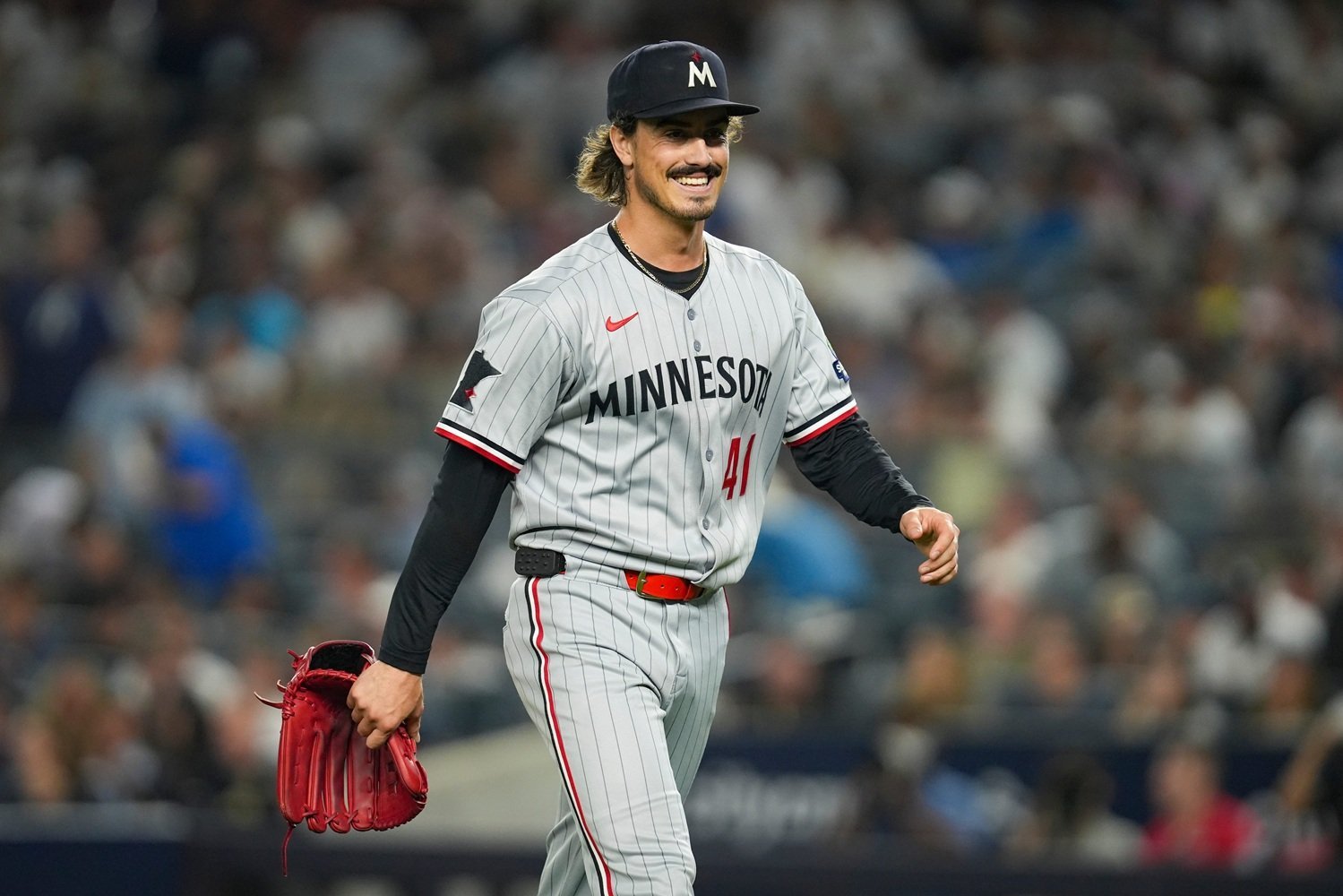 The Minnesota Twins enter this offseason in a familiar position. They are talented enough to compete, but flawed enough that one wrong decision could send them tumbling out of contention for the third consecutive season. After an uneven 2025 season, it is clear that the front office needs a coherent plan to put this roster back on track. It can be easy for fans to say, "Go sign Kyle Tucker or Kyle Schwarber to long-term deals," but those aren’t realistic; Minnesota’s owner-imposed budgetary constraints foreclose those options. Instead, the Twins must work on the margins and find success on a razor-thin line. Last year, they signed Harrison Bader and Danny Coulombe to deals that worked out in the team's favor. Now, the Twins might have even less financial flexibility with which to work. Here are five steps the Twins could take to push toward contending again next year. Step One: Keep Pablo López and Joe Ryan The blueprint for winning baseball in Minnesota starts with pitching that can match up with anyone in the league. For the Twins, that conversation begins with Pablo López and Joe Ryan. Both pitchers have established themselves as playoff-caliber starters who can carry the club through rough stretches. Last season, Ryan was a first-time All-Star. He posted career highs in rWAR (4.5) and ERA+ (125), and his four-seam fastball was its usual, excellent self, worth 1.3 runs above average per 100 thrown. López was limited to 14 starts due to hamstring and shoulder injuries, but posted a 156 ERA+ across 75 2/3 innings. The Twins can hope that a healthy López is back to being a workhorse in 2026, after he averaged over 185 innings per season from 2022-24. Moving either hurler would create a hole that the Twins have no realistic path to filling. With a solid foundation already in place, Minnesota should stay the course and let its rotation leaders continue to set the tone. Step Two: Sign Paul Goldschmidt Minnesota has leaned on a revolving door of veteran first basemen in recent years, and bringing in Goldschmidt would extend that trend. Ty France, Carlos Santana, and Donovan Solano were recent one-year solutions at first, but Goldschmidt is a different level of player. He is no longer the intimidating MVP threat he once was, but he remains a dependable defender and a disciplined hitter. Last season, he played 146 games for the Yankees and posted a .731 OPS and a 104 OPS+. Diamond Centric predicts that he will sign a one-year, $6-million contract that should be in Minnesota's budget. His ability to lengthen the batting order and provide clubhouse leadership could make him an ideal short-term addition. The Twins can hope that he has one final impact season left, and that his bat brings needed balance to the middle of the lineup. Step Three: Re-Sign Caleb Thielbar The bullpen has become a major offseason concern after last season’s trade deadline, and adding stability should be a priority. Thielbar has meant a great deal to the organization, and he remains an effective option when healthy. Minnesota let him leave in free agency last season, and he continued to show value with the Cubs. In 67 appearances (58 IP), he posted a 2.64 ERA (147 ERA+) with a 25.5% strikeout rate and a 5.9% walk rate. More importantly, he held lefties to a .161/.211/.276 line in 95 plate appearances. Bringing him back would add needed experience to a relief corps that lacks established late-inning arms. The market for a 39-year-old reliever will likely be muted. His presence alone will not fix the bullpen, but it would give the Twins a known quantity who can bridge the gap while other roles are sorted out. Step Four: Transition a Trio of Young Starters to Relief Roles The Twins have invested heavily in young pitching, but injuries have slowed the development of several promising arms. Marco Raya, Connor Prielipp, and Zebby Matthews all offer interesting starting pitcher traits, but their health histories raise fundamental questions about their long-term durability. Raya has seemed destined for a bullpen role for a couple of seasons, with the Twins tightly managing his workload while aggressively promoting him. Last season at Triple-A St. Paul, he posted a 6.02 ERA with a 22.6% strikeout rate and a 12.6% walk rate. Prielipp finally had a healthy season, including pitching at Double-A Wichita and for St. Paul. The Twins may want to give him one more season to be a starter, but they went through a similar transformation with Jhoan Duran. Like Prielipp, Duran dealt with injuries in the minors before the team decided to let him cook in the bullpen. Matthews might have the most straightforward path to a bullpen role. He’s already seen a velocity increase since joining the Twins. His four-seamer and slider could be his primary offerings in the bullpen, while dumping his other pitches. A spring training move to the pen could give Minnesota a wave of high-upside relief help while lowering injury risk. Shorter outings could unlock additional velocity and give the relief corps the swing-and-miss capability that was often missing last season. Step Five: Give Emmanuel Rodriguez an Opening Day Job The Twins need an offensive spark, and Rodriguez fits the profile of a player ready to provide it. His minor-league résumé shows patience, power, and the ability to change the game on both sides of the runs ledger. He showcased all these skills during the Dominican Winter League, including winning the All-Star Game MVP. Rodriguez has little left to prove in the minors, and Minnesota should give him the chance to grow at the major-league level from Day One. Unfortunately, Minnesota’s outfield depth chart is filled with other left-handed bats, including Trevor Larnach, Matt Wallner, James Outman, and Alan Roden. Minnesota would need to trade one or more of these players to move Rodriguez onto the 26-man roster. Walker Jenkins might be the higher-ranked prospect, but expecting him to be ready by Opening Day feels premature. Rodriguez brings upside and urgency to a lineup that needs both. Minnesota has the pieces to build a contender in 2026. By keeping their rotation intact, adding targeted veterans, infusing the bullpen with young talent, and trusting a high-ceiling bat, the Twins can chart a clear and competitive path forward. What would you realistically change about this offseason plan? Leave a comment and start the discussion.
- 85 comments
-
- 13
-

-

-
- joe ryan
- pablo lopez
- (and 5 more)
-
Image courtesy of Twins Daily The Minnesota Twins have spent the last three seasons in a whirlwind, from playoff team to multiple collapses. Yet as another winter begins, the most significant questions once again have little to do with roster construction or player development. Instead, all eyes are on the owners’ suite, and the future of a franchise is still stuck in the limbo of a half-completed ownership restructure. Commissioner Rob Manfred recently offered the first public update in months, confirming that the Pohlad family’s push to sell minority stakes is still underway. “Those non-control interest sales are in process—on track and in process,” Manfred said, sharing no further details. His comment was brief but telling, a reminder that nothing has been finalized and that the process is dragging into its second offseason. For a front office already asked to navigate shrinking margins, the uncertainty does not help. The Slow Burn of a Sale That Wasn’t In mid-August, the Pohlads abruptly pulled the Twins off the market after nearly a year of shopping the entire franchise. Instead of a complete sale, the club announced the addition of two minority investment groups. Details were scarce then, and they remain scarce now. Fans still do not know who is involved in either group, and the deal is not complete, though indications are that the incoming investors will hold roughly 20 percent of the team once approved. The intended purpose of the sale was equally significant. After failing to find a buyer at their targeted valuation (around $1.7 billion), the Pohlads elected to take on minority partners to pay down over $400 million in existing debt. Redirecting even a portion of that financial relief into baseball operations would signal commitment not only to the president of baseball operations, Derek Falvey, but also to a fan base weary of mixed messages. So far, that reinvestment remains a hope, rather than a reality. A Front Office Waiting for a Number While the ownership transition drags on, the baseball operations department is left working without a clear payroll budget for 2026. That uncertainty creates an impossible task for a front office trying to balance the possibility of adding with the reality that they may be told to subtract, instead. According to multiple reports, ownership has not communicated a target number for next season, leaving the baseball side to prepare for every scenario. The difference between an $85 million payroll and a $115 million payroll is substantial, and both figures appear to be in play as potential ceilings. This is why recent comments from Falvey carry a different tone. He emphasized three separate times that his focus is on adding to the roster, not breaking it down. He then noted that achieving that outcome depends on what “we” are allowed to do. In a vacuum, this might seem like standard front office language. Given the situation, however, it feels like Falvey is subtly drawing a line between his own intentions and whatever ownership ultimately decides. Players Notice What Is Happening Fans are not the only ones paying attention. Byron Buxton made it clear that he appreciates the stability of playing under the Pohlad family, noting that their presence makes future conversations easier. But even that loyalty has limits. Reporting from The Athletic suggests that Buxton wants to play for a winner and may reconsider his stance if the roster teardown continues—especially if pitchers like Joe Ryan or Pablo López are moved. Players watch the franchise's direction as closely as fans do. They know when a team is pushing forward, and they know when ownership is forcing a retreat. If uncertainty persists deep into this winter, it is not unreasonable to expect more players to ask questions about where the organization is heading. A Story Bigger Than a Single Offseason The latest frustration stems from a familiar theme. When ownership hesitates or defers major decisions, the baseball operations department is left to absorb the fallout. The Pohlads have earned a reputation for slow decision-making in financial matters, and this prolonged minority sale only reinforces that perception. The team cannot fully rebuild or fully compete until ownership clarifies its plan. For now, the Twins are stuck straddling two potential tracks, neither of which leads to sustained success. So, where do things go from here? As fans wait for action, the truth is that the next move belongs to ownership. Once the minority sale is complete, the Pohlads must communicate a payroll direction and allow the baseball operations group to act accordingly. Until then, every rumor—whether involving López, Ryan, or any other player—will continue to feel like guesswork. What do you think the Twins should do once the minority sale is finalized? Do you trust the Pohlads to provide a clear direction? And how much patience do you have left for an ownership group that continues to leave the front office and the fan base in limbo? Leave a comment and start the discussion. View full article
-
The Latest on Minnesota Twins' Evolving Ownership Situation
Cody Christie posted an article in Twins
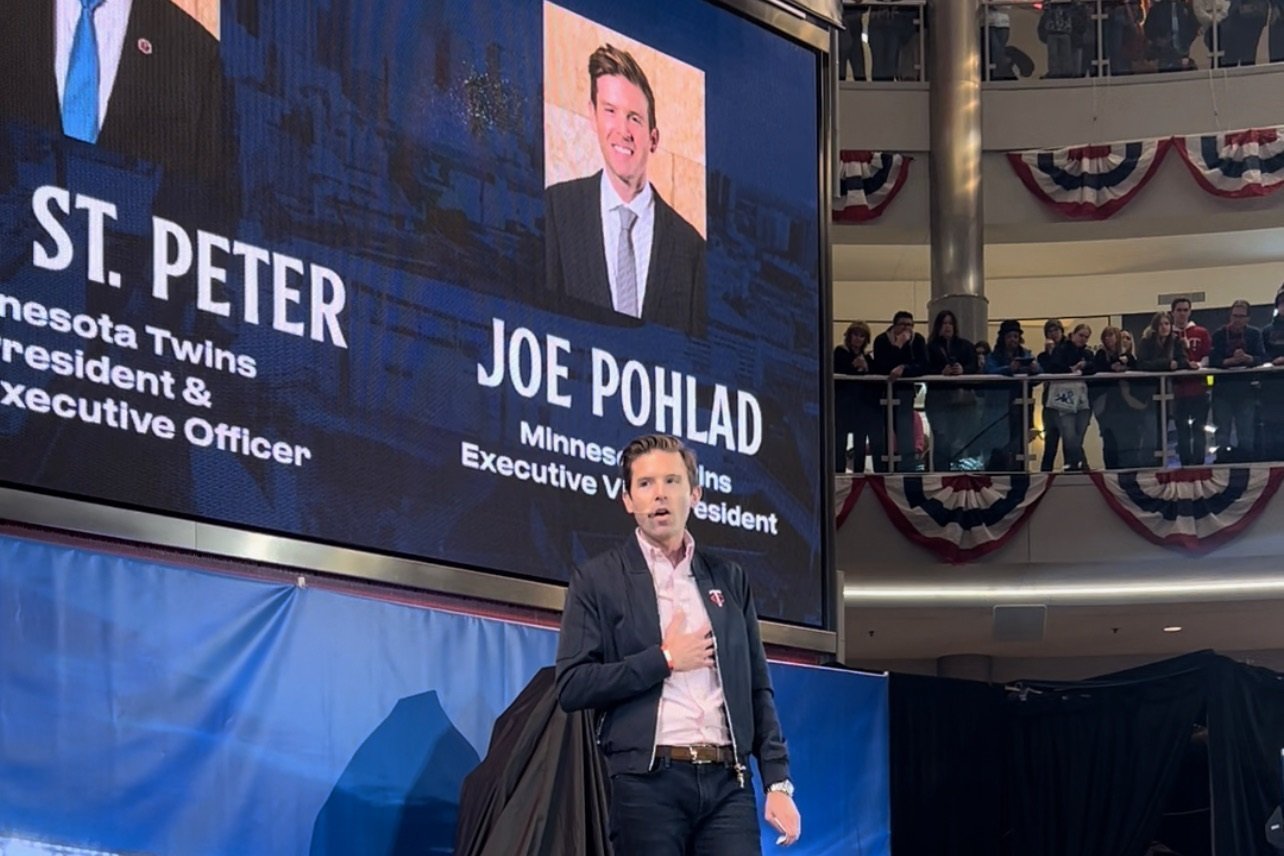 The Minnesota Twins have spent the last three seasons in a whirlwind, from playoff team to multiple collapses. Yet as another winter begins, the most significant questions once again have little to do with roster construction or player development. Instead, all eyes are on the owners’ suite, and the future of a franchise is still stuck in the limbo of a half-completed ownership restructure. Commissioner Rob Manfred recently offered the first public update in months, confirming that the Pohlad family’s push to sell minority stakes is still underway. “Those non-control interest sales are in process—on track and in process,” Manfred said, sharing no further details. His comment was brief but telling, a reminder that nothing has been finalized and that the process is dragging into its second offseason. For a front office already asked to navigate shrinking margins, the uncertainty does not help. The Slow Burn of a Sale That Wasn’t In mid-August, the Pohlads abruptly pulled the Twins off the market after nearly a year of shopping the entire franchise. Instead of a complete sale, the club announced the addition of two minority investment groups. Details were scarce then, and they remain scarce now. Fans still do not know who is involved in either group, and the deal is not complete, though indications are that the incoming investors will hold roughly 20 percent of the team once approved. The intended purpose of the sale was equally significant. After failing to find a buyer at their targeted valuation (around $1.7 billion), the Pohlads elected to take on minority partners to pay down over $400 million in existing debt. Redirecting even a portion of that financial relief into baseball operations would signal commitment not only to the president of baseball operations, Derek Falvey, but also to a fan base weary of mixed messages. So far, that reinvestment remains a hope, rather than a reality. A Front Office Waiting for a Number While the ownership transition drags on, the baseball operations department is left working without a clear payroll budget for 2026. That uncertainty creates an impossible task for a front office trying to balance the possibility of adding with the reality that they may be told to subtract, instead. According to multiple reports, ownership has not communicated a target number for next season, leaving the baseball side to prepare for every scenario. The difference between an $85 million payroll and a $115 million payroll is substantial, and both figures appear to be in play as potential ceilings. This is why recent comments from Falvey carry a different tone. He emphasized three separate times that his focus is on adding to the roster, not breaking it down. He then noted that achieving that outcome depends on what “we” are allowed to do. In a vacuum, this might seem like standard front office language. Given the situation, however, it feels like Falvey is subtly drawing a line between his own intentions and whatever ownership ultimately decides. Players Notice What Is Happening Fans are not the only ones paying attention. Byron Buxton made it clear that he appreciates the stability of playing under the Pohlad family, noting that their presence makes future conversations easier. But even that loyalty has limits. Reporting from The Athletic suggests that Buxton wants to play for a winner and may reconsider his stance if the roster teardown continues—especially if pitchers like Joe Ryan or Pablo López are moved. Players watch the franchise's direction as closely as fans do. They know when a team is pushing forward, and they know when ownership is forcing a retreat. If uncertainty persists deep into this winter, it is not unreasonable to expect more players to ask questions about where the organization is heading. A Story Bigger Than a Single Offseason The latest frustration stems from a familiar theme. When ownership hesitates or defers major decisions, the baseball operations department is left to absorb the fallout. The Pohlads have earned a reputation for slow decision-making in financial matters, and this prolonged minority sale only reinforces that perception. The team cannot fully rebuild or fully compete until ownership clarifies its plan. For now, the Twins are stuck straddling two potential tracks, neither of which leads to sustained success. So, where do things go from here? As fans wait for action, the truth is that the next move belongs to ownership. Once the minority sale is complete, the Pohlads must communicate a payroll direction and allow the baseball operations group to act accordingly. Until then, every rumor—whether involving López, Ryan, or any other player—will continue to feel like guesswork. What do you think the Twins should do once the minority sale is finalized? Do you trust the Pohlads to provide a clear direction? And how much patience do you have left for an ownership group that continues to leave the front office and the fan base in limbo? Leave a comment and start the discussion.
 -
Image courtesy of © Bryon Houlgrave/The Register / USA TODAY NETWORK The Minnesota Twins will be featured in Major League Baseball’s Field of Dreams Game next August, a celebration of nostalgia, cornfields, and players who ideally still exist on the roster by first pitch. Unfortunately for MLB’s marketing department, the Twins appear determined to test that last requirement. The league has already rolled out promotional materials splashed with Minnesota stars Byron Buxton, Pablo López, Joe Ryan, Ryan Jeffers, and Royce Lewis. These posters look great on billboards, buses, and social media feeds. They would also make tremendous historical artifacts documenting a team that might be entirely gone by the time the game actually happens. One MLB official admitted privately that the league is preparing for the worst. “Let me put it this way,” the source said. “We may or may not have a folder titled: Things To Do If The Twins Trade Everyone With A Pulse. And that folder may or may not be very full.” The Twins front office also seems aware of the situation. A team source provided clarity on the matter. “Look, we like our guys,” the source said. “But we also really like future payroll flexibility. And prospect capital. And maybe just the general chaos of it all.” With the trade deadline falling before August’s Field of Dreams Game, the league is constructing backup promotional plans. The first option is simply swapping out the current stars for top prospect Walker Jenkins, who has yet to debut but has already been used as a placeholder so often that he might appear on more posters than Buxton by February. “Walker looks great in a cornfield,” an MLB designer said anonymously. “He also looks great in any graphic where we desperately need a Minnesota Twin who still plays for the Minnesota Twins. At this point, he might be our entire September promo package.” If Jenkins is not available or is inconveniently also traded for pitching depth or a rental reliever with an expiring elbow, MLB’s contingency depth chart shifts to Austin Martin. His second-half surge has made him credible enough to be featured, though the bar for credibility is now best described as “Can this person plausibly wear a Twins hat without us getting sued?” MLB’s most ambitious contingency plan involves fully leaning into misdirection. With Kody Clemens arriving in the organization, the league is reportedly considering a marketing strategy based on the assumption that casual fans will assume he is his father, Roger Clemens. “I'm not saying we would imply he is Roger,” an MLB source clarified. “Just that we would not go out of our way to clarify that he is not Roger. If people want to believe the Twins are sending that Clemens to Iowa, who are we to interrupt their joy?” The Twins, for their part, have not ruled out the possibility of using Clemens on the mound if public confusion reaches a high enough level. “We will do whatever the situation calls for,” a team source shared. “Is Kody a pitcher? Not currently. Could he be? Theoretically. Is this entire winter theoretical? Absolutely.” The league remains hopeful that at least one recognizable Twin survives the summer. But the risk is real, and it must be faced. One document labeled Emergency Minnesota Adventure outlines scenarios ranging from signing random former Twins to reintroducing TC Bear as a two-way player. Another plan apparently suggests asking Joe Mauer if he is busy that weekend. As the marketing department frantically prepares for all potential futures, MLB leadership remains officially calm. “This is all hypothetical,” one league executive insisted. “There is no reason to believe the Twins will trade away their entire roster. Unless they do. Which they might. But maybe they will not. But probably they will.” Fans now wait for more details, as August approaches and the cornfield beckons. Whether the Twins arrive with actual MLB players or some last-second collection of fallback options, we won't know for some time. View full article
-
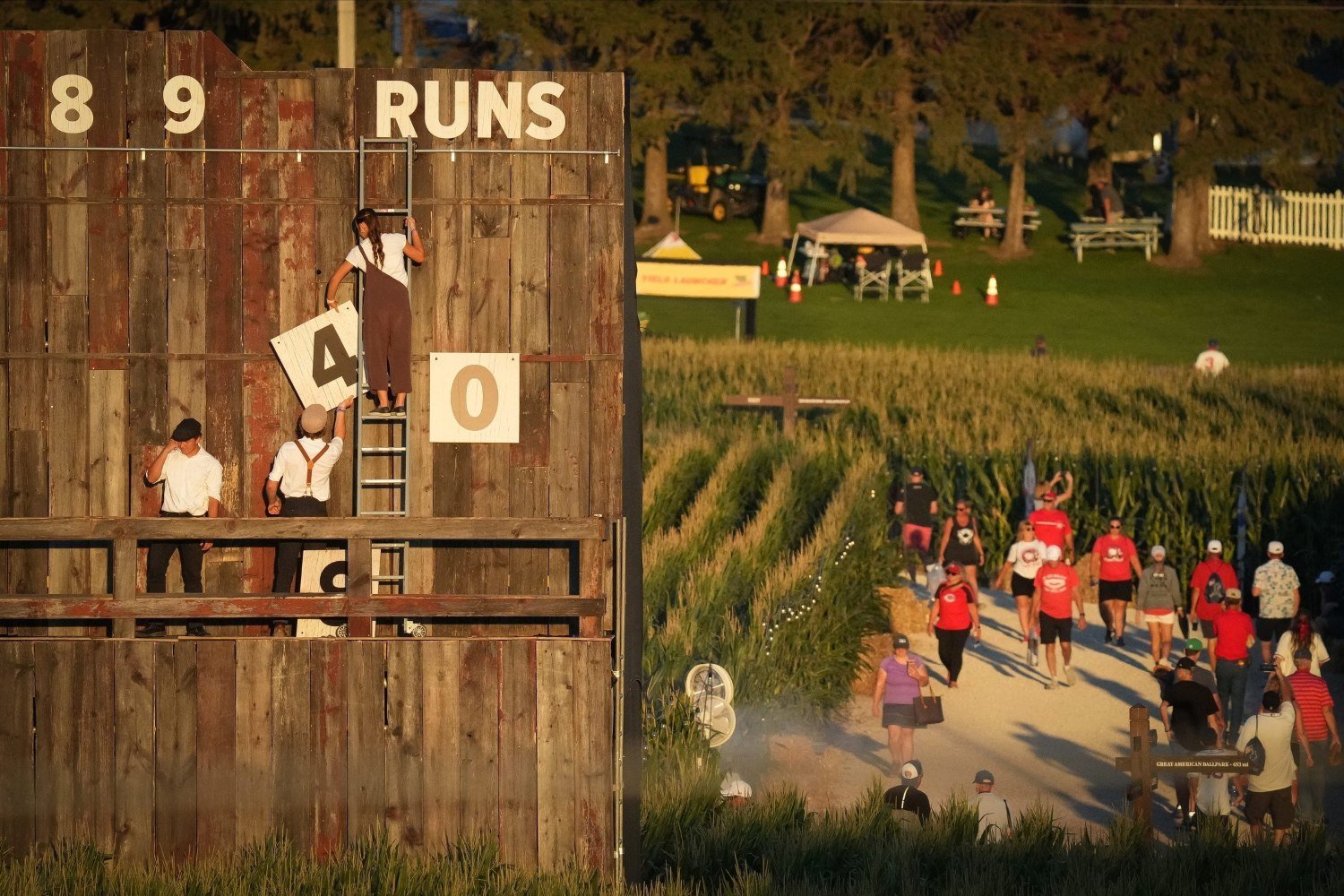 The Minnesota Twins will be featured in Major League Baseball’s Field of Dreams Game next August, a celebration of nostalgia, cornfields, and players who ideally still exist on the roster by first pitch. Unfortunately for MLB’s marketing department, the Twins appear determined to test that last requirement. The league has already rolled out promotional materials splashed with Minnesota stars Byron Buxton, Pablo López, Joe Ryan, Ryan Jeffers, and Royce Lewis. These posters look great on billboards, buses, and social media feeds. They would also make tremendous historical artifacts documenting a team that might be entirely gone by the time the game actually happens. One MLB official admitted privately that the league is preparing for the worst. “Let me put it this way,” the source said. “We may or may not have a folder titled: Things To Do If The Twins Trade Everyone With A Pulse. And that folder may or may not be very full.” The Twins front office also seems aware of the situation. A team source provided clarity on the matter. “Look, we like our guys,” the source said. “But we also really like future payroll flexibility. And prospect capital. And maybe just the general chaos of it all.” With the trade deadline falling before August’s Field of Dreams Game, the league is constructing backup promotional plans. The first option is simply swapping out the current stars for top prospect Walker Jenkins, who has yet to debut but has already been used as a placeholder so often that he might appear on more posters than Buxton by February. “Walker looks great in a cornfield,” an MLB designer said anonymously. “He also looks great in any graphic where we desperately need a Minnesota Twin who still plays for the Minnesota Twins. At this point, he might be our entire September promo package.” If Jenkins is not available or is inconveniently also traded for pitching depth or a rental reliever with an expiring elbow, MLB’s contingency depth chart shifts to Austin Martin. His second-half surge has made him credible enough to be featured, though the bar for credibility is now best described as “Can this person plausibly wear a Twins hat without us getting sued?” MLB’s most ambitious contingency plan involves fully leaning into misdirection. With Kody Clemens arriving in the organization, the league is reportedly considering a marketing strategy based on the assumption that casual fans will assume he is his father, Roger Clemens. “I'm not saying we would imply he is Roger,” an MLB source clarified. “Just that we would not go out of our way to clarify that he is not Roger. If people want to believe the Twins are sending that Clemens to Iowa, who are we to interrupt their joy?” The Twins, for their part, have not ruled out the possibility of using Clemens on the mound if public confusion reaches a high enough level. “We will do whatever the situation calls for,” a team source shared. “Is Kody a pitcher? Not currently. Could he be? Theoretically. Is this entire winter theoretical? Absolutely.” The league remains hopeful that at least one recognizable Twin survives the summer. But the risk is real, and it must be faced. One document labeled Emergency Minnesota Adventure outlines scenarios ranging from signing random former Twins to reintroducing TC Bear as a two-way player. Another plan apparently suggests asking Joe Mauer if he is busy that weekend. As the marketing department frantically prepares for all potential futures, MLB leadership remains officially calm. “This is all hypothetical,” one league executive insisted. “There is no reason to believe the Twins will trade away their entire roster. Unless they do. Which they might. But maybe they will not. But probably they will.” Fans now wait for more details, as August approaches and the cornfield beckons. Whether the Twins arrive with actual MLB players or some last-second collection of fallback options, we won't know for some time.
 -
Taking Stock of Minnesota Twins' 2024 Draft Class
Cody Christie replied to Cody Christie's topic in Twins Minor League Talk
I thought that last night after I had the story on the site.- 22 replies
-
- 9
-
-
- kaelen culpepper
- dasan hill
- (and 5 more)
-
Image courtesy of William Parmeter (photo of Dasan Hill) The 2024 MLB Draft marked a pivotal moment for the Minnesota Twins, as the front office aimed to inject the system with high-end athleticism and safer, polished hitters. Over 16 months later, the results are starting to take shape. While it is still early in the development cycle, the 2025 season offered the first real indicators of who is rising and who still has work to do. Here is a look at how the top selections performed, and whether their stock is trending up or down. SS Kaelen Culpepper (1st Round, 21st Overall) Culpepper wasted no time proving he was worth a first-round bet. After showing brief flashes during his pro debut in 2024, he took a significant step forward this past season. His plus bat speed helped him drive the ball to all fields, and he trimmed his strikeout rate (17.4%) while maintaining a strong walk rate (9.7%). He finished the year slashing .289/.375/.469, with a 138 wRC+. The Twins named him the organization’s Minor League Player of the Year. At the time of the draft, there were questions about whether or not Culpepper could stick at shortstop. After 2025, Culpepper looks capable of sticking on the left side of the infield thanks to quick reactions and smooth hands, and he finished the year as a steady highlight reel at shortstop. His stock is way up because he showed both a higher offensive ceiling and a more stable defensive floor than projected. He now looks like a potential impact player for the Twins as early as 2026. Stock: Way Up IF Kyle DeBarge (1st Round, 33rd Overall) DeBarge entered pro ball known for elite defensive ability, and he only strengthened that reputation by winning a Rawlings Gold Glove after the 2025 season. His range and consistency anchor his value, and he displayed exceptional body control at both shortstop and second base. Offensively, DeBarge is still more contact-oriented than impact-driven (107 wRC+), but his bat-to-ball skills make him an annoyance at the plate for pitchers. However, he stole 66 bases to add to his offensive value. His stock is up because the defense is already top-tier, and the offensive floor appears solid enough for a future big league utility role with a chance for more. Stock: Up 3B Billy Amick (2nd Round, 60th Overall) Amick was drafted for his right-handed power, but his 2025 season exposed some concerns. Pitchers attacked him with elevated velocity and late-breaking spin, and his chase rate climbed (26.3 K%) throughout the year. While the raw power still flashes (150 wRC+), he struggled to translate it consistently in games. After being limited to 59 games, Minnesota sent him to the AFL, but he struggled by going 1-for-30 (.033 BA) with a 20-to-8 strikeout-to-walk ratio. His stock is down because the swing and approach need refinement before he can unlock his offensive upside. Stock: Down SP Dasan Hill (2nd Round, 69th Overall) Hill was viewed as a projection pick, and the early returns are encouraging with Twins Daily already ranking him in the organization’s top-10 prospects. His fastball ticked up into the upper 90s, and he showed improved command to both sides of the plate. Even more promising was the development of his sweeper, which added late bite and became a legitimate out pitch. Hill still needs to build stamina and sharpen his changeup, but the athleticism and strike-throwing are trending in the right direction. In 19 starts this season, the 19-year-old posted a 3.19 ERA with a 31.1 K% and a 15.0 BB%. His stock is up because his raw tools are beginning to translate into real on-field results. Stock: Up C Khadim Diaw (3rd Round, 96th Overall) Diaw made one of the biggest leaps in the class in 2025, as his offensive game took off. His strong frame produces natural power, and he showed a more controlled swing path, allowing him to drive pitches in the strike zone (161 wRC+). He also started gaining national attention with ESPN’s Kiley McDaniel placing Diaw in Minnesota’s top-10 prospects earlier this season. Unfortunately, he dealt with multiple injuries in college and missed time with a broken thumb last season. His stock is up because he blended production with projection and looked more like a long-term piece in the system. Stock: Up OF Jaime Ferrer (4th Round, 126th Overall) Ferrer was known for his raw pop when the Twins drafted him (1.083 OPS in his junior season), but his year was marked by inconsistency. First basemen and corner outfielders must hit for power, and he was limited to a .339 SLG and an 82 wRC+. Opposing pitchers exploited holes up in the zone, and his timing drifted as the season progressed. While he can still do damage on mistake pitches, his overall contact quality dipped, and his defensive profile remains limited to a corner outfield spot. His stock is down because the hit tool questions have grown louder, and he will need to make adjustments heading into 2026. Stock: Down OF Caden Kendle (5th Round, 159th Overall) Kendle entered the organization as an older but polished bat with strong plate discipline. Unfortunately, his 2025 performance plateaued. He posted a solid on-base percentage (.323 OBP) but did not impact the ball with enough authority (.382 SLG) to stand out. His limited power narrows his margin for error, and he will need to unlock more extra base damage to rise through the system. His stock is down because his offensive output did not match the expectations for a player with his college track record. Stock: Down The 2024 draft class already shows signs of paying dividends for the Twins, particularly with Culpepper, DeBarge, Hill, and Diaw emerging as early success stories. Others will require more time and development, but the organization can feel optimistic about the foundation laid by this group. What stands out about this group? How would you grade their stock so far? Leave a comment and start the discussion. View full article
-
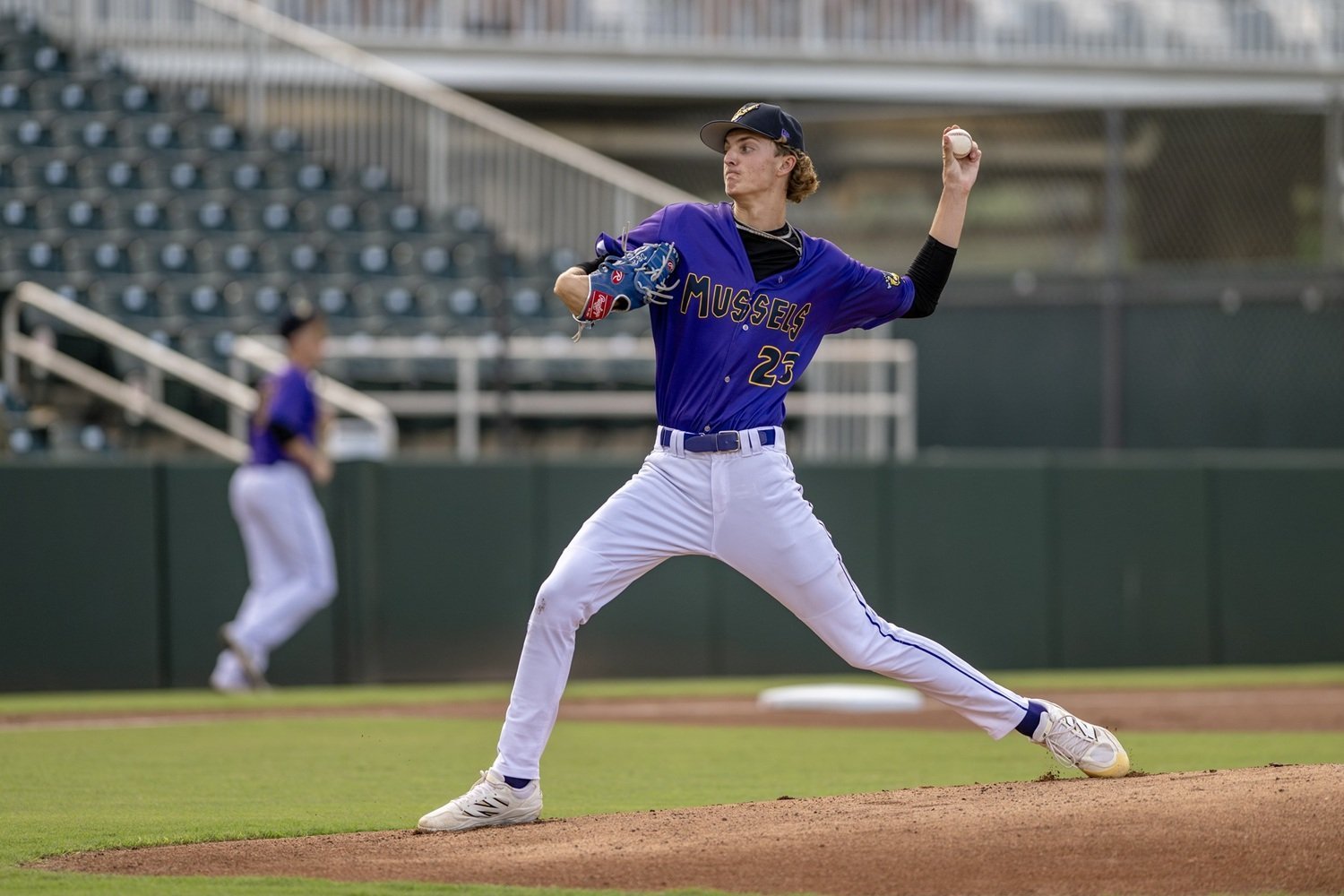 The 2024 MLB Draft marked a pivotal moment for the Minnesota Twins, as the front office aimed to inject the system with high-end athleticism and safer, polished hitters. Over 16 months later, the results are starting to take shape. While it is still early in the development cycle, the 2025 season offered the first real indicators of who is rising and who still has work to do. Here is a look at how the top selections performed, and whether their stock is trending up or down. SS Kaelen Culpepper (1st Round, 21st Overall) Culpepper wasted no time proving he was worth a first-round bet. After showing brief flashes during his pro debut in 2024, he took a significant step forward this past season. His plus bat speed helped him drive the ball to all fields, and he trimmed his strikeout rate (17.4%) while maintaining a strong walk rate (9.7%). He finished the year slashing .289/.375/.469, with a 138 wRC+. The Twins named him the organization’s Minor League Player of the Year. At the time of the draft, there were questions about whether or not Culpepper could stick at shortstop. After 2025, Culpepper looks capable of sticking on the left side of the infield thanks to quick reactions and smooth hands, and he finished the year as a steady highlight reel at shortstop. His stock is way up because he showed both a higher offensive ceiling and a more stable defensive floor than projected. He now looks like a potential impact player for the Twins as early as 2026. Stock: Way Up IF Kyle DeBarge (1st Round, 33rd Overall) DeBarge entered pro ball known for elite defensive ability, and he only strengthened that reputation by winning a Rawlings Gold Glove after the 2025 season. His range and consistency anchor his value, and he displayed exceptional body control at both shortstop and second base. Offensively, DeBarge is still more contact-oriented than impact-driven (107 wRC+), but his bat-to-ball skills make him an annoyance at the plate for pitchers. However, he stole 66 bases to add to his offensive value. His stock is up because the defense is already top-tier, and the offensive floor appears solid enough for a future big league utility role with a chance for more. Stock: Up 3B Billy Amick (2nd Round, 60th Overall) Amick was drafted for his right-handed power, but his 2025 season exposed some concerns. Pitchers attacked him with elevated velocity and late-breaking spin, and his chase rate climbed (26.3 K%) throughout the year. While the raw power still flashes (150 wRC+), he struggled to translate it consistently in games. After being limited to 59 games, Minnesota sent him to the AFL, but he struggled by going 1-for-30 (.033 BA) with a 20-to-8 strikeout-to-walk ratio. His stock is down because the swing and approach need refinement before he can unlock his offensive upside. Stock: Down SP Dasan Hill (2nd Round, 69th Overall) Hill was viewed as a projection pick, and the early returns are encouraging with Twins Daily already ranking him in the organization’s top-10 prospects. His fastball ticked up into the upper 90s, and he showed improved command to both sides of the plate. Even more promising was the development of his sweeper, which added late bite and became a legitimate out pitch. Hill still needs to build stamina and sharpen his changeup, but the athleticism and strike-throwing are trending in the right direction. In 19 starts this season, the 19-year-old posted a 3.19 ERA with a 31.1 K% and a 15.0 BB%. His stock is up because his raw tools are beginning to translate into real on-field results. Stock: Up C Khadim Diaw (3rd Round, 96th Overall) Diaw made one of the biggest leaps in the class in 2025, as his offensive game took off. His strong frame produces natural power, and he showed a more controlled swing path, allowing him to drive pitches in the strike zone (161 wRC+). He also started gaining national attention with ESPN’s Kiley McDaniel placing Diaw in Minnesota’s top-10 prospects earlier this season. Unfortunately, he dealt with multiple injuries in college and missed time with a broken thumb last season. His stock is up because he blended production with projection and looked more like a long-term piece in the system. Stock: Up OF Jaime Ferrer (4th Round, 126th Overall) Ferrer was known for his raw pop when the Twins drafted him (1.083 OPS in his junior season), but his year was marked by inconsistency. First basemen and corner outfielders must hit for power, and he was limited to a .339 SLG and an 82 wRC+. Opposing pitchers exploited holes up in the zone, and his timing drifted as the season progressed. While he can still do damage on mistake pitches, his overall contact quality dipped, and his defensive profile remains limited to a corner outfield spot. His stock is down because the hit tool questions have grown louder, and he will need to make adjustments heading into 2026. Stock: Down OF Caden Kendle (5th Round, 159th Overall) Kendle entered the organization as an older but polished bat with strong plate discipline. Unfortunately, his 2025 performance plateaued. He posted a solid on-base percentage (.323 OBP) but did not impact the ball with enough authority (.382 SLG) to stand out. His limited power narrows his margin for error, and he will need to unlock more extra base damage to rise through the system. His stock is down because his offensive output did not match the expectations for a player with his college track record. Stock: Down The 2024 draft class already shows signs of paying dividends for the Twins, particularly with Culpepper, DeBarge, Hill, and Diaw emerging as early success stories. Others will require more time and development, but the organization can feel optimistic about the foundation laid by this group. What stands out about this group? How would you grade their stock so far? Leave a comment and start the discussion.
- 22 comments
-
- 15
-
-
- kaelen culpepper
- dasan hill
- (and 5 more)
-
Image courtesy of © Sam Navarro-Imagn Images The Twins have entered recent winters with plenty of questions, but this winter brings a particularly uneasy one. After last summer’s shocking decision to trade Carlos Correa at the deadline, Minnesota suddenly went from having a franchise cornerstone at shortstop to hoping a former top prospect can carry one of the most demanding positions in baseball. That is a dramatic shift for a team on the fringes of contention, even while operating under the tightest budget constraints of the Derek Falvey era. Minnesota can’t afford a superstar to steady the position. It simply needs more certainty. Right now, shortstop is the thinnest spot on the organizational depth chart, and that is a dangerous way to start the winter. A Depth Chart Built on Hope Brooks Lee sits atop the depth chart after being thrust into the starting job after the Correa trade. In 139 games, he hit .236/.285/.370 (.654) with a 79 OPS+. The front office believes in his tools and maturity, but even talented young players rarely sprint through their early big-league career without bumps. Depending solely on Lee to handle 162 games is the definition of risky roster construction. Behind him, the depth gets frightening in a hurry. Ryan Kreidler arrived as a waiver claim earlier this offseason, and while he brings defensive value, his major league track record does not suggest everyday reliability. Last season, he played most of the year at Triple-A and posted a .751 OPS in 99 games. Ryan Fitzgerald could crack the team’s Opening Day roster as a backup infielder after combining for an .837 OPS with the Saints last year. Few inside or outside the organization view him as a long-term solution as a starting option, but he's earned an opportunity to fill a role. In the minor leagues, Kaelen Culpepper flew up prospect rankings in 2025, but he is yet to sniff Triple-A. He might be ready at some point in 2026, but that is far from a guarantee. Last year's first round pick Marek Houston could reach the high minors this year, but he likely won't crack the big leagues for multiple seasons. Both players are part of the team's long-term plan. Neither can be counted on for significant time in 2026. Minnesota also needs a strong defense behind a rotation expected to include multiple young pitchers. Lee showed improvements at shortstop in the second half but is still considered a below-average defender. For a team on the outside of contention, that is a razor-thin safety net behind Lee. The Bargain Bin Reality Since ownership’s maddening decision to slash payroll after the 2023 season, the Twins have spent just eighteen million dollars on free agents across two full winters. Six players. All one-year deals. None above $6.25 million. It is not a shopping strategy; it is an economic philosophy, and it has left the front office combing the discount bin for meaningful upgrades. That reality shapes their shortstop search. The free-agent class is barren, making the problem even harder to solve. Minnesota does not have the financial flexibility to target even the middle tier of the market. That scarcity is precisely why a player like Orlando Arcia becomes relevant in conversations he never would have entered a few years ago. Arcia, now 32 years old, hit free agency after a rough stint in Colorado and has been one of the worst hitters in baseball over the last two seasons by nearly every advanced measure. In fact, he has been the worst hitter in baseball by both wRC+ and xwOBA with 800+ PAs over the past two seasons. As a right-handed hitter, his OPS was 50 points higher against lefties, so there may be a role for him to platoon. His glove keeps him employable, but only in a limited role, and only on a team willing to accept the offensive tradeoff. He is the type of player the Twins might be forced to consider. Not because he solves anything, but because the market offers so few alternatives. He could be signed to a minor league deal to offer organizational depth, because he is the sort of player who fills roster spots rather than stabilizes them. A Problem Minnesota Cannot Ignore The Twins have to add more protection behind Lee, even if that means a smaller move that brings competence rather than upside. A veteran shortstop who can defend, handle 40 to 60 starts, and keep Lee fresh is not a luxury for this roster. It is a requirement. Minnesota can get by with creativity at several positions, but shortstop is not one of them. The front office saw what happened when injuries piled up in 2024 and 2025, and this roster cannot survive another season where the infield defense erodes because the club ran out of viable options. With budget limits and a barren market, the Twins may need to get uncomfortable or get creative. What they cannot do is stand still. Shortstop is too essential, and the depth chart is too thin. The Twins need to act before this winter gets away from them. How should the Twins upgrade their shortstop depth? Is Arcia an option? Leave a comment and start the discussion. View full article
-
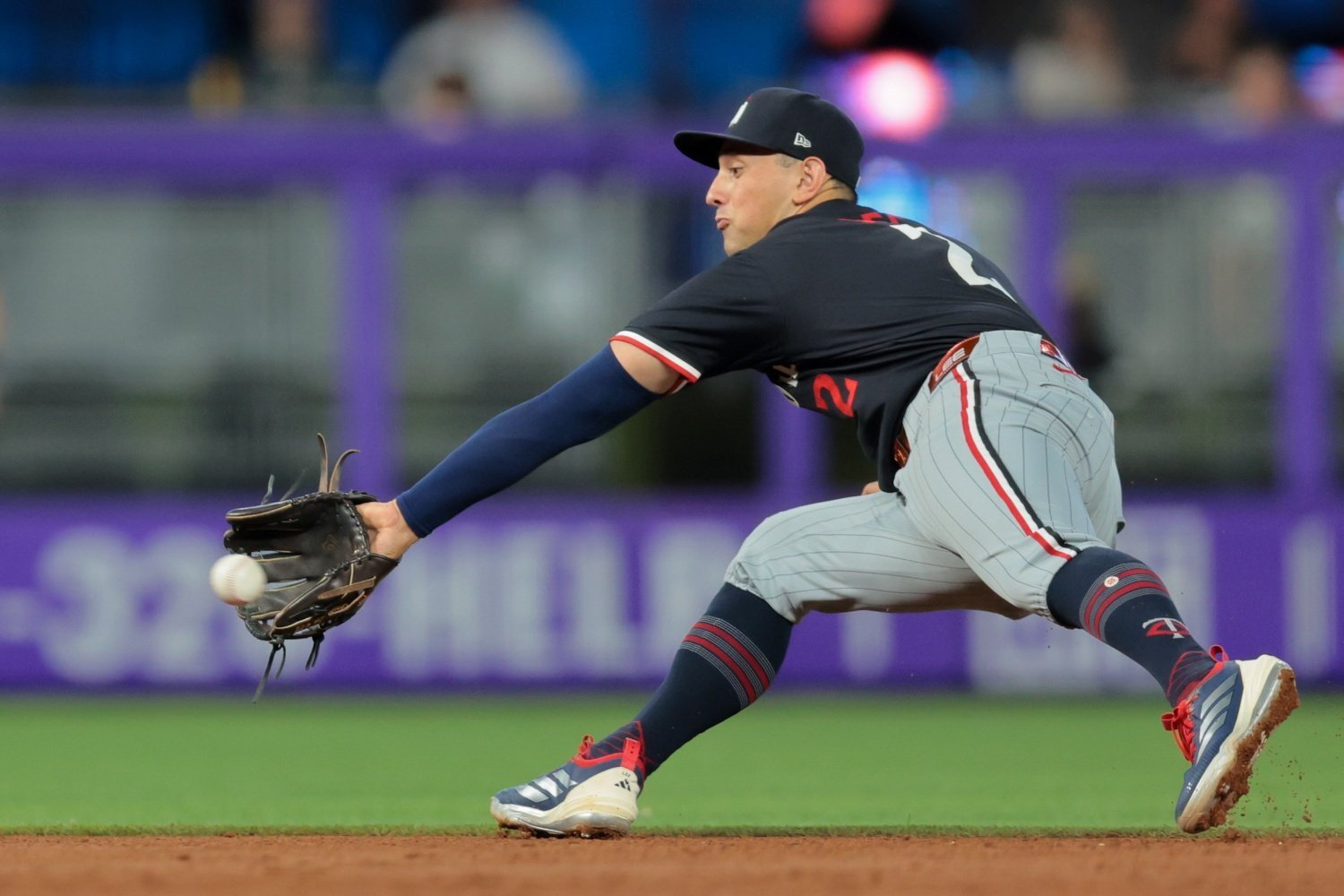 The Twins have entered recent winters with plenty of questions, but this winter brings a particularly uneasy one. After last summer’s shocking decision to trade Carlos Correa at the deadline, Minnesota suddenly went from having a franchise cornerstone at shortstop to hoping a former top prospect can carry one of the most demanding positions in baseball. That is a dramatic shift for a team on the fringes of contention, even while operating under the tightest budget constraints of the Derek Falvey era. Minnesota can’t afford a superstar to steady the position. It simply needs more certainty. Right now, shortstop is the thinnest spot on the organizational depth chart, and that is a dangerous way to start the winter. A Depth Chart Built on Hope Brooks Lee sits atop the depth chart after being thrust into the starting job after the Correa trade. In 139 games, he hit .236/.285/.370 (.654) with a 79 OPS+. The front office believes in his tools and maturity, but even talented young players rarely sprint through their early big-league career without bumps. Depending solely on Lee to handle 162 games is the definition of risky roster construction. Behind him, the depth gets frightening in a hurry. Ryan Kreidler arrived as a waiver claim earlier this offseason, and while he brings defensive value, his major league track record does not suggest everyday reliability. Last season, he played most of the year at Triple-A and posted a .751 OPS in 99 games. Ryan Fitzgerald could crack the team’s Opening Day roster as a backup infielder after combining for an .837 OPS with the Saints last year. Few inside or outside the organization view him as a long-term solution as a starting option, but he's earned an opportunity to fill a role. In the minor leagues, Kaelen Culpepper flew up prospect rankings in 2025, but he is yet to sniff Triple-A. He might be ready at some point in 2026, but that is far from a guarantee. Last year's first round pick Marek Houston could reach the high minors this year, but he likely won't crack the big leagues for multiple seasons. Both players are part of the team's long-term plan. Neither can be counted on for significant time in 2026. Minnesota also needs a strong defense behind a rotation expected to include multiple young pitchers. Lee showed improvements at shortstop in the second half but is still considered a below-average defender. For a team on the outside of contention, that is a razor-thin safety net behind Lee. The Bargain Bin Reality Since ownership’s maddening decision to slash payroll after the 2023 season, the Twins have spent just eighteen million dollars on free agents across two full winters. Six players. All one-year deals. None above $6.25 million. It is not a shopping strategy; it is an economic philosophy, and it has left the front office combing the discount bin for meaningful upgrades. That reality shapes their shortstop search. The free-agent class is barren, making the problem even harder to solve. Minnesota does not have the financial flexibility to target even the middle tier of the market. That scarcity is precisely why a player like Orlando Arcia becomes relevant in conversations he never would have entered a few years ago. Arcia, now 32 years old, hit free agency after a rough stint in Colorado and has been one of the worst hitters in baseball over the last two seasons by nearly every advanced measure. In fact, he has been the worst hitter in baseball by both wRC+ and xwOBA with 800+ PAs over the past two seasons. As a right-handed hitter, his OPS was 50 points higher against lefties, so there may be a role for him to platoon. His glove keeps him employable, but only in a limited role, and only on a team willing to accept the offensive tradeoff. He is the type of player the Twins might be forced to consider. Not because he solves anything, but because the market offers so few alternatives. He could be signed to a minor league deal to offer organizational depth, because he is the sort of player who fills roster spots rather than stabilizes them. A Problem Minnesota Cannot Ignore The Twins have to add more protection behind Lee, even if that means a smaller move that brings competence rather than upside. A veteran shortstop who can defend, handle 40 to 60 starts, and keep Lee fresh is not a luxury for this roster. It is a requirement. Minnesota can get by with creativity at several positions, but shortstop is not one of them. The front office saw what happened when injuries piled up in 2024 and 2025, and this roster cannot survive another season where the infield defense erodes because the club ran out of viable options. With budget limits and a barren market, the Twins may need to get uncomfortable or get creative. What they cannot do is stand still. Shortstop is too essential, and the depth chart is too thin. The Twins need to act before this winter gets away from them. How should the Twins upgrade their shortstop depth? Is Arcia an option? Leave a comment and start the discussion.
- 36 comments
-
- 6
-
-
- brooks lee
- ryan kreidler
- (and 2 more)
-
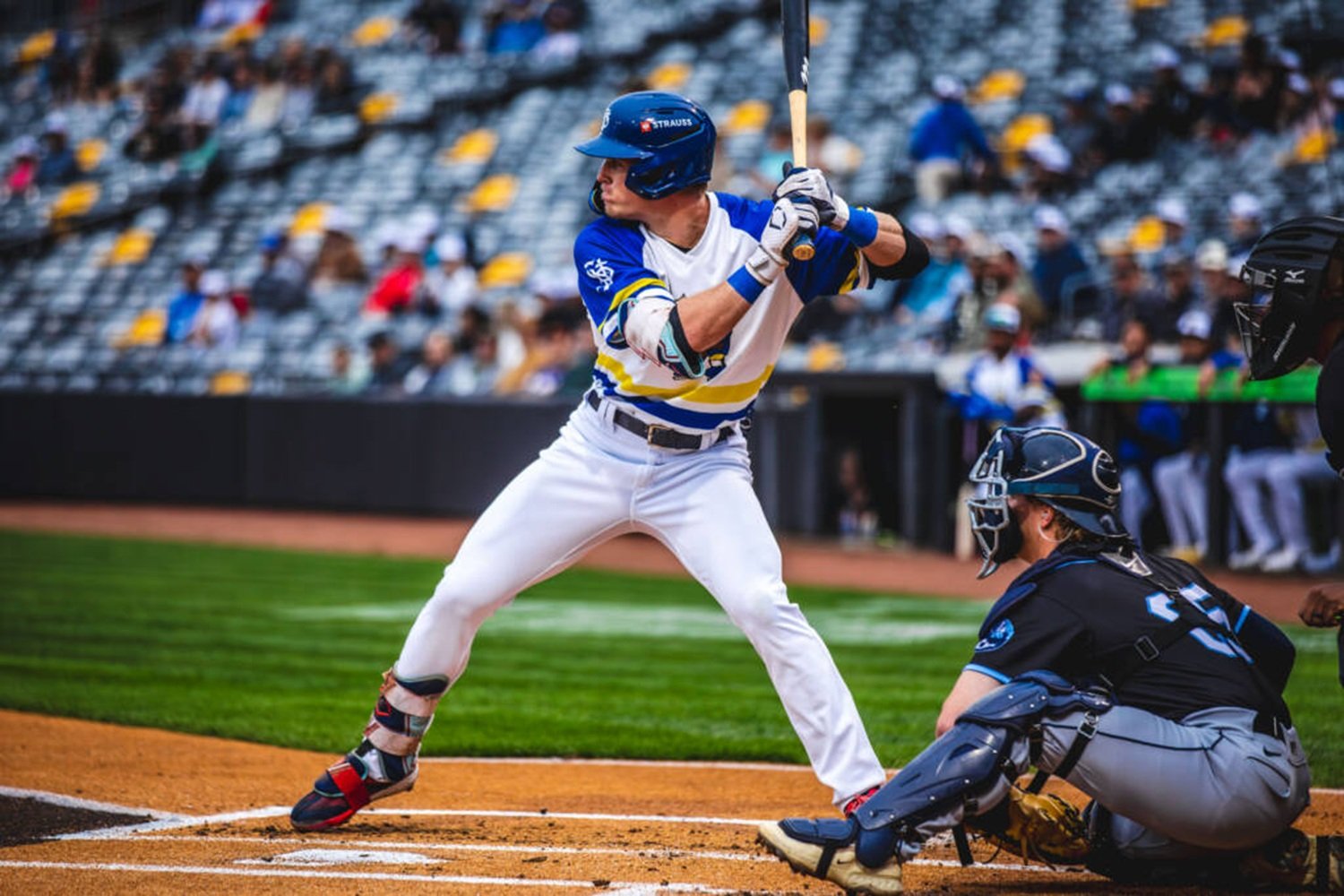 Predicting a lineup several years into the future is always an exercise in projection and optimism, but the Twins have placed themselves in a strong position for long-term success. A wave of high-end prospects is poised to join an established big-league core, giving Minnesota the type of roster flexibility that front offices crave. If everything breaks right, the 2029 Twins could feature a roster built around homegrown stars, polished young talent, and a few veterans who still have more to give. Let's take a look at how the 2029 lineup might take shape, and why each player fits into Minnesota’s long-term vision. Behind each player’s name is their age during the 2029 campaign. Catcher: Eduardo Tait (22) The Twins are dreaming big with Tait. As the top prospect acquired in the Jhoan Duran deal with Philadelphia, Tait arrived with significant development time ahead of him. He finished his age-18 season at High-A Cedar Rapids, where he posted a 103 wRC+ while facing competition more than 4 years older on average. Minnesota is hoping the early grind pays off and that Tait grows into the athletic and durable catcher who can anchor the position for the next decade. First Base: Luke Keaschall (26) Keaschall showed flashes of his offensive upside in 2025, but his long-term defensive home remains unsettled. As he moves further from Tommy John surgery, the Twins expect him to get plenty of reps at second base and even in the outfield during the next couple of seasons. By 2029, Minnesota should have stronger defenders locked into its infield spots, making first base a natural landing place where Keaschall can focus on providing steady offensive production. Second Base: Brooks Lee (28) Lee will get every chance to be the club’s everyday shortstop in 2026, but his lack of speed and the wear of age may prompt a position switch by 2029. Even with that shift, the Twins believe his sharp instincts and plus bat-to-ball ability can shine in an up-the-middle role. If his minor-league contact skills begin to appear more consistently in the majors, Lee can remain an impact player even after moving off shortstop. Third Base: Kaelen Culpepper (26) Culpepper surged through the system in 2025, with a 138 wRC+ in a campaign split between High A and Double A. Improved defense and a strong arm give him a chance to debut as a shortstop as early as 2026, but by 2029, the Twins may prefer him at third base. The key question will be whether his power breakout proves sustainable, because a permanent move to the hot corner requires consistent extra-base authority. Shortstop: Marek Houston (25) Houston was selected in the first round of the 2025 draft, largely because of his standout defensive ability. Scouts view his glove as major league-ready, though opinions vary on how much offensive value he can provide. He hit .354/.458/.597 with 15 home runs and 14 doubles in his final collegiate season, but those numbers may be difficult to replicate in pro ball. If the Twins can help him find even modest offensive consistency, his defense gives him a real chance to become a reliable everyday shortstop. Left Field: Emmanuel Rodriguez (26) The story with Rodriguez has always centered on health. When he is on the field, he brings a rare blend of patience, power, and defensive value, highlighted by a walk rate over 20% and a 135 wRC+ last season. He can handle center field if needed, but his availability has been limited, as he has not eclipsed 100 games in any professional season and has averaged only 56 games over the last two years. Center Field: Walker Jenkins (24) Jenkins is the projected centerpiece of the organization’s future. Ending his age-20 season at Triple-A St. Paul is an indicator of his prodigious potential, and his 154 wRC+ in Double A cemented his status as a franchise-level talent. With a debut coming as soon as the first half of 2026, Jenkins should be firmly established by 2029 and ready to lead a young, dynamic Twins lineup. Right Field: Byron Buxton (35) Buxton’s contract runs through 2028, which means a new deal would be required for him to be part of this roster. If he wants to remain a Twin for life, the door will be open, especially after a season in which he captured a Silver Slugger and finished 11th in American League MVP voting. Even in his mid-30s, Buxton’s combination of athleticism, leadership, and power could make him a valuable piece of a youthful lineup. Designated Hitter: Matt Wallner (31) The 2029 season will be Wallner’s final year under team control, and by then, he may have transitioned fully into the designated hitter role. His defense regressed in 2025, and the organization could shift him to first base or DH even sooner. Wallner’s value is built almost entirely around his powerful left-handed swing, making the DH spot an ideal long-term fit. Some of the most notable changes from last year’s prediction include the absence of Carlos Correa, Royce Lewis, and Ryan Jeffers. Minnesota’s farm system also took on a different look since this point last year, with additions made in the MLB Draft and through trades. It’s hard to imagine that all of the young hitters above will translate their minor-league production to the big-league level. Minnesota has struggled to turn top prospects into consistent big-league contributors; that will need to change by 2029. A lot can change in four years, but the Twins appear well-positioned to build a roster that blends stars, veterans, and emerging talent into a competitive core. Which players do you see locking down spots in Minnesota’s 2029 lineup? Share your thoughts and join the discussion. PREVIOUS YEARS' PREDICTIONS — 2026 Lineup — 2027 Lineup — 2028 Lineup
- 13 comments
-
- 2
-
-
- byron buxton
- walker jenkins
- (and 5 more)
-
Image courtesy of Rob Thompson, St. Paul Saints Predicting a lineup several years into the future is always an exercise in projection and optimism, but the Twins have placed themselves in a strong position for long-term success. A wave of high-end prospects is poised to join an established big-league core, giving Minnesota the type of roster flexibility that front offices crave. If everything breaks right, the 2029 Twins could feature a roster built around homegrown stars, polished young talent, and a few veterans who still have more to give. Let's take a look at how the 2029 lineup might take shape, and why each player fits into Minnesota’s long-term vision. Behind each player’s name is their age during the 2029 campaign. Catcher: Eduardo Tait (22) The Twins are dreaming big with Tait. As the top prospect acquired in the Jhoan Duran deal with Philadelphia, Tait arrived with significant development time ahead of him. He finished his age-18 season at High-A Cedar Rapids, where he posted a 103 wRC+ while facing competition more than 4 years older on average. Minnesota is hoping the early grind pays off and that Tait grows into the athletic and durable catcher who can anchor the position for the next decade. First Base: Luke Keaschall (26) Keaschall showed flashes of his offensive upside in 2025, but his long-term defensive home remains unsettled. As he moves further from Tommy John surgery, the Twins expect him to get plenty of reps at second base and even in the outfield during the next couple of seasons. By 2029, Minnesota should have stronger defenders locked into its infield spots, making first base a natural landing place where Keaschall can focus on providing steady offensive production. Second Base: Brooks Lee (28) Lee will get every chance to be the club’s everyday shortstop in 2026, but his lack of speed and the wear of age may prompt a position switch by 2029. Even with that shift, the Twins believe his sharp instincts and plus bat-to-ball ability can shine in an up-the-middle role. If his minor-league contact skills begin to appear more consistently in the majors, Lee can remain an impact player even after moving off shortstop. Third Base: Kaelen Culpepper (26) Culpepper surged through the system in 2025, with a 138 wRC+ in a campaign split between High A and Double A. Improved defense and a strong arm give him a chance to debut as a shortstop as early as 2026, but by 2029, the Twins may prefer him at third base. The key question will be whether his power breakout proves sustainable, because a permanent move to the hot corner requires consistent extra-base authority. Shortstop: Marek Houston (25) Houston was selected in the first round of the 2025 draft, largely because of his standout defensive ability. Scouts view his glove as major league-ready, though opinions vary on how much offensive value he can provide. He hit .354/.458/.597 with 15 home runs and 14 doubles in his final collegiate season, but those numbers may be difficult to replicate in pro ball. If the Twins can help him find even modest offensive consistency, his defense gives him a real chance to become a reliable everyday shortstop. Left Field: Emmanuel Rodriguez (26) The story with Rodriguez has always centered on health. When he is on the field, he brings a rare blend of patience, power, and defensive value, highlighted by a walk rate over 20% and a 135 wRC+ last season. He can handle center field if needed, but his availability has been limited, as he has not eclipsed 100 games in any professional season and has averaged only 56 games over the last two years. Center Field: Walker Jenkins (24) Jenkins is the projected centerpiece of the organization’s future. Ending his age-20 season at Triple-A St. Paul is an indicator of his prodigious potential, and his 154 wRC+ in Double A cemented his status as a franchise-level talent. With a debut coming as soon as the first half of 2026, Jenkins should be firmly established by 2029 and ready to lead a young, dynamic Twins lineup. Right Field: Byron Buxton (35) Buxton’s contract runs through 2028, which means a new deal would be required for him to be part of this roster. If he wants to remain a Twin for life, the door will be open, especially after a season in which he captured a Silver Slugger and finished 11th in American League MVP voting. Even in his mid-30s, Buxton’s combination of athleticism, leadership, and power could make him a valuable piece of a youthful lineup. Designated Hitter: Matt Wallner (31) The 2029 season will be Wallner’s final year under team control, and by then, he may have transitioned fully into the designated hitter role. His defense regressed in 2025, and the organization could shift him to first base or DH even sooner. Wallner’s value is built almost entirely around his powerful left-handed swing, making the DH spot an ideal long-term fit. Some of the most notable changes from last year’s prediction include the absence of Carlos Correa, Royce Lewis, and Ryan Jeffers. Minnesota’s farm system also took on a different look since this point last year, with additions made in the MLB Draft and through trades. It’s hard to imagine that all of the young hitters above will translate their minor-league production to the big-league level. Minnesota has struggled to turn top prospects into consistent big-league contributors; that will need to change by 2029. A lot can change in four years, but the Twins appear well-positioned to build a roster that blends stars, veterans, and emerging talent into a competitive core. Which players do you see locking down spots in Minnesota’s 2029 lineup? Share your thoughts and join the discussion. PREVIOUS YEARS' PREDICTIONS — 2026 Lineup — 2027 Lineup — 2028 Lineup View full article
-
Image courtesy of William Parmeter (photo of Emmanuel Rodriguez) Minnesota’s offseason has been filled with speculation about trades, payroll cuts, and who might actually be on the Opening Day roster. But while many veterans are resting and preparing for 2026, a handful of Twins players are building their résumés elsewhere. Few have boosted their stock this offseason more than Emmanuel Rodriguez. The 22-year-old outfielder spent most of 2025 on the Triple-A St Paul roster and then headed home to the Dominican Republic for an extended run of competitive baseball. For a player who has lost so many reps to injuries, the chance to play may prove to be the most important development of all. He needed this winter more than most. Rodriguez has had top prospect tools for years, but rarely the sustained opportunity to show them by averaging fewer than 60 games played per season over the last two years. This time, he finally got the reps, and he made them count in a big way. 2025 Minor League Season Recap Rodriguez entered the 2025 season with the same scouting report he has carried for years. Tremendous strength. Explosive bat speed. The kind of strike zone discipline that usually develops much later in a player’s career. The only thing missing has been durability. He arrived at Triple-A with a career OPS over .900, but he had never played more than 100 games in a season thanks to a knee injury in 2022, an abdominal strain in 2023, and a thumb issue in 2024. Even with the missed time, Rodriguez managed to showcase his strengths in St. Paul. His power continued to jump off the page. His walk rate (31.8 BB%) again ranked among the highest in the Twins system. What continued to plague him was the strikeout rate (20.6 K%). It is part of his approach right now, though the Twins have always believed he will naturally trim that number as he gains more experience against upper-level pitching. Overall, his 2025 season looked similar to his previous years. He finished the year slashing .269/.431/.409 (.839) with a 135 wRC+ while facing older batters in nearly 85% of his plate appearances. Big production in smaller samples. Impressive numbers that hinted at a huge ceiling. And another year where injuries robbed him of the consistency needed to turn tools into polish. Dominican Winter League Performance The Dominican Winter League is often described as the best offseason proving ground in baseball. The stadiums are loud. The pitching is sharp. The games matter. It is the kind of environment that pushes talented young players. It was also the perfect place for Rodriguez to cash in on some much-needed innings. Playing for Águilas Cibaeñas, Rodriguez did far more than hold his own. He dominated. Over 18 games, he posted a .292 batting average with a .417 OBP and a .646 slugging percentage for a robust 1.063 OPS. He was aggressive when he needed to be and selective when pitchers tried to work around him. He hit the ball to all fields. He drove mistakes deep. And he did it against pitchers with big league experience. If that were not enough, he walked away with All-Star MVP honors in a game that was played at Citi Field in New York City. It was the clearest sign yet that when he is healthy and getting regular plate appearances, he looks exactly like the player the Twins invested $2.5 million in back in 2019. More importantly, he stayed on the field for the entire winter stretch. No nagging injury. No interruption. Just baseball. For a player whose biggest development hurdle has been availability, that alone feels like a victory. His Outlook for 2026 and Beyond The biggest question for Rodriguez moving forward is simple. Can he stay healthy long enough for his talent to take over? The Twins still believe the answer is yes. The winter numbers only reinforce that belief. He already has major league quality plate discipline. He hits the ball extremely hard. He can play an above-average outfield corner and hold his own in center. The raw ingredients are star caliber. The winter league performance may not guarantee an Opening Day roster spot in 2026, but it does put him firmly in the conversation. If he carries this momentum into spring training and shows the same durability he displayed in the Dominican, he could force his way into the lineup sooner rather than later. Even if the organization opts to give him more seasoning, he looks like a player ready to impact the big league club at some point next year. Long term, nothing has changed about the ceiling. Rodriguez still projects as a middle-of-the-order bat with patience and thunder. The difference now is that he finally has a clean stretch of playing time behind him and the confidence that comes with proving himself in a competitive winter league. The Twins have waited a long time for Rodriguez to get this kind of runway. After this winter, it finally feels like he is ready to take off. What stands out about Rodriguez's winter performance? When do you expect to see him in the Twins lineup? Leave a comment and start the discussion. View full article
-
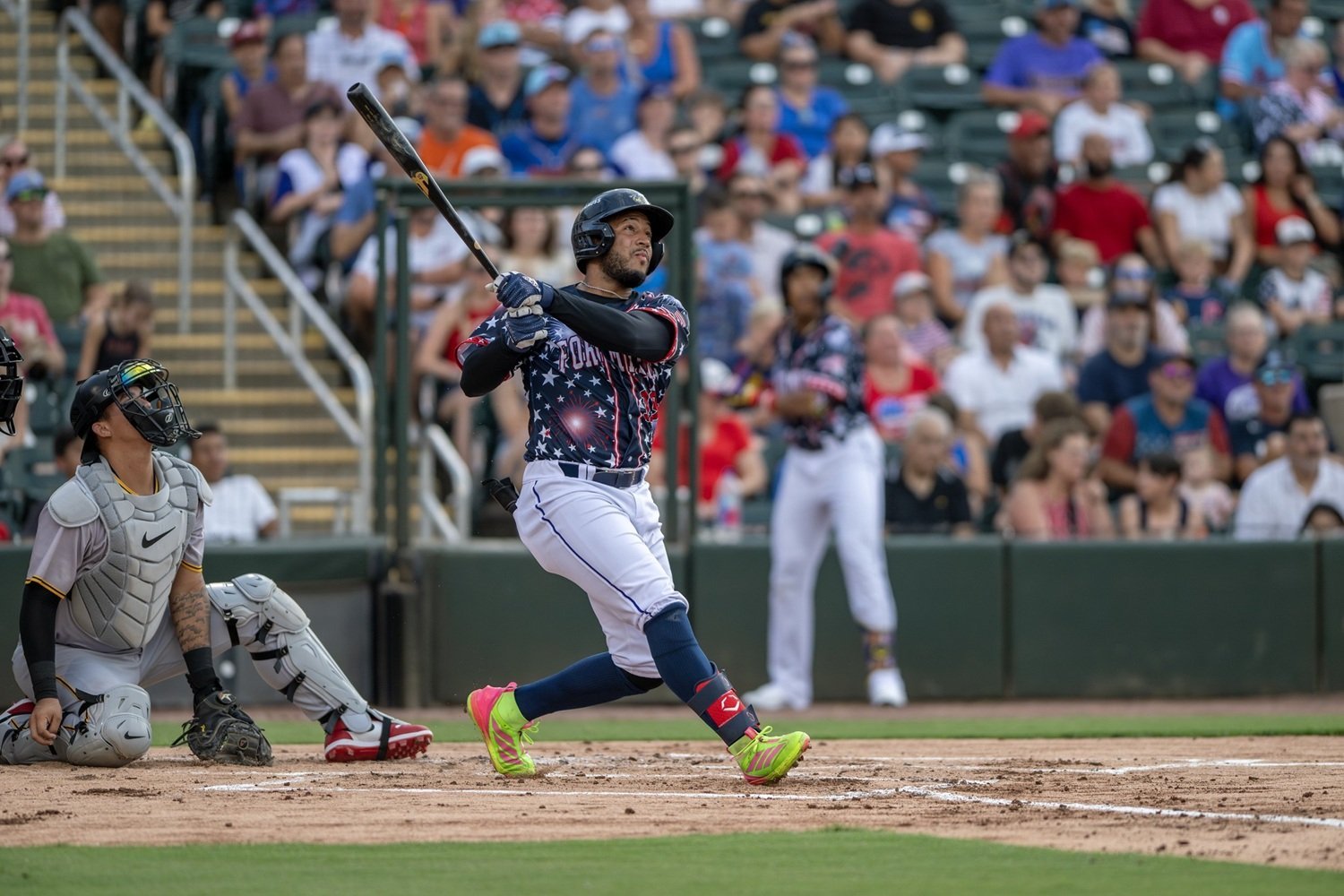 Minnesota’s offseason has been filled with speculation about trades, payroll cuts, and who might actually be on the Opening Day roster. But while many veterans are resting and preparing for 2026, a handful of Twins players are building their résumés elsewhere. Few have boosted their stock this offseason more than Emmanuel Rodriguez. The 22-year-old outfielder spent most of 2025 on the Triple-A St Paul roster and then headed home to the Dominican Republic for an extended run of competitive baseball. For a player who has lost so many reps to injuries, the chance to play may prove to be the most important development of all. He needed this winter more than most. Rodriguez has had top prospect tools for years, but rarely the sustained opportunity to show them by averaging fewer than 60 games played per season over the last two years. This time, he finally got the reps, and he made them count in a big way. 2025 Minor League Season Recap Rodriguez entered the 2025 season with the same scouting report he has carried for years. Tremendous strength. Explosive bat speed. The kind of strike zone discipline that usually develops much later in a player’s career. The only thing missing has been durability. He arrived at Triple-A with a career OPS over .900, but he had never played more than 100 games in a season thanks to a knee injury in 2022, an abdominal strain in 2023, and a thumb issue in 2024. Even with the missed time, Rodriguez managed to showcase his strengths in St. Paul. His power continued to jump off the page. His walk rate (31.8 BB%) again ranked among the highest in the Twins system. What continued to plague him was the strikeout rate (20.6 K%). It is part of his approach right now, though the Twins have always believed he will naturally trim that number as he gains more experience against upper-level pitching. Overall, his 2025 season looked similar to his previous years. He finished the year slashing .269/.431/.409 (.839) with a 135 wRC+ while facing older batters in nearly 85% of his plate appearances. Big production in smaller samples. Impressive numbers that hinted at a huge ceiling. And another year where injuries robbed him of the consistency needed to turn tools into polish. Dominican Winter League Performance The Dominican Winter League is often described as the best offseason proving ground in baseball. The stadiums are loud. The pitching is sharp. The games matter. It is the kind of environment that pushes talented young players. It was also the perfect place for Rodriguez to cash in on some much-needed innings. Playing for Águilas Cibaeñas, Rodriguez did far more than hold his own. He dominated. Over 18 games, he posted a .292 batting average with a .417 OBP and a .646 slugging percentage for a robust 1.063 OPS. He was aggressive when he needed to be and selective when pitchers tried to work around him. He hit the ball to all fields. He drove mistakes deep. And he did it against pitchers with big league experience. If that were not enough, he walked away with All-Star MVP honors in a game that was played at Citi Field in New York City. It was the clearest sign yet that when he is healthy and getting regular plate appearances, he looks exactly like the player the Twins invested $2.5 million in back in 2019. More importantly, he stayed on the field for the entire winter stretch. No nagging injury. No interruption. Just baseball. For a player whose biggest development hurdle has been availability, that alone feels like a victory. His Outlook for 2026 and Beyond The biggest question for Rodriguez moving forward is simple. Can he stay healthy long enough for his talent to take over? The Twins still believe the answer is yes. The winter numbers only reinforce that belief. He already has major league quality plate discipline. He hits the ball extremely hard. He can play an above-average outfield corner and hold his own in center. The raw ingredients are star caliber. The winter league performance may not guarantee an Opening Day roster spot in 2026, but it does put him firmly in the conversation. If he carries this momentum into spring training and shows the same durability he displayed in the Dominican, he could force his way into the lineup sooner rather than later. Even if the organization opts to give him more seasoning, he looks like a player ready to impact the big league club at some point next year. Long term, nothing has changed about the ceiling. Rodriguez still projects as a middle-of-the-order bat with patience and thunder. The difference now is that he finally has a clean stretch of playing time behind him and the confidence that comes with proving himself in a competitive winter league. The Twins have waited a long time for Rodriguez to get this kind of runway. After this winter, it finally feels like he is ready to take off. What stands out about Rodriguez's winter performance? When do you expect to see him in the Twins lineup? Leave a comment and start the discussion.
 -
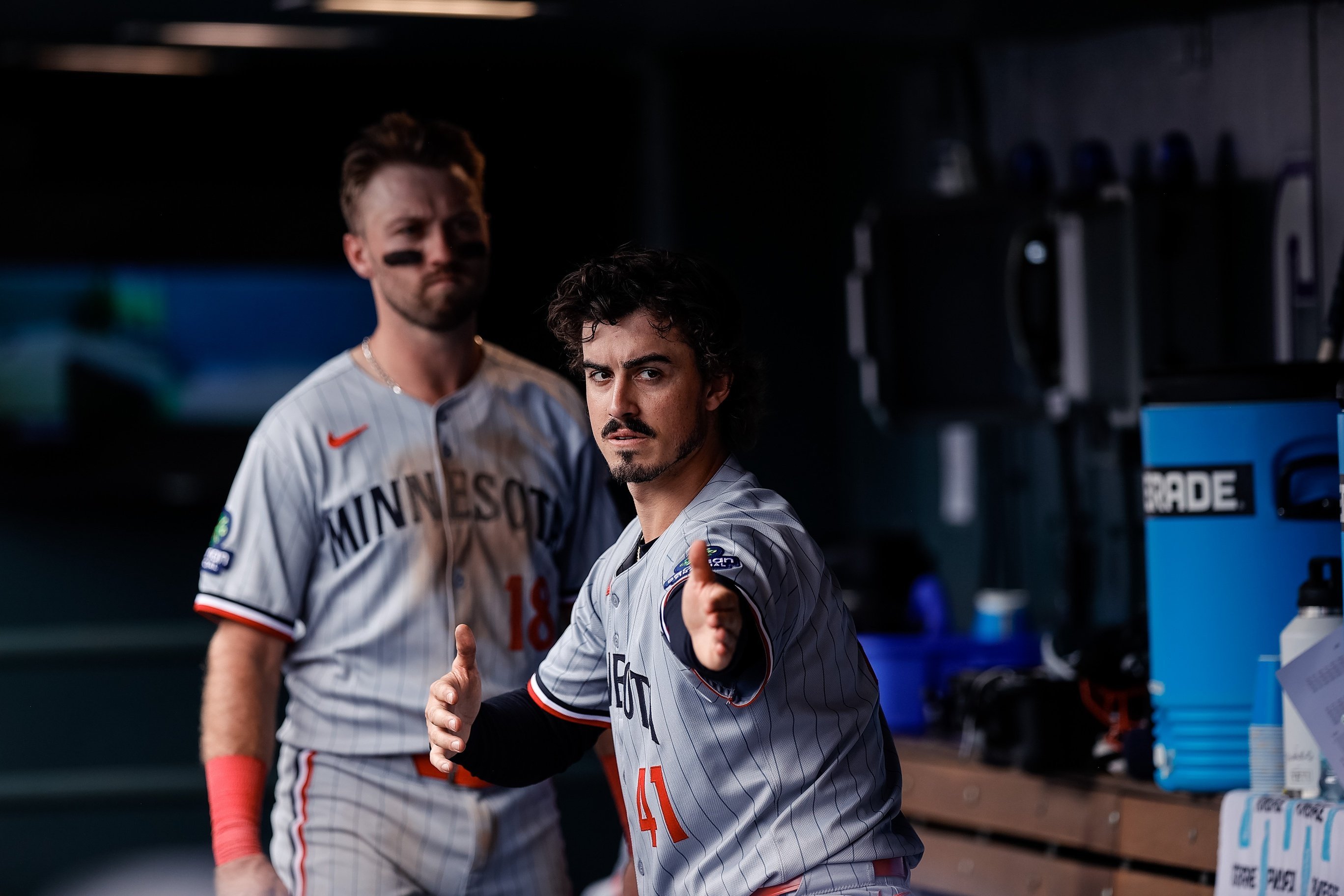 Some of the names at the top of this list are returnees from last year, but the core of the team took on a very different feel after last season’s trade deadline. On paper, the Twins can roll out the same group and be somewhat competitive in the AL Central. However, there are no guarantees that every piece of the core will still be on the roster when the team reconvenes in Fort Myers. As the Minnesota Twins gear up for the 2026 season, the focus shifts to the core group of players who form the backbone of the roster. Some players have cemented their place as long-term building blocks, while others could be valuable trade assets. In this article, we rank the Twins’ most important pieces at the big-league level, considering their impact and the likelihood of them being traded before the 2026 season. 5. C Ryan Jeffers Pros: Jeffers emerged as one of the best offensive catchers in the American League over the last three seasons, with his 115 wRC+ ranking behind only Cal Raleigh and Yainer Diaz. His blend of power, improved contact ability, and comfort handling the pitching staff made him a vital part of Minnesota’s lineup. His leadership behind the plate and familiarity with the pitching core add intangible value that is difficult to replace. He has continued to show growth in game-calling and preparation. Cons: His defensive metrics remain inconsistent, which could lead to questions about his long-term fit as the everyday catcher. He's a below-average framer and blocker of pitches in the dirt. With only one season of team control remaining, his future in Minnesota becomes more complicated. The Twins have to weigh the risk of losing him for nothing against extracting value at a position where strong offensive performers are rare. Trade Likelihood: High He is only under team control for the 2026 season. The Twins will probably trade him this winter, or before July’s trade deadline. 4. 2B Luke Keaschall Pros: Keaschall’s stock soared in 2025 as he showcased a well-rounded offensive profile and MLB Pipeline named him to their 2025 All-Rookie Team. His bat-to-ball skills; aggressive but controlled approach; and knack for squaring the ball up (to get the most out of his below-average bat speed) quickly made him one of the most productive young hitters on the roster. His versatility gives Minnesota flexibility as they attempt to build a lineup with fewer weak spots. As he gets further away from Tommy John surgery, he can likely start playing the outfield again, too. Cons: His breakout season is based on a relatively small sample at the major-league level. Teams will want to see whether he can maintain his approach once the league adjusts. His ability to stick at one position is still in question, and while versatility is valuable, it can also create uncertainty about where he fits into future lineup plans. If another team sees him as an everyday player at a premium spot, Minnesota could be tempted. Trade Likelihood: Low Keaschall has too much upside and too many years of control for the Twins to seriously consider moving him—unless an overwhelming offer comes along. 3. OF Byron Buxton Pros: Buxton reminded the organization how valuable he can be when healthy. His defense in center field stabilizes the entire outfield, and his power-speed combination remains one of the most electric blends in the league. He won his first Silver Slugger and finished in the top 12 for the AL MVP. His leadership and presence in the clubhouse continue to matter, especially as the roster transitions to a younger core. When he is on the field, Buxton completely changes what the Twins are capable of doing. Cons: Health uncertainty remains the defining issue. Even though he made strides in staying on the field last season, Minnesota cannot ignore the years of injuries that have altered his long-term outlook. His defense took a step back in 2025, and he may need to move to a corner outfield spot with top prospects on the horizon. With a no-trade clause in place, any deal would require his approval, and his future becomes complicated if the club continues its shift toward youth. Trade Likelihood: Medium He has a no-trade clause, but rumors began swirling that he would be open to a trade if the Twins continue trading veteran players. 2. SP Pablo López Pros: When López is locked in, he remains one of the most reliable starting pitchers in the American League. He ranked in the top sextile of the league in limiting hard contact and inducing batters to chase pitches outside the zone. His strike-throwing, his ability to pitch deep into games, and the swing-and-miss sweeper (30.1% whiff rate) that has become his signature make him a legitimate top-of-the-rotation arm. He brings consistency and leadership to a staff that needs both during the transition to a younger core. Cons: He was limited to under 80 innings last season, after averaging over 186 per season from 2022-24. He returned at the end of the year and performed well, but Minnesota must determine whether the ace version of López will return. His contract, while reasonable for a frontline starter, represents a significant portion of the Twins' payroll. With multiple young arms nearing the majors, the front office may view this as the right time to reallocate resources. Trade Likelihood: High The Twins are on a limited budget and will need his $21 million for other parts of the roster. 1. SP Joe Ryan Pros: Ryan has developed into one of the most dependable and efficient starters in the rotation. His elite command, deceptive fastball, and growing secondary mix give him the tools to pitch near the top of a competitive staff. He was an All-Star for the first time in 2025, after multiple years in which he performed at an All-Star level. With two years of team control remaining, he remains one of the most valuable assets in the organization. Cons: As Ryan moves through his arbitration years, his salary will steadily rise, and Minnesota must decide whether they are willing to invest long-term in his profile. While effective, he does not possess overwhelming velocity (93.6 MPH on the fastball), and teams may question how his style will age. His value is substantial, and the Twins could maximize their return if they believe his ceiling has already been reached. Trade Likelihood: Medium-High Ryan remains a core piece, but his combination of performance, affordability, and projection makes him one of the most valuable trade chips in the organization. As Minnesota enters a pivotal offseason, decisions regarding these core players will shape not just the 2026 roster but also the franchise's trajectory for years to come. The front office must balance financial limitations, timelines for emerging prospects, and the desire to remain competitive in an ever-changing division. Some of these players figure to anchor the next contending Twins team, while others may ultimately bring back the pieces needed to build it. Whether Minnesota chooses stability or a bold reset, this winter will reveal precisely how the organization views its core and how committed it is to reshaping the roster for a more sustainable future. Will any of the players above be traded this winter? Which player is the most critical building block? Leave a comment and start the discussion.
- 23 comments
-
- 3
-
-
- byron buxton
- joe ryan
- (and 3 more)
-
Image courtesy of © Isaiah J. Downing-Imagn Images Some of the names at the top of this list are returnees from last year, but the core of the team took on a very different feel after last season’s trade deadline. On paper, the Twins can roll out the same group and be somewhat competitive in the AL Central. However, there are no guarantees that every piece of the core will still be on the roster when the team reconvenes in Fort Myers. As the Minnesota Twins gear up for the 2026 season, the focus shifts to the core group of players who form the backbone of the roster. Some players have cemented their place as long-term building blocks, while others could be valuable trade assets. In this article, we rank the Twins’ most important pieces at the big-league level, considering their impact and the likelihood of them being traded before the 2026 season. 5. C Ryan Jeffers Pros: Jeffers emerged as one of the best offensive catchers in the American League over the last three seasons, with his 115 wRC+ ranking behind only Cal Raleigh and Yainer Diaz. His blend of power, improved contact ability, and comfort handling the pitching staff made him a vital part of Minnesota’s lineup. His leadership behind the plate and familiarity with the pitching core add intangible value that is difficult to replace. He has continued to show growth in game-calling and preparation. Cons: His defensive metrics remain inconsistent, which could lead to questions about his long-term fit as the everyday catcher. He's a below-average framer and blocker of pitches in the dirt. With only one season of team control remaining, his future in Minnesota becomes more complicated. The Twins have to weigh the risk of losing him for nothing against extracting value at a position where strong offensive performers are rare. Trade Likelihood: High He is only under team control for the 2026 season. The Twins will probably trade him this winter, or before July’s trade deadline. 4. 2B Luke Keaschall Pros: Keaschall’s stock soared in 2025 as he showcased a well-rounded offensive profile and MLB Pipeline named him to their 2025 All-Rookie Team. His bat-to-ball skills; aggressive but controlled approach; and knack for squaring the ball up (to get the most out of his below-average bat speed) quickly made him one of the most productive young hitters on the roster. His versatility gives Minnesota flexibility as they attempt to build a lineup with fewer weak spots. As he gets further away from Tommy John surgery, he can likely start playing the outfield again, too. Cons: His breakout season is based on a relatively small sample at the major-league level. Teams will want to see whether he can maintain his approach once the league adjusts. His ability to stick at one position is still in question, and while versatility is valuable, it can also create uncertainty about where he fits into future lineup plans. If another team sees him as an everyday player at a premium spot, Minnesota could be tempted. Trade Likelihood: Low Keaschall has too much upside and too many years of control for the Twins to seriously consider moving him—unless an overwhelming offer comes along. 3. OF Byron Buxton Pros: Buxton reminded the organization how valuable he can be when healthy. His defense in center field stabilizes the entire outfield, and his power-speed combination remains one of the most electric blends in the league. He won his first Silver Slugger and finished in the top 12 for the AL MVP. His leadership and presence in the clubhouse continue to matter, especially as the roster transitions to a younger core. When he is on the field, Buxton completely changes what the Twins are capable of doing. Cons: Health uncertainty remains the defining issue. Even though he made strides in staying on the field last season, Minnesota cannot ignore the years of injuries that have altered his long-term outlook. His defense took a step back in 2025, and he may need to move to a corner outfield spot with top prospects on the horizon. With a no-trade clause in place, any deal would require his approval, and his future becomes complicated if the club continues its shift toward youth. Trade Likelihood: Medium He has a no-trade clause, but rumors began swirling that he would be open to a trade if the Twins continue trading veteran players. 2. SP Pablo López Pros: When López is locked in, he remains one of the most reliable starting pitchers in the American League. He ranked in the top sextile of the league in limiting hard contact and inducing batters to chase pitches outside the zone. His strike-throwing, his ability to pitch deep into games, and the swing-and-miss sweeper (30.1% whiff rate) that has become his signature make him a legitimate top-of-the-rotation arm. He brings consistency and leadership to a staff that needs both during the transition to a younger core. Cons: He was limited to under 80 innings last season, after averaging over 186 per season from 2022-24. He returned at the end of the year and performed well, but Minnesota must determine whether the ace version of López will return. His contract, while reasonable for a frontline starter, represents a significant portion of the Twins' payroll. With multiple young arms nearing the majors, the front office may view this as the right time to reallocate resources. Trade Likelihood: High The Twins are on a limited budget and will need his $21 million for other parts of the roster. 1. SP Joe Ryan Pros: Ryan has developed into one of the most dependable and efficient starters in the rotation. His elite command, deceptive fastball, and growing secondary mix give him the tools to pitch near the top of a competitive staff. He was an All-Star for the first time in 2025, after multiple years in which he performed at an All-Star level. With two years of team control remaining, he remains one of the most valuable assets in the organization. Cons: As Ryan moves through his arbitration years, his salary will steadily rise, and Minnesota must decide whether they are willing to invest long-term in his profile. While effective, he does not possess overwhelming velocity (93.6 MPH on the fastball), and teams may question how his style will age. His value is substantial, and the Twins could maximize their return if they believe his ceiling has already been reached. Trade Likelihood: Medium-High Ryan remains a core piece, but his combination of performance, affordability, and projection makes him one of the most valuable trade chips in the organization. As Minnesota enters a pivotal offseason, decisions regarding these core players will shape not just the 2026 roster but also the franchise's trajectory for years to come. The front office must balance financial limitations, timelines for emerging prospects, and the desire to remain competitive in an ever-changing division. Some of these players figure to anchor the next contending Twins team, while others may ultimately bring back the pieces needed to build it. Whether Minnesota chooses stability or a bold reset, this winter will reveal precisely how the organization views its core and how committed it is to reshaping the roster for a more sustainable future. Will any of the players above be traded this winter? Which player is the most critical building block? Leave a comment and start the discussion. View full article
-
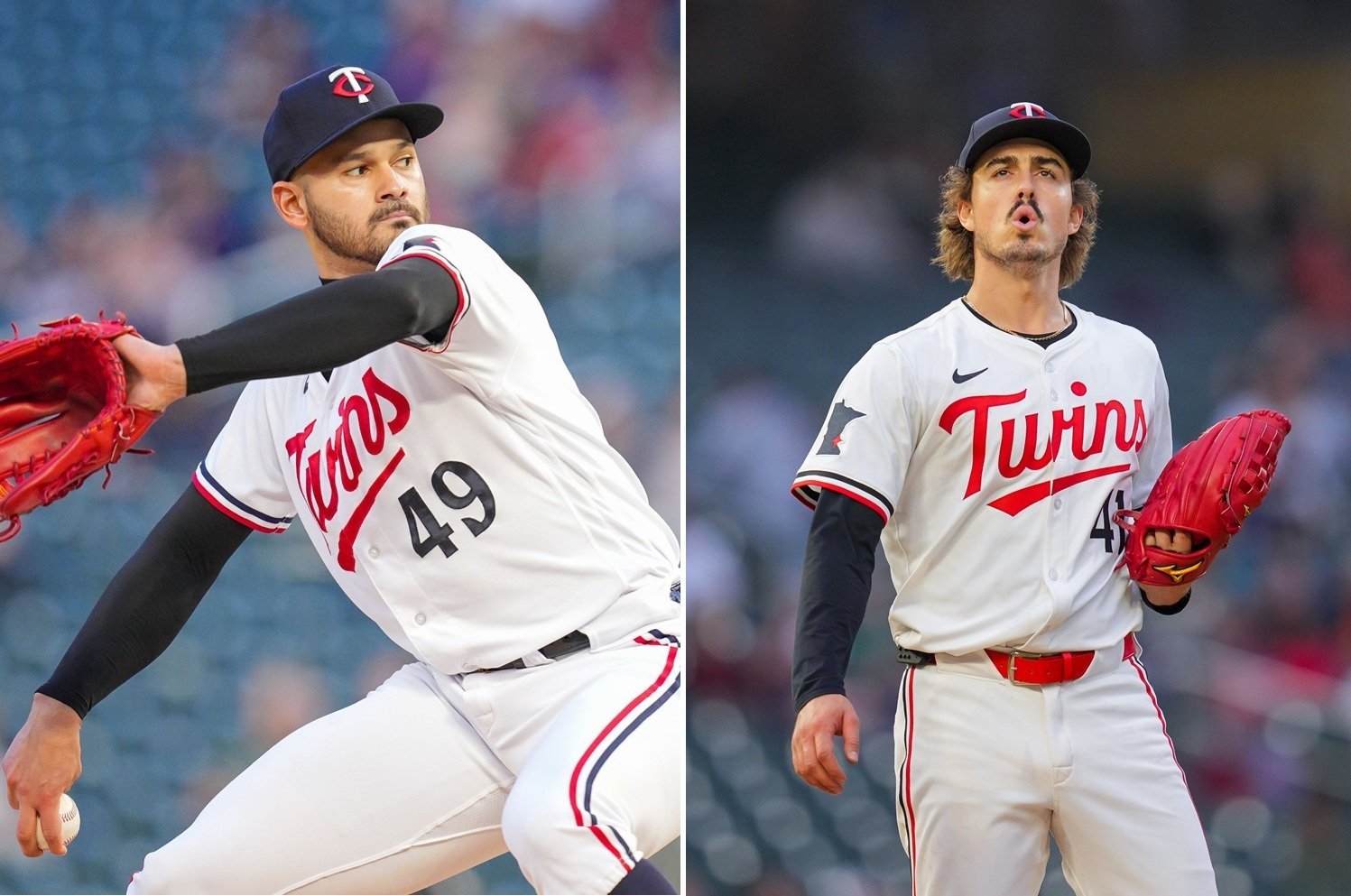 The offseason has barely begun, but the Minnesota Twins already find themselves at the center of some of the most complicated pitching rumors in baseball. With the team coming off another frustrating finish and the front office operating under unclear ownership direction, insiders have turned their attention toward the future of Minnesota’s top starters. Joe Ryan and Pablo Lopez remain foundational pieces, but the possibility of a major rotation shakeup is gaining traction. What makes this situation particularly unique is the number of external factors influencing the Twins’ decision-making. Injuries, contract considerations, labor uncertainty, and an ownership transition have collided, and Derek Falvey was standing at the intersection where they did so. The result is an offseason outlook that feels more unpredictable than any Minnesota has faced in recent memory. As national reporters continue to weigh in, the picture around the Twins’ rotation becomes more complex. Pablo López Appears More Likely To Be Moved Joel Sherman of the New York Post reported that the Twins are “more likely” to trade Pablo López than Joe Ryan as the club explores ways to reshape its roster. López is owed over $43 million through 2027, and his recent performance complicates the picture. A forearm issue limited him to just 14 starts in 2025, and he threw 75 2/3 innings with a strong 3.19 FIP but a middling 17 K-BB%. He had been one of baseball’s more reliable arms during his early Twins tenure, but his performance has seen peaks and valleys. At age 30, López still carries name value, but his trade stock is at its lowest point with the Twins, forcing the club to deal from a position of weakness. Passan Says One Co-Ace Could Go, But Not Both National attention intensified with ESPN’s Jeff Passan writing that “the Twins will deal one of their co-aces but not both.” He noted that both pitchers’ circumstances will be influenced by the possibility of a lockout, because their team control runs through the 2027 campaign. That uncertainty is muddying the market, as teams attempt to calculate risk before giving up premium prospects. If front offices are afraid to commit significant resources before labor clarity arrives, the Twins may be forced to accept an offer that falls short of internal expectations. It places the front office in a difficult position as they attempt to balance long-term value with short-term roster needs. Rosenthal Highlights Falvey’s Balancing Act The Athletic’s Ken Rosenthal painted a picture of a front office trying to stay upright in heavy winds. Derek Falvey emphasized that he remains committed to improving a roster that has fallen short in back-to-back seasons. The message from the GM Meetings was clear. “I remain personally committed to figuring out what are the ways we can add to this group to make it better,” Falvey said in Las Vegas. “That is my goal. It was my stated goal before and remains my stated goal until I’m told otherwise. … My focus for now is figuring out ways we can add to the group.” Falvey wants to add talent and believes the core can still be supplemented in meaningful ways. The urgent question is whether ownership shares that sentiment. At the trade deadline, Falvey was instructed to dismantle rather than reinforce, and that disconnect remains a central storyline. With two new groups of investors awaiting league approval, the chain of command could shift. Until that happens, both Ryan and López remain possible trade candidates as the front office waits for clearer marching orders. A Fan Base Left In Limbo For Twins fans, the throughline in all these reports is uncertainty. López might be the more likely trade chip, but his value is depressed. Other clubs covet Ryan, but dealing him would create a massive hole in the rotation. National reporters suggest that only one will be moved, but a potential lockout clouds the market. Above it all stands an ownership group that has not yet finalized its internal transition. Falvey has acknowledged that the Twins may not have a firm direction until minority ownership approval is completed. That delay could stall major trade talks and limit the team’s ability to pursue meaningful free agents. Minnesota’s offseason will ultimately hinge on clarity from the top. Until that arrives, the front office, the players, and the fan base remain stuck in a holding pattern. The Twins are navigating an offseason marked by more uncertainty than resolve. Trade conversations involving Ryan and López remain fluid, and the market is affected by conditions beyond baseball operations’ control. If ownership does not provide direction soon, the window for transformational additions could close quickly. Minnesota still has a chance to strengthen its roster, but the path forward will depend on decisive leadership and a clear organizational vision. Should the Twins trade one of their top starters or hold firm until the ownership situation settles? How much should the looming lockout impact trade decisions? Share your thoughts and join the discussion below.
 -
Image courtesy of © Geoff Burke-Imagn Images For the past five years, Torii Hunter has hovered around the edges of the Hall of Fame conversation, without gaining the traction needed for a serious push. His candidacy has lived in that tricky gray area where voters clearly respect his career, but hesitate to elevate him into Cooperstown territory. That uncertainty is common with players whose value extends beyond the numbers, and Hunter’s résumé has long walked that line. But the current voting cycle may finally give him the opening he needs. With a historically thin ballot for 2026, voters may begin reassessing holdover candidates, especially those whose contributions to the sport transcend simple statistical comparison. Hunter fits that mold better than almost anyone still on the ballot, and the timing has never been more favorable. Reviewing the 2026 Ballot The 2026 ballot is shaping up to be one of the weakest in recent memory. According to Jay Jaffe, this will be the first time since 2008 that six or fewer candidates on the ballot carry a JAWS score of at least 50. JAWS is an acronym for the Jaffe Wins Above Replacement Score, a system created to evaluate a baseball player's worthiness for induction into the National Baseball Hall of Fame. It compares a candidate's statistics to the average Hall of Famer at their position by averaging their career WAR (Wins Above Replacement) with the total WAR from their best seven seasons (peak WAR). The goal is to identify players who are at least as good as the average Hall of Famer, using a metric that balances career value with peak performance. It is rare for a ballot to lack clear-cut newcomers, and that scarcity could shift attention toward long-term holdovers like Hunter. None of the first-time players is projected to gain significant traction. The 12 newcomers include Ryan Braun, Shin-Soo Choo, Edwin Encarnacion, Gio Gonzalez, Alex Gordon, Cole Hamels, Matt Kemp, Howie Kendrick, Nick Markakis, Daniel Murphy, Hunter Pence, and Rick Porcello. While many of those names bring strong careers and memorable moments, they fall short of the typical Hall of Fame profile. Hamels is the most compelling. He finished his 15-year career with a 3.43 ERA, a 123 ERA+, and 2,560 strikeouts. He owns a World Series MVP trophy and had several ace-level seasons, but analysts remain split on whether that résumé will launch him toward the Hall. Among position players, Braun is the headliner, based strictly on production. He won Rookie of the Year and an MVP, made six All-Star teams, and hit 352 home runs with six 30-homer seasons. He even posted back-to-back 30/30 campaigns in 2011 and 2012. However, multiple suspensions for performance-enhancing drugs complicate (and likely sink) his candidacy. With no overpowering newcomers and few returning candidates separating themselves in recent years, the subsequent two cycles could create space for overlooked players to climb. That includes Hunter. Hunter’s Hall of Fame History Hunter debuted on the Hall of Fame ballot in 2021 and has remained on the edge of survival ever since. Candidates must receive at least five percent of the vote to stay on the ballot, and Hunter has flirted dangerously with that cutoff multiple times. His results so far: 2021 BBWAA: 9.5 percent 2022 BBWAA: 5.3 percent 2023 BBWAA: 6.9 percent 2024 BBWAA: 7.3 percent 2025 BBWAA: 5.1 percent He has never received double-digit support, and recent slippage might concern some Twins fans. Yet hovering between five and ten percent can also signal that a player has a loyal block of voters and could expand their support under the right ballot conditions. The Case For Hunter Hunter’s defining skill was his game-changing defense. Nicknamed “Spider-Man” for his leaping robberies at the wall, he collected nine Gold Gloves over a 10-year stretch. Few outfielders of his era controlled center field as completely as Hunter did, and his highlight-reel plays remain essential vignettes of early 2000s baseball. Only seven players in MLB history have hit 350 or more home runs while also winning at least nine Gold Gloves, an exclusive group that underscores his rare two-way impact. His offensive résumé, while not elite by Hall standards, is undeniably strong. Hunter finished with 353 home runs, 498 doubles, over 2,400 hits, and 195 stolen bases. He earned two Silver Sluggers and became a five-time All-Star. Hunter blended power, speed, and creativity in a way that made him a constant threat and a difficult matchup for pitchers. Beyond the numbers, Hunter’s leadership and personality left a lasting mark everywhere he played. From Minnesota to Anaheim to Detroit, he was viewed as a franchise culture setter, an ambassador for the sport, and a respected veteran who influenced winning clubs. Voters who prioritize intangibles often keep players like Hunter in the conversation longer than the metrics alone suggest. The Case Against Hunter Hunter’s overall offensive profile falls short of Cooperstown norms. His career .277 average with a .331 on-base percentage and .461 slugging average places him comfortably above average, but not close to the offensive standard for Hall of Fame outfielders. His 110 career OPS+ means he was just 10% better than average over a long career. Defensively, the numbers diverge sharply from the reputation. While Hunter’s early career metrics were exceptional, the second half of his career tells a different story. From 2006 through his retirement in 2015, advanced metrics rated him as a below-average defender, even after moving to right field. His total defensive rating lands at -7.9, a reminder that defensive value can erode quickly and dramatically in a player’s thirties. His postseason record does little to bolster his candidacy. In 48 playoff games, Hunter hit .274/.340/.414 with four home runs, three of which came as a Twin. While those numbers are respectable, they lack signature October moments and include several defensive miscues that fans still remember. Voters often look for postseason excellence to elevate borderline candidates, and Hunter does not benefit from that boost. One of the biggest challenges for Hunter is how voters interpret the two halves of his career. From 1997 through 2007, he was a premier center fielder with elite defensive value and above-average hitting. From 2008 through 2015, his bat improved while his glove declined, making him a good but no longer great two-way player. His placement at 35th among center fielders in JAWS, trailing players like Curtis Granderson, Bernie Williams, and Andrew McCutchen, creates another hurdle. All three names are widely viewed as excellent players but not Hall of Famers, which impacts how Hunter’s case is perceived. The Path Ahead The Hall of Fame ballot is always competitive, and Hunter still faces a steep climb. But with the 2026 ballot featuring few compelling options and the current cycle offering voters a chance to reevaluate candidates in the middle tier of support, the environment could be shifting in his favor. Ballots like these have historically helped overlooked players make incremental gains, sometimes setting the stage for long-term campaigns. Do you believe Hunter deserves more support on the Hall of Fame ballot? How do you evaluate players with careers that blend elite peaks and uneven longevity? Leave a comment and start the discussion. View full article
-
Torii Hunter’s Best Chance Yet to Gain Hall of Fame Momentum
Cody Christie posted an article in History
 For the past five years, Torii Hunter has hovered around the edges of the Hall of Fame conversation, without gaining the traction needed for a serious push. His candidacy has lived in that tricky gray area where voters clearly respect his career, but hesitate to elevate him into Cooperstown territory. That uncertainty is common with players whose value extends beyond the numbers, and Hunter’s résumé has long walked that line. But the current voting cycle may finally give him the opening he needs. With a historically thin ballot for 2026, voters may begin reassessing holdover candidates, especially those whose contributions to the sport transcend simple statistical comparison. Hunter fits that mold better than almost anyone still on the ballot, and the timing has never been more favorable. Reviewing the 2026 Ballot The 2026 ballot is shaping up to be one of the weakest in recent memory. According to Jay Jaffe, this will be the first time since 2008 that six or fewer candidates on the ballot carry a JAWS score of at least 50. JAWS is an acronym for the Jaffe Wins Above Replacement Score, a system created to evaluate a baseball player's worthiness for induction into the National Baseball Hall of Fame. It compares a candidate's statistics to the average Hall of Famer at their position by averaging their career WAR (Wins Above Replacement) with the total WAR from their best seven seasons (peak WAR). The goal is to identify players who are at least as good as the average Hall of Famer, using a metric that balances career value with peak performance. It is rare for a ballot to lack clear-cut newcomers, and that scarcity could shift attention toward long-term holdovers like Hunter. None of the first-time players is projected to gain significant traction. The 12 newcomers include Ryan Braun, Shin-Soo Choo, Edwin Encarnacion, Gio Gonzalez, Alex Gordon, Cole Hamels, Matt Kemp, Howie Kendrick, Nick Markakis, Daniel Murphy, Hunter Pence, and Rick Porcello. While many of those names bring strong careers and memorable moments, they fall short of the typical Hall of Fame profile. Hamels is the most compelling. He finished his 15-year career with a 3.43 ERA, a 123 ERA+, and 2,560 strikeouts. He owns a World Series MVP trophy and had several ace-level seasons, but analysts remain split on whether that résumé will launch him toward the Hall. Among position players, Braun is the headliner, based strictly on production. He won Rookie of the Year and an MVP, made six All-Star teams, and hit 352 home runs with six 30-homer seasons. He even posted back-to-back 30/30 campaigns in 2011 and 2012. However, multiple suspensions for performance-enhancing drugs complicate (and likely sink) his candidacy. With no overpowering newcomers and few returning candidates separating themselves in recent years, the subsequent two cycles could create space for overlooked players to climb. That includes Hunter. Hunter’s Hall of Fame History Hunter debuted on the Hall of Fame ballot in 2021 and has remained on the edge of survival ever since. Candidates must receive at least five percent of the vote to stay on the ballot, and Hunter has flirted dangerously with that cutoff multiple times. His results so far: 2021 BBWAA: 9.5 percent 2022 BBWAA: 5.3 percent 2023 BBWAA: 6.9 percent 2024 BBWAA: 7.3 percent 2025 BBWAA: 5.1 percent He has never received double-digit support, and recent slippage might concern some Twins fans. Yet hovering between five and ten percent can also signal that a player has a loyal block of voters and could expand their support under the right ballot conditions. The Case For Hunter Hunter’s defining skill was his game-changing defense. Nicknamed “Spider-Man” for his leaping robberies at the wall, he collected nine Gold Gloves over a 10-year stretch. Few outfielders of his era controlled center field as completely as Hunter did, and his highlight-reel plays remain essential vignettes of early 2000s baseball. Only seven players in MLB history have hit 350 or more home runs while also winning at least nine Gold Gloves, an exclusive group that underscores his rare two-way impact. His offensive résumé, while not elite by Hall standards, is undeniably strong. Hunter finished with 353 home runs, 498 doubles, over 2,400 hits, and 195 stolen bases. He earned two Silver Sluggers and became a five-time All-Star. Hunter blended power, speed, and creativity in a way that made him a constant threat and a difficult matchup for pitchers. Beyond the numbers, Hunter’s leadership and personality left a lasting mark everywhere he played. From Minnesota to Anaheim to Detroit, he was viewed as a franchise culture setter, an ambassador for the sport, and a respected veteran who influenced winning clubs. Voters who prioritize intangibles often keep players like Hunter in the conversation longer than the metrics alone suggest. The Case Against Hunter Hunter’s overall offensive profile falls short of Cooperstown norms. His career .277 average with a .331 on-base percentage and .461 slugging average places him comfortably above average, but not close to the offensive standard for Hall of Fame outfielders. His 110 career OPS+ means he was just 10% better than average over a long career. Defensively, the numbers diverge sharply from the reputation. While Hunter’s early career metrics were exceptional, the second half of his career tells a different story. From 2006 through his retirement in 2015, advanced metrics rated him as a below-average defender, even after moving to right field. His total defensive rating lands at -7.9, a reminder that defensive value can erode quickly and dramatically in a player’s thirties. His postseason record does little to bolster his candidacy. In 48 playoff games, Hunter hit .274/.340/.414 with four home runs, three of which came as a Twin. While those numbers are respectable, they lack signature October moments and include several defensive miscues that fans still remember. Voters often look for postseason excellence to elevate borderline candidates, and Hunter does not benefit from that boost. One of the biggest challenges for Hunter is how voters interpret the two halves of his career. From 1997 through 2007, he was a premier center fielder with elite defensive value and above-average hitting. From 2008 through 2015, his bat improved while his glove declined, making him a good but no longer great two-way player. His placement at 35th among center fielders in JAWS, trailing players like Curtis Granderson, Bernie Williams, and Andrew McCutchen, creates another hurdle. All three names are widely viewed as excellent players but not Hall of Famers, which impacts how Hunter’s case is perceived. The Path Ahead The Hall of Fame ballot is always competitive, and Hunter still faces a steep climb. But with the 2026 ballot featuring few compelling options and the current cycle offering voters a chance to reevaluate candidates in the middle tier of support, the environment could be shifting in his favor. Ballots like these have historically helped overlooked players make incremental gains, sometimes setting the stage for long-term campaigns. Do you believe Hunter deserves more support on the Hall of Fame ballot? How do you evaluate players with careers that blend elite peaks and uneven longevity? Leave a comment and start the discussion.
 -
Image courtesy of © Brad Rempel-Imagn Images The offseason has barely begun, yet the Minnesota Twins already find themselves at the center of some of the most complicated pitching rumors in baseball. With the team coming off another frustrating finish and the front office operating under unclear ownership direction, league insiders have turned their attention toward the future of Minnesota’s top starters. Joe Ryan and Pablo Lopez remain foundational names, but the possibility of a major rotation shakeup is gaining traction. What makes this situation particularly unique is how many external factors are influencing the Twins’ decision-making. Injuries, contract considerations, labor uncertainty, and an ownership transition have all collided at once. The result is an offseason outlook that feels more unpredictable than any Minnesota has faced in recent memory. As national reporters continue to weigh in, the picture around the Twins’ rotation becomes more complex. Pablo López Appears More Likely To Be Moved Joel Sherman of the New York Post reported that the Twins are “more likely” to trade Pablo López than Joe Ryan as the club explores ways to reshape its roster. López is owed over $43 million through 2027, and his recent performance complicates the picture. A forearm issue limited him to just fourteen starts in 2025, and he threw 75 2/3 innings with a strong 3.19 FIP but a middling 17% K-BB rate. He had been one of baseball’s more reliable arms during his early Twins tenure, yet his performance has seen peaks and valleys. At age thirty, López still carries name value, but his trade stock is at its lowest point with the Twins, forcing the club to deal from a position of weakness. Passan Says One Co-Ace Could Go, But Not Both National attention intensified with ESPN’s Jeff Passan writing that “the Twins will deal one of their co-aces but not both.” He noted that both pitchers’ contracts will be influenced by the possibility of a lockout because their team control runs through the 2027 campaign. That uncertainty is muddying the market as teams attempt to calculate risk before giving up premium prospects. If front offices are afraid to commit significant resources before labor clarity arrives, the Twins may be forced to accept an offer that falls short of internal expectations. It places the front office in a difficult position as they attempt to balance long-term value with short-term roster needs. Rosenthal Highlights Falvey’s Balancing Act The Athletic’s Ken Rosenthal painted a picture of a front office trying to stay upright in heavy winds. Derek Falvey emphasized that he remains committed to improving a roster that has fallen short in back-to-back seasons. The message from the general managers' meetings was clear. “I remain personally committed to figuring out what are the ways we can add to this group to make it better,” Falvey said from the general managers meetings. “That is my goal. It was my stated goal before and remains my stated goal until I’m told otherwise. … My focus for now is figuring out ways we can add to the group.” Falvey wants to add talent and believes the core can still be supplemented in meaningful ways. The larger question is whether ownership shares that sentiment. At the trade deadline, Falvey was instructed to dismantle rather than reinforce, and that disconnect remains a central storyline. With two new investors awaiting league approval, the chain of command could shift. Until that happens, both Ryan and López remain possible trade candidates as the front office waits for clearer marching orders. A Fan Base Left In Limbo For Twins fans, the through line in all these reports is uncertainty. López might be the more likely trade chip, but his value is depressed. Other clubs covet Ryan, but dealing him would create a massive hole in the rotation. National reporters suggest that only one will be moved, yet a potential lockout clouds the market itself. And above it all stands an ownership group that has not yet finalized its internal structure. Falvey has acknowledged that the Twins may not have a firm direction until minority ownership approval is completed. That delay could stall major trade talks and limit the team’s ability to pursue meaningful free agents. Minnesota’s offseason will ultimately hinge on clarity from the top. Until that arrives, the front office, the players, and the fan base remain stuck in a holding pattern. The Twins are navigating an offseason marked by more uncertainty than resolve. Trade conversations involving Ryan and López remain fluid, and the market is affected by conditions beyond baseball operations’ control. If ownership does not provide direction soon, the window for impact additions could narrow quickly. Minnesota still has a chance to strengthen its roster, but the path forward will depend on decisive leadership and a clear organizational vision. Should the Twins trade one of their top starters or hold firm until the ownership situation settles? How much should the looming lockout impact trade decisions? Share your thoughts and join the discussion below. View full article