



Cody Christie
-
Posts
7,515 -
Joined
-
Last visited
-
Days Won
5
Content Type
Profiles
News
Minnesota Twins Videos
2026 Minnesota Twins Top Prospects Ranking
2022 Minnesota Twins Draft Picks
Minnesota Twins Free Agent & Trade Rumors, Notes, & Tidbits
Guides & Resources
2023 Minnesota Twins Draft Picks
The Minnesota Twins Players Project
2024 Minnesota Twins Draft Picks
2025 Minnesota Twins Draft Pick Tracker
2026 Minnesota Twins Draft Tracker: Picks & Bonuses
Forums
Blogs
Events
Store
Downloads
Gallery
Everything posted by Cody Christie
-
 Randy Dobnak had a fairytale start to his professional career, but the last two seasons have turned into nightmares. What can the Twins expect from Dobnak during the 2023 season? Image courtesy of Raj Mehta-USA TODAY Sports Randy Dobnak was never supposed to make it to the big leagues. His journey began at Alderson-Broaddus University, a Division II baseball program in West Virginia. Despite some impressive numbers, teams didn't draft him after his junior or senior seasons, so he headed to an independent league team called the Utica Unicorns. At the time, Dobnak needed to make ends meet and famously drove Uber to help supplement his baseball salary. His Uber driving story followed him as he drove his way into the Twins organization. Minnesota signed him for $500 during the 2017 season, and he made six appearances between rookie ball and Low-A. He posted solid numbers (2.43 ERA, 0.96 WHIP), but he was older than the average age of the competition at both levels. Dobnak pitched the entire 2018 campaign in Cedar Rapids, but one coach changed his career. Justin Willard (now the Twins Minor League Pitching Coordinator) was the pitching coach at the time, and he suggested that Dobnak start throwing a new sinker. Dobnak used the pitch to skyrocket through the Twins organization in 2019. Armed with his new sinker, Dobnak pitched at three different minor-league levels in 2019 before making his big-league debut. In 135 minor league innings, he posted a 2.07 ERA with a 0.98 WHIP. He was impressive after his call-up by limiting opponents to five earned runs in 28 1/3 innings. In October, the Twins thrust him into the national spotlight by having him start a playoff game at Yankee Stadium. It didn't go well, as he allowed four earned runs on six hits in two innings. Even with a sour ending, it was a tremendous debut. It was tough for Dobnak to repeat his 2019 numbers, but he made ten starts in 2020 with a 4.05 ERA and a 1.35 WHIP. Following the season, the Twins signed Dobnak to a five-year extension worth $9.25 million, which includes club options for 2026-28. The deal can be worth nearly $30 million if all three options are exercised. At the time, it was an interesting move by the Twins because Dobnak was going to be under team control for multiple seasons. In hindsight, the deal doesn't look good from the Twins' perspective because Dobnak has been injured over the last two seasons. However, over those two seasons, he made a combined $1.5 million. Dobnak's finger injury is complex, especially for a pitcher that relies heavily on a sinker. He has ruptured two of the pulleys in his finger, which means he relies on three instead of five. This causes pain and stiffness when he is trying to throw. His rehab process has been frustrating as he attempted to come back before suffering another setback. Dobnak made 11 appearances in the minors last season, but there were some control problems as he learned to pitch through the injury. He posted a 5.8 BB/9, significantly higher than his career average of 2.3 BB/9. In September, the Twins placed Dobnak on outright waivers to clear his spot from the 40-man roster. His focus for the 2023 campaign is to show he is healthy, and it will be an added bonus if he makes it back to the big-league level. He will start the year at Triple-A, and his pitching repertoire will be altered from what fans have previously seen. His slider and sinker are the two pitches to keep an eye on this spring. Previously, he has thrown his sinker has been his most-used pitch, but that might need to change as he compensates for his injury. His slider was the talk of spring training in 2021 before his finger injury reared its ugly head. Will this pitch be his ticket back to the big leagues? Do you think Dobnak will return to the big-league level in 2023? What kind of impact can he have on the pitching staff? Leave a COMMENT and start the discussion. View full article
 -
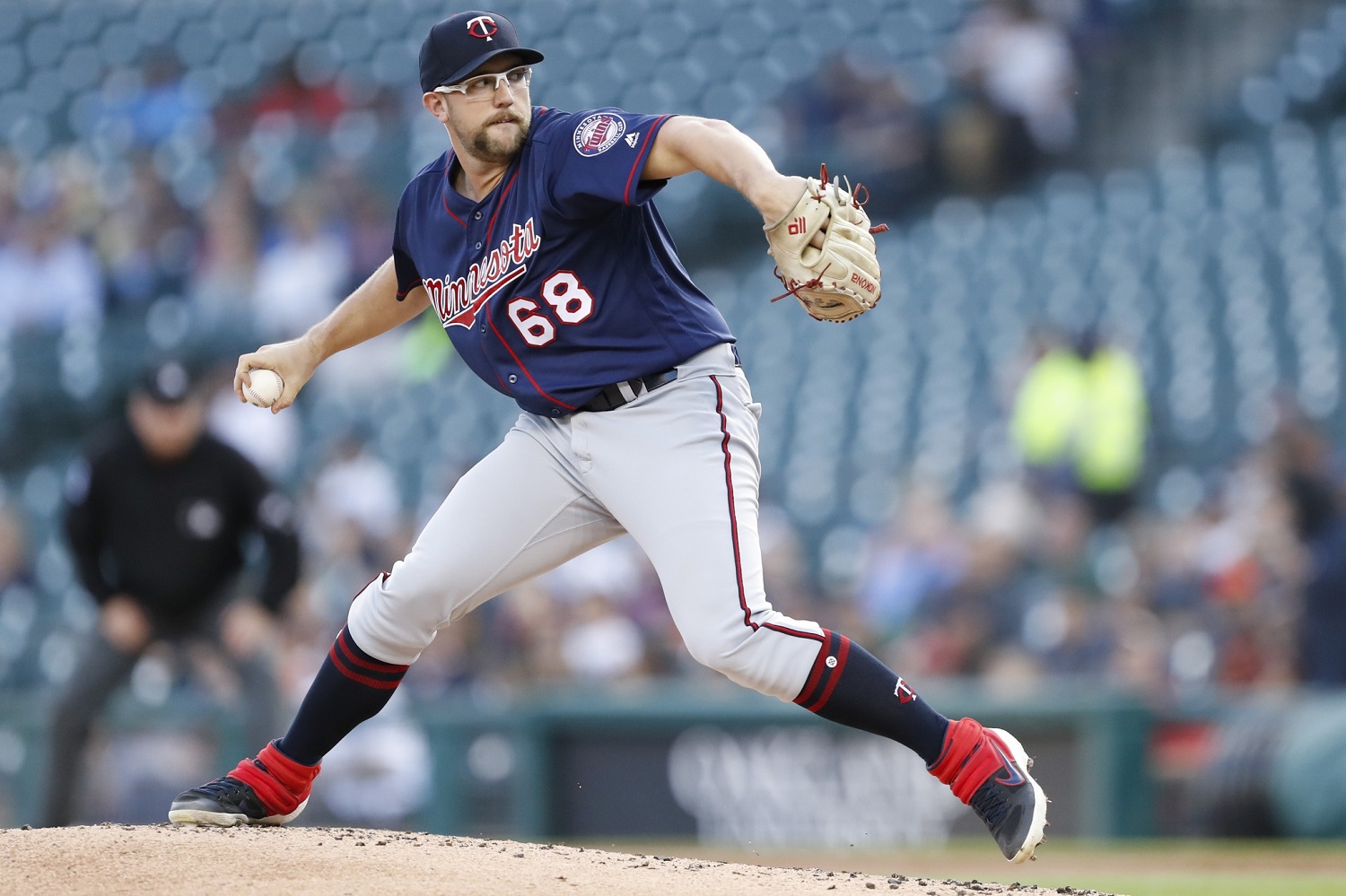 Randy Dobnak was never supposed to make it to the big leagues. His journey began at Alderson-Broaddus University, a Division II baseball program in West Virginia. Despite some impressive numbers, teams didn't draft him after his junior or senior seasons, so he headed to an independent league team called the Utica Unicorns. At the time, Dobnak needed to make ends meet and famously drove Uber to help supplement his baseball salary. His Uber driving story followed him as he drove his way into the Twins organization. Minnesota signed him for $500 during the 2017 season, and he made six appearances between rookie ball and Low-A. He posted solid numbers (2.43 ERA, 0.96 WHIP), but he was older than the average age of the competition at both levels. Dobnak pitched the entire 2018 campaign in Cedar Rapids, but one coach changed his career. Justin Willard (now the Twins Minor League Pitching Coordinator) was the pitching coach at the time, and he suggested that Dobnak start throwing a new sinker. Dobnak used the pitch to skyrocket through the Twins organization in 2019. Armed with his new sinker, Dobnak pitched at three different minor-league levels in 2019 before making his big-league debut. In 135 minor league innings, he posted a 2.07 ERA with a 0.98 WHIP. He was impressive after his call-up by limiting opponents to five earned runs in 28 1/3 innings. In October, the Twins thrust him into the national spotlight by having him start a playoff game at Yankee Stadium. It didn't go well, as he allowed four earned runs on six hits in two innings. Even with a sour ending, it was a tremendous debut. It was tough for Dobnak to repeat his 2019 numbers, but he made ten starts in 2020 with a 4.05 ERA and a 1.35 WHIP. Following the season, the Twins signed Dobnak to a five-year extension worth $9.25 million, which includes club options for 2026-28. The deal can be worth nearly $30 million if all three options are exercised. At the time, it was an interesting move by the Twins because Dobnak was going to be under team control for multiple seasons. In hindsight, the deal doesn't look good from the Twins' perspective because Dobnak has been injured over the last two seasons. However, over those two seasons, he made a combined $1.5 million. Dobnak's finger injury is complex, especially for a pitcher that relies heavily on a sinker. He has ruptured two of the pulleys in his finger, which means he relies on three instead of five. This causes pain and stiffness when he is trying to throw. His rehab process has been frustrating as he attempted to come back before suffering another setback. Dobnak made 11 appearances in the minors last season, but there were some control problems as he learned to pitch through the injury. He posted a 5.8 BB/9, significantly higher than his career average of 2.3 BB/9. In September, the Twins placed Dobnak on outright waivers to clear his spot from the 40-man roster. His focus for the 2023 campaign is to show he is healthy, and it will be an added bonus if he makes it back to the big-league level. He will start the year at Triple-A, and his pitching repertoire will be altered from what fans have previously seen. His slider and sinker are the two pitches to keep an eye on this spring. Previously, he has thrown his sinker has been his most-used pitch, but that might need to change as he compensates for his injury. His slider was the talk of spring training in 2021 before his finger injury reared its ugly head. Will this pitch be his ticket back to the big leagues? Do you think Dobnak will return to the big-league level in 2023? What kind of impact can he have on the pitching staff? Leave a COMMENT and start the discussion.
 -
Project systems can be flawed in overvaluing some players and not valuing others as highly. For the Twins to be successful, these four players need to outperform their projections. Image courtesy of Jordan Johnson-USA TODAY Sports Leading into the 2023 season, fans can analyze different projection systems to predict the performance of any big-league team. For this article, Steamer projections will be featured. According to MLB.com, Steamer uses past performance and aging trends to develop a future projection for players. It also uses pitch-tracking data to help forecast pitchers. Steamer projects the Twins' top five position players as Carlos Correa, Byron Buxton, Jorge Polanco, Jose Miranda, and Christian Vazquez. On the mound, the top five pitchers are all starters, including Pablo Lopez, Sonny Gray, Joe Ryan, Tyler Mahle, and Kenta Maeda. It would be easy to target any of those players and say they need to outperform their projections, but let's dig deeper into the roster. Joey Gallo, OF 2023 Steamer Projection: .188/.313/.393, 105 wRC+, 2.7 Off, -6.3 Def, 1.1 WAR The Twins signed Gallo to a one-year, $11 million deal in hopes of him returning to the All-Star caliber player he was in previous seasons. He's coming off his worst professional season, as he posted a .638 OPS and a 79 OPS+ over 126 games for the Yankees and the Dodgers. His projected slugging percentage is 76 points below his career average, which is one area he will need to outperform his projection. His defensive total also seems extremely low for a player known as a strong defender. Last year, he posted a -1.3 Def, his lowest total since 2017. Trevor Larnach, OF 2023 Steamer Projection: .225/.306/.373, 96 wRC+, -1.9 OF, -5.3 Def, 0.3 WAR Over the last two seasons, Larnach has dealt with multiple injuries, including a hand injury and a core muscle injury. When healthy, his powerful bat looks like it should be penciled into the middle of the Twins line-up. In 16 games last June, he posted a 1.077 OPS with six doubles and three home runs. Twins Daily's most recent roster projection has Larnach pegged to start the year at Triple-A. He will have to prove he is healthy and hit his way back to the big-league roster. Injuries will impact the Twins' outfield, and he needs to be ready when promoted. Jorge Alcala, RP 2023 Steamer Projection: 54 IP, 3.75 ERA, 9.3 K/9, 3.1 BB/9, 0.2 WAR Alcala missed nearly all of the 2022 season after having arthroscopic debridement surgery on his throwing elbow. In 2021, Alcala posted a 3.92 ERA with 9.2 K/9 over 59 2/3 innings while earning opportunities in a late-inning role. The Twins didn't add anyone to the bullpen this winter, which makes Alcala's return even more critical. He's already produced more than 0.2 WAR in multiple big-league seasons, so that projection is the most significant discrepancy. If Alcala can outperform his projections, he may help to revitalize a core bullpen group that struggled through much of the first half of 2022. Jorge Lopez, RP 2023 Steamer Projection: 70 IP, 3.58 ERA, 9.2 K/9, 3.0 BB/9, 0.4 WAR Steamer projects Lopez to provide the fourth-highest WAR total among Twins relievers. It's reasonable to think that the Twins would be disappointed in that result. Minnesota surrendered four pitching prospects (including Cade Povich) because they felt Lopez could upgrade the bullpen for multiple seasons. He struggled after the trade with a 4.37 ERA and a 1.63 WHIP in 23 appearances. The Twins won't follow a traditional closer model, but Lopez will likely get save opportunities, primarily if Jhoan Duran is used in high-leverage situations earlier than the ninth inning. Which player is most likely to outperform their Steamer projection? Leave a COMMENT and start the discussion. View full article
-
4 Players the Twins Need to Outperform Their Steamer Projections
Cody Christie posted an article in Twins
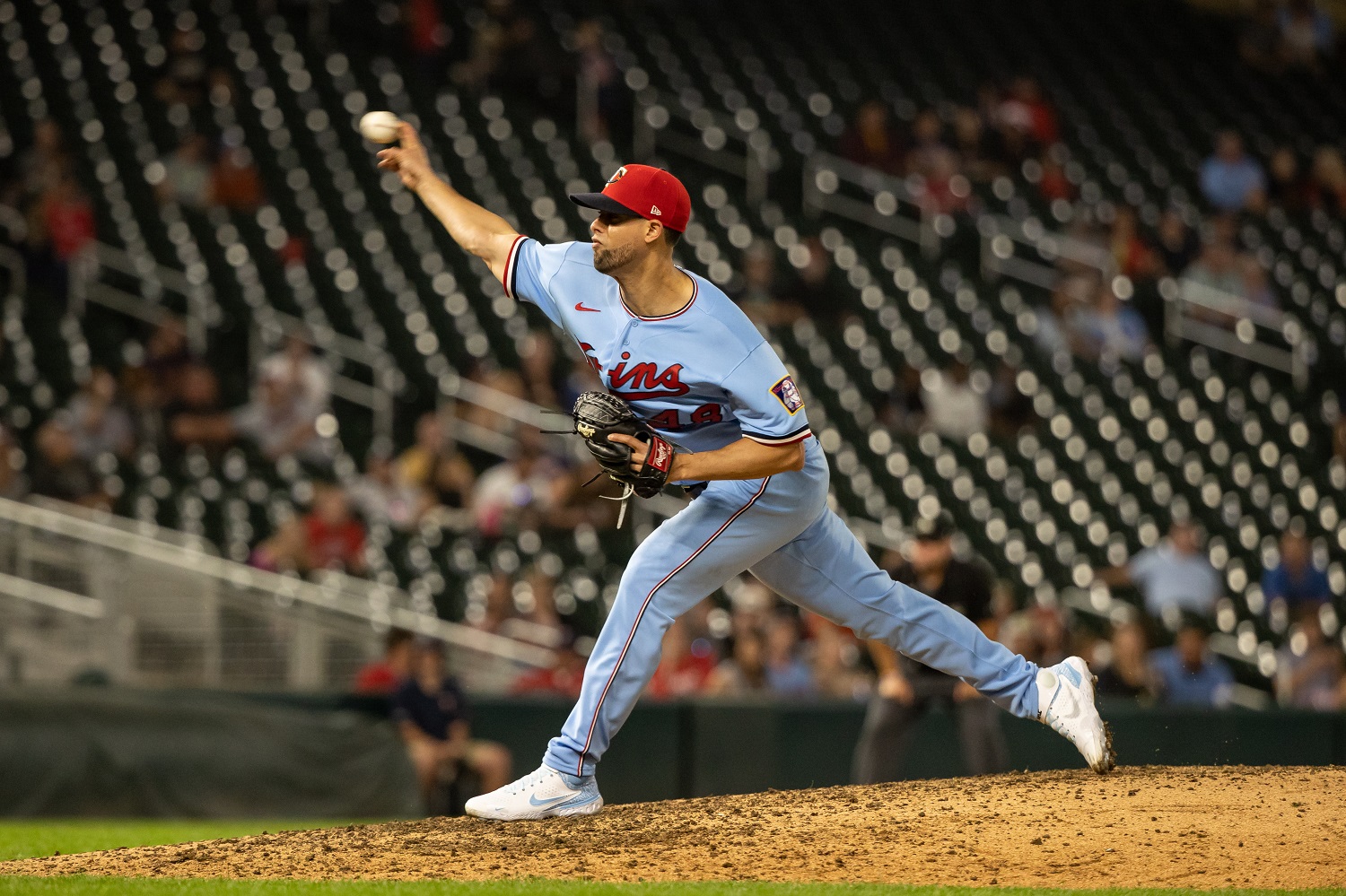 Leading into the 2023 season, fans can analyze different projection systems to predict the performance of any big-league team. For this article, Steamer projections will be featured. According to MLB.com, Steamer uses past performance and aging trends to develop a future projection for players. It also uses pitch-tracking data to help forecast pitchers. Steamer projects the Twins' top five position players as Carlos Correa, Byron Buxton, Jorge Polanco, Jose Miranda, and Christian Vazquez. On the mound, the top five pitchers are all starters, including Pablo Lopez, Sonny Gray, Joe Ryan, Tyler Mahle, and Kenta Maeda. It would be easy to target any of those players and say they need to outperform their projections, but let's dig deeper into the roster. Joey Gallo, OF 2023 Steamer Projection: .188/.313/.393, 105 wRC+, 2.7 Off, -6.3 Def, 1.1 WAR The Twins signed Gallo to a one-year, $11 million deal in hopes of him returning to the All-Star caliber player he was in previous seasons. He's coming off his worst professional season, as he posted a .638 OPS and a 79 OPS+ over 126 games for the Yankees and the Dodgers. His projected slugging percentage is 76 points below his career average, which is one area he will need to outperform his projection. His defensive total also seems extremely low for a player known as a strong defender. Last year, he posted a -1.3 Def, his lowest total since 2017. Trevor Larnach, OF 2023 Steamer Projection: .225/.306/.373, 96 wRC+, -1.9 OF, -5.3 Def, 0.3 WAR Over the last two seasons, Larnach has dealt with multiple injuries, including a hand injury and a core muscle injury. When healthy, his powerful bat looks like it should be penciled into the middle of the Twins line-up. In 16 games last June, he posted a 1.077 OPS with six doubles and three home runs. Twins Daily's most recent roster projection has Larnach pegged to start the year at Triple-A. He will have to prove he is healthy and hit his way back to the big-league roster. Injuries will impact the Twins' outfield, and he needs to be ready when promoted. Jorge Alcala, RP 2023 Steamer Projection: 54 IP, 3.75 ERA, 9.3 K/9, 3.1 BB/9, 0.2 WAR Alcala missed nearly all of the 2022 season after having arthroscopic debridement surgery on his throwing elbow. In 2021, Alcala posted a 3.92 ERA with 9.2 K/9 over 59 2/3 innings while earning opportunities in a late-inning role. The Twins didn't add anyone to the bullpen this winter, which makes Alcala's return even more critical. He's already produced more than 0.2 WAR in multiple big-league seasons, so that projection is the most significant discrepancy. If Alcala can outperform his projections, he may help to revitalize a core bullpen group that struggled through much of the first half of 2022. Jorge Lopez, RP 2023 Steamer Projection: 70 IP, 3.58 ERA, 9.2 K/9, 3.0 BB/9, 0.4 WAR Steamer projects Lopez to provide the fourth-highest WAR total among Twins relievers. It's reasonable to think that the Twins would be disappointed in that result. Minnesota surrendered four pitching prospects (including Cade Povich) because they felt Lopez could upgrade the bullpen for multiple seasons. He struggled after the trade with a 4.37 ERA and a 1.63 WHIP in 23 appearances. The Twins won't follow a traditional closer model, but Lopez will likely get save opportunities, primarily if Jhoan Duran is used in high-leverage situations earlier than the ninth inning. Which player is most likely to outperform their Steamer projection? Leave a COMMENT and start the discussion.
- 13 comments
-
- 8
-

-
- trevor larnach
- joey gallo
- (and 2 more)
-
Brooks Lee has only been in the Twins organization since the middle of July, but he has already made his mark. His breakout professional debut has him as a consensus Top 100 prospect while earning the top spot on Twins Daily's prospect rankings. Image courtesy of Steve Buhr, Twins Daily Age: 22 (DOB: 2/14/01) 2022 Stats (RK/A+/AA): 139 PA, .303/.389/.451, 4 HR, 6 2B, 15 RBI, 17 R ETA: 2024 2021 Ranking: NA National Top 100 Rankings BA: 45 | MLB: 31 | ATH: 51 | BP: 37 What's To Like Brooks Lee has grown up around baseball. His father is the head coach at Cal Poly, San Luis Obispo. Entering the 2019 MLB Draft, Lee was committed to playing for his dad, which is the biggest reason he dropped to the 35th round. For anyone that has watched the switch-hitter, his bat-to-ball skills are his calling card. In his final collegiate season, he hit .357/.462/.664 (1.125) with 25 doubles, 15 home runs, and more walks (46) than strikeouts (28). Some college players struggle when shifting from metal to wood bats, but Lee impressed in wood-bat summer leagues prior to the draft. In one 21-game stretch on the Cape, he hit .405/.432/.667 (1.099) with six home runs. It was clear that Lee separated himself from other college hitters leading into the draft. Based on the performance mentioned above, Lee was in the conversation for the first overall pick in the 2022 MLB Draft, so the Twins were ecstatic that he was available with the eighth overall pick. Many scouts considered him the best college hitter in this year's draft, and that's why Minnesota was aggressive with him during his professional debut. Lee played in the Double-A playoffs just two months after being drafted while being over three years younger than the average age of the competition at that level. He had no trouble adjusting to the start of his pro career, as he posted an .839 OPS before helping Wichita to the Texas League Championship Series. What's Left to Work On Since being drafted by the Twins, Lee has only played shortstop and designated hitter. Many expect him to eventually move off shortstop, with third base being his eventual landing spot. His arm is very strong, which should play well at the hot corner. Lee is already known for his tremendous work ethic, so he will put in plenty of time as he switches to a new defensive home. The Twins also have Carlos Correa signed for a minimum of six seasons. It's intriguing to think about Correa, Lee, and Royce Lewis eventually slotted in the same big-league infield. Both top prospects are excited about working with Correa in the years ahead. Like many prospects in their early 20s, Lee has the potential to add more muscle to his frame, especially if he's moved off of shortstop in the future. He can drive the ball from both sides of the plate, so adding more muscle can help improve his power output. Scouting reports already have his power as above-average, and his patience at the plate will help him become a complete offensive player. He's a tremendous offensive talent, but strong players can always strive to improve. What's Next Lee likely starts the season at Double-A, the level he finished at in 2022 (for Wichita in the playoffs). Fans may be excited about what Lee can mean for the team's future, but there is no reason to rush him in 2023. When he is ready, he is ready. The Twins have assembled depth at multiple positions, but Lee's performance may dictate the team continuing to be aggressive with him. His big-league debut is not out of the question in the upcoming campaign. Royce Lewis or Brooks Lee? Over the past couple of days, we have laid out our thoughts on both future stars. Did we get it right? The vote was very close. What are your expectations for Lee in 2023? Will he debut for the Twins this season? Leave a COMMENT and start the discussion. View full article
-
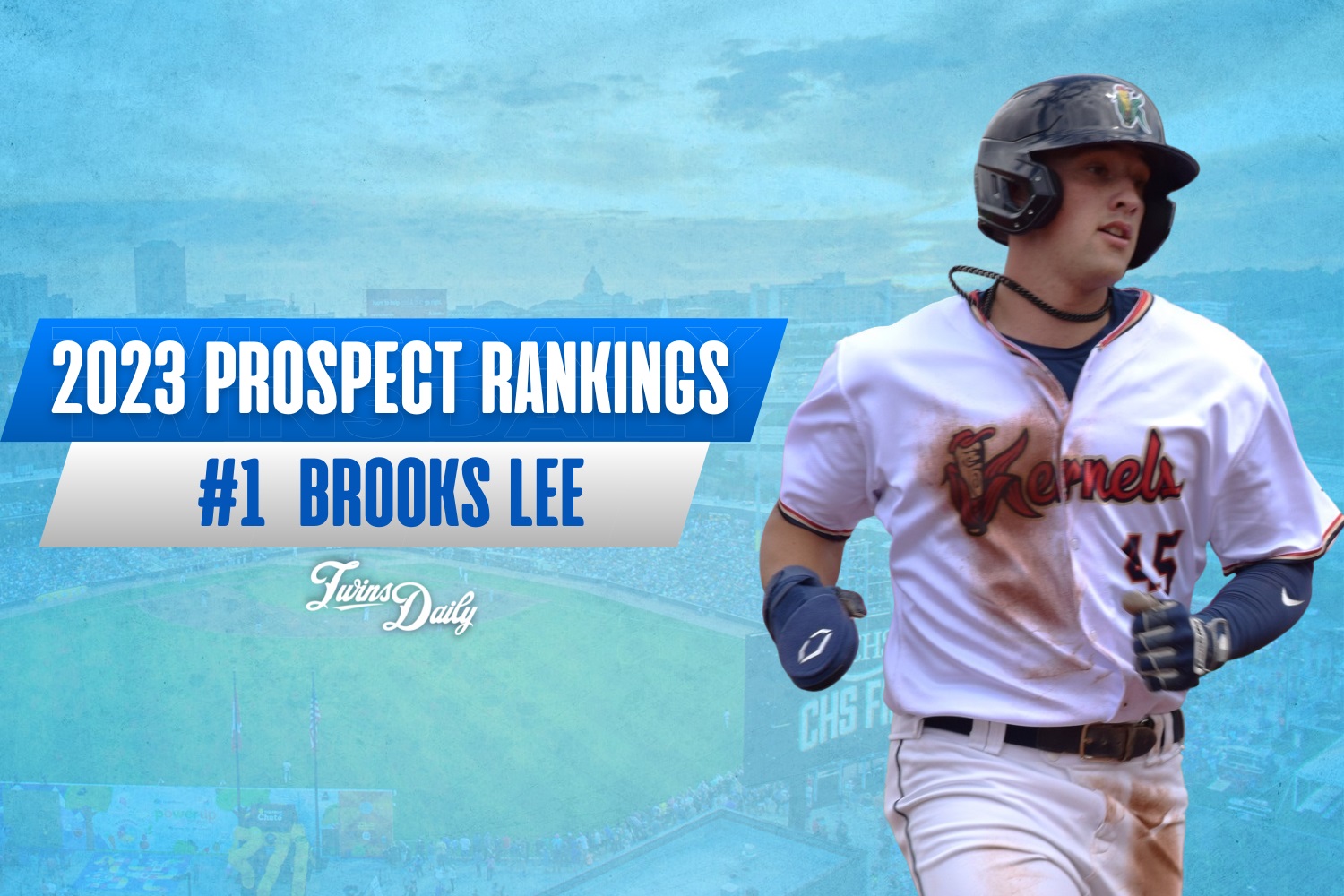 Age: 22 (DOB: 2/14/01) 2022 Stats (RK/A+/AA): 139 PA, .303/.389/.451, 4 HR, 6 2B, 15 RBI, 17 R ETA: 2024 2021 Ranking: NA National Top 100 Rankings BA: 45 | MLB: 31 | ATH: 51 | BP: 37 What's To Like Brooks Lee has grown up around baseball. His father is the head coach at Cal Poly, San Luis Obispo. Entering the 2019 MLB Draft, Lee was committed to playing for his dad, which is the biggest reason he dropped to the 35th round. For anyone that has watched the switch-hitter, his bat-to-ball skills are his calling card. In his final collegiate season, he hit .357/.462/.664 (1.125) with 25 doubles, 15 home runs, and more walks (46) than strikeouts (28). Some college players struggle when shifting from metal to wood bats, but Lee impressed in wood-bat summer leagues prior to the draft. In one 21-game stretch on the Cape, he hit .405/.432/.667 (1.099) with six home runs. It was clear that Lee separated himself from other college hitters leading into the draft. Based on the performance mentioned above, Lee was in the conversation for the first overall pick in the 2022 MLB Draft, so the Twins were ecstatic that he was available with the eighth overall pick. Many scouts considered him the best college hitter in this year's draft, and that's why Minnesota was aggressive with him during his professional debut. Lee played in the Double-A playoffs just two months after being drafted while being over three years younger than the average age of the competition at that level. He had no trouble adjusting to the start of his pro career, as he posted an .839 OPS before helping Wichita to the Texas League Championship Series. What's Left to Work On Since being drafted by the Twins, Lee has only played shortstop and designated hitter. Many expect him to eventually move off shortstop, with third base being his eventual landing spot. His arm is very strong, which should play well at the hot corner. Lee is already known for his tremendous work ethic, so he will put in plenty of time as he switches to a new defensive home. The Twins also have Carlos Correa signed for a minimum of six seasons. It's intriguing to think about Correa, Lee, and Royce Lewis eventually slotted in the same big-league infield. Both top prospects are excited about working with Correa in the years ahead. Like many prospects in their early 20s, Lee has the potential to add more muscle to his frame, especially if he's moved off of shortstop in the future. He can drive the ball from both sides of the plate, so adding more muscle can help improve his power output. Scouting reports already have his power as above-average, and his patience at the plate will help him become a complete offensive player. He's a tremendous offensive talent, but strong players can always strive to improve. What's Next Lee likely starts the season at Double-A, the level he finished at in 2022 (for Wichita in the playoffs). Fans may be excited about what Lee can mean for the team's future, but there is no reason to rush him in 2023. When he is ready, he is ready. The Twins have assembled depth at multiple positions, but Lee's performance may dictate the team continuing to be aggressive with him. His big-league debut is not out of the question in the upcoming campaign. Royce Lewis or Brooks Lee? Over the past couple of days, we have laid out our thoughts on both future stars. Did we get it right? The vote was very close. What are your expectations for Lee in 2023? Will he debut for the Twins this season? Leave a COMMENT and start the discussion.
 -
Injuries were the biggest storyline of the 2022 season for the Twins. With spring training beginning, here are the injuries to monitor as the team prepares for the 2023 campaign. Image courtesy of Paul Rutherford-USA TODAY Sports The Twins were one of the most injured teams throughout the 2022 season. Minnesota overcame these injuries during most of the season to be at the top of the AL Central. Unfortunately, the club ran out of gas (and players) in the second half. Will the injury bug hit the Twins again in 2023? Let’s review the team’s injuries from last season and how they will impact spring training. Pitchers Jorge Alcala: Alcala landed on the injured list five days into the 2022 season with elbow inflammation. He tried to return but suffered a setback in June. In August, the Twins announced he underwent arthroscopic debridement surgery on his throwing elbow. Minnesota expected him to be a vital bullpen arm in 2022, so it will be interesting to see what role he can fill in 2023. He’s expected to be ready to start the season. Sonny Gray: Gray had three stints on the injured list last season, including ending the year on the shelf. He missed time in April with a hamstring injury and a pectoral strain in June. His season ended on the IL with a hamstring strain. Minnesota was out of contention, so the team had no reason to rush him back. Gray has failed to pitch more than 150 innings in all but two seasons since 2016 due to injuries. Kenta Maeda: Maeda missed the 2022 season recovering from Tommy John surgery. There was some hope he would be able to pitch in the season’s final weeks, but the Twins fell out of contention, and there was no reason to rush him back. Maeda is entering the final year of his contract, so he has a lot to prove on the mound this season. Can teams rely on him to be a starting pitcher moving forward, or is he headed to a bullpen role? Tyler Mahle: Mahle’s Twins tenure has been overshadowed by injuries. He was limited to four appearances after being acquired by the Twins. Before the trade, Mahle missed 21 days with a right shoulder strain. He came back and made two starts before being moved to the Twins. Minnesota reported that there was no structural damage to the shoulder, and the Twins worked with him on an off-season shoulder regimen. He has a chance to be the team's top pitcher if he can move past his shoulder concerns. Bailey Ober: Ober was limited to 11 appearances in 2022 and didn’t make an appearance between June 1 and September 16 because of a groin strain. Throughout his professional career, he hasn’t pitched more than the 108 1/3 innings he threw in 2021. He reached that number in 2021 between the Twins and Saints. If everyone is healthy, there’s a good chance Ober will start the year in the Triple-A rotation. It would be great if Ober can set a new a career high in innings pitched in 2023, but he hasn't been a bastion of health with the Twins. Position Players Byron Buxton: Buxton had a tremendous start to his 2022 campaign on the way to his first All-Star Game appearance. His second half was much more limited while he dealt with a right hip strain and a knee issue. In September, he underwent season-ending arthroscopic knee surgery, which the team considered a cleanup procedure. He is expected to be ready as spring training begins, but injuries have impacted much of Buxton’s career. Carlos Correa: Correa has played 136 games or more over the last two seasons, so injuries haven’t been a concern in recent seasons. However, Correa’s ankle caused two contracts to fall through this winter. He is also not participating in the World Baseball Classic, but that is tied to his wife expecting their second child in March. Different injuries have marked Correa’s big-league career, but the team will likely be taking good care of his ankle during his remaining Twins tenure. Jorge Polanco: During the 2022 season, Polanco missed time with patellar tendonitis before landing on the injured list in early September. He tried to work his way back and played in minor league rehab games before suffering a setback. Polanco should be good to go at the start of spring training, but he is certainly someone to watch. Chronic ankle injuries have also impacted him in multiple seasons. Alex Kirilloff: Kirilloff missed time the last two seasons with wrist issues. Last season, he dealt with considerable pain while swinging, and the team needed to find a long-term solution. In August, he underwent a season-ending ulnar shortening procedure that is relatively rare for professional athletes. There are a lot of unknowns with this procedure and how well a big-league hitter can recover, although Kirk Gibson is one positive example to give you hope. First base is one of the most critical spots in the team’s line-up, and the club needs Kirilloff to produce at a high level. Trevor Larnach: In late June, Larnach underwent a bilateral surgical repair to treat a core muscle strain. At the time, the team thought that he’d miss six weeks, but he never returned in 2022. During the 2021 season, his performance suffered before the Twins demoted him to Triple-A. He later revealed that a hand injury had been bothering him. When healthy, he’s shown tremendous power potential but hasn’t been able to stay on the field. Are you worried about any of these injuries? Will the Twins be healthier in 2023? Leave a COMMENT and start the discussion. View full article
- 25 replies
-
- 1
-
-
- byron buxton
- tyler mahle
- (and 3 more)
-
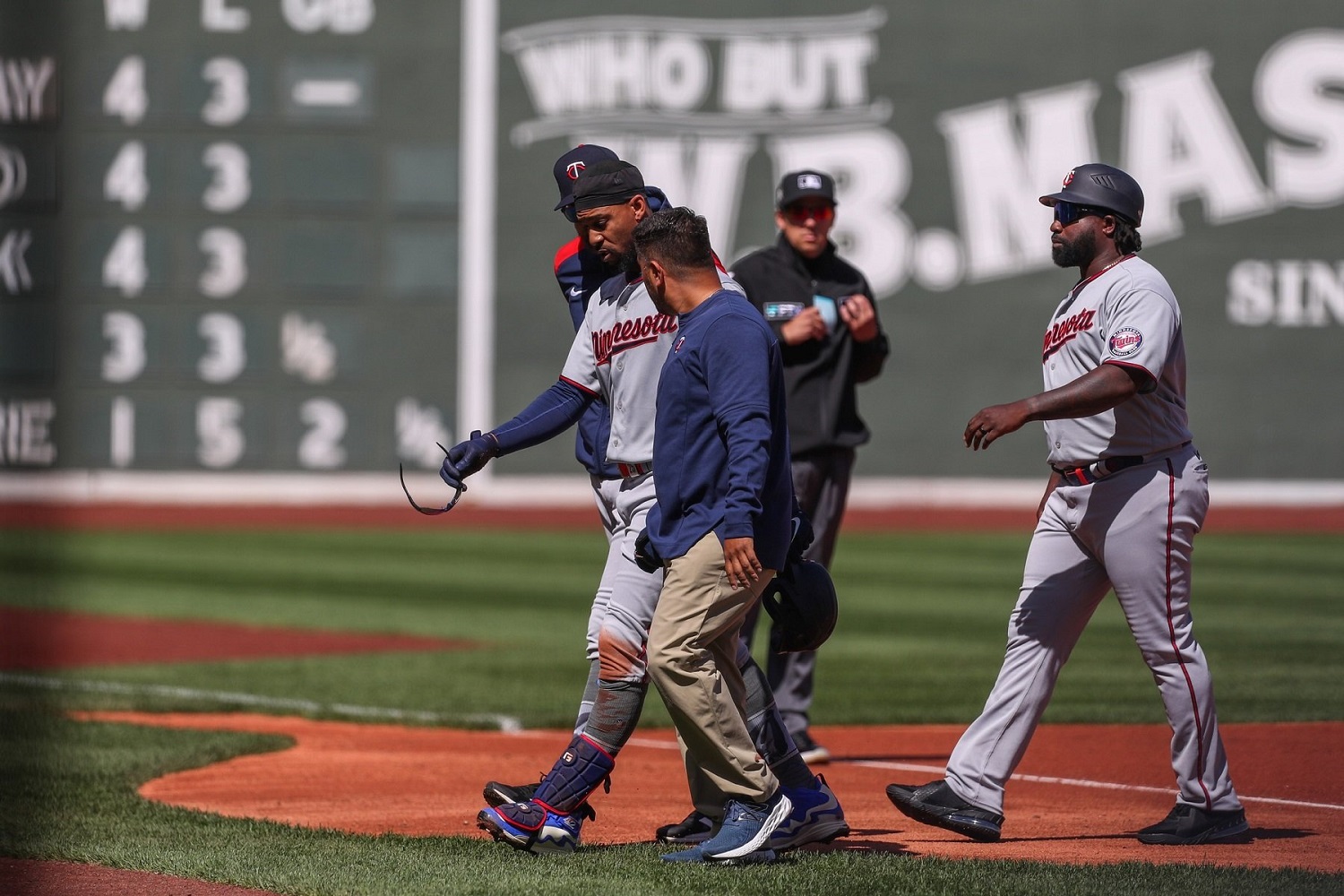 The Twins were one of the most injured teams throughout the 2022 season. Minnesota overcame these injuries during most of the season to be at the top of the AL Central. Unfortunately, the club ran out of gas (and players) in the second half. Will the injury bug hit the Twins again in 2023? Let’s review the team’s injuries from last season and how they will impact spring training. Pitchers Jorge Alcala: Alcala landed on the injured list five days into the 2022 season with elbow inflammation. He tried to return but suffered a setback in June. In August, the Twins announced he underwent arthroscopic debridement surgery on his throwing elbow. Minnesota expected him to be a vital bullpen arm in 2022, so it will be interesting to see what role he can fill in 2023. He’s expected to be ready to start the season. Sonny Gray: Gray had three stints on the injured list last season, including ending the year on the shelf. He missed time in April with a hamstring injury and a pectoral strain in June. His season ended on the IL with a hamstring strain. Minnesota was out of contention, so the team had no reason to rush him back. Gray has failed to pitch more than 150 innings in all but two seasons since 2016 due to injuries. Kenta Maeda: Maeda missed the 2022 season recovering from Tommy John surgery. There was some hope he would be able to pitch in the season’s final weeks, but the Twins fell out of contention, and there was no reason to rush him back. Maeda is entering the final year of his contract, so he has a lot to prove on the mound this season. Can teams rely on him to be a starting pitcher moving forward, or is he headed to a bullpen role? Tyler Mahle: Mahle’s Twins tenure has been overshadowed by injuries. He was limited to four appearances after being acquired by the Twins. Before the trade, Mahle missed 21 days with a right shoulder strain. He came back and made two starts before being moved to the Twins. Minnesota reported that there was no structural damage to the shoulder, and the Twins worked with him on an off-season shoulder regimen. He has a chance to be the team's top pitcher if he can move past his shoulder concerns. Bailey Ober: Ober was limited to 11 appearances in 2022 and didn’t make an appearance between June 1 and September 16 because of a groin strain. Throughout his professional career, he hasn’t pitched more than the 108 1/3 innings he threw in 2021. He reached that number in 2021 between the Twins and Saints. If everyone is healthy, there’s a good chance Ober will start the year in the Triple-A rotation. It would be great if Ober can set a new a career high in innings pitched in 2023, but he hasn't been a bastion of health with the Twins. Position Players Byron Buxton: Buxton had a tremendous start to his 2022 campaign on the way to his first All-Star Game appearance. His second half was much more limited while he dealt with a right hip strain and a knee issue. In September, he underwent season-ending arthroscopic knee surgery, which the team considered a cleanup procedure. He is expected to be ready as spring training begins, but injuries have impacted much of Buxton’s career. Carlos Correa: Correa has played 136 games or more over the last two seasons, so injuries haven’t been a concern in recent seasons. However, Correa’s ankle caused two contracts to fall through this winter. He is also not participating in the World Baseball Classic, but that is tied to his wife expecting their second child in March. Different injuries have marked Correa’s big-league career, but the team will likely be taking good care of his ankle during his remaining Twins tenure. Jorge Polanco: During the 2022 season, Polanco missed time with patellar tendonitis before landing on the injured list in early September. He tried to work his way back and played in minor league rehab games before suffering a setback. Polanco should be good to go at the start of spring training, but he is certainly someone to watch. Chronic ankle injuries have also impacted him in multiple seasons. Alex Kirilloff: Kirilloff missed time the last two seasons with wrist issues. Last season, he dealt with considerable pain while swinging, and the team needed to find a long-term solution. In August, he underwent a season-ending ulnar shortening procedure that is relatively rare for professional athletes. There are a lot of unknowns with this procedure and how well a big-league hitter can recover, although Kirk Gibson is one positive example to give you hope. First base is one of the most critical spots in the team’s line-up, and the club needs Kirilloff to produce at a high level. Trevor Larnach: In late June, Larnach underwent a bilateral surgical repair to treat a core muscle strain. At the time, the team thought that he’d miss six weeks, but he never returned in 2022. During the 2021 season, his performance suffered before the Twins demoted him to Triple-A. He later revealed that a hand injury had been bothering him. When healthy, he’s shown tremendous power potential but hasn’t been able to stay on the field. Are you worried about any of these injuries? Will the Twins be healthier in 2023? Leave a COMMENT and start the discussion.
- 25 comments
-
- 5
-
-
- byron buxton
- tyler mahle
- (and 3 more)
-
Twins Daily 2023 Top Prospects: #4 Marco Raya, RHP
Cody Christie replied to Cody Christie's topic in Twins Minor League Talk
Law also tends not to prefer pitchers with a smaller stature. I believe he wasn't very high on Berrios when he was in the system. -
Twins Daily 2023 Top Prospects: #4 Marco Raya, RHP
Cody Christie replied to Cody Christie's topic in Twins Minor League Talk
A comparison to Stroman has been made other national outlets in the prospect ranking process, so that's why I included him in the write-up. -
Marco Raya might be the most exciting pitching prospect to come through the Twins organization since Jose Berrios. His stock is significantly rising after a tremendous professional debut. Image courtesy of William Parmeter, Fort Myers Miracle Age: 20 (DOB: 8/7/02) 2022 Stats (Low-A): 65 IP, 3.05 ERA, 1.08 WHIP, 76 K, 23 BB ETA: 2025 2021 Ranking: Honorable Mention National Top 100 Rankings BA: NR | MLB: NR | ATH: NR | BP: 53 What’s To Like The Twins have been high on Marco Raya since they drafted the teenager in the fourth round of the 2020 draft out of high school. Raya was one of the club’s biggest risers in 2022 after not being among Twins Daily’s top-20 prospects entering last season. It was easy to see why he was left off the list since he didn’t pitch at all in 2021 and was looking to make his professional debut in 2022. Since joining the organization, his projection has improved from a mid-rotation starter to a potential ace. Minnesota had Raya spend the 2022 season in Fort Myers where he was three years younger than the average age of the competition. He only faced younger batters in 46 plate appearances, and he held older batters to a .571 OPS. Raya posted a 10.5 K/9 and a 3.2 BB/9 while batters hit less than .200 against him. His fastball has increased by multiple miles per hour since being drafted. He compliments his fastball with three offspeed offerings that MLB.com already grades as being 50s on the 20-80 scouting scale. What’s Left to Work On Shoulder soreness caused Raya to miss the 2021 campaign and his innings were limited in 2022. His frame is built similarly to former Twin Jose Berrios, so there can be questions about long-term durability with pitchers that size. Raya is listed at 6-foot-1 and 170 pounds so there is room to add more muscle to his frame as he enters his 20s. Marcus Stroman is another similar sized pitcher that has found success at the big-league level, but Raya has a better fastball that is paired with very projectable secondary pitches. He is already considered extremely athletic so it will be interesting to see how his off-season regime added to his frame. Raya has been limited to 19 appearances in his professional career, so the 2023 season is critical for building innings. He pitched fewer than five innings in all but four starts last season and he never threw more than 80 pitches. Minnesota will continue to monitor his innings during his young career, and it seems like 100 innings would be a good goal in 2023. His appearances will continue to come against younger hitters and he can continue to refine his secondary pitch offerings. What’s Next During the season’s early weeks, Raya should stay in Fort Myers where the weather will be warmer. His previous shoulder injury is no longer a concern, but there’s no reason to rush him into pitching in colder weather if the team can avoid it. As temperatures improve, Raya can move to Cedar Rapids to accumulate the bulk of his innings. He is already on the national prospect radar after a tremendous debut. By this time next season, he has a chance to be Minnesota’s top prospect and a global top-100 prospect. What are your expectations for Raya in 2023? Can he be the team’s top prospect for 2024? Leave a COMMENT and start the discussion. View full article
-
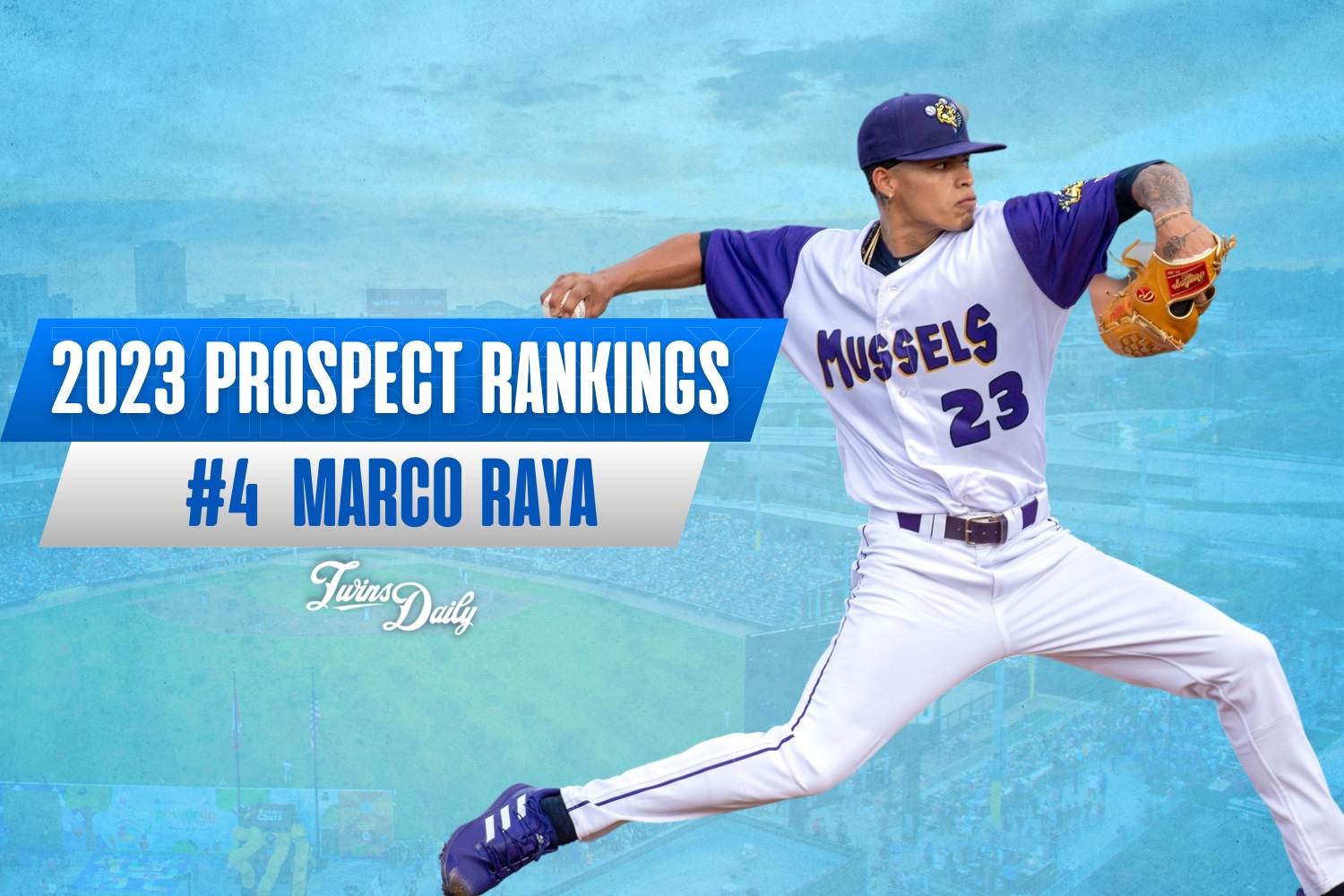 Age: 20 (DOB: 8/7/02) 2022 Stats (Low-A): 65 IP, 3.05 ERA, 1.08 WHIP, 76 K, 23 BB ETA: 2025 2021 Ranking: Honorable Mention National Top 100 Rankings BA: NR | MLB: NR | ATH: NR | BP: 53 What’s To Like The Twins have been high on Marco Raya since they drafted the teenager in the fourth round of the 2020 draft out of high school. Raya was one of the club’s biggest risers in 2022 after not being among Twins Daily’s top-20 prospects entering last season. It was easy to see why he was left off the list since he didn’t pitch at all in 2021 and was looking to make his professional debut in 2022. Since joining the organization, his projection has improved from a mid-rotation starter to a potential ace. Minnesota had Raya spend the 2022 season in Fort Myers where he was three years younger than the average age of the competition. He only faced younger batters in 46 plate appearances, and he held older batters to a .571 OPS. Raya posted a 10.5 K/9 and a 3.2 BB/9 while batters hit less than .200 against him. His fastball has increased by multiple miles per hour since being drafted. He compliments his fastball with three offspeed offerings that MLB.com already grades as being 50s on the 20-80 scouting scale. What’s Left to Work On Shoulder soreness caused Raya to miss the 2021 campaign and his innings were limited in 2022. His frame is built similarly to former Twin Jose Berrios, so there can be questions about long-term durability with pitchers that size. Raya is listed at 6-foot-1 and 170 pounds so there is room to add more muscle to his frame as he enters his 20s. Marcus Stroman is another similar sized pitcher that has found success at the big-league level, but Raya has a better fastball that is paired with very projectable secondary pitches. He is already considered extremely athletic so it will be interesting to see how his off-season regime added to his frame. Raya has been limited to 19 appearances in his professional career, so the 2023 season is critical for building innings. He pitched fewer than five innings in all but four starts last season and he never threw more than 80 pitches. Minnesota will continue to monitor his innings during his young career, and it seems like 100 innings would be a good goal in 2023. His appearances will continue to come against younger hitters and he can continue to refine his secondary pitch offerings. What’s Next During the season’s early weeks, Raya should stay in Fort Myers where the weather will be warmer. His previous shoulder injury is no longer a concern, but there’s no reason to rush him into pitching in colder weather if the team can avoid it. As temperatures improve, Raya can move to Cedar Rapids to accumulate the bulk of his innings. He is already on the national prospect radar after a tremendous debut. By this time next season, he has a chance to be Minnesota’s top prospect and a global top-100 prospect. What are your expectations for Raya in 2023? Can he be the team’s top prospect for 2024? Leave a COMMENT and start the discussion.
 -
Every club has spots on the roster up for grabs entering spring training. Here are some of the battles to watch as the Twins open camp. Image courtesy of Joe Camporeale-USA Today Sports Many Twins players have already reported to Fort Myers in eager anticipation of the 2023 season. Spring training is even more important for some players this season because they are battling for a roster spot. Minnesota has added depth at multiple positions, which means other players are pushed down the depth chart. For many of the battles, health is the most significant factor, so who will win these battles in the coming weeks? Starting Rotation Battle There are many questions about the Twins' rotation. Is Tyler Mahle healthy? No one knows how his shoulder will hold up as he ramps up for the season. How will Kenta Maeda return from Tommy John surgery? Maeda had a chance to return last season, but the Twins fell out of contention and didn't rush him back. Would the team consider a six-man rotation to keep players healthy? Bailey Ober is the odd man out in the rotation if everyone is healthy at the conclusion of spring training. Ober is the next man up from Triple-A if there is an injury. Potentially, the Twins could push a starter into a bullpen role to keep the player on the Opening Day roster. There is also a stable of young pitchers waiting in the wings, including Louie Varland and Simeon Woods Richardson. There is depth there, but there are no guarantees everyone will be healthy on Opening Day. Bench Battle Many of the team's bench spots are already locked in, but the team can still go in a different direction. The Twins presumed bench is Ryan Jeffers, Kyle Farmer, Michael A. Taylor , and Nick Gordon. Staying healthy will be vital to keeping the team's bench depth. Gordon currently occupies the last-position player spot on the roster, but he is out of minor-league options, so he likely makes the team. Alex Kirilloff is returning from surgery, but there is no guarantee he will be ready for Opening Day. When spring training starts, the Twins can move Royce Lewis and Chris Paddack to the 60-day IL and open new 40-man roster spots. This could allow a veteran player to be added as a third catcher, or there will likely be a need for Kyle Garlick to be a bench bat in 2023. Gilberto Celestino has been part of the Twins roster over the last two seasons, but he's likely headed to Triple-A. Bullpen Battle Many of the roster decisions above aren't as complicated if everyone is healthy at the start of the season. The bullpen is another story, with eight spots to fill and multiple decisions on the table. Five bullpen spots are locked in with Jhoan Duran, Jorge Lopez, Griffin Jax, Caleb Thielbar, and Emilio Pagan. In Twins Daily's roster projections, the final three bullpen spots are currently occupied by Jorge Alcala, Jovani Moran, and Trevor Megill. All three of these players have minor league options remaining, which helps the team have some roster flexibility. Alcala was limited to just two appearances in 2022 due to an elbow issue that eventually required surgery, so there is no guarantee he is at full strength. Moran and Megil pitched at Triple-A last year and are candidates to take the train back and forth from St. Paul in 2023. Other bullpen options could emerge this spring, especially from other 40-man roster options like Ronny Henriquez, Cole Sands, and Josh Winder. The Twins used 38 different pitchers last season, so all of these players will be needed at some point in the coming season. Who will emerge from those roster battles? Which relievers will get the final spots in the bullpen? Leave a COMMENT and start the discussion. View full article
-
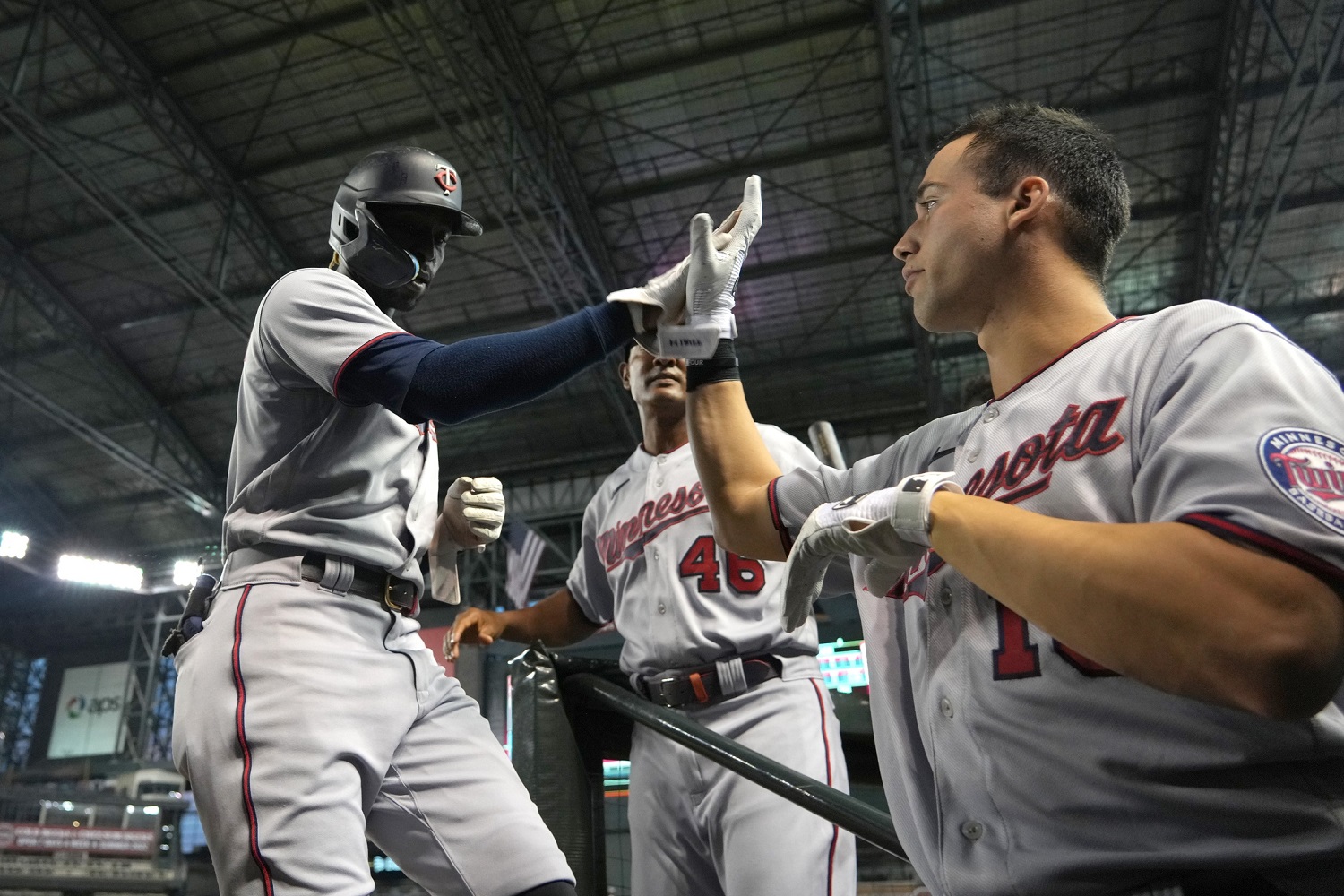 Many Twins players have already reported to Fort Myers in eager anticipation of the 2023 season. Spring training is even more important for some players this season because they are battling for a roster spot. Minnesota has added depth at multiple positions, which means other players are pushed down the depth chart. For many of the battles, health is the most significant factor, so who will win these battles in the coming weeks? Starting Rotation Battle There are many questions about the Twins' rotation. Is Tyler Mahle healthy? No one knows how his shoulder will hold up as he ramps up for the season. How will Kenta Maeda return from Tommy John surgery? Maeda had a chance to return last season, but the Twins fell out of contention and didn't rush him back. Would the team consider a six-man rotation to keep players healthy? Bailey Ober is the odd man out in the rotation if everyone is healthy at the conclusion of spring training. Ober is the next man up from Triple-A if there is an injury. Potentially, the Twins could push a starter into a bullpen role to keep the player on the Opening Day roster. There is also a stable of young pitchers waiting in the wings, including Louie Varland and Simeon Woods Richardson. There is depth there, but there are no guarantees everyone will be healthy on Opening Day. Bench Battle Many of the team's bench spots are already locked in, but the team can still go in a different direction. The Twins presumed bench is Ryan Jeffers, Kyle Farmer, Michael A. Taylor , and Nick Gordon. Staying healthy will be vital to keeping the team's bench depth. Gordon currently occupies the last-position player spot on the roster, but he is out of minor-league options, so he likely makes the team. Alex Kirilloff is returning from surgery, but there is no guarantee he will be ready for Opening Day. When spring training starts, the Twins can move Royce Lewis and Chris Paddack to the 60-day IL and open new 40-man roster spots. This could allow a veteran player to be added as a third catcher, or there will likely be a need for Kyle Garlick to be a bench bat in 2023. Gilberto Celestino has been part of the Twins roster over the last two seasons, but he's likely headed to Triple-A. Bullpen Battle Many of the roster decisions above aren't as complicated if everyone is healthy at the start of the season. The bullpen is another story, with eight spots to fill and multiple decisions on the table. Five bullpen spots are locked in with Jhoan Duran, Jorge Lopez, Griffin Jax, Caleb Thielbar, and Emilio Pagan. In Twins Daily's roster projections, the final three bullpen spots are currently occupied by Jorge Alcala, Jovani Moran, and Trevor Megill. All three of these players have minor league options remaining, which helps the team have some roster flexibility. Alcala was limited to just two appearances in 2022 due to an elbow issue that eventually required surgery, so there is no guarantee he is at full strength. Moran and Megil pitched at Triple-A last year and are candidates to take the train back and forth from St. Paul in 2023. Other bullpen options could emerge this spring, especially from other 40-man roster options like Ronny Henriquez, Cole Sands, and Josh Winder. The Twins used 38 different pitchers last season, so all of these players will be needed at some point in the coming season. Who will emerge from those roster battles? Which relievers will get the final spots in the bullpen? Leave a COMMENT and start the discussion.
- 30 comments
-
- 6
-
-
- nick gordon
- bailey ober
- (and 3 more)
-
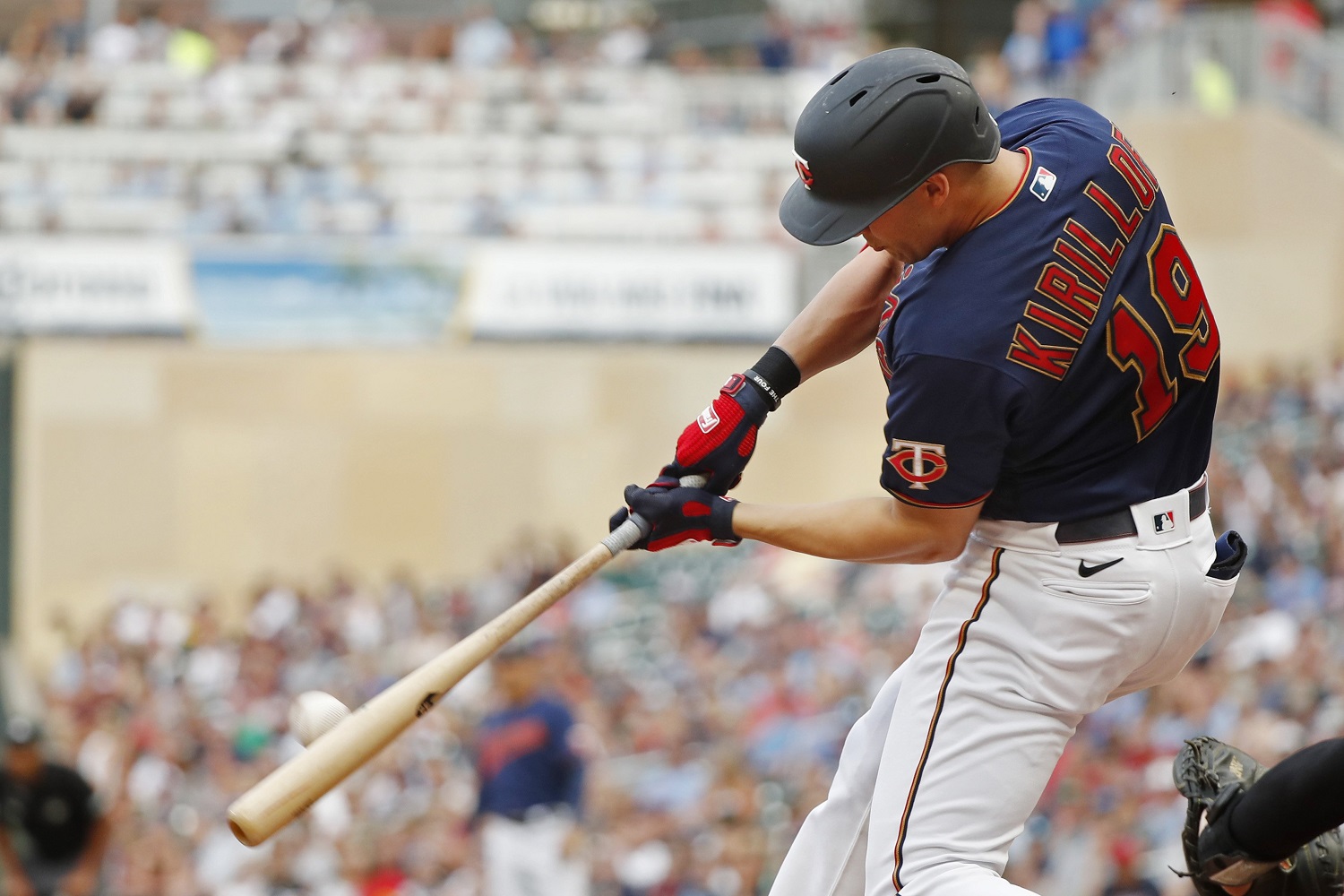 Not all fans approved of the Twins trading Luis Arraez for Pablo Lopez. Arraez was a fan favorite, and there are multiple reasons the club was willing to part with the reigning AL Batting Champion. He has yet to have a true defensive home and doesn't fit the profile of a slugging first baseman. Minnesota has other options at first base in 2023, which might be the most pivotal position on the roster. Presumed Starter Alex Kirilloff returns from a unique off-season surgery where doctors shortened his ulna bone. He has dealt with wrist issues over the last two seasons, and this surgery was the best way to solve these problems. This surgery has shown success with the general population, but there have been few professional athletes to undergo this procedure. There is no guarantee Kirilloff will return to his previous form, but all reports from the Twins have him on track to complete a regular spring training. Projection systems defer in what to expect from Kirilloff in 2023. During his big-league career, Kirilloff hasn't been healthy, which impacts how projections view his potential contributions. ZiPS has Kirilloff hitting .250/.310/.401 (.711) while accumulating 0.9 WAR in 82 games (332 PA). Baseball-Reference projects him to post a .708 OPS in 301 PA. The Twins are hoping to get more than half a season from Kirilloff, so their internal projections are likely higher for his output during the upcoming season. Other First Base Options Minnesota can use Joey Gallo at first base, but he provides much of his value with Gold Glove-caliber outfield defense. He can likely be a strong defender at first, but the Twins' best defensive alignment has him in a corner outfield spot. Gallo has played over 745 innings at first base in his career, but most of those innings came in 2017 or earlier. His offensive profile fits at first base, so he is a fallback option if Kirilloff misses time in 2023. Jose Miranda got time at first last season, but the Twins want him to be the club's everyday third baseman. He has never been considered a strong defender at third, so first base might be his eventual long-term position. Rocco Baldelli can undoubtedly use a line-up that includes Kyle Farmer at third base with Miranda sliding over to the other corner infield spot. Farmer and Christian Vazquez have played over 100 innings at first base so that they can be emergency options. Offensive Potential Fans may forget that Kirilloff was considered one of baseball's top prospects throughout his professional career. All three major national rankings had him among their top 100 prospects for three consecutive seasons (2019-21), with Baseball America and MLB.com ranking him in the top 15 entering the 2019 season. He was the 2018 TD Minor League Hitter of the Year after he hit .348/.392/.578 (.970) with 44 doubles, seven triples, and 20 home runs in 130 games. Kirilloff can still be that type of hitter if his latest wrist surgery proves successful. Minnesota saw flashes of the offensive wunderkind when they sent Kirilloff to St. Paul during the 2022 season. He was struggling to fight through his wrist injury with the Twins, and the club wanted him to rediscover his swing in an environment more suitable for working on mechanical adjustments. He dominated in 35 games by hitting .359/.465/.641 (1.106) with seven doubles and ten home runs. His hot hitting didn't follow him back to the Twins, and he was eventually shut down because of his wrist. The Twins' best line-up against a right-handed starter has Alex Kirilloff at first base with an outfield of Joey Gallo (LF), Byron Buxton (CF), and Max Kepler (RF). If Kirilloff isn't deemed ready, the Twins can move Gallo to first and have one of the other young outfielders (Trevor Larnach or Matt Wallner) take his place in a corner outfield spot. Minnesota focused on improving the club's outfield defense this winter, so they may avoid using players that struggle more on the defensive side. If Kirilloff is healthy, Minnesota's line-up is strong at nearly every position, with depth waiting in the wings. The Twins will need to be ready to pivot to other first-base options like Gallo or Miranda if Kirilloff has any setbacks. How important is first base to the Twins line-up this season? Leave a COMMENT and start the discussion.
- 47 comments
-
- 6
-
-
- alex kirilloff
- joey gallo
- (and 1 more)
-
The Twins have added depth at multiple positions on the roster, but trading Luis Arraez leaves a hole to fill. One position might be the key to the Twins' line-up firing on all cylinders during the 2023 campaign. Image courtesy of Bruce Kluckhohn, USA Today Sports Not all fans approved of the Twins trading Luis Arraez for Pablo Lopez. Arraez was a fan favorite, and there are multiple reasons the club was willing to part with the reigning AL Batting Champion. He has yet to have a true defensive home and doesn't fit the profile of a slugging first baseman. Minnesota has other options at first base in 2023, which might be the most pivotal position on the roster. Presumed Starter Alex Kirilloff returns from a unique off-season surgery where doctors shortened his ulna bone. He has dealt with wrist issues over the last two seasons, and this surgery was the best way to solve these problems. This surgery has shown success with the general population, but there have been few professional athletes to undergo this procedure. There is no guarantee Kirilloff will return to his previous form, but all reports from the Twins have him on track to complete a regular spring training. Projection systems defer in what to expect from Kirilloff in 2023. During his big-league career, Kirilloff hasn't been healthy, which impacts how projections view his potential contributions. ZiPS has Kirilloff hitting .250/.310/.401 (.711) while accumulating 0.9 WAR in 82 games (332 PA). Baseball-Reference projects him to post a .708 OPS in 301 PA. The Twins are hoping to get more than half a season from Kirilloff, so their internal projections are likely higher for his output during the upcoming season. Other First Base Options Minnesota can use Joey Gallo at first base, but he provides much of his value with Gold Glove-caliber outfield defense. He can likely be a strong defender at first, but the Twins' best defensive alignment has him in a corner outfield spot. Gallo has played over 745 innings at first base in his career, but most of those innings came in 2017 or earlier. His offensive profile fits at first base, so he is a fallback option if Kirilloff misses time in 2023. Jose Miranda got time at first last season, but the Twins want him to be the club's everyday third baseman. He has never been considered a strong defender at third, so first base might be his eventual long-term position. Rocco Baldelli can undoubtedly use a line-up that includes Kyle Farmer at third base with Miranda sliding over to the other corner infield spot. Farmer and Christian Vazquez have played over 100 innings at first base so that they can be emergency options. Offensive Potential Fans may forget that Kirilloff was considered one of baseball's top prospects throughout his professional career. All three major national rankings had him among their top 100 prospects for three consecutive seasons (2019-21), with Baseball America and MLB.com ranking him in the top 15 entering the 2019 season. He was the 2018 TD Minor League Hitter of the Year after he hit .348/.392/.578 (.970) with 44 doubles, seven triples, and 20 home runs in 130 games. Kirilloff can still be that type of hitter if his latest wrist surgery proves successful. Minnesota saw flashes of the offensive wunderkind when they sent Kirilloff to St. Paul during the 2022 season. He was struggling to fight through his wrist injury with the Twins, and the club wanted him to rediscover his swing in an environment more suitable for working on mechanical adjustments. He dominated in 35 games by hitting .359/.465/.641 (1.106) with seven doubles and ten home runs. His hot hitting didn't follow him back to the Twins, and he was eventually shut down because of his wrist. The Twins' best line-up against a right-handed starter has Alex Kirilloff at first base with an outfield of Joey Gallo (LF), Byron Buxton (CF), and Max Kepler (RF). If Kirilloff isn't deemed ready, the Twins can move Gallo to first and have one of the other young outfielders (Trevor Larnach or Matt Wallner) take his place in a corner outfield spot. Minnesota focused on improving the club's outfield defense this winter, so they may avoid using players that struggle more on the defensive side. If Kirilloff is healthy, Minnesota's line-up is strong at nearly every position, with depth waiting in the wings. The Twins will need to be ready to pivot to other first-base options like Gallo or Miranda if Kirilloff has any setbacks. How important is first base to the Twins line-up this season? Leave a COMMENT and start the discussion. View full article
-
That's certainly an interesting thought. Hopefully, the veterans will work through some of the kinks during spring training.
-
Most projection systems have the Twins as a .500 team or below. I wouldn't call them good at this point. If they stay healthy, they should outperform their projections, but there's a lot of uncertainty entering the season.
-
The Twins Most Underrated Player?
Cody Christie replied to Cody Christie's topic in Twins Daily Front Page News
Nick Gordon has been brought up as an underrated player. Are there any pitchers that are underrated (Jax, Thielbar, etc.)? -
Both teams project to be about the same level as the Twins. The White Sox disappointed last year, and should be slightly better. The Red Sox have some question marks, but they aren’t as bad as they were in 2022.
-
It went with the theme of the post. For the Good, I picked the teams the Twins should be able to beat. For the Bad, I picked the teams that were about the same as the Twins. For the Ugly, I picked the teams expected to be better than the Twins.
-
If the Twins sweep the Yankees, the earth might fall off its axis 😆
- 56 replies
-
- 1
-

-
- luis arraez
- pablo lopez
- (and 1 more)
-
I think there are still question marks around players like Kirilloff and Mahle. Will they be ready for April? Kirilloff's surgery is rare for professional athletes, so his workload will be something to watch this season. I'm interested to see what Mahle looks like in spring training. Is his shoulder back to full health?
- 56 replies
-
- 1
-
-
- luis arraez
- pablo lopez
- (and 1 more)
-
Like I said in the article, I hope the Astros are dealing with a little bit of a World Series hangover and the Twins can be more competitive against them. They were dominated by Houston last season.
- 56 replies
-
- 1
-
-
- luis arraez
- pablo lopez
- (and 1 more)
-
Not meant to be clickbait. They have a tough schedule in April and that was the point of this story. The 2021 team did terrible in April and didn't recover. Some teams get off to a great start and it carries them throughout the season. There are ebbs and flows to a 162-game season and getting off to a good start can help.
- 56 replies
-
- 3
-
-
- luis arraez
- pablo lopez
- (and 1 more)
