



Cody Christie
-
Posts
7,515 -
Joined
-
Last visited
-
Days Won
5
Content Type
Profiles
News
Minnesota Twins Videos
2026 Minnesota Twins Top Prospects Ranking
2022 Minnesota Twins Draft Picks
Minnesota Twins Free Agent & Trade Rumors, Notes, & Tidbits
Guides & Resources
2023 Minnesota Twins Draft Picks
The Minnesota Twins Players Project
2024 Minnesota Twins Draft Picks
2025 Minnesota Twins Draft Pick Tracker
2026 Minnesota Twins Draft Tracker: Picks & Bonuses
Forums
Blogs
Events
Store
Downloads
Gallery
Everything posted by Cody Christie
-

Minnesota Twins 2018 Draft Retrospective: Starting to Catch On
Cody Christie posted an article in Twins
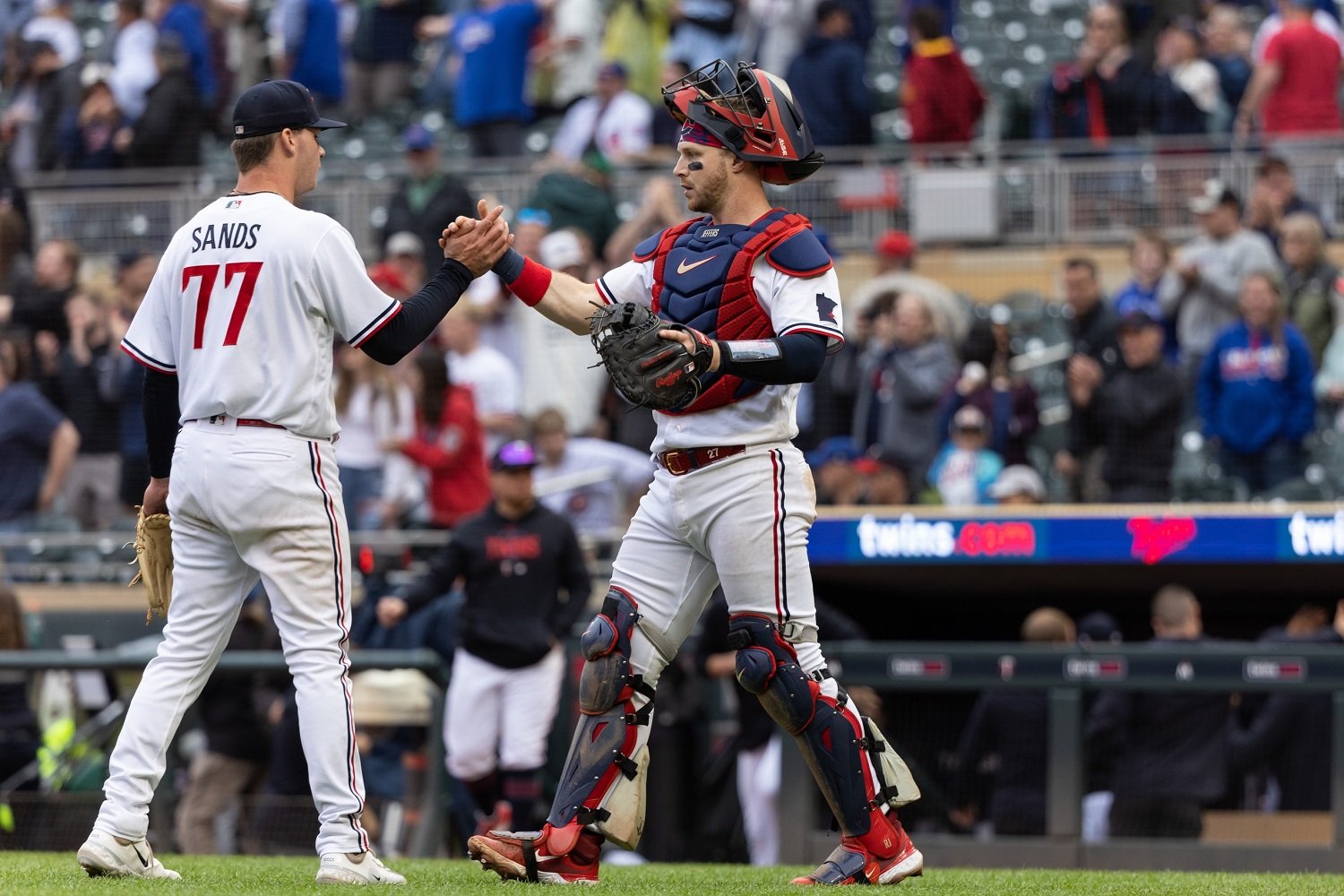 Major League Baseball's 2023 Draft is scheduled to start on July 9, 2023. Each team prepares for the draft with a specific plan, and sometimes those plans play out better than others. To prepare fans for the upcoming draft, this series will examine recent Twins drafts and how those players have performed so far in their professional careers. First Round: Trevor Larnach The Twins drafted Larnach with the 20th overall pick after a strong college season where he helped Oregon State win the College World Series. Three players taken behind Larnach (2.0 WAR) have accumulated more WAR so far in their MLB careers, including Nico Hoerner (8.1 WAR), Shane McClanahan (7.4 WAR), and Jake McCarthy (2.6 WAR). Larnach quickly impacted the Twins organization by winning the organization's Minor League Player of the Year award in his first full season. His most significant issue at the big-league level has been making consistent contact with offspeed and breaking pitches. He's part of the team's young core, and the Twins hope he can be a number-five hitter in the lineup for most of the next decade. Second Round: Ryan Jeffers Some were surprised the Twins drafted Jeffers this high because he was seen as a bat-first catcher with little defensive value. His outlook has changed significantly since signing with the Twins. He is a tremendous pitch framer and has improved his throwing arm this season. Jeffers has accumulated more WAR than any other second-round pick from the 2018 MLB Draft. Over the last two seasons, he struggled to find his swing with an 84 OPS+. His 2023 campaign started strongly with a 126 OPS+, ranking sixth in WAR among AL catchers. Minnesota lost their third-round pick in 2018 after signing Josh Donaldson. He had declined a qualifying offer by the Atlanta Braves, so draft pick compensation was tied to his signing. It is likely one of the reasons the Twins were able to sign him because some other teams would have had to forfeit a higher draft pick. His free-agent market didn't meet his expectations, and the Twins had to pivot from their plans to sign a free-agent starting pitcher. Other MLB Contributors: Cole Sands, Josh Winder The Twins took Sands with their fifth-round pick, and Winder was selected in the seventh round. Both players were starting pitchers throughout their minor-league careers but have shifted to a long-relief at the big-league level. Sands has posted a 2.96 ERA with a 1.40 WHIP in 11 relief appearances over the last two seasons. Winder made 15 appearances (11 starts) for the Twins in 2022, so he has less experience in a relief role. He dealt with a shoulder injury during spring training, and the team hopes a bullpen role will help him to stay healthy and improve his performance. Other Notable Picks: Michael Helman, Kody Funderburk, DaShawn Keirsey, Chris Williams Helman was taken in the 11th round and reached Triple-A last season. He's posted a .763 OPS with the Saints while playing multiple infield and outfield positions. Last season, he accumulated 20 home runs and 40 stolen bases between Double- and Triple-A. His best chance at a role with the Twins is being a super utility player, but he is currently on the IL with a dislocated left shoulder. Minnesota took Funderburk in the 15th round, and he's developed into an intriguing left-handed reliever. He has a chance to be the next Caleb Thielbar, especially if he can continue to post a strikeout rate above 13 K/9. He's given up too many hits in the upper minors, but he has been able to avoid home runs. The Twins will likely need bullpen replacements later in the season, and Funderburk is a prime candidate to add relief depth. Keirsey, a fourth-round pick, has played the last two seasons at Double-A. In 2022, he hit .271/.329/.395 (.724) with 36 extra-base hits and 42 steals in 121 games. He has ten extra-base hits in his first 31 games in 2023 while going 16-for-19 in stolen base attempts. His defense is strong in center field, so he could fill a backup outfielder role at the big-league level. Also in the Organization Regi Grace: He shifted to a relief role last season and is currently pitching for Cedar Rapids. His K/9 rate has been higher than 11.0 over the last two seasons. Charles Mack: Mack is in his second season with Cedar Rapids, being used as one of the team's primary catchers. Last season, he had 15 extra-base hits in 57 games. Willie Joe Garry: Over the last two seasons, the organization has used him at all three outfield positions, with most of his defensive innings coming in center field. He has a career .625 OPS across five professional seasons. Andrew Cabezas: After the pandemic, Cabezas shifted to a relief role. In 2022, he posted a 3.31 ERA with a 1.04 WHIP at High- and Double-A. Austin Schulfer: Last year, he pitched in relief for the organization's two highest affiliates, striking out nearly ten batters per nine with a 1.04 WHIP. He's in the Saints bullpen this year and has a sub-3.00 ERA to begin the year. Zach Neff: He is currently on the 60-day IL and hasn't pitched in the organization since 2021. Denny Bentley: In 2022, he posted a 3.56 ERA with 1.37 WHIP and 11.8 K/8. The Twins sent Bentley to the AFL last season to build off a strong 2022 campaign. He has yet to pitch in 2023. OTHER POSTS IN THE SERIES -2017 Draft Retrospective -2016 Draft Retrospective What are your impressions of the 2018 draft class? Who will have the most significant impact on the Twins? Leave a COMMENT and start the discussion.
 -
The Twins regularly used Michael A. Taylor and Nick Gordon in center field so far in 2023. With injury concerns for both, how does the organization’s depth look at one of baseball’s most important positions? Image courtesy of Gary A. Vasquez-USA TODAY Sports Minnesota’s front office had a clear roster plan when addressing the team’s center field depth. The club traded for Michael A. Taylor this winter to provide depth and defensive flexibility in the outfield. Expectations were for Nick Gordon and Joey Gallo to have the ability to play in center depending on the pitching match-up. Gordon went on the IL earlier this week after fouling a pitch off his leg. He fractured his right shin and will be sidelined for multiple weeks. It’s a tough break for Gordon, who was looking to build off a strong 2022 season where he posted a 111 OPS+ in 136 games. His 2023 season was off to a slow start (.143 BA in April), but he had raised his batting average by over 50 points in May. Now, the Twins will need to look at other center-field options. Gordon had been getting more playing time in center because Taylor was dealing with a sore back. In his age-32 season, Taylor has seen some ups and downs with his performance. Through April, he hit .244/.294/.419 (.712) with three doubles and four home runs. Since May 1, his OPS has dropped to .583 as he’s been limited to one extra-base hit. His back has been an issue recently, likely tied to his decreased offensive production. The Twins can hope his back improves, but that seems unlikely if he is forced to play more regularly with Gordon on the IL. Byron Buxton is the other elephant in the room. When healthy, Buxton is one of baseball’s top defenders in center field. He has yet to play a defensive inning because the club wants him in the lineup as much as possible. He’s played in 40-of-44 games to start the year while posting a 128 OPS+ and ranking sixth in fWAR among DHs. He may play in center field later this season, but Buxton and the team have to be happy with his abundant availability so far in 2023. Gallo and Willi Castro are the only players on the big-league roster who have seen time in center field. Center field isn’t the optimal defensive position for either of these players. Castro can play nearly every defensive position, but he’s stretched in center field. The Twins needed Gallo at first base while Alex Kirilloff was returning from injury, and he’s won Gold Gloves in both corner outfield spots. Like Gordon, Gallo left Wednesday’s game after fouling a ball off his shin, but he didn’t suffer a fracture. Minnesota would likely call someone up before giving either of these players significant innings in center field. Royce Lewis is rehabbing at Triple-A in the minor leagues, but the team plans to use him at shortstop and third base. Also, he can't be activated from the 60-day IL until the last day of the May. Also, last season, he tore his ACL for the second consecutive season when playing center field. It doesn’t seem out of the question for the Twins to reevaluate whether he can be used in center field in the future, but third base might be his best chance for regular playing time at the big-league level this season. Austin Martin, one of the team’s top prospects, would be a prime candidate to see time in center field. However, the team shut him down during spring training with a UCL sprain. He has yet to resume baseball activities, and there is a chance that he will need surgery. Like Martin, Gilberto Celestino injured himself this spring, or he might be in the center field conversation. He ruptured the ulnar collateral ligament in his left thumb, which has a recovery period of 6-8 weeks. It has been over eight weeks since his surgery, and he hasn’t begun a rehab assignment. At Triple-A, Andrew Stevenson and Mark Contreras have seen the bulk of playing time in center field. Stevenson is a 29-year-old signed with the Twins this winter after playing eight seasons in the Nationals organization. The former second-round pick is hitting .276/.372/.391 (.762) with seven extra-base hits and 12 stolen bases in 31 games. Contreras played 28 games for the Twins in 2022 and posted a 22 OPS+ with 21 strikeouts. He’s off to a strong start with the Saints this year with ten doubles, five home runs, ten steals, and an .888 OPS. Contreras might be the best option from Triple-A if the Twins need a center-field replacement, especially because he hits left-handed. Many fans will call for Buxton to start getting reps in center field, but that seems unlikely. Will the Twins need more center-field depth in 2023? Who is the next best option? Leave a COMMENT and start the discussion. View full article
-
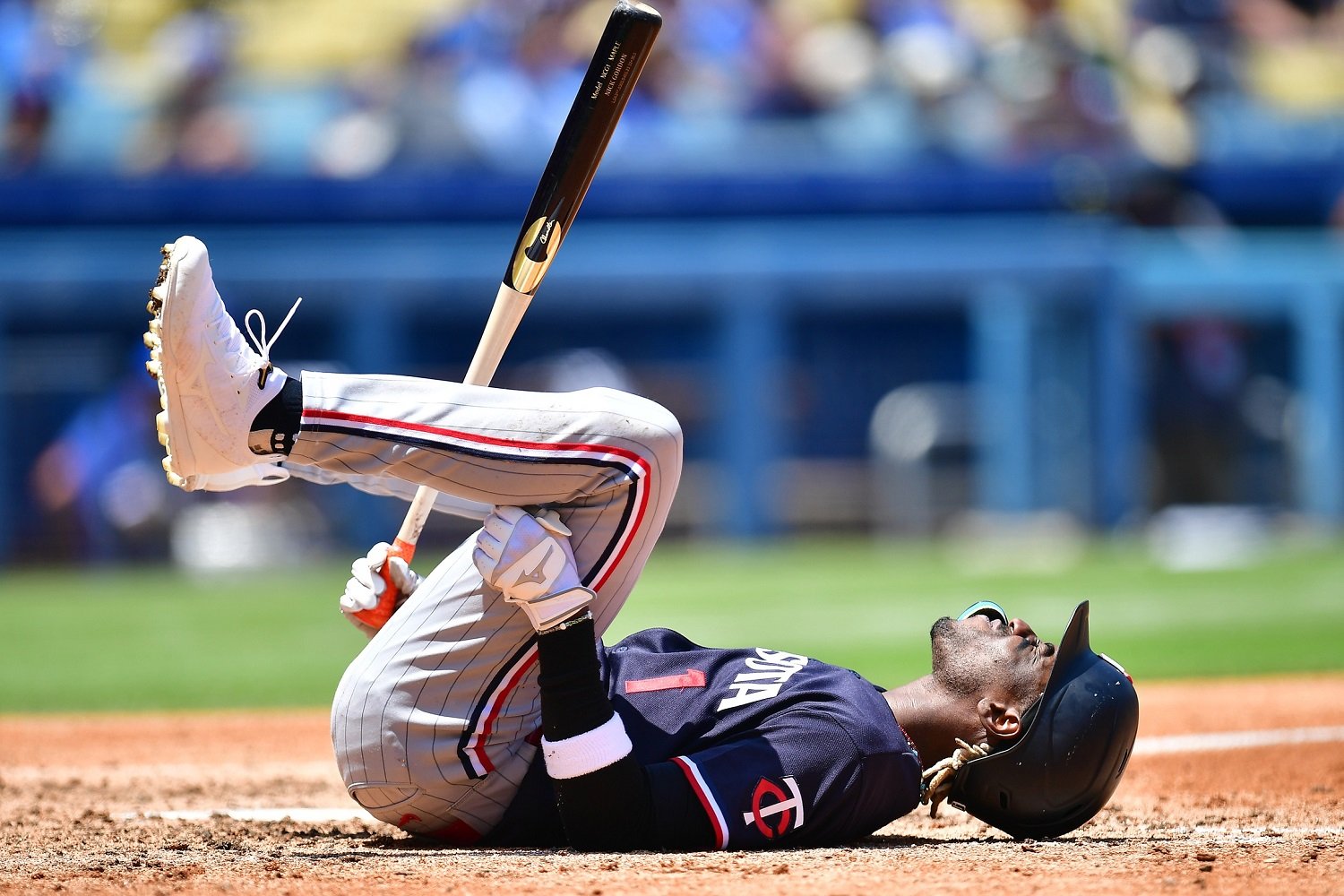 Minnesota’s front office had a clear roster plan when addressing the team’s center field depth. The club traded for Michael A. Taylor this winter to provide depth and defensive flexibility in the outfield. Expectations were for Nick Gordon and Joey Gallo to have the ability to play in center depending on the pitching match-up. Gordon went on the IL earlier this week after fouling a pitch off his leg. He fractured his right shin and will be sidelined for multiple weeks. It’s a tough break for Gordon, who was looking to build off a strong 2022 season where he posted a 111 OPS+ in 136 games. His 2023 season was off to a slow start (.143 BA in April), but he had raised his batting average by over 50 points in May. Now, the Twins will need to look at other center-field options. Gordon had been getting more playing time in center because Taylor was dealing with a sore back. In his age-32 season, Taylor has seen some ups and downs with his performance. Through April, he hit .244/.294/.419 (.712) with three doubles and four home runs. Since May 1, his OPS has dropped to .583 as he’s been limited to one extra-base hit. His back has been an issue recently, likely tied to his decreased offensive production. The Twins can hope his back improves, but that seems unlikely if he is forced to play more regularly with Gordon on the IL. Byron Buxton is the other elephant in the room. When healthy, Buxton is one of baseball’s top defenders in center field. He has yet to play a defensive inning because the club wants him in the lineup as much as possible. He’s played in 40-of-44 games to start the year while posting a 128 OPS+ and ranking sixth in fWAR among DHs. He may play in center field later this season, but Buxton and the team have to be happy with his abundant availability so far in 2023. Gallo and Willi Castro are the only players on the big-league roster who have seen time in center field. Center field isn’t the optimal defensive position for either of these players. Castro can play nearly every defensive position, but he’s stretched in center field. The Twins needed Gallo at first base while Alex Kirilloff was returning from injury, and he’s won Gold Gloves in both corner outfield spots. Like Gordon, Gallo left Wednesday’s game after fouling a ball off his shin, but he didn’t suffer a fracture. Minnesota would likely call someone up before giving either of these players significant innings in center field. Royce Lewis is rehabbing at Triple-A in the minor leagues, but the team plans to use him at shortstop and third base. Also, he can't be activated from the 60-day IL until the last day of the May. Also, last season, he tore his ACL for the second consecutive season when playing center field. It doesn’t seem out of the question for the Twins to reevaluate whether he can be used in center field in the future, but third base might be his best chance for regular playing time at the big-league level this season. Austin Martin, one of the team’s top prospects, would be a prime candidate to see time in center field. However, the team shut him down during spring training with a UCL sprain. He has yet to resume baseball activities, and there is a chance that he will need surgery. Like Martin, Gilberto Celestino injured himself this spring, or he might be in the center field conversation. He ruptured the ulnar collateral ligament in his left thumb, which has a recovery period of 6-8 weeks. It has been over eight weeks since his surgery, and he hasn’t begun a rehab assignment. At Triple-A, Andrew Stevenson and Mark Contreras have seen the bulk of playing time in center field. Stevenson is a 29-year-old signed with the Twins this winter after playing eight seasons in the Nationals organization. The former second-round pick is hitting .276/.372/.391 (.762) with seven extra-base hits and 12 stolen bases in 31 games. Contreras played 28 games for the Twins in 2022 and posted a 22 OPS+ with 21 strikeouts. He’s off to a strong start with the Saints this year with ten doubles, five home runs, ten steals, and an .888 OPS. Contreras might be the best option from Triple-A if the Twins need a center-field replacement, especially because he hits left-handed. Many fans will call for Buxton to start getting reps in center field, but that seems unlikely. Will the Twins need more center-field depth in 2023? Who is the next best option? Leave a COMMENT and start the discussion.
- 30 comments
-
- 2
-

-
- byron buxton
- nick gordon
- (and 3 more)
-
Trevor Plouffe made his first appearance on the Bally Sports North team this week. Let's look back at his playing career and how he's helped build a media empire. Image courtesy of Brad Rempel-USA TODAY Sports The Twins drafted Trevor Plouffe with the 20th overall selection in the 2004 MLB Draft out of high school in California. He moved quickly through the Twins' system and reached Double-A in 2007, where he was over four years younger than the average age of the competition. Offensively, he never posted an OPS higher than .740 until his third season at Triple-A. In his age-25 season, he finally seemed to put it all together in 2011 when he hit .313/.384/.635 (1.019) with 11 doubles, three triples, and 15 home runs Plouffe's big-league debut came in 2010 when he struggled through his first 22 games. He went 6-for-41 (.146 BA) with three extra-base hits and a 14-to-0 strikeout-to-walk ratio. In 2011, he got his first extended look at the big-league level and posted a 91 OPS+ in 81 games. Over most of the next decade, he became a regular in the Twins' line-up. Plouffe posted an OPS+ of 102 or higher in three out of four seasons from 2012-2015, including two seasons with 20+ homers. His most valuable season was in 2014, when he finished with a 4.2 WAR, which ranked third on the Twins behind Brian Dozier and Phil Hughes. He bounced to four organizations over his final two seasons, including Oakland, Tampa Bay, Philadelphia, and Texas. He played 100 games in 2017 for the As and Rays but struggled offensively by hitting .198/.272/.318 (.590) with 16 extra-base hits. His final seven big-league games came in a Phillies uniform, where he went 3-for-12 with one home run and six strikeouts. His final home run was a 16th-inning walk-off home run versus Dodgers' Kike Hernandez. In 2019, he was a non-roster invitee to Phillies spring training and informed them that he planned to retire instead of toiling at Triple-A. Plouffe searched for his place in the baseball world in his post-playing career. The Twins and Bally Sports North initially approached Plouffe about a television role before the 2020 season. Unfortunately, the pandemic changed many plans for baseball that year, and Plouffe found a different media avenue. He started collaborating with Jomboy Media because of the Houston Astros sign stealing scandal, and his role grew from there. He has become a regular on Talkin' Baseball to give insights into a former player's perspective on issues (sign stealing, labor negotiations, etc.) while also interviewing current players about the game. Jomboy has over 1.75 million subscribers on YouTube and is regularly ranked as the most downloaded baseball podcast. Media has continued to evolve in recent years, with baseball fans searching for other avenues to consume content. Jomboy is one of those outlets, and Plouffe has helped to continue the company's growth. Plouffe's role with BSN will continue to evolve throughout the season. While the Twins are in California, he will provide on-field insights similar to what fans have seen in the Dodgers series. BSN also plans to use him for spots after the Twins leave the West Coast. These appearances could be part of the pre- and post-game shows or for in-game insights. Hiring Plouffe is a forward-thinking move for BSN that can bring a new lens to analyzing Twins games. He has kept his pulse on baseball since retiring, and how fans consume the game will continue evolving in the coming years. It will be interesting to see what he can bring to the broadcasts for the remainder of the season. What have your initial impressions been regarding Plouffe? What is your favorite Plouffe memory from his time with the Twins? Leave a COMMENT and start the discussion. View full article
-
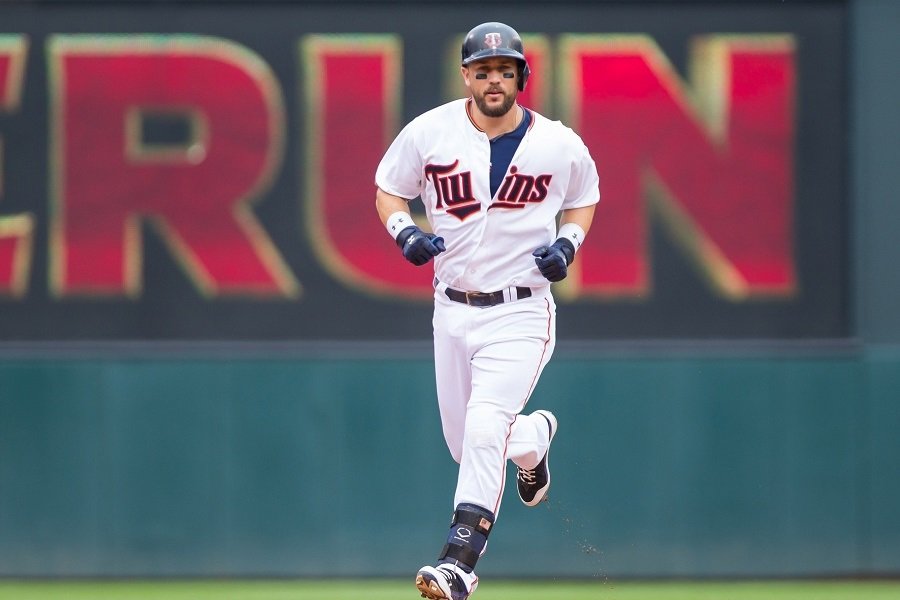 The Twins drafted Trevor Plouffe with the 20th overall selection in the 2004 MLB Draft out of high school in California. He moved quickly through the Twins' system and reached Double-A in 2007, where he was over four years younger than the average age of the competition. Offensively, he never posted an OPS higher than .740 until his third season at Triple-A. In his age-25 season, he finally seemed to put it all together in 2011 when he hit .313/.384/.635 (1.019) with 11 doubles, three triples, and 15 home runs Plouffe's big-league debut came in 2010 when he struggled through his first 22 games. He went 6-for-41 (.146 BA) with three extra-base hits and a 14-to-0 strikeout-to-walk ratio. In 2011, he got his first extended look at the big-league level and posted a 91 OPS+ in 81 games. Over most of the next decade, he became a regular in the Twins' line-up. Plouffe posted an OPS+ of 102 or higher in three out of four seasons from 2012-2015, including two seasons with 20+ homers. His most valuable season was in 2014, when he finished with a 4.2 WAR, which ranked third on the Twins behind Brian Dozier and Phil Hughes. He bounced to four organizations over his final two seasons, including Oakland, Tampa Bay, Philadelphia, and Texas. He played 100 games in 2017 for the As and Rays but struggled offensively by hitting .198/.272/.318 (.590) with 16 extra-base hits. His final seven big-league games came in a Phillies uniform, where he went 3-for-12 with one home run and six strikeouts. His final home run was a 16th-inning walk-off home run versus Dodgers' Kike Hernandez. In 2019, he was a non-roster invitee to Phillies spring training and informed them that he planned to retire instead of toiling at Triple-A. Plouffe searched for his place in the baseball world in his post-playing career. The Twins and Bally Sports North initially approached Plouffe about a television role before the 2020 season. Unfortunately, the pandemic changed many plans for baseball that year, and Plouffe found a different media avenue. He started collaborating with Jomboy Media because of the Houston Astros sign stealing scandal, and his role grew from there. He has become a regular on Talkin' Baseball to give insights into a former player's perspective on issues (sign stealing, labor negotiations, etc.) while also interviewing current players about the game. Jomboy has over 1.75 million subscribers on YouTube and is regularly ranked as the most downloaded baseball podcast. Media has continued to evolve in recent years, with baseball fans searching for other avenues to consume content. Jomboy is one of those outlets, and Plouffe has helped to continue the company's growth. Plouffe's role with BSN will continue to evolve throughout the season. While the Twins are in California, he will provide on-field insights similar to what fans have seen in the Dodgers series. BSN also plans to use him for spots after the Twins leave the West Coast. These appearances could be part of the pre- and post-game shows or for in-game insights. Hiring Plouffe is a forward-thinking move for BSN that can bring a new lens to analyzing Twins games. He has kept his pulse on baseball since retiring, and how fans consume the game will continue evolving in the coming years. It will be interesting to see what he can bring to the broadcasts for the remainder of the season. What have your initial impressions been regarding Plouffe? What is your favorite Plouffe memory from his time with the Twins? Leave a COMMENT and start the discussion.
 -
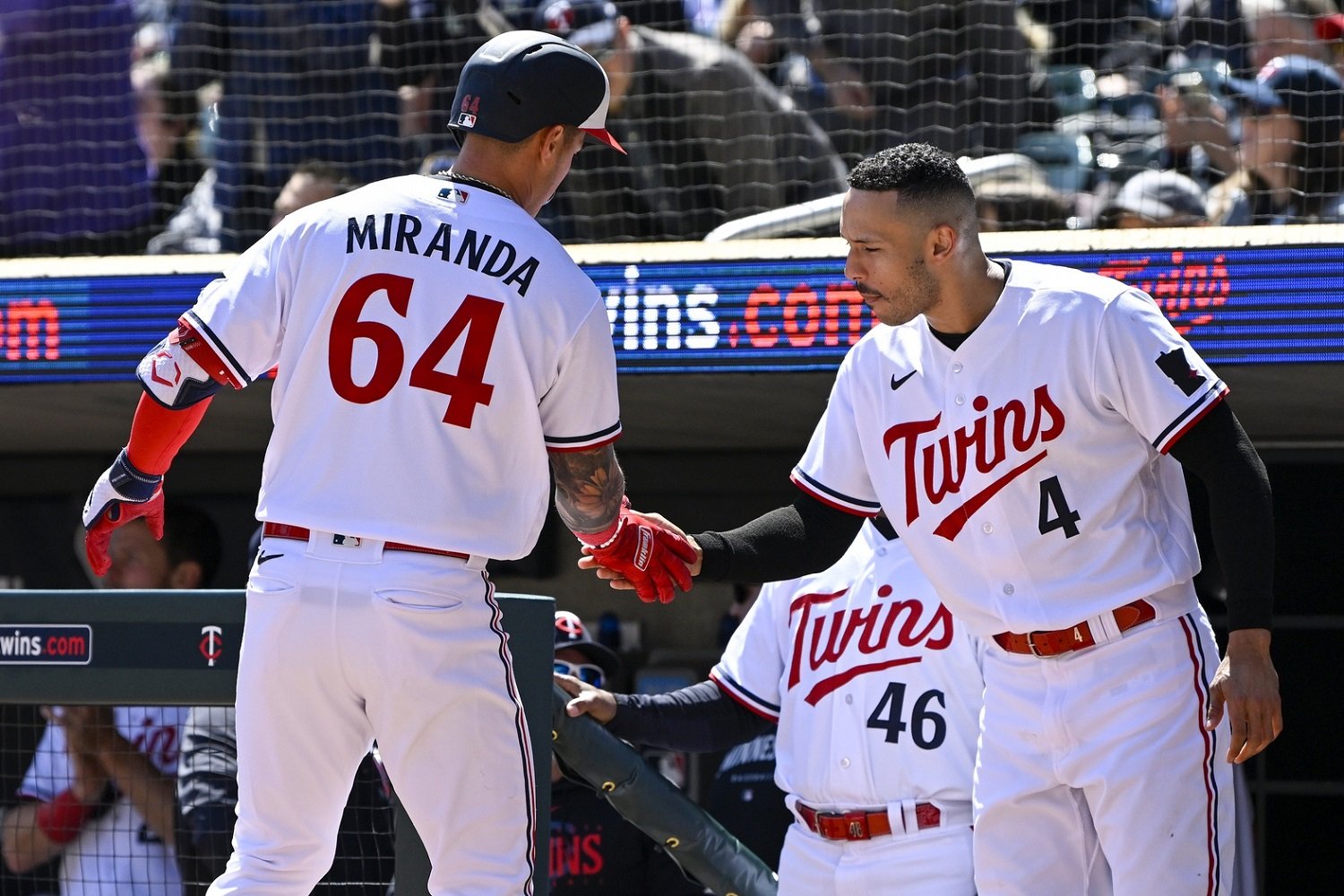 Jose Miranda looked like he was naturally progressing to becoming a regular in the Twins’ line-up. He posted a breakout season in the upper minors during the 2021 season on his way to being named the TD Minor League Hitter. Last season, he made his big-league debut and posted a 114 OPS+, even with a late-season slump. During the offseason, he worked to get himself in better shape, and plenty of buzz surrounded him at the season’s start. The Twins hoped he was ready to bat in the middle of their line-up for multiple years. Miranda struggled at the big-league level before the team demoted him last week. In 35 games, he hit .220/.275/.318 (.593) with four doubles, three home runs, and a 23-to-9 strikeout-to-walk ratio. Miranda has to hit very well to bring value to the club because his defense is below average, and he is slow on the bases. His struggles have been well documented, and now his future at third base is cloudy. Miranda would never stay at third base for the long term, so let’s reevaluate some of the team’s long-term options at third base. Carlos Correa As Correa ages, he will eventually need to move from shortstop to another defensive home. Many of baseball’s all-time best shortstops moved to third base later in their careers. Minnesota hopes Correa’s health (and ankle) can keep him at shortstop into his early 30s, but father time is undefeated regarding player performance. There is no immediate need to move Correa, but it’s certainly something the team has to consider when completing long-term outlooks. Royce Lewis Correa’s presence at shortstop means Lewis doesn’t have a defined defensive home as he returns from his second ACL surgery. The Twins have said he will primarily play shortstop and third base during rehab appearances. When back in the big leagues, he can serve as the Twins’ shortstop when Correa needs an off-day, but third base might be his best opportunity for regular playing time. During the 2019 Arizona Fall League, he played over 100 innings at third base but has fewer than 30 innings with a Twins affiliate. Brooks Lee Lee seems the ideal fit to be the Twins’ long-term third baseman. He’s played shortstop throughout his professional career, but many expect him to move off the position as he gets closer to the big leagues. Some have wondered whether Lee might solve the Twins’ offensive woes, but calling him up seems a little premature. If he continues to hit well, he can be promoted to Triple-A before midseason and make his big-league debut in the second half. Minnesota fans can envision a future infield that includes Correa at short, Lee at third, and Lewis at second base. Edouard Julien Julien might be a dark horse candidate for third base with the Twins. Nearly all of his professional career has been spent at second base, with just over 20 starts each at first and third base. In college, he was primarily used as a third baseman, so he’s had plenty of reps at the position in the past. It seemed likely for the Twins to give him reps at other defensive positions following his demotion to Triple-A, but he has only played second base this season. Minnesota’s front office might believe that he is best suited for that position, which means third base might not be in his future. Who is the correct answer at third base for the long term? Will Miranda get another look at third? Leave a COMMENT and start the discussion.
- 36 comments
-
- 5
-
-
- jose miranda
- carlos correa
- (and 3 more)
-
The Twins had confidence that Jose Miranda was ready to become the team’s full-time third baseman. Now the team has to wonder what the future of third base looks like for the organization. Image courtesy of Nick Wosika-USA TODAY Sports Jose Miranda looked like he was naturally progressing to becoming a regular in the Twins’ line-up. He posted a breakout season in the upper minors during the 2021 season on his way to being named the TD Minor League Hitter. Last season, he made his big-league debut and posted a 114 OPS+, even with a late-season slump. During the offseason, he worked to get himself in better shape, and plenty of buzz surrounded him at the season’s start. The Twins hoped he was ready to bat in the middle of their line-up for multiple years. Miranda struggled at the big-league level before the team demoted him last week. In 35 games, he hit .220/.275/.318 (.593) with four doubles, three home runs, and a 23-to-9 strikeout-to-walk ratio. Miranda has to hit very well to bring value to the club because his defense is below average, and he is slow on the bases. His struggles have been well documented, and now his future at third base is cloudy. Miranda would never stay at third base for the long term, so let’s reevaluate some of the team’s long-term options at third base. Carlos Correa As Correa ages, he will eventually need to move from shortstop to another defensive home. Many of baseball’s all-time best shortstops moved to third base later in their careers. Minnesota hopes Correa’s health (and ankle) can keep him at shortstop into his early 30s, but father time is undefeated regarding player performance. There is no immediate need to move Correa, but it’s certainly something the team has to consider when completing long-term outlooks. Royce Lewis Correa’s presence at shortstop means Lewis doesn’t have a defined defensive home as he returns from his second ACL surgery. The Twins have said he will primarily play shortstop and third base during rehab appearances. When back in the big leagues, he can serve as the Twins’ shortstop when Correa needs an off-day, but third base might be his best opportunity for regular playing time. During the 2019 Arizona Fall League, he played over 100 innings at third base but has fewer than 30 innings with a Twins affiliate. Brooks Lee Lee seems the ideal fit to be the Twins’ long-term third baseman. He’s played shortstop throughout his professional career, but many expect him to move off the position as he gets closer to the big leagues. Some have wondered whether Lee might solve the Twins’ offensive woes, but calling him up seems a little premature. If he continues to hit well, he can be promoted to Triple-A before midseason and make his big-league debut in the second half. Minnesota fans can envision a future infield that includes Correa at short, Lee at third, and Lewis at second base. Edouard Julien Julien might be a dark horse candidate for third base with the Twins. Nearly all of his professional career has been spent at second base, with just over 20 starts each at first and third base. In college, he was primarily used as a third baseman, so he’s had plenty of reps at the position in the past. It seemed likely for the Twins to give him reps at other defensive positions following his demotion to Triple-A, but he has only played second base this season. Minnesota’s front office might believe that he is best suited for that position, which means third base might not be in his future. Who is the correct answer at third base for the long term? Will Miranda get another look at third? Leave a COMMENT and start the discussion. View full article
-
It’s Time to Jump on the Yunior Severino Hype Train
Cody Christie posted an article in Minor Leagues
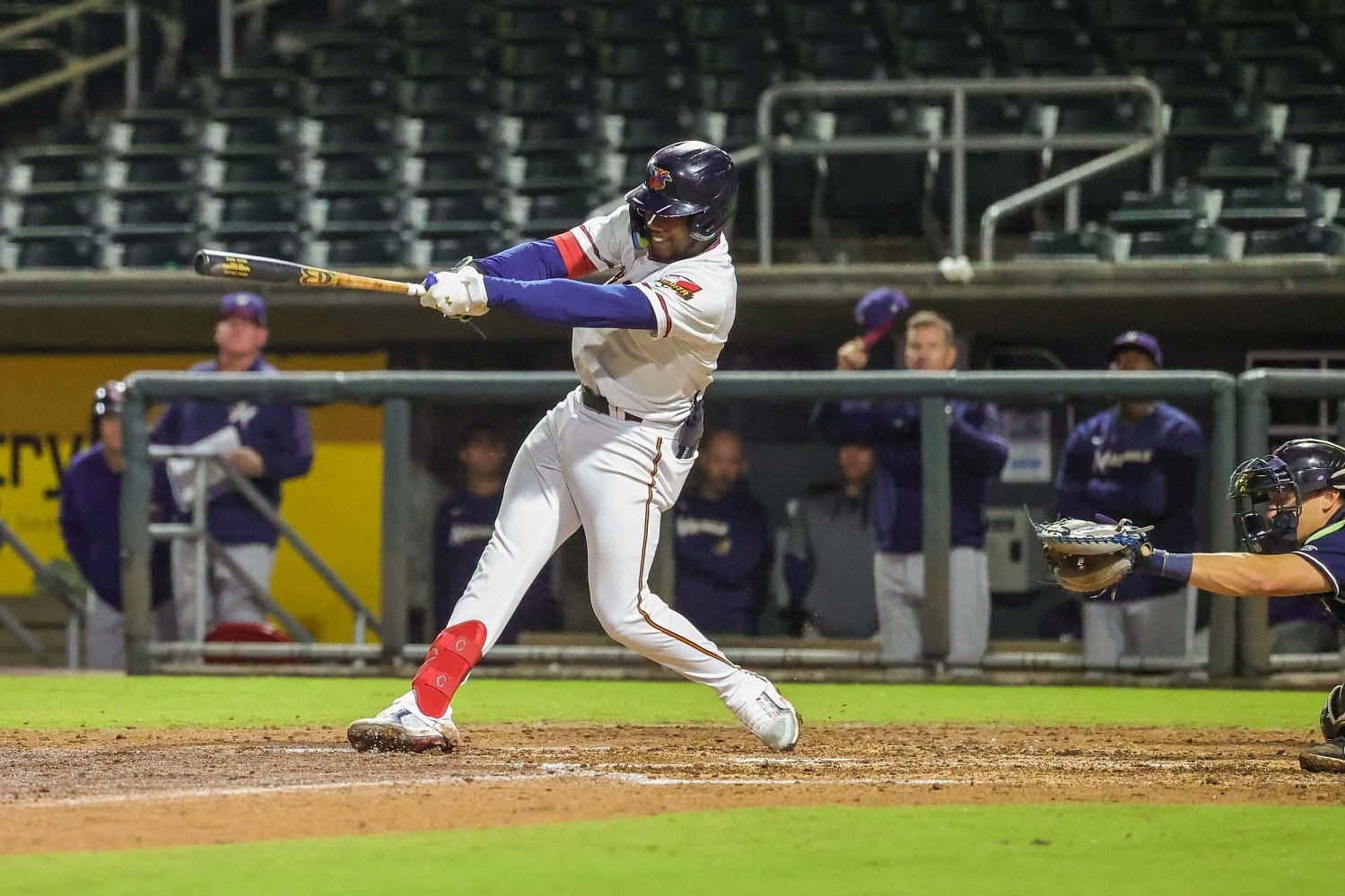 Names like Edouard Julien, Emmanuel Rodriguez, and Marco Raya separated themselves as prospects last season. Julien made his big-league debut in 2023 and projects to be part of the organization’s long-term plans. Rodriguez and Raya are further away from Target Field, but both players have some of the most significant upside in the farm system. Another player hopes his 2023 season will help him rise on prospect lists as he continues to climb the organizational ladder. The Braves originally signed Yunior Severino, a native of the Dominican Republic, for $1.9 million in 2016. He played the 2017 season in the rookie leagues for the Braves, but then MLB stepped in. Atlanta was penalized for circumventing international signing rules during three different signing periods, and 13 players, including Severino, became free agents as part of the club’s penalty. He agreed to a $2.5 million deal with the Twins while being able to keep his initial signing bonus too. The Twins sent Severino to Elizabethton during the 2018 season, where he was over two years younger than the average age of the competition. In 49 games, he hit .263/.321/.424 (.745) with eight doubles and eight home runs. He only faced younger pitchers in six at-bats for the entire season. A thumb fracture cut short his 2019 season in April, and he was limited to a .657 OPS in 100 at-bats. He likely wanted to prove the thumb injury made his performance suffer, but the pandemic took away the 2020 season. In 2021, the Twins had Severino split time between Low- and High-A, where he was still younger than the average age of the competition. In Fort Myers, he posted a .740 OPS with 23 extra-base hits in 63 games. His performance took off after his promotion to Cedar Rapids. In 35 games, he hit .321/.414/.493 (.907) with 12 doubles, one triple, and three home runs. Now in his early 20s, he was proving the Twins were correct to invest in him. Last season, Severino started the year in Cedar Rapids and continued to showcase his powerful swing. In 46 games, he hit .283/.398/.572 (.970) with nine doubles, two triples, and 11 home runs. The Twins promoted him to Wichita in August, and he was over two years younger than the average age of the competition. He held his own in the season’s final 37 games with an .837 OPS, eight doubles, and eight home runs. As a switch hitter, his OPS was only separated by one point from the right and left sides. For the second time in his career, he missed time with a thumb injury, but this time he could return and not have any long-term effects. Severino was Rule 5 eligible this winter, but no team took a chance on him. Minnesota assigned him to Double-A, the level where he finished the 2022 season. His season got off to a good start as he went 18-for-65 (.277) with two doubles and six home runs in April. Things have improved in May, with seven extra-base hits and a 1.053 OPS across the first ten games of the month. Nearly all his damage this season has been from the left side, where he has a .404 OBP and a .706 SLG. His opportunities against lefties have been limited, with 21 plate appearances. He’s been one of the organization’s hottest hitters over the last week, but he is also proving that the numbers he posted in 2022 were not a fluke. Defensively, the Twins have primarily used Severino as a second baseman with experience at third base and two games in the outfield. During the 2023 season, Wichita has only used him at third base, which may provide a better opportunity to impact the big-league roster. He has been known for a strong arm, which can help him at the hot corner. Offensively, he continues to strike out at a high rate which can limit his upside when climbing the organizational ladder. Over the last two seasons, Severino has played at multiple levels, so he will likely have an opportunity to play at Triple-A before the season’s end. It's been more than one hot week for Severino. His power has continued to improve, and he might be putting it all together in 2023. Are you ready to jump on the Severino hype train? What is Severino’s long-term upside? Leave a COMMENT and start the discussion.
 -
During the 2022 season, multiple Twins prospects put themselves on the prospect map with breakout seasons. Now is the time to jump on the Yunior Severino hype train. Image courtesy of Ed Bailey, Wichita Wind Surge Names like Edouard Julien, Emmanuel Rodriguez, and Marco Raya separated themselves as prospects last season. Julien made his big-league debut in 2023 and projects to be part of the organization’s long-term plans. Rodriguez and Raya are further away from Target Field, but both players have some of the most significant upside in the farm system. Another player hopes his 2023 season will help him rise on prospect lists as he continues to climb the organizational ladder. The Braves originally signed Yunior Severino, a native of the Dominican Republic, for $1.9 million in 2016. He played the 2017 season in the rookie leagues for the Braves, but then MLB stepped in. Atlanta was penalized for circumventing international signing rules during three different signing periods, and 13 players, including Severino, became free agents as part of the club’s penalty. He agreed to a $2.5 million deal with the Twins while being able to keep his initial signing bonus too. The Twins sent Severino to Elizabethton during the 2018 season, where he was over two years younger than the average age of the competition. In 49 games, he hit .263/.321/.424 (.745) with eight doubles and eight home runs. He only faced younger pitchers in six at-bats for the entire season. A thumb fracture cut short his 2019 season in April, and he was limited to a .657 OPS in 100 at-bats. He likely wanted to prove the thumb injury made his performance suffer, but the pandemic took away the 2020 season. In 2021, the Twins had Severino split time between Low- and High-A, where he was still younger than the average age of the competition. In Fort Myers, he posted a .740 OPS with 23 extra-base hits in 63 games. His performance took off after his promotion to Cedar Rapids. In 35 games, he hit .321/.414/.493 (.907) with 12 doubles, one triple, and three home runs. Now in his early 20s, he was proving the Twins were correct to invest in him. Last season, Severino started the year in Cedar Rapids and continued to showcase his powerful swing. In 46 games, he hit .283/.398/.572 (.970) with nine doubles, two triples, and 11 home runs. The Twins promoted him to Wichita in August, and he was over two years younger than the average age of the competition. He held his own in the season’s final 37 games with an .837 OPS, eight doubles, and eight home runs. As a switch hitter, his OPS was only separated by one point from the right and left sides. For the second time in his career, he missed time with a thumb injury, but this time he could return and not have any long-term effects. Severino was Rule 5 eligible this winter, but no team took a chance on him. Minnesota assigned him to Double-A, the level where he finished the 2022 season. His season got off to a good start as he went 18-for-65 (.277) with two doubles and six home runs in April. Things have improved in May, with seven extra-base hits and a 1.053 OPS across the first ten games of the month. Nearly all his damage this season has been from the left side, where he has a .404 OBP and a .706 SLG. His opportunities against lefties have been limited, with 21 plate appearances. He’s been one of the organization’s hottest hitters over the last week, but he is also proving that the numbers he posted in 2022 were not a fluke. Defensively, the Twins have primarily used Severino as a second baseman with experience at third base and two games in the outfield. During the 2023 season, Wichita has only used him at third base, which may provide a better opportunity to impact the big-league roster. He has been known for a strong arm, which can help him at the hot corner. Offensively, he continues to strike out at a high rate which can limit his upside when climbing the organizational ladder. Over the last two seasons, Severino has played at multiple levels, so he will likely have an opportunity to play at Triple-A before the season’s end. It's been more than one hot week for Severino. His power has continued to improve, and he might be putting it all together in 2023. Are you ready to jump on the Severino hype train? What is Severino’s long-term upside? Leave a COMMENT and start the discussion. View full article
-
Minnesota's first draft under the current front office included a critical decision with the number one overall pick. However, that isn't the only player that has impacted the Twins from the 2017 draft class. Image courtesy of Jordan Johnson-USA TODAY Sports Major League Baseball's 2023 Draft is scheduled to start on July 9, 2023. Each team prepares for the draft with a specific plan, and sometimes those plans play out better than others. To prepare fans for the upcoming draft, this series will examine recent Twins drafts and how those players have performed so far in their professional careers. First Round: Royce Lewis, Brent Rooker The Twins had an intriguing choice at the top of the 2017 MLB Draft. Multiple players were in consideration for the top overall pick, including Hunter Greene, MacKenzie Gore, Brendan McKay, and Kyle Wright. Minnesota took Lewis and signed him to an under-slot deal which they could use on other picks in later rounds. Greene and Wright have provided positive value in the early years of their careers while the Twins are waiting on Lewis. Lewis was considered one of baseball's top prospects for multiple seasons, but now he is recovering from his second ACL surgery. At Twins Daily, the minor league writers had difficulty deciding whether Lewis or Brooks Lee should be the organization's top prospect. Lewis began his rehab assignment on Thursday, so he has a chance to rejoin the Twins next month. Minnesota's current front office has loved drafting college bats, and Rooker was the first player to fit this profile. The Twins selected him with the 35th overall pick, a competitive balance before the second round. He played 65 games for the Twins with a 96 OPS+, and the team included him in the Taylor Rogers trade with the Padres. In recent seasons, he's bounced around to a few different organizations before finding a home with the A's. Rooker is leading baseball in SLG, OPS, and OPS+. It didn't look like the Twins had room for him, so it's good he is getting an opportunity for a bad team. Second Round: Landon Leach The Twins used their second-round pick on Leach, a high school pitcher from Canada. He pitched fewer than 60 innings in the Twins organization and topped out in Low-A during the 2021 season. Last season, he pitched in the Braves organization and is currently a free agent. Minnesota passed over multiple players that have accumulated 2.4 WAR or more, including Griffin Canning and Daulton Varsho. Third Round: Blayne Enlow The Twins used some of the money they saved on Lewis to coax Enlow out of his commitment to LSU. He was one of two players in the third round to sign for $2,000,000. Enlow pitched well in the low minors with a sub-3.50 ERA and improving strikeout rates. Unfortunately, he underwent Tommy John surgery in June 2021. Since that time, Minnesota has added and removed him from the 40-man roster. Now in his age-24 season, Enlow is pitching well at Double-A with a 3.56 ERA, a 1.15 WHIP, and 11.0 K/9. If he continues pitching this well, he can put himself back into the team's long-term plans. 12th Round: Bailey Ober Ober has established himself at the big-league level, and he looks like a steal from the 12th round of the 2017 MLB Draft. He's accumulated more WAR than any other Twins draft pick from that class. Minnesota sent him to Triple-A to begin the season, but Tyler Mahle's season-ending injury firmly puts Ober into the rotation's fourth spot. He's made 35 big-league starts and has a 117 ERA+ for his career. Ober projects to be in the Twins' rotation for the better part of the next decade, which is an excellent value from a late-round pick. Other Notable Picks: Andrew Bechtold, Mark Contreras, Calvin Faucher, Charlie Barnes Bechtold and Contreras may never be significant contributors at the big-league level, but both have provided depth to the Twins organization. Contreras played in 28 games for the Twins last season and struggled with a .441 OPS. He's off to a solid start to the 2023 campaign with a .896 OPS with nine doubles and five homers at Triple-A. Bechtold is also a regular in the Saints line-up, and he has ten extra-base hits in his first 25 games this season. Two other Twins draft picks from the 2017 draft class have made their big-league debuts. Minnesota took Barnes in the fourth round and he pitched his way to Triple-A during his third professional season. He made nine appearances for the 2021 Twins and has pitched the last two seasons in the Korean Baseball Organization. Faucher was the team’s 10th round pick and he was included in the Nelson Cruz trade with Tampa. He’s bounced between Triple-A and the big leagues over the last two seasons with a 5.86 ERA and a 1.64 WHIP across 35 1/3 innings during his MLB stints. How should the Twins feel about the 2017 MLB Draft? Did they make the right pick at the top? Will Enlow impact the big-league roster? Leave a COMMENT and start the discussion. OTHER POSTS IN THE SERIES -2016 Draft Retrospective View full article
-
Minnesota Twins 2017 Draft Retrospective: Lewis Early, Ober Late
Cody Christie posted an article in Twins
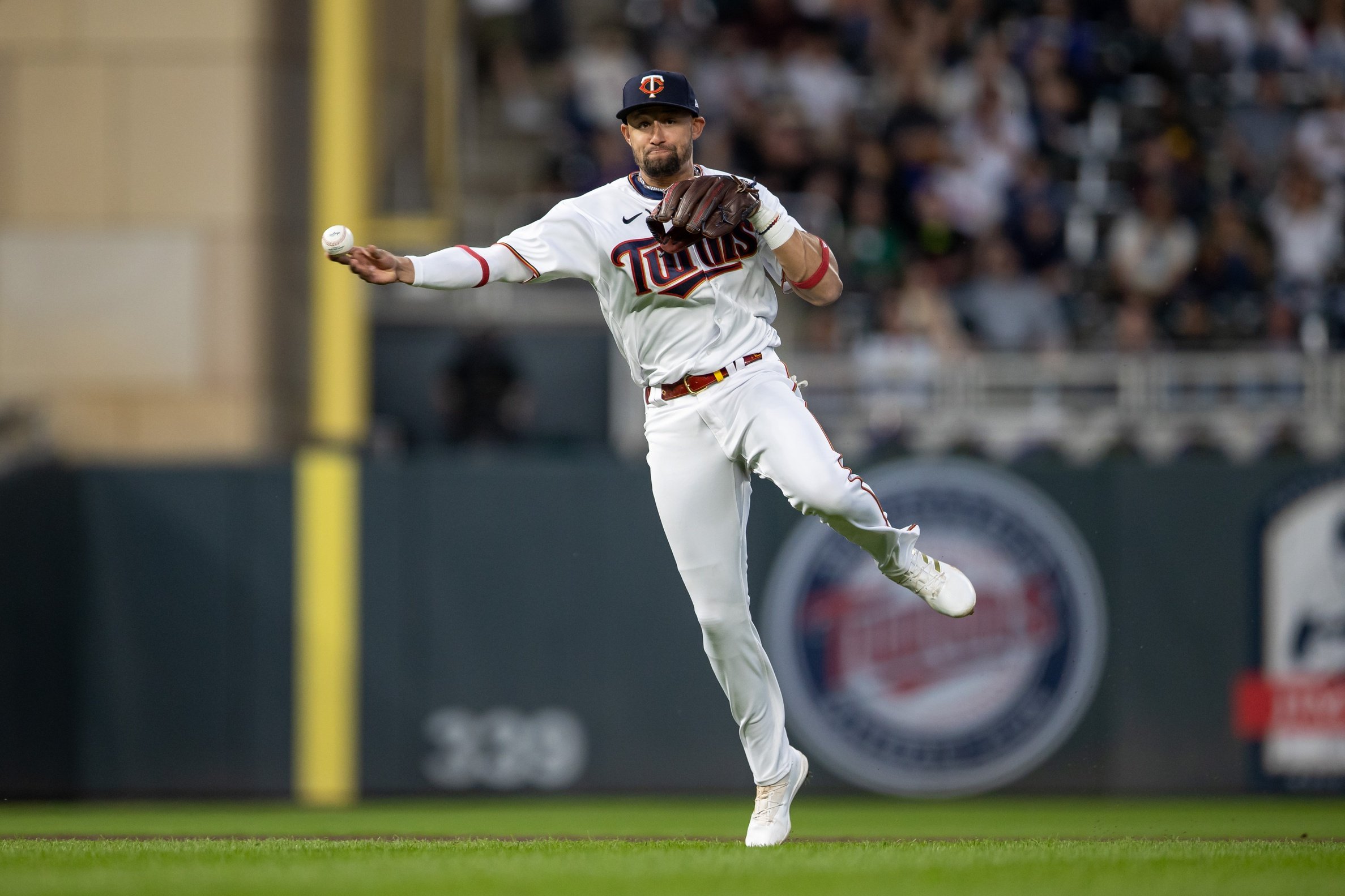 Major League Baseball's 2023 Draft is scheduled to start on July 9, 2023. Each team prepares for the draft with a specific plan, and sometimes those plans play out better than others. To prepare fans for the upcoming draft, this series will examine recent Twins drafts and how those players have performed so far in their professional careers. First Round: Royce Lewis, Brent Rooker The Twins had an intriguing choice at the top of the 2017 MLB Draft. Multiple players were in consideration for the top overall pick, including Hunter Greene, MacKenzie Gore, Brendan McKay, and Kyle Wright. Minnesota took Lewis and signed him to an under-slot deal which they could use on other picks in later rounds. Greene and Wright have provided positive value in the early years of their careers while the Twins are waiting on Lewis. Lewis was considered one of baseball's top prospects for multiple seasons, but now he is recovering from his second ACL surgery. At Twins Daily, the minor league writers had difficulty deciding whether Lewis or Brooks Lee should be the organization's top prospect. Lewis began his rehab assignment on Thursday, so he has a chance to rejoin the Twins next month. Minnesota's current front office has loved drafting college bats, and Rooker was the first player to fit this profile. The Twins selected him with the 35th overall pick, a competitive balance before the second round. He played 65 games for the Twins with a 96 OPS+, and the team included him in the Taylor Rogers trade with the Padres. In recent seasons, he's bounced around to a few different organizations before finding a home with the A's. Rooker is leading baseball in SLG, OPS, and OPS+. It didn't look like the Twins had room for him, so it's good he is getting an opportunity for a bad team. Second Round: Landon Leach The Twins used their second-round pick on Leach, a high school pitcher from Canada. He pitched fewer than 60 innings in the Twins organization and topped out in Low-A during the 2021 season. Last season, he pitched in the Braves organization and is currently a free agent. Minnesota passed over multiple players that have accumulated 2.4 WAR or more, including Griffin Canning and Daulton Varsho. Third Round: Blayne Enlow The Twins used some of the money they saved on Lewis to coax Enlow out of his commitment to LSU. He was one of two players in the third round to sign for $2,000,000. Enlow pitched well in the low minors with a sub-3.50 ERA and improving strikeout rates. Unfortunately, he underwent Tommy John surgery in June 2021. Since that time, Minnesota has added and removed him from the 40-man roster. Now in his age-24 season, Enlow is pitching well at Double-A with a 3.56 ERA, a 1.15 WHIP, and 11.0 K/9. If he continues pitching this well, he can put himself back into the team's long-term plans. 12th Round: Bailey Ober Ober has established himself at the big-league level, and he looks like a steal from the 12th round of the 2017 MLB Draft. He's accumulated more WAR than any other Twins draft pick from that class. Minnesota sent him to Triple-A to begin the season, but Tyler Mahle's season-ending injury firmly puts Ober into the rotation's fourth spot. He's made 35 big-league starts and has a 117 ERA+ for his career. Ober projects to be in the Twins' rotation for the better part of the next decade, which is an excellent value from a late-round pick. Other Notable Picks: Andrew Bechtold, Mark Contreras, Calvin Faucher, Charlie Barnes Bechtold and Contreras may never be significant contributors at the big-league level, but both have provided depth to the Twins organization. Contreras played in 28 games for the Twins last season and struggled with a .441 OPS. He's off to a solid start to the 2023 campaign with a .896 OPS with nine doubles and five homers at Triple-A. Bechtold is also a regular in the Saints line-up, and he has ten extra-base hits in his first 25 games this season. Two other Twins draft picks from the 2017 draft class have made their big-league debuts. Minnesota took Barnes in the fourth round and he pitched his way to Triple-A during his third professional season. He made nine appearances for the 2021 Twins and has pitched the last two seasons in the Korean Baseball Organization. Faucher was the team’s 10th round pick and he was included in the Nelson Cruz trade with Tampa. He’s bounced between Triple-A and the big leagues over the last two seasons with a 5.86 ERA and a 1.64 WHIP across 35 1/3 innings during his MLB stints. How should the Twins feel about the 2017 MLB Draft? Did they make the right pick at the top? Will Enlow impact the big-league roster? Leave a COMMENT and start the discussion. OTHER POSTS IN THE SERIES -2016 Draft Retrospective
- 13 comments
-
- 6
-
-
- royce lewis
- blayne enlow
- (and 3 more)
-
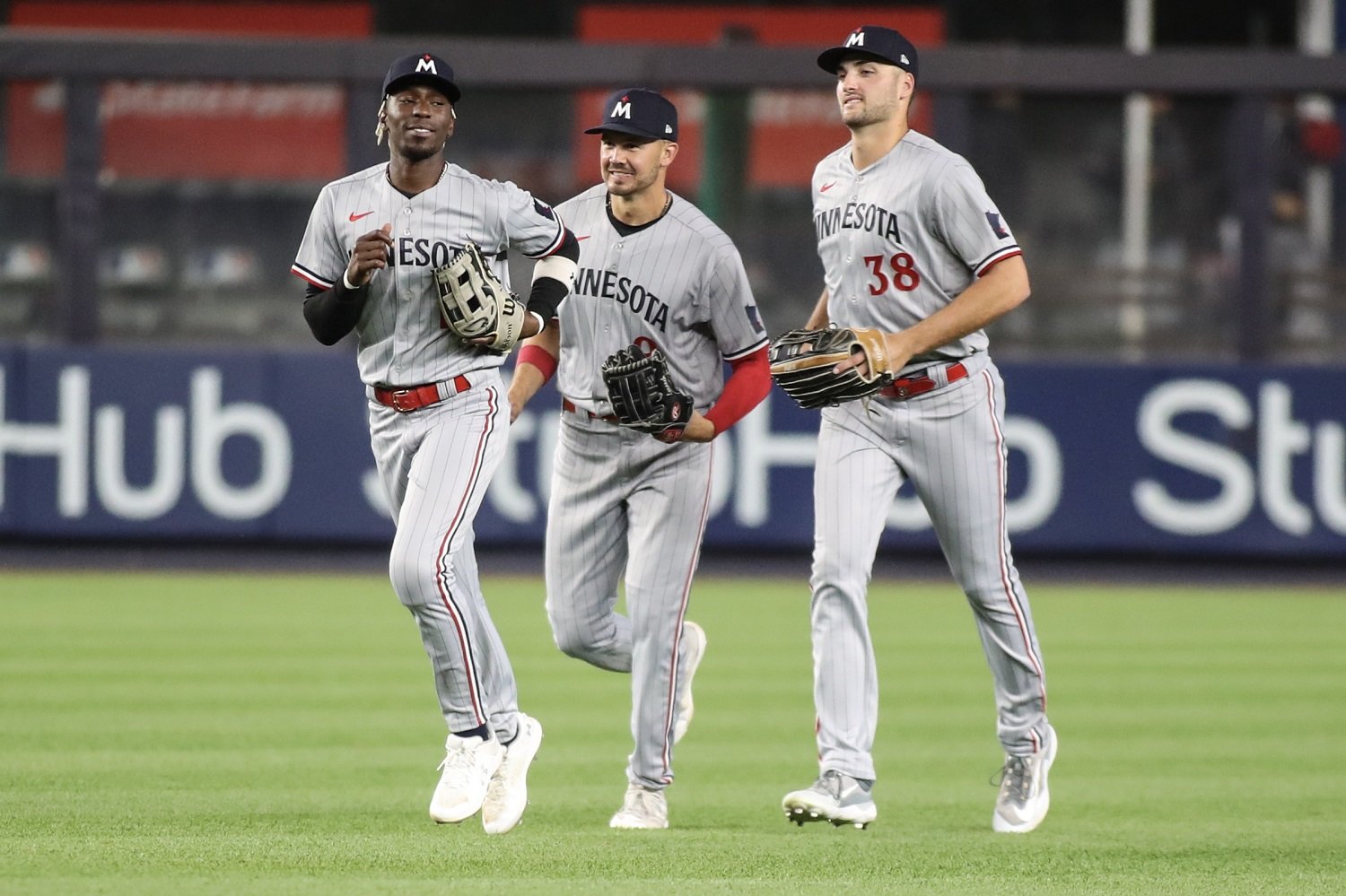 In recent seasons, the Twins have seen some solid offensive seasons from players considered among the team's top prospects at the time. These four batters have been named the organization's minor league player of the year over the last five years. The Twins took all four players listed below in the second round or higher, and three of the four were considered top-100 prospects earlier in their careers. After some struggles at the big-league level, let's examine each player and their future with the Twins. Alex Kirilloff, 1B/OF: 2018 Twins Minor League Player of the Year MLB Career: .253/.307/.396 (.703), 96 OPS+, 0.4 WAR, 109 G Entering the 2019 season, Kirilloff was considered among baseball's Top 15 prospects by MLB.com and Baseball America. His rise on prospect lists was tied to a dominant 2018 season when he hit .348/.392/.578 (.970) with 44 doubles, seven triples, and 20 home runs. Projections had Kirilloff developing into a middle-of-the-order hitter that could powerfully spray the ball to all fields. Obviously, wrist injuries have slowed down his ability to produce at the big-league level. The Twins hope his most recent wrist surgery will put him back on a path to being the player many expected him to be five years ago. Trevor Larnach, OF: 2019 Twins Minor League Player of the Year MLB Career: .225/.319/.368 (.687), 93 OPS+, 1.9 WAR, 161 G Larnach followed Kirilloff's footsteps during the 2019 season with a breakout minor league campaign. At High-A and Double-A, he hit .309/.384/.458 (.842) with 20 doubles, one triple, and 13 home runs. It was easy to imagine Kirilloff penciled into the number four spot with Larnach following him in the five-hole. Larnach has yet to find nearly as much offensive success while climbing the organizational ladder. He has posted a .769 OPS in 27 games at Triple-A, which has risen by over 100 points since his recent demotion. His biggest issue has been making consistent contact with offspeed and breaking pitches. Hopefully, he can rediscover his swing at Triple-A. Jose Miranda, 3B/1B: 2021 Twins Minor League Player of the Year MLB Career: .257/.314/.400 (.714), 102 OPS+, 1.1 WAR, 159 G Miranda entered the 2023 season with high expectations based on a rookie campaign where he posted a 114 OPS+. Also, his 2021 season was one of the best offensive campaigns in Twins' minor league history, with 32 doubles and 30 home runs. Unfortunately, his offensive performance has struggled to begin the season. In his first 34 games, he has hit .219/.275/.313 (.588) with three doubles, three home runs, and a 22-to-9 strikeout-to-walk ratio. According to FanGraphs, he has been worth -0.5 WAR, and the Twins decided to send him to Triple-A to regain his previous form. Matt Wallner, OF: 2022 Twins Minor League Player of the Year MLB Career: .200/.316/.338 (.654), 88 OPS+, -0.2 WAR, 24 G Wallner has the smallest sample size with the Twins compared to the other three players because the Twins drafted him more recently. He is the only player yet to appear on a Top 100 prospect list, because of his age and player type. He's been one of St. Paul's best hitters this season with a .857 OPS and nine extra-base hits in 21 games. Kirilloff and Larnach have been ahead of Wallner on the organization's depth chart, but there is a scenario where he can surpass them during the 2023 season. All the other players on this list have been given significant time with the Twins to work through struggles, and Wallner should get that opportunity sooner rather than later. Which player has the highest ceiling? Who still has the best chance to impact the big-league roster long-term? Leave a COMMENT and start the discussion.
- 1 comment
-
- 1
-
-
- alex kirilloff
- trevor larnach
- (and 2 more)
-
The Twins were hoping each of the four players below would be establishing themselves at the big-league level by now. However, some development roadblocks have hindered consistent success. Image courtesy of Wendell Cruz-USA TODAY Sports In recent seasons, the Twins have seen some solid offensive seasons from players considered among the team's top prospects at the time. These four batters have been named the organization's minor league player of the year over the last five years. The Twins took all four players listed below in the second round or higher, and three of the four were considered top-100 prospects earlier in their careers. After some struggles at the big-league level, let's examine each player and their future with the Twins. Alex Kirilloff, 1B/OF: 2018 Twins Minor League Player of the Year MLB Career: .253/.307/.396 (.703), 96 OPS+, 0.4 WAR, 109 G Entering the 2019 season, Kirilloff was considered among baseball's Top 15 prospects by MLB.com and Baseball America. His rise on prospect lists was tied to a dominant 2018 season when he hit .348/.392/.578 (.970) with 44 doubles, seven triples, and 20 home runs. Projections had Kirilloff developing into a middle-of-the-order hitter that could powerfully spray the ball to all fields. Obviously, wrist injuries have slowed down his ability to produce at the big-league level. The Twins hope his most recent wrist surgery will put him back on a path to being the player many expected him to be five years ago. Trevor Larnach, OF: 2019 Twins Minor League Player of the Year MLB Career: .225/.319/.368 (.687), 93 OPS+, 1.9 WAR, 161 G Larnach followed Kirilloff's footsteps during the 2019 season with a breakout minor league campaign. At High-A and Double-A, he hit .309/.384/.458 (.842) with 20 doubles, one triple, and 13 home runs. It was easy to imagine Kirilloff penciled into the number four spot with Larnach following him in the five-hole. Larnach has yet to find nearly as much offensive success while climbing the organizational ladder. He has posted a .769 OPS in 27 games at Triple-A, which has risen by over 100 points since his recent demotion. His biggest issue has been making consistent contact with offspeed and breaking pitches. Hopefully, he can rediscover his swing at Triple-A. Jose Miranda, 3B/1B: 2021 Twins Minor League Player of the Year MLB Career: .257/.314/.400 (.714), 102 OPS+, 1.1 WAR, 159 G Miranda entered the 2023 season with high expectations based on a rookie campaign where he posted a 114 OPS+. Also, his 2021 season was one of the best offensive campaigns in Twins' minor league history, with 32 doubles and 30 home runs. Unfortunately, his offensive performance has struggled to begin the season. In his first 34 games, he has hit .219/.275/.313 (.588) with three doubles, three home runs, and a 22-to-9 strikeout-to-walk ratio. According to FanGraphs, he has been worth -0.5 WAR, and the Twins decided to send him to Triple-A to regain his previous form. Matt Wallner, OF: 2022 Twins Minor League Player of the Year MLB Career: .200/.316/.338 (.654), 88 OPS+, -0.2 WAR, 24 G Wallner has the smallest sample size with the Twins compared to the other three players because the Twins drafted him more recently. He is the only player yet to appear on a Top 100 prospect list, because of his age and player type. He's been one of St. Paul's best hitters this season with a .857 OPS and nine extra-base hits in 21 games. Kirilloff and Larnach have been ahead of Wallner on the organization's depth chart, but there is a scenario where he can surpass them during the 2023 season. All the other players on this list have been given significant time with the Twins to work through struggles, and Wallner should get that opportunity sooner rather than later. Which player has the highest ceiling? Who still has the best chance to impact the big-league roster long-term? Leave a COMMENT and start the discussion. View full article
-
The Twins Shouldn't Ask Brooks Lee to Save the Team's Offense
Cody Christie posted an article in Minor Leagues
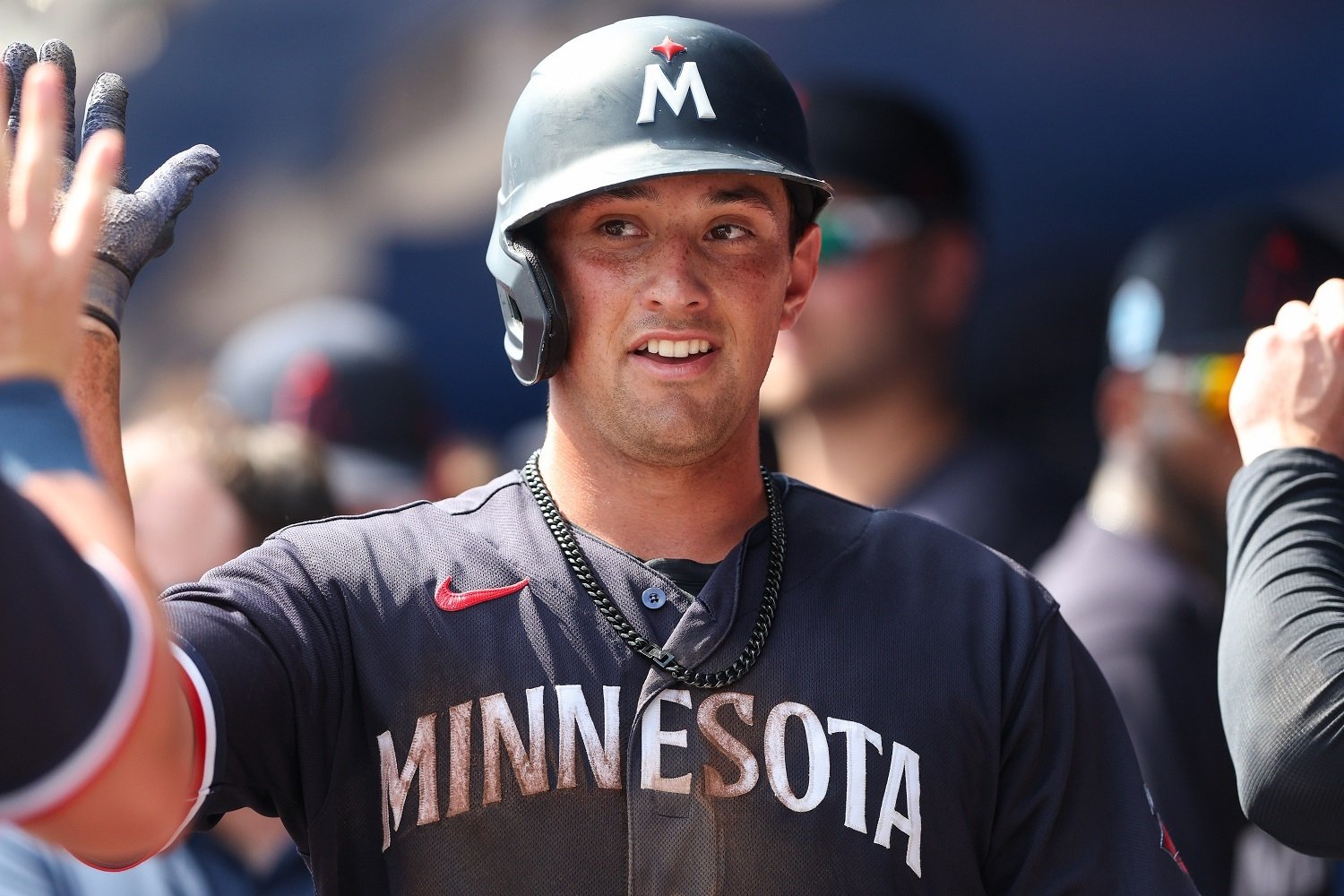 Entering the 2023 season, most national outlets ranked Brooks Lee as the top prospect in the Twins organization. In fact, he ranked in the 31-45 range among baseball's top 100 prospects. Minnesota drafted Lee with the eighth overall pick in the 2022 MLB Draft. Some surprising picks earlier in the first round allowed Lee to fall to the Twins. His impact on the organization was immediately evident. Coming from the college ranks, the Twins had Lee get his first taste of professional baseball in the Florida Complex League. He only played four games at that level but went 6-for-17 (.353 BA) with two doubles. Minnesota had him skip Low-A and move directly to High-A. With Cedar Rapids, Lee hit .289/.395/.454 (.848) with four doubles and four home runs. The Twins promoted him to Double-A for Wichita's playoff run, and he helped the Wind Surge qualify for the Texas League Championship Series. It was a whirlwind professional debut, but Lee had solidified his top prospect status. Lee was a non-roster invitee to spring training this season, and the team gave him plenty of opportunities to play and showcase his talents for the big-league staff. He played in 14 games this spring and went 7-for-44 (.159 BA) with two doubles and a 15-to-3 strikeout-to-walk ratio. Even with those numbers, Lee was happy to be with the major leaguers and starting to build a relationship with some of the team's core players. "He had what I would call a near-perfect camp -- because nothing's ever perfect, but he did everything and showed us everything that we would be hoping to see from him," manager Rocco Baldelli said. "… I'll bet on the kid." The Twins sent Lee back to Double-A to begin the 2023 season. In his first 27 games, he has hit .274/.333/.434 (.767) with 12 doubles and two home runs. Since the start of May, he has hit .243/.310/.378 (.688) while recently being named the Twins Minor League Player of the Week. His elite hit tool is starting to separate him from other prospects in the organization. He's also been facing older pitchers in all but four of his at-bats this season. Based on his strong start, some people have suggested that Lee might offer the Twins a solution to their offensive woes. However, he's played fewer than 40 games at Double-A and wasn't precisely destroying the ball versus big-league pitching in spring training. He may be able to move to Triple-A in the coming months, but there isn't a reason to rush him to the big leagues, even with Minnesota's struggles. Many players struggle in their first taste of the big leagues, including the organization's last four minor league players of the year (Alex Kirilloff, Trevor Larnach, Jose Miranda, and Matt Wallner). Edouard Julien is another prime example of a top prospect that struggled in his first taste of the majors. He destroyed the ball in spring training and the World Baseball Classic, but he went 6-for-27 (.222 BA) with nine strikeouts in his first eight MLB games. There are things for him to focus on at Triple-A, and hopes remain high that he can make a significant impact for the Twins this season. Lee has been joined in the Double-A line-up by Royce Lewis, the Twins' other top position player prospect. Lewis is rehabbing from his second ACL tear in as many seasons. Minnesota will have 20 days to evaluate Lewis before deciding whether or not to add him to the big-league roster or option him to Triple-A. He might be another candidate to help spark the Twins' offense, but he might have some rust to shake off before being an impact bat. The Twins hope Lee is part of the team's long-term core, but he should be looked at as something other than a savior to the team's line-up. For Minnesota to succeed, players like Carlos Correa, Byron Buxton, and Jorge Polanco must produce at a high level. Lee could supplement the line-up in the second half, but it's not the right time to push him to the MLB level. Do you think the Twins will call up Lee during the 2023 season? How much can a rookie impact the big-league roster? Leave a COMMENT and start the discussion.
 -
The Twins' offense has sputtered through much of the 2023 campaign. Would the team's top prospect be able to add some life to the line-up? Image courtesy of Nathan Ray Seebeck-USA TODAY Sports Entering the 2023 season, most national outlets ranked Brooks Lee as the top prospect in the Twins organization. In fact, he ranked in the 31-45 range among baseball's top 100 prospects. Minnesota drafted Lee with the eighth overall pick in the 2022 MLB Draft. Some surprising picks earlier in the first round allowed Lee to fall to the Twins. His impact on the organization was immediately evident. Coming from the college ranks, the Twins had Lee get his first taste of professional baseball in the Florida Complex League. He only played four games at that level but went 6-for-17 (.353 BA) with two doubles. Minnesota had him skip Low-A and move directly to High-A. With Cedar Rapids, Lee hit .289/.395/.454 (.848) with four doubles and four home runs. The Twins promoted him to Double-A for Wichita's playoff run, and he helped the Wind Surge qualify for the Texas League Championship Series. It was a whirlwind professional debut, but Lee had solidified his top prospect status. Lee was a non-roster invitee to spring training this season, and the team gave him plenty of opportunities to play and showcase his talents for the big-league staff. He played in 14 games this spring and went 7-for-44 (.159 BA) with two doubles and a 15-to-3 strikeout-to-walk ratio. Even with those numbers, Lee was happy to be with the major leaguers and starting to build a relationship with some of the team's core players. "He had what I would call a near-perfect camp -- because nothing's ever perfect, but he did everything and showed us everything that we would be hoping to see from him," manager Rocco Baldelli said. "… I'll bet on the kid." The Twins sent Lee back to Double-A to begin the 2023 season. In his first 27 games, he has hit .274/.333/.434 (.767) with 12 doubles and two home runs. Since the start of May, he has hit .243/.310/.378 (.688) while recently being named the Twins Minor League Player of the Week. His elite hit tool is starting to separate him from other prospects in the organization. He's also been facing older pitchers in all but four of his at-bats this season. Based on his strong start, some people have suggested that Lee might offer the Twins a solution to their offensive woes. However, he's played fewer than 40 games at Double-A and wasn't precisely destroying the ball versus big-league pitching in spring training. He may be able to move to Triple-A in the coming months, but there isn't a reason to rush him to the big leagues, even with Minnesota's struggles. Many players struggle in their first taste of the big leagues, including the organization's last four minor league players of the year (Alex Kirilloff, Trevor Larnach, Jose Miranda, and Matt Wallner). Edouard Julien is another prime example of a top prospect that struggled in his first taste of the majors. He destroyed the ball in spring training and the World Baseball Classic, but he went 6-for-27 (.222 BA) with nine strikeouts in his first eight MLB games. There are things for him to focus on at Triple-A, and hopes remain high that he can make a significant impact for the Twins this season. Lee has been joined in the Double-A line-up by Royce Lewis, the Twins' other top position player prospect. Lewis is rehabbing from his second ACL tear in as many seasons. Minnesota will have 20 days to evaluate Lewis before deciding whether or not to add him to the big-league roster or option him to Triple-A. He might be another candidate to help spark the Twins' offense, but he might have some rust to shake off before being an impact bat. The Twins hope Lee is part of the team's long-term core, but he should be looked at as something other than a savior to the team's line-up. For Minnesota to succeed, players like Carlos Correa, Byron Buxton, and Jorge Polanco must produce at a high level. Lee could supplement the line-up in the second half, but it's not the right time to push him to the MLB level. Do you think the Twins will call up Lee during the 2023 season? How much can a rookie impact the big-league roster? Leave a COMMENT and start the discussion. View full article
-
The Twins announced on Thursday morning that Tyler Mahle will undergo Tommy John surgery. Here’s what that means for the Twins and his future. Image courtesy of Rhona Wise-USA TODAY Sports Tyler Mahle was arguably the team’s biggest trade deadline acquisition last season, and now his Twins tenure is likely finished after only nine appearances. The Twins announced on Thursday that Mahle will have Tommy John surgery which will sideline him for the remainder of 2023 and a significant portion of 2024. For Mahle, a pending free agent, it’s a horrible development. The Twins also must look back with regret on the trade that brought him to Minnesota. Last August, the Twins sent a trio of prospects to the Cincinnati Reds for Mahle. He was under team control for the 2023 season via arbitration. It was a big swing by the front office to acquire a front-line starting pitcher for infielders Spencer Steer and Christian Encarnacion-Strand, and left-handed pitcher Steven Hajjar. Steer has been the Reds starting third baseman in 2023 while Encarnacion-Strand has hit well at Triple-A. Hajjar was traded to the Guardians organization earlier this season and has yet to appear in a game in 2023. If healthy, Mahle was likely headed toward a big pay day in free agency. The Twins could have offered him the qualifying offer to get draft pick compensation if he signed elsewhere. Unfortunately, both the team and the player miss out with an injury of this caliber. However, it doesn’t have to mean that Mahle’s time in a Twins uniform has come to an end. Previously, the current Twins regime signed Michael Pineda to a two-year deal while he recovered from Tommy John surgery. Earlier this year, the Twins agreed to a contract extension with Chris Paddack while he rehabs from Tommy John surgery. Minnesota signed him to a three-year extension to cover his final two arbitration seasons and his first free agent year. He is on track to return to the mound later this season. There is a chance the Twins could approach Mahle with a similar deal so he can rehab in the Twins organization. However, the club would likely want to buy one or two years of free agency. In hindsight, there is little question the Twins must regret making the initial trade for Mahle. The club knew about his injury history when they traded for him, but they were still willing to trade multiple prospects that ranked highly in the organization. His shoulder issues were frustrating last season because the team wasn’t able to specify the cause of the injury. Even Mahle himself became an unreliable source because he told the media that he felt fine and that he wouldn’t miss time after leaving starts early with diminished velocity. Some players will always say that they are fine, but Mahle hasn’t been healthy for much of the last two seasons. Now, the Twins are going to need to decide if they want Mahle for future seasons. The team has Pablo Lopez, Joe Ryan, Bailey Ober, Louie Varland and Chris Paddack available for next year’s rotation. There are also young pitchers like Simeon Woods Richardson, Brent Headrick, Jordan Balazovic, and David Festa that might be ready for a starting rotation spot. The Twins can move on from Mahle if they are worried about his long-term health. Do you think the Twins should sign Mahle beyond this season? Leave a COMMENT and start the discussion. View full article
-
Tommy John Surgery for Tyler Mahle: What Does it Mean for the Twins?
Cody Christie posted an article in Twins
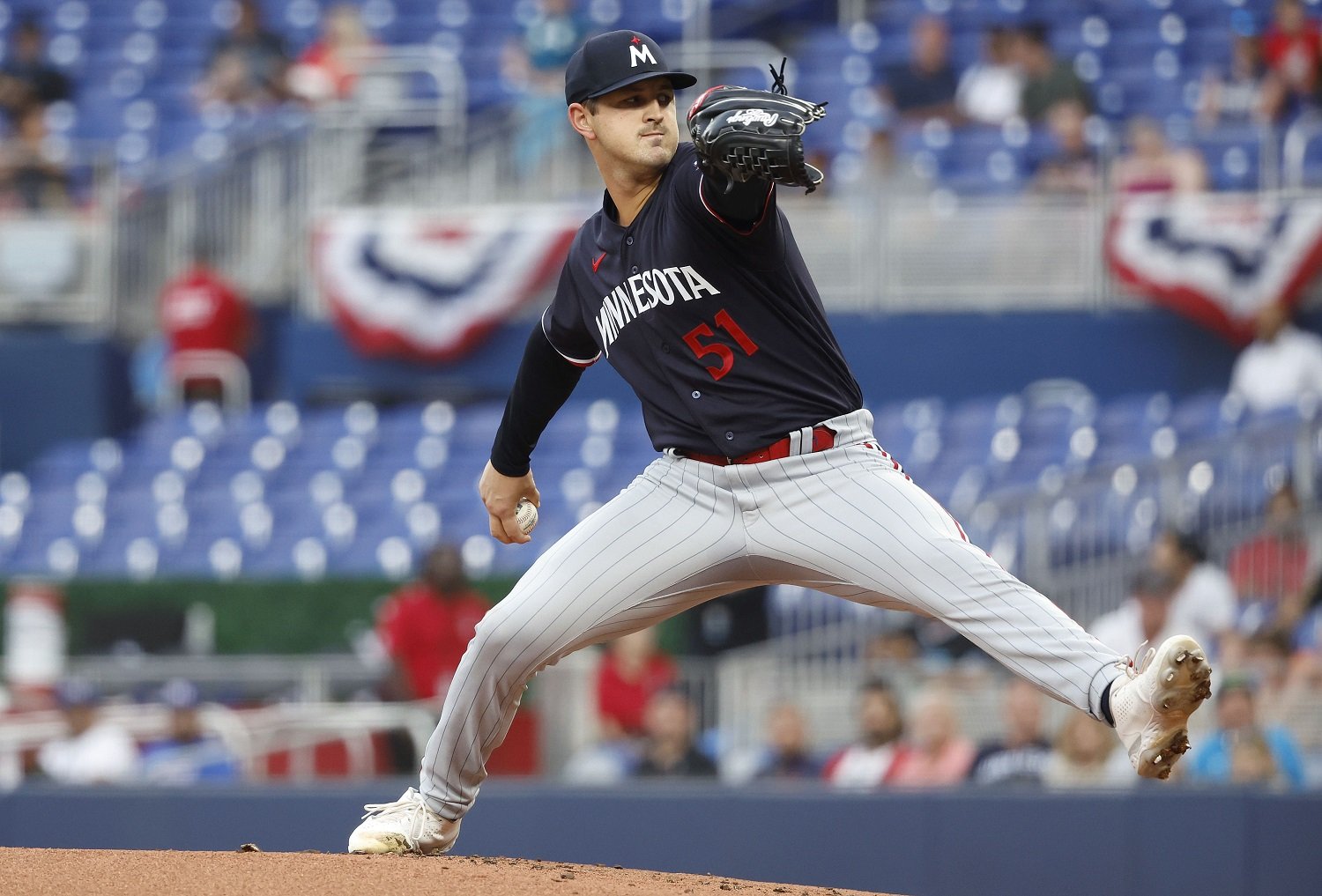 Tyler Mahle was arguably the team’s biggest trade deadline acquisition last season, and now his Twins tenure is likely finished after only nine appearances. The Twins announced on Thursday that Mahle will have Tommy John surgery which will sideline him for the remainder of 2023 and a significant portion of 2024. For Mahle, a pending free agent, it’s a horrible development. The Twins also must look back with regret on the trade that brought him to Minnesota. Last August, the Twins sent a trio of prospects to the Cincinnati Reds for Mahle. He was under team control for the 2023 season via arbitration. It was a big swing by the front office to acquire a front-line starting pitcher for infielders Spencer Steer and Christian Encarnacion-Strand, and left-handed pitcher Steven Hajjar. Steer has been the Reds starting third baseman in 2023 while Encarnacion-Strand has hit well at Triple-A. Hajjar was traded to the Guardians organization earlier this season and has yet to appear in a game in 2023. If healthy, Mahle was likely headed toward a big pay day in free agency. The Twins could have offered him the qualifying offer to get draft pick compensation if he signed elsewhere. Unfortunately, both the team and the player miss out with an injury of this caliber. However, it doesn’t have to mean that Mahle’s time in a Twins uniform has come to an end. Previously, the current Twins regime signed Michael Pineda to a two-year deal while he recovered from Tommy John surgery. Earlier this year, the Twins agreed to a contract extension with Chris Paddack while he rehabs from Tommy John surgery. Minnesota signed him to a three-year extension to cover his final two arbitration seasons and his first free agent year. He is on track to return to the mound later this season. There is a chance the Twins could approach Mahle with a similar deal so he can rehab in the Twins organization. However, the club would likely want to buy one or two years of free agency. In hindsight, there is little question the Twins must regret making the initial trade for Mahle. The club knew about his injury history when they traded for him, but they were still willing to trade multiple prospects that ranked highly in the organization. His shoulder issues were frustrating last season because the team wasn’t able to specify the cause of the injury. Even Mahle himself became an unreliable source because he told the media that he felt fine and that he wouldn’t miss time after leaving starts early with diminished velocity. Some players will always say that they are fine, but Mahle hasn’t been healthy for much of the last two seasons. Now, the Twins are going to need to decide if they want Mahle for future seasons. The team has Pablo Lopez, Joe Ryan, Bailey Ober, Louie Varland and Chris Paddack available for next year’s rotation. There are also young pitchers like Simeon Woods Richardson, Brent Headrick, Jordan Balazovic, and David Festa that might be ready for a starting rotation spot. The Twins can move on from Mahle if they are worried about his long-term health. Do you think the Twins should sign Mahle beyond this season? Leave a COMMENT and start the discussion.
 -
This Relief Prospect Might Be the Next Caleb Thielbar
Cody Christie posted an article in Minor Leagues
 In recent years, the Twins have seen several solid late-inning options, including Taylor Rogers, Jhoan Duran, Griffin Jax, and Tyler Duffey. Relievers tend to burn bright for a few seasons and then fade away. This was the case with Duffey during the 2022 season, and Rogers has struggled since leaving the Twins organization. Minnesota hopes Duran and Jax are part of the team's relief core for multiple years, but teams will always need more pitching depth. Last week, MLB Pipeline identified one future closer for each organization. This identification process can be challenging for writers because many of the best relievers were failed starters at one point in their professional careers. MLB Pipeline identified Kody Funderburk as a potential future closer for the Twins, but that seems unlikely with his current projections. Let's examine the 26-year-old's professional career and why he'd be a candidate for a late-inning role with the Twins. The Twins selected Funderburk in the 15th round of the 2018 MLB Draft from Dallas Baptist University. He had been used as a two-way player in college, but the Twins wanted him to be a pitcher. His first two professional seasons saw him work his way from rookie ball to High-A by posting a 4.60 ERA with a 9.1 K/9 and some control issues (7 HBP and 14 WP). He was around the age of the competition at each level, but he had a tough time finding consistent success. The pandemic took away the 2020 season, and Funderburk has looked like a different pitcher over the last three seasons. In 2021, Funderburk split time between High- and Double-A while being used as a starter and a multi-inning reliever. In 11 appearances with Cedar Rapids, he posted a 3.18 ERA with a 1.19 WHIP and 11.7 K/9. He moved up to Double-A in July and pitched exclusively out of the bullpen for the first time in his career. Funderburk allowed three earned runs in 21 2/3 innings (1.25 ERA) with a 23-to-7 strikeout-to-walk ratio. Following the season, the Twins sent him to the Arizona Fall League, traditionally known as an offensive environment that favors hitters. He started six games and allowed 12 earned runs in 17 2/3 innings with an 11.2 K/9. Funderburk started the 2022 season in the Wind Surge bullpen, but the team needed him to return to the rotation by the season's end. By looking at his numbers, it's easy to see why the team had difficulty deciding which role would be a long-term fit for Funderburk. In the bullpen, he allowed eight earned runs in 36 1/3 innings (1.98 ERA) with a 1.40 WHIP and 6.4 K/9. His ERA rose to 3.44 in 17 starts, but he had a lower WHIP (1.29) and a better K/9 (9.8 K/9). Batter's OPS was only separated by 10 points in his two roles, but the Twins decided it was time to move him to the bullpen for 2023. He began the year at Double-A, where he was 1.3 years older than the average age of the competition. Across nine innings, he allowed one earned run with a 14-to-6 strikeout-to-walk ratio. He allowed too many walks and hits, but his strikeout rate jumped to 14.0 K/9. The Twins promoted him to Triple-A before the calendar turned to May, and he has seen limited appearances with the club. However, his strikeout rate continues to be at a career-high. His transition to the bullpen hasn't been flawless, but there have been some positive signs. When he started, Funderburk utilized a four-pitch mix that included a cutter, a two-seamer, a slider, and a changeup. His cutter is the pitch he throws most regularly, and it typically sits in the low-90s. His left-handed arm action is unique, and it helps his pitches have more east-west movement to keep batters off-balance. Seeing how his pitch mix evolves in his transition to the bullpen will be interesting. Minnesota may need another left-handed reliever later this season, and Funderburk is a prime candidate to get an opportunity. It seems unlikely for Funderburk to be Minnesota's closer of the future when the team's current closer is over a year younger than Funderburk. If he can continue adjusting to his new bullpen role, he can be a late-inning option for the Twins in the future. What are your initial thoughts on Funderburk? Can he help the Twins this season? Leave a COMMENT and start the discussion.
 -
Caleb Thielbar has been a vital component of the Twins bullpen in recent seasons. One pitching prospect might be on a path to serve in a similar role in coming seasons. Image courtesy of Ed Bailey, Wichita Wind Surge In recent years, the Twins have seen several solid late-inning options, including Taylor Rogers, Jhoan Duran, Griffin Jax, and Tyler Duffey. Relievers tend to burn bright for a few seasons and then fade away. This was the case with Duffey during the 2022 season, and Rogers has struggled since leaving the Twins organization. Minnesota hopes Duran and Jax are part of the team's relief core for multiple years, but teams will always need more pitching depth. Last week, MLB Pipeline identified one future closer for each organization. This identification process can be challenging for writers because many of the best relievers were failed starters at one point in their professional careers. MLB Pipeline identified Kody Funderburk as a potential future closer for the Twins, but that seems unlikely with his current projections. Let's examine the 26-year-old's professional career and why he'd be a candidate for a late-inning role with the Twins. The Twins selected Funderburk in the 15th round of the 2018 MLB Draft from Dallas Baptist University. He had been used as a two-way player in college, but the Twins wanted him to be a pitcher. His first two professional seasons saw him work his way from rookie ball to High-A by posting a 4.60 ERA with a 9.1 K/9 and some control issues (7 HBP and 14 WP). He was around the age of the competition at each level, but he had a tough time finding consistent success. The pandemic took away the 2020 season, and Funderburk has looked like a different pitcher over the last three seasons. In 2021, Funderburk split time between High- and Double-A while being used as a starter and a multi-inning reliever. In 11 appearances with Cedar Rapids, he posted a 3.18 ERA with a 1.19 WHIP and 11.7 K/9. He moved up to Double-A in July and pitched exclusively out of the bullpen for the first time in his career. Funderburk allowed three earned runs in 21 2/3 innings (1.25 ERA) with a 23-to-7 strikeout-to-walk ratio. Following the season, the Twins sent him to the Arizona Fall League, traditionally known as an offensive environment that favors hitters. He started six games and allowed 12 earned runs in 17 2/3 innings with an 11.2 K/9. Funderburk started the 2022 season in the Wind Surge bullpen, but the team needed him to return to the rotation by the season's end. By looking at his numbers, it's easy to see why the team had difficulty deciding which role would be a long-term fit for Funderburk. In the bullpen, he allowed eight earned runs in 36 1/3 innings (1.98 ERA) with a 1.40 WHIP and 6.4 K/9. His ERA rose to 3.44 in 17 starts, but he had a lower WHIP (1.29) and a better K/9 (9.8 K/9). Batter's OPS was only separated by 10 points in his two roles, but the Twins decided it was time to move him to the bullpen for 2023. He began the year at Double-A, where he was 1.3 years older than the average age of the competition. Across nine innings, he allowed one earned run with a 14-to-6 strikeout-to-walk ratio. He allowed too many walks and hits, but his strikeout rate jumped to 14.0 K/9. The Twins promoted him to Triple-A before the calendar turned to May, and he has seen limited appearances with the club. However, his strikeout rate continues to be at a career-high. His transition to the bullpen hasn't been flawless, but there have been some positive signs. When he started, Funderburk utilized a four-pitch mix that included a cutter, a two-seamer, a slider, and a changeup. His cutter is the pitch he throws most regularly, and it typically sits in the low-90s. His left-handed arm action is unique, and it helps his pitches have more east-west movement to keep batters off-balance. Seeing how his pitch mix evolves in his transition to the bullpen will be interesting. Minnesota may need another left-handed reliever later this season, and Funderburk is a prime candidate to get an opportunity. It seems unlikely for Funderburk to be Minnesota's closer of the future when the team's current closer is over a year younger than Funderburk. If he can continue adjusting to his new bullpen role, he can be a late-inning option for the Twins in the future. What are your initial thoughts on Funderburk? Can he help the Twins this season? Leave a COMMENT and start the discussion. View full article
-
The 2016 MLB Draft would be the final draft with Terry Ryan serving as general manager. Which players from that draft have impacted the big-league level, and are others on the way? Image courtesy of Jeffrey Becker-USA TODAY Sports Major League Baseball's 2023 Draft is scheduled to start on July 9, 2023. Each team prepares for the draft with a specific plan, and sometimes those plans play out better than others. To prepare fans for the upcoming draft, this series will examine recent Twins drafts and how those players have performed so far in their professional careers. First Round (15th Overall): Alex Kirilloff Minnesota selected high school outfielder Alex Kirilloff with their first-round pick in 2016. He quickly became one of the Twins' best prospects and was a consensus top-100 global prospect from 2019-2021. His breakout campaign came in 2018 when he hit .348/.392/.578 (.970) with 44 doubles, seven triples, and 20 home runs in 130 games. He was named the Twins minor league player of the year and had the potential to be one of the best-hitting prospects to come through the organization in quite some time. Injuries have drastically altered Kirilloff's career. He had Tommy John surgery while still in the minor leagues, and he's dealt with wrist injuries over the last two seasons. The Twins recently ended his rehab stint and assigned him to Triple-A. Kirilloff hasn't been able to play every day since returning from his most recent wrist surgery, but he has posted terrific numbers when on the field. The Twins will continue to build him up slowly and monitor how his wrist handles an increased workload. Minnesota hopes Kirilloff can be part of the team's core moving forward, but he must prove he can stay healthy. Second Round: Ben Rortvedt, Jose Miranda, Akil Baddoo Minnesota selected Rortvedt with the 56th overall pick in 2016. He worked through the Twins system before debuting during the 2021 season. The Twins traded Rortvedt to the Yankees as part of the Josh Donaldson trade. He has dealt with injuries since the deal and has yet to appear in a big-league game for the club. Rortvedt is considered a strong defensive catcher with little offensive upside. Following Rortvedt, the Twins had two consecutive picks late in the second round, Jose Miranda (73rd overall) and Akil Baddoo (74th overall). Minnesota took Miranda out of high school in Puerto Rico and has put himself into the team's long-term plans. In 2021, Miranda hit .344/.401/.572 (.973) with 32 doubles and 30 home runs on the way to being named the organization's minor league player of the year. Last year, he had an up-and-down season but still posted a 115 OPS+ in 125 games. Based on this performance, Minnesota traded Gio Urshela to open third base for Miranda, and he has struggled to start the season. Baddoo never appeared in a big-league game for the Twins because the Detroit Tigers selected him in the Rule 5 Draft. He had a terrific rookie season in 2021 with 40 extra-base hits and a 112 OPS+ in 124 games. Over the last two seasons, he has struggled to replicate those numbers, with ten extra-base hits and a 66 OPS+ in 94 games. Initially, it looked like the Twins missed out on a solid outfield regular, but his flaws have become more evident over the last two seasons. Other Notable Picks: Griffin Jax, Jordan Balazovic, Tyler Wells Jax was drafted with the 93rd overall pick from the United States Air Force Academy. He was primarily used as a starting pitcher in the minors with mixed results, so the Twins shifted him to a bullpen role. Over the last two seasons, he has developed into one of the team's most reliable relievers. According to FanGraphs, Jax was the third most valuable reliever for the Twins last season behind Jhoan Duran and Caleb Thielbar. The team continues to use him in high-leverage situations, and he's vital to the bullpen's long-term success. Balazovic was one of the team's top-ranked pitching prospects entering last season, but a lot has changed over the last year. He struggled through much of the 2022 season before ending the year on a high note. In spring training this year, someone punched him in the mouth and broke his jaw. This incident set him back to start the year, but he has moved into a starting role at Triple-A. There is a good chance he will make his big-league debut this season since he is already on the 40-man roster. Like Baddoo, Wells was selected in the Rule 5 Draft and has accumulated more WAR than any other Twins draft pick from 2016. The Orioles used Wells in the bullpen during the 2021 season but shifted him to a starting role last season. In 103 2/3 innings, he posted a 4.25 ERA with a 1.14 WHIP and a 76-to-28 strikeout-to-walk ratio. He has performed even better in 2023 with a 132 OPS+ through his first six appearances, including drops in his hit and walk rates. It's interesting to think about how Wells would have fit into the Twins' pitching plan. Kirilloff and Miranda's performance connects to the club's long-term success at the big-league level. It seemed likely for both hitters to be penciled into the middle of the line-up for the next decade, but adjustments might need to be made to that plan. In this draft, the Twins clearly identified multiple players capable of providing value at the big-league level. Who makes the more significant long-term impact for the Twins, Kirilloff or Miranda? Should the team have left Baddoo and Wells unprotected in the Rule 5 Draft? Leave a COMMENT and start the discussion. View full article
- 11 replies
-
- 1
-
-
- alex kirilloff
- jose miranda
- (and 3 more)
-
Minnesota Twins 2016 Draft Retrospective: Plenty of Big-League Talent
Cody Christie posted an article in Twins
 Major League Baseball's 2023 Draft is scheduled to start on July 9, 2023. Each team prepares for the draft with a specific plan, and sometimes those plans play out better than others. To prepare fans for the upcoming draft, this series will examine recent Twins drafts and how those players have performed so far in their professional careers. First Round (15th Overall): Alex Kirilloff Minnesota selected high school outfielder Alex Kirilloff with their first-round pick in 2016. He quickly became one of the Twins' best prospects and was a consensus top-100 global prospect from 2019-2021. His breakout campaign came in 2018 when he hit .348/.392/.578 (.970) with 44 doubles, seven triples, and 20 home runs in 130 games. He was named the Twins minor league player of the year and had the potential to be one of the best-hitting prospects to come through the organization in quite some time. Injuries have drastically altered Kirilloff's career. He had Tommy John surgery while still in the minor leagues, and he's dealt with wrist injuries over the last two seasons. The Twins recently ended his rehab stint and assigned him to Triple-A. Kirilloff hasn't been able to play every day since returning from his most recent wrist surgery, but he has posted terrific numbers when on the field. The Twins will continue to build him up slowly and monitor how his wrist handles an increased workload. Minnesota hopes Kirilloff can be part of the team's core moving forward, but he must prove he can stay healthy. Second Round: Ben Rortvedt, Jose Miranda, Akil Baddoo Minnesota selected Rortvedt with the 56th overall pick in 2016. He worked through the Twins system before debuting during the 2021 season. The Twins traded Rortvedt to the Yankees as part of the Josh Donaldson trade. He has dealt with injuries since the deal and has yet to appear in a big-league game for the club. Rortvedt is considered a strong defensive catcher with little offensive upside. Following Rortvedt, the Twins had two consecutive picks late in the second round, Jose Miranda (73rd overall) and Akil Baddoo (74th overall). Minnesota took Miranda out of high school in Puerto Rico and has put himself into the team's long-term plans. In 2021, Miranda hit .344/.401/.572 (.973) with 32 doubles and 30 home runs on the way to being named the organization's minor league player of the year. Last year, he had an up-and-down season but still posted a 115 OPS+ in 125 games. Based on this performance, Minnesota traded Gio Urshela to open third base for Miranda, and he has struggled to start the season. Baddoo never appeared in a big-league game for the Twins because the Detroit Tigers selected him in the Rule 5 Draft. He had a terrific rookie season in 2021 with 40 extra-base hits and a 112 OPS+ in 124 games. Over the last two seasons, he has struggled to replicate those numbers, with ten extra-base hits and a 66 OPS+ in 94 games. Initially, it looked like the Twins missed out on a solid outfield regular, but his flaws have become more evident over the last two seasons. Other Notable Picks: Griffin Jax, Jordan Balazovic, Tyler Wells Jax was drafted with the 93rd overall pick from the United States Air Force Academy. He was primarily used as a starting pitcher in the minors with mixed results, so the Twins shifted him to a bullpen role. Over the last two seasons, he has developed into one of the team's most reliable relievers. According to FanGraphs, Jax was the third most valuable reliever for the Twins last season behind Jhoan Duran and Caleb Thielbar. The team continues to use him in high-leverage situations, and he's vital to the bullpen's long-term success. Balazovic was one of the team's top-ranked pitching prospects entering last season, but a lot has changed over the last year. He struggled through much of the 2022 season before ending the year on a high note. In spring training this year, someone punched him in the mouth and broke his jaw. This incident set him back to start the year, but he has moved into a starting role at Triple-A. There is a good chance he will make his big-league debut this season since he is already on the 40-man roster. Like Baddoo, Wells was selected in the Rule 5 Draft and has accumulated more WAR than any other Twins draft pick from 2016. The Orioles used Wells in the bullpen during the 2021 season but shifted him to a starting role last season. In 103 2/3 innings, he posted a 4.25 ERA with a 1.14 WHIP and a 76-to-28 strikeout-to-walk ratio. He has performed even better in 2023 with a 132 OPS+ through his first six appearances, including drops in his hit and walk rates. It's interesting to think about how Wells would have fit into the Twins' pitching plan. Kirilloff and Miranda's performance connects to the club's long-term success at the big-league level. It seemed likely for both hitters to be penciled into the middle of the line-up for the next decade, but adjustments might need to be made to that plan. In this draft, the Twins clearly identified multiple players capable of providing value at the big-league level. Who makes the more significant long-term impact for the Twins, Kirilloff or Miranda? Should the team have left Baddoo and Wells unprotected in the Rule 5 Draft? Leave a COMMENT and start the discussion.
- 11 comments
-
- 3
-
-
- alex kirilloff
- jose miranda
- (and 3 more)
-
Joe Ryan is in his second full season with the Twins and continues to evolve as a starting pitcher. He's been a strike-throwing machine this season, so let's dive into the changes he's made so far in 2023. Image courtesy of William Parmeter Joe Ryan was always an intriguing pitching prospect because he has never fit the profile of a typical pitcher. His unique fastball has been discussed at length since joining the Twins organization, and that's what made him so successful in the minors. He releases the ball at a three-quarters arm angle, which can mess with how batters view the expected pitch. One of Ryan's most important focuses was developing his secondary pitches because he wouldn't reach his ceiling throwing fastballs over 60% of the time. Here's a look at his early season changes in 2023. Some of Ryan's early season success is tied to the high strike rate he has been able to accumulate in the season's first month. Inside Edge pointed out that he has thrown at least two strikes in his first three pitches to 78% of opposing batters this season. For reference, the league average is 65%. He has been ahead or even in the count in 111 out of 143 plate appearances this year (78%). Ryan is holding batters to a .342 SLG when he is ahead in the count with 27 strikeouts in 64 at-bats. One reason for Ryan's early season success has been a dramatic change in his pitch mix. During the 2022 season, he threw his fastball over 60% of the time while also relying on his slider (17.8%), changeup (12.1%), curveball (7.2%), and sweeper (2.8%). In 2023, he's using his fastball less than 60% of the time for the first time in his career, and his slider usage has dropped to 5.5%. His most significant increase in pitch usage has been a pitch that Baseball Savant categorizes as a split-finger (27.5%) and a sweeper (9.2%). His slider is getting hit the hardest (.625 SLG), up 85 points compared to last season. He has held batters to a .170 SLG or lower against his split-finger and sweeper. Seven of his eight extra-base hits have come against his fastball, but that is expected with how regularly he throws the pitch. Last season, his fastball was the only pitch with a negative run value for the season (-21 runs), and that total ranked among baseball's best. During the 2023 season, his fastball (-6 runs) and splitter (-5 runs) are both providing negative run value. It will be interesting to track those pitches throughout the season since he currently throws them over 85% of the time. Ryan's improvements this year have helped him post an extreme chase rate that will be tough to maintain for an entire season. Last year, his chase rate ranked in the 33rd percentile among MLB pitchers. To begin 2023, his chase rate ranks in the 96th percentile. There is some hope that his new pitching repertoire will help him continue to get batters to chase pitches, but there will also likely be some regression to his career mark. Unfortunately, not everything is positive for Ryan. He is giving up a lot of hard contact with a Hard Hit % that ranks in the 23rd percentile. He does a tremendous job at hitting his spots but has below-league-average velocity. Hitters can make solid contact on the occasions when his location fails to be perfect. He has given up a lot of ground balls this season, which puts extra pressure on the defense. The Twins' infield defense has ranked poorly to start the season, and he will likely see a few more ground balls find holes behind him in the coming weeks. What have been your impressions of Joe Ryan so far this season? Can he continue to pitch this well? Leave a COMMENT and start the discussion. View full article
-
 Joe Ryan was always an intriguing pitching prospect because he has never fit the profile of a typical pitcher. His unique fastball has been discussed at length since joining the Twins organization, and that's what made him so successful in the minors. He releases the ball at a three-quarters arm angle, which can mess with how batters view the expected pitch. One of Ryan's most important focuses was developing his secondary pitches because he wouldn't reach his ceiling throwing fastballs over 60% of the time. Here's a look at his early season changes in 2023. Some of Ryan's early season success is tied to the high strike rate he has been able to accumulate in the season's first month. Inside Edge pointed out that he has thrown at least two strikes in his first three pitches to 78% of opposing batters this season. For reference, the league average is 65%. He has been ahead or even in the count in 111 out of 143 plate appearances this year (78%). Ryan is holding batters to a .342 SLG when he is ahead in the count with 27 strikeouts in 64 at-bats. One reason for Ryan's early season success has been a dramatic change in his pitch mix. During the 2022 season, he threw his fastball over 60% of the time while also relying on his slider (17.8%), changeup (12.1%), curveball (7.2%), and sweeper (2.8%). In 2023, he's using his fastball less than 60% of the time for the first time in his career, and his slider usage has dropped to 5.5%. His most significant increase in pitch usage has been a pitch that Baseball Savant categorizes as a split-finger (27.5%) and a sweeper (9.2%). His slider is getting hit the hardest (.625 SLG), up 85 points compared to last season. He has held batters to a .170 SLG or lower against his split-finger and sweeper. Seven of his eight extra-base hits have come against his fastball, but that is expected with how regularly he throws the pitch. Last season, his fastball was the only pitch with a negative run value for the season (-21 runs), and that total ranked among baseball's best. During the 2023 season, his fastball (-6 runs) and splitter (-5 runs) are both providing negative run value. It will be interesting to track those pitches throughout the season since he currently throws them over 85% of the time. Ryan's improvements this year have helped him post an extreme chase rate that will be tough to maintain for an entire season. Last year, his chase rate ranked in the 33rd percentile among MLB pitchers. To begin 2023, his chase rate ranks in the 96th percentile. There is some hope that his new pitching repertoire will help him continue to get batters to chase pitches, but there will also likely be some regression to his career mark. Unfortunately, not everything is positive for Ryan. He is giving up a lot of hard contact with a Hard Hit % that ranks in the 23rd percentile. He does a tremendous job at hitting his spots but has below-league-average velocity. Hitters can make solid contact on the occasions when his location fails to be perfect. He has given up a lot of ground balls this season, which puts extra pressure on the defense. The Twins' infield defense has ranked poorly to start the season, and he will likely see a few more ground balls find holes behind him in the coming weeks. What have been your impressions of Joe Ryan so far this season? Can he continue to pitch this well? Leave a COMMENT and start the discussion.
 -
Pitching prospects can take years to develop through a team's minor league system. One pitching prospect has started to compile numbers that will be tough to ignore by the season's end. Image courtesy of McKenzie Short, Cedar Rapids Kernels Entering the 2023 season, the Twins wanted to make room on the roster for Jose Miranda to take over as the team's full-time third baseman. Gio Urshela had one year remaining of team control and was coming off a strong year where his WAR ranked in the top-5 among Twins players. Minnesota traded him to the Angels for Alejandro Hidalgo, a teenage pitching prospect. At the time of the trade, he ranked as the Angels' number 22 prospect per MLB Pipeline. Hidalgo is off to a good start in the Twins organization and might point to an even stronger performance moving forward. The Angels signed Hidalgo in July 2019 as a 16-year-old out of Venezuela. He wasn't highly sought after in that international class, and the Angels signed him for $30,000. Due to the pandemic, his professional debut didn't come until 2021, when he pitched seven games in rookie ball. In 27 innings, he allowed 14 earned runs on 26 hits, including six home runs. There were some positive signs, as he posted a 31-to-9 strikeout-to-walk ratio, but he gave up too many hits. He was nearly three years younger than the competition at his level, and he never faced a batter younger than himself. In 2022, the Angels continued to be aggressive with Hidalgo by sending him to Low-A. He made ten starts while posting a 4.62 ERA with 58 strikeouts in 39 innings. His home run rate dropped from 2.0 HR/9 in his professional debut to 0.7 HR/9. His strikeout rate jumped from 10.3 K/9 to 13.4 K/9, but he also saw an increase in his walk rate (3.0 BB/9 to 4.4 BB/9). Nearly 94% of his plate appearances came against older batters, so he remained young for his level. His innings were limited due to a rotator cuff strain that ended his season in June. Since joining the Twins, the club has focused on smoothing out his delivery. According to MLB.com, he attended the Twins' velocity camp in an attempt to get more velo from his delivery. He entered the season with a fastball that averages 92 mph with a solid change-up, which resulted in a 44% miss rate during the 2022 season. The Twins have also worked with him on developing a slider to replace a curveball he had thrown in the past. Minnesota assigned Hidalgo to Cedar Rapids to begin the 2023 season. For the first time in his career, he is over three years younger than the average age of the competition, but his performance hasn't suffered with this assignment. In his first four appearances, he has allowed two earned runs on 11 hits with a 17-to-10 strikeout-to-walk ratio. He has yet to allow a home run, but his sample size has been limited to 14 innings. His last appearance was terrific as he pitched 5 1/3 shutout innings with nine strikeouts and one walk while limiting batters to three hits. Hidalgo is only 19 years old and far from Target Field. Also, he has dealt with injuries during his first two professional seasons. The Angels' general manager Perry Minasian had glowing things to say about Hidalgo. "It's always tough to trade young players, especially a great kid with a good arm and a bright future," Minasian said. "But at the end of the day, you have to give to get. I think he's going to have a great career, and hopefully this trade works out for both sides." The Twins have seen positive results from Hidalgo so far, and the club hopes he can continue pitching himself into the team's long-term plans. What are your early impressions of Hidalgo? Leave a COMMENT and start the discussion. View full article
-
 Entering the 2023 season, the Twins wanted to make room on the roster for Jose Miranda to take over as the team's full-time third baseman. Gio Urshela had one year remaining of team control and was coming off a strong year where his WAR ranked in the top-5 among Twins players. Minnesota traded him to the Angels for Alejandro Hidalgo, a teenage pitching prospect. At the time of the trade, he ranked as the Angels' number 22 prospect per MLB Pipeline. Hidalgo is off to a good start in the Twins organization and might point to an even stronger performance moving forward. The Angels signed Hidalgo in July 2019 as a 16-year-old out of Venezuela. He wasn't highly sought after in that international class, and the Angels signed him for $30,000. Due to the pandemic, his professional debut didn't come until 2021, when he pitched seven games in rookie ball. In 27 innings, he allowed 14 earned runs on 26 hits, including six home runs. There were some positive signs, as he posted a 31-to-9 strikeout-to-walk ratio, but he gave up too many hits. He was nearly three years younger than the competition at his level, and he never faced a batter younger than himself. In 2022, the Angels continued to be aggressive with Hidalgo by sending him to Low-A. He made ten starts while posting a 4.62 ERA with 58 strikeouts in 39 innings. His home run rate dropped from 2.0 HR/9 in his professional debut to 0.7 HR/9. His strikeout rate jumped from 10.3 K/9 to 13.4 K/9, but he also saw an increase in his walk rate (3.0 BB/9 to 4.4 BB/9). Nearly 94% of his plate appearances came against older batters, so he remained young for his level. His innings were limited due to a rotator cuff strain that ended his season in June. Since joining the Twins, the club has focused on smoothing out his delivery. According to MLB.com, he attended the Twins' velocity camp in an attempt to get more velo from his delivery. He entered the season with a fastball that averages 92 mph with a solid change-up, which resulted in a 44% miss rate during the 2022 season. The Twins have also worked with him on developing a slider to replace a curveball he had thrown in the past. Minnesota assigned Hidalgo to Cedar Rapids to begin the 2023 season. For the first time in his career, he is over three years younger than the average age of the competition, but his performance hasn't suffered with this assignment. In his first four appearances, he has allowed two earned runs on 11 hits with a 17-to-10 strikeout-to-walk ratio. He has yet to allow a home run, but his sample size has been limited to 14 innings. His last appearance was terrific as he pitched 5 1/3 shutout innings with nine strikeouts and one walk while limiting batters to three hits. Hidalgo is only 19 years old and far from Target Field. Also, he has dealt with injuries during his first two professional seasons. The Angels' general manager Perry Minasian had glowing things to say about Hidalgo. "It's always tough to trade young players, especially a great kid with a good arm and a bright future," Minasian said. "But at the end of the day, you have to give to get. I think he's going to have a great career, and hopefully this trade works out for both sides." The Twins have seen positive results from Hidalgo so far, and the club hopes he can continue pitching himself into the team's long-term plans. What are your early impressions of Hidalgo? Leave a COMMENT and start the discussion.


