



Peter Labuza
-
Posts
233 -
Joined
-
Last visited
Content Type
Profiles
News
Minnesota Twins Videos
2026 Minnesota Twins Top Prospects Ranking
2022 Minnesota Twins Draft Picks
Minnesota Twins Free Agent & Trade Rumors, Notes, & Tidbits
Guides & Resources
2023 Minnesota Twins Draft Picks
The Minnesota Twins Players Project
2024 Minnesota Twins Draft Picks
2025 Minnesota Twins Draft Pick Tracker
2026 Minnesota Twins Draft Tracker: Picks & Bonuses
Forums
Blogs
Events
Store
Downloads
Gallery
Everything posted by Peter Labuza
-

Previewing the AL West: Big Talent Deep in the Heart of Texas
Peter Labuza posted an article in Twins
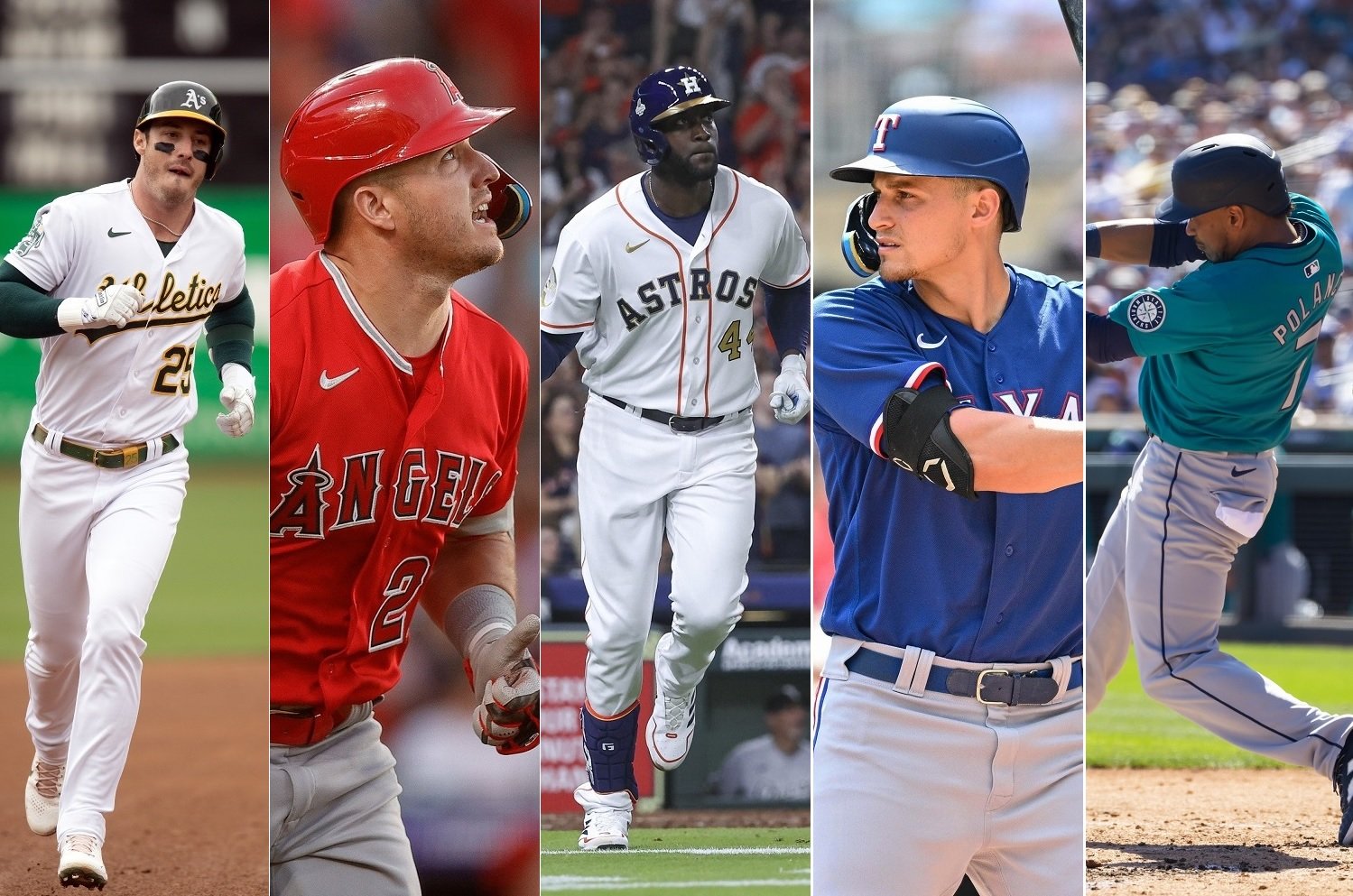 Houston Astros Baseball Prospectus PECOTA Projections: 95-67 FanGraphs Projections: 90-72 Since their (not-entirely-unexpected) arrival in 2017, the Houston Astros have remained a juggernaut for the AL West, led by veterans José Altuve and Alex Bregman alongside emerging stars like Yordan Alvarez and Kyle Tucker. Under owner Jim Crane, the team has embraced their villain status since the “banging scheme” details riled baseball, though few players from that era remain. If there is any question truly about the Astros, it might be how many years before the booing finally quells. The Astros’ biggest changes perhaps will come in the form of how the team adapts into a new era without manager Dusty Baker finally called it quits after 26 managed years in the league. In his place will be Joe Espada, who has managed Houston’s bench since 2018. Espada has claimed that he’ll wait to see his time develop before adapting into any one personality. That said, the team’s hyper-financialized model will finally turn a corner in the next few years. Their farm system now ranks 27th according to Keith Law, and many of their top players are beginning to hit their arbitration years. Altuve received his likely final payday with a $125 million five-year extension to end his Hall of Fame career as an Astro, though questions about his time at second base will perhaps quickly emerge. If the Astros want to keep any of their core together, it will have to come through money. Most of Houston’s rotation returns, though veterans Justin Verlander and Lance McCullers Jr. continue to battle injury and will arrive late. That means headliner Framber Valdez will need to bounce back while younger stars like Cristian Javier, Hunter Brown, J.P. France, and José Urquidy continue to develop into regular rotation players. Baker’s exit also means finally a change beloved all-defense catcher Martín Maldonado and the entrance of Yainer Diaz to clean up. Given how little experience Diaz got behind the plate during Maldonado’s tenure, it might take time for the rookie catcher (as well as new veteran back up Victor Caratini) to learn how to command the staff. Houston’s bullpen will also see some turnover. With Kendall Graveman out for the season as well as Hector Neris and Phil Maton departing in free agency, Houston might not have the strength of its old days. Old friend Ryan Pressly has moved off the closer role to the 8th inning, now supported by All Star Josh Hader—coming to Houston on a five-year, $100 million deal. While the combination of Bryan Abreu, Pressly, and Hader might be the best in the league, Houston will also need to hope other players step up. Seattle Mariners Baseball Prospectus PECOTA Projections: 84-77 FanGraphs Projections: 85-77 “What did Jerry Dipoto do?” goes a jingle created by Michael Baumann. And as it is with every off season, the Seattle GM spent his days re-arranging a number of deck chairs of his roster in the hope of a handful of wins. Jerry got in trouble an early remark about winning only 54% of games over the next ten years. Trouble with the Mariners' now entirely owned cable RSN ROOT Sports limited any new spending, though more in terms of stagnation than cuts. As many question whether the Mariners’ first post season appearance in 2022 was just a fluke, Jerry spent the offseason unloading payroll while bringing in new materials. The headline is, of course, Twins veteran Jorge Polanco, who joins a line up made up of superstar Julio Rodriguez, Ty France, and Carl “Big Dumper” Raleigh. Replacing their offense production (Teoscar Hernandez went to Los Angeles; Eugenio Suarez traded to Arizona) is old friend Mitch Garver as DH and the return of Mitch Haniger in an odd bit of trading that sent Robbie Ray to San Francisco. If Rodriguez—who despite a disappointing first half went on an explosion to end up ranking 4th in AL MVP voting—returns in top form, this might be the best line up Seattle has had in years. Seattle’s arms remains their strength, of course. Last year saw two young stars in Bryan Woo and Bryce Miller make unexpected leaps into the rotation, which includes a gauntlet of Luis Castillo, George Kirby, and Logan Gilbert. Many of the top names of the bullpen have departed (including Justin Topa over to the Twins), but Seattle has made a knack of bringing up folks from AAA to create an impenetrable wall of defense for late innings before closer Andrés Muñoz can come in to shut the whole thing down. Texas Rangers Baseball Prospectus PECOTA Projections: 86-76 FanGraphs Projections: 82-80 Like the Minnesota Twins, the Rangers spent much of their offseason—one that should have been all good bolstered by their first World Series title after 56 seasons—by worries about a bankruptcy issue with Bally Sports. The eventual settlement brought them about 85% of their money due for the year, but resulted in less spending one might do when the plan is to run back a title. Lacking World Series hero Jordan Montgomery, Nathan Eovaldi will take his spot as the front line man as the team desperately awaits the return of both Max Scherzer and Jacob deGrom (plus Tyler Mahle). That will leave the other efforts to the likes of Jon Gray, Dane Dunning, and Michael Lorenzen to give enough innings to reach a bullpen. That pen is where Texas put most of its money this winter after signing David Robertson and Kirby Yates, hoping to give Jose Leclerc and Josh Sborz a bit less of a heavy load. The goal will of course remain to bop and bop hard. Texas handed out $500 million between Marcus Semien and Corey Seager in 2021, an early bet that paid off. Adolis Garcia, who became a legend throughout the playoff run, received a small but statured extension. More so, Texas should see ample time from two top prospects: dentist-turned-playoff-hero Evan Carter and the debut of Wyatt Langford, ranked #2 on most systems. That should leave a pitchers constantly exhausted as they navigate the line up. Los Angeles Angels Baseball Prospectus PECOTA Projections: 73-89 FanGraphs Projections: 78-84 The Twins visit Anaheim in April this year and hopefully can mostly enjoy a sunny vacation while the Los Angeles Angels remain trash fire. Owner Arte Moreno—embezzler? failure—had no interest in matching Shohei Ohtani’s reasonable asking price to remain an Angel for life. And this was after the team pushed their chips in last year while keeping Ohtani at the trade deadline, and now sit with the worst farm system in the major leagues and a fan base who might finally revolt. The Angels will spend the year betting on youth. Nolan Schanuel was drafted in June before making his major league debut in August. Zach Neto will play shortstop, with the team hoping his brief flash in the pan last year was no fluke. This year will also see a full season of catcher Logan O’Hoppe , whose brief power surge before an injury sidelined him all last year might have a chance to prove into a Mauer-esque talent. Pitching has continue to woe the Angels for what seems like a decade, but there is some talent in this bunch. Patrick Sandoval, Griffin Canning, and Reid Detmers could all be solid weekly options, and perhaps Tyler Anderson will make due on his post-Dodgers rebound contract. For what it’s worth, Angels GM Perry Minasian has made a number of interesting bullpen moves and essentially replaced the entire roster, adding Seattle’s Matt Moore, San Diego’s Luis Garcia, and Toronto’s Adam Cimber. The big question remains the addition of Rays breakout Robert Stephenson on a three-year, $33 million deal, but is currently dealing with shoulder pain. Supporting this roster is a new manager on deck in forever stalwart Ron Washington, coming off his role with the World Series winning Braves. While plans for an all star coaching staff (including old friend Torii Hunter) fell apart, Washington and crew will still have a chance to maybe find some treasures. The question most fans will be curious to follow is the fate of Mike Trout, who ruled out any future trade potential. As the once greatest player in baseball sees his star finally dimming, does Trout still have it in him to rise all tides? Or is he now cursed to remain the most unknown GOAT in the history of major league sports. Oakland Athletics Baseball Prospectus PECOTA Projections: 64-98 FanGraphs Projections: 73-89 If the Angels are a tire fire, the Athletics remain a black hole of despair. The biggest questions remain entirely those outside of the players’ control over exactly where they will play after this final year in the Coliseum and before the supposed debut of their “spherical armadillo” shaped stadium in Las Vegas not due until 2028. Will it be Sacramento? Salt Lake? Mars might be the best bet for finding new fans at this point. Given the revolt of fans, the A’s will likely play to empty crowds in Oakland throughout the season, as activist groups like the Last Dive Bar and the Oakland 68’s have turned their attention toward the new indie ball team the Oakland Ballers. Of course, the hate for the Athletics was never about the players, and while there are fewer bright spots than in previous iterations, the morbidly curious might see a team ready to begin the always shorter-than-expected rebuilds that have defined GM David Forst’s tenure since 2015. And there are certainly some bright spots among the gold and green, including the supernova explosion of former Twin outfielder Brent Rooker, who slashed .246/.329/.488 on his way to his first ever All Star appearance. Others like Zack Gelof and Seth Brown also show the potential of a new core as long as management does not trade them away as soon as they reach arbitration. Others may hope to see jumps from Shea Langeliers and speed demon Esteury Ruiz. A few free agents will make their home, including former podcaster Ross Stripling and Alex Wood. The other rotation piece include few potential breakouts in JP Sears and Joey Estes. And Oakland has their own Jhoan Duran in reliever Mason Miller. And perhaps in the best news this team could get, former Rockies broadcaster Jenny Cavnar will become the first ever female tv play-by-play commentator in baseball history. The question will unfortunately remain: is there anything Oakland can do to bring its fanbase back? Unless it involves a sale by John Fisher, highly unlikely. How do you think the 2024 season will play out in the AL West? Who will win the division? How many teams will make the playoffs? Who do you think poses the biggest threat to the Twins? Sound off in the comments.
- 5 comments
-
- 3
-

-
- jorge polanco
- mitch garver
- (and 2 more)
-
The Twins' rivals in the AL West provide both daunting rotations and line-ups as well as stories that just make us sad. Image courtesy of D. Ross Cameron-USA Today (photo of Rooker), Isaiah J. Downing-USA Today (photo of Trout), Troy Taormina-USA Today (photo of Alvarez), Jeffrey Becker-USA Today (photo of Seager), Mark J. Rebilas-USA Today (photo of Polanco) The Twins' rivals in the AL West provide both daunting rotations and line-ups as well as stories that just make us sad. Houston Astros Baseball Prospectus PECOTA Projections: 95-67 FanGraphs Projections: 90-72 Since their (not-entirely-unexpected) arrival in 2017, the Houston Astros have remained a juggernaut for the AL West, led by veterans José Altuve and Alex Bregman alongside emerging stars like Yordan Alvarez and Kyle Tucker. Under owner Jim Crane, the team has embraced their villain status since the “banging scheme” details riled baseball, though few players from that era remain. If there is any question truly about the Astros, it might be how many years before the booing finally quells. The Astros’ biggest changes perhaps will come in the form of how the team adapts into a new era without manager Dusty Baker finally called it quits after 26 managed years in the league. In his place will be Joe Espada, who has managed Houston’s bench since 2018. Espada has claimed that he’ll wait to see his time develop before adapting into any one personality. That said, the team’s hyper-financialized model will finally turn a corner in the next few years. Their farm system now ranks 27th according to Keith Law, and many of their top players are beginning to hit their arbitration years. Altuve received his likely final payday with a $125 million five-year extension to end his Hall of Fame career as an Astro, though questions about his time at second base will perhaps quickly emerge. If the Astros want to keep any of their core together, it will have to come through money. Most of Houston’s rotation returns, though veterans Justin Verlander and Lance McCullers Jr. continue to battle injury and will arrive late. That means headliner Framber Valdez will need to bounce back while younger stars like Cristian Javier, Hunter Brown, J.P. France, and José Urquidy continue to develop into regular rotation players. Baker’s exit also means finally a change beloved all-defense catcher Martín Maldonado and the entrance of Yainer Diaz to clean up. Given how little experience Diaz got behind the plate during Maldonado’s tenure, it might take time for the rookie catcher (as well as new veteran back up Victor Caratini) to learn how to command the staff. Houston’s bullpen will also see some turnover. With Kendall Graveman out for the season as well as Hector Neris and Phil Maton departing in free agency, Houston might not have the strength of its old days. Old friend Ryan Pressly has moved off the closer role to the 8th inning, now supported by All Star Josh Hader—coming to Houston on a five-year, $100 million deal. While the combination of Bryan Abreu, Pressly, and Hader might be the best in the league, Houston will also need to hope other players step up. Seattle Mariners Baseball Prospectus PECOTA Projections: 84-77 FanGraphs Projections: 85-77 “What did Jerry Dipoto do?” goes a jingle created by Michael Baumann. And as it is with every off season, the Seattle GM spent his days re-arranging a number of deck chairs of his roster in the hope of a handful of wins. Jerry got in trouble an early remark about winning only 54% of games over the next ten years. Trouble with the Mariners' now entirely owned cable RSN ROOT Sports limited any new spending, though more in terms of stagnation than cuts. As many question whether the Mariners’ first post season appearance in 2022 was just a fluke, Jerry spent the offseason unloading payroll while bringing in new materials. The headline is, of course, Twins veteran Jorge Polanco, who joins a line up made up of superstar Julio Rodriguez, Ty France, and Carl “Big Dumper” Raleigh. Replacing their offense production (Teoscar Hernandez went to Los Angeles; Eugenio Suarez traded to Arizona) is old friend Mitch Garver as DH and the return of Mitch Haniger in an odd bit of trading that sent Robbie Ray to San Francisco. If Rodriguez—who despite a disappointing first half went on an explosion to end up ranking 4th in AL MVP voting—returns in top form, this might be the best line up Seattle has had in years. Seattle’s arms remains their strength, of course. Last year saw two young stars in Bryan Woo and Bryce Miller make unexpected leaps into the rotation, which includes a gauntlet of Luis Castillo, George Kirby, and Logan Gilbert. Many of the top names of the bullpen have departed (including Justin Topa over to the Twins), but Seattle has made a knack of bringing up folks from AAA to create an impenetrable wall of defense for late innings before closer Andrés Muñoz can come in to shut the whole thing down. Texas Rangers Baseball Prospectus PECOTA Projections: 86-76 FanGraphs Projections: 82-80 Like the Minnesota Twins, the Rangers spent much of their offseason—one that should have been all good bolstered by their first World Series title after 56 seasons—by worries about a bankruptcy issue with Bally Sports. The eventual settlement brought them about 85% of their money due for the year, but resulted in less spending one might do when the plan is to run back a title. Lacking World Series hero Jordan Montgomery, Nathan Eovaldi will take his spot as the front line man as the team desperately awaits the return of both Max Scherzer and Jacob deGrom (plus Tyler Mahle). That will leave the other efforts to the likes of Jon Gray, Dane Dunning, and Michael Lorenzen to give enough innings to reach a bullpen. That pen is where Texas put most of its money this winter after signing David Robertson and Kirby Yates, hoping to give Jose Leclerc and Josh Sborz a bit less of a heavy load. The goal will of course remain to bop and bop hard. Texas handed out $500 million between Marcus Semien and Corey Seager in 2021, an early bet that paid off. Adolis Garcia, who became a legend throughout the playoff run, received a small but statured extension. More so, Texas should see ample time from two top prospects: dentist-turned-playoff-hero Evan Carter and the debut of Wyatt Langford, ranked #2 on most systems. That should leave a pitchers constantly exhausted as they navigate the line up. Los Angeles Angels Baseball Prospectus PECOTA Projections: 73-89 FanGraphs Projections: 78-84 The Twins visit Anaheim in April this year and hopefully can mostly enjoy a sunny vacation while the Los Angeles Angels remain trash fire. Owner Arte Moreno—embezzler? failure—had no interest in matching Shohei Ohtani’s reasonable asking price to remain an Angel for life. And this was after the team pushed their chips in last year while keeping Ohtani at the trade deadline, and now sit with the worst farm system in the major leagues and a fan base who might finally revolt. The Angels will spend the year betting on youth. Nolan Schanuel was drafted in June before making his major league debut in August. Zach Neto will play shortstop, with the team hoping his brief flash in the pan last year was no fluke. This year will also see a full season of catcher Logan O’Hoppe , whose brief power surge before an injury sidelined him all last year might have a chance to prove into a Mauer-esque talent. Pitching has continue to woe the Angels for what seems like a decade, but there is some talent in this bunch. Patrick Sandoval, Griffin Canning, and Reid Detmers could all be solid weekly options, and perhaps Tyler Anderson will make due on his post-Dodgers rebound contract. For what it’s worth, Angels GM Perry Minasian has made a number of interesting bullpen moves and essentially replaced the entire roster, adding Seattle’s Matt Moore, San Diego’s Luis Garcia, and Toronto’s Adam Cimber. The big question remains the addition of Rays breakout Robert Stephenson on a three-year, $33 million deal, but is currently dealing with shoulder pain. Supporting this roster is a new manager on deck in forever stalwart Ron Washington, coming off his role with the World Series winning Braves. While plans for an all star coaching staff (including old friend Torii Hunter) fell apart, Washington and crew will still have a chance to maybe find some treasures. The question most fans will be curious to follow is the fate of Mike Trout, who ruled out any future trade potential. As the once greatest player in baseball sees his star finally dimming, does Trout still have it in him to rise all tides? Or is he now cursed to remain the most unknown GOAT in the history of major league sports. Oakland Athletics Baseball Prospectus PECOTA Projections: 64-98 FanGraphs Projections: 73-89 If the Angels are a tire fire, the Athletics remain a black hole of despair. The biggest questions remain entirely those outside of the players’ control over exactly where they will play after this final year in the Coliseum and before the supposed debut of their “spherical armadillo” shaped stadium in Las Vegas not due until 2028. Will it be Sacramento? Salt Lake? Mars might be the best bet for finding new fans at this point. Given the revolt of fans, the A’s will likely play to empty crowds in Oakland throughout the season, as activist groups like the Last Dive Bar and the Oakland 68’s have turned their attention toward the new indie ball team the Oakland Ballers. Of course, the hate for the Athletics was never about the players, and while there are fewer bright spots than in previous iterations, the morbidly curious might see a team ready to begin the always shorter-than-expected rebuilds that have defined GM David Forst’s tenure since 2015. And there are certainly some bright spots among the gold and green, including the supernova explosion of former Twin outfielder Brent Rooker, who slashed .246/.329/.488 on his way to his first ever All Star appearance. Others like Zack Gelof and Seth Brown also show the potential of a new core as long as management does not trade them away as soon as they reach arbitration. Others may hope to see jumps from Shea Langeliers and speed demon Esteury Ruiz. A few free agents will make their home, including former podcaster Ross Stripling and Alex Wood. The other rotation piece include few potential breakouts in JP Sears and Joey Estes. And Oakland has their own Jhoan Duran in reliever Mason Miller. And perhaps in the best news this team could get, former Rockies broadcaster Jenny Cavnar will become the first ever female tv play-by-play commentator in baseball history. The question will unfortunately remain: is there anything Oakland can do to bring its fanbase back? Unless it involves a sale by John Fisher, highly unlikely. How do you think the 2024 season will play out in the AL West? Who will win the division? How many teams will make the playoffs? Who do you think poses the biggest threat to the Twins? Sound off in the comments. View full article
-
Oh nice find. I was looking at recent relievers across the league but didn't check any top closers. He also apparently famously got screwed in Arb (he asked for over $6 million and the Brewers famously cited his lack of saves, which is why he starter to refuse doing anything but close). I think probably between that group you can still estimate around $10 million unless everyone out performs this year.
- 92 replies
-
- 1
-
-
- pablo lopez
- chris paddack
- (and 1 more)
-
While the Minnesota Twins' 2024 payroll remains disappointingly low, the team may be doing more than stashing and redirecting the money they'll receive via their one-year deal to return to Ball Sports North. They might also be planning around inflated costs in 2025. Image courtesy of © Jonah Hinebaugh/Naples Daily News/USA Today Network-Florida / USA TODAY NETWORK While the Minnesota Twins' 2024 payroll remains disappointingly low, the team may be doing more than stashing and redirecting the money they'll receive via their one-year deal to return to Ball Sports North. They might also be planning around inflated costs in 2025. Following what felt like the dawn of a new era for Twins baseball, many fans have felt that hype shot through the heart with disappointment, as the team has decreased its payroll in response to broadcast woes. However, as President Dave St. Peter made clear to Evan Drellich in The Athletic, the choice to make that change was only partially due to that uncertainty. I am not here to run flack for the organization. However, there are two financial cliffs awaiting the Twins in 2025 that are interesting to look at. The first is that the broadcast nightmare is not over. With a one-year deal with Bally, the Twins will be back on the market next year, with more or less the same set of available partners. Even if Rob Manfred creates an MLB streaming product to fans without blackouts, it will likely fall short of generating the significant cable money the Twins earned in working with Diamond Sports Holdings--barring some kind of miraculous collaboration with several big-market teams, who are not contracted with DSH or Bally and don't have much incentive to join the cabal. The other issue is more interesting: The Twins will, by nature, have to run a highly inflated payroll in 2025 due to their current contracts and players entering arbitration. If the Twins simply ran back the exact same team next year, they will be adding $20 to $25 million in payroll over what they currently have. Let’s break down the details Free Agent Contracts with Increases: Carlos Correa, Pablo López, Chris Paddack, Randy Dobnak Estimated Increase: $23.25 Million Although the Twins have scored some of the most team-friendly extensions in the game, they have also designed them in a way where some years pay better than others. Next year is when some real money will be due. Correa’s gargantuan contract hits it peak, with a $4-million increase to $37.5 million. López will finally get to the meaty part of his extension, with a $13.5 million increase to $21.75 million (still a team-friendly deal compared to the open market, where Sonny Gray will be earning $25 million). Paddack signed an extension following his Tommy John surgery that essentially re-designed his arbitration years. Whether or not he becomes a reliable starter, the Twins have him for another year at $7.5 million--a $5-million increase from his 2024 salary. Dobnak’s deal also sees a guaranteed increase of $750,000 next year. Arbitration 1 Players: Joe Ryan, Bailey Ober, Griffin Jax, Jhoan Durán, Royce Lewis, Trevor Larnach Estimated Increase: $10 Million The Twins have done well building a deep, team-controlled core. But that core is soon to be due real money, as they begin their arbitration years. Although arbitration is based on previous year performance, there are certain bands of money where we can at least put generalized estimates on what might be needed for 2025. If Ryan and Ober turn into mid-rotation starters, they will each see increases of at least $2 million each. The same could be said for a batting phenom like Lewis. Durán and Jax will be more difficult to estimate, but both are likely due an extra million or more. Larnach is the odd man out, and will be fighting both in Spring Training and all season to retain his roster spot. Arbitration 2 and 3 Players: Ryan Jeffers, Willi Castro, Josh Staumont, Justin Topa, Steven Okert, Alex Kirilloff Estimated Increase: $9 Million This group of players have less chance of breaking the bank, though Jeffers is a notable name here. Just this season, Dodgers catcher Will Smith set a new record for Arbitration 2 as a catcher, with $8.55 Million. Jeffers likely won’t match the All-Star, but another good season should net him a few extra million. Castro is set for $3.3 million this season, and will probably only earn a small increase for 2025. All the bullpen arms remain question marks in how much they might see, or whether the Twins might keep them. Like Larnach, Kirilloff will need to prove himself viable on the field before other batters from the minors may come knocking for his spot. Option Deals: Kyle Farmer, Jay Jackson, Jorge Alcalá Estimated Increase: $2.61 Million The Twins also have three options on their various spare parts. In order to avoid a messy arbitration, the organization and Farmer agreed on adding a mutual option for 2025 that would bump his salary a small but notable $200,000. With the arrival of Brooks Lee, the Twins may once again try and find a trade market for the backup infielder. Jackson also arrives in Minnesota with a team option at $3 million for next year. If he turns out to be as good as advertised, the Twins may add the additional $1.7 million to keep a strong arm. Finally, Alcalá and the Twins agreed to a mutual option for $1.5 million. Alcalá will likely break his injury track record to get the Twins to keep that money on the table. Money Coming Off the Books: Max Kepler, Carlos Santana, Anthony DeSclafani, Caleb Thielbar Estimated Decrease: $22.25 Million Of course, players reaching free agency means the Twins will shed some payroll, as well. Kepler’s money remains the most significant, as the team will get out from under his team-friendly $10 million contract. The others are quite small, but add up in the aggregate. However, this all remains an issue for the Twins: they will be losing a right fielder, a first baseman, a starting pitcher, and a solid left-handed reliever. The team will almost certainly spend all season evaluating their prospects, to see if any of them can act as legitimate replacements. But if there are holes, they will certainly have to take some of this money and convert it into new spending to remain competitive. Although things could shake out in several ways, it is almost certain that the Twins will see an additional $20 million added to their payroll next season, and that's before making any external additions. That's why, despite their unexpectedly non-calamitous short-term TV deal, they've been reluctant to commit to a free agent who could end up being on the books for another $20 million in 2025. It hardly excuses the team for pocketing the money, but the Twins will need to think creatively as this young team ages into big money--whether they like it or not. View full article
- 92 replies
-
- 2
-
-
- pablo lopez
- chris paddack
- (and 1 more)
-
Behind the Minnesota Twins’ Low 2024 Payroll is a Big 2025 Increase
Peter Labuza posted an article in Twins
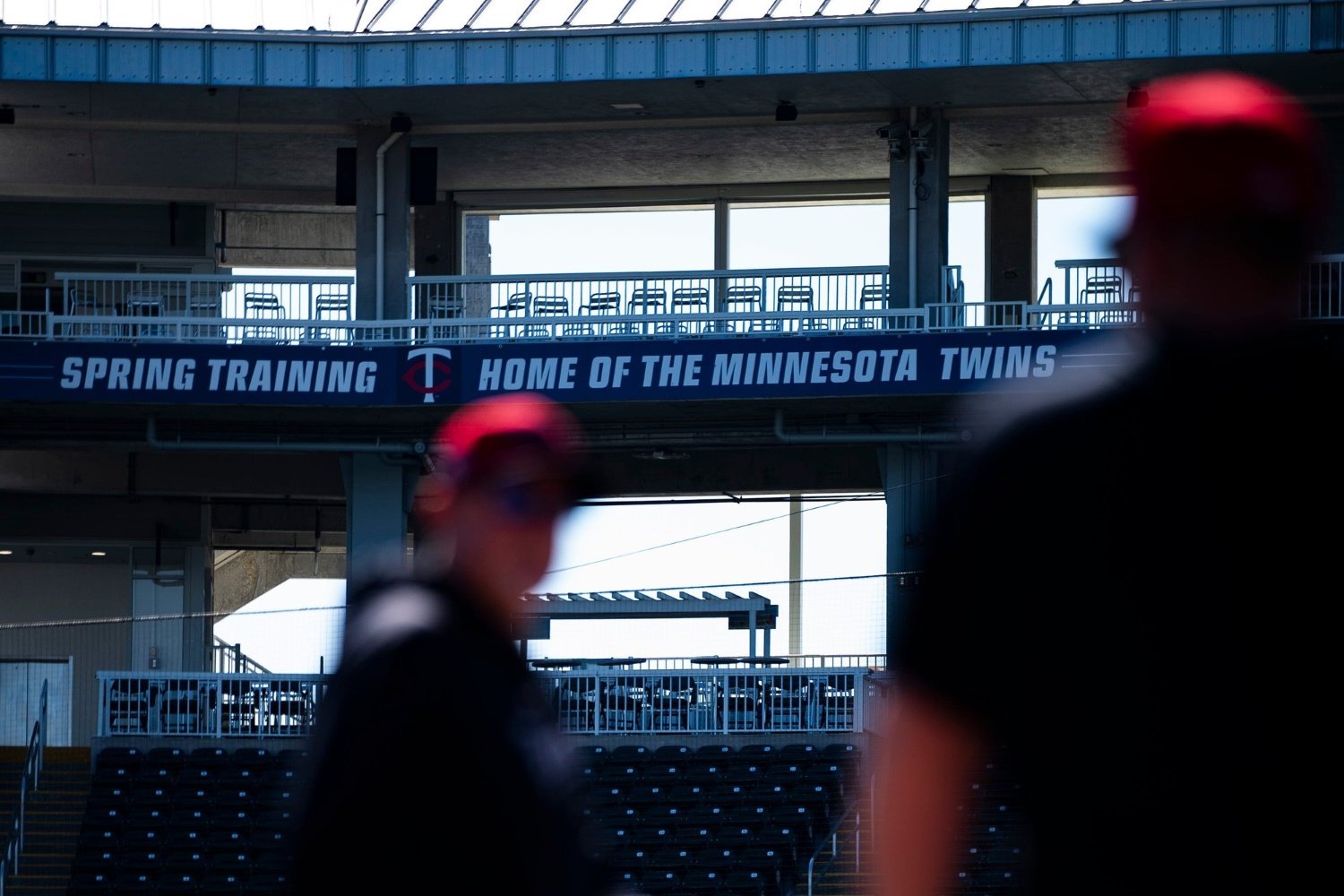 Following what felt like the dawn of a new era for Twins baseball, many fans have felt that hype shot through the heart with disappointment, as the team has decreased its payroll in response to broadcast woes. However, as President Dave St. Peter made clear to Evan Drellich in The Athletic, the choice to make that change was only partially due to that uncertainty. I am not here to run flack for the organization. However, there are two financial cliffs awaiting the Twins in 2025 that are interesting to look at. The first is that the broadcast nightmare is not over. With a one-year deal with Bally, the Twins will be back on the market next year, with more or less the same set of available partners. Even if Rob Manfred creates an MLB streaming product to fans without blackouts, it will likely fall short of generating the significant cable money the Twins earned in working with Diamond Sports Holdings--barring some kind of miraculous collaboration with several big-market teams, who are not contracted with DSH or Bally and don't have much incentive to join the cabal. The other issue is more interesting: The Twins will, by nature, have to run a highly inflated payroll in 2025 due to their current contracts and players entering arbitration. If the Twins simply ran back the exact same team next year, they will be adding $20 to $25 million in payroll over what they currently have. Let’s break down the details Free Agent Contracts with Increases: Carlos Correa, Pablo López, Chris Paddack, Randy Dobnak Estimated Increase: $23.25 Million Although the Twins have scored some of the most team-friendly extensions in the game, they have also designed them in a way where some years pay better than others. Next year is when some real money will be due. Correa’s gargantuan contract hits it peak, with a $4-million increase to $37.5 million. López will finally get to the meaty part of his extension, with a $13.5 million increase to $21.75 million (still a team-friendly deal compared to the open market, where Sonny Gray will be earning $25 million). Paddack signed an extension following his Tommy John surgery that essentially re-designed his arbitration years. Whether or not he becomes a reliable starter, the Twins have him for another year at $7.5 million--a $5-million increase from his 2024 salary. Dobnak’s deal also sees a guaranteed increase of $750,000 next year. Arbitration 1 Players: Joe Ryan, Bailey Ober, Griffin Jax, Jhoan Durán, Royce Lewis, Trevor Larnach Estimated Increase: $10 Million The Twins have done well building a deep, team-controlled core. But that core is soon to be due real money, as they begin their arbitration years. Although arbitration is based on previous year performance, there are certain bands of money where we can at least put generalized estimates on what might be needed for 2025. If Ryan and Ober turn into mid-rotation starters, they will each see increases of at least $2 million each. The same could be said for a batting phenom like Lewis. Durán and Jax will be more difficult to estimate, but both are likely due an extra million or more. Larnach is the odd man out, and will be fighting both in Spring Training and all season to retain his roster spot. Arbitration 2 and 3 Players: Ryan Jeffers, Willi Castro, Josh Staumont, Justin Topa, Steven Okert, Alex Kirilloff Estimated Increase: $9 Million This group of players have less chance of breaking the bank, though Jeffers is a notable name here. Just this season, Dodgers catcher Will Smith set a new record for Arbitration 2 as a catcher, with $8.55 Million. Jeffers likely won’t match the All-Star, but another good season should net him a few extra million. Castro is set for $3.3 million this season, and will probably only earn a small increase for 2025. All the bullpen arms remain question marks in how much they might see, or whether the Twins might keep them. Like Larnach, Kirilloff will need to prove himself viable on the field before other batters from the minors may come knocking for his spot. Option Deals: Kyle Farmer, Jay Jackson, Jorge Alcalá Estimated Increase: $2.61 Million The Twins also have three options on their various spare parts. In order to avoid a messy arbitration, the organization and Farmer agreed on adding a mutual option for 2025 that would bump his salary a small but notable $200,000. With the arrival of Brooks Lee, the Twins may once again try and find a trade market for the backup infielder. Jackson also arrives in Minnesota with a team option at $3 million for next year. If he turns out to be as good as advertised, the Twins may add the additional $1.7 million to keep a strong arm. Finally, Alcalá and the Twins agreed to a mutual option for $1.5 million. Alcalá will likely break his injury track record to get the Twins to keep that money on the table. Money Coming Off the Books: Max Kepler, Carlos Santana, Anthony DeSclafani, Caleb Thielbar Estimated Decrease: $22.25 Million Of course, players reaching free agency means the Twins will shed some payroll, as well. Kepler’s money remains the most significant, as the team will get out from under his team-friendly $10 million contract. The others are quite small, but add up in the aggregate. However, this all remains an issue for the Twins: they will be losing a right fielder, a first baseman, a starting pitcher, and a solid left-handed reliever. The team will almost certainly spend all season evaluating their prospects, to see if any of them can act as legitimate replacements. But if there are holes, they will certainly have to take some of this money and convert it into new spending to remain competitive. Although things could shake out in several ways, it is almost certain that the Twins will see an additional $20 million added to their payroll next season, and that's before making any external additions. That's why, despite their unexpectedly non-calamitous short-term TV deal, they've been reluctant to commit to a free agent who could end up being on the books for another $20 million in 2025. It hardly excuses the team for pocketing the money, but the Twins will need to think creatively as this young team ages into big money--whether they like it or not.
- 92 comments
-
- 14
-
-
- pablo lopez
- chris paddack
- (and 1 more)
-
The Twins’ newest pitching acquisition will serve a critical purpose in their fight to reclaim the Central Division, but the team still needs another postseason starter. Image courtesy of © Erik Williams-USA TODAY Sports The Twins’ newest pitching acquisition will serve a critical purpose in their fight to reclaim the Central Division, but the team still needs another postseason starter. In their decisive series win against the Toronto Blue Jays in breaking the curse, the Twins relied on two critical pitchers: Pablo López and Sonny Gray. The team’s two aces, who finished first and second in Twins Daily’s MVP poll ahead of any hitter, ensured the team had a fighting chance against a team full of dominant hitters. The 2024 Twins have found rotation backup by acquiring Anthony DeSclafani, coming over in a package of players for Jorge Polanco. DeSclafani will no doubt bolster their position throughout the season, and if the Twins can sprinkle that Pete Maki pitching guru wisdom, turn him into his 2021 self again. But DeSclafani doesn’t fill the hole left by Sonny Gray, and more importantly, doesn’t help them in turning next October into an even longer campaign. The Twins will need another ace. Just look at the teams that made the World Series last year. The Diamondbacks used three caliber starting pitchers (Zac Gallen, Merrill Kelly, and Brandon Pfaadt). The Rangers got away with two aces (Nathan Eovaldi and Jordan Montgomery—who is available by the way) and an injured Max Scherzer picking up some slack. Remember how three 100-win season teams all got bounced early? All had questionable pitching lined up before their divisional series began and paid the consequences. There is no magic rule to the post season but having great starting pitching is a no-brainer. The Twins carefully curated the exposure of their starters beyond López and Gray while throwing both Louie Varland and Kenta Maeda into the bullpen. Teams rely on aces for a reason, and an ace can only appear so many times during a postseason. DeSclafani is hardly an innings eater in the sense of its contemporary use, but he provides the kind of back stop necessary to make it through the season. As strong as the starting rotation proved to be through 2023, it takes more than five to make it through a season, which included at least a handful of starts by Tyler Mahle and Dallas Keuchel. This year, Minnesota can easily turn to their almost-ready minor leaguers like David Festa, but DeSclafani going every fifth time through will prove essential. The former Giant pitched at least five innings in fourteen of his nineteen starts last year, the kind of stat you want from any back of the rotation guy. But picking up fifth starts is irrelevant when it comes to postseason action. The Twins will need to determine who will sit behind López. Bailey Ober got pulverized by a dominant Houston team. Joe Ryan had a tight leash during an elimination game. Paddack looked dominant in his brief role, but it’s unclear how he might play after throwing a complete season. Any of them could make the step up throughout the 2024 campaign, but that’s also asking more than anyone expects. If DeSclafani were to turn his entire career around, perhaps he fills that role. But the Twins hardly expect him to fill that role. His only previous start in postseason was a beat down the Dodgers in 2021 that resulted in two runs before being pulled after facing only five batters. That means the search for another ace begins. That might mean waiting out half the season and testing the trade market come July, but those prices can come steep. Plus, part of the benefit of signing someone now is being able to work all spring training and beyond to develop their skills to a new level. One might ask: why worry about October? With the streak over, teams like the Twins can no longer simply hope for a good luck of the draw. But now there are expectations: with this class of rookies, stars like Carlos Correa and Byrxon Buxton returning to health, and dominant pitching for the first time in decades, the Twins need to hope for more than October luck. It’s time to start engineering a serious, competitive team. That will require not just another arm, but an ace. View full article
- 43 replies
-
- 1
-
-
- pablo lopez
- anthony desclafani
- (and 3 more)
-
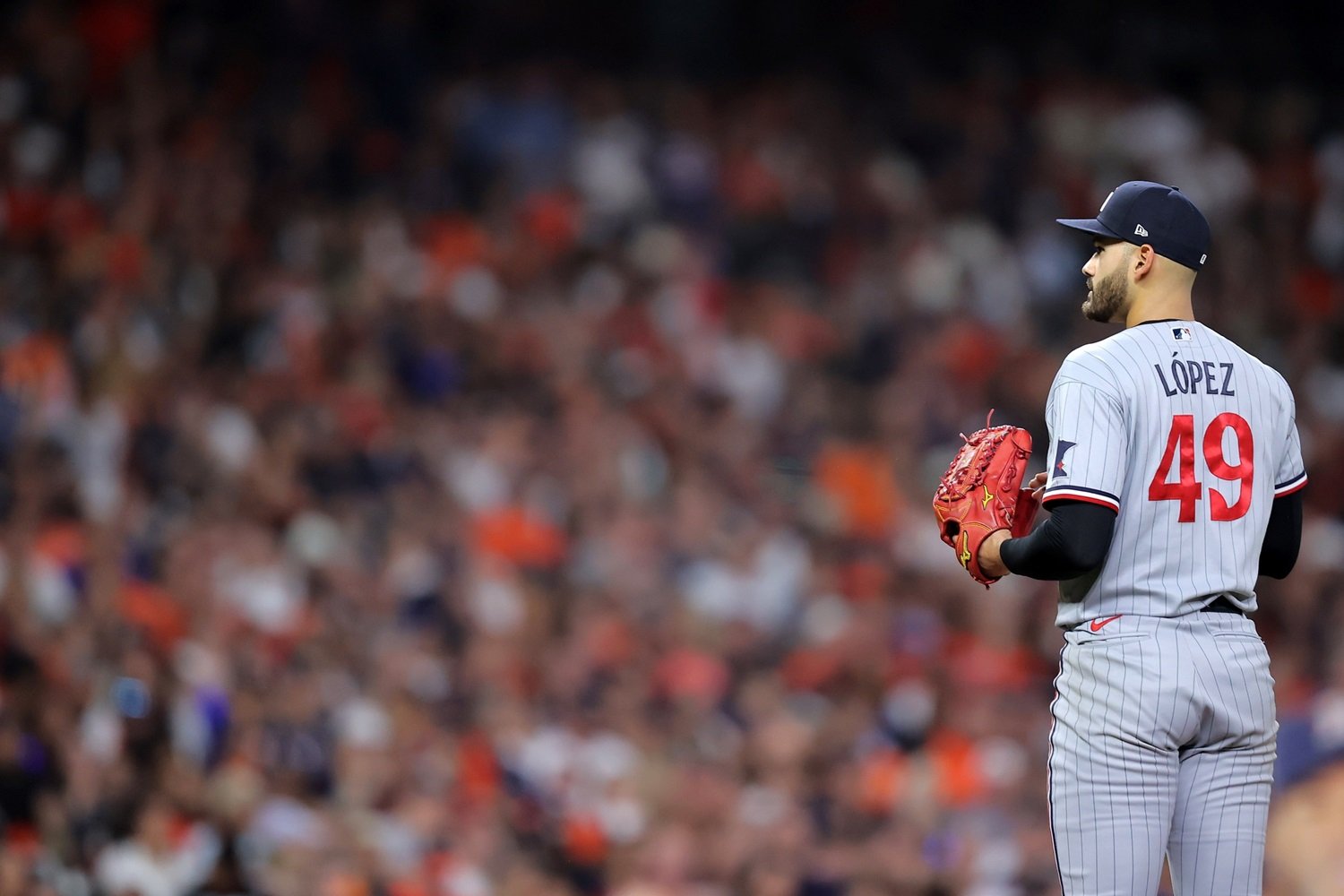 In their decisive series win against the Toronto Blue Jays in breaking the curse, the Twins relied on two critical pitchers: Pablo López and Sonny Gray. The team’s two aces, who finished first and second in Twins Daily’s MVP poll ahead of any hitter, ensured the team had a fighting chance against a team full of dominant hitters. The 2024 Twins have found rotation backup by acquiring Anthony DeSclafani, coming over in a package of players for Jorge Polanco. DeSclafani will no doubt bolster their position throughout the season, and if the Twins can sprinkle that Pete Maki pitching guru wisdom, turn him into his 2021 self again. But DeSclafani doesn’t fill the hole left by Sonny Gray, and more importantly, doesn’t help them in turning next October into an even longer campaign. The Twins will need another ace. Just look at the teams that made the World Series last year. The Diamondbacks used three caliber starting pitchers (Zac Gallen, Merrill Kelly, and Brandon Pfaadt). The Rangers got away with two aces (Nathan Eovaldi and Jordan Montgomery—who is available by the way) and an injured Max Scherzer picking up some slack. Remember how three 100-win season teams all got bounced early? All had questionable pitching lined up before their divisional series began and paid the consequences. There is no magic rule to the post season but having great starting pitching is a no-brainer. The Twins carefully curated the exposure of their starters beyond López and Gray while throwing both Louie Varland and Kenta Maeda into the bullpen. Teams rely on aces for a reason, and an ace can only appear so many times during a postseason. DeSclafani is hardly an innings eater in the sense of its contemporary use, but he provides the kind of back stop necessary to make it through the season. As strong as the starting rotation proved to be through 2023, it takes more than five to make it through a season, which included at least a handful of starts by Tyler Mahle and Dallas Keuchel. This year, Minnesota can easily turn to their almost-ready minor leaguers like David Festa, but DeSclafani going every fifth time through will prove essential. The former Giant pitched at least five innings in fourteen of his nineteen starts last year, the kind of stat you want from any back of the rotation guy. But picking up fifth starts is irrelevant when it comes to postseason action. The Twins will need to determine who will sit behind López. Bailey Ober got pulverized by a dominant Houston team. Joe Ryan had a tight leash during an elimination game. Paddack looked dominant in his brief role, but it’s unclear how he might play after throwing a complete season. Any of them could make the step up throughout the 2024 campaign, but that’s also asking more than anyone expects. If DeSclafani were to turn his entire career around, perhaps he fills that role. But the Twins hardly expect him to fill that role. His only previous start in postseason was a beat down the Dodgers in 2021 that resulted in two runs before being pulled after facing only five batters. That means the search for another ace begins. That might mean waiting out half the season and testing the trade market come July, but those prices can come steep. Plus, part of the benefit of signing someone now is being able to work all spring training and beyond to develop their skills to a new level. One might ask: why worry about October? With the streak over, teams like the Twins can no longer simply hope for a good luck of the draw. But now there are expectations: with this class of rookies, stars like Carlos Correa and Byrxon Buxton returning to health, and dominant pitching for the first time in decades, the Twins need to hope for more than October luck. It’s time to start engineering a serious, competitive team. That will require not just another arm, but an ace.
- 43 comments
-
- 9
-
-
- pablo lopez
- anthony desclafani
- (and 3 more)
-
This was my thought / hope as well as I wrote about here. The problem is companies don't like breaking up these packages. I have to assume the Twins did their due diligence and went to the OTAs and found little movement. My guess is that because teams would have wanted a longer deal than one year, and Rob Manfred wanted to collect as many rights as possible for a 2025 package.
-
MLB has put in its policy that it's not illegal to use a VPN. However, they have the right to block channels as they deem necessary.
-
It's not just 5 teams — every NBA and NHL team on Ballys already gave their digital rights to the company, so all of those will be built into whatever "Prime Sports" is (and who knows how much it will cost)
-
We can't see the full agreement that Evan posted a screenshot from the court filing, but this almost certainly does not include any digital rights. So Diamond/Bally could not lease anything to Amazon. (The whole reason for this existing is that if the Twins are easily accessible through other means be they Amazon, another streamer, or MLB TV but for local fans, there would be no reason anyone would sign up for cable).
-
I'll just note that bankruptcy judges are not there to make policy, Yes it needs approval, but given the huge influx of $600 million + the plans as noted by DSH/Amazon on a plan to profit, the judge will almost certainly approve it. Usually when a judge keeps proceedings going is because of other issues that need to be settled in other courts.
-
The part you disagree with is that DSH/Amazon gained leverage by no longer needing to be in bankruptcy proceedings because of an influx of cash from settled litigation and a new investor. That seems pretty logical that it would increase business opportunities. The fact that the Twins went from definitely no going back to Bally to having conversations the last two months also suggests that other opportunities did not manifest. It's been reported that the deadline to get a broadcast partner in place is now 10 days from now. As I noted, DSH's lawyer specifically said they no want to discuss options with the teams for a multi-year stake. Some of this is just basic facts. I never once wrote in my piece that "billionaires are greedy / stupid." I did say that Amazon has a practice of business that has not necessarily been beneficial to its partners.
-
I absolutely agree, and I think Amazon is a big win in the near term. I'm more concerned what it looks like 5 years from now, 10 years from now. Some of the other Bally contracts run into the 2030s. As much as I have a distate for Rob Manfred, I feel like his plan to bring all the teams under one roof seemed like a better plan in theory.
-
Well, first is the comments from the Diamond attorney. Second is the fact when Amazon engaged MLB in negotiations earlier this year, they wanted multiple years. It is certainly possible Bally/Diamond/Amazon will offer a one year deal. But my sense is they would rather capture the rights and put them in a stronger position to force Manfred to give Amazon all other streaming rights to teams in the future.
-
Yes. That or a deal with WFTC I think would be more optimal. Less money, but better advantaged in 2025.
-
The Twins might have finally found their broadcasting partner for 2024, but fans should be asking whether reuniting with Bally—and joining up with Amazon—will improve the situation that cable created, or worsen it. Image courtesy of © Jerome Miron-USA TODAY Sports The Twins might have finally found their broadcasting partner for 2024, but fans should be asking whether reuniting with Bally—and joining up with Amazon—will improve the situation that cable created, or worsen it. It was the bankruptcy court proceeding heard round the world. The worries of Diamond Sports Group, once subsidiary of Sinclair Broadcasting and owner of the many Regional Sports Networks better known as Bally Sports Network, may have finally come to a close. A giant cash influx from Sinclair ($495 million to settle litigation) plus an additional investment from Amazon ($115 million to take a 15% stake) will tie a bow and—once approved by a federal judge—end its proceedings in Texas. The move came as a surprise to MLB, stymieing their now indefinitely postponed negotiations for a single-year deal, while keeping the door open for the Twins to return with an added streaming venue. As John Bonnes suggested, such a result could give the Twins what they want with a non-cable option, as well as an influx of cash to add to payroll. But should the Twins want the deal? There’s a few reasons to consider how this new dynamic throws a wrench into both the Twins' and MLB's plans to adjust to a streaming future. First, a return to Bally would now most likely require a multi-year deal, rather than a solo year as originally expected. Though legal experts are still mulling over the details, precedents, and implications, it seems that the deals worked out by the NHL and NBA for a single season are voided in favor of their previous arrangements. While both leagues will likely re-enter talks with Diamond, it certainly limits their plans for the 2024-25 season. The same goes for Rob Manfred, who had been making moves to consolidate MLB’s cable rights back to the league and increase leverage for a future negotiation with a streamer or possibly their own service. Before this week’s announcement, MLB had already rejected an Amazon plan due to its multi-year structure, in favor of a single-year deal with Diamond. That would have given Manfred over half the league's contracts to work with and around which to build out their own network starting in 2025. Instead, existing long-term contracts that Bally holds are not going away, with the only way forward being to either secure each franchise's rights one by one or pay a large fee. Where are the Twins, then? Back to the negotiating room they go, alongside the Cleveland Guardians and Texas Rangers. According to the attorney for Diamond, the company will let all three teams walk or engage them on a long-term discussion. It seems any single year deals might be out to pasture. But Amazon fixes everything, right? The biggest immediate impact in all this is that, by circumventing a deal with MLB, Amazon has acquired the digital rights for five teams who had already sold those rights to Bally, with plans to add them (as well as the NBA and NHL) to Prime in the future. Amazon believes it can take Bally from a $49-million-a-year streaming business to a $700-million one. The Twins—working on a Feb. 1 deadline—could follow in that road. After all, every cable cutter in Minnesota could access the team for the cost of a Prime subscription. But does Amazon really fix the problems that cable presented? Prime Video costs $8.99 a month right now (though Amazon often hides this pricing, in the hope that you’ll pay for its full Prime services at $14.99 a month). Consumers just had to add $3 each month to avoid advertising. Diamond and Amazon said any sports package pricing will be announced at a later date. And there’s no stopping those prices from going up. The reason Amazon has been a target of so much scrutiny is that its monopolistic practices have eliminated competition by shorting prices, before raising them, and there’s every reason to think its investments in Bally will follow the same script. Amazon might continue to offer more stuff, but as many have suggested, that might just end up in the same spot as the cable bundle, with the same costs associated with it. Cable initially brought freedom of choice, but ended up as a prison. If viewership of the Twins becomes locked in with Amazon, think about the leverage the company will have, and how many viewers that could push away in the process. The other question is quality. Bally proved to make a reasonably solid broadcast through its short tenure in Minnesota (in part thanks to the incredible crew at IATSE Local 745, who remained largely the same in the transition from Fox Sports). But what about Amazon? Vikings fans might remember some issues from this season. This brings us to other developments. After months of teetering, radio and digital audio giant Audacy announced a restructured bankruptcy with its creditors. Audacy not only owns both Twins radio partners WCCO, but held the digital audio rights for all 30 teams through the MLB At Bat app. That app, in particular, was one of the most poorly run digital nightmares imaginable for fans across the league. Formerly known as Entercom and rebranded as Audacy in 2021, the Philadelphia-based giant became the second-largest ownership group for radio stations in 2017. In the years since, it has focused on growing its podcast and gambling networks. Most of these decisions have come at the cost of worsening content, despite the strong revenue at WCCO and the surprising resilience of radio while the podcast market has essentially become a bubble (Gleeman & The Geek excepted). At least for the moment, Twins fans should not expect any changes in WCCO radio broadcasts for the games. An Audacy spokesperson noted that their various businesses should not have any operational impact from the restructuring. For their part, MLB could not be reached for comment. But Audacy is a cautionary tale: When a digital corporation puts baseball down as a priority, it doesn't automatically lead to the enjoyable customer experience we might be tempted to expect. Perhaps it's also a sign of what Amazon will do. Amazon has not proved itself a welcome partner in the digital streaming space. And while maybe it’s not always best to consolidate, perhaps MLB itself best knows how to give fans what they want. The league, after all, built MLB.TV, one of the best streaming services out there--one that has demonstrated very few issues to fans (and a technology so good that Disney eventually bought it from the league). The Twins are running out of options and running out of time. Diamond and Amazon have maximum leverage against a team desperate for cash. But signing a deal with Diamond today might end up as a deal with the devil tomorrow. The Twins have waited since the transition from Fox Sports to Bally to escape their clutches. Now they seem poised to end up back with their ex. Let’s hope not to regret it. View full article
-
Stormy Skies Ahead?: Amazon, Audacy, and the Future of Twins Broadcasting
Peter Labuza posted an article in Twins
 It was the bankruptcy court proceeding heard round the world. The worries of Diamond Sports Group, once subsidiary of Sinclair Broadcasting and owner of the many Regional Sports Networks better known as Bally Sports Network, may have finally come to a close. A giant cash influx from Sinclair ($495 million to settle litigation) plus an additional investment from Amazon ($115 million to take a 15% stake) will tie a bow and—once approved by a federal judge—end its proceedings in Texas. The move came as a surprise to MLB, stymieing their now indefinitely postponed negotiations for a single-year deal, while keeping the door open for the Twins to return with an added streaming venue. As John Bonnes suggested, such a result could give the Twins what they want with a non-cable option, as well as an influx of cash to add to payroll. But should the Twins want the deal? There’s a few reasons to consider how this new dynamic throws a wrench into both the Twins' and MLB's plans to adjust to a streaming future. First, a return to Bally would now most likely require a multi-year deal, rather than a solo year as originally expected. Though legal experts are still mulling over the details, precedents, and implications, it seems that the deals worked out by the NHL and NBA for a single season are voided in favor of their previous arrangements. While both leagues will likely re-enter talks with Diamond, it certainly limits their plans for the 2024-25 season. The same goes for Rob Manfred, who had been making moves to consolidate MLB’s cable rights back to the league and increase leverage for a future negotiation with a streamer or possibly their own service. Before this week’s announcement, MLB had already rejected an Amazon plan due to its multi-year structure, in favor of a single-year deal with Diamond. That would have given Manfred over half the league's contracts to work with and around which to build out their own network starting in 2025. Instead, existing long-term contracts that Bally holds are not going away, with the only way forward being to either secure each franchise's rights one by one or pay a large fee. Where are the Twins, then? Back to the negotiating room they go, alongside the Cleveland Guardians and Texas Rangers. According to the attorney for Diamond, the company will let all three teams walk or engage them on a long-term discussion. It seems any single year deals might be out to pasture. But Amazon fixes everything, right? The biggest immediate impact in all this is that, by circumventing a deal with MLB, Amazon has acquired the digital rights for five teams who had already sold those rights to Bally, with plans to add them (as well as the NBA and NHL) to Prime in the future. Amazon believes it can take Bally from a $49-million-a-year streaming business to a $700-million one. The Twins—working on a Feb. 1 deadline—could follow in that road. After all, every cable cutter in Minnesota could access the team for the cost of a Prime subscription. But does Amazon really fix the problems that cable presented? Prime Video costs $8.99 a month right now (though Amazon often hides this pricing, in the hope that you’ll pay for its full Prime services at $14.99 a month). Consumers just had to add $3 each month to avoid advertising. Diamond and Amazon said any sports package pricing will be announced at a later date. And there’s no stopping those prices from going up. The reason Amazon has been a target of so much scrutiny is that its monopolistic practices have eliminated competition by shorting prices, before raising them, and there’s every reason to think its investments in Bally will follow the same script. Amazon might continue to offer more stuff, but as many have suggested, that might just end up in the same spot as the cable bundle, with the same costs associated with it. Cable initially brought freedom of choice, but ended up as a prison. If viewership of the Twins becomes locked in with Amazon, think about the leverage the company will have, and how many viewers that could push away in the process. The other question is quality. Bally proved to make a reasonably solid broadcast through its short tenure in Minnesota (in part thanks to the incredible crew at IATSE Local 745, who remained largely the same in the transition from Fox Sports). But what about Amazon? Vikings fans might remember some issues from this season. This brings us to other developments. After months of teetering, radio and digital audio giant Audacy announced a restructured bankruptcy with its creditors. Audacy not only owns both Twins radio partners WCCO, but held the digital audio rights for all 30 teams through the MLB At Bat app. That app, in particular, was one of the most poorly run digital nightmares imaginable for fans across the league. Formerly known as Entercom and rebranded as Audacy in 2021, the Philadelphia-based giant became the second-largest ownership group for radio stations in 2017. In the years since, it has focused on growing its podcast and gambling networks. Most of these decisions have come at the cost of worsening content, despite the strong revenue at WCCO and the surprising resilience of radio while the podcast market has essentially become a bubble (Gleeman & The Geek excepted). At least for the moment, Twins fans should not expect any changes in WCCO radio broadcasts for the games. An Audacy spokesperson noted that their various businesses should not have any operational impact from the restructuring. For their part, MLB could not be reached for comment. But Audacy is a cautionary tale: When a digital corporation puts baseball down as a priority, it doesn't automatically lead to the enjoyable customer experience we might be tempted to expect. Perhaps it's also a sign of what Amazon will do. Amazon has not proved itself a welcome partner in the digital streaming space. And while maybe it’s not always best to consolidate, perhaps MLB itself best knows how to give fans what they want. The league, after all, built MLB.TV, one of the best streaming services out there--one that has demonstrated very few issues to fans (and a technology so good that Disney eventually bought it from the league). The Twins are running out of options and running out of time. Diamond and Amazon have maximum leverage against a team desperate for cash. But signing a deal with Diamond today might end up as a deal with the devil tomorrow. The Twins have waited since the transition from Fox Sports to Bally to escape their clutches. Now they seem poised to end up back with their ex. Let’s hope not to regret it.
 -
 As reported by John Ourland in Sports Business Journal, Diamond Sports Group, the subsidiary of Sinclair that has handled the various regional sports networks (RSNs) and engaged in bankruptcy proceedings for over a year, has made an offer to fund most of its continuing agreements in Major League Baseball for the 2024 season. As Evan Drellich reported in The Athletic, MLB lawyer James Bromley told the bankruptcy court, "We are in a position to believe that we have a framework to move forward,” Those agreements have not been signed by the various teams. If they're ultimately turned down, the rights would revert back to MLB. The league is pushing for an extra clause, however, where any further default would cause Diamond to revert its partial ownership of the YES Network (the RSN for Yankees games and one of the most lucrative in the game) to MLB as well. Complicating this deal are three teams who are expected to receive offers before the holiday weekend: the Cleveland Guardians, the Texas Rangers, and a third team not currently on a deal with Bally's but believed by Ourand to be the Twins (Drellich suggests the team could also be either the Diamondbacks or Padres). According to Ourand, "By the end of this week, Diamond committed to put in offers for those teams--presumably at lower rights fees than they have been paying." Questions over the future of Twins broadcasting have been largely unanswered since the end of the season, but the Bally's offer comes at a crucial moment. Twins fans expect to see games on television as early as spring training in March, and so far, no details have been provided. Returning to Bally's would mean games still subject to a system of blackouts and high cable fees that have pushed away fans throughout the last decade. It would also go against comments made by new television broadcaster Cory Provus on the team's plan to end blackouts. Those comments suggested a return to local, free broadcasting in a style mimicking the Phoenix Suns and Las Vegas Golden Knights, from which any imaginable deal with the bankrupt Diamond/Bally seems a far cry. However, what accessibility means is a big question, and a streaming partner who could solve both problems has recently entered the picture. Earlier this week, shipping, data, and media conglomerate Amazon hinted at interest in becoming an investor in Diamond in exchange for streaming rights for its 40 sports teams. Currently. only five teams would be able to exchange their digital rights (Tigers, Royals, Marlins, Brewers and Rays, according to Drellich), but if the Twins were to become involved once again with the Diamond, they would be able to do the same. The terms of such a deal are entirely speculative. Amazon had exclusive rights to around 20 Yankees games last season as part of its own ownership stake in YES Network. Games were offered at no additional cost to Amazon Prime members, which is around $15 a month. It would mean those without any interest in a cable bundle would be able to stream Twins games. The biggest question here is: how much money would any of these options bring in for the Twins? Bally's has already hinted that any deal would be at a much lower fee than the $54 million received by the team in 2023. A deal with Bally's alongside Amazon would still likely leave a deficit, meaning any hope for higher payroll spending by the team in free agency would remain remote. Would you accept a deal where the Twins return to Bally's? Would you like to see the team streaming on Amazon Prime? Sound off in the comments.
 -
With little clarity on the future of broadcasting rights for the Twins, new curveballs regarding both Bally's and Amazon have only complicated the picture. Image courtesy of © Jay Biggerstaff-USA TODAY Sports With little clarity on the future of broadcasting rights for the Twins, new curveballs regarding both Bally's and Amazon have only complicated the picture. As reported by John Ourland in Sports Business Journal, Diamond Sports Group, the subsidiary of Sinclair that has handled the various regional sports networks (RSNs) and engaged in bankruptcy proceedings for over a year, has made an offer to fund most of its continuing agreements in Major League Baseball for the 2024 season. As Evan Drellich reported in The Athletic, MLB lawyer James Bromley told the bankruptcy court, "We are in a position to believe that we have a framework to move forward,” Those agreements have not been signed by the various teams. If they're ultimately turned down, the rights would revert back to MLB. The league is pushing for an extra clause, however, where any further default would cause Diamond to revert its partial ownership of the YES Network (the RSN for Yankees games and one of the most lucrative in the game) to MLB as well. Complicating this deal are three teams who are expected to receive offers before the holiday weekend: the Cleveland Guardians, the Texas Rangers, and a third team not currently on a deal with Bally's but believed by Ourand to be the Twins (Drellich suggests the team could also be either the Diamondbacks or Padres). According to Ourand, "By the end of this week, Diamond committed to put in offers for those teams--presumably at lower rights fees than they have been paying." Questions over the future of Twins broadcasting have been largely unanswered since the end of the season, but the Bally's offer comes at a crucial moment. Twins fans expect to see games on television as early as spring training in March, and so far, no details have been provided. Returning to Bally's would mean games still subject to a system of blackouts and high cable fees that have pushed away fans throughout the last decade. It would also go against comments made by new television broadcaster Cory Provus on the team's plan to end blackouts. Those comments suggested a return to local, free broadcasting in a style mimicking the Phoenix Suns and Las Vegas Golden Knights, from which any imaginable deal with the bankrupt Diamond/Bally seems a far cry. However, what accessibility means is a big question, and a streaming partner who could solve both problems has recently entered the picture. Earlier this week, shipping, data, and media conglomerate Amazon hinted at interest in becoming an investor in Diamond in exchange for streaming rights for its 40 sports teams. Currently. only five teams would be able to exchange their digital rights (Tigers, Royals, Marlins, Brewers and Rays, according to Drellich), but if the Twins were to become involved once again with the Diamond, they would be able to do the same. The terms of such a deal are entirely speculative. Amazon had exclusive rights to around 20 Yankees games last season as part of its own ownership stake in YES Network. Games were offered at no additional cost to Amazon Prime members, which is around $15 a month. It would mean those without any interest in a cable bundle would be able to stream Twins games. The biggest question here is: how much money would any of these options bring in for the Twins? Bally's has already hinted that any deal would be at a much lower fee than the $54 million received by the team in 2023. A deal with Bally's alongside Amazon would still likely leave a deficit, meaning any hope for higher payroll spending by the team in free agency would remain remote. Would you accept a deal where the Twins return to Bally's? Would you like to see the team streaming on Amazon Prime? Sound off in the comments. View full article
-
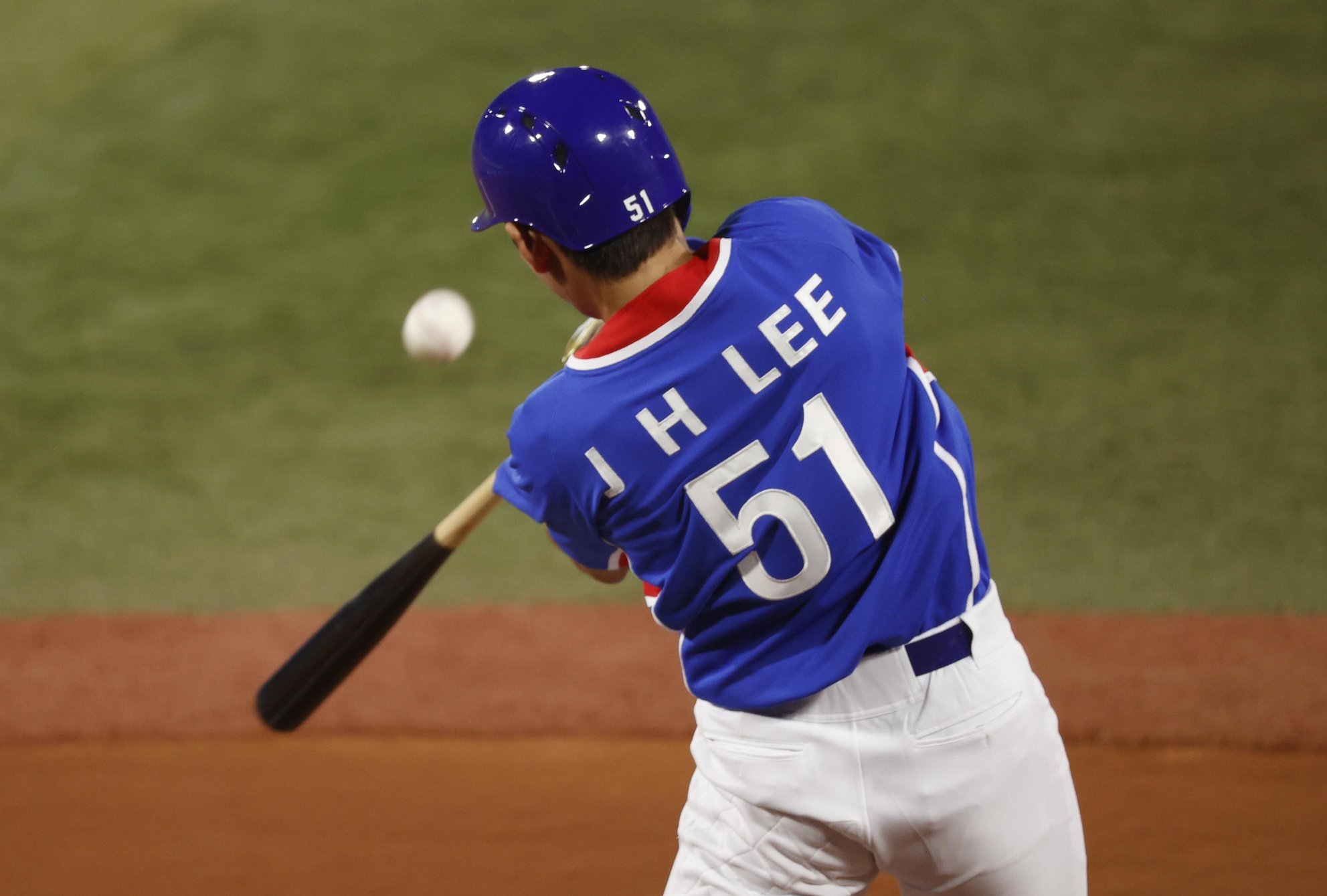 Of the many bright spots of 2023 baseball season was the absolute delight of the World Baseball Classic, highlighting a number of players beyond Major League Baseball who have made splashes across their respective leagues. Now, a number of those players are looking to make their debut here in the States. In recent years, stars from both the Korean Baseball Organization (KBO) as well as Japan's Nippon Professional Baseball (NPB) have not only succeeded in the MLB but become top-shelf talent. Beyond Shohei Ohtani, stars like Ha-Seong Kim, Masataka Yoshida, and Kodai Senga have all made serious pushes to be the best players on their respective teams. With a weaker free agent class in general this year, many teams will certainly turn toward these leagues for some talent that might translate across the Pacific. Headlining that group will be Yoshinobu Yamamoto, while phenom Rōki Sasaki will remain in NPB for at least another year. But there are a number of other players (and more cost friendly alternatives) that might find themselves in a Twins uniform. Jung-Hoo Lee (Kiwoom Heroes) 387 PAs, .318/.406/.455 There are always questions about how KBO players might translate into MLB hitters, but Jung-Hoo Lee has been a mashing machine throughout his young career in the KBO. Already agreed to be posted by his team, the outfielder posted a 162 WRC+ and a 175 WRC+ in his age 22 and age 23 seasons on top of a couple of gold gloves for his Buxton-esque outfield defense. His weaker .318 batting average this year only came on an ankle surgery that ended his season in July. That might make teams more wary toward his recovery as he attempts to get used to major league pitching, but Lee also did well in the World Baseball Classic against some fierce completion in the Tokyo Dome, going 6-for-14 (including one hit off Cy Young contender Yu Darvish). Lee likely won’t come cheap, but if the Twins want a major upgrade to assist their outfield core, he might be a strong contender for a singles and doubles hitting machine. Shota Imanaga (Yokohama Bay Stars) 148 IP, 2.80 ERA, 174 K, 24 BB On an inning-per-inning basis, Japanese star Shota Imanaga might actually outshine Yamamoto. Throwing in the low-to-mid 90s, Shota includes a four-pitch mix that can really work to fool hitters both on the left and right. Over his twenty-two games in NPB, Imananga struck out a career best 29.4% of NPB hitters this season while walking fewer. On the plus side, we already saw him this year against the MLB’s best, when he started the championship game of the WBC against the United States. Though only giving the team two innings and allowing a homer to Trea Turner, the southpaw otherwise looked strong against the high-quality US team and put forth the highest Stuff+ in the entire tournament. It’s likely Shota will command a contract equivalent to Kodai Sengai’s $75 million / five Year deal with the Mets, which given his role in leading that team’s pitching, was an absolute steal. Yariel Rodriguez (Chunichi Dragons) 2022 Stats: 54.2 IP, 1.15 ERA, 60 K, 18 BB Cuban-born Yariel Rodriguez skipped his 2023 season with the Dragons in order to better position himself for free agency in MLB. He spent 2023 first by moving from reliever to starter during the World Baseball Classic and then more recently putting on shows in the Dominican Republic for scouts, all creating a lot of hype for the former NPB reliever to become a big-time pitcher. In his 2022 relief role, his career best 1.15 ERA did not include a single home run. Rodriguez sports a fastball in the mid-to-high 90s as well as a sinker and curveball that show strikeout potential (including 10 Ks over his two WBC starts). The big question will be whether teams think his stuff is ready for a back of the rotation starting role or if he should remain an elite reliever. If the latter, he might fit nicely within the Twins organization. Yuki Matsui (Tokohu Rakuten) Stats: 57 1/3 IP, 1.57 ERA, 72 K, 13 BB In a world of Bailey Obers and Felix Bautistas, Tokohu’s Yuki Matsui stands only 5’8”, which for many might throw up a red flag. But as a reliever his last three seasons in NBP, the pitcher’s command of a fastball / splitter might be the kind of thing difficult for MLB pitchers to adjust to in a sixth or seventh inning. As a closer in NPB, Matsui posted 236 saves (becoming the youngest ever to 200 saves in the league’s history) and the second-best chase rate for the 2023 season over his young career. The biggest concern for the left-hander actually came in the World Baseball Classic, where he struggled to find a proper grip on MLB balls compared to the smaller, pre-sticky Japanese balls. But if Matsui can overcome those difficulties, he could be a surprise weapon for the Twins’ bullpen. Erick Fedde (NC Dinos) Stats: 180.1 IP, 2.0 ERA, 209 K, 35 BB After Merrill Kelly cemented his legend with his commanding performance in Game 2 of the World Series, a number of teams are looking for other possible washouts who have found newfound success in the KBO. The obvious name here is Erick Fedde, who pitched with the Washington Nationals for six years before finding himself on the NC Dinos. That 2023 season includes 180 innings with a strikeout to walk ratio for an astonishing 5.97 (his previous best in MLB was less than half that), becoming the first American born to win the league’s pitcher triple crown (wins, ERA and strikeouts). Like many pitchers, Fedde visisted a Driveline competitor called PUSH that added a sweeper to his mix, resulting in his 149 strikeouts. Although something of a celebrity in South Korea, Fedde has expressed interest in a return, and I imagine the Twins could find a gamble here. Naoyuki Uwasawa (Nippon Ham Fighters) 170.1 IP, 3.49 ERA, 124 K, 41 BB Probably the least-discussed headliner among NBP agents available by posting, Naoyuki Uwasawa could at least make a viable long-term investment for teams interested in a transition project. The 29-year-old posted an ERA under 3 with the Nippon Ham Fighters in 2023, allowing only fourteen dingers over his 170 innings. Uwasawa comps closely to Kenta Maeda, with a fastball sitting around 91mph but a pitch arsenal that includes a half dozen other pitches to fool batters around the zone. While one of the least strikeout effective pitchers, that arsenal induces numerous weak ground balls and fly balls as he has forced hitters to chase. Unlike the Twins’ need for a top line starter, Uwasawa could provide potential depth for future seasons. Do you think any of these international free agents should come to the Twins? Sound off in the comments.
 -
In one of the weaker free agent classes in recent memory, the Twins lok toward a number of high quality talents in Korea and Japan’s major leagues. Image courtesy of Yukihito Taguchi-USA TODAY Sports In one of the weaker free agent classes in recent memory, the Twins lok toward a number of high quality talents in Korea and Japan’s major leagues. Of the many bright spots of 2023 baseball season was the absolute delight of the World Baseball Classic, highlighting a number of players beyond Major League Baseball who have made splashes across their respective leagues. Now, a number of those players are looking to make their debut here in the States. In recent years, stars from both the Korean Baseball Organization (KBO) as well as Japan's Nippon Professional Baseball (NPB) have not only succeeded in the MLB but become top-shelf talent. Beyond Shohei Ohtani, stars like Ha-Seong Kim, Masataka Yoshida, and Kodai Senga have all made serious pushes to be the best players on their respective teams. With a weaker free agent class in general this year, many teams will certainly turn toward these leagues for some talent that might translate across the Pacific. Headlining that group will be Yoshinobu Yamamoto, while phenom Rōki Sasaki will remain in NPB for at least another year. But there are a number of other players (and more cost friendly alternatives) that might find themselves in a Twins uniform. Jung-Hoo Lee (Kiwoom Heroes) 387 PAs, .318/.406/.455 There are always questions about how KBO players might translate into MLB hitters, but Jung-Hoo Lee has been a mashing machine throughout his young career in the KBO. Already agreed to be posted by his team, the outfielder posted a 162 WRC+ and a 175 WRC+ in his age 22 and age 23 seasons on top of a couple of gold gloves for his Buxton-esque outfield defense. His weaker .318 batting average this year only came on an ankle surgery that ended his season in July. That might make teams more wary toward his recovery as he attempts to get used to major league pitching, but Lee also did well in the World Baseball Classic against some fierce completion in the Tokyo Dome, going 6-for-14 (including one hit off Cy Young contender Yu Darvish). Lee likely won’t come cheap, but if the Twins want a major upgrade to assist their outfield core, he might be a strong contender for a singles and doubles hitting machine. Shota Imanaga (Yokohama Bay Stars) 148 IP, 2.80 ERA, 174 K, 24 BB On an inning-per-inning basis, Japanese star Shota Imanaga might actually outshine Yamamoto. Throwing in the low-to-mid 90s, Shota includes a four-pitch mix that can really work to fool hitters both on the left and right. Over his twenty-two games in NPB, Imananga struck out a career best 29.4% of NPB hitters this season while walking fewer. On the plus side, we already saw him this year against the MLB’s best, when he started the championship game of the WBC against the United States. Though only giving the team two innings and allowing a homer to Trea Turner, the southpaw otherwise looked strong against the high-quality US team and put forth the highest Stuff+ in the entire tournament. It’s likely Shota will command a contract equivalent to Kodai Sengai’s $75 million / five Year deal with the Mets, which given his role in leading that team’s pitching, was an absolute steal. Yariel Rodriguez (Chunichi Dragons) 2022 Stats: 54.2 IP, 1.15 ERA, 60 K, 18 BB Cuban-born Yariel Rodriguez skipped his 2023 season with the Dragons in order to better position himself for free agency in MLB. He spent 2023 first by moving from reliever to starter during the World Baseball Classic and then more recently putting on shows in the Dominican Republic for scouts, all creating a lot of hype for the former NPB reliever to become a big-time pitcher. In his 2022 relief role, his career best 1.15 ERA did not include a single home run. Rodriguez sports a fastball in the mid-to-high 90s as well as a sinker and curveball that show strikeout potential (including 10 Ks over his two WBC starts). The big question will be whether teams think his stuff is ready for a back of the rotation starting role or if he should remain an elite reliever. If the latter, he might fit nicely within the Twins organization. Yuki Matsui (Tokohu Rakuten) Stats: 57 1/3 IP, 1.57 ERA, 72 K, 13 BB In a world of Bailey Obers and Felix Bautistas, Tokohu’s Yuki Matsui stands only 5’8”, which for many might throw up a red flag. But as a reliever his last three seasons in NBP, the pitcher’s command of a fastball / splitter might be the kind of thing difficult for MLB pitchers to adjust to in a sixth or seventh inning. As a closer in NPB, Matsui posted 236 saves (becoming the youngest ever to 200 saves in the league’s history) and the second-best chase rate for the 2023 season over his young career. The biggest concern for the left-hander actually came in the World Baseball Classic, where he struggled to find a proper grip on MLB balls compared to the smaller, pre-sticky Japanese balls. But if Matsui can overcome those difficulties, he could be a surprise weapon for the Twins’ bullpen. Erick Fedde (NC Dinos) Stats: 180.1 IP, 2.0 ERA, 209 K, 35 BB After Merrill Kelly cemented his legend with his commanding performance in Game 2 of the World Series, a number of teams are looking for other possible washouts who have found newfound success in the KBO. The obvious name here is Erick Fedde, who pitched with the Washington Nationals for six years before finding himself on the NC Dinos. That 2023 season includes 180 innings with a strikeout to walk ratio for an astonishing 5.97 (his previous best in MLB was less than half that), becoming the first American born to win the league’s pitcher triple crown (wins, ERA and strikeouts). Like many pitchers, Fedde visisted a Driveline competitor called PUSH that added a sweeper to his mix, resulting in his 149 strikeouts. Although something of a celebrity in South Korea, Fedde has expressed interest in a return, and I imagine the Twins could find a gamble here. Naoyuki Uwasawa (Nippon Ham Fighters) 170.1 IP, 3.49 ERA, 124 K, 41 BB Probably the least-discussed headliner among NBP agents available by posting, Naoyuki Uwasawa could at least make a viable long-term investment for teams interested in a transition project. The 29-year-old posted an ERA under 3 with the Nippon Ham Fighters in 2023, allowing only fourteen dingers over his 170 innings. Uwasawa comps closely to Kenta Maeda, with a fastball sitting around 91mph but a pitch arsenal that includes a half dozen other pitches to fool batters around the zone. While one of the least strikeout effective pitchers, that arsenal induces numerous weak ground balls and fly balls as he has forced hitters to chase. Unlike the Twins’ need for a top line starter, Uwasawa could provide potential depth for future seasons. Do you think any of these international free agents should come to the Twins? Sound off in the comments. View full article
-
Beyond roster construction, the Twins will need to negotiate a new television deal to position themselves for the future. The team should look toward how some NBA and NHL teams are prioritizing the fanbase over profits. Image courtesy of Ron Chenoy-USA TODAY Sports Beyond roster construction, the Twins will need to negotiate a new television deal to position themselves for the future. The team should look toward how some NBA and NHL teams are prioritizing the fanbase over profits. Among the many dramas that filled the Twins season, perhaps the strangest one was where fans might be able to watch the games. After its declaration of bankruptcy, the Diamond Sports Group—a subsidiary of Sinclair that broadcasts Bally Sports North among many regional sports networks (RSN)—announced to a number of MLB teams they were unlikely to pay out their contracts for the year. As legal fights jockeyed throughout the courts, two teams (the Padres and Diamondbacks) were forced onto MLB Network. Somehow, the Twins were able to receive full payment from Diamond. That contract, however, is over, and the Twins now face a $50 million deficit going into the next season. The question is what would be next. Most RSN companies—such as the AT&T networks run by Warner Bros. Discovery—are attempting to get out of the business. ESPN’s own future has become perilous for its parent company, Disney. Streaming seems ideal, but the costs involved to make it profitable might not necessarily attract the number of fans necessary. But out West, a few non-MLB teams are trying a different method: rather than replace the money for streaming, why not work on expanding the fanbase first? In what might seem like a truly radical move, four teams have already made a decision to not abandon cable and return to free local broadcasts. This includes the Las Vegas Golden Knights, the Utah Jazz, the Arizona Coyotes, and the Phoenix Suns (alongside their WNBA team, the Mercury). The idea is simple: fewer and fewer households have cable, and various fights over retransmission fees have even blacked out those who do. So rather than prioritize profits, the plan is to get as many eyeballs onto games as possible. According to ESPN, “The shift could cost the Suns tens of millions in guaranteed money per year in the short term, but it will boost the number of households the games are available in from around 800,000 to more than 2.8 million.” These deals will certainly cost the team in terms of revenue—the large winners will be the giant broadcast companies like Nexstar, Scripps, and Gray—but the idea could work toward expanding the fanbase. Regulated under licenses by the Federal Communications Commission, they are essentially still public utilities and must remain free to consumers. The Suns even offered fans free HDMI connected antennas. And while many might think local broadcast is more dead than cable, new technologies such as ATSC 3.0 will increase connectivity and allow for 4K broadcasting once the technology is ready for ballparks (currently most 4K broadcasts in sports are simply upscaled). For those who would rather just stream, teams like the Suns offer the broadcasts either at $15 a month or $110 for the entire season (lower than the $20/month for Bally's attempt at streaming). The question on the other side is money. For the Phoenix Suns owner Mat Ishbia, going local is “the biggest no-brainer of them all." Rather than prioritize his own financial wealth, Ishbia declared, “It’s the right thing to do and that’s our job as stewards of the organization.” That’s all well and good, but this is also a curious financial gamble. If the problem of streaming as currently constructed is there are not enough fans willing to pay for a service, the goal is to build more fans. Rather than continue to diminish their fanbase under an RSN, these owners are hoping to lose a little money now in the hope to gain it later. Will the Pohlads feel the same way? The organization has created some goodwill by generally increasing spending in recent years. And President Dave St. Peter’s goal to increase attendance 2 million came true thanks to four packed-to-the-rim playoff games that only Citizens Bank Park has matched in energy so far. Like the Suns, the Twins are ripe for more eyeballs. As Nick Nelson wrote, they are essentially guaranteed to become a dynasty within the AL Central with very little fight for the next few years. The Minneapolis-St Paul Metro Area has grown by 4% over the last five years and is only due for continued increases. Each one of those is a potential Twins fan in the making. Requiring they buy into cable is one way to make sure they never will be. As numerous studies have shown, the problem with attracting youth to baseball has less to do with the sport than its actual ability to access fans. Rob Manfred has suggested as much as well. Of course, Manfred might have the final say with his own plans for what might be next for baseball on TV. That might be simply an expanded MLB.TV with more options than simply a full season subscription, and even the possibility of purchase of individual games (something the Knicks will be trying this year). That would likely give it pretty high revenue—especially as the league continues to connect with gambling and expands globally—but lessen the impact of the sport in every local community. Diehard Twins fans might worry also about what a lessened TV deal might mean for the team. For this organization, less revenue from broadcast has always meant less payroll. It would be an unfortunate turn of events as the team enters this window of contention, coming off a year of record spending. But that isn’t a hard rule, and why the plans in the NBA and NHL remain so exciting. More fans, more jerseys, and more playoff games will bring in money. And just because the rule has been to put 50% of revenue toward payroll, this is perhaps a moment to throw out the rulebook and redefine this team. When the government of Minnesota finally gave in and gave the Twins their needed subsidy to stay in the state, they signed an unofficial pact to remain part of the community. If the Twins want to honor that pact, going local could be a path forward that ensures the team succeeds not just on the field, but across the state. View full article
-
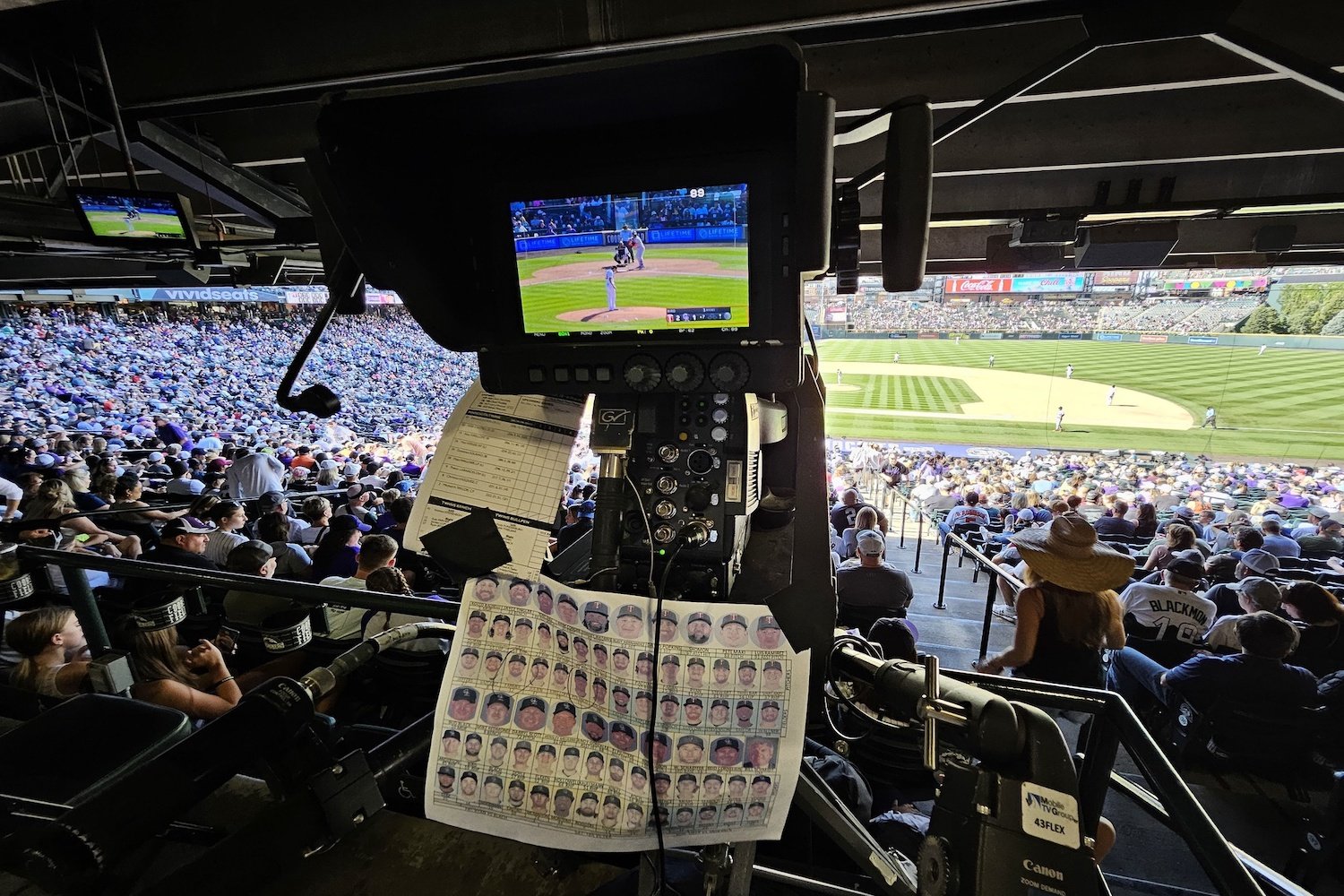 Among the many dramas that filled the Twins season, perhaps the strangest one was where fans might be able to watch the games. After its declaration of bankruptcy, the Diamond Sports Group—a subsidiary of Sinclair that broadcasts Bally Sports North among many regional sports networks (RSN)—announced to a number of MLB teams they were unlikely to pay out their contracts for the year. As legal fights jockeyed throughout the courts, two teams (the Padres and Diamondbacks) were forced onto MLB Network. Somehow, the Twins were able to receive full payment from Diamond. That contract, however, is over, and the Twins now face a $50 million deficit going into the next season. The question is what would be next. Most RSN companies—such as the AT&T networks run by Warner Bros. Discovery—are attempting to get out of the business. ESPN’s own future has become perilous for its parent company, Disney. Streaming seems ideal, but the costs involved to make it profitable might not necessarily attract the number of fans necessary. But out West, a few non-MLB teams are trying a different method: rather than replace the money for streaming, why not work on expanding the fanbase first? In what might seem like a truly radical move, four teams have already made a decision to not abandon cable and return to free local broadcasts. This includes the Las Vegas Golden Knights, the Utah Jazz, the Arizona Coyotes, and the Phoenix Suns (alongside their WNBA team, the Mercury). The idea is simple: fewer and fewer households have cable, and various fights over retransmission fees have even blacked out those who do. So rather than prioritize profits, the plan is to get as many eyeballs onto games as possible. According to ESPN, “The shift could cost the Suns tens of millions in guaranteed money per year in the short term, but it will boost the number of households the games are available in from around 800,000 to more than 2.8 million.” These deals will certainly cost the team in terms of revenue—the large winners will be the giant broadcast companies like Nexstar, Scripps, and Gray—but the idea could work toward expanding the fanbase. Regulated under licenses by the Federal Communications Commission, they are essentially still public utilities and must remain free to consumers. The Suns even offered fans free HDMI connected antennas. And while many might think local broadcast is more dead than cable, new technologies such as ATSC 3.0 will increase connectivity and allow for 4K broadcasting once the technology is ready for ballparks (currently most 4K broadcasts in sports are simply upscaled). For those who would rather just stream, teams like the Suns offer the broadcasts either at $15 a month or $110 for the entire season (lower than the $20/month for Bally's attempt at streaming). The question on the other side is money. For the Phoenix Suns owner Mat Ishbia, going local is “the biggest no-brainer of them all." Rather than prioritize his own financial wealth, Ishbia declared, “It’s the right thing to do and that’s our job as stewards of the organization.” That’s all well and good, but this is also a curious financial gamble. If the problem of streaming as currently constructed is there are not enough fans willing to pay for a service, the goal is to build more fans. Rather than continue to diminish their fanbase under an RSN, these owners are hoping to lose a little money now in the hope to gain it later. Will the Pohlads feel the same way? The organization has created some goodwill by generally increasing spending in recent years. And President Dave St. Peter’s goal to increase attendance 2 million came true thanks to four packed-to-the-rim playoff games that only Citizens Bank Park has matched in energy so far. Like the Suns, the Twins are ripe for more eyeballs. As Nick Nelson wrote, they are essentially guaranteed to become a dynasty within the AL Central with very little fight for the next few years. The Minneapolis-St Paul Metro Area has grown by 4% over the last five years and is only due for continued increases. Each one of those is a potential Twins fan in the making. Requiring they buy into cable is one way to make sure they never will be. As numerous studies have shown, the problem with attracting youth to baseball has less to do with the sport than its actual ability to access fans. Rob Manfred has suggested as much as well. Of course, Manfred might have the final say with his own plans for what might be next for baseball on TV. That might be simply an expanded MLB.TV with more options than simply a full season subscription, and even the possibility of purchase of individual games (something the Knicks will be trying this year). That would likely give it pretty high revenue—especially as the league continues to connect with gambling and expands globally—but lessen the impact of the sport in every local community. Diehard Twins fans might worry also about what a lessened TV deal might mean for the team. For this organization, less revenue from broadcast has always meant less payroll. It would be an unfortunate turn of events as the team enters this window of contention, coming off a year of record spending. But that isn’t a hard rule, and why the plans in the NBA and NHL remain so exciting. More fans, more jerseys, and more playoff games will bring in money. And just because the rule has been to put 50% of revenue toward payroll, this is perhaps a moment to throw out the rulebook and redefine this team. When the government of Minnesota finally gave in and gave the Twins their needed subsidy to stay in the state, they signed an unofficial pact to remain part of the community. If the Twins want to honor that pact, going local could be a path forward that ensures the team succeeds not just on the field, but across the state.
- 55 comments
-
- 10
-
-
fwiw, Odorizzi never took the mound during the 2020 wild card series. I remember because this image is seared into my brain.
- 56 replies
-
- 1
-
-
- aaron hicks
- jake odorizzi
- (and 1 more)
