



Peter Labuza
-
Posts
233 -
Joined
-
Last visited
Content Type
Profiles
News
Minnesota Twins Videos
2026 Minnesota Twins Top Prospects Ranking
2022 Minnesota Twins Draft Picks
Minnesota Twins Free Agent & Trade Rumors, Notes, & Tidbits
Guides & Resources
2023 Minnesota Twins Draft Picks
The Minnesota Twins Players Project
2024 Minnesota Twins Draft Picks
2025 Minnesota Twins Draft Pick Tracker
2026 Minnesota Twins Draft Tracker: Picks & Bonuses
Forums
Blogs
Events
Store
Downloads
Gallery
Everything posted by Peter Labuza
-

Mapping the Minnesota Twins' Future Payroll
Peter Labuza replied to Peter Labuza's topic in Twins Daily Front Page News
I don't want to come off as anti-AI because it can be useful, but FanGraphs has pages for the Twins (and other teams) that gives you the CBT with all the benefits. They estimated $134 million for 2026. I only point to that because Jon Becker, who runs that portion of FanGraphs, knows every minutia of payroll calculations that Claude might not be able to put together. -
Image courtesy of Steven Bisig-Imagn Images Everyone from the most casual fan to Tom Pohlad agrees: if the Twins are going to be competitive, the team needs to spend more money. But how much (and when) is still up for debate. A couple years ago, I laid out the messy path ahead of the Twins. Beyond any familial mandate to cut payroll in 2024, one reason trouble could have been expected was that the team had built in several increases due in 2025, as well as 2026. Of course, the Twins figured out (shall we say) creative ways to ensure payroll remained low going into 2025, and they kept that pace this season. Keeping costs down seemed necessary when the team was considering a full-fledged sale to new owners. That possibility has come and gone (at least for now), though, and there are new investors on board, helping the Pohlad family out of whatever debt trouble they were ever actually in. Now, Pohlad says he wants to get back to spending more competitively. If he's serious, he has options, and the flexibility to move in a few creative ways. Let’s look at a preview: Payroll Year 2026 2027 2028 2029 Free Agents $55.39 $50.64 $15.14 $0 Arbitration $38.49 $47.3 $24.1 $25.6 Rookies $6 $6.8 $9.9 $15.65 Correa $10 $10 $10 $0 TOTAL (in millions) $109.88 $114.74 $59.14 $41.25 As things stand, the Twins will basically run the exact same payroll in 2027 as they did in 2026. After that, though, the financial commitments shrink considerably. That means the Twins have something long desired by every team: financial flexibility. Free Agency: 2026 2027 2028 2029 Pablo López $21,750,000 $21,750,000 FREE AGENCY FREE AGENCY Byron Buxton $15,142,857 $15,142,857 $15,142,857 FREE AGENCY Jeff Hoffman $3,335,294 $7,250,000 FREE AGENCY FREE AGENCY A.J. Minter $3,411,765 FREE AGENCY FREE AGENCY FREE AGENCY Josh Bell $5,750,000 FREE AGENCY FREE AGENCY FREE AGENCY Victor Caratini $4,000,000 $6,500,000 FREE AGENCY FREE AGENCY Taylor Rogers $2,000,000 FREE AGENCY FREE AGENCY FREE AGENCY TOTAL $55,389,916 $50,642,857 $15,142,857 $0 The Twins will start the offseason by dumping three free-agent contracts from their books: A.J. Minter, Josh Bell, and Taylor Rogers. That doesn’t add up to much, but the real story begins the following year. The 2027 campaign will mark the end of deals for Pablo López, Jeff Hoffman (whose salary is partially covered by the Blue Jays), and Victor Caratini. Together, the three make up $41 million in current commitments. After that, the only free agent signed through 2028 is heart-of-the-team Byron Buxton. When his time is up, the Twins have an open road. That’s quite different from some teams, who are looking at some unfavorable long-term contracts (see: Philadelphia Phillies, San Diego Padres). Instead, the team’s current spending on free agency (or lack of any) gives a lot of wiggle room. Arbitration 2026 2027* 2028 2029 Joe Ryan $6,100,000 $9,600,000 FREE AGENCY FREE AGENCY Ryan Jeffers $6,700,000 FREE AGENCY FREE AGENCY FREE AGENCY Dean Kremer $5,750,000 $6,500,000 FREE AGENCY FREE AGENCY Bailey Ober $5,200,000 $6,900,000 FREE AGENCY FREE AGENCY Trevor Larnach $4,475,000 $6,300,000 FREE AGENCY FREE AGENCY Anthony Banda $1,625,000 $2,300,000 FREE AGENCY FREE AGENCY Royce Lewis $2,850,000 $5,100,000 $8,300,000 FREE AGENCY Cole Sands $1,100,000 $1,300,000 $2,500,000 FREE AGENCY Taj Bradley $780,000 $4,500,000 $6,200,000 $13,000,000 Tommy Nance $780,000 $1,200,000 $1,900,000 $3,000,000 Kody Clemens $780,000 $3,600,000 $5,200,000 $9,600,000 Alex Jackson $1,350,000 Minor League Deal? Justin Topa $1,000,000 TOTAL $38,492,026 $47,300,000 $24,100,000 $25,600,000 *2027 Arbitration numbers are estimates provided courtesy of MLB Trade Rumors. 2028 and 2029 are educated guesses. Assuming Jeffers is out the door, the Twins can look at next year as one of their more expensive arbitration years. But after that, the roster slims considerably. Assuming the Twins retain the services of Bailey Ober, Trevor Larnach, and Royce Lewis (all in Arb 3, though Lewis has a fourth year if it comes to that), the Twins will see a modest increase in arbitration spending. Even the team’s biggest commitment, Joe Ryan, will not see as much as he expected, due to his rough second half. Trade Rumors predicts $9.6 million, which is $3.5 million less than his current mutual option. Going into 2028, the only final-arbitration-year players are Lewis and Cole Sands, who (on their current career trajectories) might not cost that much—if they remain on the team. The younger core will start to earn real money, but it takes a while to go from that to being genuinely pricey. The final-arb-year players for 2029 are Taj Bradley (expensive), Kody Clemens (a wild card), and Tommy Nance (likely gone by then). My model above assumed that the Twins will keep everyone’s services, but that also remains unlikely. Larnach has basically no role on a team that hopes to have Walker Jenkins, Emmanuel Rodriguez, and Luke Keaschall in the outfield alongside Byron Buxton. Ober would be nice to have—even at diminished value, $6.9 million is hardly a bad deal for 120 or so innings—but whether or not he fits a future rotation makes that role much harder to determine. Either way, the Twins don't have many arbitration commitments after 2027, until the next generation of rookies begins to climb the ladder. Rookies 2026 2027 2028 2029 Luke Keaschall $780,000 $850,000 $3,600,000 $5,500,000 Yoendrys Gómez $780,000 $850,000 $900,000 $1,100,000 Mick Abel $760,000 $850,000 $900,000 $2,800,000 Connor Prielipp $753,333 $850,000 $900,000 $2,300,000 Andrew Morris $743,333 $850,000 $900,000 $1,100,000 Walker Jenkins $733,333 $850,000 $900,000 $950,000 Emmanuel Rodriguez $723,333 $850,000 $900,000 $950,000 Kaelen Cullpepper $713,333 $850,000 $900,000 $950,000 TOTAL $5,986,667 $6,800,000 $9,900,000 $15,650,000 The Twins are on the precipice of graduating a substantial rookie class next year, which many hope will play the backbone of the team. They're certainly due for raises: MLB countered the union’s proposal of a $1.5 million minimum salary to instead bring rookie salaries from $780,000 to a clean $1 million. My calculations thus far suggested small step-ups for players on minimums, though. Keaschall will hit arbitration first in 2028, and everyone else a couple years down the road. Correa 2026 2027 2028 2029 Correa $10,000,000 $10,000,000 $10,000,000 $0 One last piece fits into the Twins’ salary puzzle over the next couple years: the last payments on the Carlos Correa contract. Pohlad owes Jim Crane a check for $10 million in 2027 and 2028, but after that, the deal closes, and the Twins can forget the odd years when Correa anchored the team. When to Spend Pohlad has recognized that spending needs to increase now. But I think the more important truth is that the team can add a lot over multiple years. If the Twins went big on payroll spending in 2027, they could simply have a lower payroll in 2028 based on normal sloughing-off of contracts. From that, it follows that if Pohlad is serious about investing in the roster, there's even more spending room ahead than a glance at 2027 might suggest. Of course, losing payroll means losing players. The Twins need to replace two aces (and whatever you think of Ober and Kremer) in two years (or less), while basically building a new bullpen from scratch. That might mean trades for more pricey assets, and that might mean having to double current spending in some positions. There are pieces in place (or on the way) at key positions—Marek Houston at shortstop and Vahn Lackey at catcher, for instance—but betting on prospects can be a fool’s errand (ask Jackson Holliday), and the pitching prospects have upside but unclear floors. I think it’s fair for Pohlad to commit to a sliding scale, rather than a set number. There’s no reason to get into a bidding war out of desperation. Besides, I think we have some idea of what he’ll spend. In June, MLB proposed their salary cap system. It’s an awful idea for many reasons, but one of the proposals did include a salary floor of $171.2 million. That number wouldn't be a direct analog for current payrolls, anyway; it bakes in lots of other costs. Nor are we anywhere near actually having a cap and floor come into effect. One way or another, though, we're likely to see the Twins' payroll rise by at least $25 million this offseason—and twice that is possible. The more important questions are about 2028 and 2029, anyway. The Twins thus will almost certainly be spending quite a few more dollars in the next few years, and unlike the last time we thought so, it won't be just to fulfill commitments they've already made. They have an open road in front of them. View full article
-
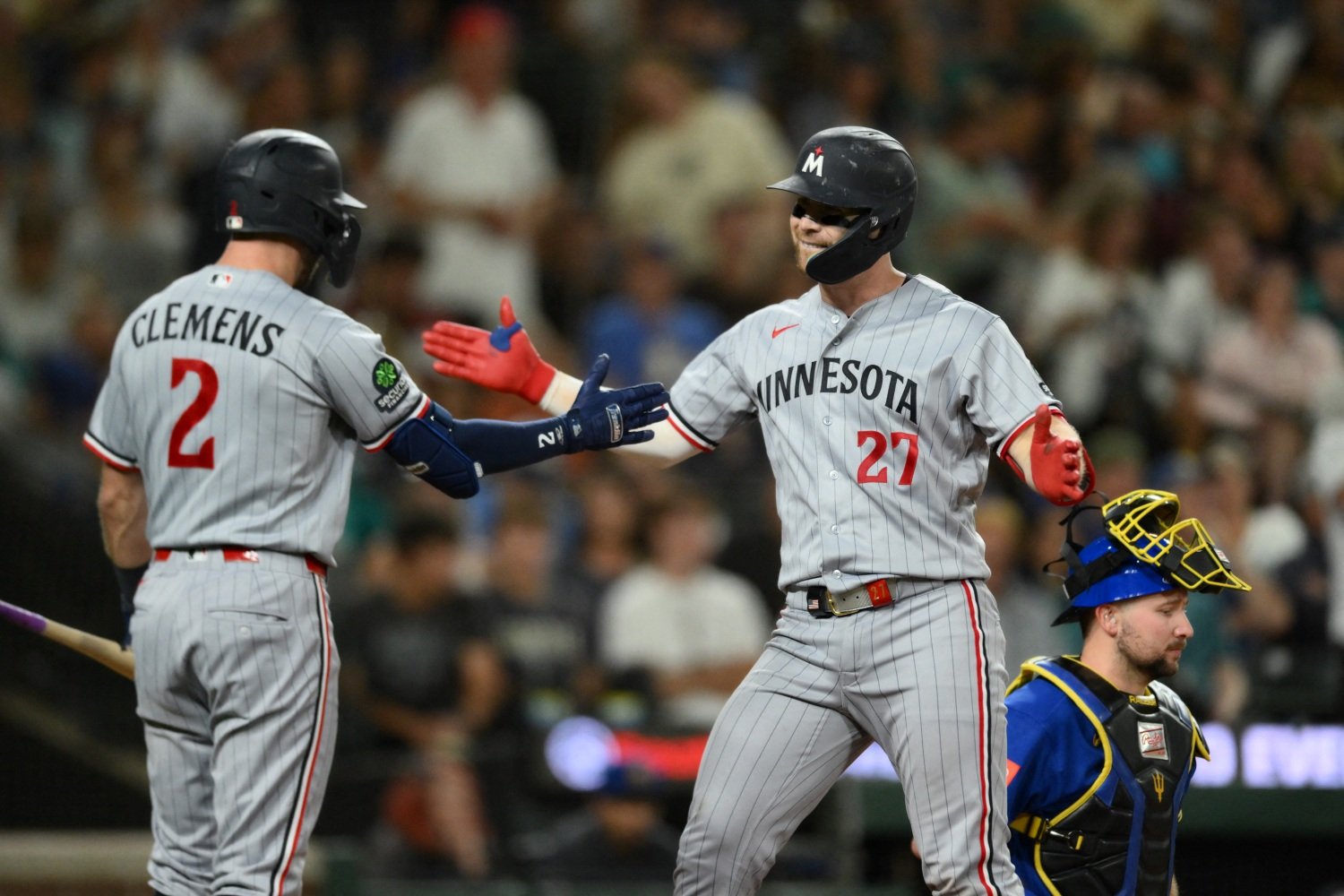 Everyone from the most casual fan to Tom Pohlad agrees: if the Twins are going to be competitive, the team needs to spend more money. But how much (and when) is still up for debate. A couple years ago, I laid out the messy path ahead of the Twins. Beyond any familial mandate to cut payroll in 2024, one reason trouble could have been expected was that the team had built in several increases due in 2025, as well as 2026. Of course, the Twins figured out (shall we say) creative ways to ensure payroll remained low going into 2025, and they kept that pace this season. Keeping costs down seemed necessary when the team was considering a full-fledged sale to new owners. That possibility has come and gone (at least for now), though, and there are new investors on board, helping the Pohlad family out of whatever debt trouble they were ever actually in. Now, Pohlad says he wants to get back to spending more competitively. If he's serious, he has options, and the flexibility to move in a few creative ways. Let’s look at a preview: Payroll Year 2026 2027 2028 2029 Free Agents $55.39 $50.64 $15.14 $0 Arbitration $38.49 $47.3 $24.1 $25.6 Rookies $6 $6.8 $9.9 $15.65 Correa $10 $10 $10 $0 TOTAL (in millions) $109.88 $114.74 $59.14 $41.25 As things stand, the Twins will basically run the exact same payroll in 2027 as they did in 2026. After that, though, the financial commitments shrink considerably. That means the Twins have something long desired by every team: financial flexibility. Free Agency: 2026 2027 2028 2029 Pablo López $21,750,000 $21,750,000 FREE AGENCY FREE AGENCY Byron Buxton $15,142,857 $15,142,857 $15,142,857 FREE AGENCY Jeff Hoffman $3,335,294 $7,250,000 FREE AGENCY FREE AGENCY A.J. Minter $3,411,765 FREE AGENCY FREE AGENCY FREE AGENCY Josh Bell $5,750,000 FREE AGENCY FREE AGENCY FREE AGENCY Victor Caratini $4,000,000 $6,500,000 FREE AGENCY FREE AGENCY Taylor Rogers $2,000,000 FREE AGENCY FREE AGENCY FREE AGENCY TOTAL $55,389,916 $50,642,857 $15,142,857 $0 The Twins will start the offseason by dumping three free-agent contracts from their books: A.J. Minter, Josh Bell, and Taylor Rogers. That doesn’t add up to much, but the real story begins the following year. The 2027 campaign will mark the end of deals for Pablo López, Jeff Hoffman (whose salary is partially covered by the Blue Jays), and Victor Caratini. Together, the three make up $41 million in current commitments. After that, the only free agent signed through 2028 is heart-of-the-team Byron Buxton. When his time is up, the Twins have an open road. That’s quite different from some teams, who are looking at some unfavorable long-term contracts (see: Philadelphia Phillies, San Diego Padres). Instead, the team’s current spending on free agency (or lack of any) gives a lot of wiggle room. Arbitration 2026 2027* 2028 2029 Joe Ryan $6,100,000 $9,600,000 FREE AGENCY FREE AGENCY Ryan Jeffers $6,700,000 FREE AGENCY FREE AGENCY FREE AGENCY Dean Kremer $5,750,000 $6,500,000 FREE AGENCY FREE AGENCY Bailey Ober $5,200,000 $6,900,000 FREE AGENCY FREE AGENCY Trevor Larnach $4,475,000 $6,300,000 FREE AGENCY FREE AGENCY Anthony Banda $1,625,000 $2,300,000 FREE AGENCY FREE AGENCY Royce Lewis $2,850,000 $5,100,000 $8,300,000 FREE AGENCY Cole Sands $1,100,000 $1,300,000 $2,500,000 FREE AGENCY Taj Bradley $780,000 $4,500,000 $6,200,000 $13,000,000 Tommy Nance $780,000 $1,200,000 $1,900,000 $3,000,000 Kody Clemens $780,000 $3,600,000 $5,200,000 $9,600,000 Alex Jackson $1,350,000 Minor League Deal? Justin Topa $1,000,000 TOTAL $38,492,026 $47,300,000 $24,100,000 $25,600,000 *2027 Arbitration numbers are estimates provided courtesy of MLB Trade Rumors. 2028 and 2029 are educated guesses. Assuming Jeffers is out the door, the Twins can look at next year as one of their more expensive arbitration years. But after that, the roster slims considerably. Assuming the Twins retain the services of Bailey Ober, Trevor Larnach, and Royce Lewis (all in Arb 3, though Lewis has a fourth year if it comes to that), the Twins will see a modest increase in arbitration spending. Even the team’s biggest commitment, Joe Ryan, will not see as much as he expected, due to his rough second half. Trade Rumors predicts $9.6 million, which is $3.5 million less than his current mutual option. Going into 2028, the only final-arbitration-year players are Lewis and Cole Sands, who (on their current career trajectories) might not cost that much—if they remain on the team. The younger core will start to earn real money, but it takes a while to go from that to being genuinely pricey. The final-arb-year players for 2029 are Taj Bradley (expensive), Kody Clemens (a wild card), and Tommy Nance (likely gone by then). My model above assumed that the Twins will keep everyone’s services, but that also remains unlikely. Larnach has basically no role on a team that hopes to have Walker Jenkins, Emmanuel Rodriguez, and Luke Keaschall in the outfield alongside Byron Buxton. Ober would be nice to have—even at diminished value, $6.9 million is hardly a bad deal for 120 or so innings—but whether or not he fits a future rotation makes that role much harder to determine. Either way, the Twins don't have many arbitration commitments after 2027, until the next generation of rookies begins to climb the ladder. Rookies 2026 2027 2028 2029 Luke Keaschall $780,000 $850,000 $3,600,000 $5,500,000 Yoendrys Gómez $780,000 $850,000 $900,000 $1,100,000 Mick Abel $760,000 $850,000 $900,000 $2,800,000 Connor Prielipp $753,333 $850,000 $900,000 $2,300,000 Andrew Morris $743,333 $850,000 $900,000 $1,100,000 Walker Jenkins $733,333 $850,000 $900,000 $950,000 Emmanuel Rodriguez $723,333 $850,000 $900,000 $950,000 Kaelen Cullpepper $713,333 $850,000 $900,000 $950,000 TOTAL $5,986,667 $6,800,000 $9,900,000 $15,650,000 The Twins are on the precipice of graduating a substantial rookie class next year, which many hope will play the backbone of the team. They're certainly due for raises: MLB countered the union’s proposal of a $1.5 million minimum salary to instead bring rookie salaries from $780,000 to a clean $1 million. My calculations thus far suggested small step-ups for players on minimums, though. Keaschall will hit arbitration first in 2028, and everyone else a couple years down the road. Correa 2026 2027 2028 2029 Correa $10,000,000 $10,000,000 $10,000,000 $0 One last piece fits into the Twins’ salary puzzle over the next couple years: the last payments on the Carlos Correa contract. Pohlad owes Jim Crane a check for $10 million in 2027 and 2028, but after that, the deal closes, and the Twins can forget the odd years when Correa anchored the team. When to Spend Pohlad has recognized that spending needs to increase now. But I think the more important truth is that the team can add a lot over multiple years. If the Twins went big on payroll spending in 2027, they could simply have a lower payroll in 2028 based on normal sloughing-off of contracts. From that, it follows that if Pohlad is serious about investing in the roster, there's even more spending room ahead than a glance at 2027 might suggest. Of course, losing payroll means losing players. The Twins need to replace two aces (and whatever you think of Ober and Kremer) in two years (or less), while basically building a new bullpen from scratch. That might mean trades for more pricey assets, and that might mean having to double current spending in some positions. There are pieces in place (or on the way) at key positions—Marek Houston at shortstop and Vahn Lackey at catcher, for instance—but betting on prospects can be a fool’s errand (ask Jackson Holliday), and the pitching prospects have upside but unclear floors. I think it’s fair for Pohlad to commit to a sliding scale, rather than a set number. There’s no reason to get into a bidding war out of desperation. Besides, I think we have some idea of what he’ll spend. In June, MLB proposed their salary cap system. It’s an awful idea for many reasons, but one of the proposals did include a salary floor of $171.2 million. That number wouldn't be a direct analog for current payrolls, anyway; it bakes in lots of other costs. Nor are we anywhere near actually having a cap and floor come into effect. One way or another, though, we're likely to see the Twins' payroll rise by at least $25 million this offseason—and twice that is possible. The more important questions are about 2028 and 2029, anyway. The Twins thus will almost certainly be spending quite a few more dollars in the next few years, and unlike the last time we thought so, it won't be just to fulfill commitments they've already made. They have an open road in front of them.
 -
Should Derek Shelton Return as Manager of the Twins in 2027?
Peter Labuza posted an article in Twins
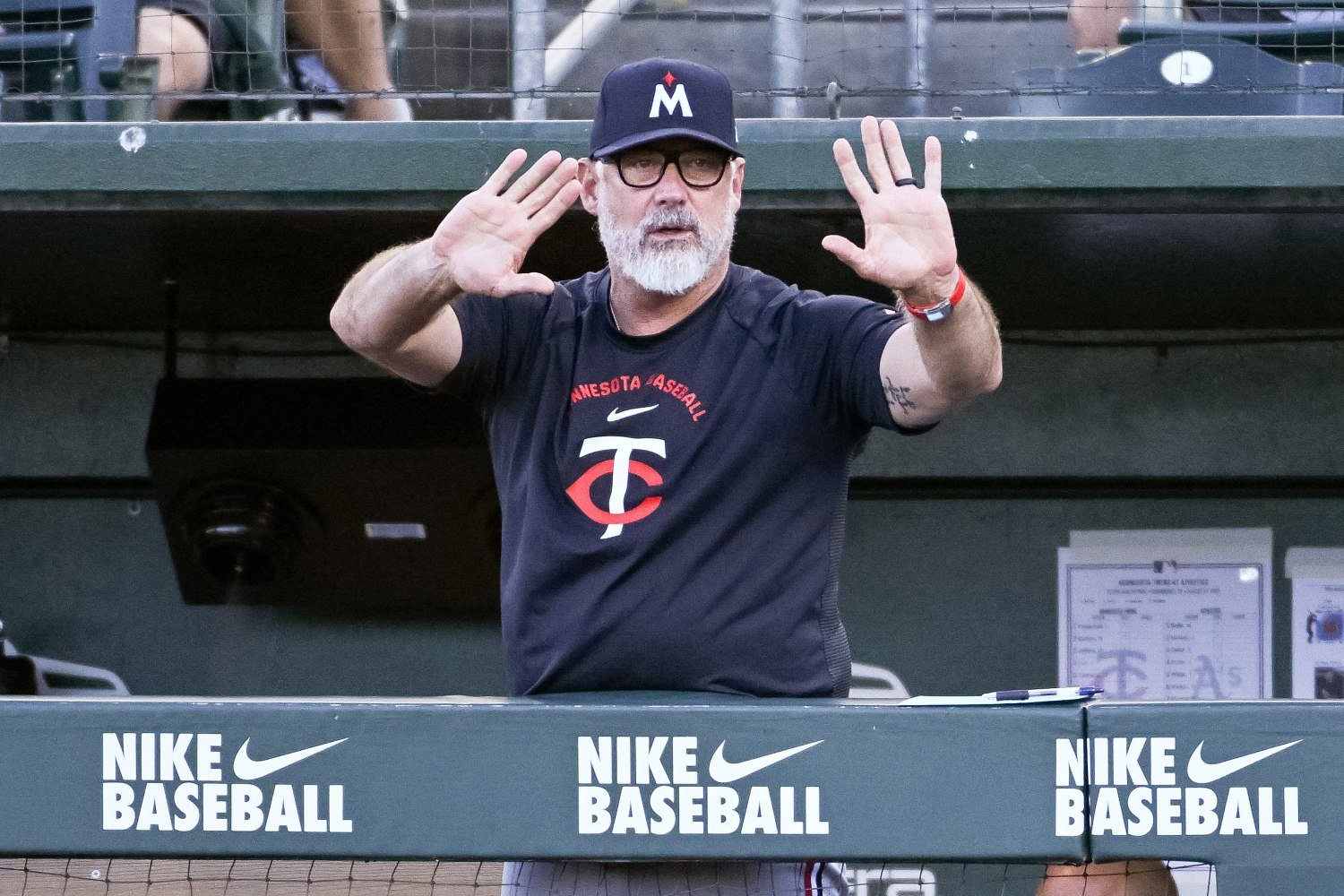 As the Twins close out another disappointing season (though, at least, one that raised expectations and began cementing the cornerstones for the next generation), there will be plenty of blame to go around. As the team decides on its future, there's one gigantic question they will have to answer: Should manager Derek Shelton return for a second year? The Twins changed operations over the offseason at the levels of ownership (sort of), general manager, and practically half the roster, in addition to Shelton replacing former skipper Rocco Baldelli. Originally perceived as a placeholder choice by Derek Falvey to provide stability for a rebuilding year, Shelton kept a steady hand on the helm as the team undertook significant roster changes within the season. He's made a case to return for a second season. Let's evaluate that case. Shelton did sign a standard multi-year deal, but that has never guaranteed a manager's return. If Jeremy Zoll wants to put his own preferred pick in place—there are names like Alex Cora and Rob Thomson out there, not to mention Albert Pujols making a case, but it's just as likely that Zoll would prefer to install a less famous person he knows well—he should have the power to do so. As any intelligent baseball fan knows, evaluating managers is a tricky business. Front offices shape the roster and spearhead game-planning, which often affects the set of choices a manager has even when writing out the lineup card or making moves within a game. For example, Shelton has relied less on pinch-hitting than his predecessor (usually) did. During the 2023 season, Baldelli's tactics led to 397 plate appearances by players who did not start that game. That number fell to 356 in 2024, then plummeted to 236 last season. Under Shelton, there have been just 211 plate appearances for substitutes so far. He's gone to the bench much less often, but Baldelli had also bent in that direction before departing the job. A weak bench naturally begets a greater reliance on one's starters; it's no surprise that Shelton hasn't wanted to use Alex Jackson or Ryan Kreidler especially aggressively. That influence from front offices is a confounding factor in judging skippers. So is the often errant public perception that shapes narratives around them. Noisy online fans often referred to Baldelli’s “quick hook" with starters, but Shelton has run his rotation much as the previous skipper did—and that’s despite more rookie pitchers who could use the slack, and a pretty atrocious bullpen who could not be trusted. All told, the two managers differ little in how often they use pinch-hitters and in how much of their pitching staff's workload lands on their starters. Rocco Baldelli (Average Between 2019 and 2025) Derek Shelton (2026) Pinch Hitting % 4.3% 3.8% Starter IP % 57.8% 59.4% A better sign of unique improvement for a manager comes in the form of player development. A lot of ideas might come from the front office, but it’s often left to the coaches to get those ideas into the players. Here, Shelton has done well, after it seemed an entire generation had gone bust. Luke Keaschall and Royce Lewis emerged from their early slumps. Josh Bell looked cooked early in the season, but has gotten back on track with an .818 OPS since the start of June. Brooks Lee naturally slid from shortstop to third base and currently leads the team in Win Probability Added. Andrew Morris went from a shaky starter to a solid set-up man. Kody Clemens has 25 home runs. Perhaps the only thing a manager can really do is manage the vibes. Defining that success depends on how the players feel, rather than on any fan perception. From reporting, Baldelli was certainly laid-back, but Shelton isn’t exactly a drill sergeant. As he told the media in a recent scrum, “One of the things I'm most proud of with the culture of our group is [that] I really don't have to say much to them. They handle themselves extremely well." That hasn’t led to any complaints—Zoll brought in veterans like Bell and Taylor Rogers to assist the young talent—but a different tack will be needed next season, as the team gets much, much younger. Kaelen Culpepper and Walker Jenkins are already in the mix. Next year, another handful of rookies could replace departing veterans. FanGraphs projected the Twins for 77 wins for the season. With just under two dozen to go, they are likely to end up at… 77 or so wins. That’s not a successful season, but it’s hard to say Shelton did anything to cause whatever failure one ascribes to the club. The schizophrenic feeling of the season—a running problem for this team for multiple years now—feels impossible to solve. Could a different manager break that spell? If the Twins bring back Shelton, I won’t be surprised or aggrieved. As long as Shelton stops yelling at robots, I don’t think he did much wrong that cannot be placed at the feet of the front office. But there is always an opportunity cost. As the Twins reshape for a new generation, the club could transform the feeling in and outside the clubhouse. The organization's churn has created some momentum; it might be wise to sustain that by continuing to make changes.
 -
Image courtesy of Ed Szczepanski-Imagn Images As the Twins close out another disappointing season (though, at least, one that raised expectations and began cementing the cornerstones for the next generation), there will be plenty of blame to go around. As the team decides on its future, there's one gigantic question they will have to answer: Should manager Derek Shelton return for a second year? The Twins changed operations over the offseason at the levels of ownership (sort of), general manager, and practically half the roster, in addition to Shelton replacing former skipper Rocco Baldelli. Originally perceived as a placeholder choice by Derek Falvey to provide stability for a rebuilding year, Shelton kept a steady hand on the helm as the team undertook significant roster changes within the season. He's made a case to return for a second season. Let's evaluate that case. Shelton did sign a standard multi-year deal, but that has never guaranteed a manager's return. If Jeremy Zoll wants to put his own preferred pick in place—there are names like Alex Cora and Rob Thomson out there, not to mention Albert Pujols making a case, but it's just as likely that Zoll would prefer to install a less famous person he knows well—he should have the power to do so. As any intelligent baseball fan knows, evaluating managers is a tricky business. Front offices shape the roster and spearhead game-planning, which often affects the set of choices a manager has even when writing out the lineup card or making moves within a game. For example, Shelton has relied less on pinch-hitting than his predecessor (usually) did. During the 2023 season, Baldelli's tactics led to 397 plate appearances by players who did not start that game. That number fell to 356 in 2024, then plummeted to 236 last season. Under Shelton, there have been just 211 plate appearances for substitutes so far. He's gone to the bench much less often, but Baldelli had also bent in that direction before departing the job. A weak bench naturally begets a greater reliance on one's starters; it's no surprise that Shelton hasn't wanted to use Alex Jackson or Ryan Kreidler especially aggressively. That influence from front offices is a confounding factor in judging skippers. So is the often errant public perception that shapes narratives around them. Noisy online fans often referred to Baldelli’s “quick hook" with starters, but Shelton has run his rotation much as the previous skipper did—and that’s despite more rookie pitchers who could use the slack, and a pretty atrocious bullpen who could not be trusted. All told, the two managers differ little in how often they use pinch-hitters and in how much of their pitching staff's workload lands on their starters. Rocco Baldelli (Average Between 2019 and 2025) Derek Shelton (2026) Pinch Hitting % 4.3% 3.8% Starter IP % 57.8% 59.4% A better sign of unique improvement for a manager comes in the form of player development. A lot of ideas might come from the front office, but it’s often left to the coaches to get those ideas into the players. Here, Shelton has done well, after it seemed an entire generation had gone bust. Luke Keaschall and Royce Lewis emerged from their early slumps. Josh Bell looked cooked early in the season, but has gotten back on track with an .818 OPS since the start of June. Brooks Lee naturally slid from shortstop to third base and currently leads the team in Win Probability Added. Andrew Morris went from a shaky starter to a solid set-up man. Kody Clemens has 25 home runs. Perhaps the only thing a manager can really do is manage the vibes. Defining that success depends on how the players feel, rather than on any fan perception. From reporting, Baldelli was certainly laid-back, but Shelton isn’t exactly a drill sergeant. As he told the media in a recent scrum, “One of the things I'm most proud of with the culture of our group is [that] I really don't have to say much to them. They handle themselves extremely well." That hasn’t led to any complaints—Zoll brought in veterans like Bell and Taylor Rogers to assist the young talent—but a different tack will be needed next season, as the team gets much, much younger. Kaelen Culpepper and Walker Jenkins are already in the mix. Next year, another handful of rookies could replace departing veterans. FanGraphs projected the Twins for 77 wins for the season. With just under two dozen to go, they are likely to end up at… 77 or so wins. That’s not a successful season, but it’s hard to say Shelton did anything to cause whatever failure one ascribes to the club. The schizophrenic feeling of the season—a running problem for this team for multiple years now—feels impossible to solve. Could a different manager break that spell? If the Twins bring back Shelton, I won’t be surprised or aggrieved. As long as Shelton stops yelling at robots, I don’t think he did much wrong that cannot be placed at the feet of the front office. But there is always an opportunity cost. As the Twins reshape for a new generation, the club could transform the feeling in and outside the clubhouse. The organization's churn has created some momentum; it might be wise to sustain that by continuing to make changes. View full article
-
Walker JenkinsVahn LackeyKaelen CulpepperMarek HoustonRiley QuickHendry MendezEduardo TaitEmmanuel RodriguezGabriel GonzalezCharlee SotoCarson TinneyKhadim DiawBrandon WinokurBrett RenfrowQuentin YoungRyan GallagherJames EllwangerCJ CulpepperEthan Wachsmann
-
In the hours before the trade deadline, rumors swirled around a trade that would send Angels shortstop Zack Neto to the Minnesota Twins. That didn't happen. Thanks to Bob Nightengale at the Star Tribune, we now know that price included top prospect Walker Jenkins among other names. Neto was considered a highly valued piece at the trade deadline. Though Neto has had a relative down year, he has had three consecutive 20-home run seasons and will likely make 20 steals (also his third season in a row). While the defense grades below average, Neto could have likely had defensive versatility for the Twins. But asking for Jenkins was almost certainly a bridge too far for the team. There was certainly a case for trading Kaelen Culpepper - using Neto as a bridge to quickly rising prospect Marek Houston - but the young outfielder Jenkins remains a centerpiece for Minnesota's future. As Nightengale reported, talks never got too far in part due to Jenkins' inclusion. Jenkins is currently batting .297 / .388 / .493 and was likely due for a callup if Trevor Larnach had been traded. With Larnach staying put, it is unclear when to expect the Twins' top prospect to be roaming Target Field. View full rumor
-
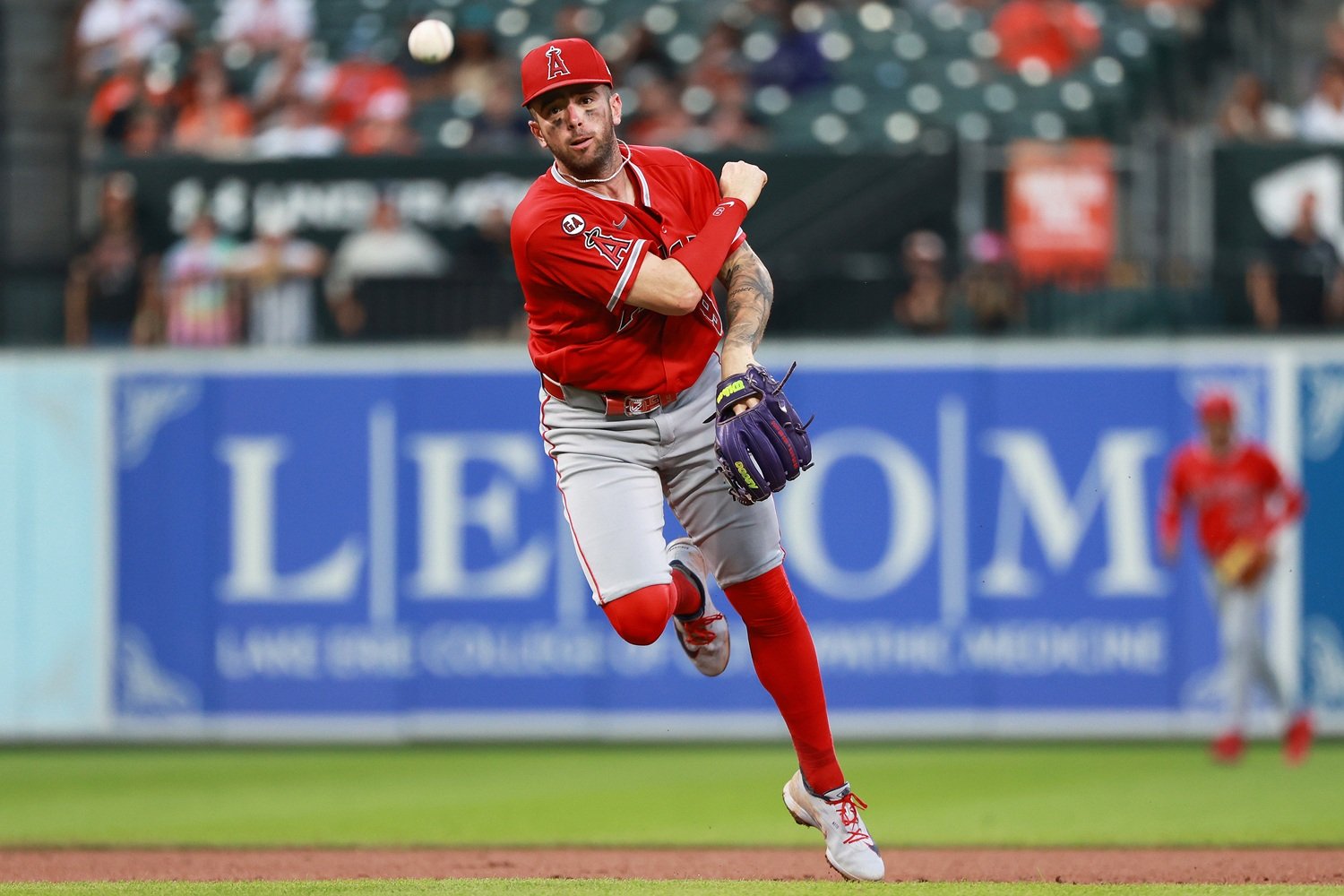 In the hours before the trade deadline, rumors swirled around a trade that would send Angels shortstop Zack Neto to the Minnesota Twins. That didn't happen. Thanks to Bob Nightengale at the Star Tribune, we now know that price included top prospect Walker Jenkins among other names. Neto was considered a highly valued piece at the trade deadline. Though Neto has had a relative down year, he has had three consecutive 20-home run seasons and will likely make 20 steals (also his third season in a row). While the defense grades below average, Neto could have likely had defensive versatility for the Twins. But asking for Jenkins was almost certainly a bridge too far for the team. There was certainly a case for trading Kaelen Culpepper - using Neto as a bridge to quickly rising prospect Marek Houston - but the young outfielder Jenkins remains a centerpiece for Minnesota's future. As Nightengale reported, talks never got too far in part due to Jenkins' inclusion. Jenkins is currently batting .297 / .388 / .493 and was likely due for a callup if Trevor Larnach had been traded. With Larnach staying put, it is unclear when to expect the Twins' top prospect to be roaming Target Field.
 -
You're looking for signs of change, right? The question is when will payroll change—and now it has in a significant way compared to previous deadlines. And the construction of the team meant you could no just added $20-30 million at the deadline (especially for a .500 team in a tight race that's not necessarily a true competitor). Obviously if they don't spend serious money this off-season, we'll take back any praise. But in terms of a deadline, this moved the needle. That's all the piece is arguing.
- 33 replies
-
- 4
-

-

-
- 2026 trade deadline
- jeff hoffman
- (and 2 more)
-
The Twins Have Never Before Spent Like This at a Trade Deadline
Peter Labuza posted an article in Twins
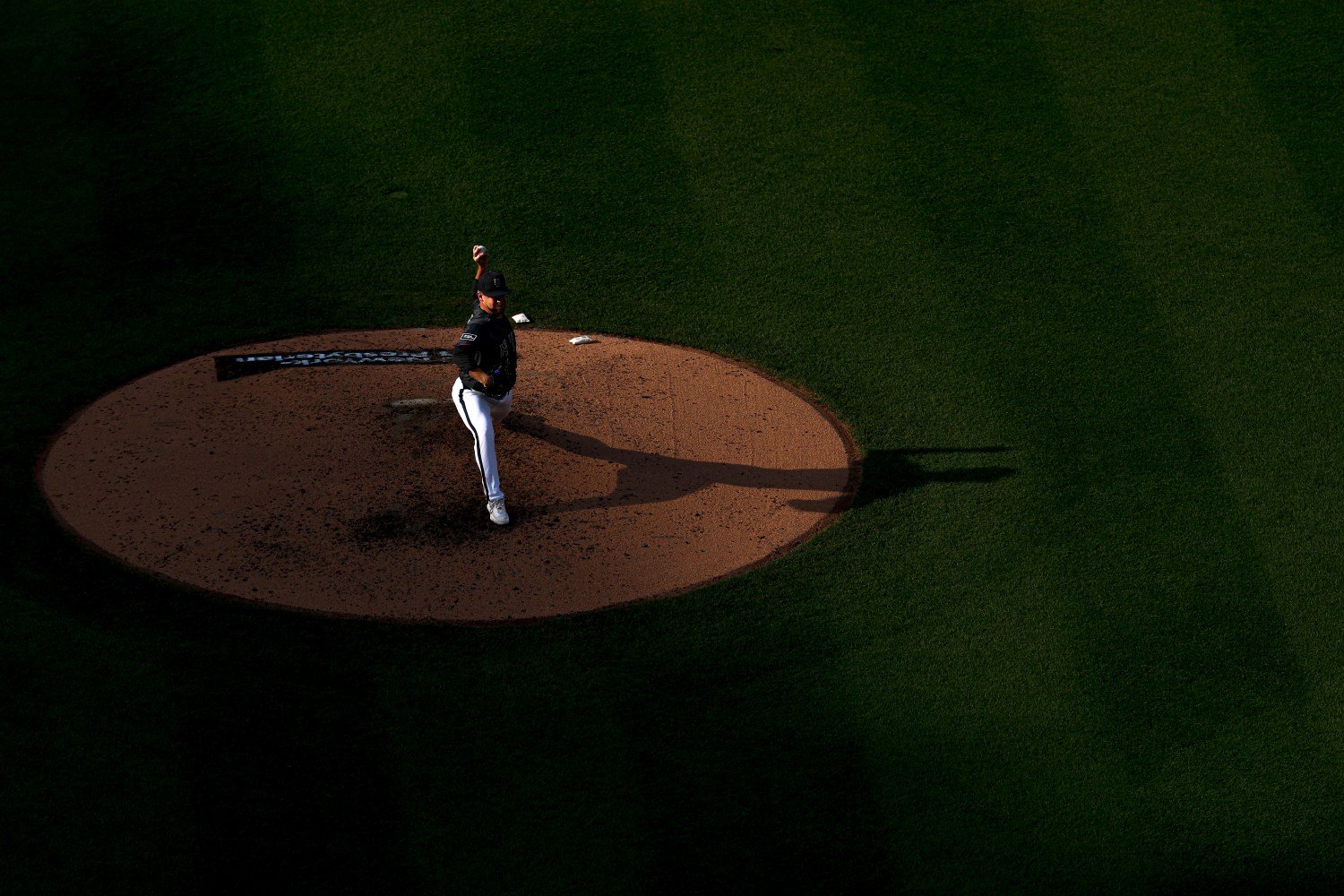 As the trade deadline dust settled on Monday night, the Minnesota Twins couldn't be blamed for lack of trying in 2026. But more importantly, Tom Pohlad made good on his promise from this spring. Money went out of his pocket and into the team. In all, an estimated $8.5 million was added to the team's payroll, bringing the total up to $113 million. That might not seem like much in the long run, and given some of the names bandied about, it’s less than some fans might want. But this is still ultimately a .500 team in an evenly competitive fight among not just two other AL Central teams, but a handful of Wild Card hopefuls. With no reason to cash in all the chips, it did what a normal team with a normal payroll would do: quietly buy, but not by running straight to the bargain bin. During Joe Pohlad’s tenure (not to mention Jim's), the trade deadline became a nonsensical spectacle. Despite working with much higher payrolls then than they are right now (adjusted for baseball inflation, at least), the deadline always became an awkward moment where the team asked fans to look the other way. That resulted in two near-silent deadlines, despite the potential of the team, followed by an event that's still scarring much of the fanbase. Not for Tom’s pesky Twins. They got a big infusion of talent, via a big infusion of money. So how big was this trade deadline? I put the numbers together, looking at not just how much more money was taken on, but the actual percentage of payroll added during the season over the last decade. (Some numbers are rough estimates, but the results are largely in the same range.) Player Acquired Player Sent Out Money In Money Out 2017 Jaime Garcia Prospect $4,500,000 Anthony Recker Prospect $800,000 $100,000 (Provided by Braves) Zack Littel + Dietrich Enns Jaime Garcia $75,988 (Twins Covered Garcia's Salary) Prospect + $500,000 International Bonus Pool Money Brandon Kintzer $1,506,992 Total Payroll Added $3,768,996 Total Payroll $108,102,500 Percent Gain 3.49% 2019 Sergio Romo Prospects $873,665 Sam Dyson Prospects $1,639,802 Total Payroll Added $2,513,467 Total Payroll $119,651,933 Percent Gain 2.10% 2022 Tyler Mahle Prospects $1,828,544 Michael Fulmer Prospects $1,740,672 Jorge Lopez Prospects $527,488 Total Payroll Added $4,096,704 Total Payroll $134,408,190 Percent Gain 3.05% 2023 Dylan Floro Jorge Lopez $1,383,888 $1,999,168 Total Payroll Added -$615,280 Total Payroll $153,713,740 Percent Gain -0.40% 2024 Trevor Richards Prospect $693,540 Total Payroll Added $693,540 Total Payroll $129,080,051 Percent Gain 0.54% 2026 Dean Kremer Prospect $1,752,693 AJ Minter Prospect $3,411,792 Jeff Hoffman (Assuming 60 IP+) Prospects + Intl Bonus Pool Money $3,727,160 $250,000 Total Payroll Added $8,641,645 Total Payroll $113,000,000 Percent Gain 7.65% (For this calculation, I included Hoffman’s first pitching incentive, which begins at 60 IP. He currently sits at 48, and as long as the team remains competitive, he should reach it easily. If he goes 70 somehow, the team will kick in another $500,000.) As shown, the Twins have never before increased their payroll by over 5% of their current setup. (Obviously, we're not looking back at all of team history, but the previous clubs were even more skinflint than they've been lately, and these are the winning teams (therefore, the ones worth adding money to) since Derek Falvey took over.) Just as starkly, the raw dollars spent doubled even the biggest increase before this, in 2022. Of course, much of this began with payroll sitting so low in comparison, but neither Hoffman nor Minter came cheaply. They came at standard reliever prices that previous administrations would have likely balked at. Even with the $3 million and change covered by Toronto for 2027 (as reported), Hoffman is now the biggest acquisition by the Twins at the deadline. He actually ranks quite high compared to the biggest payroll splashes made by other teams, too. Just look at the money spent on big names over the years in comparison: Year Twins' "Big" Deal Money In MLB's Biggest Deal Money In 2017 Jaime Garcia $4.5 Million Justin Verlander to Astros $40 Million 2019 Sam Dyson $1.63 Million Zack Greinke to Astros $53 Million 2022 Tyler Mahle $1.83 Million Eric Hosmer to Red Sox $39 Million 2024 Trevor Richards $0.69 Million Jorge Soler to Braves $30 Million 2025 Jeff Hoffman $11 Million Luis Castillo to White Sox $30 Million In the past, the Twins have usually spent less than 10% of what was spent on the most expensive player league-wide. This year, they're on the high side of 30% of that figure; they took on a big bill for Hoffman. Another way to think about this: the Dodgers are spending about $9.58 million—the largest of any player's annual average value—to acquire Tarik Skubal at the deadline, along with some mostly waiver pick-ups. The Twins might be far behind in payroll, but they're not far away from having spent more at the deadline than the Dodgers did. As one of the long-tenured Pohlad skeptics, I've always questioned what Tom Pohlad might do. You might scoff at the Twins not getting Zack Neto or otherwise landing a bigger name, but the most important thing happened in Twins trade deadline history: money was not the impediment to the goal. Jeremy Zoll set out to buy relievers, and buy relievers he did. Now, the rest is up to the team.
- 33 comments
-
- 9
-
-
-
- 2026 trade deadline
- jeff hoffman
- (and 2 more)
-
Image courtesy of Vincent Carchietta-Imagn Images As the trade deadline dust settled on Monday night, the Minnesota Twins couldn't be blamed for lack of trying in 2026. But more importantly, Tom Pohlad made good on his promise from this spring. Money went out of his pocket and into the team. In all, an estimated $8.5 million was added to the team's payroll, bringing the total up to $113 million. That might not seem like much in the long run, and given some of the names bandied about, it’s less than some fans might want. But this is still ultimately a .500 team in an evenly competitive fight among not just two other AL Central teams, but a handful of Wild Card hopefuls. With no reason to cash in all the chips, it did what a normal team with a normal payroll would do: quietly buy, but not by running straight to the bargain bin. During Joe Pohlad’s tenure (not to mention Jim's), the trade deadline became a nonsensical spectacle. Despite working with much higher payrolls then than they are right now (adjusted for baseball inflation, at least), the deadline always became an awkward moment where the team asked fans to look the other way. That resulted in two near-silent deadlines, despite the potential of the team, followed by an event that's still scarring much of the fanbase. Not for Tom’s pesky Twins. They got a big infusion of talent, via a big infusion of money. So how big was this trade deadline? I put the numbers together, looking at not just how much more money was taken on, but the actual percentage of payroll added during the season over the last decade. (Some numbers are rough estimates, but the results are largely in the same range.) Player Acquired Player Sent Out Money In Money Out 2017 Jaime Garcia Prospect $4,500,000 Anthony Recker Prospect $800,000 $100,000 (Provided by Braves) Zack Littel + Dietrich Enns Jaime Garcia $75,988 (Twins Covered Garcia's Salary) Prospect + $500,000 International Bonus Pool Money Brandon Kintzer $1,506,992 Total Payroll Added $3,768,996 Total Payroll $108,102,500 Percent Gain 3.49% 2019 Sergio Romo Prospects $873,665 Sam Dyson Prospects $1,639,802 Total Payroll Added $2,513,467 Total Payroll $119,651,933 Percent Gain 2.10% 2022 Tyler Mahle Prospects $1,828,544 Michael Fulmer Prospects $1,740,672 Jorge Lopez Prospects $527,488 Total Payroll Added $4,096,704 Total Payroll $134,408,190 Percent Gain 3.05% 2023 Dylan Floro Jorge Lopez $1,383,888 $1,999,168 Total Payroll Added -$615,280 Total Payroll $153,713,740 Percent Gain -0.40% 2024 Trevor Richards Prospect $693,540 Total Payroll Added $693,540 Total Payroll $129,080,051 Percent Gain 0.54% 2026 Dean Kremer Prospect $1,752,693 AJ Minter Prospect $3,411,792 Jeff Hoffman (Assuming 60 IP+) Prospects + Intl Bonus Pool Money $3,727,160 $250,000 Total Payroll Added $8,641,645 Total Payroll $113,000,000 Percent Gain 7.65% (For this calculation, I included Hoffman’s first pitching incentive, which begins at 60 IP. He currently sits at 48, and as long as the team remains competitive, he should reach it easily. If he goes 70 somehow, the team will kick in another $500,000.) As shown, the Twins have never before increased their payroll by over 5% of their current setup. (Obviously, we're not looking back at all of team history, but the previous clubs were even more skinflint than they've been lately, and these are the winning teams (therefore, the ones worth adding money to) since Derek Falvey took over.) Just as starkly, the raw dollars spent doubled even the biggest increase before this, in 2022. Of course, much of this began with payroll sitting so low in comparison, but neither Hoffman nor Minter came cheaply. They came at standard reliever prices that previous administrations would have likely balked at. Even with the $3 million and change covered by Toronto for 2027 (as reported), Hoffman is now the biggest acquisition by the Twins at the deadline. He actually ranks quite high compared to the biggest payroll splashes made by other teams, too. Just look at the money spent on big names over the years in comparison: Year Twins' "Big" Deal Money In MLB's Biggest Deal Money In 2017 Jaime Garcia $4.5 Million Justin Verlander to Astros $40 Million 2019 Sam Dyson $1.63 Million Zack Greinke to Astros $53 Million 2022 Tyler Mahle $1.83 Million Eric Hosmer to Red Sox $39 Million 2024 Trevor Richards $0.69 Million Jorge Soler to Braves $30 Million 2025 Jeff Hoffman $11 Million Luis Castillo to White Sox $30 Million In the past, the Twins have usually spent less than 10% of what was spent on the most expensive player league-wide. This year, they're on the high side of 30% of that figure; they took on a big bill for Hoffman. Another way to think about this: the Dodgers are spending about $9.58 million—the largest of any player's annual average value—to acquire Tarik Skubal at the deadline, along with some mostly waiver pick-ups. The Twins might be far behind in payroll, but they're not far away from having spent more at the deadline than the Dodgers did. As one of the long-tenured Pohlad skeptics, I've always questioned what Tom Pohlad might do. You might scoff at the Twins not getting Zack Neto or otherwise landing a bigger name, but the most important thing happened in Twins trade deadline history: money was not the impediment to the goal. Jeremy Zoll set out to buy relievers, and buy relievers he did. Now, the rest is up to the team. View full article
- 33 replies
-
- 1
-
-
- 2026 trade deadline
- jeff hoffman
- (and 2 more)
-
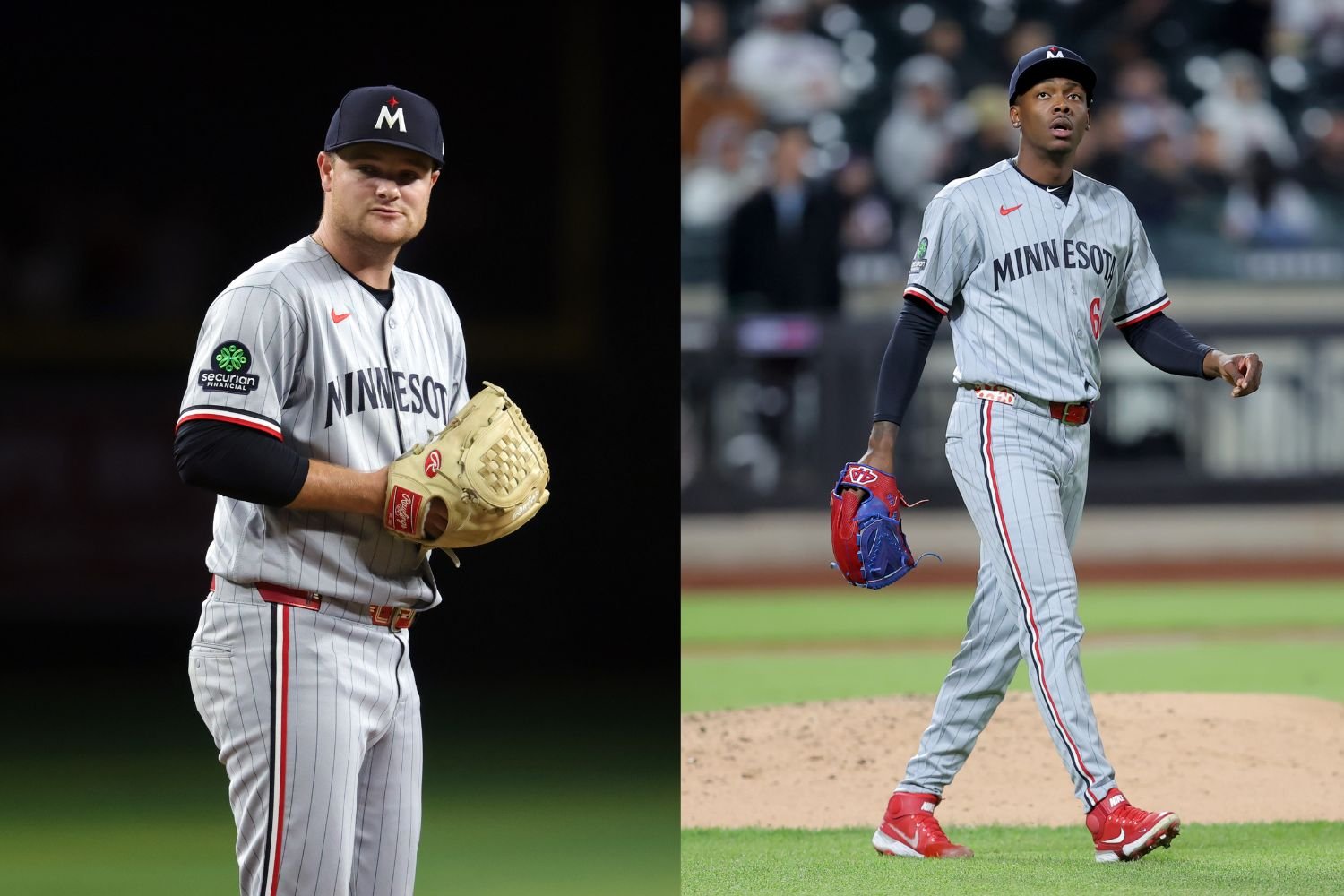 The Twins' rotation depth has been a challenge all season and remains so. The three most reliable pitchers - Bailey Ober, Taj Bradley, and Joe Ryan - have missed time with injuries or continue to battle arm fatigue. Other options like Simeon Woods Richardson, Mick Abel, and David Festa are either gone or out indefinitely. Dean Kremer's addition late Friday night provides backup, but his rough ERA (though solid xFIIP) might be more suited to limited use than a full starter's load. There are a few options now with Kremer. One is to send someone down to AAA or put them on the IL to simply get some rest. That might be Zebby Matthews, who has mostly trended down since July 1st. And Connor Prielipp is certainly due to ice the arm. But the bigger problem is that the whole rotation feels like they're running on fumes. With two interesting rookie arms in Prelipp and Kendry Rojas, I propose a somewhat inelegant solution: run a six-man rotation that is a stealth seven-man rotation. The order would go something like this: Ryan, Bradley, Ober, Zebby Matthews, Kremer, and finally a Prielipp-Rojas Piggyback. If this began after the Mariners series, each Twins starter would get about eight more starts. Each would get an extra day of rest. And if you ever wanted to skip a turn, you could give the rookie duo (or anyone else) an extra week off as needed. The biggest win here would be for the two rookies. Assuming each threw no more than three innings in each outing, they would essentially throw an additional 24 innings each. If you wanted to weigh it further, one could spend a little extra on Rojas. Last year, he managed 70 innings in the minor leagues and his brief major league appearance. Currently sitting at 49 innings total, that means you could lean on Rojas to throw four innings if needed. Prielipp is just shy of 100 innings, having managed 82 last year. Keeping that count low—not to mention spacing it out—would be paramount to his success after his recent return from the IL. If needed, one could even give each a day to go five innings, and alternate them every go-around. But the combo remains best, especially for durability. A Prielipp-Rojas combo would give the Twins something they have needed since the early days of Francisco Liriano: an elite lefty starter. While taking two roster spots, six innings from the combo would be as deadly as any generic lefty is to the Twins lineup. There is a good argument that if the team makes the playoffs, the Prielipp-Rojas combination might be an even better option for a Game Three start than Ober. More so, manager Derek Shelton could get cute in a smart way: start Prielipp, go to a top elite right-hander like Andrew Morris if there’s any trouble, and hopefully force the team to make an early switch, before going right back to a lefty with Rojas. Maybe it’s not enough. While more time off did not necessarily work well for either Ryan or Matthews (who looks like he might be hitting his innings limit) coming out of the All-Star Break, an extra day of rest might just be enough for the rest of the season. Plus, there is a good chance—more likely than not—someone else will be heading to the IL for one reason or another. Setting up the piggyback now simply structures it in for the rest of the season. Most teams do not run six-man rotations for a reason: teams simply do not have six good enough starters. The Twins have gotten lucky this year; after losing three critical arms, two rookies have helped to fill the space, but it will require some creativity to go the distance. It also leaves the bullpen with only six arms, which could easily get taxed. But hard choices need to be made. This team has not exactly built itself around elite arms. That provides an opportunity to rethink elite and focus on stability. If the Twins are pushing some chips as they seem to be doing, a rotation balanced around health and longevity is perhaps what the team needs.
 -
Image courtesy of Mark J. Rebilas & Brad Penner, IMAGN IMAGES via Reuters Connect The Twins' rotation depth has been a challenge all season and remains so. The three most reliable pitchers - Bailey Ober, Taj Bradley, and Joe Ryan - have missed time with injuries or continue to battle arm fatigue. Other options like Simeon Woods Richardson, Mick Abel, and David Festa are either gone or out indefinitely. Dean Kremer's addition late Friday night provides backup, but his rough ERA (though solid xFIIP) might be more suited to limited use than a full starter's load. There are a few options now with Kremer. One is to send someone down to AAA or put them on the IL to simply get some rest. That might be Zebby Matthews, who has mostly trended down since July 1st. And Connor Prielipp is certainly due to ice the arm. But the bigger problem is that the whole rotation feels like they're running on fumes. With two interesting rookie arms in Prelipp and Kendry Rojas, I propose a somewhat inelegant solution: run a six-man rotation that is a stealth seven-man rotation. The order would go something like this: Ryan, Bradley, Ober, Zebby Matthews, Kremer, and finally a Prielipp-Rojas Piggyback. If this began after the Mariners series, each Twins starter would get about eight more starts. Each would get an extra day of rest. And if you ever wanted to skip a turn, you could give the rookie duo (or anyone else) an extra week off as needed. The biggest win here would be for the two rookies. Assuming each threw no more than three innings in each outing, they would essentially throw an additional 24 innings each. If you wanted to weigh it further, one could spend a little extra on Rojas. Last year, he managed 70 innings in the minor leagues and his brief major league appearance. Currently sitting at 49 innings total, that means you could lean on Rojas to throw four innings if needed. Prielipp is just shy of 100 innings, having managed 82 last year. Keeping that count low—not to mention spacing it out—would be paramount to his success after his recent return from the IL. If needed, one could even give each a day to go five innings, and alternate them every go-around. But the combo remains best, especially for durability. A Prielipp-Rojas combo would give the Twins something they have needed since the early days of Francisco Liriano: an elite lefty starter. While taking two roster spots, six innings from the combo would be as deadly as any generic lefty is to the Twins lineup. There is a good argument that if the team makes the playoffs, the Prielipp-Rojas combination might be an even better option for a Game Three start than Ober. More so, manager Derek Shelton could get cute in a smart way: start Prielipp, go to a top elite right-hander like Andrew Morris if there’s any trouble, and hopefully force the team to make an early switch, before going right back to a lefty with Rojas. Maybe it’s not enough. While more time off did not necessarily work well for either Ryan or Matthews (who looks like he might be hitting his innings limit) coming out of the All-Star Break, an extra day of rest might just be enough for the rest of the season. Plus, there is a good chance—more likely than not—someone else will be heading to the IL for one reason or another. Setting up the piggyback now simply structures it in for the rest of the season. Most teams do not run six-man rotations for a reason: teams simply do not have six good enough starters. The Twins have gotten lucky this year; after losing three critical arms, two rookies have helped to fill the space, but it will require some creativity to go the distance. It also leaves the bullpen with only six arms, which could easily get taxed. But hard choices need to be made. This team has not exactly built itself around elite arms. That provides an opportunity to rethink elite and focus on stability. If the Twins are pushing some chips as they seem to be doing, a rotation balanced around health and longevity is perhaps what the team needs. View full article
-
Image courtesy of © Jesse Johnson-Imagn Images As the 2026 Minnesota Twins took the field, there was little hope that this would be The Year. After two seasons of missed opportunities and a deadline blowout that left the team a shell of itself, it was clear the Twins would take a step back for 2026. That didn't mean the team couldn't be interesting, but the questions one wanted to answer were quite different than simply “will they make the playoffs?" Yet, these Twins have been oddballs, to say the least. Neither historically terrible nor particularly good, the Twins are simply playing a Schrödinger's Season: every time you look, it appears slightly different, with a totally different outcome on numerous fronts. We seem to know how they're doing or which direction they're trending, but never both at once. Perhaps most frustrating—not necessarily in a bad way—is that the season’s necessary questions are actually murkier than ever. Assessing these mysteries shows us that understanding this team, not to mention the 2027 and 2028 teams, might not be as clear as one might hope. It would be easy to pull certain levers, but uncertainty abounds. Who Makes Up the Young Core of the Twins? As we entered the season, many hoped to find out who would anchor the next few seasons of Twins baseball. Was Royce Lewis cooked? Would Brooks Lee prove his worth? Was Luke Keaschall’s bat for real? Honestly, nobody has made it easy. Almost every one of the Twins’ “Core” players has played a highly inconsistent style of baseball. Here’s each player's rolling xWOBA over the season so far: With just over a month to go to the trade deadline, it looks like a number of the core players have turned it around. However, how does one determine if these are simply fleeting hot streaks? Anyone can do anything over 60 plate appearances. If there’s anything to learn from the above data, it is the inconsistency of the season. Only Kody Clemens has managed to stay above the .300 mark that defines a useful offensive player. And this graph doesn't even account for Matt Wallner, who has ironed out some (but not all) of his issues at Triple-A St. Paul and seems to be asking for reinstatement. Many of us will cheer the return of Lewis as a slugger, but with so much noise in the signal, it's hard to see if any gains might make either of those two central to the Twins’ 2027 plan. Jeremy Zoll will clearly have to make some difficult decisions before August 3, but arguably, the hardest will be defining who the core is. Which Rookies Can We Pen Into 2027? Generally, the silver lining on the clouds of rebuilding are the opportunities that process affords to prospects. The lining around this year's clouds has been more of a slightly later gray than a shimmering silver, with injuries taking the luster off. Here are the names everyone threw around this spring: Walker Jenkins, Emmanuel Rodriguez, Kaelen Culpepper, Alan Roden, Gabriel Gonzalez. Only one of those got a shot at the majors (Gonzalez, with four plate appearances before being sent down) in the team's first three months of play. As is the case with any great Twins hitting prospects, the core top prospects have been marred with injuries. That means we have yet to see how many of these players will fare. And given that four of the five players named above are outfielders, the Twins are once again finding themselves unable to clear a roadblock. One hopes that an active trade deadline might create a pathway for playing time, but the hope that we would know who might start at shortstop or in right field next spring remains only a hope, and the project has been delayed until those guys can get and stay healthy for a while. Which Starters are Bullpen Bound? The Twins entered the season with eight potential starters alongside a couple intriguing arms on the cusp of the majors. Throughout spring training, many considered what it might look like to see David Festa, Connor Prelipp, or Zebby Matthews as bullpen arms. In the way the team had developed Louis Varland, Jhoan Duran, and Griffin Jax into a ferocious relief trio, many thought that there might be the start of an ace bullpen simply by converting starters. So far, only one name managed to make it to the bullpen: Andrew Morris, who has looked solid enough (with a 2.68 FIP) to lightly pencil in for 2027 and beyond. Otherwise: ugh. The bullpen has been a parade of disasters, ranking 23rd in the league and with only the surprising waiver claim (Yoendrys Gómez) likely to have a place on the team going forward. Even more surprisingly, the Twins did not even bother trying the flailing Simeon Woods Richardson in the bullpen before tossing him back to the Blue Jays (who tossed him as well this week). There will be time in the latter half of the season to experiment with arms, but (as suggested below) the trade deadline might require those experiments to remain starters just to cover innings. Can We Expect Another Sell-Off? The running joke for Twins fans worried about a sell-off is, "What's left to sell?" Beyond Joe Ryan and Ryan Jeffers, there seemed to be little in the tank of the team (we’ll ignore whatever any major media outlets have said about Byron Buxton and leave his comments on the table). But one unexpected problem has changed a lot of Twins thinking: an oddball American League has placed them right outside the Wild Card race. Even more so, the team sits less than five games back from the division-leading White Sox and Guardians. Both those teams, of course, have weaknesses that could allow them to be overtaken given the right two weeks. There is a real chance this deeply flawed Twins team, especially if it overcomes some injuries and reinforces the bullpen, could make a push for the playoffs. But why? Even if the Twins forced their way into the playoffs, an early exit is almost guaranteed. What better chance to take advantage of a seller's market of teams in need of one last piece? Moreover, the Twins seemingly have more trade chips than expected, with Trevor Larnach surging and even a left-hander like Anthony Banda likely worth an interesting prospect. Ryan will, of course, remain the centerpiece, and depending on how Detroit approaches their deadline, he could be the hottest commodity on the market. The return of Jeffers might position them to land an intriguing haul, as well. But deciding to buy or sell leads into the final question…. Is Tom Pohlad Steering the Twins in the Right Direction? Few considered Tom Pohlad’s self-appointment as the "new" owner exciting at the time, but most would agree that he is at least trying. Payroll is down, though there was little time left to wade into the free-agent market when he took over in the second half of December. On the fan-facing side, I don’t think most would argue against his implementation of $2 beers before game time, free tickets, and generally remaining around the team. Tom is attempting to put his face on the team the way his brother Joe avoided doing. Of course, ticket sales are down—but as oft noted by former team president Dave St. Peter, most ticket sales happen before the season. Notably, there is another public measure of activity inside the ballpark: the Twins “Split the Pot” Raffle. As I wrote about for Baseball Prospectus, the raffle has been a strong barometer of butts in the seats, at least relative to other seasons. Often this depends on weekend games as well as opponents, but there is a sign of some turnaround in the team occurring: 2023 2024 2025 2026 April $11,791.56 $12,025.83 $12,253.67 $7,175.00 May $15,438.33 $12,007.35 $13,166.00 $13,782.92 June $15,375.56 $15,048.85 $16,435.00 $16,344.23 Some of this is engineered; for example, the Twins had both the Blue Jays and Brewers—some of their more popular neighbor opponents—as weekend series in May. And having Shohei Ohtani on the mound (the only sellout crowd of the season so far) certainly made a difference in June. But it seems that some of the trends are changing and more fans are attending compared to last year. It even looks like the Rockies series to end June should actually increase the final number for the month. Does this make the new Pohlad a success? Certainly not yet. Could the deadline define him? Even that is hard to say. Unless he somehow forced a Buxton trade, the real moment to define his legacy will be the offseason. The Twins have half a season left to start answering these questions. Let's hope we see them sooner rather than later. View full article
-
For Minnesota Twins, First Half Raised as Many Questions as It Answered
Peter Labuza posted an article in Twins
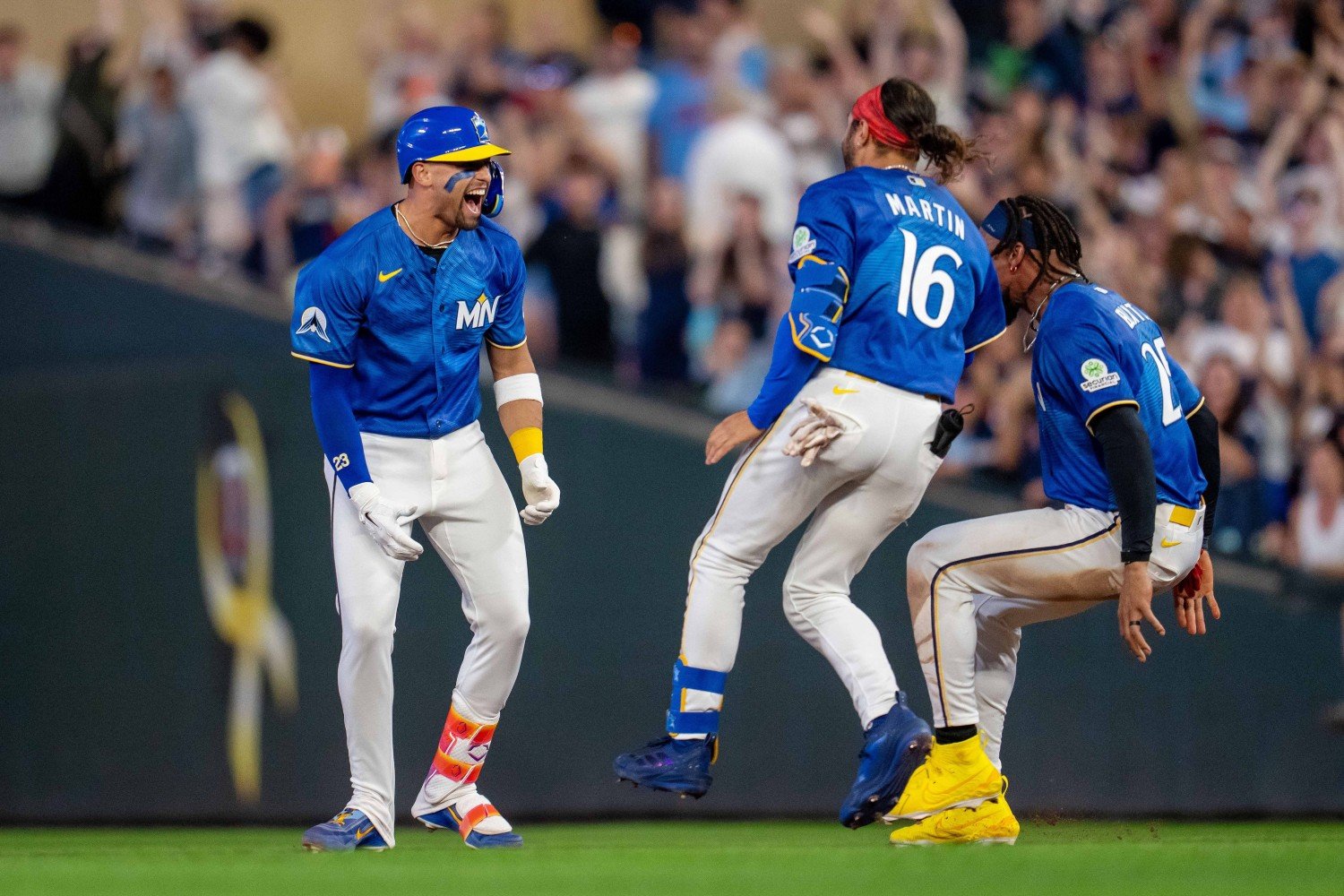 As the 2026 Minnesota Twins took the field, there was little hope that this would be The Year. After two seasons of missed opportunities and a deadline blowout that left the team a shell of itself, it was clear the Twins would take a step back for 2026. That didn't mean the team couldn't be interesting, but the questions one wanted to answer were quite different than simply “will they make the playoffs?" Yet, these Twins have been oddballs, to say the least. Neither historically terrible nor particularly good, the Twins are simply playing a Schrödinger's Season: every time you look, it appears slightly different, with a totally different outcome on numerous fronts. We seem to know how they're doing or which direction they're trending, but never both at once. Perhaps most frustrating—not necessarily in a bad way—is that the season’s necessary questions are actually murkier than ever. Assessing these mysteries shows us that understanding this team, not to mention the 2027 and 2028 teams, might not be as clear as one might hope. It would be easy to pull certain levers, but uncertainty abounds. Who Makes Up the Young Core of the Twins? As we entered the season, many hoped to find out who would anchor the next few seasons of Twins baseball. Was Royce Lewis cooked? Would Brooks Lee prove his worth? Was Luke Keaschall’s bat for real? Honestly, nobody has made it easy. Almost every one of the Twins’ “Core” players has played a highly inconsistent style of baseball. Here’s each player's rolling xWOBA over the season so far: With just over a month to go to the trade deadline, it looks like a number of the core players have turned it around. However, how does one determine if these are simply fleeting hot streaks? Anyone can do anything over 60 plate appearances. If there’s anything to learn from the above data, it is the inconsistency of the season. Only Kody Clemens has managed to stay above the .300 mark that defines a useful offensive player. And this graph doesn't even account for Matt Wallner, who has ironed out some (but not all) of his issues at Triple-A St. Paul and seems to be asking for reinstatement. Many of us will cheer the return of Lewis as a slugger, but with so much noise in the signal, it's hard to see if any gains might make either of those two central to the Twins’ 2027 plan. Jeremy Zoll will clearly have to make some difficult decisions before August 3, but arguably, the hardest will be defining who the core is. Which Rookies Can We Pen Into 2027? Generally, the silver lining on the clouds of rebuilding are the opportunities that process affords to prospects. The lining around this year's clouds has been more of a slightly later gray than a shimmering silver, with injuries taking the luster off. Here are the names everyone threw around this spring: Walker Jenkins, Emmanuel Rodriguez, Kaelen Culpepper, Alan Roden, Gabriel Gonzalez. Only one of those got a shot at the majors (Gonzalez, with four plate appearances before being sent down) in the team's first three months of play. As is the case with any great Twins hitting prospects, the core top prospects have been marred with injuries. That means we have yet to see how many of these players will fare. And given that four of the five players named above are outfielders, the Twins are once again finding themselves unable to clear a roadblock. One hopes that an active trade deadline might create a pathway for playing time, but the hope that we would know who might start at shortstop or in right field next spring remains only a hope, and the project has been delayed until those guys can get and stay healthy for a while. Which Starters are Bullpen Bound? The Twins entered the season with eight potential starters alongside a couple intriguing arms on the cusp of the majors. Throughout spring training, many considered what it might look like to see David Festa, Connor Prelipp, or Zebby Matthews as bullpen arms. In the way the team had developed Louis Varland, Jhoan Duran, and Griffin Jax into a ferocious relief trio, many thought that there might be the start of an ace bullpen simply by converting starters. So far, only one name managed to make it to the bullpen: Andrew Morris, who has looked solid enough (with a 2.68 FIP) to lightly pencil in for 2027 and beyond. Otherwise: ugh. The bullpen has been a parade of disasters, ranking 23rd in the league and with only the surprising waiver claim (Yoendrys Gómez) likely to have a place on the team going forward. Even more surprisingly, the Twins did not even bother trying the flailing Simeon Woods Richardson in the bullpen before tossing him back to the Blue Jays (who tossed him as well this week). There will be time in the latter half of the season to experiment with arms, but (as suggested below) the trade deadline might require those experiments to remain starters just to cover innings. Can We Expect Another Sell-Off? The running joke for Twins fans worried about a sell-off is, "What's left to sell?" Beyond Joe Ryan and Ryan Jeffers, there seemed to be little in the tank of the team (we’ll ignore whatever any major media outlets have said about Byron Buxton and leave his comments on the table). But one unexpected problem has changed a lot of Twins thinking: an oddball American League has placed them right outside the Wild Card race. Even more so, the team sits less than five games back from the division-leading White Sox and Guardians. Both those teams, of course, have weaknesses that could allow them to be overtaken given the right two weeks. There is a real chance this deeply flawed Twins team, especially if it overcomes some injuries and reinforces the bullpen, could make a push for the playoffs. But why? Even if the Twins forced their way into the playoffs, an early exit is almost guaranteed. What better chance to take advantage of a seller's market of teams in need of one last piece? Moreover, the Twins seemingly have more trade chips than expected, with Trevor Larnach surging and even a left-hander like Anthony Banda likely worth an interesting prospect. Ryan will, of course, remain the centerpiece, and depending on how Detroit approaches their deadline, he could be the hottest commodity on the market. The return of Jeffers might position them to land an intriguing haul, as well. But deciding to buy or sell leads into the final question…. Is Tom Pohlad Steering the Twins in the Right Direction? Few considered Tom Pohlad’s self-appointment as the "new" owner exciting at the time, but most would agree that he is at least trying. Payroll is down, though there was little time left to wade into the free-agent market when he took over in the second half of December. On the fan-facing side, I don’t think most would argue against his implementation of $2 beers before game time, free tickets, and generally remaining around the team. Tom is attempting to put his face on the team the way his brother Joe avoided doing. Of course, ticket sales are down—but as oft noted by former team president Dave St. Peter, most ticket sales happen before the season. Notably, there is another public measure of activity inside the ballpark: the Twins “Split the Pot” Raffle. As I wrote about for Baseball Prospectus, the raffle has been a strong barometer of butts in the seats, at least relative to other seasons. Often this depends on weekend games as well as opponents, but there is a sign of some turnaround in the team occurring: 2023 2024 2025 2026 April $11,791.56 $12,025.83 $12,253.67 $7,175.00 May $15,438.33 $12,007.35 $13,166.00 $13,782.92 June $15,375.56 $15,048.85 $16,435.00 $16,344.23 Some of this is engineered; for example, the Twins had both the Blue Jays and Brewers—some of their more popular neighbor opponents—as weekend series in May. And having Shohei Ohtani on the mound (the only sellout crowd of the season so far) certainly made a difference in June. But it seems that some of the trends are changing and more fans are attending compared to last year. It even looks like the Rockies series to end June should actually increase the final number for the month. Does this make the new Pohlad a success? Certainly not yet. Could the deadline define him? Even that is hard to say. Unless he somehow forced a Buxton trade, the real moment to define his legacy will be the offseason. The Twins have half a season left to start answering these questions. Let's hope we see them sooner rather than later.
- 33 comments
-
- 5
-

-
-
- royce lewis
- tom pohlad
- (and 3 more)
-
Image courtesy of © Lon Horwedel-Imagn Images Box Score Starting Pitcher: Mike Paredes, 3 IP, 1 H, 1 ER, 2 BB, 4K Home Runs: Royce Lewis (4), Byron Buxton (20) Top 3 WPA: Buxton (0.20), Anthony Banda (0.16), (0.09) Win Probability Chart (via FanGraphs): It was another muggy day at Comerica Park, and the game action fizzled just as it got started. With a passing storm cell sitting just 15 minutes away, the umpires spoke with both managers on whether to press on ahead. The teams agreed to begin the contest, but only got a half inning—where Framber Valdez looked like his Astros self, rather than the brutal showing the Twins took advantage of in April—before the crews decided to ask fans to take shelter and wait for a storm to pass for the next 67 minutes. The game then began in earnest after a half-inch of rain dumped onto the field, with Mike Parades making his second big-league start in a planned bullpen game. The relatively unknown prospect threw a mix of sweepers in the high 70s and a four-seamer in the mid-90s, managing two strikeouts to escape the first inning. Fram(b)e(r) Up To some surprise, Valdez returned to the game. He had obviously kept fresh in between with no reduced velocity, but the humidity may have been too much. Royce Lewis punished the southpaw with a solo home run—50th of his career and first since April—that he crushed a tape-measure 444 feet. Lewis’s home run came on an elevated sweeper that came in at 95.2 mph, for the St Paul velocity bean counters. Valdez continued to look shaky, covered in heavy sweat throughout his five innings. He allowed a couple bloop hits and a walk that loaded the bases, but a foulout by Brooks Lee caught by Spencer Torkelson at the railing ended the rally. The shaky pitcher ran out of luck in the fifth. Valdez managed to plunk both Alex Jackson and Austin Martin in non-competitive pitches before Byron Buxton launched his slider for a 413-foot shot. Derek Shelton’s management played a nice role here, moving Buxton out of the lead-off spot and allowing this to be just his second non-solo home run of the season. Relief Carousel Mike Paredes almost escaped a third-inning jam, before a Gleyber Torres chopper deflected by a diving Buxton resulted in a run. That was enough for Shelton (who perhaps wanted to get Paredes the Pitchergami), who began his parade of bullpen arms, beginning with Taylor Rogers before moving to Andrew Morris. Morris struggled with command once again, but the defense was his real undoing. Luke Keaschall committed two should-be errors in the frame, leading to two should-be-unearned runs. If Shelton hoped to scratch two innings out of Morris, the 41-pitch count ended the conversation. That meant Travis Adams was put on call to do what Morris couldn’t for the sixth inning. But after pulling a 1-2-3 inning with a pair of strikeouts, Adams had trouble finding the strike zone and put runners on first and second for the seventh. That threw Anthony Banda into commission. Happily, Banda continued his recent dominance with an easy pop-out and a strikeout. Banda allowed a walk to Riley Greene to begin the eighth, but worked a few fly outs to send the game to the ninth. Hit Parade Having used five relievers the night before, AJ Hinch eventually turned to post-hype prospect type Ty Madden to face the top of the order to begin the seventh. Madden showed craft with his diverse pitch mix, but struggled to get swing-and-miss (though Orlando Arcia managed to chase one outside the zone). With switch-hitting Josh Bell up, Hinch turned to Drew Sommers, but the mid-90s fastball left in the zone resulted in a bloop single and another run on the board. Sommers also walked Lewis on four pitches before firing a wide pitch that snuck Brooks Lee home. Keaschall loaded the count, but a harmless flyout to right field ended the rally. The Twins managed multiple base runners in both the eighth and the ninth, but well-hit but poorly positioned swings from Buxton and Bell resulted in double plays that kept the damage limited. Yoendrys Gómez looked shaky in his save situation, putting on a pair with only one out. A launch from Matt Vierling spelled trouble, but the ball died at 408 feet in deep center and fell harmlessly into Buxton's glove. Dillon Dingler smacked a ball between Arcia and Lee to add one to the Tigers' count. but Gómez managed a strikeout of Riley Greene to finally shut the door. Notes Like many teams in the league, Twins.TV sells digitally commissioned ads overlaid onto the physical ones behind the batter's box. For whatever reason, these were particularly egregious tonight in creating digital artifacts, and at points, the ball disappeared from view on its way to the plate. Byron Buxton recorded his sixth stolen base of the season, but only his second in the last month. Lewis continued to look good at first base, making a few nice defensive plays. It was his third consecutive day in the position. Post-Game Interview: What's Next? After some more storms pass over the region overnight, Zebby Matthews will face Keider Montero in a high noon getaway game. The Twins will need serious length to ensure a fresh bullpen for their weekend series against the Cardinals. Bullpen Usage: SAT SUN MON TUE WED TOT Laweryson 0 36 0 12 0 48 Morris 0 41 0 0 39 80 Orze 17 0 0 23 0 40 Lawrence 0 12 0 26 0 38 Rogers 15 0 0 17 14 46 Adams 0 0 0 0 31 31 Gómez 14 0 0 0 27 41 Banda 0 0 0 0 30 30 Paredes 0 0 0 0 58 58 View full article
- 12 replies
-
- 1
-
-
- royce lewis
- byron buxton
- (and 2 more)
-
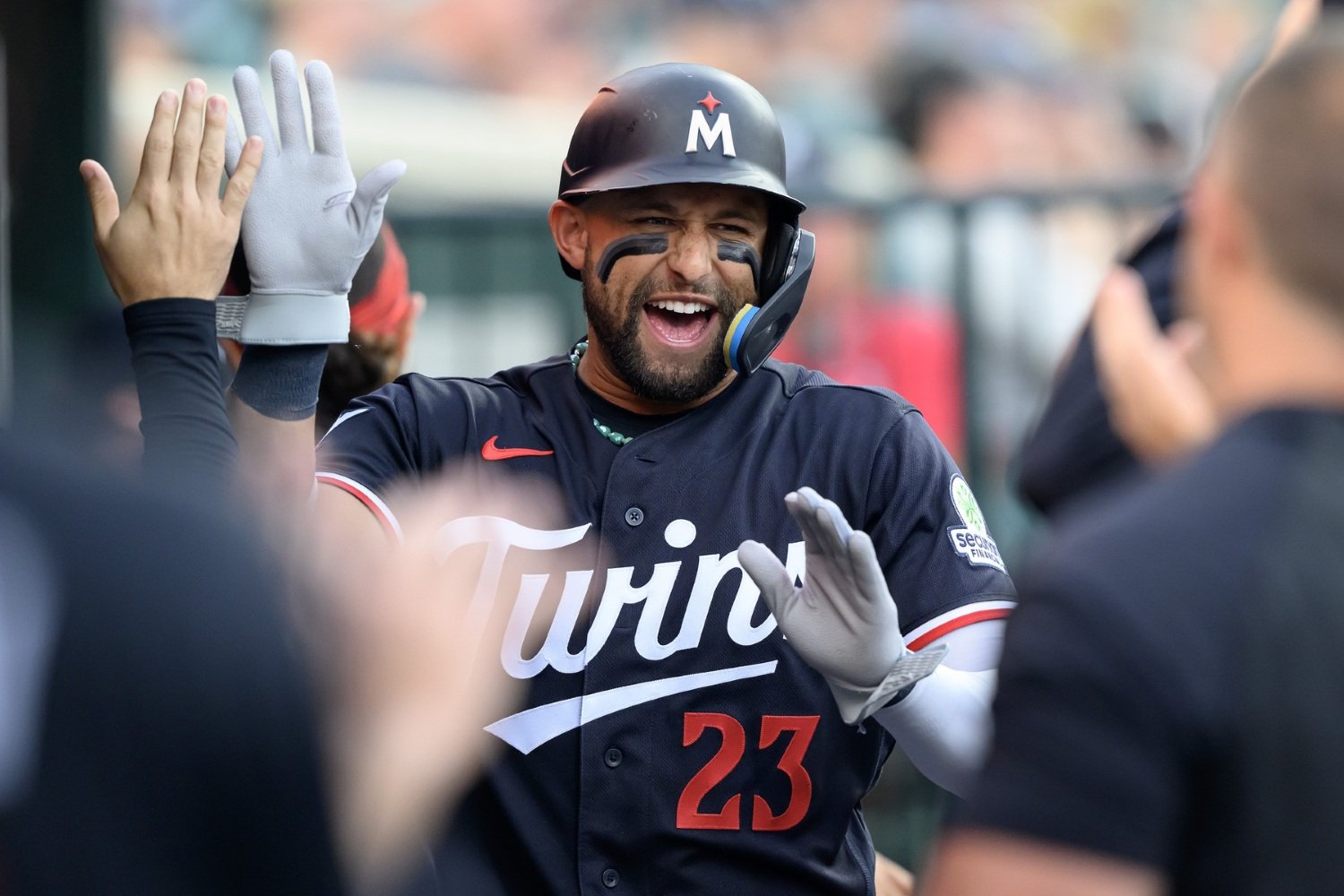 Box Score Starting Pitcher: Mike Paredes, 3 IP, 1 H, 1 ER, 2 BB, 4K Home Runs: Royce Lewis (4), Byron Buxton (20) Top 3 WPA: Buxton (0.20), Anthony Banda (0.16), (0.09) Win Probability Chart (via FanGraphs): It was another muggy day at Comerica Park, and the game action fizzled just as it got started. With a passing storm cell sitting just 15 minutes away, the umpires spoke with both managers on whether to press on ahead. The teams agreed to begin the contest, but only got a half inning—where Framber Valdez looked like his Astros self, rather than the brutal showing the Twins took advantage of in April—before the crews decided to ask fans to take shelter and wait for a storm to pass for the next 67 minutes. The game then began in earnest after a half-inch of rain dumped onto the field, with Mike Parades making his second big-league start in a planned bullpen game. The relatively unknown prospect threw a mix of sweepers in the high 70s and a four-seamer in the mid-90s, managing two strikeouts to escape the first inning. Fram(b)e(r) Up To some surprise, Valdez returned to the game. He had obviously kept fresh in between with no reduced velocity, but the humidity may have been too much. Royce Lewis punished the southpaw with a solo home run—50th of his career and first since April—that he crushed a tape-measure 444 feet. Lewis’s home run came on an elevated sweeper that came in at 95.2 mph, for the St Paul velocity bean counters. Valdez continued to look shaky, covered in heavy sweat throughout his five innings. He allowed a couple bloop hits and a walk that loaded the bases, but a foulout by Brooks Lee caught by Spencer Torkelson at the railing ended the rally. The shaky pitcher ran out of luck in the fifth. Valdez managed to plunk both Alex Jackson and Austin Martin in non-competitive pitches before Byron Buxton launched his slider for a 413-foot shot. Derek Shelton’s management played a nice role here, moving Buxton out of the lead-off spot and allowing this to be just his second non-solo home run of the season. Relief Carousel Mike Paredes almost escaped a third-inning jam, before a Gleyber Torres chopper deflected by a diving Buxton resulted in a run. That was enough for Shelton (who perhaps wanted to get Paredes the Pitchergami), who began his parade of bullpen arms, beginning with Taylor Rogers before moving to Andrew Morris. Morris struggled with command once again, but the defense was his real undoing. Luke Keaschall committed two should-be errors in the frame, leading to two should-be-unearned runs. If Shelton hoped to scratch two innings out of Morris, the 41-pitch count ended the conversation. That meant Travis Adams was put on call to do what Morris couldn’t for the sixth inning. But after pulling a 1-2-3 inning with a pair of strikeouts, Adams had trouble finding the strike zone and put runners on first and second for the seventh. That threw Anthony Banda into commission. Happily, Banda continued his recent dominance with an easy pop-out and a strikeout. Banda allowed a walk to Riley Greene to begin the eighth, but worked a few fly outs to send the game to the ninth. Hit Parade Having used five relievers the night before, AJ Hinch eventually turned to post-hype prospect type Ty Madden to face the top of the order to begin the seventh. Madden showed craft with his diverse pitch mix, but struggled to get swing-and-miss (though Orlando Arcia managed to chase one outside the zone). With switch-hitting Josh Bell up, Hinch turned to Drew Sommers, but the mid-90s fastball left in the zone resulted in a bloop single and another run on the board. Sommers also walked Lewis on four pitches before firing a wide pitch that snuck Brooks Lee home. Keaschall loaded the count, but a harmless flyout to right field ended the rally. The Twins managed multiple base runners in both the eighth and the ninth, but well-hit but poorly positioned swings from Buxton and Bell resulted in double plays that kept the damage limited. Yoendrys Gómez looked shaky in his save situation, putting on a pair with only one out. A launch from Matt Vierling spelled trouble, but the ball died at 408 feet in deep center and fell harmlessly into Buxton's glove. Dillon Dingler smacked a ball between Arcia and Lee to add one to the Tigers' count. but Gómez managed a strikeout of Riley Greene to finally shut the door. Notes Like many teams in the league, Twins.TV sells digitally commissioned ads overlaid onto the physical ones behind the batter's box. For whatever reason, these were particularly egregious tonight in creating digital artifacts, and at points, the ball disappeared from view on its way to the plate. Byron Buxton recorded his sixth stolen base of the season, but only his second in the last month. Lewis continued to look good at first base, making a few nice defensive plays. It was his third consecutive day in the position. Post-Game Interview: What's Next? After some more storms pass over the region overnight, Zebby Matthews will face Keider Montero in a high noon getaway game. The Twins will need serious length to ensure a fresh bullpen for their weekend series against the Cardinals. Bullpen Usage: SAT SUN MON TUE WED TOT Laweryson 0 36 0 12 0 48 Morris 0 41 0 0 39 80 Orze 17 0 0 23 0 40 Lawrence 0 12 0 26 0 38 Rogers 15 0 0 17 14 46 Adams 0 0 0 0 31 31 Gómez 14 0 0 0 27 41 Banda 0 0 0 0 30 30 Paredes 0 0 0 0 58 58
- 12 comments
-
- 3
-
-
- royce lewis
- byron buxton
- (and 2 more)
-
Rays 6, Twins 1: Same Old Song with Another Loss at the Trop
Peter Labuza posted an article in Twins
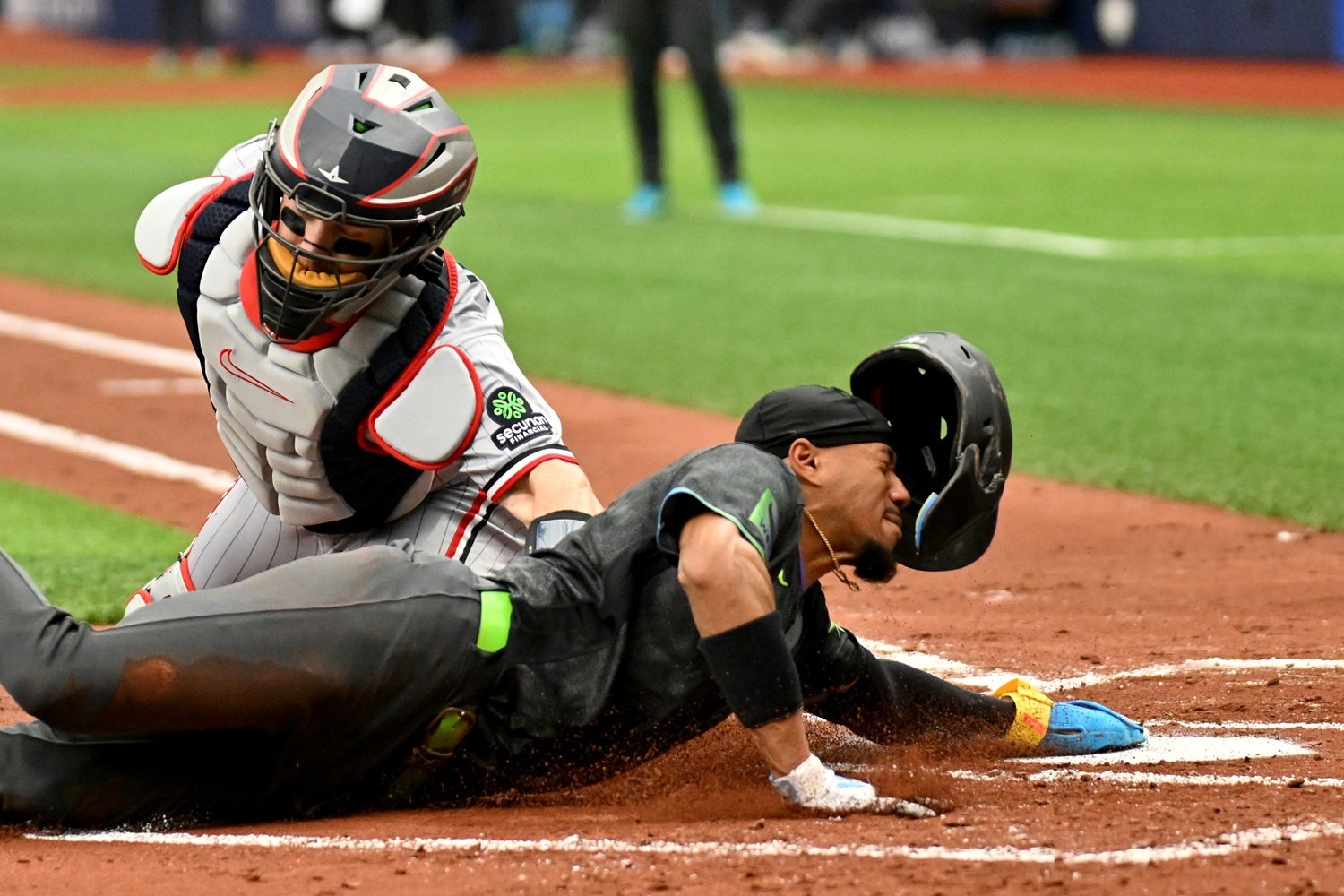 Box Score Starting Pitcher: Bailey Ober: 6 IP, 3 H, 2 ER, 2 BB, 3 K Home Runs: None Bottom 3 WPA: Victor Caratini (-0.16), Austin Martin (-0.9), Royce Lewis (-0.9) Win Probability Chart (via FanGraphs): The second of round of the Twins at the Trop included a pair of pitchers both looking to prove a lot to their teams. It was a largely uneventful affair, more notable for baseball weirdness than anything else. The oddities began early when Austin Martin came up against pitcher Shane McClanahan and blew an ABS challenge. On the next pitch, however, Martin attempted to call time but McClanahan threw anyway. Umpire Brian Walsh accidentally called for the ABS, and then confusion and debate continued for at least four minutes before the game continued. Walsh later missed another call for time from Byron Buxton, though luckily the pitch came in as a ball. Ober and Done With Bailey Ober made the start for Minnesota, continuing his surprisingly strong work that seems to be now erasing any concerns over velocity. The 6'-9" soft tosser allowed a walk to speed demon Chandler Simpson, but a surprisingly on point throw from Austin Martin turned a potential sacrifice fly into a double play as Ryan Jeffers nabbed him at the plate. (Curiously, the bench coach on the phone signaled to cash to play on, but Cash challenged nonetheless). Ober did not repeat the strikeout success he had in his two previous starts, but he continued his soft contact magic—managing to keep the Rays to only three hard hits all day. Unfortunately, one of those did critical damage. After a hit by pitch put Yandy Diaz on base, Jake Fraley connected with Ober’s change up and launched one 401 feet for a two run shot. Ober still pushed his way through to manage a Quality Start. A fifth inning walk to Richie Palacios got erased when the baserunner dragged a steal too far and Brooks Lee kept a tag (if there was a chance to challenge, the Rays were already out at the moment). After a Junior Caminero single through the infield, Derek Shelton trusted the giant to finish off the inning with a pop up and a soft grounder and keep the game where it needed to be. Comebacker, Shane McClanahan entered the game with a 5.00 ERA over 18 innings, though for a player who has missed two full seasons—including some months where he couldn't grip a single thing with his hand—the Rays should be happy to have him throwing 95mph while on the mound. While his first two innings looked strong, his command began faltering and put both Austin Martin and Josh Bell on base with two outs. However, McClanahan worked back a 3-0 count with Ryan Jeffers into a ground out to escape any damage. After throwing 35 pitches in the third inning, he managed a five pitch fourth inning. An error from Ben Williamson and a single from Buxton gave the Twins a chance to cash in with two on and one out, but McClanahan easily escaped the jam. He finished with seven strikeouts on a largely lifeless Twins offense. Bullpen Blues A continuing refrain for Minnesota ended whatever hope for a comeback. Taylor Rogers took over for Ober in the 7th inning and graced the Rays with a double, triple, and walk—none from their best hitters— before Shelton went to Eric Orze. The former Rays farmhand did not fare much better, allowing a pair of runs before the Twins managed to end in the inning. Garret Acton was given the eighth and added onto the pain after a Williamson double. If the Rays had questions about their bullpen after a bad week, they seemed in full force this week. Cash turned to Kevin Kelly for two innings followed by Hunter Bigge for one. Neither pitcher faced much resistance from the hitting crew. After posting a 106 WRC+ going into last Friday’s bout with the Reds, the team has been below average in hitting since then. Trevor Martin ran into some trouble after hitting Luke Keaschall, who stole second and set up Royce Lewis for a RBI single. But that was all the Twins could manage. After sitting atop the American League, the team has now dropped eight of their last nine contests. Notes —Buxton smacked a catwalk ring in the third inning that led to a dropped pop up in the infield, but only some of the catwalks are considered fair territory while others force a foul ball. —Future Review? Josh Bell struck out on a "foul tip" in the eighth inning that a broadcast replay revealed as a check swing. However, such a call remains unreviewable in baseball. —ABS Winners today: Buxton, Jeffers (x2) Post-Game Interview: What's Next? Simeon Woods Richardson looks to finally manage a win after a rough series of starts, while the Rays turn to their long relief / "opener" Jesse Scholtens, who will aim for likely five innings. Bullpen Usage: TUE WED THU FRI SAT TOT Morris 0 0 37 0 0 37 Banda 18 0 9 7 0 34 Topa 17 17 0 0 0 34 Orze 0 11 0 10 9 30 Rogers 0 12 0 0 15 27 Sands 23 0 0 0 0 23 Acton 0 0 0 0 18 18 Funderburk 0 0 0 0 0 0
- 59 comments
-
- 1
-
-
- bailey ober
- taylor rogers
- (and 2 more)
-
Image courtesy of © Jonathan Dyer-Imagn Images Box Score Starting Pitcher: Bailey Ober: 6 IP, 3 H, 2 ER, 2 BB, 3 K Home Runs: None Bottom 3 WPA: Victor Caratini (-0.16), Austin Martin (-0.9), Royce Lewis (-0.9) Win Probability Chart (via FanGraphs): The second of round of the Twins at the Trop included a pair of pitchers both looking to prove a lot to their teams. It was a largely uneventful affair, more notable for baseball weirdness than anything else. The oddities began early when Austin Martin came up against pitcher Shane McClanahan and blew an ABS challenge. On the next pitch, however, Martin attempted to call time but McClanahan threw anyway. Umpire Brian Walsh accidentally called for the ABS, and then confusion and debate continued for at least four minutes before the game continued. Walsh later missed another call for time from Byron Buxton, though luckily the pitch came in as a ball. Ober and Done With Bailey Ober made the start for Minnesota, continuing his surprisingly strong work that seems to be now erasing any concerns over velocity. The 6'-9" soft tosser allowed a walk to speed demon Chandler Simpson, but a surprisingly on point throw from Austin Martin turned a potential sacrifice fly into a double play as Ryan Jeffers nabbed him at the plate. (Curiously, the bench coach on the phone signaled to cash to play on, but Cash challenged nonetheless). Ober did not repeat the strikeout success he had in his two previous starts, but he continued his soft contact magic—managing to keep the Rays to only three hard hits all day. Unfortunately, one of those did critical damage. After a hit by pitch put Yandy Diaz on base, Jake Fraley connected with Ober’s change up and launched one 401 feet for a two run shot. Ober still pushed his way through to manage a Quality Start. A fifth inning walk to Richie Palacios got erased when the baserunner dragged a steal too far and Brooks Lee kept a tag (if there was a chance to challenge, the Rays were already out at the moment). After a Junior Caminero single through the infield, Derek Shelton trusted the giant to finish off the inning with a pop up and a soft grounder and keep the game where it needed to be. Comebacker, Shane McClanahan entered the game with a 5.00 ERA over 18 innings, though for a player who has missed two full seasons—including some months where he couldn't grip a single thing with his hand—the Rays should be happy to have him throwing 95mph while on the mound. While his first two innings looked strong, his command began faltering and put both Austin Martin and Josh Bell on base with two outs. However, McClanahan worked back a 3-0 count with Ryan Jeffers into a ground out to escape any damage. After throwing 35 pitches in the third inning, he managed a five pitch fourth inning. An error from Ben Williamson and a single from Buxton gave the Twins a chance to cash in with two on and one out, but McClanahan easily escaped the jam. He finished with seven strikeouts on a largely lifeless Twins offense. Bullpen Blues A continuing refrain for Minnesota ended whatever hope for a comeback. Taylor Rogers took over for Ober in the 7th inning and graced the Rays with a double, triple, and walk—none from their best hitters— before Shelton went to Eric Orze. The former Rays farmhand did not fare much better, allowing a pair of runs before the Twins managed to end in the inning. Garret Acton was given the eighth and added onto the pain after a Williamson double. If the Rays had questions about their bullpen after a bad week, they seemed in full force this week. Cash turned to Kevin Kelly for two innings followed by Hunter Bigge for one. Neither pitcher faced much resistance from the hitting crew. After posting a 106 WRC+ going into last Friday’s bout with the Reds, the team has been below average in hitting since then. Trevor Martin ran into some trouble after hitting Luke Keaschall, who stole second and set up Royce Lewis for a RBI single. But that was all the Twins could manage. After sitting atop the American League, the team has now dropped eight of their last nine contests. Notes —Buxton smacked a catwalk ring in the third inning that led to a dropped pop up in the infield, but only some of the catwalks are considered fair territory while others force a foul ball. —Future Review? Josh Bell struck out on a "foul tip" in the eighth inning that a broadcast replay revealed as a check swing. However, such a call remains unreviewable in baseball. —ABS Winners today: Buxton, Jeffers (x2) Post-Game Interview: What's Next? Simeon Woods Richardson looks to finally manage a win after a rough series of starts, while the Rays turn to their long relief / "opener" Jesse Scholtens, who will aim for likely five innings. Bullpen Usage: TUE WED THU FRI SAT TOT Morris 0 0 37 0 0 37 Banda 18 0 9 7 0 34 Topa 17 17 0 0 0 34 Orze 0 11 0 10 9 30 Rogers 0 12 0 0 15 27 Sands 23 0 0 0 0 23 Acton 0 0 0 0 18 18 Funderburk 0 0 0 0 0 0 View full article
-
There's a few things worth noting. Their April WRC against Lefties the last four years has been: 18, 39, 18, and now 41. (2024 included the 12 game win streak). More notably their walk rate against lefties has always been under 7%, now it's practically 12%. And notably they aren't doing it with ground balls but fly balls as they did in 2024, which makes it even more interesting. Obviously you are right, line up changes matter—especially Bell and Carantini. But as I noted (a) Buxton wasn't hitting until last night; (2) despite some key righty bats, Lee, Keaschall, Clemens, and Lewis had struggled against LHP all last year. Now they're hitting.
-
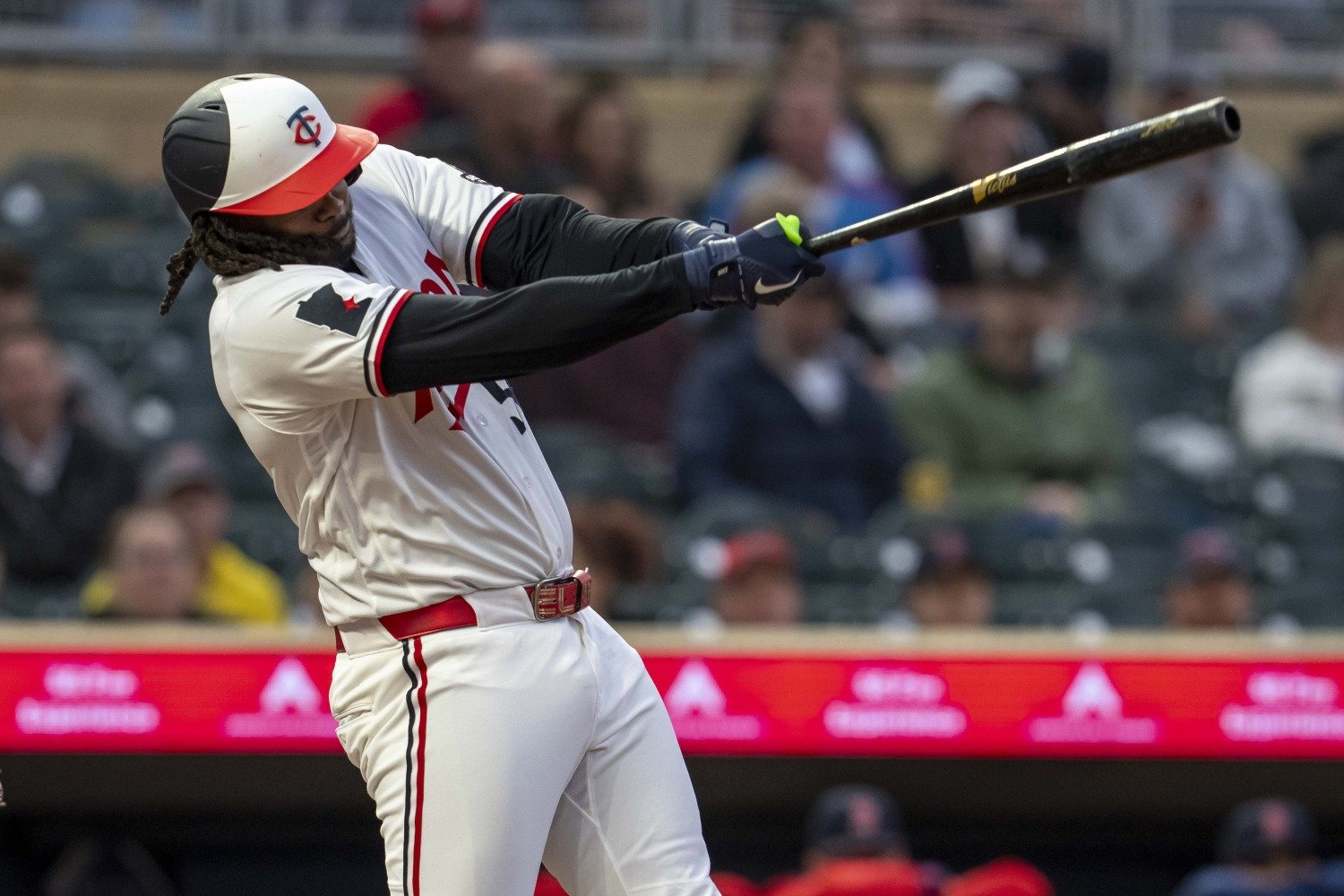 After another surprising beatdown of one of the league’s potential Cy Young candidates, fans cannot ignore what is becoming a fact: The Minnesota Twins are hitting left-handed pitchers well. While the 2025 Twins carried a .602 OPS against lefties in April, this year's team entered Tuesday at .734, good for sixth in the league. Their victims include Tarik Skubal, Framber Valdez, and Garrett Crochet. It's a good thing, too, because the Twins have seen over 45% of their pitches this season from southpaws, more than half again the league-average mark of 28%. Most expected the team to flounder during this left-leaning to start the season. Instead, they've ignited a fire. For any close follower of the Minnesota Twins—or at least anyone who has listened to years of critics (rightly) screaming out for a right-handed corner outfield bat to balance a platoon-designed lineup—this sudden flip feels like a shock to the system. It's even more jarring to see it happen despite Byron Buxton struggling (until this week), when he was viewed as perhaps the only reliable lefty-masher on the team entering this season. There are a few ways to break down the sudden shift in energy that now has the Twins in first place in the American League. But there are small red lights, too, blinking out a warning that this might not be sustainable. Swing Early or Don’t Swing at All The Twins have employed a variety of game plans this year, but one fascinating juxtaposition stands out when you look at the data. The Twins are both extremely aggressive and very patient. As we’ve seen a number of times, players have no interest in waiting for the "perfect" pitch. They’ve swung at the first pitch against lefties 32% of the time (10th in the league), resulting in a .343/.378/.686 slash line. Overall, though, they rank 28th in swing rate. Their walk rate is 11.9% facing lefties, which ranks 7th in the league. When you look closely, the Twins are simply playing the odds. This bifurcated approach has become increasingly popular among smart teams over the last decade: get in the box ready to hit, but if you do get deeper in a count, become more patient there. You might just work your way on base. Here's how the Twins compare to the rest of the league in terms of swing rate by count against lefties. Count Twins Rest of League % Difference 0-0 32.2% 29.7% 2.5% 0-1 42.6% 47.8% -5.2% 0-2 51.3% 48.6% 2.7% 1-0 47.1% 41.2% 5.9% 1-1 55.3% 53.8% 1.5% 1-2 48.6% 58.3% -9.6% 2-0 45.7% 33.3% 12.4% 2-1 48.1% 57.0% -8.9% 2-2 51.2% 60.4% -9.2% 3-0 0.0% 4.3% -4.3% 3-1 31.0% 46.5% -15.5% 3-2 59.7% 65.8% -6.1% In a pregame media scrum, Derek Shelton explained that “the biggest thing is just not chasing. It’s just making sure we stay in our hitting zones.” While the Twins have been certainly low in the chase rate department—swinging at just 16% of pitches outside the zone (4th lowest in the league)—they are also swinging notably less at pitches in the zone, close to a league average of 57%. This means they’re setting up for good counts and good pitches. Finding Just Enough Grass Without generating an especially high hard-hit rate or relying too heavily on the home run (in March and April, after all, the ball doesn't fly very well), the Twins have been one of the best teams in the league at dropping singles and doubles into the outfield. They lift the ball, but despite the fact that it's cold, they're finding space in which it can land. The trick is pulling the ball, where the Twins rank 2nd in Air Pulls. Sometimes, it's not about hitting it 110 MPH. In fact, hitting softer flares can create an unsexy sweet spot, where you're likely to get it over the infielders but drop it in front of the outfield. As long as you offer enough of a threat to stop the outfielders from coming in an extra 15 feet against you, there's a lot of room out there. TDY1dmJfWGw0TUFRPT1fVlFKUUJ3ZFdWZ1VBWFFjRkFBQUhWVlJSQUZrQUJsZ0FCVkFOVmdzRlZWZFJDUVZW.mp4 On the Hunt for Speed Because they're overrepresented in the population of pitchers (relative to their prevalence in the population as a whole), left-handed pitchers don't throw as hard as righties do. They usually beat you by forcing you to play their funky angles and fall for their offspeed tricks. The Twins refuse to be fooled. So far this spring, Minnesota hitters have pointedly found ways to attack high-speed pitches coming from southpaws, rather than off-speed stuff. They have a hard-hit rate of 47.5% on fastballs, fifth in the league, and a 22.8% hard-hit rate on off-speed pitches—25th in the league. The trick here seems to be what Baseball Savant calls the Ideal Attack Angle (IAA) rate. A well-timed swing should catch the ball as the barrel works uphill at somewhere between 5° and 20°, relative to an imaginary horizontal line parallel to the ground. Ted Williams taught this: the pitch is coming down, so you have to swing up. Once again, the Twins' difference is notable: 3rd in the league in IAA% when it comes to fastballs; 25th in the league when it comes to other stuff. For example, check out this Matt Wallner single off Skubal. The reigning Cy Young Award winner leaves it down and in the center of the zone. Wallner, known for crushing the ball, does something different. His swing comes in low, looking to simply match and line up with the pitch. The Big Moose lands a single 210 feet and scores a run. NEW.mp4 Once again, the Twins are taking advantage of cold weather. Skubal's velocity is down a tick, and he's only gotten a 14% whiff rate on his fastball—down from 24% in those previous full seasons. That might be just enough to let hitters like Wallner focus on location, rather than timing. Warming Signs As I’ve outlined here, the Twins' lefty strategy seems to be partially working because of cold weather. As summer approaches, those pulled balls might end up safely in an outfielder’s glove. Pitchers' heaters might warm with the weather. Players might find themselves forced to fight off pitches, rather than confidently waiting for good ones. More likely still is that we'll find that some of these results are just a matter of several players playing slightly above their real talent level, in a way that won't last. All the wins count, though. For now, the team is thriving. In the game of the season, an inning has already been played, and surprising lefty-mashing has given the Twins a snug but real lead. What comes next matters, but so does what's already happened.
 -
Image courtesy of © Jesse Johnson-Imagn Images After another surprising beatdown of one of the league’s potential Cy Young candidates, fans cannot ignore what is becoming a fact: The Minnesota Twins are hitting left-handed pitchers well. While the 2025 Twins carried a .602 OPS against lefties in April, this year's team entered Tuesday at .734, good for sixth in the league. Their victims include Tarik Skubal, Framber Valdez, and Garrett Crochet. It's a good thing, too, because the Twins have seen over 45% of their pitches this season from southpaws, more than half again the league-average mark of 28%. Most expected the team to flounder during this left-leaning to start the season. Instead, they've ignited a fire. For any close follower of the Minnesota Twins—or at least anyone who has listened to years of critics (rightly) screaming out for a right-handed corner outfield bat to balance a platoon-designed lineup—this sudden flip feels like a shock to the system. It's even more jarring to see it happen despite Byron Buxton struggling (until this week), when he was viewed as perhaps the only reliable lefty-masher on the team entering this season. There are a few ways to break down the sudden shift in energy that now has the Twins in first place in the American League. But there are small red lights, too, blinking out a warning that this might not be sustainable. Swing Early or Don’t Swing at All The Twins have employed a variety of game plans this year, but one fascinating juxtaposition stands out when you look at the data. The Twins are both extremely aggressive and very patient. As we’ve seen a number of times, players have no interest in waiting for the "perfect" pitch. They’ve swung at the first pitch against lefties 32% of the time (10th in the league), resulting in a .343/.378/.686 slash line. Overall, though, they rank 28th in swing rate. Their walk rate is 11.9% facing lefties, which ranks 7th in the league. When you look closely, the Twins are simply playing the odds. This bifurcated approach has become increasingly popular among smart teams over the last decade: get in the box ready to hit, but if you do get deeper in a count, become more patient there. You might just work your way on base. Here's how the Twins compare to the rest of the league in terms of swing rate by count against lefties. Count Twins Rest of League % Difference 0-0 32.2% 29.7% 2.5% 0-1 42.6% 47.8% -5.2% 0-2 51.3% 48.6% 2.7% 1-0 47.1% 41.2% 5.9% 1-1 55.3% 53.8% 1.5% 1-2 48.6% 58.3% -9.6% 2-0 45.7% 33.3% 12.4% 2-1 48.1% 57.0% -8.9% 2-2 51.2% 60.4% -9.2% 3-0 0.0% 4.3% -4.3% 3-1 31.0% 46.5% -15.5% 3-2 59.7% 65.8% -6.1% In a pregame media scrum, Derek Shelton explained that “the biggest thing is just not chasing. It’s just making sure we stay in our hitting zones.” While the Twins have been certainly low in the chase rate department—swinging at just 16% of pitches outside the zone (4th lowest in the league)—they are also swinging notably less at pitches in the zone, close to a league average of 57%. This means they’re setting up for good counts and good pitches. Finding Just Enough Grass Without generating an especially high hard-hit rate or relying too heavily on the home run (in March and April, after all, the ball doesn't fly very well), the Twins have been one of the best teams in the league at dropping singles and doubles into the outfield. They lift the ball, but despite the fact that it's cold, they're finding space in which it can land. The trick is pulling the ball, where the Twins rank 2nd in Air Pulls. Sometimes, it's not about hitting it 110 MPH. In fact, hitting softer flares can create an unsexy sweet spot, where you're likely to get it over the infielders but drop it in front of the outfield. As long as you offer enough of a threat to stop the outfielders from coming in an extra 15 feet against you, there's a lot of room out there. TDY1dmJfWGw0TUFRPT1fVlFKUUJ3ZFdWZ1VBWFFjRkFBQUhWVlJSQUZrQUJsZ0FCVkFOVmdzRlZWZFJDUVZW.mp4 On the Hunt for Speed Because they're overrepresented in the population of pitchers (relative to their prevalence in the population as a whole), left-handed pitchers don't throw as hard as righties do. They usually beat you by forcing you to play their funky angles and fall for their offspeed tricks. The Twins refuse to be fooled. So far this spring, Minnesota hitters have pointedly found ways to attack high-speed pitches coming from southpaws, rather than off-speed stuff. They have a hard-hit rate of 47.5% on fastballs, fifth in the league, and a 22.8% hard-hit rate on off-speed pitches—25th in the league. The trick here seems to be what Baseball Savant calls the Ideal Attack Angle (IAA) rate. A well-timed swing should catch the ball as the barrel works uphill at somewhere between 5° and 20°, relative to an imaginary horizontal line parallel to the ground. Ted Williams taught this: the pitch is coming down, so you have to swing up. Once again, the Twins' difference is notable: 3rd in the league in IAA% when it comes to fastballs; 25th in the league when it comes to other stuff. For example, check out this Matt Wallner single off Skubal. The reigning Cy Young Award winner leaves it down and in the center of the zone. Wallner, known for crushing the ball, does something different. His swing comes in low, looking to simply match and line up with the pitch. The Big Moose lands a single 210 feet and scores a run. NEW.mp4 Once again, the Twins are taking advantage of cold weather. Skubal's velocity is down a tick, and he's only gotten a 14% whiff rate on his fastball—down from 24% in those previous full seasons. That might be just enough to let hitters like Wallner focus on location, rather than timing. Warming Signs As I’ve outlined here, the Twins' lefty strategy seems to be partially working because of cold weather. As summer approaches, those pulled balls might end up safely in an outfielder’s glove. Pitchers' heaters might warm with the weather. Players might find themselves forced to fight off pitches, rather than confidently waiting for good ones. More likely still is that we'll find that some of these results are just a matter of several players playing slightly above their real talent level, in a way that won't last. All the wins count, though. For now, the team is thriving. In the game of the season, an inning has already been played, and surprising lefty-mashing has given the Twins a snug but real lead. What comes next matters, but so does what's already happened. View full article
-
No Country for Old Men: Andrew Chafin and Gio Urshela Released
Peter Labuza posted an article in Twins
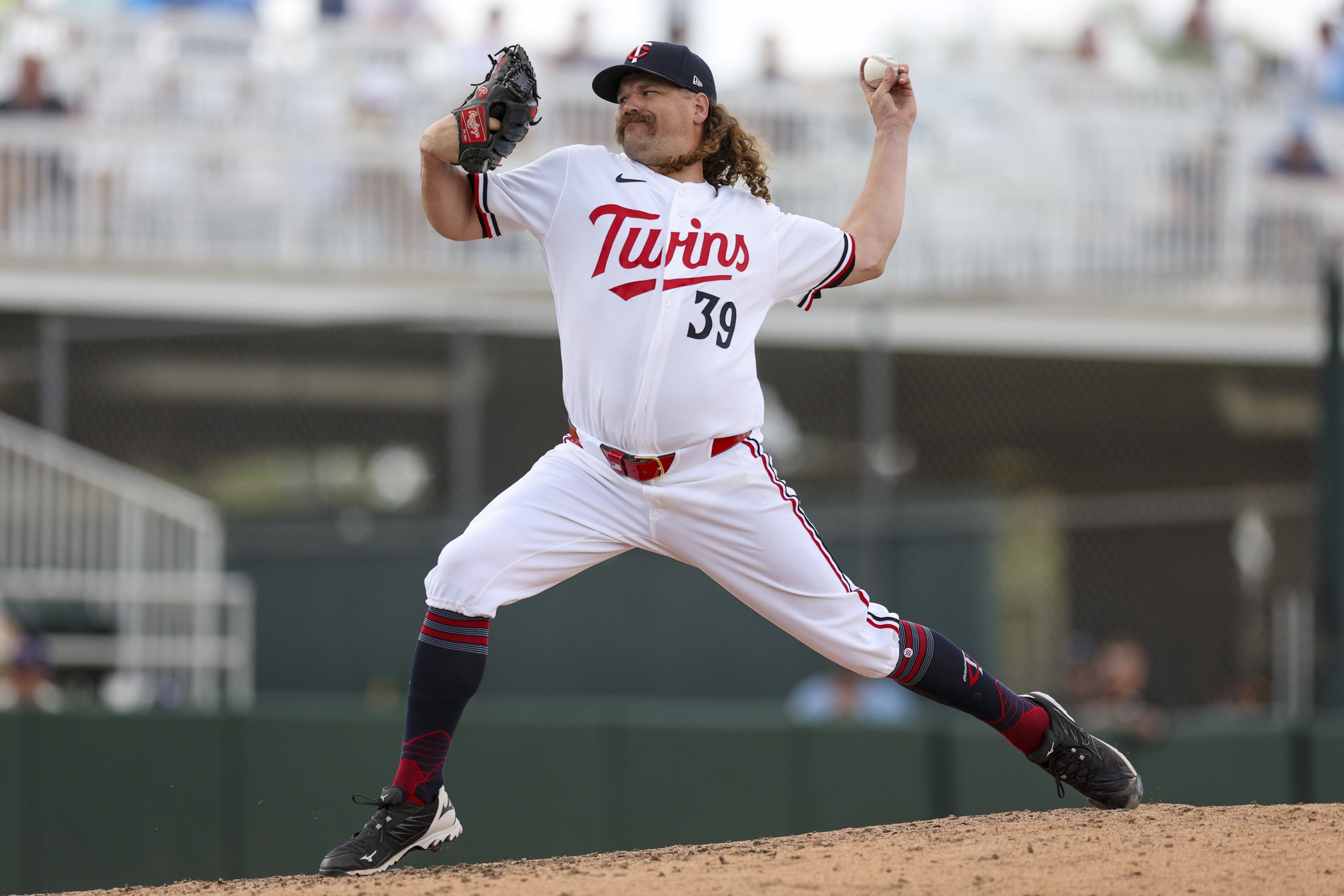 As the Twins close in on the end of spring camp, it seems a few more of the veterans brought in on minor league deals won’t find their way onto the team. First reported by Dan Hayes of The Athletic, left-handed reliever Andrew Chafin and former Twin infielder Gio Urshela were released from their contracts after learning they would not make the team. This follows on the release of Liam Hendricks this morning. March 20th is the final day for some minor league invites to make the team as per the Collective Bargaining Agreement for players with six years of service time. The Twins can either add the player to the 40 man or release into free agency. Though they have 48 hours to decide, it seems that Jeremy Zoll and the rest of the front office have other ideas and are ready to move on them. Though the bullpen options for the Twins still seem murky, releasing Chafin makes sense for a team with three other left-handed options in Taylor Rogers, Anthony Banda, and Kody Funderburk. Chafin struggled to reach even the high 80s on his fastball while in camp. While the top-line stats looked okay, Chafin’s spring appearances included a 35% hard hit rate, which one would only expect to rise through the season. Veteran presence is always welcomed, but there seemed little reason to have a third, much less a fourth, lefty in the pen. Urshela’s appearance in camp may have made sense a year or two ago, but his lack of defensive prowess as he enters his age 34 season left little space in the infield. While the Twins likely did not need to look at any offensive numbers, Urshela managed five hits in 26 plate appearances and only one for more than a single. With Royce Lewis’s improved role at third base, a defensive back up seemed less necessary than the other options who could also play shortstop—which still includes Ryan Kreidler and Orlanda Arcia, both of whom remain in camp as of publication time. We'll always remember the walk up song.
 -
Image courtesy of Nathan Ray Seebeck-Imagn Images As the Twins close in on the end of spring camp, it seems a few more of the veterans brought in on minor league deals won’t find their way onto the team. First reported by Dan Hayes of The Athletic, left-handed reliever Andrew Chafin and former Twin infielder Gio Urshela were released from their contracts after learning they would not make the team. This follows on the release of Liam Hendricks this morning. March 20th is the final day for some minor league invites to make the team as per the Collective Bargaining Agreement for players with six years of service time. The Twins can either add the player to the 40 man or release into free agency. Though they have 48 hours to decide, it seems that Jeremy Zoll and the rest of the front office have other ideas and are ready to move on them. Though the bullpen options for the Twins still seem murky, releasing Chafin makes sense for a team with three other left-handed options in Taylor Rogers, Anthony Banda, and Kody Funderburk. Chafin struggled to reach even the high 80s on his fastball while in camp. While the top-line stats looked okay, Chafin’s spring appearances included a 35% hard hit rate, which one would only expect to rise through the season. Veteran presence is always welcomed, but there seemed little reason to have a third, much less a fourth, lefty in the pen. Urshela’s appearance in camp may have made sense a year or two ago, but his lack of defensive prowess as he enters his age 34 season left little space in the infield. While the Twins likely did not need to look at any offensive numbers, Urshela managed five hits in 26 plate appearances and only one for more than a single. With Royce Lewis’s improved role at third base, a defensive back up seemed less necessary than the other options who could also play shortstop—which still includes Ryan Kreidler and Orlanda Arcia, both of whom remain in camp as of publication time. We'll always remember the walk up song. View full article
-
Anthony Banda is the First Elite Arm for a New Twins Bullpen
Peter Labuza posted an article in Twins
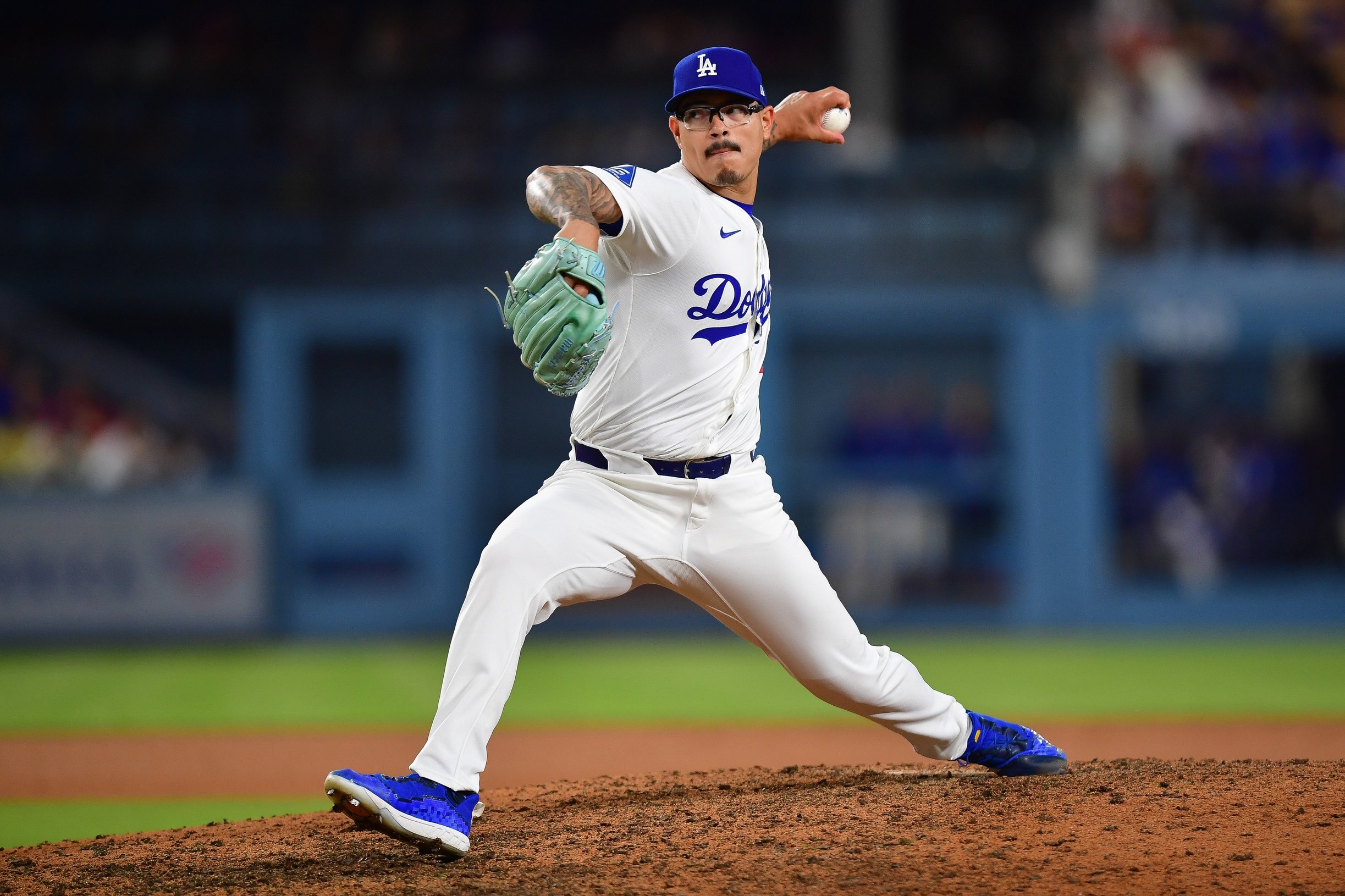 While the Dodgers have decided “No Hay Banda” for their bullpen, the Twins declared, “Silencio!” Why the Dodgers dropped Anthony Banda is only somewhat clear. While there were concerns over the underlying stats, it is more likely that the team thought the $1.625 million settled number for his first year of Arb would be enough to keep other teams from claiming him through waivers—and if not, get something decent in return. After all, the Dodgers cycled through over 40 pitchers last year, and Banda pitched more innings than some of their top starting arms, often in high leverage situations. But for the Twins, this is a no brainer pick up. On the first day of Spring Training, Derek Shelton reminded the media scrum of his familiarity with Banda from his Pittsburgh days and declared him “a bulldog [who is] not afraid of taking the ball.” Drafted in the 10th Round in 2012 by the Milwaukee Brewers, Banda bounced around over ten different minor league systems and a brief major league stint with the Nationals before somehow landing with the Dodgers in a mid-season trade with the Guardians for cash considerations. However, he made an immediate impact thanks to a few adjustments. First, the Dodgers lowered his general arm angle 34 degrees as opposed to 43 in 2023, according to Sam Scherer of Dodgers Digest. But the big difference came on the slider, which runs about 10mph slower than the mid-90s fastball. According to Fabian Ardaya of The Athletic, Dodgers pitching coach Connor McGuiness decided to change his unorthodox slider grip. Banda’s slider, which took almost 40 inches of vertical drop over the last two seasons, ranked only below a few elite arms like Josh Hader, and made him a devastating lefty tool for the eventual World Series winners. During the 2024 postseason run, Banda played critical role after the team's other left handed option, Alex Vesia, got sidelined in the NLCS. Over his ten appearances, Banda allowed only a single run. In 2025, Banda posted a 3.18 ERA over 64.2 IP last year, appearing in a 70 different games. While he held a 3.34 FIP against lefties, Righties managed a brutal 5.54 FIP. Banda posted one of the worst walk rates in baseball last year, which will need to be fixed. But even when Banda struggled, he was still one of the most central players for a team whose bullpen looked cooked. As high profile arms like Blake Trienen and Tanner Scott struggled, David Roberts trusted Banda to make almost daily appearances; he received the call three straight days in a row, multiple times throughout the season. Half his appearances came in either high or medium leverage, and others were often because no other trusted arms were available to throw. His numerous appearances netted a 1.2 WPA, only second behind Vesia for the bullpen. Banda’s 2025 postseason did not go as expected—his match-up against Addison Barger in Game 1 of the World Series led to the first even pinch-hit grand slam, which cooked any stats you might see—but the stuff is still there. If anything, the Dodgers may have overused his slider in 2025. Getting the fastball and sinker back into place could make him a critical piece. And in a team that needs elite arms, Banda has proved his stuff is there. Banda carried the Dodgers bullpen at times over their two first runs. Now they think he won’t prove useful in the threepeat. At 32, he comes in with more experience than most of the arms and can prove his worth. Under Pete Maki, it would not be unexpected to see the Twins either turn him into a fireman for jams in the mid-innings, or even as an eighth inning man. Either way, Banda feels like the first real piece to cement the next steps of the bullpen.

