



Peter Labuza
-
Posts
233 -
Joined
-
Last visited
Content Type
Profiles
News
Minnesota Twins Videos
2026 Minnesota Twins Top Prospects Ranking
2022 Minnesota Twins Draft Picks
Minnesota Twins Free Agent & Trade Rumors, Notes, & Tidbits
Guides & Resources
2023 Minnesota Twins Draft Picks
The Minnesota Twins Players Project
2024 Minnesota Twins Draft Picks
2025 Minnesota Twins Draft Pick Tracker
2026 Minnesota Twins Draft Tracker: Picks & Bonuses
Forums
Blogs
Events
Store
Downloads
Gallery
Everything posted by Peter Labuza
-
In approaching this offseason, the Twins have prioritized building one of the best outfields in the game, perfectly suited to their fly ball pitching staff. But what if Rob Manfred’s futzing tanks their approach? Image courtesy of Brad Rempel, USA TODAY Sports In approaching this offseason, the Twins have prioritized building one of the best outfields in the game, perfectly suited to their fly ball pitching staff. But what if Rob Manfred’s futzing tanks their approach? In thinking about this year’s offseason, it is no doubt that the Twins have prioritized defense. Beyond the return of Carlos Correa, both Kyle Farmer and Donovan Solano bring depth to the left and right of the diamond. But the story doubles in the outfield. Newcomers Michael A. Taylor and Joey Gallo might struggle at the plate, but both represent major upgrades in their defensive abilities. Although Matt Wallner might look major-league ready, he’ll remain in the minor leagues for now as no deal was enough for the team to part with Max Kepler. Trevor Larnach, Gilberto Celestino, and Nick Gordon might show up, but the depth of the outfield now accounts for injuries. And in recent seasons, Joe Ryan, Tyler Mahle, Griffin Jax, and Kenta Maeda have all been near the top of the fly ball list for MLB pitchers. Also, perhaps you have heard of Byron Buxton? For what it’s worth, Derek Falvey and company have a plan in place. But they could also end up victims of the indifferent baseball gods that may send those balls sailing above their heads. Ever since 2017, “juiced” balls have been a major topic of conversation within the league with discrepant years. At first, studies by Ben Lindbergh and Rob Arthur demonstrated a clearly new composition within MLB’s baseballs beginning in 2015. Theories about how and why the ball changed only increased with the league’s purchase of Rawlings, the company responsible for the balls in 2018. The Twins, for their part, took advantage in 2019, breaking open the single-season major-league record for home runs, a total that has yet to be topped. But since 2019, the ball suddenly stopped flying. The shortened season impacted the data in 2020, but it was clear by 2021 that a new baseball was landing dead on the warning track over and over. MLB said nothing. This new ball has put a dent in numerous plans. Most teams had begun prioritizing a Three True Outcome approach, which became less useful when that most important outcome—the home run—became less likely to occur. Luis Arraez demonstrated that maybe it was time to go back to an old-school approach. MLB finally took responsibility after a notable study by Bradford William Davis and astrophysicist Meredith Wills proved that 2021 featured two different baseballs with different cores, resulting in wildly different results. 2022 went even crazier, as Wills and Davis found three different balls, including a “goldilocks” ball that just happens to appear most often on Sunday Night games and Yankees games, just as Aaron Judge chased his home run record. MLB admitted to the 2021 shenanigans but has forcefully denied the 2022 allegations. Whatever it means, the Twins have had to make a guess about how to construct a team for 2023 without any idea what ball might show up. If the ball’s drag keeps it in the park, the Twins will be in luck with a defense ready to shag balls all season long. But if the league decides that baseball needs more home run chases, the Twins might find their entire off-season construction to be built for an entirely different game. What’s the point of having an elite defense if all your pitchers do is serve up long balls? This is not to fault the organization for choosing such a route. If anything, MLB has refused to share with teams what they might expect from the ball, and their silence on the issue has only fueled conspiracies within the players about how they might be attempting to hurt their free agency. Manfred and company might not exactly know why the balls act the way they do before it is much too late. In 2022, they at least instituted humidors as a mandatory practice for all 30 league ballparks to help create some uniformity. But if they know more about the upcoming ball than teams do, why not let teams and players prepare? One can at least hope MLB is hoping for a ball that might find some balance. With new rules in place specifically meant to increase “small ball” offense, this is the year to find a ball that might not make it to the seats but at least won’t die on the warning track. And yet, it is hard to believe that MLB has ever had a plan in place. The Twins can only pray they get the right balls for this comeback season. It would be a shame for a franchise playing a smart approach to the offseason only to be cooked by a complete disaster of an unknown. Until we get into the season and finally meet the ball, the answer to the Twins’ offseason tactics will remain a mystery. View full article
-
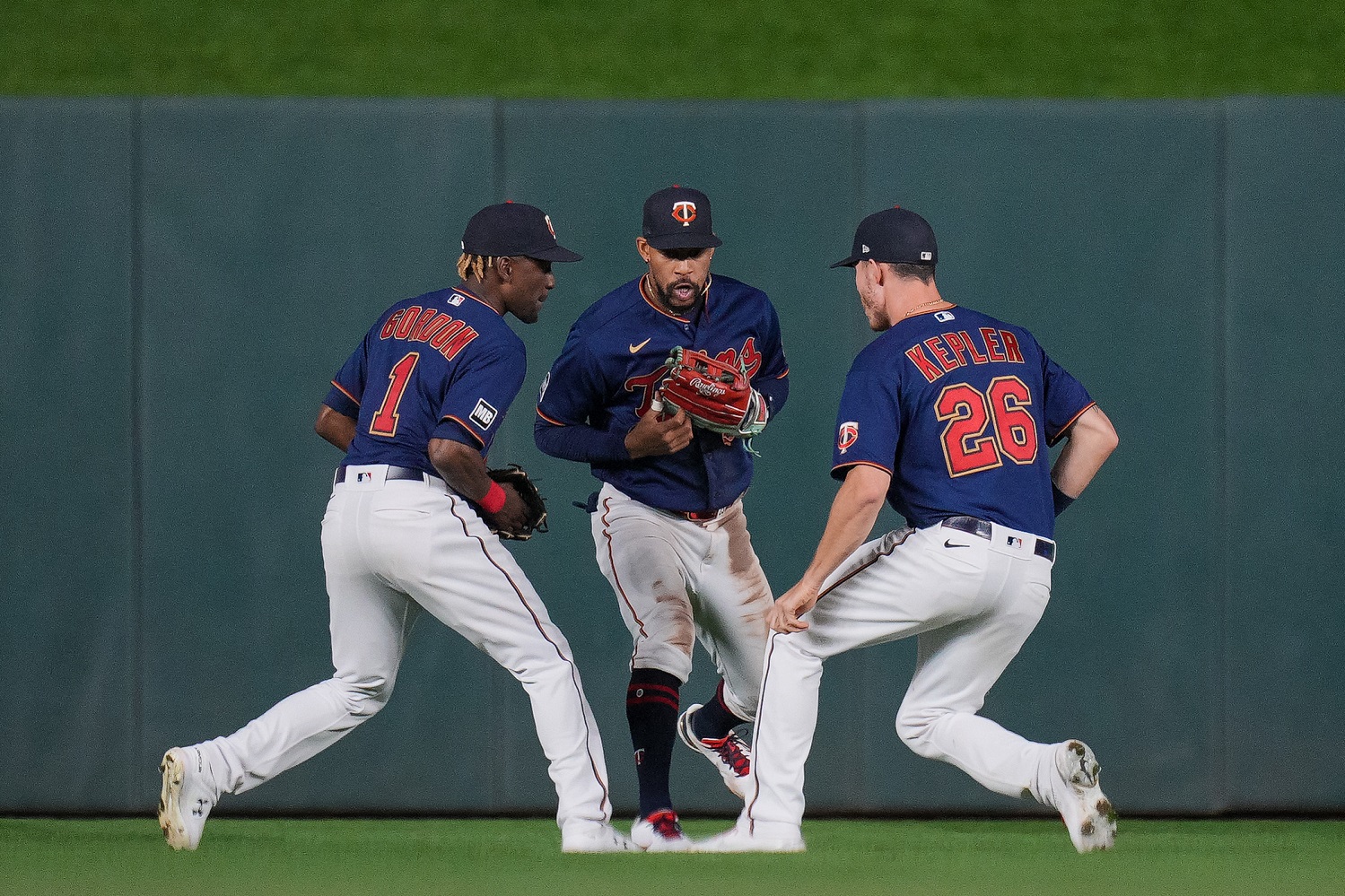 In thinking about this year’s offseason, it is no doubt that the Twins have prioritized defense. Beyond the return of Carlos Correa, both Kyle Farmer and Donovan Solano bring depth to the left and right of the diamond. But the story doubles in the outfield. Newcomers Michael A. Taylor and Joey Gallo might struggle at the plate, but both represent major upgrades in their defensive abilities. Although Matt Wallner might look major-league ready, he’ll remain in the minor leagues for now as no deal was enough for the team to part with Max Kepler. Trevor Larnach, Gilberto Celestino, and Nick Gordon might show up, but the depth of the outfield now accounts for injuries. And in recent seasons, Joe Ryan, Tyler Mahle, Griffin Jax, and Kenta Maeda have all been near the top of the fly ball list for MLB pitchers. Also, perhaps you have heard of Byron Buxton? For what it’s worth, Derek Falvey and company have a plan in place. But they could also end up victims of the indifferent baseball gods that may send those balls sailing above their heads. Ever since 2017, “juiced” balls have been a major topic of conversation within the league with discrepant years. At first, studies by Ben Lindbergh and Rob Arthur demonstrated a clearly new composition within MLB’s baseballs beginning in 2015. Theories about how and why the ball changed only increased with the league’s purchase of Rawlings, the company responsible for the balls in 2018. The Twins, for their part, took advantage in 2019, breaking open the single-season major-league record for home runs, a total that has yet to be topped. But since 2019, the ball suddenly stopped flying. The shortened season impacted the data in 2020, but it was clear by 2021 that a new baseball was landing dead on the warning track over and over. MLB said nothing. This new ball has put a dent in numerous plans. Most teams had begun prioritizing a Three True Outcome approach, which became less useful when that most important outcome—the home run—became less likely to occur. Luis Arraez demonstrated that maybe it was time to go back to an old-school approach. MLB finally took responsibility after a notable study by Bradford William Davis and astrophysicist Meredith Wills proved that 2021 featured two different baseballs with different cores, resulting in wildly different results. 2022 went even crazier, as Wills and Davis found three different balls, including a “goldilocks” ball that just happens to appear most often on Sunday Night games and Yankees games, just as Aaron Judge chased his home run record. MLB admitted to the 2021 shenanigans but has forcefully denied the 2022 allegations. Whatever it means, the Twins have had to make a guess about how to construct a team for 2023 without any idea what ball might show up. If the ball’s drag keeps it in the park, the Twins will be in luck with a defense ready to shag balls all season long. But if the league decides that baseball needs more home run chases, the Twins might find their entire off-season construction to be built for an entirely different game. What’s the point of having an elite defense if all your pitchers do is serve up long balls? This is not to fault the organization for choosing such a route. If anything, MLB has refused to share with teams what they might expect from the ball, and their silence on the issue has only fueled conspiracies within the players about how they might be attempting to hurt their free agency. Manfred and company might not exactly know why the balls act the way they do before it is much too late. In 2022, they at least instituted humidors as a mandatory practice for all 30 league ballparks to help create some uniformity. But if they know more about the upcoming ball than teams do, why not let teams and players prepare? One can at least hope MLB is hoping for a ball that might find some balance. With new rules in place specifically meant to increase “small ball” offense, this is the year to find a ball that might not make it to the seats but at least won’t die on the warning track. And yet, it is hard to believe that MLB has ever had a plan in place. The Twins can only pray they get the right balls for this comeback season. It would be a shame for a franchise playing a smart approach to the offseason only to be cooked by a complete disaster of an unknown. Until we get into the season and finally meet the ball, the answer to the Twins’ offseason tactics will remain a mystery.
 -
Whoa. Why is Twins Pitchers' Velocity Up?
Peter Labuza replied to John Bonnes's topic in Twins Daily Front Page News
idk if this is a factor but I remember a lot of discussion when Duran was with the Saints that the veloicty meters there were a little more friendly than Target Fields. These guys are defintley high for all the reason John cites, though perhaps it's also giving them a bit of extra pip. -
The thing is following the standings in April is pretty pointless no matter what. If we get through May with good standing or a winning record that will be what to watch for.
- 56 replies
-
- 1
-

-
- luis arraez
- pablo lopez
- (and 1 more)
-
With the trade of Luis Arraez to the Marlins, the Twins are taking a risk by swapping a critical bat in their line up in the hope of pitching depth. But as many analysts here have shown, the trade leaves quite a few questions. So is it possible the Twins know something about the health of their players that we currently do not? Image courtesy of Jeffrey Becker-USA TODAY Sports With the trade of Luis Arraez to the Marlins, the Twins are taking a risk by swapping a critical bat in their line up in the hope of pitching depth. But as many analysts here have shown, the trade leaves quite a few questions. So is it possible the Twins know something about the health of their players that we currently do not? The Twins neither had to drop one of the best bats in the American League nor acquire more pitching depth to technically have a successful off season. In fact, the hitters are now almost obviously in a worse place without Arraez leading off every day. But this is also a team prone to injuries—so much it led to a new trainer coming in this off season—and it is likely the Twins made this trade on knowledge of what team might be playing in 2023. Let’s start on the pitching side. Depending on who you talk to, the Twins either had eight starting pitchers heading into the off season or two. Although no longer requiring the services of the Dylan Bundys and Chris Archers of the world, the rotation set up for this year has been beaten and bruised in recent years: Tyler Mahle’s shoulder, Bailey Ober’s groin, Tommy John for Kenta Maeda and Chris Paddack (the Twins at least seem some potential upside with Paddack, signing him to an extremely team friendly extension). Sonny Gray and Joe Ryan made it through the season quite well, but neither grabbed enough innings to even qualify for awards at the end of the season. The prospects show a lot of upside, but none are an ace. With Correa and Buxton both hitting their peak seasons, the Twins aren’t necessarily interested in a bet when the American League Central remains easily taken. Lopez thus seems like an easy, but not necessarily ideal, addition to the team. He’s certainly a great, and possibly All Star caliber pitcher, but is clearly a step below what many Twins fans hoped for at the beginning of the season. Additionally, he has similar injury questions over the last couple years. However, one way the trade makes more sense is if you assume that those possible injuries are not just hypotheticals but still real. Maeda and Ober last year seemed to be mysteries waiting in the wing for returns with deadlines kicked down the can. Falvey and co. have painted an optimistic picture but have seemingly remained tight lipped on what to expect, particularly on Mahle. If the Twins know if any of these pitchers are actually in the same trouble as before, the Lopez trade becomes not so much as padding as a necessity. The Twins themselves have hinted at returning Ober to Triple A, perhaps in part due to maybe looming injury concerns. On the upside of things, this also means the Twins have likely been able to see enough upside finally on Alex Kirilloff. Anytime the word “experimental” is used to describe a surgery can cause worry, but the Twins likely knew enough that they could trade their All Star first baseman as Kirilloff was ready to fill the void. According to Aaron Gleeman at The Athletic, “Whereas last offseason Kirilloff had to shut down his hitting for a month, this year there have been no such shutdowns.” The various projection models seem at least positive on him, hitting around .260 and a positive WRC+, which would nowhere near put him in the All Star level but also help clear the way for the next round of prospects as Jose Miranda eventually makes a mid season move there. The question for Kirilloff is not necessarily that he be fantastic as much as healthy on the field. The Twins, it seems, have seen enough to pull the trigger on what would otherwise be a somewhat alarming trade, especially after Arraez won a Gold Glove for his work at the position. Nobody truly loves this trade, but the problem seems to in part by seeing the Twins at full strength rather than what might actually be the case. Sometimes front offices do have to make bets, but they know quite a bit more about the status of the players coming into camp next month. If the Twins see two pitchers go down by the end of April, having Lopez will be an absolute welcome. And if Kirilloff plays well enough, Arraez’s production will still be aesthetically missed, but not necessarily lost. If anything, knowing they should make this trade only confirms the worries that the team that won't be obvious to us until players report to Fort Meyers. View full article
-
The Arraez-Lopez Trade Hints at the Injury Status of Key Players
Peter Labuza posted an article in Twins
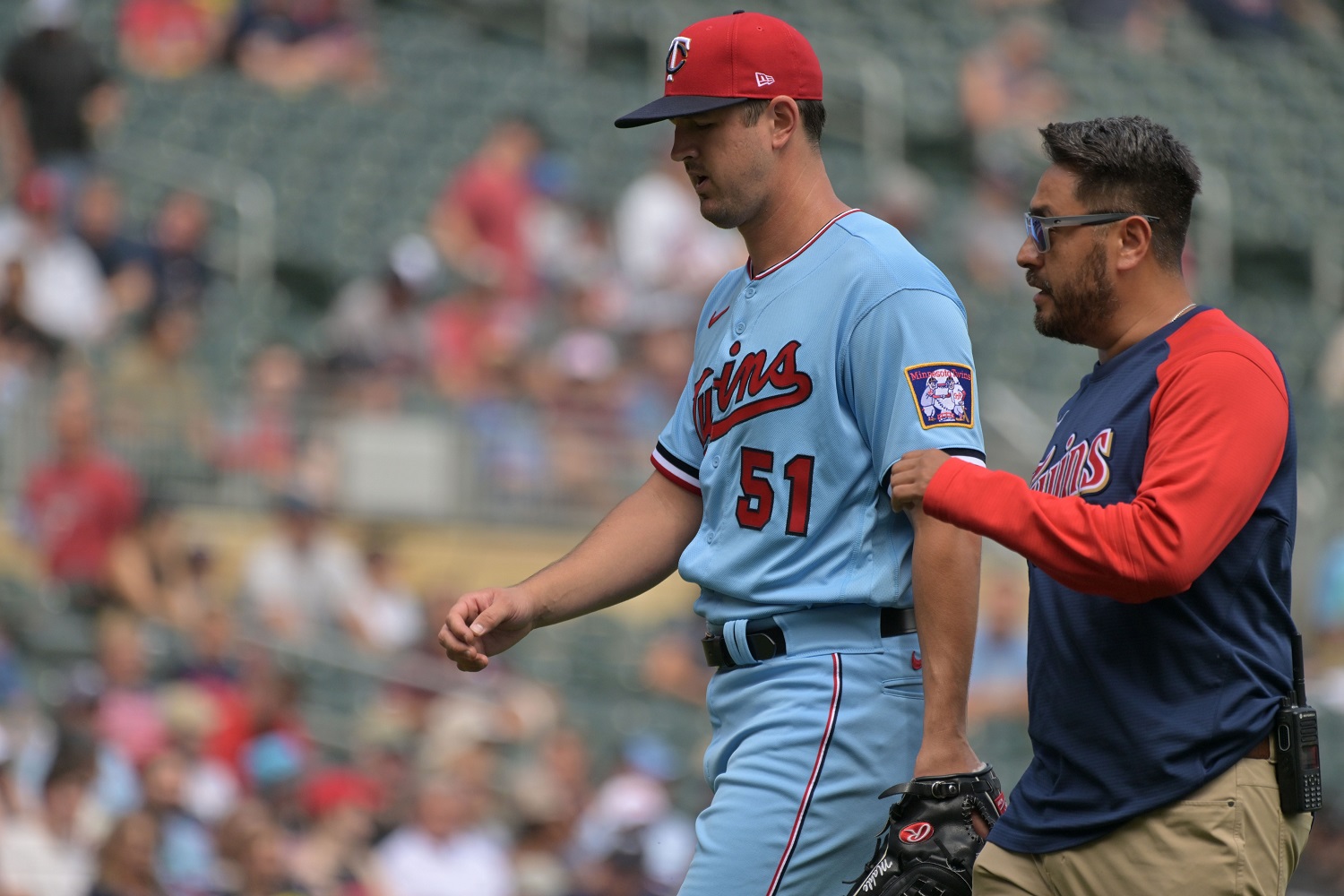 The Twins neither had to drop one of the best bats in the American League nor acquire more pitching depth to technically have a successful off season. In fact, the hitters are now almost obviously in a worse place without Arraez leading off every day. But this is also a team prone to injuries—so much it led to a new trainer coming in this off season—and it is likely the Twins made this trade on knowledge of what team might be playing in 2023. Let’s start on the pitching side. Depending on who you talk to, the Twins either had eight starting pitchers heading into the off season or two. Although no longer requiring the services of the Dylan Bundys and Chris Archers of the world, the rotation set up for this year has been beaten and bruised in recent years: Tyler Mahle’s shoulder, Bailey Ober’s groin, Tommy John for Kenta Maeda and Chris Paddack (the Twins at least seem some potential upside with Paddack, signing him to an extremely team friendly extension). Sonny Gray and Joe Ryan made it through the season quite well, but neither grabbed enough innings to even qualify for awards at the end of the season. The prospects show a lot of upside, but none are an ace. With Correa and Buxton both hitting their peak seasons, the Twins aren’t necessarily interested in a bet when the American League Central remains easily taken. Lopez thus seems like an easy, but not necessarily ideal, addition to the team. He’s certainly a great, and possibly All Star caliber pitcher, but is clearly a step below what many Twins fans hoped for at the beginning of the season. Additionally, he has similar injury questions over the last couple years. However, one way the trade makes more sense is if you assume that those possible injuries are not just hypotheticals but still real. Maeda and Ober last year seemed to be mysteries waiting in the wing for returns with deadlines kicked down the can. Falvey and co. have painted an optimistic picture but have seemingly remained tight lipped on what to expect, particularly on Mahle. If the Twins know if any of these pitchers are actually in the same trouble as before, the Lopez trade becomes not so much as padding as a necessity. The Twins themselves have hinted at returning Ober to Triple A, perhaps in part due to maybe looming injury concerns. On the upside of things, this also means the Twins have likely been able to see enough upside finally on Alex Kirilloff. Anytime the word “experimental” is used to describe a surgery can cause worry, but the Twins likely knew enough that they could trade their All Star first baseman as Kirilloff was ready to fill the void. According to Aaron Gleeman at The Athletic, “Whereas last offseason Kirilloff had to shut down his hitting for a month, this year there have been no such shutdowns.” The various projection models seem at least positive on him, hitting around .260 and a positive WRC+, which would nowhere near put him in the All Star level but also help clear the way for the next round of prospects as Jose Miranda eventually makes a mid season move there. The question for Kirilloff is not necessarily that he be fantastic as much as healthy on the field. The Twins, it seems, have seen enough to pull the trigger on what would otherwise be a somewhat alarming trade, especially after Arraez won a Gold Glove for his work at the position. Nobody truly loves this trade, but the problem seems to in part by seeing the Twins at full strength rather than what might actually be the case. Sometimes front offices do have to make bets, but they know quite a bit more about the status of the players coming into camp next month. If the Twins see two pitchers go down by the end of April, having Lopez will be an absolute welcome. And if Kirilloff plays well enough, Arraez’s production will still be aesthetically missed, but not necessarily lost. If anything, knowing they should make this trade only confirms the worries that the team that won't be obvious to us until players report to Fort Meyers.
 -
The Luis Arraez for Pablo Lopez (plus prospects) trade is one that entirely makes sense on paper. For Twins fans, it seems destined to be unpopular. It isn’t that Twins fans do not understand the point; instead, the question is: what makes for good baseball? Image courtesy of Jordan Johnson-USA TODAY Sports The Luis Arraez for Pablo Lopez (plus prospects) trade is one that entirely makes sense on paper. For Twins fans, it seems destined to be unpopular. It isn’t that Twins fans do not understand the point; instead, the question is: what makes for good baseball? For the last decade, players, fans, owners, and the media have become obsessed with “fixing” baseball. Some of these complaints have been unfairly placed on “analytics,” which has become a catch-all term for anything not understood by older generations. But the rise of Three True Outcome baseball has fundamentally changed the game, and not by making it necessarily as pleasing to the eye as it once was. That’s why players like Arraez have remained almost as important as winning. He provides unique, aesthetic entertainment value. When Luis Arraez stepped up to the plate, it wasn’t just the excitement that he might score another hit and put the Twins in the potential place of winning. It was the question of how he might do it. Arraez would essentially perform something akin to a TikTok dance of quick moves, funny glances, and incredible gestures. His little swings were hardly the elegance of big boppers, but like strange little darts to foul balls that would surprise when he made contact. Whenever he poked one into foul territory or even took a critical ball just off the plate, he would jump up and down with excitement. There was a reason veterans like Rod Carew and Ichiro Suzuki quickly saw the potential for a batting title champ. He seemed transported from their era of baseball. Any look at Baseball Reference or FanGraphs will show something different of course: Arraez made plenty of contact but ultimately was not worth the same as players like Buxton or Correa. Part of that came from his lack of defensive skill—though he notably was cited as a Gold Glove finalist after moving to first base—but also because the way statistics have changed our understanding of value. To put it in context, incoming Twin Joey Gallo produced more WAR hitting under .200 but with 38 homers in his 2021 season than Arraez did in 2022. Singles aren’t worth much when the home run ball is the only thing that matters. But this has been the precise problem in baseball that many are trying to fix. Whether it’s high strikeouts, low BABIP, or just the exceedingly long pace of play, baseball is in need of some fixes. When Theo Epstein, who revolutionized both the Red Sox and the Cubs into World Series winners, joined the MLB Commissioner’s Office in 2021, he joked in part it was to reverse trends he had helped create. Does it matter what the game looks like if it isn’t particularly fun to watch anymore? The new rules coming in place this year are responding to exactly that. For some, and in the eyes of a recent book on the Astros by Evan Drelich, Winning Fixes Everything. And for a lot of Twins fans, a playoff win is the only thing that will fix the problem. But the reason Arraez was so special for so many fans was not necessarily about his on-field production. He represented an entire aesthetic experience that has been dwindling in baseball (his Wario-like twin Willians Astudillo was similar though lacked an ability to make it to first, making Arraez a bit better of a balance). His plate appearances became appointment viewing because you were about to see something that few other hitters might do. He has always seemed determined to buck the trend of what baseball is supposed to look like, waving his finger at pitchers he refused to hit. Losing Arraez’s ballet at the plate will sting no matter how many swings Lopez gets on his change-up. Years ago, former baseball writer Sam Miller explained why we watch baseball in what became a bit of insider lore on the sport: That might seem a little drastic, but part of the point for us to ask us to actually define the entertainment of baseball, in which we demand so much from people that we will never meet in our lives doing something none of us could do even to a sliver of a percentile as better. I understand for many Twins fans, watching the best baseball team possible is the point. But for many of us who cherished Luis Arraez, the point was in part, to see them having as much fun as we did. I know I won’t be the only Twins fan checking in at Marlins games this season. View full article
-
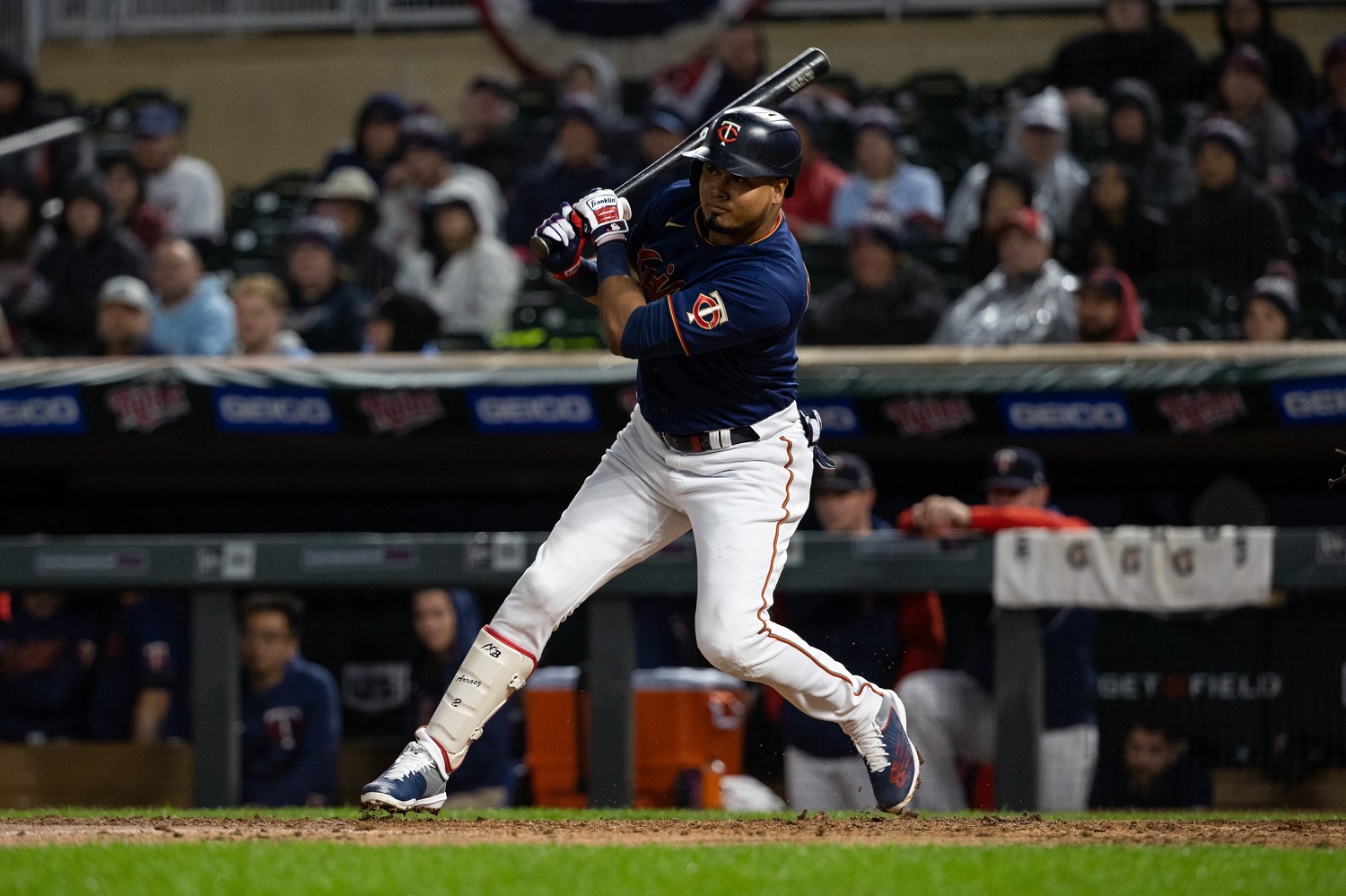 For the last decade, players, fans, owners, and the media have become obsessed with “fixing” baseball. Some of these complaints have been unfairly placed on “analytics,” which has become a catch-all term for anything not understood by older generations. But the rise of Three True Outcome baseball has fundamentally changed the game, and not by making it necessarily as pleasing to the eye as it once was. That’s why players like Arraez have remained almost as important as winning. He provides unique, aesthetic entertainment value. When Luis Arraez stepped up to the plate, it wasn’t just the excitement that he might score another hit and put the Twins in the potential place of winning. It was the question of how he might do it. Arraez would essentially perform something akin to a TikTok dance of quick moves, funny glances, and incredible gestures. His little swings were hardly the elegance of big boppers, but like strange little darts to foul balls that would surprise when he made contact. Whenever he poked one into foul territory or even took a critical ball just off the plate, he would jump up and down with excitement. There was a reason veterans like Rod Carew and Ichiro Suzuki quickly saw the potential for a batting title champ. He seemed transported from their era of baseball. Any look at Baseball Reference or FanGraphs will show something different of course: Arraez made plenty of contact but ultimately was not worth the same as players like Buxton or Correa. Part of that came from his lack of defensive skill—though he notably was cited as a Gold Glove finalist after moving to first base—but also because the way statistics have changed our understanding of value. To put it in context, incoming Twin Joey Gallo produced more WAR hitting under .200 but with 38 homers in his 2021 season than Arraez did in 2022. Singles aren’t worth much when the home run ball is the only thing that matters. But this has been the precise problem in baseball that many are trying to fix. Whether it’s high strikeouts, low BABIP, or just the exceedingly long pace of play, baseball is in need of some fixes. When Theo Epstein, who revolutionized both the Red Sox and the Cubs into World Series winners, joined the MLB Commissioner’s Office in 2021, he joked in part it was to reverse trends he had helped create. Does it matter what the game looks like if it isn’t particularly fun to watch anymore? The new rules coming in place this year are responding to exactly that. For some, and in the eyes of a recent book on the Astros by Evan Drelich, Winning Fixes Everything. And for a lot of Twins fans, a playoff win is the only thing that will fix the problem. But the reason Arraez was so special for so many fans was not necessarily about his on-field production. He represented an entire aesthetic experience that has been dwindling in baseball (his Wario-like twin Willians Astudillo was similar though lacked an ability to make it to first, making Arraez a bit better of a balance). His plate appearances became appointment viewing because you were about to see something that few other hitters might do. He has always seemed determined to buck the trend of what baseball is supposed to look like, waving his finger at pitchers he refused to hit. Losing Arraez’s ballet at the plate will sting no matter how many swings Lopez gets on his change-up. Years ago, former baseball writer Sam Miller explained why we watch baseball in what became a bit of insider lore on the sport: That might seem a little drastic, but part of the point for us to ask us to actually define the entertainment of baseball, in which we demand so much from people that we will never meet in our lives doing something none of us could do even to a sliver of a percentile as better. I understand for many Twins fans, watching the best baseball team possible is the point. But for many of us who cherished Luis Arraez, the point was in part, to see them having as much fun as we did. I know I won’t be the only Twins fan checking in at Marlins games this season.
 -
For most Twins fans, the return of Carlos Correa to the team will mostly mean what they saw on the field: an All-Star caliber shortstop in the peak of his prime (and for many, constant worry over that ankle). But for others, the now seven-to-eleven-year tenured player will also bring what his agent Scott Boras joked about at their press conference: a new Assistant General Manager. Image courtesy of © Brad Rempel-USA TODAY Sports For most Twins fans, the return of Carlos Correa to the team will mostly mean what they saw on the field: an All-Star caliber shortstop in the peak of his prime (and for many, constant worry over that ankle). But for others, the now seven-to-eleven-year tenured player will also bring what his agent Scott Boras joked about at their press conference: a new Assistant General Manager. Despite having only spent six months in Minnesota last season, Correa went from a hired gun to the leader in the clubhouse. Story after story last season from numerous beat writers discussed how he became a mentor figure and even offered sage advice to the front office. The fact that Correa knew specific players not just in AAA but kept tabs on those in Single A probably fueled speculation that the shortstop might be interested in a long-term deal. So what does it mean to have Correa as a quasi-manager? And what could he bring to the front office? Before looking upstairs, it’s important to see what he brings off the field with the players as a mentor. Jose Miranda has built a close relationship with the shortstop, and Correa advocated to ensure the team kept him rather than as a trade piece at the deadline. Some of this was their close national ties (as Correa told Betsy Helfand at The Pioneer Press, “We don’t get many Puerto Rican players in the big leagues that become successful, become superstars, and I want him to become one of those.”), but Correa did plenty to help develop the player as he initially struggled. Much was mental, but Correa also helped him change his diet, the kind of thing you might expect more from a trainer. Correa has spread the wealth too. He invited Royce Lewis to dinner before the rookie’s debut and set up the now famous and likely permanent post-game meals in the clubhouse with other players to discuss the mechanics of how the night went. He also talked to pitchers; in one story by Dan Hayes in The Athletic, Correa brought the team together with Michael Fulmer on the mound in Yankee Stadium and recommended the sinker that Gleyber Torres put right into a double play. How often do you hear that a shortstop is essentially playing pitching coach? It was always striking to see Correa build these relationships so quickly. When Nick Gordon hit a monstrous grand slam last year, Correa organized the curtain call. When Luis Arraez got one last double to ensure his batting title, it was Correa on the steps to hug him first. Perhaps still recovering from the “bad vibes” of 2021, Correa ensured good vibes even as the team’s injuries sunk them out of contention. and It's also important to know how Correa took off duties from Byron Buxton, who was happy to lead the clubhouse but remains a critical but more subdued presence. As Buxton often spent hours preparing for the game to get his knee in shape, Correa mentored the other rookies looking to find meaning in what became a difficult season. Buxton pushed hard for Correa, playing a critical role near the end. None of this is to say Buxton isn't a team leader, but it allows two different but compatible styles to build a culture for six more years to come. Perhaps the more interesting place was Correa’s involvement in Derek Falvey’s office. With his knowledge of minor leaguers and obsessive reading of Baseball America and The Athletic (we’ll see if Twins Daily joins his morning browsing), Correa fed advice to the office on what should be added at the deadline. Correa has been happy to talk to the media not just about his performance but by discussing lesser-known .stats like WRC+ and expected batting averages. Correa made his presence known, particularly regarding the trade deadline. He was instrumental in part with the Twins grabbing Jorge Lopez from the Orioles—a plan that slightly backfired in retrospect but seemed like an intelligent grab on paper. He also urged the team not to trade Miranda during his red-hot run despite numerous asks (despite a cold run at the end, Miranda posted a 109 WRC+ while Spencer Steer only managed a 77 with the Reds). This is the kind of person that not just seems to want to help lead the players to victory but rethink what the office looks for (notably, recent hire Kevin Goldstein had been with the Astros during Correa’s time and was hired from Fangraphs only a few weeks after Correa’s addition in 2021). One might ask why the front office at least even humored Correa in a way that they might not for other players regarding recommendations. But when you think about the kind of player he tries to be, he commands attention through knowledge and care. He wants the Twins to have the same "championship culture" that put the Astros on the map. When a player joins a team for as long as Correa will, there will always be questions about what the future holds. He told the media that Kylo would be “Minnesota Nice,” which suggests the player is here for the long haul. What does that mean after the end of the contract, even if it goes all ten years? Team manager seems all but likely, but Correa’s intelligence of what underlies how players operate and how to talk to them seems even more than simply coaching material. The player-to-GM pipeline has been smaller than desirable, with Chris Young’s recent push into the position down for the Texas Rangers as an exception to the rule. Correa seems poised to add himself to the list if he wants it, and perhaps this is the first time anyone has learned more about the art of negotiations than him over the last month (though probably not his preference). Correa’s legacy in Minnesota will be determined first and foremost on the field, but don't be surprised if longer-term goals are on the horizon. View full article
-
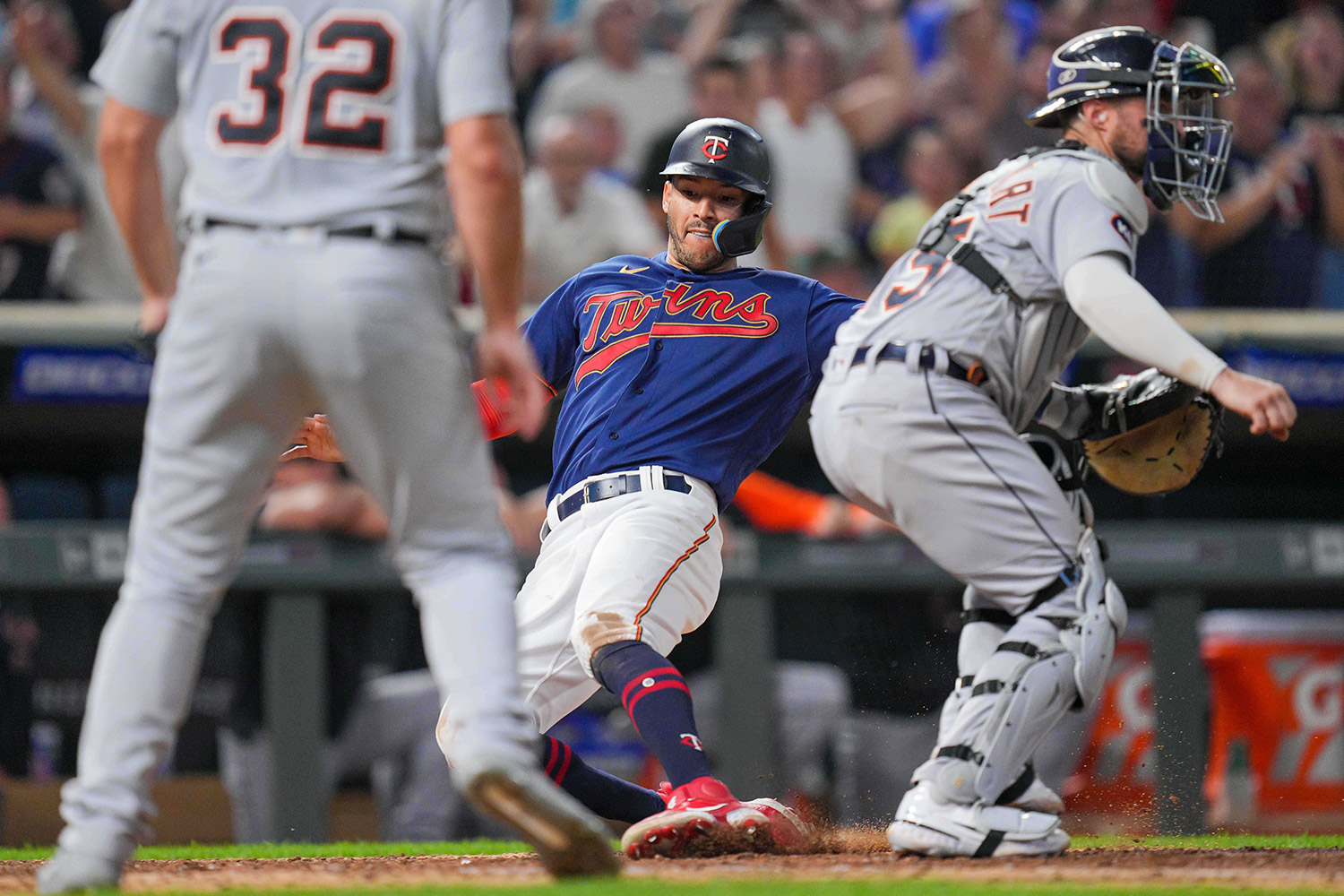 Despite having only spent six months in Minnesota last season, Correa went from a hired gun to the leader in the clubhouse. Story after story last season from numerous beat writers discussed how he became a mentor figure and even offered sage advice to the front office. The fact that Correa knew specific players not just in AAA but kept tabs on those in Single A probably fueled speculation that the shortstop might be interested in a long-term deal. So what does it mean to have Correa as a quasi-manager? And what could he bring to the front office? Before looking upstairs, it’s important to see what he brings off the field with the players as a mentor. Jose Miranda has built a close relationship with the shortstop, and Correa advocated to ensure the team kept him rather than as a trade piece at the deadline. Some of this was their close national ties (as Correa told Betsy Helfand at The Pioneer Press, “We don’t get many Puerto Rican players in the big leagues that become successful, become superstars, and I want him to become one of those.”), but Correa did plenty to help develop the player as he initially struggled. Much was mental, but Correa also helped him change his diet, the kind of thing you might expect more from a trainer. Correa has spread the wealth too. He invited Royce Lewis to dinner before the rookie’s debut and set up the now famous and likely permanent post-game meals in the clubhouse with other players to discuss the mechanics of how the night went. He also talked to pitchers; in one story by Dan Hayes in The Athletic, Correa brought the team together with Michael Fulmer on the mound in Yankee Stadium and recommended the sinker that Gleyber Torres put right into a double play. How often do you hear that a shortstop is essentially playing pitching coach? It was always striking to see Correa build these relationships so quickly. When Nick Gordon hit a monstrous grand slam last year, Correa organized the curtain call. When Luis Arraez got one last double to ensure his batting title, it was Correa on the steps to hug him first. Perhaps still recovering from the “bad vibes” of 2021, Correa ensured good vibes even as the team’s injuries sunk them out of contention. and It's also important to know how Correa took off duties from Byron Buxton, who was happy to lead the clubhouse but remains a critical but more subdued presence. As Buxton often spent hours preparing for the game to get his knee in shape, Correa mentored the other rookies looking to find meaning in what became a difficult season. Buxton pushed hard for Correa, playing a critical role near the end. None of this is to say Buxton isn't a team leader, but it allows two different but compatible styles to build a culture for six more years to come. Perhaps the more interesting place was Correa’s involvement in Derek Falvey’s office. With his knowledge of minor leaguers and obsessive reading of Baseball America and The Athletic (we’ll see if Twins Daily joins his morning browsing), Correa fed advice to the office on what should be added at the deadline. Correa has been happy to talk to the media not just about his performance but by discussing lesser-known .stats like WRC+ and expected batting averages. Correa made his presence known, particularly regarding the trade deadline. He was instrumental in part with the Twins grabbing Jorge Lopez from the Orioles—a plan that slightly backfired in retrospect but seemed like an intelligent grab on paper. He also urged the team not to trade Miranda during his red-hot run despite numerous asks (despite a cold run at the end, Miranda posted a 109 WRC+ while Spencer Steer only managed a 77 with the Reds). This is the kind of person that not just seems to want to help lead the players to victory but rethink what the office looks for (notably, recent hire Kevin Goldstein had been with the Astros during Correa’s time and was hired from Fangraphs only a few weeks after Correa’s addition in 2021). One might ask why the front office at least even humored Correa in a way that they might not for other players regarding recommendations. But when you think about the kind of player he tries to be, he commands attention through knowledge and care. He wants the Twins to have the same "championship culture" that put the Astros on the map. When a player joins a team for as long as Correa will, there will always be questions about what the future holds. He told the media that Kylo would be “Minnesota Nice,” which suggests the player is here for the long haul. What does that mean after the end of the contract, even if it goes all ten years? Team manager seems all but likely, but Correa’s intelligence of what underlies how players operate and how to talk to them seems even more than simply coaching material. The player-to-GM pipeline has been smaller than desirable, with Chris Young’s recent push into the position down for the Texas Rangers as an exception to the rule. Correa seems poised to add himself to the list if he wants it, and perhaps this is the first time anyone has learned more about the art of negotiations than him over the last month (though probably not his preference). Correa’s legacy in Minnesota will be determined first and foremost on the field, but don't be surprised if longer-term goals are on the horizon.
 -
Re the Fangraphs projections and building more or less the same roster, I think that is something that (a) could still be improved within the next six weeks and (b) I'll take the upside on. I think last year was more about "we put together a bit of a jigsaw puzze of a team let's see if it works" and this year is "there are actually a lot of great pieces here and I think it could work out, though the reason the projections are low is because of the unknowns like Maeda and Mahle among others."
-
After almost 18 months of speculations, court filings, and vague statements from Rob Manfred, Trevor Bauer was finally released from the Dodgers on Friday, January 6th. Image courtesy of Darren Yamashita-USA TODAY Sports After almost 18 months of speculations, court filings, and vague statements from Rob Manfred, Trevor Bauer was finally released from the Dodgers on Friday, January 6th. (Content warning: This story includes allegations of sexual assault that may be difficult to read and emotionally upsetting.) Unwilling to entertain his presence on the team, the Los Angeles Dodgers still owe Bauer an additional $22.5 million for the 2023 season, making him officially free to play for any team interested in paying the league minimum salary ($720,000) to sign him. The Dodgers will be on the hook for the rest. Many fan bases across baseball have speculated on what he might bring for a rotation. However, no consideration of stats should erase the obvious: Bauer’s presence on the Twins would be bad for the team, bad for fans, and bad for baseball. Trevor Bauer signed as a free agent with the Dodgers in 2021 on a creative three-year deal. However, in July of that year, allegations of sexual misconduct came to light after a woman filed a restraining order that detailed two separate incidents. In his own legal filings, Bauer did not deny some of the particularly brutish details of the victim's injuries but claimed they were entirely consensual. The Dodgers, acting slower than what many fans expected, placed Bauer on administrative leave pending a further investigation from MLB. During that process, the Washington Post published two separate stories following allegations that claimed similar violent behavior by Bauer during his time with Cleveland. After completing their own investigation, MLB announced a suspension of Bauer for violating the league’s domestic violence policy – a record 324 days. Bauer appealed, and after a second extensive investigation by an independent and binding arbitrator, the sentence was reduced to 194 days, making him eligible to play at the beginning of the 2023 season. That sentence, however, was still noted as the longest in MLB’s short history of domestic violence enforcement. Although Bauer has disputed some of the facts of the original allegations, and the LA district attorney declined to file criminal charges, there are a number of other key elements to consider with the pitcher. He has been vocal on social media, attacking numerous media members and especially female-identifying fans, targeting them for harassment. He has voiced anti-Semitic conspiracy theories, attacked trans individuals, and generally brought negative attention to himself on a regular basis. Bauer was considered "MLB's most hated man" long before all of this transpired. Through the allegations and investigations, Bauer has remained vocal in trying to put himself back in the spotlight and shown little to no remorse. In fact, he still has a case open for defamation against former beat writer Molly Knight for publishing details about the case (a similar suit against The Athletic was dismissed). Unlike other cases of players who served sentences and have at least done their best to center on the game, Bauer has demonstrated an interest in creating more hassle and negative media buzz for any team interested in bringing him aboard. In fact, in his statement about his release, Bauer poisoned the waters by claiming the Dodgers allegedly told him they wanted him to play for the team as late as the day before his release. Different from the “let the kids play” mentality of the younger generation of baseball players, he has also occasionally made a mockery of the game and sportsmanship, particularly an incident in Cleveland where he refused to give up the game ball and tossed it into the centerfield bleachers. Bauer relished playing the villain in the Dodgers uniform and doing everything to make opposing fans boo him. Stories quickly arose after Bauer’s suspension from teammates in Los Angeles who felt his negativity not just on the field but within the clubhouse. At least one Dodgers pitcher—former Twins prospect Brusdar Graterol—almost immediately liked the Dodger's Instagram post announcing the release. Twins fans already saw what happens when one player tries to make themselves an MLB villain a few years ago with the signing of Josh Donaldson. Though he played two above-average seasons for the Twins, the apparent animosity he created between himself and other players no doubt did not bode well during their frustrating 2021 season. Although never openly stated, the discussion of “better vibes” in 2022 from a number of Twins players became quickly clear that many felt the trade with the Yankees was for the better. Bauer’s laundry list of behaviors would be a more extreme version of Donaldson in a Twins clubhouse. Most importantly, Bauer’s signing would show a sign of entire indifference toward a wide swath of Twins fans. For many Dodgers fans, Bauer in a uniform demonstrated the worst of MLB’s attitude toward an entire gender of fans of baseball, at a time in which the growth of female fans has pointed a better direction for the sport. The fact the Dodgers took a month to decide what should have been obvious was a blow to fans frustrated at the team’s callous care toward payroll or winning. As Ken Rosenthal pointed to in his own column on the subject, "Some decisions, though, are so necessary, so important, they should not require much thought." It’s hard to ever think baseball will ever love you back, but there’s at least a version without Trevor Bauer’s hands bringing both old and likely new behavior behavior to Minnesota. No matter the value he might bring on the mound, Trevor Bauer is not worth it. View full article
-
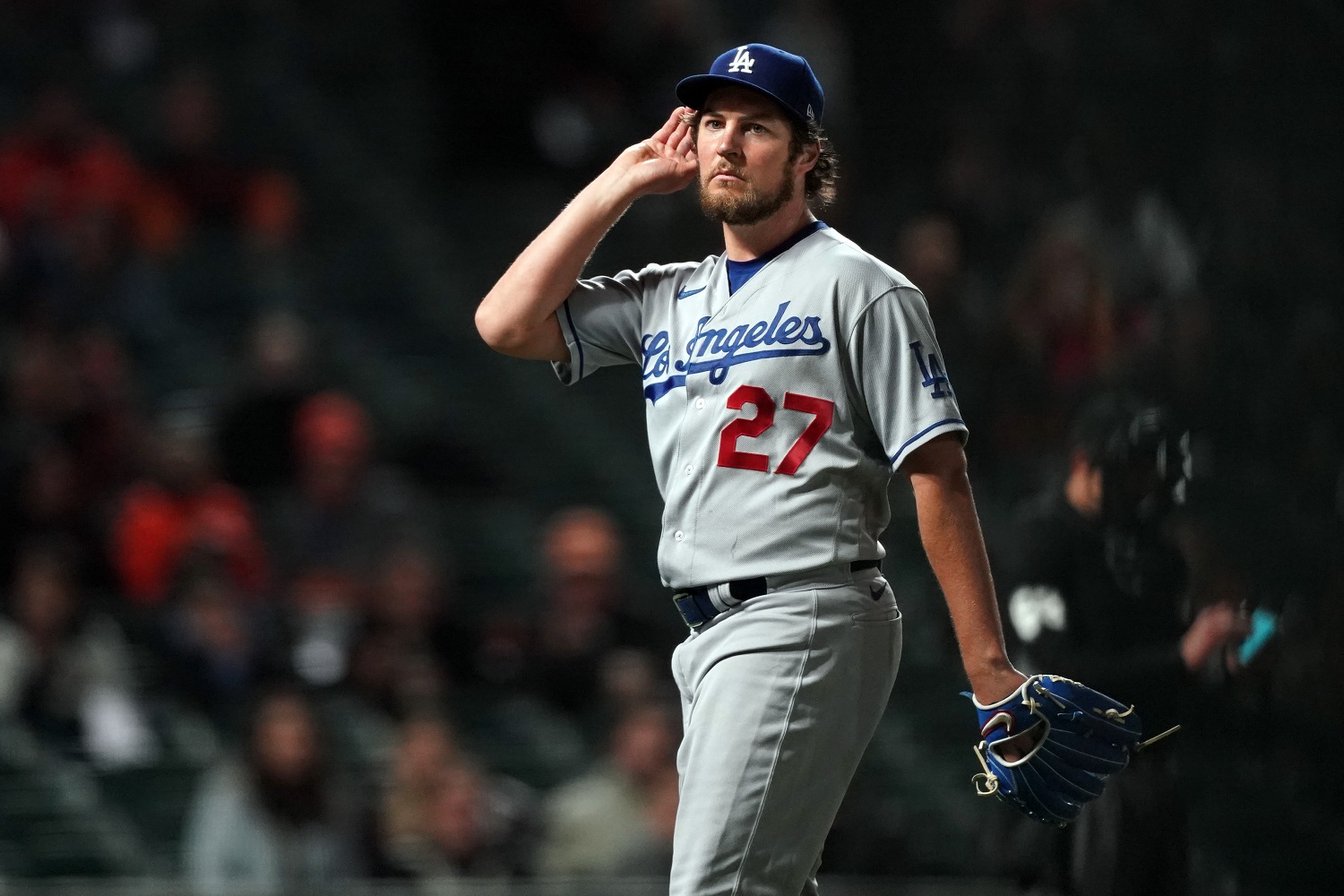 (Content warning: This story includes allegations of sexual assault that may be difficult to read and emotionally upsetting.) Unwilling to entertain his presence on the team, the Los Angeles Dodgers still owe Bauer an additional $22.5 million for the 2023 season, making him officially free to play for any team interested in paying the league minimum salary ($720,000) to sign him. The Dodgers will be on the hook for the rest. Many fan bases across baseball have speculated on what he might bring for a rotation. However, no consideration of stats should erase the obvious: Bauer’s presence on the Twins would be bad for the team, bad for fans, and bad for baseball. Trevor Bauer signed as a free agent with the Dodgers in 2021 on a creative three-year deal. However, in July of that year, allegations of sexual misconduct came to light after a woman filed a restraining order that detailed two separate incidents. In his own legal filings, Bauer did not deny some of the particularly brutish details of the victim's injuries but claimed they were entirely consensual. The Dodgers, acting slower than what many fans expected, placed Bauer on administrative leave pending a further investigation from MLB. During that process, the Washington Post published two separate stories following allegations that claimed similar violent behavior by Bauer during his time with Cleveland. After completing their own investigation, MLB announced a suspension of Bauer for violating the league’s domestic violence policy – a record 324 days. Bauer appealed, and after a second extensive investigation by an independent and binding arbitrator, the sentence was reduced to 194 days, making him eligible to play at the beginning of the 2023 season. That sentence, however, was still noted as the longest in MLB’s short history of domestic violence enforcement. Although Bauer has disputed some of the facts of the original allegations, and the LA district attorney declined to file criminal charges, there are a number of other key elements to consider with the pitcher. He has been vocal on social media, attacking numerous media members and especially female-identifying fans, targeting them for harassment. He has voiced anti-Semitic conspiracy theories, attacked trans individuals, and generally brought negative attention to himself on a regular basis. Bauer was considered "MLB's most hated man" long before all of this transpired. Through the allegations and investigations, Bauer has remained vocal in trying to put himself back in the spotlight and shown little to no remorse. In fact, he still has a case open for defamation against former beat writer Molly Knight for publishing details about the case (a similar suit against The Athletic was dismissed). Unlike other cases of players who served sentences and have at least done their best to center on the game, Bauer has demonstrated an interest in creating more hassle and negative media buzz for any team interested in bringing him aboard. In fact, in his statement about his release, Bauer poisoned the waters by claiming the Dodgers allegedly told him they wanted him to play for the team as late as the day before his release. Different from the “let the kids play” mentality of the younger generation of baseball players, he has also occasionally made a mockery of the game and sportsmanship, particularly an incident in Cleveland where he refused to give up the game ball and tossed it into the centerfield bleachers. Bauer relished playing the villain in the Dodgers uniform and doing everything to make opposing fans boo him. Stories quickly arose after Bauer’s suspension from teammates in Los Angeles who felt his negativity not just on the field but within the clubhouse. At least one Dodgers pitcher—former Twins prospect Brusdar Graterol—almost immediately liked the Dodger's Instagram post announcing the release. Twins fans already saw what happens when one player tries to make themselves an MLB villain a few years ago with the signing of Josh Donaldson. Though he played two above-average seasons for the Twins, the apparent animosity he created between himself and other players no doubt did not bode well during their frustrating 2021 season. Although never openly stated, the discussion of “better vibes” in 2022 from a number of Twins players became quickly clear that many felt the trade with the Yankees was for the better. Bauer’s laundry list of behaviors would be a more extreme version of Donaldson in a Twins clubhouse. Most importantly, Bauer’s signing would show a sign of entire indifference toward a wide swath of Twins fans. For many Dodgers fans, Bauer in a uniform demonstrated the worst of MLB’s attitude toward an entire gender of fans of baseball, at a time in which the growth of female fans has pointed a better direction for the sport. The fact the Dodgers took a month to decide what should have been obvious was a blow to fans frustrated at the team’s callous care toward payroll or winning. As Ken Rosenthal pointed to in his own column on the subject, "Some decisions, though, are so necessary, so important, they should not require much thought." It’s hard to ever think baseball will ever love you back, but there’s at least a version without Trevor Bauer’s hands bringing both old and likely new behavior behavior to Minnesota. No matter the value he might bring on the mound, Trevor Bauer is not worth it.
 -
In determining the next steps for the Twins shortstop position, many fans are still trying to process what a Correa-less position would hope for. The options seem to be convincing the front office to open up the bank vault or settling for another year of fill-ins with the hope prospects finally deliver. Image courtesy of Orlando Ramirez-USA TODAY Sports In determining the next steps for the Twins shortstop position, many fans are still trying to process what a Correa-less position would hope for. The options seem to be convincing the front office to open up the bank vault or settling for another year of fill-ins with the hope prospects finally deliver. Ha-Seong Kim, the KBO legend who had a breakout 2022 season in San Diego, is the perfect medium. Now with Xander Bogaerts in place, the Padres might have one too many infielders and be on the look out for a trade with needs they still hope to fit. Kim might make for a neat departure to Minnesota. Kim’s MLB ascent never felt like destiny. He signed with the Padres on a four-year deal at the same time the team had given Fernando Tatis Jr. a contract to essentially play shortstop for the next decade. That first year, Kim moved around the diamond playing second and third base but eventually fell into the role of shortstop after a shoulder injury pushed Tatis to the outfield. Like most players coming from Asian leagues, Kim at first struggled to adjust to big-league pitching, hitting just above the Mendoza Line (.200) and lacking the kind of power that made him one of Korea’s most dominant players. But Kim got a major opportunity in 2022 after Tatis, who was already looking at a more permanent position in the outfield, failed to return to the field first due to a motorcycle accident and then a PED suspension. Kim adjusted his swing, hitting a respectable .251/.325/.383 for a 105 WRC+. He perhaps lacked the power that defines so many of the league’s best bats, but spent the year honing his plate discipline to avoid chasing the ball and simply getting on base. He also stole a dozen bases—more than anyone with the Twins last year, and likely to be an essential skill in next year’s pitch clock environment. More so, every night in San Diego he put on a defensive clinic. Although defensive metrics for baseball remain somewhat nebulous, he posted a 10.0 Defensive WAR, over twice what Kyle Farmer and Correa managed last year (this may just speak to the weakness of those decisions). The Padres have Kim for another two years and a mutual option in 2025, but AJ Preller seems determined to lock up every superstar he can get his hands on. That might make their needs change. While it is possible that Kim flips back over the second base or occasionally fills for Manny Machado, the org may be on the lookout for other possible holes to fill instead that the Twins might be able to provide. Kim’s contract is perfect for the Twins. Elite defense is always needed, and if Kim continues to improve against big league pitching, he could fit in nicely in the heart of the order (and speaking of clutch: Kim was a major player for the Padres' unlikely playoff wins against both the Mets and the Dodgers at a time in which neither Machado nor Juan Soto did much damage). More so, the big question mark remains what a timeline for either Royce Lewis or Brooks Lee might look like. With Kyle Farmer, you pray that Lewis is ready as soon as he can get on his feet. But with Kim under control for two years, you might actually have time to let Lewis loosen up while also perhaps already ceding that ground to Lee if his timeline continues. With both Farmer and Kim, the Twins can mix and match as well as platoon throughout the infield. Given recent blockbuster contracts for not just superstars but even mid-rotation pitchers, the Twins should just realize if they do not plan on dumping money on Correa’s front lawn, they are likely to miss on every free agent pitcher this year. Spending real money should remain the organization’s goal, but if they genuinely care about being creative instead, Kim could be an interesting middle ground to avoid one-year contracts and give genuine time to develop the rookies. View full article
-
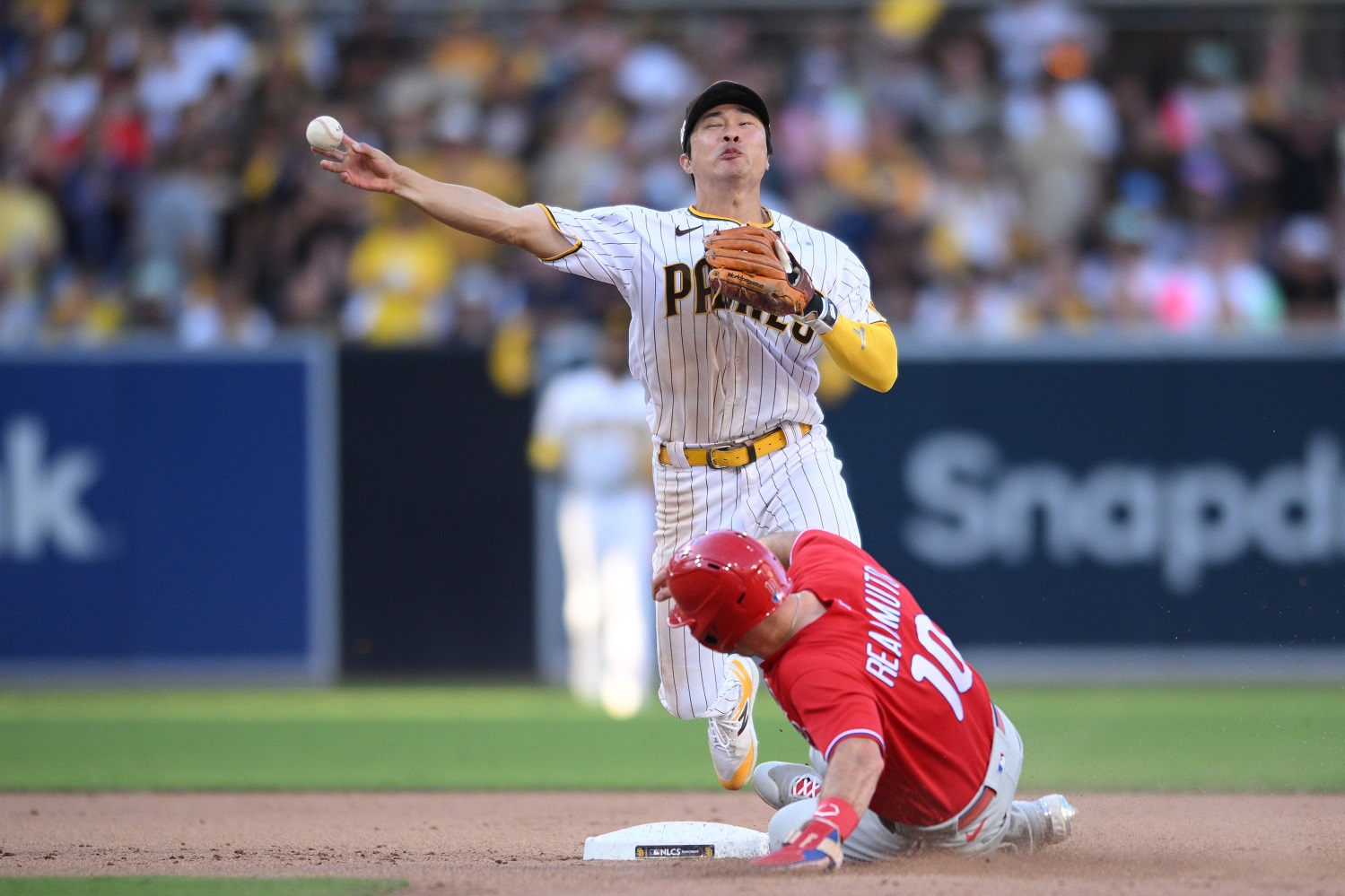 Ha-Seong Kim, the KBO legend who had a breakout 2022 season in San Diego, is the perfect medium. Now with Xander Bogaerts in place, the Padres might have one too many infielders and be on the look out for a trade with needs they still hope to fit. Kim might make for a neat departure to Minnesota. Kim’s MLB ascent never felt like destiny. He signed with the Padres on a four-year deal at the same time the team had given Fernando Tatis Jr. a contract to essentially play shortstop for the next decade. That first year, Kim moved around the diamond playing second and third base but eventually fell into the role of shortstop after a shoulder injury pushed Tatis to the outfield. Like most players coming from Asian leagues, Kim at first struggled to adjust to big-league pitching, hitting just above the Mendoza Line (.200) and lacking the kind of power that made him one of Korea’s most dominant players. But Kim got a major opportunity in 2022 after Tatis, who was already looking at a more permanent position in the outfield, failed to return to the field first due to a motorcycle accident and then a PED suspension. Kim adjusted his swing, hitting a respectable .251/.325/.383 for a 105 WRC+. He perhaps lacked the power that defines so many of the league’s best bats, but spent the year honing his plate discipline to avoid chasing the ball and simply getting on base. He also stole a dozen bases—more than anyone with the Twins last year, and likely to be an essential skill in next year’s pitch clock environment. More so, every night in San Diego he put on a defensive clinic. Although defensive metrics for baseball remain somewhat nebulous, he posted a 10.0 Defensive WAR, over twice what Kyle Farmer and Correa managed last year (this may just speak to the weakness of those decisions). The Padres have Kim for another two years and a mutual option in 2025, but AJ Preller seems determined to lock up every superstar he can get his hands on. That might make their needs change. While it is possible that Kim flips back over the second base or occasionally fills for Manny Machado, the org may be on the lookout for other possible holes to fill instead that the Twins might be able to provide. Kim’s contract is perfect for the Twins. Elite defense is always needed, and if Kim continues to improve against big league pitching, he could fit in nicely in the heart of the order (and speaking of clutch: Kim was a major player for the Padres' unlikely playoff wins against both the Mets and the Dodgers at a time in which neither Machado nor Juan Soto did much damage). More so, the big question mark remains what a timeline for either Royce Lewis or Brooks Lee might look like. With Kyle Farmer, you pray that Lewis is ready as soon as he can get on his feet. But with Kim under control for two years, you might actually have time to let Lewis loosen up while also perhaps already ceding that ground to Lee if his timeline continues. With both Farmer and Kim, the Twins can mix and match as well as platoon throughout the infield. Given recent blockbuster contracts for not just superstars but even mid-rotation pitchers, the Twins should just realize if they do not plan on dumping money on Correa’s front lawn, they are likely to miss on every free agent pitcher this year. Spending real money should remain the organization’s goal, but if they genuinely care about being creative instead, Kim could be an interesting middle ground to avoid one-year contracts and give genuine time to develop the rookies.
 -
Should the Twins be looking to the trade market rather than signing a long-term bat in the outfield? Image courtesy of Brad Penner-USA TODAY Sports Should the Twins be looking to the trade market rather than signing a long-term bat in the outfield? In the midst of a sordid Twins season, one of the few hopeful spots was the potential of a number of excellent bats joining the outfield. Nick Gordon seemed to finally figure things out. Matt Wallner looked solid as he tried to extend the stretch run. Alex Kirilloff and Trevor Larnach remain enigmas but each has shown great ability when healthy. Other young bats are waiting in the wings. So while the Twins might be ready to spend a great deal on Mitch Haniger or Brandon Nimmo, a smart move might be a one-year rental via trade. These veterans could even split time with younger players in need of reps without the worry of having to develop a long-term plan, similar to what might occur over at shortstop. It would also make any other trades the Twins want to make—whether finally parting ways with Max Kepler or using Gio Urshela as a leveraged asset—easier to make. As teams figure out how to approach 2023, they may be looking to move some names that might prove useful on a one-year rental: Teoscar Hernández (Estimated Salary: $14.5 million) Toronto no doubt will be ready to compete again after their disappointing playoff bout with the Mariners, but the rumor mill has suggested the team might part ways with Hernandez to bring in some diversity to their righty-loaded line up. Of course, Teoscar Hernandez is a good problem for any team to have: .267/.316/.491 for a 129 WRC+, which would be better than all but the A-B-C lineup of last year’s Twins. The 2021 All-Star has slowly worked on his strikeout problem and would certainly be a more dangerous bat anytime where a southpaw takes the mound, where he bopped with a .978 OPS against lefties. His defense would certainly be a step down compared to Kepler, but the Dominican-born player would be a natural among the team’s four DR-born players. Ian Happ (Estimated Salary: $10.9 million) It’s a genuine question: what are the Cubs planning on doing in 2023? They are already in pursuit of one of the four top shortstops, but whether they will have the pitching necessary to win the NL Central might make them likely to continue to shed names for prospects. That means Happ, a switch-hitting all-star who hit .271/.342/.440 with a stellar 42 doubles, might be on the market. The Cubs shopped Happ at the deadline but found no deals worth pulling the trigger. However, ESPN’s Jeff Passan has already confirmed the Cubs have thrown his name around. With a 2022 Gold Glove, Happ could be the kind of defensive replacement with real power that would be an easy upgrade for Kepler. Kiké Hernandez (Estimated Salary: $10.0 million) Former Dodger and current Red Sox, Kiké Hernandez is coming off a down year after posting a 3.9 WAR season in 2021. Much of that is due to injuries—a hip strain flexor ailed him through the first few months before finally skipping the high summer months. His return to the lineup was not necessarily splashy, but the 240 average was a vast improvement over what he had shown earlier. Fangraph's projections seem a little unclear as to what the 31-year-old will hit next year, but a solid bat and elite defense would be a huge step up for the Twins looking to give more time for rookies to develop. Whether the Red Sox have a 2023 plan remains the bigger mystery. Cody Bellinger (Estimated Salary: $18.0 million) The Dodgers lineup proved so good throughout their record 111-win season that the team never felt it necessary to remove the former MVP who has crashed down to earth from their lineup. Bellinger has yet to look like his former self since a shoulder injury in 2020, hitting .210 last year with a strikeout rate in the Bottom 10 for qualified batters. Bellinger also induces a hefty projected $18 million in arbitration salary that might not be the kind either the Pohlads or fans will be happy to see for his estimated production. But money is money, and the Dodgers may be ready to part ways for practically nothing (though rumors of a non-tender have swirled since spring). Bellinger also brings elite defense that might make Byron Buxton blush—or at least give Twins fans less anxiety if the bopper needs more time at DH. The question is whether the change in scenery may help him finally demonstrate the 47-homer power that made him a star. Would you be interested in seeing the Twins acquire any of these hitters in a trade? Leave a Comment below. View full article
-
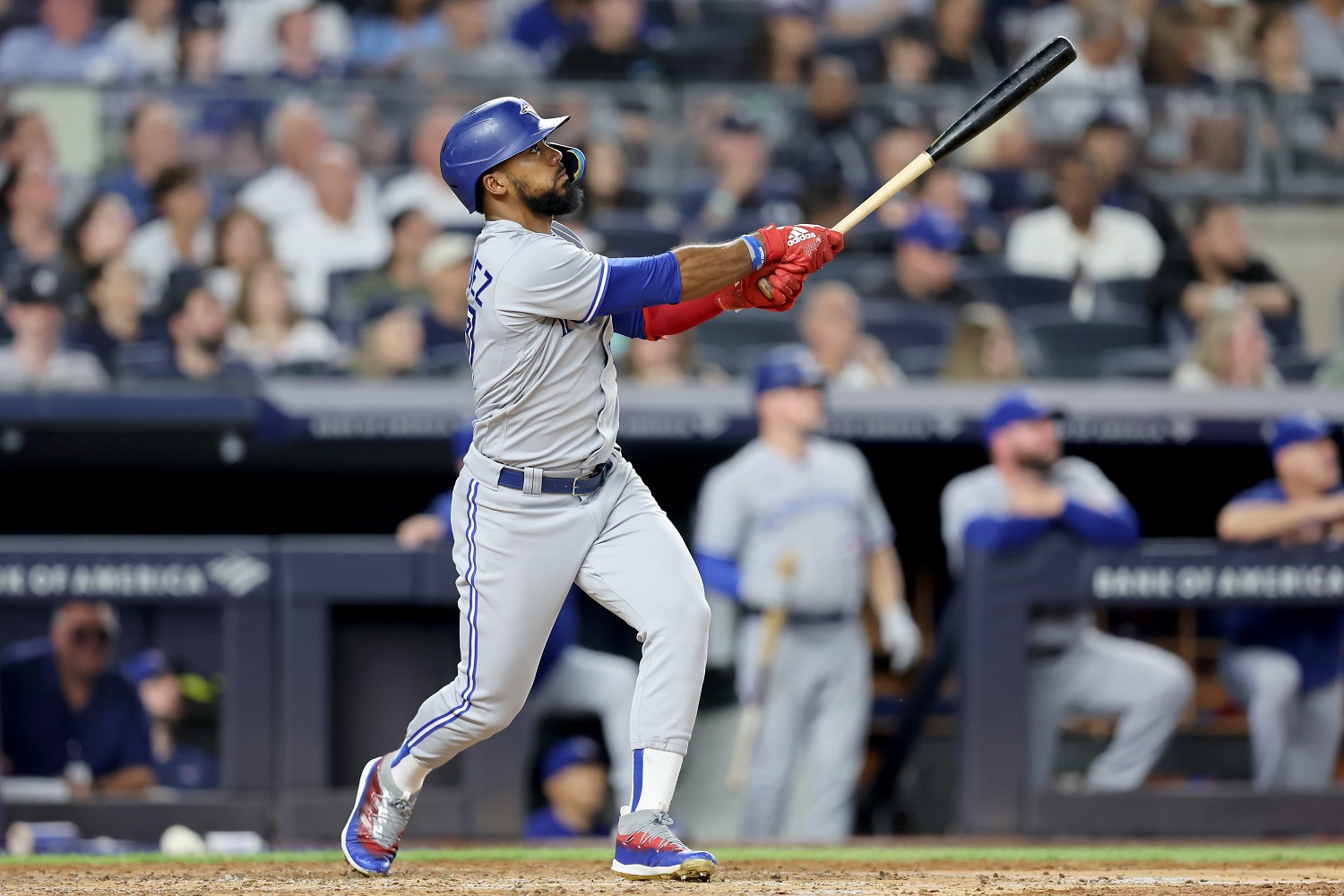 In the midst of a sordid Twins season, one of the few hopeful spots was the potential of a number of excellent bats joining the outfield. Nick Gordon seemed to finally figure things out. Matt Wallner looked solid as he tried to extend the stretch run. Alex Kirilloff and Trevor Larnach remain enigmas but each has shown great ability when healthy. Other young bats are waiting in the wings. So while the Twins might be ready to spend a great deal on Mitch Haniger or Brandon Nimmo, a smart move might be a one-year rental via trade. These veterans could even split time with younger players in need of reps without the worry of having to develop a long-term plan, similar to what might occur over at shortstop. It would also make any other trades the Twins want to make—whether finally parting ways with Max Kepler or using Gio Urshela as a leveraged asset—easier to make. As teams figure out how to approach 2023, they may be looking to move some names that might prove useful on a one-year rental: Teoscar Hernández (Estimated Salary: $14.5 million) Toronto no doubt will be ready to compete again after their disappointing playoff bout with the Mariners, but the rumor mill has suggested the team might part ways with Hernandez to bring in some diversity to their righty-loaded line up. Of course, Teoscar Hernandez is a good problem for any team to have: .267/.316/.491 for a 129 WRC+, which would be better than all but the A-B-C lineup of last year’s Twins. The 2021 All-Star has slowly worked on his strikeout problem and would certainly be a more dangerous bat anytime where a southpaw takes the mound, where he bopped with a .978 OPS against lefties. His defense would certainly be a step down compared to Kepler, but the Dominican-born player would be a natural among the team’s four DR-born players. Ian Happ (Estimated Salary: $10.9 million) It’s a genuine question: what are the Cubs planning on doing in 2023? They are already in pursuit of one of the four top shortstops, but whether they will have the pitching necessary to win the NL Central might make them likely to continue to shed names for prospects. That means Happ, a switch-hitting all-star who hit .271/.342/.440 with a stellar 42 doubles, might be on the market. The Cubs shopped Happ at the deadline but found no deals worth pulling the trigger. However, ESPN’s Jeff Passan has already confirmed the Cubs have thrown his name around. With a 2022 Gold Glove, Happ could be the kind of defensive replacement with real power that would be an easy upgrade for Kepler. Kiké Hernandez (Estimated Salary: $10.0 million) Former Dodger and current Red Sox, Kiké Hernandez is coming off a down year after posting a 3.9 WAR season in 2021. Much of that is due to injuries—a hip strain flexor ailed him through the first few months before finally skipping the high summer months. His return to the lineup was not necessarily splashy, but the 240 average was a vast improvement over what he had shown earlier. Fangraph's projections seem a little unclear as to what the 31-year-old will hit next year, but a solid bat and elite defense would be a huge step up for the Twins looking to give more time for rookies to develop. Whether the Red Sox have a 2023 plan remains the bigger mystery. Cody Bellinger (Estimated Salary: $18.0 million) The Dodgers lineup proved so good throughout their record 111-win season that the team never felt it necessary to remove the former MVP who has crashed down to earth from their lineup. Bellinger has yet to look like his former self since a shoulder injury in 2020, hitting .210 last year with a strikeout rate in the Bottom 10 for qualified batters. Bellinger also induces a hefty projected $18 million in arbitration salary that might not be the kind either the Pohlads or fans will be happy to see for his estimated production. But money is money, and the Dodgers may be ready to part ways for practically nothing (though rumors of a non-tender have swirled since spring). Bellinger also brings elite defense that might make Byron Buxton blush—or at least give Twins fans less anxiety if the bopper needs more time at DH. The question is whether the change in scenery may help him finally demonstrate the 47-homer power that made him a star. Would you be interested in seeing the Twins acquire any of these hitters in a trade? Leave a Comment below.
 -
Only hours after the end of the World Series, the Twins have made the first off season news by keeping Sonny Gray. Monday Update: The Twins made the Gray decision official. They also announced that they have declined the 2023 options for RHPs Chris Archer and Dylan Bundy, and infielder Miguel Sano. Image courtesy of Orlando Ramirez-USA TODAY Sports Only hours after the end of the World Series, the Twins have made the first off season news by keeping Sonny Gray. Monday Update: The Twins made the Gray decision official. They also announced that they have declined the 2023 options for RHPs Chris Archer and Dylan Bundy, and infielder Miguel Sano. The Minnesota Twins have made their first move of the offseason, one that should come as a surprise to no one, by picking up an option on Sonny Gray’s 2023 contract for $12.5 million. Unless a long-term deal is reached before then, Gray will become a free agent at the end of 2023 season. Jon Heyman of the New York Post first reported the scoop. If the Twins do not plan on signing any free agent starters (which should not - and will not - be the case), Gray will almost certainly be considered for the top slot of the rotation for 2023. There was little thought within stories from the front office or the Twins community at large that the Twins would part ways with the pitcher. Gray made 24 starts over the 2022 season, pitching just shy of 120 innings. His 3.08 ERA and 1.13 WHIP were the best since 2019. Although his strikeout rate was down, Gray managed to keep his walks to the minimum and generally got out of a number of dangerous jams this season that made him one of the more reliable pitchers on the mound. Of his 24 attempts, Gray posted nine quality starts, defined as six completed innings with three or less runs. He remains particularly strong against left-handed batters, holding them to a .202 BA this season. The question remains whether the Twins may attempt a long-term extension with the pitcher or keep his option open as a trade deadline candidate if the season runs away from the Twins as it did in 2021. Gray’s 119 2/3 innings was the lowest since 2017 in Oakland, dealing with multiple IL stints this season due to lower back soreness. However, the Twins new athletic trainer Nick Paparesta worked with Gray during his time in Oakland. Questions about injuries and recoveries will hang over Gray as much as the entire rotation and thus may play a role in whether such extensions are offered. The Minnesota Twins traded for Gray right after the end of Major League Baseball’s lockout on the players during negotiations for a Collective Bargaining Agreement, giving away their 2021 first-round draft pick Chase Petty to the Cincinnati Reds. Between his strong stuff and age, Gray has formed something of a veteran leader among a pitching staff to likely be dependent on rookies. Although no one could expect otherwise, Twins fans should welcome another year of the ace on the mound. With the World Series now complete, impending free agents are now free agents. Gray is one of several Twins players with a club option for 2023. It is certain that the Twins will not pick up Miguel Sano's option for 2023. And Carlos Correa will formally announce his decision to opt-out of his contract soon too. The news became official on Monday when the Twins announced that Gray's option was picked up. Also, the Twins declined the options on Chris Archer, Dylan Bundy and Miguel Sano. View full article
-
In First Move of Off Season, Twins Pick Up Sonny Gray's Option
Peter Labuza posted an article in Twins
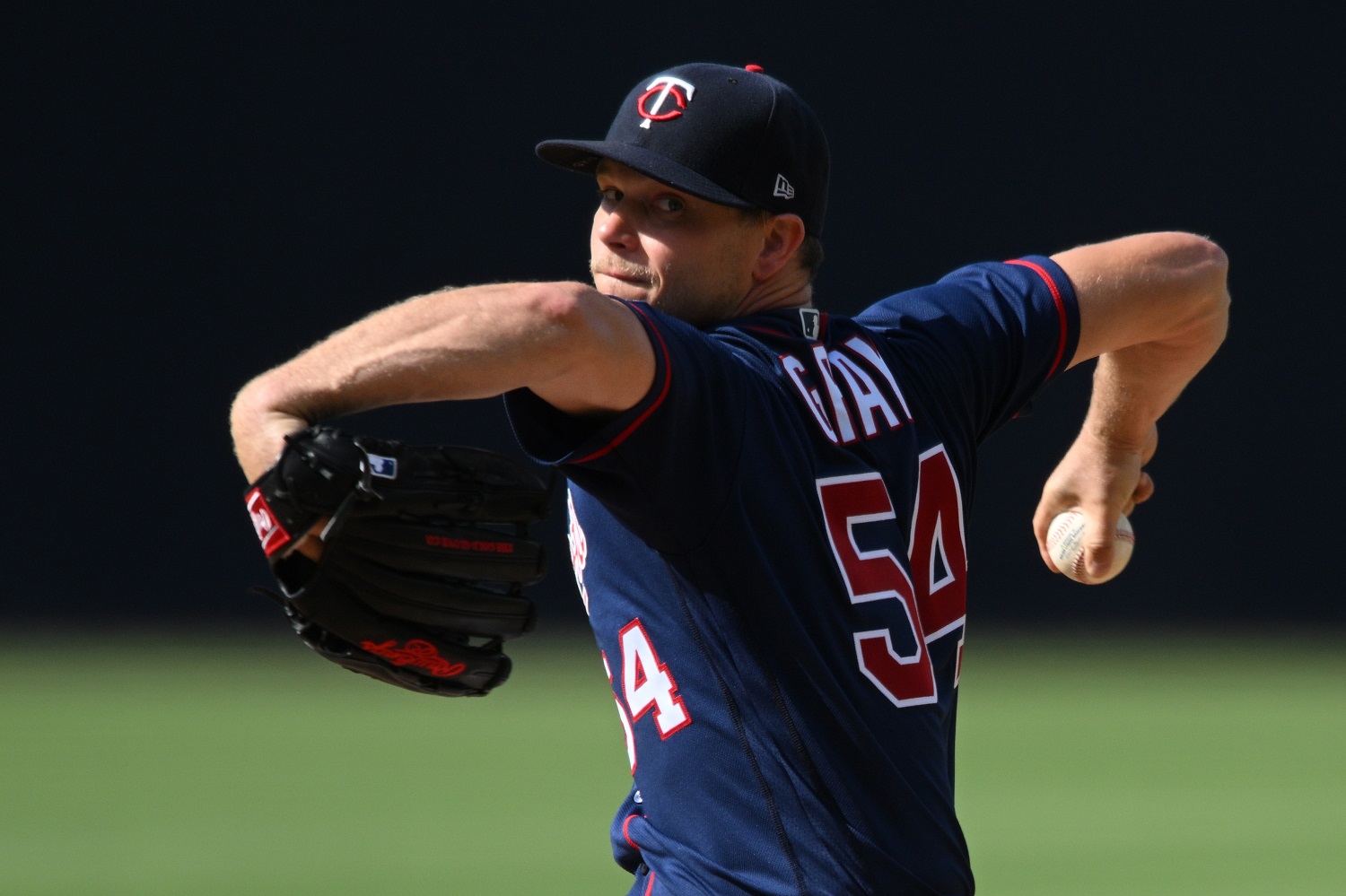 The Minnesota Twins have made their first move of the offseason, one that should come as a surprise to no one, by picking up an option on Sonny Gray’s 2023 contract for $12.5 million. Unless a long-term deal is reached before then, Gray will become a free agent at the end of 2023 season. Jon Heyman of the New York Post first reported the scoop. If the Twins do not plan on signing any free agent starters (which should not - and will not - be the case), Gray will almost certainly be considered for the top slot of the rotation for 2023. There was little thought within stories from the front office or the Twins community at large that the Twins would part ways with the pitcher. Gray made 24 starts over the 2022 season, pitching just shy of 120 innings. His 3.08 ERA and 1.13 WHIP were the best since 2019. Although his strikeout rate was down, Gray managed to keep his walks to the minimum and generally got out of a number of dangerous jams this season that made him one of the more reliable pitchers on the mound. Of his 24 attempts, Gray posted nine quality starts, defined as six completed innings with three or less runs. He remains particularly strong against left-handed batters, holding them to a .202 BA this season. The question remains whether the Twins may attempt a long-term extension with the pitcher or keep his option open as a trade deadline candidate if the season runs away from the Twins as it did in 2021. Gray’s 119 2/3 innings was the lowest since 2017 in Oakland, dealing with multiple IL stints this season due to lower back soreness. However, the Twins new athletic trainer Nick Paparesta worked with Gray during his time in Oakland. Questions about injuries and recoveries will hang over Gray as much as the entire rotation and thus may play a role in whether such extensions are offered. The Minnesota Twins traded for Gray right after the end of Major League Baseball’s lockout on the players during negotiations for a Collective Bargaining Agreement, giving away their 2021 first-round draft pick Chase Petty to the Cincinnati Reds. Between his strong stuff and age, Gray has formed something of a veteran leader among a pitching staff to likely be dependent on rookies. Although no one could expect otherwise, Twins fans should welcome another year of the ace on the mound. With the World Series now complete, impending free agents are now free agents. Gray is one of several Twins players with a club option for 2023. It is certain that the Twins will not pick up Miguel Sano's option for 2023. And Carlos Correa will formally announce his decision to opt-out of his contract soon too. The news became official on Monday when the Twins announced that Gray's option was picked up. Also, the Twins declined the options on Chris Archer, Dylan Bundy and Miguel Sano.
 -
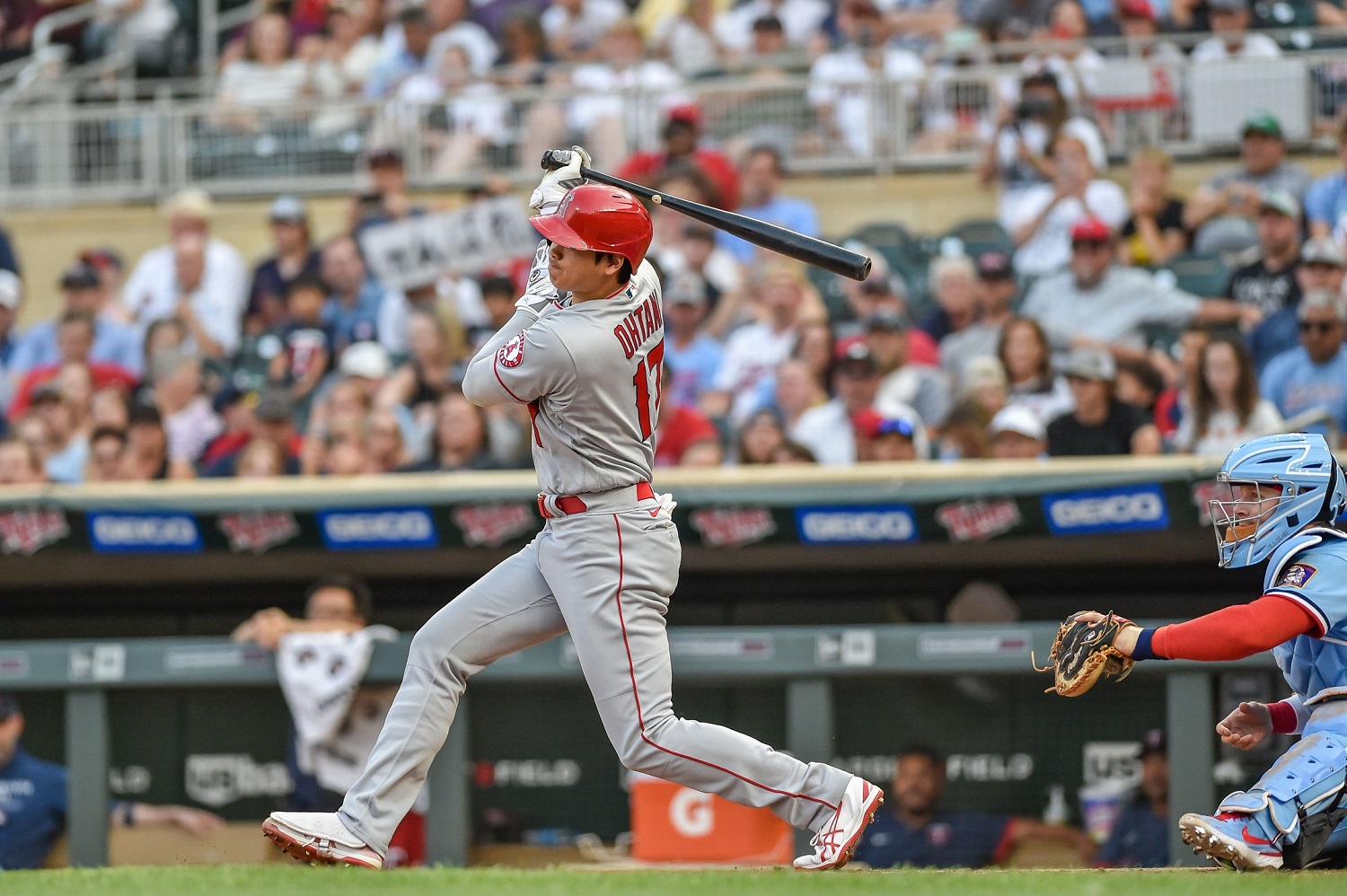 There are plenty of names that Twins fans know are almost entirely out of the payroll desires of the ownership group, making it easy to dismiss that someone like Jacob DeGrom, Justin Verlander, or Carlos Rodón will be in uniform next year. But given this is a long winter, it is never too early to dream up the impossible. This is where I present to you: Minnesota Twins Starting Pitcher and Designated Hitter Shohei Ohtani. Although Aaron Judge is almost certain to win the American League MVP award, Ohtani’s out-of-this-world performance likely made for some hesitancy on many ballots. After all, Ohtani not only continued to be the phenom two-way player that dazzled in 2021; he was genuinely both a better hitter and a better pitcher. In 2022, he slashed .273/.356/.519 with 34 dingers for a 142 WRC+, which would have made him the Twins best hitter had he played for them this season. Of course, what makes Ohtani impressive is that he threw 166 innings of 2.33 ERA ball including a 1.01 WHIP. Twins fans are (rightly) falling head over heels for both Joe Ryan and Sonny Gray, but both their ERAs shot over 3.00 and neither made it to 150 innings. By the way, Ohtani spent the druthers of August and September as the Angels fell out of contention inventing new pitches to throw and came close to a no hitter. If Dave St. Peter wants to complain about falling attendance at the park, what better way to go in on a once-in-a-generation talent? His numbers are already set at a $30 million arbitration, which would be no different than keeping the talents of Carlos Correa. He is Shohei Ohtani. Of course, the question is how exactly would Ohtani fit into the Twins organization, which is not as simple as slotting into rotations and batting orders might suggest. Under Joe Maddon, the Angels employed a six-person rotation to keep Ohtani’s arm loose, which might not be exactly what the Twins want. That being said, much has been made of the apparent depth of the Twins rotation now with a number of prospects finding their legs. That might work well for Ohtani’s needs with some rookies rotating in every month to help fill a void. It would also mean perhaps one less reliever spot, a choice that could certainly backfire. But Ohtani makes up for that too by going long into games as a pitcher, and no longer requiring strategy of DH management after MLB created a specific rule just for him. The trickier part for the Twins would be constructing the lineup. The Twins played around quite a bit with their Designated Hitter position in 2021, trying to use it as much for resting players and in particular as Byron Buxton battled through debilitating pain. The Ohtani equation would almost entirely remove that possibility, which means praying for a healthy Buxton to find a place in the field every day or only coming in for the right pinch-hitting opportunity. The Twins might then also want to pull the trigger on a Gio Urshela trade simply to place Jose Miranda as an everyday third baseman (or have two platoons with Luis Arraez and Alex Kirilloff doing the same over at first). This is perhaps the flaw that made Ohtani so wonderful in Los Angeles while finding himself in a Sisyphean Odyssey of watching batters who might be better fits at DH struggle in the field. Of course, the big question would be how much is an Ohtani trade worth given the Twins average-ish prospect farm (The Twins placed 18th on Keith Law’s 2022 list). For a possible comparison, look at what the Padres gave up to acquire Juan Soto. In order to get the Ted Williams-esque hitter alongside rental Josh Bell, AJ Preller dealt three of the five top prospects to the Nationals. Soto came with two additional years of arbitration time that the Padres will likely mitigate this off-season with an extension, which meant a higher cost than the one year of service left on Ohtani’s already set arbitration numbers. That might make the trades comparable, but the Padres were giving away players near the Top of Baseball America’s Top 100. The Twins would likely have to say goodbye to both shortstop prospects Royce Lewis and Brooks Lee—and that would just be the start for the pitching-desperate Angels. And at a time in which the Twins are desperate for a shortstop once again, they may find themselves watching magic on the mound while slapping their forehead for every swing and miss they place in another one-year low-cost rental in the spot. Then again, what would be more fun than watching a legend in the making? Why shouldn't this front office go into Five Blades Modes? If anything, an Ohtani trade is a good place to understand and evaluate the strength of the Falvey-Levine regime; because he can shift the balance of a team in so many ways, you can see how different a team would have to build in order to fully utilize his talents. But before he starts mowing down Twins players in pinstripes, it is still fun to imagine the opposite future being possible.
 -
Imagine sitting down on April 6th for the first Twins game of the 2023 season. It’s still a bit cold for baseball, but the warmth of seeing the team again soothes the cold plastic of the seats. The Astros are in town—not the team you exactly want on Opening Day to get fans excited. But the park is packed because of the name on the mound. The Twins have done it. They've gone and got a front-line starter that is worthy of our attention. And guess what: he’s also hitting clean up. Image courtesy of Jeffrey Becker-USA TODAY Sports Imagine sitting down on April 6th for the first Twins game of the 2023 season. It’s still a bit cold for baseball, but the warmth of seeing the team again soothes the cold plastic of the seats. The Astros are in town—not the team you exactly want on Opening Day to get fans excited. But the park is packed because of the name on the mound. The Twins have done it. They've gone and got a front-line starter that is worthy of our attention. And guess what: he’s also hitting clean up. There are plenty of names that Twins fans know are almost entirely out of the payroll desires of the ownership group, making it easy to dismiss that someone like Jacob DeGrom, Justin Verlander, or Carlos Rodón will be in uniform next year. But given this is a long winter, it is never too early to dream up the impossible. This is where I present to you: Minnesota Twins Starting Pitcher and Designated Hitter Shohei Ohtani. Although Aaron Judge is almost certain to win the American League MVP award, Ohtani’s out-of-this-world performance likely made for some hesitancy on many ballots. After all, Ohtani not only continued to be the phenom two-way player that dazzled in 2021; he was genuinely both a better hitter and a better pitcher. In 2022, he slashed .273/.356/.519 with 34 dingers for a 142 WRC+, which would have made him the Twins best hitter had he played for them this season. Of course, what makes Ohtani impressive is that he threw 166 innings of 2.33 ERA ball including a 1.01 WHIP. Twins fans are (rightly) falling head over heels for both Joe Ryan and Sonny Gray, but both their ERAs shot over 3.00 and neither made it to 150 innings. By the way, Ohtani spent the druthers of August and September as the Angels fell out of contention inventing new pitches to throw and came close to a no hitter. If Dave St. Peter wants to complain about falling attendance at the park, what better way to go in on a once-in-a-generation talent? His numbers are already set at a $30 million arbitration, which would be no different than keeping the talents of Carlos Correa. He is Shohei Ohtani. Of course, the question is how exactly would Ohtani fit into the Twins organization, which is not as simple as slotting into rotations and batting orders might suggest. Under Joe Maddon, the Angels employed a six-person rotation to keep Ohtani’s arm loose, which might not be exactly what the Twins want. That being said, much has been made of the apparent depth of the Twins rotation now with a number of prospects finding their legs. That might work well for Ohtani’s needs with some rookies rotating in every month to help fill a void. It would also mean perhaps one less reliever spot, a choice that could certainly backfire. But Ohtani makes up for that too by going long into games as a pitcher, and no longer requiring strategy of DH management after MLB created a specific rule just for him. The trickier part for the Twins would be constructing the lineup. The Twins played around quite a bit with their Designated Hitter position in 2021, trying to use it as much for resting players and in particular as Byron Buxton battled through debilitating pain. The Ohtani equation would almost entirely remove that possibility, which means praying for a healthy Buxton to find a place in the field every day or only coming in for the right pinch-hitting opportunity. The Twins might then also want to pull the trigger on a Gio Urshela trade simply to place Jose Miranda as an everyday third baseman (or have two platoons with Luis Arraez and Alex Kirilloff doing the same over at first). This is perhaps the flaw that made Ohtani so wonderful in Los Angeles while finding himself in a Sisyphean Odyssey of watching batters who might be better fits at DH struggle in the field. Of course, the big question would be how much is an Ohtani trade worth given the Twins average-ish prospect farm (The Twins placed 18th on Keith Law’s 2022 list). For a possible comparison, look at what the Padres gave up to acquire Juan Soto. In order to get the Ted Williams-esque hitter alongside rental Josh Bell, AJ Preller dealt three of the five top prospects to the Nationals. Soto came with two additional years of arbitration time that the Padres will likely mitigate this off-season with an extension, which meant a higher cost than the one year of service left on Ohtani’s already set arbitration numbers. That might make the trades comparable, but the Padres were giving away players near the Top of Baseball America’s Top 100. The Twins would likely have to say goodbye to both shortstop prospects Royce Lewis and Brooks Lee—and that would just be the start for the pitching-desperate Angels. And at a time in which the Twins are desperate for a shortstop once again, they may find themselves watching magic on the mound while slapping their forehead for every swing and miss they place in another one-year low-cost rental in the spot. Then again, what would be more fun than watching a legend in the making? Why shouldn't this front office go into Five Blades Modes? If anything, an Ohtani trade is a good place to understand and evaluate the strength of the Falvey-Levine regime; because he can shift the balance of a team in so many ways, you can see how different a team would have to build in order to fully utilize his talents. But before he starts mowing down Twins players in pinstripes, it is still fun to imagine the opposite future being possible. View full article
-
In a season of slow unraveling, one moment that stuck out as a sign that things were likely not going to work out as Twins fans might hope was the (almost inevitable) call-up of Jake Cave. DFA’d by the Twins after his particularly rough 2021, Cave accepted his assignment with the St. Paul Saints where he could remain mostly in minor-league news tidbits. It was probably not the best hope for a player whose gray beard has always made him look double his age, but at least a home for less ire by a frustrated fan base looking to lay blame. Image courtesy of Jay Biggerstaff, USA Today In a season of slow unraveling, one moment that stuck out as a sign that things were likely not going to work out as Twins fans might hope was the (almost inevitable) call-up of Jake Cave. DFA’d by the Twins after his particularly rough 2021, Cave accepted his assignment with the St. Paul Saints where he could remain mostly in minor-league news tidbits. It was probably not the best hope for a player whose gray beard has always made him look double his age, but at least a home for less ire by a frustrated fan base looking to lay blame. Jake Cave’s return for 2022 felt frustrating in part when many expected the debut of prospects to be filling those lineup slots. But then an odd thing happened: I didn’t hate Cave this time around. He genuinely seemed to play better every time I expected the worst. And with the season’s doom leading toward more existential questions, a truly odd thought filled my head: Is Jake Cave Good? Let’s cut to the chase: Not particularly. Jake Cave slashed .213/.260/.384 (.624), only a minor improvement on last year’s .189/.263/.400 (.663) with basically the same number of plate appearances. His WRC+ hovered almost to 100—essentially league average—before crashing down to 81. And yet there was Cave hustling to first at Yankee Stadium to put Carlos Correa in position to smash a dinger to give the Twins the lead. In the critical Cleveland series, Cave hit a bomb off Triston McKenzie to provide the Twins an early lead. And if you looked out at the outfield, you could have sworn Buxton had transported himself into Cave’s body as he continually laid out to make a few diving catches. Cave showed significant improvement this year in numerous ways. His Triple-A stint surely helped as he posted a .879 OPS over 85 games, his best since his time in Rochester back in 2019 that eventually landed him on the big-league roster for the last four years. He went on a 49 plate on-base streak, only ended by an unlucky five-inning rain out where he only managed two plate appearances. When Cave first joined the Twins for the San Francisco Giants series at Target Field that gave one last fresh breath of air into the team, he managed to tie the game in the 9th inning with a single, and then the next day smashed a two-run homer and another double in a rousing victory. Cave cooled down into his more expected self, but a few notable stats stick out. First, Cave had become a big strikeout guy, particularly in the 2021 season where he was around 35%. Going back to Triple-A worked wonders. He dropped that to 25% and then only climbed up to 27% when he came back for the majors—still below league average, but an improvement. That came with a sacrifice of power. His BABIP slipped, but there was a big reason for Cave opting for singles: his speed score ballooned from 6.2 after a 3.7 in 2021. To put that into context, only Billy Hamilton and Byron Buxton posted faster speeds for Minnesota this season. I repeat: Jake Cave was the third faster player on the Twins this year. Cave was as fast as new-thorn-for-the-next-seven-years Steven Kwan. And when it came to his defense, his arm strength on Baseball Savant skyrocketed from a mediocre 46% to a shocking 79% within the league Most notably, Cave improved when it mattered. "Clutch" is a unique metric, but it measures your chance at Win Probability against the stakes of the plate appearance as compared to your overall season numbers (to say the least, Carlos Correa demonstrated a high win probability, but his Clutch was -0.91 given his problems delivering with runners on base. Let’s just call it a “heart and hustle” stat). Cave was second on the Twins in the second half of the season in Clutch, just shy of Gilberto Celestino. His dozen barrels doubled what he managed last year, and with his speed, he managed a trio of triples. In the second half, Cave posted a better OPS than Gary Sánchez, Celestino, Max Kepler, and Jorge Polanco. He hit about as well as the aging Nelson Cruz did for the Nationals except on a $800k contract that managed a half point of WAR—essentially quadruple his salary. It may have still been frustrating to see Cave batting fifth in a lineup for a playoff contention team, but Cave was hardly the problem given the improvements he demonstrated. With a huge roster crunch in the coming months, it is likely that Cave once again sees himself in a St. Paul Saints uniform unless another team is looking for some depth in the outfield. But unlike previous years, I have to salute a player who hustled his way into an unfortunate situation and did what he could. Update: The Baltimore Orioles have claimed Jake Cave off waivers. For much more Jake Cave content from Twins Daily, click here. View full article
-
 Jake Cave’s return for 2022 felt frustrating in part when many expected the debut of prospects to be filling those lineup slots. But then an odd thing happened: I didn’t hate Cave this time around. He genuinely seemed to play better every time I expected the worst. And with the season’s doom leading toward more existential questions, a truly odd thought filled my head: Is Jake Cave Good? Let’s cut to the chase: Not particularly. Jake Cave slashed .213/.260/.384 (.624), only a minor improvement on last year’s .189/.263/.400 (.663) with basically the same number of plate appearances. His WRC+ hovered almost to 100—essentially league average—before crashing down to 81. And yet there was Cave hustling to first at Yankee Stadium to put Carlos Correa in position to smash a dinger to give the Twins the lead. In the critical Cleveland series, Cave hit a bomb off Triston McKenzie to provide the Twins an early lead. And if you looked out at the outfield, you could have sworn Buxton had transported himself into Cave’s body as he continually laid out to make a few diving catches. Cave showed significant improvement this year in numerous ways. His Triple-A stint surely helped as he posted a .879 OPS over 85 games, his best since his time in Rochester back in 2019 that eventually landed him on the big-league roster for the last four years. He went on a 49 plate on-base streak, only ended by an unlucky five-inning rain out where he only managed two plate appearances. When Cave first joined the Twins for the San Francisco Giants series at Target Field that gave one last fresh breath of air into the team, he managed to tie the game in the 9th inning with a single, and then the next day smashed a two-run homer and another double in a rousing victory. Cave cooled down into his more expected self, but a few notable stats stick out. First, Cave had become a big strikeout guy, particularly in the 2021 season where he was around 35%. Going back to Triple-A worked wonders. He dropped that to 25% and then only climbed up to 27% when he came back for the majors—still below league average, but an improvement. That came with a sacrifice of power. His BABIP slipped, but there was a big reason for Cave opting for singles: his speed score ballooned from 6.2 after a 3.7 in 2021. To put that into context, only Billy Hamilton and Byron Buxton posted faster speeds for Minnesota this season. I repeat: Jake Cave was the third faster player on the Twins this year. Cave was as fast as new-thorn-for-the-next-seven-years Steven Kwan. And when it came to his defense, his arm strength on Baseball Savant skyrocketed from a mediocre 46% to a shocking 79% within the league Most notably, Cave improved when it mattered. "Clutch" is a unique metric, but it measures your chance at Win Probability against the stakes of the plate appearance as compared to your overall season numbers (to say the least, Carlos Correa demonstrated a high win probability, but his Clutch was -0.91 given his problems delivering with runners on base. Let’s just call it a “heart and hustle” stat). Cave was second on the Twins in the second half of the season in Clutch, just shy of Gilberto Celestino. His dozen barrels doubled what he managed last year, and with his speed, he managed a trio of triples. In the second half, Cave posted a better OPS than Gary Sánchez, Celestino, Max Kepler, and Jorge Polanco. He hit about as well as the aging Nelson Cruz did for the Nationals except on a $800k contract that managed a half point of WAR—essentially quadruple his salary. It may have still been frustrating to see Cave batting fifth in a lineup for a playoff contention team, but Cave was hardly the problem given the improvements he demonstrated. With a huge roster crunch in the coming months, it is likely that Cave once again sees himself in a St. Paul Saints uniform unless another team is looking for some depth in the outfield. But unlike previous years, I have to salute a player who hustled his way into an unfortunate situation and did what he could. Update: The Baltimore Orioles have claimed Jake Cave off waivers. For much more Jake Cave content from Twins Daily, click here.
 -
Do we know at what point Correa needs to announce as free agent before his club option kicks in? I guess before Rule 5....
-
In the dire straits of September 2021, the Twins fanbase worried about the future of the franchise. The team had justifiably traded away both Nelson Cruz and José Berrios. Negotiations between Byron Buxton and the organization had fallen apart during the summer. A number of the team's exciting prospects were recovering from injuries and likely unavailable to at least start 2022. Plus, a contentious bargaining situation between the league and players had owners acting with caution. Image courtesy of Aaron Josefczyk-USA TODAY Sports In the dire straits of September 2021, the Twins fanbase worried about the future of the franchise. The team had justifiably traded away both Nelson Cruz and José Berrios. Negotiations between Byron Buxton and the organization had fallen apart during the summer. A number of the team's exciting prospects were recovering from injuries and likely unavailable to at least start 2022. Plus, a contentious bargaining situation between the league and players had owners acting with caution. Were the Twins to go the way of many teams and begin a long rebuild to return to contention? "I'm not using that word," Derek Falvey told the beat writers. Instead, 2022 would be a year for a reload. But what does a successful reload look like? The Twins set out to return to playoff contention as they had in 2019 and 2020. Doing so would require more money and trades than the team had done in previous years of Pohlad ownership. Teams often reload for playoff contention for several reasons but usually require a strong central core and only a few critical holes to fill. For the 2016 Red Sox, their last year with Hall of Famer David Ortiz and an ascending Mookie Betts, it meant grabbing David Price on a $217 million deal and Craig Kimbrel in a trade with San Diego. The team went from last to first in the division for the next three years, including a World Series ring in 2018. However, a better comparison for teams with smaller payrolls might be those 2005 White Sox. Their opening day lineup only featured three of the same faces from 2004, but none were rookies. Instead, Ozzie Guillén and Kenny Williams tried to rethink what kind of players to build around their core, grabbing AJ Pierzynski, Jermaine Dye, Tadahito Iguchi, and Scott Podsednik. Most of their core pitching returned, with Yankees pitcher Orlando Hernández filling in as their fifth man. Their salary ballooned from $65 million to $75 million, while the first-place Twins remained essentially static in the $50 million range. Of course, it was all worth it: the White Sox were an era-defining team, winning the division by six games, going on one of the all-time great post-season runs, and ending an 88-year-old championship drought. For the Twins going into 2022, there was enough in the revolver for one last go of a core set of players: Jorge Polanco, Byron Buxton, Josh Donaldson, Luis Arraez, Mitch Garver, and Miguel Sano, plus some promise with Joe Ryan, Bailey Ober, Trevor Larnach, and Alex Kirilloff to step up (not to mention the many hopes around the arrival of Royce Lewis). Their bullpen had enough interesting names to build around. So why didn't the Twins work? First, the Twins had too many holes to fill, particularly in the starting pitching realm. Ober and Ryan had less than 100 innings under their belts, and Kenta Maeda was merely a glimmer of promise for a late-season comeback. The Twins needed a Day One starter, but quickly missed names like Carlos Rodon, Marcus Stroman, and Noah Syndergaard, all of who made splashy but not impossible out-of-reach deals for the organization to match. When the market reopened, the Twins rebounded by making the smart move to trade their first-round draft pick for Sonny Gray. But then they went with not one not two but three different "fix me up" projects: Dylan Bundy, Chris Archer, and Chris Paddack. Beyond Gray, that left five essentially unproven starters on opening day. The bullpen additions were equally shaky with the additions of Joe Smith and Emilio Pagán while dealing Taylor Rogers. Most importantly, the Twins essentially committed almost no new money in this realm beyond their trade capital, an odd sign for a team serious about contending. Of course, the Twins put money down this season with a pair of $100+ million contracts: an extension of Buxton and a second in a blockbuster deal to commit $35.1 million a year to Carlos Correa. Bringing in a playoff specialist like Correa was the essential move they needed. It at least felt part of their decision to erase bad clubhouse vibes by flipping Josh Donaldson for Yankees veterans Gio Urshela and Gary Sánchez. Neither Urshela nor Sánchez were the top Bronx bombers, but there was plenty of sense they were the kind of players who understood big spots and big games. And yet, the Twins probably remained slim in other veteran talent to reinforce their lineup. The previous year had demonstrated that the team did not have their prospects ready to go as eight different men took to center field to fill in injury after injury. Whether the Twins expected this year's injury woes to be worse than last year, their decision to depend entirely on prospects to back up Buxton and Kepler felt short-sided with plenty of low-end veterans available on the market (Kevin Pillar for example took a minor league deal with the Dodgers). A strong reload rarely means depending on new players—those 2005 Sox were all veterans beyond their season call-up of closer Bobby Jenks—but the Twins seemingly put a lot of hope on what feels like too many prospects suddenly becoming core players. Jose Miranda, Griffin Jax, and Jhoan Duran, have made themselves essential to this year's success, but others still have question marks about their long term viability (whether injury or ability). Either way, building through prospects is similar to what this year's Mariners have done where team has done after a long rebuild where they plan on years of contention after making a number of high profile trades and signings of known quantities to reinforce any flops of their prospects (Julio Rodríguez and George Kirby has outshined all potential, while Jarred Kelenic has essentially disappeared). Reloads are not just about graduating prospects; it's about building with those who don't need time to figure out their success. In another world, Donaldson was traded for prospects rather than big leaguers, and you could imagine Buxton, Polanco, and even Arraez packing their bags for other ballparks. Watching multiple seasons of poor performance in the hope of a good team down the road is no one's idea of fun, so the fact that the Twins pushed this year remains a blessing. But in retrospect, their approach in the reload feels odd. The Twins did increase their salary by 20% this season, but in the end, they were perhaps not in the place for the reload that wins championships. What was missing from the Twins reload? Sound off in the comments. View full article
- 33 replies
-
- 1
-
-
- derek falvey
- thad levine
- (and 3 more)
