



Nick Nelson
-
Posts
8,327 -
Joined
-
Last visited
-
Days Won
56
Content Type
Profiles
News
Minnesota Twins Videos
2026 Minnesota Twins Top Prospects Ranking
2022 Minnesota Twins Draft Picks
Minnesota Twins Free Agent & Trade Rumors, Notes, & Tidbits
Guides & Resources
2023 Minnesota Twins Draft Picks
The Minnesota Twins Players Project
2024 Minnesota Twins Draft Picks
2025 Minnesota Twins Draft Pick Tracker
2026 Minnesota Twins Draft Tracker: Picks & Bonuses
Forums
Blogs
Events
Store
Downloads
Gallery
Everything posted by Nick Nelson
-
 Based on this story, it sounds like the Twins truly had no shot at Bumgarner. He wanted to go to Arizona so badly he turned down far more money elsewhere and took a team-friendly contract. https://theathletic.com/1469374/2019/12/17/the-number-one-place-the-diamondbacks-get-madison-bumgarner-on-a-second-hometown-discount/
 -
Very reasoned and on-point take. I'd say this basically sums up my feelings. I have to believe that if the Twins offered the contract I suggested here, he wouldn't have opted for AZ. It's $10 million higher in total value, and it gives Bumgarner the chance to make a ton more in the first few years, then potentially opt-out and go sign with the D-Backs or whoever. If the front office didn't attempt something creative along those lines to lure him, it's disappointing. But it also wouldn't totally shock me if they did and he still said no. Like you said, we don't know what they offered, and by all accounts Bumgarner had his heart set on Phoenix.
-
According to Jesse Sanchez of MLB.com, the Minnesota Twins are finalizing an agreement with veteran reliever Sergio Romo, who came over ahead of the 2019 trade deadline. It's reportedly a one-year deal with an option. A reunion between Romo and the Twins has seemed likely all offseason, with both sides openly expressing interest. This qualifies more as another "stabilizing move" than an upgrade, but it's a welcome one nevertheless. The right-hander was a tremendous clubhouse fit and stellar performer after coming over from Miami in exchange for 1B prospect Lewin Diaz in July, posting a 3.18 ERA and 27-to-4 K/BB ratio in 22.2 IP for Minnesota. He'll turn 37 in spring training but doesn't seem especially prone to aging decline as a slider-slinging righty with an upper-80s fastball. Your thoughts on the signing? Click here to view the article
-
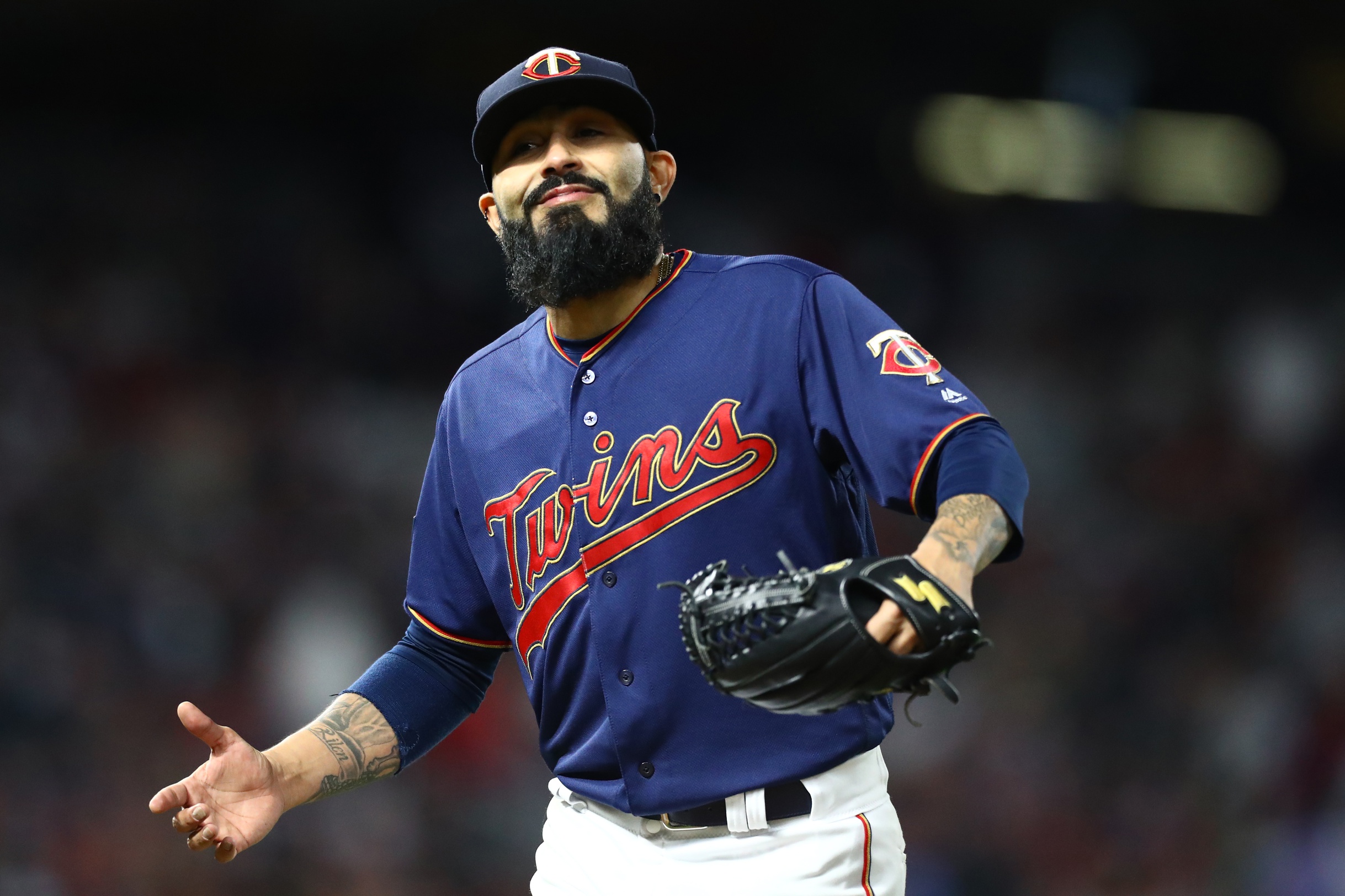 https://twitter.com/JesseSanchezMLB/status/1206719703684501504 Ken Rosenthal of the Athletic reports that Romo's deal is for one year and $5 million, with a club option giving him the chance to earn $10 million total. https://twitter.com/Ken_Rosenthal/status/1206725275280662528 A reunion between Romo and the Twins has seemed likely all offseason, with both sides openly expressing interest. This qualifies more as another "stabilizing move" than an upgrade, but it's a welcome one nevertheless. The right-hander was a tremendous clubhouse fit and stellar performer after coming over from Miami in exchange for 1B prospect Lewin Diaz in July, posting a 3.18 ERA and 27-to-4 K/BB ratio in 22.2 IP for Minnesota. He'll turn 37 in spring training but doesn't seem especially prone to aging decline as a slider-slinging righty with an upper-80s fastball. Your thoughts on the signing?
 -
"Charlie Morton believes he found the perfect situation with the Rays. Not just in terms of money and location. Not just in environment and culture. In the end, he was able to check every box that was important to him." ^ The opening paragraph in the report after he signed. Again, free agency isn't an auction, there are other factors beyond money involved. Morton lives a half-hour from Tropicana Field. It's a perfect illustration of what I'm getting at in this piece.
- 152 replies
-
- 14
-

-
Several teams and their fanbases came away from last week's Winter Meetings feeling happy and fulfilled – most notably the Yankees, Nationals, and Angels, who scored the top three prizes. The Twins, however, were left out cold in San Diego, underscoring the uphill battle they face in the coming weeks.By all accounts, the Twins entered this offseason – and these Winter Meetings – with legitimate intentions to aggressively pursue high-end talent. They've come up empty thus far, despite their efforts to follow through. The Twins reportedly extended to Zack Wheeler a nine-figure offer, which would've doubled their highest previous free agent commitment, but the right-hander chose Philadelphia. This exercise served to remind the Twins, and their fans, of two disadvantages working against the front office as it wades into the deeper waters: Money and Minny. Money. It's the sole focal point for some fans, which has become draining. Yes, the Twins (and many other suitors) were outbid for Wheeler. They never could've even dreamed of approaching the contracts handed out to Gerrit Cole, Stephen Strasburg, or Anthony Rendon. While this will inevitably invoke utterances of "Cheap Pohlads" from a certain crowd, those folks need to face facts: The Twins are never going to have the uninhibited spending flexibility of a Philadelphia, New York, Washington, or Los Angeles. Minny. Look, I know most Minnesotans hate this shorthand but I needed it for the wordplay so please let it slide. As much as I love Minneapolis, I recognize that we're not the most appealing destination for high-profile free agents and their families. Money talks, but it's narrow-minded to believe that's the overriding factor in every decision, especially for the most in-demand players. All four of the aforementioned free agents – Wheeler, Cole, Strasburg, Rendon – went from famed big-market cities to other famed big-market cities. Wheeler, from what I've heard, notified the Twins more or less that he wasn't interested. Lament and loathe these realities all you want, but they are the hindrances faced by this organization, and they've become unignorable in the early stretch of this offseason. As the latest example of uncontrollable influences, Madison Bumgarner signed with Arizona yesterday for five years and $85 million. That's a price point the Twins – who were said to be heavily interested in the left-hander – could've matched, if they pleased, but it sounds like Bumgarner had his heart set on Arizona from the jump. He doesn't have horses in the Minneapolis area. What are ya gonna do? I believe the Twins are serious about doing everything within their power to strike a sensible deal with these players. And maybe, with the right guy, they'll go well beyond the point of rationality to do so. (One comment from Derek Falvey at the Winter Meetings I found interesting: "Sometimes you’re a little more risk-seeking, sometimes you’re a little more risk-averse ... But I think we try to evaluate each decision on its own merits.") Maybe in spite of that, it still won't be enough. That is the nature of free agency, which gets oversimplified by the subset of fans who view every free agency pursuit as the equivalent of an open auction, where teams are raising cards and bidding solely based on price. If they can't find a fit on the free agent market, then the Twins will have to turn their full focus toward a trade. Here, the overpay will hurt even more, but that'll be necessary if they want to acquire a real difference-maker. Teams are protecting the kind of controllable rotation-fronters Minnesota desires more than ever, and execs have remarked on the generally steep asking prices. (The light return Cleveland got for Corey Kluber would seem to contradict this thinking... or maybe it just means the league is generally convinced the soon-to-be 34-year-old's days as an ace are finished.) A trade like Jake Cave for Elieser Hernandez could make sense on its own merit – just as the "stabilizing" additions of Jake Odorizzi, Michael Pineda, and Alex Avila do – but it's not the needle-moving splash this offseason seems to need. At least, not on the surface. And this is the developing reality Twins fans may need to come to grips with: An offseason defined more by savvy than splash. Few outsiders viewed the original Odorizzi acquisition as a bold one, but he quickly transformed into one of the American League's better starters. Ditto for Pineda. Last offseason's splashiest free agent pitcher, Patrick Corbin, certainly delivered during his first year in Washington, but his 4.8 fWAR ranked third among newly signed pitchers, behind the decidedly less splashy Lance Lynn (6.8) and Charlie Morton (6.1). The Twins were known to be interested in Morton before he signed in Tampa Bay, and had signed Lynn the previous spring (unseating Anibal Sanchez, who ended up being a key contributor in Washingnton's World Series run this year alongside Corbin). This front office has shown a keen eye for pitching talent, and a special ability to develop arms. Three years after taking over a 103-loss team with chronic and pervasive pitching issues, their 2019 staff ranked third in the majors in fWAR, right between the Dodgers and Astros. We should show some faith in their ability to find the next Lynn or Morton, while acknowledging their limitations when it comes to landing the next Corbin. Chilly as it may feel to some at a time where baseball's Hot Stove is being revitalized, the reality of that path as the one the Twins need to follow has become increasingly evident. (If you're feeling aggrieved about this and wish to find guidance, our guy Stu's got you covered.) MORE FROM TWINS DAILY — Latest Twins coverage from our writers — Recent Twins discussion in our forums — Follow Twins Daily via Twitter, Facebook or email Click here to view the article
-
 By all accounts, the Twins entered this offseason – and these Winter Meetings – with legitimate intentions to aggressively pursue high-end talent. They've come up empty thus far, despite their efforts to follow through. The Twins reportedly extended to Zack Wheeler a nine-figure offer, which would've doubled their highest previous free agent commitment, but the right-hander chose Philadelphia. This exercise served to remind the Twins, and their fans, of two disadvantages working against the front office as it wades into the deeper waters: Money and Minny. Money. It's the sole focal point for some fans, which has become draining. Yes, the Twins (and many other suitors) were outbid for Wheeler. They never could've even dreamed of approaching the contracts handed out to Gerrit Cole, Stephen Strasburg, or Anthony Rendon. While this will inevitably invoke utterances of "Cheap Pohlads" from a certain crowd, those folks need to face facts: The Twins are never going to have the uninhibited spending flexibility of a Philadelphia, New York, Washington, or Los Angeles. Minny. Look, I know most Minnesotans hate this shorthand but I needed it for the wordplay so please let it slide. As much as I love Minneapolis, I recognize that we're not the most appealing destination for high-profile free agents and their families. Money talks, but it's narrow-minded to believe that's the overriding factor in every decision, especially for the most in-demand players. All four of the aforementioned free agents – Wheeler, Cole, Strasburg, Rendon – went from famed big-market cities to other famed big-market cities. Wheeler, from what I've heard, notified the Twins more or less that he wasn't interested. Lament and loathe these realities all you want, but they are the hindrances faced by this organization, and they've become unignorable in the early stretch of this offseason. As the latest example of uncontrollable influences, Madison Bumgarner signed with Arizona yesterday for five years and $85 million. That's a price point the Twins – who were said to be heavily interested in the left-hander – could've matched, if they pleased, but it sounds like Bumgarner had his heart set on Arizona from the jump. He doesn't have horses in the Minneapolis area. What are ya gonna do? https://twitter.com/AaronGleeman/status/1206377554820550656 Money isn't an overwhelming encumbrance – ownership's willingness to spend was made clear by the apparent green-lighting of a massive offer to Wheeler, which healthily exceeds the amount Bumgarner got – but the Twins can't endlessly outbid competitors with deep pockets and built-in preference. I'm not sure why fans would yearn for it. There's truth to this quote from Dodgers president Andrew Friedman a few years back: "If you're always rational about every free agent, you will finish third on every free agent." That speaks somewhat to the Twins' dilemma this winter. But it's much easier said by a guy whose virtually unlimited resources enable him to absorb irrational long-term deals with high risk. Friedman's Dodgers came up short in their pursuit of top names on the market, so now they've got money to burn as they train their gaze on the next tier of free agents, for whom the Twins are also trying to compete. Incidentally, Los Angeles faces its own perception issues (Rendon cited LA's "Hollywood lifestyle" in opting for Anaheim) but needless to say, the Twins will struggle to woo Hyun-Jun Ryu, whom they continue to target... https://twitter.com/JonHeyman/status/1205868202279886848 ... Or even a significant offensive upgrade like Josh Donaldson ... https://twitter.com/DWolfsonKSTP/status/1205934607264288768 I believe the Twins are serious about doing everything within their power to strike a sensible deal with these players. And maybe, with the right guy, they'll go well beyond the point of rationality to do so. (One comment from Derek Falvey at the Winter Meetings I found interesting: "Sometimes you’re a little more risk-seeking, sometimes you’re a little more risk-averse ... But I think we try to evaluate each decision on its own merits.") Maybe in spite of that, it still won't be enough. That is the nature of free agency, which gets oversimplified by the subset of fans who view every free agency pursuit as the equivalent of an open auction, where teams are raising cards and bidding solely based on price. If they can't find a fit on the free agent market, then the Twins will have to turn their full focus toward a trade. Here, the overpay will hurt even more, but that'll be necessary if they want to acquire a real difference-maker. Teams are protecting the kind of controllable rotation-fronters Minnesota desires more than ever, and execs have remarked on the generally steep asking prices. (The light return Cleveland got for Corey Kluber would seem to contradict this thinking... or maybe it just means the league is generally convinced the soon-to-be 34-year-old's days as an ace are finished.) A trade like Jake Cave for Elieser Hernandez could make sense on its own merit – just as the "stabilizing" additions of Jake Odorizzi, Michael Pineda, and Alex Avila do – but it's not the needle-moving splash this offseason seems to need. At least, not on the surface. And this is the developing reality Twins fans may need to come to grips with: An offseason defined more by savvy than splash. Few outsiders viewed the original Odorizzi acquisition as a bold one, but he quickly transformed into one of the American League's better starters. Ditto for Pineda. Last offseason's splashiest free agent pitcher, Patrick Corbin, certainly delivered during his first year in Washington, but his 4.8 fWAR ranked third among newly signed pitchers, behind the decidedly less splashy Lance Lynn (6.8) and Charlie Morton (6.1). The Twins were known to be interested in Morton before he signed in Tampa Bay, and had signed Lynn the previous spring (unseating Anibal Sanchez, who ended up being a key contributor in Washingnton's World Series run this year alongside Corbin). This front office has shown a keen eye for pitching talent, and a special ability to develop arms. Three years after taking over a 103-loss team with chronic and pervasive pitching issues, their 2019 staff ranked third in the majors in fWAR, right between the Dodgers and Astros. We should show some faith in their ability to find the next Lynn or Morton, while acknowledging their limitations when it comes to landing the next Corbin. Chilly as it may feel to some at a time where baseball's Hot Stove is being revitalized, the reality of that path as the one the Twins need to follow has become increasingly evident. (If you're feeling aggrieved about this and wish to find guidance, our guy Stu's got you covered.) MORE FROM TWINS DAILY — Latest Twins coverage from our writers — Recent Twins discussion in our forums — Follow Twins Daily via Twitter, Facebook or email
 -
Fans and writers aren't "conditioned to protect the Pohalds' pocketbook." They are accustomed to the realities of this team and its constraints, and don't find it productive or interesting to reduce everything to "ownership should spend more." Instead, they try to operate within reality, analyze, and offer creative solutions under this framework, as Patrick did in this great piece. To answer your question, the opposite is pretty much true. Fans in almost every market feel their ownership underspends, hoards money, doesn't fulfill promises, etc. Some Mets fans refer to their owners as the "Wilponzies." Great comment. It's just amazing to me how we go from "Joe Mauer's contract is an inexcusable albatross" to "Sign Ryu or Bumgarner for whatever it takes." The disconnect here is that 2020 payroll isn't the concern. There is no reason to think the Twins have any major limitations in terms of spending next year. It's a matter of strategic team-building, and piling up payroll commitments around the time your core starts hitting free agency. Fans can afford to be short-sighted in this regard; the front office can't.
- 159 replies
-
- 15
-
-
One example involving the Twins, in the last 2 years*
-
To the people who think I'm projecting some sort of super-theoretical, implausible upside... just take a look at the example referenced in the article. Anibal Sanchez has a 3.39 ERA in 300 IP since being signed under similar circumstances.
-
Those guys are still around. If the player you sign isn't up to the task (which presumably would be clear in spring training) you pull the plug and go with someone else. The Twins' impact starters (Graterol, Balazovic, Duran) are still a little ways away. I'm not concerned about robbing Smeltzer or Thorpe of opportunity for a few weeks. (Again, those guys will likely be competing with Dobnak for the fifth spot as is. You're telling me you want two of them in the rotation to start the year?)
-
Because any of these players, if they can stay healthy and/or iron out some issues, are vastly better than the internal options?
-
This is not being suggested as an alternative to signing higher-caliber starters. It's for a very specific usage; the Twins aren't going to sign Bumgarner to make 8 starts until Pineda is ready. If you'd rather go with an internal option to fill that need (while understanding that one such player will probably occupy the fifth rotation spot full-time), then... ok. I'm not really sure I understand it. Those guys will be here anyway, they're not going anywhere. These free agents are upside plays carrying almost zero risk. All are 30 or below and clearly talented. If they don't work out, those internal options are still there to fall back on. If the internal options are your first choice... then what? It's pretty said that many people are so singularly obsessed with finding a premier top-of-rotation talent that we can't even discuss creative solutions for filling in the fringes. These are still discussions worth having. Every roster spot matters.
-
In covering the handful of starts Michael Pineda will miss in 2020 while he serves his suspension, the Twins could simply turn to an internal option. Or, they could leverage their unique situation to lure that most intriguing of free agent specimens: the reclamation project.In general, Minnesota isn't the most attractive destination for free agent players who have their pick out of numerous suitors. But for one specific profile, the Twins are a particularly appealing choice. That profile? Formerly successful veteran pitchers with talent who are, for whatever reason (usually health-related), simply looking for a chance to bounce back, even if on a non-guaranteed deal. Anibal Sanchez was one such example in spring of 2018, though he slipped away. There are a few potentially similar names in this year's free agent crop that stand out to me, and I'll zero in on three of them below. Based on their track records, and relative youth, these free agents will surely have markets of their own – especially given the low risk – but the Twins can make a simple differentiating pitch: You don't even really have to compete for a job. Come to camp, show us something, and the gig is yours for at least six weeks – a rotation spot on a team that should be pretty good, with a cutting-edge pitching coach at your disposal. Once Pineda returns, if you've performed, you'll have a role (or at worst, you'll be an in-demand trade candidate). On those terms, I like the potential with these three. Matt Moore, LHP There are two reasons you might know the name. The first is that it belongs to the backup Chiefs QB who took down the Vikings at Arrowhead several weeks back. But that isn't who we're talking about here. Instead, it's another professional thrower, far removed from his glory days. When Moore arrived on the scene as a full-timer for the Rays in 2012, the left-hander was ranked by both MLB.com and Baseball Prospectus as the No. 1 prospect in all of baseball. He backed up the hype as a rookie, posting a 3.81 ERA and averaging a strikeout per inning at age 23. The next year, Moore fully blossomed. He won 17 of his 27 starts with a 3.29 ERA and was named to the All-Star team. But from there, it was all downhill. The next April he tore his UCL, requiring Tommy John surgery. He came back in 2015 and struggled mightily. In 2016 he returned to form somewhat, but was shipped from Tampa to San Francisco at the deadline. The 2017 season was a complete disaster as Moore went 6-15 with a 5.52 ERA for the Giants, who then flipped him to Texas for a minimal return in the offseason. The Rangers couldn't work their magic on Moore in 2018 as he stumbled to a 6.57 ERA in 102 innings split between the rotation and bullpen. This year, he landed with Detroit on a $2.5 million deal but suffered a season-ending knee injury in his second start. Through all of this, Moore is still only 30. His velocity hasn't diminished. And, to the extent that you can draw any positive conclusions from a two-start season, Moore did look sharp in 10 scoreless innings for the Tigers, allowing just three hits and a walk with nine strikeouts. Shelby Miller, RHP Much like Moore, Miller was a highly touted prospect who burst onto the scene at a young age and then faded. In this case, however, the drop-off was even more severe. A consensus Top-25 prospect heading into 2013, Miller finished third in Rookie of the Year voting as a fixture in the Cardinals rotation, finishing with a 3.06 ERA in 31 starts. He was good again in 2014, got traded, and then followed with a stellar showing in Atlanta: 205 IP, 3.02 ERA, 3.7 fWAR (and a 6-17 record, oddly). Miller was dealt again in the ensuing offseason – this time to the desert, where his effectiveness dried up. He posted a 6.15 ERA over 20 starts in 2016, and then threw only 38 innings over the next two seasons, besieged by elbow issues. Last year Miller inked a $2 million deal with Texas, but was cut loose ahead of the All-Star break. The Brewers brought him in for a look and released him a month later. It's not a good sign when both those teams fail to make anything work with an arm, but perhaps Miller just need another few months of rest to get right (and the Wes Johnson touch?). He'll still be 29 next year. Drew Smyly, LHP Smyly really intrigues me as a fit for the Twins. He struggles with one very specific thing – the long ball – and "struggles" is putting it lightly. In 2016 with Tampa, the southpaw allowed 32 home runs over 175 innings. His HR/9 rate (1.64) was fourth-highest in baseball. He then missed the next two seasons entirely due to injuries (including Tommy John). When he returned this year, he once again gave up 32 home runs, but this time in just 114 innings for the Rangers and Phillies – a league-leading 2.5 HR/9 rate. When you get past the egregious gopher ball woes... there's definitely something here. Through his struggles this year, Smyly struck out 120 batters in 114 innings with his quality cutter-curve mix. The former second-round draft pick was once a young standout for the Tigers and Rays, posting a 3.24 ERA and 1.18 WHIP in 395 innings over his first four campaigns. The Twins have some cred when it comes to curing the home run bug. Smyly's former rotation-mate with the Rays, Jake Odorizzi, came to Minnesota and turned that same weakness into a strength. Historically HR-prone Michael Pineda also seemed to turn a corner midway through his Twins tenure, allowing 14 bombs in his first 10 starts this year and nine in his last 16. As a staff, Minnesota had the fourth-lowest HR rate in the majors despite ranking 24th in grounders. They're doing something right. Smyly's a gamble, just as Miller and Moore would be. But in each case, there's a non-trivial chance the Twins come up with a real asset by opening the floor to a quarter-season audition as they await Pineda's activation. Which one of these three interests you most? Or is there another reclamation project with real upside that strikes your fancy as an early-season plug? MORE FROM TWINS DAILY — Latest Twins coverage from our writers — Recent Twins discussion in our forums — Follow Twins Daily via Twitter, Facebook or email Click here to view the article
-
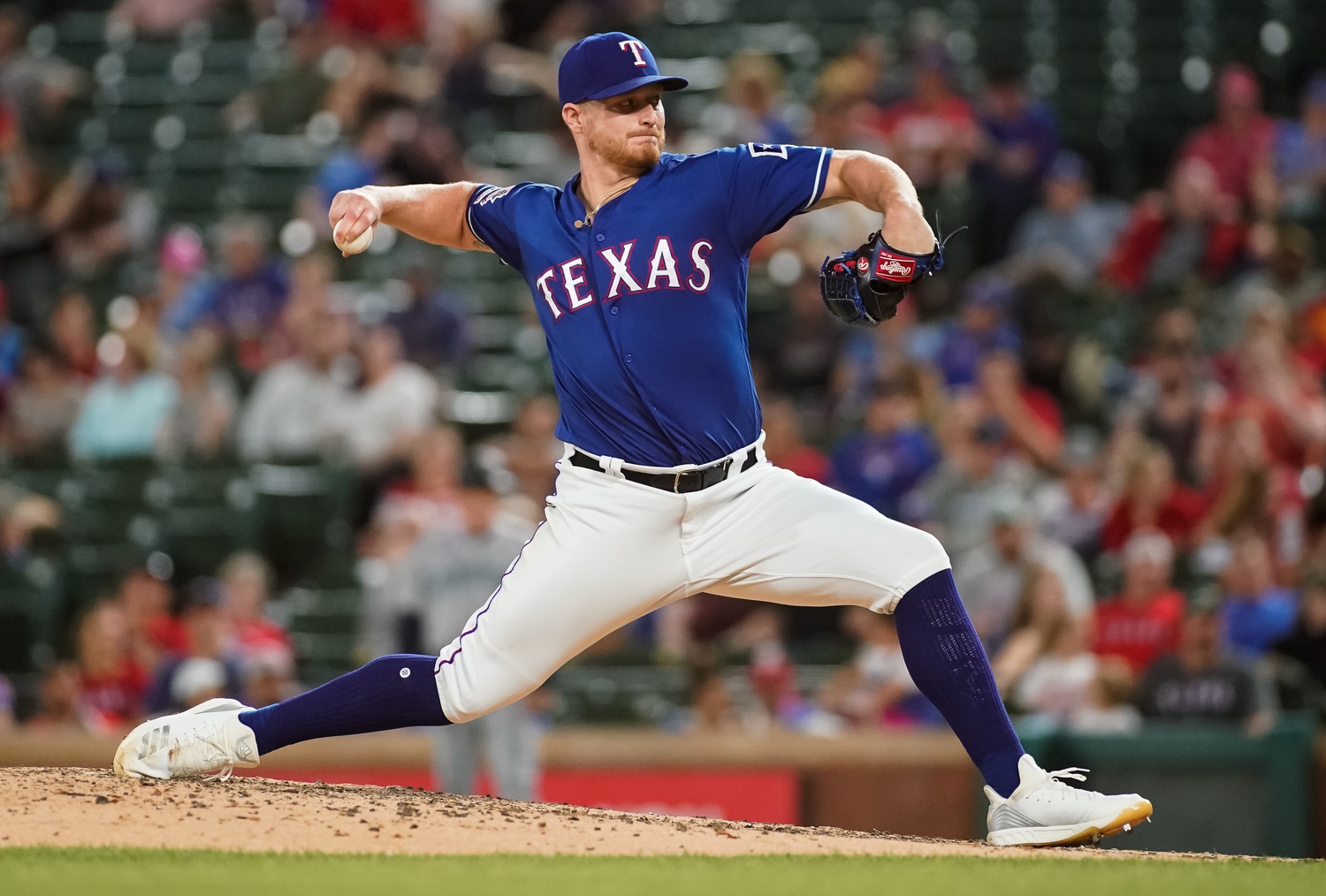 In general, Minnesota isn't the most attractive destination for free agent players who have their pick out of numerous suitors. But for one specific profile, the Twins are a particularly appealing choice. That profile? Formerly successful veteran pitchers with talent who are, for whatever reason (usually health-related), simply looking for a chance to bounce back, even if on a non-guaranteed deal. Anibal Sanchez was one such example in spring of 2018, though he slipped away. There are a few potentially similar names in this year's free agent crop that stand out to me, and I'll zero in on three of them below. Based on their track records, and relative youth, these free agents will surely have markets of their own – especially given the low risk – but the Twins can make a simple differentiating pitch: You don't even really have to compete for a job. Come to camp, show us something, and the gig is yours for at least six weeks – a rotation spot on a team that should be pretty good, with a cutting-edge pitching coach at your disposal. Once Pineda returns, if you've performed, you'll have a role (or at worst, you'll be an in-demand trade candidate). On those terms, I like the potential with these three. Matt Moore, LHP There are two reasons you might know the name. The first is that it belongs to the backup Chiefs QB who took down the Vikings at Arrowhead several weeks back. But that isn't who we're talking about here. Instead, it's another professional thrower, far removed from his glory days. When Moore arrived on the scene as a full-timer for the Rays in 2012, the left-hander was ranked by both MLB.com and Baseball Prospectus as the No. 1 prospect in all of baseball. He backed up the hype as a rookie, posting a 3.81 ERA and averaging a strikeout per inning at age 23. The next year, Moore fully blossomed. He won 17 of his 27 starts with a 3.29 ERA and was named to the All-Star team. But from there, it was all downhill. The next April he tore his UCL, requiring Tommy John surgery. He came back in 2015 and struggled mightily. In 2016 he returned to form somewhat, but was shipped from Tampa to San Francisco at the deadline. The 2017 season was a complete disaster as Moore went 6-15 with a 5.52 ERA for the Giants, who then flipped him to Texas for a minimal return in the offseason. The Rangers couldn't work their magic on Moore in 2018 as he stumbled to a 6.57 ERA in 102 innings split between the rotation and bullpen. This year, he landed with Detroit on a $2.5 million deal but suffered a season-ending knee injury in his second start. Through all of this, Moore is still only 30. His velocity hasn't diminished. And, to the extent that you can draw any positive conclusions from a two-start season, Moore did look sharp in 10 scoreless innings for the Tigers, allowing just three hits and a walk with nine strikeouts. Shelby Miller, RHP Much like Moore, Miller was a highly touted prospect who burst onto the scene at a young age and then faded. In this case, however, the drop-off was even more severe. A consensus Top-25 prospect heading into 2013, Miller finished third in Rookie of the Year voting as a fixture in the Cardinals rotation, finishing with a 3.06 ERA in 31 starts. He was good again in 2014, got traded, and then followed with a stellar showing in Atlanta: 205 IP, 3.02 ERA, 3.7 fWAR (and a 6-17 record, oddly). Miller was dealt again in the ensuing offseason – this time to the desert, where his effectiveness dried up. He posted a 6.15 ERA over 20 starts in 2016, and then threw only 38 innings over the next two seasons, besieged by elbow issues. Last year Miller inked a $2 million deal with Texas, but was cut loose ahead of the All-Star break. The Brewers brought him in for a look and released him a month later. It's not a good sign when both those teams fail to make anything work with an arm, but perhaps Miller just need another few months of rest to get right (and the Wes Johnson touch?). He'll still be 29 next year. Drew Smyly, LHP Smyly really intrigues me as a fit for the Twins. He struggles with one very specific thing – the long ball – and "struggles" is putting it lightly. In 2016 with Tampa, the southpaw allowed 32 home runs over 175 innings. His HR/9 rate (1.64) was fourth-highest in baseball. He then missed the next two seasons entirely due to injuries (including Tommy John). When he returned this year, he once again gave up 32 home runs, but this time in just 114 innings for the Rangers and Phillies – a league-leading 2.5 HR/9 rate. When you get past the egregious gopher ball woes... there's definitely something here. Through his struggles this year, Smyly struck out 120 batters in 114 innings with his quality cutter-curve mix. The former second-round draft pick was once a young standout for the Tigers and Rays, posting a 3.24 ERA and 1.18 WHIP in 395 innings over his first four campaigns. The Twins have some cred when it comes to curing the home run bug. Smyly's former rotation-mate with the Rays, Jake Odorizzi, came to Minnesota and turned that same weakness into a strength. Historically HR-prone Michael Pineda also seemed to turn a corner midway through his Twins tenure, allowing 14 bombs in his first 10 starts this year and nine in his last 16. As a staff, Minnesota had the fourth-lowest HR rate in the majors despite ranking 24th in grounders. They're doing something right. Smyly's a gamble, just as Miller and Moore would be. But in each case, there's a non-trivial chance the Twins come up with a real asset by opening the floor to a quarter-season audition as they await Pineda's activation. Which one of these three interests you most? Or is there another reclamation project with real upside that strikes your fancy as an early-season plug? MORE FROM TWINS DAILY — Latest Twins coverage from our writers — Recent Twins discussion in our forums — Follow Twins Daily via Twitter, Facebook or email
 -
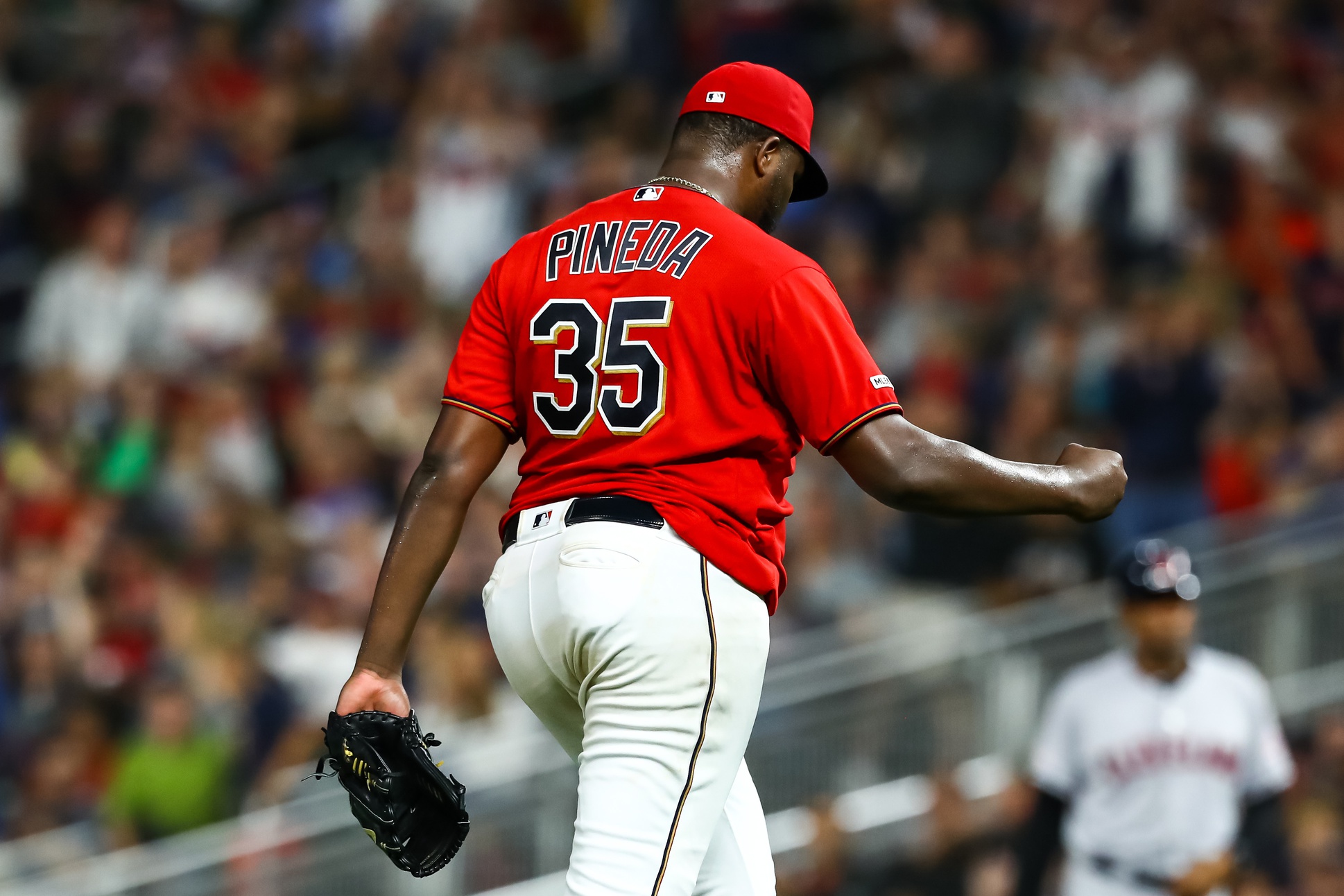
It might be a stretch to say Michael Pineda was pitching like an ace before being hit with a season-ending suspension. But it's definitely no stretch to say that he had become the team's best starter, and was shaping up as a credible choice to start Game 1 of a playoff series. Now, Big Mike is back, on a deal that seems almost too good to be true.When the Twins originally signed Pineda, almost exactly two years ago, the appeal was obvious: frontline upside at a very good value, with the caveat of a built-in delay. Now, the same dynamics are essentially at play, except the wait is much shorter and the payoff is much less theoretical. This time around, the Twins aren't gambling on Pineda returning after a full year off and multiple surgery recoveries. He was healthy and strong before the suspension dropped in September, and while no one would frame his costly lapse as a good thing, there is a clear benefit in terms of workload management. Pineda threw 96 innings for the Yankees in 2017 before requiring Tommy John surgery. He spent most of 2018 on the rehab trail, totaling only 12 innings in the minors before suffering a season-ending knee injury. Due to this lack of build-up, the Twins were very cautious with the right-hander's workload in 2019 – he reached triple-digit pitch counts only twice in 26 starts, and had multiple phantom stints on the injured list – but despite these efforts, he was on track to approach his previous career high (175 IP, in 2016). At that point, you're worried about how the arm is going to hold up in the highest-stress of settings – the postseason – while entering unprecedented territory for innings pitched. Now, with this prorated deal, the innings management basically takes care of itself. Pineda's late start means his innings cap for the regular season is around 150, helping him stay strong into October. With two reigning All-Star starters already locked in, and plenty of flexibility to add more, the Twins can now view Pineda as an impactful low-cost reinforcement for the back of the rotation rather than a critical linchpin for the top. It took Pineda a while to settle into his groove this year – understandable given the layoff – but after shaking off some early long-ball issues, his consistency was unparalleled on the staff. After the end of April, Pineda posted a 3.46 ERA and 1.08 WHIP over 117 innings, adding a spectacular 118-to-22 K/BB ratio. He allowed more than three earned runs just twice in 20 starts over this span, with the Twins going 13-7. That overall level of performance would make Pineda one of the best No. 3/4 starters for any rotation in the American League. But it sure feels like he has another level, and was just beginning to unlock it before his season reached a sudden halt. In his final 10 starts he went 6-1 with a 2.88 ERA. In his two September turns just before the suspension, he struck out 19 over 12 frames. The Twins' offseason will be a massive letdown if they don't add at least one more starter who slots ahead of Pineda on paper. But it's entirely possible Pineda emerges as a No. 2 or even No. 1 caliber piece in the rotation – I mean, he's already pretty much done it, ranking among the AL's top dozen starters in fWAR over his final 20 starts of 2019. Pineda's 5.0 K/BB ratio in 2019 was bested by only these eight bona fide studs: Max Scherzer, Justin Verlander, Gerrit Cole, Hyun-Jin Ryu, Shane Bieber, Zack Greinke, Walker Buehler, Jacob deGrom. For anyone who feels a player is irredeemably sullied after a PED-related ban, I call your attention to Jorge Polanco and Nelson Cruz, who moved past such mistakes to become arguably the team's two most valuable players in 2019. Pineda's transgression was deemed by the league to be clearly accidental. There's really no reason think it'll be a further concern. But if it does, or – more likely – Pineda's longtime durability issues resurface, the Twins are well-set with a contract that secures the mountainous hurler at an effectively trivial cost through 2021, at which point he'll be naturally built back up to a 200-IP workload. Pineda's deal almost certainly won't be the biggest move made by the Twins this offseason, but I'd wager we look back on it as their best. MORE FROM TWINS DAILY — Latest Twins coverage from our writers — Recent Twins discussion in our forums — Follow Twins Daily via Twitter, Facebook or email Click here to view the article
-
 When the Twins originally signed Pineda, almost exactly two years ago, the appeal was obvious: frontline upside at a very good value, with the caveat of a built-in delay. Now, the same dynamics are essentially at play, except the wait is much shorter and the payoff is much less theoretical. This time around, the Twins aren't gambling on Pineda returning after a full year off and multiple surgery recoveries. He was healthy and strong before the suspension dropped in September, and while no one would frame his costly lapse as a good thing, there is a clear benefit in terms of workload management. Pineda threw 96 innings for the Yankees in 2017 before requiring Tommy John surgery. He spent most of 2018 on the rehab trail, totaling only 12 innings in the minors before suffering a season-ending knee injury. Due to this lack of build-up, the Twins were very cautious with the right-hander's workload in 2019 – he reached triple-digit pitch counts only twice in 26 starts, and had multiple phantom stints on the injured list – but despite these efforts, he was on track to approach his previous career high (175 IP, in 2016). At that point, you're worried about how the arm is going to hold up in the highest-stress of settings – the postseason – while entering unprecedented territory for innings pitched. Now, with this prorated deal, the innings management basically takes care of itself. Pineda's late start means his innings cap for the regular season is around 150, helping him stay strong into October. With two reigning All-Star starters already locked in, and plenty of flexibility to add more, the Twins can now view Pineda as an impactful low-cost reinforcement for the back of the rotation rather than a critical linchpin for the top. It took Pineda a while to settle into his groove this year – understandable given the layoff – but after shaking off some early long-ball issues, his consistency was unparalleled on the staff. After the end of April, Pineda posted a 3.46 ERA and 1.08 WHIP over 117 innings, adding a spectacular 118-to-22 K/BB ratio. He allowed more than three earned runs just twice in 20 starts over this span, with the Twins going 13-7. That overall level of performance would make Pineda one of the best No. 3/4 starters for any rotation in the American League. But it sure feels like he has another level, and was just beginning to unlock it before his season reached a sudden halt. In his final 10 starts he went 6-1 with a 2.88 ERA. In his two September turns just before the suspension, he struck out 19 over 12 frames. The Twins' offseason will be a massive letdown if they don't add at least one more starter who slots ahead of Pineda on paper. But it's entirely possible Pineda emerges as a No. 2 or even No. 1 caliber piece in the rotation – I mean, he's already pretty much done it, ranking among the AL's top dozen starters in fWAR over his final 20 starts of 2019. Pineda's 5.0 K/BB ratio in 2019 was bested by only these eight bona fide studs: Max Scherzer, Justin Verlander, Gerrit Cole, Hyun-Jin Ryu, Shane Bieber, Zack Greinke, Walker Buehler, Jacob deGrom. For anyone who feels a player is irredeemably sullied after a PED-related ban, I call your attention to Jorge Polanco and Nelson Cruz, who moved past such mistakes to become arguably the team's two most valuable players in 2019. Pineda's transgression was deemed by the league to be clearly accidental. There's really no reason think it'll be a further concern. But if it does, or – more likely – Pineda's longtime durability issues resurface, the Twins are well-set with a contract that secures the mountainous hurler at an effectively trivial cost through 2021, at which point he'll be naturally built back up to a 200-IP workload. Pineda's deal almost certainly won't be the biggest move made by the Twins this offseason, but I'd wager we look back on it as their best. MORE FROM TWINS DAILY — Latest Twins coverage from our writers — Recent Twins discussion in our forums — Follow Twins Daily via Twitter, Facebook or email
 -
Solely looking at batting average isn't a good way to assess any hitter, and definitely not Avila. He gets on base because he walks a ton, and that's a valuable trait completely ignored by his AVG. Avila's .774 OPS this year was 60 points higher than the average MLB catcher. His .834 OPS in 2017 was more than 100 points higher than average. He's a very solid hitter.
- 17 replies
-
- 1
-
-
- alex avila
- mitch garver
- (and 1 more)
-
In 2019, Mitch Garver and Jason Castro combined to form one of the most productive catching tandems in MLB history. Tough act to follow. In 2020, Garver will be back, coming off an historic sophomore campaign, but he'll have a new partner in pitch-receiving. Will Alex Avila represent an upgrade?This is not an insignificant question. As I wrote when sizing up the catching market two weeks ago, "The decision here bears more importance than your standard backup catcher pickup, because the Twins appear committed to a balanced timeshare." I estimate there will be at least 70-80 starts up for grabs at catcher. That load could potentially be split between three players (an easier proposition with 26 roster spots), but in any case, Avila will be in line for substantial run – especially if the team decides to start using Garver occasionally at other positions. So where might fans notice an improvement in Avila, compared to his predecessor? Let's dig a bit deeper into what the newcomer brings on both sides. OFFENSE All the way back in 2011, a 24-year-old Avila burst onto the scene as Detroit's sudden star catcher, just as the Tigers were launching a mini-dynasty in the AL Central. Slashing .295/.389/.506 in 141 games, Avila was an All-Star, a Silver Slugger, and 12th-place finisher in the AL MVP balloting. A prodigious offensive threat, the young backstop piled up 19 homers, 33 doubles, 82 RBIs, and 73 walks in 551 plate appearances. Eight years later, all of those numbers remain career highs for Avila, who wasn't able to sustain his initial brilliance with the bat. However, the traits that drove his success continue to endure. He's extremely patient (his 16.6% BB rate over the past three years leads all catchers with 500+ PA), he's got some pop (nine homers in 68 games last year), and he excels against right-handed pitching (.775 OPS career, .795 in 2019). Offsetting these strengths, he hits very poorly against lefties (.617 OPS career, .681 in 2019) and strikes out at an exorbitant rate – like, almost Miguel Sano territory. (In fact, Sano is one of just seven MLB players with a higher K-rate than Avila's 34.3% over the past three years in 500+ PA.) Castro is similar to Avila in many ways, but to lesser extremes. He strikes out a lot but not that much. He walks a lot but not that much. Both are considerably better against righties than lefties, so the functional platoon utility is the same. This year, 84% of Castro's 275 plate appearances came against right-handers, almost identical to Avila's 82% in Arizona. Both Castro and Avila have had two good offensive seasons and one bad in the past three years; in both cases, strong showings in 2017 and 2019 sandwiched a dud in 2018. But Avila was better at his best, and not as bad at his worst; his total .752 OPS over that span easily beats Castro's .715. I think it's fair to say the Twins have upgraded modestly offensively with this swap, though similar overall production should be expected from Avila. DEFENSE This feels like the more pertinent matter. It'd be nice to get some offensive punch out of Garver's timeshare partner but the starter already specializes on that front. Castro's biggest value to the Twins came from his veteran defensive presence, game-calling prowess, and pitch-framing skills. How will Avila measure up on these fronts? Avila certainly has a wide breadth of experience, having spent time with four different teams since leaving Detroit (including another stint with the Tigers). He'll obviously need to build rapport with a new set of pitchers, but as a respected vet who's been around the block, that shouldn't be an issue. The most obvious asset for Avila defensively, and a point of contrast with Castro, is his ability to control the running game. Avila's caught-stealing percentage has been better than league average in each of the last three years, and five the last six. This year he gunned down a career-high 52% of thieving runners. Castro, meanwhile, has been below average (albeit it slightly) in three of the last four years and is coming off a career-low 19%. Pitch framing is the hot topic. It was Castro's major selling point when Minnesota signed him three years ago, and he made good on it. Here's how he stacked up during his Twins tenure according to the Adjusted Framing Runs Above Average metric via Baseball Prospectus: 2017: 16th out of 111 2018: 30th out of 117 2019: 25th out of 113 He wasn't elite at the level of a Yasmani Grandal or Austin Hedges, but Castro was consistently in the top quartile of pitch framers. From an observational standpoint, it was noticeable the way he would steal strikes for his pitchers on a semi-regular basis (especially with the likes of Kurt Suzuki serving as our baseline). Avila's FRAA rankings over the same span are kind of fascinating: 2017: 102nd out of 111 2018: 22nd out of 117 2019: 30th out of 113 Over the past two seasons, he's been almost Castro's exact equivalent. Prior to that, he rated as a completely awful framer. And 2017 was no isolated case – Avila ranked 88th in 2016, and 103rd in 2015. He experienced a complete turnaround upon signing with the Diamondbacks in 2017. This is almost the exact same leap Garver made from 2018 to 2019, with support from now-departed instructor Tanner Swanson: 2017: 73rd out of 111 2018: 110th out of 117 2019: 28th out of 113 Losing Swanson hurts, but it helps to have another self-made framing specialist in the house who committed to improving himself and did it. Perhaps Garver and Avila can learn from one another's contrasting strengths in this department: Based on all the evidence we've reviewed here, it's hard to say that Avila is definitively an upgrade over Castro, but this is at worst a lateral switch with a bit more upside. When you look at the very favorable terms of his deal – an inexpensive one-year pact that preserves flexibility to move top catching prospect Ryan Jeffers aggressively – there's really no knocking Avila as the choice. MORE FROM TWINS DAILY — Latest Twins coverage from our writers — Recent Twins discussion in our forums — Follow Twins Daily via Twitter, Facebook or email Click here to view the article
- 17 replies
-
- 7
-
-
- alex avila
- mitch garver
- (and 1 more)
-
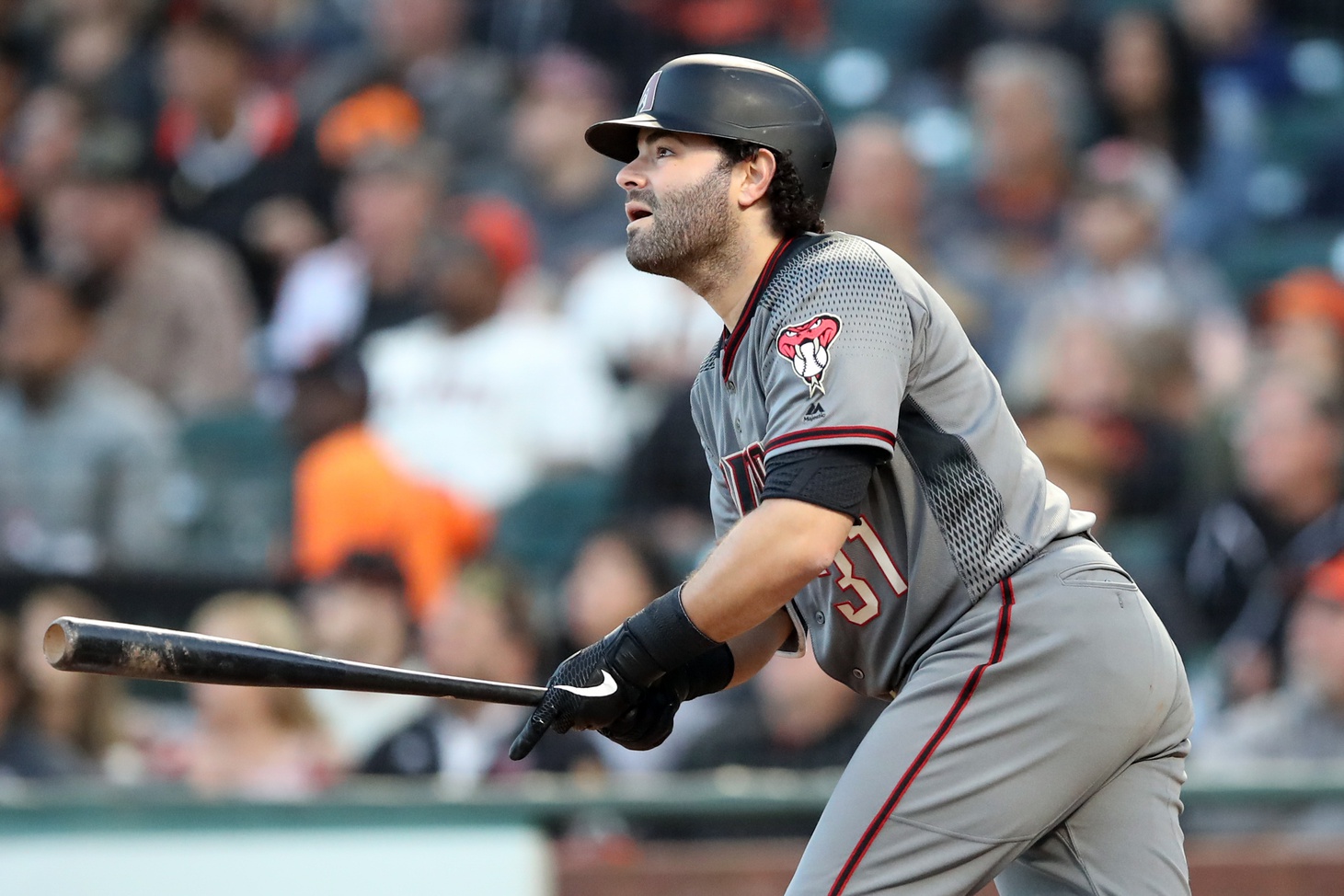 This is not an insignificant question. As I wrote when sizing up the catching market two weeks ago, "The decision here bears more importance than your standard backup catcher pickup, because the Twins appear committed to a balanced timeshare." I estimate there will be at least 70-80 starts up for grabs at catcher. That load could potentially be split between three players (an easier proposition with 26 roster spots), but in any case, Avila will be in line for substantial run – especially if the team decides to start using Garver occasionally at other positions. So where might fans notice an improvement in Avila, compared to his predecessor? Let's dig a bit deeper into what the newcomer brings on both sides. OFFENSE All the way back in 2011, a 24-year-old Avila burst onto the scene as Detroit's sudden star catcher, just as the Tigers were launching a mini-dynasty in the AL Central. Slashing .295/.389/.506 in 141 games, Avila was an All-Star, a Silver Slugger, and 12th-place finisher in the AL MVP balloting. A prodigious offensive threat, the young backstop piled up 19 homers, 33 doubles, 82 RBIs, and 73 walks in 551 plate appearances. Eight years later, all of those numbers remain career highs for Avila, who wasn't able to sustain his initial brilliance with the bat. However, the traits that drove his success continue to endure. He's extremely patient (his 16.6% BB rate over the past three years leads all catchers with 500+ PA), he's got some pop (nine homers in 68 games last year), and he excels against right-handed pitching (.775 OPS career, .795 in 2019). Offsetting these strengths, he hits very poorly against lefties (.617 OPS career, .681 in 2019) and strikes out at an exorbitant rate – like, almost Miguel Sano territory. (In fact, Sano is one of just seven MLB players with a higher K-rate than Avila's 34.3% over the past three years in 500+ PA.) Castro is similar to Avila in many ways, but to lesser extremes. He strikes out a lot but not that much. He walks a lot but not that much. Both are considerably better against righties than lefties, so the functional platoon utility is the same. This year, 84% of Castro's 275 plate appearances came against right-handers, almost identical to Avila's 82% in Arizona. Both Castro and Avila have had two good offensive seasons and one bad in the past three years; in both cases, strong showings in 2017 and 2019 sandwiched a dud in 2018. But Avila was better at his best, and not as bad at his worst; his total .752 OPS over that span easily beats Castro's .715. I think it's fair to say the Twins have upgraded modestly offensively with this swap, though similar overall production should be expected from Avila. DEFENSE This feels like the more pertinent matter. It'd be nice to get some offensive punch out of Garver's timeshare partner but the starter already specializes on that front. Castro's biggest value to the Twins came from his veteran defensive presence, game-calling prowess, and pitch-framing skills. How will Avila measure up on these fronts? Avila certainly has a wide breadth of experience, having spent time with four different teams since leaving Detroit (including another stint with the Tigers). He'll obviously need to build rapport with a new set of pitchers, but as a respected vet who's been around the block, that shouldn't be an issue. The most obvious asset for Avila defensively, and a point of contrast with Castro, is his ability to control the running game. Avila's caught-stealing percentage has been better than league average in each of the last three years, and five the last six. This year he gunned down a career-high 52% of thieving runners. Castro, meanwhile, has been below average (albeit it slightly) in three of the last four years and is coming off a career-low 19%. Pitch framing is the hot topic. It was Castro's major selling point when Minnesota signed him three years ago, and he made good on it. Here's how he stacked up during his Twins tenure according to the Adjusted Framing Runs Above Average metric via Baseball Prospectus: 2017: 16th out of 111 2018: 30th out of 117 2019: 25th out of 113 He wasn't elite at the level of a Yasmani Grandal or Austin Hedges, but Castro was consistently in the top quartile of pitch framers. From an observational standpoint, it was noticeable the way he would steal strikes for his pitchers on a semi-regular basis (especially with the likes of Kurt Suzuki serving as our baseline). Avila's FRAA rankings over the same span are kind of fascinating: 2017: 102nd out of 111 2018: 22nd out of 117 2019: 30th out of 113 Over the past two seasons, he's been almost Castro's exact equivalent. Prior to that, he rated as a completely awful framer. And 2017 was no isolated case – Avila ranked 88th in 2016, and 103rd in 2015. He experienced a complete turnaround upon signing with the Diamondbacks in 2017. This is almost the exact same leap Garver made from 2018 to 2019, with support from now-departed instructor Tanner Swanson: 2017: 73rd out of 111 2018: 110th out of 117 2019: 28th out of 113 Losing Swanson hurts, but it helps to have another self-made framing specialist in the house who committed to improving himself and did it. Perhaps Garver and Avila can learn from one another's contrasting strengths in this department: https://twitter.com/ParkerHageman/status/1202952333400907791 Based on all the evidence we've reviewed here, it's hard to say that Avila is definitively an upgrade over Castro, but this is at worst a lateral switch with a bit more upside. When you look at the very favorable terms of his deal – an inexpensive one-year pact that preserves flexibility to move top catching prospect Ryan Jeffers aggressively – there's really no knocking Avila as the choice. MORE FROM TWINS DAILY — Latest Twins coverage from our writers — Recent Twins discussion in our forums — Follow Twins Daily via Twitter, Facebook or email
 -
In the hustle and bustle of a busy offseason, it can be tough to stay on top of all the Twins news and developments – especially if you're not following along obsessively (how dare you). To keep folks up to speed, we'll be running occasional offseason updates on the 2020 roster, payroll, and big-picture progress.With Michael Pineda and Alex Avila now added to the fold, here's a snapshot of the 2020 roster and payroll as they stand today: Download attachment: roster12719.png Figures in blue are arbitration estimates via the Offseason Handbook, so the $98.5 million number isn't precise, but it should be in the ballpark. This means the Twins are still $25M short of their 2019 Opening Day payroll, and $40M short of the target John Bonnes reasonably set at the beginning of the offseason. There's plenty of flexibility to sign or trade for a high-priced starter like Madison Bumgarner, AND make a big splash elsewhere (say, signing Josh Donaldson?). The Winter Meetings get underway this week in San Diego. TWINS COACHING STAFF The major-league coaching staff had three different members poached – hitting coach James Rowson by Miami, assistant pitching coach Jeremy Hefner by the Mets, and bench coach Derek Shelton by Pittsburgh. The Twins promoted minor-league field coordinator Edgar Varela to replace Rowson, but is still seeking to fill the other roles. Here's the present staff makeup: Manager: Rocco Baldelli Hitting Coach: Edgar Varela Assistant Hitting Coach: Rudy Hernandez Pitching Coach: Wes Johnson Assistant Pitching Coach: [VACANT] Bench Coach: [VACANT] On the surface, Bill Evers seems the most obvious choice to replace Shelton. A 65-year-old longtime baseball man who served as the eighth MLB coach on Baldelli's staff this year, primarily assisting the catchers, Evers was bench coach in Tampa Bay during Joe Maddon's first two years as manager (2006-07). Evers also managed Baldelli as a minor-leaguer in the Rays system. Additionally, the Twins are working to replace a few departures from their minor-league instructional ranks, and have infused some new personnel throughout the org. Michael Salazar came aboard as head athletic trainer after serving in an assistant role for San Diego last year. Mark Moriarty, who is "widely known for using cutting-edge technology to successfully develop pitchers," was plucked out of a small private university in North Dakota to run the Twins' minor-league pitching program. More recently, the team hired a coach from Yale named Tucker Frawley to become their Assistant Field Coordinator/Coordinator of Skill Development. TRENDING OFFSEASON TOPICS Check out some of the latest and greatest articles on Twins Daily covering key storylines: Wheeler’s Gone, But Bumgarner Would Give the Twins Plenty to Work WithFree Agent Faceoff: Madison Bumgarner Is Not Who You Think He Is EditionTwins Villains: 3 Free Agents Who Love Terrorizing MinnesotaJust How Good is Blake Treinen, and Should the Twins Sign Him? Click here to view the article
-
 With Michael Pineda and Alex Avila now added to the fold, here's a snapshot of the 2020 roster and payroll as they stand today: Figures in blue are arbitration estimates via the Offseason Handbook, so the $98.5 million number isn't precise, but it should be in the ballpark. This means the Twins are still $25M short of their 2019 Opening Day payroll, and $40M short of the target John Bonnes reasonably set at the beginning of the offseason. There's plenty of flexibility to sign or trade for a high-priced starter like Madison Bumgarner, AND make a big splash elsewhere (say, signing Josh Donaldson?). The Winter Meetings get underway this week in San Diego. TWINS COACHING STAFF The major-league coaching staff had three different members poached – hitting coach James Rowson by Miami, assistant pitching coach Jeremy Hefner by the Mets, and bench coach Derek Shelton by Pittsburgh. The Twins promoted minor-league field coordinator Edgar Varela to replace Rowson, but is still seeking to fill the other roles. Here's the present staff makeup: Manager: Rocco Baldelli Hitting Coach: Edgar Varela Assistant Hitting Coach: Rudy Hernandez Pitching Coach: Wes Johnson Assistant Pitching Coach: [VACANT] Bench Coach: [VACANT]On the surface, Bill Evers seems the most obvious choice to replace Shelton. A 65-year-old longtime baseball man who served as the eighth MLB coach on Baldelli's staff this year, primarily assisting the catchers, Evers was bench coach in Tampa Bay during Joe Maddon's first two years as manager (2006-07). Evers also managed Baldelli as a minor-leaguer in the Rays system. Additionally, the Twins are working to replace a few departures from their minor-league instructional ranks, and have infused some new personnel throughout the org. Michael Salazar came aboard as head athletic trainer after serving in an assistant role for San Diego last year. Mark Moriarty, who is "widely known for using cutting-edge technology to successfully develop pitchers," was plucked out of a small private university in North Dakota to run the Twins' minor-league pitching program. More recently, the team hired a coach from Yale named Tucker Frawley to become their Assistant Field Coordinator/Coordinator of Skill Development. TRENDING OFFSEASON TOPICS Check out some of the latest and greatest articles on Twins Daily covering key storylines: Wheeler’s Gone, But Bumgarner Would Give the Twins Plenty to Work With Free Agent Faceoff: Madison Bumgarner Is Not Who You Think He Is Edition Twins Villains: 3 Free Agents Who Love Terrorizing Minnesota Just How Good is Blake Treinen, and Should the Twins Sign Him?
 -
Interesting added detail here:
-
Front Page: Twins Non-Tender Cron and Hildenberger
Nick Nelson replied to Nick Nelson's topic in Twins Daily Front Page News
I think this is an overblown concern. Countless MLB players have transitioned smoothly to first base, many with less experience there than Sano, who has started a few dozen games at 1B over the past 3 years and looked fine. The bigger point is that a team with aspirations to compete deeply into the postseason needs a good defensive infield. Moving Sano to 1B and replacing him with a superior glove at 3B would represent a clear defensive upgrade for the unit IMO. -
Ahead of Monday's deadline, the Minnesota Twins announced they won't be tendering a contract to first baseman C.J. Cron, who was the biggest question mark among their group eligible for arbitration. Reliever Trevor Hildenberger is also out. The remaining nine arbitration-eligible players are all slated to return (barring trades), including utilityman Ehire Adrianza, who agreed to a one-year, $1.6 million contract.Cron, who was projected to earn around $7.5 million next year via his final turn at arbitration, was always a dubious bet to be locked in at that rate, despite the solid production in his first year with the Twins. His fate seemingly became sealed in recent weeks, with GM Thad Levine noting that the 29-year-old's postseason wrist surgery was "significant." Minnesota still has the option of bringing back Cron at a lower rate, and they may very well explore it, but for now, a wealth of possibilities open up. Among them: shifting Miguel Sano to first base and adding a new third baseman (or going with Marwin Gonzalez at one of those spots). Meanwhile, the decision to non-tender Hildenberger falls into a different category. He wasn't eligible for arbitration, but the Twins elected not to tender him a 2020 contract, thus making him a free agent and clearing his spot on the 40-man roster. Like with Cron, the Twins have the option of pursuing Hildenberger on the open market (and I personally hope they do). The rest of the arbitration-eligible pack was tendered, including: Trevor May, Eddie Rosario, Miguel Sano, Byron Buxton, Taylor Rogers, Jose Berrios, Tyler Duffey, Matt Wisler, and Ehire Adrianza. The latter, Adrianza, inked a one-year deal worth $1.6 million – a modest $300K raise for a versatile player coming off his best offensive season. We'll now have to wait and see how salaries shake out for those other players, who can exchange numbers with the club up until the January 10th submission deadline. Usually teams and players find middle ground smoothly (we estimated where those figures might land in the Offseason Handbook), but differences in perceived value can emerge and cause friction. I've suggested this may happen with the Twins and Rosario. We'll see. Intriguing non-tenders from elsewhere around the league include A's reliever Blake Treinen and D-backs starter Taijuan Walker. With Cron and Hildenberger removed, the Twins now have five open spots on the 40-man roster. Click here to view the article

