



Matthew Taylor
-
Posts
973 -
Joined
-
Last visited
Content Type
Profiles
News
Minnesota Twins Videos
2026 Minnesota Twins Top Prospects Ranking
2022 Minnesota Twins Draft Picks
Minnesota Twins Free Agent & Trade Rumors, Notes, & Tidbits
Guides & Resources
2023 Minnesota Twins Draft Picks
The Minnesota Twins Players Project
2024 Minnesota Twins Draft Picks
2025 Minnesota Twins Draft Pick Tracker
2026 Minnesota Twins Draft Tracker: Picks & Bonuses
Forums
Blogs
Events
Store
Downloads
Gallery
Everything posted by Matthew Taylor
-
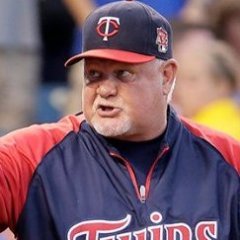
Will DaShawn Keirsey Ever Get His Chance with the Minnesota Twins?
Matthew Taylor posted an article in Twins
.png.53aa4ca2ba66f32405a7d4120b35adb1.png) When DaShawn Keirsey made his major-league debut with the Minnesota Twins in September, it was a small but meaningful milestone for the former fourth-round draft pick. In six games, Keirsey managed just two hits, but his call-up signaled that the Twins view him as a capable player and a potential piece of their future plans. Keirsey’s scouting report paints the picture of a player with two elite traits: defense and speed. He’s a true center fielder, with range and instincts that would also make him a strong option in the corners. Twins manager Rocco Baldelli spoke about Keirsey's defense earlier this spring, after he made an incredible running grab to rob extra bases from Yankees prospect Braden Shewmake. "He’s made a lot of adjustments over the years to make himself into a really relevant and quality young player," Baldelli said. "And that’s from work. He had the raw ability, but he didn’t have the skills. If we’re being honest, a couple of years ago, he didn’t have the skills to do all the wonderful things that he’s doing now. And he worked for it." His 36 stolen bases last season with the St. Paul Saints also speak to the value of his speed in the offensive side of the game. His presence on the big-league roster could add a dynamic element the Twins currently lack—especially if Byron Buxton, the oft-injured franchise cornerstone, is unavailable for any stretch of the season. Given Buxton’s injury history, it wouldn’t have been unreasonable for the Twins to enter 2025 with Keirsey as their backup center fielder. He’s a natural platoon option for Buxton, batting left-handed while Buxton swings from the right side. He’s also more than capable of playing alongside Buxton, whether in center (allowing Buxton to shift to a corner outfield spot and spare his legs) or in the spacious left field of Target Field. Keirsey’s speed would also be a weapon off the bench in late-game situations. He believes he's matured in precisely that regard. "For me, my biggest impact is defensively, and on the basepaths," Keirsey told Twins Daily's John Bonnes. "I used to be a guy who was just fast, and I would just blindly run. Not saying at times I don't [still] let instincts take over, but just being sort of a smarter player and understanding situations." However, instead of giving Keirsey a shot at the backup role right away, the Twins signed Harrison Bader to a one-year, $6.25-million deal. Bader is widely regarded as one of the best defensive outfielders in baseball, and his presence on the roster significantly narrows Keirsey’s path to the majors. Beyond Bader, Keirsey also faces competition from utility man Willi Castro and former first-round pick Austin Martin. Castro appeared in 30 games in center field last season and offers additional versatility around the diamond. Meanwhile, Martin, despite struggling in his 40 games in center, has recently received public praise from manager Rocco Baldelli regarding his defensive improvements. “I think he has real potential in the outfield, to affect the game, to be a defensive star out there,” Baldelli said last week at Twins spring training in Fort Myers. “[Looking] at his jumps, looking at the way he's tracking the ball, closing on the ball, and the more time he has out there, I think he's one of those guys that will keep getting better.” With Bader, Castro, and Buxton on the roster and Martin likely to receive a call-up before Keirsey in the event of an injury, it’s fair to wonder exactly what role remains for Keirsey in Minnesota. His speed and defense make him an ideal fourth outfielder, and his offensive production in the minors—an .845 OPS with the Saints last year—suggests he could hold his own at the plate. But the sheer number of center field-capable players ahead of him presents a significant challenge. The Twins clearly don't yet believe in the offensive progress he's made over the last two seasons, though Keirsey himself says he's changed the process that underlies those results. "I think the biggest part of what separates good hitters or great hitters from average hitters, are guys who know the zone," said Keirsey, who acknowledged that that wasn't him when he first reached pro ball. "And not only that, but guys who know themselves. Maybe there's a pitch that's a strike, but maybe I don't handle that pitch too well, so I'm not gonna give in—unless, obviously, there's two strikes." This evolution has allowed Keirsey to maintain an identical 9.2% walk rate over the last two seasons—in the top two levels of the minors, plus his cameo in Minnesota—to the one he had in his first four years in the system, while trimming his strikeout rate from 24.3% to 22.6%. That, alone, is impressive, given the rising level of competition, but it's also a big part of the explanation for Keirsey's improving power. A more selectively aggressive approach ("I'm still not going up there to walk," he said) has helped him tap into his full suite of tools a bit better. One of the biggest questions surrounding Keirsey’s situation is the Twins’ decision to bring in Bader. If the team truly believed Keirsey was ready to be a viable backup center fielder, why commit so much money to a player filling that same role? The move suggests that, while the Twins see Keirsey as a potential contributor, they may not view him as a fully trustworthy big-league option. At nearly 28 years old, Keirsey is no longer a young prospect with unlimited upside. He’s been a steady, productive minor-leaguer, but he likely lacks significant trade value. That puts him in a tough position: too good to be ignored, but perhaps not valued highly enough by the organization to warrant a roster spot over more established options. Barring an injury to one of the Twins’ outfielders or an outstanding performance in Triple A, Keirsey may find himself in baseball purgatory—good enough to contribute, but without a clear path to the majors. He’s put in the work, refined his game, and has the skill set to make an impact, but in a numbers game, he’s looking like the unlucky loser. What do you think? Should the Twins have given Keirsey a real shot at being the team’s fourth outfielder, or did they make the right move by signing Bader? Let us know in the comments!
When DaShawn Keirsey made his major-league debut with the Minnesota Twins in September, it was a small but meaningful milestone for the former fourth-round draft pick. In six games, Keirsey managed just two hits, but his call-up signaled that the Twins view him as a capable player and a potential piece of their future plans. Keirsey’s scouting report paints the picture of a player with two elite traits: defense and speed. He’s a true center fielder, with range and instincts that would also make him a strong option in the corners. Twins manager Rocco Baldelli spoke about Keirsey's defense earlier this spring, after he made an incredible running grab to rob extra bases from Yankees prospect Braden Shewmake. "He’s made a lot of adjustments over the years to make himself into a really relevant and quality young player," Baldelli said. "And that’s from work. He had the raw ability, but he didn’t have the skills. If we’re being honest, a couple of years ago, he didn’t have the skills to do all the wonderful things that he’s doing now. And he worked for it." His 36 stolen bases last season with the St. Paul Saints also speak to the value of his speed in the offensive side of the game. His presence on the big-league roster could add a dynamic element the Twins currently lack—especially if Byron Buxton, the oft-injured franchise cornerstone, is unavailable for any stretch of the season. Given Buxton’s injury history, it wouldn’t have been unreasonable for the Twins to enter 2025 with Keirsey as their backup center fielder. He’s a natural platoon option for Buxton, batting left-handed while Buxton swings from the right side. He’s also more than capable of playing alongside Buxton, whether in center (allowing Buxton to shift to a corner outfield spot and spare his legs) or in the spacious left field of Target Field. Keirsey’s speed would also be a weapon off the bench in late-game situations. He believes he's matured in precisely that regard. "For me, my biggest impact is defensively, and on the basepaths," Keirsey told Twins Daily's John Bonnes. "I used to be a guy who was just fast, and I would just blindly run. Not saying at times I don't [still] let instincts take over, but just being sort of a smarter player and understanding situations." However, instead of giving Keirsey a shot at the backup role right away, the Twins signed Harrison Bader to a one-year, $6.25-million deal. Bader is widely regarded as one of the best defensive outfielders in baseball, and his presence on the roster significantly narrows Keirsey’s path to the majors. Beyond Bader, Keirsey also faces competition from utility man Willi Castro and former first-round pick Austin Martin. Castro appeared in 30 games in center field last season and offers additional versatility around the diamond. Meanwhile, Martin, despite struggling in his 40 games in center, has recently received public praise from manager Rocco Baldelli regarding his defensive improvements. “I think he has real potential in the outfield, to affect the game, to be a defensive star out there,” Baldelli said last week at Twins spring training in Fort Myers. “[Looking] at his jumps, looking at the way he's tracking the ball, closing on the ball, and the more time he has out there, I think he's one of those guys that will keep getting better.” With Bader, Castro, and Buxton on the roster and Martin likely to receive a call-up before Keirsey in the event of an injury, it’s fair to wonder exactly what role remains for Keirsey in Minnesota. His speed and defense make him an ideal fourth outfielder, and his offensive production in the minors—an .845 OPS with the Saints last year—suggests he could hold his own at the plate. But the sheer number of center field-capable players ahead of him presents a significant challenge. The Twins clearly don't yet believe in the offensive progress he's made over the last two seasons, though Keirsey himself says he's changed the process that underlies those results. "I think the biggest part of what separates good hitters or great hitters from average hitters, are guys who know the zone," said Keirsey, who acknowledged that that wasn't him when he first reached pro ball. "And not only that, but guys who know themselves. Maybe there's a pitch that's a strike, but maybe I don't handle that pitch too well, so I'm not gonna give in—unless, obviously, there's two strikes." This evolution has allowed Keirsey to maintain an identical 9.2% walk rate over the last two seasons—in the top two levels of the minors, plus his cameo in Minnesota—to the one he had in his first four years in the system, while trimming his strikeout rate from 24.3% to 22.6%. That, alone, is impressive, given the rising level of competition, but it's also a big part of the explanation for Keirsey's improving power. A more selectively aggressive approach ("I'm still not going up there to walk," he said) has helped him tap into his full suite of tools a bit better. One of the biggest questions surrounding Keirsey’s situation is the Twins’ decision to bring in Bader. If the team truly believed Keirsey was ready to be a viable backup center fielder, why commit so much money to a player filling that same role? The move suggests that, while the Twins see Keirsey as a potential contributor, they may not view him as a fully trustworthy big-league option. At nearly 28 years old, Keirsey is no longer a young prospect with unlimited upside. He’s been a steady, productive minor-leaguer, but he likely lacks significant trade value. That puts him in a tough position: too good to be ignored, but perhaps not valued highly enough by the organization to warrant a roster spot over more established options. Barring an injury to one of the Twins’ outfielders or an outstanding performance in Triple A, Keirsey may find himself in baseball purgatory—good enough to contribute, but without a clear path to the majors. He’s put in the work, refined his game, and has the skill set to make an impact, but in a numbers game, he’s looking like the unlucky loser. What do you think? Should the Twins have given Keirsey a real shot at being the team’s fourth outfielder, or did they make the right move by signing Bader? Let us know in the comments!- 28 comments
-
- 6
-

-
- dashawn keirsey jr
- willi castro
- (and 1 more)
-
The longtime Twins farmhand finds himself in a tough spot entering the 2025 season. Despite showcasing elite speed and defense, his path to the majors remains blocked. With limited opportunities at the big-league level, the question is as much about whether he’ll get a real shot as about his talent. Image courtesy of William Parmeter When DaShawn Keirsey made his major-league debut with the Minnesota Twins in September, it was a small but meaningful milestone for the former fourth-round draft pick. In six games, Keirsey managed just two hits, but his call-up signaled that the Twins view him as a capable player and a potential piece of their future plans. Keirsey’s scouting report paints the picture of a player with two elite traits: defense and speed. He’s a true center fielder, with range and instincts that would also make him a strong option in the corners. Twins manager Rocco Baldelli spoke about Keirsey's defense earlier this spring, after he made an incredible running grab to rob extra bases from Yankees prospect Braden Shewmake. "He’s made a lot of adjustments over the years to make himself into a really relevant and quality young player," Baldelli said. "And that’s from work. He had the raw ability, but he didn’t have the skills. If we’re being honest, a couple of years ago, he didn’t have the skills to do all the wonderful things that he’s doing now. And he worked for it." His 36 stolen bases last season with the St. Paul Saints also speak to the value of his speed in the offensive side of the game. His presence on the big-league roster could add a dynamic element the Twins currently lack—especially if Byron Buxton, the oft-injured franchise cornerstone, is unavailable for any stretch of the season. Given Buxton’s injury history, it wouldn’t have been unreasonable for the Twins to enter 2025 with Keirsey as their backup center fielder. He’s a natural platoon option for Buxton, batting left-handed while Buxton swings from the right side. He’s also more than capable of playing alongside Buxton, whether in center (allowing Buxton to shift to a corner outfield spot and spare his legs) or in the spacious left field of Target Field. Keirsey’s speed would also be a weapon off the bench in late-game situations. He believes he's matured in precisely that regard. "For me, my biggest impact is defensively, and on the basepaths," Keirsey told Twins Daily's John Bonnes. "I used to be a guy who was just fast, and I would just blindly run. Not saying at times I don't [still] let instincts take over, but just being sort of a smarter player and understanding situations." However, instead of giving Keirsey a shot at the backup role right away, the Twins signed Harrison Bader to a one-year, $6.25-million deal. Bader is widely regarded as one of the best defensive outfielders in baseball, and his presence on the roster significantly narrows Keirsey’s path to the majors. Beyond Bader, Keirsey also faces competition from utility man Willi Castro and former first-round pick Austin Martin. Castro appeared in 30 games in center field last season and offers additional versatility around the diamond. Meanwhile, Martin, despite struggling in his 40 games in center, has recently received public praise from manager Rocco Baldelli regarding his defensive improvements. “I think he has real potential in the outfield, to affect the game, to be a defensive star out there,” Baldelli said last week at Twins spring training in Fort Myers. “[Looking] at his jumps, looking at the way he's tracking the ball, closing on the ball, and the more time he has out there, I think he's one of those guys that will keep getting better.” With Bader, Castro, and Buxton on the roster and Martin likely to receive a call-up before Keirsey in the event of an injury, it’s fair to wonder exactly what role remains for Keirsey in Minnesota. His speed and defense make him an ideal fourth outfielder, and his offensive production in the minors—an .845 OPS with the Saints last year—suggests he could hold his own at the plate. But the sheer number of center field-capable players ahead of him presents a significant challenge. The Twins clearly don't yet believe in the offensive progress he's made over the last two seasons, though Keirsey himself says he's changed the process that underlies those results. "I think the biggest part of what separates good hitters or great hitters from average hitters, are guys who know the zone," said Keirsey, who acknowledged that that wasn't him when he first reached pro ball. "And not only that, but guys who know themselves. Maybe there's a pitch that's a strike, but maybe I don't handle that pitch too well, so I'm not gonna give in—unless, obviously, there's two strikes." This evolution has allowed Keirsey to maintain an identical 9.2% walk rate over the last two seasons—in the top two levels of the minors, plus his cameo in Minnesota—to the one he had in his first four years in the system, while trimming his strikeout rate from 24.3% to 22.6%. That, alone, is impressive, given the rising level of competition, but it's also a big part of the explanation for Keirsey's improving power. A more selectively aggressive approach ("I'm still not going up there to walk," he said) has helped him tap into his full suite of tools a bit better. One of the biggest questions surrounding Keirsey’s situation is the Twins’ decision to bring in Bader. If the team truly believed Keirsey was ready to be a viable backup center fielder, why commit so much money to a player filling that same role? The move suggests that, while the Twins see Keirsey as a potential contributor, they may not view him as a fully trustworthy big-league option. At nearly 28 years old, Keirsey is no longer a young prospect with unlimited upside. He’s been a steady, productive minor-leaguer, but he likely lacks significant trade value. That puts him in a tough position: too good to be ignored, but perhaps not valued highly enough by the organization to warrant a roster spot over more established options. Barring an injury to one of the Twins’ outfielders or an outstanding performance in Triple A, Keirsey may find himself in baseball purgatory—good enough to contribute, but without a clear path to the majors. He’s put in the work, refined his game, and has the skill set to make an impact, but in a numbers game, he’s looking like the unlucky loser. What do you think? Should the Twins have given Keirsey a real shot at being the team’s fourth outfielder, or did they make the right move by signing Bader? Let us know in the comments! View full article
-
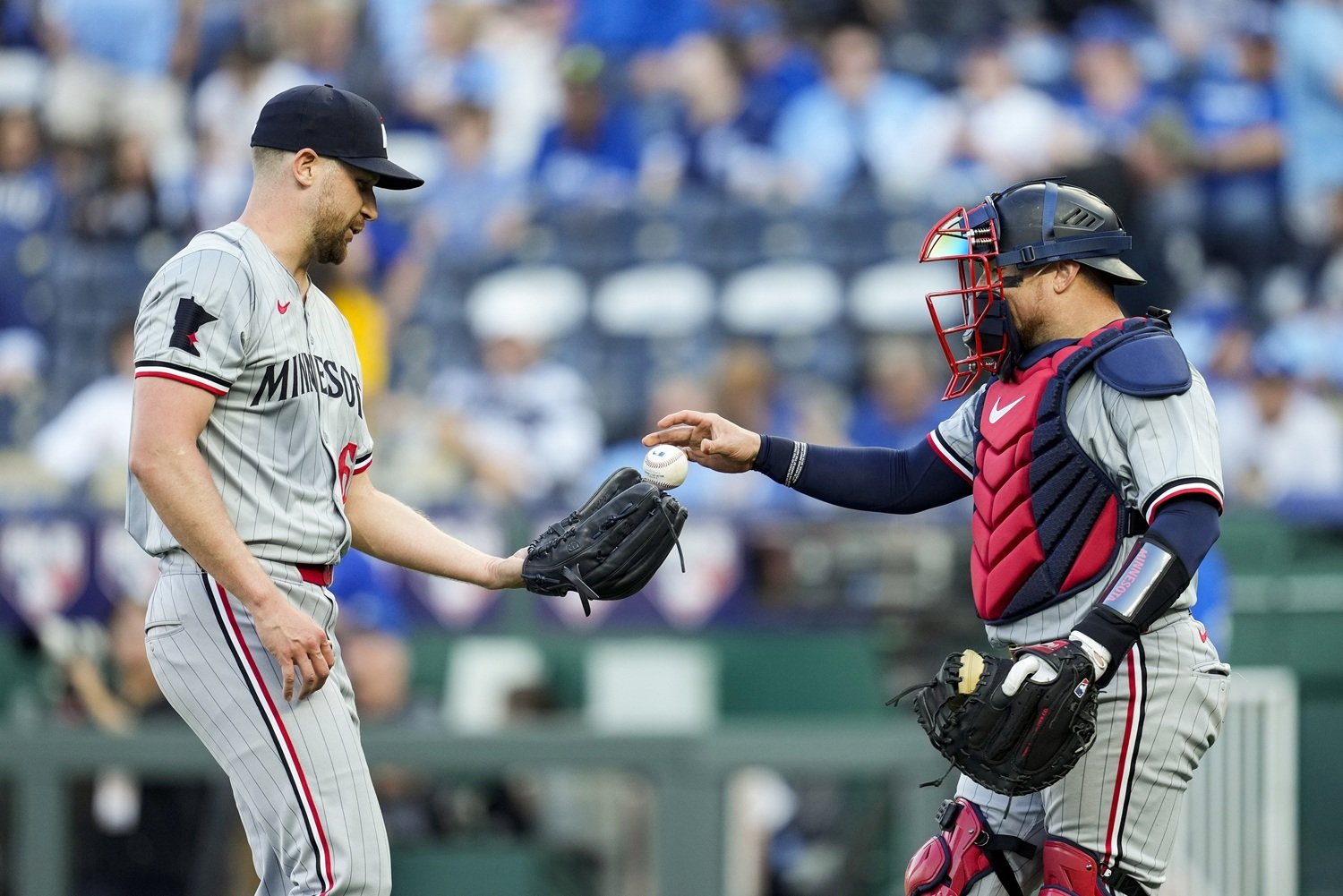 For the first time in 10 months, Brock Stewart stepped onto the mound in a game, and it did not take long to remember why he was such a crucial piece of the Minnesota Twins bullpen in 2023 and the early parts of 2024. Manager Rocco Baldelli summed up the performance well: “I thought Brock was the highlight of the day for me watching the game. The stuff looked like vintage Brock Stewart. I think he was pumped to be back out there on the mound.” It’s been quite the journey for Stewart. Signed by the Twins to a Minor League deal in 2023, he hadn’t pitched in a Major League game since 2019 due to injuries and a stint in the Independent League. Once a highly regarded prospect, Stewart flashed the ability that scouts long believed he had, posting an astounding 0.65 ERA while striking out 12.07 batters per nine innings. He carried that dominance into the 2023 season, looking like a vital piece of the bullpen before shoulder tendinitis derailed his season. Given his extended absence, it’s understandable that Stewart may have slipped from fans’ minds. But make no mistake—when healthy, he is one of the best relievers in baseball and a game-changer for the Twins' bullpen. His presence alone creates a domino effect, strengthening the entire bullpen. If Stewart is throwing the seventh inning, now Cole Sands, who broke out as a solid seventh-inning option for the Twins, can instead pitch in a sixth-inning role and be outstanding. The domino effect is real and makes a big difference. With Stewart healthy and pitching at a high level, some of the high-leverage pressure on Griffin Jax can come off, and Jhoan Duran can focus solely on being the dominant closer that he is. The result? One of the most formidable bullpen back-ends in the league, capable of matching up with any contender. Of course, health will always be the key. Stewart has proven that when he is on the mound, he is elite. The Twins’ challenge is ensuring that he stays there. His careful buildup this spring is no cause for concern—it is the right approach to preserve him for the long haul, and while Spring Training stats aren't anything to put stock in, seeing him look like the pitcher we've seen before was important. As Baldelli noted: “He was in and around the zone the whole outing with really good stuff. And I think from there we can hone it in. You know, get what we’re looking for out of all these outings. But for a first outing, that’s what you’re hoping to see from Brock Stewart.” The numbers backed up Baldelli’s excitement. Stewart’s fastball averaged 96.5 MPH and topped out at 97.5 MPH—just a tick above his 97.3 MPH average from last season when he was fully healthy. More importantly, he appeared comfortable on the mound, an encouraging sign for someone who missed significant time with a shoulder injury last year. It’s likely the Twins will continue to be cautious with Stewart throughout the season, potentially limiting back-to-back appearances and strategically giving him rest when needed. The priority is ensuring he is at full strength when it matters most—in October. The trio of Stewart, Jax, and Duran could be a difference-maker in a playoff series, shutting down opposing lineups in the late innings. It’s easy to overlook Stewart, given the time he has missed, but that should change quickly. His dominance is real, and his presence in the bullpen is transformative. If the Twins can keep him healthy, they have one of the best relievers in baseball ready to make a major impact in 2024. Are you excited about Brock Stewart in 2025? Leave a comment below and start the conversation!
- 12 comments
-
- 8
-
-
- brock stewart
- jhoan duran
- (and 1 more)
-
Brock Stewart’s return to the mound on Wednesday marks the comeback of the reliever many forgot about due to injury. Now, he’s set to be the linchpin that strengthens the Twins' bullpen and takes it from solid to one of the most formidable in baseball. Image courtesy of © Jay Biggerstaff-Imagn Images For the first time in 10 months, Brock Stewart stepped onto the mound in a game, and it did not take long to remember why he was such a crucial piece of the Minnesota Twins bullpen in 2023 and the early parts of 2024. Manager Rocco Baldelli summed up the performance well: “I thought Brock was the highlight of the day for me watching the game. The stuff looked like vintage Brock Stewart. I think he was pumped to be back out there on the mound.” It’s been quite the journey for Stewart. Signed by the Twins to a Minor League deal in 2023, he hadn’t pitched in a Major League game since 2019 due to injuries and a stint in the Independent League. Once a highly regarded prospect, Stewart flashed the ability that scouts long believed he had, posting an astounding 0.65 ERA while striking out 12.07 batters per nine innings. He carried that dominance into the 2023 season, looking like a vital piece of the bullpen before shoulder tendinitis derailed his season. Given his extended absence, it’s understandable that Stewart may have slipped from fans’ minds. But make no mistake—when healthy, he is one of the best relievers in baseball and a game-changer for the Twins' bullpen. His presence alone creates a domino effect, strengthening the entire bullpen. If Stewart is throwing the seventh inning, now Cole Sands, who broke out as a solid seventh-inning option for the Twins, can instead pitch in a sixth-inning role and be outstanding. The domino effect is real and makes a big difference. With Stewart healthy and pitching at a high level, some of the high-leverage pressure on Griffin Jax can come off, and Jhoan Duran can focus solely on being the dominant closer that he is. The result? One of the most formidable bullpen back-ends in the league, capable of matching up with any contender. Of course, health will always be the key. Stewart has proven that when he is on the mound, he is elite. The Twins’ challenge is ensuring that he stays there. His careful buildup this spring is no cause for concern—it is the right approach to preserve him for the long haul, and while Spring Training stats aren't anything to put stock in, seeing him look like the pitcher we've seen before was important. As Baldelli noted: “He was in and around the zone the whole outing with really good stuff. And I think from there we can hone it in. You know, get what we’re looking for out of all these outings. But for a first outing, that’s what you’re hoping to see from Brock Stewart.” The numbers backed up Baldelli’s excitement. Stewart’s fastball averaged 96.5 MPH and topped out at 97.5 MPH—just a tick above his 97.3 MPH average from last season when he was fully healthy. More importantly, he appeared comfortable on the mound, an encouraging sign for someone who missed significant time with a shoulder injury last year. It’s likely the Twins will continue to be cautious with Stewart throughout the season, potentially limiting back-to-back appearances and strategically giving him rest when needed. The priority is ensuring he is at full strength when it matters most—in October. The trio of Stewart, Jax, and Duran could be a difference-maker in a playoff series, shutting down opposing lineups in the late innings. It’s easy to overlook Stewart, given the time he has missed, but that should change quickly. His dominance is real, and his presence in the bullpen is transformative. If the Twins can keep him healthy, they have one of the best relievers in baseball ready to make a major impact in 2024. Are you excited about Brock Stewart in 2025? Leave a comment below and start the conversation! View full article
-
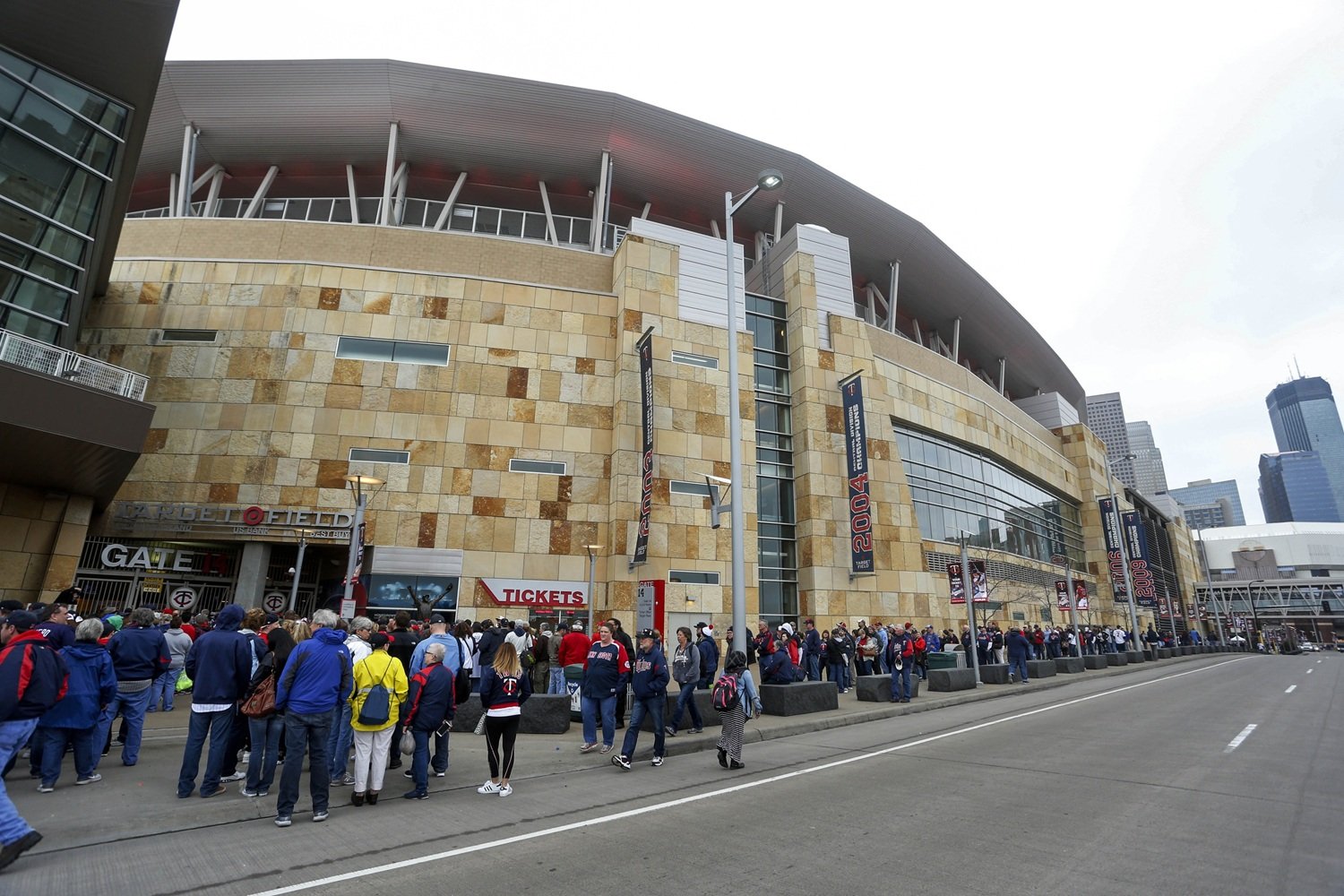 Each offseason, the Twins continue to invest in Target Field, ensuring that the ballpark remains one of the premier stadiums in Major League Baseball. Whether it was the expansion of the scoreboard, the reduced-price concession area, or the revolving baseball medallion in right field, each year brings something new to excite fans and improve the overall experience. The goal is clear: Target Field should never feel like an aging ballpark but rather one that evolves with the times. This year, the Minnesota Twins announced four new enhancements aimed at "improving convenience, efficiency, and the overall fan experience." Here’s what’s new for 2025: 1. New Market-Style Concessions at Sections 105 and 109 Gone are the days of waiting in long, cramped lines at traditional food stands. Target Field has introduced an open-air, self-serve market spanning 4,400 square feet of renovated space. The new setup increases the number of registers from 29 to 41, hopefully making it easier and faster to grab your favorite food and drinks. Fans will find a variety of hot foods, grab-and-go snacks, ice cream, soda, and self-serve beer coolers in these market-style concessions. Nobody likes missing an inning while stuck in line, and this new system should dramatically improve efficiency. Expect this area to be a big hit with fans looking for a quick bite without the hassle. 2. MLB Go-Ahead Entry The only thing worse than waiting in line for food is waiting in line to enter the ballpark while someone ahead of you fumbles with multiple bags and struggles to pull up their digital ticket. That hassle is now a thing of the past. Target Field is introducing MLB Go-Ahead Entry, allowing ticketed fans to register through the MLB Ballpark app and then simply walk into the stadium via designated lanes at Gates 3, 6, 29, and 34 using facial-recognition technology. The goal is that this will significantly speed up the entry process and eliminate those frustrating bottlenecks at the gates. 3. MyVenue Point-of-Sale System Alongside the improved concession experience, Target Field has upgraded its point-of-sale system to MyVenue. This new system is designed to be faster and more user-friendly, allowing fans to see real-time pricing as they build their concession order. As someone who appreciates transparency in pricing, I love that MyVenue makes it easier to track what you’re spending while streamlining the purchasing process so you can avoid the surprise $60 concession bill. 4. 5G Upgrades If you’ve ever tried to check Baseball Savant mid-game and found yourself staring at a never-ending loading screen, you’ll appreciate this one. Target Field is expanding its 5G network coverage by 82%, dramatically improving upload and download speeds for all three major mobile carriers. Whether you’re checking advanced stats, sharing videos on social media, or streaming highlights, the improved network should keep you connected without frustrating lag. While these upgrades might not be as flashy as a new scoreboard or a redesigned batter’s eye (bring back the spruce trees!), they show a continued commitment to making Target Field one of the best fan experiences in baseball. The Twins are clearly focused on keeping the ballpark modern, efficient, and enjoyable. The first chance for fans to experience these enhancements will be at the home opener against the Houston Astros on Thursday, April 3, at 3:10 PM. Which of these upgrades are you most excited about? Let us know in the comments!
 -
Target Field continues to evolve, bringing upgrades that aim to make your time at the ballpark smoother, faster, and more enjoyable. Let's review what's new for the 2025 season: Image courtesy of © Bruce Kluckhohn-Imagn Images Each offseason, the Twins continue to invest in Target Field, ensuring that the ballpark remains one of the premier stadiums in Major League Baseball. Whether it was the expansion of the scoreboard, the reduced-price concession area, or the revolving baseball medallion in right field, each year brings something new to excite fans and improve the overall experience. The goal is clear: Target Field should never feel like an aging ballpark but rather one that evolves with the times. This year, the Minnesota Twins announced four new enhancements aimed at "improving convenience, efficiency, and the overall fan experience." Here’s what’s new for 2025: 1. New Market-Style Concessions at Sections 105 and 109 Gone are the days of waiting in long, cramped lines at traditional food stands. Target Field has introduced an open-air, self-serve market spanning 4,400 square feet of renovated space. The new setup increases the number of registers from 29 to 41, hopefully making it easier and faster to grab your favorite food and drinks. Fans will find a variety of hot foods, grab-and-go snacks, ice cream, soda, and self-serve beer coolers in these market-style concessions. Nobody likes missing an inning while stuck in line, and this new system should dramatically improve efficiency. Expect this area to be a big hit with fans looking for a quick bite without the hassle. 2. MLB Go-Ahead Entry The only thing worse than waiting in line for food is waiting in line to enter the ballpark while someone ahead of you fumbles with multiple bags and struggles to pull up their digital ticket. That hassle is now a thing of the past. Target Field is introducing MLB Go-Ahead Entry, allowing ticketed fans to register through the MLB Ballpark app and then simply walk into the stadium via designated lanes at Gates 3, 6, 29, and 34 using facial-recognition technology. The goal is that this will significantly speed up the entry process and eliminate those frustrating bottlenecks at the gates. 3. MyVenue Point-of-Sale System Alongside the improved concession experience, Target Field has upgraded its point-of-sale system to MyVenue. This new system is designed to be faster and more user-friendly, allowing fans to see real-time pricing as they build their concession order. As someone who appreciates transparency in pricing, I love that MyVenue makes it easier to track what you’re spending while streamlining the purchasing process so you can avoid the surprise $60 concession bill. 4. 5G Upgrades If you’ve ever tried to check Baseball Savant mid-game and found yourself staring at a never-ending loading screen, you’ll appreciate this one. Target Field is expanding its 5G network coverage by 82%, dramatically improving upload and download speeds for all three major mobile carriers. Whether you’re checking advanced stats, sharing videos on social media, or streaming highlights, the improved network should keep you connected without frustrating lag. While these upgrades might not be as flashy as a new scoreboard or a redesigned batter’s eye (bring back the spruce trees!), they show a continued commitment to making Target Field one of the best fan experiences in baseball. The Twins are clearly focused on keeping the ballpark modern, efficient, and enjoyable. The first chance for fans to experience these enhancements will be at the home opener against the Houston Astros on Thursday, April 3, at 3:10 PM. Which of these upgrades are you most excited about? Let us know in the comments! View full article
-
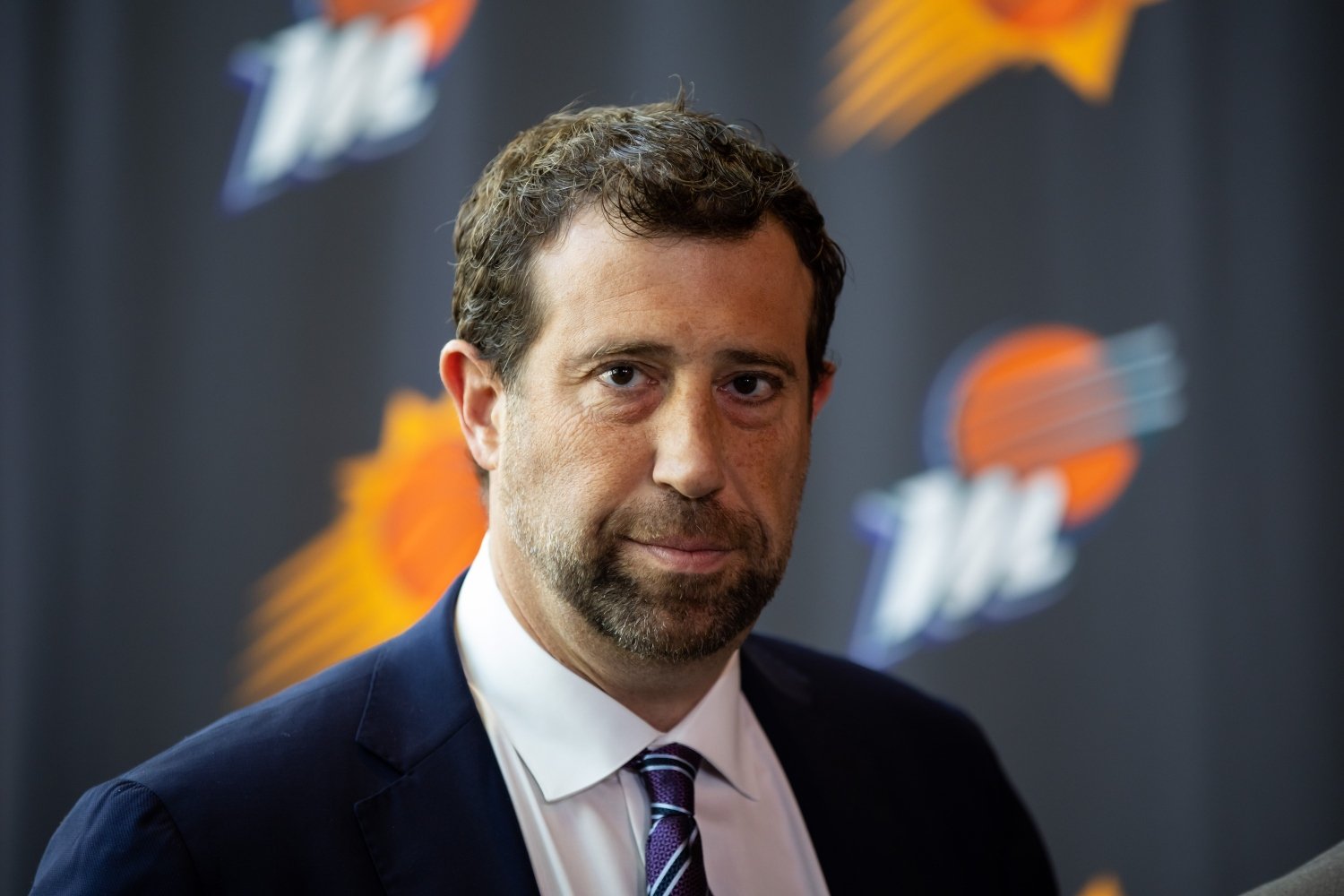 The Minnesota Twins' ownership situation took an unexpected turn last month. For weeks, all signs pointed to billionaire Justin Ishbia taking control of the franchise, bringing visions of aggressive spending and bold moves. But in a shocking twist, Ishbia backed out—opting, instead, to invest further in the Twins’ division rivals, the Chicago White Sox. When the Pohlad family announced their intention to sell the Minnesota Twins this offseason, it seemed like a foregone conclusion that Ishbia would be the one to take over as the team’s new owner. Reports indicated Ishbia was the frontrunner (although perhaps we all also assumed that, simply because of his trmenedous wealth and the fact that his name was leaked), and Twins fans began to envision an ownership group willing to spend big and operate aggressively. But when the expected news drop came, it was the opposite of what many anticipated. Understandably, this news was met with disappointment from Twins fans. The thought of an owner with deep pockets willing to take financial risks was an exciting proposition. Ishbia, a partial owner of the Phoenix Suns and the brother of Mat Ishbia, the team’s controlling owner, had seemingly represented a shift toward a more aggressive, win-now approach. However, while the initial disappointment is understandable, a closer look at Ishbia’s tenure with the Suns raises the question: was his withdrawal from the Twins’ ownership race actually a blessing in disguise? Ishbia’s time with the Suns has been anything but stable. Since gaining control, the Suns have made one blockbuster move after another, trading away a promising young core for established stars like Kevin Durant and Bradley Beal. While these trades made headlines and sent a message that the team was all-in, they’ve also left the Suns without much of a future. Phoenix is currently sitting in 9th place in the Western Conference; their roster depth has been depleted; and their future draft capital has been largely exhausted. The constant shakeups have extended beyond the roster as well, with the team now on the verge of hiring its fourth head coach in four seasons. The Suns, once a model of patience and development that built a Finals-contending team in 2021, have since become a cautionary tale of ownership overreach and short-term thinking. So what does this mean for the Minnesota Twins? Baseball is, of course, a different game than basketball, with no hard salary cap and a much more robust farm system that plays a pivotal role in sustaining success. Even with a wealthier owner, the Twins would still be a mid-market team, and Minnesota would never be able to spend at the levels of the Dodgers, Yankees, or Mets. An owner like Ishbia, with his aggressive, hands-on approach, may have been willing to push the payroll higher, but at what cost? Would he have mortgaged the team’s future by trading away top prospects for short-term gains? Would the Twins have ended up in a situation where they were locked into expensive, aging veterans with no clear long-term plan? Admittedly, since teams can't trade draft picks in MLB the way they can and do in the NBA, there would have to be some ongoing replenishment of the farm, but would an Ishbia-led team strip down the scouting department in favor of heavier investments in flashy, expensive big-league moves? One of the Twins’ greatest strengths over the years has been their stability. Derek Falvey and Thad Levine have built a sustainable model, one that prioritizes development while making calculated moves to improve the roster when necessary. Manager Rocco Baldelli has been in place since 2019, providing consistency and a clear philosophy that has resulted in multiple postseason appearances. Compare that to the Suns, who have been in a near-constant state of flux since the Ishbias took over, and it’s easy to see how the grass isn’t always greener on the other side. Of course, no one is arguing that the Pohlads have been ideal owners. The frustration with their spending limitations is valid, and a fresh perspective at the ownership level could certainly be beneficial for the franchise. But there’s a difference between being willing to spend and spending recklessly. The best owners in sports aren’t necessarily the ones who make the biggest splashes, but rather the ones who provide financial support, hire the right people, let them do their jobs, and then get out of the way. Would Ishbia have been that kind of owner? Based on his track record in Phoenix, there’s reason to doubt it. The allure of an aggressive, risk-taking billionaire was strong, but the reality of what that approach has done to the Suns is a reminder that big spending and constant movement don’t always equal success. In the end, Twins fans may have dodged a bullet. Yes, Mat is the head honcho and has the final word on those moves, but so far, it's been hard to discern a significant gap between the two when it comes to risk tolerance or approach. The question of who will ultimately buy the team remains unanswered, and until that happens, there will continue to be uncertainty about the Twins’ future. Inarguably, courting Ishbia for months and losing him late in the process sets them back. But while many fans are lamenting the loss of a seemingly ambitious owner, it may not be the disaster some are imagining. The Twins’ next owner will shape the trajectory of the franchise for years to come, and rather than simply hoping for someone willing to spend, perhaps the real hope should be for someone who understands that smart, sustainable decision-making is just as important as a willingness to open the checkbook. What do you think? Are Twins fans really missing out by not landing Ishbia, or was his withdrawal actually a good thing for the franchise’s long-term future? Let us know your thoughts in the comments.
 -
At first glance, Justin Ishbia backing out of buying the Minnesota Twins seems like a gut punch for fans hoping for deep pockets and aggressive spending. But what if it’s actually a blessing in disguise? A closer look at his track record suggests that the Twins may have dodged a far bigger problem. Image courtesy of © Mark J. Rebilas-Imagn Images The Minnesota Twins' ownership situation took an unexpected turn last month. For weeks, all signs pointed to billionaire Justin Ishbia taking control of the franchise, bringing visions of aggressive spending and bold moves. But in a shocking twist, Ishbia backed out—opting, instead, to invest further in the Twins’ division rivals, the Chicago White Sox. When the Pohlad family announced their intention to sell the Minnesota Twins this offseason, it seemed like a foregone conclusion that Ishbia would be the one to take over as the team’s new owner. Reports indicated Ishbia was the frontrunner (although perhaps we all also assumed that, simply because of his trmenedous wealth and the fact that his name was leaked), and Twins fans began to envision an ownership group willing to spend big and operate aggressively. But when the expected news drop came, it was the opposite of what many anticipated. Understandably, this news was met with disappointment from Twins fans. The thought of an owner with deep pockets willing to take financial risks was an exciting proposition. Ishbia, a partial owner of the Phoenix Suns and the brother of Mat Ishbia, the team’s controlling owner, had seemingly represented a shift toward a more aggressive, win-now approach. However, while the initial disappointment is understandable, a closer look at Ishbia’s tenure with the Suns raises the question: was his withdrawal from the Twins’ ownership race actually a blessing in disguise? Ishbia’s time with the Suns has been anything but stable. Since gaining control, the Suns have made one blockbuster move after another, trading away a promising young core for established stars like Kevin Durant and Bradley Beal. While these trades made headlines and sent a message that the team was all-in, they’ve also left the Suns without much of a future. Phoenix is currently sitting in 9th place in the Western Conference; their roster depth has been depleted; and their future draft capital has been largely exhausted. The constant shakeups have extended beyond the roster as well, with the team now on the verge of hiring its fourth head coach in four seasons. The Suns, once a model of patience and development that built a Finals-contending team in 2021, have since become a cautionary tale of ownership overreach and short-term thinking. So what does this mean for the Minnesota Twins? Baseball is, of course, a different game than basketball, with no hard salary cap and a much more robust farm system that plays a pivotal role in sustaining success. Even with a wealthier owner, the Twins would still be a mid-market team, and Minnesota would never be able to spend at the levels of the Dodgers, Yankees, or Mets. An owner like Ishbia, with his aggressive, hands-on approach, may have been willing to push the payroll higher, but at what cost? Would he have mortgaged the team’s future by trading away top prospects for short-term gains? Would the Twins have ended up in a situation where they were locked into expensive, aging veterans with no clear long-term plan? Admittedly, since teams can't trade draft picks in MLB the way they can and do in the NBA, there would have to be some ongoing replenishment of the farm, but would an Ishbia-led team strip down the scouting department in favor of heavier investments in flashy, expensive big-league moves? One of the Twins’ greatest strengths over the years has been their stability. Derek Falvey and Thad Levine have built a sustainable model, one that prioritizes development while making calculated moves to improve the roster when necessary. Manager Rocco Baldelli has been in place since 2019, providing consistency and a clear philosophy that has resulted in multiple postseason appearances. Compare that to the Suns, who have been in a near-constant state of flux since the Ishbias took over, and it’s easy to see how the grass isn’t always greener on the other side. Of course, no one is arguing that the Pohlads have been ideal owners. The frustration with their spending limitations is valid, and a fresh perspective at the ownership level could certainly be beneficial for the franchise. But there’s a difference between being willing to spend and spending recklessly. The best owners in sports aren’t necessarily the ones who make the biggest splashes, but rather the ones who provide financial support, hire the right people, let them do their jobs, and then get out of the way. Would Ishbia have been that kind of owner? Based on his track record in Phoenix, there’s reason to doubt it. The allure of an aggressive, risk-taking billionaire was strong, but the reality of what that approach has done to the Suns is a reminder that big spending and constant movement don’t always equal success. In the end, Twins fans may have dodged a bullet. Yes, Mat is the head honcho and has the final word on those moves, but so far, it's been hard to discern a significant gap between the two when it comes to risk tolerance or approach. The question of who will ultimately buy the team remains unanswered, and until that happens, there will continue to be uncertainty about the Twins’ future. Inarguably, courting Ishbia for months and losing him late in the process sets them back. But while many fans are lamenting the loss of a seemingly ambitious owner, it may not be the disaster some are imagining. The Twins’ next owner will shape the trajectory of the franchise for years to come, and rather than simply hoping for someone willing to spend, perhaps the real hope should be for someone who understands that smart, sustainable decision-making is just as important as a willingness to open the checkbook. What do you think? Are Twins fans really missing out by not landing Ishbia, or was his withdrawal actually a good thing for the franchise’s long-term future? Let us know your thoughts in the comments. View full article
-
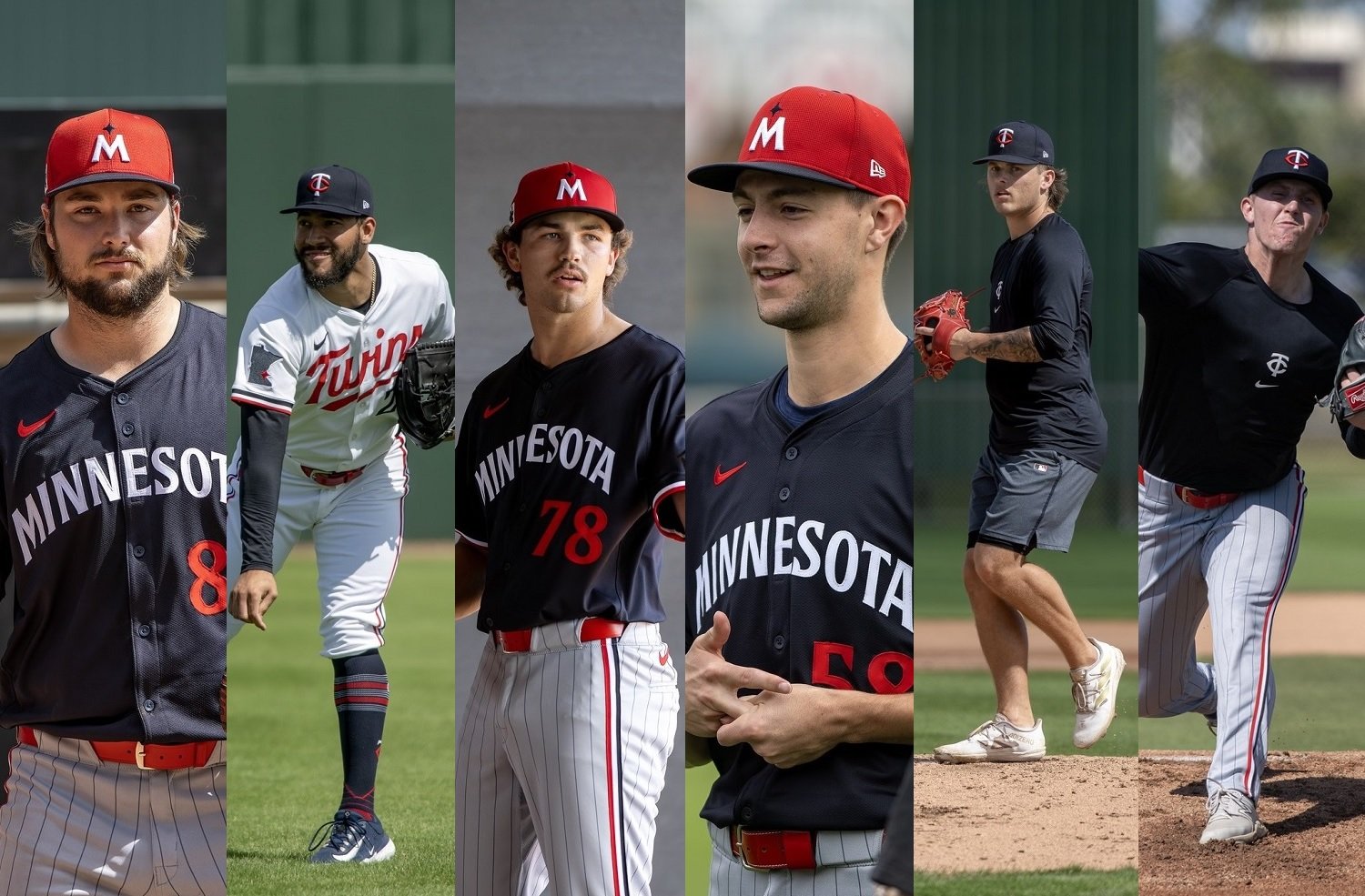 The Minnesota Twins are entering the 2025 season with an enviable surplus of pitching talent, a luxury that led some to wonder whether the team should have been more aggressive in trading arms for offensive reinforcements. Yet, as the Twins stood pat this offseason, their decision to retain their pitching depth appears to be the right one. Minnesota’s pitching depth is staggering. Even beyond their established Major League rotation, the Saints’ Triple-A rotation features names like David Festa, Zebby Matthews, Andrew Morris, Cory Lewis, Travis Adams, and Marco Raya—all of whom have either shown flashes of success in the majors or are on the cusp of making an impact. That doesn’t even include Louis Varland, who remains in limbo between a starting and bullpen role. Despite this depth, the Twins opted against leveraging it in the trade market for a bat, instead filling their offensive gaps with free-agent additions like Harrison Bader and Ty France. While a more aggressive approach could have landed them a significant impact bat, potentially at the cost of a front-end starter like Joe Ryan, Pablo López, or Bailey Ober, the team’s decision to hold onto its depth aligns with its organizational philosophy: pitching is paramount. Last season demonstrated why. Injuries to Joe Ryan and Chris Paddack forced the Twins to tap into their reserves, with Simeon Woods Richardson, Zebby Matthews, and David Festa all stepping up when called upon. That depth proved essential in navigating the inevitable attrition that comes with a 162-game season. Given that history, the Twins were wise to prioritize keeping their arms, even at the expense of offensive firepower. However, this strategy does come with risks. The Twins’ lineup is far from elite, lacking a true right-handed power threat and relying heavily on bounce-back performances from players like Jose Miranda and Royce Lewis. Banking on improved health from their bats is a gamble, and if the offense sputters, the decision to hoard pitching depth could come under scrutiny. Additionally, while depth is valuable, it can also create roster logjams. Prospects who are ready for the majors may find themselves stuck in Triple-A due to the sheer number of arms ahead of them. This can lead to underutilization of talent and potentially diminish trade value if these players don’t get opportunities to showcase their abilities at the highest level. The Twins must balance retaining depth with ensuring player development isn’t stalled. That said, the trade deadline presents a logical pivot point. If Minnesota finds itself in playoff contention but struggling offensively, their surplus of arms will provide valuable trade capital. The need for pitching depth decreases as the season progresses—by July, the rotation will be more settled, and the urgency to maintain a deep reservoir of arms lessens. At that point, moving a Festa, Matthews, or even a more established arm for a lineup upgrade would make sense, allowing the Twins to fine-tune their roster for a postseason push. Ultimately, the Twins’ conservative approach was the right call. While their offense remains a question mark, the value of elite starting pitching depth cannot be overstated. What might seem like an excess of arms now could prove crucial when injuries inevitably arise. And should they reach the trade deadline with a clear need for offense, they’ll have the assets to address it. For now, the Twins are betting on depth—and their own recent history suggests that was the right decision.
- 67 comments
-
- 14
-
-
- david festa
- andrew morris
- (and 5 more)
-
The Minnesota Twins entered the offseason with a significant question: should they trade from their wealth of pitching depth to address offensive concerns, or hold onto their arms for the long haul? While some clamored for a bold move, the front office stayed the course, valuing depth over immediate upgrades. Image courtesy of William Parmeter (L to R: Cory Lewis, Simeon Woods Richardson, Andrew Morris, David Festa, Travis Adams, Zebby Matthews) The Minnesota Twins are entering the 2025 season with an enviable surplus of pitching talent, a luxury that led some to wonder whether the team should have been more aggressive in trading arms for offensive reinforcements. Yet, as the Twins stood pat this offseason, their decision to retain their pitching depth appears to be the right one. Minnesota’s pitching depth is staggering. Even beyond their established Major League rotation, the Saints’ Triple-A rotation features names like David Festa, Zebby Matthews, Andrew Morris, Cory Lewis, Travis Adams, and Marco Raya—all of whom have either shown flashes of success in the majors or are on the cusp of making an impact. That doesn’t even include Louis Varland, who remains in limbo between a starting and bullpen role. Despite this depth, the Twins opted against leveraging it in the trade market for a bat, instead filling their offensive gaps with free-agent additions like Harrison Bader and Ty France. While a more aggressive approach could have landed them a significant impact bat, potentially at the cost of a front-end starter like Joe Ryan, Pablo López, or Bailey Ober, the team’s decision to hold onto its depth aligns with its organizational philosophy: pitching is paramount. Last season demonstrated why. Injuries to Joe Ryan and Chris Paddack forced the Twins to tap into their reserves, with Simeon Woods Richardson, Zebby Matthews, and David Festa all stepping up when called upon. That depth proved essential in navigating the inevitable attrition that comes with a 162-game season. Given that history, the Twins were wise to prioritize keeping their arms, even at the expense of offensive firepower. However, this strategy does come with risks. The Twins’ lineup is far from elite, lacking a true right-handed power threat and relying heavily on bounce-back performances from players like Jose Miranda and Royce Lewis. Banking on improved health from their bats is a gamble, and if the offense sputters, the decision to hoard pitching depth could come under scrutiny. Additionally, while depth is valuable, it can also create roster logjams. Prospects who are ready for the majors may find themselves stuck in Triple-A due to the sheer number of arms ahead of them. This can lead to underutilization of talent and potentially diminish trade value if these players don’t get opportunities to showcase their abilities at the highest level. The Twins must balance retaining depth with ensuring player development isn’t stalled. That said, the trade deadline presents a logical pivot point. If Minnesota finds itself in playoff contention but struggling offensively, their surplus of arms will provide valuable trade capital. The need for pitching depth decreases as the season progresses—by July, the rotation will be more settled, and the urgency to maintain a deep reservoir of arms lessens. At that point, moving a Festa, Matthews, or even a more established arm for a lineup upgrade would make sense, allowing the Twins to fine-tune their roster for a postseason push. Ultimately, the Twins’ conservative approach was the right call. While their offense remains a question mark, the value of elite starting pitching depth cannot be overstated. What might seem like an excess of arms now could prove crucial when injuries inevitably arise. And should they reach the trade deadline with a clear need for offense, they’ll have the assets to address it. For now, the Twins are betting on depth—and their own recent history suggests that was the right decision. View full article
-
"Now He Can Reclaim Himself on the Field": Matt Canterino’s Last Stand
Matthew Taylor posted an article in Twins
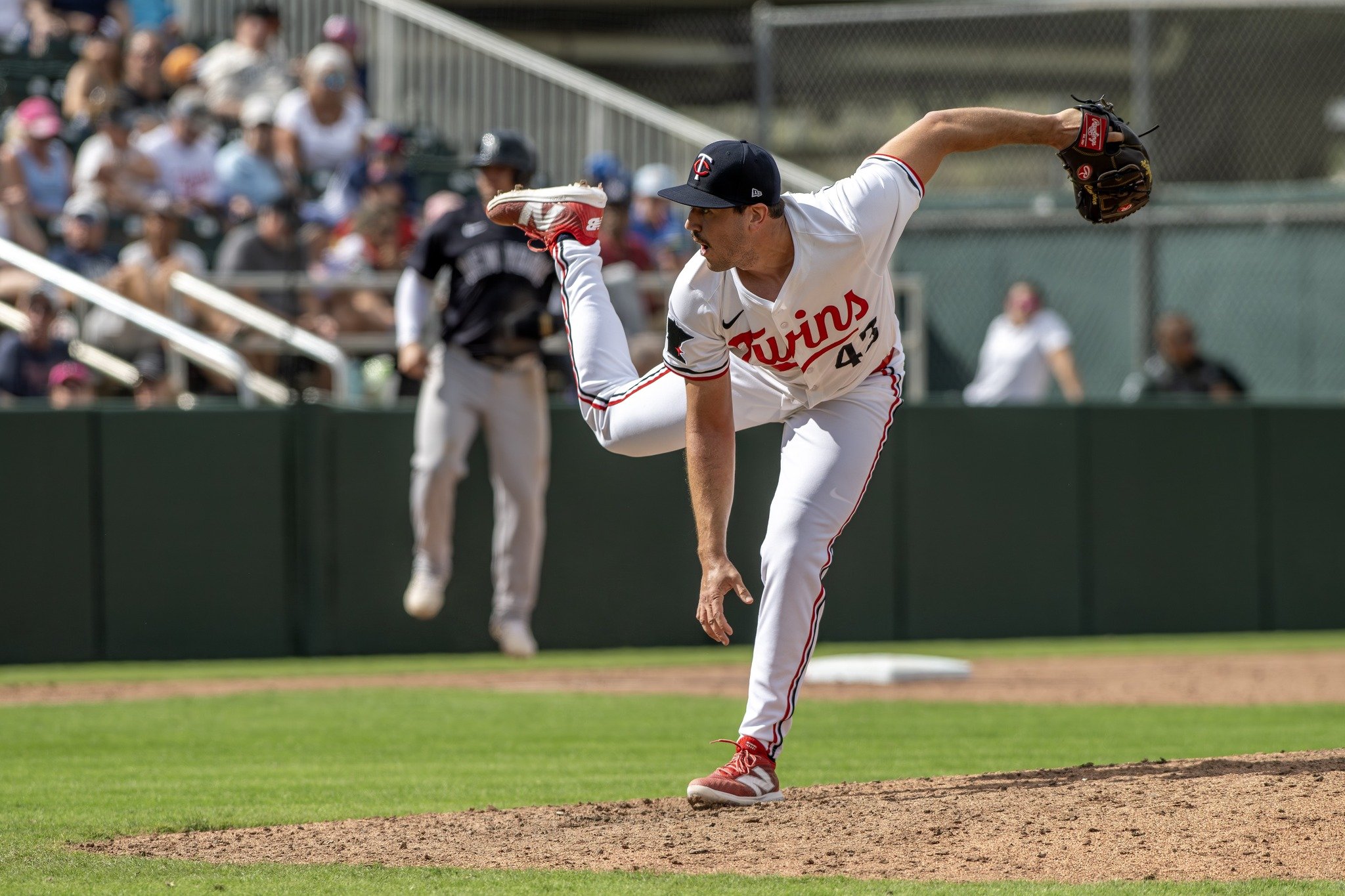 For years, Minnesota Twins prospect Matt Canterino has tantalized fans and the organization alike with his electrifying stuff. Since being drafted out of Rice University in 2019, Canterino has put up video game-like numbers in the minors, boasting a 1.48 ERA and a slick 13.8 K/9. But as much as his talent has been evident, his ability to stay on the mound has not. Injuries have defined his professional career as much or more as his dominance when healthy. Sunday’s bullpen outing was another step in his long road back. Canterino worked a scoreless inning but walked three batters while striking out one. It wasn’t a perfect showing, but the mere act of pitching in live game action was significant. Twins manager Rocco Baldelli put Canterino’s outing into perspective: "I think for him getting back on the mound and being able to relax and just go pitch, a lot of this, that’s part of his goal. That’s part of his goals. I think if he’s able to do that and get a couple outings, a few outings out here, rein in his — not just the command. Rein in his heart rate and get comfortable back on the field again, that’s what a big part of this is when you miss time." Canterino’s story has been one of perseverance. While he felt great heading into 2020, the minor league season was canceled due to the pandemic. Injuries then derailed his career at every turn. In 2021, he dealt with a forearm injury. The following year, that forearm issue resurfaced and required Tommy John surgery. His 2023 season was entirely dedicated to rehabbing from the elbow procedure, but just as he was ready to go, a shoulder strain in spring training wiped out his season before it could begin. Baldelli continued, "That has to come before you’re totally dialed in on just the performance. He looked fine. He scattered it around and yes, he got through it and found a way through all that but more than anything, he’s out there and now he can reclaim himself on the field." Now 27 years old, Canterino is at a crossroads. The Twins have moved him to a full-time bullpen role in the hopes that shorter outings will help keep him healthy. It’s a logical move, and if his arm can hold up, the stuff has always been electric. His fastball still sits in the mid-to-upper 90s, and his slider remains a true strikeout weapon. It would be easy to dismiss Canterino after all he’s been through, but history suggests he shouldn’t be counted out. Each time he’s returned from injury, he’s performed at an elite level. It’s why the Twins have remained patient, keeping him on the 40-man roster despite his lack of availability. The organization clearly sees the upside and is willing to give him every opportunity to prove himself. Canterino’s resilience is another reason to believe in him. Many players might have called it quits after years of setbacks, but he has never wavered in his commitment to making it back. His work ethic and determination are undeniable, and those qualities make him an easy player to root for. For now, the Twins don’t have an immediate need in the bullpen, but injuries and performance fluctuations are inevitable over the course of a long season. If Canterino can stay healthy and find some consistency in the minors, it’s easy to see him getting a shot in the big leagues later this year. Given his age and injury history, this season could very well be his last real chance to establish himself as a major league pitcher. The road has been long and difficult, but Matt Canterino is still standing. Now, it’s up to him to make the most of this opportunity. His journey back to the mound is far from over, but if history is any indication, he won’t stop fighting until he gets there. Do you think Matt Canterino will play a role in the Twins' bullpen in 2025? Leave a comment below and start the conversation!
 -
Matt Canterino’s career has been a rollercoaster of dominant performances and frustrating setbacks. A once-promising starting prospect, injuries have forced him down a different path. Now fully healthy and transitioning to a bullpen role, Canterino is hoping to finally carve out a place with the Minnesota Twins. Image courtesy of William Parmeter For years, Minnesota Twins prospect Matt Canterino has tantalized fans and the organization alike with his electrifying stuff. Since being drafted out of Rice University in 2019, Canterino has put up video game-like numbers in the minors, boasting a 1.48 ERA and a slick 13.8 K/9. But as much as his talent has been evident, his ability to stay on the mound has not. Injuries have defined his professional career as much or more as his dominance when healthy. Sunday’s bullpen outing was another step in his long road back. Canterino worked a scoreless inning but walked three batters while striking out one. It wasn’t a perfect showing, but the mere act of pitching in live game action was significant. Twins manager Rocco Baldelli put Canterino’s outing into perspective: "I think for him getting back on the mound and being able to relax and just go pitch, a lot of this, that’s part of his goal. That’s part of his goals. I think if he’s able to do that and get a couple outings, a few outings out here, rein in his — not just the command. Rein in his heart rate and get comfortable back on the field again, that’s what a big part of this is when you miss time." Canterino’s story has been one of perseverance. While he felt great heading into 2020, the minor league season was canceled due to the pandemic. Injuries then derailed his career at every turn. In 2021, he dealt with a forearm injury. The following year, that forearm issue resurfaced and required Tommy John surgery. His 2023 season was entirely dedicated to rehabbing from the elbow procedure, but just as he was ready to go, a shoulder strain in spring training wiped out his season before it could begin. Baldelli continued, "That has to come before you’re totally dialed in on just the performance. He looked fine. He scattered it around and yes, he got through it and found a way through all that but more than anything, he’s out there and now he can reclaim himself on the field." Now 27 years old, Canterino is at a crossroads. The Twins have moved him to a full-time bullpen role in the hopes that shorter outings will help keep him healthy. It’s a logical move, and if his arm can hold up, the stuff has always been electric. His fastball still sits in the mid-to-upper 90s, and his slider remains a true strikeout weapon. It would be easy to dismiss Canterino after all he’s been through, but history suggests he shouldn’t be counted out. Each time he’s returned from injury, he’s performed at an elite level. It’s why the Twins have remained patient, keeping him on the 40-man roster despite his lack of availability. The organization clearly sees the upside and is willing to give him every opportunity to prove himself. Canterino’s resilience is another reason to believe in him. Many players might have called it quits after years of setbacks, but he has never wavered in his commitment to making it back. His work ethic and determination are undeniable, and those qualities make him an easy player to root for. For now, the Twins don’t have an immediate need in the bullpen, but injuries and performance fluctuations are inevitable over the course of a long season. If Canterino can stay healthy and find some consistency in the minors, it’s easy to see him getting a shot in the big leagues later this year. Given his age and injury history, this season could very well be his last real chance to establish himself as a major league pitcher. The road has been long and difficult, but Matt Canterino is still standing. Now, it’s up to him to make the most of this opportunity. His journey back to the mound is far from over, but if history is any indication, he won’t stop fighting until he gets there. Do you think Matt Canterino will play a role in the Twins' bullpen in 2025? Leave a comment below and start the conversation! View full article
-
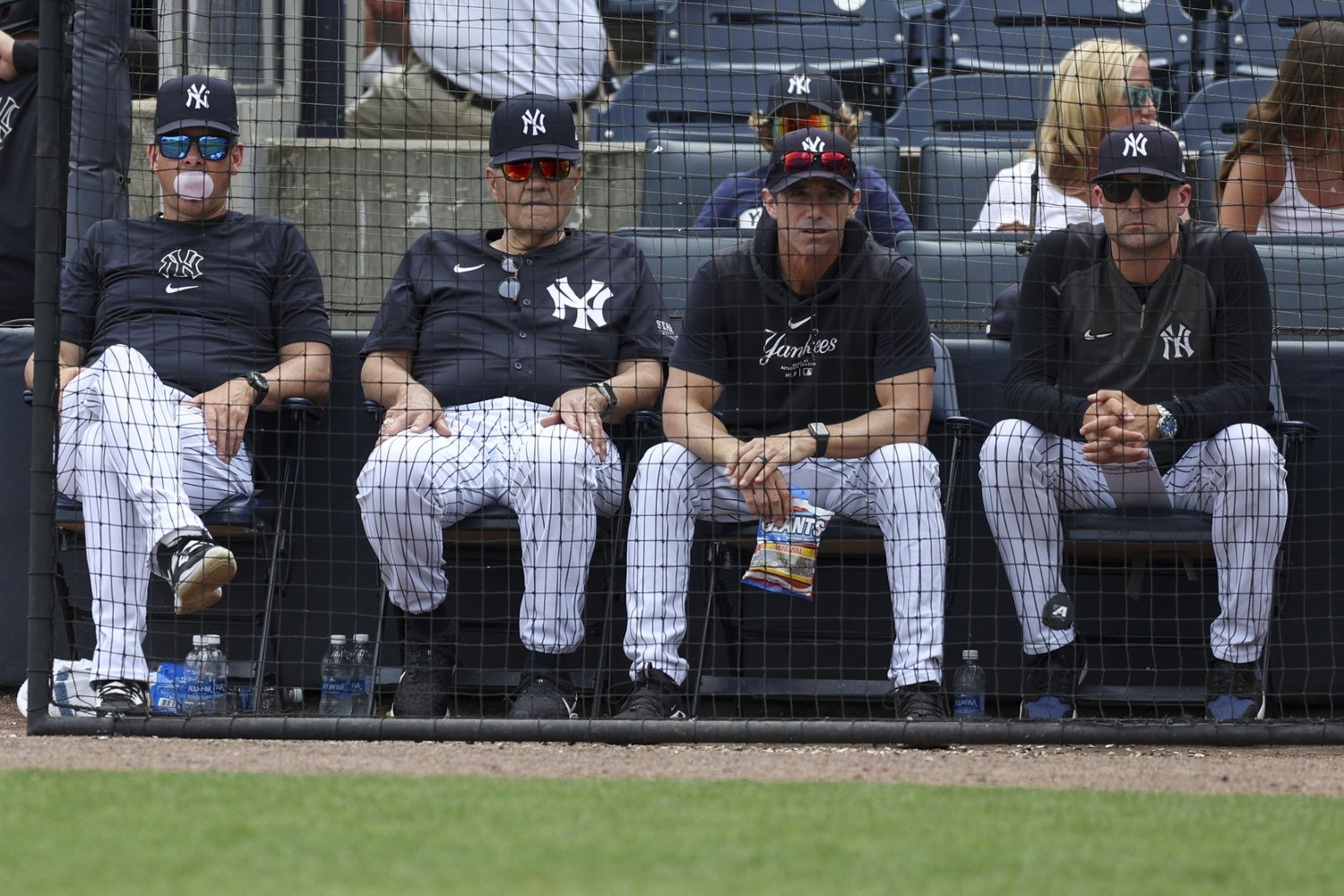 As the Los Angeles Dodgers and New York Yankees prepare to square off in this year’s World Series, Twins fans might notice some familiar names on both rosters and coaching staffs. It’s always interesting to see “old friends” pop up on the biggest stage, and this year is no exception. From former top prospects to coaches who helped shape memorable Twins teams, these connections add an extra layer of intrigue for Minnesota fans. Let’s take a look at some of those key names who have roots in the Twin Cities. Brusdar Graterol, RP, Los Angeles Dodgers Once one of the most electric arms in the Twins’ system, Graterol was ranked among the top 60 prospects in baseball. His fastball consistently hit triple digits, making him the hardest thrower in the Twins’ organizational history—until Jhoan Durán arrived. Graterol had a brief stint in Minnesota’s bullpen during the 2019 season, before being traded to the Dodgers as part of the deal that brought Kenta Maeda to Minnesota. Since then, Graterol has become a key reliever for the Dodgers, though injuries have limited him. He has posted a 2.69 ERA across five seasons in Los Angeles, but his World Series appearance would be his first since Sept. 24, after battling shoulder and hamstring issues. His fastball isn't quite the blazing pitch that Twins' fans recall from his time in Minnesota, but it will still be fun to watch him take the mound yet again in a playoff situation, if indeed he's healthy enough to reclaim his place. Tommy Edman, Utility, Los Angeles Dodgers While Tommy Edman has never donned a Twins uniform, his family ties make him part of the extended Twins community. Edman was a midseason acquisition for the Dodgers, and his breakout performance in the NLCS—where he hit .407 and drove in 11 runs—turned him into an unlikely postseason hero. Known more for his versatility and speed, Edman’s timely hitting has been a huge boost for LA. His brother, John Edman, is a key member of the Twins’ front office, serving as a data quality engineer in the R&D department since 2019. So, while Tommy never played for Minnesota, the Edman family still has a strong connection to the organization. Danny Lehmann, Bench Coach, Los Angeles Dodgers Twins fans might remember Danny Lehmann as a former catching prospect drafted by Minnesota in 2007. Lehmann never made it to the big leagues, but spent seven seasons in the Twins farm system. He’s since transitioned to coaching, and was promoted to Dodgers bench coach in 2023, after working as their game-planning and communications coach. Lehmann now finds himself in the World Series dugout. Aaron Bates, Co-Hitting Coach, Los Angeles Dodgers Aaron Bates has been with the Dodgers’ coaching staff since 2019, moving up to co-hitting coach in 2023. Twins fans might recall his brief time in Minnesota’s system in 2011, when he played two seasons with the Rochester Red Wings. Luis Gil, SP, New York Yankees Luis Gil never played for the Twins, but he began his professional career in Minnesota’s system after signing as an international free agent in 2015. He was traded to the Yankees in 2018 for Jake Cave, and despite a slow start to his career due to injuries, Gil broke out in 2024 with a 3.50 ERA and an impressive strikeout rate. He’s a strong contender for AL Rookie of the Year. After some command issues in the ALCS, Gil might be shifted to the bullpen for the World Series, but his high-octane stuff and connection to the Twins make him an interesting player to watch. James Rowson, Hitting Coach, New York Yankees Twins fans will fondly remember Rowson as the architect behind the 2019 Bomba Squad, the team that shattered the MLB record for home runs in a season. Rowson left Minnesota for a bench coach role with the Marlins in 2020, before landing with the Yankees in 2024. Under his guidance, the Yankees led the league with 237 home runs and posted one of the highest OPS marks in the American League. Rowson’s ability to unlock power in lineups remains his calling card, making him a pivotal part of the Yankees’ success. Tanner Swanson, Catching Coordinator, New York Yankees Another familiar name is Tanner Swanson, the Twins’ former catching guru who helped turn Mitch Garver into a defensive standout. Since joining the Yankees in 2020, Swanson has continued his work with young catchers, most notably Austin Wells, who ranked third in MLB in framing this season. He also made an All-Star out of José Trevino, two years ago, and has been the person lost in the post-2019 brain drain whose reputation has most steadily grown since. It’s always fun to see familiar faces on the game’s biggest stage. Whether it’s a former top prospect like Graterol or an old coach like Rowson, these connections to the Twins add an extra layer of intrigue to this year’s Fall Classic. So, who will you be rooting for in the World Series—the Dodgers or the Yankees? Let us know in the comments below. [Ed. note: And don't say Yankees. Because come on.]
- 15 comments
-
- 3
-
-
- james rowson
- tanner swanson
- (and 2 more)
-
As the Los Angeles Dodgers and New York Yankees prepare to battle for the World Series title, Twins fans might recognize a few familiar faces on both sides. From former prospects to key coaches, the connections to Minnesota run deep. Let's take a look at the "old friends" in this year's Fall Classic. Image courtesy of © Nathan Ray Seebeck-Imagn Images As the Los Angeles Dodgers and New York Yankees prepare to square off in this year’s World Series, Twins fans might notice some familiar names on both rosters and coaching staffs. It’s always interesting to see “old friends” pop up on the biggest stage, and this year is no exception. From former top prospects to coaches who helped shape memorable Twins teams, these connections add an extra layer of intrigue for Minnesota fans. Let’s take a look at some of those key names who have roots in the Twin Cities. Brusdar Graterol, RP, Los Angeles Dodgers Once one of the most electric arms in the Twins’ system, Graterol was ranked among the top 60 prospects in baseball. His fastball consistently hit triple digits, making him the hardest thrower in the Twins’ organizational history—until Jhoan Durán arrived. Graterol had a brief stint in Minnesota’s bullpen during the 2019 season, before being traded to the Dodgers as part of the deal that brought Kenta Maeda to Minnesota. Since then, Graterol has become a key reliever for the Dodgers, though injuries have limited him. He has posted a 2.69 ERA across five seasons in Los Angeles, but his World Series appearance would be his first since Sept. 24, after battling shoulder and hamstring issues. His fastball isn't quite the blazing pitch that Twins' fans recall from his time in Minnesota, but it will still be fun to watch him take the mound yet again in a playoff situation, if indeed he's healthy enough to reclaim his place. Tommy Edman, Utility, Los Angeles Dodgers While Tommy Edman has never donned a Twins uniform, his family ties make him part of the extended Twins community. Edman was a midseason acquisition for the Dodgers, and his breakout performance in the NLCS—where he hit .407 and drove in 11 runs—turned him into an unlikely postseason hero. Known more for his versatility and speed, Edman’s timely hitting has been a huge boost for LA. His brother, John Edman, is a key member of the Twins’ front office, serving as a data quality engineer in the R&D department since 2019. So, while Tommy never played for Minnesota, the Edman family still has a strong connection to the organization. Danny Lehmann, Bench Coach, Los Angeles Dodgers Twins fans might remember Danny Lehmann as a former catching prospect drafted by Minnesota in 2007. Lehmann never made it to the big leagues, but spent seven seasons in the Twins farm system. He’s since transitioned to coaching, and was promoted to Dodgers bench coach in 2023, after working as their game-planning and communications coach. Lehmann now finds himself in the World Series dugout. Aaron Bates, Co-Hitting Coach, Los Angeles Dodgers Aaron Bates has been with the Dodgers’ coaching staff since 2019, moving up to co-hitting coach in 2023. Twins fans might recall his brief time in Minnesota’s system in 2011, when he played two seasons with the Rochester Red Wings. Luis Gil, SP, New York Yankees Luis Gil never played for the Twins, but he began his professional career in Minnesota’s system after signing as an international free agent in 2015. He was traded to the Yankees in 2018 for Jake Cave, and despite a slow start to his career due to injuries, Gil broke out in 2024 with a 3.50 ERA and an impressive strikeout rate. He’s a strong contender for AL Rookie of the Year. After some command issues in the ALCS, Gil might be shifted to the bullpen for the World Series, but his high-octane stuff and connection to the Twins make him an interesting player to watch. James Rowson, Hitting Coach, New York Yankees Twins fans will fondly remember Rowson as the architect behind the 2019 Bomba Squad, the team that shattered the MLB record for home runs in a season. Rowson left Minnesota for a bench coach role with the Marlins in 2020, before landing with the Yankees in 2024. Under his guidance, the Yankees led the league with 237 home runs and posted one of the highest OPS marks in the American League. Rowson’s ability to unlock power in lineups remains his calling card, making him a pivotal part of the Yankees’ success. Tanner Swanson, Catching Coordinator, New York Yankees Another familiar name is Tanner Swanson, the Twins’ former catching guru who helped turn Mitch Garver into a defensive standout. Since joining the Yankees in 2020, Swanson has continued his work with young catchers, most notably Austin Wells, who ranked third in MLB in framing this season. He also made an All-Star out of José Trevino, two years ago, and has been the person lost in the post-2019 brain drain whose reputation has most steadily grown since. It’s always fun to see familiar faces on the game’s biggest stage. Whether it’s a former top prospect like Graterol or an old coach like Rowson, these connections to the Twins add an extra layer of intrigue to this year’s Fall Classic. So, who will you be rooting for in the World Series—the Dodgers or the Yankees? Let us know in the comments below. [Ed. note: And don't say Yankees. Because come on.] View full article
-
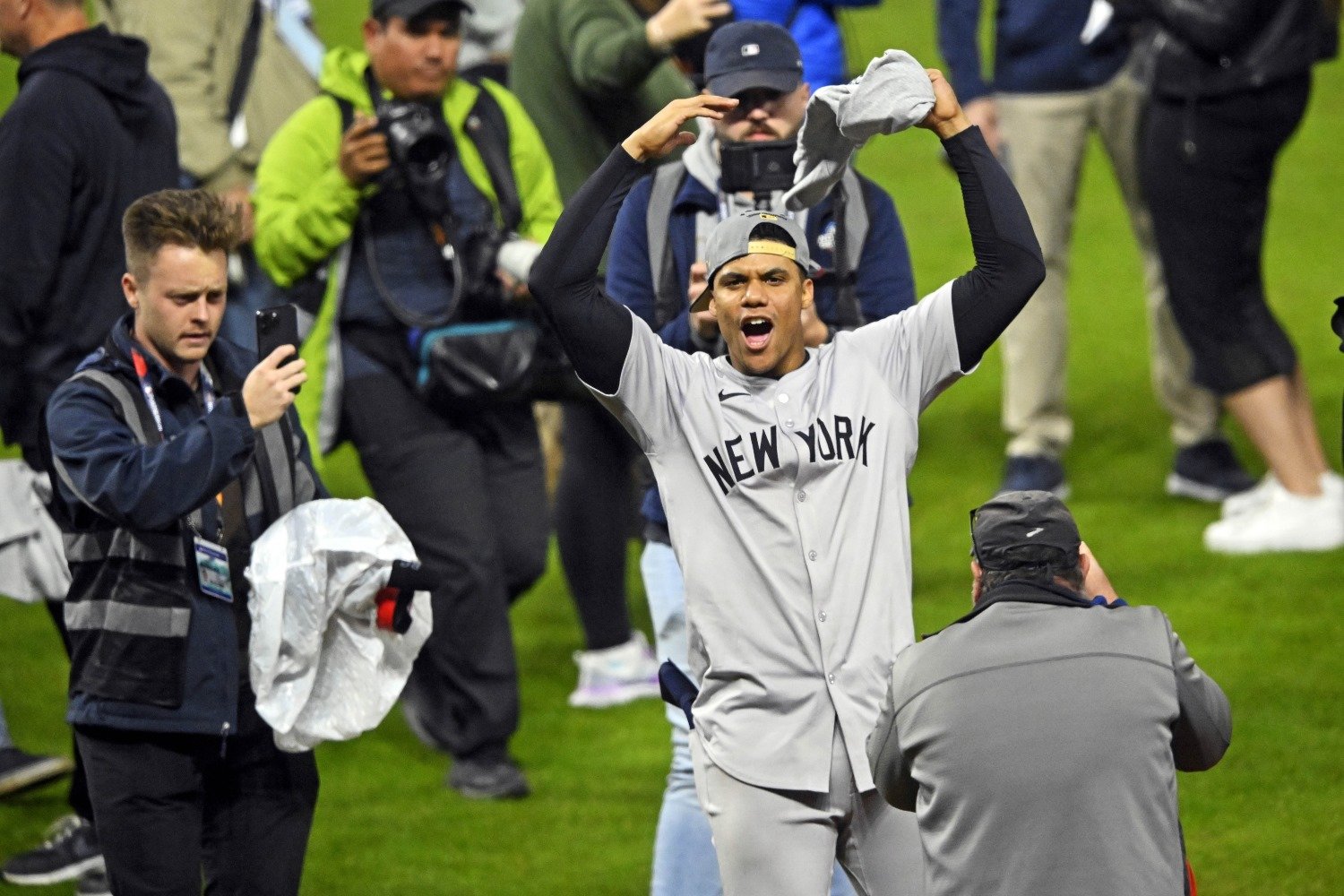 In the upcoming World Series, the Los Angeles Dodgers will face off against the New York Yankees. It's a clash between two franchises who entered the 2024 season ranked second and third in payroll, respectively. This showdown highlights an undeniable truth in modern baseball: payroll drives success. And while some small-market teams have made noise with limited budgets, the overwhelming majority of World Series champions have spent their way to the top. To hammer the point home, look no further than the Dodgers’ path to the Fall Classic. They just eliminated the New York Mets, who led Major League Baseball in payroll this season. Yes, the Mets fell short of a World Series berth, but their ability to compete at the highest level was fueled by financial firepower. Meanwhile, here we are once again with two of baseball’s wealthiest teams in the World Series. Coincidence? Far from it. In fact, Baseball America breaks it down perfectly. Since the Wild Card Era began in 1995, 26 of the 29 World Series champions ranked in the top half of MLB in Opening Day payroll. And it’s not just about being competitive; it’s about being elite. Twenty of those champions were ranked in the top 10 in payroll to start the season. There are always outliers—teams like the 2015 Kansas City Royals come to mind—but the data doesn’t lie. When it comes to consistent success and lifting that World Series trophy, it’s often the teams who open their wallets the widest who find themselves covered in confetti. That’s the reality the Minnesota Twins face as they navigate their ownership transition. Two weeks ago, news broke that the Pohlad family is exploring a sale of the Twins franchise, and for many fans, this was cause for celebration. After decades of frustration with the Pohlads’ reluctance to spend, Twins fans were thrilled at the prospect of new ownership. The Pohlads had earned a reputation for being cheap, consistently cutting payroll when the team seemed poised to take the next step. After the Twins finally broke their 18-game playoff losing streak in 2023, fans hoped the team would build on that success. Instead, the front office slashed payroll, dropping to 20th in MLB at the start of the 2024 season—a decision that left fans outraged and disillusioned. It’s the same script we’ve seen for years under the Pohlads. Whenever the team appears ready to make a legitimate postseason push, they pull back, trim payroll, and settle for mediocrity. This is not just a 2024 issue; it’s a trend that’s spanned decades, and it’s precisely why the upcoming ownership change looms so large. When new ownership steps in, one of the most significant items on the fan base's wish list—apart from keeping the team in Minnesota, of course—will be a commitment to spending. A franchise that has tasted the postseason but consistently comes up short needs more than just a shrewd front office or a promising farm system. It needs financial backing to push them over the top. Let’s be clear: spending money doesn’t guarantee a championship. But if you look at the list of World Series winners, spending almost always correlates with success. The only team to win a World Series while ranking in the bottom 10 in Opening Day payroll? The 2003 Marlins. That kind of small-market magic happens once in a generation. Every other outlier, like the 2017 Astros or 2015 Royals, spent big at the trade deadline to ensure their rosters were stacked when it mattered most. For the Twins to become more than just a team who sneaks into the playoffs, they need an ownership group willing to spend. They need to push their payroll from “average” to “above-average” when the moment calls for it, and never drop into the 20s. As an average-sized market for the league, they shouldn't settle for a bottom-quartile annual expenditure on players. As the Pohlad Era potentially comes to a close, Twins fans have every right to demand more from whoever takes the reins. The new owner’s willingness to invest in the team will determine whether Minnesota can truly compete for its first World Series title since 1991. History tells us that championships may not be bought, but they come a bit easier to those who try it. Spending doesn’t guarantee success, but as the Dodgers and Yankees remind us, not spending almost certainly guarantees failure. Do you think payroll will play a big role in the Twins' World Series chances under new ownership? Leave a comment below and start the conversation!
 -
As the Minnesota Twins prepare for an ownership change, the importance of payroll in building a contender comes into focus. With the 2024 World Series showcasing two of MLB's top spenders, the Dodgers and Yankees, it’s clear that financial commitment often drives sustained success in baseball. Image courtesy of © David Richard-Imagn Images In the upcoming World Series, the Los Angeles Dodgers will face off against the New York Yankees. It's a clash between two franchises who entered the 2024 season ranked second and third in payroll, respectively. This showdown highlights an undeniable truth in modern baseball: payroll drives success. And while some small-market teams have made noise with limited budgets, the overwhelming majority of World Series champions have spent their way to the top. To hammer the point home, look no further than the Dodgers’ path to the Fall Classic. They just eliminated the New York Mets, who led Major League Baseball in payroll this season. Yes, the Mets fell short of a World Series berth, but their ability to compete at the highest level was fueled by financial firepower. Meanwhile, here we are once again with two of baseball’s wealthiest teams in the World Series. Coincidence? Far from it. In fact, Baseball America breaks it down perfectly. Since the Wild Card Era began in 1995, 26 of the 29 World Series champions ranked in the top half of MLB in Opening Day payroll. And it’s not just about being competitive; it’s about being elite. Twenty of those champions were ranked in the top 10 in payroll to start the season. There are always outliers—teams like the 2015 Kansas City Royals come to mind—but the data doesn’t lie. When it comes to consistent success and lifting that World Series trophy, it’s often the teams who open their wallets the widest who find themselves covered in confetti. That’s the reality the Minnesota Twins face as they navigate their ownership transition. Two weeks ago, news broke that the Pohlad family is exploring a sale of the Twins franchise, and for many fans, this was cause for celebration. After decades of frustration with the Pohlads’ reluctance to spend, Twins fans were thrilled at the prospect of new ownership. The Pohlads had earned a reputation for being cheap, consistently cutting payroll when the team seemed poised to take the next step. After the Twins finally broke their 18-game playoff losing streak in 2023, fans hoped the team would build on that success. Instead, the front office slashed payroll, dropping to 20th in MLB at the start of the 2024 season—a decision that left fans outraged and disillusioned. It’s the same script we’ve seen for years under the Pohlads. Whenever the team appears ready to make a legitimate postseason push, they pull back, trim payroll, and settle for mediocrity. This is not just a 2024 issue; it’s a trend that’s spanned decades, and it’s precisely why the upcoming ownership change looms so large. When new ownership steps in, one of the most significant items on the fan base's wish list—apart from keeping the team in Minnesota, of course—will be a commitment to spending. A franchise that has tasted the postseason but consistently comes up short needs more than just a shrewd front office or a promising farm system. It needs financial backing to push them over the top. Let’s be clear: spending money doesn’t guarantee a championship. But if you look at the list of World Series winners, spending almost always correlates with success. The only team to win a World Series while ranking in the bottom 10 in Opening Day payroll? The 2003 Marlins. That kind of small-market magic happens once in a generation. Every other outlier, like the 2017 Astros or 2015 Royals, spent big at the trade deadline to ensure their rosters were stacked when it mattered most. For the Twins to become more than just a team who sneaks into the playoffs, they need an ownership group willing to spend. They need to push their payroll from “average” to “above-average” when the moment calls for it, and never drop into the 20s. As an average-sized market for the league, they shouldn't settle for a bottom-quartile annual expenditure on players. As the Pohlad Era potentially comes to a close, Twins fans have every right to demand more from whoever takes the reins. The new owner’s willingness to invest in the team will determine whether Minnesota can truly compete for its first World Series title since 1991. History tells us that championships may not be bought, but they come a bit easier to those who try it. Spending doesn’t guarantee success, but as the Dodgers and Yankees remind us, not spending almost certainly guarantees failure. Do you think payroll will play a big role in the Twins' World Series chances under new ownership? Leave a comment below and start the conversation! View full article
-
3 Speedy Free Agents Who Could Jumpstart the Twins' Sluggish Offense
Matthew Taylor posted an article in Twins
 As the dust settles on the 2024 season, one glaring statistic stands out for the Minnesota Twins: they were the slowest team in baseball. Finishing dead last in stolen bases with just 65, the Twins capped off their seventh consecutive season in the bottom 10 for swiping bags. On top of that, their sprint speed ranked last in the league at a sluggish 26.8 feet per second. The lack of speed on the basepaths has become a major liability, for a team that once thrived on power and was known for putting the ball over the fence. Time and again, we saw outs handed away because of poor baserunning or simply not having the speed to take an extra base. Whether it was a missed opportunity to stretch a single into a double or a runner thrown out trying to advance, the absence of a reliable running game hurt the Twins throughout the season, especially in key moments down the stretch. It’s no secret that the Twins have prioritized power over speed under Derek Falvey, That worked great when they led the league in home runs, but in 2024, they finished a middling 14th. When the power wasn’t enough to carry the offense, the team’s lack of speed left them with no other dimension to exploit. Without the threat of baserunning or the ability to create pressure with speed, they became too predictable. With the offseason ahead and names like Kyle Farmer, Max Kepler, Manuel Margot, and Carlos Santana potentially departing, the Twins have a chance to infuse some speed into the roster. Some of these players were contributors with decent speed, but others were anchors, slowing down the lineup. Regardless, there's now an opportunity to reshape this team by adding some fleet-footed players who could make a real impact in 2025. Let’s take a look at a few affordable free agents the Twins could target to add much-needed speed and baserunning acumen to this aging, slow roster. José Iglesias, Infielder A veteran well-known to the Twins from his days in Detroit, José Iglesias, still possesses solid speed despite being 35 years old next season. In 2024, he ranked 99th in baseball, landing in the 83rd percentile for sprint speed. Iglesias doesn’t bring much power to the table, but he continues to hit for average, boasting a .337 mark in 85 games for the Mets this past season. His ability to play second base, third base, and shortstop makes him a versatile option to replace someone like Kyle Farmer. Iglesias’ speed and contact-hitting could provide the Twins with a spark that’s been missing. Kevin Pillar, Outfielder Kevin Pillar has been on Twins fans’ radars for a while as a potential fourth outfielder who can handle center field when Byron Buxton is sidelined. Now, more than ever, Pillar’s value could extend beyond just being a defensive backup. Ranking 126th in sprint speed (78th percentile), Pillar would immediately provide the Twins with more speed in the outfield. His ability to play all three outfield spots gives flexibility, and he would be an upgrade over Manuel Margot in terms of both speed and defense. Garrett Hampson, Utility If the Twins are truly committed to adding speed, Garrett Hampson is their guy. In 2024, Hampson ranked 10th in MLB for sprint speed, sitting in the 99th percentile. His versatility is reminiscent of Willi Castro, as he can play almost anywhere on the field, both in the infield and outfield. The catch? His bat is a significant weakness—he posted a .576 OPS last season, though he flashed potential in 2023 with a .729 OPS. Hampson hasn’t been a prolific base stealer, but his elite speed could give the Twins a weapon they’ve been lacking, and he should be a cost-effective option. Speed should be a top priority as the Twins contemplate how to reshape their roster for 2025. Adding a few of these names could complement to the team’s power approach and help avoid the baserunning issues plaguing them this season. The post-2017 Twins have been stuck in a one-dimensional offensive identity, but with the right moves, they can once again put pressure on opposing defenses in ways that go beyond hitting the long ball. What do you think? Are any of these players worth a shot in free agency? Should the Twins focus more on speed in the offseason? Share your thoughts in the comments below!
- 40 comments
-
- 6
-
-
- garrett hampson
- kevin pillar
- (and 1 more)
-
The Minnesota Twins' lack of speed on the basepaths has been a glaring weakness for years, culminating in a dead-last finish in stolen bases and sprint speed in 2024. As the offseason approaches, the Twins have a unique opportunity to shake up their roster by adding much-needed quickness to their aging lineup. Image courtesy of © Darren Yamashita-Imagn Images As the dust settles on the 2024 season, one glaring statistic stands out for the Minnesota Twins: they were the slowest team in baseball. Finishing dead last in stolen bases with just 65, the Twins capped off their seventh consecutive season in the bottom 10 for swiping bags. On top of that, their sprint speed ranked last in the league at a sluggish 26.8 feet per second. The lack of speed on the basepaths has become a major liability, for a team that once thrived on power and was known for putting the ball over the fence. Time and again, we saw outs handed away because of poor baserunning or simply not having the speed to take an extra base. Whether it was a missed opportunity to stretch a single into a double or a runner thrown out trying to advance, the absence of a reliable running game hurt the Twins throughout the season, especially in key moments down the stretch. It’s no secret that the Twins have prioritized power over speed under Derek Falvey, That worked great when they led the league in home runs, but in 2024, they finished a middling 14th. When the power wasn’t enough to carry the offense, the team’s lack of speed left them with no other dimension to exploit. Without the threat of baserunning or the ability to create pressure with speed, they became too predictable. With the offseason ahead and names like Kyle Farmer, Max Kepler, Manuel Margot, and Carlos Santana potentially departing, the Twins have a chance to infuse some speed into the roster. Some of these players were contributors with decent speed, but others were anchors, slowing down the lineup. Regardless, there's now an opportunity to reshape this team by adding some fleet-footed players who could make a real impact in 2025. Let’s take a look at a few affordable free agents the Twins could target to add much-needed speed and baserunning acumen to this aging, slow roster. José Iglesias, Infielder A veteran well-known to the Twins from his days in Detroit, José Iglesias, still possesses solid speed despite being 35 years old next season. In 2024, he ranked 99th in baseball, landing in the 83rd percentile for sprint speed. Iglesias doesn’t bring much power to the table, but he continues to hit for average, boasting a .337 mark in 85 games for the Mets this past season. His ability to play second base, third base, and shortstop makes him a versatile option to replace someone like Kyle Farmer. Iglesias’ speed and contact-hitting could provide the Twins with a spark that’s been missing. Kevin Pillar, Outfielder Kevin Pillar has been on Twins fans’ radars for a while as a potential fourth outfielder who can handle center field when Byron Buxton is sidelined. Now, more than ever, Pillar’s value could extend beyond just being a defensive backup. Ranking 126th in sprint speed (78th percentile), Pillar would immediately provide the Twins with more speed in the outfield. His ability to play all three outfield spots gives flexibility, and he would be an upgrade over Manuel Margot in terms of both speed and defense. Garrett Hampson, Utility If the Twins are truly committed to adding speed, Garrett Hampson is their guy. In 2024, Hampson ranked 10th in MLB for sprint speed, sitting in the 99th percentile. His versatility is reminiscent of Willi Castro, as he can play almost anywhere on the field, both in the infield and outfield. The catch? His bat is a significant weakness—he posted a .576 OPS last season, though he flashed potential in 2023 with a .729 OPS. Hampson hasn’t been a prolific base stealer, but his elite speed could give the Twins a weapon they’ve been lacking, and he should be a cost-effective option. Speed should be a top priority as the Twins contemplate how to reshape their roster for 2025. Adding a few of these names could complement to the team’s power approach and help avoid the baserunning issues plaguing them this season. The post-2017 Twins have been stuck in a one-dimensional offensive identity, but with the right moves, they can once again put pressure on opposing defenses in ways that go beyond hitting the long ball. What do you think? Are any of these players worth a shot in free agency? Should the Twins focus more on speed in the offseason? Share your thoughts in the comments below! View full article
-
The Minnesota Twins Should Explore Trading Jhoan Durán This Offseason
Matthew Taylor posted an article in Twins
 Jhoan Durán has been a force in the Minnesota Twins' bullpen ever since his 2022 debut. His 2.59 ERA and 31.9% strikeout rate over three seasons showcase his dominance, and his triple-digit velocity has made him one of the most exciting pitchers in baseball. Durán, who regularly touches 103-104 MPH, quickly cemented himself as one of the most electric arms in baseball. However, with all his success, it's worth considering if this offseason might be the right time for the Twins to explore trading him. One of the biggest reasons for this line of thinking is that Durán's performance, while still excellent, has shown some signs of decline. His ERA has crept up in each of his three seasons, from 1.86 as a rookie to 2.45 in 2023 and a less sparkling 3.64 in 2024. His strikeout rate has stepped down from 33.5% to 32.9% to 29.0%. At the same time, his fastball velocity, though still among the best in the league, dipped from an average of 101.8 MPH in 2023 to 100.5 MPH in 2024. These are still impressive numbers, but the drop in both effectiveness and velocity is something that has to raise concerns about how long Durán can continue to dominate the league. Beyond his performance, the Twins are in an interesting position with their bullpen depth. Griffin Jax has emerged as the most dominant arm in the Minnesota relief corps, and other dynamic hurlers are knocking on the door. Cole Sands took a significant leap in 2024, turning into a reliable option in the late innings. Louie Varland could be transitioning to a full-time bullpen role, where he has already flashed his potential as a back-end piece. Add in the potential returns of Jorge Alcalá, Justin Topa, and Brock Stewart, and the Twins have a wealth of options. That depth makes Durán a valuable and viable trade chip. Even with his slight dip in performance, Durán remains an elite arm, ranking near the top of the league in fastball velocity, whiff percentage, and strikeout-to-walk ratio. While fans might be concerned about his rising ERA or declining velocity, his stock remains relatively high. Trading him now could allow the Twins to get ahead of a potential downturn, a risk that always looms with relievers, who are known for their volatility. Look no further than the 2023 trade deadline for proof of what a top-tier reliever can bring back in a deal. The Padres dealt Tanner Scott, a 30-year-old on an expiring contract, for a slew of high-upside prospects. Now, imagine what the Twins could fetch for a 26-year-old Durán, who is set to make around $3 million next year and is only entering his arbitration years. And that's another factor in the trade discussion: salary. While $3 million is not a huge number in isolation, the Twins' bullpen is full of arms set to make similar amounts, and that adds up quickly. With a payroll that likely won't be increasing, the Twins will need to find ways to cut costs to make upgrades elsewhere. Trading Duran, who will be the most expensive bullpen arm, might be the most logical way to achieve that. So, while it might seem shocking to even consider trading the triple-digit terror, it's a move the Twins should seriously explore this offseason. With a deep bullpen, rising salary concerns, and the potential for a significant return, now might be the perfect time for the Twins to cash in on one of their most valuable assets. How would you feel about the Twins trading Jhoan Durán? Would it be a savvy move to bolster the future of the team, or too big a gamble? Let us know in the comments!
 -
As the offseason approaches, the Minnesota Twins face critical decisions about their roster and payroll. One intriguing question looms: should they consider trading one of their most dynamic arms, in closer Jhoan Durán? While his talent is undeniable, the right move could set up the team for long-term success. Image courtesy of © Brad Rempel-Imagn Images Jhoan Durán has been a force in the Minnesota Twins' bullpen ever since his 2022 debut. His 2.59 ERA and 31.9% strikeout rate over three seasons showcase his dominance, and his triple-digit velocity has made him one of the most exciting pitchers in baseball. Durán, who regularly touches 103-104 MPH, quickly cemented himself as one of the most electric arms in baseball. However, with all his success, it's worth considering if this offseason might be the right time for the Twins to explore trading him. One of the biggest reasons for this line of thinking is that Durán's performance, while still excellent, has shown some signs of decline. His ERA has crept up in each of his three seasons, from 1.86 as a rookie to 2.45 in 2023 and a less sparkling 3.64 in 2024. His strikeout rate has stepped down from 33.5% to 32.9% to 29.0%. At the same time, his fastball velocity, though still among the best in the league, dipped from an average of 101.8 MPH in 2023 to 100.5 MPH in 2024. These are still impressive numbers, but the drop in both effectiveness and velocity is something that has to raise concerns about how long Durán can continue to dominate the league. Beyond his performance, the Twins are in an interesting position with their bullpen depth. Griffin Jax has emerged as the most dominant arm in the Minnesota relief corps, and other dynamic hurlers are knocking on the door. Cole Sands took a significant leap in 2024, turning into a reliable option in the late innings. Louie Varland could be transitioning to a full-time bullpen role, where he has already flashed his potential as a back-end piece. Add in the potential returns of Jorge Alcalá, Justin Topa, and Brock Stewart, and the Twins have a wealth of options. That depth makes Durán a valuable and viable trade chip. Even with his slight dip in performance, Durán remains an elite arm, ranking near the top of the league in fastball velocity, whiff percentage, and strikeout-to-walk ratio. While fans might be concerned about his rising ERA or declining velocity, his stock remains relatively high. Trading him now could allow the Twins to get ahead of a potential downturn, a risk that always looms with relievers, who are known for their volatility. Look no further than the 2023 trade deadline for proof of what a top-tier reliever can bring back in a deal. The Padres dealt Tanner Scott, a 30-year-old on an expiring contract, for a slew of high-upside prospects. Now, imagine what the Twins could fetch for a 26-year-old Durán, who is set to make around $3 million next year and is only entering his arbitration years. And that's another factor in the trade discussion: salary. While $3 million is not a huge number in isolation, the Twins' bullpen is full of arms set to make similar amounts, and that adds up quickly. With a payroll that likely won't be increasing, the Twins will need to find ways to cut costs to make upgrades elsewhere. Trading Duran, who will be the most expensive bullpen arm, might be the most logical way to achieve that. So, while it might seem shocking to even consider trading the triple-digit terror, it's a move the Twins should seriously explore this offseason. With a deep bullpen, rising salary concerns, and the potential for a significant return, now might be the perfect time for the Twins to cash in on one of their most valuable assets. How would you feel about the Twins trading Jhoan Durán? Would it be a savvy move to bolster the future of the team, or too big a gamble? Let us know in the comments! View full article
-
How Attractive Is the Minnesota Twins Franchise to Potential Buyers?
Matthew Taylor posted an article in Twins
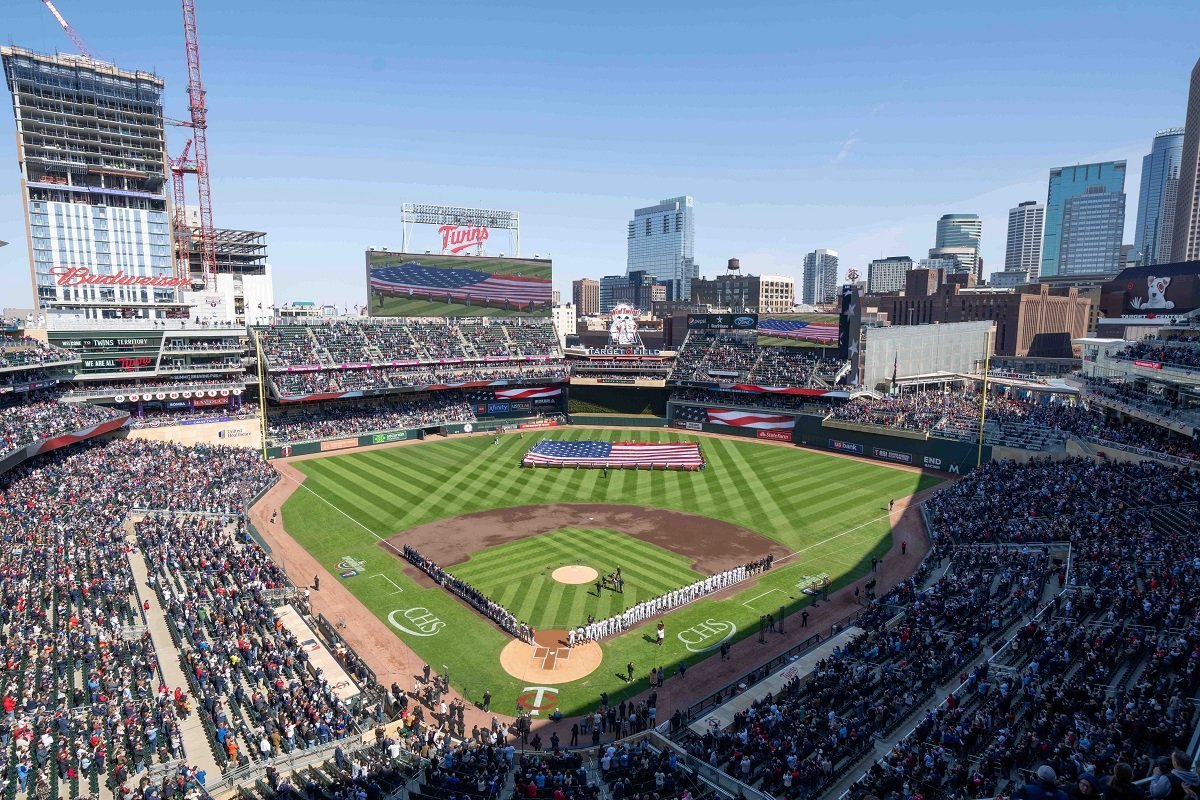 The Pohlad family recently made waves by announcing they are exploring the possibility of selling the Minnesota Twins. This news stirs up the question: How attractive is this franchise to potential buyers? To answer that, let’s take a closer look at what the Minnesota Twins have to offer and why this organization might be a hot commodity in today’s sports ownership landscape. Championship Upside The Minnesota Twins aren’t just a middling team in a rebuilding phase — they’re a franchise with a competitive roster and championship aspirations. The rotation features legitimate star power with Pablo Lopez, Joe Ryan, and Bailey Ober forming a formidable trio, while the lineup includes elite talents like Carlos Correa and Byron Buxton, when healthy. Add in the electric arms of Jhoan Duran and Griffin Jax in the bullpen, and you’ve got a team that can contend now. Beyond the stars, the Twins’ farm system is one of the best in baseball, ranked second by MLB.com in mid-season rankings. With rookies like Simeon Woods Richardson and Brooks Lee ready to make their mark on the major league roster, and Walker Jenkins and Emmanuel Rodriguez waiting in the wings, this team isn’t just built to win now — it’s built to last. For potential owners, inheriting a team with both current talent and future potential makes for an exciting investment. Respected Front Office Another selling point is the front office. Since Derek Falvey took over in 2016, the Twins have built a reputation for smart, analytically-driven decision-making. Their approach has been methodical and sustainable, helping the Twins stay competitive year after year. Falvey and his team have also created a culture of transparency and innovation, which has not only gained the respect of other front offices around the league but also the trust of players and fans. Any potential buyer looking for a well-oiled machine in terms of management won’t need to start from scratch here — they’ll be stepping into an organization already built for sustainable success. Target Field: A Premier Destination One of the crown jewels of the franchise is Target Field. Opened in 2010, the ballpark has quickly earned a reputation as one of the most beautiful stadiums in Major League Baseball. With a stunning view of downtown Minneapolis, modern amenities, and recent renovations, Target Field still feels fresh, making it an attractive asset for any potential buyer. Additionally, with the terms of the lease, Target Field will be able to continually improve thanks to tax-payer dollars continuing to flow into the stadium over the life of the lease. While some franchises are burdened with the challenge of financing new stadiums or massive renovations, the Twins’ home field offers immediate appeal. It’s a ballpark that consistently ranks in the top tier and provides a prime fan experience, which helps drive attendance and fan engagement. Growth Opportunity with Expanded Reach Another reason the Twins are poised to attract serious interest is their potential for audience growth. The recent shift from Diamond Sports and Bally to MLB producing the Twins’ games opens a significant opportunity. This transition may lead to lower short-term revenues, but it removes the dreaded blackouts and allows fans from across the Twins’ territory—including Minnesota, the Dakotas, and Iowa—to watch the games without the barriers of expensive cable packages. Over time, this wider reach will not only bring in more fans but also open doors for increased advertising and sponsorship opportunities. The ability to grow the brand beyond its current limitations is an exciting proposition for any new ownership group looking to tap into an untapped market. A Distressed Asset with Huge Upside While the Twins boast strong assets on the field, it’s no secret that the Pohlad family’s tenure has left much to be desired from a fan engagement standpoint. Over the years, the Pohlads have often been criticized for their frugality, lack of ambition, and failure to push the franchise to its full potential. This has led to growing frustration among the fanbase, many of whom have been vocal in their desire for new ownership. For any potential buyer, this creates a unique opportunity. The Twins have effectively become a distressed asset, and any new ownership group coming in would be purchasing a gold mine at a reduced price. The bar has been set low, and with the fans eager for change, the next owner has a chance to be viewed as a hero simply by running the franchise with a bit more ambition and sense. Winning over the fanbase won’t take much — their desire for a competent, engaged owner is palpable. A new owner who invests in the team and demonstrates a clear commitment to success will be embraced with open arms by a fanbase that’s long been yearning for something better. It’s a rare scenario where buying a distressed asset could pay off quickly and spectacularly. A City That Loves Its Sports Teams Finally, any buyer will want to know: Will the fans show up? Minnesota has repeatedly shown that it is a fantastic sports town. The playoff atmosphere at Target Field last year was electric, even during weekday day games. When the Twins are good, this city turns out in droves—and not just for baseball. From the Timberwolves’ playoff run to the Minnesota Vikings’ hot start this season, the state’s love for its teams is undeniable. An owner who invests in a winning product will undoubtedly find a fanbase ready to rally behind it. Minnesota may not be a New York or Los Angeles, but with the right leadership, the Twins could easily become one of the hottest tickets in town. The Minnesota Twins are more than just a baseball team—they’re a franchise with star talent, a well-run front office, a top-tier stadium, and ample room for growth. Combine all of that with a passionate fanbase, and you’ve got the recipe for a highly attractive purchase. The question is: Will the right buyer come along to unlock the Twins’ full potential? What do you think, Twins fans? Is this franchise ready to attract a new ownership group that can take them to the next level? Let us know in the comments below!
 -
With the Pohlad family announcing plans to explore selling the Minnesota Twins, the potential future of the franchise is suddenly in question. But with a competitive roster, top-tier stadium, and passionate fanbase, this raises an important question: How attractive is this team to prospective buyers? Image courtesy of Matt Blewett-Ima The Pohlad family recently made waves by announcing they are exploring the possibility of selling the Minnesota Twins. This news stirs up the question: How attractive is this franchise to potential buyers? To answer that, let’s take a closer look at what the Minnesota Twins have to offer and why this organization might be a hot commodity in today’s sports ownership landscape. Championship Upside The Minnesota Twins aren’t just a middling team in a rebuilding phase — they’re a franchise with a competitive roster and championship aspirations. The rotation features legitimate star power with Pablo Lopez, Joe Ryan, and Bailey Ober forming a formidable trio, while the lineup includes elite talents like Carlos Correa and Byron Buxton, when healthy. Add in the electric arms of Jhoan Duran and Griffin Jax in the bullpen, and you’ve got a team that can contend now. Beyond the stars, the Twins’ farm system is one of the best in baseball, ranked second by MLB.com in mid-season rankings. With rookies like Simeon Woods Richardson and Brooks Lee ready to make their mark on the major league roster, and Walker Jenkins and Emmanuel Rodriguez waiting in the wings, this team isn’t just built to win now — it’s built to last. For potential owners, inheriting a team with both current talent and future potential makes for an exciting investment. Respected Front Office Another selling point is the front office. Since Derek Falvey took over in 2016, the Twins have built a reputation for smart, analytically-driven decision-making. Their approach has been methodical and sustainable, helping the Twins stay competitive year after year. Falvey and his team have also created a culture of transparency and innovation, which has not only gained the respect of other front offices around the league but also the trust of players and fans. Any potential buyer looking for a well-oiled machine in terms of management won’t need to start from scratch here — they’ll be stepping into an organization already built for sustainable success. Target Field: A Premier Destination One of the crown jewels of the franchise is Target Field. Opened in 2010, the ballpark has quickly earned a reputation as one of the most beautiful stadiums in Major League Baseball. With a stunning view of downtown Minneapolis, modern amenities, and recent renovations, Target Field still feels fresh, making it an attractive asset for any potential buyer. Additionally, with the terms of the lease, Target Field will be able to continually improve thanks to tax-payer dollars continuing to flow into the stadium over the life of the lease. While some franchises are burdened with the challenge of financing new stadiums or massive renovations, the Twins’ home field offers immediate appeal. It’s a ballpark that consistently ranks in the top tier and provides a prime fan experience, which helps drive attendance and fan engagement. Growth Opportunity with Expanded Reach Another reason the Twins are poised to attract serious interest is their potential for audience growth. The recent shift from Diamond Sports and Bally to MLB producing the Twins’ games opens a significant opportunity. This transition may lead to lower short-term revenues, but it removes the dreaded blackouts and allows fans from across the Twins’ territory—including Minnesota, the Dakotas, and Iowa—to watch the games without the barriers of expensive cable packages. Over time, this wider reach will not only bring in more fans but also open doors for increased advertising and sponsorship opportunities. The ability to grow the brand beyond its current limitations is an exciting proposition for any new ownership group looking to tap into an untapped market. A Distressed Asset with Huge Upside While the Twins boast strong assets on the field, it’s no secret that the Pohlad family’s tenure has left much to be desired from a fan engagement standpoint. Over the years, the Pohlads have often been criticized for their frugality, lack of ambition, and failure to push the franchise to its full potential. This has led to growing frustration among the fanbase, many of whom have been vocal in their desire for new ownership. For any potential buyer, this creates a unique opportunity. The Twins have effectively become a distressed asset, and any new ownership group coming in would be purchasing a gold mine at a reduced price. The bar has been set low, and with the fans eager for change, the next owner has a chance to be viewed as a hero simply by running the franchise with a bit more ambition and sense. Winning over the fanbase won’t take much — their desire for a competent, engaged owner is palpable. A new owner who invests in the team and demonstrates a clear commitment to success will be embraced with open arms by a fanbase that’s long been yearning for something better. It’s a rare scenario where buying a distressed asset could pay off quickly and spectacularly. A City That Loves Its Sports Teams Finally, any buyer will want to know: Will the fans show up? Minnesota has repeatedly shown that it is a fantastic sports town. The playoff atmosphere at Target Field last year was electric, even during weekday day games. When the Twins are good, this city turns out in droves—and not just for baseball. From the Timberwolves’ playoff run to the Minnesota Vikings’ hot start this season, the state’s love for its teams is undeniable. An owner who invests in a winning product will undoubtedly find a fanbase ready to rally behind it. Minnesota may not be a New York or Los Angeles, but with the right leadership, the Twins could easily become one of the hottest tickets in town. The Minnesota Twins are more than just a baseball team—they’re a franchise with star talent, a well-run front office, a top-tier stadium, and ample room for growth. Combine all of that with a passionate fanbase, and you’ve got the recipe for a highly attractive purchase. The question is: Will the right buyer come along to unlock the Twins’ full potential? What do you think, Twins fans? Is this franchise ready to attract a new ownership group that can take them to the next level? Let us know in the comments below! View full article
-
Twins Daily Awards 2024: Most Valuable Player
Matthew Taylor replied to Nick Nelson's topic in Twins Daily Front Page News
My ballot: 1. Griffin Jax 2. Bailey Ober 3. Byron Buxton 4. Simeon Woods Richardson 5. Carlos Correa 6. Carlos Santana 7. Pablo Lopez 8. Matt Wallner- 14 replies
-
- 1
-

-
- carlos correa
- byron buxton
- (and 1 more)
-
Why Twins Made Right Call By Bringing Back Rocco Baldelli for 2025
Matthew Taylor posted an article in Twins
 As the Minnesota Twins stumbled to the finish line of the 2024 season, it became obvious that meaningful change was coming. Fans wondered whether Rocco Baldelli would be the scapegoat for the collapse. "Fire Rocco" signs made their way into Target Field throughout the stretch run of the season, and chants filled the air. While this vocal segment of the fanbase wanted Baldelli gone, it’s important to remember that they likely don’t represent the majority. The Twins' front office didn’t waste time announcing its decision. Before the season finale even took place, Derek Falvey declared that Baldelli would return for the 2025 season. Some fans were critical of the move, but I believe it’s the right decision. Baldelli’s track record speaks for itself. With 457 wins, he’s already the fifth-winningest manager in franchise history. His .525 winning percentage is the second-highest among Twins managers in the expansion era, and Baldelli has led the team to the playoffs in three of his six seasons at the helm. In 2019, he managed the club to a 101-61 record, the second-best in team history, and just last season, he guided the Twins to their first playoff game and series wins since 2004. Good records don't automatically reflect the work of a good manager, but Baldelli is one. His calm, steady approach is crucial for the grind of a 162-game season. Some fans may want fiery speeches or emotional outbursts, but baseball is a game of patience. Baldelli’s ability to keep an even keel, make calculated decisions, and position his players for success is exactly what you need in a long, grueling season. His players respect him, and many have publicly stated that Baldelli doesn’t deserve the blame for the team's rough finish. His experience as a former player also gives him a unique ability to connect with the roster—particularly with someone like Byron Buxton, whose injury history Baldelli can empathize with. One of the strongest arguments for keeping Baldelli is the continuity he brings. The most successful franchises, in any sport, don’t constantly shuffle their leadership. Stability fosters success. Think of Tony La Russa with the Cardinals or Joe Torre with the Yankees. Even Ron Gardenhire’s long tenure with the Twins helped establish a winning culture. Keeping Baldelli in place gives the team consistency as they look to build on their successes. Of course, the Twins' collapse down the stretch can’t be ignored. However, putting all the blame on Baldelli overlooks key factors: an injury-riddled roster, a reduced payroll, a quiet trade deadline, and underperformance from key players. The manager’s steady leadership helped the team navigate a challenging season, and we also can’t forget the 12-game winning streak they posted earlier this year. If we’re going to point to the bad, we also need to acknowledge the good. Looking ahead, 2025 will be a critical year for Baldelli. He’s earned another chance, but if the team falters again, it will be tough to justify keeping him on. For now, though, bringing him back is the right call. His track record, approach, and the respect he commands in the clubhouse make him the best choice to lead the Twins forward. What do you think of the decision to retain Baldelli? Let’s discuss in the comments below.
 -
As the 2024 season came to a disappointing close, speculation around the future of Rocco Baldelli grew louder. Despite a vocal minority of fans calling for change, the Twins' front office made a decisive move to bring him back for the 2025 season. Here’s why that decision makes sense. Image courtesy of © Matt Krohn-Imagn Images As the Minnesota Twins stumbled to the finish line of the 2024 season, it became obvious that meaningful change was coming. Fans wondered whether Rocco Baldelli would be the scapegoat for the collapse. "Fire Rocco" signs made their way into Target Field throughout the stretch run of the season, and chants filled the air. While this vocal segment of the fanbase wanted Baldelli gone, it’s important to remember that they likely don’t represent the majority. The Twins' front office didn’t waste time announcing its decision. Before the season finale even took place, Derek Falvey declared that Baldelli would return for the 2025 season. Some fans were critical of the move, but I believe it’s the right decision. Baldelli’s track record speaks for itself. With 457 wins, he’s already the fifth-winningest manager in franchise history. His .525 winning percentage is the second-highest among Twins managers in the expansion era, and Baldelli has led the team to the playoffs in three of his six seasons at the helm. In 2019, he managed the club to a 101-61 record, the second-best in team history, and just last season, he guided the Twins to their first playoff game and series wins since 2004. Good records don't automatically reflect the work of a good manager, but Baldelli is one. His calm, steady approach is crucial for the grind of a 162-game season. Some fans may want fiery speeches or emotional outbursts, but baseball is a game of patience. Baldelli’s ability to keep an even keel, make calculated decisions, and position his players for success is exactly what you need in a long, grueling season. His players respect him, and many have publicly stated that Baldelli doesn’t deserve the blame for the team's rough finish. His experience as a former player also gives him a unique ability to connect with the roster—particularly with someone like Byron Buxton, whose injury history Baldelli can empathize with. One of the strongest arguments for keeping Baldelli is the continuity he brings. The most successful franchises, in any sport, don’t constantly shuffle their leadership. Stability fosters success. Think of Tony La Russa with the Cardinals or Joe Torre with the Yankees. Even Ron Gardenhire’s long tenure with the Twins helped establish a winning culture. Keeping Baldelli in place gives the team consistency as they look to build on their successes. Of course, the Twins' collapse down the stretch can’t be ignored. However, putting all the blame on Baldelli overlooks key factors: an injury-riddled roster, a reduced payroll, a quiet trade deadline, and underperformance from key players. The manager’s steady leadership helped the team navigate a challenging season, and we also can’t forget the 12-game winning streak they posted earlier this year. If we’re going to point to the bad, we also need to acknowledge the good. Looking ahead, 2025 will be a critical year for Baldelli. He’s earned another chance, but if the team falters again, it will be tough to justify keeping him on. For now, though, bringing him back is the right call. His track record, approach, and the respect he commands in the clubhouse make him the best choice to lead the Twins forward. What do you think of the decision to retain Baldelli? Let’s discuss in the comments below. View full article
.png.53aa4ca2ba66f32405a7d4120b35adb1.png)



