



Cody Pirkl
-
Posts
1,314 -
Joined
-
Last visited
-
Days Won
4
Content Type
Profiles
News
Minnesota Twins Videos
2026 Minnesota Twins Top Prospects Ranking
2022 Minnesota Twins Draft Picks
Minnesota Twins Free Agent & Trade Rumors, Notes, & Tidbits
Guides & Resources
2023 Minnesota Twins Draft Picks
The Minnesota Twins Players Project
2024 Minnesota Twins Draft Picks
2025 Minnesota Twins Draft Pick Tracker
2026 Minnesota Twins Draft Tracker: Picks & Bonuses
Forums
Blogs
Events
Store
Downloads
Gallery
Everything posted by Cody Pirkl
-
Joe Ryan had as good of a season as we could have reasonably asked for, but it somehow feels like he left some meat on the bones. Is it possible that one of the Twins most consistent pitchers has another step they can take in 2023? Image courtesy of Raj Mehta-USA TODAY Sports The Rays were likely willing to part with Joe Ryan because of his pitch mix concerns, as he dominated every stop in the minors by using a unique fastball almost exclusively. The pitch was deceptive and unhittable, as his low arm slot made it hard for hitters to anticipate where the ball is going to end up. No fastball is good enough to sustainably dominate the majors, however, and Ryan is set to work on diversifying his pitch mix in 2022. He threw his fastball 60% of the time in 2022, down about 5% from 2021 as he began mixing sliders 20% of the time while also throwing an occasional changeup or curveball. His final line of a 3.55 ERA across 147 innings points to this pitch mix change being a massive success, although there is some context to consider. Ryan had a few months that prevented him from putting up some eye-popping numbers in his rookie season. In June, he posted a 5.74 ERA, followed by a 5.06 mark in July and a 4.13 in August. At the time the explanation was the difficulties he was having returning from COVID, which likely did carry some weight. Still, almost every bit of failure Ryan had in 2022 stemmed from his offspeed offerings. Ryan’s slider allowed a .245/.330/.497 line, his changeup .277/.492/.355, and his curveball .286/.333/.393. For comparison sake, his fastball allowed a .145/.263/.300 mark. It seemed like every home run he allowed was on an offspeed pitch. After plenty of scouting reports saying Ryan was a reliever because of his pitch mix, the floor that many worried about showed itself for several months. Even with his solid final numbers, the questions that were raised about Joe Ryan being able to navigate top-tier lineups remain. Moving forward there’s reason to be optimistic. The biggest issue of Ryan’s game is clearly the success of his offspeed pitches, and the final numbers on them certainly validate those concerns. Ryan got incredibly unlucky according to his expected numbers for the entire season. His slider accounted for 40% of the home runs he gave up despite throwing it just 40% of the time. The pitch allowed a .245 BA but had a .221 expected batting average. While getting clubbed to the tune of a .497 SLG, the pitch had an expected SLG of just .354, an even better mark than his highly touted fastball. This is true of both his changeup and curve as well, as all of his secondaries' actual numbers were on the wrong side of the expected stats. This is no call to reward Ryan for what Statcast says his pitches “should” be. There are a lot of factors that go into expected numbers. It is odd however that in a season where the ball was assumedly changed to negatively impact offense that Ryan would underperform so consistently. There’s no telling how these pitches will look in 2023, but it's safe to assume that Ryan and the Twins will continue to refine these offspeed pitches, and the deep numbers say they have a surprisingly strong base to build off of. His slider in particular appears to have a chance at being his best pitch based on the expected stats and the near 30% whiff rate. Things often went wrong when Joe Ryan turned to his secondary pitches in 2022. It confirmed many of the predictions that were made about the fastball first right-hander and likely still leaves a few concerned about his future as a starter. Still, Ryan put up dominant stretches despite these struggles, and the final numbers say that his pitch mix isn’t nearly the disaster some thought. In 2023, Ryan’s goal will surely be to establish one more reliable offering to pair with his fastball. Doing so opens a whole new ceiling for a pitcher that already helped anchor the rotation in 2022. The best part is, Joe Ryan is closer than we think. View full article
-
 The Rays were likely willing to part with Joe Ryan because of his pitch mix concerns, as he dominated every stop in the minors by using a unique fastball almost exclusively. The pitch was deceptive and unhittable, as his low arm slot made it hard for hitters to anticipate where the ball is going to end up. No fastball is good enough to sustainably dominate the majors, however, and Ryan is set to work on diversifying his pitch mix in 2022. He threw his fastball 60% of the time in 2022, down about 5% from 2021 as he began mixing sliders 20% of the time while also throwing an occasional changeup or curveball. His final line of a 3.55 ERA across 147 innings points to this pitch mix change being a massive success, although there is some context to consider. Ryan had a few months that prevented him from putting up some eye-popping numbers in his rookie season. In June, he posted a 5.74 ERA, followed by a 5.06 mark in July and a 4.13 in August. At the time the explanation was the difficulties he was having returning from COVID, which likely did carry some weight. Still, almost every bit of failure Ryan had in 2022 stemmed from his offspeed offerings. Ryan’s slider allowed a .245/.330/.497 line, his changeup .277/.492/.355, and his curveball .286/.333/.393. For comparison sake, his fastball allowed a .145/.263/.300 mark. It seemed like every home run he allowed was on an offspeed pitch. After plenty of scouting reports saying Ryan was a reliever because of his pitch mix, the floor that many worried about showed itself for several months. Even with his solid final numbers, the questions that were raised about Joe Ryan being able to navigate top-tier lineups remain. Moving forward there’s reason to be optimistic. The biggest issue of Ryan’s game is clearly the success of his offspeed pitches, and the final numbers on them certainly validate those concerns. Ryan got incredibly unlucky according to his expected numbers for the entire season. His slider accounted for 40% of the home runs he gave up despite throwing it just 40% of the time. The pitch allowed a .245 BA but had a .221 expected batting average. While getting clubbed to the tune of a .497 SLG, the pitch had an expected SLG of just .354, an even better mark than his highly touted fastball. This is true of both his changeup and curve as well, as all of his secondaries' actual numbers were on the wrong side of the expected stats. This is no call to reward Ryan for what Statcast says his pitches “should” be. There are a lot of factors that go into expected numbers. It is odd however that in a season where the ball was assumedly changed to negatively impact offense that Ryan would underperform so consistently. There’s no telling how these pitches will look in 2023, but it's safe to assume that Ryan and the Twins will continue to refine these offspeed pitches, and the deep numbers say they have a surprisingly strong base to build off of. His slider in particular appears to have a chance at being his best pitch based on the expected stats and the near 30% whiff rate. Things often went wrong when Joe Ryan turned to his secondary pitches in 2022. It confirmed many of the predictions that were made about the fastball first right-hander and likely still leaves a few concerned about his future as a starter. Still, Ryan put up dominant stretches despite these struggles, and the final numbers say that his pitch mix isn’t nearly the disaster some thought. In 2023, Ryan’s goal will surely be to establish one more reliable offering to pair with his fastball. Doing so opens a whole new ceiling for a pitcher that already helped anchor the rotation in 2022. The best part is, Joe Ryan is closer than we think.
 -
 The Twins previous offseason was a flurry of surprising moves. A team that was typically pretty quiet and tame in terms of their acquisitions made several big trades in an attempt to return to relevance in the standings. Unfortunately, this didn’t come to fruition, but is it possible that parting with their starting third baseman and new shortstop actually better positioned them? The Twins Trade Away Josh Donaldson and Isiah Kiner-Falefa Despite the remaining 2 years and $42m remaining on his contract, the Twins traded Donaldson to the Bronx last winter with whispers swirling that he had worn out his welcome. The former MVP played in 135 games in 2021, his most since his fantastic 2019, but still had modest results. Seeking to cleanse the clubhouse and avoid a potential drop off in production, this side of the Twins gamble worked. Donaldson continued causing issues in New York and he had his worst offensive year since 2012. He slashed .222/.308/.374, 3% below league average despite the harsh offensive environment. His defense did rebound and he stayed healthy for 132 games, but it’s safe to say the Twins are happy with this decision. Isiah Kiner-Falefa wasn’t on the Twins long enough to even have jerseys made, having been acquired shortly before in the Mitch Garver deal. The assumed starting shortstop, IKF had a reputation as a gamer even though he lacked any standout skills. He had the kind of season you’d expect from the light-hitting infielder, slashing .261/.314/.327. As usual, his defense was good or bad depending on the metric. This pair being shipped out allowed the Twins to sign Correa, who undeniably provided significantly more value than their initial plan at shortstop. IKF wasn’t even the starting shortstop more often than not come playoff time for the Yankees, a testament to how this trade just did not work out for New York at all. The Twins Receive Gary Sanchez and Gio Urshela Gary Sanchez had a strange year. The Yankees just didn’t want him behind the plate anymore regardless of his bat, so naturally he came to Minnesota and his skills behind the plate became his carrying tool. His .205/.282/.377 line was surprisingly bad, as his standout bat completely cratered but his framing and general defense was his boon. In other circumstances it’s possible Sanchez would have either lost significant playing time or not finish the season on the team. Injuries, however, had him starting near everyday. His struggles will likely cost him this winter, as it’s doubtful a team will suddenly see him as a plus-defender and it seems the Twins were left holding the bag on his offensive dropoff. Gio Urshela was the prize of this deal. Similar to Kiner-Falefa, defensive metrics conflict on his value, but he routinely makes some eye-popping plays at the hot corner. His .285/.338/.429 slash line was a trip back to his 2019 and 2020 peak offensive seasons, both of which looked to be a product of the juiced ball and a shortened schedule. Sure enough however, Urshela was one of the Twins few bright spots down the stretch, and surely played himself into being tendered a contract for 2023. “Winning a trade” is all about opinion. Some argue the aggregate value tells the story, others like to be receiving the best player in the deal. In the Twins case, they won on both measures. Donaldson (1.6) and Kiner-Falefa (1.3) combined for 2.9 fWAR in comparison to Sanchez (1.3) and Urshela (2.4) equaling 3.7. If that wasn’t convincing enough, consider that Donaldson has another year remaining for $21m plus another $8M guaranteed in the form of a 2024 buyout. No longer a middle of the order bat and at increased risk for another injury, possible disaster looms for whatever team he’s on in 2023. IKF also has one remaining arbitration year, which is likely to either get non-tendered or traded after failing to nail down the shortstop job with several prospects on the horizon for the Yankees. On the Twins end, they certainly could’ve done better than Gary Sanchez with the $9m he was paid, but that was the cost of doing business and he’s off their books moving forward. Urshela’s arbitration value will likely settle around $9-10m, a reasonable price if he approaches anything near his 2022 output. In both the 2022 season and moving forward, this deal has created headaches on the Yankees side while the Twins undoubtedly became a better team as a result. This is without even mentioning the door to the Correa signing that was opened. Biases aside, it’s hard not to call this trade a win for the Twins. It wouldn’t be a stretch to say that even Yankee fans would agree. There’s a chance this deal evens back out based on Donaldson’s or Kiner-Falefa’s performances in 2023, but there’s a better chance it gets even worse. Do you agree that this was a massive win for the Twins? Is it too early to make a determination? Let us know below!
- 18 comments
-
- 9
-

-
- josh donaldson
- gio urshela
- (and 2 more)
-
Last offseason the Twins made a shocking trade with the Yankees, parting with one of their highest paid players and their assumed future shortstop for a couple of pieces back. Now that we have a full season of data, it’s time to revisit. Image courtesy of Nick Wosika-USA TODAY Sports The Twins previous offseason was a flurry of surprising moves. A team that was typically pretty quiet and tame in terms of their acquisitions made several big trades in an attempt to return to relevance in the standings. Unfortunately, this didn’t come to fruition, but is it possible that parting with their starting third baseman and new shortstop actually better positioned them? The Twins Trade Away Josh Donaldson and Isiah Kiner-Falefa Despite the remaining 2 years and $42m remaining on his contract, the Twins traded Donaldson to the Bronx last winter with whispers swirling that he had worn out his welcome. The former MVP played in 135 games in 2021, his most since his fantastic 2019, but still had modest results. Seeking to cleanse the clubhouse and avoid a potential drop off in production, this side of the Twins gamble worked. Donaldson continued causing issues in New York and he had his worst offensive year since 2012. He slashed .222/.308/.374, 3% below league average despite the harsh offensive environment. His defense did rebound and he stayed healthy for 132 games, but it’s safe to say the Twins are happy with this decision. Isiah Kiner-Falefa wasn’t on the Twins long enough to even have jerseys made, having been acquired shortly before in the Mitch Garver deal. The assumed starting shortstop, IKF had a reputation as a gamer even though he lacked any standout skills. He had the kind of season you’d expect from the light-hitting infielder, slashing .261/.314/.327. As usual, his defense was good or bad depending on the metric. This pair being shipped out allowed the Twins to sign Correa, who undeniably provided significantly more value than their initial plan at shortstop. IKF wasn’t even the starting shortstop more often than not come playoff time for the Yankees, a testament to how this trade just did not work out for New York at all. The Twins Receive Gary Sanchez and Gio Urshela Gary Sanchez had a strange year. The Yankees just didn’t want him behind the plate anymore regardless of his bat, so naturally he came to Minnesota and his skills behind the plate became his carrying tool. His .205/.282/.377 line was surprisingly bad, as his standout bat completely cratered but his framing and general defense was his boon. In other circumstances it’s possible Sanchez would have either lost significant playing time or not finish the season on the team. Injuries, however, had him starting near everyday. His struggles will likely cost him this winter, as it’s doubtful a team will suddenly see him as a plus-defender and it seems the Twins were left holding the bag on his offensive dropoff. Gio Urshela was the prize of this deal. Similar to Kiner-Falefa, defensive metrics conflict on his value, but he routinely makes some eye-popping plays at the hot corner. His .285/.338/.429 slash line was a trip back to his 2019 and 2020 peak offensive seasons, both of which looked to be a product of the juiced ball and a shortened schedule. Sure enough however, Urshela was one of the Twins few bright spots down the stretch, and surely played himself into being tendered a contract for 2023. “Winning a trade” is all about opinion. Some argue the aggregate value tells the story, others like to be receiving the best player in the deal. In the Twins case, they won on both measures. Donaldson (1.6) and Kiner-Falefa (1.3) combined for 2.9 fWAR in comparison to Sanchez (1.3) and Urshela (2.4) equaling 3.7. If that wasn’t convincing enough, consider that Donaldson has another year remaining for $21m plus another $8M guaranteed in the form of a 2024 buyout. No longer a middle of the order bat and at increased risk for another injury, possible disaster looms for whatever team he’s on in 2023. IKF also has one remaining arbitration year, which is likely to either get non-tendered or traded after failing to nail down the shortstop job with several prospects on the horizon for the Yankees. On the Twins end, they certainly could’ve done better than Gary Sanchez with the $9m he was paid, but that was the cost of doing business and he’s off their books moving forward. Urshela’s arbitration value will likely settle around $9-10m, a reasonable price if he approaches anything near his 2022 output. In both the 2022 season and moving forward, this deal has created headaches on the Yankees side while the Twins undoubtedly became a better team as a result. This is without even mentioning the door to the Correa signing that was opened. Biases aside, it’s hard not to call this trade a win for the Twins. It wouldn’t be a stretch to say that even Yankee fans would agree. There’s a chance this deal evens back out based on Donaldson’s or Kiner-Falefa’s performances in 2023, but there’s a better chance it gets even worse. Do you agree that this was a massive win for the Twins? Is it too early to make a determination? Let us know below! View full article
-
Blayne Enlow and Cody Stashak are separated by five years of age and 72 MLB innings, with Enlow having yet to debut. Despite their stark differences, they both find themselves on the 40-man bubble this winter. What might the future hold for these two wild card bullpen options for 2023? Image courtesy of Brad Penner-USA TODAY Sports The Twins have a returning base for their bullpen in theory, though it could be argued that one more dependable arm would be a good addition. Still, this year we saw how important it is for the fringes of your bullpen to have depth and talent in addition to the back end. For that reason, the Twins have some difficult decisions to make on a pair of relievers already holding 40-man spots this winter who are far from sure things. Cody Stashak Stashak at his best is the perfect reliever to occupy the fringes of a good team’s bullpen. His low velocity, two-pitch mix has been plenty effective with a career 27.6% K-rate and 4.7% walk rate. He established himself enough in both 2019 and 2020 to make appearances in the postseason. For a reliever that seems to have endeared himself to the Twins in his career, why does he find himself on the bubble? We haven’t heard Stashak’s name in a long time, as he was shut down after just 16 1/3 innings this year with shoulder issues that turned out to be a torn labrum. Pitchers do make their returns from such an injury, but with the question marks the recovery process raises, 28-year-old Stashak is far from a sure thing. Plenty of players will have to be trimmed from the 40-man to fit all of the returning 60-Day IL players back onto the team. With no-brainers including Jorge Alcala, Kenta Maeda, etc., Stashak's limited role and ceiling even when at 100% could make him a 40-man casualty. Also consider that it likely wasn’t a given that Stashak would return at all after a 2021 season in which he posted a near 7.00 ERA, due mostly to the fact that his impeccable walk rate swelled to 13.3%. It would be awesome to see Stashak return and fill a middle relief spot, but the fact of the matter is even though he’s a solid arm for the middle innings, his ceiling is limited, his health is in question, and it may not be hard to fill his role with upcoming players such as Ronny Henriquez or Cole Sands if either get moved to the bullpen full time. The Twins will have a tough decision to make on one of the few remaining pieces of the 2019 Bomba Squad bullpen. Blayne Enlow It feels like we’ve heard Enlow’s name for years… because we have. Despite being selected 76th overall in 2017, Enlow is still just 23 years old. One of their top pitching prospects for several years, Enlow’s prospect stock has taken a hit. Having missed 2021 with Tommy John surgery, he returned in 2022 making a few starts before finishing the season out of the bullpen, making it Double-A Wichita. At 23, it’s likely Enlow could build back up and have a normal career as a starting pitcher. His move to the bullpen, however, is an indication that the clock is ticking and that the Twins were hoping to see a shortened path for the 6’3 right-hander to the majors. Having made his last start on August 6, Enlow made 12 appearances out of the bullpen. He went 1-1 with 3 saves, but his 6.06 ERA with a 22.2% K rate and 12.3% BB rate doesn’t exactly indicate that he’ll be close to the majors to start 2023. It’s easy to argue that given his new role, he needs more time to adjust to the routines of a starting pitcher, but the biggest concern in terms of Enlow’s future as a Twin is how long such an adjustment could take. It’s possible he spends the winter adjusting and comes out of the gate more well-prepared for a short-stint role in 2023. It’s also possible that the Twins decide they don’t have the 40-man roster space to make such a gamble. At this point, the best-case scenario is that everything goes perfectly and he can debut in the Twins bullpen in mid-to-late 2023. Having only periodically flashed the high-end talent that compelled the Twins to take a prep pitcher early in the 2017 draft, it’s certainly possible that they see better uses for the 40-man spot he currently possesses. For two fringe bullpen pieces, it may not seem like that impactful of a decision for the Twins to make in regards to keeping them on the 40-man roster. Still though, their decisions on these two likely impact whether the team goes out and brings in external help or possibly impacts other players who will be on the 40-man roster bubble. Should the Twins keep one or both around for one more year? Should they let them go? Let us know below. View full article
-
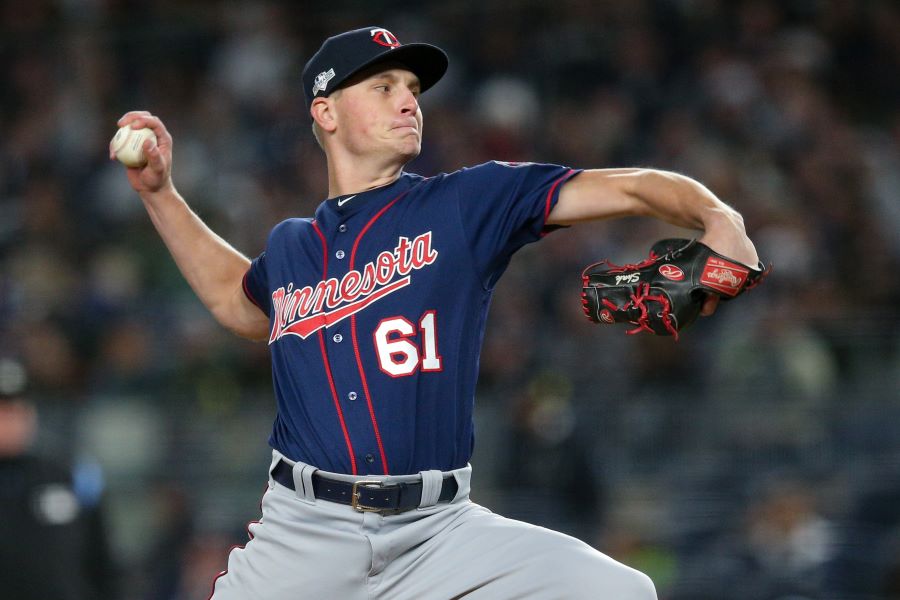 The Twins have a returning base for their bullpen in theory, though it could be argued that one more dependable arm would be a good addition. Still, this year we saw how important it is for the fringes of your bullpen to have depth and talent in addition to the back end. For that reason, the Twins have some difficult decisions to make on a pair of relievers already holding 40-man spots this winter who are far from sure things. Cody Stashak Stashak at his best is the perfect reliever to occupy the fringes of a good team’s bullpen. His low velocity, two-pitch mix has been plenty effective with a career 27.6% K-rate and 4.7% walk rate. He established himself enough in both 2019 and 2020 to make appearances in the postseason. For a reliever that seems to have endeared himself to the Twins in his career, why does he find himself on the bubble? We haven’t heard Stashak’s name in a long time, as he was shut down after just 16 1/3 innings this year with shoulder issues that turned out to be a torn labrum. Pitchers do make their returns from such an injury, but with the question marks the recovery process raises, 28-year-old Stashak is far from a sure thing. Plenty of players will have to be trimmed from the 40-man to fit all of the returning 60-Day IL players back onto the team. With no-brainers including Jorge Alcala, Kenta Maeda, etc., Stashak's limited role and ceiling even when at 100% could make him a 40-man casualty. Also consider that it likely wasn’t a given that Stashak would return at all after a 2021 season in which he posted a near 7.00 ERA, due mostly to the fact that his impeccable walk rate swelled to 13.3%. It would be awesome to see Stashak return and fill a middle relief spot, but the fact of the matter is even though he’s a solid arm for the middle innings, his ceiling is limited, his health is in question, and it may not be hard to fill his role with upcoming players such as Ronny Henriquez or Cole Sands if either get moved to the bullpen full time. The Twins will have a tough decision to make on one of the few remaining pieces of the 2019 Bomba Squad bullpen. Blayne Enlow It feels like we’ve heard Enlow’s name for years… because we have. Despite being selected 76th overall in 2017, Enlow is still just 23 years old. One of their top pitching prospects for several years, Enlow’s prospect stock has taken a hit. Having missed 2021 with Tommy John surgery, he returned in 2022 making a few starts before finishing the season out of the bullpen, making it Double-A Wichita. At 23, it’s likely Enlow could build back up and have a normal career as a starting pitcher. His move to the bullpen, however, is an indication that the clock is ticking and that the Twins were hoping to see a shortened path for the 6’3 right-hander to the majors. Having made his last start on August 6, Enlow made 12 appearances out of the bullpen. He went 1-1 with 3 saves, but his 6.06 ERA with a 22.2% K rate and 12.3% BB rate doesn’t exactly indicate that he’ll be close to the majors to start 2023. It’s easy to argue that given his new role, he needs more time to adjust to the routines of a starting pitcher, but the biggest concern in terms of Enlow’s future as a Twin is how long such an adjustment could take. It’s possible he spends the winter adjusting and comes out of the gate more well-prepared for a short-stint role in 2023. It’s also possible that the Twins decide they don’t have the 40-man roster space to make such a gamble. At this point, the best-case scenario is that everything goes perfectly and he can debut in the Twins bullpen in mid-to-late 2023. Having only periodically flashed the high-end talent that compelled the Twins to take a prep pitcher early in the 2017 draft, it’s certainly possible that they see better uses for the 40-man spot he currently possesses. For two fringe bullpen pieces, it may not seem like that impactful of a decision for the Twins to make in regards to keeping them on the 40-man roster. Still though, their decisions on these two likely impact whether the team goes out and brings in external help or possibly impacts other players who will be on the 40-man roster bubble. Should the Twins keep one or both around for one more year? Should they let them go? Let us know below.
- 19 comments
-
- 2
-
-
- cody stashak
- blayne enlow
- (and 2 more)
-
The Twins technically did improve on their record in 2021, and with that came several players taking steps forward. Nobody made a bigger leap than late-bloomer Nick Gordon. Before we pay our dues to the Twins former top prospect, several others deserve some love as well. Honorable Mentions: Griffin Jax: 72.1 IP, 3.36 ERA, 26.9% K rate, 6.9% BB rate, 0.9 fWAR, 0.9 bWAR At the end of 2021, it became clear Jax lacked the pitch mix to thrive as a starter so he made the switch to the bullpen. It’s hard to expect more than what he provided the Twins. Arguably a Top 3 reliever for the team for most of the year, Jax turned to his wipeout slider nearly 50% of the time and the pitch was dominant in every way. Headed into 2023, it’ll be interesting to see if Jax can continue improving in his new role. Luis Arraez: .316/.375/.420, 8.3% BB rate, 7.1% K rate, 3.2 fWAR, 4.4 bWAR It’s hard for one of the team’s best players over the last few years to get “most improved” consideration but Arraez has earned it. Not only did he take his offense to the next level by winning a batting title and slugging a career-high eight home runs, but he also had an underrated season defensively. After struggling to stick at any one position, Arraez found himself playing first base for the first time in his career and more than held his own. Though his hamstring caused him issues at season’s end, he played a career-high 144 games. Hopefully, we can see more of the same moving forward. Gilberto Celestino: .238/.313/.302, 9.2% BB rate, 22.2% K rate, 0 fWAR, 0.5 bWAR To be fair, Celestino didn’t look to be an MLB-caliber player in 2021, and so even his modest 2022 numbers got him some love as one of the Twins most improved players. He showed flashes throughout the year that hint at his ability to at least become a solid fourth outfielder. He put up comfortably positive defensive metrics in center field across the board, and any kind of power development would be huge. Still just 23 years old, Celestino may very well find himself on this list again next year. Twins Daily's Most Improved Player Nick Gordon: .272/.316/.427, 4.3% BB rate, 23.7% K rate, 1.5 fWAR, 1.6 fWAR So much to be impressed by with Gordon’s 2022 season. Early calls to jettison him off the roster in favor of Royce Lewis were quickly rescinded, as Gordon found himself in a trial by fire due to injuries and came out on the other side looking like a legitimate piece of the Twins future. Gordon showed contact ability and power like never before and even did a little bit of damage against left-handed pitching on occasion. Though the Twins tailed off at the beginning of September, they’d have been out of the race well before without their former 2014 1st round pick. Gordon pivoted off of his longtime position in the middle infield and is likely a better defensive outfielder at this point, a testament to the work he put in and his raw physical ability. The Twins outfield has plenty of left-handed hitters, but Gordon is a nice complement to the hulking sluggers such as Trevor Larnach and Matt Wallner. He seems like a favorite to fill a platoon-type role moving forward, finding himself in the lineup regularly when a right-handed pitcher is on the mound. One thing that should really be appreciated about Gordon is the joy he plays with. Perhaps stemming from the long path to get to this point, Gordon isn’t afraid to wear his heart on his sleeve in every situation. From a huge smile on his face following a big hit to his visible frustration when being pulled for a pinch hitter, you just have to love how invested he looks no matter the situation. With team control until 2028 and a versatile skill set, Nick Gordon may just be getting started. In the midst of a disappointing season, the development he’s shown was truly a bright spot. For that reason, join us in congratulating Nick Gordon as Twins Daily’s Most Improved Player! View full article
- 9 replies
-
- 1
-
-
- nick gordon
- gilberto celestino
- (and 2 more)
-
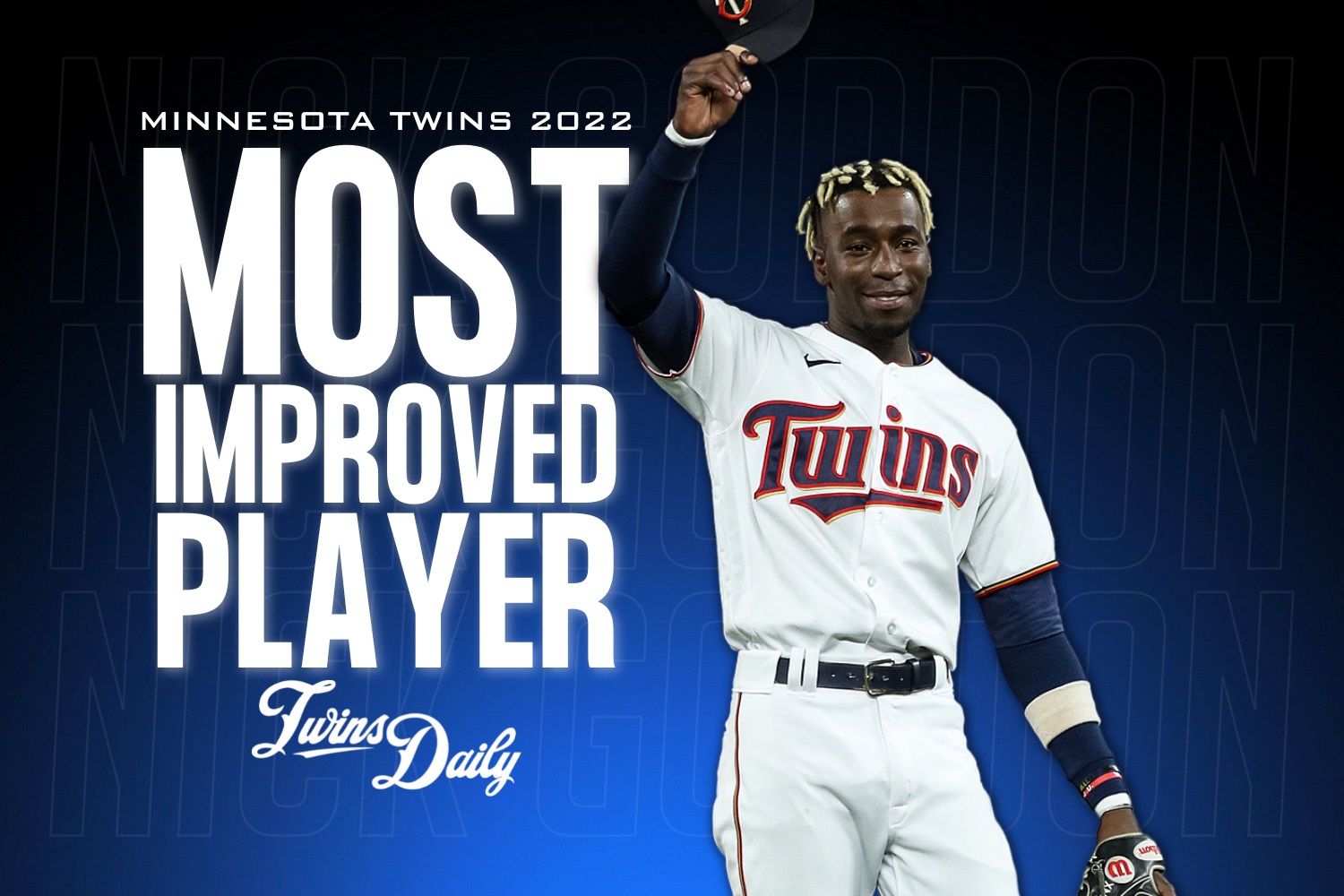 Honorable Mentions: Griffin Jax: 72.1 IP, 3.36 ERA, 26.9% K rate, 6.9% BB rate, 0.9 fWAR, 0.9 bWAR At the end of 2021, it became clear Jax lacked the pitch mix to thrive as a starter so he made the switch to the bullpen. It’s hard to expect more than what he provided the Twins. Arguably a Top 3 reliever for the team for most of the year, Jax turned to his wipeout slider nearly 50% of the time and the pitch was dominant in every way. Headed into 2023, it’ll be interesting to see if Jax can continue improving in his new role. Luis Arraez: .316/.375/.420, 8.3% BB rate, 7.1% K rate, 3.2 fWAR, 4.4 bWAR It’s hard for one of the team’s best players over the last few years to get “most improved” consideration but Arraez has earned it. Not only did he take his offense to the next level by winning a batting title and slugging a career-high eight home runs, but he also had an underrated season defensively. After struggling to stick at any one position, Arraez found himself playing first base for the first time in his career and more than held his own. Though his hamstring caused him issues at season’s end, he played a career-high 144 games. Hopefully, we can see more of the same moving forward. Gilberto Celestino: .238/.313/.302, 9.2% BB rate, 22.2% K rate, 0 fWAR, 0.5 bWAR To be fair, Celestino didn’t look to be an MLB-caliber player in 2021, and so even his modest 2022 numbers got him some love as one of the Twins most improved players. He showed flashes throughout the year that hint at his ability to at least become a solid fourth outfielder. He put up comfortably positive defensive metrics in center field across the board, and any kind of power development would be huge. Still just 23 years old, Celestino may very well find himself on this list again next year. Twins Daily's Most Improved Player Nick Gordon: .272/.316/.427, 4.3% BB rate, 23.7% K rate, 1.5 fWAR, 1.6 fWAR So much to be impressed by with Gordon’s 2022 season. Early calls to jettison him off the roster in favor of Royce Lewis were quickly rescinded, as Gordon found himself in a trial by fire due to injuries and came out on the other side looking like a legitimate piece of the Twins future. Gordon showed contact ability and power like never before and even did a little bit of damage against left-handed pitching on occasion. Though the Twins tailed off at the beginning of September, they’d have been out of the race well before without their former 2014 1st round pick. Gordon pivoted off of his longtime position in the middle infield and is likely a better defensive outfielder at this point, a testament to the work he put in and his raw physical ability. The Twins outfield has plenty of left-handed hitters, but Gordon is a nice complement to the hulking sluggers such as Trevor Larnach and Matt Wallner. He seems like a favorite to fill a platoon-type role moving forward, finding himself in the lineup regularly when a right-handed pitcher is on the mound. One thing that should really be appreciated about Gordon is the joy he plays with. Perhaps stemming from the long path to get to this point, Gordon isn’t afraid to wear his heart on his sleeve in every situation. From a huge smile on his face following a big hit to his visible frustration when being pulled for a pinch hitter, you just have to love how invested he looks no matter the situation. With team control until 2028 and a versatile skill set, Nick Gordon may just be getting started. In the midst of a disappointing season, the development he’s shown was truly a bright spot. For that reason, join us in congratulating Nick Gordon as Twins Daily’s Most Improved Player!
- 9 comments
-
- 2
-
-
- nick gordon
- gilberto celestino
- (and 2 more)
-
Kyle Garlick is headed into another offseason having produced admirably while missing a good chunk of games due to injury. As the Twins hopefully head toward a roster shakeup, could they move on from their lefty-mashing specialist? Image courtesy of Reinhold Matay-USA TODAY Sports 2019 seems like a long time ago, back when the Twins’ eyes would light up seeing a left-handed pitcher take the mound. The outfield in particular has become so left-handed heavy that the team’s performance against southpaws as a whole has taken a hit. Trevor Larnach, Max Kepler, Alex Kirilloff, and Nick Gordon all saw significant time in 2022 and the Twins ranked 20th in OPS matching up against lefties. A handful of outfield prospects remain, though not of the right-handed variety. We’ve seen Matt Wallner, and another top outfield prospect, Emmanuel Rodriguez, hits from the left side as well. In other words, help in this department is not on the way internally. For that reason, bringing back the cheap and known commodity Kyle Garlick makes sense… right? Garlick’s overall numbers fail to impress, but the Twins brought him in to hit lefties and he’s done that well. Posting an .805 OPS and 128 wRC+, six of his nine homers came in these matchups. When healthy, Garlick was penciled into the top of most lineups in an advantageous matchup. One issue at this point, however, is Garlick’s health. After playing in just 36 games in 2021 due to a core muscle injury, he again missed significant time, playing 66 games in 2022 before rib and wrist issues shut his season down and limited his effectiveness. Now over the age of 30, is it fair to count on Garlick suddenly becoming healthier? Also, consider the state of the Twins outfield. Byron Buxton is going to miss time. Kirilloff and Larnach have also done so in each of the last two seasons. Max Kepler may be on the outs, but if he remains with the team it seems a foregone conclusion that he’ll be limping his way through September every season. Garlick’s complementary right-handed bat may be canceled out by his inability to stay on the field. Even if healthy, it’s important to keep in mind that Garlick is a one-dimensional player. He was brought in to mash lefties and that’s about where his capabilities end. Though a nice potential role player on a competing team, it’s fair to ask whether a team coming off back-to-back losing seasons can justify giving a roster spot to such a player. Without much defense to provide, Garlick also posted just a .631 OPS against right-handed pitching. On a roster such as the Twins where players are simply going to miss time, Garlick is bound to find himself in inopportune situations as we saw this year. In those cases, the negative impact Garlick has on games begins to overshadow the somewhat rare opportunities he was brought in to fill against lefties. It’s possible the Twins bring Garlick back. He’s cheap and his skillset does complement their roster. Big changes are needed, however, and the Twins days of pretending they have the baseline of a first-place roster capable of carrying one-dimensional role players may be in the past. A roster shakeup may be coming. Many have called for parting ways with Max Kepler. While the Twins have prospects such as Wallner ready, they could also part with someone like Garlick and bring in a right-handed bat with more than just one skill to offer. After parts of two seasons, we know what Kyle Garlick is. While he has his flaws, his career will certainly carry on with another team should the Twins move on. The question is whether they should. Is Kyle Garlick the perfect match for the Twins left-handed heavy outfield, or should they look for an upgraded version of his skillset? View full article
- 43 replies
-
- 1
-
-
- kyle garlick
- max kepler
- (and 2 more)
-
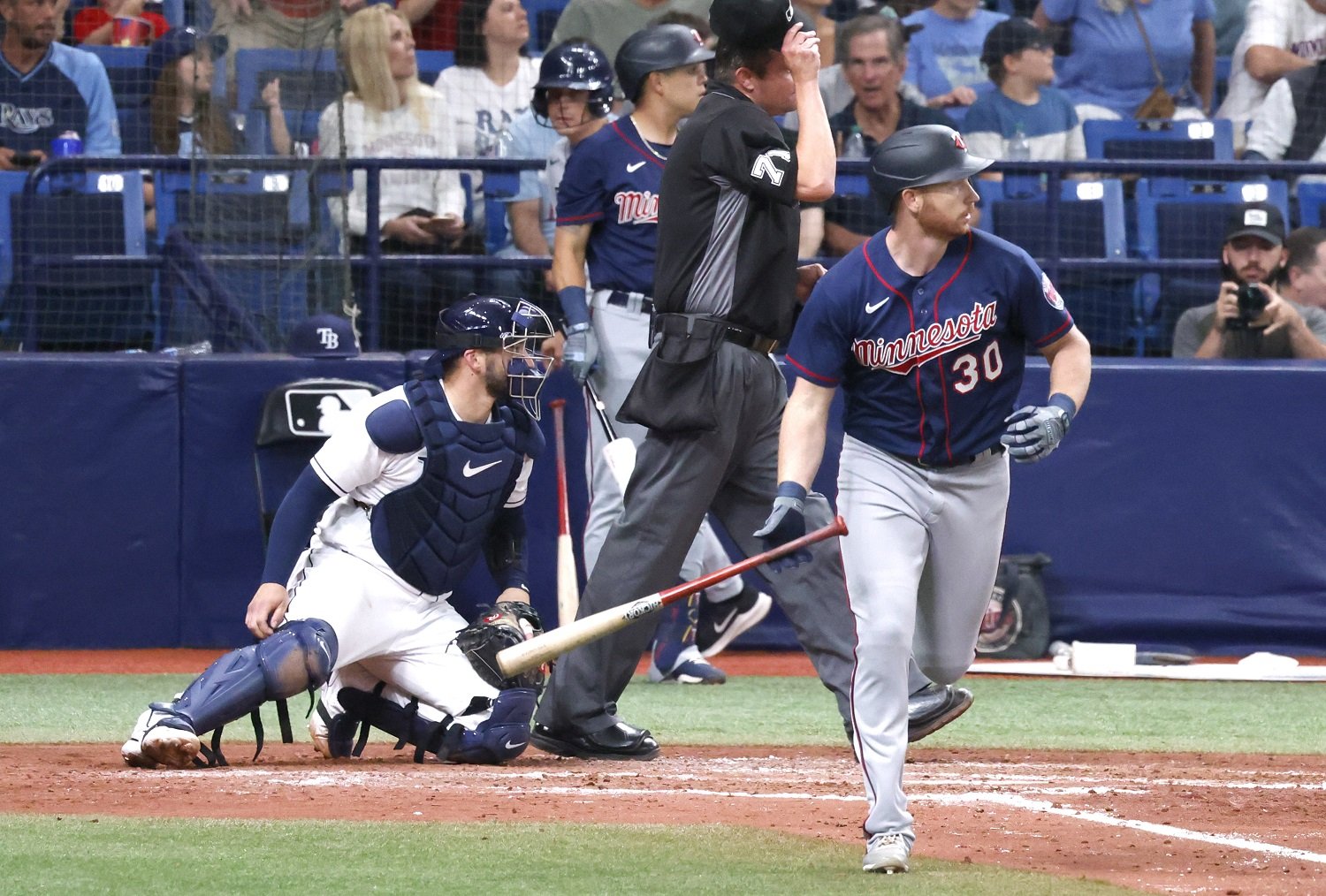 2019 seems like a long time ago, back when the Twins’ eyes would light up seeing a left-handed pitcher take the mound. The outfield in particular has become so left-handed heavy that the team’s performance against southpaws as a whole has taken a hit. Trevor Larnach, Max Kepler, Alex Kirilloff, and Nick Gordon all saw significant time in 2022 and the Twins ranked 20th in OPS matching up against lefties. A handful of outfield prospects remain, though not of the right-handed variety. We’ve seen Matt Wallner, and another top outfield prospect, Emmanuel Rodriguez, hits from the left side as well. In other words, help in this department is not on the way internally. For that reason, bringing back the cheap and known commodity Kyle Garlick makes sense… right? Garlick’s overall numbers fail to impress, but the Twins brought him in to hit lefties and he’s done that well. Posting an .805 OPS and 128 wRC+, six of his nine homers came in these matchups. When healthy, Garlick was penciled into the top of most lineups in an advantageous matchup. One issue at this point, however, is Garlick’s health. After playing in just 36 games in 2021 due to a core muscle injury, he again missed significant time, playing 66 games in 2022 before rib and wrist issues shut his season down and limited his effectiveness. Now over the age of 30, is it fair to count on Garlick suddenly becoming healthier? Also, consider the state of the Twins outfield. Byron Buxton is going to miss time. Kirilloff and Larnach have also done so in each of the last two seasons. Max Kepler may be on the outs, but if he remains with the team it seems a foregone conclusion that he’ll be limping his way through September every season. Garlick’s complementary right-handed bat may be canceled out by his inability to stay on the field. Even if healthy, it’s important to keep in mind that Garlick is a one-dimensional player. He was brought in to mash lefties and that’s about where his capabilities end. Though a nice potential role player on a competing team, it’s fair to ask whether a team coming off back-to-back losing seasons can justify giving a roster spot to such a player. Without much defense to provide, Garlick also posted just a .631 OPS against right-handed pitching. On a roster such as the Twins where players are simply going to miss time, Garlick is bound to find himself in inopportune situations as we saw this year. In those cases, the negative impact Garlick has on games begins to overshadow the somewhat rare opportunities he was brought in to fill against lefties. It’s possible the Twins bring Garlick back. He’s cheap and his skillset does complement their roster. Big changes are needed, however, and the Twins days of pretending they have the baseline of a first-place roster capable of carrying one-dimensional role players may be in the past. A roster shakeup may be coming. Many have called for parting ways with Max Kepler. While the Twins have prospects such as Wallner ready, they could also part with someone like Garlick and bring in a right-handed bat with more than just one skill to offer. After parts of two seasons, we know what Kyle Garlick is. While he has his flaws, his career will certainly carry on with another team should the Twins move on. The question is whether they should. Is Kyle Garlick the perfect match for the Twins left-handed heavy outfield, or should they look for an upgraded version of his skillset?
- 43 comments
-
- 4
-
-
- kyle garlick
- max kepler
- (and 2 more)
-
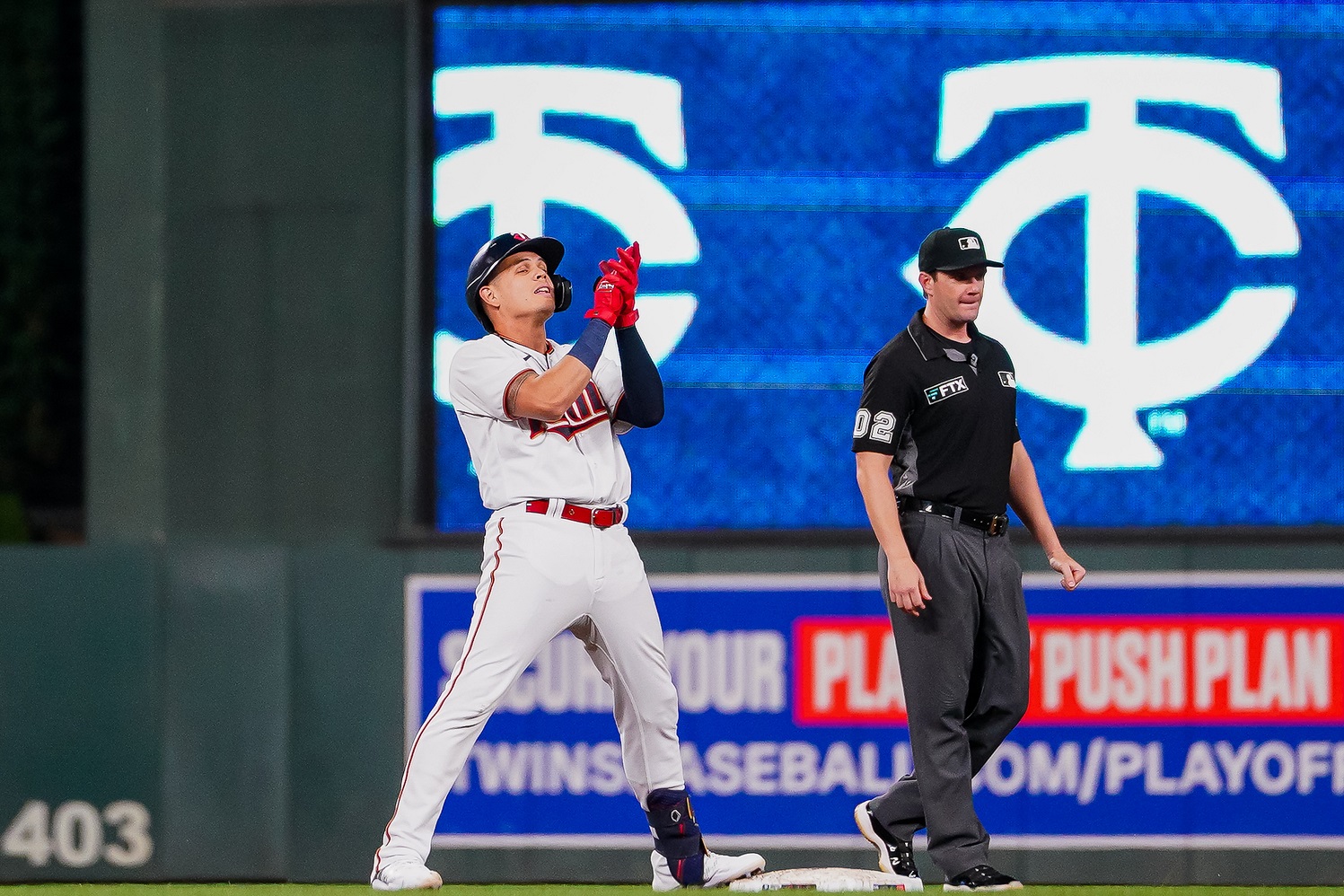 The Twins front office has some decisions to make for 2023 with time likely running out on their job security. With so many players set to return, there are some tough decisions to be made in order to shake this roster up and try to build a winner following two massively disappointing seasons. Gio Urshela is one of those many decisions. Having made $6.55 million in 2022 and being a decent supporting piece, Urshela has likely set himself up for something like a $10m payday for 2023 if they run through the arbitration process. He’s done his part in making the team want to bring him back with a bounce-back season of being over 15% above league average. His Wins Above Replacement of over 2.0 would make a $10m salary a worthwhile investment. That being said, there are several independent factors that will determine how the Twins proceed with their current starting third baseman. First Base Jose Miranda was a third baseman throughout most of his minor league career. It was only after losing Miguel Sano and Alex Kirilloff that he made the switch to playing first for most of the season. As someone who had rarely played the position in his career, he was a bit rough around the edges and established himself as a terrible fielder in the eyes of fans. That being said, his numbers at third base were predictably better. Miranda was a neutral 0 Defensive Runs Saved and Outs Above Average at the hot corner. It's possible the Twins don’t see him as a long-term third baseman, but if they have any hope at all of him holding down that position it’s easy to see them paying him the league minimum and spreading Urshela’s money around elsewhere. A lot has to do with health and other moves as well. Kirilloff in theory has the kind of bat you don’t platoon, and if he’s finally healthy in 2023, the goal is likely for him to play first every day. The Twins have also lacked some offensive thump against left-handed pitching for years. They could bring in several established options who play a legit first base such as Josh Bell or Trey Mancini to replace Urshela’s spot in the lineup while turning third base over to their star rookie. Their options are wide open. Free Agency In terms of sure-fire free agents, the best third baseman on the market this winter may be Matt Carpenter. It’s one of the worst free agent third base markets in recent history and could be an opportunity for Urshela to cash in if he’s cut loose. Instead, the Twins could play it smart and tender him a contract regardless of their plans. Teams are certain to be in need of third base help and the Twins could shop him around on the trade market to teams who are too competitive to pencil in Marwin Gonzalez as their everyday third baseman. Would Urshela bring some enormous haul back? Certainly not. Even something like a decent middle reliever or prospect facing a 40-man crunch would be a nice alternative to letting Urshela just walk away for free, however. They could still dump the $10ish million to spend elsewhere and get just a little something in return if that’s the route they choose to take. Gio Urshela is a likable player and has single-handedly made the Donaldson trade an inarguable win. That being said the Twins face a tricky offseason with the need to shake things up while having so many returning players in place. You don’t want him playing over Miranda, Polanco, or a healthy Kirilloff. It’ll be a difficult decision, but it’s just one of the many considerations this front office will have to take into account as they ponder how to restore the faith of the fanbase and ownership. How should the Twins handle Gio Urshela in 2023? Should he be the starting third baseman? Platoon/utility player? Should he perhaps be playing for another team entirely?
- 82 comments
-
- 5
-
-
- gio urshela
- jose miranda
- (and 1 more)
-
Gio Urshela has certainly been serviceable with the Twins this season but enters an uncertain offseason. With one more year of arbitration to run through, will the Twins bring him back in 2023? Image courtesy of Brad Rempel-USA TODAY Sports The Twins front office has some decisions to make for 2023 with time likely running out on their job security. With so many players set to return, there are some tough decisions to be made in order to shake this roster up and try to build a winner following two massively disappointing seasons. Gio Urshela is one of those many decisions. Having made $6.55 million in 2022 and being a decent supporting piece, Urshela has likely set himself up for something like a $10m payday for 2023 if they run through the arbitration process. He’s done his part in making the team want to bring him back with a bounce-back season of being over 15% above league average. His Wins Above Replacement of over 2.0 would make a $10m salary a worthwhile investment. That being said, there are several independent factors that will determine how the Twins proceed with their current starting third baseman. First Base Jose Miranda was a third baseman throughout most of his minor league career. It was only after losing Miguel Sano and Alex Kirilloff that he made the switch to playing first for most of the season. As someone who had rarely played the position in his career, he was a bit rough around the edges and established himself as a terrible fielder in the eyes of fans. That being said, his numbers at third base were predictably better. Miranda was a neutral 0 Defensive Runs Saved and Outs Above Average at the hot corner. It's possible the Twins don’t see him as a long-term third baseman, but if they have any hope at all of him holding down that position it’s easy to see them paying him the league minimum and spreading Urshela’s money around elsewhere. A lot has to do with health and other moves as well. Kirilloff in theory has the kind of bat you don’t platoon, and if he’s finally healthy in 2023, the goal is likely for him to play first every day. The Twins have also lacked some offensive thump against left-handed pitching for years. They could bring in several established options who play a legit first base such as Josh Bell or Trey Mancini to replace Urshela’s spot in the lineup while turning third base over to their star rookie. Their options are wide open. Free Agency In terms of sure-fire free agents, the best third baseman on the market this winter may be Matt Carpenter. It’s one of the worst free agent third base markets in recent history and could be an opportunity for Urshela to cash in if he’s cut loose. Instead, the Twins could play it smart and tender him a contract regardless of their plans. Teams are certain to be in need of third base help and the Twins could shop him around on the trade market to teams who are too competitive to pencil in Marwin Gonzalez as their everyday third baseman. Would Urshela bring some enormous haul back? Certainly not. Even something like a decent middle reliever or prospect facing a 40-man crunch would be a nice alternative to letting Urshela just walk away for free, however. They could still dump the $10ish million to spend elsewhere and get just a little something in return if that’s the route they choose to take. Gio Urshela is a likable player and has single-handedly made the Donaldson trade an inarguable win. That being said the Twins face a tricky offseason with the need to shake things up while having so many returning players in place. You don’t want him playing over Miranda, Polanco, or a healthy Kirilloff. It’ll be a difficult decision, but it’s just one of the many considerations this front office will have to take into account as they ponder how to restore the faith of the fanbase and ownership. How should the Twins handle Gio Urshela in 2023? Should he be the starting third baseman? Platoon/utility player? Should he perhaps be playing for another team entirely? View full article
-
Could Bailey Ober Move to the Bullpen?
Cody Pirkl replied to Cody Pirkl's topic in Twins Daily Front Page News
He's probably currently slotted in at the #5 spot for next season. Let's say they bring in another legit starting pitcher for next season. Who should go to the pen instead of Ober from the group of Mahle, Maeda, Gray and Ryan? -
Bailey Ober has missed plenty of time due to injury in his professional career, including the majority of 2022. He’s finally made it back just a bit too late. He’ll finish the year in the Twins rotation, but perhaps we could ask, should he stay there long term? Image courtesy of Nick Wosika, USA TODAY Sports The Twins have a lot of returning starting pitching going into 2023, though none of their arms carry too much confidence to be leaned on. Keep your fingers crossed that they bring in a new name that isn’t another Bundy or Archer type, but doing so will push some arms out of the Opening Day rotation. Bailey Ober may be the top candidate to be bumped from a starting role. Injury Concerns Bailey Ober has missed tremendous time in his career due to injury. In 2021, he blew his previous career high in Innings Pitched out of the water with 108. After looking like he had built a foundation to push off of, he followed it up with just 60 innings to date so far in 2022. The fallout from his lost season is that even if healthy in 2023, the Twins will have to handle him with kid gloves yet again. A jump in innings from 60ish to the mid-100s seems like a bit of a stretch. Also worth considering is that the likelihood that he’ll get healthier with age after having such a colorful injury history is incredibly low. Moving into a bullpen role where inning count won’t be an issue may be advantageous. Maximizing Pitch Mix Ober has a pitch mix that’s begging to be simplified, particularly in regard to his changeup. Each of his pitches gets a modest amount of whiffs, but the changeup is the one that has been crushed so far this season. The pitch has allowed a .391 BA and .522 SLG with expected numbers backing up these results. A move to the bullpen could mean he drops this pitch altogether. Plenty of pitchers go this route, and in Ober’s case with two definitive breaking balls, his splits in short stints against lefties shouldn’t be a disaster. His fastball may also play up higher, as we often already see awkward swings due to his size and extension on the pitch. Adding any more velocity in a transition could turn it into a legitimate weapon. The Clock is Ticking It may be a surprise to some, but Ober is already 27 years old. Look no further than top prospect Matt Canterino for an example of how time can catch up. The Twins toyed with Canterino as a starting pitcher through recurring injuries until his elbow finally fully gave way. He’ll now miss much of the 2023 season and will return at nearly 26 years of age having never established an innings floor or reached the majors. Ober is a less extreme example. He’s surpassed 100 innings in a season and made the majors, but it still seems like expecting a full starter's workload could become a futile effort very soon. He could similarly pull up with a significant injury one of these days if he continues to be pushed. A move to the bullpen doesn’t negate that chance, but it may pay off to change up what hasn’t worked to this point in his career while still providing value to the Twins. It also may take until 2024 if everything goes well for him to build up to even 150ish innings to be a starting pitcher, at which point he’ll be 29 years old. If he keeps losing seasons to injury as he nears his 30s, time is bound to eventually run out. Should the Twins actively look to move Ober to the bullpen next season? Not necessarily. He’s been relatively effective as a #3 or #4 starter and even that caliber of pitcher has been hard for the Twins to develop. That being said, in theory, the Twins have a returning staff of Tyler Mahle, Sonny Gray, Kenta Maeda, Joe Ryan, Bailey Ober, and eventually Chris Paddack with several younger pitchers from AAA in the mix. If the Twins can bring in another quality starting pitcher, somebody is going to lose out. There’s a case to be made that Ober is the prime option. Would you agree with a move to the bullpen for Ober? Has he shown enough to get one last shot in the rotation? View full article
-
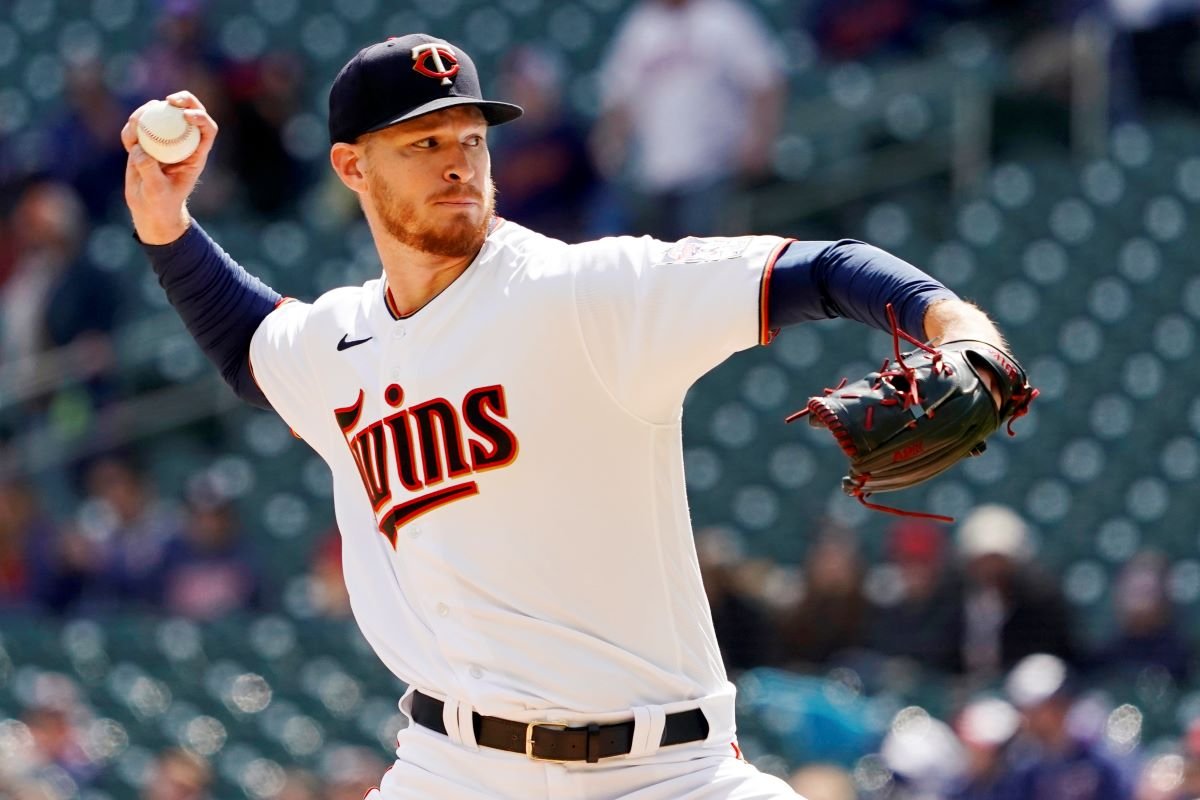 The Twins have a lot of returning starting pitching going into 2023, though none of their arms carry too much confidence to be leaned on. Keep your fingers crossed that they bring in a new name that isn’t another Bundy or Archer type, but doing so will push some arms out of the Opening Day rotation. Bailey Ober may be the top candidate to be bumped from a starting role. Injury Concerns Bailey Ober has missed tremendous time in his career due to injury. In 2021, he blew his previous career high in Innings Pitched out of the water with 108. After looking like he had built a foundation to push off of, he followed it up with just 60 innings to date so far in 2022. The fallout from his lost season is that even if healthy in 2023, the Twins will have to handle him with kid gloves yet again. A jump in innings from 60ish to the mid-100s seems like a bit of a stretch. Also worth considering is that the likelihood that he’ll get healthier with age after having such a colorful injury history is incredibly low. Moving into a bullpen role where inning count won’t be an issue may be advantageous. Maximizing Pitch Mix Ober has a pitch mix that’s begging to be simplified, particularly in regard to his changeup. Each of his pitches gets a modest amount of whiffs, but the changeup is the one that has been crushed so far this season. The pitch has allowed a .391 BA and .522 SLG with expected numbers backing up these results. A move to the bullpen could mean he drops this pitch altogether. Plenty of pitchers go this route, and in Ober’s case with two definitive breaking balls, his splits in short stints against lefties shouldn’t be a disaster. His fastball may also play up higher, as we often already see awkward swings due to his size and extension on the pitch. Adding any more velocity in a transition could turn it into a legitimate weapon. The Clock is Ticking It may be a surprise to some, but Ober is already 27 years old. Look no further than top prospect Matt Canterino for an example of how time can catch up. The Twins toyed with Canterino as a starting pitcher through recurring injuries until his elbow finally fully gave way. He’ll now miss much of the 2023 season and will return at nearly 26 years of age having never established an innings floor or reached the majors. Ober is a less extreme example. He’s surpassed 100 innings in a season and made the majors, but it still seems like expecting a full starter's workload could become a futile effort very soon. He could similarly pull up with a significant injury one of these days if he continues to be pushed. A move to the bullpen doesn’t negate that chance, but it may pay off to change up what hasn’t worked to this point in his career while still providing value to the Twins. It also may take until 2024 if everything goes well for him to build up to even 150ish innings to be a starting pitcher, at which point he’ll be 29 years old. If he keeps losing seasons to injury as he nears his 30s, time is bound to eventually run out. Should the Twins actively look to move Ober to the bullpen next season? Not necessarily. He’s been relatively effective as a #3 or #4 starter and even that caliber of pitcher has been hard for the Twins to develop. That being said, in theory, the Twins have a returning staff of Tyler Mahle, Sonny Gray, Kenta Maeda, Joe Ryan, Bailey Ober, and eventually Chris Paddack with several younger pitchers from AAA in the mix. If the Twins can bring in another quality starting pitcher, somebody is going to lose out. There’s a case to be made that Ober is the prime option. Would you agree with a move to the bullpen for Ober? Has he shown enough to get one last shot in the rotation?
 -
Trevor Larnach’s second half of the season will likely be a wash for the second consecutive year. In a season in which he could have established himself, he’s been missing again. Can the Twins rely on him moving forward? Image courtesy of Jordan Johnson-USA TODAY Sports 2021 and 2022 held a lot of similarities for Trevor Larnach. In both cases, he burst onto the scene showing a glimpse of the lineup-changing hitter he’s capable of being. Unfortunately in both cases he tailed off in his production only for an injury to eventually come out as the main cause. So what do we think of Larnach moving forward? In 2021 Larnach began his season with a .845 OPS in May before the league adjusted. He posted a .704 mark in June and a brutal .518 in July. He would finish the season in St. Paul eventually being shut down with a hand issue, an injury that turned out to be nagging him for longer than Twins fans had known about. In 2022 Larnach looked even more encouraging. In March and April, Larnach posted a modest .703 OPS, actually above average for the offensive environment at the time. Then in May he posted an absurd 1.077 OPS. In addition to his hitting, his brief time in the majors was enough for teams to stop running on him in the outfield, as his throwing arm became a weapon against runners trying to get an extra base. Once again, however, he faded off in a huge way, posting an OPS of .429 in June before getting shut down at the end of the month for a core muscle injury he had been dealing with for the entire month. His timeline was 6-8 weeks putting him at a mid to late August return. At the time of this writing in mid-September, however, Larnach is finally making his first rehab appearance in the minors. With the calendar dwindling, it's likely at this point that Larnach’s 2022 season has come to an end, but he finishes with a modest .231/.306/.406 batting line which was heavily weighed down by a brutal final month. His 1.1 Wins Above Replacement in just 51 games played alludes to the possibility of an everyday regular in the lineup moving forward. But can we trust Larnach to fill such a role? The first concern at this point has to be health. Larnach has failed to reach 100 games played in each of the last two seasons due to injury. The hand contusion in 2021 may have been a fluke, but 2022's core muscle injury that cost him half the season is more of a concern. Larnach relies on such muscles for every swing he takes, every route to a fly ball he runs, and every rocket he throws into a base. The delay on his return alludes to the Twins making sure he’s at as little risk of aggravating this injury as possible. Headed into 2023 we have to hope it pays off. The second concern is whether Larnach can consistently channel his talent into on-field production. While injury has hampered his numbers to an extent these last two years, it’s easy to be concerned about him long-term given his swing-and-miss tendencies. Easily the biggest knock on his offensive profile, his incredible power and fantastic eye at the plate can easily be outweighed if he fails to make contact with pitches in the strike zone as we’ve seen at times in his young career. It would be nice if Larnach was more of a known commodity after two years of MLB exposure, especially given the murky futures of fellow top prospects Royce Lewis and Alex Kirilloff. Of the three, Larnach appears to be the most stable however due not only to the flashes of offensive and defensive value, but because of the nature of the injuries that have ended each of their seasons. Headed into 2023 it’s hard to be 100% confident in Larnach, but there has to be some hope that he can be the Opening Day left fielder and hold onto the job for the next 4-5 years. He’s shown a tremendous ceiling but he doesn’t have to reach it to be a valuable player. Max Kepler has spent the last three years providing league average offense at best and has still added value because of his defense. Larnach’s 2022 should provide hope that he can at the very least do the same while providing a much more balanced offensive profile aside from the strikeouts. Certainly, we have to be disappointed with Larnach’s 2022, but like most disappointing seasons, there are some redeeming qualities. Headed into 2023 it’s hard to argue against handing Larnach the keys to a starting job and seeing if it’s finally the year that it comes together. The Twins don’t have any immediate alternative options and it’s safe to say that if they want to prioritize replacing any outfielder, it should be the aforementioned Max Kepler. Larnach should be given another chance to make himself a piece of the Twins future. Do you agree? View full article
-
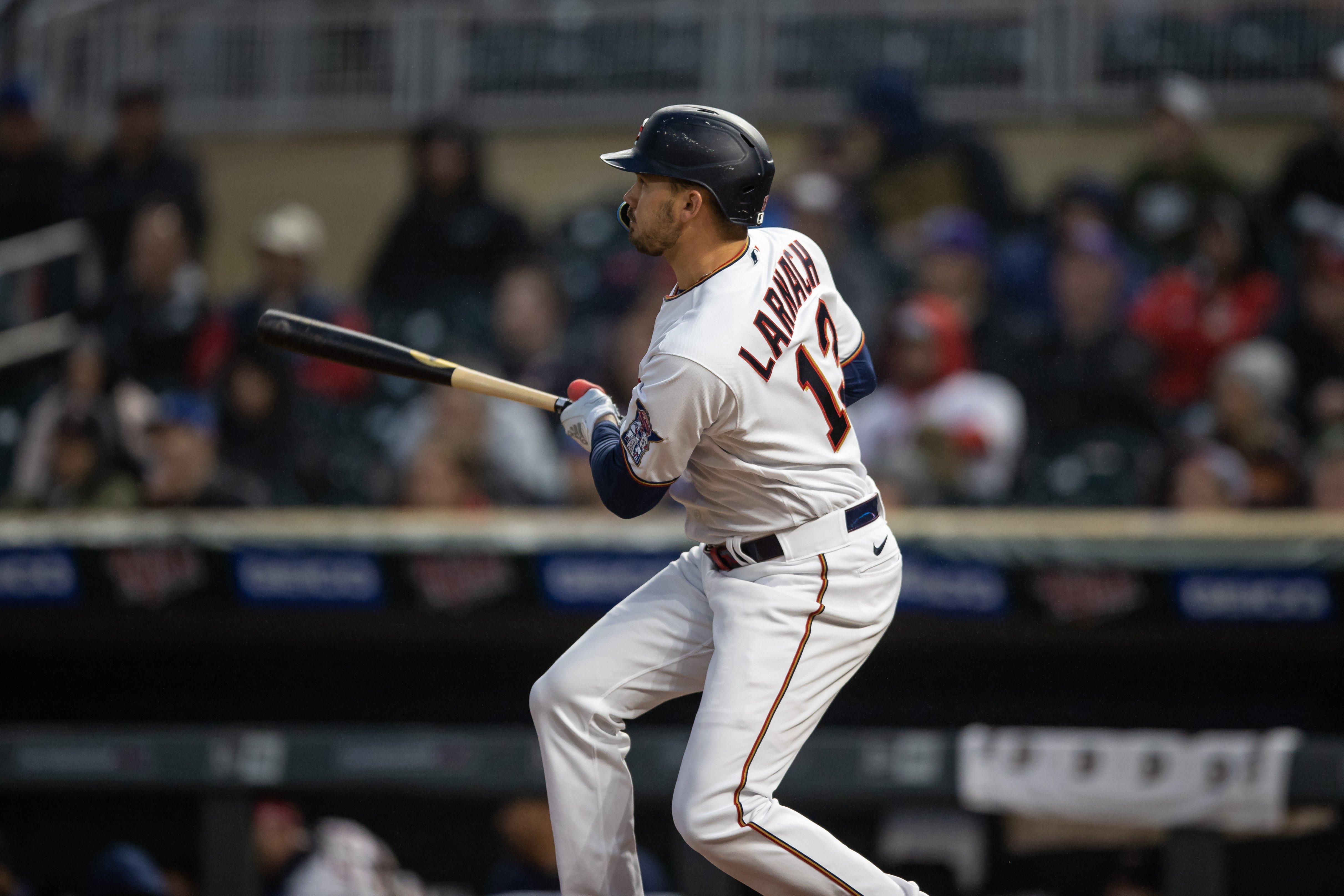 2021 and 2022 held a lot of similarities for Trevor Larnach. In both cases, he burst onto the scene showing a glimpse of the lineup-changing hitter he’s capable of being. Unfortunately in both cases he tailed off in his production only for an injury to eventually come out as the main cause. So what do we think of Larnach moving forward? In 2021 Larnach began his season with a .845 OPS in May before the league adjusted. He posted a .704 mark in June and a brutal .518 in July. He would finish the season in St. Paul eventually being shut down with a hand issue, an injury that turned out to be nagging him for longer than Twins fans had known about. In 2022 Larnach looked even more encouraging. In March and April, Larnach posted a modest .703 OPS, actually above average for the offensive environment at the time. Then in May he posted an absurd 1.077 OPS. In addition to his hitting, his brief time in the majors was enough for teams to stop running on him in the outfield, as his throwing arm became a weapon against runners trying to get an extra base. Once again, however, he faded off in a huge way, posting an OPS of .429 in June before getting shut down at the end of the month for a core muscle injury he had been dealing with for the entire month. His timeline was 6-8 weeks putting him at a mid to late August return. At the time of this writing in mid-September, however, Larnach is finally making his first rehab appearance in the minors. With the calendar dwindling, it's likely at this point that Larnach’s 2022 season has come to an end, but he finishes with a modest .231/.306/.406 batting line which was heavily weighed down by a brutal final month. His 1.1 Wins Above Replacement in just 51 games played alludes to the possibility of an everyday regular in the lineup moving forward. But can we trust Larnach to fill such a role? The first concern at this point has to be health. Larnach has failed to reach 100 games played in each of the last two seasons due to injury. The hand contusion in 2021 may have been a fluke, but 2022's core muscle injury that cost him half the season is more of a concern. Larnach relies on such muscles for every swing he takes, every route to a fly ball he runs, and every rocket he throws into a base. The delay on his return alludes to the Twins making sure he’s at as little risk of aggravating this injury as possible. Headed into 2023 we have to hope it pays off. The second concern is whether Larnach can consistently channel his talent into on-field production. While injury has hampered his numbers to an extent these last two years, it’s easy to be concerned about him long-term given his swing-and-miss tendencies. Easily the biggest knock on his offensive profile, his incredible power and fantastic eye at the plate can easily be outweighed if he fails to make contact with pitches in the strike zone as we’ve seen at times in his young career. It would be nice if Larnach was more of a known commodity after two years of MLB exposure, especially given the murky futures of fellow top prospects Royce Lewis and Alex Kirilloff. Of the three, Larnach appears to be the most stable however due not only to the flashes of offensive and defensive value, but because of the nature of the injuries that have ended each of their seasons. Headed into 2023 it’s hard to be 100% confident in Larnach, but there has to be some hope that he can be the Opening Day left fielder and hold onto the job for the next 4-5 years. He’s shown a tremendous ceiling but he doesn’t have to reach it to be a valuable player. Max Kepler has spent the last three years providing league average offense at best and has still added value because of his defense. Larnach’s 2022 should provide hope that he can at the very least do the same while providing a much more balanced offensive profile aside from the strikeouts. Certainly, we have to be disappointed with Larnach’s 2022, but like most disappointing seasons, there are some redeeming qualities. Headed into 2023 it’s hard to argue against handing Larnach the keys to a starting job and seeing if it’s finally the year that it comes together. The Twins don’t have any immediate alternative options and it’s safe to say that if they want to prioritize replacing any outfielder, it should be the aforementioned Max Kepler. Larnach should be given another chance to make himself a piece of the Twins future. Do you agree?
- 36 comments
-
- 2
-
-
- trevor larnach
- royce lewis
- (and 2 more)
-
Is Joe Ryan Who We Thought He Was?
Cody Pirkl replied to Cody Pirkl's topic in Twins Daily Front Page News
One thing I didn't mention is that in addition to Ryan's good expected numbers on the slider, it's also his best whiff pitch at 30%. All of his offspeeds have performed poorly this year, but I'm very encouraged by the floor he's established on the slider after only one year of really using it. Hopefully the command of it improves. -
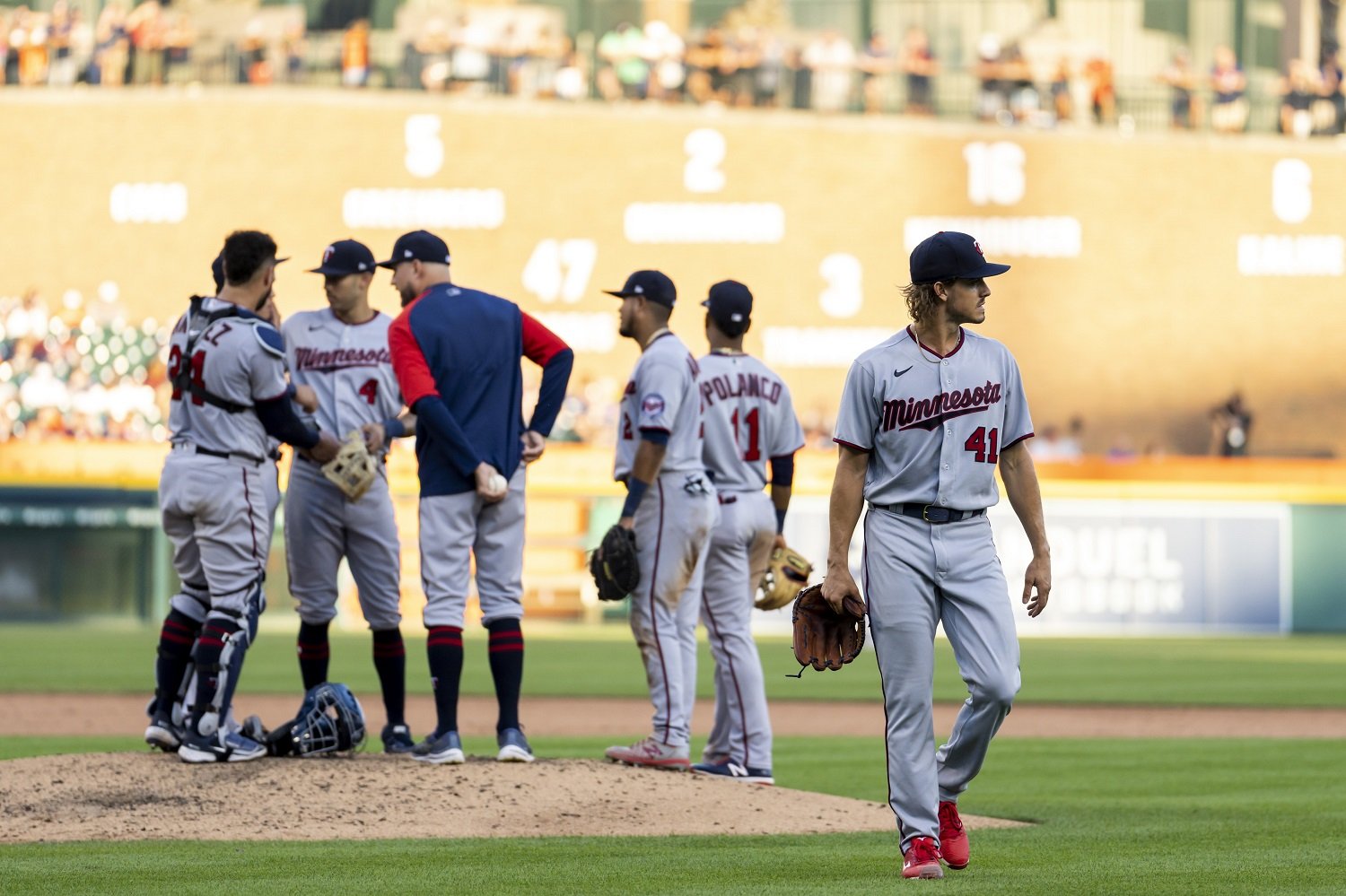 A 7th-round pick taken by Tampa Bay, Joe Ryan was always an interesting prospect. Throwing his fastball as high as 70-80% of the time in the minors, he always dominated with solid ERAs, eye-popping strikeout numbers, and acceptable home run rates. Still, scouts just didn’t buy the long-term performance with Joe Ryan due to his lack of any kind of consistent secondary offerings to pair with his best pitch. As 2022 rolls on, he’s shown more and more that perhaps the league has caught up to him. Were we too quick to anoint him as a staple for the front of the rotation? When considering this question, there are a few factors we need to keep in mind. Offspeed Debut Joe Ryan was essentially a fastball-only pitcher in the minors because he could get away with it. His fastball is deceptive, and it appears that despite his numbers tailing off as the season went on, the league never really figured the pitch out. He’s thrown it three times as much as any of his other offerings and the pitch has allowed a .183 BA against and .328 slugging %. In order to maintain that effectiveness, however, Ryan has finally had to incorporate more offspeed pitches. Unfortunately, it could be going better. Ryan has allowed a .500+ SLG on every pitch but his fastball this season. As his home run issues have ballooned, the slider is typically the culprit. Having allowed nine HRs on 1,229 fastballs thrown, Ryan has allowed eight on just 431 sliders thrown. In fairness, this is the first Ryan has really had to rely on offspeed stuff, and it’s safe to still call his secondary pitches a work in progress that could easily improve. Bad Luck I hate chalking anything up to bad luck but Joe Ryan actually has dealt with quite a bit of it this season. Ryan posted a 2.28 ERA in eight starts leading up to May 21. He then missed three weeks with COVID and has since posted a 4.78 mark in 16 starts. His velocity and command were both notably lacking for some time following his absence as he was clearly hit hard by the virus considering the amount of time missed. He was due for a bit of regression, but things certainly seemed to snowball after the IL trip. Ryan also has an interesting gap in the expected results of his pitch mix versus the actual results. He’s allowed a SLG of .531 on his slider with a .368 expected SLG. His .538 SLG on his changeup is a far cry from the .443 expected mark. Even his curveball has allowed a .524 SLG compared to a .354 expected SLG. It’s hard to say what’s causing this discrepancy, but the expected stats point to Ryan being a much more effective pitcher than what his (still respectable) results have been. He’s a Rookie It’s easy to forget Joe Ryan is a rookie under control for five more seasons because the Twins have relied on him so heavily. Very rarely does a pitcher debut and provide consistent results. Many called the Twins front office out this spring for essentially hanging the hopes of the season on two pitchers with less than a year of experience (Ryan and Bailey Ober), and they turned out to be correct. While Ryan has worked out better than Ober due to the volume he’s provided, the Twins were always playing with fire. Ryan getting his feet wet to the tune of a low-4s ERA in what will probably be 140ish innings in his rookie season would typically be viewed as a massive success. Unfortunately, the Twins relied on him being a front-of-the-rotation starter. As he builds up a bigger workload and makes adjustments back to the league, it’s easy to see him building off of an up-and-down rookie season and at least providing middle-of-the-rotation value to the team in future years. In short, don’t let the Twins' disappointing end to the season affect your opinion of Joe Ryan. Whether he’s the pitcher we thought he was depends on what you were expecting. As fun as the idea was of a rookie coming up and co-leading the rotation with Sonny Gray en route to a comeback season, that was always the least likely scenario. Instead consider that Ryan has had a solid-to-good debut season, a rarity in Twins territory when it comes to pitchers. As he soars past his career highs in innings pitched, keep in mind that Joe Ryan still has a good chunk of his Twins career left to adjust and improve, and he’s got a nice foundation to build off of from his 2022 season.
 -
Joe Ryan looked like a front end starter to begin the year and has slowly trended in the wrong direction throughout the summer as many analysts predicted. As the Twins bottom out it’s fair to ask: Is Joe Ryan who we thought he was? Image courtesy of Raj Mehta-USA TODAY Sports A 7th-round pick taken by Tampa Bay, Joe Ryan was always an interesting prospect. Throwing his fastball as high as 70-80% of the time in the minors, he always dominated with solid ERAs, eye-popping strikeout numbers, and acceptable home run rates. Still, scouts just didn’t buy the long-term performance with Joe Ryan due to his lack of any kind of consistent secondary offerings to pair with his best pitch. As 2022 rolls on, he’s shown more and more that perhaps the league has caught up to him. Were we too quick to anoint him as a staple for the front of the rotation? When considering this question, there are a few factors we need to keep in mind. Offspeed Debut Joe Ryan was essentially a fastball-only pitcher in the minors because he could get away with it. His fastball is deceptive, and it appears that despite his numbers tailing off as the season went on, the league never really figured the pitch out. He’s thrown it three times as much as any of his other offerings and the pitch has allowed a .183 BA against and .328 slugging %. In order to maintain that effectiveness, however, Ryan has finally had to incorporate more offspeed pitches. Unfortunately, it could be going better. Ryan has allowed a .500+ SLG on every pitch but his fastball this season. As his home run issues have ballooned, the slider is typically the culprit. Having allowed nine HRs on 1,229 fastballs thrown, Ryan has allowed eight on just 431 sliders thrown. In fairness, this is the first Ryan has really had to rely on offspeed stuff, and it’s safe to still call his secondary pitches a work in progress that could easily improve. Bad Luck I hate chalking anything up to bad luck but Joe Ryan actually has dealt with quite a bit of it this season. Ryan posted a 2.28 ERA in eight starts leading up to May 21. He then missed three weeks with COVID and has since posted a 4.78 mark in 16 starts. His velocity and command were both notably lacking for some time following his absence as he was clearly hit hard by the virus considering the amount of time missed. He was due for a bit of regression, but things certainly seemed to snowball after the IL trip. Ryan also has an interesting gap in the expected results of his pitch mix versus the actual results. He’s allowed a SLG of .531 on his slider with a .368 expected SLG. His .538 SLG on his changeup is a far cry from the .443 expected mark. Even his curveball has allowed a .524 SLG compared to a .354 expected SLG. It’s hard to say what’s causing this discrepancy, but the expected stats point to Ryan being a much more effective pitcher than what his (still respectable) results have been. He’s a Rookie It’s easy to forget Joe Ryan is a rookie under control for five more seasons because the Twins have relied on him so heavily. Very rarely does a pitcher debut and provide consistent results. Many called the Twins front office out this spring for essentially hanging the hopes of the season on two pitchers with less than a year of experience (Ryan and Bailey Ober), and they turned out to be correct. While Ryan has worked out better than Ober due to the volume he’s provided, the Twins were always playing with fire. Ryan getting his feet wet to the tune of a low-4s ERA in what will probably be 140ish innings in his rookie season would typically be viewed as a massive success. Unfortunately, the Twins relied on him being a front-of-the-rotation starter. As he builds up a bigger workload and makes adjustments back to the league, it’s easy to see him building off of an up-and-down rookie season and at least providing middle-of-the-rotation value to the team in future years. In short, don’t let the Twins' disappointing end to the season affect your opinion of Joe Ryan. Whether he’s the pitcher we thought he was depends on what you were expecting. As fun as the idea was of a rookie coming up and co-leading the rotation with Sonny Gray en route to a comeback season, that was always the least likely scenario. Instead consider that Ryan has had a solid-to-good debut season, a rarity in Twins territory when it comes to pitchers. As he soars past his career highs in innings pitched, keep in mind that Joe Ryan still has a good chunk of his Twins career left to adjust and improve, and he’s got a nice foundation to build off of from his 2022 season. View full article
-
Has Jorge Lopez Been a Disappointment?
Cody Pirkl replied to Cody Pirkl's topic in Twins Daily Front Page News
Some of the best relievers in baseball were awful starting pitchers which is what Lopez was up until this year. Josh Hader, Aroldis Chapman, etc. In terms of Twins, look at Taylor Rogers or even Griffin Jax this year. Once you take a starting pitcher, cut down their pitch mix, and add them to the bullpen where their velocity ticks up, their numbers as a starter are worthless. -
 Jorge Lopez has posted a respectable 3.09 ERA in his 11+ innings since becoming a Twin, primarily serving as the Twins' closer. Though not the sub 2.00 ERA he posted in Baltimore, it’s difficult to expect much more results-wise from a reliever. Still, many including this author have been unimpressed and disappointed in the Twins supposed star-caliber reliever acquisition. Why might that be? The Bad Outweighs the Good Some studies have shown that human nature causes bad outcomes to carry more weight in our minds than the good. In Lopez’s case that’s a very unfortunate reality. In his twelve outings, he's allowed an earned run in only three. In two of those, Lopez was so unbelievably bad that it’s difficult to wipe away that memory. On August 13, the Twins blew a lead reminiscent of Emilio Pagan against Cleveland (He actually later got the loss). Leading 3-0, the Twins allowed a run in the 8th for Lopez to come on and blow a two-run save in tremendous fashion, his second to that point in five outings. On September 2, Lopez was even worse, allowing leadoff singles to the 8 and 9 hitters in the White Sox order in a tied game. He then went on to hit Andrew Vaughn to load the bases with one out. On the very next pitch, he barely missed yet another hit by pitch to Jose Abreu which extended the game after replay review. He was walked off later in the at bat. Is it fair to judge Lopez on just two outings? Absolutely not. But the meltdowns were simply unacceptable for Twins fans who have watched such outings 1-2 times per week all season and expected something different from a massive trade acquisition. Unfortunately, it’s going to take a very strong finish to the season to get rid of the aftertaste of the several games Lopez has already blown. Win Probability Added The general consensus has been that Lopez has hurt the team more than he’s helped since coming to the Twins despite his decent ERA. One way to tangibly measure this is to look at Win Probability Added (WPA) which looks at how much a player has positively or negatively impacted wins. In the case of Lopez, he’s had three games where he’s contributed negative value to a team win and he’s had no games in which he’s had a meaningfully positive WPA. As a whole, Lopez has accumulated -0.49 WPA thus far. Not only does this account for nearly a full loss in that time (Each team begins the game at .50), but this is the worst WPA on the Twins roster since Lopez was acquired. Yes, even worse than Emilio Pagan. In short, Lopez has fit right into this Twins bullpen, finding incredible ways to snatch defeat from the jaws of victory. Is any of this meaningful long term? Probably not. Lopez has had a few games where batted balls have found the grass as we often see with ground ball pitchers. His overall numbers are just fine for a late-inning reliever, and he hasn’t given up homers which would be the main red flag to look for. The unfortunate reality is that Lopez has dug himself a hole in the eyes of Twins fans as he joined a team whose fanbase is quite simply fed up with embarrassing late game losses and he’s added a few onto the list. The plus side is if you’re looking for a sign that Jorge Lopez joined the Twins and is now a broken pitcher, there isn’t one. The same skillset that he rode to an All Star bid earlier this summer remains completely intact in every facet aside from a few outings with poor outcomes. Furthermore, for as disappointing as he has been in the eyes of Twins fans, he’s under team control for the next two seasons, plenty of time to make good on the Twins investment. It’s hard to argue that Jorge Lopez has been disappointing so far in his Twins tenure. However, the level of disappointment may be amplified by Twins fans who have seen late heartbreaking losses play out far too many times. If Lopez continues to throw his high 90s turbo sinker and mix in his disgusting mix of offspeed options, it's hard to not see him flipping the script.
 -
Jorge Lopez was a bullpen ace, even an All Star, for Baltimore before his trade to the Twins. His numbers have been fine since coming over, but the common feeling is that Lopez has been a huge disappointment. Why could that be? Image courtesy of Tommy Gilligan-USA TODAY Sports Jorge Lopez has posted a respectable 3.09 ERA in his 11+ innings since becoming a Twin, primarily serving as the Twins' closer. Though not the sub 2.00 ERA he posted in Baltimore, it’s difficult to expect much more results-wise from a reliever. Still, many including this author have been unimpressed and disappointed in the Twins supposed star-caliber reliever acquisition. Why might that be? The Bad Outweighs the Good Some studies have shown that human nature causes bad outcomes to carry more weight in our minds than the good. In Lopez’s case that’s a very unfortunate reality. In his twelve outings, he's allowed an earned run in only three. In two of those, Lopez was so unbelievably bad that it’s difficult to wipe away that memory. On August 13, the Twins blew a lead reminiscent of Emilio Pagan against Cleveland (He actually later got the loss). Leading 3-0, the Twins allowed a run in the 8th for Lopez to come on and blow a two-run save in tremendous fashion, his second to that point in five outings. On September 2, Lopez was even worse, allowing leadoff singles to the 8 and 9 hitters in the White Sox order in a tied game. He then went on to hit Andrew Vaughn to load the bases with one out. On the very next pitch, he barely missed yet another hit by pitch to Jose Abreu which extended the game after replay review. He was walked off later in the at bat. Is it fair to judge Lopez on just two outings? Absolutely not. But the meltdowns were simply unacceptable for Twins fans who have watched such outings 1-2 times per week all season and expected something different from a massive trade acquisition. Unfortunately, it’s going to take a very strong finish to the season to get rid of the aftertaste of the several games Lopez has already blown. Win Probability Added The general consensus has been that Lopez has hurt the team more than he’s helped since coming to the Twins despite his decent ERA. One way to tangibly measure this is to look at Win Probability Added (WPA) which looks at how much a player has positively or negatively impacted wins. In the case of Lopez, he’s had three games where he’s contributed negative value to a team win and he’s had no games in which he’s had a meaningfully positive WPA. As a whole, Lopez has accumulated -0.49 WPA thus far. Not only does this account for nearly a full loss in that time (Each team begins the game at .50), but this is the worst WPA on the Twins roster since Lopez was acquired. Yes, even worse than Emilio Pagan. In short, Lopez has fit right into this Twins bullpen, finding incredible ways to snatch defeat from the jaws of victory. Is any of this meaningful long term? Probably not. Lopez has had a few games where batted balls have found the grass as we often see with ground ball pitchers. His overall numbers are just fine for a late-inning reliever, and he hasn’t given up homers which would be the main red flag to look for. The unfortunate reality is that Lopez has dug himself a hole in the eyes of Twins fans as he joined a team whose fanbase is quite simply fed up with embarrassing late game losses and he’s added a few onto the list. The plus side is if you’re looking for a sign that Jorge Lopez joined the Twins and is now a broken pitcher, there isn’t one. The same skillset that he rode to an All Star bid earlier this summer remains completely intact in every facet aside from a few outings with poor outcomes. Furthermore, for as disappointing as he has been in the eyes of Twins fans, he’s under team control for the next two seasons, plenty of time to make good on the Twins investment. It’s hard to argue that Jorge Lopez has been disappointing so far in his Twins tenure. However, the level of disappointment may be amplified by Twins fans who have seen late heartbreaking losses play out far too many times. If Lopez continues to throw his high 90s turbo sinker and mix in his disgusting mix of offspeed options, it's hard to not see him flipping the script. View full article
-
What's Behind Arraez's August Struggles?
Cody Pirkl replied to Cody Pirkl's topic in Twins Daily Front Page News
His launch angle actually decreased from July though and his 13 degree launch angle in August isn't really a problem. His launch angle in all of 2020 for example was 12.1 degrees. -
What's Behind Arraez's August Struggles?
Cody Pirkl replied to Cody Pirkl's topic in Twins Daily Front Page News
Appreciate it! I dug quite a bit for any change in approach but there doesn't appear to be a whole lot there. His 13 degree launch angle in August was perfectly fine and was actually lower than it was in July. The same can be said for flyball rate and pull rate, the two things you typically see increase when a hitter is only worried about homers (see Buxton).
