



Matt Braun
-
Posts
1,393 -
Joined
-
Last visited
-
Days Won
1
Content Type
Profiles
News
Minnesota Twins Videos
2026 Minnesota Twins Top Prospects Ranking
2022 Minnesota Twins Draft Picks
Minnesota Twins Free Agent & Trade Rumors, Notes, & Tidbits
Guides & Resources
2023 Minnesota Twins Draft Picks
The Minnesota Twins Players Project
2024 Minnesota Twins Draft Picks
2025 Minnesota Twins Draft Pick Tracker
2026 Minnesota Twins Draft Tracker: Picks & Bonuses
Forums
Blogs
Events
Store
Downloads
Gallery
Everything posted by Matt Braun
-
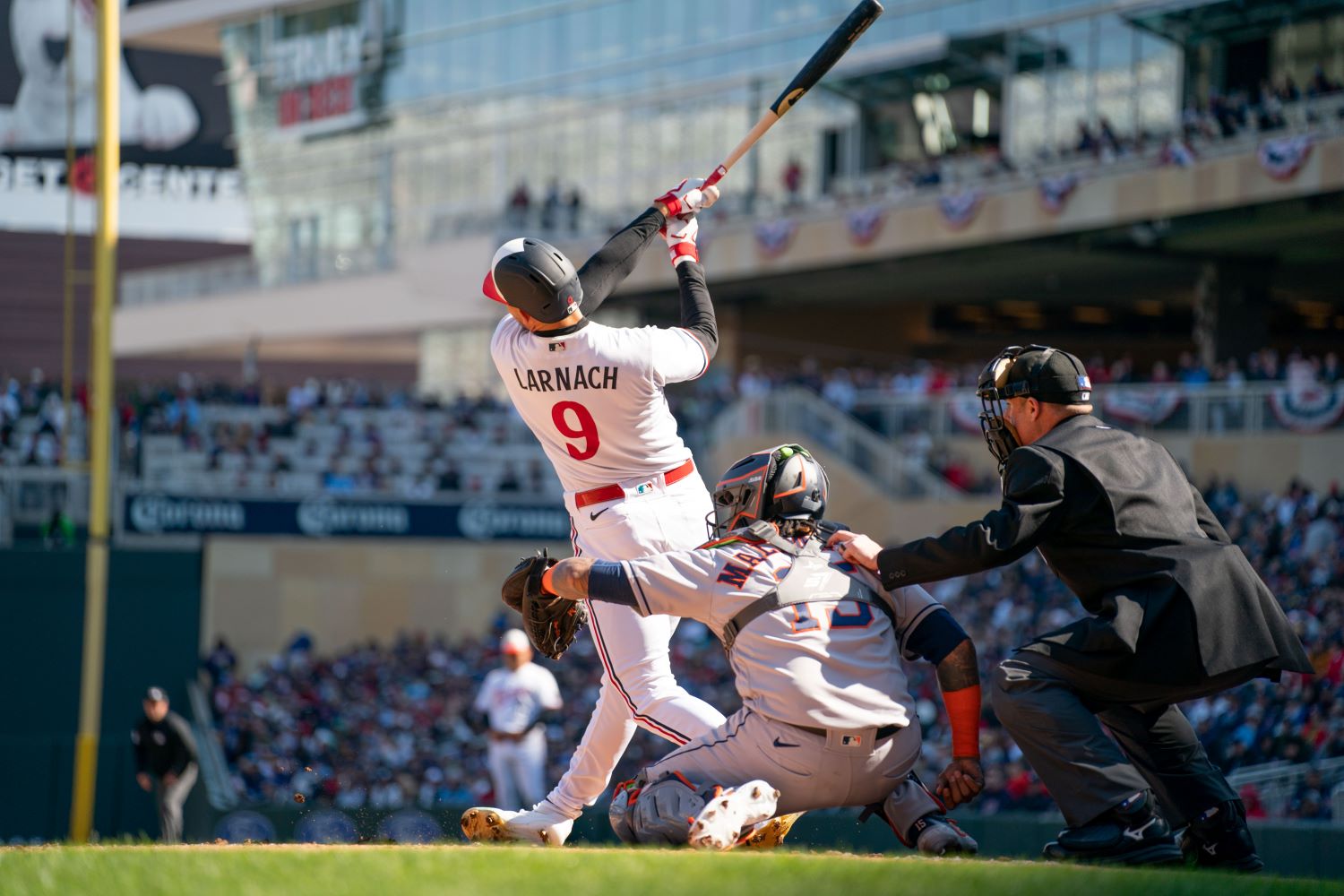 Last week, Ben Clemens of Fangraphs kicked off a “Five Things I Liked (and Didn’t Like) This Week” series where, in a nod to Zach Lowe’s “10 Things” series for the NBA, he writes on a handful of topics—mainly stats—that may not merit their own piece, but should be noted in some fashion. I am not above thievery, so this article will mark the first of my own “Things” series looking at a few undergoings in the Twins system that are interesting, but not capable of carrying an extended essay. Some weeks may see five topics, but I'll decided to let the game move me as it does, so the number of points will vary. Let’s begin. Now, while you, the good baseball fan, should abstain from traditional statistical practice until at least June, there are a few numbers safe for casual consumption and analysis. Let us not see these numbers as scripture that must be followed; rather, as trends that should be carefully observed. Today we’ll focus on plate discipline stats, as they tend to indicate a change in performance quicker than other numbers. Pablo López’s Sweeper Has Been Elite So Far One of the fascinating developments of 2023 baseball has been the integration of the term “sweeper” into our shared lexicon. First placed forth into the public sphere by Eno Sarris in 2021, the pitch behaves similar to a slider, but eases off the velocity a touch, and darts to the glove side as if a magnet were coaxing the ball off the plate. Hitters expect the ball to drop more than it actually does, and the sweeper subsequently finds the very tops of bats, and then the fielders glove—in precisely that order. It’s nasty. And it’s effective. Pitchers from all walks of life have adopted it to great success, and Pablo López’s version of the pitch has proven absurd. With one allowed hit, López has offered batters 60 chances to do damage on it, and has fooled almost all of them, earning a .118 xwOBA and the highest swinging strike rate on sweepers in all of MLB. Already used 22.1% of the time, López dispatches the pitch strictly against righties, instead relying on his trusty fastball/changeup/curveball mix against opposite-side hitters. While lefties have given him some trouble in his first three starts (12.5 K-BB%), righties shouldn’t even bother heading to the plate (38.3 K-BB%) Ted Schwerzler covered López the other day, and our own Lucas Seehafer did so as well over at Baseball Prospectus, if you must consume more regarding the pitch. Curiously, as Seehafer notes, the pitches’ pure movement is mediocre, far below some of the nastier offerings supplied by the finest spin masters currently pitching. The simple existence of an extra average pitch—one more guess a hitter must eliminate—partly fuels its success; but Lopez’s unique extension and its newness likely also helps confound hitters. It’s hard to hit something you have context for, after all. Trevor Larnach’s Plate Discipline I have long been fascinated with Trevor Larnach. Since his days bopping on some very good Oregon State squads, the corner outfielder found a way to stand out, producing excellent exit velocities with immense raw power. Minnesota was the perfect landing place for him. It’s been a mixed bag since, though, as Larnach breezed through the minors like a junior in a 100-level class, but ran into injuries and slight troubles with major-league stuff. Despite a solid slash line to start his season, nothing under the hood appears different: he’s swinging at pitches outside the zone at almost exactly the same rate as before (23.5% to 25.1% career) while his other swing decisions remain similarly unmoved. He’s making contact with pitches outside the zone more, but I’m not sure that’s a good thing; those tend to not end up as well-hit balls, after all. To my eyes, this is largely the same player we’ve seen over the last two seasons: a batter inconsistent in tapping into his massive power potential, still swinging at a few too many poor pitches to make an impact. But, this is still April; Larnach has time to make the necessary adjustments and, before a dreadful performance in the White Sox series, he claimed some of the best discipline in all of MLB. It's clear, though, that his early swoon was BABIP-fueled, and a separate change must come for Larnach to officially claim "breakout" status. Emmanuel Rodriguez Crushes Just look at these: Those are two homers to dead center off of lefties. That doesn't happen everyday. We've poured plenty of hype into Rodriguez, but we might still be underrating just how utterly game-changing his power could be. Just please, keep him healthy. All stats are updated following play on April 13th.
- 26 comments
-
- 5
-

-

-
- pablo lopez
- trevor larnach
- (and 1 more)
-
Sometimes you need an outsider to change your fortunes. Image courtesy of © Wendell Cruz-USA TODAY Sports Box Score Louie Varland: 6 IP, 6 H, 3 ER, 1 BB, 8 K Home Runs: Carlos Correa (2), Kyle Garlick (1) Top 3 WPA: Carlos Correa (.433), Jhoan Duran (.190), Jorge López (.136) Win Probability Chart (via FanGraphs) The craftiest lefty this side of Jamie Moyer, Nestor Cortes, employs variations of a Tiant-ian theme in order to acquire his outs. At whim he’ll devolve into jazz creativity, halting and re-tracing; dipping and gliding to offer hitters an uncomfortable dance they cannot deny. The hijinks—in concert with a rising fastball and a driving cutter—turned Cortes from comedy to drama, making him an All-Star for the first time in 2022 after a few seasons of anonymity. Louie Varland is a little different: a righty with a jumpy fastball and an anxious nature to his delivery—emphasized by a glove tap in anticipation of his drive—he’s already beaten the odds by evolving from hometown story to legitimate major-league performer. These Yankees know it; they just watched him hurl on their own turf last season, turning in an outstanding seven-strikeout start to begin his MLB career. It was a match between the overlooked. Just as a typical game enters its quiet phase, with both teams working to figure out their competition, the Yankees bombarded Varland. Anthony Volpe caught a chest-high fastball flush, launching the pitch into a grateful third row of Yankees fans in left field. It was the first home run of Volpe’s career, and it was as bad a start a pitcher could have. No rest was to be had for the weary. With lamentations still fresh in the air, Aaron Judge—always the regal slugger—twisted a middle-middle heater into right-center, increasing the New York fans’ ecstasy and extending the lead to two runs over just as many batters. Early action begat calmer winds, though, and the game soon turned cold. Minnesota’s batters found no such luck against Cortes, occasionally placing men on base but never mustering the effort needed to bring them home; the Twins did not score until the 6th. To his credit, Varland never wavered from his fastball, choosing to forget the prior damage on his way to four consecutive scoreless frames following his disastrous opening inning. The 6th is when the game entered a baseball Twilight Zone, quickly morphing from tepid duel to home-run battle. Carlos Correa’s solo home run—a Yankee Stadium cheapy, no other ballpark would allow such a batted ball to leave—brought the match within one run; but Giancarlo Stanton’s laser beam in the bottom of the frame re-established the two-run advantage. It wasn’t until Kyle Garlick jumped on a Cortes breaker when it became apparent that this game had no intention of acting normally. Aaron Boone felt the pressure of the situation. Yankees closer Clay Holmes entered the game in the eighth, an inning prior to his typical home ending the game in the ninth. Michael A. Taylor poked a single to right and Byron Buxton worked a walk; Correa now stood at the plate as the man who could alter the match. A back-door 98 MPH sinker—Holmes’ bread and butter—was precisely what the shortstop anticipated, and he shot a liner down the right field line, beckoning Taylor and Buxton to fly around the bases and score the tying and go-ahead runs. Jorge López navigated around a Stanton dribbling single to pass the baton to Jhoan Duran—the final boss. Franchy Cordero roped a single into left; Oswaldo Cabrera chopped a splinker directly to Correa. The double play was inevitable. Willie Calhoun pinch-hit for Jose Trevino, but Duran cared not for managerial efforts and magic; a heat-seeking fastball found the top of Calhoun’s bat, then soon nestled safely into Correa’s glove to end the game. Holy ****. Notes: The Twins have now won multiple games in Yankee Stadium in one season for the first time since 2014. Louie Varland set a MLB-career-high record with his eight strikeouts; he previously earned seven in his first major-league start against the Yankees on September 7th, 2022. Carlos Correa earned his second multi-hit game in a row. Jorge López extends his scoreless streak to 6 ⅔ innings to start the season. Post-Game Interview: What’s Next? The Twins will remain in New York for game three of the series Saturday morning; Tyler Mahle will face off against Domingo Germán. Bullpen Usage Spreadsheet View full article
- 63 replies
-
- 3
-
-
- carlos correa
- kyle garlick
- (and 3 more)
-
Twins 4, Yankees 3: Carlos Correa Comes Up Clutch In Yankee Stadium
Matt Braun posted an article in Twins
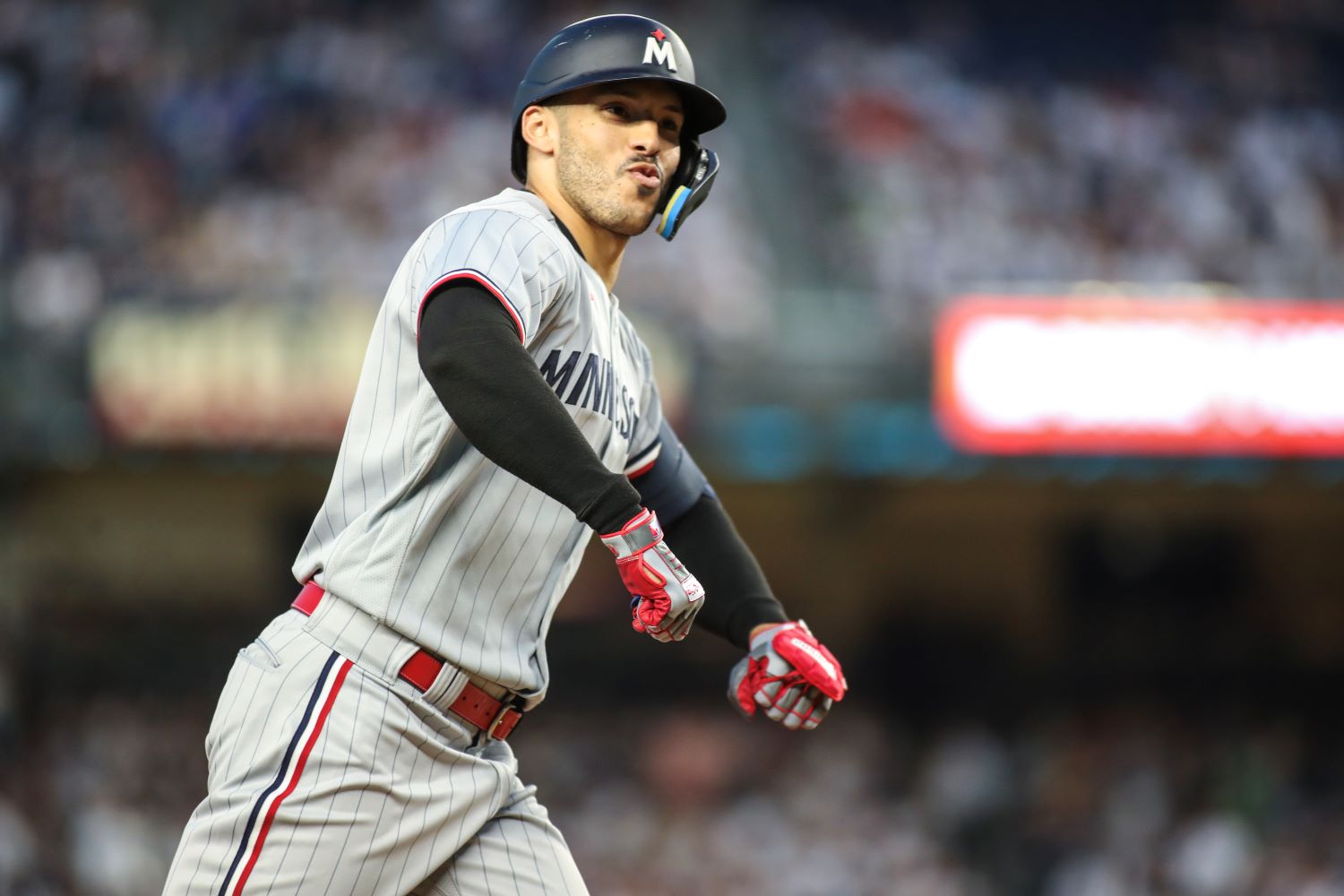 Box Score Louie Varland: 6 IP, 6 H, 3 ER, 1 BB, 8 K Home Runs: Carlos Correa (2), Kyle Garlick (1) Top 3 WPA: Carlos Correa (.433), Jhoan Duran (.190), Jorge López (.136) Win Probability Chart (via FanGraphs) The craftiest lefty this side of Jamie Moyer, Nestor Cortes, employs variations of a Tiant-ian theme in order to acquire his outs. At whim he’ll devolve into jazz creativity, halting and re-tracing; dipping and gliding to offer hitters an uncomfortable dance they cannot deny. The hijinks—in concert with a rising fastball and a driving cutter—turned Cortes from comedy to drama, making him an All-Star for the first time in 2022 after a few seasons of anonymity. Louie Varland is a little different: a righty with a jumpy fastball and an anxious nature to his delivery—emphasized by a glove tap in anticipation of his drive—he’s already beaten the odds by evolving from hometown story to legitimate major-league performer. These Yankees know it; they just watched him hurl on their own turf last season, turning in an outstanding seven-strikeout start to begin his MLB career. It was a match between the overlooked. Just as a typical game enters its quiet phase, with both teams working to figure out their competition, the Yankees bombarded Varland. Anthony Volpe caught a chest-high fastball flush, launching the pitch into a grateful third row of Yankees fans in left field. It was the first home run of Volpe’s career, and it was as bad a start a pitcher could have. No rest was to be had for the weary. With lamentations still fresh in the air, Aaron Judge—always the regal slugger—twisted a middle-middle heater into right-center, increasing the New York fans’ ecstasy and extending the lead to two runs over just as many batters. Early action begat calmer winds, though, and the game soon turned cold. Minnesota’s batters found no such luck against Cortes, occasionally placing men on base but never mustering the effort needed to bring them home; the Twins did not score until the 6th. To his credit, Varland never wavered from his fastball, choosing to forget the prior damage on his way to four consecutive scoreless frames following his disastrous opening inning. The 6th is when the game entered a baseball Twilight Zone, quickly morphing from tepid duel to home-run battle. Carlos Correa’s solo home run—a Yankee Stadium cheapy, no other ballpark would allow such a batted ball to leave—brought the match within one run; but Giancarlo Stanton’s laser beam in the bottom of the frame re-established the two-run advantage. It wasn’t until Kyle Garlick jumped on a Cortes breaker when it became apparent that this game had no intention of acting normally. Aaron Boone felt the pressure of the situation. Yankees closer Clay Holmes entered the game in the eighth, an inning prior to his typical home ending the game in the ninth. Michael A. Taylor poked a single to right and Byron Buxton worked a walk; Correa now stood at the plate as the man who could alter the match. A back-door 98 MPH sinker—Holmes’ bread and butter—was precisely what the shortstop anticipated, and he shot a liner down the right field line, beckoning Taylor and Buxton to fly around the bases and score the tying and go-ahead runs. Jorge López navigated around a Stanton dribbling single to pass the baton to Jhoan Duran—the final boss. Franchy Cordero roped a single into left; Oswaldo Cabrera chopped a splinker directly to Correa. The double play was inevitable. Willie Calhoun pinch-hit for Jose Trevino, but Duran cared not for managerial efforts and magic; a heat-seeking fastball found the top of Calhoun’s bat, then soon nestled safely into Correa’s glove to end the game. Holy ****. Notes: The Twins have now won multiple games in Yankee Stadium in one season for the first time since 2014. Louie Varland set a MLB-career-high record with his eight strikeouts; he previously earned seven in his first major-league start against the Yankees on September 7th, 2022. Carlos Correa earned his second multi-hit game in a row. Jorge López extends his scoreless streak to 6 ⅔ innings to start the season. Post-Game Interview: What’s Next? The Twins will remain in New York for game three of the series Saturday morning; Tyler Mahle will face off against Domingo Germán. Bullpen Usage Spreadsheet
- 63 comments
-
- 13
-
-
-
- carlos correa
- kyle garlick
- (and 3 more)
-
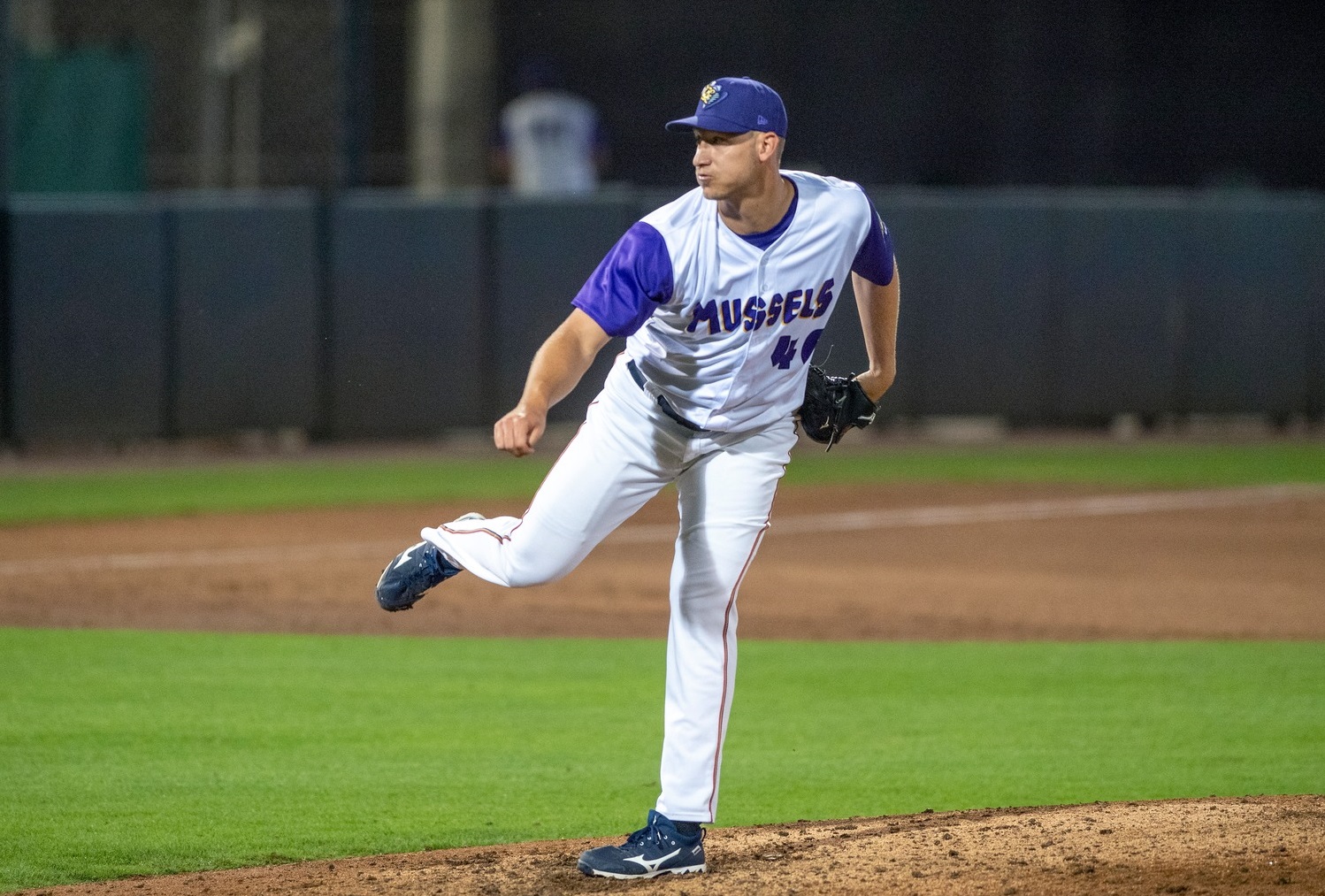 TRANSACTIONS OF Matt Wallner recalled from Triple-A St. Paul to Minnesota Saints Sentinel Game One (7 Innings): St. Paul 7, Iowa 9 Box Score Aaron Sanchez: 4 IP, 2 H, 4 ER, 3 BB, 4 K HR: None Multi-hit games: Ryan LaMarre (3-for-3, 2 2B, R, 4 RBI), Andrew Bechtold (3-for-4, 2B, RBI) The Saints lost a nasty, brutish, and short opening game of their doubleheader on Saturday. It was a match neither side excelled in; both pitching staffs allowed seven walks, finding themselves outside of the strike zone and reliant on poor discipline to earn outs. Success with this strategy wavered. The Cubs struck first, ambushing starter Aaron Sanchez in the third for a pair of runs; they could now claim the lead. The Saints responded—immediately softly; eventually prevailing—as a run-scoring wild pitch broke ground for a go-ahead two-run Ryan Lamarre double in the following frame. The fifth was chaos; a trio of Cubs runs were countered by four overwhelming Saints scores, handing St. Paul a two-run cushion heading into the sixth inning. They needed more. Iowa scored twice in the sixth, then ran it back in the seventh, finally burying St. Paul for good with nine runs to their seven; no Saints’ pitcher escaped without damage to their ERA and egos. Seiya Suzuki played five innings on a rehab assignment; he collected a single and a walk. Technically old friend, Nick Burdi, struck out the side in the seventh to end the game. Iowa’s best prospect—Brennan Davis—walked once in four trips to the plate. Game Two (7 Innings): St. Paul 8, Iowa 5 Box Score Randy Dobnak: 1 2/3 IP, 4 H, 4 ER, 4 BB, 3 K HR: Andrew Bechtold (1) Multi-hit games: Edouard Julien (3-for-4, 2B, 2R), Kyle Garlick (2-for-4, R, RBI), Andrew Bechtold (2-for-3, HR, R, 2 RBI) Game two was a similarly sloppy pitching performance by St. Paul, but one they were able to overcome. Randy Dobnak struggled. A passable first frame begat a dreadful second filled with walks, hits, and runs—a pitcher’s worst nemesis. Dereck Rodriguez was forced to save his friend early, entering the game with two outs and soaking up 13 outs to save his team from potential disaster. Nick Neidert—Iowa’s starter—fared no better. Allowing an astounding 11 hits over 2 1/3 innings, Neidert coughed up eight runs (four earned) and couldn’t escape the third, needing Anthony Kay to graciously relieve him. The game entered a strange quiet stage following the third; neither team scored as a scattered selection of baserunners all found themselves stranded, unable to find their way home. Andrew Stevenson, Hernán Pérez, and Andrew Bechtold all collected two RBIs; Edouard Julien enjoyed a trio of hits. Manager Toby Gardenhire spoke highly of Bechtold after the game. “Bech's one of those guys where he's had a lot of success going up the minor leagues at different levels,” he said. “He's got a lot of tools, he's got a lot of power, he can do a lot of things. Him having days like this, I just hope it's a building block toward him consistently being able to do what we all know he can do. Because he's got a lot of tools and I hope he can just build off of this one and keep it rolling a little bit longer.” (Quote via Twins Daily’s resident journalist, Theo Tollefson.) Old friend, Tyler Duffey, tossed a scoreless inning with two strikeouts. Wind Surge Wisdom Wichita 4, Springfield 9 Box Score Travis Adams: 2/3 IP, 5 H, 6 ER, 2 BB, 1 K HR: None Multi-hit games: None Wichita lost an uncompetitive match on Saturday. Travis Adams… well, the line speaks for itself. After receiving a duo of first innings runs, Adams struggled to collect outs in the first, watching line drives shoot around the field as Springfield put up seven runs before Wichita could find the elusive third out. The game became a slog; the closest the Wind Surge came to threatening the lead came after a fifth-inning Aaron Sabato sacrifice fly moved the game to an 8-4 affair; Springfield tacked on another score the following frame out of spite. DaShawn Kiersey Jr. sparked in the three-hole, reaching base twice, stealing twice, and scoring twice to give him an aesthetically pleasing—and offensively stimulating—box score line. Brooks Lee and Jake Rucker both doubled; Aaron Sabato earned three RBIs. Springfield’s best prospect—Mike Antico—tripled and drove in two runs; he also struck out three times. Kernels Nuggets Cedar Rapids 8, Peoria 4 Box Score Connor Prielipp: 4 IP, 5 H, 3 ER, 2 BB, 3 K HR: None Multi-hit games: Noah Miller (2-for-5, 2B, R, RBI), Kala’i Rosario (2-for-5, R), Tanner Schobel (2-for-5, R), Keoni Cavaco (2-for-4, 2B, R, 2 RBI) Cedar Rapids won comfortably on Saturday. Connor Prielipp hadn't seen a competitive game in two years, and he pitched like it. With rust fully set in still, Prielipp got knocked around a bit, unwinding in the fourth as a singles-focused attack proved too much for the lefty, dirtying his line with three earned runs. Still, the relief for Prielipp must be immense; he can continue to find his footing in the coming months; Saturday’s start was simply a way to wet his toes. Fortunately, the Kernels were up to the challenge offensively, as their bats totaled 11 hits and eight runs—more than enough to best the Chiefs. It was an all-around effort, with every starter outside of Willie Joe Garry Jr. scoring a run; he offered an RBI, proving that no batter would be left behind. Cedar Rapids’ bullpen proved worthy as well; Orlando Rodriguez, John Wilson, Niklas Rimmel, and Charlie Neuweiler combined to toss five scoreless frames, carrying the to its ninth-inning conclusion. Mussel Matters Fort Myers 8, Dunedin 5 Box Score Zebby Matthews: 5 IP, 3 H, 0 ER, 0 BB, 7 K HR: None Multi-hit games: Ricardo Olivar (2-for-5, 2 R, RBI), Carlos Aguiar (2-for-4, R, RBI), Jorel Ortega (2-for-5, 2 2B), Rubel Cespedes (2-for-4, 2 R, 2 RBI, BB), Andrew Cossetti (2-for-3, 2B, R, BB), Dalton Shuffield (2-for-3, 2 RBI, BB) Fort Myers escaped a ninth-inning nightmare, walking away on Saturday with a closer win than they hoped. Zebby Matthews was magnificent. Minnesota’s 8th-round pick in 2022 eviscerated the Blue Jays lineup, punching out seven batters over five tidy innings; three measly singles served as the only blemishes on his line. The Western Carolina product—the college of Greg Holland and current Saint, Tyler White—may make a name for himself this season with more outings like this. And his offense had his back—but it did take a while. Four empty innings only proved to be the build-up towards a fifth-frame eruption; the Might Mussels plated five runs off a flurry of knocks, releasing more hit singles than Earth Wind and Fire. With three more runs in their back pocket, Fort Myers nearly ruined the operation; reliever Gabriel Yanez struck out the first batter he faced before allowing four hits—including a stomach-sinking two-run shot to pull the game within four. Fortunately, Zach Veen clogged the bleeding, ending the deathbed rally before it could reverse the roles. Jorge Polanco played seven innings, doubling and walking twice in four trips to the plate. Dunedin’s best prospect—Tucker Toman—singled, walked, and struck out twice in four plate appearances. TWINS DAILY PLAYERS OF THE DAY Twins Daily Minor League Pitcher of the Day – Zebby Matthews Twins Daily Minor League Hitter of the Day – Andrew Bechtold PROSPECT SUMMARY Here’s a look at how the Twins Daily Top 20 Twins Prospects performed: #1 - Brooks Lee (Wichita) - 1-5, 2B, R, 2 K #3 - Emmanuel Rodriguez (Cedar Rapids) - 1-4, 3B, R, RBI, BB, 3 K #5 - Edouard Julien (St. Paul) - 3-8, 2B, 2 R, BB, 4 K #7 - Connor Prielipp (Cedar Rapids) - 4 IP, 5 H, 3 ER, 2 BB, 3 K #14 - Noah Miller (Cedar Rapids) - 2-5, 2B, R, RBI, 3 K #18 - Tanner Schobel (Cedar Rapids) - 2-5, R, K #20 - Miseal Urbina (Cedar Rapids) - 1-5, 2B, R, RBI, 2 K SUNDAY’S PROBABLE STARTERS Iowa @ St. Paul (2:07 PM) - RHP Simeon Woods Richardson (Most of MiLB is off for Easter Sunday)
- 20 comments
-
- 4
-
-
- connor prielipp
- zebby matthews
- (and 3 more)
-
(Bangs table) Connor Prielipp, Connor Prielipp, Connor Prielipp! And Zebby Matthews too. Image courtesy of William Parmeter (photo of Zebby Matthews) TRANSACTIONS OF Matt Wallner recalled from Triple-A St. Paul to Minnesota Saints Sentinel Game One (7 Innings): St. Paul 7, Iowa 9 Box Score Aaron Sanchez: 4 IP, 2 H, 4 ER, 3 BB, 4 K HR: None Multi-hit games: Ryan LaMarre (3-for-3, 2 2B, R, 4 RBI), Andrew Bechtold (3-for-4, 2B, RBI) The Saints lost a nasty, brutish, and short opening game of their doubleheader on Saturday. It was a match neither side excelled in; both pitching staffs allowed seven walks, finding themselves outside of the strike zone and reliant on poor discipline to earn outs. Success with this strategy wavered. The Cubs struck first, ambushing starter Aaron Sanchez in the third for a pair of runs; they could now claim the lead. The Saints responded—immediately softly; eventually prevailing—as a run-scoring wild pitch broke ground for a go-ahead two-run Ryan Lamarre double in the following frame. The fifth was chaos; a trio of Cubs runs were countered by four overwhelming Saints scores, handing St. Paul a two-run cushion heading into the sixth inning. They needed more. Iowa scored twice in the sixth, then ran it back in the seventh, finally burying St. Paul for good with nine runs to their seven; no Saints’ pitcher escaped without damage to their ERA and egos. Seiya Suzuki played five innings on a rehab assignment; he collected a single and a walk. Technically old friend, Nick Burdi, struck out the side in the seventh to end the game. Iowa’s best prospect—Brennan Davis—walked once in four trips to the plate. Game Two (7 Innings): St. Paul 8, Iowa 5 Box Score Randy Dobnak: 1 2/3 IP, 4 H, 4 ER, 4 BB, 3 K HR: Andrew Bechtold (1) Multi-hit games: Edouard Julien (3-for-4, 2B, 2R), Kyle Garlick (2-for-4, R, RBI), Andrew Bechtold (2-for-3, HR, R, 2 RBI) Game two was a similarly sloppy pitching performance by St. Paul, but one they were able to overcome. Randy Dobnak struggled. A passable first frame begat a dreadful second filled with walks, hits, and runs—a pitcher’s worst nemesis. Dereck Rodriguez was forced to save his friend early, entering the game with two outs and soaking up 13 outs to save his team from potential disaster. Nick Neidert—Iowa’s starter—fared no better. Allowing an astounding 11 hits over 2 1/3 innings, Neidert coughed up eight runs (four earned) and couldn’t escape the third, needing Anthony Kay to graciously relieve him. The game entered a strange quiet stage following the third; neither team scored as a scattered selection of baserunners all found themselves stranded, unable to find their way home. Andrew Stevenson, Hernán Pérez, and Andrew Bechtold all collected two RBIs; Edouard Julien enjoyed a trio of hits. Manager Toby Gardenhire spoke highly of Bechtold after the game. “Bech's one of those guys where he's had a lot of success going up the minor leagues at different levels,” he said. “He's got a lot of tools, he's got a lot of power, he can do a lot of things. Him having days like this, I just hope it's a building block toward him consistently being able to do what we all know he can do. Because he's got a lot of tools and I hope he can just build off of this one and keep it rolling a little bit longer.” (Quote via Twins Daily’s resident journalist, Theo Tollefson.) Old friend, Tyler Duffey, tossed a scoreless inning with two strikeouts. Wind Surge Wisdom Wichita 4, Springfield 9 Box Score Travis Adams: 2/3 IP, 5 H, 6 ER, 2 BB, 1 K HR: None Multi-hit games: None Wichita lost an uncompetitive match on Saturday. Travis Adams… well, the line speaks for itself. After receiving a duo of first innings runs, Adams struggled to collect outs in the first, watching line drives shoot around the field as Springfield put up seven runs before Wichita could find the elusive third out. The game became a slog; the closest the Wind Surge came to threatening the lead came after a fifth-inning Aaron Sabato sacrifice fly moved the game to an 8-4 affair; Springfield tacked on another score the following frame out of spite. DaShawn Kiersey Jr. sparked in the three-hole, reaching base twice, stealing twice, and scoring twice to give him an aesthetically pleasing—and offensively stimulating—box score line. Brooks Lee and Jake Rucker both doubled; Aaron Sabato earned three RBIs. Springfield’s best prospect—Mike Antico—tripled and drove in two runs; he also struck out three times. Kernels Nuggets Cedar Rapids 8, Peoria 4 Box Score Connor Prielipp: 4 IP, 5 H, 3 ER, 2 BB, 3 K HR: None Multi-hit games: Noah Miller (2-for-5, 2B, R, RBI), Kala’i Rosario (2-for-5, R), Tanner Schobel (2-for-5, R), Keoni Cavaco (2-for-4, 2B, R, 2 RBI) Cedar Rapids won comfortably on Saturday. Connor Prielipp hadn't seen a competitive game in two years, and he pitched like it. With rust fully set in still, Prielipp got knocked around a bit, unwinding in the fourth as a singles-focused attack proved too much for the lefty, dirtying his line with three earned runs. Still, the relief for Prielipp must be immense; he can continue to find his footing in the coming months; Saturday’s start was simply a way to wet his toes. Fortunately, the Kernels were up to the challenge offensively, as their bats totaled 11 hits and eight runs—more than enough to best the Chiefs. It was an all-around effort, with every starter outside of Willie Joe Garry Jr. scoring a run; he offered an RBI, proving that no batter would be left behind. Cedar Rapids’ bullpen proved worthy as well; Orlando Rodriguez, John Wilson, Niklas Rimmel, and Charlie Neuweiler combined to toss five scoreless frames, carrying the to its ninth-inning conclusion. Mussel Matters Fort Myers 8, Dunedin 5 Box Score Zebby Matthews: 5 IP, 3 H, 0 ER, 0 BB, 7 K HR: None Multi-hit games: Ricardo Olivar (2-for-5, 2 R, RBI), Carlos Aguiar (2-for-4, R, RBI), Jorel Ortega (2-for-5, 2 2B), Rubel Cespedes (2-for-4, 2 R, 2 RBI, BB), Andrew Cossetti (2-for-3, 2B, R, BB), Dalton Shuffield (2-for-3, 2 RBI, BB) Fort Myers escaped a ninth-inning nightmare, walking away on Saturday with a closer win than they hoped. Zebby Matthews was magnificent. Minnesota’s 8th-round pick in 2022 eviscerated the Blue Jays lineup, punching out seven batters over five tidy innings; three measly singles served as the only blemishes on his line. The Western Carolina product—the college of Greg Holland and current Saint, Tyler White—may make a name for himself this season with more outings like this. And his offense had his back—but it did take a while. Four empty innings only proved to be the build-up towards a fifth-frame eruption; the Might Mussels plated five runs off a flurry of knocks, releasing more hit singles than Earth Wind and Fire. With three more runs in their back pocket, Fort Myers nearly ruined the operation; reliever Gabriel Yanez struck out the first batter he faced before allowing four hits—including a stomach-sinking two-run shot to pull the game within four. Fortunately, Zach Veen clogged the bleeding, ending the deathbed rally before it could reverse the roles. Jorge Polanco played seven innings, doubling and walking twice in four trips to the plate. Dunedin’s best prospect—Tucker Toman—singled, walked, and struck out twice in four plate appearances. TWINS DAILY PLAYERS OF THE DAY Twins Daily Minor League Pitcher of the Day – Zebby Matthews Twins Daily Minor League Hitter of the Day – Andrew Bechtold PROSPECT SUMMARY Here’s a look at how the Twins Daily Top 20 Twins Prospects performed: #1 - Brooks Lee (Wichita) - 1-5, 2B, R, 2 K #3 - Emmanuel Rodriguez (Cedar Rapids) - 1-4, 3B, R, RBI, BB, 3 K #5 - Edouard Julien (St. Paul) - 3-8, 2B, 2 R, BB, 4 K #7 - Connor Prielipp (Cedar Rapids) - 4 IP, 5 H, 3 ER, 2 BB, 3 K #14 - Noah Miller (Cedar Rapids) - 2-5, 2B, R, RBI, 3 K #18 - Tanner Schobel (Cedar Rapids) - 2-5, R, K #20 - Miseal Urbina (Cedar Rapids) - 1-5, 2B, R, RBI, 2 K SUNDAY’S PROBABLE STARTERS Iowa @ St. Paul (2:07 PM) - RHP Simeon Woods Richardson (Most of MiLB is off for Easter Sunday) View full article
- 20 replies
-
- 1
-
-
- connor prielipp
- zebby matthews
- (and 3 more)
-
One of the lessons my father passed down to me was when I was younger was: “It’s a marathon, not a sprint.” Of course, this wasn’t some ancient monkish knowledge pertaining to life; slowing down, you crazy child, or any of that: he was talking about drinking. It’s the most valuable information I’ve ever learned. Image courtesy of Rhona Wise-USA TODAY Sports Recently I wrapped up an off-season writing project: hand-writing a post-game report for every game the Twins played in 2022. All 162 matches. No exceptions. Beyond the insanity of it all—and it truly was a nightmare at times, with evenings of madness laughing into the void—these games offered a quiet consistency; whispering between the outs and runs; giving hints about the nature of the game that strike deep into baseball’s core. Patterns emerged. It would be foolish to proclaim that I now carry the weight of secret baseball knowledge, but allow me to explain some of what I saw. Unlike most other sports, baseball isn’t a test of skill as much as it is a battle of endurance; ask any manager in spring training and you’ll hear a gorgeous harmony of health, with references to players and the preservations of their fragile ligaments almost meaning more than the games themselves. Today can be lost; tomorrow remains in sight. It’s this truth—or, perhaps truism—that guides the sport. 162 games remain undeterred, played whether ready or not. Sure, a team must focus on building their victories at some point, but no one remembers the April losses if they begat September wins, and those wins can only happen when the team is healthy and at full strength. This was a point the 2022 Twins missed. Their acceptable 50-44 first-half record evaporated into a 28-40 second-half slog, emphasized by a brutal 11-22 stretch following the month of August. They finished third in the division and earned no postseason credit. That team didn’t intend to collapse, as no wise franchise predicts their own demise, but it’s clear that a squad’s true ability can often only reveal itself late, far late in the season, not in the soggy months of April and May. But, perhaps that team was not yet as lukewarm as we think; many—and I do mean many—of their losses came via late-inning blowups, specifically against the Cleveland Guardians, specifically with Emilio Pagán meddling in some capacity. Indeed, an astounding eight defeats occurred when the Guardians happened to score just one more run than the Twins. Minnesota only won one such match: a 1-0 squeaker on June 23rd that apparently just missed the baseball gods’ attention. Maybe it’s no surprise that the team ended with a slightly positive Pythagorean win/loss record of 82-80. This isn’t to say that the Twins will happen to win more games as fortune rubbernecks their victories, handing them a more equitable total of near wins in 2023: baseball is still built on disorder. It could very well happen that Cleveland again wins entirely too many games via close calls, and we all spend the offseason huffing at the injustice of it all; the sport is funny like that. As I wrote more about the season, it became clear that the 2022 Twins were really the 2018 Twins in disguise. A crappy disguise, but one nonetheless. That 2018 squad, fresh off a 2017 playoff appearance, never got it together, trudging through months of mediocre ball before detonating by trading Brian Dozier, Eduardo Escobar , and Ryan Pressly in the hopes that grass would be greener in the future. They finished the year with 78 wins, just as the team last year did. Things did improve, as losing 14 (!!!) games on walk-offs isn’t something that tends to happen twice; the record-setting home run total the following year probably helped as well. This is all to say that baseball is a freaky sport. We (over)analyze minute details, theorizing matchups and breakouts just to shrug our shoulders when Sandy Alcantara goes to town on our team because, well, that’s how it goes sometimes. You can draw out statistics as long as you want, but if the other guys’ hits are falling more than yours, you’re probably going to lose. Looking at the broad, over-reaching movements is great and informative, but those shifts don’t occur in a single-game environment: that is still left for the messy, gross randomness of life to run wild. And, because us humans are emotional creatures, it’s easy to get swept up in the flurry, angry at today because we can’t yet see tomorrow. So get mad if you want to; it’s your fanship to do what you please with, but know that this game isn’t a day, or a week, or a month: it’s a full season—162 games where everything wacky and absurd happens in the details, ultimately only becoming clear as the final few matches fall in September. They may lose today, and tomorrow, and the day after that; but the season remains young and inexperienced, not yet sure what it wants to be at this stage of its life. It will reveal itself at some point—it always does—but that time is far from this point, and worrying about it will only grey your hairs. So—as my father would like to say—always remember that it’s a marathon, not a sprint. View full article
-
 Recently I wrapped up an off-season writing project: hand-writing a post-game report for every game the Twins played in 2022. All 162 matches. No exceptions. Beyond the insanity of it all—and it truly was a nightmare at times, with evenings of madness laughing into the void—these games offered a quiet consistency; whispering between the outs and runs; giving hints about the nature of the game that strike deep into baseball’s core. Patterns emerged. It would be foolish to proclaim that I now carry the weight of secret baseball knowledge, but allow me to explain some of what I saw. Unlike most other sports, baseball isn’t a test of skill as much as it is a battle of endurance; ask any manager in spring training and you’ll hear a gorgeous harmony of health, with references to players and the preservations of their fragile ligaments almost meaning more than the games themselves. Today can be lost; tomorrow remains in sight. It’s this truth—or, perhaps truism—that guides the sport. 162 games remain undeterred, played whether ready or not. Sure, a team must focus on building their victories at some point, but no one remembers the April losses if they begat September wins, and those wins can only happen when the team is healthy and at full strength. This was a point the 2022 Twins missed. Their acceptable 50-44 first-half record evaporated into a 28-40 second-half slog, emphasized by a brutal 11-22 stretch following the month of August. They finished third in the division and earned no postseason credit. That team didn’t intend to collapse, as no wise franchise predicts their own demise, but it’s clear that a squad’s true ability can often only reveal itself late, far late in the season, not in the soggy months of April and May. But, perhaps that team was not yet as lukewarm as we think; many—and I do mean many—of their losses came via late-inning blowups, specifically against the Cleveland Guardians, specifically with Emilio Pagán meddling in some capacity. Indeed, an astounding eight defeats occurred when the Guardians happened to score just one more run than the Twins. Minnesota only won one such match: a 1-0 squeaker on June 23rd that apparently just missed the baseball gods’ attention. Maybe it’s no surprise that the team ended with a slightly positive Pythagorean win/loss record of 82-80. This isn’t to say that the Twins will happen to win more games as fortune rubbernecks their victories, handing them a more equitable total of near wins in 2023: baseball is still built on disorder. It could very well happen that Cleveland again wins entirely too many games via close calls, and we all spend the offseason huffing at the injustice of it all; the sport is funny like that. As I wrote more about the season, it became clear that the 2022 Twins were really the 2018 Twins in disguise. A crappy disguise, but one nonetheless. That 2018 squad, fresh off a 2017 playoff appearance, never got it together, trudging through months of mediocre ball before detonating by trading Brian Dozier, Eduardo Escobar , and Ryan Pressly in the hopes that grass would be greener in the future. They finished the year with 78 wins, just as the team last year did. Things did improve, as losing 14 (!!!) games on walk-offs isn’t something that tends to happen twice; the record-setting home run total the following year probably helped as well. This is all to say that baseball is a freaky sport. We (over)analyze minute details, theorizing matchups and breakouts just to shrug our shoulders when Sandy Alcantara goes to town on our team because, well, that’s how it goes sometimes. You can draw out statistics as long as you want, but if the other guys’ hits are falling more than yours, you’re probably going to lose. Looking at the broad, over-reaching movements is great and informative, but those shifts don’t occur in a single-game environment: that is still left for the messy, gross randomness of life to run wild. And, because us humans are emotional creatures, it’s easy to get swept up in the flurry, angry at today because we can’t yet see tomorrow. So get mad if you want to; it’s your fanship to do what you please with, but know that this game isn’t a day, or a week, or a month: it’s a full season—162 games where everything wacky and absurd happens in the details, ultimately only becoming clear as the final few matches fall in September. They may lose today, and tomorrow, and the day after that; but the season remains young and inexperienced, not yet sure what it wants to be at this stage of its life. It will reveal itself at some point—it always does—but that time is far from this point, and worrying about it will only grey your hairs. So—as my father would like to say—always remember that it’s a marathon, not a sprint.
 -
The Kernels have a shortstop duo and a decision. Image courtesy of William Parmeter First, let’s meet Noah Miller. You probably already know him; after terrorizing Wisconsin prep pitchers with a .608 senior-season batting average, the brother of current MLB-er, Owen Miller, joined the Twins after being selected with the 36th pick in the 2021 MLB draft. A brief foray in rookie ball begat a mixed 2022 with Fort Myers, where he demonstrated excellent discipline at the plate and absolutely no extra-base authority whatsoever. He slugged under .300. Even Nick Punto thought he could use some pop. However, Fangraphs called him a near “complete model darling” in their evaluation prior to the 2022 season, and Miller remains one of Minnesota’s most promising prospects. Next, let’s meet Jose Salas. You probably already know him; after splitting time between Jupiter and Beloit as a super-youngster, Salas packed his bags, joining the Twins organization as a secondary—yet still important—piece in the Luis Arraez deal. His 2022 performance was unimpressive as all 19-year-olds are generally unimpressive, but Baseball Prospectus considers him a Top 100 prospect, and Fangraphs nearly placed him on their list heading into the 2022 season. The issue here is one of repetition: both players are shortstops; both will start the season with the Cedar Rapids Kernels. Given the dearth of positional resources at play—there’s only one shortstop position, as far as I can remember—manager Brian Dinkelman will have an interesting problem on his hands: do you give Miller, the player with the better defensive chops the majority of playing time, or do you hand the reins to Salas, hoping that some extra in-game reps beef up his skill enough to push him into “guaranteed shortstop” territory? The most obvious answer would be that each player will man a variety of positions, switching between infield spots in a fast-paced Abbott and Costello sketch where you’re never quite sure what is on second on any given day. Salas has minor-league experience at second and third base anyway, and while Miller does not, he could very likely move spots given his already impressive command of shortstop—the most range-testing position of the infield. Doing this would ensure playing time for the duo at shortstop, and give each player reps around the diamond, hopefully evolving them into “positionless” infielders, but in a good prime Marwin Gonzalez kind of way. Perhaps the team chooses to keep things simple, giving Miller the position while Salas mans spots on either side of him. Or—and this is where things get really spicy—the Twins could opt to favor Salas at shortstop, instead giving Miller the chance to grow his defensive portfolio while the lesser glove-worker hones his craft. It’s a little weird, I know, but if you could reasonably assume that Miller can stay at short—as much as you can assume anything in baseball—it may make more sense to hand the position to someone else with the knowledge that Miller doesn’t need the time. When more freely available, Minnesota could then place Miller back at shortstop, allowing him to continue his outstanding work undisturbed. We’ve seen before, as well, that minor league positions are really just suggestions, not a cemented promise for a player. Alex Bregman played nearly every game at shortstop before joining the Astros, where he met one Carlos Correa and immediately shifted a few feet closer to the foul line. Minnesota’s own Nick Gordon played fewer than 30 innings in the outfield before travelling to Minneapolis; he now owns almost 1,000 major-league frames in the grass. And, not to add more to Dinkelman's plate, but Ben Ross, Tanner Schobel, Keoni Cavaco, and Ernie Yake are all capable infielders as well, leaving six players to account for four spots on the diamond. So who knows? The Kernels open their season on Thursday, but it will take a few months before their plan becomes clear. Whether they go with Miller or Salas as their primary shortstop is up to the future to decide. View full article
-
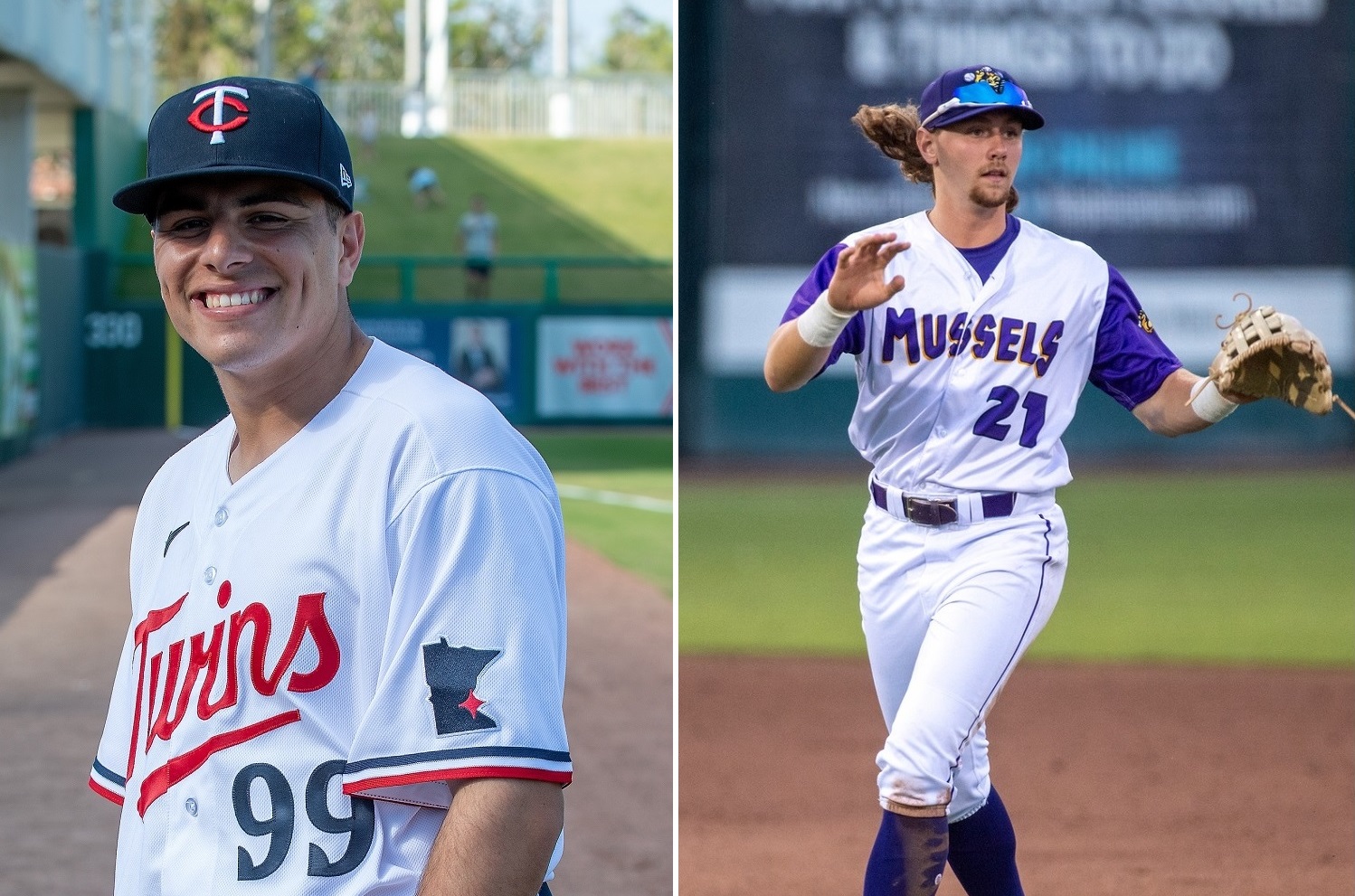 First, let’s meet Noah Miller. You probably already know him; after terrorizing Wisconsin prep pitchers with a .608 senior-season batting average, the brother of current MLB-er, Owen Miller, joined the Twins after being selected with the 36th pick in the 2021 MLB draft. A brief foray in rookie ball begat a mixed 2022 with Fort Myers, where he demonstrated excellent discipline at the plate and absolutely no extra-base authority whatsoever. He slugged under .300. Even Nick Punto thought he could use some pop. However, Fangraphs called him a near “complete model darling” in their evaluation prior to the 2022 season, and Miller remains one of Minnesota’s most promising prospects. Next, let’s meet Jose Salas. You probably already know him; after splitting time between Jupiter and Beloit as a super-youngster, Salas packed his bags, joining the Twins organization as a secondary—yet still important—piece in the Luis Arraez deal. His 2022 performance was unimpressive as all 19-year-olds are generally unimpressive, but Baseball Prospectus considers him a Top 100 prospect, and Fangraphs nearly placed him on their list heading into the 2022 season. The issue here is one of repetition: both players are shortstops; both will start the season with the Cedar Rapids Kernels. Given the dearth of positional resources at play—there’s only one shortstop position, as far as I can remember—manager Brian Dinkelman will have an interesting problem on his hands: do you give Miller, the player with the better defensive chops the majority of playing time, or do you hand the reins to Salas, hoping that some extra in-game reps beef up his skill enough to push him into “guaranteed shortstop” territory? The most obvious answer would be that each player will man a variety of positions, switching between infield spots in a fast-paced Abbott and Costello sketch where you’re never quite sure what is on second on any given day. Salas has minor-league experience at second and third base anyway, and while Miller does not, he could very likely move spots given his already impressive command of shortstop—the most range-testing position of the infield. Doing this would ensure playing time for the duo at shortstop, and give each player reps around the diamond, hopefully evolving them into “positionless” infielders, but in a good prime Marwin Gonzalez kind of way. Perhaps the team chooses to keep things simple, giving Miller the position while Salas mans spots on either side of him. Or—and this is where things get really spicy—the Twins could opt to favor Salas at shortstop, instead giving Miller the chance to grow his defensive portfolio while the lesser glove-worker hones his craft. It’s a little weird, I know, but if you could reasonably assume that Miller can stay at short—as much as you can assume anything in baseball—it may make more sense to hand the position to someone else with the knowledge that Miller doesn’t need the time. When more freely available, Minnesota could then place Miller back at shortstop, allowing him to continue his outstanding work undisturbed. We’ve seen before, as well, that minor league positions are really just suggestions, not a cemented promise for a player. Alex Bregman played nearly every game at shortstop before joining the Astros, where he met one Carlos Correa and immediately shifted a few feet closer to the foul line. Minnesota’s own Nick Gordon played fewer than 30 innings in the outfield before travelling to Minneapolis; he now owns almost 1,000 major-league frames in the grass. And, not to add more to Dinkelman's plate, but Ben Ross, Tanner Schobel, Keoni Cavaco, and Ernie Yake are all capable infielders as well, leaving six players to account for four spots on the diamond. So who knows? The Kernels open their season on Thursday, but it will take a few months before their plan becomes clear. Whether they go with Miller or Salas as their primary shortstop is up to the future to decide.
 -
Cedar Rapids Kernels Opening Day Roster - 2023
Matt Braun replied to Seth Stohs's topic in Twins Minor League Talk
Having Jose Salas and Noah Miller on the same team will be interesting. I tend to see Miller receiving more time at shortstop but perhaps Salas will need it to improve his chops. Should be something to keep an eye on.- 18 replies
-
- 6
-
-
- emmanuel rodriguez
- connor prielipp
- (and 3 more)
-
Not sure why the Saints didn't try this yesterday. Image courtesy of Rob Thompson TRANSACTIONS None Saints Sentinel St. Paul 6, Toledo 1 Box Score Aaron Sanchez: 3 1/3 IP, 3 H, 1 ER, 3 BB, 4 K HR: Chris Williams (1), Tony Wolters (1), Ryan LaMarre (1), Matt Wallner (1) Multi-hit games: Kyle Garlick (2-for-4), Chris Williams (2-for-5, HR, 2 R, RBI) It was a day of homers. Despite Toledo’s best efforts to keep the ball in the park—and they tried nearly everything—the Saints darkened the sky with baseballs, swatting four home runs on their way to besting the Mud Hens. The sources varied from the predictable—Chris Williams and Matt Wallner—to the downright shocking: Tony Wolters’ solo shot was his first homer since August 30th, 2021. Ryan LaMarre’s bomb exited his bat at 110.1 MPH. Truly absurd power from Wallner; he appeared to fall over himself while swinging and still hit the ball nearly 400 feet. Between the animal hide rain lived a deeply appreciative Aaron Sanchez. The Saints’ starter worked inefficiently, walking a trio of batters on his path towards 10 netted outs. Dereck Rodriguez was summoned to bridge the gap between the early and late frames. Rodriguez suffered from a similar affliction, allowing a pair of free passes over 2 2/3 innings, but he performed well enough to pass the lead to the late-inning specialists. Trevor Megill continued the shutout and did so with overpowering success, striking out five over two shutout frames with a lone walk serving as his only blemish. Brock Stewart closed the game with a scoreless inning and three strikeouts. Old friends Akil Baddoo and Matt Wisler played for Toledo. Baddoo walked once in four plate appearances while Wisler pitched a scoreless inning. Justyn-Henry Malloy is the best prospect on the Mud Hens. He walked and singled in four plate appearances. TWINS DAILY PLAYERS OF THE DAY Twins Daily Minor League Pitcher of the Day – Trevor Megill Twins Daily Minor League Hitter of the Day – Chris Williams PROSPECT SUMMARY Here’s a look at how the Twins Daily Top 20 Twins Prospects performed: #5 - Edouard Julien (St. Paul) - 0-5, 4 K #11 - Matt Wallner (St. Paul) - 1-4, HR, R, RBI, BB, 2 K SUNDAY’S PROBABLE STARTERS Toledo @ St. Paul (1:05 PM) - RHP Randy Dobnak View full article
- 15 replies
-
- 1
-
-
- aaron sanchez
- chris williams
- (and 3 more)
-
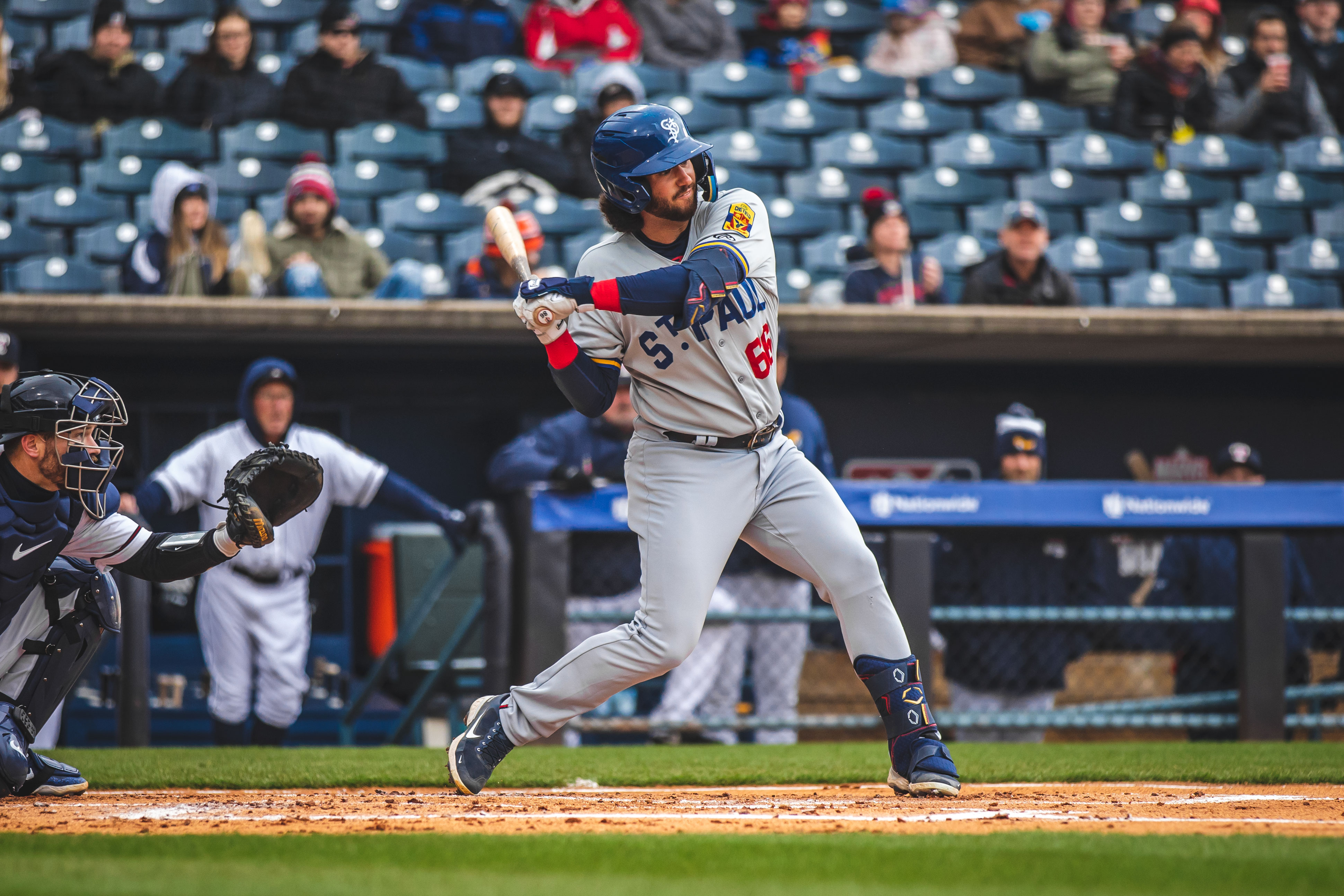 TRANSACTIONS None Saints Sentinel St. Paul 6, Toledo 1 Box Score Aaron Sanchez: 3 1/3 IP, 3 H, 1 ER, 3 BB, 4 K HR: Chris Williams (1), Tony Wolters (1), Ryan LaMarre (1), Matt Wallner (1) Multi-hit games: Kyle Garlick (2-for-4), Chris Williams (2-for-5, HR, 2 R, RBI) It was a day of homers. Despite Toledo’s best efforts to keep the ball in the park—and they tried nearly everything—the Saints darkened the sky with baseballs, swatting four home runs on their way to besting the Mud Hens. The sources varied from the predictable—Chris Williams and Matt Wallner—to the downright shocking: Tony Wolters’ solo shot was his first homer since August 30th, 2021. Ryan LaMarre’s bomb exited his bat at 110.1 MPH. Truly absurd power from Wallner; he appeared to fall over himself while swinging and still hit the ball nearly 400 feet. Between the animal hide rain lived a deeply appreciative Aaron Sanchez. The Saints’ starter worked inefficiently, walking a trio of batters on his path towards 10 netted outs. Dereck Rodriguez was summoned to bridge the gap between the early and late frames. Rodriguez suffered from a similar affliction, allowing a pair of free passes over 2 2/3 innings, but he performed well enough to pass the lead to the late-inning specialists. Trevor Megill continued the shutout and did so with overpowering success, striking out five over two shutout frames with a lone walk serving as his only blemish. Brock Stewart closed the game with a scoreless inning and three strikeouts. Old friends Akil Baddoo and Matt Wisler played for Toledo. Baddoo walked once in four plate appearances while Wisler pitched a scoreless inning. Justyn-Henry Malloy is the best prospect on the Mud Hens. He walked and singled in four plate appearances. TWINS DAILY PLAYERS OF THE DAY Twins Daily Minor League Pitcher of the Day – Trevor Megill Twins Daily Minor League Hitter of the Day – Chris Williams PROSPECT SUMMARY Here’s a look at how the Twins Daily Top 20 Twins Prospects performed: #5 - Edouard Julien (St. Paul) - 0-5, 4 K #11 - Matt Wallner (St. Paul) - 1-4, HR, R, RBI, BB, 2 K SUNDAY’S PROBABLE STARTERS Toledo @ St. Paul (1:05 PM) - RHP Randy Dobnak
- 15 comments
-
- 2
-
-
- aaron sanchez
- chris williams
- (and 3 more)
-
Shoot, guess I was thinking of The River
-
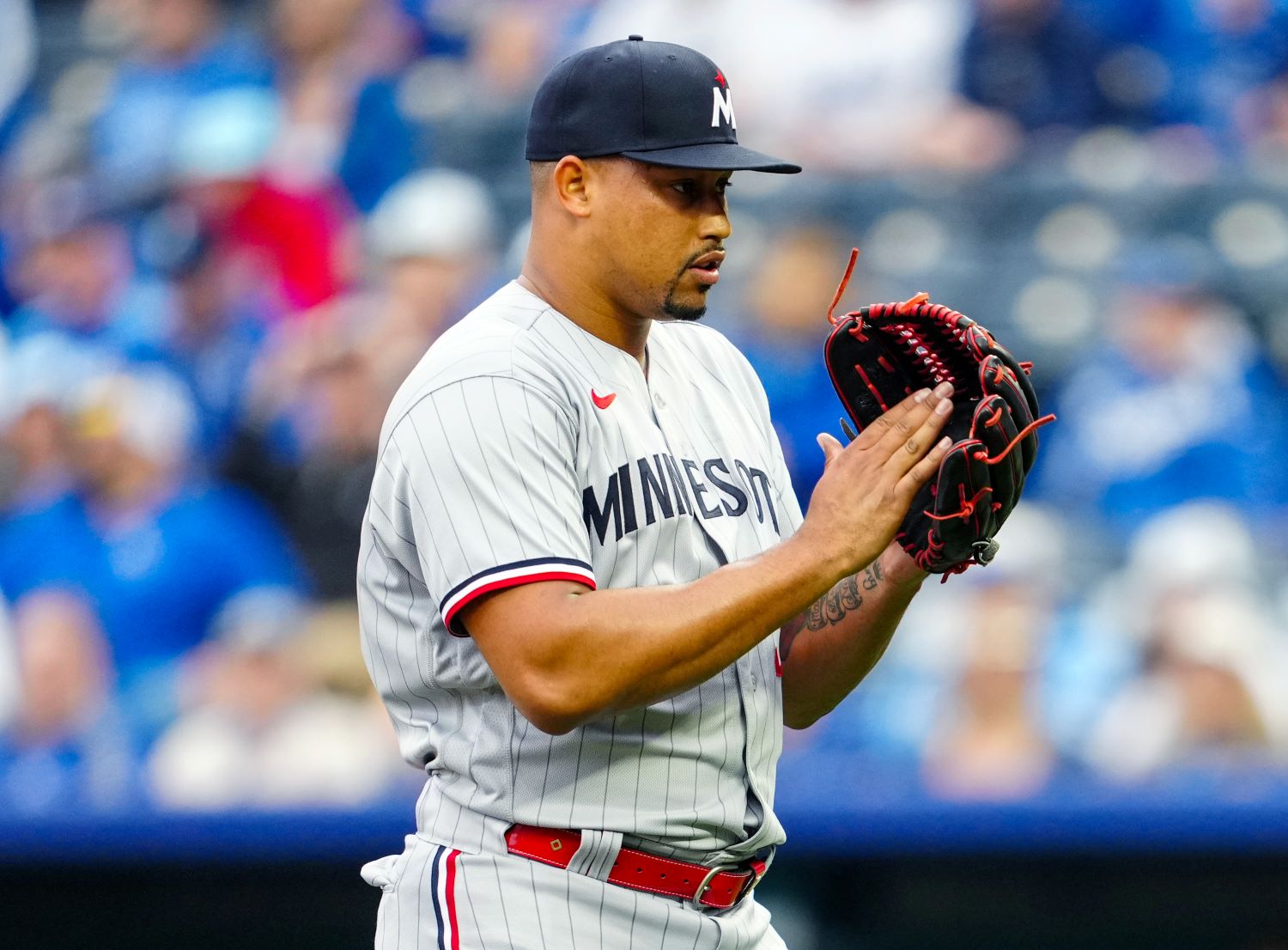 As our wonderful contributor Matthew Trueblood once wrote, “pitching really is two distinct and disparate tasks: pitching to lefties, and pitching to righties.” A starter like Sonny Gray may exhibit multiple personalities in his craft depending on the platoon; for relievers, the game is a little different. While a starter must vary their method of attack when facing a sub-optimal matchup, bullpen arms can brute force their way through three outs, relying on one of their overwhelming strengths with the occasional changeup, just for fun. Specialty is the name of the game. Platoons—whether said reliever is facing a lefty or righty—stands as the most apparent input in this equation, but we can dig a little deeper, observe a more granular strategy with modern relievers. We saw glimpses of this new-fangled decision-making process when Robert Orr of Baseball Prospectus revealed that the 2021 Giants selected pinch hitters based on swing path and opposing pitch shape. That team won 107 games with a team of Milk Duds and microplastic. It seems the plan may have worked. What if we reversed the idea? How could a manager manipulate his bullpen to its most ideal form? This was the question that popped into my head when Rocco Baldelli first called upon his bullpen on Thursday. He beckoned Caleb Thielber to do away with some lefties, but he then had to decide whether Jorge López or Griffin Jax better suited the situation. For this analysis, we have to eschew traditional forms of sports talk where players exist on a range of “goodness” with Emilio Pagán at the bottom; instead we should consider each pitcher as the owner of a specific set of skills and archetypes. They may range insofar as being able to replicate their strengths, but they’re major leaguers for a reason: they possess some talent in acquiring outs. First, Jorge López. López’s success in 2022 came off a nasty, boring sinker that swiped the souls of righties while a healthy dose of curveballs and changeups kept lefties honest. All three pitches were tremendous offerings. In comparison, Griffin Jax—Minnesota’s other great bullpen piece—is a slider specialist with a four-seamer and a newly developed cutter. Both pitchers are righties. Rocco Baldelli decided to keep Caleb Thielbar in to vex the lefty Michael Massey—platoons still reign supreme—before calling in López to face the righty Hunter Dozier and the lefty Kyle Isbel. Dozier hit for a weak 82 wRC+ against righties in 2022 and has been brutally negative against sinkers his entire career; López caught him window shopping on an outside breaking ball. Isbel is a more interesting case. His offensive profile in the majors has been poor overall, but he was unfathomably bad against four-seam fastballs last season. He grounded out against a sinker. Perhaps Rocco was unphased by any threat he offered. That left Jax for the 8th inning. His first target was Edward Olivares, a righty fairly neutral against all pitches in 2022 but struggled against fastballs and sliders the previous two seasons; he flew out on a solidly-struck liner. Bobby Witt Jr. then stepped in, and promptly worked a five-pitch walk—not surprising given that he performed well against sliders in 2022, although Jax did get squeezed on the final pitch. That’s baseball. M.J. Melendez, who smoked four-seam fastballs last season, then grounded into a double play on a four-seamer down the heart of the plate. That’s baseball. Did Rocco put his best foot forward? Potentially. Calling in López appeared to be a significant anti-Hunter Dozier measure, but Jax’s matchups in the 8th were far from favorable, arguably just as reasonable a time to save for a few López sinkers. But it was likely his best choice, as Pagán or Jorge Alcalá were his other probable selections. And there’s even more to the decision-making process than just science! Bullpen management is part political, a dash of art, and a sprinkle of, even in todays game, some classic gut feelings. Matchups are fun, but players are still humans after all, and Rocco has to navigate the murky waters of relationships and egos while still winning ballgames. It’s a tough life for a manager; dealing with relief pitchers, as Bruce Springsteen may have once said in 1982, is just winners and losers, and “don’t get caught on the wrong side of that line.” You can have the best options in and still get burned or you could find the correct answer by plugging in the wrong equation altogether. In any case, it worked for Rocco as the Twins held onto a shutout during their opening day victory. Oh, and Jhoan Duran pitched the 9th because he’s Zeus in the flesh.
- 18 comments
-
- 8
-
-

-
- jorge lopez
- griffin jax
- (and 2 more)
-
Or, read entirely too many words on numbers that may or may not matter. Image courtesy of Jay Biggerstaff-USA TODAY Sports As our wonderful contributor Matthew Trueblood once wrote, “pitching really is two distinct and disparate tasks: pitching to lefties, and pitching to righties.” A starter like Sonny Gray may exhibit multiple personalities in his craft depending on the platoon; for relievers, the game is a little different. While a starter must vary their method of attack when facing a sub-optimal matchup, bullpen arms can brute force their way through three outs, relying on one of their overwhelming strengths with the occasional changeup, just for fun. Specialty is the name of the game. Platoons—whether said reliever is facing a lefty or righty—stands as the most apparent input in this equation, but we can dig a little deeper, observe a more granular strategy with modern relievers. We saw glimpses of this new-fangled decision-making process when Robert Orr of Baseball Prospectus revealed that the 2021 Giants selected pinch hitters based on swing path and opposing pitch shape. That team won 107 games with a team of Milk Duds and microplastic. It seems the plan may have worked. What if we reversed the idea? How could a manager manipulate his bullpen to its most ideal form? This was the question that popped into my head when Rocco Baldelli first called upon his bullpen on Thursday. He beckoned Caleb Thielber to do away with some lefties, but he then had to decide whether Jorge López or Griffin Jax better suited the situation. For this analysis, we have to eschew traditional forms of sports talk where players exist on a range of “goodness” with Emilio Pagán at the bottom; instead we should consider each pitcher as the owner of a specific set of skills and archetypes. They may range insofar as being able to replicate their strengths, but they’re major leaguers for a reason: they possess some talent in acquiring outs. First, Jorge López. López’s success in 2022 came off a nasty, boring sinker that swiped the souls of righties while a healthy dose of curveballs and changeups kept lefties honest. All three pitches were tremendous offerings. In comparison, Griffin Jax—Minnesota’s other great bullpen piece—is a slider specialist with a four-seamer and a newly developed cutter. Both pitchers are righties. Rocco Baldelli decided to keep Caleb Thielbar in to vex the lefty Michael Massey—platoons still reign supreme—before calling in López to face the righty Hunter Dozier and the lefty Kyle Isbel. Dozier hit for a weak 82 wRC+ against righties in 2022 and has been brutally negative against sinkers his entire career; López caught him window shopping on an outside breaking ball. Isbel is a more interesting case. His offensive profile in the majors has been poor overall, but he was unfathomably bad against four-seam fastballs last season. He grounded out against a sinker. Perhaps Rocco was unphased by any threat he offered. That left Jax for the 8th inning. His first target was Edward Olivares, a righty fairly neutral against all pitches in 2022 but struggled against fastballs and sliders the previous two seasons; he flew out on a solidly-struck liner. Bobby Witt Jr. then stepped in, and promptly worked a five-pitch walk—not surprising given that he performed well against sliders in 2022, although Jax did get squeezed on the final pitch. That’s baseball. M.J. Melendez, who smoked four-seam fastballs last season, then grounded into a double play on a four-seamer down the heart of the plate. That’s baseball. Did Rocco put his best foot forward? Potentially. Calling in López appeared to be a significant anti-Hunter Dozier measure, but Jax’s matchups in the 8th were far from favorable, arguably just as reasonable a time to save for a few López sinkers. But it was likely his best choice, as Pagán or Jorge Alcalá were his other probable selections. And there’s even more to the decision-making process than just science! Bullpen management is part political, a dash of art, and a sprinkle of, even in todays game, some classic gut feelings. Matchups are fun, but players are still humans after all, and Rocco has to navigate the murky waters of relationships and egos while still winning ballgames. It’s a tough life for a manager; dealing with relief pitchers, as Bruce Springsteen may have once said in 1982, is just winners and losers, and “don’t get caught on the wrong side of that line.” You can have the best options in and still get burned or you could find the correct answer by plugging in the wrong equation altogether. In any case, it worked for Rocco as the Twins held onto a shutout during their opening day victory. Oh, and Jhoan Duran pitched the 9th because he’s Zeus in the flesh. View full article
-
With baseball awakening from its slumber, join us on a trip through the AL Central, observing what each team has done—and still needs to do—in order to claim the division crown. Image courtesy of Joe Camporeale-USA TODAY Sports How did last season go? In a surprising breakout year, Cleveland escaped AL Central mediocrity to claim their first division title since redacting their name. It was a tremendous overhaul. With only José Ramírez and Shane Bieber returning as incumbents from that 2018 squad, the Guardians grew organically, promoting young studs like Steven Kwan and Triston McKenzie while riding accomplished breakouts from Andrés Giménez, Amed Rosario, Josh Naylor, Cal Quantrill and Emmanuel Clase—five talented players ripped from other franchises. It was the culmination of Cleveland’s philosophy: always finding quality, never acting satisfied with their current makeup, they dispersed legitimate major-league talent—trades bold to some but standard for them—in order to remain competitive. Few other teams in baseball could thrive after dealing a player like Francisco Lindor. The success didn’t end after the regular season; Cleveland dispatched the Rays before gritting out a wicked five-game series with the Yankees. They lost, but it was a sign that the typically toothless AL Central may have a feisty competitor. What did they do in the off-season? The Guardians capitulated a touch this past winter. Typically abstinent from the free agent frenzy, they added Josh Bell on a significant-for-them two-year deal and called upon the nebulous Mike Zunino to take over catching duties. They made other tertiary deals—talented outfielder Will Benson was banished elsewhere in the state—but those two signings represent the heart of Cleveland’s offseason. And they fit. Boy do they fit. While President of Baseball Operations, Chris Antonetti, pushes back on the notion that the Guardians purposely built their identity on contact and defense, the makeup is suspiciously classic. No team struck out less in 2022; few teams fielded better. If one was to retrofit an 80’s ballclub to the modern game, Cleveland would be the team and the fresh additions fit their mantra perfectly. Anyways, you probably know both of these guys; outside of having a dreadful 2020—and really, who didn’t—Bell has typically been an above-average to occasionally elite on-base threat with fewer punchouts than one would believe given his build and position. He struggled mightily following a mid-season deal to San Diego, but history says that should be a hiccup. Zunino is the fun one. His defense is great, and that’s fine and all, but his anxious bat is the stuff of legends: he has never finished a season with a wRC+ between 87 and 117; whether you get a monkey’s paw curse or a normal, competent bat is up to the stars. Cleveland can afford to only make these moves, though, because they possess one of the most consistent development systems in baseball, constantly churning out quality players will dull regularity. Despite using 17 rookies in 2022, the franchise still claims the 2nd best farm, according to Keith Law. “The Guardians seem to do two things exceptionally well,” he writes. “They have found a ton of talent, notably infield talent, through international free agency, and they have a clear process where they identify college starters with command and good deliveries whom they can help find increased velocity.” 80% of their rotation is homegrown. That shouldn’t even be possible. What should we expect in 2023? You know what’s coming. The Guardians will parade out an endless array of nasty pitchers, often none you’ve ever heard of before, while scrapping out enough late-inning runs to best their opponent. Rinse and repeat for 90-95 wins and they’ll likely earn enough victories to snag another playoff spot. So it goes. If you were so willing—and this author certainly is—there are a few weak spots in their armor, areas of fortune not so likely to repeat. The first of which comes via the baseball law-makers: the new equitable schedule hurts no team more than the Guardians, handing them 14 more games against teams with a winning record (based on 2022 standings, some teams may fluctuate in performance, of course). Cleveland held their own against teams over .500, breaking even with a 34-34 record, good for 7th best in baseball, but a few precious wins shaved off their record could mean a standings slip in a more competitive AL Central, assuming the Twins don’t fall on their face and the White Sox stop eating glue in the corner. It’s still a relatively easy schedule, so this point could prove moot. The second has to do with some of those breakout players from before: popping up the hood on Andrés Giménez’s hitting stats reveal some real rank stuff, stats unfitting in a typical healthy outburst. His .326 xwOBA in 2022 sits near Brendan Rodgers and Trey Mancini—fine hitters, but nowhere close to the Bogaertsian line he allegedly produced. Throw in a hearty BABIP, a poor walk rate, and questionable swing decisions, and his season may end up a mirage. The guy got hit nearly as often as he walked. A fall from grace could puncture an average hitting lineup. Oscar Gonzalez was phenomenal as a rookie, adding 122 wRC+ thump from the outfield with a build reminiscent of Albert Belle… hey! That’s a .345 BABIP and a 3.9% walk rate; we should know better than to trust that. Then there’s Cal Quantrill—the UnQuantrifiable—as coined by the good people at Pitcher List. The angel standing on your left shoulder will point out that his FIP since joining Cleveland is remarkably unremarkable, but the devil on the other side will just as quickly circle his sparkling 3.11 ERA. It’s been long enough that his performance feels sustainable, but, come on, there’s something sinister behind those numbers. Yet, this type of analysis feels far too granular for the Guardians; with Terry Francona helming a phenomenal system of talent, no one player, outside of maybe Ramírez, is irreplaceable or irreplicable. If Giménez busts, they’ll just replace him with Brayan Rocchio or something, shuffle their playing cards, and still spit out competence. It’s how they’ve turned in just one under .500 performance since the days of Shelley Duncan, 39-year-old Derek Lowe, and multiple time All-Star Chris Pérez (2012). So write your hating articles, predict their downfall, but remember that few franchises in baseball have thrived since the start of the 2010s like the Cleveland Guardians. They can develop four 200 strikeout starters and rid themselves of the same arms with no change to their success. That’s a legitimate baseball machine, one to be greatly feared and respected, and the end to their reign does not appear to be near. View full article
-
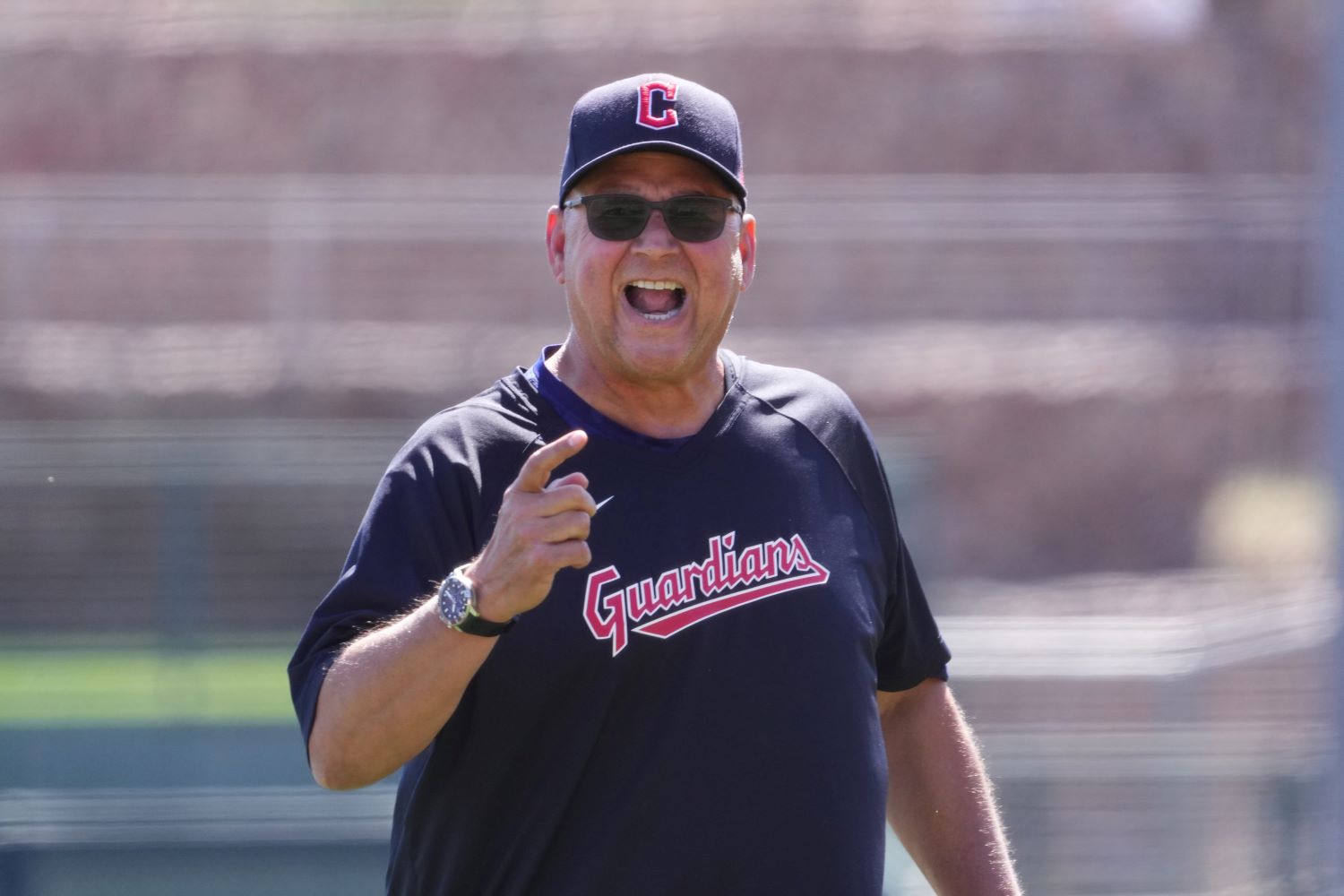 How did last season go? In a surprising breakout year, Cleveland escaped AL Central mediocrity to claim their first division title since redacting their name. It was a tremendous overhaul. With only José Ramírez and Shane Bieber returning as incumbents from that 2018 squad, the Guardians grew organically, promoting young studs like Steven Kwan and Triston McKenzie while riding accomplished breakouts from Andrés Giménez, Amed Rosario, Josh Naylor, Cal Quantrill and Emmanuel Clase—five talented players ripped from other franchises. It was the culmination of Cleveland’s philosophy: always finding quality, never acting satisfied with their current makeup, they dispersed legitimate major-league talent—trades bold to some but standard for them—in order to remain competitive. Few other teams in baseball could thrive after dealing a player like Francisco Lindor. The success didn’t end after the regular season; Cleveland dispatched the Rays before gritting out a wicked five-game series with the Yankees. They lost, but it was a sign that the typically toothless AL Central may have a feisty competitor. What did they do in the off-season? The Guardians capitulated a touch this past winter. Typically abstinent from the free agent frenzy, they added Josh Bell on a significant-for-them two-year deal and called upon the nebulous Mike Zunino to take over catching duties. They made other tertiary deals—talented outfielder Will Benson was banished elsewhere in the state—but those two signings represent the heart of Cleveland’s offseason. And they fit. Boy do they fit. While President of Baseball Operations, Chris Antonetti, pushes back on the notion that the Guardians purposely built their identity on contact and defense, the makeup is suspiciously classic. No team struck out less in 2022; few teams fielded better. If one was to retrofit an 80’s ballclub to the modern game, Cleveland would be the team and the fresh additions fit their mantra perfectly. Anyways, you probably know both of these guys; outside of having a dreadful 2020—and really, who didn’t—Bell has typically been an above-average to occasionally elite on-base threat with fewer punchouts than one would believe given his build and position. He struggled mightily following a mid-season deal to San Diego, but history says that should be a hiccup. Zunino is the fun one. His defense is great, and that’s fine and all, but his anxious bat is the stuff of legends: he has never finished a season with a wRC+ between 87 and 117; whether you get a monkey’s paw curse or a normal, competent bat is up to the stars. Cleveland can afford to only make these moves, though, because they possess one of the most consistent development systems in baseball, constantly churning out quality players will dull regularity. Despite using 17 rookies in 2022, the franchise still claims the 2nd best farm, according to Keith Law. “The Guardians seem to do two things exceptionally well,” he writes. “They have found a ton of talent, notably infield talent, through international free agency, and they have a clear process where they identify college starters with command and good deliveries whom they can help find increased velocity.” 80% of their rotation is homegrown. That shouldn’t even be possible. What should we expect in 2023? You know what’s coming. The Guardians will parade out an endless array of nasty pitchers, often none you’ve ever heard of before, while scrapping out enough late-inning runs to best their opponent. Rinse and repeat for 90-95 wins and they’ll likely earn enough victories to snag another playoff spot. So it goes. If you were so willing—and this author certainly is—there are a few weak spots in their armor, areas of fortune not so likely to repeat. The first of which comes via the baseball law-makers: the new equitable schedule hurts no team more than the Guardians, handing them 14 more games against teams with a winning record (based on 2022 standings, some teams may fluctuate in performance, of course). Cleveland held their own against teams over .500, breaking even with a 34-34 record, good for 7th best in baseball, but a few precious wins shaved off their record could mean a standings slip in a more competitive AL Central, assuming the Twins don’t fall on their face and the White Sox stop eating glue in the corner. It’s still a relatively easy schedule, so this point could prove moot. The second has to do with some of those breakout players from before: popping up the hood on Andrés Giménez’s hitting stats reveal some real rank stuff, stats unfitting in a typical healthy outburst. His .326 xwOBA in 2022 sits near Brendan Rodgers and Trey Mancini—fine hitters, but nowhere close to the Bogaertsian line he allegedly produced. Throw in a hearty BABIP, a poor walk rate, and questionable swing decisions, and his season may end up a mirage. The guy got hit nearly as often as he walked. A fall from grace could puncture an average hitting lineup. Oscar Gonzalez was phenomenal as a rookie, adding 122 wRC+ thump from the outfield with a build reminiscent of Albert Belle… hey! That’s a .345 BABIP and a 3.9% walk rate; we should know better than to trust that. Then there’s Cal Quantrill—the UnQuantrifiable—as coined by the good people at Pitcher List. The angel standing on your left shoulder will point out that his FIP since joining Cleveland is remarkably unremarkable, but the devil on the other side will just as quickly circle his sparkling 3.11 ERA. It’s been long enough that his performance feels sustainable, but, come on, there’s something sinister behind those numbers. Yet, this type of analysis feels far too granular for the Guardians; with Terry Francona helming a phenomenal system of talent, no one player, outside of maybe Ramírez, is irreplaceable or irreplicable. If Giménez busts, they’ll just replace him with Brayan Rocchio or something, shuffle their playing cards, and still spit out competence. It’s how they’ve turned in just one under .500 performance since the days of Shelley Duncan, 39-year-old Derek Lowe, and multiple time All-Star Chris Pérez (2012). So write your hating articles, predict their downfall, but remember that few franchises in baseball have thrived since the start of the 2010s like the Cleveland Guardians. They can develop four 200 strikeout starters and rid themselves of the same arms with no change to their success. That’s a legitimate baseball machine, one to be greatly feared and respected, and the end to their reign does not appear to be near.
 -
 How did last season go? With clowns to the left of them and jokers to the right, the White Sox finished… 2nd in the AL Central—not quite stuck in the middle, but close enough to make the difference negligible. There’s something eternally frustrating about a .500 team; the Lord considers their lukewarm nature repulsive and spits them out of his mouth while we baseball enthusiasts have to sift through mediocrity to properly analyze the roster. It's a movie with brilliant visuals and a meandering plot; a book with an empty subtext. Yes, Dylan Cease is inarguably the best non-Bieberian starter in the division, but what do we make of the likes of Yoán Moncada and Luis Robert? Will inconsistency ever make way for undeniable greatness? The answer, at least in 2022, was no. The team made a solid push for a Wild Card spot but lost eight straight games in late September to seal their fate. What did they do in the off-season? Chicago had a perfectly normal, cromulent off-season. They signed Andrew Benintendi—a sum-of-his-parts outfielder capable of boring production—to a $75 million contract while bringing back Elvis Andrus and acquiring Mike Clevinger on ancillary deals. For Benintendi, the move makes sense; Eloy Jiménez has yet to prove that his defense isn’t an active hazard to his health while the new guy's bat can help add oomph to a lineup losing some lumber. Clevinger can ideally toss about 120 innings, although in a far less efficient manner than he could before his second TJ surgery. Andrus is back because Chicago couldn’t afford to ignore the second base position as a concept anymore. In a vacuum, it’s a fine haul, but it's easy to second-guess Chicago’s strategy. So easy, in fact, that I’ll do that right now. In a division with the consistently-competent Guardians and a Twins team gearing up to earn a playoff spot, Chicago’s moves appear tepid, made to satisfy a bottom line and work as proof that the team is Trying to Win, not an actual attempt to carry out an effective plan. Letting José Abreu walk so that the youngster Andrew Vaughn—he of a 102 career OPS+—could take over first base full-time makes sense, but, man, is it wise to allow the team’s heart to walk without an effort to retain his services? For a franchise that staked its identity in Cuban stars, losing one of the finest players the island ever developed seems guaranteed to make a negative impact. Teams need leaders. To their credit, the White Sox realized this and canned mutually agreed to part ways with manager Tony La Russa. Often criticized, and never appreciated despite a 2021 Division victory, La Russa endured overwhelming negative noise for his decisions. From intentionally walking a hitter in a 1-2 count to being so pissy over his own player hitting a home run that the New York Times got involved, the game seemed to have passed him by, maybe literally. Former Twins draftee and Royals coach, Pedro Grifol, will man the ship now. What should we expect in 2023? The good news for the White Sox is that this is largely the same team that won the division in 2021. The bad news for the White Sox is that this is largely the same team that won the division in 2021. Remaining stagnant only invites atrophy as your competition increases their talent. Sure, they could present new breakout players, but Chicago in modern times has utterly failed to create an environment for internal player development. Their best players are bought, not altered. That may seem like a strange criticism—who cares where you get your players from—but when a team can only capitalize off their most valuable resources, then they aren’t doing their homework. Take a look at the roster: the team is nearly entirely made of 1st-round picks, expensive international signings, trades including significant major-league players, or free-agent acquisitions. Aaron Bummer—a 19th-round pick made nearly a decade ago—may be their only true success story in elevating from the muck. They robbed Cease and Eloy Jiménez from the Cubs and Lucas Giolito from the Nationals, but those were highly-regarded prospects, not invisible potential; those success stories aren’t examples of outstanding talent identification. For a team that refuses to live outside meager means, not finding hidden ability is a death sentence, a ticket to mediocrity that cannot be upgraded no matter how hard they try. That issue shows up in their depth, or, really, a complete lack of it. “[T]he Pale Hose are fairly dangerous if they enjoy a very good injury scenario but fall off very quickly if they don’t,” wrote Dan Szymborski after his ZiPS machine spat out a disappointing projection for the White Sox. Seby Zavala, Gavin Sheets, Jake Burger, and the inexplicable, unkillable Leury García represent the best of Chicago’s backups. It’s better to leave the topic there. Still, it’s impossible to ignore the talent. Luis Robert Jr. could be a legitimate top-5 center fielder in MLB, Tim Anderson is an All-Star talent, Yoán Moncada probably isn’t as bad as he was in 2022, Lucas Giolito has multiple 4+ fWAR seasons under his belt, Lance Lynn was elite in 2021, and Dylan Cease is a Cy Young candidate. That’s more upside than most .500 teams. But upside doesn’t promise wins, and baseball is a game of depth. Without tremendous, potentially historic injury luck, it’s difficult to see the White Sox maintain their top-tier talent throughout the entire season; those games started by the Davis Martins and Jonathan Stievers of the world appear ripe to tank their season. Whether that happens will be a game of fortune, and Chicago already knows what it's like to be burned by the odds.
 -
With baseball awakening from its slumber, join us on a trip through the AL Central, observing what each team has done—and still needs to do—in order to claim the division crown. Image courtesy of Kevin Jairaj-USA TODAY Sports How did last season go? With clowns to the left of them and jokers to the right, the White Sox finished… 2nd in the AL Central—not quite stuck in the middle, but close enough to make the difference negligible. There’s something eternally frustrating about a .500 team; the Lord considers their lukewarm nature repulsive and spits them out of his mouth while we baseball enthusiasts have to sift through mediocrity to properly analyze the roster. It's a movie with brilliant visuals and a meandering plot; a book with an empty subtext. Yes, Dylan Cease is inarguably the best non-Bieberian starter in the division, but what do we make of the likes of Yoán Moncada and Luis Robert? Will inconsistency ever make way for undeniable greatness? The answer, at least in 2022, was no. The team made a solid push for a Wild Card spot but lost eight straight games in late September to seal their fate. What did they do in the off-season? Chicago had a perfectly normal, cromulent off-season. They signed Andrew Benintendi—a sum-of-his-parts outfielder capable of boring production—to a $75 million contract while bringing back Elvis Andrus and acquiring Mike Clevinger on ancillary deals. For Benintendi, the move makes sense; Eloy Jiménez has yet to prove that his defense isn’t an active hazard to his health while the new guy's bat can help add oomph to a lineup losing some lumber. Clevinger can ideally toss about 120 innings, although in a far less efficient manner than he could before his second TJ surgery. Andrus is back because Chicago couldn’t afford to ignore the second base position as a concept anymore. In a vacuum, it’s a fine haul, but it's easy to second-guess Chicago’s strategy. So easy, in fact, that I’ll do that right now. In a division with the consistently-competent Guardians and a Twins team gearing up to earn a playoff spot, Chicago’s moves appear tepid, made to satisfy a bottom line and work as proof that the team is Trying to Win, not an actual attempt to carry out an effective plan. Letting José Abreu walk so that the youngster Andrew Vaughn—he of a 102 career OPS+—could take over first base full-time makes sense, but, man, is it wise to allow the team’s heart to walk without an effort to retain his services? For a franchise that staked its identity in Cuban stars, losing one of the finest players the island ever developed seems guaranteed to make a negative impact. Teams need leaders. To their credit, the White Sox realized this and canned mutually agreed to part ways with manager Tony La Russa. Often criticized, and never appreciated despite a 2021 Division victory, La Russa endured overwhelming negative noise for his decisions. From intentionally walking a hitter in a 1-2 count to being so pissy over his own player hitting a home run that the New York Times got involved, the game seemed to have passed him by, maybe literally. Former Twins draftee and Royals coach, Pedro Grifol, will man the ship now. What should we expect in 2023? The good news for the White Sox is that this is largely the same team that won the division in 2021. The bad news for the White Sox is that this is largely the same team that won the division in 2021. Remaining stagnant only invites atrophy as your competition increases their talent. Sure, they could present new breakout players, but Chicago in modern times has utterly failed to create an environment for internal player development. Their best players are bought, not altered. That may seem like a strange criticism—who cares where you get your players from—but when a team can only capitalize off their most valuable resources, then they aren’t doing their homework. Take a look at the roster: the team is nearly entirely made of 1st-round picks, expensive international signings, trades including significant major-league players, or free-agent acquisitions. Aaron Bummer—a 19th-round pick made nearly a decade ago—may be their only true success story in elevating from the muck. They robbed Cease and Eloy Jiménez from the Cubs and Lucas Giolito from the Nationals, but those were highly-regarded prospects, not invisible potential; those success stories aren’t examples of outstanding talent identification. For a team that refuses to live outside meager means, not finding hidden ability is a death sentence, a ticket to mediocrity that cannot be upgraded no matter how hard they try. That issue shows up in their depth, or, really, a complete lack of it. “[T]he Pale Hose are fairly dangerous if they enjoy a very good injury scenario but fall off very quickly if they don’t,” wrote Dan Szymborski after his ZiPS machine spat out a disappointing projection for the White Sox. Seby Zavala, Gavin Sheets, Jake Burger, and the inexplicable, unkillable Leury García represent the best of Chicago’s backups. It’s better to leave the topic there. Still, it’s impossible to ignore the talent. Luis Robert Jr. could be a legitimate top-5 center fielder in MLB, Tim Anderson is an All-Star talent, Yoán Moncada probably isn’t as bad as he was in 2022, Lucas Giolito has multiple 4+ fWAR seasons under his belt, Lance Lynn was elite in 2021, and Dylan Cease is a Cy Young candidate. That’s more upside than most .500 teams. But upside doesn’t promise wins, and baseball is a game of depth. Without tremendous, potentially historic injury luck, it’s difficult to see the White Sox maintain their top-tier talent throughout the entire season; those games started by the Davis Martins and Jonathan Stievers of the world appear ripe to tank their season. Whether that happens will be a game of fortune, and Chicago already knows what it's like to be burned by the odds. View full article
-
With baseball awakening from its slumber, join us on a trip through the AL Central, observing what each team has done—and still needs to do—in order to claim the division crown. Image courtesy of © Kim Klement-USA TODAY Sports How did last season go? Terrible. After a surprisingly competent showing in 2021, the Motor City Kitties fell back into their typical post-2016 swampy waters, finding themselves stuck in a 66-win quagmire. It was a puzzling everything-that-could-go-wrong-did type of season. Their big free agent splashes in Eduardo Rodríguez and Javier Báez capitulated; Rodríguez battled personal issues while Báez continued his lifelong struggle with sliders off the plate. A good team could overcome those things, but when mixed with overbearing injuries to young stars and poor play by their top prospects, Detroit’s 11-win slide isn’t much of an Agatha Christie mystery. Cruelly, almost any bright spot on the team comes with attached asterisks and lawyers' notes. Tarik Skubal was excellent to start the season, appearing on his way to finally grow into Young Ace territory before Flexor Tendon surgery curtly cut his year short; he will likely start 2023 recovering from surgery. Joe Jiménez figured out that you need to strike people out, not walk them, and limit homers… just to be traded to Atlanta following the season. So it goes. Eric Haase’s continued breakout might be the most notable positive for the team; he’s 30 with a poor glove. What did they do this off-season? The Tigers did what all underperforming teams do: tread water on the roster while cleaning up the muck internally. Was Al Aliva the problem? Who knows, but he’s gone, now replaced by former Giants brain man Scott Harris. Was the training staff poor? Maybe, but a clean sweep of the system will now ensure that, if injuries strike again, Detroit will at least have new people they can blame. That cleansing may be wise; the Tigers once claimed a hoard of talented pitching prospects—Casey Mize, Matt Manning, and Alex Faedo, among others—but one after the other has either underperformed, fell victim of an injury, or faced some combo of the two. Only the aforementioned Skubal has established himself in the majors. That’s not a pattern Detroit can afford to repeat. Outside of the Jiménez deal, the Tigers’ most impactful move was sending Gregory Soto and his lethal stuff/minimal control combo to Philadelphia for a haul of fascinating players. Will Nick Maton, Matt Vierling, or Donny Sands be good? Who knows, but parting with a reliever to find the answer to that question is a worthwhile bet. They also brought back the prodigal son, Matthew Boyd, and paid $8.5 million to Michael Lorenzen to pitch a bunch of forgettable innings. What should we expect in 2023? Perhaps it’s the madness of modern life sitting in, but the Tigers might be a compelling bounce-back team. It’s unlikely that the bats will be as historically dreadful as they were at parts in 2022, and their wall-moving project—a tasteful venture, unlike Baltimore's—should improve offense, at least a little bit. If Austin Meadows stays healthy and Spencer Torkelson and Riley Greene figure out major-league pitching, the lineup could be at least passable. The rotation is shakier. Mize is still on the mend after receiving Tommy John surgery, although his contributions were questionable to begin with, and Skubal just began throwing from flat ground. That leaves a strange hodge-podge of uninspiring veterans in Boyd and Lorenzon, rebound candidates in Rodríguez and Spencer Turnbull, and Manning’s impossibly low strikeout rate. It’s bizarre; this team is bizarre. They need a solid showing from their Faedos and Joey Wentzs to escape the AL Central doldrums. There’s little good news on the prospect front. Keith Law wrote that “[f]rom the 2016 through 2021 drafts, their top three picks by WAR to date are Tarik Skubal, Casey Mize … and John Schreiber, signed for $6,000 in the 15th round. Their international free-agent classes have been totally unproductive. And we haven’t seen many players get better once in the system over the last decade, whether they come in as reasonably polished players or not.” Other than that, things are fine. Jackson Jobe and Jace Jung—brothers in alliteration—pepper the back-end of top 100 prospects lists (so does the other Wilmer Flores, this one a pitcher), but the depth is malnourished, and Detroit lacks the history of identifying and fixing young talent. Colt Keith and Parker Meadows are interesting, though. Their future appears more unpredictable than Kansas City’s, but their upside could be legit. A.J. Hinch is a more-than-competent manager, and some elusive injury luck could spit out a team unlikely to compete for a playoff spot, but one who could flirt with .500 enough to make the effort seem worthwhile. Hopefully, Miguel Cabrera’s final season isn’t wasted on mediocrity. View full article
-
 How did last season go? Terrible. After a surprisingly competent showing in 2021, the Motor City Kitties fell back into their typical post-2016 swampy waters, finding themselves stuck in a 66-win quagmire. It was a puzzling everything-that-could-go-wrong-did type of season. Their big free agent splashes in Eduardo Rodríguez and Javier Báez capitulated; Rodríguez battled personal issues while Báez continued his lifelong struggle with sliders off the plate. A good team could overcome those things, but when mixed with overbearing injuries to young stars and poor play by their top prospects, Detroit’s 11-win slide isn’t much of an Agatha Christie mystery. Cruelly, almost any bright spot on the team comes with attached asterisks and lawyers' notes. Tarik Skubal was excellent to start the season, appearing on his way to finally grow into Young Ace territory before Flexor Tendon surgery curtly cut his year short; he will likely start 2023 recovering from surgery. Joe Jiménez figured out that you need to strike people out, not walk them, and limit homers… just to be traded to Atlanta following the season. So it goes. Eric Haase’s continued breakout might be the most notable positive for the team; he’s 30 with a poor glove. What did they do this off-season? The Tigers did what all underperforming teams do: tread water on the roster while cleaning up the muck internally. Was Al Aliva the problem? Who knows, but he’s gone, now replaced by former Giants brain man Scott Harris. Was the training staff poor? Maybe, but a clean sweep of the system will now ensure that, if injuries strike again, Detroit will at least have new people they can blame. That cleansing may be wise; the Tigers once claimed a hoard of talented pitching prospects—Casey Mize, Matt Manning, and Alex Faedo, among others—but one after the other has either underperformed, fell victim of an injury, or faced some combo of the two. Only the aforementioned Skubal has established himself in the majors. That’s not a pattern Detroit can afford to repeat. Outside of the Jiménez deal, the Tigers’ most impactful move was sending Gregory Soto and his lethal stuff/minimal control combo to Philadelphia for a haul of fascinating players. Will Nick Maton, Matt Vierling, or Donny Sands be good? Who knows, but parting with a reliever to find the answer to that question is a worthwhile bet. They also brought back the prodigal son, Matthew Boyd, and paid $8.5 million to Michael Lorenzen to pitch a bunch of forgettable innings. What should we expect in 2023? Perhaps it’s the madness of modern life sitting in, but the Tigers might be a compelling bounce-back team. It’s unlikely that the bats will be as historically dreadful as they were at parts in 2022, and their wall-moving project—a tasteful venture, unlike Baltimore's—should improve offense, at least a little bit. If Austin Meadows stays healthy and Spencer Torkelson and Riley Greene figure out major-league pitching, the lineup could be at least passable. The rotation is shakier. Mize is still on the mend after receiving Tommy John surgery, although his contributions were questionable to begin with, and Skubal just began throwing from flat ground. That leaves a strange hodge-podge of uninspiring veterans in Boyd and Lorenzon, rebound candidates in Rodríguez and Spencer Turnbull, and Manning’s impossibly low strikeout rate. It’s bizarre; this team is bizarre. They need a solid showing from their Faedos and Joey Wentzs to escape the AL Central doldrums. There’s little good news on the prospect front. Keith Law wrote that “[f]rom the 2016 through 2021 drafts, their top three picks by WAR to date are Tarik Skubal, Casey Mize … and John Schreiber, signed for $6,000 in the 15th round. Their international free-agent classes have been totally unproductive. And we haven’t seen many players get better once in the system over the last decade, whether they come in as reasonably polished players or not.” Other than that, things are fine. Jackson Jobe and Jace Jung—brothers in alliteration—pepper the back-end of top 100 prospects lists (so does the other Wilmer Flores, this one a pitcher), but the depth is malnourished, and Detroit lacks the history of identifying and fixing young talent. Colt Keith and Parker Meadows are interesting, though. Their future appears more unpredictable than Kansas City’s, but their upside could be legit. A.J. Hinch is a more-than-competent manager, and some elusive injury luck could spit out a team unlikely to compete for a playoff spot, but one who could flirt with .500 enough to make the effort seem worthwhile. Hopefully, Miguel Cabrera’s final season isn’t wasted on mediocrity.
 -
Sandy Valdespino, Member of the 1965 World Series Twins, Passes Away at 84
Matt Braun posted an article in Twins
 The baseball world lost another brother in their fraternity last Sunday. Sandy Valdespino, one of Sam Mele’s bench weapons on the 1965 World Series team, passed away in Moultrie, Georgia, at the age of 84. Signed by the legendary scout, Joe Cambria, Valdespino made his American baseball debut in 1957, crushing a homer in the Texas League that earned him notice in The Sporting News (Cohen). Valdespino—who was originally named “Hilario,” only taking on the name “Sandy” because minor-league manager Johnny Welaj thought he looked like Dodgers player Sandy Amoros—bounced across the minors, playing around the U.S. as he fought for promotions. Jim Kaat recalled rooming with Valdespino in Missoula, Montana in 1958: “We rented a room in a house … I think it was 16 bucks a week,'' Kaat said. "I was 6-foot-5 and white as snow, and Sandy was 5-foot-6 and a black guy in Montana 65 years ago. We made quite the pair strolling down the streets of Missoula.” (Reusse, Miller) As a Cuban player during the Castro revolution, Valdespino navigated choppy political waters, leaving his home country to focus solely on baseball following 1961. “I was very lucky,” he said. “In the beginning, I was kind of worried. What if I don’t make it? What am I supposed to do? But I work hard. I work hard and I keep myself in good discipline. I make a lot of friends. It was good for me.” (Seegmueller). 1965 proved to be his opportunity. After leading the International League in batting with the Atlanta Crackers the prior season, the Twins found room in their lineup for the potential star. Playing time was inconsistent—a start here, a pinch-hit there—as Minnesota stacked outfield proved tough to crack. Valdespino found his niche. An especially fruitful June embodied his 274 plate appearances and consistent play as a late-inning substitute; he played in 108 games that year. Earning three starts in the World Series, including a spot in the two-hole for the opening match, Valdespino cracked a trio of hits, but couldn’t help overcome the great Dodgers pitching machine in a seven-game loss. Despite earning the opening-day left field spot over Bob Allison, Valdespino could not build off his rookie season; 1965 proved to be the most successful season in his career. A second dry season in 1967 begat a journeyman series of seasons. While he rubbed elbows with stars like Hank Aaron, Phil Niekro, Joe Torre, Joe Morgan, and Amos Otis, the magic never returned, and Valdespino retired from MLB following 1971. His playing career ended in 1974 after a venture in the Mexican League. Despite a memorable World Series performance, Valdespino’s most cherished MLB memory was an outstanding catch he made in 1967. “We were winning, 5-3, and Dean Chance was pitching, but he started to have a little bit of trouble in the eighth,” Valdespino said. “So they took him out and put me in the left field, so I could (hit in the pitcher’s spot in the lineup). They pulled Bob Allison out of left and put Ron Kline in to pitch. I got back there slowly and Dick Radatz came to bat. The wind was blowing in like a hurricane, and Kline threw him a fast ball. He hit it, and the ball came off his bat and took off like an airplane. I said, ‘Oooh, what’s this? So I took off running to see how far that ball was going to go over the fence.” (Seegmueller) But the ball didn’t end up flying too far. “When I jumped, my spikes caught the fence and kept me on balance,” he said. “I saw the ball and threw my glove up and it went in. Whop! That was one of my greatest catches ever; they are still talking about it. They have it on a replay they show.” (Seegmueller) For Cleveland’s manager, it was the greatest catch he ever saw, and with Joe DiMaggio in the stands for the game, it was a beautiful showcase of what Sandy Valdespino could do on a baseball field. Sources: Cohen, Alan, Sandy Valdespino, SABR. Miller, Chris and Reusse, Patrick, Former Twins outfielder Sandy Valdespino dies at age 84, StarTribune. Seegmueller, Tom, Albany's Sandy Valdespino recalls escaping Cuba to baseball's Major Leagues, Albany Herald.
 -
It was October 6th, 1965, and Metropolitan Stadium had never been more raucous. After a dominating 102-win season, the Twins earned the right to face the class of the NL, the Dodgers, in the World Series. With a 4-1 lead built up against Don Drysdale, Sandy Valdespino smacked a double to right field. Life never felt better. Image courtesy of Malcolm Emmons-USA TODAY Sports The baseball world lost another brother in their fraternity last Sunday. Sandy Valdespino, one of Sam Mele’s bench weapons on the 1965 World Series team, passed away in Moultrie, Georgia, at the age of 84. Signed by the legendary scout, Joe Cambria, Valdespino made his American baseball debut in 1957, crushing a homer in the Texas League that earned him notice in The Sporting News (Cohen). Valdespino—who was originally named “Hilario,” only taking on the name “Sandy” because minor-league manager Johnny Welaj thought he looked like Dodgers player Sandy Amoros—bounced across the minors, playing around the U.S. as he fought for promotions. Jim Kaat recalled rooming with Valdespino in Missoula, Montana in 1958: “We rented a room in a house … I think it was 16 bucks a week,'' Kaat said. "I was 6-foot-5 and white as snow, and Sandy was 5-foot-6 and a black guy in Montana 65 years ago. We made quite the pair strolling down the streets of Missoula.” (Reusse, Miller) As a Cuban player during the Castro revolution, Valdespino navigated choppy political waters, leaving his home country to focus solely on baseball following 1961. “I was very lucky,” he said. “In the beginning, I was kind of worried. What if I don’t make it? What am I supposed to do? But I work hard. I work hard and I keep myself in good discipline. I make a lot of friends. It was good for me.” (Seegmueller). 1965 proved to be his opportunity. After leading the International League in batting with the Atlanta Crackers the prior season, the Twins found room in their lineup for the potential star. Playing time was inconsistent—a start here, a pinch-hit there—as Minnesota stacked outfield proved tough to crack. Valdespino found his niche. An especially fruitful June embodied his 274 plate appearances and consistent play as a late-inning substitute; he played in 108 games that year. Earning three starts in the World Series, including a spot in the two-hole for the opening match, Valdespino cracked a trio of hits, but couldn’t help overcome the great Dodgers pitching machine in a seven-game loss. Despite earning the opening-day left field spot over Bob Allison, Valdespino could not build off his rookie season; 1965 proved to be the most successful season in his career. A second dry season in 1967 begat a journeyman series of seasons. While he rubbed elbows with stars like Hank Aaron, Phil Niekro, Joe Torre, Joe Morgan, and Amos Otis, the magic never returned, and Valdespino retired from MLB following 1971. His playing career ended in 1974 after a venture in the Mexican League. Despite a memorable World Series performance, Valdespino’s most cherished MLB memory was an outstanding catch he made in 1967. “We were winning, 5-3, and Dean Chance was pitching, but he started to have a little bit of trouble in the eighth,” Valdespino said. “So they took him out and put me in the left field, so I could (hit in the pitcher’s spot in the lineup). They pulled Bob Allison out of left and put Ron Kline in to pitch. I got back there slowly and Dick Radatz came to bat. The wind was blowing in like a hurricane, and Kline threw him a fast ball. He hit it, and the ball came off his bat and took off like an airplane. I said, ‘Oooh, what’s this? So I took off running to see how far that ball was going to go over the fence.” (Seegmueller) But the ball didn’t end up flying too far. “When I jumped, my spikes caught the fence and kept me on balance,” he said. “I saw the ball and threw my glove up and it went in. Whop! That was one of my greatest catches ever; they are still talking about it. They have it on a replay they show.” (Seegmueller) For Cleveland’s manager, it was the greatest catch he ever saw, and with Joe DiMaggio in the stands for the game, it was a beautiful showcase of what Sandy Valdespino could do on a baseball field. Sources: Cohen, Alan, Sandy Valdespino, SABR. Miller, Chris and Reusse, Patrick, Former Twins outfielder Sandy Valdespino dies at age 84, StarTribune. Seegmueller, Tom, Albany's Sandy Valdespino recalls escaping Cuba to baseball's Major Leagues, Albany Herald. View full article
-
Agreed.
-
It can be true that both the Twins *and* Royals don’t have a great recent track record with homegrown starters. At least Minnesota produced José Berríos.
