



Brock Beauchamp
-
Posts
32,641 -
Joined
-
Last visited
-
Days Won
328
Content Type
Profiles
News
Minnesota Twins Videos
2026 Minnesota Twins Top Prospects Ranking
2022 Minnesota Twins Draft Picks
Minnesota Twins Free Agent & Trade Rumors, Notes, & Tidbits
Guides & Resources
2023 Minnesota Twins Draft Picks
The Minnesota Twins Players Project
2024 Minnesota Twins Draft Picks
2025 Minnesota Twins Draft Pick Tracker
2026 Minnesota Twins Draft Tracker: Picks & Bonuses
Forums
Blogs
Events
Store
Downloads
Gallery
Everything posted by Brock Beauchamp
-
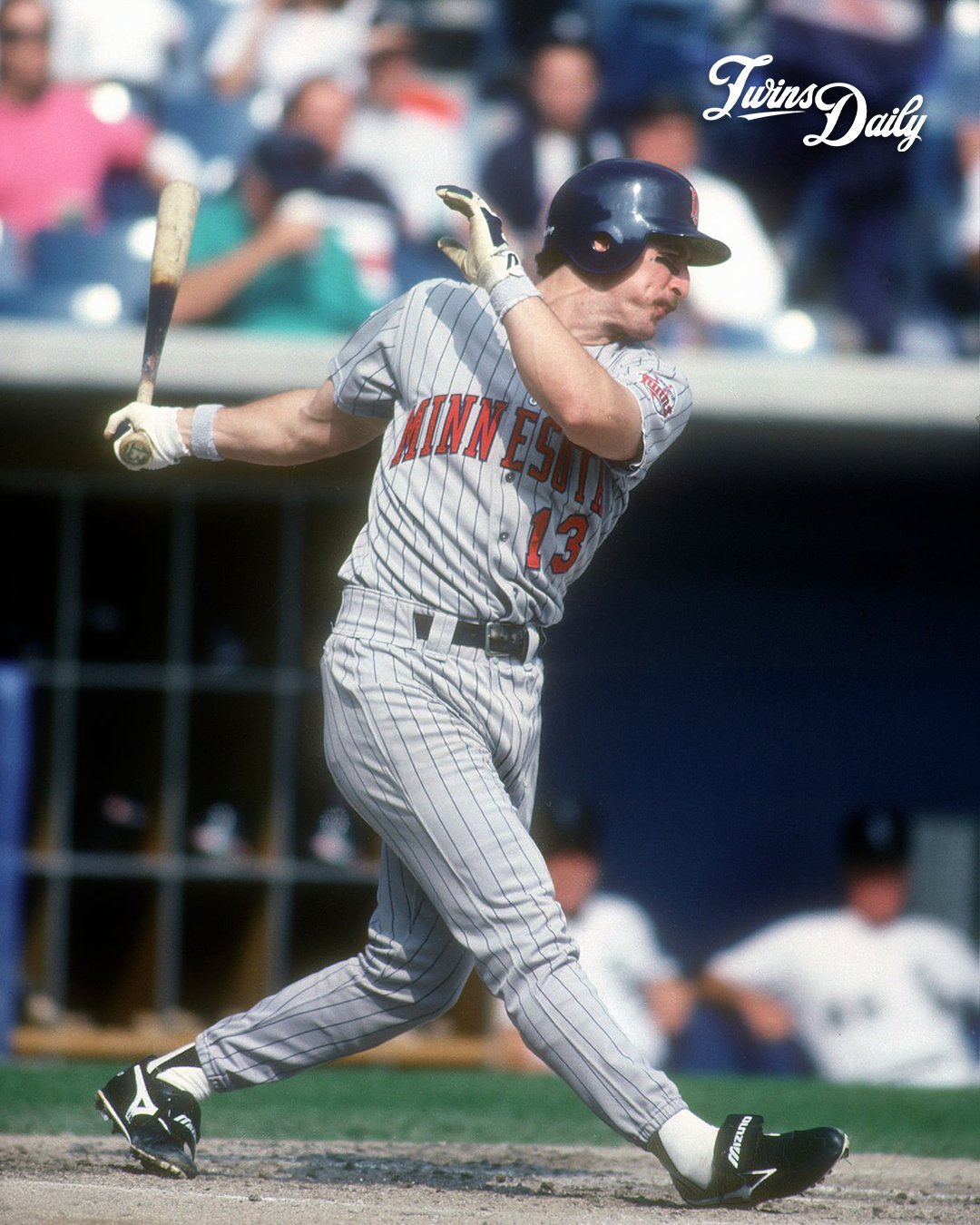
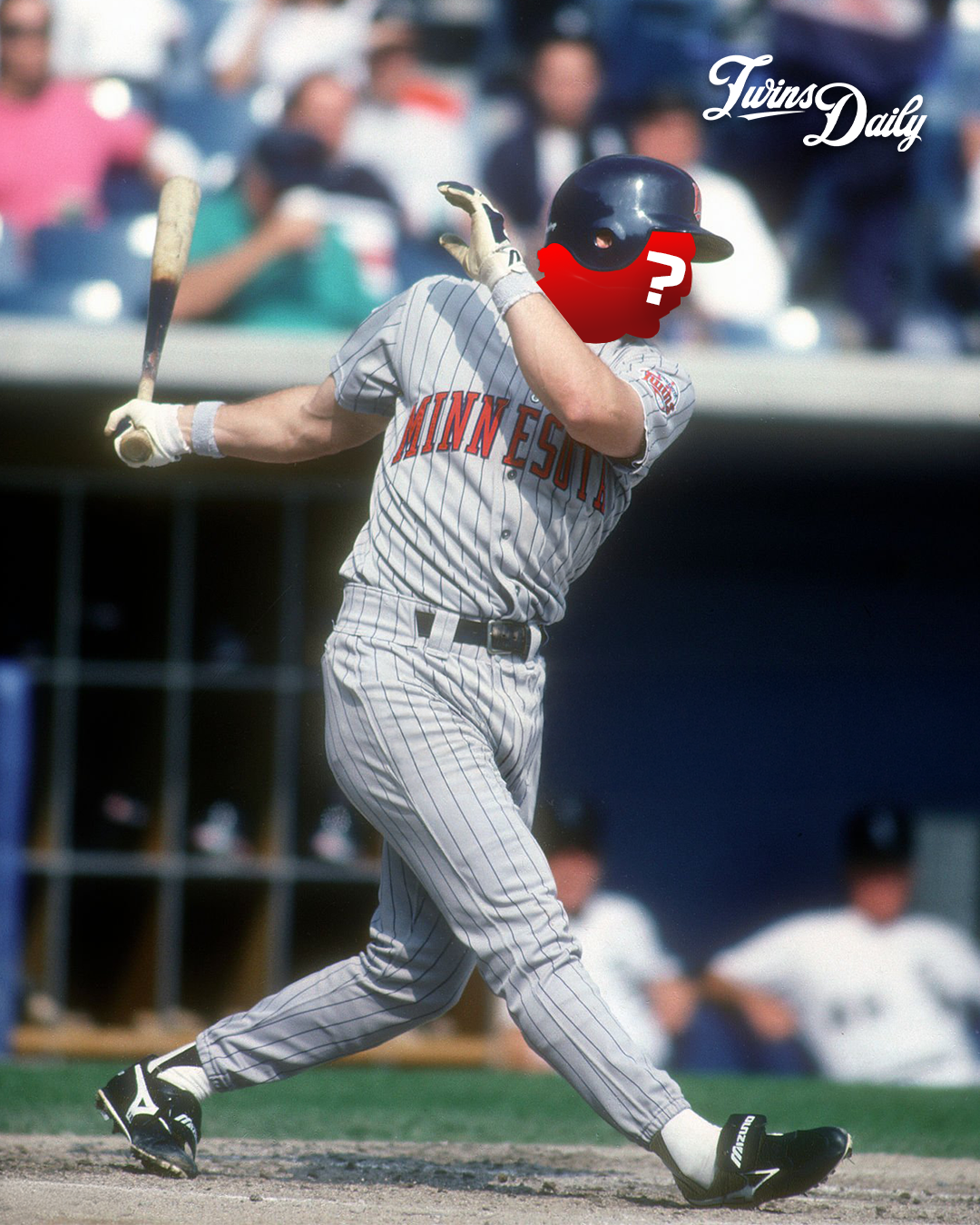
It's Pags!
-
-

Gasper, Julien, Keirsey and Martin
Brock Beauchamp replied to jorgenswest's topic in Minnesota Twins Talk
I probably go with Julien? Then Gasper. I'd like to see Keirsey get a shot, and I'm sure he will when an outfielder goes down, but I don't think I'd start Opening Day with him. -
-
Twins.TV Broadcast Positives and Negatives
Brock Beauchamp replied to ryanking61's topic in Minnesota Twins Talk
Free game of the day just means the game is free to watch. Thankfully, MLB pulled its head out of its monumental ass and began making all spring training games free to watch. That's why you're seeing that message littered around the MLB app in March. On Opening Day, that will revert to one game(ish) a day. -
What exactly is "present day value" in baseball contracts? Here's a breakdown, straight from an accountant. Sifting Through the Vladimir Guerrero Jr. Contract Noise - Blue Jays - Jays Centre JAYSCENTRE.COM The baseball media is mischaracterizing the actual value of contracts with deferred money. Let's get it straight.
-
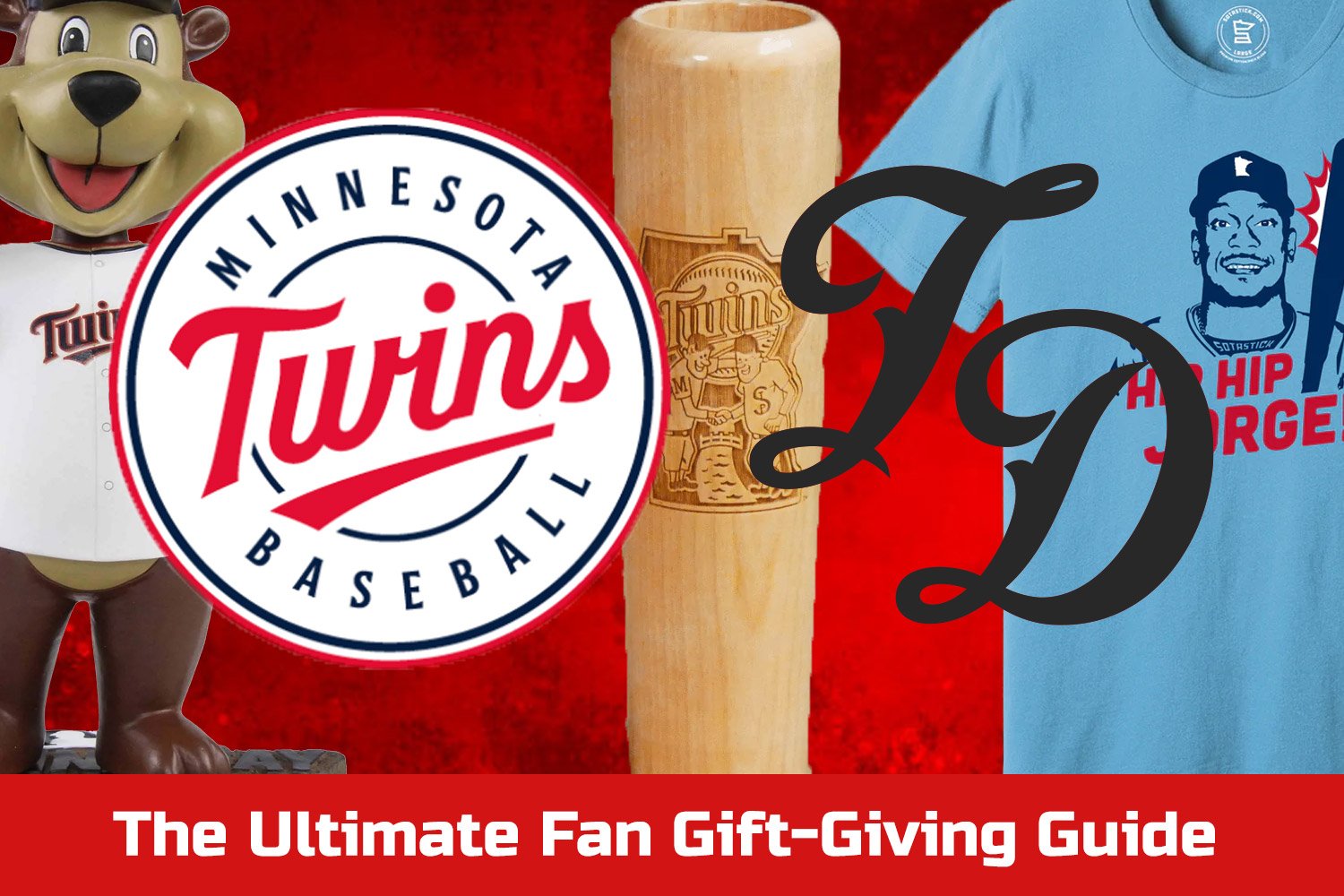 Updated March 20, 2025! To start things off, we'd like you to take a look at the products from our friends at FOCO. They make a variety of novelty Twins bobbleheads along with Twins hats, apparel, and other products. Any purchase from FOCO using this link earns Twins Daily store credit, which we use exclusively for gifts for our awesome users. Please consider giving FOCO a look! Is someone you know a Twins Daily user? If so, consider giving them a gift card to be redeemed for either a Gold or Silver Caretaker year-long subscription! Caretakers are offered free publications, Winter Meltdown tickets, and exclusive content alongside ad-free browsing across Twins Daily if you opt for Gold Caretaking! Gift Ideas for Twins Fans (click to jump directly to section): FOCO Products Apparel & Gear Unique Gifts Game Tickets Books Fan Memorabilia FOCO Products Gear Up for Opening Day with FOCO’s Must Have Twins Spring Essentials! Spring is right around the corner, so FOCO wants to make sure all Twins fans are geared up and ready for Spring and Opening Day! Weather you need some shortalls for opening day, a new collectible to upgrade the stellar collection, or just some Twins products to show off your fandom, FOCO is the place to shop for all Minnesota Twins fans! Minnesota Twins Women’s Plaid Bib Shortalls Show your team spirit on Opening Day in these stylish and comfortable Minnesota Twins Women’s Plaid Bib Shortalls. With their all-over team-colored design and bold team logo display, these shortalls are the perfect way to show your support for the Minnesota Twins while showing off your squad’s history, putting all that throwback glory on display. Minnesota Twins Floral Straw Hat Ready to feel fine in floral fashion? Then you're ready for this Minnesota Twins Floral Printed Straw Hat. Minnesota Twins Big Logo Drawstring Backpack Whether you're going to work, class, or the gym, make sure you always put the team on your back. Literally. Store your stuff and show off your team spirit with this Minnesota Twins Big Logo Drawstring Backpack. Minnesota Twins Floral Button Up Shirt Barbecues, beach days, ballgames - No matter where you are, you're guaranteed to be the best-looking fan when you're rocking this Minnesota Twins Floral Button Up Shirt. Minnesota Twins Hibiscus Boardwalk Stripe Boardshorts You know those awesome grand prizes you can win at boardwalk games? These Minnesota Twins Hibiscus Boardwalk Stripe Boardshorts are just as awesome, but they're way easier to get. Minnesota Twins Gradient Wordmark Gel Slide Be sure to thank your feet for all that walking they help you do by keeping them comfy in these Minnesota Twins Gradient Wordmark Gel Slides! TC Bear Minnesota Twins Opening Day Mascot Bobblehead On Opening Day, Take Me Out to the Ballgame just hits different. Play that classic tune with the push of a button by adding this T.C. Bear Minnesota Twins Opening Day Mascot Bobblehead to your starting lineup! Minnesota Twins Target Field BRXLZ Stadium Who said you can only enjoy the awesomeness of the stadium on gameday? Build some home field advantage with this Target Field Minnesota Twins BRXLZ Stadium and enjoy the beauty of your stadium whenever you want. Apparel & Gear If you haven't heard of Sota Stick, you're in for a treat. They create custom Minnesota-themed apparel and clothing for all Minnesota sports teams. You won't find team logo-branded merchandise here; every one of their products is lovingly crafted to capture an iconic sports moment, player, often using fun wordplay. If you want apparel with the flavor of something a little different for the Twins fan in your life, you can't go wrong starting with Sota Stick. To view the Homer Shirt seen above, click here. NEW GEAR! The Twins Pro Shop has released loads of new apparel of all kinds. Some of these designs will be the hottest things going during the 2022 holiday season so check out the new designs by clicking here! If you're looking for more traditional Twins-branded hoodies, shirts, sweatshirts, women's apparel, or jerseys, the MLB Pro Shop is the place to go. They offer an enormous collection of branded apparel and gear that covers the history of the Minnesota Twins. And finally, no list would be complete without a link to the New Era Minnesota Twins collection of hats. Over the past several years, New Era has expanded their line of caps to meet every color preference, shape, and design a Twins fans could ever want. Here is their special release with the new "TC" logo. If the Twins fan in your life is so hardcore that they're more likely to rock minor league baseball gear than something from the Minneapolis squad, look no further than the pro shops for the Twins minor league affiliates: AAA St Paul Saints, AA Wichita Wind Surge, High A-ball Cedar Rapids Kernels, A-ball Ft Myers Mighty Mussels. Unique Gifts When it comes to unique gifts for a Twins fan, Dugout Mugs is one of the coolest companies you'll find for any gift-giving occasion. They make a line of "glassware" built from baseball bats! They offer a variety of sizes and styles, including their newest Twins release, the "M" logo with the North Star above. Speaking of custom baseball bat gifts, Pillbox Bat Company is another outstanding gift opportunity if your budget is on the higher side of things. They offer a range of custom carved and/or painted baseball bats, such as the beautiful bat pictured below. If you're looking for something unique and exclusive, you won't find anything better than Pillbox Bat Company. Game Tickets What's the point of being a baseball fan if you never catch a live game at lovely downtown Target Field? The 2024 Twins schedule has been released with both single-game tickets and a variety of season ticket packages available at the official Twins ticket store. And if you're up for traveling to get out of the long, dismal Minnesota winter, spring training tickets are also available! Books The Big 50: The Men and Moments that Made the Minnesota Twins by Aaron Gleeman Aaron is a phenomenal writer, diligent researcher, and lifelong Twins fan, making him the perfect fit to write this expansive journey through the franchise's history. With stat-centric slant, AG counts down the 50 most important players and milestones since the team moved to Minnesota. Minnesota Twins: The Complete Illustrated History by Dennis Brackin, Patrick Reusse I received this as a gift some years ago and I love it. It's the perfect coffee table book: a big glossy hardcover full of colorful photos and nostalgic memories. If you've read his columns in the past or listened to his recent appearance on Gleeman and the Geek, you know how good a storyteller Reusse is. Game Used: My Life in Stitches With the Minnesota Twins by Dick Bremer With help from co-author Jim Bruton, Bremer shares more than 100 anecdotes drawn from a 30-plus year run as Twins TV play-by-play announcer. Dick spoke a little bit about the book during a "Minnesota Made" interview with David Youngs for Twins Daily earlier this year. Minnesota Twins Baseball: Hardball History on the Prairie by Stew Thornley A must-have for any baseball history buff. Thornley is an official scorekeeper for the Twins and also one of the premier Minnesota sports historians around. If your gift recipient is familiar with much of the mainstream Twins history – Killebrew, Carew, Oliva, et al – but interested in learning about some of the lesser-known wrinkles of the franchise's legacy, this is a great choice. Fan Memorabilia No one has you covered like FanHQ when it comes to Minnesota Twins memorabilia. FanHQ has been a long-time friend of Twins Daily and they're the place we go when we need one-off memorabilia you can't find elsewhere. They always have a wide variety of autographed prints, balls, bats, jerseys, and more. They have you covered for memorabilia of Twins players both past and present. Only here can you find something from a Twins Hall of Fame player alongside this lovely set of gold-and-black autographed balls from Twins rookie Jose Miranda. That's all we have for our ultimate Minnesota Twins gift idea guide! This list will be regularly updated and changed as we find new, exciting Twins gift ideas. Is there something missing from this list you believe should make the cut? Comment below and share some of your best Twins gift ideas with the community!
 -
By the way, if anyone ever has a good idea for a poll question, please @ me any time. Coming up with good questions can be tough, especially over multiple sites. I'm going to have multiple blind spots just because I'm distracted so much of the time.
-

-
An interesting piece from one of our writers on Talk Sox. The Tokyo Series played its first game, kicking off the 2025 MLB season. Let's look at how a shared love of baseball has brought together Japan and the United States. Baseball's Effect on Japan-United States Relations - Red Sox - Talk Sox TALKSOX.COM With the Japan Series beginning tomorrow, a look at how baseball has shaped and deepened the ties between Japan and the US.
-
Announcing Home Run Derby (2025) - A fun game to play!
Brock Beauchamp replied to Southpaw19's topic in Minnesota Twins Talk
@Southpaw19? -
This is a new feature we're rolling out this year to allow fans to give their opinions on the Twins. The page is still being developed but the basics are there. We will add and remove questions as situations change with the team. And you can vote on the same question once per day so your vote is not locked in for an entire season. Check it out and vote so we can start testing the back-end and make sure everything is functional! https://twinsdaily.com/polls/
-
-
Davy Andrews on the New Era Caps
Brock Beauchamp replied to Brock Beauchamp's topic in Minnesota Twins Talk
Testing comments. -
The Players Project is approaching 150 players and now includes two of the best all-time Minnesota Twins. What is the Players Project? It's a community-driven, wiki-style project focusing on Twins players of all stripes. It's open to all Twins Daily users, and we've made contributions to current players, past players, and players who never even made the major leagues but played in the Twins farm system. Create your favorite player today! The Players Project continues to grow, and this week, it's due to the help of @Cody Christie and @William Malone, creating pages for some of the most memorable Twins of all time. First, we have perhaps the greatest Minnesota Twin of all time, Harmon Killebrew. The man who hit 40 home runs in a season eight times in his career and concluded his playing days with the fifth-most home runs in baseball history. A true icon of Minnesota sports and one of the greatest power hitters in baseball history. Next up is the most dominant pitcher in Twins history, Johan Santana. Winner of two American League Cy Young (let's not get into how he was robbed of a third), Santana was the best pitcher of his generation for a half decade and, if not for injury, would be an easy Cooperstown inductee. Lastly, we have another Johan Santana. Did you know that Ervin Santana's given name is actually Johan Santana, and he changed his name to avoid confusion with the guy you just read about above? Anyway, Ervin-not-Johan Santana was a critical piece of the playoff-bound 2017 Twins, posting what was probably the best year of his very good career. Read all about him by hitting the link below. The Minnesota Twins Players Project is open to all Twins Daily users. We're still missing some of the most iconic players to wear a Twins uniform: Kirby Puckett, Kent Hrbek, and many more. They still need pages, so create one today! View full article
-
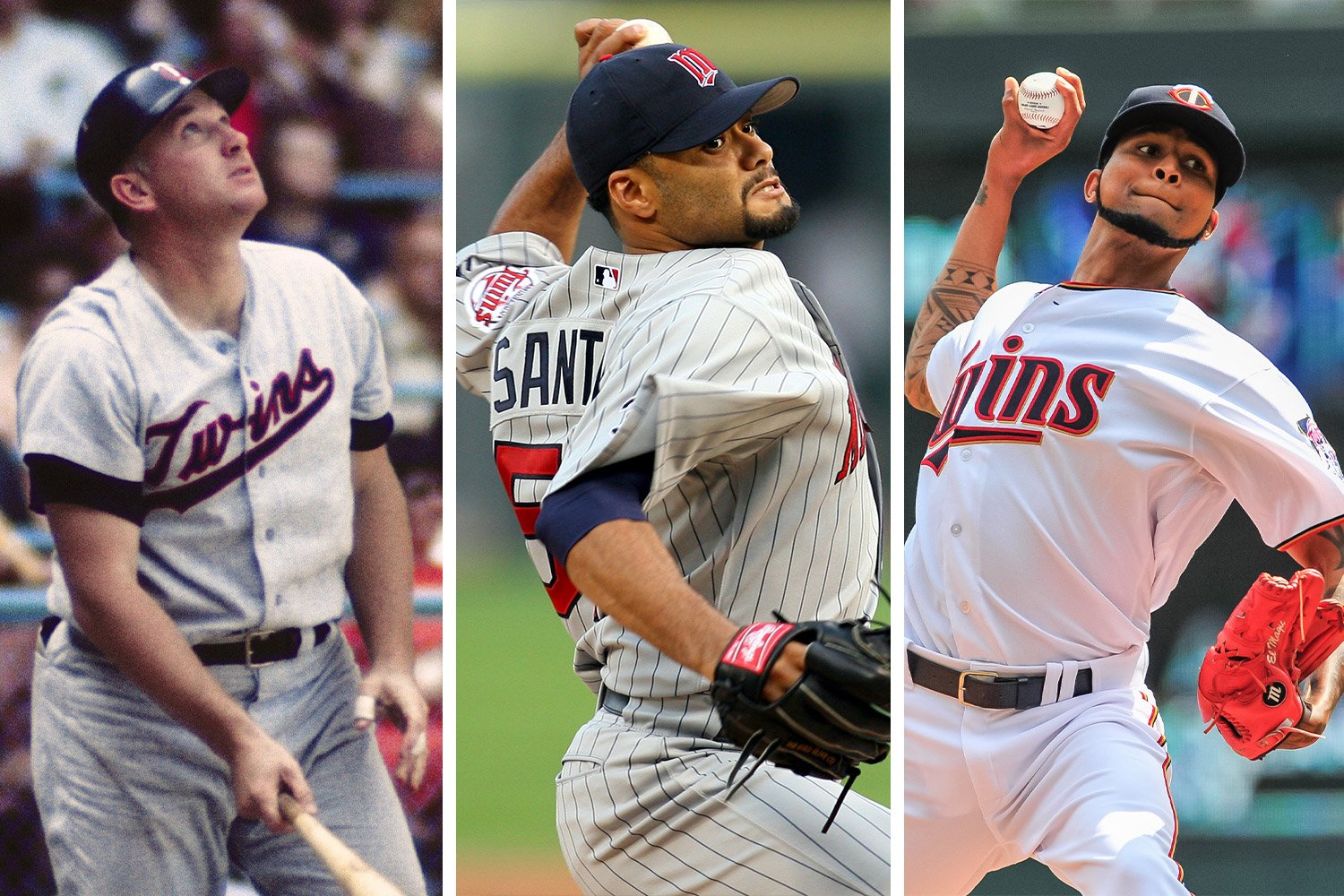 What is the Players Project? It's a community-driven, wiki-style project focusing on Twins players of all stripes. It's open to all Twins Daily users, and we've made contributions to current players, past players, and players who never even made the major leagues but played in the Twins farm system. Create your favorite player today! The Players Project continues to grow, and this week, it's due to the help of @Cody Christie and @William Malone, creating pages for some of the most memorable Twins of all time. First, we have perhaps the greatest Minnesota Twin of all time, Harmon Killebrew. The man who hit 40 home runs in a season eight times in his career and concluded his playing days with the fifth-most home runs in baseball history. A true icon of Minnesota sports and one of the greatest power hitters in baseball history. Next up is the most dominant pitcher in Twins history, Johan Santana. Winner of two American League Cy Young (let's not get into how he was robbed of a third), Santana was the best pitcher of his generation for a half decade and, if not for injury, would be an easy Cooperstown inductee. Lastly, we have another Johan Santana. Did you know that Ervin Santana's given name is actually Johan Santana, and he changed his name to avoid confusion with the guy you just read about above? Anyway, Ervin-not-Johan Santana was a critical piece of the playoff-bound 2017 Twins, posting what was probably the best year of his very good career. Read all about him by hitting the link below. The Minnesota Twins Players Project is open to all Twins Daily users. We're still missing some of the most iconic players to wear a Twins uniform: Kirby Puckett, Kent Hrbek, and many more. They still need pages, so create one today!
- 1 comment
-
- 1
-

-
- harmon killebrew
- ervin santana
- (and 1 more)
-
This is such a fantastic read! And ridiculous! https://blogs.fangraphs.com/plop-it-thirty-poems-about-the-new-era-overlap-hats/
-
Oh yeahhhhhhh
juanberenguer.jpg.c36601fc8279db152affe2b4c7ae6109.jpg)
-
Erik Komatsu
Brock Beauchamp replied to William Malone's topic in The Minnesota Twins Players Project
It took me a good two minutes to even remember this player existed on the Twins. -
I don't even know how to grade Twins starting prospects anymore. Morris is interesting in the same mold as Ryan, Ober, Matthews, etc. This front office is very good at getting the most out of right-handed arms, time will tell whether the trend continues with Morris. He's not a flame thrower but like SWR, seems to just know how to get hitters out (though SWR's track record was far more volatile). It's hard not to be excited about the Twins rotation for the foreseeable future.
-
-
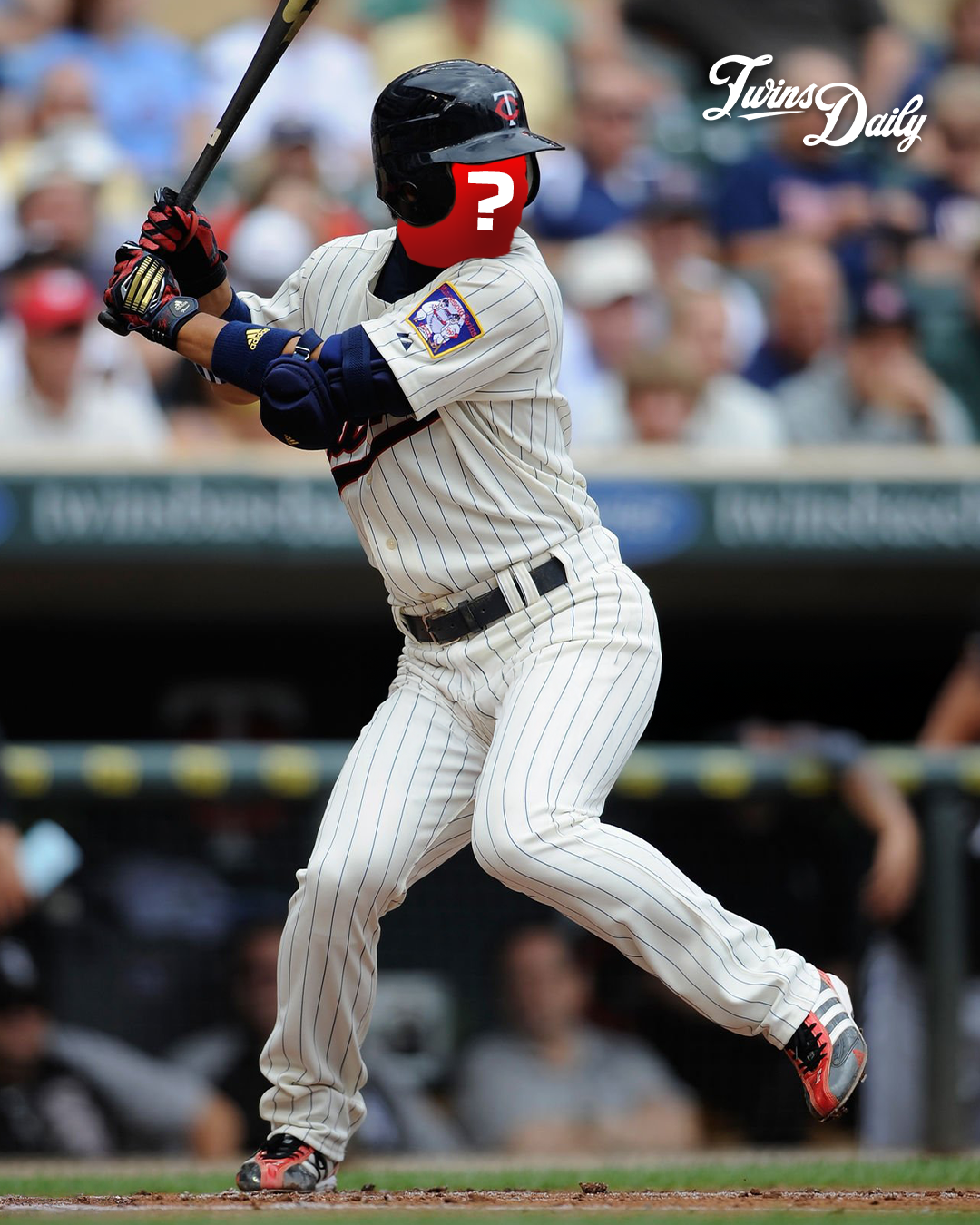
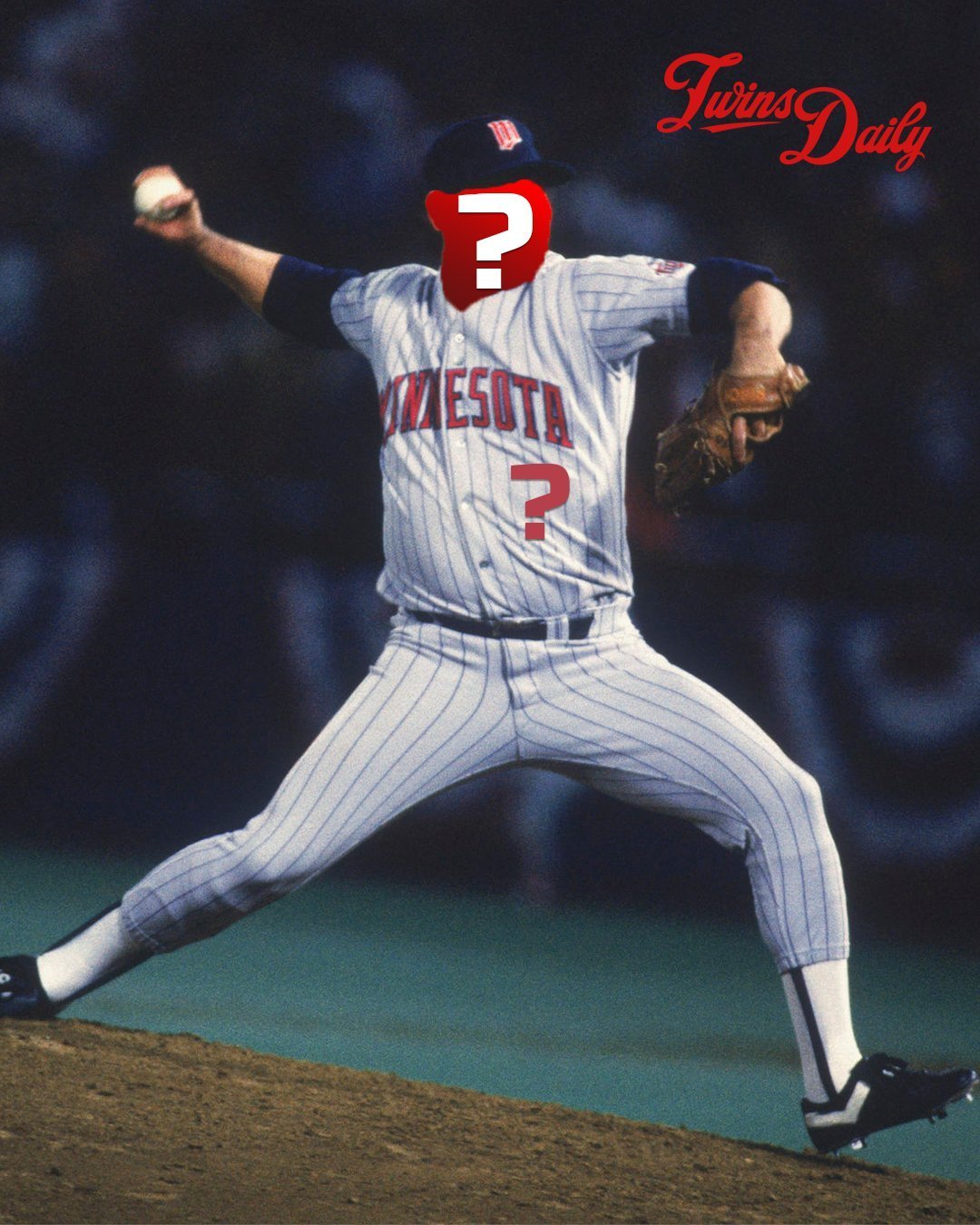
For me, it was the woven necklace that gave it away. I only remember Crain and Nathan wearing them. It's Jesse Crain.

-
-

-
I don't know if any of you have been following what's going on with the Red Sox but you can't help but laugh about it. Stomach Bug Besieges the Fort: Red Sox Bedeviled by Bum Tum - Just For Fun - Talk Sox TALKSOX.COM Internal turmoil has stricken the Red Sox, which is to say that a whole lot of players have a stomach bug.



juanberenguer.jpg.c36601fc8279db152affe2b4c7ae6109.jpg)

