



Twins Video
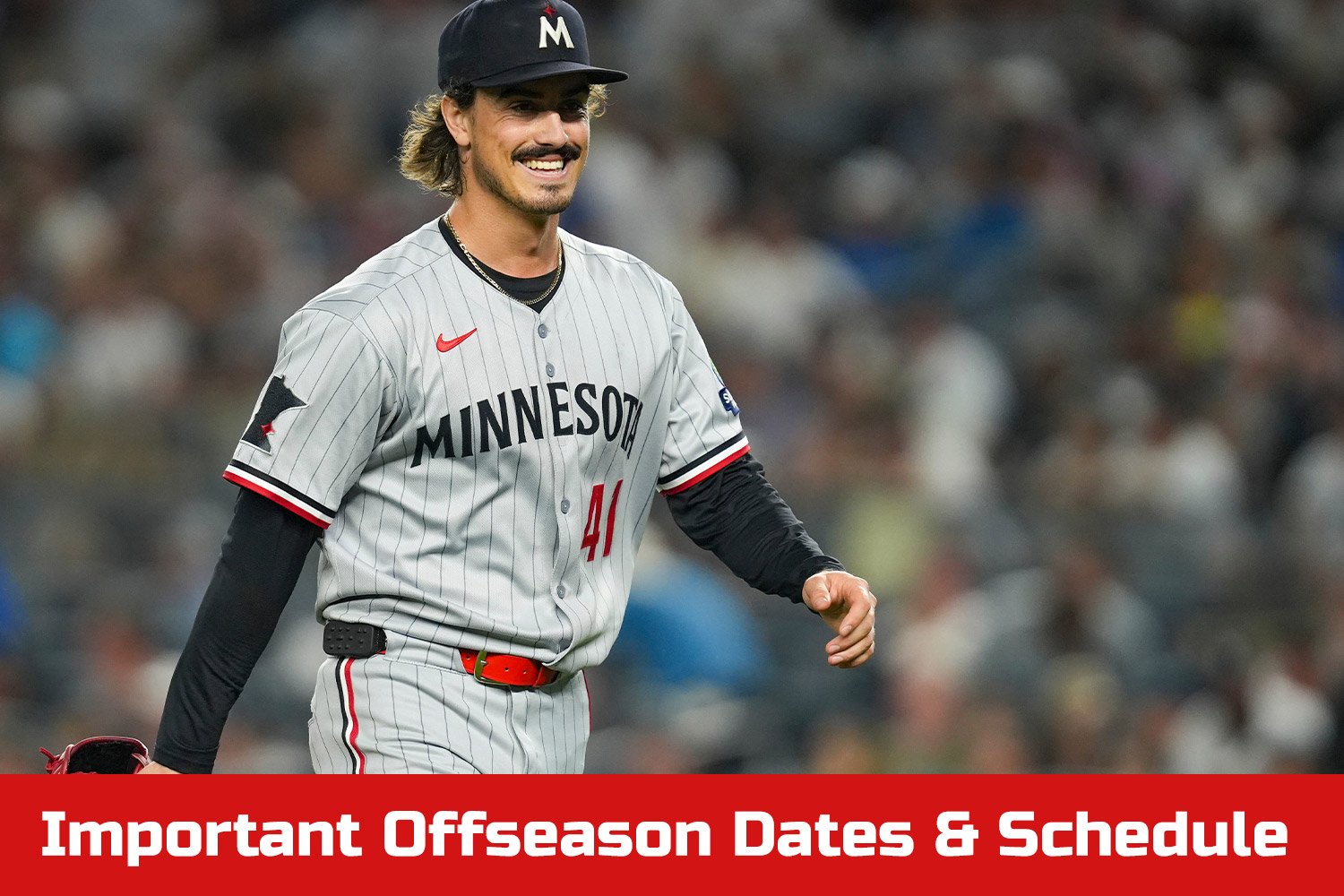
Connor Prielipp’s last three starts have not been encouraging.
Before taking the mound on May 22, the Twins' rookie looked like one of the biggest bright spots in their rotation. Through his first handful of major league starts, he carried an ERA below 3.00, was striking out more than a batter per inning, and looked every bit like a pitcher capable of settling into the top half of a big-league rotation.
Since then, however, the results have gone in the opposite direction. Over his last three outings, Prielipp has allowed 15 earned runs in 14 1/3 innings while posting a 13-to-8 strikeout-to-walk ratio. The dominance that was present during the first month of his major league career simply has not been there.
As a result, his season ERA has climbed to 5.26, his WHIP now sits at 1.35, and he’s averaging less than five innings per start.
That naturally leads to a pretty straightforward question: Is it time to worry about Connor Prielipp?
There are reasonable arguments on both sides. On one hand, it’s hard to ignore how impressive he looked during his first several starts. His stuff was electric, hitters struggled to square him up, and he consistently generated swings and misses.
On the other hand, the recent stat lines are impossible to completely dismiss. More earned runs than innings pitched is ugly no matter how you slice it. The strikeout numbers have come down, the walks have increased and opposing offenses have found far more success against him than they did earlier in the season.
Still, after digging a little deeper into the numbers, it’s hard to come away believing that Prielipp is pitching nearly as poorly as his recent results suggest. In fact, there’s a strong case that bad luck has played a significant role in his struggles.
To be fair, everything hasn’t been perfect.
His swing-and-miss numbers have dipped, and the command hasn’t been quite as sharp as it was during his first month in the majors. You’d certainly like to see fewer walks, and there are areas of his game that need to improve.
But overall, the underlying indicators paint a much more encouraging picture than the surface-level statistics. The biggest reason for that optimism is the quality of contact he has allowed.
Earlier in the season, hard contact was arguably Prielipp’s biggest issue. While he was still producing strong results, hitters were barreling baseballs at a relatively high rate when they did make contact. Through his first 24 innings, he surrendered four home runs, and those long balls accounted for much of the damage against him.
Ironically, the exact opposite has happened during his recent rough stretch. Over his last three starts, Prielipp has allowed 21 hits, yet none of them have left the ballpark.
Even more telling is the quality of those hits. His hard-hit rate during that span sits below 30 percent, which is an extremely impressive number. Generally speaking, pitchers who are limiting hard contact at that level should not be giving up hits in bunches. While not every softly hit ball turns into an out, a hard-hit rate that low suggests hitters have not been consistently squaring him up.
That’s what makes the recent results somewhat misleading. When a pitcher is allowing weak contact but still getting burned by a high volume of hits, there’s often an element of poor fortune involved. Ground balls find holes, soft line drives fall between defenders, and bloopers drop into shallow outfield grass.
Those things happen over the course of a season. The problem is that when several of them happen in a short period of time, the box scores can look much worse than the actual performance.
But there’s another factor worth monitoring as well.
Prielipp has started relying less on his breaking balls. Earlier in the year, his slider and curveball combined for over 60 percent of his pitch usage. More recently, that number has dropped to around 48 percent.
To some extent, the reasoning would be understandable. Prielipp has dealt with more than his share of arm injuries throughout his career, and breaking balls are known for being taxing on an elbow. If the Twins are attempting to reduce stress on his arm by slightly altering his pitch mix, there could be logic behind the decision.
At the same time, those breaking pitches are his bread and butter. They’re his best swing-and-miss offerings and help make the rest of his arsenal more effective. When hitters have to respect both the slider and curveball, his fastball plays up considerably.
It would be interesting to see the Twins gradually increase that usage again. Not enough to create durability concerns, but even a small bump back toward where it was earlier in the season could help him regain some of the whiffs that have disappeared over the last few weeks.
At the end of the day, Prielipp hasn’t been flawless. The command could be better, the strikeout numbers could be higher, and the walks need to come down. Those are legitimate concerns.
But the overall picture is far less alarming than a glance at his ERA might suggest.
The underlying metrics indicate a pitcher who is still limiting hard contact at an impressive rate. The recent hit totals appear somewhat inflated by factors outside of his control, and there are still plenty of signs that the talent that made him so successful earlier in the year remains intact.
Because of that, it feels premature to sound the alarm. Connor Prielipp’s last three starts have undoubtedly been frustrating, but they look much more like a temporary bump in the road than the beginning of a larger problem.
The Twins still appear to have a talented major league starter on their hands. And if the quality of contact remains this strong, there’s a good chance the results will start reflecting that again sooner rather than later.
Do you approve of Twins ownership?

Follow Twins Daily For Minnesota Twins News & Analysis



- GopherTide, Mia Bednar, Patzky and 1 other
-
 4
4


Recommended Comments
Create an account or sign in to comment
You need to be a member in order to leave a comment
Create an account
Sign up for a new account in our community. It's easy!
Register a new accountSign in
Already have an account? Sign in here.
Sign In Now