



Ted Schwerzler
-
Posts
5,149 -
Joined
-
Last visited
Content Type
Profiles
News
Minnesota Twins Videos
2026 Minnesota Twins Top Prospects Ranking
2022 Minnesota Twins Draft Picks
Minnesota Twins Free Agent & Trade Rumors, Notes, & Tidbits
Guides & Resources
2023 Minnesota Twins Draft Picks
The Minnesota Twins Players Project
2024 Minnesota Twins Draft Picks
2025 Minnesota Twins Draft Pick Tracker
2026 Minnesota Twins Draft Tracker: Picks & Bonuses
Forums
Blogs
Events
Store
Downloads
Gallery
Everything posted by Ted Schwerzler
-
 After a relatively uneventful spring training, Rocco Baldelli’s club was dealt some unfortunate pitching news late in camp. Jhoan Durán and Caleb Thielbar are both going to start the year on the injured list. Anthony DeSclafani is also down, and he may be out all season. The Durán news is the most problematic--but every problem is an invitation to discovery. The 2022 Twins traded closer Taylor Rogers right before Opening Day. That meant the team was without a set answer in the ninth inning, and it was Emilio Pagán who led the club with his nine saves. Durán finished second with eight, but nine different players recorded a tally in the column. At this point, we know Durán won’t be getting the first opportunity, but how the position shakes out when he returns remains to be seen. Enter Griffin Jax. Minnesota’s setup man has been perfect this spring. Jax has been good for a while now, and he elevated his stuff to becoming one of the better setup men in the sport last year. During Grapefruit League action, Jax gave up just three hits across 7 2/3 innings of action, while punching out 12 and issuing zero free passes. That’s where the Twins will turn for saves out of the gate. There’s a possibility that Jax could hold down the position, too, and that may be to the benefit of the bullpen construction. While it’s less than ideal that Thielbar and Justin Topa are also out, Minnesota’s group may be among the best in the big leagues. They have electric arms, as well as good depth to come in and get outs no matter the situation. If Jax can perform in the ninth inning while Durán is out, it would give Baldelli the flexibility to unleash his fireballer during the highest-leverage spots. Brock Stewart has already worked in high-leverage spots for Minnesota, and although removing Durán decreases the number of talented arms in the pen, they have strong alternatives. Baldelli could opt to pick spots for saves while his closer is out, but shifting two of his best back-end arms is a pretty straightforward way to cover the workload. It’s awesome to see the spectacle that is Duran’s entrance video and music at Target Field, especially during a night game, but unleashing that on the opposition at a moment’s notice could be game-changing. Wielding an arsenal featuring triple-digit fastballs and devastating movement on the curveball, Durán could put out fires earlier in the contest, instead. This season, Minnesota’s starting rotation should be expected to be less reliable. Sonny Gray and Kenta Maeda are both gone, while Chris Paddack and Louie Varland are relatively uncertain commodities. Baldelli won’t have the benefit of letting each go a third time through the order regularly, and that means relying on the group behind the outfield wall. Having someone like Durán to come in when the game needs him most may be how the Twins can most efficiently slam the door. The save rule has become a primary driver of reliever compensation via arbitration, which makes it harder to take firemen like Durán out of that role once they secure it. A successful turn from Jax in his harder-throwing teammate's absence could create an opening for it, though. Baldelli’s bullpen is not going to be better out of the gate; the unit is missing a pair of his best options. It may allow him a chance to set them up for the most success the rest of the way, though, and having Durán at any given point during a contest is something that should scare the opposition.
- 9 comments
-
- 1
-

-
- jhoan duran
- caleb thielbar
- (and 1 more)
-
With spring training coming to an end, the Minnesota Twins roster finalized, and the season ready to kick off, it’s time to put a bow on the exhibition slate and turn to games that matter. The Twins return as division favorites, and will have their hands full getting the job done. 2023 Record: 87-75 (93-69 Pythagorean) 2024 PECOTA: 90-72 Key Losses: Sonny Gray, Kenta Maeda, Tyler Mahle, Emilio Pagan, Michael A. Taylor, Joey Gallo, Jorge Polanco Key Additions: Justin Topa, Anthony DeSclafani, Manuel Margot, Steven Okert, Carlos Santana, Josh Staumont, Jay Jackson The Big Storyline: After a year in which Rocco Baldelli had among the best starting rotations in baseball, this team will almost certainly have a new identity. The question is will they have enough pitching, and is it going to produce at a high enough level. There are few questions about what Pablo Lopez brings to the table, and his ceiling is a Cy Young award. Beyond that, how much further Joe Ryan and Bailey Ober can take their game will be key. The back of the rotation is already tested depth wise with Anthony DeSclafani being out for Opening Day, and very much in question for the season as a whole. Louie Varland is going to get his shot out of the gate, and the hope would be that his success from the bullpen translates into a more significant role. Chris Paddack looked good in his brief return last year, but his effectiveness and availability out of the rotation again will be tested. Unlike the rotation, the bullpen has a chance to be among the best in baseball. Not having Jhoan Duran and Caleb Thielbar to start the year is a big blow, but if they can get back quickly it could mitigate disaster. Just how much pitching this team is going to have, and where the depth can step up from, is going to be a season-long question mark. Why They Will Be a Threat: There was a time that the Twins employed one of the best lineups in baseball. Of course that also coincided with a juiced baseball during the 2019 season, but this club doesn’t need to hit 307 home runs in order to get up on teams. Byron Buxton, Carlos Correa, and Royce Lewis being healthy while following Edouard Julien at leadoff could be among the best one-through-four spots in the game. Baldelli’s lineup should be much deeper this season, and the strikeouts have been mitigated heavily. Max Kepler will again need to substantiate a solid year, and Matt Wallner will need to hope he left his horrible spring results down in Fort Myers. The addition of a veteran bat like Carlos Santana should help from multiple angles, and if a breakout comes for Alex Kirilloff things could get very interesting. Plenty of the Twins thought process offensively is rooted in the talent of players they didn’t get much full-availability from last year. Injuries are difficult to project year-over-year, but if they’re right, they’ll be right in a big way. Why They Won’t Be a Threat: It’s almost a complete flip in how the Twins beat teams from last year when looking at this 26-man roster. The rotation shouldn’t be expected to be nearly as dominant, and the depth is going to be tested much more quickly. A season ago only eight pitchers worked as regular starters for Baldelli. In 2024, it wouldn’t be shocking if they run through that many by some point in June. The lineup was cold out of the gate in 2023 and that put plenty of pressure on the pitching. It will be that group tasked with doing the heavy lifting this time around, and having stars remain on the field is a must. Buxton appears to be coming into the season at full steam, but continuing with that notion as the weeks and months drag on will be a must. More than last season, this roster seems to be built upon plenty of things going right along with a handful of assumptions. Minnesota is still clearly the best team in the division on paper, but it could take them a bit to establish that identity on the field. 2024 Prediction: 91-71 (1st AL Central) View full article
-
The Minnesota Twins needed to make it through their final spring training tilt before making a handful of roster moves. After a win against the Atlanta Braves, seven players were reassigned to minor-league camp. Image courtesy of © Sam Navarro-USA TODAY Sports With Grapefruit League action now in the rearview mirror, Rocco Baldelli will need to decide whom he is bringing north with the Minnesota Twins. Opening Day is on Thursday, and a date with Cole Ragans and the Kansas City Royals awaits. Trimming the roster down to 26 doesn’t need to take place until Thursday, and with health questions lingering, the team may wait until the last minute. Seven players were reassigned to minor league camp following the 9-6 win over Atlanta. They include: right-handed pitchers Matt Bowman and Jeff Brigham, catchers Brian O’Keefe and Chris Williams, infielders Michael Helman and Anthony Prato, and utility player Niko Goodrum. With the moves, 32 players remain in major-league camp. None of the players cut on Tuesday should be a surprise. Both Bowman and Brigham were veteran pitching depth who worked in relief for the Twins this spring. O’Keefe came in to help Christian Vázquez and Ryan Jeffers with catching duties. Helman and Prato are nice prospect depth, and will head to Triple-A St. Paul. Goodrum was a non-roster invitee, but had previously spent a bunch of time in the organization. After major-league stops elsewhere, he is looking to make it back to the big leagues. He has already triggered his opt out. Anthony DeSclafani, Justin Topa, Caleb Thielbar, and Jhoan Durán will all start the season on the injured list. That takes care of four of the six spots the team still needs to cut. Daniel Duarte is the only non-roster player left in camp, and it seems he will grab the final bullpen spot. Former Royals reliever Josh Staumont was expected to make the team out of the gate for Minnesota, but after slipping and injuring his knee late in camp, he could start the year on the injured list, too. That would open up a spot for Duarte, who had struggled with command last season with Cincinnati. Having walked 20 in 31 2/3 innings, he was constantly dancing around pressure. This spring, though, Duarte punched out 11 across 10 2/3 innings while allowing no free passes. Minnesota’s bullpen has been projected to be among the best in baseball, and while that could still be true, they will be without some key contributors to start the year. Griffin Jax and Brock Stewart should be expected to do most of the heavy lifting. The rest of the group will be composed of Steven Okert, Jay Jackson, Jorge Alcalá, Kody Funderburk, and Cole Sands. Of the relievers as a whole, only Jax, Alcalá, and Sands started with the club on Opening Day last season. There isn’t and hasn’t been much intrigue on the position player front for a while. The catchers will be Vazquez and Jeffers, with both Carlos Santana and Alex Kirilloff manning first base. Edouard Julien will start at second, and he’ll have Carlos Correa and Royce Lewis on the dirt with him. Both Kyle Farmer and Willi Castro will serve as utility players. The outfield will be Matt Wallner, Byron Buxton, and Max Kepler from left to right, and Manuel Margot will serve as the fourth. Margot was hit in the hand by a pitch during Tuesday’s spring finale, but he should be just fine on Thursday. As previously announced, Pablo López will be the Opening Day starter, and he will be followed by Joe Ryan and Bailey Ober. Chris Paddack and Louie Varland, who pitched in his final action of the spring on Tuesday against Atlanta, will round out the rotation. The Twins are coming off a season in which they won the AL Central, and they will be seeking to repeat that feat in 2024. Spring training is now behind us, and from here on out, these games count. View full article
-
Minnesota Twins Make Seven Roster Cuts as Spring Training Ends
Ted Schwerzler posted an article in Twins
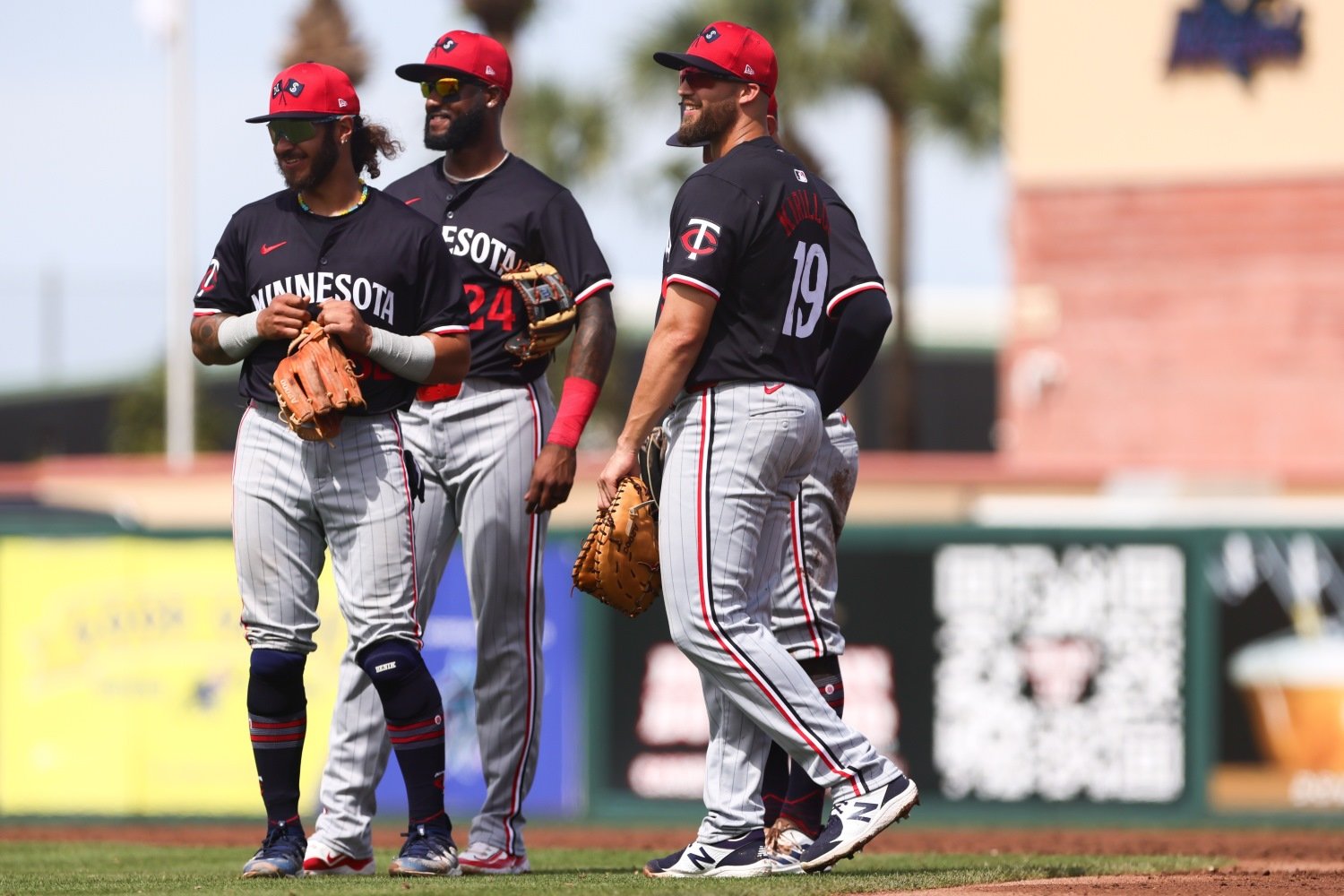 With Grapefruit League action now in the rearview mirror, Rocco Baldelli will need to decide whom he is bringing north with the Minnesota Twins. Opening Day is on Thursday, and a date with Cole Ragans and the Kansas City Royals awaits. Trimming the roster down to 26 doesn’t need to take place until Thursday, and with health questions lingering, the team may wait until the last minute. Seven players were reassigned to minor league camp following the 9-6 win over Atlanta. They include: right-handed pitchers Matt Bowman and Jeff Brigham, catchers Brian O’Keefe and Chris Williams, infielders Michael Helman and Anthony Prato, and utility player Niko Goodrum. With the moves, 32 players remain in major-league camp. None of the players cut on Tuesday should be a surprise. Both Bowman and Brigham were veteran pitching depth who worked in relief for the Twins this spring. O’Keefe came in to help Christian Vázquez and Ryan Jeffers with catching duties. Helman and Prato are nice prospect depth, and will head to Triple-A St. Paul. Goodrum was a non-roster invitee, but had previously spent a bunch of time in the organization. After major-league stops elsewhere, he is looking to make it back to the big leagues. He has already triggered his opt out. Anthony DeSclafani, Justin Topa, Caleb Thielbar, and Jhoan Durán will all start the season on the injured list. That takes care of four of the six spots the team still needs to cut. Daniel Duarte is the only non-roster player left in camp, and it seems he will grab the final bullpen spot. Former Royals reliever Josh Staumont was expected to make the team out of the gate for Minnesota, but after slipping and injuring his knee late in camp, he could start the year on the injured list, too. That would open up a spot for Duarte, who had struggled with command last season with Cincinnati. Having walked 20 in 31 2/3 innings, he was constantly dancing around pressure. This spring, though, Duarte punched out 11 across 10 2/3 innings while allowing no free passes. Minnesota’s bullpen has been projected to be among the best in baseball, and while that could still be true, they will be without some key contributors to start the year. Griffin Jax and Brock Stewart should be expected to do most of the heavy lifting. The rest of the group will be composed of Steven Okert, Jay Jackson, Jorge Alcalá, Kody Funderburk, and Cole Sands. Of the relievers as a whole, only Jax, Alcalá, and Sands started with the club on Opening Day last season. There isn’t and hasn’t been much intrigue on the position player front for a while. The catchers will be Vazquez and Jeffers, with both Carlos Santana and Alex Kirilloff manning first base. Edouard Julien will start at second, and he’ll have Carlos Correa and Royce Lewis on the dirt with him. Both Kyle Farmer and Willi Castro will serve as utility players. The outfield will be Matt Wallner, Byron Buxton, and Max Kepler from left to right, and Manuel Margot will serve as the fourth. Margot was hit in the hand by a pitch during Tuesday’s spring finale, but he should be just fine on Thursday. As previously announced, Pablo López will be the Opening Day starter, and he will be followed by Joe Ryan and Bailey Ober. Chris Paddack and Louie Varland, who pitched in his final action of the spring on Tuesday against Atlanta, will round out the rotation. The Twins are coming off a season in which they won the AL Central, and they will be seeking to repeat that feat in 2024. Spring training is now behind us, and from here on out, these games count.
- 22 comments
-
- 12
-
-
- josh staumont
- daniel duarte
- (and 5 more)
-
Behind Enemy Lines: Previewing the 2024 Cleveland Guardians
Ted Schwerzler posted an article in Twins
 This could be one of the most interesting seasons in recent memory for Cleveland--but it's not clear whether or not that will be a good thing. 2023 Record: 76-86 (77-85 Pythagorean) 2024 PECOTA: 84-78 Key Losses: Lucas Giolito, Reynaldo López, Zach Plesac, Noah Syndergaard, Daniel Norris Key Additions: Austin Hedges, Ben Lively, Carlos Carrasco The Big Storyline This offseason was largely an uneventful one for the Cleveland Guardians. As a team that doesn’t spend much money, they have stayed true to that narrative. Of their $6.75 million total outlay, $4 million was given to Hedges behind the plate, and $2 million will go to Carrasco, who made the Opening Day roster as a non-roster spring invitee. The biggest turnover took place in the dugout, as Terry Francona stepped down as manager, and recently retired catcher Stephen Vogt took over. It will be fascinating to see how the AL Central shakes out from a managerial tendency perspective. The Twins' Rocco Baldelli is the elder statesman of the group, while the Tigers' A.J. Hinch has the most total experience. Vogt is brand new, and Royals skipper Matt Quartraro is entering year two. Cleveland is certainly hoping that Vogt can make immediate connections with their youthful roster. The starting rotation has a chance to be entirely homegrown, and plenty of the position players will be early in their careers, as well. At 39 years old, Vogt can rely heavily upon veterans like José Ramírez (31) and Hedges (31) to help him impart principles on the field. Why They Will Be a Threat As been the case for a decade, pitching should lead the list of strengths for the Guardians. Shane Bieber has been a Cy Young-caliber pitcher when healthy, and if he can remain on the mound this season, then he’ll be looking to resemble the pitcher he was in 2022. Beyond Bieber, Tanner Bibee and Triston McKenzie both provide upside in the rotation. The group is deep, as Logan Allen and Gavin Williams are solid options on their own, while Joey Cantillo could factor in at some point as well. The lineup is largely unchanged from where it was a season ago, but Kyle Manzardo should be unleashed after being acquired in trade last year. (Alas, he'll start in the minors, but that doesn't foreclose the possibility that he'll make a huge contribution.) Over the years, the outfield has been a problem, and the group could be in a similar spot this year. Steven Kwan is a hit machine, but Ramon Laureano is an underwhelming option, and the team waived misfire extension recipient Myles Straw. (Unsurprisingly, no one claimed him.) Chase DeLauter is still on the rise, but shouldn’t be a consideration for a few months to start the year. Production from Ramírez is almost a guarantee; he's one of the best players in the sport. However, he can’t be expected to do everything. Signed to an extension through 2028, he’s not going anywhere, but he’ll need the youth around him to step up and produce as expected. Why They Won’t Be a Threat With a lack of spending to supplement the roster, Cleveland is putting almost all of their eggs in the basket of youth. Manzardo will need to produce at first base alongside Josh Naylor. Bo Naylor played just 67 games as a rookie last season, and the combination of Gabriel Arias and Brayan Rocchio did not get off to a solid start. This lineup has been lackluster for years, and the outfield talent hasn’t been adequately addressed. Unless a handful of the young players on the dirt are going to be immediate contributors at a very high level, their pitching talent will be wasted, even if they stay healthy enough to pitch as well as they hope. How the season starts for Cleveland will largely determine their trajectory. Bieber could be traded before he hits free agency at year's end, and if they find themselves out of contention early, then that becomes a certainty. The Guardians have a few things going for them, but are not a well-constructed sum of all parts. 2024 Prediction: 75-87 (3rd in AL Central)
 -
The Minnesota Twins are looking to repeat as American League Central champions in 2024, but if they are to do so, they’ll again need to fend off the Cleveland Guardians. After finishing third in 2023, the rival is looking to take back the top. Image courtesy of Mark J. Rebilas-USA TODAY Sports This could be one of the most interesting seasons in recent memory for Cleveland--but it's not clear whether or not that will be a good thing. 2023 Record: 76-86 (77-85 Pythagorean) 2024 PECOTA: 84-78 Key Losses: Lucas Giolito, Reynaldo López, Zach Plesac, Noah Syndergaard, Daniel Norris Key Additions: Austin Hedges, Ben Lively, Carlos Carrasco The Big Storyline This offseason was largely an uneventful one for the Cleveland Guardians. As a team that doesn’t spend much money, they have stayed true to that narrative. Of their $6.75 million total outlay, $4 million was given to Hedges behind the plate, and $2 million will go to Carrasco, who made the Opening Day roster as a non-roster spring invitee. The biggest turnover took place in the dugout, as Terry Francona stepped down as manager, and recently retired catcher Stephen Vogt took over. It will be fascinating to see how the AL Central shakes out from a managerial tendency perspective. The Twins' Rocco Baldelli is the elder statesman of the group, while the Tigers' A.J. Hinch has the most total experience. Vogt is brand new, and Royals skipper Matt Quartraro is entering year two. Cleveland is certainly hoping that Vogt can make immediate connections with their youthful roster. The starting rotation has a chance to be entirely homegrown, and plenty of the position players will be early in their careers, as well. At 39 years old, Vogt can rely heavily upon veterans like José Ramírez (31) and Hedges (31) to help him impart principles on the field. Why They Will Be a Threat As been the case for a decade, pitching should lead the list of strengths for the Guardians. Shane Bieber has been a Cy Young-caliber pitcher when healthy, and if he can remain on the mound this season, then he’ll be looking to resemble the pitcher he was in 2022. Beyond Bieber, Tanner Bibee and Triston McKenzie both provide upside in the rotation. The group is deep, as Logan Allen and Gavin Williams are solid options on their own, while Joey Cantillo could factor in at some point as well. The lineup is largely unchanged from where it was a season ago, but Kyle Manzardo should be unleashed after being acquired in trade last year. (Alas, he'll start in the minors, but that doesn't foreclose the possibility that he'll make a huge contribution.) Over the years, the outfield has been a problem, and the group could be in a similar spot this year. Steven Kwan is a hit machine, but Ramon Laureano is an underwhelming option, and the team waived misfire extension recipient Myles Straw. (Unsurprisingly, no one claimed him.) Chase DeLauter is still on the rise, but shouldn’t be a consideration for a few months to start the year. Production from Ramírez is almost a guarantee; he's one of the best players in the sport. However, he can’t be expected to do everything. Signed to an extension through 2028, he’s not going anywhere, but he’ll need the youth around him to step up and produce as expected. Why They Won’t Be a Threat With a lack of spending to supplement the roster, Cleveland is putting almost all of their eggs in the basket of youth. Manzardo will need to produce at first base alongside Josh Naylor. Bo Naylor played just 67 games as a rookie last season, and the combination of Gabriel Arias and Brayan Rocchio did not get off to a solid start. This lineup has been lackluster for years, and the outfield talent hasn’t been adequately addressed. Unless a handful of the young players on the dirt are going to be immediate contributors at a very high level, their pitching talent will be wasted, even if they stay healthy enough to pitch as well as they hope. How the season starts for Cleveland will largely determine their trajectory. Bieber could be traded before he hits free agency at year's end, and if they find themselves out of contention early, then that becomes a certainty. The Guardians have a few things going for them, but are not a well-constructed sum of all parts. 2024 Prediction: 75-87 (3rd in AL Central) View full article
-
When the Minnesota Twins lost Jhoan Duran to end spring training and kick off the 2024 regular season, the bullpen was dealt a significant blow. His absence sets up an opportunity though, and the team will need to decide how they’ll use it. After a relatively uneventful spring training, Rocco Baldelli’s club was dealt some unfortunate pitching news late in camp. Jhoan Duran and Caleb Thielbar are both going to start the year on the injured list. Anthony DeSclafani is also down, and he may be out all season. The Duran news is maybe most problematic as the team’s closer, but he also puts an opportunity in front of the manager. The 2022 Twins traded their closer Taylor Rogers right before Opening Day. That meant the team was without a set answer in the 9th inning, and it was Emilio Pagan who led the club with his nine saves. Duran finished second with eight, but nine different players recorded a tally in the column. At this point it’s guaranteed Duran won’t be getting the first opportunity, but how the position shakes out when he returns remains to be seen. Enter Griffin Jax. Minnesota’s setup man has been perfect this spring. Jax has been good for a while now, and he elevated his stuff to becoming one of the better setup men in the sport last year. During Grapefruit League action, Jax has given up just three hits across 7 2/3 innings of actions while posting a 12/0 K/BB. To call his stuff dominant would be putting it lightly. That’s where the Twins will turn for saves out of the gate. There’s a possibility that Jax could hold down the position too, and that may be to the benefit of the bullpen construction. While it’s less than ideal that Thielbar and Justin Topa are also out, Minnesota’s group may be among the best in the big leagues. They have electric arms as well as depth to come in and get outs no matter the situation. If Jax can perform in the 9th inning while Duran is out, it would give Baldelli the flexibility to unleash his fireballer during the highest leverage spots. Brock Stewart has already worked in high leverage spots for Minnesota, and although removing Duran decreases the amount of talented arms in the pen, they have strong alternatives. Baldelli could opt to pick spots for saves while his closer is out, but shifting two of his best back-end arms is a pretty straightforward way to cover the workload. It’s awesome to see the spectacle that is Duran’s entrance video and music at Target Field, especially during a night game, but unleashing that on the opposition at a moment’s notice could be game-changing. Wielding an arsenal featuring triple-digits and substantial movement, Duran can shut down the greatest leverage situations from the sixth inning on. This season Minnesota’s starting rotation should be expected to be less reliable. Sonny Gray and Kenta Maeda are both gone, while Chris Paddack and Louie Varland are relatively uncertain commodities. Baldelli won’t have the benefit of letting each go a third time through the order regularly, and that means relying on the group behind the outfield wall. Having someone like Duran to come in when the game needs him most may be the way in which the Twins routinely slam the door. Looking at the save as a statistic has largely become something to discuss during arbitration at this point of the game. Leverage opportunities are often more impactful at other moments before the final out, and that’s where Duran could truly incorporate his identity as a fireman. Asking him to do so would be bucking even the greatest trends of the sport right now, but his absence paired with Jax’s success could provide a runway for it to happen. Baldelli’s bullpen is not going to be better out of the gate as it misses a pair of his best options. It may allow him a chance to set them up for the most success the rest of the way though, and having Duran at any given point during a contest is something that should scare the opposition. View full article
-
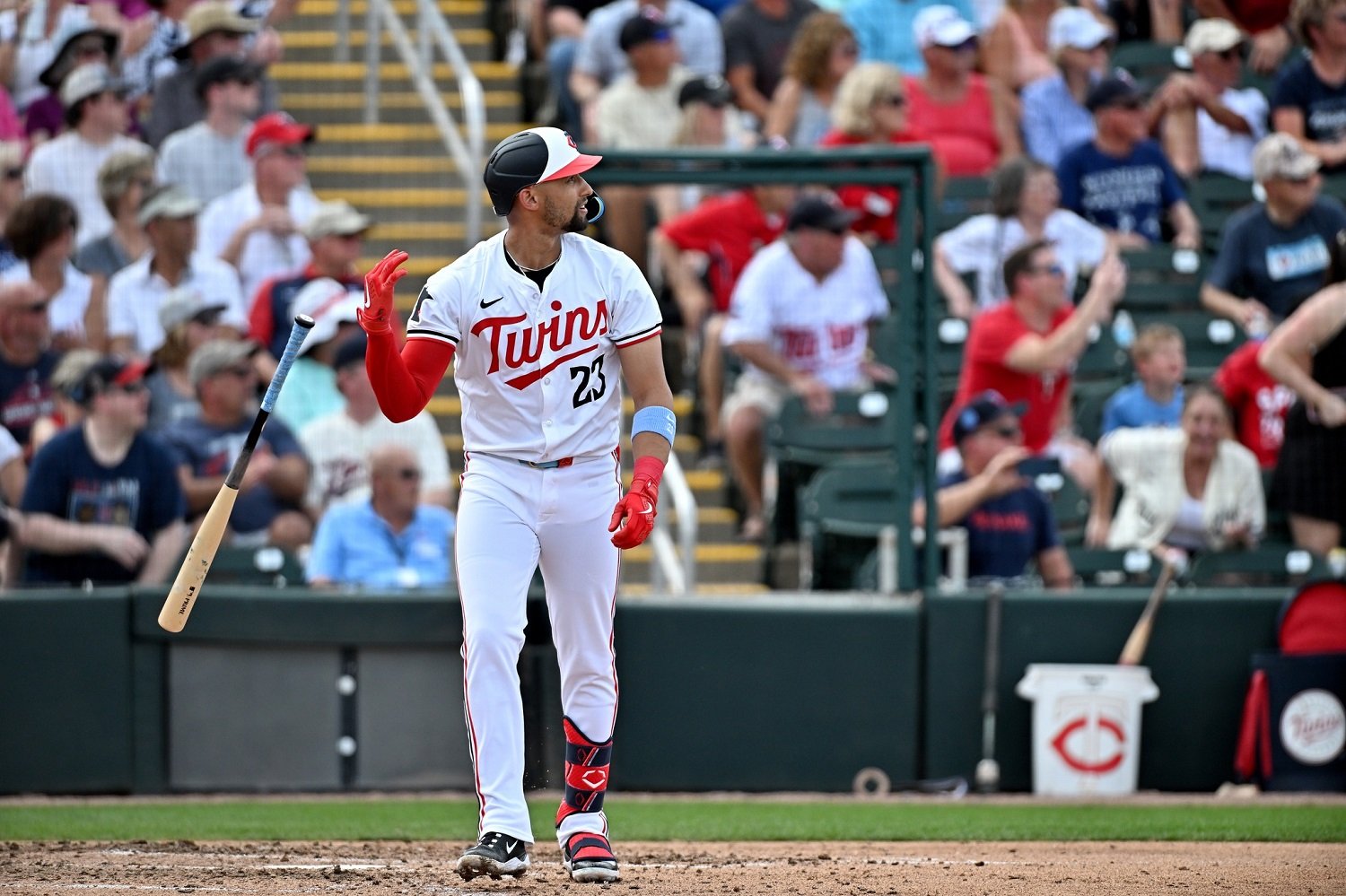 FT. MYERS, FL - Less than six months ago, Royce Lewis launched dramatic home runs during the postseason. He had already established himself as a fan favorite, but the sort of heroics he produced made it seem as though an eventual Kirby Puckett moment will come during his career. Speaking to Lewis in Fort Myers as he ramps up for his first professional season, it was clear the 24-year-old is excited about the opportunity before him. A year ago, the Minnesota infielder joined me following a spring workout that included running at full speed for the first time. He had yet to have restrictions removed. He had not yet been allowed into the batter’s box to hit, and he was ticketed for a rehab process that would sideline him into the summer. Fully healthy this time around, Lewis and the Twins look set to repeat as division champs. Carlos Correa is clear of a foot injury, and Byron Buxton’s knee no longer feels pain. For Rocco Baldelli, a manager who knows injuries all too well, he has a roster that is largely ready to roll. When forcing Lewis to think back on where he was at this point last year and what took place during the season, a slight grin appeared on his face. “It’s so different. It’s awesome would be the best way to describe it. I have more fun coming into the field, realizing that I don’t have restrictions while getting to do everything with the team.” Given how much success he experienced personally last season, it’s difficult to think it was all accomplished in less than 60 games. Considering that the left side of the infield is now fully healthy, Minnesota may be able to claim the best tandem in the big leagues. That’s not lost on the blossoming star, either. “With him (Correa) teaching me, I feel like I can grow my game so much. The leadership and mentorship he gives to all the guys, especially the young guys like myself, is huge. The more we play next to each other and have fun, the more I think that will shine through.” What Lewis has done with the long ball, especially in the biggest situations with the bags packed, also remains wild to him. Projections have him as a contender to lead the league in home runs, but the third baseman isn’t quite ready to call himself a power hitter. “I think it worked that way last year. Hopefully, it continues to work that way; that’d be great; I’ll take the homers. My goal is to make hard contact. If it’s a line drive that turns into a jog instead of a sprint, I will definitely take that.” The Twins had one of baseball’s best starting rotations a year ago. Sonny Gray is gone, and so is Kenta Maeda. With Pablo Lopez locked in as a Cy Young candidate, that group can again be solid, but this roster is different. That doesn’t deter Lewis from thinking a Division Series appearance was scratching the surface. “We’re better because we’ve been there before. We’re looking forward to being healthy. We’re able to showcase our talents. Whether it’s Buxton jogging in for a triple or Correa making his defensive plays, it’s been a lot of fun.” As a true athlete, Lewis made an insightful comparison regarding adjustments as he heads into his second real big league season. Where the best basketball players in the world, notably LeBron James, Kobe Bryant, and Steph Curry, can show up and dominate, it’s on the opposition to position themselves for success. Baseball has defined controllables that a player can execute, and focusing on daily adjustments presents a unique opportunity each day. One of the key adjustments Lewis made down the stretch, after a stint at Triple-A, was enhancing his walk rate. As someone who isn’t in favor of the automated strike zone, the extra balls began to add up because of that box. “When they started calling balls that I thought were actual strikes, looking for specific pitches, I realized maybe those are balls. I started trusting the umpires and stopped trying to hit every pitch just because I felt like I could hit it.” The proof is certainly reflected in the numbers there for Lewis as well. Posting a 28/3 K/BB through his first 99 plate appearances last season, he owned a 27/17 K/BB in his next 140 plate appearances. He also launched 11 home runs during that stretch, as opposed to four during the first portion, by locking in on the pitches he could truly damage. It’s also translated to a strong approach this spring, given Lewis owns a 5/3 K/BB during the 25 times he’s been in the box. For years, the question has been about what a prospect like Lewis can do when he gets to the majors. There is no question anymore, and we have seen what looks to be a perennial all-star talent whenever he remains on the field. Power has developed, maturity has remained, and speed is still there. He hopes to steal a few more bases this season if given the opportunity, and adding to a toolkit that already has produced one of the American League’s most exciting players should put everyone on notice. If the Twins take another step forward this season, it will be because the lineup carries them similarly to the pitching staff a season ago. Correa and Buxton are the veterans needing to do the heavy lifting, but Lewis is plenty capable of holding his own in that regard as well.
- 14 comments
-
- 10
-
-
- royce lewis
- carlos correa
- (and 1 more)
-
As Pitching Injuries Mount, Pressure and Burden Transfer to Twins Lineup
Ted Schwerzler posted an article in Twins
 FT. MYERS, FL - Fans were riding high when the 2023 Minnesota Twins concluded their season with a postseason series sweep over the Toronto Blue Jays and a hard-fought elimination at the hands of the Houston Astros. The organization had seen heights it hadn’t reached in decades, and 2024 would bring promise. Reinforcing that promise didn't have to mean giving Sonny Gray a gaudy contract or retaining Kenta Maeda. In some fashion, though, their production had to be accounted for. Leaning on Chris Paddack to throw 140-plus quality innings felt a bit like a pipe dream, and giving someone of Anthony DeSclafani’s caliber an unchallenged rotation spot couldn’t happen. However, the ownership group chose this rotation path, and now it will be on the lineup to pick up the inevitable slack. When Derek Falvey announced the Twins' injuries heading into the season on Monday, the hits just kept coming. DeSclafani has been behind all camp, but with a visit to a surgeon on tap, pitching at all is a real question. Jhoan Durán and Caleb Thielbar are out, and that takes two prominent arms from what could be a bullpen that could contend for the best in baseball. Matt Canterino being injured again was just a cherry on top. So, less than two weeks before Opening Day in Kansas City, Rocco Baldelli must turn to Louie Varland as his fifth starter. He’s been great this spring and probably is a better option than DeSclafani, but the depth is immediately in use. The bullpen loses two high-leverage arms, and a group that would need to cover more innings than last year is now thinner than it should be. Enter a necessary clean bill of health for Royce Lewis, Carlos Correa, Byron Buxton, and every other regular that flanks them. It’s great that the guys hitting in the lineup have been good to go daily this spring, but that must continue over the next weeks and months if Minnesota is going to mask some of the issues they will now have on the mound. In 2023, the Twins rotation had the fifth-lowest ERA in baseball while compiling the fourth-highest fWAR. Avoiding any interest in spending money on that group, even with critical departures, they pushed resources toward the bullpen. Minnesota’s wRC+ was sixth in baseball, and their offensive fWAR was worth the 10th-highest amount. Those results are acceptable but buoyed heavily by a second-half stretch that had them in the top three. Beyond the front office dealing with only limited resources this offseason, it’s clear that the blueprint was built with the belief that regular contributors would be back to themselves. For all his late-season heroics, Lewis played in just 58 games. Correa battled through plantar fasciitis all season, and Buxton never got to a point where he felt normal. Those things are all currently in the rearview mirror, but it is the belief and hope of the organization that they will remain that way. It’s almost inexcusable that the Twins didn’t sign another legitimate arm to bolster the rotation. Should they find themselves in contention, they will probably make such an addition through a summer trade. Not needing to thread that needle by putting the utmost pressure on the lineup each day could also have been part of the plan. Now, already diving into pitching depth, Baldelli needs to pull the right strings each time he constructs his lineup card, and those penciled in have to come through.
- 35 comments
-
- 4
-
-
- louis varland
- anthony desclafani
- (and 3 more)
-
It didn’t have to be this way. The Minnesota Twins could have carried over some of their pitching prowess from the starting rotation in 2023. It was unlikely the new group could accomplish that, though, and now the weight of the world falls on the starting lineup. FT. MYERS, FL - Fans were riding high when the 2023 Minnesota Twins concluded their season with a postseason series sweep over the Toronto Blue Jays and an elimination at the hands of the Houston Astros. The organization had seen heights it hadn’t reached in decades, and 2024 would bring promise. That promise didn’t need to be dashed if Sonny Gray wasn’t given a gaudy contract or Kenta Maeda wasn’t retained. In some fashion, though, their production had to be accounted for. Leaning on Chris Paddack to throw 140-plus quality innings seemed like a loft bet, and giving someone of Anthony DeSclafani’s caliber an unchallenged rotation spot couldn’t happen. However, the ownership group chose this rotation path, and now it will be on the lineup to pick up the pieces. When Derek Falvey announced the Twins' injuries heading into the season on Monday, the hits just kept coming. DeSclafani has been behind all camp, but with a visit to a surgeon on tap, pitching at all is a real question. Jhoan Duran and Caleb Thielbar are out, and that takes two prominent arms from what could be a bullpen that could contend for the best in baseball. Matt Canterino being injured again was just a cherry on top. So, less than two weeks before Opening Day in Kansas City, Rocco Baldelli must turn to Louie Varland as his fifth starter. He’s been great this spring and probably is a better option than DeSclafani, but the depth is immediately in use. The bullpen loses to leverage arms, and a group that would need to cover more innings than last year is now thinner than it should be. Enter a necessary clean bill of health for Royce Lewis, Carlos Correa, Byron Buxton, and every other regular that flanks them. It’s great that the guys hitting in the lineup have been good to go daily this spring, but that must continue over the next weeks and months if Minnesota is going to mask some of the issues they will now have on the mound. In 2023, the Twins rotation had the fifth-lowest ERA in baseball while compiling the fourth-highest fWAR. Avoiding any interest in spending money on that group, even with critical departures, they pushed resources toward the bullpen. Minnesota’s wRC+ was sixth in baseball, and their offensive fWAR was worth the 10th-highest amount. Those results are acceptable but buoyed heavily by a second-half stretch that had them in the top three. Beyond the front office dealing with only limited resources this offseason, it’s clear that the blueprint was built with the belief that regular contributors would be back to themselves. Even for all of his late-season heroics, Lewis played in just 58 games. Correa battled through plantar fasciitis all season, and Buxton never got to a point where he felt normal. Those things are all currently in the rearview mirror, but it is the belief and hope of the organization that they will remain that way. It’s almost inexcusable that the Twins didn’t sign another legitimate arm to bolster the rotation. Should they find themselves in contention, they will likely make an addition through a trade. Not needing to thread that needle by putting the utmost pressure on the lineup each day could also have been part of the plan. Now, already diving into pitching depth, Baldelli needs to pull the right strings each time he constructs his lineup card, and those penciled in have to come through. View full article
- 35 replies
-
- 1
-
-
- louis varland
- anthony desclafani
- (and 3 more)
-
Yes! Crazy though, they now have only 9 (I believe) in total. They disperse when the big club does too.
- 7 replies
-
- 1
-
-
- austin martin
- brandon winokur
- (and 5 more)
-
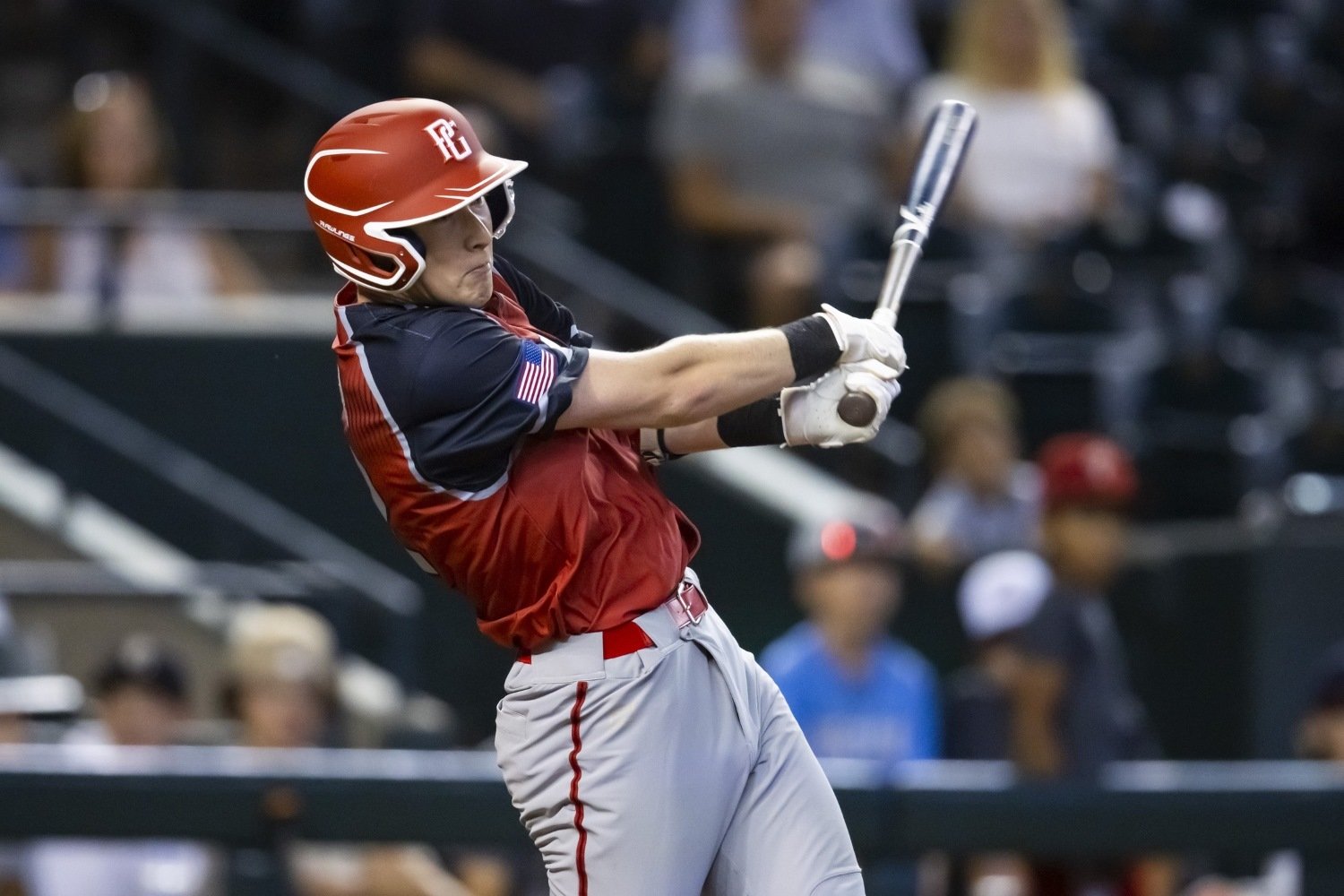 FT, MYERS, FL - In the later stages of spring training, the regulars start playing full contests on the big field at Hammond Stadium. For discerning, future-obsessed fans, though, the real action is on the back fields, where minor-league games have begun. This week, there were a few cameos made by big-leaguers getting their work in, and as the minor-league rosters start to take shape, a few players jumped out to me. Here are a few observations from the past week: Brandon Winokur The 2023 third-round pick just turned 19 a few months ago, and he fits the mold of a toolsy teenage project. He has a smooth swing that can translate into power, but his current frame looks like it will need to fill out to get there. He’s got quickness and speed, capable of playing twitch-focused infield positions and chasing down balls in the gap. Minnesota has used him at shortstop and in the outfield. He roped a double in game action against the Red Sox and displayed his instincts and aggressiveness, stealing a couple of bases with ease. It will be interesting to see how he moves as he adds muscle, but Winokur should be a problem for the Florida State League this year. Gabriel González and Rayne Doncon A pair of guys acquired in trades for Jorge Polanco and Noah Miller this offseason, the bodies here are something to dream on. Both have strong frames with thick lower halves. They’ll generate power, and while that stockiness limits them a bit athletically, it’s understandable why both are projection darlings. González appears to be tracking pitches more than taking a full-speed competitive approach at this early stage, but Doncon has stung the ball a bit. How each fares in the Twins system remains to be seen, but it’s not hard to see why either were desirable targets alongside big-league assets like Justin Topa and Manuel Margot. Carlos Aguiar This is the fourth season Stateside for Aguiar, and it’s time for him to take off. He’ll turn 23 this summer, and needs to push far beyond High-A Cedar Rapids. The approach in pro ball hasn’t been good enough yet, but he’s thrived on power. He looks bigger and stronger this season. What was once a wiry frame is now a thick body that is stacked with muscle. How that plays in game action will determine how close he gets to the big leagues. Walker Jenkins The story for the Spring Breakout game was Jenkins being scratched (along with Andrew Cossetti). Neither of them are expected to miss significant time, though, and both should be back in game action within days. Precaution is the focus before the season kicks off, and that was clearly what prompted his removal from the exhibition. Jenkins took live batting practice against Randy Dobnak over the weekend. Making sure he’s unrestricted heading into his first season of pro ball gives him the greatest opportunity to blitz the system. He’s excited and ready to go. The spring has been about soaking up information for him, and he’s been a sponge. C.J. Culpepper Minnesota’s starting pitching depth a bit further down the ladder is exciting. Between Culpepper, Cory Lewis, and Zebby Matthews, there are some intriguing performers to watch. Culpepper threw an inning for the Double-A squad on Tuesday, and while that doesn’t guarantee he starts there this season, another bump after 10 turns with Cedar Rapids last year would be cool to see. He struggled a bit with command during the outing, but scouts were watching the radar gun, and he had it jumping. Jorel Ortega Playing with the Double-A Wichita squad, Ortega continues to work on his infield flexibility. He was primarily a second baseman at Tennessee, and has spent most of his professional career at the hot corner. He worked at first base this week, though, where he also spent 18 games last season at Cedar Rapids. He did launch 14 dingers in 120 games last year between two Single-A levels, but he doesn’t profile as the corner power guy. His best path might be to establish himself as an average or better defender on both sides of the infield. Alerick Soularie and Emmanuel Rodríguez Hello, Michael A. Taylor clone. Ok, they don’t look the same, but their bodies certainly do. Soularie has moved off the dirt entirely now, and as an outfield prospect, it’s hard not to look at the players similarly. He was with the Triple-A squad this week, and it would be a natural progression for him to start in St. Paul for 2024. Some power, some strikeouts, and some stolen bases drive his game. There’s a path for him to get to the big leagues if that can all stick. Also, Rodríguez was batting in the lineup just in front of Soularie on Tuesday. It’d be shocking to see him skip Double-A altogether, but it’s clear he’s an advanced prospect. Seth Gray Gray has put on muscle and done good offseason work each year. He looks bigger, but definitely stronger. After playing all of 2023 at Double-A, he’ll spend a good amount of time at Triple-A in 2024. He was with the Saints squad this week. He’s fine with the glove at both corner infield positions, and the frame looks like it should produce 20+ home runs. The challenge will be hitting enough to get to that power. The 2019 fourth-round pick is much better positioned to help the Twins than prospects like Aaron Sabato or Keoni Cavaco, and he may even spend time on the same roster this year as high-school teammate Ben Ross. Major League Musings Austin Martin is going to be a valuable piece when he’s ready. At the minor-league level, he’s been given a green light to steal, and while he’ll rip the occasional double, his process is one both Royce Lewis and Edouard Julien used plenty on the farm. If either Willi Castro or Kyle Farmer slump, he seems like a ready-made fill-in. Chris Paddack made a start with Ryan Jeffers as his batterymate on Sunday. It didn’t go great. He was hit around pretty hard, and Red Sox prospect Miguel Bleiss got him for a big fly. He was clearly working on specific pitches, and Jeffers got in additional at-bats to make up for the missed time in camp. Make sure to stay tuned throughout the season for Twins Daily’s Minor League Report to keep up on all things from the rest of the organization on a daily basis.
- 7 comments
-
- 4
-
-
- austin martin
- brandon winokur
- (and 5 more)
-
Spring training is nearly over for the Minnesota Twins, and not long after it ends, their minor league affiliates will kick off their seasons. The time down in Florida can get long, but it’s on the back fields where plenty can be gleaned about how the organization may be set up to start the year. Image courtesy of © Mark J. Rebilas-USA TODAY Sports FT, MYERS, FL - In the later stages of spring training, the regulars start playing full contests on the big field at Hammond Stadium. For discerning, future-obsessed fans, though, the real action is on the back fields, where minor-league games have begun. This week, there were a few cameos made by big-leaguers getting their work in, and as the minor-league rosters start to take shape, a few players jumped out to me. Here are a few observations from the past week: Brandon Winokur The 2023 third-round pick just turned 19 a few months ago, and he fits the mold of a toolsy teenage project. He has a smooth swing that can translate into power, but his current frame looks like it will need to fill out to get there. He’s got quickness and speed, capable of playing twitch-focused infield positions and chasing down balls in the gap. Minnesota has used him at shortstop and in the outfield. He roped a double in game action against the Red Sox and displayed his instincts and aggressiveness, stealing a couple of bases with ease. It will be interesting to see how he moves as he adds muscle, but Winokur should be a problem for the Florida State League this year. Gabriel González and Rayne Doncon A pair of guys acquired in trades for Jorge Polanco and Noah Miller this offseason, the bodies here are something to dream on. Both have strong frames with thick lower halves. They’ll generate power, and while that stockiness limits them a bit athletically, it’s understandable why both are projection darlings. González appears to be tracking pitches more than taking a full-speed competitive approach at this early stage, but Doncon has stung the ball a bit. How each fares in the Twins system remains to be seen, but it’s not hard to see why either were desirable targets alongside big-league assets like Justin Topa and Manuel Margot. Carlos Aguiar This is the fourth season Stateside for Aguiar, and it’s time for him to take off. He’ll turn 23 this summer, and needs to push far beyond High-A Cedar Rapids. The approach in pro ball hasn’t been good enough yet, but he’s thrived on power. He looks bigger and stronger this season. What was once a wiry frame is now a thick body that is stacked with muscle. How that plays in game action will determine how close he gets to the big leagues. Walker Jenkins The story for the Spring Breakout game was Jenkins being scratched (along with Andrew Cossetti). Neither of them are expected to miss significant time, though, and both should be back in game action within days. Precaution is the focus before the season kicks off, and that was clearly what prompted his removal from the exhibition. Jenkins took live batting practice against Randy Dobnak over the weekend. Making sure he’s unrestricted heading into his first season of pro ball gives him the greatest opportunity to blitz the system. He’s excited and ready to go. The spring has been about soaking up information for him, and he’s been a sponge. C.J. Culpepper Minnesota’s starting pitching depth a bit further down the ladder is exciting. Between Culpepper, Cory Lewis, and Zebby Matthews, there are some intriguing performers to watch. Culpepper threw an inning for the Double-A squad on Tuesday, and while that doesn’t guarantee he starts there this season, another bump after 10 turns with Cedar Rapids last year would be cool to see. He struggled a bit with command during the outing, but scouts were watching the radar gun, and he had it jumping. Jorel Ortega Playing with the Double-A Wichita squad, Ortega continues to work on his infield flexibility. He was primarily a second baseman at Tennessee, and has spent most of his professional career at the hot corner. He worked at first base this week, though, where he also spent 18 games last season at Cedar Rapids. He did launch 14 dingers in 120 games last year between two Single-A levels, but he doesn’t profile as the corner power guy. His best path might be to establish himself as an average or better defender on both sides of the infield. Alerick Soularie and Emmanuel Rodríguez Hello, Michael A. Taylor clone. Ok, they don’t look the same, but their bodies certainly do. Soularie has moved off the dirt entirely now, and as an outfield prospect, it’s hard not to look at the players similarly. He was with the Triple-A squad this week, and it would be a natural progression for him to start in St. Paul for 2024. Some power, some strikeouts, and some stolen bases drive his game. There’s a path for him to get to the big leagues if that can all stick. Also, Rodríguez was batting in the lineup just in front of Soularie on Tuesday. It’d be shocking to see him skip Double-A altogether, but it’s clear he’s an advanced prospect. Seth Gray Gray has put on muscle and done good offseason work each year. He looks bigger, but definitely stronger. After playing all of 2023 at Double-A, he’ll spend a good amount of time at Triple-A in 2024. He was with the Saints squad this week. He’s fine with the glove at both corner infield positions, and the frame looks like it should produce 20+ home runs. The challenge will be hitting enough to get to that power. The 2019 fourth-round pick is much better positioned to help the Twins than prospects like Aaron Sabato or Keoni Cavaco, and he may even spend time on the same roster this year as high-school teammate Ben Ross. Major League Musings Austin Martin is going to be a valuable piece when he’s ready. At the minor-league level, he’s been given a green light to steal, and while he’ll rip the occasional double, his process is one both Royce Lewis and Edouard Julien used plenty on the farm. If either Willi Castro or Kyle Farmer slump, he seems like a ready-made fill-in. Chris Paddack made a start with Ryan Jeffers as his batterymate on Sunday. It didn’t go great. He was hit around pretty hard, and Red Sox prospect Miguel Bleiss got him for a big fly. He was clearly working on specific pitches, and Jeffers got in additional at-bats to make up for the missed time in camp. Make sure to stay tuned throughout the season for Twins Daily’s Minor League Report to keep up on all things from the rest of the organization on a daily basis. View full article
-
The Minnesota Twins have been dreaming of this version of Royce Lewis since the day they drafted him. This season, though, he gets his first clear runway to the Major League level, and that isn’t lost on him either. FT. MYERS, FL - Less than six months ago, Royce Lewis launched grand slam home runs during the postseason. He had already established himself as a fan favorite, but the sort of dramatics he produced made it seem as though an eventual Kirby Puckett moment will come over the course of his career. Speaking to Lewis in Fort Myers as he ramps up for his first professional season, it was clear that there was a different level of excitement for the young 24-year-old. A year ago, the Minnesota infielder joined me following a spring workout that included running at full speed for the first time. He had yet to have restrictions removed, allowing him into the batter’s box to hit, and he was ticketed for a rehab process that would hold him out into the summer. Fully healthy this time around, it’s that clean bill of health that has Lewis and the Twins set to repeat as division champs. Carlos Correa is clear of a foot injury, and Byron Buxton’s knee no longer feels pain. For Rocco Baldelli, a manager who knows injuries all too well, he has a roster that is largely ready to roll. When forcing Lewis to think back on where he was at this point last year and what took place during the season, a slight grin appeared on his face. “It’s so different. It’s awesome would be the best way to describe it. I have more fun coming into the field, realizing that I don’t have restrictions while getting to do everything with the team.” Given how much success he experienced personally last season, it’s almost difficult to think it took place in less than 60 games. Considering the left side of the infield is now fully healthy, Minnesota may be able to claim the best tandem in the big leagues. That’s not lost on the blossoming star, either. “With him (Correa) teaching me, I feel like I can grow my game so much. The leadership and mentorship he gives to all the guys, especially the young guys like myself, is huge. The more we play next to each other and have fun, the more I think that will shine through.” What Lewis has done with the long ball, especially in the biggest situations with the bags packed, also remains wild to him. Projections have him as a contender to lead the league in home runs, but the third baseman isn’t quite ready to call himself a power hitter yet. “I think it worked that way last year. Hopefully, it continues to work that way; that’d be great; I’ll take the homers. My goal is to make hard contact. If it’s a line drive that turns into a jog instead of a sprint, I will definitely take that.” The Twins had one of baseball’s best starting rotations a year ago. Sonny Gray is gone, and so too is Kenta Maeda. With Pablo Lopez locked in as a Cy Young candidate, that group can again be solid, but this roster is different. That doesn’t deter Lewis from thinking a Division Series appearance was scratching the surface. “We’re better because we’ve been there before. We’re looking forward to being healthy. We’re able to showcase our talents. Whether it’s Buxton jogging in for a triple or Correa making his defensive plays, it’s been a lot of fun.” As a true athlete, Lewis made an insightful comparison regarding adjustments as he heads into his second real big league season. Where the best basketball players in the world, notably LeBron James, Kobe Bryant, and Steph Curry, can show up and dominate, it’s on the opposition to position themselves for success. Baseball has defined controllables that a player can execute, and focusing on daily adjustments presents a unique opportunity each day. One of the key adjustments Lewis made down the stretch, after a stint at Triple-A, was enhancing his walk rate. As someone who isn’t in favor of the automated strike zone, the extra balls began to add up because of that box. “When they started calling balls that I thought were actual strikes, looking for specific pitches, I realized maybe those are balls. I started trusting the umpires and stopped trying to hit every pitch just because I felt like I could hit it.” The proof is certainly reflected in the numbers there for Lewis as well. Posting a 28/3 K/BB through his first 99 plate appearances last season, he owned a 27/17 K/BB in his next 140 plate appearances. He also launched 11 home runs during that stretch, as opposed to four during the first portion, by locking in on the pitches he could truly damage. It’s also translated to a strong approach this spring, given Lewis owns a 5/3 K/BB during the 25 times he’s been in the box. For years, the question has been about what a prospect like Lewis can do when he gets to the majors. There is no question anymore, and we have seen what looks to be a perennial all-star talent whenever he remains on the field. Power has developed, maturity has remained, and speed is still there. He hopes to steal a few more bases this season if given the opportunity, and adding to a toolkit that already has produced one of the American League’s most exciting players should put everyone on notice. If the Twins take another step forward this season, it will be because the lineup carries them similarly to the pitching staff a season ago. Correa and Buxton are the veterans needing to do the heavy lifting, but Lewis is plenty capable of holding his own in that regard as well. View full article
-
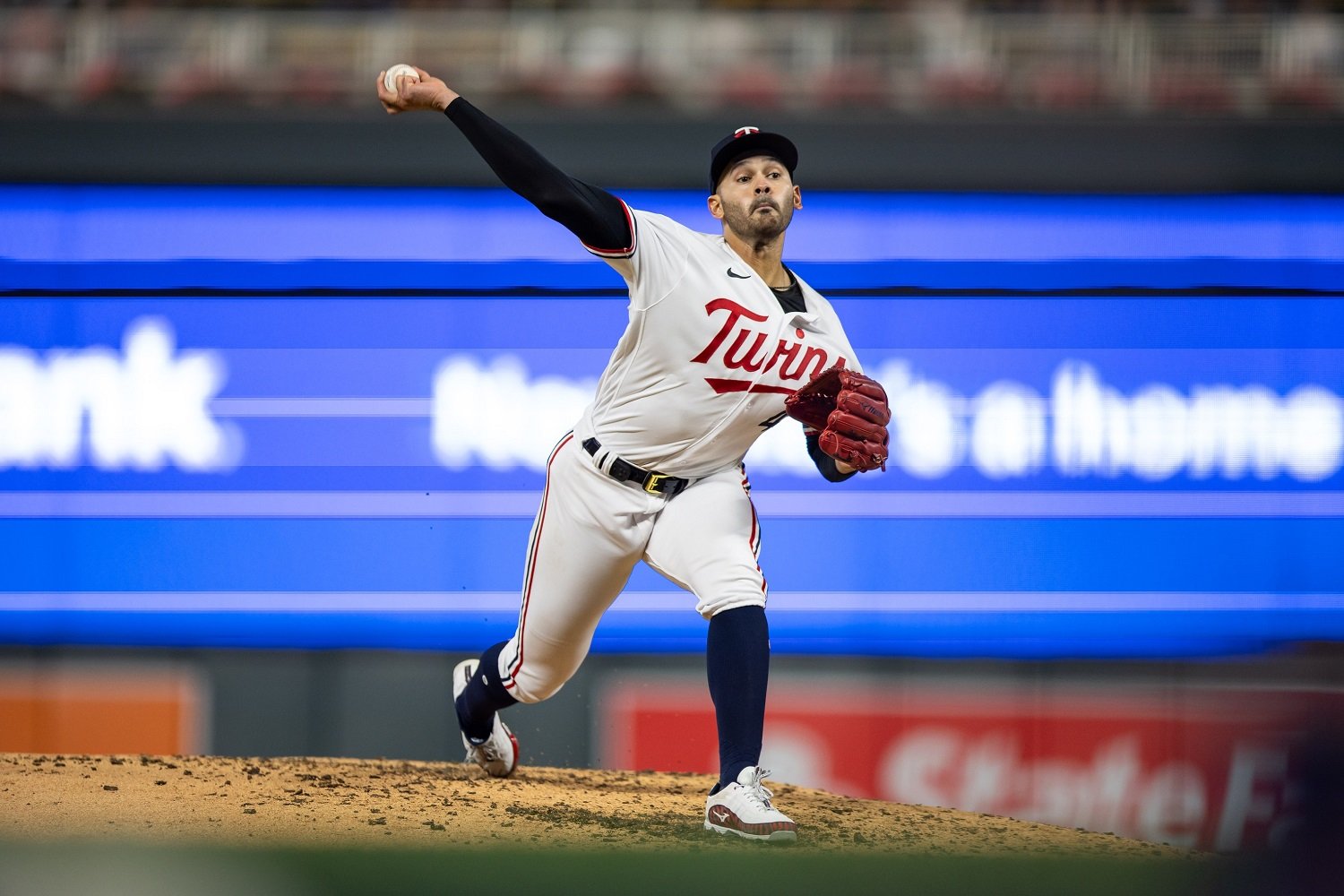 Having Pablo López has been a delightful luxury for the Twins. Rocco Baldelli was able to name his Opening Day starter months ago, and he’ll get the ball every fifth day with an eye on domination. López was great in 2023, better than Sonny Gray at times, and should repeat that success this season. How well this Twins group holds up overall without Gray and Kenta Maeda, however, remains to be seen. It depends overwhelmingly on continued development by both Joe Ryan and Bailey Ober. The front office, hamstrung by ownership payroll constraints, did not get a bona fide number-two starter this offseason. There is hope that Ryan could turn into that, and it would be quite the coup, considering the organization gave up nothing but half a season of Nelson Cruz to net him. Last season, Ryan posted a 4.51 ERA, with a better but similar 4.13 FIP. His expected statistics were much better, with an xERA of 3.53 and an xFIP of 3.76. Those suggest that better numbers were possible. For Ryan, much hinges on limiting the long ball. Having previously surrendered 1.4 HR/9 during his five-game rookie sample, he ballooned that number to 1.8 HR/9 a season ago. Batters got on base much more often, with a career-worst 8.6 H/9, which meant that every dinger did more damage. There is no doubt that Ryan is capable of missing bats. He came up just three strikeouts shy of 200 last season, and he should be expected to best that total this season. Keeping hitters off-balance and reducing the 41.6% percentage of opponents' batted balls that left the bat at more than 95 miles per hour are the vital targets here, though. Predominantly a fastball and slider pitcher, Ryan went more often to a sweeper and threw a new splitter nearly a quarter of the time last season. He pushed his chase rate to a career-best 37.5%, and his whiff rate almost reached 14%. Zone contact rates weren't his problem, either. It was just that when batters did make contact, it was much too solid. If Ryan's new sinker can neutralize that (and if he can stay truly healthy all year, rather than pitching through an injury for a month or more), the Twins could again have two pitchers in the top 25 starters across the entirety of Major League Baseball. It’s not just Ryan, though. Ober should also be expected to take a step forward. Having started at Triple-A last season but proved himself throughout the campaign, he’ll be entrenched in the rotation this time. Ober’s 3.43 ERA last season came in 26 starts, and while he doesn’t get the same level of hype as Ryan, he might well be better. Coming off 144 innings at the major-league level, being healthy should allow him to surpass that total, given the starts he made for the St. Paul Saints. As Matthew Trueblood wrote this offseason, Ober excels despite a lack of velocity. He is cut of a similar cloth to Zack Greinke, Kyle Hendricks, Maeda, or Merrill Kelly. He does things differently, in that the control and command of the zone predominate for him, rather than sheer power or movement. Utilizing the upper portion of the zone, he attacks hitters where his velocity plays up, while avoiding misses middle-middle. This ability comes from the stature that Ober has at his disposal. With a commanding presence on the mound and extension that helps his stuff get on top of hitters, he uses his physical traits and pitching abilities to be a true outlier. There might not be a significant step forward for the 28-year-old, but if he sustains last year's production across an extra 30 innings, then the top half of Baldelli’s rotation will be in a good place. It’s fair to question the depth Minnesota has behind some of their top options, but it’s also worth wondering if the Twins didn’t already have enough at the top that spending for a number two didn’t make sense.
- 11 comments
-
- 6
-
-
- pablo lopez
- bailey ober
- (and 1 more)
-
From Pillbox to Bandbox: A Baseball Bat Story
Ted Schwerzler replied to Ted Schwerzler 's topic in Twins Daily Front Page News
Their bats are decorative and licensed to fill MLB stadium souvenir shops. They do have a small portion of the business that accommodates game bats, but none are used by professional players. -
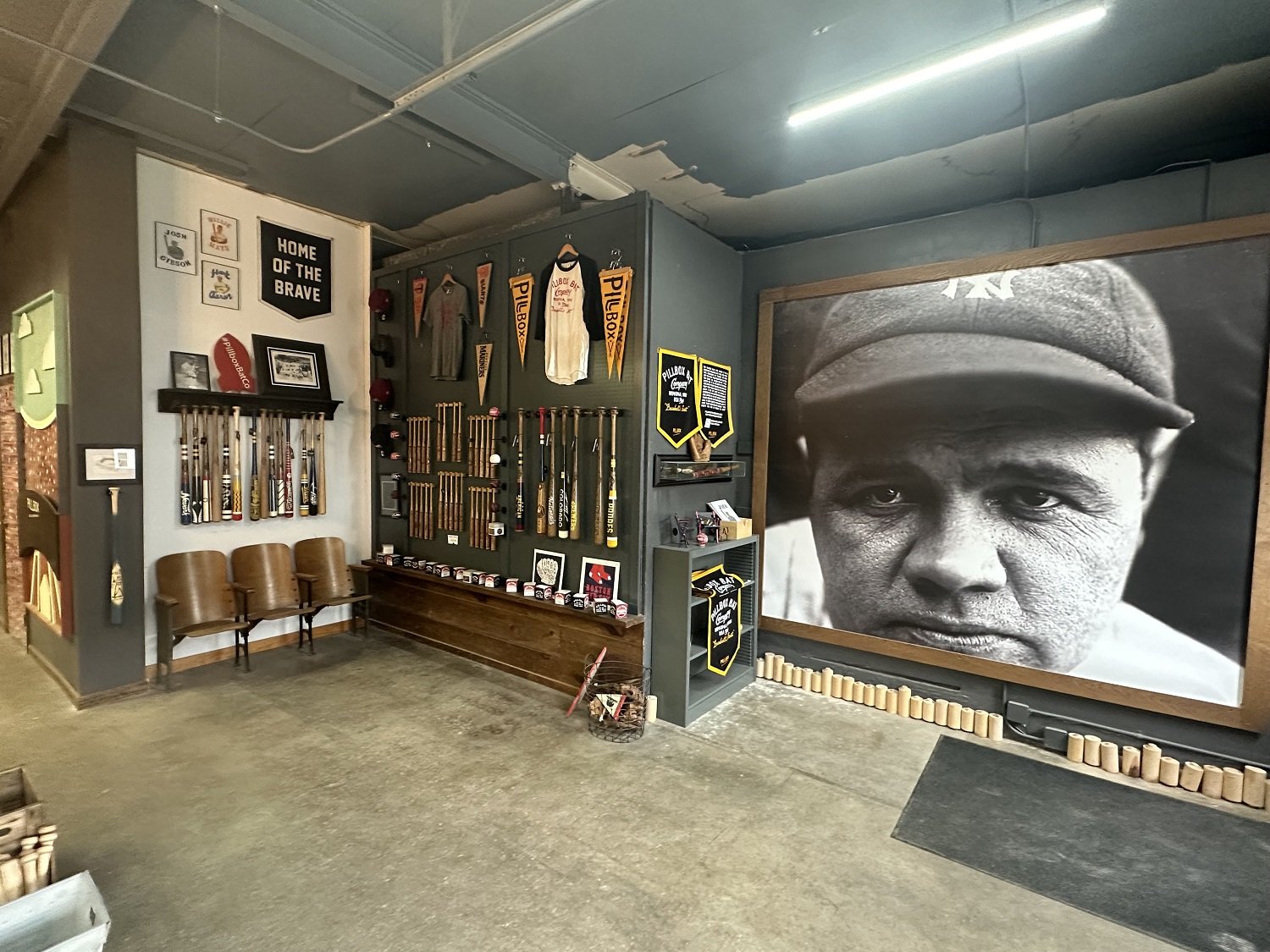 Nestled on an industrial street just outside of downtown Winona, Minnesota, you could miss the office and conjoined warehouse building if you blink. Despite the size that Pillbox Bat Company has grown to, they have remained true to their roots. Still in the facility they once shared with Sanborn Canoe Company, Pillbox now operates the entire structure as their retail store, back office, manufacturing, and distribution center. If you remember the mini bats that you used to see as a kid when patrolling the concourses of a Major League Baseball stadium, then that’s where Pillbox can make a connection point. Dan Watson and Zak Fellman launched the company back in 2015. In 2021, the company got licensing approval from the Major League Baseball Players Association, and in July 2022, it got licensing approval from Major League Baseball itself. Just before the World Series, MLB reached out and had Pillbox create bats for all its teams, and the company was off to the races. On a nondescript February morning, I walked into a welcoming office and was met by Kyle Wright, the Business Development Manager for Pillbox. Kyle and I had exchanged emails for a few weeks, and while the story of Pillbox has been told, the inner workings remained largely uncovered. Set for a tour of the facility, and a greater understanding of what goes on within, Wright was an open book. The main office is home to a small retail space that does a great job of showcasing everything the company has to offer. From bat-specific merchandise to apparel and products waiting for shipment, this area makes a statement. It could be the giant portrait of Babe Ruth staring at you when walking in, but you immediately feel immersed in a baseball mecca. Stepping into what is the first area of production, the differing ways in which Pillbox produces works of art are staggering. After the initial laser engraving machine broke down and could not be serviced, the company added seven new machines to crank out the mini bats seen etched throughout stadiums. Once the bat is inserted, the process is entirely electronic, but it takes an artist to design and set it up. Beyond just the laser engraving arm of design, there is also Pillbox’s famous hand-painted bats. These works of art are truly one-of-a-kind, and each individual bat is hand-painted. What makes it even more impressive is that the painters, or artists as they should formally be known, possess almost no background in painting. Some of the group have an artistic background, but others are entirely self-taught within the walls of Pillbox, and their subjects are exclusively wood bats and pennants. The self-taught premise is something that carries significant weight here, too. While laser engraving is done by a machine, graphic design or CNC machining backgrounds can lend a hand, but that isn’t something everyone possesses. Wright himself came to Pillbox after a career of climbing the managerial chain at a local Domino’s. Looking for something less strenuous from an hourly perspective, he stepped foot into Pillbox as a laborer. It took time to work a lathe and figure out the sanding process, but he is not directly responsible for creating the first step of many works of art the company produces. That comes after he answers the daily marketing and business development emails, of course. While the company does produce bats, and those also used as game bats, they have not yet broken into the major league ranks there. That isn’t exactly the goal, but regardless of whether the product is a decorative offering or used to crack a home run, perfection is the goal. Wright and the sanders meticulously look over each bat constructed and only put those with proper turning, free of defects, and able to pass quality standards on to the next stage. As is the case with all wood bats, once crafted, the raw material is then dipped. With a process that includes multiple coats of sealant or lacquer, the wood is ready for design elements to be added. This can come in the form of paint or a more intricate laser-engraved design. Pillbox has put mini bats and full-size offerings in stadiums and on their website, and customization reigns supreme. The process has become such a well-oiled machine, and it’s one that Pillbox now owns entirely. No longer operating alongside a canoe company or helping to make wooden golf accuracy sticks, bats have taken over and thrived. Despite a population of just under 26,000, Winona houses some massive headquarters. There are plenty of large corporations, from Fastenal and RTP to Watkins and We-No-Nah Canoe. WinCraft remains the largest in the sports world, but Pillbox has begun building an empire squarely on the map. Just a couple of years into their partnership with Major League Baseball, the future for Pillbox remains limitless. The company has seen sizable growth since securing major licensing, and how they tap into creative ventures in the years ahead will be something to keep an eye on. To learn more about Pillbox Bat Company, check out the About Us section on their website here.
 -
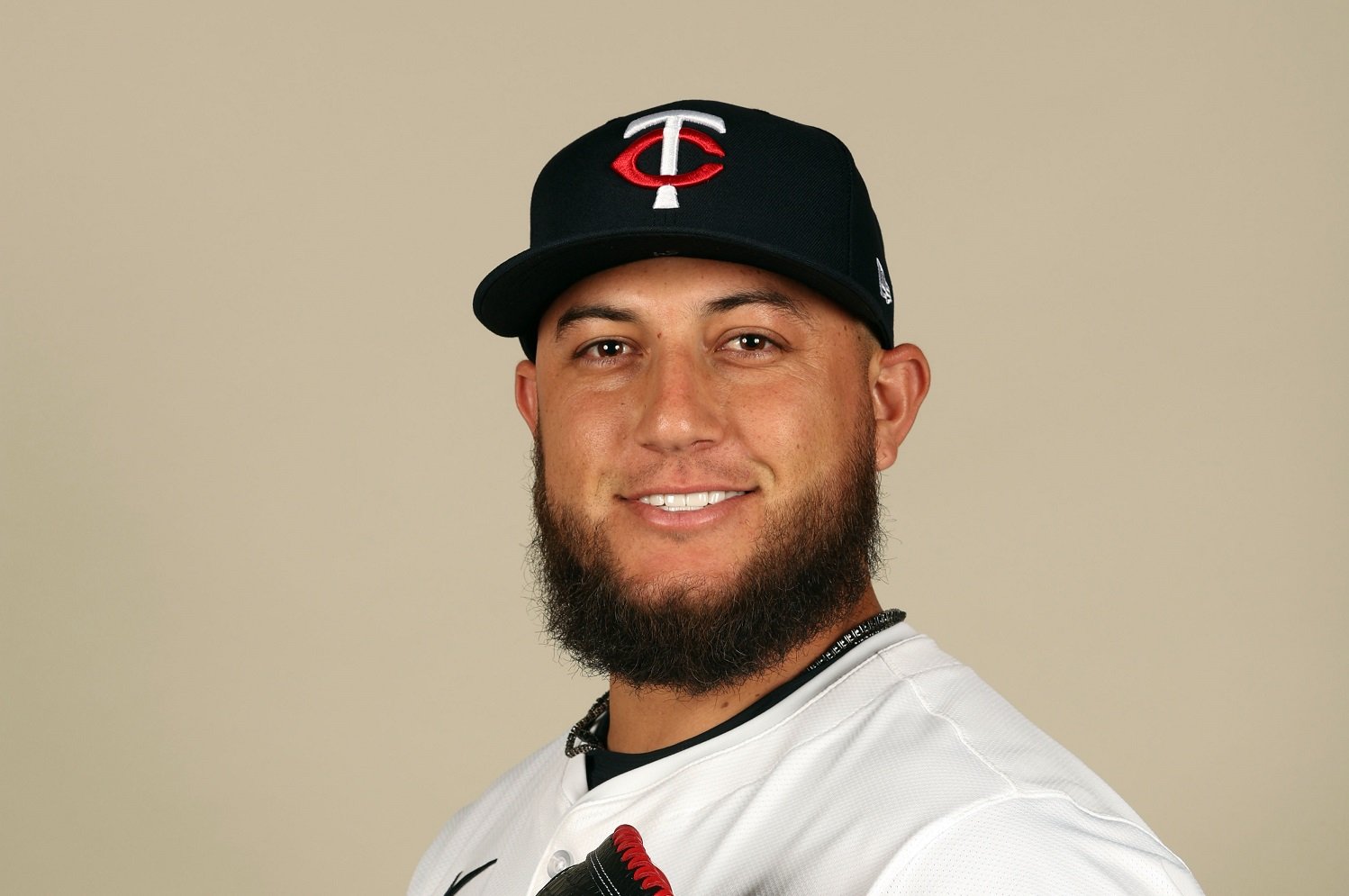 Although Derek Falvey brought in Josh Staumont on a major league deal, and acquired Steven Okert through a trade for Nick Gordon, the Minnesota Twins also cycled through some waiver claims. Ryan Jensen was among those, but it has been Daniel Duarte that has stood out during Spring Training. The 27-year-old Duarte was claimed off of waivers from the Texas Rangers at the beginning of February. Having spent time in the Kansas City Royals system prior to making a debut with the Cincinnati Reds in 2022, it was last season that he got significant big-league run. Across 31 2/3 innings for the Reds, Duarte posted a 3.69 ERA. That’s where the good numbers stopped though as he struggled with command, didn’t generate strikeouts, gave up a ton of walks, and was hurt by the longball. Clearly Minnesota saw something they liked though, and being able to keep him in the rotation while removing him from the 40-man roster was a nice come-up. Similar to last spring when Brock Stewart, Danny Coulombe, and Jeff Hoffman were vying for bullpen spots, Duarte is looking to crack a much better group. Of course, the Twins made a poor decision in allowing Coulombe and Hoffman to walk, but they saw Stewart become a high-leverage arm for Rocco Baldelli’s bullpen. The Twins should be expected to have among baseball’s best bullpens this year, and that may mean arms like Cole Sands and Jorge Alcala could start out in Triple-A. Duarte is a run below them, but his performance this spring has definitely stood out. Through his first five innings he had faced 17 batters and allowed just a pair of hits. His 7/0 K/BB was impressive, and a much better show of command than he had shown a year ago. On Wednesday against the Tampa Bay Rays he finally suffered his first setback. Brandon Lowe tagged the Twins reliever for a homer, but the second run only scored on a bloop single. There was never a reason to bet on Duarte cracking Baldelli’s group out of the gate as there just aren’t enough spots to go around. Rather than being jettisoned after Grapefruit League action though, his final option could be used to stash him with the Saints. He’d get a longer leash to establish what he has shown this spring, and working in a group with the aforementioned depth could prop up his value. Most of the offseason pitching talk regarded the Twins needing to replace both Sonny Gray and Kenta Maeda’s production from 2023. The hope would be that Chris Paddack and Anthony DeSclafani can do that, but the depth behind them may be tested early. Taking some pressure away from the rotation is something that can be accomplished by a lights out bullpen, and if Duarte can become part of a group that’s reliable in St. Paul, then the waiver claim would be another nice development for the organization. Minnesota can use spring training as a launching pad for Duarte, and if the success continues in St. Paul, while still throwing 95 mph, he should find his way back to the big leagues. The Twins have made a habit of building bullpens without spending much money, and being able to get the most out of otherwise overlooked assets is a good way to accomplish that.
 -
When the Minnesota Twins were working through their offseason it was clear that the bullpen was where they intended to add for the pitching staff. With Opening Day quickly approaching, a non roster invitee looks to be making a strong bid for a future roster spot. Image courtesy of © Kim Klement Neitzel-USA TODAY Sports Although Derek Falvey brought in Josh Staumont on a major league deal, and acquired Steven Okert through a trade for Nick Gordon, the Minnesota Twins also cycled through some waiver claims. Ryan Jensen was among those, but it has been Daniel Duarte that has stood out during Spring Training. The 27-year-old Duarte was claimed off of waivers from the Texas Rangers at the beginning of February. Having spent time in the Kansas City Royals system prior to making a debut with the Cincinnati Reds in 2022, it was last season that he got significant big-league run. Across 31 2/3 innings for the Reds, Duarte posted a 3.69 ERA. That’s where the good numbers stopped though as he struggled with command, didn’t generate strikeouts, gave up a ton of walks, and was hurt by the longball. Clearly Minnesota saw something they liked though, and being able to keep him in the rotation while removing him from the 40-man roster was a nice come-up. Similar to last spring when Brock Stewart, Danny Coulombe, and Jeff Hoffman were vying for bullpen spots, Duarte is looking to crack a much better group. Of course, the Twins made a poor decision in allowing Coulombe and Hoffman to walk, but they saw Stewart become a high-leverage arm for Rocco Baldelli’s bullpen. The Twins should be expected to have among baseball’s best bullpens this year, and that may mean arms like Cole Sands and Jorge Alcala could start out in Triple-A. Duarte is a run below them, but his performance this spring has definitely stood out. Through his first five innings he had faced 17 batters and allowed just a pair of hits. His 7/0 K/BB was impressive, and a much better show of command than he had shown a year ago. On Wednesday against the Tampa Bay Rays he finally suffered his first setback. Brandon Lowe tagged the Twins reliever for a homer, but the second run only scored on a bloop single. There was never a reason to bet on Duarte cracking Baldelli’s group out of the gate as there just aren’t enough spots to go around. Rather than being jettisoned after Grapefruit League action though, his final option could be used to stash him with the Saints. He’d get a longer leash to establish what he has shown this spring, and working in a group with the aforementioned depth could prop up his value. Most of the offseason pitching talk regarded the Twins needing to replace both Sonny Gray and Kenta Maeda’s production from 2023. The hope would be that Chris Paddack and Anthony DeSclafani can do that, but the depth behind them may be tested early. Taking some pressure away from the rotation is something that can be accomplished by a lights out bullpen, and if Duarte can become part of a group that’s reliable in St. Paul, then the waiver claim would be another nice development for the organization. Minnesota can use spring training as a launching pad for Duarte, and if the success continues in St. Paul, while still throwing 95 mph, he should find his way back to the big leagues. The Twins have made a habit of building bullpens without spending much money, and being able to get the most out of otherwise overlooked assets is a good way to accomplish that. View full article
-
 This offseason could have zeroed in on two veterans worthy of being traded. With the Minnesota Twins immediately coming out and crying poor--er, suggesting that payroll would drop--the contracts of both Jorge Polanco and Max Kepler were in the crosshairs. Ultimately, the front office flipped Polanco for solid value, but Kepler is still here, playing out the final year of his contract extension. Last season, Kepler owned a 121 OPS+, his highest total since the 2019 Bomba Squad season when he launched 36 juiced baseballs into the stands. It was a strong year for the German right fielder, but it wasn’t all rainbows and butterflies. Through 46 games, he owned a putrid .625 OPS with a .189 batting average. He was drawing the ire of fans everywhere, and conventional wisdom could have made him a candidate to be jettisoned altogether. Then, he figured it out again. From that point forward, a period of 84 games, Kepler slashed .297/.368/.545. He had 17 doubles and 17 home runs, while being among the best hitters in Rocco Baldelli’s lineup. Needing to replicate that for the duration of the 2024 season, it’s a relatively straightforward process for the Minnesota right fielder. Through May, Kepler had a launch angle hovering around 12 degrees. He had produced nearly a 50% ground-ball rate just a year prior. He has previously suggested that his goal was to drive the ball on the ground through the defense. That has almost always been the culprit whenever he’s been going bad in his career. From the point he turned his season around, Kepler owned nearly a 16-degree launch angle and supplemented that with a solid hard-hit rate. Banning the shift would never fix the problem for a guy like Kepler. Mentally, it could have affected him as to where the defenders were standing, but there were very few hits to be had when putting the baseball on the ground. Major-league players are outstanding, and they usually get to grounders and convert them into outs, even when the ball was well-struck. For Kepler, it wasn’t about going the other way or hitting through the shift, but instead lifting over it. As Kepler has been able to elevate the baseball and generate harder contact, he has seen that directly correlate to more productive batted balls. His 16.1% HR/FB rate last season was the second-best of his career (behind 2019’s 18%), and he combined that with career-best marks in hard-hit percentage (47.6%) and Barrel rate (12.2%). The Twins continuing to implore Kepler to wallop the baseball with a slight upward trajectory is the best way to ensure that they get great production in 2024, and the best way for Kepler to find his next payday thereafter. Defensively, Kepler has been among the better right fielders in the game for quite some time. That should continue in 2024, and Minnesota will benefit by having Byron Buxton patrolling center field on a more frequent basis. While Matt Wallner is not a defensive stalwart in left field, Manuel Margot can rotate in as a late-game replacement. Baldelli’s outfield configuration will look like a better version of the “Nothing Falls but Raindrops” group. Ultimately, how much value Kepler provides to Minnesota in his 14th year with the organization will depend on how much he wants to stick with a known process. As a veteran, the hope would be that he sees value in how his season turned a year ago, and the Twins getting something close to 150 games of that would have him getting MVP votes and All-Star consideration.
 -
How a Sinker Could Save Joe Ryan From His Stinker of a Slider
Ted Schwerzler posted an article in Twins
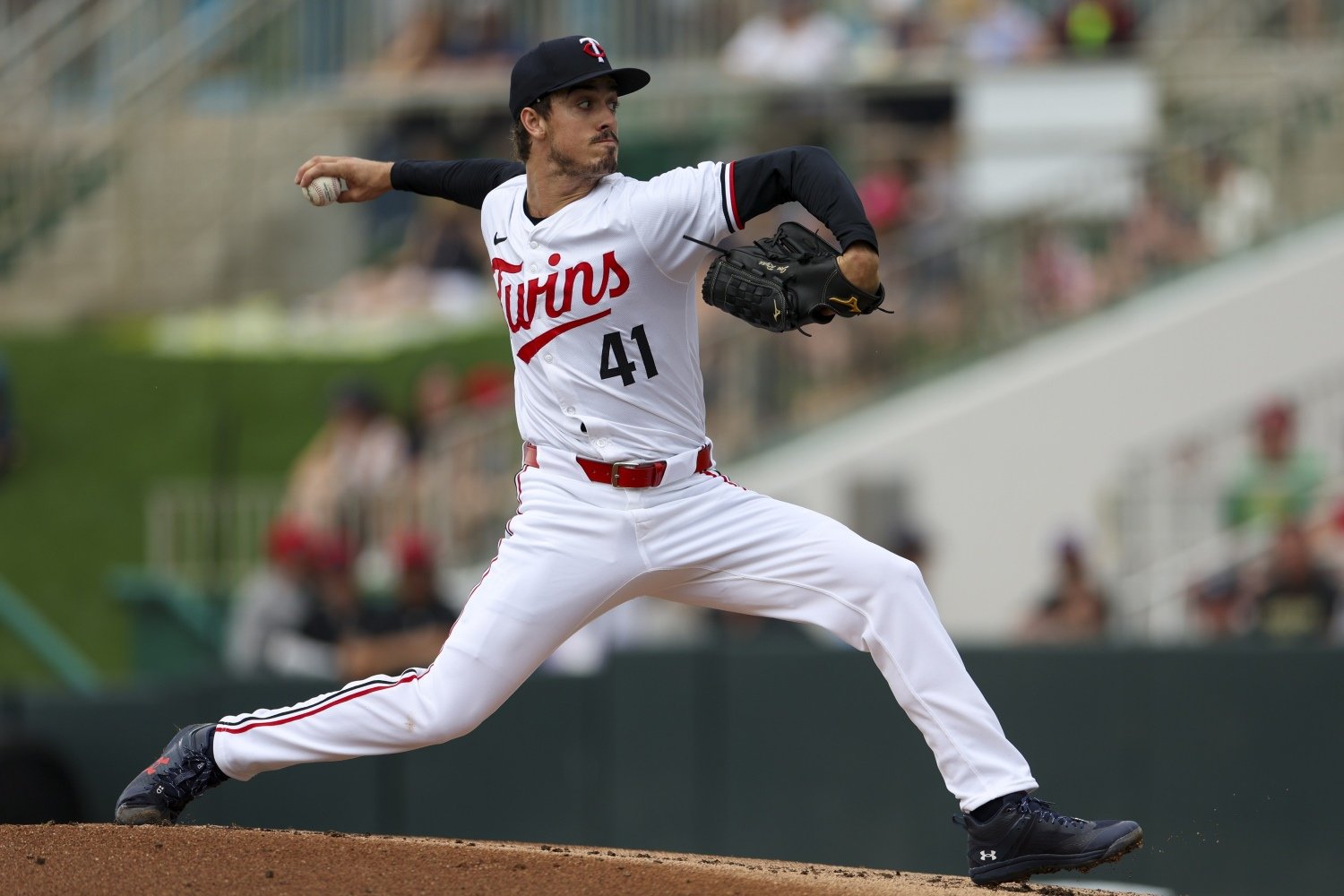 Pablo López figures to be in the thick of voting for the American League Cy Young Award by season’s end. He is Rocco Baldelli’s ace and one of the game's five or 10 best pitchers. If the Twins are going to make noise in the postseason, though, he’ll need help. There’s a possibility that Bailey Ober takes a step forward and becomes another top-tier arm. If Joe Ryan is going to do so, then there are a few tweaks he’ll need to make along the way. Last season, Ryan pitched a career-high 161 2/3 innings, but that resulted in a career-worst 4.51 ERA. His FIP suggested a bit better numbers could be expected, and while the strikeouts were impressive, the hits and long balls damaged him. For Ryan to deviate from that result in 2024, a few things need to happen. One avenue via which Ryan can keep opposing hitters off-balance is tweaking his repertoire. With the righty throwing a fastball, sweeper, and slider last year, righties were able to sit on his four-seam offering easily. That pitch came nearly 60% of the time, and the stuff was too easy to read with secondary offerings that didn’t play well off of his primary pitch. To differentiate offerings, Ryan is looking to incorporate a sinker. Joe Trezza recently noted that Ryan’s sinker isn’t entirely new to him. Having previously thrown a two-seamer as an amateur, the sinker is a variation of that grip, and the pitch itself is seeing a resurgence across Major League Baseball. Ryan already threw a splitter nearly 23% of the time last year, but the sinker is less designed to miss bats than to generate weak contact. As a fastball-forward pitcher, Ryan can benefit a great deal from a mix of pitches that appear the same but have divergent late movement. The sinker and splitter play up for a guy with a solid fastball, but the former is something he can turn to earlier in counts and rely on against same-handed hitters. While working through different grips and ideas this offseason, Ryan began to dig in with the sinker at Driveline. “I don't know how much we're going to use it," he said. "I don't know what that usage looks like throughout the course of the season, but it's a fun pitch to have in my back pocket to keep hitters off-balance, and it feels really good to throw.” Beyond just adding a pitch, it’s how Ryan can utilize pitches that may help take him to the next level. In a piece focusing on command by FanGraphs author Alex Chamberlain, Ryan was highlighted as the pitcher who threw a higher percentage of competitive pitches compared to the competition, especially in the last pitch of an at-bat. That would suggest that Ryan’s ability to pitch is there, but the tools he was using may have been somewhat lacking. Perhaps he was too much around the zone deep in counts, because his stuff didn't allow him to do anything else. Specifically, his slider was problematic. The pitch wasn’t good last season, largely because of its location. For a pitcher who works the ladder to allow his fastball additional room to play, the placement of his slider and sweeper to right-handed batters left him in position to get beat. Throwing sliders up in the zone and then seeing them tumble into the heart is not a sustainable path toward success, even as a means of stealing called strikes when hitters are programmed to try to lay off the high fastball. With a sinker incorporated into his arsenal, the plan should be for Ryan to attack at the top of the zone with his fastball and then allow both the sinker and splitter to play off one another down in the zone. Slider usage could dissipate almost entirely, with the splitter being an out pitch against lefties. For a guy who came into the league throwing a fastball nearly 70% of the time, lessening that percentage much more than to the current 57% doesn’t make much sense. Dialing back the 15% slider usage is an area of opportunity, though, and doing so with a pitch mix that plays better together could provide a great deal of benefit. Ryan's spring training fastball velocities in 2022 and 2023 were 92.6 and 92.3 miles per hour, respectively. This spring, he's already sitting 93.1. His 37.5% chase rate and 13.8% whiff rate were both career highs last year. The Twins have an arm capable of getting pitches by big-league hitters, but he was leaving himself open to being burnt on mistake choices before making mistakes in location. Getting away from the slider, specifically up, while tightening the fastball location would do wonders. Then, having two different types of down-darting secondaries is a near-perfect overhaul to get him over the hump and into top-of-the-rotation territory. Finding a way for Ryan to bring the best of what he was in 2022 and 2023 together would give the Twins the second playoff starter they currently lack. Whether the sinker will do that for him or not remains to be seen, but it's one highly plausible option for turning that corner.
- 10 comments
-
- 4
-
-
- joe ryan
- pablo lopez
- (and 1 more)
-
The Minnesota Twins entered the offseason with a clear need to add another pitcher capable of taking the ball for a big postseason game. Unfortunately, they didn’t grab one, but there are a couple of options within the organization. Image courtesy of © Nathan Ray Seebeck-USA TODAY Sports Pablo López figures to be in the thick of voting for the American League Cy Young Award by season’s end. He is Rocco Baldelli’s ace and one of the game's five or 10 best pitchers. If the Twins are going to make noise in the postseason, though, he’ll need help. There’s a possibility that Bailey Ober takes a step forward and becomes another top-tier arm. If Joe Ryan is going to do so, then there are a few tweaks he’ll need to make along the way. Last season, Ryan pitched a career-high 161 2/3 innings, but that resulted in a career-worst 4.51 ERA. His FIP suggested a bit better numbers could be expected, and while the strikeouts were impressive, the hits and long balls damaged him. For Ryan to deviate from that result in 2024, a few things need to happen. One avenue via which Ryan can keep opposing hitters off-balance is tweaking his repertoire. With the righty throwing a fastball, sweeper, and slider last year, righties were able to sit on his four-seam offering easily. That pitch came nearly 60% of the time, and the stuff was too easy to read with secondary offerings that didn’t play well off of his primary pitch. To differentiate offerings, Ryan is looking to incorporate a sinker. Joe Trezza recently noted that Ryan’s sinker isn’t entirely new to him. Having previously thrown a two-seamer as an amateur, the sinker is a variation of that grip, and the pitch itself is seeing a resurgence across Major League Baseball. Ryan already threw a splitter nearly 23% of the time last year, but the sinker is less designed to miss bats than to generate weak contact. As a fastball-forward pitcher, Ryan can benefit a great deal from a mix of pitches that appear the same but have divergent late movement. The sinker and splitter play up for a guy with a solid fastball, but the former is something he can turn to earlier in counts and rely on against same-handed hitters. While working through different grips and ideas this offseason, Ryan began to dig in with the sinker at Driveline. “I don't know how much we're going to use it," he said. "I don't know what that usage looks like throughout the course of the season, but it's a fun pitch to have in my back pocket to keep hitters off-balance, and it feels really good to throw.” Beyond just adding a pitch, it’s how Ryan can utilize pitches that may help take him to the next level. In a piece focusing on command by FanGraphs author Alex Chamberlain, Ryan was highlighted as the pitcher who threw a higher percentage of competitive pitches compared to the competition, especially in the last pitch of an at-bat. That would suggest that Ryan’s ability to pitch is there, but the tools he was using may have been somewhat lacking. Perhaps he was too much around the zone deep in counts, because his stuff didn't allow him to do anything else. Specifically, his slider was problematic. The pitch wasn’t good last season, largely because of its location. For a pitcher who works the ladder to allow his fastball additional room to play, the placement of his slider and sweeper to right-handed batters left him in position to get beat. Throwing sliders up in the zone and then seeing them tumble into the heart is not a sustainable path toward success, even as a means of stealing called strikes when hitters are programmed to try to lay off the high fastball. With a sinker incorporated into his arsenal, the plan should be for Ryan to attack at the top of the zone with his fastball and then allow both the sinker and splitter to play off one another down in the zone. Slider usage could dissipate almost entirely, with the splitter being an out pitch against lefties. For a guy who came into the league throwing a fastball nearly 70% of the time, lessening that percentage much more than to the current 57% doesn’t make much sense. Dialing back the 15% slider usage is an area of opportunity, though, and doing so with a pitch mix that plays better together could provide a great deal of benefit. Ryan's spring training fastball velocities in 2022 and 2023 were 92.6 and 92.3 miles per hour, respectively. This spring, he's already sitting 93.1. His 37.5% chase rate and 13.8% whiff rate were both career highs last year. The Twins have an arm capable of getting pitches by big-league hitters, but he was leaving himself open to being burnt on mistake choices before making mistakes in location. Getting away from the slider, specifically up, while tightening the fastball location would do wonders. Then, having two different types of down-darting secondaries is a near-perfect overhaul to get him over the hump and into top-of-the-rotation territory. Finding a way for Ryan to bring the best of what he was in 2022 and 2023 together would give the Twins the second playoff starter they currently lack. Whether the sinker will do that for him or not remains to be seen, but it's one highly plausible option for turning that corner. View full article
- 10 replies
-
- 1
-

-
- joe ryan
- pablo lopez
- (and 1 more)
-
Regarding the 2024 Minnesota Twins coaching staff, things remain essentially unchanged. Rocco Baldelli is still in the driver’s seat but will make some adjustments from 2023 that will be worth watching. Image courtesy of © Kyle Schwab-USA TODAY Sports Minnesota stayed the course following a successful 2023 season. David Popkins is back as the head man of three hitting coaches, while Tommy Watkins, Hank Conger, and Jayce Tingler also return to their posts. Nick Paparesta will look to keep the guys healthy again, and it will be on Rocco Baldelli to put the pieces together. The most significant shift this season could be how the bullpen and starting rotation are utilized. If something has been regarded as an erroneous fact over the past two seasons, it’s how Baldelli utilizes his pitchers. Whether commenting on short starts, bullpen usage, or how Sonny Gray felt about his innings, most of the quips have been misguided. Baldelli is tasked with managing his team on a yearly basis. Regarding the lineup, that has often meant utilizing platoons and moving players around. That should be expected to continue this season, considering the additions of Manuel Margot and Carlos Santana. It’s on the mound where things may change, though. 2022 included plenty of short starts from the Twins rotation because the group featured mediocre arms like Chris Archer, Dylan Bundy, and Devin Smeltzer. 2023 included plenty of long starts because the group featured arms like Pablo Lopez, a Cy Young version of Sonny Gray, Joe Ryan, and Bailey Ober. Much of the better group remains this season, but Chris Paddack and Anthony DeSclafani bring availability concerns to the rotation. There shouldn’t be a shock when either Paddack or DeSclafani are routinely lifted before traversing the order a third time, and that means much more responsibility will be placed on the bullpen. With that reality sitting out there, it’s also not a shock why Derek Falvey has focused on adding depth to the relief corps. Jhoan Duran, Griffin Jax, Caleb Thielbar, and Brock Stewart aren’t going to enter games in the 5th or 6th inning routinely, but to get them in during the later stages, the lower-leverage arms have to do some heavy lifting. Minnesota will rely heavily upon arms like Justin Topa, Jay Jackson, Steven Okert, and Josh Staumont to bridge the gap between their starter and shutdown relievers. That group has differing levels of questions to it, but who gets the biggest chances and how long of a leash each has is something that Baldelli will need to dissect as the season goes along. Where the rotation seemed to have depth a season ago, the bullpen appears to have taken over this time. If there’s something often most straightforward to criticize a manager about, it is their bullpen usage. Baldelli has often left that door open during his tenure, and he’ll now need to tighten up which strings he and Pete Maki are pulling and when. If the execution is there from the dugout, and the faith is replicated on the mound, the Twins should have one of the best units in all of baseball. Coming in as the most senior manager amongst the division as a whole. Baldelli has a strong idea as to what the competition looks like. At the same time, A.J. Hinch is the more-decorated skipper; Detroit should be assumed to be at least a few years away. The Cleveland Guardians go from Terry Francona to a completely green Stephen Vogt, which puts both of the chief competition for Minnesota in something of an interesting position. This may be a season in which Baldelli could perform his greatest job yet, and that resulting in a high level of success at season’s end wouldn’t be surprising in the slightest. View full article
-
This is really well done. Never seen anything like this. Very cool!
-
 Last season, the Minnesota Twins had one of the best starting rotations in all baseball. Rocco Baldelli would love to see this group replicate that, but Joe Ryan and Bailey Ober must step up behind Pablo Lopez to avoid a dropoff. Sonny Gray and Kenta Maeda are gone, so if the Twins are going to be among the best bullpens in baseball, they’ll need to supplement a starting rotation that has lost some of its depth. The front office has never spent substantially on the bullpen, save for Addison Reed. That remains true this year, and the back-end group featuring Jhoan Duran, Griffin Jax, Brock Stewart, and Caleb Thielbar all come in with minimal salary considerations. Supplementing them this year is a group acquired through Jorge Polanco and Nick Gordon's trades and shrewd free-agent pickups. How well the secondary bullpen group performs is a two-fold look at situations. First, what can be expected in a more significant sample from Justin Topa, Jay Jackson, and Steven Okert? Topa was the veteran prize acquired from Seattle in exchange for Polanco. He’s 32 years old but isn’t a free agent until 2027. Before last season, he had just 18 1/3 innings pitched at the major league level and allowed 17 runs for Milwaukee during that exposure. Blossoming into a force with Seattle last season, Topa threw 69 innings and owned a 2.61 ERA. His 3.15 FIP wasn’t far off, and his 8.0 K/9 was more than serviceable. He allowed only 2.3 BB/9 and gave up just four home runs. Suppose Topa can replicate that success for Minnesota or even take another step forward. In that case, he will be a direct replacement for the 2023 version of Emilio Pagan and will provide Baldelli with a high-level option earlier in games. Needing a bridge for starters like Chris Paddack and Anthony DeSclafani, who could have innings limits, is the type of arm a bullpen needs. Like Topa, Jackson is a late bloomer in that he’s 36 years old and has yet to hit arbitration. A 2008 draft pick, Jackson didn’t make the majors until 2015, then reappeared in 2019 before finally working 29 2/3 innings last season with the Blue Jays. Jackson posted a 2.12 ERA for Toronto in 2023, but his 4.20 FIP suggests some smoke and mirrors to that number. Jackson put up similar strikeout and walk numbers to Topa, but he allowed home runs at twice the frequency. He’s not an exceptionally hard-throwing player, and there isn’t a reason to expect he’ll work deeper into the group's hierarchy. However, if Jackson can substantiate his 2023 performance, he would give depth options like Cole Sands and Kody Funderburk more time to hone in at the Triple-A level. Speaking of a left-handed arm, the Twins did well to grab another pitcher from the Marlins when they sent out-of-options Nick Gordon to Miami. Steven Okert pairs with Thielbar as a relief southpaw, and Baldelli now has another option. The former Marlin has racked up strikeouts throughout his career, and despite the 4.45 ERA last season, he put up a 2.89 ERA the two seasons prior. Over the past three years, his FIP has remained over 4.00, and he gives up a good deal of dingers, but there’s a good arm here if he can keep the ball in the yard. One of Minnesota's relief corps's most significant question marks may be former Kansas City Royals reliever Josh Staumont. He is no longer the fireballing high-leverage guy; he is also past the thoracic outlet surgery he underwent and has a clean bill of health. The hope would be that he can make a new arsenal work after having pitched injured for quite some time. At his best in 2021, Staumont was a guy who struck out a ton of batters with a good amount of velocity. He has never allowed many home runs, but in the past two seasons, the command and control within the zone have escaped him. A new offering may be on the table this year, and, if his arm is healthy, then a new level of effectiveness could also be expected. For as deep as the Twins rotation was a season ago, the bullpen could experience that depth this season, and Baldelli will have the opportunity to get creative when working matchups on a game-by-game basis.
- 17 comments
-
- 5
-
-
- justin topa
- steven okert
- (and 4 more)


