



Ted Schwerzler
-
Posts
5,149 -
Joined
-
Last visited
Content Type
Profiles
News
Minnesota Twins Videos
2026 Minnesota Twins Top Prospects Ranking
2022 Minnesota Twins Draft Picks
Minnesota Twins Free Agent & Trade Rumors, Notes, & Tidbits
Guides & Resources
2023 Minnesota Twins Draft Picks
The Minnesota Twins Players Project
2024 Minnesota Twins Draft Picks
2025 Minnesota Twins Draft Pick Tracker
2026 Minnesota Twins Draft Tracker: Picks & Bonuses
Forums
Blogs
Events
Store
Downloads
Gallery
Everything posted by Ted Schwerzler
-
When the Minnesota Twins turned the page on 2023, they had a handful of areas well situated for 2024. With the offseason coming to a close and the bullpen looking to be sorted out, what was a solid group last year has taken another step forward. Image courtesy of © Jeffrey Becker-USA TODAY Sports Since Derek Falvey took over as Minnesota’s president of baseball operations, he has only deviated once when spending money on relief help. Minnesota has stuck to one-year deals with relievers in almost all cases, and some of their greatest success stories have been diamonds in the rough. Rocco Baldelli was able to use Brock Stewart in high-leverage situations a year ago after he was out of the majors since 2019. The tale could have repeat itself in 2024 with Justin Topa replicating his 2023, and the continued emergence of Kody Funderburk playing out. Also, Jhoan Durán, Griffin Jax, and Caleb Thielbar are stories of internal development. By many metrics, the Twins bullpen was largely average a season ago. They checked in 21st in fWAR and 15th in DRA-. The group did post the 9th-best K/9 in the sport, and their walk rate was the 12th-best. The high-leverage arms used in late innings were the highlight, and while the bottom of the group rotated through, success stories like Emilio Pagán also provided some depth. This season Fangraphs projects the unit for the third-highest reliever output by fWAR. After dealing Jorge Polanco to the Seattle Mariners, arguably the best current player Minnesota got back was reliever Justin Topa. The addition brings another late-blooming rookie, and similar to Thielbar, Topa found success in his early 30s. As a rookie last season, he posted a 2.61 ERA and backed it up with a 3.15 FIP. His 8.0 K/9 was an impressive mark, and considering he’s a ground ball savant, allowing just an 8.0 H/9 worked nicely as well. Baldelli doesn’t need to cycle Topa in with the late arms like Durán, Jax, Thielbar, or Stewart, but he gets an opportunity to shorten the game when a starting arm goes little more than five. That collection around Topa has also taken a big step forward, assuming a level of health for the season ahead. We haven’t seen Jorge Alcalá put it all together yet, but the makings of a good relief arm have been there for a while. If he can blossom alongside an upside play like Josh Staumont, the bullpen takes another step forward. Topa and Staumont aren't the only relief additions for Minnesota either. A major league contract for Jay Jackson puts him in the mix, and despite having bounced around since making a debut in 2015, he figured things out to the tune of a 2.12 ERA with the Blue Jays last season. Now 36, Jackson is out of options, and somewhat of an unknown commodity across a larger sample size, but the Twins clearly saw something they liked. If nothing else, he'll provide a level of depth that can stash someone in the minors to start the year. It may be hard to believe that Durán has another level yet to unlock, but he's only 26 years old and 2024 will be just the second season of him working as an unquestioned closer. After putting up a 1.0 fWAR tally in 2023, ZiPS and Steamer projections both have him surpassing that mark in the year ahead. Roughly 40% of Minnesota's bullpen value is expected to be derived from the arm of Duran (if FanGraphs is to be believed), and there is definitely a path for him to look more like the 2022 version that finished with a 1.86 ERA, near-90% strand rate, and a FIP south of 3.00. Now fully equipped with entrance music and a hype train, the Twins closer may add plenty more steam in the year ahead. What Minnesota will do with Louie Varland remains to be seen. He looked electric in brief action out of the bullpen last fall, but keeping him stretched out as an option for the rotation makes some sense. Anthony DeSclafani probably took his immediate rotation spot, but he could follow the Bailey Ober path to start the year if he isn’t going to enter from beyond the outfield. The last unmentioned member of the group could be rookie Kody Funderburk. Working a 12-inning sample last year for the Twins, he allowed a single run on six hits while posting a 19/5 K/BB. His inclusion would give Baldelli a second southpaw to work with, and nothing about the cameo should be hard to believe. He was dominant at Triple-A last season for the St. Paul Saints, and a promotion looked warranted well before when it came. Minnesota could have four arms in the big league bullpen, all at pre-arbitration salaries this year, and another two checking in below $1 million each. It may be among the cheapest groups in the game, but they’ll have an opportunity to challenge for the best unit. Last season, the rotation often put Baldelli in a situation to piece games together by going deeper into ballgames. If the rotation is going to take a slight step backward in 2024, there is a path for the overall outcome to remain the same. The high-leverage bullpen talent remains intact, and the rest of the group presents few weak spots as a whole. While it’s more than fair to worry about a rotation that is now without Sonny Gray and Kenta Maeda, the guys supporting them look better than we’ve seen at any point in recent memory. Having less of a top-heavy unit, and one that could now employ a pair of solid lefties, the front office has constructed something that may be among the biggest strengths for the team. Although the Twins don't have a Kenley Jansen, Josh Hader, or Edwin Díaz eating away at payroll in relief, they do have a well-constructed contingent that can compete with anyone regardless of the name or number of zeroes on a paycheck. This is a group to be reckoned with, and just how good they should be an exciting ceiling to push. Outside of the obvious answers, who are you most excited about seeing pitch in relief for the Twins this year? Is there an arm you expect to surprise? View full article
-
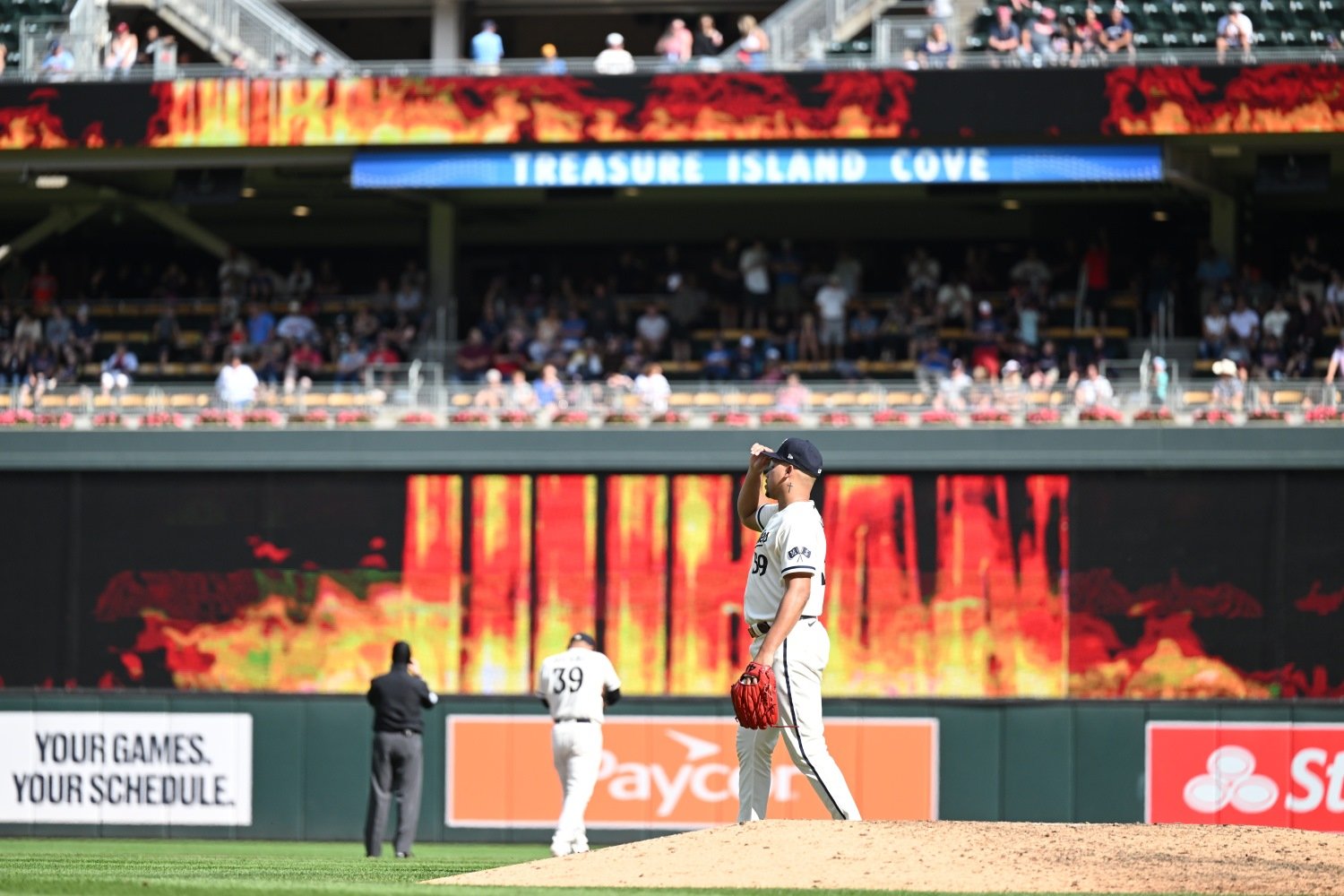 Since Derek Falvey took over as Minnesota’s president of baseball operations, he has only deviated once when spending money on relief help. Minnesota has stuck to one-year deals with relievers in almost all cases, and some of their greatest success stories have been diamonds in the rough. Rocco Baldelli was able to use Brock Stewart in high-leverage situations a year ago after he was out of the majors since 2019. The tale could have repeat itself in 2024 with Justin Topa replicating his 2023, and the continued emergence of Kody Funderburk playing out. Also, Jhoan Durán, Griffin Jax, and Caleb Thielbar are stories of internal development. By many metrics, the Twins bullpen was largely average a season ago. They checked in 21st in fWAR and 15th in DRA-. The group did post the 9th-best K/9 in the sport, and their walk rate was the 12th-best. The high-leverage arms used in late innings were the highlight, and while the bottom of the group rotated through, success stories like Emilio Pagán also provided some depth. This season Fangraphs projects the unit for the third-highest reliever output by fWAR. After dealing Jorge Polanco to the Seattle Mariners, arguably the best current player Minnesota got back was reliever Justin Topa. The addition brings another late-blooming rookie, and similar to Thielbar, Topa found success in his early 30s. As a rookie last season, he posted a 2.61 ERA and backed it up with a 3.15 FIP. His 8.0 K/9 was an impressive mark, and considering he’s a ground ball savant, allowing just an 8.0 H/9 worked nicely as well. Baldelli doesn’t need to cycle Topa in with the late arms like Durán, Jax, Thielbar, or Stewart, but he gets an opportunity to shorten the game when a starting arm goes little more than five. That collection around Topa has also taken a big step forward, assuming a level of health for the season ahead. We haven’t seen Jorge Alcalá put it all together yet, but the makings of a good relief arm have been there for a while. If he can blossom alongside an upside play like Josh Staumont, the bullpen takes another step forward. Topa and Staumont aren't the only relief additions for Minnesota either. A major league contract for Jay Jackson puts him in the mix, and despite having bounced around since making a debut in 2015, he figured things out to the tune of a 2.12 ERA with the Blue Jays last season. Now 36, Jackson is out of options, and somewhat of an unknown commodity across a larger sample size, but the Twins clearly saw something they liked. If nothing else, he'll provide a level of depth that can stash someone in the minors to start the year. It may be hard to believe that Durán has another level yet to unlock, but he's only 26 years old and 2024 will be just the second season of him working as an unquestioned closer. After putting up a 1.0 fWAR tally in 2023, ZiPS and Steamer projections both have him surpassing that mark in the year ahead. Roughly 40% of Minnesota's bullpen value is expected to be derived from the arm of Duran (if FanGraphs is to be believed), and there is definitely a path for him to look more like the 2022 version that finished with a 1.86 ERA, near-90% strand rate, and a FIP south of 3.00. Now fully equipped with entrance music and a hype train, the Twins closer may add plenty more steam in the year ahead. What Minnesota will do with Louie Varland remains to be seen. He looked electric in brief action out of the bullpen last fall, but keeping him stretched out as an option for the rotation makes some sense. Anthony DeSclafani probably took his immediate rotation spot, but he could follow the Bailey Ober path to start the year if he isn’t going to enter from beyond the outfield. The last unmentioned member of the group could be rookie Kody Funderburk. Working a 12-inning sample last year for the Twins, he allowed a single run on six hits while posting a 19/5 K/BB. His inclusion would give Baldelli a second southpaw to work with, and nothing about the cameo should be hard to believe. He was dominant at Triple-A last season for the St. Paul Saints, and a promotion looked warranted well before when it came. Minnesota could have four arms in the big league bullpen, all at pre-arbitration salaries this year, and another two checking in below $1 million each. It may be among the cheapest groups in the game, but they’ll have an opportunity to challenge for the best unit. Last season, the rotation often put Baldelli in a situation to piece games together by going deeper into ballgames. If the rotation is going to take a slight step backward in 2024, there is a path for the overall outcome to remain the same. The high-leverage bullpen talent remains intact, and the rest of the group presents few weak spots as a whole. While it’s more than fair to worry about a rotation that is now without Sonny Gray and Kenta Maeda, the guys supporting them look better than we’ve seen at any point in recent memory. Having less of a top-heavy unit, and one that could now employ a pair of solid lefties, the front office has constructed something that may be among the biggest strengths for the team. Although the Twins don't have a Kenley Jansen, Josh Hader, or Edwin Díaz eating away at payroll in relief, they do have a well-constructed contingent that can compete with anyone regardless of the name or number of zeroes on a paycheck. This is a group to be reckoned with, and just how good they should be an exciting ceiling to push. Outside of the obvious answers, who are you most excited about seeing pitch in relief for the Twins this year? Is there an arm you expect to surprise?
- 39 comments
-
- 6
-

-
- justin topa
- brock stewart
- (and 3 more)
-
With less than two weeks until Minnesota Twins pitchers and catchers report to Fort Myers for spring training, the organization has all but put a bow on the offseason. Whether it is enough remains to be seen. Image courtesy of © Gary Vasquez - USA Today Sports When the Minnesota Twins turned the page on the 2023 season, there were a few key roster areas that needed to be addressed for the season ahead. For the most part, Derek Falvey and the front office have targeted those spots, but to what extent an impact is made remains to be seen. Carlos Santana’s one-year deal worth $5.25 million brings some additional thump to the lineup as a whole, and he provides insurance for first base alongside Alex Kirilloff. He isn’t an upper-echelon signing in the mold of Rhys Hoskins or Cody Bellinger, however, and it never appeared that the Twins would dabble in that market. Minnesota did dip back into the pool of available talent on Sunday night when they agreed to a deal with former Toronto Blue Jays reliever Jay Jackson. He has bounced around plenty since debuting with the Padres back in 2015, but across a 29 2/3-inning sample last year, he put up an impressive 2.12 ERA. The 4.20 FIP suggests there are some smoke and mirrors at play, but the strikeout-to-walk ratio works, and he doesn't allow many hits. How Jackson fits into the makeup of the bullpen remains to be seen, but he was signed to a major-league deal for around $1 million. Free agency was never going to be the primary mode of roster upgrades this winter. They swung a trade including Jorge Polanco, and they came to a small pact with Josh Staumont. This was an offseason where the team would pick its spots and largely turn over playing time to emerging youth. With few holes left to fill and little money left to spend, this roster appears to be almost a finished product. A right-handed outfielder still makes some sense, and there is reason to believe a Michael A. Taylor reunion tour could be coming. The hope is that Byron Buxton is ready to take off the training wheels again, though, and that would be more of an insurance policy than the first time around. Jackson and Santana each still need to become official transactions, which will beget some further roster churn, because the 40-man roster is full as it is. Beyond that, it's hard to say for sure that more is coming, even though this still feels like something shy of an elite team in the American League. Regardless, this is a team that Rocco Baldelli should feel confident he can manage to a division title, and the group has already shown they can hang in October. Although the games don’t count down in Florida, it will be necessary to start putting the right foot forward with a desire to build on that foundation once the season gets underway. Little took place around the league over the weekend, but the Chicago White Sox shuffled some pieces around. Reliever Gregory Santos was shipped to the Mariners for Prelander Berroa (a former Twins prospect), outfielder Zach DeLoach, and a competitive balance pick. They acquired Dominic Fletcher from Arizona for pitcher Cristian Mena. Signing veteran outfielder Kevin Pillar as well, they added a significant amount of depth to a position group that was sorely lacking it. Elsewhere, reliever Phil Maton agreed to a deal with the Tampa Bay Rays, and former San Diego Padres starter Dinelson Lamet is headed to spring training with the Dodgers on a minor league deal. This is Movement Week, though. The trucks are on the roll. Teams and free agents alike are pushing for resolutions on lingering questions, so we're abo0ut to see some. View full article
-
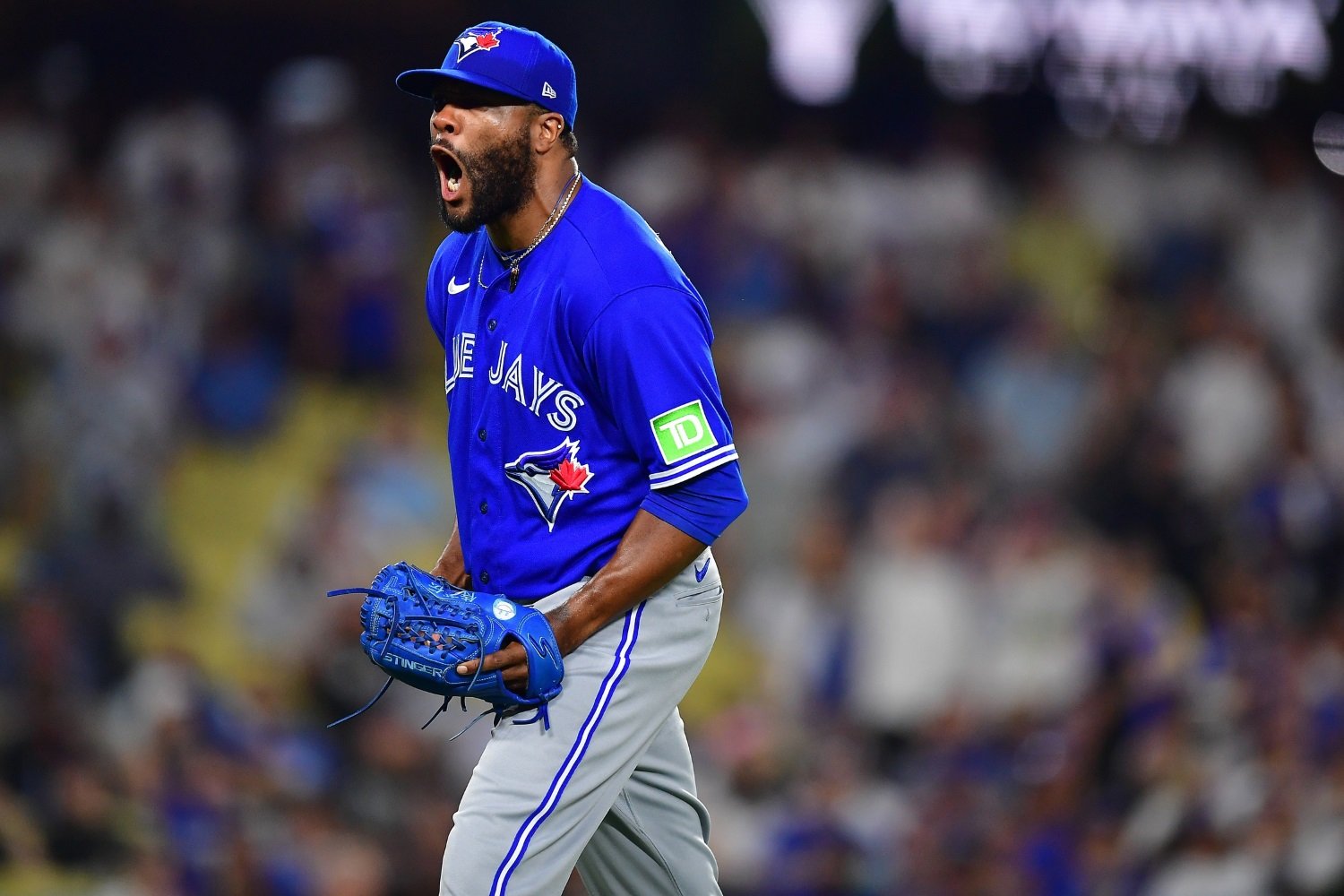 When the Minnesota Twins turned the page on the 2023 season, there were a few key roster areas that needed to be addressed for the season ahead. For the most part, Derek Falvey and the front office have targeted those spots, but to what extent an impact is made remains to be seen. Carlos Santana’s one-year deal worth $5.25 million brings some additional thump to the lineup as a whole, and he provides insurance for first base alongside Alex Kirilloff. He isn’t an upper-echelon signing in the mold of Rhys Hoskins or Cody Bellinger, however, and it never appeared that the Twins would dabble in that market. Minnesota did dip back into the pool of available talent on Sunday night when they agreed to a deal with former Toronto Blue Jays reliever Jay Jackson. He has bounced around plenty since debuting with the Padres back in 2015, but across a 29 2/3-inning sample last year, he put up an impressive 2.12 ERA. The 4.20 FIP suggests there are some smoke and mirrors at play, but the strikeout-to-walk ratio works, and he doesn't allow many hits. How Jackson fits into the makeup of the bullpen remains to be seen, but he was signed to a major-league deal for around $1 million. Free agency was never going to be the primary mode of roster upgrades this winter. They swung a trade including Jorge Polanco, and they came to a small pact with Josh Staumont. This was an offseason where the team would pick its spots and largely turn over playing time to emerging youth. With few holes left to fill and little money left to spend, this roster appears to be almost a finished product. A right-handed outfielder still makes some sense, and there is reason to believe a Michael A. Taylor reunion tour could be coming. The hope is that Byron Buxton is ready to take off the training wheels again, though, and that would be more of an insurance policy than the first time around. Jackson and Santana each still need to become official transactions, which will beget some further roster churn, because the 40-man roster is full as it is. Beyond that, it's hard to say for sure that more is coming, even though this still feels like something shy of an elite team in the American League. Regardless, this is a team that Rocco Baldelli should feel confident he can manage to a division title, and the group has already shown they can hang in October. Although the games don’t count down in Florida, it will be necessary to start putting the right foot forward with a desire to build on that foundation once the season gets underway. Little took place around the league over the weekend, but the Chicago White Sox shuffled some pieces around. Reliever Gregory Santos was shipped to the Mariners for Prelander Berroa (a former Twins prospect), outfielder Zach DeLoach, and a competitive balance pick. They acquired Dominic Fletcher from Arizona for pitcher Cristian Mena. Signing veteran outfielder Kevin Pillar as well, they added a significant amount of depth to a position group that was sorely lacking it. Elsewhere, reliever Phil Maton agreed to a deal with the Tampa Bay Rays, and former San Diego Padres starter Dinelson Lamet is headed to spring training with the Dodgers on a minor league deal. This is Movement Week, though. The trucks are on the roll. Teams and free agents alike are pushing for resolutions on lingering questions, so we're abo0ut to see some.
- 41 comments
-
- 4
-
-
- carlos santana
- gregory santos
- (and 1 more)
-
I think there is a very real path for Solano to regress significantly, and he's already not a great fielder at 1B. Santana brings a reliable approach with the glove.
- 48 replies
-
- 7
-
-
- carlos santana
- byron buxton
- (and 2 more)
-
Still looking to fill out the 26-man roster prior to the beginning of Spring Training, Minnesota needed a right-handed bat. The opted to task Carlos Santana with the job, and the veteran brings plenty of experience to the organization. How does he fit into the lineup? Image courtesy of © Benny Sieu-USA TODAY Sports After the Minnesota Twins traded Jorge Polanco to the Seattle Mariners for a package that centered around pitchers Justin Topa and Anthony DeSclafani, the assumption was that a focus would be turned to the lineup. Shedding a few million in shipping out the veteran infielder, the Twins found a $5+ million option in the form of Carlos Santana. Santana’s talents aren’t what they used to be, but he certainly fills a need. The Polanco trade and renewed optimism surrounding Byron Buxton's health has created at-bats at designated hitter, giving the Twins the ability to bring in someone of Santana's pedigree at a relatively affordable price. He will likely find a good share of his at-bats there. But he's also played first base, a spot that could provide him additional opportunities. On paper, first base is currently manned by only Alex Kirilloff, and while the surgery was less invasive than expected, he is coming off a labrum procedure this offseason. Had Minnesota not signed Santana, internal backup options would have been limited to Jose Miranda or a shifting of either Edouard Julien or Kyle Farmer. Over the course of his more than 1,600 major league games, Santana has spent over 1,200 of them at first base. He moved out from behind the plate following the 2014 season, and has also sprinkled in time at designated hitter since. While the former catcher has not won any Gold Glove awards over the course of his career, he is markedly above average at first base. Posting a career best 11 DRS (defensive runs saved) in 2023 and leading all MLB first basemen, he put up 3 OAA (outs above average) as well. Notably, it's going to the line where the veteran shines most. Protecting those doubles that get to the corner remains invaluable from the first base position. Providing some stability at first base, both from a health and production standpoint, was an opportunity for Derek Falvey to accomplish this offseason. A big splash like Rhys Hoskins probably wasn’t ever in the cards, but finding someone to work with Kirilloff could be huge going forward. Despite making some waves in the postseason last year, first base reared its head as a problem. Kirilloff was dealing with his shoulder injury that slowed him down the stretch, and a costly misplay against the Houston Astros cost Minnesota in the postseason. Soon-to-be 38 years old, Santana isn’t coming to Minnesota with his eyes on Kirilloff’s job for the long term. What the franchise should be hoping for is that he can impart some wisdom on the 26-year-old, and that a renewed sense of health can serve the former first round pick well as he remains under team control through 2027. The Twins have been at their best while playing good defense, but the numbers weren't kind to the Twins last season. Carlos Correa was not his normal self playing through a foot injury, and Julien was finding his way at second base. Kirilloff was limited to just a 500 inning sample at first, but he turned in a less-than-ideal -8 DRS with a -7 OAA. Having already been heavily platooned throughout the season by Baldelli, Minnesota will likely lean on the better .769 OPS mark that the left-handed Kirilloff has established against right-handed pitchers. Santana posted a stronger .807 OPS when facing southpaws last year, and the tandem should provide each an opportunity to remain fresh as the year goes on. Of course the greatest impact to playing time could target Miranda. Playing just 40 games last season, and owning a 56 OPS+ before shutting things down, he will need to re-establish himself as an option going forward. Miranda will be 26 during the 2024 season and was looking to build off a rookie campaign in which he tallied a 114 OPS+. However, his production sagged as the year went on, and establishing consistency as the league adjusted to him was something the organization was waiting to see. The signing of Santana also signifies a relatively heightened belief in the health of Byron Buxton. After being used exclusively as a designated hitter in 2023, the centerfielder established that he’s back for his former role in the year ahead. The Twins committing to a player with designated hitter tendencies in Santana suggests there is validity to that thought process. Minnesota could have opted to lengthen the lineup by adding a player like J.D. Martinez or Adam Duvall, but in targeting someone that didn’t play on the grass at all last year, it seems they have a feeling of where opportunities may lie. Having played 98 career games at Target Field, Santana knows his new ballpark well. He won’t be facing Twins pitching this year, but his .807 OPS and 17 home runs are something that Minnesota would love to see be accomplished in the home uniform. Stability at first base and an added threat in the lineup were an obvious goal for the winter, and now both have been accounted for. What do you make of the Santana signing? How do you feel about the Twins lineup as a whole now? View full article
-
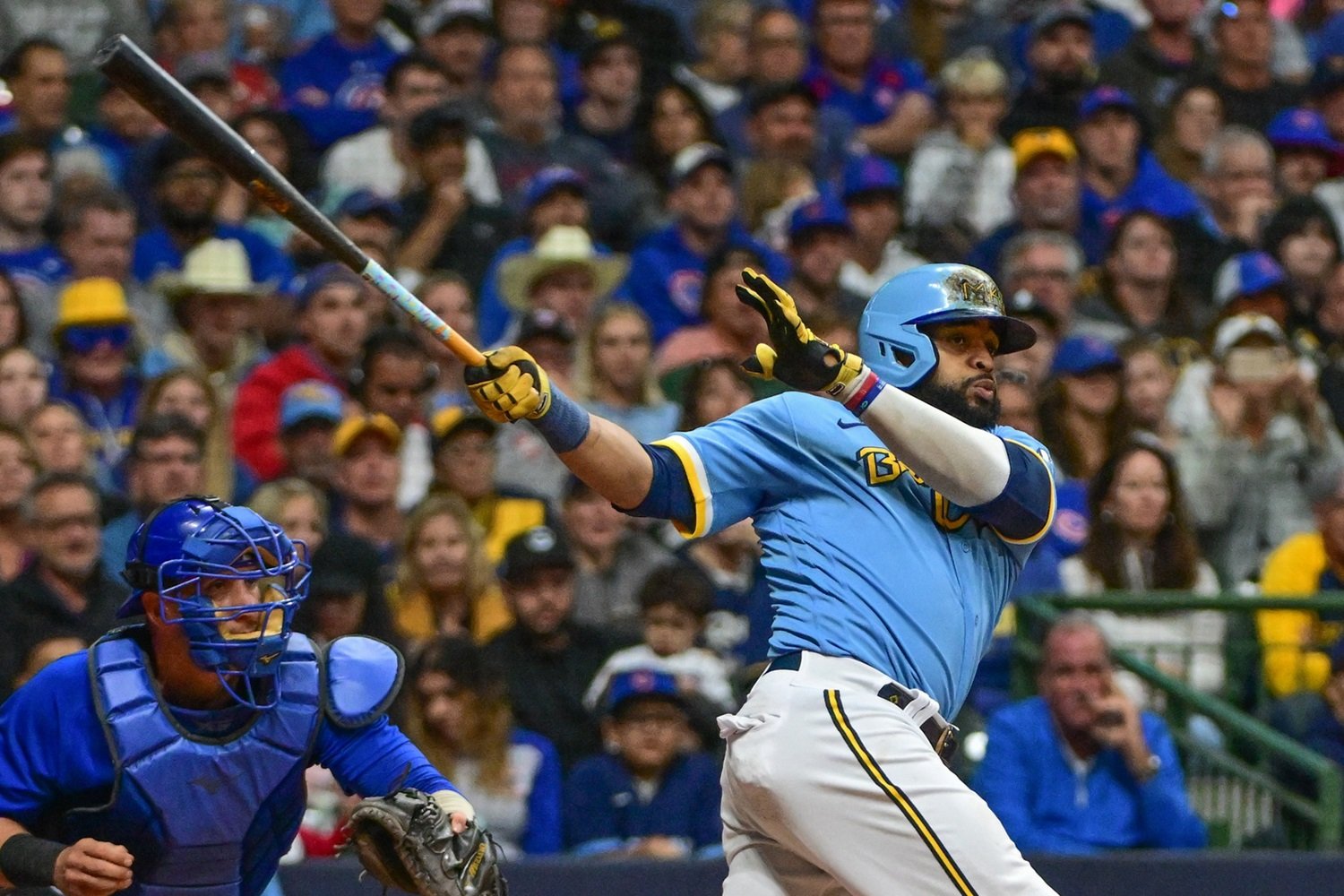 After the Minnesota Twins traded Jorge Polanco to the Seattle Mariners for a package that centered around pitchers Justin Topa and Anthony DeSclafani, the assumption was that a focus would be turned to the lineup. Shedding a few million in shipping out the veteran infielder, the Twins found a $5+ million option in the form of Carlos Santana. Santana’s talents aren’t what they used to be, but he certainly fills a need. The Polanco trade and renewed optimism surrounding Byron Buxton's health has created at-bats at designated hitter, giving the Twins the ability to bring in someone of Santana's pedigree at a relatively affordable price. He will likely find a good share of his at-bats there. But he's also played first base, a spot that could provide him additional opportunities. On paper, first base is currently manned by only Alex Kirilloff, and while the surgery was less invasive than expected, he is coming off a labrum procedure this offseason. Had Minnesota not signed Santana, internal backup options would have been limited to Jose Miranda or a shifting of either Edouard Julien or Kyle Farmer. Over the course of his more than 1,600 major league games, Santana has spent over 1,200 of them at first base. He moved out from behind the plate following the 2014 season, and has also sprinkled in time at designated hitter since. While the former catcher has not won any Gold Glove awards over the course of his career, he is markedly above average at first base. Posting a career best 11 DRS (defensive runs saved) in 2023 and leading all MLB first basemen, he put up 3 OAA (outs above average) as well. Notably, it's going to the line where the veteran shines most. Protecting those doubles that get to the corner remains invaluable from the first base position. Providing some stability at first base, both from a health and production standpoint, was an opportunity for Derek Falvey to accomplish this offseason. A big splash like Rhys Hoskins probably wasn’t ever in the cards, but finding someone to work with Kirilloff could be huge going forward. Despite making some waves in the postseason last year, first base reared its head as a problem. Kirilloff was dealing with his shoulder injury that slowed him down the stretch, and a costly misplay against the Houston Astros cost Minnesota in the postseason. Soon-to-be 38 years old, Santana isn’t coming to Minnesota with his eyes on Kirilloff’s job for the long term. What the franchise should be hoping for is that he can impart some wisdom on the 26-year-old, and that a renewed sense of health can serve the former first round pick well as he remains under team control through 2027. The Twins have been at their best while playing good defense, but the numbers weren't kind to the Twins last season. Carlos Correa was not his normal self playing through a foot injury, and Julien was finding his way at second base. Kirilloff was limited to just a 500 inning sample at first, but he turned in a less-than-ideal -8 DRS with a -7 OAA. Having already been heavily platooned throughout the season by Baldelli, Minnesota will likely lean on the better .769 OPS mark that the left-handed Kirilloff has established against right-handed pitchers. Santana posted a stronger .807 OPS when facing southpaws last year, and the tandem should provide each an opportunity to remain fresh as the year goes on. Of course the greatest impact to playing time could target Miranda. Playing just 40 games last season, and owning a 56 OPS+ before shutting things down, he will need to re-establish himself as an option going forward. Miranda will be 26 during the 2024 season and was looking to build off a rookie campaign in which he tallied a 114 OPS+. However, his production sagged as the year went on, and establishing consistency as the league adjusted to him was something the organization was waiting to see. The signing of Santana also signifies a relatively heightened belief in the health of Byron Buxton. After being used exclusively as a designated hitter in 2023, the centerfielder established that he’s back for his former role in the year ahead. The Twins committing to a player with designated hitter tendencies in Santana suggests there is validity to that thought process. Minnesota could have opted to lengthen the lineup by adding a player like J.D. Martinez or Adam Duvall, but in targeting someone that didn’t play on the grass at all last year, it seems they have a feeling of where opportunities may lie. Having played 98 career games at Target Field, Santana knows his new ballpark well. He won’t be facing Twins pitching this year, but his .807 OPS and 17 home runs are something that Minnesota would love to see be accomplished in the home uniform. Stability at first base and an added threat in the lineup were an obvious goal for the winter, and now both have been accounted for. What do you make of the Santana signing? How do you feel about the Twins lineup as a whole now?
- 48 comments
-
- 6
-
-
- carlos santana
- byron buxton
- (and 2 more)
-
With the Minnesota Twins having made their first major move of the offseason, and spring training just around the corner, focus can quickly turn to how fans will watch the action. Image courtesy of © Reid Glenn / USA TODAY NETWORK For the entirety of the offseason, everything regarding the Minnesota Twins has funneled through the lens of television uncertainty. With Minnesota’s deal expiring at the conclusion of the 2023 season, the Twins have been and remain without a broadcast home for the upcoming season. While Diamond Sports Holdings continues to work through their future with Bally’s in court, updates have left plenty to be desired. Amazon recently got involved with the bankruptcy proceedings and threw in some cash to get their hat in the ring. The Athletic’s Evan Drellich penned a sizable update on Wednesday that highlights some key points as to how the season could take shape. It seems the most plausible outcome is that the Twins do a one-year deal with Bally’s and that would cover their television rights. What happens to streaming options, how MLB disseminates them, to what extent they are available, and the dollar figure handed to Minnesota all remain relatively unanswered. If the Twins can get an additional windfall of cash prior to the season (or even the promise of one within a few months), then it stands to reason that the payroll landscape may again change. When Cory Provus was announced as taking over in the broadcast boost for Dick Bremer, the most notable comment he made was that blackouts would cease to exist. Bally does not have streaming rights for the Twins, and the league could provide a package through MLB.tv that acts in a similar way to what the San Diego Padres experienced a year ago. The franchise is certainly hoping that, however games are consumed in 2024, a greater number of fans have access to the product. Beyond the television news from Wednesday, little took place on the free-agent market. The San Diego Padres shelled out $16.5 million to Wandy Peralta on a four-year deal, although Peralta has the right to opt out after any of the first three. At this point, we don't think Minnesota is involved any further into the relief market after picking up Justin Topa in the Jorge Polanco trade. How do you consume Twins games, and are you hoping there’s a more widely available streaming option for 2024? Has the cable uncertainty altered your plans to cut the cord at all? View full article
-
The Table Setter Feb. 1, 2024: Viewing Audience Appreciated
Ted Schwerzler posted an article in Twins
 For the entirety of the offseason, everything regarding the Minnesota Twins has funneled through the lens of television uncertainty. With Minnesota’s deal expiring at the conclusion of the 2023 season, the Twins have been and remain without a broadcast home for the upcoming season. While Diamond Sports Holdings continues to work through their future with Bally’s in court, updates have left plenty to be desired. Amazon recently got involved with the bankruptcy proceedings and threw in some cash to get their hat in the ring. The Athletic’s Evan Drellich penned a sizable update on Wednesday that highlights some key points as to how the season could take shape. It seems the most plausible outcome is that the Twins do a one-year deal with Bally’s and that would cover their television rights. What happens to streaming options, how MLB disseminates them, to what extent they are available, and the dollar figure handed to Minnesota all remain relatively unanswered. If the Twins can get an additional windfall of cash prior to the season (or even the promise of one within a few months), then it stands to reason that the payroll landscape may again change. When Cory Provus was announced as taking over in the broadcast boost for Dick Bremer, the most notable comment he made was that blackouts would cease to exist. Bally does not have streaming rights for the Twins, and the league could provide a package through MLB.tv that acts in a similar way to what the San Diego Padres experienced a year ago. The franchise is certainly hoping that, however games are consumed in 2024, a greater number of fans have access to the product. Beyond the television news from Wednesday, little took place on the free-agent market. The San Diego Padres shelled out $16.5 million to Wandy Peralta on a four-year deal, although Peralta has the right to opt out after any of the first three. At this point, we don't think Minnesota is involved any further into the relief market after picking up Justin Topa in the Jorge Polanco trade. How do you consume Twins games, and are you hoping there’s a more widely available streaming option for 2024? Has the cable uncertainty altered your plans to cut the cord at all?
 -
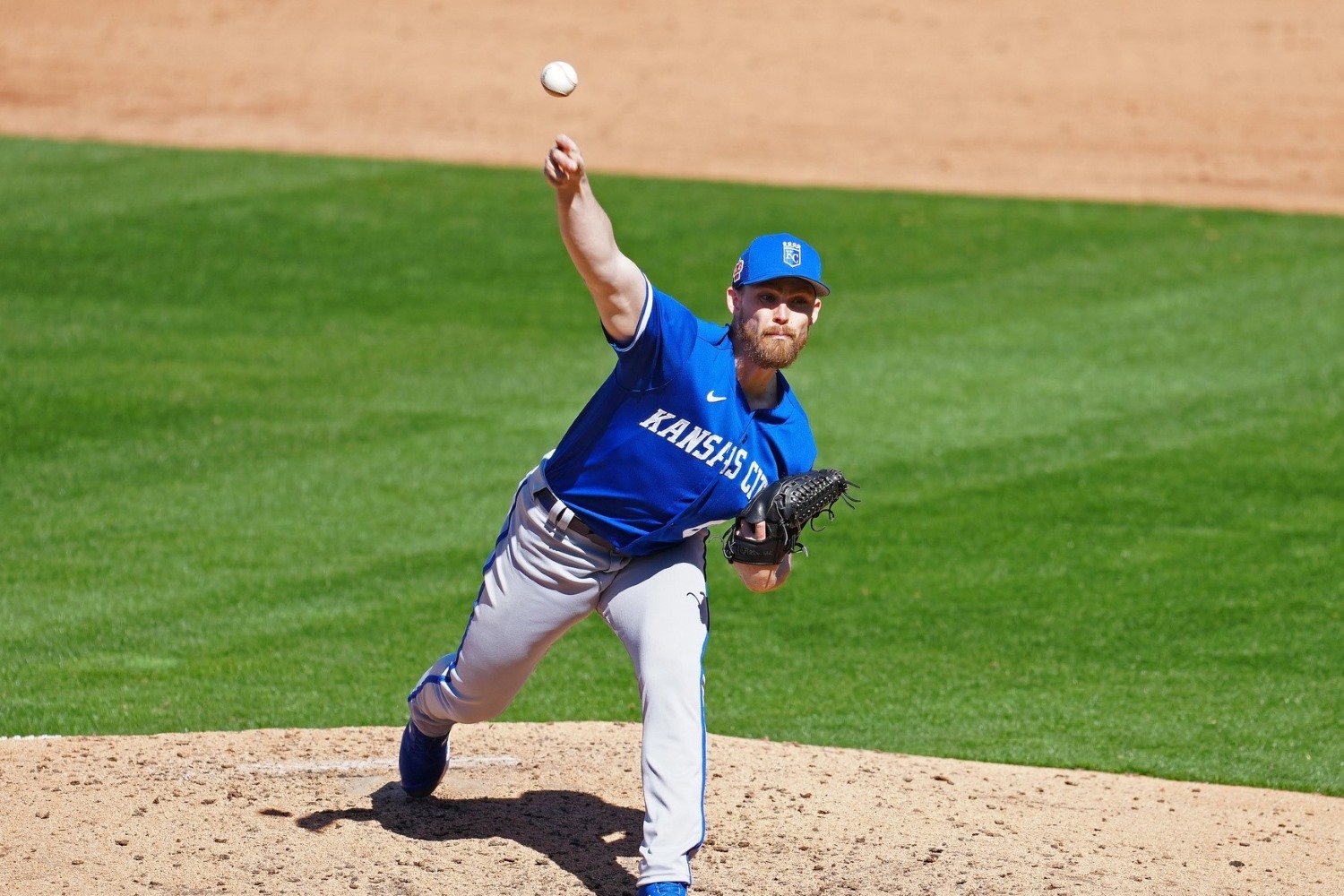 A former second-round pick by the Kansas City Royals back in 2015, Josh Staumont has spent the entirety of his career within the same organization. Rather than go through the arbitration process with him a second time, the Royals decided to non-tender Staumont in November, largely because it's not clear when he'll be ready to pitch again. Staumont underwent surgery to address thoracic outlet syndrome, and while that has been a death knell for some pitchers, the diagnosis is almost an umbrella term for two different ones. As outlined in a piece by Jesse Dougherty at the Washington Post, a couple of different procedures can produce vastly different results. Rather than thinking he’s the next Stephen Strasburg or Matt Harvey, Staumont’s outlook could be something closer to Merrill Kelly. In a recent conversation with KSTP’s Darren Wolfson, Staumont discussed his surgery and the process in depth. Beyond that, he mentioned how he’s doing with the rehab process and how good he feels about his health going forward. That’s where the exciting news begins for the Twins. Staumont posted a 6.09 ERA over the past two seasons, with a 4.08 FIP. His 25.3% strikeout rate was impressive, but the 15.9% walk rate did him in. He is a guy who doesn’t give up many home runs, but his control and command had all but disappeared. The aforementioned Kelly posted a 4.42 ERA with a 4.51 FIP in his rookie season, before undergoing vascular TOS surgery after five starts in 2020. In the three years since, Kelly has been a consistent force for the Arizona Diamondbacks, posting a 3.66 ERA and 3.85 FIP, including higher strikeout and lower home run rates. Staumont is a bit younger than Kelly was when he had surgery, but it’s the previous performance that Minnesota is looking to return. If a clean bill of health gets him back to where he was, that is production to the tune of a 2.93 ERA, 3.95 FIP, and striking out over a quarter of opposing batters. Even before his numbers dipped, the former Royals reliever struggled a bit with walks, but the peripherals all worked as a dominant, high-leverage arm. Last season was the first time Staumont averaged less than 96 mph on his fastball, and it was the second straight year of decline. He had popped up to 98 mph on his fastball in 2020, and 99 mph on his sinker. Talking with Staumont at length on Friday evening during TwinsFest Live, he expressed excitement about where he is at in rehabbing the injury, and why he believes in his success going forward. Having had nerves and muscle fibers that were previously interrupted with their positioning inside of his body, he feels more free throwing than ever. Despite not having surgery until the middle of last season, he suggested having had to pitch with a different feel for a while--a common refrain from pitchers who deal with TOS. That part excites him, as he sees a blueprint where he can get batters out using both an old and a new arm slot. Recently, Brian Menéndez of Baseball Prospectus wrote about a new pitch dubbed the "deathball." While the sweeper took over the scene in 2023, it does require a lower arm slot, and Minnesota may have interest in working with the high-slot Staumont on a different pitch. The article describes the deathball as "different from a traditional curveball in that it is thrown with less emphasis on efficient topspin, though the emphasis on vertical movement remains." Jordan Montgomery is the biggest-name pitcher to highlight this offering, and while it does have action that can relate to a traditional 12-6 curveball, Menéndez noted a few key differences being a gyro component and higher velocity. New Minnesota teammates Jordan Balazovic and Jhoan Durán threw a deathball last season, and the pitch isn't something new for the Twins staff. As an organization that has had success elevating pitchers to new heights, taking a healthy version of Staumont and augmenting a key weapon for him (in this case, his slider, which is the pitch that could morph into a deathball by keeping it a little closer to 12-to-6 in shape, and which he already started throwing more often last year) could have a significant amount of value. Durán having that offering with a nearly-unhittable fastball and splinker is an unfair arsenal. Staumont's could see a velocity resurgence after going under the knife, but Minnesota may also just be interested in adding to his repertoire. The former Royals reliever told me how excited he was to have a shot at free agency, and was somewhat surprised at the amount of interest he received. Being able to pick from multiple offers from teams with World Series aspirations was rejuvenating, coming from an organization that had lost for so long, and Minnesota was a place he immediately was drawn to. What those discussions revolved around, beyond just dollars, was likely a key factor in him making this his home for 2024. We'll see if another pitch is added when spring training rolls around, but for now, there is plenty of upside for the lone Twins free agent acquisition. At this point, Rocco Baldelli doesn’t need a closer or setup man. With Durán, Griffin Jax, and Caleb Thielbar all penciled in as back-end arms, any additions only add to the group's depth. Last year, the Twins added Brock Stewart as a non-roster minor leaguer, and he worked his way into that mix. Staumont figures to slide in below each of those names on the bullpen depth chart, but he's very much on it. It’s easy to overlook a relief addition as something that provides little splash. Minnesota hasn’t spent on the bullpen outside of Addison Reed (which went poorly) under this front office, and it’s been the upside plays they have hit on most. If Staumont is truly feeling good, and we’ll see that in action soon enough, he could be among the most impactful additions of the offseason. Could Staumont take off with a slight adjustment or two? Where would you slot him into the lower rungs of the team's relief ladder? Sound off below.
- 17 comments
-
- 7
-
-
- josh staumont
- brock stewart
- (and 3 more)
-
He was considered a gem when the Minnesota Twins drafted Cole Sands in the 5th round of the 2018 Major League Baseball draft. Having debuted to uninspiring results, is his next phase being slept on? Cole Sands got more than a cameo during his rookie year in 2022. Working 30 2/3 innings split between three starts and eight relief appearances, he posted an ugly 5.87 ERA. Last year, he made the Opening Day roster and worked 21 2/3 innings with a better 3.74 ERA. You’d be hard-pressed to find many outings remembered fondly, though. The problem for Sands last season was the free passes. He was constantly walking a tightrope, having posted just a 21/13 K/BB. He also allowed four home runs in the limited action, and with traffic on the bases, they often came back to burn him even more. Beyond the surface of how his season went, it seems there’s a path to a nice leap forward in 2024. In total, Sands was promoted and optioned between the big leagues and Triple-A seven different times in 2023. With CHS Field just miles away, he had to have a constant feeling of not knowing which ballpark he would work out of on any given day. Beyond that, his role was constantly in transition. Kept out of Rocco Baldelli’s desire for a long reliever, he worked multiple innings a handful of times but was often lifted after just three outs. With Minnesota later in the season, he’d also go weeks with minimal usage. Despite the uncertainty, Sands kept things consistent on the farm for the Saints. Across 30 2/3 innings for St. Paul, Sands owned a dazzling 1.47 ERA with a 12.0 K.9. He gave up just two home runs, walked only ten, and allowed a paltry 5.0 H/9. To say that would be a usable major league arm is putting it lightly. Heading into the 2024 season, there doesn't appear to be a 26-man roster spot available for Sands on Opening Day, but if there is, it should be one he earns. Minnesota decided against keeping Danny Coulombe or Jeff Hoffman for the final bullpen spot in 2023 because they wanted length out of that role. By choosing to have a full complement of relievers on starters, the pitching staff as a whole can have high performers at each opportunity. Sands can be a high performer, and it doesn’t have to happen on Opening Day. He settled in quickly at Triple-A last season, and although that success isn’t always a straightforward translation, finding a way to build consistency for a player who is still just 26 years old makes a good deal of sense. Giving him a routine and sticking to a plan could leapfrog him toward an ability to replicate the positive showing on the farm at the highest level. It's not straightforward to suggest that just because Sands made his stuff work at Triple-A, he can attack the same at the big league level. Finding more success may relate to tweaks in his arsenal. As a former starter there is more than just two pitches at his disposal, but a fastball that bumped to only a 93.7 mph average out of the bullpen may not be among those he should choose. His breaking pitches play well off what could be expected from his fastball, and a level of deception could unlock more of a usable arsenal. The curveball presents like his fastball before dropping off. The cutter and splitter utilize a seam-shifted wake to generate lesser spin but come across as difficult to read. Last season at Triple-A and the big leagues, Sands was heavily reliant on his fastball and sinker. Without significant velocity to speak of on the fastball, moving away from that type of an offering makes sense. With the deception that comes with some of the breaking pitches, it may make sense to utilize those at a higher level. The four-seam and sinker were used over 45% of the time, and against lefties alone, Sands went with the mediocre fastball nearly 50% of the time. On the flip side, the curveball and cutter were used a total of 30% of the time. The splitter was thrown heavily against left-handed hitters, but the cutter got used only 6.7% of the time. There's an opportunity to take away a lot of that fastball usage and put it into the cutter. From an overall perspective, it seems as though Sands has been given enough information to suggest that his traditional fastball isn't a terribly useful pitch in the big leagues. That's not surprising to see an offering like that be capable of getting Triple-A hitters out, but that isn't the level where he should be trying to succeed at this point. Finding a way to use tunneled and paired pitches that play off of each other, while keeping hitters off balance, could help to push him through the current ceiling holding him back. Going from a frustrating season to one in which he establishes himself as a big-league reliever with regular usage would be a fun transformation. The maturation process that would reflect should also be notable. For a guy who gets animated and shows plenty of emotion on the mound, figuring out a way to be more even-keel or harness it positively is part of the process. Never allowing himself to get too high or low can keep him locked in on a pitch-by-pitch basis. The environment of a minor league stadium can help with that, but plenty of the work can also be done internally. It was never a given that Sands would be a starter as he started to show his arm talent on the backfields in Fort Myers, but it was clear his stuff was something that could play. If that now comes to fruition in relief and at the same level, then Minnesota will have another high-quality option at their disposal out of the bullpen. View full article
- 14 replies
-
- 2
-
-
- cole sands
- jeff hoffman
- (and 1 more)
-
Guess who’s back? Back again? Jorge’s back! Tell a friend! Can 2024 finally be the season we’ve been waiting for Jorge Alcala to emerge? At the end of the 2019 season, the Minnesota Twins designated Marcos Diplan to make room for Jorge Alcala on the 40-man roster. He pitched in two games to end the year and flashed stuff that made him an enticing option for 2020. Alcala posted a 2.63 ERA during the Covid-shortened year, but it was just a 24-inning sample size. Then things started to go downhill. 2021 saw Alcala post a good-but-not-great 3.92 ERA with a 4.06 FIP. His strikeouts dipped, and he started allowing more homers. Hoping to see another step forward in 2022, it failed to launch. Pitching in just two games, Alcala had a wasted season and was looking forward to 2023. It seemed like he would be ready to go out of the gate, but after being shut down on May 14th, Alcala didn’t again surface in the big leagues until October 1st and was left off the postseason roster. Having been on the 40-man roster for five seasons, Alcala has pitched just 105 innings across 90 games, of which 59 games took place during 2021 when the Twins lost 89 games. Because hope springs eternal, optimism is again there for the only remaining piece of the Ryan Pressly trade. After pitching 8 2/3 innings in Dominican Winter League action this offseason, Alcala boasted a 14/4 K/BB against some impressive competition. There was a time when Alcala was dreamed on as a dominant reliever instead of Jhoan Duran. When Minnesota was grooming the latter to work in the rotation, Alcala was looked at as a guy who could quickly contribute in relief. Although Gilberto Celestino had the big bonus when signed by the Astros, plenty was made about Alcala being the get of that trade. His stuff was expected to play up in the bullpen, and the velocity was something everyone coveted. ZiPS projects Alcala for a 4.35 ERA and a 44/16 K/BB across 42 innings in 2023. Steamer sees him a bit better with a 4.14 ERA across 58 innings with a 9.3 K/9. While the ERA numbers may be conservative, it’s a good bet that if either of the inning thresholds are hit, the Twins will have a decent reliever on their hands. The significance of those totals suggests that he would be both effective and healthy, each of which we haven’t seen in years. Coming into the year with bullpen uncertainty at the bottom of the totem pole, the more arms that emerge, the better positioned Rocco Baldelli will be. Jhoan Duran, Griffin Jax, and Caleb Thielbar aren’t going to be deployed in the early innings, but having another Brock Stewart success story happen in 2024 would be great to see. Alcala’s velocity has not been the 97 mph he averaged on his fastball in 2020/21 in either of the past two seasons. Health certainly contributes to that, and leaning back into an ability to blow the ball by hitters would be a welcomed development. The decline in velocity has translated to higher sinker and changeup usage in recent seasons, but transitioning back to a fastball and slider pitcher could also reflect how his body feels. Already eligible for arbitration for the second time this year, Alcala didn’t see a bump in salary from 2023. If he wants to push for his first million instead of being a non-tender before becoming a free agent in 2026, then the outcome of this year is everything. The Twins certainly expected more from a guy they have had on the 40-man for so long, and I’d bet Alcala hoped for better from himself as well. This may be the season we see it. View full article
-
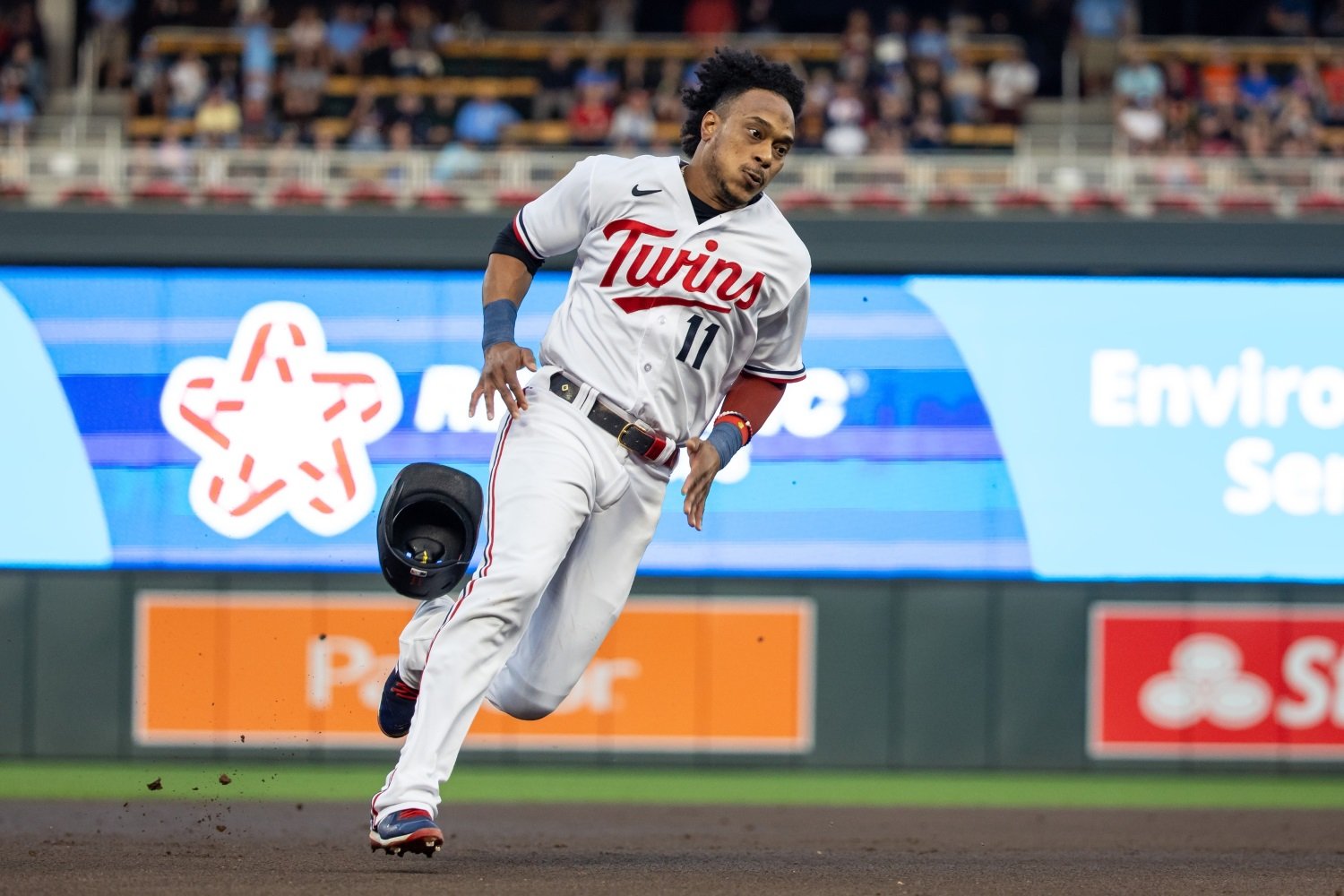 While Max Kepler and Jorge Polanco have been the source of trade talks for months, things started to become clearer when Polanco was a late subtraction from the TwinsFest lineup over the weekend. Maybe that was unrelated in actuality, but ultimately, it foreshadowed a moment that felt bittersweetly inevitable. Having been in the organization since he was 16 and playing more than 1,400 games across all levels, Polanco heads to a new team for the first time in his career. Seattle is taking on his $10.5-million salary, and will be on the hook for a $750,000 buyout in 2025 unless they pick up his $12-million option. That's a perfectly palatable salary for a player like Polanco, though, and if he has a solid season, it's likely they'll retain him at that slightly higher rate. Minnesota moving Polanco is relatively straightforward. Injuries and shifting team needs shifted the bulk of the second base playing time to Edouard Julien last season, and Minnesota has positional depth in the form of Royce Lewis, Kyle Farmer, and prospect Brooks Lee. For a team we know to be scaling back payroll relative to the last two seasons, getting their veteran leader's contract off the books helps. In return, the Twins fill two immediate needs on the pitching side of the roster. Anthony DeSclafani went to the Mariners as part of the Robbie Ray deal with the San Francisco Giants. He won’t fill the hole Sonny Gray or Kenta Maeda left in Rocco Baldelli’s options box, but he should fit as a fourth or fifth rotation option alongside Chris Paddack. The past two seasons were not good with the Giants, and the former Reds pitcher posted a 5.16 ERA while failing to stay healthy and pitching just a total of 118 2/3 innings. His first season in the Bay Area (in 2021) resulted in a 3.17 ERA across 167 2/3 innings, though, and he posted career-low H/9 (7.6) and HR/9 (1.0). DeSclafani isn’t Dylan Bundy or J.A. Happ, but he’s probably an arm to pair with Paddack in hopes of the two contributing something like 250 total innings to shore up the rotation. Beyond DeSclafani, the other 26-man man addition comes in the form of Justin Topa. Having had brief stints with the Brewers three of the past four seasons, Topa got consistent run with the Mariners in 2023. Across 69 innings, he posted a 2.61 ERA with a 3.15 FIP. He doesn’t give up homers and strikes out plenty, but the ground ball profile sets him apart from Minnesota’s arms as a whole. Topa sits 95 mph with his sinker and throws it almost 50% of the time. The downward movement of the offering has resulted in ground ball rates north of 56%. He should have a better chance to make that usable than Dylan Floro did a year ago. The two-for-one big league nature of the deal fills the Twins 40-man roster, but they also picked up a pair of prospects in the deal. The most notable is Gabriel Gonzalez, whom MLB Pipeline has ranked as the 79th overall prospect. He will slot into the Minnesota ranks just behind Walker Jenkins, Lee, and Emmanuel Rodriguez on that list, and he'll be a late, high insert into our Twins Daily Top Prospects countdown, which began in earnest Monday. He reached High A last season as just a 19-year-old, and should be expected to start with Cedar Rapids this season. Adding an additional top-100 prospect helps to bolster the Twins farm as a whole and makes arms like Marco Raya and David Festa even better depth pieces. The other prospect coming back to the Twins is right-handed pitcher Darren Bowen. He should fit into the top 20 organizationally and showed well during his professional debut last season. After being taken in the 13th round of the 2022 MLB Draft, Bowen pitched all of 2023 at Low A and worked as a starter, with a 3.88 ERA. The strikeouts were impressive, and while he walked too many, he gave up just two homers across 55 2/3 innings. As an upside lottery ticket, you could do a lot worse. Beyond just the players involved, Seattle is sending the Twins cash, which will offset a portion of DeSclafani’s $12-million salary. They are getting the initial $6 million that San Francisco sent to the Mariners, and Ryan Divish is reporting that Minnesota will also receive additional funds. Dan Hayes has confirmed that amount to be another $2 million. This more than halves the dollars the Twins are on the hook for with DeSclafani, paying him just $4 million and pushing their current payroll outlay to around $115 million. As things stand, the major-league roster sees a few players shuffle because of the deal. If there was any doubt that Julien would be the Opening Day second baseman, that should be gone. Kyle Farmer also appears likelier to stick on the team as a utility type. The designated hitter spot is wide open, and plenty of players should expect to be rotated through it this season--assuming the money saved here isn't repurposed to land a slugger who fills that very role, which might not be a safe assumption. Minnesota still needs an impact arm addition for the rotation, but that may be something Falvey feels can wait until the summer, with the more immediate need on the positional side. He has suggested that the savings from the deal will be reallocated into the roster, and with something like $10-15 million yet to be spent, there should be an opportunity to find a difference maker no matter what position they play. Regardless, the five now are set to include Pablo López, Joe Ryan, Bailey Ober, Paddack, and DeSclafani. That could mean Minnesota likes what they saw out of Louie Varland in relief too much to remove him from that role, or that they intend to stash him in St. Paul until an opening in the rotation presents itself, as they did with Ober last spring. Varland is still eligible to be optioned to the minors, and it would be a minor shock if he didn't yo-yo at least once or twice in 2024. Keeping Varland working out of the pen may differ from what he wanted to do, but he can emerge as a high-leverage option throughout a full season. Topa also joins that group, and although he was a late-bloomer, there should be no reason to think he won’t have a spot on Opening Day--though he's also optionable, so flexibility rules again. Kody Funderburk and Jorge Alcalá still have options, so they, too, fit into a collection of arms who will hover on the fringe of the roster. The Twins arguably dealt the best player in the deal. At 30 years old and having last been fully healthy in 2021, it’s a tough bet to bank on Polanco being available. Minnesota also has plenty of depth on the dirt, making him expendable. In doing this deal with the Mariners, Falvey found a way to get maximal value in return. Picking up a top-100 prospect and a pair of 26-man contributors is nimble work, even if it creates a roster crunch when they want to do anything else. The downside is that DeSclafani doesn’t move the bar for the type of pitcher Minnesota still needs, and Topa may push out a similarly usable reliever. With the payroll lower than where it was before the trade, the Twins have created further opportunities for themselves. How they use that in the future remains to be seen. What are your thoughts on the trade and how it sets them up for the rest of the offseason?
- 99 comments
-
- 12
-
-
- jorge polanco
- justin topa
- (and 3 more)
-
All offseason, there has been a focus on the Minnesota Twins making a move, including one of their longest-tenured players. It took a lot of time, but with January running out, Jorge Polanco was shipped to the Seattle Mariners for a package of four players. Image courtesy of © Jordan Johnson-USA TODAY Sports While Max Kepler and Jorge Polanco have been the source of trade talks for months, things started to become clearer when Polanco was a late subtraction from the TwinsFest lineup over the weekend. Maybe that was unrelated in actuality, but ultimately, it foreshadowed a moment that felt bittersweetly inevitable. Having been in the organization since he was 16 and playing more than 1,400 games across all levels, Polanco heads to a new team for the first time in his career. Seattle is taking on his $10.5-million salary, and will be on the hook for a $750,000 buyout in 2025 unless they pick up his $12-million option. That's a perfectly palatable salary for a player like Polanco, though, and if he has a solid season, it's likely they'll retain him at that slightly higher rate. Minnesota moving Polanco is relatively straightforward. Injuries and shifting team needs shifted the bulk of the second base playing time to Edouard Julien last season, and Minnesota has positional depth in the form of Royce Lewis, Kyle Farmer, and prospect Brooks Lee. For a team we know to be scaling back payroll relative to the last two seasons, getting their veteran leader's contract off the books helps. In return, the Twins fill two immediate needs on the pitching side of the roster. Anthony DeSclafani went to the Mariners as part of the Robbie Ray deal with the San Francisco Giants. He won’t fill the hole Sonny Gray or Kenta Maeda left in Rocco Baldelli’s options box, but he should fit as a fourth or fifth rotation option alongside Chris Paddack. The past two seasons were not good with the Giants, and the former Reds pitcher posted a 5.16 ERA while failing to stay healthy and pitching just a total of 118 2/3 innings. His first season in the Bay Area (in 2021) resulted in a 3.17 ERA across 167 2/3 innings, though, and he posted career-low H/9 (7.6) and HR/9 (1.0). DeSclafani isn’t Dylan Bundy or J.A. Happ, but he’s probably an arm to pair with Paddack in hopes of the two contributing something like 250 total innings to shore up the rotation. Beyond DeSclafani, the other 26-man man addition comes in the form of Justin Topa. Having had brief stints with the Brewers three of the past four seasons, Topa got consistent run with the Mariners in 2023. Across 69 innings, he posted a 2.61 ERA with a 3.15 FIP. He doesn’t give up homers and strikes out plenty, but the ground ball profile sets him apart from Minnesota’s arms as a whole. Topa sits 95 mph with his sinker and throws it almost 50% of the time. The downward movement of the offering has resulted in ground ball rates north of 56%. He should have a better chance to make that usable than Dylan Floro did a year ago. The two-for-one big league nature of the deal fills the Twins 40-man roster, but they also picked up a pair of prospects in the deal. The most notable is Gabriel Gonzalez, whom MLB Pipeline has ranked as the 79th overall prospect. He will slot into the Minnesota ranks just behind Walker Jenkins, Lee, and Emmanuel Rodriguez on that list, and he'll be a late, high insert into our Twins Daily Top Prospects countdown, which began in earnest Monday. He reached High A last season as just a 19-year-old, and should be expected to start with Cedar Rapids this season. Adding an additional top-100 prospect helps to bolster the Twins farm as a whole and makes arms like Marco Raya and David Festa even better depth pieces. The other prospect coming back to the Twins is right-handed pitcher Darren Bowen. He should fit into the top 20 organizationally and showed well during his professional debut last season. After being taken in the 13th round of the 2022 MLB Draft, Bowen pitched all of 2023 at Low A and worked as a starter, with a 3.88 ERA. The strikeouts were impressive, and while he walked too many, he gave up just two homers across 55 2/3 innings. As an upside lottery ticket, you could do a lot worse. Beyond just the players involved, Seattle is sending the Twins cash, which will offset a portion of DeSclafani’s $12-million salary. They are getting the initial $6 million that San Francisco sent to the Mariners, and Ryan Divish is reporting that Minnesota will also receive additional funds. Dan Hayes has confirmed that amount to be another $2 million. This more than halves the dollars the Twins are on the hook for with DeSclafani, paying him just $4 million and pushing their current payroll outlay to around $115 million. As things stand, the major-league roster sees a few players shuffle because of the deal. If there was any doubt that Julien would be the Opening Day second baseman, that should be gone. Kyle Farmer also appears likelier to stick on the team as a utility type. The designated hitter spot is wide open, and plenty of players should expect to be rotated through it this season--assuming the money saved here isn't repurposed to land a slugger who fills that very role, which might not be a safe assumption. Minnesota still needs an impact arm addition for the rotation, but that may be something Falvey feels can wait until the summer, with the more immediate need on the positional side. He has suggested that the savings from the deal will be reallocated into the roster, and with something like $10-15 million yet to be spent, there should be an opportunity to find a difference maker no matter what position they play. Regardless, the five now are set to include Pablo López, Joe Ryan, Bailey Ober, Paddack, and DeSclafani. That could mean Minnesota likes what they saw out of Louie Varland in relief too much to remove him from that role, or that they intend to stash him in St. Paul until an opening in the rotation presents itself, as they did with Ober last spring. Varland is still eligible to be optioned to the minors, and it would be a minor shock if he didn't yo-yo at least once or twice in 2024. Keeping Varland working out of the pen may differ from what he wanted to do, but he can emerge as a high-leverage option throughout a full season. Topa also joins that group, and although he was a late-bloomer, there should be no reason to think he won’t have a spot on Opening Day--though he's also optionable, so flexibility rules again. Kody Funderburk and Jorge Alcalá still have options, so they, too, fit into a collection of arms who will hover on the fringe of the roster. The Twins arguably dealt the best player in the deal. At 30 years old and having last been fully healthy in 2021, it’s a tough bet to bank on Polanco being available. Minnesota also has plenty of depth on the dirt, making him expendable. In doing this deal with the Mariners, Falvey found a way to get maximal value in return. Picking up a top-100 prospect and a pair of 26-man contributors is nimble work, even if it creates a roster crunch when they want to do anything else. The downside is that DeSclafani doesn’t move the bar for the type of pitcher Minnesota still needs, and Topa may push out a similarly usable reliever. With the payroll lower than where it was before the trade, the Twins have created further opportunities for themselves. How they use that in the future remains to be seen. What are your thoughts on the trade and how it sets them up for the rest of the offseason? View full article
-
Julien could make sense in the vein of Keith as he got just a $493k bonus. Lewis was paid handsomely in the draft, and I don’t know that Boras wants to cap his future earnings. Could see him as a 2nd yr arb extension guy.
- 8 replies
-
- 1
-
-
- colt keith
- brooks lee
- (and 1 more)
-
The Table Setter, Jan. 29, 2024: Baby Tigers and Big Pre-Debut Deals
Ted Schwerzler posted an article in Twins
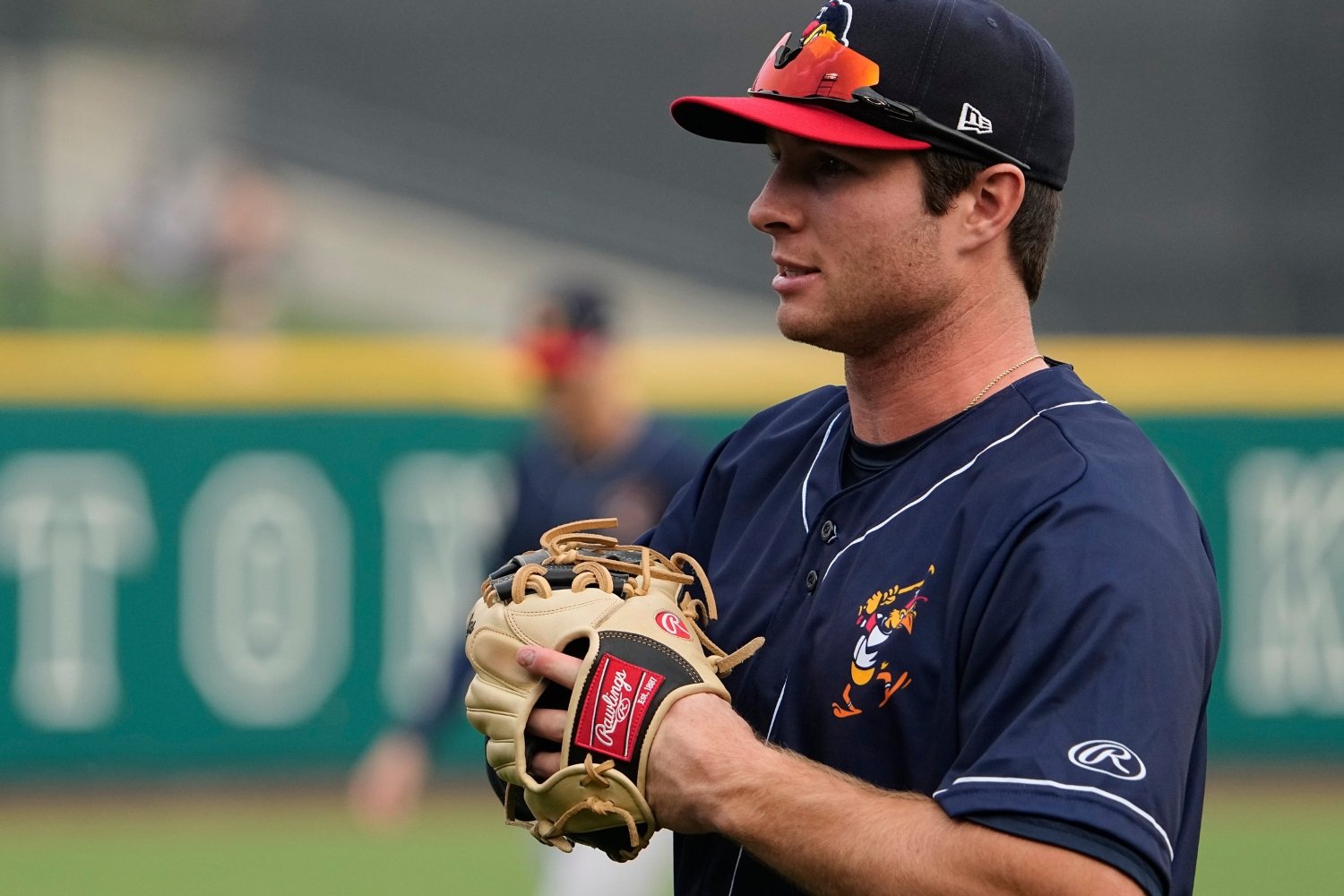 Heading into the 2024 MLB season, it’s worth wondering who challenges the Minnesota Twins atop the American League Central. Although it has been the Chicago White Sox and Cleveland Guardians in recent seasons, it appears that the Detroit Tigers could be close to contending. While they have made some splashes in free agency, notably adding former Twins starter Kenta Maeda, the biggest move may have been extending prospect Colt Keith on Sunday. Their number two prospect, behind only Max Clark, got a six-year deal worth $28.6 million. An additional three option years and various escalators could more than triple that total. The deal clears any foreseeable hurdles to Keith playing alongside Javier Báez up the middle to start the season. It’s worth wondering if this type of payday isn’t something Minnesota may have interest in with regard to a prospect like Brooks Lee, but there are important differences at play. Keither was a fourth-round selection in the COVID-shortened 2020 MLB Draft; he cost the Tigers just $500,000 coming out of school. Being able to offer this level of a payday is easier after development pushed him up the prospect charts, and the team has more leverage in the negotiation. For a prospect like Brooks Lee, Minnesota used a first-round pick and immediately invested $5.65 million as a bonus. Minnesota also has no immediate opening for Lee, with Edouard Julien at second, Carlos Correa at shortstop, and Royce Lewis at third. A deal that buys out his arbitration years could be something that makes him even more enticing from a trade perspective, though. This front office has done extensions prior to free agency before, with players like Max Kepler, Jorge Polanco, Miguel Sanó, and (most recently) Pablo López. Working on a pre-arbitration extension is a bit different, but maybe replicating Keith’s blueprint is something that the organization would have interest in regarding a few different players. Who would you like to see Minnesota try to extend this season? How much of an impact do you think Keith makes this season for Detroit?
- 8 comments
-
- 3
-
-
- colt keith
- brooks lee
- (and 1 more)
-
While the Minnesota Twins have yet to make a move of substance this winter, both the Kansas City Royals and Detroit Tigers have remained active. Over the weekend, the Motor City Kitties paid for long-term control of an elite prospect. Image courtesy of © Adam Cairns/Columbus Dispatch / USA TODAY NETWORK Heading into the 2024 MLB season, it’s worth wondering who challenges the Minnesota Twins atop the American League Central. Although it has been the Chicago White Sox and Cleveland Guardians in recent seasons, it appears that the Detroit Tigers could be close to contending. While they have made some splashes in free agency, notably adding former Twins starter Kenta Maeda, the biggest move may have been extending prospect Colt Keith on Sunday. Their number two prospect, behind only Max Clark, got a six-year deal worth $28.6 million. An additional three option years and various escalators could more than triple that total. The deal clears any foreseeable hurdles to Keith playing alongside Javier Báez up the middle to start the season. It’s worth wondering if this type of payday isn’t something Minnesota may have interest in with regard to a prospect like Brooks Lee, but there are important differences at play. Keither was a fourth-round selection in the COVID-shortened 2020 MLB Draft; he cost the Tigers just $500,000 coming out of school. Being able to offer this level of a payday is easier after development pushed him up the prospect charts, and the team has more leverage in the negotiation. For a prospect like Brooks Lee, Minnesota used a first-round pick and immediately invested $5.65 million as a bonus. Minnesota also has no immediate opening for Lee, with Edouard Julien at second, Carlos Correa at shortstop, and Royce Lewis at third. A deal that buys out his arbitration years could be something that makes him even more enticing from a trade perspective, though. This front office has done extensions prior to free agency before, with players like Max Kepler, Jorge Polanco, Miguel Sanó, and (most recently) Pablo López. Working on a pre-arbitration extension is a bit different, but maybe replicating Keith’s blueprint is something that the organization would have interest in regarding a few different players. Who would you like to see Minnesota try to extend this season? How much of an impact do you think Keith makes this season for Detroit? View full article
-
When the Minnesota Twins signed Josh Staumont to a major league deal this offseason, it was the first pact they had agreed to. A guaranteed under $1 million comes from an uncertain health injury, but he has a chance to be among the gems of their bullpen. A former second-round pick by the Kansas City Royals back in 2015, Josh Staumont has spent the entirety of his career within the same organization. Arbitration eligible for the first time last season, the Royals decided to part ways through a non-tender given his uncertain health situation heading into 2024. Staumont underwent surgery to address thoracic outlet syndrome, and while that has been a death knell for pitchers, the procedure is not all the same. As outlined in a piece by Jesse Dougherty at the Washington Post, a couple of different procedures can produce vastly different results. Rather than thinking he’s the next Stephen Strasburg or Matt Harvey, Staumont’s outlook could replicate something closer to Merrill Kelly. In a recent conversation with KSTP’s Darren Wolfson, Staumont discussed his surgery and the process in depth. Beyond that, he mentioned how he’s doing with the rehab process and how good he feels about his health going forward. That’s where the exciting news begins for the Twins. Staumont posted a 6.09 ERA over the past two seasons with a 4.08 FIP. His 10.5 K/9 was impressive, but the 6.6 BB/9 rate did him in. He is a guy who doesn’t give up many home runs, but his control and command had all but dissipated. The aforementioned Kelly posted a 4.42 ERA with a 4.51 FIP in his rookie season before undergoing vascular TOS surgery after five starts in 2020. In the three years since, Kelly has been a consistent force for the Arizona Diamondbacks, posting a 3.66 ERA and 3.85 FIP, including a higher strikeout and lower home run rates. Staumont is a bit younger than Kelly was when he had surgery, but it’s the previous performance that Minnesota is looking to return. If a clean bill of health gets him back to where he was, that is production to the tune of a 2.93 ERA, 3.95 FIP, and 10.1 K/9. Even before his numbers dipped, the former Royals reliever struggled a bit with walks, but the peripherals all worked as a dominant leverage arm. Last season was the first time Staumont averaged less than 96 mph on his fastball, and it was the second straight year of decline in his career. He had popped up to 98 mph on his fastball in 2020 and 99 mph on his sinker. With averages in the 96 mph range across the board, Minnesota adding velocity to the back end of their bullpen is something the organization would love to see. Talking with Staumont at length on Friday evening during TwinsFest Live, he spoke glowingly about where he is at from a rehab process, and why he believes in his success going forward. Having had nerves and muscle fibers that were previously interrupted with their positioning inside of his body, he feels more free throwing than ever. Despite not having surgery until the middle of last season, he suggested having had to pitch with a different feel for a while. That part excites him as he sees a blueprint where he can get batters out using both an old and new arm slot. Recently Baseball Prospectus wrote about a new pitch dubbed the "deathball." With the sweeper taking over the scene in 2023, it does require a higher arm slot, and Minnesota may have interest in working with Staumont on a different pitch. The article describes the deathball as "different from a traditional curveball in that it is thrown with less emphasis on efficient topspin, though the emphasis on vertical movement remains." Jordan Montgomery is the biggest name pitcher to highlight this offering, and while it does have action that can relate to a traditional 12-6 curveball, Baseball Prospectus notes a few key differences being a gyro component and higher velocity. New Minnesota teammates Jordan Balazovic and Jhoan Duran threw a deathball last season, and the pitch isn't something new for the Twins staff. As an organization that has had success elevating pitchers to new heights, taking a healthy version of Staumont and giving him another weapon could have a significant amount of value. Duran having that offering with a nearly-unhittable fastball and splinker is an unfair arsenal. Staumont's could see a velocity resurgence after going under the knife, but Minnesota may also just be interested in adding to his repertoire. The former Royals reliever told me how excited he was to have a shot at free agency, and was somewhat surprised at the amount of interest he received. Being able to pick from multiple offers from teams with World Series aspirations was rejuvenating coming from an organization that had lost for so long, and Minnesota was a place he immediately was drawn to. What those discussions revolved around, beyond just dollars, was likely a key factor into him making this his home for 2024. We'll see if another pitch is added when spring training rolls around, but for now there is plenty of upside for the lone Twins free agent acquisition. At this point, Rocco Baldelli doesn’t need a closer or setup man. With Jhoan Duran, Griffin Jax, and Caleb Thielbar all penciled in as back-end arms, any additions only add to the group's depth. Last year, the Twins added Brock Stewart as a non-roster minor leaguer, and he worked his way into that mix. Had Danny Coulombe or Jeff Hoffman been kept, they could have also been options there. He will make the roster with Staumont on a major league deal, but a healthy version could have a similar trajectory. It’s easy to overlook a relief addition as something that provides little splash. Minnesota hasn’t spent on the bullpen outside of Addison Reed (which went poorly) under this front office, and it’s been the upside plays they have hit on most. If Staumont is truly feeling good, and we’ll see that in action soon enough, he could be among the most impactful additions of the offseason. View full article
-
 Two years ago, during the 2022 Major League Baseball Draft, the Baltimore Orioles selected Jackson Holliday with the first overall pick. The son of former big leaguer Matt Holliday, Jackson was a tooled-up shortstop with the polish to blitz through a farm system. He was a consensus top-15 prospect across the sport before his first full season, and he did nothing to throw water on that. After watching an impressive debut in 20 games at Low A post-draft, the Orioles started Holliday at that level in 2023. He spent just 14 games there, before making a 57-game stop at High A. Holliday posted a .940 OPS in South Atlantic League action and found his way to Double-A Bowie. More of the same results came, and his .928 OPS allowed for a 14-game cameo at Triple-A Norfolk to end the season. Although Baltimore doesn’t need Holliday to crack their Opening Day roster, he will be in big-league camp with a wide-open opportunity to do so. Reigning American League Rookie of the Year Gunnar Henderson split his time between shortstop and third base last season, but figures to slide to the hot corner more permanently to make room for Holliday. A rise through the entirety of the farm system in less than two seasons as a teenager is something we don’t see often. Nor is it something the Twins have been known to lean into. The Bryce Harper path is undoubtedly one less traveled, but if Holliday is going to make it work, it’s a blueprint that Minnesota wouldn’t hate to see Walker Jenkins follow. Already in Fort Myers getting prepared for the season, Jenkins ranked 13th on Baseball America's Top 100 prospects list for 2024, and 16th on the Baseball Prospectus Top 101. In a 26-game sample that included 12 contests at Low A, the North Carolina native owned a ridiculous .989 OPS. He showed off the power, the speed, and the plate discipline that made him a prized prospect, while still looking like a player who could contribute in center field. We likely won’t see Jenkins bulk up substantially this early in his professional career, but as he matures into his body, there is a sense that a future home may be on one of the corners in the outfield. His athleticism will give him every opportunity to stay in center, but the power profile will fare fine if he has to move to a corner. That's not the traditional blueprint for a player who makes such a rapid surge to the big leagues, though, so Jenkins would need to buck that trend. He profiles more like Harper or Juan Soto than like Holliday, but to get to the doorstep of the majors in a single season, he'll need to show some Holliday traits. The Twins could have gotten more aggressive with Jenkins last season if they wanted to infuse his talent into the High-A Cedar Rapids roster for their playoff run. They opted against that, but it should be where he is expected to start most of his first half. Staying in Fort Myers until Iowa warms up makes some sense, but that shouldn’t be expected to be an extended stay. Besides, he needs to learn to hit in the cold. The sky becomes the limit if Jenkins can show well in 50 games or so for the Kernels. Like Holliday last season, Jenkins could utilize his talent and production to push for somewhere around 50 games at Double A in 2024. He may find a way to get a Triple-A look, but that doesn’t necessarily need to happen for a 2025 debut. Also like Holliday, he would be unlikely to make the Opening Day roster next year, but being within sniffing distance at 20 years old would be great. Rocco Baldelli must find a new corner outfielder after Max Kepler leaves. Even if he isn’t traded this offseason, it doesn’t seem likely the franchise would retain his services on the open market, and Matt Wallner has plenty to prove in 2024 if he wants to be a regular for years to come. The outfield could look much different at Target Field in a year or two, and seeing a superstar prospect be a part of that would be exciting. What Holliday did for the Orioles last season, and the position he has put himself in to start 2024, is eye-opening to say the least. Expecting that from Jenkins probably isn't fair, but he's close to that level. He has appeared within the top 20 of multiple top-100 lists, and replicating 2023 production is only going to push him further up. Acclimating further as he rises the ranks is a must, and consistently producing loud contact is something that made him appealing in the first place. Jenkins has a plan in place for the season, and putting it together should be fun to watch. The Twins haven’t had a prospect with Jenkins’s talent since Royce Lewis, and they haven’t had one stay healthy on the farm in even longer. This is a kid from the same vein as Lewis, Byron Buxton, and Joe Mauer. Those don’t happen often, and seeing what the meteoric rise could look like will definitely be worth watching in the year ahead.
- 39 comments
-
- 15
-
-

-
- walker jenkins
- bryce harper
- (and 4 more)
-
Mauer Picks Up Legend Torch From Puckett
Ted Schwerzler replied to Ted Schwerzler 's topic in Twins Daily Front Page News
I don't disagree with you, but it seems to get pushback every time it's brought up. Joe is definitely an amazing human being and there shouldn't be character concerns there at all. I don't know that anyone believed he was a slam dunk 1st ballot guy though, despite me being ecstatic for it. -
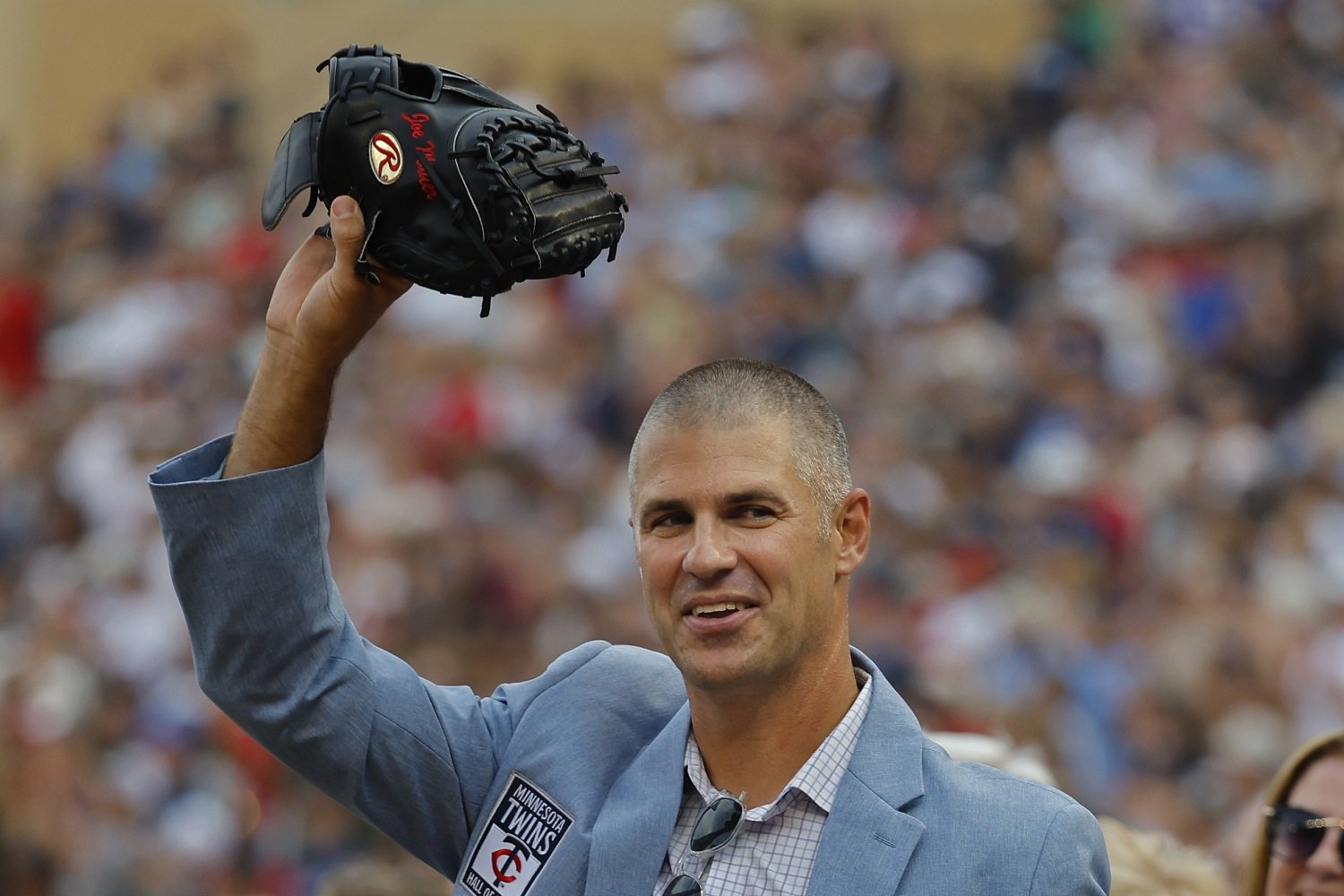 Joe Mauer grew up in St. Paul, Minnesota, and attended Cretin-Derham Hall High School. He was as decorated as they come in high school, and had similar abilities to fellow St. Paul native Dave Winfield, dominating in baseball, football, and basketball. The Twins took Mauer with the first overall pick in the 2001 MLB Draft, and while Mark Prior was there, Mauer was the correct choice. When the dust settled on his career, plenty was made about whether he would ultimately wind up in the National Baseball Hall of Fame at all. He had suffered myriad injuries, and despite being among the best to ever catch at the highest level, his time behind the plate was cut short due to concussions. Mauer and Kirby Puckett were each the quintessential, iconic Twins player of a generation. The former humbly received many individual accolades, while the latter brought home the rings. Because Mauer's clubs never managed what Puckett's did, many Twins fans were reluctant to embrace Mauer as a hero on the same level as Puckett--despite the hometown hero factor, and despite Mauer's multifaceted greatness. The two seem so different that letting one give way to the other felt wrong. The parallels between the two run deep, though. Sure, Puckett was a Chicago kid, but his new state quickly adopted him. The franchise came up with some extra dollars to sign him during the now-defunct January draft. He was just a 22-year-old and spent time at Elizabethton, Visalia, and briefly visited Toledo before debuting as a 24-year-old, in 1984. Baseball was a different sport back then. Puckett finished third in Rookie of the Year voting, trailing only Alvin Davis and Mark Langston, despite posting a lackluster .655 OPS. He didn’t replicate his .296 average in year two, but playing 161 games with a .288/.330/.385 slash line, he earned MVP votes for the first time in his career. Exploding with 31 homers in year three and growing into that stocky figure, Puckett was named to his first of 10 All-Star Games and grabbed his first Gold Glove and Silver Slugger Awards. Similarly to Puckett, Mauer experienced something of a slow burn. Debuting three years younger at 21 years old, it was only two years later that the legend started to truly bloom. His .347 average won the American League batting title, and like Puckett before him, Mauer finished sixth in MVP voting, while earning All-Star and Silver Slugger nods. It was the highs and lows that may have separated Puckett and Mauer the most. In just his fourth major-league season, Puckett led the Twins to the franchise's first World Series. He led the league in hits that year, and nearly captured an MVP award, finishing third in the voting. Just four short years later, Puckett and the Twins would do it again. This time he made "the catch" and was named the ALCS MVP. After four more years of star production, it all ended for the outfielder. He'd had to change positions because of his own shortcomings, but he didn't get a chance to prove that he could still be a solid player after that transition. On the flip side, Mauer's individual awards stacked up, but team success--in October, anyway, where Puckett had conditioned fans to set their sights--was elusive. Playing in 10 postseason games, Mauer's teams never won one, and any thought of a World Series was well into fantasy land. Mauer finished with just one extra-base hit and posted a .641 OPS. Without an abrupt end to his career, Mauer moved off of his primary position for reasons beyond his control, but then played 680 games at first base. The position didn't play to his strengths, and his diminished level of production didn't generate the accolades. Although how Puckett and Mauer got to the finish line was different, the overall production adds up similarly. Puckett was slightly more of a power producer, while Mauer possessed an otherworldly ability to find open places on the field. They both played strong defense. Unfortunately, both also saw their careers cut short due to circumstances beyond their control, although one was more generously understood than the other. The year Mauer was drafted is when both Puckett and Winfield found themselves enshrined in Cooperstown. That could have been foreshadowing no one saw coming. Puckett and Mauer have been connected from the start, and they again cross paths at the end. The newest Minnesota member of the Hall of Fame becomes just the third-ever first-ballot inductee from the organization, and joins Puckett as the only other to play their entire career for the Twins. Kirby closed the chapter on his baseball life in 2001, exactly when Joe began writing his. When asked about who his favorite Twins was as he signed off of his post-induction call with MLB Network, Mauer averred that it was Puckett. Just like the legend he watched growing up, he's now received the highest form of validation the game can offer.
 -
Are the Tigers Really Coming?
Ted Schwerzler replied to Ted Schwerzler 's topic in Twins Daily Front Page News
Obviously this is hypothetical because the Twins will make moves and the we won’t see this play out, but I’d take the Twins by 7-8 games if the season started today.- 31 replies
-
- 1
-
-
- spencer torkelson
- aj hinch
- (and 5 more)
-
When Joe Mauer played his final game as a Major League Baseball player on September 30, 2018, he donned the catcher’s gear again, leaving Target Field in tears. It’s been five short years since he left the field, and some were uncertain about his place in baseball lore, but like Kirby Puckett before him, the parallels again meet in the National Baseball Hall of Fame. Image courtesy of © Bruce Kluckhohn-USA TODAY Sports Joe Mauer grew up in St. Paul, Minnesota, and attended Cretin-Derham Hall. He was as decorated as they come in high school, and had similar abilities to fellow St. Paul native Dave Winfield in that baseball, football, and basketball were all sports he dominated. The Twins took Mauer with the first overall pick in the 2001 Major League Baseball draft, and while Mark Prior was there, Mauer was the correct choice. When the dust settled on his career, plenty was made about whether he would ultimately wind up in the National Baseball Hall of Fame at all. He had suffered myriad injuries, and despite being among the best to ever catch at the highest level, his time behind the plate was cut short due to concussions. Having established himself as a fan favorite and legend for Minnesota fans, the hope was that maybe Mauer and Kirby Puckett could again be linked in the National Baseball Hall of Fame. It was the former that celebrated many individual accolades, while it was the latter that brought home the rings. Being remembered as a one of the best ever isn't something that has to be achieved in the same way, and both can be looked back on as one passes the torch to the other. The parallels between the two run deep, though. Sure, Puckett was a Chicago kid, but his new state quickly adopted him. Taken third overall in the 1982 draft, the franchise came up with some extra dollars to sign him during the now-defunct January draft. He was just a 22-year-old and spent time at Elizabethton, Visalia, and briefly visited Toledo before debuting as a 24-year-old in 1984. Baseball was a different sport back then. Puckett finished third in Rookie of the Year voting, trailing only Alvin Davis and Mark Langston, despite posting a lackluster .655 OPS. He didn’t replicate his .296 average in year two, but playing 161 games with a .288/.330/.385 slash line, he earned MVP votes for the first time in his career. Exploding with 31 homers in year three and growing into that stocky and stout figure, Puckett was named to his first of 10 All-Star Games and grabbed his first Gold Glove and Silver Sluggers. Similarly to Puckett, Mauer experienced something of a slow burn. Debuting three years younger at 21 years old, it was in 2006 that the legend started to grow. His .347 average won the American League batting title, and like the legend before him, Mauer finished sixth in MVP voting, while earning All-Star and Silver Slugger nods. It was the highs and lows that may have separated Puckett and Mauer the most. In just his fourth major league season, the Puckett-led Twins won the franchise's first World Series. He led the league in hits that year, and nearly captured an MVP award, finishing third in the voting. Just four short years later, Puckett and the Twins would do it again. This time he made "the catch" and was named the ALCS MVP. After four more years of star production, it all ended for the outfielder. With an injury that would forever change his everyday life, Minnesota couldn't allow Puckett to move positions and make something else work. It was over. On the flip side, Mauer captured his first All-Star appearance in 2006 while winning the first of his three batting titles. Three years later he would win the MVP award with an otherworldly set of numbers in 2009. The individual awards had started to rack up, but team success was futile. Playing in 10 postseason games, those Minnesota teams never won one of them, and any thought of a World Series was well into fantasy land. Mauer finished with just one extra-base hit and posted a .641 OPS. Without an abrupt end to his career, Mauer played a few more years before his traumatic brain injury caused him to spend his final 680 games at first base. The position didn't play to his same strengths, and the level of production didn't generate the accolades. Although how both Puckett and Mauer got to the finish line was different, the overall production rings relatively in sync. The center fielder was slightly more of a power producer, while it was the catcher that wielded an otherworldly ability to find open places on the field. They both played an incredibly productive version of defense, and their tools went far beyond limiting them to a single dimension or two. Unfortunately, both also saw their careers cut short due to circumstances beyond their control, although one was more understood than the other. The year Mauer was drafted is when both Puckett and Winfield found themselves enshrined in bronze. That could have been foreshadowing no one saw coming. Puckett and Mauer have been connected from the start, and they again cross paths at the end. The newest Minnesota member of the Hall of Fame becomes just the third-ever first-ballot inductee from the organization and joins Puckett as the only other to play their entire career for the Twins. Kirby closed the chapter on his baseball life in 2001, exactly when Joe began writing his. When asked about who his favorite Twins was as he signed off of his post-induction call with MLB Network, Mauer quickly noted that it was Puckett. Just like the legend he watched growing up, the place has now been taken on his. View full article
-
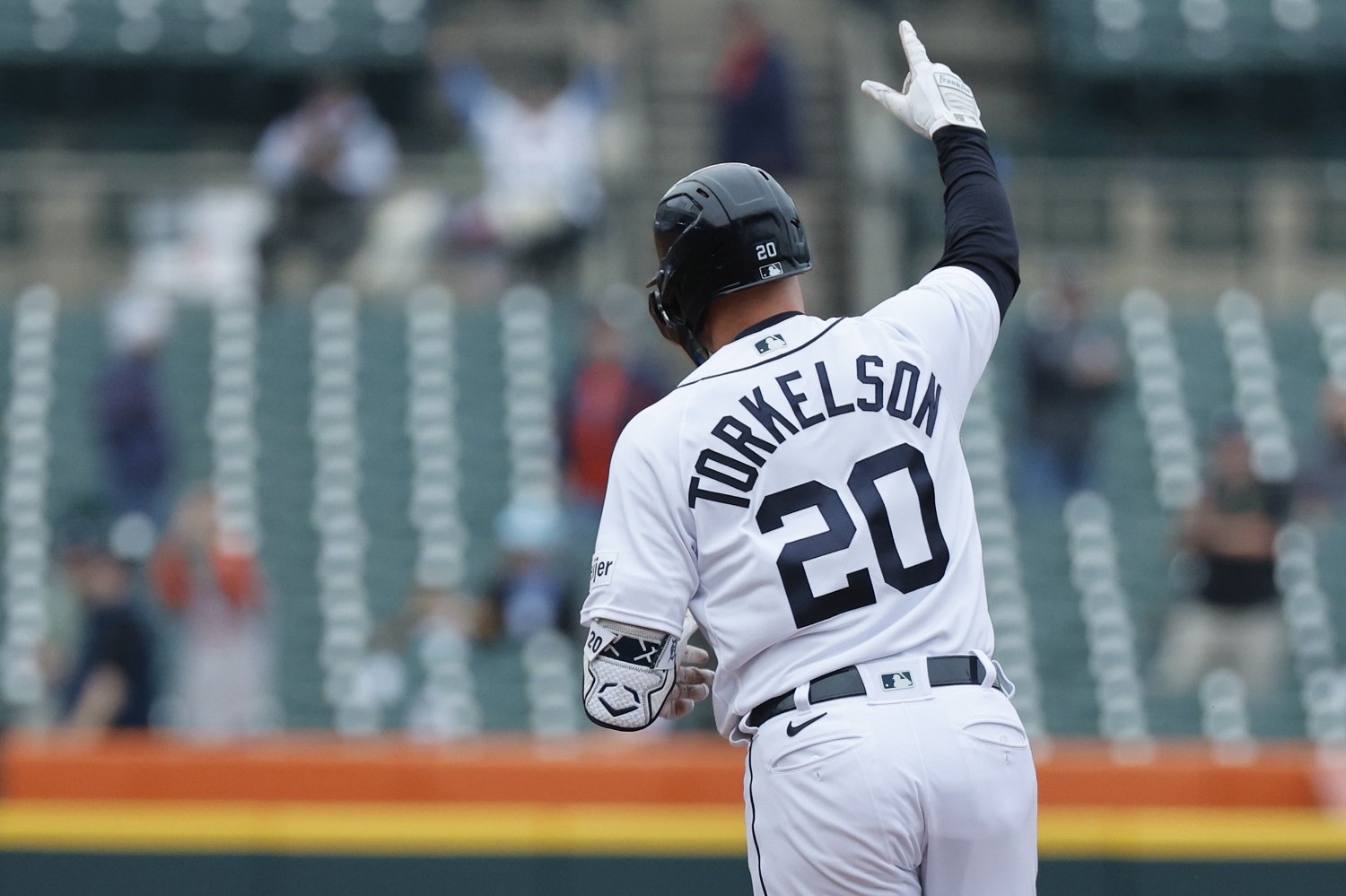 Last season, the Twins were projected to finish behind the Cleveland Guardians when the season began. There were some who thought that even though the Chicago White Sox, no matter how mismanaged, would be in the hunt as well. When the dust settled, no one kept up with Minnesota, but the Detroit Tigers overtook Cleveland for the second spot in the division. With Chicago having talent ready to roll and needing a leader to put it all together, they made a catastrophic mistake in hiring Tony La Russa. That bought everyone else in the division time, but when the Detroit Tigers grabbed A.J. Hinch from the Houston Astros, the division was put on notice. With a World Series and two pennants in tow, it was only a matter of time before Hinch put a young organization with a loaded farm in position to win. Hinch’s Tigers wound up going 78-84 last season, five games better than their Pythagorean record suggested they should be. They took advantage of a weak division and separated themselves from the cellar dwellers, while aiming at the Guardians. Catching the Twins in year one of a resurgence would never happen, but they could draw closer in 2024. At Bovada, Minnesota is a -115 favorite to repeat as division winners, but the Tigers are only slightly (+375) behind Cleveland (+350) for second place. BetOnline has Minnesota’s win total set at 85 1/2 games, with Detroit coming in behind them at 78 1/2. While Minnesota remains the only Central team with a winning record for the second straight year, Detroit being seen as within striking distance from the start could provide more of a challenge. With the retirement of Miguel Cabrera, the Tigers have what feels like a fresh start, positionally. They were never going to cut him loose without the farewell tour, but now the bulk of his dollars are off the books, and a key roster spot can be turned over to a usable player. Detroit has developed more of those in recent seasons, and they have also made a few additions this offseason. After something of a slow start, former top prospect Spencer Torkelson emerged and showed some of the legitimate slugging skills he was projected to demonstrate when the team took him first overall in 2020. With 31 homers on the season and a strong second half in all facets, he looks poised to step into the Cabrera role and be a dominant force within the division for years to come. It isn’t just Torkelson offensively, though. Riley Greene just needs to stay healthy in order to emerge as the division's best young outfielder, and rookie Kerry Carpenter looked the part of a regular in extended run last season. The franchise is undoubtedly hoping that Javier Báez can regain some semblance of the version of himself they signed to a six-year deal, and if they get any return on that investment, their lineup will benefit in a big way. The pitching staff might be even more intriguing. Tarik Skubal may soon be one of the best pitchers in baseball; he (like Greene) has been lacking only in durability. Former Twins prospect Sawyer Gipson-Long put in an impressive cameo to end the year. They still need to see Casey Mize return healthy and effective, while Matt Manning, Alex Faedo, and Reese Olson could all settle into big-league roles. Over the winter, the Tigers have added name-brand arms Jack Flaherty and Kenta Maeda. Minnesota’s previous starter is set to be their co-ace, alongside Skubal, which limits the group's overall upside, but he should be a stabilizing force for the staff. Flaherty has never shown an ability to stay healthy, but the stuff has always been exciting when it’s working. Lowered expectations in a smaller market could help, which may be what they are banking on. While it’s unlikely that this is the year everything fully comes together, the Tigers aren’t done infusing talent, either. Max Clark is at least a year away, but he has some of the best upside of any prospect in the sport. Colt Keith should see major-league action this season, and so could Jace Jung. Pitching prospects Jackson Jobe, Ty Madden, and Wilmer Flores all have varying degrees of big-league opportunity this season. If Detroit can continue their development, the water level will only rise higher. Ultimately, the Tigers are coming, but they aren’t there yet. If the Guardians deal Shane Bieber and/or others, then Detroit should be expected to take over the second spot in the division. With a diligent offseason endgame, Minnesota should cruise to the title, but still, Detroit is an organization that is larger in the rearview mirror than it may initially appear.
- 31 comments
-
- 4
-
-
-
- spencer torkelson
- aj hinch
- (and 5 more)
-
What to Know When Experiencing Cooperstown
Ted Schwerzler replied to Ted Schwerzler 's topic in Twins Daily Front Page News
It was sort of a known thing that he had campaigned for himself over the years during broadcasts, and came off kind of brash about it. His counting stats absolutely put him worthy of being inducted.
