



Cody Christie
-
Posts
7,820 -
Joined
-
Last visited
-
Days Won
5
Content Type
Profiles
News
Minnesota Twins Videos
2026 Minnesota Twins Top Prospects Ranking
2022 Minnesota Twins Draft Picks
Minnesota Twins Free Agent & Trade Rumors, Notes, & Tidbits
Guides & Resources
2023 Minnesota Twins Draft Picks
The Minnesota Twins Players Project
2024 Minnesota Twins Draft Picks
2025 Minnesota Twins Draft Pick Tracker
2026 Minnesota Twins Draft Tracker: Picks & Bonuses
Forums
Blogs
Events
Store
Downloads
Gallery
Everything posted by Cody Christie
-

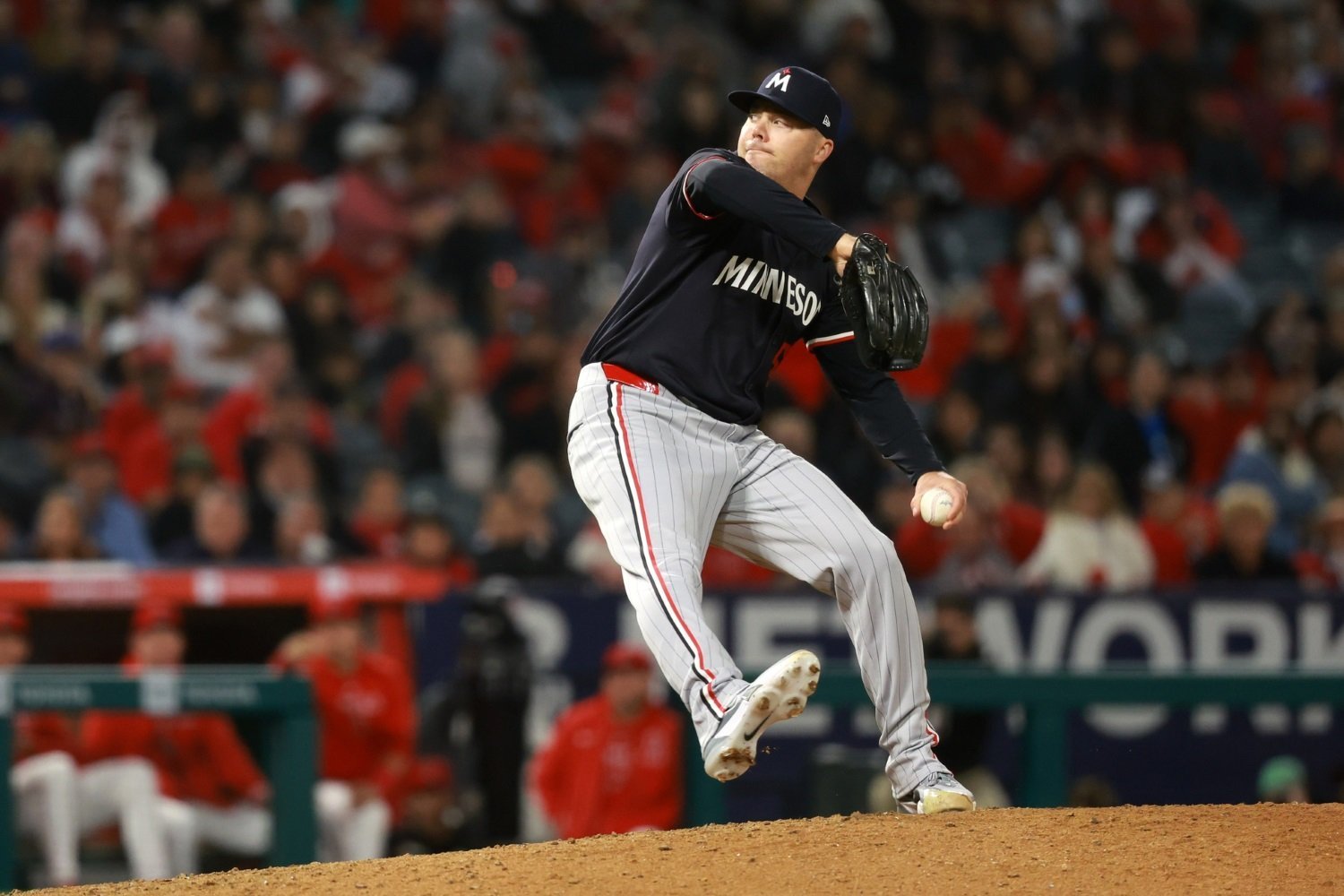 As the MLB trade deadline passed on Jul. 30, the Minnesota Twins made headlines for their inactivity. The front office essentially stood pat, despite the apparent need to bolster their bullpen, particularly with a lefthander. Many fans wondered how the team would address its late-game pitching challenges as the season progressed. However, one player’s performance was trending in the right direction. That player is Caleb Thielbar. A Season of Ups and Downs Thielbar struggled through much of the 2024 campaign before recently showing some signs of improvement. After dealing with an early-season hamstring injury, Thielbar attempted to rediscover the pitching arsenal that previously made him one of the team’s best left-handed relievers. Thielbar, now 37, isn’t new to the big leagues. His career began with the Twins in 2013 and has been a tale of perseverance and adaptation. After a few years bouncing between the majors and minors and even spending time in independent baseball, Thielbar rejoined the Twins in 2020, where he found moderate success. Over the next few seasons, he developed into a reliable power arm at the back of the bullpen. But 2024 has been a different story. Thielbar's significant issues this season are tied to his command. His walk rate jumped from a 5.0 BB% last season to 9.5 BB% in 2024. His strikeout rate has dropped by nearly 5%, as batters can lay off some of his offerings and get ahead in the count. Opponents are barreling up the ball against him at the highest rate of his career. The curveball, which has always been Thielbar’s go-to pitch, has seen an uptick in effectiveness this year. Opponents are hitting just .120 against the pitch, and it has become a trusted weapon for getting out of tough jams. Batters have registered a 45.3 Whiff% versus his curveball, a solid jump from last season. His fastball has caused the most issues. In 2023, he held batters to a .197 BA against his four-seamer, which has jumped above .300 during the current campaign. Thielbar has implemented some strategic changes to make his fastball more effective. Our John Foley did a great job breaking down some of those adjustments earlier this week, for TD Caretakers. Compared to last year, he's dropped the usage of his four-seamer by 10 percentage points (52% to 42%), while going to his sweeper and curveball far more frequently. Over the past couple months, he's also using fastballs more regularly on his arm side and up in the zone. This location helps his curveball to be more effective, because batters see the pitches coming in on a similar plane and have a more difficult time adjusting to the offspeed offering. Since that adjustment, he has a 3.34 FIP with a .203 batting average allowed. Filling the Void When the trade deadline passed without the Twins acquiring any bullpen help, it was clear that the front office had confidence in their existing roster--particularly in Thielbar. While it was a gamble, given his inconsistency earlier in the season, Thielbar has shown the ability to make in-season adjustments. He must take on a more prominent role, providing the stability and reliability the Twins desperately needed from the left side. Tuesday night, though, Rocco Baldelli looked right past Thielbar's name on his list of available relievers, electing to use Steven Okert for a pocket of the Padres lineup he hoped would be favorable for a southpaw. Thielbar had pitched Monday night, but threw just nine pitches, and he'd been off the previous two days. If he ranked above Okert on the manager's mental depth chart for the bullpen, he would have been the natural choice to start the sadly fateful eighth inning. It might not be that simple, though. Thielbar has made only three appearances on zero days' rest this season, and none since Jun. 12. It seems as though the coaching staff and front office feel uneasy using the aging lefty on back-to-back days, at least enough to erase whatever difference they see in expected performance between him and Okert. For now, that's a limiting factor in the team's bullpen usage, but maybe as the games get increasingly important, they should revisit it. Has Thielbar convinced the team that he can be a reliable left-handed option in late-inning situations? Leave a comment and start the discussion.
 -
The Twins have one of baseball’s top-ranked farm systems, with multiple top-100 prospects. Baseball America ranked Emmanuel Rodriguez number one on a list earlier this week, so what’s stopping him from being considered baseball’s top prospect? Image courtesy of Ed Bailey, Wichita Wind Surge The Twins have one of baseball’s top-ranked farm systems, with multiple top-100 prospects. Baseball America ranked Emmanuel Rodriguez number one on a list earlier this week, so what’s stopping him from being considered baseball’s top prospect? Emmanuel Rodriguez, one of the top prospects in the Minnesota Twins farm system, has captured the attention of scouts and fans alike with his immense potential. The 21-year-old outfielder has shown flashes of brilliance that suggest he could be a future cornerstone of the Twins' lineup. Baseball America released an updated RoboScout dynasty ranking earlier this week, with Rodriguez considered the number one prospect. They consider “the estimated likelihood of making it to the major leagues, projected performance at peak, and fantasy value projected to be earned at peak.” It’s an exciting way to look at prospects, and Rodriguez fares well because of his long-term upside. However, despite his talent, Rodriguez has not yet been anointed as baseball's top prospect, outside this narrow fantasy context. Several factors are contributing to this, and understanding them sheds light on the challenges he faces in reaching the pinnacle of prospect rankings. 1. Inconsistent Performance at the Plate While Rodriguez has demonstrated an impressive ability to hit for power, his overall hitting has been streaky. He has had stretches where he’s struggled to make contact, resulting in a concerning strikeout rate. While strikeouts are not uncommon among power hitters, Rodriguez's tendency to swing and miss has been more pronounced than some of his peers--and is exacerbated by his patient approach. Because he works such deep counts, his whiffs are often for strike three, not just early-count throwaways. His raw power is undeniable, and the ball travels a long way when he connects. However, his high strikeout rate raises questions about his ability to maintain a high level of performance as he progresses through the minors and eventually reaches the major leagues. Consistency in making contact and refining his approach at the plate is crucial for Rodriguez to climb the prospect rankings. 2. Plate Discipline and Approach While his walk rates are extraordinary, Rodriguez's approach is so selective as to border on passivity. At times, he appears to be hoping the pitcher misses the zone or makes a mistake. Twins fans have seen a similar approach with players like Edouard Julien. He sometimes struggles to recognize off-speed pitches, leading to poor swings and a high number of strikeouts. To maximize his offensive potential, improving his pitch recognition and developing a more aggressive approach will be essential for Rodriguez. This skill is essential as he faces more advanced pitching in the upper levels of the minor leagues, as pitchers get better and better at throwing strikes with better and better stuff. 3. Long-Term Defensive Concerns Rodriguez's defense is another area that scouts have noted as a concern. While he has the tools to be a solid outfielder, including a strong arm and good speed, his defensive instincts and routes to the ball have been unimpressive. Rodriguez has shown flashes of being an above-average defender, but there are also moments where his inexperience is evident. For Rodriguez to be considered the game's top prospect, he will need to show that he can be a reliable defender at a premium position. He has continued to be used in center field, but some believe he will be forced to move to a corner spot as he ages. Improving his defensive consistency, particularly in reading the ball off the bat and taking better routes, will be crucial to his overall development. 4. Injury History Injuries have played a major role in slowing Rodriguez's otherwise rapid ascent through the minors. He has dealt with multiple injuries throughout his minor-league career, hampering his development and limiting his playing time. He was limited to 146 games over the last two seasons, and he's only played 39 games in 2024. While he has shown resilience in bouncing back from these setbacks, the injury history adds a layer of risk to his profile. Teams and scouts are often cautious with players who have a history of injuries, as it can impact their long-term durability and performance. For Rodriguez to be viewed as a top prospect, he will need to stay healthy and prove that he can withstand the grind of a full season without significant time on the sidelines. 5. Competition Among Elite Prospects Finally, it's essential to acknowledge the level of competition among baseball's elite prospects. The current crop of top prospects is incredibly talented, featuring players with a unique blend of skills that have propelled them to their positions. While Rodriguez is undoubtedly a talented player, he is competing against a deep pool of prospects who have shown more polished and consistent skills against higher levels of competition. Prospects like Jackson Holliday, James Wood, and Jackson Jobe have showcased their abilities in ways that have drawn widespread acclaim, and Rodriguez will need to elevate his game to join their ranks. This is not to say that Rodriguez can't become the top prospect, or that he couldn't eventually be better even than those budding stars, but he will need to continue refining his game to stand out among such a talented group. Rodriguez has the potential to be a special player, and the Twins and the broader baseball community will closely watch his development. However, to be considered baseball's top prospect, he must address the inconsistencies in his game, particularly in his approach at the plate, defensive play, and ability to stay healthy. If he can make these adjustments and continue to develop his immense talent, Rodriguez could soon find himself contributing at the big-league level--maybe even before the world gets a chance to further raise his stock price. Until then, the hurdles he faces will keep him just outside the top echelon, leaving room for growth as he continues his journey to the major leagues. What will it take for Rodriguez to be considered baseball’s top prospect? Leave a comment and start the discussion. View full article
-
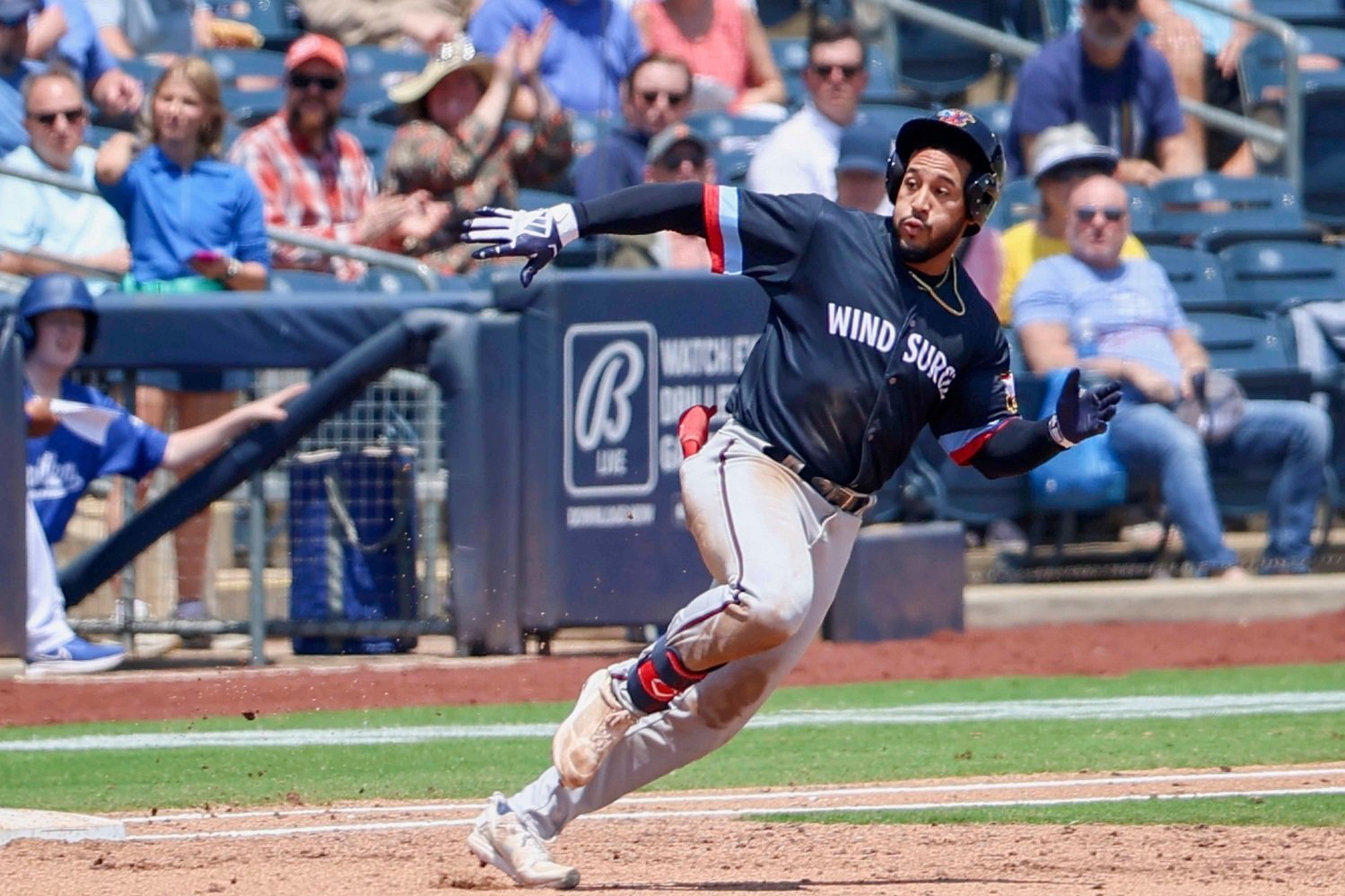 Emmanuel Rodriguez, one of the top prospects in the Minnesota Twins farm system, has captured the attention of scouts and fans alike with his immense potential. The 21-year-old outfielder has shown flashes of brilliance that suggest he could be a future cornerstone of the Twins' lineup. Baseball America released an updated RoboScout dynasty ranking earlier this week, with Rodriguez considered the number one prospect. They consider “the estimated likelihood of making it to the major leagues, projected performance at peak, and fantasy value projected to be earned at peak.” It’s an exciting way to look at prospects, and Rodriguez fares well because of his long-term upside. However, despite his talent, Rodriguez has not yet been anointed as baseball's top prospect, outside this narrow fantasy context. Several factors are contributing to this, and understanding them sheds light on the challenges he faces in reaching the pinnacle of prospect rankings. 1. Inconsistent Performance at the Plate While Rodriguez has demonstrated an impressive ability to hit for power, his overall hitting has been streaky. He has had stretches where he’s struggled to make contact, resulting in a concerning strikeout rate. While strikeouts are not uncommon among power hitters, Rodriguez's tendency to swing and miss has been more pronounced than some of his peers--and is exacerbated by his patient approach. Because he works such deep counts, his whiffs are often for strike three, not just early-count throwaways. His raw power is undeniable, and the ball travels a long way when he connects. However, his high strikeout rate raises questions about his ability to maintain a high level of performance as he progresses through the minors and eventually reaches the major leagues. Consistency in making contact and refining his approach at the plate is crucial for Rodriguez to climb the prospect rankings. 2. Plate Discipline and Approach While his walk rates are extraordinary, Rodriguez's approach is so selective as to border on passivity. At times, he appears to be hoping the pitcher misses the zone or makes a mistake. Twins fans have seen a similar approach with players like Edouard Julien. He sometimes struggles to recognize off-speed pitches, leading to poor swings and a high number of strikeouts. To maximize his offensive potential, improving his pitch recognition and developing a more aggressive approach will be essential for Rodriguez. This skill is essential as he faces more advanced pitching in the upper levels of the minor leagues, as pitchers get better and better at throwing strikes with better and better stuff. 3. Long-Term Defensive Concerns Rodriguez's defense is another area that scouts have noted as a concern. While he has the tools to be a solid outfielder, including a strong arm and good speed, his defensive instincts and routes to the ball have been unimpressive. Rodriguez has shown flashes of being an above-average defender, but there are also moments where his inexperience is evident. For Rodriguez to be considered the game's top prospect, he will need to show that he can be a reliable defender at a premium position. He has continued to be used in center field, but some believe he will be forced to move to a corner spot as he ages. Improving his defensive consistency, particularly in reading the ball off the bat and taking better routes, will be crucial to his overall development. 4. Injury History Injuries have played a major role in slowing Rodriguez's otherwise rapid ascent through the minors. He has dealt with multiple injuries throughout his minor-league career, hampering his development and limiting his playing time. He was limited to 146 games over the last two seasons, and he's only played 39 games in 2024. While he has shown resilience in bouncing back from these setbacks, the injury history adds a layer of risk to his profile. Teams and scouts are often cautious with players who have a history of injuries, as it can impact their long-term durability and performance. For Rodriguez to be viewed as a top prospect, he will need to stay healthy and prove that he can withstand the grind of a full season without significant time on the sidelines. 5. Competition Among Elite Prospects Finally, it's essential to acknowledge the level of competition among baseball's elite prospects. The current crop of top prospects is incredibly talented, featuring players with a unique blend of skills that have propelled them to their positions. While Rodriguez is undoubtedly a talented player, he is competing against a deep pool of prospects who have shown more polished and consistent skills against higher levels of competition. Prospects like Jackson Holliday, James Wood, and Jackson Jobe have showcased their abilities in ways that have drawn widespread acclaim, and Rodriguez will need to elevate his game to join their ranks. This is not to say that Rodriguez can't become the top prospect, or that he couldn't eventually be better even than those budding stars, but he will need to continue refining his game to stand out among such a talented group. Rodriguez has the potential to be a special player, and the Twins and the broader baseball community will closely watch his development. However, to be considered baseball's top prospect, he must address the inconsistencies in his game, particularly in his approach at the plate, defensive play, and ability to stay healthy. If he can make these adjustments and continue to develop his immense talent, Rodriguez could soon find himself contributing at the big-league level--maybe even before the world gets a chance to further raise his stock price. Until then, the hurdles he faces will keep him just outside the top echelon, leaving room for growth as he continues his journey to the major leagues. What will it take for Rodriguez to be considered baseball’s top prospect? Leave a comment and start the discussion.
 -
Updated SDI Rankings Put Multiple Twins in the Gold Glove Conversation
Cody Christie posted an article in Twins
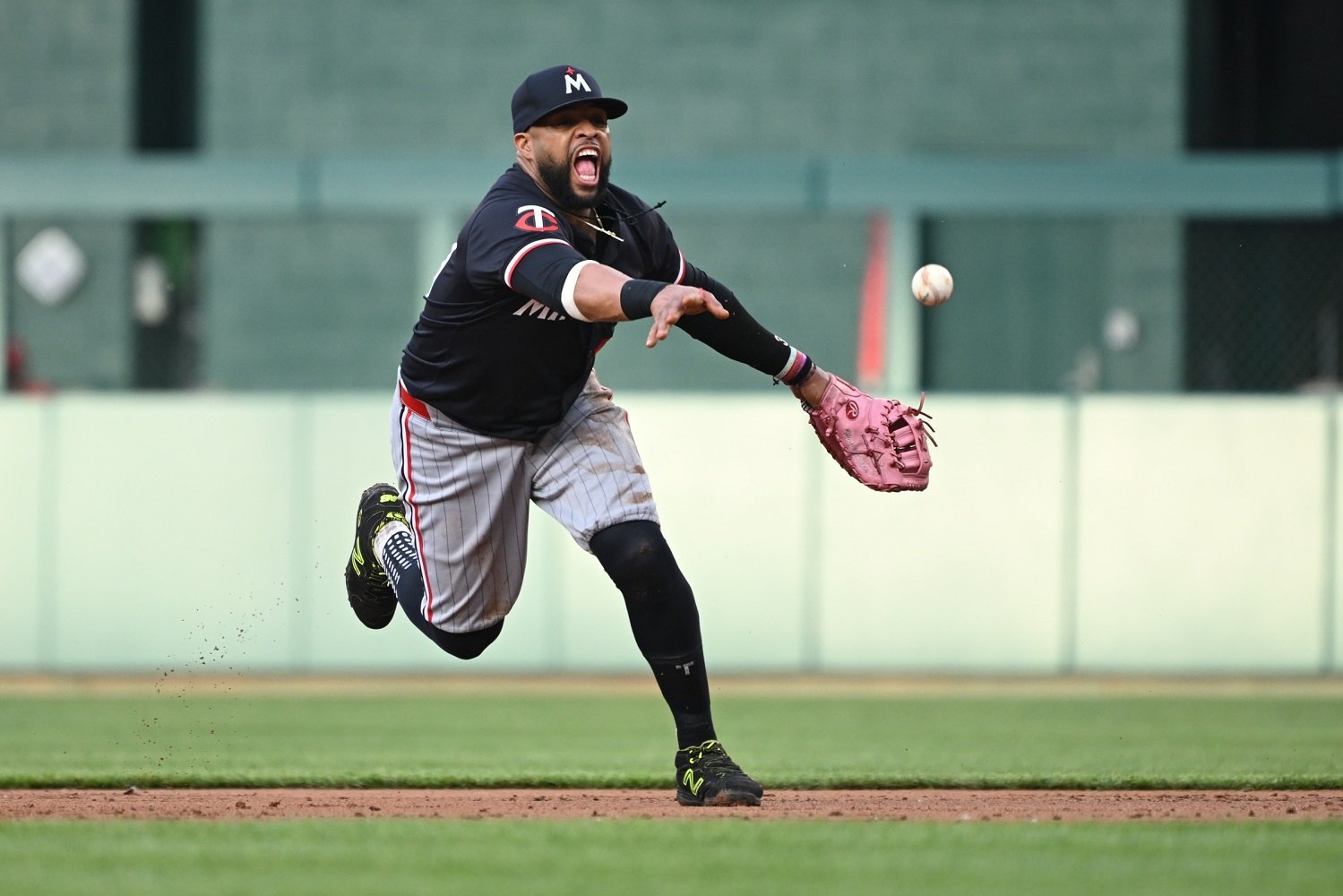 Defensive metrics have come a long way over the last decade. With Statcast tracking every batted ball, the amount of information available to fans is at an all-time high. To put that better data to work during awards season, the Society for American Baseball Research (SABR) developed the SABR Defensive Index (SDI). According to SABR's website, the SDI "draws on and aggregates two types of existing defensive metrics: those derived from batted ball location-based data and those collected from play-by-play accounts." Since 2013, SDI has been used as part of the process for selecting Gold Glove winners. The rankings below are through games played on Aug. 11, 2024. Pitcher (AL Ranking): Bailey Ober 1.7 SDI (9th), Pablo López 0.0 SDI (16th), Joe Ryan -2.2 SDI (36th) Ober is the lone Twins pitcher to crack the top 10 and sits one spot ahead of last year’s Gold Glove winner, José Berríos. López was a Gold Glove finalist last season, but has not performed as well in 2024, either in terms of pitching or in fielding his position. Ryan is currently on the IL, so he will likely fall off the final rankings. However, only two AL pitchers have accumulated a lower SDI than Ryan (George Kirby and Corbin Burnes). Catcher (AL Ranking): Christian Vázquez 6.0 SDI (T-4th), Ryan Jeffers -5.5 SDI (17th) Vázquez has moved into the top 5 in the rankings after ranking in sixth place earlier in the season. He is only 0.4 behind Detroit’s Jake Rogers, who currently ranks second in the AL. Seattle’s Cal Raleigh has a 9.7 SDI, so the statistical index (just one factor in the outcome, which is still voted on by coaches and managers throughout the league) will almost certainly go for Raleigh. Jeffers continues to struggle defensively, with his pitch framing only being part of the problem. Boston’s Connor Wong is the lone qualified catcher with a lower SDI than Jeffers. First Base (AL Ranking): Carlos Santana 7.1 SDI (1st) Santana is in a strong position to win his first Gold Glove. Texas’s Nathaniel Lowe ranks second behind Santana, but trails by 1.6 SDI points. Only one other first baseman (Baltimore’s Ryan Mountcastle) has more than 2.0 on the SDI. Among AL defenders, only four players at any position have been better defensively than Santana. In recent weeks, Carlos Correa half-jokingly said that Santana should be in the Platinum Glove conversation, and there was truth to that statement. Santana is having an elite season at first base. Second Base (AL Ranking): No Twins Qualified Edouard Julien qualified for the rankings earlier this season, but his demotion means he won’t have enough innings to qualify. Former Twin Jorge Polanco (-5.8 SDI) has the second-lowest SDI total, with New York’s Gleyber Torres (-6.7 SDI) being the only player behind him. Third Base (AL Ranking): No Twins Qualified The Twins have used a mélange of players at third base this season. Royce Lewis was the team’s Opening Day starter, but got injured and missed significant time. His defense has been shaky recently, with multiple errant throws impacting games. José Miranda, Kyle Farmer, and Willi Castro have all played over 100 innings at third. None of that trio of players rank particularly well at the hot corner. Shortstop (AL Ranking): Carlos Correa 0.6 SDI (9th), Willi Castro -3.1 SDI (15th) Correa is not the same defender he was in Houston, but he still makes plenty of strong defensive plays. His baseball IQ and strong arm help him to rank among the AL’s top 10 shortstops. Castro is slightly overstretched at shortstop, but has been asked to fill in when Correa was on the IL. Paul DeJong (-6.6 SDI) is the lone AL shortstop with a lower SDI total than Castro, which is why the Royals acquired him last month to play him solely at third base. Left Field (AL Ranking): No Twins Players Qualified The Twins have used six players in left field this season, each accumulating over 100 innings. Minnesota will likely continue to rotate players through the position, so no single player may accumulate enough innings to qualify for the SDI rankings. Center Field (AL Ranking): Byron Buxton -0.7 SDI (13th) Buxton has seemed to return to form at the plate and in the field this season, but the SDI rankings don’t favor his performance. Baltimore’s Cedric Mullins (-2.3 SDI) and New York’s Aaron Judge (-3.1 SDI) are the only players who rank lower than Buxton. Other defensive metrics paint him in a better light. He ranks in the 84th percentile for Fielding Run Value, and his four OAA ranks in the 87th percentile. Right Field (AL Ranking): Max Kepler 0.2 SDI (5th) Kepler’s defense has taken a downturn as the season has unfolded. In the first SDI rankings, his 2.3 SDI nearly matched his total for the entire 2023 campaign. His overall ranking in the AL hasn’t changed, but his SDI total has dropped significantly. He has been known for his strong defense throughout his time with the Twins. The top three right fielders all have more than 4.0 SDI scores, though, so barring overwhelming support from voters, Kepler likely falls short of qualifying as a Gold Glove finalist. Are you surprised by any of these defensive rankings? Leave a comment and start the discussion.
- 7 comments
-
- 3
-

-

-
- carlos santana
- christian vazquez
- (and 5 more)
-
The Twins have seen some solid defensive performances at multiple positions this season. So, are any players in a position to be Gold Glove winners? Image courtesy of Rafael Suanes-USA TODAY Sports The Twins have seen some solid defensive performances at multiple positions this season. So, are any players in a position to be Gold Glove winners? Defensive metrics have come a long way over the last decade. With Statcast tracking every batted ball, the amount of information available to fans is at an all-time high. To put that better data to work during awards season, the Society for American Baseball Research (SABR) developed the SABR Defensive Index (SDI). According to SABR's website, the SDI "draws on and aggregates two types of existing defensive metrics: those derived from batted ball location-based data and those collected from play-by-play accounts." Since 2013, SDI has been used as part of the process for selecting Gold Glove winners. The rankings below are through games played on Aug. 11, 2024. Pitcher (AL Ranking): Bailey Ober 1.7 SDI (9th), Pablo López 0.0 SDI (16th), Joe Ryan -2.2 SDI (36th) Ober is the lone Twins pitcher to crack the top 10 and sits one spot ahead of last year’s Gold Glove winner, José Berríos. López was a Gold Glove finalist last season, but has not performed as well in 2024, either in terms of pitching or in fielding his position. Ryan is currently on the IL, so he will likely fall off the final rankings. However, only two AL pitchers have accumulated a lower SDI than Ryan (George Kirby and Corbin Burnes). Catcher (AL Ranking): Christian Vázquez 6.0 SDI (T-4th), Ryan Jeffers -5.5 SDI (17th) Vázquez has moved into the top 5 in the rankings after ranking in sixth place earlier in the season. He is only 0.4 behind Detroit’s Jake Rogers, who currently ranks second in the AL. Seattle’s Cal Raleigh has a 9.7 SDI, so the statistical index (just one factor in the outcome, which is still voted on by coaches and managers throughout the league) will almost certainly go for Raleigh. Jeffers continues to struggle defensively, with his pitch framing only being part of the problem. Boston’s Connor Wong is the lone qualified catcher with a lower SDI than Jeffers. First Base (AL Ranking): Carlos Santana 7.1 SDI (1st) Santana is in a strong position to win his first Gold Glove. Texas’s Nathaniel Lowe ranks second behind Santana, but trails by 1.6 SDI points. Only one other first baseman (Baltimore’s Ryan Mountcastle) has more than 2.0 on the SDI. Among AL defenders, only four players at any position have been better defensively than Santana. In recent weeks, Carlos Correa half-jokingly said that Santana should be in the Platinum Glove conversation, and there was truth to that statement. Santana is having an elite season at first base. Second Base (AL Ranking): No Twins Qualified Edouard Julien qualified for the rankings earlier this season, but his demotion means he won’t have enough innings to qualify. Former Twin Jorge Polanco (-5.8 SDI) has the second-lowest SDI total, with New York’s Gleyber Torres (-6.7 SDI) being the only player behind him. Third Base (AL Ranking): No Twins Qualified The Twins have used a mélange of players at third base this season. Royce Lewis was the team’s Opening Day starter, but got injured and missed significant time. His defense has been shaky recently, with multiple errant throws impacting games. José Miranda, Kyle Farmer, and Willi Castro have all played over 100 innings at third. None of that trio of players rank particularly well at the hot corner. Shortstop (AL Ranking): Carlos Correa 0.6 SDI (9th), Willi Castro -3.1 SDI (15th) Correa is not the same defender he was in Houston, but he still makes plenty of strong defensive plays. His baseball IQ and strong arm help him to rank among the AL’s top 10 shortstops. Castro is slightly overstretched at shortstop, but has been asked to fill in when Correa was on the IL. Paul DeJong (-6.6 SDI) is the lone AL shortstop with a lower SDI total than Castro, which is why the Royals acquired him last month to play him solely at third base. Left Field (AL Ranking): No Twins Players Qualified The Twins have used six players in left field this season, each accumulating over 100 innings. Minnesota will likely continue to rotate players through the position, so no single player may accumulate enough innings to qualify for the SDI rankings. Center Field (AL Ranking): Byron Buxton -0.7 SDI (13th) Buxton has seemed to return to form at the plate and in the field this season, but the SDI rankings don’t favor his performance. Baltimore’s Cedric Mullins (-2.3 SDI) and New York’s Aaron Judge (-3.1 SDI) are the only players who rank lower than Buxton. Other defensive metrics paint him in a better light. He ranks in the 84th percentile for Fielding Run Value, and his four OAA ranks in the 87th percentile. Right Field (AL Ranking): Max Kepler 0.2 SDI (5th) Kepler’s defense has taken a downturn as the season has unfolded. In the first SDI rankings, his 2.3 SDI nearly matched his total for the entire 2023 campaign. His overall ranking in the AL hasn’t changed, but his SDI total has dropped significantly. He has been known for his strong defense throughout his time with the Twins. The top three right fielders all have more than 4.0 SDI scores, though, so barring overwhelming support from voters, Kepler likely falls short of qualifying as a Gold Glove finalist. Are you surprised by any of these defensive rankings? Leave a comment and start the discussion. View full article
-
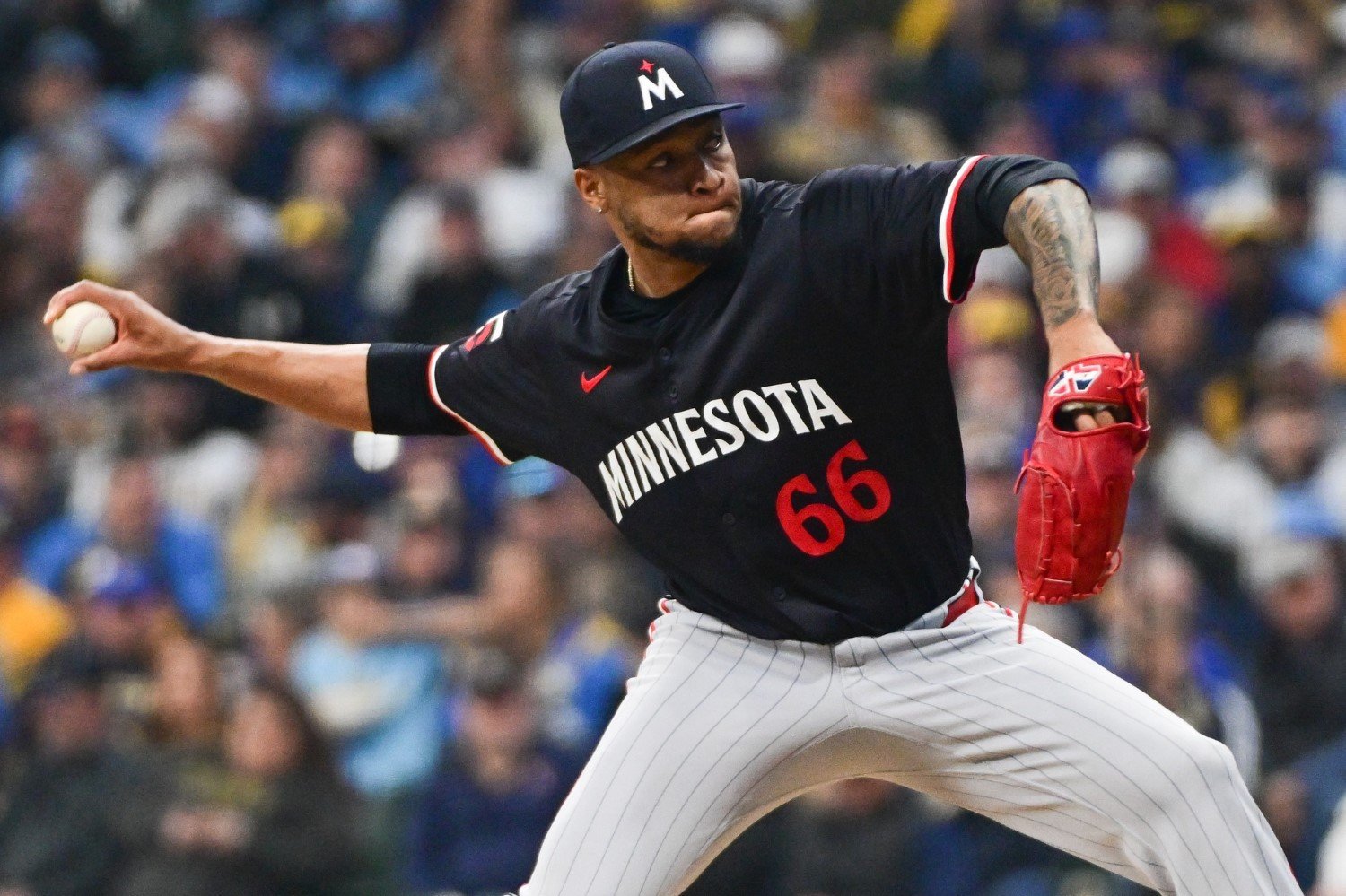 In baseball, relievers are often the unsung heroes of a team. Their job is to protect leads, keep games close, and put out fires. For many relievers, including Jorge Alcalá, most outings are routine—composed of high-pressure situations where they deliver a crucial out or escape a jam. But even the best can have a blow-up appearance where everything seems to go wrong. How does this happen? The Nature of Relief Pitching Relief pitchers like Alcalá operate under unique constraints. Unlike starting pitchers, who can settle into a game over multiple innings, relievers typically have to be sharp from their first pitch. They may only have a handful of pitches to make an impact, and the margin for error is incredibly slim. Alcalá, a right-handed pitcher known for his electric fastball and sharp slider, has generally been effective for the Twins. His ability to mix power with movement makes him a tough assignment for hitters. But the same qualities that make him dominant can also contribute to a disastrous outing when things don't go as planned. What Can Go Wrong? 1. Loss of Command: Command is the ability to locate pitches not just within the strike zone, but to specific areas where the batter is less likely to make strong contact. When Alcalá loses command, he may miss his spots, leaving pitches over the heart of the plate. In these situations, even average hitters can capitalize and punish him with extra-base hits or home runs. Lefties have been especially likely to do this throughout his career. 2. Mechanical Issues: Even small deviations in a pitcher’s mechanics can lead to a loss of velocity, movement, or control. Alcalá’s effectiveness is tied to his ability to repeat his delivery consistently. If his arm slot drops or his timing is off, his pitches might not break as sharply or arrive as quickly, making him more hittable. 3. Poor Pitch Selection: Pitch selection is a collaborative effort between the pitcher and catcher. If they choose the wrong pitch in a critical situation, it can lead to disaster. For instance, if Alcalá opts for a fastball when the hitter is sitting on it, or if he throws a slider that doesn’t break enough, it could result in hard contact or even a home run. The battery has to work together to intuit and respond not only to the batter's expectation, but to the trends they each perceive in the pitcher's feel for their offerings. 4. Bad Luck: Baseball is a sport where luck plays a significant role. A well-located pitch can still result in a hit due to a blooper or a well-placed ground ball that finds a hole in the infield. In some cases, Alcalá may execute his pitches perfectly, but a combination of bad luck and defensive misplays can lead to an inning spiraling out of control. 5. Situational Pressure: Relievers often enter games with runners on base and no margin for error. The pressure can amplify the difficulty of their task. If Alcalá allows runners to reach base, even a single mistake can turn into a multi-run inning. The pressure to be perfect can sometimes lead to overthrowing, resulting in a loss of command or mechanical breakdowns. So, which of these characteristics played out in Sunday's implosion? Batter 1: Leody Taveras gets a fastball low in the zone and puts a solid swing on it. Batter 2: Marcus Semien sits on a fastball for a double, while nearly doubling Texas’s win probability. Batter 3: Like Semien, Corey Seager is waiting on the first-pitch offering and smashes a run-scoring double to right field. Batters 4 and 5: Josh Smith flew out on two fastballs from Alcalá, but Adolis García stepped in and crushed a game-tying two-run homer. Alcalá fell behind with two pitches below the zone before leaving a fastball up. Batters 6 and 7: Alcalá struck out Nathaniel Lowe in a tough, six-pitch at-bat that saw him work the count full before swinging through a slider. Josh Jung sat on deck and saw Alcalá’s entire repertoire of pitches, before getting a fastball up in the zone. Breakdown It seems fair to say that a mixture of the factors listed above contributed to this rapid unraveling. Alcalá's location wasn't good enough, though not for any obvious mechanical reason. Against some tough hitters, he simply didn't execute well enough. The pitch selection was questionable in places, though trying the first-pitch changeup to the notoriously eager first-pitch swinger in Seager made sense. He just didn't command that offering well enough. In hindsight, ahead 1-2 on Jung, another slider was in order, but if the fastball had been a few inches higher, the ugly result probably would have turned into a happy one. For that matter, the fastball García hit out of the park was in an almost perfect spot, and in that way, bad luck also intruded on the outing. The Ripple Effect of a Bad Outing One bad outing can have ripple effects beyond the immediate game. For the team, it can mean a demoralizing loss, especially if they were in a position to win. For the reliever, it can shake confidence and lead to overcompensation in future outings, further impacting performance. Managers and pitching coaches must then work to rebuild that confidence, possibly giving the reliever a lower-leverage situation in the next appearance to regain their rhythm. Alcalá, like any other good reliever, is not immune to having a blowup. While it can be frustrating for fans and painful for the team, it's essential to understand the various factors that can contribute to such an event. From mechanical issues and loss of command to bad luck and situational pressures, a myriad of elements can align to turn a typically dominant reliever's outing into a nightmare. The true measure of a reliever like Alcalá isn’t just their ability to deliver in high-pressure situations, but also their capacity to bounce back from an occasion on which they fail to do so. In the end, these moments of adversity can help build resilience and, ultimately, make them better pitchers in the long run.
 -
Jorge Alcalá had a chance to put the Twins in position to sweep a four-game series against the defending World Series champs. Instead, he had one of the worst relief outings of the season. What went wrong? Image courtesy of Benny Sieu-USA TODAY Sports Jorge Alcalá had a chance to put the Twins in position to sweep a four-game series against the defending World Series champs. Instead, he had one of the worst relief outings of the season. What went wrong? In baseball, relievers are often the unsung heroes of a team. Their job is to protect leads, keep games close, and put out fires. For many relievers, including Jorge Alcalá, most outings are routine—composed of high-pressure situations where they deliver a crucial out or escape a jam. But even the best can have a blow-up appearance where everything seems to go wrong. How does this happen? The Nature of Relief Pitching Relief pitchers like Alcalá operate under unique constraints. Unlike starting pitchers, who can settle into a game over multiple innings, relievers typically have to be sharp from their first pitch. They may only have a handful of pitches to make an impact, and the margin for error is incredibly slim. Alcalá, a right-handed pitcher known for his electric fastball and sharp slider, has generally been effective for the Twins. His ability to mix power with movement makes him a tough assignment for hitters. But the same qualities that make him dominant can also contribute to a disastrous outing when things don't go as planned. What Can Go Wrong? 1. Loss of Command: Command is the ability to locate pitches not just within the strike zone, but to specific areas where the batter is less likely to make strong contact. When Alcalá loses command, he may miss his spots, leaving pitches over the heart of the plate. In these situations, even average hitters can capitalize and punish him with extra-base hits or home runs. Lefties have been especially likely to do this throughout his career. 2. Mechanical Issues: Even small deviations in a pitcher’s mechanics can lead to a loss of velocity, movement, or control. Alcalá’s effectiveness is tied to his ability to repeat his delivery consistently. If his arm slot drops or his timing is off, his pitches might not break as sharply or arrive as quickly, making him more hittable. 3. Poor Pitch Selection: Pitch selection is a collaborative effort between the pitcher and catcher. If they choose the wrong pitch in a critical situation, it can lead to disaster. For instance, if Alcalá opts for a fastball when the hitter is sitting on it, or if he throws a slider that doesn’t break enough, it could result in hard contact or even a home run. The battery has to work together to intuit and respond not only to the batter's expectation, but to the trends they each perceive in the pitcher's feel for their offerings. 4. Bad Luck: Baseball is a sport where luck plays a significant role. A well-located pitch can still result in a hit due to a blooper or a well-placed ground ball that finds a hole in the infield. In some cases, Alcalá may execute his pitches perfectly, but a combination of bad luck and defensive misplays can lead to an inning spiraling out of control. 5. Situational Pressure: Relievers often enter games with runners on base and no margin for error. The pressure can amplify the difficulty of their task. If Alcalá allows runners to reach base, even a single mistake can turn into a multi-run inning. The pressure to be perfect can sometimes lead to overthrowing, resulting in a loss of command or mechanical breakdowns. So, which of these characteristics played out in Sunday's implosion? Batter 1: Leody Taveras gets a fastball low in the zone and puts a solid swing on it. Batter 2: Marcus Semien sits on a fastball for a double, while nearly doubling Texas’s win probability. Batter 3: Like Semien, Corey Seager is waiting on the first-pitch offering and smashes a run-scoring double to right field. Batters 4 and 5: Josh Smith flew out on two fastballs from Alcalá, but Adolis García stepped in and crushed a game-tying two-run homer. Alcalá fell behind with two pitches below the zone before leaving a fastball up. Batters 6 and 7: Alcalá struck out Nathaniel Lowe in a tough, six-pitch at-bat that saw him work the count full before swinging through a slider. Josh Jung sat on deck and saw Alcalá’s entire repertoire of pitches, before getting a fastball up in the zone. Breakdown It seems fair to say that a mixture of the factors listed above contributed to this rapid unraveling. Alcalá's location wasn't good enough, though not for any obvious mechanical reason. Against some tough hitters, he simply didn't execute well enough. The pitch selection was questionable in places, though trying the first-pitch changeup to the notoriously eager first-pitch swinger in Seager made sense. He just didn't command that offering well enough. In hindsight, ahead 1-2 on Jung, another slider was in order, but if the fastball had been a few inches higher, the ugly result probably would have turned into a happy one. For that matter, the fastball García hit out of the park was in an almost perfect spot, and in that way, bad luck also intruded on the outing. The Ripple Effect of a Bad Outing One bad outing can have ripple effects beyond the immediate game. For the team, it can mean a demoralizing loss, especially if they were in a position to win. For the reliever, it can shake confidence and lead to overcompensation in future outings, further impacting performance. Managers and pitching coaches must then work to rebuild that confidence, possibly giving the reliever a lower-leverage situation in the next appearance to regain their rhythm. Alcalá, like any other good reliever, is not immune to having a blowup. While it can be frustrating for fans and painful for the team, it's essential to understand the various factors that can contribute to such an event. From mechanical issues and loss of command to bad luck and situational pressures, a myriad of elements can align to turn a typically dominant reliever's outing into a nightmare. The true measure of a reliever like Alcalá isn’t just their ability to deliver in high-pressure situations, but also their capacity to bounce back from an occasion on which they fail to do so. In the end, these moments of adversity can help build resilience and, ultimately, make them better pitchers in the long run. View full article
-
After a Disastrous Start, Has Christian Vázquez Been Worth His Contract?
Cody Christie posted an article in Twins
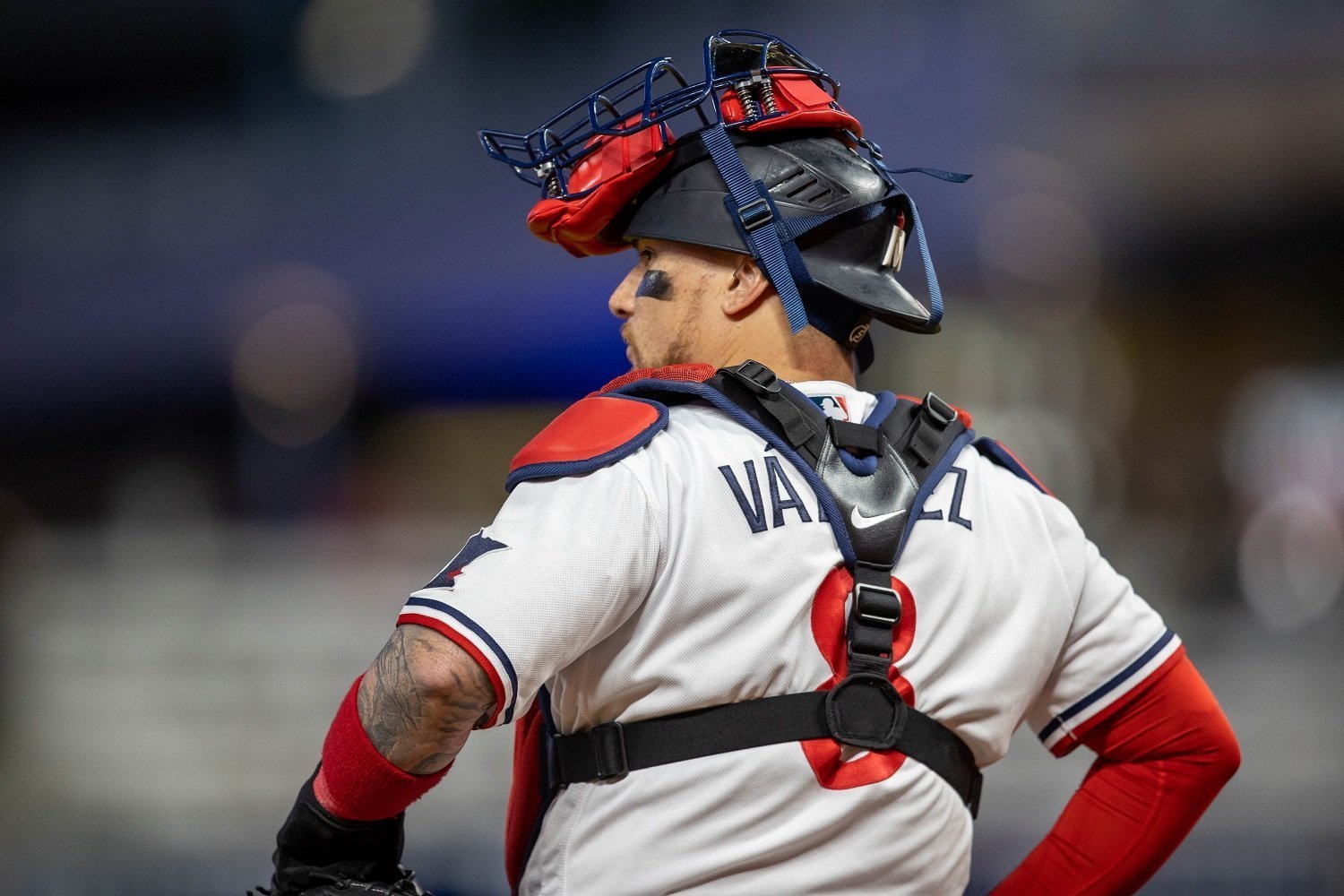 Expectations were high when Christian Vázquez signed a three-year, $30 million contract with the Minnesota Twins in December of 2022. The veteran catcher was brought in not just for his defensive acumen and game-calling ability but also for the stability and leadership he could provide to a young pitching staff. However, he struggled mightily to produce in his first season as a Twin, leading to his surprisingly sitting out the entire postseason. The 2024 season also didn't start as planned, and by mid-May, many were questioning whether the investment was worth it. A Rough Start Vázquez's start to the 2024 season was, by most metrics, a disaster. His batting average hovered below the Mendoza Line, and his power numbers were nearly nonexistent. On June 1st, he was hitting .161/.180/.196 (.376) with two extra-base hits and a 30-to-2 strikeout-to-walk ratio. The Twins, who had hoped Vázquez would be a stabilizing force, were struggling on the field, and some fans began to loudly wonder if the team had overpaid for a player past his prime. It felt like the Twins' coaching staff was losing confidence in one of the team’s starting catchers. Trade rumors even began to circulate, with whispers that the Twins might try to unload Vázquez's salary before the deadline. The Turning Point Despite the rough start, Vázquez never lost his composure. Behind the scenes, he worked tirelessly with hitting coach David Popkins to adjust his swing mechanics. Vázquez focused on shortening his swing and being more selective at the plate, targeting pitches he could drive rather than just making contact. He’s worked with Twins hitting coaches to find a routine in the batting cage that sets him up for in-game success. “I’m a feeling guy,” Vázquez said. “We found a feeling that is working right now. Every time I feel the swing I want, I go back and say, ‘This feeling, remember this feeling.’ It’s working. I’m driving the ball everywhere. It feels good.” Entering play on Saturday, Vázquez was hitting .339/.371/.631 (1.002) with four doubles, five homers, and 13 RBIs in 71 plate appearances dating back to July 1st. He continues to raise his offensive numbers by driving the ball with authority again, contributing several clutch hits in key situations. The Value Beyond the Numbers What’s made Vázquez worth every penny of his $10 million annual salary isn't just his improved stats, though those are certainly part of the story. His influence on the Twins' pitching staff has been immeasurable. The Twins’ young arms, including Joe Ryan and Bailey Ober, have consistently praised Vázquez for his game-calling and ability to guide them through ,challenging situations. His ability to work with pitchers, understand their strengths and weaknesses, and adjust on the fly has been critical in helping the team navigate the ups and downs of the season. This kind of leadership is invaluable and is precisely why the Twins were willing to commit to him in free agency. Last season, FanGraphs pegged Vázquez as being worth $7.3 million after he posted a 65 OPS+ in 69 games. Even with a poor offensive performance, he continued to rank as one of the AL’s top defensive catchers. His poor start this season hasn’t stopped him from being more valuable than in 2023. He has been worth $8.3 million this season, with a chance to cross the $10 million threshold. Bad free-agent contracts can weigh down teams, but Vázquez is proving his worth. As the Twins approach the season's final months, Vázquez has positioned himself not just as a comeback story but as a critical component of the team’s success. His turnaround has helped stabilize a team that looked lost in the early part of the season, and his leadership both on and off the field is a testament to the value of experience and perseverance. “The last six weeks, he’s been one of our best hitters,” Twins manager Rocco Baldelli said of Vázquez, who just celebrated the momentous milestone of 10 years MLB service time. “He’s been very productive. He’s been hitting a lot of balls hard, and he’s still catching the same way he always catches, which is very good.” While the first half of 2024 may have been challenging, Vázquez has shown that he is worth every dollar of his contract. His contributions, both tangible and intangible, have been crucial in turning the Twins’ season around. As the playoffs approach, the Twins will rely on Vázquez to continue his strong play and lead the pitching staff through the pressure-packed games to come. In the end, the story of Christian Vázquez's 2024 season is one of redemption and resilience—a reminder that sometimes, it’s not about how you start but how you finish. Has Vázquez been worth $10 million this season? Leave a COMMENT and start the discussion.
 -
Christian Vázquez was one of the AL’s least valuable players in the season’s first half. Now, he has rediscovered his swing and is arguably the team’s number one catcher. Will he be worth his $10 million contract by the season’s end? Image courtesy of Jesse Johnson-USA TODAY Sports Christian Vázquez was one of the AL’s least valuable players in the season’s first half. Now, he has rediscovered his swing and is arguably the team’s number one catcher. Will he be worth his $10 million contract by the season’s end? Expectations were high when Christian Vázquez signed a three-year, $30 million contract with the Minnesota Twins in December of 2022. The veteran catcher was brought in not just for his defensive acumen and game-calling ability but also for the stability and leadership he could provide to a young pitching staff. However, he struggled mightily to produce in his first season as a Twin, leading to his surprisingly sitting out the entire postseason. The 2024 season also didn't start as planned, and by mid-May, many were questioning whether the investment was worth it. A Rough Start Vázquez's start to the 2024 season was, by most metrics, a disaster. His batting average hovered below the Mendoza Line, and his power numbers were nearly nonexistent. On June 1st, he was hitting .161/.180/.196 (.376) with two extra-base hits and a 30-to-2 strikeout-to-walk ratio. The Twins, who had hoped Vázquez would be a stabilizing force, were struggling on the field, and some fans began to loudly wonder if the team had overpaid for a player past his prime. It felt like the Twins' coaching staff was losing confidence in one of the team’s starting catchers. Trade rumors even began to circulate, with whispers that the Twins might try to unload Vázquez's salary before the deadline. The Turning Point Despite the rough start, Vázquez never lost his composure. Behind the scenes, he worked tirelessly with hitting coach David Popkins to adjust his swing mechanics. Vázquez focused on shortening his swing and being more selective at the plate, targeting pitches he could drive rather than just making contact. He’s worked with Twins hitting coaches to find a routine in the batting cage that sets him up for in-game success. “I’m a feeling guy,” Vázquez said. “We found a feeling that is working right now. Every time I feel the swing I want, I go back and say, ‘This feeling, remember this feeling.’ It’s working. I’m driving the ball everywhere. It feels good.” Entering play on Saturday, Vázquez was hitting .339/.371/.631 (1.002) with four doubles, five homers, and 13 RBIs in 71 plate appearances dating back to July 1st. He continues to raise his offensive numbers by driving the ball with authority again, contributing several clutch hits in key situations. The Value Beyond the Numbers What’s made Vázquez worth every penny of his $10 million annual salary isn't just his improved stats, though those are certainly part of the story. His influence on the Twins' pitching staff has been immeasurable. The Twins’ young arms, including Joe Ryan and Bailey Ober, have consistently praised Vázquez for his game-calling and ability to guide them through ,challenging situations. His ability to work with pitchers, understand their strengths and weaknesses, and adjust on the fly has been critical in helping the team navigate the ups and downs of the season. This kind of leadership is invaluable and is precisely why the Twins were willing to commit to him in free agency. Last season, FanGraphs pegged Vázquez as being worth $7.3 million after he posted a 65 OPS+ in 69 games. Even with a poor offensive performance, he continued to rank as one of the AL’s top defensive catchers. His poor start this season hasn’t stopped him from being more valuable than in 2023. He has been worth $8.3 million this season, with a chance to cross the $10 million threshold. Bad free-agent contracts can weigh down teams, but Vázquez is proving his worth. As the Twins approach the season's final months, Vázquez has positioned himself not just as a comeback story but as a critical component of the team’s success. His turnaround has helped stabilize a team that looked lost in the early part of the season, and his leadership both on and off the field is a testament to the value of experience and perseverance. “The last six weeks, he’s been one of our best hitters,” Twins manager Rocco Baldelli said of Vázquez, who just celebrated the momentous milestone of 10 years MLB service time. “He’s been very productive. He’s been hitting a lot of balls hard, and he’s still catching the same way he always catches, which is very good.” While the first half of 2024 may have been challenging, Vázquez has shown that he is worth every dollar of his contract. His contributions, both tangible and intangible, have been crucial in turning the Twins’ season around. As the playoffs approach, the Twins will rely on Vázquez to continue his strong play and lead the pitching staff through the pressure-packed games to come. In the end, the story of Christian Vázquez's 2024 season is one of redemption and resilience—a reminder that sometimes, it’s not about how you start but how you finish. Has Vázquez been worth $10 million this season? Leave a COMMENT and start the discussion. View full article
-
Core 4: Reranking the Minnesota Twins' Young Pitching Prospects
Cody Christie posted an article in Twins
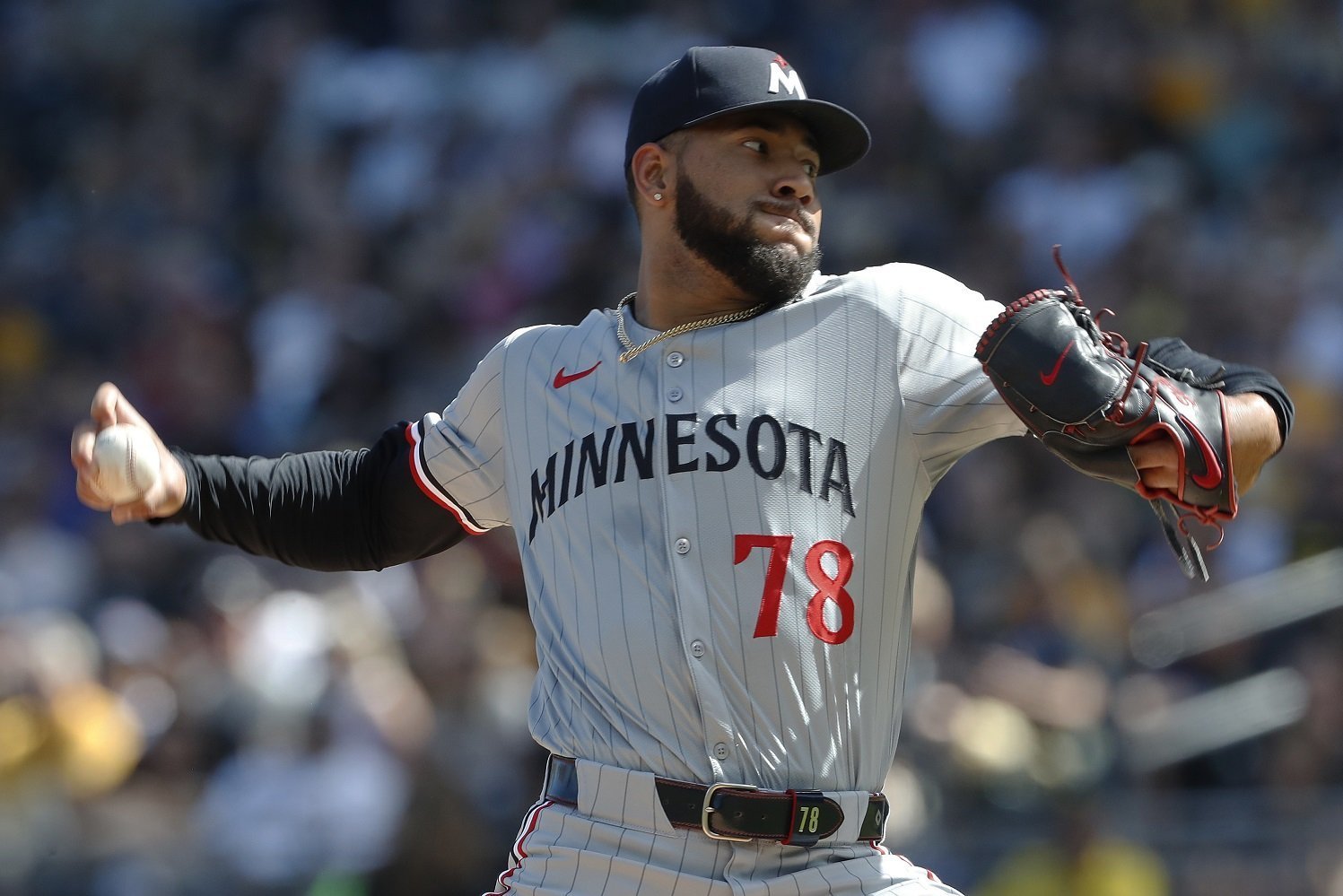 The Minnesota Twins have cultivated a promising group of pitching prospects, each with unique strengths and developmental paths. These young arms could play a pivotal role in the franchise's success going forward. Ranking them involves considering their present abilities and their potential to impact the major-league team in future years. Let's analyze David Festa, Zebby Matthews, Simeon Woods Richardson, and Louie Varland, ranking them based on current performance and potential ceiling. 1. David Festa (Age: 24) 2024 Performance: Festa is perhaps the most intriguing arm among the Twins' prospects due to his raw stuff. He boasts a mid-to-upper 90s fastball with impressive movement, paired with a sharp slider and a dominating changeup. His strikeout numbers in the upper levels of the minors have been impressive, but he still needs to refine his command and secondary pitches to reach his full potential. Over his last four appearances, he has allowed four earned runs in 17 2/3 innings with a 64% strike rate. Festa’s upside is significant, and he has the potential to be a top-of-the-rotation arm if he continues to develop. Out of this group, he has the highest ceiling. 2. Zebby Matthews (Age: 24) 2024 Performance: Matthews is a wild card in this group, especially after his meteoric rise through the Twins system this year. An eighth-round draft pick, he has exceeded expectations, rocketing through all levels of the minors. Matthews has a mid-90s fastball, a solid slider, and a changeup that he uses effectively against left-handers. His pitchability and competitive nature have helped him succeed at each level he’s been at. Many once viewed Matthews as an eventual back-of-the-rotation starter or a long reliever in the majors, but his performance changed that narrative this season. He is a top-100 prospect and has a chance to impact the team during the division race, while his rapid development makes him an intriguing prospect to watch. 3. Simeon Woods Richardson (Age: 23) 2024 Performance: Woods Richardson has been a highly regarded prospect since his days in the Toronto Blue Jays system. After coming to Minnesota in the José Berríos trade, he has continued developing into a solid middle-to-back-of-the-rotation starter. After a promising 2022, Woods Richardson seemingly took a sizable step backward last year, struggling in the majors and minors while failing to generate much velocity. He’s looked like a completely different pitcher this season, providing the Twins with over 100 innings of a 3.78 ERA and a 1.18 WHIP. However, there are still questions about whether or not he can sustain this performance in the long term. For now, he is proving to be a reliable starter in the big leagues. 4. Louie Varland (Age: 26) 2024 Performance: Varland has served in multiple roles with the Twins, showcasing his ability to compete at the highest level. His most significant issues have been his propensity for allowing home runs (2.1 HR/9 over the last two seasons) and his inability to put away batters when he gets to two strikes. Varland has the tools to be a solid mid-rotation starter. While his ceiling may not be as high as some of the other prospects on this list, Varland still has an opportunity to impact the Twins’ rotation this season because of injuries to other players. His long-term role might be in the bullpen, but Minnesota has to be thankful that he can continue to be used as a starter this season. The Twins’ farm system is rich with pitching talent, and while Woods Richardson and Varland started the year closer to the majors, Festa and Matthews rose through the system. Each of these pitchers has the potential to contribute to the Twins' rotation in the coming years. For Twins fans, the future looks bright on the mound. How would you rank these four players? Who has the highest ceiling? Leave a COMMENT and start the discussion.
- 53 comments
-
- 13
-
-

-
- louis varland
- zebby matthews
- (and 2 more)
-
Twins Catcher Ryan Jeffers's Pitch Framing Continues to Slump
Cody Christie posted an article in Twins
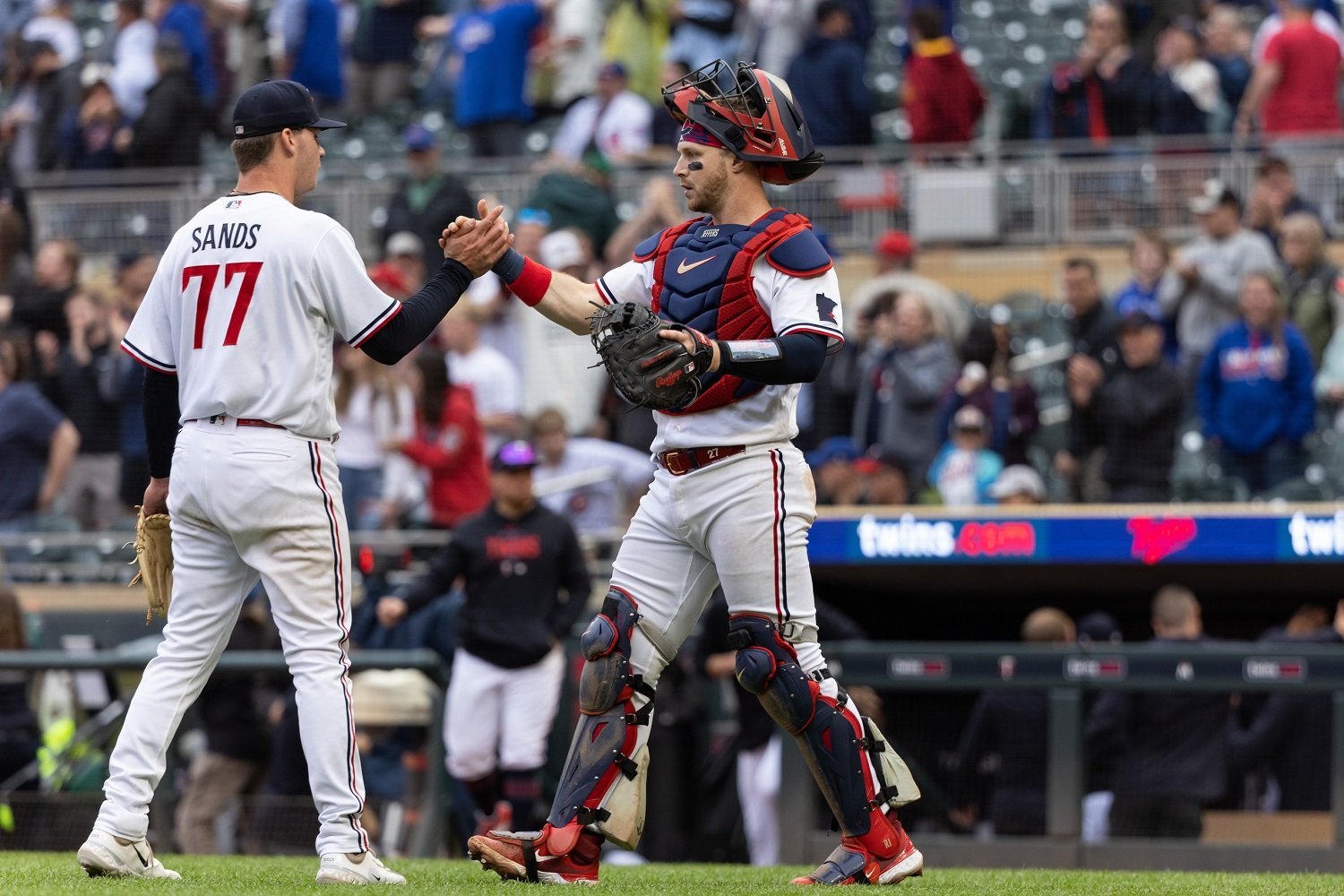 Ryan Jeffers has been a crucial part of the Twins' defense since his debut during the 2020 season. Known for his strong defensive skills, particularly his pitch framing, Jeffers has helped his pitchers get the benefit of the doubt on close calls at the edges of the strike zone. However, a noticeable decline in his pitch-framing ability has emerged in the 2024 season, raising questions about the underlying causes. Pitch framing is a subtle yet vital skill for catchers, making borderline pitches appear as strikes to the umpire. This skill can significantly impact a pitcher's performance and, by extension, the outcome of games. In recent years, catchers have been evaluated heavily on their framing metrics, with top framers often adding significant value to their teams. A Look at Jeffers's Framing Metrics Jeffers has historically been known for his above-average framing skills. During the 2021 season, Baseball Savant ranked him in the 72nd percentile for framing. He continued to perform at that level in 2022 (70th percentile), but the 2023 season is when his numbers nose-dived. In over 500 innings, Jeffers’s framing was worth -3 runs, ranking in the 25th percentile. That poor performance was only the start of his decline. In 2024, his framing metrics took an even steeper downturn. According to Statcast data, Jeffers's strike rate on borderline pitches has decreased, leading to fewer called strikes on pitches that, in previous seasons, he might have successfully framed. He’s been worth -5 runs, ranking in the 10th percentile. Becoming one of baseball’s worst pitch framers is quite the contrast to his early big-league career. Potential Causes of the Decline Changes in Pitching Staff: One factor that could be contributing to Jeffers's decline in framing is the turnover in the Twins' pitching staff. Catchers develop a rhythm and understanding with their pitchers over time, which is crucial for effective framing. New pitchers or changes in pitching styles can disrupt this rhythm, making it more challenging for Jeffers to frame pitches as effectively as before. Increased Focus on Offense: Jeffers has shown improvement at the plate, with his offensive production becoming more consistent. This increased focus on offense may affect his defensive preparation and performance. Catchers who balance both offense and defense often have to make trade-offs, and Jeffers's increased attention to batting may have led to a slight decline in his defensive sharpness, particularly in framing--a detail-oriented, difficult, granular task. Changes in Umpire Strike Zones: The human element of umpiring plays a significant role in pitch framing. If there are changes in how umpires call the strike zone or if Jeffers has been assigned to games with umpires with smaller or more inconsistent zones, this could impact his framing metrics. Umpires’ tendencies can vary widely, and a catcher might see a decline in framing success simply due to a change in the strike zone interpretation. Injury or Fatigue: Catchers endure significant physical strain throughout a season, and any underlying injuries or fatigue can affect their performance behind the plate. Even minor injuries (or the cumulative effect of catching many games) can lead to a decline in reflexes and precision, which are crucial for effective pitch framing. Strategic Changes: Earlier this season, Parker Hageman wrote about why Jeffers is declining regarding pitch framing. His premise at the time was that the Twins had focused on Jeffers providing a target in the middle of the plate. By doing so, he loses out on the opportunity to steal strikes from the edges of the zone. Minnesota’s pitching staff is also throwing more fastballs in the upper half of the zone, whereas previous staffs were throwing near the bottom of the zone, making it easier to steal strikes. He’s trying to help his pitchers get into favorable counts, but it hurts his overall framing metrics. While the decline in pitch framing is a concern, it doesn’t overshadow Jeffers's overall contributions to the team. His leadership behind the plate and his offensive improvements ensure that he remains a valuable asset for the Twins. However, regaining his framing form could elevate his game and give the Twins a competitive edge as they push for postseason success. Should the Twins be concerned with Jeffers’ framing metrics? Leave a comment and start the discussion.
 -
When he first broke into the big leagues, Ryan Jeffers was touted for his pitch-framing skills. Now, he ranks among the game’s worst framers. What happened? Image courtesy of Jordan Johnson-USA TODAY Sports When he first broke into the big leagues, Ryan Jeffers was touted for his pitch-framing skills. Now, he ranks among the game’s worst framers. What happened? Ryan Jeffers has been a crucial part of the Twins' defense since his debut during the 2020 season. Known for his strong defensive skills, particularly his pitch framing, Jeffers has helped his pitchers get the benefit of the doubt on close calls at the edges of the strike zone. However, a noticeable decline in his pitch-framing ability has emerged in the 2024 season, raising questions about the underlying causes. Pitch framing is a subtle yet vital skill for catchers, making borderline pitches appear as strikes to the umpire. This skill can significantly impact a pitcher's performance and, by extension, the outcome of games. In recent years, catchers have been evaluated heavily on their framing metrics, with top framers often adding significant value to their teams. A Look at Jeffers's Framing Metrics Jeffers has historically been known for his above-average framing skills. During the 2021 season, Baseball Savant ranked him in the 72nd percentile for framing. He continued to perform at that level in 2022 (70th percentile), but the 2023 season is when his numbers nose-dived. In over 500 innings, Jeffers’s framing was worth -3 runs, ranking in the 25th percentile. That poor performance was only the start of his decline. In 2024, his framing metrics took an even steeper downturn. According to Statcast data, Jeffers's strike rate on borderline pitches has decreased, leading to fewer called strikes on pitches that, in previous seasons, he might have successfully framed. He’s been worth -5 runs, ranking in the 10th percentile. Becoming one of baseball’s worst pitch framers is quite the contrast to his early big-league career. Potential Causes of the Decline Changes in Pitching Staff: One factor that could be contributing to Jeffers's decline in framing is the turnover in the Twins' pitching staff. Catchers develop a rhythm and understanding with their pitchers over time, which is crucial for effective framing. New pitchers or changes in pitching styles can disrupt this rhythm, making it more challenging for Jeffers to frame pitches as effectively as before. Increased Focus on Offense: Jeffers has shown improvement at the plate, with his offensive production becoming more consistent. This increased focus on offense may affect his defensive preparation and performance. Catchers who balance both offense and defense often have to make trade-offs, and Jeffers's increased attention to batting may have led to a slight decline in his defensive sharpness, particularly in framing--a detail-oriented, difficult, granular task. Changes in Umpire Strike Zones: The human element of umpiring plays a significant role in pitch framing. If there are changes in how umpires call the strike zone or if Jeffers has been assigned to games with umpires with smaller or more inconsistent zones, this could impact his framing metrics. Umpires’ tendencies can vary widely, and a catcher might see a decline in framing success simply due to a change in the strike zone interpretation. Injury or Fatigue: Catchers endure significant physical strain throughout a season, and any underlying injuries or fatigue can affect their performance behind the plate. Even minor injuries (or the cumulative effect of catching many games) can lead to a decline in reflexes and precision, which are crucial for effective pitch framing. Strategic Changes: Earlier this season, Parker Hageman wrote about why Jeffers is declining regarding pitch framing. His premise at the time was that the Twins had focused on Jeffers providing a target in the middle of the plate. By doing so, he loses out on the opportunity to steal strikes from the edges of the zone. Minnesota’s pitching staff is also throwing more fastballs in the upper half of the zone, whereas previous staffs were throwing near the bottom of the zone, making it easier to steal strikes. He’s trying to help his pitchers get into favorable counts, but it hurts his overall framing metrics. While the decline in pitch framing is a concern, it doesn’t overshadow Jeffers's overall contributions to the team. His leadership behind the plate and his offensive improvements ensure that he remains a valuable asset for the Twins. However, regaining his framing form could elevate his game and give the Twins a competitive edge as they push for postseason success. Should the Twins be concerned with Jeffers’ framing metrics? Leave a comment and start the discussion. View full article
-
3 Ways Griffin Jax Elevated His Game to Elite Status in 2024
Cody Christie posted an article in Twins
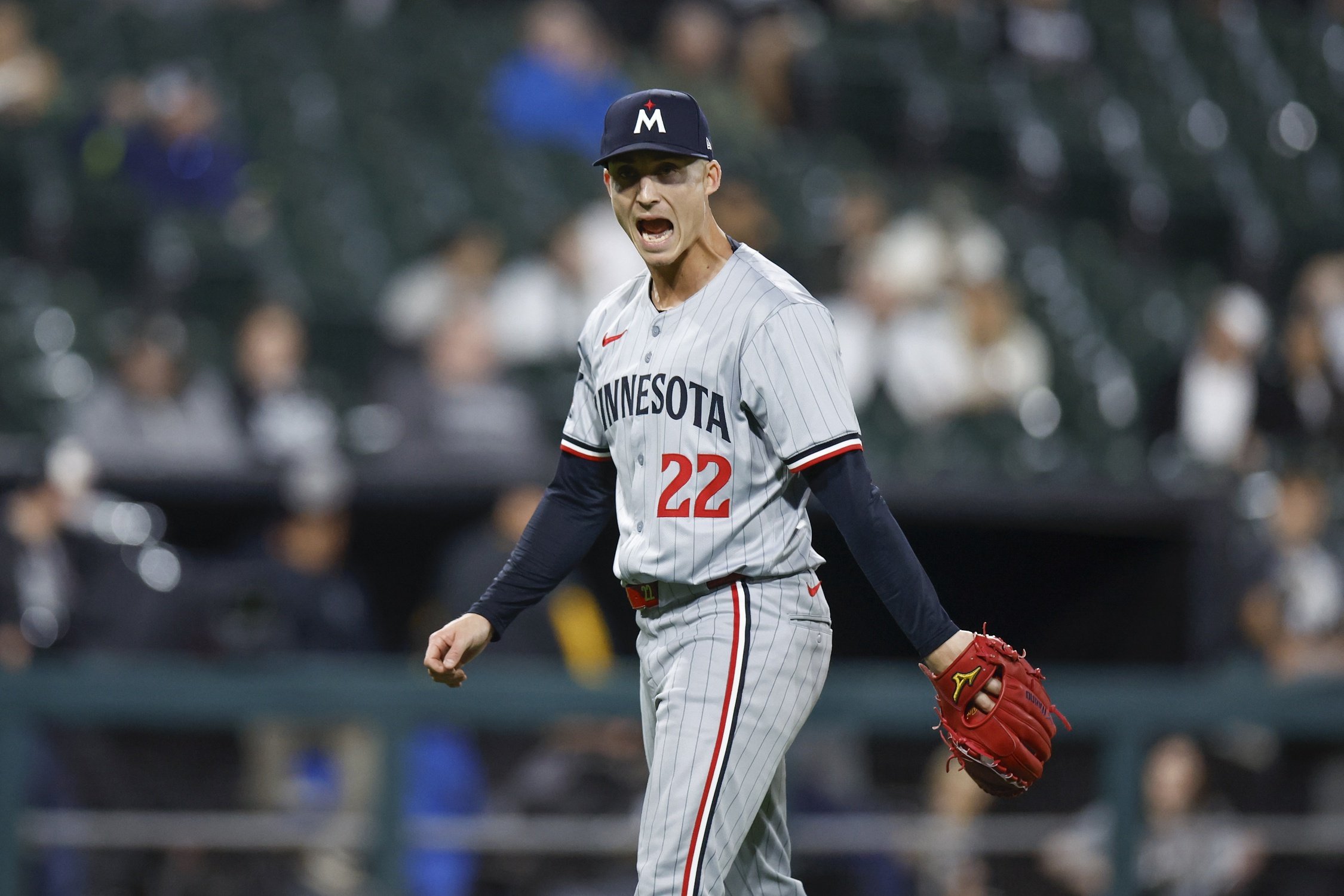 As the 2024 MLB season progresses, Griffin Jax has emerged as one of the most dominant relief pitchers in the game. Jax has always been a reliable arm out of the bullpen, but he has taken his performance to a new level this season. Here’s how he has become an even more elite weapon in 2024. 1. Increased Strikeout Rate One of the most significant improvements in Jax’s game this season is his elevated strikeout rate. A key factor behind this uptick is his refined pitch mix, particularly his lethal combination of a sweeper and fastball. His sweeper produced a 28.6 Whiff% last season, but he’s increased that to 42.2% in 2024. Opponents have been held below a .180 batting average against four of his five pitches. Over the offseason, Jax worked tirelessly on perfecting the tunneling effect of these pitches, making them virtually indistinguishable to hitters until it’s too late. This enhanced deception has left batters guessing, often swinging at pitches they can’t fully commit to. As a result, Jax has seen a noticeable increase in swings and misses, especially in high-leverage situations where strikeouts are at a premium. His 32.8 K% and 11.6 K/9 are both career highs. This ability to overpower hitters has made him a go-to bullpen option for Rocco Baldelli when he is looking to shut down rallies and preserve leads. 2. Improved Command and Control Another area where Jax has made remarkable strides is in his command and control. Historically, walks have been among the few blemishes on his otherwise impressive resume, with a BB% above 7% for his career. However, in 2024, he significantly reduced his walk rate (6.0 BB% and 2.1 BB/9), a testament to his improved command. Jax’s ability to consistently hit his spots has allowed him to challenge hitters confidently, getting ahead in counts and dictating at-bats. This newfound precision has limited free passes and forced hitters to swing at his pitches rather than waiting for mistakes. By keeping hitters off-balance and avoiding unnecessary baserunners, Jax has navigated the most critical moments of games with poise and efficiency. 3. Enhanced Pitch Efficiency In addition to his increased strikeout rate and improved command, Jax has also become more efficient in his pitch usage. This season, he has mastered the ability to induce early contact, often generating weak ground balls and soft pop-ups with fewer pitches. He's had just eight at-bats where he has fallen behind 1-0 in the count, and only one of those plate appearances went to a 2-0 count. When Jax is ahead in the count, he has held batters to a .312 OPS with 43 strikeouts in 83 at-bats. This pitch efficiency has multiple benefits. First, it allows Jax to extend his outings when needed, giving his team more innings of high-quality relief. Second, it enables him to pitch on consecutive days without a significant drop in effectiveness, making him a more versatile and reliable option for his manager. Of his 53 appearances, 29 have come with one or fewer days of rest. Finally, by keeping his pitch count low, Jax has minimized wear and tear on his arm, ensuring he remains fresh throughout the season's long grind. Jax’s evolution into an elite reliever in 2024 results from his relentless work ethic and commitment to refining his craft. By increasing his strikeout rate, improving his command, and becoming more pitch-efficient, Jax has solidified his role as one of the premier arms in the bullpen. As the season continues, expect him to play a crucial role in his team’s success, shutting down opposing offenses and proving that he belongs among the game’s best. What stands out most about Jax’s performance in 2024, for you? Leave a comment and start the discussion.
 -
Minnesota’s bullpen has seen mixed results from many of the team’s bullpen arms. However, one arm has consistently performed at an elite level. Here’s how he did it. Image courtesy of Kamil Krzaczynski-USA TODAY Sports Minnesota’s bullpen has seen mixed results from many of the team’s bullpen arms. However, one arm has consistently performed at an elite level. Here’s how he did it. As the 2024 MLB season progresses, Griffin Jax has emerged as one of the most dominant relief pitchers in the game. Jax has always been a reliable arm out of the bullpen, but he has taken his performance to a new level this season. Here’s how he has become an even more elite weapon in 2024. 1. Increased Strikeout Rate One of the most significant improvements in Jax’s game this season is his elevated strikeout rate. A key factor behind this uptick is his refined pitch mix, particularly his lethal combination of a sweeper and fastball. His sweeper produced a 28.6 Whiff% last season, but he’s increased that to 42.2% in 2024. Opponents have been held below a .180 batting average against four of his five pitches. Over the offseason, Jax worked tirelessly on perfecting the tunneling effect of these pitches, making them virtually indistinguishable to hitters until it’s too late. This enhanced deception has left batters guessing, often swinging at pitches they can’t fully commit to. As a result, Jax has seen a noticeable increase in swings and misses, especially in high-leverage situations where strikeouts are at a premium. His 32.8 K% and 11.6 K/9 are both career highs. This ability to overpower hitters has made him a go-to bullpen option for Rocco Baldelli when he is looking to shut down rallies and preserve leads. 2. Improved Command and Control Another area where Jax has made remarkable strides is in his command and control. Historically, walks have been among the few blemishes on his otherwise impressive resume, with a BB% above 7% for his career. However, in 2024, he significantly reduced his walk rate (6.0 BB% and 2.1 BB/9), a testament to his improved command. Jax’s ability to consistently hit his spots has allowed him to challenge hitters confidently, getting ahead in counts and dictating at-bats. This newfound precision has limited free passes and forced hitters to swing at his pitches rather than waiting for mistakes. By keeping hitters off-balance and avoiding unnecessary baserunners, Jax has navigated the most critical moments of games with poise and efficiency. 3. Enhanced Pitch Efficiency In addition to his increased strikeout rate and improved command, Jax has also become more efficient in his pitch usage. This season, he has mastered the ability to induce early contact, often generating weak ground balls and soft pop-ups with fewer pitches. He's had just eight at-bats where he has fallen behind 1-0 in the count, and only one of those plate appearances went to a 2-0 count. When Jax is ahead in the count, he has held batters to a .312 OPS with 43 strikeouts in 83 at-bats. This pitch efficiency has multiple benefits. First, it allows Jax to extend his outings when needed, giving his team more innings of high-quality relief. Second, it enables him to pitch on consecutive days without a significant drop in effectiveness, making him a more versatile and reliable option for his manager. Of his 53 appearances, 29 have come with one or fewer days of rest. Finally, by keeping his pitch count low, Jax has minimized wear and tear on his arm, ensuring he remains fresh throughout the season's long grind. Jax’s evolution into an elite reliever in 2024 results from his relentless work ethic and commitment to refining his craft. By increasing his strikeout rate, improving his command, and becoming more pitch-efficient, Jax has solidified his role as one of the premier arms in the bullpen. As the season continues, expect him to play a crucial role in his team’s success, shutting down opposing offenses and proving that he belongs among the game’s best. What stands out most about Jax’s performance in 2024, for you? Leave a comment and start the discussion. View full article
-
When I wrote the article, Dobnak was already on the roster so that's why I didn't include him in the article. To your second point, there are always ways to find spots on the 40-man roster if they need to add another player.
-
Though well-positioned at the moment, the Twins are teetering on the brink of disaster, with many of the organization’s big-league-caliber arms already on the roster. So, what’s left in the minor leagues, should the team need more pitching depth? Image courtesy of Ed Bailey, Wichita Wind Surge Though well-positioned at the moment, the Twins are teetering on the brink of disaster, with many of the organization’s big-league-caliber arms already on the roster. So, what’s left in the minor leagues, should the team need more pitching depth? The Twins opted not to trade for starting pitching at the 2024 trade deadline, a decision influenced by several factors. The front office believed in the strength and depth of in-house options. Additionally, the trade market was highly competitive, with steep prices for top-tier pitchers, making it challenging to find a deal that aligned with the Twins' long-term goals without sacrificing significant prospects. Consequently, the team chose to rely on its existing stockpile of arms, banking on their talent and the potential for improvements from within the organization to carry them through the season's second half. Minnesota has already been forced to add many young starters to the big-league roster, including Simeon Woods Richardson, David Festa, Zebby Matthews, and Louie Varland. So, what’s left in the minor leagues, if the team is forced to dig deeper down their organizational depth chart by yet another injury? Andrew Morris, RHP Current Level: Triple-A Morris is an intriguing right-handed pitching prospect, known for his competitive edge and advanced pitch mix. A product of Texas Tech, Morris has a fastball that consistently sits in the mid-90s, paired with a solid slider and a developing changeup. His ability to attack hitters with a diverse arsenal has allowed him to post strong strikeout numbers in the minors. Though still refining his command, Morris's performance has forced the Twins to promote him from High-A to Triple-A this season, following closely in the wake of Matthews. His aggressive approach on the mound and ability to generate swings and misses make him a potential asset for the big-league squad as they seek to bolster their pitching depth. Caleb Boushley, RHP Current Level: Triple-A Other names on this list are more exciting than Boushley. Still, his veteran status might be something the Twins are forced to rely on in the coming weeks. A right-handed pitcher with experience as both a starter and reliever in the minors, Boushley provides valuable flexibility. His ability to pitch multiple innings could be crucial in long relief roles, especially when the bullpen is taxed due to short outings by starters or extra-inning games. Additionally, Boushley’s consistent performance and ability to limit walks make him a potential option for spot starts or to fill in for injured pitchers. Brent Headrick, LHP Current Level: Triple-A Headrick is a left-handed pitcher who has been on the injured list since the season's first month. He has started working his way back by pitching in the instructional league, making him a potential second-half option. He was expected to impact the Twins’ roster this season, but his forearm issues have hindered his ability to return to action. His solid strikeout rates and low walk totals at the minor-league level suggest a readiness to contribute at the big-league level, potentially as a versatile arm in the bullpen or as a spot starter. Headrick's poise on the mound and ability to adapt could give the Twins a valuable depth option as they navigate the demands of a long season, if he proves to be asyptomatic as he rehabs. Marco Raya, RHP Current Level: Double-A Raya has been one of the organization’s top pitching prospects in recent years, known for his electric arm and advanced pitchability at a young age. His ability to generate high spin rates on his pitches adds to his potential, making him a strikeout threat (26.1 K% in 2024). Raya's poise and maturity on the mound are impressive for his age, and he has shown the ability to handle more advanced hitters as he progresses through the system. The Twins have been careful with his usage, limiting his innings and pitch counts. While he is still refining his command and building durability, his upside is significant. Cory Lewis, RHP Current Level: Double-A Last season, Twins Daily named Lewis the organization’s Minor League Starting Pitcher of the Year. He posted a 2.49 ERA with a 1.06 WHIP and 10.5 K/9 in over 100 innings between Low- and High-A. Lewis was sidelined to start the 2024 campaign due to a shoulder injury, but he has made nine appearances at Double-A since coming off the IL. What makes Lewis particularly intriguing is his feel for pitching and his ability to mix pitches effectively. With his polished approach and advanced understanding of how to attack hitters, Lewis has the potential to move quickly through the system and could eventually develop into a reliable middle-of-the-rotation starter for the Twins. Will the Twins need to rely on any of these arms before the season ends? Who is the next player to get the call? Which pitcher has the highest upside? Leave a COMMENT and start the discussion. View full article
-
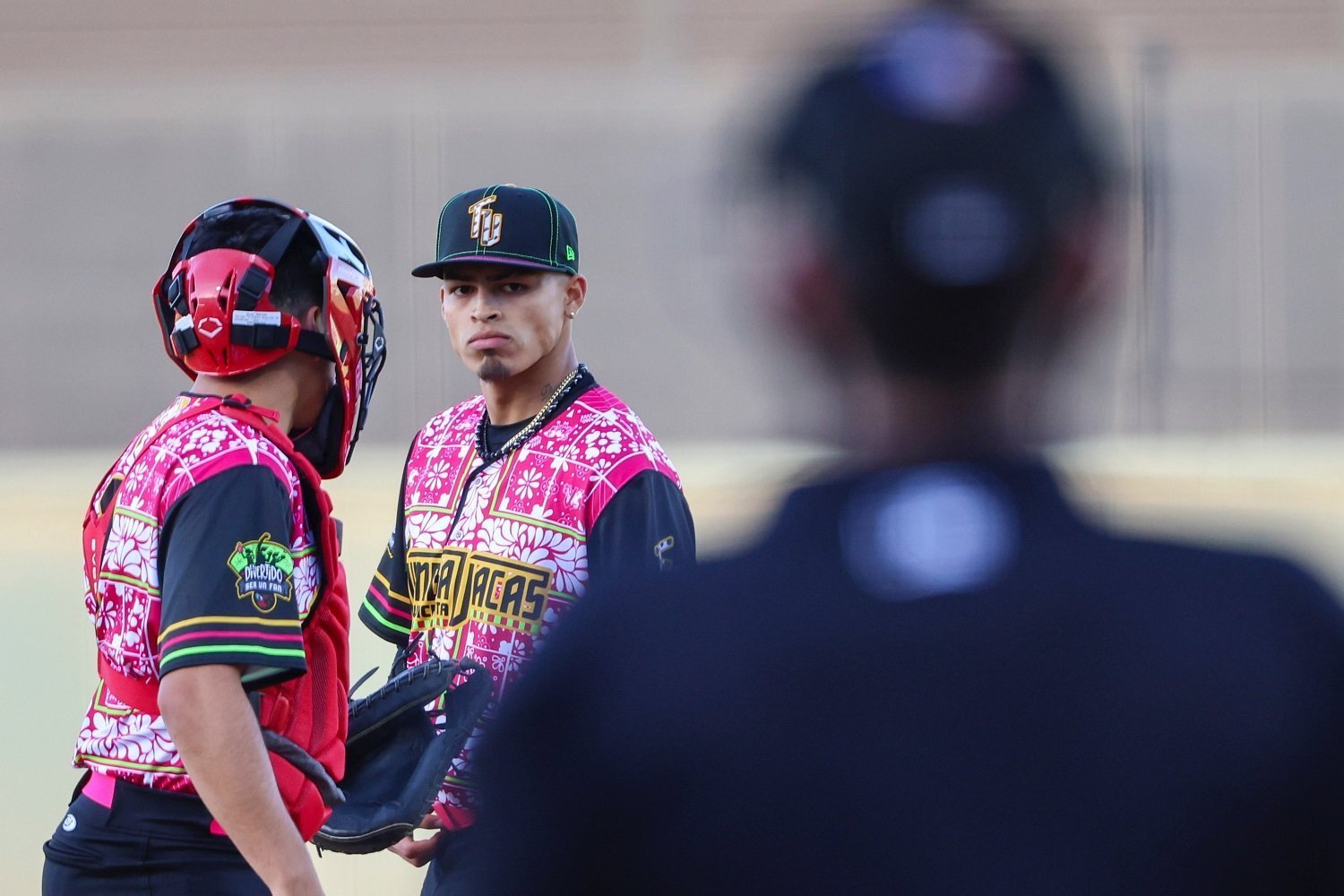 The Twins opted not to trade for starting pitching at the 2024 trade deadline, a decision influenced by several factors. The front office believed in the strength and depth of in-house options. Additionally, the trade market was highly competitive, with steep prices for top-tier pitchers, making it challenging to find a deal that aligned with the Twins' long-term goals without sacrificing significant prospects. Consequently, the team chose to rely on its existing stockpile of arms, banking on their talent and the potential for improvements from within the organization to carry them through the season's second half. Minnesota has already been forced to add many young starters to the big-league roster, including Simeon Woods Richardson, David Festa, Zebby Matthews, and Louie Varland. So, what’s left in the minor leagues, if the team is forced to dig deeper down their organizational depth chart by yet another injury? Andrew Morris, RHP Current Level: Triple-A Morris is an intriguing right-handed pitching prospect, known for his competitive edge and advanced pitch mix. A product of Texas Tech, Morris has a fastball that consistently sits in the mid-90s, paired with a solid slider and a developing changeup. His ability to attack hitters with a diverse arsenal has allowed him to post strong strikeout numbers in the minors. Though still refining his command, Morris's performance has forced the Twins to promote him from High-A to Triple-A this season, following closely in the wake of Matthews. His aggressive approach on the mound and ability to generate swings and misses make him a potential asset for the big-league squad as they seek to bolster their pitching depth. Caleb Boushley, RHP Current Level: Triple-A Other names on this list are more exciting than Boushley. Still, his veteran status might be something the Twins are forced to rely on in the coming weeks. A right-handed pitcher with experience as both a starter and reliever in the minors, Boushley provides valuable flexibility. His ability to pitch multiple innings could be crucial in long relief roles, especially when the bullpen is taxed due to short outings by starters or extra-inning games. Additionally, Boushley’s consistent performance and ability to limit walks make him a potential option for spot starts or to fill in for injured pitchers. Brent Headrick, LHP Current Level: Triple-A Headrick is a left-handed pitcher who has been on the injured list since the season's first month. He has started working his way back by pitching in the instructional league, making him a potential second-half option. He was expected to impact the Twins’ roster this season, but his forearm issues have hindered his ability to return to action. His solid strikeout rates and low walk totals at the minor-league level suggest a readiness to contribute at the big-league level, potentially as a versatile arm in the bullpen or as a spot starter. Headrick's poise on the mound and ability to adapt could give the Twins a valuable depth option as they navigate the demands of a long season, if he proves to be asyptomatic as he rehabs. Marco Raya, RHP Current Level: Double-A Raya has been one of the organization’s top pitching prospects in recent years, known for his electric arm and advanced pitchability at a young age. His ability to generate high spin rates on his pitches adds to his potential, making him a strikeout threat (26.1 K% in 2024). Raya's poise and maturity on the mound are impressive for his age, and he has shown the ability to handle more advanced hitters as he progresses through the system. The Twins have been careful with his usage, limiting his innings and pitch counts. While he is still refining his command and building durability, his upside is significant. Cory Lewis, RHP Current Level: Double-A Last season, Twins Daily named Lewis the organization’s Minor League Starting Pitcher of the Year. He posted a 2.49 ERA with a 1.06 WHIP and 10.5 K/9 in over 100 innings between Low- and High-A. Lewis was sidelined to start the 2024 campaign due to a shoulder injury, but he has made nine appearances at Double-A since coming off the IL. What makes Lewis particularly intriguing is his feel for pitching and his ability to mix pitches effectively. With his polished approach and advanced understanding of how to attack hitters, Lewis has the potential to move quickly through the system and could eventually develop into a reliable middle-of-the-rotation starter for the Twins. Will the Twins need to rely on any of these arms before the season ends? Who is the next player to get the call? Which pitcher has the highest upside? Leave a COMMENT and start the discussion.
- 31 comments
-
- 3
-
-
- andrew morris
- caleb boushley
- (and 3 more)
-
Four young pitchers for the Twins are being thrust into more prominent roles due to injuries. How would these prospects rank if they were all still eligible for top prospect lists? Image courtesy of Charles LeClaire-USA TODAY Sports Four young pitchers for the Twins are being thrust into more prominent roles due to injuries. How would these prospects rank if they were all still eligible for top prospect lists? The Minnesota Twins have cultivated a promising group of pitching prospects, each with unique strengths and developmental paths. These young arms could play a pivotal role in the franchise's success going forward. Ranking them involves considering their present abilities and their potential to impact the major-league team in future years. Let's analyze David Festa, Zebby Matthews, Simeon Woods Richardson, and Louie Varland, ranking them based on current performance and potential ceiling. 1. David Festa (Age: 24) 2024 Performance: Festa is perhaps the most intriguing arm among the Twins' prospects due to his raw stuff. He boasts a mid-to-upper 90s fastball with impressive movement, paired with a sharp slider and a dominating changeup. His strikeout numbers in the upper levels of the minors have been impressive, but he still needs to refine his command and secondary pitches to reach his full potential. Over his last four appearances, he has allowed four earned runs in 17 2/3 innings with a 64% strike rate. Festa’s upside is significant, and he has the potential to be a top-of-the-rotation arm if he continues to develop. Out of this group, he has the highest ceiling. 2. Zebby Matthews (Age: 24) 2024 Performance: Matthews is a wild card in this group, especially after his meteoric rise through the Twins system this year. An eighth-round draft pick, he has exceeded expectations, rocketing through all levels of the minors. Matthews has a mid-90s fastball, a solid slider, and a changeup that he uses effectively against left-handers. His pitchability and competitive nature have helped him succeed at each level he’s been at. Many once viewed Matthews as an eventual back-of-the-rotation starter or a long reliever in the majors, but his performance changed that narrative this season. He is a top-100 prospect and has a chance to impact the team during the division race, while his rapid development makes him an intriguing prospect to watch. 3. Simeon Woods Richardson (Age: 23) 2024 Performance: Woods Richardson has been a highly regarded prospect since his days in the Toronto Blue Jays system. After coming to Minnesota in the José Berríos trade, he has continued developing into a solid middle-to-back-of-the-rotation starter. After a promising 2022, Woods Richardson seemingly took a sizable step backward last year, struggling in the majors and minors while failing to generate much velocity. He’s looked like a completely different pitcher this season, providing the Twins with over 100 innings of a 3.78 ERA and a 1.18 WHIP. However, there are still questions about whether or not he can sustain this performance in the long term. For now, he is proving to be a reliable starter in the big leagues. 4. Louie Varland (Age: 26) 2024 Performance: Varland has served in multiple roles with the Twins, showcasing his ability to compete at the highest level. His most significant issues have been his propensity for allowing home runs (2.1 HR/9 over the last two seasons) and his inability to put away batters when he gets to two strikes. Varland has the tools to be a solid mid-rotation starter. While his ceiling may not be as high as some of the other prospects on this list, Varland still has an opportunity to impact the Twins’ rotation this season because of injuries to other players. His long-term role might be in the bullpen, but Minnesota has to be thankful that he can continue to be used as a starter this season. The Twins’ farm system is rich with pitching talent, and while Woods Richardson and Varland started the year closer to the majors, Festa and Matthews rose through the system. Each of these pitchers has the potential to contribute to the Twins' rotation in the coming years. For Twins fans, the future looks bright on the mound. How would you rank these four players? Who has the highest ceiling? Leave a COMMENT and start the discussion. View full article
-
Minnesota Twins Prospect Retrospective: Zebby Matthews
Cody Christie posted an article in Minor Leagues
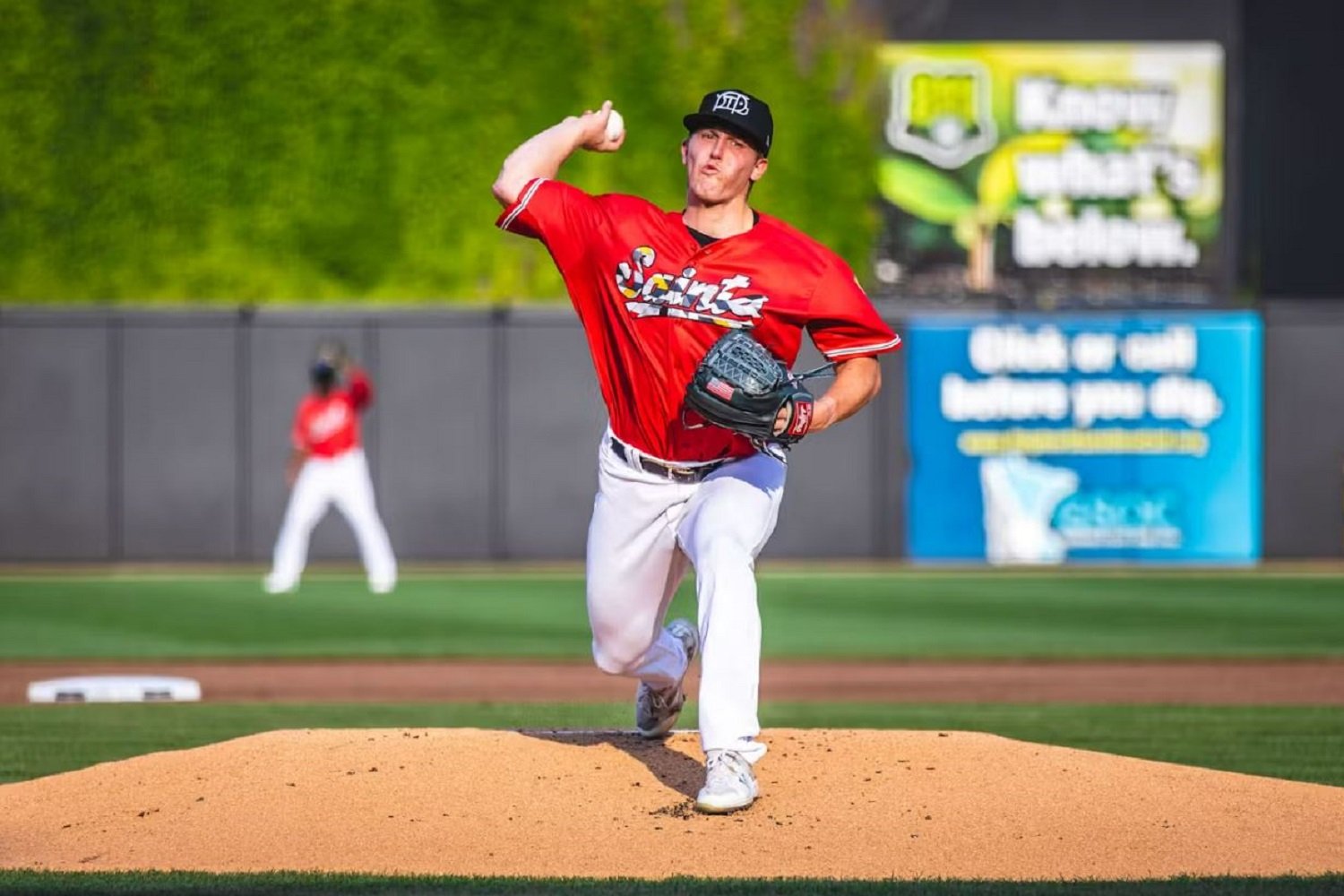 The Minnesota Twins have always prided themselves on developing homegrown talent, and their latest pitching gem, Zebby Matthews, is no exception. The young right-handed pitcher has been making waves throughout the organization, and his recent call-up to the big-league roster is a testament to his hard work, perseverance, and exceptional talent. Draft and Professional Debut When the Twins selected Matthews in the eighth round of the 2022 MLB Draft, he was relatively unknown to many baseball fans. A product of Western Carolina University, Matthews didn't have the same level of exposure as some of his peers from larger schools. However, what he lacked in fame, he more than made up for with his skill set and potential for development based in openness to change. From the moment Matthews stepped onto the field in the minor leagues, it was clear that the Twins had found a diamond in the rough. Minnesota had him get his feet wet after signing with the club in 2022, making two appearances with the organization’s affiliates in Fort Myers (FCL Twins, Fort Myers Mighty Mussels). Matthews made it through those appearances without allowing a run, and the Twins were already working on his mechanics to improve his velocity and pitch mix. Climbing the Organizational Ladder Matthews's journey through the minor leagues has been nothing short of meteoric. In Fort Myers, he posted a 2.56 ERA, with a 35.3 K% and a 3.3 BB%. Minnesota promoted him to Cedar Rapids after eight starts, and he faced older competition for the first time in his career. Matthews had one terrible start with the Kernels (8 ER in two-thirds of an inning), but settled in nicely with a 3.75 ERA and a .680 opponents OPS in his final 12 starts. In his first full season with the Twins organization, he posted impressive numbers across two levels, showcasing his ability to adapt and thrive against increasingly difficult competition. The Twins had Matthews begin the 2024 season at High-A, where he finished last season. In four starts, he dominated, with a 33.3 K% and no walks allowed. His performance in Double-A was particularly eye-catching. Facing some of the best young hitters in the game, Matthews maintained an ERA under 2.00 and consistently racked up strikeouts (30.1 K%) while limiting walks (2.9 BB%). His ability to command the strike zone and keep hitters off-balance with his off-speed pitches was critical to his success. By the time Matthews reached Triple-A, there was little doubt he was on the cusp of something special. Despite the higher level of competition, he continued to overwhelm hitters, with a 28.4 K%. He only made four starts for the Saints after being promoted near the middle of July. It was clear from that point that Minnesota was letting him get a taste of the organization’s highest minor-league level before getting his big-league call-up. Pitching Arsenal and Future His fastball sits comfortably in the mid-90s, but he can occasionally amp it up to the high 90s. Matthews relies on an upper-80s slider to generate swings and misses (43.9 Whiff%). Additionally, his cutter is an average pitch that sits in the low 90s. He mixes in a curveball and a changeup to keep batters guessing. His poise on the mound and his ability to mix pitches effectively made him a standout prospect in a farm system that has been forced to rely on multiple rookie pitchers this season. As the Twins gear up for a playoff push, the addition of Matthews to the pitching staff could be a game-changer. His presence gives the team another weapon in what has already been a strong rotation filled with young starters. Fans of the Twins have every reason to be excited about Matthews. He represents the next wave of young talent that will help define the franchise's future, and if his minor-league success is any indication, the future is bright, indeed. What stands out about his minor-league résumé? What are Matthews's realistic expectations as he gets his first taste of the majors? Leave a comment and start the discussion.
 -
Rare are the seasons in which a pitcher climbs stepwise all the way from the Midwest League to the American League. How did Zebby Matthews become one of baseball's fastest-rising pitching prospects? Image courtesy of Rob Thompson, St. Paul Saints Rare are the seasons in which a pitcher climbs stepwise all the way from the Midwest League to the American League. How did Zebby Matthews become one of baseball's fastest-rising pitching prospects? The Minnesota Twins have always prided themselves on developing homegrown talent, and their latest pitching gem, Zebby Matthews, is no exception. The young right-handed pitcher has been making waves throughout the organization, and his recent call-up to the big-league roster is a testament to his hard work, perseverance, and exceptional talent. Draft and Professional Debut When the Twins selected Matthews in the eighth round of the 2022 MLB Draft, he was relatively unknown to many baseball fans. A product of Western Carolina University, Matthews didn't have the same level of exposure as some of his peers from larger schools. However, what he lacked in fame, he more than made up for with his skill set and potential for development based in openness to change. From the moment Matthews stepped onto the field in the minor leagues, it was clear that the Twins had found a diamond in the rough. Minnesota had him get his feet wet after signing with the club in 2022, making two appearances with the organization’s affiliates in Fort Myers (FCL Twins, Fort Myers Mighty Mussels). Matthews made it through those appearances without allowing a run, and the Twins were already working on his mechanics to improve his velocity and pitch mix. Climbing the Organizational Ladder Matthews's journey through the minor leagues has been nothing short of meteoric. In Fort Myers, he posted a 2.56 ERA, with a 35.3 K% and a 3.3 BB%. Minnesota promoted him to Cedar Rapids after eight starts, and he faced older competition for the first time in his career. Matthews had one terrible start with the Kernels (8 ER in two-thirds of an inning), but settled in nicely with a 3.75 ERA and a .680 opponents OPS in his final 12 starts. In his first full season with the Twins organization, he posted impressive numbers across two levels, showcasing his ability to adapt and thrive against increasingly difficult competition. The Twins had Matthews begin the 2024 season at High-A, where he finished last season. In four starts, he dominated, with a 33.3 K% and no walks allowed. His performance in Double-A was particularly eye-catching. Facing some of the best young hitters in the game, Matthews maintained an ERA under 2.00 and consistently racked up strikeouts (30.1 K%) while limiting walks (2.9 BB%). His ability to command the strike zone and keep hitters off-balance with his off-speed pitches was critical to his success. By the time Matthews reached Triple-A, there was little doubt he was on the cusp of something special. Despite the higher level of competition, he continued to overwhelm hitters, with a 28.4 K%. He only made four starts for the Saints after being promoted near the middle of July. It was clear from that point that Minnesota was letting him get a taste of the organization’s highest minor-league level before getting his big-league call-up. Pitching Arsenal and Future His fastball sits comfortably in the mid-90s, but he can occasionally amp it up to the high 90s. Matthews relies on an upper-80s slider to generate swings and misses (43.9 Whiff%). Additionally, his cutter is an average pitch that sits in the low 90s. He mixes in a curveball and a changeup to keep batters guessing. His poise on the mound and his ability to mix pitches effectively made him a standout prospect in a farm system that has been forced to rely on multiple rookie pitchers this season. As the Twins gear up for a playoff push, the addition of Matthews to the pitching staff could be a game-changer. His presence gives the team another weapon in what has already been a strong rotation filled with young starters. Fans of the Twins have every reason to be excited about Matthews. He represents the next wave of young talent that will help define the franchise's future, and if his minor-league success is any indication, the future is bright, indeed. What stands out about his minor-league résumé? What are Matthews's realistic expectations as he gets his first taste of the majors? Leave a comment and start the discussion. View full article
-
If the Twins bullpen's elder statesman were securely in his manager's trust tree, it would have been him on whom the team called instead of Steven Okert Tuesday night. Should it have been? Image courtesy of Kiyoshi Mio-USA TODAY Sports If the Twins bullpen's elder statesman were securely in his manager's trust tree, it would have been him on whom the team called instead of Steven Okert Tuesday night. Should it have been? As the MLB trade deadline passed on Jul. 30, the Minnesota Twins made headlines for their inactivity. The front office essentially stood pat, despite the apparent need to bolster their bullpen, particularly with a lefthander. Many fans wondered how the team would address its late-game pitching challenges as the season progressed. However, one player’s performance was trending in the right direction. That player is Caleb Thielbar. A Season of Ups and Downs Thielbar struggled through much of the 2024 campaign before recently showing some signs of improvement. After dealing with an early-season hamstring injury, Thielbar attempted to rediscover the pitching arsenal that previously made him one of the team’s best left-handed relievers. Thielbar, now 37, isn’t new to the big leagues. His career began with the Twins in 2013 and has been a tale of perseverance and adaptation. After a few years bouncing between the majors and minors and even spending time in independent baseball, Thielbar rejoined the Twins in 2020, where he found moderate success. Over the next few seasons, he developed into a reliable power arm at the back of the bullpen. But 2024 has been a different story. Thielbar's significant issues this season are tied to his command. His walk rate jumped from a 5.0 BB% last season to 9.5 BB% in 2024. His strikeout rate has dropped by nearly 5%, as batters can lay off some of his offerings and get ahead in the count. Opponents are barreling up the ball against him at the highest rate of his career. The curveball, which has always been Thielbar’s go-to pitch, has seen an uptick in effectiveness this year. Opponents are hitting just .120 against the pitch, and it has become a trusted weapon for getting out of tough jams. Batters have registered a 45.3 Whiff% versus his curveball, a solid jump from last season. His fastball has caused the most issues. In 2023, he held batters to a .197 BA against his four-seamer, which has jumped above .300 during the current campaign. Thielbar has implemented some strategic changes to make his fastball more effective. Our John Foley did a great job breaking down some of those adjustments earlier this week, for TD Caretakers. Compared to last year, he's dropped the usage of his four-seamer by 10 percentage points (52% to 42%), while going to his sweeper and curveball far more frequently. Over the past couple months, he's also using fastballs more regularly on his arm side and up in the zone. This location helps his curveball to be more effective, because batters see the pitches coming in on a similar plane and have a more difficult time adjusting to the offspeed offering. Since that adjustment, he has a 3.34 FIP with a .203 batting average allowed. Filling the Void When the trade deadline passed without the Twins acquiring any bullpen help, it was clear that the front office had confidence in their existing roster--particularly in Thielbar. While it was a gamble, given his inconsistency earlier in the season, Thielbar has shown the ability to make in-season adjustments. He must take on a more prominent role, providing the stability and reliability the Twins desperately needed from the left side. Tuesday night, though, Rocco Baldelli looked right past Thielbar's name on his list of available relievers, electing to use Steven Okert for a pocket of the Padres lineup he hoped would be favorable for a southpaw. Thielbar had pitched Monday night, but threw just nine pitches, and he'd been off the previous two days. If he ranked above Okert on the manager's mental depth chart for the bullpen, he would have been the natural choice to start the sadly fateful eighth inning. It might not be that simple, though. Thielbar has made only three appearances on zero days' rest this season, and none since Jun. 12. It seems as though the coaching staff and front office feel uneasy using the aging lefty on back-to-back days, at least enough to erase whatever difference they see in expected performance between him and Okert. For now, that's a limiting factor in the team's bullpen usage, but maybe as the games get increasingly important, they should revisit it. Has Thielbar convinced the team that he can be a reliable left-handed option in late-inning situations? Leave a comment and start the discussion. View full article
-
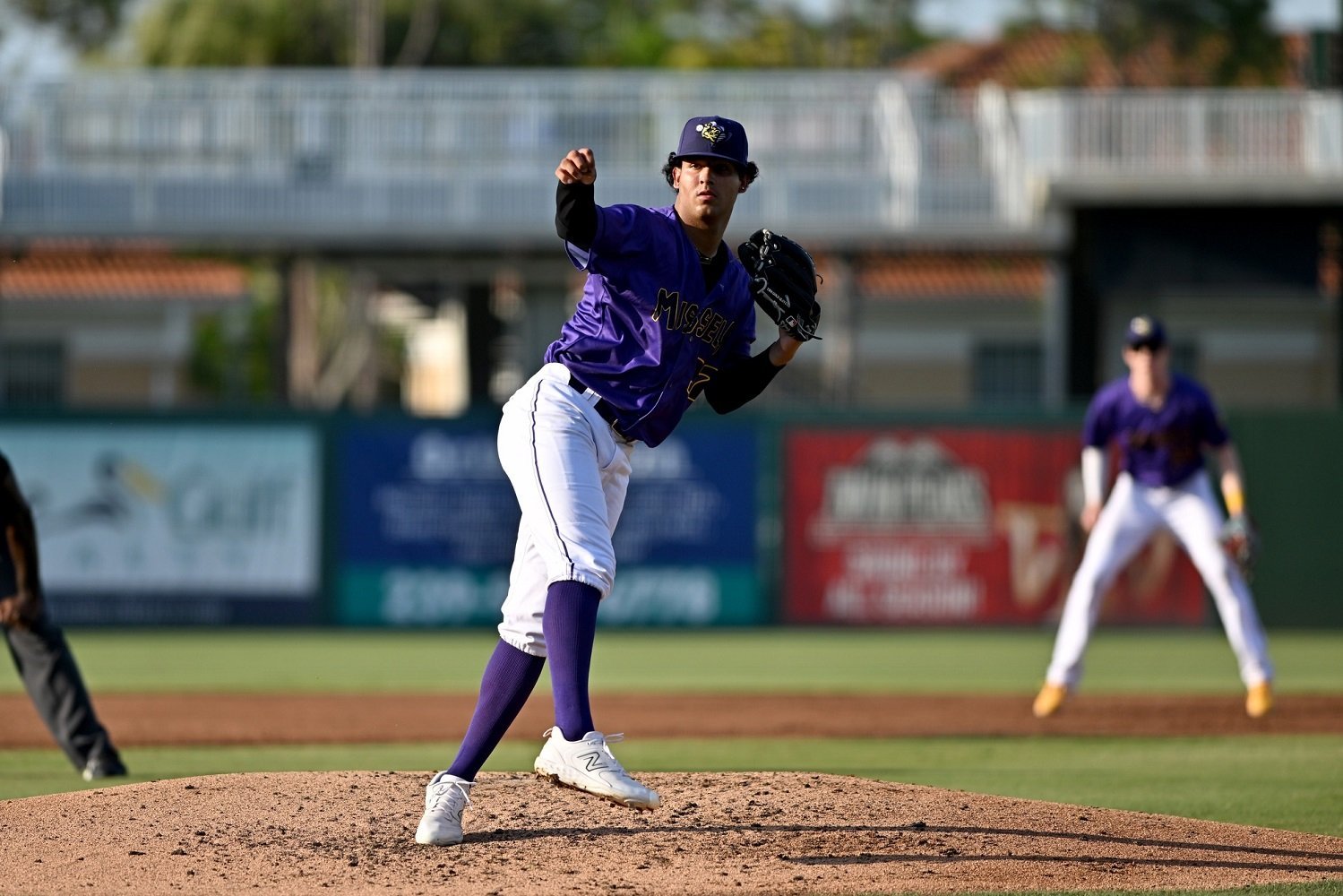 Minnesota’s front office has been criticized for their lack of moves at the trade deadline. However, hanging onto top prospects can pay dividends for an organization’s future. The Twins are attempting to keep their winning window open for as long as possible, and trading away key prospects for rental players is a strategy that rarely results in long-term winning. Only one team can hoist the World Series trophy at the season’s end, and every team has a chance to win in October. The Twins have one of baseball’s best farm systems, especially after retaining the team’s top prospects at the deadline. Many of their highest-ranked names are already considered top-100 prospects (or are borderline), including Walker Jenkins, Emmanuel Rodriguez, Luke Keaschall, and Zebby Matthews. Both players below—marked by their distinctive strengths and undeniable potential—represent a potential cornerstone for the Twins. As they inch closer to the major leagues, the excitement around their development grows, making it clear that their names will soon grace the top of the prospect charts. Charlee Soto, RHP Current TD Prospect Rank: 8 The Twins drafted Soto with the 34th overall pick in the 2023 MLB Draft out of a high school in Florida. Minnesota’s current front office has tended to shy away from high-school pitchers in the high-priced ranges of the Draft, because of the volatility of this player type. The team showed confidence in Soto by pushing him in 2024. He didn’t make his professional debut until this season, and the Twins sent him to the Florida State League, where he is over four years younger than the average age of the competition. Soto started the year slowly as he adjusted to pro ball, with a 7.31 ERA, and opponents compiled a .934 OPS against him in ten starts. He’s settled in nicely over his last six appearances, though, with a 3.07 ERA, .532 OPS allowed, and 32 strikeouts in 29 1/3 innings. Soto is doing a better job at throwing strikes regularly (71.1 K% in his last four starts), allowing him to avoid some of the big innings that haunted him early in the season. His five-pitch mix and high velocity make him one of baseball’s most intriguing pitching prospects. Andrew Morris, RHP Current TD Prospect Rank: 11 Minnesota took Morris with their fourth-round pick in 2022, from Texas Tech University. He was the second college pitcher the Twins took in that draft (after Connor Prielipp), and moved swiftly through the organization. Last season, he combined for 84 1/3 innings at Low- and High-A with a 2.88 ERA, a 1.25 WHIP, and 8.4 strikeouts per nine innings. Minnesota sent him back to the Midwest League to start the 2024 season, and he posted video-game numbers in seven starts, allowing nine runs in 37 2/3 innings and improving his strikeout rate to 10.3 per nine frames. He’s continued to pitch well at Double-A, with a 1.90 ERA, a 1.02 WHIP, and 9.2 K/9 in 61 2/3 innings. Nearly two-thirds of his at-bats have come against older batters, whom he has held to a .487 OPS. His fastball comes from a unique angle, making it challenging for batters to pick up out of his hand. He can regularly hit in the mid-to-high 90s with his fastball, which has good movement. His slider is a strikeout weapon, and his curveball and changeup can also be used to keep batters off-balance. He has shown an ability to throw strikes, and his strikeout totals have increased this season. Morris has a chance to be next season’s David Festa. Morris and Soto are at different places in their prospect journeys. Morris will likely pitch at Double- and Triple-A next season, before making his big-league debut. Soto has multiple levels left at which to find success before reaching Target Field. Both players showcase how the Twins drafting and development process can lead to long-term success. Which Twins farm hands have a chance to be top-100 prospects in the second half of next season? Leave a comment and start the discussion.
 -
The Twins farm system is rising on national rankings, giving even more attention to the team’s top prospects. Here are two names to watch over the next calendar year, as they begin to crack into national top-100 lists. Image courtesy of William Parmeter The Twins farm system is rising on national rankings, giving even more attention to the team’s top prospects. Here are two names to watch over the next calendar year, as they begin to crack into national top-100 lists. Minnesota’s front office has been criticized for their lack of moves at the trade deadline. However, hanging onto top prospects can pay dividends for an organization’s future. The Twins are attempting to keep their winning window open for as long as possible, and trading away key prospects for rental players is a strategy that rarely results in long-term winning. Only one team can hoist the World Series trophy at the season’s end, and every team has a chance to win in October. The Twins have one of baseball’s best farm systems, especially after retaining the team’s top prospects at the deadline. Many of their highest-ranked names are already considered top-100 prospects (or are borderline), including Walker Jenkins, Emmanuel Rodriguez, Luke Keaschall, and Zebby Matthews. Both players below—marked by their distinctive strengths and undeniable potential—represent a potential cornerstone for the Twins. As they inch closer to the major leagues, the excitement around their development grows, making it clear that their names will soon grace the top of the prospect charts. Charlee Soto, RHP Current TD Prospect Rank: 8 The Twins drafted Soto with the 34th overall pick in the 2023 MLB Draft out of a high school in Florida. Minnesota’s current front office has tended to shy away from high-school pitchers in the high-priced ranges of the Draft, because of the volatility of this player type. The team showed confidence in Soto by pushing him in 2024. He didn’t make his professional debut until this season, and the Twins sent him to the Florida State League, where he is over four years younger than the average age of the competition. Soto started the year slowly as he adjusted to pro ball, with a 7.31 ERA, and opponents compiled a .934 OPS against him in ten starts. He’s settled in nicely over his last six appearances, though, with a 3.07 ERA, .532 OPS allowed, and 32 strikeouts in 29 1/3 innings. Soto is doing a better job at throwing strikes regularly (71.1 K% in his last four starts), allowing him to avoid some of the big innings that haunted him early in the season. His five-pitch mix and high velocity make him one of baseball’s most intriguing pitching prospects. Andrew Morris, RHP Current TD Prospect Rank: 11 Minnesota took Morris with their fourth-round pick in 2022, from Texas Tech University. He was the second college pitcher the Twins took in that draft (after Connor Prielipp), and moved swiftly through the organization. Last season, he combined for 84 1/3 innings at Low- and High-A with a 2.88 ERA, a 1.25 WHIP, and 8.4 strikeouts per nine innings. Minnesota sent him back to the Midwest League to start the 2024 season, and he posted video-game numbers in seven starts, allowing nine runs in 37 2/3 innings and improving his strikeout rate to 10.3 per nine frames. He’s continued to pitch well at Double-A, with a 1.90 ERA, a 1.02 WHIP, and 9.2 K/9 in 61 2/3 innings. Nearly two-thirds of his at-bats have come against older batters, whom he has held to a .487 OPS. His fastball comes from a unique angle, making it challenging for batters to pick up out of his hand. He can regularly hit in the mid-to-high 90s with his fastball, which has good movement. His slider is a strikeout weapon, and his curveball and changeup can also be used to keep batters off-balance. He has shown an ability to throw strikes, and his strikeout totals have increased this season. Morris has a chance to be next season’s David Festa. Morris and Soto are at different places in their prospect journeys. Morris will likely pitch at Double- and Triple-A next season, before making his big-league debut. Soto has multiple levels left at which to find success before reaching Target Field. Both players showcase how the Twins drafting and development process can lead to long-term success. Which Twins farm hands have a chance to be top-100 prospects in the second half of next season? Leave a comment and start the discussion. View full article
-
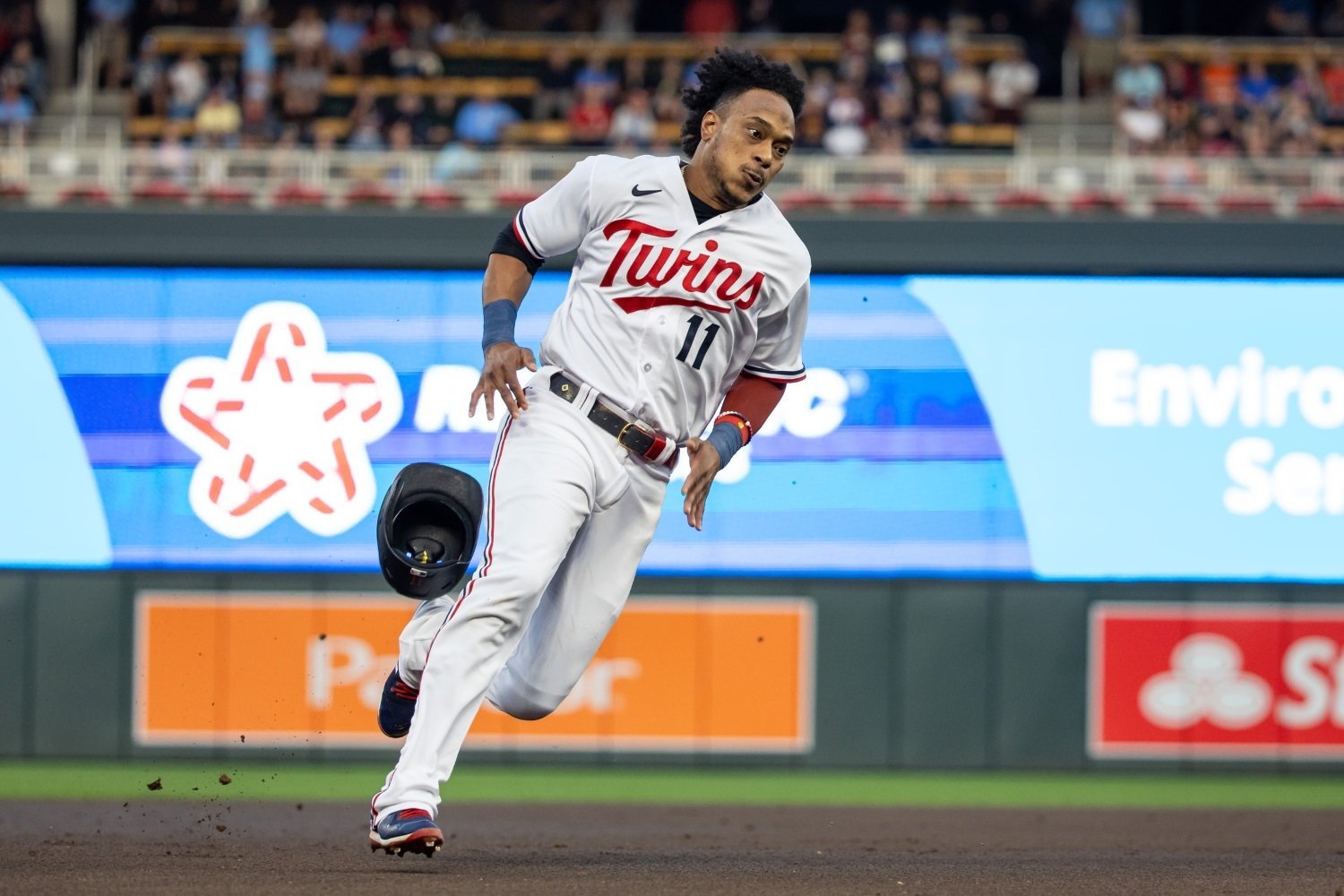 Minnesota’s front office was put into a difficult situation this winter, with ownership requiring the club to drop payroll by $30 million. To make significant additions, Derek Falvey and Thad Levine were forced to be creative in finding a trade that would give the team some salary relief. Enter the Seattle Mariners, who were looking for veteran players to reach the playoffs after narrowly missing out on last year’s postseason. The Twins sent IF Jorge Polanco to the Mariners for a package that included RHP Anthony DeSclafani, RHP Justin Topa, and prospects Gabriel Gonzalez (OF) and Darren Bowen (RHP). Minnesota had depth at second base and needed pitching depth. This trade represents a strategic pivot for both teams, addressing specific needs while adding depth and potential future stars. Here's an analysis of each side’s gains and losses: Minnesota Twins Acquisitions Gabriel Gonzalez (OF) Pros: Gonzalez is a highly touted prospect with a promising bat and potential for significant impact. His combination of power and speed makes him an intriguing addition to the Twins' system. If he develops as expected, he could be a key piece for the future. From Minnesota’s perspective, he was the key piece in the trade because of his potential long-term value. Cons: He is still raw, and a lot can impact a top prospect on their way to the big leagues. He’s struggled in his first season in the Twins organization with a .711 OPS in 53 games at High-A. Most of his power came in the first month of the season when he had 10 of his 18 extra-base hits. His struggles this season have caused him to drop on Twins prospect rankings. Justin Topa (RHP) Pros: Topa was supposed to provide immediate bullpen depth. He’s shown the ability to handle high-pressure situations and could offer stability to the Twins' relief corps. Minnesota needs him to add depth to the bullpen for the stretch run. Cons: Unfortunately, Topa suffered a knee injury during spring training that will likely require surgery. However, he has been pulled off his recent rehab and there is no guarantee he will join the team’s bullpen for the stretch run. His performance has been inconsistent in the past, so the Twins hope he can pitch through his knee issues. Darren Bowen (RHP) Pros: Bowen brings a live arm and the potential to be a future asset, whether he is a starter or reliever. He posted a 13.8 K/9 in his final collegiate season in a relief role. Cons: His control issues may lead to some growing pains. Most of his innings have come as a starter during his pro career. He’s started 14 games for Cedar Rapids this season with a 5.90 ERA, a 1.35 WHIP, and 8.5 K/9. Anthony DeSclafani (RHP) Pros: DeSclafani was supposed to bring a veteran presence to the back of the Twins' rotation. Cons: DeSclafani has faced injury challenges in the past, which has continued with the Twins. He will never throw a pitch in Minnesota after undergoing season-ending surgery to repair the flexor tendon in his right (pitching) arm. Seattle Mariners Trade Acquisitions Jorge Polanco (IF) Pros: Polanco adds a proven bat to the Mariners' infield. He’s a switch-hitter with a solid track record of offensive production and can provide stability and experience. His versatility allows him to play multiple infield positions, which adds depth to the Mariners' roster. Cons: Polanco’s injury history was a concern, and his defensive metrics have been somewhat inconsistent. He has hit .207/.291/.338 (.629) with an 85 OPS+ in 78 games. Polanco has a $12 million team option for next season that likely won’t be picked up by the Mariners. For the Minnesota Twins, this trade was a move towards building for the future while also shedding salary. Adding Gonzalez and Bowen provides them with potential long-term assets that could develop into key contributors. Topa gives them bullpen help in his return from the injured list. The Twins are banking on the growth of young talent, while the Mariners are seeking a veteran addition for the near term. Seattle is getting little value from Polanco, so the Twins might be the long-term winners of this trade. Which team won this trade? Leave a COMMENT and start the discussion.
- 63 comments
-
- 7
-
-
- jorge polanco
- justin topa
- (and 3 more)
-
Last winter, the Twins sent Jorge Polanco to the Seattle Mariners in a deal meant to help both teams. With two months left in the season, can either team be declared the winner of this trade? Image courtesy of Jordan Johnson-USA TODAY Sports Last winter, the Twins sent Jorge Polanco to the Seattle Mariners in a deal meant to help both teams. With two months left in the season, can either team be declared the winner of this trade? Minnesota’s front office was put into a difficult situation this winter, with ownership requiring the club to drop payroll by $30 million. To make significant additions, Derek Falvey and Thad Levine were forced to be creative in finding a trade that would give the team some salary relief. Enter the Seattle Mariners, who were looking for veteran players to reach the playoffs after narrowly missing out on last year’s postseason. The Twins sent IF Jorge Polanco to the Mariners for a package that included RHP Anthony DeSclafani, RHP Justin Topa, and prospects Gabriel Gonzalez (OF) and Darren Bowen (RHP). Minnesota had depth at second base and needed pitching depth. This trade represents a strategic pivot for both teams, addressing specific needs while adding depth and potential future stars. Here's an analysis of each side’s gains and losses: Minnesota Twins Acquisitions Gabriel Gonzalez (OF) Pros: Gonzalez is a highly touted prospect with a promising bat and potential for significant impact. His combination of power and speed makes him an intriguing addition to the Twins' system. If he develops as expected, he could be a key piece for the future. From Minnesota’s perspective, he was the key piece in the trade because of his potential long-term value. Cons: He is still raw, and a lot can impact a top prospect on their way to the big leagues. He’s struggled in his first season in the Twins organization with a .711 OPS in 53 games at High-A. Most of his power came in the first month of the season when he had 10 of his 18 extra-base hits. His struggles this season have caused him to drop on Twins prospect rankings. Justin Topa (RHP) Pros: Topa was supposed to provide immediate bullpen depth. He’s shown the ability to handle high-pressure situations and could offer stability to the Twins' relief corps. Minnesota needs him to add depth to the bullpen for the stretch run. Cons: Unfortunately, Topa suffered a knee injury during spring training that will likely require surgery. However, he has been pulled off his recent rehab and there is no guarantee he will join the team’s bullpen for the stretch run. His performance has been inconsistent in the past, so the Twins hope he can pitch through his knee issues. Darren Bowen (RHP) Pros: Bowen brings a live arm and the potential to be a future asset, whether he is a starter or reliever. He posted a 13.8 K/9 in his final collegiate season in a relief role. Cons: His control issues may lead to some growing pains. Most of his innings have come as a starter during his pro career. He’s started 14 games for Cedar Rapids this season with a 5.90 ERA, a 1.35 WHIP, and 8.5 K/9. Anthony DeSclafani (RHP) Pros: DeSclafani was supposed to bring a veteran presence to the back of the Twins' rotation. Cons: DeSclafani has faced injury challenges in the past, which has continued with the Twins. He will never throw a pitch in Minnesota after undergoing season-ending surgery to repair the flexor tendon in his right (pitching) arm. Seattle Mariners Trade Acquisitions Jorge Polanco (IF) Pros: Polanco adds a proven bat to the Mariners' infield. He’s a switch-hitter with a solid track record of offensive production and can provide stability and experience. His versatility allows him to play multiple infield positions, which adds depth to the Mariners' roster. Cons: Polanco’s injury history was a concern, and his defensive metrics have been somewhat inconsistent. He has hit .207/.291/.338 (.629) with an 85 OPS+ in 78 games. Polanco has a $12 million team option for next season that likely won’t be picked up by the Mariners. For the Minnesota Twins, this trade was a move towards building for the future while also shedding salary. Adding Gonzalez and Bowen provides them with potential long-term assets that could develop into key contributors. Topa gives them bullpen help in his return from the injured list. The Twins are banking on the growth of young talent, while the Mariners are seeking a veteran addition for the near term. Seattle is getting little value from Polanco, so the Twins might be the long-term winners of this trade. Which team won this trade? Leave a COMMENT and start the discussion. View full article

