Cody Christie
-
Posts
7,817 -
Joined
-
Last visited
-
Days Won
5
Content Type
Profiles
News
Minnesota Twins Videos
2026 Minnesota Twins Top Prospects Ranking
2022 Minnesota Twins Draft Picks
Minnesota Twins Free Agent & Trade Rumors, Notes, & Tidbits
Guides & Resources
2023 Minnesota Twins Draft Picks
The Minnesota Twins Players Project
2024 Minnesota Twins Draft Picks
2025 Minnesota Twins Draft Pick Tracker
2026 Minnesota Twins Draft Tracker: Picks & Bonuses
Forums
Blogs
Events
Store
Downloads
Gallery
Everything posted by Cody Christie
-

Twins Looking to Avoid the Liam Hendriks Mistake With Louis Varland
Cody Christie posted an article in Twins
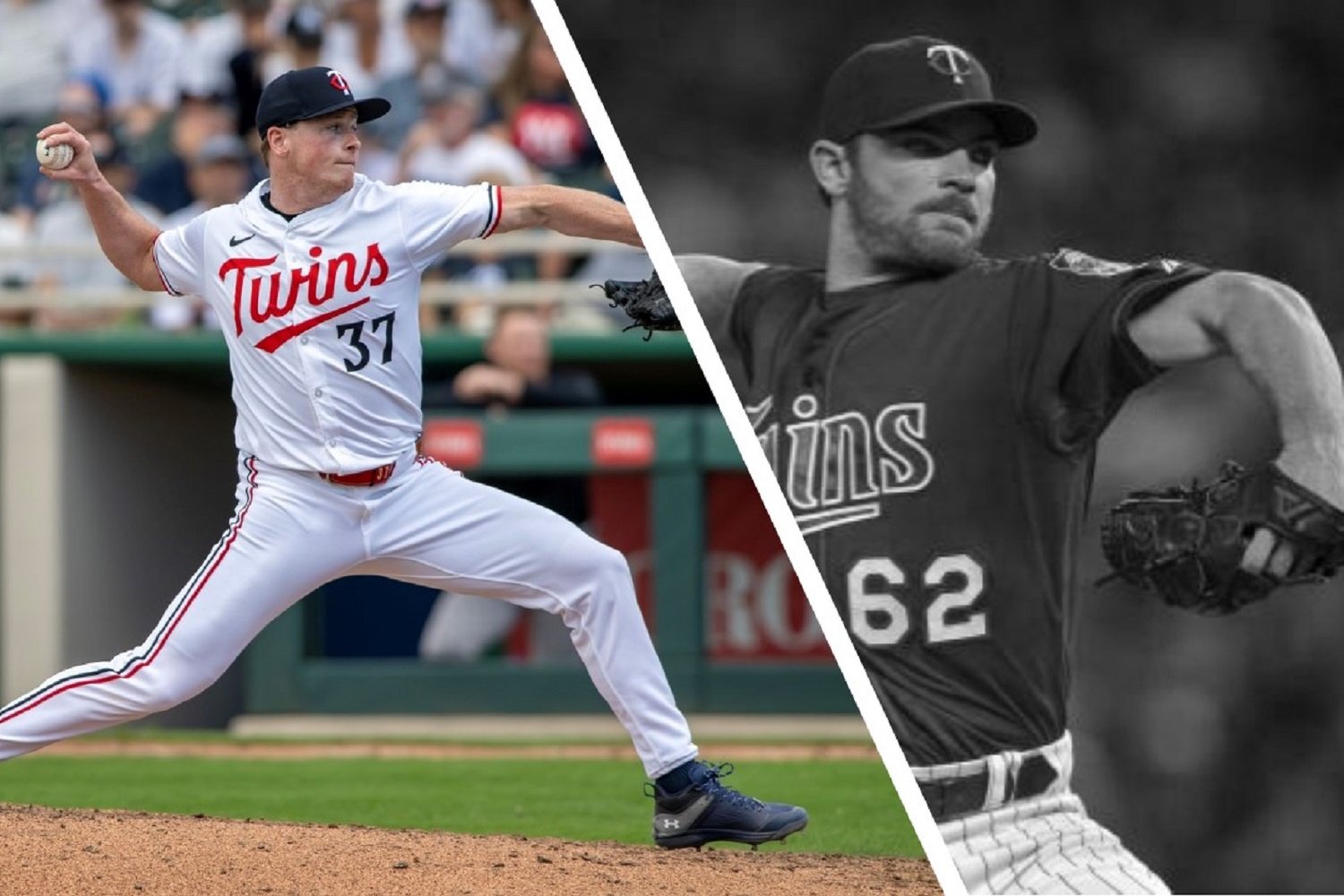 Liam Hendriks was once considered a top pitching prospect in the Twins organization, including making back-to-back Futures Game appearances in 2010-11. When Hendriks was expected to be a future starter, the Twins had him slotted into the rotation, resulting in 30 starts over three seasons. With a 6.06 ERA, 1.59 WHIP, and a -2.0 WAR in that role, it was clear that Hendriks wasn’t suited for an MLB starter role. Minnesota even designated him for assignment in December 2013 after not giving him a chance to stick as a full-time reliever. He was only 24 years old, and the team was amid four straight seasons of 90 losses or more. His roster spot shouldn’t have been in jeopardy. After leaving the Twins, Hendriks reinvented himself as a reliever, emerging as one of the best in the game with a 2.94 ERA, 1.05 WHIP, and a 32.7 K% rate between 2015 and 2022. He earned three All-Star selections and snagged two Mariano Rivera AL Reliever of the Year awards, proving that sometimes a change in role is all it takes to unlock a player’s full potential. As the Twins look to solidify their bullpen for the future, Louis Varland finds himself at a crossroads that eerily echoes Hendriks’ early days. Varland’s numbers as a starter haven’t exactly set the world on fire, with a 5.27 ERA, 1.43 WHIP, and opponents batting a .851 OPS against him. Yet, there’s been a noticeable spark when Varland has been used out of the bullpen. In 16 relief appearances, he’s shown flashes of potential that suggest his skills might be best utilized in shorter stints. During the team’s playoff run in 2024, Varland pitched 12 relief innings in the season’s final weeks while allowing two runs (both solo home runs) with a 17-to-1 strikeout-to-walk ratio. The decision is unfolding almost organically. With injuries to key relievers like Justin Topa, Brock Stewart, and Michael Tonkin creating a void in the bullpen, the Twins now have a golden opportunity to tap into Varland’s potential. The front office and coaches have repeatedly spoken highly of his work in relief roles, and it appears they’ve learned from past missteps. Instead of forcing him to continue as a starter, where his performance has been less than inspiring, the plan is to ease him into a full-time reliever role starting in 2025. “Getting a chance to see him throw an inning, kind of a revved-up inning,” Baldelli said this spring. “Letting him come in from the bullpen doing that gets him the work we’re looking for from him right now.” This isn’t just a simple positional change, as it’s a strategic shift to maximize Varland’s skill set. Much like Hendriks, who finally found his niche in the bullpen after being shoehorned into a starting role, Varland might be on the verge of a breakthrough if given the right opportunity. The Twins are clearly eager not to repeat history. They remember the missed opportunity with Hendriks, a pitcher who eventually became a star reliever, and are now taking a more measured, patient approach with Varland. There’s a genuine sense of optimism among those in the Twins’ inner circle. Coaches have remarked on Varland’s “stuff” when he’s been used in relief, and the organization’s willingness to make a long-term bet on him in that role shows that they believe in his potential. The Twins are making a calculated move to ensure that Varland can flourish without the added burden of pacing through an entire game. Instead, he will slide into the back of the bullpen and have the opportunity to show he deserves more late-inning opportunities as he gets settled into his new role. For fans, this transition is about reclaiming some of the magic that seemed to slip away with Hendriks. It’s a reminder that a player can reinvent himself with the proper guidance and opportunity, even in the face of early setbacks. Hendriks’ turnaround from a struggling starter to a dominant reliever has become a case study in player development. Varland’s situation now presents a similar narrative. The organization’s commitment to finding the proper role for each player is a testament to their long-term vision and willingness to adapt. Ultimately, the move to shift Varland into a full-time relief role isn’t just a reaction to injuries or numbers. It’s a deliberate effort to harness a player’s true potential. It’s a lesson in patience and adaptability, and if Varland can capitalize on this fresh start, the Twins might add another ace to their bullpen. The road ahead isn’t without its challenges, but with the organization’s backing and a renewed focus on player development, this could be the beginning of a promising new chapter for both Varland and the Twins’ relief corps. What are your expectations for Varland as a reliever, now that the role switch is officially official? Leave a comment and start the discussion.
 -
Twins fans would love it if Walker Jenkins developed into one of baseball’s best players. However, one national prospect ranking views Jenkins and his lack of development in a different light. Image courtesy of Ed Bailey, Wichita Wind Surge Twins fans would love it if Walker Jenkins developed into one of baseball’s best players. However, one national prospect ranking views Jenkins and his lack of development in a different light. In today’s world of baseball prospect evaluation, the sheer volume of available data and scouting reports has led to a surprising convergence in many top prospect lists. The ease of access to advanced metrics, detailed game tape, and comprehensive player histories means that many analysts often arrive at very similar conclusions about a player’s potential. Walker Jenkins, Minnesota's top-ranked prospect, is a prime example of this phenomenon. Across several respected publications (including Baseball America, MLB.com, and Baseball Prospectus), Jenkins has consistently been ranked among the top five prospects in the sport. These outlets, known for their rigorous analytical approaches and extensive scouting networks, have praised his exceptional hit tool, which stands out even among a deep pool of emerging talent. The consensus among these sources suggests that Jenkins possesses an uncanny ability to make contact with the ball and adjust his approach based on pitchers’ tendencies. This consistency in evaluation across multiple sources underscores how modern analytical methods have created a level of uniformity in assessing raw talent. Yet, amid this widespread agreement, FanGraphs is a notable outlier. Under the leadership of prospect writer Eric Longenhagen, the site placed Jenkins as baseball’s 17th-best prospect, the lowest ranking he received on a national list this winter. This discrepancy raises an important question: Is FanGraphs right, or is it merely a statistical anomaly in a field otherwise saturated with consensus? For many Twins fans and baseball observers, the hope (or worry) is that the outlier perspective might reveal a hidden truth about Jenkins’ potential that the majority consensus overlooks. Several factors explain this divergence in rankings. While Jenkins’s hit tool is almost universally lauded, his power development has not met the high expectations set by his peers. Many analysts believe that his inability to generate the expected level of power may be tied to an early-season leg injury. This setback may have affected his swing mechanics and ability to drive the ball with authority. Additionally, the team’s decision to use him more frequently as a designated hitter to ease the strain on his recovering leg might have inadvertently limited his opportunities to showcase his power. Some players struggle in their initial transition to DH, because of the significant downtime tied to the role. FanGraphs could have weighed these factors more heavily, resulting in a more tempered view of his overall skill set. The debate over Jenkins’s true potential highlights an essential aspect of modern baseball evaluation: while data and consensus can provide a reliable snapshot of a player’s capabilities, there is always room for nuance and differing opinions. When scouting reports and analytics converge, it's easy to miss the finer details that might affect a player’s performance in real-game situations. In this sense, FanGraphs’s contrarian ranking may serve as a valuable counterbalance to the prevailing narrative. By offering a more critical perspective, FanGraphs challenges fans and professionals to consider pitfalls that more optimistic assessments might gloss over. Moreover, the existence of such discrepancies serves as a reminder that even in an era dominated by advanced statistics, baseball remains an unpredictable sport. Injuries, role adjustments, and psychological factors can all influence a player’s performance in ways that raw numbers may not fully capture. As the season unfolds, it will be fascinating to see whether Jenkins can live up to the high expectations set by most prospect evaluators, or if FanGraphs’s cautionary note will prove correct. For now, the debate itself has sparked a deeper discussion about the reliability of consensus rankings and the hidden variables that can influence a prospect’s development. Ultimately, the controversy surrounding Jenkins is about more than just one player. It’s a microcosm of the evolving landscape of baseball scouting and analysis. The proliferation of data has streamlined many evaluations, leading to similar conclusions among various experts. As Jenkins embarks on his mission to add more power to his already impressive skill set, fans and analysts will watch closely. In the dynamic world of baseball prospects, someone is bound to be wrong about Jenkins, and that uncertainty is part of what makes the sport so compelling. Who's going to be wrong about Walker Jenkins? Leave a comment and start the discussion. View full article
-
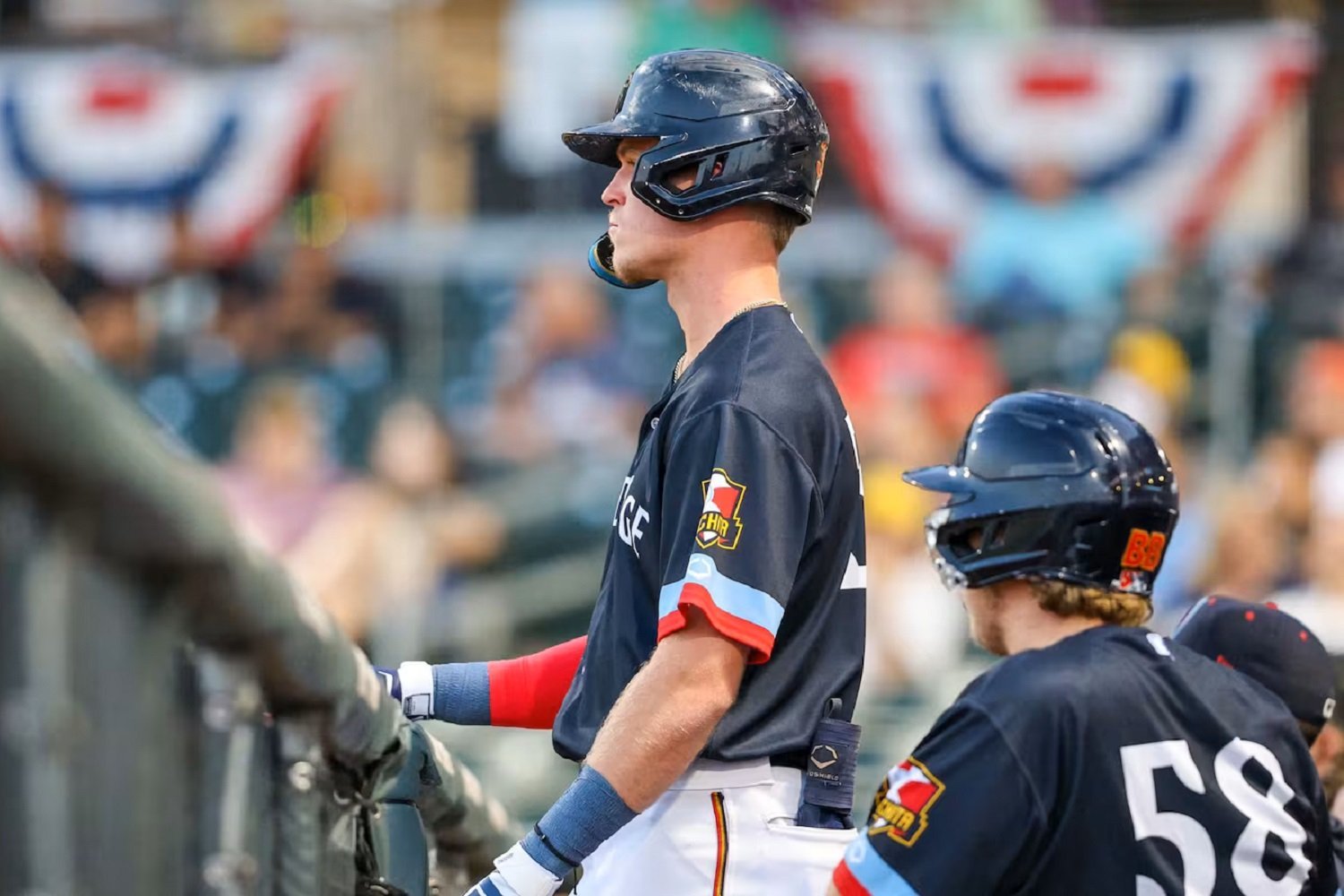 In today’s world of baseball prospect evaluation, the sheer volume of available data and scouting reports has led to a surprising convergence in many top prospect lists. The ease of access to advanced metrics, detailed game tape, and comprehensive player histories means that many analysts often arrive at very similar conclusions about a player’s potential. Walker Jenkins, Minnesota's top-ranked prospect, is a prime example of this phenomenon. Across several respected publications (including Baseball America, MLB.com, and Baseball Prospectus), Jenkins has consistently been ranked among the top five prospects in the sport. These outlets, known for their rigorous analytical approaches and extensive scouting networks, have praised his exceptional hit tool, which stands out even among a deep pool of emerging talent. The consensus among these sources suggests that Jenkins possesses an uncanny ability to make contact with the ball and adjust his approach based on pitchers’ tendencies. This consistency in evaluation across multiple sources underscores how modern analytical methods have created a level of uniformity in assessing raw talent. Yet, amid this widespread agreement, FanGraphs is a notable outlier. Under the leadership of prospect writer Eric Longenhagen, the site placed Jenkins as baseball’s 17th-best prospect, the lowest ranking he received on a national list this winter. This discrepancy raises an important question: Is FanGraphs right, or is it merely a statistical anomaly in a field otherwise saturated with consensus? For many Twins fans and baseball observers, the hope (or worry) is that the outlier perspective might reveal a hidden truth about Jenkins’ potential that the majority consensus overlooks. Several factors explain this divergence in rankings. While Jenkins’s hit tool is almost universally lauded, his power development has not met the high expectations set by his peers. Many analysts believe that his inability to generate the expected level of power may be tied to an early-season leg injury. This setback may have affected his swing mechanics and ability to drive the ball with authority. Additionally, the team’s decision to use him more frequently as a designated hitter to ease the strain on his recovering leg might have inadvertently limited his opportunities to showcase his power. Some players struggle in their initial transition to DH, because of the significant downtime tied to the role. FanGraphs could have weighed these factors more heavily, resulting in a more tempered view of his overall skill set. The debate over Jenkins’s true potential highlights an essential aspect of modern baseball evaluation: while data and consensus can provide a reliable snapshot of a player’s capabilities, there is always room for nuance and differing opinions. When scouting reports and analytics converge, it's easy to miss the finer details that might affect a player’s performance in real-game situations. In this sense, FanGraphs’s contrarian ranking may serve as a valuable counterbalance to the prevailing narrative. By offering a more critical perspective, FanGraphs challenges fans and professionals to consider pitfalls that more optimistic assessments might gloss over. Moreover, the existence of such discrepancies serves as a reminder that even in an era dominated by advanced statistics, baseball remains an unpredictable sport. Injuries, role adjustments, and psychological factors can all influence a player’s performance in ways that raw numbers may not fully capture. As the season unfolds, it will be fascinating to see whether Jenkins can live up to the high expectations set by most prospect evaluators, or if FanGraphs’s cautionary note will prove correct. For now, the debate itself has sparked a deeper discussion about the reliability of consensus rankings and the hidden variables that can influence a prospect’s development. Ultimately, the controversy surrounding Jenkins is about more than just one player. It’s a microcosm of the evolving landscape of baseball scouting and analysis. The proliferation of data has streamlined many evaluations, leading to similar conclusions among various experts. As Jenkins embarks on his mission to add more power to his already impressive skill set, fans and analysts will watch closely. In the dynamic world of baseball prospects, someone is bound to be wrong about Jenkins, and that uncertainty is part of what makes the sport so compelling. Who's going to be wrong about Walker Jenkins? Leave a comment and start the discussion.
 -
A recent survey shows Twins fans' optimism might be at an all-time low. Why are they feeling so pessimistic, and what can the club do to win back their trust and enthusiasm? Image courtesy of William Parmeter A recent survey shows Twins fans' optimism might be at an all-time low. Why are they feeling so pessimistic, and what can the club do to win back their trust and enthusiasm? It’s no secret that Minnesota sports fans have been conditioned for heartbreak. But heading into the 2025 season, pessimism surrounding the Twins might be reaching a fever pitch. According to The Athletic’s annual fan survey, just 52% of Twins fans reported feeling optimistic about the team’s chances this year. That number ranks 21st in Major League Baseball, sandwiched between the San Francisco Giants (20th) and the Oakland Athletics (23rd). It starkly contrasts the past two years, when Minnesota ranked in the top 10. In 2024, 86.3% of fans expressed confidence in the team, placing them 10th in MLB. The previous year, the optimism was even higher, at 91.3%, again ranking 10th. Even in 2022, when there were still plenty of unanswered questions about the team’s long-term direction, the Twins ranked 17th with a 70.1% optimism rating. So what’s changed in just one year, to cause such a sharp decline? Why Are Fans So Pessimistic? There are several contributing factors at work. The most glaring issue is how the 2024 season ended. The Twins were in a prime position to claim a playoff spot, before an ugly late-season collapse left fans feeling burned. Adding another late-season meltdown to the record books was a gut punch for an organization that has historically struggled in October. It was clearly one of the most disappointing seasons in Twins history. Adding to the unease is uncertainty regarding new ownership. The Pohlad family is expected to sell the team in 2025, leaving many questions about the franchise’s future direction. Justin Ishbia dropped out of a bid to buy the franchise that had reached advanced stages, forcing the team to pivot to other options. Will new ownership invest more aggressively in free agency? Will there be major front-office shake-ups? Fans have taken stability for granted under the Pohlads, and the unknown brings an extra level of uneasiness. At the same time, satisfaction with (and confidence in) the Pohlads themselves is lower than it has been since the family flirted with contracting the team over two decades ago. Meanwhile, the rest of the AL Central is trending upward. The Cleveland Guardians, Kansas City Royals and Detroit Tigers made significant strides last season, each winning at least as many postseason games (3) as the Twins have won in the last 20 years. Many projection systems have the Twins as one of the favorites in the division, but fans want the team to prove it after 2024’s collapse. Minnesota can no longer assume divisional dominance, and fans feel uneasy about the team’s standing in the AL Central. A Reason for Hope? While the pessimism is understandable, there are still plenty of reasons to believe in this Twins team. The core roster remains strong, featuring a mix of young talent and proven veterans. Byron Buxton and Carlos Correa provide veteran stability, while the pitching staff should be among the league’s best, with a top starting trio of Pablo López, Bailey Ober, and Joe Ryan. There is also a solid group of pitching prospects in the high minors, who can provide depth when injuries arise. Minnesota’s farm system is also in excellent shape, with several top prospects nearing their MLB debuts. Names like Luke Keaschall, Emmanuel Rodriguez, and Walker Jenkins give the organization a bright future. All three players could make their debuts in 2025 after finishing last season at Double- or Triple-A. The ability to develop and integrate young talent has been a strength for the Twins in recent years, and that trend looks likely to continue. Lastly, while the uncertainty around new ownership is a concern, a fresh perspective could bring new opportunities. A more aggressive front office willing to spend on top-tier free agents or extend core players could elevate the team to the next level. If the sale goes through in 2025 as expected, it could provide a much-needed spark to reinvigorate the fan base. The numbers from The Athletic’s fan survey don’t lie, because Twins fans are more skeptical than they’ve been in years. However, optimism can return just as quickly as it disappeared. Winning cures all and a strong start to 2025 could help change the narrative around the team. It’s on the Twins to prove the doubters wrong. What makes you optimistic about the Twins this season? What are you pessimistic about? Leave a comment and start the discussion. View full article
-
Twins Fan Optimism Hits New Lows: Can the Club Prove the Doubters Wrong?
Cody Christie posted an article in Twins
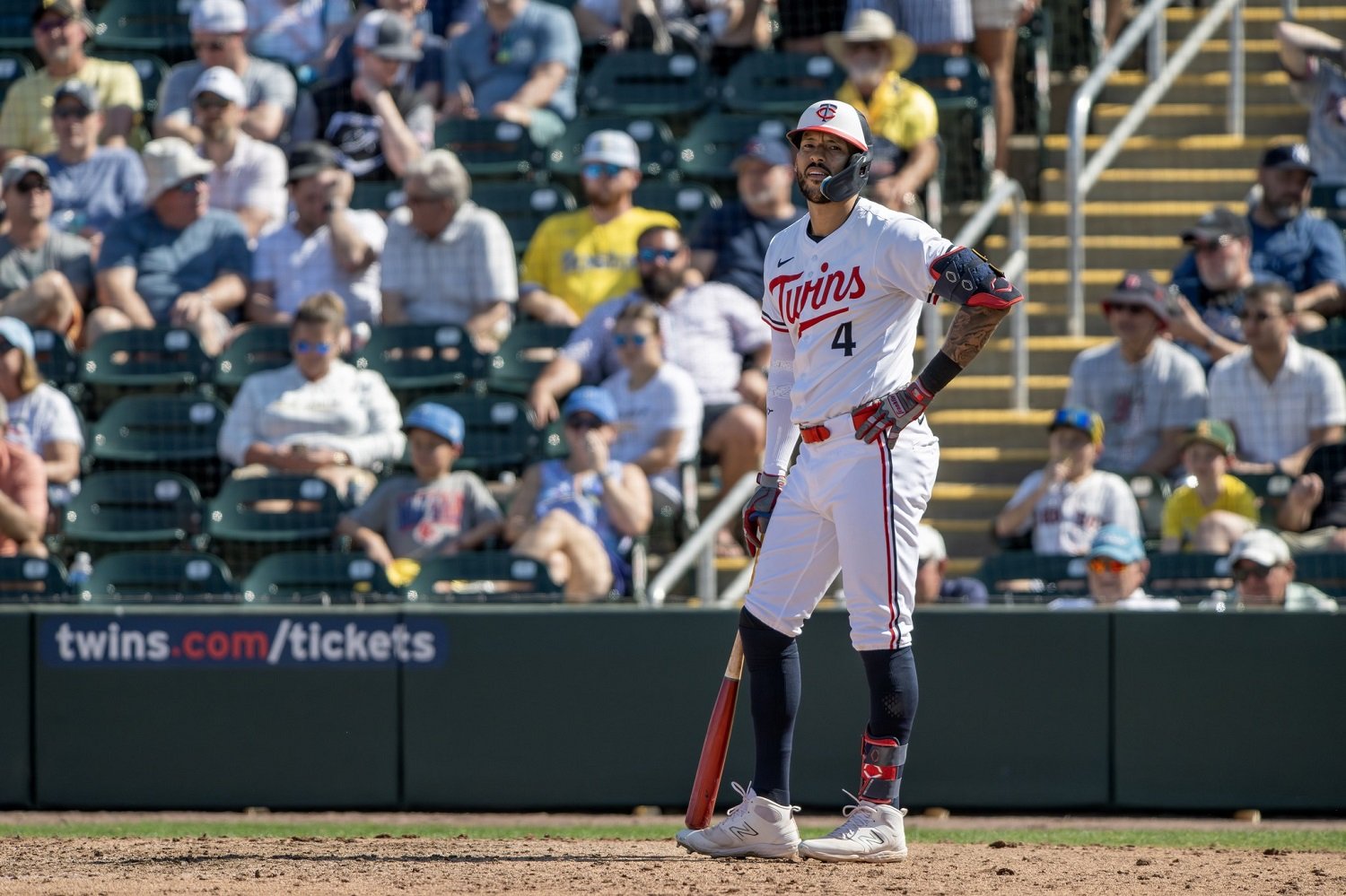 It’s no secret that Minnesota sports fans have been conditioned for heartbreak. But heading into the 2025 season, pessimism surrounding the Twins might be reaching a fever pitch. According to The Athletic’s annual fan survey, just 52% of Twins fans reported feeling optimistic about the team’s chances this year. That number ranks 21st in Major League Baseball, sandwiched between the San Francisco Giants (20th) and the Oakland Athletics (23rd). It starkly contrasts the past two years, when Minnesota ranked in the top 10. In 2024, 86.3% of fans expressed confidence in the team, placing them 10th in MLB. The previous year, the optimism was even higher, at 91.3%, again ranking 10th. Even in 2022, when there were still plenty of unanswered questions about the team’s long-term direction, the Twins ranked 17th with a 70.1% optimism rating. So what’s changed in just one year, to cause such a sharp decline? Why Are Fans So Pessimistic? There are several contributing factors at work. The most glaring issue is how the 2024 season ended. The Twins were in a prime position to claim a playoff spot, before an ugly late-season collapse left fans feeling burned. Adding another late-season meltdown to the record books was a gut punch for an organization that has historically struggled in October. It was clearly one of the most disappointing seasons in Twins history. Adding to the unease is uncertainty regarding new ownership. The Pohlad family is expected to sell the team in 2025, leaving many questions about the franchise’s future direction. Justin Ishbia dropped out of a bid to buy the franchise that had reached advanced stages, forcing the team to pivot to other options. Will new ownership invest more aggressively in free agency? Will there be major front-office shake-ups? Fans have taken stability for granted under the Pohlads, and the unknown brings an extra level of uneasiness. At the same time, satisfaction with (and confidence in) the Pohlads themselves is lower than it has been since the family flirted with contracting the team over two decades ago. Meanwhile, the rest of the AL Central is trending upward. The Cleveland Guardians, Kansas City Royals and Detroit Tigers made significant strides last season, each winning at least as many postseason games (3) as the Twins have won in the last 20 years. Many projection systems have the Twins as one of the favorites in the division, but fans want the team to prove it after 2024’s collapse. Minnesota can no longer assume divisional dominance, and fans feel uneasy about the team’s standing in the AL Central. A Reason for Hope? While the pessimism is understandable, there are still plenty of reasons to believe in this Twins team. The core roster remains strong, featuring a mix of young talent and proven veterans. Byron Buxton and Carlos Correa provide veteran stability, while the pitching staff should be among the league’s best, with a top starting trio of Pablo López, Bailey Ober, and Joe Ryan. There is also a solid group of pitching prospects in the high minors, who can provide depth when injuries arise. Minnesota’s farm system is also in excellent shape, with several top prospects nearing their MLB debuts. Names like Luke Keaschall, Emmanuel Rodriguez, and Walker Jenkins give the organization a bright future. All three players could make their debuts in 2025 after finishing last season at Double- or Triple-A. The ability to develop and integrate young talent has been a strength for the Twins in recent years, and that trend looks likely to continue. Lastly, while the uncertainty around new ownership is a concern, a fresh perspective could bring new opportunities. A more aggressive front office willing to spend on top-tier free agents or extend core players could elevate the team to the next level. If the sale goes through in 2025 as expected, it could provide a much-needed spark to reinvigorate the fan base. The numbers from The Athletic’s fan survey don’t lie, because Twins fans are more skeptical than they’ve been in years. However, optimism can return just as quickly as it disappeared. Winning cures all and a strong start to 2025 could help change the narrative around the team. It’s on the Twins to prove the doubters wrong. What makes you optimistic about the Twins this season? What are you pessimistic about? Leave a comment and start the discussion.
 -
The Twins' closer dealt with a drop in temperature on his signature heat last season, impacting his overall performance. Entering 2025, though, fans should still have confidence in him. Image courtesy of William Parmeter The Twins' closer dealt with a drop in temperature on his signature heat last season, impacting his overall performance. Entering 2025, though, fans should still have confidence in him. In Jhoan Durán, the Minnesota Twins have one of baseball's most electric relievers. While some might have concerns after his 2024 campaign, there are plenty of reasons to believe he will be just fine in 2025. FanGraphs projects the Twins' bullpen to be the best in baseball, and Durán remains a key piece of that equation. Let's consider why fans shouldn't worry about the Twins' flamethrowing closer this season. 1. Underlying Metrics Suggest He Was Unlucky Durán's 3.64 ERA last season was higher than expected, but a deeper dive suggests he may have been the victim of some bad luck. His Fielding Independent Pitching (FIP) sat at 2.85, indicating that his ERA might have been inflated due to factors beyond his control, such as defensive miscues or unfortunate batted-ball luck. Advanced metrics like FIP can often provide a clearer picture of a pitcher's actual effectiveness, and they can point to better days ahead in Durán's case. “The numbers I didn’t like too much,” Duran told reporters about his 2024 season. “I didn’t have a really good offseason because when I was doing my prep work for the regular season, I’d go to the Dominican for two weeks and go back and forth. I want to be the same pitcher I was in 2023.” 2. Elite Projections for 2025 Even with a perceived dip in performance last year, projection systems remain high on Durán. The ZiPS model projects him to be tied with Cleveland’s Emmanuel Clase for the league lead among relievers with 1.4 fWAR, while FanGraphs's Depth Charts list him as the second-best reliever in baseball with a 1.9 WAR. The Athletics’ Mason Miller is the only reliever to rank ahead of him. These projections consider his track record and his dominant stuff, reinforcing that he remains one of the game's premier bullpen arms. 3. Velocity Is Trending Up One of the biggest talking points about Durán last season was a slight dip in velocity. While he averaged 102 mph on his fastball as recently as 2023, last year saw him fight to reach triple digits most of the time. However, this spring, he's already been clocked at 101 mph, signaling that his velocity is rebounding. Given his overall arsenal, he doesn’t need to sit at 102+ mph every outing to be dominant, but knowing that his velocity remains elite is reassuring. "I focus more on my mechanics and my pitches' movement," Duran said recently. "I don't need to throw really hard right now. Maybe in the [regular season] I throw harder, or maybe not." 4. A Full Year of Adjustments Last season, Durán was adjusting to a new pitch mix on the fly. He should be more comfortable and confident in 2025, with an entire offseason to refine his approach. His best pitch isn't his fastball, and as he continues to rely on his devastating splinker and curveball, hitters will have an even more challenging time making solid contact. Now that he has had a season to settle into this version of himself, expect a more consistent and refined performance. 5. Continued Pitch Development One intriguing storyline this spring is Durán’s work on developing a truer changeup. While it may not become a primary offering, having another weapon in his arsenal can only help keep hitters off-balance. His splinker and curveball were already seeing increased usage last season, and if he can mix in a changeup periodically, it could give him another advantage late in games. Every reliever has ups and downs, especially when dealing with small samples. The 2024 season wasn’t a flawless season for Jhoan Durán. However, the signs point to a bounce-back year. With elite projections, improving velocity, and another year of refining his pitch mix, he’s poised to remain one of baseball’s best relievers in 2025. Twins fans should feel confident that when the game is on the line, Durán will be ready to deliver. Are the projections correct about Durán? Can he return to his previous form? Leave a comment and start the discussion. View full article
-
5 Reasons to Trust Jhoan Durán as Minnesota Twins Closer in 2025
Cody Christie posted an article in Twins
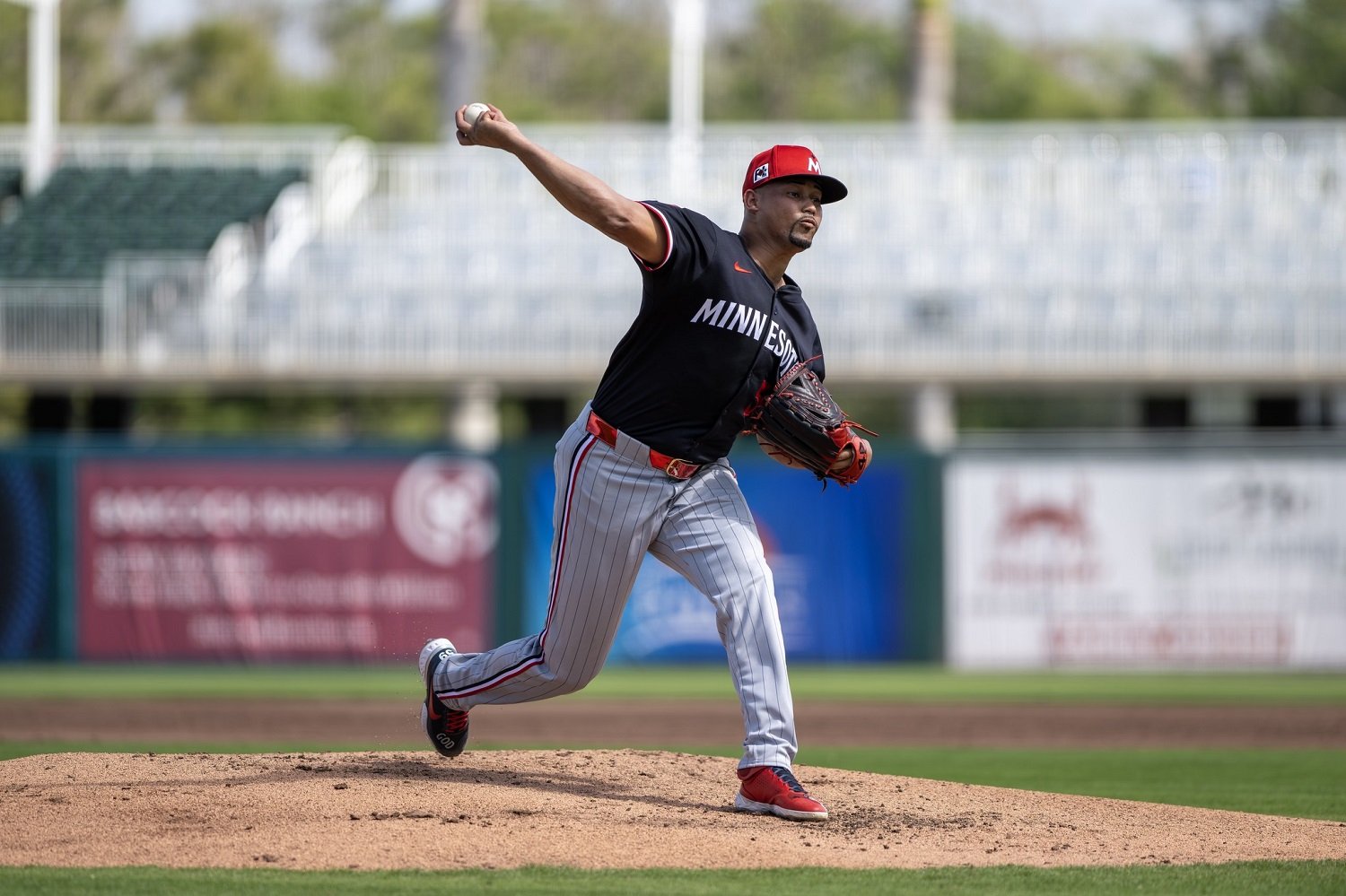 In Jhoan Durán, the Minnesota Twins have one of baseball's most electric relievers. While some might have concerns after his 2024 campaign, there are plenty of reasons to believe he will be just fine in 2025. FanGraphs projects the Twins' bullpen to be the best in baseball, and Durán remains a key piece of that equation. Let's consider why fans shouldn't worry about the Twins' flamethrowing closer this season. 1. Underlying Metrics Suggest He Was Unlucky Durán's 3.64 ERA last season was higher than expected, but a deeper dive suggests he may have been the victim of some bad luck. His Fielding Independent Pitching (FIP) sat at 2.85, indicating that his ERA might have been inflated due to factors beyond his control, such as defensive miscues or unfortunate batted-ball luck. Advanced metrics like FIP can often provide a clearer picture of a pitcher's actual effectiveness, and they can point to better days ahead in Durán's case. “The numbers I didn’t like too much,” Duran told reporters about his 2024 season. “I didn’t have a really good offseason because when I was doing my prep work for the regular season, I’d go to the Dominican for two weeks and go back and forth. I want to be the same pitcher I was in 2023.” 2. Elite Projections for 2025 Even with a perceived dip in performance last year, projection systems remain high on Durán. The ZiPS model projects him to be tied with Cleveland’s Emmanuel Clase for the league lead among relievers with 1.4 fWAR, while FanGraphs's Depth Charts list him as the second-best reliever in baseball with a 1.9 WAR. The Athletics’ Mason Miller is the only reliever to rank ahead of him. These projections consider his track record and his dominant stuff, reinforcing that he remains one of the game's premier bullpen arms. 3. Velocity Is Trending Up One of the biggest talking points about Durán last season was a slight dip in velocity. While he averaged 102 mph on his fastball as recently as 2023, last year saw him fight to reach triple digits most of the time. However, this spring, he's already been clocked at 101 mph, signaling that his velocity is rebounding. Given his overall arsenal, he doesn’t need to sit at 102+ mph every outing to be dominant, but knowing that his velocity remains elite is reassuring. "I focus more on my mechanics and my pitches' movement," Duran said recently. "I don't need to throw really hard right now. Maybe in the [regular season] I throw harder, or maybe not." 4. A Full Year of Adjustments Last season, Durán was adjusting to a new pitch mix on the fly. He should be more comfortable and confident in 2025, with an entire offseason to refine his approach. His best pitch isn't his fastball, and as he continues to rely on his devastating splinker and curveball, hitters will have an even more challenging time making solid contact. Now that he has had a season to settle into this version of himself, expect a more consistent and refined performance. 5. Continued Pitch Development One intriguing storyline this spring is Durán’s work on developing a truer changeup. While it may not become a primary offering, having another weapon in his arsenal can only help keep hitters off-balance. His splinker and curveball were already seeing increased usage last season, and if he can mix in a changeup periodically, it could give him another advantage late in games. Every reliever has ups and downs, especially when dealing with small samples. The 2024 season wasn’t a flawless season for Jhoan Durán. However, the signs point to a bounce-back year. With elite projections, improving velocity, and another year of refining his pitch mix, he’s poised to remain one of baseball’s best relievers in 2025. Twins fans should feel confident that when the game is on the line, Durán will be ready to deliver. Are the projections correct about Durán? Can he return to his previous form? Leave a comment and start the discussion.
 -
Baseball is a game rooted in tradition, but the teams that find success are typically at the forefront of evolving trends. One area in which strategies have evolved especially rapidly over the last 20 years is batting order construction. Image courtesy of Brad Penner (Wallner), Brad Rempel (Hicks)-USA TODAY Sports Baseball is a game rooted in tradition, but the teams that find success are typically at the forefront of evolving trends. One area in which strategies have evolved especially rapidly over the last 20 years is batting order construction. For decades, major-league managers followed a relatively predictable script when crafting their batting orders. The leadoff hitter was almost always a speedy player who could hit singles and cause havoc on the base paths. The second hitter was a contact-focused player who could advance runners, while the team’s best overall hitter slotted into the third spot. The cleanup hitter? He was the power threat, expected to drive in runs and change the game with one swing. But in today’s game, the traditional lineup structure is evolving. Teams are now prioritizing getting their best hitters to the plate more often, even if it means breaking from long-held conventions. This shift has led to unconventional choices at the top of the order, such as the Minnesota Twins experimenting with Matt Wallner as a leadoff hitter. On a recent Patreon-exclusive episode of Gleeman and the Geek, John Bonnes and Aaron Gleeman discussed the evolution of batting order construction. Plainly, the way teams build their lineup has differed significantly over the last two decades. Let’s dive into some of the changes and how teams are trying to maximize value from the entire lineup. The New-Age Leadoff Hitter In the past, players like Rickey Henderson or Lou Brock embodied the classic leadoff profile: speedsters who could steal bases and disrupt pitchers’ rhythms. Now, front offices and analytics-inclined managers have realized that on-base percentage (OBP) and overall productivity are far more critical than pure speed at the top of the order. The logic is simple: the more often your best hitters get to the plate, the better your chances of scoring runs. That (perhaps oversimplified) epiphany has brought power hitters and high-OBP sluggers into the leadoff discussion. Wallner might not fit the mold of a prototypical leadoff hitter, but his ability to get on base and hit for power makes him an intriguing option. By placing a high-OBP hitter like Wallner first, the Twins ensure that their most productive bats get more opportunities to do damage throughout the season. Maximizing Opportunities for Elite Hitters One of the most significant shifts in lineup construction is how teams deploy their best hitter. Traditionally, the third spot in the order was reserved for this role. However, modern analytics suggest that the extra plate appearances a player gets when batting second (and the slightly better mix of opportunities they have to create runs based on the base-out states when they come to the plate) make that spot more important than the No. 3 hole, meaning that elite hitters like Juan Soto, Mookie Betts, and Carlos Correa have seen significant time there. By moving the best hitter to the second position, teams guarantee they hit in the first inning, ensuring a higher number of at-bats across 162 games. This philosophy has led to teams placing their traditional power hitters earlier in the order, flipping the old-school approach on its head. (In fairness, we should note that in 2024, the league produced the best overall batting line from its No. 3 hitters, but that actually bucked the recent trend toward ever-better second hitters.) Another key trend is that cleanup hitters are no longer viewed as the ultimate run producers. Instead, power is spread throughout the lineup, ensuring that teams don’t waste their best bats waiting for a rally to materialize. Meanwhile, traditional No. 2 hitters (who had been tasked with advancing runners) are being replaced by sluggers who can drive in runs themselves. This change has also had a ripple effect on the bottom of the order. With the emphasis on high-OBP players at the top, the lower third of the lineup often consists of contact hitters and speed threats who can set the table for another trip through the top of the order. By pushing their very best hitters ever higher, though, teams are making the bottom thirds of their lineups weaker than ever. Not since 1950 have batters 7-9 in the order been as bad, relative to overall league production, as they were in 2024. Twins Historical Batting Order Changes Twenty years ago, the 2005 Twins had some clear options to fill the top of their batting order. Shannon Stewart was the team’s leadoff hitter in 122 games. Twins manager Ron Gardenhire took a more variable approach to the No. 2 spot, but he had a specific player type in mind. Nick Punto (63 games, Luis Rodríguez (22 games), and Jason Bartlett (20 games) were all middle infielders who fit the traditional role for that lineup spot: lots of contact, little real production. Like Stewart, Joe Mauer was the team’s typical choice for the No. 3 spot (108 games), with Lew Ford being the second-most frequent option (32 games). In the cleanup spot, Minnesota rotated through Justin Morneau (58 games), Matt LeCroy (42 games), and Torii Hunter (34 games). In 2015, the Twins had a surprising second-place finish in the AL Central. Paul Molitor was in his first campaign as the manager, and he used Brian Dozier as his primary leadoff hitter (102 games), with Aaron Hicks also getting 31 starts. The second spot had three players make 21 or more starts, including Hunter (55 games), Dozier (46 games), and Mauer (21 games). Despite a handful of starts batting second, though, Mauer was clearly the team’s No. 3 hitter, with 133 starts. In the cleanup spot, the Twins split time between Trevor Plouffe (68 games) and Miguel Sanó (65 games). The Twins have used a more modern approach in recent years, including platoons at the top of the lineup. Willi Castro (48 games), Edouard Julien (38 games), and Manuel Margot (33 games) were used regularly as leadoff hitters, with non-traditional options like Trevor Larnach and Ryan Jeffers getting more than 10 starts. Correa and Larnach split time in the lineup's second spot, with 45 or more starts each. Seven players made 10 or more starts in the third spot, with Royce Lewis (37 games) leading the way. Max Kepler (43 games) and Jose Miranda (33 games) were the most-used options for the No. 4 spot. Whereas Gardenhire and Molitor each grew up in a version of the game that emphasized the sequential and team-oriented ways to score runs, Rocco Baldelli was raised watching—and later playing—a power-centric game. Naturally, and with plenty of reinforcement from the front office, he has learned to build lineups that put runs on the board immediately, including with just one swing. The philosophies at work are different, working both as effects and causes of big changes in the game itself—and thus, what makes sense when filling out a lineup card. A Trend Here to Stay? With a better understanding of run production and lineup optimization, teams are more willing than ever to break the mold. For the Twins and other teams looking to maximize offensive output, experimenting with non-traditional leadoff hitters (be it Wallner, Kyle Schwarber, or any other highly competent but anti-stereotypical slugger) could be the key to unlocking more runs. The days of rigid batting order rules are fading, replaced by a new age of lineup construction that values production over convention. Are there other ways for teams to modernize their lineup construction, despite prevailing trends in the dynamic of pitchers and hitters and power creep throughout the game? Leave a comment and start the discussion. View full article
-
The Major Leagues' Evolving Batting Orders: Rethinking Tradition
Cody Christie posted an article in Twins
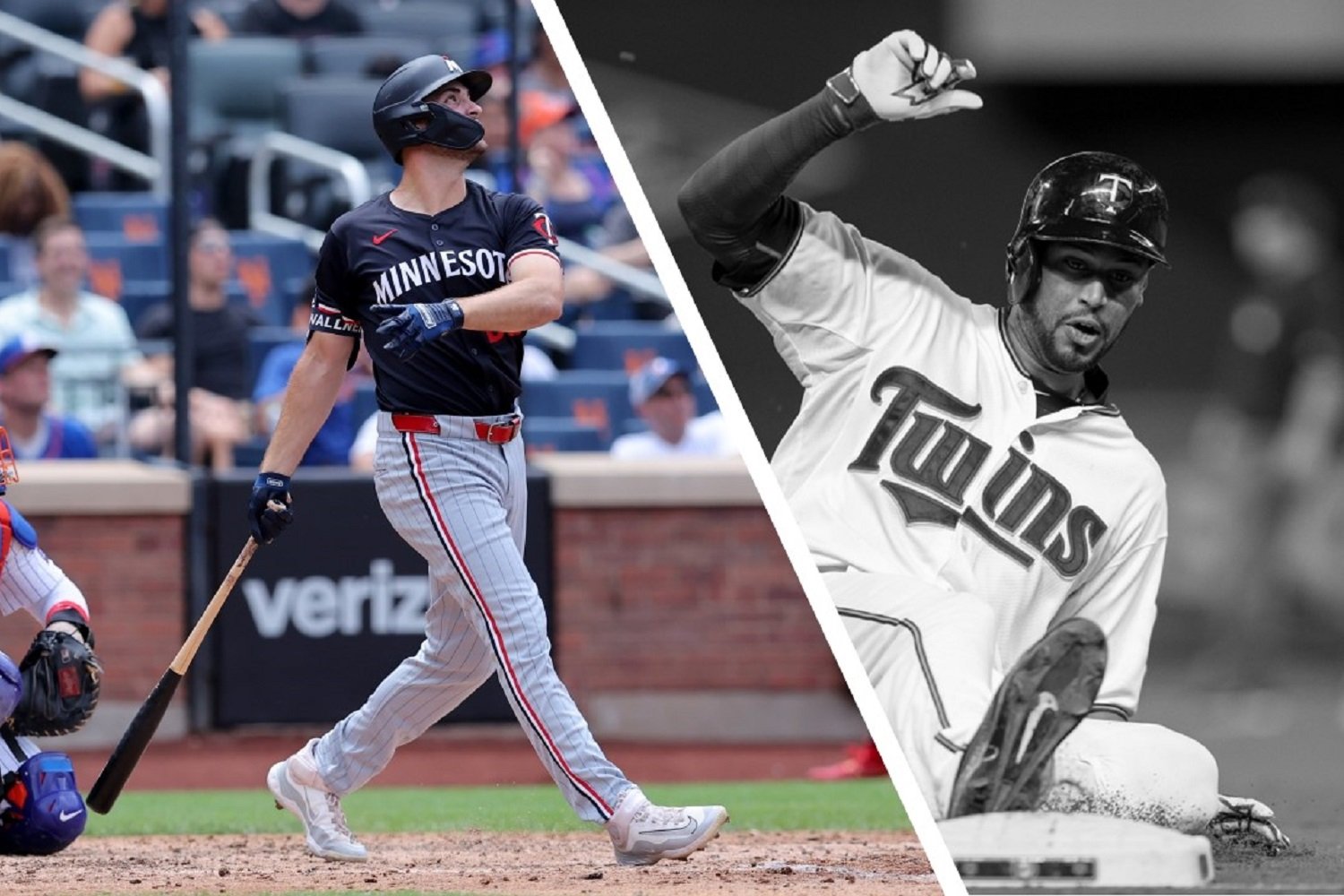 For decades, major-league managers followed a relatively predictable script when crafting their batting orders. The leadoff hitter was almost always a speedy player who could hit singles and cause havoc on the base paths. The second hitter was a contact-focused player who could advance runners, while the team’s best overall hitter slotted into the third spot. The cleanup hitter? He was the power threat, expected to drive in runs and change the game with one swing. But in today’s game, the traditional lineup structure is evolving. Teams are now prioritizing getting their best hitters to the plate more often, even if it means breaking from long-held conventions. This shift has led to unconventional choices at the top of the order, such as the Minnesota Twins experimenting with Matt Wallner as a leadoff hitter. On a recent Patreon-exclusive episode of Gleeman and the Geek, John Bonnes and Aaron Gleeman discussed the evolution of batting order construction. Plainly, the way teams build their lineup has differed significantly over the last two decades. Let’s dive into some of the changes and how teams are trying to maximize value from the entire lineup. The New-Age Leadoff Hitter In the past, players like Rickey Henderson or Lou Brock embodied the classic leadoff profile: speedsters who could steal bases and disrupt pitchers’ rhythms. Now, front offices and analytics-inclined managers have realized that on-base percentage (OBP) and overall productivity are far more critical than pure speed at the top of the order. The logic is simple: the more often your best hitters get to the plate, the better your chances of scoring runs. That (perhaps oversimplified) epiphany has brought power hitters and high-OBP sluggers into the leadoff discussion. Wallner might not fit the mold of a prototypical leadoff hitter, but his ability to get on base and hit for power makes him an intriguing option. By placing a high-OBP hitter like Wallner first, the Twins ensure that their most productive bats get more opportunities to do damage throughout the season. Maximizing Opportunities for Elite Hitters One of the most significant shifts in lineup construction is how teams deploy their best hitter. Traditionally, the third spot in the order was reserved for this role. However, modern analytics suggest that the extra plate appearances a player gets when batting second (and the slightly better mix of opportunities they have to create runs based on the base-out states when they come to the plate) make that spot more important than the No. 3 hole, meaning that elite hitters like Juan Soto, Mookie Betts, and Carlos Correa have seen significant time there. By moving the best hitter to the second position, teams guarantee they hit in the first inning, ensuring a higher number of at-bats across 162 games. This philosophy has led to teams placing their traditional power hitters earlier in the order, flipping the old-school approach on its head. (In fairness, we should note that in 2024, the league produced the best overall batting line from its No. 3 hitters, but that actually bucked the recent trend toward ever-better second hitters.) Another key trend is that cleanup hitters are no longer viewed as the ultimate run producers. Instead, power is spread throughout the lineup, ensuring that teams don’t waste their best bats waiting for a rally to materialize. Meanwhile, traditional No. 2 hitters (who had been tasked with advancing runners) are being replaced by sluggers who can drive in runs themselves. This change has also had a ripple effect on the bottom of the order. With the emphasis on high-OBP players at the top, the lower third of the lineup often consists of contact hitters and speed threats who can set the table for another trip through the top of the order. By pushing their very best hitters ever higher, though, teams are making the bottom thirds of their lineups weaker than ever. Not since 1950 have batters 7-9 in the order been as bad, relative to overall league production, as they were in 2024. Twins Historical Batting Order Changes Twenty years ago, the 2005 Twins had some clear options to fill the top of their batting order. Shannon Stewart was the team’s leadoff hitter in 122 games. Twins manager Ron Gardenhire took a more variable approach to the No. 2 spot, but he had a specific player type in mind. Nick Punto (63 games, Luis Rodríguez (22 games), and Jason Bartlett (20 games) were all middle infielders who fit the traditional role for that lineup spot: lots of contact, little real production. Like Stewart, Joe Mauer was the team’s typical choice for the No. 3 spot (108 games), with Lew Ford being the second-most frequent option (32 games). In the cleanup spot, Minnesota rotated through Justin Morneau (58 games), Matt LeCroy (42 games), and Torii Hunter (34 games). In 2015, the Twins had a surprising second-place finish in the AL Central. Paul Molitor was in his first campaign as the manager, and he used Brian Dozier as his primary leadoff hitter (102 games), with Aaron Hicks also getting 31 starts. The second spot had three players make 21 or more starts, including Hunter (55 games), Dozier (46 games), and Mauer (21 games). Despite a handful of starts batting second, though, Mauer was clearly the team’s No. 3 hitter, with 133 starts. In the cleanup spot, the Twins split time between Trevor Plouffe (68 games) and Miguel Sanó (65 games). The Twins have used a more modern approach in recent years, including platoons at the top of the lineup. Willi Castro (48 games), Edouard Julien (38 games), and Manuel Margot (33 games) were used regularly as leadoff hitters, with non-traditional options like Trevor Larnach and Ryan Jeffers getting more than 10 starts. Correa and Larnach split time in the lineup's second spot, with 45 or more starts each. Seven players made 10 or more starts in the third spot, with Royce Lewis (37 games) leading the way. Max Kepler (43 games) and Jose Miranda (33 games) were the most-used options for the No. 4 spot. Whereas Gardenhire and Molitor each grew up in a version of the game that emphasized the sequential and team-oriented ways to score runs, Rocco Baldelli was raised watching—and later playing—a power-centric game. Naturally, and with plenty of reinforcement from the front office, he has learned to build lineups that put runs on the board immediately, including with just one swing. The philosophies at work are different, working both as effects and causes of big changes in the game itself—and thus, what makes sense when filling out a lineup card. A Trend Here to Stay? With a better understanding of run production and lineup optimization, teams are more willing than ever to break the mold. For the Twins and other teams looking to maximize offensive output, experimenting with non-traditional leadoff hitters (be it Wallner, Kyle Schwarber, or any other highly competent but anti-stereotypical slugger) could be the key to unlocking more runs. The days of rigid batting order rules are fading, replaced by a new age of lineup construction that values production over convention. Are there other ways for teams to modernize their lineup construction, despite prevailing trends in the dynamic of pitchers and hitters and power creep throughout the game? Leave a comment and start the discussion.
- 20 comments
-
- 5
-

-
- matt wallner
- joe mauer
- (and 5 more)
-
This is an interesting perspective. I wonder if teams have ever done this in the minor leagues as a player moves through the system.
-
Johan Santana is arguably the best pitcher in Twins history. Here’s why it is time for the Minnesota Twins to retire his number. Image courtesy of © Jerry Lai-USA TODAY Sports Johan Santana is arguably the best pitcher in Twins history. Here’s why it is time for the Minnesota Twins to retire his number. Throughout their storied history, the Minnesota Twins have had the privilege of fielding some of the most dominant pitchers of their respective eras. From Bert Blyleven to Jim Kaat and even the steady presence of Brad Radke, the franchise has seen plenty of talent take the mound. However, when it comes to pure dominance, few pitchers in franchise history or baseball history can match Johan Santana’s run from 2000 to 2007. For years, Twins fans have wondered why Santana’s No. 57 isn’t enshrined among the team’s retired numbers, and it’s time for the organization to right that wrong. Santana was an ace and one of his generation's most overpowering and consistent pitchers. His peak was short but brilliant, leaving a lasting impact on the franchise and the game itself. A Resume Worthy of Immortality When examining the numbers, Santana’s accolades speak for themselves. He was a four-time All-Star, a two-time Cy Young winner, and the 2006 pitching Triple Crown winner. He led the American League in ERA three times, topped the league in strikeouts three times, and posted the best WHIP in the AL on four occasions. He was the undisputed best pitcher in the game for multiple seasons, yet his contributions still feel somewhat overlooked on a historical level. One of the most egregious injustices in baseball award history occurred in 2005 when Santana should have claimed his second consecutive Cy Young Award. Instead, voters honored Bartolo Colón, valuing his win total (21) over more meaningful statistics. Santana led the league in ERA+ (155), WHIP (0.97), strikeouts (238), and fWAR (7.2). It was a clear-cut case where veteran voters misjudged the true best pitcher in the league. Had he been appropriately recognized, Santana would have won three consecutive Cy Youngs, a feat only a handful of pitchers have achieved. Every pitcher with three Cy Youngs has either been inducted into the Hall of Fame or is expected to be enshrined. A Peak That Stood Among the Best If we compare Santana’s dominance to his contemporaries, the argument for retiring No. 57 becomes even stronger. From 2003 to 2009, only Roy Halladay provided more value according to fWAR, but even that comes with some nuance. During that span, Santana logged more innings, posted a higher strikeout rate, and maintained a lower ERA than Halladay. Few pitchers in that era could match Santana’s ability to take over a game, and his lethal changeup made him one of the most unhittable pitchers of his time. Within the history of the Minnesota Twins, Santana is firmly in elite company. According to fWAR, he ranks as the fourth-best pitcher in franchise history, trailing only Blyleven, Kaat, and Radke. Unlike those three, however, Santana is the only pitcher in team history to win multiple Cy Youngs. No other Twins pitcher in the modern era has had such a sustained stretch of brilliance. For pitchers with at least 100 starts in a Twins uniform, Santana ranks first in both strikeout percentage (K%) and Win Probability Added (WPA). He was arguably the team’s last true ace, a dominant force who gave the Twins a chance to win every time he took the ball. His presence on the mound was electric, and his impact went beyond just statistics. He was a defining figure of the 2000s Twins. The Twins Need to Act The Twins have been selective regarding retiring numbers, as they should be. However, that exclusivity should not come at the expense of deserving candidates. Santana’s tenure with the Twins may have been relatively short compared to others in franchise history, but his impact was undeniable. Out of players from the 2000s, only Joe Mauer’s No. 7 has retired, and there is a clear case for Santana to join him. While his Hall of Fame candidacy was cut short due to his injury-shortened career, that should not deter the Twins from recognizing his impact. Since he left the team, only four players have worn number 57 including Kyle Waldrop, Ryan Pressly, Hansel Robles, and Edgar García. The Twins have hesitated to give out his number because Santana’s peak was as dominant as any pitcher’s in recent memory, and his contributions to the team should be immortalized. The Minnesota Twins need to do what’s right: retire Johan Santana’s No. 57 and give him the honor he deserves. His brilliance on the mound defined an era, and it’s time for his legacy to be cemented in Twins' history forever. Should the Twins retire Santana’s number? Leave a comment and start the discussion. View full article
-
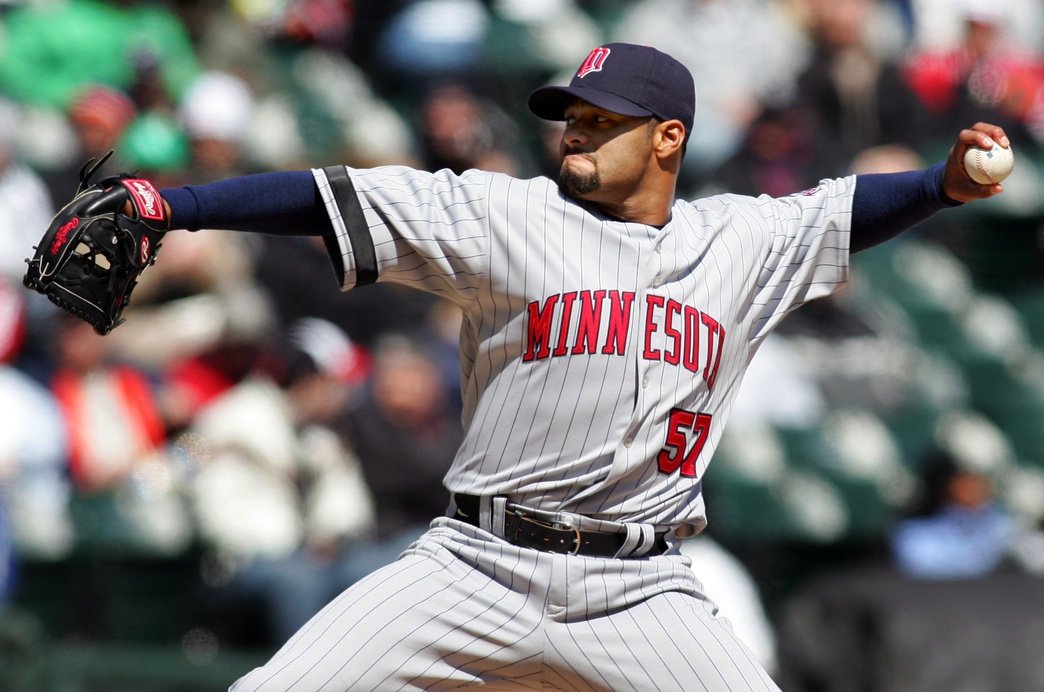 Throughout their storied history, the Minnesota Twins have had the privilege of fielding some of the most dominant pitchers of their respective eras. From Bert Blyleven to Jim Kaat and even the steady presence of Brad Radke, the franchise has seen plenty of talent take the mound. However, when it comes to pure dominance, few pitchers in franchise history or baseball history can match Johan Santana’s run from 2000 to 2007. For years, Twins fans have wondered why Santana’s No. 57 isn’t enshrined among the team’s retired numbers, and it’s time for the organization to right that wrong. Santana was an ace and one of his generation's most overpowering and consistent pitchers. His peak was short but brilliant, leaving a lasting impact on the franchise and the game itself. A Resume Worthy of Immortality When examining the numbers, Santana’s accolades speak for themselves. He was a four-time All-Star, a two-time Cy Young winner, and the 2006 pitching Triple Crown winner. He led the American League in ERA three times, topped the league in strikeouts three times, and posted the best WHIP in the AL on four occasions. He was the undisputed best pitcher in the game for multiple seasons, yet his contributions still feel somewhat overlooked on a historical level. One of the most egregious injustices in baseball award history occurred in 2005 when Santana should have claimed his second consecutive Cy Young Award. Instead, voters honored Bartolo Colón, valuing his win total (21) over more meaningful statistics. Santana led the league in ERA+ (155), WHIP (0.97), strikeouts (238), and fWAR (7.2). It was a clear-cut case where veteran voters misjudged the true best pitcher in the league. Had he been appropriately recognized, Santana would have won three consecutive Cy Youngs, a feat only a handful of pitchers have achieved. Every pitcher with three Cy Youngs has either been inducted into the Hall of Fame or is expected to be enshrined. A Peak That Stood Among the Best If we compare Santana’s dominance to his contemporaries, the argument for retiring No. 57 becomes even stronger. From 2003 to 2009, only Roy Halladay provided more value according to fWAR, but even that comes with some nuance. During that span, Santana logged more innings, posted a higher strikeout rate, and maintained a lower ERA than Halladay. Few pitchers in that era could match Santana’s ability to take over a game, and his lethal changeup made him one of the most unhittable pitchers of his time. Within the history of the Minnesota Twins, Santana is firmly in elite company. According to fWAR, he ranks as the fourth-best pitcher in franchise history, trailing only Blyleven, Kaat, and Radke. Unlike those three, however, Santana is the only pitcher in team history to win multiple Cy Youngs. No other Twins pitcher in the modern era has had such a sustained stretch of brilliance. For pitchers with at least 100 starts in a Twins uniform, Santana ranks first in both strikeout percentage (K%) and Win Probability Added (WPA). He was arguably the team’s last true ace, a dominant force who gave the Twins a chance to win every time he took the ball. His presence on the mound was electric, and his impact went beyond just statistics. He was a defining figure of the 2000s Twins. The Twins Need to Act The Twins have been selective regarding retiring numbers, as they should be. However, that exclusivity should not come at the expense of deserving candidates. Santana’s tenure with the Twins may have been relatively short compared to others in franchise history, but his impact was undeniable. Out of players from the 2000s, only Joe Mauer’s No. 7 has retired, and there is a clear case for Santana to join him. While his Hall of Fame candidacy was cut short due to his injury-shortened career, that should not deter the Twins from recognizing his impact. Since he left the team, only four players have worn number 57 including Kyle Waldrop, Ryan Pressly, Hansel Robles, and Edgar García. The Twins have hesitated to give out his number because Santana’s peak was as dominant as any pitcher’s in recent memory, and his contributions to the team should be immortalized. The Minnesota Twins need to do what’s right: retire Johan Santana’s No. 57 and give him the honor he deserves. His brilliance on the mound defined an era, and it’s time for his legacy to be cemented in Twins' history forever. Should the Twins retire Santana’s number? Leave a comment and start the discussion.
 -
A lot of players could be talked about in the article but I tried to limit the list. Correa was great last year when he was healthy. His first half was one of the best stretches of his career. He's proven that he can perform when he is healthy. Other players I considered for the list were Julien, Miranda, Castro, Larnach and Jeffers. Like I said, the list could be almost the entire offensive roster. I picked Wallner because of his slump to start last season, Lewis for his slump to end last season, and Buxton because of the high expectations that continually surround him.
- 21 replies
-
- 1
-
-
- byron buxton
- matt wallner
- (and 1 more)
-
After a disappointing end to the 2024 season, many players will attempt to quickly get the bad taste of last season out of their mouths. Three players' offensive performance will be closely watched in the season’s early weeks. Image courtesy of William Parmeter After a disappointing end to the 2024 season, many players will attempt to quickly get the bad taste of last season out of their mouths. Three players' offensive performance will be closely watched in the season’s early weeks. Spring training is nearing its conclusion, and the Minnesota Twins are ready to embark on another season filled with high expectations. While the roster is full of familiar faces, three players stand out as crucial to the team’s success: Matt Wallner, Royce Lewis, and Byron Buxton. Each of these players faces unique challenges entering 2025, but they all share one common need: getting off to a strong start. Matt Wallner: Can He Pick Up Where He Left Off? Matt Wallner’s 2024 season was a tale of two halves. To say he struggled out of the gate would be an understatement. In 33 plate appearances, he went 2-for-25 (.080 BA) with 17 strikeouts. This disastrous start at the plate led to a demotion to Triple-A, where he was forced to recalibrate his approach. However, he looked like a completely different hitter once he returned to the big-league club. In his final 228 plate appearances, he hit .282/.386/.559 (.945) with 16 doubles and 12 home runs. Wallner provided consistent at-bats and became one of the Twins’ most productive hitters down the stretch. The biggest question heading into 2025 is which version of Wallner will show up. Was the first-half slump simply a case of pressing too much, or were there underlying mechanical issues that could resurface? His second-half surge suggested he made meaningful adjustments, but there’s always the risk of regression. The Twins are counting on him to provide much-needed left-handed power in a lineup that needs depth beyond its core stars. If he can carry his late-season success into April, he’ll solidify his role as a key contributor. If he struggles again, he could find himself fighting for playing time in a crowded outfield mix. Royce Lewis: Ready to Shake Off the Slump Royce Lewis has never lacked confidence. He’s made headlines throughout his career with his charismatic personality and infectious energy. That’s why it was so surprising when he ended 2024 in the worst slump of his young career, especially after boldly stating, “I don’t do that slump thing.” Lewis has shown elite flashes at the plate, but his late-season struggles raised some concerns. In the second half, he hit .207/.270/.350 (.620) with 17 extra-base hits in 226 PA. The Twins are all in on him as their everyday third baseman, and they need him to produce like the middle-of-the-order bat they believe he can be. His power and ability to deliver in clutch moments make him a game-changer when he’s at his best. A strong start would prove that his late-season slump was an anomaly rather than a sign of growing pains that will linger into 2025. If he can settle in quickly and recapture the form that made him one of the team’s most dangerous hitters, the Twins’ lineup will be in great shape. But if his struggles continue, questions will start to arise about whether the team needs to adjust their expectations for him. Byron Buxton: The Offensive X-Factor For years, Twins fans have wondered what Byron Buxton could do with a fully healthy offseason. Now, for the first time in over half a decade, they’re about to find out. Buxton wasn’t rehabbing from an injury this winter. He was training, refining his approach, and preparing for a season where he could hopefully be at his best from day one. Last season, Buxton played over 100 games for just the second time in his career, a significant step forward for a player whose immense talent is often overshadowed by his injury history. He posted a 137 OPS+, the second-highest total of his career. Even so, he was out of the lineup in the second half when the Twins were free-falling out of playoff contention. Now, the Twins need him to be an offensive force in the middle of the lineup, and a locked-in Buxton changes the entire complexion of the team daily. His power-speed combination is elite, and when he sees the ball well, he forces pitchers to attack the heart of the Twins’ order differently. A hot start would send a strong message that he’s back to being the game-breaking player he was in 2021, rather than the injury-riddled star who has struggled to stay on the field. If Buxton stays healthy and starts the season strong, it will significantly boost Minnesota’s offense. If he struggles early, the team could find itself in an all-too-familiar spot of wondering how much they can realistically expect from their most talented player. The Twins have the pieces to compete for another AL Central title, but much of their success hinges on how Wallner, Lewis, and Buxton perform out of the gate. A slow start from any of them could lead to lineup reshuffling and increased pressure to make adjustments on the fly. On the other hand, if all three come out firing, Minnesota’s offense could be one of the most dangerous in the American League. With Opening Day just around the corner, all eyes will be on this trio. Can Wallner prove his second-half resurgence was real? Will Lewis shake off his late-season slump and deliver on his star potential? And can Buxton build off his healthy winter and be the game-changer the Twins need? The answers to those questions will significantly shape the 2025 season. Which player is most important to the Twins’ start to the season? Leave a comment and start the discussion. View full article
-
Why a Fast Start Is Crucial for Three Twins Hitters in 2025
Cody Christie posted an article in Twins
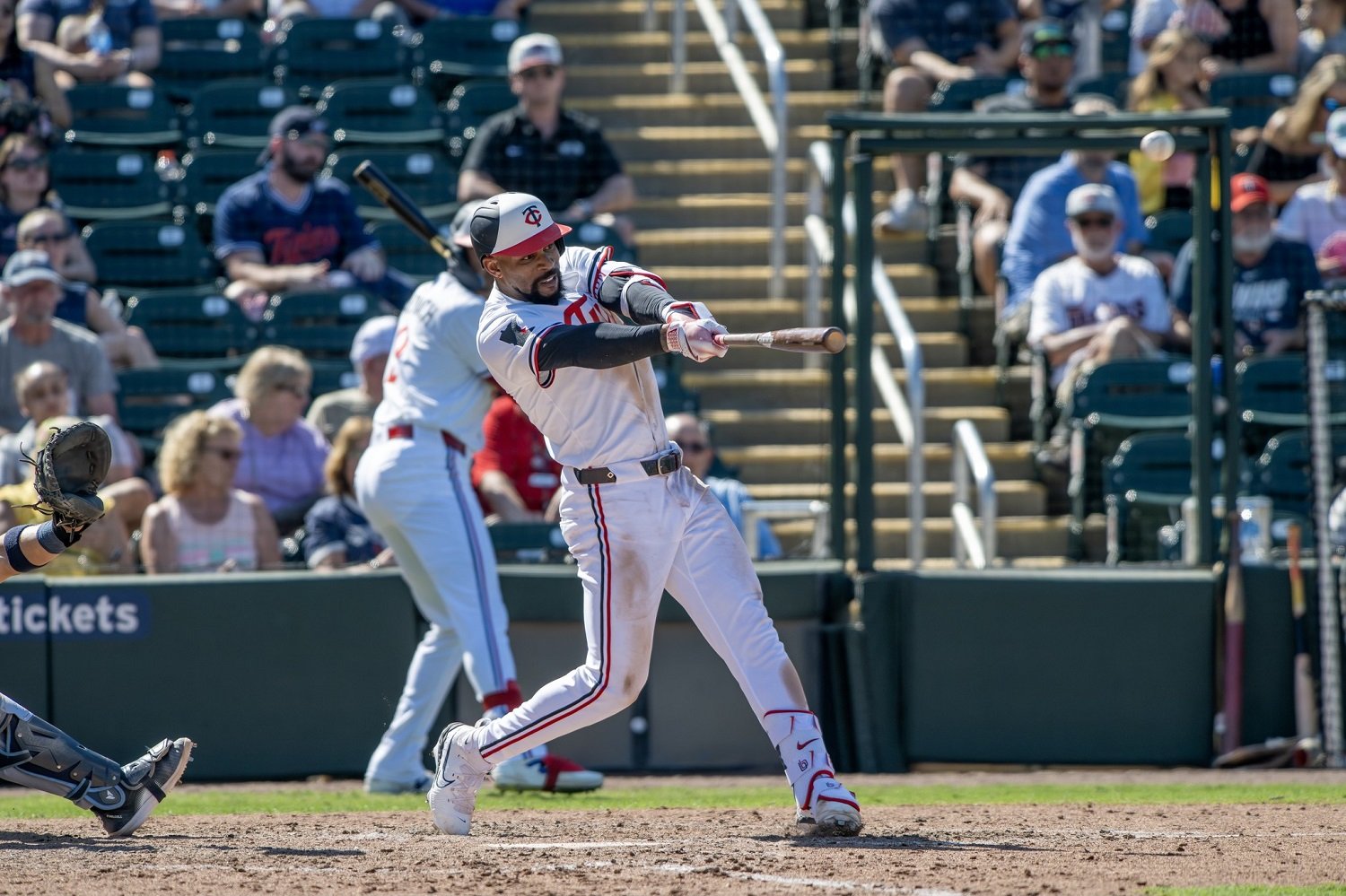 Spring training is nearing its conclusion, and the Minnesota Twins are ready to embark on another season filled with high expectations. While the roster is full of familiar faces, three players stand out as crucial to the team’s success: Matt Wallner, Royce Lewis, and Byron Buxton. Each of these players faces unique challenges entering 2025, but they all share one common need: getting off to a strong start. Matt Wallner: Can He Pick Up Where He Left Off? Matt Wallner’s 2024 season was a tale of two halves. To say he struggled out of the gate would be an understatement. In 33 plate appearances, he went 2-for-25 (.080 BA) with 17 strikeouts. This disastrous start at the plate led to a demotion to Triple-A, where he was forced to recalibrate his approach. However, he looked like a completely different hitter once he returned to the big-league club. In his final 228 plate appearances, he hit .282/.386/.559 (.945) with 16 doubles and 12 home runs. Wallner provided consistent at-bats and became one of the Twins’ most productive hitters down the stretch. The biggest question heading into 2025 is which version of Wallner will show up. Was the first-half slump simply a case of pressing too much, or were there underlying mechanical issues that could resurface? His second-half surge suggested he made meaningful adjustments, but there’s always the risk of regression. The Twins are counting on him to provide much-needed left-handed power in a lineup that needs depth beyond its core stars. If he can carry his late-season success into April, he’ll solidify his role as a key contributor. If he struggles again, he could find himself fighting for playing time in a crowded outfield mix. Royce Lewis: Ready to Shake Off the Slump Royce Lewis has never lacked confidence. He’s made headlines throughout his career with his charismatic personality and infectious energy. That’s why it was so surprising when he ended 2024 in the worst slump of his young career, especially after boldly stating, “I don’t do that slump thing.” Lewis has shown elite flashes at the plate, but his late-season struggles raised some concerns. In the second half, he hit .207/.270/.350 (.620) with 17 extra-base hits in 226 PA. The Twins are all in on him as their everyday third baseman, and they need him to produce like the middle-of-the-order bat they believe he can be. His power and ability to deliver in clutch moments make him a game-changer when he’s at his best. A strong start would prove that his late-season slump was an anomaly rather than a sign of growing pains that will linger into 2025. If he can settle in quickly and recapture the form that made him one of the team’s most dangerous hitters, the Twins’ lineup will be in great shape. But if his struggles continue, questions will start to arise about whether the team needs to adjust their expectations for him. Byron Buxton: The Offensive X-Factor For years, Twins fans have wondered what Byron Buxton could do with a fully healthy offseason. Now, for the first time in over half a decade, they’re about to find out. Buxton wasn’t rehabbing from an injury this winter. He was training, refining his approach, and preparing for a season where he could hopefully be at his best from day one. Last season, Buxton played over 100 games for just the second time in his career, a significant step forward for a player whose immense talent is often overshadowed by his injury history. He posted a 137 OPS+, the second-highest total of his career. Even so, he was out of the lineup in the second half when the Twins were free-falling out of playoff contention. Now, the Twins need him to be an offensive force in the middle of the lineup, and a locked-in Buxton changes the entire complexion of the team daily. His power-speed combination is elite, and when he sees the ball well, he forces pitchers to attack the heart of the Twins’ order differently. A hot start would send a strong message that he’s back to being the game-breaking player he was in 2021, rather than the injury-riddled star who has struggled to stay on the field. If Buxton stays healthy and starts the season strong, it will significantly boost Minnesota’s offense. If he struggles early, the team could find itself in an all-too-familiar spot of wondering how much they can realistically expect from their most talented player. The Twins have the pieces to compete for another AL Central title, but much of their success hinges on how Wallner, Lewis, and Buxton perform out of the gate. A slow start from any of them could lead to lineup reshuffling and increased pressure to make adjustments on the fly. On the other hand, if all three come out firing, Minnesota’s offense could be one of the most dangerous in the American League. With Opening Day just around the corner, all eyes will be on this trio. Can Wallner prove his second-half resurgence was real? Will Lewis shake off his late-season slump and deliver on his star potential? And can Buxton build off his healthy winter and be the game-changer the Twins need? The answers to those questions will significantly shape the 2025 season. Which player is most important to the Twins’ start to the season? Leave a comment and start the discussion.
- 21 comments
-
- 1
-
-
- byron buxton
- matt wallner
- (and 1 more)
-
The Minnesota Twins' ownership transition has hit a significant snag, with reports indicating that the sale process will take longer than initially anticipated. Recent reports suggest the process could take at least six months. So, what does that mean for the franchise in 2025? Image courtesy of © David Berding-Imagn Images The Minnesota Twins' ownership transition has hit a significant snag, with reports indicating that the sale process will take longer than initially anticipated. Recent reports suggest the process could take at least six months. So, what does that mean for the franchise in 2025? When news broke last year that the Pohlad family was exploring a sale, the goal was to have a new owner in place early in the 2025 season. However, those plans have been derailed, mainly due to Justin Ishbia withdrawing from consideration as a potential buyer. With Ishbia out of the picture, the team doesn't have a clear frontrunner (at least one who has been publicly identified), leading to uncertainty about when and to whom the team will ultimately be sold. According to the Star-Tribune, the sale is now expected to take at least another six months, pushing the timeline well beyond Opening Day and possibly into late summer or early fall. “A source with direct knowledge of the process said the Twins still believe a sale could be completed within that six-month time frame,” reported La Velle E. Neal III. “That sounds more ambitious to me with each passing day. That’s why I’m predicting this to be final by August or September.” Pohlad Family’s Position Despite the delays, the Pohlads remain motivated sellers. The family has owned the franchise since 1984, when Carl Pohlad purchased the team for $44 million. Under their stewardship, the Twins have won two World Series titles (1987 and 1991) and have remained a competitive small- to mid-market club. However, the next generation of the family is looking to step away from ownership, prioritizing other business ventures. There have been whispers that the Pohlads could reconsider their decision to sell altogether. Similar situations have occurred with other Major League Baseball franchises in recent years, most notably with the Washington Nationals and Los Angeles Angels. Both teams were put on the market, only for ownership to ultimately decide against selling. While such a scenario remains possible for the Twins, the prevailing belief is that the Pohlads still intend to complete the sale. The process is just taking longer than they had hoped. How the Delayed Sale Impacts the Twins' 2025 Season One of the significant ramifications of the prolonged sale process is how it might affect the team’s financial decisions, particularly regarding midseason moves. When an ownership group is in transition, it's not uncommon for financial conservatism to take precedence over aggressive spending. The Twins were able to add a small amount to the payroll late this winter, but if the sale drags on, they might not have the same privilege this summer. The team has legitimate playoff aspirations, especially with a relatively weak AL Central division. However, a lack of financial commitment from ownership at the deadline could leave the roster vulnerable if injuries arise, or if additional reinforcements are needed for any other reason. What’s Next? With Ishbia out of the picture, speculation continues regarding who could purchase the team. A high-profile buyer or ownership group with deep pockets could significantly alter the franchise’s trajectory. While historically operating as a mid-market team, the Twins could see a shift in financial strategy under new ownership, potentially leading to a more aggressive approach in free agency and player acquisitions. On the other hand, of course, being bought by a group akin to the Pohlads could lead the team in the same direction they're already trending under the family's leadership. MLB franchise sales have become increasingly complex, with valuations soaring in recent years. The Twins are expected to command a price well north of $1 billion, which limits the pool of potential buyers. Regardless of who emerges as the eventual buyer, the delay means that for at least the 2025 season, the Pohlads remain at the helm. That stability can be a double-edged sword. While it means continuity in the front office and baseball operations, it also brings uncertainty about the team’s seriousness about contending. The Bigger Picture For Twins fans, the drawn-out sale process creates frustration. Many were hopeful that a new ownership group would bring fresh energy and a more significant financial commitment to competing at the highest level. Instead, they are left waiting as the process drags on. At this point, all signs indicate that the Twins will have the same ownership group in place for the entirety of the 2025 season. Whether that significantly impacts how the team operates remains to be seen. If the Twins find themselves in the thick of a playoff race come July, the financial decisions made at that point will speak volumes about how the ownership situation truly impacts the team. For now, the waiting game continues. While the Pohlads still appear motivated to sell, Twins Territory must remain patient as the process unfolds. View full article
-
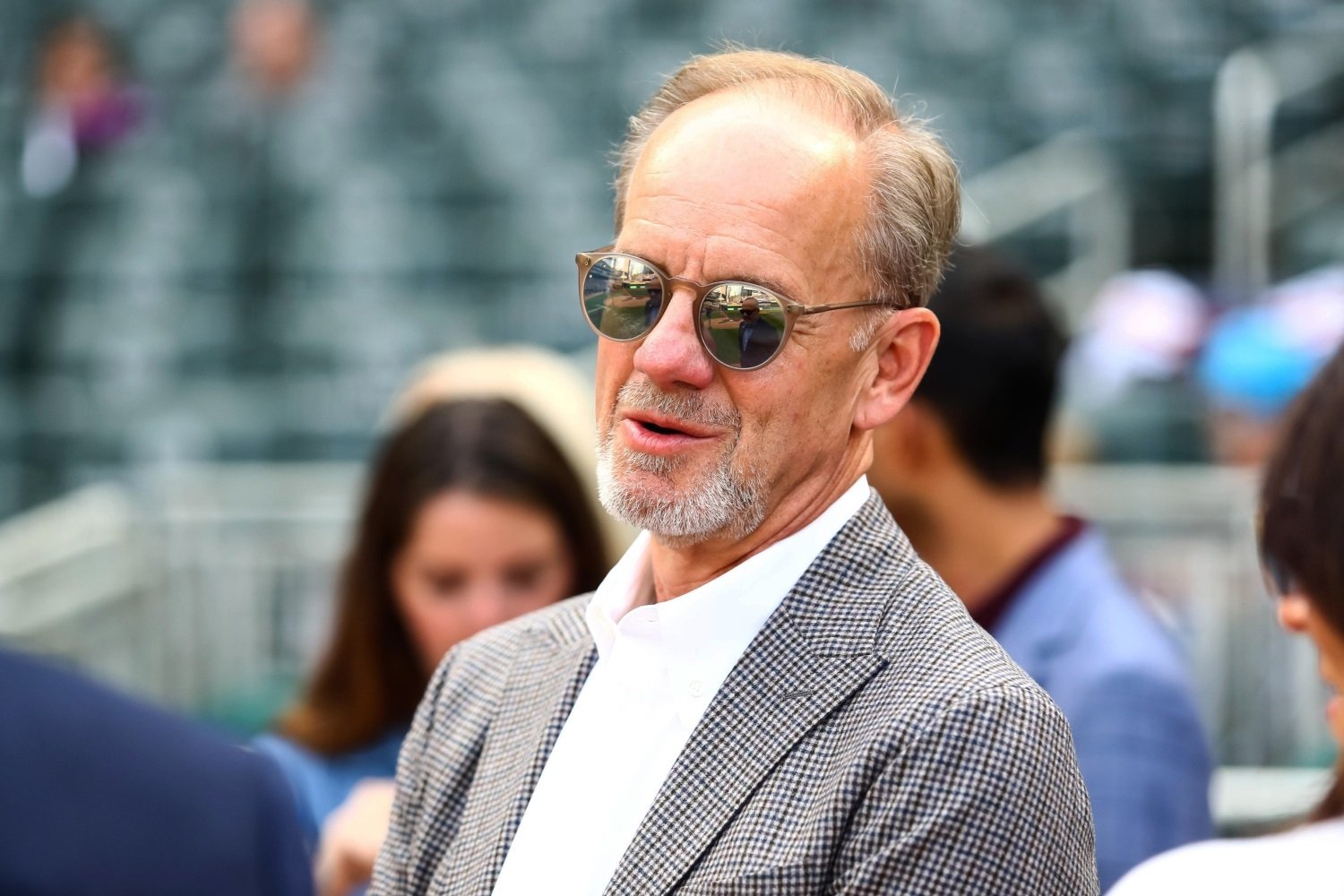 When news broke last year that the Pohlad family was exploring a sale, the goal was to have a new owner in place early in the 2025 season. However, those plans have been derailed, mainly due to Justin Ishbia withdrawing from consideration as a potential buyer. With Ishbia out of the picture, the team doesn't have a clear frontrunner (at least one who has been publicly identified), leading to uncertainty about when and to whom the team will ultimately be sold. According to the Star-Tribune, the sale is now expected to take at least another six months, pushing the timeline well beyond Opening Day and possibly into late summer or early fall. “A source with direct knowledge of the process said the Twins still believe a sale could be completed within that six-month time frame,” reported La Velle E. Neal III. “That sounds more ambitious to me with each passing day. That’s why I’m predicting this to be final by August or September.” Pohlad Family’s Position Despite the delays, the Pohlads remain motivated sellers. The family has owned the franchise since 1984, when Carl Pohlad purchased the team for $44 million. Under their stewardship, the Twins have won two World Series titles (1987 and 1991) and have remained a competitive small- to mid-market club. However, the next generation of the family is looking to step away from ownership, prioritizing other business ventures. There have been whispers that the Pohlads could reconsider their decision to sell altogether. Similar situations have occurred with other Major League Baseball franchises in recent years, most notably with the Washington Nationals and Los Angeles Angels. Both teams were put on the market, only for ownership to ultimately decide against selling. While such a scenario remains possible for the Twins, the prevailing belief is that the Pohlads still intend to complete the sale. The process is just taking longer than they had hoped. How the Delayed Sale Impacts the Twins' 2025 Season One of the significant ramifications of the prolonged sale process is how it might affect the team’s financial decisions, particularly regarding midseason moves. When an ownership group is in transition, it's not uncommon for financial conservatism to take precedence over aggressive spending. The Twins were able to add a small amount to the payroll late this winter, but if the sale drags on, they might not have the same privilege this summer. The team has legitimate playoff aspirations, especially with a relatively weak AL Central division. However, a lack of financial commitment from ownership at the deadline could leave the roster vulnerable if injuries arise, or if additional reinforcements are needed for any other reason. What’s Next? With Ishbia out of the picture, speculation continues regarding who could purchase the team. A high-profile buyer or ownership group with deep pockets could significantly alter the franchise’s trajectory. While historically operating as a mid-market team, the Twins could see a shift in financial strategy under new ownership, potentially leading to a more aggressive approach in free agency and player acquisitions. On the other hand, of course, being bought by a group akin to the Pohlads could lead the team in the same direction they're already trending under the family's leadership. MLB franchise sales have become increasingly complex, with valuations soaring in recent years. The Twins are expected to command a price well north of $1 billion, which limits the pool of potential buyers. Regardless of who emerges as the eventual buyer, the delay means that for at least the 2025 season, the Pohlads remain at the helm. That stability can be a double-edged sword. While it means continuity in the front office and baseball operations, it also brings uncertainty about the team’s seriousness about contending. The Bigger Picture For Twins fans, the drawn-out sale process creates frustration. Many were hopeful that a new ownership group would bring fresh energy and a more significant financial commitment to competing at the highest level. Instead, they are left waiting as the process drags on. At this point, all signs indicate that the Twins will have the same ownership group in place for the entirety of the 2025 season. Whether that significantly impacts how the team operates remains to be seen. If the Twins find themselves in the thick of a playoff race come July, the financial decisions made at that point will speak volumes about how the ownership situation truly impacts the team. For now, the waiting game continues. While the Pohlads still appear motivated to sell, Twins Territory must remain patient as the process unfolds.
- 53 comments
-
- 5
-
-
- jim pohlad
- joe pohlad
- (and 1 more)
-
For nearly two decades, Harmon Killebrew’s name was synonymous with power in Major League Baseball. His towering home runs, quiet leadership, and steady presence at the heart of the Twins’ lineup made him one of the most beloved figures in franchise history. From his humble beginnings with the Washington Senators to his Hall of Fame career in Minnesota and his post-playing contributions to the game, Killebrew’s legacy remains one of the most enduring in baseball history. The Senators Take a Chance Killebrew’s path to stardom began in 1954, when the Washington Senators signed him as a “bonus baby” out of Payette High School in Idaho. The signing was orchestrated by legendary scout Ossie Bluege, who saw raw power and untapped potential in the 17-year-old. Under MLB’s bonus rules at the time, Killebrew was required to stay on the Senators’ major league roster for two years, limiting his early development. His first few seasons were spent primarily as a bench player, struggling to find regular playing time. That changed in 1959 when the Senators finally gave him an extended opportunity. Killebrew responded by launching 42 home runs and driving in 105 runs, proving he was more than capable of handling big-league pitching. It was the beginning of a power surge that would define his career. A Franchise Cornerstone in Minnesota When the Senators moved to Minnesota in 1961 and became the Twins, Killebrew instantly became the face of the franchise. He quickly established himself as one of the most feared hitters in the American League, regularly ranking among the league leaders in home runs and RBIs. His compact yet explosive swing allowed him to crush baseballs with ease, leading to some of the most memorable moonshots in Twins history. In 1965, Killebrew played a crucial role in leading the Twins to their first American League pennant. His 25 home runs and 75 RBIs helped power Minnesota to a World Series matchup with the Los Angeles Dodgers. While the Twins ultimately fell short in a seven-game battle, Killebrew’s reputation as one of the league’s premier sluggers was cemented. His best season came in 1969 when he won the American League MVP award after posting a staggering 49 home runs, 140 RBIs, and a .427 on-base percentage. That season, he helped lead the Twins to an AL West division title in the first year of divisional play. Though postseason success eluded him, Killebrew remained the heart of the team throughout the 1960s and early 1970s. A Farewell in Kansas City After spending 21 seasons with the Senators/Twins organization, Killebrew’s time in Minnesota came to an end following the 1974 season. The Twins released him, and rather than retire, he signed with the Kansas City Royals for one final year in 1975. Though his power had declined, Killebrew still managed 14 home runs in his farewell season, finishing his career with 573 round-trippers—at the time, the fifth-most in MLB history. Life After Baseball Following his retirement, Killebrew remained involved in baseball as a broadcaster and coach. He worked as a television analyst for the Twins and also spent time mentoring young hitters, passing on his vast knowledge of the game. Off the field, he dedicated much of his life to philanthropy, founding the Harmon Killebrew Foundation, which focused on supporting various charitable causes. In 1984, Killebrew received the game’s highest honor when he was inducted into the Baseball Hall of Fame. He was the first player to be enshrined as a Minnesota Twin, further solidifying his place as the franchise’s greatest slugger. In his later years, Killebrew remained a beloved figure in Minnesota, frequently returning for Twins events and reconnecting with fans who had long admired him. His legacy lives on in Target Field’s Gate 3 and the towering statue that commemorate his powerful swing. Harmon Killebrew’s impact on baseball goes beyond home runs and accolades. He was a player who exemplified professionalism, humility, and class—both on and off the field. While baseball fans will always remember the tape-measure shots and the MVP season, those who knew him best will remember a man who carried himself with grace, leaving an indelible mark on the game and those who watched him play. View full player
-
 For nearly two decades, Harmon Killebrew’s name was synonymous with power in Major League Baseball. His towering home runs, quiet leadership, and steady presence at the heart of the Twins’ lineup made him one of the most beloved figures in franchise history. From his humble beginnings with the Washington Senators to his Hall of Fame career in Minnesota and his post-playing contributions to the game, Killebrew’s legacy remains one of the most enduring in baseball history. The Senators Take a Chance Killebrew’s path to stardom began in 1954, when the Washington Senators signed him as a “bonus baby” out of Payette High School in Idaho. The signing was orchestrated by legendary scout Ossie Bluege, who saw raw power and untapped potential in the 17-year-old. Under MLB’s bonus rules at the time, Killebrew was required to stay on the Senators’ major league roster for two years, limiting his early development. His first few seasons were spent primarily as a bench player, struggling to find regular playing time. That changed in 1959 when the Senators finally gave him an extended opportunity. Killebrew responded by launching 42 home runs and driving in 105 runs, proving he was more than capable of handling big-league pitching. It was the beginning of a power surge that would define his career. A Franchise Cornerstone in Minnesota When the Senators moved to Minnesota in 1961 and became the Twins, Killebrew instantly became the face of the franchise. He quickly established himself as one of the most feared hitters in the American League, regularly ranking among the league leaders in home runs and RBIs. His compact yet explosive swing allowed him to crush baseballs with ease, leading to some of the most memorable moonshots in Twins history. In 1965, Killebrew played a crucial role in leading the Twins to their first American League pennant. His 25 home runs and 75 RBIs helped power Minnesota to a World Series matchup with the Los Angeles Dodgers. While the Twins ultimately fell short in a seven-game battle, Killebrew’s reputation as one of the league’s premier sluggers was cemented. His best season came in 1969 when he won the American League MVP award after posting a staggering 49 home runs, 140 RBIs, and a .427 on-base percentage. That season, he helped lead the Twins to an AL West division title in the first year of divisional play. Though postseason success eluded him, Killebrew remained the heart of the team throughout the 1960s and early 1970s. A Farewell in Kansas City After spending 21 seasons with the Senators/Twins organization, Killebrew’s time in Minnesota came to an end following the 1974 season. The Twins released him, and rather than retire, he signed with the Kansas City Royals for one final year in 1975. Though his power had declined, Killebrew still managed 14 home runs in his farewell season, finishing his career with 573 round-trippers—at the time, the fifth-most in MLB history. Life After Baseball Following his retirement, Killebrew remained involved in baseball as a broadcaster and coach. He worked as a television analyst for the Twins and also spent time mentoring young hitters, passing on his vast knowledge of the game. Off the field, he dedicated much of his life to philanthropy, founding the Harmon Killebrew Foundation, which focused on supporting various charitable causes. In 1984, Killebrew received the game’s highest honor when he was inducted into the Baseball Hall of Fame. He was the first player to be enshrined as a Minnesota Twin, further solidifying his place as the franchise’s greatest slugger. In his later years, Killebrew remained a beloved figure in Minnesota, frequently returning for Twins events and reconnecting with fans who had long admired him. His legacy lives on in Target Field’s Gate 3 and the towering statue that commemorate his powerful swing. Harmon Killebrew’s impact on baseball goes beyond home runs and accolades. He was a player who exemplified professionalism, humility, and class—both on and off the field. While baseball fans will always remember the tape-measure shots and the MVP season, those who knew him best will remember a man who carried himself with grace, leaving an indelible mark on the game and those who watched him play.
 -
Johan Santana, one of the most dominant pitchers of his generation, was born on March 13, 1979, in Tovar, Venezuela. Before reaching the major leagues, Santana honed his skills as an amateur pitcher in Venezuela, where his talent quickly drew attention. He was signed by the Houston Astros as an international free agent in 1995 at the age of 16. However, before he could make an impact with the Astros, his career trajectory changed dramatically due to a key trade maneuver. The Rule 5 Draft and Minnesota Twins Acquisition In the 1999 Rule 5 Draft, the Florida Marlins selected Santana from the Astros' minor league system. Immediately after, the Marlins orchestrated a trade, sending Santana to the Minnesota Twins in exchange for minor league pitcher Jared Camp. This move proved to be one of the most impactful in Twins history, as Santana would go on to become one of the franchise’s greatest pitchers. Rise to Stardom with the Twins Santana initially struggled as a young pitcher in the major leagues, bouncing between the bullpen and starting rotation. However, under the guidance of the Twins’ coaching staff, he refined his craft, particularly mastering his devastating changeup, which became his signature pitch. By 2003, Santana had solidified his role as a full-time starter, and from 2004 to 2007, he established himself as one of the premier pitchers in baseball. During his tenure with the Twins, Santana won two American League Cy Young Awards (2004, 2006). In 2004, he led the league in strikeouts (265) and ERA (2.61), helping the Twins secure a playoff berth. His 2006 campaign was even more impressive, as he won the American League pitching Triple Crown, leading the league in wins (19), strikeouts (245), and ERA (2.77). Santana also won the Gold Glove Award in 2007 and was a four-time All-Star during his tenure with Minnesota. Trade to the Mets and Historic No-Hitter Following the 2007 season, with Santana approaching free agency and the Twins unable to match his contract demands, the team traded him to the New York Mets in February 2008. The deal sent Santana to New York in exchange for a package of prospects, including Carlos Gómez and Philip Humber. Santana quickly became the ace of the Mets' rotation. In his first season in New York, he led the National League with a 2.53 ERA and recorded 16 wins. However, his most iconic moment with the Mets came on June 1, 2012, when he threw the first no-hitter in franchise history, defeating the St. Louis Cardinals. The historic achievement came at a cost, as Santana threw a career-high 134 pitches, which many believe contributed to the injuries that soon followed. Injuries and the End of His Career Santana’s career was derailed by persistent injuries. After missing the entire 2011 season due to shoulder surgery, he made a promising return in 2012, highlighted by his no-hitter. However, additional shoulder problems forced him to miss the entire 2013 season. After the Mets declined his contract option, Santana attempted comebacks with the Baltimore Orioles and Toronto Blue Jays but was unable to stay healthy. His last major league appearance came in 2012, effectively ending his career prematurely. Post-Playing Career Following his retirement, Santana remained involved in baseball through mentorship and coaching. He has worked with young pitchers, particularly in his native Venezuela, and has participated in various Twins and Mets alumni events. In recognition of his contributions to baseball, the Twins inducted him into their Hall of Fame in 2018. Although his career was cut short by injuries, Johan Santana's legacy as one of the most dominant pitchers of his era remains intact. His exceptional command, particularly his devastating changeup, set him apart, and he is fondly remembered by both Twins and Mets fans as a legend of the game. View full player
-
- 1
-
-
 Johan Santana, one of the most dominant pitchers of his generation, was born on March 13, 1979, in Tovar, Venezuela. Before reaching the major leagues, Santana honed his skills as an amateur pitcher in Venezuela, where his talent quickly drew attention. He was signed by the Houston Astros as an international free agent in 1995 at the age of 16. However, before he could make an impact with the Astros, his career trajectory changed dramatically due to a key trade maneuver. The Rule 5 Draft and Minnesota Twins Acquisition In the 1999 Rule 5 Draft, the Florida Marlins selected Santana from the Astros' minor league system. Immediately after, the Marlins orchestrated a trade, sending Santana to the Minnesota Twins in exchange for minor league pitcher Jared Camp. This move proved to be one of the most impactful in Twins history, as Santana would go on to become one of the franchise’s greatest pitchers. Rise to Stardom with the Twins Santana initially struggled as a young pitcher in the major leagues, bouncing between the bullpen and starting rotation. However, under the guidance of the Twins’ coaching staff, he refined his craft, particularly mastering his devastating changeup, which became his signature pitch. By 2003, Santana had solidified his role as a full-time starter, and from 2004 to 2007, he established himself as one of the premier pitchers in baseball. During his tenure with the Twins, Santana won two American League Cy Young Awards (2004, 2006). In 2004, he led the league in strikeouts (265) and ERA (2.61), helping the Twins secure a playoff berth. His 2006 campaign was even more impressive, as he won the American League pitching Triple Crown, leading the league in wins (19), strikeouts (245), and ERA (2.77). Santana also won the Gold Glove Award in 2007 and was a four-time All-Star during his tenure with Minnesota. Trade to the Mets and Historic No-Hitter Following the 2007 season, with Santana approaching free agency and the Twins unable to match his contract demands, the team traded him to the New York Mets in February 2008. The deal sent Santana to New York in exchange for a package of prospects, including Carlos Gómez and Philip Humber. Santana quickly became the ace of the Mets' rotation. In his first season in New York, he led the National League with a 2.53 ERA and recorded 16 wins. However, his most iconic moment with the Mets came on June 1, 2012, when he threw the first no-hitter in franchise history, defeating the St. Louis Cardinals. The historic achievement came at a cost, as Santana threw a career-high 134 pitches, which many believe contributed to the injuries that soon followed. Injuries and the End of His Career Santana’s career was derailed by persistent injuries. After missing the entire 2011 season due to shoulder surgery, he made a promising return in 2012, highlighted by his no-hitter. However, additional shoulder problems forced him to miss the entire 2013 season. After the Mets declined his contract option, Santana attempted comebacks with the Baltimore Orioles and Toronto Blue Jays but was unable to stay healthy. His last major league appearance came in 2012, effectively ending his career prematurely. Post-Playing Career Following his retirement, Santana remained involved in baseball through mentorship and coaching. He has worked with young pitchers, particularly in his native Venezuela, and has participated in various Twins and Mets alumni events. In recognition of his contributions to baseball, the Twins inducted him into their Hall of Fame in 2018. Although his career was cut short by injuries, Johan Santana's legacy as one of the most dominant pitchers of his era remains intact. His exceptional command, particularly his devastating changeup, set him apart, and he is fondly remembered by both Twins and Mets fans as a legend of the game.
 -
The way the Twins have handled the entire television has been frustrating for fans.
-
To be clear, this is a satirical piece. The Twins aren't really doing this.
-
 In a bold and innovative move, the Minnesota Twins announced that they will make Twins.TV (their new MLB broadcast network) deliberately difficult to find. By ensuring that the channel is not conveniently located on major cable and satellite providers, the organization hopes to introduce an exciting new challenge for fans: a season-long scavenger hunt to locate where their games are actually being aired. The Twins front office insists that this is not a cost-cutting measure or an elaborate ploy to get out of a television deal gone wrong. Instead, it’s a groundbreaking way to increase fan engagement, while eliminating the dreaded regional blackouts that have plagued baseball fans for years. The club is touting this as a “win-win” for both the team and its loyal followers, who are now tasked with finding Twins games as though they were a hidden Easter egg inside an overly complex streaming bundle. “We’re always looking for new ways to connect with our fans, and what better way than making watching the Twins an interactive experience?” said Derek Falvey, the newly appointed president of baseball operations and business. “Instead of mindlessly flipping to FanDuel Sports Network and settling in, we want fans to earn their baseball. It builds character, just like standing outside at Target Field in April.” Twins play-by-play announcer Cory Provus, who will still be calling games despite no one being quite sure where they’re airing, was enthusiastic about the change. “I’ve always said baseball is about the journey, not just the destination,” Provus remarked. “Now, that journey includes navigating obscure cable packages, questionable streaming apps, and possibly even shortwave radio frequencies. I think it’s great!” The shift will be an adjustment for some fans, but others are embracing the challenge. The Carlson family of Grand Rapids, Minnesota, is already preparing for what they’re calling their ‘Summer of Discovery.’ “Honestly, it makes the experience more immersive,” said Mark Carlson, a longtime Twins fan and UPS driver. “We used to just turn on the TV and watch, but now we’ll have family bonding time as we search the internet, rummage through Roku settings, and send exploratory text messages to distant relatives in other states. The kids love it!” Outgoing Twins president Dave St. Peter, a longtime advocate of fan engagement, views this as a positive evolution for the game. “Look, baseball is about tradition, but it’s also about adaptation,” St. Peter said. “Fans don’t just want convenience anymore. They want a challenge. They want intrigue. They want the adrenaline rush of finally locating Twins.TV, just in time for the seventh inning.” While the precise locations of Twins broadcasts remain unknown, the organization has hinted at some possible viewing options. Suggestions have included tuning into a home shopping channel at precisely the right moment, subscribing to an obscure Latvian sports package, or accessing a “secret” portion of the Twins’ website that requires answering trivia questions about Jacque Jones. Despite some initial skepticism, the Twins are standing firm in their belief that this strategy will be a net positive. “Sure, people might complain at first,” Falvey admitted. “But then they’ll remember that there are no blackouts for the first time in years. And that’s worth a little adventure, isn’t it?” For those unwilling to undertake the scavenger hunt, the Twins have also offered a fail-safe backup option: simply attending games in person. “Target Field is always open,” St. Peter noted. “And best of all, there’s no hunting required to find it.” Whether this strategy ultimately leads to increased viewership or just higher levels of frustration remains to be seen. But one thing is clear: In 2025, watching the Minnesota Twins will be about more than just baseball. It’ll be about perseverance, ingenuity, and, most importantly, patience.
 -
 When the Minnesota Twins selected Matt Canterino in the second round of the 2019 MLB Draft, they envisioned a pitcher who could ascend rapidly through their system. However, Canterino's professional journey has been riddled with injuries, casting a shadow over his once-promising career. Canterino's tenure at Rice University showcased his immense talent. He earned Conference USA Pitcher of the Year honors as a junior, boasting a 6-5 record with a 2.81 ERA and 121 strikeouts over 99 1/3 innings. However, Rice has garnered a reputation for heavy pitcher workloads, raising concerns about potential overuse. This pattern isn't new to the Twins, with former Rice standout Tyler Duffey, who faced similar risks tied to the program's approach. Canterino averaged 25 batters faced per start, even with a high strikeout rate and occasional bouts with shaky control. He pitched one complete game, twice more went eight innings, and often topped seven innings in starts in highly competitive environments, working past 100 pitches multiple times in single appearances at tender ages. Flashes of Brilliance The Twins quickly got Canterino acclimated to professional action after he signed by sending him to the Gulf Coast League Twins for two appearances before being moved to Cedar Rapids. In 25 innings, he combined for a 1.44 ERA with a 0.64 WHIP and 33.3 K%. After the pandemic canceled the 2020 minor-league season, Minnesota sent him back to Cedar Rapids, where he continued to put up video game numbers. In 23 innings, he posted a 0.78 ERA with a 0.61 WHIP and a 53.6 K%. Unfortunately, a right elbow strain ended his season. In 2022, the Twins tried to manage Canterino’s workload, while also pushing him to Double-A. In 37 innings, he posted a 1.95 ERA with a 1.16 WHIP and 34.8 K%. A nagging forearm injury sent him to the IL, and he was eventually forced to undergo Tommy John surgery in August. He would miss the entire 2023 season while recovering. The Twins were hoping for a healthy Canterino entering last spring, especially since the team added him to the 40-man roster. Instead, a rotator cuff strain suffered in spring training cost him the entire season. There were positive reports on Canterino’s stuff this spring, with the Twins believing he could “reclaim himself on the field.” The plan was for him to move to the bullpen so the club could better manage his workload. Unfortunately, the injury bug hit him again. “Last year, he had a fairly moderate right [subscapular] strain,” Twins trainer Nick Paparesta said. “This year it is a little bit of a milder subscap, with a more moderate strain of his teres major and latissimus dorsi, which seems to be the soup du jour if you read any MLB news on injuries lately with pitchers.” Canterino is due to consult with surgeon Dr. Keith Meister this week. There's a very real chance that he'll require another season-ending operation. The Road Ahead The Twins had planned to transition Canterino to the bullpen to manage his workload and mitigate injury risks. This transition could make it easier for him to return to the mound this season, if the three-piece injury to his shoulder doesn't result in an operation. However, this latest setback casts further doubt on his future in the game, of which there was already plenty. While his talent is undeniable, the accumulation of injuries raises could eventually make it impossible to return to a professional-caliber level. Even in the most optimistic scenario, Canterino is likely looking at another extended absence. Despite logging only 85 professional innings, his outstanding stats (1.48 ERA, 39.2% strikeout rate) showcase his potential—if he can remain healthy. As Canterino faces even more uncertainty, the Twins and their fans can only hope for a positive outcome, allowing this talented pitcher to finally break through. What should the Twins expect from Canterino at this point in his career? Leave a comment and start the discussion.