



Cody Christie
-
Posts
7,808 -
Joined
-
Last visited
-
Days Won
5
Content Type
Profiles
News
Minnesota Twins Videos
2026 Minnesota Twins Top Prospects Ranking
2022 Minnesota Twins Draft Picks
Minnesota Twins Free Agent & Trade Rumors, Notes, & Tidbits
Guides & Resources
2023 Minnesota Twins Draft Picks
The Minnesota Twins Players Project
2024 Minnesota Twins Draft Picks
2025 Minnesota Twins Draft Pick Tracker
2026 Minnesota Twins Draft Tracker: Picks & Bonuses
Forums
Blogs
Events
Store
Downloads
Gallery
Everything posted by Cody Christie
-
 Image courtesy of Rob Thompson, St. Paul Saints (Photo of John Klein) Each week, standout performances from across the Minnesota Twins farm system shine a light on the next wave of potential big leaguers. This week’s hot sheet highlights a slugging infielder, a rising right-handed starter, and a pitcher quietly carving up Triple-A lineups. Together, they represent the mix of youth, development, and depth the Twins continue to build throughout the organization. IF Billy Amick – Cedar Rapids Kernels How He Got Here: The Twins selected Amick in the second round (60th overall) of the 2024 MLB Draft out of the University of Tennessee. The 22-year-old has quickly emerged as one of the most advanced bats from that draft class, showing the ability to hit for both average and power while adjusting to professional pitching. Last season, he played 18 games at Low-A, where he posted a .763 OPS with nearly as many walks (12) as strikeouts (15). It wasn’t eye-popping numbers, but it showcased his college experience. Hitting the Hot Button: Amick tore the cover off the ball this past week, hitting .480 (12-for-25) with four doubles, two home runs, and seven RBI in seven games. He also showed strong plate discipline, drawing five walks and posting a 1.461 OPS. For the season, he has hit .316/.423/.464 (.887) with a 12.6 BB% and a 26.1 K% in 58 games. Defensively, he has split time between both corner infield positions. Already one of the most dangerous hitters in the Cedar Rapids lineup, Amick’s ability to impact the game both with extra-base power and consistent contact has him climbing the organizational ladder quickly. RHP Jose Olivares – Cedar Rapids Kernels How He Got Here: Olivares, a 22-year-old right-hander from Venezuela, signed with the Twins as an international free agent in January of 2021. Last season, he made 13 appearances (10 starts) with Fort Myers and posted a 3.33 ERA with a 1.33 WHIP. After developing steadily through the lower levels, he’s now becoming a key arm in the Kernels’ rotation and flashing the swing-and-miss stuff that could carry him further. Hitting the Hot Button: In his latest start against Quad Cities, Olivares was dominant, allowing just one run on one hit over six innings. He walked two and recorded a career-high 10 strikeouts, showcasing the ability to both command his fastball and finish hitters with secondary pitches. During the 2025 campaign, he has a 4.38 ERA with a 1.36 WHIP, having pitched over 90 innings for the first time in his career. His outing capped off a strong run of development, and he continues to position himself as one of the more intriguing under-the-radar arms in the system. John Klein – RHP, St. Paul Saints How He Got Here: Klein, now 23, signed with the Twins as an undrafted free agent in 2022 and has steadily pitched his way into relevance in the upper minors. Last season, he spent the entire year at Cedar Rapids, posting a 4.57 ERA with a 1.40 WHIP. While he wasn’t a highly touted addition at the time of his signing, his performance in the upper minors has forced evaluators to take notice. Hitting the Hot Button: Over his last four outings with the Saints, Klein has been excellent, posting a 2.65 ERA across 17 innings. During that stretch, he has recorded 26 strikeouts compared to just five walks while holding opponents to a .523 OPS. Before his promotion, he pitched 80 2/3 innings at Double-A with a 3.12 ERA (3.21 FIP), 27.4 K%, 6.9 BB%, and 65% strikes. His consistency and ability to limit damage make him an increasingly valuable depth piece, and his recent performance suggests he could soon be on the radar for a big-league look. Amick’s middle-of-the-order presence, Olivares’ swing-and-miss upside, and Klein’s consistency at Triple-A highlight the different ways talent is developing in the Twins system. Performances like these underscore the depth across multiple levels and provide a glimpse of the impact players who could help the Twins in the near future. Which player’s performance stands out the most? Can Klein have a role with the 2026 Twins? Leave a comment and start the discussion. View full article
- 12 replies
-
- 1
-

-
- john klein
- jose olivares
- (and 1 more)
-
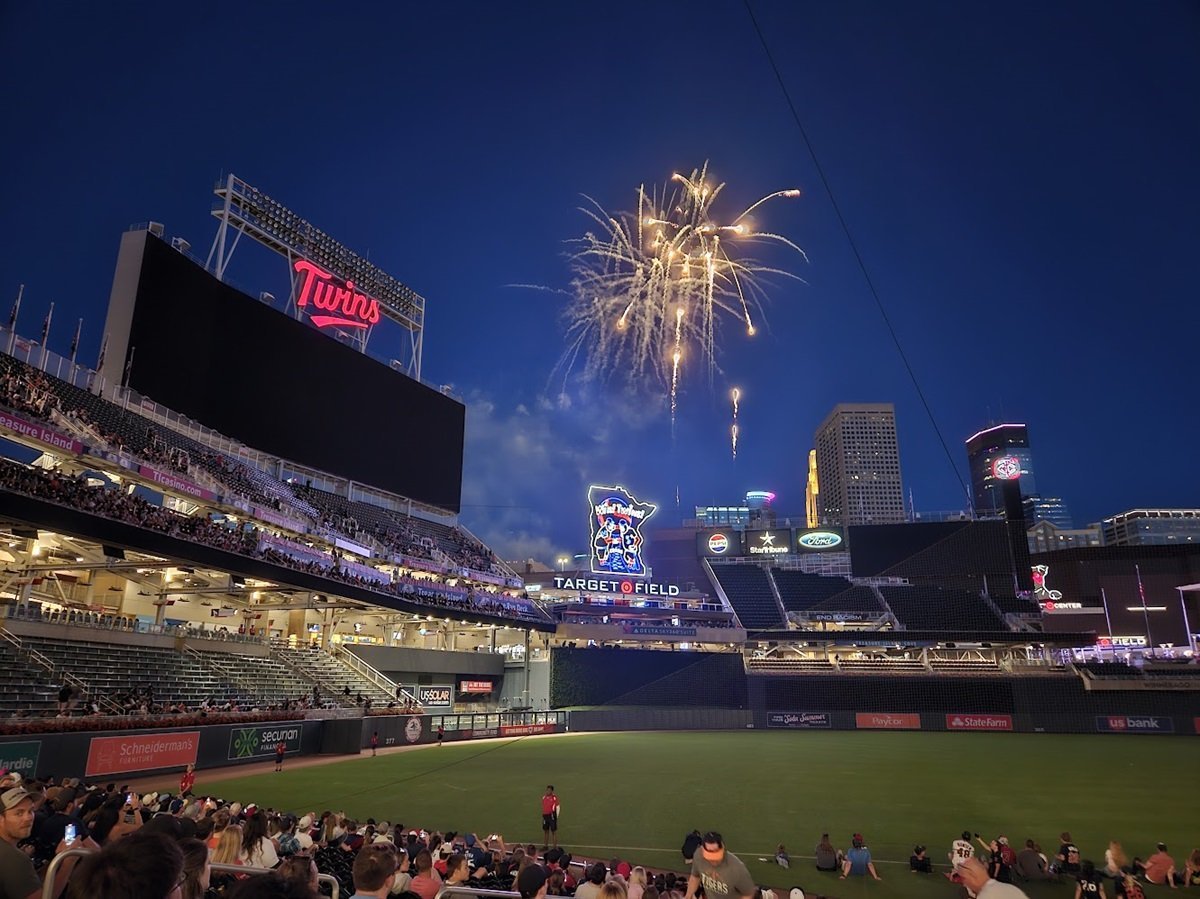 Another Minnesota winter is here, which means two things are inevitable: it will be colder than a Pablo López stare after a bullpen meltdown, and the Twins’ payroll will shrink faster than Byron Buxton rounding third with both hamstrings intact. With ownership hinting at more “fiscally responsible decisions,” the front office has a new strategy for filling Target Field next summer: promotions so outrageous that even a Milwaukee Brewers fan might consider crossing the state lines to witness the chaos. Here’s a sneak peek at what the Twins marketing department has cooking (literally and figuratively). 1. The Great Minnesota Hot Dog Get Together Last month, Blue Jays fans proudly set the MLB single-game record by inhaling over 92,000 hot dogs. Not to be outdone, the Twins are rolling out the “Eat ’Em Like Matt Wallner” Challenge, with a goal of surpassing 100,000 in one game. Fans who eat 10 or more hot dogs get free parking. Fans who eat 20 get a voucher for one (1) slice of pizza at the ballpark, as long as they survive. Doctors will be stationed at every section, while TC Bear has been fitted for a Hazmat suit just in case. 2. Bring Your Own Payroll Night In a stroke of marketing genius, the Twins will allow fans to literally contribute to the team’s payroll. Venmo QR codes will be posted on the scoreboard, allowing fans to donate directly to “future player investments.” However, there's a chance the money is going right into the Pohlads' pockets. Rumor has it Byron Buxton’s contract incentives' structured payment plan was quietly replaced by “cash at the gate.” Buy a $12 beer? Congratulations, you just covered a third of Joe Ryan’s per diem. 3. Dollar Dog… with a Twist Everyone loves Dollar Dog Night, but next season the Twins will spice it up with “Mystery Meat Mondays.” Is that a beef frank? A turkey dog? Perhaps a leftover piece of Rally Sausage? The only way to find out is to risk it. Worst-case scenario, you lost a buck. Best-case: you got a brat for a discount hot dog price. It’s interactive, it’s culinary roulette, and it’s cheaper than signing a backup catcher. 4. Pitcher for a Day Forget ceremonial first pitches. The Twins will select one lucky fan each homestand to throw an actual inning out of the bullpen. With the franchise unlikely to spend big on relievers, this promotion doubles as both crowd engagement and legitimate roster construction. Someonme has to shield Cole Sands from overuse. It might as well be you. Sure, it might end with a 36-3 final score against the Guardians, but at least the “Every Fan Gets an ERA” T-shirt giveaway will fly off the shelves. 5. “Guess the Injury” Raffle Every homestand, fans can purchase raffle tickets to predict which player will hit the IL next. Winner gets a signed crutch and a free MRI coupon. Vegas is already setting the over/under on Buxton at 2.5 appearances. The Pohlad family may not open their wallets, but they’re betting fans will open their stomachs, their Venmo apps, and possibly close their arteries. Whether these ideas fill the stands or just fill the emergency room is anyone’s guess. “We’re really excited about these fan-first initiatives,” Twins president of baseball operations Derek Falvey said. “Sure, we might not be in the top tier of spending, but you can’t put a price tag on a ‘Guess the Injury’ raffle. "Actually, you can—it’s $5 a ticket.” Season ticket holders are equally… let’s call it conflicted. “Honestly, if I’m paying full price to watch another bullpen game, the least they can do is hand me 15 hot dogs and a defibrillator,” said longtime fan Jeff from Bloomington. “I thought about canceling my plan, but then I heard about ‘Pitcher for a Day,’” added Karen from Eagan. “If my husband can finally get his shot at shutting down the White Sox, that’s worth the money.” At the very least, 2026 promises to be historic. Though maybe not in the way fans once dreamed.
 -
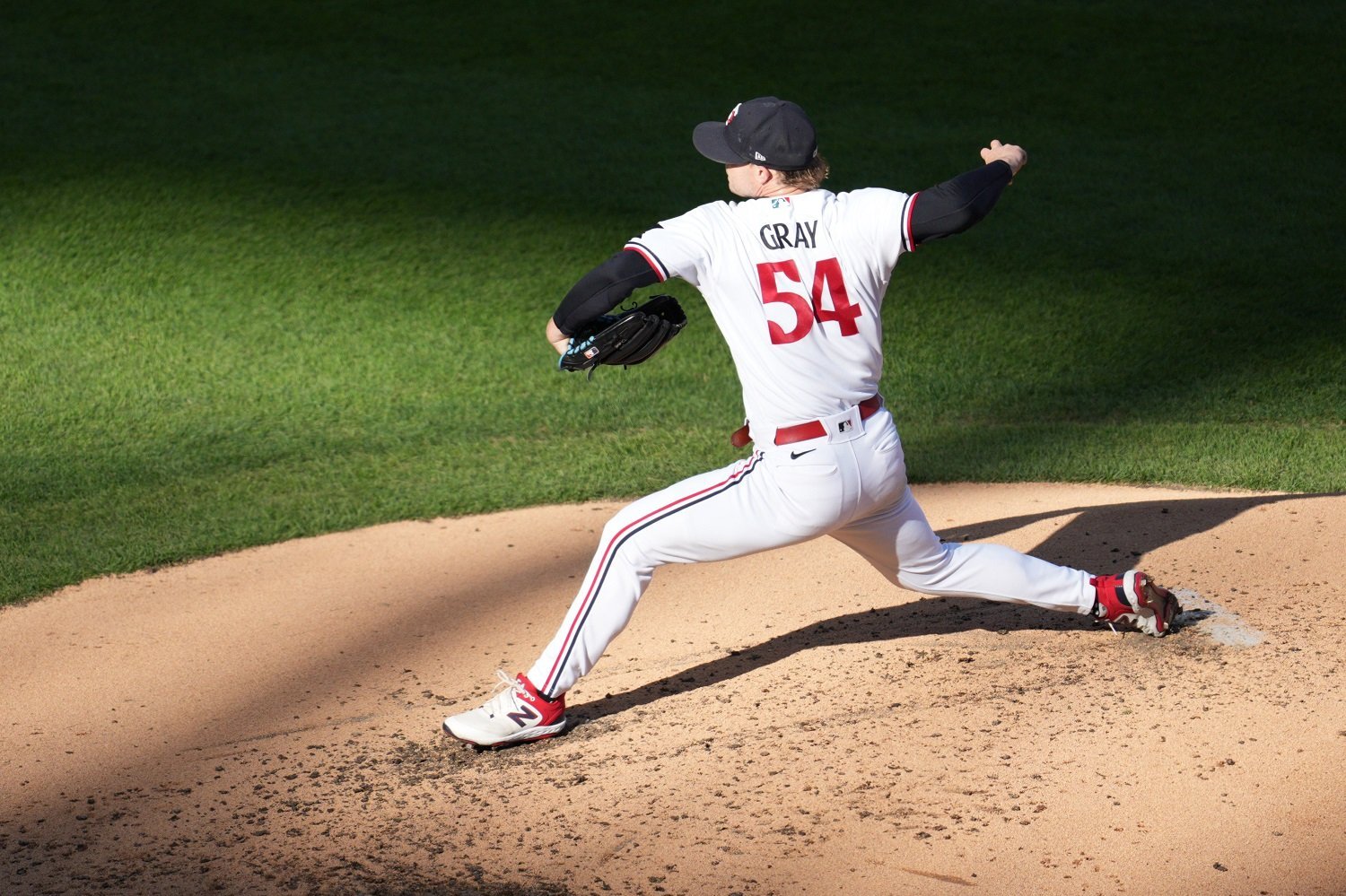 The Minnesota Twins made a choice after the 2023 season, and it continues to echo through Target Field. They let Sonny Gray, their All-Star starter, walk away in free agency. The move was tied to an ownership-driven payroll cut, and perhaps was inevitable even without one, but the fallout is undeniable. Two years later, as the team collapses for the second straight season, the absence of Gray feels like the start of a downward spiral. Joe Ryan recently spoke of Gray’s impact in an interview with the Minnesota Star Tribune. “I wish Sonny [Gray] was still here,” Ryan said. “I feel like things would be different if he was.” Gray’s Role in the 2023 Breakthrough The 2023 season was magical for the Twins. With Gray at the front of the rotation, the team captured its first playoff series victory in more than two decades, ending the infamous 18-game postseason losing streak. Gray gave Minnesota not just innings, but credibility. His presence at the top of the staff allowed the rest of the rotation to settle into roles where they could succeed. More than numbers, though, he provided a sense of calm. Young arms like Ryan and Bailey Ober leaned on him for guidance. When Pablo López needed a co-anchor, Gray was there. For a franchise desperate for October relevance, Gray was the one who steadied the ship. A Payroll-Driven Exit But after that season, the story changed. The front office, working under strict payroll directives from ownership, chose not to match the market rate for Gray. Few expected the Twins to be in the conversation for Gray, anyway, but that’s where the Twins had the opportunity to change the narrative. He signed a three-year contract that guarantees him $75 million with the St. Louis Cardinals, leaving the Twins to patch together a rotation without their proven leader. The decision seemed shortsighted even at the time, but hindsight has made it glaringly apparent. The Twins went from a playoff-caliber rotation to a patchwork group that has dealt with injuries, inconsistency, and the absence of a true ace. “In my opinion, that goes down as the biggest mistake we have made since I’ve been here,” said Ryan. “He wanted to come back. He loved it here.” St. Louis Performance Gray was never going to match his 2023 performance as he continued to age. In 2024, he posted a 107 ERA+, a 1.09 WHIP, and struck out over 200 batters for only the second time in his career. He anchored the Cardinals staff, leading them back into contention. Even as he moved into his mid-30s, he remained one of the most effective pitchers in the National League. In 2025, Father Time has started to rear his ugly head. Gray has a sub-100 ERA+ for the first time since 2018, but he continues to control the strike zone, with a sparkling 5.2% walk rate. The Cardinals were hoping to be contenders during his tenure, but that has yet to materialize. Still, Gray was known for more than his on-field performance with the Twins. Leadership Lost For Ryan, the loss of Gray goes beyond innings pitched. “There were a lot of avenues we could have gone down, but if we had re-signed Sonny, I can guarantee we would have been in the playoffs last year, and we’d probably be in a better spot this year,” Ryan said. “He was a top-notch guy, a great pitcher, incredible competitor, great guy in the clubhouse. I learned so much from him. We missed him last year.” That leadership void has been glaring. Younger pitchers who once leaned on Gray have been asked to figure things out on their own. Without him, the rotation has lacked the veteran presence that can make all the difference in a long season. What Could Have Been: A Different Offseason Path Imagine a different scenario. The Twins bring Gray back after 2023, pairing him again with López at the top of the rotation. That duo provides a one-two punch that rivals almost any staff in the American League. Ryan slides comfortably into a mid-rotation role, while Ober and Chris Paddack round things out. Suddenly, Minnesota has depth, hierarchy, and stability. There’s no way of knowing how Gray would have performed, had he returned to Minnesota. However, the message from ownership to the team could have been “we believe in this roster and want to win.” The Twins could have entered both 2024 and 2025 with one of the most stable staffs in baseball. The offense wouldn’t have felt as much pressure to carry the load, and the team’s playoff window could have stayed wide open. Instead, the decision to cut payroll closed that window. The ripple effects are still being felt today, and the franchise continues to wrestle with the fallout of a move that looks worse with each passing season. The Big Picture: Then vs. Now At the time, some fans understood the decision. Gray was entering his mid-30s, and his free-agent price tag carried risk. The Twins had López signed long-term, and the belief was that Ryan and Ober were ready to take another step forward. Cutting payroll was frustrating, but the front office framed it as a chance to stay flexible and avoid long-term mistakes. They were willing (perhaps even eager) to bet on the pipeline of homegrown starting pitching they have so often emphasized. Now, with two seasons of evidence, the perception has changed. The “risk” that came with Gray has been outweighed by what he could have meant to the Twins, especially from a leadership perspective. Meanwhile, Twins starters have failed to live up to expectations, watching their rotation depth erode and their playoff hopes dim. What once looked like a reasonable gamble has transformed into the defining mistake of this era. This choice undermined the team’s hard-earned progress and put the franchise on a significantly different trajectory. Should the Twins have signed Gray to an extension? Was it the team’s biggest mistake in recent years? Leave a comment and start the discussion.
 -
Image courtesy of Matt Blewett-Imagn Images The Minnesota Twins made a choice after the 2023 season, and it continues to echo through Target Field. They let Sonny Gray, their All-Star starter, walk away in free agency. The move was tied to an ownership-driven payroll cut, but the fallout is undeniable. Two years later, as the team collapses for the second straight season, the absence of Gray feels like the start of a downward spiral. Joe Ryan recently spoke of Gray’s impact in an interview with the Minnesota Star Tribune. “I wish Sonny [Gray] was still here,” Ryan said. “I feel like things would be different if he was.” Gray’s Role in the 2023 Breakthrough The 2023 season was magical for the Twins. With Gray at the front of the rotation, the team captured its first playoff series victory in more than two decades, ending the infamous 18-game postseason losing streak. Gray gave Minnesota not just innings but credibility. His presence at the top of the staff allowed the rest of the rotation to settle into roles where they could succeed. More than numbers, though, he provided a sense of calm. Young arms like Ryan and Bailey Ober leaned on him for guidance. When Pablo López needed a co-anchor, Gray was there. For a franchise desperate for October relevance, Gray was the one who steadied the ship. A Payroll-Driven Exit But after that season, the story changed. The front office, working under strict payroll directives from ownership, chose not to match the market rate for Gray. Few expected the Twins to be in the conversation for Gray, but that’s where the Twins had the opportunity to change the narrative. He signed a three-year contract that guarantees him $75 million with the St. Louis Cardinals, leaving the Twins to patch together a rotation without their proven leader. The decision seemed shortsighted at the time, but hindsight has made it glaringly apparent. The Twins went from a playoff-caliber rotation to a patchwork group that has dealt with injuries, inconsistency, and the absence of a true ace. “In my opinion, that goes down as the biggest mistake we have made since I’ve been here,” said Ryan. “He wanted to come back. He loved it here.” St. Louis Performance Gray was never going to match his 2023 performance as he continued to age. In 2024, he posted a 107 ERA+, a 1.09 WHIP, and struck out over 200 batters for only the second time in his career. He anchored the Cardinals staff, leading them back into contention. Even as he moved into his mid-30s, he remained one of the most effective pitchers in the National League. By 2025, Father Time has started to rear its ugly head. Gray has a sub-100 ERA+ for the first time since 2018 but continues to control the strike zone with a league-leading 1.8 BB/9. The Cardinals were hoping to be contenders during his tenure, but that has yet to materialize. Still, Gray was known for more than his in-field performance with the Twins. Leadership Lost For Ryan, the loss of Gray goes beyond innings pitched. “There were a lot of avenues we could have gone down, but if we had re-signed Sonny, I can guarantee we would have been in the playoffs last year, and we’d probably be in a better spot this year,” Ryan said. “He was a top-notch guy, a great pitcher, incredible competitor, great guy in the clubhouse. I learned so much from him. We missed him last year.” That leadership void has been glaring. Younger pitchers who once leaned on Gray have been asked to figure things out on their own. Without him, the rotation has lacked the veteran presence that can make all the difference in a long season. What Could Have Been: A Different Offseason Path Imagine a different scenario. The Twins bring Gray back after 2023, pairing him again with López at the top of the rotation. That duo provides a one-two punch that rivals almost any staff in the American League. Ryan slides comfortably into a mid-rotation role, while Ober and Chris Paddack round things out. Suddenly, Minnesota has depth, hierarchy, and stability. There’s no way of knowing how Gray would have performed had he returned to Minnesota. However, the message from ownership to the team could have been “we believe in this roster and want to win.” The Twins could have entered both 2024 and 2025 with one of the most stable staffs in baseball. The offense wouldn’t have felt as much pressure to carry the load, and the team’s playoff window could have stayed wide open. Instead, the decision to cut payroll closed that window. The ripple effects are still being felt today, and the franchise continues to wrestle with the fallout of a move that looks worse with each passing season. The Big Picture: Then vs. Now At the time, some fans understood the decision. Gray was entering his mid-30s, and his free-agent price tag carried risk. The Twins had López signed long-term, and the belief was that Ryan and Ober were ready to take another step forward. Cutting payroll was frustrating, but the front office framed it as a chance to stay flexible and avoid long-term mistakes. Now, with two seasons of evidence, the perception has changed. The “risk” that came with Gray has been outweighed by what he could have meant to the Twins, especially from a leadership perspective. Meanwhile, the Twins starters have failed to live up to expectations, watching their rotation depth erode and their playoff hopes dim. What once looked like a reasonable gamble has transformed into the defining mistake of this era. This choice undermined the team’s hard-earned progress and put the franchise on a significantly different trajectory. Should the Twins have signed Gray to an extension? Was it the team’s biggest mistake in recent years? Leave a comment and start the discussion. View full article
-
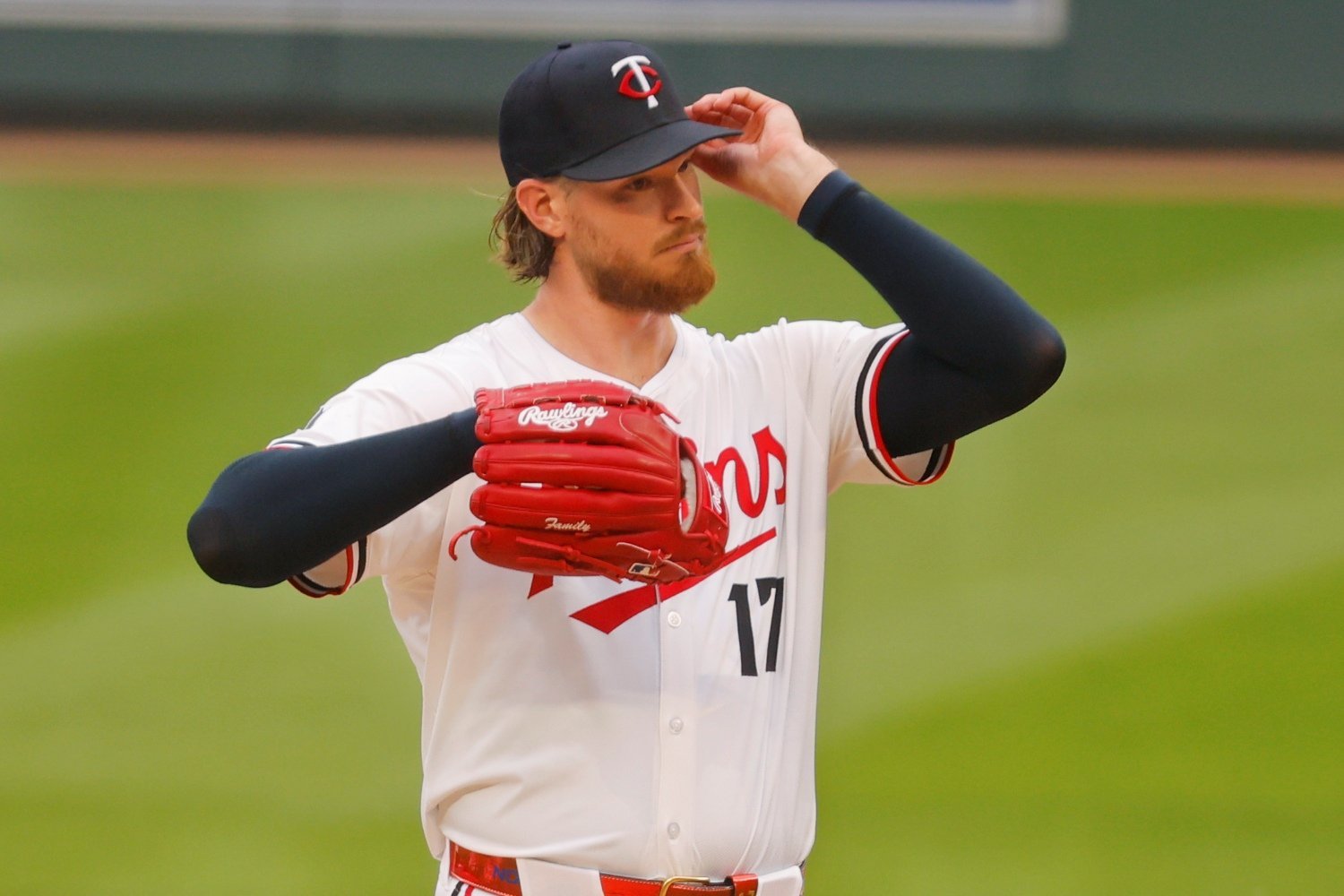 The Minnesota Twins are entering the final month of the season with their rotation in transition. Pablo López has returned from the injured list, while younger starters like Taj Bradley, Zebby Matthews, and Simeon Woods Richardson deserve meaningful innings. That leaves Bailey Ober in an unfortunate but necessary position: it’s time for the Twins to shut him down for the rest of 2025. Recurring health issues have marred Ober’s season. He spent multiple stints on the injured list with a lingering hip injury that never seemed to resolve fully. Each return was met with cautious optimism, but his performance on the mound made it clear he wasn’t operating at 100 percent. He is a very tall pitcher on the mound and he needs his entire body working together to perform at his best. As the calendar turns to September, the benefits of pushing him any further pale in comparison to the risk of aggravating an already nagging problem. Velocity Concerns The numbers tell the story as much as the eye test. In 2024, Ober’s four-seam fastball averaged 91.7 mph. This season, it’s dipped to 90.4 mph, and in one of his most recent outings, he struggled to keep it even above 90. That decline has coincided with a drop in his strikeout ability. After carrying a career K% near 24 percent, Ober is down to just 18.5 percent in 2025. Last year, Ober struck out 7+ batters in 15 of his 31 starts, and this year, he has struck out seven in a start twice, and never more. Interestingly, the velocity drop hasn’t translated into a jump in damage against him. Hitters have posted a lower slugging percentage and lower exit velocity compared to 2024. However, the overall picture remains bleak. His .357 wOBA ranks in MLB’s bottom nine percent, while his max exit velocity allowed (116.6 mph) is among the league’s worst four percent. His baseball acumen has enabled him to achieve a modest level of success, but it’s not sustainable. Even in a down year, Ober continues to showcase what makes him unique. His chase rate (93rd percentile), walk rate (94th percentile), and extension (97th percentile) remain elite. He can still limit free passes and use his tall frame to create a deceptive angle on hitters. Unfortunately, those strengths haven’t been enough to counterbalance his diminished fastball or his declining whiff rates. The Bigger Picture The Twins don’t need to force the issue. López’s return gives the rotation an anchor, and Minnesota has every reason to hand opportunities to Bradley, Matthews, and Woods Richardson as the season winds down. With the team looking to evaluate its young arms ahead of 2026, Ober pushing through a compromised season doesn’t help anyone. Long term, Ober still profiles as a stabilizing mid-rotation arm if he can return to health and recover some velocity. But asking him to grind through September with a nagging hip injury risks making a short-term problem much worse. The biggest question moving forward is what comes next for Ober. The Twins will likely spend the winter weighing two possible paths: shutting him down completely to rest and rehab with hopes of a bounce-back in 2026, or exploring whether a clean-up procedure is necessary to get him back to full strength. Either way, his offseason will be just as crucial as his regular season, as the team tries to determine whether he can remain a rotation fixture or if his long-term role may need to be re-evaluated. Ober has given the Twins plenty of quality innings in recent years, and there’s no shame in calling this season what it is: a lost year. With López back and prospects ready for a chance, the Twins must shut down Ober now and prioritize his long-term health over innings in a lost season. Should the Twins shut down Ober? Leave a comment and start the discussion.
- 27 comments
-
- 2
-
-
- bailey ober
- pablo lopez
- (and 3 more)
-
Image courtesy of © Bruce Kluckhohn-Imagn Images The Minnesota Twins are entering the final month of the season with their rotation in transition. Pablo López has returned from the injured list, while younger starters like Taj Bradley, Zebby Matthews, and Simeon Woods Richardson deserve meaningful innings. That leaves Bailey Ober in an unfortunate but necessary position: it’s time for the Twins to shut him down for the rest of 2025. Recurring health issues have marred Ober’s season. He spent multiple stints on the injured list with a lingering hip injury that never seemed to resolve fully. Each return was met with cautious optimism, but his performance on the mound made it clear he wasn’t operating at 100 percent. He is a very tall pitcher on the mound and he needs his entire body working together to perform at his best. As the calendar turns to September, the benefits of pushing him any further pale in comparison to the risk of aggravating an already nagging problem. Velocity Concerns The numbers tell the story as much as the eye test. In 2024, Ober’s four-seam fastball averaged 91.7 mph. This season, it’s dipped to 90.4 mph, and in one of his most recent outings, he struggled to keep it even above 90. That decline has coincided with a drop in his strikeout ability. After carrying a career K% near 24 percent, Ober is down to just 18.5 percent in 2025. Last year, Ober struck out 7+ batters in 15 of his 31 starts, and this year, he has struck out seven in a start twice, and never more. Interestingly, the velocity drop hasn’t translated into a jump in damage against him. Hitters have posted a lower slugging percentage and lower exit velocity compared to 2024. However, the overall picture remains bleak. His .357 wOBA ranks in MLB’s bottom nine percent, while his max exit velocity allowed (116.6 mph) is among the league’s worst four percent. His baseball acumen has enabled him to achieve a modest level of success, but it’s not sustainable. Even in a down year, Ober continues to showcase what makes him unique. His chase rate (93rd percentile), walk rate (94th percentile), and extension (97th percentile) remain elite. He can still limit free passes and use his tall frame to create a deceptive angle on hitters. Unfortunately, those strengths haven’t been enough to counterbalance his diminished fastball or his declining whiff rates. The Bigger Picture The Twins don’t need to force the issue. López’s return gives the rotation an anchor, and Minnesota has every reason to hand opportunities to Bradley, Matthews, and Woods Richardson as the season winds down. With the team looking to evaluate its young arms ahead of 2026, Ober pushing through a compromised season doesn’t help anyone. Long term, Ober still profiles as a stabilizing mid-rotation arm if he can return to health and recover some velocity. But asking him to grind through September with a nagging hip injury risks making a short-term problem much worse. The biggest question moving forward is what comes next for Ober. The Twins will likely spend the winter weighing two possible paths: shutting him down completely to rest and rehab with hopes of a bounce-back in 2026, or exploring whether a clean-up procedure is necessary to get him back to full strength. Either way, his offseason will be just as crucial as his regular season, as the team tries to determine whether he can remain a rotation fixture or if his long-term role may need to be re-evaluated. Ober has given the Twins plenty of quality innings in recent years, and there’s no shame in calling this season what it is: a lost year. With López back and prospects ready for a chance, the Twins must shut down Ober now and prioritize his long-term health over innings in a lost season. Should the Twins shut down Ober? Leave a comment and start the discussion. View full article
-
Looking WAY Ahead: Who Are the Twins' Top Prospects of 2027?
Cody Christie posted an article in Minor Leagues
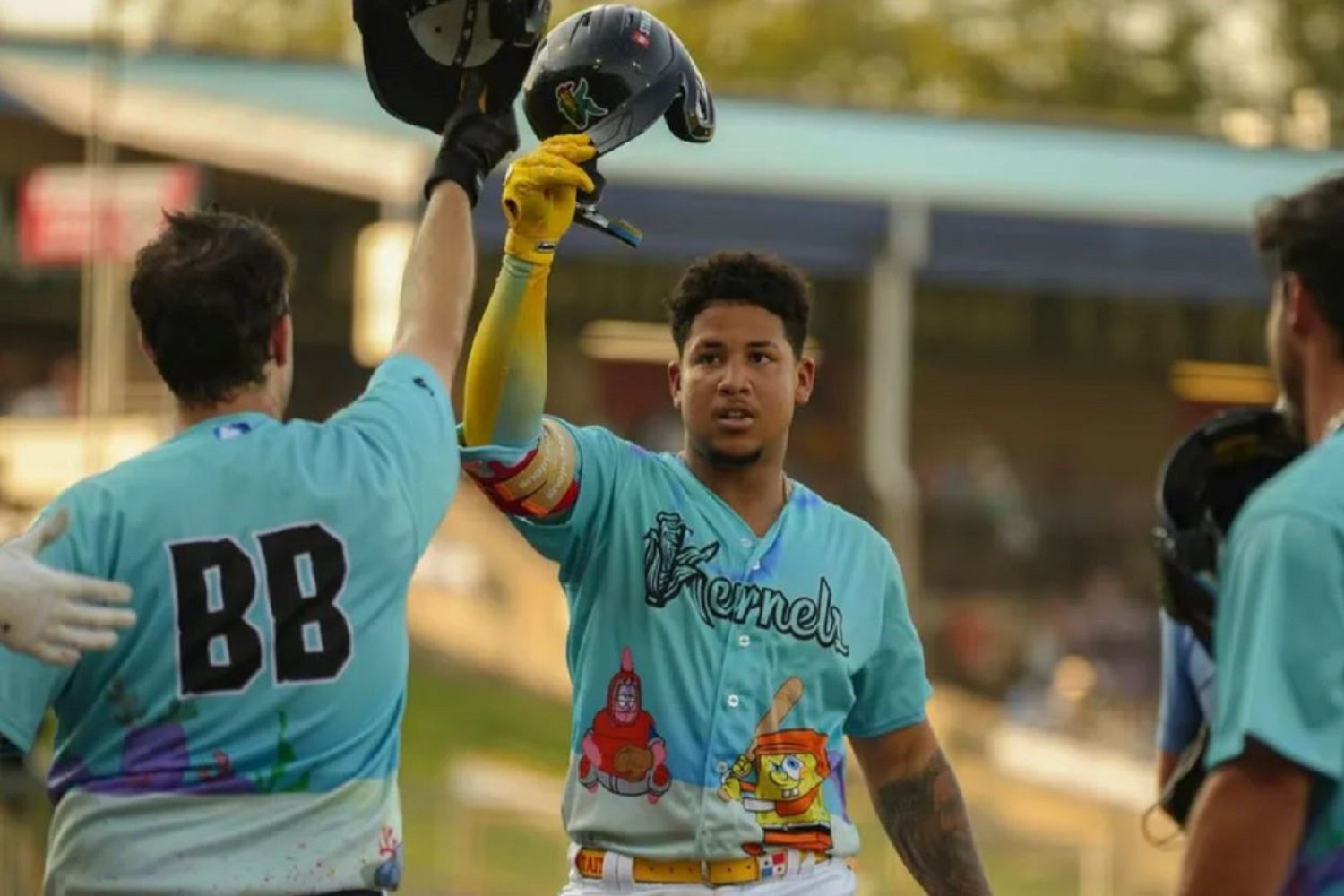 The Minnesota Twins have continued to replenish their farm system with prospect-for-proven-player trades and strong draft classes. By 2027, several of those acquisitions and recent draft picks will be pushing toward Target Field. Today, we look ahead at who will be Minnesota’s top-ranked prospects in two years as the organization continues to develop its next core. It's important to note that the Twins are in position to have a top-five pick in the 2026 MLB Draft and that player would likely rank highly on this list. 5. Riley Quick, RHP MLB ETA: 2028 Minnesota took Quick with the 36th overall pick in the 2025 MLB Draft out of the University of Alabama. He is a hard-throwing righty who had Tommy John surgery during his sophomore collegiate season. With a sinker that sits in the high-90s and touches 99, Quick has the type of velocity that plays at any level. He has yet to make his pro debut as the Twins will likely have him work at the complex level and debut in 2026. What has separated him from other young arms is his ability to command a sharp-breaking slider and an improving changeup. His fastball and slider are already plus pitches. He stands at 6-foot-6 and 255 pounds, a frame that holds up throughout games. If he stays healthy, Quick projects as a mid-rotation starter with a chance to become a playoff-caliber starter by the end of the decade. 4. Quentin Young, SS MLB ETA: 2029 Minnesota took Young with their second-round pick in July (54th overall). They have already promoted the 18-year-old to Low-A, where he is nearly three years younger than the average age of the competition. He has a limited sample size to date, with only 10 plate appearances, but the Twins believe he possesses all the tools to become an impact player. He is the nephew of Dmitri Young and Delmon Young, so baseball is in his bloodline. Some scouts have worried about his swing-and-miss tendencies, but the Twins felt strongly enough to sign him for his full-slot bonus. Defensively, his athleticism allows him to stick at shortstop for now, but he could shift to second or third base if his body continues to fill out. He is the furthest away from Target Field at this point, but has a lot of upside. 3. Marek Houston, SS MLB ETA: 2028 The Twins haven’t hidden their admiration for Houston since drafting him with the 16th overall pick. A slick-fielding shortstop, Houston is already viewed as one of the best defenders in the system, with scouts praising his range, instincts, and throwing arm. It takes a lot to be a shortstop at the big-league level, and Houston has already shown his 60-grade fielding during his pro debut with the Twins, already moving him from Low- to High-A. At the plate, he’s still finding consistency, but there’s enough bat speed to suggest he’ll add some gap power as he matures. He added to his frame during his final two collegiate seasons and has started to pull the ball more often. If the bat develops even moderately, Houston could be a future Gold Glove-caliber shortstop anchoring Minnesota’s infield. 2. Dasan Hill, LHP MLB ETA: 2028 Hill has developed into one of the most exciting arms in the organization since the Twins took him with the 69th pick in the 2024 MLB Draft. Drafted with some risk attached due to rawness, his combination of size and athleticism has allowed him to make huge strides. He also won’t be 20 until later this year. During his senior year of high school, he shot up to 6-foot-5, allowing him to add velocity. There is likely room for even more growth, as he currently sits below 170 pounds. Across Low- and High-A, he’s made 19 appearances (62 IP) while posting a 3.19 ERA with a 1.36 WHIP and a 31.1 K%. He’s been young for both levels and has only faced younger batters in 15 plate appearances. His fastball sits comfortably in the upper-90s, pairing it with a devastating sweeper that misses bats at every level. The Twins have worked carefully to refine his mechanics, and his command has taken a noticeable leap. If Hill continues on this path, he could emerge as a top-of-the-rotation talent, something the organization has lacked since the days of Johan Santana. 1. Eduardo Tait, C MLB ETA: 2028 Minnesota’s prized acquisition from the Jhoan Duran trade, Tait has quickly established himself as the jewel of the farm system. A switch-hitting catcher with advanced plate discipline and emerging power, he has all the tools to be an All-Star at a premium position. He makes a ton of contact and has shown the ability to drive the ball to all fields. In many other farm systems, he would be the organization’s top-ranked prospect. Behind the plate, his arm strength is above-average, and he’s steadily improving in his game-calling and receiving. On a recent episode of Inside Twins, Drew MacPhail, Director of Player Development, praised his ability to work with starting pitchers. What makes Tait so valuable is his combination of offensive upside and defensive reliability, traits that are extremely rare at catcher. If his development continues on track, Tait could be Minnesota’s long-term answer behind the plate. The Twins’ 2027 top prospect list has the potential to look different than just a few years ago, with recent drafts and trade acquisitions all represented. Each of these players brings unique upside, and together they represent a system that consistently produces talent. For a franchise aiming to build sustainable success, this wave of prospects could play a pivotal role in shaping the next competitive Twins team. Should other prospects be added to the list? Leave a comment and start the discussion.
- 24 comments
-
- 7
-

-
-
- riley quick
- eduardo tait
- (and 3 more)
-
Image courtesy of Cedar Rapids Kernels (Photo of Eduardo Tait) The Minnesota Twins have continued to replenish their farm system with prospect-for-proven-player trades and strong draft classes. By 2027, several of those acquisitions and recent draft picks will be pushing toward Target Field. Today, we look ahead at who will be Minnesota’s top-ranked prospects in two years as the organization continues to develop its next core. It's important to note that the Twins are in position to have a top-five pick in the 2026 MLB Draft and that player would likely rank highly on this list. 5. Riley Quick, RHP MLB ETA: 2028 Minnesota took Quick with the 36th overall pick in the 2025 MLB Draft out of the University of Alabama. He is a hard-throwing righty who had Tommy John surgery during his sophomore collegiate season. With a sinker that sits in the high-90s and touches 99, Quick has the type of velocity that plays at any level. He has yet to make his pro debut as the Twins will likely have him work at the complex level and debut in 2026. What has separated him from other young arms is his ability to command a sharp-breaking slider and an improving changeup. His fastball and slider are already plus pitches. He stands at 6-foot-6 and 255 pounds, a frame that holds up throughout games. If he stays healthy, Quick projects as a mid-rotation starter with a chance to become a playoff-caliber starter by the end of the decade. 4. Quentin Young, SS MLB ETA: 2029 Minnesota took Young with their second-round pick in July (54th overall). They have already promoted the 18-year-old to Low-A, where he is nearly three years younger than the average age of the competition. He has a limited sample size to date, with only 10 plate appearances, but the Twins believe he possesses all the tools to become an impact player. He is the nephew of Dmitri Young and Delmon Young, so baseball is in his bloodline. Some scouts have worried about his swing-and-miss tendencies, but the Twins felt strongly enough to sign him for his full-slot bonus. Defensively, his athleticism allows him to stick at shortstop for now, but he could shift to second or third base if his body continues to fill out. He is the furthest away from Target Field at this point, but has a lot of upside. 3. Marek Houston, SS MLB ETA: 2028 The Twins haven’t hidden their admiration for Houston since drafting him with the 16th overall pick. A slick-fielding shortstop, Houston is already viewed as one of the best defenders in the system, with scouts praising his range, instincts, and throwing arm. It takes a lot to be a shortstop at the big-league level, and Houston has already shown his 60-grade fielding during his pro debut with the Twins, already moving him from Low- to High-A. At the plate, he’s still finding consistency, but there’s enough bat speed to suggest he’ll add some gap power as he matures. He added to his frame during his final two collegiate seasons and has started to pull the ball more often. If the bat develops even moderately, Houston could be a future Gold Glove-caliber shortstop anchoring Minnesota’s infield. 2. Dasan Hill, LHP MLB ETA: 2028 Hill has developed into one of the most exciting arms in the organization since the Twins took him with the 69th pick in the 2024 MLB Draft. Drafted with some risk attached due to rawness, his combination of size and athleticism has allowed him to make huge strides. He also won’t be 20 until later this year. During his senior year of high school, he shot up to 6-foot-5, allowing him to add velocity. There is likely room for even more growth, as he currently sits below 170 pounds. Across Low- and High-A, he’s made 19 appearances (62 IP) while posting a 3.19 ERA with a 1.36 WHIP and a 31.1 K%. He’s been young for both levels and has only faced younger batters in 15 plate appearances. His fastball sits comfortably in the upper-90s, pairing it with a devastating sweeper that misses bats at every level. The Twins have worked carefully to refine his mechanics, and his command has taken a noticeable leap. If Hill continues on this path, he could emerge as a top-of-the-rotation talent, something the organization has lacked since the days of Johan Santana. 1. Eduardo Tait, C MLB ETA: 2028 Minnesota’s prized acquisition from the Jhoan Duran trade, Tait has quickly established himself as the jewel of the farm system. A switch-hitting catcher with advanced plate discipline and emerging power, he has all the tools to be an All-Star at a premium position. He makes a ton of contact and has shown the ability to drive the ball to all fields. In many other farm systems, he would be the organization’s top-ranked prospect. Behind the plate, his arm strength is above-average, and he’s steadily improving in his game-calling and receiving. On a recent episode of Inside Twins, Drew MacPhail, Director of Player Development, praised his ability to work with starting pitchers. What makes Tait so valuable is his combination of offensive upside and defensive reliability, traits that are extremely rare at catcher. If his development continues on track, Tait could be Minnesota’s long-term answer behind the plate. The Twins’ 2027 top prospect list has the potential to look different than just a few years ago, with recent drafts and trade acquisitions all represented. Each of these players brings unique upside, and together they represent a system that consistently produces talent. For a franchise aiming to build sustainable success, this wave of prospects could play a pivotal role in shaping the next competitive Twins team. Should other prospects be added to the list? Leave a comment and start the discussion. View full article
-
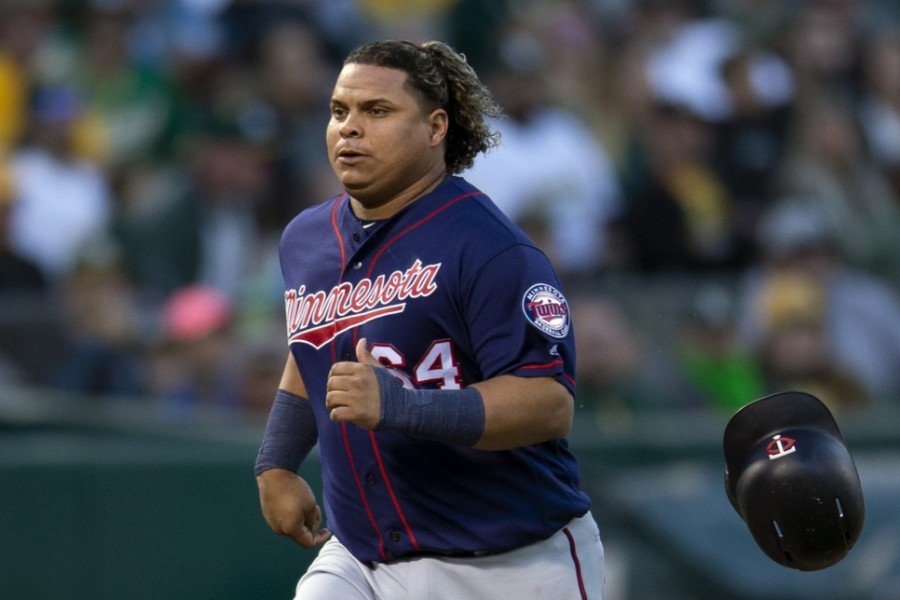 Sports Reference recently launched a fun initiative encouraging baseball fans to “remember some players.” The goal was simple: instead of always reminiscing about the MVPs and Hall of Famers, shine a light on the players who made the game fun in smaller, quirkier ways. With that in mind, I thought it’d be fitting to highlight some of the Minnesota Twins’ biggest “cult heroes” from the last 25 years. These aren’t the franchise cornerstones or household names. Instead, they’re the guys who brought energy, humor, hustle, or just plain weirdness to the game. They’re the players fans still bring up in conversations years later, often with a smile. Here’s my lineup of nine cult heroes every Twins fan remembers. Nick Punto — The Dirt Dog If you grew up watching the Twins in the 2000s, odds are you either loved or loathed Punto. Known as the “Shredder” for his celebratory jersey-ripping, Punto became a fan favorite because of his all-out hustle, headfirst slides into first base, and ability to play just about every position on the field. His bat never scared opponents, but his energy made him one of the most memorable glue guys in franchise history. Lew Ford — The Legend of Lew Ford’s breakout season in 2004, when he hit .299 with an .827 OPS, gave fans hope that the Twins had unearthed a hidden star. He never quite replicated that success, but his mix of quirky charm and surprising bursts of power turned him into a cult favorite. Stories about his offbeat personality only added to the mystique, and fans still grin when his name comes up. Willians Astudillo — La Tortuga Few Twins in recent memory have captivated fans like Astudillo. Nicknamed “La Tortuga” (“The Turtle”), he became an instant sensation for his stocky frame, free-swinging approach, and uncanny ability to put the ball in play. Watching him run the bases was an event in itself, and every time he pitched in a blowout, Target Field roared. He might not have stuck long-term, but he’ll always hold a special place in Twins lore. Pat Neshek — The Hometown Sidearmer A Brooklyn Park native, Neshek brought a funky, sidearm delivery and local pride to the Twins’ bullpen. Fans loved his unorthodox mechanics, his card-collecting hobby, and his interactions with supporters online, long before player-fan connections of that kind became the norm. His breakout rookie season in 2006 (2.19 ERA, 53 strikeouts in 37 innings) gave fans plenty to cheer about, and his Minnesota roots made him even easier to root for. Mike Redmond — The Backup Catcher with Personality Redmond was Joe Mauer’s steady backup during the late 2000s, but his personality made him an unforgettable player. He was known for his clubhouse antics (including infamous naked batting practice sessions), fiery competitiveness, and ability to call a good game behind the plate. Fans respected the way he maximized every ounce of his talent, and teammates adored him for keeping the clubhouse loose. Jason Tyner — No Homers, No Problem Tyner etched his name into Twins history books as the last player in baseball’s Steroid Era to finally hit his first (and only) big-league home run in 2007, after more than 1,200 career at-bats. His speed and slap-hitting approach weren’t flashy, but fans embraced him as an underdog. That lone homer remains a cult classic moment in team history. Eduardo Núñez — The Chaos Creator If you wanted entertainment, Núñez was your guy. He played with an almost reckless energy that led to plenty of highlights (and bloopers). Some fans may forget that he made an All-Star team with the Twins back in 2016. In that first half, he hit .321 with an .836 OPS. For all the chaos, Núñez’s athleticism and flair made him must-watch TV, and fans embraced the unpredictability. Eduardo Escobar — Smile, Hustle, Positivity Escobar was more than just a utility infielder, he was pure joy in a Twins uniform. His constant smile and leadership in the clubhouse made him one of the most beloved players of the 2010s. Known affectionately as “Eddie 2.0” after the departure of Núñez, Escobar’s energy was infectious, and fans were crushed when he was traded in 2018 in a deal that netted the team Jhoan Duran. Randy Dobnak — The Uber Driver Turned Postseason Starter It’s hard to find a better cult hero story than Dobnak’s. The undrafted pitcher who once worked as an Uber driver climbed the Twins’ system and earned a start in the 2019 ALDS at Yankee Stadium. With his glasses, handlebar mustache, and blue-collar backstory, he instantly became a fan favorite. Even as injuries and inconsistency slowed his career, Dobnak remains one of the most beloved underdog stories in recent Twins history. The Twins have had their share of stars since 2000, but cult heroes like these remind us why we love the game of baseball. They weren’t perfect, and they weren’t always All-Stars, but they brought joy, personality, and stories that live on years later. Who’s your favorite Twins cult hero? Did I miss anyone? Leave a comment and let’s remember some players together.
- 12 comments
-
- 4
-
-
-
- lew ford
- willians astudillo
- (and 5 more)
-
Image courtesy of © D. Ross Cameron-USA TODAY Sports Sports Reference recently launched a fun initiative encouraging baseball fans to “remember some players.” The goal was simple: instead of always reminiscing about the MVPs and Hall of Famers, shine a light on the players who made the game fun in smaller, quirkier ways. With that in mind, I thought it’d be fitting to highlight some of the Minnesota Twins’ biggest “cult heroes” from the last 25 years. These aren’t the franchise cornerstones or household names. Instead, they’re the guys who brought energy, humor, hustle, or just plain weirdness to the game. They’re the players fans still bring up in conversations years later, often with a smile. Here’s my lineup of nine cult heroes every Twins fan remembers. Nick Punto — The Dirt Dog If you grew up watching the Twins in the 2000s, odds are you either loved or loathed Punto. Known as the “Shredder” for his celebratory jersey-ripping, Punto became a fan favorite because of his all-out hustle, headfirst slides into first base, and ability to play just about every position on the field. His bat never scared opponents, but his energy made him one of the most memorable glue guys in franchise history. Lew Ford — The Legend of Lew Ford’s breakout season in 2004, when he hit .299 with an .827 OPS, gave fans hope that the Twins had unearthed a hidden star. He never quite replicated that success, but his mix of quirky charm and surprising bursts of power turned him into a cult favorite. Stories about his offbeat personality only added to the mystique, and fans still grin when his name comes up. Willians Astudillo — La Tortuga Few Twins in recent memory have captivated fans like Astudillo. Nicknamed “La Tortuga” (“The Turtle”), he became an instant sensation for his stocky frame, free-swinging approach, and uncanny ability to put the ball in play. Watching him run the bases was an event in itself, and every time he pitched in a blowout, Target Field roared. He might not have stuck long-term, but he’ll always hold a special place in Twins lore. Pat Neshek — The Hometown Sidearmer A Brooklyn Park native, Neshek brought a funky, sidearm delivery and local pride to the Twins’ bullpen. Fans loved his unorthodox mechanics, his card-collecting hobby, and his interactions with supporters online, long before player-fan connections of that kind became the norm. His breakout rookie season in 2006 (2.19 ERA, 53 strikeouts in 37 innings) gave fans plenty to cheer about, and his Minnesota roots made him even easier to root for. Mike Redmond — The Backup Catcher with Personality Redmond was Joe Mauer’s steady backup during the late 2000s, but his personality made him an unforgettable player. He was known for his clubhouse antics (including infamous naked batting practice sessions), fiery competitiveness, and ability to call a good game behind the plate. Fans respected the way he maximized every ounce of his talent, and teammates adored him for keeping the clubhouse loose. Jason Tyner — No Homers, No Problem Tyner etched his name into Twins history books as the last player in baseball’s Steroid Era to finally hit his first (and only) big-league home run in 2007, after more than 1,200 career at-bats. His speed and slap-hitting approach weren’t flashy, but fans embraced him as an underdog. That lone homer remains a cult classic moment in team history. Eduardo Núñez — The Chaos Creator If you wanted entertainment, Núñez was your guy. He played with an almost reckless energy that led to plenty of highlights (and bloopers). Some fans may forget that he made an All-Star team with the Twins back in 2016. In that first half, he hit .321 with an .836 OPS. For all the chaos, Núñez’s athleticism and flair made him must-watch TV, and fans embraced the unpredictability. Eduardo Escobar — Smile, Hustle, Positivity Escobar was more than just a utility infielder, he was pure joy in a Twins uniform. His constant smile and leadership in the clubhouse made him one of the most beloved players of the 2010s. Known affectionately as “Eddie 2.0” after the departure of Núñez, Escobar’s energy was infectious, and fans were crushed when he was traded in 2018 in a deal that netted the team Jhoan Duran. Randy Dobnak — The Uber Driver Turned Postseason Starter It’s hard to find a better cult hero story than Dobnak’s. The undrafted pitcher who once worked as an Uber driver climbed the Twins’ system and earned a start in the 2019 ALDS at Yankee Stadium. With his glasses, handlebar mustache, and blue-collar backstory, he instantly became a fan favorite. Even as injuries and inconsistency slowed his career, Dobnak remains one of the most beloved underdog stories in recent Twins history. The Twins have had their share of stars since 2000, but cult heroes like these remind us why we love the game of baseball. They weren’t perfect, and they weren’t always All-Stars, but they brought joy, personality, and stories that live on years later. Who’s your favorite Twins cult hero? Did I miss anyone? Leave a comment and let’s remember some players together. View full article
- 12 replies
-
- 1
-
-
- lew ford
- willians astudillo
- (and 5 more)
-
Image courtesy of Melissa Berman, Twins Daily Another Minnesota winter is here, which means two things are inevitable: it will be colder than a Pablo López stare after a bullpen meltdown, and the Twins’ payroll will shrink faster than Byron Buxton rounding third with both hamstrings intact. With ownership hinting at more “fiscally responsible decisions,” the front office has a new strategy for filling Target Field next summer: promotions so outrageous that even a Milwaukee Brewers fan might consider crossing the state lines to witness the chaos. Here’s a sneak peek at what the Twins marketing department has cooking (literally and figuratively). 1. The Great Minnesota Hot Dog Get Together Last week, Blue Jays fans proudly set the MLB single-game record by inhaling over 92,000 hot dogs. Not to be outdone, the Twins are rolling out the “Eat ’Em Like Matt Wallner” Challenge, with a goal of surpassing 100,000 in one game. Fans who eat 10 or more hot dogs get free parking. Fans who eat 20 get a voucher for one (1) slice of pizza at the ballpark, as long as they survive. Doctors will be stationed at every section, while TC Bear has been fitted for a Hazmat suit just in case. 2. Bring Your Own Payroll Night In a stroke of marketing genius, the Twins will allow fans to literally contribute to the team’s payroll. Venmo QR codes will be posted on the scoreboard, allowing fans to donate directly to “future player investments.” However, there's a chance the money is going right into the Pohlads' pockets. Rumor has it Byron Buxton’s contract opt-out clause was quietly replaced by “cash at the gate.” Buy a $12 beer? Congratulations, you just covered a third of Joe Ryan’s per diem. 3. Dollar Dog… with a Twist Everyone loves Dollar Dog Night, but next season the Twins will spice it up with “Mystery Meat Mondays.” Is that a beef frank? A turkey dog? Perhaps a leftover piece of Rally Sausage? The only way to find out is to risk it. It’s interactive, it’s culinary roulette, and it’s cheaper than signing a backup catcher. 4. Pitcher for a Day Forget ceremonial first pitches. The Twins will select one lucky fan each homestand to throw an actual inning out of the bullpen. With the franchise unlikely to spend big on relievers, this promotion doubles as both crowd engagement and legitimate roster construction. Sure, it might end with a 36-3 final score against the Guardians, but at least the “Every Fan Gets an ERA” T-shirt giveaway will fly off the shelves. 5. “Guess the Injury” Raffle Every homestand, fans can purchase raffle tickets to predict which player will hit the IL next. Winner gets a signed crutch and a free MRI coupon. Vegas is already setting the over/under o Buxton at 2.5 appearances. The Pohlad family may not open their wallets, but they’re betting fans will open their stomachs, their Venmo apps, and possibly their arteries. Whether these ideas fill the stands or just fill the emergency room is anyone’s guess. “We’re really excited about these fan-first initiatives,” Twins president of baseball operations Derek Falvey said. “Sure, we might not be in the top tier of spending, but you can’t put a price tag on a ‘Guess the Injury’ raffle. Actually, you can—it’s $5 a ticket.” Season ticket holders are equally… let’s call it conflicted. “Honestly, if I’m paying full price to watch another bullpen game, the least they can do is hand me 15 hot dogs and a defibrillator,” said longtime fan Jeff from Bloomington. “I thought about canceling my plan, but then I heard about ‘Pitcher for a Day,’” added Karen from Eagan. “If my husband can finally get his shot at shutting down the White Sox, that’s worth the money.” At the very least, 2026 promises to be historic. Though maybe not in the way fans once dreamed. View full article
-
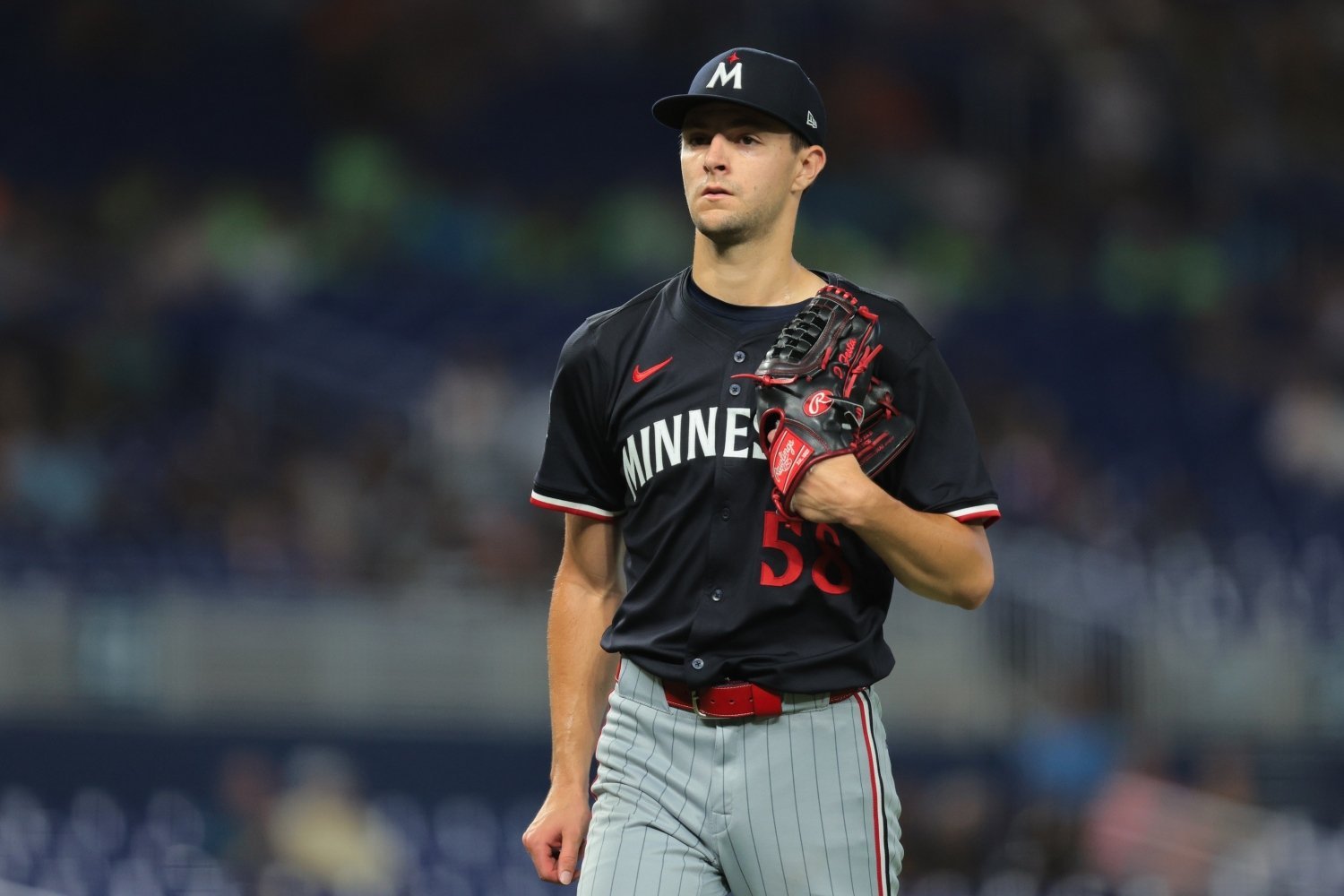 The Minnesota Twins have spent much of the 2025 season waiting for good news regarding their starting rotation. Simeon Woods Richardson recently returned after undergoing surgery to address a parasite. Zebby Matthews has worked his way back from a shoulder strain. Pablo López is slated to be activated later this week. David Festa was supposed to join this group. Instead, the right-hander’s season has come to an early end. The Twins announced earlier this week that Festa has been shut down after experiencing a recurrence of right shoulder inflammation. Festa, who last pitched in the big leagues on July 21, made a rehab start with Triple-A St. Paul last week. While the results looked promising, he felt discomfort during his next bullpen session. He will meet with Dr. Keith Meister next week for further evaluation, but Minnesota has already ruled out a return before the season’s end. Festa finishes his second MLB campaign with 11 appearances (10 starts), going 3-4 with a 5.40 ERA, 53 strikeouts and 19 walks in 53 1/3 innings. A Promising Start Meets a Hard Stop The 25-year-old first reported shoulder discomfort early in the season with the Saints, but things escalated after a July start against the Dodgers. He was placed on the injured list shortly after that appearance. At the time, imaging suggested no structural damage, and Festa hoped rest would be enough to get him back on track. He received two anti-inflammatory injections and sat for roughly five weeks before ramping up. His return, however, lasted just one start. It’s a frustrating outcome for a pitcher who has flashed exciting potential since debuting in 2024. Last season, Festa logged 14 games (13 starts) with a 4.90 ERA but a strong 3.76 FIP, sparking optimism that he could grow into a mid-rotation fixture. Instead, his strikeout rate dipped this season (23.1 K%), his walk rate held steady (8.3 BB%), and he surrendered more home runs (4.4%). Overall, this year represents a step backward in both health and performance. The Velocity Development Question One of the areas where the Twins have excelled in recent years is squeezing extra velocity out of college pitchers. Festa is a prime example. He was drafted in the 13th round as a low-90s arm out of Seton Hall and developed into a mid-to-upper 90s fastball pitcher within the Twins’ system. That type of jump has transformed late-round picks into legitimate prospects, giving the organization an edge in building pitching depth without spending high draft picks on hurlers who are prone to breaking down. But there’s another side to that coin. More velocity means more stress on the arm, and the correlation between increased fastball speed and shoulder or elbow issues isn’t new. Festa’s shoulder inflammation may not directly trace back to velocity gains, but his situation highlights the risk that comes with pushing pitchers to their max. As an organization that has leaned heavily into this developmental strategy, the Twins will need to carefully monitor whether the pursuit of velocity is costing them long-term durability. The challenge ahead is finding the balance between developing arms that can compete in today’s velocity-driven game and keeping them on the mound often enough to make an impact. Festa’s shutdown is a reminder of just how thin that line can be. If they're unable to walk it, the team might need to consider retreating to a different model of scouting and development, wherein they target pitchers whose bodies have demonstrated an ability to withstand the forces required to throw hard already. Looking Toward 2026 As a late-round pick, Festa’s rise to the majors was a development win for the Twins. But the shoulder troubles now cast real doubt on whether his talent will fully translate over the long term. Minnesota expected Festa to push for a rotation spot in 2026, but the organization may need to reframe expectations. Any time players go see Dr. Meister, surgery is a real option, and if Festa does require an operation, he could miss all of next season. Festa’s shutdown also reshapes how the Twins might approach the offseason. While the organization has internal options to fill out the rotation, relying on so many pitchers coming off injury (Woods Richardson, Matthews, and even López) comes with risk. Minnesota may now feel more pressure to add a durable veteran starter through free agency or trade, to stabilize the staff. In past years, the front office has leaned on “quantity over certainty,” stockpiling arms and hoping enough would stick. Festa’s setback is a reminder that talent alone doesn’t guarantee availability or (therefore) value. If the Twins want to avoid a repeat of 2025’s rotation rollercoaster, supplementing their homegrown arms with proven innings-eaters might be the only way forward. Does Festa’s injury point to a developmental problem for the Twins? Leave a comment and start the discussion.
- 47 comments
-
- 7
-
-

-
- david festa
- simeon woods richardson
- (and 2 more)
-
Image courtesy of © Sam Navarro-Imagn Images The Minnesota Twins have spent much of the 2025 season waiting for good news regarding their starting rotation. Simeon Woods Richardson recently returned after undergoing surgery to address a parasite. Zebby Matthews has worked his way back from a shoulder strain. Pablo López is slated to be activated later this week. David Festa was supposed to join this group. Instead, the right-hander’s season has come to an early end. The Twins announced earlier this week that Festa has been shut down after experiencing a recurrence of right shoulder inflammation. Festa, who last pitched in the big leagues on July 21, made a rehab start with Triple-A St. Paul last week. While the results looked promising, he felt discomfort during his next bullpen session. He will meet with Dr. Keith Meister next week for further evaluation, but Minnesota has already ruled out a return before the season’s end. Festa finishes his second MLB campaign with 11 appearances (10 starts), going 3-4 with a 5.40 ERA, 53 strikeouts and 19 walks in 53 1/3 innings. A Promising Start Meets a Hard Stop The 25-year-old first reported shoulder discomfort early in the season with the Saints, but things escalated after a July start against the Dodgers. He was placed on the injured list shortly after that appearance. At the time, imaging suggested no structural damage, and Festa hoped rest would be enough to get him back on track. He received two anti-inflammatory injections and sat for roughly five weeks before ramping up. His return, however, lasted just one start. It’s a frustrating outcome for a pitcher who has flashed exciting potential since debuting in 2024. Last season, Festa logged 14 games (13 starts) with a 4.90 ERA but a strong 3.76 FIP, sparking optimism that he could grow into a mid-rotation fixture. Instead, his strikeout rate dipped this season (23.1 K%), his walk rate held steady (8.3 BB%), and he surrendered more home runs (4.4%). Overall, this year represents a step backward in both health and performance. The Velocity Development Question One of the areas where the Twins have excelled in recent years is squeezing extra velocity out of college pitchers. Festa is a prime example. He was drafted in the 13th round as a low-90s arm out of Seton Hall and developed into a mid-to-upper 90s fastball pitcher within the Twins’ system. That type of jump has transformed late-round picks into legitimate prospects, giving the organization an edge in building pitching depth without spending high draft picks on hurlers who are prone to breaking down. But there’s another side to that coin. More velocity means more stress on the arm, and the correlation between increased fastball speed and shoulder or elbow issues isn’t new. Festa’s shoulder inflammation may not directly trace back to velocity gains, but his situation highlights the risk that comes with pushing pitchers to their max. As an organization that has leaned heavily into this developmental strategy, the Twins will need to carefully monitor whether the pursuit of velocity is costing them long-term durability. The challenge ahead is finding the balance between developing arms that can compete in today’s velocity-driven game and keeping them on the mound often enough to make an impact. Festa’s shutdown is a reminder of just how thin that line can be. If they're unable to walk it, the team might need to consider retreating to a different model of scouting and development, wherein they target pitchers whose bodies have demonstrated an ability to withstand the forces required to throw hard already. Looking Toward 2026 As a late-round pick, Festa’s rise to the majors was a development win for the Twins. But the shoulder troubles now cast real doubt on whether his talent will fully translate over the long term. Minnesota expected Festa to push for a rotation spot in 2026, but the organization may need to reframe expectations. Any time players go see Dr. Meister, surgery is a real option, and if Festa does require an operation, he could miss all of next season. Festa’s shutdown also reshapes how the Twins might approach the offseason. While the organization has internal options to fill out the rotation, relying on so many pitchers coming off injury (Woods Richardson, Matthews, and even López) comes with risk. Minnesota may now feel more pressure to add a durable veteran starter through free agency or trade, to stabilize the staff. In past years, the front office has leaned on “quantity over certainty,” stockpiling arms and hoping enough would stick. Festa’s setback is a reminder that talent alone doesn’t guarantee availability or (therefore) value. If the Twins want to avoid a repeat of 2025’s rotation rollercoaster, supplementing their homegrown arms with proven innings-eaters might be the only way forward. Does Festa’s injury point to a developmental problem for the Twins? Leave a comment and start the discussion. View full article
-
Image courtesy of Brad Rempel-Imagn Images The Minnesota Twins and their fans find themselves in a tough spot. Following a massive trade deadline sell-off and ownership’s decision to halt a potential sale of the team, frustration is running high across Twins Territory. Combine that with inconsistent play on the field, and the result has been heavily felt in the stands at Target Field. Setting the Wrong Kind of Record Tuesday night’s home game against the Chicago White Sox painted a sobering picture. On a beautiful 75-degree evening, the Twins announced a crowd of 11,721 fans, a number that was boosted thanks to about 300 dogs for “Bark at the Park Night.” That figure marked the lowest September attendance in Target Field history, breaking the old mark of 14,222 set in 2021. It wasn’t just a blip. This year’s overall home attendance is on pace to finish at 1.8 million fans, down from 1.95 million last season. That drop would make 2025 the lowest-attended full season in Target Field’s 16-year history. For a franchise that relies heavily on season-ticket sales locked in before the year even begins, that trend is concerning as the organization looks ahead to 2026. Much of next season’s attendance picture will be shaped by what happens this winter. The Twins’ season-ticket base has long been the backbone of Target Field crowds, and if renewals decline sharply, it will be challenging to avoid swaths of empty seats next year. The challenge is not only convincing fans to come back, but also rebuilding trust in an era where patience has worn thin. That’s no small task, but it’s not impossible. 5 Ways to Bring Fans Back Winning is always the best cure for empty seats, but the Twins can take specific steps to avoid Target Field looking like a ghost town next season: 1. Keep Core Players in Place Fans need to see a commitment to competing. Holding on to pitchers like Pablo López and Joe Ryan (instead of shopping them around) would send a strong message that the front office still believes in this roster’s potential. 2. Promote Young Talent Early Minnesota has some of baseball’s most exciting prospects, and fans want to see them. Giving players like Walker Jenkins or Emmanuel Rodriguez a chance to debut early in 2026 would inject energy and buzz around the club. An offseason extension for Jenkins (a la the one Jackson Chourio signed with the Milwaukee Brewers in December 2023), though unlikely, would be an especially compelling and concrete way to ratchet up anticipation for his arrival. 3. Be Active in Free Agency The Twins don’t need to spend like the Dodgers to win back fans, but targeted moves—especially on offense—could help build credibility. Adding veterans who can make an immediate impact would show that the organization isn’t simply focused on cutting costs. After dumping payroll at the deadline, there should be room to add salary for next season. Some substantial number of fans won't believe the team is serious about winning again until they splash some cash; ownership needs to demonstrate that they understand that. 4. Enhance the Fan Experience When the team struggles, the ballpark can still be a draw. Keeping concessions affordable, improving season-ticket perks, and expanding family-friendly promotions could help keep fans engaged, even when the standings aren’t as kind. The Colorado Rockies are one of baseball’s worst teams and still draw an average of over 30,000 fans per game. Despite underinvestment in the roster and sluggish attendance, the Twins rank in the middle of the pack in affordability; they can and should make it more affordable for working-class fans and families to come to the park. 5. Communicate a Clear Direction Transparency matters. Whether the Twins view 2026 as a retooling season or believe they can contend, fans want honesty. Clear communication from leadership can help manage expectations and show that the franchise values its supporters. Target Field Attendance By Season 2024 1.95 million 2023 1.97 million 2022 1.80 million 2020-21 (COVID) 1.31 million 2019 2.30 million 2018 1.96 million 2017 2.05 million A Crossroads Moment Target Field has been one of MLB’s most beautiful venues since it opened in 2010, but its charm alone can’t fill the seats. Fans want to believe in this team again, and they’ve proven in the past that they’ll show up when there’s excitement on the field and accountability in the front office. The Twins now face a critical offseason. If they can find the right balance between developing young stars, retaining proven players, and showing real investment in the product, they’ll give fans reasons to come back. If not, the sight of empty seats and even the occasional barking fan could become all too familiar in 2026. How else can the Twins get more fans into the seats for 2026? Leave a comment and start the discussion. View full article
-
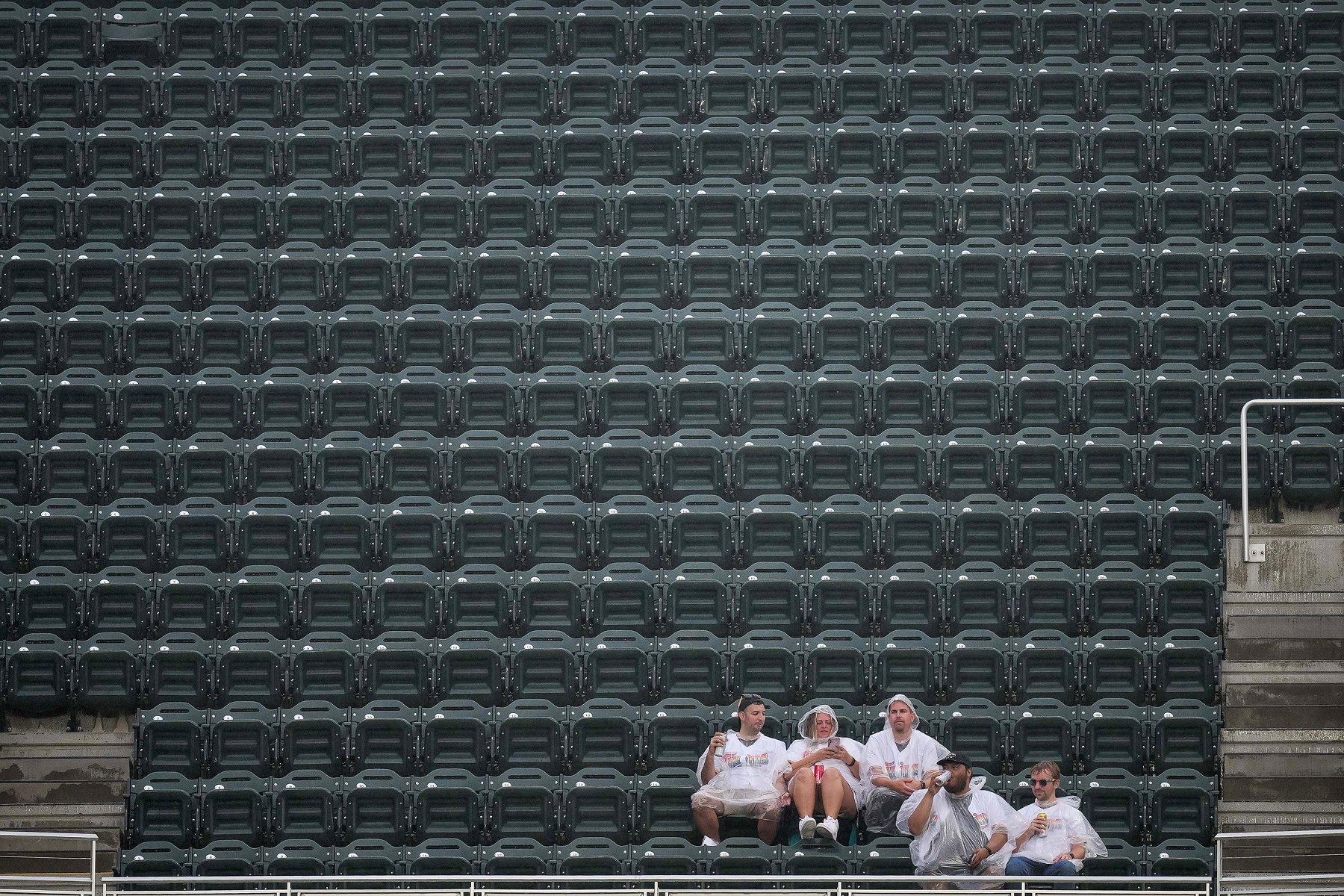 The Minnesota Twins and their fans find themselves in a tough spot. Following a massive trade deadline sell-off and ownership’s decision to halt a potential sale of the team, frustration is running high across Twins Territory. Combine that with inconsistent play on the field, and the result has been heavily felt in the stands at Target Field. Setting the Wrong Kind of Record Tuesday night’s home game against the Chicago White Sox painted a sobering picture. On a beautiful 75-degree evening, the Twins announced a crowd of 11,721 fans, a number that was boosted thanks to about 300 dogs for “Bark at the Park Night.” That figure marked the lowest September attendance in Target Field history, breaking the old mark of 14,222 set in 2021. It wasn’t just a blip. This year’s overall home attendance is on pace to finish at 1.8 million fans, down from 1.95 million last season. That drop would make 2025 the lowest-attended full season in Target Field’s 16-year history. For a franchise that relies heavily on season-ticket sales locked in before the year even begins, that trend is concerning as the organization looks ahead to 2026. Much of next season’s attendance picture will be shaped by what happens this winter. The Twins’ season-ticket base has long been the backbone of Target Field crowds, and if renewals decline sharply, it will be challenging to avoid swaths of empty seats next year. The challenge is not only convincing fans to come back, but also rebuilding trust in an era where patience has worn thin. That’s no small task, but it’s not impossible. 5 Ways to Bring Fans Back Winning is always the best cure for empty seats, but the Twins can take specific steps to avoid Target Field looking like a ghost town next season: 1. Keep Core Players in Place Fans need to see a commitment to competing. Holding on to pitchers like Pablo López and Joe Ryan (instead of shopping them around) would send a strong message that the front office still believes in this roster’s potential. 2. Promote Young Talent Early Minnesota has some of baseball’s most exciting prospects, and fans want to see them. Giving players like Walker Jenkins or Emmanuel Rodriguez a chance to debut early in 2026 would inject energy and buzz around the club. An offseason extension for Jenkins (a la the one Jackson Chourio signed with the Milwaukee Brewers in December 2023), though unlikely, would be an especially compelling and concrete way to ratchet up anticipation for his arrival. 3. Be Active in Free Agency The Twins don’t need to spend like the Dodgers to win back fans, but targeted moves—especially on offense—could help build credibility. Adding veterans who can make an immediate impact would show that the organization isn’t simply focused on cutting costs. After dumping payroll at the deadline, there should be room to add salary for next season. Some substantial number of fans won't believe the team is serious about winning again until they splash some cash; ownership needs to demonstrate that they understand that. 4. Enhance the Fan Experience When the team struggles, the ballpark can still be a draw. Keeping concessions affordable, improving season-ticket perks, and expanding family-friendly promotions could help keep fans engaged, even when the standings aren’t as kind. The Colorado Rockies are one of baseball’s worst teams and still draw an average of over 30,000 fans per game. Despite underinvestment in the roster and sluggish attendance, the Twins rank in the middle of the pack in affordability; they can and should make it more affordable for working-class fans and families to come to the park. 5. Communicate a Clear Direction Transparency matters. Whether the Twins view 2026 as a retooling season or believe they can contend, fans want honesty. Clear communication from leadership can help manage expectations and show that the franchise values its supporters. Target Field Attendance By Season 2024 1.95 million 2023 1.97 million 2022 1.80 million 2020-21 (COVID) 1.31 million 2019 2.30 million 2018 1.96 million 2017 2.05 million A Crossroads Moment Target Field has been one of MLB’s most beautiful venues since it opened in 2010, but its charm alone can’t fill the seats. Fans want to believe in this team again, and they’ve proven in the past that they’ll show up when there’s excitement on the field and accountability in the front office. The Twins now face a critical offseason. If they can find the right balance between developing young stars, retaining proven players, and showing real investment in the product, they’ll give fans reasons to come back. If not, the sight of empty seats and even the occasional barking fan could become all too familiar in 2026. How else can the Twins get more fans into the seats for 2026? Leave a comment and start the discussion.
- 46 comments
-
- 10
-
-
Image courtesy of Matt Blewett-Imagn Images Sports Reference, home of Baseball Reference, is running a fun project this week, encouraging fans to “remember some players.” The idea is simple: instead of always focusing on Hall of Famers or MVPs, take a moment to appreciate the quirky, flawed, and sometimes frustrating players who shaped the fabric of baseball fandom. With that in mind, I decided to put my own spin on the exercise. My first instinct was to jot down some of the greats of the last quarter-century (e.g. Joe Mauer, Johan Santana, Joe Nathan), but those names are etched deep in Twins lore already. Instead, let’s highlight another side of Twins history: the players who made you hold your breath (for all the wrong reasons) whenever a ball came their way. Here are the nine worst defenders for the Twins since 2000, based on FanGraphs’ DEF metric and a little common sense. 9. Josh Willingham, LF FanGraphs: -20.8 DEF Nobody signed Willingham for his defense. The “Hammer” arrived in 2012 and immediately delivered 35 home runs, a Silver Slugger, and some much-needed pop in the Twins’ lineup. Unfortunately, his work in left field was as lumbering as it was uninspiring. Slow jumps and stiff routes didn’t stop him from being a fan favorite, but he was a liability with the glove. 8. Kurt Suzuki, C FanGraphs: -23.8 DEF Suzuki provided a steady veteran presence behind the plate, and his All-Star selection in 2014 was a memorable moment, especially catching Glen Perkins’s save in front of a packed Target Field. But Suzuki’s defensive shortcomings were apparent. He routinely allowed more stolen bases than any catcher in the league, and his arm wasn’t scaring anyone. Still, he found ways to stick, thanks to his on-base skills and clubhouse presence. 7. Jacque Jones, RF FanGraphs: -25.3 DEF At first glance, seeing Jones here might raise eyebrows. After all, he was a central piece in the early-2000s resurgence, posting strong offensive seasons and bringing energy to the top of the order. But defensive metrics weren’t kind to him. His long tenure in right field led to a significant accumulation of negative value. Still, his bat and personality helped overshadow the flaws. 6. Justin Morneau, 1B FanGraphs: -63.2 DEF The former MVP and face of the franchise was a steady hitter, but the metrics don’t love his glove. Morneau logged nearly 10,000 innings at first base, far more than almost anyone else on this list, which inflated the negative total. He was never a butcher, but rather slightly below average over the course of his long career. The sheer playing time pushes him up these rankings, though his bat will always define his legacy. 5. Miguel Sanó, 3B/1B FanGraphs: -33.3 DEF (combined) Sanó’s defensive journey mirrored his rollercoaster career. Signed as a shortstop, he slid down the defensive spectrum with each passing year. Third base didn’t stick, his outfield experiment was forgettable, and first base became his long-term home—though “home” might be generous. He had power in his bat, but his glove often left Twins fans wishing for a DH-only role. 4. Ryan Doumit, C FanGraphs: -33.8 DEF Doumit’s time in Minnesota was short but, defensively, unforgettable in the worst way. He was among the league’s worst catchers at throwing out runners, and advanced metrics like Defensive Runs Saved rated him harshly. In less than 900 innings behind the plate, he posted one of the ugliest defensive profiles in Twins history. He's become an infamous example of the importance of understanding pitch framing, because he was so bad that as soon as those numbers proliferated, he lost his place behind the dish. Per inning, it’s tough to find anyone worse. 3. Delmon Young, LF FanGraphs: -62.8 DEF Young’s defense was infamous. His routes were comically poor, his throws often sailed offline, and his effort level was, at best, inconsistent. He brought occasional offensive bursts, but in the field, fans often groaned before the ball even landed. Defensive stats back up the eye test, because Young’s glove was a drag on the roster. 2. Jason Kubel, RF/LF FanGraphs: -65.8 DEF (combined) Kubel was once a five-tool prospect, but a devastating knee injury in the Arizona Fall League derailed that trajectory. The speed and range he once had never returned, and he became a corner outfielder/DH type earlier than expected. His bat kept him in the lineup, but his glove remained a liability. He finishes with one of the lowest defensive WAR totals of any Twin in the modern era. 1. Michael Cuddyer, RF/1B FanGraphs: -78.1 DEF (combined) This one might sting. Cuddyer was a two-time All-Star, a leader in the clubhouse, and a versatile hitter who carved out a long MLB career. But defensively? The numbers are brutal. Whether in right field or at first base, he graded as well below average. While fans remember his professionalism and bat, his glove was consistently a drag. Baseball Reference backs it up with a -10.1 dWAR. He may have been beloved, but he was never smooth in the field. Defense isn’t everything, and many of these players had productive careers despite their shortcomings with the glove. But it’s worth remembering the moments that made fans cringe, too. That’s part of what makes baseball so much fun: the highs, the lows, and the players we’ll never forget (for better or worse). Do you agree with this ranking? Who would you include in your own list of the Twins’ worst defenders? Share your thoughts in the comments below. View full article
- 19 replies
-
- 1
-

-
- michael cuddyer
- justin morneau
- (and 6 more)
-
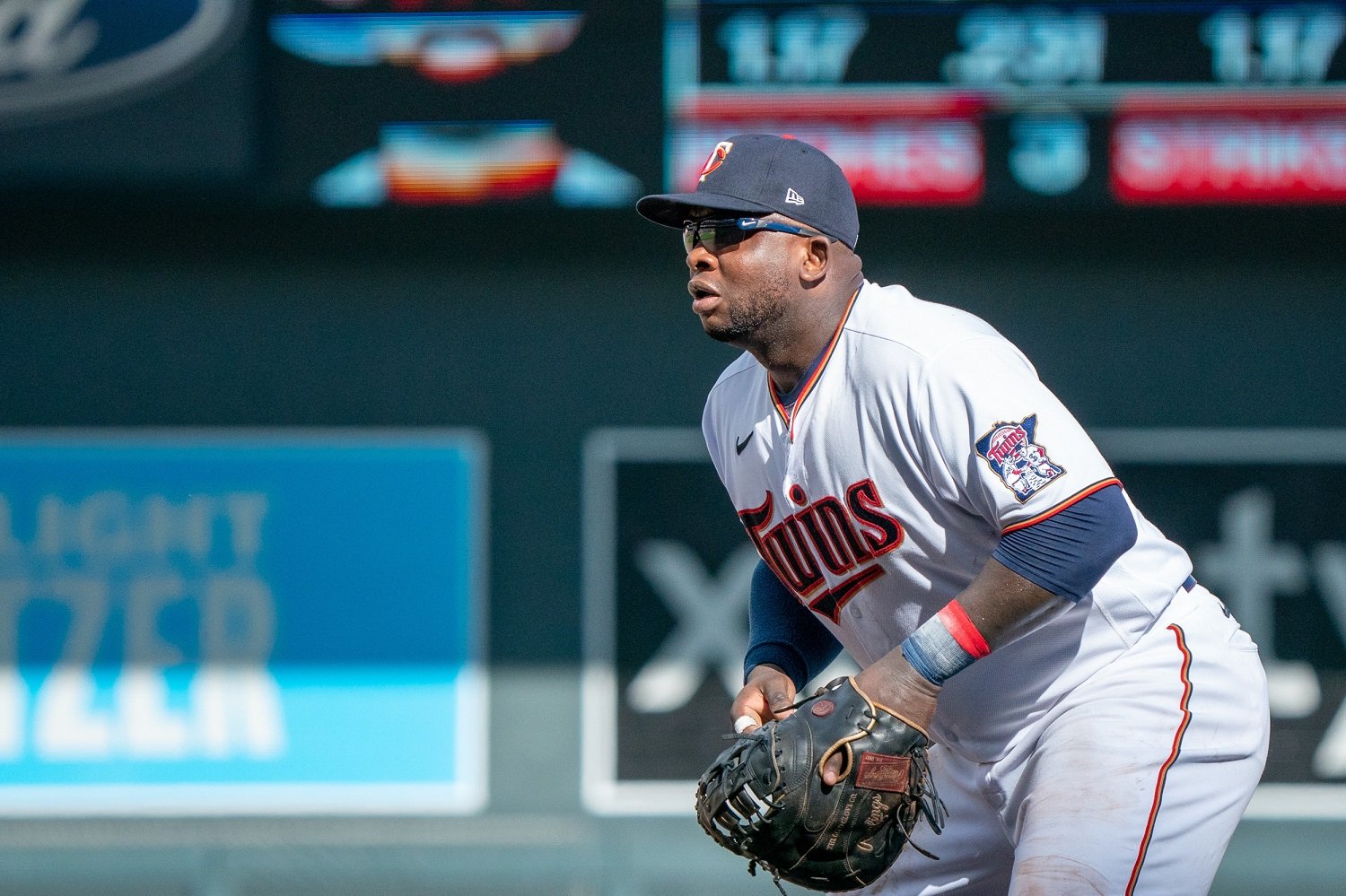 Sports Reference, home of Baseball Reference, is running a fun project this week, encouraging fans to “remember some players.” The idea is simple: instead of always focusing on Hall of Famers or MVPs, take a moment to appreciate the quirky, flawed, and sometimes frustrating players who shaped the fabric of baseball fandom. With that in mind, I decided to put my own spin on the exercise. My first instinct was to jot down some of the greats of the last quarter-century (e.g. Joe Mauer, Johan Santana, Joe Nathan), but those names are etched deep in Twins lore already. Instead, let’s highlight another side of Twins history: the players who made you hold your breath (for all the wrong reasons) whenever a ball came their way. Here are the nine worst defenders for the Twins since 2000, based on FanGraphs’ DEF metric and a little common sense. 9. Josh Willingham, LF FanGraphs: -20.8 DEF Nobody signed Willingham for his defense. The “Hammer” arrived in 2012 and immediately delivered 35 home runs, a Silver Slugger, and some much-needed pop in the Twins’ lineup. Unfortunately, his work in left field was as lumbering as it was uninspiring. Slow jumps and stiff routes didn’t stop him from being a fan favorite, but he was a liability with the glove. 8. Kurt Suzuki, C FanGraphs: -23.8 DEF Suzuki provided a steady veteran presence behind the plate, and his All-Star selection in 2014 was a memorable moment, especially catching Glen Perkins’s save in front of a packed Target Field. But Suzuki’s defensive shortcomings were apparent. He routinely allowed more stolen bases than any catcher in the league, and his arm wasn’t scaring anyone. Still, he found ways to stick, thanks to his on-base skills and clubhouse presence. 7. Jacque Jones, RF FanGraphs: -25.3 DEF At first glance, seeing Jones here might raise eyebrows. After all, he was a central piece in the early-2000s resurgence, posting strong offensive seasons and bringing energy to the top of the order. But defensive metrics weren’t kind to him. His long tenure in right field led to a significant accumulation of negative value. Still, his bat and personality helped overshadow the flaws. 6. Justin Morneau, 1B FanGraphs: -63.2 DEF The former MVP and face of the franchise was a steady hitter, but the metrics don’t love his glove. Morneau logged nearly 10,000 innings at first base, far more than almost anyone else on this list, which inflated the negative total. He was never a butcher, but rather slightly below average over the course of his long career. The sheer playing time pushes him up these rankings, though his bat will always define his legacy. 5. Miguel Sanó, 3B/1B FanGraphs: -33.3 DEF (combined) Sanó’s defensive journey mirrored his rollercoaster career. Signed as a shortstop, he slid down the defensive spectrum with each passing year. Third base didn’t stick, his outfield experiment was forgettable, and first base became his long-term home—though “home” might be generous. He had power in his bat, but his glove often left Twins fans wishing for a DH-only role. 4. Ryan Doumit, C FanGraphs: -33.8 DEF Doumit’s time in Minnesota was short but, defensively, unforgettable in the worst way. He was among the league’s worst catchers at throwing out runners, and advanced metrics like Defensive Runs Saved rated him harshly. In less than 900 innings behind the plate, he posted one of the ugliest defensive profiles in Twins history. He's become an infamous example of the importance of understanding pitch framing, because he was so bad that as soon as those numbers proliferated, he lost his place behind the dish. Per inning, it’s tough to find anyone worse. 3. Delmon Young, LF FanGraphs: -62.8 DEF Young’s defense was infamous. His routes were comically poor, his throws often sailed offline, and his effort level was, at best, inconsistent. He brought occasional offensive bursts, but in the field, fans often groaned before the ball even landed. Defensive stats back up the eye test, because Young’s glove was a drag on the roster. 2. Jason Kubel, RF/LF FanGraphs: -65.8 DEF (combined) Kubel was once a five-tool prospect, but a devastating knee injury in the Arizona Fall League derailed that trajectory. The speed and range he once had never returned, and he became a corner outfielder/DH type earlier than expected. His bat kept him in the lineup, but his glove remained a liability. He finishes with one of the lowest defensive WAR totals of any Twin in the modern era. 1. Michael Cuddyer, RF/1B FanGraphs: -78.1 DEF (combined) This one might sting. Cuddyer was a two-time All-Star, a leader in the clubhouse, and a versatile hitter who carved out a long MLB career. But defensively? The numbers are brutal. Whether in right field or at first base, he graded as well below average. While fans remember his professionalism and bat, his glove was consistently a drag. Baseball Reference backs it up with a -10.1 dWAR. He may have been beloved, but he was never smooth in the field. Defense isn’t everything, and many of these players had productive careers despite their shortcomings with the glove. But it’s worth remembering the moments that made fans cringe, too. That’s part of what makes baseball so much fun: the highs, the lows, and the players we’ll never forget (for better or worse). Do you agree with this ranking? Who would you include in your own list of the Twins’ worst defenders? Share your thoughts in the comments below.
- 19 comments
-
- 4
-
-
- michael cuddyer
- justin morneau
- (and 6 more)
-
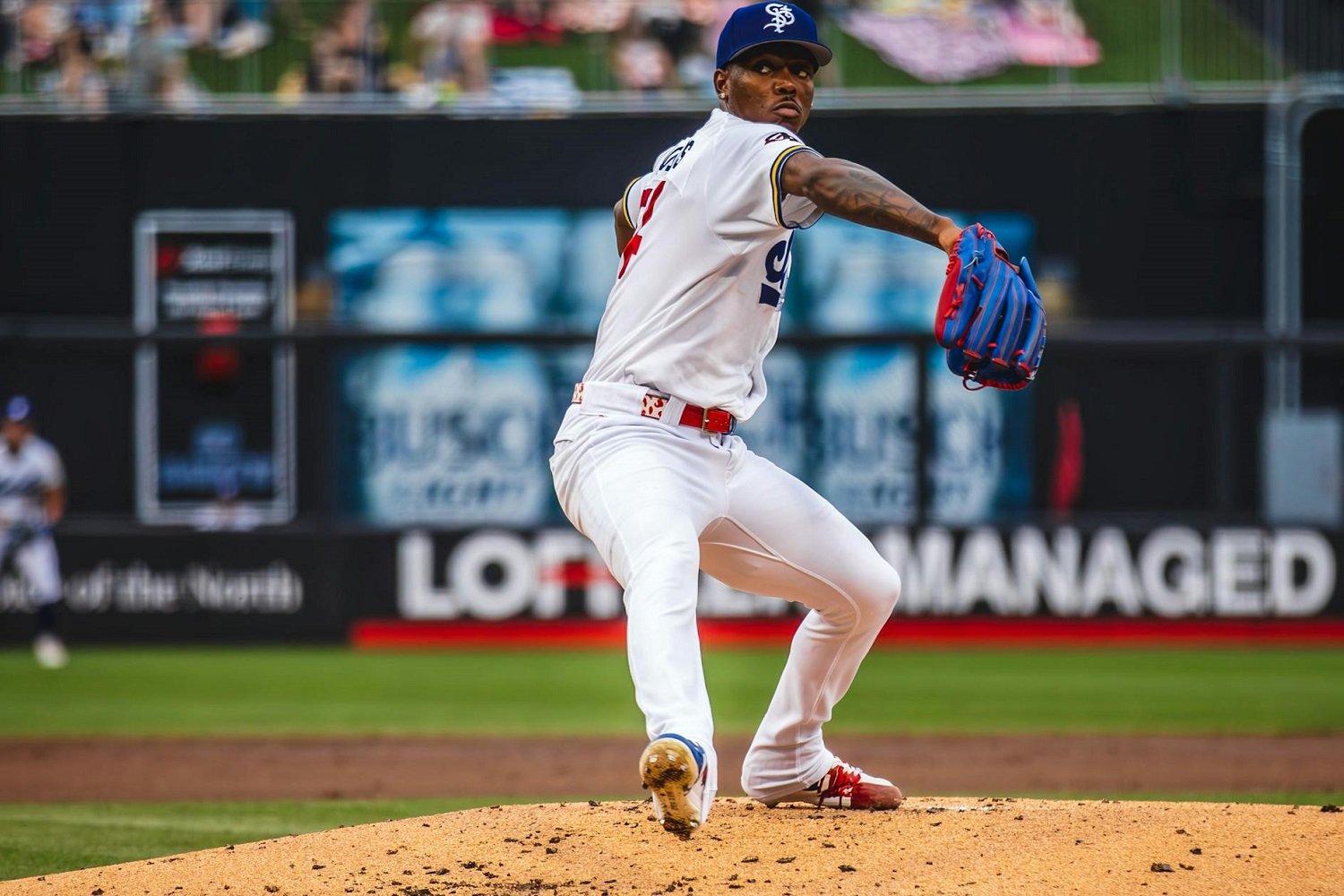 At this year’s trade deadline, the Minnesota Twins made a series of deals that reshaped both the big-league roster and the minor-league system. With Jhoan Duran, Harrison Bader, Danny Coulombe, Willi Castro, and Louis Varland shipped out, the organization received a wave of prospects who are already making their mark. But as Twins fans know well, talent acquisition is only step one. Development and adjustment are where organizations separate themselves. On the most recent episode of Inside Twins, Director of Player Development Drew MacPhail pulled back the curtain on how the Twins are working to maximize these new pieces. Eduardo Tait – The Headliner Catching Prospect The biggest name coming over in the Duran deal with Philadelphia was Tait, a teenager who is already a consensus top-five catching prospect in baseball. Just 19 years old, Tait’s aggressive High-A assignment at Cedar Rapids has not slowed him down offensively. MacPhail emphasized that the key for Tait isn’t reining him in, but sharpening his approach. “I think with Tait, the next sort of step for his development is continuing to refine his approach. That doesn’t mean swinging less," he clarified. "It’s just sort of trying to hone in on what’s your approach, given how this pitcher is going to attack you and how his pitches move. And how are you going to try and be as aggressive as possible over the heart of the plate and leave the edges to the pitcher.” It’s rare to see a catching prospect this young thrive against advanced competition, and the Twins are letting him attack without undue restraint. In recent years, the Twins have seen a similar approach from other top prospects like Jose Miranda and Brooks Lee. Those two players have struggled to find consistency at the big-league level, but the Twins believe Tait has plenty of time to develop. Hendry Mendez – Bat-First, with Defensive Questions Mendez, part of the Bader deal, has been scorching Texas League pitching, hitting around .340 with Double-A Wichita. He’s younger than nearly everyone he’s facing, which makes his production stand out even more. The Twins see his offensive profile as legitimate, but they know his glove will dictate his future role. “No question that the bat plays,” MacPhail said. “It’s about improving his route efficiency in the outfield. We are also exploring a little bit of first base with Hendry to open up his options defensively so he can find a position to stick with in the big leagues.” It’s interesting to hear the Twins talk about a prospect shifting to first base, since the club has seen a revolving door at that position in recent years. Mendez has a bat that can fit in any position, if he learns to get the ball off the ground more. First base might be his ticket to regular MLB at-bats, and as a lanky 6-foot-3 left-handed thrower, he's a prototypical fit for the gig. Garrett Horn – A Lefty with Spin and Velocity From Texas in the Coulombe deal, Horn has wasted little time impressing at Cedar Rapids. Opponents are hitting under .200 against him, and he’s showing mid-90s velocity from the left side with the ability to spin it. Coming off Tommy John surgery, he's in a period of slow buildup; the Twins are being deliberate with his usage. “With him, it’s focusing on continuing to refine his pitch arsenal. Throwing pitches in-zone a little bit earlier in counts,” said MacPhail. Horn already looks like a potential big-league bullpen weapon, but the Twins will stretch him as far as his command allows. Ryan Gallagher & Sam Armstrong – Double-A Depth with Upside In the Castro deal with Chicago, the Twins grabbed two Double-A arms in Gallagher and Armstrong, both of whom had already logged 100+ innings this season. Gallagher’s fastball/slider combo stands out, while Armstrong brings a deeper arsenal. MacPhail noted that Gallagher’s slider, in particular, was underutilized with the Cubs. “His slider actually gets the most miss of any pitch in his arsenal. He wasn’t throwing it a ton with the Cubs, so I think that was one area that we saw that we could uptick that in terms of usage.” On Armstrong, it’s about sorting through the menu of pitches to find a path to more whiffs. MacPhail said, “He has really impressive pitches, and a lot of them. I think there’s, again, as I kind of referenced with the usages, some things we can kind of tinker a little bit there to get more swing-and-miss out of him.” Both pitchers are striking out fewer batters since coming over from the Chicago system, but perhaps the fruits of these tweaks will ripen next year. Kendry Rojas – A Young Arm with Big Velocity The key return in the Varland trade, Rojas has already touched the upper 90s from the left side while flashing a slider and splitter. At just 21 in Triple-A, he’s facing older competition almost every night. For the Twins, his next step is as much about acclimation as it is mechanics. “With Kendry, it’s being more consistent. This is a really raw talent from Cuba," MacPhail said. "For us, it’s been having him come to the organization and get comfortable. Get to know us, trust us, and then kind of focus on January camps and start refining that arsenal a little bit.” The Twins didn’t go for major-league reinforcements at the deadline. Instead, they stockpiled youth, upside, and depth with an eye toward the next wave. Tait headlines the group, but each of these players has a specific development plan the Twins believe will unlock more. As MacPhail’s comments suggest, this deadline wasn’t just about adding names, it was about fitting those names into an organizational vision. At the time, Derek Falvey emphasized that the team passed on other versions of deals that would have brought them higher-upside but less polished players; they believe this group can quickly matriculate and make a difference for them. And for a franchise in constant need of impact young talent, that vision will be tested in the months and years ahead. What stands out from MacPhail’s comments? Will the Twins be able to make the changes outline above? Leave a comment and start the discussion.
- 18 comments
-
- 5
-
-
- kendry rojas
- hendry mendez
- (and 4 more)
-
Image courtesy of Rob Thompson, Saint Paul Saints (Photo of Kendry Rojas) At this year’s trade deadline, the Minnesota Twins made a series of deals that reshaped both the big-league roster and the minor-league system. With Jhoan Duran, Harrison Bader, Danny Coulombe, Willi Castro, and Louis Varland shipped out, the organization received a wave of prospects who are already making their mark. But as Twins fans know well, talent acquisition is only step one. Development and adjustment are where organizations separate themselves. On the most recent episode of Inside Twins, Director of Player Development Drew MacPhail pulled back the curtain on how the Twins are working to maximize these new pieces. Eduardo Tait – The Headliner Catching Prospect The biggest name coming over in the Duran deal with Philadelphia was Tait, a teenager who is already a consensus top-five catching prospect in baseball. Just 19 years old, Tait’s aggressive High-A assignment at Cedar Rapids has not slowed him down offensively. MacPhail emphasized that the key for Tait isn’t reining him in, but sharpening his approach. “I think with Tait, the next sort of step for his development is continuing to refine his approach. That doesn’t mean swinging less," he clarified. "It’s just sort of trying to hone in on what’s your approach, given how this pitcher is going to attack you and how his pitches move. And how are you going to try and be as aggressive as possible over the heart of the plate and leave the edges to the pitcher.” It’s rare to see a catching prospect this young thrive against advanced competition, and the Twins are letting him attack without undue restraint. In recent years, the Twins have seen a similar approach from other top prospects like Jose Miranda and Brooks Lee. Those two players have struggled to find consistency at the big-league level, but the Twins believe Tait has plenty of time to develop. Hendry Mendez – Bat-First, with Defensive Questions Mendez, part of the Bader deal, has been scorching Texas League pitching, hitting around .340 with Double-A Wichita. He’s younger than nearly everyone he’s facing, which makes his production stand out even more. The Twins see his offensive profile as legitimate, but they know his glove will dictate his future role. “No question that the bat plays,” MacPhail said. “It’s about improving his route efficiency in the outfield. We are also exploring a little bit of first base with Hendry to open up his options defensively so he can find a position to stick with in the big leagues.” It’s interesting to hear the Twins talk about a prospect shifting to first base, since the club has seen a revolving door at that position in recent years. Mendez has a bat that can fit in any position, if he learns to get the ball off the ground more. First base might be his ticket to regular MLB at-bats, and as a lanky 6-foot-3 left-handed thrower, he's a prototypical fit for the gig. Garrett Horn – A Lefty with Spin and Velocity From Texas in the Coulombe deal, Horn has wasted little time impressing at Cedar Rapids. Opponents are hitting under .200 against him, and he’s showing mid-90s velocity from the left side with the ability to spin it. Coming off Tommy John surgery, he's in a period of slow buildup; the Twins are being deliberate with his usage. “With him, it’s focusing on continuing to refine his pitch arsenal. Throwing pitches in-zone a little bit earlier in counts,” said MacPhail. Horn already looks like a potential big-league bullpen weapon, but the Twins will stretch him as far as his command allows. Ryan Gallagher & Sam Armstrong – Double-A Depth with Upside In the Castro deal with Chicago, the Twins grabbed two Double-A arms in Gallagher and Armstrong, both of whom had already logged 100+ innings this season. Gallagher’s fastball/slider combo stands out, while Armstrong brings a deeper arsenal. MacPhail noted that Gallagher’s slider, in particular, was underutilized with the Cubs. “His slider actually gets the most miss of any pitch in his arsenal. He wasn’t throwing it a ton with the Cubs, so I think that was one area that we saw that we could uptick that in terms of usage.” On Armstrong, it’s about sorting through the menu of pitches to find a path to more whiffs. MacPhail said, “He has really impressive pitches, and a lot of them. I think there’s, again, as I kind of referenced with the usages, some things we can kind of tinker a little bit there to get more swing-and-miss out of him.” Both pitchers are striking out fewer batters since coming over from the Chicago system, but perhaps the fruits of these tweaks will ripen next year. Kendry Rojas – A Young Arm with Big Velocity The key return in the Varland trade, Rojas has already touched the upper 90s from the left side while flashing a slider and splitter. At just 21 in Triple-A, he’s facing older competition almost every night. For the Twins, his next step is as much about acclimation as it is mechanics. “With Kendry, it’s being more consistent. This is a really raw talent from Cuba," MacPhail said. "For us, it’s been having him come to the organization and get comfortable. Get to know us, trust us, and then kind of focus on January camps and start refining that arsenal a little bit.” The Twins didn’t go for major-league reinforcements at the deadline. Instead, they stockpiled youth, upside, and depth with an eye toward the next wave. Tait headlines the group, but each of these players has a specific development plan the Twins believe will unlock more. As MacPhail’s comments suggest, this deadline wasn’t just about adding names, it was about fitting those names into an organizational vision. At the time, Derek Falvey emphasized that the team passed on other versions of deals that would have brought them higher-upside but less polished players; they believe this group can quickly matriculate and make a difference for them. And for a franchise in constant need of impact young talent, that vision will be tested in the months and years ahead. What stands out from MacPhail’s comments? Will the Twins be able to make the changes outline above? Leave a comment and start the discussion. View full article
-
Walker JenkinsKaelen CulpepperEduardo TaitLuke KeaschallEmmanuel RodriguezConnor PrielippMick AbelGabriel GonzalezDasan HillKendry RojasCharlee SotoMarek HoustonBrandon WinokurMarco RayaKhadim DiawAndrew MorrisRiley QuickKyler FedkoKyle DeBargeCJ Culpepper
-
Walker JenkinsKaelen CulpepperEduardo TaitLuke KeaschallEmmanuel RodriguezConnor PrielippMick AbelGabriel GonzalezDasan HillKendry RojasCharlee SotoMarek HoustonBrandon WinokurMarco RayaKhadim DiawAndrew MorrisRiley QuickKyler FedkoKyle DeBargeCJ Culpepper
-
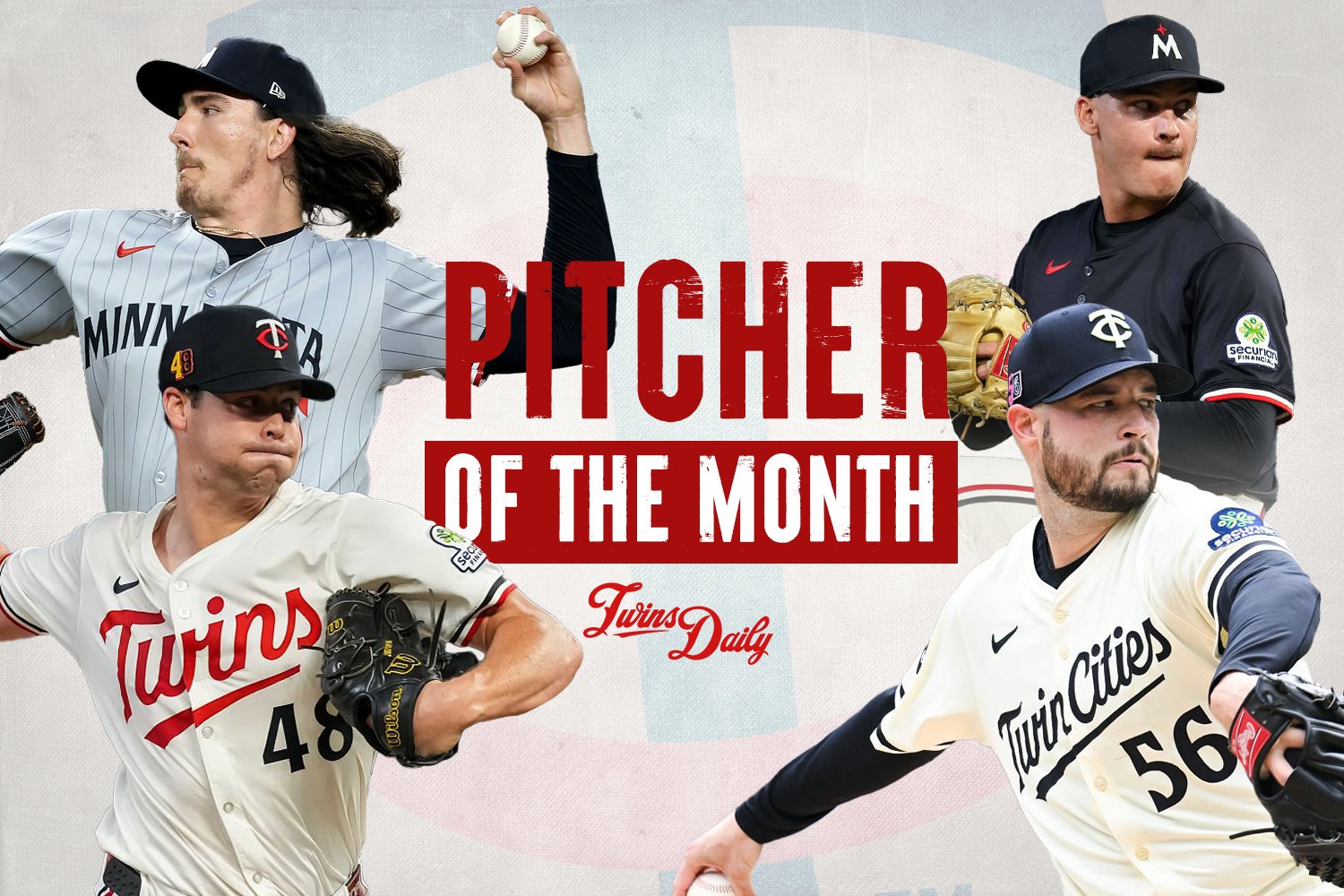 Expectations were low for the Twins’ bullpen after the trade deadline, with front office moves creating a strange mix of long-term projects and short-term placeholders. While the starting staff struggled to carry momentum through the dog days of summer, the bullpen produced some surprising performances. August offered plenty of opportunities for relievers to prove themselves, and four pitchers in particular made their mark. Here’s a closer look at the team’s top pitching performances for the month, complete with a few surprises. #4 Kody Funderburk 14 G, 0.00 ERA, 1.63 WHIP, 11 2/3 IP, 12 H, 7 BB, 11 K At first glance, a sparkling 0.00 ERA should vault Funderburk to the top of any monthly ranking. But ERA can sometimes be deceptive, and in Funderburk’s case, his WHIP and underlying stats tell a more complicated story. His 1.63 WHIP was the highest among this group, and opponents actually posted an .840 OPS against him in August. He also inherited 12 runners from other pitchers, and five of those scored (but were charged to those teammates). Still, he delivered when it mattered most, ranking fifth on the team in WPA, and he proved to be one of the more flexible options in the bullpen. The Twins weren’t afraid to push him past three outs, and he logged three appearances of more than an inning. He also notched his second career save to close the month. While there’s some risk in relying too heavily on his current profile, Funderburk showed flashes of being the kind of left-handed weapon the Twins will need next season. #3 Thomas Hatch 6 G, 3.86 ERA, 1.33 WHIP, 21 IP, 16 H, 12 BB, 16 K Hatch’s role has been unconventional, and that’s part of what makes him stand out. He started one game, finished two others, and gave the Twins valuable innings whenever they needed them. His lone start was especially impressive, holding the division-leading Tigers to one run across five innings. Opponents hit just .213 against him for the month, though a dozen walks in 21 innings show there’s still work to be done. The slider has been his bread and butter, generating a 26.5 Whiff% and keeping hitters to a .221 wOBA. Hatch is the kind of pitcher who’s hard to evaluate because he doesn’t fit neatly into a traditional role, but he’s proven he can help a team in multiple ways. With the Twins looking ahead to 2026, Hatch has at least put himself in the conversation for a swingman or depth role. #2 Justin Topa 11 G, 2.13 ERA, 1.42 WHIP, 12 2/3 IP, 13 H, 5 BB, 10 K It’s been a winding road for Topa since arriving in the Jorge Polanco trade. Expected to slide into a late-inning role, injuries derailed his 2024 season, and his 2025 campaign has been full of inconsistency. But August may have been his most encouraging stretch as a Twin. He led the entire staff with 0.56 WPA, a clear sign of his ability to deliver in high-leverage moments. Batters continue to struggle to barrel him up, as his 4.4 Barrel% ranks in the 94th percentile league-wide. When his command is sharp, he looks like the pitcher Minnesota envisioned when they acquired him. With a $2-million option looming for 2026, the Twins face an interesting decision: do they bet on Topa rediscovering his best self, or do they move on and free up a tiny morsel of payroll for other bullpen options? #1 Cole Sands – Twins Daily Pitcher of the Month 13 G, 3.46 ERA, 1.00 WHIP, 13 IP, 9 H, 4 BB, 18 K Sands takes home the honor this month, mainly because he combined efficiency with dominance in a way no other Twins pitcher did. His ERA might not jump off the page, but his underlying numbers tell the story. Opponents mustered just a .597 OPS against him, and he racked up a stellar 34% strikeout rate. Over his final seven appearances in August, Sands was untouchable: eight shutout innings, 13 strikeouts, just two walks, and an eye-popping 0.7 WPA. His WPA trailed only Topa for the team lead, and he gave manager Rocco Baldelli the kind of reliability every bullpen needs late in games. For a pitcher who broke out in 2024 but stumbled early this year, August felt like a step back toward that breakout form. If he can close the season strongly, he may enter 2026 as one of the frontrunners for a late-inning role. When the Twins traded away key pieces at the deadline, the bullpen was supposed to be a patchwork group designed to hold things together. Instead, it became the team’s strength in August, and that could be a crucial development heading into 2026. Sands earns the top spot this month, but cases could be made for Funderburk’s perfect ERA, Hatch’s versatility, or Topa’s high-leverage performance. That’s what makes this exercise fun, because everyone’s ballot looks a little different. How would you rank the bullpen’s top arms for August? Leave a comment below and join the discussion.
- 7 comments
-
- 3
-
-
- cole sands
- kody funderburk
- (and 2 more)
-
Image courtesy of Thieres Rabelo Expectations were low for the Twins’ bullpen after the trade deadline, with front office moves creating a strange mix of long-term projects and short-term placeholders. While the starting staff struggled to carry momentum through the dog days of summer, the bullpen produced some surprising performances. August offered plenty of opportunities for relievers to prove themselves, and four pitchers in particular made their mark. Here’s a closer look at the team’s top pitching performances for the month, complete with a few surprises. #4 Kody Funderburk 14 G, 0.00 ERA, 1.63 WHIP, 11 2/3 IP, 12 H, 7 BB, 11 K At first glance, a sparkling 0.00 ERA should vault Funderburk to the top of any monthly ranking. But ERA can sometimes be deceptive, and in Funderburk’s case, his WHIP and underlying stats show a more complicated story. His 1.63 WHIP was the highest among this group, and opponents actually posted an .840 OPS against him in August. Still, he delivered when it mattered most, ranking fifth on the team in WPA, and he proved to be one of the more flexible options in the bullpen. The Twins weren’t afraid to push him past three outs, and he logged three appearances of more than an inning. He also notched his second career save to close the month. While there’s some risk in relying too heavily on his current profile, Funderburk showed flashes of being the kind of left-handed weapon the Twins will need next season. #3 Thomas Hatch 6 G, 3.86 ERA, 1.33 WHIP, 21 IP, 16 H, 12 BB, 16 K Hatch’s role has been unconventional, and that’s part of what makes him stand out. He started one game, finished two others, and gave the Twins valuable innings whenever they needed them. His lone start was especially impressive, holding the division-leading Tigers to one run across five innings. Opponents hit just .213 against him for the month, though a dozen walks in 21 innings show there’s still work to be done. The slider has been his bread and butter, generating a 26.5 Whiff% and keeping hitters to a .221 wOBA against it. Hatch is the kind of pitcher who’s hard to evaluate because he doesn’t fit neatly into a traditional role, but he’s proven he can help a team in multiple ways. With the Twins looking ahead to 2026, Hatch has at least put himself in the conversation for a swingman or depth role. #2 Justin Topa 11 G, 2.13 ERA, 1.42 WHIP, 12 2/3 IP, 13 H, 5 BB, 10 K It’s been a winding road for Topa since arriving in the Jorge Polanco trade. Expected to slide into a late-inning role, injuries derailed his 2024 season, and his 2025 campaign has been full of inconsistency. But August may have been his most encouraging stretch as a Twin. He led the entire staff with a 0.56 WPA, a clear sign of his ability to deliver in high-leverage moments. Batters continue to struggle to barrel him up, as his 4.4 Barrel% ranks in the 94th percentile league-wide. When his command is sharp, he looks like the pitcher Minnesota envisioned when they acquired him. With a $2 million option looming for 2026, the Twins face an interesting decision: do they bet on Topa rediscovering his best self, or do they move on and free up payroll for other bullpen options? #1 Cole Sands – Twins Daily Pitcher of the Month 13 G, 3.46 ERA, 1.00 WHIP, 13 IP, 9 H, 4 BB, 18 K Sands takes home the honor this month, mainly because he combined efficiency with dominance in a way no other Twins pitcher did. His ERA might not jump off the page, but his underlying numbers tell the story. Opponents mustered just a .597 OPS against him, and he racked up a stellar 34% strikeout rate. Over his final seven appearances in August, Sands was untouchable: eight shutout innings, 13 strikeouts, just two walks, and an eye-popping 0.7 WPA. His WPA trailed only Topa for the team lead, and he gave manager Rocco Baldelli the kind of reliability every bullpen needs late in games. For a pitcher who broke out in 2024 but stumbled early this year, August felt like a step back toward that breakout form. If he can close the season strongly, he may enter 2026 as one of the frontrunners for a late-inning role. When the Twins traded away key pieces at the deadline, the bullpen was supposed to be a patchwork group designed to hold things together. Instead, it became the team’s strength in August, and that could be a crucial development heading into 2026. Sands earns the top spot this month, but cases could be made for Funderburk’s perfect ERA, Hatch’s versatility, or Topa’s high-leverage performance. That’s what makes this exercise fun, because everyone’s ballot looks a little different. How would you rank the bullpen’s top arms for August? Leave a comment below and join the discussion. View full article
-
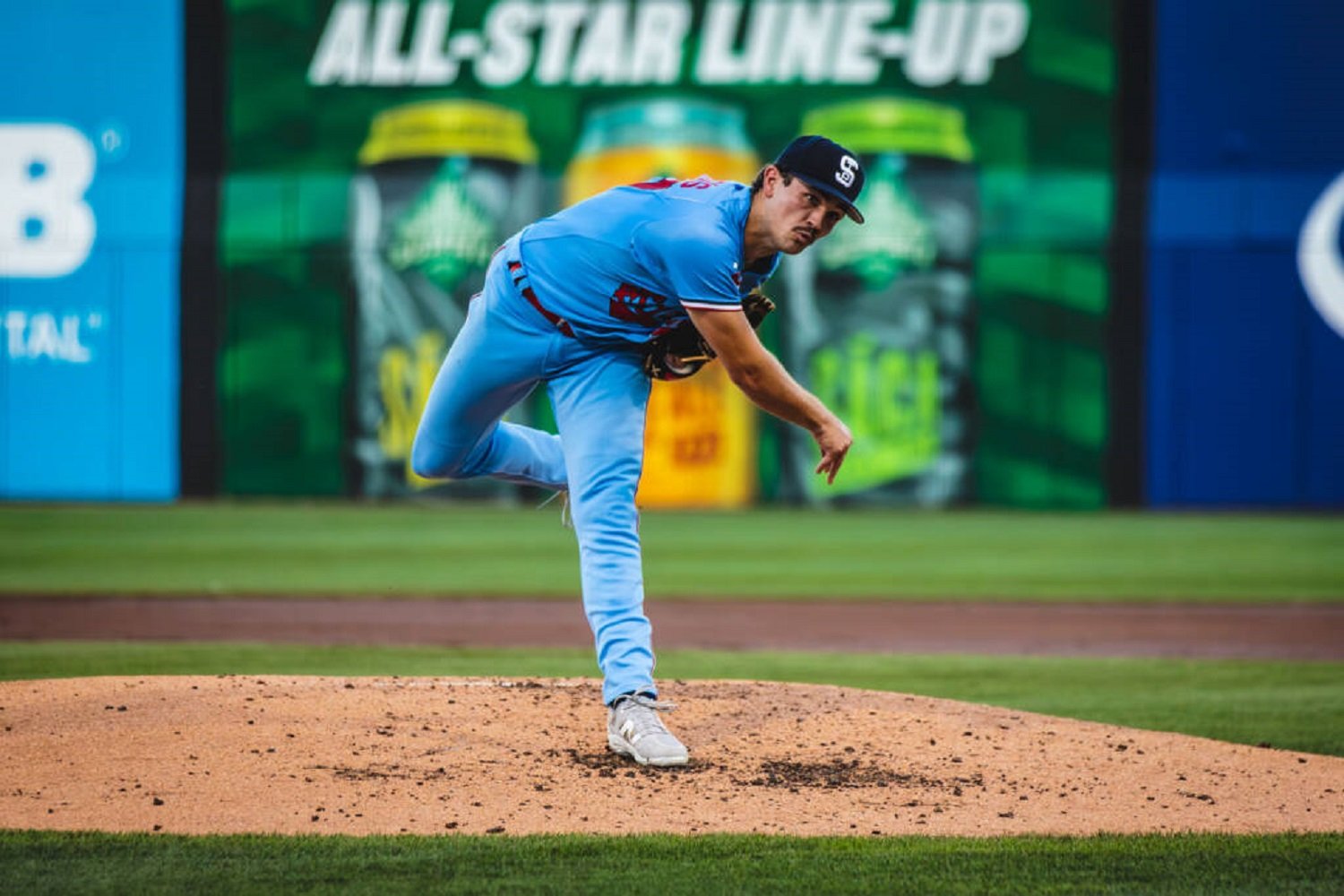 Each week, standout performances from across the Minnesota Twins farm system shine a light on the next wave of potential big-leaguers. This week’s hot sheet highlights a trio of players who turned heads with dominant outings and powerful swings. From a polished arm in Triple-A to a breakout stretch in Double-A and a newcomer making noise at Low-A, these players continue to provide hope amid a lost season at the top level. RHP Andrew Morris – St. Paul Saints How He Got Here: The Twins selected Morris in the fourth round of the 2022 MLB Draft, and the 23-year-old right-hander has steadily climbed the system. In 2024, he posted video-game numbers at three different levels with a 2.37 ERA, a 1.08 WHIP, a 24.5 K%, and a 5.9 BB%. He was in the conversation for the organization’s minor-league pitcher of the year, but it was hard to ignore what Zebby Matthews accomplished. After that strong showing, he opened this season in St. Paul, earning a spot in the Saints’ rotation mix while working his way into top-30 prospect rankings. Hitting the Hot Button: Morris was at his best this week in relief, after rehabbing Davide Festa started the game. He worked 4.0 innings against Toledo, piling up a season high-tying eight strikeouts. He allowed just one run on one hit and didn’t issue a walk, showing the command and poise that have made him one of the system’s most reliable arms. Ranked the Twins’ No. 21 prospect by MLB.com, Morris’s ability to miss bats while limiting free passes has him knocking on the door of a potential MLB debut in September. OF Kala'i Rosario – Wichita Wind Surge How He Got Here: Rosario was drafted in the fifth round back in 2020, and after steadily progressing through the lower levels, he broke out with a big year at High-A Cedar Rapids in 2023 with an .832 OPS. Last season, he posted a .726 OPS at Double-A, but was limited to 68 games. Minnesota sent him to the Arizona Fall League for the second consecutive season, but left him unprotected from the Rule 5 Draft. He’s since become one of Wichita’s most consistent bats and a fixture in the Wind Surge outfield. Hitting the Hot Button: The 23-year-old outfielder was locked in at the plate last week, hitting .333 (9-for-27) with three doubles, one triple, and three home runs while driving in 10 runs across six games. His power has always been his calling card, but Rosario’s improved approach and ability to drive the ball to all fields have made him a more complete offensive threat. For the season, he is hitting .258/.362/.493 with 26 doubles and 23 home runs. He’s also posting those totals while being nearly two years younger than the average age of the competition in the Texas League. His performance continues to reinforce his standing as one of the most intriguing middle-of-the-order bats in the system. C Enrique Jiménez – Fort Myers Mighty Mussels How He Got Here: Jiménez came to Minnesota earlier this season as part of the trade that sent Chris Paddack to the Detroit Tigers. Last season, he made his Stateside debut with the FCL Tigers and posted a .742 OPS in 43 games. Still just 19 years old, the young catcher has settled into Low-A Fort Myers, adjusting to a new organization while flashing his offensive potential. Minnesota was aggressive with him, moving him to Low-A, where he is nearly two years younger than the average age of the competition. Hitting the Hot Button: Jiménez made headlines earlier this week with a two-homer game for the Mighty Mussels, showing off the raw power that made him a notable addition in the Paddack deal. Beyond the long balls, he’s shown progress defensively and has handled the demands of catching a young pitching staff. In his first 18 games in the organization, he is hitting .286/.451/.587 with eight extra-base hits (five home runs). For a prospect just getting started at the full-season level, the flashes of impact are a promising sign of what’s to come. Morris’s polish on the mound, Rosario’s middle-of-the-order thunder, and Jiménez’s early flashes of power give the Twins plenty of reasons for optimism across multiple levels. Performances like these remind fans that while the big-league roster remains the focus, the farm system is quietly developing talent that could play key roles in Minnesota’s future. Which prospect’s performance stands out the most in recent weeks? Will any of these players help the Twins in 2026? Leave a comment and start the discussion.
- 11 comments
-
- 7
-
-
- kalai rosario
- andrew morris
- (and 1 more)
-
Image courtesy of Rob Thompson, St. Paul Saints (Photo of Andrew Morris) Each week, standout performances from across the Minnesota Twins farm system shine a light on the next wave of potential big-leaguers. This week’s hot sheet highlights a trio of players who turned heads with dominant outings and powerful swings. From a polished arm in Triple-A to a breakout stretch in Double-A and a newcomer making noise at Low-A, these players continue to provide hope amid a lost season at the top level. RHP Andrew Morris – St. Paul Saints How He Got Here: The Twins selected Morris in the fourth round of the 2022 MLB Draft, and the 23-year-old right-hander has steadily climbed the system. In 2024, he posted video-game numbers at three different levels with a 2.37 ERA, a 1.08 WHIP, a 24.5 K%, and a 5.9 BB%. He was in the conversation for the organization’s minor-league pitcher of the year, but it was hard to ignore what Zebby Matthews accomplished. After that strong showing, he opened this season in St. Paul, earning a spot in the Saints’ rotation mix while working his way into top-30 prospect rankings. Hitting the Hot Button: Morris was at his best this week in relief, after rehabbing Davide Festa started the game. He worked 4.0 innings against Toledo, piling up a season high-tying eight strikeouts. He allowed just one run on one hit and didn’t issue a walk, showing the command and poise that have made him one of the system’s most reliable arms. Ranked the Twins’ No. 21 prospect by MLB.com, Morris’s ability to miss bats while limiting free passes has him knocking on the door of a potential MLB debut in September. OF Kala'i Rosario – Wichita Wind Surge How He Got Here: Rosario was drafted in the fifth round back in 2020, and after steadily progressing through the lower levels, he broke out with a big year at High-A Cedar Rapids in 2023 with an .832 OPS. Last season, he posted a .726 OPS at Double-A, but was limited to 68 games. Minnesota sent him to the Arizona Fall League for the second consecutive season, but left him unprotected from the Rule 5 Draft. He’s since become one of Wichita’s most consistent bats and a fixture in the Wind Surge outfield. Hitting the Hot Button: The 23-year-old outfielder was locked in at the plate last week, hitting .333 (9-for-27) with three doubles, one triple, and three home runs while driving in 10 runs across six games. His power has always been his calling card, but Rosario’s improved approach and ability to drive the ball to all fields have made him a more complete offensive threat. For the season, he is hitting .258/.362/.493 with 26 doubles and 23 home runs. He’s also posting those totals while being nearly two years younger than the average age of the competition in the Texas League. His performance continues to reinforce his standing as one of the most intriguing middle-of-the-order bats in the system. C Enrique Jiménez – Fort Myers Mighty Mussels How He Got Here: Jiménez came to Minnesota earlier this season as part of the trade that sent Chris Paddack to the Detroit Tigers. Last season, he made his Stateside debut with the FCL Tigers and posted a .742 OPS in 43 games. Still just 19 years old, the young catcher has settled into Low-A Fort Myers, adjusting to a new organization while flashing his offensive potential. Minnesota was aggressive with him, moving him to Low-A, where he is nearly two years younger than the average age of the competition. Hitting the Hot Button: Jiménez made headlines earlier this week with a two-homer game for the Mighty Mussels, showing off the raw power that made him a notable addition in the Paddack deal. Beyond the long balls, he’s shown progress defensively and has handled the demands of catching a young pitching staff. In his first 18 games in the organization, he is hitting .286/.451/.587 with eight extra-base hits (five home runs). For a prospect just getting started at the full-season level, the flashes of impact are a promising sign of what’s to come. Morris’s polish on the mound, Rosario’s middle-of-the-order thunder, and Jiménez’s early flashes of power give the Twins plenty of reasons for optimism across multiple levels. Performances like these remind fans that while the big-league roster remains the focus, the farm system is quietly developing talent that could play key roles in Minnesota’s future. Which prospect’s performance stands out the most in recent weeks? Will any of these players help the Twins in 2026? Leave a comment and start the discussion. View full article
- 11 replies
-
- 2
-
-
- kalai rosario
- andrew morris
- (and 1 more)

