



Cody Christie
-
Posts
7,803 -
Joined
-
Last visited
-
Days Won
5
Content Type
Profiles
News
Minnesota Twins Videos
2026 Minnesota Twins Top Prospects Ranking
2022 Minnesota Twins Draft Picks
Minnesota Twins Free Agent & Trade Rumors, Notes, & Tidbits
Guides & Resources
2023 Minnesota Twins Draft Picks
The Minnesota Twins Players Project
2024 Minnesota Twins Draft Picks
2025 Minnesota Twins Draft Pick Tracker
2026 Minnesota Twins Draft Tracker: Picks & Bonuses
Forums
Blogs
Events
Store
Downloads
Gallery
Everything posted by Cody Christie
-

Front Office Confirms Payroll Is Technically a Social Construct
Cody Christie posted an article in Just For Fun
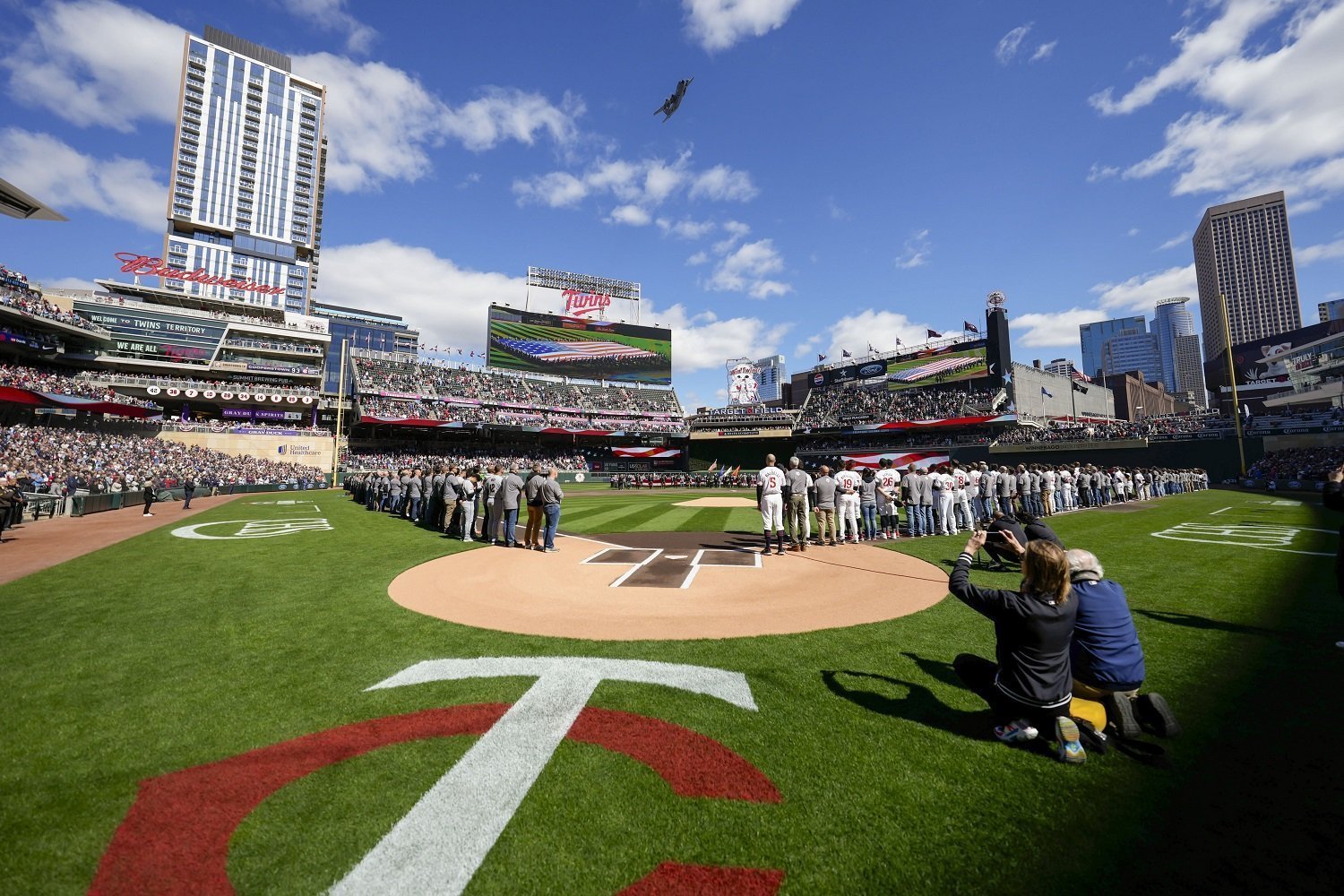 The Minnesota Twins held what was described as a routine media availability earlier this week. By the end, the organization had successfully redefined one of baseball’s most foundational concepts, while introducing a bold new framework for competitive spending that relies almost entirely on belief. Speaking from a lectern adorned with what appeared to be several laminated pie charts labeled 'Culture Metrics', Tom Pohlad addressed questions about the team’s long-term payroll outlook by first asking reporters to consider whether payroll exists in any meaningful sense at all. “We think it's important to challenge traditional assumptions about money,” Pohlad said. “When you really sit with it, payroll is less of a number and more of a mindset. Spending is about vibes. Spending is about growth. Spending is about how committed you are internally to the idea of improvement.” Pohlad went on to explain that the organization has made significant investments this offseason in non-monetary areas, including belief infrastructure and emotional liquidity. “We have spent a lot this winter,” Pohlad continued. “We spent time. We spent energy. We spent several afternoons discussing whether financial limitations are self-imposed barriers created by outdated thinking. That is where real progress happens.” Sources inside the room confirmed that the front office unveiled a new proprietary metric designed to measure fiscal effort without actually requiring the movement of currency. Known internally as Win Probability Intention, the stat attempts to quantify how seriously a team has considered acquiring an impact player before ultimately deciding against it. General manager Jeremy Zoll later clarified that the Twins have not ruled out increasing payroll in the future, but that any such move would need to align with the club’s long-term vision of sustainable imagination. “There are a lot of ways to get better as a baseball team,” Zoll said. “You can sign free agents. You can make trades. Or you can foster an environment where improvement feels possible. We think the third option has been underutilized across Major League Baseball.” At one point during the press conference, the Twins presented a slide comparing their actual payroll to what they described as their aspirational payroll, which exists primarily as a concept. The gap between the two was characterized as an opportunity. Team officials emphasized that the organization remains committed to contending in the American League Central and believes its current roster is well-positioned to compete—so long as fans are willing to engage with a more flexible understanding of investment. “Winning is not always about who spends the most,” Pohlad said. “Sometimes it is about who spends the most time thinking about spending.” When asked whether this philosophical approach would extend to future contract negotiations with star players, Pohlad nodded. “We think our guys understand that value is subjective,” he said. “And frankly, if you ask around the clubhouse, the vibes are fully funded.” The Twins are expected to continue exploring new avenues for resource allocation throughout the season, including several initiatives focused on generating late-inning offense and visualizing healthy pitching depth. Opening Day remains on schedule. Payroll remains a feeling.
 -
As spring training enters its final stretch, roster decisions accelerate. For the Minnesota Twins, Monday brought further clarity as the club trimmed nine players from big-league camp. The group included several names with at least some path to the Opening Day roster, as well as a few prospects whose strong springs made the timing a little surprising. With less than three weeks until the regular season begins, the Twins are now narrowing their focus to the players who will make the final push. Among the pitchers sent out of camp, Connor Prielipp and Marco Raya were probably the closest to legitimate Opening Day roster consideration. Both pitchers have already reached Triple-A and could have potentially filled bullpen roles if the Twins wanted to bring a young arm north. Prielipp, however, is still being stretched out as a starter and did not do enough this spring to earn more time in camp. Across three Grapefruit League appearances, he pitched 5 1/3 innings, allowing four runs on six hits, including two home runs. He also finished with six strikeouts and six walks. The raw stuff is still intriguing, but the command will need to sharpen as he continues building innings. Raya’s outing this spring was even more difficult. Last season was already a challenging one as he posted a 6.02 ERA across 98 2/3 innings at Triple A. Now transitioning into a relief role, Raya allowed five runs in just 2 1/3 innings this spring while issuing five walks and striking out only two. Both pitchers still appear likely to factor into the major league picture at some point during the season. For now, though, they will head back to the minor leagues to continue refining their roles and consistency before Minnesota calls again. The same can be said for Andrew Morris and John Klein. Morris struggled during Grapefruit League action, giving up four runs on seven hits across 6 2/3 innings. He currently sits as the seventh or eighth starter on the organizational depth chart, so he will be in Minnesota at some point this year. Klein appeared in only a single game during camp, limiting his evaluation. However, the Twins added him to the 40-man roster this winter, making him a call-up candidate when the need arises. The most surprising move from Monday’s cuts was the demotion of top outfield prospect Emmanuel Rodriguez. There was never a strong expectation that Rodriguez would break camp with the Twins, but the timing still stands out considering how well he performed during exhibition play. In 11 Grapefruit League games, Rodriguez slashed an impressive .421/.476/.789 (1.265). He collected a double and two home runs while drawing two walks and striking out nine times. Rodriguez already has experience at Triple-A after posting an .853 OPS in 52 games there last season. Capable of playing center field, he continues to look like one of the organization’s most dynamic offensive talents. The next step in his development remains familiar. Rodriguez does an excellent job commanding the strike zone and has often produced walk rates north of 20 percent. The issue is that the strikeouts remain high as well, with the outfielder still striking out close to one-third of the time. If he can trim that rate while staying healthy, the Twins may not be able to keep him in St. Paul for very long. Another hitter sent out at the same time was Gabriel Gonzalez, who also enjoyed an impressive spring. Gonzalez homered on Monday and finished camp 9-for-18 (.500 BA) with three doubles and a home run. If he can carry that momentum into the regular season, he could quickly put himself into the conversation for a corner outfield role. Hendry Mendez remains a bit further from the big league picture, while catcher Patrick Winkel profiles primarily as organizational depth behind the plate. Kendry Rojas, however, is a name that could become important again this season. The left-hander is expected to serve as part of the starting pitching depth at Triple-A, a role the Twins leaned on heavily a year ago. Rojas was part of the reason Minnesota felt comfortable moving Louie Varland at last year’s trade deadline. A fringe Top 100 prospect at the time, the young left-hander flashed impressive velocity and the type of strikeout ability that caught the organization’s attention. This spring, Rojas allowed seven runs on seven hits in Grapefruit League action, but the underlying numbers were encouraging. He recorded seven strikeouts compared to just one walk, continuing to show the swing-and-miss ability that has long made him intriguing. A strong start at Triple-A St. Paul could quickly put him back on the radar as a promotion candidate. For the Twins, these latest cuts help finalize the Opening Day roster and strengthen organizational depth. Players sent down Monday are still key for 2026, and could return if there are injuries or new opportunities, making them important to follow in the coming months. View full rumor
-
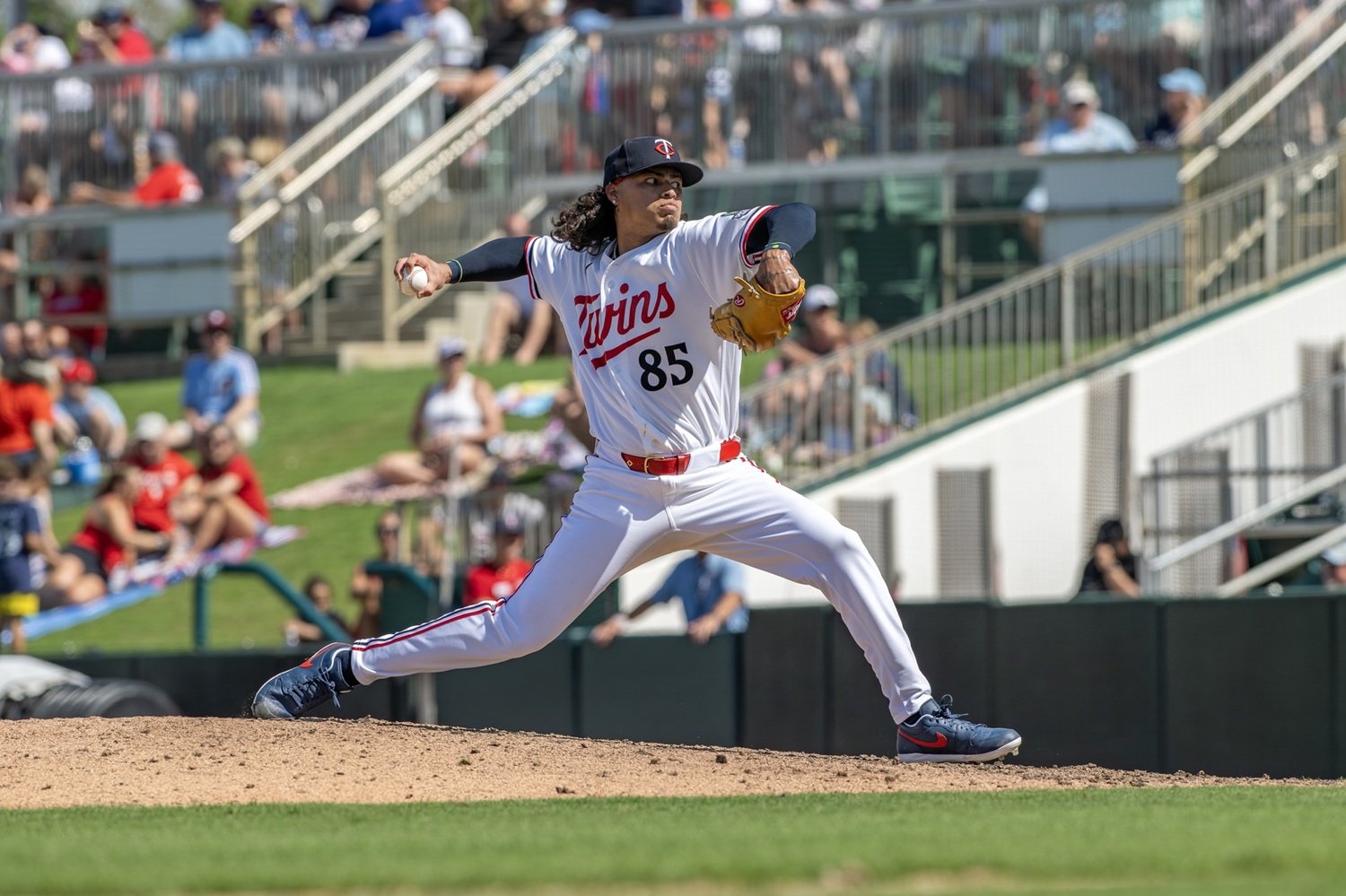 As spring training enters its final stretch, roster decisions accelerate. For the Minnesota Twins, Monday brought further clarity as the club trimmed nine players from big-league camp. The group included several names with at least some path to the Opening Day roster, as well as a few prospects whose strong springs made the timing a little surprising. With less than three weeks until the regular season begins, the Twins are now narrowing their focus to the players who will make the final push. Among the pitchers sent out of camp, Connor Prielipp and Marco Raya were probably the closest to legitimate Opening Day roster consideration. Both pitchers have already reached Triple-A and could have potentially filled bullpen roles if the Twins wanted to bring a young arm north. Prielipp, however, is still being stretched out as a starter and did not do enough this spring to earn more time in camp. Across three Grapefruit League appearances, he pitched 5 1/3 innings, allowing four runs on six hits, including two home runs. He also finished with six strikeouts and six walks. The raw stuff is still intriguing, but the command will need to sharpen as he continues building innings. Raya’s outing this spring was even more difficult. Last season was already a challenging one as he posted a 6.02 ERA across 98 2/3 innings at Triple A. Now transitioning into a relief role, Raya allowed five runs in just 2 1/3 innings this spring while issuing five walks and striking out only two. Both pitchers still appear likely to factor into the major league picture at some point during the season. For now, though, they will head back to the minor leagues to continue refining their roles and consistency before Minnesota calls again. The same can be said for Andrew Morris and John Klein. Morris struggled during Grapefruit League action, giving up four runs on seven hits across 6 2/3 innings. He currently sits as the seventh or eighth starter on the organizational depth chart, so he will be in Minnesota at some point this year. Klein appeared in only a single game during camp, limiting his evaluation. However, the Twins added him to the 40-man roster this winter, making him a call-up candidate when the need arises. The most surprising move from Monday’s cuts was the demotion of top outfield prospect Emmanuel Rodriguez. There was never a strong expectation that Rodriguez would break camp with the Twins, but the timing still stands out considering how well he performed during exhibition play. In 11 Grapefruit League games, Rodriguez slashed an impressive .421/.476/.789 (1.265). He collected a double and two home runs while drawing two walks and striking out nine times. Rodriguez already has experience at Triple-A after posting an .853 OPS in 52 games there last season. Capable of playing center field, he continues to look like one of the organization’s most dynamic offensive talents. The next step in his development remains familiar. Rodriguez does an excellent job commanding the strike zone and has often produced walk rates north of 20 percent. The issue is that the strikeouts remain high as well, with the outfielder still striking out close to one-third of the time. If he can trim that rate while staying healthy, the Twins may not be able to keep him in St. Paul for very long. Another hitter sent out at the same time was Gabriel Gonzalez, who also enjoyed an impressive spring. Gonzalez homered on Monday and finished camp 9-for-18 (.500 BA) with three doubles and a home run. If he can carry that momentum into the regular season, he could quickly put himself into the conversation for a corner outfield role. Hendry Mendez remains a bit further from the big league picture, while catcher Patrick Winkel profiles primarily as organizational depth behind the plate. Kendry Rojas, however, is a name that could become important again this season. The left-hander is expected to serve as part of the starting pitching depth at Triple-A, a role the Twins leaned on heavily a year ago. Rojas was part of the reason Minnesota felt comfortable moving Louie Varland at last year’s trade deadline. A fringe Top 100 prospect at the time, the young left-hander flashed impressive velocity and the type of strikeout ability that caught the organization’s attention. This spring, Rojas allowed seven runs on seven hits in Grapefruit League action, but the underlying numbers were encouraging. He recorded seven strikeouts compared to just one walk, continuing to show the swing-and-miss ability that has long made him intriguing. A strong start at Triple-A St. Paul could quickly put him back on the radar as a promotion candidate. For the Twins, these latest cuts help finalize the Opening Day roster and strengthen organizational depth. Players sent down Monday are still key for 2026, and could return if there are injuries or new opportunities, making them important to follow in the coming months.
- 16 comments
-
- 2
-

-
- gabriel gonzalez
- john klein
- (and 7 more)
-
Image courtesy of © Jordan Johnson-Imagn Images The Minnesota Twins held what was described as a routine media availability earlier this week. By the end, the organization had successfully redefined one of baseball’s most foundational concepts while introducing a bold new framework for competitive spending that relies almost entirely on belief. Speaking from a podium adorned with what appeared to be several laminated pie charts labeled culture metrics, Tom Pohlad addressed questions about the team’s long-term payroll outlook by first asking reporters to consider whether payroll exists in any meaningful sense at all. “We think it is important to challenge traditional assumptions about money,” Pohlad said. “When you really sit with it, payroll is less of a number and more of a mindset. Spending is about vibes. Spending is about growth. Spending is about how committed you are internally to the idea of improvement.” Pohlad went on to explain that the organization has made significant investments this offseason in non-monetary areas, including belief infrastructure and emotional liquidity. “We have spent a lot this winter,” Pohlad continued. “We spent time. We spent energy. We spent several afternoons discussing whether financial limitations are self-imposed barriers created by outdated thinking. That is where real progress happens.” Sources inside the room confirmed that the front office unveiled a new proprietary metric designed to measure fiscal effort without actually requiring the movement of currency. Known internally as Win Probability Intention, the stat attempts to quantify how seriously a team has considered acquiring an impact player before ultimately deciding against it. General Manager Jeremy Zoll later clarified that the Twins have not ruled out increasing payroll in the future, but that any such move would need to align with the club’s long-term vision of sustainable imagination. “There are a lot of ways to get better as a baseball team,” Zoll said. “You can sign free agents. You can make trades. Or you can foster an environment where improvement feels possible. We think the third option has been underutilized across Major League Baseball.” At one point during the press conference, the Twins presented a slide comparing their actual payroll to what they described as their aspirational payroll, which exists primarily as a concept. The gap between the two was characterized as an opportunity. Team officials emphasized that the organization remains committed to contending in the American League Central and believes its current roster is well-positioned to compete so long as fans are willing to engage with a more flexible understanding of investment. “Winning is not always about who spends the most,” Pohlad said. “Sometimes it is about who spends the most time thinking about spending.” When asked whether this philosophical approach would extend to future contract negotiations with star players, Pohlad nodded. “We think our guys understand that value is subjective,” he said. “And frankly, if you ask around the clubhouse, the vibes are fully funded.” The Twins are expected to continue exploring new avenues for resource allocation throughout the season, including several initiatives focused on generating late-inning offense and visualizing healthy pitching depth. Opening Day remains on schedule. Payroll remains a feeling. View full article
-
Josh Bell Hopes Second-Half Adjustments Make Powerful Impact on 2026 Twins
Cody Christie posted an article in Twins
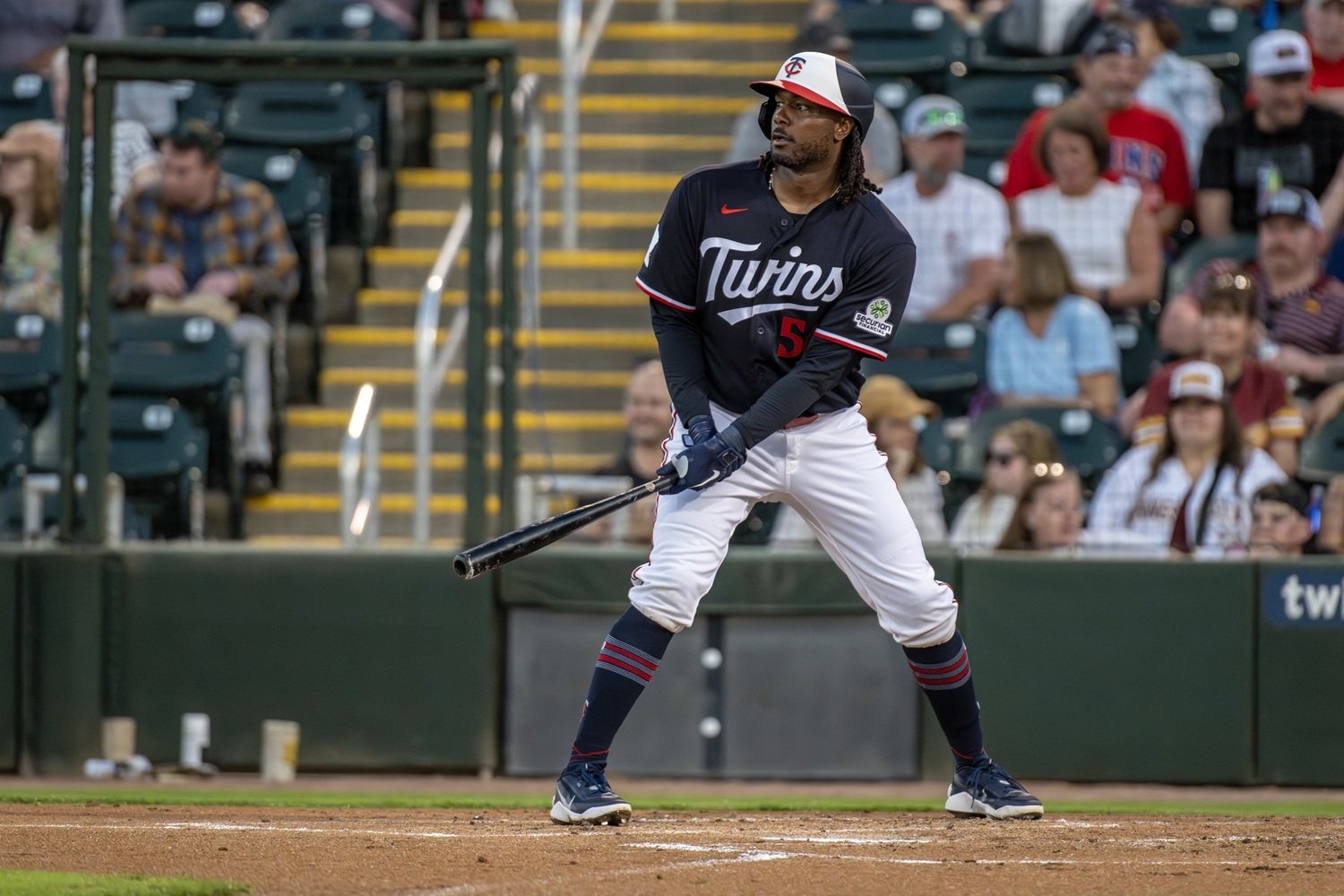 The biggest addition to the Minnesota Twins lineup this offseason came when they signed switch-hitting first baseman Josh Bell. Minnesota added the veteran to provide stability in the middle of the order, and if his recent track record holds, he could be exactly what the lineup needs. Over the last four seasons, Bell has quietly delivered steady offensive contributions. He's averaged a 109 OPS+ during that span, while hitting roughly 20 home runs and 24 doubles per year. That level of production offers valuable support for a team looking to create more run-scoring opportunities—and capitalize better when they arise. Bell has never excelled on defense. His glove grades out below average (-4 OAA in 2025), but the Twins have built flexibility around him. Players like Kody Clemens and Victor Caratini can cover first base if needed, giving manager Derek Shelton different lineup options. In recent seasons, Minnesota has taken a similar approach, repeatedly bringing in veteran first basemen on short-term deals. The results have varied. Ty France held down the position in 2025, while Carlos Santana did so in 2024 and Donovan Solano in 2023. France and Santana both delivered strong defensive seasons that earned American League Gold Glove honors, but the offensive production from the position has fluctuated. Bell is a different style and caliber of player, at least after one adjusts for the stage of each player's career at which they arrived in Minnesota. His value is tied more closely to what he can do with the bat. Early in camp, Bell has focused on settling into a new clubhouse and getting back into the rhythm of spring training. “Definitely a good first couple of weeks, shaking hands, meeting different people,” Bell said. “I think spring training, for the most part, is the same, no matter what camp you go to. It's like shaking the cobwebs off. Try to establish your routine. Obviously, stay healthy out there as more and more innings get put onto your plate. But I'm definitely happy to be here and excited for the opportunity ahead.” With a roster that blends veterans and younger players, Bell also understands the leadership role that often comes with experience. For him, that responsibility starts with communication. “I think it all starts with conversation, getting to know different people,” Bell said. “People come to me with different questions. And for me, it's just about being honest about my experience. I've had a few more reps than other people in this clubhouse. But we all have the same love for the game. We're all trying to get to the pinnacle: postseason. See what we can do here collectively to do that.” He believes leaders show themselves in small moments, rather than grand speeches. “So that's the goal, lead by example, lead by a conversation here or there," he said. "That's what Shelty wants out of me, so I'm happy to do that.” Bell’s offensive approach evolved throughout last season. After making adjustments entering the year, he initially struggled to produce the type of contact he expected. Through June 12, he was hitting .178 with a .605 OPS, but posted an .839 OPS from then on. “Yeah, I thought I was in a great position leaving camp (in 2024),” Bell said. “I had a homer that first series, you know how that goes, I felt like I was on top of the world. Lot more fly outs than I was used to, a lot more soft contact than I was used to. Ball flight was there, but it wasn't crushed the way I normally do when I get balls in the air.” As the season progressed, Bell simplified things at the plate and focused on driving the ball with authority again. “So, I kind of honed things down and got back to squaring up the baseball and reestablished myself in the box and [was] able to drive the ball to all fields,” Bell said. “Then, as the season went on, I got a couple hot streaks to increase the power numbers and leave the yard a few times. So definitely a learning experience, not the start that I wanted, but hoping for a better start this year.” That late-season adjustment has shaped his preparation heading into 2026. Rather than reinventing anything, Bell is sticking with the routine that helped him finish strong. “Yeah, you got the same routine as I had the last four months, pretty much the same thing in the cage,” Bell said. “So you feel good, feel good for both sides about getting the reps now and addressing it, and getting out there and competing.” For Bell, the key to unlocking power is surprisingly simple. Focus on hitting the ball hard and let the strength take care of the rest. “I think it was just about not missing balls in my zone,” Bell said. “When I focus on driving balls to all fields, the at-bat tends to end when it needs to. So I'm not up there fouling balls off and grinding. Balls coming in my zone, at-bats over. If I screw it up, it's 100 plus, and if it's in the air, better things happen.” That mindset allows the power to show up naturally. “I think it was more just that, not trying to do too much pre-pitch, understanding if it comes into my zone, I have the strength to get it out of the ballpark, not trying to force that issue.” Ultimately, Bell’s role in the lineup will be determined by performance. He views the situation in straightforward terms. “I feel like if I'm playing well, I'll be in the lineup,” Bell said. “That's the way I see it.” For the Twins, that may be exactly what they're hoping for. While Minnesota has cycled through several veteran first basemen over the last few seasons, Bell brings a different offensive profile. If his approach continues to yield consistent power and run production, the Twins may finally get the middle-of-the-order impact at first base they've been seeking. What are realistic expectations for Bell in 2026? Can he replicate his numbers from the second half of last season? Leave a comment and start the discussion.
- 16 comments
-
- 6
-
-
- josh bell
- carlos santana
- (and 4 more)
-
Image courtesy of William Parmeter The biggest addition to the Minnesota Twins lineup this offseason came when they signed switch-hitting first baseman Josh Bell. Minnesota added the veteran to provide stability in the middle of the order, and if his recent track record holds, he could be exactly what the lineup needs. Over the last four seasons, Bell has quietly delivered steady offensive contributions. He's averaged a 109 OPS+ during that span, while hitting roughly 20 home runs and 24 doubles per year. That level of production offers valuable support for a team looking to create more run-scoring opportunities—and capitalize better when they arise. Bell has never excelled on defense. His glove grades out below average (-4 OAA in 2025), but the Twins have built flexibility around him. Players like Kody Clemens and Victor Caratini can cover first base if needed, giving manager Derek Shelton different lineup options. In recent seasons, Minnesota has taken a similar approach, repeatedly bringing in veteran first basemen on short-term deals. The results have varied. Ty France held down the position in 2025, while Carlos Santana did so in 2024 and Donovan Solano in 2023. France and Santana both delivered strong defensive seasons that earned American League Gold Glove honors, but the offensive production from the position has fluctuated. Bell is a different style and caliber of player, at least after one adjusts for the stage of each player's career at which they arrived in Minnesota. His value is tied more closely to what he can do with the bat. Early in camp, Bell has focused on settling into a new clubhouse and getting back into the rhythm of spring training. “Definitely a good first couple of weeks, shaking hands, meeting different people,” Bell said. “I think spring training, for the most part, is the same, no matter what camp you go to. It's like shaking the cobwebs off. Try to establish your routine. Obviously, stay healthy out there as more and more innings get put onto your plate. But I'm definitely happy to be here and excited for the opportunity ahead.” With a roster that blends veterans and younger players, Bell also understands the leadership role that often comes with experience. For him, that responsibility starts with communication. “I think it all starts with conversation, getting to know different people,” Bell said. “People come to me with different questions. And for me, it's just about being honest about my experience. I've had a few more reps than other people in this clubhouse. But we all have the same love for the game. We're all trying to get to the pinnacle: postseason. See what we can do here collectively to do that.” He believes leaders show themselves in small moments, rather than grand speeches. “So that's the goal, lead by example, lead by a conversation here or there," he said. "That's what Shelty wants out of me, so I'm happy to do that.” Bell’s offensive approach evolved throughout last season. After making adjustments entering the year, he initially struggled to produce the type of contact he expected. Through June 12, he was hitting .178 with a .605 OPS, but posted an .839 OPS from then on. “Yeah, I thought I was in a great position leaving camp (in 2024),” Bell said. “I had a homer that first series, you know how that goes, I felt like I was on top of the world. Lot more fly outs than I was used to, a lot more soft contact than I was used to. Ball flight was there, but it wasn't crushed the way I normally do when I get balls in the air.” As the season progressed, Bell simplified things at the plate and focused on driving the ball with authority again. “So, I kind of honed things down and got back to squaring up the baseball and reestablished myself in the box and [was] able to drive the ball to all fields,” Bell said. “Then, as the season went on, I got a couple hot streaks to increase the power numbers and leave the yard a few times. So definitely a learning experience, not the start that I wanted, but hoping for a better start this year.” That late-season adjustment has shaped his preparation heading into 2026. Rather than reinventing anything, Bell is sticking with the routine that helped him finish strong. “Yeah, you got the same routine as I had the last four months, pretty much the same thing in the cage,” Bell said. “So you feel good, feel good for both sides about getting the reps now and addressing it, and getting out there and competing.” For Bell, the key to unlocking power is surprisingly simple. Focus on hitting the ball hard and let the strength take care of the rest. “I think it was just about not missing balls in my zone,” Bell said. “When I focus on driving balls to all fields, the at-bat tends to end when it needs to. So I'm not up there fouling balls off and grinding. Balls coming in my zone, at-bats over. If I screw it up, it's 100 plus, and if it's in the air, better things happen.” That mindset allows the power to show up naturally. “I think it was more just that, not trying to do too much pre-pitch, understanding if it comes into my zone, I have the strength to get it out of the ballpark, not trying to force that issue.” Ultimately, Bell’s role in the lineup will be determined by performance. He views the situation in straightforward terms. “I feel like if I'm playing well, I'll be in the lineup,” Bell said. “That's the way I see it.” For the Twins, that may be exactly what they're hoping for. While Minnesota has cycled through several veteran first basemen over the last few seasons, Bell brings a different offensive profile. If his approach continues to yield consistent power and run production, the Twins may finally get the middle-of-the-order impact at first base they've been seeking. What are realistic expectations for Bell in 2026? Can he replicate his numbers from the second half of last season? Leave a comment and start the discussion. View full article
-
Image courtesy of Brad Rempel, USA Today Spring training always sparks the same debate: Who will make the Opening Day roster? Which prospects or veterans will secure a spot or be squeezed out? The conversation can dominate the entire spring. Fans and analysts pore over roster projections while every exhibition lineup gets dissected. A bench player starting a Grapefruit League game can suddenly spark speculation about a roster battle. Meanwhile, injured players are racing the calendar, hoping to be ready by the time the regular season begins. Opening Day carries a certain weight. It represents the first real snapshot of a team’s roster construction. The lineup card becomes a symbol of the organization’s plan for the year ahead. But history shows that a snapshot can be misleading. Players get hurt, veterans lose playing time, and prospects can arrive faster than expected. Sometimes Opening Day starters become footnotes by October, while unexpected names seize brief opportunities. As we reflect on recent Twins seasons, several once-prominent names in Opening Day lineups have since faded from memory. Noticing these surprises reveals how quickly the roster landscape shifts from year to year. Let’s revisit five Opening Day starters from recent Twins history who might have slipped your mind, illustrating how initial expectations often shift as the season progresses. 2024: Manuel Margot (DH) When the Twins acquired Margot, the expectation was that he could provide depth behind Byron Buxton in center field. Margot had spent most of his career as a capable defensive outfielder and seemed like a logical insurance policy if Buxton needed days off. It quickly became clear that his days as an up-the-middle defender were largely behind him. Ultimately, Margot filled a different role during the 2024 season. He shifted to designated hitter and sometimes played corner outfield. Notably, he started at DH on Opening Day. Although he remained on the roster for most of the year, his offensive production failed to develop. Margot appeared in 129 games but finished with a .238/.289/.337 (.626) slash line, good for a 76 OPS+. His season also included a strange bit of baseball trivia as he went 0 for 30 as a pinch hitter, setting a Major League record for the most hitless pinch hit appearances in a single season. He briefly resurfaced with Detroit in 2025, appearing in only a handful of games. With his playing time dwindling, it appears his Major League career has likely come to an end. 2023: Nick Gordon (2B) Gordon entered professional baseball carrying significant expectations as a highly regarded shortstop prospect. The Twins selected him with the fifth overall pick in the 2014 MLB Draft and envisioned him as a long-term piece of their infield. His development path turned out to be slower than anticipated. Gordon battled health problems and inconsistency in the minor leagues and did not make his Major League debut until he was 25 years old. Things finally clicked during the 2022 season when he became a valuable utility option for Minnesota. He played all over the field while posting a 111 OPS+ across 136 games. That performance helped earn him a spot in the Opening Day lineup at second base in 2023. Unfortunately, that momentum did not carry over. Injuries limited Gordon to just 34 games that season, and he struggled when he was on the field, finishing with a 35 OPS+. With his role shrinking, Minnesota ultimately moved on and traded him to Miami before the 2024 season in a deal that included reliever Steven Okert. 2020: Jake Cave (CF) The 2020 season remains one of the most unusual campaigns in baseball history. The pandemic shortened the season, changed routines across the sport, and created a number of unusual roster situations. One small detail that is easy to forget is who actually started in center field for the Twins on Opening Day that year. It was Cave, not Buxton. Cave had quietly become a useful contributor after arriving from the Yankees in a trade that sent pitching prospect Luis Gil to New York. During the 2018 and 2019 seasons, he showed legitimate offensive value, combining for a 112 OPS+ across 163 games. That stretch earned him the Opening Day assignment in center field when the 2020 season began. His production declined over the following years, however. Across his final three seasons with Minnesota, he posted a 71 OPS+, falling well below league average as his role diminished. 2018: Logan Morrison (DH) Morrison’s time with the Twins began with a bit of late offseason intrigue. Coming off a career year with Tampa Bay in 2017, Morrison hit 38 home runs while producing a 133 OPS+ and roughly three wins above replacement. Despite those numbers, the market for first basemen was slow that winter, and Morrison remained unsigned deep into February. Minnesota eventually brought him aboard on February 28, only weeks before Opening Day. While the move created some excitement at the time, the on-field results never followed. Morrison, unable to find consistency at the plate, finished the season with a 74 OPS+ across 95 games. His tenure with the Twins ended after that season, and his big-league opportunities quickly faded. Morrison played just 34 more Major League games after leaving Minnesota. 2015: Jordan Schafer (CF) Schafer may be the easiest name on this list to forget. Minnesota claimed Schafer off waivers from Atlanta late in the 2014 season, and he actually provided a brief spark down the stretch. In 41 games, he posted a surprising 100 OPS+, which stood well above his career average. With Buxton still developing in the minor leagues, Schafer entered the 2015 season as the Twins' Opening Day center fielder. The opportunity did not last long. Schafer struggled early and often, appearing in just 27 games while producing a 42 OPS+. His overall performance dipped below replacement level, and the Twins released him in June. He never appeared in another Major League game. Reflecting on these lineups, their significance in the moment is undeniable. They reflect months of preparation but, as we’ve seen, offer only a snapshot before reality quickly reshapes a team’s fortunes. Players emerge unexpectedly, injuries reshape rosters, and prospects arrive to change a team's trajectory. As a result, some of the names that appear in that first lineup card fade quickly from memory. These five players are a reminder that even starting on Opening Day does not guarantee a lasting place in Twins history. Sometimes it simply reflects a brief moment in time before the long season unfolds. Which names had you forgotten about? Are there other recent Opening Day starters that were surprises? Leave a comment and start the discussion. View full article
- 20 replies
-
- 2
-
-
- logan morrison
- jordan schafer
- (and 3 more)
-
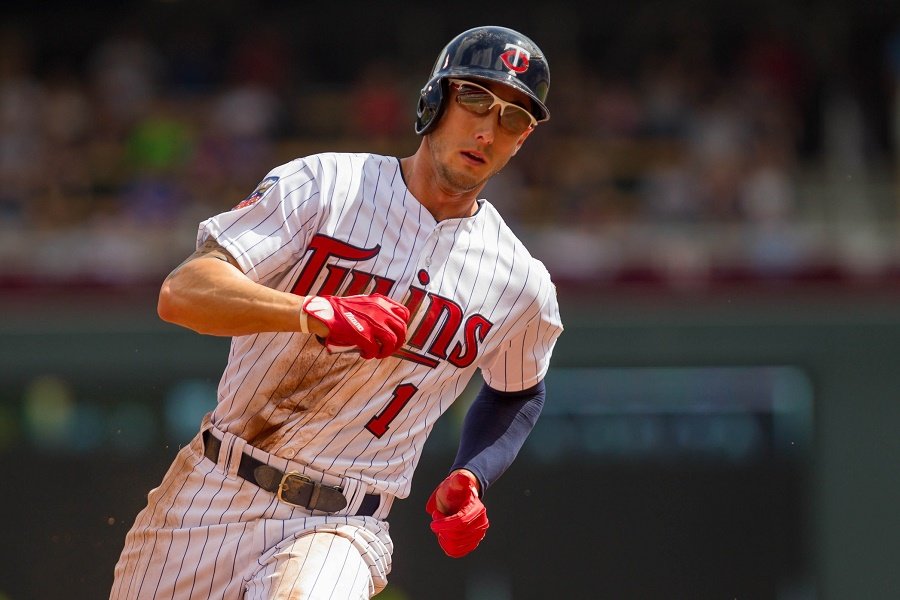 Spring training always sparks the same debate: Who will make the Opening Day roster? Which prospects or veterans will secure a spot or be squeezed out? The conversation can dominate the entire spring. Fans and analysts pore over roster projections while every exhibition lineup gets dissected. A bench player starting a Grapefruit League game can suddenly spark speculation about a roster battle. Meanwhile, injured players are racing the calendar, hoping to be ready by the time the regular season begins. Opening Day carries a certain weight. It represents the first real snapshot of a team’s roster construction. The lineup card becomes a symbol of the organization’s plan for the year ahead. But history shows that a snapshot can be misleading. Players get hurt, veterans lose playing time, and prospects can arrive faster than expected. Sometimes Opening Day starters become footnotes by October, while unexpected names seize brief opportunities. As we reflect on recent Twins seasons, several once-prominent names in Opening Day lineups have since faded from memory. Noticing these surprises reveals how quickly the roster landscape shifts from year to year. Let’s revisit five Opening Day starters from recent Twins history who might have slipped your mind, illustrating how initial expectations often shift as the season progresses. 2024: Manuel Margot (DH) When the Twins acquired Margot, the expectation was that he could provide depth behind Byron Buxton in center field. Margot had spent most of his career as a capable defensive outfielder and seemed like a logical insurance policy if Buxton needed days off. It quickly became clear that his days as an up-the-middle defender were largely behind him. Ultimately, Margot filled a different role during the 2024 season. He shifted to designated hitter and sometimes played corner outfield. Notably, he started at DH on Opening Day. Although he remained on the roster for most of the year, his offensive production failed to develop. Margot appeared in 129 games but finished with a .238/.289/.337 (.626) slash line, good for a 76 OPS+. His season also included a strange bit of baseball trivia as he went 0 for 30 as a pinch hitter, setting a Major League record for the most hitless pinch hit appearances in a single season. He briefly resurfaced with Detroit in 2025, appearing in only a handful of games. With his playing time dwindling, it appears his Major League career has likely come to an end. 2023: Nick Gordon (2B) Gordon entered professional baseball carrying significant expectations as a highly regarded shortstop prospect. The Twins selected him with the fifth overall pick in the 2014 MLB Draft and envisioned him as a long-term piece of their infield. His development path turned out to be slower than anticipated. Gordon battled health problems and inconsistency in the minor leagues and did not make his Major League debut until he was 25 years old. Things finally clicked during the 2022 season when he became a valuable utility option for Minnesota. He played all over the field while posting a 111 OPS+ across 136 games. That performance helped earn him a spot in the Opening Day lineup at second base in 2023. Unfortunately, that momentum did not carry over. Injuries limited Gordon to just 34 games that season, and he struggled when he was on the field, finishing with a 35 OPS+. With his role shrinking, Minnesota ultimately moved on and traded him to Miami before the 2024 season in a deal that included reliever Steven Okert. 2020: Jake Cave (CF) The 2020 season remains one of the most unusual campaigns in baseball history. The pandemic shortened the season, changed routines across the sport, and created a number of unusual roster situations. One small detail that is easy to forget is who actually started in center field for the Twins on Opening Day that year. It was Cave, not Buxton. Cave had quietly become a useful contributor after arriving from the Yankees in a trade that sent pitching prospect Luis Gil to New York. During the 2018 and 2019 seasons, he showed legitimate offensive value, combining for a 112 OPS+ across 163 games. That stretch earned him the Opening Day assignment in center field when the 2020 season began. His production declined over the following years, however. Across his final three seasons with Minnesota, he posted a 71 OPS+, falling well below league average as his role diminished. 2018: Logan Morrison (DH) Morrison’s time with the Twins began with a bit of late offseason intrigue. Coming off a career year with Tampa Bay in 2017, Morrison hit 38 home runs while producing a 133 OPS+ and roughly three wins above replacement. Despite those numbers, the market for first basemen was slow that winter, and Morrison remained unsigned deep into February. Minnesota eventually brought him aboard on February 28, only weeks before Opening Day. While the move created some excitement at the time, the on-field results never followed. Morrison, unable to find consistency at the plate, finished the season with a 74 OPS+ across 95 games. His tenure with the Twins ended after that season, and his big-league opportunities quickly faded. Morrison played just 34 more Major League games after leaving Minnesota. 2015: Jordan Schafer (CF) Schafer may be the easiest name on this list to forget. Minnesota claimed Schafer off waivers from Atlanta late in the 2014 season, and he actually provided a brief spark down the stretch. In 41 games, he posted a surprising 100 OPS+, which stood well above his career average. With Buxton still developing in the minor leagues, Schafer entered the 2015 season as the Twins' Opening Day center fielder. The opportunity did not last long. Schafer struggled early and often, appearing in just 27 games while producing a 42 OPS+. His overall performance dipped below replacement level, and the Twins released him in June. He never appeared in another Major League game. Reflecting on these lineups, their significance in the moment is undeniable. They reflect months of preparation but, as we’ve seen, offer only a snapshot before reality quickly reshapes a team’s fortunes. Players emerge unexpectedly, injuries reshape rosters, and prospects arrive to change a team's trajectory. As a result, some of the names that appear in that first lineup card fade quickly from memory. These five players are a reminder that even starting on Opening Day does not guarantee a lasting place in Twins history. Sometimes it simply reflects a brief moment in time before the long season unfolds. Which names had you forgotten about? Are there other recent Opening Day starters that were surprises? Leave a comment and start the discussion.
- 20 comments
-
- 4
-
-

-
- logan morrison
- jordan schafer
- (and 3 more)
-
Trades at the deadline can seem sudden. A contender needs pitching. A rebuilding team moves veterans. In hours, deals are done and players introduced. Yet, most conversations start months before. That was the case for the Twins and Blue Jays last summer. Long before the trade deadline approached, Toronto had already begun checking in with Minnesota about reliever Louis Varland. According to reporting from the Minnesota Star Tribune, the Blue Jays began making inquiries roughly three months before the deal was finalized. Minnesota’s front office was assertive in talks. The Twins set a high price, asking for young arms Trey Yesavage and Kendry Rojas. Yesavage, seen as a top Blue Jays pitching prospect, was not available. Still, those talks shaped the final package. At the deadline, Minnesota traded Varland and Ty France to Toronto for outfielder Alan Roden and left-hander Kendry Rojas. The deal is now shaping the Twins' roster decisions in camp. Alan Roden: Pushing for an Opportunity Roden joined as an advanced hitter known for his strike zone control. He quickly became a notable new position player after last year’s deadline and is now poised to make an immediate impact. During spring training, Roden has found himself in the mix for a starting job in the Twins outfield. In his first six spring games, he went 7-for-17 (.412 BA) with a home run, five RBI, and three runs scored. Minnesota's outfield remains unsettled, giving Roden a chance to break in. Even if he starts in the minors, the team sees him as a near-term contributor. Kendry Rojas: A Power Arm with Upside While Roden could help sooner, Rojas may ultimately carry the highest ceiling from the deal. The 23-year-old left-hander has been one of the more talked-about pitchers in Twins camp thanks to a fastball that can reach the upper 90s. The raw stuff has always been enticing, but his development will hinge on improving command. Last year showed more work lies ahead. Rojas struggled in 32 1/3 Triple-A innings in 2025, allowing too many baserunners and posting a 15.9 BB% after the trade. The Twins still see potential for him as a starter and plan to keep developing him there. At the same time, some evaluators see a future in which his power arsenal plays in high-leverage relief situations. If the Twins decide to bring him to the majors later this season, a bullpen role could offer a natural transition. It would allow Rojas to get his first taste of big league competition without completely closing the door on his long-term potential in the rotation. The Varland trade was the product of months of dialogue between two front offices. What started as early-season check-ins eventually turned into a deadline deal that sent a pair of intriguing young players to Minnesota. Spring training has already offered a glimpse of what the Twins might gain from that patience. Roden is fighting for a roster spot in the outfield, while Rojas is flashing the kind of velocity that turns heads around the back fields. Much like many deadline trades, the full impact of this deal may not be known for years. Still, the proactive conversations that began early last season are already shaping the Twins as they prepare for 2026. View full rumor
-
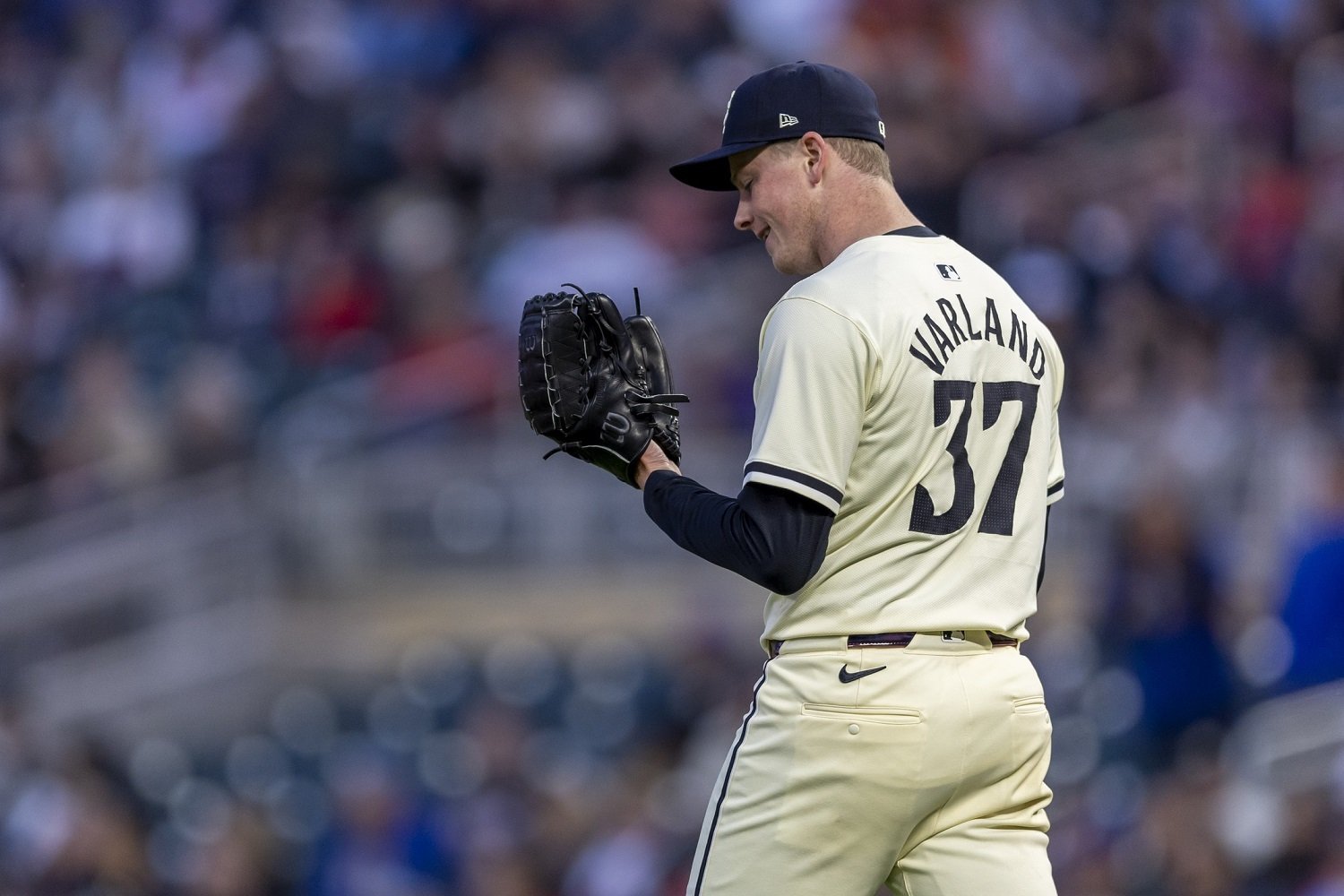 Trades at the deadline can seem sudden. A contender needs pitching. A rebuilding team moves veterans. In hours, deals are done and players introduced. Yet, most conversations start months before. That was the case for the Twins and Blue Jays last summer. Long before the trade deadline approached, Toronto had already begun checking in with Minnesota about reliever Louis Varland. According to reporting from the Minnesota Star Tribune, the Blue Jays began making inquiries roughly three months before the deal was finalized. Minnesota’s front office was assertive in talks. The Twins set a high price, asking for young arms Trey Yesavage and Kendry Rojas. Yesavage, seen as a top Blue Jays pitching prospect, was not available. Still, those talks shaped the final package. At the deadline, Minnesota traded Varland and Ty France to Toronto for outfielder Alan Roden and left-hander Kendry Rojas. The deal is now shaping the Twins' roster decisions in camp. Alan Roden: Pushing for an Opportunity Roden joined as an advanced hitter known for his strike zone control. He quickly became a notable new position player after last year’s deadline and is now poised to make an immediate impact. During spring training, Roden has found himself in the mix for a starting job in the Twins outfield. In his first six spring games, he went 7-for-17 (.412 BA) with a home run, five RBI, and three runs scored. Minnesota's outfield remains unsettled, giving Roden a chance to break in. Even if he starts in the minors, the team sees him as a near-term contributor. Kendry Rojas: A Power Arm with Upside While Roden could help sooner, Rojas may ultimately carry the highest ceiling from the deal. The 23-year-old left-hander has been one of the more talked-about pitchers in Twins camp thanks to a fastball that can reach the upper 90s. The raw stuff has always been enticing, but his development will hinge on improving command. Last year showed more work lies ahead. Rojas struggled in 32 1/3 Triple-A innings in 2025, allowing too many baserunners and posting a 15.9 BB% after the trade. The Twins still see potential for him as a starter and plan to keep developing him there. At the same time, some evaluators see a future in which his power arsenal plays in high-leverage relief situations. If the Twins decide to bring him to the majors later this season, a bullpen role could offer a natural transition. It would allow Rojas to get his first taste of big league competition without completely closing the door on his long-term potential in the rotation. The Varland trade was the product of months of dialogue between two front offices. What started as early-season check-ins eventually turned into a deadline deal that sent a pair of intriguing young players to Minnesota. Spring training has already offered a glimpse of what the Twins might gain from that patience. Roden is fighting for a roster spot in the outfield, while Rojas is flashing the kind of velocity that turns heads around the back fields. Much like many deadline trades, the full impact of this deal may not be known for years. Still, the proactive conversations that began early last season are already shaping the Twins as they prepare for 2026.
 -
Where the Twins Stand in the 2026 National Farm System Rankings
Cody Christie posted an article in Minor Leagues
 With Opening Day quickly approaching, preseason coverage across the baseball media landscape is about tying up loose ends. Nearly every major national outlet has released its farm system rankings for the 2026 season. These offer a snapshot: Where does each organization stand in terms of long-term control over young talent? These lists always combine projection, preference, and philosophy. Some outlets emphasize high-end upside. Others value depth throughout the system. Health history and proximity to the major leagues can also shift how a system is viewed. So can a simple disagreement on a particularly important and high-variance player. All of these factors lead to wide-ranging opinions on the Minnesota Twins organization. Across six prominent outlets, Minnesota lands almost everywhere on the spectrum. Three publications rank the Twins in the top 10; two put them in the middle; and others place them near the bottom third. These differing opinions highlight both the upside and uncertainty that define the organization's prospect pipeline. Why the Twins Would Be Considered Top-10 Three outlets placed the Twins comfortably inside the top 10 systems in baseball. ESPN and Baseball Prospectus both ranked Minnesota eighth overall, while MLB Pipeline slotted the organization ninth. Some of that positive outlook stems from how Minnesota handled last summer’s trade deadline. With the club moving veterans and looking toward the future, the front office used the opportunity to inject new talent into the organization. Those moves brought in several prospects, with five of them now appearing on most of the Twins' Top 30 lists and strengthening the system’s overall depth. Eduardo Tait stands out as the biggest addition from those deals. The young catcher already earned top-100 prospect recognition and gives the organization another potential middle-of-the-lineup bat at a premium position. Kendry Rojas and Hendry Mendez also came over in those trades and now rank in the upper tiers of the system, adding more young position-player talent to the mix. Ryan Gallagher and Enrique Jiménez add depth, increasing the farm system’s value. Still, the system’s ultimate upside hinges on a pair of familiar names. Walker Jenkins and Emmanuel Rodriguez remain the most dynamic offensive prospects in the organization. If they can finally string together healthy seasons, both players have the kind of bat that could quickly anchor the next competitive Twins lineup. Why the Twins Would Be Considered Middle-of-the-Pack Not every outlet is quite as bullish. FanGraphs and Baseball America both landed on the same number for Minnesota, ranking the system 12th overall. That placement reflects a system with plenty of intriguing talent, but one that still carries a number of unanswered questions. Minnesota’s 2025 draft class has not had time to significantly influence the rankings. That group includes a low-floor but athletic shortstop in Marek Houston, along with one of the most fascinating upside bets in the entire class in Quentin Young. The Twins also selected Riley Quick, a college arm some evaluators believe has the highest ceiling among pitchers in the draft. Those players could eventually reshape the system. Now, however, they remain largely projections. The other factor keeping Minnesota closer to the middle tier is the health history of several top prospects. When your best players spend significant time on the injured list, evaluators tend to hesitate before pushing the entire system higher. Jenkins starting this season with another balky hamstring won't help matters. Why the Twins Would Be Considered in the Bottom Tier At the other end of the spectrum, The Athletic (in rankings compiled by Keith Law) places the Twins much lower. In those evaluations, Minnesota checks in as the 21st-ranked farm system in baseball. Again, the main concern is health. The Twins would likely rank higher if their top prospects could stay on the field. Two of the organization’s top three prospects have missed multiple seasons with injuries, creating hesitation among evaluators. Even so, the offensive potential remains difficult to ignore. Jenkins and Rodriguez still project as impact bats if they can put together full seasons. Their ceilings alone make it hard to completely write off the system’s upside. Beyond the top names, the Twins system leans toward position players. The second tier includes several pitchers. They offer intrigue, but none are fully established yet. If a few of those arms take a step forward, the system’s perception could change quickly. That outcome will depend on health. For now, the Twins' farm system exists somewhere between potential and proof. The next wave of prospects will determine which side of those rankings ultimately proves correct. How do you feel about Minnesota’s farm system entering the 2026 season? Leave a comment and start the discussion.
- 8 comments
-
- 5
-
-
- walker jenkins
- connor prielipp
- (and 6 more)
-
Image courtesy of William Parmeter With Opening Day quickly approaching, preseason coverage across the baseball media landscape is about tying up loose ends. Nearly every major national outlet has released its farm system rankings for the 2026 season. These offer a snapshot: Where does each organization stand in terms of long-term control over young talent? These lists always combine projection, preference, and philosophy. Some outlets emphasize high-end upside. Others value depth throughout the system. Health history and proximity to the major leagues can also shift how a system is viewed. So can a simple disagreement on a particularly important and high-variance player. All of these factors lead to wide-ranging opinions on the Minnesota Twins organization. Across six prominent outlets, Minnesota lands almost everywhere on the spectrum. Three publications rank the Twins in the top 10; two put them in the middle; and others place them near the bottom third. These differing opinions highlight both the upside and uncertainty that define the organization's prospect pipeline. Why the Twins Would Be Considered Top-10 Three outlets placed the Twins comfortably inside the top 10 systems in baseball. ESPN and Baseball Prospectus both ranked Minnesota eighth overall, while MLB Pipeline slotted the organization ninth. Some of that positive outlook stems from how Minnesota handled last summer’s trade deadline. With the club moving veterans and looking toward the future, the front office used the opportunity to inject new talent into the organization. Those moves brought in several prospects, with five of them now appearing on most of the Twins' Top 30 lists and strengthening the system’s overall depth. Eduardo Tait stands out as the biggest addition from those deals. The young catcher already earned top-100 prospect recognition and gives the organization another potential middle-of-the-lineup bat at a premium position. Kendry Rojas and Hendry Mendez also came over in those trades and now rank in the upper tiers of the system, adding more young position-player talent to the mix. Ryan Gallagher and Enrique Jiménez add depth, increasing the farm system’s value. Still, the system’s ultimate upside hinges on a pair of familiar names. Walker Jenkins and Emmanuel Rodriguez remain the most dynamic offensive prospects in the organization. If they can finally string together healthy seasons, both players have the kind of bat that could quickly anchor the next competitive Twins lineup. Why the Twins Would Be Considered Middle-of-the-Pack Not every outlet is quite as bullish. FanGraphs and Baseball America both landed on the same number for Minnesota, ranking the system 12th overall. That placement reflects a system with plenty of intriguing talent, but one that still carries a number of unanswered questions. Minnesota’s 2025 draft class has not had time to significantly influence the rankings. That group includes a low-floor but athletic shortstop in Marek Houston, along with one of the most fascinating upside bets in the entire class in Quentin Young. The Twins also selected Riley Quick, a college arm some evaluators believe has the highest ceiling among pitchers in the draft. Those players could eventually reshape the system. Now, however, they remain largely projections. The other factor keeping Minnesota closer to the middle tier is the health history of several top prospects. When your best players spend significant time on the injured list, evaluators tend to hesitate before pushing the entire system higher. Jenkins starting this season with another balky hamstring won't help matters. Why the Twins Would Be Considered in the Bottom Tier At the other end of the spectrum, The Athletic (in rankings compiled by Keith Law) places the Twins much lower. In those evaluations, Minnesota checks in as the 21st-ranked farm system in baseball. Again, the main concern is health. The Twins would likely rank higher if their top prospects could stay on the field. Two of the organization’s top three prospects have missed multiple seasons with injuries, creating hesitation among evaluators. Even so, the offensive potential remains difficult to ignore. Jenkins and Rodriguez still project as impact bats if they can put together full seasons. Their ceilings alone make it hard to completely write off the system’s upside. Beyond the top names, the Twins system leans toward position players. The second tier includes several pitchers. They offer intrigue, but none are fully established yet. If a few of those arms take a step forward, the system’s perception could change quickly. That outcome will depend on health. For now, the Twins' farm system exists somewhere between potential and proof. The next wave of prospects will determine which side of those rankings ultimately proves correct. How do you feel about Minnesota’s farm system entering the 2026 season? Leave a comment and start the discussion. View full article
-
Revisiting Twins Daily's Top-20 Prospects From 2022
Cody Christie posted an article in Minor Leagues
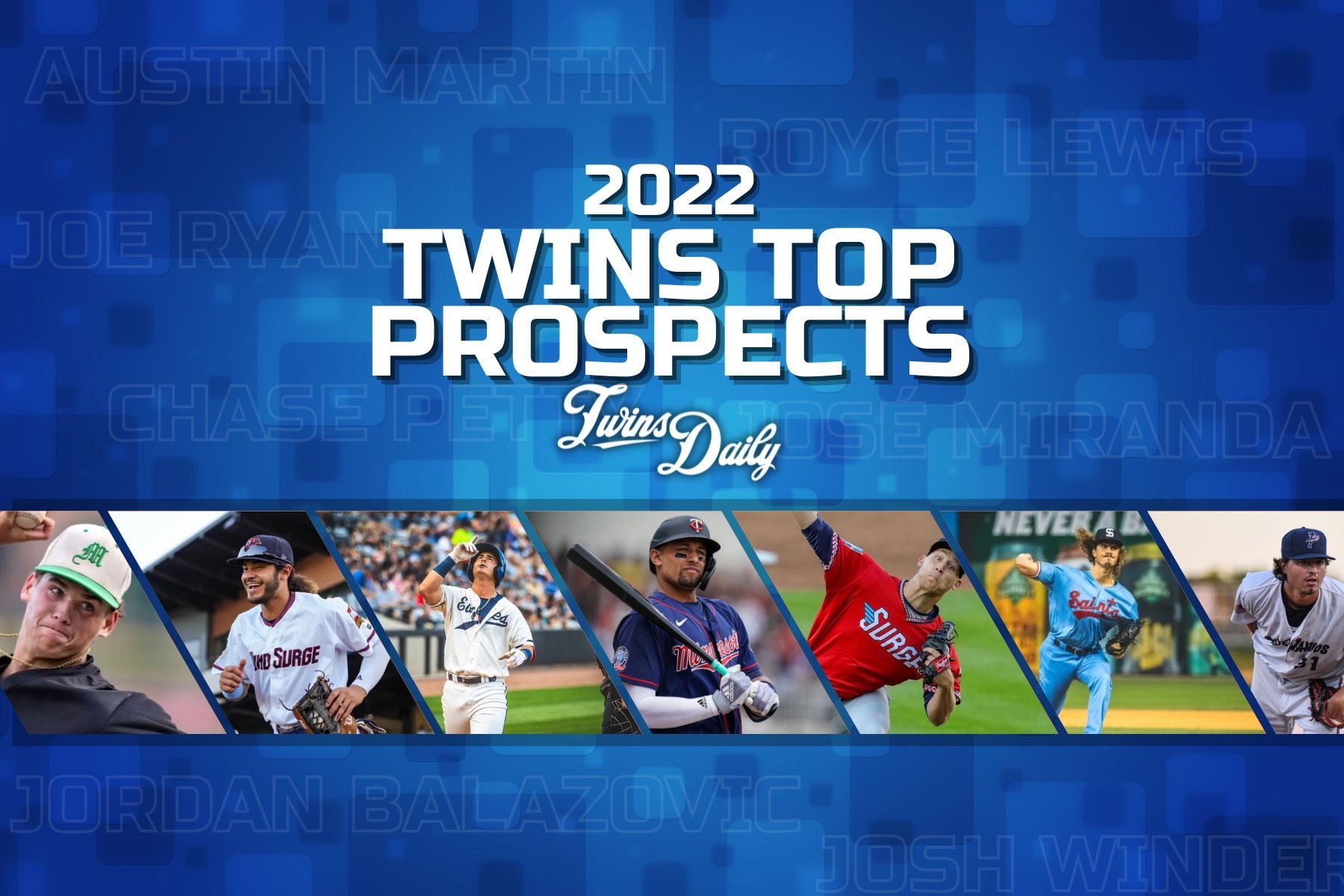 Let's take a short trip back in time. Four years ago, Twins Daily rolled out its top-20 prospects entering the 2022 season, a list that blended near-ready contributors, teenage upside, and trade-deadline acquisitions. Some names have become core pieces. Others were rerouted in trades that reshaped the roster. A few never found their footing at the big-league level. Development is rarely linear, and the 2022 list is a reminder of just how unpredictable the path from prospect to producer can be. There were immediate risers. Emmanuel Rodriguez made his first appearance on the Twins Daily top 20 at No. 16, after a dominant introduction to pro ball in the rookie league. At the time, he looked like a lottery ticket with tools. Today, he is very much part of Minnesota’s long-term outfield conversation. Simeon Woods Richardson slotted in at No. 8, after arriving from Toronto in the José Berríos trade. He was viewed as a polished arm with mid-rotation potential. His big-league career has reflected that projection in flashes, showing stretches of stability mixed with the growing pains typical of young starters. Current Twins Matt Wallner (13th) and Cole Sands (14th) both cracked the top 15. Wallner’s left-handed power has blossomed, even if streakiness remains part of the package. Sands has moved between roles, and now might be the bullpen's highest-upside arm. There were disappointments, too. Matt Canterino ranked sixth but has been derailed by injuries throughout his professional career. The stuff was real. The availability never facilitated the upside. Josh Winder came in at No. 10, fresh off a dominant run in the high minors. At 25, he was close to big league-ready, but he never carved out a sustainable role in Minnesota. Gilberto Celestino, ranked 12th, looked like a potential everyday center fielder after strong numbers in the upper minors. The bat never developed. Let’s look at the top five from 2022 and revisit what was said then, compared to what actually unfolded. 5. RHP Joe Ryan What was said at the time: Amazing numbers in minors looked like real omens during five-start run with Twins. What happened: When Minnesota acquired Ryan, he was overpowering hitters in the upper minors with a fastball-heavy approach. His unique arm slot and the way the ball played at the top of the zone allowed him to miss bats without premium velocity. The organization worked to deepen his arsenal and sharpen his sequencing. The result was an All-Star-caliber starter who became a pillar of the rotation. Ryan validated the belief that his minor-league dominance was not a mirage. 4. RHP Jordan Balazovic What was said at the time: Safest combination of ceiling, floor, and proven durability among arms in the system. What happened: Not much about that projection held up. Balazovic struggled to secure a consistent role and appeared in just 18 games with Minnesota, working exclusively as a reliever. He posted a 4.44 ERA with a 15.7 K% and an 11.1 BB%. During spring training in 2023, he suffered a broken jaw after being punched at a bar, an incident that sidetracked his season. The Twins stayed patient, but he was ultimately released in July 2024. The presumed safety never materialized. 3. 2B/3B José Miranda What was said at the time: Perennial breakthrough candidate broke through with minor-league season for the ages. What happened: Miranda arrived in the bigs on a wave of momentum. As a rookie in 2022, he posted a 114 OPS+ with 25 doubles and 15 home runs, looking like a long-term middle-of-the-order bat. Injuries derailed his 2023 season, but he rebounded in 2024 with a 112 OPS+ and etched his name into the record books with hits in 12 consecutive at-bats. Then came a stunning collapse in 2025. He posted a 13 OPS+ in 12 games, was demoted to Triple A, and injured himself carrying a case of water at Target. Minnesota released him this winter. His arc might be the clearest reminder of how fragile success can be. 2. SS Royce Lewis What was said at the time: Missed two straight years, but has the elite skills, athleticism, and drive to catch up fast. What happened: Lewis looked every bit the star during the 2023 postseason push, flashing power, charisma, and the ability to rise in big moments. Over the last two seasons, he has appeared in 188 games and posted a 93 OPS+, battling inconsistency and more injuries. Still under team control for three more seasons, Lewis revamped his swing this winter. The talent that made him the top overall pick in 2017 remains. Now, it's all about sustained production. 1. SS/OF Austin Martin What was said at the time: Headliner of 2022 deadline sell-off is a worthy top prize, with evident star qualities. What happened: Martin entered 2022 as a consensus top-100 prospect. Drafted fifth overall in 2020 after starring at Vanderbilt, he was viewed as one of the safest bats in the minors. Injuries slowed his development, and he never quite locked down a defensive home. Last season, however, he made a strong second-half impression, with a 106 OPS+ and 11 steals in 50 games. Heading into 2026, he is fighting for a bench role. The question now is whether his versatility and on-base skills can translate into something larger. The 2022 Twins Daily top-20 list is a study in extremes. It produced an All-Star starter in Joe Ryan and meaningful contributors like Matt Wallner. It also featured injuries, stalled development, and several players who became trade currency. Prospect rankings are not promises. They're probabilistic outlines, shaped by scouting reports, performance data, and educated guesses. Four years later, the list stands as both a testament to the organization’s ability to develop talent and a reminder that projecting 22-year-olds is an inexact science. What stands out about the team’s top prospect list from 2022? Leave a comment and start the discussion.
- 6 comments
-
- 2
-
-
- austin martin
- royce lewis
- (and 7 more)
-
Image courtesy of Thiéres Rabelo, Twins Daily Let's take a short trip back in time. Four years ago, Twins Daily rolled out its top-20 prospects entering the 2022 season, a list that blended near-ready contributors, teenage upside, and trade-deadline acquisitions. Some names have become core pieces. Others were rerouted in trades that reshaped the roster. A few never found their footing at the big-league level. Development is rarely linear, and the 2022 list is a reminder of just how unpredictable the path from prospect to producer can be. There were immediate risers. Emmanuel Rodriguez made his first appearance on the Twins Daily top 20 at No. 16, after a dominant introduction to pro ball in the rookie league. At the time, he looked like a lottery ticket with tools. Today, he is very much part of Minnesota’s long-term outfield conversation. Simeon Woods Richardson slotted in at No. 8, after arriving from Toronto in the José Berríos trade. He was viewed as a polished arm with mid-rotation potential. His big-league career has reflected that projection in flashes, showing stretches of stability mixed with the growing pains typical of young starters. Current Twins Matt Wallner (13th) and Cole Sands (14th) both cracked the top 15. Wallner’s left-handed power has blossomed, even if streakiness remains part of the package. Sands has moved between roles, and now might be the bullpen's highest-upside arm. There were disappointments, too. Matt Canterino ranked sixth but has been derailed by injuries throughout his professional career. The stuff was real. The availability never facilitated the upside. Josh Winder came in at No. 10, fresh off a dominant run in the high minors. At 25, he was close to big league-ready, but he never carved out a sustainable role in Minnesota. Gilberto Celestino, ranked 12th, looked like a potential everyday center fielder after strong numbers in the upper minors. The bat never developed. Let’s look at the top five from 2022 and revisit what was said then, compared to what actually unfolded. 5. RHP Joe Ryan What was said at the time: Amazing numbers in minors looked like real omens during five-start run with Twins. What happened: When Minnesota acquired Ryan, he was overpowering hitters in the upper minors with a fastball-heavy approach. His unique arm slot and the way the ball played at the top of the zone allowed him to miss bats without premium velocity. The organization worked to deepen his arsenal and sharpen his sequencing. The result was an All-Star-caliber starter who became a pillar of the rotation. Ryan validated the belief that his minor-league dominance was not a mirage. 4. RHP Jordan Balazovic What was said at the time: Safest combination of ceiling, floor, and proven durability among arms in the system. What happened: Not much about that projection held up. Balazovic struggled to secure a consistent role and appeared in just 18 games with Minnesota, working exclusively as a reliever. He posted a 4.44 ERA with a 15.7 K% and an 11.1 BB%. During spring training in 2023, he suffered a broken jaw after being punched at a bar, an incident that sidetracked his season. The Twins stayed patient, but he was ultimately released in July 2024. The presumed safety never materialized. 3. 2B/3B José Miranda What was said at the time: Perennial breakthrough candidate broke through with minor-league season for the ages. What happened: Miranda arrived in the bigs on a wave of momentum. As a rookie in 2022, he posted a 114 OPS+ with 25 doubles and 15 home runs, looking like a long-term middle-of-the-order bat. Injuries derailed his 2023 season, but he rebounded in 2024 with a 112 OPS+ and etched his name into the record books with hits in 12 consecutive at-bats. Then came a stunning collapse in 2025. He posted a 13 OPS+ in 12 games, was demoted to Triple A, and injured himself carrying a case of water at Target. Minnesota released him this winter. His arc might be the clearest reminder of how fragile success can be. 2. SS Royce Lewis What was said at the time: Missed two straight years, but has the elite skills, athleticism, and drive to catch up fast. What happened: Lewis looked every bit the star during the 2023 postseason push, flashing power, charisma, and the ability to rise in big moments. Over the last two seasons, he has appeared in 188 games and posted a 93 OPS+, battling inconsistency and more injuries. Still under team control for three more seasons, Lewis revamped his swing this winter. The talent that made him the top overall pick in 2017 remains. Now, it's all about sustained production. 1. SS/OF Austin Martin What was said at the time: Headliner of 2022 deadline sell-off is a worthy top prize, with evident star qualities. What happened: Martin entered 2022 as a consensus top-100 prospect. Drafted fifth overall in 2020 after starring at Vanderbilt, he was viewed as one of the safest bats in the minors. Injuries slowed his development, and he never quite locked down a defensive home. Last season, however, he made a strong second-half impression, with a 106 OPS+ and 11 steals in 50 games. Heading into 2026, he is fighting for a bench role. The question now is whether his versatility and on-base skills can translate into something larger. The 2022 Twins Daily top-20 list is a study in extremes. It produced an All-Star starter in Joe Ryan and meaningful contributors like Matt Wallner. It also featured injuries, stalled development, and several players who became trade currency. Prospect rankings are not promises. They're probabilistic outlines, shaped by scouting reports, performance data, and educated guesses. Four years later, the list stands as both a testament to the organization’s ability to develop talent and a reminder that projecting 22-year-olds is an inexact science. What stands out about the team’s top prospect list from 2022? Leave a comment and start the discussion. View full article
-
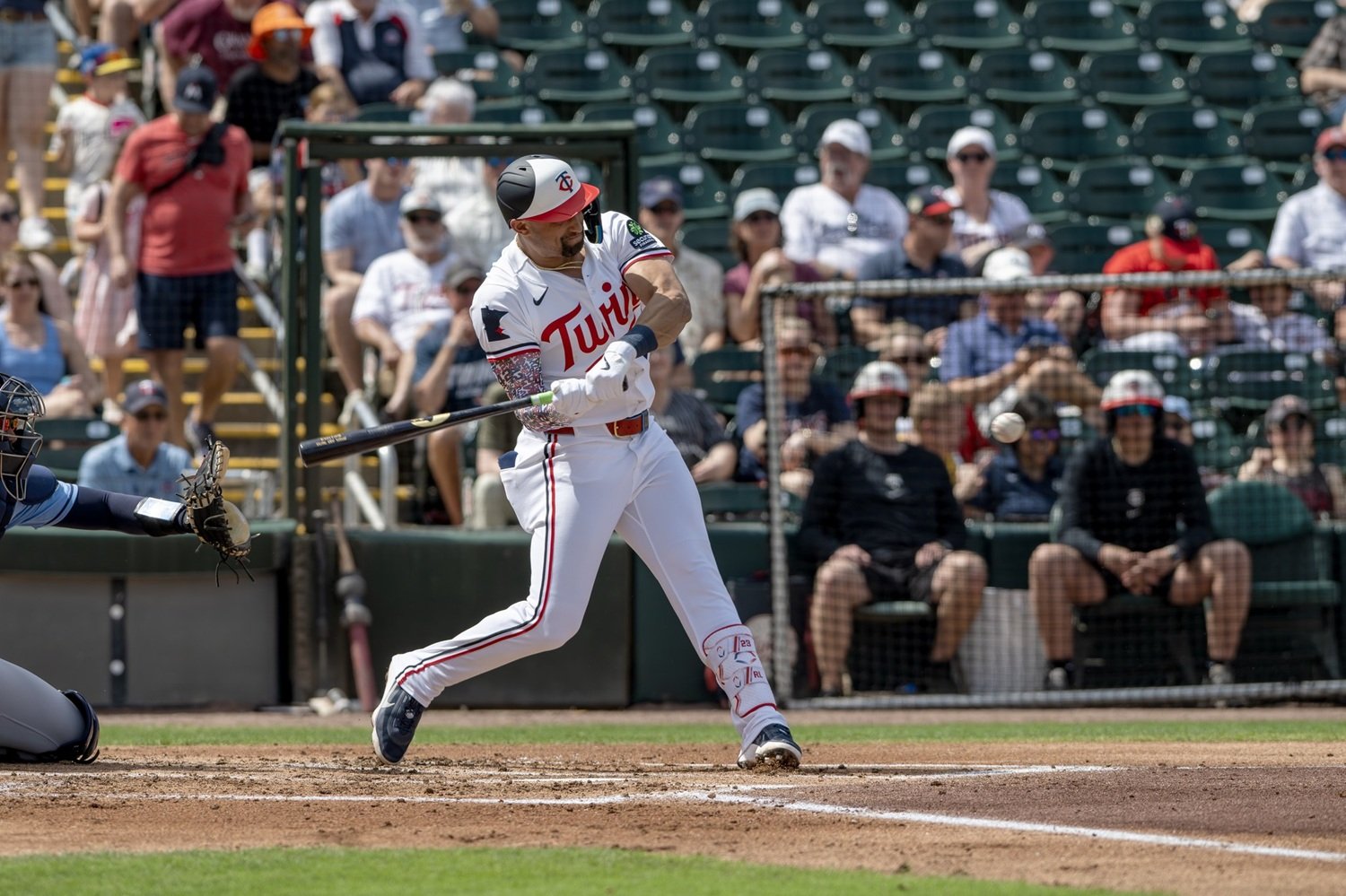 There comes a point in every organization’s development cycle where the shine starts to wear off former top prospects. The tools are still there. The pedigree is still listed on Baseball Reference. The scouting reports still live somewhere in the back of your brain from when you watched their Futures Game highlights three summers ago. But the production has not quite followed them to the big leagues. That is what makes someone a post-hype prospect. These are players who were once considered foundational. Now they are in their mid-to-upper 20s, fighting to prove they still belong in an organization’s long-term plans. For the Minnesota Twins, that conversation has been happening recently thanks to John Bonnes and Aaron Gleeman on the Gleeman and The Geek. Now it is put up or shut up time. Minnesota believes it has a roster capable of contending in 2026, but they also need internal improvement to make that happen. If these players do not take a meaningful step forward this season, there is a good chance they will be wearing a different uniform in 2027. With the stakes clear, let's examine how Minnesota’s post-hype prospects stack up entering the season. 8. OF/DH Trevor Larnach Peak Prospect Rank: 39th by Baseball America (2021) At one point, Larnach looked like a middle-of-the-order fixture in the making. Now he feels like someone caught between roles. When he was used more regularly as a designated hitter in 2024, there were signs of life in the bat (116 OPS+), but the overall body of work has still been that of a below-average hitter for a corner outfielder (101 OPS+). That becomes a real problem for someone without a true defensive home. Larnach has to hit to justify his roster spot. If he does not, there may not be a clear path forward for him in Minnesota. 7. UTL Austin Martin Peak Prospect Rank: 19th by Baseball America (2021) Martin quietly put together a strong second half last season with a 106 OPS+ and 11 steals in 50 games. He showed an improved offensive approach, the ability to impact the game on the bases, and enough defensive versatility to move around the diamond when needed. Even with those positives, Martin still projects as more of a role player than an everyday contributor. He can handle corner outfield duties and slide to second base in a pinch, but his path to playing time likely runs through the bench unless the bat takes another step. 6. SP Simeon Woods Richardson Peak Prospect Rank: 61st by Baseball America (2020) Three years ago, it was fair to wonder if Woods Richardson was ever going to carve out a role in the big leagues. At Triple-A, he posted a 4.91 ERA with a 19.3 K%. Now he has become a steady contributor in Minnesota’s rotation with a 103 ERA+ and a 4.30 FIP from 2024-25. He may not have the frontline upside of some of the organization’s other arms, but there is real value in a pitcher capable of handling innings in a mid-rotation or back-end role. Woods Richardson has stabilized his trajectory, even if the ceiling still looks somewhat limited. 5. SP Taj Bradley Peak Prospect Rank: 20th by MLB.com (2023) The Twins took a swing when they acquired Bradley at last year’s trade deadline in a one-for-one deal involving Griffin Jax. Bradley has pitched over 380 major league innings and has a reputation as someone who has been one of baseball’s top pitching prospects. The results have been inconsistent at the highest level (85 ERA+), which is exactly why he lands in the middle of this list. Minnesota is betting that there is another gear here, and if they can find it, Bradley could become a major piece of the rotation moving forward. 4. IF Brooks Lee Peak Prospect Rank: 18th by MLB.com (2024) Lee is going to open the season as Minnesota’s starting shortstop, whether he is perfectly suited for the position or not. Circumstances have pushed him into the role, and now the Twins need the bat to justify it, as he has been limited to a 75 OPS+ in his first 189 games in the big leagues. As a prospect, Lee was known for elite bat-to-ball skills from both sides of the plate. He showed some improvement last season, but that contact ability has not fully translated against big- league pitching. If it does in 2026, it could change the outlook for both Lee and the lineup as a whole. 3. SP Zebby Matthews Peak Prospect Rank: 73rd by Baseball America (2025) There may not be a wider range of outcomes on this list than there is in Matthews. Minnesota will give him every opportunity to stick in the rotation, especially with injuries thinning out the starting pitching depth. Some of his underlying metrics suggest there is still breakout potential here. He was known for his ability to throw strikes in the minors, and batters have keyed in on that trait, translating it into a 38.8 Hard-Hit%. Avoiding hard contact will be the biggest key for 2026. Matthews could develop into a playoff-caliber starter or eventually shift into a high-leverage bullpen role. Among the pitchers in this group, he may have the best chance to develop into a future All-Star if everything clicks. 2. OF Matt Wallner Peak Prospect Rank: Never Ranked on Top-100 List Even in what felt like a down year in 2025, Wallner still managed a 110 OPS+ with 22 home runs. That alone tells you how impactful his power can be. If he takes even a modest step forward this season, clearing 30 home runs should be well within reach, with the upside for even more. The Twins need someone in this lineup to provide a legitimate offensive breakout. Wallner feels like the safest bet to do exactly that. 1. 3B Royce Lewis Peak Prospect Rank: 5th by MLB.com (2019) Lewis has already shown flashes of stardom. Now he is working to make that level of performance more sustainable. After revamping his swing this winter, Lewis enters 2026 with plenty of internal hype from the organization. His defense at third base improved from a significant liability in 2024 to something closer to average last season. If the bat returns to what it looked like during his best stretches, Lewis is capable of being an All-Star caliber player and a franchise-altering presence in the middle of Minnesota’s lineup. Post-hype prospects do not always get a second act. Sometimes the league tells you exactly who a player is before they ever get the chance to adjust. The Twins are counting on several of these players to rewrite that narrative in 2026. If even two or three of them take meaningful steps forward, Minnesota’s chances of staying in contention improve dramatically. If not, the next time we talk about this group, it may be in the context of where their careers went after leaving the organization. How would your rankings look for the organization’s post-hype prospects? Leave a comment and start the discussion.
- 19 comments
-
- 7
-
-
- royce lewis
- matt wallner
- (and 6 more)
-
Image courtesy of William Parmeter There comes a point in every organization’s development cycle where the shine starts to wear off former top prospects. The tools are still there. The pedigree is still listed on Baseball Reference. The scouting reports still live somewhere in the back of your brain from when you watched their Futures Game highlights three summers ago. But the production has not quite followed them to the big leagues. That is what makes someone a post-hype prospect. These are players who were once considered foundational. Now they are in their mid-to-upper 20s, fighting to prove they still belong in an organization’s long-term plans. For the Minnesota Twins, that conversation has been happening recently thanks to John Bonnes and Aaron Gleeman on the Gleeman and The Geek. Now it is put up or shut up time. Minnesota believes it has a roster capable of contending in 2026, but they also need internal improvement to make that happen. If these players do not take a meaningful step forward this season, there is a good chance they will be wearing a different uniform in 2027. With the stakes clear, let's examine how Minnesota’s post-hype prospects stack up entering the season. 8. OF/DH Trevor Larnach Peak Prospect Rank: 39th by Baseball America (2021) At one point, Larnach looked like a middle-of-the-order fixture in the making. Now he feels like someone caught between roles. When he was used more regularly as a designated hitter in 2024, there were signs of life in the bat (116 OPS+), but the overall body of work has still been that of a below-average hitter for a corner outfielder (101 OPS+). That becomes a real problem for someone without a true defensive home. Larnach has to hit to justify his roster spot. If he does not, there may not be a clear path forward for him in Minnesota. 7. UTL Austin Martin Peak Prospect Rank: 19th by Baseball America (2021) Martin quietly put together a strong second half last season with a 106 OPS+ and 11 steals in 50 games. He showed an improved offensive approach, the ability to impact the game on the bases, and enough defensive versatility to move around the diamond when needed. Even with those positives, Martin still projects as more of a role player than an everyday contributor. He can handle corner outfield duties and slide to second base in a pinch, but his path to playing time likely runs through the bench unless the bat takes another step. 6. SP Simeon Woods Richardson Peak Prospect Rank: 61st by Baseball America (2020) Three years ago, it was fair to wonder if Woods Richardson was ever going to carve out a role in the big leagues. At Triple-A, he posted a 4.91 ERA with a 19.3 K%. Now he has become a steady contributor in Minnesota’s rotation with a 103 ERA+ and a 4.30 FIP from 2024-25. He may not have the frontline upside of some of the organization’s other arms, but there is real value in a pitcher capable of handling innings in a mid-rotation or back-end role. Woods Richardson has stabilized his trajectory, even if the ceiling still looks somewhat limited. 5. SP Taj Bradley Peak Prospect Rank: 20th by MLB.com (2023) The Twins took a swing when they acquired Bradley at last year’s trade deadline in a one-for-one deal involving Griffin Jax. Bradley has pitched over 380 major league innings and has a reputation as someone who has been one of baseball’s top pitching prospects. The results have been inconsistent at the highest level (85 ERA+), which is exactly why he lands in the middle of this list. Minnesota is betting that there is another gear here, and if they can find it, Bradley could become a major piece of the rotation moving forward. 4. IF Brooks Lee Peak Prospect Rank: 18th by MLB.com (2024) Lee is going to open the season as Minnesota’s starting shortstop, whether he is perfectly suited for the position or not. Circumstances have pushed him into the role, and now the Twins need the bat to justify it, as he has been limited to a 75 OPS+ in his first 189 games in the big leagues. As a prospect, Lee was known for elite bat-to-ball skills from both sides of the plate. He showed some improvement last season, but that contact ability has not fully translated against big- league pitching. If it does in 2026, it could change the outlook for both Lee and the lineup as a whole. 3. SP Zebby Matthews Peak Prospect Rank: 73rd by Baseball America (2025) There may not be a wider range of outcomes on this list than there is in Matthews. Minnesota will give him every opportunity to stick in the rotation, especially with injuries thinning out the starting pitching depth. Some of his underlying metrics suggest there is still breakout potential here. He was known for his ability to throw strikes in the minors, and batters have keyed in on that trait, translating it into a 38.8 Hard-Hit%. Avoiding hard contact will be the biggest key for 2026. Matthews could develop into a playoff-caliber starter or eventually shift into a high-leverage bullpen role. Among the pitchers in this group, he may have the best chance to develop into a future All-Star if everything clicks. 2. OF Matt Wallner Peak Prospect Rank: Never Ranked on Top-100 List Even in what felt like a down year in 2025, Wallner still managed a 110 OPS+ with 22 home runs. That alone tells you how impactful his power can be. If he takes even a modest step forward this season, clearing 30 home runs should be well within reach, with the upside for even more. The Twins need someone in this lineup to provide a legitimate offensive breakout. Wallner feels like the safest bet to do exactly that. 1. 3B Royce Lewis Peak Prospect Rank: 5th by MLB.com (2019) Lewis has already shown flashes of stardom. Now he is working to make that level of performance more sustainable. After revamping his swing this winter, Lewis enters 2026 with plenty of internal hype from the organization. His defense at third base improved from a significant liability in 2024 to something closer to average last season. If the bat returns to what it looked like during his best stretches, Lewis is capable of being an All-Star caliber player and a franchise-altering presence in the middle of Minnesota’s lineup. Post-hype prospects do not always get a second act. Sometimes the league tells you exactly who a player is before they ever get the chance to adjust. The Twins are counting on several of these players to rewrite that narrative in 2026. If even two or three of them take meaningful steps forward, Minnesota’s chances of staying in contention improve dramatically. If not, the next time we talk about this group, it may be in the context of where their careers went after leaving the organization. How would your rankings look for the organization’s post-hype prospects? Leave a comment and start the discussion. View full article
-
Image courtesy of William Parmeter Flexibility is crucial on a modern baseball roster. The more positions a player can cover, the more likely a manager is to keep a strong bat like Luke Keaschall’s in the Minnesota Twins’ lineup. On Thursday, Keaschall made his first start in the outfield since injuring his elbow two seasons ago. The appearance marked an important step for a player who was expected to see time in the grass last season before injuries altered those plans. The Twins originally envisioned Keaschall as someone capable of bouncing between the infield and outfield in 2025. Instead, a hit by pitch broke his arm early in the season and complicated his defensive development. When he returned later in the year, Minnesota chose not to rush him back into the outfield. He finished the season working exclusively in the infield. This spring serves as a fresh opportunity for Keaschall to resume his transition between positions. Manager Derek Shelton explained that the Twins have always intended for him to build experience at both infield and outfield, now possible with his recovery. “We had said he was going to play both. We prepared for it this winter. Just wanted to make sure that he got his feet on the ground at second.” The Twins also have a crowded outfield this spring, making it a challenge to find innings for everyone. “And honestly, we are heavy outfield-wise. Trying to get a look at Gabby (Gonzalez) and trying to get a look at (Hendry) Mendez and Emma (Rodriguez), Rosie (Kala’i Rosario), it’s been a little bit hard, but we will get him out there.” For Keaschall, being in the outfield does not mean giving up second base. Instead, it expands his opportunities, letting the Twins move him between positions as needed to keep him in the lineup. Shelton highlighted the advantages of this flexible approach during games. “I think the impetus would be, like if Kody (Clemens) was going to play second and Josh (Bell) was going to play first and (Victor) Caratini was going to DH, I think more positional flexibility we can have is good, especially in Luke’s case, the fact that he can do both and keep his bat in the lineup.” “So the functionality of being able to move around. And then, just quite honestly the in-game portion of it. He starts the game at second and then all of a sudden, we pinch run for Josh and Kody’s at first, and he comes in, being able to move around, I think is really important.” Keeping Keaschall’s bat in the lineup is a priority after the impression he made last season. In just 49 games, he slashed .309/.382/.445 (.827) across 207 plate appearances. The sample size was limited, but it was still enough to land him ninth in American League Rookie of the Year voting. His strong showing was not a fluke, given his track record. From 2023 through 2025 in the minor leagues, Keaschall posted a .294/.411/.458 (.869) slash line with 19 home runs. He has consistently controlled the strike zone while finding ways to reach base. When a rookie makes an immediate impact, the mental image is usually of someone bursting onto the scene to change the team’s long-term outcome. A late-season call-up arrives and suddenly becomes a spark for the team. Keaschall’s debut followed a different path. He was called up in April and immediately flashed his speed, stealing five bases in his first seven games before the hit-by-pitch broke his arm. When he returned in early August, he picked right back up, swiping nine more bases before a thumb injury ended his season a bit early. There will be adjustments ahead. His .340 BABIP from last season will likely drop, although his speed should help keep that number comfortably above .300. Pitchers will also challenge him more often after getting a better look at his tendencies. Still, there are encouraging signs in his profile. At Triple-A last season, he posted identical 14.4 percent walk and strikeout rates. That kind of plate discipline suggests a hitter capable of maintaining a strong on-base percentage even as the league adjusts. The Twins believe the bat will play. Now they are simply looking for more ways to use it. If Keaschall proves capable of handling both second base and the outfield, Minnesota gains another versatile piece. More importantly, it gives the Twins more chances to keep one of their most promising young hitters in the lineup every day. What role do you see Keaschall playing in the Twins’ outfield this season? Leave a comment and start the discussion. View full article
-
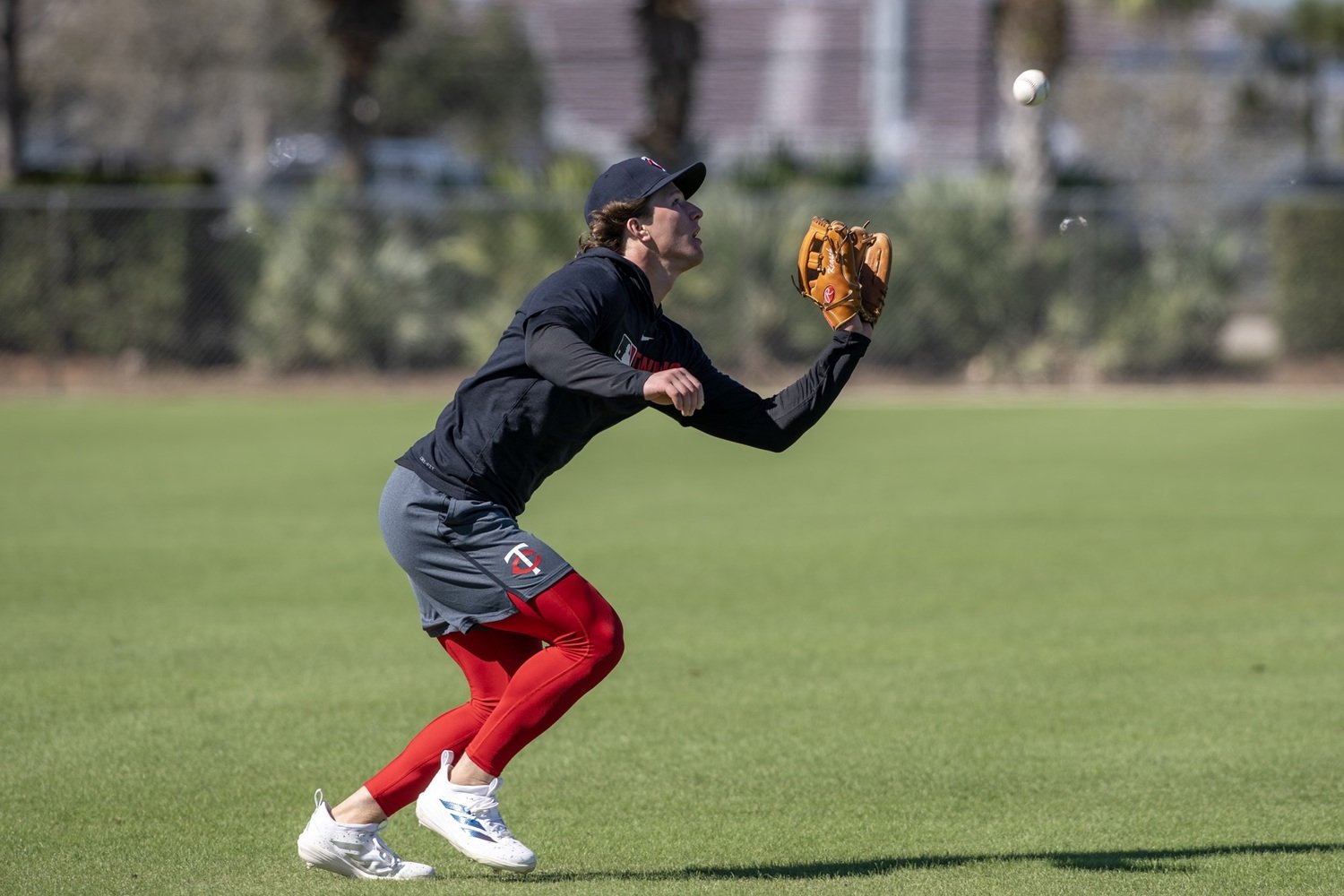 Flexibility is crucial on a modern baseball roster. The more positions a player can cover, the more likely a manager is to keep a strong bat like Luke Keaschall’s in the Minnesota Twins’ lineup. On Thursday, Keaschall made his first start in the outfield since injuring his elbow two seasons ago. The appearance marked an important step for a player who was expected to see time in the grass last season before injuries altered those plans. The Twins originally envisioned Keaschall as someone capable of bouncing between the infield and outfield in 2025. Instead, a hit by pitch broke his arm early in the season and complicated his defensive development. When he returned later in the year, Minnesota chose not to rush him back into the outfield. He finished the season working exclusively in the infield. This spring serves as a fresh opportunity for Keaschall to resume his transition between positions. Manager Derek Shelton explained that the Twins have always intended for him to build experience at both infield and outfield, now possible with his recovery. “We had said he was going to play both. We prepared for it this winter. Just wanted to make sure that he got his feet on the ground at second.” The Twins also have a crowded outfield this spring, making it a challenge to find innings for everyone. “And honestly, we are heavy outfield-wise. Trying to get a look at Gabby (Gonzalez) and trying to get a look at (Hendry) Mendez and Emma (Rodriguez), Rosie (Kala’i Rosario), it’s been a little bit hard, but we will get him out there.” For Keaschall, being in the outfield does not mean giving up second base. Instead, it expands his opportunities, letting the Twins move him between positions as needed to keep him in the lineup. Shelton highlighted the advantages of this flexible approach during games. “I think the impetus would be, like if Kody (Clemens) was going to play second and Josh (Bell) was going to play first and (Victor) Caratini was going to DH, I think more positional flexibility we can have is good, especially in Luke’s case, the fact that he can do both and keep his bat in the lineup.” “So the functionality of being able to move around. And then, just quite honestly the in-game portion of it. He starts the game at second and then all of a sudden, we pinch run for Josh and Kody’s at first, and he comes in, being able to move around, I think is really important.” Keeping Keaschall’s bat in the lineup is a priority after the impression he made last season. In just 49 games, he slashed .309/.382/.445 (.827) across 207 plate appearances. The sample size was limited, but it was still enough to land him ninth in American League Rookie of the Year voting. His strong showing was not a fluke, given his track record. From 2023 through 2025 in the minor leagues, Keaschall posted a .294/.411/.458 (.869) slash line with 19 home runs. He has consistently controlled the strike zone while finding ways to reach base. When a rookie makes an immediate impact, the mental image is usually of someone bursting onto the scene to change the team’s long-term outcome. A late-season call-up arrives and suddenly becomes a spark for the team. Keaschall’s debut followed a different path. He was called up in April and immediately flashed his speed, stealing five bases in his first seven games before the hit-by-pitch broke his arm. When he returned in early August, he picked right back up, swiping nine more bases before a thumb injury ended his season a bit early. There will be adjustments ahead. His .340 BABIP from last season will likely drop, although his speed should help keep that number comfortably above .300. Pitchers will also challenge him more often after getting a better look at his tendencies. Still, there are encouraging signs in his profile. At Triple-A last season, he posted identical 14.4 percent walk and strikeout rates. That kind of plate discipline suggests a hitter capable of maintaining a strong on-base percentage even as the league adjusts. The Twins believe the bat will play. Now they are simply looking for more ways to use it. If Keaschall proves capable of handling both second base and the outfield, Minnesota gains another versatile piece. More importantly, it gives the Twins more chances to keep one of their most promising young hitters in the lineup every day. What role do you see Keaschall playing in the Twins’ outfield this season? Leave a comment and start the discussion.
- 55 comments
-
- 5
-
-
- luke keaschall
- kody clemens
- (and 5 more)
-
Twins Reveal Spring Breakout Player Pool for 2026
Cody Christie posted a rumor in Major League Notes
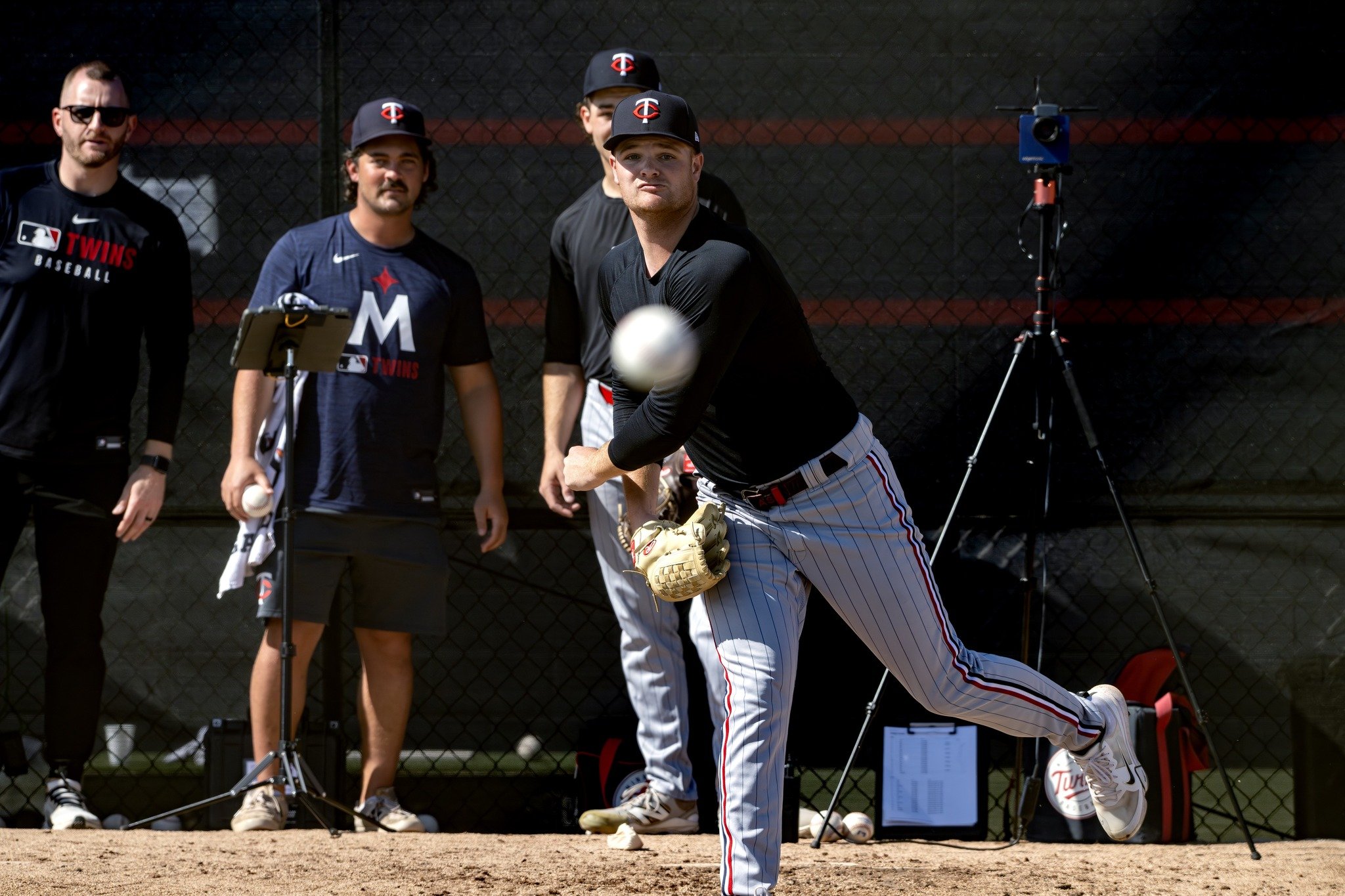 The Minnesota Twins will once again get a chance to showcase the future of their organization later this month. Major League Baseball’s third annual Spring Breakout event will take place from March 19 through March 22, highlighting the game’s top prospects in exhibition matchups during spring training. Minnesota will host the Philadelphia Phillies prospects on Thursday, March 19, at 12:05 p.m. CT. Fans will have several ways to watch the game. It will air on MLB Network and MNNT, and stream for free on MLB.TV, MLB.com, and the MLB app. For the Twins, this year’s game should feature several players who could eventually factor into the team’s long-term plans. The Twins were hoping to showcase outfielder Walker Jenkins, the club’s top-ranked prospect. However, his status for the event remains uncertain after he recently suffered a left hamstring injury. He is still included in the initial player pool listed below. Because pitchers must remain on their scheduled throwing days during spring training, it can be difficult to predict exactly who will appear in the game. Even so, Minnesota has no shortage of candidates who could take the mound during the showcase. How the roster works According to MLB.com, Spring Breakout rosters are created using MLB Pipeline’s Top 30 prospects for each organization as a foundation. Players who still maintain rookie eligibility for the 2026 season are eligible to be selected for the event. This year, the process includes two phases. Teams first submit a preliminary 40-player pool, then trim it down to a final roster of roughly 23 to 27 players shortly before the event. The larger pool allows teams to adjust for injuries, pitching schedules, and the player movement that can occur during spring training. It also accounts for prospects who may be unavailable because of assignments in the Dominican Summer League or other roster considerations. Minnesota’s preliminary group features a strong mix of highly ranked prospects and additional depth players. Even if a few names are unavailable by the time the final roster is set, the Twins should still field a group worth watching when they face the Phillies' prospects. Preliminary 40-man player pool Pitchers (24) Matt Barr, RHP Kyle Bischoff, RHP Miguelangel Boadas, RHP Adrian Bohorquez, RHP Santiago Castellanos, RHP C.J. Culpepper, RHP James Ellwanger, RHP Brent Francisco, RHP Ryan Gallagher, RHP Ruddy Gomez, RHP Alejandro Hidalgo, RHP Dasan Hill, LHP John Klein, RHP Andrew Morris, RHP Jose Olivares, RHP Connor Prielipp, LHP Kendry Rojas, LHP Riley Quick, RHP Marco Raya, RHP Jason Reitz, RHP Sam Rochard, RHP Sam Ryan, RHP Charlee Soto, RHP Jonathan Stevens, RHP Catchers (4) Khadim Diaw Enrique Jimenez Ricardo Olivar Eduardo Tait Infielders (7) Bruin Agbayani, SS/2B Billy Amick, 3B/1B Kaelen Culpepper, SS Kyle DeBarge, SS Marek Houston, SS Brandon Winokur, SS/3B Quentin Young, SS Outfielders (5) Gabriel Gonzalez Walker Jenkins Hendry Mendez Emmanuel Rodriguez Kala’i Rosario
 -
The Minnesota Twins will once again get a chance to showcase the future of their organization later this month. Major League Baseball’s third annual Spring Breakout event will take place from March 19 through March 22, highlighting the game’s top prospects in exhibition matchups during spring training. Minnesota will host the Philadelphia Phillies prospects on Thursday, March 19, at 12:05 p.m. CT. Fans will have several ways to watch the game. It will air on MLB Network and MNNT, and stream for free on MLB.TV, MLB.com, and the MLB app. For the Twins, this year’s game should feature several players who could eventually factor into the team’s long-term plans. The Twins were hoping to showcase outfielder Walker Jenkins, the club’s top-ranked prospect. However, his status for the event remains uncertain after he recently suffered a left hamstring injury. He is still included in the initial player pool listed below. Because pitchers must remain on their scheduled throwing days during spring training, it can be difficult to predict exactly who will appear in the game. Even so, Minnesota has no shortage of candidates who could take the mound during the showcase. How the roster works According to MLB.com, Spring Breakout rosters are created using MLB Pipeline’s Top 30 prospects for each organization as a foundation. Players who still maintain rookie eligibility for the 2026 season are eligible to be selected for the event. This year, the process includes two phases. Teams first submit a preliminary 40-player pool, then trim it down to a final roster of roughly 23 to 27 players shortly before the event. The larger pool allows teams to adjust for injuries, pitching schedules, and the player movement that can occur during spring training. It also accounts for prospects who may be unavailable because of assignments in the Dominican Summer League or other roster considerations. Minnesota’s preliminary group features a strong mix of highly ranked prospects and additional depth players. Even if a few names are unavailable by the time the final roster is set, the Twins should still field a group worth watching when they face the Phillies' prospects. Preliminary 40-man player pool Pitchers (24) Matt Barr, RHP Kyle Bischoff, RHP Miguelangel Boadas, RHP Adrian Bohorquez, RHP Santiago Castellanos, RHP C.J. Culpepper, RHP James Ellwanger, RHP Brent Francisco, RHP Ryan Gallagher, RHP Ruddy Gomez, RHP Alejandro Hidalgo, RHP Dasan Hill, LHP John Klein, RHP Andrew Morris, RHP Jose Olivares, RHP Connor Prielipp, LHP Kendry Rojas, LHP Riley Quick, RHP Marco Raya, RHP Jason Reitz, RHP Sam Rochard, RHP Sam Ryan, RHP Charlee Soto, RHP Jonathan Stevens, RHP Catchers (4) Khadim Diaw Enrique Jimenez Ricardo Olivar Eduardo Tait Infielders (7) Bruin Agbayani, SS/2B Billy Amick, 3B/1B Kaelen Culpepper, SS Kyle DeBarge, SS Marek Houston, SS Brandon Winokur, SS/3B Quentin Young, SS Outfielders (5) Gabriel Gonzalez Walker Jenkins Hendry Mendez Emmanuel Rodriguez Kala’i Rosario View full rumor
-
Preseason rankings abound, but MLB.com recently delivered a bleak forecast for the Minnesota Twins. MLB.com’s Mike Petriello recently grouped every Major League club into tiers reflecting their potential to win during the 2026 season. Instead of ranking teams from 1 to 30, he grouped organizations into roughly 8 or 9 groups based on expectations, roster strength, and overall outlook. At the very top sits a tier of its own occupied by the Los Angeles Dodgers. The next level includes a collection of clear contenders like the Toronto Blue Jays, Chicago Cubs, Seattle Mariners, Philadelphia Phillies, Boston Red Sox, Detroit Tigers, and New York Yankees. Minnesota, however, landed on the opposite end of the spectrum. Petriello placed the Twins in the lowest league tier, with only the Angels sharing that spot. It's a grouping that raises a pressing question: What is the path forward? To be clear, Petriello did not suggest these teams will necessarily finish with the worst records in baseball. In fact, he acknowledged that both the Twins and Angels still have talent on their rosters, including superstar players like Byron Buxton and Mike Trout. The concern is less about pure ability and more about the direction of the organizations themselves. According to Petriello, the issue primarily concerns the vibe around the clubs. For Minnesota, the last several months have shaped those vibes. Uncertainty after last year’s trade deadline and injuries to key pitchers like Pablo Lopez and David Festa have created a sense that the franchise is straddling competing and retooling. Outsiders often struggle to interpret that ambiguity positively. The data-driven projections do little to calm those concerns either. FanGraphs currently projects the Twins for the 23rd most wins (78 wins) in baseball during the 2026 season. The Angels sit even lower at 27th in those projections (73 wins). Only a handful of teams project worse, including the Chicago White Sox, Washington Nationals, and Colorado Rockies, who FanGraphs expects to finish with fewer than 70 wins. Ironically, Petriello placed several of those clubs in a higher tier than Minnesota. The Cardinals, Rockies, Nationals, and White Sox all landed in the eighth tier rather than the ninth. His reasoning was that those organizations appear to have a clearer long-term plan in place, even if the short-term results may still be rough. That distinction highlights the real criticism facing the Twins right now. It is not just about wins and losses. It is about perception. Minnesota still features a roster capable of surprising people if things break the right way. Young players could step forward, the pitching staff could stabilize, and a few early-season wins could quickly change the narrative around a team. But heading into the season, the national view of the franchise remains uncertain. The Twins may not accept the assessment, but it clearly outlines the challenge they face as they enter 2026. If the organization wants to shift the conversation about its future, it must do so on the field once the games start. View full rumor
-
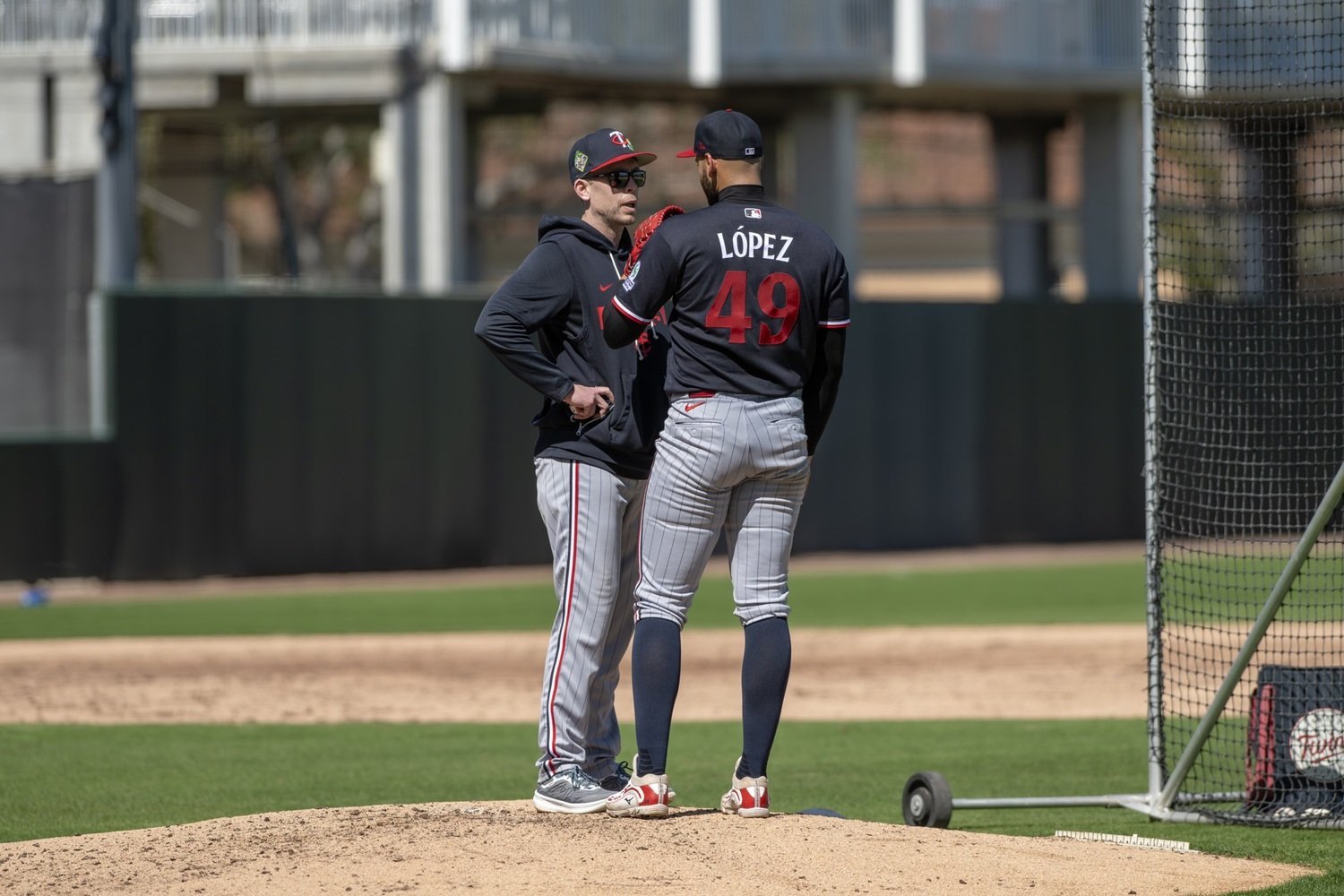 Preseason rankings abound, but MLB.com recently delivered a bleak forecast for the Minnesota Twins. MLB.com’s Mike Petriello recently grouped every Major League club into tiers reflecting their potential to win during the 2026 season. Instead of ranking teams from 1 to 30, he grouped organizations into roughly 8 or 9 groups based on expectations, roster strength, and overall outlook. At the very top sits a tier of its own occupied by the Los Angeles Dodgers. The next level includes a collection of clear contenders like the Toronto Blue Jays, Chicago Cubs, Seattle Mariners, Philadelphia Phillies, Boston Red Sox, Detroit Tigers, and New York Yankees. Minnesota, however, landed on the opposite end of the spectrum. Petriello placed the Twins in the lowest league tier, with only the Angels sharing that spot. It's a grouping that raises a pressing question: What is the path forward? To be clear, Petriello did not suggest these teams will necessarily finish with the worst records in baseball. In fact, he acknowledged that both the Twins and Angels still have talent on their rosters, including superstar players like Byron Buxton and Mike Trout. The concern is less about pure ability and more about the direction of the organizations themselves. According to Petriello, the issue primarily concerns the vibe around the clubs. For Minnesota, the last several months have shaped those vibes. Uncertainty after last year’s trade deadline and injuries to key pitchers like Pablo Lopez and David Festa have created a sense that the franchise is straddling competing and retooling. Outsiders often struggle to interpret that ambiguity positively. The data-driven projections do little to calm those concerns either. FanGraphs currently projects the Twins for the 23rd most wins (78 wins) in baseball during the 2026 season. The Angels sit even lower at 27th in those projections (73 wins). Only a handful of teams project worse, including the Chicago White Sox, Washington Nationals, and Colorado Rockies, who FanGraphs expects to finish with fewer than 70 wins. Ironically, Petriello placed several of those clubs in a higher tier than Minnesota. The Cardinals, Rockies, Nationals, and White Sox all landed in the eighth tier rather than the ninth. His reasoning was that those organizations appear to have a clearer long-term plan in place, even if the short-term results may still be rough. That distinction highlights the real criticism facing the Twins right now. It is not just about wins and losses. It is about perception. Minnesota still features a roster capable of surprising people if things break the right way. Young players could step forward, the pitching staff could stabilize, and a few early-season wins could quickly change the narrative around a team. But heading into the season, the national view of the franchise remains uncertain. The Twins may not accept the assessment, but it clearly outlines the challenge they face as they enter 2026. If the organization wants to shift the conversation about its future, it must do so on the field once the games start.
 -
Image courtesy of © Bruce Kluckhohn-Imagn Images In the early weeks of spring training, the most promising on-field development for the Minnesota Twins has been the emergence of Mick Abel. In his first two appearances, Abel has dominated. He pitched three shutout innings with five strikeouts against the Detroit Tigers last Monday, then followed with three more scoreless frames and six strikeouts versus the Atlanta Braves on Sunday. Over six innings, he has yielded only three hits, issued no walks, and tallied 11 strikeouts. He has thrown 89 pitches and induced 22 swinging strikes. The second outing came against Atlanta’s split-squad B team, with Jorge Mateo the only 40-man roster player in the lineup. The group included several fringe big-leaguers and a couple of familiar names, in DaShawn Keirsey Jr. and Jair Camargo. Context always matters in March, but Abel did exactly what a young starter with upside should do in that situation. He overwhelmed the hitters in front of him. Over 43 pitches on Sunday, he induced 10 whiffs. His fastball reached 99 miles per hour and accounted for three strikeouts. His slider-sweeper combination produced three more. The only blemish was a harmless two-out single in the first inning. Otherwise, it was total control. That word feels intentional, because Abel is pitching with a very clear plan. “I think it's more of the goals that we've set from going camp which ... landing the spin early, and the offspeed stuff early, to get them to expand more,” Abel said, when asked what he is trying to accomplish this spring. Instead of simply overpowering hitters, he's sequencing with purpose. He lands offspeed pitches early. Hitters must respect the breaking ball. As a result, the elevated fastball plays up even more. It's a simple concept, but one that requires conviction. Abel also emphasized the importance of being precise with his heater. “We were talking before the game and our meeting, and I told him I wanted to be more specific with the heater locations," Abel said of his pregame confab with catcher Victor Caratini. "And we were, so I was happy about that.” That specificity has shown up in the results. He's avoided the middle of the zone and attacked the edges with intent. When a pitcher throws 99 with life and can consistently spot it, the margin for error increases; opposing hitters are forced to think defensively. Perhaps the most encouraging part of his spring has nothing to do with radar gun readings or strikeout totals. Instead, it’s his mindset. “Yeah, for sure. I mean two offseasons in a row where I'm not really thinking too hard about what I'm doing mechanically. It's all up top now," Abel said. "So a lot of it boils down to competitive nature now, and you know, being intentional with every single pitch.” That freedom has translated into confidence. At 24 years old, Abel does not have much left to prove in the minors. He entered camp as a legitimate candidate for the Opening Day rotation, and injuries to Pablo López and David Festa have only increased that possibility. With Joe Ryan, Bailey Ober, and Simeon Woods Richardson likely in, two rotation spots remain for Abel, Taj Bradley, and Zebby Matthews. Abel is making a tough competition look easy. Asked how he approaches the numbers game, his answer matched the calm confidence seen on the mound. “I feel like, as long as I'm coming in here and just being myself, that's all I'm really trying to do every day. There's nothing more I can do.” That mindset may be his biggest development. Abel isn’t chasing results or outshining teammates. He's focused on executing his plan, trusting his stuff, and pitching with intent. Spring stats need context. Six scoreless innings in March don't guarantee success in April. But when a young starter combines velocity, command, swing-and-miss stuff, and a strong mindset, it’s worth attention. If Abel continues pitching this way, the decision-makers in Minnesota will not have a difficult choice to make. And if he carries this version of himself into the regular season, there is a world where he becomes one of the most important arms in the Twins' rotation sooner, rather than later. Do you think Abel will make the Opening Day roster? What are your expectations for his season? Share your thoughts and join the discussion. View full article
-
Mick Abel Might Be Pitching His Way to the Twins' Opening Day Roster
Cody Christie posted an article in Twins
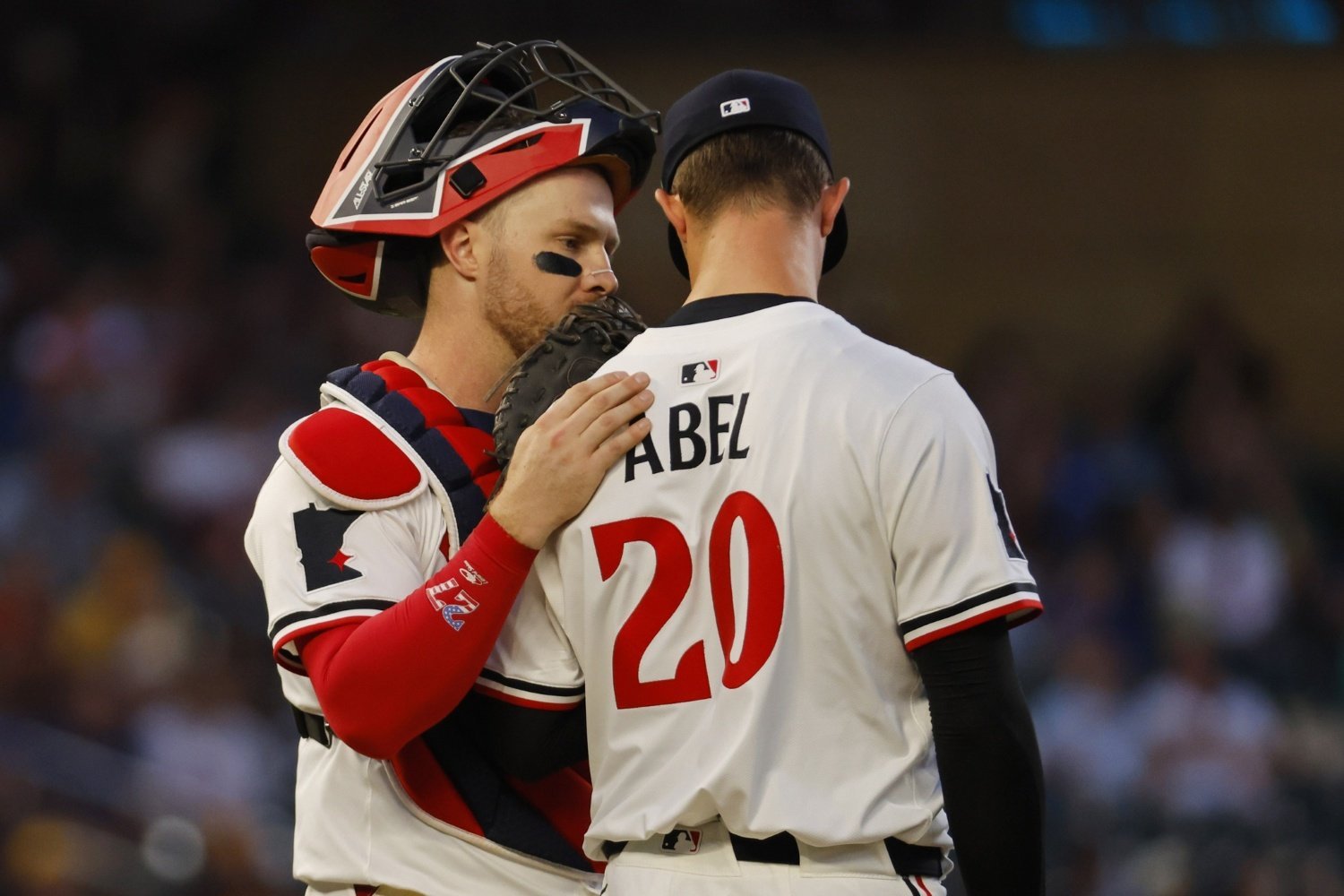 In the early weeks of spring training, the most promising on-field development for the Minnesota Twins has been the emergence of Mick Abel. In his first two appearances, Abel has dominated. He pitched three shutout innings with five strikeouts against the Detroit Tigers last Monday, then followed with three more scoreless frames and six strikeouts versus the Atlanta Braves on Sunday. Over six innings, he has yielded only three hits, issued no walks, and tallied 11 strikeouts. He has thrown 89 pitches and induced 22 swinging strikes. The second outing came against Atlanta’s split-squad B team, with Jorge Mateo the only 40-man roster player in the lineup. The group included several fringe big-leaguers and a couple of familiar names, in DaShawn Keirsey Jr. and Jair Camargo. Context always matters in March, but Abel did exactly what a young starter with upside should do in that situation. He overwhelmed the hitters in front of him. Over 43 pitches on Sunday, he induced 10 whiffs. His fastball reached 99 miles per hour and accounted for three strikeouts. His slider-sweeper combination produced three more. The only blemish was a harmless two-out single in the first inning. Otherwise, it was total control. That word feels intentional, because Abel is pitching with a very clear plan. “I think it's more of the goals that we've set from going camp which ... landing the spin early, and the offspeed stuff early, to get them to expand more,” Abel said, when asked what he is trying to accomplish this spring. Instead of simply overpowering hitters, he's sequencing with purpose. He lands offspeed pitches early. Hitters must respect the breaking ball. As a result, the elevated fastball plays up even more. It's a simple concept, but one that requires conviction. Abel also emphasized the importance of being precise with his heater. “We were talking before the game and our meeting, and I told him I wanted to be more specific with the heater locations," Abel said of his pregame confab with catcher Victor Caratini. "And we were, so I was happy about that.” That specificity has shown up in the results. He's avoided the middle of the zone and attacked the edges with intent. When a pitcher throws 99 with life and can consistently spot it, the margin for error increases; opposing hitters are forced to think defensively. Perhaps the most encouraging part of his spring has nothing to do with radar gun readings or strikeout totals. Instead, it’s his mindset. “Yeah, for sure. I mean two offseasons in a row where I'm not really thinking too hard about what I'm doing mechanically. It's all up top now," Abel said. "So a lot of it boils down to competitive nature now, and you know, being intentional with every single pitch.” That freedom has translated into confidence. At 24 years old, Abel does not have much left to prove in the minors. He entered camp as a legitimate candidate for the Opening Day rotation, and injuries to Pablo López and David Festa have only increased that possibility. With Joe Ryan, Bailey Ober, and Simeon Woods Richardson likely in, two rotation spots remain for Abel, Taj Bradley, and Zebby Matthews. Abel is making a tough competition look easy. Asked how he approaches the numbers game, his answer matched the calm confidence seen on the mound. “I feel like, as long as I'm coming in here and just being myself, that's all I'm really trying to do every day. There's nothing more I can do.” That mindset may be his biggest development. Abel isn’t chasing results or outshining teammates. He's focused on executing his plan, trusting his stuff, and pitching with intent. Spring stats need context. Six scoreless innings in March don't guarantee success in April. But when a young starter combines velocity, command, swing-and-miss stuff, and a strong mindset, it’s worth attention. If Abel continues pitching this way, the decision-makers in Minnesota will not have a difficult choice to make. And if he carries this version of himself into the regular season, there is a world where he becomes one of the most important arms in the Twins' rotation sooner, rather than later. Do you think Abel will make the Opening Day roster? What are your expectations for his season? Share your thoughts and join the discussion.
 -
The latest round of spring roster cuts from the Minnesota Twins came as little surprise, but they offer clarity on how the organization is shaping its upper-level depth. At this stage of camp, decisions are now driven by practicality rather than upside. Veterans and non-roster invites receive longer looks for early-season roles. Prospects needing everyday reps or rehabbing injuries move to the minor league side. These changes don't dramatically alter the long-term outlook but do clarify how the Twins prioritize development and depth as camp concludes. With those themes in mind, let's break down the implications of this specific group of cuts. Catching Depth Gets Reassigned Andrew Cossetti and Ricardo Olivar were both in big league camp to provide depth behind the plate. Neither was realistically pushing for an Opening Day role, but both gave the Twins reliable innings throughout the early Grapefruit League schedule. Cossetti, a 2022 draft pick, has spent the last two seasons at Double A and posted a .717 OPS across 171 games. He has split time between catcher and first base, giving him some defensive versatility, but his offensive production has remained more steady than spectacular. For now, he remains organizational depth with a chance to climb if the bat takes another step. Olivar has quietly put together a solid run in the system since signing out of Venezuela. Over five seasons, he has worked his way into fringe top-30 prospect conversations. Last season at Double A, he posted a .768 OPS in 93 games and continued to show a balanced offensive profile. Like Cossetti, he was in camp primarily to support the catching workload. Returning him to the minor league side allows him to prepare for what should be another important season in his development. A Sensible Move for Walker Jenkins There was never any real debate about Jenkins breaking camp with the big league club, especially once the hamstring strain surfaced. Jenkins remains the top prospect in the organization, but he is not on the 40-man roster and is currently sidelined for a couple of weeks. With his focus on rehab and getting back to full strength, sending him to minor league camp is simply procedural. It allows him to progress at his own pace without occupying a spot on a big league roster. The Twins are thinking long term here. Jenkins does not need to rush anything in March. His priority is building toward a healthy and productive season, not squeezing in a few extra at-bats in exhibition games. Sorting Out the Triple-A Bullpen On the pitching side, several arms now shift their attention toward Triple-A roles. Christian MacLeod’s path remains one of the more interesting developments. A fifth-round pick in 2021, he reached Triple-A last season after a strong first half at Double-A. As a starter there, he posted a 2.63 ERA in 13 starts and looked to be trending upward. The move to the bullpen in St. Paul brought mixed results. The hitter-friendly environment proved challenging, and his numbers took a hit. Still, the organization appears committed to him as a reliever for now. Returning him to Triple-A in a bullpen role gives him a chance to refine that transition with more experience. Andrew Bash is a name to keep in mind. He has spent his entire professional career in the Blue Jays organization and quietly put together an impressive 2025 campaign at Triple-A. Over 40 appearances and 84 innings, he logged a 2.57 ERA with a 7.7 K/9. Minnesota brought him into camp for a closer evaluation, and while he will start the season in the minors, he profiles as a potential depth option if the big league bullpen needs reinforcements. Raul Brito rounds out the group. The 28-year-old spent the last two seasons in the Padres system and showed swing-and-miss ability at Triple-A last year with an 11.7 K/9 across 63 1/3 innings. The problem was consistency. A 6.11 ERA, 5.0 BB/9, and 10.2 H/9 illustrate the volatility. Like Bash and MacLeod, he should factor into the Triple-A bullpen mix and serve as depth if he can tighten the command. None of these cuts dramatically shifts the outlook for the Opening Day roster. Instead, they represent the natural narrowing of camp competition as the calendar flips toward the regular season. Spring training roster cuts are rarely headline-grabbing. But they often reveal how an organization values depth, flexibility, and patience. This round was no different. View full rumor
-
- 1
-
-
- walker jenkins
- ricardo olivar
- (and 4 more)
