



Cody Christie
-
Posts
7,515 -
Joined
-
Last visited
-
Days Won
5
Content Type
Profiles
News
Minnesota Twins Videos
2026 Minnesota Twins Top Prospects Ranking
2022 Minnesota Twins Draft Picks
Minnesota Twins Free Agent & Trade Rumors, Notes, & Tidbits
Guides & Resources
2023 Minnesota Twins Draft Picks
The Minnesota Twins Players Project
2024 Minnesota Twins Draft Picks
2025 Minnesota Twins Draft Pick Tracker
2026 Minnesota Twins Draft Tracker: Picks & Bonuses
Forums
Blogs
Events
Store
Downloads
Gallery
Everything posted by Cody Christie
-
Twins fans got spoiled. For multiple seasons, the best pitcher on the planet was named Johan Santana and he happened to be wearing a Twins uniform. He may be one of the best Twins players not elected to the Hall of Fame. However, his departure from the team is one moment that many Twins fans would like to forget.Bill Smith was in a no-win situation. In late-2007, He became the fifth general manager in Twins history, and he was immediately tasked with trading away baseball’s best starting pitcher. Minnesota had tried to work out an extension with two-time Cy Young award winner, but those conversations had stalled. The Twins were still multiple years away from a new stadium and the increased revenues they hoped it would provide, so the club looked to deal away one of the best pitchers in team history. During the offseason, there seemed to be three suitors for Santana’s services, the Yankees, Red Sox, and Mets. All three big market teams had the funds to meet Santana’s contract needs and they had the prospect capital to acquire a pitcher of his magnitude. Twins fans hoped to acquire some of the top talent available from these organizations. Boston had big-name prospects like Jacoby Ellsbury, Jon Lester, and Clay Buchholz. The Yankee’s system included Phil Hughes, Joba Chamerlain, Melky Cabrera, and Ian Kennedy. While some of the Mets top farm hands were Fernando Martinez, Carlos Gomez, Deolis Guerra, Kevin Mulvey, and Phil Humber. Rumors swirled for most of the offseason with many of the names mentioned above. Eventually, Minnesota settled on a package of players that included Gomez, Guerra, Mulvey, and Humber. Twins fans were disappointed, but maybe that was inevitable. Gomez, Guerra, and Humber had all been top-100 prospects during their professional careers, but it still didn’t feel like enough for the game’s best pitcher in the middle of his prime. The Mets were coming off a 2007 season where they collapsed at season’s end and they needed a boost to get them over the top in the NL East. Santana was a franchise altering player that could help them clear that bar. New York agreed to trade for Santana if they could sign him to an extension. He’d ink a six-year, $137.5 million and the rest is history. Santana’s first year in New York was his best as he led the league with over 234 innings pitched and a 2.53 ERA. He’d finish third in the Cy Young voting. In fact, his first three seasons were great for the Mets. He posted a 2.85 ERA with a 1.18 WHIP in 600 innings pitched, but injuries were starting to become a problem. Bone chips were removed from his elbow, he had rotator cuff surgery, and eventually shoulder injuries ended his career. From Minnesota’s perspective, things went from bad to worse. Gomez was rushed to the big leagues and hit .248/.293/.352 over two seasons. He’d be dealt to Milwaukee as part of the JJ Hardy trade, another bad Twins trade, and he’d become a two-time All-Star with the Brewers. The pitchers acquired in the deal struggled even more than Gomez in a Twins uniform. Guerra topped out at Triple-A in the Twins system and moved on to other organizations after 2014. He pitched in the big leagues last season with Philadelphia, but he has a career ERA of 4.81 with a 1.32 WHIP. Mulvey made two appearances with the Twins and allowed four earned runs in 1 1/3 innings. In 2009, he was sent to Arizona to complete the trade for Jon Rauch. Humber pitched in 13 games for the Twins with an ERA north of 6.00 and he was granted his free agency after two seasons. He’d go on to pitch for Kansas City, Chicago, and Houston and fans may remember his perfect game for the White Sox. Just a few years after the trade, none of the players Minnesota acquired were still on the roster. Santana’s time in New York didn’t end well, but he was able to pitch three very good seasons for the Mets before injuries shortened his career. At the same time, Twins fans are left wondering if a better deal could have been made with the Red Sox or Yankees. What are your thoughts after looking back at this trade? Leave a COMMENT and start the discussion. OTHER POSTS IN THE SERIES — Tom Brunansky MORE FROM TWINS DAILY — Latest Twins coverage from our writers — Recent Twins discussion in our forums — Follow Twins Daily via Twitter, Facebook or email Click here to view the article
-
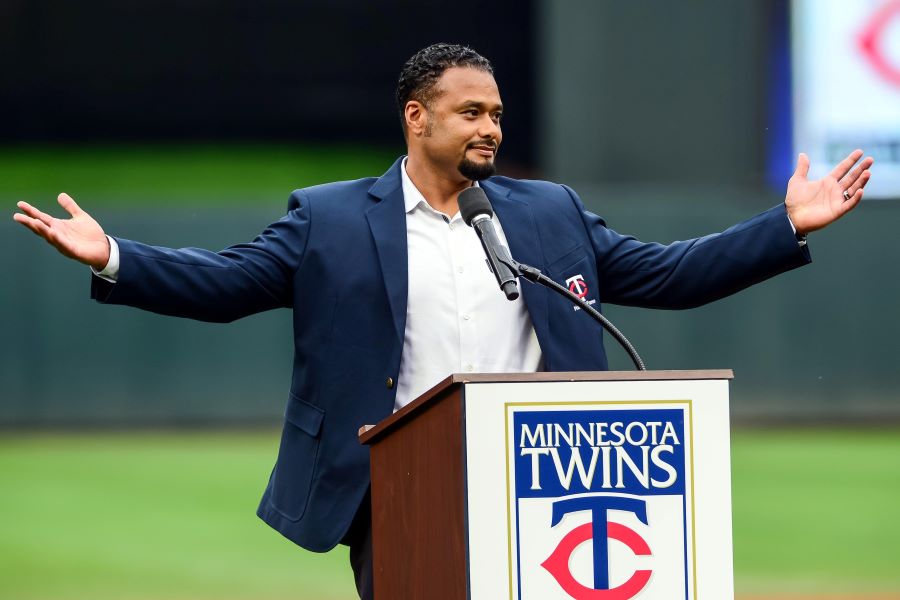 Bill Smith was in a no-win situation. In late-2007, He became the fifth general manager in Twins history, and he was immediately tasked with trading away baseball’s best starting pitcher. Minnesota had tried to work out an extension with two-time Cy Young award winner, but those conversations had stalled. The Twins were still multiple years away from a new stadium and the increased revenues they hoped it would provide, so the club looked to deal away one of the best pitchers in team history. During the offseason, there seemed to be three suitors for Santana’s services, the Yankees, Red Sox, and Mets. All three big market teams had the funds to meet Santana’s contract needs and they had the prospect capital to acquire a pitcher of his magnitude. Twins fans hoped to acquire some of the top talent available from these organizations. Boston had big-name prospects like Jacoby Ellsbury, Jon Lester, and Clay Buchholz. The Yankee’s system included Phil Hughes, Joba Chamerlain, Melky Cabrera, and Ian Kennedy. While some of the Mets top farm hands were Fernando Martinez, Carlos Gomez, Deolis Guerra, Kevin Mulvey, and Phil Humber. Rumors swirled for most of the offseason with many of the names mentioned above. Eventually, Minnesota settled on a package of players that included Gomez, Guerra, Mulvey, and Humber. Twins fans were disappointed, but maybe that was inevitable. Gomez, Guerra, and Humber had all been top-100 prospects during their professional careers, but it still didn’t feel like enough for the game’s best pitcher in the middle of his prime. The Mets were coming off a 2007 season where they collapsed at season’s end and they needed a boost to get them over the top in the NL East. Santana was a franchise altering player that could help them clear that bar. New York agreed to trade for Santana if they could sign him to an extension. He’d ink a six-year, $137.5 million and the rest is history. Santana’s first year in New York was his best as he led the league with over 234 innings pitched and a 2.53 ERA. He’d finish third in the Cy Young voting. In fact, his first three seasons were great for the Mets. He posted a 2.85 ERA with a 1.18 WHIP in 600 innings pitched, but injuries were starting to become a problem. Bone chips were removed from his elbow, he had rotator cuff surgery, and eventually shoulder injuries ended his career. From Minnesota’s perspective, things went from bad to worse. Gomez was rushed to the big leagues and hit .248/.293/.352 over two seasons. He’d be dealt to Milwaukee as part of the JJ Hardy trade, another bad Twins trade, and he’d become a two-time All-Star with the Brewers. The pitchers acquired in the deal struggled even more than Gomez in a Twins uniform. Guerra topped out at Triple-A in the Twins system and moved on to other organizations after 2014. He pitched in the big leagues last season with Philadelphia, but he has a career ERA of 4.81 with a 1.32 WHIP. Mulvey made two appearances with the Twins and allowed four earned runs in 1 1/3 innings. In 2009, he was sent to Arizona to complete the trade for Jon Rauch. Humber pitched in 13 games for the Twins with an ERA north of 6.00 and he was granted his free agency after two seasons. He’d go on to pitch for Kansas City, Chicago, and Houston and fans may remember his perfect game for the White Sox. Just a few years after the trade, none of the players Minnesota acquired were still on the roster. Santana’s time in New York didn’t end well, but he was able to pitch three very good seasons for the Mets before injuries shortened his career. At the same time, Twins fans are left wondering if a better deal could have been made with the Red Sox or Yankees. What are your thoughts after looking back at this trade? Leave a COMMENT and start the discussion. OTHER POSTS IN THE SERIES — Tom Brunansky MORE FROM TWINS DAILY — Latest Twins coverage from our writers — Recent Twins discussion in our forums — Follow Twins Daily via Twitter, Facebook or email
 -
 Coming off an MLB season unlike any other, many predicted this offseason was going to be a different than one that fans had previously experienced. Every team dealt with a decrease in revenues and many teams were expected to cut payroll. The AL Central’s clubs have seen a variety of moves so far this winter, while Minnesota has been relatively quiet. What does that mean for the AL Central’s future?Cleveland Baseball Team: Payroll Dump The team formerly known as the Indians made a blockbuster deal on Thursday by sending shortstop Francisco Lindor and starting pitcher Carlos Carrasco to the New York Mets for a package of four players. Lindor rumors had been swirling for the throughout the offseason as he is one year away from free agency and Cleveland wanted to get something for him before he hit the open market. Cleveland is clearly trying to dump as much payroll as possible. With players currently on their roster, Cleveland’s Opening Day payroll is scheduled to be around $35 million. Last season, the lowest payroll in baseball was Baltimore and their payroll was over $52 million. In the tweet above, there were two teams with a payroll under $35 million in 2001 with the Twins being the lowest at $24 million. Chicago White Sox: Two Team Race Chicago got their offseason started by hiring Tony La Russa to manager their team. Near the time he was hired, word came out that he had been charged with driving under the influence in Arizona. To make matters worse, it wasn’t his first time being charged with this offense. Besides the off the field issues, La Russa turned 76-years old in October, so his hiring seems questionable even for White Sox fans. To put that in perspective for Twins fans, former manager Tom Kelly is six-years younger than La Russa. The White Sox have made some moves to bolster their roster as well. Chicago dealt Avery Weems and Dane Dunning to Texas for starting pitcher Lance Lynn. Twins fans will remember Lynn’s poor season with the club, but he has been one of baseball’s best pitchers over the last two seasons. In December, the White Sox brought back a familiar face to the South Side by signing outfielder Adam Eaton to a one-year, $7 million contract which includes a club option for 2022. Chicago looks to be the Twins biggest challenger in the AL Central, especially after the moves mentioned above. Detroit Tigers: Hinch Hired for Rebuild Former Twins manager Ron Gardenhire retired as Tigers manager before the end of the 2020 season. This left the Tigers looking for a new man to run the show in Motown. AJ Hinch was suspended for the entire 2020 season after the Astros cheating scandal and now, he will be charged with turning around a Tigers club that has a winning percentage under .400 for four consecutive seasons. Last winter, the Tigers brought in two former Twins, CJ Cron and Jonathan Schoop, to bolster their line-up. This winter Detroit turned to another former Twin by signing outfielder Robbie Grossman to a two-year deal worth $10 million guaranteed. He posted a career high 1.3 WAR last year in Oakland and he did this in just 51 games. Detroit also added to their starting pitching depth by signing Jose Urena to a one-year deal worth $3.25 million. It’s still a waiting game in Detroit as their top prospects work their way to the big leagues. Kansas City: Minor Moves Like Detroit, Kanas City is in the midst of a rebuild with plenty of questions about what the future might hold for the franchise. One of their biggest offseason moves was signing Mike Minor to a two-year deal. At the same time, the club agreed to terms with outfielder Michael Taylor to a one-year, $1.75 million contract. His addition helps the team to add some outfield depth, but it certainly isn’t a difference making move. Another familiar name also signed in Kansas City just before the new year. Former Twins pitcher Ervin Santana agreed to a minor league deal to return to Kanas City, a team he called home back in 2013. If he is on the major league roster, he gets a base salary of $1.5 million with a chance to earn an extra $1.75 million in performance bonuses. Santana didn’t pitch in 2020 and he already turned 38-years old. Minnesota’s lone move has been to sign relief pitcher Hansel Robles. There are likely other moves coming, but the landscape of the AL Central continues to evolve. What are your thoughts about the AL Central so far this winter? Leave a COMMENT and start the discussion. MORE FROM TWINS DAILY — Latest Twins coverage from our writers — Recent Twins discussion in our forums — Follow Twins Daily via Twitter, Facebook or email Click here to view the article
 -
AL Central Offseason Update: Twins Wait While Others Active
Cody Christie posted an article in Twins
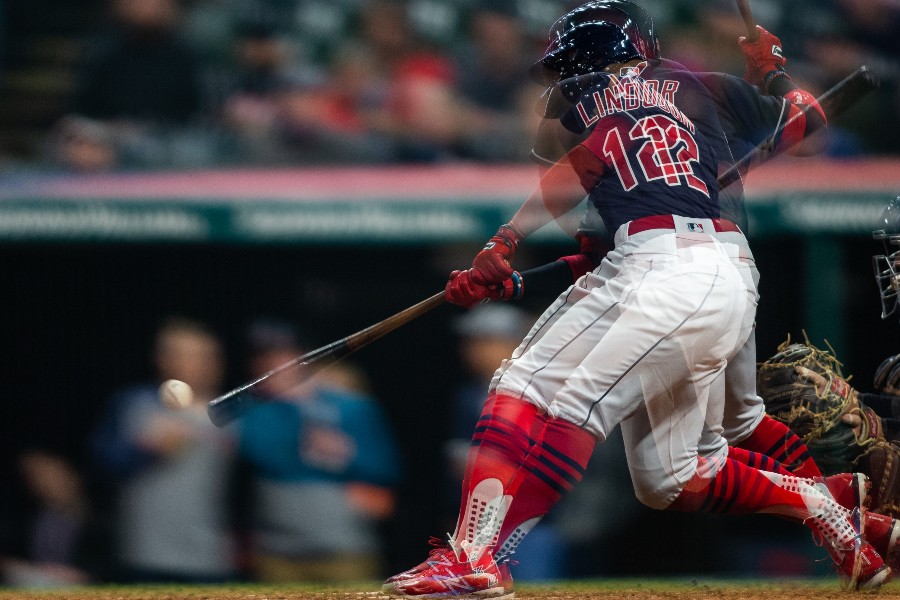 Cleveland Baseball Team: Payroll Dump The team formerly known as the Indians made a blockbuster deal on Thursday by sending shortstop Francisco Lindor and starting pitcher Carlos Carrasco to the New York Mets for a package of four players. Lindor rumors had been swirling for the throughout the offseason as he is one year away from free agency and Cleveland wanted to get something for him before he hit the open market. https://twitter.com/baseball_ref/status/1347248176261160962 Cleveland is clearly trying to dump as much payroll as possible. With players currently on their roster, Cleveland’s Opening Day payroll is scheduled to be around $35 million. Last season, the lowest payroll in baseball was Baltimore and their payroll was over $52 million. In the tweet above, there were two teams with a payroll under $35 million in 2001 with the Twins being the lowest at $24 million. Chicago White Sox: Two Team Race Chicago got their offseason started by hiring Tony La Russa to manager their team. Near the time he was hired, word came out that he had been charged with driving under the influence in Arizona. To make matters worse, it wasn’t his first time being charged with this offense. Besides the off the field issues, La Russa turned 76-years old in October, so his hiring seems questionable even for White Sox fans. To put that in perspective for Twins fans, former manager Tom Kelly is six-years younger than La Russa. The White Sox have made some moves to bolster their roster as well. Chicago dealt Avery Weems and Dane Dunning to Texas for starting pitcher Lance Lynn. Twins fans will remember Lynn’s poor season with the club, but he has been one of baseball’s best pitchers over the last two seasons. In December, the White Sox brought back a familiar face to the South Side by signing outfielder Adam Eaton to a one-year, $7 million contract which includes a club option for 2022. Chicago looks to be the Twins biggest challenger in the AL Central, especially after the moves mentioned above. Detroit Tigers: Hinch Hired for Rebuild Former Twins manager Ron Gardenhire retired as Tigers manager before the end of the 2020 season. This left the Tigers looking for a new man to run the show in Motown. AJ Hinch was suspended for the entire 2020 season after the Astros cheating scandal and now, he will be charged with turning around a Tigers club that has a winning percentage under .400 for four consecutive seasons. Last winter, the Tigers brought in two former Twins, CJ Cron and Jonathan Schoop, to bolster their line-up. This winter Detroit turned to another former Twin by signing outfielder Robbie Grossman to a two-year deal worth $10 million guaranteed. He posted a career high 1.3 WAR last year in Oakland and he did this in just 51 games. Detroit also added to their starting pitching depth by signing Jose Urena to a one-year deal worth $3.25 million. It’s still a waiting game in Detroit as their top prospects work their way to the big leagues. Kansas City: Minor Moves Like Detroit, Kanas City is in the midst of a rebuild with plenty of questions about what the future might hold for the franchise. One of their biggest offseason moves was signing Mike Minor to a two-year deal. At the same time, the club agreed to terms with outfielder Michael Taylor to a one-year, $1.75 million contract. His addition helps the team to add some outfield depth, but it certainly isn’t a difference making move. Another familiar name also signed in Kansas City just before the new year. Former Twins pitcher Ervin Santana agreed to a minor league deal to return to Kanas City, a team he called home back in 2013. If he is on the major league roster, he gets a base salary of $1.5 million with a chance to earn an extra $1.75 million in performance bonuses. Santana didn’t pitch in 2020 and he already turned 38-years old. Minnesota’s lone move has been to sign relief pitcher Hansel Robles. There are likely other moves coming, but the landscape of the AL Central continues to evolve. What are your thoughts about the AL Central so far this winter? Leave a COMMENT and start the discussion. MORE FROM TWINS DAILY — Latest Twins coverage from our writers — Recent Twins discussion in our forums — Follow Twins Daily via Twitter, Facebook or email
 -
Looking back through MLB history, there have been plenty of trades that ended up being one-sided. One of Minnesota’s best trades in team history was extremely lopsided, but teams can’t always wind up on the winning end. Here’s a look back at one of the worst trades in team history and the reasons the front office felt like it was what the team needed at the time.Minnesota was at the top of the baseball world in 1987 as the team had just secured their first World Series title. One of the key members of that team was right fielder, Tom Brunansky. Only three position players finished with a higher WAR than him that season and he seemed to be part of a young core that would continue winning in Minnesota. However, the front office had other plans. Early in the 1988 season, general manager Andy MacPhail dealt Brunansky to the St. Louis Cardinals for infielder Tommy Herr. Brunansky had become a fan favorite in Minnesota and this trade certainly left fans scratching their heads. Herr was a second baseman and the Twins already had Steve Lombardozzi on the roster. Brunansky was off to a slow start and Lombardozzi was hitting under .100 at the time. For Brunansky, the trade came as a shock. “They told me I had been traded and I had three days to report (to St. Louis). It was like bam, right in the gut. Then I walked back to my locker, and the guys knew something had happened. They said my face was white.” Herr was equally shocked as he wanted to be a Cardinal for life. Said Herr, “Sure, I’m shocked. I’ve loved my years as a Cardinal and it’s hard to say goodbye.” After arriving in the Twin Cities, he told the Star Tribune, “I tried to take the trade like a man, but when the plane left St. Louis, I cried like a baby for a half hour.” Herr was supposed to add to Minnesota’s infield depth and give them something extra at the top of the batting order. However, Herr wasn’t interested in being part of the Twins as his batting average and slugging percentage dropped lower than his career totals. Also, he became a distraction in the clubhouse as he was very open about his religious beliefs including convincing some members of the team that an apocalyptic event would occur on September 13, 1988. Needless to say, Herr didn’t last long in Minnesota. From the Cardinal’s perspective, their top run producer Jack Clark had left in free agency and their Opening Day right fielder, Jim Lindeman, was on the disabled list. Brunansky was amid a stretch of six straight seasons where he hit 20 or more home runs. Herr was also in his final year of a four-year contract, so the Cardinals didn’t want to lose another player in free agency. The trade had a chance to been much worse for the Twins when considering the Cardinals original asking price. Third baseman Gary Gaetti and outfielder Kirby Puckett were inquired about by St. Louis. MacPhail said, “I told [the Cardinals GM] I wouldn’t trade Gaetti and that my house would be burned to the ground if I traded Puckett.” Herr didn’t want to play in Minnesota, and it was clear to all involved. Patrick Reusse wrote, Herr “came to Minnesota with a chance to play an important role on a team trying to defend a championship. Herr brought with him the enthusiasm normally associated with being called to an IRS audit.” Over parts of three seasons in St. Louis, Brunansky hit .238/.327/.411 (.738) with 20 or more home runs in each full season he played with the club. He would be traded in May 1990 to the Red Sox for future Hall of Famer Lee Smith. He would resign with Boston that winter as a free agent and his last two full seasons came in a Red Sox uniform. TV play-by-play announcer Dick Bremer shares an interesting story about the trade’s aftermath in his book Game Used. Bremer was sharing a cab with MacPhail in Seattle after the trade had occurred and the driver started asking the passengers about the deal. Bremer wrote, “Oblivious to who his passengers were, [the driver] asked who the hell was running the show in Minnesota and why in the world they would trade a young slugger like Brunansky for a washed-up second baseman like Tom Herr.” To lighten the mood in the cab, Bremer told the driver, “You have to remember that the general manager in Minnesota was just an inexperienced kid who got lucky in winning the World Series the year before.” What are your thoughts after looking back at this trade? Leave a COMMENT and start the discussion. MORE FROM TWINS DAILY — Latest Twins coverage from our writers — Recent Twins discussion in our forums — Follow Twins Daily via Twitter, Facebook or email Click here to view the article
-
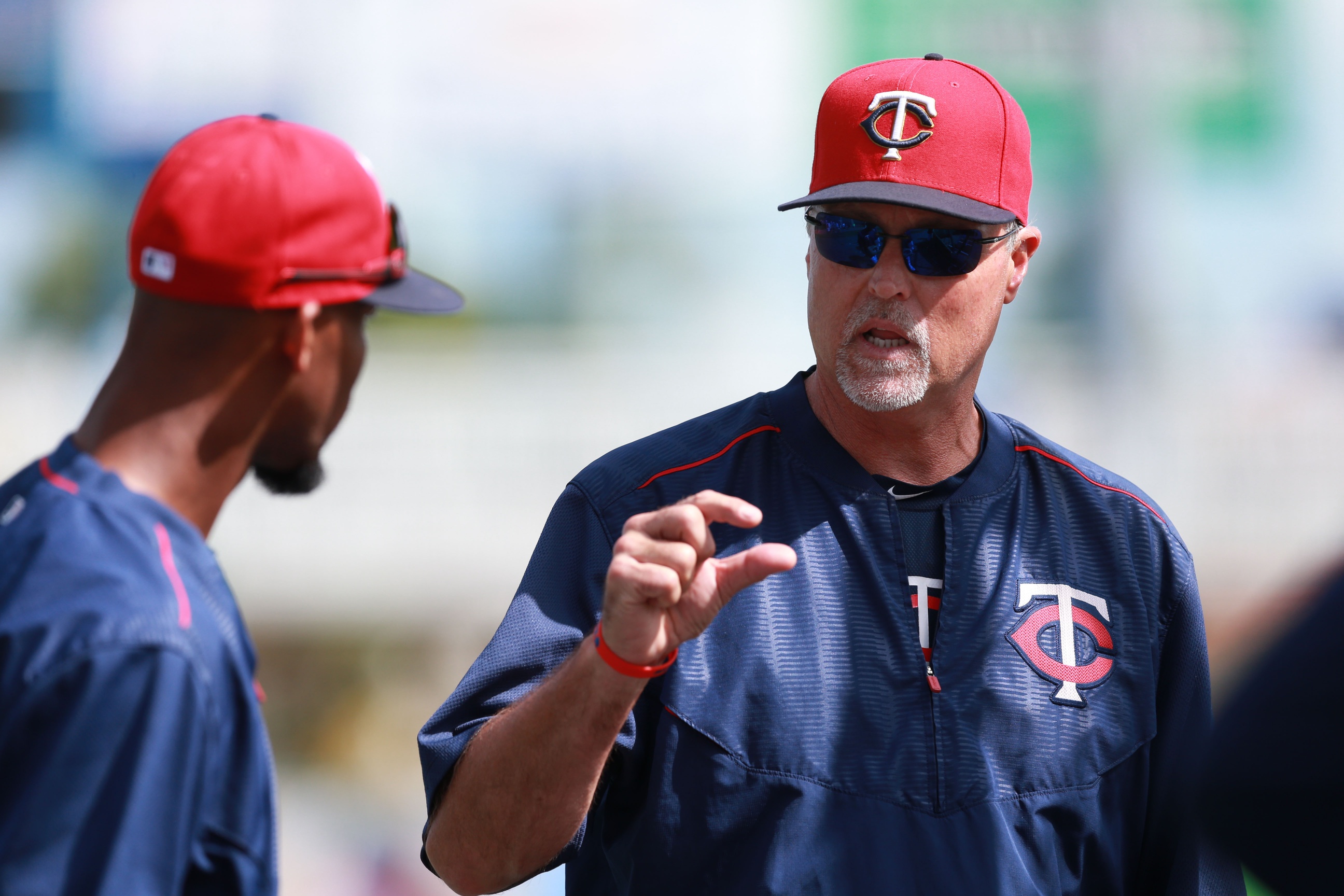 Minnesota was at the top of the baseball world in 1987 as the team had just secured their first World Series title. One of the key members of that team was right fielder, Tom Brunansky. Only three position players finished with a higher WAR than him that season and he seemed to be part of a young core that would continue winning in Minnesota. However, the front office had other plans. Early in the 1988 season, general manager Andy MacPhail dealt Brunansky to the St. Louis Cardinals for infielder Tommy Herr. Brunansky had become a fan favorite in Minnesota and this trade certainly left fans scratching their heads. Herr was a second baseman and the Twins already had Steve Lombardozzi on the roster. Brunansky was off to a slow start and Lombardozzi was hitting under .100 at the time. For Brunansky, the trade came as a shock. “They told me I had been traded and I had three days to report (to St. Louis). It was like bam, right in the gut. Then I walked back to my locker, and the guys knew something had happened. They said my face was white.” Herr was equally shocked as he wanted to be a Cardinal for life. Said Herr, “Sure, I’m shocked. I’ve loved my years as a Cardinal and it’s hard to say goodbye.” After arriving in the Twin Cities, he told the Star Tribune, “I tried to take the trade like a man, but when the plane left St. Louis, I cried like a baby for a half hour.” Herr was supposed to add to Minnesota’s infield depth and give them something extra at the top of the batting order. However, Herr wasn’t interested in being part of the Twins as his batting average and slugging percentage dropped lower than his career totals. Also, he became a distraction in the clubhouse as he was very open about his religious beliefs including convincing some members of the team that an apocalyptic event would occur on September 13, 1988. Needless to say, Herr didn’t last long in Minnesota. From the Cardinal’s perspective, their top run producer Jack Clark had left in free agency and their Opening Day right fielder, Jim Lindeman, was on the disabled list. Brunansky was amid a stretch of six straight seasons where he hit 20 or more home runs. Herr was also in his final year of a four-year contract, so the Cardinals didn’t want to lose another player in free agency. The trade had a chance to been much worse for the Twins when considering the Cardinals original asking price. Third baseman Gary Gaetti and outfielder Kirby Puckett were inquired about by St. Louis. MacPhail said, “I told [the Cardinals GM] I wouldn’t trade Gaetti and that my house would be burned to the ground if I traded Puckett.” Herr didn’t want to play in Minnesota, and it was clear to all involved. Patrick Reusse wrote, Herr “came to Minnesota with a chance to play an important role on a team trying to defend a championship. Herr brought with him the enthusiasm normally associated with being called to an IRS audit.” Over parts of three seasons in St. Louis, Brunansky hit .238/.327/.411 (.738) with 20 or more home runs in each full season he played with the club. He would be traded in May 1990 to the Red Sox for future Hall of Famer Lee Smith. He would resign with Boston that winter as a free agent and his last two full seasons came in a Red Sox uniform. TV play-by-play announcer Dick Bremer shares an interesting story about the trade’s aftermath in his book Game Used. Bremer was sharing a cab with MacPhail in Seattle after the trade had occurred and the driver started asking the passengers about the deal. Bremer wrote, “Oblivious to who his passengers were, [the driver] asked who the hell was running the show in Minnesota and why in the world they would trade a young slugger like Brunansky for a washed-up second baseman like Tom Herr.” To lighten the mood in the cab, Bremer told the driver, “You have to remember that the general manager in Minnesota was just an inexperienced kid who got lucky in winning the World Series the year before.” What are your thoughts after looking back at this trade? Leave a COMMENT and start the discussion. MORE FROM TWINS DAILY — Latest Twins coverage from our writers — Recent Twins discussion in our forums — Follow Twins Daily via Twitter, Facebook or email
 -
As the calendar turns to a new year, it can be exciting to start thinking about the 2021 baseball season. Fans can hunt down different projection models to try and see how the Twins stack up against other top team’s in baseball. Last week, FanGraphs released their 2021 ZiPS projections for the Twins and there are a few surprises with some of the team’s top players.1. Healthy Arraez Heading for AL Batting Title 2021 ZiPS Projection: .313/.371/.406, 32 2B, 5 HR, 3.2 WAR No. 1 Player Comp: Cecil Travis Entering the 2020 season, Luis Arraez was coming off a tremendous rookie year and expectations were even higher for his sophomore campaign. His first 10 games were rough as he hit .212/.289/.502 without a single extra-base hit. He dealt with a knee injury throughout different parts of the season, but he seemed to put it all together over his final 22 games. During that stretch, he hit .367/.398/.481 with nine doubles and 12 runs scored. Just like the 2020 projections, ZiPS pegs Arraez to lead the American League in batting average. His 3.2 WAR is also the highest on the team among position players as he finishes just ahead of Josh Donaldson, Nelson Cruz, and Max Kepler. It would certainly be exciting to have a healthy Arraez fighting for a batting title, but the Twins will likely want one of the other star players to lead the team in WAR. 2. Polanco Bounces Back 2021 ZiPS Projection: .279/.333/.440, 32 2B, 17 HR, 2.8 WAR No. 1 Player Comp: Buddy Bell There has been plenty of discussion this winter about what role Polanco should serve with the 2021 Twins. Will he be the team’s everyday shortstop, or does it make sense to bring in another option and shift Polanco to a utility role? During the last two off-seasons, Polanco has been forced to undergo ankle surgery and that’s a consideration for the team when planning for the future. Last year, Polanco posted career low marks in batting average, OBP, and slugging percentage. Looking at ZiPS for Polanco and the projections clearly have him inline for a bounce back season. His projected slugging percentage would be six points higher than his career mark and his 17 home runs would only trail his 22 longballs in 2019. Also, he has accumulated 30 doubles or more in every season he’s played at least 130 games. Defensively, there were some improvements last year, but he has finished eighth among AL shortstops in SABR’s SDI in each of the last two seasons. 3. Maeda Set for Major Regression 2021 ZiPS Projection: 4.12 ERA, 135 1/3 IP, 154 K, 45 BB, 2.2 WAR No. 1 Player Comp: John Montefusco Maeda’s first season in a Twins uniform went about as well as it could possibly go. He finished runner-up in the AL Cy Young Voting after posting a 2.70 ERA, 161 ERA+ and a MLB leading 0.75 WHIP. It was everything the Twins hoped for when they traded for him and the best news is, he is under team control for the next three seasons. His season might have been the most dominant performance by a Twins starter since Johan Santana was traded away. It seems highly unlikely for Maeda to be able to replicate his 2020 numbers during the 2021 campaign. The season will include more than 60 games and his 2020 totals were far superior to any previous season in his big-league career. ZiPS has his ERA 37 points higher than his career mark. Another oddity is that ZiPS has him scheduled to make eight appearances out of the bullpen, which would be similar to his time in Los Angeles. Maeda should outperform his ZiPS projections and Twins fans better hope he isn’t needed out of the bullpen. 4. Pineda Pitches Under 100 innings 2021 ZiPS Projection: 4.58 ERA, 92 1/3 IP, 84 K, 20 BB, 1.1 WAR No. 1 Player Comp: Dave Eiland Pineda’s time in Minnesota has been marked by one season where he was recovering from Tommy John surgery and parts of two seasons where he missed time due to a suspension. Last season, he made five starts and allowed 10 earned runs in 26 2/3 innings (3.38 ERA). Since joining the Twins he has posted a 1.16 WHIP and a 115 ERA+. The 2021 season can mark his first time pitching a full season for Minnesota, but the projections aren’t exactly kind to his performance. Injuries have been part of Pineda’s professional career and that’s why ZiPS limits his projected innings pitched. In fact, there are over 10 pitchers projected to pitch more innings than Pineda for the 2021 Twins. His career ERA is 4.02 and he has only posted one season with an ERA higher than his projected 4.58. Another intriguing note is the fact Pineda can be a free agent following the 2021 season. Will he perform better in a contract year? Or will the Twins be willing to work out an extension? 5. ZiPS Loves Randy Dobnak 2021 ZiPS Projection: 4.53 ERA, 137 IP, 91 K, 37 BB, 1.6 WAR No. 1 Player Comp: Dick Drago Dobnak’s first two seasons in Minnesota have seen some ups and downs. Back in 2019, his rookie season was unbelievable as he posted a 1.59 ERA with a 1.13 WHIP across 28 1/3 innings. This culminated in the team turning to him for a Game 2 start in the ALDS. Last year, his ERA rose to 4.05 and he had a 1.35 WHIP while seeing his strikeout per walk total be cut in half. Eventually, he was optioned to the team’s alternate training site, but he was part of the team’s Wild Card roster. In an absence of a minor league season, the minor league writers at Twins Daily held a minor league draft last summer. One of the biggest takeaways from that draft was how much ZiPS loves Randy Dobnak. His projected career WAR total was the highest in the draft and it helped Steve to walk away with the best overall team. Among pitchers, Dobnak is projected to have the team’s third highest WAR as he only trails Berrios and Maeda. What other surprises were in the Twins 2021 ZiPS projections? Leave a COMMENT and start the discussion. MORE FROM TWINS DAILY — Latest Twins coverage from our writers — Recent Twins discussion in our forums — Follow Twins Daily via Twitter, Facebook or email Click here to view the article
-
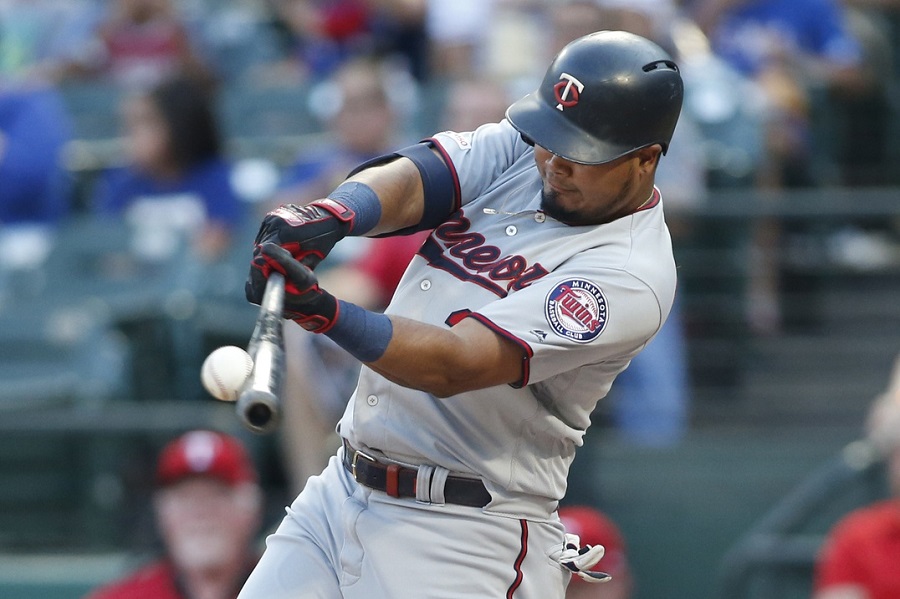 1. Healthy Arraez Heading for AL Batting Title 2021 ZiPS Projection: .313/.371/.406, 32 2B, 5 HR, 3.2 WAR No. 1 Player Comp: Cecil Travis Entering the 2020 season, Luis Arraez was coming off a tremendous rookie year and expectations were even higher for his sophomore campaign. His first 10 games were rough as he hit .212/.289/.502 without a single extra-base hit. He dealt with a knee injury throughout different parts of the season, but he seemed to put it all together over his final 22 games. During that stretch, he hit .367/.398/.481 with nine doubles and 12 runs scored. Just like the 2020 projections, ZiPS pegs Arraez to lead the American League in batting average. His 3.2 WAR is also the highest on the team among position players as he finishes just ahead of Josh Donaldson, Nelson Cruz, and Max Kepler. It would certainly be exciting to have a healthy Arraez fighting for a batting title, but the Twins will likely want one of the other star players to lead the team in WAR. 2. Polanco Bounces Back 2021 ZiPS Projection: .279/.333/.440, 32 2B, 17 HR, 2.8 WAR No. 1 Player Comp: Buddy Bell There has been plenty of discussion this winter about what role Polanco should serve with the 2021 Twins. Will he be the team’s everyday shortstop, or does it make sense to bring in another option and shift Polanco to a utility role? During the last two off-seasons, Polanco has been forced to undergo ankle surgery and that’s a consideration for the team when planning for the future. Last year, Polanco posted career low marks in batting average, OBP, and slugging percentage. Looking at ZiPS for Polanco and the projections clearly have him inline for a bounce back season. His projected slugging percentage would be six points higher than his career mark and his 17 home runs would only trail his 22 longballs in 2019. Also, he has accumulated 30 doubles or more in every season he’s played at least 130 games. Defensively, there were some improvements last year, but he has finished eighth among AL shortstops in SABR’s SDI in each of the last two seasons. 3. Maeda Set for Major Regression 2021 ZiPS Projection: 4.12 ERA, 135 1/3 IP, 154 K, 45 BB, 2.2 WAR No. 1 Player Comp: John Montefusco Maeda’s first season in a Twins uniform went about as well as it could possibly go. He finished runner-up in the AL Cy Young Voting after posting a 2.70 ERA, 161 ERA+ and a MLB leading 0.75 WHIP. It was everything the Twins hoped for when they traded for him and the best news is, he is under team control for the next three seasons. His season might have been the most dominant performance by a Twins starter since Johan Santana was traded away. It seems highly unlikely for Maeda to be able to replicate his 2020 numbers during the 2021 campaign. The season will include more than 60 games and his 2020 totals were far superior to any previous season in his big-league career. ZiPS has his ERA 37 points higher than his career mark. Another oddity is that ZiPS has him scheduled to make eight appearances out of the bullpen, which would be similar to his time in Los Angeles. Maeda should outperform his ZiPS projections and Twins fans better hope he isn’t needed out of the bullpen. 4. Pineda Pitches Under 100 innings 2021 ZiPS Projection: 4.58 ERA, 92 1/3 IP, 84 K, 20 BB, 1.1 WAR No. 1 Player Comp: Dave Eiland Pineda’s time in Minnesota has been marked by one season where he was recovering from Tommy John surgery and parts of two seasons where he missed time due to a suspension. Last season, he made five starts and allowed 10 earned runs in 26 2/3 innings (3.38 ERA). Since joining the Twins he has posted a 1.16 WHIP and a 115 ERA+. The 2021 season can mark his first time pitching a full season for Minnesota, but the projections aren’t exactly kind to his performance. Injuries have been part of Pineda’s professional career and that’s why ZiPS limits his projected innings pitched. In fact, there are over 10 pitchers projected to pitch more innings than Pineda for the 2021 Twins. His career ERA is 4.02 and he has only posted one season with an ERA higher than his projected 4.58. Another intriguing note is the fact Pineda can be a free agent following the 2021 season. Will he perform better in a contract year? Or will the Twins be willing to work out an extension? 5. ZiPS Loves Randy Dobnak 2021 ZiPS Projection: 4.53 ERA, 137 IP, 91 K, 37 BB, 1.6 WAR No. 1 Player Comp: Dick Drago Dobnak’s first two seasons in Minnesota have seen some ups and downs. Back in 2019, his rookie season was unbelievable as he posted a 1.59 ERA with a 1.13 WHIP across 28 1/3 innings. This culminated in the team turning to him for a Game 2 start in the ALDS. Last year, his ERA rose to 4.05 and he had a 1.35 WHIP while seeing his strikeout per walk total be cut in half. Eventually, he was optioned to the team’s alternate training site, but he was part of the team’s Wild Card roster. In an absence of a minor league season, the minor league writers at Twins Daily held a minor league draft last summer. One of the biggest takeaways from that draft was how much ZiPS loves Randy Dobnak. His projected career WAR total was the highest in the draft and it helped Steve to walk away with the best overall team. Among pitchers, Dobnak is projected to have the team’s third highest WAR as he only trails Berrios and Maeda. What other surprises were in the Twins 2021 ZiPS projections? Leave a COMMENT and start the discussion. MORE FROM TWINS DAILY — Latest Twins coverage from our writers — Recent Twins discussion in our forums — Follow Twins Daily via Twitter, Facebook or email
 -
A new year brings new focus to what will become the 2021 version of the Minnesota Twins. While the Twins haven’t made many moves so far, there are plenty that peg them to be one of the American League’s best teams. For that to happen, Minnesota is going to need these three players to be performing at their peak.3. Jose Berrios- SP Berrios is in an interesting place entering the 2021 season. He has worked his way through the arbitration process by betting on himself to improve instead of taking a team-friendly extension to stay in Minnesota. Now he has two years left until free agency unless the Twins are able to work out an extension this winter. This type of deal would likely need to be north of $100 million and that might not be something the team wants to consider after a season where revenues were limited. As far as the Twins rotation, Berrios doesn’t have to feel the pressure of being the team’s ace with Kenta Maeda and Michael Pineda helping to solidify the rotation’s front half. Berrios might still have another level to reach as a starting pitcher and that can be scary to think about. Through their age-26 seasons, Berrios has better numbers than Trevor Bauer, this year’s top free agent starter. Bauer took a dramatic step forward in his age-27 season and Twins fans can hope Berrios follows a similar path. 2. Josh Donaldson- 3B Donaldson was signed last winter to help Minnesota to take the next step while their window of contention is open. His first season in a Twins uniform was a disappointment as he played in less than half of the team’s games while dealing with calf injuries that have plagued his career. When he was on the field, he posted an OPS higher than his career average with a 24 to 18 strikeout to walk ratio, but Twins fans clearly wanted more from the highest paid free agent in franchise history. The Twins signed Donaldson, because he was coming off a tremendous season in Atlanta where he played over 155 games and posted a .900 OPS with 37 home runs and 33 doubles. Minnesota would love to get that kind of production from the former MVP, but he will be 35 this year and there’s a chance of regression as he continues to age. There is organizational depth at third base, but the Twins need Donaldson on the field and performing at his highest level for the majority of 2021. 1. Byron Buxton- CF There’s no question that Buxton can alter the game on both sides of the ball, but he has been limited to fewer than 95 games in all but one big-league season. Last year, Buxton hit .254/.267/.577 with 13 home runs and three doubles across 39 games. While he posted a career high OPS, he struck out 26.7% of the time in his 135 plate appearances. The flashes of greatness have been evident, yet the Twins fans are waiting for him to put it all together for an entire season. Like Berrios, Buxton has only two years of team control remaining, and one has to wonder if the team would consider an extension with their center fielder. The organization’s other options in center can fill-in for Buxton on a short-term basis, but they simply can’t match everything he brings to the diamond.He might be the best five-tool player in Twins history, and he is just entering the prime of his career. If Buxton is on the field for over 120 games in 2021, he has the chance to be in the American League MVP discussion. What three players do you think are most important for Minnesota in 2021? Leave a COMMENT and start the discussion. MORE FROM TWINS DAILY — Latest Twins coverage from our writers — Recent Twins discussion in our forums — Follow Twins Daily via Twitter, Facebook or email Click here to view the article
-
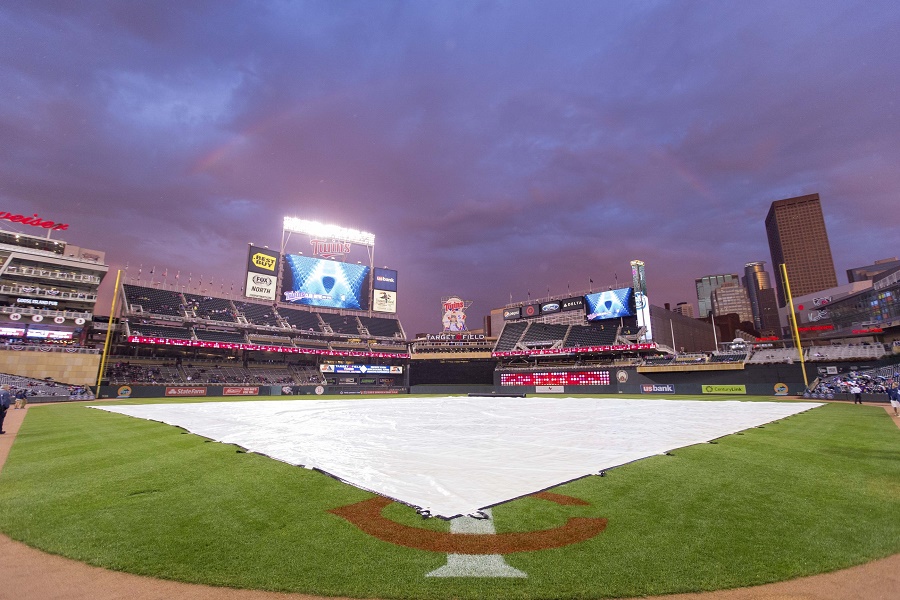 3. Jose Berrios- SP Berrios is in an interesting place entering the 2021 season. He has worked his way through the arbitration process by betting on himself to improve instead of taking a team-friendly extension to stay in Minnesota. Now he has two years left until free agency unless the Twins are able to work out an extension this winter. This type of deal would likely need to be north of $100 million and that might not be something the team wants to consider after a season where revenues were limited. As far as the Twins rotation, Berrios doesn’t have to feel the pressure of being the team’s ace with Kenta Maeda and Michael Pineda helping to solidify the rotation’s front half. Berrios might still have another level to reach as a starting pitcher and that can be scary to think about. Through their age-26 seasons, Berrios has better numbers than Trevor Bauer, this year’s top free agent starter. Bauer took a dramatic step forward in his age-27 season and Twins fans can hope Berrios follows a similar path. 2. Josh Donaldson- 3B Donaldson was signed last winter to help Minnesota to take the next step while their window of contention is open. His first season in a Twins uniform was a disappointment as he played in less than half of the team’s games while dealing with calf injuries that have plagued his career. When he was on the field, he posted an OPS higher than his career average with a 24 to 18 strikeout to walk ratio, but Twins fans clearly wanted more from the highest paid free agent in franchise history. The Twins signed Donaldson, because he was coming off a tremendous season in Atlanta where he played over 155 games and posted a .900 OPS with 37 home runs and 33 doubles. Minnesota would love to get that kind of production from the former MVP, but he will be 35 this year and there’s a chance of regression as he continues to age. There is organizational depth at third base, but the Twins need Donaldson on the field and performing at his highest level for the majority of 2021. 1. Byron Buxton- CF There’s no question that Buxton can alter the game on both sides of the ball, but he has been limited to fewer than 95 games in all but one big-league season. Last year, Buxton hit .254/.267/.577 with 13 home runs and three doubles across 39 games. While he posted a career high OPS, he struck out 26.7% of the time in his 135 plate appearances. The flashes of greatness have been evident, yet the Twins fans are waiting for him to put it all together for an entire season. Like Berrios, Buxton has only two years of team control remaining, and one has to wonder if the team would consider an extension with their center fielder. The organization’s other options in center can fill-in for Buxton on a short-term basis, but they simply can’t match everything he brings to the diamond.He might be the best five-tool player in Twins history, and he is just entering the prime of his career. If Buxton is on the field for over 120 games in 2021, he has the chance to be in the American League MVP discussion. What three players do you think are most important for Minnesota in 2021? Leave a COMMENT and start the discussion. MORE FROM TWINS DAILY — Latest Twins coverage from our writers — Recent Twins discussion in our forums — Follow Twins Daily via Twitter, Facebook or email
 -
Breakout your crystal ball or shake-up your Magic 8 ball as we investigate the future of the Minnesota Twins. Luckily, the organization is amid their winning window with a core of young talent already in the big leagues and other top prospects getting close to knocking on the door. As I do every winter, let’s prognosticate what the team’s line-up might look like four years from now.Catcher: Ryan Jeffers Mitch Garver can be a free agent following the 2023 season, so it seems most likely for the Twins to turn over catching duties to Ryan Jeffers. The 2021 campaign will see Garver and Jeffers splitting time behind the plate. Jeffers is six years younger than Garver and he is a defensive upgrade behind the plate. Another name to consider is Ben Rortvedt who was added to the 40-man roster this winter. He has a chance to join Jeffers on the 2024 squad to be the team’s new catching duo. First Base: Alex Kirilloff Miguel Sano transitioned to first base in 2020, but he might be relegated to the role of designated hitter by 2024. Kirilloff has experience as an outfielder or as a first baseman and his bat is ready for the big leagues. He will likely take over for Eddie Rosario in the Twins outfield for 2021, but first base might end up being his long-term home. Minnesota has other big bats like Brent Rooker and Aaron Sabato that will need a line-up spot too, so it will be interesting to see how all these players progress in the years ahead. Second Base: Luis Arraez Arraez didn’t have a perfect 2020 season as he dealt with knee issues, but he was still able to post an impressive .321 batting average with nine doubles in 32 games. His defense is never going to be fantastic at second, but the Twins might help him improve by working on his defensive positioning or getting better defenders around him in the infield. Also, none of the second base options behind him in the organization will be pushing him out of the way. His bat is his ticket to a long-term big-league job and the Twins will still be happy to have him in the line-up in 2024. Shortstop: Jorge Polanco There is no guarantee that Polanco will even be the Twins starting shortstop in 2021, let alone still be playing the position in 2024. It seems more likely for the Twins to have another option at shortstop over the next couple seasons, which would allow Polanco to shift to a utility role. At this point, there are options in the minors like Royce Lewis, Wander Javier, and eventually, Keoni Cavaco. No, I don’t believe Polanco can stick at shortstop, but I also don’t think the team’s 2024 shortstop is in the organization yet. Third Base: Josh Donaldson Minnesota would need to pick up Donaldson’s 2024 option for him to make it into this line-up and that might be questionable in his age-38 season. It is a $16 million option, but the buyout is $8 million, which means the Twins will have an $8 million decision to make following the 2023 season. The Twins have some third base options in the minors and there is always a chance the team moves Royce Lewis from shortstop to third base. Left Field: Trevor Larnach Larnach doesn’t get as much hype as Kirilloff and Lewis, but he would be the top hitting prospect for other organizations. Also, he’s older than Kirilloff and the same age as Jeffers and Arraez. Back in 2019, the Twins named him their Minor League Player of the Year after he hit .309/.384/.458 with 44 extra-base hits. There’s a good chance he makes his debut in 2021 and he has a chance to be part of the Twins line-up for the better part of the next decade. Center Field: Royce Lewis Byron Buxton is a free agent following the 2023 season, so there a few different ways the team can go by 2024. Lewis has had questions about his defensive future since the Twins drafted him and he showed some positive signs when playing outfield in the 2019 Arizona Fall League. Minnesota is committed to him as a shortstop for now, but the story might be different in four years. Few question his athletic ability and playing another up-the-middle defensive position might be his long-term ticket to the big leagues. Right Field: Max Kepler Kepler, along with Sano, can fill the role the aging veteran on the 2024 Twins as they will both be in their age-31 seasons. The Twins would need to pick-up Kepler’s $10 million option for the 2024 season or work out a different extension to keep him on the roster. Since the start of the 2019 season, he has an .831 OPS and a 119 OPS+ while being a strong defender in the outfield. He seems like the type of player that can fill a veteran leadership role as younger pieces start to join the core that is already in place. Designated Hitter: Miguel Sano I was tempted to pencil in a 43-year-old Nelson Cruz as the team’s designated hitter with how ageless he has seemed during his Twins tenure. Sano is the logical choice to be the team’s DH by 2024, especially with his move to first base last year. Minnesota will have better defensive options at first and Sano can concentrate on doing what he does best, hitting monster home runs. Sano is only under team control through 2023, so the Twins will have the option to turn to one of the other big bats (Rooker, Sabato) in the organization as well. What do you think the 2024 line-up will look like in Minnesota? Leave a COMMENT and start the discussion. PREVIOUS YEAR’S PREDICTIONS — 2021 Line-Up — 2022 Line-Up — 2023 Line-Up MORE FROM TWINS DAILY — Latest Twins coverage from our writers — Recent Twins discussion in our forums — Follow Twins Daily via Twitter, Facebook or email Click here to view the article
-
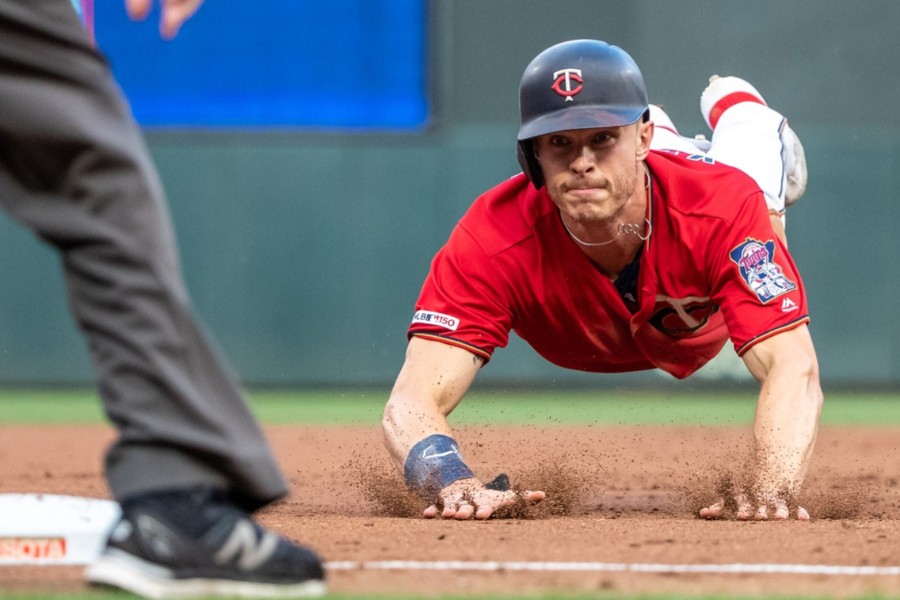 Catcher: Ryan Jeffers Mitch Garver can be a free agent following the 2023 season, so it seems most likely for the Twins to turn over catching duties to Ryan Jeffers. The 2021 campaign will see Garver and Jeffers splitting time behind the plate. Jeffers is six years younger than Garver and he is a defensive upgrade behind the plate. Another name to consider is Ben Rortvedt who was added to the 40-man roster this winter. He has a chance to join Jeffers on the 2024 squad to be the team’s new catching duo. First Base: Alex Kirilloff Miguel Sano transitioned to first base in 2020, but he might be relegated to the role of designated hitter by 2024. Kirilloff has experience as an outfielder or as a first baseman and his bat is ready for the big leagues. He will likely take over for Eddie Rosario in the Twins outfield for 2021, but first base might end up being his long-term home. Minnesota has other big bats like Brent Rooker and Aaron Sabato that will need a line-up spot too, so it will be interesting to see how all these players progress in the years ahead. Second Base: Luis Arraez Arraez didn’t have a perfect 2020 season as he dealt with knee issues, but he was still able to post an impressive .321 batting average with nine doubles in 32 games. His defense is never going to be fantastic at second, but the Twins might help him improve by working on his defensive positioning or getting better defenders around him in the infield. Also, none of the second base options behind him in the organization will be pushing him out of the way. His bat is his ticket to a long-term big-league job and the Twins will still be happy to have him in the line-up in 2024. Shortstop: Jorge Polanco There is no guarantee that Polanco will even be the Twins starting shortstop in 2021, let alone still be playing the position in 2024. It seems more likely for the Twins to have another option at shortstop over the next couple seasons, which would allow Polanco to shift to a utility role. At this point, there are options in the minors like Royce Lewis, Wander Javier, and eventually, Keoni Cavaco. No, I don’t believe Polanco can stick at shortstop, but I also don’t think the team’s 2024 shortstop is in the organization yet. Third Base: Josh Donaldson Minnesota would need to pick up Donaldson’s 2024 option for him to make it into this line-up and that might be questionable in his age-38 season. It is a $16 million option, but the buyout is $8 million, which means the Twins will have an $8 million decision to make following the 2023 season. The Twins have some third base options in the minors and there is always a chance the team moves Royce Lewis from shortstop to third base. Left Field: Trevor Larnach Larnach doesn’t get as much hype as Kirilloff and Lewis, but he would be the top hitting prospect for other organizations. Also, he’s older than Kirilloff and the same age as Jeffers and Arraez. Back in 2019, the Twins named him their Minor League Player of the Year after he hit .309/.384/.458 with 44 extra-base hits. There’s a good chance he makes his debut in 2021 and he has a chance to be part of the Twins line-up for the better part of the next decade. Center Field: Royce Lewis Byron Buxton is a free agent following the 2023 season, so there a few different ways the team can go by 2024. Lewis has had questions about his defensive future since the Twins drafted him and he showed some positive signs when playing outfield in the 2019 Arizona Fall League. Minnesota is committed to him as a shortstop for now, but the story might be different in four years. Few question his athletic ability and playing another up-the-middle defensive position might be his long-term ticket to the big leagues. Right Field: Max Kepler Kepler, along with Sano, can fill the role the aging veteran on the 2024 Twins as they will both be in their age-31 seasons. The Twins would need to pick-up Kepler’s $10 million option for the 2024 season or work out a different extension to keep him on the roster. Since the start of the 2019 season, he has an .831 OPS and a 119 OPS+ while being a strong defender in the outfield. He seems like the type of player that can fill a veteran leadership role as younger pieces start to join the core that is already in place. Designated Hitter: Miguel Sano I was tempted to pencil in a 43-year-old Nelson Cruz as the team’s designated hitter with how ageless he has seemed during his Twins tenure. Sano is the logical choice to be the team’s DH by 2024, especially with his move to first base last year. Minnesota will have better defensive options at first and Sano can concentrate on doing what he does best, hitting monster home runs. Sano is only under team control through 2023, so the Twins will have the option to turn to one of the other big bats (Rooker, Sabato) in the organization as well. What do you think the 2024 line-up will look like in Minnesota? Leave a COMMENT and start the discussion. PREVIOUS YEAR’S PREDICTIONS — 2021 Line-Up — 2022 Line-Up — 2023 Line-Up MORE FROM TWINS DAILY — Latest Twins coverage from our writers — Recent Twins discussion in our forums — Follow Twins Daily via Twitter, Facebook or email
 -
When the Twins drafted Byron Buxton, he was expected to be a superstar player that can alter the future of a franchise. There have been glimpses of this Buxton in his big-league career, but the organization has also needed depth in centerfield because of his lengthy injury history. What does the future hold for Buxton and how deep is the centerfield position in the Twins organization?Current Center Fielder: Byron Buxton Since he made his debut, there have been times when Byron Buxton was the best player on the Twins roster. His elite defensive abilities, speed, and offensive talent make him the true definition of a five-tool player. Unfortunately, he has played fewer than 92 games in all but one professional season. Buxton is a second-year arbitration eligible player, so the Twins have team control over him for the next two seasons. Would the Twins be willing to extend him this winter? 40-Man Options Jake Cave, LaMonte Wade Jr. and even Max Kepler have seen time in centerfield. Cave and Wade might be a little stretched up the middle, but Kepler has shown the ability to fill-in nicely for Buxton when needed. All three fit into the team’s corner outfield projections with Kepler and Cave line-up to be the Opening Day starters if the club wants to hold off on having Alex Kirilloff make his regular season debut. Outside of Buxton, Gilberto Celestino might be one of the purest centerfielders in the Twins organization. He was acquired from the Astros as part of the Ryan Pressly trade and he was added to the 40-man roster after a breakout season in 2019. He has always been a strong defender, but he hit .303/.374/.464 with 38 extra-base hits over his last 98 games that season. If Buxton suffers an injury, Celestino’s defense is big-league ready and his bat might not be far behind. On the Farm Options Outside of the options mentioned above, there are other corner options in the minor leagues including some strong prospects. Download attachment: Twins Centerfield Minors.JPG Kerrigan is an interesting story as he went undrafted after four-years of college and started playing independent baseball. He’s got a good power and speed, but he might be a little stretched defensively in center field. Whitefield got a brief taste of the big leagues last season as he appeared in three games, but the Twins removed him from the 40-man roster. He’s one of the best defensive outfielders in the system. Maciel came to the Twins as part of the Eduardo Escobar trade and he split time between Low- and High-A back in 2019. He can drive the ball to all fields and he’s not overmatched in center. Keirsey was a fourth-round pick back in 2018 and he topped out at Cedar Rapids in 2019. His speed and college experience should help him play all over the outfield. Urbina is an intriguing prospect with lightening fast speed. He was signed as part of the 2018 international signing period out of Venezuela and he made his first professional starts in the 2019 Dominican Summer League. He has all the tools, and he is a prospect to watch in the years ahead. Garry Jr. was young for the E-Twins back in 2019, but he showed that he can hold his own. He continues to improve on both sides of the ball. What do you think about the future of centerfield in Minnesota? Leave a COMMENT and start the discussion. OTHER POSTS IN THE SERIES -Corner Outfield -Catcher -Second Base -First Base -Third Base -Shortstop MORE FROM TWINS DAILY — Latest Twins coverage from our writers — Recent Twins discussion in our forums — Follow Twins Daily via Twitter, Facebook or email Click here to view the article
-
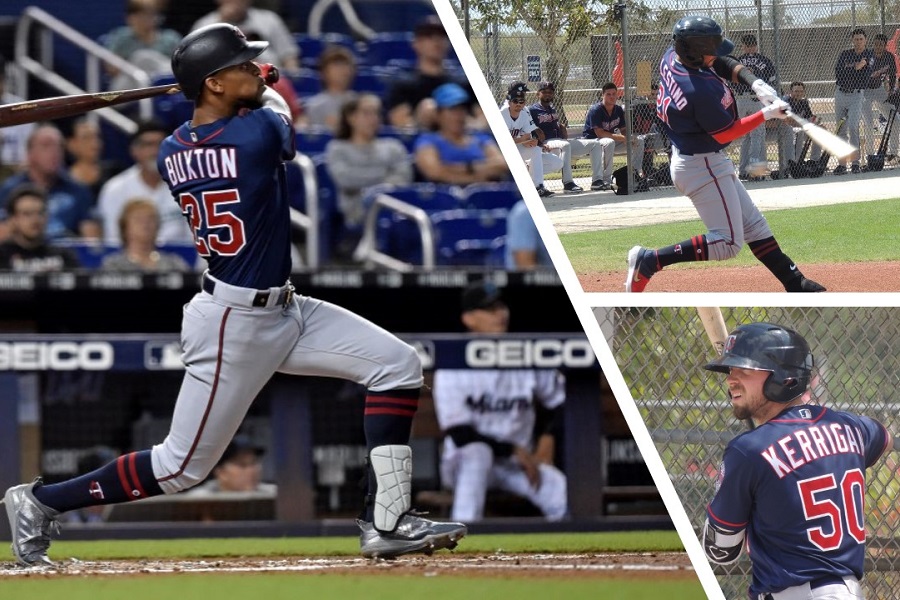 Current Center Fielder: Byron Buxton Since he made his debut, there have been times when Byron Buxton was the best player on the Twins roster. His elite defensive abilities, speed, and offensive talent make him the true definition of a five-tool player. Unfortunately, he has played fewer than 92 games in all but one professional season. Buxton is a second-year arbitration eligible player, so the Twins have team control over him for the next two seasons. Would the Twins be willing to extend him this winter? 40-Man Options Jake Cave, LaMonte Wade Jr. and even Max Kepler have seen time in centerfield. Cave and Wade might be a little stretched up the middle, but Kepler has shown the ability to fill-in nicely for Buxton when needed. All three fit into the team’s corner outfield projections with Kepler and Cave line-up to be the Opening Day starters if the club wants to hold off on having Alex Kirilloff make his regular season debut. Outside of Buxton, Gilberto Celestino might be one of the purest centerfielders in the Twins organization. He was acquired from the Astros as part of the Ryan Pressly trade and he was added to the 40-man roster after a breakout season in 2019. He has always been a strong defender, but he hit .303/.374/.464 with 38 extra-base hits over his last 98 games that season. If Buxton suffers an injury, Celestino’s defense is big-league ready and his bat might not be far behind. On the Farm Options Outside of the options mentioned above, there are other corner options in the minor leagues including some strong prospects. Kerrigan is an interesting story as he went undrafted after four-years of college and started playing independent baseball. He’s got a good power and speed, but he might be a little stretched defensively in center field. Whitefield got a brief taste of the big leagues last season as he appeared in three games, but the Twins removed him from the 40-man roster. He’s one of the best defensive outfielders in the system. Maciel came to the Twins as part of the Eduardo Escobar trade and he split time between Low- and High-A back in 2019. He can drive the ball to all fields and he’s not overmatched in center. Keirsey was a fourth-round pick back in 2018 and he topped out at Cedar Rapids in 2019. His speed and college experience should help him play all over the outfield. Urbina is an intriguing prospect with lightening fast speed. He was signed as part of the 2018 international signing period out of Venezuela and he made his first professional starts in the 2019 Dominican Summer League. He has all the tools, and he is a prospect to watch in the years ahead. Garry Jr. was young for the E-Twins back in 2019, but he showed that he can hold his own. He continues to improve on both sides of the ball. What do you think about the future of centerfield in Minnesota? Leave a COMMENT and start the discussion. OTHER POSTS IN THE SERIES -Corner Outfield -Catcher -Second Base -First Base -Third Base -Shortstop MORE FROM TWINS DAILY — Latest Twins coverage from our writers — Recent Twins discussion in our forums — Follow Twins Daily via Twitter, Facebook or email
 -
For the last six seasons, Eddie Rosario has manned a corner outfield spot for the Minnesota Twins. That will change in 2021 as the team didn’t offer him arbitration and now, he is a free agent. Luckily, two of Minnesota’s top position player prospects happen to play in the corner outfield. So, what does this mean for the 2021 Twins and what does the future hold for the organization’s corner outfield spots?Current Corner Outfielders: Max Kepler, Alex Kirilloff Minnesota locked up Max Kepler at the right time as the 27-year-old is under team control for four more seasons with a team-friendly deal. Over the last two seasons, he has hit .246/.332/.499 with 45 home runs and 41 doubles in 182 games. Not to mention, he represented MLB in Germany last winter by “promoting baseball and inspiring the next generation of players.” Kirilloff’s 2020 debut was well documented because he became the first player in league history to make his debut by starting a playoff game. He went 1-for-4 in the game as the Twins were swept by the Astros. Kirilloff has been one of the team’s top prospects since he was drafted in the first round back in 2016. Entering last season, he was a consensus top-100 prospect with MLB.com and Baseball America having him ranked in the top 32. 40-Man Options While Kirilloff is expected play the majority of the team’s games in the outfield, Jake Cave has a chance to start the year in left field so they Twins can control Kirilloff’s service time. Since joining the Twins, Cave has hit .254/.321/.451 while showing the ability to play all three outfield positions. He does a good job of fitting into the fourth outfielder role, but some of the younger players mentioned below might start encroaching on his playing time in the coming year. Brent Rooker made a strong impression last year as he hit .316/.381/.579 with three extra-base hits. Unfortunately, his season only last seven games as he suffered a fractured forearm on a hit by pitch. LaMonte Wade Jr. has played 42 big-league games over the last two seasons and he has compiled a .684 OPS. Defensively, the Twins have used him at all three outfield positions, and he has even seen some time at first base. On the Farm Options Outside of the options mentioned above, there are other corner options in the minor leagues including some strong prospects. Download attachment: Twins Minors Corner OF.JPG Trevor Larnach is actually older than Kirilloff and he has been right behind him when it comes to prospect rankings in the organization. He spent the 2020 season with Kirilloff at the alternate training site after coming off a 2019 season where he was the organization’s Minor League Player of the Year. Larnach likely fits into the team’s long-term plans in the outfield which allows Kirilloff to switch to first base in the years to come. Kerrigan showed some up in the upper levels of the minor leagues last season as he accumulated 31 extra-base hits in just 98 games. He adds to the organizational depth and he can play all three outfield positions. Wallner was drafted out of college in 2019 and saw time in Elizabethton and Cedar Rapids in his professional debut. He posted an .810 OPS with 31 extra-base hits in 65 games with all his defensive innings coming in right field. Soularie and Rosario joined the Twins as part of the 2020 draft class. Soularie was the team’s second round pick out of the University of Tennessee. In his two collegiate seasons, he hit .336/.448/.586 with more walks (49) than strikeouts (47). Rosario was Minnesota’s final draft pick in the 2020 draft since it was shortened to five rounds. He has a lot of raw power and impressive exit velocities for a prep player. Aguiar, a native of Venezuelan, has been in the Twins system for two years. In 2019, he was limited to seven games, but he was the youngest player on the GCL Twins. What do you think about the future of corner outfielders in Minnesota? Leave a COMMENT and start the discussion. OTHER POSTS IN THE SERIES -Catcher -Second Base -First Base -Third Base -Shortstop MORE FROM TWINS DAILY — Latest Twins coverage from our writers — Recent Twins discussion in our forums — Follow Twins Daily via Twitter, Facebook or email Click here to view the article
-
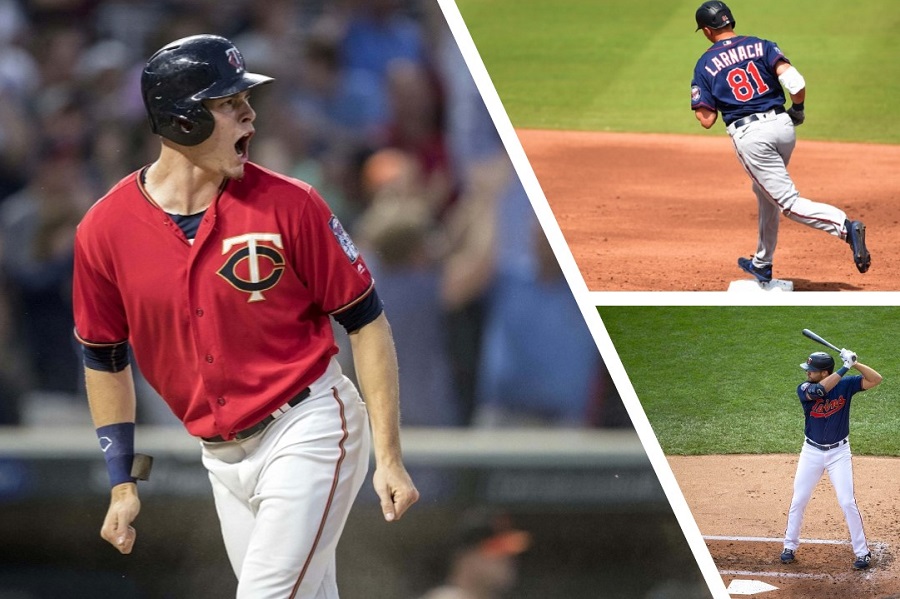 Current Corner Outfielders: Max Kepler, Alex Kirilloff Minnesota locked up Max Kepler at the right time as the 27-year-old is under team control for four more seasons with a team-friendly deal. Over the last two seasons, he has hit .246/.332/.499 with 45 home runs and 41 doubles in 182 games. Not to mention, he represented MLB in Germany last winter by “promoting baseball and inspiring the next generation of players.” Kirilloff’s 2020 debut was well documented because he became the first player in league history to make his debut by starting a playoff game. He went 1-for-4 in the game as the Twins were swept by the Astros. Kirilloff has been one of the team’s top prospects since he was drafted in the first round back in 2016. Entering last season, he was a consensus top-100 prospect with MLB.com and Baseball America having him ranked in the top 32. 40-Man Options While Kirilloff is expected play the majority of the team’s games in the outfield, Jake Cave has a chance to start the year in left field so they Twins can control Kirilloff’s service time. Since joining the Twins, Cave has hit .254/.321/.451 while showing the ability to play all three outfield positions. He does a good job of fitting into the fourth outfielder role, but some of the younger players mentioned below might start encroaching on his playing time in the coming year. Brent Rooker made a strong impression last year as he hit .316/.381/.579 with three extra-base hits. Unfortunately, his season only last seven games as he suffered a fractured forearm on a hit by pitch. LaMonte Wade Jr. has played 42 big-league games over the last two seasons and he has compiled a .684 OPS. Defensively, the Twins have used him at all three outfield positions, and he has even seen some time at first base. On the Farm Options Outside of the options mentioned above, there are other corner options in the minor leagues including some strong prospects. Trevor Larnach is actually older than Kirilloff and he has been right behind him when it comes to prospect rankings in the organization. He spent the 2020 season with Kirilloff at the alternate training site after coming off a 2019 season where he was the organization’s Minor League Player of the Year. Larnach likely fits into the team’s long-term plans in the outfield which allows Kirilloff to switch to first base in the years to come. Kerrigan showed some up in the upper levels of the minor leagues last season as he accumulated 31 extra-base hits in just 98 games. He adds to the organizational depth and he can play all three outfield positions. Wallner was drafted out of college in 2019 and saw time in Elizabethton and Cedar Rapids in his professional debut. He posted an .810 OPS with 31 extra-base hits in 65 games with all his defensive innings coming in right field. Soularie and Rosario joined the Twins as part of the 2020 draft class. Soularie was the team’s second round pick out of the University of Tennessee. In his two collegiate seasons, he hit .336/.448/.586 with more walks (49) than strikeouts (47). Rosario was Minnesota’s final draft pick in the 2020 draft since it was shortened to five rounds. He has a lot of raw power and impressive exit velocities for a prep player. Aguiar, a native of Venezuelan, has been in the Twins system for two years. In 2019, he was limited to seven games, but he was the youngest player on the GCL Twins. What do you think about the future of corner outfielders in Minnesota? Leave a COMMENT and start the discussion. OTHER POSTS IN THE SERIES -Catcher -Second Base -First Base -Third Base -Shortstop MORE FROM TWINS DAILY — Latest Twins coverage from our writers — Recent Twins discussion in our forums — Follow Twins Daily via Twitter, Facebook or email
 -
The Cincinnati Reds have made it quite clear that they are open for business this winter as the team is trying to cut payroll. Already, the club has dealt away closer Raisel Iglesias in a trade that seemed to favor the Angels and not the Reds. Are there other available players the Twins can target to bolster their roster for 2021?Sonny Gray Contract: 2-years, $20.33 million ($12 million team option for 2023) Gray has revamped himself since joining the Reds rotation. Over the last two seasons, he has a 3.07 ERA with a 1.12 WHIP and 277 strikeouts in 231 1/3 innings. He might be the best starting pitcher available on the trade market this winter and the asking price will likely be high based on his recent performance and his years of team control. Gray would help bolster the top of Minnesota’s rotation that already includes the trio of Kenta Maeda, Jose Berrios, and Michael Pineda. Gray would help the team in the short-term, but the asking price might be higher than the front office wants to pay. Luis Castillo Contract: First-year arbitration eligible (Earliest Free Agency 2024) While Gray can help the Reds to cut cost, Castillo is still relatively cheap since he is entering his first year of arbitration. A team looking to acquire Castillo might also have to be willing to take on a veteran with a higher salary to help the Reds cut costs (see below). Since the start of the 2019 season, the 28-year-old has posted a 3.35 ERA and a 3.42 FIP in 260 2/3 innings. He has an electric fastball that sits in the upper-90s and his slider is improving. It seems like someone Wes Johnson would love to help take to the next level. Nick Castellanos Contract: 3-years, $46 million ($20 million mutual option for 2024) Twins fans are likely familiar with Castellanos from his time in a Tigers uniform and his contract might be one that a team will have to acquire to have a chance at Castillo. Castellanos can fit multiple roles with the Twins including corner outfielder or designated hitter. Over the last two seasons, he has hit .273/.327/.515 with 41 home runs and 69 doubles in 211 games. Making a deal that includes Castellanos likely puts the Twins out of the running for Nelson Cruz, but it can mean the club acquires a big-time arm like Castillo. Amir Garrett Contract: First-year arbitration eligible (Earliest Free Agency 2024) Garrett is one of the players that will have a chance to take over the closer’s role in Cincinnati following the departure of Iglesias. Like Castillo, he is in his first year of arbitration so there won’t be urgency to trade him unless a perspective team is willing to take on other salary. Since the start of 2019, he has a 3.03 ERA and a 4.19 FIP while racking up 104 strikeouts in 74 1/3 innings. Minnesota has multiple holes to fill in their bullpen, so would the team be willing to overspend to get a very good left-handed arm. Lucas Sims Contract: Pre-arbitration eligible (Earliest Free Agency 2025) Sims was a first-round pick in 2012 out of high school and he joined the Reds organization back in 2018 in a deadline deal with the Braves. He hasn’t even reached arbitration yet and so the cost to acquire him will be steep. Over the last two seasons, he strikes out nearly 12 batters per nine innings with a 1.08 WHIP and a 125 ERA+. Cincinnati can put him in the closer’s role for a couple seasons and get a higher return for him after he has the “proven closer” label applied to him. Which players would you like the Twins to target? Leave a COMMENT and start the discussion. MORE FROM TWINS DAILY — Latest Twins coverage from our writers — Recent Twins discussion in our forums — Follow Twins Daily via Twitter, Facebook or email Click here to view the article
-
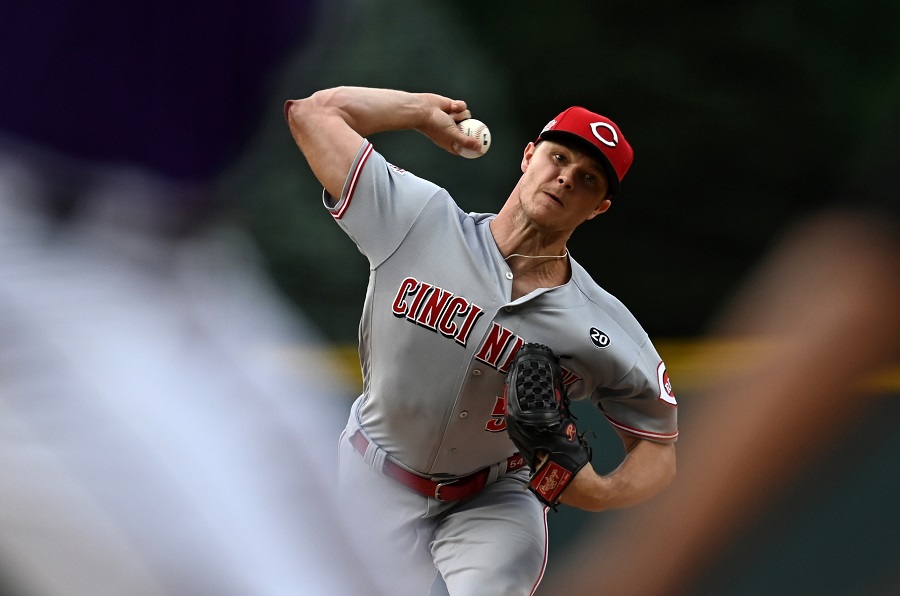 Sonny Gray Contract: 2-years, $20.33 million ($12 million team option for 2023) Gray has revamped himself since joining the Reds rotation. Over the last two seasons, he has a 3.07 ERA with a 1.12 WHIP and 277 strikeouts in 231 1/3 innings. He might be the best starting pitcher available on the trade market this winter and the asking price will likely be high based on his recent performance and his years of team control. Gray would help bolster the top of Minnesota’s rotation that already includes the trio of Kenta Maeda, Jose Berrios, and Michael Pineda. Gray would help the team in the short-term, but the asking price might be higher than the front office wants to pay. Luis Castillo Contract: First-year arbitration eligible (Earliest Free Agency 2024) While Gray can help the Reds to cut cost, Castillo is still relatively cheap since he is entering his first year of arbitration. A team looking to acquire Castillo might also have to be willing to take on a veteran with a higher salary to help the Reds cut costs (see below). Since the start of the 2019 season, the 28-year-old has posted a 3.35 ERA and a 3.42 FIP in 260 2/3 innings. He has an electric fastball that sits in the upper-90s and his slider is improving. It seems like someone Wes Johnson would love to help take to the next level. https://twitter.com/JonHeyman/status/1340696149972365326?s=20 Nick Castellanos Contract: 3-years, $46 million ($20 million mutual option for 2024) Twins fans are likely familiar with Castellanos from his time in a Tigers uniform and his contract might be one that a team will have to acquire to have a chance at Castillo. Castellanos can fit multiple roles with the Twins including corner outfielder or designated hitter. Over the last two seasons, he has hit .273/.327/.515 with 41 home runs and 69 doubles in 211 games. Making a deal that includes Castellanos likely puts the Twins out of the running for Nelson Cruz, but it can mean the club acquires a big-time arm like Castillo. Amir Garrett Contract: First-year arbitration eligible (Earliest Free Agency 2024) Garrett is one of the players that will have a chance to take over the closer’s role in Cincinnati following the departure of Iglesias. Like Castillo, he is in his first year of arbitration so there won’t be urgency to trade him unless a perspective team is willing to take on other salary. Since the start of 2019, he has a 3.03 ERA and a 4.19 FIP while racking up 104 strikeouts in 74 1/3 innings. Minnesota has multiple holes to fill in their bullpen, so would the team be willing to overspend to get a very good left-handed arm. Lucas Sims Contract: Pre-arbitration eligible (Earliest Free Agency 2025) Sims was a first-round pick in 2012 out of high school and he joined the Reds organization back in 2018 in a deadline deal with the Braves. He hasn’t even reached arbitration yet and so the cost to acquire him will be steep. Over the last two seasons, he strikes out nearly 12 batters per nine innings with a 1.08 WHIP and a 125 ERA+. Cincinnati can put him in the closer’s role for a couple seasons and get a higher return for him after he has the “proven closer” label applied to him. Which players would you like the Twins to target? Leave a COMMENT and start the discussion. MORE FROM TWINS DAILY — Latest Twins coverage from our writers — Recent Twins discussion in our forums — Follow Twins Daily via Twitter, Facebook or email
 -
The Twins might have baseball’s best catching duo following a season that saw Ryan Jeffers emerge to go along with Mitch Garver. Garver struggled through most of 2020, but it’s hard to ignore his production from 2019 when he had one of the best offensive performances in catching history. Minnesota is lucky to have these two under team control for multiple years, but there is also some strong depth in the organization.Current Catchers: Mitch Garver and Ryan Jeffers Garver was limited to 23 games in 2020 and he hit .167/.247/.264 with three extra-base hits. It was going to be hard to live up to his 2019 season when he posted a .995 OPS with 31 home runs and 16 doubles in 93 games. While it’s unlikely for Garver to replicate those totals, his 2020 season was impacted by a right intercostal strain. He will be 30-years old next year and the Twins have team control over him for three more seasons. Jeffers impressed in his first taste of the big leagues, especially on the defensive side of the ball. His Strike Rate was the highest in the American League and he was especially good at getting strike calls on the edges of the zone. His offensive numbers weren’t too shabby either as he posted a .791 OPS with three home runs. Many scouts saw him as a bat-only catcher coming out of college, so it shows how much the Twins have been able to do with him since he joined the system in 2018. 40-Man Options Garver and Jeffers figure to get the bulk of the time behind the plate in 2021, but the Twins have other options that add depth to the organization. Willians Astudillo still has options remaining so the Twins can stash him at St. Paul and then bring him up when needed at the big-league level. Since joining the Twins, he has hit .294/.319/.428 with only 13 strikeouts in over 317 plate appearances. Before this year’s Rule 5 Draft, the Twins added Ben Rortvedt, a 2016 second-round pick, to the 40-man roster. He finished the 2019 season at Double-A and his OPS has risen in every professional season. He will likely start the year at Double-A, especially with some of the other more veteran catchers in the organization. On the Farm Options Outside of the options mentioned above, there are other catching options in the minor leagues including some strong prospects. Download attachment: Twins Catchers Minors.JPG Telis has over 120 games played at the big-league level and he did well during his first year in the Twins organization. At Triple-A, he hit .330/.364/.490 with 31 extra-base hits and a 33 to 16 strikeout to walk ratio. Hamilton, a 2016 draft pick, reached Triple-A in 2019 and he has shown the ability to play multiple defensive positions. He ended 2019 with a .660 OPS and 26 extra-base hits in 99 games. Williams spent time at Low- and High-A in 2019 and he was limited to a .192 batting average. However, he got on base over 33% of the time and ended with a .749 OPS after collecting 26 extra-base hits in 74 games. Casanova was a 2018 draft pick and he spent 2019 at the same levels as Williams. His 2019 strikeout percentage is the highest among all the catchers in the system. Minnesota took Isola out of college in 2019 and he made it all the way to Low-A in his professional debut. He destroyed the ball in seven games with the E-Twins as he went 10-for-25 and posted a 1.029 OPS. Salva has been in the organization since 2016 and he spent his first three years in the GCL. Last season at E-Town, he posted a .710 OPS, his highest total of his professional career. Morales made his stateside debut in 2019 and he will have a chance to move to Low-A in 2021. What do you think about the future of catcher in Minnesota? Leave a COMMENT and start the discussion. OTHER POSTS IN THE SERIES -Second Base -First Base -Shortstop -Third Base MORE FROM TWINS DAILY — Latest Twins coverage from our writers — Recent Twins discussion in our forums — Follow Twins Daily via Twitter, Facebook or email Click here to view the article
-
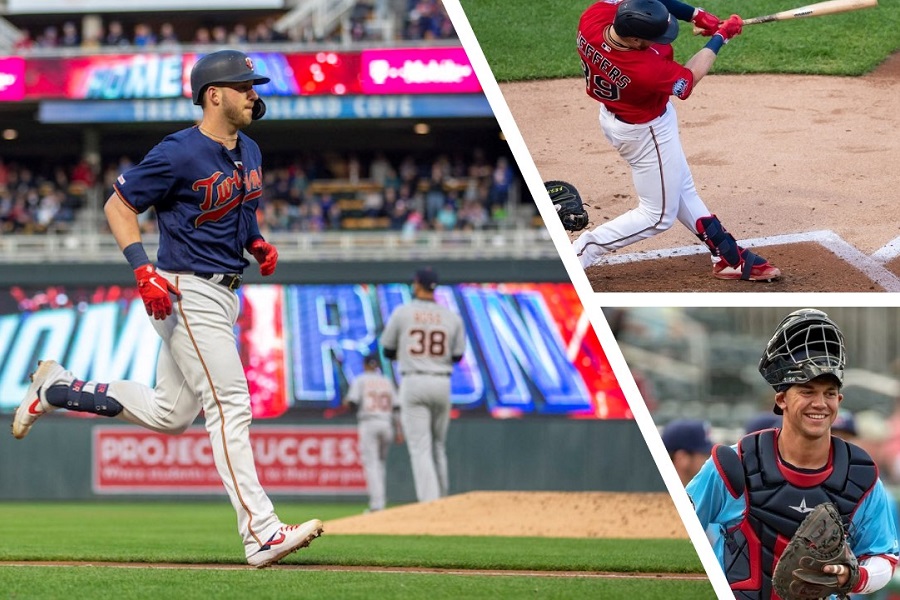 Current Catchers: Mitch Garver and Ryan Jeffers Garver was limited to 23 games in 2020 and he hit .167/.247/.264 with three extra-base hits. It was going to be hard to live up to his 2019 season when he posted a .995 OPS with 31 home runs and 16 doubles in 93 games. While it’s unlikely for Garver to replicate those totals, his 2020 season was impacted by a right intercostal strain. He will be 30-years old next year and the Twins have team control over him for three more seasons. Jeffers impressed in his first taste of the big leagues, especially on the defensive side of the ball. His Strike Rate was the highest in the American League and he was especially good at getting strike calls on the edges of the zone. His offensive numbers weren’t too shabby either as he posted a .791 OPS with three home runs. Many scouts saw him as a bat-only catcher coming out of college, so it shows how much the Twins have been able to do with him since he joined the system in 2018. 40-Man Options Garver and Jeffers figure to get the bulk of the time behind the plate in 2021, but the Twins have other options that add depth to the organization. Willians Astudillo still has options remaining so the Twins can stash him at St. Paul and then bring him up when needed at the big-league level. Since joining the Twins, he has hit .294/.319/.428 with only 13 strikeouts in over 317 plate appearances. Before this year’s Rule 5 Draft, the Twins added Ben Rortvedt, a 2016 second-round pick, to the 40-man roster. He finished the 2019 season at Double-A and his OPS has risen in every professional season. He will likely start the year at Double-A, especially with some of the other more veteran catchers in the organization. On the Farm Options Outside of the options mentioned above, there are other catching options in the minor leagues including some strong prospects. Telis has over 120 games played at the big-league level and he did well during his first year in the Twins organization. At Triple-A, he hit .330/.364/.490 with 31 extra-base hits and a 33 to 16 strikeout to walk ratio. Hamilton, a 2016 draft pick, reached Triple-A in 2019 and he has shown the ability to play multiple defensive positions. He ended 2019 with a .660 OPS and 26 extra-base hits in 99 games. Williams spent time at Low- and High-A in 2019 and he was limited to a .192 batting average. However, he got on base over 33% of the time and ended with a .749 OPS after collecting 26 extra-base hits in 74 games. Casanova was a 2018 draft pick and he spent 2019 at the same levels as Williams. His 2019 strikeout percentage is the highest among all the catchers in the system. Minnesota took Isola out of college in 2019 and he made it all the way to Low-A in his professional debut. He destroyed the ball in seven games with the E-Twins as he went 10-for-25 and posted a 1.029 OPS. Salva has been in the organization since 2016 and he spent his first three years in the GCL. Last season at E-Town, he posted a .710 OPS, his highest total of his professional career. Morales made his stateside debut in 2019 and he will have a chance to move to Low-A in 2021. What do you think about the future of catcher in Minnesota? Leave a COMMENT and start the discussion. OTHER POSTS IN THE SERIES -Second Base -First Base -Shortstop -Third Base MORE FROM TWINS DAILY — Latest Twins coverage from our writers — Recent Twins discussion in our forums — Follow Twins Daily via Twitter, Facebook or email
 -
Pitching prospects can be fickle, especially in a modern era that sees players develop shoulder, elbow, and other arm problems from hurling a round object at over 90 mph. Just three years ago, Fernando Romero was considered the Twins best pitching prospect, but word came out on Thursday that the team had released him. So, what happened to this once promising arm?Romero’s Rise Romero joined the Twins organization as a teenager out of the Dominican Republic. He signed with the Twins on February 2, 2012 and his first professional season came as a 17-year-old in the Dominican Summer League. He posted a 4.65 ERA with a 1.29 WHIP in 31 innings that season. His next season was even better as he came stateside with the GCL Twins. He lowered his ERA to 1.60 and struck out more than a batter per inning. Minnesota continue to be aggressive with Romero in 2014 as he got his first taste of a full-season league. He was nearly three years younger than the average age of the players in the Midwest League. Unfortunately, he would only pitch 12 innings that season after tearing his UCL which required Tommy John surgery. Romero wouldn’t make another professional appearance until the 2016 season. Some players can struggle when returning from Tommy John surgery as they try and shake off the rust, but Romero certainly didn’t find those struggles. He pitched at Low- and High-A in his return and posted video game like numbers while still being young for both levels. His ERA was under 1.95 in both stops that season and he had a miniscule 0.897 WHIP. He was firmly back on the prospect map. Romero spent all of 2017 at Double-A where he made 23 starts and pitched over 120 innings for the first time in his career. He ended the year with a 3.53 ERA and a 1.35 WHIP with a 120 to 45 strikeout to walk ratio. He was on the cusp on cracking into the big leagues and he got that call in 2018. On May 2, 2018, Romero made his big-league debut against the Toronto Blue Jays. He pitched 5 2/3 shutout innings by limiting Jays batters to four hits. He walked three, struck out five, and was credited with his first win. His next start against St. Louis was even better as he struck out nine over six shutout innings and picked up another win. Obviously, things couldn’t continue to go that well. He ended his rookie season with a 4.69 ERA and a 1.42 WHIP across 11 starts, but he had clearly shown some positive signs throughout the season. Romero’s Fall Things weren’t as promising during the 2019 season. The Twins started using Romero as a relief option at Triple-A and he posted a 4.37 ERA and a 1.42 WHIP in 57 2/3 innings. At the big-league level, there was some good and some bad as he adjusted to his new role. He allowed multiple runs in five of his 15 appearances and there were multiple times he pitched less than an inning. In his other 10 appearances, he didn’t allow a run, but the damage was already done. He ended the year with an ERA north of 7.00 and a 2.14 WHIP. Romero was supposed to enter the 2020 season with a chance to make the Twins bullpen coming out of spring training. That didn’t happen as Romero dealt with visa issues and was placed on the restricted list for the entire season. According to MLB.com reports, Romero flew from his native Dominican Republic to Atlanta ahead of the February 12 reporting date for pitchers and catchers. When he arrived, he got into a customs issue and was sent back to the Dominican Republic to submit paperwork for a new visa. Few other reports came out about the issue before the Twins released him this week. Romero will turn 26-years old in the coming days and the one-time top prospect is going to be searching for a new organization. Minnesota’s release of Romero might seem like a surprise, but the club likely has more information on the reasons he continued to have visa issues this year. He still has the plenty of potential, but like all pitching prospects, time could be running out. MORE FROM TWINS DAILY — Latest Twins coverage from our writers — Recent Twins discussion in our forums — Follow Twins Daily via Twitter, Facebook or email Click here to view the article
-
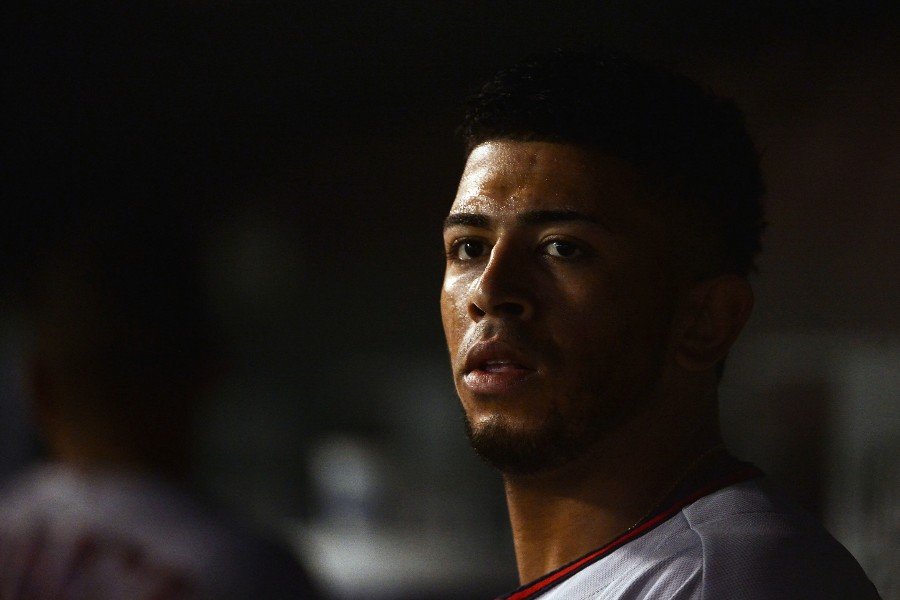 Romero’s Rise Romero joined the Twins organization as a teenager out of the Dominican Republic. He signed with the Twins on February 2, 2012 and his first professional season came as a 17-year-old in the Dominican Summer League. He posted a 4.65 ERA with a 1.29 WHIP in 31 innings that season. His next season was even better as he came stateside with the GCL Twins. He lowered his ERA to 1.60 and struck out more than a batter per inning. Minnesota continue to be aggressive with Romero in 2014 as he got his first taste of a full-season league. He was nearly three years younger than the average age of the players in the Midwest League. Unfortunately, he would only pitch 12 innings that season after tearing his UCL which required Tommy John surgery. Romero wouldn’t make another professional appearance until the 2016 season. Some players can struggle when returning from Tommy John surgery as they try and shake off the rust, but Romero certainly didn’t find those struggles. He pitched at Low- and High-A in his return and posted video game like numbers while still being young for both levels. His ERA was under 1.95 in both stops that season and he had a miniscule 0.897 WHIP. He was firmly back on the prospect map. Romero spent all of 2017 at Double-A where he made 23 starts and pitched over 120 innings for the first time in his career. He ended the year with a 3.53 ERA and a 1.35 WHIP with a 120 to 45 strikeout to walk ratio. He was on the cusp on cracking into the big leagues and he got that call in 2018. On May 2, 2018, Romero made his big-league debut against the Toronto Blue Jays. He pitched 5 2/3 shutout innings by limiting Jays batters to four hits. He walked three, struck out five, and was credited with his first win. His next start against St. Louis was even better as he struck out nine over six shutout innings and picked up another win. Obviously, things couldn’t continue to go that well. He ended his rookie season with a 4.69 ERA and a 1.42 WHIP across 11 starts, but he had clearly shown some positive signs throughout the season. https://twitter.com/MatthewTaylorMN/status/1339960027482894336?s=20 Romero’s Fall Things weren’t as promising during the 2019 season. The Twins started using Romero as a relief option at Triple-A and he posted a 4.37 ERA and a 1.42 WHIP in 57 2/3 innings. At the big-league level, there was some good and some bad as he adjusted to his new role. He allowed multiple runs in five of his 15 appearances and there were multiple times he pitched less than an inning. In his other 10 appearances, he didn’t allow a run, but the damage was already done. He ended the year with an ERA north of 7.00 and a 2.14 WHIP. Romero was supposed to enter the 2020 season with a chance to make the Twins bullpen coming out of spring training. That didn’t happen as Romero dealt with visa issues and was placed on the restricted list for the entire season. According to MLB.com reports, Romero flew from his native Dominican Republic to Atlanta ahead of the February 12 reporting date for pitchers and catchers. When he arrived, he got into a customs issue and was sent back to the Dominican Republic to submit paperwork for a new visa. Few other reports came out about the issue before the Twins released him this week. Romero will turn 26-years old in the coming days and the one-time top prospect is going to be searching for a new organization. Minnesota’s release of Romero might seem like a surprise, but the club likely has more information on the reasons he continued to have visa issues this year. He still has the plenty of potential, but like all pitching prospects, time could be running out. MORE FROM TWINS DAILY — Latest Twins coverage from our writers — Recent Twins discussion in our forums — Follow Twins Daily via Twitter, Facebook or email
 -
Luis Arraez was supposed to hit .400 last season and run away with the American League batting title. Sure, expectations were high after his tremendous rookie campaign, but expectations were bound to outlast the reality of the situation. Arraez struggled through knee issues in his sophomore campaign, and one must wonder if that changes the future of second base for the Minnesota Twins.Current Second Baseman: Luis Arraez Arraez burst onto the scene in 2019 with a rookie campaign unseen in Minnesota for quite some time. He hit .334/.399/.439 with a 29 to 36 strikeout to walk ratio. In the batter’s box, he seemed to be able to know what the pitcher was throwing and spit on pitches on the edges. Arraez was never seen as a top-tier prospect, but the 2019 season might have changed that perspective. To be clear, the 2020 season saw Arraez play through a knee injury that plagued him during spring training and the team’s summer camp session. With that being said, he still hit .321/.364/.402 with an 11 to 8 strikeout to walk ratio in 32 games. The shortened season certainly impacted his injury and it also impacted the numbers he was able to produce at the big-league level. Arraez should be the Twins present and future, but it’s hard to predict how his knee will react. 40-Man Options Besides Arraez, the Twins have other 40-man roster options to play second base. Travis Blankenhorn is a legitimate option that could surprise some fans in 2021. If the Twins are able to sign another shortstop, Jorge Polanco could move to a utility role to put less pressure on Donaldson and Arraez. Blankenhorn has accumulated over 1900 defensive innings at second base during his professional career which is more than any other defensive position. On the Farm Options Outside of the options mentioned above, there are other second base options in the minor leagues including some strong prospects. Download attachment: Second Base Minors.JPG Lin was an intriguing signing this winter and Severino has all the skills to be an impact option at the big-league level. Lin will likely get multiple opportunities to fill-in for full-time players. Also, Severino has been in the Twins system long enough to build up equity with the coaching staff. Arraez might be the current second baseman Prato joined the Twins organization as a 7th round pick in the 2019 MLB Draft. He split his professional debut between Elizabethton and Cedar Rapids while hitting .268/.373/.730 with 10 extra-base hits in 4 games. Santana played three full seasons in the Dominican Summer League before making his stateside debut. In E-Town, he hit .276/.371/.372 with 10 extra-base hits in 40 games. He should have the chance to debut with Fort Myers in 2021. Julien is another intriguing option because of his college experience. Minnesota drafted him out of Auburn in 2019 and he has yet to make his professional debut. The Canadian native could make a big impact on the organization if he is able to move quickly in the years ahead. What do you think about the future of second base in Minnesota? Leave a COMMENT and start the discussion. OTHER POSTS IN THE SERIES -First Base -Shortstop -Third Base MORE FROM TWINS DAILY — Latest Twins coverage from our writers — Recent Twins discussion in our forums — Follow Twins Daily via Twitter, Facebook or email Click here to view the article
-
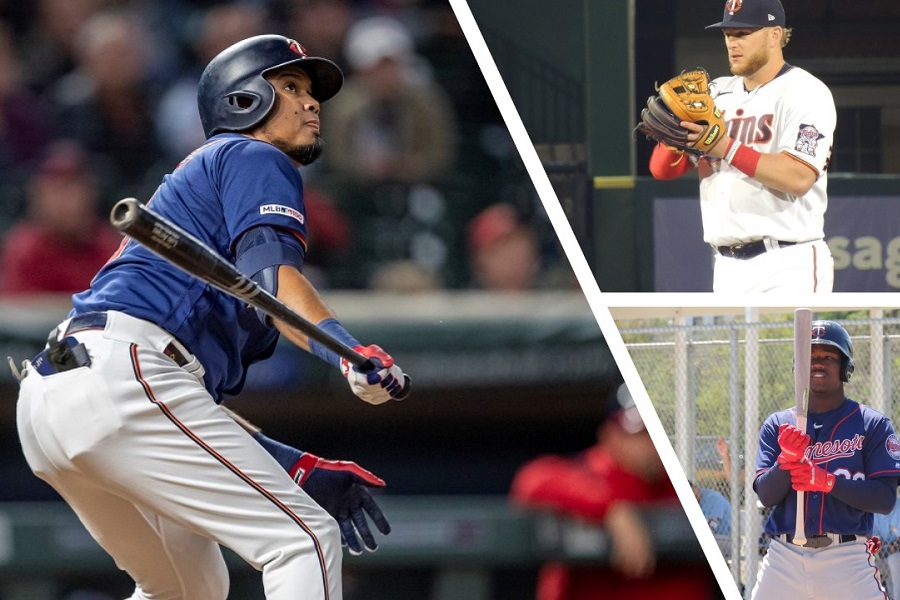 Current Second Baseman: Luis Arraez Arraez burst onto the scene in 2019 with a rookie campaign unseen in Minnesota for quite some time. He hit .334/.399/.439 with a 29 to 36 strikeout to walk ratio. In the batter’s box, he seemed to be able to know what the pitcher was throwing and spit on pitches on the edges. Arraez was never seen as a top-tier prospect, but the 2019 season might have changed that perspective. To be clear, the 2020 season saw Arraez play through a knee injury that plagued him during spring training and the team’s summer camp session. With that being said, he still hit .321/.364/.402 with an 11 to 8 strikeout to walk ratio in 32 games. The shortened season certainly impacted his injury and it also impacted the numbers he was able to produce at the big-league level. Arraez should be the Twins present and future, but it’s hard to predict how his knee will react. 40-Man Options Besides Arraez, the Twins have other 40-man roster options to play second base. Travis Blankenhorn is a legitimate option that could surprise some fans in 2021. If the Twins are able to sign another shortstop, Jorge Polanco could move to a utility role to put less pressure on Donaldson and Arraez. Blankenhorn has accumulated over 1900 defensive innings at second base during his professional career which is more than any other defensive position. On the Farm Options Outside of the options mentioned above, there are other second base options in the minor leagues including some strong prospects. Lin was an intriguing signing this winter and Severino has all the skills to be an impact option at the big-league level. Lin will likely get multiple opportunities to fill-in for full-time players. Also, Severino has been in the Twins system long enough to build up equity with the coaching staff. Arraez might be the current second baseman Prato joined the Twins organization as a 7th round pick in the 2019 MLB Draft. He split his professional debut between Elizabethton and Cedar Rapids while hitting .268/.373/.730 with 10 extra-base hits in 4 games. Santana played three full seasons in the Dominican Summer League before making his stateside debut. In E-Town, he hit .276/.371/.372 with 10 extra-base hits in 40 games. He should have the chance to debut with Fort Myers in 2021. Julien is another intriguing option because of his college experience. Minnesota drafted him out of Auburn in 2019 and he has yet to make his professional debut. The Canadian native could make a big impact on the organization if he is able to move quickly in the years ahead. What do you think about the future of second base in Minnesota? Leave a COMMENT and start the discussion. OTHER POSTS IN THE SERIES -First Base -Shortstop -Third Base MORE FROM TWINS DAILY — Latest Twins coverage from our writers — Recent Twins discussion in our forums — Follow Twins Daily via Twitter, Facebook or email
 -
Miguel Sano got his first full-time taste of first base last season albeit in a shortened campaign. Sano is under contract for the next two seasons with a team option for 2023. The team also has other first base options getting closer to Target Field including some of the team’s top prospects. When it all gets put together, what does that mean for the future of first base in Minnesota?Current First Baseman: Miguel Sano Last winter, the Twins locked up Miguel Sano to a three-year, $30 million contract extension that includes a $14 million team option for 2023 or a $2.75 million buyout. Sano struggled early in the 2020 season as he missed most of Summer Camp after a positive COVID-19 diagnosis. Through his first 13 games, he went 5-for-45 (.111 BA) with 23 strikeouts and a .504 OPS. He led all of baseball with 90 strikeouts, but he was able to hit double digit home runs for the sixth consecutive season. Sano’s defensive transition had its ups and downs as one would expect. There were games where it was a little more obvious that his footwork and approach were lacking at first base, but that can certainly be expected at a position where he lacked familiarity. According to SABR’s Defensive Index, only two AL first baseman had a lower SDI total. Sano can move to DH depending on what the Twins decide with Nelson Cruz. 40-Man Options Besides Sano, the Twins have other 40-man roster options to play first base. Two of the team’s top prospects, Alex Kirilloff and Brent Rooker, made their debuts last season. During the 2019 campaign, Kirilloff hit .283/.343/.413 with 29 extra-base hits in 94 games while playing nearly 42% of his defensive innings at first base. This came on the heels of a tremendous 2018 campaign where he posted a .970 OPS and was named MiLB’s Breakout Player of the Year. Minnesota’s front office has a lot of trust in him and he seems like a likely candidate to take over for Eddie Rosario in the outfield. Rooker got off to a tremendous start last season before suffering a fractured forearm that ended his season. In seven games, he hit .316/.381/.579 with three extra-base hits and five RBI. Back in 2019, he made his Triple-A debut and hit .282/.399/.530 with 30 extra-base hits, but he was limited to 67 games while dealing with a wrist injury and a groin injury. Rooker should be ready for season’s start and there are multiple roles he can fill on the 2021 Twins. On the Farm Options Outside of the options mentioned above, there are other first base options in the minor leagues including some strong prospects. Download attachment: Twins First Base Minors.JPG Minnesota took Gabe Snyder with their 21st round pick back in 2018 after he spent four years at Wright State. His 2019 campaign was spent entirely at Low-A where he hit .259/.338/.462 with 44 extra-base hits in 114 games. With his college experience, he has been old for each level he has played at during his professional career. Snyder turns 26 in March and the team should push him to Double-A. In the 2020 MLB Draft, Minnesota took Aaron Sabato with the 27th overall pick after two impressive seasons at the University of North Carolina. Sabato was known as a slugger after hitting .332/.459/.698 (1.158) with 57 extra-base hits in 83 games. The jury is still out on if he will have the defensive skills to play a position in the big-leagues or if he will be limited to playing DH. Weiss was the Twins 23rd round pick in 2018 out of Cal State-Northridge. He played at three different levels in 2019 with High-A being the highest level he reached. Weiss was also older than the competition at every stop in his professional career. Phillips is roughly a year behind Weiss as he was taken out of college in 2019. It will be interesting to see how aggressive the Twins are with these two players following the absence of a 2020 minor league season. What do you think about the future of first base in Minnesota? Leave a COMMENT and start the discussion. OTHER POSTS IN THE SERIES -Shortstop -Third Base MORE FROM TWINS DAILY — Latest Twins coverage from our writers — Recent Twins discussion in our forums — Follow Twins Daily via Twitter, Facebook or email Click here to view the article

