



Cody Christie
-
Posts
7,515 -
Joined
-
Last visited
-
Days Won
5
Content Type
Profiles
News
Minnesota Twins Videos
2026 Minnesota Twins Top Prospects Ranking
2022 Minnesota Twins Draft Picks
Minnesota Twins Free Agent & Trade Rumors, Notes, & Tidbits
Guides & Resources
2023 Minnesota Twins Draft Picks
The Minnesota Twins Players Project
2024 Minnesota Twins Draft Picks
2025 Minnesota Twins Draft Pick Tracker
2026 Minnesota Twins Draft Tracker: Picks & Bonuses
Forums
Blogs
Events
Store
Downloads
Gallery
Everything posted by Cody Christie
-
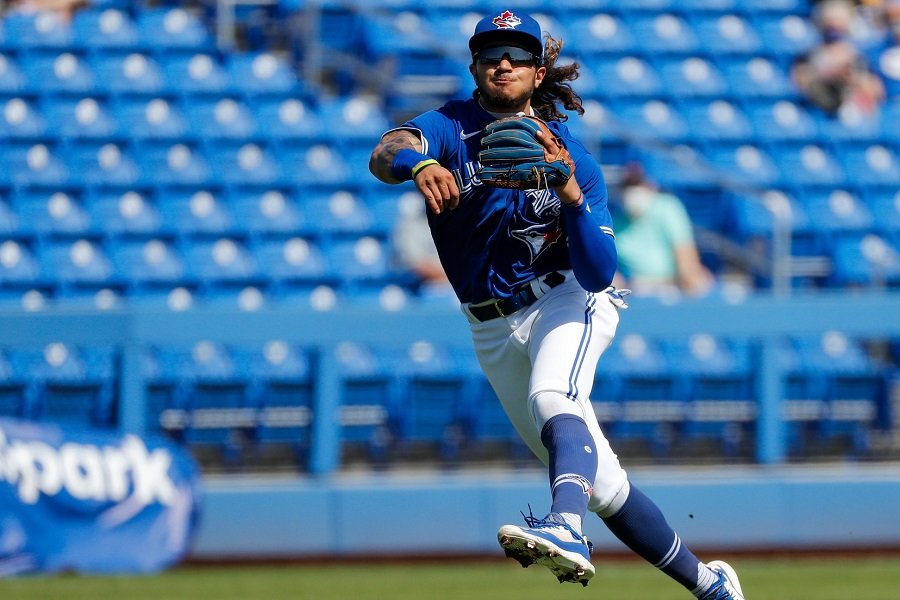
 Minnesota traded away two of their starting pitchers at the deadline, so this leaves innings to fill. Here’s the one pitcher with the most to prove the rest of the season. Being a 12th round pick from the College of Charleston isn’t a spot that puts many players on the prospect map. That’s where Bailey Ober got his professional start, and he has undoubtedly made something of his professional career. Only three players from that round have made their big league debuts, and Ober is the only player out of the group to play more than one game. Ober doesn’t fit the mold of the type of pitcher that organizations seek out as the game has continued to evolve. All four of his pitches are below league average when it comes to miles per hour. His Baseball Savant page has more blue than red, which points to him not being very successful so far in his big-league career. However, his recent starts point to some positive signs. Part of Ober’s scouting report has been the deceptive nature of his fastball. He’s 6-foot-9, and his wingspan allows his release point to be closer to the plate than some other pitchers. Also, he has started getting more vertical movement on his fastball that wasn’t present in some of his earlier starts. This movement matches his scouting reports from the minors, and it might be the biggest key for him sticking long-term in the big leagues. During July, Ober saw other improvements as well. He started five games and allowed ten earned runs over 22 2/3 innings. Also, he struck out 25 batters and only issued eight walks. Hitters were only able to compile a .214/.283/.429 slash line, which showed improvement over the .891 OPS he held entering the month. Bailey Ober will never be a top of the rotation starter, but there is always a need for rotational depth. Right now, Kenta Maeda is the lone name penciled in for the 2022 rotation, and there are no guarantees with him. His name was mentioned in multiple rumors at the trade deadline, and the Twins can revisit those deals this winter. There are things Ober can continue to improve on throughout the season’s remaining games. As mentioned earlier, the vertical movement on his fastball is one of his biggest keys. He’s also been giving up plenty of hard-hit balls so far in his career. When he is at his best, he gets players to chase pitches and controls the strike zone. There have already been signs of those improvements in his most recent starts. Innings and pitch count limits are also part of the discussion with Ober and his ability to make improvements. Entering the season, Ober's career high in innings pitched was 78 2/3 innings back in 2019 when he also missed time with elbow issues. He didn't pitch at all in 2020, so the Twins, like many MLB teams this season, are going to be careful with young pitchers. He is already over 63 innings in 2021 and the team likely wants him to pitch over 100 innings. So, what’s the upside with Ober? If he can continue to make improvements, he should be at the back-end of the rotation for multiple seasons. Minnesota has plenty of pitching prospects working their way to the big leagues, so Ober will have to prove that he can succeed over the long term. What have your impressions been of Ober so far in his career? Can he continue to improve? Leave a COMMENT and start the discussion. MORE FROM TWINS DAILY — Latest Twins coverage from our writers — Recent Twins discussion in our forums — Follow Twins Daily via Twitter, Facebook or email View full article
 -
 DH Nelson Cruz to Rays for RHPs Joe Ryan and Drew Stotman Many of the Twins' moves project to have positive results. On an expiring contract, Nelson Cruz was dealt for two pitchers that are close to big-league ready. There are plenty of questions about the team’s rotation for 2022, so adding two more pitchers to the mix can only help the organization’s pitching depth. The Cruz deal was far from the only one that made headlines. RHP Jose Berrios to Blue Jays for SS/OF Austin Martin and RHP Simeon Woods-Richardson José Berríos was dealt for a pair of top-100 prospects, which seems like a high price to pay for just over a year of Berríos. The Dodgers traded for starting pitcher Max Scherzer and shortstop Trea Turner and received a similar trade package in return. Even the website, Baseball Trade Values believes the Blue Jays overpaid. LHP J.A. Happ to Cardinals for RHP John Gant and LHP Evan Sisk Speaking of teams that overpaid, the Twins found a taker for JA Happ, as the Cardinals were willing to trade for him. He’s been bad for most of the season, and his recent numbers don’t point to him improving. It seemed more likely for the Twins to designated him for assignment instead of finding a trade partner, but it was a crazy trade deadline, to say the least. RHP Hansel Robles to Red Sox for RHP Alex Scherff Robles, like Cruz, was on an expiring contract and plenty of contenders were looking for relief help. Minnesota signed Robles for $2 million this off-season and he's had some up-and-down moments as part of a Twins bullpen that has struggled for the majority of the season. Relief pitching can be fickle and Boston hopes Robles can find some of his previous successes. From Minnesota's perspective, the front office has to be happy to get any value back for a player that wasn't part of the team's long-term plans. Who Wasn't Traded? Not every part of the trade deadline was positive for the Twins. Minnesota had multiple players on expiring contracts that stayed with the team, including Michael Pineda and Andrelton Simmons. Pineda is the biggest head-scratcher as the trade market seemed hot for starting pitching. As the smoke cleared, the front office said the right things, but there doesn’t seem to be much value in keeping him around until season’s end. There were plenty of other rumors circulating on Friday, including some big names for the Twins. There was a chance of a Byron Buxton deal with multiple teams interested in the centerfielder. For good reasons, Minnesota’s price was likely high, and there will still be an opportunity to revisit trades this winter. There may also be a chance to revisit a contract extension with Buxton, especially with the young core the organization has built in the minor leagues. Another missed opportunity was parting ways with Josh Donaldson, as his name had been out in the rumor mill throughout the last few weeks. Minnesota signed Donaldson to his four-year deal, knowing that he may decline toward the backend of the contract. He has been relatively healthy this year and producing as one of the league’s best third basemen. This trade deadline might have been his peak trade value, especially since it’s tough to imagine the Twins contending in 2022. Overall, this might go down as a franchise-altering day in Twins history. However, there were some missed opportunities along the way. Now it might be a couple of years before fans know if the team indeed won or lost the 2021 trade deadline. Do you think the Twins were winners or losers at the trade deadline? Leave a COMMENT and start the discussion. MORE FROM TWINS DAILY — Latest Twins coverage from our writers — Recent Twins discussion in our forums — Follow Twins Daily via Twitter, Facebook or email
- 60 comments
-
- 4
-

-
- jose berrios
- austin martin
- (and 3 more)
-
Every trade deadline, teams are declared winners or losers. So, how did the Twins fare on a whirlwind day? DH Nelson Cruz to Rays for RHPs Joe Ryan and Drew Stotman Many of the Twins' moves project to have positive results. On an expiring contract, Nelson Cruz was dealt for two pitchers that are close to big-league ready. There are plenty of questions about the team’s rotation for 2022, so adding two more pitchers to the mix can only help the organization’s pitching depth. The Cruz deal was far from the only one that made headlines. RHP Jose Berrios to Blue Jays for SS/OF Austin Martin and RHP Simeon Woods-Richardson José Berríos was dealt for a pair of top-100 prospects, which seems like a high price to pay for just over a year of Berríos. The Dodgers traded for starting pitcher Max Scherzer and shortstop Trea Turner and received a similar trade package in return. Even the website, Baseball Trade Values believes the Blue Jays overpaid. LHP J.A. Happ to Cardinals for RHP John Gant and LHP Evan Sisk Speaking of teams that overpaid, the Twins found a taker for JA Happ, as the Cardinals were willing to trade for him. He’s been bad for most of the season, and his recent numbers don’t point to him improving. It seemed more likely for the Twins to designated him for assignment instead of finding a trade partner, but it was a crazy trade deadline, to say the least. RHP Hansel Robles to Red Sox for RHP Alex Scherff Robles, like Cruz, was on an expiring contract and plenty of contenders were looking for relief help. Minnesota signed Robles for $2 million this off-season and he's had some up-and-down moments as part of a Twins bullpen that has struggled for the majority of the season. Relief pitching can be fickle and Boston hopes Robles can find some of his previous successes. From Minnesota's perspective, the front office has to be happy to get any value back for a player that wasn't part of the team's long-term plans. Who Wasn't Traded? Not every part of the trade deadline was positive for the Twins. Minnesota had multiple players on expiring contracts that stayed with the team, including Michael Pineda and Andrelton Simmons. Pineda is the biggest head-scratcher as the trade market seemed hot for starting pitching. As the smoke cleared, the front office said the right things, but there doesn’t seem to be much value in keeping him around until season’s end. There were plenty of other rumors circulating on Friday, including some big names for the Twins. There was a chance of a Byron Buxton deal with multiple teams interested in the centerfielder. For good reasons, Minnesota’s price was likely high, and there will still be an opportunity to revisit trades this winter. There may also be a chance to revisit a contract extension with Buxton, especially with the young core the organization has built in the minor leagues. Another missed opportunity was parting ways with Josh Donaldson, as his name had been out in the rumor mill throughout the last few weeks. Minnesota signed Donaldson to his four-year deal, knowing that he may decline toward the backend of the contract. He has been relatively healthy this year and producing as one of the league’s best third basemen. This trade deadline might have been his peak trade value, especially since it’s tough to imagine the Twins contending in 2022. Overall, this might go down as a franchise-altering day in Twins history. However, there were some missed opportunities along the way. Now it might be a couple of years before fans know if the team indeed won or lost the 2021 trade deadline. Do you think the Twins were winners or losers at the trade deadline? Leave a COMMENT and start the discussion. MORE FROM TWINS DAILY — Latest Twins coverage from our writers — Recent Twins discussion in our forums — Follow Twins Daily via Twitter, Facebook or email View full article
- 60 replies
-
- 1
-
-
- jose berrios
- austin martin
- (and 3 more)
-
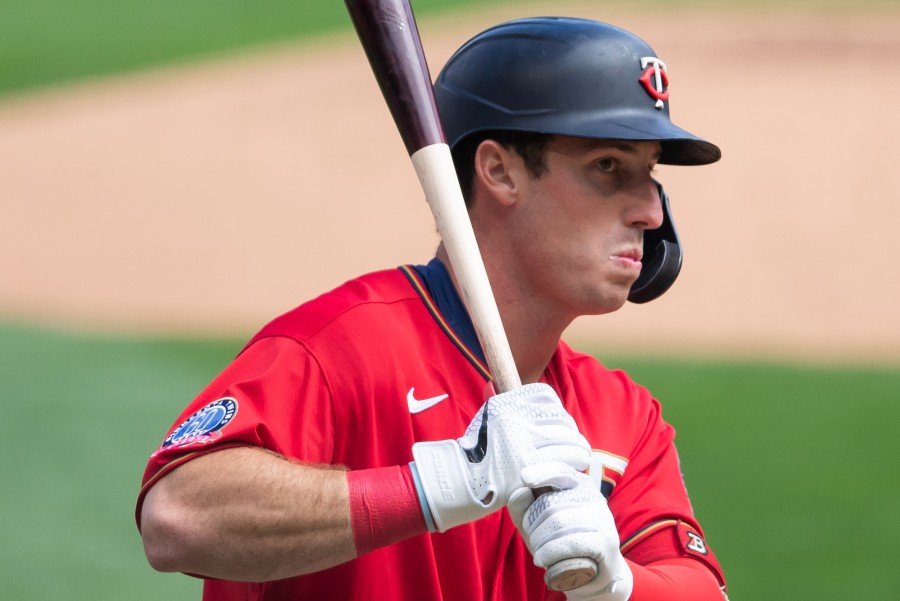 Organization’s prospect depth helps to keep team’s competitive window open as long as possible. Minnesota has built up a strong farm system but that means the team hasn’t been able to hang on to some of their depth in recent years. Players like Akil Baddoo and LaMonte Wade have gone on to find success with other organizations because the Twins didn’t project them as part of the long-term plan. Brent Rooker seems like another player that doesn’t fit into the team’s long-term plan. During the 2020 season, he impressed during his big- league debut although it was limited to seven games and 21 plate appearances. During that time, he hit .316/.381/.579 with three extra-base hits and five strikeouts. His season was cut short due to a fractured forearm, but it wasn’t hard to envision him fitting on the team’s roster moving forward. Entering the 2021 season, Rooker was fighting for a roster spot. However, it became clear that the team wasn’t keen to use him as a defensive outfielder, because he is below average in a corner outfield spot. First base is a position where he is not as much of a defensive liability, but the team has other options at that position. Minnesota was forced to make a choice and Kyle Garlick earned the final roster spot. Rooker was going to have to slug his way back to the Twins. Rooker has certainly been making his presence known in the Saints roster this season. His season started on a slow note as he was limited to a .375 OPS during the team’s eight April games. He posted an .836 OPS in May, but June was when he really turned it on as he hit .275/.420/.675 (1.095) with nine home runs. He was one of the best hitters in the minors and the Twins didn’t have a roster spot for him even though they were struggling. One of the biggest reasons the Twins didn’t give Rooker the call was because two other outfield prospects have passed him up on the depth chart. Alex Kirilloff and Trevor Larnach are considered better prospects than Rooker, but he has always been playing at a higher level in Minnesota’s farm system. Losing the 2020 minor league season likely cost Rooker a chance to play his way into the team’s long-term plans. Kirilloff went on the IL earlier this week, but Rooker still wasn’t called up to take his spot. Now Nelson Cruz has been traded, so Rooker might get an opportunity to slide into a DH role with the Twins. However, trading him to another organization might be his best chance at finding a permanent big-league role. Because of his college experience, he is already 26-years old. He has dominated Triple-A pitching in parts of two different seasons and the Twins don’t seem to have a spot for him. Like Badoo and Wade, he may find success in another organization, but he at least deserves to have a chance to prove he belongs at the MLB level. Do you think the Twins should trade Rooker? Leave a COMMENT and start the discussion. MORE FROM TWINS DAILY — Latest Twins coverage from our writers — Recent Twins discussion in our forums — Follow Twins Daily via Twitter, Facebook or email
- 62 comments
-
- 2
-
-
- brent rooker
- 2021 trade deadline
- (and 2 more)
-
Minnesota has started their trade deadline selling spree by sending Nelson Cruz to the Rays. Even in sell mode, would the team consider trading away one of the club’s top prospects? Organization’s prospect depth helps to keep team’s competitive window open as long as possible. Minnesota has built up a strong farm system but that means the team hasn’t been able to hang on to some of their depth in recent years. Players like Akil Baddoo and LaMonte Wade have gone on to find success with other organizations because the Twins didn’t project them as part of the long-term plan. Brent Rooker seems like another player that doesn’t fit into the team’s long-term plan. During the 2020 season, he impressed during his big- league debut although it was limited to seven games and 21 plate appearances. During that time, he hit .316/.381/.579 with three extra-base hits and five strikeouts. His season was cut short due to a fractured forearm, but it wasn’t hard to envision him fitting on the team’s roster moving forward. Entering the 2021 season, Rooker was fighting for a roster spot. However, it became clear that the team wasn’t keen to use him as a defensive outfielder, because he is below average in a corner outfield spot. First base is a position where he is not as much of a defensive liability, but the team has other options at that position. Minnesota was forced to make a choice and Kyle Garlick earned the final roster spot. Rooker was going to have to slug his way back to the Twins. Rooker has certainly been making his presence known in the Saints roster this season. His season started on a slow note as he was limited to a .375 OPS during the team’s eight April games. He posted an .836 OPS in May, but June was when he really turned it on as he hit .275/.420/.675 (1.095) with nine home runs. He was one of the best hitters in the minors and the Twins didn’t have a roster spot for him even though they were struggling. One of the biggest reasons the Twins didn’t give Rooker the call was because two other outfield prospects have passed him up on the depth chart. Alex Kirilloff and Trevor Larnach are considered better prospects than Rooker, but he has always been playing at a higher level in Minnesota’s farm system. Losing the 2020 minor league season likely cost Rooker a chance to play his way into the team’s long-term plans. Kirilloff went on the IL earlier this week, but Rooker still wasn’t called up to take his spot. Now Nelson Cruz has been traded, so Rooker might get an opportunity to slide into a DH role with the Twins. However, trading him to another organization might be his best chance at finding a permanent big-league role. Because of his college experience, he is already 26-years old. He has dominated Triple-A pitching in parts of two different seasons and the Twins don’t seem to have a spot for him. Like Badoo and Wade, he may find success in another organization, but he at least deserves to have a chance to prove he belongs at the MLB level. Do you think the Twins should trade Rooker? Leave a COMMENT and start the discussion. MORE FROM TWINS DAILY — Latest Twins coverage from our writers — Recent Twins discussion in our forums — Follow Twins Daily via Twitter, Facebook or email View full article
- 62 replies
-
- 1
-
-
- brent rooker
- 2021 trade deadline
- (and 2 more)
-
Baseball’s approaching trade deadline leaves all teams searching for the best value. Max Kepler is under team control through 2024, so does that make him one of baseball’s most valuable trade assets? Every year leading into the trade deadline, FanGraphs ranks the top 50 players in baseball according to their trade value. Some of items taken into consideration are performance, age, and years remaining of team control. According to their explanation, “the central question we considered boils down to this: how much value could a team expect to get in a trade for each player on the list?” One Twins player’s ranking may come as a surprise. Max Kepler ranks as baseball’s 45th most valuable trade asset and this comes a year after being ranked 39th overall. He is under team control through 2024 when he will be in his age-31 season. Over the next three seasons, he is projected to be worth 8.8 WAR while earning a max (no pun intended) of $25.3 million. Kepler’s name hasn’t been out there in trade discussions as much as players like Nelson Cruz, Jose Berrios, and Andrelton Simmons. That doesn’t mean a Kepler deal is out of the question. Alex Kirilloff and Trevor Larnach emerging as valuable corner outfield options makes it easier to part with Kepler. Minnesota is also talking to Byron Buxton about a potential contract extension and that might leave the Twins even more willing to part with Kepler. So, how does Kepler enter the discussion as one of the most valuable trade assets? He is a good, but not great player that has multiple years of control on a team friendly deal. For his career, he has hit .234/.317/.442 (.760) and been worth 11.7 WAR, which FanGraphs values at $93.9 million. He has also shown the ability be a strong defensive corner outfielder while being capable of being an average defensive center fielder. During the 2021 season, Kepler is posting career highs in average exit velocity and hard hit %. For instance, his average exit velocity in 2019, when he hit 36 homers, was in the 61st percentile. Fast-forward to 2021 and he’s in the 76th percentile for average exit velocity. Minnesota has also seen some of Kepler’s flaws since his breakout 2019 campaign. According to some defensive metrics, he’s in the midst of his worst defensive season of his career. His hamstring issues have certainly slowed him down. That being said, he still ranks in the 78th percentile for outs above average and he’s outfield jump is one of baseball’s best (97th percentile). Offensively, it has been hard to live up to 2019. He consistently posts BABIP totals under .250 because he pops the ball up so frequently. This season, he is also striking out at a higher rate than any other season as his chase rate is in the 89th percentile. He’s hitting the ball harder, but the results haven’t been there. Teams know what they are getting with Kepler and organizations find value in having a known cost. How much value that brings as a trade asset is yet to be seen. Do you think Kepler is one of baseball’s most valuable trade assets? Leave a COMMENT and start the discussion. MORE FROM TWINS DAILY — Latest Twins coverage from our writers — Recent Twins discussion in our forums — Follow Twins Daily via Twitter, Facebook or email View full article
-
Is Max Kepler One of Baseball’s Most Valuable Trade Assets?
Cody Christie posted an article in Twins
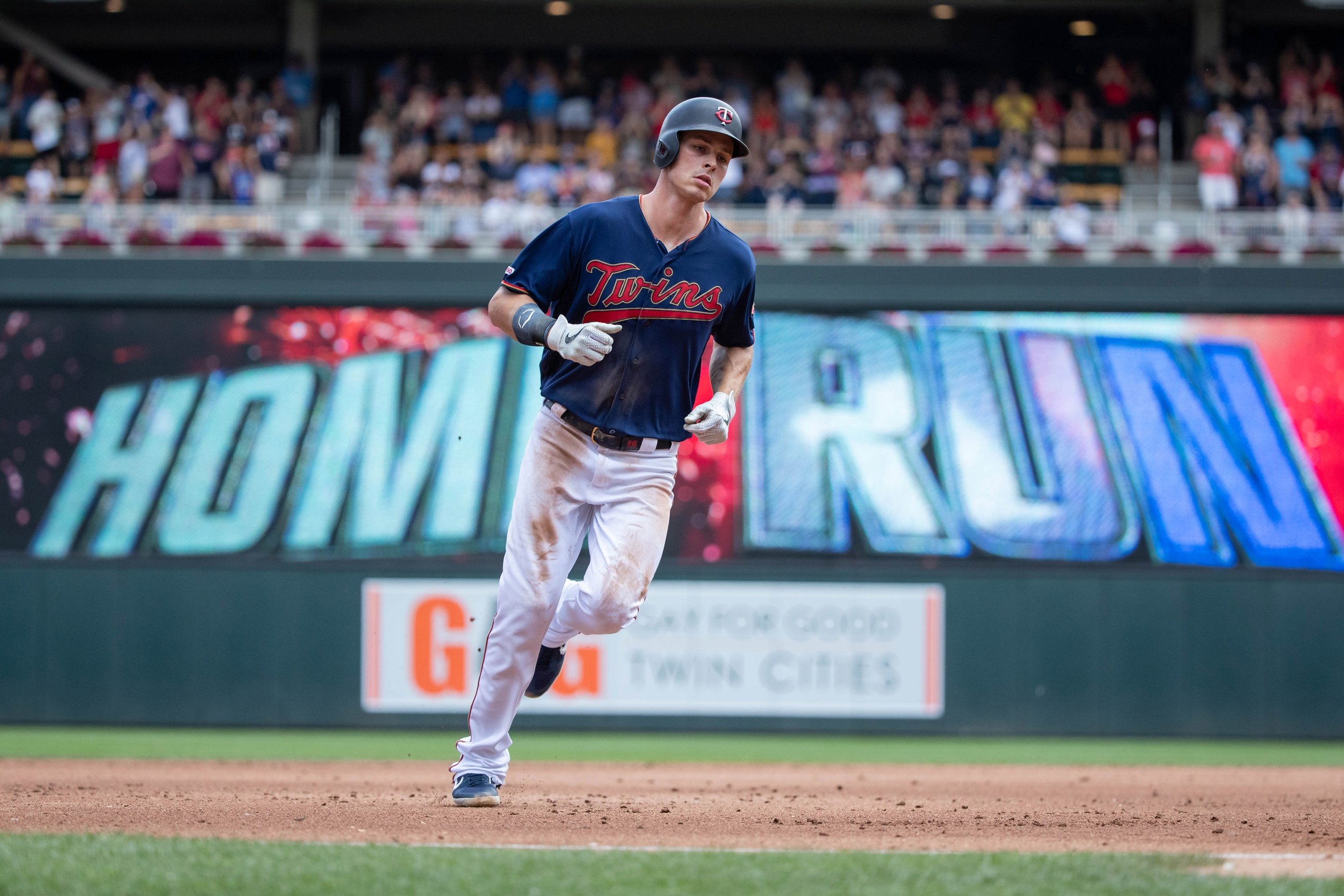 Every year leading into the trade deadline, FanGraphs ranks the top 50 players in baseball according to their trade value. Some of items taken into consideration are performance, age, and years remaining of team control. According to their explanation, “the central question we considered boils down to this: how much value could a team expect to get in a trade for each player on the list?” One Twins player’s ranking may come as a surprise. Max Kepler ranks as baseball’s 45th most valuable trade asset and this comes a year after being ranked 39th overall. He is under team control through 2024 when he will be in his age-31 season. Over the next three seasons, he is projected to be worth 8.8 WAR while earning a max (no pun intended) of $25.3 million. Kepler’s name hasn’t been out there in trade discussions as much as players like Nelson Cruz, Jose Berrios, and Andrelton Simmons. That doesn’t mean a Kepler deal is out of the question. Alex Kirilloff and Trevor Larnach emerging as valuable corner outfield options makes it easier to part with Kepler. Minnesota is also talking to Byron Buxton about a potential contract extension and that might leave the Twins even more willing to part with Kepler. So, how does Kepler enter the discussion as one of the most valuable trade assets? He is a good, but not great player that has multiple years of control on a team friendly deal. For his career, he has hit .234/.317/.442 (.760) and been worth 11.7 WAR, which FanGraphs values at $93.9 million. He has also shown the ability be a strong defensive corner outfielder while being capable of being an average defensive center fielder. During the 2021 season, Kepler is posting career highs in average exit velocity and hard hit %. For instance, his average exit velocity in 2019, when he hit 36 homers, was in the 61st percentile. Fast-forward to 2021 and he’s in the 76th percentile for average exit velocity. Minnesota has also seen some of Kepler’s flaws since his breakout 2019 campaign. According to some defensive metrics, he’s in the midst of his worst defensive season of his career. His hamstring issues have certainly slowed him down. That being said, he still ranks in the 78th percentile for outs above average and he’s outfield jump is one of baseball’s best (97th percentile). Offensively, it has been hard to live up to 2019. He consistently posts BABIP totals under .250 because he pops the ball up so frequently. This season, he is also striking out at a higher rate than any other season as his chase rate is in the 89th percentile. He’s hitting the ball harder, but the results haven’t been there. Teams know what they are getting with Kepler and organizations find value in having a known cost. How much value that brings as a trade asset is yet to be seen. Do you think Kepler is one of baseball’s most valuable trade assets? Leave a COMMENT and start the discussion. MORE FROM TWINS DAILY — Latest Twins coverage from our writers — Recent Twins discussion in our forums — Follow Twins Daily via Twitter, Facebook or email
- 28 comments
-
- 1
-
-
- max kepler
- 2021 trade deadline
- (and 2 more)
-
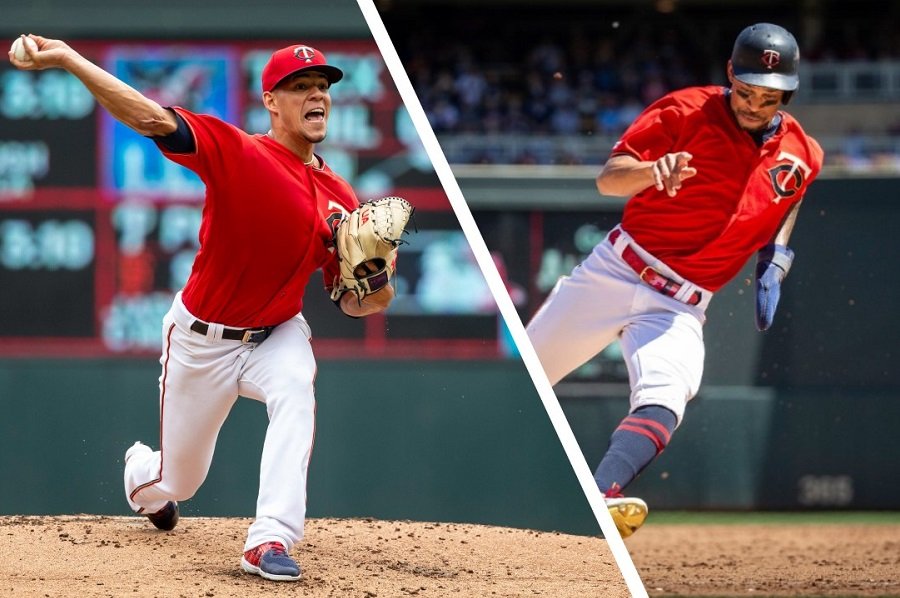 Many assumed the Twins may consider dealing Byron Buxton and/or Jose Berrios before the upcoming trade deadline. The team is out of contention and there are no guarantees the team will be able to put the pieces back in place for next year. However, reports serviced over the weekend that the team is not necessarily inclined to trade players under team control for 2022. Minnesota was supposed vying for a third consecutive AL Central title this year, so the front office may be thinking that it will be easy to retool this winter. Maybe 2021 is just a hiccup and Minnesota will be battling Chicago at the top of the division next season. Buxton and Berrios certainly make the Twins better for 2022, but there are no guarantees either will be back for 2023. Between the two players, the Twins may have a better shot at signing Buxton to a long-term extension. Ken Rosenthal reported the Twins latest offer is more than the $70 million deal Aaron Hicks signed with the Yankees back in 2019. It also would include escalators and incentives to add to the contract’s overall value. Any Buxton extension comes with risk. This is a player that clearly can play at an MVP level, but questions about his health have followed him throughout his professional career. According to Rosenthal’s report, the Twins will try and trade Buxton, who is currently on the IL, if he turns down their current offer. That trade could happen before the deadline or this offseason. An extension for Jose Berrios might be out of the question at this point. Berrios made it clear to the Star Tribune that he is looking for a big pay day and his team wans to “see what the best deal is going to be.” Minnesota would likely need to wow him with an offer at this point to get an extension signed. Darren Wolfson reported in his most recent podcast that the Twins will need to go higher than $20 million per season to keep Berrios. He has been one of the most durable pitchers during his big-league career as he ranks 10th in innings pitched and 12th in starts since 2017. He’s also 27-years old, which is when many pitchers enter their prime. It seems unlikely for the Twins to win a bidding war for Jose Berrios if he and his management team want to go to free agency. This is a player that went through the arbitration hearing process back in 2020 because he was aware of the business side of the game. Now he wants a big pay day so other pitchers of his caliber can make more money in the future. Which player to do feel is most likely to be in a Twins uniform beyond 2022? Leave a COMMENT and start the discussion. MORE FROM TWINS DAILY — Latest Twins coverage from our writers — Recent Twins discussion in our forums — Follow Twins Daily via Twitter, Facebook or email
- 32 comments
-
- 2
-
-
- byron buxton
- jose berrios
- (and 1 more)
-
Minnesota has team control of Byron Buxton and Jose Berrios for the next 15 months. With free agency looming, contract extensions become a murky proposition. Many assumed the Twins may consider dealing Byron Buxton and/or Jose Berrios before the upcoming trade deadline. The team is out of contention and there are no guarantees the team will be able to put the pieces back in place for next year. However, reports serviced over the weekend that the team is not necessarily inclined to trade players under team control for 2022. Minnesota was supposed vying for a third consecutive AL Central title this year, so the front office may be thinking that it will be easy to retool this winter. Maybe 2021 is just a hiccup and Minnesota will be battling Chicago at the top of the division next season. Buxton and Berrios certainly make the Twins better for 2022, but there are no guarantees either will be back for 2023. Between the two players, the Twins may have a better shot at signing Buxton to a long-term extension. Ken Rosenthal reported the Twins latest offer is more than the $70 million deal Aaron Hicks signed with the Yankees back in 2019. It also would include escalators and incentives to add to the contract’s overall value. Any Buxton extension comes with risk. This is a player that clearly can play at an MVP level, but questions about his health have followed him throughout his professional career. According to Rosenthal’s report, the Twins will try and trade Buxton, who is currently on the IL, if he turns down their current offer. That trade could happen before the deadline or this offseason. An extension for Jose Berrios might be out of the question at this point. Berrios made it clear to the Star Tribune that he is looking for a big pay day and his team wans to “see what the best deal is going to be.” Minnesota would likely need to wow him with an offer at this point to get an extension signed. Darren Wolfson reported in his most recent podcast that the Twins will need to go higher than $20 million per season to keep Berrios. He has been one of the most durable pitchers during his big-league career as he ranks 10th in innings pitched and 12th in starts since 2017. He’s also 27-years old, which is when many pitchers enter their prime. It seems unlikely for the Twins to win a bidding war for Jose Berrios if he and his management team want to go to free agency. This is a player that went through the arbitration hearing process back in 2020 because he was aware of the business side of the game. Now he wants a big pay day so other pitchers of his caliber can make more money in the future. Which player to do feel is most likely to be in a Twins uniform beyond 2022? Leave a COMMENT and start the discussion. MORE FROM TWINS DAILY — Latest Twins coverage from our writers — Recent Twins discussion in our forums — Follow Twins Daily via Twitter, Facebook or email View full article
- 32 replies
-
- 1
-
-
- byron buxton
- jose berrios
- (and 1 more)
-
Multiple Twins Defenders On Pace to Be Gold Glove Finalists
Cody Christie posted an article in Twins
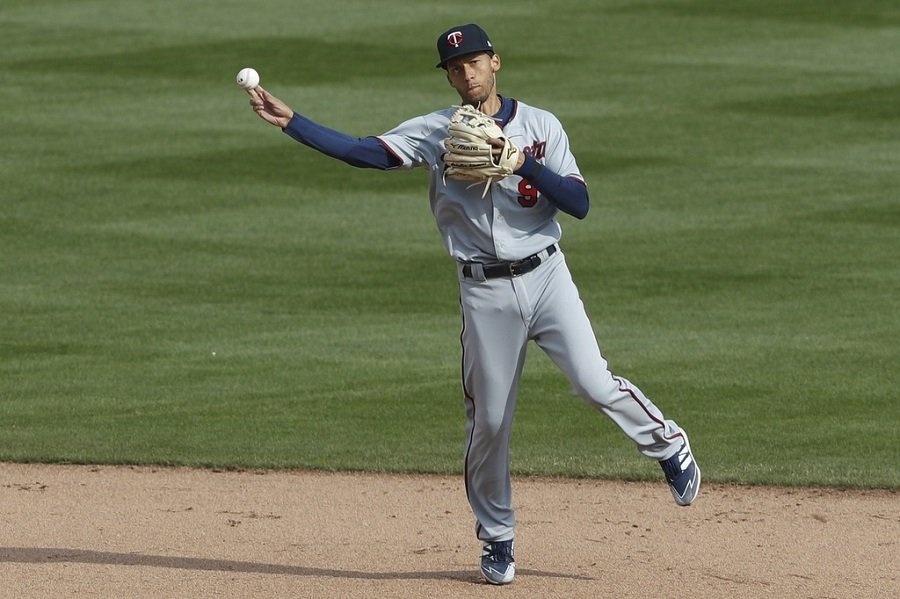 Defensive metrics have come a long way over the last decade. With Statcast tracking every batted ball, the amount of information available to fans is at an all-time high. One newer defensive metric was developed by the Society for American Baseball Research (SABR), and it is called the SABR Defensive Index (SDI). According to SABR's website, the SDI "draws on and aggregates two types of existing defensive metrics: those derived from batted ball location-based data and those collected from play-by-play accounts." Since 2013, SDI has been used as part of the process for selecting Gold Glove winners. Pitcher (AL Ranking): Jose Berrios, 2.2 SDI (6th); Michael Pineda, 0.6 SDI (19th); Kenta Maeda, 0.1 SDI (23rd) Berrios has always been a strong defensive pitcher and his defensive metrics point to him being near the top of the AL. Last season, Berrios finished 10th in SDI after finishing 16th in 2019. For his career, his highest 162-game season finish was in 2018 when he ranked 13th in the AL. Maeda was a Gold Glove finalist last season, but he hasn’t accumulated enough SDI to be in the discussion so far this year. Catcher (AL Ranking): Mitch Garver 1.3 SDI (10th); Ryan Jeffers 1.2 SDI (11th) Jeffers has been touted as the better defensive catcher, but he is slightly behind Garver in the first half SDI rankings. Garver has been on the shelf since his gruesome injury, and this means Jeffers has accumulated more innings behind the plate. Ben Rortvedt doesn’t have enough big-league time to show up on the SDI rankings, but he might by season’s end if the team is careful with Garver’s catching innings as he returns from injury. First Base (AL Ranking): Alex Kirilloff 1.7 SDI (3rd); Miguel Sano -0.9 SDI (11th) Outside of Simmons (See Below), Kirilloff ranks as the highest defender on the team at his position. Jake Bauers (2.6 SDI) and Ty France (2.3 SDI) have logged more than double the defensive innings compared to Kirilloff’s total. Kirilloff is much better than Sano at first and he has a chance to be a finalist for a Gold Glove in his rookie season. Second Base (AL Ranking): Jorge Polanco 1.1 SDI (8th); Luis Arraez -0.8 SDI (15th) Polanco had flaws as a defensive shortstop and his move to second base was seen as a way to increase his defensive value. Even with his current ranking, he is only 0.5 SDI out of ranking in the AL’s top three. Marcus Semien, another converted shortstop, leads the AL by one of the biggest margins at any position. Third Base (AL Ranking): Josh Donaldson -1.1 SDI (11th) Donaldson has long been considered a strong defender, but he might be in the middle of his worst defensive season. According to SDI, he ranked as high as second back in 2019 when he only finished behind Nolan Arenado in the NL. He’s been playing through hamstring issues that have significantly slowed him down and this might be one of the reasons for the decline in his defensive numbers. Shortstop (AL Ranking): Andrelton Simmons 4.4 SDI (1st) Simmons might be one of the all-time best defensive players, so it makes sense to see him at the top of the SDI rankings among shortstops. Only seven AL defenders have accumulated a higher SDI than Simmons including Semien, another player the Twins targeted for middle infield depth this winter. Simmons might have the inside track for another Gold Glove, but will he be with the Twins after the trade deadline? Left Field (AL Ranking): Trevor Larnach -2.2 SDI (14th) Larnach isn’t in the big leagues because of his defense, and this shows up in his SDI total. Only four qualified players rank lower than Larnach among AL left fielders. Former Twin Eddie Rosario currently ranks second with a 2.5 SDI and he is only 0.6 SDI behind first place. This might surprise Twins fans because he was never known for his defense when he was in Minnesota. Center Field (AL Ranking) Minnesota doesn’t currently have any players that qualify for the SDI rankings. <Insert sad trombone sound for Byron Buxton> Right Field (AL Ranking): Max Kepler -0.1 SDI (10th) Kepler’s total might be the most surprising on the midseason rankings. Throughout his career, he has been considered a strong defensive player with the Twins even using him in center field. Kepler is a year older, and he might have lost a step, or his hamstring injuries have slowed him down. Which of these rankings surprises you the most? Leave a COMMENT and star the discussion. MORE FROM TWINS DAILY — Latest Twins coverage from our writers — Recent Twins discussion in our forums — Follow Twins Daily via Twitter, Facebook or email
 -
Minnesota’s front office focused on defense this winter and the results have certainly been mixed throughout the first half. Here is how the Twins rank so far according to SABR’s Defensive Index. Defensive metrics have come a long way over the last decade. With Statcast tracking every batted ball, the amount of information available to fans is at an all-time high. One newer defensive metric was developed by the Society for American Baseball Research (SABR), and it is called the SABR Defensive Index (SDI). According to SABR's website, the SDI "draws on and aggregates two types of existing defensive metrics: those derived from batted ball location-based data and those collected from play-by-play accounts." Since 2013, SDI has been used as part of the process for selecting Gold Glove winners. Pitcher (AL Ranking): Jose Berrios, 2.2 SDI (6th); Michael Pineda, 0.6 SDI (19th); Kenta Maeda, 0.1 SDI (23rd) Berrios has always been a strong defensive pitcher and his defensive metrics point to him being near the top of the AL. Last season, Berrios finished 10th in SDI after finishing 16th in 2019. For his career, his highest 162-game season finish was in 2018 when he ranked 13th in the AL. Maeda was a Gold Glove finalist last season, but he hasn’t accumulated enough SDI to be in the discussion so far this year. Catcher (AL Ranking): Mitch Garver 1.3 SDI (10th); Ryan Jeffers 1.2 SDI (11th) Jeffers has been touted as the better defensive catcher, but he is slightly behind Garver in the first half SDI rankings. Garver has been on the shelf since his gruesome injury, and this means Jeffers has accumulated more innings behind the plate. Ben Rortvedt doesn’t have enough big-league time to show up on the SDI rankings, but he might by season’s end if the team is careful with Garver’s catching innings as he returns from injury. First Base (AL Ranking): Alex Kirilloff 1.7 SDI (3rd); Miguel Sano -0.9 SDI (11th) Outside of Simmons (See Below), Kirilloff ranks as the highest defender on the team at his position. Jake Bauers (2.6 SDI) and Ty France (2.3 SDI) have logged more than double the defensive innings compared to Kirilloff’s total. Kirilloff is much better than Sano at first and he has a chance to be a finalist for a Gold Glove in his rookie season. Second Base (AL Ranking): Jorge Polanco 1.1 SDI (8th); Luis Arraez -0.8 SDI (15th) Polanco had flaws as a defensive shortstop and his move to second base was seen as a way to increase his defensive value. Even with his current ranking, he is only 0.5 SDI out of ranking in the AL’s top three. Marcus Semien, another converted shortstop, leads the AL by one of the biggest margins at any position. Third Base (AL Ranking): Josh Donaldson -1.1 SDI (11th) Donaldson has long been considered a strong defender, but he might be in the middle of his worst defensive season. According to SDI, he ranked as high as second back in 2019 when he only finished behind Nolan Arenado in the NL. He’s been playing through hamstring issues that have significantly slowed him down and this might be one of the reasons for the decline in his defensive numbers. Shortstop (AL Ranking): Andrelton Simmons 4.4 SDI (1st) Simmons might be one of the all-time best defensive players, so it makes sense to see him at the top of the SDI rankings among shortstops. Only seven AL defenders have accumulated a higher SDI than Simmons including Semien, another player the Twins targeted for middle infield depth this winter. Simmons might have the inside track for another Gold Glove, but will he be with the Twins after the trade deadline? Left Field (AL Ranking): Trevor Larnach -2.2 SDI (14th) Larnach isn’t in the big leagues because of his defense, and this shows up in his SDI total. Only four qualified players rank lower than Larnach among AL left fielders. Former Twin Eddie Rosario currently ranks second with a 2.5 SDI and he is only 0.6 SDI behind first place. This might surprise Twins fans because he was never known for his defense when he was in Minnesota. Center Field (AL Ranking) Minnesota doesn’t currently have any players that qualify for the SDI rankings. <Insert sad trombone sound for Byron Buxton> Right Field (AL Ranking): Max Kepler -0.1 SDI (10th) Kepler’s total might be the most surprising on the midseason rankings. Throughout his career, he has been considered a strong defensive player with the Twins even using him in center field. Kepler is a year older, and he might have lost a step, or his hamstring injuries have slowed him down. Which of these rankings surprises you the most? Leave a COMMENT and star the discussion. MORE FROM TWINS DAILY — Latest Twins coverage from our writers — Recent Twins discussion in our forums — Follow Twins Daily via Twitter, Facebook or email View full article
- 23 replies
-
- 1
-
-
- andrelton simmons
- josh donaldson
- (and 3 more)
-
The good news is that the Twins will not lose more playoff games to the Yankees this season. The bad news is there can be multiple current Twins players that help the Yankees regain their October glory. What's Their Situation? In baseball's toughest division, the Yankees find themselves eight games out of first place, which puts them behind three other teams. New York would need to pass Tampa, Boston and Toronto to claim the AL East crown. They may need to turn their sights to one of the two Wild Card spots and that might be tough with the other teams in front of them. The last time the Yankees missed the playoffs was back in 2016, so to avoid that fate, the Bronx Bombers are going to have to go on a second-half run to get back in the race. At the All-Star break, New York was tied with Toronto and Cleveland at 4.5 games back of a playoff spot. That's a lot of ground to make up, especially with that many teams in contention. What Do They Need? New York's most significant need is clearly in center field after Aaron Hicks suffered a season-ending wrist injury. Brett Gardner and Clint Frazier have struggled to fill in, but outfield help isn't their only need. Starting pitching depth is vital for all contenders, and New York is missing Corey Kluber (shoulder) and Luis Severino (Tommy John). The Twins have a few players that fit these needs. Which Twins Are the Best Fit? Byron Buxton is the player that can best fit the Yankees center field need, but he is still on his way back from a broken hand. Buxton can certainly still be part of a trade, but a team dealing for him likely wants to make sure he is completely healthy before pulling the trigger on a deal, especially since Buxton was bothered by a hip injury before he broke his hand. Buxton has been playing at an MVP level when on the field, which adds to his intrigue. Jose Berrios is Minnesota's most valuable trade target on the starting pitcher front, but the thought of him in a Yankee uniform is tough to swallow. Yankees GM Brian Cashman has been clear that his team will be buyers at the deadline and trading for Berrios keeps him out of other AL contender's rotations. Besides Berrios, Michael Pineda is another starting pitcher option. He is familiar with the Yankee organization, but he will need to put together some strong starts leading into the deadline. Who Could The Twins Get Back? It seems unlikely that any teams will lay a hand on Jasson Dominguez, the Yankees' top prospect, but here are some other names to consider. Clarke Schmidt, RHP, 25yo – Schmidt has yet to appear in a game this year as he rehabs from an elbow strain. He was New York's first-round pick back in 2017, and he is one of their top pitching prospects. His medical records are essential to a trade, but the Twins need starting pitching help next season, and he is close to big-league ready. Deivi Garcia, RHP, 22yo – Garcia has made eight big-league starts and allowed six earned runs in 42 2/3 innings. He is significantly younger than Schmidt, and he might have a higher upside for the long term. Also, there aren't current injury concerns with Garcia like there are with Schmidt. On national prospect lists, he is at the back end of the top-100. Luis Gil, RHP, 23yo – Gil is an intriguing name because he was initially part of the Twins organization. Back in 2018, the Twins traded him to the Yankees for Jake Cave. Gil has developed into a borderline top-100 prospect, and the Twins are familiar with his background from signing him as a teenager. He has yet to make his big-league debut, but he has posted a 3.76 ERA with 76 strikeouts in 52 2/3 innings this year. Click here to read all of Twins Daily's trade deadline coverage. View full article
-
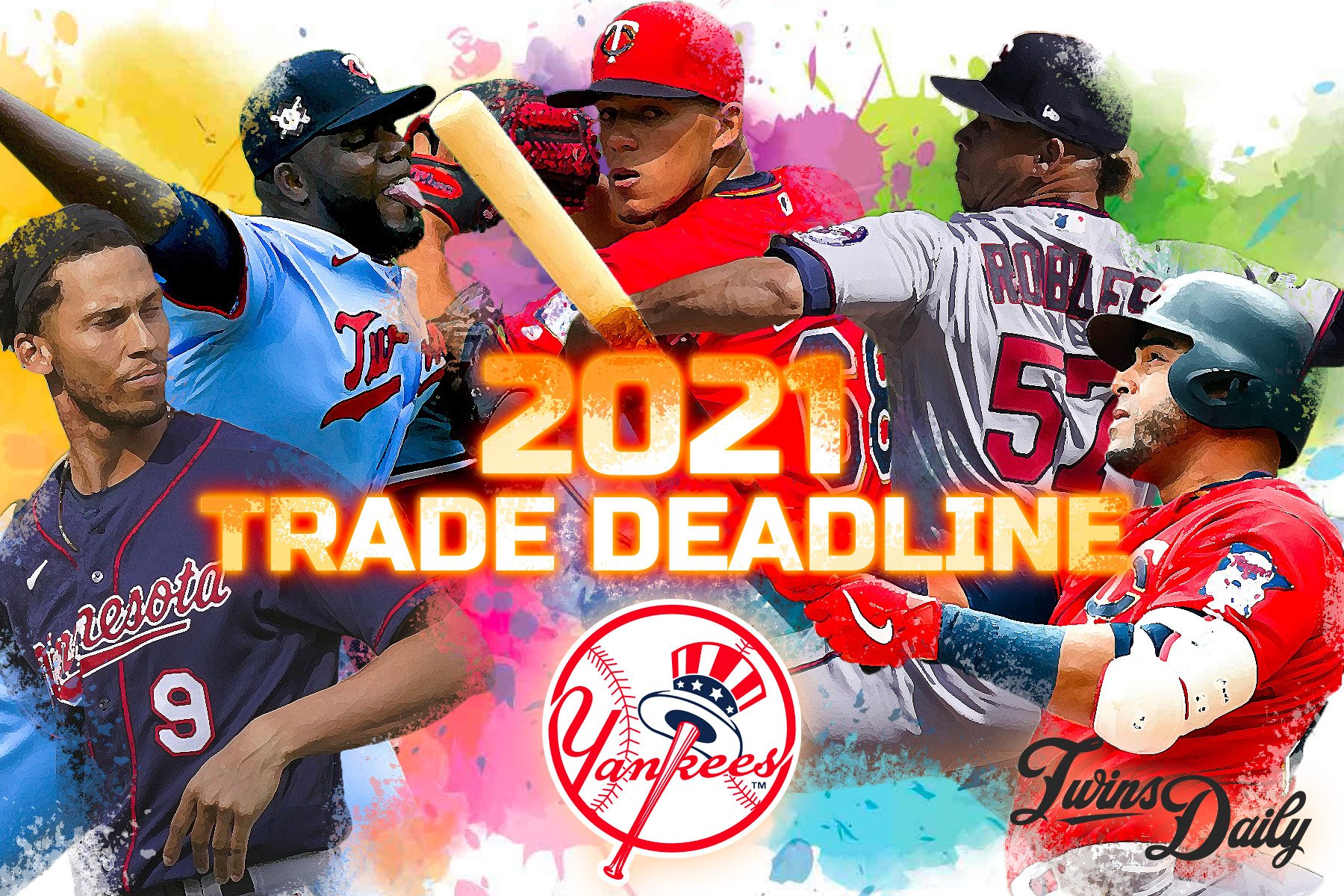 What's Their Situation? In baseball's toughest division, the Yankees find themselves eight games out of first place, which puts them behind three other teams. New York would need to pass Tampa, Boston and Toronto to claim the AL East crown. They may need to turn their sights to one of the two Wild Card spots and that might be tough with the other teams in front of them. The last time the Yankees missed the playoffs was back in 2016, so to avoid that fate, the Bronx Bombers are going to have to go on a second-half run to get back in the race. At the All-Star break, New York was tied with Toronto and Cleveland at 4.5 games back of a playoff spot. That's a lot of ground to make up, especially with that many teams in contention. What Do They Need? New York's most significant need is clearly in center field after Aaron Hicks suffered a season-ending wrist injury. Brett Gardner and Clint Frazier have struggled to fill in, but outfield help isn't their only need. Starting pitching depth is vital for all contenders, and New York is missing Corey Kluber (shoulder) and Luis Severino (Tommy John). The Twins have a few players that fit these needs. Which Twins Are the Best Fit? Byron Buxton is the player that can best fit the Yankees center field need, but he is still on his way back from a broken hand. Buxton can certainly still be part of a trade, but a team dealing for him likely wants to make sure he is completely healthy before pulling the trigger on a deal, especially since Buxton was bothered by a hip injury before he broke his hand. Buxton has been playing at an MVP level when on the field, which adds to his intrigue. Jose Berrios is Minnesota's most valuable trade target on the starting pitcher front, but the thought of him in a Yankee uniform is tough to swallow. Yankees GM Brian Cashman has been clear that his team will be buyers at the deadline and trading for Berrios keeps him out of other AL contender's rotations. Besides Berrios, Michael Pineda is another starting pitcher option. He is familiar with the Yankee organization, but he will need to put together some strong starts leading into the deadline. Who Could The Twins Get Back? It seems unlikely that any teams will lay a hand on Jasson Dominguez, the Yankees' top prospect, but here are some other names to consider. Clarke Schmidt, RHP, 25yo – Schmidt has yet to appear in a game this year as he rehabs from an elbow strain. He was New York's first-round pick back in 2017, and he is one of their top pitching prospects. His medical records are essential to a trade, but the Twins need starting pitching help next season, and he is close to big-league ready. Deivi Garcia, RHP, 22yo – Garcia has made eight big-league starts and allowed six earned runs in 42 2/3 innings. He is significantly younger than Schmidt, and he might have a higher upside for the long term. Also, there aren't current injury concerns with Garcia like there are with Schmidt. On national prospect lists, he is at the back end of the top-100. Luis Gil, RHP, 23yo – Gil is an intriguing name because he was initially part of the Twins organization. Back in 2018, the Twins traded him to the Yankees for Jake Cave. Gil has developed into a borderline top-100 prospect, and the Twins are familiar with his background from signing him as a teenager. He has yet to make his big-league debut, but he has posted a 3.76 ERA with 76 strikeouts in 52 2/3 innings this year. Click here to read all of Twins Daily's trade deadline coverage.
 -
 Trade Deadline Deals The next few weeks are shaping up to quite possibly being the craziest trade deadline in franchise history. Minnesota was supposed to be a contending team and many players are on contracts that expire in the next two years. This means the Twins are open for business with names up for grabs like Nelson Cruz, Josh Donaldson, Jose Berrios, and Taylor Rogers. Some national outlets have identified the Twins as having the highest quantity of players available and quite possibly some of the best players on the market. Berrios is the team’s most valuable trade target as he has one more year of team control. Nearly every player will be available and some players with multiple years of team control might end up being dealt like Kenta Maeda or Max Kepler. Play the Young Guns Alex Kirilloff and Trevor Larnach have been inserted into the everyday line-up with better-than-expected results. While other team’s top prospects have struggled, Minnesota’s dynamic duo has put up better than average offensive numbers as part of one of the better offenses in the American League. Both players are part of the long-term plan so they will continue to get plenty of opportunities, but they aren’t the only rookies to keep an eye on. Next year’s Twins starting rotation has plenty of openings and the club needs to see what they have in some of their young arms. Bailey Ober has made eight starts with some mixed results. Other pitching prospects like Josh Winder and Jordan Balazovic have a chance to make the debuts in the second half. On the position player side, Jose Miranda and Brent Rooker have been hitting well in the upper levels of the minors. Both players can be inserted into the everyday line-up if Donaldson and Cruz are dealt. Division Spoiler Minnesota has won back-to-back division titles and was expected to be in contention for a third, but now the Twins can play spoiler to the other contenders. Chicago has jumped out to an eight-game lead in the division even with injuries to multiple key players. Cleveland is the lone team in striking distance, but both Cleveland and Chicago have plenty of games remaining against the teams at the bottom of the division. The AL Central is clearly Chicago’s division to lose at this point. Cleveland has flaws and there are no guarantees they will be able to go out and fix those flaws at the trade deadline. So far this season, Minnesota hasn’t put up much of a fight against Chicago as the Twins have only managed two wins in 10 opportunities. This was supposed to be a two-team battle until the end of the year, but the Twins haven’t lived up to their end of the bargain. This doesn’t mean they can’t be a thorn in Chicago’s side during the second half. What storylines will you follow in the season’s second half? Leave a COMMENT and start the discussion. MORE FROM TWINS DAILY — Latest Twins coverage from our writers — Recent Twins discussion in our forums — Follow Twins Daily via Twitter, Facebook or email
 -
3 Twins Second Half Storylines to Follow
Cody Christie posted a topic in Twins Daily Front Page News
The Twins might be out of contention in the second half, but there are plenty of storylines to watch as the second half gets underway. Here are just a few of the storylines fans can follow in the weeks ahead. Trade Deadline Deals The next few weeks are shaping up to quite possibly being the craziest trade deadline in franchise history. Minnesota was supposed to be a contending team and many players are on contracts that expire in the next two years. This means the Twins are open for business with names up for grabs like Nelson Cruz, Josh Donaldson, Jose Berrios, and Taylor Rogers. Some national outlets have identified the Twins as having the highest quantity of players available and quite possibly some of the best players on the market. Berrios is the team’s most valuable trade target as he has one more year of team control. Nearly every player will be available and some players with multiple years of team control might end up being dealt like Kenta Maeda or Max Kepler. Play the Young Guns Alex Kirilloff and Trevor Larnach have been inserted into the everyday line-up with better-than-expected results. While other team’s top prospects have struggled, Minnesota’s dynamic duo has put up better than average offensive numbers as part of one of the better offenses in the American League. Both players are part of the long-term plan so they will continue to get plenty of opportunities, but they aren’t the only rookies to keep an eye on. Next year’s Twins starting rotation has plenty of openings and the club needs to see what they have in some of their young arms. Bailey Ober has made eight starts with some mixed results. Other pitching prospects like Josh Winder and Jordan Balazovic have a chance to make the debuts in the second half. On the position player side, Jose Miranda and Brent Rooker have been hitting well in the upper levels of the minors. Both players can be inserted into the everyday line-up if Donaldson and Cruz are dealt. Division Spoiler Minnesota has won back-to-back division titles and was expected to be in contention for a third, but now the Twins can play spoiler to the other contenders. Chicago has jumped out to an eight-game lead in the division even with injuries to multiple key players. Cleveland is the lone team in striking distance, but both Cleveland and Chicago have plenty of games remaining against the teams at the bottom of the division. The AL Central is clearly Chicago’s division to lose at this point. Cleveland has flaws and there are no guarantees they will be able to go out and fix those flaws at the trade deadline. So far this season, Minnesota hasn’t put up much of a fight against Chicago as the Twins have only managed two wins in 10 opportunities. This was supposed to be a two-team battle until the end of the year, but the Twins haven’t lived up to their end of the bargain. This doesn’t mean they can’t be a thorn in Chicago’s side during the second half. What storylines will you follow in the season’s second half? Leave a COMMENT and start the discussion. MORE FROM TWINS DAILY — Latest Twins coverage from our writers — Recent Twins discussion in our forums — Follow Twins Daily via Twitter, Facebook or email View full article -
Taylor Rogers has been one of the American League’s best relievers over the last three seasons. On Monday, he was rewarded for that effort by being named to his first All-Star team. Taylor Rogers wasn’t part of the original AL All-Star roster, but Yusei Kikuchi was placed on the inactive list due to COVID protocols and now Rogers gets to live out what must feel like a dream. He attended Rockies games growing up and now he has a chance to pitch on the Coors Field mound for the first time in his professional career. Rogers was already in Denver, so it took him just under 90 minutes to get from his Denver home to last night’s Home Run Derby. Minnesota has won back-to-back AL Central titles and during that stretch, Rogers has been one of baseball’s best relievers. Since the start of 2018, he ranks fifth among relievers in FanGraph’s WAR. This puts him behind names like Josh Hader, Liam Hendriks, Edwin Diaz, and Ryan Pressly. His value to the Twins goes much deeper than WAR. According to Win Probability Added, Rogers has been the AL’s best relief pitcher since 2018. While some clubs might relegate Rogers to a traditional closer role, Minnesota has used him in a variety of late-inning situations that come with some of the highest leverage. In fact, there have been multiple stretches where he has felt like the only reliable option out of the Twins’ bullpen. Rogers and his quiet demeanor don’t necessarily fit the prototypical personality of a late-inning reliever, but he is a team leader on and off the field. After Kyle Gibson left following the 2019 season, Rogers took over as Minnesota’s player representative to the MLB Players Association. His first year in the role saw him having to represent the team through a pandemic, which couldn’t have been an easy task. Besides his off-field responsibilities in 2020, Rogers saw his performance suffer for the first time during the pandemic shortened season. He posted his highest career ERA, WHIP and H/9, but he did all of this in only 20 innings pitched. The peripheral numbers pointed to him being unlucky as he had a 2.84 FIP and he was getting BABIP’ed to death (.400 BABIP). He has bounced back nicely in 2021 and being selected to his first All-Star Game is just part of the reward. His Statcast numbers are also some of baseball’s best. His chase rate ranks in the 100th percentile and he ranks in the 90th percentile or higher in xwOBA, xERA, K%, and BB%. There are few relievers that can match one of those statistical areas let alone be ranked that highly in five different Statcast categories. Minnesota has been lucky to have quite the run of All-Star relievers over parts of the last two decades. Joe Nathan was selected to four All-Star teams with the Twins after being traded from the Giants. Glen Perkins made three All-Star appearances from 2013-2015 as he got to close out the 2014 All-Star Game in front of the Target Field crowd. Now Rogers, a Colorado native, has the opportunity to make his own memories at Coors Field. Congratulations to Taylor Rogers! MORE FROM TWINS DAILY — Latest Twins coverage from our writers — Recent Twins discussion in our forums — Follow Twins Daily via Twitter, Facebook or email View full article
-
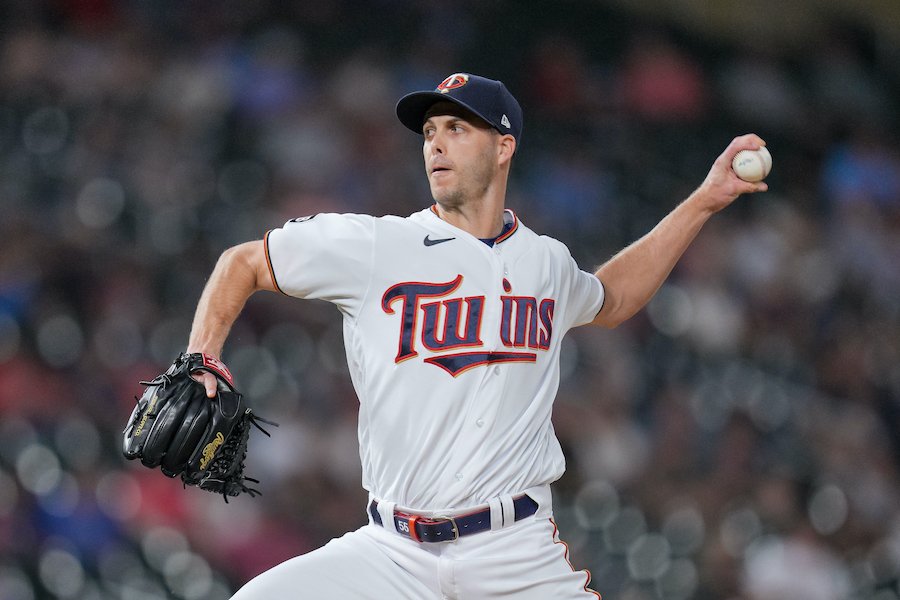 Taylor Rogers wasn’t part of the original AL All-Star roster, but Yusei Kikuchi was placed on the inactive list due to COVID protocols and now Rogers gets to live out what must feel like a dream. He attended Rockies games growing up and now he has a chance to pitch on the Coors Field mound for the first time in his professional career. Rogers was already in Denver, so it took him just under 90 minutes to get from his Denver home to last night’s Home Run Derby. Minnesota has won back-to-back AL Central titles and during that stretch, Rogers has been one of baseball’s best relievers. Since the start of 2018, he ranks fifth among relievers in FanGraph’s WAR. This puts him behind names like Josh Hader, Liam Hendriks, Edwin Diaz, and Ryan Pressly. His value to the Twins goes much deeper than WAR. According to Win Probability Added, Rogers has been the AL’s best relief pitcher since 2018. While some clubs might relegate Rogers to a traditional closer role, Minnesota has used him in a variety of late-inning situations that come with some of the highest leverage. In fact, there have been multiple stretches where he has felt like the only reliable option out of the Twins’ bullpen. Rogers and his quiet demeanor don’t necessarily fit the prototypical personality of a late-inning reliever, but he is a team leader on and off the field. After Kyle Gibson left following the 2019 season, Rogers took over as Minnesota’s player representative to the MLB Players Association. His first year in the role saw him having to represent the team through a pandemic, which couldn’t have been an easy task. Besides his off-field responsibilities in 2020, Rogers saw his performance suffer for the first time during the pandemic shortened season. He posted his highest career ERA, WHIP and H/9, but he did all of this in only 20 innings pitched. The peripheral numbers pointed to him being unlucky as he had a 2.84 FIP and he was getting BABIP’ed to death (.400 BABIP). He has bounced back nicely in 2021 and being selected to his first All-Star Game is just part of the reward. His Statcast numbers are also some of baseball’s best. His chase rate ranks in the 100th percentile and he ranks in the 90th percentile or higher in xwOBA, xERA, K%, and BB%. There are few relievers that can match one of those statistical areas let alone be ranked that highly in five different Statcast categories. Minnesota has been lucky to have quite the run of All-Star relievers over parts of the last two decades. Joe Nathan was selected to four All-Star teams with the Twins after being traded from the Giants. Glen Perkins made three All-Star appearances from 2013-2015 as he got to close out the 2014 All-Star Game in front of the Target Field crowd. Now Rogers, a Colorado native, has the opportunity to make his own memories at Coors Field. Congratulations to Taylor Rogers! MORE FROM TWINS DAILY — Latest Twins coverage from our writers — Recent Twins discussion in our forums — Follow Twins Daily via Twitter, Facebook or email
 -
Alex Kirilloff and Trevor Larnach compiled notable first half performances especially considering there was no minor league season last year. What’s even more impressive is when you compare them to other top prospects. In 2020’s aftermath, organizations are going to attempt to get their prospects back on track to eventually have big-league success. Missing all the 2020 season forced teams to get creative with plans for prospect development as many players were relegated to home workout plans. Minnesota was lucky enough to have room at their alternate site for top prospects like Alex Kirilloff and Trevor Larnach and they have reaped the benefits so far this season. Kirilloff struggled this spring and was left off the Opening Day roster, but he has put together some strong numbers since the Twins called him up. He ended the first half with a .765 OPS and a 113 OPS+ including 20 extra-base hits. Larnach isn’t that far behind as he has compiled a .755 OPS and a 113 OPS+ with 16 extra-base hits. While these players have succeeded, other top prospects have struggled so far in their first taste of the big leagues. Tampa’s Wander Franco entered the season as baseball’s consensus top prospect, but things haven’t been easy for him so far. In his first 15 games, he has hit .197/.258/.328 and combined for a 67 OPS+. He just turned 20-years old in March so there is plenty of time for him to find his groove. Tampa likely hopes he finds it sooner rather than later as they are part of a tight race in the AL East. Seattle’s Jarred Kelenic started the year ranked as baseball’s number four prospect by Baseball America and MLB.com. He got 23 games under his belt and the results were bad enough that Seattle sent him back to Triple-A. He hit .096/.185/.193 with 26 strikeouts in 83 at-bats. He is still part of the long-term plan in Seattle and his bat seems to be getting back on track in the minors. Atlanta’s Cristian Pache ranked as a top-20 prospect by all three national top-100 lists. But like Franco and Kelenic, he has struggled to find his stroke in the majors. In 22 games, he has hit .111/.152/.206 with 25 strikeouts in 63 at-bats. Ronald Acuna’s season ending injury might allow him to get some more at-bats as the season progresses, but he there are some obvious areas of improvement. The 2021 season has been dreadful for the Twins as well as some of baseball’s top prospects. Thankfully, Kirilloff and Larnach have been forced into some situations that will be learning experiences moving forward. Even with some recent struggles, Larnach has been consistently hitting in the middle of the line-up. Kirilloff has come up with some big hits and important defensive plays. It’s a small positive in the middle of a terrible Twins campaign. Franco, Kelenic, and Pache may all be better players than Minnesota’s duo, but it’s clear that Kirilloff and Larnach have more than lived up to their scouting reports in the season’s first half. Now they need to continue to make adjustments to stay ahead of the rest of baseball’s top prospects. What have your impressions been of Minnesota’s rookie duo? Leave a COMMENT and start the discussion. MORE FROM TWINS DAILY — Latest Twins coverage from our writers — Recent Twins discussion in our forums — Follow Twins Daily via Twitter, Facebook or email View full article
- 35 replies
-
- 1
-
-
- alex kirilloff
- trevor larnach
- (and 3 more)
-
Twins Rookie Duo Impresses While Other Teams' Top Prospects Struggle
Cody Christie posted an article in Twins
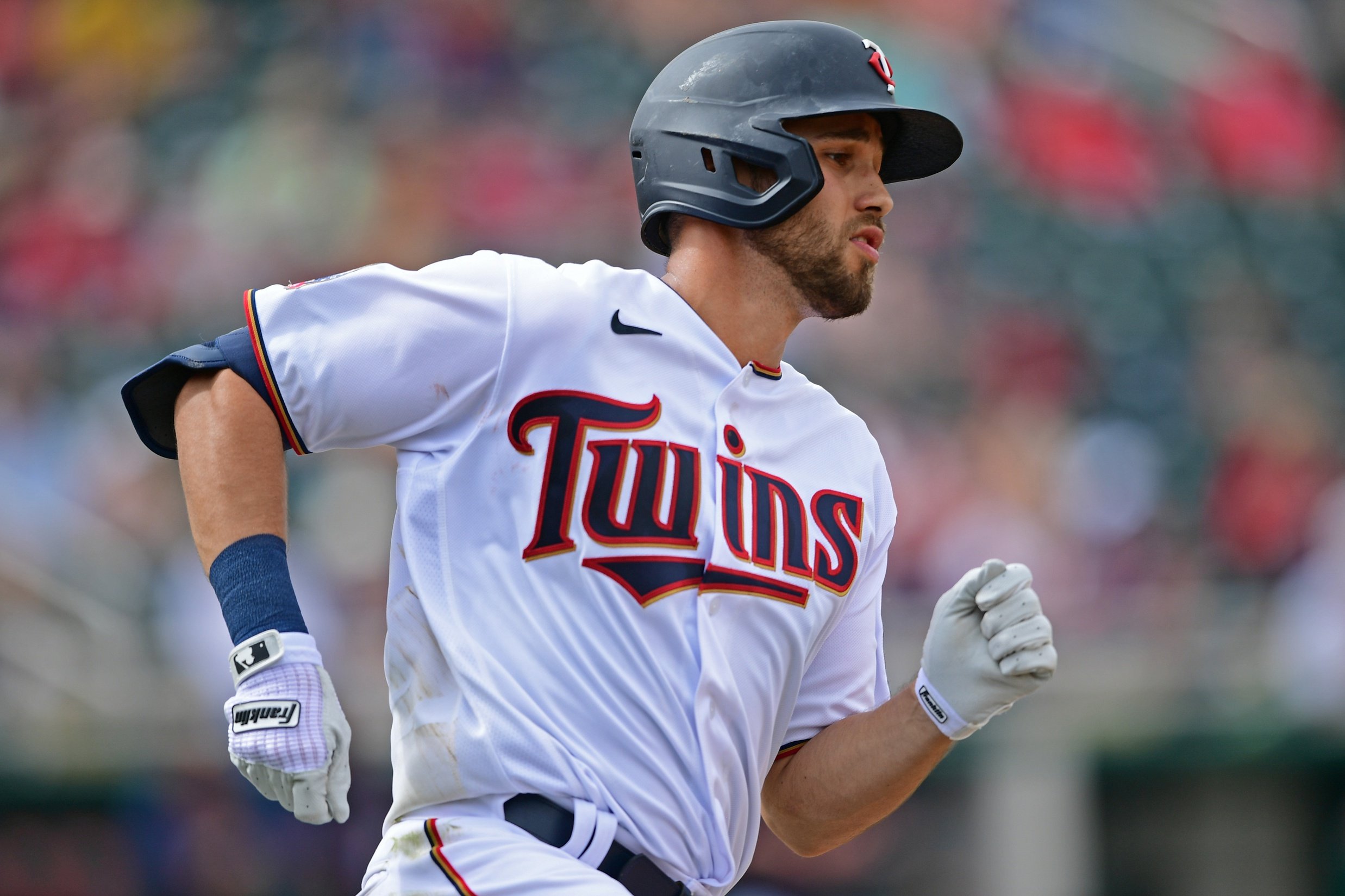 In 2020’s aftermath, organizations are going to attempt to get their prospects back on track to eventually have big-league success. Missing all the 2020 season forced teams to get creative with plans for prospect development as many players were relegated to home workout plans. Minnesota was lucky enough to have room at their alternate site for top prospects like Alex Kirilloff and Trevor Larnach and they have reaped the benefits so far this season. Kirilloff struggled this spring and was left off the Opening Day roster, but he has put together some strong numbers since the Twins called him up. He ended the first half with a .765 OPS and a 113 OPS+ including 20 extra-base hits. Larnach isn’t that far behind as he has compiled a .755 OPS and a 113 OPS+ with 16 extra-base hits. While these players have succeeded, other top prospects have struggled so far in their first taste of the big leagues. Tampa’s Wander Franco entered the season as baseball’s consensus top prospect, but things haven’t been easy for him so far. In his first 15 games, he has hit .197/.258/.328 and combined for a 67 OPS+. He just turned 20-years old in March so there is plenty of time for him to find his groove. Tampa likely hopes he finds it sooner rather than later as they are part of a tight race in the AL East. Seattle’s Jarred Kelenic started the year ranked as baseball’s number four prospect by Baseball America and MLB.com. He got 23 games under his belt and the results were bad enough that Seattle sent him back to Triple-A. He hit .096/.185/.193 with 26 strikeouts in 83 at-bats. He is still part of the long-term plan in Seattle and his bat seems to be getting back on track in the minors. Atlanta’s Cristian Pache ranked as a top-20 prospect by all three national top-100 lists. But like Franco and Kelenic, he has struggled to find his stroke in the majors. In 22 games, he has hit .111/.152/.206 with 25 strikeouts in 63 at-bats. Ronald Acuna’s season ending injury might allow him to get some more at-bats as the season progresses, but he there are some obvious areas of improvement. The 2021 season has been dreadful for the Twins as well as some of baseball’s top prospects. Thankfully, Kirilloff and Larnach have been forced into some situations that will be learning experiences moving forward. Even with some recent struggles, Larnach has been consistently hitting in the middle of the line-up. Kirilloff has come up with some big hits and important defensive plays. It’s a small positive in the middle of a terrible Twins campaign. Franco, Kelenic, and Pache may all be better players than Minnesota’s duo, but it’s clear that Kirilloff and Larnach have more than lived up to their scouting reports in the season’s first half. Now they need to continue to make adjustments to stay ahead of the rest of baseball’s top prospects. What have your impressions been of Minnesota’s rookie duo? Leave a COMMENT and start the discussion. MORE FROM TWINS DAILY — Latest Twins coverage from our writers — Recent Twins discussion in our forums — Follow Twins Daily via Twitter, Facebook or email
- 35 comments
-
- 4
-
-
- alex kirilloff
- trevor larnach
- (and 3 more)
-
Each contending team has holes to fill as the deadline approaches. Here is how the Twins can help each contending NL team. Mets, Third Base Before his recent injury, reports serviced of the Twins and Mets having some initial discussions about a deal involving Josh Donaldson. There are obviously plenty of things to consider with the amount of money remaining on his contract. How much money do the Twins need to cover? What kind of prospect can they get in return? Donaldson has continued to produce offensively, and he can be an October weapon for a club that is willing to deal with some of his antics. Potential Fit: Josh Donaldson Nationals, Starting Pitcher The Nationals have been riding Max Scherzer at the top of the rotation, but there are plenty of other question marks in the rest of their staff. Realistically, Washington needs to add multiple starters including someone with more upside than Pineda. That being said, the NL East is up for grabs, and they have an opportunity to head back to October with rotational upgrades. Potential Fit: Michael Pineda Brewers, Offensive Upgrade Milwaukee finds themselves at the top of the NL Central thanks in large part to a tremendous pitching staff. If they want to find October success, they are going to need to add more to their offense. Nelson Cruz would look great in the middle of their line-up, but no NL DH means that’s out of the question. Donaldson can add a power bat to their line-up if the Twins are willing to eat most of the contract to send him to their border state rival. Potential Fit: Donaldson Reds, Relief Pitcher Cincinnati’s bullpen is terrible as they rank near the bottom of the NL in many metrics. They likely need to add multiple relievers to find any sort of run to the postseason, but are they going to want to surrender the capital needed to make this happen? Minnesota has multiple relievers that are available including plenty of arms with late-inning experience. Potential Fit: Taylor Rogers Giants, Starting Pitcher San Francisco wasn’t supposed to be at the top of the NL West, but baseball is a funny game. Their line-up doesn’t have many glaring needs, so adding to their starting pitching depth seems like the best way to stay at the top of the division. Jose Berrios might be one of the best starters available at the deadline and he can keep them at the top of their division. Potential Fit: Jose Berrios Dodgers, Starting Pitcher Minnesota’s front office has worked with Los Angeles before as part of the Kenta Maeda deal, so that might make another big trade easier for both sides. The Dodgers want to prove that last year’s shortened season title wasn’t a fluke and adding Berrios means the other contenders in their division won’t have the opportunity to acquire him. Potential Fit: Berrios Padres, Relief Pitcher San Diego spent big this winter and they are clearly in win now mode. They can likely use a starting pitcher and some other offensive help, but the Twins have intriguing bullpen arms. Duffey, like Rogers comes with an extra year of team control and that only increases each player’s value. Minnesota might not want to deal Duffey, but the Padres have prospects that might be tough to turn down. Potential Fit: Tyler Duffey There are also plenty of deals the Twins can make with AL squads including multiple teams interested in Cruz. Which of these deals is most likely to happen? Leave a COMMENT and start the discussion. MORE FROM TWINS DAILY — Latest Twins coverage from our writers — Recent Twins discussion in our forums — Follow Twins Daily via Twitter, Facebook or email View full article
- 5 replies
-
- 1
-
-
- tyler duffey
- jose berrios
- (and 3 more)
-
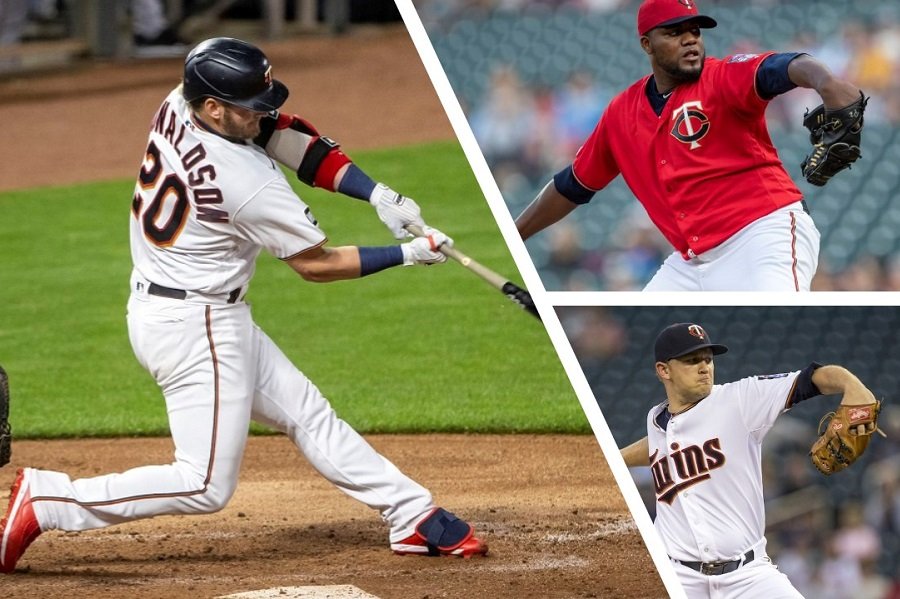 Mets, Third Base Before his recent injury, reports serviced of the Twins and Mets having some initial discussions about a deal involving Josh Donaldson. There are obviously plenty of things to consider with the amount of money remaining on his contract. How much money do the Twins need to cover? What kind of prospect can they get in return? Donaldson has continued to produce offensively, and he can be an October weapon for a club that is willing to deal with some of his antics. Potential Fit: Josh Donaldson Nationals, Starting Pitcher The Nationals have been riding Max Scherzer at the top of the rotation, but there are plenty of other question marks in the rest of their staff. Realistically, Washington needs to add multiple starters including someone with more upside than Pineda. That being said, the NL East is up for grabs, and they have an opportunity to head back to October with rotational upgrades. Potential Fit: Michael Pineda Brewers, Offensive Upgrade Milwaukee finds themselves at the top of the NL Central thanks in large part to a tremendous pitching staff. If they want to find October success, they are going to need to add more to their offense. Nelson Cruz would look great in the middle of their line-up, but no NL DH means that’s out of the question. Donaldson can add a power bat to their line-up if the Twins are willing to eat most of the contract to send him to their border state rival. Potential Fit: Donaldson Reds, Relief Pitcher Cincinnati’s bullpen is terrible as they rank near the bottom of the NL in many metrics. They likely need to add multiple relievers to find any sort of run to the postseason, but are they going to want to surrender the capital needed to make this happen? Minnesota has multiple relievers that are available including plenty of arms with late-inning experience. Potential Fit: Taylor Rogers Giants, Starting Pitcher San Francisco wasn’t supposed to be at the top of the NL West, but baseball is a funny game. Their line-up doesn’t have many glaring needs, so adding to their starting pitching depth seems like the best way to stay at the top of the division. Jose Berrios might be one of the best starters available at the deadline and he can keep them at the top of their division. Potential Fit: Jose Berrios Dodgers, Starting Pitcher Minnesota’s front office has worked with Los Angeles before as part of the Kenta Maeda deal, so that might make another big trade easier for both sides. The Dodgers want to prove that last year’s shortened season title wasn’t a fluke and adding Berrios means the other contenders in their division won’t have the opportunity to acquire him. Potential Fit: Berrios Padres, Relief Pitcher San Diego spent big this winter and they are clearly in win now mode. They can likely use a starting pitcher and some other offensive help, but the Twins have intriguing bullpen arms. Duffey, like Rogers comes with an extra year of team control and that only increases each player’s value. Minnesota might not want to deal Duffey, but the Padres have prospects that might be tough to turn down. Potential Fit: Tyler Duffey There are also plenty of deals the Twins can make with AL squads including multiple teams interested in Cruz. Which of these deals is most likely to happen? Leave a COMMENT and start the discussion. MORE FROM TWINS DAILY — Latest Twins coverage from our writers — Recent Twins discussion in our forums — Follow Twins Daily via Twitter, Facebook or email
- 5 comments
-
- 1
-
-
- tyler duffey
- jose berrios
- (and 3 more)
-
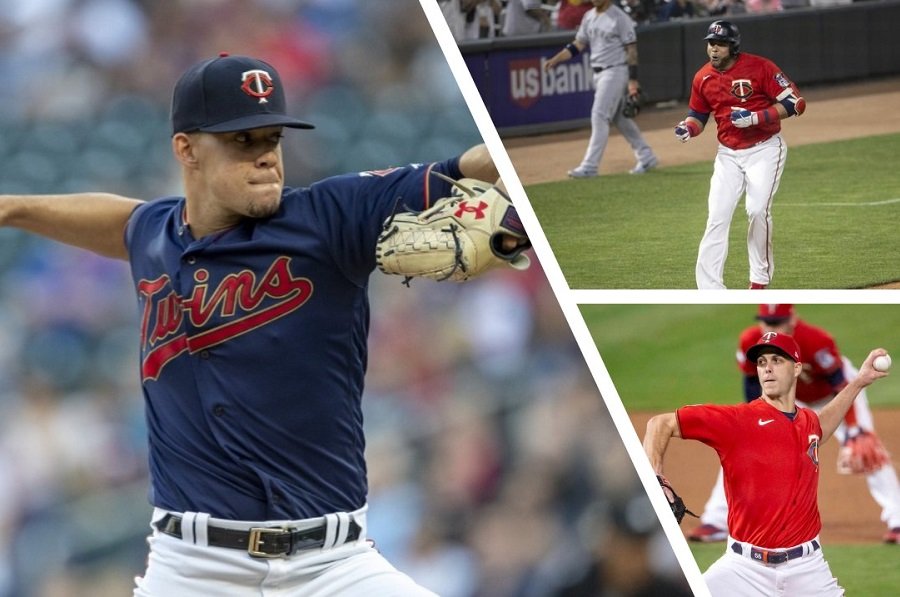 White Sox, Relief Pitcher Trades within the division can be tough, but every contending team needs bullpen help down the stretch. With the Twins wanting to contend next year, it doesn’t seem likely for the club to send Taylor Rogers or Tyler Duffey to a division rival. This makes Robles more of a logical choice with his late inning work this season. He will need to show he can be back to the player he was earlier this season before a deal can get done. Potential Fit: Hansel Robles Cleveland, Starting Pitcher Derek Falvey came to the Twins from Cleveland’s front office, so he is likely well familiar with many of the players still in their system. Cleveland’s pitching staff has dealt with plenty of injuries, so more starting pitching depth might be at the top of their list. Pineda is on an expiring deal, and he won’t cost that much to acquire. His performance will need to improve now that he is back from injury. Potential Fit: Michael Pineda Red Sox, Left-Handed Bat MLB.com identified first base as a need for Boston, but their bigger need might be adding a left-handed bat. Only two everyday players, Rafael Devers and Alex Verdugo, are lefties. There’s no question that Kepler has struggled this season, but lately there have been some signs of life with his bat. Kepler is on a very team friendly deal, and he has some defensive flexibility. The emergence of Alex Kirilloff and Trevor Larnach makes Kepler expendable, but the team can also wait until the off-season to trade him. Potential Fit: Max Kepler Rays, Designated Hitter At the beginning of last month, I wrote about the Twins trading Cruz to the Rays. Tampa has previously been interested in him and he adds a big bat to the middle of their line-up. He’s having one of the best seasons ever for a player over 40 and there is likely a small market of contending teams vying for his services. Tampa has one of baseball’s best farm systems so that makes things even more intriguing. Potential Fit: Nelson Cruz Blue Jays, Relief Pitcher Realistically, Toronto might be interested in multiple players on the Twins roster. Besides relievers, the Blue Jays are likely interested in adding starting pitching (Jose Berrios) or designated hitter (Cruz) This is a team that wants to win now, and the AL East is baseball’s toughest division. It’s not out of the question to think the Twins might ship multiple players to Toronto before the deadline. Potential Fit: Taylor Rogers Astros, Relief Pitcher Minnesota’s current front office has previously completed a trade with the Astros that involved a reliever with team control. Ryan Pressly has gone on to a tremendous career in Houston, but he is currently one of the team’s only late-inning options. Adding Rogers to the mix is the kind of one-two punch teams need for deep October runs. Potential Fit: Rogers Athletics, Designated Hitter Minnesota might be able to create a small bidding war, if they can pit Toronto, Oakland, and Tampa against each other for Cruz’s services. Oakland is very familiar with Cruz from his time in Seattle and their line-up can use the powerful upgrade that he can provide. One of the biggest questions is if teams like Tampa and Oakland can take on the remaining salary on his contract or will the Twins have to send cash to pay down his expiring contract. Potential Fit: Cruz Which of these deals is most likely to happen? Leave a COMMENT and start the discussion. MORE FROM TWINS DAILY — Latest Twins coverage from our writers — Recent Twins discussion in our forums — Follow Twins Daily via Twitter, Facebook or email
- 20 comments
-
- 1
-
-
- nelson cruz
- taylor rogers
- (and 3 more)
-
Each contending team has holes to fill as the deadline approaches. Here is how the Twins can help each contending AL team. White Sox, Relief Pitcher Trades within the division can be tough, but every contending team needs bullpen help down the stretch. With the Twins wanting to contend next year, it doesn’t seem likely for the club to send Taylor Rogers or Tyler Duffey to a division rival. This makes Robles more of a logical choice with his late inning work this season. He will need to show he can be back to the player he was earlier this season before a deal can get done. Potential Fit: Hansel Robles Cleveland, Starting Pitcher Derek Falvey came to the Twins from Cleveland’s front office, so he is likely well familiar with many of the players still in their system. Cleveland’s pitching staff has dealt with plenty of injuries, so more starting pitching depth might be at the top of their list. Pineda is on an expiring deal, and he won’t cost that much to acquire. His performance will need to improve now that he is back from injury. Potential Fit: Michael Pineda Red Sox, Left-Handed Bat MLB.com identified first base as a need for Boston, but their bigger need might be adding a left-handed bat. Only two everyday players, Rafael Devers and Alex Verdugo, are lefties. There’s no question that Kepler has struggled this season, but lately there have been some signs of life with his bat. Kepler is on a very team friendly deal, and he has some defensive flexibility. The emergence of Alex Kirilloff and Trevor Larnach makes Kepler expendable, but the team can also wait until the off-season to trade him. Potential Fit: Max Kepler Rays, Designated Hitter At the beginning of last month, I wrote about the Twins trading Cruz to the Rays. Tampa has previously been interested in him and he adds a big bat to the middle of their line-up. He’s having one of the best seasons ever for a player over 40 and there is likely a small market of contending teams vying for his services. Tampa has one of baseball’s best farm systems so that makes things even more intriguing. Potential Fit: Nelson Cruz Blue Jays, Relief Pitcher Realistically, Toronto might be interested in multiple players on the Twins roster. Besides relievers, the Blue Jays are likely interested in adding starting pitching (Jose Berrios) or designated hitter (Cruz) This is a team that wants to win now, and the AL East is baseball’s toughest division. It’s not out of the question to think the Twins might ship multiple players to Toronto before the deadline. Potential Fit: Taylor Rogers Astros, Relief Pitcher Minnesota’s current front office has previously completed a trade with the Astros that involved a reliever with team control. Ryan Pressly has gone on to a tremendous career in Houston, but he is currently one of the team’s only late-inning options. Adding Rogers to the mix is the kind of one-two punch teams need for deep October runs. Potential Fit: Rogers Athletics, Designated Hitter Minnesota might be able to create a small bidding war, if they can pit Toronto, Oakland, and Tampa against each other for Cruz’s services. Oakland is very familiar with Cruz from his time in Seattle and their line-up can use the powerful upgrade that he can provide. One of the biggest questions is if teams like Tampa and Oakland can take on the remaining salary on his contract or will the Twins have to send cash to pay down his expiring contract. Potential Fit: Cruz Which of these deals is most likely to happen? Leave a COMMENT and start the discussion. MORE FROM TWINS DAILY — Latest Twins coverage from our writers — Recent Twins discussion in our forums — Follow Twins Daily via Twitter, Facebook or email View full article
- 20 replies
-
- 1
-
-
- nelson cruz
- taylor rogers
- (and 3 more)
-
Josh Donaldson was brought to Minnesota to help push a winning team to the next level. Instead, he has been part of multiple regrettable moments and he might be one of the all-time least likeable Twins players. Minnesota’s front office had to know what they were getting when they signed Josh Donaldson. He had a proven track record of being outspoken, but he was coming off being named the NL Comeback Player of the Year. The Twins were willing to deal with his on and off field behavior if he helped push the team to postseason success. Now two years into his massive deal and the outcome has been unfavorable to say the least. Last season, Donaldson played in less than half of the team’s games and his most memorable moment might have been being ejected after hitting a home run. This year he has been much healthier, but he has become the crusader for all batters in the battle against sticky substances. He called out the Yankees Gerrit Cole and then struck out twice against him later that week. Just this week he showboated a first inning home run against Lucas Giolito in a game the Twins ended up losing. Then he ended up confronting him in the parking lot after the game. These moments aside, Donaldson’s on field performance has come as advertised as he has been one of the game’s top offensive third basemen while also playing solid defense. So, do the distractions outweigh his other value to the team? And does that put him in the conversation for one of the all-time least likeable Twins players? There are plenty of former Twins in the conversation for least likeable player in team history. Lance Lynn has been one of baseball’s best pitchers in recent years, but his Twins tenure was filled with poor performances and a poor attitude. From the beginning, he seemed upset with the free agent process and that frustration came out in his performance. However, his stay in a Twins uniform was short so that hardly puts him at the top of the least likeable list. Other candidates for the least likeable Twins player include multiple players from the Metrodome Era. Kyle Lohse took a baseball bat to Ron Gardenhire’s office door. Needless to say, his days in Minnesota were numbered after that incident. A.J. Pierzynski was part of one of the greatest Twins trades of all-time, but his attitude didn’t fit well in multiple clubhouses during his big-league career. Both players went on to have careers outside of Minnesota, but they left on a sour note. Stretching even further back, Chuck Knoblauch had an infamous end to his Twins career. Since the team moved to Minnesota, he ranks in the top-10 for WAR, which puts him ahead of names like Johan Santana, Jim Kaat, and Torii Hunter. Eventually, he demanded a trade from the Twins and took shots at the city on his way out of town. Then there was the famous hot dog throwing incident when he returned as an outfielder for the Yankees. His off the field issues probably mean he won’t be welcomed back in Minnesota any time soon. Donaldson has rubbed some people the wrong way throughout his career. It’s hard to imagine him being in the same level as Knoblauch or Pierzynski, but there will be plenty of fans that aren’t happy with his attitude and the attention he is drawing on a last place team. How would you rank these players according to their likeability? Leave a COMMENT and start the discussion. MORE FROM TWINS DAILY — Latest Twins coverage from our writers — Recent Twins discussion in our forums — Follow Twins Daily via Twitter, Facebook or email View full article
-
Is Josh Donaldson One of the All-Time Least Likeable Twins Player?
Cody Christie posted an article in Twins
 Minnesota’s front office had to know what they were getting when they signed Josh Donaldson. He had a proven track record of being outspoken, but he was coming off being named the NL Comeback Player of the Year. The Twins were willing to deal with his on and off field behavior if he helped push the team to postseason success. Now two years into his massive deal and the outcome has been unfavorable to say the least. Last season, Donaldson played in less than half of the team’s games and his most memorable moment might have been being ejected after hitting a home run. This year he has been much healthier, but he has become the crusader for all batters in the battle against sticky substances. He called out the Yankees Gerrit Cole and then struck out twice against him later that week. Just this week he showboated a first inning home run against Lucas Giolito in a game the Twins ended up losing. Then he ended up confronting him in the parking lot after the game. These moments aside, Donaldson’s on field performance has come as advertised as he has been one of the game’s top offensive third basemen while also playing solid defense. So, do the distractions outweigh his other value to the team? And does that put him in the conversation for one of the all-time least likeable Twins players? There are plenty of former Twins in the conversation for least likeable player in team history. Lance Lynn has been one of baseball’s best pitchers in recent years, but his Twins tenure was filled with poor performances and a poor attitude. From the beginning, he seemed upset with the free agent process and that frustration came out in his performance. However, his stay in a Twins uniform was short so that hardly puts him at the top of the least likeable list. Other candidates for the least likeable Twins player include multiple players from the Metrodome Era. Kyle Lohse took a baseball bat to Ron Gardenhire’s office door. Needless to say, his days in Minnesota were numbered after that incident. A.J. Pierzynski was part of one of the greatest Twins trades of all-time, but his attitude didn’t fit well in multiple clubhouses during his big-league career. Both players went on to have careers outside of Minnesota, but they left on a sour note. Stretching even further back, Chuck Knoblauch had an infamous end to his Twins career. Since the team moved to Minnesota, he ranks in the top-10 for WAR, which puts him ahead of names like Johan Santana, Jim Kaat, and Torii Hunter. Eventually, he demanded a trade from the Twins and took shots at the city on his way out of town. Then there was the famous hot dog throwing incident when he returned as an outfielder for the Yankees. His off the field issues probably mean he won’t be welcomed back in Minnesota any time soon. Donaldson has rubbed some people the wrong way throughout his career. It’s hard to imagine him being in the same level as Knoblauch or Pierzynski, but there will be plenty of fans that aren’t happy with his attitude and the attention he is drawing on a last place team. How would you rank these players according to their likeability? Leave a COMMENT and start the discussion. MORE FROM TWINS DAILY — Latest Twins coverage from our writers — Recent Twins discussion in our forums — Follow Twins Daily via Twitter, Facebook or email
- 59 comments
-
- 3
-
-
- josh donaldson
- chuck knoblauch
- (and 3 more)

