



Cody Christie
-
Posts
7,515 -
Joined
-
Last visited
-
Days Won
5
Content Type
Profiles
News
Minnesota Twins Videos
2026 Minnesota Twins Top Prospects Ranking
2022 Minnesota Twins Draft Picks
Minnesota Twins Free Agent & Trade Rumors, Notes, & Tidbits
Guides & Resources
2023 Minnesota Twins Draft Picks
The Minnesota Twins Players Project
2024 Minnesota Twins Draft Picks
2025 Minnesota Twins Draft Pick Tracker
2026 Minnesota Twins Draft Tracker: Picks & Bonuses
Forums
Blogs
Events
Store
Downloads
Gallery
Everything posted by Cody Christie
-
 Byron Buxton’s biggest goal for the season was to avoid a trip to the IL, but he wound up being unavailable at the season’s most critical juncture. Does that mean the Byron Buxton health plan failed? Image courtesy of Jeffrey Becker-USA TODAY Sports Minnesota knew what it was getting into when they signed Byron Buxton to a long-term deal. His injury history is well documented, but his positive impact on the Twins roster is undeniable. He will make $9.1 million this season, and FanGraphs pegs his total value at nearly $32 million this season. The Twins utilized multiple strategies to try and keep Buxton healthy, but injuries impacted him throughout different parts of the season. Here’s the good, the bad, and the ugly with Buxton’s health this season. The Good Buxton played in over 90 games for only the third time in his career, which helped him amass 4.0 WAR, which ranks second on the team. In two months during the season, he posted a slugging percentage north of .710 with an OPS of over 1.060. This performance helped him earn the starting center field position for the American League during the All-Star Game, and he helped the team by hitting a home run. It was one of the best portions of the season because the Twins were in first place, and they looked to be heading for the team’s third division title in four seasons. The Bad Mixed in with the good were some sub-par performances as Buxton attempted to play through injury. His offensive production was a roller coaster ride as he’d be an otherworldly hitter for a stretch and then slump. From May 7-June 2, Buxton went 9-for-71 (.127 BA) in 19 games. This slump also included a career-worst 30 consecutive at-bats without a hit. He became a more patient hitter during the stretch as he drew eight walks compared to 16 strikeouts. At the end of June, he had a 15-game stretch that saw him go 6-for-58 (.103 BA), but four of his six hits were home runs. In the season’s second half, it became evident that Buxton was struggling through injury to the point where the team needed to put him on the IL, and that’s when things turned ugly for the Twins. The Ugly The Twins spent 108 days in first place in the AL Central, but the month of September has been brutal. Now, Minnesota is set to finish in third place in the division with hopes of ending with a .500 record. Buxton hasn’t been in the line-up since August 22, and the Twins have gone 11-17 during that stretch, which translates to a 0.392 winning percentage. Over the course of 162-games, that translates to a 98-loss season. Minnesota has been playing some of its most important games in September without Buxton in the line-up, and the team can feel his loss. He brings an energy to the roster that has been lacking over the last. Wins in April and May can be as important as wins in September, but the stakes are much higher in the season’s final weeks. Buxton clearly helped the Twins out of the gate to establish themselves at the top of the division, but the team’s plan to keep him on the field didn’t work. Extra off days and time at designated hitter helped Buxton provide value in just over 90 games. Buxton is Minnesota’s best player, and the club’s success is tied to him being on the field for the team’s critical moments. Should Buxton have gone on the IL earlier in the season? Would he have been available later in the season? Leave a COMMENT and start the discussion. View full article
 -
Lew Ford became a fan favorite in the Metrodome era. Fifteen years after leaving the Twins organization, Ford can't say goodbye to baseball. Image courtesy of Long Island Ducks If you listen closely, you can still hear the chants of "LEEEEWWWW" raining down from the Metrodome seats. Lew Ford left his mark on the Twins franchise in parts of four seasons, and his mark on the baseball world continues to this day. Let's look back at Ford's Twins tenure and what he has done since leaving the Twins. The Boston Red Sox drafted Ford in the 12th round of the 1999 MLB Draft out of Dallas Baptist University. His Red Sox's tenure was short-lived as the Twins traded for Ford in September 2000 for reliever Hector Carrasco. Ford spent the next three seasons in the upper levels of the Twins farm system before debuting in 2003. Minnesota was riding high entering the 2003 season after making it to the ALCS in 2002. Once on the brink of contraction, the Twins needed players like Ford to keep the franchise moving in a positive direction. As a 26-year-old rookie, Ford quickly made his mark on the Twins roster. In 34 games, he hit .329/.402/.575 (.978) with 11 extra-base hits and 15 RBI. Even in limited action, he helped the Twins win the AL Central for the second-consecutive season. Ford's best season in a Twins uniform came in 2004 when he compiled 4.5 WAR as an everyday outfielder. To put that into perspective, no one on the 2022 Twins has accumulated that high of WAR. For the season, Ford hit .299/.381/.446 (.827) with 31 doubles, 15 home runs, and 20 steals. He even showed up in the playoffs by going 3-for-11 with a double, two RBI, and a stolen base. At the season's end, he received down-ballot votes for the AL MVP. Over the next three seasons with the Twins, Ford averaged over 100 games per year, but his offensive numbers started to decline. He got on base over 32% of the time, but his OPS+ dipped to 80, and he looked past his prime. From there, he bounced around from different organizations and even made it back to the big leagues with the Orioles in 2012 as a 35-year-old. However, his natural baseball home was with the Long Island Ducks of the Atlantic League. In August, Ford turned 46 years old and was still wearing a uniform this season. The 2022 season was Ford's 12th season with the Ducks and his eighth in a role as player/coach. In his time with the Ducks, he has been a three-time All-Star (2014, 2016, 2018) and named the Atlantic League's Player of the Year in 2014. As a 41-year-old, he competed in the Atlantic League's Home Run Derby. He leads the Ducks in many career accolades, and he continued to play well for the team this season. During the 2022 season, Ford played 32 games and hit .270/.293/.429 (.722) with five doubles and five home runs. He became the first player in franchise history to record 1,000 hits in a Ducks uniform. He reached the milestone with an RBI single in the Ducks' 8-2 win over the Charleston Dirty Birds on August 28th. Ford also became just the fourth player in Atlantic League history to reach 1,000 hits, joining former Ducks infielders Bryant Nelson and Ray Navarrete as well as former Somerset Patriots infielder Jeff Nettles. Last fall, Ford told MLB.com that his favorite memories with the club have been tied to the team's success. "We have won three championships in this league," Ford said. "We broke the record for wins in 2019 and won the championship. That stands out. The winning stands out. All those championships stand out." Ford's impact on baseball will be felt long after he eventually steps away from the game. For now, he refuses to say goodbye, and chants of "LEEEEWWWW" will continue to follow him each step of the way. What are your memories of Ford? Leave a COMMENT and start the discussion. View full article
-
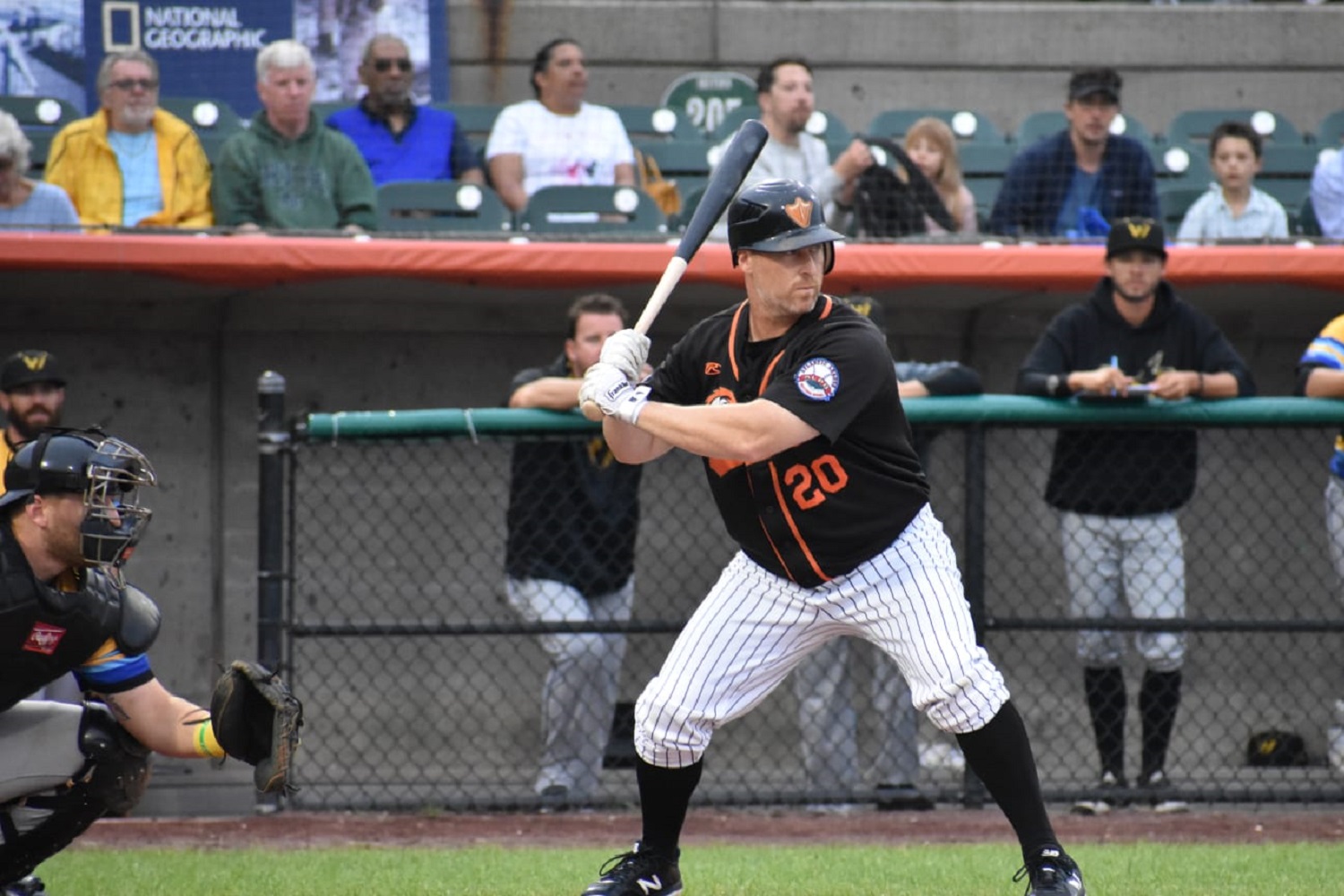 If you listen closely, you can still hear the chants of "LEEEEWWWW" raining down from the Metrodome seats. Lew Ford left his mark on the Twins franchise in parts of four seasons, and his mark on the baseball world continues to this day. Let's look back at Ford's Twins tenure and what he has done since leaving the Twins. The Boston Red Sox drafted Ford in the 12th round of the 1999 MLB Draft out of Dallas Baptist University. His Red Sox's tenure was short-lived as the Twins traded for Ford in September 2000 for reliever Hector Carrasco. Ford spent the next three seasons in the upper levels of the Twins farm system before debuting in 2003. Minnesota was riding high entering the 2003 season after making it to the ALCS in 2002. Once on the brink of contraction, the Twins needed players like Ford to keep the franchise moving in a positive direction. As a 26-year-old rookie, Ford quickly made his mark on the Twins roster. In 34 games, he hit .329/.402/.575 (.978) with 11 extra-base hits and 15 RBI. Even in limited action, he helped the Twins win the AL Central for the second-consecutive season. Ford's best season in a Twins uniform came in 2004 when he compiled 4.5 WAR as an everyday outfielder. To put that into perspective, no one on the 2022 Twins has accumulated that high of WAR. For the season, Ford hit .299/.381/.446 (.827) with 31 doubles, 15 home runs, and 20 steals. He even showed up in the playoffs by going 3-for-11 with a double, two RBI, and a stolen base. At the season's end, he received down-ballot votes for the AL MVP. Over the next three seasons with the Twins, Ford averaged over 100 games per year, but his offensive numbers started to decline. He got on base over 32% of the time, but his OPS+ dipped to 80, and he looked past his prime. From there, he bounced around from different organizations and even made it back to the big leagues with the Orioles in 2012 as a 35-year-old. However, his natural baseball home was with the Long Island Ducks of the Atlantic League. In August, Ford turned 46 years old and was still wearing a uniform this season. The 2022 season was Ford's 12th season with the Ducks and his eighth in a role as player/coach. In his time with the Ducks, he has been a three-time All-Star (2014, 2016, 2018) and named the Atlantic League's Player of the Year in 2014. As a 41-year-old, he competed in the Atlantic League's Home Run Derby. He leads the Ducks in many career accolades, and he continued to play well for the team this season. During the 2022 season, Ford played 32 games and hit .270/.293/.429 (.722) with five doubles and five home runs. He became the first player in franchise history to record 1,000 hits in a Ducks uniform. He reached the milestone with an RBI single in the Ducks' 8-2 win over the Charleston Dirty Birds on August 28th. Ford also became just the fourth player in Atlantic League history to reach 1,000 hits, joining former Ducks infielders Bryant Nelson and Ray Navarrete as well as former Somerset Patriots infielder Jeff Nettles. Last fall, Ford told MLB.com that his favorite memories with the club have been tied to the team's success. "We have won three championships in this league," Ford said. "We broke the record for wins in 2019 and won the championship. That stands out. The winning stands out. All those championships stand out." Ford's impact on baseball will be felt long after he eventually steps away from the game. For now, he refuses to say goodbye, and chants of "LEEEEWWWW" will continue to follow him each step of the way. What are your memories of Ford? Leave a COMMENT and start the discussion.
 -
Tenth-round picks can be a crapshoot to pan out in an organization. That isn’t the case with Minnesota’s tenth-round pick from July. He is already flying through the organization. Image courtesy of Rob Thompson, St. Paul Saints The Twins selected Dalton Shuffield with their tenth-round pick in the 2022 MLB Draft. Because of the shortened COVID year, Shuffield spent five seasons in college, which is likely one reason the Twins were able to sign him for $20,000 and use the savings ($105K) on other draftees. At Texas State University, he hit .327/.395/.501 (.896), but his senior season was his best. During the 2022 season, Shuffield played 61 games and posted a 1.113 OPS with 20 doubles, five triples, and 13 home runs. He was named the Sun Belt Conference Player of the Year after leading the conference in hits, runs scored, doubles, and triples. Defensively, he played shortstop over his final four seasons, but he also saw time at third base and in the outfield earlier in his career. He was also picked as a Collegiate Baseball All-American at the season’s end. As a 23-year-old, he had the college experience that would make it easier to move through the professional ranks. Shuffield comes from a baseball family. His father, Jack, was drafted by Kansas City in the fourth round in 1982. He played three seasons in the Royals organization and topped out at High-A. In over 320 games, he hit .256/.313/.342 (.654) while averaging 12 doubles per season. Minnesota assigned the younger Shuffield to the FCL Twins shortly after he signed with the organization. His time in the FCL was limited as he played three games and went 5-for-10 with a home run, four runs, and three walks. As an organization, the Twins needed depth at other levels in the minors, so he moved to High-A. In eight games, he went 7-for-24 (.292 BA) with a home run and two steals. Even with an aggressive promotion, his time in Cedar Rapids was limited because the organization needed him at another level. On September 9th, Shuffield made his Triple-A debut, collecting hits in his first two games. Since joining the Saints, he’s played in 11 games and posted a six-game hitting streak. In a small sample size, he has hit .297/.350/.595 (.945) with three doubles, a triple, and two home runs. At Triple-A, he was over three years younger than the average age of the competition, making his numbers even more impressive. The Twins followed an uncharacteristic development path with some of the club’s 2022 draft picks. Brooks Lee, the team’s first round pick, was promoted to Double-A before the season’s end. He’s already been impacting the Wind Surge during the playoffs. This also isn’t the first time this regime has been aggressive with a college prospect. Last season, the Twins drafted Ernie Yake in the tenth-round and he finished the season at Triple-A. Minnesota has also done well with senior signs like Brian Dozier, Mitch Garver, and Trevor Hildenberger. Shuffield likely isn’t going to appear on any top prospect lists, but he is already providing above-average value for a tenth-round pick. Players like Shuffield can provide organizational depth, primarily if he can provide defensive flexibility. Since joining the Twins, he has spent defensive time at both middle infield positions, with most of his time coming at second base. Even with his strong performance, there isn’t a guarantee that he starts the 2023 season in the high minors. Shuffield skipped Low-A Ft. Myers, and it might be best for his development to start next season in the lower minors or wherever the organization needs a utility player. His ceiling might be a utility player at the big league level, but Shuffield has value moving forward. What impresses you about Shuffield’s first professional season? Leave a COMMENT and start the discussion. View full article
-
Dalton Shuffield is Flying Through the Twins’ System
Cody Christie posted an article in Minor Leagues
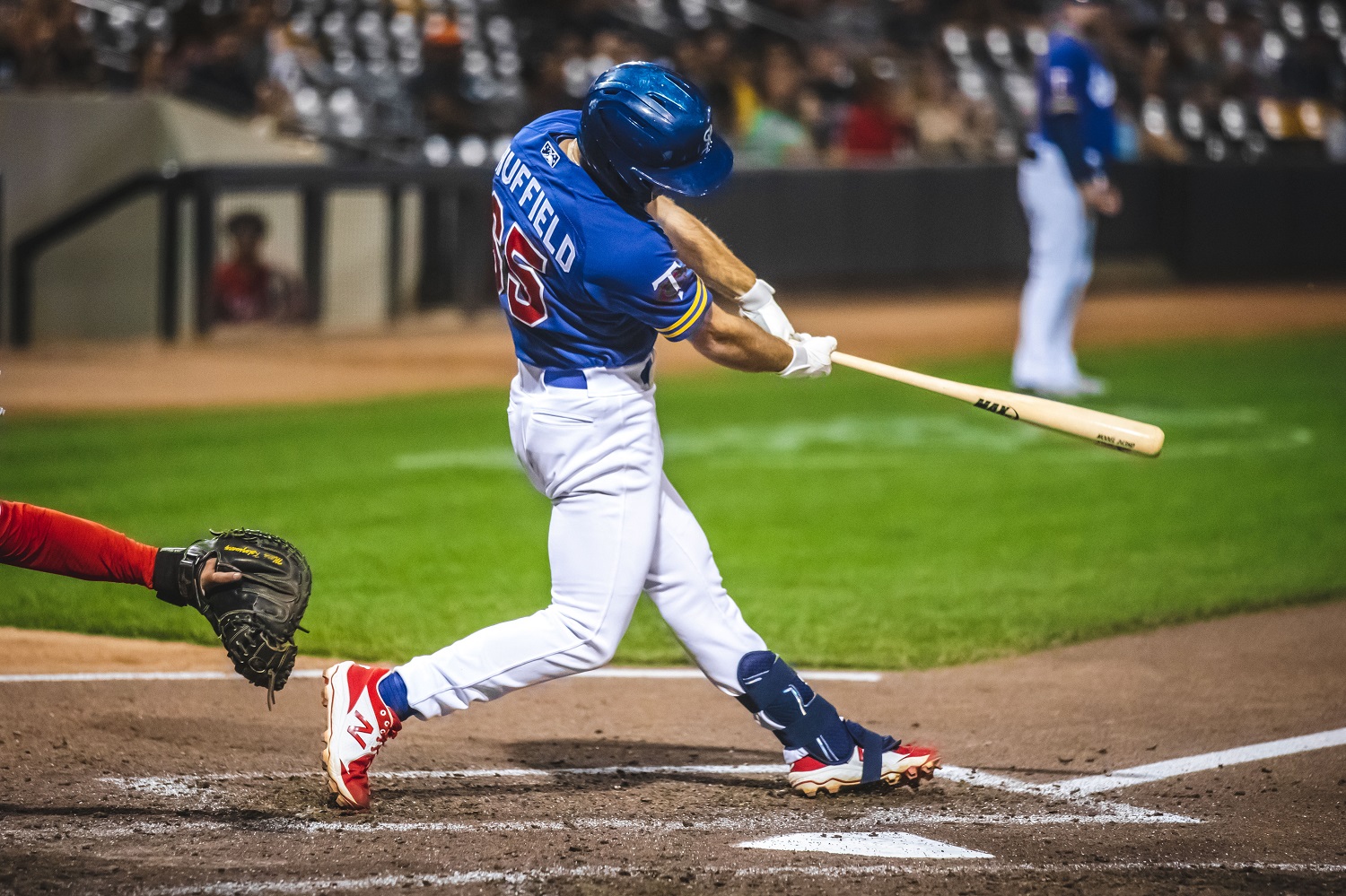 The Twins selected Dalton Shuffield with their tenth-round pick in the 2022 MLB Draft. Because of the shortened COVID year, Shuffield spent five seasons in college, which is likely one reason the Twins were able to sign him for $20,000 and use the savings ($105K) on other draftees. At Texas State University, he hit .327/.395/.501 (.896), but his senior season was his best. During the 2022 season, Shuffield played 61 games and posted a 1.113 OPS with 20 doubles, five triples, and 13 home runs. He was named the Sun Belt Conference Player of the Year after leading the conference in hits, runs scored, doubles, and triples. Defensively, he played shortstop over his final four seasons, but he also saw time at third base and in the outfield earlier in his career. He was also picked as a Collegiate Baseball All-American at the season’s end. As a 23-year-old, he had the college experience that would make it easier to move through the professional ranks. Shuffield comes from a baseball family. His father, Jack, was drafted by Kansas City in the fourth round in 1982. He played three seasons in the Royals organization and topped out at High-A. In over 320 games, he hit .256/.313/.342 (.654) while averaging 12 doubles per season. Minnesota assigned the younger Shuffield to the FCL Twins shortly after he signed with the organization. His time in the FCL was limited as he played three games and went 5-for-10 with a home run, four runs, and three walks. As an organization, the Twins needed depth at other levels in the minors, so he moved to High-A. In eight games, he went 7-for-24 (.292 BA) with a home run and two steals. Even with an aggressive promotion, his time in Cedar Rapids was limited because the organization needed him at another level. On September 9th, Shuffield made his Triple-A debut, collecting hits in his first two games. Since joining the Saints, he’s played in 11 games and posted a six-game hitting streak. In a small sample size, he has hit .297/.350/.595 (.945) with three doubles, a triple, and two home runs. At Triple-A, he was over three years younger than the average age of the competition, making his numbers even more impressive. The Twins followed an uncharacteristic development path with some of the club’s 2022 draft picks. Brooks Lee, the team’s first round pick, was promoted to Double-A before the season’s end. He’s already been impacting the Wind Surge during the playoffs. This also isn’t the first time this regime has been aggressive with a college prospect. Last season, the Twins drafted Ernie Yake in the tenth-round and he finished the season at Triple-A. Minnesota has also done well with senior signs like Brian Dozier, Mitch Garver, and Trevor Hildenberger. Shuffield likely isn’t going to appear on any top prospect lists, but he is already providing above-average value for a tenth-round pick. Players like Shuffield can provide organizational depth, primarily if he can provide defensive flexibility. Since joining the Twins, he has spent defensive time at both middle infield positions, with most of his time coming at second base. Even with his strong performance, there isn’t a guarantee that he starts the 2023 season in the high minors. Shuffield skipped Low-A Ft. Myers, and it might be best for his development to start next season in the lower minors or wherever the organization needs a utility player. His ceiling might be a utility player at the big league level, but Shuffield has value moving forward. What impresses you about Shuffield’s first professional season? Leave a COMMENT and start the discussion.
 -
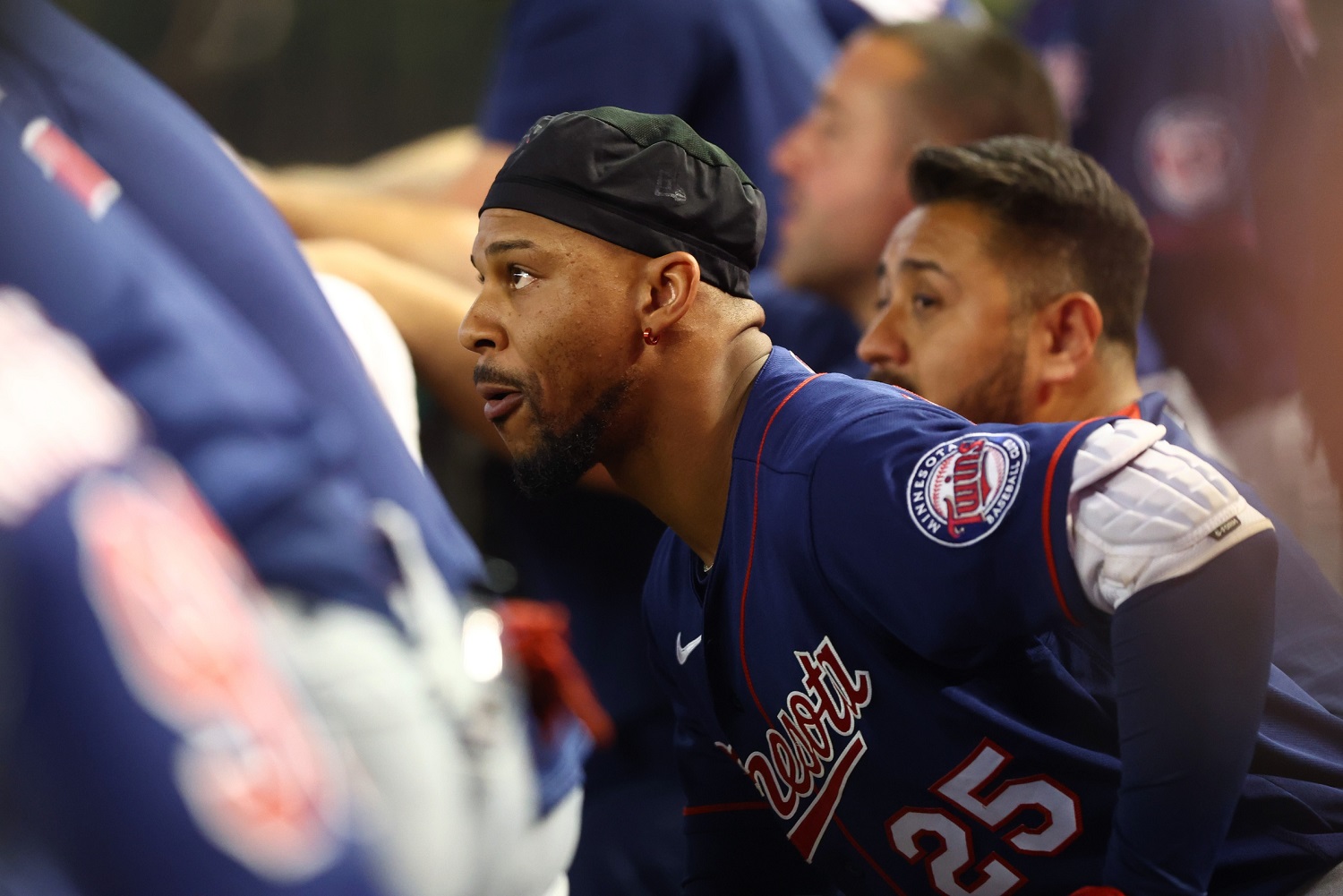 The Twins announced Friday afternoon that Byron Buxton would undergo season-ending knee surgery. For the first-time All-Star, it is a frustrating end to one of his best big-league seasons. The arthroscopic procedure is considered a clean-up, and expectations are that he will be fully ready for the start of spring training. Multiple injuries plagued Buxton throughout the 2022 campaign. His knee is the main problem he fought all season, and his recent hip issues are likely tied to his knee issues. His knee has been drained of fluid, and he has continued to get treatment throughout the season, such as platelet-rich plasma injections. Even while batting injuries, he started in center field at the All-Star Game and hit a career-high 28 home runs. Injuries are part of the narrative that has followed Buxton throughout his career, and it’s also one of the reasons the team was able to sign him to a team-friendly long-term deal. He’s only played more than 92 games in one season, and his injury list is full of things that were in and out of his control. He’s missed time with a left-thumb injury, knee contusion, back spasms, migraines, groin strain, sprained wrist, fractured toe, shoulder surgery, concussion symptoms, hamstring issues, and hip strains. For another offseason, injury questions will surround Buxton even though he was tremendous during the 2022 campaign. Minnesota paid Buxton $9.14 million for the 2022 season, and FanGraphs pegs his total value this year at nearly $32 million. Some fans may say he isn’t providing value to the team on his current contract because of how often he is injured. However, he provided enough value this season to cover his contract for this year and next. Overall, a combination of bad luck and aggressive play has resulted in his ever-growing injury history. One positive of the Twins falling out of the race is the fact that Buxton can have the surgery now instead of waiting until further into the offseason. The team’s goal for him was to get to 100 games, and he fell just short of that total. Now, he can get his knee healthier and hopefully be ready for the start of 2023. What are your thoughts on Buxton’s 2023 season? Was it a success? Leave a COMMENT and start the discussion.
 -
Minnesota hoped Byron Buxton would return to help the team with their playoff push. With the team’s playoff chances fading, he is set to undergo season-ending knee surgery. Image courtesy of Mark J. Rebilas-USA TODAY Sports The Twins announced Friday afternoon that Byron Buxton would undergo season-ending knee surgery. For the first-time All-Star, it is a frustrating end to one of his best big-league seasons. The arthroscopic procedure is considered a clean-up, and expectations are that he will be fully ready for the start of spring training. Multiple injuries plagued Buxton throughout the 2022 campaign. His knee is the main problem he fought all season, and his recent hip issues are likely tied to his knee issues. His knee has been drained of fluid, and he has continued to get treatment throughout the season, such as platelet-rich plasma injections. Even while batting injuries, he started in center field at the All-Star Game and hit a career-high 28 home runs. Injuries are part of the narrative that has followed Buxton throughout his career, and it’s also one of the reasons the team was able to sign him to a team-friendly long-term deal. He’s only played more than 92 games in one season, and his injury list is full of things that were in and out of his control. He’s missed time with a left-thumb injury, knee contusion, back spasms, migraines, groin strain, sprained wrist, fractured toe, shoulder surgery, concussion symptoms, hamstring issues, and hip strains. For another offseason, injury questions will surround Buxton even though he was tremendous during the 2022 campaign. Minnesota paid Buxton $9.14 million for the 2022 season, and FanGraphs pegs his total value this year at nearly $32 million. Some fans may say he isn’t providing value to the team on his current contract because of how often he is injured. However, he provided enough value this season to cover his contract for this year and next. Overall, a combination of bad luck and aggressive play has resulted in his ever-growing injury history. One positive of the Twins falling out of the race is the fact that Buxton can have the surgery now instead of waiting until further into the offseason. The team’s goal for him was to get to 100 games, and he fell just short of that total. Now, he can get his knee healthier and hopefully be ready for the start of 2023. What are your thoughts on Buxton’s 2023 season? Was it a success? Leave a COMMENT and start the discussion. View full article
-
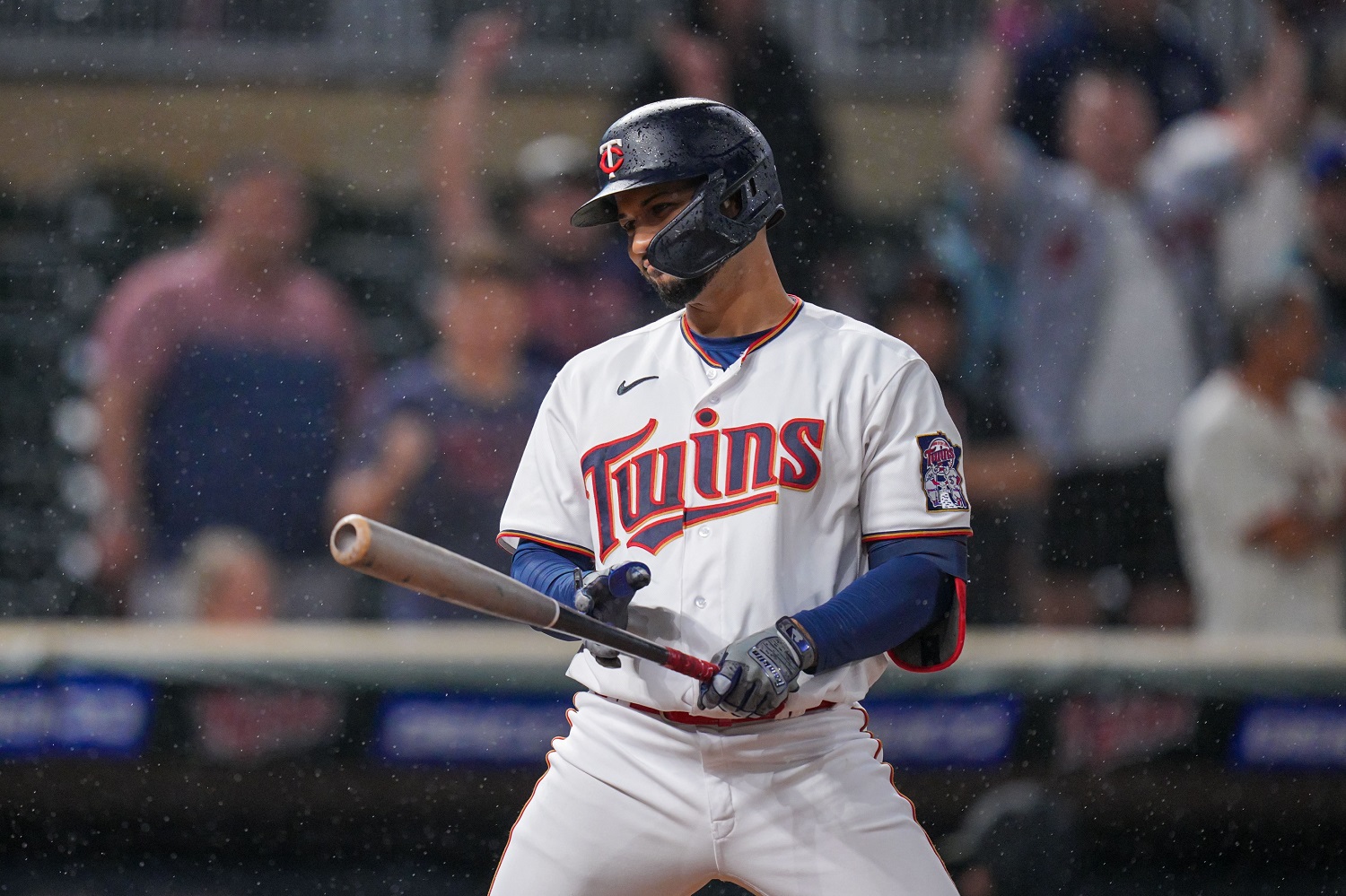 Teams out of contention are offered a unique opportunity in the season’s final weeks. It can be a time for younger players to prove they are part of the team’s long-term plans, while veteran players can tie a bow on their season. Each player below has something to show the team before the end of the 2022 season. Gilberto Celestino, OF 2022 Recap: It’s easy to forget that Celestino is a 23-year-old with fewer than 60 big-league at-bats entering the 2022 season. Outfield injuries have allowed him to play in over 100 games this season with mixed results. May was his best month as he hit .364/.426/.418 (.844) with three doubles and five runs. Since June, he has hit .214/.282/.284 (.565) while providing -0.51 WPA. His frustrations boiled over on the field as Rocco Baldelli benched him following a base running error and a long walk back to the dugout after a frustrating at-bat. What To Watch: How will Celestino bounce back after being benched? He is still young and can use his benching as motivation for the season’s remaining games. Celestino needs to show that his performance over the last three months isn’t indicative of the type of big leaguer he can be for the long term. Ryan Jeffers, C 2022 Recap: Minnesota showed trust in Jeffers taking over the team’s full-time catching duties this winter when the team traded Mitch Garver to the Rangers. Jeffers posted a 119 OPS+ during his rookie season, but he suffered sophomore struggles as his OPS+ dropped to 84 in 2021. In 60 games this season, Jeffers hit .214/.291/.375 (.666) with ten doubles and seven home runs. He has been sidelined since the middle of July with a broken thumb that required surgery. He has begun a rehab assignment with the Saints and has hit two home runs on his way back to the roster. What To Watch: Obviously, it hasn’t been an ideal season for Jeffers, but there are things to watch as he returns from injury. Minnesota needs to decide on a catching plan for 2023 and beyond. The Twins will likely use Jeffers as the primary catcher next season, but the backup catcher role still needs to be decided. Gary Sanchez is a free agent, so Minnesota needs to ensure how much Jeffers can be relied on moving forward. Luis Arraez, 1B/DH 2022 Recap: Arraez started his season with a bang as he hit .333/.403/.440 (.844) through the end of July. He was selected to his first All-Star Game and recorded a typical Arraez hit on the national stage. His second half hasn’t gone as well as the first. In 43 games since August 1st, Arraez has hit .276/.312/.385 (.697), falling out of first place in the AL batting title race. Plenty of hitters haven’t performed well for the Twins, but Arraez’s struggles have been more evident because of how well he played in the first half. What To Watch: Arraez might be one of the only players that can stop New York’s Aaron Judge from winning the Triple Crown. Over the last week, Arraez’s season batting average has dropped six points. He has fought through some injuries this season but has stayed on the field. Can he become the first Twin to win the batting title since Joe Mauer? Which players will you keep an eye on as the season winds down? Leave a COMMENT and start the discussion.
- 12 comments
-
- 1
-

-
- gilberto celestino
- luis arraez
- (and 1 more)
-
As the 2022 season closes, there are still meaningful opportunities for Twins players. Here are three players with something to prove in the season’s final games. Image courtesy of Brad Rempel-USA TODAY Sports Teams out of contention are offered a unique opportunity in the season’s final weeks. It can be a time for younger players to prove they are part of the team’s long-term plans, while veteran players can tie a bow on their season. Each player below has something to show the team before the end of the 2022 season. Gilberto Celestino, OF 2022 Recap: It’s easy to forget that Celestino is a 23-year-old with fewer than 60 big-league at-bats entering the 2022 season. Outfield injuries have allowed him to play in over 100 games this season with mixed results. May was his best month as he hit .364/.426/.418 (.844) with three doubles and five runs. Since June, he has hit .214/.282/.284 (.565) while providing -0.51 WPA. His frustrations boiled over on the field as Rocco Baldelli benched him following a base running error and a long walk back to the dugout after a frustrating at-bat. What To Watch: How will Celestino bounce back after being benched? He is still young and can use his benching as motivation for the season’s remaining games. Celestino needs to show that his performance over the last three months isn’t indicative of the type of big leaguer he can be for the long term. Ryan Jeffers, C 2022 Recap: Minnesota showed trust in Jeffers taking over the team’s full-time catching duties this winter when the team traded Mitch Garver to the Rangers. Jeffers posted a 119 OPS+ during his rookie season, but he suffered sophomore struggles as his OPS+ dropped to 84 in 2021. In 60 games this season, Jeffers hit .214/.291/.375 (.666) with ten doubles and seven home runs. He has been sidelined since the middle of July with a broken thumb that required surgery. He has begun a rehab assignment with the Saints and has hit two home runs on his way back to the roster. What To Watch: Obviously, it hasn’t been an ideal season for Jeffers, but there are things to watch as he returns from injury. Minnesota needs to decide on a catching plan for 2023 and beyond. The Twins will likely use Jeffers as the primary catcher next season, but the backup catcher role still needs to be decided. Gary Sanchez is a free agent, so Minnesota needs to ensure how much Jeffers can be relied on moving forward. Luis Arraez, 1B/DH 2022 Recap: Arraez started his season with a bang as he hit .333/.403/.440 (.844) through the end of July. He was selected to his first All-Star Game and recorded a typical Arraez hit on the national stage. His second half hasn’t gone as well as the first. In 43 games since August 1st, Arraez has hit .276/.312/.385 (.697), falling out of first place in the AL batting title race. Plenty of hitters haven’t performed well for the Twins, but Arraez’s struggles have been more evident because of how well he played in the first half. What To Watch: Arraez might be one of the only players that can stop New York’s Aaron Judge from winning the Triple Crown. Over the last week, Arraez’s season batting average has dropped six points. He has fought through some injuries this season but has stayed on the field. Can he become the first Twin to win the batting title since Joe Mauer? Which players will you keep an eye on as the season winds down? Leave a COMMENT and start the discussion. View full article
-
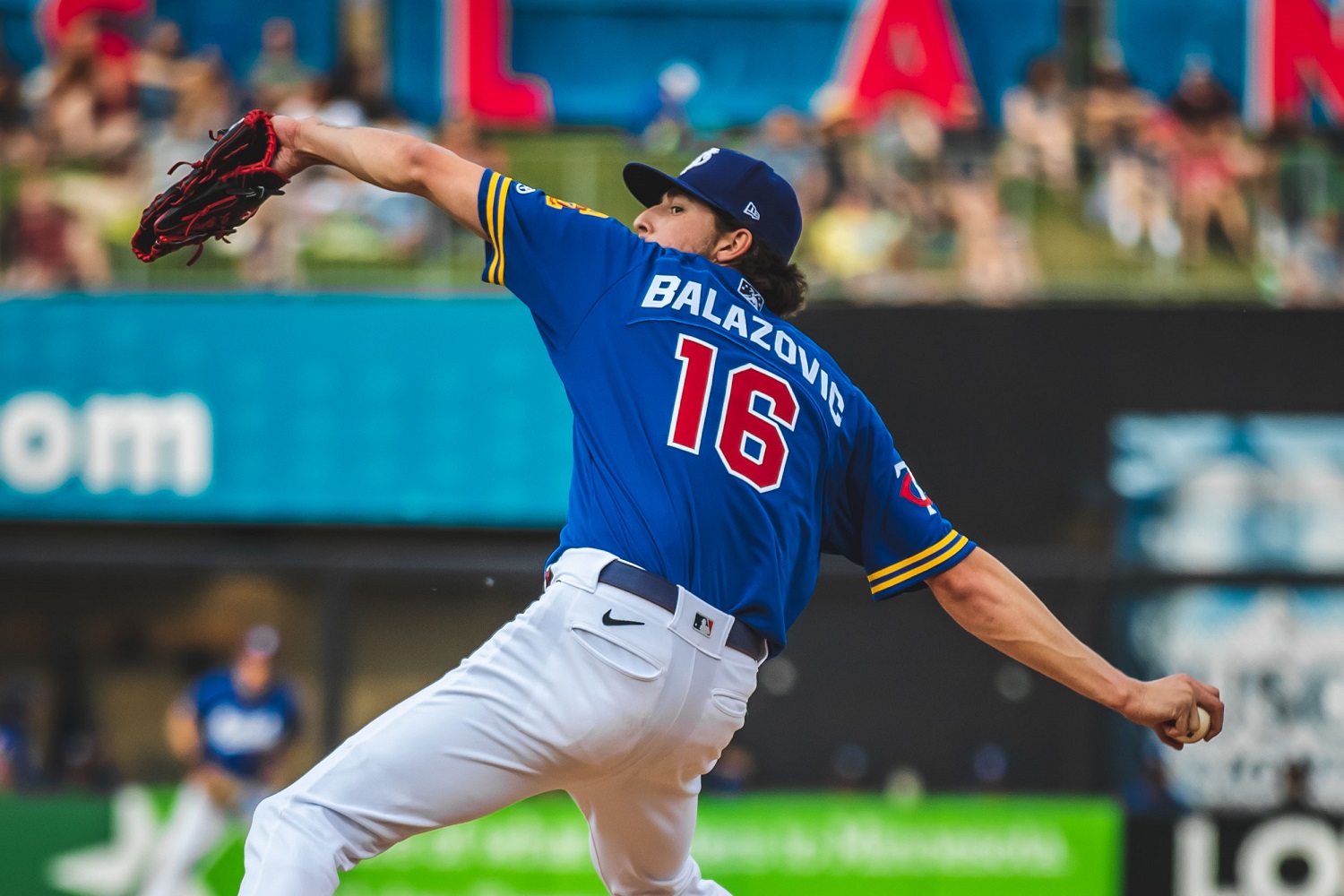 Last winter, it was clear to anyone looking at the Twins roster that the team needed frontline starting pitching. There were other off-season needs, but they only had Joe Ryan and Bailey Ober penciled into the rotation and many other question marks. Minnesota had the financial flexibility to sign frontline starting pitching, but the club decided to go in a different direction. With the pending lockout, the Twins front office watched most frontline free agent starters ink contracts with other organizations. Minnesota's lone signing before the lockout was Dylan Bundy, who figured to fit into the rotation's back half. It was tough to decipher how the Twins expected to fill the rotation, but the team's plan became clear as spring training inched closer. Following the lockout, Sonny Gray was the Twins' biggest offseason pitching acquisition. He was a clear frontline starter and pitched that way during the 2022 season. The team added Chris Archer to join Bundy at the back of the rotation, and Chris Paddack joined the club in a last-minute deal before Opening Day. All these arms impacted the 2022 Twins, but the club wanted to rely on the young pitching in the system to supplement the veteran arms. Derek Falvey was brought to Minnesota because of his experience with the Cleveland organization. During his Cleveland tenure, one of his calling cards was cultivating young pitching, which has been a staple of the Guardians organization. Minnesota was going to start the 2022 campaign with Ryan and Ober in the rotation, but there were expectations that other young pitchers would join their ranks. Unfortunately, that hasn't been the case, and Minnesota's pitching pipeline may have taken a step back this season. As the season began, it looked like the Twins had plenty of pitching prospects in the upper minors that had the potential to impact the roster. Minnesota had five upper minors starting pitchers ranked in their top-10 prospects, and others rounded out their top-20 list. Ryan had an up-and-down season as a rookie, but he is on pace to set the team's rookie record for strikeouts. Josh Winder and Cole Sands have combined to pitch just over 80 big league innings, with both missing games due to injury. Louie Varland saw his stock rise the most out of this group as he pitched well in the upper minors before making his big league debut in September. Matt Canterino and Jordan Balazovic were arguably the team's top pitching prospects entering the 2022 campaign, but it was a lost season for both. Canterino dominated on the mound in 13 appearances, but he needed Tommy John surgery before the season's end. Balazovic was on pace to debut in 2022, but he struggled at Triple-A and is now getting back on track. Besides Varland, Simeon Woods Richardson helped his stock the most this season, and he deserves to make some starts for the Twins down the stretch. Many will blame injuries for the Twins' failures during the 2022 season. However, the lack of contributions from the pitching pipeline is also concerning. Not every pitching prospect can be successful throughout their professional careers, and there is hope that some of these arms will get healthy in the offseason. As Minnesota's focus turns to 2023, the front office might not be able to rely as heavily on the pitching pipeline when building next year's roster. Did the pitching pipeline plan fail in 2022? Is there hope for improvement in 2023? Leave a COMMENT and start the discussion.
- 42 comments
-
- 3
-
-
- jordan balazovic
- matt canterino
- (and 3 more)
-
Frontline starting pitching was the Twins' most significant need this winter, and the club decided to double down on young pitchers being ready to contribute. Clearly, the pitching pipeline plan failed for 2022, but is there hope for the future? Image courtesy of Rob Thompson, St. Paul Saints Last winter, it was clear to anyone looking at the Twins roster that the team needed frontline starting pitching. There were other off-season needs, but they only had Joe Ryan and Bailey Ober penciled into the rotation and many other question marks. Minnesota had the financial flexibility to sign frontline starting pitching, but the club decided to go in a different direction. With the pending lockout, the Twins front office watched most frontline free agent starters ink contracts with other organizations. Minnesota's lone signing before the lockout was Dylan Bundy, who figured to fit into the rotation's back half. It was tough to decipher how the Twins expected to fill the rotation, but the team's plan became clear as spring training inched closer. Following the lockout, Sonny Gray was the Twins' biggest offseason pitching acquisition. He was a clear frontline starter and pitched that way during the 2022 season. The team added Chris Archer to join Bundy at the back of the rotation, and Chris Paddack joined the club in a last-minute deal before Opening Day. All these arms impacted the 2022 Twins, but the club wanted to rely on the young pitching in the system to supplement the veteran arms. Derek Falvey was brought to Minnesota because of his experience with the Cleveland organization. During his Cleveland tenure, one of his calling cards was cultivating young pitching, which has been a staple of the Guardians organization. Minnesota was going to start the 2022 campaign with Ryan and Ober in the rotation, but there were expectations that other young pitchers would join their ranks. Unfortunately, that hasn't been the case, and Minnesota's pitching pipeline may have taken a step back this season. As the season began, it looked like the Twins had plenty of pitching prospects in the upper minors that had the potential to impact the roster. Minnesota had five upper minors starting pitchers ranked in their top-10 prospects, and others rounded out their top-20 list. Ryan had an up-and-down season as a rookie, but he is on pace to set the team's rookie record for strikeouts. Josh Winder and Cole Sands have combined to pitch just over 80 big league innings, with both missing games due to injury. Louie Varland saw his stock rise the most out of this group as he pitched well in the upper minors before making his big league debut in September. Matt Canterino and Jordan Balazovic were arguably the team's top pitching prospects entering the 2022 campaign, but it was a lost season for both. Canterino dominated on the mound in 13 appearances, but he needed Tommy John surgery before the season's end. Balazovic was on pace to debut in 2022, but he struggled at Triple-A and is now getting back on track. Besides Varland, Simeon Woods Richardson helped his stock the most this season, and he deserves to make some starts for the Twins down the stretch. Many will blame injuries for the Twins' failures during the 2022 season. However, the lack of contributions from the pitching pipeline is also concerning. Not every pitching prospect can be successful throughout their professional careers, and there is hope that some of these arms will get healthy in the offseason. As Minnesota's focus turns to 2023, the front office might not be able to rely as heavily on the pitching pipeline when building next year's roster. Did the pitching pipeline plan fail in 2022? Is there hope for improvement in 2023? Leave a COMMENT and start the discussion. View full article
-
Matt Wallner smashed his way through the upper minors on the way to making his big league debut. Here's why Wallner was the unanimous choice for Twins Daily Minor League Hitter of the Year. Image courtesy of Rob Thompson, St. Paul Saints (graphics by Thieres Rabelo) Last season, Jose Miranda compiled one of the best minor league seasons in Twins' history. He was named the Twins Daily 2021 Minor League Hitter of the Year, and fans have seen how he has translated that into a successful rookie campaign. For the second consecutive season, there was a clear choice for the organization's Minor League Hitter of the Year, with Matt Wallner cementing himself into the team's long-term plans. Wallner grew up in Forest Lake, MN, and was impressive as a high school slugger. Minnesota took him in the 32nd round of the 2016 MLB Draft (as a pitcher), but Wallner was committed to playing at the University of Southern Mississippi. He became a three-year starter at the school while averaging over 19 home runs per season with a 1.113 OPS. He helped his draft stock significantly, and the Twins took him with the 39th overall pick in the 2019 MLB Draft, this time as a three-time All-American outfielder. Wallner showed some power in the lower minors as his OPS was .810 or higher in 2019 and 2021. For the most part, he was slightly older than the average age of the competition at each level, so it would have been nice to see him post even better offensive numbers. He missed over two months of the 2021 season with a broken hamate bone, so the Twins decided to find him some extra at-bats after the minor league season concluded. His performance in the 2021 Arizona Fall League might have been what pushed him to a tremendous 2022 campaign. In 18 games, he went 20-for-66 (.303 BA) with two doubles and six home runs, which resulted in a 1.011 OPS. Minnesota sent Wallner to Double-A to start the 2022 campaign, where he was younger than the average age of the competition at his level for the first time since 2019. His season started slowly as he posted a .200 BA and a .741 OPS in April. His bat started to heat up in May when he hit seven doubles and six homers in 24 games (.984 OPS). However, the month of June is where he solidified his prospect status. As the calendar flipped to June, Pitchers couldn't find a way to retire Wallner. He got on base in 50% of his plate appearances for the month. In 27 games that month, he only failed to reach base in three contests. He had two multi-homer games and seven games where he walked twice or more. Wallner ended the month hitting .345/.500/.714 (1.214) with five doubles, one triple, and eight home runs. July saw Wallner's bat cool off a bit, but the month also saw some other impressive feats. He represented the Twins at the 2022 Futures Game in Los Angeles and hit a two-run homer in a tie game. Minnesota also promoted him to Triple-A, where he was four years younger than the average age of the competition. After adjusting to St. Paul, Wallner posted a .978 OPS with 17 doubles, three triples, and six home runs in 39 games from August 2- September 15. With the big-league club struggling, there was some question about why the team wasn't promoting Wallner for the team's playoff push. He quickly made his mark with the Twins as his first big-league hit was a home run with his family in attendance. It was a perfect way to cap a tremendous 2022 season, and there is little doubt that Wallner's powerful bat will be part of the Twins line-up for most of the next decade. Runner-Up: Edouard Julien, IF AA Stats (113 G): .300/.441/.490 (.931), 19 2B, 3 3B, 17 HR, 67 RBI Like Wallner, Julien was drafted out of college in 2019 but was taken in the 18th round. In his first two professional seasons, he has combined for a .922 OPS while moving from Low-A to Double-A. He was a staple in the Wind Surge line-up this season and faced older pitchers in over 87% of his plate appearances. Defensively, Minnesota had him focus on second base in 2022, so that's his most likely path to the big leagues. Second Runner-Up: Chris Williams, 1B/C AA/AAA Stats (109 G): .255/.352/.528 (.880), 21 2B, 1 3B, 28 HR, 88 RBI Williams posted impressive power numbers, including double-digit home runs at Double- and Triple-A. Minnesota took him in the 8th round of the 2018 MLB Draft from Clemson. The 2022 season was the first where most of his plate appearances came as a first baseman instead of a catcher. This may have helped his power numbers increase, as he could keep his legs stronger throughout the season. Honorable Mention: Noah Cardenas, C/1B Low-A Stats (99 G): .261/.421/.413 (.834), 18 2B, 1 3B, 9 HR, 43 RBI Minnesota took Cardenas with their 8th-round pick in 2021 from UCLA. He impressed in his first full professional season as he caught over 460 innings and played time at first base. Cardenas led the team in many offensive categories. His prospect stock will continue to rise if he can hit for power while continuing to catch. What impressed you the most about the names mentioned above? Should a different player have made the list? Leave a COMMENT and start the discussion. PREVIOUS WINNERS: 2012 - Oswaldo Arcia 2013 - Miguel Sano 2014 - Mitch Garver 2015 - Max Kepler 2016 - Daniel Palka 2017 - Mitch Garver 2018 - Alex Kirilloff 2019 - Trevor Larnach 2021 - Jose Miranda View full article
-
Twins Daily 2022 Minor League Hitter of the Year: Matt Wallner
Cody Christie posted an article in Twins
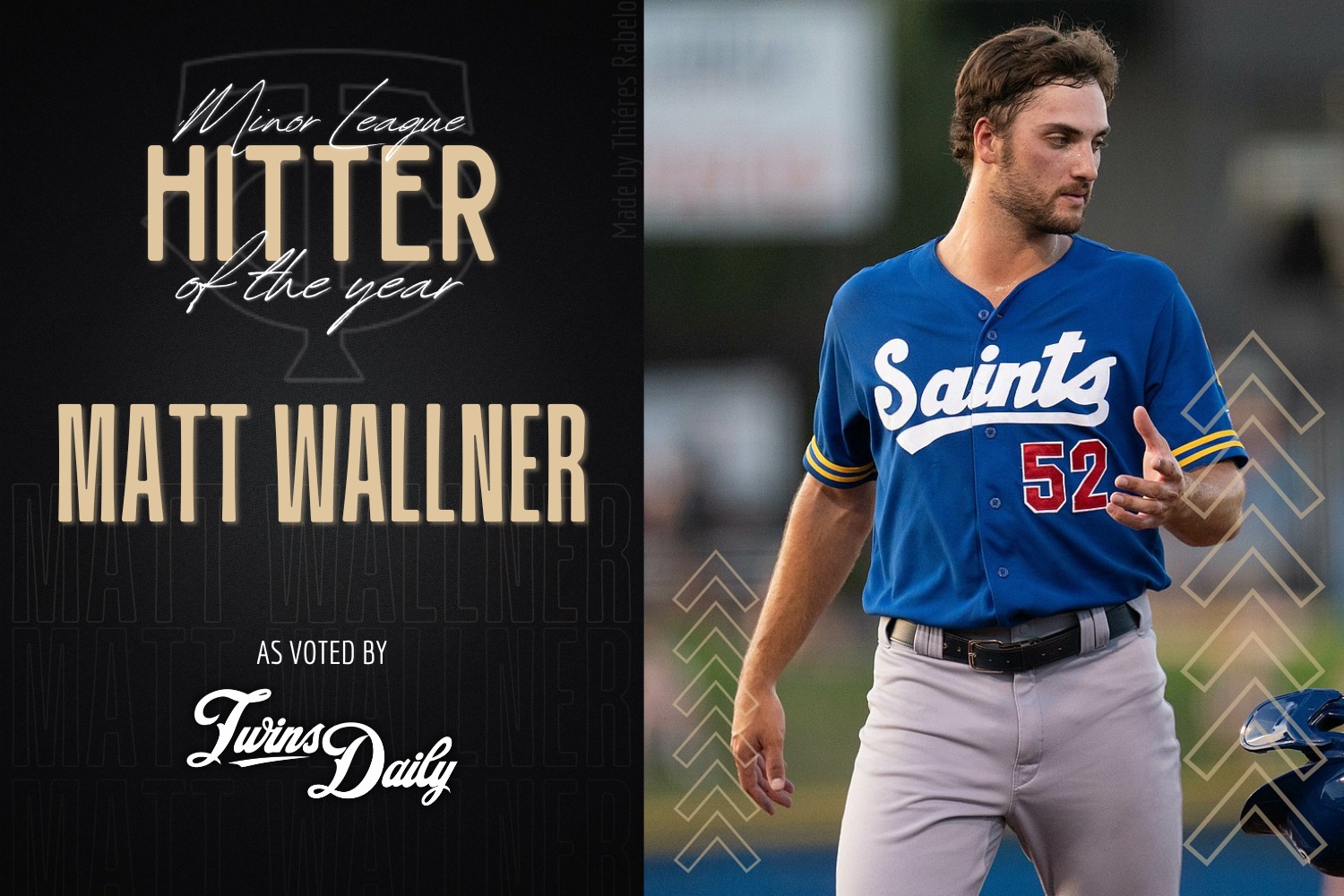 Last season, Jose Miranda compiled one of the best minor league seasons in Twins' history. He was named the Twins Daily 2021 Minor League Hitter of the Year, and fans have seen how he has translated that into a successful rookie campaign. For the second consecutive season, there was a clear choice for the organization's Minor League Hitter of the Year, with Matt Wallner cementing himself into the team's long-term plans. Wallner grew up in Forest Lake, MN, and was impressive as a high school slugger. Minnesota took him in the 32nd round of the 2016 MLB Draft (as a pitcher), but Wallner was committed to playing at the University of Southern Mississippi. He became a three-year starter at the school while averaging over 19 home runs per season with a 1.113 OPS. He helped his draft stock significantly, and the Twins took him with the 39th overall pick in the 2019 MLB Draft, this time as a three-time All-American outfielder. Wallner showed some power in the lower minors as his OPS was .810 or higher in 2019 and 2021. For the most part, he was slightly older than the average age of the competition at each level, so it would have been nice to see him post even better offensive numbers. He missed over two months of the 2021 season with a broken hamate bone, so the Twins decided to find him some extra at-bats after the minor league season concluded. His performance in the 2021 Arizona Fall League might have been what pushed him to a tremendous 2022 campaign. In 18 games, he went 20-for-66 (.303 BA) with two doubles and six home runs, which resulted in a 1.011 OPS. Minnesota sent Wallner to Double-A to start the 2022 campaign, where he was younger than the average age of the competition at his level for the first time since 2019. His season started slowly as he posted a .200 BA and a .741 OPS in April. His bat started to heat up in May when he hit seven doubles and six homers in 24 games (.984 OPS). However, the month of June is where he solidified his prospect status. As the calendar flipped to June, Pitchers couldn't find a way to retire Wallner. He got on base in 50% of his plate appearances for the month. In 27 games that month, he only failed to reach base in three contests. He had two multi-homer games and seven games where he walked twice or more. Wallner ended the month hitting .345/.500/.714 (1.214) with five doubles, one triple, and eight home runs. July saw Wallner's bat cool off a bit, but the month also saw some other impressive feats. He represented the Twins at the 2022 Futures Game in Los Angeles and hit a two-run homer in a tie game. Minnesota also promoted him to Triple-A, where he was four years younger than the average age of the competition. After adjusting to St. Paul, Wallner posted a .978 OPS with 17 doubles, three triples, and six home runs in 39 games from August 2- September 15. With the big-league club struggling, there was some question about why the team wasn't promoting Wallner for the team's playoff push. He quickly made his mark with the Twins as his first big-league hit was a home run with his family in attendance. It was a perfect way to cap a tremendous 2022 season, and there is little doubt that Wallner's powerful bat will be part of the Twins line-up for most of the next decade. Runner-Up: Edouard Julien, IF AA Stats (113 G): .300/.441/.490 (.931), 19 2B, 3 3B, 17 HR, 67 RBI Like Wallner, Julien was drafted out of college in 2019 but was taken in the 18th round. In his first two professional seasons, he has combined for a .922 OPS while moving from Low-A to Double-A. He was a staple in the Wind Surge line-up this season and faced older pitchers in over 87% of his plate appearances. Defensively, Minnesota had him focus on second base in 2022, so that's his most likely path to the big leagues. Second Runner-Up: Chris Williams, 1B/C AA/AAA Stats (109 G): .255/.352/.528 (.880), 21 2B, 1 3B, 28 HR, 88 RBI Williams posted impressive power numbers, including double-digit home runs at Double- and Triple-A. Minnesota took him in the 8th round of the 2018 MLB Draft from Clemson. The 2022 season was the first where most of his plate appearances came as a first baseman instead of a catcher. This may have helped his power numbers increase, as he could keep his legs stronger throughout the season. Honorable Mention: Noah Cardenas, C/1B Low-A Stats (99 G): .261/.421/.413 (.834), 18 2B, 1 3B, 9 HR, 43 RBI Minnesota took Cardenas with their 8th-round pick in 2021 from UCLA. He impressed in his first full professional season as he caught over 460 innings and played time at first base. Cardenas led the team in many offensive categories. His prospect stock will continue to rise if he can hit for power while continuing to catch. What impressed you the most about the names mentioned above? Should a different player have made the list? Leave a COMMENT and start the discussion. PREVIOUS WINNERS: 2012 - Oswaldo Arcia 2013 - Miguel Sano 2014 - Mitch Garver 2015 - Max Kepler 2016 - Daniel Palka 2017 - Mitch Garver 2018 - Alex Kirilloff 2019 - Trevor Larnach 2021 - Jose Miranda
- 7 comments
-
- 1
-
-
- matt wallner
- edouard julien
- (and 2 more)
-
Thanks. I’ll let the editors know.
-
It takes multiple seasons for a pitcher to make his way from the short-season leagues to the big leagues. The Twins hope some of these pitchers can impact the organization in the years ahead. Image courtesy of Instagram (graphics by Thieres Rabelo) Minnesota signed Miguel Olivares out of Venezuela in September 2021 which meant the 2022 season was his professional debut. The Twins used Olivares mainly as a starter, with eight of his 11 appearances coming in that role. He allowed two earned runs or fewer in every appearance, which helped him post a sub-1.70 ERA in every month of the season. Olivares didn’t allow a home run all season and posted a 9.7 K/9. In July, Olivares posted his strongest numbers of the season. He combined for a 1.35 ERA with a 0.85 WHIP with a 23-to-7 strikeout to walk ratio in 20 innings. For the season, he held batters to a .150/.272/.177 slash line as only three of his 23 hits allowed were for extra-bases. He didn’t allow an extra-base hit after July 26th. His numbers were strong as a starter and a reliever as he posted identical 9.6 K/9 totals, but he was better in a starting role. In eight starts (34 2/3 innings), he allowed four earned runs (1.04 ERA) with a 0.89 WHIP and a 37-to-13 strikeout to walk ratio. Nearly 78% of his plate appearances came against younger batters, so it will be interesting to track his development as he moves up the organizational ladder. His pitching coach in the DSL, DJ Engle, had this to say about Olivares: "Miguel is a talented young arm who is mature beyond his age. He did a great job this season of everything we asked of him, most of which was new to him, but he hit the ground running early on in camp. He always wanted to expand his game and would continue to work on the little things daily throughout the season. He turned in a great season, excited to continue to see him develop." Runner-Up: Cesar Lares, LHP DSL Stats (11 G): 2.93 ERA, 1.11 WHIP, 71 K, 20 BB, 46 IP Minnesota signed Lares out of Venezuela in May 2022, and he made his professional debut a few weeks later. As an 18-year-old, Lares carved up hitters in the DSL with an eye-popping 13.9 K/9. He allowed more hits than one would like with 6.1 H/9, but he was able to get out of jams with his high strikeout rate. Nearly all his earned runs allowed came in two games at the start of the season. From July 2nd to August 20th, he posted a 1.87 ERA while batters hit .158/.235/.217 against the left-handed hurler. Nearly 68% of his plate appearances came against younger batters, which he held to a .193 BA and a .584 OPS. Second Runner-Up: Ledwin Tavares, RHP DSL Stats (10 G): 3.70 ERA, 0.99 WHIP, 33 K, 10 BB, 41 1/3 IP In January 2022, the Twins signed Tavares as a teenager out of the Dominican Republic before assigning him to the DSL. All but six of his at-bats were against older batters, and he held them to a .596 OPS. Tavares won four consecutive decisions from June 15th through July 20th while posting a sub-2.00 ERA and holding batters to a .198 batting average. In three of his ten appearances, he allowed a home run, so that will be something to keep an eye on next season, especially as he comes stateside. Honorable Mentions: Cristian Jimenez, RHP (DSL): 3.38 ERA, 1.15 WHIP, 49 K, 7 BB, 37 1/3 IP In his second stint in the DSL, Jimenez saw his strikeout numbers improve, and his walk rate dropped from 4.3 BB/9 to 1.7 BB/9. Cole Bellair, RHP (FCL): 1.61 ERA, 1.03 WHIP, 20 K, 6 BB, 22 1/3 IP Bellair spent time in independent leagues before joining the Twins organization in 2021. As a 25-year-old, his number improved significantly in the FCL. Roger Duran, RHP (DSL): 2.22 ERA, 1.41 WHIP, 23 K, 14 BB, 28 1/3 IP Last season, Duran allowed 29 earned runs in 23 2/3 innings (11.03 ERA). His 2022 season improved in nearly every statistical category as he repeated the DSL. Juan Rojas, RHP (FCL): 3.60 ERA, 0.90 WHIP, 38 K, 4 BB, 30 IP Rojas came stateside in 2022 and pitched well for the FCL Twins before being included in the Jorge Lopez deal at the trade deadline. Which players will most likely impact the Twins down the road? Who would you vote as the short-season pitcher of the year? Leave a COMMENT and start the discussion. PREVIOUS WINNERS: 2016 - Huascar Ynoa 2017 - Jovani Moran 2018 - Andrew Cabezas 2019 - Cody Lawyerson 2021 - Samuel Perez View full article
-
Twins Daily 2022 Short-Season Pitcher of the Year: Miguel Olivares
Cody Christie posted an article in Minor Leagues
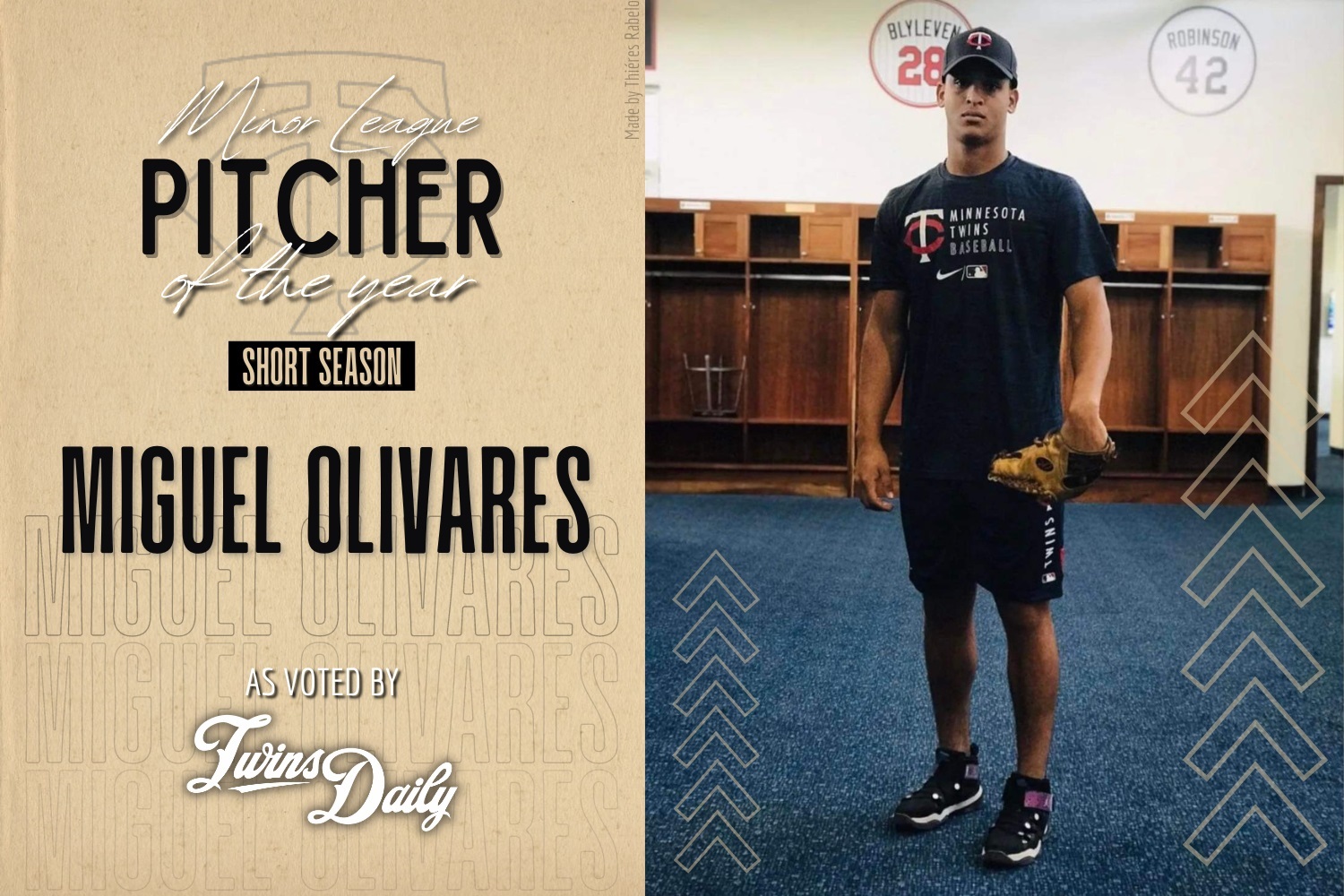 Minnesota signed Miguel Olivares out of Venezuela in September 2021 which meant the 2022 season was his professional debut. The Twins used Olivares mainly as a starter, with eight of his 11 appearances coming in that role. He allowed two earned runs or fewer in every appearance, which helped him post a sub-1.70 ERA in every month of the season. Olivares didn’t allow a home run all season and posted a 9.7 K/9. In July, Olivares posted his strongest numbers of the season. He combined for a 1.35 ERA with a 0.85 WHIP with a 23-to-7 strikeout to walk ratio in 20 innings. For the season, he held batters to a .150/.272/.177 slash line as only three of his 23 hits allowed were for extra-bases. He didn’t allow an extra-base hit after July 26th. His numbers were strong as a starter and a reliever as he posted identical 9.6 K/9 totals, but he was better in a starting role. In eight starts (34 2/3 innings), he allowed four earned runs (1.04 ERA) with a 0.89 WHIP and a 37-to-13 strikeout to walk ratio. Nearly 78% of his plate appearances came against younger batters, so it will be interesting to track his development as he moves up the organizational ladder. His pitching coach in the DSL, DJ Engle, had this to say about Olivares: "Miguel is a talented young arm who is mature beyond his age. He did a great job this season of everything we asked of him, most of which was new to him, but he hit the ground running early on in camp. He always wanted to expand his game and would continue to work on the little things daily throughout the season. He turned in a great season, excited to continue to see him develop." Runner-Up: Cesar Lares, LHP DSL Stats (11 G): 2.93 ERA, 1.11 WHIP, 71 K, 20 BB, 46 IP Minnesota signed Lares out of Venezuela in May 2022, and he made his professional debut a few weeks later. As an 18-year-old, Lares carved up hitters in the DSL with an eye-popping 13.9 K/9. He allowed more hits than one would like with 6.1 H/9, but he was able to get out of jams with his high strikeout rate. Nearly all his earned runs allowed came in two games at the start of the season. From July 2nd to August 20th, he posted a 1.87 ERA while batters hit .158/.235/.217 against the left-handed hurler. Nearly 68% of his plate appearances came against younger batters, which he held to a .193 BA and a .584 OPS. Second Runner-Up: Ledwin Tavares, RHP DSL Stats (10 G): 3.70 ERA, 0.99 WHIP, 33 K, 10 BB, 41 1/3 IP In January 2022, the Twins signed Tavares as a teenager out of the Dominican Republic before assigning him to the DSL. All but six of his at-bats were against older batters, and he held them to a .596 OPS. Tavares won four consecutive decisions from June 15th through July 20th while posting a sub-2.00 ERA and holding batters to a .198 batting average. In three of his ten appearances, he allowed a home run, so that will be something to keep an eye on next season, especially as he comes stateside. Honorable Mentions: Cristian Jimenez, RHP (DSL): 3.38 ERA, 1.15 WHIP, 49 K, 7 BB, 37 1/3 IP In his second stint in the DSL, Jimenez saw his strikeout numbers improve, and his walk rate dropped from 4.3 BB/9 to 1.7 BB/9. Cole Bellair, RHP (FCL): 1.61 ERA, 1.03 WHIP, 20 K, 6 BB, 22 1/3 IP Bellair spent time in independent leagues before joining the Twins organization in 2021. As a 25-year-old, his number improved significantly in the FCL. Roger Duran, RHP (DSL): 2.22 ERA, 1.41 WHIP, 23 K, 14 BB, 28 1/3 IP Last season, Duran allowed 29 earned runs in 23 2/3 innings (11.03 ERA). His 2022 season improved in nearly every statistical category as he repeated the DSL. Juan Rojas, RHP (FCL): 3.60 ERA, 0.90 WHIP, 38 K, 4 BB, 30 IP Rojas came stateside in 2022 and pitched well for the FCL Twins before being included in the Jorge Lopez deal at the trade deadline. Which players will most likely impact the Twins down the road? Who would you vote as the short-season pitcher of the year? Leave a COMMENT and start the discussion. PREVIOUS WINNERS: 2016 - Huascar Ynoa 2017 - Jovani Moran 2018 - Andrew Cabezas 2019 - Cody Lawyerson 2021 - Samuel Perez
- 2 comments
-
- 1
-
-
- miguel olivares
- cesar lares
- (and 3 more)
-
During a short season, it can be challenging for hitters to separate themselves from other players at their level. In one of this season's closest voting results, each of the top three candidates was considered for the Twins Daily Short-Season Hitter of the Year. Image courtesy of Instagram (graphics by Thieres Rabelo) Minnesota signed Jose Rodriguez as part of the 2022 international signing period. At the time, the Twins were signing other players for higher signing bonuses, which may have helped Rodriguez fly under the radar. As a 17-year-old, Minnesota had him spend the entire season in the Dominican Summer League, where he showed why he might be a prospect to keep an eye on in the years to come. The DSL Twins started their season in June, and Rodriguez slowly started to see his bat warm up. In his first 18 games, he went 17-for-61 (.279 BA) with three doubles, two triples, and two home runs. For the month, he had three games with three or more hits. It was an impressive start to the season, especially since he faced older pitchers in all but 12 of his plate appearances this year. July was Rodriguez's most impressive month as he hit .333/.414/.747 (1.161) with eight doubles, one triple, and seven home runs. He added on three stolen bases and a 19-to-10 strikeout to walk ratio. Rodriguez had a 14-game on-base streak that saw him go 22-for-52 (.423 BA) with 14 extra-base hits. In August, he posted a .919 OPS with nine extra-base hits in 15 games. To end the season on a strong note, Rodriguez went 3-for-5 with two home runs and five RBI on August 18th. Ranking teenage prospects before they sign can be challenging for evaluators, but Rodriguez showed he might have been a steal from last year's signing class. Runner-Up: Ricardo Olivar, C/OF Rookie League Stats (40 G): .349/.442/.605 (1.046), 12 2B, 3 3B, 5 HR, 23 RBI Olivar has a unique skill set as the Twins use him as a catcher and an outfielder. His bat is so good that there is no wonder the team wants him in the lineup as much as possible. Last season, he struggled in his professional debut with a .686 OPS in 34 games for the FCL Twins. In July and August this season, he combined to hit .344/.446/.677 (1.123) with 18 extra-base hits in 27 games. His performance earned him a September promotion to Fort Myers, where he played three games, including a 2-for-4 effort in his final appearance. Second Runner-Up: Yasser Mercedes, OF DSL Stats (41 G): .355/.421/.555 (.975), 13 2B, 3 3B, 4 HR, 20 RBI, 30 SB Mercedes ranked as one of the best international prospects in this year's signing class, and he showcased all of his tools in his professional debut. He hit for average and power, played terrific outfield defense, and stole 30 bases in 41 games. Mercedes had multiple hits in 16 games, and he saw his OPS increase each month of the season. He's one of the team's top prospects, and he should rise on prospect rankings this winter based on his professional debut. Honorable Mentions: Rafael Cruz, 1B/3B (FCL/DSL): .297/.398/.558 (.956), 8 2B, 4 3B, 9 HR Cruz saw his OPS jump over 370 points in his second professional season. Alexander Pena, 1B/3B (FCL): .317/.374/.537 (.910), 7 2B, 1 3B, 3 HR Pena repeated the FCL as a 20-year-old but saw a significant increase in his power production this season. Bryan Acuna, SS (DSL): .310/.409/.393 (.803) 12 2B, 0 HR, 9 SB, 20 BB Acuna showed he can hit for average and draw walks, and his power will develop as he adds to his frame. Anderson Nova, OF (DSL): .355/.465/.476 (.932) 8 2B, 2 3B, 1 HR Nova drew 21 walks in 40 games to help boost his OBP, which is good to see from a 17-year-old. Which players will most likely impact the Twins down the road? Who would you vote as the short-season hitter of the year? Leave a COMMENT and start the discussion. PREVIOUS WINNERS: 2016 - Lewin Diaz 2017 - Akil Baddoo 2018 - Chris Williams 2019 - Matt Wallner 2021 - Kala’i Rosario View full article
-
Twins Daily 2022 Short-Season Hitter of the Year: Jose Rodriguez
Cody Christie posted an article in Minor Leagues
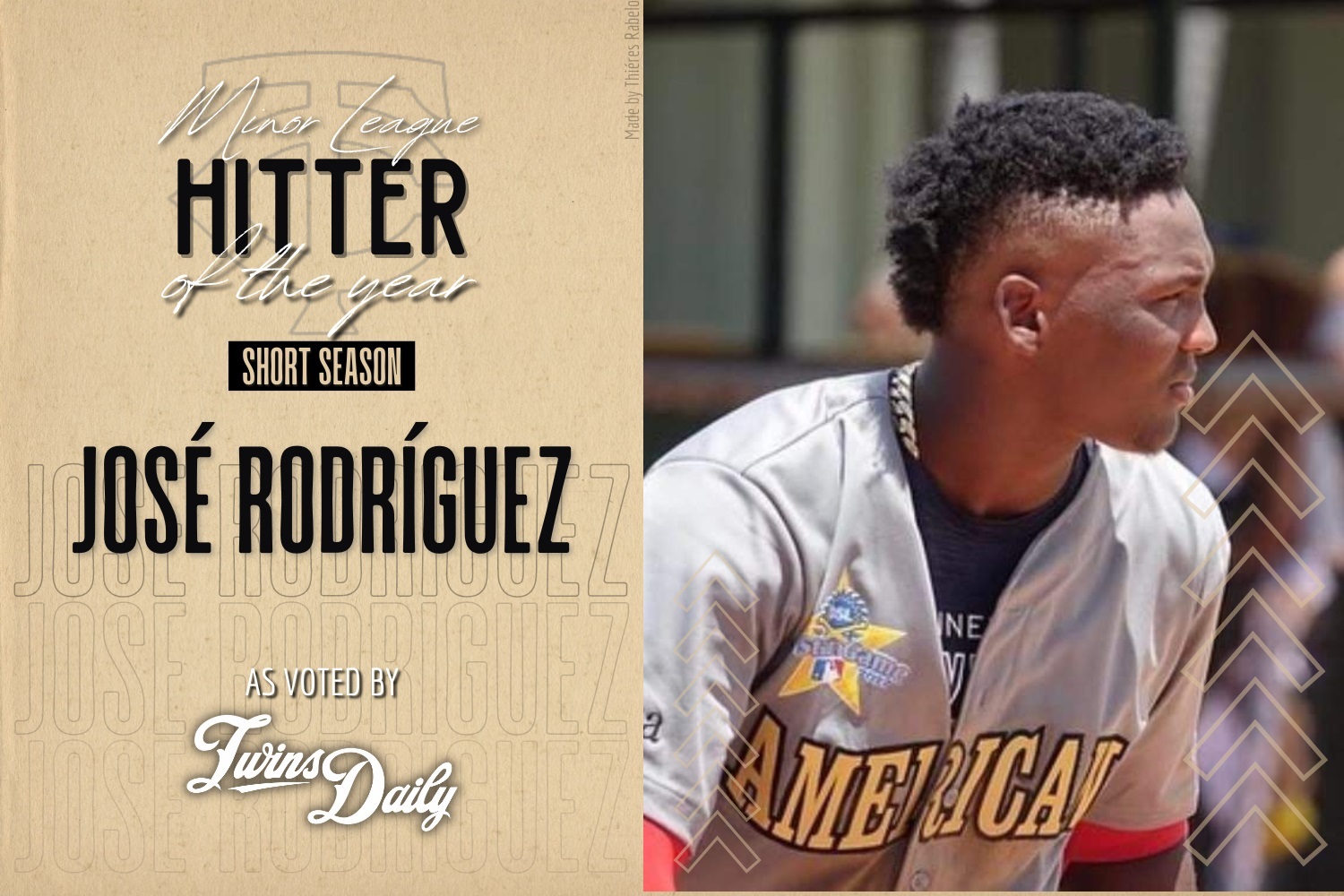 Minnesota signed Jose Rodriguez as part of the 2022 international signing period. At the time, the Twins were signing other players for higher signing bonuses, which may have helped Rodriguez fly under the radar. As a 17-year-old, Minnesota had him spend the entire season in the Dominican Summer League, where he showed why he might be a prospect to keep an eye on in the years to come. The DSL Twins started their season in June, and Rodriguez slowly started to see his bat warm up. In his first 18 games, he went 17-for-61 (.279 BA) with three doubles, two triples, and two home runs. For the month, he had three games with three or more hits. It was an impressive start to the season, especially since he faced older pitchers in all but 12 of his plate appearances this year. July was Rodriguez's most impressive month as he hit .333/.414/.747 (1.161) with eight doubles, one triple, and seven home runs. He added on three stolen bases and a 19-to-10 strikeout to walk ratio. Rodriguez had a 14-game on-base streak that saw him go 22-for-52 (.423 BA) with 14 extra-base hits. In August, he posted a .919 OPS with nine extra-base hits in 15 games. To end the season on a strong note, Rodriguez went 3-for-5 with two home runs and five RBI on August 18th. Ranking teenage prospects before they sign can be challenging for evaluators, but Rodriguez showed he might have been a steal from last year's signing class. Runner-Up: Ricardo Olivar, C/OF Rookie League Stats (40 G): .349/.442/.605 (1.046), 12 2B, 3 3B, 5 HR, 23 RBI Olivar has a unique skill set as the Twins use him as a catcher and an outfielder. His bat is so good that there is no wonder the team wants him in the lineup as much as possible. Last season, he struggled in his professional debut with a .686 OPS in 34 games for the FCL Twins. In July and August this season, he combined to hit .344/.446/.677 (1.123) with 18 extra-base hits in 27 games. His performance earned him a September promotion to Fort Myers, where he played three games, including a 2-for-4 effort in his final appearance. Second Runner-Up: Yasser Mercedes, OF DSL Stats (41 G): .355/.421/.555 (.975), 13 2B, 3 3B, 4 HR, 20 RBI, 30 SB Mercedes ranked as one of the best international prospects in this year's signing class, and he showcased all of his tools in his professional debut. He hit for average and power, played terrific outfield defense, and stole 30 bases in 41 games. Mercedes had multiple hits in 16 games, and he saw his OPS increase each month of the season. He's one of the team's top prospects, and he should rise on prospect rankings this winter based on his professional debut. Honorable Mentions: Rafael Cruz, 1B/3B (FCL/DSL): .297/.398/.558 (.956), 8 2B, 4 3B, 9 HR Cruz saw his OPS jump over 370 points in his second professional season. Alexander Pena, 1B/3B (FCL): .317/.374/.537 (.910), 7 2B, 1 3B, 3 HR Pena repeated the FCL as a 20-year-old but saw a significant increase in his power production this season. Bryan Acuna, SS (DSL): .310/.409/.393 (.803) 12 2B, 0 HR, 9 SB, 20 BB Acuna showed he can hit for average and draw walks, and his power will develop as he adds to his frame. Anderson Nova, OF (DSL): .355/.465/.476 (.932) 8 2B, 2 3B, 1 HR Nova drew 21 walks in 40 games to help boost his OBP, which is good to see from a 17-year-old. Which players will most likely impact the Twins down the road? Who would you vote as the short-season hitter of the year? Leave a COMMENT and start the discussion. PREVIOUS WINNERS: 2016 - Lewin Diaz 2017 - Akil Baddoo 2018 - Chris Williams 2019 - Matt Wallner 2021 - Kala’i Rosario
 -
Matt Wallner is having one of the best seasons in the Twins farm system. Now firmly entrenched in the team’s long-term plans, he is getting his first chance at the big leagues. Image courtesy of Rob Thompson, St. Paul Saints The Twins went in two different routes for their first two picks in the 2019 MLB Draft. With the 13th overall pick, the club selected Keoni Cavaco, a high school shortstop that saw his stock rise significantly leading into the draft. Later in the first round, Minnesota selected Matt Wallner, a strong bat with plenty of college experience. Minnesota had originally drafted Wallner in 2016 as a pitcher, but he stayed true to his college commitment at the University of North Dakota. Unfortunately, he learned the UND was eliminating its baseball program. Fortunately, he found his way to Hattiesburg, Mississippi. This decision helped his development as he was a three-year starter at the University of Southern Mississippi. In each college season, he posted an OPS of 1.093 or higher, and he set the school’s career home run mark when he hit 23 homers as a junior. His arm was so good in college that the team used him as a reliever with a fastball in the mid-90s. The Twins followed his progress in college and took him in the Competitive Balance Round in 2019. After signing, the Twins sent Wallner to the Appalachian League. In 53 games, he hit .269/.361/.452 (.813) with 18 doubles, one triple, and six home runs. Minnesota promoted him to Low-A for 12 games to end the year, and he compiled six extra-base hits in limited action. As a power hitter, his swing and miss tendency was evident as he struck out 80 times in 65 games. Twins Daily named him the 2019 Short Season Hitter of the Year after his powerful professional debut. Coming out of the COVID season, Minnesota sent Wallner to High-A, a level he had yet to experience. He was limited to 66 games with Cedar Rapids because he broke his hamate bone. Even in limited action, his power was evident as he hit .264/.350/.508 (.858) with 14 doubles, two triples, and 15 home runs. To compensate for lost time, the Twins decided to send Wallner to the Arizona Fall League following the 2021 season. The AFL is an excellent showcase for some of baseball’s top prospects, but it’s a small sample size of games. That being said, Wallner made the most of his time in Arizona. In nearly 80 plate appearances, he hit .303/.405/.606 (1.011) with two doubles and six home runs. He struck out in 42% of his at-bats, but he still got on base over 40% of the time. Wallner had set himself up for a breakout 2022 campaign. Wallner began the year at Double-A Wichita, where he continued his hot hitting from the fall. In 78 games, he hit .299/.436/.597 (1.033) with 15 doubles, a triple, and 21 home runs. He was selected for the 2022 Futures Game, where he hit a home run on the national stage. Shortly after returning from Los Angeles, the Twins promoted him to St. Paul. Initially, he struggled, but he posted a .907 OPS in August and a 1.043 OPS in September. It was clear that Wallner was ready for his first taste of the big leagues. For the Twins, Wallner has helped his prospect stock significantly this year. His ceiling compares very similarly to Joey Gallo, a powerful slugger with high strikeout rates. Wallner’s strong arm will play well in right field even if he can’t get to every ball because of his size. He has one of the most powerful bats to come through the Twins system in quite some time. If he can cut down on strikeouts, he may become an even more dangerous hitter at baseball’s highest level. Do you think Wallner can reach his ceiling? What impresses you the most about his minor league career? Leave a COMMENT and start the discussion. View full article
-
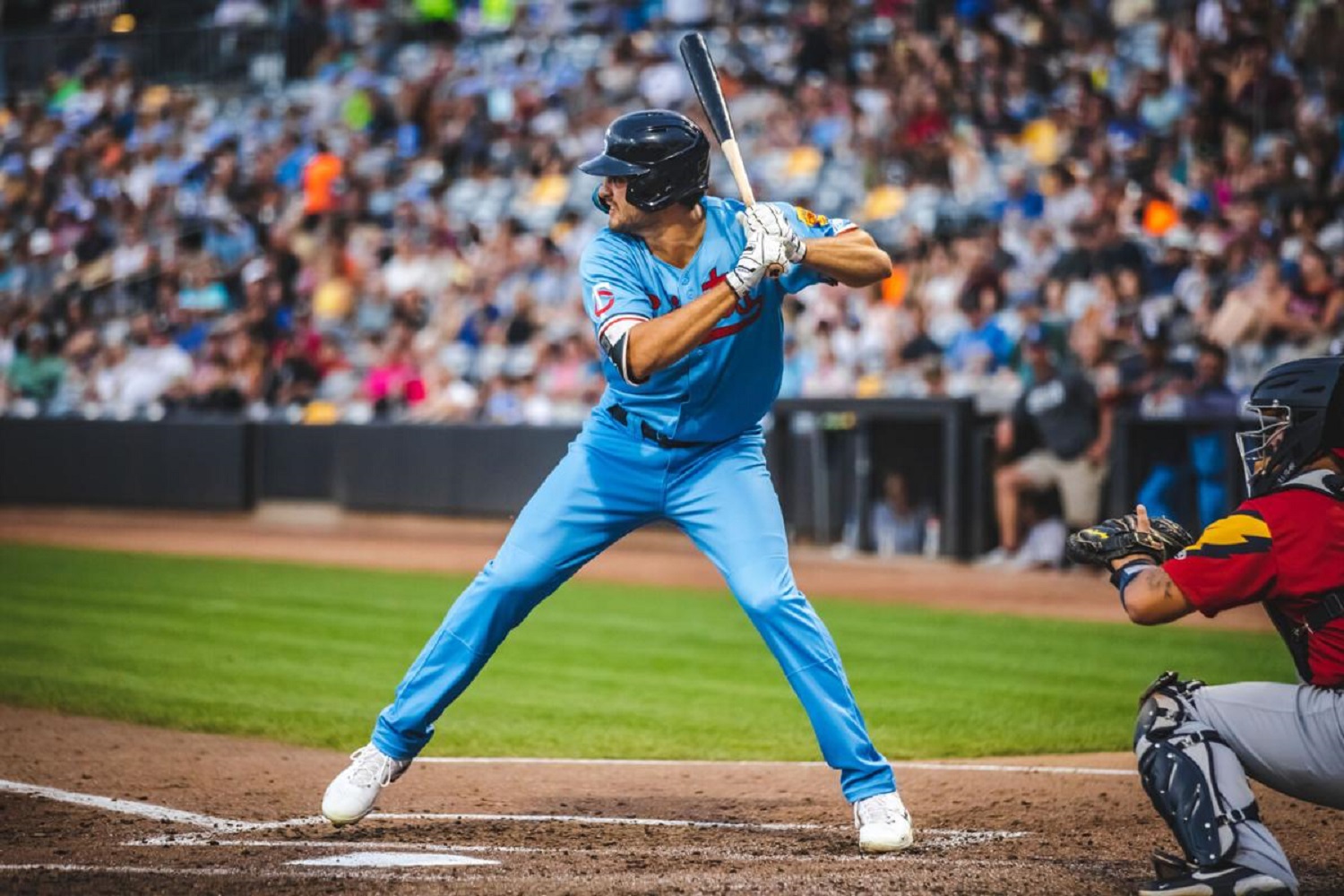 The Twins went in two different routes for their first two picks in the 2019 MLB Draft. With the 13th overall pick, the club selected Keoni Cavaco, a high school shortstop that saw his stock rise significantly leading into the draft. Later in the first round, Minnesota selected Matt Wallner, a strong bat with plenty of college experience. Minnesota had originally drafted Wallner in 2016 as a pitcher, but he stayed true to his college commitment at the University of North Dakota. Unfortunately, he learned the UND was eliminating its baseball program. Fortunately, he found his way to Hattiesburg, Mississippi. This decision helped his development as he was a three-year starter at the University of Southern Mississippi. In each college season, he posted an OPS of 1.093 or higher, and he set the school’s career home run mark when he hit 23 homers as a junior. His arm was so good in college that the team used him as a reliever with a fastball in the mid-90s. The Twins followed his progress in college and took him in the Competitive Balance Round in 2019. After signing, the Twins sent Wallner to the Appalachian League. In 53 games, he hit .269/.361/.452 (.813) with 18 doubles, one triple, and six home runs. Minnesota promoted him to Low-A for 12 games to end the year, and he compiled six extra-base hits in limited action. As a power hitter, his swing and miss tendency was evident as he struck out 80 times in 65 games. Twins Daily named him the 2019 Short Season Hitter of the Year after his powerful professional debut. Coming out of the COVID season, Minnesota sent Wallner to High-A, a level he had yet to experience. He was limited to 66 games with Cedar Rapids because he broke his hamate bone. Even in limited action, his power was evident as he hit .264/.350/.508 (.858) with 14 doubles, two triples, and 15 home runs. To compensate for lost time, the Twins decided to send Wallner to the Arizona Fall League following the 2021 season. The AFL is an excellent showcase for some of baseball’s top prospects, but it’s a small sample size of games. That being said, Wallner made the most of his time in Arizona. In nearly 80 plate appearances, he hit .303/.405/.606 (1.011) with two doubles and six home runs. He struck out in 42% of his at-bats, but he still got on base over 40% of the time. Wallner had set himself up for a breakout 2022 campaign. Wallner began the year at Double-A Wichita, where he continued his hot hitting from the fall. In 78 games, he hit .299/.436/.597 (1.033) with 15 doubles, a triple, and 21 home runs. He was selected for the 2022 Futures Game, where he hit a home run on the national stage. Shortly after returning from Los Angeles, the Twins promoted him to St. Paul. Initially, he struggled, but he posted a .907 OPS in August and a 1.043 OPS in September. It was clear that Wallner was ready for his first taste of the big leagues. For the Twins, Wallner has helped his prospect stock significantly this year. His ceiling compares very similarly to Joey Gallo, a powerful slugger with high strikeout rates. Wallner’s strong arm will play well in right field even if he can’t get to every ball because of his size. He has one of the most powerful bats to come through the Twins system in quite some time. If he can cut down on strikeouts, he may become an even more dangerous hitter at baseball’s highest level. Do you think Wallner can reach his ceiling? What impresses you the most about his minor league career? Leave a COMMENT and start the discussion.
 -
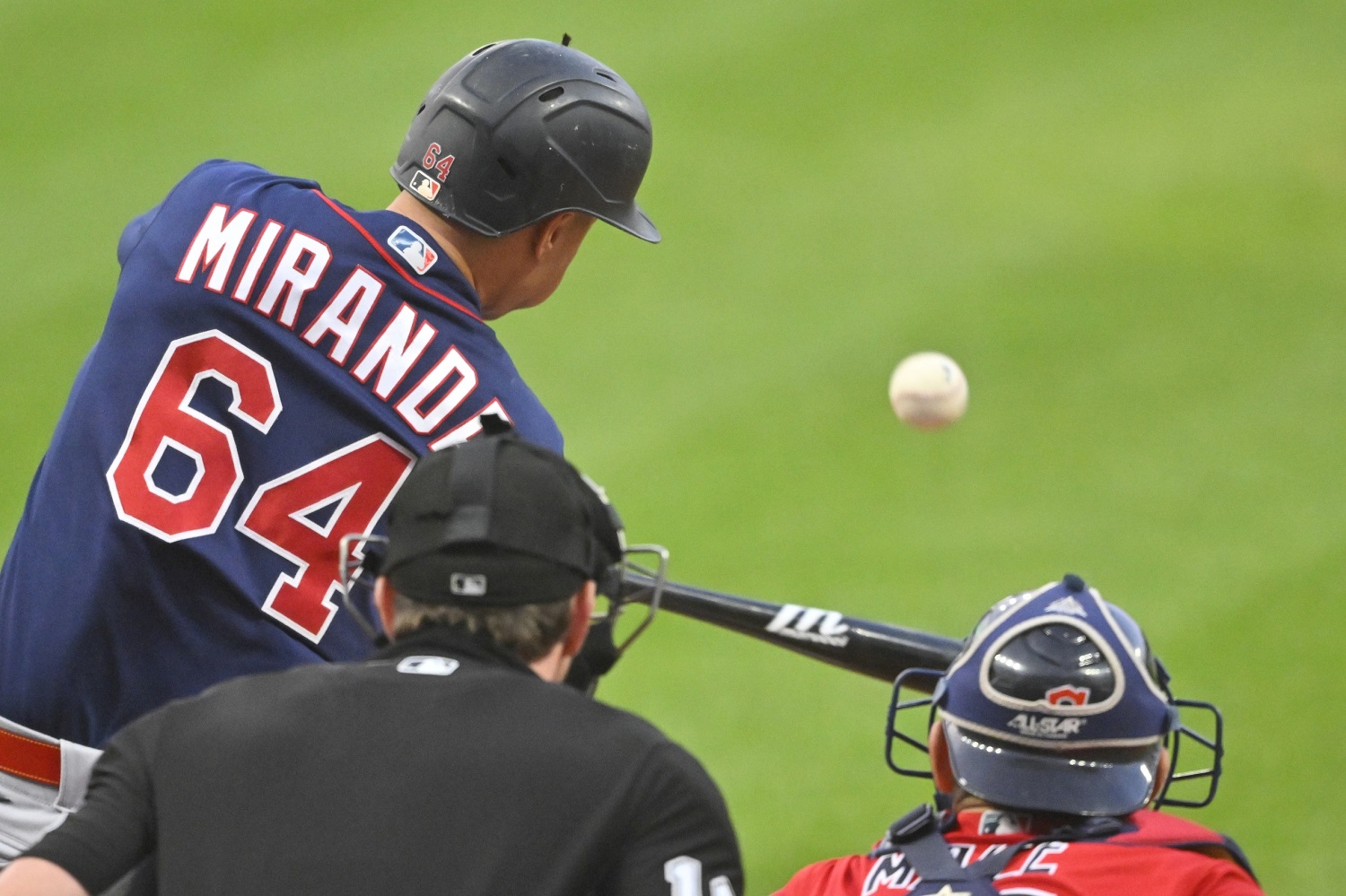 Even in a season that has gone sour, signs point to a bright future for the Twins. Joe Ryan, Jhoan Duran, and Jose Miranda have all cemented themselves into the team’s plans for the foreseeable future. The Twins might not be in a position to win the division, but these rookie records are something to watch in the team’s final games. Most Strikeouts in a Season by a Twins Rookie Pitcher Ryan has posted some strong performances over the last couple of weeks, which has helped him move up the rookie strikeout list. Over the weekend, Ryan collected his 138th strikeout, and he moved past Bert Blyleven for second on the team’s strikeout list for a rookie pitcher. The only player left for Ryan to pass is Francisco Liriano, who struck out 144 batters in 2006. Ryan has at least two starts left to break the record, and he has struck out eight or more batters in three of his last four starts. He’s already set a career-high in innings pitched as a professional, so the only way to keep him from the record is if the team shuts him down early. Most Win Probability Added by a Twins Rookie Pitcher (Since 1990) Relief pitcher usage in the 1970s and 1980s differed significantly from the modern game. Many writers use the 1990 season as a cutoff for modern bullpen usage, which helps to put in perspective how good Jhoan Duran has been this season. Duran’s 4.58 WPA is 0.83 points higher than Pat Neshek in 2006. Duran currently ranks as the 6th best AL rookie reliever in baseball history regarding WPA over the last 32 years. He can move into the top-3 by passing Dellin Betances, Neftali Feliz, and Chris Sale over the season’s final weeks. In Twins history, only Doug Corbett’s 1980 rookie campaign will be the only season to accumulate more WPA than Duran. Rookie Hitters to Lead the Twins in RBI Jose Miranda enters play on Monday with 64 RBI, the most for the Twins. His next closest competitors are Carlos Correa (58 RBI), Gio Urshela (57 RBI), and Gary Sanchez (53 RBI). All of those players have played more games than Miranda, which highlights how good he has been in his first taste of the big leagues. The last Twins rookie to lead the team in RBI was Kent Hrbek back in 1982. His 44 RBI since July 1st ranks eighth in the American League in that span. Miranda is also in the top-10 among MLB rookies in SLG (6th), OPS (6th), BA (7th), RBI (3rd), multi-hit games (4th), and home runs (7th). There have been some strong rookie performances in the AL this season, but Miranda has proven he can hit at baseball’s highest level. Other rookie players have also impacted the Twins roster this season. Gilberto Celestino will lead the team in games started in center field while getting on base over 30% of the time. Jovani Moran and Trevor Megill have pitched over 70 innings out of the Twins bullpen. Even top prospects like Royce Lewis and Matt Wallner have impacted the line-up in limited action. Are you surprised by any of the rookie records mentioned above? Which Twins rookie has the brightest future? Leave a COMMENT and start the discussion.
- 11 comments
-
- 3
-
-
- joe ryan
- jhoan duran
- (and 1 more)
-
Strong performances from rookie players have been one of the highlights of the 2022 Twins season. Here are three records that Twins players can break over the season’s final weeks. Image courtesy of David Richard-USA TODAY Sports Even in a season that has gone sour, signs point to a bright future for the Twins. Joe Ryan, Jhoan Duran, and Jose Miranda have all cemented themselves into the team’s plans for the foreseeable future. The Twins might not be in a position to win the division, but these rookie records are something to watch in the team’s final games. Most Strikeouts in a Season by a Twins Rookie Pitcher Ryan has posted some strong performances over the last couple of weeks, which has helped him move up the rookie strikeout list. Over the weekend, Ryan collected his 138th strikeout, and he moved past Bert Blyleven for second on the team’s strikeout list for a rookie pitcher. The only player left for Ryan to pass is Francisco Liriano, who struck out 144 batters in 2006. Ryan has at least two starts left to break the record, and he has struck out eight or more batters in three of his last four starts. He’s already set a career-high in innings pitched as a professional, so the only way to keep him from the record is if the team shuts him down early. Most Win Probability Added by a Twins Rookie Pitcher (Since 1990) Relief pitcher usage in the 1970s and 1980s differed significantly from the modern game. Many writers use the 1990 season as a cutoff for modern bullpen usage, which helps to put in perspective how good Jhoan Duran has been this season. Duran’s 4.58 WPA is 0.83 points higher than Pat Neshek in 2006. Duran currently ranks as the 6th best AL rookie reliever in baseball history regarding WPA over the last 32 years. He can move into the top-3 by passing Dellin Betances, Neftali Feliz, and Chris Sale over the season’s final weeks. In Twins history, only Doug Corbett’s 1980 rookie campaign will be the only season to accumulate more WPA than Duran. Rookie Hitters to Lead the Twins in RBI Jose Miranda enters play on Monday with 64 RBI, the most for the Twins. His next closest competitors are Carlos Correa (58 RBI), Gio Urshela (57 RBI), and Gary Sanchez (53 RBI). All of those players have played more games than Miranda, which highlights how good he has been in his first taste of the big leagues. The last Twins rookie to lead the team in RBI was Kent Hrbek back in 1982. His 44 RBI since July 1st ranks eighth in the American League in that span. Miranda is also in the top-10 among MLB rookies in SLG (6th), OPS (6th), BA (7th), RBI (3rd), multi-hit games (4th), and home runs (7th). There have been some strong rookie performances in the AL this season, but Miranda has proven he can hit at baseball’s highest level. Other rookie players have also impacted the Twins roster this season. Gilberto Celestino will lead the team in games started in center field while getting on base over 30% of the time. Jovani Moran and Trevor Megill have pitched over 70 innings out of the Twins bullpen. Even top prospects like Royce Lewis and Matt Wallner have impacted the line-up in limited action. Are you surprised by any of the rookie records mentioned above? Which Twins rookie has the brightest future? Leave a COMMENT and start the discussion. View full article
- 11 replies
-
- 1
-
-
- joe ryan
- jhoan duran
- (and 1 more)
-
As the season winds down, many teams will give prospects their first shot at the big-league level. Ronny Henriquez was part of a significant trade this winter and made his debut earlier this week. Image courtesy of Ken Blaze-USA TODAY Sports The Texas Rangers signed Ronny Henriquez as a 17-year-old from the Dominican Republic. He was given a $10,000 signing bonus, which can be seen as a bargain on the international market. His small stature likely drove down his value as he was 5-foot-10 and 150 pounds back in 2017. The Rangers waited until the 2018 season for Henriquez to make his professional debut. In the 2018 Dominican Summer League, Henriquez showed why the Rangers were impressed with him. In 11 starts (58 innings), he posted a 1.55 ERA with a 0.78 WHIP and a 79-to-8 strikeout to walk ratio. He dominated opposing hitters as he held batters to a .466 OPS while striking out in nearly 38% of their at-bats. He’d need to prove those numbers weren’t a fluke as the team moved him stateside for 2019. At Low-A, Henriquez struggled for the first time in his professional career, but it would be tough for any pitcher to live up to his professional debut. In 21 appearances, he posted a 4.50 ERA with a 1.44 WHIP and 10.9 K/9. He allowed three runs or fewer in 18 of his 21 appearances. Henriquez was nearly three years younger than the average age of the competition at his level, with all but 10 of his at-bats coming against older batters. Henriquez spent the 2020 COVID season living at the Rangers village dorm in Arizona, which provided access to the team’s spring training facilities. He was allowed to work out with protocols in place, but like many prospects, he didn’t have formal workouts until the team’s fall development camp. Henriquez must have impressed during camp because Texas continued to be aggressive with him in 2021. With a new minor league season, Henriquez began the year at High-A, where he posted a 3.75 ERA in five starts. Then he was promoted to Double-A, where he was 3.7 years younger than the average age of the competition. In 16 appearances (11 starts), he posted a 5.04 ERA with a 1.18 WHIP. He continued to strike out more than ten batters per nine innings, but home runs became an issue as he allowed 1.9 HR/9 after his promotion. There were areas for improvement, but he’d shown enough to be added to the Rangers’ 40-man roster. One of Minnesota’s targets for the 2022 offseason was acquiring a starting shortstop. The Twins dealt Mitch Garver to the Rangers for Isiah Kiner-Falefa and Henriquez. During his age-22 season, Henriquez was five years younger than Triple-A competition. He made 14 starts and ten relief appearances with a 5.66 ERA and a 1.39 WHIP. He only faced a younger batter in one plate appearance this season, but he continued to have 10 K/9. Many consider Henriquez a top-20 prospect in the Twins organization. He has three above-average pitches that he can use to get outs. His fastball can hit in the upper 90s and has high spin rates that help him miss bats up in the zone. Henriquez also uses a slider and a changeup that has improved as he has climbed the minor league ladder. He will likely need to repeat Triple-A next season as the team decides whether or not he can be a starter. What have been your initial impressions of Henriquez? Do you think he fits into the team’s long-term plans? Leave a COMMENT and start the discussion. View full article
-
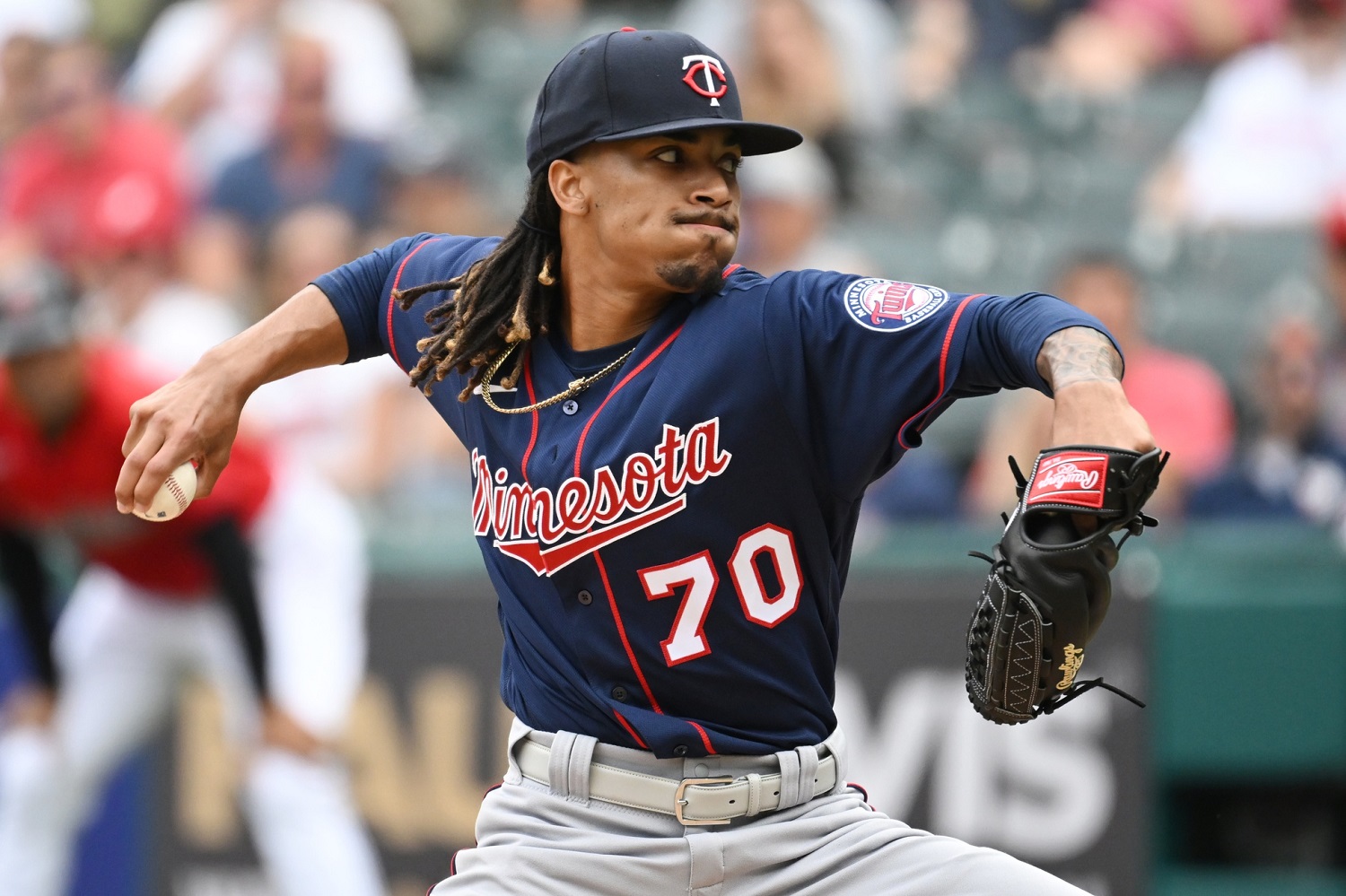 The Texas Rangers signed Ronny Henriquez as a 17-year-old from the Dominican Republic. He was given a $10,000 signing bonus, which can be seen as a bargain on the international market. His small stature likely drove down his value as he was 5-foot-10 and 150 pounds back in 2017. The Rangers waited until the 2018 season for Henriquez to make his professional debut. In the 2018 Dominican Summer League, Henriquez showed why the Rangers were impressed with him. In 11 starts (58 innings), he posted a 1.55 ERA with a 0.78 WHIP and a 79-to-8 strikeout to walk ratio. He dominated opposing hitters as he held batters to a .466 OPS while striking out in nearly 38% of their at-bats. He’d need to prove those numbers weren’t a fluke as the team moved him stateside for 2019. At Low-A, Henriquez struggled for the first time in his professional career, but it would be tough for any pitcher to live up to his professional debut. In 21 appearances, he posted a 4.50 ERA with a 1.44 WHIP and 10.9 K/9. He allowed three runs or fewer in 18 of his 21 appearances. Henriquez was nearly three years younger than the average age of the competition at his level, with all but 10 of his at-bats coming against older batters. Henriquez spent the 2020 COVID season living at the Rangers village dorm in Arizona, which provided access to the team’s spring training facilities. He was allowed to work out with protocols in place, but like many prospects, he didn’t have formal workouts until the team’s fall development camp. Henriquez must have impressed during camp because Texas continued to be aggressive with him in 2021. With a new minor league season, Henriquez began the year at High-A, where he posted a 3.75 ERA in five starts. Then he was promoted to Double-A, where he was 3.7 years younger than the average age of the competition. In 16 appearances (11 starts), he posted a 5.04 ERA with a 1.18 WHIP. He continued to strike out more than ten batters per nine innings, but home runs became an issue as he allowed 1.9 HR/9 after his promotion. There were areas for improvement, but he’d shown enough to be added to the Rangers’ 40-man roster. One of Minnesota’s targets for the 2022 offseason was acquiring a starting shortstop. The Twins dealt Mitch Garver to the Rangers for Isiah Kiner-Falefa and Henriquez. During his age-22 season, Henriquez was five years younger than Triple-A competition. He made 14 starts and ten relief appearances with a 5.66 ERA and a 1.39 WHIP. He only faced a younger batter in one plate appearance this season, but he continued to have 10 K/9. Many consider Henriquez a top-20 prospect in the Twins organization. He has three above-average pitches that he can use to get outs. His fastball can hit in the upper 90s and has high spin rates that help him miss bats up in the zone. Henriquez also uses a slider and a changeup that has improved as he has climbed the minor league ladder. He will likely need to repeat Triple-A next season as the team decides whether or not he can be a starter. What have been your initial impressions of Henriquez? Do you think he fits into the team’s long-term plans? Leave a COMMENT and start the discussion.
 -
Major League Baseball changed the rules for next year's draft, which can be good news for teams out of contention. Here's how the Twins can earn one of next year's top draft picks. Image courtesy of Twins Daily Last winter's lockout may not have been all bad for baseball because one new aspect of the collective bargaining agreement is a change to MLB's Draft. Recently, the team with baseball's worst record received the first overall pick and the highest pick in each subsequent round. For many reasons, tanking became a common practice by many organizations looking to rebuild a franchise. The Houston Astros may be the most famous example, as they lost over 100 games in three consecutive seasons before eventually rebuilding into an American League powerhouse. Starting in 2023, the first six picks in each year's draft will be assigned through a draft lottery. All 18 teams that fail to qualify for the postseason will have a chance to move into the top six picks. Odds for each team receiving the number one selection are assigned in reverse order of regular season winning percentage. If a team doesn't receive a lottery selection, they will pick in reverse order of winning percentage from the previous season. The odds of receiving the draft's top pick are as follows: Worst record: 16.5% 2nd-worst record: 16.5% 3rd-worst record: 16.5% 4th: 13.25% 5th: 10% 6th: 7.5% 7th: 5.5% 8th: 3.9% 9th: 2.7% 10th: 1.8% 11th: 1.4% 12th: 1.1% 13th: 0.90% 14th: 0.76% 15th: 0.62% 16th: 0.48% 17th: 0.36% 18th: 0.23% Adding a lottery helps to deter tanking, but other rules were added to deter tanking even further. Teams that receive revenue sharing can't receive a top-six pick for more than two consecutive seasons. On the opposite side, clubs that pay revenue sharing can't get a lottery pick more than one year in a row. Organizations are significantly helped by adding talent at the top of the draft, and Minnesota's system has dropped according to national rankings. The Twins' top two prospects, Royce Lewis and Brooks Lee, were both top-8 picks in the first round of their respective draft. Lewis looked fantastic in his first taste of the big leagues, and Lee's already seen his stock rise since joining the Twins organization. The more times the Twins can get a top-10 pick, the better their chances of adding impact talent to a farm system that needs a boost. Entering play on Monday, the Twins have a .500 record which translates to baseball's 15th worst record. Minnesota would have a 0.62% chance of earning the first overall pick if the season ended today. Minnesota trails Boston by two games for the 14th spot and San Francisco by 3.5 games for the 13th worst record. Gaining ground on these teams helps increase Minnesota's odds, but it's only a small jump for teams that have been in contention. If you'd like to simulate MLB's draft lottery, Tankathon has updated its site to include a simulation tool for the lottery. My first lottery scored the Twins the third overall pick, but the team never won the top overall pick in over 200 simulations. Minnesota has time to help their odds over the season's final weeks, so it will be interesting to see how the team fares in their first chance at the draft lottery. Do you like MLB's new lottery system? Do you think it will deter teams from tanking in the years ahead? Leave a COMMENT and start the discussion. View full article
