



Cody Christie
-
Posts
7,515 -
Joined
-
Last visited
-
Days Won
5
Content Type
Profiles
News
Minnesota Twins Videos
2026 Minnesota Twins Top Prospects Ranking
2022 Minnesota Twins Draft Picks
Minnesota Twins Free Agent & Trade Rumors, Notes, & Tidbits
Guides & Resources
2023 Minnesota Twins Draft Picks
The Minnesota Twins Players Project
2024 Minnesota Twins Draft Picks
2025 Minnesota Twins Draft Pick Tracker
2026 Minnesota Twins Draft Tracker: Picks & Bonuses
Forums
Blogs
Events
Store
Downloads
Gallery
Everything posted by Cody Christie
-
 I was referencing that it is hard to read too much into his 2023 numbers because he has such a limited sample size. I agree that his performance has not lived up to being selected in the first round. There have been few late first round picks from 2020 that have made a significant impact at the big-league level.
- 14 replies
-
- 1
-

-
- aaron sabato
- marco raya
- (and 2 more)
-
It's still boggles my mind that they aren't trying to get Julien more reps at other defensive positions besides second base. Right now, he has only been called up when Polanco is injured, but that doesn't seem like an optimal plan. Unless the team is fine with him spending the majority of 2023 at Triple-A.
-
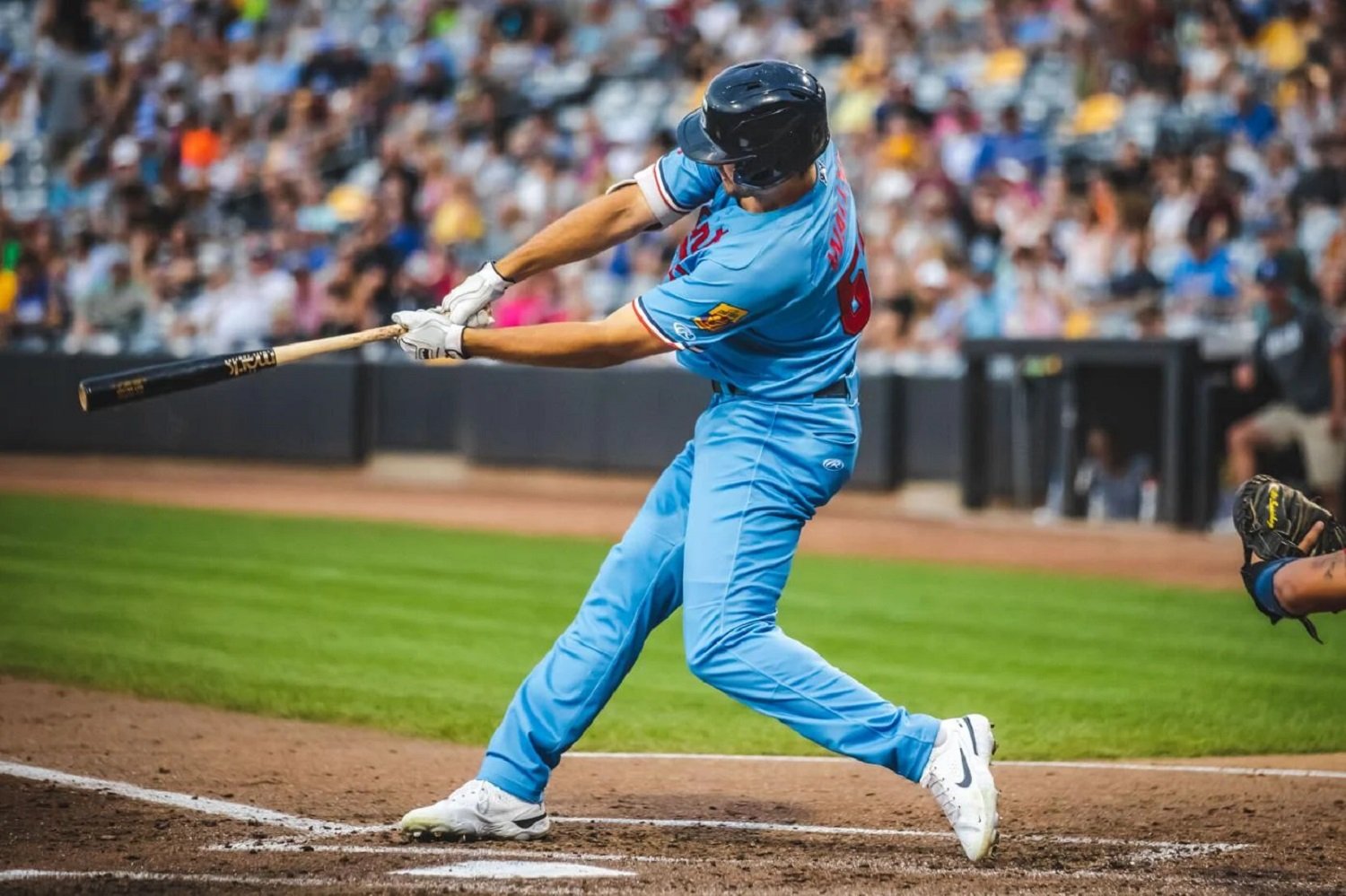 For some fans, getting used to the idea of the St. Paul Saints being the Twins' Triple-A affiliate still takes a little. The 2023 season marks the third year of an affiliation between the crosstown teams. Pros and cons of this affiliation have been evident since the organizations joined forces, and it will be interesting to see how the relationship continues to evolve in the years to come. However, the most significant positive for the Saints this season is the caliber of players on the field on any given night. Last season, the Twins had to dig into the team's Triple-A depth quite regularly because of the vast number of injuries at the big-league level. The Saints finished the season with a 74-75 record, which placed them 17 games back in the International League West Division. Mark Contreras and Jermaine Palacios were the lone position players to play over 100 games for the club. At the same time, Ronny Henriquez, Dereck Rodriguez, and Mario Sanchez were the only pitchers to toss over 90 innings. Some of the team's top prospects appeared on the club, but it was a roster full of veterans looking for another shot at the big-league level. Minnesota's front office focused on adding depth to the big-league roster for the 2023 season. These moves naturally added more talent to the Saints' roster because the Twins pushed players down the organizational depth chart. Many big-league teams would be forced to use players like Matt Wallner, Trevor Larnach, Jose Miranda, and Edouard Julien. Luckily, the team has allowed these players to find their footing at the Triple-A level, no matter if they are playing well or struggling when they get called up. This depth has helped the Saints to start the season at the top of their division. Through Sunday's game, St. Paul had a 32-23 record with a +42 run differential. The Saints rank in the top 10 in runs per game, home runs, and OPS in the International League. St. Paul's pitchers have fared even better, ranking in the top-5 in ERA, strikeouts, and K/9. The top seven teams in the IL West Division are only separated by 4.5 games, so the Saints must continue to rely on organization depth to qualify for the playoffs. Saints fans can also look to Double-A for players that can reinforce the roster in the second half. Yunior Severino has started the year on a tear for Wichita with 12 home runs and an .899 OPS in his first 44 games. Brooks Lee is considered by many to be the organization's top prospect, and he's holding his own (.756 OPS) during his first full professional season. Alex Isola and DaShawn Keirsey have an OPS higher than .800 and can provide different defensive skills at Triple-A. Those are just some offensive weapons that could be in a Saints uniform later this year. On the mound, Blayne Enlow seems like a lock to enter St. Paul's rotation in the second half. The Twins removed him from the 40-man roster this winter, but he's out to prove he belongs. He has been terrific with a 3.30 ERA, a 1.10 WHIP, and a 61-to-13 strikeout-to-walk ratio in his first 49 innings. David Festa is another pitcher to watch at Double-A, but he's had a slower start to the 2023 campaign. The Wind Surge have been giving many late-inning opportunities to Alex Scherff, and he has posted a 12.13 K/9 that might translate well to the Saints bullpen. Injuries have started to impact the Twins, but it has yet to deplete the Saints' rosters. Fans in the Twin Cities can head to CHS Field and watch some impact players working toward Target Field. Minnesota's depth is substantial, and the Saints will continue to benefit throughout 2023. Do you think the Saints will continue to stay in the division race? Which players will significantly impact the Triple-A roster most in the second half? Leave a COMMENT and start the discussion.
- 9 comments
-
- 3
-
-
- matt wallner
- edouard julien
- (and 3 more)
-
The Twins front office had a clear mission this winter, including adding more depth to multiple places on the roster. So far this season, the Twins have seen some benefit to this depth, but the St. Paul Saints continue to thrive. Image courtesy of Rob Thompson, St. Paul Saints For some fans, getting used to the idea of the St. Paul Saints being the Twins' Triple-A affiliate still takes a little. The 2023 season marks the third year of an affiliation between the crosstown teams. Pros and cons of this affiliation have been evident since the organizations joined forces, and it will be interesting to see how the relationship continues to evolve in the years to come. However, the most significant positive for the Saints this season is the caliber of players on the field on any given night. Last season, the Twins had to dig into the team's Triple-A depth quite regularly because of the vast number of injuries at the big-league level. The Saints finished the season with a 74-75 record, which placed them 17 games back in the International League West Division. Mark Contreras and Jermaine Palacios were the lone position players to play over 100 games for the club. At the same time, Ronny Henriquez, Dereck Rodriguez, and Mario Sanchez were the only pitchers to toss over 90 innings. Some of the team's top prospects appeared on the club, but it was a roster full of veterans looking for another shot at the big-league level. Minnesota's front office focused on adding depth to the big-league roster for the 2023 season. These moves naturally added more talent to the Saints' roster because the Twins pushed players down the organizational depth chart. Many big-league teams would be forced to use players like Matt Wallner, Trevor Larnach, Jose Miranda, and Edouard Julien. Luckily, the team has allowed these players to find their footing at the Triple-A level, no matter if they are playing well or struggling when they get called up. This depth has helped the Saints to start the season at the top of their division. Through Sunday's game, St. Paul had a 32-23 record with a +42 run differential. The Saints rank in the top 10 in runs per game, home runs, and OPS in the International League. St. Paul's pitchers have fared even better, ranking in the top-5 in ERA, strikeouts, and K/9. The top seven teams in the IL West Division are only separated by 4.5 games, so the Saints must continue to rely on organization depth to qualify for the playoffs. Saints fans can also look to Double-A for players that can reinforce the roster in the second half. Yunior Severino has started the year on a tear for Wichita with 12 home runs and an .899 OPS in his first 44 games. Brooks Lee is considered by many to be the organization's top prospect, and he's holding his own (.756 OPS) during his first full professional season. Alex Isola and DaShawn Keirsey have an OPS higher than .800 and can provide different defensive skills at Triple-A. Those are just some offensive weapons that could be in a Saints uniform later this year. On the mound, Blayne Enlow seems like a lock to enter St. Paul's rotation in the second half. The Twins removed him from the 40-man roster this winter, but he's out to prove he belongs. He has been terrific with a 3.30 ERA, a 1.10 WHIP, and a 61-to-13 strikeout-to-walk ratio in his first 49 innings. David Festa is another pitcher to watch at Double-A, but he's had a slower start to the 2023 campaign. The Wind Surge have been giving many late-inning opportunities to Alex Scherff, and he has posted a 12.13 K/9 that might translate well to the Saints bullpen. Injuries have started to impact the Twins, but it has yet to deplete the Saints' rosters. Fans in the Twin Cities can head to CHS Field and watch some impact players working toward Target Field. Minnesota's depth is substantial, and the Saints will continue to benefit throughout 2023. Do you think the Saints will continue to stay in the division race? Which players will significantly impact the Triple-A roster most in the second half? Leave a COMMENT and start the discussion. View full article
-
The 2020 season was unique in many ways, including the 2020 MLB Draft. Were the Twins able to find value in a unique draft format that may never be seen again? Image courtesy of McKenzie Short, Cedar Rapids Kernels Major League Baseball's 2023 Draft is scheduled to start on July 9, 2023. Each team prepares for the draft with a specific plan, and sometimes those plans play out better than others. To prepare fans for the upcoming draft, this series will examine recent Twins drafts and how those players have performed so far in their professional careers. First Round: Aaron Sabato The Twins were drafting at the end of the first round (27th overall) after a strong 2019 season. The pandemic wiped out nearly the entire college and high school season leading into the draft, making evaluating talent even more challenging. Only five first-round picks from 2020 have provided positive WAR so far in their big-league careers. Sabato was an interesting pick by the Twins because he was a slugging college bat with little defensive value. Players must provide exceptional offensive value with this specific skill set during their minor league career. Last season, Sabato showed flashes of his potential by posting a .799 OPS with 30 extra-base hits in 80 High-A games. His OPS dropped over 100 points after being promoted to Double-A, but he was over a year younger than the average age of the competition at that level. His 2023 season started late due to injury, so the sample size needs to be more significant to make substantial evaluations. Second Round: Alerick Soularie Soularie spent parts of two college seasons at the University of Tennessee and posted a 1.034 OPS in 76 games. At the time of the draft, evaluators viewed him as a toolsy college outfielder with the potential to improve on both sides of the ball. His college power numbers have yet to follow him to his professional career. In 2021, he posted a .668 OPS at Low-A and improved by 48 points during last season at High-A. Soularie has played the 2023 campaign at Double-A, where he is over a year and a half younger than the average age of the competition at his level. He has hit .220/.365/.300 (.665) with two extra-base hits in 19 games. Last year, he split time between second base and the outfield, but he has only played corner outfield in 2023. The Twins surrendered their third-round pick after signing Josh Donaldson leading into the 2020 season. Atlanta gave him the qualifying offer, but he declined it to test free agent waters. At the time, teams that received revenue-sharing money, like the Twins, lost their third-highest unprotected selection in the next draft for signing a free agent that rejected a qualifying offer. In a draft with limited picks, there could have been value in still having a third-round selection. Fourth Round: Marco Raya Raya is the Twins' highest-ranked prospect from the 2020 MLB Draft, and he looks like a steal in the fourth round. His small stature likely caused him to drop on some team's draft boards, but he has been fantastic during his professional career. In 2022, he posted a 3.05 ERA with a 1.077 WHIP and a 76-to-23 strikeout-to-walk ratio at Low-A. The 19-year-old was three years younger than the average age of the competition and faced older batters in over 82% of his plate appearances. Baseball Prospectus ranked him the 53rd-best prospect in the pre-2023 top-100 rankings. Minnesota pushed Raya to Cedar Rapids this season, and he has built off his strong 2022 season. In his first seven starts (20 2/3 innings), he allowed six earned runs on ten hits with 24 strikeouts and five walks. It will be interesting to see if he starts getting more national attention as he continues to produce in the lower minors. Fifth Round: Kala'i Rosario The Twins selected Rosario as an outfielder out of high school in Hawaii. He made his professional debut in the 2021 season for the FCL Twins, where he hit .277/.341/.452 (.793) with ten doubles, four triples, and five home runs. Last season, he played over 100 games for Fort Myers with a .727 OPS while setting career highs in home runs (12) and doubles (21). He's off to a tremendous start at High-A during the 2022 season. In 46 games, he has hit .292/.398/.526 (.924) with 12 doubles, two triples, eight home runs, and 27 walks. He's faced older batters in all but four plate appearances, so that makes his performance even more impressive. OTHER POSTS IN THE SERIES -2019 Draft Retrospective -2018 Draft Retrospective -2017 Draft Retrospective -2016 Draft Retrospective What are your impressions of the 2020 draft class? Who will have the most significant impact at the big-league level? Leave a COMMENT and start the discussion. View full article
- 14 replies
-
- 1
-
-
- aaron sabato
- marco raya
- (and 2 more)
-
Minnesota Twins 2020 Draft Retrospective: Raya Sunshine
Cody Christie posted an article in Minor Leagues
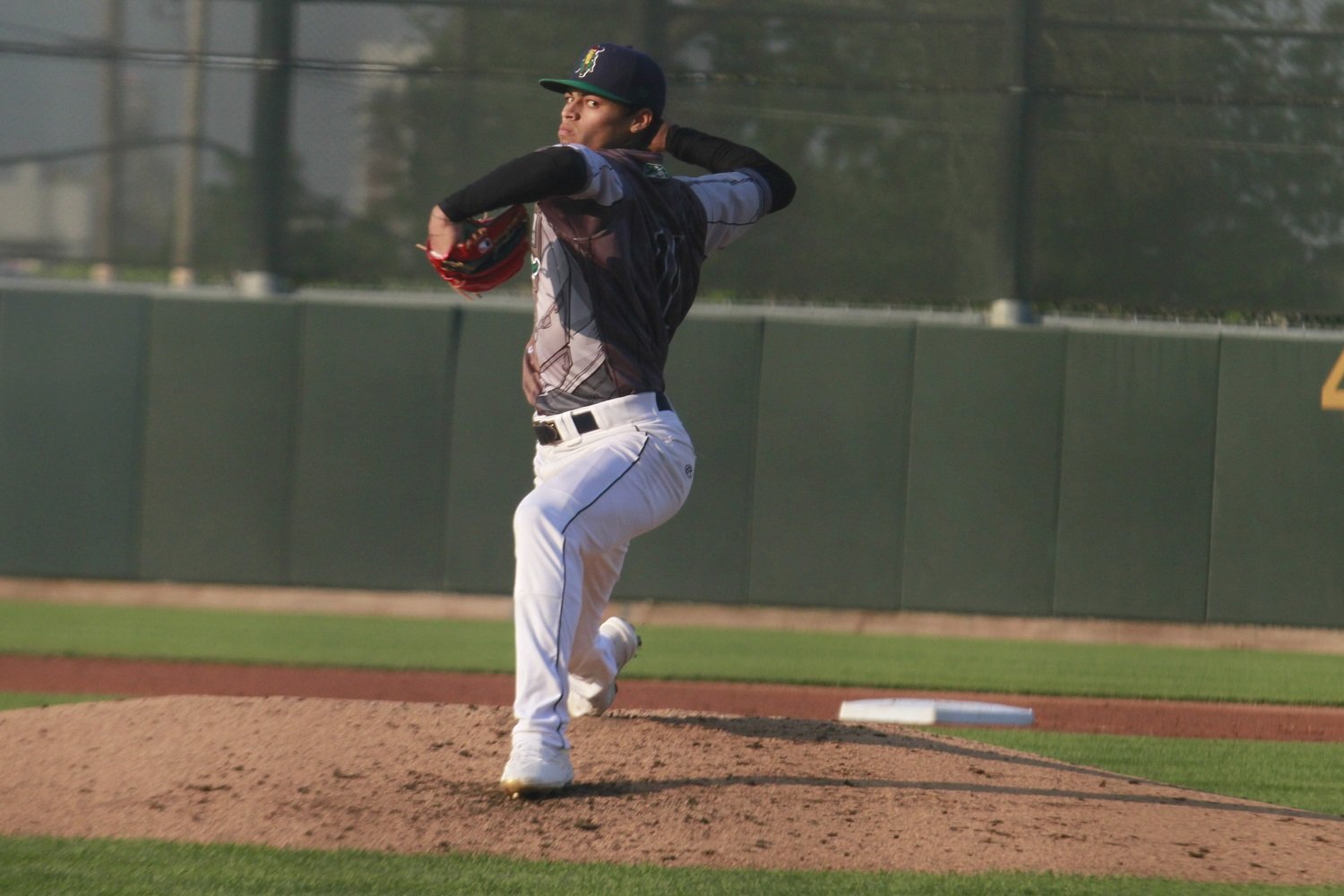 Major League Baseball's 2023 Draft is scheduled to start on July 9, 2023. Each team prepares for the draft with a specific plan, and sometimes those plans play out better than others. To prepare fans for the upcoming draft, this series will examine recent Twins drafts and how those players have performed so far in their professional careers. First Round: Aaron Sabato The Twins were drafting at the end of the first round (27th overall) after a strong 2019 season. The pandemic wiped out nearly the entire college and high school season leading into the draft, making evaluating talent even more challenging. Only five first-round picks from 2020 have provided positive WAR so far in their big-league careers. Sabato was an interesting pick by the Twins because he was a slugging college bat with little defensive value. Players must provide exceptional offensive value with this specific skill set during their minor league career. Last season, Sabato showed flashes of his potential by posting a .799 OPS with 30 extra-base hits in 80 High-A games. His OPS dropped over 100 points after being promoted to Double-A, but he was over a year younger than the average age of the competition at that level. His 2023 season started late due to injury, so the sample size needs to be more significant to make substantial evaluations. Second Round: Alerick Soularie Soularie spent parts of two college seasons at the University of Tennessee and posted a 1.034 OPS in 76 games. At the time of the draft, evaluators viewed him as a toolsy college outfielder with the potential to improve on both sides of the ball. His college power numbers have yet to follow him to his professional career. In 2021, he posted a .668 OPS at Low-A and improved by 48 points during last season at High-A. Soularie has played the 2023 campaign at Double-A, where he is over a year and a half younger than the average age of the competition at his level. He has hit .220/.365/.300 (.665) with two extra-base hits in 19 games. Last year, he split time between second base and the outfield, but he has only played corner outfield in 2023. The Twins surrendered their third-round pick after signing Josh Donaldson leading into the 2020 season. Atlanta gave him the qualifying offer, but he declined it to test free agent waters. At the time, teams that received revenue-sharing money, like the Twins, lost their third-highest unprotected selection in the next draft for signing a free agent that rejected a qualifying offer. In a draft with limited picks, there could have been value in still having a third-round selection. Fourth Round: Marco Raya Raya is the Twins' highest-ranked prospect from the 2020 MLB Draft, and he looks like a steal in the fourth round. His small stature likely caused him to drop on some team's draft boards, but he has been fantastic during his professional career. In 2022, he posted a 3.05 ERA with a 1.077 WHIP and a 76-to-23 strikeout-to-walk ratio at Low-A. The 19-year-old was three years younger than the average age of the competition and faced older batters in over 82% of his plate appearances. Baseball Prospectus ranked him the 53rd-best prospect in the pre-2023 top-100 rankings. Minnesota pushed Raya to Cedar Rapids this season, and he has built off his strong 2022 season. In his first seven starts (20 2/3 innings), he allowed six earned runs on ten hits with 24 strikeouts and five walks. It will be interesting to see if he starts getting more national attention as he continues to produce in the lower minors. Fifth Round: Kala'i Rosario The Twins selected Rosario as an outfielder out of high school in Hawaii. He made his professional debut in the 2021 season for the FCL Twins, where he hit .277/.341/.452 (.793) with ten doubles, four triples, and five home runs. Last season, he played over 100 games for Fort Myers with a .727 OPS while setting career highs in home runs (12) and doubles (21). He's off to a tremendous start at High-A during the 2022 season. In 46 games, he has hit .292/.398/.526 (.924) with 12 doubles, two triples, eight home runs, and 27 walks. He's faced older batters in all but four plate appearances, so that makes his performance even more impressive. OTHER POSTS IN THE SERIES -2019 Draft Retrospective -2018 Draft Retrospective -2017 Draft Retrospective -2016 Draft Retrospective What are your impressions of the 2020 draft class? Who will have the most significant impact at the big-league level? Leave a COMMENT and start the discussion.
- 14 comments
-
- 1
-
-
- aaron sabato
- marco raya
- (and 2 more)
-
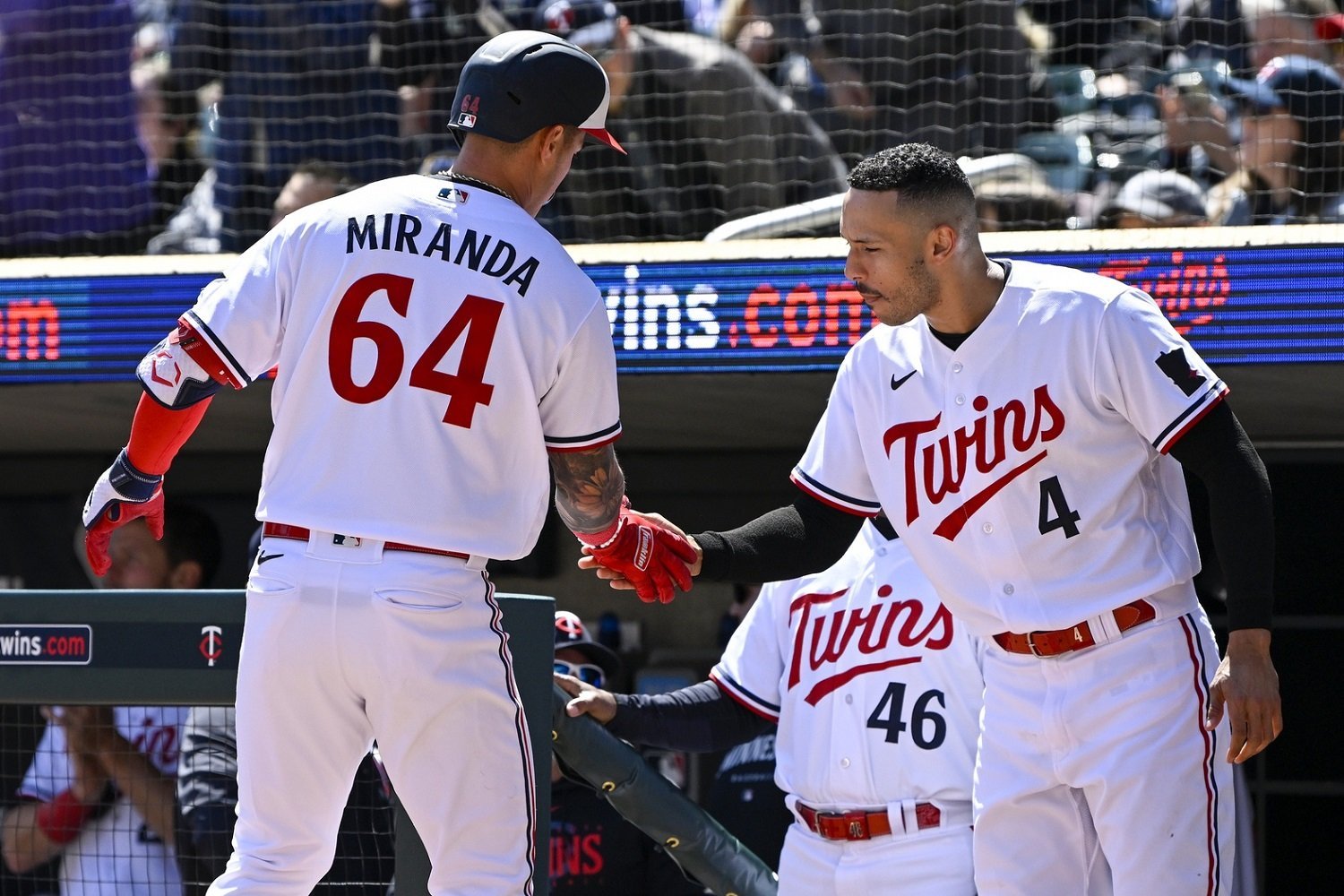 In the preseason, fans can use multiple projection systems to analyze any team and its outlook for the upcoming campaign. The Twins used the offseason to build depth at multiple positions, which has helped the team stay near the top of the AL Central. Each player below was expected to fill a specific role for the 2023 squad, and they have yet to meet expectations. Here are five players whose performances have been disappointments so far in 2023. 5. Tyler Mahle Injuries are tough to predict, but Mahle has dealt with shoulder and elbow problems over the last two seasons. ZiPS projected Mahle to finish second on the team in WAR for pitchers, but he was limited to five starts with a 3.16 ERA. He had Tommy John surgery in May and will miss the remainder of the 2023 season. He will be a free agent at season's end, but the Twins can try and sign him to a contract that buys out some of his free agent seasons. Mahle ranks at this spot on the list because some injury concerns surrounded him entering the season. 4. Nick Gordon Gordon ended the 2023 season on a high note, so there was some hope that the former first-round pick was ready to take the next step. He was given a more prominent role to begin the 2023 season because of injuries to other left-handed hitters, but he failed to reproduce his numbers from last season. In his first 34 games, he hit .176/.185/.319 (.503) with eight extra-base hits and a 37 OPS+. ZiPS projected him to have a .309 wOBA, but he has been limited to a .214 wOBA. Gordon might have started to find his swing, but then he fouled a ball off his leg and broke his shin. The team moved him to the 60-day IL earlier this week, and now he will have to wait until the season's second half to get back on track. 3. Christian Vazquez The Twins signed Vazquez to a three-year, $30 million deal this winter to take over as the team's primary catcher. However, his first year in Minnesota could have started better. He has his lowest OPS+ since 2018 and is on pace for career lows in multiple other categories. ZiPS projected him to hit .250/.303/.351 (.654) with 16 extra-base hits. He has yet to hit his first home run for the season, and there have been little signs of offensive improvements. To be fair, he wasn't signed to be an offensive force, but Minnesota had to be expecting to get a better performance from him. There have been some positive impacts on the pitching staff, and the Twins hope he can start to provide more offensive value. 2. Jose Miranda Entering the season, ZiPS projected Jose Miranda to finish fourth on the team in WAR behind Carlos Correa, Byron Buxton, and Jorge Polanco. The Twins handed the starting third base job to Miranda after a tremendous rookie campaign where he had a 114 OPS+ with 25 doubles and 15 home runs. Miranda has struggled this season while hitting .220/.275/.318 (.593) with seven extra-base hits in 35 games. Minnesota demoted him to Triple-A in the middle of May, and he has a .383 OPS in his first 14 games at that level. Miranda can still be a middle-of-the-order bat for the next decade, but no one expected this kind of start to the 2023 campaign. 1. Carlos Correa The Twins invested $200 million in Carlos Correa this winter to be a franchise-altering player. Two months into his new deal, it's hard to imagine things going much worse. He is off to a slow start for the second straight season, hitting .210/.304/.381 (.686) with 18 extra-base hits in his first 47 games. He is playing through a recently diagnosed plantar fasciitis injury, but that hasn't impacted him for the entire season. ZiPS projected him to lead the team in WAR and post a .355 wOBA. Baseball-Reference ranks him 19th on the team in WAR, behind players like Caleb Thielbar and Tyler Mahle. Correa's offensive performance improved throughout the 2022 season, so the Twins have to hope the veteran will start to figure it out at the plate. Do you agree with the rankings? Who else would you add to the list? Leave a COMMENT and start the discussion.
- 43 comments
-
- 2
-

-
-
- carlos correa
- jose miranda
- (and 3 more)
-
On every team, some players enter the season with high expectations, but baseball can be a cruel game. Here are some of the players that have failed to meet their lofty preseason projections. Image courtesy of Nick Wosika-USA TODAY Sports In the preseason, fans can use multiple projection systems to analyze any team and its outlook for the upcoming campaign. The Twins used the offseason to build depth at multiple positions, which has helped the team stay near the top of the AL Central. Each player below was expected to fill a specific role for the 2023 squad, and they have yet to meet expectations. Here are five players whose performances have been disappointments so far in 2023. 5. Tyler Mahle Injuries are tough to predict, but Mahle has dealt with shoulder and elbow problems over the last two seasons. ZiPS projected Mahle to finish second on the team in WAR for pitchers, but he was limited to five starts with a 3.16 ERA. He had Tommy John surgery in May and will miss the remainder of the 2023 season. He will be a free agent at season's end, but the Twins can try and sign him to a contract that buys out some of his free agent seasons. Mahle ranks at this spot on the list because some injury concerns surrounded him entering the season. 4. Nick Gordon Gordon ended the 2023 season on a high note, so there was some hope that the former first-round pick was ready to take the next step. He was given a more prominent role to begin the 2023 season because of injuries to other left-handed hitters, but he failed to reproduce his numbers from last season. In his first 34 games, he hit .176/.185/.319 (.503) with eight extra-base hits and a 37 OPS+. ZiPS projected him to have a .309 wOBA, but he has been limited to a .214 wOBA. Gordon might have started to find his swing, but then he fouled a ball off his leg and broke his shin. The team moved him to the 60-day IL earlier this week, and now he will have to wait until the season's second half to get back on track. 3. Christian Vazquez The Twins signed Vazquez to a three-year, $30 million deal this winter to take over as the team's primary catcher. However, his first year in Minnesota could have started better. He has his lowest OPS+ since 2018 and is on pace for career lows in multiple other categories. ZiPS projected him to hit .250/.303/.351 (.654) with 16 extra-base hits. He has yet to hit his first home run for the season, and there have been little signs of offensive improvements. To be fair, he wasn't signed to be an offensive force, but Minnesota had to be expecting to get a better performance from him. There have been some positive impacts on the pitching staff, and the Twins hope he can start to provide more offensive value. 2. Jose Miranda Entering the season, ZiPS projected Jose Miranda to finish fourth on the team in WAR behind Carlos Correa, Byron Buxton, and Jorge Polanco. The Twins handed the starting third base job to Miranda after a tremendous rookie campaign where he had a 114 OPS+ with 25 doubles and 15 home runs. Miranda has struggled this season while hitting .220/.275/.318 (.593) with seven extra-base hits in 35 games. Minnesota demoted him to Triple-A in the middle of May, and he has a .383 OPS in his first 14 games at that level. Miranda can still be a middle-of-the-order bat for the next decade, but no one expected this kind of start to the 2023 campaign. 1. Carlos Correa The Twins invested $200 million in Carlos Correa this winter to be a franchise-altering player. Two months into his new deal, it's hard to imagine things going much worse. He is off to a slow start for the second straight season, hitting .210/.304/.381 (.686) with 18 extra-base hits in his first 47 games. He is playing through a recently diagnosed plantar fasciitis injury, but that hasn't impacted him for the entire season. ZiPS projected him to lead the team in WAR and post a .355 wOBA. Baseball-Reference ranks him 19th on the team in WAR, behind players like Caleb Thielbar and Tyler Mahle. Correa's offensive performance improved throughout the 2022 season, so the Twins have to hope the veteran will start to figure it out at the plate. Do you agree with the rankings? Who else would you add to the list? Leave a COMMENT and start the discussion. View full article
-
With the calendar turning to June, the MLB All-Star Game is a little over a month away. Let's look into who can represent the team at the Midsummer Classic. Image courtesy of Matt Blewett-USA TODAY Sports Voting for MLB's All-Star Game opened on Wednesday, and some Twins players will need a boost from the fan base to play in the 2023 All-Star Game. Seattle will host the All-Star Game on Tuesday, July 11, with other events like the Futures Game (July 8), the MLB Draft (July 9), and the Home Run Derby (July 10). It will be the third time Seattle plays host to the Midsummer Classic (1979, 2001), and the second time it will be held in their current ballpark. Let's examine the Twins that have a chance to join the festivities. Catcher Ryan Jeffers is currently tied for fifth in fWAR among AL catchers, so he likely has a tough shot at being named a starter. Christian Vazquez has struggled in 2023 and ranks 22nd among AL catchers, including being behind former Twins Ben Rortvedt and Mitch Garver, who have combined to play fewer than 20 games this season. Jonah Heim and Adley Rutschman top the current AL fWAR rankings, with Seattle's Cal Raleigh in third place. Rutschman is a budding superstar, and it's his first chance to be voted in as a starter. However, Mariners' fans could vote in one of their own behind the plate. First Base Minnesota has rotated through multiple players at first base, with Joey Gallo and Alex Kirilloff getting the bulk of the time. Gallo ranks seventh among AL first basemen in fWAR, while Kirilloff is tenth. Gallo is among the league leaders in home runs, which might help him garner some votes. Yandy Diaz has been one of baseball's best hitters this season, and Tampa Bay has dominated to start the season. Anthony Rizzo ranks second among AL first basemen, so that he might get a bump in the voting from Yankees and Cubs fans. Second Base Jorge Polanco has missed too much time to be in consideration for the All-Star Game. The Twins have used three players fairly regularly at second, and they all rank among the top-25 in fWAR for second basemen. Polanco ranks 13th, Kyle Farmer ranks 16th, and Edouard Julien ranks 22nd. Marcus Semien sits atop the AL leaderboard and will be the frontrunner when voting opens. Third Base Jose Miranda's struggles at third will leave the team out of the running for an All-Star at the hot corner. Royce Lewis is taking over third base, but he won't play enough games to be in consideration for the All-Star Game. Matt Chapman and Jose Ramirez are two of the more prominent stars near the top of the fWAR rankings, so it will be interesting to see who separates themselves in the voting. Shortstop Carlos Correa is arguably the most well-known player on the Twins, so an excellent start to the season might have made him a contender for the All-Star Game. His struggles have been well documented, and some young stars deserve votes. Wander Franco, Bo Bichette, and Bobby Witt Jr. sit atop the fWAR rankings, but Seattle's J.P. Crawford is close behind. Franco is a budding superstar on the AL's best team, so it will be an exciting position for baseball fans to watch. Outfield Julio Rodriguez, arguably Seattle's best player, has started heating up, and it seems appropriate for him to be among the starters at his home ballpark. Other superstar players like Aaron Judge and Mike Trout are near the top of the fWAR leaderboard. It seems like a foregone conclusion that those three names will be the starters when the AL squad takes the field. Gallo is Minnesota's highest-ranking outfielder, but he's 27th on the list and won't be among the top vote-getters. Designated Hitter Designated Hitter might be Minnesota's best chance to get a starter into the All-Star Game. Byron Buxton currently ranks sixth among AL DHs in fWAR, so he'd need a strong month of June to put himself in contention. Last season, he started in center field for the AL and hit a critical home run. Yordan Alvarez, Brent Rooker, and Shohei Ohtani are three players ahead of him in the fWAR rankings. MLB's updated voting format might help Buxton's candidacy if he can qualify as a finalist and get enough support in the final round. Pitchers Fans don't vote for the All-Star pitchers, and that is where Minnesota should have multiple players on the roster. Sonny Gray (3rd) and Joe Ryan (4th) are among the AL leaders in fWAR for starting pitchers. An argument can be made for Gray to be the AL's starting pitcher for the Midsummer Classic. On the reliever side, Jhoan Duran has been one of baseball's best relievers over the last two seasons and should be elected to his first All-Star Game. He is among the AL leaders in WPA, and his pitching repertoire is ideally suited for a showcase like the Midsummer Classic. Current Twins All-Star Rankings Sonny Gray Jhoan Duran Joe Ryan Byron Buxton Joey Gallo Will Gray and Duran be the team's All-Stars? Can Buxton do enough in June to be a finalist at DH? Leave a COMMENT and start the discussion. View full article
-
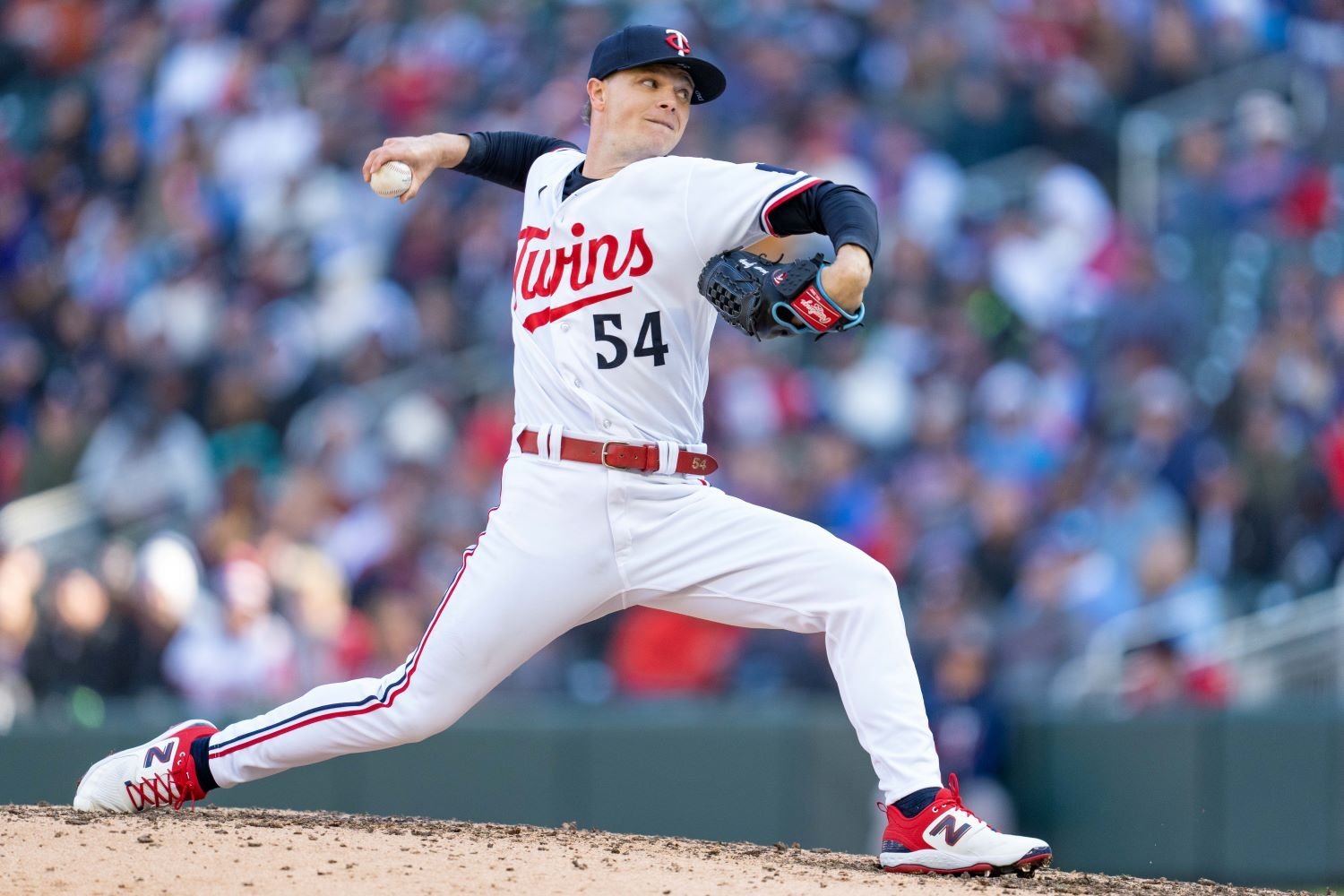 Voting for MLB's All-Star Game opened on Wednesday, and some Twins players will need a boost from the fan base to play in the 2023 All-Star Game. Seattle will host the All-Star Game on Tuesday, July 11, with other events like the Futures Game (July 8), the MLB Draft (July 9), and the Home Run Derby (July 10). It will be the third time Seattle plays host to the Midsummer Classic (1979, 2001), and the second time it will be held in their current ballpark. Let's examine the Twins that have a chance to join the festivities. Catcher Ryan Jeffers is currently tied for fifth in fWAR among AL catchers, so he likely has a tough shot at being named a starter. Christian Vazquez has struggled in 2023 and ranks 22nd among AL catchers, including being behind former Twins Ben Rortvedt and Mitch Garver, who have combined to play fewer than 20 games this season. Jonah Heim and Adley Rutschman top the current AL fWAR rankings, with Seattle's Cal Raleigh in third place. Rutschman is a budding superstar, and it's his first chance to be voted in as a starter. However, Mariners' fans could vote in one of their own behind the plate. First Base Minnesota has rotated through multiple players at first base, with Joey Gallo and Alex Kirilloff getting the bulk of the time. Gallo ranks seventh among AL first basemen in fWAR, while Kirilloff is tenth. Gallo is among the league leaders in home runs, which might help him garner some votes. Yandy Diaz has been one of baseball's best hitters this season, and Tampa Bay has dominated to start the season. Anthony Rizzo ranks second among AL first basemen, so that he might get a bump in the voting from Yankees and Cubs fans. Second Base Jorge Polanco has missed too much time to be in consideration for the All-Star Game. The Twins have used three players fairly regularly at second, and they all rank among the top-25 in fWAR for second basemen. Polanco ranks 13th, Kyle Farmer ranks 16th, and Edouard Julien ranks 22nd. Marcus Semien sits atop the AL leaderboard and will be the frontrunner when voting opens. Third Base Jose Miranda's struggles at third will leave the team out of the running for an All-Star at the hot corner. Royce Lewis is taking over third base, but he won't play enough games to be in consideration for the All-Star Game. Matt Chapman and Jose Ramirez are two of the more prominent stars near the top of the fWAR rankings, so it will be interesting to see who separates themselves in the voting. Shortstop Carlos Correa is arguably the most well-known player on the Twins, so an excellent start to the season might have made him a contender for the All-Star Game. His struggles have been well documented, and some young stars deserve votes. Wander Franco, Bo Bichette, and Bobby Witt Jr. sit atop the fWAR rankings, but Seattle's J.P. Crawford is close behind. Franco is a budding superstar on the AL's best team, so it will be an exciting position for baseball fans to watch. Outfield Julio Rodriguez, arguably Seattle's best player, has started heating up, and it seems appropriate for him to be among the starters at his home ballpark. Other superstar players like Aaron Judge and Mike Trout are near the top of the fWAR leaderboard. It seems like a foregone conclusion that those three names will be the starters when the AL squad takes the field. Gallo is Minnesota's highest-ranking outfielder, but he's 27th on the list and won't be among the top vote-getters. Designated Hitter Designated Hitter might be Minnesota's best chance to get a starter into the All-Star Game. Byron Buxton currently ranks sixth among AL DHs in fWAR, so he'd need a strong month of June to put himself in contention. Last season, he started in center field for the AL and hit a critical home run. Yordan Alvarez, Brent Rooker, and Shohei Ohtani are three players ahead of him in the fWAR rankings. MLB's updated voting format might help Buxton's candidacy if he can qualify as a finalist and get enough support in the final round. Pitchers Fans don't vote for the All-Star pitchers, and that is where Minnesota should have multiple players on the roster. Sonny Gray (3rd) and Joe Ryan (4th) are among the AL leaders in fWAR for starting pitchers. An argument can be made for Gray to be the AL's starting pitcher for the Midsummer Classic. On the reliever side, Jhoan Duran has been one of baseball's best relievers over the last two seasons and should be elected to his first All-Star Game. He is among the AL leaders in WPA, and his pitching repertoire is ideally suited for a showcase like the Midsummer Classic. Current Twins All-Star Rankings Sonny Gray Jhoan Duran Joe Ryan Byron Buxton Joey Gallo Will Gray and Duran be the team's All-Stars? Can Buxton do enough in June to be a finalist at DH? Leave a COMMENT and start the discussion.
- 18 comments
-
- 4
-
-
- sonny gray
- jhoan duran
- (and 3 more)
-
 Diamond Sports Group, the parent company of the Bally Sports regional networks, informed the Padres that it wouldn’t be making a scheduled payment to the organization. The payment was due to San Diego multiple weeks ago, but DSG had until May 30th to make the payment if they wanted to continue broadcasting games. This has created a chain reaction that can impact televised Twins games in the weeks ahead. Beginning on Wednesday, Padres games will be broadcast in-market games for free on MLB.TV. These games will also be free of blackout restrictions, and that portion of the deal runs through Sunday’s game. Starting on Monday, fans can purchase MLB.TV for $19.99 per month or $74.99 for the remainder of the season. San Diego also announced fans in-market can watch on DirecTV, Spectrum, Cox, Fubo and on MLB.TV. Adding these services opens Padres broadcasts to an additional two million fans. MLB announced, “By offering a direct-to-consumer streaming option on MLB.TV in the Club’s territory for the first time, MLB is able to lift the blackout for Padres games previously distributed on Bally Sports San Diego.” It’s a chance for MLB to test this type of distribution method with what might be a glimpse into the future of baseball viewing. DSG has missed payments to other teams this season, but they have always made up the debt during the grace period. The Padres are in the middle of a 20-year, $1.2 billion deal for Bally Sports San Diego that runs through 2032. Because of San Diego’s market size, it is not profitable for DSG, and they have decided not to fulfill their subsequent payment. In a statement sent to the Sports Business Journal, Diamond said, “While DSG has significant liquidity and have been making rights payments to teams, the economics of the Padres’ contract were not aligned with market realities. MLB has forced our hand by its continued refusal to negotiate direct-to-consumer (DTC) streaming rights for all teams in our portfolio despite our proposal to pay every team in full in exchange for those rights. We are continuing to broadcast games for teams under our contracts.” The Padres will keep their on-air broadcasting staff in the transition to a direct-to-consumer streaming option. There might be some changes to the pregame or postgame staff because of the switch to a different media outlet. Minnesota fans can see San Diego as an example of what can happen when DSG misses a payment. For the Twins, the Bally Sports saga is something fans have paid attention to for months. It must also be frustrating since the Twins are in the final year of their current television deal. Diamond has been paying a group of teams, like the Twins, at a lower rate since their bankruptcy proceedings began. DSG feels those contracts should be restructured to align more closely with their current market values. Conversely, MLB believes their clubs should be paid the total value of the originally agreed-upon deals. On Wednesday, a bankruptcy hearing will be held that Twins fans can follow with anticipation. According to multiple reports, MLB doesn’t expect a ruling on Wednesday. Still, it might be the first step toward the Twins getting a similar direct-to-consumer streaming options like the Padres will have to start this weekend. Would you prefer different methods for streaming Twins games? How do you feel the DSG situation will play out? Leave a COMMENT and start the discussion.
 -
Dominoes are starting to fall in the Diamond Sports Group’s bankruptcy case. What does that mean for the Twins fans ability to consume games on Bally Sports North? Image courtesy of Jeffrey Becker-USA TODAY Sports Diamond Sports Group, the parent company of the Bally Sports regional networks, informed the Padres that it wouldn’t be making a scheduled payment to the organization. The payment was due to San Diego multiple weeks ago, but DSG had until May 30th to make the payment if they wanted to continue broadcasting games. This has created a chain reaction that can impact televised Twins games in the weeks ahead. Beginning on Wednesday, Padres games will be broadcast in-market games for free on MLB.TV. These games will also be free of blackout restrictions, and that portion of the deal runs through Sunday’s game. Starting on Monday, fans can purchase MLB.TV for $19.99 per month or $74.99 for the remainder of the season. San Diego also announced fans in-market can watch on DirecTV, Spectrum, Cox, Fubo and on MLB.TV. Adding these services opens Padres broadcasts to an additional two million fans. MLB announced, “By offering a direct-to-consumer streaming option on MLB.TV in the Club’s territory for the first time, MLB is able to lift the blackout for Padres games previously distributed on Bally Sports San Diego.” It’s a chance for MLB to test this type of distribution method with what might be a glimpse into the future of baseball viewing. DSG has missed payments to other teams this season, but they have always made up the debt during the grace period. The Padres are in the middle of a 20-year, $1.2 billion deal for Bally Sports San Diego that runs through 2032. Because of San Diego’s market size, it is not profitable for DSG, and they have decided not to fulfill their subsequent payment. In a statement sent to the Sports Business Journal, Diamond said, “While DSG has significant liquidity and have been making rights payments to teams, the economics of the Padres’ contract were not aligned with market realities. MLB has forced our hand by its continued refusal to negotiate direct-to-consumer (DTC) streaming rights for all teams in our portfolio despite our proposal to pay every team in full in exchange for those rights. We are continuing to broadcast games for teams under our contracts.” The Padres will keep their on-air broadcasting staff in the transition to a direct-to-consumer streaming option. There might be some changes to the pregame or postgame staff because of the switch to a different media outlet. Minnesota fans can see San Diego as an example of what can happen when DSG misses a payment. For the Twins, the Bally Sports saga is something fans have paid attention to for months. It must also be frustrating since the Twins are in the final year of their current television deal. Diamond has been paying a group of teams, like the Twins, at a lower rate since their bankruptcy proceedings began. DSG feels those contracts should be restructured to align more closely with their current market values. Conversely, MLB believes their clubs should be paid the total value of the originally agreed-upon deals. On Wednesday, a bankruptcy hearing will be held that Twins fans can follow with anticipation. According to multiple reports, MLB doesn’t expect a ruling on Wednesday. Still, it might be the first step toward the Twins getting a similar direct-to-consumer streaming options like the Padres will have to start this weekend. Would you prefer different methods for streaming Twins games? How do you feel the DSG situation will play out? Leave a COMMENT and start the discussion. View full article
-
The Twins might look back on the 2019 MLB Draft with some regret. Let's reflect on the team's decisions that year and how the players have performed so far in their professional careers. Image courtesy of William Parmeter (Headrick), Jonathan Hui-USA TODAY Sports (Varland), Wendell Cruz-USA TODAY Sports (Julien) Major League Baseball's 2023 Draft is scheduled to start on July 9, 2023. Each team prepares for the draft with a specific plan, and sometimes those plans play out better than others. To prepare fans for the upcoming draft, this series will examine recent Twins drafts and how those players have performed so far in their professional careers. First Round: Keoni Cavaco, Matt Wallner Minnesota sat in an interesting spot for the 2019 MLB Draft with the 13th overall pick. Teams and evaluators viewed Cavaco as a prospect with some steam entering the draft despite not being asked to participate in some of the high school national showcases. Since signing, the Twins have consistently moved Cavaco up the ladder, but he has struggled to find consistency at the plate. In over 200 career games, he has a .610 OPS while never having more than 34 extra-base hits in a season. His pick might have been a stretch at the time, and it looks even worse when considering who was taken shortly after him. After the Twins pick, the next high school player taken was Corbin Carroll by the Diamondbacks, with the 16th overall selection. He dominated the minor leagues on his way to being ranked as one of baseball's top prospects. Carroll has been worth over 2.5 WAR in his big-league career and isn't the only player the Twins passed over. Three other players taken after Cavaco in the first round have accumulated at least 1.0 WAR, including George Kirby (3.1 WAR), Anthony Volpe (1.1 WAR), and Drey Jameson (1.6 WAR). Minnesota may have redeemed themselves with a solid pick at the end of the first round. With the 39th overall pick, the Twins took Matt Wallner from the University of Southern Mississippi. Wallner, a Forest Lake native, has seen limited big-league action because of the left-handed sluggers ahead of him on the team's depth chart. He is the team's reigning Minor League Player of the Year after hitting .277/.412/.542 (.953) with 32 doubles, four triples, and 27 home runs in 128 games. On Twins prospect lists, he is the highest-rated player from this draft class, and there are higher expectations for him now than when the organization drafted him. Second Round: Matt Canterino The Twins took Canterino with the 54th overall pick from Rice University. He's shown flashes of being a dominant pitcher in the minor leagues with a 13.8 K/9, but he's been limited to 85 professional innings. Many pitchers from Rice have dealt with arm injuries after being drafted, and Canterino fits into this group. He underwent Tommy John surgery in August 2022, which might sideline him until 2024. It will be interesting to see if the Twins bring him back as a starting pitcher or if they switch him to a bullpen role when he returns from the injury. Other MLB Contributors Spencer Steer and Casey Legumina have made big-league debuts, but not with the Twins. Steer has played the 2023 season as the Reds starting first (and sometimes third) baseman after being included in last season's trade for Tyler Mahle. After a slow start, he has a 104 OPS+ and 19 extra-base hits in 45 games. The Twins traded Legumina to the Reds for Kyle Farmer heading into the 2023 season. As a reliever, he has made eight appearances (10 1/3 innings) and has a 4.35 ERA with a 1.65 WHIP and a 9-to-5 strikeout-to-walk ratio. They are both earlier in their careers, so it will be interesting to see what they can do in the future. Impacts have been felt on Minnesota's 2023 roster by multiple other players taken in the 2019 draft. Louie Varland (15th round) and Edouard Julien (18th round) were two of the team's highest-rated prospects entering the season. Varland is the organization's two-time Minor League Pitcher of the Year and has jumped into the Twins' rotation with the repertoire to be a big-league-caliber pitcher. Julien had a breakout season at Double-A in 2022 while hitting .300/.441/.490 (.931) with 39 extra-base hits in 113 games. He continued his success in last year's AFL and this spring's WBC for Team Canada. Both players are entrenched in the team's long-term plans. Besides Varland and Julien, Brent Headrick is another player playing an essential role for the Twins. He was the team's ninth-round pick from Illinois State University. He has stepped into a vital bullpen role for the Twins and been forced into a late-inning role. Many relievers are previously failed starters, and Headrick can provide value as a bullpen option. OTHERS REMAINING IN THE ORGANIZATION Seth Gray (4th round): He posted a .726 OPS at High-A and Double-A last season. In 2023, he's primarily been used at first base for Wichita. Will Holland (5th): Holland combined for 28 extra-base hits and 32 steals during the 2022 season. His OPS has dropped over 150 points early this season, but he's 10-for-12 in steal attempts. Anthony Prato (7th): He hit .285/.383/.444 (.827) in 132 games between Cedar Rapids and Wichita last season. In 2023, he's been limited to one extra-base hit in his first 30 games. Sean Mooney (12th): Currently, Mooney is on the 60-day IL with right shoulder fatigue. He made 18 appearances (12 starts) in 2022 for Cedar Rapids with a 3.30 ERA and a 1.25 WHIP. Cody Laweryson (14th): He's pitching out of the bullpen in St. Paul this season. In his first 13 appearances, he's posted a 2.53 ERA with a 10.1 K/9. He has a chance to make his big-league debut this season. Owen Griffith (20th): Griffith is currently on the 60-day IL and hasn't pitched a professional inning since 2021. Matthew Swain (23rd): He's averaged over 35 relief appearances over the last two seasons for Low-A and High-A. In 2023, he's posted a 1.80 ERA in Cedar Rapids, where he is almost two years older than the average age of the competition. Alex Isola (29th): Isola has developed into a decent prospect while playing catcher and first base. He posted an .848 OPS in 2022 at Double-A, and the Twins sent him to the AFL. He's continued to have an OPS above .800 during the 2023 season with Wichita. Kyle Schmidt (33rd): He's been injured to start the 2023 season but just returned from the development list to the Kernels roster. Schmidt played at three different levels in 2022 and posted a .576 OPS. OTHER POSTS IN THE SERIES -2018 Draft Retrospective -2017 Draft Retrospective -2016 Draft Retrospective What are your impressions of the 2019 draft class? Will Cavaco make an impact at the big-league level? Leave a COMMENT and start the discussion. View full article
-
Minnesota Twins 2019 Draft Retrospective: Late-Round Steals
Cody Christie posted an article in Twins
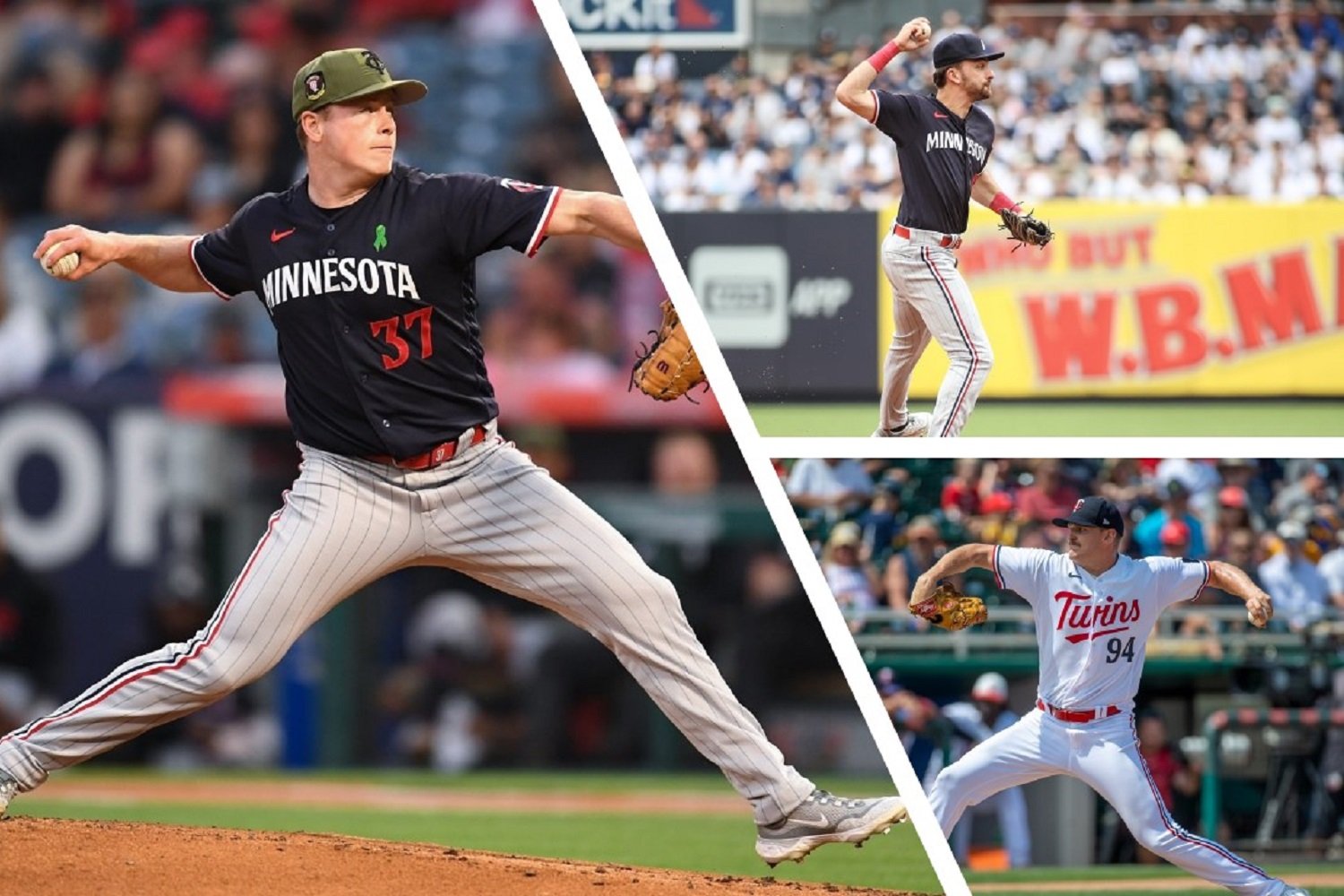 Major League Baseball's 2023 Draft is scheduled to start on July 9, 2023. Each team prepares for the draft with a specific plan, and sometimes those plans play out better than others. To prepare fans for the upcoming draft, this series will examine recent Twins drafts and how those players have performed so far in their professional careers. First Round: Keoni Cavaco, Matt Wallner Minnesota sat in an interesting spot for the 2019 MLB Draft with the 13th overall pick. Teams and evaluators viewed Cavaco as a prospect with some steam entering the draft despite not being asked to participate in some of the high school national showcases. Since signing, the Twins have consistently moved Cavaco up the ladder, but he has struggled to find consistency at the plate. In over 200 career games, he has a .610 OPS while never having more than 34 extra-base hits in a season. His pick might have been a stretch at the time, and it looks even worse when considering who was taken shortly after him. After the Twins pick, the next high school player taken was Corbin Carroll by the Diamondbacks, with the 16th overall selection. He dominated the minor leagues on his way to being ranked as one of baseball's top prospects. Carroll has been worth over 2.5 WAR in his big-league career and isn't the only player the Twins passed over. Three other players taken after Cavaco in the first round have accumulated at least 1.0 WAR, including George Kirby (3.1 WAR), Anthony Volpe (1.1 WAR), and Drey Jameson (1.6 WAR). Minnesota may have redeemed themselves with a solid pick at the end of the first round. With the 39th overall pick, the Twins took Matt Wallner from the University of Southern Mississippi. Wallner, a Forest Lake native, has seen limited big-league action because of the left-handed sluggers ahead of him on the team's depth chart. He is the team's reigning Minor League Player of the Year after hitting .277/.412/.542 (.953) with 32 doubles, four triples, and 27 home runs in 128 games. On Twins prospect lists, he is the highest-rated player from this draft class, and there are higher expectations for him now than when the organization drafted him. Second Round: Matt Canterino The Twins took Canterino with the 54th overall pick from Rice University. He's shown flashes of being a dominant pitcher in the minor leagues with a 13.8 K/9, but he's been limited to 85 professional innings. Many pitchers from Rice have dealt with arm injuries after being drafted, and Canterino fits into this group. He underwent Tommy John surgery in August 2022, which might sideline him until 2024. It will be interesting to see if the Twins bring him back as a starting pitcher or if they switch him to a bullpen role when he returns from the injury. Other MLB Contributors Spencer Steer and Casey Legumina have made big-league debuts, but not with the Twins. Steer has played the 2023 season as the Reds starting first (and sometimes third) baseman after being included in last season's trade for Tyler Mahle. After a slow start, he has a 104 OPS+ and 19 extra-base hits in 45 games. The Twins traded Legumina to the Reds for Kyle Farmer heading into the 2023 season. As a reliever, he has made eight appearances (10 1/3 innings) and has a 4.35 ERA with a 1.65 WHIP and a 9-to-5 strikeout-to-walk ratio. They are both earlier in their careers, so it will be interesting to see what they can do in the future. Impacts have been felt on Minnesota's 2023 roster by multiple other players taken in the 2019 draft. Louie Varland (15th round) and Edouard Julien (18th round) were two of the team's highest-rated prospects entering the season. Varland is the organization's two-time Minor League Pitcher of the Year and has jumped into the Twins' rotation with the repertoire to be a big-league-caliber pitcher. Julien had a breakout season at Double-A in 2022 while hitting .300/.441/.490 (.931) with 39 extra-base hits in 113 games. He continued his success in last year's AFL and this spring's WBC for Team Canada. Both players are entrenched in the team's long-term plans. Besides Varland and Julien, Brent Headrick is another player playing an essential role for the Twins. He was the team's ninth-round pick from Illinois State University. He has stepped into a vital bullpen role for the Twins and been forced into a late-inning role. Many relievers are previously failed starters, and Headrick can provide value as a bullpen option. OTHERS REMAINING IN THE ORGANIZATION Seth Gray (4th round): He posted a .726 OPS at High-A and Double-A last season. In 2023, he's primarily been used at first base for Wichita. Will Holland (5th): Holland combined for 28 extra-base hits and 32 steals during the 2022 season. His OPS has dropped over 150 points early this season, but he's 10-for-12 in steal attempts. Anthony Prato (7th): He hit .285/.383/.444 (.827) in 132 games between Cedar Rapids and Wichita last season. In 2023, he's been limited to one extra-base hit in his first 30 games. Sean Mooney (12th): Currently, Mooney is on the 60-day IL with right shoulder fatigue. He made 18 appearances (12 starts) in 2022 for Cedar Rapids with a 3.30 ERA and a 1.25 WHIP. Cody Laweryson (14th): He's pitching out of the bullpen in St. Paul this season. In his first 13 appearances, he's posted a 2.53 ERA with a 10.1 K/9. He has a chance to make his big-league debut this season. Owen Griffith (20th): Griffith is currently on the 60-day IL and hasn't pitched a professional inning since 2021. Matthew Swain (23rd): He's averaged over 35 relief appearances over the last two seasons for Low-A and High-A. In 2023, he's posted a 1.80 ERA in Cedar Rapids, where he is almost two years older than the average age of the competition. Alex Isola (29th): Isola has developed into a decent prospect while playing catcher and first base. He posted an .848 OPS in 2022 at Double-A, and the Twins sent him to the AFL. He's continued to have an OPS above .800 during the 2023 season with Wichita. Kyle Schmidt (33rd): He's been injured to start the 2023 season but just returned from the development list to the Kernels roster. Schmidt played at three different levels in 2022 and posted a .576 OPS. OTHER POSTS IN THE SERIES -2018 Draft Retrospective -2017 Draft Retrospective -2016 Draft Retrospective What are your impressions of the 2019 draft class? Will Cavaco make an impact at the big-league level? Leave a COMMENT and start the discussion.
- 23 comments
-
- 3
-
-
- keoni cavaco
- matt wallner
- (and 3 more)
-
Prospects signed on the international market can take time to develop because they are teenagers when they sign. One Twins farm hand is slugging his way into the top prospect conversation. Image courtesy of William Parmeter The Twins signed Carlos Aguiar out of Venezuela in September 2017 when he was 16 years old. Minnesota gave him a $1 million signing bonus and sent him to the Dominican Summer League for the 2018 season. In 33 games, he hit .228/.328/.416 (.744) with five doubles, four triples, and two home runs. Aguiar posted a 30-to-14 strikeout-to-walk ratio while also going 6-for-11 in stolen base attempts. There were some positive signs, but also room for improvement. Unfortunately, there were some bumps in the road in future seasons. In 2019, Aguiar came stateside but was limited to seven games played. He went 1-for-18 (.056 BA) with one double and 11 strikeouts. His 2021 season was also limited to 29 games and 107 plate appearances. Aguiar hit .217/.280/.495 (.775) with one double, one triple, and eight home runs. Through his first three professional seasons, Aguiar had never played more than 33 games with 121 plate appearances. The Twins hoped Aguiar would get back on track during the 2022 season, and he showed some of the power the organization hoped he'd develop when they signed him. In 46 games, he hit .240/.289/.541 (.830) with ten doubles, two triples, and ten home runs. He continued to strike out at a high rate, with 67 strikeouts in 156 plate appearances. Even with limited action, Aguiar faced older pitchers in over 75% of his plate appearances and posted an .852 OPS against them. Minnesota sent Aguiar back to Fort Myers for his age-21 season, where he is slightly younger than the average age of the competition. He's closing in on a career-high in games played, and there have been other improvements to his performance. His walk rate and strikeout rate have improved compared to his career numbers. Aguiar has also shown some strong abilities on the base paths with a career-high six triples. Aguiar added a signature game last week, going 3-for-5 with three home runs, three runs, and five RBI. Two of his homers came in the same inning as the Mighty Mussels powered themselves to a big win. It was his second game of the year with multiple home runs and his third game with multiple extra-base hits. He ranks first in the Florida State League in triples, and he's only one home run behind tying the league leader (Jared Serna- 8 HR). Defensively, he's played all three outfield positions at different parts of his career. Over the last two seasons, the Twins have been playing him regularly in right field, where he has the tools to be an above-average defender. His bat will be his ticket to move up the organizational ladder, and his power-speed combination will provide value, especially if he can continue to cut back on strikeouts and increase his walk rate. Aguiar won't appear on the Twins' top prospect lists because of his limited track record in his first five professional seasons. However, he has stayed healthy in 2023, and his production continues to improve. The Twins may promote him to Cedar Rapids later this season, where he will continue to be young for his level. Don't be surprised if Aguiar starts making his way onto top-30 lists for Twins prospects, especially in the second half of 2023. What are your impressions of Aguiar so far in his professional career? Do you view him as one of the organization's top 30 prospects? Leave a COMMENT and start the discussion. For more Twins Daily content on Carlos Aguiar over the years, click here. View full article
-
Carlos Aguiar Slugging His Way Into the Top Prospect Conversation
Cody Christie posted an article in Minor Leagues
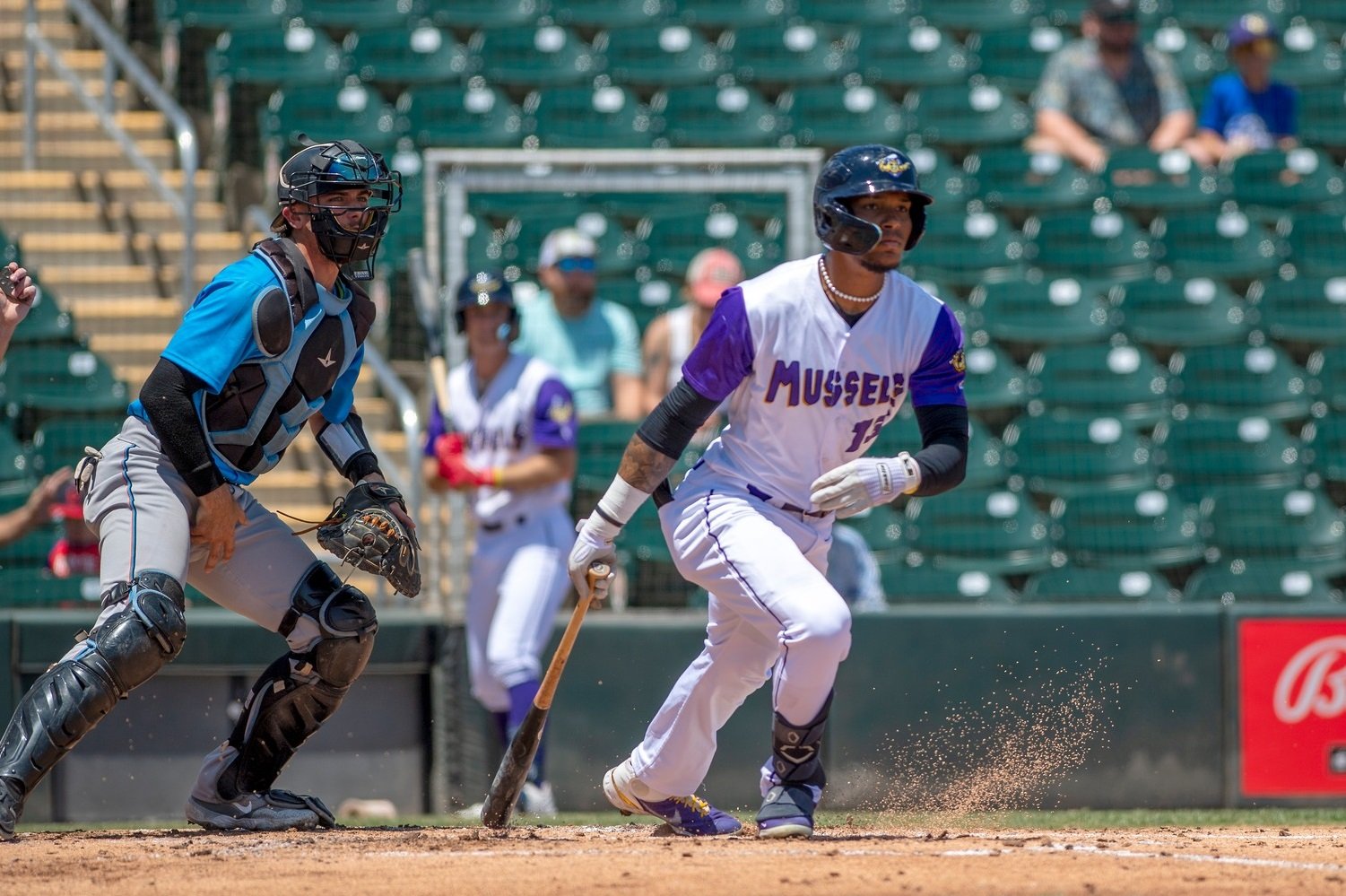 The Twins signed Carlos Aguiar out of Venezuela in September 2017 when he was 16 years old. Minnesota gave him a $1 million signing bonus and sent him to the Dominican Summer League for the 2018 season. In 33 games, he hit .228/.328/.416 (.744) with five doubles, four triples, and two home runs. Aguiar posted a 30-to-14 strikeout-to-walk ratio while also going 6-for-11 in stolen base attempts. There were some positive signs, but also room for improvement. Unfortunately, there were some bumps in the road in future seasons. In 2019, Aguiar came stateside but was limited to seven games played. He went 1-for-18 (.056 BA) with one double and 11 strikeouts. His 2021 season was also limited to 29 games and 107 plate appearances. Aguiar hit .217/.280/.495 (.775) with one double, one triple, and eight home runs. Through his first three professional seasons, Aguiar had never played more than 33 games with 121 plate appearances. The Twins hoped Aguiar would get back on track during the 2022 season, and he showed some of the power the organization hoped he'd develop when they signed him. In 46 games, he hit .240/.289/.541 (.830) with ten doubles, two triples, and ten home runs. He continued to strike out at a high rate, with 67 strikeouts in 156 plate appearances. Even with limited action, Aguiar faced older pitchers in over 75% of his plate appearances and posted an .852 OPS against them. Minnesota sent Aguiar back to Fort Myers for his age-21 season, where he is slightly younger than the average age of the competition. He's closing in on a career-high in games played, and there have been other improvements to his performance. His walk rate and strikeout rate have improved compared to his career numbers. Aguiar has also shown some strong abilities on the base paths with a career-high six triples. Aguiar added a signature game last week, going 3-for-5 with three home runs, three runs, and five RBI. Two of his homers came in the same inning as the Mighty Mussels powered themselves to a big win. It was his second game of the year with multiple home runs and his third game with multiple extra-base hits. He ranks first in the Florida State League in triples, and he's only one home run behind tying the league leader (Jared Serna- 8 HR). Defensively, he's played all three outfield positions at different parts of his career. Over the last two seasons, the Twins have been playing him regularly in right field, where he has the tools to be an above-average defender. His bat will be his ticket to move up the organizational ladder, and his power-speed combination will provide value, especially if he can continue to cut back on strikeouts and increase his walk rate. Aguiar won't appear on the Twins' top prospect lists because of his limited track record in his first five professional seasons. However, he has stayed healthy in 2023, and his production continues to improve. The Twins may promote him to Cedar Rapids later this season, where he will continue to be young for his level. Don't be surprised if Aguiar starts making his way onto top-30 lists for Twins prospects, especially in the second half of 2023. What are your impressions of Aguiar so far in his professional career? Do you view him as one of the organization's top 30 prospects? Leave a COMMENT and start the discussion. For more Twins Daily content on Carlos Aguiar over the years, click here.
 -
Griffin Jax was looking to build off a tremendous 2022 season where he established himself as one of the team’s top relievers. There’s no question he has struggled in 2023, so what has accounted for his performance decline? Image courtesy of Dave Nelson-USA TODAY Sports The Twins drafted Griffin Jax in the third round of the 2016 MLB Draft from the United States Air Force Academy. He spent his first five professional seasons as a starter in the organization and made his way to the big-league level in that role. Entering last season, Minnesota shifted him to a bullpen role, and he had a breakout campaign. In 65 appearances (72 1/3 innings), he posted a 3.36 ERA with a 1.05 WHIP and a 78-to-20 strikeout-to-walk ratio. Outside of Jhoan Duran, he was the team’s most reliable reliever, and the Twins were hoping for a similar performance in 2023. Unfortunately, his 2023 season is not off to an optimal start. In his first 23 appearances (21 1/3 innings), he has allowed 12 earned runs on 25 hits with a 25-to-9 strikeout-to-walk ratio. His numbers don’t tell the whole story of how he has impacted the Twins this season. His -0.83 WPA is more than double any other reliever on the Twins, including Emilio Pagan. There is a small sample size involved with any relievers this early in the season, but Jax has the 11th-lowest WPA among AL relievers. So, what is wrong with Jax? Lacking Swings and Misses Relievers must miss bats to be effective, and Jax hasn’t been effective at avoiding contact in 2023. His Whiff% ranked in the 77th percentile during 2022, and he’s seen a drop to a 54 Whiff%. His strikeout rate has stayed the same (9.7 K/9), but batters continue to make consistent contact resulting in 10.5 H/9. Last season, Jax’s sweeper and changeup resulted in Whiff% greater than 30%. In 2023, his only pitch to have a Whiff% higher than 30 is his sinker, but he’s only thrown it nine times. Jax will have to increase his ability to miss bats to stop his struggles. Change in Pitch Mix One way Jax can increase his Whiff % is by reexamining his pitch mix. During spring training, Jax told reporters he was looking for ways to improve the numbers he compiled in the 2022 season. He was one of multiple Twins pitchers to go to Driveline and work on his pitching repertoire. His most noticeable change is using his sweeper as a primary pitch. Last season, he threw his sweeper 31.1% of the time, and batters posted a .260 SLG when facing that pitch. In 2023, he has thrown his sweeper over 60% of the time, and opponent’s slugging percentage has dropped by over 30 points. That is a solid improvement, but his other pitches are where the damage is done. Batters have pounded his fastball in 2023 with a .417 BA and a .583 SLG. Those numbers might seem extreme, but he’s decreased his fastball usage by over 22%, allowing a similar slugging percentage to 2022. His changeup is getting hit significantly harder this season, even though he has cut its usage in half. Last season, batters posted a .250 SLG versus his changeup, which has ballooned to .700 in 2023. It will be interesting to monitor the changes in his pitch mix as he tries to get back on track. Bad Luck Some of Jax’s poor performance might be tied to bad luck and a small sample size. His .391 BABIP is over 100 points higher than his career average. Only eight AL relievers have a higher BABIP, so bad luck might be associated with the balls put in play against Jax. FIP is another area that can be tied to pitchers underperforming. Jax has a 5.06 ERA in his first 23 appearances in 2023, but his 2.20 FIP points to a potential rebound. There have been games where Jax hasn’t done himself any favors when it comes to falling behind, but signs point to bad luck. Overall, the Twins need Jax to get back on track to add another layer to the bullpen. Minnesota’s lack of offensive production has resulted in many close games where relievers have no margin for error. Relievers can have ups and downs in any season, and the Twins need to see Jax take a step in the right direction. What do you think about Jax’s performance in 2023? Leave a COMMENT and start the discussion. View full article
-
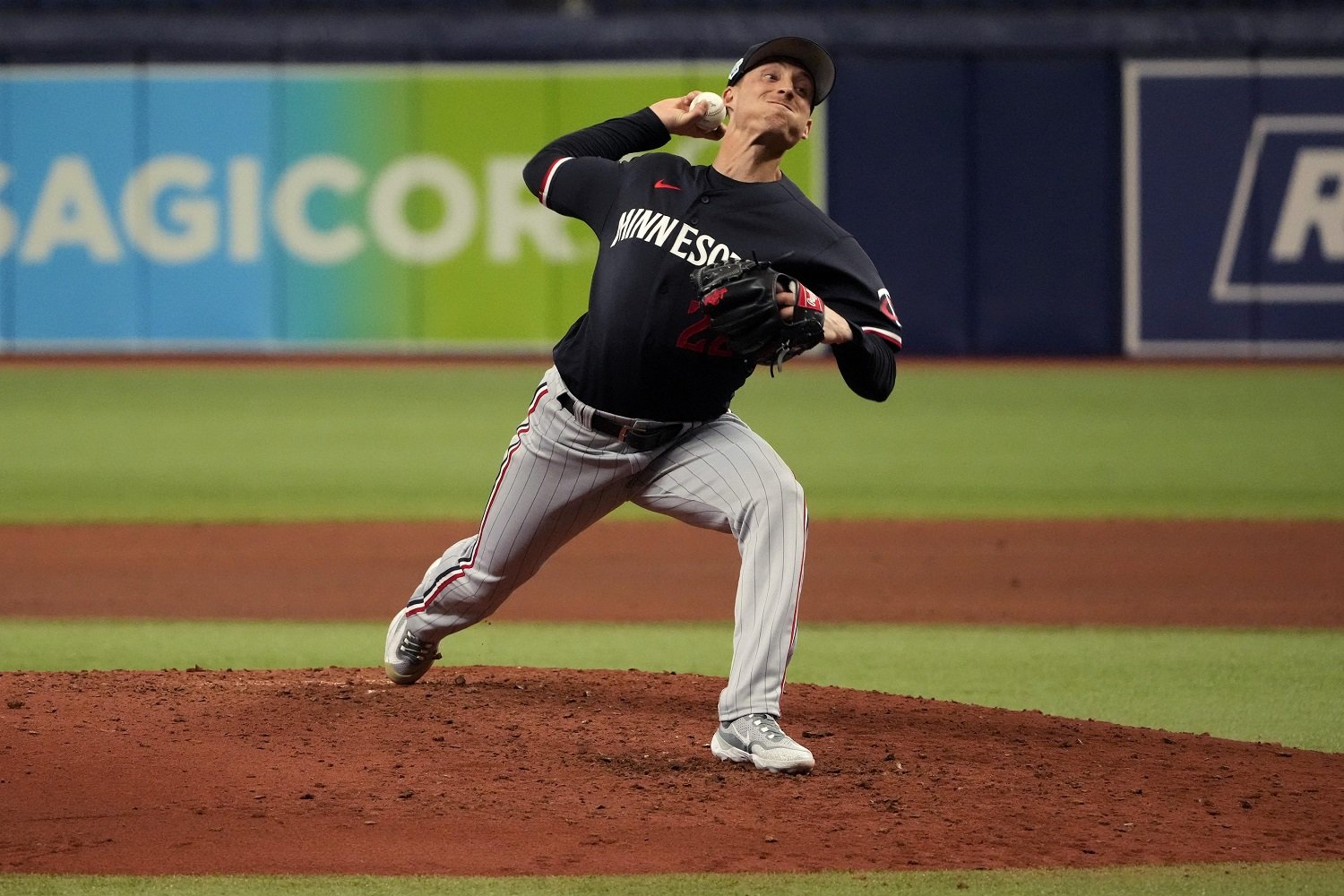 The Twins drafted Griffin Jax in the third round of the 2016 MLB Draft from the United States Air Force Academy. He spent his first five professional seasons as a starter in the organization and made his way to the big-league level in that role. Entering last season, Minnesota shifted him to a bullpen role, and he had a breakout campaign. In 65 appearances (72 1/3 innings), he posted a 3.36 ERA with a 1.05 WHIP and a 78-to-20 strikeout-to-walk ratio. Outside of Jhoan Duran, he was the team’s most reliable reliever, and the Twins were hoping for a similar performance in 2023. Unfortunately, his 2023 season is not off to an optimal start. In his first 23 appearances (21 1/3 innings), he has allowed 12 earned runs on 25 hits with a 25-to-9 strikeout-to-walk ratio. His numbers don’t tell the whole story of how he has impacted the Twins this season. His -0.83 WPA is more than double any other reliever on the Twins, including Emilio Pagan. There is a small sample size involved with any relievers this early in the season, but Jax has the 11th-lowest WPA among AL relievers. So, what is wrong with Jax? Lacking Swings and Misses Relievers must miss bats to be effective, and Jax hasn’t been effective at avoiding contact in 2023. His Whiff% ranked in the 77th percentile during 2022, and he’s seen a drop to a 54 Whiff%. His strikeout rate has stayed the same (9.7 K/9), but batters continue to make consistent contact resulting in 10.5 H/9. Last season, Jax’s sweeper and changeup resulted in Whiff% greater than 30%. In 2023, his only pitch to have a Whiff% higher than 30 is his sinker, but he’s only thrown it nine times. Jax will have to increase his ability to miss bats to stop his struggles. Change in Pitch Mix One way Jax can increase his Whiff % is by reexamining his pitch mix. During spring training, Jax told reporters he was looking for ways to improve the numbers he compiled in the 2022 season. He was one of multiple Twins pitchers to go to Driveline and work on his pitching repertoire. His most noticeable change is using his sweeper as a primary pitch. Last season, he threw his sweeper 31.1% of the time, and batters posted a .260 SLG when facing that pitch. In 2023, he has thrown his sweeper over 60% of the time, and opponent’s slugging percentage has dropped by over 30 points. That is a solid improvement, but his other pitches are where the damage is done. Batters have pounded his fastball in 2023 with a .417 BA and a .583 SLG. Those numbers might seem extreme, but he’s decreased his fastball usage by over 22%, allowing a similar slugging percentage to 2022. His changeup is getting hit significantly harder this season, even though he has cut its usage in half. Last season, batters posted a .250 SLG versus his changeup, which has ballooned to .700 in 2023. It will be interesting to monitor the changes in his pitch mix as he tries to get back on track. Bad Luck Some of Jax’s poor performance might be tied to bad luck and a small sample size. His .391 BABIP is over 100 points higher than his career average. Only eight AL relievers have a higher BABIP, so bad luck might be associated with the balls put in play against Jax. FIP is another area that can be tied to pitchers underperforming. Jax has a 5.06 ERA in his first 23 appearances in 2023, but his 2.20 FIP points to a potential rebound. There have been games where Jax hasn’t done himself any favors when it comes to falling behind, but signs point to bad luck. Overall, the Twins need Jax to get back on track to add another layer to the bullpen. Minnesota’s lack of offensive production has resulted in many close games where relievers have no margin for error. Relievers can have ups and downs in any season, and the Twins need to see Jax take a step in the right direction. What do you think about Jax’s performance in 2023? Leave a COMMENT and start the discussion.
 -
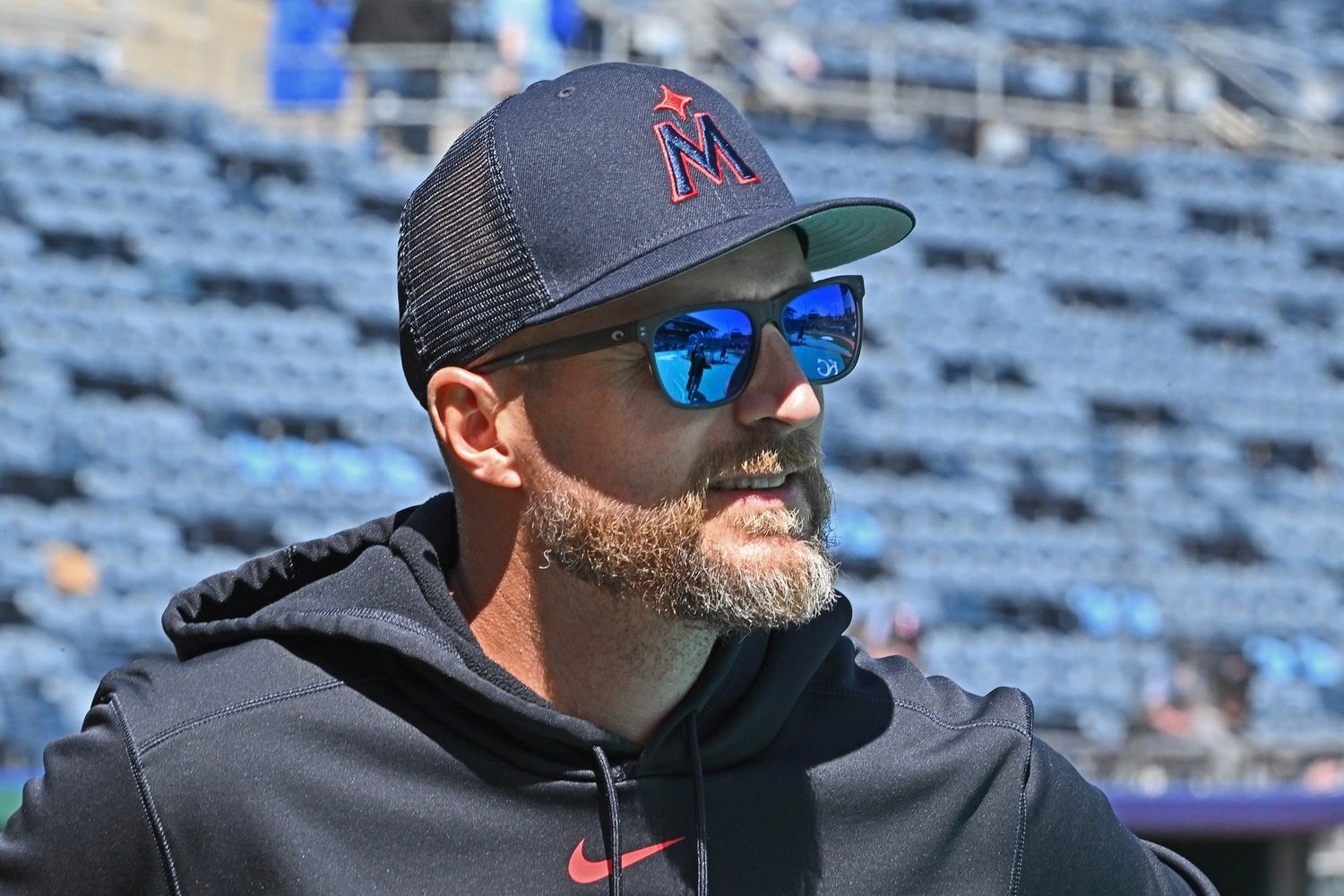 The Twins originally signed Rocco Baldelli to a four-year contract that covered the 2019-2022 season with club options tagged onto the deal's backend. Derek Falvey told reporters last September that the team was committed to Baldelli. "Rocco's our manager. He's my partner in this all the way through. That's never even crossed my mind, quite frankly... Rocco's a big part of our future. Not just next year, but beyond." At the time, it wasn't clear whether the Twins were exercising an option or committing to Baldelli for the long term. Earlier this week, The Athletic's Ken Rosenthal reported the Twins quietly extended Baldelli before the 2022 season. He said the extension is for an "unknown period," but he is under contract through at least 2025. A manager entering a contract's final year is often considered a lame duck, so the club wanted to avoid that. Now, his future seems secure, with the front office committed to Baldelli's path for the team. Baldelli's Twins tenure has seen ups and downs in the team's performance. He won Manager of the Year in his first year at the helm when the team went 101-61 while setting the all-time home run record. During the pandemic-shortened 2020 season, Minnesota won the AL Central for the second consecutive season with a 36-24 record. In the last two seasons, the Twins have finished below .500 while dealing with injuries and other concerns. Entering play on Tuesday, Baldelli has a .527 winning percentage for his managerial career. As a franchise, the Twins have stayed the course with managers, especially since the Pohlad family has been in the ownership role. Since 1987, the Twins have employed four managers (Tom Kelly, Ron Gardenhire, Paul Molitor, and Baldelli). The team remained committed to these managers even when the team's performance suffered for multiple seasons. Consistency at the top of an organization can have its pros and cons. Players know what to expect if the same manager calls the shots, which can help deal with the multitude of personalities and egos on a roster. On the other hand, one voice year after year can lose some of its effectiveness. Some former Twins managers likely faced this situation at the end of their tenure. Every manager will face criticism throughout their tenure. When the team plays well, others besides the manager get the bulk of the credit. If a team struggles, the manager can get blamed for line-up construction, bullpen usage, and removing starters too early. Unfortunately, a manager can only work with the players on the roster, so many of the team's flaws are out of his control. Baldelli has been forced to be creative with the team's line-up construction during the 2023 season. The Twins don't have a traditional lead-off hitter, so the club has used players like Joey Gallo and Max Kepler. Injury concerns have pushed Byron Buxton into a full-time DH role, which has also drawn some scrutiny from fans. Even with this switch, Buxton is on pace for a career-high in games played while leading the Twins in multiple offensive categories. Baldelli is doing his best to compile his line-up pieces on any given night. In 2022, Dylan Bundy and Chris Archer comprised two-thirds of the Twins' starting rotation. Neither pitcher could pitch beyond five innings regularly, and Baldelli took the brunt of the blame for removing starters too early. However, the results might have been worse if the starters were allowed to face a line-up for a third time. Fast-forward to 2023, and Minnesota has a revamped rotation near the top of MLB's leaderboard in innings pitched and ERA. With the right rotational pieces, Baldelli can leave his starters longer into games, helping the team sit atop the division. Bullpen usage can be even more fickle when tied to managerial performance. Relievers are typically pitching in some of the highest-leverage situations. The manager's decisions will be questioned if the bullpen blows a lead. Jhoan Duran has been fantastic, but Baldelli has also been forced to use other relievers with worse track records. The Twins' front office has yet to invest in the bullpen for multiple off-seasons, forcing Baldelli into tough late-game decisions. For better or worse, Baldelli is tied to Derek Falvey and Thad Levine for the foreseeable future. The current front office moved on from Molitor to bring in someone that fit their mold. Results could have been better during Baldelli's managerial career, but he has helped bring the Twins into the analytical age, an improvement needed from previous managers. There is only so much a manager can control in a game, so he must help build a winning culture throughout an organization. What are your thoughts knowing Baldelli will be at the helm through at least 2025? Leave a COMMENT and start the discussion.
 -
Reports surfaced earlier this week that the club has quietly extended Rocco Baldelli beyond the 2023 season, which isn't surprising but had never been made official. So, what does that mean for the organization's future? Image courtesy of Peter Aiken-USA TODAY Sports The Twins originally signed Rocco Baldelli to a four-year contract that covered the 2019-2022 season with club options tagged onto the deal's backend. Derek Falvey told reporters last September that the team was committed to Baldelli. "Rocco's our manager. He's my partner in this all the way through. That's never even crossed my mind, quite frankly... Rocco's a big part of our future. Not just next year, but beyond." At the time, it wasn't clear whether the Twins were exercising an option or committing to Baldelli for the long term. Earlier this week, The Athletic's Ken Rosenthal reported the Twins quietly extended Baldelli before the 2022 season. He said the extension is for an "unknown period," but he is under contract through at least 2025. A manager entering a contract's final year is often considered a lame duck, so the club wanted to avoid that. Now, his future seems secure, with the front office committed to Baldelli's path for the team. Baldelli's Twins tenure has seen ups and downs in the team's performance. He won Manager of the Year in his first year at the helm when the team went 101-61 while setting the all-time home run record. During the pandemic-shortened 2020 season, Minnesota won the AL Central for the second consecutive season with a 36-24 record. In the last two seasons, the Twins have finished below .500 while dealing with injuries and other concerns. Entering play on Tuesday, Baldelli has a .527 winning percentage for his managerial career. As a franchise, the Twins have stayed the course with managers, especially since the Pohlad family has been in the ownership role. Since 1987, the Twins have employed four managers (Tom Kelly, Ron Gardenhire, Paul Molitor, and Baldelli). The team remained committed to these managers even when the team's performance suffered for multiple seasons. Consistency at the top of an organization can have its pros and cons. Players know what to expect if the same manager calls the shots, which can help deal with the multitude of personalities and egos on a roster. On the other hand, one voice year after year can lose some of its effectiveness. Some former Twins managers likely faced this situation at the end of their tenure. Every manager will face criticism throughout their tenure. When the team plays well, others besides the manager get the bulk of the credit. If a team struggles, the manager can get blamed for line-up construction, bullpen usage, and removing starters too early. Unfortunately, a manager can only work with the players on the roster, so many of the team's flaws are out of his control. Baldelli has been forced to be creative with the team's line-up construction during the 2023 season. The Twins don't have a traditional lead-off hitter, so the club has used players like Joey Gallo and Max Kepler. Injury concerns have pushed Byron Buxton into a full-time DH role, which has also drawn some scrutiny from fans. Even with this switch, Buxton is on pace for a career-high in games played while leading the Twins in multiple offensive categories. Baldelli is doing his best to compile his line-up pieces on any given night. In 2022, Dylan Bundy and Chris Archer comprised two-thirds of the Twins' starting rotation. Neither pitcher could pitch beyond five innings regularly, and Baldelli took the brunt of the blame for removing starters too early. However, the results might have been worse if the starters were allowed to face a line-up for a third time. Fast-forward to 2023, and Minnesota has a revamped rotation near the top of MLB's leaderboard in innings pitched and ERA. With the right rotational pieces, Baldelli can leave his starters longer into games, helping the team sit atop the division. Bullpen usage can be even more fickle when tied to managerial performance. Relievers are typically pitching in some of the highest-leverage situations. The manager's decisions will be questioned if the bullpen blows a lead. Jhoan Duran has been fantastic, but Baldelli has also been forced to use other relievers with worse track records. The Twins' front office has yet to invest in the bullpen for multiple off-seasons, forcing Baldelli into tough late-game decisions. For better or worse, Baldelli is tied to Derek Falvey and Thad Levine for the foreseeable future. The current front office moved on from Molitor to bring in someone that fit their mold. Results could have been better during Baldelli's managerial career, but he has helped bring the Twins into the analytical age, an improvement needed from previous managers. There is only so much a manager can control in a game, so he must help build a winning culture throughout an organization. What are your thoughts knowing Baldelli will be at the helm through at least 2025? Leave a COMMENT and start the discussion. View full article
-
The Twins removed Blayne Enlow from their 40-man roster this winter after he struggled in his return from Tommy John surgery. He's out to prove he belongs back in the Twins' long-term plans. Image courtesy of Ed Bailey, Wichita Wind Surge The Twins drafted Blayne Enlow in the third round of the 2017 MLB Draft out of high school in Louisiana. Minnesota had to be strategic when working to sign Enlow since he was committed to playing for Louisiana State University. With the number one pick, the Twins took Royce Lewis and signed him to an under-slot deal, so the team could use that money to sign picks in later rounds. To coax him away from LSU, the Twins made Enlow one of two players in the third round to sign for $2,000,000. Enlow made his professional debut with the GCL Twins shortly after signing with the organization. In 20 1/3 innings, he allowed three earned runs on ten hits with a 19-to-4 strikeout-to-walk ratio. Minnesota moved him up to Low-A for 2018, where he was nearly three years younger than the average age of the competition. Enlow posted a 3.26 ERA with a 1.37 WHIP with 71 strikeouts in 94 innings. He only faced younger batters in 13 plate appearances, so it was an impressive first full season. In 2019, Enlow split time between Low- and High-A while pitching over 110 innings for the first time in his career. His first eight appearances came in Cedar Rapids, and his strikeout rate jumped from 6.8 K/9 in 2018 to 9.6 K/9. Minnesota promoted him to Fort Myers at the end of May, and his final 13 appearances came in the FSL. In 69 1/3 innings, he posted a 3.38 ERA with a 1.21 WHIP, but his K/9 dropped to 6.6 with the bump in competition. Enlow was solidifying himself as one of the organization's top pitching prospects, and the 2020 season had a chance to be a breakout year. Unfortunately, the pandemic forced the cancellation of the 2020 minor league season, and Enlow's 2021 season was also cut short. He started the season well as he limited batters to three earned runs (1.84 ERA) on 13 hits with 23 strikeouts in 14 2/3 innings. But he underwent Tommy John surgery in June 2021 and missed the rest of that season and the beginning of the 2022 campaign. Minnesota still valued Enlow enough to add him to the 40-man roster that winter, even though he would miss time during the following season. Enlow returned from Tommy John surgery in May 2022, less than 12 months after the team announced his surgery. Many pitchers see ups and downs in their return from Tommy John surgery, which was the case for Enlow. Batters posted a .968 OPS against him during his first five starts, but his OPS allowed dropped by over 300 points in June and July. In the second half, batters started to find success against him again, and the team moved him to the bullpen to control his innings total. He ended the year with a 4.20 ERA, and the Twins removed him from the 40-man roster. Thankfully, Enlow cleared waivers, and the Twins kept him in the organization. This season, he's made eight starts at Double-A with a 3.02 ERA, a 1.13 WHIP, and a 48-to-10 strikeout-to-walk ratio. His control has improved this season, which can take time following Tommy John surgery. In 2022, he posted a 4.7 BB/9 and allowed nearly ten hits per nine, and this year his walk rate has dropped to 2.2 BB/9 with 8.0 H/9. He's allowing his career's highest home run rate (1.1 HR/9), but it's a limited sample size to this point. The Twins will likely need more starting pitching depth at the big-league level, especially with injuries to Tyler Mahle and Kenta Maeda. Enlow has been surpassed by other pitching prospects on the organization's depth chart, but his numbers this season are hard to ignore. He is on pace to be promoted to Triple-A, and then he is only a phone call away from making his big-league debut. What have been your impressions of Enlow in 2023? Will the Twins need him at some point this season? Leave a COMMENT and start the discussion. View full article
-
 The Twins drafted Blayne Enlow in the third round of the 2017 MLB Draft out of high school in Louisiana. Minnesota had to be strategic when working to sign Enlow since he was committed to playing for Louisiana State University. With the number one pick, the Twins took Royce Lewis and signed him to an under-slot deal, so the team could use that money to sign picks in later rounds. To coax him away from LSU, the Twins made Enlow one of two players in the third round to sign for $2,000,000. Enlow made his professional debut with the GCL Twins shortly after signing with the organization. In 20 1/3 innings, he allowed three earned runs on ten hits with a 19-to-4 strikeout-to-walk ratio. Minnesota moved him up to Low-A for 2018, where he was nearly three years younger than the average age of the competition. Enlow posted a 3.26 ERA with a 1.37 WHIP with 71 strikeouts in 94 innings. He only faced younger batters in 13 plate appearances, so it was an impressive first full season. In 2019, Enlow split time between Low- and High-A while pitching over 110 innings for the first time in his career. His first eight appearances came in Cedar Rapids, and his strikeout rate jumped from 6.8 K/9 in 2018 to 9.6 K/9. Minnesota promoted him to Fort Myers at the end of May, and his final 13 appearances came in the FSL. In 69 1/3 innings, he posted a 3.38 ERA with a 1.21 WHIP, but his K/9 dropped to 6.6 with the bump in competition. Enlow was solidifying himself as one of the organization's top pitching prospects, and the 2020 season had a chance to be a breakout year. Unfortunately, the pandemic forced the cancellation of the 2020 minor league season, and Enlow's 2021 season was also cut short. He started the season well as he limited batters to three earned runs (1.84 ERA) on 13 hits with 23 strikeouts in 14 2/3 innings. But he underwent Tommy John surgery in June 2021 and missed the rest of that season and the beginning of the 2022 campaign. Minnesota still valued Enlow enough to add him to the 40-man roster that winter, even though he would miss time during the following season. Enlow returned from Tommy John surgery in May 2022, less than 12 months after the team announced his surgery. Many pitchers see ups and downs in their return from Tommy John surgery, which was the case for Enlow. Batters posted a .968 OPS against him during his first five starts, but his OPS allowed dropped by over 300 points in June and July. In the second half, batters started to find success against him again, and the team moved him to the bullpen to control his innings total. He ended the year with a 4.20 ERA, and the Twins removed him from the 40-man roster. Thankfully, Enlow cleared waivers, and the Twins kept him in the organization. This season, he's made eight starts at Double-A with a 3.02 ERA, a 1.13 WHIP, and a 48-to-10 strikeout-to-walk ratio. His control has improved this season, which can take time following Tommy John surgery. In 2022, he posted a 4.7 BB/9 and allowed nearly ten hits per nine, and this year his walk rate has dropped to 2.2 BB/9 with 8.0 H/9. He's allowing his career's highest home run rate (1.1 HR/9), but it's a limited sample size to this point. The Twins will likely need more starting pitching depth at the big-league level, especially with injuries to Tyler Mahle and Kenta Maeda. Enlow has been surpassed by other pitching prospects on the organization's depth chart, but his numbers this season are hard to ignore. He is on pace to be promoted to Triple-A, and then he is only a phone call away from making his big-league debut. What have been your impressions of Enlow in 2023? Will the Twins need him at some point this season? Leave a COMMENT and start the discussion.
 -
The Twins front office made an intriguing decision this winter to keep Emilio Pagan on the roster. Is he the latest in a line of players that this front office can't quit? Image courtesy of Bruce Kluckhohn-USA TODAY Sports Every team's front office makes hundreds of decisions each season. Some turn out better than others, while some make fans shake their heads. On last Friday's episode of Gleeman and the Geek, Aaron and John discussed the possibility that the Twins' front office has difficulty admitting when they are wrong about a player. Teams can't let a player go after one poor performance, but there can be a point where the process and results aren't aligned with the organization's best interests. Emilio Pagan might be the epitome of the team being wrong about a player, especially since the Twins didn't need to offer him arbitration this winter. In his first season with the Twins, he posted a 4.43 ERA with a 1.37 WHIP, but the numbers don't tell the whole story of what he has cost the team. His -1.26 WPA is the lowest among Twins relievers over the last two seasons, which ranks him down with Jharel Cotton and Trevor Megill. Among AL relievers, he has the fifth-worst WPA since the start of the 2022 season. The Twins trusted the process with Pagan and believed his stuff would provide value during the 2023 season. Pagan's metrics point to him being above average, but he tends to leave pitches over the plate at the most inopportune times. Even great relievers have bad stretches, but Pagan has never been a great reliever, so the front office will have to decide soon on whether or not he stays on the roster. Joe Smith, a 38-year-old at the time, was the Twins long free agent relief signing entering the 2022 season. He started the season well with a 1.59 ERA and 0.694 WPA in his first 21 appearances. Unfortunately, things went south from there, and he allowed 11 earned runs over his final 13 appearances while being worth -0.217 WPA. The Twins released him in early August, and he has yet to appear in another professional game. The Twins realized they had made a mistake and moved on when he started to struggle. Another example of the team admitting they were wrong was trading away Josh Donaldson with multiple years remaining on his contract. Minnesota signed Donaldson with the hope he could push an emerging team over the top and help the organization to more playoff success. Injuries and poor performance marred his time with the Twins. Thankfully, the front office found a trade partner, and Donaldson has been worth 2.2 WAR over the last two seasons in New York. It was a move where the Twins had to admit they were wrong, but it gave the team financial flexibility to make moves over the last two seasons. In 2021, the Twins signed a group of veteran free agents that struggled to perform. Alex Colome had a disastrous first month of the season and almost single-handedly put the Twins out of contention. He improved in the second half, so the team kept him on the roster for the whole season. The team signed Andrelton Simmons as a shortstop stopgap, but he posted a 57 OPS+ in over 130 games. Both players cost the Twins wins during the season, and the team could have gone in a different direction. The front office also targeted J.A. Happ and Matt Shoemaker entering the 2021 season with some disastrous results. Shoemaker made 16 appearances and posted an 8.06 ERA with a 1.66 WHIP. Minnesota sent him to Triple-A to attempt improvements, but the team eventually admitted they were wrong and released him in early August. Happ's performance was only slightly better with a 6.77 ERA and a 1.59 WHIP in 19 starts. The Twins traded Happ to the Cardinals at the trade deadline for Evan Sisk and John Gant. His numbers improved after the trade, but it was his last taste of the big leagues as he retired in May 2022. There have been countless other examples of players the Twins have kept despite declining performance while also moving on from some players mentioned above. Front offices have to be patient when making decisions because every player will struggle at some point during a 162-game season. Sometimes the process and results don't match, and that's when the team needs to say sayonara to players hurting the team's chances to win. Do you think the Twins' front office has difficulty admitting when they are wrong? Leave a COMMENT and start the discussion. View full article
-
Does the Twins Front Office Have Difficulty Admitting When They Are Wrong?
Cody Christie posted an article in Twins
 Every team's front office makes hundreds of decisions each season. Some turn out better than others, while some make fans shake their heads. On last Friday's episode of Gleeman and the Geek, Aaron and John discussed the possibility that the Twins' front office has difficulty admitting when they are wrong about a player. Teams can't let a player go after one poor performance, but there can be a point where the process and results aren't aligned with the organization's best interests. Emilio Pagan might be the epitome of the team being wrong about a player, especially since the Twins didn't need to offer him arbitration this winter. In his first season with the Twins, he posted a 4.43 ERA with a 1.37 WHIP, but the numbers don't tell the whole story of what he has cost the team. His -1.26 WPA is the lowest among Twins relievers over the last two seasons, which ranks him down with Jharel Cotton and Trevor Megill. Among AL relievers, he has the fifth-worst WPA since the start of the 2022 season. The Twins trusted the process with Pagan and believed his stuff would provide value during the 2023 season. Pagan's metrics point to him being above average, but he tends to leave pitches over the plate at the most inopportune times. Even great relievers have bad stretches, but Pagan has never been a great reliever, so the front office will have to decide soon on whether or not he stays on the roster. Joe Smith, a 38-year-old at the time, was the Twins long free agent relief signing entering the 2022 season. He started the season well with a 1.59 ERA and 0.694 WPA in his first 21 appearances. Unfortunately, things went south from there, and he allowed 11 earned runs over his final 13 appearances while being worth -0.217 WPA. The Twins released him in early August, and he has yet to appear in another professional game. The Twins realized they had made a mistake and moved on when he started to struggle. Another example of the team admitting they were wrong was trading away Josh Donaldson with multiple years remaining on his contract. Minnesota signed Donaldson with the hope he could push an emerging team over the top and help the organization to more playoff success. Injuries and poor performance marred his time with the Twins. Thankfully, the front office found a trade partner, and Donaldson has been worth 2.2 WAR over the last two seasons in New York. It was a move where the Twins had to admit they were wrong, but it gave the team financial flexibility to make moves over the last two seasons. In 2021, the Twins signed a group of veteran free agents that struggled to perform. Alex Colome had a disastrous first month of the season and almost single-handedly put the Twins out of contention. He improved in the second half, so the team kept him on the roster for the whole season. The team signed Andrelton Simmons as a shortstop stopgap, but he posted a 57 OPS+ in over 130 games. Both players cost the Twins wins during the season, and the team could have gone in a different direction. The front office also targeted J.A. Happ and Matt Shoemaker entering the 2021 season with some disastrous results. Shoemaker made 16 appearances and posted an 8.06 ERA with a 1.66 WHIP. Minnesota sent him to Triple-A to attempt improvements, but the team eventually admitted they were wrong and released him in early August. Happ's performance was only slightly better with a 6.77 ERA and a 1.59 WHIP in 19 starts. The Twins traded Happ to the Cardinals at the trade deadline for Evan Sisk and John Gant. His numbers improved after the trade, but it was his last taste of the big leagues as he retired in May 2022. There have been countless other examples of players the Twins have kept despite declining performance while also moving on from some players mentioned above. Front offices have to be patient when making decisions because every player will struggle at some point during a 162-game season. Sometimes the process and results don't match, and that's when the team needs to say sayonara to players hurting the team's chances to win. Do you think the Twins' front office has difficulty admitting when they are wrong? Leave a COMMENT and start the discussion.
- 84 comments
-
- 4
-
-
- emilio pagan
- alex colome
- (and 3 more)
-
Four members of the 2018 Twins draft class have already made their big-league debuts. Will other players join them in the coming years? Image courtesy of Jordan Johnson-USA TODAY Sports Major League Baseball's 2023 Draft is scheduled to start on July 9, 2023. Each team prepares for the draft with a specific plan, and sometimes those plans play out better than others. To prepare fans for the upcoming draft, this series will examine recent Twins drafts and how those players have performed so far in their professional careers. First Round: Trevor Larnach The Twins drafted Larnach with the 20th overall pick after a strong college season where he helped Oregon State win the College World Series. Three players taken behind Larnach (2.0 WAR) have accumulated more WAR so far in their MLB careers, including Nico Hoerner (8.1 WAR), Shane McClanahan (7.4 WAR), and Jake McCarthy (2.6 WAR). Larnach quickly impacted the Twins organization by winning the organization's Minor League Player of the Year award in his first full season. His most significant issue at the big-league level has been making consistent contact with offspeed and breaking pitches. He's part of the team's young core, and the Twins hope he can be a number-five hitter in the lineup for most of the next decade. Second Round: Ryan Jeffers Some were surprised the Twins drafted Jeffers this high because he was seen as a bat-first catcher with little defensive value. His outlook has changed significantly since signing with the Twins. He is a tremendous pitch framer and has improved his throwing arm this season. Jeffers has accumulated more WAR than any other second-round pick from the 2018 MLB Draft. Over the last two seasons, he struggled to find his swing with an 84 OPS+. His 2023 campaign started strongly with a 126 OPS+, ranking sixth in WAR among AL catchers. Minnesota lost their third-round pick in 2018 after signing Josh Donaldson. He had declined a qualifying offer by the Atlanta Braves, so draft pick compensation was tied to his signing. It is likely one of the reasons the Twins were able to sign him because some other teams would have had to forfeit a higher draft pick. His free-agent market didn't meet his expectations, and the Twins had to pivot from their plans to sign a free-agent starting pitcher. Other MLB Contributors: Cole Sands, Josh Winder The Twins took Sands with their fifth-round pick, and Winder was selected in the seventh round. Both players were starting pitchers throughout their minor-league careers but have shifted to a long-relief at the big-league level. Sands has posted a 2.96 ERA with a 1.40 WHIP in 11 relief appearances over the last two seasons. Winder made 15 appearances (11 starts) for the Twins in 2022, so he has less experience in a relief role. He dealt with a shoulder injury during spring training, and the team hopes a bullpen role will help him to stay healthy and improve his performance. Other Notable Picks: Michael Helman, Kody Funderburk, DaShawn Keirsey, Chris Williams Helman was taken in the 11th round and reached Triple-A last season. He's posted a .763 OPS with the Saints while playing multiple infield and outfield positions. Last season, he accumulated 20 home runs and 40 stolen bases between Double- and Triple-A. His best chance at a role with the Twins is being a super utility player, but he is currently on the IL with a dislocated left shoulder. Minnesota took Funderburk in the 15th round, and he's developed into an intriguing left-handed reliever. He has a chance to be the next Caleb Thielbar, especially if he can continue to post a strikeout rate above 13 K/9. He's given up too many hits in the upper minors, but he has been able to avoid home runs. The Twins will likely need bullpen replacements later in the season, and Funderburk is a prime candidate to add relief depth. Keirsey, a fourth-round pick, has played the last two seasons at Double-A. In 2022, he hit .271/.329/.395 (.724) with 36 extra-base hits and 42 steals in 121 games. He has ten extra-base hits in his first 31 games in 2023 while going 16-for-19 in stolen base attempts. His defense is strong in center field, so he could fill a backup outfielder role at the big-league level. Also in the Organization Regi Grace: He shifted to a relief role last season and is currently pitching for Cedar Rapids. His K/9 rate has been higher than 11.0 over the last two seasons. Charles Mack: Mack is in his second season with Cedar Rapids, being used as one of the team's primary catchers. Last season, he had 15 extra-base hits in 57 games. Willie Joe Garry: Over the last two seasons, the organization has used him at all three outfield positions, with most of his defensive innings coming in center field. He has a career .625 OPS across five professional seasons. Andrew Cabezas: After the pandemic, Cabezas shifted to a relief role. In 2022, he posted a 3.31 ERA with a 1.04 WHIP at High- and Double-A. Austin Schulfer: Last year, he pitched in relief for the organization's two highest affiliates, striking out nearly ten batters per nine with a 1.04 WHIP. He's in the Saints bullpen this year and has a sub-3.00 ERA to begin the year. Zach Neff: He is currently on the 60-day IL and hasn't pitched in the organization since 2021. Denny Bentley: In 2022, he posted a 3.56 ERA with 1.37 WHIP and 11.8 K/8. The Twins sent Bentley to the AFL last season to build off a strong 2022 campaign. He has yet to pitch in 2023. OTHER POSTS IN THE SERIES -2017 Draft Retrospective -2016 Draft Retrospective What are your impressions of the 2018 draft class? Who will have the most significant impact on the Twins? Leave a COMMENT and start the discussion. View full article
