



Lou Hennessy
-
Posts
326 -
Joined
-
Last visited
Content Type
Profiles
News
Minnesota Twins Videos
2026 Minnesota Twins Top Prospects Ranking
2022 Minnesota Twins Draft Picks
Minnesota Twins Free Agent & Trade Rumors, Notes, & Tidbits
Guides & Resources
2023 Minnesota Twins Draft Picks
The Minnesota Twins Players Project
2024 Minnesota Twins Draft Picks
2025 Minnesota Twins Draft Pick Tracker
2026 Minnesota Twins Draft Tracker: Picks & Bonuses
Forums
Blogs
Events
Store
Downloads
Gallery
Everything posted by Lou Hennessy
-
 Joe Mauer finds himself on the doorstep to baseball's Hall of Fame. His high school coach, Jim O'Neill, is right there with him, as he has been for the past 25 years. Image courtesy of © David Berding-USA TODAY Sports Joe Mauer finds himself on the doorstep to baseball's Hall of Fame. His high school coach, Jim O'Neill, is right there with him, as he has been for the past 25 years. "He liked to keep things pretty quiet during the game," said former Cretin-Derham Hall High School baseball coach Jim O'Neill. “It was the same thing while he was at school. He didn't do anything for the attention." While Joe Mauer started etching his name into the history books thanks to his budding stardom in high school, he always wanted to be treated like any other person. This was the unofficial first impression O’Neill ever picked up regarding the star catcher, who would go on to be one of the best athletes to ever come out of the St. Paul high school that produced the likes of Hall of Famer Paul Molitor, Heisman Trophy winner Chris Weinke, and local media supernova Sweet Lou Hennessy. Little did O’Neill know, Joe would become one of the program’s crown jewels, and eventually be inducted into baseball’s Hall of Fame. For the former coach of the Raiders who spent four years training the Twins legend in his youth, it couldn’t happen to a better person. “I loved seeing him tune out the pressure of having 15 scouts at any given game,” O’Neill recounted. “He would say to the other players taking batting practice in the cage with him, ‘Hey, don’t look at me. I think they’re here to see you.’” O’Neill has been close with Mauer ever since, and he’s seen the Twins legend grow on and off the field for the last 25 years. From winning CDH’s last state title for baseball in 2001, to being drafted with the first overall pick, to marrying his wife and starting a family, Mauer has had his coach in his corner through every step in his storybook life. “I can’t think of a person that could accomplish what Joe did with such grace and humility,” O’Neill said. “That’s what will always stand out about Joe. He did it the right way.” For Mauer, doing things the right way was foundational to how he treated others, even before stardom. A new children’s book, The Right Thing To Do: The Joe Mauer Story was co-created with local sports broadcaster Joe Schmit, and shines a light on the compassion, inclusion and generosity that Mauer has lived by for his entire life. “He was just like how he’s portrayed in the book,” O’Neill attests. “And he still is to this day.” Proceeds from the book go to two local non-profit organizations. Highland Friendship Club (highlandfriendshipclub.org) serves individuals with disabilities by providing a range of opportunities to develop lifelong skills, friendships and connections within their community, and Thumbs Up brings awareness to youth mental health initiatives (thumbsupformentalhealth.org). Highland Friendship Club, in particular, has been near and dear to Mauer’s heart for years. From hosting bowling tournament fundraisers, to inviting the group to countless Twins games, and even honoring them with the chance to sing the national anthem before his Twins Hall of Fame ceremony last season, Joe has been a close friend to the organization. He’s always been about bringing his community along with him as his illustrious career progressed. O’Neill experienced this loyalty firsthand, when Mauer invited him to attend All-Star weekend in 2009. Having his high school coach throw to him was the defining factor for Mauer to accept his invitation to participate in that year’s Home Run Derby. “It was a really special weekend for me, and not just in terms of what I got to experience. Yes, it was incredible to be on the field, get treated like a big-leaguer and sit at a dinner table with guys like Derek Jeter and Albert Pujols,” O’Neill said. “But what was even better was hearing the way those guys talked about Joe. They called him a class act and a truly special ball player for the whole weekend.” That’s the kind of company Mauer is going to find himself keeping come July 21, when he is officially inducted into baseball's Hall of Fame. After surpassing the 75% threshold in his first year on the ballot, Mauer will become the newest Twins legend to get a bronze plaque in Cooperstown. “It’s an incredible experience to be there. I went when Paul Molitor got in because he was a teammate of mine in high school,” O’Neill said. “It’s exciting to think about Joe standing in front of everyone on that stage, with the best players who ever lived. And he’s going to belong up there with them.” Joe belongs in that hallowed museum for countless reasons--not just for his incredible career on the field, but for his generosity and compassion off of it. Sure, there’s no character clause for getting into the Hall of Fame, but there’s a karmic fate that reels in worthy personalities sooner or later. Knowing Joe, he’s going to bring a lot of folks into the celebration with him--especially his former coach, who has become a treasured friend. Whether he likes it or not, the spotlight will be shining brightly on the St. Paul legend. “I hope it highlights his ties to St. Paul,” O’Neill said. “Joe was the hometown kid who did right by us all.” View full article
- 3 replies
-
- 1
-

-
- joe mauer
- jim oneill
- (and 3 more)
-
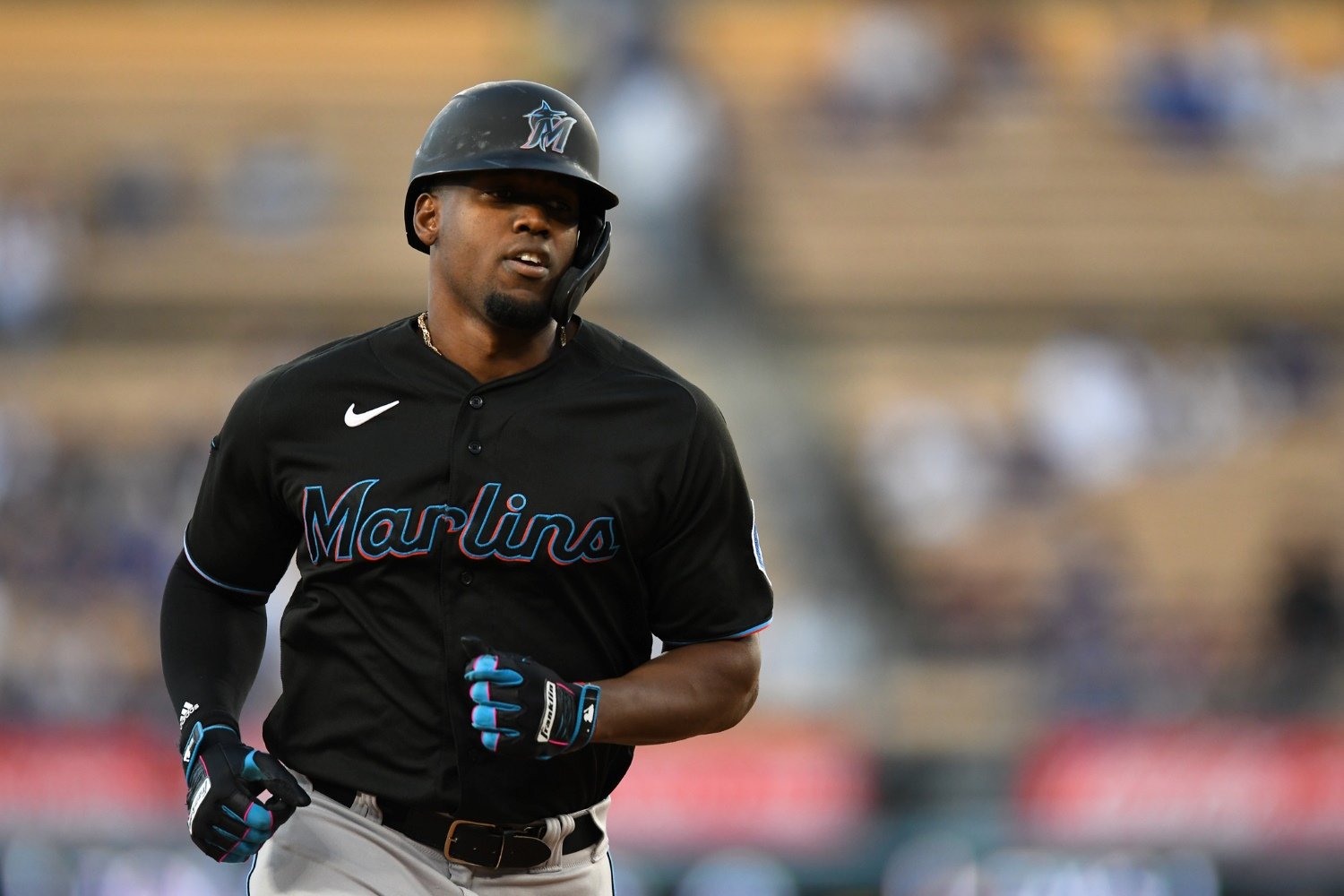 The calendar has flipped to 2024, and the Twins have done *checks notes* very little to add to their roster for the upcoming season. Part of that is due to a slow-moving free agent market, as well as a lack of clarity on the funds available as they peruse the players who might be available to them. Yet, the needs of the team remain clear. They would like to find a playoff-caliber starting pitcher to replace Sonny Gray; an offensive boost from the right side of the plate; and a more established reliever (but one who wouldn’t require more than a one-year deal). Some of the players on this list might require a smaller financial commitment than they anticipated when they became free agents. The Twins’ front office is no stranger to waiting out the storm so that they can find these kinds of deals. Here are five remaining free agents who fit the Twins’ current needs: Rhys Hoskins Though he missed the entirety of the 2023 season while recovering from a torn ACL, Hoskins remains one of the most popular targets among Twins fans, thanks to his stellar offensive track record with the Philadelphia Phillies. Across his six-season career, the 30-year-old slugger has a .242/.353/.492 slash line, with 148 home runs. Throughout his career, Hoskins has had solid success against right-handed pitchers (.819 OPS, 118 wRC+) and he has absolutely demolished lefties (.921 OPS, 146 wRC+). While he doesn’t offer much in terms of defensive value (-11 career OAA at first base), he more than makes up for it with his prodigious bat. At the outset of the offseason, MLB Trade Rumors predicted the former Phillie would land a two-year deal worth $36 million. On the surface, that feels steeper than the Twins would like to go, given their self-imposed financial limitations, but if Hoskins’s market fails to materialize as we approach spring training, he could be a good fit on a friendlier contract. He would be a fantastic pairing with Alex Kirilloff at first base, and could get some time at designated hitter if Byron Buxton makes his way back to center field. Adam Duvall He may not bring as much to the batter’s box as Hoskins does, but Duvall might be a cleaner fit for the Twins, based on his ability to play center field on a semi-regular basis. While his bat doesn’t carry the same thunder, it does have a track record of providing pop from time to time. Think about what Michael A. Taylor provided for the Twins last season. He had another fantastic year in center field (8 OAA), while swatting 21 home runs. Duvall has a reputation for that kind of performance, where the strong defense is his calling card, and the home runs are icing on the cake. He won a Gold Glove in 2021, and has averaged 32 home runs per 162 games throughout his career. Last season, Duvall hit 21 home runs in just 92 games. If paired with some combination of Buxton and Willi Castro, he might work as a fourth outfielder type who can step into regular playing time if needed. Duvall shouldn’t require a burdensome contract, as he is already 35-years-old and did miss some time with injuries in 2023. If the Twins have their hands tied financially, he could be a low-cost fit to put in the outfield mix on a one-year deal. Jorge Soler The former top prospect out of Cuba once again finds himself seeking a multi-year deal on the open market, and based on his strong 2023 campaign, he should be able to find one. But with many teams reining in their spending this offseason, he might not get the three-year, $45-million deal that many thought he would secure. If that ends up being the case, Soler would make a lot of sense for the Twins, especially if they shed some of their veteran contracts. Last season, the right-handed corner outfielder hit .250/.341/.512, belting 36 home runs and driving in 75 runs. If signed by the Twins, Soler could occupy a corner outfield spot on a semi-regular basis, though his defense is middling at best. Some time at designated hitter would almost certainly be in the cards, but that is (again) dependent on Buxton’s ability to take the field. Like Hoskins, Soler held his own against right-handed pitching (.786 OPS, 109 wRC+) and obliterated southpaws (1.080 OPS, 181 wRC+). At the right price, that production would be incredibly enticing for a Twins outfield picture that is currently heavy on left-handed options. John Brebbia The most realistic option on this list is probably the least exciting, but that doesn’t mean it wouldn’t serve an important purpose. Brebbia is likely bound for a short contract worth a few million dollars, which is a sweet spot for the Twins’ front office. And while the club already nabbed Josh Staumont on a similar deal last month, Brebbia offers a higher floor and lower ceiling. Over the last two seasons, the 33-year-old has compiled a 3.47 ERA across 106 ⅓ innings pitched, with an 8.6 K/9 and 2.7 BB/9. He increased his strikeout rate by over 10 percentage points last season, but was on the shelf for about eight weeks with a lat strain. The Twins showed interest in Brebbia before he signed his last deal with the San Francisco Giants, likely due to his penchant for throwing his slider more than half the time. If Pete Maki and the Twins’ coaching staff can help him refine that offering, they could have a diamond in the rough to add to the middle of their bullpen corps. Not for nothing, Brebbia would also provide immaculate vibes to an already fun bullpen group. Marcus Stroman As previously noted, the Twins would likely prefer to find Gray’s replacement on the trade market. But if Stroman’s price drops to a more-reasonable level, he could make sense, as a playoff-caliber starter who wouldn’t require a massive financial commitment. He opted out of the $21 million that he was owed for the 2024 season, in the hopes of getting a multi-year commitment. MLB Trade Rumors predicted a two-year, $44-million deal for the 31-year-old. It’s hard to picture the Twins wanting to pay Stroman more than $20 million per year, but if they can get him somewhere closer to the $15-17 million range, it would be a similar situation to what they had with Gray: a solid number-two or -three starter in their early thirties, with some question marks surrounding their health. A healthy Stroman would slide nicely between Pablo López and Joe Ryan in the Twins’ rotation. Since the start of the 2021 season, the former Duke star owns a 3.45 ERA across 83 starts and 454 innings pitched. He’s had a sub-4.00 ERA in all but two seasons of his career, due in large part to an extensive repertoire that remains effective even into his thirties. Just last year, Stroman had four different pitches that had a 30% whiff rate or higher. Again, like some other names on this list, the Twins would most likely only be interested in Stroman if his market fizzles. What do you think? Do any of the names on this list stand out as targets? Who else would you put on this list? Let us know in the comments, and as always, keep it sweet.
- 47 comments
-
- 9
-
-
- rhys hoskins
- adam duvall
- (and 4 more)
-
While the trade route might offer a clearer path to accomplishing some of their offseason goals, there are some intriguing names that remain available on the free-agent market. Should the Twins make a push for any of these players? Image courtesy of © Jonathan Hui-USA TODAY Sports While the trade route might offer a clearer path to accomplishing some of their offseason goals, there are some intriguing names that remain available on the free-agent market. Should the Twins make a push for any of these players? The calendar has flipped to 2024, and the Twins have done *checks notes* very little to add to their roster for the upcoming season. Part of that is due to a slow-moving free agent market, as well as a lack of clarity on the funds available as they peruse the players who might be available to them. Yet, the needs of the team remain clear. They would like to find a playoff-caliber starting pitcher to replace Sonny Gray; an offensive boost from the right side of the plate; and a more established reliever (but one who wouldn’t require more than a one-year deal). Some of the players on this list might require a smaller financial commitment than they anticipated when they became free agents. The Twins’ front office is no stranger to waiting out the storm so that they can find these kinds of deals. Here are five remaining free agents who fit the Twins’ current needs: Rhys Hoskins Though he missed the entirety of the 2023 season while recovering from a torn ACL, Hoskins remains one of the most popular targets among Twins fans, thanks to his stellar offensive track record with the Philadelphia Phillies. Across his six-season career, the 30-year-old slugger has a .242/.353/.492 slash line, with 148 home runs. Throughout his career, Hoskins has had solid success against right-handed pitchers (.819 OPS, 118 wRC+) and he has absolutely demolished lefties (.921 OPS, 146 wRC+). While he doesn’t offer much in terms of defensive value (-11 career OAA at first base), he more than makes up for it with his prodigious bat. At the outset of the offseason, MLB Trade Rumors predicted the former Phillie would land a two-year deal worth $36 million. On the surface, that feels steeper than the Twins would like to go, given their self-imposed financial limitations, but if Hoskins’s market fails to materialize as we approach spring training, he could be a good fit on a friendlier contract. He would be a fantastic pairing with Alex Kirilloff at first base, and could get some time at designated hitter if Byron Buxton makes his way back to center field. Adam Duvall He may not bring as much to the batter’s box as Hoskins does, but Duvall might be a cleaner fit for the Twins, based on his ability to play center field on a semi-regular basis. While his bat doesn’t carry the same thunder, it does have a track record of providing pop from time to time. Think about what Michael A. Taylor provided for the Twins last season. He had another fantastic year in center field (8 OAA), while swatting 21 home runs. Duvall has a reputation for that kind of performance, where the strong defense is his calling card, and the home runs are icing on the cake. He won a Gold Glove in 2021, and has averaged 32 home runs per 162 games throughout his career. Last season, Duvall hit 21 home runs in just 92 games. If paired with some combination of Buxton and Willi Castro, he might work as a fourth outfielder type who can step into regular playing time if needed. Duvall shouldn’t require a burdensome contract, as he is already 35-years-old and did miss some time with injuries in 2023. If the Twins have their hands tied financially, he could be a low-cost fit to put in the outfield mix on a one-year deal. Jorge Soler The former top prospect out of Cuba once again finds himself seeking a multi-year deal on the open market, and based on his strong 2023 campaign, he should be able to find one. But with many teams reining in their spending this offseason, he might not get the three-year, $45-million deal that many thought he would secure. If that ends up being the case, Soler would make a lot of sense for the Twins, especially if they shed some of their veteran contracts. Last season, the right-handed corner outfielder hit .250/.341/.512, belting 36 home runs and driving in 75 runs. If signed by the Twins, Soler could occupy a corner outfield spot on a semi-regular basis, though his defense is middling at best. Some time at designated hitter would almost certainly be in the cards, but that is (again) dependent on Buxton’s ability to take the field. Like Hoskins, Soler held his own against right-handed pitching (.786 OPS, 109 wRC+) and obliterated southpaws (1.080 OPS, 181 wRC+). At the right price, that production would be incredibly enticing for a Twins outfield picture that is currently heavy on left-handed options. John Brebbia The most realistic option on this list is probably the least exciting, but that doesn’t mean it wouldn’t serve an important purpose. Brebbia is likely bound for a short contract worth a few million dollars, which is a sweet spot for the Twins’ front office. And while the club already nabbed Josh Staumont on a similar deal last month, Brebbia offers a higher floor and lower ceiling. Over the last two seasons, the 33-year-old has compiled a 3.47 ERA across 106 ⅓ innings pitched, with an 8.6 K/9 and 2.7 BB/9. He increased his strikeout rate by over 10 percentage points last season, but was on the shelf for about eight weeks with a lat strain. The Twins showed interest in Brebbia before he signed his last deal with the San Francisco Giants, likely due to his penchant for throwing his slider more than half the time. If Pete Maki and the Twins’ coaching staff can help him refine that offering, they could have a diamond in the rough to add to the middle of their bullpen corps. Not for nothing, Brebbia would also provide immaculate vibes to an already fun bullpen group. Marcus Stroman As previously noted, the Twins would likely prefer to find Gray’s replacement on the trade market. But if Stroman’s price drops to a more-reasonable level, he could make sense, as a playoff-caliber starter who wouldn’t require a massive financial commitment. He opted out of the $21 million that he was owed for the 2024 season, in the hopes of getting a multi-year commitment. MLB Trade Rumors predicted a two-year, $44-million deal for the 31-year-old. It’s hard to picture the Twins wanting to pay Stroman more than $20 million per year, but if they can get him somewhere closer to the $15-17 million range, it would be a similar situation to what they had with Gray: a solid number-two or -three starter in their early thirties, with some question marks surrounding their health. A healthy Stroman would slide nicely between Pablo López and Joe Ryan in the Twins’ rotation. Since the start of the 2021 season, the former Duke star owns a 3.45 ERA across 83 starts and 454 innings pitched. He’s had a sub-4.00 ERA in all but two seasons of his career, due in large part to an extensive repertoire that remains effective even into his thirties. Just last year, Stroman had four different pitches that had a 30% whiff rate or higher. Again, like some other names on this list, the Twins would most likely only be interested in Stroman if his market fizzles. What do you think? Do any of the names on this list stand out as targets? Who else would you put on this list? Let us know in the comments, and as always, keep it sweet. View full article
-
A familiar angel is sent from (baseball) heaven, to show a discouraged hometown hero what life would have been like had he never been... drafted with the first overall pick in 2001. Image courtesy of Purple Wolf Graphics A familiar angel is sent from (baseball) heaven, to show a discouraged hometown hero what life would have been like had he never been... drafted with the first overall pick in 2001. WARNING: This tale contains some very strong language, for Joe Mauer. We have elected not to censor his voice, and to leave intact his expressions of grief and frustration. We hope you will excuse the invective. “Ah jeez,” Joe Mauer sighs, as he drains the last swig of 2% milk at the bottom of his custom highball glass. “Heck, I’m not driving.” He reaches into the fridge and grabs a small bottle of chocolate milk, then fills his glass with three fingers of Nesquik. It’s the night before baseball’s Hall of Fame announces the final vote tallies for this year’s class, where it appears Joe will fall just short. The house is dark, and the only light is the flickering of MLB Network on the den TV in the background. The former hometown hero walks past his mantel, surveying the various pieces of prestigious hardware that have made themselves cozy above his marble fireplace. Five Silver Slugger bats. Three Gold Gloves. An American League MVP trophy. A small shadow box holding a pair of his promotional giveaway prop sideburns. “I think Mauer should be in the Hall of Very Good. Yeah, people say he was one of the greatest catchers of all time, but I only remember him being pretty good, and he hardly ever caught.” one of the talking heads on the TV declares in the background. “And I’m not just anybody. I’ve been covering the game since 2014. Maybe I just expect more from a player taken first overall in their draft.” Joe throws his remaining milk to the fire, creating a quick flash of nuclear green. He leans against the mantel, and looks at a framed picture of a teenage version of himself on the day that he signed his first contract in 2001. The Joe in the picture is wiry, donning dorky glasses and a haircut that screams, “Thanks Mom!” as he pulls his arms through a pinstriped Twins jersey. He ponders the burdens of expectations and the story of Jesus being rejected in Nazareth. “Talk about a case of the Mondays,” he says under his breath. “Sometimes I wish I was never taken with the first pick that day.” Suddenly, the fire dies and the TV signal drops to static before turning off completely. Joe is left in the dark. “Holy cow, what the heck is going on?” he says quizzically as he makes his way out the front door. Joe gets to the street and looks around at the neighboring houses. All their lights seem to be working just fine. He gives a friendly Minnesota wave to a man getting out of a car in the driveway next door. The man furrows his brow and flips the hood of his coat up before turning to go inside. “They don’t know who you are,” says a booming voice from behind Joe. He turns to see a burly figure in a hooded cloak. The man removes his hood to reveal himself dramatically. As he shows his face, he lets out his trademark jolly chuckle and introduces himself. “Aaaaand welcome, TO. . . It’s a Hall of Fame Life - Joe Mauer edition. I’m your host and guardian geek, John Bonnes.” The angelic figure steps towards Joe and reaches out his hand. As he moves, a couple empty glass bottles can be heard rolling at his feet. “Take my hand, Joe. It’s time you see how good you really have it,” the guardian geek says. “But first let’s talk about the sponsors of this dream sequence, the fine folks at SotaStick.” As the geek continues talking, Joe’s attention turns to his mailbox. But it’s somehow different from the one he remembers. He walks up to it and sees ‘PRIOR’ written where his name used to be. “For Pete’s sake. Who is messing with my mailbox?” he exclaims. “I told Bert my house was off-limits for pranks from now on.” He removes the mailbox from its post and makes his way back up to the house. When he gets to the entrance, the door is locked. “That’s not your mailbox, and that’s not your house,” Bonnes said, surprising Joe, who didn’t expect the old coot to continue following him. “That’s what I’m trying to get to. You were never taken with that first overall pick back in 2001. Instead, the Twins picked Mark Prior. He had a great couple of years, but failed in the few postseason games that he was able to start before his career was cut way short due to injuries.” Joe looks at the geek like he’s a mad man. “That’s not possible,” he says. “I had my number retired by the Twins. You can ask any of the beat writers.” The geek raises an eyebrow and takes Joe’s hand. The two soar through the air, and land in St. Louis Park, outside of a quiet Chinese restaurant. Joe wipes his eyes, as he can’t believe what’s happening. When he catches his breath, he looks up and sees a disheveled, bearded man sitting beside the restaurant door with a sign that reads ‘Will podcast for fried rice’ and a souvenir JR Rider cup from a Timberwolves game that has a handful of loose coins jingling inside. “Aaron Gleeman! Surely he’ll be able to vouch for me,” Joe says, approaching the man at the door. “Hey Gleeman, can you tell this guy that I really am a Twins Hall of Famer? Something wacky is going on and he doesn’t believe me.” The man looks up and smirks. “You? In the Twins Hall of Fame? You sure about that?” he chuckles. “Sure, buddy. And I was the 2021 NSMA Minnesota Sportswriter of the Year.” Joe looks at him, defeated. None of this is making any sense. The kind man that vouched for him on countless occasions is now a jaded, sarcastic fool. He's wearing a cheap button-down from Target, and top of his head shows the effects of male pattern baldness. “What happened to him?” Joe asks. “I can barely recognize him.” “Gleeman lost interest in baseball when the Twins sputtered between 2004 and 2010,” the guardian geek explains. “You weren’t there to give him something interesting to write about, so he quit. The successful, captivating writer that you know and love never came to be. Now look at him.” Joe takes one last look at the beggar before Bonnes grabs his hand and they soar above the Minneapolis skyline. As they fly into downtown, the geek drops Joe at the front door of Manny’s Steakhouse. “You go in without me,” Bonnes says, as he keeps floating towards Finnegan’s Brew Co. Joe walks into the swanky restaurant and makes his way to the bar. A sharply-dressed, clean-cut man is sitting next to him, scarfing down the biggest steak Manny’s has to offer. He’s watching Jeopardy on the bar TV and answering every question before the contestants can ring in. “Hey, you’re Do-Hyoung Park,” Joe says. “Please tell me you remember who I am. I just talked to you in the Twins’ press box a few months ago.” “Will you pipe down?” the man snaps. “I’ve never been in a press box before. I’m one of the most trusted chemical engineers in the US military, not some jock-sniffing creative type. One call to President Neuman and I can erase your entire life, buddy. Now get out of my face!” Park pushes Joe off of his stool. Mauer picks himself off the floor and runs back out toward the street. “What is…pain.” Park whispers depressingly as he looks down at his steak. Joe sees his guardian geek at the end of the block. He runs toward the man, who is now barking into his cell phone. “Look, I told you I’ll have your money by the end of the week! There’s no need to get violent,” Bonnes pleads. “Ope, he’s back. Gotta go.” He hangs up and sighs as he looks at Joe. “Sorry, that was my wife,” the geek explains. “Come on, I have one more place to show you.” As they glide above First Avenue toward the North Loop, Joe notices an odd omission in the Minneapolis skyline. “Wait a second, what happened to Target Field?” Joe shouts. "There’s just an empty lot where my beloved home ballpark used to be.” “Target Field was never built, because there just wasn’t enough interest in baseball in Minnesota,” Bonnes explains, as the two drop down to the cement footprint where the Twins' beautiful ballpark should have been. “The team didn’t have a franchise icon that they could market. Instead, the Twins played their final game in Minnesota on October 3rd, 2010. The club moved to Las Vegas that winter, and Minnesota has been left without a professional ballclub ever since.” Joe drops to his knees as snow begins to fall around him. He can’t take it anymore. With tears streaming down his face, he reaches up toward the heavens. “Please! I’m sorry!” he cries as he clenches his eyes shut, trying to awaken from this nightmare. “I want my life back! I wish it really had been me who was taken first in that draft. I had a great career, no matter what the Hall of Fame voters decide.” He sits in silence for a moment, feeling the snowflakes melt as they land in his salt-and-pepper hair. When he opens his eyes, he’s no longer downtown, but back on his front lawn, holding his mailbox with the name ‘MAUER’ etched on its side. His wife opens the front door and peeps her head out into the winter air. “Joe, sweetie, what the heck are you doing out there?” she asks. “You need to come inside! Something marvelous has happened.” Joe races into his house. His home is back to its normal state. The fire is crackling and one of his twin daughters is practicing the piano. She stumbles through a rendition of “What You Know” by T.I. (Joe continues to assume "key by the three" is a basketball reference.) He doesn’t care, though. He’s relieved to be home, back in his normal life. The TV is still blaring MLB Network, and the host of the show is interviewing a panel of writers about Hall of Fame chances for the following day. Among the guests are Aaron Gleeman of The Athletic, and Do-Hyoung Park of MLB.com. “I talked to so many voters in recent days, and I’m confident that Mauer is going to absolutely sail past the 75-percent requirement in his first year,” Gleeman proclaims. “I guarantee he’s going to get the call tomorrow.” “I agree with Aaron,” Park chimes in. “And I was on Jeopardy!” It's not an exclamation; that's just official Jeopardy! style. Joe can’t believe what he’s hearing. He smiles at his wife and wraps her in a hug. “Hey, what’s in your back pocket?” she asks. Joe pulls out a gift card to SotaStick that has a message scribbled on the back. Congratulations, Joe. And remember. . . No man is a failure who has friends within the media. Thanks to our sponsors! Love, Your guardian geek, John Bonnes “Who’s that from, dear?” his wife asks. “Oh, nobody,” Joe replies as he smiles and looks into the fire. “Just some old coot.” He places the card next to the framed photo of himself as a teenager on the mantel and gathers the family around the piano to sing the first verse of his longtime walk-up song. The End View full article
- 9 replies
-
- 1
-
-
- joe mauer
- hall of fame
- (and 2 more)
-
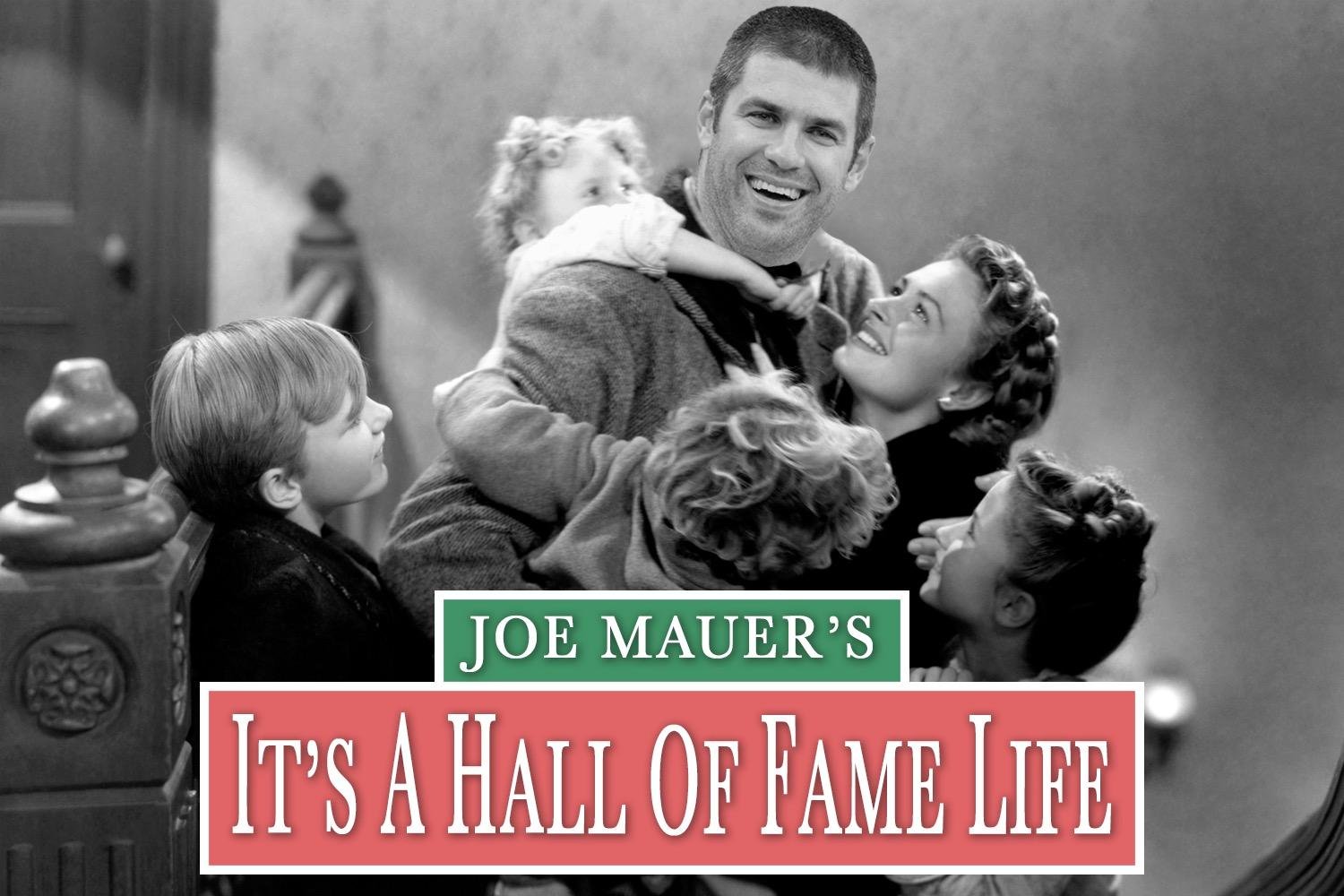 WARNING: This tale contains some very strong language, for Joe Mauer. We have elected not to censor his voice, and to leave intact his expressions of grief and frustration. We hope you will excuse the invective. “Ah jeez,” Joe Mauer sighs, as he drains the last swig of 2% milk at the bottom of his custom highball glass. “Heck, I’m not driving.” He reaches into the fridge and grabs a small bottle of chocolate milk, then fills his glass with three fingers of Nesquik. It’s the night before baseball’s Hall of Fame announces the final vote tallies for this year’s class, where it appears Joe will fall just short. The house is dark, and the only light is the flickering of MLB Network on the den TV in the background. The former hometown hero walks past his mantel, surveying the various pieces of prestigious hardware that have made themselves cozy above his marble fireplace. Five Silver Slugger bats. Three Gold Gloves. An American League MVP trophy. A small shadow box holding a pair of his promotional giveaway prop sideburns. “I think Mauer should be in the Hall of Very Good. Yeah, people say he was one of the greatest catchers of all time, but I only remember him being pretty good, and he hardly ever caught.” one of the talking heads on the TV declares in the background. “And I’m not just anybody. I’ve been covering the game since 2014. Maybe I just expect more from a player taken first overall in their draft.” Joe throws his remaining milk to the fire, creating a quick flash of nuclear green. He leans against the mantel, and looks at a framed picture of a teenage version of himself on the day that he signed his first contract in 2001. The Joe in the picture is wiry, donning dorky glasses and a haircut that screams, “Thanks Mom!” as he pulls his arms through a pinstriped Twins jersey. He ponders the burdens of expectations and the story of Jesus being rejected in Nazareth. “Talk about a case of the Mondays,” he says under his breath. “Sometimes I wish I was never taken with the first pick that day.” Suddenly, the fire dies and the TV signal drops to static before turning off completely. Joe is left in the dark. “Holy cow, what the heck is going on?” he says quizzically as he makes his way out the front door. Joe gets to the street and looks around at the neighboring houses. All their lights seem to be working just fine. He gives a friendly Minnesota wave to a man getting out of a car in the driveway next door. The man furrows his brow and flips the hood of his coat up before turning to go inside. “They don’t know who you are,” says a booming voice from behind Joe. He turns to see a burly figure in a hooded cloak. The man removes his hood to reveal himself dramatically. As he shows his face, he lets out his trademark jolly chuckle and introduces himself. “Aaaaand welcome, TO. . . It’s a Hall of Fame Life - Joe Mauer edition. I’m your host and guardian geek, John Bonnes.” The angelic figure steps towards Joe and reaches out his hand. As he moves, a couple empty glass bottles can be heard rolling at his feet. “Take my hand, Joe. It’s time you see how good you really have it,” the guardian geek says. “But first let’s talk about the sponsors of this dream sequence, the fine folks at SotaStick.” As the geek continues talking, Joe’s attention turns to his mailbox. But it’s somehow different from the one he remembers. He walks up to it and sees ‘PRIOR’ written where his name used to be. “For Pete’s sake. Who is messing with my mailbox?” he exclaims. “I told Bert my house was off-limits for pranks from now on.” He removes the mailbox from its post and makes his way back up to the house. When he gets to the entrance, the door is locked. “That’s not your mailbox, and that’s not your house,” Bonnes said, surprising Joe, who didn’t expect the old coot to continue following him. “That’s what I’m trying to get to. You were never taken with that first overall pick back in 2001. Instead, the Twins picked Mark Prior. He had a great couple of years, but failed in the few postseason games that he was able to start before his career was cut way short due to injuries.” Joe looks at the geek like he’s a mad man. “That’s not possible,” he says. “I had my number retired by the Twins. You can ask any of the beat writers.” The geek raises an eyebrow and takes Joe’s hand. The two soar through the air, and land in St. Louis Park, outside of a quiet Chinese restaurant. Joe wipes his eyes, as he can’t believe what’s happening. When he catches his breath, he looks up and sees a disheveled, bearded man sitting beside the restaurant door with a sign that reads ‘Will podcast for fried rice’ and a souvenir JR Rider cup from a Timberwolves game that has a handful of loose coins jingling inside. “Aaron Gleeman! Surely he’ll be able to vouch for me,” Joe says, approaching the man at the door. “Hey Gleeman, can you tell this guy that I really am a Twins Hall of Famer? Something wacky is going on and he doesn’t believe me.” The man looks up and smirks. “You? In the Twins Hall of Fame? You sure about that?” he chuckles. “Sure, buddy. And I was the 2021 NSMA Minnesota Sportswriter of the Year.” Joe looks at him, defeated. None of this is making any sense. The kind man that vouched for him on countless occasions is now a jaded, sarcastic fool. He's wearing a cheap button-down from Target, and top of his head shows the effects of male pattern baldness. “What happened to him?” Joe asks. “I can barely recognize him.” “Gleeman lost interest in baseball when the Twins sputtered between 2004 and 2010,” the guardian geek explains. “You weren’t there to give him something interesting to write about, so he quit. The successful, captivating writer that you know and love never came to be. Now look at him.” Joe takes one last look at the beggar before Bonnes grabs his hand and they soar above the Minneapolis skyline. As they fly into downtown, the geek drops Joe at the front door of Manny’s Steakhouse. “You go in without me,” Bonnes says, as he keeps floating towards Finnegan’s Brew Co. Joe walks into the swanky restaurant and makes his way to the bar. A sharply-dressed, clean-cut man is sitting next to him, scarfing down the biggest steak Manny’s has to offer. He’s watching Jeopardy on the bar TV and answering every question before the contestants can ring in. “Hey, you’re Do-Hyoung Park,” Joe says. “Please tell me you remember who I am. I just talked to you in the Twins’ press box a few months ago.” “Will you pipe down?” the man snaps. “I’ve never been in a press box before. I’m one of the most trusted chemical engineers in the US military, not some jock-sniffing creative type. One call to President Neuman and I can erase your entire life, buddy. Now get out of my face!” Park pushes Joe off of his stool. Mauer picks himself off the floor and runs back out toward the street. “What is…pain.” Park whispers depressingly as he looks down at his steak. Joe sees his guardian geek at the end of the block. He runs toward the man, who is now barking into his cell phone. “Look, I told you I’ll have your money by the end of the week! There’s no need to get violent,” Bonnes pleads. “Ope, he’s back. Gotta go.” He hangs up and sighs as he looks at Joe. “Sorry, that was my wife,” the geek explains. “Come on, I have one more place to show you.” As they glide above First Avenue toward the North Loop, Joe notices an odd omission in the Minneapolis skyline. “Wait a second, what happened to Target Field?” Joe shouts. "There’s just an empty lot where my beloved home ballpark used to be.” “Target Field was never built, because there just wasn’t enough interest in baseball in Minnesota,” Bonnes explains, as the two drop down to the cement footprint where the Twins' beautiful ballpark should have been. “The team didn’t have a franchise icon that they could market. Instead, the Twins played their final game in Minnesota on October 3rd, 2010. The club moved to Las Vegas that winter, and Minnesota has been left without a professional ballclub ever since.” Joe drops to his knees as snow begins to fall around him. He can’t take it anymore. With tears streaming down his face, he reaches up toward the heavens. “Please! I’m sorry!” he cries as he clenches his eyes shut, trying to awaken from this nightmare. “I want my life back! I wish it really had been me who was taken first in that draft. I had a great career, no matter what the Hall of Fame voters decide.” He sits in silence for a moment, feeling the snowflakes melt as they land in his salt-and-pepper hair. When he opens his eyes, he’s no longer downtown, but back on his front lawn, holding his mailbox with the name ‘MAUER’ etched on its side. His wife opens the front door and peeps her head out into the winter air. “Joe, sweetie, what the heck are you doing out there?” she asks. “You need to come inside! Something marvelous has happened.” Joe races into his house. His home is back to its normal state. The fire is crackling and one of his twin daughters is practicing the piano. She stumbles through a rendition of “What You Know” by T.I. (Joe continues to assume "key by the three" is a basketball reference.) He doesn’t care, though. He’s relieved to be home, back in his normal life. The TV is still blaring MLB Network, and the host of the show is interviewing a panel of writers about Hall of Fame chances for the following day. Among the guests are Aaron Gleeman of The Athletic, and Do-Hyoung Park of MLB.com. “I talked to so many voters in recent days, and I’m confident that Mauer is going to absolutely sail past the 75-percent requirement in his first year,” Gleeman proclaims. “I guarantee he’s going to get the call tomorrow.” “I agree with Aaron,” Park chimes in. “And I was on Jeopardy!” It's not an exclamation; that's just official Jeopardy! style. Joe can’t believe what he’s hearing. He smiles at his wife and wraps her in a hug. “Hey, what’s in your back pocket?” she asks. Joe pulls out a gift card to SotaStick that has a message scribbled on the back. Congratulations, Joe. And remember. . . No man is a failure who has friends within the media. Thanks to our sponsors! Love, Your guardian geek, John Bonnes “Who’s that from, dear?” his wife asks. “Oh, nobody,” Joe replies as he smiles and looks into the fire. “Just some old coot.” He places the card next to the framed photo of himself as a teenager on the mantel and gathers the family around the piano to sing the first verse of his longtime walk-up song. The End
- 9 comments
-
- 10
-

-
-

-
- joe mauer
- hall of fame
- (and 2 more)
-
The New York Yankees have, once again, acquired a world-class player, much to the chagrin of the rest of the league. But they now have a pretty crowded outfield picture. Can the Twins find a way to benefit from this? Image courtesy of © Ray Acevedo-USA TODAY Sports The New York Yankees have, once again, acquired a world-class player, much to the chagrin of the rest of the league. But they now have a pretty crowded outfield picture. Can the Twins find a way to benefit from this? It’s hard to argue that Juan Soto going to the New York Yankees is somehow a good thing for the Minnesota Twins. He’s a 25-year-old marquee player on a Hall of Fame trajectory, who will now don the pinstripes of Twins Territory’s most hated rival. But this monumental trade between the Bronx bombers and the San Diego Padres has many layers to it. If the Twins play their cards right, they could benefit from the shuffling of these rosters. For those who missed it, Soto was sent to the Yankees along with outfielder Trent Grisham, for a package headlined by three of New York’s best young pitchers. While Childish Bambino will surely garner the most attention when looking at this swap, Grisham could be of interest to the Twins if the Yankees are willing to flip him. Talks surrounding this trade went on for days before the Yankees and Padres finally made it official, and New York actually completed a separate deal in the meantime. In a surprising development, the Yankees acquired Alex Verdugo from the rival Boston Red Sox, and will have him seeing regular action in their outfield throughout the 2024 campaign. Was this a fallback option in case they couldn’t reel in Soto? A leverage play to soften San Diego's demands? Or do they have more moves up their sleeve? It’s unclear how all these pieces will fit together, but the club now finds themselves with a plethora of established outfielders, including Soto, Verdugo, Grisham and Aaron Judge. Each of those players are used to seeing everyday playing time, so somebody will have to take the back seat--and let’s just say Soto and Judge are assured to be sitting shotgun for the foreseeable future. Could the Twins swoop in and make a play for Grisham? He would fill the hole left by Michael A. Taylor, that of a defense-forward true center fielder on a friendly contract. The fleet-footed 27-year-old has two years of club control remaining, and he’s expected to earn $4.9 million via arbitration in 2024. His stellar defense (92nd-percentile range, according to Statcast) makes him good enough to be a reliable option even if the bat falters, but he wouldn’t block playing time should Byron Buxton find himself healthy enough to take the field. Grisham is a left-handed hitter, but he’s had reverse platoon splits throughout his career. Those numbers took it a step further in 2023, when he had a .790 OPS against fellow southpaws. That could fit nicely as a platoon option alongside Willi Castro, who had an .803 OPS against righties in 2023. In his whole career, Grisham has only 518 plate appearances against southpaws, so we have to do quite a bit of regression in order to project him in this way for the future, but it's certainly worth noting. The Yankees must have seen something they liked in Grisham when making the trade, but with Verdugo also in the fold, the former Padre could be expendable for the right price. Maybe the Twins can offer a mid-level prospect or two to help replenish the Yankees’ farm system that was just purged of its most exciting arms last week. Could some combination of impressive B-level prospects in the back half of Twins Daily's Prospect Rankings pique their interest? Would the Yankees insist on getting someone closer to being big league-ready such as Simeon Woods-Richardson? Here’s another outside-the-box idea: would the Yankees have any interest in Kyle Farmer (.725 OPS in 2023), to go along with a prospect package? Anthony Volpe (.666 OPS) is pegged to get the lion’s share of playing time at shortstop, with Oswald Peraza (.539 OPS) as his backup, so the Yankees may see value in the idea of swapping a fourth outfielder for a utility infielder who can play a solid shortstop if Volpe fails to improve. Farmer could also spell D.J. LeMahieu at third base or Gleyber Torres at second, if needed. Here's what a trade pitch could look like: Twins receive: Grisham - .198/.315/.352 (91 wRC+), 13 home runs, 15 stolen bases, 1.7 fWAR in 155 games played in 2023 Yankees receive: Farmer - .256/.317/.408 (101 wRC+), 11 home runs, two stolen bases, 1.6 fWAR in 120 games played in 2023 Yasser Mercedes (No. 14 prospect) - .294/.356/.488, eight home runs, 36 stolen bases in 66 games played in Rookie ball since 2022 Woods-Richardson (No. 17) - 4.91 ERA (1.50 WHIP), 7.6 K/9, 4.8 BB/9 across 24 games (22 starts) at Triple-A in 2023 It’s still to be determined whether the Yankees are set on holding on to Grisham, despite their crowded outfield that now features two superstars and two more established regulars. But it would behoove the Twins to reach out in an effort to improve their club along the margins, and to ride the wave of the ripples set into motion by the Soto trade. What do you think? Would Trent Grisham be a good fit for this Twins team? What should they be willing to give up to make it happen? Let us know what you think in the comments, and as always, keep it sweet. View full article
- 34 replies
-
- 1
-
-
- trent grisham
- new york yankees
- (and 1 more)
-
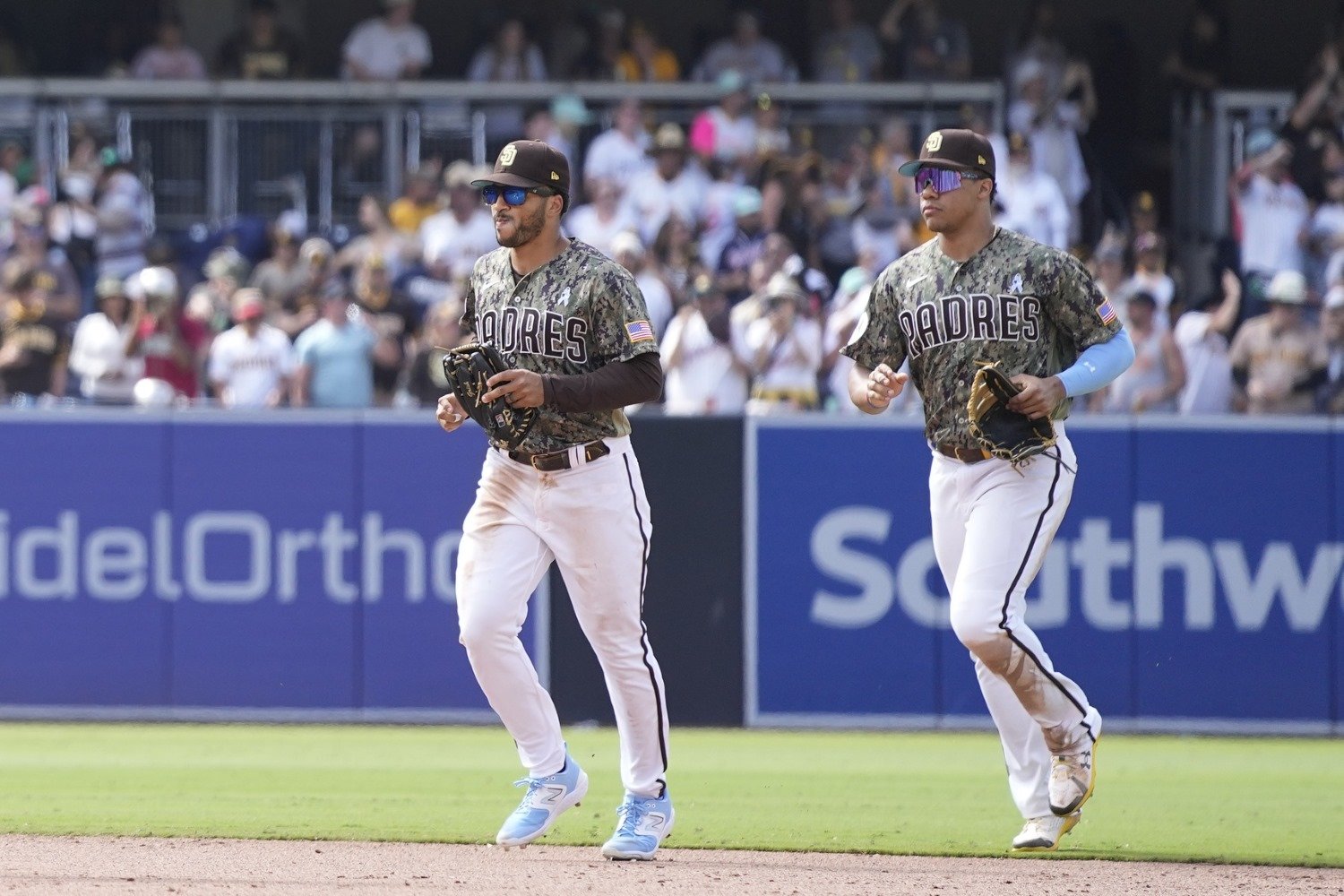 It’s hard to argue that Juan Soto going to the New York Yankees is somehow a good thing for the Minnesota Twins. He’s a 25-year-old marquee player on a Hall of Fame trajectory, who will now don the pinstripes of Twins Territory’s most hated rival. But this monumental trade between the Bronx bombers and the San Diego Padres has many layers to it. If the Twins play their cards right, they could benefit from the shuffling of these rosters. For those who missed it, Soto was sent to the Yankees along with outfielder Trent Grisham, for a package headlined by three of New York’s best young pitchers. While Childish Bambino will surely garner the most attention when looking at this swap, Grisham could be of interest to the Twins if the Yankees are willing to flip him. Talks surrounding this trade went on for days before the Yankees and Padres finally made it official, and New York actually completed a separate deal in the meantime. In a surprising development, the Yankees acquired Alex Verdugo from the rival Boston Red Sox, and will have him seeing regular action in their outfield throughout the 2024 campaign. Was this a fallback option in case they couldn’t reel in Soto? A leverage play to soften San Diego's demands? Or do they have more moves up their sleeve? It’s unclear how all these pieces will fit together, but the club now finds themselves with a plethora of established outfielders, including Soto, Verdugo, Grisham and Aaron Judge. Each of those players are used to seeing everyday playing time, so somebody will have to take the back seat--and let’s just say Soto and Judge are assured to be sitting shotgun for the foreseeable future. Could the Twins swoop in and make a play for Grisham? He would fill the hole left by Michael A. Taylor, that of a defense-forward true center fielder on a friendly contract. The fleet-footed 27-year-old has two years of club control remaining, and he’s expected to earn $4.9 million via arbitration in 2024. His stellar defense (92nd-percentile range, according to Statcast) makes him good enough to be a reliable option even if the bat falters, but he wouldn’t block playing time should Byron Buxton find himself healthy enough to take the field. Grisham is a left-handed hitter, but he’s had reverse platoon splits throughout his career. Those numbers took it a step further in 2023, when he had a .790 OPS against fellow southpaws. That could fit nicely as a platoon option alongside Willi Castro, who had an .803 OPS against righties in 2023. In his whole career, Grisham has only 518 plate appearances against southpaws, so we have to do quite a bit of regression in order to project him in this way for the future, but it's certainly worth noting. The Yankees must have seen something they liked in Grisham when making the trade, but with Verdugo also in the fold, the former Padre could be expendable for the right price. Maybe the Twins can offer a mid-level prospect or two to help replenish the Yankees’ farm system that was just purged of its most exciting arms last week. Could some combination of impressive B-level prospects in the back half of Twins Daily's Prospect Rankings pique their interest? Would the Yankees insist on getting someone closer to being big league-ready such as Simeon Woods-Richardson? Here’s another outside-the-box idea: would the Yankees have any interest in Kyle Farmer (.725 OPS in 2023), to go along with a prospect package? Anthony Volpe (.666 OPS) is pegged to get the lion’s share of playing time at shortstop, with Oswald Peraza (.539 OPS) as his backup, so the Yankees may see value in the idea of swapping a fourth outfielder for a utility infielder who can play a solid shortstop if Volpe fails to improve. Farmer could also spell D.J. LeMahieu at third base or Gleyber Torres at second, if needed. Here's what a trade pitch could look like: Twins receive: Grisham - .198/.315/.352 (91 wRC+), 13 home runs, 15 stolen bases, 1.7 fWAR in 155 games played in 2023 Yankees receive: Farmer - .256/.317/.408 (101 wRC+), 11 home runs, two stolen bases, 1.6 fWAR in 120 games played in 2023 Yasser Mercedes (No. 14 prospect) - .294/.356/.488, eight home runs, 36 stolen bases in 66 games played in Rookie ball since 2022 Woods-Richardson (No. 17) - 4.91 ERA (1.50 WHIP), 7.6 K/9, 4.8 BB/9 across 24 games (22 starts) at Triple-A in 2023 It’s still to be determined whether the Yankees are set on holding on to Grisham, despite their crowded outfield that now features two superstars and two more established regulars. But it would behoove the Twins to reach out in an effort to improve their club along the margins, and to ride the wave of the ripples set into motion by the Soto trade. What do you think? Would Trent Grisham be a good fit for this Twins team? What should they be willing to give up to make it happen? Let us know what you think in the comments, and as always, keep it sweet.
- 34 comments
-
- 5
-
-

-
- trent grisham
- new york yankees
- (and 1 more)
-
A slow-moving free agent and trade market continues to be the talk of the Winter Meetings, especially at the top end. That part of the market is most likely not in play for the Twins, who usually avoid diving into that tidal wave, and would rather see what washes ashore in the aftermath, so they, too, can only wait and watch. Here’s your Twins Daily dose of information. Image courtesy of © Peter Aiken-USA TODAY Sports A slow-moving free agent and trade market continues to be the talk of the Winter Meetings, especially at the top end. That part of the market is most likely not in play for the Twins, who usually avoid diving into that tidal wave, and would rather see what washes ashore in the aftermath, so they, too, can only wait and watch. Here’s your Twins Daily dose of information. While everyone bemoans how little is happening, there's actually some stuff happening. It's just a bit more workaday than we imagine when we think of the annual league convention. Buxton Health Optimism Twins fans know the drill when it comes to their star center fielder. While general optimism is welcome after any positive development, it should be taken with a grain of salt. A healthy Byron Buxton would be about as good of an addition as the club could make this offseason, but there’s a lot of winter to go, and then comes the minefield of spring training. But for what it’s worth, the team is extending some good news when it comes to their cornerstone player, saying he’s showing great signs of recovery after his knee surgery in October. Buxton was spotted in town last week, where he apparently met with surgeon Chris Camp and Twins’ trainer Nick Paparesta. "They felt like he was moving around about as well as they had seen him move around in a long time, which was great," said Twins President of Baseball Operations Derek Falvey. Buxton has now been cleared for all baseball activities, and he’s slated to undergo further evaluation later this week and into next. Could this development affect the club’s pursuit of another option in center field? That seems short-sighted, but this news does dampen the urgency to find an alternative full-time option, however slightly. Michael A. Taylor filled in admirably when thrust into a majority share of that role last year, but his market is also starting to take shape, with a handful of teams showing interest. Again, only time will tell, but the club seems confident that Buxton will be ready to go full-steam ahead when spring training opens in early February, and they confirmed their expectation that he should be in the mix for playing time in center. Relief Market Heating Up The Twins haven’t been linked to any relievers as of yet, but it’s reasonable to expect them to explore the market as the dust begins to settle like they have in years past. It’s highly unlikely that they would make a play for a marquee bullpen ace such as Josh Hader, but they’ll need to supplement their relief corps if they hope to have the same stability that they showed in 2023. That holds especially true after losing Emilio Pagan, who agreed to a two-year contract with the Cincinnati Reds over the weekend. Pagán was second on the Twins in relief appearances, and his rubber arm will be missed, despite some fan skepticism after an up-and-down 2022 campaign. The righty finished the 2023 season with a 2.99 ERA, with 8.4 K/9 and 2.7 BB/9 across 69 ⅓ innings pitched. Looking league-wide, the relief dominoes appear to be falling. Kirby Yates signed a one-year deal with the Texas Rangers, Chris Devenski inked a contract with the Tampa Bay Rays, and a handful of teams have been showing interest in hard-throwing Jordan Hicks. These options are in the mold of player that the Twins could target when they decide to make a move for a bullpen addition, but again, they have a history of waiting until the calendar flips. Expect them to look into modest one-year deals, and even some minor-league deals with invitations to spring training. Rule 5 Draft On Deck It hasn’t been part of this front office’s M.O. to make a selection in the Rule 5 Draft, but they're keeping an open mind (and they have some open roster spots) this year. These selections can be risky, as the player needs to occupy a spot on the team’s 26-man roster (or on the IL) for the entirety of the season if they wish to keep him in the organization. Then again, the only thing ventured is a $100,000 transaction fee. If the player doesn't stick, the Twins can offer the player back to whichever organization they were selected from, and get half that paltry amount back. With 36 men on the reserve list already and some looming logjams, it's still not actually likely that the Twins make a selection. However, they could see the flip-side of that coin. One of their breakout minor-leaguers from the last season, DeShawn Keirsey, Jr., was left exposed at the deadline to protect players by adding them to the 40-man. The 26-year-old center fielder began the year at Double A, where he had the best performance of his professional career, hitting .305/.363/.488 (.850 OPS) with 13 home runs in 91 games played. He was promoted to Triple-A St. Paul, where he continued to impress with his speed and defensive prowess. Keirsey’s player type is generally seen as an ideal Rule 5 candidate, as he is close to MLB-ready, and it’s easier to hide them on the bench or with limited playing opportunity. As a fourth outfielder/pinch runner, Keirsey could appeal to a plethora of teams. Here's hoping the Twins don't come to rue the day they passed him over for protection. Other news and tidbits: Buxton wasn’t the only right-handed hitter who got positive news on the injury front. Infielder Jose Miranda is also said to be showing improvement after a cleanup procedure on his right shoulder, and should be ready for spring training. The Twins once again improved their position in the MLB draft. Even though they finished the 2023 season with the 23rd-worst record, they will instead hold the 21st overall pick in next year’s draft, thanks to some shuffling due to the MLB Draft Lottery, which was held last night. Of course, it’s not as substantial of a jump as last year, where they were awarded the fifth overall pick while having the 13th-worst record. They went on to pick their current No. 1 prospect, Walker Jenkins. The Cleveland Guardians were awarded the first pick in the 2024 draft. What's on your mind as we head down the home stretch of the Winter Meetings? What do you realistically want to see the Twins do before the week is through? Let us know what you think in the comments, and as always, keep it sweet. View full article
-
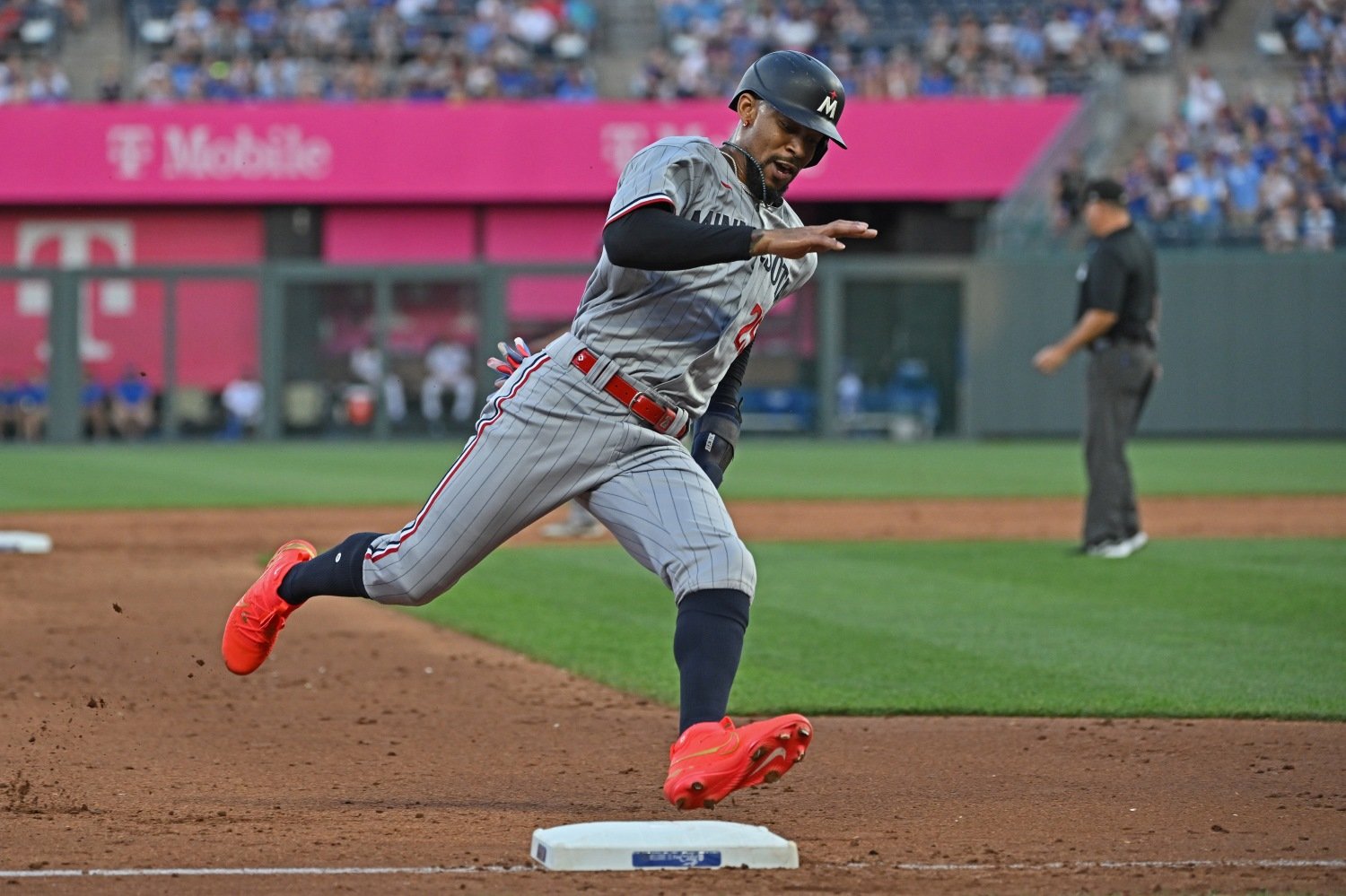 While everyone bemoans how little is happening, there's actually some stuff happening. It's just a bit more workaday than we imagine when we think of the annual league convention. Buxton Health Optimism Twins fans know the drill when it comes to their star center fielder. While general optimism is welcome after any positive development, it should be taken with a grain of salt. A healthy Byron Buxton would be about as good of an addition as the club could make this offseason, but there’s a lot of winter to go, and then comes the minefield of spring training. But for what it’s worth, the team is extending some good news when it comes to their cornerstone player, saying he’s showing great signs of recovery after his knee surgery in October. Buxton was spotted in town last week, where he apparently met with surgeon Chris Camp and Twins’ trainer Nick Paparesta. "They felt like he was moving around about as well as they had seen him move around in a long time, which was great," said Twins President of Baseball Operations Derek Falvey. Buxton has now been cleared for all baseball activities, and he’s slated to undergo further evaluation later this week and into next. Could this development affect the club’s pursuit of another option in center field? That seems short-sighted, but this news does dampen the urgency to find an alternative full-time option, however slightly. Michael A. Taylor filled in admirably when thrust into a majority share of that role last year, but his market is also starting to take shape, with a handful of teams showing interest. Again, only time will tell, but the club seems confident that Buxton will be ready to go full-steam ahead when spring training opens in early February, and they confirmed their expectation that he should be in the mix for playing time in center. Relief Market Heating Up The Twins haven’t been linked to any relievers as of yet, but it’s reasonable to expect them to explore the market as the dust begins to settle like they have in years past. It’s highly unlikely that they would make a play for a marquee bullpen ace such as Josh Hader, but they’ll need to supplement their relief corps if they hope to have the same stability that they showed in 2023. That holds especially true after losing Emilio Pagan, who agreed to a two-year contract with the Cincinnati Reds over the weekend. Pagán was second on the Twins in relief appearances, and his rubber arm will be missed, despite some fan skepticism after an up-and-down 2022 campaign. The righty finished the 2023 season with a 2.99 ERA, with 8.4 K/9 and 2.7 BB/9 across 69 ⅓ innings pitched. Looking league-wide, the relief dominoes appear to be falling. Kirby Yates signed a one-year deal with the Texas Rangers, Chris Devenski inked a contract with the Tampa Bay Rays, and a handful of teams have been showing interest in hard-throwing Jordan Hicks. These options are in the mold of player that the Twins could target when they decide to make a move for a bullpen addition, but again, they have a history of waiting until the calendar flips. Expect them to look into modest one-year deals, and even some minor-league deals with invitations to spring training. Rule 5 Draft On Deck It hasn’t been part of this front office’s M.O. to make a selection in the Rule 5 Draft, but they're keeping an open mind (and they have some open roster spots) this year. These selections can be risky, as the player needs to occupy a spot on the team’s 26-man roster (or on the IL) for the entirety of the season if they wish to keep him in the organization. Then again, the only thing ventured is a $100,000 transaction fee. If the player doesn't stick, the Twins can offer the player back to whichever organization they were selected from, and get half that paltry amount back. With 36 men on the reserve list already and some looming logjams, it's still not actually likely that the Twins make a selection. However, they could see the flip-side of that coin. One of their breakout minor-leaguers from the last season, DeShawn Keirsey, Jr., was left exposed at the deadline to protect players by adding them to the 40-man. The 26-year-old center fielder began the year at Double A, where he had the best performance of his professional career, hitting .305/.363/.488 (.850 OPS) with 13 home runs in 91 games played. He was promoted to Triple-A St. Paul, where he continued to impress with his speed and defensive prowess. Keirsey’s player type is generally seen as an ideal Rule 5 candidate, as he is close to MLB-ready, and it’s easier to hide them on the bench or with limited playing opportunity. As a fourth outfielder/pinch runner, Keirsey could appeal to a plethora of teams. Here's hoping the Twins don't come to rue the day they passed him over for protection. Other news and tidbits: Buxton wasn’t the only right-handed hitter who got positive news on the injury front. Infielder Jose Miranda is also said to be showing improvement after a cleanup procedure on his right shoulder, and should be ready for spring training. The Twins once again improved their position in the MLB draft. Even though they finished the 2023 season with the 23rd-worst record, they will instead hold the 21st overall pick in next year’s draft, thanks to some shuffling due to the MLB Draft Lottery, which was held last night. Of course, it’s not as substantial of a jump as last year, where they were awarded the fifth overall pick while having the 13th-worst record. They went on to pick their current No. 1 prospect, Walker Jenkins. The Cleveland Guardians were awarded the first pick in the 2024 draft. What's on your mind as we head down the home stretch of the Winter Meetings? What do you realistically want to see the Twins do before the week is through? Let us know what you think in the comments, and as always, keep it sweet.
 -
The Twins should always be looking to bolster their relief corps, even if the additions aren’t destined to see many high-leverage opportunities. It could take some time before they pay off, but could these three recently non-tendered arms be worthwhile additions on minimal commitments? Image courtesy of © Sam Greene/The Enquirer / USA TODAY NETWORK The Twins should always be looking to bolster their relief corps, even if the additions aren’t destined to see many high-leverage opportunities. It could take some time before they pay off, but could these three recently non-tendered arms be worthwhile additions on minimal commitments? Twins decision-makers have never been keen on paying top dollar for the best relievers on the market, and this off-season appears to be no exception. While the top of the free-agent class features high-caliber options such as Josh Hader and Hector Neris, the Twins are likely to seek complementary arms to their current group on one-year or non-roster deals. And that’s not necessarily a bad thing. Multi-year commitments to relievers have a strong tendency to come back and bite the team who signs them, even if the immediate impact of an addition appears enticing. The Twins have a spotty track record when it comes to bringing in sufficient depth to last a full season, but there’s no denying the fact that they have hit on some underappreciated arms who subsequently turned into bullpen buzzsaws for them. From Caleb Thielbar to Matt Wisler to Brock Stewart, the current front office has been able to identify talent in the off-season scrapheap in recent years. Some in this class of player might need some tweaks, whether it be mechanically or through modifying their pitch repertoire, but the upside is waiting to be tapped into. If these experiments fail to deliver fruitful results, the commitment should be minimal enough to be able to cut bait without much blowback. Here are three recently non-tendered pitchers who could be interesting pickups for the Twins as they seek low- and medium-leverage arms for 2024 (and beyond). Lou Trivino The former Oakland setup guy underwent Tommy John surgery in early May, so it’s hard to know how a team like the Twins would evaluate his potential value. He won’t have any impact in the first couple months of the season, but Trivino has a solid track record in the majors and has been a bullpen mainstay for the A’s and Yankees since debuting in 2018. Over his last three seasons, the veteran righty carried a 3.76 ERA through 150 ⅔ innings, with an encouraging 9.6 K/9. He did have a walk rate that hovered around 10%, which should be cause for concern, especially after coming off of elbow surgery. Trivino uses a heavy sinker that he was able to throw for strikes consistently and that averaged more than 95 MPH before the operation. He used a handful of other pitches, including a cutter, four-seam fastball, changeup and a rarely-thrown curveball. What might interest the Twins most is his development of a slider in early 2022, before being traded to New York. The pitch achieved good results in a small sample. Then, the Yankees pumped its usage up substantially with a great outcome (41.7% whiff rate after the trade). If the Twins can reel Trivino in on a team-friendly deal, whether that means a minor-league contract with an invitation to Spring Training or a very affordable major-league guarantee, he could be a worthwhile project. Maybe they could simplify his pitch mix by having him focus on that slider and just one fastball, as they have with other success stories in the past. He'll become a free agent again next winter if only signed for a season, as he has no extra years of team control remaining. If he's amenable, the best move might be a two-year pact that guarantees him a bit more money but gives the Twins a chance to get a full season from him in 2025, should things go well. Derek Law As an old flame of the Twins, Law pitched 74 ⅓ innings across the last two years since leaving Minnesota, with a 3.74 ERA and handful of unappetizing parts under the hood. He had pedestrian strikeout numbers (7.5 K/9), a high-risk walk rate (10.2%) and a 4.77 expected ERA (xERA, derived from walks, strikeouts, and batted-ball data), but was able to avoid greater damage thanks to his ability to induce weak contact. Law’s 87-MPH average exit velocity allowed was among elite company across baseball, as opponents were limited to a 4.8% Barrel rate. We know the Twins have had interest in Law in the past, so the appeal might still be there, especially on a minimal commitment. Like with Trivino, the club could try to simplify the 33-year-old righty’s pitch mix. That could entail ditching his cutter, which has been his primary pitch for the last two years but has yielded lackluster results. Law could instead pair his plus slider with his four-seam fastball, which had far superior expected results in 2023 (.178 xBA, .272 xSLG). He threw six pitches last season, which is at least two more than he needs. Simplifying things could further unlock him, and he's already joined the fraternity of relievers who find their best velocity in their 30s, so the profile gets interesting in a hurry. Law might not raise the ceiling of the Twins’ bullpen, even if he pans out, but he could help raise the floor in low-leverage spots. Penn Murfee The last name on this list looks like it was simulated by MLB The Show, but might be the most intriguing one of the bunch--or it was, until Atlanta signed Murfee to a big-league deal Wednesday night. Murfee’s lack of notoriety probably comes from the veil of playing on a West Coast club, where he succeeded in mostly low-pressure relief opportunities for the Seattle Mariners. But the 29-year-old righty’s run ended in June when he succumbed to a torn UCL, requiring Tommy John surgery. Thus, Murfee was dropped by Seattle, and subsequently picked up and dropped by the Mets and Braves. After Atlanta non-tendered the Vanderbilt product in order to avoid paying him all season while he navigates the risky rehab and return process, the two parties got back together on a split contract. Murfee will make one salary while he's in the big leagues, and another, lower one if and when he needs to be optioned to the minors. Whereas many other teams (including the Twins) might have wanted him on a minor-league deal, Atlanta used their wide-open 40-man roster to their advantage and guaranteed him a spot. Murfee’s fastball sat around 88-89 MPH over the last few years, but he made up for it with a wicked sweeper that he used as his primary offering. That high-spIn pitch helped limit opponents to an anemic .177 batting average, and could be the kind of offering that the Twins’ front office loves. We already know they like guys who can give opponents unusual looks, and the lanky, sidewinding Murfee certainly does that. Since he's no longer available, maybe the Twins could turn to submariner Adam Cimber to provide that unique angle. The Blue Jays non-tendered Cimber after a rough 2023, but no reliever who was non-tendered has a more robust track record in MLB. Unlike Murfee, Cimber would almost certainly require a straight-up big-league deal, but it's likely to be a small one. What do you think? Should these non-tendered pitchers be of interest to the Twins? Who else would you rather see them chase in free agency? Let us know what you think in the comments, and as always, keep it sweet. View full article
-
Three Non-Tendered Relief Pitchers Who Should Interest The Twins
Lou Hennessy posted an article in Twins
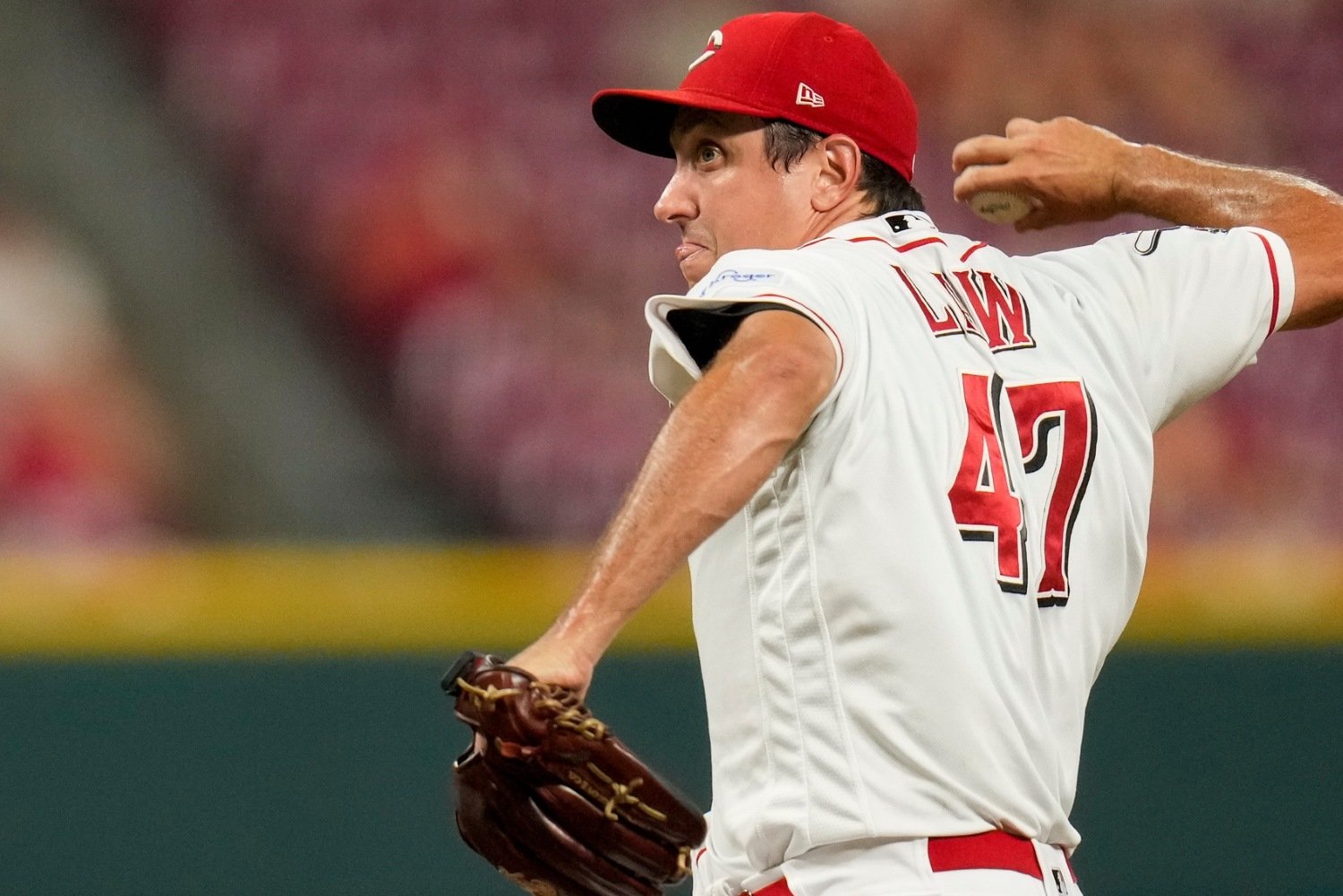 Twins decision-makers have never been keen on paying top dollar for the best relievers on the market, and this off-season appears to be no exception. While the top of the free-agent class features high-caliber options such as Josh Hader and Hector Neris, the Twins are likely to seek complementary arms to their current group on one-year or non-roster deals. And that’s not necessarily a bad thing. Multi-year commitments to relievers have a strong tendency to come back and bite the team who signs them, even if the immediate impact of an addition appears enticing. The Twins have a spotty track record when it comes to bringing in sufficient depth to last a full season, but there’s no denying the fact that they have hit on some underappreciated arms who subsequently turned into bullpen buzzsaws for them. From Caleb Thielbar to Matt Wisler to Brock Stewart, the current front office has been able to identify talent in the off-season scrapheap in recent years. Some in this class of player might need some tweaks, whether it be mechanically or through modifying their pitch repertoire, but the upside is waiting to be tapped into. If these experiments fail to deliver fruitful results, the commitment should be minimal enough to be able to cut bait without much blowback. Here are three recently non-tendered pitchers who could be interesting pickups for the Twins as they seek low- and medium-leverage arms for 2024 (and beyond). Lou Trivino The former Oakland setup guy underwent Tommy John surgery in early May, so it’s hard to know how a team like the Twins would evaluate his potential value. He won’t have any impact in the first couple months of the season, but Trivino has a solid track record in the majors and has been a bullpen mainstay for the A’s and Yankees since debuting in 2018. Over his last three seasons, the veteran righty carried a 3.76 ERA through 150 ⅔ innings, with an encouraging 9.6 K/9. He did have a walk rate that hovered around 10%, which should be cause for concern, especially after coming off of elbow surgery. Trivino uses a heavy sinker that he was able to throw for strikes consistently and that averaged more than 95 MPH before the operation. He used a handful of other pitches, including a cutter, four-seam fastball, changeup and a rarely-thrown curveball. What might interest the Twins most is his development of a slider in early 2022, before being traded to New York. The pitch achieved good results in a small sample. Then, the Yankees pumped its usage up substantially with a great outcome (41.7% whiff rate after the trade). If the Twins can reel Trivino in on a team-friendly deal, whether that means a minor-league contract with an invitation to Spring Training or a very affordable major-league guarantee, he could be a worthwhile project. Maybe they could simplify his pitch mix by having him focus on that slider and just one fastball, as they have with other success stories in the past. He'll become a free agent again next winter if only signed for a season, as he has no extra years of team control remaining. If he's amenable, the best move might be a two-year pact that guarantees him a bit more money but gives the Twins a chance to get a full season from him in 2025, should things go well. Derek Law As an old flame of the Twins, Law pitched 74 ⅓ innings across the last two years since leaving Minnesota, with a 3.74 ERA and handful of unappetizing parts under the hood. He had pedestrian strikeout numbers (7.5 K/9), a high-risk walk rate (10.2%) and a 4.77 expected ERA (xERA, derived from walks, strikeouts, and batted-ball data), but was able to avoid greater damage thanks to his ability to induce weak contact. Law’s 87-MPH average exit velocity allowed was among elite company across baseball, as opponents were limited to a 4.8% Barrel rate. We know the Twins have had interest in Law in the past, so the appeal might still be there, especially on a minimal commitment. Like with Trivino, the club could try to simplify the 33-year-old righty’s pitch mix. That could entail ditching his cutter, which has been his primary pitch for the last two years but has yielded lackluster results. Law could instead pair his plus slider with his four-seam fastball, which had far superior expected results in 2023 (.178 xBA, .272 xSLG). He threw six pitches last season, which is at least two more than he needs. Simplifying things could further unlock him, and he's already joined the fraternity of relievers who find their best velocity in their 30s, so the profile gets interesting in a hurry. Law might not raise the ceiling of the Twins’ bullpen, even if he pans out, but he could help raise the floor in low-leverage spots. Penn Murfee The last name on this list looks like it was simulated by MLB The Show, but might be the most intriguing one of the bunch--or it was, until Atlanta signed Murfee to a big-league deal Wednesday night. Murfee’s lack of notoriety probably comes from the veil of playing on a West Coast club, where he succeeded in mostly low-pressure relief opportunities for the Seattle Mariners. But the 29-year-old righty’s run ended in June when he succumbed to a torn UCL, requiring Tommy John surgery. Thus, Murfee was dropped by Seattle, and subsequently picked up and dropped by the Mets and Braves. After Atlanta non-tendered the Vanderbilt product in order to avoid paying him all season while he navigates the risky rehab and return process, the two parties got back together on a split contract. Murfee will make one salary while he's in the big leagues, and another, lower one if and when he needs to be optioned to the minors. Whereas many other teams (including the Twins) might have wanted him on a minor-league deal, Atlanta used their wide-open 40-man roster to their advantage and guaranteed him a spot. Murfee’s fastball sat around 88-89 MPH over the last few years, but he made up for it with a wicked sweeper that he used as his primary offering. That high-spIn pitch helped limit opponents to an anemic .177 batting average, and could be the kind of offering that the Twins’ front office loves. We already know they like guys who can give opponents unusual looks, and the lanky, sidewinding Murfee certainly does that. Since he's no longer available, maybe the Twins could turn to submariner Adam Cimber to provide that unique angle. The Blue Jays non-tendered Cimber after a rough 2023, but no reliever who was non-tendered has a more robust track record in MLB. Unlike Murfee, Cimber would almost certainly require a straight-up big-league deal, but it's likely to be a small one. What do you think? Should these non-tendered pitchers be of interest to the Twins? Who else would you rather see them chase in free agency? Let us know what you think in the comments, and as always, keep it sweet.
- 28 comments
-
- 4
-
-
- lou trivino
- derek law
- (and 1 more)
-
The Twins traded for Pablo López when he had two years of club control remaining. Then they helped propel him to the next level. If they can make some tweaks to his breaking pitches, could Nestor Cortes fit that same mold? Image courtesy of Joe Nicholson-USA TODAY Sports (Nestor Cortes) The Twins traded for Pablo López when he had two years of club control remaining. Then they helped propel him to the next level. If they can make some tweaks to his breaking pitches, could Nestor Cortes fit that same mold? Facing spending limitations, the Twins should turn their attention to trading for a promising starter that they can propel to the next level, just as they did with Pablo López. That means seeking out a somewhat expendable arm in a good starting rotation, who can be elevated with a tweak or two. This pitcher should be under team control for at least two seasons, and this hypothetical target should be young enough that an extension becomes part of the conversation if all goes well. That’s a tall order, and there’s no assurance that there is a López to be had this time around. But one pitcher might carry that kind of upside, even if it comes with a significant question mark. It’s Nestor Cortes of the New York Yankees. While he may not be able to match López’s elite production from this season, he could be at that perfect balance point of being realistically attainable while having a recent track record of success. Heading into the 2024 season, Cortes currently finds himself grasping to the last spot in New York’s rotation, a group that is headlined by Cy Young award winner Gerrit Cole and also includes Carlos Rodón, Clarke Schmidt and Michael King. The Yankees are also known to be gearing up in pursuit of some of the top arms in the free agent market, including Yoshinobu Yamamoto and Shota Imanaga. If they land one of those pitchers, or acquire one at their level via trade, it makes Cortes all the more expendable. That’s where it would behoove the Twins to keep in contact with Brian Cashman and the decision-makers in the Bronx. The 29-year-old southpaw struggled for much of the 2023 season as he was hampered by a nagging injury. It kept him out of action for all but a dozen starts, and the results in those games were far from desirable. Cortes finished with a 4.97 ERA in 63 innings pitched, and allowed 11 home runs in that brief time. Yes, that shoulder injury is certainly concerning, but it shouldn’t be a disqualifier in terms of pursuing him in a trade. If anything, it could drop his price tag to a point where it becomes realistic for the Twins to make a move. Look no further than López’s situation while with the Marlins. He always had intriguing raw stuff, but he failed to pitch more than 111 innings until his final season with the club, and that was due in large part to an injured rotator cuff in both the 2019 and 2021 seasons. That’s the same injury that kept Cortes off the field and ineffective last year. While his velocity remained surprisingly consistent through his injury (91.8 MPH average fastball velocity in 2022, 91.6 MPH in 2023), his main secondary offerings were nailed pretty hard. Both his cutter and sweeper allowed a slugging percentage over .500, with eight of his 11 homers allowed coming on these offerings. But these pitches were real tools for him in the first two years of his Yankee tenure. They each had expected slugging percentages that were more than 100 points lower than his most recent figures, and they led to a to plenty of strikeouts and fewer hits. So if the Twins can get their hands on Cortes and rework these once-great secondary pitches as they did with López and his sweeper (which is admittedly a major 'if'), the reward could be worth the substantial risk. Cortes is just a year removed from a really promising stretch with the Yankees where he had a 2.61 ERA (0.98 WHIP) in 251 ⅓ innings pitched across 42 starts. That span started with a handful of opportunities out of the bullpen, but he soon graduated into the starting five after holding opponents to a brilliant .197/.278/.282 clip in relief. Once he secured his spot in the rotation, Cortes carried a strong 9.5 K/9 while holding opponents to a comfortable 6.4% walk rate. Care to guess what those same peripherals looked like for López in the two seasons leading up to his trade? They were eerily similar, with the young right-hander averaging 9.2 K/9 with a 6.9% walk rate. Does that mean Cortes would be destined to hit that same breakout if the Twins were to acquire him? Of course not, but you can see the appeal at the very least. The other side of this equation would be the potential cost to acquire such a player. The Yankees have had interest in Max Kepler in the past, and his one-year $10 million salary might look enticing to them after he had the best half-season of his career. Cortes would surely cost additional pieces to pair with Kepler, but it’s hard to imagine any of the top-tier youngsters being included in this deal. Could some combination of back-end prospects from the Twins Daily Top Prospect rankings be enough? Would the Yankees be interested in near-MLB ready minor leaguers such as Simeon Woods Richardson (No. 17) or Yunior Severino (No. 12)? Or maybe they’d prefer a higher-ceiling player that is still a few years away from making an impact in the major leagues such as Marco Raya (No. 4), Charlee Soto (No. 6), or Brandon Winokur (No. 8). The benefit of having a diverse pool of prospect types to choose from could come into play here, and Cortes might just be worth the investment if the price is right. What do you think? Would you like to see Nestor Cortes in the Twins’ rotation for the next two seasons? What do you think the return package would have to look like? Let us know your thoughts in the comment section below, and as always, keep it sweet. View full article
-
This Yankees Starter Could Be the Next Success Story in the Twins' Rotation
Lou Hennessy posted an article in Twins
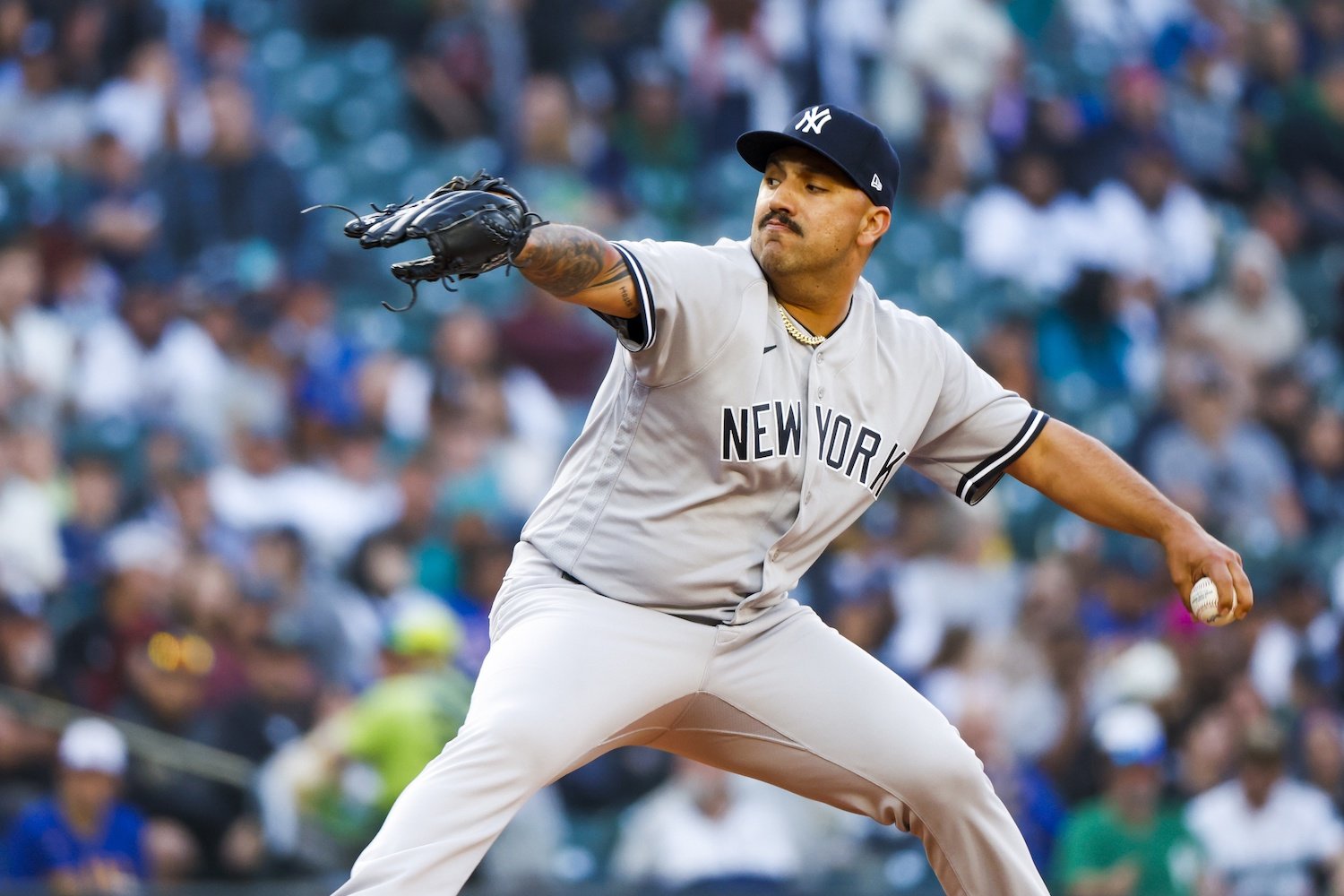 Facing spending limitations, the Twins should turn their attention to trading for a promising starter that they can propel to the next level, just as they did with Pablo López. That means seeking out a somewhat expendable arm in a good starting rotation, who can be elevated with a tweak or two. This pitcher should be under team control for at least two seasons, and this hypothetical target should be young enough that an extension becomes part of the conversation if all goes well. That’s a tall order, and there’s no assurance that there is a López to be had this time around. But one pitcher might carry that kind of upside, even if it comes with a significant question mark. It’s Nestor Cortes of the New York Yankees. While he may not be able to match López’s elite production from this season, he could be at that perfect balance point of being realistically attainable while having a recent track record of success. Heading into the 2024 season, Cortes currently finds himself grasping to the last spot in New York’s rotation, a group that is headlined by Cy Young award winner Gerrit Cole and also includes Carlos Rodón, Clarke Schmidt and Michael King. The Yankees are also known to be gearing up in pursuit of some of the top arms in the free agent market, including Yoshinobu Yamamoto and Shota Imanaga. If they land one of those pitchers, or acquire one at their level via trade, it makes Cortes all the more expendable. That’s where it would behoove the Twins to keep in contact with Brian Cashman and the decision-makers in the Bronx. The 29-year-old southpaw struggled for much of the 2023 season as he was hampered by a nagging injury. It kept him out of action for all but a dozen starts, and the results in those games were far from desirable. Cortes finished with a 4.97 ERA in 63 innings pitched, and allowed 11 home runs in that brief time. Yes, that shoulder injury is certainly concerning, but it shouldn’t be a disqualifier in terms of pursuing him in a trade. If anything, it could drop his price tag to a point where it becomes realistic for the Twins to make a move. Look no further than López’s situation while with the Marlins. He always had intriguing raw stuff, but he failed to pitch more than 111 innings until his final season with the club, and that was due in large part to an injured rotator cuff in both the 2019 and 2021 seasons. That’s the same injury that kept Cortes off the field and ineffective last year. While his velocity remained surprisingly consistent through his injury (91.8 MPH average fastball velocity in 2022, 91.6 MPH in 2023), his main secondary offerings were nailed pretty hard. Both his cutter and sweeper allowed a slugging percentage over .500, with eight of his 11 homers allowed coming on these offerings. But these pitches were real tools for him in the first two years of his Yankee tenure. They each had expected slugging percentages that were more than 100 points lower than his most recent figures, and they led to a to plenty of strikeouts and fewer hits. So if the Twins can get their hands on Cortes and rework these once-great secondary pitches as they did with López and his sweeper (which is admittedly a major 'if'), the reward could be worth the substantial risk. Cortes is just a year removed from a really promising stretch with the Yankees where he had a 2.61 ERA (0.98 WHIP) in 251 ⅓ innings pitched across 42 starts. That span started with a handful of opportunities out of the bullpen, but he soon graduated into the starting five after holding opponents to a brilliant .197/.278/.282 clip in relief. Once he secured his spot in the rotation, Cortes carried a strong 9.5 K/9 while holding opponents to a comfortable 6.4% walk rate. Care to guess what those same peripherals looked like for López in the two seasons leading up to his trade? They were eerily similar, with the young right-hander averaging 9.2 K/9 with a 6.9% walk rate. Does that mean Cortes would be destined to hit that same breakout if the Twins were to acquire him? Of course not, but you can see the appeal at the very least. The other side of this equation would be the potential cost to acquire such a player. The Yankees have had interest in Max Kepler in the past, and his one-year $10 million salary might look enticing to them after he had the best half-season of his career. Cortes would surely cost additional pieces to pair with Kepler, but it’s hard to imagine any of the top-tier youngsters being included in this deal. Could some combination of back-end prospects from the Twins Daily Top Prospect rankings be enough? Would the Yankees be interested in near-MLB ready minor leaguers such as Simeon Woods Richardson (No. 17) or Yunior Severino (No. 12)? Or maybe they’d prefer a higher-ceiling player that is still a few years away from making an impact in the major leagues such as Marco Raya (No. 4), Charlee Soto (No. 6), or Brandon Winokur (No. 8). The benefit of having a diverse pool of prospect types to choose from could come into play here, and Cortes might just be worth the investment if the price is right. What do you think? Would you like to see Nestor Cortes in the Twins’ rotation for the next two seasons? What do you think the return package would have to look like? Let us know your thoughts in the comment section below, and as always, keep it sweet.
 -
The Twins took a chance on the standout amateur out of Hawai’i with their final pick in the 2020 draft that was limited by the COVID-19 pandemic. Flash forward three seasons, and his outlook is polarizing to many evaluators. So where does Kala’i Rosario go from here? Image courtesy of Dave Nelson-USA TODAY Sports The Twins took a chance on the standout amateur out of Hawai’i with their final pick in the 2020 draft that was limited by the COVID-19 pandemic. Flash forward three seasons, and his outlook is polarizing to many evaluators. So where does Kala’i Rosario go from here? It’s easy to get excited about a powerful showcase in the Arizona Fall League. Seeing intriguing prospects succeed against other top minor leaguers is bound to create some buzz. And if all goes well, that buzz propels the young player into their pivotal next season. That’s what Twins’ prospect Kala’i Rosario (Twins Daily’s No. 11 prospect) hopes for. While his brief 25-game stint in the AFL featured a reality check in the second half, he made a name for himself in his first couple weeks in the desert. Ultimately, he finished that campaign with an overall slash line of .214/.333/.483, clubbing seven home runs and three doubles along the way. That roller coaster ride has become the norm for the 21-year-old corner outfielder. He’s shown immense power from the right side of the plate, and his offensive production has been above-average in his three seasons in the Twins’ system. But as his career progresses to the upper levels of the minor leagues, questions remain about his approach at the plate and his future as a potential option at the game’s highest level. So what should we make of the Twins’ highly-polarizing prospect? What To Like Even with the question marks surrounding various aspects of his game, Rosario has shown the ability to succeed at each level he’s seen in the minor leagues. Even in the Florida State League, which usually suppresses raw power, he could drive the ball reasonably well, with 36 extra-base hits in 109 games. Fangraphs’ Eric Longenhagen acknowledged the flaws in his swing but lauded his ability to continue growing as his career progresses. “He has too much power to dismiss entirely, and he’s started to show an ability to make adjustments,” they said in their midseason prospect rankings in June. “So far in 2023, Rosario has narrowed his approach. He’s swinging and striking out less and walking more often.” His first season with High-A Cedar Rapids showed some of this newfound patience. Rosario nearly doubled his walk rate from 2022, and while his strikeout rate is still higher than many are comfortable with, it did decrease by a few points to 29.6%. That growth in swing selection led to his breakout as a professional hitter, and he finished the season with a .832 OPS (133 wRC+). Rosario put on such a show for the Kernels that he earned the Midwest League MVP. He’s shown plus range in the corner outfield, with solid speed and a strong arm that led to 23 outfield assists over the last two seasons. While it’s not his calling card by any measure, evaluators think he should be passable enough to be an everyday right fielder. What To Worry About Like many hitters this front office has drafted since taking the helm, there’s a fair amount of swing and miss to Rosario’s game. While that alone isn’t enough to dismiss a player completely, evaluators are worried about his swing path and his ability to make adjustments as the quality of opposing pitchers continues to improve going forward. “His high-effort swing has zero precision and a flat, almost downward-cutting angle that generates lots of opposite field contact,” Longenhagen said in the abovementioned article. So, while the exit velocity on some of the mammoth shots he hits looks enticing, Rosario seems plagued by the same pitfalls as hitters like Miguel Sano, Joey Gallo, and even his AFL teammate Aaron Sabato. And as it looks right now, he doesn’t have the secondary tools to elevate him to the next level if he can’t continue improving his approach. Rosario is still a ways off from any potential big-league playing time, but he finds himself in a crowded picture of options for the Twins’ outfield in the coming years. He’ll need to take another leap like the one he just took at High-A if he wants to break through as a genuine possibility anytime soon. He currently finds himself blocked by several team-controlled former prospects (Byron Buxton, Trevor Larnach, Matt Wallner, etc.). Chasing him are other higher-ceiling prospects, such as Emmanuel Rodriguez and Walker Jenkins. So, while there isn’t some career-defining decision looming for Rosario, he will need to have another breakout in the upper levels of the minor leagues if he is going to establish himself as a building block-quality prospect. What do you think? Do you anticipate Rosario taking another step in 2024? What do you like or dislike about his game? Let us know what you think in the comments, and as always, keep it sweet. View full article
-
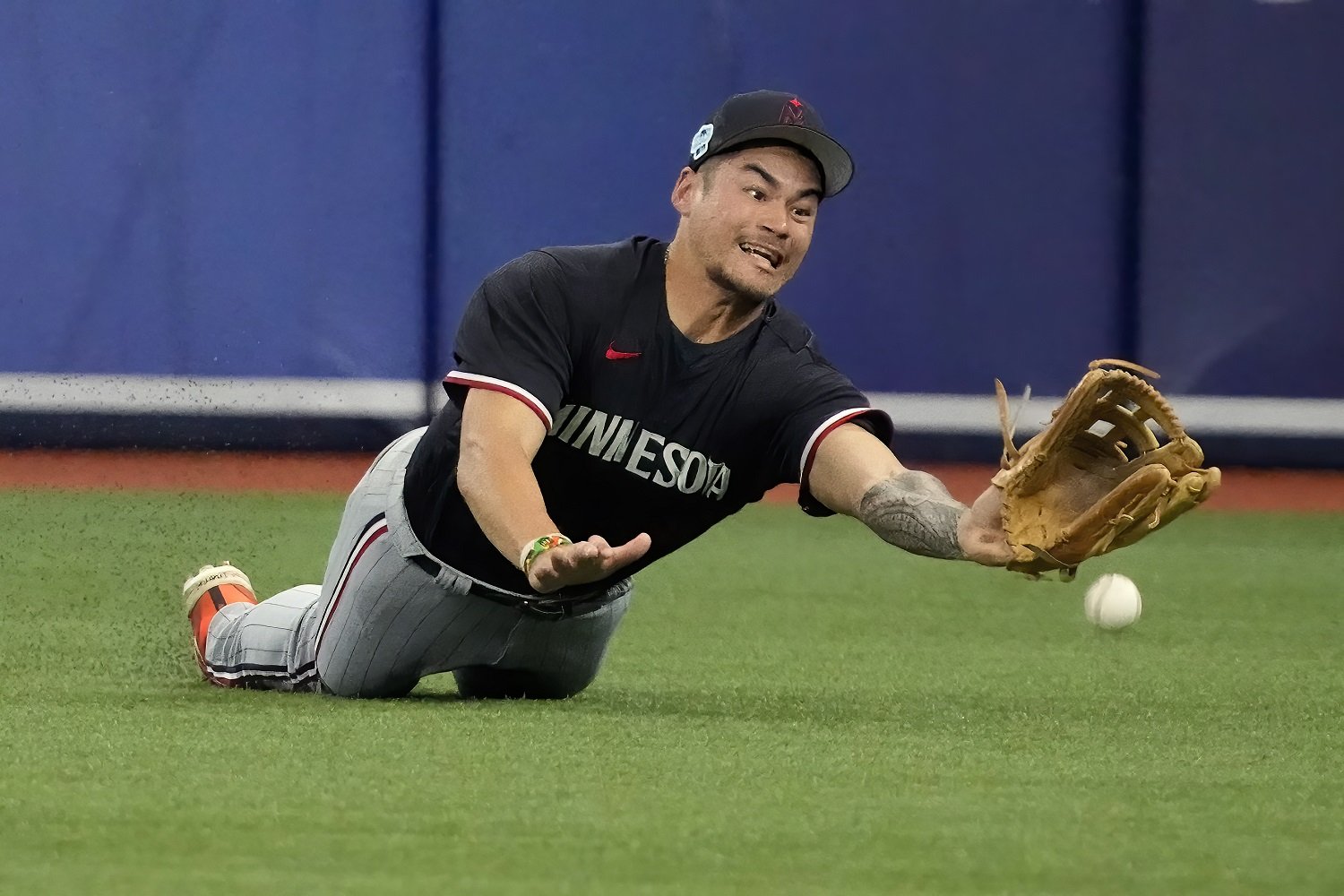 It’s easy to get excited about a powerful showcase in the Arizona Fall League. Seeing intriguing prospects succeed against other top minor leaguers is bound to create some buzz. And if all goes well, that buzz propels the young player into their pivotal next season. That’s what Twins’ prospect Kala’i Rosario (Twins Daily’s No. 11 prospect) hopes for. While his brief 25-game stint in the AFL featured a reality check in the second half, he made a name for himself in his first couple weeks in the desert. Ultimately, he finished that campaign with an overall slash line of .214/.333/.483, clubbing seven home runs and three doubles along the way. That roller coaster ride has become the norm for the 21-year-old corner outfielder. He’s shown immense power from the right side of the plate, and his offensive production has been above-average in his three seasons in the Twins’ system. But as his career progresses to the upper levels of the minor leagues, questions remain about his approach at the plate and his future as a potential option at the game’s highest level. So what should we make of the Twins’ highly-polarizing prospect? What To Like Even with the question marks surrounding various aspects of his game, Rosario has shown the ability to succeed at each level he’s seen in the minor leagues. Even in the Florida State League, which usually suppresses raw power, he could drive the ball reasonably well, with 36 extra-base hits in 109 games. Fangraphs’ Eric Longenhagen acknowledged the flaws in his swing but lauded his ability to continue growing as his career progresses. “He has too much power to dismiss entirely, and he’s started to show an ability to make adjustments,” they said in their midseason prospect rankings in June. “So far in 2023, Rosario has narrowed his approach. He’s swinging and striking out less and walking more often.” His first season with High-A Cedar Rapids showed some of this newfound patience. Rosario nearly doubled his walk rate from 2022, and while his strikeout rate is still higher than many are comfortable with, it did decrease by a few points to 29.6%. That growth in swing selection led to his breakout as a professional hitter, and he finished the season with a .832 OPS (133 wRC+). Rosario put on such a show for the Kernels that he earned the Midwest League MVP. He’s shown plus range in the corner outfield, with solid speed and a strong arm that led to 23 outfield assists over the last two seasons. While it’s not his calling card by any measure, evaluators think he should be passable enough to be an everyday right fielder. What To Worry About Like many hitters this front office has drafted since taking the helm, there’s a fair amount of swing and miss to Rosario’s game. While that alone isn’t enough to dismiss a player completely, evaluators are worried about his swing path and his ability to make adjustments as the quality of opposing pitchers continues to improve going forward. “His high-effort swing has zero precision and a flat, almost downward-cutting angle that generates lots of opposite field contact,” Longenhagen said in the abovementioned article. So, while the exit velocity on some of the mammoth shots he hits looks enticing, Rosario seems plagued by the same pitfalls as hitters like Miguel Sano, Joey Gallo, and even his AFL teammate Aaron Sabato. And as it looks right now, he doesn’t have the secondary tools to elevate him to the next level if he can’t continue improving his approach. Rosario is still a ways off from any potential big-league playing time, but he finds himself in a crowded picture of options for the Twins’ outfield in the coming years. He’ll need to take another leap like the one he just took at High-A if he wants to break through as a genuine possibility anytime soon. He currently finds himself blocked by several team-controlled former prospects (Byron Buxton, Trevor Larnach, Matt Wallner, etc.). Chasing him are other higher-ceiling prospects, such as Emmanuel Rodriguez and Walker Jenkins. So, while there isn’t some career-defining decision looming for Rosario, he will need to have another breakout in the upper levels of the minor leagues if he is going to establish himself as a building block-quality prospect. What do you think? Do you anticipate Rosario taking another step in 2024? What do you like or dislike about his game? Let us know what you think in the comments, and as always, keep it sweet.
 -
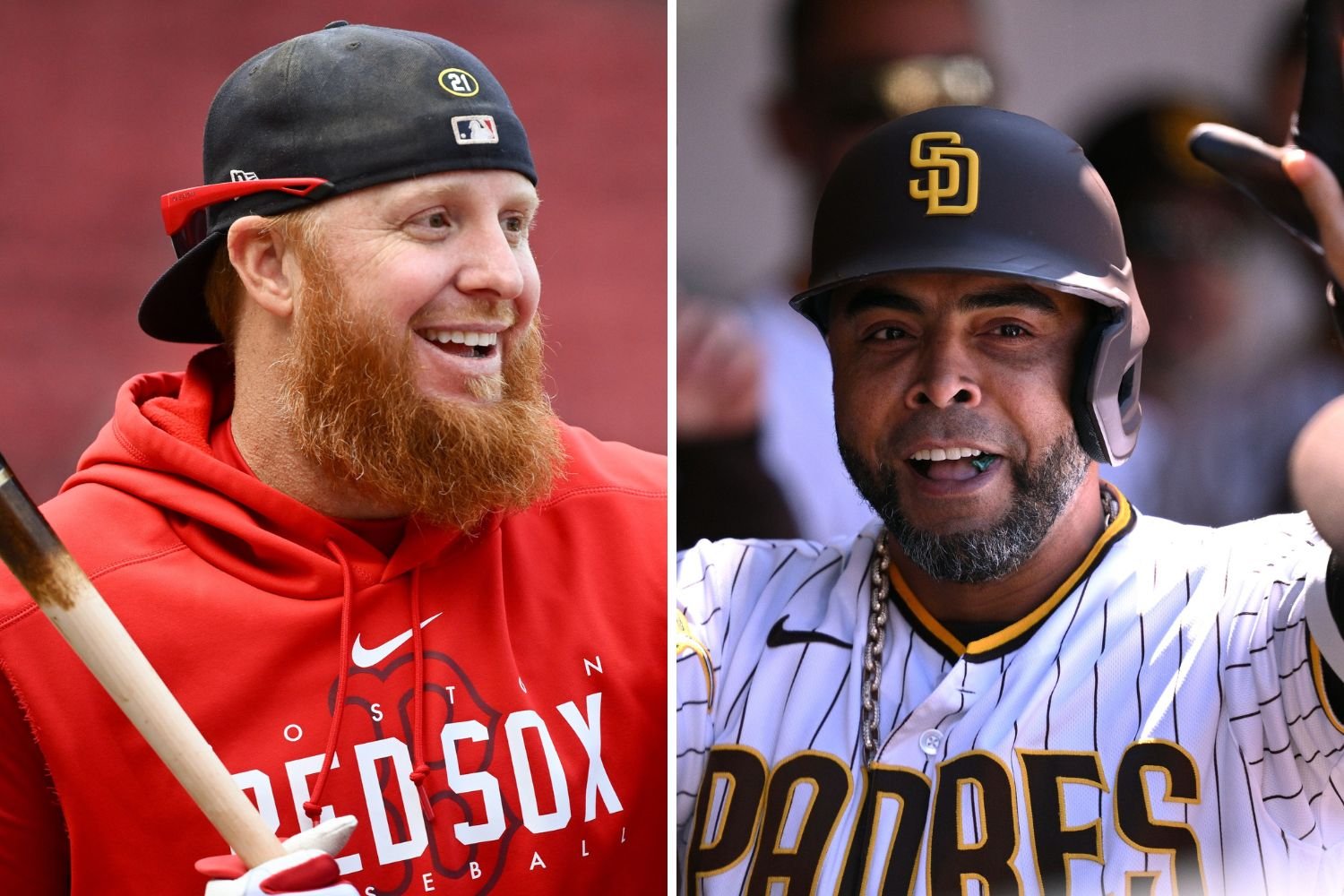 As the Twins jump head-first into the offseason, their needs are pretty straightforward. They have to figure out how to replicate Sonny Gray’s production atop the starting rotation, they need to find a centerfielder to replace Michael A. Taylor, and they should look to fortify their relief corps. Along with that trio of items on their checklist, the club will be on the lookout for a middle-of-the-lineup bat that can mash left-handed pitching. Could Justin Turner fit that bill? Sure, there are plenty of reasons to be hesitant about bringing in a veteran of 15 years at this stage of his career. Turner is entering his age-39 season, is becoming increasingly limited defensively, and will almost certainly command a two-year deal on the open market. But those same factors were true for Nelson Cruz heading into 2019, and he is bound to go down as one of the best free agent signings in team history. So would Turner be a good fit for a similar role with the Twins in 2024? The Need The Twins were delighted to get as much value as they did out of veteran Donovan Solano this season, especially considering his affordable $2 million price tag. He hit .282/.369/.391 (116 wRC+) while playing in 134 games, mostly seeing time as the right-handed side of a platoon at first base. Now that he’s a free agent, the Twins will surely want to fill his hole on the roster with more offensive ceiling, but without giving up much on the defensive side of the coin. They need someone who can provide a major boost against left-handed pitching, but can also hold their own if given at-bats against righties. And with the departure of a handful of respected players leaving the clubhouse for free agency, the Twins may want another respected veteran to come in and help establish a winning culture in the dugout. If possible, someone with a plethora of experience having success in the postseason would be icing on the cake. While the Twins’ financial capacity is still being determined as they wait for a new TV deal, the assumption is that they will have the ability to take on at least one or two mid-level salaries as they try to fortify the roster. But with so many young sluggers emerging as options for the big league club, with even more shining in the minor leagues, the Twins will want the flexibility of a short-term deal if they are to cast their line into the free agency pond. The Fit That’s where Turner fits in rather seamlessly. He’s coming off of yet another stellar campaign with the Boston Red Sox where he hit .276/.345/.455 (114 wRC+), belting 23 home runs and driving in 96 runs in 146 games played. While that type of production is a slight step down from his heyday with the Los Angeles Dodgers, it shows that he still possesses a game-changing bat even in his late-thirties. He is still highly potent against southpaws, where he hit .285/.372/.528 (142 wRC+), and he held his own against righties, hitting .273/.335/.430 (105 wRC+). Simply put, Turner’s bat is his calling card, and he’s shown that there is still plenty left in the tank from an offensive standpoint. While most of his time was spent in the designated hitter role in 2023, he did play 41 games at first base, and 17 games between second and third base. He looked stretched at the hot corner, and just passable at second, but Turner looked rock-solid as a first-baseman when the Sox needed him. His play was worth three Defensive Runs Saved in that limited time, which would be a massive improvement over what the Twins got from Solano (-3 DRS) and Alex Kirilloff (-8 DRS) in 2023. With Solano entering free agency, and Kirilloff’s health remaining a question mark, Turner could be an excellent platoon bat that remains valuable as an everyday player if needed. The Contract Turner became a free agent last week by opting out of the second year of his deal with Boston, instead choosing a buyout worth roughly $6.7 million. Had he decided to remain a Red Sox, he would’ve secured a $13.4 million paycheck. But opting out gives him the opportunity to seek another multi-year commitment that he can add to his buyout bonus. Given the fact that he will be entering his age-39 season, a two-year pact seems like the sweet spot for what he should be seeking. For what it’s worth, the Red Sox could still try to bring him back. He made it clear that he enjoyed his time in Boston, and they recognize the strong season he just completed. However, they find themselves saddled with the burden of a few other pricey contracts for players that are likely past their prime. Chris Sale, Trevor Story and Kenley Jansen are owed a combined $89.3 million over the next two years, with another $46.6 million on the hook if Story declines to opt out of his contract after 2025. The Twins are familiar with the type of deal that will likely be required to nab Turner. They signed Cruz to a one-year, $14 million contract for 2019, with a $12 million club option for the following season. It was a no-brainer for them to pick up that 2020 option, and they then inked him for $13 million in 2021. If they do bring Turner in on a short-term deal and things go south for the club, they could even ship him off at the trade deadline as they did with Cruz in 2021. But regardless, Turner shouldn’t command a lengthy deal that hampers the club’s future, and he has the ceiling to be a true difference-maker in the lineup. What do you think? Would Justin Turner be a good fit for the Twins if he were to command a similar deal to Cruz prior to 2019? Who else would you rather see the Twins bring in as an affordable, middle-of-the-order bat? Let us know your thoughts in the comments, and as always, keep it sweet.
 -
The Twins made a modest investment in Nelson Cruz when they signed the then-38-year-old before the 2019 season, and were repaid exponentially with more than two years of offensive firepower. Can Justin Turner fill a similar role for the club this time around? Image courtesy of Brian Fluharty, Orlando Ramirez-USA TODAY Sports The Twins made a modest investment in Nelson Cruz when they signed the then-38-year-old before the 2019 season, and were repaid exponentially with more than two years of offensive firepower. Can Justin Turner fill a similar role for the club this time around? As the Twins jump head-first into the offseason, their needs are pretty straightforward. They have to figure out how to replicate Sonny Gray’s production atop the starting rotation, they need to find a centerfielder to replace Michael A. Taylor, and they should look to fortify their relief corps. Along with that trio of items on their checklist, the club will be on the lookout for a middle-of-the-lineup bat that can mash left-handed pitching. Could Justin Turner fit that bill? Sure, there are plenty of reasons to be hesitant about bringing in a veteran of 15 years at this stage of his career. Turner is entering his age-39 season, is becoming increasingly limited defensively, and will almost certainly command a two-year deal on the open market. But those same factors were true for Nelson Cruz heading into 2019, and he is bound to go down as one of the best free agent signings in team history. So would Turner be a good fit for a similar role with the Twins in 2024? The Need The Twins were delighted to get as much value as they did out of veteran Donovan Solano this season, especially considering his affordable $2 million price tag. He hit .282/.369/.391 (116 wRC+) while playing in 134 games, mostly seeing time as the right-handed side of a platoon at first base. Now that he’s a free agent, the Twins will surely want to fill his hole on the roster with more offensive ceiling, but without giving up much on the defensive side of the coin. They need someone who can provide a major boost against left-handed pitching, but can also hold their own if given at-bats against righties. And with the departure of a handful of respected players leaving the clubhouse for free agency, the Twins may want another respected veteran to come in and help establish a winning culture in the dugout. If possible, someone with a plethora of experience having success in the postseason would be icing on the cake. While the Twins’ financial capacity is still being determined as they wait for a new TV deal, the assumption is that they will have the ability to take on at least one or two mid-level salaries as they try to fortify the roster. But with so many young sluggers emerging as options for the big league club, with even more shining in the minor leagues, the Twins will want the flexibility of a short-term deal if they are to cast their line into the free agency pond. The Fit That’s where Turner fits in rather seamlessly. He’s coming off of yet another stellar campaign with the Boston Red Sox where he hit .276/.345/.455 (114 wRC+), belting 23 home runs and driving in 96 runs in 146 games played. While that type of production is a slight step down from his heyday with the Los Angeles Dodgers, it shows that he still possesses a game-changing bat even in his late-thirties. He is still highly potent against southpaws, where he hit .285/.372/.528 (142 wRC+), and he held his own against righties, hitting .273/.335/.430 (105 wRC+). Simply put, Turner’s bat is his calling card, and he’s shown that there is still plenty left in the tank from an offensive standpoint. While most of his time was spent in the designated hitter role in 2023, he did play 41 games at first base, and 17 games between second and third base. He looked stretched at the hot corner, and just passable at second, but Turner looked rock-solid as a first-baseman when the Sox needed him. His play was worth three Defensive Runs Saved in that limited time, which would be a massive improvement over what the Twins got from Solano (-3 DRS) and Alex Kirilloff (-8 DRS) in 2023. With Solano entering free agency, and Kirilloff’s health remaining a question mark, Turner could be an excellent platoon bat that remains valuable as an everyday player if needed. The Contract Turner became a free agent last week by opting out of the second year of his deal with Boston, instead choosing a buyout worth roughly $6.7 million. Had he decided to remain a Red Sox, he would’ve secured a $13.4 million paycheck. But opting out gives him the opportunity to seek another multi-year commitment that he can add to his buyout bonus. Given the fact that he will be entering his age-39 season, a two-year pact seems like the sweet spot for what he should be seeking. For what it’s worth, the Red Sox could still try to bring him back. He made it clear that he enjoyed his time in Boston, and they recognize the strong season he just completed. However, they find themselves saddled with the burden of a few other pricey contracts for players that are likely past their prime. Chris Sale, Trevor Story and Kenley Jansen are owed a combined $89.3 million over the next two years, with another $46.6 million on the hook if Story declines to opt out of his contract after 2025. The Twins are familiar with the type of deal that will likely be required to nab Turner. They signed Cruz to a one-year, $14 million contract for 2019, with a $12 million club option for the following season. It was a no-brainer for them to pick up that 2020 option, and they then inked him for $13 million in 2021. If they do bring Turner in on a short-term deal and things go south for the club, they could even ship him off at the trade deadline as they did with Cruz in 2021. But regardless, Turner shouldn’t command a lengthy deal that hampers the club’s future, and he has the ceiling to be a true difference-maker in the lineup. What do you think? Would Justin Turner be a good fit for the Twins if he were to command a similar deal to Cruz prior to 2019? Who else would you rather see the Twins bring in as an affordable, middle-of-the-order bat? Let us know your thoughts in the comments, and as always, keep it sweet. View full article
-
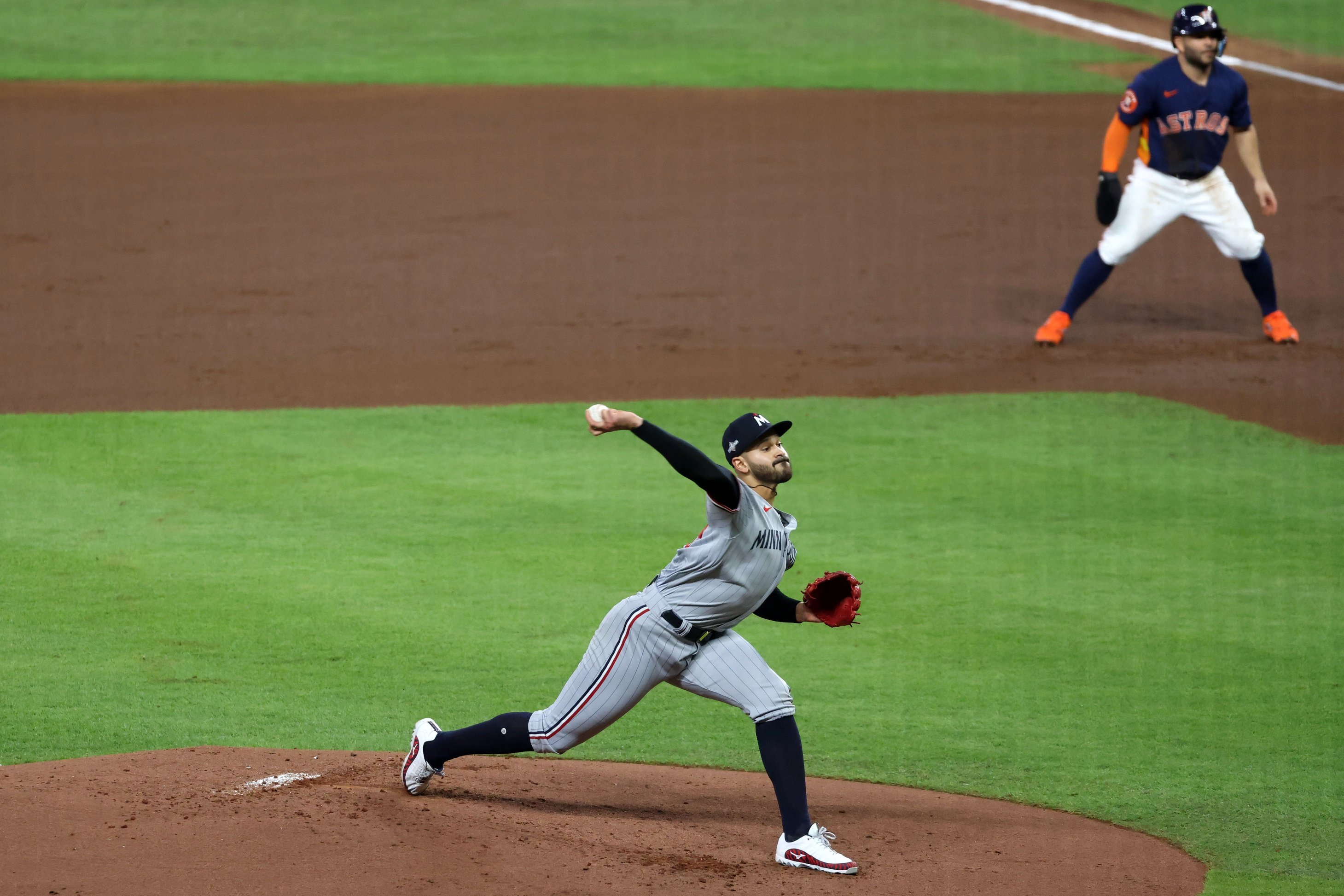 While the Twins could not reach the World Series this year. We can assign blame to various factors, including lack of offense at critical moments, poor timing defensively at others, and savvy postseason-experienced veterans of an American League dynasty may have been too much to handle in a best-of-5 series. It takes a complete team to have success in the postseason. (And a little bit of good fortune.) But when you focus on the starting rotation, the Twins make an interesting comparison with those currently in the World Series. So, how do they stack up against these championship contenders? Staff Aces Rangers: Jordan Montgomery (3.22 ERA, 188 IP, 21.4% strikeout rate, 3.7% walk rate, 4.3 fWAR) Diamondbacks: Zac Gallen (3.47 ERA, 210 IP, 26% strikeout rate, 6% walk rate, 5.2 fWAR) Twins: Pablo López (3.66 ERA, 194 IP, 29.2% strikeout rate, 6% walk rate, 4.5 fWAR) As it stands, each of these three arms had stellar seasons, even ace-level in some respects. They each stayed healthy throughout the year, starting at least 32 games. All three had strong strikeout and walk rates under the hood and found themselves in the top 13 regarding wins above replacement for a starting pitcher. Montgomery was a mid-season addition at the trade deadline and had a fantastic two-month stretch with his new team, where he had a 2.79 ERA across 11 starts, even though his strikeout numbers were just OK. Gallen has been one of the best starting pitchers since being traded to Arizona in 2019, and he has taken a significant leap to ace status since the beginning of the 2022 season. The Snakes' top arm is becoming quite the household name after pitching 396 innings of 3.04 ERA ball over the last two seasons. These stats are purely looking at each player's regular season numbers. But if we consider the two brilliant performances that López accomplished in the playoffs, this one looks even closer. If the Twins had pushed the Astros series to a winner-take-all Game 5, López would have had another chance to shine under a national spotlight. With another start like his first two in the postseason (0.71 ERA, 12 ⅔ innings pitched, ten strikeouts, three walks), the Twins' ace might have a big enough reputation to top the other two arms, but instead the edge has to go to Gallen. Next arms up: Rangers: Nathan Eovaldi (3.63 ERA, 144 IP, 22.9% K-rate, 3.8% BB-rate, 2.5 fWAR) Diamondbacks: Merrill Kelly (3.29 ERA, 177 ⅔ IP, 25.9% K-rate, 9.6% BB-rate, 3.2 fWAR) Twins: Sonny Gray (2.79 ERA, 184 IP, 24.3% K-rate, 7.3% BB-rate, 5.3 fWAR) There is a case that Gray had a superior season to López, but for this exercise, we'll have him line up as the second starter. Considering how the two lined up in the Wild Card series, it's only fair. Again, all three starters in this matchup had rock-solid campaigns, though Eovaldi missed a handful of turns in the rotation due to forearm soreness. Still, each pitcher showed top-of-the-rotation stuff when healthy and arms that you would easily roll out early in a playoff series. Eovaldi has lost a couple of ticks on his once-electric fastball, which is understandable for a 33-year-old veteran. But he still found a way to get out of jams by inducing plenty of ground balls (86th percentile). He was one of the best at limiting damage with runners in scoring position, where his opponents hit an anemic .168 against him (third-best in baseball, according to Inside Edge). That's extremely valuable, especially in high-octane settings like the MLB playoffs. Kelly has some of the best off-speed stuff in the game but showed a tendency to lose control in 2023. His chase rate was in the 88th percentile, and like Eovaldi, he got plenty of ground balls (68th percentile) to help him wriggle out of danger. While he isn't on the same level as Gallen, Kelly is still a formidable opponent. Gray had the best season of his career in 2023, and he will almost certainly find himself getting some Cy Young award consideration. He was as consistent as any pitcher in the game, with only two blemishes on his 32-start game log. Gray was the best of these three pitchers at limiting hard contact, especially on pitches in the strike zone (.394 opponent slugging, second-best in MLB). That helps to provide some context as to how he avoided giving up the long ball (just eight home runs allowed all season). Regular season numbers might point to Gray having the edge, but his start against the Astros in Game 3 of the ALDS proved how anything can happen in one game. The Twins might not have Sonny Gray to include in this list next year, yet his abilities equal that of a good number two starter in any playoff series. Rounding out the playoff rotations: Rangers: Max Scherzer (3.77 ERA, 152 ⅔ IP, 28% K-rate, 7.2% BB-rate, 2.2 fWAR) Diamondbacks: Brandon Pfaadt (5.72 ERA, 96 IP, 22.3% K-rate, 6.2% BB-rate, 0.3 fWAR) Twins: Joe Ryan (4.51 ERA, 161 ⅔ IP, 29.3% K-rate, 5.1% BB-rate, 2.2 fWAR) Here's where things get dicey for all three clubs. The rotations take very similar turns at this point in a series, as all three of these arms are likely facing short starts in high-pressure games. Scherzer is a slam dunk for the Hall of Fame when that time comes, but he finds himself playing through a nagging injury that kept him out of the rotation for weeks leading up to the ALCS. Still, the allure that made him an enticing trade acquisition at the deadline remains. He still possesses elite expected numbers (86th percentile xERA, 90th percentile xBA) and has an extensive history of turning it on in October (3.86 ERA, 29.2% K-rate across 140 career postseason innings). But he was lit up in his two starts in the ALCS, where he allowed seven earned runs in just 6⅔ innings pitched. Pfaadt was one of the better pitching prospects in Arizona's farm system coming into this season. His regular season numbers may have been pedestrian, if not disappointing, but he has been a revelation in the postseason. Across his four October starts, the righty has a 2.70 ERA with a 1.08 WHIP across 16 ⅔ innings pitched. Ryan should be considered an exciting arm for Twins fans going forward, but his lone playoff start against the Astros showed he's still a step behind the veterans in his rotation. In 2023, Ryan gave up home runs at an alarming rate (1.78 HR/9) and ran out of gas in the second half. His strikeout-to-walk rate shows there is still a lot to like for the 27-year-old, and it's encouraging to see him start his off-season with an evaluation from Driveline. Still, the edge has to go to the savvy veteran in Scherzer or the hot hand in Pfaadt. What do you think? How do you see the Twins' rotation matching the Rangers and Diamondbacks' rotations? Let us know your thoughts in the comment section below, and as always, keep it sweet.
 -
The Twins were carried by pitching for much of the 2023 season, especially when it came to the starting rotation. But how would their frontline arms match up with the starting corps of the Texas Rangers and Arizona Diamondbacks? How far off are they from looking like a World Series-caliber rotation? Image courtesy of Thomas Shea-USA TODAY Sports The Twins were carried by pitching for much of the 2023 season, especially when it came to the starting rotation. But how would their frontline arms match up with the starting corps of the Texas Rangers and Arizona Diamondbacks? How far off are they from looking like a World Series-caliber rotation? While the Twins could not reach the World Series this year. We can assign blame to various factors, including lack of offense at critical moments, poor timing defensively at others, and savvy postseason-experienced veterans of an American League dynasty may have been too much to handle in a best-of-5 series. It takes a complete team to have success in the postseason. (And a little bit of good fortune.) But when you focus on the starting rotation, the Twins make an interesting comparison with those currently in the World Series. So, how do they stack up against these championship contenders? Staff Aces Rangers: Jordan Montgomery (3.22 ERA, 188 IP, 21.4% strikeout rate, 3.7% walk rate, 4.3 fWAR) Diamondbacks: Zac Gallen (3.47 ERA, 210 IP, 26% strikeout rate, 6% walk rate, 5.2 fWAR) Twins: Pablo López (3.66 ERA, 194 IP, 29.2% strikeout rate, 6% walk rate, 4.5 fWAR) As it stands, each of these three arms had stellar seasons, even ace-level in some respects. They each stayed healthy throughout the year, starting at least 32 games. All three had strong strikeout and walk rates under the hood and found themselves in the top 13 regarding wins above replacement for a starting pitcher. Montgomery was a mid-season addition at the trade deadline and had a fantastic two-month stretch with his new team, where he had a 2.79 ERA across 11 starts, even though his strikeout numbers were just OK. Gallen has been one of the best starting pitchers since being traded to Arizona in 2019, and he has taken a significant leap to ace status since the beginning of the 2022 season. The Snakes' top arm is becoming quite the household name after pitching 396 innings of 3.04 ERA ball over the last two seasons. These stats are purely looking at each player's regular season numbers. But if we consider the two brilliant performances that López accomplished in the playoffs, this one looks even closer. If the Twins had pushed the Astros series to a winner-take-all Game 5, López would have had another chance to shine under a national spotlight. With another start like his first two in the postseason (0.71 ERA, 12 ⅔ innings pitched, ten strikeouts, three walks), the Twins' ace might have a big enough reputation to top the other two arms, but instead the edge has to go to Gallen. Next arms up: Rangers: Nathan Eovaldi (3.63 ERA, 144 IP, 22.9% K-rate, 3.8% BB-rate, 2.5 fWAR) Diamondbacks: Merrill Kelly (3.29 ERA, 177 ⅔ IP, 25.9% K-rate, 9.6% BB-rate, 3.2 fWAR) Twins: Sonny Gray (2.79 ERA, 184 IP, 24.3% K-rate, 7.3% BB-rate, 5.3 fWAR) There is a case that Gray had a superior season to López, but for this exercise, we'll have him line up as the second starter. Considering how the two lined up in the Wild Card series, it's only fair. Again, all three starters in this matchup had rock-solid campaigns, though Eovaldi missed a handful of turns in the rotation due to forearm soreness. Still, each pitcher showed top-of-the-rotation stuff when healthy and arms that you would easily roll out early in a playoff series. Eovaldi has lost a couple of ticks on his once-electric fastball, which is understandable for a 33-year-old veteran. But he still found a way to get out of jams by inducing plenty of ground balls (86th percentile). He was one of the best at limiting damage with runners in scoring position, where his opponents hit an anemic .168 against him (third-best in baseball, according to Inside Edge). That's extremely valuable, especially in high-octane settings like the MLB playoffs. Kelly has some of the best off-speed stuff in the game but showed a tendency to lose control in 2023. His chase rate was in the 88th percentile, and like Eovaldi, he got plenty of ground balls (68th percentile) to help him wriggle out of danger. While he isn't on the same level as Gallen, Kelly is still a formidable opponent. Gray had the best season of his career in 2023, and he will almost certainly find himself getting some Cy Young award consideration. He was as consistent as any pitcher in the game, with only two blemishes on his 32-start game log. Gray was the best of these three pitchers at limiting hard contact, especially on pitches in the strike zone (.394 opponent slugging, second-best in MLB). That helps to provide some context as to how he avoided giving up the long ball (just eight home runs allowed all season). Regular season numbers might point to Gray having the edge, but his start against the Astros in Game 3 of the ALDS proved how anything can happen in one game. The Twins might not have Sonny Gray to include in this list next year, yet his abilities equal that of a good number two starter in any playoff series. Rounding out the playoff rotations: Rangers: Max Scherzer (3.77 ERA, 152 ⅔ IP, 28% K-rate, 7.2% BB-rate, 2.2 fWAR) Diamondbacks: Brandon Pfaadt (5.72 ERA, 96 IP, 22.3% K-rate, 6.2% BB-rate, 0.3 fWAR) Twins: Joe Ryan (4.51 ERA, 161 ⅔ IP, 29.3% K-rate, 5.1% BB-rate, 2.2 fWAR) Here's where things get dicey for all three clubs. The rotations take very similar turns at this point in a series, as all three of these arms are likely facing short starts in high-pressure games. Scherzer is a slam dunk for the Hall of Fame when that time comes, but he finds himself playing through a nagging injury that kept him out of the rotation for weeks leading up to the ALCS. Still, the allure that made him an enticing trade acquisition at the deadline remains. He still possesses elite expected numbers (86th percentile xERA, 90th percentile xBA) and has an extensive history of turning it on in October (3.86 ERA, 29.2% K-rate across 140 career postseason innings). But he was lit up in his two starts in the ALCS, where he allowed seven earned runs in just 6⅔ innings pitched. Pfaadt was one of the better pitching prospects in Arizona's farm system coming into this season. His regular season numbers may have been pedestrian, if not disappointing, but he has been a revelation in the postseason. Across his four October starts, the righty has a 2.70 ERA with a 1.08 WHIP across 16 ⅔ innings pitched. Ryan should be considered an exciting arm for Twins fans going forward, but his lone playoff start against the Astros showed he's still a step behind the veterans in his rotation. In 2023, Ryan gave up home runs at an alarming rate (1.78 HR/9) and ran out of gas in the second half. His strikeout-to-walk rate shows there is still a lot to like for the 27-year-old, and it's encouraging to see him start his off-season with an evaluation from Driveline. Still, the edge has to go to the savvy veteran in Scherzer or the hot hand in Pfaadt. What do you think? How do you see the Twins' rotation matching the Rangers and Diamondbacks' rotations? Let us know your thoughts in the comment section below, and as always, keep it sweet. View full article
-
The Twins’ season ended over a week ago, but Pablo López is already reaching new heights. How good was the club’s budding ace, and what does his next level look like? Image courtesy of Jordan Johnson-USA TODAY Sports The Twins’ season ended over a week ago, but Pablo López is already reaching new heights. How good was the club’s budding ace, and what does his next level look like? This year, there weren’t many notable individual accomplishments in the Twins’ postseason run. But undoubtedly, one of the shining achievements was staff ace Pablo López emerging as a true frontline starter on a national stage. In his two starts, the 27-year-old righty totaled 12 ⅔ innings pitched with 10 strikeouts and three walks, giving up just one earned run while he led his team to two massive wins. We’re talking about a tiny sample size with just two games, but these performances came after the best season of López’s career. He had a career-high in innings pitched (194), strikeout percentage (29.2%), and fWAR (4.5) in his first year with the Twins and named as a finalist for this year’s Gold Glove award among pitchers. When asked about his first season with the Twins organization at various post-game appearances throughout the year, López lauded the information he received from the club’s baseball operations department, especially as it pertained to building and developing a sweeper. “The Minnesota Twins are willing to provide us with every single resource, every single opportunity to get better as a player,” he said in a press conference in late April after signing a four-year extension with the club. “In spring training, the first thing we did was sit in a room for three days straight to really get to know my identity. Then it was finding out what that next gear is that we can find.” López and the Twins indeed found that next gear, and it led him to an All-Star selection and his team to their first playoff win in nearly two decades. But with that memorable season in the rearview mirror, he is already gearing up for 2024. López was recently spotted at Driveline’s facility and underwent a thorough assessment. For those who don’t know, Driveline is a data-driven development program that has been successful for countless major leaguers, especially pitchers. Their research has a reputation for helping pitchers gain strength and velocity, using state-of-the-art tools to train and develop their clients. Driveline isn’t new to López, or the Twins, for that matter. The righty also visited their facility before the start of this season. But now that he’s shown considerable progress in a career year, López, the staff at Driveline, and the Twins’ training staff can access even more data as they determine what clicked for him in 2023. The goal would be to maintain that success while finding that next gear, as López said. So, what does that next level look like? López was above average in most areas in 2023, so where could he find significant improvement? While his four-seam fastball was still a great option in his repertoire, it got hit harder than his sweeper, changeup, and even his curveball. Opponents hit .268 on that offering, with a rather-high .468 slugging percentage. Now, there is a lot of nuance as to why that could be, and more brilliant minds would better diagnose any hypothetical issue with the pitch. But adding more velocity to his heater (which averaged a respectable 94.9 MPH in 2023) could be that marginal improvement that pays dividends in the future. It could be that extra gear that helps López continue climbing that hill. And Driveline can help him figure out when and how to switch gears as he makes his ascent. That next level could mean a new high-water mark for innings pitched if he can stay healthy as he did this season. It could mean even more strikeouts if he can get his fastball to play up or add a few ticks of velocity. It could mean even further development of his sweeper, which he used to get a swing-and-miss 36.6% of the time. Those could lead to additional accolades for López, whether that means getting the starting nod on Opening Day, another All-Star selection, or even Cy Young award consideration. But if you ask López what that next level is, he almost certainly would talk about what it would mean for his team. That means more postseason appearances and even further success. “I just want to go out there and give the team the best chance to win,” he said in an in-game interview during his gem of a start in Game 2 versus the Astros. “It’s the preparation, routine, and discipline that gets you here.” What do you think? What does Pablo López’s next level look like? How do you think he gets there? Let us know your thoughts in the comment section below, and as always, keep it sweet. View full article
-
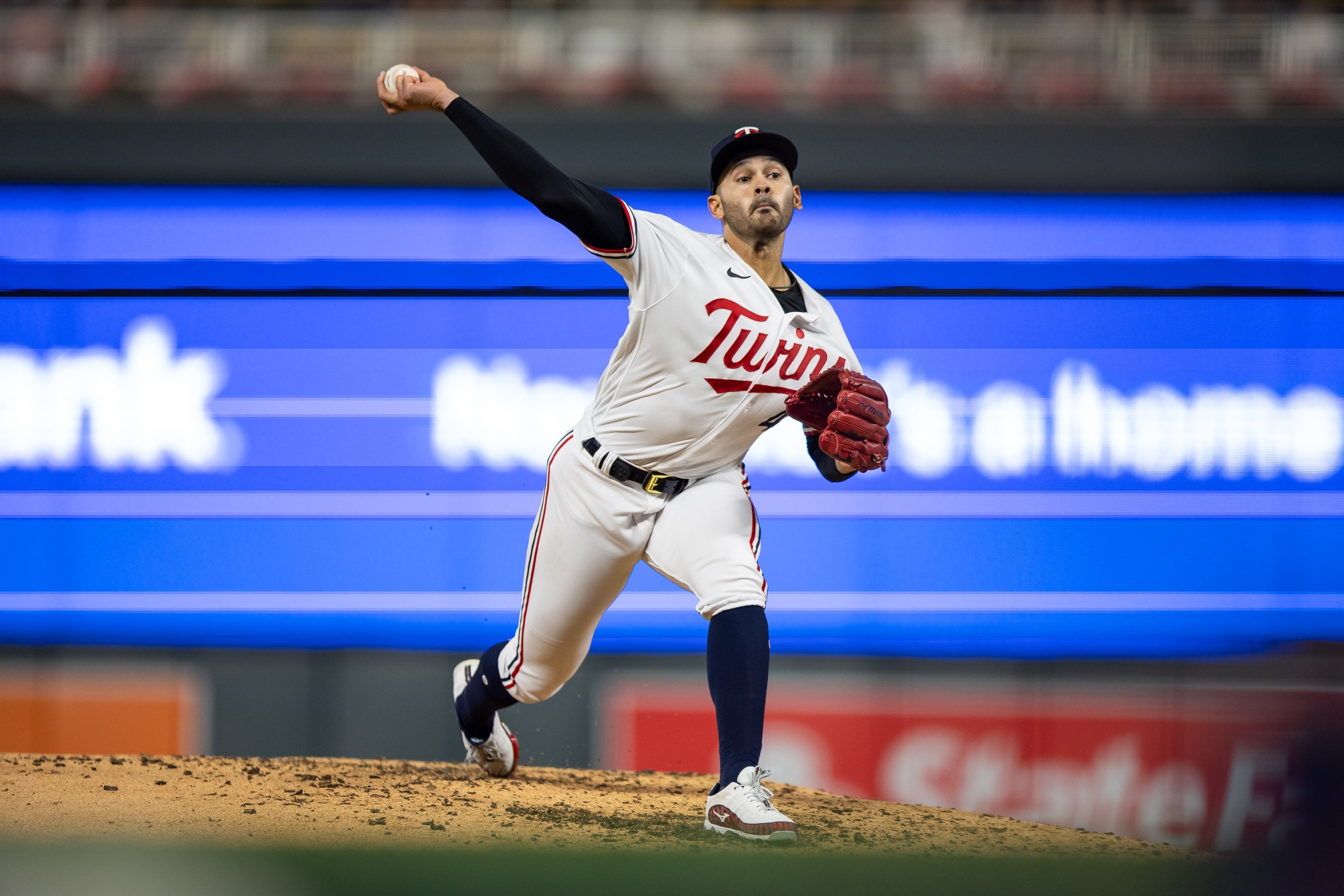 This year, there weren’t many notable individual accomplishments in the Twins’ postseason run. But undoubtedly, one of the shining achievements was staff ace Pablo López emerging as a true frontline starter on a national stage. In his two starts, the 27-year-old righty totaled 12 ⅔ innings pitched with 10 strikeouts and three walks, giving up just one earned run while he led his team to two massive wins. We’re talking about a tiny sample size with just two games, but these performances came after the best season of López’s career. He had a career-high in innings pitched (194), strikeout percentage (29.2%), and fWAR (4.5) in his first year with the Twins and named as a finalist for this year’s Gold Glove award among pitchers. When asked about his first season with the Twins organization at various post-game appearances throughout the year, López lauded the information he received from the club’s baseball operations department, especially as it pertained to building and developing a sweeper. “The Minnesota Twins are willing to provide us with every single resource, every single opportunity to get better as a player,” he said in a press conference in late April after signing a four-year extension with the club. “In spring training, the first thing we did was sit in a room for three days straight to really get to know my identity. Then it was finding out what that next gear is that we can find.” López and the Twins indeed found that next gear, and it led him to an All-Star selection and his team to their first playoff win in nearly two decades. But with that memorable season in the rearview mirror, he is already gearing up for 2024. López was recently spotted at Driveline’s facility and underwent a thorough assessment. For those who don’t know, Driveline is a data-driven development program that has been successful for countless major leaguers, especially pitchers. Their research has a reputation for helping pitchers gain strength and velocity, using state-of-the-art tools to train and develop their clients. Driveline isn’t new to López, or the Twins, for that matter. The righty also visited their facility before the start of this season. But now that he’s shown considerable progress in a career year, López, the staff at Driveline, and the Twins’ training staff can access even more data as they determine what clicked for him in 2023. The goal would be to maintain that success while finding that next gear, as López said. So, what does that next level look like? López was above average in most areas in 2023, so where could he find significant improvement? While his four-seam fastball was still a great option in his repertoire, it got hit harder than his sweeper, changeup, and even his curveball. Opponents hit .268 on that offering, with a rather-high .468 slugging percentage. Now, there is a lot of nuance as to why that could be, and more brilliant minds would better diagnose any hypothetical issue with the pitch. But adding more velocity to his heater (which averaged a respectable 94.9 MPH in 2023) could be that marginal improvement that pays dividends in the future. It could be that extra gear that helps López continue climbing that hill. And Driveline can help him figure out when and how to switch gears as he makes his ascent. That next level could mean a new high-water mark for innings pitched if he can stay healthy as he did this season. It could mean even more strikeouts if he can get his fastball to play up or add a few ticks of velocity. It could mean even further development of his sweeper, which he used to get a swing-and-miss 36.6% of the time. Those could lead to additional accolades for López, whether that means getting the starting nod on Opening Day, another All-Star selection, or even Cy Young award consideration. But if you ask López what that next level is, he almost certainly would talk about what it would mean for his team. That means more postseason appearances and even further success. “I just want to go out there and give the team the best chance to win,” he said in an in-game interview during his gem of a start in Game 2 versus the Astros. “It’s the preparation, routine, and discipline that gets you here.” What do you think? What does Pablo López’s next level look like? How do you think he gets there? Let us know your thoughts in the comment section below, and as always, keep it sweet.
 -
Few players would know more about the Twins’ lack of playoff success heading into this year than Jorge Polanco. Sure, he wasn’t on the roster for more than half of that epic 18-game losing streak, but it has surely been in the back of his mind since making his postseason debut in 2017. Now, the longest-tenured Twin has a chance to redeem himself against some of the biggest adversaries of his career. Image courtesy of Erik Williams-USA TODAY Sports Few players would know more about the Twins’ lack of playoff success heading into this year than Jorge Polanco. Sure, he wasn’t on the roster for more than half of that epic 18-game losing streak, but it has surely been in the back of his mind since making his postseason debut in 2017. Now, the longest-tenured Twin has a chance to redeem himself against some of the biggest adversaries of his career. You could make the case for many different Twins being the face of their ALDS matchup against the dreaded Houston Astros. The obvious choice is Carlos Correa as he takes on his former club. Pablo Lopez might have an early edge after his brilliant start in Game 2 on Sunday night. Even Royce Lewis could garner some steam after his heroics in the Wild Card round and after his mammoth shot in Game 1 on Saturday afternoon. But this matchup could mean the most to the team’s longest-tenured Twin, Jorge Polanco. Often getting a supporting character billing for much of his career, the Twins’ infielder has seen and heard it all when it comes to his team’s reputation in the postseason. And after three wins in the first two rounds so far, he finally gets to see that reputation start to shift. As this matchup with the Astros heads home to Target Field for the next two games, the stakes have never been higher for the Twins, and especially for Polanco. With top-prospects emerging in the club’s depth chart, the future is uncertain for the veteran switch-hitter. This is his prime opportunity to get even more redemption for his teammates of years’ past who couldn’t pull through with a win in the playoffs. But more importantly, it’s Polanco’s best shot at redemption for himself and all of the hard work he’s put into his 14 years with the Twins’ organization. The opponent in this matchup plays a significant role in Polanco’s quest for vindication. The Astros have been the most dominant-team in the American League for the better part of a decade, and they ousted the Twins in their last postseason appearance in 2020. In those two games at Target Field, Polanco tallied just one hit in eight plate appearances, and committed a tragic late-game fielding error that led to the Houston lineup taking a lead. At that point, Polanco had heard all about the unbelievable playoff losing streak. Now he found himself fully submerged in its tide. To put that behind him this time around, Polanco will have to carry the mindset that he held when playing against Houston in the regular season throughout his career. In 31 games against the Astros, Polo carries a .322/.382/.593 (.975 OPS) slash line with 16 extra-base hits. That’s elite production that may just be starting to rear its head into the playoffs for Polanco. We saw his mammoth three-run homer in Game 1 off of Hector Neris this year. Though that ultimately led to a Twins’ loss, it kept the team in the game and hopefully kicked the veteran Twins’ infielder into high-gear for the rest of the series. The Twins need him to fulfill his duties in the coming games against Houston, not just as a savvy hitter, but as a versatile fielder that can hold his own in a relatively-unfamiliar position. With Lewis relegated to designated hitter while he recovers from a hamstring strain, and rookie Edouard Julien requiring ample playing time against right-handed pitchers, Polanco has needed to acclimate himself to the hot corner in expedited fashion. So far in the postseason, that’s involved some sloppy errors and a few tougher-outs left unmade in the field. But while his defensive capabilities may have fallen short a few times, that doesn’t mean that they’re bound to for the rest of the series, or even the postseason. This is Polanco’s chance to step up and take control of the game now that he doesn’t have to worry about the monkey on his back anymore. His team needs him to help lead the way now more than ever. And if he can step up to the moment, Polanco can not only change the narrative going forward, but he can close the book on what it has meant to be a Minnesota Twin in the postseason for the last 20 years. He can do it for all of the great players he took the field with in the 2010s who couldn’t end the dreaded streak. He can do it for his three managers that helped to elevate his game to the where he finds himself today. He can do it for his longtime friend and current teammate, Max Kepler, who has shared a field and occasional bedroom with Polanco for their entire adult lives. But most of all, he can do it for himself as the longest-tenured and arguably most-underrated Twin of the last decade. He can do it against one of his biggest nemeses, and he can do it at home in front of the thousands of fans that watched him grow from a 20-year-old emergency call-up in 2014 to a beloved veteran on the team that finally beat the dreaded streak. What do you think? Can Jorge Polanco redeem himself this time around? Will this series against the Astros mean more to him? Let us know what you think in the comment section down below, and as always, keep it sweet. View full article
-
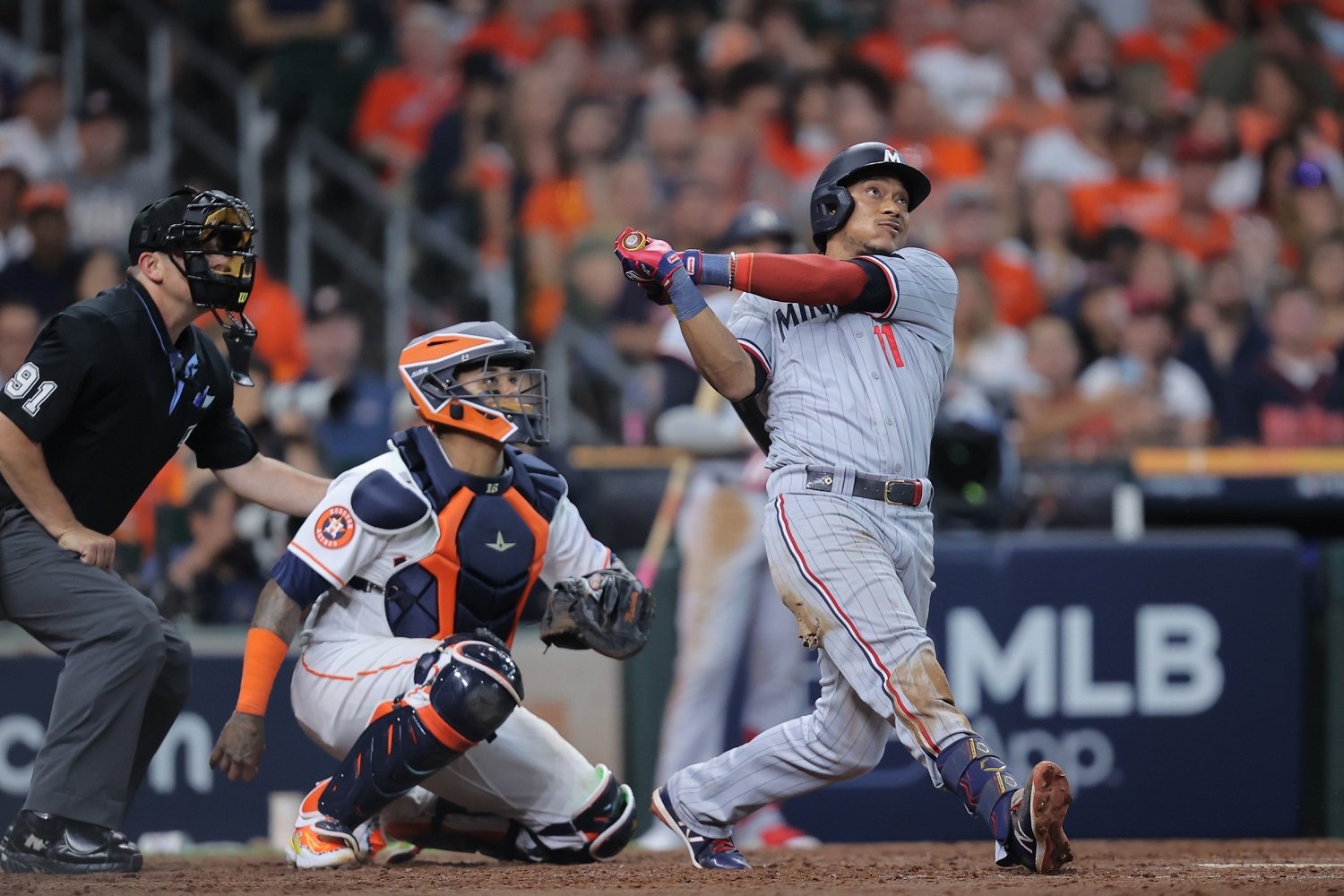 You could make the case for many different Twins being the face of their ALDS matchup against the dreaded Houston Astros. The obvious choice is Carlos Correa as he takes on his former club. Pablo Lopez might have an early edge after his brilliant start in Game 2 on Sunday night. Even Royce Lewis could garner some steam after his heroics in the Wild Card round and after his mammoth shot in Game 1 on Saturday afternoon. But this matchup could mean the most to the team’s longest-tenured Twin, Jorge Polanco. Often getting a supporting character billing for much of his career, the Twins’ infielder has seen and heard it all when it comes to his team’s reputation in the postseason. And after three wins in the first two rounds so far, he finally gets to see that reputation start to shift. As this matchup with the Astros heads home to Target Field for the next two games, the stakes have never been higher for the Twins, and especially for Polanco. With top-prospects emerging in the club’s depth chart, the future is uncertain for the veteran switch-hitter. This is his prime opportunity to get even more redemption for his teammates of years’ past who couldn’t pull through with a win in the playoffs. But more importantly, it’s Polanco’s best shot at redemption for himself and all of the hard work he’s put into his 14 years with the Twins’ organization. The opponent in this matchup plays a significant role in Polanco’s quest for vindication. The Astros have been the most dominant-team in the American League for the better part of a decade, and they ousted the Twins in their last postseason appearance in 2020. In those two games at Target Field, Polanco tallied just one hit in eight plate appearances, and committed a tragic late-game fielding error that led to the Houston lineup taking a lead. At that point, Polanco had heard all about the unbelievable playoff losing streak. Now he found himself fully submerged in its tide. To put that behind him this time around, Polanco will have to carry the mindset that he held when playing against Houston in the regular season throughout his career. In 31 games against the Astros, Polo carries a .322/.382/.593 (.975 OPS) slash line with 16 extra-base hits. That’s elite production that may just be starting to rear its head into the playoffs for Polanco. We saw his mammoth three-run homer in Game 1 off of Hector Neris this year. Though that ultimately led to a Twins’ loss, it kept the team in the game and hopefully kicked the veteran Twins’ infielder into high-gear for the rest of the series. The Twins need him to fulfill his duties in the coming games against Houston, not just as a savvy hitter, but as a versatile fielder that can hold his own in a relatively-unfamiliar position. With Lewis relegated to designated hitter while he recovers from a hamstring strain, and rookie Edouard Julien requiring ample playing time against right-handed pitchers, Polanco has needed to acclimate himself to the hot corner in expedited fashion. So far in the postseason, that’s involved some sloppy errors and a few tougher-outs left unmade in the field. But while his defensive capabilities may have fallen short a few times, that doesn’t mean that they’re bound to for the rest of the series, or even the postseason. This is Polanco’s chance to step up and take control of the game now that he doesn’t have to worry about the monkey on his back anymore. His team needs him to help lead the way now more than ever. And if he can step up to the moment, Polanco can not only change the narrative going forward, but he can close the book on what it has meant to be a Minnesota Twin in the postseason for the last 20 years. He can do it for all of the great players he took the field with in the 2010s who couldn’t end the dreaded streak. He can do it for his three managers that helped to elevate his game to the where he finds himself today. He can do it for his longtime friend and current teammate, Max Kepler, who has shared a field and occasional bedroom with Polanco for their entire adult lives. But most of all, he can do it for himself as the longest-tenured and arguably most-underrated Twin of the last decade. He can do it against one of his biggest nemeses, and he can do it at home in front of the thousands of fans that watched him grow from a 20-year-old emergency call-up in 2014 to a beloved veteran on the team that finally beat the dreaded streak. What do you think? Can Jorge Polanco redeem himself this time around? Will this series against the Astros mean more to him? Let us know what you think in the comment section down below, and as always, keep it sweet.
 -
Brooks LeeWalker JenkinsEmmanuel RodriguezMarco RayaCharlee SotoDavid FestaAustin MartinBrandon WinokurKala'i RosarioTanner SchobelConnor PrielippLuke KeaschallYunior SeverinoYasser MercedesSimeon Woods RichardsonDaShawn Keirsey JrJordan BalazovicJose RodriguezDanny De AndradeBrent Headrick
-
Brooks LeeWalker JenkinsEmmanuel RodriguezMarco RayaCharlee SotoDavid FestaAustin MartinBrandon WinokurKala'i RosarioTanner SchobelConnor PrielippLuke KeaschallYunior SeverinoYasser MercedesSimeon Woods RichardsonDaShawn Keirsey JrJordan BalazovicJose RodriguezDanny De AndradeBrent Headrick

