



Lou Hennessy
-
Posts
326 -
Joined
-
Last visited
Content Type
Profiles
News
Minnesota Twins Videos
2026 Minnesota Twins Top Prospects Ranking
2022 Minnesota Twins Draft Picks
Minnesota Twins Free Agent & Trade Rumors, Notes, & Tidbits
Guides & Resources
2023 Minnesota Twins Draft Picks
The Minnesota Twins Players Project
2024 Minnesota Twins Draft Picks
2025 Minnesota Twins Draft Pick Tracker
2026 Minnesota Twins Draft Tracker: Picks & Bonuses
Forums
Blogs
Events
Store
Downloads
Gallery
Everything posted by Lou Hennessy
-
 I wouldn't disagree with that. I didn't call for the team to shoot him out of a cannon. I merely asked if they should go with a committee mindset rather than relying on one primary high-leverage lefty as they've done over the last few years.
- 32 replies
-
- 1
-

-
- caleb thielbar
- steven okert
- (and 1 more)
-
Did this really come off as a doomer article?
-
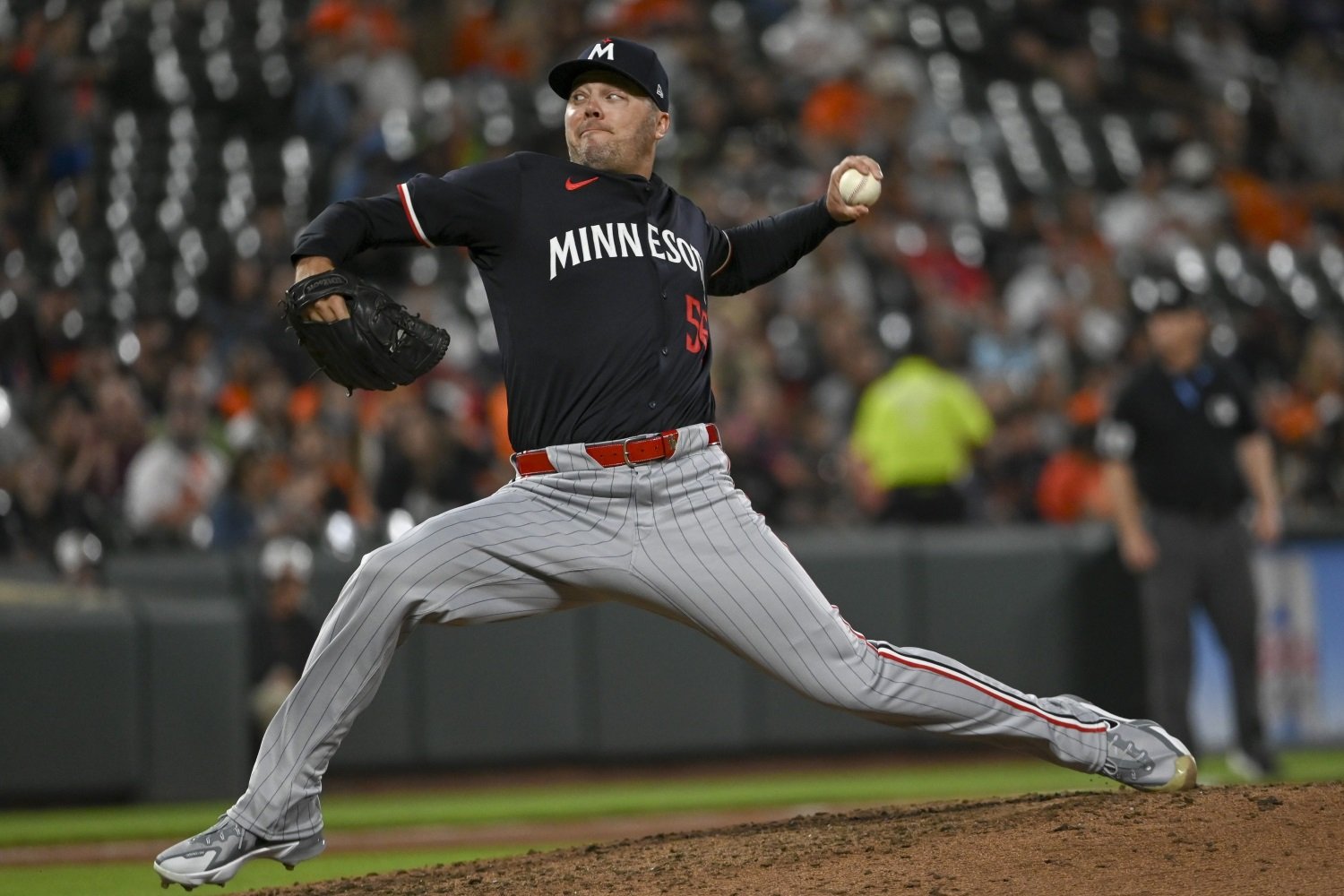 Caleb Thielbar isn’t just another veteran reliever, the likes of whom the club churns through year after year. Maybe that was the team’s intention when they convinced him to delay his collegiate coaching career in lieu of one last opportunity to compete for a roster spot coming into the 2020 season, but something has kept him in their long-term plans ever since. Surely, the club saw something they liked about the veteran hurler, but there’s no way they expected him to become the buzzsaw that he’s been ever since. Since returning to the league in 2020, Thielbar has a combined 3.36 ERA across 174 ⅓ innings pitched, with a superb 30% strikeout rate and a very reasonable 7.4% walk rate. He’s nailed down big outs time after time, and he’s taken younger pitchers under his wing with each new season. But the sun will set on him at some point, as it does on all pitchers. Are we seeing Thielbar’s twilight? Have we already seen it? It’s easy to say it’s time to pass the baton when Thielbar has an 27.00 ERA on the year, even if it is after about as small of a sample size as you can get. The veteran southpaw had a delayed start to his season after experiencing some hamstring discomfort during spring training, then coughed up three earned runs and the lead in his first game back on Sunday against the Detroit Tigers. That’s not exactly the start the Twins’ brass envisioned when constructing their veteran-heavy bullpen picture, with Thielbar penciled in as a key component. But now that he’s back on the mound, are we going to see manager Rocco Baldelli throw him right into the fire as a primary setup option? Is he going to be the high-leverage lefty he’s been for the last four seasons? There are two major factors that should be taken into account when answering these questions: Thielbar’s age, and the possible replacements that they have in tow. At 38 years old, it’s hard to rely on Thielbar being the same lights-out weapon on a contending team that he has been. Can he still pitch meaningful innings if his stuff does start to (understandably) slip? Absolutely, and the Twins’ decision-makers are likely banking on that. But it doesn’t mean he needs to sit atop their pecking order when it comes to left-handed relief options, or even late-and-close situations. In Thielbar's absence, Steven Okert performed quite admirably, albeit over a very small sample size of five innings pitched. In those five games, the 32-year-old lefty has a 1.80 ERA and is striking out 40.9% of the batters he’s faced. He hasn’t been able to get his opponents to chase as much as you’d like from a high-leverage arm (21.6%), but part of that is due to the fact that he gets plenty of swing-and-miss within the strike zone, especially with the lethal slider that he’s leaned on pretty heavily. In fact, opponents have a miss rate of 33% on pitches in the strike zone this season, which is fourth-best in all of baseball so far this year according to Inside Edge. Kody Funderburk has been another lefty option out of the pen in this young season, and he’s passed every test he’s been given. In six games with the club, the 27-year-old rookie has a 1.29 ERA and has struck out 11 batters across seven innings pitched. He doesn’t boast the same raw stuff that an Okert or Thielbar has, but he gets ground balls at an impressive 55.6% clip and he has yet to give up an extra-base hit with his slider so far in his big-league career. Could the Twins shift toward using these three as an equipoised committee, rather than sticking to a lefty hierarchy as they have in the past? It could mitigate the risk they incur from Thielbar regressing as he ages, and it could help keep the bullpen arms fresh throughout the year. Of course, the hope is that Thielbar can get back on track, and he hasn’t shown us any specific reason why he can’t do so. Besides having a spotty track record with injuries in recent years, the veteran has mostly performed up to the high standards that have been set for him. But the sun sets fast on a lot of players as they enter their late 30s, and the Twins should be proactive as they navigate a lengthy season that is still in its infancy, especially as it pertains to the veteran lefty who should go down as one of the best in franchise history when all is said and done. What do you think? Does Caleb Thielbar still have gas in the tank? Should the Twins shuffle their relief plans knowing regression could be on the way? Who has impressed you most out of their bullpen so far this season? Let us know in the comments, and as always, keep it sweet.
 -
Caleb Thielbar was something of a reclamation project when the Twins brought him back into the fold in 2020. Since then, he’s established himself as one of the best left-handed relievers in club history. But after losing some steam in the final couple months of last season, and after a delayed ramp-up this season, is it time for him to pass the baton to someone else? Image courtesy of © Tommy Gilligan-USA TODAY Sports Caleb Thielbar was something of a reclamation project when the Twins brought him back into the fold in 2020. Since then, he’s established himself as one of the best left-handed relievers in club history. But after losing some steam in the final couple months of last season, and after a delayed ramp-up this season, is it time for him to pass the baton to someone else? Caleb Thielbar isn’t just another veteran reliever, the likes of whom the club churns through year after year. Maybe that was the team’s intention when they convinced him to delay his collegiate coaching career in lieu of one last opportunity to compete for a roster spot coming into the 2020 season, but something has kept him in their long-term plans ever since. Surely, the club saw something they liked about the veteran hurler, but there’s no way they expected him to become the buzzsaw that he’s been ever since. Since returning to the league in 2020, Thielbar has a combined 3.36 ERA across 174 ⅓ innings pitched, with a superb 30% strikeout rate and a very reasonable 7.4% walk rate. He’s nailed down big outs time after time, and he’s taken younger pitchers under his wing with each new season. But the sun will set on him at some point, as it does on all pitchers. Are we seeing Thielbar’s twilight? Have we already seen it? It’s easy to say it’s time to pass the baton when Thielbar has an 27.00 ERA on the year, even if it is after about as small of a sample size as you can get. The veteran southpaw had a delayed start to his season after experiencing some hamstring discomfort during spring training, then coughed up three earned runs and the lead in his first game back on Sunday against the Detroit Tigers. That’s not exactly the start the Twins’ brass envisioned when constructing their veteran-heavy bullpen picture, with Thielbar penciled in as a key component. But now that he’s back on the mound, are we going to see manager Rocco Baldelli throw him right into the fire as a primary setup option? Is he going to be the high-leverage lefty he’s been for the last four seasons? There are two major factors that should be taken into account when answering these questions: Thielbar’s age, and the possible replacements that they have in tow. At 38 years old, it’s hard to rely on Thielbar being the same lights-out weapon on a contending team that he has been. Can he still pitch meaningful innings if his stuff does start to (understandably) slip? Absolutely, and the Twins’ decision-makers are likely banking on that. But it doesn’t mean he needs to sit atop their pecking order when it comes to left-handed relief options, or even late-and-close situations. In Thielbar's absence, Steven Okert performed quite admirably, albeit over a very small sample size of five innings pitched. In those five games, the 32-year-old lefty has a 1.80 ERA and is striking out 40.9% of the batters he’s faced. He hasn’t been able to get his opponents to chase as much as you’d like from a high-leverage arm (21.6%), but part of that is due to the fact that he gets plenty of swing-and-miss within the strike zone, especially with the lethal slider that he’s leaned on pretty heavily. In fact, opponents have a miss rate of 33% on pitches in the strike zone this season, which is fourth-best in all of baseball so far this year according to Inside Edge. Kody Funderburk has been another lefty option out of the pen in this young season, and he’s passed every test he’s been given. In six games with the club, the 27-year-old rookie has a 1.29 ERA and has struck out 11 batters across seven innings pitched. He doesn’t boast the same raw stuff that an Okert or Thielbar has, but he gets ground balls at an impressive 55.6% clip and he has yet to give up an extra-base hit with his slider so far in his big-league career. Could the Twins shift toward using these three as an equipoised committee, rather than sticking to a lefty hierarchy as they have in the past? It could mitigate the risk they incur from Thielbar regressing as he ages, and it could help keep the bullpen arms fresh throughout the year. Of course, the hope is that Thielbar can get back on track, and he hasn’t shown us any specific reason why he can’t do so. Besides having a spotty track record with injuries in recent years, the veteran has mostly performed up to the high standards that have been set for him. But the sun sets fast on a lot of players as they enter their late 30s, and the Twins should be proactive as they navigate a lengthy season that is still in its infancy, especially as it pertains to the veteran lefty who should go down as one of the best in franchise history when all is said and done. What do you think? Does Caleb Thielbar still have gas in the tank? Should the Twins shuffle their relief plans knowing regression could be on the way? Who has impressed you most out of their bullpen so far this season? Let us know in the comments, and as always, keep it sweet. View full article
-
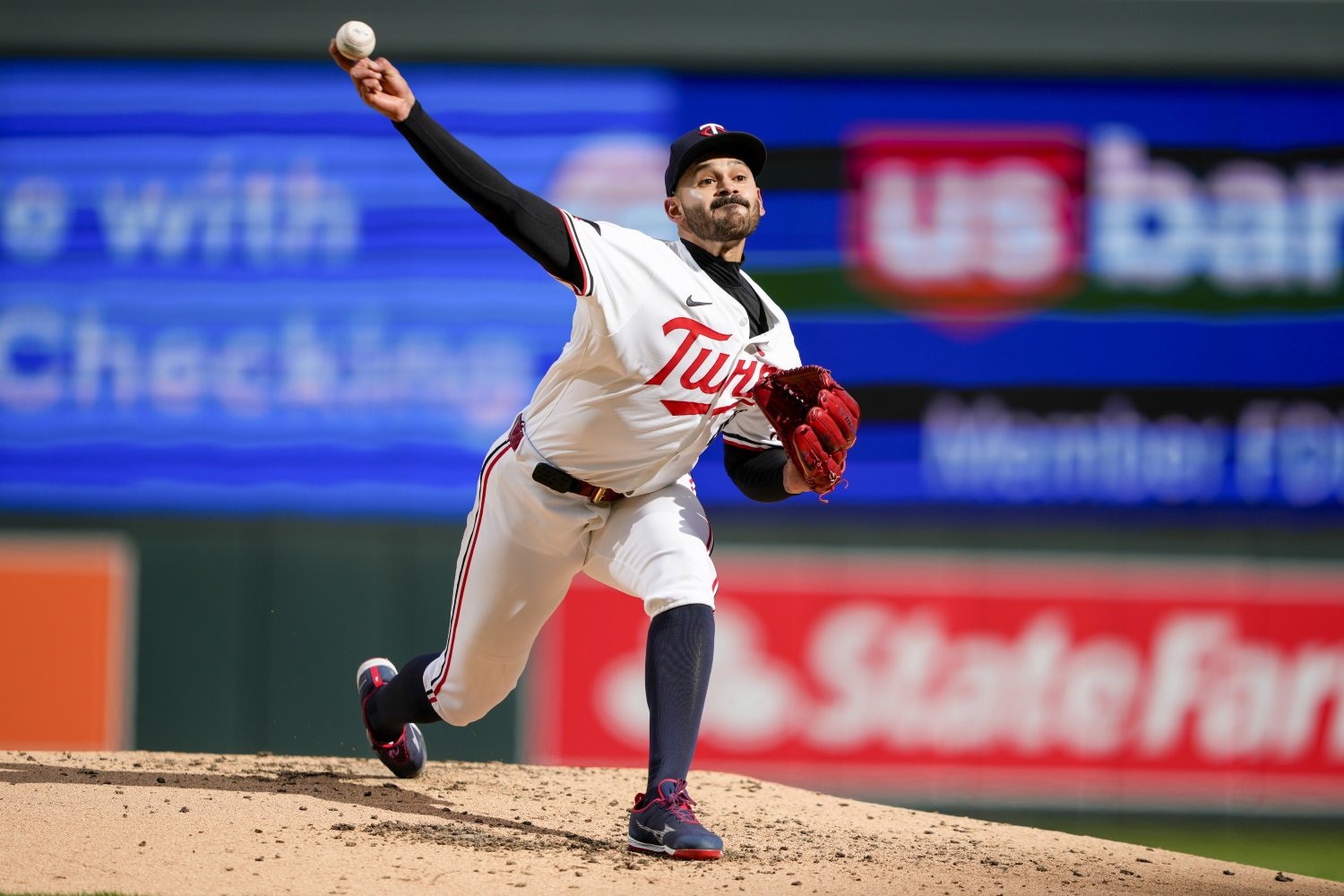 Pablo López has become as likable as the guy he was traded for. Sure, nobody will hold the same space in the hearts of countless Minnesota dads as the spectacular Luis Arráez, but the Twins’ ace has done everything that he can on and off the field to win those same hearts and minds. It’s no easy task to take over the same clubhouse stall that once belonged to an elite bat-to-ball guy--a perennial batting champion. It’s particularly painful for fans to remember what they had, given the lineup’s current cold streak. Yet, with his solid start on the mound and a new charitable endeavor that he’s starting with the Twins, López is teaching Twins Territory to love again. The 28-year-old righty announced earlier this week that he and his wife, Kaylee, are partnering with the Twins to offer special “Pablo Day” ticket packages for every home game that he starts from May through September. Fans who purchase these packages will receive a special Venezuela-themed jersey and a seat in a designated section. The hope would be for this section to emulate the fabled “King’s Court” in Seattle, which once hosted hundreds of rabid Félix Hernández fans for each of his home starts. Not only will this promotion create an electric atmosphere in the ballpark, but it benefits three local charities off the field, as well. A portion of each ticket sold for these “Pablo Days” will go toward three charities selected by López himself; Children’s Minnesota, Project Success and Ruff Start Rescue. For López, finding a way to give back to Twins Territory has meant the world. “It means a lot to me and a lot to us that they're allowing us to be a part of something big and something unique that's happening,” López said to Do-Hyoung Park of MLB.com. “To be a part of this community has always been very special to us. Kaylee's from the Midwest and I met Kaylee playing in the Midwest League, so obviously, the quality of people that belong to Twins Territory means a lot to me.” López is establishing himself as a standout member of the community, and a cornerstone of the team’s roster. In his two starts this year, he’s put his dynamic repertoire on full display, with an elite chase rate (39.2%) and control (one walk in 12 ⅓ innings pitched). Add that admittedly small sample size to his work in his first year with the Twins last season, and he looks much like the ace that fans have been clamoring for since baseball bloggers were collecting Beanie Babies. In his young Twins career, López has a 3.61 ERA in 204 ⅓ innings pitched across 34 starts, good for 4.8 Wins Above Replacement, according to FanGraphs. While that ERA may come across as more good than great to many casual fans, his numbers under the hood are more representative of the caliber of pitcher that he’s been. Since the beginning of last season, López has 48 three-pitch strikeouts, which is third-most in baseball, according to Inside Edge. And he has proven to be an uncomfortable at-bat for his opponents, even when they would seemingly have the edge. When behind in the count, López has been able to get his opponents to chase 40% of the time, by far the best in baseball since the start of last season. This is what an ace looks like. Arráez could do so many things that are crucial to building a winning ballclub, but it’s hard to argue that he could’ve had the same impact that López has given the Twins. He hasn’t just added to the box scores, the standings and the league leaderboards on behalf of his club, but also to their community impact. He's already healed generational wounds, by taking the ball and ending the team's playoff victory drought last fall. He's become a bridge between fans whose angst has crusted over with bitterness in the frustrating years after Johan Santana departed, and a new generation who needs a way out of that shadow of gloom and grump. He doesn't want to merely produce for his club; he wants to add to ballpark experience. “I think it's going to be truly special if I happen to peek at the stands and I happen to see a lot of people wearing the jersey waiting for a strikeout, waiting for a big out, big moment,” López said. “I think it will definitely add adrenaline and passion to the moment itself.” Because of this, it’s no wonder the club decided to lock themselves into many more “Pablo Days” over the next four seasons. Fans can get used to rooting for a new fan-favorite. Yes, even you, Minnesota dads. What do you think? Has López won you over? Looking back, are you glad that the Twins made this trade with the Marlins? Let us know what you think in the comment section below, and as always, keep it sweet.
- 6 comments
-
- 4
-
-

-
- pablo lopez
- luis arraez
- (and 1 more)
-
In the moment, the trade that shipped away fan favorite Luis Arráez certainly stung. But it's time for fans to embrace Pablo López as an organizational cornerstone, on and off the field. That's why Pablo Day matters. Image courtesy of © Jordan Johnson-USA TODAY Sports In the moment, the trade that shipped away fan favorite Luis Arráez certainly stung. But it's time for fans to embrace Pablo López as an organizational cornerstone, on and off the field. That's why Pablo Day matters. Pablo López has become as likable as the guy he was traded for. Sure, nobody will hold the same space in the hearts of countless Minnesota dads as the spectacular Luis Arráez, but the Twins’ ace has done everything that he can on and off the field to win those same hearts and minds. It’s no easy task to take over the same clubhouse stall that once belonged to an elite bat-to-ball guy--a perennial batting champion. It’s particularly painful for fans to remember what they had, given the lineup’s current cold streak. Yet, with his solid start on the mound and a new charitable endeavor that he’s starting with the Twins, López is teaching Twins Territory to love again. The 28-year-old righty announced earlier this week that he and his wife, Kaylee, are partnering with the Twins to offer special “Pablo Day” ticket packages for every home game that he starts from May through September. Fans who purchase these packages will receive a special Venezuela-themed jersey and a seat in a designated section. The hope would be for this section to emulate the fabled “King’s Court” in Seattle, which once hosted hundreds of rabid Félix Hernández fans for each of his home starts. Not only will this promotion create an electric atmosphere in the ballpark, but it benefits three local charities off the field, as well. A portion of each ticket sold for these “Pablo Days” will go toward three charities selected by López himself; Children’s Minnesota, Project Success and Ruff Start Rescue. For López, finding a way to give back to Twins Territory has meant the world. “It means a lot to me and a lot to us that they're allowing us to be a part of something big and something unique that's happening,” López said to Do-Hyoung Park of MLB.com. “To be a part of this community has always been very special to us. Kaylee's from the Midwest and I met Kaylee playing in the Midwest League, so obviously, the quality of people that belong to Twins Territory means a lot to me.” López is establishing himself as a standout member of the community, and a cornerstone of the team’s roster. In his two starts this year, he’s put his dynamic repertoire on full display, with an elite chase rate (39.2%) and control (one walk in 12 ⅓ innings pitched). Add that admittedly small sample size to his work in his first year with the Twins last season, and he looks much like the ace that fans have been clamoring for since baseball bloggers were collecting Beanie Babies. In his young Twins career, López has a 3.61 ERA in 204 ⅓ innings pitched across 34 starts, good for 4.8 Wins Above Replacement, according to FanGraphs. While that ERA may come across as more good than great to many casual fans, his numbers under the hood are more representative of the caliber of pitcher that he’s been. Since the beginning of last season, López has 48 three-pitch strikeouts, which is third-most in baseball, according to Inside Edge. And he has proven to be an uncomfortable at-bat for his opponents, even when they would seemingly have the edge. When behind in the count, López has been able to get his opponents to chase 40% of the time, by far the best in baseball since the start of last season. This is what an ace looks like. Arráez could do so many things that are crucial to building a winning ballclub, but it’s hard to argue that he could’ve had the same impact that López has given the Twins. He hasn’t just added to the box scores, the standings and the league leaderboards on behalf of his club, but also to their community impact. He's already healed generational wounds, by taking the ball and ending the team's playoff victory drought last fall. He's become a bridge between fans whose angst has crusted over with bitterness in the frustrating years after Johan Santana departed, and a new generation who needs a way out of that shadow of gloom and grump. He doesn't want to merely produce for his club; he wants to add to ballpark experience. “I think it's going to be truly special if I happen to peek at the stands and I happen to see a lot of people wearing the jersey waiting for a strikeout, waiting for a big out, big moment,” López said. “I think it will definitely add adrenaline and passion to the moment itself.” Because of this, it’s no wonder the club decided to lock themselves into many more “Pablo Days” over the next four seasons. Fans can get used to rooting for a new fan-favorite. Yes, even you, Minnesota dads. What do you think? Has López won you over? Looking back, are you glad that the Twins made this trade with the Marlins? Let us know what you think in the comment section below, and as always, keep it sweet. View full article
-
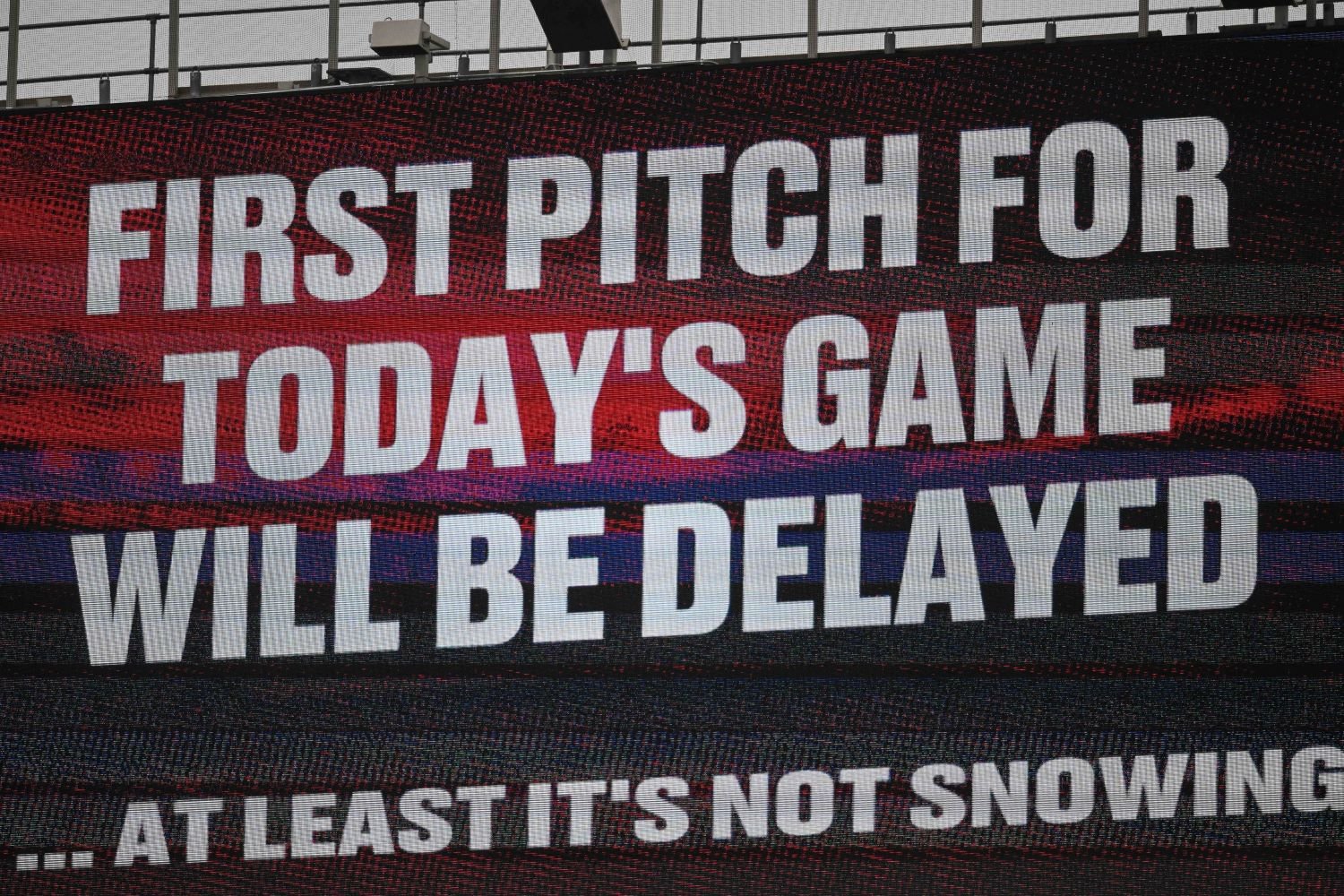 “They just kept coming, man. I was getting bombarded with snags left and right,” said Woody Cunningham, the former top-ranked scoreboard operator at the collegiate level who signed a multi-year deal with the Twins in 2022. “Have you ever seen that movie The Birds? It was like the phone booth scene, but I was getting swarmed with error codes and really mean tweets.” It was a rookie year Cunningham would love to forget, but he knows the adversity will help him in the long run. He took that task to heart this offseason, vowing to leave the ghost of his lost season in the past. I asked him about his challenging year in 2023, which saw the newly hired technical prodigy struggle through countless glitches and technical errors. Whether it was the wrong player’s picture being displayed during an at-bat, stat lines not adding up correctly, a misfire when it came to finding a proper celebrity lookalike or the semi-regular crash of the entire system, Cunningham got a lot more than he bargained for. The two of us sit in the pregnant pause of silence while he thinks about how to answer. Cunningham cracks his knuckles, leans back in his chair and looks me dead in the eyes. “The game doesn’t slow down for you. You have to grab that bull by the horns and hold on for your dear life,” he said, as he took a long hard drag of the heater between his calloused fingers. “This year is going to be different. That I can promise you.” It’s not the first time the wünderkind has been tested. While interning with the Missoula Timberjacks, Cunningham set a record for being the youngest scoreboard operator in baseball history, since Charlie “The Chalk Whisperer” Chalmers in 1906. Because of that reputation, Target Field’s Game Presentation department continues to have faith in their young gun. The 24-year-old graduate of Saint John’s University spent the offseason training in the mountains with world-renowned graphic designer Joel Sullivan, who helped develop the fabled Walks Will Haunt graphic that originated in the Metrodome in 1987 and thereby led the club to a World Championship. The Twins counted on Sullivan to carry them in the franchise’s heyday. Now they’re calling on him to help right the ship of their brightest wayward star. “Woodrow has all the raw tools that you’d want from a boardie, trust me,” the grizzled Sullivan said emphatically. “I ain’t coming out of retirement to work with no loser.” Cunningham is said to have returned to the club in phenomenal shape, gaining 35 pounds of raw muscle after an offseason training regimen that included chopping wood for three hours each morning, sets of stadium stairs and isolated punch-dancing. “I’m in the best shape of my life,” Cunningham said as he kissed his massive bicep. “I’m coming into this year faster. Faster. Stronger. Better. Go ahead, try me. Give me the name of any beat writer and I’ll give you their perfect celebrity lookalike.” I play along, naming media personalities one by one. Tom Schreier of Zone Coverage. “Ben Affleck in AIR.” Aaron Gleeman of The Athletic. “Jonah Hill in Moneyball.” John Bonnes of Twins Daily. “John Lithgow.” Dan Hayes of The Athletic. “Mayhem from the Allstate Insurance commercials.” I’m awestruck, the genius is at work. Cunningham still has his fastball, and he knows it. But that was never really in question. We know he can execute at the facets of the game that he’s good at. How will he adjust to the areas where he needs improvement? Time will tell how Cunningham responds, but the eyebrow-raising improvement to his physical health is notable, if superfluous to his role. “I know you don’t need to be this jacked to run the scoreboard, but let’s just say you don’t want any noodle-armed mouth-breathers pulling these strings, either,” Cunningham said. “We’ll leave those chumps to write for Twins Daily.”
 -
In an effort to regain some veteran depth in their relief corps depth chart after a handful of injuries, the Twins have brought in a well-known veteran to join their mix of bullpen options. Image courtesy of © Steven Bisig-USA TODAY Sports In an effort to regain some veteran depth in their relief corps depth chart after a handful of injuries, the Twins have brought in a well-known veteran to join their mix of bullpen options. After a slew of injuries to their relief corps, the Twins have brought in Diego Castillo on a minor-league deal. He will begin the year with the Triple-A Saint Paul Saints. The former Tampa Bay Ray and Seattle Mariner had inked a minor-league deal with the Texas Rangers in the offseason, but he was granted his release on March 27th. The veteran right-hander is coming off of a challenging 2023 campaign, where he struggled to the tune of an unsightly 6.23 ERA across 8 ⅔ innings with the Seattle Mariners before being sent down in late-April. From there, Castillo didn’t find much success with Triple-A Tacoma, either. The 30-year-old had a 5.13 ERA in 47 ⅓ innings pitched, with a sky-high 15.5% walk rate and a career-low 22.1% strikeout rate. Last year’s production was a far cry from what was expected of the righty, and the Twins are banking on it being an outlier to an otherwise very impressive career. From his debut in 2018 through the 2022 season, Castillo was one of the most-stable setup relievers in the American League, saving 35 games on top of 52 holds. In those five seasons, he had a 3.12 ERA with a rock-solid 28.1% strikeout rate thanks to a standout slider and a pair of fastballs that averaged between 95-97 MPH. His velocity did take a notable dip last season, as both his four-seam fastball and sinker averaged just 93 MPH. The Twins are hoping Castillo can get back on track with the Saints, and to be in the mix as an early-season call-up to the major league bullpen in lieu of the injuries to Jhoan Duran, Caleb Thielbar, Justin Topa and Josh Staumont. If he can regain his form, and velocity, from his first five seasons, he could find himself climbing the Twins’ bullpen ladder into higher-leverage opportunities. View full article
-
Twins Sign Veteran Relief Arm Diego Castillo To Minor-League Deal
Lou Hennessy posted an article in Minor Leagues
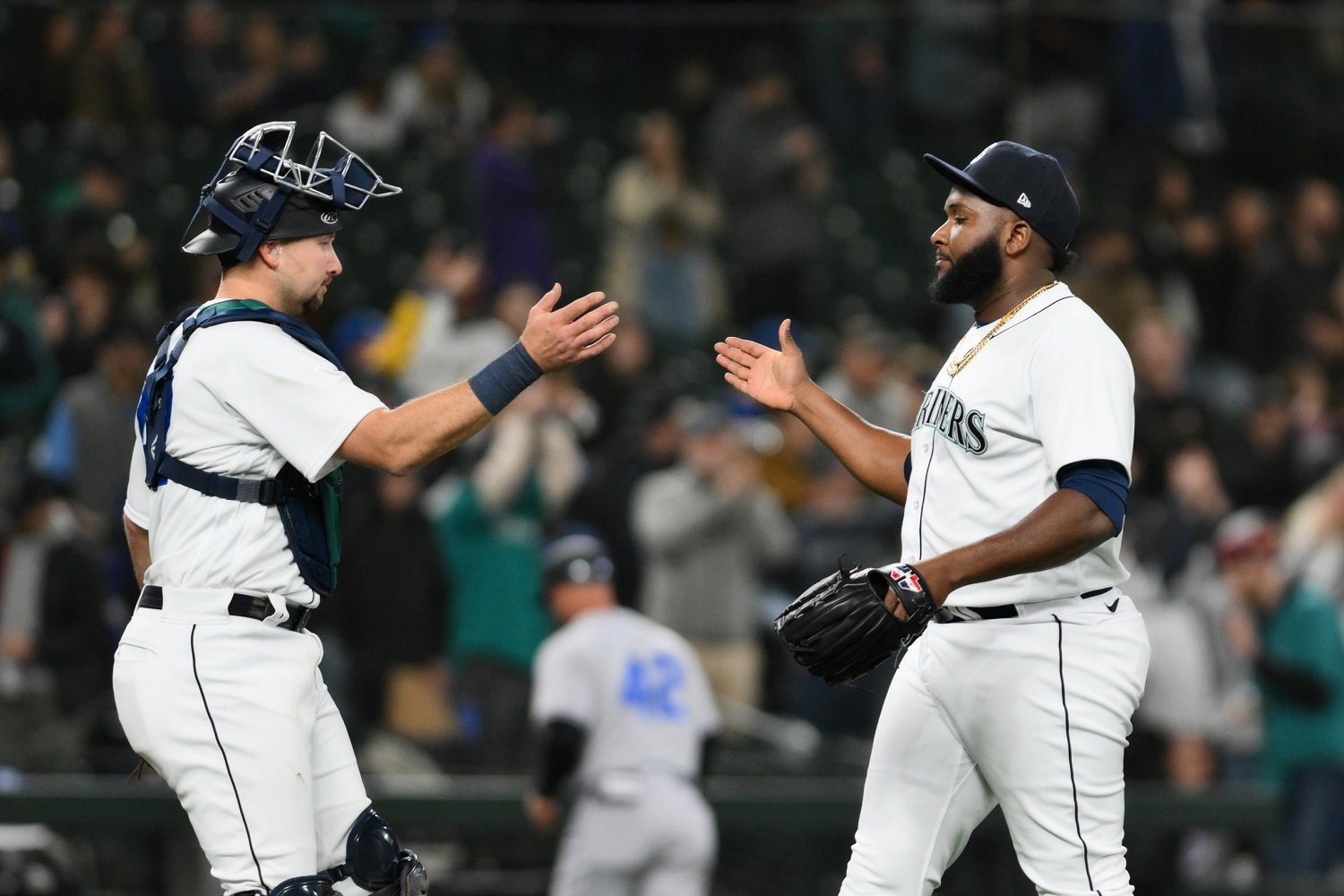 After a slew of injuries to their relief corps, the Twins have brought in Diego Castillo on a minor-league deal. He will begin the year with the Triple-A Saint Paul Saints. The former Tampa Bay Ray and Seattle Mariner had inked a minor-league deal with the Texas Rangers in the offseason, but he was granted his release on March 27th. The veteran right-hander is coming off of a challenging 2023 campaign, where he struggled to the tune of an unsightly 6.23 ERA across 8 ⅔ innings with the Seattle Mariners before being sent down in late-April. From there, Castillo didn’t find much success with Triple-A Tacoma, either. The 30-year-old had a 5.13 ERA in 47 ⅓ innings pitched, with a sky-high 15.5% walk rate and a career-low 22.1% strikeout rate. Last year’s production was a far cry from what was expected of the righty, and the Twins are banking on it being an outlier to an otherwise very impressive career. From his debut in 2018 through the 2022 season, Castillo was one of the most-stable setup relievers in the American League, saving 35 games on top of 52 holds. In those five seasons, he had a 3.12 ERA with a rock-solid 28.1% strikeout rate thanks to a standout slider and a pair of fastballs that averaged between 95-97 MPH. His velocity did take a notable dip last season, as both his four-seam fastball and sinker averaged just 93 MPH. The Twins are hoping Castillo can get back on track with the Saints, and to be in the mix as an early-season call-up to the major league bullpen in lieu of the injuries to Jhoan Duran, Caleb Thielbar, Justin Topa and Josh Staumont. If he can regain his form, and velocity, from his first five seasons, he could find himself climbing the Twins’ bullpen ladder into higher-leverage opportunities.
 -
When Target Field added their state-of-the-art scoreboard upgrade at the beginning of last season, it came with a flurry of unforeseen challenges. Nobody knows this better than the official scoreboard operator tasked with fighting off a nightly flurry of glitches and errors. Image courtesy of © Jeffrey Becker-USA TODAY Sports When Target Field added their state-of-the-art scoreboard upgrade at the beginning of last season, it came with a flurry of unforeseen challenges. Nobody knows this better than the official scoreboard operator tasked with fighting off a nightly flurry of glitches and errors. “They just kept coming, man. I was getting bombarded with snags left and right,” said Woody Cunningham, the former top-ranked scoreboard operator at the collegiate level who signed a multi-year deal with the Twins in 2022. “Have you ever seen that movie The Birds? It was like the phone booth scene, but I was getting swarmed with error codes and really mean tweets.” It was a rookie year Cunningham would love to forget, but he knows the adversity will help him in the long run. He took that task to heart this offseason, vowing to leave the ghost of his lost season in the past. I asked him about his challenging year in 2023, which saw the newly hired technical prodigy struggle through countless glitches and technical errors. Whether it was the wrong player’s picture being displayed during an at-bat, stat lines not adding up correctly, a misfire when it came to finding a proper celebrity lookalike or the semi-regular crash of the entire system, Cunningham got a lot more than he bargained for. The two of us sit in the pregnant pause of silence while he thinks about how to answer. Cunningham cracks his knuckles, leans back in his chair and looks me dead in the eyes. “The game doesn’t slow down for you. You have to grab that bull by the horns and hold on for your dear life,” he said, as he took a long hard drag of the heater between his calloused fingers. “This year is going to be different. That I can promise you.” It’s not the first time the wünderkind has been tested. While interning with the Missoula Timberjacks, Cunningham set a record for being the youngest scoreboard operator in baseball history, since Charlie “The Chalk Whisperer” Chalmers in 1906. Because of that reputation, Target Field’s Game Presentation department continues to have faith in their young gun. The 24-year-old graduate of Saint John’s University spent the offseason training in the mountains with world-renowned graphic designer Joel Sullivan, who helped develop the fabled Walks Will Haunt graphic that originated in the Metrodome in 1987 and thereby led the club to a World Championship. The Twins counted on Sullivan to carry them in the franchise’s heyday. Now they’re calling on him to help right the ship of their brightest wayward star. “Woodrow has all the raw tools that you’d want from a boardie, trust me,” the grizzled Sullivan said emphatically. “I ain’t coming out of retirement to work with no loser.” Cunningham is said to have returned to the club in phenomenal shape, gaining 35 pounds of raw muscle after an offseason training regimen that included chopping wood for three hours each morning, sets of stadium stairs and isolated punch-dancing. “I’m in the best shape of my life,” Cunningham said as he kissed his massive bicep. “I’m coming into this year faster. Faster. Stronger. Better. Go ahead, try me. Give me the name of any beat writer and I’ll give you their perfect celebrity lookalike.” I play along, naming media personalities one by one. Tom Schreier of Zone Coverage. “Ben Affleck in AIR.” Aaron Gleeman of The Athletic. “Jonah Hill in Moneyball.” John Bonnes of Twins Daily. “John Lithgow.” Dan Hayes of The Athletic. “Mayhem from the Allstate Insurance commercials.” I’m awestruck, the genius is at work. Cunningham still has his fastball, and he knows it. But that was never really in question. We know he can execute at the facets of the game that he’s good at. How will he adjust to the areas where he needs improvement? Time will tell how Cunningham responds, but the eyebrow-raising improvement to his physical health is notable, if superfluous to his role. “I know you don’t need to be this jacked to run the scoreboard, but let’s just say you don’t want any noodle-armed mouth-breathers pulling these strings, either,” Cunningham said. “We’ll leave those chumps to write for Twins Daily.” View full article
-
Louie Varland is Cleared For Takeoff, Poised for Full Starting Role
Lou Hennessy posted an article in Twins
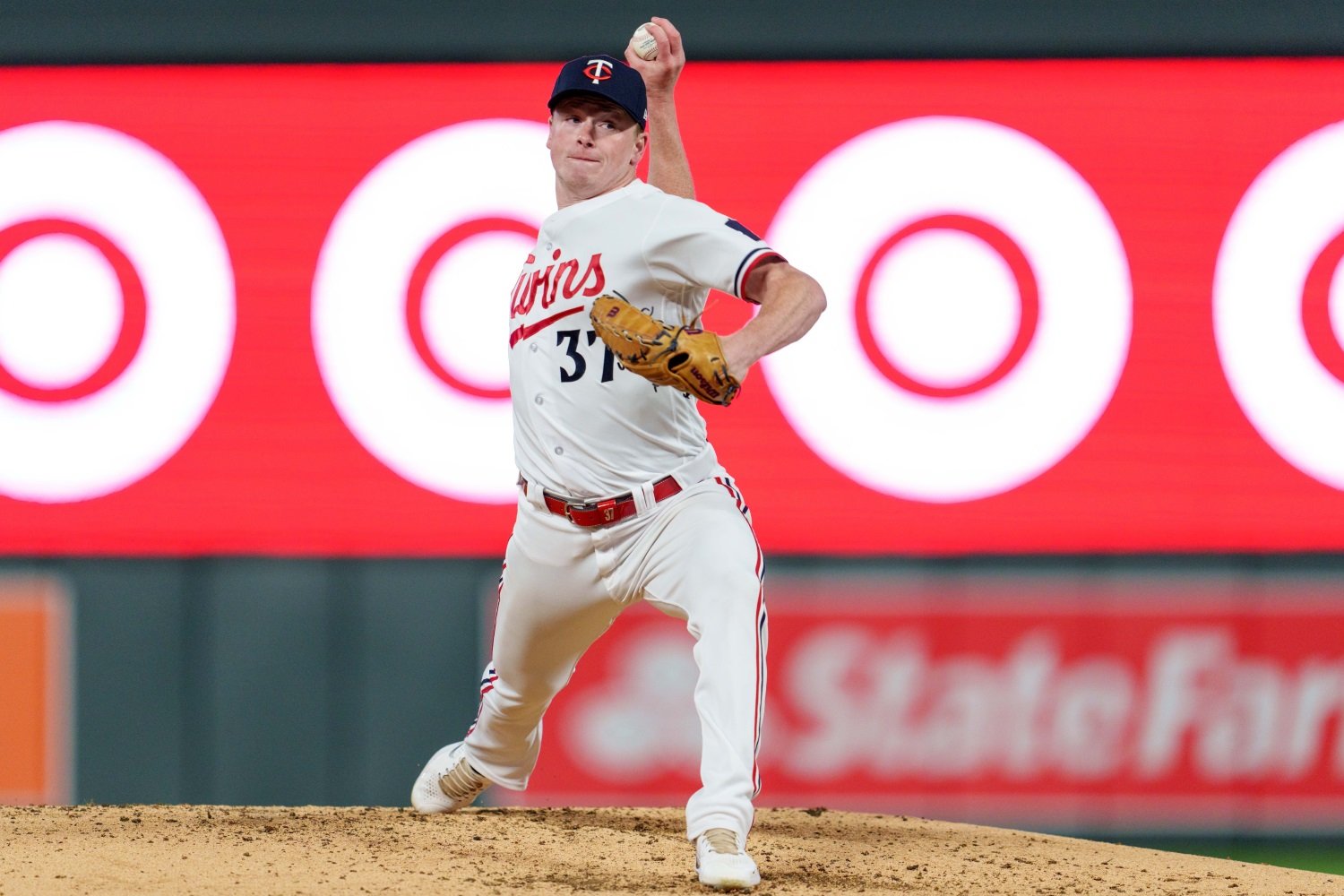 Louie Varland has been here before. Last season, the electric righthander wasn’t viewed as worthy of one of the five slots in the Opening Day rotation, but he found himself starting a bundle of games throughout the year, and then dominated in a cameo in the bullpen at the end of the season. But now, he’s been granted an extended runway in the major-league rotation to start the year, and there’s reason to believe this time could be different for North St. Paul’s native son. The Opportunity Varland went into this offseason with as much clarity as the rest of us when it came to his role with the club in 2024. Was he going to stay in the big league bullpen after a masterful September and October stretch as a reliever? Would he have to spend some more time in the Triple-A rotation to begin the season? Varland didn’t know how the club’s plans would shake out, but he said all the right things in the meantime. “I’m going to pitch to the best of my ability, in either role,” Varland said in front of a few hundred beer-soaked patrons and a handful of tipsy Twins Daily writers at the annual Winter Meltdown in January. “Come Spring Training, I’m going to do my best to compete for a starting role. I want to make the decision on the coaches as hard as possible.” As luck would have it, the decision to have Varland take hold of a spot in the Twins’ rotation out of spring training is looking like a rather easy call. Anthony DeSclafani, who was already looking like a long shot to join the starting five at any point in the first few weeks of the season, left his minor-league outing with more elbow discomfort and will seek the opinion of Dr. Keith Meister, who has performed Tommy John surgery on a handful of MLB stars in recent years. Now, instead of being tasked with fill-in duties until the club’s veteran acquisition returns to action, Varland has as open of a runway as he could hope for. He shouldn’t have to worry about the ticking clock that leads to a trip back to CHS Field. A bad start on any given night won’t hold the same weight. He can fine-tune his offerings on a macro scale at the game’s highest level. And from there, Varland’s success can speak for itself. What’s different? This isn’t the first time we’ve felt optimism for Varland as he got an opportunity with the big league rotation. I wrote about this being Louie’s time to shine in early May last year, and he went on to have a 5.72 ERA across his next seven starts before being sent back down to Triple-A. But this time can be different, because of what the 26-year-old developed as a reliever late last year, as well as what he’s been tinkering with in the offseason. These new weapons can elevate him to a solid mid-rotation arm, and their usage will be under a microscope in the early going. Firstly, a boost in velocity when he transitioned to a relief role helped raise Varland's fastball to new heights. While he sat at a comfortable 94-96 MPH level with his heater as a starter in the first half of 2023, that number rose to 97-98 MPH as a reliever. This spring, he's been up to 98 while working as a starter, but his average velocity is still right around 95. However, the more enticing development from that switch occurred with his cutter, which became one of the best raw pitches in baseball in a short sample size of seven relief appearances last September. That cutter became uncrushable, as opponents only mustered a .118 batting average and failed to get a single extra-base hit off of it. It also missed bats at an exciting clip, with a 45.7% whiff rate, which was enough for Varland to make it one of his most trusted tools to finish off a hitter late in at-bats. Inside Edge pegged Varland as having the second-highest percentage of strikeouts coming on cutters (32.4%), trailing only Corbin Burnes (44%). That’s very good company, as Burnes is known to have arguably the best cutter in the game. The hope would be that Varland’s effective cutter can stay that way in the rotation, proving his success in the bullpen wasn’t solely because of his four-seamer getting a velocity boost. If he can keep missing bats with the cutter, he instantly becomes a vital piece to the Twins’ rotation puzzle. Besides trying to keep that promising whiff rate up, Varland is also working to develop his sinker to jam right-handed hitters. Righty opposing batters crushed 11 home runs off of him last year and tuned him up with a .275/.317/.526 slash line. Those numbers need to come down if Varland is to stick in the rotation for the foreseeable future. Using the cutter to get more swing-and-miss, and mixing in his sinker in hitter’s counts to avoid major damage should help his cause. Varland’s opportunity in the rotation is going to paint a pretty good picture of his future with the club. If he’s shaky for an extended period, some more fine-tuning in the minor leagues could be on the table. If he takes off as a starting pitcher with a cutter that is anywhere near as nasty as it was out of the bullpen and a tinkered sinker to boot, he could be a potential building block as a mid-rotation arm with multiple years of club control. Whatever happens from here, it’s going to start on the extended runway that Varland has been granted. What do you think? What are some realistic expectations for Louie Varland as a starting pitcher? Let us know what you think in the comment section below, and as always, keep it sweet.
 -
The discouraging (yet predictable) news of Anthony DeSclafani’s extended absence from the Twins’ rotation clouded what was looking to be a pretty sunny outlook for the club as they near Opening Day. The silver lining could be the extended runway that it grants Louie Varland as he tries to re-establish himself as a starting pitcher. Image courtesy of © Matt Blewett-USA TODAY Sports The discouraging (yet predictable) news of Anthony DeSclafani’s extended absence from the Twins’ rotation clouded what was looking to be a pretty sunny outlook for the club as they near Opening Day. The silver lining could be the extended runway that it grants Louie Varland as he tries to re-establish himself as a starting pitcher. Louie Varland has been here before. Last season, the electric righthander wasn’t viewed as worthy of one of the five slots in the Opening Day rotation, but he found himself starting a bundle of games throughout the year, and then dominated in a cameo in the bullpen at the end of the season. But now, he’s been granted an extended runway in the major-league rotation to start the year, and there’s reason to believe this time could be different for North St. Paul’s native son. The Opportunity Varland went into this offseason with as much clarity as the rest of us when it came to his role with the club in 2024. Was he going to stay in the big league bullpen after a masterful September and October stretch as a reliever? Would he have to spend some more time in the Triple-A rotation to begin the season? Varland didn’t know how the club’s plans would shake out, but he said all the right things in the meantime. “I’m going to pitch to the best of my ability, in either role,” Varland said in front of a few hundred beer-soaked patrons and a handful of tipsy Twins Daily writers at the annual Winter Meltdown in January. “Come Spring Training, I’m going to do my best to compete for a starting role. I want to make the decision on the coaches as hard as possible.” As luck would have it, the decision to have Varland take hold of a spot in the Twins’ rotation out of spring training is looking like a rather easy call. Anthony DeSclafani, who was already looking like a long shot to join the starting five at any point in the first few weeks of the season, left his minor-league outing with more elbow discomfort and will seek the opinion of Dr. Keith Meister, who has performed Tommy John surgery on a handful of MLB stars in recent years. Now, instead of being tasked with fill-in duties until the club’s veteran acquisition returns to action, Varland has as open of a runway as he could hope for. He shouldn’t have to worry about the ticking clock that leads to a trip back to CHS Field. A bad start on any given night won’t hold the same weight. He can fine-tune his offerings on a macro scale at the game’s highest level. And from there, Varland’s success can speak for itself. What’s different? This isn’t the first time we’ve felt optimism for Varland as he got an opportunity with the big league rotation. I wrote about this being Louie’s time to shine in early May last year, and he went on to have a 5.72 ERA across his next seven starts before being sent back down to Triple-A. But this time can be different, because of what the 26-year-old developed as a reliever late last year, as well as what he’s been tinkering with in the offseason. These new weapons can elevate him to a solid mid-rotation arm, and their usage will be under a microscope in the early going. Firstly, a boost in velocity when he transitioned to a relief role helped raise Varland's fastball to new heights. While he sat at a comfortable 94-96 MPH level with his heater as a starter in the first half of 2023, that number rose to 97-98 MPH as a reliever. This spring, he's been up to 98 while working as a starter, but his average velocity is still right around 95. However, the more enticing development from that switch occurred with his cutter, which became one of the best raw pitches in baseball in a short sample size of seven relief appearances last September. That cutter became uncrushable, as opponents only mustered a .118 batting average and failed to get a single extra-base hit off of it. It also missed bats at an exciting clip, with a 45.7% whiff rate, which was enough for Varland to make it one of his most trusted tools to finish off a hitter late in at-bats. Inside Edge pegged Varland as having the second-highest percentage of strikeouts coming on cutters (32.4%), trailing only Corbin Burnes (44%). That’s very good company, as Burnes is known to have arguably the best cutter in the game. The hope would be that Varland’s effective cutter can stay that way in the rotation, proving his success in the bullpen wasn’t solely because of his four-seamer getting a velocity boost. If he can keep missing bats with the cutter, he instantly becomes a vital piece to the Twins’ rotation puzzle. Besides trying to keep that promising whiff rate up, Varland is also working to develop his sinker to jam right-handed hitters. Righty opposing batters crushed 11 home runs off of him last year and tuned him up with a .275/.317/.526 slash line. Those numbers need to come down if Varland is to stick in the rotation for the foreseeable future. Using the cutter to get more swing-and-miss, and mixing in his sinker in hitter’s counts to avoid major damage should help his cause. Varland’s opportunity in the rotation is going to paint a pretty good picture of his future with the club. If he’s shaky for an extended period, some more fine-tuning in the minor leagues could be on the table. If he takes off as a starting pitcher with a cutter that is anywhere near as nasty as it was out of the bullpen and a tinkered sinker to boot, he could be a potential building block as a mid-rotation arm with multiple years of club control. Whatever happens from here, it’s going to start on the extended runway that Varland has been granted. What do you think? What are some realistic expectations for Louie Varland as a starting pitcher? Let us know what you think in the comment section below, and as always, keep it sweet. View full article
-
Does Griffin Jax Have Another Gear?
Lou Hennessy replied to Lou Hennessy's topic in Twins Daily Front Page News
Topa was pretty great last year, and I would put his 2023 right up there with Jax's. But I think Jax was a top-10 non-closer in the American League last year, and I consider that to be premier. I also think his age and track record make him a better bet than Topa heading into 2024 and beyond. Jax's 3.86 ERA last year was misleading, as it was inflated by his only two outings where he allowed more than two earned runs (of course, those bad outings still count, not trying to suggest otherwise). But looking at Jax's raw stuff and his 2.88 xERA paints a better picture of his performance than just ERA and Saves/Blown Saves. I hear you on the endless optimism on every Twins player. I think spirits are high with the general health of the roster (knock on wood) and an exciting playoff push last year. -
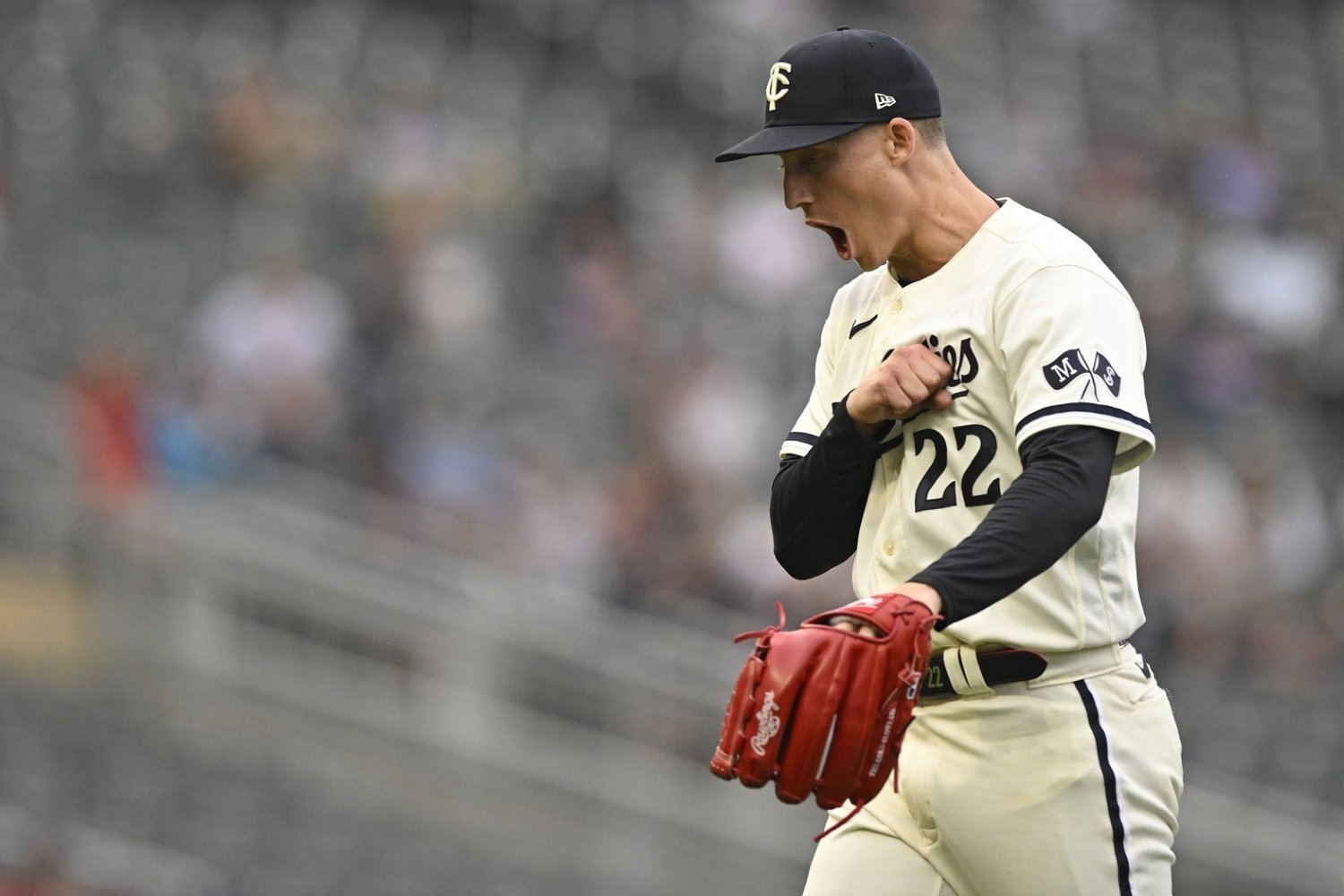 Think about the Twins reliever who can approach 100 MPH with his fastball. No, not that one. I’m talking about Griffin Jax, whose unique journey to the big leagues has led him to two years of success in a setup relief role. Through his winter training program with Driveline in the 2022-2023 offseason, the hard-throwing righty added substantial velocity to his fastball, and the results speak for themselves. He finished the 2023 campaign with a 3.86 ERA and a solid 24.8% strikeout rate across 65 innings pitched, and was completely dominant in four postseason appearances, wherein he punched out five while only allowing one hit and no walks. So how did Jax get to this point, and where does he go from here? Get In (Drive)Line Like many players in Major League Baseball, Jax spent last offseason working with Driveline, the renowned data-driven player development organization. Many players get assessments and training resources through this premier program, and for many pitchers, they do so with an eye toward increasing their strength and velocity on their pitches. Jax’s partnership with them proved to work wonders, as his fastball velocity increased substantially in 2023. Sure, he had already made huge strides the year prior, as he had the highest velocity gain among all MLB pitchers once he moved to a bullpen role prior to 2022. But his advances with Driveline by his side led to another step forward. He made a few tweaks to his mechanics in an effort to increase his extension, and strengthened his arm to a point where he was throwing his heater an average of 1.8 MPH harder in effective velocity than in 2022. That’s notable for someone who was already topping out around 97 MPH. Jax’s fastball was transformed into a true weapon, and it effectively improved his other offerings, as each pitch in his repertoire now boasts a Stuff+ score that is well above average. Opposing hitters rarely barreled him up (a 3.6% improvement from the year prior), they hit far more ground balls (a 10.8% improvement) and they mostly failed to hit it over the fence (five home runs allowed all season). Is Jax’s work with Driveline the sole reason for his raw improvements? Not necessarily, but it’s clear that the extra velocity gave him a leg up. What’s next? If the Twins could take Jax’s production from last year and precisely replicate it for 2024, they would gladly take it. But there’s room for improvement, and plenty of opportunity to reap the good karma that should be awaiting him after being relatively unlucky in a couple blemishes on his 2023 game log. So what can take Jax to his next level? It’s easy to say that another jump in velocity would prove beneficial, but how realistic is that after the increase we’ve seen over the last two years? Driveline is a training program, not a genie in a bottle that will grant him the same wish three times in a row. But let’s look at some of the changes Jax made late in the 2023 season, when he had his best six-week stretch. From September through the end of the postseason, he had a 1.84 ERA and a whopping 12.3 K/9, while allowing just nine hits across 14 ⅔ innings pitched. He was locked in, and some changes to his repertoire may have something to do with the success that followed. In that time frame, Jax truly went back to his bread and butter – that being his nasty sweeper and a lethal four-seam fastball that he dotted up in the zone. He threw his heater almost twice as often as he had been (nearly 33% of the time, compared to 16% for the two months prior), while completely eliminating a cutter that had seen mixed results through the season. While still throwing his sweeper more than any other offering in the final month of the season, Jax reined in its usage to a more palatable 35.3%, rather than the sky-high 71% peak that he saw earlier in the year. So maybe he sticks with that more balanced usage of his two best pitches, or at least makes the necessary in-season adjustments just as he did in 2023. If Jax can carry over the eyebrow-raising success that he showed for most of last year (and especially in the final six weeks of the season), then he quickly becomes the third head of a truly terrifying monster at the back of the Twins’ bullpen – along with that guy that touches 100 MPH with his fastball and that other guy that can do the same. What do you think? What are reasonable expectations for Jax this year? Do you think he has another gear? Let us know what you think in the comments, and as always, keep it sweet.
 -
While he may not get the top billing in the Minnesota Twins’ bullpen picture, Griffin Jax has emerged as one of the premier setup options in the American League. His offseason gains last year helped propel him to that point. What does another step up look like for the flame-throwing righty? Image courtesy of © Nick Wosika-USA TODAY Sports While he may not get the top billing in the Minnesota Twins’ bullpen picture, Griffin Jax has emerged as one of the premier setup options in the American League. His offseason gains last year helped propel him to that point. What does another step up look like for the flame-throwing righty? Think about the Twins reliever who can approach 100 MPH with his fastball. No, not that one. I’m talking about Griffin Jax, whose unique journey to the big leagues has led him to two years of success in a setup relief role. Through his winter training program with Driveline in the 2022-2023 offseason, the hard-throwing righty added substantial velocity to his fastball, and the results speak for themselves. He finished the 2023 campaign with a 3.86 ERA and a solid 24.8% strikeout rate across 65 innings pitched, and was completely dominant in four postseason appearances, wherein he punched out five while only allowing one hit and no walks. So how did Jax get to this point, and where does he go from here? Get In (Drive)Line Like many players in Major League Baseball, Jax spent last offseason working with Driveline, the renowned data-driven player development organization. Many players get assessments and training resources through this premier program, and for many pitchers, they do so with an eye toward increasing their strength and velocity on their pitches. Jax’s partnership with them proved to work wonders, as his fastball velocity increased substantially in 2023. Sure, he had already made huge strides the year prior, as he had the highest velocity gain among all MLB pitchers once he moved to a bullpen role prior to 2022. But his advances with Driveline by his side led to another step forward. He made a few tweaks to his mechanics in an effort to increase his extension, and strengthened his arm to a point where he was throwing his heater an average of 1.8 MPH harder in effective velocity than in 2022. That’s notable for someone who was already topping out around 97 MPH. Jax’s fastball was transformed into a true weapon, and it effectively improved his other offerings, as each pitch in his repertoire now boasts a Stuff+ score that is well above average. Opposing hitters rarely barreled him up (a 3.6% improvement from the year prior), they hit far more ground balls (a 10.8% improvement) and they mostly failed to hit it over the fence (five home runs allowed all season). Is Jax’s work with Driveline the sole reason for his raw improvements? Not necessarily, but it’s clear that the extra velocity gave him a leg up. What’s next? If the Twins could take Jax’s production from last year and precisely replicate it for 2024, they would gladly take it. But there’s room for improvement, and plenty of opportunity to reap the good karma that should be awaiting him after being relatively unlucky in a couple blemishes on his 2023 game log. So what can take Jax to his next level? It’s easy to say that another jump in velocity would prove beneficial, but how realistic is that after the increase we’ve seen over the last two years? Driveline is a training program, not a genie in a bottle that will grant him the same wish three times in a row. But let’s look at some of the changes Jax made late in the 2023 season, when he had his best six-week stretch. From September through the end of the postseason, he had a 1.84 ERA and a whopping 12.3 K/9, while allowing just nine hits across 14 ⅔ innings pitched. He was locked in, and some changes to his repertoire may have something to do with the success that followed. In that time frame, Jax truly went back to his bread and butter – that being his nasty sweeper and a lethal four-seam fastball that he dotted up in the zone. He threw his heater almost twice as often as he had been (nearly 33% of the time, compared to 16% for the two months prior), while completely eliminating a cutter that had seen mixed results through the season. While still throwing his sweeper more than any other offering in the final month of the season, Jax reined in its usage to a more palatable 35.3%, rather than the sky-high 71% peak that he saw earlier in the year. So maybe he sticks with that more balanced usage of his two best pitches, or at least makes the necessary in-season adjustments just as he did in 2023. If Jax can carry over the eyebrow-raising success that he showed for most of last year (and especially in the final six weeks of the season), then he quickly becomes the third head of a truly terrifying monster at the back of the Twins’ bullpen – along with that guy that touches 100 MPH with his fastball and that other guy that can do the same. What do you think? What are reasonable expectations for Jax this year? Do you think he has another gear? Let us know what you think in the comments, and as always, keep it sweet. View full article
-
The World Champion Texas Rangers had a collective 4.28 ERA and the National League Champion Arizona Diamondbacks had a 4.48 ERA.
- 32 replies
-
- 1
-

-
- chris paddack
- starting rotation
- (and 2 more)
-
Few players on the 2024 Twins roster are coming into as pivotal of a season as Chris Paddack. After missing most of the last two years, can he help fill the void left by Sonny Gray in the starting rotation? Image courtesy of © Jonah Hinebaugh/Naples Daily News/USA Today Network-Florida / USA TODAY NETWORK Few players on the 2024 Twins roster are coming into as pivotal of a season as Chris Paddack. After missing most of the last two years, can he help fill the void left by Sonny Gray in the starting rotation? Chris Paddack is ready to get back on his horse, pin his badge back on his chest and resume his role as The Sheriff, this time in the Twins’ starting rotation. With his trusty six-shooter reloaded after undergoing major repairs (i.e., a second Tommy John procedure), the 28-year-old is ready to show this town what made him an appealing trade candidate back in 2022. And while the Twins are encouraged by the raw stuff he displayed in the final couple weeks of last season out of their bullpen, they need to be ready to see the good, the bad and the ugly from their promising starter. Barring a surprising move to acquire another starting pitcher, it looks like the Twins’ rotation picture is mostly solidified. Staff ace Pablo López has his name written in pen atop the depth chart, with Paddack, Joe Ryan, Bailey Ober and Anthony DeSclafani pegged to fill out the MLB starting group in some order (although there's likely to be at least some uncertainty about DeSclafani, at least until we get closer to Opening Day). But how that rotation performs depends heavily on what version of Paddack shows up, and how far his horse can take him this year. High Expectations If the Twins get the version of Paddack that they’ve seen on the field in two brief stints since acquiring him, they’ll see a high-energy arm, with excellent raw stuff and a top-prospect pedigree. In five starts upon joining the club in April 2022, he had a 4.03 ERA across 22 ⅓ innings pitched, with 20 strikeouts and just two walks. His numbers under the hood (including a 1.72 FIP) suggest his small-sample success might’ve been legitimate. Paddack got good swing-and-miss rates from his three secondary offerings (25% from both curveball and slider, and an impressive 30.6% from his standout changeup). He’s also working on adding a cutter to his repertoire to complement his other offerings, especially against right-handed hitters. When paired with his standout performance upon returning to the mound last September (wherein he pitched a combined 8 ⅔ innings between three regular season outings and two postseason appearances), those skills have Paddack looking primed for a breakout as he tries to reestablish himself as a starting pitcher. And the Twins seem to believe in him, as they’ve stated on numerous occasions that they are counting on him being a force in the rotation despite the fact that he's missed most of the last two seasons. According to manager Rocco Baldelli, just being back with the big-league club could work wonders for Paddack. "I think just being with the group is going to help him a lot, He hasn't spent a lot of time actually with our team. He's been rehabbing. He's been getting his work in in Florida where he can get the attention that he needed," Baldelli told a scrum of reporters that included Twins Daily's John Bonnes on Monday. "But I think him spending time with his teammates, with our pitching coaches, with our staff is going to help him out a lot. I still think he's probably figuring some of those things out." If Paddack is able to stay relatively healthy this season, he could try to hit a self-imposed goal of 140-160 innings pitched. It remains to be seen whether that is a reasonable target, but if he can put up something similar to the 4.28 ERA (with 9.2 K/9 and 1.0 BB/9) that he’s displayed in his limited Twins tenure thus far, then the club would gladly take that. Possible Challenges There’s no escaping the uncertainty that comes from returning to game action after undergoing one Tommy John surgery--let alone two. Paddack isn’t the kind of person to shy away from a challenge, but the mind can only go so far once physical limitations take their toll. Now 28 years old, the righty has time on his side as he hopes to reclaim his promising career, but it’s hard to put any stock in him reaching the same peak he was shooting for earlier in his career. No matter how much confidence the club can put out to the public, the reality is that Paddack is going to have to miss time at some point in 2024, whether that is due to injury, skipping starts to try and preserve his arm through the calendar year, or giving him a quicker hook in-game. "We never have hard limits really on almost anyone," Baldelli answered when asked about a potential innings cap to Paddack's season. "But anyone who has been out for that period of time, you just have to be very aware of where they're at, both short-term in a particular start, and longer-term when you look at the bulk of what he's putting on his body." Determining how much time he’ll need to miss as he ramps back up is going to be key. If he falls much short of his goal of throwing 140 innings, the Twins will need to find somebody to replace him for the rest of the starts from that spot in the rotation. The biggest variable around him might not be his performance, but the size of the innings chunk that the team will need to find elsewhere to round out his place in the rotation. Fastball velocity is going to be another huge development to keep track of for Paddack going forward. Out of the bullpen last year, he averaged 95.5 MPH on his heater, and his other offerings were very effective when paired with the fastball at that velocity. But he will likely have to rein that in as he moves to a starter’s workload, and it's hard to guess how the rest of his repertoire is affected. Realistic Outcome There are a few paths that Paddack and the Twins can take that will lead them to realistic success in 2024. Both sides are going to need to be pragmatic, whether his performance is going better, worse or as-expected. One consideration could be to mostly let it fly (as the team did with Kenta Maeda in 2023), where the club was able to get about 20 starts of solid results (4.23 ERA, 10.1 K/9 and 2.4 BB/9). Of course, they had to navigate a two-month stint on the injured list early on, but upon returning, Maeda rattled off a 16-start stretch in which he had a 3.39 ERA across 85 innings pitched. That type of performance would certainly interest the Twins, but a workload that just barely crosses the 100 innings pitched mark (Maeda totaled 104 ⅓ innings last season) probably falls short of what the club is hoping to get from their pivotal starter this year. Maybe a more reasonable expectation is to see what he can provide as a starter into July, and hope the Twins can swing a trade for an established, playoff-caliber starter at that stage. If Paddack remains healthy and effective through the trade deadline, it’s a good problem to have. If his raw stuff starts to diminish, maybe they determine whether he needs rest for his recovery, or pivot to another temporary move to a relief role for the home stretch of the regular season. That would effectively limit his inning count, while still providing positive value, especially if he looks as electric in relief as he did in his brief 2023 stint. When the dust settles after a hard-fought season, Paddack is likely to have shown up as one of the versions we’ve outlined. He’ll either be the sheriff who reclaims his title as an authoritative figure in the Twins’ starting rotation, with a repaired pistol at his side and a chip on his shoulder, or as a recovering deputy whose horse doesn’t run as far as it used to. Either way, he holds a pivotal role as the X-factor in the Twins’ rotation for 2024 and beyond. What do you think? What are reasonable expectations for Paddack as he returns to the rotation after missing most of the last two seasons? Let us know what you think in the comment section below, and as always, keep it sweet. Reporter credit: @John Bonnes View full article
-
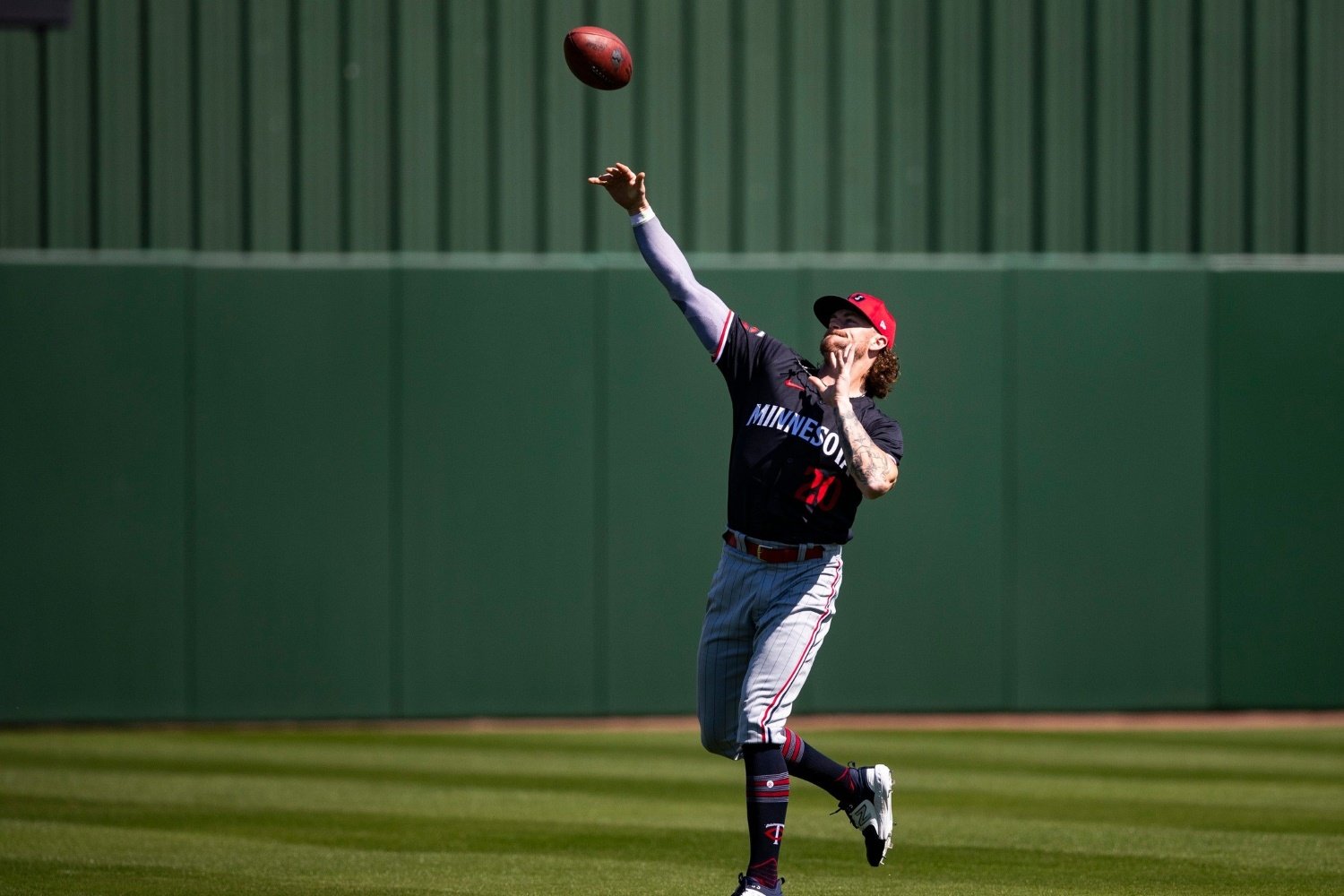 Chris Paddack is ready to get back on his horse, pin his badge back on his chest and resume his role as The Sheriff, this time in the Twins’ starting rotation. With his trusty six-shooter reloaded after undergoing major repairs (i.e., a second Tommy John procedure), the 28-year-old is ready to show this town what made him an appealing trade candidate back in 2022. And while the Twins are encouraged by the raw stuff he displayed in the final couple weeks of last season out of their bullpen, they need to be ready to see the good, the bad and the ugly from their promising starter. Barring a surprising move to acquire another starting pitcher, it looks like the Twins’ rotation picture is mostly solidified. Staff ace Pablo López has his name written in pen atop the depth chart, with Paddack, Joe Ryan, Bailey Ober and Anthony DeSclafani pegged to fill out the MLB starting group in some order (although there's likely to be at least some uncertainty about DeSclafani, at least until we get closer to Opening Day). But how that rotation performs depends heavily on what version of Paddack shows up, and how far his horse can take him this year. High Expectations If the Twins get the version of Paddack that they’ve seen on the field in two brief stints since acquiring him, they’ll see a high-energy arm, with excellent raw stuff and a top-prospect pedigree. In five starts upon joining the club in April 2022, he had a 4.03 ERA across 22 ⅓ innings pitched, with 20 strikeouts and just two walks. His numbers under the hood (including a 1.72 FIP) suggest his small-sample success might’ve been legitimate. Paddack got good swing-and-miss rates from his three secondary offerings (25% from both curveball and slider, and an impressive 30.6% from his standout changeup). He’s also working on adding a cutter to his repertoire to complement his other offerings, especially against right-handed hitters. When paired with his standout performance upon returning to the mound last September (wherein he pitched a combined 8 ⅔ innings between three regular season outings and two postseason appearances), those skills have Paddack looking primed for a breakout as he tries to reestablish himself as a starting pitcher. And the Twins seem to believe in him, as they’ve stated on numerous occasions that they are counting on him being a force in the rotation despite the fact that he's missed most of the last two seasons. According to manager Rocco Baldelli, just being back with the big-league club could work wonders for Paddack. "I think just being with the group is going to help him a lot, He hasn't spent a lot of time actually with our team. He's been rehabbing. He's been getting his work in in Florida where he can get the attention that he needed," Baldelli told a scrum of reporters that included Twins Daily's John Bonnes on Monday. "But I think him spending time with his teammates, with our pitching coaches, with our staff is going to help him out a lot. I still think he's probably figuring some of those things out." If Paddack is able to stay relatively healthy this season, he could try to hit a self-imposed goal of 140-160 innings pitched. It remains to be seen whether that is a reasonable target, but if he can put up something similar to the 4.28 ERA (with 9.2 K/9 and 1.0 BB/9) that he’s displayed in his limited Twins tenure thus far, then the club would gladly take that. Possible Challenges There’s no escaping the uncertainty that comes from returning to game action after undergoing one Tommy John surgery--let alone two. Paddack isn’t the kind of person to shy away from a challenge, but the mind can only go so far once physical limitations take their toll. Now 28 years old, the righty has time on his side as he hopes to reclaim his promising career, but it’s hard to put any stock in him reaching the same peak he was shooting for earlier in his career. No matter how much confidence the club can put out to the public, the reality is that Paddack is going to have to miss time at some point in 2024, whether that is due to injury, skipping starts to try and preserve his arm through the calendar year, or giving him a quicker hook in-game. "We never have hard limits really on almost anyone," Baldelli answered when asked about a potential innings cap to Paddack's season. "But anyone who has been out for that period of time, you just have to be very aware of where they're at, both short-term in a particular start, and longer-term when you look at the bulk of what he's putting on his body." Determining how much time he’ll need to miss as he ramps back up is going to be key. If he falls much short of his goal of throwing 140 innings, the Twins will need to find somebody to replace him for the rest of the starts from that spot in the rotation. The biggest variable around him might not be his performance, but the size of the innings chunk that the team will need to find elsewhere to round out his place in the rotation. Fastball velocity is going to be another huge development to keep track of for Paddack going forward. Out of the bullpen last year, he averaged 95.5 MPH on his heater, and his other offerings were very effective when paired with the fastball at that velocity. But he will likely have to rein that in as he moves to a starter’s workload, and it's hard to guess how the rest of his repertoire is affected. Realistic Outcome There are a few paths that Paddack and the Twins can take that will lead them to realistic success in 2024. Both sides are going to need to be pragmatic, whether his performance is going better, worse or as-expected. One consideration could be to mostly let it fly (as the team did with Kenta Maeda in 2023), where the club was able to get about 20 starts of solid results (4.23 ERA, 10.1 K/9 and 2.4 BB/9). Of course, they had to navigate a two-month stint on the injured list early on, but upon returning, Maeda rattled off a 16-start stretch in which he had a 3.39 ERA across 85 innings pitched. That type of performance would certainly interest the Twins, but a workload that just barely crosses the 100 innings pitched mark (Maeda totaled 104 ⅓ innings last season) probably falls short of what the club is hoping to get from their pivotal starter this year. Maybe a more reasonable expectation is to see what he can provide as a starter into July, and hope the Twins can swing a trade for an established, playoff-caliber starter at that stage. If Paddack remains healthy and effective through the trade deadline, it’s a good problem to have. If his raw stuff starts to diminish, maybe they determine whether he needs rest for his recovery, or pivot to another temporary move to a relief role for the home stretch of the regular season. That would effectively limit his inning count, while still providing positive value, especially if he looks as electric in relief as he did in his brief 2023 stint. When the dust settles after a hard-fought season, Paddack is likely to have shown up as one of the versions we’ve outlined. He’ll either be the sheriff who reclaims his title as an authoritative figure in the Twins’ starting rotation, with a repaired pistol at his side and a chip on his shoulder, or as a recovering deputy whose horse doesn’t run as far as it used to. Either way, he holds a pivotal role as the X-factor in the Twins’ rotation for 2024 and beyond. What do you think? What are reasonable expectations for Paddack as he returns to the rotation after missing most of the last two seasons? Let us know what you think in the comment section below, and as always, keep it sweet. Reporter credit: @John Bonnes
- 32 comments
-
- 9
-
-
- chris paddack
- starting rotation
- (and 2 more)
-
Three Ways The Twins Can Win Fans Back After Fumbling the TV Situation
Lou Hennessy posted an article in Twins
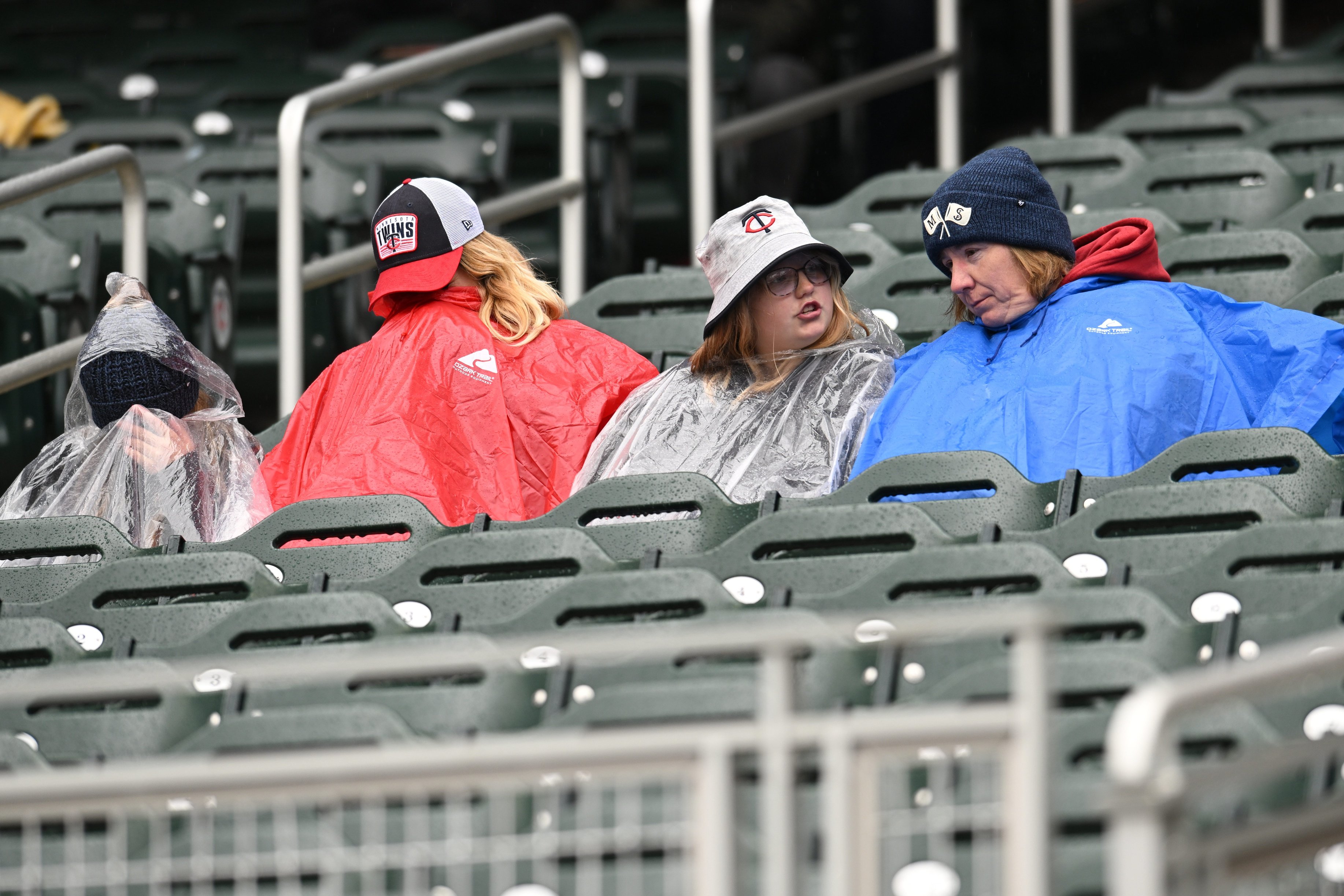 The Twins officially re-upped with Bally Sports North for the 2024 season. It’s a conclusion that very few wanted, but it was the best deal the club could muster in terms of getting a half-respectable payday in the near-term while they kick the broadcasting rights can down the road for another year. The optics of how everything went down ended up being the icing on this urinal cake of a situation. While various people associated with the team stated confidently that local blackouts would be a thing of the past, the return to BSN means those limitations still loom and viewers will need a cable subscription even if they want to stream the game, as has been the case for the last handful of years. So not only did the club put fans back in an unappealing situation, but they sullied their own word along the way. “The disappointing news is we had said very openly that our top priority was expansion of reach of our games. We felt we were in a unique position to deliver on that, considering we were a free agent in the television world,” explained Twins president Dave St. Peter to Evan Drellich of The Athletic. “And at the end of the day, we ended up doing a one-year deal on linear distribution only, and we recognize that leaves a growing number of our fans in a place where they’re gonna have a harder time watching our games.” So even though the club was able to clean up the mess caused by their television broadcast uncertainty, it feels like they used their good word to wipe up the spill, leaving it spotted and stained. And this is where the Twins need to be swift in their recovery, as some stains don’t come out if left unattended for too long. Here are three ways that the club can win back the good graces of their fans after falling short on their promise to expand the broadcast reach of their product. Allow Kids Into The Ballpark For Free Major League Baseball has been going through a unique set of growing pains as they try to navigate the fact that their base audience is getting older, and they need to find a way to become a bigger draw to a new generation of fans. Making their games easily accessible to the kids at home is an easy way to get more of them interested in the sport, but if that isn’t going to happen this year, then the club needs to find a way to get them into the ballpark. That’s why the Twins should invite fans 10 years old and younger to attend their games for free with a paying adult. This gives parents a more affordable opportunity to bring their family to a game, creating happy memories and renewed interest for a younger demographic that may not come out to a game otherwise. The Twins get to showcase their team to a new generation, and they still get to rake in the money brought in through increased concessions. Kids are going to want to eat at these games (and the parents may need another $14 beer to deal with the stress of bringing the kids – let’s be honest – anywhere). This creates some goodwill in the near-term, and hopefully a new generation of lifelong fans in the long-term. Host Watch Parties If fans can’t stream Twins games at home, then the club should make every effort possible to fill their calendar with hosted watch parties, especially for away games. This could mean making more of an event out of displaying their games on the Target Field Station plaza (which they already do for many games). Bring in the pregame and postgame crew to do their segments live from the watch party, and have them mingle with the crowd during the game. Imagine attending one of these watch parties and seeing former fan-favorites such as Glen Perkins or Trevor Plouffe hanging out with you. Maybe another locally-based Twins personality like Kent Hrbek shows up and passes out free hats or vouchers for a free standing room only ticket to a future game. The Twins could also partner with various local establishments to host watch parties, promising to provide a unique game-watching experience with prizes and guests. This gives the club an opportunity to showcase their highly marketable team while making a positive impact on the restaurants/breweries/theaters that they partner with. More Ticket Flash Sales/Promotions When Carlos Correa re-signed with the club last year, the Twins offered $4 tickets through the end of that week. It was an easy way to build the excitement of the notable signing, while offering fans something to take advantage of for a short amount of time. It was an extremely popular idea, and it’s the kind of proposal that gets folks interested in coming to more games in a hurry. I know this because I’ve had countless people come to me – a lowly scribe – asking when the Twins are going to run something like that again because it was the only way they went to a handful of games last year. And the team doesn’t have to wait for notable signings to make this promotion a reality. Picture Royce Lewis hitting a walk-off home run, and using that highlight as a jumping-off point to run a ticket promotion during the ensuing social media hoopla. For that matter, make standing room only tickets available for $5 after every walk-off at Target Field. Let the team on the field do the heavy lifting, and use their highlights as the catalyst for a special. These proposals could renew an appetite for the fans that has been spoiled by the bitterness of their TV situation. Yes, the debacle with Bally Sports North left a bitter aftertaste, but the team can help themselves out by taking the steps necessary to flush that bitterness out on their own. Look, I’ve never owned a billion dollar company (yet) and I don’t know the inner workings of a professional sports team’s ticket operations. But I do know that what goes around, comes around. And unless the Twins throw some goodness to their loyal fans, they are not going to like the negative buzz that’s likely coming to them. What do you think? How would you like to see the Twins make up for the disappointing conclusion to their TV situation? What would it take to get you back to the ballpark if you feel slighted by this development? Let us know your thoughts in the comment section, and as always, keep it sweet.
- 58 comments
-
- 12
-
-

-
-
- bally sports north
- dave st peter
- (and 1 more)
-
The freshly renewed TV deal with Bally Sports North leaves many fans in the dark, yet again. How can the Twins make up for this disappointing conclusion, and get back in the good graces of their loyal fans? Image courtesy of Jeffrey Becker-USA TODAY Sports The freshly renewed TV deal with Bally Sports North leaves many fans in the dark, yet again. How can the Twins make up for this disappointing conclusion, and get back in the good graces of their loyal fans? The Twins officially re-upped with Bally Sports North for the 2024 season. It’s a conclusion that very few wanted, but it was the best deal the club could muster in terms of getting a half-respectable payday in the near-term while they kick the broadcasting rights can down the road for another year. The optics of how everything went down ended up being the icing on this urinal cake of a situation. While various people associated with the team stated confidently that local blackouts would be a thing of the past, the return to BSN means those limitations still loom and viewers will need a cable subscription even if they want to stream the game, as has been the case for the last handful of years. So not only did the club put fans back in an unappealing situation, but they sullied their own word along the way. “The disappointing news is we had said very openly that our top priority was expansion of reach of our games. We felt we were in a unique position to deliver on that, considering we were a free agent in the television world,” explained Twins president Dave St. Peter to Evan Drellich of The Athletic. “And at the end of the day, we ended up doing a one-year deal on linear distribution only, and we recognize that leaves a growing number of our fans in a place where they’re gonna have a harder time watching our games.” So even though the club was able to clean up the mess caused by their television broadcast uncertainty, it feels like they used their good word to wipe up the spill, leaving it spotted and stained. And this is where the Twins need to be swift in their recovery, as some stains don’t come out if left unattended for too long. Here are three ways that the club can win back the good graces of their fans after falling short on their promise to expand the broadcast reach of their product. Allow Kids Into The Ballpark For Free Major League Baseball has been going through a unique set of growing pains as they try to navigate the fact that their base audience is getting older, and they need to find a way to become a bigger draw to a new generation of fans. Making their games easily accessible to the kids at home is an easy way to get more of them interested in the sport, but if that isn’t going to happen this year, then the club needs to find a way to get them into the ballpark. That’s why the Twins should invite fans 10 years old and younger to attend their games for free with a paying adult. This gives parents a more affordable opportunity to bring their family to a game, creating happy memories and renewed interest for a younger demographic that may not come out to a game otherwise. The Twins get to showcase their team to a new generation, and they still get to rake in the money brought in through increased concessions. Kids are going to want to eat at these games (and the parents may need another $14 beer to deal with the stress of bringing the kids – let’s be honest – anywhere). This creates some goodwill in the near-term, and hopefully a new generation of lifelong fans in the long-term. Host Watch Parties If fans can’t stream Twins games at home, then the club should make every effort possible to fill their calendar with hosted watch parties, especially for away games. This could mean making more of an event out of displaying their games on the Target Field Station plaza (which they already do for many games). Bring in the pregame and postgame crew to do their segments live from the watch party, and have them mingle with the crowd during the game. Imagine attending one of these watch parties and seeing former fan-favorites such as Glen Perkins or Trevor Plouffe hanging out with you. Maybe another locally-based Twins personality like Kent Hrbek shows up and passes out free hats or vouchers for a free standing room only ticket to a future game. The Twins could also partner with various local establishments to host watch parties, promising to provide a unique game-watching experience with prizes and guests. This gives the club an opportunity to showcase their highly marketable team while making a positive impact on the restaurants/breweries/theaters that they partner with. More Ticket Flash Sales/Promotions When Carlos Correa re-signed with the club last year, the Twins offered $4 tickets through the end of that week. It was an easy way to build the excitement of the notable signing, while offering fans something to take advantage of for a short amount of time. It was an extremely popular idea, and it’s the kind of proposal that gets folks interested in coming to more games in a hurry. I know this because I’ve had countless people come to me – a lowly scribe – asking when the Twins are going to run something like that again because it was the only way they went to a handful of games last year. And the team doesn’t have to wait for notable signings to make this promotion a reality. Picture Royce Lewis hitting a walk-off home run, and using that highlight as a jumping-off point to run a ticket promotion during the ensuing social media hoopla. For that matter, make standing room only tickets available for $5 after every walk-off at Target Field. Let the team on the field do the heavy lifting, and use their highlights as the catalyst for a special. These proposals could renew an appetite for the fans that has been spoiled by the bitterness of their TV situation. Yes, the debacle with Bally Sports North left a bitter aftertaste, but the team can help themselves out by taking the steps necessary to flush that bitterness out on their own. Look, I’ve never owned a billion dollar company (yet) and I don’t know the inner workings of a professional sports team’s ticket operations. But I do know that what goes around, comes around. And unless the Twins throw some goodness to their loyal fans, they are not going to like the negative buzz that’s likely coming to them. What do you think? How would you like to see the Twins make up for the disappointing conclusion to their TV situation? What would it take to get you back to the ballpark if you feel slighted by this development? Let us know your thoughts in the comment section, and as always, keep it sweet. View full article
-
The Twins announced their 2024 promotions calendar this week, and while they were able to pack in some incredibly fun marketing ploys, some ideas failed to make the cut. Image courtesy of Melissa Berman The Twins announced their 2024 promotions calendar this week, and while they were able to pack in some incredibly fun marketing ploys, some ideas failed to make the cut. The Twins are known to have some of the best promotions in the league annually. From the Joe Mauer sideburns giveaway to T-Pain’s post-game concert last season, the club knows what they’re doing when it comes to getting creative with their ideas. But for one reason or another, some concepts fell by the wayside. These are their stories. Gleeman and the Geek Sexy Pin-up Calendar giveaway Come celebrate the Home Opener by closing this thing as fast as possible. This exciting and somewhat concerning item is sponsored by BetterHelp, who assured us that licensed therapists will be available to help process the trauma fans will experience when they see the visual atrocities depicted in this calendar. Nasty Cat Blanket giveaway sponsored by the office of Mayor Jacob Frey For all the non-losers who decided to come downtown to watch a ballgame in person instead of watching it remotely, this giveaway is sure to put Minneapolis’ lovable leader in everyone’s good graces. Streaming Night sponsored by Bally Sports (only 25% of fans attending get to watch the game) It’s the outcome that everyone was begging for. Why should everyone enjoy America’s pastime when ownership could be making up to 80% of the very modest TV revenue they received last year? The lucky few that get to actually watch the game will enjoy an exciting young ballclub, and the remaining fans will only be able to see the field if they have a VPN. BOGO Murder Lemonade sponsored by Panera Bread Bring the Thelma to your Louise to Target Field, and the two of you can hold hands and drive off that cliff into Flavortown, baby. Dollar Frog Night (minimum two per customer) Are you the kind of person not really interested in being responsible for caring for a living animal when you come to a Twins game? Too bad! Everyone in attendance must purchase two frogs for a dollar each. Leftover frogs will be processed into Dollar Hot Dogs for the following game. Butterfinger Candy Bar giveaway This one goes out to everyone who can’t catch a foul ball in the air. Sponsored by Mr. Butterfingers himself, Dan Hayes of The Athletic. Pohlad Family Wallet Retirement ceremony We all love the retired jersey numbers hanging in left field as a way to honor such legends as Harmon Killebrew, Rod Carew, and Joe Mauer. Now we get to honor the small piece of black leather that made all this possible, as it apparently went into retirement this offseason. Watch as a lone white moth flutters out of the empty billfold as it’s lifted into the rafters. Forgotten Twins Jersey Giveaway Upon entry, every fan will get the jersey of a former Twin that you vaguely remember being on the rosters of yesteryear. Whether that’s Mike Lamb, Clete Thomas, Esmerling Vásquez, PJ Walters, or any other easily forgotten former Twins, come take a walk down no-memory lane. Remember Corky Miller? Of course, you don’t! But come get his jersey anyway. Jerseys will be provided from the personal collection of Twins Daily’s own Gregg Masterson. Postgame concert featuring your neighbor whose name you’ve forgotten, and now too much time has passed, and it would be weird to ask him his name again. Is it Jeff? Johnny maybe? Josh? You cannot remember this guy’s name for your life, but he’ll be playing a post-game concert on the field. JORDAN. It’s gotta be Jordan. Better yet, how about you introduce someone to him, and he’ll tell them his name. NOW we’re getting somewhere. Is it Jason? Cripes. View full article
-
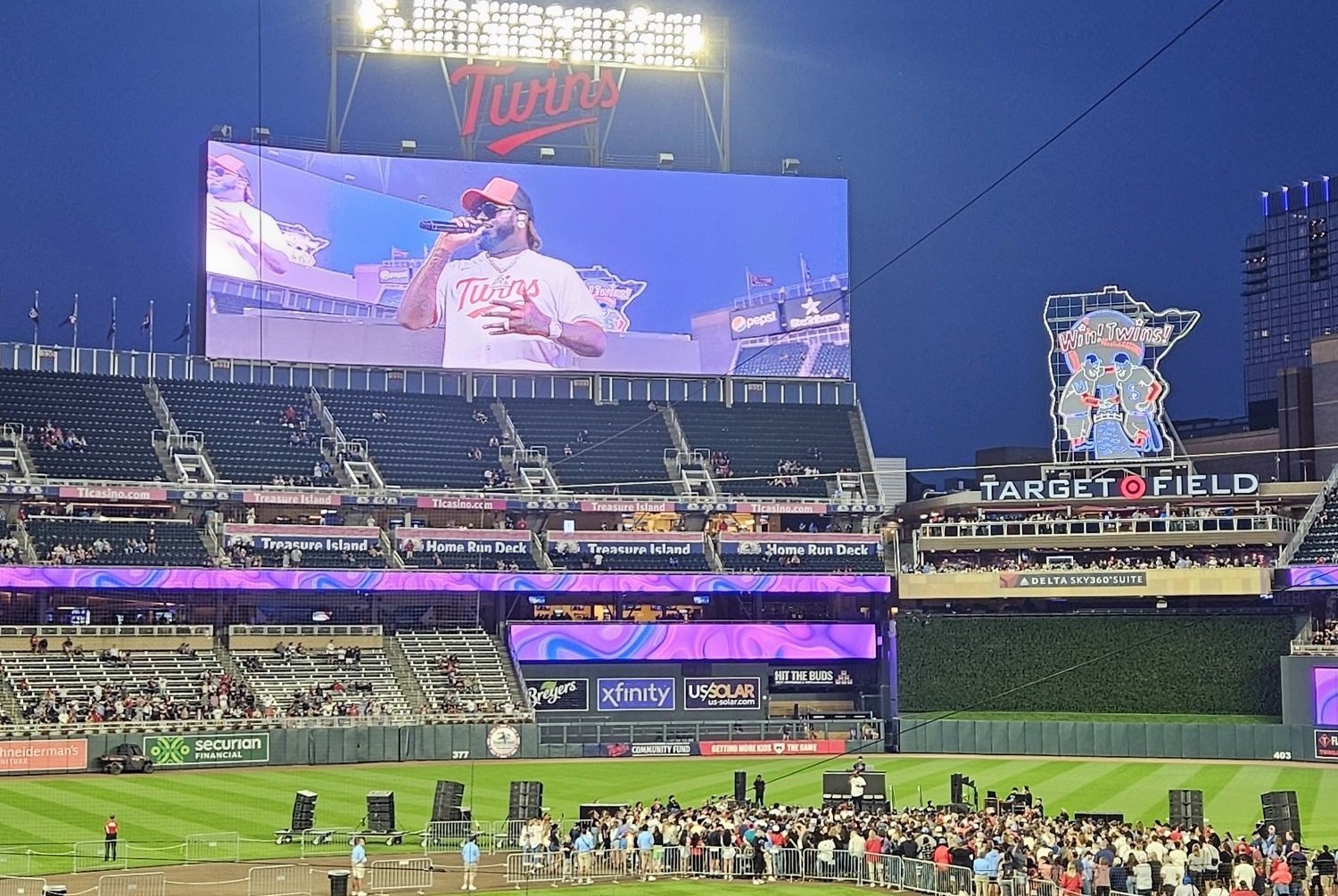 The Twins are known to have some of the best promotions in the league annually. From the Joe Mauer sideburns giveaway to T-Pain’s post-game concert last season, the club knows what they’re doing when it comes to getting creative with their ideas. But for one reason or another, some concepts fell by the wayside. These are their stories. Gleeman and the Geek Sexy Pin-up Calendar giveaway Come celebrate the Home Opener by closing this thing as fast as possible. This exciting and somewhat concerning item is sponsored by BetterHelp, who assured us that licensed therapists will be available to help process the trauma fans will experience when they see the visual atrocities depicted in this calendar. Nasty Cat Blanket giveaway sponsored by the office of Mayor Jacob Frey For all the non-losers who decided to come downtown to watch a ballgame in person instead of watching it remotely, this giveaway is sure to put Minneapolis’ lovable leader in everyone’s good graces. Streaming Night sponsored by Bally Sports (only 25% of fans attending get to watch the game) It’s the outcome that everyone was begging for. Why should everyone enjoy America’s pastime when ownership could be making up to 80% of the very modest TV revenue they received last year? The lucky few that get to actually watch the game will enjoy an exciting young ballclub, and the remaining fans will only be able to see the field if they have a VPN. BOGO Murder Lemonade sponsored by Panera Bread Bring the Thelma to your Louise to Target Field, and the two of you can hold hands and drive off that cliff into Flavortown, baby. Dollar Frog Night (minimum two per customer) Are you the kind of person not really interested in being responsible for caring for a living animal when you come to a Twins game? Too bad! Everyone in attendance must purchase two frogs for a dollar each. Leftover frogs will be processed into Dollar Hot Dogs for the following game. Butterfinger Candy Bar giveaway This one goes out to everyone who can’t catch a foul ball in the air. Sponsored by Mr. Butterfingers himself, Dan Hayes of The Athletic. Pohlad Family Wallet Retirement ceremony We all love the retired jersey numbers hanging in left field as a way to honor such legends as Harmon Killebrew, Rod Carew, and Joe Mauer. Now we get to honor the small piece of black leather that made all this possible, as it apparently went into retirement this offseason. Watch as a lone white moth flutters out of the empty billfold as it’s lifted into the rafters. Forgotten Twins Jersey Giveaway Upon entry, every fan will get the jersey of a former Twin that you vaguely remember being on the rosters of yesteryear. Whether that’s Mike Lamb, Clete Thomas, Esmerling Vásquez, PJ Walters, or any other easily forgotten former Twins, come take a walk down no-memory lane. Remember Corky Miller? Of course, you don’t! But come get his jersey anyway. Jerseys will be provided from the personal collection of Twins Daily’s own Gregg Masterson. Postgame concert featuring your neighbor whose name you’ve forgotten, and now too much time has passed, and it would be weird to ask him his name again. Is it Jeff? Johnny maybe? Josh? You cannot remember this guy’s name for your life, but he’ll be playing a post-game concert on the field. JORDAN. It’s gotta be Jordan. Better yet, how about you introduce someone to him, and he’ll tell them his name. NOW we’re getting somewhere. Is it Jason? Cripes.
 -
 With Jorge Polanco and his reasonable salary headed to the Seattle Mariners, the Twins will look to reinvest that allotted money into their roster in a new way. More specifically, the club is seeking to use the roughly $4 million they saved in the deal on some support in the right-handed slugger department. Enter Carlos Santana. The longtime division rival may be in the twilight of his career at age 37, but he would still check a lot of the boxes that remain on the Twins’ offseason wish list. While many continue to hope that the club would make a blockbuster splash this off-season, bringing Santana into the fold as a designated hitter/first-base platoon partner with Alex Kirilloff would be a frugal way to add a bona fide southpaw-crusher to the Twins’ roster. And Twins president of baseball operations Derek Falvey certainly has familiarity with the switch-hitting slugger, since the two spent years together in the Cleveland organization until 2016. So maybe it’s time to call his old friend and ask “¿Oye, cómo va?” Sure, someone along the lines of Jorge Soler or J.D. Martinez might offer a higher offensive ceiling than Santana, but it’s assumed that they would require a heftier payday, with less of a defensive fit. Soler is also known to be seeking a multi-year deal, which is probably not in the cards for the Twins at this time. Santana could probably be had on a one-year deal, similar to the one he signed with the Pittsburgh Pirates last offseason. His contract guaranteed him a modest $6.75-million salary, which nearly matches the $4 million they opened up with the Polanco trade (when combined with the outgoing $2.5 million they allotted to Donovan Solano in 2023). Santana’s bat has toed the league-average mark over the last two seasons (101 wRC+), but his numbers against left-handed pitching continue to be quite valuable (118 wRC+ in 2023, 133 wRC+ in 2022). If he continues to hold on to that type of production against southpaws in 2024, it would pair seamlessly with the .858 OPS that Kirilloff put up against righties in a limited sample last season. Defensively, Santana still boasts above-average range at first base, and would be an improvement over Solano or José Miranda. And the short-term nature of any deal with a player this age wouldn’t preclude the Twins from continuing to develop Miranda within their system, after the would-be slugger suffered through an injury-marred 2023 campaign. Santana might even be able to provide him with more veteran guidance as he continues to learn the position going forward. Of course, there is a downside to Santana’s game as he approaches his 38th birthday. His batted-ball numbers took a significant dip last season, especially when it came to hard hit rate (down 8.7% from 2022). Santana has also sunk to the lower depths of the league in terms of sprint speed (17th percentile since 2021), which the club has made a concerted effort to improve in recent years. But on paper, the benefits to a potential reunion between Santana and Falvey seem to outweigh the drawbacks. And one way or another, the Twins need to improve their production against left-handed pitching, which happens to be Santana’s best asset. The fit is just too smooth to ignore. So give us that bat. Make it real, Or else forget about it. What do you think? Would an addition of Carlos Santana on a modest one-year deal elevate this team as constructed heading into spring training? Who would you rather see them bring in via free agency or trade? Let us know in the comment section below, and as always, keep it sweet.
 -
The Carlos Santana Fit Is Just Too Smooth
Lou Hennessy posted a topic in Twins Daily Front Page News
The Twins are still on the lookout for a difference-making bat at first base or DH. Could an old friend of Derek Falvey’s be a clean fit for the club? Image courtesy of © Rich Storry - USA Today Sports The Twins are still on the lookout for a difference-making bat at first base or DH. Could an old friend of Derek Falvey’s be a clean fit for the club? With Jorge Polanco and his reasonable salary headed to the Seattle Mariners, the Twins will look to reinvest that allotted money into their roster in a new way. More specifically, the club is seeking to use the roughly $4 million they saved in the deal on some support in the right-handed slugger department. Enter Carlos Santana. The longtime division rival may be in the twilight of his career at age 37, but he would still check a lot of the boxes that remain on the Twins’ offseason wish list. While many continue to hope that the club would make a blockbuster splash this off-season, bringing Santana into the fold as a designated hitter/first-base platoon partner with Alex Kirilloff would be a frugal way to add a bona fide southpaw-crusher to the Twins’ roster. And Twins president of baseball operations Derek Falvey certainly has familiarity with the switch-hitting slugger, since the two spent years together in the Cleveland organization until 2016. So maybe it’s time to call his old friend and ask “¿Oye, cómo va?” Sure, someone along the lines of Jorge Soler or J.D. Martinez might offer a higher offensive ceiling than Santana, but it’s assumed that they would require a heftier payday, with less of a defensive fit. Soler is also known to be seeking a multi-year deal, which is probably not in the cards for the Twins at this time. Santana could probably be had on a one-year deal, similar to the one he signed with the Pittsburgh Pirates last offseason. His contract guaranteed him a modest $6.75-million salary, which nearly matches the $4 million they opened up with the Polanco trade (when combined with the outgoing $2.5 million they allotted to Donovan Solano in 2023). Santana’s bat has toed the league-average mark over the last two seasons (101 wRC+), but his numbers against left-handed pitching continue to be quite valuable (118 wRC+ in 2023, 133 wRC+ in 2022). If he continues to hold on to that type of production against southpaws in 2024, it would pair seamlessly with the .858 OPS that Kirilloff put up against righties in a limited sample last season. Defensively, Santana still boasts above-average range at first base, and would be an improvement over Solano or José Miranda. And the short-term nature of any deal with a player this age wouldn’t preclude the Twins from continuing to develop Miranda within their system, after the would-be slugger suffered through an injury-marred 2023 campaign. Santana might even be able to provide him with more veteran guidance as he continues to learn the position going forward. Of course, there is a downside to Santana’s game as he approaches his 38th birthday. His batted-ball numbers took a significant dip last season, especially when it came to hard hit rate (down 8.7% from 2022). Santana has also sunk to the lower depths of the league in terms of sprint speed (17th percentile since 2021), which the club has made a concerted effort to improve in recent years. But on paper, the benefits to a potential reunion between Santana and Falvey seem to outweigh the drawbacks. And one way or another, the Twins need to improve their production against left-handed pitching, which happens to be Santana’s best asset. The fit is just too smooth to ignore. So give us that bat. Make it real, Or else forget about it. What do you think? Would an addition of Carlos Santana on a modest one-year deal elevate this team as constructed heading into spring training? Who would you rather see them bring in via free agency or trade? Let us know in the comment section below, and as always, keep it sweet. View full article -
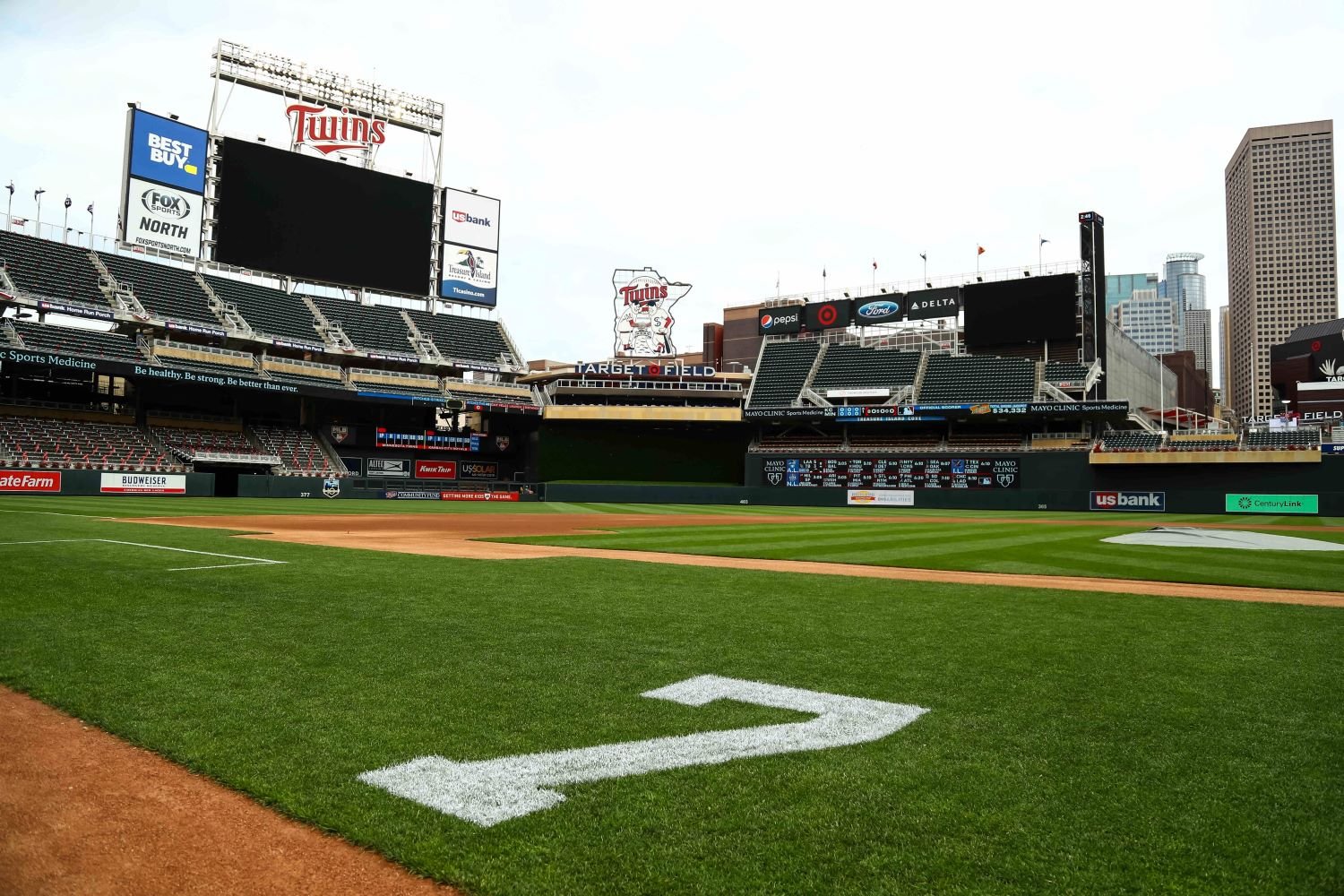 "He liked to keep things pretty quiet during the game," said former Cretin-Derham Hall High School baseball coach Jim O'Neill. “It was the same thing while he was at school. He didn't do anything for the attention." While Joe Mauer started etching his name into the history books thanks to his budding stardom in high school, he always wanted to be treated like any other person. This was the unofficial first impression O’Neill ever picked up regarding the star catcher, who would go on to be one of the best athletes to ever come out of the St. Paul high school that produced the likes of Hall of Famer Paul Molitor, Heisman Trophy winner Chris Weinke, and local media supernova Sweet Lou Hennessy. Little did O’Neill know, Joe would become one of the program’s crown jewels, and eventually be inducted into baseball’s Hall of Fame. For the former coach of the Raiders who spent four years training the Twins legend in his youth, it couldn’t happen to a better person. “I loved seeing him tune out the pressure of having 15 scouts at any given game,” O’Neill recounted. “He would say to the other players taking batting practice in the cage with him, ‘Hey, don’t look at me. I think they’re here to see you.’” O’Neill has been close with Mauer ever since, and he’s seen the Twins legend grow on and off the field for the last 25 years. From winning CDH’s last state title for baseball in 2001, to being drafted with the first overall pick, to marrying his wife and starting a family, Mauer has had his coach in his corner through every step in his storybook life. “I can’t think of a person that could accomplish what Joe did with such grace and humility,” O’Neill said. “That’s what will always stand out about Joe. He did it the right way.” For Mauer, doing things the right way was foundational to how he treated others, even before stardom. A new children’s book, The Right Thing To Do: The Joe Mauer Story was co-created with local sports broadcaster Joe Schmit, and shines a light on the compassion, inclusion and generosity that Mauer has lived by for his entire life. “He was just like how he’s portrayed in the book,” O’Neill attests. “And he still is to this day.” Proceeds from the book go to two local non-profit organizations. Highland Friendship Club (highlandfriendshipclub.org) serves individuals with disabilities by providing a range of opportunities to develop lifelong skills, friendships and connections within their community, and Thumbs Up brings awareness to youth mental health initiatives (thumbsupformentalhealth.org). Highland Friendship Club, in particular, has been near and dear to Mauer’s heart for years. From hosting bowling tournament fundraisers, to inviting the group to countless Twins games, and even honoring them with the chance to sing the national anthem before his Twins Hall of Fame ceremony last season, Joe has been a close friend to the organization. He’s always been about bringing his community along with him as his illustrious career progressed. O’Neill experienced this loyalty firsthand, when Mauer invited him to attend All-Star weekend in 2009. Having his high school coach throw to him was the defining factor for Mauer to accept his invitation to participate in that year’s Home Run Derby. “It was a really special weekend for me, and not just in terms of what I got to experience. Yes, it was incredible to be on the field, get treated like a big-leaguer and sit at a dinner table with guys like Derek Jeter and Albert Pujols,” O’Neill said. “But what was even better was hearing the way those guys talked about Joe. They called him a class act and a truly special ball player for the whole weekend.” That’s the kind of company Mauer is going to find himself keeping come July 21, when he is officially inducted into baseball's Hall of Fame. After surpassing the 75% threshold in his first year on the ballot, Mauer will become the newest Twins legend to get a bronze plaque in Cooperstown. “It’s an incredible experience to be there. I went when Paul Molitor got in because he was a teammate of mine in high school,” O’Neill said. “It’s exciting to think about Joe standing in front of everyone on that stage, with the best players who ever lived. And he’s going to belong up there with them.” Joe belongs in that hallowed museum for countless reasons--not just for his incredible career on the field, but for his generosity and compassion off of it. Sure, there’s no character clause for getting into the Hall of Fame, but there’s a karmic fate that reels in worthy personalities sooner or later. Knowing Joe, he’s going to bring a lot of folks into the celebration with him--especially his former coach, who has become a treasured friend. Whether he likes it or not, the spotlight will be shining brightly on the St. Paul legend. “I hope it highlights his ties to St. Paul,” O’Neill said. “Joe was the hometown kid who did right by us all.”
- 3 comments
-
- 4
-
-
-
- joe mauer
- jim oneill
- (and 3 more)

