



Nick Nelson
-
Posts
8,327 -
Joined
-
Last visited
-
Days Won
56
Content Type
Profiles
News
Minnesota Twins Videos
2026 Minnesota Twins Top Prospects Ranking
2022 Minnesota Twins Draft Picks
Minnesota Twins Free Agent & Trade Rumors, Notes, & Tidbits
Guides & Resources
2023 Minnesota Twins Draft Picks
The Minnesota Twins Players Project
2024 Minnesota Twins Draft Picks
2025 Minnesota Twins Draft Pick Tracker
2026 Minnesota Twins Draft Tracker: Picks & Bonuses
Forums
Blogs
Events
Store
Downloads
Gallery
Everything posted by Nick Nelson
-
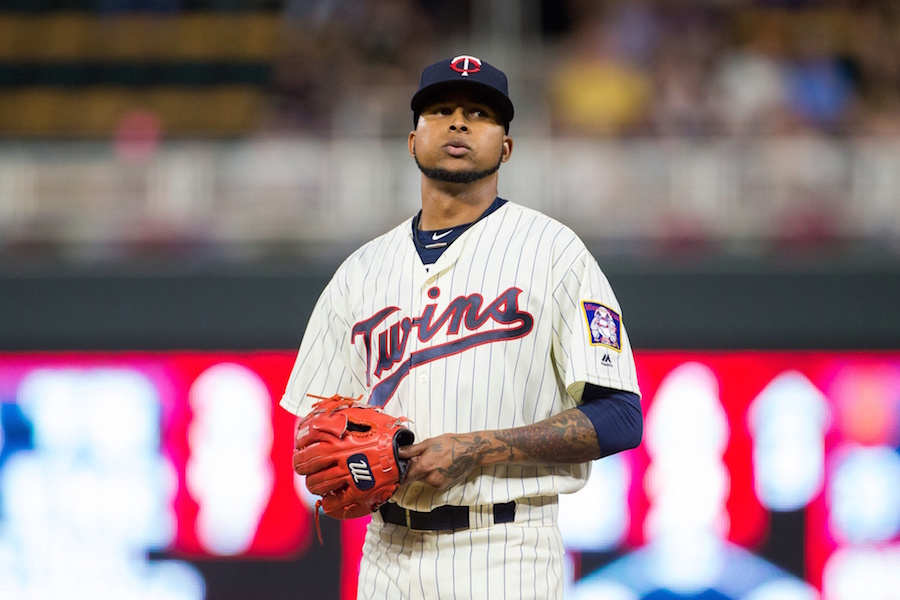 First, let's quickly take stock of a first half that's been tremendously redeeming for the organization and its fans. Where Things Stand Last season's mess was a painful slog for all involved. The Twins entered the break with a 32-56 record, already long erased from any kind of relevance. Setbacks and struggles were vastly outweighing any positive developments. What a difference a year makes. This season hasn't been without its misfortunes and letdowns, but everywhere you look, there are fun, energizing storylines. Ervin Santana is approximating an ace with his performance; he's already tied his career high with four complete games, giving him more than any other team in the league. Miguel Sano is fulfilling his immense potential, showing prodigious power that makes him a favorite in Monday night's Home Run Derby. Closer Brandon Kintzler will join the two in the All-Star Game on Tuesday, as one of the best current stories in baseball. In 2016, the team's play was characterized by poor fundamentals and losing streaks that extended into agonizing droughts. In 2017, we have seen vastly improved defense and a newfound resilience. A year ago by this time the Twins already had already endured four losing streaks of five or more games; this season it hasn't happened once. Beyond the improved competitiveness, this club has simply been entertaining to watch. Sano hits the baseball as hard as anyone I've ever seen. Jose Berrios is electrifying on the mound. Byron Buxton is turning himself into a human highlight reel by doing things like this and this and and this:https://twitter.com/cjzer0/status/883535079171137537 Yes, just as Buxton scampered 270 feet from first to home in seemingly the blink of an eye, the Twins have come a long way in 12 months. But are they ready to make a real push for the playoffs? The answer will dictate their strategy over the next three weeks. The Case For Buying Opportunities like this don't necessarily come along often. The Twins are getting career years from players in key spots – namely, at the top of their rotation (Santana) and back end of their bullpen (Kintzler). Given the lack of quality depth in those units, and the lack of future assurance for either, this is a fortuitous alignment that should not go to waste. Any talk of a theoretical timeline in which young players continue to mature and more prospects join in seems to overrate the likelihood of such outcomes reaching fruition, while underrating the value of guys like Santana and Kintzler doing what they are doing. Neither is the prototype for his role. The Twins aren't the prototype for a World Series contender. But they are getting it done, and they continue to do so. The combination of a scrappy young club, finally coming into its own, with a front office showing a refreshing quickness to react and willingness to experiment, builds intrigue over what could happen the rest of the way. More prospects could enter the fold. Perhaps Minnesota catches lightning in a bottle with someone like Dillon Gee or Bartolo Colon. But there's no doubt about this: the Twins need some outside help in order to shore up inhibiting weaknesses. Provided they can acquire players with control extending beyond this year, and can avoid parting with assets critical to their continued emergence, heading into the deadline as buyers doesn't necessitate sacrificing the future. The Case For Selling Derek Falvey and Thad Levine came into their jobs with a big-picture focus. If that meant building the best possible clubs for 2018, 2019, and beyond, then things have certainly played out favorably for them during the first three months. Whereas last year's deadline didn't bring much drama due to lack of attractive saleable parts, this year the Twins have trade chips of legitimate interest to top contenders. Pitching is at a premium, as always, and the Twins have a pair of All-Star arms capable of helping anyone. While the ride has been fun thus far, an analytical front office will recognize that this club is not really equipped for a championship run. Their postseason odds are at 20 percent, they're outperforming their Pythagorean W/L record substantially, and their flaws glare against quality teams. The fact that they're on the fringe of contention, and hardly motivated sellers, gives the Twins leverage in negotiations that didn't exist last year. If they can identify and acquire either young MLB pitchers or prospects on the brink, it's a savvy long-term strategy. Why The Next Two Weeks Will Decide Everything Here's the problem with the savvy strategy mentioned above: if things stay as they are, it is not really an option in practical terms. A reader of Twins Daily might be sold on the wisdom of waving a white flag in order to bolster future odds and supplement the pitching pipeline. But the casual fan, or the actual players who have worked to get to this point? Not so much. This franchise has endured a demoralizing run over the past half-decade, and making moves that optically resemble giving up just won't play. Of course, this could all change over the next two weeks. The Twins come out of the break with a very tough run. They first head to Houston for a three-game series against the American League's best team. We all remember what happened when the Astros came to Target Field. Minnesota follows up that challenge with a homestand against the Yankees and Tigers, two offenses capable of dismantling a weak pitching staff. Afterwards, it's off to Los Angeles for a daunting matchup against the NL's best team, the Dodgers. It's entirely possible that the Twins find themselves well below .500 after running through this gauntlet. At that point, the decision sort of makes itself. So really, if the players in this group want to make a push, they hold their destiny in their own hands. Stay Tuned Make sure to visit Twins Daily regularly over the coming weeks. We promise to cover the deadline – with all its rumors and speculation – more exhaustively than any other spot. Follow us on Twitter for up-to-the-minute updates. And if you aren't already, please join the conversation by creating an account and sharing your own thoughts. Will the Twins act as buyers at the end of the month? It's hard to know right now. But that sure would beat the alternative.
 -

Article: Reflecting On The Draft 1 Month Later
Nick Nelson replied to Nick Nelson's topic in Twins Daily Front Page News
I'm not sure it's a given they would've signed for the same amounts if drafted by a team with a higher slot. The bottom line is that all these guys were driving hard bargains (and Greene still is) while Lewis inked right away at a reasonable figure. -
Nearly one month after the Minnesota Twins surprisingly selected Royce Lewis with the No. 1 pick in the MLB Draft, their decision has come into clearer focus... and is only looking better with hindsight.Sure, it helps that Lewis has been tearing it up since joining the pro ranks, with a .303/.395/.515 slash line through eight games in the Gulf Coast League. But in addition to looking at who the Twins did pick, it is interesting to look at who they didn't pick. Whereas Lewis signed for a $6.725 million bonus, about $1 million below the slot for their top selection, the other three candidates the Twins were weighing have proven significantly more costly. Around the time of the draft, reports suggested that Minnesota soured on Brendan McKay because they didn't like his asking price. As it turns out, McKay signed with Tampa for $7,007,500 -- the highest bonus ever since MLB's new slot system was implemented in 2012. He narrowly edged Kyle Wright, whose $7 million pact with Atlanta briefly held that same distinction. Meanwhile, as the signing deadline bears down (4 PM Friday), the Reds still have not reached agreement with No. 2 pick Hunter Greene, and while it is expected to get done, his deal could surpass both McKay and Wright. Now, the point here isn't that the Twins could not have afforded any of these three, but doing so would have meant committing unprecedented money to players they never seemed all that sold on. Instead, by opting for Lewis, they pocketed extra cash that they were able to spread to later picks, and it sure looks like they still found themselves a hell of a player. The new front office was under the microscope for its first draft -- with good reason, given the immense stakes -- and so far all signs reflect positively upon their decision-making. But of course, it will be a long while before we can form any real conclusions about the effectiveness of their approach. Click here to view the article
-
 Sure, it helps that Lewis has been tearing it up since joining the pro ranks, with a .303/.395/.515 slash line through eight games in the Gulf Coast League. But in addition to looking at who the Twins did pick, it is interesting to look at who they didn't pick. Whereas Lewis signed for a $6.725 million bonus, about $1 million below the slot for their top selection, the other three candidates the Twins were weighing have proven significantly more costly. Around the time of the draft, reports suggested that Minnesota soured on Brendan McKay because they didn't like his asking price. As it turns out, McKay signed with Tampa for $7,007,500 -- the highest bonus ever since MLB's new slot system was implemented in 2012. He narrowly edged Kyle Wright, whose $7 million pact with Atlanta briefly held that same distinction. Meanwhile, as the signing deadline bears down (4 PM Friday), the Reds still have not reached agreement with No. 2 pick Hunter Greene, and while it is expected to get done, his deal could surpass both McKay and Wright. Now, the point here isn't that the Twins could not have afforded any of these three, but doing so would have meant committing unprecedented money to players they never seemed all that sold on. Instead, by opting for Lewis, they pocketed extra cash that they were able to spread to later picks, and it sure looks like they still found themselves a hell of a player. The new front office was under the microscope for its first draft -- with good reason, given the immense stakes -- and so far all signs reflect positively upon their decision-making. But of course, it will be a long while before we can form any real conclusions about the effectiveness of their approach.
 -
Would they have discovered he was tipping his pitches, and subsequently addressed it, if not for big-league hitters exploiting the issue?
-
They have alternatives, just as the Twins do: claim AAAA arms like Adam Wilk, Chris Heston and Dillon Gee off waivers. Would you rather watch those guys start games, or watch your top prospects learn and develop under your big-league staff? That's the question here. I'm not necessarily saying Houston's approach is correct but given the immense success their franchise is experiencing I'm inclined to give it some cred.
-
I'm not sure if this is sarcasm, but in my mind it supports the point. Berrios came up in 2016 and got rocked but I think he learned some important things about what it takes to succeed at this level. He came back this year with some key adjustments, and look what a difference it's made. Do you believe he'd be having the same success if not for that learning experience? I doubt it, personally. As I said in the piece, this isn't necessarily about coaxing the Twins into contention. Even if it's not going to happen in 2017, it should absolutely be the plan in 2018, and these prospects will need to play a big role in that. They will be much better prepared with a taste of MLB competition. (Note: I'd be more apt to call up Romero than Gonsalves, given that he's already used an option this year, but Stephen is making a really strong case with his improved control.)
-
Since taking over Minnesota Twins baseball operations, Derek Falvey and Thad Levine have shown a propensity for following the blueprint laid out by the forward-thinking Astros front office – most recently with their draft strategy last month. It's not a bad idea, given the fruits we are now seeing from Houston's lengthy rebuild. Now, as the Twins find themselves on the precipice of contention, it might be time to adopt another philosophy that has aided the Astros in their rise: Trusting young arms.In 2015, when the Astros emphatically returned to relevance by adding 16 wins from the previous season and making the playoffs, Lance McCullers played a key role. Just 21 years old, the top prospect was promoted to the majors with only 29 innings of experience at Double-A, and none at Triple-A. He caught on quickly and delivered a 3.22 ERA over 125 innings in 22 starts. Some would see it as reckless rushing of a starter who was still only a couple years removed from high school, but the bold move worked out well and McCullers continues to be a key component in Houston's league-leading formula. He's hardly the only example of a young and inexperienced hurler being given an extended chance for the club. That same year, Vince Velasquez (23) made 19 appearances, despite minimal time spent above Single-A. In 2016, Joe Musgrove (23) got the call after a short stint at Triple-A, and threw 62 quality innings. This year, Francis Martes (21) is getting an extended look in the rotation, and so was David Paulino (23) before he was hit with an 80-game PED suspension on Saturday. None of these pitchers followed a conventional development path, but are such paradigms entirely useful anymore? Modern organizations are shifting away from requiring extensive polish, and instead opting to get high-caliber youthful arms up more quickly, perhaps owing to the seeming inevitability of elbow or shoulder problems somewhere along the way. Should the Twins follow the wave and usher a youth movement in their own rotation? That would mean promoting one, or both, of the system's top two pitching prospects, both currently thriving at Double-A. Felix Jorge paved the way on Saturday, when he jumped straight from Chattanooga to Minnesota and delivered a solid outing, settling in after a two-run homer in the first to complete five innings of three-run ball. The 23-year-old wasn't blowing people away, but he worked efficiently and threw strikes, something that veterans Hector Santiago and Kyle Gibson have continually struggled to do. In a loaded Lookouts rotation, Jorge might have been the most polished but he certainly wasn't the best, nor capable of the greatest impact. Fernando Romero and Stephen Gonsalves are premium prospects capable of meaningfully altering Minnesota's fortunes. Both are making very strong cases to follow in Jorge's footsteps. Following a slow start to the season, Romero has been rattling off one excellent outing after another, and appeared to have one cooking in his latest turn on Saturday, with two shutout innings before rain ended the game. He has a 1.11 ERA over his past seven starts and his stuff would certainly play in the big leagues right now, though control remains a question. Gonsalves has been consistently brilliant all year and, dating back to the second half in 2016, now owns a 13-4 record and 2.17 ERA in 22 starts at Double-A. He has a 30-to-3 K/BB ratio over his past four turns. Neither Romero nor Gonsalves is on the level of McCullers as a prospect, but if either (or both) could come up and have even a Musgrove-level impact? It would dramatically shift the team's outlook, suddenly making them look like a legit threat to at least keep things interesting through September. And even if you're not a believer that the Twins are quite where they need to be for a postseason push, they certainly benefit more from working up-close with two planned future rotation staples, rather than going through the same tired act each fifth day with Gibson and Santiago, who are in all likelihood out after this year. It might feel like a fast bump for these electric youngsters, but in today's game, is it really? The only serious hold-up that I can see with this plan relates to workload management, but the Astros found ways to work around this when they called McCullers up as a rookie, keeping him available into October while still limiting him to 150 total innings on the season. What say you? Are you ready to see the top Twins pitching prospects on the big stage or is it still too soon? Click here to view the article
-
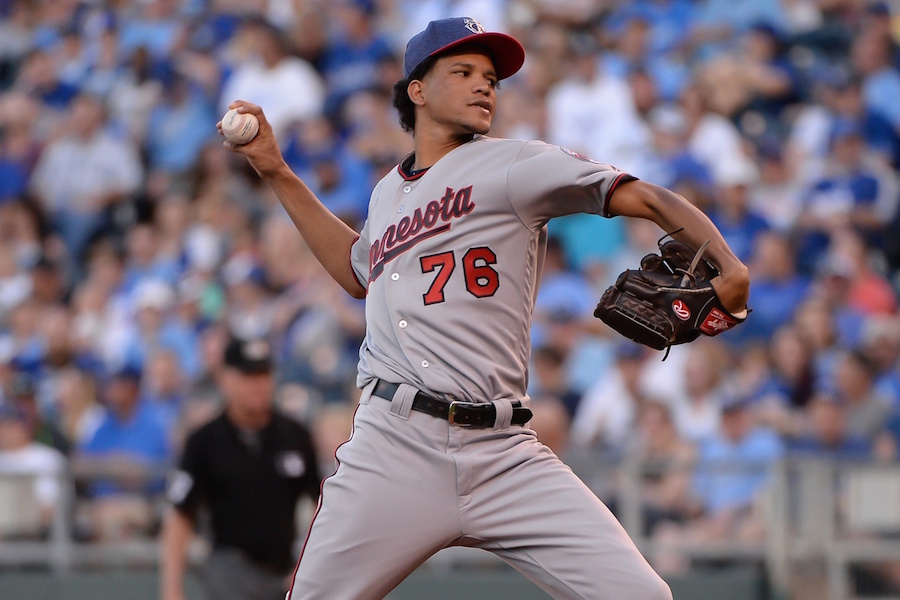 In 2015, when the Astros emphatically returned to relevance by adding 16 wins from the previous season and making the playoffs, Lance McCullers played a key role. Just 21 years old, the top prospect was promoted to the majors with only 29 innings of experience at Double-A, and none at Triple-A. He caught on quickly and delivered a 3.22 ERA over 125 innings in 22 starts. Some would see it as reckless rushing of a starter who was still only a couple years removed from high school, but the bold move worked out well and McCullers continues to be a key component in Houston's league-leading formula. He's hardly the only example of a young and inexperienced hurler being given an extended chance for the club. That same year, Vince Velasquez (23) made 19 appearances, despite minimal time spent above Single-A. In 2016, Joe Musgrove (23) got the call after a short stint at Triple-A, and threw 62 quality innings. This year, Francis Martes (21) is getting an extended look in the rotation, and so was David Paulino (23) before he was hit with an 80-game PED suspension on Saturday. None of these pitchers followed a conventional development path, but are such paradigms entirely useful anymore? Modern organizations are shifting away from requiring extensive polish, and instead opting to get high-caliber youthful arms up more quickly, perhaps owing to the seeming inevitability of elbow or shoulder problems somewhere along the way. Should the Twins follow the wave and usher a youth movement in their own rotation? That would mean promoting one, or both, of the system's top two pitching prospects, both currently thriving at Double-A. Felix Jorge paved the way on Saturday, when he jumped straight from Chattanooga to Minnesota and delivered a solid outing, settling in after a two-run homer in the first to complete five innings of three-run ball. The 23-year-old wasn't blowing people away, but he worked efficiently and threw strikes, something that veterans Hector Santiago and Kyle Gibson have continually struggled to do. In a loaded Lookouts rotation, Jorge might have been the most polished but he certainly wasn't the best, nor capable of the greatest impact. Fernando Romero and Stephen Gonsalves are premium prospects capable of meaningfully altering Minnesota's fortunes. Both are making very strong cases to follow in Jorge's footsteps. Following a slow start to the season, Romero has been rattling off one excellent outing after another, and appeared to have one cooking in his latest turn on Saturday, with two shutout innings before rain ended the game. He has a 1.11 ERA over his past seven starts and his stuff would certainly play in the big leagues right now, though control remains a question. Gonsalves has been consistently brilliant all year and, dating back to the second half in 2016, now owns a 13-4 record and 2.17 ERA in 22 starts at Double-A. He has a 30-to-3 K/BB ratio over his past four turns. Neither Romero nor Gonsalves is on the level of McCullers as a prospect, but if either (or both) could come up and have even a Musgrove-level impact? It would dramatically shift the team's outlook, suddenly making them look like a legit threat to at least keep things interesting through September. And even if you're not a believer that the Twins are quite where they need to be for a postseason push, they certainly benefit more from working up-close with two planned future rotation staples, rather than going through the same tired act each fifth day with Gibson and Santiago, who are in all likelihood out after this year. It might feel like a fast bump for these electric youngsters, but in today's game, is it really? The only serious hold-up that I can see with this plan relates to workload management, but the Astros found ways to work around this when they called McCullers up as a rookie, keeping him available into October while still limiting him to 150 total innings on the season. What say you? Are you ready to see the top Twins pitching prospects on the big stage or is it still too soon?
 -
Article: Halfway Home: 9 Crazy On-Pace Numbers
Nick Nelson replied to Nick Nelson's topic in Twins Daily Front Page News
I only meant it in the sense that he misses bats and gets strikeouts, especially compared to his peers. His CB is an overpowering pitch. -
Article: Halfway Home: 9 Crazy On-Pace Numbers
Nick Nelson replied to Nick Nelson's topic in Twins Daily Front Page News
This is a process/results thing though. Good things definitely come out of an approach that leads to strikeouts (namely, tons of power). Sure, it'd be nice to have guys who can hit 40 HR with a low K-rate but those players are beyond rare. -
On Sunday, the Minnesota Twins played their 81st game of the season, meaning we are exactly halfway through this 2017 campaign. At this midpoint, it is always fun to double up statistics for certain players and see how they project for the whole year. Some of these ones might surprise you.Of course, we must bear in mind that a year ago, Brian Dozier had 13 home runs through 81 games, and finished with 42. Things change, as we all know, and rarely does a player put together two equal halves. Still, for the sake of fun, and contextualizing what we've seen from Twins players over the first half, here are nine players with numbers worth chewing on as we gear up for the final three months. 1. Ervin Santana is on pace for 20 wins and 6 shutouts Even if you discount the value of the Almighty W, reaching the 20-win plateau is still a pretty cool achievement – one we haven't seen from a Twin since Johan Santana in 2004. If he can spin three shutouts in the second half, as he did in the first, he'll end up with the highest total for an MLB starter since Cliff Lee notched six back in 2011. No one has tallied more since 1989 (Tim Belcher). 2. Miguel Sano is on pace for 40 home runs, 116 RBI, and 216 strikeouts The Twins went nearly five decades between seeing players eclipse 40 homers; now, they might see it in two straight seasons. With 116 RBI, Sano would finish with the highest total since Justin Morneau in 2008 (129), and ninth-most ever for a Minnesota Twin. Only three hitters in baseball history have struck out more than 216 times in a season: Mark Reynolds in 2009 (223), Adam Dunn in 2012 (222), and Chris Davis in 2016 (219). 3. Robbie Grossman is on pace for 88 walks Contemporary Twins rosters haven't exactly been known for showing exceptional patience, but Grossman redefines selectiveness at the plate. Since 2000, only three Twins have drawn more than 85 walks: Matt Lawton in 2000 (91), Mauer in 2012 (90), and Dozier in 2014 (89). Grossman, incredibly, is on track to get there it in barely over 500 plate appearances; each of the other three needed at least 640 PA. Grossman also finishes the first half ranked among MLB's top five in K/BB ratio, with some pretty stellar company: Joey Votto, Dustin Pedroia, Mookie Betts, Anthony Rizzo. 4. Brandon Kintzler is on pace for 42 saves In my mind, perhaps the unlikeliest success story of this 2017 Twins season. Kintzler has been far more than adequate in the closer role. Only two Twins have ever notched more than 42 saves in a season: Joe Nathan three times, and Eddie Guardado once. Kintzler's 88 percent conversion rate is on par with the franchise's finest. 5. Taylor Rogers is on pace to make 72 appearances Two years ago, Rogers was a solid minor-league starter. Now, he is the most frequently deployed weapon in Paul Molitor's bullpen, proving himself as much more than a situational left-hander. Rogers has earned the manager's trust by pounding the strike zone and, surprisingly, shutting down righties: they're hitting .227/.275/.253 against him. 6. Byron Buxton is on pace to steal 28 bases... and get caught twice He still isn't getting on base nearly as much as we'd like, but when he does, Buxton is doing damage. In the grand scheme, 28 steals isn't an historic number, though it would be the most for a Twin since Ben Revere snagged 40 in 2012. That 93 percent success rate, however, provides a tantalizing taste of how unstoppable the 23-year-old's speed will be on the base paths once he spends more time there. 7. Matt Belisle is on pace to issue 34 walks It remains to be seen if he will get enough rope to reach such a number, at least in a Twins uniform, but Belisle's once reputable control has vanished completely. Only once in his career has the veteran surpassed 34 walks – back in 2007, when he issued 43 in 177 innings as a full-time starter for the Reds. 8. Tyler Duffey is on pace for 82 strikeouts in relief It took the Twins up until the end of spring training to settle on a role for Duffey. It looks like they made the right choice. He's had some hiccups, but Duffey has been the best power arm in the Minnesota bullpen. Whereas the other high-K righties in the relief corps (Ryan Pressly and Michael Tonkin) have imploded, Duffey has translated the stuff into clean outings more often than not. In his first season in the new role, he is on track for the most strikeouts from a Twin pitching exclusively in relief since Joe Nathan's 89 in 2009. 9. Chris Gimenez is on pace to make 228 plate appearances... and 12 pitching appearances We didn't know what to expect when the Twins signed Gimenez to a minor-league deal in mid-January. His modest track record included a .632 OPS, frequent shuttling between organizations, and zero seasons with more than 155 plate appearances in the majors. But at 34, Gimenez has been a mainstay for Minnesota. He has reliably spelled Jason Castro behind the plate every third day or so, and his spelling of the pitching staff has been crucial, eating innings when the team badly needs it. What Gimenez is doing is essentially unprecedented in the modern game; since 1960, no position player has made 12 relief appearances in his career, much less one season. Click here to view the article
- 26 replies
-
- 2
-

-
- ervin santana
- miguel sano
- (and 3 more)
-
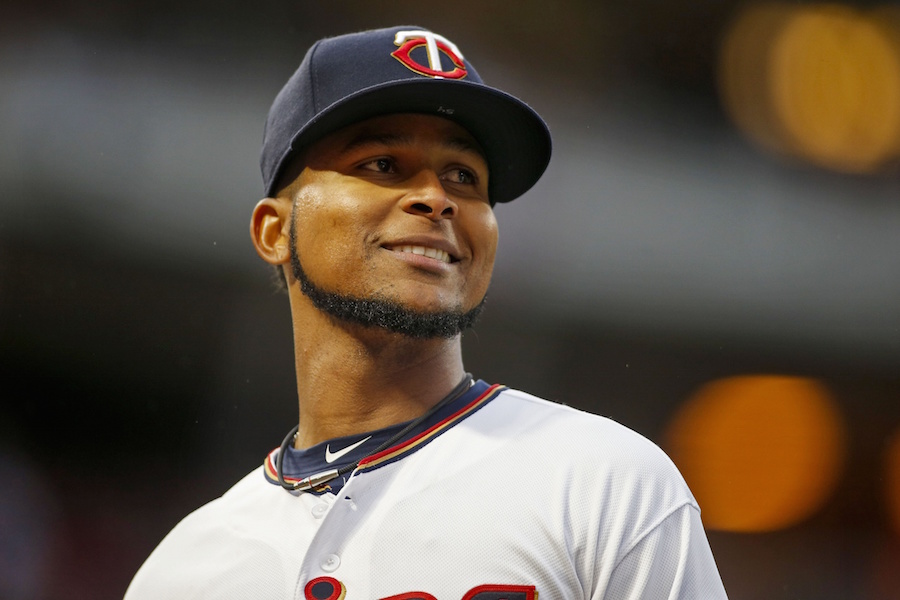 Of course, we must bear in mind that a year ago, Brian Dozier had 13 home runs through 81 games, and finished with 42. Things change, as we all know, and rarely does a player put together two equal halves. Still, for the sake of fun, and contextualizing what we've seen from Twins players over the first half, here are nine players with numbers worth chewing on as we gear up for the final three months. 1. Ervin Santana is on pace for 20 wins and 6 shutouts Even if you discount the value of the Almighty W, reaching the 20-win plateau is still a pretty cool achievement – one we haven't seen from a Twin since Johan Santana in 2004. If he can spin three shutouts in the second half, as he did in the first, he'll end up with the highest total for an MLB starter since Cliff Lee notched six back in 2011. No one has tallied more since 1989 (Tim Belcher). 2. Miguel Sano is on pace for 40 home runs, 116 RBI, and 216 strikeouts The Twins went nearly five decades between seeing players eclipse 40 homers; now, they might see it in two straight seasons. With 116 RBI, Sano would finish with the highest total since Justin Morneau in 2008 (129), and ninth-most ever for a Minnesota Twin. Only three hitters in baseball history have struck out more than 216 times in a season: Mark Reynolds in 2009 (223), Adam Dunn in 2012 (222), and Chris Davis in 2016 (219). 3. Robbie Grossman is on pace for 88 walks Contemporary Twins rosters haven't exactly been known for showing exceptional patience, but Grossman redefines selectiveness at the plate. Since 2000, only three Twins have drawn more than 85 walks: Matt Lawton in 2000 (91), Mauer in 2012 (90), and Dozier in 2014 (89). Grossman, incredibly, is on track to get there it in barely over 500 plate appearances; each of the other three needed at least 640 PA. Grossman also finishes the first half ranked among MLB's top five in K/BB ratio, with some pretty stellar company: Joey Votto, Dustin Pedroia, Mookie Betts, Anthony Rizzo. 4. Brandon Kintzler is on pace for 42 saves In my mind, perhaps the unlikeliest success story of this 2017 Twins season. Kintzler has been far more than adequate in the closer role. Only two Twins have ever notched more than 42 saves in a season: Joe Nathan three times, and Eddie Guardado once. Kintzler's 88 percent conversion rate is on par with the franchise's finest. 5. Taylor Rogers is on pace to make 72 appearances Two years ago, Rogers was a solid minor-league starter. Now, he is the most frequently deployed weapon in Paul Molitor's bullpen, proving himself as much more than a situational left-hander. Rogers has earned the manager's trust by pounding the strike zone and, surprisingly, shutting down righties: they're hitting .227/.275/.253 against him. 6. Byron Buxton is on pace to steal 28 bases... and get caught twice He still isn't getting on base nearly as much as we'd like, but when he does, Buxton is doing damage. In the grand scheme, 28 steals isn't an historic number, though it would be the most for a Twin since Ben Revere snagged 40 in 2012. That 93 percent success rate, however, provides a tantalizing taste of how unstoppable the 23-year-old's speed will be on the base paths once he spends more time there. 7. Matt Belisle is on pace to issue 34 walks It remains to be seen if he will get enough rope to reach such a number, at least in a Twins uniform, but Belisle's once reputable control has vanished completely. Only once in his career has the veteran surpassed 34 walks – back in 2007, when he issued 43 in 177 innings as a full-time starter for the Reds. 8. Tyler Duffey is on pace for 82 strikeouts in relief It took the Twins up until the end of spring training to settle on a role for Duffey. It looks like they made the right choice. He's had some hiccups, but Duffey has been the best power arm in the Minnesota bullpen. Whereas the other high-K righties in the relief corps (Ryan Pressly and Michael Tonkin) have imploded, Duffey has translated the stuff into clean outings more often than not. In his first season in the new role, he is on track for the most strikeouts from a Twin pitching exclusively in relief since Joe Nathan's 89 in 2009. 9. Chris Gimenez is on pace to make 228 plate appearances... and 12 pitching appearances We didn't know what to expect when the Twins signed Gimenez to a minor-league deal in mid-January. His modest track record included a .632 OPS, frequent shuttling between organizations, and zero seasons with more than 155 plate appearances in the majors. But at 34, Gimenez has been a mainstay for Minnesota. He has reliably spelled Jason Castro behind the plate every third day or so, and his spelling of the pitching staff has been crucial, eating innings when the team badly needs it. What Gimenez is doing is essentially unprecedented in the modern game; since 1960, no position player has made 12 relief appearances in his career, much less one season.
 -
He has issued 17 walks already in 33 appearances. His highest previous total in fulltime reliever duty was 18, in 2012, when he made 80 appearances. Granted, five of his 17 this year are IBB, but he's also frequently putting himself in a position where the team is forced to call for one. Belisle is a pitcher that needs pinpoint command to get it done, and he's been far from that. The small sample argument is not compelling to me. We're halfway through the season, he's showing no visible signs of improvement, and there's no long-term upside with a 37-year-old on a one-year deal. I suspect Hughes will bump him from the roster upon his return.
- 43 replies
-
- 2
-
-
- matt belisle
- trevor hildenberger
- (and 1 more)
-
The troubling trend of TOS surgery survivors, a veteran reliever headed toward an unceremonious exit, and a new side-arming righty bringing back memories good and bad. We'll cover three trending storylines in the latest Three-Bagger below the fold.* Dillon Gee's time on Minnesota's 25-man roster was brief and uneventful – he didn't make it into a game between being called up on Friday and sent back to the minors on Monday. There is, however, little doubt that we'll be seeing him again soon enough. The addition of Gee on a minor-league deal last week was interesting, and not because he is yet another marginal arm mixed in as the Twins desperately seek numbers for a thin staff. More noteworthy, in my mind, is that the right-hander is another victim of the thoracic outlet syndrome (TOS) epidemic, having undergone surgery for the ailment last October. This condition, generally affecting blood circulation to the arm and sensation in the hand, and the rib removal procedure used to address it, have risen in prominence recently. Several high-profile pitchers are currently trying to work their way back, including Phil Hughes. The early returns have been roundly unencouraging. Gee was released by the Rangers earlier this month after failing to impress. Hughes has struggled mightily while dealing with recurring symptoms, and will now try to return as a reliever. Matt Harvey, who underwent the surgery last summer around the same time as Hughes, is sidelined indefinitely with further shoulder issues after posting a 5.25 ERA in 13 starts for the Mets. Tyson Ross, eight months removed from his own TOS operation, had a 7.71 ERA in four rehab starts at Triple-A before being called up and now has a 6.13 ERA in three starts with Texas. Not only have these TOS recoverers failed to show any kind of meaningful improvement in velocity or stuff; many are having trouble even staying on the mound. Not a great sign. * The decision to send down Gee was puzzling and looked worse in hindsight when a rain delay on Tuesday night forced Hector Santiago out after two innings. It would've been a perfect opportunity for Gee to eat some innings but instead the Twins had to piece things together with an already beat-up bullpen. All so the club can continue to roster Matt Belisle, despite his providing no reason to do so. The 37-year-old made another lackluster appearance on Monday night, allowing an RBI single to Dustin Pedroia and then issuing an intentional walk before exiting. Evidently it was enough to keep him hanging around for whatever reason because Gee was deemed more expendable. Showing little command of a consistently hittable repertoire, Belisle is bound be let loose soon enough. While he looked like a better signing than Tim Stauffer v. 2015 on the surface, the results have been depressingly similar. Craig Breslow has been equally uninspiring, though he's been relegated to pitching almost exclusively in lopsided losses so it's less noticeable. For better or worse, until the Twins decide to go out and get some help, I'm ready to mostly hand this thing over to the young guys. Like this one: * Will Trevor Hildenberger, called up alongside Gee last Friday, be an impact upgrade for the bullpen? His transcendent brilliance while rising through the Twins system does pique the curiosity. It comes down to which franchise precedent he comes closest to following. With his quirky sidearm delivery and absurd numbers in the minors, Hildenberger calls to mind two former Twins relievers, representing very different career outcomes: Pat Neshek and Anthony Slama. Both right-handers flat-out decimated minor-league hitters, but neither enjoyed a lofty prospect status reflective of those monster stats, due to fastballs that barely touched 90 and a perceived gimmicky approach. Neshek, of course, had no problem translating his game to the majors. He was immediately dominant when called up to the Twins in 2006, embarking upon a tremendously successful career that continues today. (In fact, the now-36-year-old Phillies reliever figures to be a top Twins trade deadline target.) Slama never got more than a brief cup of coffee in the big leagues and quietly fizzled out. He retired with a career 2.51 ERA and 12.0 K/9 rate in the minors, and seven total innings pitched in the majors. The newcomer will surely fall somewhere in between; the question is which one he'll land closer to. Hildenberger's numbers in the minors overshadow both Neshek and Slama. In parts of four minor-league seasons, he has registered a 1.57 ERA and 200-to-26 (!) K/BB ratio over 172 innings. He has been Twins Daily's choice for Minor League Reliever of the Year in each of the past two seasons on the basis of those numbers. But as a former 22nd-round draft pick with plenty of skeptics, he'll need to prove himself and earn his way into high-leverage innings. Here's hoping he can follow the path of Neshek and become a game-changer for a bullpen that will take any help it can get, no matter how "gimmicky." Click here to view the article
- 43 replies
-
- 3
-
-
- matt belisle
- trevor hildenberger
- (and 1 more)
-
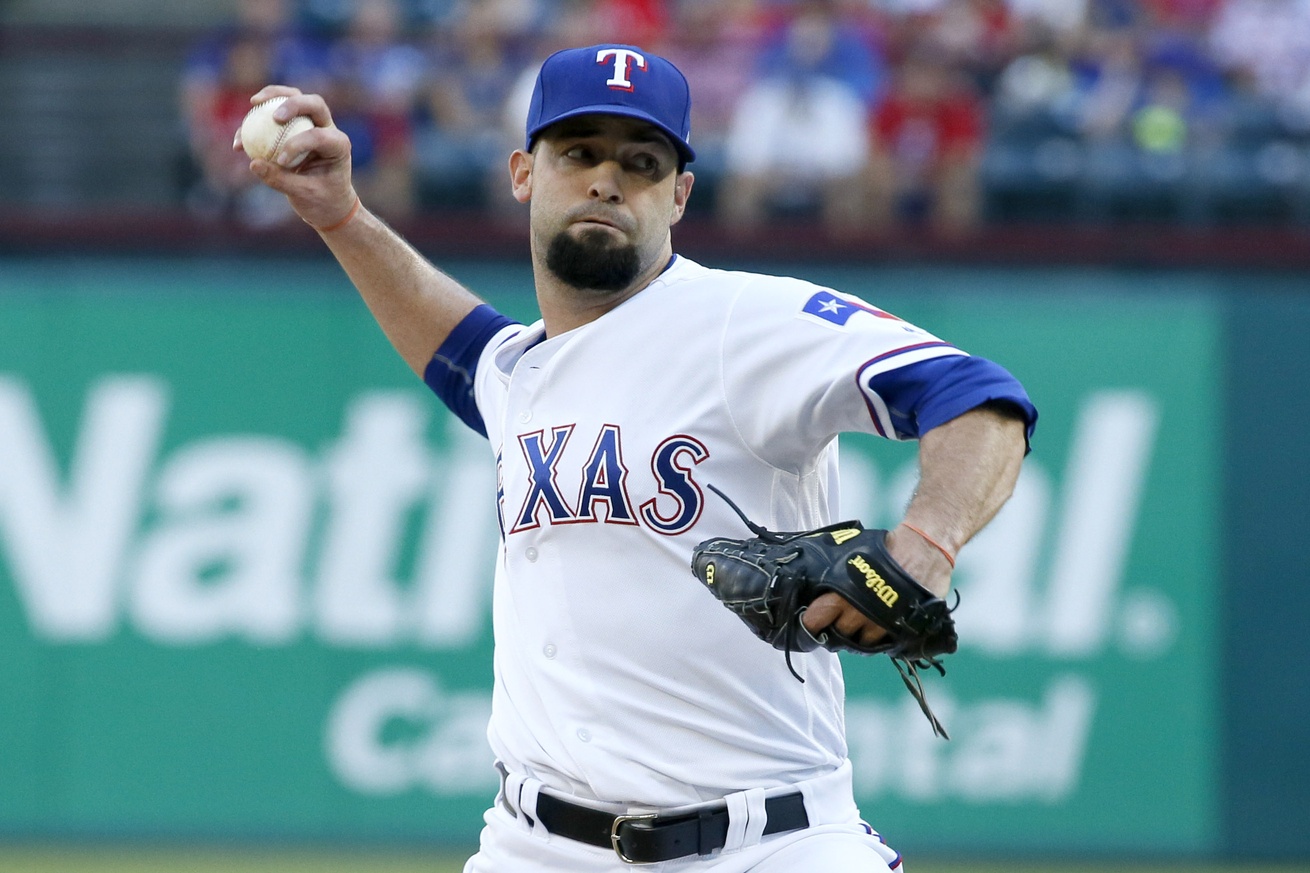 * Dillon Gee's time on Minnesota's 25-man roster was brief and uneventful – he didn't make it into a game between being called up on Friday and sent back to the minors on Monday. There is, however, little doubt that we'll be seeing him again soon enough. The addition of Gee on a minor-league deal last week was interesting, and not because he is yet another marginal arm mixed in as the Twins desperately seek numbers for a thin staff. More noteworthy, in my mind, is that the right-hander is another victim of the thoracic outlet syndrome (TOS) epidemic, having undergone surgery for the ailment last October. This condition, generally affecting blood circulation to the arm and sensation in the hand, and the rib removal procedure used to address it, have risen in prominence recently. Several high-profile pitchers are currently trying to work their way back, including Phil Hughes. The early returns have been roundly unencouraging. Gee was released by the Rangers earlier this month after failing to impress. Hughes has struggled mightily while dealing with recurring symptoms, and will now try to return as a reliever. Matt Harvey, who underwent the surgery last summer around the same time as Hughes, is sidelined indefinitely with further shoulder issues after posting a 5.25 ERA in 13 starts for the Mets. Tyson Ross, eight months removed from his own TOS operation, had a 7.71 ERA in four rehab starts at Triple-A before being called up and now has a 6.13 ERA in three starts with Texas. Not only have these TOS recoverers failed to show any kind of meaningful improvement in velocity or stuff; many are having trouble even staying on the mound. Not a great sign. * The decision to send down Gee was puzzling and looked worse in hindsight when a rain delay on Tuesday night forced Hector Santiago out after two innings. It would've been a perfect opportunity for Gee to eat some innings but instead the Twins had to piece things together with an already beat-up bullpen. All so the club can continue to roster Matt Belisle, despite his providing no reason to do so. The 37-year-old made another lackluster appearance on Monday night, allowing an RBI single to Dustin Pedroia and then issuing an intentional walk before exiting. Evidently it was enough to keep him hanging around for whatever reason because Gee was deemed more expendable. Showing little command of a consistently hittable repertoire, Belisle is bound be let loose soon enough. While he looked like a better signing than Tim Stauffer v. 2015 on the surface, the results have been depressingly similar. Craig Breslow has been equally uninspiring, though he's been relegated to pitching almost exclusively in lopsided losses so it's less noticeable. For better or worse, until the Twins decide to go out and get some help, I'm ready to mostly hand this thing over to the young guys. Like this one: * Will Trevor Hildenberger, called up alongside Gee last Friday, be an impact upgrade for the bullpen? His transcendent brilliance while rising through the Twins system does pique the curiosity. It comes down to which franchise precedent he comes closest to following. With his quirky sidearm delivery and absurd numbers in the minors, Hildenberger calls to mind two former Twins relievers, representing very different career outcomes: Pat Neshek and Anthony Slama. Both right-handers flat-out decimated minor-league hitters, but neither enjoyed a lofty prospect status reflective of those monster stats, due to fastballs that barely touched 90 and a perceived gimmicky approach. Neshek, of course, had no problem translating his game to the majors. He was immediately dominant when called up to the Twins in 2006, embarking upon a tremendously successful career that continues today. (In fact, the now-36-year-old Phillies reliever figures to be a top Twins trade deadline target.) Slama never got more than a brief cup of coffee in the big leagues and quietly fizzled out. He retired with a career 2.51 ERA and 12.0 K/9 rate in the minors, and seven total innings pitched in the majors. The newcomer will surely fall somewhere in between; the question is which one he'll land closer to. Hildenberger's numbers in the minors overshadow both Neshek and Slama. In parts of four minor-league seasons, he has registered a 1.57 ERA and 200-to-26 (!) K/BB ratio over 172 innings. He has been Twins Daily's choice for Minor League Reliever of the Year in each of the past two seasons on the basis of those numbers. But as a former 22nd-round draft pick with plenty of skeptics, he'll need to prove himself and earn his way into high-leverage innings. Here's hoping he can follow the path of Neshek and become a game-changer for a bullpen that will take any help it can get, no matter how "gimmicky."
 -
His palms are sweaty. Knees weak, arms are heavy. There's vomit on his sweater already, mom's spaghetti. He's nervous, but on the surface he looks calm and ready. The lyrics of Brandon Kintzler's entrance song, 'Lose Yourself' by Eminem, describe an overwhelmed emcee struggling to control his nerves as he takes the stage. Much like Em's character in 8 Mile, Kintzler has much to prove, and despite lacking the prototypical traits of a shutdown closer, he's definitely making the most out of his one shot.The path that led Kintzler to the ninth inning in Minnesota might be worthy of its own biopic; a former 40th-round draft pick who spent parts of multiple seasons playing independent ball (including a stint with the St. Paul Saints), washed out in Milwaukee due to injuries, and joined the Twins as a low-key minor-league signing. The right-hander fell into closer duties last summer because the two top guys lined up for the job were unable to get it done. Glen Perkins pitched in only two games before succumbing to shoulder issues that would require surgery. Kevin Jepsen was a mess as his replacement. Kintzler, pitching as well as anyone in the bullpen, started seeing save chances in mid-June and handled them well enough to keep getting more. One year later, he has not only earned a tight grip on the role with the Twins, but has in fact blossomed as one of the game's most effective closers. Though he wasn't credited with a save for wrapping up Sunday's sweep-clinching 4-0 victory over Cleveland, Kintzler had pulled into a tie for the American League lead in saves with his 20th on Saturday. In a bullpen besieged by turmoil, and constantly in flux, he has been an incredibly steady presence at the back end. His importance to the success of the Twins, back in first place, can hardly be overstated. The relief unit has let a number of games get away, but rarely has it happened under Kintzler's watch. The 32-year-old has converted 20 of 23 save opportunities, posting a stellar 2.70 ERA and 1.08 WHIP through 32 appearances – nearly all of them high-leverage. It wouldn't be shocking to see him named to the All-Star team when rosters are announced. One might say he's doing it against all odds. Of course, there is the aforementioned improbable career journey leading up to this point, but there is also the basic arithmetic of baseball. I'll admit that I've been skeptical of the veteran's ability to succeed as a closer, because his contact-heavy recipe often proves hazardous when the stakes are so high and the margin for error so thin. He is a rare breed. His 16.2 percent strikeout rate ranks among MLB's bottom 20; no other closer is even in that vicinity. You just don't see ninth-inning men in today's game with a pitch-to-contact profile, and for the most part, even a moderate K deficiency tends to be a bad harbinger (see: Sam Dyson and Jeanmar Gomez). The math tells us more balls in play means more opportunities for rallies to unfold. Few pitchers can run away from these basic realities forever, as Ervin Santana has learned this month while watching his BABIP rapidly normalize. Kintzler's 4.14 xFIP makes it tough for the analyst in me to get excited about his long-term outlook as closer. Yet, I can no longer find it in me to get apprehensive when he takes the mound. He's been doing this for long enough – more than a calendar year now – that it's hard to view his excellence as any kind of fluke, regardless of what the peripherals might say. If his knees are weak or his palms are sweaty as he readies in the pen, then Kintzler shows no sign of it whatsoever. His poise is tremendous. He doesn't get flustered, and executes pitches in almost every spot. His signature power sinker is almost always on. He rarely issues a walk (in fact, he hasn't handed out a single one in 11 June appearances) and this helps offset the infrequent whiffs, as does his propensity for limiting loud contact. I still would not plan around Kintzler as my permanent closer going forward, but his performance since taking over the role has been nothing short of amazing. With big shoes to fill and with immense pressure bearing down on him every time he takes the mound to protect a narrow lead for a team that can ill afford to let any extra games slip, he is thriving. Providing reliability on a pitching staff with a dire shortage of the same, Kintzler has been a godsend. His continually remarkable work is finally turning me from skeptic into stan. Click here to view the article
-
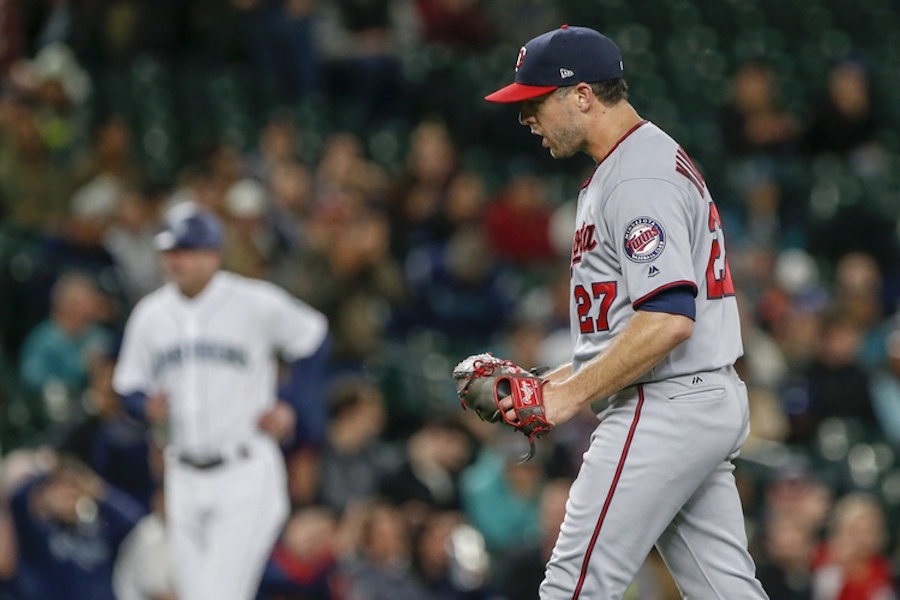 The path that led Kintzler to the ninth inning in Minnesota might be worthy of its own biopic; a former 40th-round draft pick who spent parts of multiple seasons playing independent ball (including a stint with the St. Paul Saints), washed out in Milwaukee due to injuries, and joined the Twins as a low-key minor-league signing. The right-hander fell into closer duties last summer because the two top guys lined up for the job were unable to get it done. Glen Perkins pitched in only two games before succumbing to shoulder issues that would require surgery. Kevin Jepsen was a mess as his replacement. Kintzler, pitching as well as anyone in the bullpen, started seeing save chances in mid-June and handled them well enough to keep getting more. One year later, he has not only earned a tight grip on the role with the Twins, but has in fact blossomed as one of the game's most effective closers. Though he wasn't credited with a save for wrapping up Sunday's sweep-clinching 4-0 victory over Cleveland, Kintzler had pulled into a tie for the American League lead in saves with his 20th on Saturday. In a bullpen besieged by turmoil, and constantly in flux, he has been an incredibly steady presence at the back end. His importance to the success of the Twins, back in first place, can hardly be overstated. The relief unit has let a number of games get away, but rarely has it happened under Kintzler's watch. The 32-year-old has converted 20 of 23 save opportunities, posting a stellar 2.70 ERA and 1.08 WHIP through 32 appearances – nearly all of them high-leverage. It wouldn't be shocking to see him named to the All-Star team when rosters are announced. One might say he's doing it against all odds. Of course, there is the aforementioned improbable career journey leading up to this point, but there is also the basic arithmetic of baseball. I'll admit that I've been skeptical of the veteran's ability to succeed as a closer, because his contact-heavy recipe often proves hazardous when the stakes are so high and the margin for error so thin. He is a rare breed. His 16.2 percent strikeout rate ranks among MLB's bottom 20; no other closer is even in that vicinity. You just don't see ninth-inning men in today's game with a pitch-to-contact profile, and for the most part, even a moderate K deficiency tends to be a bad harbinger (see: Sam Dyson and Jeanmar Gomez). The math tells us more balls in play means more opportunities for rallies to unfold. Few pitchers can run away from these basic realities forever, as Ervin Santana has learned this month while watching his BABIP rapidly normalize. Kintzler's 4.14 xFIP makes it tough for the analyst in me to get excited about his long-term outlook as closer. Yet, I can no longer find it in me to get apprehensive when he takes the mound. He's been doing this for long enough – more than a calendar year now – that it's hard to view his excellence as any kind of fluke, regardless of what the peripherals might say. If his knees are weak or his palms are sweaty as he readies in the pen, then Kintzler shows no sign of it whatsoever. His poise is tremendous. He doesn't get flustered, and executes pitches in almost every spot. His signature power sinker is almost always on. He rarely issues a walk (in fact, he hasn't handed out a single one in 11 June appearances) and this helps offset the infrequent whiffs, as does his propensity for limiting loud contact. I still would not plan around Kintzler as my permanent closer going forward, but his performance since taking over the role has been nothing short of amazing. With big shoes to fill and with immense pressure bearing down on him every time he takes the mound to protect a narrow lead for a team that can ill afford to let any extra games slip, he is thriving. Providing reliability on a pitching staff with a dire shortage of the same, Kintzler has been a godsend. His continually remarkable work is finally turning me from skeptic into stan.
 -
Article: How Long Is Eddie Rosario's Leash?
Nick Nelson replied to Nick Nelson's topic in Twins Daily Front Page News
He has one option left. Was added to the 40-man following 2014 season so he's been optioned twice. -
It was an all too familiar sight on Tuesday evening at Target Field: Eddie Rosario, in the name of being aggressive, making an unbelievably dumb play and costing his team. On this occasion, against the White Sox, he fielded a ball in left field and chucked it toward home plate in a hopeless attempt to beat a runner scoring easily from second. The throw was off line and, as catcher Jason Castro ran over to catch it, Jose Abreu strode leisurely into second, credited with a 'double.' Paul Molitor might have gained a gray hair or two, but definitely lost a little more of whatever patience remains for the young outfielder, who shows minimal interest in tempering his recklessly aggressive style.On the Gleeman & the Geek podcast a few weeks ago, Aaron cited a rather remarkable stat. Among all left fielders in the history of baseball who've made 1,000 plate appearances, Rosario's career on-base percentage (.296) ranks dead last. He has had the worst strike zone control of any player in the majors since arriving, with his 0.15 BB/K ratio ranking 185th out of 185 qualified players over the past three seasons. He lets his aggressiveness get the best of him at the plate, just as it does in the field, canceling out raw ability that too rarely shines through. The habits we expected Rosario to outgrow linger on, at age 25 and coming up on his 300th MLB game. He has been an altogether consistent hitter over the course of his up-and-down time in the bigs, with all the hot streaks and slumps adding up to roughly the same OPS every year (.742 career, .771 in 2017). That production would be perfectly fine from someone like Byron Buxton, who adds immense value on defense, but Rosario is a far cry. He plays a position with higher offensive expectations and he hasn't been playing it all that well. While defensive metrics love Buxton, they don't look so kindly upon Rosario, who rates negatively by both UZR and DRS. The small sample caveat obviously applies, but I don't think anyone who's watched him in left regularly would disagree. Now, this bears noting: Rosario is presently a year younger – and 200 plate appearances shy – of where Aaron Hicks was entering this season. Too many times we have seen a hopeless case suddenly flip on the light bulb, and with his electric ability Rosario would shine brighter than most if he could find the switch. He is a tremendous athlete. He hit three home runs in a game less than 10 days ago. His competitive fire would be refreshing and entertaining if it didn't so often burn him, and the team. Is he starting to feel the heat? The microscope is magnifying with a higher power lens with Zack Granite making serious noise at Class-AAA Rochester. The Twins 2016 Minor League Player of the Year is batting .349/.402/.479 for the Red Wings, with a .478 average in the month of June. A scrappy and speedy center fielder known for his high baseball IQ, he is an enticing option, albeit one with a far lower ceiling than Rosario. The big-picture play is to let things ride. Keep hoping it finally clicks for Rosario and let Granite continue to tear it up, maybe come up late in the year to get his feet wet as a fifth outfielder. But Molitor's fading club needs a spark, and the manager is undoubtedly exasperated with watching his blunderous left fielder hurt an already overmatched pitching staff. Swapping Rosario for Granite would certainly send a message. Are the Twins, whose deadline approach will be dictated by the next four weeks, ready to send it? Click here to view the article
-
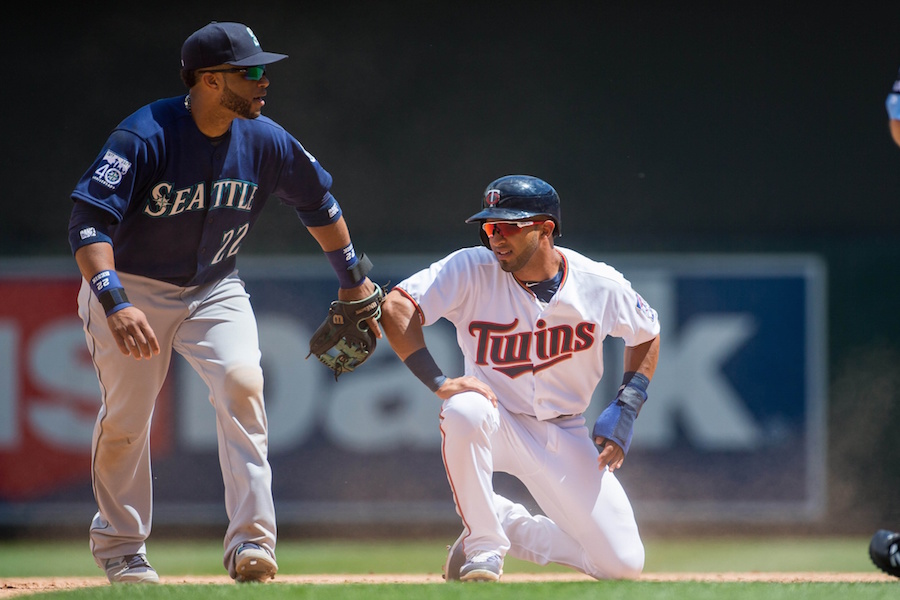 On the Gleeman & the Geek podcast a few weeks ago, Aaron cited a rather remarkable stat. Among all left fielders in the history of baseball who've made 1,000 plate appearances, Rosario's career on-base percentage (.296) ranks dead last. He has had the worst strike zone control of any player in the majors since arriving, with his 0.15 BB/K ratio ranking 185th out of 185 qualified players over the past three seasons. He lets his aggressiveness get the best of him at the plate, just as it does in the field, canceling out raw ability that too rarely shines through. The habits we expected Rosario to outgrow linger on, at age 25 and coming up on his 300th MLB game. He has been an altogether consistent hitter over the course of his up-and-down time in the bigs, with all the hot streaks and slumps adding up to roughly the same OPS every year (.742 career, .771 in 2017). That production would be perfectly fine from someone like Byron Buxton, who adds immense value on defense, but Rosario is a far cry. He plays a position with higher offensive expectations and he hasn't been playing it all that well. While defensive metrics love Buxton, they don't look so kindly upon Rosario, who rates negatively by both UZR and DRS. The small sample caveat obviously applies, but I don't think anyone who's watched him in left regularly would disagree. Now, this bears noting: Rosario is presently a year younger – and 200 plate appearances shy – of where Aaron Hicks was entering this season. Too many times we have seen a hopeless case suddenly flip on the light bulb, and with his electric ability Rosario would shine brighter than most if he could find the switch. He is a tremendous athlete. He hit three home runs in a game less than 10 days ago. His competitive fire would be refreshing and entertaining if it didn't so often burn him, and the team. Is he starting to feel the heat? The microscope is magnifying with a higher power lens with Zack Granite making serious noise at Class-AAA Rochester. The Twins 2016 Minor League Player of the Year is batting .349/.402/.479 for the Red Wings, with a .478 average in the month of June. A scrappy and speedy center fielder known for his high baseball IQ, he is an enticing option, albeit one with a far lower ceiling than Rosario. The big-picture play is to let things ride. Keep hoping it finally clicks for Rosario and let Granite continue to tear it up, maybe come up late in the year to get his feet wet as a fifth outfielder. But Molitor's fading club needs a spark, and the manager is undoubtedly exasperated with watching his blunderous left fielder hurt an already overmatched pitching staff. Swapping Rosario for Granite would certainly send a message. Are the Twins, whose deadline approach will be dictated by the next four weeks, ready to send it?
 -
I'm a big fan of Mejia but he has a 4.9 BB/9 rate and a 6.01 FIP, has pitched past the fifth inning only twice in nine starts. He's on thin ice. (Or would be, if they had anything for alternatives.)
- 145 replies
-
- 1
-
-
- adalberto mejia
- kyle gibson
- (and 1 more)
-
With a four-game sweep at Target Field over the weekend, Cleveland surpassed Minnesota in the standings, knocking the Twins out of first place for the first time since early May. Let's be honest: this was inevitable. The Indians are plainly a better team, and in order to hang with them for the rest of the summer, the Twins are going to need to figure some things out.Offensively, the two clubs have been equally productive. Entering Sunday's series finale, the Twins and Indians had both scored 310 runs, with nearly identical team OPS marks (.754 and .759). Only one offense really showed up over the past four games, however. The Indians piled up 28 runs in the sweep while the Twins managed to push only eight across. Minnesota was at the mercy of a vastly superior staff, a disadvantage that will make retaking first place an exceedingly difficult proposition. The formula for the Twins has pretty much gone like this: Ervin Santana, Jose Berrios, pray for rain (or lots of run support). Neither of the two top starters was available in this series and rain mostly stayed away, so the remainder of a highly unimpressive rotation took its beatings. Meanwhile, the contrast in bullpen quality was blindingly evident, as Cleveland countered ineffectual efforts from the Twins with dominance from the likes of Andrew Miller, Cody Allen and Bryan Shaw. Measured by Fielding Independent Pitching (FIP), the Indians rank as the best staff in the American League, and the Twins rank worst. So the lopsided outcomes are fairly unsurprising and trading places atop the division was all but inevitable. Cleveland's lead is likely to expand, too, unless the Twins can find a way to solve the hopeless patchwork comprising the back half of their rotation. The Contention Conundrum There is one school of thought that goes like this: the Twins aren't ready to compete yet, and winning in the short term should not be a primary consideration. I can only respond by channeling Eduardo Escobar: C'MON! I'm all for keeping the big picture in mind, but at the same time, the Twins are doing themselves a disservice if they don't make efforts to get the most out of this season. You cannot take for granted that you'll have another year where so many things play out right. It's easy to get caught up in the team's weaknesses after a demoralizing sweep, but let's not overlook the strengths that kept them in first place for five straight weeks. Miguel Sano is mashing at an elite level. Basically every other hitter is at least holding his own at the plate. Byron Buxton, one of the few who isn't, has finally been healthy and is changing games with his defense. Jose Berrios is fulfilling his potential before our very eyes. Ervin Santana has been one of the league's best starters. Brandon Kintzler has, somehow, been one of the its most effective closers. Cleveland is good, but it's not clear any of the other AL Central teams are. The Twins have some glaring flaws, to be sure, but there's a real opportunity to compete into September and maybe beyond. Focusing on that goal may force the organization to make some tough calls. No Easy Answers I think we can safely say plugging in waiver wire fodder like Adam Wilk and Chris Heston is not going to be the solution to Minnesota's pitching woes. Nor does it appear that Nik Turley is going to get it done. Kyle Gibson and Adalberto Mejia have been erratic messes. Yet, for now, there is little choice but to keep running them out there. Hector Santiago appears close to returning (he'll make a rehab start this week) but he brings little assurance at this point. Phil Hughes is not all that close, and may come back as a reliever. I got this text last week from one of my more optimistic, bright-side-seeking Twins fan friends: "I know this is easier said than done but I really think if we could find even two more adequate starting pitchers and like three more bullpen arms we'd be just fine." I mean, you said it man. Unfortunately, finding adequate arms is a challenge that has vexed this franchise for the better part of a decade. In the minors, the Twins really have two players with the legitimate ability to enter the mix as difference-makers in the rotation. At Class-AA Chattanooga, Fernando Romero and Stephen Gonsalves (ranked Nos. 1 and 2 on Twins Daily's top prospect list) have both been tearing it up for the past several weeks. They have stuff that could play in the big leagues. But this is where the front office must weigh that big picture against maximizing the team's chances in the present. You certainly don't want to throw a guy into the fire before he's ready; neither prospect has made even 20 starts at Double-A, or any at Triple-A. There is also the matter of protecting arms. Romero missed two entire seasons before returning to throw 90 innings last year, while Gonsalves missed the first chunk of this year with shoulder issues. The organization is trying to carefully manage workloads and strain, which is much harder to do in the majors. Then again, there are not a lot of alternatives. Trading away significant talent for an impact starter would be more harmful to the long-term structure, and we've seen the types of replacement level talent out there in waivers and free agency. The Twins can either stick with that plan, or they can turn to the best internal options they have, slightly ahead of schedule. These are the tricky decisions involved with trying to hang in a race. It's nice to be in a position to tackle them again, and we'll learn much about the new regime in seeing how they proceed. Click here to view the article
- 145 replies
-
- 5
-
-
- adalberto mejia
- kyle gibson
- (and 1 more)
-
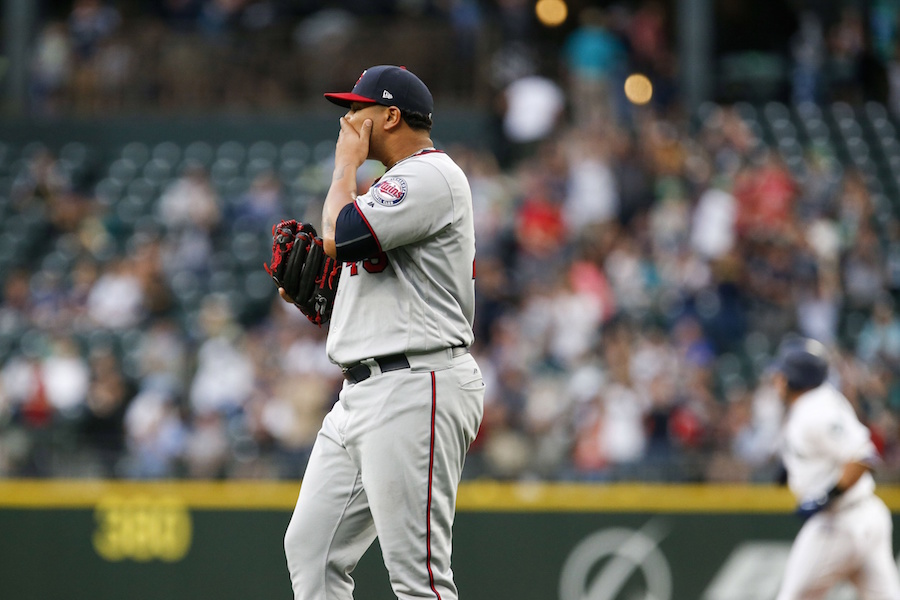 Offensively, the two clubs have been equally productive. Entering Sunday's series finale, the Twins and Indians had both scored 310 runs, with nearly identical team OPS marks (.754 and .759). Only one offense really showed up over the past four games, however. The Indians piled up 28 runs in the sweep while the Twins managed to push only eight across. Minnesota was at the mercy of a vastly superior staff, a disadvantage that will make retaking first place an exceedingly difficult proposition. The formula for the Twins has pretty much gone like this: Ervin Santana, Jose Berrios, pray for rain (or lots of run support). Neither of the two top starters was available in this series and rain mostly stayed away, so the remainder of a highly unimpressive rotation took its beatings. Meanwhile, the contrast in bullpen quality was blindingly evident, as Cleveland countered ineffectual efforts from the Twins with dominance from the likes of Andrew Miller, Cody Allen and Bryan Shaw. Measured by Fielding Independent Pitching (FIP), the Indians rank as the best staff in the American League, and the Twins rank worst. So the lopsided outcomes are fairly unsurprising and trading places atop the division was all but inevitable. Cleveland's lead is likely to expand, too, unless the Twins can find a way to solve the hopeless patchwork comprising the back half of their rotation. The Contention Conundrum There is one school of thought that goes like this: the Twins aren't ready to compete yet, and winning in the short term should not be a primary consideration. I can only respond by channeling Eduardo Escobar: C'MON! I'm all for keeping the big picture in mind, but at the same time, the Twins are doing themselves a disservice if they don't make efforts to get the most out of this season. You cannot take for granted that you'll have another year where so many things play out right. It's easy to get caught up in the team's weaknesses after a demoralizing sweep, but let's not overlook the strengths that kept them in first place for five straight weeks. Miguel Sano is mashing at an elite level. Basically every other hitter is at least holding his own at the plate. Byron Buxton, one of the few who isn't, has finally been healthy and is changing games with his defense. Jose Berrios is fulfilling his potential before our very eyes. Ervin Santana has been one of the league's best starters. Brandon Kintzler has, somehow, been one of the its most effective closers. Cleveland is good, but it's not clear any of the other AL Central teams are. The Twins have some glaring flaws, to be sure, but there's a real opportunity to compete into September and maybe beyond. Focusing on that goal may force the organization to make some tough calls. No Easy Answers I think we can safely say plugging in waiver wire fodder like Adam Wilk and Chris Heston is not going to be the solution to Minnesota's pitching woes. Nor does it appear that Nik Turley is going to get it done. Kyle Gibson and Adalberto Mejia have been erratic messes. Yet, for now, there is little choice but to keep running them out there. Hector Santiago appears close to returning (he'll make a rehab start this week) but he brings little assurance at this point. Phil Hughes is not all that close, and may come back as a reliever. I got this text last week from one of my more optimistic, bright-side-seeking Twins fan friends: "I know this is easier said than done but I really think if we could find even two more adequate starting pitchers and like three more bullpen arms we'd be just fine." I mean, you said it man. Unfortunately, finding adequate arms is a challenge that has vexed this franchise for the better part of a decade. In the minors, the Twins really have two players with the legitimate ability to enter the mix as difference-makers in the rotation. At Class-AA Chattanooga, Fernando Romero and Stephen Gonsalves (ranked Nos. 1 and 2 on Twins Daily's top prospect list) have both been tearing it up for the past several weeks. They have stuff that could play in the big leagues. But this is where the front office must weigh that big picture against maximizing the team's chances in the present. You certainly don't want to throw a guy into the fire before he's ready; neither prospect has made even 20 starts at Double-A, or any at Triple-A. There is also the matter of protecting arms. Romero missed two entire seasons before returning to throw 90 innings last year, while Gonsalves missed the first chunk of this year with shoulder issues. The organization is trying to carefully manage workloads and strain, which is much harder to do in the majors. Then again, there are not a lot of alternatives. Trading away significant talent for an impact starter would be more harmful to the long-term structure, and we've seen the types of replacement level talent out there in waivers and free agency. The Twins can either stick with that plan, or they can turn to the best internal options they have, slightly ahead of schedule. These are the tricky decisions involved with trying to hang in a race. It's nice to be in a position to tackle them again, and we'll learn much about the new regime in seeing how they proceed.
 -
Article: Twins Throw Curveball With Draft Strategy
Nick Nelson replied to Nick Nelson's topic in Twins Daily Front Page News
Thank you! This kind of comment is a day-maker, glad you enjoyed. Looking forward seeing you around. Also: excellent username choice.
