



Nick Nelson
-
Posts
8,327 -
Joined
-
Last visited
-
Days Won
56
Content Type
Profiles
News
Minnesota Twins Videos
2026 Minnesota Twins Top Prospects Ranking
2022 Minnesota Twins Draft Picks
Minnesota Twins Free Agent & Trade Rumors, Notes, & Tidbits
Guides & Resources
2023 Minnesota Twins Draft Picks
The Minnesota Twins Players Project
2024 Minnesota Twins Draft Picks
2025 Minnesota Twins Draft Pick Tracker
2026 Minnesota Twins Draft Tracker: Picks & Bonuses
Forums
Blogs
Events
Store
Downloads
Gallery
Everything posted by Nick Nelson
-
 Bobby Cuellar! Just looked him up and it appears he is currently pitching coach for the Great Lakes Loons (Dodgers' Single-A affiliate). Also, I had totally forgotten he was the Twins bullpen coach prior to Guardado.
 -
The triple-digit fastball isn't as rare as it once was. By Baseball America's count, 63 minor-league pitchers were members of the 'Century Club' in 2018 alone. Not all of them will turn into quality MLB players, but Brusdar Graterol combines his premium heat with enough complementary strengths to convince many that he's destined for stardom in the majors.Position: RHP Age: 20 (DOB: 8/26/1998) 2018 Stats (A/A+): 102 IP, 2.74 ERA, 107 K, 28 BB, 1.15 WHIP ETA: 2020 2018 Ranking: 9 National Top 100 Rankings BA: 55 | MLB: 68 | ESPN: NA | BP: 33 What's To Like His fastball gets the headlines. It's not just the velocity – reaching as high as 101 MPH and maintaining in the upper-90s throughout his starts – that makes Brusdar Graterol's heater such a lethal weapon. It's also the movement and command. The right-hander hurls fear-inducing two-seamers that sink and run in on same-sided hitters, while tailing away from lefties. He can place them all over the zone and he likes to throw inside, which is good news for grouchy old-school seamheads and bad news for hitters that have to sweat out ABs in the box. Often lost in the shuffle is Graterol's slider, which many scouts label as a potential plus or plus-plus pitch. Tightly spun and fiercely sharp, his hard slider buzzes in around 87-89 MPH (per MLB Pipeline) and is almost unhittable when executed well. For reference, only eight qualified MLB starters averaged 87+ MPH with their sliders in 2018, according to FanGraphs: Jacob deGrom, Zack Wheeler, Jameson Taillon, Gerrit Cole, Luis Severino, Miles Mikolas, Blake Snell and Jon Gray. It's no coincidence that all are dominant, rotation-fronting studs. The combination of a premium fastball with a hard, late-breaking slider gives batters fits at every level. Graterol saw it for himself last year at the Low-A and High-A levels. He first decimated the Midwest League, piling up 51 strikeouts in 41 innings with a 2.18 ERA and 0.94 WHIP over eight starts. His final start with Cedar Rapids, on June 24th, was an overpowering display – he faced 20 batters over five shutout innings, striking out nine of them while generating 18 swinging strikes on 79 total pitches (23%). In July he moved up to the Florida State League, struggling a bit in his first start by allowing five earned runs on nine hits in three innings for the Miracle. From that point forward, Graterol went 5-1 with a 2.50 ERA and 53-to-18 K/BB ratio in 58 FSL innings, holding opponents to a .237/.300/.294 slash line with zero home runs. Not much of a learning curve for a 19-year-old facing older and vastly more experienced competition. What's Left to Work On There are three points of caution to keep in mind with Graterol, all of which help suppress his ranking on national lists. 1: Workload. He threw only 102 official innings last year, pushing his career total to 153 since signing in 2014. He needs to prove that he can hold up over a starter's regimen. Graterol's mechanics are solid but there's definitely some effort in his delivery, and further questions arise because of the next item. 2: Build. At 6'1" and about 220 lbs, Graterol has been described as a "fire hydrant" and certainly doesn't match the workhorse starting pitcher prototype. Of course, some scouts also critiqued the size of Jose Berrios (whom Graterol openly models himself after) as a prospect, and we've seen the All-Star overcome it. 3: Depth of repertoire. His fastball/slider combo is unassailable, giving a Graterol the practical floor of an impact reliever, but he lacks a standout third pitch. His curveball is more of a get-me-over type offering and his changeup (like most at this stage) remains a work in progress. Developing the latter might prove decisive if the righty is to stick in a starting role. “The changeup is going to be really good for me,” Graterol told the Star Tribune's Patrick Reusse. “A starter wants three good pitches. And I’m a starter.” For what it's worth, Keith Law – who placed the 20-year-old outside of his top 100 at ESPN – said, "To a man, every scout or exec I asked about Graterol used some declension of the word 'reliever' in his response." Graterol as an intimidating late-inning weapon doesn't sound like such a bad thing, but needless to say we're all hoping he can reach his ceiling as an ace-caliber starter joining Berrios atop the rotation. What's Next The hard-throwing Venezuelan will likely report back to Fort Myers, where he'll still be younger than most of his peers. Presuming he continues to conquer the competition there, a midseason promotion to Double-A could be in order. At that point, he'll be primed for a potential MLB debut in 2020. The imperative for Graterol is simple: stay healthy and stay the course. He's got some things to overcome, but is on track to become one of the youngest pitchers to ever debut for the Twins. Twins Daily 2019 Top 20 Prospects Honorable Mentions 20. Jose Miranda, 2B/3B 19. Jorge Alcala, RHP 18. LaMonte Wade, OF 17. Zack Littell, RHP 16. Gilberto Celestino, OF 15. Yunior Severino, 2B 14. Ben Rortvedt, C 13. Ryan Jeffers, C 12. Stephen Gonsalves, LHP 11. Nick Gordon, SS 10. Akil Baddoo, OF 9. Blayne Enlow, RHP 8. Lewis Thorpe, LHP 7. Jhoan Duran, RHP 6. Brent Rooker, 1B/LF 5. Wander Javier, SS 4. Trevor Larnach, OF 3. Brusdar Graterol, RHP 2. Coming tomorrow! Get to know more about these five Minnesota Twins prospects and much more in the 2019 Minnesota Twins Prospect Handbook. It’s available in paperback or as an eBook. Click here to view the article
-
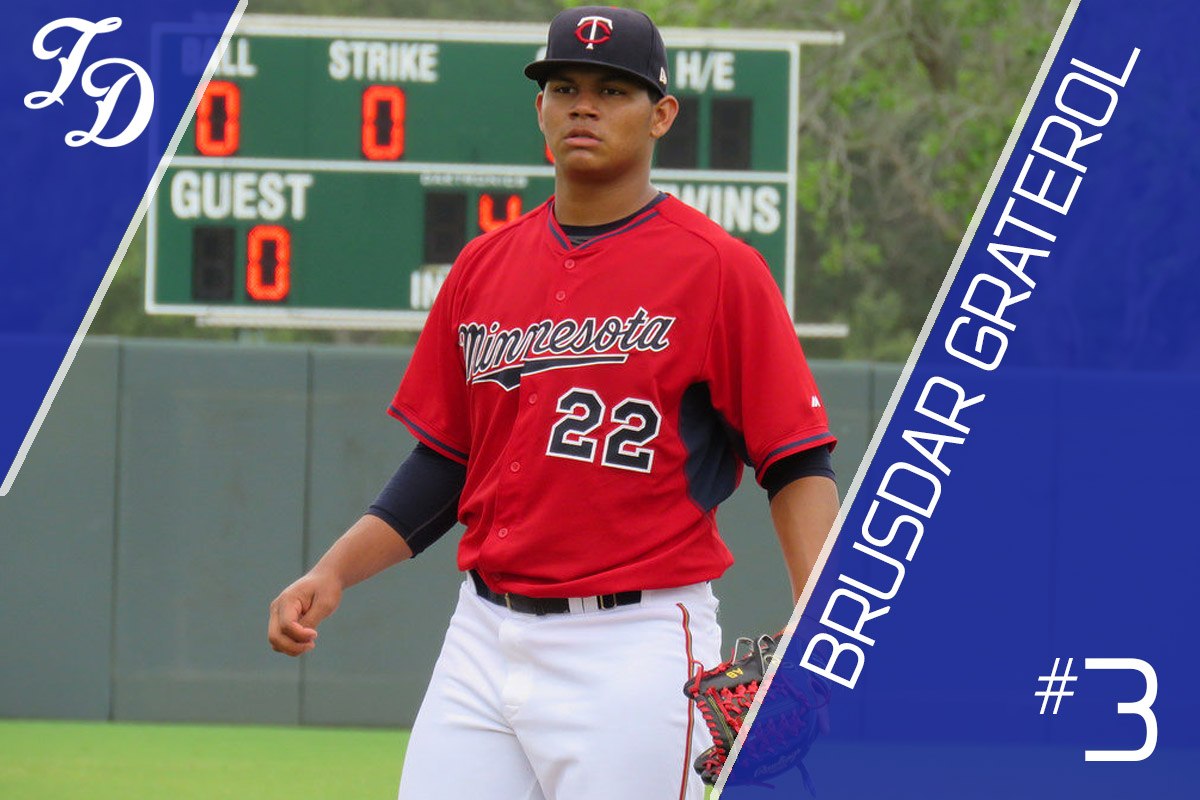 Position: RHP Age: 20 (DOB: 8/26/1998) 2018 Stats (A/A+): 102 IP, 2.74 ERA, 107 K, 28 BB, 1.15 WHIP ETA: 2020 2018 Ranking: 9 National Top 100 Rankings BA: 55 | MLB: 68 | ESPN: NA | BP: 33 What's To Like His fastball gets the headlines. It's not just the velocity – reaching as high as 101 MPH and maintaining in the upper-90s throughout his starts – that makes Brusdar Graterol's heater such a lethal weapon. It's also the movement and command. The right-hander hurls fear-inducing two-seamers that sink and run in on same-sided hitters, while tailing away from lefties. He can place them all over the zone and he likes to throw inside, which is good news for grouchy old-school seamheads and bad news for hitters that have to sweat out ABs in the box. Often lost in the shuffle is Graterol's slider, which many scouts label as a potential plus or plus-plus pitch. Tightly spun and fiercely sharp, his hard slider buzzes in around 87-89 MPH (per MLB Pipeline) and is almost unhittable when executed well. For reference, only eight qualified MLB starters averaged 87+ MPH with their sliders in 2018, according to FanGraphs: Jacob deGrom, Zack Wheeler, Jameson Taillon, Gerrit Cole, Luis Severino, Miles Mikolas, Blake Snell and Jon Gray. It's no coincidence that all are dominant, rotation-fronting studs. The combination of a premium fastball with a hard, late-breaking slider gives batters fits at every level. Graterol saw it for himself last year at the Low-A and High-A levels. He first decimated the Midwest League, piling up 51 strikeouts in 41 innings with a 2.18 ERA and 0.94 WHIP over eight starts. His final start with Cedar Rapids, on June 24th, was an overpowering display – he faced 20 batters over five shutout innings, striking out nine of them while generating 18 swinging strikes on 79 total pitches (23%). In July he moved up to the Florida State League, struggling a bit in his first start by allowing five earned runs on nine hits in three innings for the Miracle. From that point forward, Graterol went 5-1 with a 2.50 ERA and 53-to-18 K/BB ratio in 58 FSL innings, holding opponents to a .237/.300/.294 slash line with zero home runs. Not much of a learning curve for a 19-year-old facing older and vastly more experienced competition. What's Left to Work On There are three points of caution to keep in mind with Graterol, all of which help suppress his ranking on national lists. 1: Workload. He threw only 102 official innings last year, pushing his career total to 153 since signing in 2014. He needs to prove that he can hold up over a starter's regimen. Graterol's mechanics are solid but there's definitely some effort in his delivery, and further questions arise because of the next item. 2: Build. At 6'1" and about 220 lbs, Graterol has been described as a "fire hydrant" and certainly doesn't match the workhorse starting pitcher prototype. Of course, some scouts also critiqued the size of Jose Berrios (whom Graterol openly models himself after) as a prospect, and we've seen the All-Star overcome it. 3: Depth of repertoire. His fastball/slider combo is unassailable, giving a Graterol the practical floor of an impact reliever, but he lacks a standout third pitch. His curveball is more of a get-me-over type offering and his changeup (like most at this stage) remains a work in progress. Developing the latter might prove decisive if the righty is to stick in a starting role. “The changeup is going to be really good for me,” Graterol told the Star Tribune's Patrick Reusse. “A starter wants three good pitches. And I’m a starter.” For what it's worth, Keith Law – who placed the 20-year-old outside of his top 100 at ESPN – said, "To a man, every scout or exec I asked about Graterol used some declension of the word 'reliever' in his response." Graterol as an intimidating late-inning weapon doesn't sound like such a bad thing, but needless to say we're all hoping he can reach his ceiling as an ace-caliber starter joining Berrios atop the rotation. What's Next The hard-throwing Venezuelan will likely report back to Fort Myers, where he'll still be younger than most of his peers. Presuming he continues to conquer the competition there, a midseason promotion to Double-A could be in order. At that point, he'll be primed for a potential MLB debut in 2020. The imperative for Graterol is simple: stay healthy and stay the course. He's got some things to overcome, but is on track to become one of the youngest pitchers to ever debut for the Twins. Twins Daily 2019 Top 20 Prospects Honorable Mentions 20. Jose Miranda, 2B/3B 19. Jorge Alcala, RHP 18. LaMonte Wade, OF 17. Zack Littell, RHP 16. Gilberto Celestino, OF 15. Yunior Severino, 2B 14. Ben Rortvedt, C 13. Ryan Jeffers, C 12. Stephen Gonsalves, LHP 11. Nick Gordon, SS 10. Akil Baddoo, OF 9. Blayne Enlow, RHP 8. Lewis Thorpe, LHP 7. Jhoan Duran, RHP 6. Brent Rooker, 1B/LF 5. Wander Javier, SS 4. Trevor Larnach, OF 3. Brusdar Graterol, RHP 2. Coming tomorrow! Get to know more about these five Minnesota Twins prospects and much more in the 2019 Minnesota Twins Prospect Handbook. It’s available in paperback or as an eBook.
 -
And as it turns out, we should've ranked Kirilloff higher. In 2017 we had Fernando Romero as our #1 prospect despite his throwing fewer than 200 pro innings through age 21. I feel good about that decision in retrospect. Everyone is welcome to quibble with our rankings, but understand that they aren't solely influenced by our personal opinions or optimistic hopes. Javier's ranking reflects what we're hearing from in the org and in the scouting community at large. Everyone's high on this kid. I think you'll find out why soon enough.
-
He was out of sight last year, with shoulder surgery wiping away his entire 2018 season. But this uber-talented young shortstop was never out of our minds, and his massive upside as a dynamic two-way talent keeps him near the top of our Twins prospect rankings.Position: SS Age: 20 (DOB: 12/29/1998) 2018 Stats: DNP ETA: 2021 2018 Ranking: 6 National Top 100 Rankings BA: NA | MLB: NA | ESPN: NA | BP: NA What's To Like Losing major time to injury has, sadly, become a rite of passage for Twins top prospects. Miguel Sano and Alex Kirilloff both missed full seasons after Tommy John surgery. Byron Buxton had nearly his entire 2014 erased by wrist and thumb issues. Fernando Romero was sidelined for two consecutive campaigns by elbow and knee surgeries. Wander Javier is the latest to join this lineage, but there's good news: Each of the prospects above came back after a long absence and almost immediately returned to prior form, if not better. Javier has shown very good form when on the field, but that doesn't amount to much time. Signed at age 16 out of the Dominican Republic for a club-record $4 million, the skinny shortstop's early focus was adding strength and weight. He played in only 50 official pro games before hurting his shoulder in late 2017. The Twins tried to remedy the issue through rehab but that didn't take, and Javier underwent labrum surgery on his left (non-throwing) shoulder last May. The recovery timeline from this procedure was estimated at six-to-nine months, so Javier will be on the other side of it when spring training kicks off, and all reports have him coming in at 100%. When at full strength, the righty-swinging infielder has plenty of offer. Unlike fellow big international splashes Sano and Yunior Severino, who were both technically signed as shortstops out of the Dominican but with the expectation they'd bulk up and move elsewhere, Javier is fully expected to remain at short and be an asset there. He's quick and fluid in his motions, with good mechanics and a strong arm. Projecting as a quality shortstop has plenty of value on its own, but what really makes Javier a special talent is his bat. In two stints at rookie ball, he owns a .301/.386/.497 slash line with six homers and 16 doubles in 210 plate appearances. He just hits. It is exceedingly rare to see an undersized teenager flash such immediate power in rookie ball, which created a great deal of hype around what Javier might do in full-season leagues. We've had to wait a bit to find out, but that excitement hasn't wavered in spite of the delay. MLB.com didn't rank Javier in its Top 100 but did name him Minnesota's best prospect to miss the list. What's Left To Work On Well, everything. Javier initially showed the skills that compelled Minnesota to commit all of its 2015 international bonus pool (and then some) to acquire him, but he spent last year rehabbing from major shoulder surgery instead of developing those skills. It shouldn't surprise, or alarm, anyone if Javier comes out of the gates slow this season. He has missed out on a full year of facing live competition at a time where those reps are so vitally important. Kirilloff showed us how quickly a young player can get back up to speed but Javier isn't nearly the same natural hitting talent. There was already a rawness to Javier's game and now that element is magnified. He'll see better pitching than ever before and will face a more demanding regimen than ever before. Amidst this setting, he needs to fine-tune and advance his game, while also acclimating to a surgically repaired shoulder leading his swing. Javier is in for a big challenge. But all evidence suggests he's up to it. What's Next “We need to get him on the field,’’ Mike Radcliff told Patrick Reusse of the Star Tribune earlier this offseason. “He has to go out and play.’’ A bulked-up Javier – who claims to now have 200 lbs on his 6'1" frame, according to Reusse's piece – will almost certainly start out in extended spring training as he works back into playing shape. But by May or June he should make his way to Cedar Rapids, where we'll finally get the chance to see what he can do. It's unfair to bring up Kirilloff's name and precedent in comparison. Expectations should be kept in check with Javier, for all the reasons listed in the section above. But the bottom line is that talent wins out, and on that front – well, I think Baseball Prospectus fantasy writer Darius Austin put it best when answering a chat question via Dusty from Colorado (infamous for his relentless inquiries about Javier) in December: "There is no upside for the player with infinite talent." Playing to the bit with hyperbole? Sure. But Javier's raw ability and athleticism are immense, and since we haven't yet seen them play out substantively on the pro stage, his possibilities feel almost limitless. There's no Twins prospect I'm more excited to follow in 2019. Twins Daily 2019 Top 20 Prospects Honorable Mentions 20. Jose Miranda, 2B/3B 19. Jorge Alcala, RHP 18. LaMonte Wade, OF 17. Zack Littell, RHP 16. Gilberto Celestino, OF 15. Yunior Severino, 2B 14. Ben Rortvedt, C 13. Ryan Jeffers, C 12. Stephen Gonsalves, LHP 11. Nick Gordon, SS 10. Akil Baddoo, OF 9. Blayne Enlow, RHP 8. Lewis Thorpe, LHP 7. Jhoan Duran, RHP 6. Brent Rooker, 1B/LF 5. Wander Javier, SS 4. Coming tomorrow! Get to know more about these five Minnesota Twins prospects and much more in the 2019 Minnesota Twins Prospect Handbook. It’s available in paperback or as an eBook. Click here to view the article
-
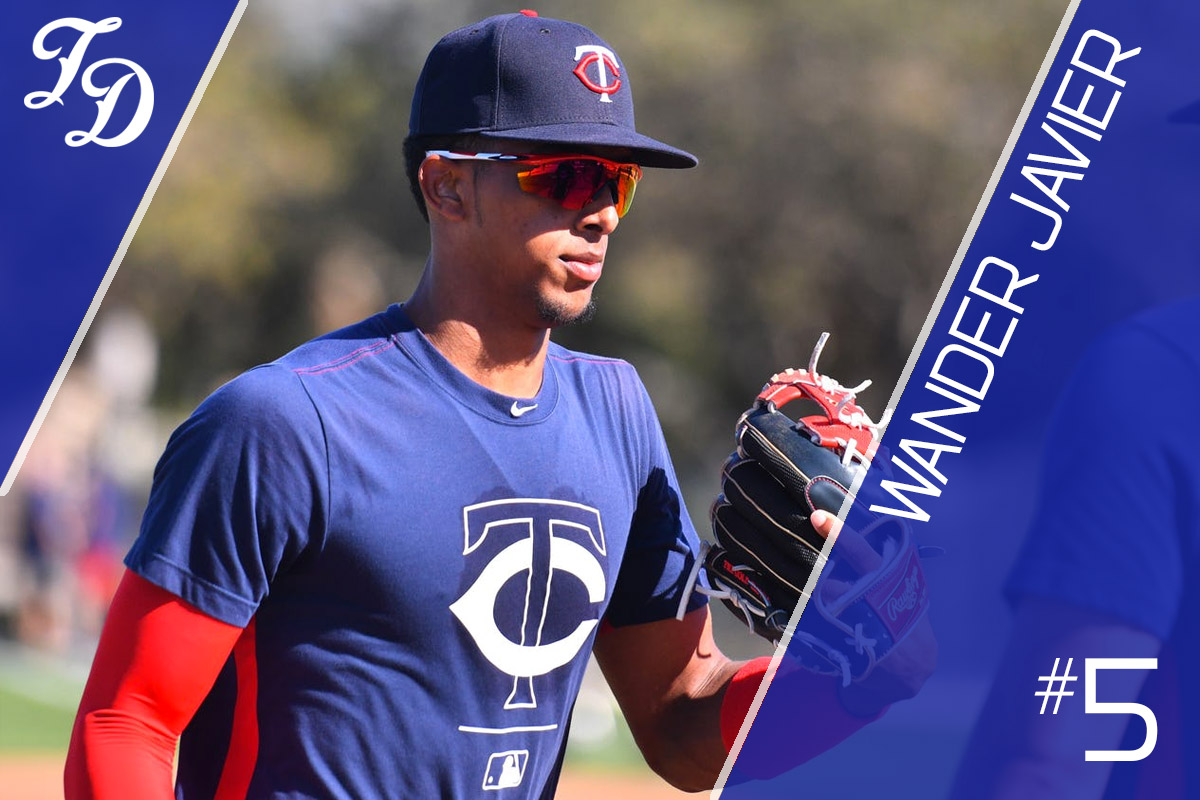 Position: SS Age: 20 (DOB: 12/29/1998) 2018 Stats: DNP ETA: 2021 2018 Ranking: 6 National Top 100 Rankings BA: NA | MLB: NA | ESPN: NA | BP: NA What's To Like Losing major time to injury has, sadly, become a rite of passage for Twins top prospects. Miguel Sano and Alex Kirilloff both missed full seasons after Tommy John surgery. Byron Buxton had nearly his entire 2014 erased by wrist and thumb issues. Fernando Romero was sidelined for two consecutive campaigns by elbow and knee surgeries. Wander Javier is the latest to join this lineage, but there's good news: Each of the prospects above came back after a long absence and almost immediately returned to prior form, if not better. Javier has shown very good form when on the field, but that doesn't amount to much time. Signed at age 16 out of the Dominican Republic for a club-record $4 million, the skinny shortstop's early focus was adding strength and weight. He played in only 50 official pro games before hurting his shoulder in late 2017. The Twins tried to remedy the issue through rehab but that didn't take, and Javier underwent labrum surgery on his left (non-throwing) shoulder last May. The recovery timeline from this procedure was estimated at six-to-nine months, so Javier will be on the other side of it when spring training kicks off, and all reports have him coming in at 100%. When at full strength, the righty-swinging infielder has plenty of offer. Unlike fellow big international splashes Sano and Yunior Severino, who were both technically signed as shortstops out of the Dominican but with the expectation they'd bulk up and move elsewhere, Javier is fully expected to remain at short and be an asset there. He's quick and fluid in his motions, with good mechanics and a strong arm. Projecting as a quality shortstop has plenty of value on its own, but what really makes Javier a special talent is his bat. In two stints at rookie ball, he owns a .301/.386/.497 slash line with six homers and 16 doubles in 210 plate appearances. He just hits. It is exceedingly rare to see an undersized teenager flash such immediate power in rookie ball, which created a great deal of hype around what Javier might do in full-season leagues. We've had to wait a bit to find out, but that excitement hasn't wavered in spite of the delay. MLB.com didn't rank Javier in its Top 100 but did name him Minnesota's best prospect to miss the list. What's Left To Work On Well, everything. Javier initially showed the skills that compelled Minnesota to commit all of its 2015 international bonus pool (and then some) to acquire him, but he spent last year rehabbing from major shoulder surgery instead of developing those skills. It shouldn't surprise, or alarm, anyone if Javier comes out of the gates slow this season. He has missed out on a full year of facing live competition at a time where those reps are so vitally important. Kirilloff showed us how quickly a young player can get back up to speed but Javier isn't nearly the same natural hitting talent. There was already a rawness to Javier's game and now that element is magnified. He'll see better pitching than ever before and will face a more demanding regimen than ever before. Amidst this setting, he needs to fine-tune and advance his game, while also acclimating to a surgically repaired shoulder leading his swing. Javier is in for a big challenge. But all evidence suggests he's up to it. What's Next “We need to get him on the field,’’ Mike Radcliff told Patrick Reusse of the Star Tribune earlier this offseason. “He has to go out and play.’’ A bulked-up Javier – who claims to now have 200 lbs on his 6'1" frame, according to Reusse's piece – will almost certainly start out in extended spring training as he works back into playing shape. But by May or June he should make his way to Cedar Rapids, where we'll finally get the chance to see what he can do. It's unfair to bring up Kirilloff's name and precedent in comparison. Expectations should be kept in check with Javier, for all the reasons listed in the section above. But the bottom line is that talent wins out, and on that front – well, I think Baseball Prospectus fantasy writer Darius Austin put it best when answering a chat question via Dusty from Colorado (infamous for his relentless inquiries about Javier) in December: "There is no upside for the player with infinite talent." Playing to the bit with hyperbole? Sure. But Javier's raw ability and athleticism are immense, and since we haven't yet seen them play out substantively on the pro stage, his possibilities feel almost limitless. There's no Twins prospect I'm more excited to follow in 2019. Twins Daily 2019 Top 20 Prospects Honorable Mentions 20. Jose Miranda, 2B/3B 19. Jorge Alcala, RHP 18. LaMonte Wade, OF 17. Zack Littell, RHP 16. Gilberto Celestino, OF 15. Yunior Severino, 2B 14. Ben Rortvedt, C 13. Ryan Jeffers, C 12. Stephen Gonsalves, LHP 11. Nick Gordon, SS 10. Akil Baddoo, OF 9. Blayne Enlow, RHP 8. Lewis Thorpe, LHP 7. Jhoan Duran, RHP 6. Brent Rooker, 1B/LF 5. Wander Javier, SS 4. Coming tomorrow! Get to know more about these five Minnesota Twins prospects and much more in the 2019 Minnesota Twins Prospect Handbook. It’s available in paperback or as an eBook.
 -
After a lengthy absence, Lewis Thorpe returned with back-to-back strong seasons, and in 2018 was recognized as the organization's most outstanding minor-league pitcher. He's on track to make his MLB debut in 2019. What can we expect from the Australian southpaw?Position: LHP Age: 23 (DOB: 11/23/1995) 2018 Stats (AA/AAA): 129.2 IP, 3.54 ERA, 157 K, 36 BB, 1.24 WHIP ETA: 2019 2018 Ranking: 11 National Top 100 Rankings BA: NA | MLB: NA | ESPN: NA | BP: NA What's To Like There is no perfectly predictive statistic for pitching prospects. Nothing even close. But if you asked me for the best shorthand – the very first thing I will look at when assessing a minor-league hurler, after his age and level – it's K/BB ratio. As a general rule, high-quality pitchers rate well in this category, because it portrays the essential ability to throw strikes and make batters miss. In this regard, Lewis Thorpe is exemplary. His 4.4 K/BB ratio ranked fifth among pitchers with 100+ IP in the Class-AA Southern League (two of the guys ahead of him were 29) and he basically replicated that mark during his late stint at Triple-A. In total between the two levels, Thorpe threw 66% strikes, induced a 15% swing-and-miss rate, and posted a K% at the highest percentile. The left-hander attacks hitters with mostly heaters from a three-quarters arm slot, mixing in a couple of different breaking-ball looks. He had a brutal run health-wise between 2015 and 2016, missing both seasons, but has looked strong and healthy since returning in 2017. Last year he pushed to 130 innings and stayed strong up until the very end, firing seven shutout innings for Rochester in his final start on August 31st. In recognition of his altogether excellent campaign, the Twins named Thorpe their 2018 Minor League Pitcher of the Year. What's Left To Work On "As weird as it is to say for a dude who struck out 10 per nine in the upper minors, I’m not entirely sure what the true swing-and-miss offering is," wrote Baseball Prospectus in ranking Thorpe as Minnesota's ninth-best prospect. That's been a common refrain from skeptical scouting reports, which don't see the lefty's stuff quite matching up to his numbers. It is somewhat conspicuous to see Thorpe get hit hard as frequently as he does, given the dominance otherwise hinted by his numbers. In one April outing at Double-A, he coughed up six runs (two earned) on 10 hits over 4 2/3 innings, despite notching seven strikeouts with zero walks and inducing 16 whiffs on 87 pitches (18%). In a June start, also with Chattanooga, he yielded nine earned runs on nine hits, despite getting 16 whiffs on 85 pitches (19%). Just odd. Thorpe gave up 16 home runs in 130 innings last year; by comparison, fellow left-hander Stephen Gonsalves (an extreme fly-ball pitcher) had surrendered only 20 home runs in 500 total minor-league innings when he was at the same age and progression level. This would seem to speak to Thorpe's lack of a putaway pitch that BP and others have cautioned about. The 23-year-old mixes his unspectacular repertoire with good enough command and sequencing to overpower minor-league hitters for the most part, but he has his lapses, and gets beat more often than you'd expect from a pitcher who pounds the zone with swing-and-miss stuff. One wonders about how this formula will play in the big leagues. Unless he can take at least one his pitches to the next level, Thorpe likely projects as a back-end starter or middle-relief arm. But there's still time for improvement and it's important to note he has only totaled 370 total innings since signing in 2012. What's Next? He'll be in big-league camp, but Thorpe is ticketed to start the season back at Class-AAA Rochester. There, it seems likely he'll pick up where he left off. The key will be finding consistency and eliminating those misfires that lead to big hits and big innings. The Australian southpaw certainly has the core tools necessary to be a rock solid big-leaguer, and will likely make his Twins debut sometime this summer. Twins Daily 2019 Top 20 Prospects Honorable Mentions 20. Jose Miranda, 2B/3B 19. Jorge Alcala, RHP 18. LaMonte Wade, OF 17. Zack Littell, RHP 16. Gilberto Celestino, OF 15. Yunior Severino, 2B 14. Ben Rortvedt, C 13. Ryan Jeffers, C 12. Stephen Gonsalves, LHP 11. Nick Gordon, SS 10. Akil Baddoo, OF 9. Blayne Enlow, RHP 8. Lewis Thorpe, LHP 7. Coming tomorrow! Get to know more about these five Minnesota Twins prospects and much more in the 2019 Minnesota Twins Prospect Handbook. It’s available in paperback or as an eBook. Click here to view the article
-
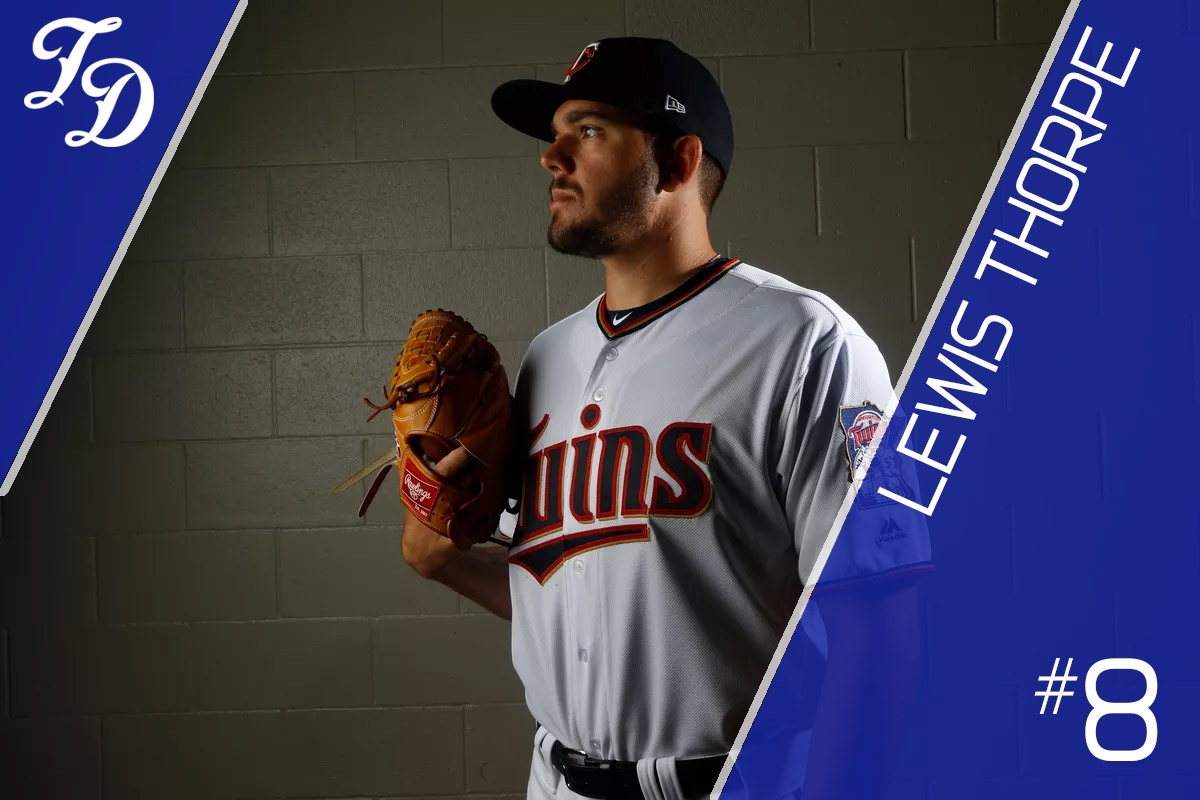 Position: LHP Age: 23 (DOB: 11/23/1995) 2018 Stats (AA/AAA): 129.2 IP, 3.54 ERA, 157 K, 36 BB, 1.24 WHIP ETA: 2019 2018 Ranking: 11 National Top 100 Rankings BA: NA | MLB: NA | ESPN: NA | BP: NA What's To Like There is no perfectly predictive statistic for pitching prospects. Nothing even close. But if you asked me for the best shorthand – the very first thing I will look at when assessing a minor-league hurler, after his age and level – it's K/BB ratio. As a general rule, high-quality pitchers rate well in this category, because it portrays the essential ability to throw strikes and make batters miss. In this regard, Lewis Thorpe is exemplary. His 4.4 K/BB ratio ranked fifth among pitchers with 100+ IP in the Class-AA Southern League (two of the guys ahead of him were 29) and he basically replicated that mark during his late stint at Triple-A. In total between the two levels, Thorpe threw 66% strikes, induced a 15% swing-and-miss rate, and posted a K% at the highest percentile. The left-hander attacks hitters with mostly heaters from a three-quarters arm slot, mixing in a couple of different breaking-ball looks. He had a brutal run health-wise between 2015 and 2016, missing both seasons, but has looked strong and healthy since returning in 2017. Last year he pushed to 130 innings and stayed strong up until the very end, firing seven shutout innings for Rochester in his final start on August 31st. In recognition of his altogether excellent campaign, the Twins named Thorpe their 2018 Minor League Pitcher of the Year. What's Left To Work On "As weird as it is to say for a dude who struck out 10 per nine in the upper minors, I’m not entirely sure what the true swing-and-miss offering is," wrote Baseball Prospectus in ranking Thorpe as Minnesota's ninth-best prospect. That's been a common refrain from skeptical scouting reports, which don't see the lefty's stuff quite matching up to his numbers. It is somewhat conspicuous to see Thorpe get hit hard as frequently as he does, given the dominance otherwise hinted by his numbers. In one April outing at Double-A, he coughed up six runs (two earned) on 10 hits over 4 2/3 innings, despite notching seven strikeouts with zero walks and inducing 16 whiffs on 87 pitches (18%). In a June start, also with Chattanooga, he yielded nine earned runs on nine hits, despite getting 16 whiffs on 85 pitches (19%). Just odd. Thorpe gave up 16 home runs in 130 innings last year; by comparison, fellow left-hander Stephen Gonsalves (an extreme fly-ball pitcher) had surrendered only 20 home runs in 500 total minor-league innings when he was at the same age and progression level. This would seem to speak to Thorpe's lack of a putaway pitch that BP and others have cautioned about. The 23-year-old mixes his unspectacular repertoire with good enough command and sequencing to overpower minor-league hitters for the most part, but he has his lapses, and gets beat more often than you'd expect from a pitcher who pounds the zone with swing-and-miss stuff. One wonders about how this formula will play in the big leagues. Unless he can take at least one his pitches to the next level, Thorpe likely projects as a back-end starter or middle-relief arm. But there's still time for improvement and it's important to note he has only totaled 370 total innings since signing in 2012. What's Next? He'll be in big-league camp, but Thorpe is ticketed to start the season back at Class-AAA Rochester. There, it seems likely he'll pick up where he left off. The key will be finding consistency and eliminating those misfires that lead to big hits and big innings. The Australian southpaw certainly has the core tools necessary to be a rock solid big-leaguer, and will likely make his Twins debut sometime this summer. Twins Daily 2019 Top 20 Prospects Honorable Mentions 20. Jose Miranda, 2B/3B 19. Jorge Alcala, RHP 18. LaMonte Wade, OF 17. Zack Littell, RHP 16. Gilberto Celestino, OF 15. Yunior Severino, 2B 14. Ben Rortvedt, C 13. Ryan Jeffers, C 12. Stephen Gonsalves, LHP 11. Nick Gordon, SS 10. Akil Baddoo, OF 9. Blayne Enlow, RHP 8. Lewis Thorpe, LHP 7. Coming tomorrow! Get to know more about these five Minnesota Twins prospects and much more in the 2019 Minnesota Twins Prospect Handbook. It’s available in paperback or as an eBook.
 -
Article: Twins Daily 2019 Top Prospects: 11-15
Nick Nelson replied to Nick Nelson's topic in Twins Daily Front Page News
Ah yeah, good call, I had it backwards. He hit one HR in Cedar Rapids then 4 in Ft. Myers. Article updated. And yes, agreed, his performance in the FSL was quite impressive considering the context.- 96 replies
-
- 2
-

-
- yunior severino
- stephen gonsalves
- (and 3 more)
-
The 2018 season was a turbulent one for the Minnesota Twins, and for some of their heralded upcoming talents as well. Two prospects who ranked among our top five a year ago now find themselves outside of the top ten. But that's not necessarily damning in a robust system that shows well here in the 11 through 15 range.15. Yunior Severino, 2B Age: 19 (DOB: 10/3/99) 2018 Stats (Rookie): 218 PA, .263/.321/.424, 8 HR, 28 RBI ETA: 2022 2018 Ranking: 18 It feels like a lifetime ago that the Atlanta Braves were handed severe sanctions for circumventing MLB's international signing rules, with GM John Coppolella banned for life and nine of the organization's signings released back into free agency. (Especially since Atlanta's internal rebuild coalesced so beautifully anyway in 2018.) But it was just last offseason that the Twins were able to capitalize and scoop up Severino, who enjoyed a solid rookie-level debut with his new franchise. In 49 games at Elizabethton, Severino posted a .745 OPS that was nearly identical to the Appalachian League average (.746). He did so as an 18-year-old switch-hitting middle infielder, in a setting where the average player was two years older. His eight home runs tied for the league lead among second basemen. Already closing in on 200 pounds as a teenager, Severino doesn't have much speed to speak of (he hasn't stolen a base in 107 games as a pro) and will probably end up at a corner spot defensively, so his bat will probably have to carry him. But there's plenty of potential in that department. "He’s like Alex Kirilloff—his swing stands out from the others,” VP for player personnel Mike Radcliff told Baseball America when the Twins signed Severino. Not a bad comp. 14. Ben Rortvedt, C Age: 21 (DOB: 9/25/97) 2018 Stats (A-/A+): 353 PA, .262/.331/.379, 5 HR, 43 RBI ETA: 2021 2018 Ranking: 16 Since being drafted by the Twins as a second-rounder in 2016, Rortvedt's offensive game has lagged behind his relatively advanced defense. In that scope, his 2018 season has to be viewed as a success; between two levels of A-ball, the lefty-swinging Wisconsin native posted a .710 OPS, improving by more than 100 points on 2017's underwhelming mark (.599) at Cedar Rapids. He certainly wasn't dominant at the plate following his midseason promotion to Fort Myers, but his approach was exemplary, with a 0.72 BB/K ratio that ranked second-best among Florida State League catchers with 100+ PA. At this point we're just waiting for a bit more power to emerge, which seems feasible as he keeps growing and adding strength. He totaled four home runs with the Miracle after hitting one in Cedar Rapids, the last a grand slam in late-August as part of a six-RBI outburst. As a receiver, Rortvedt draws high marks. His excellent arm continues to control opposing run games, as he threw out 37% of base stealers last year following 2017's 36%. He figures to compete for a spot at Double-A this spring, but will have to fend off the next guy on this list. 13. Ryan Jeffers, C Age: 21 (DOB: 6/3/97) 2018 Stats (Rookie/A-): 284 PA, .344/.444/.502, 7 HR, 33 RBI ETA: 2021 2018 Ranking: N/A I noted in recapping last year's list that while the system was generally balanced, "the notable area of concern is catcher." Rortvedt and Mitch Garver were the position's only representatives in the Top 20, and Garver would soon lose his prospect eligibility. So Jeffers immediately took on a great deal of importance when the Twins drafted him out UNC Wilmington in the second round, 59th overall, last June. He was the fourth catcher to come off the board, and the second collegiate backstop. Answering the call, Jeffers arrived with a thunderous debut in pro ball. Although you'd generally expect a successful college hitter (Jeffers put up a 1.095 OPS with 16 homers in his final season at Wilmington) to catch on quickly in the low minors, Jeffers surpassed all expectations offensively, slashing a ridiculous .422/.543/.578 in 29 games at Elizabethton before moving up to Low-A, where he finished at .288/.361/.446 in 36 contests. His bat looks legit. The key question is whether he'll stick at catcher. He's a big guy (6'4", 228) with a good arm (threw out five of 12 runners last year) but there are many raw aspects of his game behind the plate. For his part, he has no intentions of moving: "“The Twins haven’t even asked me to play anything else,” he told the Pioneer Press. “For me, that’s a good sign. They trust me behind the plate and want me to stick there. I want to stick back behind the plate. I don’t really want to play any other position.” Jeffers and Rortvedt are two sides of the same coin, inspiring plenty of confidence in one dimension with less polish in the other. They're at roughly the same stage of development. It's tough to say at this point which one's more likely to emerge, but the Twins are much better off for having both of them in the system. 12. Nick Gordon, SS Age: 23 (DOB: 10/24/95) 2018 Stats (AA/AAA): 591 PA, 248/.298/.355, 7 HR, 49 RBI ETA: 2019 2018 Ranking: 3 In the plot line of Gordon's career, you can pinpoint the moment where his prospect stock absolutely peaked, and then embarked upon an abrupt nosedive. It was on May 22nd, 2018, when he was promoted to Triple-A and suddenly everything began to fall apart. Gordon had torn it up in Chattanooga over the first two months, slashing .333/.381/.525 to back up his preseason #3 ranking on Twins Daily's prospect list, but at Rochester his limitations took center-stage. Gordon's offensive potential was always based more on projection than production. That he was able to remain a regular fixture in national prospect rankings despite never cracking a .750 OPS through four years speaks to the prestige of his pedigree. In Triple-A, the lack of power and patience caused him to tank. He endured multiple long hitless stretches. In his final 40 games he batted .166 with three extra-base hits in 170 plate appearances. Even with the context that a 22-year-old Gordon was young for the International League, it was tough to find silver linings. Meanwhile, the questions about his viability at shortstop gained more weight, as Gordon ceded a higher percentage of playing time than ever before – nearly one out of every three starts – to second base. An eventual move across the bag was generally assumed, given his lack of standout arm strength, but if Gordon can't play short in the majors his need to add offense is magnified. To that end, Gordon is said to be focused on gaining weight (and strength) this offseason. The Star Tribune reports that he's spent significant time at the team's facility in Fort Myers. If it all comes together at the plate, he'll have no trouble providing value at either middle-infield spot. Added to the 40-man roster in November, his options clock will start ticking this season. 11. Stephen Gonsalves, LHP Age: 24 (DOB: 7/8/94) 2018 Stats (AA/AAA): 120.2 IP, 2.76 ERA, 120/65 K/BB, 1.17 WHIP ETA: 2019 2018 Ranking: 4 In the plot line of Gonsalves' career, you can pinpoint the moment where his prospect stock absolutely peaked, and then embarked upon an abrupt nosedive. It was August 20th, 2018, when he arrived in the majors following an unconscious stretch at Triple-A and delivered the first in a series of clunkers. Over his first four MLB starts, every flaw in the left-hander's game was exploited. Batters teed off on his low-velo arsenal, batting .414 and pushing across 16 earned runs in 12 1/3 innings. He constantly struggled to find the zone, with 13 walks and a 57% strike rate. He threw 287 pitches and induced 17 swings and misses (6%). To his credit, Gonsalves turned things around and finished on a strong note, allowing two earned runs and four hits over 12 1/3 innings in his last three appearances, all following an "opener." During this stretch his strengths were more visible – namely a long-standing ability to limit hard contact – but he still was wild and unable to miss bats, reminding us of the tightrope he walks with limited stuff. Despite his impeccable numbers throughout the minors, which were as good as ever as he climbed past the top rung, it was always difficult for analysts to envision Gonsalves as an overpowering major-league starter. In August and September, we saw why. Gordon and Gonsalves in 2018 were both prime examples of weaknesses being exposed at the highest levels. But they're also both under 25, with ample development time ahead of them before options run out. It's important to keep in mind the positive attributes that earned each a spot in the top five a year ago. At least each one now has a precise idea of what needs improvement. In the words of Henry Ford: "Failure is simply the opportunity to begin again, this time more intelligently." Twins Daily 2019 Top 20 Prospects Honorable Mentions 20. Jose Miranda, 2B/3B 19. Jorge Alcala, RHP 18. LaMonte Wade, OF 17. Zack Littell, RHP 16. Gilberto Celestino, OF Click here to view the article
-
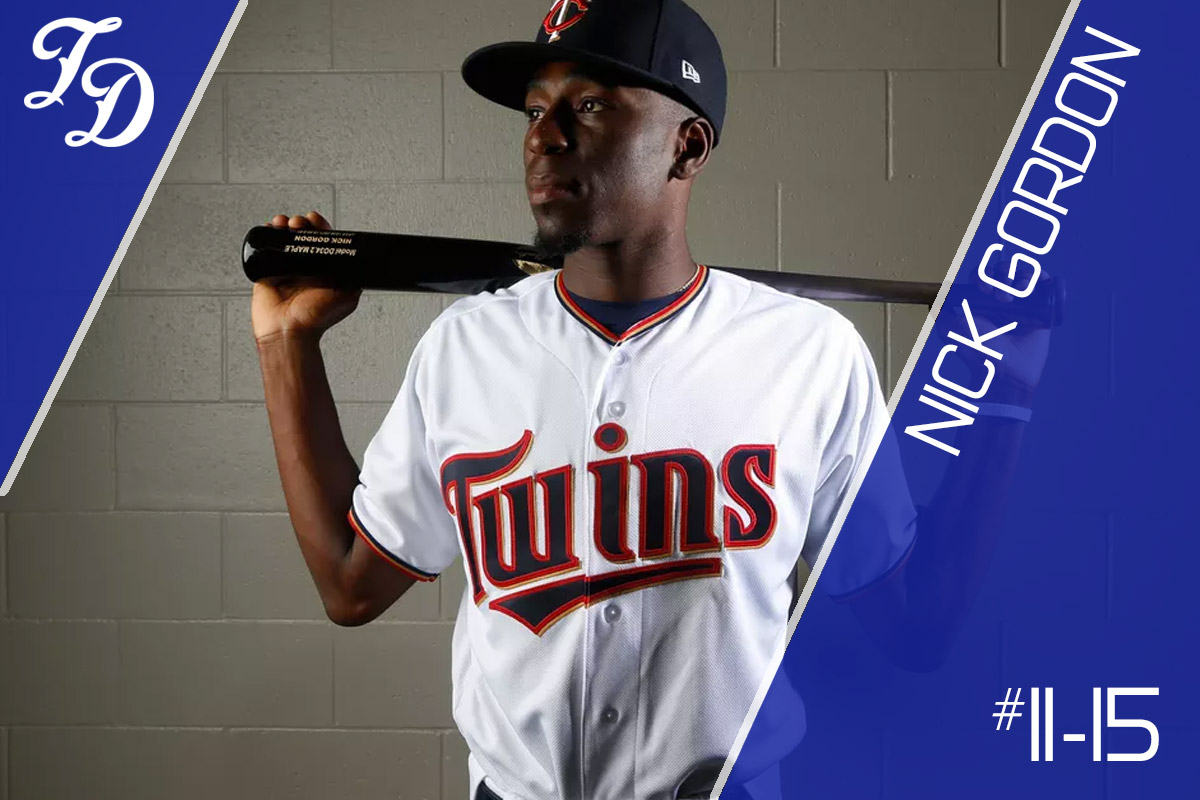 15. Yunior Severino, 2B Age: 19 (DOB: 10/3/99) 2018 Stats (Rookie): 218 PA, .263/.321/.424, 8 HR, 28 RBI ETA: 2022 2018 Ranking: 18 It feels like a lifetime ago that the Atlanta Braves were handed severe sanctions for circumventing MLB's international signing rules, with GM John Coppolella banned for life and nine of the organization's signings released back into free agency. (Especially since Atlanta's internal rebuild coalesced so beautifully anyway in 2018.) But it was just last offseason that the Twins were able to capitalize and scoop up Severino, who enjoyed a solid rookie-level debut with his new franchise. In 49 games at Elizabethton, Severino posted a .745 OPS that was nearly identical to the Appalachian League average (.746). He did so as an 18-year-old switch-hitting middle infielder, in a setting where the average player was two years older. His eight home runs tied for the league lead among second basemen. Already closing in on 200 pounds as a teenager, Severino doesn't have much speed to speak of (he hasn't stolen a base in 107 games as a pro) and will probably end up at a corner spot defensively, so his bat will probably have to carry him. But there's plenty of potential in that department. "He’s like Alex Kirilloff—his swing stands out from the others,” VP for player personnel Mike Radcliff told Baseball America when the Twins signed Severino. Not a bad comp. 14. Ben Rortvedt, C Age: 21 (DOB: 9/25/97) 2018 Stats (A-/A+): 353 PA, .262/.331/.379, 5 HR, 43 RBI ETA: 2021 2018 Ranking: 16 Since being drafted by the Twins as a second-rounder in 2016, Rortvedt's offensive game has lagged behind his relatively advanced defense. In that scope, his 2018 season has to be viewed as a success; between two levels of A-ball, the lefty-swinging Wisconsin native posted a .710 OPS, improving by more than 100 points on 2017's underwhelming mark (.599) at Cedar Rapids. He certainly wasn't dominant at the plate following his midseason promotion to Fort Myers, but his approach was exemplary, with a 0.72 BB/K ratio that ranked second-best among Florida State League catchers with 100+ PA. At this point we're just waiting for a bit more power to emerge, which seems feasible as he keeps growing and adding strength. He totaled four home runs with the Miracle after hitting one in Cedar Rapids, the last a grand slam in late-August as part of a six-RBI outburst. As a receiver, Rortvedt draws high marks. His excellent arm continues to control opposing run games, as he threw out 37% of base stealers last year following 2017's 36%. He figures to compete for a spot at Double-A this spring, but will have to fend off the next guy on this list. 13. Ryan Jeffers, C Age: 21 (DOB: 6/3/97) 2018 Stats (Rookie/A-): 284 PA, .344/.444/.502, 7 HR, 33 RBI ETA: 2021 2018 Ranking: N/A I noted in recapping last year's list that while the system was generally balanced, "the notable area of concern is catcher." Rortvedt and Mitch Garver were the position's only representatives in the Top 20, and Garver would soon lose his prospect eligibility. So Jeffers immediately took on a great deal of importance when the Twins drafted him out UNC Wilmington in the second round, 59th overall, last June. He was the fourth catcher to come off the board, and the second collegiate backstop. Answering the call, Jeffers arrived with a thunderous debut in pro ball. Although you'd generally expect a successful college hitter (Jeffers put up a 1.095 OPS with 16 homers in his final season at Wilmington) to catch on quickly in the low minors, Jeffers surpassed all expectations offensively, slashing a ridiculous .422/.543/.578 in 29 games at Elizabethton before moving up to Low-A, where he finished at .288/.361/.446 in 36 contests. His bat looks legit. The key question is whether he'll stick at catcher. He's a big guy (6'4", 228) with a good arm (threw out five of 12 runners last year) but there are many raw aspects of his game behind the plate. For his part, he has no intentions of moving: "“The Twins haven’t even asked me to play anything else,” he told the Pioneer Press. “For me, that’s a good sign. They trust me behind the plate and want me to stick there. I want to stick back behind the plate. I don’t really want to play any other position.” Jeffers and Rortvedt are two sides of the same coin, inspiring plenty of confidence in one dimension with less polish in the other. They're at roughly the same stage of development. It's tough to say at this point which one's more likely to emerge, but the Twins are much better off for having both of them in the system. 12. Nick Gordon, SS Age: 23 (DOB: 10/24/95) 2018 Stats (AA/AAA): 591 PA, 248/.298/.355, 7 HR, 49 RBI ETA: 2019 2018 Ranking: 3 In the plot line of Gordon's career, you can pinpoint the moment where his prospect stock absolutely peaked, and then embarked upon an abrupt nosedive. It was on May 22nd, 2018, when he was promoted to Triple-A and suddenly everything began to fall apart. Gordon had torn it up in Chattanooga over the first two months, slashing .333/.381/.525 to back up his preseason #3 ranking on Twins Daily's prospect list, but at Rochester his limitations took center-stage. Gordon's offensive potential was always based more on projection than production. That he was able to remain a regular fixture in national prospect rankings despite never cracking a .750 OPS through four years speaks to the prestige of his pedigree. In Triple-A, the lack of power and patience caused him to tank. He endured multiple long hitless stretches. In his final 40 games he batted .166 with three extra-base hits in 170 plate appearances. Even with the context that a 22-year-old Gordon was young for the International League, it was tough to find silver linings. Meanwhile, the questions about his viability at shortstop gained more weight, as Gordon ceded a higher percentage of playing time than ever before – nearly one out of every three starts – to second base. An eventual move across the bag was generally assumed, given his lack of standout arm strength, but if Gordon can't play short in the majors his need to add offense is magnified. To that end, Gordon is said to be focused on gaining weight (and strength) this offseason. The Star Tribune reports that he's spent significant time at the team's facility in Fort Myers. If it all comes together at the plate, he'll have no trouble providing value at either middle-infield spot. Added to the 40-man roster in November, his options clock will start ticking this season. 11. Stephen Gonsalves, LHP Age: 24 (DOB: 7/8/94) 2018 Stats (AA/AAA): 120.2 IP, 2.76 ERA, 120/65 K/BB, 1.17 WHIP ETA: 2019 2018 Ranking: 4 In the plot line of Gonsalves' career, you can pinpoint the moment where his prospect stock absolutely peaked, and then embarked upon an abrupt nosedive. It was August 20th, 2018, when he arrived in the majors following an unconscious stretch at Triple-A and delivered the first in a series of clunkers. Over his first four MLB starts, every flaw in the left-hander's game was exploited. Batters teed off on his low-velo arsenal, batting .414 and pushing across 16 earned runs in 12 1/3 innings. He constantly struggled to find the zone, with 13 walks and a 57% strike rate. He threw 287 pitches and induced 17 swings and misses (6%). To his credit, Gonsalves turned things around and finished on a strong note, allowing two earned runs and four hits over 12 1/3 innings in his last three appearances, all following an "opener." During this stretch his strengths were more visible – namely a long-standing ability to limit hard contact – but he still was wild and unable to miss bats, reminding us of the tightrope he walks with limited stuff. Despite his impeccable numbers throughout the minors, which were as good as ever as he climbed past the top rung, it was always difficult for analysts to envision Gonsalves as an overpowering major-league starter. In August and September, we saw why. Gordon and Gonsalves in 2018 were both prime examples of weaknesses being exposed at the highest levels. But they're also both under 25, with ample development time ahead of them before options run out. It's important to keep in mind the positive attributes that earned each a spot in the top five a year ago. At least each one now has a precise idea of what needs improvement. In the words of Henry Ford: "Failure is simply the opportunity to begin again, this time more intelligently." Twins Daily 2019 Top 20 Prospects Honorable Mentions 20. Jose Miranda, 2B/3B 19. Jorge Alcala, RHP 18. LaMonte Wade, OF 17. Zack Littell, RHP 16. Gilberto Celestino, OF
 -
He's been a top-3 catcher in the major leagues each of the past 3 years. His lowest WAR during that span would've led the Twins in 2018. It is truly mystifying to me how much Realmuto is being underrated by Twins fans.
-
The O/U for the Twins this year is 84.5 wins. They are absolutely close to contending, and Realmuto would further legitimize that status. If people truly don't think the Twins are even on the verge of contention with almost their entire core in their prime, that's pretty sad. Also, I get the Kirilloff love but... folks, he hasn't played above A-ball. Haven't we learned a thing or two about the fragility of "sure thing" prospects? I'm stunned by the nonchalance around adding a potential 5-WAR player, or the notion that such a move on its own would be pointless.
-
I assume an extension would be part of the plan if they gave up a Kirilloff-caliber player for him. Give him a big up-front bonus to keep the later years in check. To add some perspective here: Realmuto is three months younger than Mitch Garver. You bring him in and the window is open now, as well as for the foreseeable future. We're talking about a guy with a legit case as the best catcher in baseball.
-
How differently might Twins fans at large view this offseason had the team succeeded in signing Yasmani Grandal? The front office came up short in its pursuit of the top free agent catcher on the market, but that doesn't mean the Twins will give up on securing an upgrade behind the dish.Robert Murray of The Athletic tweeted last week that Minnesota was one of four teams to offer a multi-year deal to Grandal before the catcher signed with Milwaukee for one year and $16 million. KSTP's Darren Wolfson did some digging of his own and confirmed the report, adding that the Twins' offer "was for multiple years in the $13M/year range." "Talks never gained traction, unfortunately," according to Wolfson. "But the Twins definitely tried." This development is striking, for a couple of reasons. 1: The Twins have been allergic to long-term commitments this offseason, so the fact they were prepared to hand a hefty one to Grandal seems significant. 2: This is especially true when you consider that the Twins were also said to be in on Robinson Chirinos before he signed with Houston. Although they've come up empty thus far, Derek Falvey and Thad Levine seemingly had their sights set on acquiring an impact catcher, and perhaps even a long-term solution at the position. It's natural to wonder what this says about their confidence in Mitch Garver sticking at the position, as well as their confidence in Jason Castro coming back from knee surgery at age 31. For now, I'm more interested in sizing up other options the Twins might consider, should they remain intent on adding a backstop. The free agency pool has mostly dried up. The "best" remaining names include Matt Wieters, Martin Maldonado and Stephen Vogt. If the Twins want to land a real difference-maker, they'll need to look to the trade market, where J.T. Realmuto's name has been floating around all offseason. Here's the skinny on Realmuto: He turns 28 in March, and has been one of the league's elite catchers for the past three years, rising to the top of the pack in 2018 when he was an All-Star and Silver Slugger. YEAR | WAR (Rank Among MLB Catchers) 2016: 3.7 (3rd) 2017: 3.8 (3rd) 2018: 4.8 (1st) He'll earn $5.9 million in 2019 and is arbitration-eligible once more in 2020. For a team looking to upgrade at catcher, the splashes don't really come bigger than Realmuto. Needless to say, the Marlins are aiming high in trade talks. The latest report has Miami targeting catcher Francisco Mejia in talks with the Padres. Mejia ranks #32 on Baseball America's new Top 100 prospects list. Last week, Joe Frisaro of MLB.com reported the Marlins were seeking Keibert Ruiz in discussions with the Dodgers, who have been in hot pursuit of Realmuto for sometime. Ruiz, also a catcher, is at #20 in BA's new rankings. The Twins can't compete with those teams when it comes to young catching talent, but they do have prospects that would surely pique Miami's interest, with three making Baseball America's list (Royce Lewis at #9, Alex Kirilloff at #15, and Brusdar Graterol at #55). For what it's worth, Mr. Frisaro responded to one of my tweets on the topic by stating, "Kirilloff and you have a deal." Now, Frisaro is a reporter and not a front-office exec, so take that remark as you will. But clearly, he's got some insight into the team's thinking, and beyond that, his assertion seems completely reasonable. If it's true, and the Marlins would go for a package headlined by Kirilloff, then... that's something. I'm not saying it's a no-brainer by any means, but it would need to be strongly considered. I theorized about putting together a Kirilloff-centered package for Realmuto ahead of last year's deadline. The match makes a lot of sense for multiple reasons. By bringing in Realmuto, the Twins would add another building block and some major assurance to a shaky core. It'd vastly improve the club's outlook for both 2019 and 2020. Given that he's still fairly young and improving, a long-term extension would make sense, and I wonder if Minnesota might be able to take advantage of its short-term spending flexibility to frontload such a contract. What do you think? Is the biggest splash of this offseason yet to come? Would you be willing to part with Kirilloff as the centerpiece for baseball's reigning top catcher? Click here to view the article
-
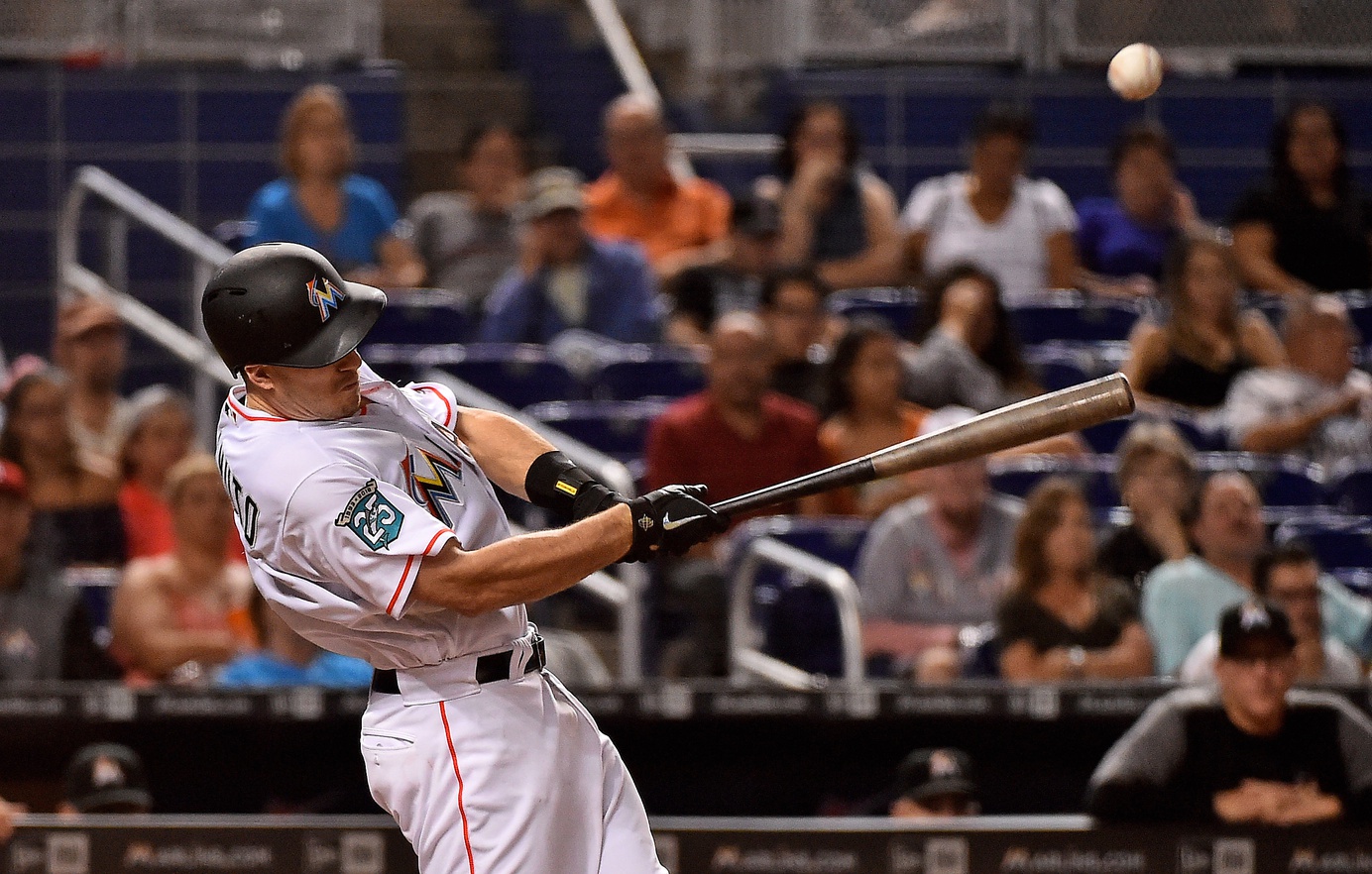 Robert Murray of The Athletic tweeted last week that Minnesota was one of four teams to offer a multi-year deal to Grandal before the catcher signed with Milwaukee for one year and $16 million. KSTP's Darren Wolfson did some digging of his own and confirmed the report, adding that the Twins' offer "was for multiple years in the $13M/year range." "Talks never gained traction, unfortunately," according to Wolfson. "But the Twins definitely tried." This development is striking, for a couple of reasons. 1: The Twins have been allergic to long-term commitments this offseason, so the fact they were prepared to hand a hefty one to Grandal seems significant. 2: This is especially true when you consider that the Twins were also said to be in on Robinson Chirinos before he signed with Houston. Although they've come up empty thus far, Derek Falvey and Thad Levine seemingly had their sights set on acquiring an impact catcher, and perhaps even a long-term solution at the position. It's natural to wonder what this says about their confidence in Mitch Garver sticking at the position, as well as their confidence in Jason Castro coming back from knee surgery at age 31. For now, I'm more interested in sizing up other options the Twins might consider, should they remain intent on adding a backstop. The free agency pool has mostly dried up. The "best" remaining names include Matt Wieters, Martin Maldonado and Stephen Vogt. If the Twins want to land a real difference-maker, they'll need to look to the trade market, where J.T. Realmuto's name has been floating around all offseason. Here's the skinny on Realmuto: He turns 28 in March, and has been one of the league's elite catchers for the past three years, rising to the top of the pack in 2018 when he was an All-Star and Silver Slugger. YEAR | WAR (Rank Among MLB Catchers) 2016: 3.7 (3rd) 2017: 3.8 (3rd) 2018: 4.8 (1st) He'll earn $5.9 million in 2019 and is arbitration-eligible once more in 2020. For a team looking to upgrade at catcher, the splashes don't really come bigger than Realmuto. Needless to say, the Marlins are aiming high in trade talks. The latest report has Miami targeting catcher Francisco Mejia in talks with the Padres. Mejia ranks #32 on Baseball America's new Top 100 prospects list. Last week, Joe Frisaro of MLB.com reported the Marlins were seeking Keibert Ruiz in discussions with the Dodgers, who have been in hot pursuit of Realmuto for sometime. Ruiz, also a catcher, is at #20 in BA's new rankings. The Twins can't compete with those teams when it comes to young catching talent, but they do have prospects that would surely pique Miami's interest, with three making Baseball America's list (Royce Lewis at #9, Alex Kirilloff at #15, and Brusdar Graterol at #55). For what it's worth, Mr. Frisaro responded to one of my tweets on the topic by stating, "Kirilloff and you have a deal." Now, Frisaro is a reporter and not a front-office exec, so take that remark as you will. But clearly, he's got some insight into the team's thinking, and beyond that, his assertion seems completely reasonable. If it's true, and the Marlins would go for a package headlined by Kirilloff, then... that's something. I'm not saying it's a no-brainer by any means, but it would need to be strongly considered. I theorized about putting together a Kirilloff-centered package for Realmuto ahead of last year's deadline. The match makes a lot of sense for multiple reasons. By bringing in Realmuto, the Twins would add another building block and some major assurance to a shaky core. It'd vastly improve the club's outlook for both 2019 and 2020. Given that he's still fairly young and improving, a long-term extension would make sense, and I wonder if Minnesota might be able to take advantage of its short-term spending flexibility to frontload such a contract. What do you think? Is the biggest splash of this offseason yet to come? Would you be willing to part with Kirilloff as the centerpiece for baseball's reigning top catcher?
 -
Article: The Flip Side of Free Agency Frustration
Nick Nelson replied to Nick Nelson's topic in Twins Daily Front Page News
Except this trend also played out prominently elsewhere around the league. If we looked at the entire list of top 50 free agents or so, and assessed how things played out in 2018, I think we'd fine more misses than hits everywhere. Look no further than Colorado's aggressive efforts to power up their bullpen through FA. -
Article: The Flip Side of Free Agency Frustration
Nick Nelson replied to Nick Nelson's topic in Twins Daily Front Page News
The over/under on the Twins in Vegas is 84.5 wins so I'm wondering what basis there is for this, other than outright pessimism. -
Article: The Flip Side of Free Agency Frustration
Nick Nelson replied to Nick Nelson's topic in Twins Daily Front Page News
Why do were care about the money? There's no difference, practically, between spending 3.5M or 1.5M on him. The only thing I care about is the roster spot. But the fact that he got both an MLB deal and a higher-than-expected salary tells us there were other teams in on Perez, creating demand. The Twins didn't agree to those terms for the hell of it. So while everyone's entitled to dislike the Perez move, understand that the Twins aren't alone in seeing something more there. I agree that it's hard to tell what that is right now, but I can assure you that plenty of better pitchers than him on paper will end up with lesser deals. -
Article: The Flip Side of Free Agency Frustration
Nick Nelson replied to Nick Nelson's topic in Twins Daily Front Page News
I left Rodney and Duke off because those are the kinds of low-wattage FA signings we've been seeing this year. So that kinda supports the current approach if anything. They were as good or better than plenty of the relievers who got larger guaranteed commitments elsewhere. -
Article: The Flip Side of Free Agency Frustration
Nick Nelson replied to Nick Nelson's topic in Twins Daily Front Page News
I think they'll push him to the bullpen if he's not effective in the rotation. In fact I wonder if they really intend to use him as a traditional "starter" at all. If he's in some sort of opener/piggybacking role, he's a little more interesting given the bullpen velo spike late last year. And then you've got plenty of flexibility in terms of managing his innings/leverage/etc. -
Article: The Flip Side of Free Agency Frustration
Nick Nelson replied to Nick Nelson's topic in Twins Daily Front Page News
All very valid ^ As I've written, I can understand the desire to avoid prominent free agents. But if you wanna take the frugal route there, why not trade for a big salary, or hand out some front-loaded extensions? Alas, there's still time left for that sort of thing. -
Article: The Flip Side of Free Agency Frustration
Nick Nelson replied to Nick Nelson's topic in Twins Daily Front Page News
Correia was a 32-year-old signed to a two-year deal with the sole purpose of eating innings, regardless of quality. There is no reason to expect the same kind of inflexibility with Perez. We're all obviously aware of his terrible past numbers but the Twins saw something here and clearly they aren't the only ones (otherwise he wouldn't have gotten an MLB deal, much less a somewhat shocking $3.5M guaranteed). One thing I don't really question about this front office is their ability to pull the plug on something that's not working. They don't get overly invested in their decisions. In fact, I think that's pretty much the story of this offseason. They're not forcing themselves to get too invested in anyone. They're trying to strike hidden values and sneaky adds. I don't blame you for skepticism but let's be honest, they got burnt whenever they went the opposite route last offseason, and in fact their best moves turned out to be those low-key sleepers (trading for Cave, signing Anibal, trading for Odorizzi). So I'm cautiously giving them the benefit of the doubt and trusting their judgement for now. That'll change if the majority of these moves fizzle and end up holding back a solid team. -
Free agency. It represents a world of endless possibilities. Especially at a time where generational superstars like Bryce Harper and Manny Machado are out there, openly available to all 30 teams, the free agent market offers a chance for fans to dream big. Of course, any Twins faithful who fantasized of flashy acquisitions this offseason have found themselves mostly disappointed. Minnesota's avoidance of the traditional free agency avenue has been resolute, almost as if by design. I believe there are reasons behind this approach that don't amount to, "They're cheap".Here are a few experiences that Derek Falvey and Thad Levine have had with free agency since taking over the Twins front office: * In their first signature move, they quickly signed free agent Jason Castro to a three-year contract. He was solid in his first year, and the second was a total loss. Now he enters Year 3 as a fairly significant (and somewhat pricey) question mark. * In their second year, they signed Addison Reed, Logan Morrison and Lance Lynn for a combined ~$25 million. Morrison and Lynn were busts, and so to a lesser extent was Reed, who now enters Year 2 as a fairly significant (and somewhat pricey) question mark. * They made a serious bid for Yu Darvish last winter, reportedly offering more than $100 million before falling short of the Cubs and watching the right-hander immediately bomb in Chicago. * They inherited the contract of Ervin Santana, who qualifies as one of Minnesota's most successful free agent signings ever, but saw the downside of that deal as well with $13.5 million of their payroll dedicated to a guy who provided basically nothing in 2018. * They also inherited the contract of Phil Hughes, some of which they're still on the hook for this year. Granted, it was an ill-advised extension rather than Hughes' original deal that went sour, but he's another fine example of the dangers in long-term commitments to veterans – even those that are on top of their games at the time. So now we come to the team's approach this year in free agency. With the exception of Nelson Cruz, none of the players acquired by Minnesota were on those lists fans skimmed through in September and let their brains run wild, because none of them were firmly expected to be on the market. And now most players that did occupy the upper levels of those rankings are gone. Is this by design? Are the Twins attempting to take advantage of a league-wide aversion to spending by capturing quality players who are being unfairly devalued? It sure seems that way. Instead of tethering themselves to expensive, inescapable commitments for players on the higher tiers (which, as we've learned time and time again, carry no assurances) the front office is making deals on its own terms. Martin Perez on a one-year deal plus team option is actually a lot more interesting than those standard Terry Ryan flyers of yesteryear, because it has real upside. Perez doesn't turn 28 until April. If the Twins are able to unlock whatever they see in him (and I have to believe it's more than meets the eye, because other teams were interested too), they've actually found themselves an asset. The same is true of Cruz and Blake Parker, though they don't have the same long-term fit potential. One that does is Jonathan Schoop. He's probably the player we're not talking about enough. The Twins aggressively signed him one week after his non-tender from Milwaukee. He's an athletic defender, one year removed from an All-Star season, and he's averaged 25 homers in the past three seasons. Most vitally, he's only 27. Guys like this don't become available too often. And for teams that want more of a sure thing – such as the Brewers, who elected to move on – maybe he's not the best choice. But within Minnesota's developing strategy, he made all the sense in the world. Unlike the others added this winter, his contract doesn't include a 2020 option, but if he rebounds, blends into the nucleus, and likes it here? Now you might've found yourself a newly minted piece to your core. It's tough to knock any of these deals on their own. But when you look at the big picture it's easy to feel a bit underwhelmed. As someone in the forums astutely put it: "the sum is lesser than its parts." I understand and empathize with the lack of enthusiasm some are feeling. But ultimately, it's not Jed Lowrie or Adam Ottavino that's going to put fans in the seats. Winning will. You may not be jazzed about the caliber of these names. But don't conflate the current front office with the previous regime. These aren't your garden-variety bargain bin signings of the Kevin Correia or Mike Pelfrey ilk. There's a deeper methodology in place, and I'm sure I'm only scratching its surface. From my view, the Twins are hoping they can hit on a few of these gambles while the incumbents rebound enough to keep them hanging in a weak division. Then, around the middle of the season they can more clearly assess their position and their needs. As I concluded on Monday, the silver lining to this resource preservation is that it will give them extreme flexibility leading up to the trade deadline. The pessimistic view is that the Twins are treading water until 2020. The optimistic (and I think more realistic) view is that they're treading water until June or July. Let us not forget: The most impactful, game-changing transaction in the American League over the past two years didn't happen during the offseason. It happened when Detroit traded Justin Verlander to Houston in August of 2017. Given the league's expected landscape this summer, it's not hard to envision similar opportunities emerging in a sea of non-contenders. So, there's something to dream on. Click here to view the article
-
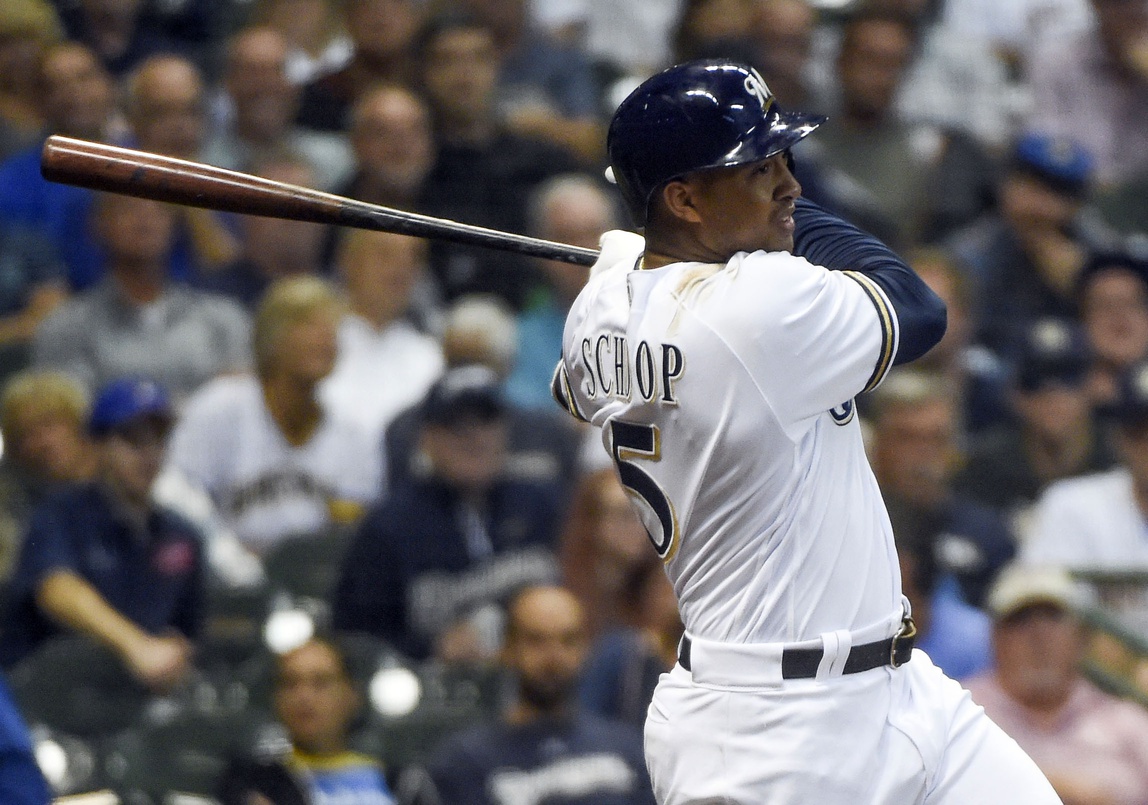 Here are a few experiences that Derek Falvey and Thad Levine have had with free agency since taking over the Twins front office: * In their first signature move, they quickly signed free agent Jason Castro to a three-year contract. He was solid in his first year, and the second was a total loss. Now he enters Year 3 as a fairly significant (and somewhat pricey) question mark. * In their second year, they signed Addison Reed, Logan Morrison and Lance Lynn for a combined ~$25 million. Morrison and Lynn were busts, and so to a lesser extent was Reed, who now enters Year 2 as a fairly significant (and somewhat pricey) question mark. * They made a serious bid for Yu Darvish last winter, reportedly offering more than $100 million before falling short of the Cubs and watching the right-hander immediately bomb in Chicago. * They inherited the contract of Ervin Santana, who qualifies as one of Minnesota's most successful free agent signings ever, but saw the downside of that deal as well with $13.5 million of their payroll dedicated to a guy who provided basically nothing in 2018. * They also inherited the contract of Phil Hughes, some of which they're still on the hook for this year. Granted, it was an ill-advised extension rather than Hughes' original deal that went sour, but he's another fine example of the dangers in long-term commitments to veterans – even those that are on top of their games at the time. So now we come to the team's approach this year in free agency. With the exception of Nelson Cruz, none of the players acquired by Minnesota were on those lists fans skimmed through in September and let their brains run wild, because none of them were firmly expected to be on the market. And now most players that did occupy the upper levels of those rankings are gone. Is this by design? Are the Twins attempting to take advantage of a league-wide aversion to spending by capturing quality players who are being unfairly devalued? It sure seems that way. Instead of tethering themselves to expensive, inescapable commitments for players on the higher tiers (which, as we've learned time and time again, carry no assurances) the front office is making deals on its own terms. Martin Perez on a one-year deal plus team option is actually a lot more interesting than those standard Terry Ryan flyers of yesteryear, because it has real upside. Perez doesn't turn 28 until April. If the Twins are able to unlock whatever they see in him (and I have to believe it's more than meets the eye, because other teams were interested too), they've actually found themselves an asset. The same is true of Cruz and Blake Parker, though they don't have the same long-term fit potential. One that does is Jonathan Schoop. He's probably the player we're not talking about enough. The Twins aggressively signed him one week after his non-tender from Milwaukee. He's an athletic defender, one year removed from an All-Star season, and he's averaged 25 homers in the past three seasons. Most vitally, he's only 27. Guys like this don't become available too often. And for teams that want more of a sure thing – such as the Brewers, who elected to move on – maybe he's not the best choice. But within Minnesota's developing strategy, he made all the sense in the world. Unlike the others added this winter, his contract doesn't include a 2020 option, but if he rebounds, blends into the nucleus, and likes it here? Now you might've found yourself a newly minted piece to your core. It's tough to knock any of these deals on their own. But when you look at the big picture it's easy to feel a bit underwhelmed. As someone in the forums astutely put it: "the sum is lesser than its parts." I understand and empathize with the lack of enthusiasm some are feeling. But ultimately, it's not Jed Lowrie or Adam Ottavino that's going to put fans in the seats. Winning will. You may not be jazzed about the caliber of these names. But don't conflate the current front office with the previous regime. These aren't your garden-variety bargain bin signings of the Kevin Correia or Mike Pelfrey ilk. There's a deeper methodology in place, and I'm sure I'm only scratching its surface. From my view, the Twins are hoping they can hit on a few of these gambles while the incumbents rebound enough to keep them hanging in a weak division. Then, around the middle of the season they can more clearly assess their position and their needs. As I concluded on Monday, the silver lining to this resource preservation is that it will give them extreme flexibility leading up to the trade deadline. The pessimistic view is that the Twins are treading water until 2020. The optimistic (and I think more realistic) view is that they're treading water until June or July. Let us not forget: The most impactful, game-changing transaction in the American League over the past two years didn't happen during the offseason. It happened when Detroit traded Justin Verlander to Houston in August of 2017. Given the league's expected landscape this summer, it's not hard to envision similar opportunities emerging in a sea of non-contenders. So, there's something to dream on.
