



Patrick Wozniak
-
Posts
383 -
Joined
-
Last visited
-
Days Won
1


Patrick Wozniak's Achievements






-
 DocBauer reacted to a post in a topic:
Twins Daily 2025 Dominican Summer League Twins Pitcher of the Year
DocBauer reacted to a post in a topic:
Twins Daily 2025 Dominican Summer League Twins Pitcher of the Year
-
roger reacted to a post in a topic:
Twins Daily 2025 Dominican Summer League Twins Pitcher of the Year
-
Fernando Romero...though not a huge success story.
- 10 replies
-
- 2
-
-
- santiago castellanos
- jensi infante
- (and 4 more)
-
Walker JenkinsLuke KeaschallKaelen CulpepperEmmanuel RodriguezEduardo TaitMarek HoustonGabriel GonzalezDasan HillCharlee SotoMick AbelConnor PrielippKendry RojasRiley QuickBrandon WinokurMarco RayaAndrew MorrisKyle DeBargeQuentin YoungCJ CulpepperKhadim Diaw
-
Walker JenkinsLuke KeaschallEmmanuel RodriguezKaelen CulpepperGabriel GonzalezMarek HoustonDasan HillCharlee SotoRiley QuickConnor PrielippAndrew MorrisMarco RayaBrandon WinokurKyle DeBargeCJ CulpepperBilly AmickKhadim DiawRicardo OlivarDanny De AndradeQuentin Young
-
Walker JenkinsLuke KeaschallEmmanuel RodriguezKaelen CulpepperDasan HillConnor PrielippCharlee SotoAndrew MorrisGabriel GonzalezKyle DeBargeMarco RayaDanny De AndradeCJ CulpepperBrandon WinokurBilly AmickKhadim DiawRicardo OlivarPayton EelesCarson McCuskerTanner Schobel
-
Walker JenkinsLuke KeaschallEmmanuel RodriguezCharlee SotoKaelen CulpepperAndrew MorrisDasan HillMarco RayaGabriel GonzalezConnor PrielippBrandon WinokurKyle DeBargeBilly AmickEduardo BeltrePayton EelesCJ CulpepperCarson McCuskerTanner SchobelRicardo OlivarDylan Questad
-
Patrick Wozniak reacted to a post in a topic:
Twins Minor League Report (5/4): Wallner Again and the DBoShow
-
Patrick Wozniak reacted to a post in a topic:
The Table Setter, Jan. 22, 2024: Closer and Closers
-
Patrick Wozniak reacted to an article:
In Defense of the Twins Front Office
-
On the verge of a postseason birthed in a global epidemic, it’s only appropriate that we take a temperature reading of the Twins bats with three games to go. Keep your pants on boys, we’ll do this orally today. Read on to see who’s hot and who’s not.The concept of “hotness” is something that’s been widely written and debated about in sports, and naturally with hitting there’s always some amount of luck involved. However, it seems if a batter’s mechanics are in-whack, timing is down, and discipline is there, good results will generally follow. It’s all about the process. With that said we’ll be focusing on the results, specifically the last 14 days. We’ll start Rocco Baldelli-style, with the positive. Who’s Hot? 1) Byron Buxton – .300/.317/.850 (205 wRC+) The fact that the .850 at the end of Buxton’s slash line is his slugging percentage and not his OPS shows just how hot Buxton’s been. In the last 14 days he’s jacked seven home runs and knocked in 12, while accumulating 0.8 fWAR. Is his swing at everything, no walk approach sustainable? Highly unlikely. But as long as the dingers continue, the walks can wait. 2) Eddie Rosario – .293/.370/.585, (157 wRC+) Eddie’s refined approach might actually be a good model for Buxton going into next season. It took a while and has been kind of a quiet, controlled fire, but it certainly looks like Rosario’s patience is paying off. It would be really fun to see how the results would play out over a full season (Rosario is on a 39 home run and 117 RBI pace for 162 games) but continuing his hot-streak throughout the playoffs works as well. 3) Josh Donaldson – .205/.354/.436, (115 wRC+) Donaldson’s triple slash isn’t as impressive as our next two hitters, but he’s playing every day, taking plenty of walks, and has been even hotter in the last seven days (.278/.435/.611). He’s presumably healthy and finally looking like the player the Twins thought they were getting when Donaldson signed his hundred-million dollar contract. 4) Jake Cave – .300/.333/.800 (194 wRC+) Cave’s great game against the Tigers in the series finale (two home runs) certainly boosted his 14-day triple slash, and he even threw in one of his patented hold-your-breath-cause-if-he misses-it-we-might-be-watching-an-inside-the-park-home run catches to boot. His aggressiveness is up there with Buxton’s, and fortunately for the Twins, his slash-line has been as well (relative to our tiny 14-game sample of course). Cave should provide value as a pinch hitter-and-runner in the postseason. 5) Ryan Jeffers - .294/.368/.647 (171 wRC+) Jeffers’ somewhat surprising prowess with the bat and good defense, combined with Mitch Garver’s nightmare season, puts the Twins in a bit of a catching conundrum come October. Do they go with the more experienced Garver, or the red-hot Jeffers? Should the Twins extend the postseason past the wild-card round, they’ll both be needed, but don’t be surprised if Minnesota favors the hot hand (or mitt, if you will). Who’s Not? Now for the not so fun part. Garver’s time on the IL keeps him off this list, and although he hit a home run in his first game back, he also struck out three times. It’s more than fair to say he’s cold. We’ll give him an un-honorable mention. 1) Miguel Sanó – .095/.095/.310 (-7 wRC+) Sanó’s no stranger to streakiness, and unfortunately for the Twins, he’s currently entrenched in the icy variety. He’s also no stranger to striking out. When he’s going well the misses are palatable, but Sano’s struck out at a 50% clip over the last 14 games. Hopefully he’ll get it turned around over the final three games – he’s also no stranger to hot streaks. 2) Jorge Polanco – .171/.295/.200 (39 wRC+) His improved defense has made his lack of success with the bat a bit easier to take, but it’s hard to classify Polanco's 2020 as anything less than a disappointment. The rabbit ball undoubtedly contributed to Polanco’s power outbreak last year, but even with some expected regression, his .360 slugging percentage on the year resembles the light-hitting shortstops of a by-gone era. 3) Nelson Cruz – .172/.250/.310, (42 wRC+) Cruz’s 14-day sample is even smaller (20 PA) due to sitting out the last four games with a sore knee/hamstring. The injury and Cruz’s age are more alarming than the numbers. The Twins are (justifiably) playing it safe with the 40-year-old slugger. Cruz has obviously been amazing over the last two seasons, but things can go south quickly at his age and even with his great numbers there are some potential signs of a coming regression. Overall, he’s swinging more, specifically on pitches outside of the strike zone and less on pitches in the zone, which is a trend in aging hitters. He’s also got a career high K-rate and a .368 BABIP, potentially pointing to some fortunate results in his batted balls. The sample has been small and the changes not all that pronounced, but certainly something worth considering as Cruz enters free-agency at the season’s conclusion. But I digress. Let’s just hope that Cruz and his understudy can heat up in time for a Bomba-filled October. MORE FROM TWINS DAILY — Latest Twins coverage from our writers — Recent Twins discussion in our forums — Follow Twins Daily via Twitter, Facebook or email Click here to view the article
-
Taking a Temperature Reading of the Twins Bats Heading Into October
Patrick Wozniak posted an article in Twins
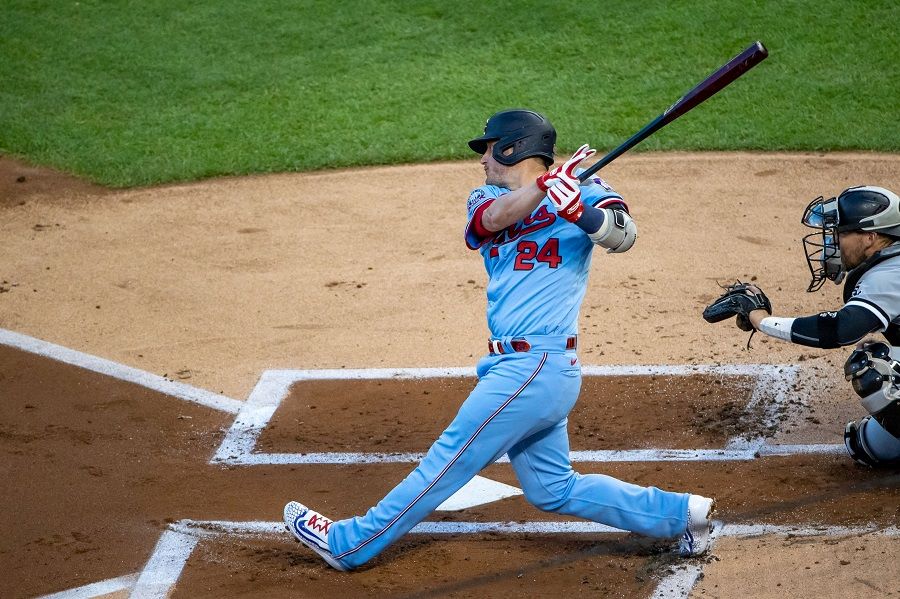 The concept of “hotness” is something that’s been widely written and debated about in sports, and naturally with hitting there’s always some amount of luck involved. However, it seems if a batter’s mechanics are in-whack, timing is down, and discipline is there, good results will generally follow. It’s all about the process. With that said we’ll be focusing on the results, specifically the last 14 days. We’ll start Rocco Baldelli-style, with the positive. Who’s Hot? 1) Byron Buxton – .300/.317/.850 (205 wRC+) The fact that the .850 at the end of Buxton’s slash line is his slugging percentage and not his OPS shows just how hot Buxton’s been. In the last 14 days he’s jacked seven home runs and knocked in 12, while accumulating 0.8 fWAR. Is his swing at everything, no walk approach sustainable? Highly unlikely. But as long as the dingers continue, the walks can wait. 2) Eddie Rosario – .293/.370/.585, (157 wRC+) Eddie’s refined approach might actually be a good model for Buxton going into next season. It took a while and has been kind of a quiet, controlled fire, but it certainly looks like Rosario’s patience is paying off. It would be really fun to see how the results would play out over a full season (Rosario is on a 39 home run and 117 RBI pace for 162 games) but continuing his hot-streak throughout the playoffs works as well. 3) Josh Donaldson – .205/.354/.436, (115 wRC+) Donaldson’s triple slash isn’t as impressive as our next two hitters, but he’s playing every day, taking plenty of walks, and has been even hotter in the last seven days (.278/.435/.611). He’s presumably healthy and finally looking like the player the Twins thought they were getting when Donaldson signed his hundred-million dollar contract. 4) Jake Cave – .300/.333/.800 (194 wRC+) Cave’s great game against the Tigers in the series finale (two home runs) certainly boosted his 14-day triple slash, and he even threw in one of his patented hold-your-breath-cause-if-he misses-it-we-might-be-watching-an-inside-the-park-home run catches to boot. His aggressiveness is up there with Buxton’s, and fortunately for the Twins, his slash-line has been as well (relative to our tiny 14-game sample of course). Cave should provide value as a pinch hitter-and-runner in the postseason. 5) Ryan Jeffers - .294/.368/.647 (171 wRC+) Jeffers’ somewhat surprising prowess with the bat and good defense, combined with Mitch Garver’s nightmare season, puts the Twins in a bit of a catching conundrum come October. Do they go with the more experienced Garver, or the red-hot Jeffers? Should the Twins extend the postseason past the wild-card round, they’ll both be needed, but don’t be surprised if Minnesota favors the hot hand (or mitt, if you will). Who’s Not? Now for the not so fun part. Garver’s time on the IL keeps him off this list, and although he hit a home run in his first game back, he also struck out three times. It’s more than fair to say he’s cold. We’ll give him an un-honorable mention. 1) Miguel Sanó – .095/.095/.310 (-7 wRC+) Sanó’s no stranger to streakiness, and unfortunately for the Twins, he’s currently entrenched in the icy variety. He’s also no stranger to striking out. When he’s going well the misses are palatable, but Sano’s struck out at a 50% clip over the last 14 games. Hopefully he’ll get it turned around over the final three games – he’s also no stranger to hot streaks. 2) Jorge Polanco – .171/.295/.200 (39 wRC+) His improved defense has made his lack of success with the bat a bit easier to take, but it’s hard to classify Polanco's 2020 as anything less than a disappointment. The rabbit ball undoubtedly contributed to Polanco’s power outbreak last year, but even with some expected regression, his .360 slugging percentage on the year resembles the light-hitting shortstops of a by-gone era. 3) Nelson Cruz – .172/.250/.310, (42 wRC+) Cruz’s 14-day sample is even smaller (20 PA) due to sitting out the last four games with a sore knee/hamstring. The injury and Cruz’s age are more alarming than the numbers. The Twins are (justifiably) playing it safe with the 40-year-old slugger. Cruz has obviously been amazing over the last two seasons, but things can go south quickly at his age and even with his great numbers there are some potential signs of a coming regression. Overall, he’s swinging more, specifically on pitches outside of the strike zone and less on pitches in the zone, which is a trend in aging hitters. He’s also got a career high K-rate and a .368 BABIP, potentially pointing to some fortunate results in his batted balls. The sample has been small and the changes not all that pronounced, but certainly something worth considering as Cruz enters free-agency at the season’s conclusion. But I digress. Let’s just hope that Cruz and his understudy can heat up in time for a Bomba-filled October. MORE FROM TWINS DAILY — Latest Twins coverage from our writers — Recent Twins discussion in our forums — Follow Twins Daily via Twitter, Facebook or email
 -
glunn reacted to a post in a topic:
Contemplating the Twins Catching Conundrum
-
Huskertwin reacted to a post in a topic:
Contemplating the Twins Catching Conundrum
-
Entering the postseason one of the things that will be interesting to watch is how the catcher situation shakes out. Coming into the year it would have seemed all but certain that Mitch Garver would be the number one backstop barring injury, but his struggles combined with rookie Ryan Jeffers’ prowess on both sides of the ball put Garver’s status in doubt.After a season for the ages in 2019, it’s hard to paint Garver’s 2020 as anything but a complete disaster. Granted it’s a small sample and Garver’s been banged up (including a recent stint on the IL), but after slashing a Piazza-like .273/.365/.630 (155 wRC+) last season, Garver’s .148/.243/.197 (25 wRC+) likely has Drew Butera blushing. He’s striking out at a 42.9% clip, and hasn’t turned things around since coming off the IL (1-for-9 against the Cubs with 66.7% K-rate). Garver’s obviously not as bad as his disastrous shortened season would suggest, but he’s running out of time to turn things around and rookie Ryan Jeffers has made a compelling case to get the majority of the starts come October. It makes sense to get Garver as many reps as possible to try to get right for the remainder of the regular season, but beyond that it’s an open question. Since receiving his call-up, Jeffers has been somewhat of a revelation on both sides of the ball. He’s slashed a really good .283/.365/.478 (132 wRC+) in 23 games, and although he’s swinging and missing a bit more than he did in the minor leagues (32.7 K% vs. 19.2% at AA in 2019), his bat basically hasn’t skipped a beat (he hit.287/.374/.483 at AA). For the time being, Jeffers definitely looks to be a better bet with the bat than either Garver or backup Alex Avila (who’s only plus skill at this point in this career is his propensity for taking walks). If we turn to the other side of the ball, Jeffers also seems to be the preferred defensive option. He had the reputation of being an elite pitch framer in the minors and thus far that has shaken out in the big leagues as well. His Statcast numbers put him in the 87th percentile for framing (compared to the 34th percentile for Garver and 28th percentile for Avila), confirming what the eye-test already told us. Garver has worked hard to improve his framing and defense, but Jeffers brings a defensive skill-set that Garver will never approach. Considering Garver’s struggles and the limited amount of season left, it makes sense to lean heavily on Jeffers in the postseason. When Garver was out, Jeffers was able to handle a fairly heavy workload (especially relative to the rest-heavy Twins) and his pitch framing skills and potent bat make him the obvious choice for the present. As we’ve seen, the Twins could use all the help they can get scoring runs, and Jeffers has hit. Although it’s early, I do think it’s fair to question the future of the catching position in Minnesota. The Twins are in a great position with two talented backstops who are under team control well into the future. With the emphasis the Twins (and growingly the rest of the MLB and sports world as a whole) place on rest and recovery, there’s undoubtably a path forward for both, but it wouldn’t be too surprising to see something like a 60/40 spit in Jeffers’ favor. Jeffers is just 23-years-old, while Garver is four months shy of turning 30, an age where it is not uncommon to see MLB bats begin to decline. Jeffers recently snuck his way into FanGraphs top-100 prospect list at number 97, so it’s not only the Twins who are high on Jeffers, and he’s already hit a ball 112.9 mph (for context, Garver’s career high max exit velo is 111.0 mph). As the better defender, Jeffers will also have the higher floor going forward, making offensive slumps more palatable. 2021 feels a bit reminiscent of 2019 when Garver was the newcomer who looked all but sure to steal reps from veteran Jason Castro as the season wore on. Of course, Garver had an astounding season that Jeffers is unlikely to ever match, but if we’re being honest, Garver’s not going to either. How quickly things can change, as it’s now Garver who has the target on his back, and Jeffers whose future shines bright. Here’s hoping for a binary star. Click here to view the article
-
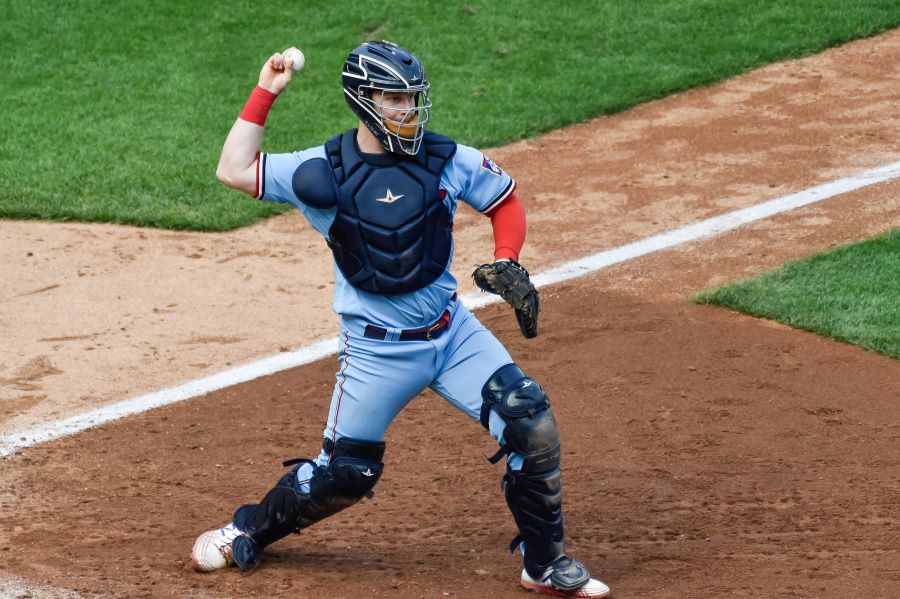 After a season for the ages in 2019, it’s hard to paint Garver’s 2020 as anything but a complete disaster. Granted it’s a small sample and Garver’s been banged up (including a recent stint on the IL), but after slashing a Piazza-like .273/.365/.630 (155 wRC+) last season, Garver’s .148/.243/.197 (25 wRC+) likely has Drew Butera blushing. He’s striking out at a 42.9% clip, and hasn’t turned things around since coming off the IL (1-for-9 against the Cubs with 66.7% K-rate). Garver’s obviously not as bad as his disastrous shortened season would suggest, but he’s running out of time to turn things around and rookie Ryan Jeffers has made a compelling case to get the majority of the starts come October. It makes sense to get Garver as many reps as possible to try to get right for the remainder of the regular season, but beyond that it’s an open question. Since receiving his call-up, Jeffers has been somewhat of a revelation on both sides of the ball. He’s slashed a really good .283/.365/.478 (132 wRC+) in 23 games, and although he’s swinging and missing a bit more than he did in the minor leagues (32.7 K% vs. 19.2% at AA in 2019), his bat basically hasn’t skipped a beat (he hit.287/.374/.483 at AA). For the time being, Jeffers definitely looks to be a better bet with the bat than either Garver or backup Alex Avila (who’s only plus skill at this point in this career is his propensity for taking walks). If we turn to the other side of the ball, Jeffers also seems to be the preferred defensive option. He had the reputation of being an elite pitch framer in the minors and thus far that has shaken out in the big leagues as well. His Statcast numbers put him in the 87th percentile for framing (compared to the 34th percentile for Garver and 28th percentile for Avila), confirming what the eye-test already told us. Garver has worked hard to improve his framing and defense, but Jeffers brings a defensive skill-set that Garver will never approach. Considering Garver’s struggles and the limited amount of season left, it makes sense to lean heavily on Jeffers in the postseason. When Garver was out, Jeffers was able to handle a fairly heavy workload (especially relative to the rest-heavy Twins) and his pitch framing skills and potent bat make him the obvious choice for the present. As we’ve seen, the Twins could use all the help they can get scoring runs, and Jeffers has hit. Although it’s early, I do think it’s fair to question the future of the catching position in Minnesota. The Twins are in a great position with two talented backstops who are under team control well into the future. With the emphasis the Twins (and growingly the rest of the MLB and sports world as a whole) place on rest and recovery, there’s undoubtably a path forward for both, but it wouldn’t be too surprising to see something like a 60/40 spit in Jeffers’ favor. Jeffers is just 23-years-old, while Garver is four months shy of turning 30, an age where it is not uncommon to see MLB bats begin to decline. Jeffers recently snuck his way into FanGraphs top-100 prospect list at number 97, so it’s not only the Twins who are high on Jeffers, and he’s already hit a ball 112.9 mph (for context, Garver’s career high max exit velo is 111.0 mph). As the better defender, Jeffers will also have the higher floor going forward, making offensive slumps more palatable. 2021 feels a bit reminiscent of 2019 when Garver was the newcomer who looked all but sure to steal reps from veteran Jason Castro as the season wore on. Of course, Garver had an astounding season that Jeffers is unlikely to ever match, but if we’re being honest, Garver’s not going to either. How quickly things can change, as it’s now Garver who has the target on his back, and Jeffers whose future shines bright. Here’s hoping for a binary star.
 -
Eddie Rosario came into the 2020 season acknowledging that his overly-aggressive approach needed to be toned down a bit, as he aimed for more walks and a higher OBP and OPS. The walks have been there from the get go this year, but the overall results haven’t changed that much. Of late however, things look like they might be taking a turn for the better.Wednesday night’s matchup against Lucas Giolito was a nice little microcosm of what a more patient Eddie could do against one of the game’s best pitchers. In his first plate appearance Rosario took a first pitch called strike on a fastball and then swung through a changeup to fall behind 0-2. He was able to lay off a high fastball (not at all an easy feat for our Eddie) and then foul off two consecutive changeups. Finally, he took the fourth changeup he saw over the fence to put the Twins up 1-0. In his second go at Giolito, Rosario was able to coax a five-pitch walk without ever swinging the bat and scored on a Byron Buxton home run. In his third-and-final chance against Chicago’s ace, Rosario worked a full count but ended up swinging through a changeup. All in all, three pretty impressive plate appearances against a great pitcher. Part of Eddie’s more patient approach has been swinging the bat less. Thus far in 2019, Rosario has swung at 52.4% of pitches compared to 57.1% for his career. This is still over the MLB average (46.5%), but a significant reduction nonetheless for the free-swinging Rosario. A big part of the reduced rate came from not swinging at first pitches. Rosario’s first pitch swing rate is down to 32.8% from 41.9% last season. And Rosario’s getting less strikes than ever as only 40.1% of pitches that he sees are in the strike zone (compared to an MLB-average of 48.4%), so taking less hacks makes sense. The good news is that Rosario is walking at an 8.8% rate, more than double his abysmal 3.7% in 2019. And he’s still not striking out much (14.6%). Despite the patience, Rosario actually got off to a poor start, and if we dig a little deeper it’s easy to see why. While the walks were there he wasn’t doing much damage with the bat (though he’s damaged the Twins plenty with defense and base running – maybe that can be this offseason’s focus!). The problem is that Eddie is still chasing at a high clip (40%, basically his career average), while swinging at significantly less pitches in the zone (71.1%, compared to 80.8 in 2019). Rosario’s contact rates have held steady, but he’s getting less pitches in the zone and swinging at fewer of them. With a new approach it’s reasonable to expect some time and adjustments before it pays dividends, and we may be beginning to see a better version of Rosario. He’s added a little more aggressiveness to his approach as the season has worn on and he could be approaching a happy medium. Rosario has stopped taking as many pitches in September and the results have been impressive, as he’s slashing .300/.352/.580 for the month with four home runs in 54 plate appearances. He’s been laying off the hard stuff (he’s hitting only .182 against four-seamers) and crushing off-speed stuff (.727 slugging vs. changeups). With the increased swings, the walk rate has come down to 7.4% for the month, which seems like a decent place for Rosario to be considering his overall results have been much better (his BABIP has also been closer to normal this month at .282, while it was all the way down to .227 in July and August). Download attachment: Is Eddie Rosario Swing chart.png Even as he’s figuring his way around the new approach, Rosario’s offensive numbers on the year have been pretty respectable with a 108 wRC+, and if his small September sample is any indication of things to come, Rosario might have another level that we’re beginning to see. Facing free-agency for the first time after the 2021 season, Rosario should be extra motivated next year, and it makes sense for Minnesota to keep him around for one more year with Nelson Cruz hitting the market, and the trio of Alex Kirilloff, Trevor Larnach, and Brent Rooker not having the benefit of a minor league season. Rosario’s a polarizing figure who can be infuriating at times, but perhaps his patience at the plate can carry over to the base paths and outfield, and give us an even better Eddie in 2021. If not, at least one of the aforementioned trio would be more than willing to take his place. MORE FROM TWINS DAILY — Latest Twins coverage from our writers — Recent Twins discussion in our forums — Follow Twins Daily via Twitter, Facebook or email Click here to view the article
-
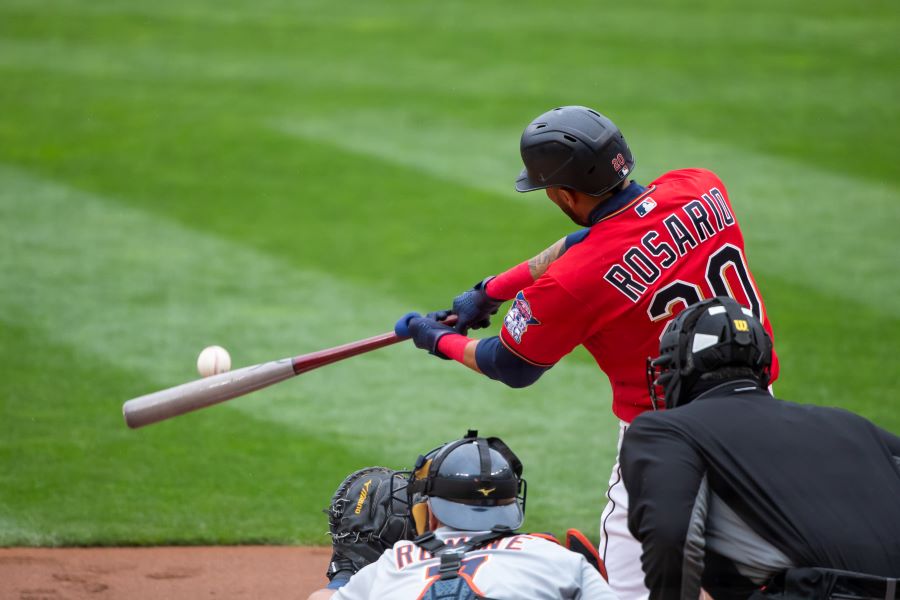 Wednesday night’s matchup against Lucas Giolito was a nice little microcosm of what a more patient Eddie could do against one of the game’s best pitchers. In his first plate appearance Rosario took a first pitch called strike on a fastball and then swung through a changeup to fall behind 0-2. He was able to lay off a high fastball (not at all an easy feat for our Eddie) and then foul off two consecutive changeups. Finally, he took the fourth changeup he saw over the fence to put the Twins up 1-0. In his second go at Giolito, Rosario was able to coax a five-pitch walk without ever swinging the bat and scored on a Byron Buxton home run. In his third-and-final chance against Chicago’s ace, Rosario worked a full count but ended up swinging through a changeup. All in all, three pretty impressive plate appearances against a great pitcher. Part of Eddie’s more patient approach has been swinging the bat less. Thus far in 2019, Rosario has swung at 52.4% of pitches compared to 57.1% for his career. This is still over the MLB average (46.5%), but a significant reduction nonetheless for the free-swinging Rosario. A big part of the reduced rate came from not swinging at first pitches. Rosario’s first pitch swing rate is down to 32.8% from 41.9% last season. And Rosario’s getting less strikes than ever as only 40.1% of pitches that he sees are in the strike zone (compared to an MLB-average of 48.4%), so taking less hacks makes sense. The good news is that Rosario is walking at an 8.8% rate, more than double his abysmal 3.7% in 2019. And he’s still not striking out much (14.6%). Despite the patience, Rosario actually got off to a poor start, and if we dig a little deeper it’s easy to see why. While the walks were there he wasn’t doing much damage with the bat (though he’s damaged the Twins plenty with defense and base running – maybe that can be this offseason’s focus!). The problem is that Eddie is still chasing at a high clip (40%, basically his career average), while swinging at significantly less pitches in the zone (71.1%, compared to 80.8 in 2019). Rosario’s contact rates have held steady, but he’s getting less pitches in the zone and swinging at fewer of them. With a new approach it’s reasonable to expect some time and adjustments before it pays dividends, and we may be beginning to see a better version of Rosario. He’s added a little more aggressiveness to his approach as the season has worn on and he could be approaching a happy medium. Rosario has stopped taking as many pitches in September and the results have been impressive, as he’s slashing .300/.352/.580 for the month with four home runs in 54 plate appearances. He’s been laying off the hard stuff (he’s hitting only .182 against four-seamers) and crushing off-speed stuff (.727 slugging vs. changeups). With the increased swings, the walk rate has come down to 7.4% for the month, which seems like a decent place for Rosario to be considering his overall results have been much better (his BABIP has also been closer to normal this month at .282, while it was all the way down to .227 in July and August). Even as he’s figuring his way around the new approach, Rosario’s offensive numbers on the year have been pretty respectable with a 108 wRC+, and if his small September sample is any indication of things to come, Rosario might have another level that we’re beginning to see. Facing free-agency for the first time after the 2021 season, Rosario should be extra motivated next year, and it makes sense for Minnesota to keep him around for one more year with Nelson Cruz hitting the market, and the trio of Alex Kirilloff, Trevor Larnach, and Brent Rooker not having the benefit of a minor league season. Rosario’s a polarizing figure who can be infuriating at times, but perhaps his patience at the plate can carry over to the base paths and outfield, and give us an even better Eddie in 2021. If not, at least one of the aforementioned trio would be more than willing to take his place. MORE FROM TWINS DAILY — Latest Twins coverage from our writers — Recent Twins discussion in our forums — Follow Twins Daily via Twitter, Facebook or email
 -
glunn reacted to a post in a topic:
Have We Already Seen the Best of Max Kepler?
-
2019 felt like a launching pad for Max Kepler. He belted a career-high 36 home runs in just 134 games. Sure the batting average was still low, but his .252 represented a career best. He finished with a 121 wRC+, meaning he was 21% better than the average MLB hitter and played great defense. At age-26 the best seemed yet to come. But has it already passed?While the Twins are undoubtably excited to have Kepler back from his 10-day IL stint after suffering a groin injury, his (albeit brief) 2020 campaign has looked less a leap into superstardom and more like pre-2019 breakout Kepler. His walk and strikeout percentages have remained very good, but his overall numbers have slid back to his career norms. Although he’s hit seven home runs, Kepler’s slashing just .221/.322/.420 for a 102 wRC+, meaning his bat is league average and pretty much exactly where it was in 2018. After seemingly figuring out lefties last season (.264/.372/.552), Kepler’s looked lost in 2020 (.111/.195/.139). Naturally, we’re dealing with a relatively small sample size in 2020, but his surface numbers aren’t the only thing going against Kepler’s breakout year. Last year Kepler increased his aggressiveness at the plate and pulled the ball more than ever. After raising his pull percentage by over 10% in 2019 (up to 53.4%), Kepler is back down to 44.3% in 2020. His swing rate was all the way up to 49.3% in 2019, whereas this year it’s at 42.9% (similar to his 2018 rate of 42.6%) despite seeing slightly more pitches in the strike zone. He’s also stopped going aggressively after the first pitch, with his 1st pitch swing percent going down to 29.4% after ascending all the way to 40.4% in 2019. Download attachment: Have We Already Seen...Kepler...Swing percent chart pic.png So Kepler’s swinging less and pulling the ball less, but he’s also doing less damage when he does make contact. Intuitively this makes sense, as his power comes from pulling the ball, and by not swinging as often at first pitches he’s presumably missing out on some cookies (he’s hitting .368 on first pitches). A quick glance at his Statcast page shows the dreaded blue in exit velocity (88.1, down from 89.7), hard hit percent (36.1%, down from 42.1%), and barrel percent (6.2%, down from 8.9%). Like everything else, the Statcast numbers have regressed to pre-2019 Kepler. Download attachment: Have We Already Seen...Kepler...statcastpic.png While we may have dreamed of Kepler ascending from 2019 to a Christian Yelich-like plateau, in reality last year was probably the pinnacle of what we’ll see from Max. If he’s able to return to his 2019-self, Kepler will be extremely valuable to the Twins due to his team-friendly contract, but even if 2019 was an outlier and Kepler really is approximately a league average bat, his plus defense in right (and ability to fill-in for Byron Buxton in center), cheap cost, and relatively young age should allow him to remain a fixture in Minnesota’s lineup for years to come. And maybe facing Lucas Giolito and the Chicago White Sox once again will remind Kepler of the damage he can do against that first pitch. MORE FROM TWINS DAILY — Latest Twins coverage from our writers — Recent Twins discussion in our forums — Follow Twins Daily via Twitter, Facebook or email Click here to view the article
-
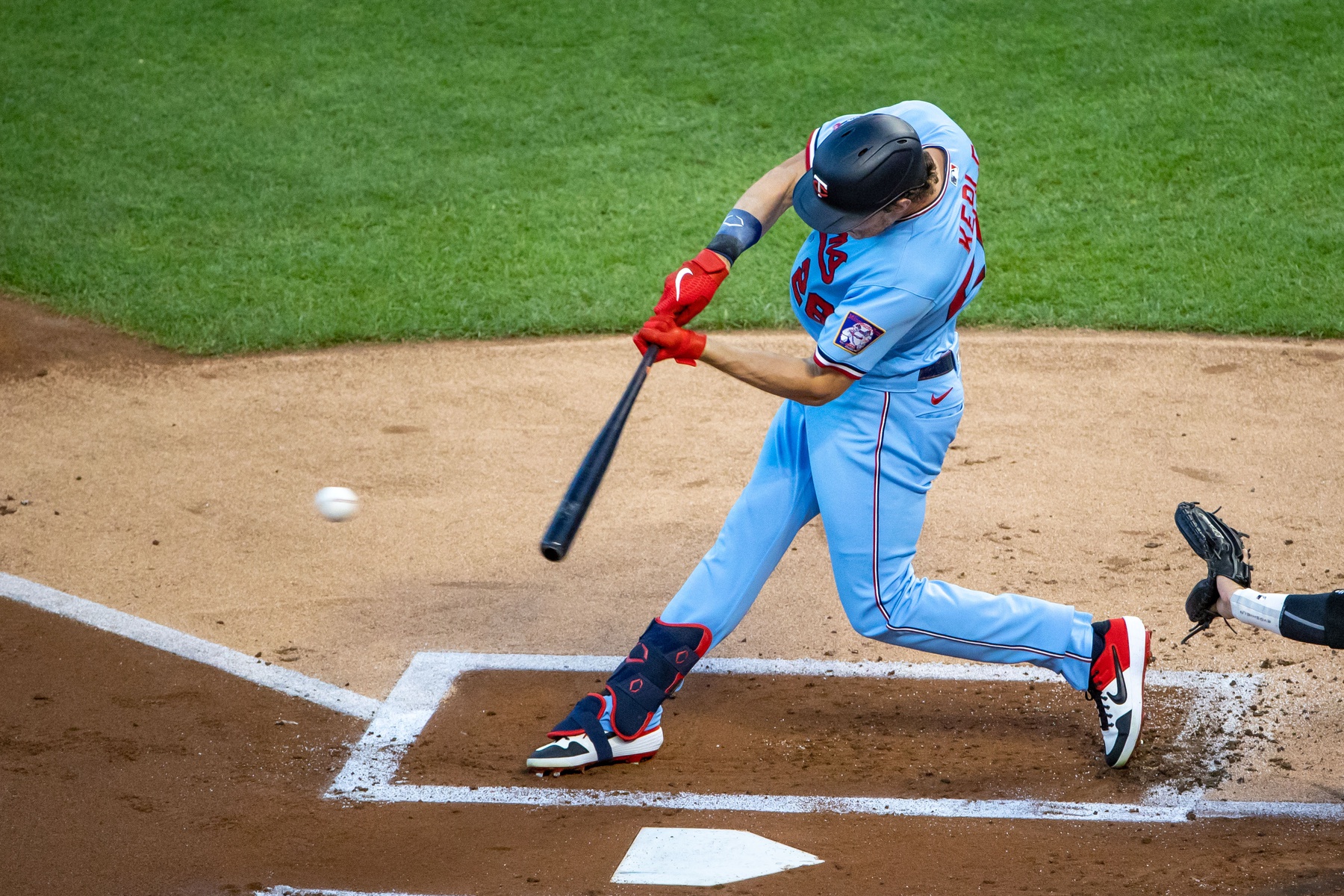 While the Twins are undoubtably excited to have Kepler back from his 10-day IL stint after suffering a groin injury, his (albeit brief) 2020 campaign has looked less a leap into superstardom and more like pre-2019 breakout Kepler. His walk and strikeout percentages have remained very good, but his overall numbers have slid back to his career norms. Although he’s hit seven home runs, Kepler’s slashing just .221/.322/.420 for a 102 wRC+, meaning his bat is league average and pretty much exactly where it was in 2018. After seemingly figuring out lefties last season (.264/.372/.552), Kepler’s looked lost in 2020 (.111/.195/.139). Naturally, we’re dealing with a relatively small sample size in 2020, but his surface numbers aren’t the only thing going against Kepler’s breakout year. Last year Kepler increased his aggressiveness at the plate and pulled the ball more than ever. After raising his pull percentage by over 10% in 2019 (up to 53.4%), Kepler is back down to 44.3% in 2020. His swing rate was all the way up to 49.3% in 2019, whereas this year it’s at 42.9% (similar to his 2018 rate of 42.6%) despite seeing slightly more pitches in the strike zone. He’s also stopped going aggressively after the first pitch, with his 1st pitch swing percent going down to 29.4% after ascending all the way to 40.4% in 2019. So Kepler’s swinging less and pulling the ball less, but he’s also doing less damage when he does make contact. Intuitively this makes sense, as his power comes from pulling the ball, and by not swinging as often at first pitches he’s presumably missing out on some cookies (he’s hitting .368 on first pitches). A quick glance at his Statcast page shows the dreaded blue in exit velocity (88.1, down from 89.7), hard hit percent (36.1%, down from 42.1%), and barrel percent (6.2%, down from 8.9%). Like everything else, the Statcast numbers have regressed to pre-2019 Kepler. While we may have dreamed of Kepler ascending from 2019 to a Christian Yelich-like plateau, in reality last year was probably the pinnacle of what we’ll see from Max. If he’s able to return to his 2019-self, Kepler will be extremely valuable to the Twins due to his team-friendly contract, but even if 2019 was an outlier and Kepler really is approximately a league average bat, his plus defense in right (and ability to fill-in for Byron Buxton in center), cheap cost, and relatively young age should allow him to remain a fixture in Minnesota’s lineup for years to come. And maybe facing Lucas Giolito and the Chicago White Sox once again will remind Kepler of the damage he can do against that first pitch. MORE FROM TWINS DAILY — Latest Twins coverage from our writers — Recent Twins discussion in our forums — Follow Twins Daily via Twitter, Facebook or email
 -
Melissa reacted to a post in a topic:
Twins 3, White Sox 2: Pineda, Buxton Shine in Return to Roster
-
JoshDungan1 reacted to a post in a topic:
Can Nelson Cruz Win the Triple Crown?
-
JDubs reacted to a post in a topic:
Can Nelson Cruz Win the Triple Crown?
-
Patrick Wozniak reacted to a post in a topic:
Tonight Marks Bert Blyleven's Final Game as Twins Broadcaster
-
Patrick Wozniak reacted to a post in a topic:
Tonight Marks Bert Blyleven's Final Game as Twins Broadcaster
-
Patrick Wozniak reacted to a post in a topic:
Tonight Marks Bert Blyleven's Final Game as Twins Broadcaster
-
Alex Schieferdecker reacted to a post in a topic:
Twins 3, White Sox 2: Pineda, Buxton Shine in Return to Roster
-
bird reacted to a post in a topic:
Twins 3, White Sox 2: Pineda, Buxton Shine in Return to Roster
-
Who would have thought coming into the year that Thielbar would be getting the 7th in a tie game (and picking up the "W") with Wisler collecting the save?!
- 25 replies
-
- 20
-
-
- twins vs white sox
- twins win
- (and 2 more)
-
Can Nelson Cruz Win the Triple Crown?
Patrick Wozniak replied to Patrick Wozniak's topic in Twins Daily Front Page News
Cruz didn't pick up any homers or RBI tonight but his three hits bring the average all the way up to .328. Unfortunately, Tim Anderson's three hits brought his BA up to .345 though. But the Twins won!
