


Twins Video
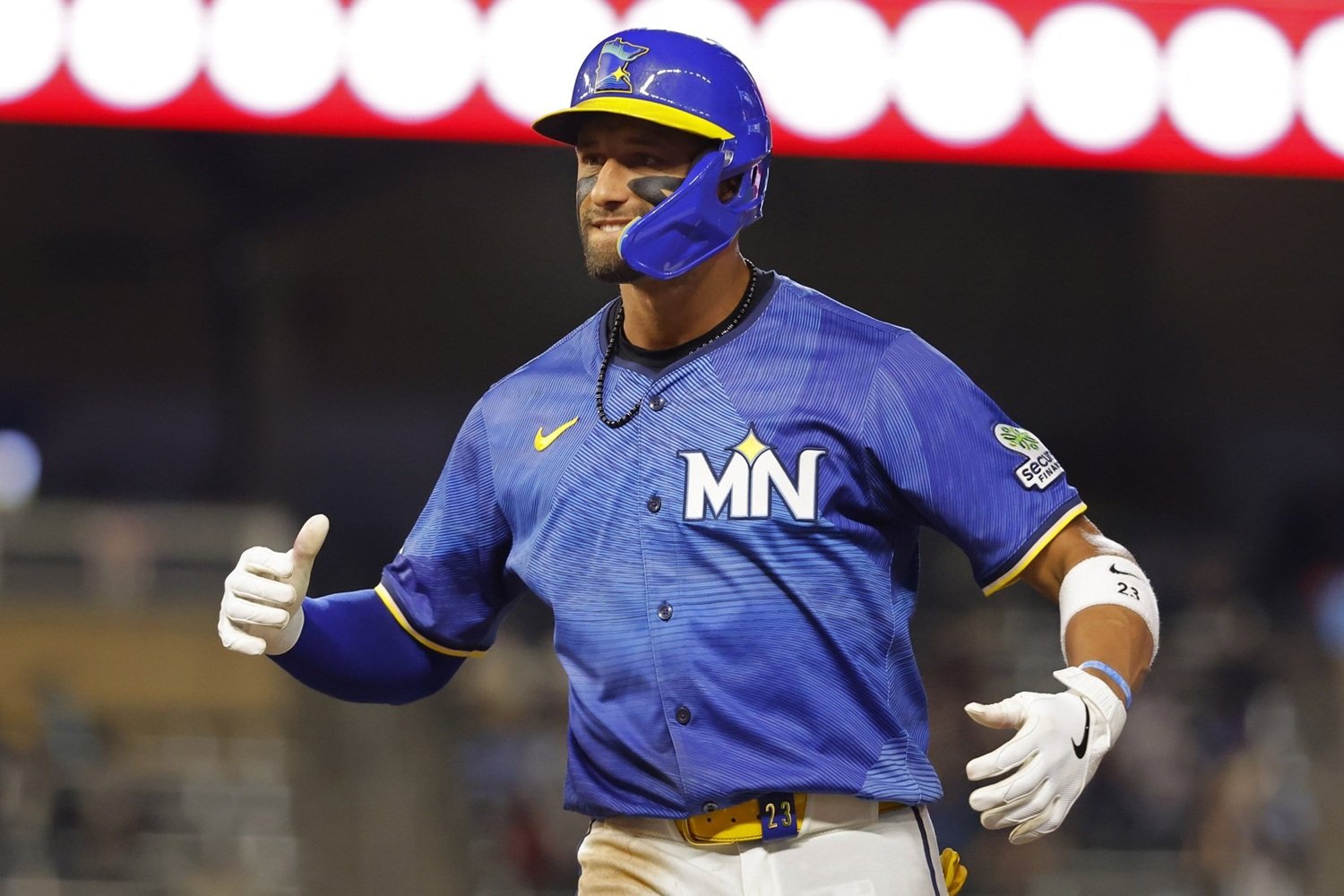
When the Minnesota Twins selected Royce Lewis with the first overall pick in the 2017 MLB Draft, the organization believed it was taking the highest-upside position player available. Nearly a decade later, the results have been frustrating, complicated, and increasingly difficult to defend.
Last week, the Twins officially optioned Lewis to Triple-A after a brutal opening stretch to the 2026 season. In 31 games, Lewis slashed just .163/.261/.279 while producing only six extra-base hits. For a player once viewed as a franchise cornerstone, the performance became impossible for the organization to ignore.
The frustrating part is that Lewis has shown flashes of being exactly what the Twins hoped he could become. Injuries interrupted multiple seasons, but when healthy, he looked like an explosive middle-of-the-order bat capable of carrying an offense. Those stretches are why he has still managed to accumulate 3.7 rWAR for his career, ranking 10th among first-round selections from the 2017 draft class.
Unfortunately, most of that value came earlier in his career. Right now, Lewis looks lost offensively, overaggressive at the plate, and short on confidence. The Twins are hoping a reset in St. Paul can help him rediscover the version of himself that once looked destined for superstardom.
Still, the bigger picture surrounding the 2017 draft is important context. In hindsight, the Twins may have been trapped in a no-win situation, no matter which direction they chose.
Let’s revisit the names that followed Lewis near the top of the draft board.
RHP Hunter Greene
The Cincinnati Reds selected Greene second overall and handed him the largest signing bonus in the draft at $7.23 million. When healthy, Greene has absolutely looked like the best player from the class. He has accumulated 13.3 rWAR, the highest total among all first-round picks from 2017, thanks to overpowering stuff and ace-level flashes. If the Twins could redo the draft today, Greene is probably the choice.
But that comes with a giant asterisk. Injuries have constantly interrupted his career. Greene underwent an elbow procedure this March and is expected to miss 14-16 weeks. Last season, he also missed more than two months because of a groin strain. The talent is undeniable, but durability concerns have followed him since the moment he entered professional baseball.
LHP MacKenzie Gore
The San Diego Padres went with Gore third overall, betting heavily on a high-school left-handed pitcher. That’s always a terrifying profile at the top of the draft, especially for a small-market organization that can’t afford a complete miss. Gore eventually found success after being traded to Washington, earning his first All-Star appearance last season while posting a career-best 3.0 rWAR campaign.
This year has been a different story. Through 10 starts with Texas, Gore owns a 76 ERA+ and -0.1 rWAR. His career has featured massive swings in performance, and it’s easy to understand why the Twins avoided prep pitching at the top of the board altogether. Minnesota likely viewed both Greene and Gore as too risky for the first overall selection.
1B/RHP Brendan McKay
Few players in the draft generated more intrigue than McKay, the Louisville two-way standout selected fourth overall by Tampa Bay. McKay was dominant on both sides of the ball in college, posting a .966 OPS while also recording a 2.23 ERA across three collegiate seasons. Tampa Bay gave him a $7 million signing bonus, another total that exceeded Lewis’s deal.
It never came together professionally. Injuries completely derailed McKay’s development. He appeared in only 13 major-league games as a pitcher, and his last professional appearance came in Double-A during the 2024 season. Considering the expectations attached to him entering the draft, McKay would have been an even more painful outcome for Minnesota than Lewis has become.
RHP Kyle Wright
The Atlanta Braves selected Wright fifth overall after a dominant college career at Vanderbilt. He was viewed as one of the safer collegiate arms in the class and eventually delivered at least one excellent season. In 2022, Wright won 21 games for Atlanta while posting a 128 ERA+ over 180 innings. For a moment, it looked like the Braves had landed a frontline starter.
Since then, his career has stalled out. Wright has bounced between multiple organizations in recent years, including the Royals and Cubs organizations. He hasn’t appeared in a major-league game this season, and last year he split time between Double-A and Triple-A.
That’s the reality of this draft class. Even some of the “successful” picks came with major caveats. The painful truth for the Twins is that the top of the 2017 MLB Draft was loaded with warning signs. Nearly every option carried significant risk, whether it was injuries, inconsistency, stalled development, or outright collapse.
Minnesota chose the player it believed offered the best combination of upside and long-term value. At times, Lewis absolutely justified that belief. There were stretches where he looked like a future superstar capable of changing the direction of the franchise.
Right now, though, something clearly isn’t working. The Twins are hoping this stint in Triple-A becomes a reset instead of a farewell. Because while the 2017 draft may have been full of landmines, Minnesota still needs Royce Lewis to prove he isn’t one that permanently blew up their future plans.
If the Twins could repick, who would they take with the first overall selection? Leave a comment and start the discussion.







Recommended Comments
Create an account or sign in to comment
You need to be a member in order to leave a comment
Create an account
Sign up for a new account in our community. It's easy!
Register a new accountSign in
Already have an account? Sign in here.
Sign In Now