


Twins Video
The Minnesota Twins have made it clear they are trying to modernize the viewing experience. Since shifting to Twins.TV last season, the organization has experimented with new camera angles, broadcast enhancements, and presentation tweaks designed to keep fans engaged in a rapidly changing media landscape. On Monday night, they added another new element.
Facing the Detroit Tigers, the Twins rolled out a player introduction straight out of the Monday Night Football playbook. Instead of the usual lineup graphic, each starter appeared on screen, introducing themselves and shouting out their college or high school. It was polished, energetic, and honestly, pretty cool.
The concept worked. The execution, for the most part, worked too. What did not work was everything happening behind it.
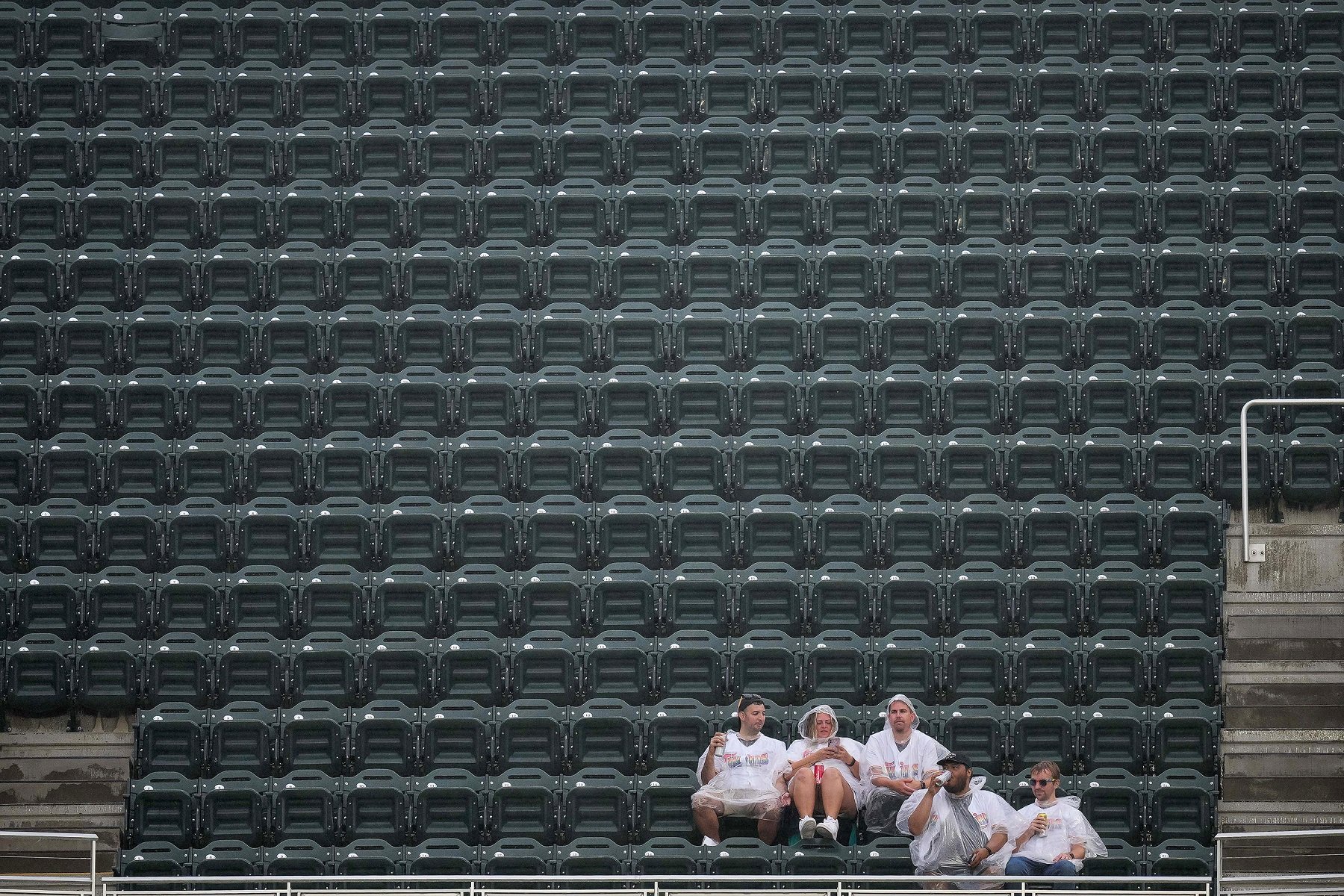
As each player delivered their introduction, the broadcast occasionally cut to wider shots of Target Field. That is where things took a turn. The backdrop for this primetime style rollout was a sea of empty seats, a visual contradiction that social media was quick to notice. No one was really taking aim at the idea itself. The production value was solid, and the players seemed to enjoy it. But pairing a bold declaration that Monday Night Baseball could rival Monday Night Football with a visibly sparse crowd felt like a miss.
There are, of course, explanations. The weather did not cooperate, with temperatures dipping and wind chills settling into the 20s. It was also a crowded sports night, with the NCAA men’s basketball national championship drawing attention elsewhere. Those factors matter, and they are real.
But they are not the whole story. The Twins drew just 1,768,728 fans in 2025, the lowest total the franchise has seen in a quarter century and the smallest in the history of Target Field. Early returns this season have not suggested a meaningful rebound. Through the first handful of home games, the team is averaging 19,381 in announced attendance, a number based on tickets sold rather than scanned. On Monday, the official figure was 12,569. Anyone watching could tell the actual turnout was lighter than that.
There is a growing disconnect between the product on the field, the presentation on the screen, and the relationship with the fan base. Some of the most loyal supporters have become increasingly vocal about ownership, and in some cases, have chosen to stay home.
That is what made Monday night feel so strange. The Twins delivered something fresh and entertaining, a glimpse at how baseball broadcasts can evolve and feel more personal. It should have been a moment that added energy to the ballpark and the viewing experience alike.
Instead, it became a reminder that presentation can only do so much. You can dress up the broadcast, add personality, and borrow from the biggest stages in sports. But when the camera pulls back, the reality in the stands still matters.
The idea was fun. The players bought in. The broadcast team executed it well. Now the challenge is making sure the atmosphere matches the moment next time they try it.







Recommended Comments
Create an account or sign in to comment
You need to be a member in order to leave a comment
Create an account
Sign up for a new account in our community. It's easy!
Register a new accountSign in
Already have an account? Sign in here.
Sign In Now